EMERALD CARE CENTER SOUTHWEST LLC
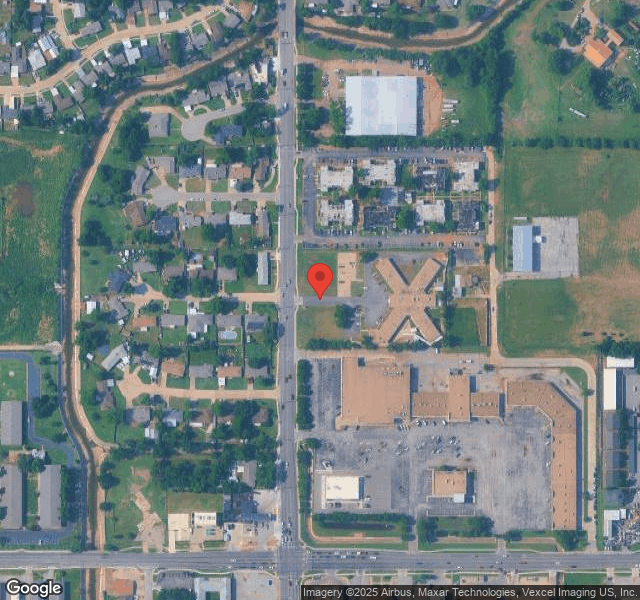
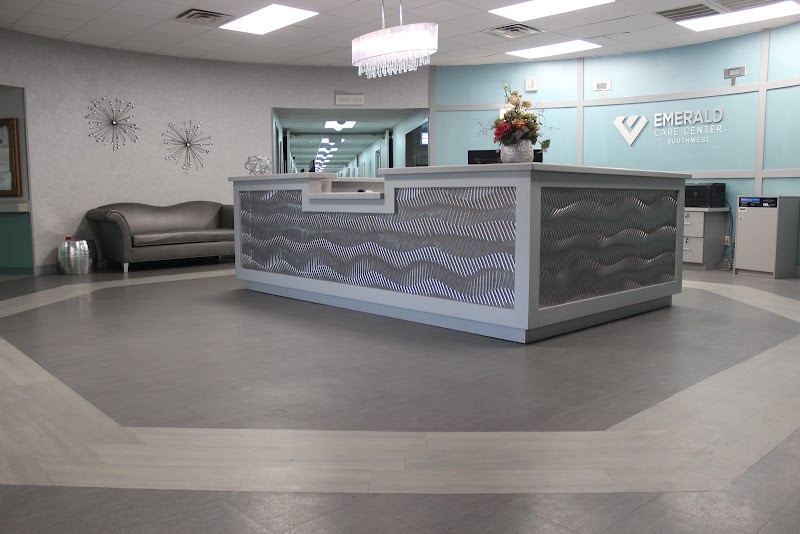
5600 SOUTH WALKER, OKLAHOMA CITY, OK 73109 (405) 632-7771
For profit - Individual 112 Beds EMERALD HEALTHCARE Data: November 2025
Trust Grade
28/100
#217 of 282 in OK
Last Inspection: December 2024

Within standard 12-15 month inspection cycle. Federal law requires annual inspections.

Overview

Emerald Care Center Southwest LLC has received a Trust Grade of F, indicating serious concerns about its quality of care. It ranks #217 out of 282 nursing homes in Oklahoma, placing it in the bottom half of facilities in the state, and #30 out of 39 in Oklahoma County, meaning there are few local options that are better. Although the facility’s trend is improving, as issues decreased from 19 in 2024 to 6 in 2025, they still have a significant number of deficiencies, totaling 44, with one serious incident involving a failure to ensure a resident received necessary lab work and medication. Staffing is a mixed bag, with a rating of 2 out of 5 stars and a turnover rate of 63%, which is average for the state. While they have good RN coverage-better than 88% of other facilities-there were also concerns such as not properly maintaining a resident's PICC line and not following dietary menus correctly, which raises questions about the overall quality of care provided.

Trust Score
F
28/100
In Oklahoma
#217/282
Bottom 24%
Safety Record
Moderate
Needs review
Inspections
Getting Better
19 → 6 violations
Staff Stability
⚠ Watch
63% turnover. Above average. Higher turnover means staff may not know residents' routines.
Penalties
✓ Good
$12,735 in fines. Lower than most Oklahoma facilities. Relatively clean record.
Skilled Nurses
⚠ Watch
Each resident gets only 27 minutes of Registered Nurse (RN) attention daily — below average for Oklahoma. Fewer RN minutes means fewer trained eyes watching for problems.
Violations
⚠ Watch
44 deficiencies on record. Higher than average. Multiple issues found across inspections.
★☆☆☆☆
1.0
Overall Rating
★★☆☆☆
2.0
Staff Levels
★★★☆☆
3.0
Care Quality
★☆☆☆☆
1.0
Inspection Score
Stable
2024: 19 issues
2025: 6 issues

The Good

  • Full Sprinkler Coverage · Fire safety systems throughout facility
  • No fines on record

Facility shows strength in fire safety.

The Bad

1-Star Overall Rating

Below Oklahoma average (2.6)

Significant quality concerns identified by CMS

Staff Turnover: 63%

17pts above Oklahoma avg (46%)

Frequent staff changes - ask about care continuity

Federal Fines: $12,735

Below median ($33,413)

Minor penalties assessed

Chain: EMERALD HEALTHCARE

Part of a multi-facility chain

Ask about local staffing decisions and management

Staff turnover is elevated (63%)

15 points above Oklahoma average of 48%

The Ugly 44 deficiencies on record

1 actual harm
Apr 2025 6 deficiencies 1 Harm
SERIOUS (G) 📢 Someone Reported This

A family member, employee, or ombudsman was alarmed enough to file a formal complaint

Actual Harm - a resident was hurt due to facility failures

Quality of Care (Tag F0684)

A resident was harmed · This affected 1 resident

**NOTE- TERMS IN BRACKETS HAVE BEEN EDITED TO PROTECT CONFIDENTIALITY** Based on record review and interview, the facility failed to ensure a urinalysis order was completed and an antibiotic was trans...

Read full inspector narrative →
**NOTE- TERMS IN BRACKETS HAVE BEEN EDITED TO PROTECT CONFIDENTIALITY** Based on record review and interview, the facility failed to ensure a urinalysis order was completed and an antibiotic was transcribed as ordered for 1 (#5) of 3 sampled residents reviewed for care and treatment. The administrator identified 63 residents resided in the facility. Findings: An undated facility policy titled Medication orders, read in part, Written transfer orders (sent with a resident by a hospital or other health care facility): Implement a transfer order without further validation if it is signed and dated by the resident's current attending physician. A policy titled Laboratory Services and Reporting, dated 01/2024, read in part, The facility must provide or obtain laboratory services when ordered by a physician, physician assistant, nurse practitioner, or clinical nurse specialist in accordance with state law .The facility is responsible for the timeliness of the services. Resident #5 had diagnoses which included other symptoms and signs involving cognitive functions following cerebral infarction. Resident #5's admission resident assessment, dated 11/07/24, showed the resident had moderate cognitive impairment with a BIMS of 09. A physician's order, dated 11/22/24, showed left hip X-ray, pelvis X-ray, urinalysis, and oxycodone (a narcotic) 15 mg every six hours. A nursing note, dated 11/22/24 at 5:53 p.m., read in part, UA with C&S one time only for lab for 1 day replied 'you get out of here' upon attempts to gather a sample. There was no documentation the urinalysis was completed or other attempts were made to obtain a urine specimen. A nursing note, dated 11/30/24 at 10:02 a.m., read in part, Called EMSA [emergency medical services] after observing resident on the floor, prone position. They were yelling out and c/o [complained of] pain everywhere. They had two abrasions on their face, one on their left eyebrow, one on their forehead. A nursing note, dated 11/30/24 at 9:59 p.m., read in part, Patient returned from the ER today on antibiotics for UTI. A hospital AFTER VISIT SUMMARY, dated 11/30/24, showed Keflex (an antibiotic medication) 500 mg, take one capsule by mouth in the morning, at noon, in the evening, and at bedtime for seven days. A physician's order, dated 12/01/24, showed Keflex oral capsule 500 mg, give 500 mg by mouth three times a day for UTI for seven days. A December 2024 medication administration record showed Resident #5 received Keflex 500 mg three times a day from 12/01/24 to 12/03/24. A nursing note, dated 12/04/24 at 11:40 a.m., showed insulin was held for resident blood sugar of 57. A nursing note, dated 12/04/24 at 1:41 p.m., showed the resident's blood sugar was 72. A nursing note, dated 12/04/24 at 2:32 p.m., read in part, Nurse was approached by CNA on duty who stated that resident was in room sitting in w/c [wheelchair] and nonresponsive. Upon entering room to assess resident, resident was sitting in w/c slumped over and drooling. Nurse sternal rubbed resident times 4 while calling out their name with no response or reaction. Nurse then contacted [name withheld] APRN [advanced practice registered nurse] and received an order to send resident to ER. Floor nurse on duty then came and checked patient FSBS which was 89 at that time. Resident VS [vital signs] were BP [blood pressure]- 138/79, P [pulse]-74, R [respiration]-12, O2 [oxygen]- 77% on RA [room air]. Nurse contacted EMS. Upon arrival of EMS resident FSBS was 77. Patient left the facility at 1430 [2:30 p.m.]. [Family member] was notified of the situation. A hospital Emergency Department record, dated 12/04/24, showed hypoglycemia and sepsis due to UTI with acute sepsis related organ dysfunction. On 04/07/25 at 9:54 a.m., the DON stated they could not locate lab results for the urinalysis ordered on 11/22/24. On 04/07/25 at 1:14 p.m., LPN #3 stated there was no documentation to show another attempt was made to obtain a urine specimen for the urinalysis. On 04/07/25 at 1:15 p.m., LPN #3 stated Resident #5 was sent to the ER for a fall on 11/30/24. On 04/07/25 at 1:17 p.m., LPN #3 stated the hospital diagnosis was UTI without hematuria. On 04/07/25 at 1:19 p.m., LPN #3 stated Keflex 500 mg one capsule by mouth in the morning, at noon, in the evening, and at bedtime for seven days was ordered. On 04/07/25 at 1:20 p.m., LPN #3 stated Resident #5 received Keflex 500 mg three times a day at the facility. On 04/07/25 at 1:40 p.m., the DON stated no other attempts were documented to obtain the urine specimen. On 04/07/25 at 1:48 p.m., the DON stated there was no documentation the facility provider changed the Keflex order upon returned. On 04/07/25 at 1:49 p.m., the DON stated the Keflex order was not transcribed accurately.
CONCERN (D) 📢 Someone Reported This

A family member, employee, or ombudsman was alarmed enough to file a formal complaint

Potential for Harm - no one hurt, but risky conditions existed

Notification of Changes (Tag F0580)

Could have caused harm · This affected 1 resident

Based on record review and interview, the facility failed to ensure a resident's: a. emergency contact and physician were notified of a resident's refusal of urine specimen collection for urinalysis f...

Read full inspector narrative →
Based on record review and interview, the facility failed to ensure a resident's: a. emergency contact and physician were notified of a resident's refusal of urine specimen collection for urinalysis for 1 (#5); and b. physician was notified of a resident's low blood sugar as ordered for 1 (#5) of 3 sampled residents reviewed for care and treatment. The administrator identified 63 residents resided in the facility. Findings: A policy titled NOTIFICATION OF CHANGES POLICY, dated 01/2024, read in part, It is the policy of this facility that changes in a resident's condition or treatment are immediately shared with the resident and/or the resident representative, according to their authority, and reported to the attending physician or delegate. Resident #5 had diagnoses which included other symptoms and signs involving cognitive functions following cerebral infarction. A physician's order, dated 11/02/24, showed to notify provider if blood sugar less than 60 or greater than 250 two times a day for diabetes mellitus. Resident #5's admission resident assessment, dated 11/07/24, showed the resident had moderate cognitive impairment with a BIMS of 09. A physician's order, dated 11/22/24, showed left hip X-ray, pelvis X-ray, urinalysis, and oxycodone (narcotic medication) 15 mg every six hours. A nursing note, dated 11/22/24 at 5:53 p.m., read in part, UA with C&S one time only for lab for 1 day replied 'you get out of here' upon attempts to gather a sample. There was no documentation the physician and the resident's emergency contact were notified of the resident's refusal to obtain a urine specimen. There was no documentation the urinalysis was completed. A nursing note, dated 12/04/24 at 11:40 a.m., showed insulin was held for resident blood sugar of 57. There was no documentation the physician was notified of the resident's low blood sugar. On 04/07/25 at 11:00 a.m., Resident #5's emergency contact stated they were not aware the resident had an order for an urinalysis on 11/22/24. They stated they were not aware the resident refused to let staff obtain the urine specimen. On 04/07/25 at 1:01 p.m., LPN #3 stated if a resident's blood sugar was low, they would notify the physician for further instructions. They stated if the resident was alert, they would offer snacks and recheck the blood sugar. On 04/07/25 at 1:08 p.m., LPN #3 stated they could not find documentation the physician was notified of Resident #5's low blood sugar on 12/04/24 at 11:40 a.m. On 04/07/25 at 1:09 p.m., LPN #3 stated they were to notify the physician if a resident refused urine specimen collection for urinalysis. On 04/07/25 at 1:12 p.m., LPN #3 stated the physician was not notified of the resident's refusal to obtain a urine specimen on 11/22/24. On 04/07/25 at 1:13 p.m., LPN #3 stated Resident #5's emergency contact was not notified of the resident's refusal to obtain a urine specimen on 11/22/24. On 04/07/25 at 1:14 p.m., LPN #3 stated there was no documentation to show another attempt was made to obtain a urine specimen for the urinalysis. On 04/07/25 at 1:31 p.m., the DON stated the facility did not have a protocol for low blood sugars. The DON stated the nurse would follow whatever the physician wants them to do. They stated it was a nursing judgement call unless there was a physician's order. On 04/07/25 at 1:34 p.m., the DON stated Resident #5's order was to notify the physician if blood sugar was less than 60 or greater than 250. They stated it must have been a hospital order. On 04/07/25 at 1:37 p.m., the DON stated there was no documentation the physician was notified of Resident #5's low blood sugar on 12/04/24 at 11:40 a.m. On 04/07/25 at 1:39 p.m., the DON stated nurses were to educate the resident, notify the family, physician, and re-attempt if the provider ordered a re-attempt at obtaining the urine specimen for an urinalysis. On 04/07/25 at 1:40 p.m., the DON stated there was no documentation the physician and the emergency contact were notified of the resident's refusal to obtain a urine specimen.
CONCERN (D) 📢 Someone Reported This

A family member, employee, or ombudsman was alarmed enough to file a formal complaint

Potential for Harm - no one hurt, but risky conditions existed

Laboratory Services (Tag F0770)

Could have caused harm · This affected 1 resident

Based on record review and interview, the facility failed to ensure a urinalysis order was completed in a timely manner for 1 (#7) of 3 sampled residents reviewed for care and treatment. The administ...

Read full inspector narrative →
Based on record review and interview, the facility failed to ensure a urinalysis order was completed in a timely manner for 1 (#7) of 3 sampled residents reviewed for care and treatment. The administrator identified 63 residents resided in the facility. Findings: A policy titled Laboratory Services and Reporting, dated 01/2024, read in part, The facility must provide or obtain laboratory services when ordered by a physician, physician assistant, nurse practitioner, or clinical nurse specialist in accordance with state law .The facility is responsible for the timeliness of the services. Resident #7 had diagnosis which included neuromuscular dysfunction of bladder. A physician's order, dated 02/18/25, showed urinalysis with culture and sensitivity one time only for lab for one day. A nursing note, dated 02/21/25, read in part, Resident's representative [name withheld] called and stated that resident is being very hateful and accusing everyone of stealing their belongings, [name withheld] informed this nurse that when [Resident #7] does this, it is usually because they has a UTI. This nurse notified the NP [nurse practitioner] of representative's concerns and residents' behaviors, new orders given for UA with C&S. [Name withheld] is aware of order for UA. [Lab company name withheld] notified. A Laboratory Report, dated 02/21/25, showed a urine specimen was collected on 02/21/25. There was no documentation a urine specimen was collected prior to 02/21/25. A Provider's Progress Note, dated 02/24/25, read in part, patient seen today for lab results returned. Urinalysis with culture returned with MRSA [Methicillin-resistant Staphylococcus aureus] in the urine. On 04/04/25 at 12:09 p.m., LPN #1 stated nurses were responsible for collecting urine specimens and notifying lab for pick up. On 04/04/25 at 12:10 p.m., LPN #1 stated the expectation was to obtain the ordered urine specimen immediately. On 04/04/25 at 12:21 p.m., the ADON stated the urinalysis ordered on 02/18/25 was put in their lab system on 02/18/25 and was collected on 02/21/25. On 04/04/25 at 12:24 p.m., the ADON stated there was no documentation to support why the urinalysis was not completed prior to 02/21/25. On 04/04/25 at 12:28 p.m., the DON stated they do not have specific time frames when an ordered urinalysis was to be completed. They stated the expectation was if the urinalysis was ordered today, then it should be completed today. The DON stated if nurses were unable to collect the urine specimen, they should document the reason in the residents' notes. On 04/04/25 at 12:30 p.m., the DON stated the urinalysis order was not completed in a timely manner.
CONCERN (E) 📢 Someone Reported This

A family member, employee, or ombudsman was alarmed enough to file a formal complaint

Potential for Harm - no one hurt, but risky conditions existed

Deficiency F0694 (Tag F0694)

Could have caused harm · This affected multiple residents

Based on observation, record review, and interview, the facility failed to provide care consistent with professional standards of practice and in accordance with physician orders for: a. a PICC line f...

Read full inspector narrative →
Based on observation, record review, and interview, the facility failed to provide care consistent with professional standards of practice and in accordance with physician orders for: a. a PICC line for 1 (#1) of 3 sampled residents reviewed for infection control; and b. the administration of IV fluids for 1 (#12) of 3 sampled residents reviewed for medications as ordered. The DON identified six residents with IV lines resided in the facility. Findings: 1. On 04/02/25 at 2:21 p.m., Resident #1's PICC line dressing was dated 03/20/25. A policy titled Special Needs, dated 01/2024, read in part, To address special needs, this facility will provide the necessary care and treatment, including medical and nursing care, consistent with professional standards of practice and in accordance with physician orders, the comprehensive person-centered care plan, and the resident's goals and preferences. This policy pertains to the following needs: parenteral fluids .PICC/IV. Resident #1 had diagnoses which included encounter for orthopedic aftercare following surgical amputation and atherosclerosis of native arteries of extremities with left leg gangrene. A physician's order, dated 03/20/25, showed to change right arm PICC line dressing weekly and PRN. Change needleless connectors with dressing change, one time a day every Thursday. Resident #1's admission resident assessment, dated 03/26/25, showed the resident had moderate cognitive impairment with a BIMS of 12. An IV therapy care plan, revised 03/26/25, showed the resident had a PICC line to their right arm. On 04/02/25 at 2:23 p.m., Resident #1 stated they were not sure about PICC line dressing change. On 04/02/25 at 2:43 p.m., LPN #2 stated they last cared for the resident on 03/28/25. On 04/02/25 at 2:47 p.m., LPN #2 stated PICC line dressing change was done every seven days. On 04/02/25 at 2:48 p.m., LPN #2 stated Resident #1's PICC line dressing change order was for every Thursday and as needed. On 04/02/25 at 2:50 p.m., LPN #2 stated the resident's PICC line dressing was dated 03/20/25. On 04/02/25 at 2:51 p.m., LPN #2 stated the PICC line dressing should have been changed on 03/27/25. On 04/02/25 at 3:40 p.m., the DON stated PICC line dressing change was every seven days or per physician's orders. On 04/02/25 at 3:40 p.m., the DON stated they expected nurses to follow the physician's orders. 2. On 04/03/25 at 3:49 p.m., Resident #12's IV infusion was observed to be infusing at a rate of about 90 ml/hr. The dial was between the 80 and 100 markings. The 1000 ml fluid bag showed normal saline 0.9 and to infuse at 75 ml/hr. Resident #12 had diagnoses which included unspecified severe protein-calorie malnutrition and metabolic encephalopathy. Resident #12's admission resident assessment, dated 03/07/25, showed the resident had moderate cognitive impairment with a BIMS of 09. A physician's order, dated 03/27/25, showed normal saline flush IV solution 0.9% sodium chloride flush, use 75 ml intravenously two times a day continuous. On 04/03/25 at 3:49 p.m., Resident #12 stated they did not know what rate the intravenous infusion was running. They stated they did not adjust the rate on the pump. On 04/03/25 at 4:45 p.m., LPN #2 stated the intravenous infusion was going at a rate of 85 ml/hr and they adjusted the infusion rate to 75 ml/hr to match the resident's infusion order.
CONCERN (E) 📢 Someone Reported This

A family member, employee, or ombudsman was alarmed enough to file a formal complaint

Potential for Harm - no one hurt, but risky conditions existed

Menu Adequacy (Tag F0803)

Could have caused harm · This affected multiple residents

Based on observation, record review, and interview, the facility failed to follow the menu for one of one meal service observed. The DON identified 63 residents who received their meals from the kitc...

Read full inspector narrative →
Based on observation, record review, and interview, the facility failed to follow the menu for one of one meal service observed. The DON identified 63 residents who received their meals from the kitchen. Findings: On 04/03/25 at 12:39 p.m., cook #1 was observed to plate four regular plates with each containing three chicken tenders, one scoop of coleslaw, one scoop of mashed potatoes, and one scoop of gravy. On 04/03/25 at 12:44 p.m., cook #1 was observed to plate a mechanical soft diet plate with one scoop grounded chicken tenders, one scoop of mashed potatoes, one scoop of gravy, and one scoop of cooked cabbage. On 04/03/25 at 1:06 p.m., cook #1 was observed to plate a pureed diet plate with one scoop pureed chicken tenders, one scoop mashed potatoes, and two scoops gravy. No pureed vegetables were served on the puree plate. A policy titled Menus and Adequate Nutrition dated 01/2024, read in part, The purpose of this policy is to assure menus are developed and prepared, based on reasonable efforts to meet resident choices and reflect the resident's nutritional, religious, cultural, and ethnic needs .Be followed. A week one extended menu Diet Spreadsheet, dated 2025, showed the following serving sizes: a. coleslaw 4 ounces, b. ground chicken tenders #8 scoop (equivalent to 4 ounces), c. pureed chicken tenders #6 scoop (equivalent to 5 ounces), and d. soft, cooked vegetables #16 scoop for pureed residents (equivalent to 2 ounces). On 04/03/25 at 12:36 p.m., cook #1 stated the ground chicken tenders should be served with 3 ounce spoon, pureed chicken tenders with 4 ounce spoon, and the coleslaw with 3 ounces scoop. On 04/03/25 at 1:09 p.m., cook #1 stated they did not puree any vegetables. They stated it was their fault. On 04/03/25 at 2:44 p.m., cook #1 stated the extended menu serving size for coleslaw was 4 ounces. They stated they served 3 ounces. On 04/03/25 at 2:45 p.m., cook #1 stated the extended menu serving size for ground chicken tenders was #8. They stated they served 3 ounces. On 04/03/25 at 2:46 p.m., cook #1 stated the extended menu serving size for pureed chicken tenders was #6 scoop. They stated they served 4 ounces. On 04/03/25 at 2:48 p.m., cook #1 stated they did not follow the menu.
CONCERN (E) 📢 Someone Reported This

A family member, employee, or ombudsman was alarmed enough to file a formal complaint

Potential for Harm - no one hurt, but risky conditions existed

Infection Control (Tag F0880)

Could have caused harm · This affected multiple residents

Based on observation, record review, and interview, the facility failed to ensure infection control was maintained during the provision of incontinent care and PICC line dressing change for 2 (#1 and ...

Read full inspector narrative →
Based on observation, record review, and interview, the facility failed to ensure infection control was maintained during the provision of incontinent care and PICC line dressing change for 2 (#1 and #9) of 3 sampled residents reviewed for infection control. The administrator identified 63 residents resided in the facility. Findings: 1. On 04/02/25 at 3:02 p.m., LPN #2 donned a gown, gloves, a mask, and entered Resident #1's room with a PICC line dressing change kit. They instructed Resident #1 to wear a mask. LPN #2 informed the resident they would be changing their PICC line dressing. A staff passing by the resident's room closed the door for privacy. The resident was sitting in their wheelchair. On 04/02/25 at 3:04 p.m., LPN #2 opened the PICC line dressing kit and placed it on the resident's bed. They removed their gloves and donned the sterile gloves from the kit. LPN #2 removed the resident's old PICC line dressing and the PICC line stabilization device. LPN #2 discarded their gloves and donned new gloves they retrieved from their pocket. They cleaned the PICC site with items from the kit. On 04/02/25 at 3:11 p.m., LPN #2 attached a new PICC line stabilization device, but could not apply the new dressing. They took off their gown, gloves, mask, and went out to get a new PICC line dressing kit. On 04/02/25 at 3:14 p.m., LPN #2 returned with a new PICC line dressing kit. They donned a gown, gloves, a mask, and provided privacy. They opened the new dressing kit on the resident's bed. They donned regular gloves and applied the new PICC line dressing. LPN #2 dated and initialed the new dressing. On 04/02/25 at 3:27 p.m., LPN #2 attached an alcohol cap to the PICC line. A policy titled Infection Prevention and Control, revised 01/2024, read in part, It is the policy of this facility to establish and maintain an infection prevention and control program designed to provide a safe, sanitary, and comfortable environment and to help prevent the development and transmission of communicable diseases and infections .Soiled linen shall be collected at the bedside and placed in a linen bag. When the task is complete, the bag shall be closed securely and placed in the soiled utility room. Resident #1 had diagnoses which included encounter for orthopedic aftercare following surgical amputation and atherosclerosis of native arteries of extremities with left leg gangrene. A physician's order, dated 03/20/25, showed to change right arm PICC line dressing weekly and PRN. Change needleless connectors with dressing change, one time a day every Thursday. Resident #1's admission resident assessment, dated 03/26/25, showed the resident had moderate cognitive impairment with a BIMS of 12. On 04/02/25 at 3:29 p.m., LPN #2 stated PICC line dressing change should be a sterile procedure. They stated they should have used the regular gloves to remove the old dressing and used the sterile gloves for the rest of the procedure. On 04/02/25 at 3:34 p.m., LPN #2 stated they did not perform a sterile dressing change and should have put the dressing kit on a clean working table. On 04/02/25 at 3:41 p.m., the DON stated if the PICC line dressing change was supposed to be sterile, then the nurse should have used sterile technique. They stated they were to follow standard regulation of practice. 2. On 04/03/25 at 11:03 a.m., CNA #1 entered Resident #9's room. They stated they would be performing incontinent care. The Resident's representative was at the bedside and the resident was lying in bed. CNA #1 had on gloves and they provided privacy. On 04/03/25 at 11:04 a.m., CNA #1 cleaned Resident #9's peri area. The Resident's peri area had redness. On 04/03/25 at 11:07 a.m., CNA #1 rolled Resident #9 to their right side and cleaned their buttocks. They applied cream to the resident's buttocks and coccyx area. CNA #1 turned the resident back and applied cream to the redness on the resident's peri area. CNA #1 discarded the wet brief in the trash. On 04/03/25 at 11:09 a.m., CNA #1 put a clean brief on the resident and clean clothing. CNA #1 did not change their gloves prior to putting cream on the resident. They did not change their gloves prior to putting clean clothing on the resident. On 04/03/25 at 11:09 a.m., CNA #1 with the same gloves, picked up the bed remote and adjusted Resident #9 in bed. On 04/03/25 at 11:15 a.m., CNA #1 with the same gloves, retrieved a brush and brushed Resident #9's hair. They put the resident's hair in a ponytail. On 04/03/25 at 11:19 a.m., CNA #1 took the trash and the resident's dirty clothes to the soiled utility room. Resident #9's clothes were not in a bag. CNA #1 discard their gloves. Resident #9 had diagnoses which included acquired absence of right leg below knee. Resident #9's Medicare 5 day resident assessment, dated 03/20/25, showed the resident had moderate cognitive impairment with a BIMS of 12. The assessment showed the resident was dependent on staff assistance for toileting and dressing. A self-care performance care plan, dated 04/03/25, showed the resident required one person substantial assist with toilet use. On 04/03/25 at 11:22 a.m., CNA #1 stated they should change their gloves once or twice during incontinent care. On 04/03/25 at 11:23 a.m., CNA #1 stated they did not change their gloves during the provision of incontinent care for Resident #9. They stated changing gloves would prevent cross contamination. On 04/03/25 at 11:25 a.m., CNA #1 stated dirty linens should be bagged during transportation. They stated they did not put the resident's dirty clothes in a bag during transportation. On 04/03/25 at 11:35 a.m., the DON stated staff should change their gloves when working from dirty to clean. On 04/03/25 at 11:36 a.m., the DON stated dirty linens should be put in a bag during transportation.
Dec 2024 8 deficiencies
CONCERN (E)

Potential for Harm - no one hurt, but risky conditions existed

Deficiency F0657 (Tag F0657)

Could have caused harm · This affected multiple residents

Based on record review and interview, the facility failed include and update a careplan for one (#27) of eight sampled residents whose careplans were reviewed. The administrator identified 64 resident...

Read full inspector narrative →
Based on record review and interview, the facility failed include and update a careplan for one (#27) of eight sampled residents whose careplans were reviewed. The administrator identified 64 residents resided in the facility. Findings: A facility Care Plan Process policy, dated 10/10/21, read in part, The plan of care must describe the services the services that are to be furnished to attain or maintain the resident's highest practicable physical, mental, and mental, and social well-being .b. High-risk areas such as fall, skin/wounds, pain, safety (i.e., smoking, elopement), and weight loss must be care planned immediately upon identifying risk via evaluation. Resident #27 had diagnoses which included autism. On 12/11/24 at 10:30 a.m., the facility's smoking list was reviewed with the DON. Resident #27 was listed as a smoker. Resident #27's care plan was reviewed and smoking was not included in care plan. On 12/11/24 at 10:32 a.m., the DON reported Resident #27 smoking was not included in the care plan. On 12/11/24 at 10:49 a.m., Resident #27 reported they smoke three to five times a day.
CONCERN (E)

Potential for Harm - no one hurt, but risky conditions existed

Accident Prevention (Tag F0689)

Could have caused harm · This affected multiple residents

Based on record review and interview, the facility failed to ensure a smoking assessment was completed for one (#27) of 19 residents sampled for smoking assessments. The DON identified 64 residents wh...

Read full inspector narrative →
Based on record review and interview, the facility failed to ensure a smoking assessment was completed for one (#27) of 19 residents sampled for smoking assessments. The DON identified 64 residents who resided in the facility. Findings: A facility's Resident Smoking Policy-Physical Environment policy, dated 01/2024, read in part, 7. Resident who smoke will be evaluated , using the Smoking/Nicotine Devices , to determine adaptive equipment and level of supervision required for smoking, or if residents is safe to smoke at all .15. Documentation to support decision making will be included in the resident's medical record, including but not limited to: b. Assessment of relevant functional and cognitive factors affecting the ability to smoke safely. Resident #27 had a diagnoses which included autism. On 12/11/24 at 10:30 a.m., the facility's smoking list was reviewed with the DON. Resident #27 was listed as a smoker. There was no smoking assessment located in Resident #27's electronic medical record. On 12/11/24 at 10:32 a.m., the DON reported Resident #27 had no smoking assessment. On 12/11/24 at 10:49 a.m., Resident #27 reported they smoked three to five times a day.
CONCERN (E)

Potential for Harm - no one hurt, but risky conditions existed

Pharmacy Services (Tag F0755)

Could have caused harm · This affected multiple residents

**NOTE- TERMS IN BRACKETS HAVE BEEN EDITED TO PROTECT CONFIDENTIALITY** Based on record review and interview, the facility failed to ensure: a. the correct inhaler medication was provided to a residen...

Read full inspector narrative →
**NOTE- TERMS IN BRACKETS HAVE BEEN EDITED TO PROTECT CONFIDENTIALITY** Based on record review and interview, the facility failed to ensure: a. the correct inhaler medication was provided to a resident for one (#21) of one sampeld resident reviewed for medication administration; b. medications were administered according to physicians orders for two (#37 and #116); and c. a resident's chart was updated with a new antibiotic order to be continued after an ER visit for one (#116) of two sampled residents reviewed for UTI's. Findings: The administrator identified 64 residents resided in the facility. A Medication Administration and General Guidelines, policy, dated 2021, read in part, Medications are administered in accordance with written orders of the attending physician. The policy also read, Residents are identified before medication is administered. The policy also read, The resident's MAR is initialed by the person administering the medication. The policy also read, The physician must be notified when a dose of medication has not been given. The policy also read, Medications supplied for one resident are never administered to another resident. 1. Resident #21 had diagnoses which included chronic obstructive pulmonary disease with acute exacerbation. On 12/11/24 at 11:21 a.m., LPN #2 was observed to take an inhaler to Resident #21 while they were in the therapy gym. They administered the inhaler. LPN #2 did not show the box to the surveyor prior to administering the inhaler. On 12/11/24 at 11:24 a.m., LPN was asked to see the box the inhaler came from. LPN #2 was observed to put the inhaler inside of a box and began to move boxes and look through the cart. LPN #2 was asked again to see the box the inhaler came from. LPN #2 then provided the box that read another residents name that was not Resident #21. The medication was Combivent 20/100 mcg/act. On 12/11/24 at 11:25 a.m., LPN #2 stated the inhaler was not Resident #21's. They stated the policy was to follow the five rights. LPN #2 stated they did not follow the policy. Upon review of Resident #21 orders there was no order for a Combivent inhaler found. 2. Resident #37 had diagnoses which included UTI, congenital occlusion of ureteopelvic junction, hydronephrosis, obstructive and reflux uropathy, crossing vessel, and stricture of ureter. A physician's order, dated 05/30/24, documented to give Macrobid (antibiotic medication)100 mg two times a day for UTI for five days. Completed on 06/04/24. A physician's order, dated 07/24/24, documented to give Keflex (antibiotic medication) 500 mg three times a day for UTI for 10 days. Completed on 08/03/24. A physician's order, dated 11/17/24, documented to give amoxicillin-pot clavulanate (antibiotic medication) 875-125 mg two times a day for UTI for three days. Completed on 11/20/24. Review of the July and August 2024 electronic medication administration record documented the resident received the first dose of Keflex 500 mg on 07/25/24 at 8:00 a.m. and the last dose documented was on 08/02/24 at 8:00 p.m. There was OF documented for the doses on 08/03/24 at 8:00 a.m. and 2:00 p.m. Review of Resident #37 progress notes documented the resident went to the ER for an elevated lab on 08/03/24 at 1:27 a.m. and returned to the facility on [DATE] at 1:30 p.m. The resident did not receive the last two doses of the antibiotic. On 12/12/24 at 11:57 a.m. the ADON stated Resident #37 received the Keflex up until they were sent out on 08/03/24. They stated Resident #37 returned on 08/04/24. The ADON stated the antibiotic was not continued through completion as they did not see an order to restart and did not see another order for the missed doses to be given. The ADON stated the charge nurse should have been notified so they would get an order to either continue or discontinue. They stated with the resident's kidney issues and recurrent UTI the medication should have been completed. 3. Resident #116 had diagnoses which included UTI, obstructive and reflux uropathy, hydronephrosis with renal and ureteral calculous obstruction, and unspecified hydornephrosis. A physician's order, dated 12/04/24, documented to give Macrobid 100 mg two times a day for UTI for seven days. Review of the December 2024 EMAR documented 9 on 12/05/24 for 7:00 a.m. - 11:00 a.m. The first dose was documented on 12/06/24 at 7:00 a.m. - 11:00 a.m. The last documented dose was on 12/11/24 at 7:00 a.m. - 11:00 a.m. The resident received five and a half days of medication when they were ordered to receive seven. On 12/11/24 at 1:46 p.m., CMA #1 stated blanks on the EMAR meant they did not get it. They stated 9 meant to see other/nurse notes. CMA #1 stated they put in their own note and told the nurses to put a note in. They stated the initials for 12/05/24 at 7:00 a.m. -11:00 a.m. were theirs and they recalled they let the nurse know the medication was not there. On 12/11/24 at 1:48 p.m.,CMA #1 stated Resident #116 was still receiving the medication and provided Resident #116's narcotic record. The record documented the amount of medication ordered was 14 and the amount received was 14. The first dose was signed out on 12/06/24 at 8:00 a.m. and it documented there were three pills remaining. On 12/11/24 at 2:12 p.m., the DON stated the process for new orders was the order would be given from the physician, entered into the electronic medical record or the appropriate system, and track for infection control. The DON stated they did not know why the resident did not receive the antibiotic when it arrived. The DON stated they did not know what happened and they extended the days by three days and had not figured out where the breakdown was. On 12/11/24 at 2:29 p.m., the DON stated the order was written at 5:45 p.m. on 12/04/24. They stated Resident #116 went to the emergency room on [DATE] so no dose should have been given. They stated the medication came in on 12/05/24. The DON stated the resident returned back to the facility before midnight on 12/04/24. They stated the UA results were on 12/05/24 and the antibiotic came in on 12/05/24. They stated they did not understand the second dose not being given. On 12/11/24 at 2:30 p.m., the DON stated the documentation was not an accurate reflection of the resident's medication and was not administered per physician order.
CONCERN (E)

Potential for Harm - no one hurt, but risky conditions existed

Deficiency F0761 (Tag F0761)

Could have caused harm · This affected multiple residents

Based on observation and interview, the facility failed to ensure a medication cart was securely locked and attended to according to facility policy and procedure. The administrator identified 64 resi...

Read full inspector narrative →
Based on observation and interview, the facility failed to ensure a medication cart was securely locked and attended to according to facility policy and procedure. The administrator identified 64 residents resided in the facility. Findings: An undated facility Medication Storage in the Facility policy, read in part, Medications and biologicals are stored safely, securely, and properly following manufacturer's recommendations or those of the supplier. The medication supply is accessible only to licensed nursing personnel, pharmacy personnel, or staff members lawfully authorized to administer medications. On 12/10/24 at 11:43 a.m., the medication cart on the North end of the main lobby was found unlocked and unattended. On 12/10/24 at 11:44 a.m., LPN #2 reported the medication cart should have been locked.
CONCERN (E)

Potential for Harm - no one hurt, but risky conditions existed

Food Safety (Tag F0812)

Could have caused harm · This affected multiple residents

Based on observation, record review, and interview, the facility failed to ensure: a. hair nets were worn appropriately; b. the kitchen was kept clean and maintained in good repair; c. food items were...

Read full inspector narrative →
Based on observation, record review, and interview, the facility failed to ensure: a. hair nets were worn appropriately; b. the kitchen was kept clean and maintained in good repair; c. food items were labeled, dated, and stored according to facility policy; and d. hand washing and glove usage were appropriate. The DON identified 60 residents ate from the kitchen. Findings: A Preventing Foodborne Illness-Employee Hygiene and Sanitary policy, dated 3/20/24, documented food and nutrition service employees would follow appropriate hygiene and sanitary procedures to prevent the spread of foodborne illness. It doucumented employees were to wash their hands after handling soiled equipment or utensils, during food preparation, and as often as necessary to prevent cross contamination when changing tasks. It documented hair nets or caps and/or beard restraints were to be worn to keep hair from contacting exposed food, clean equipment, utensils, and linens. A Food Receiving and Storage policy, revised 3/20/24, documented all foods were to be covered, labeled, and dated. On 12/09/24 at 8:40 a.m., dietary aide #1 and #2 were observed with their hair nets only covering the top area of their hair. Dietary aide #1 had the ends of their braids below the hair net and dietary aide #2 had hair outside of the hairnet all the way around their head. On 12/09/24 at 8:44 a.m., mouse droppings were observed across the tops of four baking soda boxes, a corn starch box was open and undated, and the Worcestershire sauce was found to be expired in the dry storage area. The floor of the kitchen had particles of dirt and debris all over. There were two plastic containers that had miscellaneous dishes. The containers had dirt and debris inside with the miscellaneous dishes. A cup of water with a straw was observed on the dish rack with the large pots and pans. On 12/09/24 at 8:54 a.m., the dietary manager stated they were unsure what the mouse droppings were, but stated it was not something that needed to be there. They stated they did not know why the corn starch box was open or undated. They stated the Worcestershire sauce had an expiration date of 3/19/23. The dietary manager stated, I'm not going to act like I know how long it lasts. On 12/09/24 at 8:56 a.m., the dietary manager stated the two plastic containers on the bottom rack that had miscellaneous dishes looked like items they did not need. They stated if they were not using the items they needed to get rid of them. On 12/09/24 at 8:58 a.m., the dietary manager stated they had daily and weekly deep cleaning schedules. They stated, There should have been daily sweeping, but I have been on vacation. On 12/09/24 at 9:00 a.m., the freezer was observed to have no thermometer. the dietary manager stated that someone had broken the freezer thermometer, but they had new ones. When asked about the observed food with no label or date in the refrigerator, they stated I know these pineapples were from last Friday. I'm not going to make up no lies and waste your time. On 12/09/24 at 9:12 a.m., the dietary manager stated that hair nets were worn to keep hair from dropping in food. On 12/10/24 at 11:18 a.m., dietary aide #1 was observed touching the inside of the puree machine and replacing the blade with their bare hands. On 12/10/24 at 11:19 a.m., dietary aide #1 stated they were supposed to wear gloves all the time or when handling food. They stated they did not wear gloves when they touched the inside of the puree machine. On 12/10/24 at 12:03 p.m., the dietary manager was observed touching the serving cart with their gloved hands and then went directly back to making plates and touching the bread. They did not wash their hands or change gloves. On 12/10/24 at 12:26 p.m., the dietary manager was observed opening a new package of bread and then continuing to touch the bread without changing gloves or washing their hands. On 12/10/24 at 12:55 p.m., the dietary manager stated they were supposed to wash their hands and change gloves if they touched anything besides what was needed to serve the food. On 12/10/24 at 3:06 p.m., the administrator stated the kitchen was supposed to be cleaned daily, staff were to wear hair nets correctly, and food should be sealed, labeled, and dated.
CONCERN (E)

Potential for Harm - no one hurt, but risky conditions existed

Antibiotic Stewardship (Tag F0881)

Could have caused harm · This affected multiple residents

Based on record review and interview, the facility failed to follow the antibiotic stewardship policy by ensuring a standardized tool for initiation of antibiotics was completed for the treatment of U...

Read full inspector narrative →
Based on record review and interview, the facility failed to follow the antibiotic stewardship policy by ensuring a standardized tool for initiation of antibiotics was completed for the treatment of UTI's for one (#37) of three sampled residents reviewed for UTI's. The administrator identified 64 residents resided in the facility. Findings: A Antibiotic Stewardship Policy, dated 01/2024, read in part, The facility will track antibiotic use once ordered. The policy also read, The facility will utilize McGeer and or LOEB Criteria, a practical guide to use in nursing homes. Resident #37 had diagnoses which included congenital occlusion of ureteopelvic junction, hydronephrosis, obstructive and reflux uropathy, crossing vessel, and stricture of ureter. Resident #37's care plan, updated 04/06/24, documented the resident had a nephrostomy tube. The focus documented the resident would have no signs or symptoms of a urinary infection. A physician's order, dated 05/30/24, documented to give Macrobid (antibiotic medication) 100 mg two times a day for UTI for five days. Completed on 06/04/24. A physician's order, dated 07/24/24, documented to give Keflex (antibiotic medication) 500 mg three times a day for UTI for 10 days. Completed on 08/03/24. A physician's order, dated 11/17/24, documented to give amoxicillin-pot clavulanate (antibiotic medication) 875-125 mg two times a day for UTI for three days. Completed on 11/20/24. Review of the infection control book and Res #37's electronic medical record did not reveal a McGeer form was completed for the use of antibiotics in May 2024, July 2024, or November 2024. On 12/12/24 at 11:57 a.m., the ADON stated they were not able to locate the McGeer form for the use of the antibiotics in May, July, and November. They stated they should have been completed.
CONCERN (E)

Potential for Harm - no one hurt, but risky conditions existed

Deficiency F0883 (Tag F0883)

Could have caused harm · This affected multiple residents

Based on record review and interview, the facility failed to provide documentation pneumococcal vaccines were offered and/or administered for two (#37 and #216) of five sampled residents reviewed for ...

Read full inspector narrative →
Based on record review and interview, the facility failed to provide documentation pneumococcal vaccines were offered and/or administered for two (#37 and #216) of five sampled residents reviewed for immunizations. The administrator identified 64 residents resided in the facility. Findings: An Infection Control Immunizations policy, dated 3/20/24, read in part, all residents will be offered pneumococcal vaccines. Assessments of pneumococcal vaccination status will be conducted within five working days of the resident's admission. A review of Resident #37's immunization record did not document the resident had received or been offered a pneumococcal vaccination. A review of Resident #216's immunization record did not document the resident had received or been offered a pneumococcal vaccination. On 12/12/24 at 10:57 a.m., LPN #1 stated they did not know how the vaccines got ordered, but if an order pops up we did it. They stated they did not skip the vaccinations if they were ordered to be done on their shift. On 12/12/24 at 11:01 a.m., the DON stated on admission, they were to document if the resident had the vaccines or not, and if not, then they were to get consent and provide the vaccination if the resident wanted it. On 12/12/24 at 11:43 a.m., the ADON/Infection Preventionist stated they were unable to locate the pneumococcal vaccination documentation for Res #37 or Res #216.
CONCERN (E)

Potential for Harm - no one hurt, but risky conditions existed

Deficiency F0925 (Tag F0925)

Could have caused harm · This affected multiple residents

Based on observation, record review, and interview, the facility failed to maintain effective pest control. The administrator identified 64 residents resided in the facility. Findings: A Pest Control ...

Read full inspector narrative →
Based on observation, record review, and interview, the facility failed to maintain effective pest control. The administrator identified 64 residents resided in the facility. Findings: A Pest Control Program policy, dated 11/17/24, read in part, Facility will maintain an effective pest control program that eradicates and contains common household pests. On 12/09/24 at 8:44 a.m., upon initial tour of the kitchen multiple mouse droppings were observed across the tops of four boxes of baking soda in the dry storage area. On 12/09/24 at 8:49 a.m., the dietary manager denied knowing what the mouse droppings were, but stated it was not something that needed to be there. They then threw four boxes of baking soda away. On 12/09/24 at 11:04 a.m., a cockroach was observed crawling on Resident #216's hand and prosthetic leg while sitting in the dining room. On 12/10/24 at 2:01 p.m., housekeeper/CNA #1 stated every once in a while, you see a roach. I know they have someone out for that pretty frequently. On 12/10/24 at 2:03 p.m., CNA #1 stated they had seen roaches and bedbugs. They spray and they go away, but they come back. On 12/10/24 at 3:06 p.m., the administrator stated pest control was just there last week. They denied seeing pests and stated it could take from 24-48 hours for the treatments to take effect. They stated, The residents come in with them, all you can do is keep calling pest control to come out.
Oct 2024 2 deficiencies
CONCERN (D) 📢 Someone Reported This

A family member, employee, or ombudsman was alarmed enough to file a formal complaint

Potential for Harm - no one hurt, but risky conditions existed

Free from Abuse/Neglect (Tag F0600)

Could have caused harm · This affected 1 resident

Based on record review and interview, the facility failed to ensure residents were free from abuse for one (#2) of two sampled residents reviewed for abuse. The DON identified 58 residents resided in ...

Read full inspector narrative →
Based on record review and interview, the facility failed to ensure residents were free from abuse for one (#2) of two sampled residents reviewed for abuse. The DON identified 58 residents resided in the facility. Findings: The Abuse, Neglect and Exploitation policy, dated 11/17, read in part, Each resident has the right to be free from abuse, neglect, misappropriation of resident property and exploitation. The policy also read, .Physical Abuse includes, but not limited to hitting, slapping, pinching and kicking. Resident #2 had diagnoses which included other specified depressive episodes. An Initial State Reportable Incident form, dated 07/10/24, documented an allegation of abuse/mistreatment. It was documented Resident #2 was noted standing outside of the BOM doorway yelling [gender withheld] slapped me. It was documented Resident #2 was escorted out of the hallway. It was documented the BOM suspended was immediately pending investigation. A Final State Reportable Incident form, dated 07/29/24, documented an allegation of abuse/mistreatment. It was documented Resident #2 stated the BOM wagged their index finger in their face telling them to shush during their interaction. It was documented Resident #2 pointed their finger at the BOM as well. It was documented the BOM slapped the resident's hand and the resident immediately began yelling for the administrator and stated, [gender withheld] slapped me. It was documented the BOM stated Resident #2 would not let them speak, so they told them to shush. It was documented the BOM stated the resident had their hand pointed near their face. It was documented the BOM stated they swatted Resident #2's finger, like they would a fly. On 10/08/24 at 3:05 p.m., Resident #2 stated the BOM slapped their hand during their interaction on 07/10/24 and they yelled for help. On 10/08/24 at 3:29 p.m., the BOM stated Resident #2 was yelling at them and had their hand close to their face. The BOM stated they brushed the resident's hand aside. On 10/08/24 at 3:40 p.m., the BOM stated the incident could fall under the category of abuse because they touched the resident. They stated they did not abuse the resident.
CONCERN (D) 📢 Someone Reported This

A family member, employee, or ombudsman was alarmed enough to file a formal complaint

Potential for Harm - no one hurt, but risky conditions existed

Pharmacy Services (Tag F0755)

Could have caused harm · This affected 1 resident

Based on record review and interview, the facility failed to ensure medications were administered as ordered for one (#10) of three sampled residents reviewed for misappropriation of property. The DON...

Read full inspector narrative →
Based on record review and interview, the facility failed to ensure medications were administered as ordered for one (#10) of three sampled residents reviewed for misappropriation of property. The DON identified 58 residents resided in the facility. Findings: The Medication Administration and General Guidelines policy, dated 2021, read in part, Medications are administered in accordance with written orders of the attending physician. Resident #10 had diagnoses which included pain. A physician's order, dated 08/07/24, documented oxycodone HCL (narcotic medication) oral tablet 15 mg give 0.5 tablet via peg tube every four hours for pain. The September 2024 TAR documented a nine on the following days and times; a. 09/03/24 at 8:00 p.m., b. 09/06/24 at 12:00 a.m., 4:00 a.m., 8:00 p.m., and c. 09/24/24 at 4:00 a.m., 8:00 a.m. The September 2024 TAR documented blanks on the following days and times; a. 09/10/24 at 8:00 p.m., and b. 09/24/24 at 4:00 p.m. The September 2024 TAR documented a six on 09/13/24 at 4:00 p.m. A progress note, dated 09/24/24 at 2:02 p.m., documented oxycodone HCL oral tablet 15 mg give 0.5 tablet via peg tube every four hours for pain: awaiting from pharmacy. On 10/09/24 at 6:05 p.m., the DON stated the nine on the September TAR meant other/see nurses notes. They stated they did not know if the medication was administered or not for the nine and the blanks on the TAR. On 10/09/24 at 6:09 p.m., the DON stated the six meant no insulin required per orders. They stated they did not know if the medication was administered or not.
Jun 2024 1 deficiency
CONCERN (E) 📢 Someone Reported This

A family member, employee, or ombudsman was alarmed enough to file a formal complaint

Potential for Harm - no one hurt, but risky conditions existed

Pressure Ulcer Prevention (Tag F0686)

Could have caused harm · This affected multiple residents

**NOTE- TERMS IN BRACKETS HAVE BEEN EDITED TO PROTECT CONFIDENTIALITY** Based on observation, record review, and interview, the facility failed to provide ulcer care as ordered by the physician for tw...

Read full inspector narrative →
**NOTE- TERMS IN BRACKETS HAVE BEEN EDITED TO PROTECT CONFIDENTIALITY** Based on observation, record review, and interview, the facility failed to provide ulcer care as ordered by the physician for two (#1 and #3) of three residents sampled for ulcer care. LPN #1 identified 61 residents resided in the facility. Findings: The Wound Care LPN identified 13 residents received wound care in the facility. 1. Resident #1 admitted to the facility on [DATE] with diagnosis which included non pressure chronic ulcer with unspecified severity (back and right thigh). A Physician's Order, dated 05/25/24, documented, Hibiclens External Solution (Chlorhexidine Gluconate) Apply to back and thighs topically every day shift for use with each dressing change. A May 2024 TAR, had no documentation on 05/26/24 and 05/30/24 for the above treatment. A June 2024 TAR, had no documentation on 06/09/24 for the above treatment. A Physician's Order, dated 05/25/24, read in part, Non-pressure wound of the right flan: cleanse with hibiclense, pat dry, apply calcium alginate sprinkled with collagen powder, cover with island dressing daily and prn every day shift A May 2024 TAR, had no documentation on 05/26/24 for the above treatment. A June 2024 TAR, had no documentation on 06/08/24 for the above treatment. A Physician's Order, dated 05/25/24, read in part, Non-pressure wound of the right posterior thigh: cleanse with hibiclense, pat dry, apply calcium alginate sprinkled with collagen powder, cover with island dressing daily and prn every day shift A May 2024 TAR, had no documentation on 05/26/24 for the above treatment. A June 2024 TAR:, had no documentation on 06/09/24 for the above treatment. A Physician's Order dated 05/16/24, read in part, Nystatin External Powder 100000 UNIT/GM (Nystatin Topical) Apply to buttocks topically one time a day. A May 2024 TAR, had no documentation on 05/26/24 for the above treatment. 2. Resident #3 admitted to the facility on [DATE] with diagnosis which included pressure ulcer of sacral region, stage four. A Physician's Order, dated 06/05/24, documented, Cleanse bilateral buttocks with ns, pat dry, apply triad to bilateral buttocks BID and prn. A June 2024 TAR, had no documentation on 06/07/24 for the above treatment. A Physician's order, dated 06/05/24, documented, Hydrophillic Paste apply to bilateral buttocks topically two times a day for prevention. A June 2024 TAR, had no documentation on 06/07/24 for the above treatment. A Physician's Order, dated 06/07/24, documented, Floor Nurse: cleanse area to LFA with ns, pat dry apply xeroform and cover with dry dressing daily and prn. Every day shift related to other skin changes. A June 2024 TAR, had no documentation on 06/07/24 for the above treatment. On 06/17/24 at 11:56 a.m., the Wound Care LPN stated the blanks on the TAR meant the treatment was no done. On 06/17/24 at 11:58 a.m., the Wound Care LPN stated the treatments above had not been done. They stated treatments are to be done by the end of your shift.
May 2024 2 deficiencies
CONCERN (D) 📢 Someone Reported This

A family member, employee, or ombudsman was alarmed enough to file a formal complaint

Potential for Harm - no one hurt, but risky conditions existed

ADL Care (Tag F0677)

Could have caused harm · This affected 1 resident

Based on observation and interview, the facility failed to ensure ADL assistance was provided in a timely manner for one (#7) of four resident call lights observed for staff assistance in a timely man...

Read full inspector narrative →
Based on observation and interview, the facility failed to ensure ADL assistance was provided in a timely manner for one (#7) of four resident call lights observed for staff assistance in a timely manner. The administrator identified 51 residents resided in the facility. Findings: The Call Lights: Accessibility and Timely Response-Physical Environment policy, dated 01/24, read in part, .All staff members who see or hear an activated call light are responsible for responding. If the staff member cannot provide what the resident desires, the appropriate personnel should be notified . A Nursing admission Data Collection dated 05/16/24, documented Resident #7 had functional limitation on both lower extremities and they required one person substantial max assist for bed mobility. On 05/17/24 at 5:23 a.m., two call lights were observed on hall 200. On 05/17/24 at 5:41 a.m., LPN #2 and RN #1 were observed at the nurse's station while the call lights were on. Both call lights on hall 200 were not answered at this time. On 05/17/24 at 5:46 a.m., LPN #2 answered one of the call lights on hall 200. Resident #7's call light was not answered. On 05/17/24 at 5:51 a.m., CNA #1 walked past Resident #7's room. The call light was not answered. On 05/17/24 at 5:52 a.m., LPN #2 answered Resident #7's call light. The resident informed LPN #2 they needed assistance to get off the bed pan. LPN #2 informed the Resident they would get help and walked out. The call light was left on. On 05/17/24 at 5:55 a.m., CNA #1 and CNA #2 walked past Resident #7's room. The Resident did not receive assistance at this time. The call light was still on. On 05/17/24 at 6:01 a.m., CNA #1 walked past Resident #7's room. The call light was not answered. On 05/17/24 at 6:05 a.m., CNA #5 answered Resident #7's call light. The Resident informed CNA #5 they needed assistance to get off the bed pan. CNA #5 informed the Resident they would be back to assist. CNA #5 turned off the Resident's call light and walked out of the room. On 05/17/24 at 6:09 a.m., CNA #1 and CNA #5 went to assist Resident #7 off the bed pan. Urine was noted in the bed pan. On 05/17/24 at 6:10 a.m., Resident #7 told CNA #1 and CNA #5 they had a broken back in three places and had been on the bed pan for so long. CNA #5 apologized to the resident. On 05/17/24 at 6:18 a.m., CNA #1 stated they should answer call lights within five to 10 minutes. On 05/17/24 at 6:22 a.m., CNA #1 stated they were not aware Resident #7's call light was on. They stated they became aware of the Resident's call light when CNA #5 requested assistance to help care for the Resident.
CONCERN (D) 📢 Someone Reported This

A family member, employee, or ombudsman was alarmed enough to file a formal complaint

Potential for Harm - no one hurt, but risky conditions existed

Pharmacy Services (Tag F0755)

Could have caused harm · This affected 1 resident

Based on observation, record review, and interview, the facility failed to administer pain and nausea medication as ordered in a timely manner for one (#6) of three sampled residents reviewed for medi...

Read full inspector narrative →
Based on observation, record review, and interview, the facility failed to administer pain and nausea medication as ordered in a timely manner for one (#6) of three sampled residents reviewed for medication administration. The Administrator identified 65 residents resided in the facility. A Medication Administration and General Guidelines policy, read in part, Medications are administered in accordance with written orders of the attending physician. A physician's order dated 05/13/24, documented Norco 10-325 mg every 6 hours as needed for pain. A physician's order dated 05/13/24, documented Ondansetron 4 mg every 6 hours as needed for n/v. Review of Resident #6 MAR did not document the administration of prn pain nor nausea medications. Resident #5 had diagnosis which included senile degeneration of the brain and dysphagia. On 05/17/24 at 5:46 a.m., Resident #6 was observed during incontinent care to slightly moan when moved and to vomit at the end of care. On 05/17/24 at 5:49 a.m., the residents roommate, Resident #5, whom was also the residents family representative, requested CNA #1 to ask for the resident to have medication for pain and nausea. On 05/17/24 at 6:24 a.m., Resident #6 stated they had not yet received their medication. They stated they were still in pain and were unable to rate the pain. On 05/17/24 at 6:26 a.m., Resident #5 stated stated they were still waiting on the medication. CNA #1 was in the room. On 05/17/24 at 7:19 a.m., observed LPN #1 at the medication cart outside the residents room preparing medication for an unknown resident. They stated they were working as a CMA that day. On 05/17/24 at 8:29 a.m., Resident #5 stated Resident #6 received their medication about 45 minutes prior. On 05/17/24 at 8:45 a.m., LPN #1 was asked if they had been informed of Resident #6 requesting medication. They stated, No. On 05/17/24 at 8:45 a.m., unable to locate the charge nurse for Resident #6. On 05/17/24 at 8:46 a.m., the DON was asked to check if Resident #6 had received any medication that morning. They stated the 7-11 am meds had been given by the CMA and that no PRN medication had been given. On 05/17/24 at 8:52 a.m., the DON and Administrator were made aware of the medication request made for Resident #6 at 05:49 a.m. On 05/17/24 at 9:13 a.m., LPN #1 stated they had given Resident #6 Norco and Zofran at 7:01 a.m., and that they were informed of the residents request at 6:30 a.m. They stated that when asked earlier they had thought of the wrong resident. On 05/17/24 at 11:00 a.m., LPN #3 stated an acceptable time frame for administration of prn pain medication was 20 minutes for mild to moderate pain and 5-7 minutes for moderate to severe pain. They stated an acceptable time frame for administration of a prn nausea medication was to be given immediately. The LPN #3 further stated a resident waiting an hour for nausea and pain medication was absolutely not acceptable. Resident #6 received their requested medications over an hour after it was requested.
Feb 2024 6 deficiencies
CONCERN (D) 📢 Someone Reported This

A family member, employee, or ombudsman was alarmed enough to file a formal complaint

Potential for Harm - no one hurt, but risky conditions existed

Deficiency F0761 (Tag F0761)

Could have caused harm · This affected 1 resident

Based on observation, record review and interview, the facility failed to ensure medications were not stored at a resident's bedside for one (#8) of three sampled residents reviewed for medication adm...

Read full inspector narrative →
Based on observation, record review and interview, the facility failed to ensure medications were not stored at a resident's bedside for one (#8) of three sampled residents reviewed for medication administration. The Resident Matrix, dated 02/01/24, documented 73 residents resided in the facility. The Administrator identified no residents in the facility with orders for bedside medications. Findings: A Self- Administration of Medications by Residents policy, dated 2021, read in part, .If the resident demonstrates the ability to safely self-administer medications, a further assessment of the safety for bedside medication storage is conducted .The following conditions are met for bedside storage to occur .The manner of storage prevents access by other residents .The medications provided to the resident for bedside storage are kept in the containers dispensed by [Pharmacy name deleted] . Resident #8 had diagnoses which included constipation. On 02/02/24 at 10:05 a.m., Resident #8 stated they had their family member bring them in Ex-Lax and a stool softener. The resident was observed opening a grey sack with a white sack located inside of it on their bed. They pulled out a blue and white box of Ex-Lax, 12 pieces, which contained sennosides 15 mg. Resident #8 stated they took one block the first day, and if it didn't work, they would take it again the following day. Resident #8 pulled out a bottle of stool softener, 120 tablets, which contained docusate sodium 50 mg and sennosides 8.6 mg. Resident #8 stated they took one a day, and if their stool didn't soften up, they would take another one the next day. They stated they tried not to take them in the same day. On 02/05/24 at 2:15 p.m., the DON stated staff would complete assessment on a resident and receive a physician order in order to be able to self-administer medications. The DON and the ADON stated Resident #8's family probably brought the observed medications to them. They stated they did not know the resident had medications at bedside.
CONCERN (D) 📢 Someone Reported This

A family member, employee, or ombudsman was alarmed enough to file a formal complaint

Potential for Harm - no one hurt, but risky conditions existed

Laboratory Services (Tag F0770)

Could have caused harm · This affected 1 resident

Based on record review and interview, the facility failed to obtain a physician ordered urinalysis for one (#3) of three sampled residents reviewed for a change in condition. The Resident Matrix, dat...

Read full inspector narrative →
Based on record review and interview, the facility failed to obtain a physician ordered urinalysis for one (#3) of three sampled residents reviewed for a change in condition. The Resident Matrix, dated 02/01/24, documented 73 residents resided in the facility. Findings: The Laboratory Services and Reporting policy, dated 11/17, read in part, .The facility must provide or obtain laboratory services when ordered by a physician .nurse practitioner . Resident #3 had diagnoses which included stage four sacrum wound and intestinal obstruction. A physician's order, dated 12/20/23, documented urinalysis. There was no documentation a urinalysis was obtained. On 02/05/23 at 11:13 a.m., the ADON stated if the urinalysis order was on the order form from the physician's liaison during rounds, they would not know if a urinalysis was ordered or to obtain. The ADON stated they put in the orders prescribed on the order form in the Resident's medical records. On 02/05/23 at 11:37 a.m., the DON provided the physician's order form dated 12/20/23 for Resident #3. The order documented to obtain a urinalysis.
CONCERN (D) 📢 Someone Reported This

A family member, employee, or ombudsman was alarmed enough to file a formal complaint

Potential for Harm - no one hurt, but risky conditions existed

Menu Adequacy (Tag F0803)

Could have caused harm · This affected 1 resident

Based on observation, record review, and interview, the facility failed to ensure adequate portion sizes were offered to residents for one of one meal service observed. The DON identified 69 resident...

Read full inspector narrative →
Based on observation, record review, and interview, the facility failed to ensure adequate portion sizes were offered to residents for one of one meal service observed. The DON identified 69 residents received services from the kitchen in the facility. Findings: The Menus and Adequate Nutrition policy, dated 11/17, read in part, .The facility will ensure that menus .be followed . A Diet Spreadsheet, dated 2019, for lunch documented, a. beef stroganoff over egg noodles 6 oz spoodle / 4 oz spoodle noodles, b. baby carrots 4 oz spoodle, c. broccoli 4 oz spoodle, and d. one slice garlic toast. The CDM identified the above menu as scheduled to be served for lunch on 02/02/24. On 02/02/24 at 11:45 a.m., the CDM plated six plates with one grey scoop of beef stroganoff, one spoodle of baby carrots, one spoodle of broccoli, and one slice of bread. On 02/02/24 at 11:49 a.m., the CDM stated the grey scoop was a number eight. The CDM stated the residents were getting more serving size with the number eight. On 02/02/24 at 11:52 a.m., the CDM reviewed the extended menu and scoop sizes. They stated their six oz scoop was broken and they had ordered one. On 02/02/24 at 11:55 a.m., the CDM stated they used the wrong scoop size for the beef stroganoff. They identifed the grey scoop was a four ounce scoop.
CONCERN (D) 📢 Someone Reported This

A family member, employee, or ombudsman was alarmed enough to file a formal complaint

Potential for Harm - no one hurt, but risky conditions existed

Medical Records (Tag F0842)

Could have caused harm · This affected 1 resident

Based on record review and interview, the facility failed to ensure wound care treatment was accurately documented for one (#8) of three sampled residents reviewed for pressure ulcers. The Resident Ma...

Read full inspector narrative →
Based on record review and interview, the facility failed to ensure wound care treatment was accurately documented for one (#8) of three sampled residents reviewed for pressure ulcers. The Resident Matrix, dated 02/01/24, documented two residents with pressure ulcers resided in the facility. Findings: Resident #8 had diagnoses which included pressure ulcer of sacral region stage four. A Physician Order, dated 10/28/23, documented cleanse sacral wound with normal saline, pat dry, apply Dakin's soaked gauze, cover with a silicone border dressing daily every day shift. The December 2023 MAR was blank for the sacral wound care on 12/21/23 and 12/25/23. The January 2024 MAR was blank for the sacral wound care on 01/22/24. On 02/05/24 at 1:50 p.m., the Wound Care Nurse stated they had worked at the facility on 12/21/23, 12/25/23, and 01/22/24. They stated every day they worked at the facility, they completed wound care. They stated they got pulled to do other things in the facility. They stated they completed the wound care but failed to document it.
CONCERN (E) 📢 Someone Reported This

A family member, employee, or ombudsman was alarmed enough to file a formal complaint

Potential for Harm - no one hurt, but risky conditions existed

Pressure Ulcer Prevention (Tag F0686)

Could have caused harm · This affected multiple residents

2. Resident #5 had diagnoses which included a stage four pressure wound of the sacrum. A Physician Order, dated 10/05/23, documented sacrum: cleanse with normal saline, pat dry, lightly pack with Daki...

Read full inspector narrative →
2. Resident #5 had diagnoses which included a stage four pressure wound of the sacrum. A Physician Order, dated 10/05/23, documented sacrum: cleanse with normal saline, pat dry, lightly pack with Dakin's soaked gauze, apply silicone border dressing two times a day for wound care. It documented staff may use other dry dressing if supplies were not available. The December 2023 TAR documented a blank for Resident #5's sacrum wound care for the 7:00 a.m. to 11:00 a.m. treatment on the 27th. The January 2024 TAR documented blanks for Resident #5's sacrum wound care for the 7:00 a.m. to 11:00 a.m. treatment on the 2nd, and 10th. The January 2024 TAR documented blank for Resident #5's sacrum wound care for the 7:00 p.m. to 11:00 p.m. treatment on the 19th. On 02/05/24 at 11:10 a.m., the Wound Care Nurse stated they did not know why the treatments were missed on the above dates, but they should have been done. 3. Resident #8 had diagnoses which included pressure ulcer of sacral region stage four. A Physician Order, dated 10/28/23, documented cleanse sacral wound with normal saline, pat dry, apply Dakin's soaked gauze, cover with a silicone border dressing daily every day shift. The December 2024 MAR was blank for the sacral wound care on 12/03/23 and 12/19/23. On 02/05/24 at 1:50 p.m., the Wound Care Nurse stated if staff did not document wound care was provided, it wasn't done. On 02/05/24 at 1:55 p.m., the Wound Care Nurse stated they did not work on December 3rd or 19th 2023 and could not explain the reason the wound care was not completed for Resident #8. Based on record review and interview, the facility failed to provide pressure ulcer treatment as ordered for three (#3, 5, and #8) of three sampled residents reviewed for pressure ulcers. The Resident Matrix, dated 02/01/24, documented two residents had pressure ulcers in the facility. Findings: 1. Resident #3 had diagnoses which included stage four sacrum wound and intestinal obstruction. A physician's order, dated 11/08/23, documented cleanse sacrum with normal saline, pat dry, apply santyl and calcium alginate, cover with boarded foam dressing every shift. The November 2023 TAR documented blanks for Resident #3's wound care for the day shift treatment on the 21st, 22nd, and 23rd. The November 2023 TAR documented blanks for Resident #3's wound care for the night shift treatment on the 10th. The December 2023 TAR documented blanks for Resident #3's wound care for the day shift treatment on the 17th and 19th. The December 2023 TAR documented blanks for Resident #3's wound care for the night shift treatment on the 13th, 14th, 18th, and 20th. On 02/05/23 at 12:09 p.m., the Wound Care Nurse stated Resident #3's wound treatment was completed twice a day. They stated the four blanks in November 2023 TAR meant wound care was not provided. On 02/05/23 at 12:12 p.m., the Wound Care Nurse stated the six blanks in December 2023 TAR meant wound care was not provided. On 02/05/23 at 12:47 p.m., the Wound Care Nurse stated they were off on November 21st through 23rd, 2023. They stated they were off on December 17th and December 19th, 2023.
CONCERN (E) 📢 Someone Reported This

A family member, employee, or ombudsman was alarmed enough to file a formal complaint

Potential for Harm - no one hurt, but risky conditions existed

Pharmacy Services (Tag F0755)

Could have caused harm · This affected multiple residents

Based on record review and interview, the facility failed to ensure medications were administered as ordered for two (#5 and #8) of three sampled residents reviewed for medication administration. The ...

Read full inspector narrative →
Based on record review and interview, the facility failed to ensure medications were administered as ordered for two (#5 and #8) of three sampled residents reviewed for medication administration. The Resident Matrix, dated 02/01/24, documented 73 residents resided in the facility. Findings: A Medication Administration and General Guidelines policy, dated 2021, read in part, .Medications are administered as prescribed .Medications are prepared, administered, and recorded only by licensed nursing, medical, pharmacy, or other personnel authorized by state laws and regulations to administer medications .The resident's MAR is initialed by the person administering a medication, in the space provided .Or if using Electronic Medical Record, the initials of the nurse are electronically stamped into the record . 1. Resident #5 had diagnoses which included a stage four pressure wound of the sacrum and GERD. A Physician Order, dated 08/18/23, documented hydrocodone-acetaminophen oral tablet 5-325 mg give 5mg via PEG-Tube every eight hours for pain. A Physician Order, dated 10/23/23, documented Reglan oral tablet 10 mg give one tablet via PEG-Tube four times a day for GERD. The December 2023 TAR documented blanks for Resident #5's hydrocodone-acetaminophen for the 6:00 a.m. administration on the 5th and the 2:00 p.m. administration on the 19th. The December 2023 TAR documented blanks for Resident #5's Reglan for the 4:00 p.m. administration on the 20th, 27th, and 29th, and the 8:00 p.m. administration on the 21st and 29th. The January 2024 TAR documented blanks for Resident #5's hydrocodone-acetaminophen for the 2:00 p.m. administration on the 5th, 14th, and 16th, and the 10:00 p.m. administration on the 12th and 19th. The January 2024 TAR documented blanks for Resident #5's Reglan for the 12:00 p.m. administration on the 5th; the 4:00 p.m. administration on the 2nd, 4th, 5th, 14th, 16th, 19th, and 31st; and the 8:00 p.m. administration on the 12th. On 02/05/24 at 10:58 a.m., LPN #1 stated if there were blanks on the MAR/TAR it would be assumed the medication was not given. LPN #1 stated the policy was to follow the physician orders when administering medications. 2. Resident #8 had diagnoses which included chronic diastolic heart failure. A Physician Order, dated 05/23/23, documented carvedilol tablet 3.125 mg give one tablet by mouth two times a day. It documented hold if systolic was less than 100 or heart rate was less than 65. The January 2024 MAR documented the carvedilol was initialed as given for the 8:00 a.m. dose on: a. 01/14/24 with a heart rate of 49; b. 01/17/24 with a heart rate of 57; c. 01/18/24 with a heart rate of 57; and d. 01/20/24 with a heart rate of 47. The January 2024 MAR documented the carvedilol was initialed as given for the 8:00 p.m. dose on: a. 01/12/24 with a heart rate of 56; b. 01/13/24 with a heart rate of 52; c. 01/14/24 with a heart rate of 50; and d. 01/20/24 with a heart rate of 52. On 02/05/24 at 2:14 p.m., the DON stated staff were to take a residents' blood pressure and pulse, depending on the order, and hold the medication if the measurements were outside of the ordered parameters. The DON stated Resident #8's carvedilol was to be held if the heart rate was less than 65. The DON reviewed the above administration for January 12th, 13th, 14th, 17th, 18th, and 20th 2024 and stated the resident's heart rate was lower than 65 and the carvedilol was initialed as administered.
Aug 2023 13 deficiencies
CONCERN (D) 📢 Someone Reported This

A family member, employee, or ombudsman was alarmed enough to file a formal complaint

Potential for Harm - no one hurt, but risky conditions existed

Deficiency F0558 (Tag F0558)

Could have caused harm · This affected 1 resident

Based on observation, record review, and interview, the facility failed to ensure a call light was in reach for one (#29) of 28 sampled residents reviewed for call lights. The Resident Census and Cond...

Read full inspector narrative →
Based on observation, record review, and interview, the facility failed to ensure a call light was in reach for one (#29) of 28 sampled residents reviewed for call lights. The Resident Census and Conditions of Residents report, dated 08/14/23, documented 62 residents resided in the facility. Findings: Resident #29 had diagnoses which included spastic hemiplegia affecting the right nondominant side and cerebral infarction. Resident #29's Fall Care Plan, updated 06/27/23, documented the resident was at risk for falls related to weakness and stroke with interventions that included be sure the resident's call light was within reach and encourage them to use it. A Medicare 5-day assessment, dated 08/03/23, documented the resident had moderately impaired cognition and required extensive two person physical assistance for bed mobility. It documented the resident had a functional limitation in range of motion impairment on one side for the upper and lower extremity. On 08/14/23 at 2:39 p.m., Resident #29 was asked about their call light. The resident wrote on a communication board I lost it. There was no call light observed on the resident's bed or within reach of the resident. On 08/14/23 at 3:05 p.m., LPN #4 was asked the policy for call lights. They stated, It has to be close to them. On 08/14/23 at 3:07 p.m., LPN #4 was asked if Resident #29 was capable of using a call light. They stated, Yes. They stated the resident used it all the time. LPN #4 was asked to show where Resident #29's call light was. They entered the resident's room and looked all over the resident's bed. LPN #4 asked Resident #29 if they knew where their call light was. They stated, No. On 08/14/23 at 3:09 p.m., LPN #4 walked behind Resident #4's bed and stated it had fallen on the floor. LPN #4 stated staff had taken the resident to the shower room that morning. LPN #4 was asked if Resident #29's call light was in reach. They stated, No.
CONCERN (D) 📢 Someone Reported This

A family member, employee, or ombudsman was alarmed enough to file a formal complaint

Potential for Harm - no one hurt, but risky conditions existed

Safe Environment (Tag F0584)

Could have caused harm · This affected 1 resident

Based on observation, record review, and interview, the facility failed to provide a clean, sanitary, homelike environment for one (#29) of 28 sampled residents reviewed for homelike environment. The ...

Read full inspector narrative →
Based on observation, record review, and interview, the facility failed to provide a clean, sanitary, homelike environment for one (#29) of 28 sampled residents reviewed for homelike environment. The Resident Census and Conditions of Residents report, dated 08/14/23, documented 62 residents resided in the facility. Findings: A Linen Handling policy, dated 01/02/19, read in parts, .All linen is handled, stored, transported, and processed to contain and minimize exposure to waste products .Do not place soiled linen on floor or furniture . A Facility Cleaning Schedule, undated, documented daily Monday through Friday resident rooms: night stands, over bed tables, lights, window blinds, windows, and mop floors. Resident #29 had diagnoses which included spastic hemiplegia affecting the right nondominant side and cerebral infarction. A Medicare 5-day assessment, dated 08/03/23, documented the resident had moderately impaired cognition and required extensive two person physical assistance for bed mobility. It documented the resident had a functional limitation in range of motion impairment on one side for the upper and lower extremity. On 08/14/23 at 2:50 p.m., Resident #29 was asked if the facility provided them a clean, comfortable, and homelike environment. The resident shook their head no and looked at their bedside table. The following items were observed on Resident #29's bedside table: two peri wipe containers, one open, one closed, one PEG-tube feeding bag, one empty cup, one open catheter tip syringe, one pink disposable pad, one blue disposable brief, one container of lotion, one clear disposable glove and a box of Kleenex. There was also a purple cap and a black marker the resident used for writing on their communication board. On 08/14/23 at 2:53 p.m., a blue bag used for privacy over a urinary catheter bag was observed on the floor under the resident's bed. An open feeding tube declogger with approximately one inch of teal tubing showing laying under the resident's bed on the floor. An open suction tip yaunker was observed on the floor next to the foot of Resident #29's bed. There was a white sheet, a pillow and a tan blanket all rolled up on the floor at the foot of the resident's bed between the bed and the wall. On 08/14/23 at 3:06 p.m., LPN #4 was asked the policy for providing a clean, comfortable, and homelike environment for the residents. LPN #4 stated they had housekeeping who cleaned. They stated nursing staff also cleaned when they went into the resident's room and even changed sheets if they thought it was dirty. On 08/14/23 at 3:10 p.m., LPN #4 was asked to explain the open catheter tip syringe, one open peri wipe container and one closed periwipe container, the glove, and the PEG-tube feeding bag located on Resident #29's bedside table. LPN #4 picked up the catheter tip syringe and stated, I know it's not supposed to be here. They stated, I'm not going to lie, the aides changed [the resident]. LPN #4 was observed picking up the PEG-tube feeding bag and stated the night shift nurse left it. LPN #4 stated the wipes were supposed to be in the drawer. On 08/14/23 at 3:11 p.m., LPN #4 was asked to explain the black pad which was observed laying under Resident #29's bedside table. They stated it was a bed wedge and wasn't supposed to be here. They picked it up off of the floor and placed it under the resident's mattress. They were asked if they were aware of the reason it was on the floor. They stated, I don't know, maybe it fell. On 08/14/23 at 3:12 p.m., LPN #4 was asked to explain the linens on the floor under Resident #29's bed. They stated, I don't know about that. They picked the pillow up off the floor and placed it on the foot of the resident's bed. They stated, I don't know if it's [resident's] personal blanket. On 08/14/23 at 3:13 p.m., LPN #4 was asked the policy for when linens were not observed on the resident's bed. They stated staff would place them in the linen bucket and take them to the laundry room at the end of the shift. LPN #4 was asked to explain the open feeding tube deplugger under the bed. They stated, I don't know why it's on the floor. LPN #4 picked it up off the floor and started to place it in the box next to the resident's bed. LPN #4 was asked if they typically kept open items that were on the floor and sticking out of the package. They stated, I will trash it. On 08/14/23 at 3:14 p.m., LPN #4 was asked if the container with the suction tip yaunker located on the floor by the resident's bed was open. LPN #4 picked it up off the floor, the container was observed open and the yaunker was observed inside. LPN #4 stated, I don't know why it is even here. On 08/14/23 at 3:18 p.m., LPN #4 was asked what the blue bag on the floor next to the yaunker was. They were observed pulling it out from under the wheel of the bed and stated they did not know what it was used for. On 08/16/23 at 11:13 a.m., the DON was asked the policy for providing a clean, homelike environment to the residents. They stated CNAs typically changed linens on shower days if the resident allowed. They stated they were not certain on housekeeping schedules, they would have to speak with the administrator about that. On 08/16/23 at 11:15 a.m., the DON was asked who was responsible for cleaning resident rooms. They stated housekeeping. On 08/16/23 at 11:17 a.m., the DON was asked if a tube feeding deplugger and a suction tip yaunker were observed open and on a resident's floor, what were staff instructed to do with them. They stated, Pick them up and replace them. On 08/16/23 at 11:19 a.m., the DON was asked the proper storage of a catheter tip syringe when it was in a resident's room. They stated usually they were in a bag with a date to use with a tube feeding. They stated as long as it wasn't on the floor. The DON was asked the policy for linens. They stated if staff took them off the bed, they should have removed them. They were asked if Resident #29 removed their own linens. They stated, No. They stated that resident would not be changing anything.
CONCERN (D)

Potential for Harm - no one hurt, but risky conditions existed

Assessment Accuracy (Tag F0641)

Could have caused harm · This affected 1 resident

**NOTE- TERMS IN BRACKETS HAVE BEEN EDITED TO PROTECT CONFIDENTIALITY** Based on record review and interview, the facility failed to ensure MDS Resident Assessments were accurate for one (#48) of 21 s...

Read full inspector narrative →
**NOTE- TERMS IN BRACKETS HAVE BEEN EDITED TO PROTECT CONFIDENTIALITY** Based on record review and interview, the facility failed to ensure MDS Resident Assessments were accurate for one (#48) of 21 sampled residents reviewed for MDS resident assessments. The Resident Census and Conditions of Residents report, dated 08/14/23, documented 62 residents resided in the facility. Findings: Resident #48 had diagnoses which included hemiplegia and hemiparesis following cerebral infarction, aphasia, encephalopathy, flaccid hemiplegia affecting left side. An Annual Resident Assessment, dated 06/26/23, documented Resident #48 had no impairment to upper or lower extremities. On 08/18/23 at 9:15 a.m., MDS Coordinator #1 was asked to review Resident #48's annual resident assessment dated [DATE] and then asked if it documented the resident had impairment to upper and lower extremities. They stated, No. They were asked to review the resident's impairment to upper and lower extremities and determine if the assessment was accurate. MDS Coordinator #1 reviewed the impairment to extremities and stated No, it was not right. On 08/18/23 at 10:23 a.m., the DON stated that MDS did not have a policy, they went by the RAI manual.
CONCERN (D) 📢 Someone Reported This

A family member, employee, or ombudsman was alarmed enough to file a formal complaint

Potential for Harm - no one hurt, but risky conditions existed

Deficiency F0692 (Tag F0692)

Could have caused harm · This affected 1 resident

Based on observation, record review and interview, the facility failed to ensure: a. physician ordered weekly weights were obtained for one (#170) of three sampled residents reviewed for weight loss, ...

Read full inspector narrative →
Based on observation, record review and interview, the facility failed to ensure: a. physician ordered weekly weights were obtained for one (#170) of three sampled residents reviewed for weight loss, and b. physician ordered supplement of high protein high calorie was provided for one (#170) of four sampled residents reviewed for nutrition. The Resident Census and Conditions of Residents report, dated 08/14/23, documented 62 residents resided in the facility. Findings: Resident #170 had diagnoses which included pressure ulcer stage 4, diabetes mellitus, surgical aftercare digestive system, gastrostomy status, and artrial fibrillation. An admission Summary progress note, dated 08/04/23, read in part, .to have a high calorie high protein 530 kcal boost shake four times a day and weight of 119.0 pounds . A Nutrition/Weight progress note, dated 08/09/23, read in part, .diet regular, regular texture. Resident is to have high protein, high calorie boost with each meal. 530 kcal boost shake with every meal . An Order Summary report, dated 08/15/23, read in part, .Regular diet, Regular texture, Thin consistency. Resident is to have a high protein, high calorie Boost with each meal. 530 kcal boost shake with every meal and weigh weekly on Friday day shift and record . An August 2023 Treatment Record, documented a blank for the weekly weight on 08/11/23. On 08/15/23 at 12:18 p.m., Resident #170 was observed sitting at bedside eating a bowel of Chinese noodles with an opened strawberry shake. Resident #170 stated, Needs high calorie. The resident pointed to the cup of liquid and shook their head and stated high calorie. On 08/18/23 at 8:31 a.m., LPN #3 was asked if Resident #170 required a specialized diet. They stated yes, a high calorie, high protein diet. On 08/18/23 at 9:02 a.m., the CDM was asked how does the facility ensured a resident did not have weight loss. They stated, they met with the dietician at least twice a month. They were asked what was the difference between a high calorie high protein Boost and a chocolate shake. They stated the shake was added calories the Boost was a replacement for those that typically did not eat well. On 08/18/23 at 9:15 a.m., the DON was asked how the facility ensured the residents were receiving meals and supplements as ordered. She stated it depended on how the order was entered. The MAR/TAR would be flagged to administer the supplement. The DON stated they were unsure if Resident #170 had experienced weight loss. On 08/18/23 at 10:56 a.m., the DON was asked to review the order summary and the treatment record for August 2023. The DON then verified there was an order for weight weekly on the TAR and there was a blank for the weight on 08/11/23. The DON stated there was a discrepancy between the meal ticket observed by the DON and CDM and the order summary. -
CONCERN (D) 📢 Someone Reported This

A family member, employee, or ombudsman was alarmed enough to file a formal complaint

Potential for Harm - no one hurt, but risky conditions existed

Deficiency F0809 (Tag F0809)

Could have caused harm · This affected 1 resident

Based on observation and interview, the facility failed to offer bedtime snacks for one snack service observed. The DON identified 56 residents who received their meals from the kitchen. Findings: The...

Read full inspector narrative →
Based on observation and interview, the facility failed to offer bedtime snacks for one snack service observed. The DON identified 56 residents who received their meals from the kitchen. Findings: The facility's Snacks (Between Meal and Bedtime), Serving policy, dated 12/15/18, read in part, Snacks will be provided to residents for supplemental or between meal nourishment . On 08/14/23 at 1:08 p.m., Resident #42 stated they did not receive snacks. On 08/14/23 at 1:28 p.m., Resident #115 was asked if they received snacks. They stated, No. On 08/14/23 at 1:46 p.m., Resident #7 was asked if they received snacks. Resident #7 stated they had to call for snacks. They stated no one brought snacks. On 08/14/23 at 4:38 p.m., Resident #50 stated they did not receive snacks from the facility. On 08/15/23 at 10:17 a.m., the Resident Council Representative was asked if they received snacks at bedtime or when snacks were requested. They stated snacks were put at the front desk and they had to ask staff to get them. On 08/15/23 10:29 a.m., the Resident Council Representative stated snacks were at the nurses' station at night. They stated staff were really busy. They stated they used to pass snacks, but not lately. On 08/17/23 at 7:11 p.m., the dietary aide brought fudge round cookies in a half full, clear 15 quarts container to the nurse's station. On 08/17/23 at 7:30 p.m., CNA #4 was observed walking up to the nurses' station and sat down. On 08/17/23 at 7:55 p.m., CNA #4 was observed charting on a computer screen on hall 500. The snacks remained at the nurse's station without being passed to the residents. On 08/17/23 at 8:39 p.m., CNA #5 was asked what the process for evening snacks was. CNA #5 stated snacks were given to residents around 8:00 p.m. They stated all residents received snacks. CNA #5 was asked if they passed snacks today. They stated, Not yet. On 08/17/23 at 8:47 p.m., CNA #6 stated CMAs and CNAs were responsible for passing evening snacks. CNA #6 was asked how they ensured dependent residents received evening snacks. CNA #6 stated snacks were offered to all residents. CNA #6 was asked if they passed snacks today. They stated, Not yet. On 08/17/23 at 8:50 p.m., CMA #1 was asked what the process for evening snacks was. They stated all residents were offered evening snacks.
CONCERN (E)

Potential for Harm - no one hurt, but risky conditions existed

Notification of Changes (Tag F0580)

Could have caused harm · This affected multiple residents

Based on record review and interview, the facility failed to notify the physician when: a. a resident's FSBS was out of range and when they administered glucagon for one (#44); b. a resident refused ...

Read full inspector narrative →
Based on record review and interview, the facility failed to notify the physician when: a. a resident's FSBS was out of range and when they administered glucagon for one (#44); b. a resident refused insulin administration for one (#44); c. a resident's routine insulin was held for one (#44); and d. a resident experienced a fall for one (#29) of 16 sampled residents reviewed for physician notification. The Resident Census and Conditions of Residents report, dated 08/14/23, documented 62 residents resided in the facility. The facility Resident Matrix, dated 08/14/23, documented 23 residents who received insulin resided in the facility. Findings: A Medications Administration and General Guidelines policy, undated, read in parts, .If a dose of regularly scheduled medication is withheld, refused .The physician must be notified when a dose of medication has not been given . 1. Resident #44 had diagnoses which included type one diabetes mellitus with diabetic chronic kidney disease, type one diabetes mellitus with ketoacidosis with coma, and hypertension. A Physician Order, dated 05/18/23, documented Insta-Glucose 24 grams give one application by mouth every 30 minutes as needed for hypoglycemia. Notify MD if needed to use for additional instruction. An Admit/Readmit note, dated 05/18/23 at 1:17 p.m., documented the nurse checked Resident #44's FSBS at 7:00 a.m. which was 58. It documented they gave pudding and glucose gel, checked FSBS again at 8:55 a.m. and it was 68. It documented the resident refused breakfast, and they gave some glucose gel again. It documented at 11:40 a.m. the FSBS was 48 and they gave orange juice and sugar water via peg tube because the resident did not want the glucose gel anymore due to the taste. It documented the nurse went to the resident's room about 12:34 p.m. and the resident had labored breathing, sweating, and was unresponsive. It documented the resident's FSBS was checked again and was 31. It documented the physician was contacted and gave orders to send the resident to the hospital. The note did not document the physician was notified when the glucose gel was first administered to the resident as the order instructed. It did not document the staff had orders to administer the gel when the FSBS was above 50. A Physician Order, dated 06/01/23, documented Novolog FlexPen ReliOn Subcutaneous Solution Pen-injector 100 unit/ml inject per sliding scale: if 176-200 give two units, 201-225 give three units, 226-250 give four units, 251-275 give five units, 276-300 give six units, if greater than 300 call provider, subcutaneously before meals and at bedtime. A Physician Order, dated 06/01/23, documented Novolog FlexPen Subcutaneous Solution Pen-injector 100 unit/ml inject three units subcutaneously with meals. A Physician Order, dated 06/02/23, documented insulin detemir subcutaneous solution 100 unit/ml inject eight units subcutaneously two times a day for diabetes mellitus. A Physician Order, dated 06/26/23, documented Glucagon Emergency Kit one mg inject one syringe intramuscularly every 30 minutes as needed for low blood sugar times two administration in 24 hours if blood sugar less than 50. The July 2023 Blood Sugar record documented the following FSBS: a. on the 2nd at 6:30 a.m. BS 324 with OR documented under the administration, b. on the 2nd at 11:00 a.m. BS 324 with OR documented, c. on the 4th at 11:00 a.m. BS 452 with OR documented, d. on the 5th at 6:30 a.m. BS 480 with OR documented, e. on the 8th at 6:30 a.m. BS 351 with OR documented, f. on the 11th at 6:30 a.m. BS 439 with OR documented, g. on the 12th at 6:30 a.m. BS 571 with OR documented, h. on the 17th at 6:30 a.m. BS 480 with OR documented, i. on the 18th at 6:30 a.m. BS 571 with OR documented, j. on the 19th at 6:30 a.m. BS 413 with OR documented, k. on the 20th at 6:30 a.m. BS 566 with OR documented, l. on the 20th at 11:00 a.m. BS 473 with OR documented, m. on the 21st at 6:30 a.m. BS 557 with OR documented, n. on the 21st at 9:00 p.m. BS 300 with a 9 other/see nurse note documented, o. on the 24th at 4:00 p.m. BS 369 with OR documented, p. on the 25th at 6:30 a.m. BS 512 with OR documented, q. on the 26th at 4:00 p.m. BS 303 with OR documented and r. on the 29th at 6:30 a.m. BS 435 with OR documented. There was no documentation Resident #44's physician was contacted when their FSBS was above 300. The July 2023 Blood Sugar record documented Resident #44: a. refused the detemir insulin at 8:00 a.m. on the 16th, 23rd, and 30th and at 8:00 p.m. on the 4th, 12th, 16th, 17th, 18th, 19th, and 20th. It documented a 5 (hold/see nurse notes) on the 3rd at 8:00 a.m. and on the 5th at 8:00 p.m., b. refused the scheduled three units of Novolog insulin on the 16th at 7:00 a.m. and 12:00 p.m., the 23rd at 7:00 a.m., and the 30th at 7:00 a.m. and at 5:00 p.m. It documented a 5 on the 3rd at 7:00 a.m. and at 5:00 p.m., the 5th at 5:00 p.m., the 10th at 12:00 p.m. and 5:00 p.m., and the 11th at 5:00 p.m. c. refused the sliding scale insulin on the 9th at 11:00 a.m. with a FSBS of 482, and the 23rd at 11:00 a.m. with a FSBS of 354. There was no documentation the physician was notified of Resident #44's refusals of insulin. There was no documentation as to the reason the scheduled insulin was held. The July 2023 Blood Sugar record documented Resident #44's FSBS was below 50 on: a. the 5th at 4:00 p.m., b. the 10th at 6:30 a.m., c. the 12th at 4:00 p.m. and d. the 17th at 4:00 p.m. The Glucagon and Insta-Glucose administration records were blank for July 2023. A General Note, dated 07/06/23 at 1:14 a.m., documented at 9:00 p.m., Resident #44's fsbs was 118, at 10:54 p.m. the fsbs was 116, and 12:45 a.m., the fsbs was 81. It documented the resident was given glucagon gel at 9:00 p.m. and 10:54 p.m., and no insulin was given that evening. It documented the family stated they wanted the resident to go out to the hospital if the FSBS dropped low. It documented the resident was sent to the hospital and the family member was notified. The note did not document how much glucagon was administered. It did not document the physician was notified of the glucagon administration. A General Note, dated 07/12/23 at 5:48 p.m., read in part, After administering glucagon, checked FSBS it was 175. Will pass it on to the upcoming nurse. The note did not document how much glucagon was administered. It did not document the physician was notified of the glucagon administration. The August 2023 Blood Sugar record documented the following FSBS: a. on the 1st at 6:30 a.m. BS 430 with OR documented under the administration, b. on the 1st at 11:00 a.m. BS 380 with OR documented, c. on the 1st at 4:00 p.m. BS 365 with OR documented, d. on the 2nd at 6:30 a.m. BS 492 with OR documented, e. on the 3rd at 6:30 a.m. BS 483 with OR documented, f. on the 7th at 6:30 a.m. BS 492 with OR documented. There was no documentation Resident #44's physician was contacted when their FSBS was above 300. A Change of Condition note, dated 08/07/23 at 8:39 a.m., documented the CNA called the nurse at 8:25 a.m. to report resident #44 was having a seizure. It documented the nurse rushed and saw the resident. It documented another nurse assisted and the resident had three episodes of seizures in less than ten minutes and the seizures were approximately one minute apart. It documented the nurse practitioner was called and ordered to draw a Keppra level, but the resident was not looking good and was unresponsive. It documented the nurse practitioner gave orders to send resident to the hospital. It documented the family was notified. A Change of Condition note, dated 08/07/23 at 8:40 a.m., documented Resident #44 vital signs were 175/97 with a pulse of 132. Resident #44's Hospital Records, dated 08/07/23, documented the physician was asked to consult on resident #44 to evaluate and manage the need for dialysis with ESRD admitted with DKA and hypertensive urgency, and had seizure. It documented Resident #44 presented to the ER with apparent seizure and blood sugar very high. It documented initial labs sugar was 813. It documented the resident's blood pressure was very high on the monitor and the resident was due for dialysis today. On 08/15/23 at 7:55 a.m., Family Member #1 stated they needed to know if Resident #44 had received their seizure and blood pressure medication because the resident had had a seizure, stroke, and was put on a ventilator. They stated Resident #44 was unresponsive. They stated Resident #44 was a type one diabetic and they were not sure what type of insulin the facility was giving the resident. On 08/17/23 at 4:33 p.m., the DON was asked the policy for medication administration. They stated, Per physician order. On 08/17/23 at 4:51 p.m., the DON was asked what RF meant on an insulin administration record. They stated, It's refused. On 08/17/23 at 4:52 p.m., the DON was asked what staff did when a resident refused insulin. They stated educate, depending on the situation. They stated Resident #44 was a brittle diabetic and would fluctuate from the 20s to the 400s. They stated if the resident was afraid of what was going to happen, they would refuse the insulin. The DON was asked if refusal of insulin was something staff would report to the physician. They stated, Typically. On 08/17/23 at 4:55 p.m., the DON was asked if the physician was notified of the resident's refusal of detemir and novolog insulin on 08/06/23. They stated they did not see where the physician was notified. On 08/17/23 at 5:02 p.m., the DON was asked to review the Admit/Readmit note dated 5/18/23 at 1:17 p.m. and was asked if they knew how much glucose gel Resident #44 received. They stated, No. On 08/17/23 at 5:15 p.m., the DON was asked what the OR meant on the insulin administration record. At first the DON stated they did not know, but then stated Out of range. They stated they did not know if the resident received insulin or not, or how much. On 08/17/23 from 5:16 p.m. through 5:37 p.m., the DON was asked to review the above 300 FSBS for July and August 2023 and was asked if Resident #44's physician was notified. They stated they could not see where the physician was notified. They stated they could not identify the reason the scheduled insulin was held for the 5's documented or if the physician was notified. The DON stated on 05/18/23, staff documented glucagon was administered at 7:00 a.m. and 8:55 a.m., and the physician was not notified until 12:34 p.m. per the documentation. 2. Resident #29 had diagnoses which included spastic hemiplegia affecting the right nondominant side and cerebral infarction. A General Note, dated 07/04/23 at 6:11 p.m., documented Resident #29 was observed on the floor at approximately 10:55 a.m. It documented the resident was nonverbal and wrote they were trying to get something on the floor. It documented the resident had a tear close to their left eye. It documented the nurse cleaned up the area and applied a bandage. It documented the resident's vital signs were taken. There was no documentation the physician was notified of the fall. A General Note, dated 07/25/23 at 5:40 p.m., documented Resident #29 was observed lying on the floor on their right side. The nurse assessed the resident and a knot was observed at the back of the resident's head. It documented ice was applied and vital signs were within normal limits. It documented neurological check was within normal limits. It documented no pain was reported and report was given to oncoming nurse. There was no documentation the physician was notified of the fall. On 08/14/23 at 2:31 p.m., Resident #29 was asked if they had been hospitalized recently. They stated yes and pointed to the floor. They were asked if they fell. Resident #29 nodded yes. They were asked if they were injured from the fall. They pointed to their left forehead. They were asked if they got a bump on their head from the fall. Resident #29 nodded yes. On 08/18/23 at 10:42 a.m., the DON was asked if the physician was notified of Resident #29's fall on 07/25/23. They stated the note after the fall documented the resident went to the hospital per resident request. They stated the note did not document the physician was notified of the resident's fall. On 08/18/23 at 11:23 a.m., the DON was asked if the physician was notified of Resident #29's fall on 07/04/23. They stated, No.
CONCERN (E) 📢 Someone Reported This

A family member, employee, or ombudsman was alarmed enough to file a formal complaint

Potential for Harm - no one hurt, but risky conditions existed

Quality of Care (Tag F0684)

Could have caused harm · This affected multiple residents

Based on record review and interview, the facility failed to: a. intervene per physician's order when a resident's FSBS was out of range; and b. monitor blood pressure for a resident who received two ...

Read full inspector narrative →
Based on record review and interview, the facility failed to: a. intervene per physician's order when a resident's FSBS was out of range; and b. monitor blood pressure for a resident who received two medications to treat blood pressure and who received renal dialysis for one (#44) of eight sampled residents reviewed for medications administered as ordered. The Resident Census and Conditions of Residents report, dated 08/14/23, documented 62 residents resided in the facility. The facility Resident Matrix, dated 08/14/23, documented 23 residents who received insulin resided in the facility. Findings: A Medications Administration and General Guidelines policy, undated, read in parts, .Medications are administered as prescribed .Or if utilizing an Electronic Medical Record, the initials of the nurse are electronically stamped onto the record . Resident #44 had diagnoses which included type one diabetes mellitus with diabetic chronic kidney disease, type one diabetes mellitus with ketoacidosis with coma, and hypertension. A discontinued Physician Order, dated 01/14/23, documented the resident was to receive amlodipine besylate 5mg one tab via PEG-tube one time a day for hypertension, hold for SBP less than 110 and SBP (sic) less than 60. A discontinued Physician Order, dated 01/14/23, documented the resident was to receive hydralazine 25 mg every eight hours for hypertension, hold if SBP less than 110 and DBP less than 60. A Physician Order, dated 05/18/23, documented Insta-Glucose 24 grams give one application by mouth every 30 minutes as needed for hypoglycemia. Notify MD if needed to use for additional instruction. A Physician Order, dated 05/18/23, documented amlodipine besylate give 10 mg via Peg-tube one time a day for hypertension. An Admit/Readmit note, dated 05/18/23 at 1:17 p.m., documented the nurse checked Resident #44's FSBS at 7:00 a.m. which was 58. It documented they gave pudding and glucose gel, checked FSBS again at 8:55 a.m. and it was 68. It documented the resident refused breakfast, and they gave some glucose gel again. It documented at 11:40 the FSBS was 48 and they gave orange juice and sugar water via peg tube because the resident did not want the glucose gel anymore due to the taste. The note did not document the amount of glucose gel administered to Resident #44. The May 2023 MAR/TAR and Blood Sugar records did not document the glucose gel was administered. A Physician Progress Note, dated 06/01/23, read in parts, .Plan .Monitor heart rate and blood pressure . A Physician Order, dated 06/01/23, documented Novolog FlexPen ReliOn Supcutaneous Solution Pen-injector 100 unit/ml inject per sliding scale: if 176-200 give two units, 201-225 give three units, 226-250 give four units, 251-275 give five units, 276-300 give six units, if greater than 300 call provider, subcutaneously before meals and at bedtime. A Physician Order, dated 06/01/23, documented hydralazine 50 mg give one tablet via PEG-tube every eight hours related to essential primary hypertension. A Physician Order, dated 06/26/23, documented Glucagon Emergency Kit one mg inject one syringe intramuscularly every 30 minutes as needed for low blood sugar times two administration in 24 hours if blood sugar less than 50. The July 2023 Blood Sugar record documented the following FSBS: a. on the 2nd at 6:30 a.m. BS 324 with OR documented under the administration, b. on the 2nd at 11:00 a.m. BS 324 with OR documented, c. on the 4th at 11:00 a.m. BS 452 with OR documented, d. on the 5th at 6:30 a.m. BS 480 with OR documented, e. on the 8th at 6:30 a.m. BS 351 with OR documented, f. on the 11th at 6:30 a.m. BS 439 with OR documented, g. on the 12th at 6:30 a.m. BS 571 with OR documented, h. on the 17th at 6:30 a.m. BS 480 with OR documented, i. on the 18th at 6:30 a.m. BS 571 with OR documented, j. on the 19th at 6:30 a.m. BS 413 with OR documented, k. on the 20th at 6:30 a.m. BS 566 with OR documented, l. on the 20th at 11:00 a.m. BS 473 with OR documented, m. on the 21st at 6:30 a.m. BS 557 with OR documented, n. on the 21st at 9:00 p.m. BS 300 with a 9 other/see nurse note documented, o. on the 24th at 4:00 p.m. BS 369 with OR documented, p. on the 25th at 6:30 a.m. BS 512 with OR documented, q. on the 26th at 4:00 p.m. BS 303 with OR documented and r. on the 29th at 6:30 a.m. BS 435 with OR documented. There was no documentation the resident received insulin for the above 300 FSBS. The July 2023 Blood Sugar record documented Resident #44's FSBS was below 50 on: a. the 5th at 4:00 p.m., b. the 10th at 6:30 a.m., c. the 12th at 4:00 p.m., and d. the 17th at 4:00 p.m. The Glucagon and Insta-Glucose administration records were blank for July 2023. The July 2023 Weights and Vitals summary documented Resident #44's blood pressure on 07/01/23 was 104/68, on 07/15/23 was 108/62, and on 07/22/23 was 118/66. There were no other blood pressures documented on the form. A General Note, dated 07/06/23 at 1:14 a.m., documented at 9:00 p.m., Resident #44's fsbs was 118, at 10:54 p.m. the fsbs was 116, and 12:45 a.m., the fsbs was 81. It documented the resident was given glucagon gel at 9:00 p.m. and 10:54 p.m., and no insulin was given that evening. It documented the family stated they wanted the resident to go out to the hospital if the FSBS dropped low. It documented the resident was sent to the hospital and the family member was notified. The note did not document how much glucagon was administered. A General Note, dated 07/12/23 at 5:48 p.m., read in part, After administering glucagon, checked FSBS it was 175. Will pass it on to the upcoming nurse. The note did not document how much glucagon was administered. A Physician Progress Note, dated 07/26/23, read in parts, .Plan .Monitor vital signs . The August 2023 Blood Sugar record documented thee following FSBS: a. on the 1st at 6:30 a.m. BS 430 with OR documented under the administration, b. on the 1st at 11:00 a.m. BS 380 with OR documented, c. on the 1st at 4:00 p.m. BS 365 with OR documented, d. on the 2nd at 6:30 a.m. BS 492 with OR documented, e. on the 3rd at 6:30 a.m. BS 483 with OR documented, and f. on the 7th at 6:30 a.m. BS 492 with OR documented. There was no documentation the resident received insulin for the above 300 FSBS. The August 2023 Weights and Vitals summary documented Resident #44's blood pressure on 08/02/23 was 120/70. There were no other blood pressures documented on the form. A Change of Condition note, dated 08/07/23 at 8:39 a.m., documented the CNA called the nurse at 8:25 a.m. to report resident #44 was having a seizure. It documented the nurse rushed and saw the resident. It documented another nurse assisted and the resident had three episodes of seizures in less than ten minutes and the seizures were approximately one minute apart. It documented the nurse practitioner was called and ordered to draw a Keppra level, but the resident was not looking good and was unresponsive. It documented the nurse practitioner gave orders to send resident to the hospital. It documented the family was notified. A Change of Condition note, dated 08/07/23 at 8:40 a.m., documented Resident #44 vital signs were 175/97 with a pulse of 132. Resident #44's Hospital Records, dated 08/07/23, documented the physician was asked to consult on resident #44 to evaluate and manage the need for dialysis with ESRD admitted with DKA and hypertensive urgency had seizure. It documented Resident #44 presented to the ER with apparent seizure and blood sugar very high. It documented initial labs sugar was 813. It documented the resident's blood pressure was very high on the monitor and the resident was due for dialysis today. On 08/15/23 at 7:55 a.m., Family Member #1 stated they needed to know if Resident #44 had received their seizure and blood pressure medication because the resident had had a seizure, stroke, and was put on a ventilator. They stated Resident #44 was unresponsive. They stated Resident #44 was a type one diabetic and they were not sure what type of insulin the facility was giving the resident. On 08/17/23 at 3:47 p.m., LPN #2 was asked the policy for monitoring a resident's blood pressure. They stated that usually came with hypertensive medications and dialysis residents. They stated if a resident's blood pressure was under 100/60, staff wouldn't give the medication. On 08/17/23 at 3:49 p.m., LPN #2 was asked to locate Resident #44's blood pressure monitoring. They walked over to their computer and stated they saw vital signs on 08/02/23 and a couple in July. LPN #2 was asked if they located any additional blood pressure monitoring for August and July 2023. They stated, No. They stated Resident #44 was on skilled so much they checked their vital signs anyway. On 08/17/23 at 3:54 p.m., LPN #2 stated they were having a brain cramp and were tired and needed to do blood sugars. They stopped the interview. On 08/17/23 at 4:33 p.m., the DON was asked the policy for medication administration. They stated, Per physician order. On 08/17/23 at 4:47 p.m., the DON was asked the policy for blood pressure monitoring. They stated, Per physician orders. They were asked when staff would monitor a resident's blood pressure. They stated, Per physician orders. On 08/17/23 at 4:50 p.m., the DON was asked to explain the reason Resident #44's blood pressure parameters were removed from the resident's amylodipine and hydralazine orders. The DON stated they could not answer how they fell off. They stated the staff went off of the physician orders and could not answer as to why. The DON was asked how staff would know if a resident with a diagnoses of hypertension was experiencing blood pressure concerns if they were not monitoring the resident's blood pressure. They stated signs and symptoms as a nurse, they had to follow what they were taught in nursing school. They stated, That's what even a doctor would expect. They stated they had to use their nursing background. On 08/17/23 at 5:02 p.m., the DON was asked to review the Admit/Readmit note dated 5/18/23 at 1:17 p.m. and was asked if they knew how much glucose gel Resident #44 received. they stated, No. On 08/17/23 from 5:15 p.m. through 5:37 p.m., the DON was asked to review the above 300 FSBS for July and August 2023 and was asked if Resident #44 had received any insulin. The DON reviewed the records and stated the OR meant out of range. The DON stated they didn't realize staff could even document OR on the administration record. The DON reviewed Resident #44's medical record and stated they could not determine if the resident had or had not received insulin, or how much insulin was received for the FSBS above 300. The DON reviewed Resident #44's record and stated they could not identify how much glucose/glucagon the resident had received when their FSBS was below 50.
CONCERN (E) 📢 Someone Reported This

A family member, employee, or ombudsman was alarmed enough to file a formal complaint

Potential for Harm - no one hurt, but risky conditions existed

Pressure Ulcer Prevention (Tag F0686)

Could have caused harm · This affected multiple residents

Based on observation, record review, and interview, the facility failed to provide pressure ulcer treatment as ordered for one (#7) of three sampled residents reviewed for pressure ulcers. The Residen...

Read full inspector narrative →
Based on observation, record review, and interview, the facility failed to provide pressure ulcer treatment as ordered for one (#7) of three sampled residents reviewed for pressure ulcers. The Resident Census and Conditions of Resident report, dated 08/14/23, documented three residents with pressure ulcers, excluding stage one, resided in the facility. Findings: Resident #7 had diagnoses which included a stage four pressure wound of the sacrum. A Physician Order, dated 06/27/23, documented sacrum: cleanse with Dakins 0.125 percent, pat dry, lightly pack with Dakins soaked gauze, cover with four by four/ABD pad, then secure with medical tape two times a day for wound care. The July 2023 TAR documented blanks for Resident #7's wound care for the 7:00 a.m. to 11:00 a.m. treatment on the 6th, 7th, 8th, 13th, 15th, 27th, 28th, 29th, and 30th. Wound Physician Notes, dated 07/14/23 and 07/27/23, documented Resident #7 had a stage four pressure wound of the sacrum. It documented the dressing treatment plan primary dressing Dakins 0.025 percent solution apply twice daily. It documented secondary dressing superabsorbent gelling fiber with silicone border and faced apply twice daily and sterile sponge gauze twice daily. The August 2023 TAR documented blanks for Resident #7's wound care for the 7:00 a.m. to 11:00 a.m. treatment on the 4th, 12th, 15th, and 16th. Wound Physician Notes, dated 08/04/23, 08/10/23, and 08/17/23 documented the dressing treatment plan primary dressing Dakins 0.025 percent solution apply twice daily. It documented secondary dressing superabsorbent gelling fiber with silicone border and faced apply twice daily and sterile sponge gauze twice daily. On 08/18/23 at 9:14 a.m., Resident #7's wound care was observed. The Wound Care Nurse sanitized their hands, donned gloves, and used a sanitizing wipe to clean a bedside table. On 08/18/23 at 9:15 a.m., the Wound Care Nurse sanitized their hands and reported only working at the facility since Monday. They placed wax paper on the bedside table, opened one silicone border 7 by 7 inch dressing and placed it on the wax paper. The Wound Care Nurse donned gloves and placed two white cups, two pink vials of saline, and eight packages of 4 x 4 inch gauze on the wax paper. The Wound Care Nurse poured Dakins solution in one white cup. On 08/18/23 at 9:17 a.m., the Wound Care Nurse sanitized their hands, used a black marker to date and initial the silicone dressing, and placed several gloves on the wax paper. On 08/18/23 at 9:21 a.m., the Wound Care Nurse removed Resident #7's dressing to their sacrum and threw it away. The wound was observed to be approximately the size of a half dollar with red tissue present. The edge of the wound tissue was observed white in color with no active drainage observed. After changing gloves and sanitizing hands, the Wound Care Nurse squeezed the two pink saline vials into the empty white cup and placed several 4 by 4 gauze into the cup. On 08/18/23 at 9:25 a.m., the Wound Care urse cleaned the wound with saline soaked gauze, removed gloves and sanitized hands. On 08/18/23 at 9:28 a.m. after donning gloves, the Wound Care Nurse opened 4 by 4 gauze, placed them in Dakins Solution, and reported the dressing was a wet to dry dressing. The Wound Care Nurse placed one Dakins soaked gauze and one dry gauze on the wound and then placed the silicone dressing on top. On 08/18/23 at 9:38 a.m., the Wound Care Nurse was asked how long the Resident #7 had had the sacral wound. They stated the wound was chronic and they believed it had been present at least a year. They were asked how often wound care was provided and by whom. They stated the wound care was twice a day. The Wound Care Nurse stated they would complete wound care during their shift, and the night shift would complete the other dressing. On 08/18/23 at 9:39 a.m., the Wound Care Nurse was asked who measured and staged wounds and how often. They stated Wound Physician #1 came every Thursday and measured and staged the residents' wounds. They stated Wound Physician #1's notes were uploaded and the measurements were taken from the notes for the wound logs. On 08/18/23 at 1:00 p.m., the Wound Care Nurse and DON were asked to review Resident #7's wound care order and explain the saline used to clean the resident's wound and the silicone dressing applied during the wound care observation today. The Wound Care Nurse stated the wound care order at the time of the wound care was to cleanse the wound with Dakins 0.125 percent and lightly pack with Dakins gauze, cover with abd pad, and secure with medical tape. On 08/18/23 at 1:02 p.m., the Wound Care Nurse stated normally they would clean with normal saline. They stated they called Wound Physician #1 and clarified after the wound care observation that staff could clean the wound with saline and pack with Dakins and cover with a dry dressing. On 08/18/23 at 1:05 p.m., they were asked who provided wound care orders at the facility. The DON stated PCPs, Wound Physician #1, or outpatient. The DON stated any physician that cared for the resident. They stated they could refer back to the wound care note. On 08/18/23 at 1:06 p.m., the DON and Wound Care Nurse were asked to explain the Wound Physician #1's notes which document the plan was to cover the wound with a superabsorbent gelling fiber with silicone border. The DON stated that was Wound Physician #1's recommendation not an order. They stated the order was what was in Resident #7's electronic medical record. The Wound Care Nurse stated they had used the silicone border dressing today because they knew it came from the wound care company. On 08/18/23 at 1:07 p.m., the Wound Care Nurse was asked if they had provided wound care as ordered today to Resident #7. They stated no, because they cleansed the wound with saline, didn't use an abd pad, and used a silicone dressing. The DON was asked if they could explain the blanks for wound care on the August 2023 TAR. They stated there were blanks on the 4th, 12th, 15th and 16th and they had no answer for that. On 08/18/23 at 1:09 p.m., the DON was asked to explain the blanks for wound care on the July 2023 TAR. They stated there were blanks on the 6th, 7th, 8th, 13th, 15th, and the 27th through the 30th. They stated, I do not have an explanation for that.
CONCERN (E) 📢 Someone Reported This

A family member, employee, or ombudsman was alarmed enough to file a formal complaint

Potential for Harm - no one hurt, but risky conditions existed

Tube Feeding (Tag F0693)

Could have caused harm · This affected multiple residents

3. Resident #53 had diagnoses which included dysphagia and barrett's esophagus with dysplasia. A Physician's order, dated 12/29/22, documented diet as NPO tube feed. A Physician's order, dated 02/09/2...

Read full inspector narrative →
3. Resident #53 had diagnoses which included dysphagia and barrett's esophagus with dysplasia. A Physician's order, dated 12/29/22, documented diet as NPO tube feed. A Physician's order, dated 02/09/23, documented to infuse jevity 1.5 at 50 ml per hour continuously and to flush water at 99 ml every four hours. Resident #53's care plan for tube feeding, dated 06/13/23, documented, a. the resident will maintain adequate nutritional and hydration status, and b. the resident is dependent with tube feeding and water flushes. See orders for current feeding orders. On 08/14/23 at 2:18 p.m., Resident #53's tube feeding pump setting was observed with jevity 1.5 at 50 ml per hour, water flush 31 ml every 2 hours. The water bag was dated 8/14/23. On 08/16/23 at 2:57 a.m., Resident #53's tube feeding pump setting was observed with jevity 1.5 at 50 ml per hour, water flush 31 ml every 2 hours. The water bag was dated 8/15/23. On 08/16/23 at 3:04 a.m., Resident #53's tube feeding pump setting was observed with jevity 1.5 at 50 ml per hour, water flush 31 ml every 2 hours. The water bag was dated 8/16/23. On 08/16/23 at 9:23 a.m., LPN #2 observed the setting on Resident #53's tube feeding pump. LPN #2 was asked if the flush setting was as ordered by the physician. They stated, No. On 08/17/23 at 3:14 p.m., the ADON stated nurses should follow physician orders and verify tube feeding and flush rate daily. Based on observation, record review, and interview, the facility failed to ensure: a. a tube feeding bag administering nutrition and hydration contained the date, time, and name of the staff who hung the feeding for administration for one (#29); b. a resident was provided tube feedings as ordered by the physician for one (#44); c. staff documented by mouth intake for a resident who had tube feeding orders for by mouth intake of less than 50 percent for one (#44); and d. tube feeding water flush order was implemented for one (#53) of four sampled residents reviewed for nutrition. The Resident Census and Conditions of Residents report, dated 08/14/23, documented five residents who received tube feedings resided in the facility. Findings: The facility's Feeding Tubes policy, dated 01/02/19, read in part, Residents that have been identified as requiring nutritional support will receive enteral (tube) feeding per professional standards related to ordering, administering, documenting and assessing nutritional support via tube feeding. Based on the resident's comprehensive assessment, the facility will ensure that a resident who is fed by a gastrostomy tube receives appropriate treatment and services to prevent .dehydration . 1. Resident #29 had diagnoses which included spastic hemiplegia affecting the right nondominant side and dysphagia following a cerebral infarction. A Physician Order, dated 01/12/23, documented Isosource 1.5 kcal/ml continuous feeding, rate 55 ml/hr, flush rate 83 ml every four hours. It documented may substitute for Osmolite 1.2 every day and evening shift for PEG-tube. On 08/14/23 at 2:36 p.m., Resident #29 was observed to have a tube feeding bag hanging of Isosource on a pump in their room. There was no date, time, or name on the bag. On 08/14/23 at 3:39 p.m., LPN #4 was asked the policy for dating tube feeding bags. They stated they believed the policy was every 24 hours. LPN #4 called LPN #5 over who stated every time staff changed the tube feeding bag, they were to put the resident's name, date, what they were getting, rate, and initials. On 08/14/23 at 3:41 p.m., LPN #4 and LPN #5 were asked who was responsible for dating them. LPN #4 stated, Nurses. They were asked how often they were changed. LPN #4 stated every 24 hours. LPN #4 stated it depended on how often it was running. LPN #4 stated Resident #29's they made this morning, but it was already changed from the night shift, because it was still full. On 08/14/23 at 3:43 p.m., LPN #4 was asked to observe Resident #29's tube feeding bag and identify what was on the bag. LPN #4 stated, Nothing on the bag. On 08/16/23 at 3:44 a.m., LPN #1 was observed preparing a new tube feeding administration bag for Resident #29. They wrote the resident's name, the date, 3:40 a.m., and a 55 for the tube feeding order on the bag. LPN #1 was observed disconnecting the current feeding, and replacing it with the new feeding using proper technique. On 08/16/23 at 10:55 a.m., the DON was asked the policy for tube feedings. They stated staff were to follow the order, and when changing the container, staff would hand a new bag/bottle with a new line and flush it. On 08/16/23 at 10:56 a.m., the DON was asked what type of information, if any, would be located on the bag of tube feeding hanging. They stated, I think usually we are dating it and initially it. The DON was asked how often the tube feeding bags/lines were replaced. They stated typically they were changed on night shift every 24 hours. 2. Resident #44 had diagnoses which included type one diabetes mellitus with diabetic chronic kidney disease, type one diabetes mellitus with ketoacidosis with coma, and hypertension. A Physician Order, dated 04/15/23, documented carbohydrate controlled hi protein renal diet, ground meat texture, nectar thick consistency, chocolate milk shakes with meals. A Physician Order, dated 07/07/23, documented enteral feed order as needed related to end stage renal disease, 240 cc per PEG of nepro upon meal intakes less than 50 percent. A Physician Order, dated 07/07/23, documented no sugar added shake with meals. Resident #44's Quarterly Resident Assessment, dated 07/21/23, documented the resident required extensive one person physical assist for the task of eating. Resident #44's July 2023 Meal Intake form documented: a. blanks for breakfast on the 3rd, 4th, 5th, 7th, 9th, 10th, 11th, 12th, 14th, 16th, 17th, 23rd, 29th, and 30th, b. blanks for the lunch on the 3rd, 4th, 5th, 7th, 9th, 10th, 11th, 12th, 14th, 16th, 17th, 23rd, 29th, and 30th, c. blanks for dinner on the 3rd, 4th, 5th, 6th, 9th, 12th, 13th, 16th, 17th, 18th, 19th, 20th, 23rd, 24th, 25th, 26th, 27th, 28th, 29th, and 30th, d. refused for lunch on the 8th, and e. 0-25% for lunch on the 13th and 15th. The July 2023 TAR did not document the enteral feeding of Nepro was ever administered for the month. Resident #44's July 2023 MAR documented blanks at dinner on the 17th, 19th and 20th for the no sugar added shake with meals. Resident #44's August 2023 Meal Intake form documented: a. blanks for breakfast on the 5th and 6th, c. blanks for lunch on the 5th and 6th, d. blanks for dinner on the 1st, 2nd, 3rd, 4th, 5th, and 6th, and e. 0-25% for breakfast was documented on the 1st. The August 2023 TAR did not document the enteral feeding of Nepro was ever administered for the month. Resident #44's Weight and Vitals Summary documented: a. 06/28/23 87.8 lbs b. 07/03/23 82.8 lbs, c. 07/10/23 85.2 lbs, d. 07/12/23 85.1 lbs, e. 07/17/23 84 lbs, f. 07/24/23 86.1 lbs g. 07/26/23 84.6 lbs. h. 07/31/23 84.4 lbs, i. 08/01/23 84.6 lbs, and j. 08/02/23 84.4 lbs. On 08/17/23 at 3:37 p.m., CNA #1 was asked what type of assistance Resident #44 required for eating. They stated the resident was a full assist because they were blind and could not use their hands. They stated staff had to feed them and they ate their meals in their room. On 08/17/23 at 3:38 p.m., CNA #1 was asked where staff documented meal percentages. They stated in the ADLs section in the computer. They stated the CNAs were responsible for documenting how much a resident ate. CNA #1 was asked what it meant if the meal percentage was blank. They stated, It wasn't charted. On 08/17/23 at 3:42 p.m., LPN #2 was asked how they ensured a resident received a diet as ordered. They stated they did rounds to see how much they were eating. They stated the meal tickets were easily readable. On 08/17/23 at 3:42 p.m., LPN #2 was asked what diet Resident #44 had ordered when they were in the facility. They stated they believed mechanical soft, nectar thick with a bolus if they ate less than 50%. On 08/17/23 at 3:43 p.m., LPN #2 was asked if Resident #44 had any supplement orders. They stated the resident would ask for supplements all the time. They stated there were a couple times they had to bolus the resident. On 08/17/23 at 3:44 p.m., LPN #2 was asked how they knew how much of a meal Resident #44 consumed. They stated, I go back and look at the chart. On 08/17/23 at 3:45 p.m., LPN #2 was asked what it meant if the meal documentation was blank. They stated they would look at the meal cart before it went back to the kitchen. They stated the facility had Wifi problems. On 08/17/23 at 3:54 p.m., LPN #2 was asked to review the resident's July 2023 record and identify when the nepro bolus was administered. They stated they were having a brain cramp and were tired. They stated they needed to complete blood sugars and ended the interview. On 08/17/23 at 4:17 p.m., the DON was asked where staff would document a physician ordered supplement. They stated it looked like it would pull up on the MAR. They were asked what it meant if there were blanks for the supplement documentation. They stated, I'm not sure. On 08/17/23 at 4:19 p.m., the DON was asked to review Resident #44's MDS assessment, dated 07/21/23, and identify what type of assistance they needed for eating. They stated extensive one person assist. They stated the resident came in and out and they didn't know at what point it changed. On 08/17/23 at 4:20 p.m., the DON was asked where meal percentages were documented. They stated in the meal percent under the ADL documentation. The DON was asked what it meant if the meal percentage section was blank. They stated, Then I don't know that day. On 08/17/23 at 4:21 p.m., the DON was asked how staff would know to administer the prn nepro bolus if the meal documentation was blank. They stated, I don't know. The DON reviewed the July and August 2023 administration and did not find where nepro had been administered.
CONCERN (E) 📢 Someone Reported This

A family member, employee, or ombudsman was alarmed enough to file a formal complaint

Potential for Harm - no one hurt, but risky conditions existed

Pharmacy Services (Tag F0755)

Could have caused harm · This affected multiple residents

Based on record review and interview, the facility failed to ensure medications were administered as ordered for two (#29 and #44) of eight sampled residents reviewed for medication administration. T...

Read full inspector narrative →
Based on record review and interview, the facility failed to ensure medications were administered as ordered for two (#29 and #44) of eight sampled residents reviewed for medication administration. The Resident Census and Conditions of Residents report, dated 08/14/23, documented 62 residents resided in the facility. Findings: A Medications Administration and General Guidelines policy, undated, read in parts, .Medications are administered as prescribed .Or if utilizing an Electronic Medical Record, the initials of the nurse are electronically stamped onto the record .' 1. Resident #29 had diagnoses which included spastic hemiplegia affecting the right nondominant side, unspecified pain, and cerebral infarction. A Physician Order, dated 06/17/23, documented oxycodone 15 mg give one tablet via PEG-tube every eight hours for pain. The July 2023 MAR documented blanks for the 2:00 p.m. oxycodone administration on the 6th, 7th, and 13th. On 08/14/23 at 2:31 p.m., Resident #29 was asked if they received their medications as ordered. They stated, No pain pills. They were asked how often they needed their pain pills. They wrote every 4 hours. They were asked how often they were receiving them. They wrote, 6 hours. On 08/18/23 at 11:23 a.m., the DON was asked to explain the blanks. They stated they could not explain the blanks. 2. Resident #44 had diagnoses which included type one diabetes mellitus with diabetic chronic kidney disease, type one diabetes mellitus with ketoacidosis with coma, AFIB, seizures, acute respiratory failure with hypoxia, and hypertension. A Physician Order, dated 04/16/23, documented levetiracetam 100mg/ml give 10 ml by mouth two times a day for seizures. A Physician Order, dated 05/17/23, documented albuterol sulfate 2.5 mg/3ml one application inhale orally via nebulizer every six hours for shortness of breath. A Physician Order, dated 05/17/23, documented eliquis 2.5 mg give one tablet via PEG-tube every 12 hours for AFIB. A Physician Order, dated 06/01/23, documented acetaminophen 650mg/20.3ml give 20.3 ml via PEG-tube every eight hours for pain. A Physician Order, dated 06/01/23, documented hydralazine 50mg give one tablet via PEG-tube every eight hours related to hypertension. The July 2023 MAR documented blanks for the following medications: a. levetiracetam on the 7th at 7:00 a.m., b. acetaminophen on the 7th, 13th, 15th, 28th, and 29th at 2:00 p.m., c. hydralazine on the 7th, 13th, 15th, 28th, and 29th at 2:00 p.m., d. albuterol sulfate on the 7th, 13th, 28th, and 29th at 12:00 p.m., and e. eliquis documented a 9 for the 8:00 p.m. dose on the 17th. On 08/17/23 at 3:46 p.m., LPN #2 was asked the policy for medication administration. They stated flush before and after medications. They stated the resident shouldn't be dehydrated because they were a dialysis patient. On 08/17/23 at 3:47 p.m., LPN #2 was asked what it meant if there was a blank where the medication was to be administered. They stated, Wifi issues. They stated because they did their work, sometimes there were barriers. On 08/17/23 at 3:54 p.m., LPN #2 ended the interview. On 08/17/23 at 4:33 p.m., the DON was asked the policy for medication administration. They stated, Per physician order. They were asked what a blank on the medication administration record meant. They stated, I don't know. On 08/17/23 at 4:34 p.m., the DON was asked to explain the blanks on Resident #44's July 2023 MAR for acetaminophen, levetiracetam, hydralazine, and albuterol. They reviewed the resident's record and stated they did not see documentation explaining the blanks. On 08/17/23 at 4:45 p.m., the DON was asked to explain the 9 documented at 8:00 p.m. for the eliquis dose on July 17th. They stated, I'm not sure. On 08/17/23 at 4:46 p.m., the DON stated it looked like staff went to enter a note, but it didn't give the reason why.
CONCERN (E)

Potential for Harm - no one hurt, but risky conditions existed

Menu Adequacy (Tag F0803)

Could have caused harm · This affected multiple residents

Based on observation, record review, and interview, the facility failed to follow the menu for two of two meals observed. The DON identified 56 residents who received their meals from the kitchen. Fi...

Read full inspector narrative →
Based on observation, record review, and interview, the facility failed to follow the menu for two of two meals observed. The DON identified 56 residents who received their meals from the kitchen. Findings: An undated facility menu, titled Week at a Glance .[facility name]2019 .week 4, documented residents would be served three cheese penne bake, meadow blend vegetables, sweet pineapple tidbits, breadstick, and beverage for Tuesday's lunch menu on 08/15/23. On 08/16/23 Wednesday's lunch menu, the residents would be served cornflake chicken, garlic mashed potatoes, buttered peas, blueberry crumble bar, dinner roll/margarine, and a beverage. The CDM provided the menu upon request. On 08/15/23 at 11:51 a.m., an observation was made during lunch. The residents were served three cheese penne bake, green beans, a slice of sandwich bread, and a cup of flavored drink. There was no dessert observed on the resident meals trays. On 08/15/23 at 11:54 a.m., the CDM stated the slice of bread was a substitute for the breadstick, and the vanilla cake was a substitute for the sweet pineapple tidbits. On 08/15/23 at 1:14 p.m., the residents in the dining room were observed being served the vanilla cake with pink icing. On 8/16/23 at 9:46 a.m., the CDM stated the residents would be served steak beef tips on a bed of rice, mix vegetables, and marshmallow cereal treat for lunch that day. These items were observed being prepared. On 08/16/23 at 2:16 p.m., the CDM was asked to explain the menu changes. The CDM stated they ran out of the sweet pineapple tidbits and forgot to order the breadsticks. They stated they changed the menu on Wednesday because of a request from the resident council member. The CDM stated they did not have a list of acceptable menu alternates.
CONCERN (E)

Potential for Harm - no one hurt, but risky conditions existed

Food Safety (Tag F0812)

Could have caused harm · This affected multiple residents

Based on observation, record review, and interview, the facility failed to: a. record food temperatures; b. ensure staff wore beard restraint during meal preparation; and c. ensure ice was stored in ...

Read full inspector narrative →
Based on observation, record review, and interview, the facility failed to: a. record food temperatures; b. ensure staff wore beard restraint during meal preparation; and c. ensure ice was stored in a manner to prevent cross contamination. The Resident Census and Conditions of Residents report, dated 08/14/23, documented 62 residents resided in the facility. The DON reported six residents were NPO. Findings: An Ice Chest and Ice Machine policy, reviewed 01/02/19, read in parts, .To reduce transmission of infection via ice machines within the facility and to ensure that the ice machines and equipment are properly handled and cleaned .All persons handling ice must .Wash hands thoroughly . The facility's Process of Following Menu and Monitoring Food Temperature policy, dated 08/17/23, read in part, .Food temperatures shall be recorded by the cook preparing each meal .The dietary manager is responsible for assuring that the temperature record is utilized at each meal . An undated facility policy, read in part, .Effective hair restraints must be worn when working with or around food (hairnet, clean covering, or cap) . A food temperature log, dated 07/23 did not document food temperatures for, a. breakfast and lunch on 07/26/23, b. breakfast and lunch on 07/27/23, c. breakfast and lunch on 07/28/23, d. breakfast and lunch on 07/29/23, e. breakfast, lunch, and dinner on 07/30/23, and f. breakfast, lunch, and dinner on 07/31/23. A food temperature log, dated 08/23, did not document food temperatures for lunch and dinner on 08/15/23. On 08/16/23 at 2:58 a.m., Resident #49 was observed walking up to the cart located on hall 500, obtained a scoop that was in a pink container on the second shelf. When they removed the scoop, a plastic bag fell to the floor. Resident #49 opened the red ice chest located on top of the cart, scooped out some ice and placed it in the cup they brought from their room. The resident then placed the scoop back into the pink container, picked up the plastic bag off the floor and placed it on the bottom shelf of the cart. On 08/16/23 at 4:53 a.m., Resident #49 walked up to the ice chest on hall 500, scooped out ice, and placed it into their cup they brought from their room. CNA #2 approached the resident, spoke to them, then moved the ice chest towards the dining room. On 08/16/23 at 4:54 a.m., CNA #2 was asked the facility ice chest policy. They stated the residents should not be using them. They stated there was usually a lock on them. The stated they had to change the ice chest because Resident #49 had just contaminated it. They stated they also needed to get a lock. On 08/16/23 at 10:47 a.m., the DON was asked the policy for the ice chests located on resident halls. They stated they didn't want them contaminated, so they should wash hands before accessing it. They stated they didn't want resident hands in it because it was an infection control issue they had been tagged on it before. On 8/16/23 at 9:45 a.m., the CDM was observed without a beard restraint working in the kitchen next to the stove. On 8/16/23 at 10:02 a.m., the CDM was asked if they should have worn a beard restraint. They stated Yes. On 08/17/23 at 2:16 p.m., the CDM stated food temperatures were recorded for all meals and they were unable to say why there were missing temperatures. The CDM stated the missing temperatures on 08/15/23 was because they were busy. On 08/18/23 at 11:56 a.m., the Administrator stated kitchen staff should wear hair restraints and record food temperatures all the time.
CONCERN (E)

Potential for Harm - no one hurt, but risky conditions existed

Infection Control (Tag F0880)

Could have caused harm · This affected multiple residents

**NOTE- TERMS IN BRACKETS HAVE BEEN EDITED TO PROTECT CONFIDENTIALITY** 3. Resident #41 had diagnoses which included arthritis, chronic obstructive pulmonary disease, diabetes mellitus, hypertension, ...

Read full inspector narrative →
**NOTE- TERMS IN BRACKETS HAVE BEEN EDITED TO PROTECT CONFIDENTIALITY** 3. Resident #41 had diagnoses which included arthritis, chronic obstructive pulmonary disease, diabetes mellitus, hypertension, peripheral vascular disease, and smoking. On 08/14/23 at 1:49 p.m., observations were made of apparent dried blood spots on Resident #41's pillow case and sheets. Resident #41 was asked what was the dried blood on the pillow and sheets from. Resident #41 stated it was from some neuropathy and dry and itchy skin to lower half of their left leg. On 08/14/23 at 2:33 p.m., CNA #4 was asked what was the policy for providing a clean and home like environment. They stated to change sheets and make sure room was clean. They were then asked how often were the residents bed linens changed. They stated after the resident's bath or when sheets were soiled. CNA#4 observed Resident #41's bed sheets and was asked when the bed sheets were last changed and what the dried spots on Resident #41's bed linens were. They stated they were not sure what the spots where from and would change the linens. They stated the resident had areas on their leg that they scratched. CNA #4 then picked up a black substance from the sheet, smashed the area between their ungloved fingers and stated, not a bug, looks like a piece of [fecal matter]. On 08/16/23 at 10:40 a.m., the DON was asked what was the policy if the staff noticed apparent blood or fecal matter on linens. She stated, Change them. Based on observation, record review, and interview, the facility failed to ensure: a. the cap to prevent cross contamination was present on a tube feeding port for one (#29) of four sampled resident's reviewed for nutrition; b. linens contaminated with bodily fluids were removed from a resident's bed for one (#41) of 28 sampled residents observed for clean environment; and c. incontinent care was provided in a manner to prevent cross contamination for one (#1) of three sampled residents observed for incontinent care. The Resident Census and Conditions of Residents report, dated 08/14/23, documented 62 residents resided in the facility. Findings: A Linen Handling policy, dated 01/02/19, read in part, .All linen is handled, stored, transported, and processed to contain and minimize exposure to waste products . A Hand Hygiene policy, undated, read in parts, .Purpose: To decrease spread of infection .When to wash hands .When hands are visibly dirty or contaminated or are visibly soiled with blood or other body fluids .When to wash hands or use an alcohol-based hand rub .Before applying and after removing gloves .After having direct contact with patient's intact skin .After contact with body fluids or excretions .Moving from a contaminated body site to a clean body site during patient care . 1. Resident #29 had diagnoses which included spastic hemiplegia affecting the right nondominant side and dysphagia following a cerebral infarction. On 08/16/23 at 3:53 a.m., Resident #29's center port to their feeding tube was observed uncapped and touching the resident's bed. LPN #1 was asked to explain the reason for the port. They stated, Usually used for meds. They were asked if they knew where the cap was. They stated, No. On 08/16/23 at 3:57 a.m., LPN #1 was asked the purpose of the cap for the feeding tube port. They stated, To keep bacteria or anything from getting in there. They were asked if they knew how long it had been missing. They stated, No. On 08/16/23 at 6:05 a.m., LPN #1 showed the surveyor a clear package and stated they had found the caps and would be placing one on Resident #29's PEG tube. 2. Resident #1 had diagnoses which included anxiety disorder, dysphagia, and hypertension. A Quarterly Resident Assessment, dated 08/05/23, documented Resident #1 required extensive one person physical assistance for the task of bed mobility and total dependence of one person physical assistance for the task of toilet use. On 08/16/23 at 3:28 a.m., CNA #2 entered Resident #1's room and donned a pair of gloves without washing or sanitizing their hands. CNA#2 pulled down the resident's disposable brief and reported the resident had a bowel movement. CNA #2 obtained several disposable wipes from a green container and placed them on the bedside table. CNA #2 rolled the resident to the right side and rolled the brief under them. On 08/16/23 at 3:30 a.m., CNA #2 used one wipe per swipe to provide incontinent care and threw each wipe in the trash until all of the stool was removed. Without changing gloves, CNA #2 covered Resident #1 with a blanket, removed their gloves, and threw them away. CNA #1 exited the resident's room without washing or sanitizing their hands, walked to a storage room on the hall, and obtained a peach colored disposable pad. On 08/16/23 at 3:32 a.m., CNA #2 entered Resident #1's room, donned a pair of gloves without washing or sanitizing their hands, opened the drawer of the bedside table, then removed one glove and walked out into the hall to the ancillary supply closet located on hall 300, checked inside the closet, then removed the second glove. On 08/16/23 at 3:33 a.m., CNA #2 walked to the nurses station and asked RN #1 for barrier cream. CNA #1 did not obtain the cream. On 08/16/23 at 3:34 a.m., CNA #2 walked back into Resident #1's room, donned gloves without washing or sanitizing hands, pulled the blanket back, and placed the new peach disposable pad and a new disposable brief on the resident's bed. CNA #2 turned the resident to their left side, removed the soiled brief and pad, threw it away and placed the clean pad and brief under the resident. CNA #1 then pulled the blankets up over the resident, adjusted the resident's bed with the bed controller with the same gloved hands. CNA #1 removed the trash from the trash can using their left gloved hand and exited the resident's room. CNA #2 threw the trash and gloves in a gray container located in the bathing suite on the hall. On 08/16/23 at 3:38 a.m., CNA #2 entered another resident's room (room [ROOM NUMBER]) and washed their hands with soap and water in the resident's sink. There were two residents observed in the room. On 08/16/23 at 3:40 a.m., CNA #2 was asked the facility handwashing policy. They stated, After every person, you wash your hands. They stated, Go to one person, care for them, wear gloves, after care wash hands. On 08/16/23 at 3:41 a.m., CNA #2 was asked the policy for using gloves and for changing them. They stated they used gloves with each point of care. They stated they removed them after each point of care. They stated and when leaving a room, removing gloves was usually the rule. On 08/16/23 at 3:56 a.m., LPN #1 was asked the facility handwashing policy. They stated staff were to wash their hands if they dealt with soiled items. They stated staff could use hand sanitizer after providing care with gloves. On 08/16/23 at 10:48 a.m., the DON was asked the policy for washing or sanitizing hands. They stated staff were to wash their hands when visibly soiled and between patient care. On 08/16/23 at 10:50 a.m., the DON was asked the policy for gloves. They stated they used standard precautions. They stated there was not one cut and dry policy. They stated if the CDC recommended gloves when messing with blood or bodily fluids, they would glove up. On 08/16/23 at 10:51 a.m., the DON was asked when staff were instructed to change gloves. They stated in between care, in between residents. They stated if staff were doing peri care, their glove change would follow that policy. On 08/16/23 at 8:52 a.m., the DON was asked the peri care policy. They stated wash hands before starting, put on gloves, and staff needed to sanitize and change their gloves after messing with soiled items, before going to clean. On 08/16/23 at 10:54 a.m., the DON was asked if they had a policy for wearing gloves in the hallway. They stated, We don't wear gloves in the hallway, that's universal. They stated unless they were cleaning up something in the hallway that required gloves.
Mar 2023 2 deficiencies
CONCERN (D) 📢 Someone Reported This

A family member, employee, or ombudsman was alarmed enough to file a formal complaint

Potential for Harm - no one hurt, but risky conditions existed

Quality of Care (Tag F0684)

Could have caused harm · This affected 1 resident

**NOTE- TERMS IN BRACKETS HAVE BEEN EDITED TO PROTECT CONFIDENTIALITY** Based on record review, observation, and interview, the facility failed to ensure that residents were turned and repositioned ev...

Read full inspector narrative →
**NOTE- TERMS IN BRACKETS HAVE BEEN EDITED TO PROTECT CONFIDENTIALITY** Based on record review, observation, and interview, the facility failed to ensure that residents were turned and repositioned every two hours for two (#7 and #8) of four sampled residents reviewed for receiving treatment and care in accordance with professional standards of practice. The Resident Census and Conditions of Residents report, dated 03/15/23, documented 60 residents resided in the facility. Findings: A Flow of Care policy, revised December 11, 2018, read in part, .Care will be provided to residents .to attain and maintain the highest practicable level of functioning . Quarterly MDS, dated [DATE], documented Res #7 was totally dependent for transfers and bed mobility, non-ambulatory, incontinent of bowel, and had impaired ROM to both of their upper and lower extremities. Quarterly MDS, dated [DATE], documented Res #8 was totally dependent for transfers and bed mobility, non-ambulatory, incontinent of bladder and bowel, and had impaired ROM to both of their upper and lower extremities. This surveyor arrived on the unit where Res #7 and Res #8 resided at 8:39 a.m. and conducted continued observations on the unit until 12:30 p.m. (1) Resident #7 had diagnoses that included cerebral infarction, right sided spastic hemiplegia, gastrostomy tube, and indwelling urinary catheter. On 03/15/23 at 8:56 a.m., Res #7 was observed in bed lying on their back with HOB at 35 degrees. Res #7 did not have an air mattress. On 03/15/23 at 11:25 a.m., Res #7 was observed in bed still lying on their back with HOB at 35 degrees. This surveyor had witnessed no care being provided to Res #7 since the surveyor's arrival on the unit at 8:39 a.m. (2) Resident #8 had diagnoses that included anoxic brain injury, encephalopathy, and gastrostomy tube. On 03/15/23 at 9:32 a.m., Res #8 was observed in bed lying on their back with HOB at 40 degrees. Res #8 did not have an air mattress. On 03/15/23 at 9:53 a.m., CNA #1 was asked how often are dependent residents turned and repositioned. They stated, I try to do rounds every two hours. CNA #1 was asked when the last rounds were done. They stated, I did the tube feeders at 8:30 a.m. while everyone else was eating. After breakfast I did the others. On 03/15/23 at 11:22 a.m., Res #8 was observed in bed still lying on their back with HOB at 40 degrees. This surveyor had witnessed no care being provided to Res #8 since the surveyor's arrival on the unit at 8:39 a.m. On 03/15/23 at 12:15 p.m., CNA #1 was asked if they had turned and repositioned the residents who received tube feedings since making rounds at 8:30 a.m. They stated, I haven't had a chance to check them yet. I don't turn them. I just have to check them. CNA #1 was asked why they did not have to turn the residents who received tube feedings. They stated, I don't know. No one told me to turn them. They get tube feedings. On 03/15/23 at 4:15 p.m., the DON was asked how often are CNA's required to turn and reposition dependent residents. They stated at least every two hours. The DON was asked if residents receiving tube feedings were to be turned and repositioned every two hours. They stated, Of course.
CONCERN (D) 📢 Someone Reported This

A family member, employee, or ombudsman was alarmed enough to file a formal complaint

Potential for Harm - no one hurt, but risky conditions existed

Pharmacy Services (Tag F0755)

Could have caused harm · This affected 1 resident

**NOTE- TERMS IN BRACKETS HAVE BEEN EDITED TO PROTECT CONFIDENTIALITY** Based on record review and interview, the facility failed to administer medications as ordered by the physician for one (#2) of ...

Read full inspector narrative →
**NOTE- TERMS IN BRACKETS HAVE BEEN EDITED TO PROTECT CONFIDENTIALITY** Based on record review and interview, the facility failed to administer medications as ordered by the physician for one (#2) of three sampled residents reviewed for medications being given as ordered. The Resident Census and Conditions of Residents report documented there were 60 residents residing in the facility. Findings: An Administering Medications policy, revised April 2019, read in part, .4. Medications are administered in accordance with prescriber's orders, including any required time frame .7. Medications are administered within one (1) hour of their prescribed time . A Discharge Summary from [Hospital], dated 07/08/22, read in parts, Date of discharge: [DATE] .Med Changes .Added Micafungin, to end 07/14/22 . A [Pharmacy] manifest, dated 07/11/22, documented a four day supply of IV-Micafungin 100mg/100ml was delivered to the facility for Res #2 on 07/11/22 at 6:45 p.m. The EMAR, dated 07/01/2022 - 07/31/2022, documented IV-Micafungin 100mg was to be started on 07/12/22 and given one time a day until 07/14/22. The EMAR for July 2022 documented Res #2 did not receive IV-Micafungin 100mg on 07/12/22 nor 07/13/22 as ordered. The Administration Record: ETAR, dated 07/01/22 - 07/31/22, documented IV-Micafungin 100mg due at 9:00 p.m. daily was administered at 10:39 p.m. on 07/14/22, at 12:09 a.m. on 07/16/22 for 07/15/22, at 10:41 p.m. on 07/16/22, at 1:05 a.m. on 07/18/22 for 07/17/22, at 12:09 a.m. on 07/21/22 for 07/20/22, and at 10:45 am on 07/22/22 for 07/21/22. Res #2 had diagnoses that included fungemia (fungi or yeast in the blood) and UTI. On 03/16/23 at 5:50 p.m., LPN #1 was asked if Micafungin was ordered from the pharmacy when Res #2 was admitted to the facility from [Hospital] on 07/08/23. They stated, No. Micafungin was not on the list of discharge medications. LPN #1 was asked if Micafungin was listed under the section for medication changes. She stated, Yes, but it was not included on the final list of medications to take. LPN #1 was asked if the MD had been called when Res #2 was being admitted to clarify medication changes on the discharge summary that said to add Micafungin. LPN #1 stated they did not at that time. Res #2 did not receive prescribed IV antifungal medication when they were discharged from [Hospital] and admitted to the facility on [DATE], until 07/14/22. On 03/16/23 at 6:41 p.m., the ADON was asked what the facility's acceptable time frame for administering medications was. They stated within one hour before or after the scheduled time. Res #2 was administered IV-Micafungin outside of the acceptable time parameters for six of eight medication encounters.
Dec 2021 4 deficiencies
CONCERN (E)

Potential for Harm - no one hurt, but risky conditions existed

Quality of Care (Tag F0684)

Could have caused harm · This affected multiple residents

**NOTE- TERMS IN BRACKETS HAVE BEEN EDITED TO PROTECT CONFIDENTIALITY** Based on observation, interview, and record review, the facility failed to follow physician's orders for four (#26, 46, 47, and ...

Read full inspector narrative →
**NOTE- TERMS IN BRACKETS HAVE BEEN EDITED TO PROTECT CONFIDENTIALITY** Based on observation, interview, and record review, the facility failed to follow physician's orders for four (#26, 46, 47, and #51) of four sampled residents reviewed for following physician's orders. The Census and Conditions of Residents Report documented 65 residents resided in the facility. Findings: 1. Resident #26 was admitted to the facility on [DATE] with diagnoses which included pulmonary embolism, end stage renal disease, congestive heart failure, and diabetes mellitus, insomnia, and atrial fibrillation. The resident's annual Minimum Data Set (MDS) (a resident assessment tool used to identify resident care needs), dated 10/26/21, documented the resident's cognition was intact, and required limited to extensive assistance with ADL's. On 12/16/21 at 10:02 a.m., the resident stated that he goes to Dialysis on Monday, Wednesday, and Friday, he leaves the facility at 1:00 p.m. and returns to the facility at 7:15 p.m. The resident's Medication Review Report, dated 12/20/21, documented current physician ordered medication: Apixaban 5 mg 1 tablet by mouth two times a day for A-FIb., Cyclosporine capsule 100 mg 1 capsule by mouth two times a day for red cell aplasia, Cyclosporine capsule 25 mg 1 capsule by mouth two times a day for red cell aplasia, Docusate Sodium capsule 100 mg 1 capsule by mouth two times a day for constipation, Pioglitazone HCL tablet 30 mg by mouth before meals related to type 2 diabetes mellitus with diabetic peripheral angiopathy, Sevelamer Carbonate tablet 800 mg 3 tablets by mouth with meals for Kidney disorder, Trazodone HCL 150 mg 1 tablet by mouth at bedtime for insomnia, and Vitamin B6 50 mg 1 tablet by mouth two times a day for vitamin deficiency. The resident's MAR, dated 12/2021, documented missed doses of scheduled meds: Apixaban 5 mg scheduled at 8:00 p.m. on 12/03/21, 12/06/21, 12/09/21 Cyclosporine 100 mg scheduled at 8:00 p.m. on 12/03/21 Cyclosporine 25 mg scheduled at 8:00 p.m. on 12/03/21 Docusate Sodium 100 mg scheduled for 7 p.m. to 11 p.m. on 12/03/21 Pioglitazone HCL 30 mg by mouth before meals at 4 p.m. on 12/08/21, 12/13/21, 12/15/21, 12/16/21, and 12/17/21 Sevelamer Carbonate 800 mg 3 by mouth with meals scheduled at 5:00 p.m. on 12/03/21, 12/08/21, 12/13/21, 12/15/21, 12/16/21, 12/17/21 Trazodone HCL 150 mg scheduled at 7 p.m. to 11 p.m. on 12/03/21 and 12/13/21 Vitamin B6 50 mg scheduled at 8:00 p.m. on 12/03/21 and 12/13/21 On 12/21/21 at 12:14 p.m., the DON reviewed the resident's MAR and reported the meds were not given because the meds were scheduled while the resident was at dialysis. The DON reported the nurse has one hour before or after the scheduled time to give the medication. The DON reported the meds needed to be scheduled when the resident returned from dialysis so no meds were missed because he was out of the facility. She stated the physician's orders for these mediations had not been followed. 2. Resident #47 was admitted to the facility on [DATE] with diagnoses which included urinary tract infection, dehydration, hypokalemia, and chronic obstructive pulmonary disease. A Physician's Order, dated 11/20/21, read in part, .Obtain and record weekly weight every day shift every Saturday .Obtain CBC/CMP/MG every week on Saturday night shift. A Weight Summary Log, documented weights were not obtained two out of four opportunities. No weights were recorded for the weeks of 11/27/21 and 12/04/21. The resident's MAR, dated 11/2021 and 12/2021, contained no documentation that bloodwork was obtained as ordered on 11/27/21, 12/04/21, and 12/18/21. On 12/21/21 at 1:31 p.m., the DON stated the bloodwork had not been completed for 11/27/21, 12/04/21, and 12/18/21. She stated weights had not been done weekly as ordered. 3. Resident #51 was admitted to the facility on [DATE] with diagnosis which included renal insufficiency. A Physician's Order, dated 05/17/21, documented to obtain and record weekly weight. A Weight Summary Log, documented 23 of 31 missed opportunities for weekly weights as ordered from 05/17/21 through 12/17/21. On 12/21/21 at 2:21 p.m., the DON stated the physician's order for weekly weights had not been followed. 4. Resident #46 was admitted on [DATE] with diagnoses which included end stage renal disease, hypertension, and heart disease. A Physician's Order, dated 12/02/21, documented to obtain and record weekly weights. A weight summary log was reviewed and documented weights were obtained on 11/19/21 and 12/03/21. No other weights were recorded. On 12/21/21 at 12:31 p.m., the DON was asked if the physician orders for weights had been followed. She reviewed the clinical record and stated the weights had not been obtained weekly.
CONCERN (E)

Potential for Harm - no one hurt, but risky conditions existed

Deficiency F0692 (Tag F0692)

Could have caused harm · This affected multiple residents

**NOTE- TERMS IN BRACKETS HAVE BEEN EDITED TO PROTECT CONFIDENTIALITY** Based on observation, interview, and record review, the facility failed to a. identify significant weight loss and intervene fo...

Read full inspector narrative →
**NOTE- TERMS IN BRACKETS HAVE BEEN EDITED TO PROTECT CONFIDENTIALITY** Based on observation, interview, and record review, the facility failed to a. identify significant weight loss and intervene for one (#47), and b. identify a therapeutic diet preference and intervene for one (#51) of four residents reviewed for nutrition. The Census and Conditions of Residents Report documented 65 residents resided in the facility. Findings: 1. Resident # 47 was admitted to the facility on [DATE] with diagnoses which included urinary tract infection, dehydration, and disorientation. The resident's Hospital Discharge Summary, dated 11/20/21, documented the resident weighed 127 lbs on 11/15/21. The resident's Physician's Orders, dated 11/20/21, read in parts, .Obtain and record weekly weight .Regular diet, regular texture, thin consistency. The resident's Care Plan, dated 11/23/21, read in parts, .I am at risk for alteration in nutritional status My goal is to attain and maintain adequate nutritional status and no significant weight changes through next review date .Diet: Regular with no restrictions .Offer alternative food choices for meal dislikes .Provide and encourage diet per current orders .Record meal percentage after each meal. The resident's admission Minimum Data Set (MDS) (a resident assessment tool used to identify resident care needs), dated 11/27/21, documented weight on admission was 125 lbs and he required assistance with eating. A Weight Summary Log, documented weights were not obtained two out of four opportunities. No weights were recorded for the weeks of 11/27/21 and 12/04/21. The resident's Meal Percentages, dated 11/30/21 through 12/20/21, documented 37 of 63 missed opportunities. The resident's Dietitian's Recommendations For Primary Care Provider, dated 12/19/21, read in parts, .Current weight 93 lbs, BMI 14.6, Significant weight change of -25.6% in 1 month .Regular diet, by mouth intake 50-75%, multiple instances of lower intake .Recommend fortified foods at meals, supplement shake three times a day with meals, and offer snack between meals to prevent further weight loss and to promote weight gain. On 12/20/21 at 11:00 p.m., the DON stated weekly weights had not been obtained as ordered. She provided a weight summary printed 12/20/21 that documented the resident's weights. The resident's Weight Summary documented corrections made to the weights by the DON on 12/20/21. The weight on 11/20/21 of 125 lbs., had been changed to 95.2 lbs and documented as incorrect documentation. The weight on 12/18/21 of 95.6 lbs was marked out and documented incorrect documentation. The weight on 12/20/21 documented 96 lbs. On 12/21/21 at 1:40 p.m., the DON was asked why the weights had been changed for this resident. The DON stated she reviewed the weights on 12/20/21 because the significant weight change was flagged for the resident by the dietician. The DON stated she changed the weight that was recorded on 11/20/21 upon admission to 93 lbs because she felt that 125 lbs was not an accurate weight for this resident. She reported she did not believe the resident could have lost that much weight and the facility had been having some issues with the scales. The DON was made aware the resident's hospital record documented the resident's weight on 11/15/21 was 127 lbs. 2. Resident #51 was admitted to the facility 05/17/21 with diagnoses which included dysphagia, deep vein thrombosis, and renal insufficiency. The resident's Physician's Order, dated 05/18/21, read in part, .Regular diet, pureed texture, thin consistency. The resident's Nutrition/Weight Progress Note, dated 05/18/21, read in parts, .admission nutrition risk assessment completed .Resident at low risk .Current weight 197 lbs, BMI 27, WNL CCHO controlled diet .No nutritional recommendations at this time. The resident's Physician's Order, dated 05/24/21, read in part, .Obtain and record weight weekly. The clinical record documented the resident's weight on 05/24/21 was 195.4 lbs. A Physician History & Physical, dated 05/26/21, read in parts, .Patient reports he is not getting correct diet, he has celiac and is supposed to be on gluten free diet .Plan for celiac a dietary consult. The clinical record documented the resident's weight on 06/14/21 was 191.0 lbs. A Dietary Note, dated 06/24/21 at 10:23 a.m., read in parts, .June weight 191 lbs, BMI 26, WNL .Diet change to Puree PO intake 25-50% with some refusals .Recommendation: due to poor oral intake and wounds, sugar free mighty shake BID. The resident's Psychiatry Visit Note,, dated 06/30/21, read in parts, .Resident states food as crap here .I need gluten-free .They keep trying to give me oatmeal .I have celiac disease Plan: social services director will check on a diagnosis of celiac disease and inform appropriate people .PCP to follow up for all healthcare needs. A Dietary Note, dated 07/20/21, read in parts, .Significant weight change, Wt: 181.3 lbs .Diet: Puree, Thin liquids .PO Intake: <60% .Changes: -5.1%/1 mo .Continue with plan of care. A Psychiatry Visit Note, dated 11/26/21, documented the patient stated he did not eat well because he had celiac disease. On 12/15/21 at 12:16 p.m., resident #51 stated he had celiac disease and was supposed to be on a gluten free diet but they did not accommodate for that, they always brought him a big bowl of cereal and a little serving of eggs, he had lost weight since he had been here because he could not eat what they brought him most of the time because it contained gluten. He stated he had told nurses and doctors since being here about the celiac and needing to be on gluten free but they kept bringing it to him so he ate what he could, if he ate the foods that contained gluten it made him miserable. On 12/16/21 at 8:49 a.m., the resident's meal ticket on his tray was observed to document a regular diet, pureed. The resident had a large amount of food that he had not eaten. The resident stated it had gluten and they always brought it to him. On 12/17/21 at 9:56 a.m., LPN #2 stated resident #51 did not like the pureed diet and refused to eat a lot of the foods he was served. The LPN stated she was not aware of him not eating his food because it contained gluten. On 12/17/21 at 10:39 a.m., the DON stated a resident's weight was addressed or watched when PCP flags the weight loss and the dietician also addressed the resident's weight loss. She stated resident #51 had lost weight but it was a desirable weight loss due to his BMI, his current BMI was 23 and was 27 upon admission to the facility. She stated the resident had not reported to her about having celiac disease and needing to be on a gluten free diet.
CONCERN (E)

Potential for Harm - no one hurt, but risky conditions existed

Deficiency F0761 (Tag F0761)

Could have caused harm · This affected multiple residents

Based on observation, record review, and interview, the facility failed to a. provide a separately locked, permanently affixed compartment for storage of controlled drugs; b. monitor the medication r...

Read full inspector narrative →
Based on observation, record review, and interview, the facility failed to a. provide a separately locked, permanently affixed compartment for storage of controlled drugs; b. monitor the medication room temperature daily in one of one medication storage room observed for medication storage; c. store drugs in a containers labeled with a resident's name and identification of the drug; and d. discard medications from the medication cart for destruction after a resident was discharged from the facility and discard expired medications for three of four medication carts observed for medication storage. The Census and Conditions of Residents Report identified 65 residents who resided in the facility. Findings: A Storage of Medications policy, read in part, .Medications are stored in a safe, secure, and orderly manner in accordance with federal and state regulations and facility policies .Medications are stored in the containers in which they are received .No discontinued, outdated or deteriorated medications are available for use in the facility. All such medications are destroyed .All controlled drugs are stored under double-lock and key . On 12/17/21 at 8:49 a.m., the DON was asked how the medication storage room was monitored for proper temperature to maintain safe storage of medications. She stated the room was monitored by the maintenance crew weekly. The Maintenance Log, dated 10/2021 through 12/2021, documented the medication storage room temperature was monitored weekly. On 12/21/21 at 10:06 a.m., a medication storage cart was observed with CMA #1. Eleven pills were found loose in the bottom of the cart. She was asked how medications should be stored. She stated in the original container. She was asked why it should be stored in the original container. She stated the medications were not able to be identified for the right resident, route or dose. Resident #309 had almacone antacid with an expiration date of 05/08/21 observed on the medication cart. CMA #1 was asked what the facility policy was for destruction of expired medications. She stated she checked her medication cart for expired medications routinely but she must have missed the bottom drawer. She stated the medications should be taken off the cart if they were expired and placed in the medication room for destruction. She was asked if the medication was expired. She stated, Yes. She was asked if there was a facility policy on how often the medication carts were checked for expired medications and where it was documented. She stated she did not know of one. At 11:13 a.m., a medication cart was observed with LPN #2. Resident #307 had Lorazepam 2mg/ml (21 syringes) and Morphine Sulphate 100/5ml (49 syringes) observed on the cart. The resident was discharged from the facility on 12/13/21. The cart was observed to have a Admelog insulin multi-dose vile which was not dated with an open date. LPN #2 stated the insulin should be dated with an open date. She stated she was unable to determine when the vile was opened. Resident #308 had oxycodone 5mg tabs with 60 pills observed on the medication cart. The resident was discharged from the facility on 12/10/21. LPN #2 was asked what the facility policy was for destruction of medications after a resident discharged from the facility. She stated she usually took the medications off the cart and to the DON as soon as she was notified the resident left the facility. At 11:36 a.m., a medication cart was observed with CMA #2. The narcotic log was observed and there were narcotic's logged which were kept in the refrigerator. The refrigerator was observed to have a black box with Resident #52's Dronabinol capsules 2.5 mg (12 capsules) and resident #310's Dronabinol capsules 2.5 mg (6 capsules). The black box was not permanently affixed to the refrigerator. The CMA was asked if the box was permanently affixed to the refrigerator. She stated it was not. At 12:00 a.m., the DON was asked if the black box which was storing the Dronabinol should have been affixed to the refrigerator. She stated the facility had a two lock system. She stated the box was not affixed to the refrigerator. She was asked when expired medications should be taken off the carts. She stated as soon as they expired. She was asked if a resident was discharged when should the medications be taken off the cart. She stated as soon as the resident was discharged . She was asked how a multi-dose insulin vile should be stored. She stated the vile should be stored with an open date. At 12:09 a.m., a medication cart was observed with CMA #3. Resident #311 had Extra Action Syrup 10-100 with the expiration date observed as 09/17/21. The CMA was asked if the medication was expired. The CMA stated the medication was expired and should have been taken off the cart. The resident was discharged on 05/31/21. The CMA was asked when a resident was discharged what should be done with the medications. The CMA stated the medications should have been immediately removed from the cart.
CONCERN (E)

Potential for Harm - no one hurt, but risky conditions existed

Food Safety (Tag F0812)

Could have caused harm · This affected multiple residents

Based on observation, and interview, the facility failed to a. remove expired food from the refrigerator, and b. store and label food in a safe manner for two of two refrigerators observed for food st...

Read full inspector narrative →
Based on observation, and interview, the facility failed to a. remove expired food from the refrigerator, and b. store and label food in a safe manner for two of two refrigerators observed for food storage and labeling. The Director of Nursing reported 65 residents received meals from the kitchen. Findings: On 12/15/21 at 9:15 a.m., the kitchen was observed during the initial tour. Seven, one-gallon containers of milk were in the refrigerator with a 12/12/21 expiration date. A second refrigerator was observed to have a stainless-steel container with bacon covered with plastic wrap that was not labeled and dated. The Dietary Manager (DM) stated the milk should have been discarded. The DM stated the container of bacon should have been labeled to ensure proper storage and use-by dates.
Understanding Severity Codes (click to expand)
Life-Threatening (Immediate Jeopardy)
J - Isolated K - Pattern L - Widespread
Actual Harm
G - Isolated H - Pattern I - Widespread
Potential for Harm
D - Isolated E - Pattern F - Widespread
No Harm (Minor)
A - Isolated B - Pattern C - Widespread

Questions to Ask on Your Visit

  • "Why is there high staff turnover? How do you retain staff?"
  • "Can I speak with families of current residents?"
  • "What's your RN coverage like on weekends and overnight?"

Our Honest Assessment

Strengths
  • • Licensed and certified facility. Meets minimum state requirements.
Concerns
  • • 44 deficiencies on record, including 1 serious (caused harm) violation. Ask about corrective actions taken.
  • • $12,735 in fines. Above average for Oklahoma. Some compliance problems on record.
  • • Grade F (28/100). Below average facility with significant concerns.
  • • 63% turnover. Above average. Higher turnover means staff may not know residents' routines.
Bottom line: Trust Score of 28/100 indicates significant concerns. Thoroughly evaluate alternatives.

About This Facility

What is Emerald Southwest Llc's CMS Rating?

CMS assigns EMERALD CARE CENTER SOUTHWEST LLC an overall rating of 1 out of 5 stars, which is considered much below average nationally. Within Oklahoma, this rating places the facility higher than 0% of the state's 100 nursing homes. A rating at this level reflects concerns identified through health inspections, staffing assessments, or quality measures that families should carefully consider.
How is Emerald Southwest Llc Staffed?

CMS rates EMERALD CARE CENTER SOUTHWEST LLC's staffing level at 2 out of 5 stars, which is below average compared to other nursing homes. Staff turnover is 63%, which is 17 percentage points above the Oklahoma average of 46%. High turnover can affect care consistency as new staff learn residents' individual needs. RN turnover specifically is 60%, which is notably high. RNs provide skilled clinical oversight, so turnover in this role can affect medical care quality.

What Have Inspectors Found at Emerald Southwest Llc?

State health inspectors documented 44 deficiencies at EMERALD CARE CENTER SOUTHWEST LLC during 2021 to 2025. These included: 1 that caused actual resident harm and 43 with potential for harm. Deficiencies causing actual harm indicate documented cases where residents experienced negative health consequences.
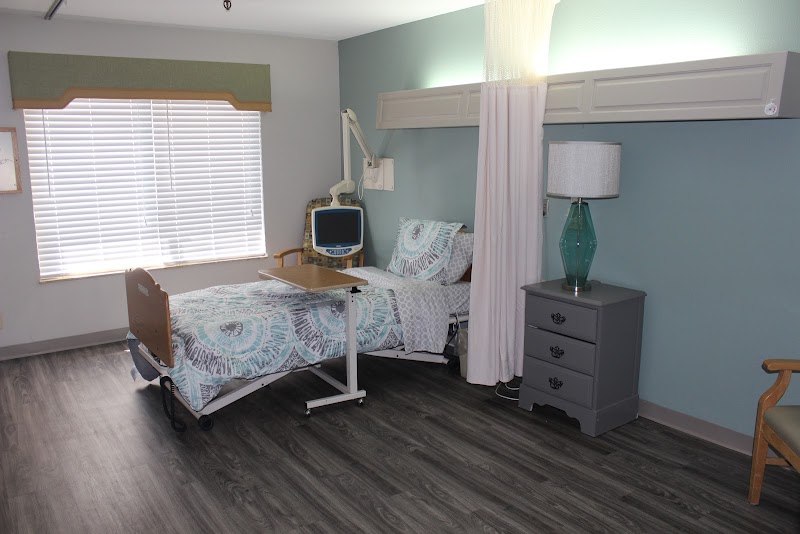
Who Owns and Operates Emerald Southwest Llc?

EMERALD CARE CENTER SOUTHWEST LLC is owned by a for-profit company. For-profit facilities operate as businesses with obligations to shareholders or private owners. The facility is operated by EMERALD HEALTHCARE, a chain that manages multiple nursing homes. With 112 certified beds and approximately 63 residents (about 56% occupancy), it is a mid-sized facility located in OKLAHOMA CITY, Oklahoma.
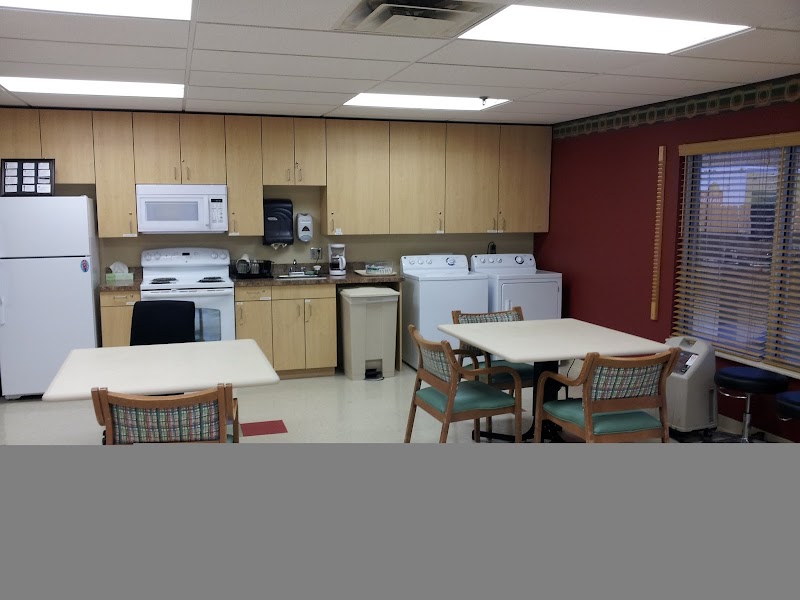
How Does Emerald Southwest Llc Compare to Other Oklahoma Nursing Homes?

Compared to the 100 nursing homes in Oklahoma, EMERALD CARE CENTER SOUTHWEST LLC's overall rating (1 stars) is below the state average of 2.6, staff turnover (63%) is significantly higher than the state average of 46%, and health inspection rating (1 stars) is much below the national benchmark.

What Should Families Ask When Visiting Emerald Southwest Llc?

Based on this facility's data, families visiting should ask: "How do you ensure continuity of care given staff turnover, and what is your staff retention strategy?" "Can you walk me through typical staffing levels on day, evening, and night shifts?" "Can I visit during a mealtime to observe dining assistance and food quality?" "How do you handle medical emergencies, and what is your hospital transfer rate?" These questions are particularly relevant given the facility's high staff turnover rate and the below-average staffing rating.

Is Emerald Southwest Llc Safe?

Based on CMS inspection data, EMERALD CARE CENTER SOUTHWEST LLC has a clean safety record: no substantiated abuse findings (meaning no confirmed cases of resident harm), no Immediate Jeopardy citations (the most serious violation level indicating risk of serious injury or death), and is not on the Special Focus Facility watch list (a federal program monitoring the lowest-performing 1% of nursing homes). The facility has a 1-star overall rating and ranks #100 of 100 nursing homes in Oklahoma. While no facility is perfect, families should still ask about staff-to-resident ratios and recent inspection results during their visit.

Do Nurses at Emerald Southwest Llc Stick Around?

Staff turnover at EMERALD CARE CENTER SOUTHWEST LLC is high. At 63%, the facility is 17 percentage points above the Oklahoma average of 46%. Registered Nurse turnover is particularly concerning at 60%. RNs handle complex medical decisions and coordinate care — frequent RN changes can directly impact care quality. High turnover means new staff may not know residents' individual needs, medications, or preferences. It can also be disorienting for residents, especially those with dementia who rely on familiar faces. Families should ask: What is causing the turnover? What retention programs are in place? How do you ensure care continuity during staff transitions?

Was Emerald Southwest Llc Ever Fined?

EMERALD CARE CENTER SOUTHWEST LLC has been fined $12,735 across 1 penalty action. This is below the Oklahoma average of $33,206. While any fine indicates a compliance issue, fines under $50,000 are relatively common and typically reflect isolated problems that were subsequently corrected. Families should ask what specific issues led to these fines and confirm they've been resolved.

Is Emerald Southwest Llc on Any Federal Watch List?

EMERALD CARE CENTER SOUTHWEST LLC is not on any federal watch list. The most significant is the Special Focus Facility (SFF) program, which identifies the bottom 1% of nursing homes nationally based on persistent, serious quality problems. Not being on this list means the facility has avoided the pattern of deficiencies that triggers enhanced federal oversight. This is a positive indicator, though families should still review the facility's inspection history directly.