Epworth Villa Health Services
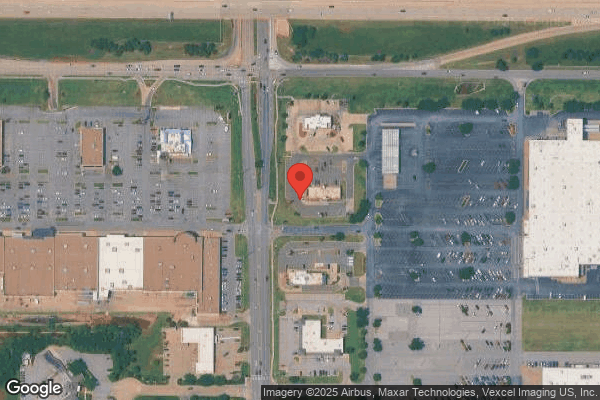
14901 North Penn Avenue, Oklahoma City, OK 73134 (405) 752-1200
Non profit - Corporation 87 Beds Independent Data: November 2025 1 Immediate Jeopardy citation
Trust Grade
63/100
#53 of 282 in OK
Last Inspection: October 2024

Within standard 12-15 month inspection cycle. Federal law requires annual inspections.

Overview

Epworth Villa Health Services has a Trust Grade of C+, indicating that it is slightly above average in quality, meaning it’s decent but not exceptional. It ranks #53 out of 282 facilities in Oklahoma, placing it in the top half, and #4 out of 39 in Oklahoma County, suggesting there are only three local options that are better. The facility is improving, having reduced its issues from two in 2024 to one in 2025, which is a positive trend. Staffing is a strength, with a rating of 4 out of 5 stars and a turnover rate of 42%, which is notably lower than the state average of 55%. Notably, there have been no fines reported, indicating compliance with regulations. However, there are concerns; a critical incident involved a resident with exit-seeking behavior who was found outside the facility unsupervised, indicating a lapse in safety protocols. Additionally, there was a serious issue where a resident in pain did not receive timely medication during wound care, highlighting potential gaps in pain management. These incidents suggest that while the facility has strengths in staffing and oversight, there are areas that need attention to ensure resident safety and well-being.

Trust Score
C+
63/100
In Oklahoma
#53/282
Top 18%
Safety Record
High Risk
Review needed
Inspections
Getting Better
2 → 1 violations
Staff Stability
○ Average
42% turnover. Near Oklahoma's 48% average. Typical for the industry.
Penalties
✓ Good
No fines on record. Clean compliance history, better than most Oklahoma facilities.
Skilled Nurses
○ Average
Each resident gets 38 minutes of Registered Nurse (RN) attention daily — about average for Oklahoma. RNs are the most trained staff who monitor for health changes.
Violations
○ Average
9 deficiencies on record. Average for a facility this size. Mostly minor or procedural issues.
★★★★☆
4.0
Overall Rating
★★★★☆
4.0
Staff Levels
★★★★☆
4.0
Care Quality
★★★★☆
4.0
Inspection Score
Stable
2024: 2 issues
2025: 1 issues

The Good

  • 4-Star Staffing Rating · Above-average nurse staffing levels
  • 4-Star Quality Measures · Strong clinical quality outcomes
  • Full Sprinkler Coverage · Fire safety systems throughout facility
  • No fines on record
  • Staff turnover below average (42%)

    6 points below Oklahoma average of 48%

Facility shows strength in staffing levels, quality measures, fire safety.

The Bad

Staff Turnover: 42%

Near Oklahoma avg (46%)

Typical for the industry

The Ugly 9 deficiencies on record

1 life-threatening 1 actual harm
May 2025 1 deficiency 1 IJ
CRITICAL (J) 📢 Someone Reported This

A family member, employee, or ombudsman was alarmed enough to file a formal complaint

Immediate Jeopardy (IJ) - the most serious Medicare violation

Accident Prevention (Tag F0689)

Someone could have died · This affected 1 resident

**NOTE- TERMS IN BRACKETS HAVE BEEN EDITED TO PROTECT CONFIDENTIALITY** On 05/08/25, a past non-compliance Immediate Jeopardy (IJ) situation was determined to exist related to the facility's failure t...

Read full inspector narrative →
**NOTE- TERMS IN BRACKETS HAVE BEEN EDITED TO PROTECT CONFIDENTIALITY** On 05/08/25, a past non-compliance Immediate Jeopardy (IJ) situation was determined to exist related to the facility's failure to provide supervision to protect residents with exit seeking behaviors. Resident #1 had exit seeking behaviors and exited the facility on 04/28/25. Resident #1 was located by security to be lying on the ground on the sidewalk outside of one of the exit doors from household #3. Resident #1's care plan did not address elopement. Based on observation, record review, and interview, the facility failed to provide supervision and interventions to prevent elopement for 1 (#1) of 3 sampled residents reviewed for wandering and elopement. The administrator identified 70 residents resided in the facility and Resident #1 was the only resident able to walk independently. Findings: On 05/08/25 at 1:15 p.m., the exit door from household #3's sunroom was observed to be unlocked. The sunroom door led to the courtyard which had a gate that kept residents from being able to exit the grounds of the courtyard. All other exit doors were secured with a 15 second egress release and a secondary alarm that sounded when the door handle was pushed. The sound was loud enough to be heard at the nurse's station. An undated policy titled Wandering and Elopement, read in part, The facility will identify residents who are at risk of unsafe wandering and strive to prevent harm while maintaining the least restrictive environment for residents.If identified as at risk for wandering, elopement, or other safety issues, the resident's care plan will include strategies and interventions to maintain the resident's safety. An undated Profile Face Sheet for Resident #1 showed they were admitted to the facility on [DATE] and had diagnoses of included dementia. Resident #1's elopement risk evaluation, dated 02/17/25, show the resident had an elopement risk evaluation of 14 indicating they were an elopement risk. A score of 10 or more indicated they were an elopement risk. Resident #1's care plan, created on 02/27/25, did not address the risk of elopement. Resident #1's admission Minimum Data Set assessment, with an assessment reference date of 02/24/25, showed they had a brief interview for mental status score of 8 indicating moderate cognitive impairment. The assessment showed Resident #1 was able to ambulate with a walker. A Final Incident Report Form, dated 04/28/25, showed Resident #1 was not in their room at 4:20 a.m., when staff made rounds. Resident #1 was found lying on the sidewalk outside of household #3's back door. The incident report showed Resident #1 had fallen and sustained a fracture of the right wrist. The incident report showed a power surge from recent storms had made the door alarm go offline, causing it to not alarm when opened. A review of in-service documentation showed the facility provided in-service on 04/28/25 related to the doors not locking or alarming. A review of a work order showed on 04/28/25 the electronic company replaced the battery for the maglocks on the doors of household #3 and #4. Doors were then tested to be good. A review of the text message sent to all employees on 04/29/25 at 1:32 p.m. showed all staff were made aware the power outage prevented the doors exiting outside to not lock or alarm. The message showed all staff were to check the doors throughout their shift, especially during power flickers. A review of a Safety Officer Shift Report, dated 04/29/25, showed patrol checked all doors, door alarmed pushed to verify at 2:00 a.m. A review of an undated Shift Checks form showed checking the doors to the outside to ensure they were secured was the first item listed. A review of a document titled Residents at Risk Meeting, dated 05/01/25, showed management had addressed Resident #1's elopement, insomnia, and mobility. On 05/08/25 at 12:44 p.m., RN #1 stated most of the residents had dementia. RN #1 stated Resident #1 was the only resident that was ambulatory on household #3. RN #1 stated staff were in-serviced about checking the alarms on the doors throughout their shift. On 05/08/25 at 1:00 p.m., CMA #1 stated they were in-serviced on checking to ensure the alarms were working on the exit doors. CMA #1 stated the night shift usually had three staff members working, and they stayed in the common area to supervise the residents. CMA #1 stated they usually kept the residents in the common area when they were awake. On 05/08/25 at 2:34 p.m., CNA #1 stated Resident #1 had been refusing care, saying no to everything, and stating they wanted to go to their own home throughout the evening of 04/28/25. CNA #1 stated they were checking on Resident #1 more often due to restlessness and behavioral issues. CNA #1 stated when they went to check on Resident #1 around 30-45 minutes after walking them back to their room from the common area, Resident #1 was not in their room or bathroom. CNA #1 stated they notified the nurse and started to look for Resident #1. Security was then notified. CNA #1 stated security found Resident #1 outside. On 05/08/25 at 3:54 p.m., the administrator stated the alarm company came the same morning as the incident to check the doors. The administrator stated security was usually the ones responsible for checking the exit doors. The administrator stated checking the doors was now added to the checklist for every shift. On 05/08/25 at 4:18 p.m., the DON stated the interventions put into place for wanderers was to keep them in a public area when they were awake and increased checks. The DON stated if they thought the resident would elope, then they were not admitted because it was not a locked facility. The DON stated Resident #1's family did not want Resident #1 placed in memory care because the family did not want to have to move Resident #1 again when they started to need more physical care than memory care could provide. The DON stated Resident #1 had never tried to elope before and did not have a history of elopement. The DON stated melatonin (sleep hormone) was added to Resident #1's medication profile to help them sleep, occupational therapy was going to evaluate Resident #1 again, and staff would monitor the doors to ensure alarms were working each shift.
Oct 2024 2 deficiencies
CONCERN (D)

Potential for Harm - no one hurt, but risky conditions existed

Deficiency F0700 (Tag F0700)

Could have caused harm · This affected 1 resident

Based on observation, record review, and interview, the facility failed to obtain an informed consent prior to the installation of bed rails for one (#39) of one sampled resident reviewed for bed rail...

Read full inspector narrative →
Based on observation, record review, and interview, the facility failed to obtain an informed consent prior to the installation of bed rails for one (#39) of one sampled resident reviewed for bed rails. The DON identified 14 residents had bed rails in the facility. Findings: Resident #39 had diagnoses which included unspecified osteoarthritis and pain in unspecified joint. On 09/30/24 at 1:46 p.m., Resident #39's bed was observed with a bed rail on each side of the head of the bed. Resident #39 stated they used the rails to assist in positioning and getting out of bed. There was no documentation an informed consent for the use of the bed rails was obtained. On 10/02/24 at 1:08 p.m., the DON stated there was no consent for the use of the assistive bar.
CONCERN (D)

Potential for Harm - no one hurt, but risky conditions existed

Deficiency F0809 (Tag F0809)

Could have caused harm · This affected 1 resident

**NOTE- TERMS IN BRACKETS HAVE BEEN EDITED TO PROTECT CONFIDENTIALITY** Based on observation and interview, the facility failed to ensure snacks were offered to all residents in the facility for one ...

Read full inspector narrative →
**NOTE- TERMS IN BRACKETS HAVE BEEN EDITED TO PROTECT CONFIDENTIALITY** Based on observation and interview, the facility failed to ensure snacks were offered to all residents in the facility for one of one snack observation. The DON identified 65 residents received meal services from the kitchen. Findings: An undated Frequency of Meals & Snacks policy, read in part, Evening snacks will be offered routinely to all residents. 1. On 10/01/24 at 2:14 p.m., the resident council group stated they had to ask for snacks to get them. They stated staff did not pass snacks at bedtime. On 10/02/24 at 6:02 p.m., a tour of household three was completed. There were apples, oranges, and eight bananas on the kitchenette counter. One resident was observed in the common area. On 10/02/24 at 6:06 p.m., a tour of household four was completed. There were apples, oranges, eight bananas, two cookies, and two fruit bars on the kitchenette counter. One resident was observed in the common area by the nurse's station. On 10/02/24 at 7:17 p.m., CNA #6 was observed cleaning dining tables and the kitchenette. On 10/02/24 at 7:29 p.m., CMA #4 informed CNA #6 a resident in room [ROOM NUMBER] wanted a PBJ sandwich and milk. On 10/02/24 at 7:44 p.m., CNA #7 warmed a resident's food and took it to them along with a drink. On 10/02/24 at 7:45 p.m., CNA #6 made the PBJ sandwich and took it to the resident in room [ROOM NUMBER]. They stayed in the room to assist the resident with feeding. Staff were not observed going room to room offering snacks to all residents in households three and four. On 10/02/24 at 8:13 p.m., CNA #5 stated CNAs were responsible for passing out snacks to residents. On 10/02/24 at 8:14 p.m., CNA #5 stated they did not pass snacks to any residents in household three. On 10/02/24 at 8:43 p.m., CNA #6 stated they only gave a snack to the resident in room [ROOM NUMBER]. On 10/02/24 at 8:50 p.m., CNA #7 stated they offered snacks to two residents in household four. 2. On 10/02/24 at 5:53 p.m., household one was observed for the passing of snacks. There was a large bowl of bananas and other fruit observed on the counter of the dining room kitchenette. There was also a brown tray with cookies, pastry desserts, and a pudding cup observed on the counter. On 10/02/24 at 5:59 p.m., CNA #11 was observed picking up dinner meal trays from resident rooms. On 10/02/24 from 6:08 p.m. through 6:43 p.m., there were no observations of snacks being passed on household one. On 10/02/24 at 6:44 p.m., CNA #12 was observed passing out meal tickets to residents for the 10/03/24 breakfast. On 10/02/24 from 6:58 p.m. through 7:12 p.m., CNA #1 was observed offering ice/water to residents in rooms 1807, 1809, 1811, 1813, 1816, 1818, 1820, and 1822 . No snacks were observed being offered to the residents. Household one continued to be observed for the passing of snacks through 8:01 p.m. There were no snacks observed being offered/passed to residents on household one. On 10/02/24 at 8:04 p.m., there were no residents observed in the halls or common areas on household one. On 10/02/24 at 8:14 p.m., CNA #1 was asked the process of offering a snack to residents at bedtime. They stated if a resident asked for a snack at night they would ask the nurse. If the nurse stated they could have one, they would give the resident a snack. They stated they believed the residents received food at 5:00 p.m., and the facility had snacks (they pointed to the snacks on the counter at the kitchenette) and stated the residents could get a snack there as long as they were allowed to have snacks. CNA #1 stated at night, they were already asleep. They stated they checked on residents to see if they needed a shower and if they needed something. On 10/02/24 at 8:27 p.m., CNA #5 exited room [ROOM NUMBER] and walked toward the dining room kitchenette on household three, obtained a cup, then walked onto household four. On 10/02/24 at 8:29 p.m., there were no observations of snacks being offered/passed to residents on household three. There was a bowl containing oranges, apples, and bananas observed on the counter in the kitchenette. There were no residents observed out of their room. On 10/02/24 at 8:30 p.m., CNA #5 returned to household three and carried a glass of clear liquid into room [ROOM NUMBER]. On 10/02/24 at 8:36 p.m., CNA #5 exited room [ROOM NUMBER], took a bag of items into the door labeled exit, then entered room [ROOM NUMBER], and asked if they could change the resident. CNA #5 did not offer the resident a snack. Continued observations were made of household three through 8:45 p.m. There were no observations of staff offering/passing snacks to the residents on the unit. 3. On 10/02/24 at 6:04 p.m., household two was observed for passing snacks. A large bowl of bananas, oranges, and apples were observed on the counter in the dining room kitchenette. On 10/02/24 at 6:54 p.m., CNA #4 was observed offering ice/water to the resident in room [ROOM NUMBER]. There were no snacks observed being offered/passed to the resident. On 10/02/24 from 7:49 p.m. through 8:10 p.m., CNA #3 was observed offering water/ice to residents in rooms 1830, 1831, 1833, 1834, 1835, and 1839. There were no snacks observed being offered to the residents. On 10/02/24 at 8:11 p.m., CNA #3 stated snacks were passed at the beginning of their shift when ice/water was passed. On 10/02/24 at 8:22 p.m., CMA #2 stated snacks were offered when ice was being offered.
Aug 2023 3 deficiencies
CONCERN (D)

Potential for Harm - no one hurt, but risky conditions existed

Comprehensive Care Plan (Tag F0656)

Could have caused harm · This affected 1 resident

Based on record review and interview, the facility failed to ensure a comprehensive care plan included a bed alarm for one (#69) of 17 sampled residents reviewed for comprehensive care plans. The Res...

Read full inspector narrative →
Based on record review and interview, the facility failed to ensure a comprehensive care plan included a bed alarm for one (#69) of 17 sampled residents reviewed for comprehensive care plans. The Resident Census and Conditions of Residents report, dated 08/08/23, documented 67 residents resided in the facility. Findings: A Care Plan policy, undated, documented the comprehensive care plan would describe the services furnished to attain or maintain the resdient's highest practicable well-being. Resident #69 had diagnoses which included acute respiratory failure and malignant neoplasm of the left upper lung. A Care Plan focus, dated 07/21/23, documented Resident #69 was a fall risk. There was no documentation an early bed alarm was in place. A Nurse's Note, dated 07/22/23 at 5:22 p.m., read in part, .resident is a high fall risk, has early bed alarm . A Resident Assessment, dated 07/28/23, documented Resident #69 required extensive assistance of one for bed mobility, transfers, and toileting. A Nurse's Note, dated 08/07/23 at 1:58 p.m., read in part, .has early bed alarm . On 08/11/23 at 10:54 a.m., the DON was asked how staff determined what information would be in the resident's care plan. They stated by interview and record review. The DON was asked if an early bed alarm would be on the resident's care plan. They stated, Yes. The DON was asked to review Resident #69's care plan. They stated, I don't see it on his care plan.
CONCERN (D)

Potential for Harm - no one hurt, but risky conditions existed

Deficiency F0657 (Tag F0657)

Could have caused harm · This affected 1 resident

**NOTE- TERMS IN BRACKETS HAVE BEEN EDITED TO PROTECT CONFIDENTIALITY** Based on observation, record review. and interview, the facility failed to ensure a resident's care plan was updated to reflect ...

Read full inspector narrative →
**NOTE- TERMS IN BRACKETS HAVE BEEN EDITED TO PROTECT CONFIDENTIALITY** Based on observation, record review. and interview, the facility failed to ensure a resident's care plan was updated to reflect their current diet order for one (#54) of 17 sampled residents reviewed for revised care plans. The Resident Census and Conditions of Residents report, dated 08/08/23, documented 67 residents resided in the facility. Findings: A Care Plan policy, undated, documented care plans are revised as information about the residents and the residents' conditions change. Resident #54 had diagnoses which included dysphagia. A Care Plan, dated 07/01/23, documented Resident #54's diet was regular, puree with extra gravy, and nectar thick liquids. A Physician's Order, dated 07/12/23, documented a regular, mechanical soft diet with ground meat, no bread. On 08/08/23 at 12:08 p.m., Resident #54 was observed with chopped/sliced white meat, okra and beans on their lunch meal tray. On 08/09/23 ar 12:14 p.m., Resident #54 was observed with pizza, macaroni, beans, and a strawberry [NAME] on their lunch meal tray. On 08/11/23 at 11:02 a.m., the DON was asked what the policy was for updating care plans. They stated they would be updated with any change in condition, new orders, or when an MDS was completed. The DON was shown Resident #54's care plan and was asked if it had been updated to reflect the current diet order. They stated the current diet should be on the care plan.
CONCERN (D) 📢 Someone Reported This

A family member, employee, or ombudsman was alarmed enough to file a formal complaint

Potential for Harm - no one hurt, but risky conditions existed

Medical Records (Tag F0842)

Could have caused harm · This affected 1 resident

Based on record review and interview, the facility failed to ensure controlled medications were signed off on the MAR for one (#57) of six sampled residents reviewed for accurate records. The Resident...

Read full inspector narrative →
Based on record review and interview, the facility failed to ensure controlled medications were signed off on the MAR for one (#57) of six sampled residents reviewed for accurate records. The Resident Census and Conditions of Residents report, dated 08/08/23, documented 67 residents resided in the facility. Findings: Resident #57 had diagnoses which included dementia and fractured humerus. A Physician's Order, dated 07/27/23, documented to administer Percocet 10 mg-325 mg, one tablet, by mouth, every six hours as needed for pain. A Controlled Drug Receipt/Record/Disposition sheet, documented one tablet of Percocet had been removed from the medication card on 07/29/23 at 8:40 p.m. A July 2023 MAR, contained no documentation Percocet had been administered at 8:40 p.m. A PRN Medication Record, dated 07/29/23, contained no documentation Percocet had been administered at 8:40 p.m. A Physician's Order, dated 07/30/23, documented to administer Percocet 10 mg-325 mg, one tablet, by mouth, every four hours as needed for pain. A Controlled Drug Receipt/Record/Disposition sheet, documented one tablet of Percocet had been removed from the medication card on 08/11/23 at 8:11 a.m., 08/04/23 at 1:18 p.m., 08/06/23 at 3:30 p.m., and on 08/09/23 at 10:55 a.m. An August 2023 MAR contained no documentation Percocet had been administered on those dates at those times. A PRN Medication Record, dated August 2023, contained no documentation Percocet had been administered on those dates at those times. An August 2023 MAR documented the resident had taken Percocet once daily. On 08/11/23 at 10:31 a.m., CMA #3 was asked what the policy was for documenting prn narcotics/controlled medications. They stated they would go in to the MAR, click on it, it would bring up the prn effectiveness, and then sign it out on the narcotic count sheet. CMA #3 was asked how they ensured medications had been administered if it wasn't signed out on the MAR, but was documented on the narcotic count sheet. They stated, You sign the MAR first. They stated, They shouldn't do that. The MAR is the only way to know for sure. On 08/11/23 at 10:42 a.m., the DON was asked how staff ensured controlled medications had been administered if they had not been signed out on the MAR, but were signed out on the narcotic/controlled count sheet. They stated staff should go back after administration and document effectiveness. The DON was asked how staff were instructed to document narcotic/controlled medications had been administered. They stated they were to sign in the Emar that they pulled it, administer it to the resident, and sign it out on the narcotic sheet. The DON was shown the July and August 2023 MARs, controlled drug receipts, and prn medication records for Resident #57. She acknowledged the findings.
Jul 2022 3 deficiencies 1 Harm
SERIOUS (G)

Actual Harm - a resident was hurt due to facility failures

Deficiency F0697 (Tag F0697)

A resident was harmed · This affected 1 resident

Based on record review, observation and interview the facility failed to ensure a Resident was provided pain medication for complaints of pain during the provision of wound care for one (#28) of three...

Read full inspector narrative →
Based on record review, observation and interview the facility failed to ensure a Resident was provided pain medication for complaints of pain during the provision of wound care for one (#28) of three sampled Residents who were reviewed for pain management. Resident #28 stated they were in pain before and during incontinent care and wound care, when asked by LPN #1 and CNA #1. Resident #28 moaned and cried out Oh and Ow several times during incontinent care and wound care and stated, Someone is hurting me. The staff did not stop the incontinent or wound care, asssess and intervene for Resident #28's pain. Resident #28 recieved pain medicaiton one hour and 29 minutes after the first complaint of pain. The Resident Census and Conditions of Residents, documented eight Residents had a pressure ulcer. The DON identified 15 Residents who were provided wound care. Findings: Resident #28 had diagnoses of a stage 4 pressure injury to the left ischium. A quarterly MDS assessment, dated 05/23/22, documented Resident # 28 had moderately impaired cognition, had not had behaviors of rejection of care, required extensive assistance with bed mobility, rarely had mild pain and received an opioid (pain medication) seven of the seven days in the look back period. The MDS assessment documented the Resident had two unhealed pressure ulcers. A care plan for Pain, dated 02/10/22, read in parts, .I am at risk for pain due to decreased mobility, right knee pain .Be sure to offer me pain medication as ordered by my physician . The following intervention, dated 06/17/22, read in part, .Monitor for signs and symptoms of PAIN Q SHIFT and INTERVENE AS INDICATED . A physician's order, dated 03/15/22 documented to administer Norco 5 mg-325 mg every six hours routinely for pain. A wound evaluation and summary, dated 07/20/22, read in parts, .STAGE 4 PRESSURE WOUND OF THE LEFT ISCHIUM FULL THICKNESS .Etiology .Pressure .Duration .>105 days .Wound Size (L x W x D): 0.7 x 0.7 x 3.8 cm Undermining .3 cm .Primary Dressing .Gauze packing strips (iodoform) 1/2 apply once daily .Secondary Dressing .Gauze island w/bdr [with border] apply once daily . A medication administration record, dated 07/01/22 through 07/21/22, documented to administer Norco 5 mg- 325 mg every six hours. The MAR documented the Norco was signed out as administered on 07/21/22 at 12:15 a.m., 5:23 a.m., and 12:08 p.m. On 07/21/22 at 11:21 a.m., LPN #1 and CNA #1 were observed to provide incontinent and wound care to Resident #28. Resident #28 cried out, Oh and Ow each time the CNA wiped the Resident's bottom. LPN #1 asked Resident #28 if the Resident was hurting. Resident #28 stated, Yes. LPN #1 began removing the packing from the left ischium pressure injury wound. Resident #28 moaned and said Ow. CNA #1 asked Resident #28 if the Resident's bottom was hurting. Resident #28 stated, Yes. LPN #1 continued with the dressing change. LPN #1 cleansed the area with the wound cleanser and the Resident started to have another bowel movement. The wound care was stopped and the staff began to clean the Resident. Resident #28 stated, Ow and Oh each time the staff wiped. LPN #1 stated, I am sorry. each time the Resident cried out or moaned. LPN #1 stated they were going to let the Resident finish having a bowel movement and they would come back and finish the dressing change. On 07/21/22 at 12:17 p.m., LPN #1 was applying the packing to Resident #28's wound. Resident #28 stated, Someone is hurting me. Resident #28 cried out, Ow and Oh. LPN #1 stated, Sorry each time Resident #28 moaned or cried out. On 07/21/22 at 12:24 p.m., after the wound care was completed, LPN #1 stated to Resident #28 they were going see if the Resident had something for pain. On 07/21/22 at 12:32 p.m., Resident # 28 was asked about the pain during the wound care. Resident #28 stated she was hurting when they were changing the dressing and cleaning her bottom. Resident #28 was asked to rate the pain. Resident #28 stated, It hurt pretty bad. Resident #28 was asked about pain medication. Resident #28 stated they gave them pain medication every afternoon. On 07/21/22 at 12:41 p.m., LPN #1 was asked if Resident #28 had an order for pain medication. LPN #1 stated they would see if the Resident had anything for pain. LPN #1 stated they had asked Resident #28 if they were in pain when they were turning them and Resident #28 indicated they were hurting all over. On 07/21/22 at 12:42 p.m., CMA #1 was asked if Resident #28's Norco had been administered at 12:00 p.m. CMA #1 stated no. CMA #1 stated they had signed it out to administer the Norco but when they went to the room to administer the medication the staff was changing Resident #28's dressing. CMA #1 stated they labeled the medication cup with the pain medication in it and put it in the medication cart. On 07/21/22 at 12:50 p.m., CMA #1 administered the Norco 5 mg -325 mg to Resident #28. The pain medication was administered 26 minutes after the nurse stated she would check on Resident #28 pain medication. On 07/21/22 at 3:10 p.m., LPN #1 was asked what they would normally do if a resident complained of pain during wound care. LPN #1 stated they would normally ask the Resident about their pain, check to see if the Resident had an order for pain medication and administer the pain medication 30 to 45 minutes before the wound care was performed. LPN #1 was asked if there was a reason they did not stop the wound care when Resident #28 complained of pain. LPN #1 stated they had not worked with Resident #28 before and stated she had no particular reason for not stopping. On 07/25/22 at 10:41 a.m., the DON was asked what they expected the staff to do if a resident complained of pain during a dressing change on a wound. The DON stated they would expect the staff to stop the wound care, assess the resident's pain, and administer pain medication before finishing the dressing change. The DON stated they would have to look to see if Resident #28 had orders for pain medication. On 07/26/22 at 9:34 a.m., RN #2 stated they had not experienced Resident #28 being in pain during the wound care. RN #2 stated they went slow and supported the leg and would stop often and check on the Resident. RN #2 stated the pain medication was timed so that the staff could do the dressing change after Resident #28 received pain medication.
CONCERN (E)

Potential for Harm - no one hurt, but risky conditions existed

Quality of Care (Tag F0684)

Could have caused harm · This affected multiple residents

Based on record review, observation , and interview the facility failed to ensure physician's orders were followed for treatments related to edema and pressure ulcer prevention for one (#28) of two sa...

Read full inspector narrative →
Based on record review, observation , and interview the facility failed to ensure physician's orders were followed for treatments related to edema and pressure ulcer prevention for one (#28) of two sampled residents who had pressure ulcers and one sampled resident who had edema. The Resident Census and Conditions of Residents documented eight residents had pressure ulcers. The DON identified seven residents who had edema. Findings: Resident #28 had diagnoses which included congestive heart failure, edema, and a stage four pressure ulcer of the left ischium (lower part of the pelvis). A care plan for Edema, dated 02/10/22, read in parts, .I will .have decrease in edema in the next 90 days . The following intervention, dated 06/17/22, read in parts, .Apply ace wraps to bilateral lower extremities .For gentle tissue support and/or edema mgmt . A care plan for Pressure Injury, dated 03/23/22, read in parts, .I have a Stage 4 PI to my left ischium . The following intervention, dated 04/12/22, read in parts, .MAX TIME UP IN CHAIR IS 1 HOUR; Four times daily . A physician's order, dated 03/24/22, documented to apply ace wraps to bilateral lower extremities daily starting at the ball of the foot with four inch wraps transitioning to six inch wraps to just below the knee for gentle tissue support and/or edema management. A physician's order, dated 04/03/22, read in parts, .FREQUENT REPOSITIONING- up for all meals: MAX TIME UP IN CHAIR IS 1 HOUR- Four times daily .Max time up in chair is 1 hour . A quarterly MDS assessment, dated 05/23/22, documented resident #28's cognition was moderately impaired, required extensive assistance for bed mobility, transfers, personal hygiene, and utilized a wheelchair for ambulation. The MDS assessment documented the resident was at risk for pressure ulcers, had one unhealed stage three pressure ulcer, and one unhealed stage four pressure ulcer. On 07/21/22 at 9:08 a.m., Resident #28 was observed in the dining room without ace wraps on their legs. On 07/21/22 at 11:21 a.m., Resident #28 was observed in bed during incontinent care. Resident #28 did not have the ace wraps on their legs. On 07/21/22 at 12:32 p.m., CNA # 1 stated they were going to get the mechanical lift and get resident #28 up for lunch. The ace wraps were not on resident #28's legs. On 07/21/22 at 2:29 p.m., Resident #28 was up in the wheelchair. On 07/21/22 at 2:33 p.m., Resident # 28 stated they had not been back to bed since the staff had gotten them up for lunch. On 07/21/22 at 3:07 p.m., Resident # 28 was up in the wheelchair participating in an activity. On 07/21/22 at 3:15 p.m., CNA #1 stated Resident #28 had been up in the wheelchair since lunch. On 07/21/22 at 4:26 p.m., Resident #28 was up in the wheelchair in the common area. On 07/21/22 at 4:36 p.m., CNA #1 was observed putting Resident #28 in bed. Resident #28 was observed up in the wheelchair, for over three and half hours. On 07/25/22 at 10:41 a.m., the DON stated the current physician's order was for Resident #28 to be up in the wheelchair for a max of one hour four times a day. The DON stated the staff did not follow the physician's orders by leaving Resident #28 up in the wheelchair for more than an hour. The DON was asked about the order for the wraps to Resident #28's lower extremities. The DON stated the staff were supposed to wrap Resident #28's lower legs daily between 7:00 a.m. and 11:00 a.m. and the wraps were to be removed at night. The DON stated it was a current order and the wraps should have been on Resident #28's legs. On 07/26/22 at 9:34 a.m., RN #2, the wound care nurse, stated Resident #28 had an order for the ace wraps to the lower extremities. RN #2 stated the wraps were put on in the morning and were taken off at night. RN #2 stated resident #28 had a history of edema and needed to have the ace wraps on daily.
CONCERN (E)

Potential for Harm - no one hurt, but risky conditions existed

Infection Control (Tag F0880)

Could have caused harm · This affected multiple residents

Based on record review, observation and interview, it was determined the facility failed to have system in place to ensure employees consistently screened for COVID-19 symptoms prior to starting their...

Read full inspector narrative →
Based on record review, observation and interview, it was determined the facility failed to have system in place to ensure employees consistently screened for COVID-19 symptoms prior to starting their shift for five of five employees reviewed for COVID-19 screening. The Resident Census and Conditions of Residents documented 63 residents resided in the facility. Findings: An undated facility policy titled, COVID-19 Employee Protocols, pages 4 and 5, read in parts, .Screening .All employees, regardless of what area they work, must screen prior to working in the community .compliance with screening is monitored by the supervisor/leadership of each department with random audits by leadership Upon entrance to the facility on each day of the survey a screening station was observed at the front main entrance as well as the entrance near the skilled households. 1. A review of the employee screening printout for the activities assistant documented the last date the employee screened was on 04/14/22 at at 9:25 a.m. A review of the time punch details documented the activities assistant worked 45 days from 05/26 through 07/25/22 without being screened at the beginning of their shift for COVID-19 symptoms. On 07/26/22 at 11:10 a.m., the activities assistant stated they knew the screening process and where the screening station was located. The activities assistant then stated screening was located at the main entrance. 2. A review of the screening logs for CNA #3 contained no documentation of screening from 06/14/22 through 07/25/22. A review of the time punch details documented CNA #3 worked 31 days from 06/18/22 through 07/25/22 without being screened at the beginning of their shift for COVID-19 symptoms. On 07/26/22 at 11:10 a.m., with CNA #3 stated she was screened at the start of each shift for COVID-19 symptoms. 3. A review of the screening logs for HSKP #1 contained no documentation of screening from 05/26/22 through 07/25/22. A review of the time punch details documented HSKP #1 worked 38 days from 05/26/22 through 07/25/22 without being screened at the beginning of their shift for COVID-19 symptoms. On 07/26/22 at 10:35 a.m., HSKP #1 stated she had worked at the facility for the past six months. The housekeeper stated they were screened daily prior to starting work every day when they entered the facility 4. A review of the screening logs for HSKP #2 contained no documentation of screening from 05/26/22 through 07/25/22. A review of the time punch details documented HSKP #2 worked 37 days from 05/26/22 through 07/25/22 without being screened at the beginning of their shift for COVID-19 symptoms. On 07/26/22 at 11:46 a.m., HSKP #2 stated they had worked at the facility three years and was required to screen before every shift for COVID-19 symptoms and fever. 5. A review of the employee screening printout documented the only date CNA #4 screened between 05/26/22 through 07/25/22 was on 07/08/22 at 6:55 a.m. A review of the time punch details documented CNA #4 worked 44 days from 05/26/22 through 07/25/22 without being screened at the beginning of shift for COVID-19 symptoms. On 07/26/22 at 11:26 a.m., the facilities director stated all department heads were to pull reports to monitor if employees were screened for COVID-19 at the beginning of each shift. The facilities director stated they can look up and pull the reports from the facial recognition machine used for the screening process. On 07/26/22 at 12:20 p.m. the Chief Nursing Officer stated screening for COVID-19 symptoms were not being completed consistently for all the employees and HSKP #1, HSKP #2 and CNA #3 have not been screening at all. They then stated department heads were to pull reports to make sure screening was occuring however it appeared that was not happening.
Understanding Severity Codes (click to expand)
Life-Threatening (Immediate Jeopardy)
J - Isolated K - Pattern L - Widespread
Actual Harm
G - Isolated H - Pattern I - Widespread
Potential for Harm
D - Isolated E - Pattern F - Widespread
No Harm (Minor)
A - Isolated B - Pattern C - Widespread

Questions to Ask on Your Visit

  • "What changes have you made since the serious inspection findings?"
  • "Can I speak with families of current residents?"
  • "What's your RN coverage like on weekends and overnight?"

Our Honest Assessment

Strengths
  • • No fines on record. Clean compliance history, better than most Oklahoma facilities.
  • • 42% turnover. Below Oklahoma's 48% average. Good staff retention means consistent care.
Concerns
  • • Multiple safety concerns identified: 1 life-threatening violation(s), 1 harm violation(s). Review inspection reports carefully.
  • • 9 deficiencies on record, including 1 critical (life-threatening) violation. These warrant careful review before choosing this facility.
Bottom line: Mixed indicators with Trust Score of 63/100. Visit in person and ask pointed questions.

About This Facility

What is Epworth Villa Health Services's CMS Rating?

CMS assigns Epworth Villa Health Services an overall rating of 4 out of 5 stars, which is considered above average nationally. Within Oklahoma, this rating places the facility higher than 99% of the state's 100 nursing homes. This rating reflects solid performance across the metrics CMS uses to evaluate nursing home quality.

How is Epworth Villa Health Services Staffed?

CMS rates Epworth Villa Health Services's staffing level at 4 out of 5 stars, which is above average compared to other nursing homes. Staff turnover is 42%, compared to the Oklahoma average of 46%. This relatively stable workforce can support continuity of care. RN turnover specifically is 58%, which is notably high. RNs provide skilled clinical oversight, so turnover in this role can affect medical care quality.

What Have Inspectors Found at Epworth Villa Health Services?

State health inspectors documented 9 deficiencies at Epworth Villa Health Services during 2022 to 2025. These included: 1 Immediate Jeopardy (the most serious level, indicating potential for serious harm or death), 1 that caused actual resident harm, and 7 with potential for harm. Immediate Jeopardy findings are rare and represent the most serious regulatory concerns. They require immediate corrective action.

Who Owns and Operates Epworth Villa Health Services?

Epworth Villa Health Services is owned by a non-profit organization. Non-profit facilities reinvest revenue into operations rather than distributing to shareholders. The facility operates independently rather than as part of a larger chain. With 87 certified beds and approximately 64 residents (about 74% occupancy), it is a smaller facility located in Oklahoma City, Oklahoma.

How Does Epworth Villa Health Services Compare to Other Oklahoma Nursing Homes?

Compared to the 100 nursing homes in Oklahoma, Epworth Villa Health Services's overall rating (4 stars) is above the state average of 2.6, staff turnover (42%) is near the state average of 46%, and health inspection rating (4 stars) is above the national benchmark.

What Should Families Ask When Visiting Epworth Villa Health Services?

Based on this facility's data, families visiting should ask: "What changes have been made since the serious inspection findings, and how are you preventing similar issues?" "Can I visit during a mealtime to observe dining assistance and food quality?" "How do you handle medical emergencies, and what is your hospital transfer rate?" "Can I speak with family members of current residents about their experience?" These questions are particularly relevant given the facility's Immediate Jeopardy citations.

Is Epworth Villa Health Services Safe?

Based on CMS inspection data, Epworth Villa Health Services has documented safety concerns. Inspectors have issued 1 Immediate Jeopardy citation (the most serious violation level indicating risk of serious injury or death). The facility has a 4-star overall rating and ranks #1 of 100 nursing homes in Oklahoma. Families considering this facility should ask detailed questions about what corrective actions have been taken since these incidents.

Do Nurses at Epworth Villa Health Services Stick Around?

Epworth Villa Health Services has a staff turnover rate of 42%, which is about average for Oklahoma nursing homes (state average: 46%). Moderate turnover is common in nursing homes, but families should still ask about staff tenure and how the facility maintains care continuity when employees leave.

Was Epworth Villa Health Services Ever Fined?

Epworth Villa Health Services has no federal fines on record. CMS issues fines when nursing homes fail to meet care standards or don't correct problems found during inspections. The absence of fines suggests the facility has either maintained compliance or corrected any issues before penalties were assessed. This is a positive indicator, though families should still review recent inspection reports for the full picture.

Is Epworth Villa Health Services on Any Federal Watch List?

Epworth Villa Health Services is not on any federal watch list. The most significant is the Special Focus Facility (SFF) program, which identifies the bottom 1% of nursing homes nationally based on persistent, serious quality problems. Not being on this list means the facility has avoided the pattern of deficiencies that triggers enhanced federal oversight. This is a positive indicator, though families should still review the facility's inspection history directly.