FAIRMONT SKILLED NURSING AND THERAPY
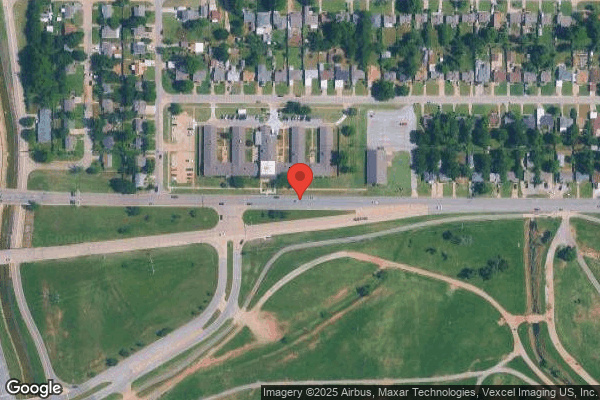
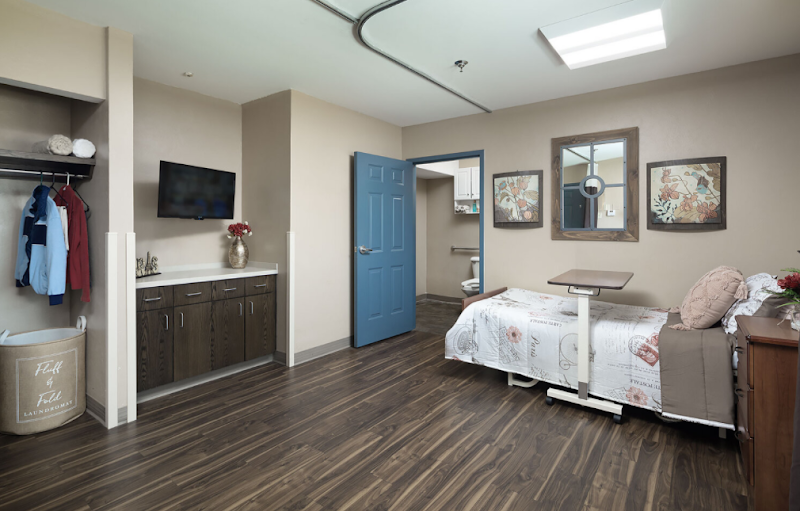
3233 NORTHWEST 10TH STREET, OKLAHOMA CITY, OK 73107 (405) 943-8366
For profit - Partnership 125 Beds BRIDGES HEALTH Data: November 2025
Trust Grade
28/100
#159 of 282 in OK
Last Inspection: July 2024

Within standard 12-15 month inspection cycle. Federal law requires annual inspections.

Overview

Fairmont Skilled Nursing and Therapy has received a Trust Grade of F, which indicates significant concerns about the quality of care provided, placing it in the bottom tier of facilities. Ranked #159 out of 282 in Oklahoma, it is in the bottom half of state facilities and #19 of 39 in Oklahoma County, meaning only a handful of local options are better. The facility is improving, having reduced its number of issues from 6 in 2024 to just 1 in 2025. Staffing is average with a 56% turnover rate, which is similar to the state average, and the RN coverage is also average, meaning there is adequate oversight. However, there have been concerning incidents, including a failure to protect one resident from abuse and inadequate documentation of meal consumption for another resident who experienced significant weight loss, indicating potential gaps in care. While there are some improvements, families should weigh these strengths and weaknesses carefully.

Trust Score
F
28/100
In Oklahoma
#159/282
Bottom 44%
Safety Record
High Risk
Review needed
Inspections
Getting Better
6 → 1 violations
Staff Stability
⚠ Watch
56% turnover. Above average. Higher turnover means staff may not know residents' routines.
Penalties
✓ Good
$12,735 in fines. Lower than most Oklahoma facilities. Relatively clean record.
Skilled Nurses
⚠ Watch
Each resident gets only 22 minutes of Registered Nurse (RN) attention daily — below average for Oklahoma. Fewer RN minutes means fewer trained eyes watching for problems.
Violations
⚠ Watch
16 deficiencies on record. Higher than average. Multiple issues found across inspections.
★★☆☆☆
2.0
Overall Rating
★★★☆☆
3.0
Staff Levels
★★★☆☆
3.0
Care Quality
★★☆☆☆
2.0
Inspection Score
Stable
2024: 6 issues
2025: 1 issues

The Good

  • Full Sprinkler Coverage · Fire safety systems throughout facility
  • No fines on record

Facility shows strength in fire safety.

The Bad

2-Star Overall Rating

Below Oklahoma average (2.6)

Below average - review inspection findings carefully

Staff Turnover: 56%

Near Oklahoma avg (46%)

Frequent staff changes - ask about care continuity

Federal Fines: $12,735

Below median ($33,413)

Minor penalties assessed

Chain: BRIDGES HEALTH

Part of a multi-facility chain

Ask about local staffing decisions and management

Staff turnover is elevated (56%)

8 points above Oklahoma average of 48%

The Ugly 16 deficiencies on record

1 actual harm
Jan 2025 1 deficiency
CONCERN (D) 📢 Someone Reported This

A family member, employee, or ombudsman was alarmed enough to file a formal complaint

Potential for Harm - no one hurt, but risky conditions existed

Free from Abuse/Neglect (Tag F0600)

Could have caused harm · This affected 1 resident

Based on record review and interview, the facility failed to ensure a resident was free from abuse for one (#2) of four sampled residents reviewed for abuse. The administrator identified 24 residents ...

Read full inspector narrative →
Based on record review and interview, the facility failed to ensure a resident was free from abuse for one (#2) of four sampled residents reviewed for abuse. The administrator identified 24 residents resided in the ACU. Findings: An undated facility abuse policy, documented all employees would be in-serviced on abuse/reporting abuse during the orientation process following employment. The policy documented on-going abuse training would be provided to all employees throughout the year which include: appropriate interventions to deal with aggressive and/or catastrophic reactions of residents. 1. Resident #1 had diagnoses which included Alzheimer's disease, dementia with other behavioral disturbance, and psychosis. Resident #1's care plan, revised on 12/06/24, documented the resident's cognition was moderately impaired. 2. Resident #2 had diagnoses which included dementia with other behavioral disturbance, psychosis, and anxiety. Resident #2's care plan, revised on 10/30/24, documented the resident's cognition was severely impaired. An Initial Incident Report OSDH form, received on 01/02/25 at 8:31 a.m., read in part, Resident [Resident #1] bit roommate Resident [Resident #2] on the arm. Focused assessment completed. skin tear to Resident [Resident #2] arm noted. No other injuries noted. [Name withheld] notified for both residents. Resident [Resident #1] family [name withheld] notified. Resident [Resident #2] family [name withheld] notified. OKCPD notified. Resident [Resident #1] sent to ER per physicians order for further evaluation. Appropriate staff members interviewed. Other residents in the area assessed. No further signs/allegations of abuse. A Final Incident Report OSDH form, received on 01/09/25 at 12:19 p.m., documented the facility completed an initial investigation by interviewing staff members, assessing other residents in the area, completing focused assessments on the residents, and an evaluation of their medications. The form documented Resident #1 was admitted to the hospital for further evaluation. The form documented Resident #2 was moved to another room on the unit and started on antibiotics. The form documented the facility updated both residents plan of care and educated appropriate staff members on the signs and symptoms of abuse. In-services were started on 01/01/25 and completed on 01/11/25. On 01/15/25 at 10:51 a.m., Resident #1 did not respond when spoken to. Resident #1 only became angry when spoken to as they were repeatedly asking how to get out of here. On 01/17/24 at 2:27 p.m., the administrator stated Resident #1 and Resident #2 were roommates at the time of the incident. They stated Resident #1 stated they owned the whole place and Resident #2 was in Resident #1's way. On 01/17/25 at 2:31 p.m., the administrator stated they were unable to interview residents on the ACU due to their cognition. On 01/17/25 at 2:44 p.m. the administrator stated a Quality Tip report was completed on 01/01/25 and those were discussed right after they were received.
Oct 2024 2 deficiencies 1 Harm
SERIOUS (G) 📢 Someone Reported This

A family member, employee, or ombudsman was alarmed enough to file a formal complaint

Actual Harm - a resident was hurt due to facility failures

Free from Abuse/Neglect (Tag F0600)

A resident was harmed · This affected 1 resident

Based on record review and interview, the facility failed to ensure residents were free from abuse for one (#1) of four sampled residents reviewed for abuse. The administrator identified 105 residents...

Read full inspector narrative →
Based on record review and interview, the facility failed to ensure residents were free from abuse for one (#1) of four sampled residents reviewed for abuse. The administrator identified 105 residents resided in the facility. Findings: An undated Resident Abuse, Neglect, and Misappropriation of Property policy, read in part, The resident has the right to be free from verbal, sexual, physical, and mental abuse. It also read, If the alleged perpetrator is facility staff, removal of the alleged perpetrator's access to the alleged victim and other residents and assurance that ongoing safety and protection is provided for the alleged victim and other residents. Resident #1 had diagnoses which included major depression, respiratory failure, chronic kidney disease, and chronic obstructive pulmonary disease. Resident #1's care plan, initiated 07/03/23, documented the resident had behaviors of being combative towards staff, disruptive outbursts that affect the living environment, and an impatient nature. An Notification of Nurse Aide/Nontechnical Service Worker form, dated 08/31/24, documented CNA #1 had been suspended on 08/31/24. On 08/31/24, an in-service on an allegation of abuse was conducted. A Combined Initial and Final State Reportable Incident form, dated 09/03/24, documented an allegation of abuse/mistreatment. It was documented on 08/31/24 at 3:00 a.m., the police department was notified of an allegation of abuse made by Resident #1. It was documented CNA #1 had pulled their arm behind their back. It was documented CNA #1 was suspended pending investigation. It was documented the physician was notified and an order for a X-ray of the resident's right arm was received. It was documented family was notified. It was documented appropriate staff and other residents were interviewed. It was documented Resident #1 refused to be sent out for further evaluation. It was documented the resident was alert and oriented with episodes of confusion and the resident often became agitated and resisted ADL care. It was documented the facility had completed their investigation by interviewing Resident #1, other residents in the area, staff members, and by completing a focused assessment on the resident. It was documented the resident's medications, medical and incident history were evaluated. It was documented upon completion of the investigation, the facility was unable to substantiate the allegation of abuse. It was documented Resident #1 had become agitated when CNA #1 was unable to provide medication due to being a CNA. It was documented CNA #1 had informed the resident the nurse had to give medication. It was documented Resident #1 began to yell, scream, hit, and scratch CNA #1 on the arm. It was documented interviews and focus assessments with other residents, interviews with other staff members and CNA #1, yielded no further basis for the substantiation of the allegation. It was documented CNA #1 was reinstated. It was documented the facility updated the resident's care plan. It was documented the facility educated the family and staff members on the signs and symptoms of abuse, and on the policies and procedures for reporting allegations of abuse. On 09/06/24, an in-service on adequate staffing and leaving the hall unattended was conducted. An Notification of Nurse Aide/Nontechnical Service Worker form, dated 09/07/24, documented CNA #1 was terminated on 09/07/24. On 09/07/24, in-services on how to handle a combative resident, allegations of abuse, neglect, and misappropriation, and assess and intervene for pain management were conducted. The facility form titled Compliance Rounds, documented compliance rounds were made on 09/08/24. A Follow up Information State Reportable Incident, form faxed to OSDH on 09/11/24 at 4:00 p.m., documented X-ray results received on 08/31/24 revealed no acute fractures. It was documented Resident #1 complained of pain to their right arm and wrist on 09/07/24. It was documented the physician ordered a X-ray which revealed a mildly displaced oblique fracture of the distal ulna with soft tissue swelling and calcification distal to the ulna. It was documented the physician and family were notified. It was documented Resident #1 was sent to the ER for further evaluation. It was documented Resident #1 returned back to the facility with a splint to wrist/forearm area wrapped with ace wrap. There was a new order to follow up with orthopedic physician and for pain medication for breakthrough pain. It was documented CNA #1 was terminated. The facility form titled Compliance Rounds, documented compliance rounds were made on 09/18/24. Resident #1's quarterly assessment, dated 09/24/24, documented the resident was cognitively intact and required only supervision and touching assist with ADLs. The facility form titled Compliance Rounds, documented compliance rounds were made on 09/25/24. An IJ was identified from 08/31/24 to 09/07/24. The deficient practice remained at isolated level of a potential for harm. On 10/02/24 at 1:42 p.m., Resident #1 stated they started down the hall to ask for medicine and could not get anyone on the hall, so they went to hall 400. They stated this was after midnight and it was dark. They stated all of the sudden someone came up behind them and tried to dump them out of their wheelchair. They stated they scratched them to get them to stop. They stated they then bent their arm behind the back of their wheelchair. They stated when they go free they tried to throw a plate at them to get them to stop. They stated that is when they called 911. They stated the police officer told them they attacked the staff and they should think about moving out. They stated eight days later they put them in a cast. On 10/02/24 at 1:48 p.m., Resident #1 stated some of the staff were afraid of them. They stated the administrator gave them a number to call for care if they felt they needed to call 911. Resident #1 stated, They were hoping I would call and give them a chance to resolve issues before the police became involved. I called my [family member] and [they] were the one that told me to call 911. On 10/02/24 at 2:35 p.m., LPN #2 stated Resident #1 would get mad when staff had to take care of other residents. They stated when the resident wanted a pain pill they would start hitting the bedside table, but the behavior would stop as soon as the pill hit their tongue. LPN #2 stated they had not witnessed any abuse, but they have had a couple of in-services about abuse recently. On 10/02/24 at 2:47 p.m., the administrator stated they did an in-service the day the allegation was made. They stated they conducted interviews with residents and staff regarding abuse and who to report to. They were asked if the residents felt safe in the facility. They stated a lot happened between the two X-rays. They stated they had never had any issues with the staff member. They stated they terminated the staff member once they got the second X-ray which showed a fracture. They stated they conducted additional in-services and implemented quality assurance monitoring.
CONCERN (D) 📢 Someone Reported This

A family member, employee, or ombudsman was alarmed enough to file a formal complaint

Potential for Harm - no one hurt, but risky conditions existed

Comprehensive Care Plan (Tag F0656)

Could have caused harm · This affected 1 resident

**NOTE- TERMS IN BRACKETS HAVE BEEN EDITED TO PROTECT CONFIDENTIALITY** Based on record review and interview, the facility failed to implement a care plan for one (#5) of 7 sampled residents reviewed ...

Read full inspector narrative →
**NOTE- TERMS IN BRACKETS HAVE BEEN EDITED TO PROTECT CONFIDENTIALITY** Based on record review and interview, the facility failed to implement a care plan for one (#5) of 7 sampled residents reviewed for care plans. The administrator identified 105 residents resided in the facility. Findings: Resident #5 was admitted on [DATE] with diagnoses which included encephalopathy, liver cell carcinoma, fusion of spine, and intracerbral hemorrhage. A care plan, initiated on 8/12/24, documented only that the resident was admitted . The care plan was not comprehensive. An admission MDS assessment, dated 08/15/24, documented Resident #5 had a BIMS score of 12 indicating moderate cognitive impairment. It was documented they were dependent upon staff for activities of daily living and were always incontinent of both bowel and bladder. On 10/03/24 at 11:17 a.m., MDS Coordinator #1 agreed the comprehensive care plan was not completed. They stated it should have been completed within 21 days of admission to facility. On 10/03/24 at 12:49 p.m., Corporate Nurse #1 stated they followed the RAI guidelines and agreed the comprehensive care plan should have been completed.
Sept 2024 1 deficiency
CONCERN (E) 📢 Someone Reported This

A family member, employee, or ombudsman was alarmed enough to file a formal complaint

Potential for Harm - no one hurt, but risky conditions existed

Deficiency F0692 (Tag F0692)

Could have caused harm · This affected multiple residents

Based on observation, record review, and interview, the facility failed to ensure meal consumption percentages were documented on a resident who experienced significant weight loss for one (#2) of thr...

Read full inspector narrative →
Based on observation, record review, and interview, the facility failed to ensure meal consumption percentages were documented on a resident who experienced significant weight loss for one (#2) of three sampled residents reviewed for nutrition and hydration. The ADON identified 107 residents who resided in the facility. Findings: Res #2 had diagnoses which included type II diabetes mellitus, acute kidney failure, and dementia. A care plan, dated 04/19/24, documented the resident was at risk for nutrition and hydration problems related to diabetes mellitus with hyperglycemia. An admission assessment, dated 05/06/24, documented the resident was moderately cognitively impaired, required setup assistance with eating, and had no weight loss or gain. A physician order, dated 07/03/24, documented cardiac/healthy heart diet, mechanical soft chopped meat texture with regular thin liquids consistency. Resident #2's Weight Summary documented: a. 250.1 pounds on 06/01/24, b. 218.0 pounds on 07/02/24, and c. 210.0 pounds on 07/27/24. There was no documentation of Resident #2's meal consumption amount in July 2024 for: a. breakfast on the 5th, 6th, 7th, 26th, or the 28th, b. lunch on the 5th, 6th, 7th, 26th, or the 28th, and c. dinner on the 31st. On 09/12/24 at 1:55 p.m., CNA #1 stated all meal percentages should be documented in the electronic record after the meal tray has been picked up. They stated there would not have been any way to know how much of the meal the resident consumed if the percentage was not documented. On 09/12/24 at 3:28 p.m., the DON stated Res #2's meal percentages had not been monitored and documented appropriately; and there was no way to ensure proper nutrition had been maintained. They stated every meal should have had the percentage consumed documented.
Jul 2024 3 deficiencies
CONCERN (D)

Potential for Harm - no one hurt, but risky conditions existed

Respiratory Care (Tag F0695)

Could have caused harm · This affected 1 resident

Based on observation, record review, and interview, the facility failed to ensure a resident had a physician order for O2 therapy for one (#206) of three sampled residents reviewed for respiratory car...

Read full inspector narrative →
Based on observation, record review, and interview, the facility failed to ensure a resident had a physician order for O2 therapy for one (#206) of three sampled residents reviewed for respiratory care. Corporate Nurse Consultant #1 identified eight residents who had routine orders for O2 and four residents who had orders for PRN O2. Findings: Res #206 had diagnoses which included nicotine dependence, age related osteoporosis, and moderate protein calorie malnutrition. On 07/23/24 at 8:46 a.m., the resident was observed with O2 in place. The setting on the portable O2 tank was 2 LPM. There was no documentation the resident had a physician order for O2 therapy. On 07/23/24 at 9:15 a.m., LPN #1 was asked if the resident received O2 therapy. They stated the resident was admitted to the facility from the hospital with O2. They stated there was not a physician order.
CONCERN (E)

Potential for Harm - no one hurt, but risky conditions existed

Deficiency F0567 (Tag F0567)

Could have caused harm · This affected multiple residents

Based on record review and interview, the facility failed to ensure residents had access to their trust account money on nights and weekends for three (#34, 26, and #33) of three residents reviewed fo...

Read full inspector narrative →
Based on record review and interview, the facility failed to ensure residents had access to their trust account money on nights and weekends for three (#34, 26, and #33) of three residents reviewed for access to their trust account money. The business office manager identified 36 current residents who had money in the trust account. Findings: The resident trust policy, read in part, .after business hours petty cash place cash in envelope .using the after hours petty cash form complete seal envelope .distributed funds should be signed out . On 07/23/24 at 9:40 a.m., Resident #34 stated they requested money the previous week and was not able to receive it. Resident #34 stated they never were able to get money if the administrator or social service director were not at the facility. They stated money was not able to be received on the weekends. On 07/23/24 at 10:35 a.m., Resident #36 stated they could not get money on the weekends. They stated they could only get money Monday through Friday when the administrator was in the facilty. On 07/24/24 at 11:30 a.m., Resident #33 stated they were not able to get money on the nights and weekends. On 07/24/24 at 8:33 a.m., the business office manager stated residents have access to their funds through the social service director who keeps the money in a safe in their office. The business office manager stated unless residents provided advance notice of needing funds over the weekend, the resident could not get the money. On 07/24/24 at 9:20 a.m., the social service director stated the administrator was the only other person who had access to residents funds. The social service director stated residents can only get money Monday through Friday unless advance notice was provided for the weekend. On 07/24/24 at 11:30 a.m., the administrator stated there was no current system in place for residents to get money on the weekend, or at nights, when they and the social service director were not present at the facility.
CONCERN (E)

Potential for Harm - no one hurt, but risky conditions existed

Deficiency F0568 (Tag F0568)

Could have caused harm · This affected multiple residents

Based on observation, record review and interview, the facility failed to ensure residents trust money in excess of $50 for medicaid recipient and $100 for all other residents was kept in a secured in...

Read full inspector narrative →
Based on observation, record review and interview, the facility failed to ensure residents trust money in excess of $50 for medicaid recipient and $100 for all other residents was kept in a secured interest bearing account for five (#36, 33, 49, 14, and #9) of five sampled residents. The business office manger identified 36 current residents who had money in the trust account. Findings: The undated Resident Trust Policies and Procedures- Nursing Facilities, read in part, .Medicaid recipient petty cash .funds in excess of $50.00 must be deposited in an interest bearing account .Do not keep large sums of cash in the facility . 1. Resident #36 face sheet documented they were a recipient of veterans administration. Resident #36 petty cash ledger docuented they had $443.78 on hand in the safe located in the social service director's office. 2. Resident #33 face sheet documented they were a recipient of medicaid. Resident #33 petty cash ledger documented they had $75 on hand in the safe located in the social service director's office. 3. Resident #49 face sheet documented they were a recipient of medicaid. Resident #49 petty cash ledger documented they had $280.18 on hand in the safe located in the social service director's office. 4. Resident #14 face sheet documented they were a recipient of medicaid. Resident #14 petty cash ledger documented they had $320.00 on hand in the safe located in the social service director's office. 5. Resident #9 face sheet documented they were a recipient of medicaid. Resident #9 petty cash ledger documented they had $100.00 on hand in the safe located in the social service director's office. On 07/24/24 at 9:20 a.m., the social service director counted and confirmed the following money on hand in her safe for the following residents: Resident #36 had $441.42; Resident #9 had $80; Resident #14 had $320; Resident #49 had $280.18; and Resident #33 had $75. Resident #36 had a $2.36 discrepancy and Resident #9 had a $20 discrepancy from the petty cash ledger and money on hand. The social service director was asked about the excess cash in residents petty cash and they stated residents can have as much money on hand as they would like. On 07/24/24 at 11:30 a.m., the business office manager was asked about the limits of cash on hand for residents in the trust account. The business office manager stated the amount they can have on hand increased to $75. When asked about the large amounts of cash over the limits of $50 for medicaid recipients and $100 for all others, the business office manager stated they were not aware of the limits for all residents.
Nov 2023 1 deficiency
CONCERN (D) 📢 Someone Reported This

A family member, employee, or ombudsman was alarmed enough to file a formal complaint

Potential for Harm - no one hurt, but risky conditions existed

Resident Rights (Tag F0550)

Could have caused harm · This affected 1 resident

Based on record review and interview. the facility failed to ensure dignity and respect was provided for one (#2) of three sampled residents reviewed for dignity. The Administrator identified the cen...

Read full inspector narrative →
Based on record review and interview. the facility failed to ensure dignity and respect was provided for one (#2) of three sampled residents reviewed for dignity. The Administrator identified the census was 106. Findings: Resident #2 had diagnoses which included Parkinson's, type two diabetes mellitus, and hypertensive crisis. An Admission/readmission Skin Assessment, dated 08/22/23 at 10:33 p.m., documented Resident #2 had dry skin. There was no documentation of any other skin issues. A Brief Interview for Mental Status, dated 08/23/23 documented Resident #2 had moderate cognitive impairment. A Service Notification invoice, dated 08/23/23 at 10:28 a.m., read in parts, .Bedbug service today. Inspected room [Resident #2's] .for bedbug activity. Upon inspection of room .found bedbug activity in both patients beds .Found bedbugs on curtain . A Social Services Narrative Note, dated 08/23/23 at 11:52 a.m., read in parts, .[Resident #2] and [family member] .unhappy because someone told [the resident they] brought bed bugs in. They do not want to stay but want [another facility], that has private rooms .I tried to calm the situation but they made up their mind. Sent email to Administrator who was not in yet . On 11/13/23 at 2:48 p.m., Pest Control stated there was a 90 percent chance the bed bugs were there before the Resident #2 moved into that room. On 11/13/23 at 3:03 p.m., the Administrator stated the charge nurse reported Resident #2 had a bug on them. The Administrator stated [Resident #2] was given a shower and was transferred to another room. On 11/13/23 at 3:07 p.m., the Administrator stated that the bed bugs may have been there before Resident #2 was admitted to the room. On 11/13/23 at 3:09 p.m., the Administrator stated they were not aware how the resident felt regarding the bed bugs. On 11/14/23 at 1:14 p.m., the DON was shown the social services note and asked why Resident #2 left the facility. They stated the family was not happy when the resident admitted because bed bugs were found and the resident had to be moved to another room. On 11/14/23 at 2:15 p.m., the Administrator was asked when they were informed there were bed bugs in Resident #2's room. They stated facility staff notified them on on August 22 at 10:38 p.m. On 11/14/23 at 2:48 p.m., the Administrator was asked to review the social services note and asked if they were aware. They stated, No. They administrator was asked if the facility admitted Resident #3 and was able to meet their needs why did Resident #2 leave the facility. They stated it was in the social service documentation.
Jun 2023 7 deficiencies
CONCERN (D)

Potential for Harm - no one hurt, but risky conditions existed

Comprehensive Assessments (Tag F0636)

Could have caused harm · This affected 1 resident

**NOTE- TERMS IN BRACKETS HAVE BEEN EDITED TO PROTECT CONFIDENTIALITY** Based on record review and interview, the facility failed to ensure a comprehensive assessment was completed within 14 days afte...

Read full inspector narrative →
**NOTE- TERMS IN BRACKETS HAVE BEEN EDITED TO PROTECT CONFIDENTIALITY** Based on record review and interview, the facility failed to ensure a comprehensive assessment was completed within 14 days after admission for one (#90) of 26 residents reviewed for timely assessments. The Resident Census and Conditions of Residents report, dated 06/28/23, documented 102 residents resided in the facility. Findings: Resident #90 admitted to the facility on [DATE] with diagnoses which included recurrent depressive disorder, fibromialgia, chronic kidney disease, COPD, and DM. A 5 day Resident assessment, dated 06/13/23, had a status of In Progress. An admission Resident Assessment, dated 06/13/23, had a status of In Progress. On 06/29/23 at 10:59 a.m., MDS Coordinator #1 was asked what the facility's timeframe requirement was for completing the admission MDS assessment. They stated they were to be within eight days maximum, depending on what happened between that time. MDS Coordinator #1 was asked when resident #90's admission assessment was completed. They stated, It is completed, just needs to be reviewed by an RN as I am an LPN. They were asked what the in progress meant on the status. They stated it was still being worked on or under review. MDS Coordinator #1 was asked if the admission assessment had been completed timely per the RAI requirement. They stated, No.
CONCERN (D)

Potential for Harm - no one hurt, but risky conditions existed

Deficiency F0637 (Tag F0637)

Could have caused harm · This affected 1 resident

Based on record review and interview, the facility failed to complete a significant change resident assessment after a resident experienced a significant change for one (#88) of 26 sampled residents r...

Read full inspector narrative →
Based on record review and interview, the facility failed to complete a significant change resident assessment after a resident experienced a significant change for one (#88) of 26 sampled residents reviewed for resident assessments. The Resident Census and Conditions of Residents report, dated 06/28/23, documented 102 residents resided in the facility. Findings: Resident #88 had diagnoses which included type two diabetes mellitus, chronic pain, and hypokalemia. An admission Resident Assessment, dated 06/28/22, documented the resident required extensive assistance of two person physical assist for the task of bed mobility, transfer, dressing, toilet use, and personal hygiene. It documented the resident was always incontinent of bowel and bladder. A Quarterly Resident Assessment, dated 01/14/23, documented the resident required supervision oversight, one person physical assist for the task of bed mobility, and personal hygiene. It documented the resident required supervision set up help only for the task of transfer, dressing, and toilet use. It documented the resident was occasionally incontinent of bowel and bladder. On 06/29/23 at 11:48 a.m., MDS Coordinator #2 was asked the policy for completing significant change resident assessments. They stated if a resident experienced a significant change, staff would complete an assessment the same way as an annual. They stated they had seven days to get the assessment completed. MDS Coordinator #2 was asked what would warrant a significant change assessment. They stated two events that changed with the resident's adls or if they were put on hospice, a significant change assessment would be completed. On 06/29/23 at 11:53 a.m., MDS Coordinator #2 was asked to review Resident #88's admission Resident Assessment, dated 06/28/22, and Quarterly Resident Assessment, dated 01/14/23, for functional ability and bowel and bladder, and identify if a significant change assessment should have been completed. They stated they believed one should have been completed because the resident experienced two significant changes in two areas.
CONCERN (D)

Potential for Harm - no one hurt, but risky conditions existed

Pharmacy Services (Tag F0755)

Could have caused harm · This affected 1 resident

Based on observation, record review and interview, the facility failed to ensure safe medication administration practices were followed for one (#90) of one sampled resident reviewed with medications ...

Read full inspector narrative →
Based on observation, record review and interview, the facility failed to ensure safe medication administration practices were followed for one (#90) of one sampled resident reviewed with medications observed at bedside. The Resident Census and Conditions of Residents report, dated 06/28/23, documented 102 residents resided in the facility. Findings: A facility policy titled, Preparation and General Guidelines Medication administration-General Guidelines, dated 01/22, read in parts, .medications are administered at the time they are prepared .The resident is always observed after administration to ensure that the dose was completely ingested . Resident #90 admitted with diagnoses which included recurrent depressive disorder, fibromialgia, chronic kidney disease, COPD, and DM. On 06/28/23 at 9:06 a.m., an observation was made of a cup half full of medication on Resident 90s bedside table. The resident was asked about the cup of medication. They stated they were waiting for breakfast. They were asked if their medications were often left for them. They stated they usually watched them take them. The CMA never came into the room during the interview and the medication remained on the table throughout the interview as the residents breakfast had not come by the time the interview was completed. On 06/29/23 at 9:20 a.m., CMA #1 was asked what the policy and procedure was for medication administration. They stated punch, initial, give. They were asked if it was ever ok to leave medication at the residents' bedside. They stated, No. CMA #1 was asked if resident #90 had a physician's order to self administer their medications. They stated, No.
CONCERN (D)

Potential for Harm - no one hurt, but risky conditions existed

Medical Records (Tag F0842)

Could have caused harm · This affected 1 resident

**NOTE- TERMS IN BRACKETS HAVE BEEN EDITED TO PROTECT CONFIDENTIALITY** Based on record review and interview, the facility failed to ensure resident records were complete and accessible for one (#202)...

Read full inspector narrative →
**NOTE- TERMS IN BRACKETS HAVE BEEN EDITED TO PROTECT CONFIDENTIALITY** Based on record review and interview, the facility failed to ensure resident records were complete and accessible for one (#202) of 26 sampled residents whose records were reviewed. The Census and Conditions of Residents report, dated 06/28/23, documented 102 residents resided in the facility. Findings: Resident #202 had diagnoses which included major depressive disorder, hypertension, and long term use of anticoagulants. A Behavior Note, dated 03/26/23 at 3:23 a.m., documented Resident #202 had refused to put pants on in a public area of the facility. It documented the resident refused to go to their room. It documented the resident stood up and began urinating all over the nurses' station floor. It documented the resident had a dazed look on their face, were unable to say what was wrong, and refused to allow nursing staff to assess them. It documented the nurse called 911 and the resident was sent out to the hospital. A Nurses Progress Note, dated 03/26/23 at 6:45 a.m., documented Resident #202 returned to the facility via ambulance and was alert and oriented to self and place. It documented a PICC line was intact. It documented there was no paperwork sent from the hospital with the resident that contained what care was provided. It documented no new orders from hospital were given, and staff would resume previous orders. A Nurses Progress Note, dated 03/26/23 at 7:44 a.m., documented the family and physician were notified and report was given to oncoming nurse. There were no hospital records located in Resident #202's clinical record for the 03/26/23 transfer to the hospital. On 06/29/23 at 1:33 p.m., the DON was asked to show where they had verified there were no new orders when Resident #202 returned from the hospital on [DATE]. They stated they called the nurse on duty to ask. They stated they spoke with the ambulance service who had no paperwork. They stated they verbally confirmed there were no new orders. The DON was asked what the policy was when a resident returned from the hospital. They stated when a resident returned to the facility without new orders, they would notify the physician. They stated if the hospital did not send paperwork, they would contact the resident's primary care provider and let them know there were no new orders. The DON was asked the policy for readmissions from the hospital. They stated they would have to look it up. On 06/29/23 at 2:01 p.m., the DON stated the facility did not have a policy for readmissions from the hospital. On 06/29/23 at 2:12 p.m., the Administrator was asked how the facility knew what kind of treatment was provided for Resident #202 at the hospital if they did not receive any records. They stated, We really don't. They were asked what staff should have done. They stated staff should have called the hospital to verify the treatment and orders.
CONCERN (D) 📢 Someone Reported This

A family member, employee, or ombudsman was alarmed enough to file a formal complaint

Potential for Harm - no one hurt, but risky conditions existed

Safe Environment (Tag F0921)

Could have caused harm · This affected 1 resident

Based on observation and interview, the facility failed to ensure the laundry room was maintained in safe operating conditions by not cleaning out the lint traps for two of three dryers observed. The ...

Read full inspector narrative →
Based on observation and interview, the facility failed to ensure the laundry room was maintained in safe operating conditions by not cleaning out the lint traps for two of three dryers observed. The Resident Census and Conditions of Residents report, dated 06/28/23, documented 102 residents resided in the facility. Findings: On 06/30/23 at 10:14 a.m., a tour of the laundry room was conducted with Laundry #1. An observations was made of the three dryer lint traps. Two of the three had large amounts of lint both on the floor under the lint screen and a large amount of lint covering and hanging off of both lint screens. The Laundry #1 was asked how often the lint traps were cleaned. They stated every two hours. They were asked if they had been cleaned yet that day. They stated not yet and they had been running non stop. The Laundry #1 was asked if there was a log kept for cleaning them. They stated no, they just knew to clean them every two hours. On 06/30/23 at 10:22 a.m., the Laundry Supervisor was asked to look at the three dryer lint traps. They were asked if they reflected being cleaned every two hours and if they had too much lint present. They stated the first dryer looked about average. They stated the second dryer had more than expected and it needed to be cleaned. They stated they did not keep a log and that maintenance was responsible for cleaning the back of the dryers and the laundry staff was responsible for cleaning the front end of the dryers every two hours.
CONCERN (E)

Potential for Harm - no one hurt, but risky conditions existed

Quality of Care (Tag F0684)

Could have caused harm · This affected multiple residents

Based on observation, record review and interview, the facility failed to ensure wound care was performed as ordered by the physician for one (#100) of one sampled resident reviewed for wound care. Th...

Read full inspector narrative →
Based on observation, record review and interview, the facility failed to ensure wound care was performed as ordered by the physician for one (#100) of one sampled resident reviewed for wound care. The Resident's Census and Conditions of Residents report, dated 06/28/23, documented 102 residents resided in the facility. Findings: Resident #100 had diagnoses which included acute kidney failure, ASHD, PVD, DM, and obesity. Physician orders, dated 06/02/23, documented staff were to clean all surgical staple sites with normal saline, pat dry, monitor for signs and symptoms infection. Notify physician every shift and as needed. The groin order documented to clean with normal saline, apply gauze and cover with abdominal pad and secure with tape every day and evening shift. A Skin/wound noted, dated 06/02/23 at 5:05 p.m., read in parts, .groin red .right medial shin staples surgical, right upper medial shin staples surgical, right upper medial shin staples surgical, right medial lower knee staples surgical, left inner knee staples surgical, right medial knee staples surgical, right lower thigh medial staple . There was no documentation of the description of the surgical sites. There were no notes for 06/03/23 or 06/04/23. A Progress Note Details report from wound care, dated 06/05/23, read in parts, .the old surgical incision was assessed and found to be draining large amount of purulent drainage. Order to send out back to surgeon given. A Nurse's Progress Note, dated 06/05/23 at 12:18 p.m., read in parts, .resident has multiple incisions with stapes to RLE and groin, the incision to right groin is draining purulent drainage, [resident] was seen by wound care and recommendations to send back to [named hospital ER] for evaluation . A Treatment Administration Record, dated 06/01/23 through 06/30/23, had no documentation for treatment completion for 06/03/23 and 06/04/23 for the right lower thigh medial, right medial knee, right medial lower knee, right upper medial shin, right upper medial shin, and groin right side. There was no documentation for treatment completion for 06/04/23 for the left inner knee. On 06/29/23 at 1:32 p.m., LPN #1 was asked the reason the resident sent to the hospital. They stated it was recommended by wound care due to the drainage from the incisions. They were asked what the blanks on the TAR meant. They stated that someone forgot to click on it or didn't do it. LPN #1 was asked to review the June 2023 TAR for any blanks for the surgical wounds. They acknowledged the blanks for the 3rd and 4th of June. They were asked if Resident #100 received their wound care treatments as ordered. They stated not according to the TAR but they would have to look at the notes. After looking at the notes, they did not see one. LPN #1 was asked what the policy was for treatment administration. They stated they were to be done as ordered unless the doctor stated otherwise and call the doctor if they refused. On 06/29/23 at 1:47 p.m., the DON was asked the reason Resident #100 went to the hospital. They stated for drainage from the incision to the right groin. They were asked what blanks on the TAR meant. They stated someone forgot to click it or it was not done. The DON was asked to review the June 2023 TAR for any blanks for the surgical wounds. They were asked if there were blanks, and what dates. They stated, Yes, on 6/3 and 6/4. They were asked if the resident received their wound care treatments as ordered. They stated, Can't say did or didn't. They were asked if there was any documentation that the resident received or did not receive their treatment. They stated, There is none. They stated, According to the documentation, no.
CONCERN (E)

Potential for Harm - no one hurt, but risky conditions existed

Deficiency F0925 (Tag F0925)

Could have caused harm · This affected multiple residents

Based on observation, record review, and interview, the facility failed to maintain an effective pest control program that kept the facility free of pests in the kitchen. The Census and Conditions of ...

Read full inspector narrative →
Based on observation, record review, and interview, the facility failed to maintain an effective pest control program that kept the facility free of pests in the kitchen. The Census and Conditions of Residents report, dated 06/28/23, documented 102 residents resided in the facility. Findings: A Pest Control Policy, dated 10/24/08, read in parts, .It is the policy of this facility to maintain an effective pest control program so that the facility is free of pests and rodents .Control Measures- The best method is to practice scrupulous housekeeping so that the problem doesn't occur. Poor environment sanitation is one of the main causes of severe cockroach infestation . A Pest Control Service invoice, dated 06/13/23, documented the facility was treated for cockroaches in areas which included the kitchen. A Pest Control Service invoice, dated 06/28/23, documented the facility was treated for a target pest of cockroaches in areas which included the kitchen. On 06/28/23 at 7:51 a.m., there were three bugs observed in front of the three compartment sink in the kitchen. There were four dead bugs observed in the dry storage area. On 06/28/23 at 7:52 a.m., the CDM stated the bugs came from outside. They stated the bugs had just showed up the last couple of days. On 06/29/23 at 7:44 a.m., one large dead roach/bug was observed on the floor by the back door in the kitchen. One dead bug was observed under the table by the microwave. One dead bug was observed on the floor under the refrigerator on the west wall. One dead bug was observed in the clean pots and pans area. One dead bug was observed on the floor by the paper goods storage shelf. On 06/29/23 at 8:06 a.m., [NAME] #1 was asked to explain the bugs observed in the kitchen. They stated the bugs had just recently shown up from the rain. They stated they were water bugs. They stated they facility was sprayed last week and yesterday.
Feb 2023 1 deficiency
CONCERN (E) 📢 Someone Reported This

A family member, employee, or ombudsman was alarmed enough to file a formal complaint

Potential for Harm - no one hurt, but risky conditions existed

Deficiency F0568 (Tag F0568)

Could have caused harm · This affected multiple residents

**NOTE- TERMS IN BRACKETS HAVE BEEN EDITED TO PROTECT CONFIDENTIALITY** Based on record review and interview, the facility failed to ensure resident trust accounts were closed out and funds were conve...

Read full inspector narrative →
**NOTE- TERMS IN BRACKETS HAVE BEEN EDITED TO PROTECT CONFIDENTIALITY** Based on record review and interview, the facility failed to ensure resident trust accounts were closed out and funds were conveyed within 30 days for two (#1 and #4) of four sampled residents reviewed for trust account closures. The Business office manager identified twelve residents who had discharged from the facility and were part of the resident trust account since [DATE]. Findings: An undated facility policy titled Resident Trust Policies and Procedures-Nursing Facilities, read in part, .Refunding Balances on Medicaid Precipitant Trust accounts .A discharged or expired resident's trust account should be closed within 30-60 days (30 days per Oklahoma State Guidelines) . 1. A Payer Setup dated [DATE], documented Resident #1 had a vendor payment of $1,148. A nurse's note dated [DATE] at 9:39 a.m., read in part, Resident left facility via med ride with all personal belongings and medications in route to assisted living center. A review of the Resident #1 trust account ledger documented on [DATE] the resident had a balance of $1223 in the resident trust account. A second ledger entry dated [DATE] documented the resident was charged $1,223.60 for his vendor payment. There was no documentation Resident #1 had received trust money that was in the account when resident transferred out on [DATE]. On [DATE] at 1:50 p.m., the business office manager stated trust accounts were to be returned to social security within 30 days from when the resident left the facility. She then stated it could go over thirty days depending on the circumstances. The business office manager stated they are not sure why the resident was charged $1,223.60 for the vendor payment in [DATE], and stated she would need to get documentation for the conveying of Resident #1 $1223.60. They left and returned with a copy of a check and envelope both dated [DATE]. The envelope was addressed to the resident with his new address. The envelope was returned as undeliverable as addressed and the check was voided. When asked if the resident had his trust account funds within thirty days the Business of Manager stated it had not and was told by corporate the funds would be sent certified mail today. The resident had been discharged from the facility for 163 without receiving money from the trust account. 2. Resident #4 discharged from the facility on [DATE] to another long term care facility. Resident #4 had an account ledger balance of $90.07 on [DATE]; and a check was written to close out the account on the same date. The account was not closed and funds conveyed until 85 days after Resident #4 had discharged to another facility. On [DATE] at 2:15 p.m., the business office manager reviewed Resident #4 ledgers and the check and confirmed they had not conveyed the trust funds within 30 days.
Understanding Severity Codes (click to expand)
Life-Threatening (Immediate Jeopardy)
J - Isolated K - Pattern L - Widespread
Actual Harm
G - Isolated H - Pattern I - Widespread
Potential for Harm
D - Isolated E - Pattern F - Widespread
No Harm (Minor)
A - Isolated B - Pattern C - Widespread

Questions to Ask on Your Visit

  • "What safeguards are in place to prevent abuse and neglect?"
  • "Why is there high staff turnover? How do you retain staff?"
  • "Can I speak with families of current residents?"
  • "What's your RN coverage like on weekends and overnight?"

Our Honest Assessment

Strengths
  • • Licensed and certified facility. Meets minimum state requirements.
Concerns
  • • Multiple safety concerns identified: Federal abuse finding, 1 harm violation(s). Review inspection reports carefully.
  • • 16 deficiencies on record, including 1 serious (caused harm) violation. Ask about corrective actions taken.
  • • $12,735 in fines. Above average for Oklahoma. Some compliance problems on record.
  • • Grade F (28/100). Below average facility with significant concerns.
Bottom line: This facility has a substantiated abuse finding. Extreme caution advised. Explore alternatives.

About This Facility

What is Fairmont Skilled Nursing And Therapy's CMS Rating?

CMS assigns FAIRMONT SKILLED NURSING AND THERAPY an overall rating of 2 out of 5 stars, which is considered below average nationally. Within Oklahoma, this rating places the facility higher than 0% of the state's 100 nursing homes. A rating at this level reflects concerns identified through health inspections, staffing assessments, or quality measures that families should carefully consider.
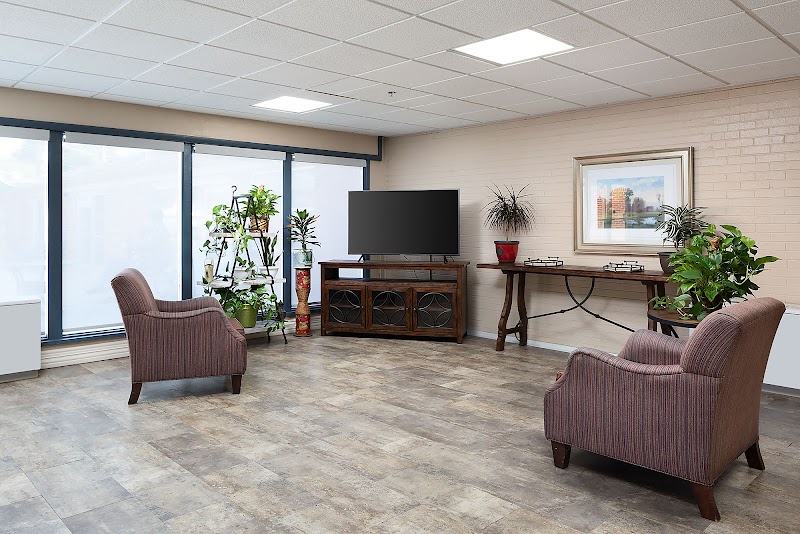
How is Fairmont Skilled Nursing And Therapy Staffed?

CMS rates FAIRMONT SKILLED NURSING AND THERAPY's staffing level at 3 out of 5 stars, which is average compared to other nursing homes. Staff turnover is 56%, which is 10 percentage points above the Oklahoma average of 46%. High turnover can affect care consistency as new staff learn residents' individual needs. RN turnover specifically is 70%, which is notably high. RNs provide skilled clinical oversight, so turnover in this role can affect medical care quality.

What Have Inspectors Found at Fairmont Skilled Nursing And Therapy?

State health inspectors documented 16 deficiencies at FAIRMONT SKILLED NURSING AND THERAPY during 2023 to 2025. These included: 1 that caused actual resident harm and 15 with potential for harm. Deficiencies causing actual harm indicate documented cases where residents experienced negative health consequences.
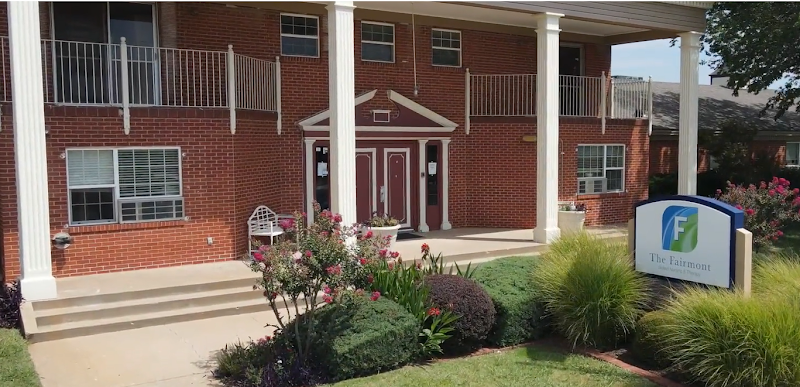
Who Owns and Operates Fairmont Skilled Nursing And Therapy?

FAIRMONT SKILLED NURSING AND THERAPY is owned by a for-profit company. For-profit facilities operate as businesses with obligations to shareholders or private owners. The facility is operated by BRIDGES HEALTH, a chain that manages multiple nursing homes. With 125 certified beds and approximately 90 residents (about 72% occupancy), it is a mid-sized facility located in OKLAHOMA CITY, Oklahoma.
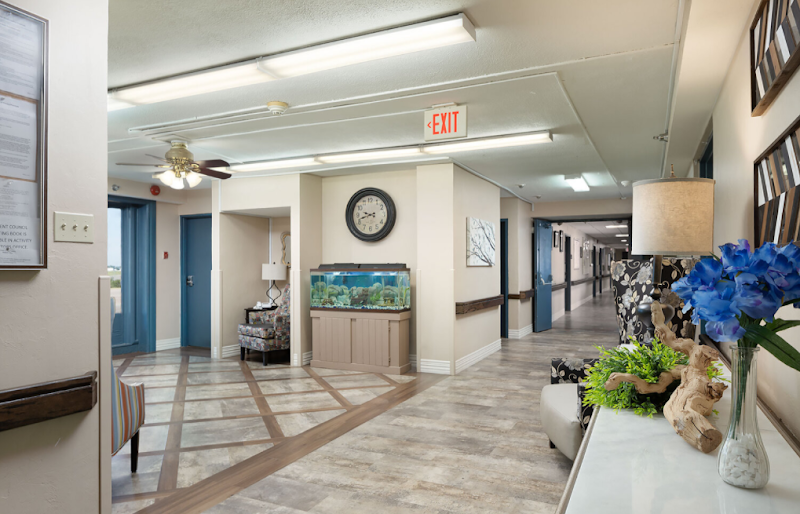
How Does Fairmont Skilled Nursing And Therapy Compare to Other Oklahoma Nursing Homes?

Compared to the 100 nursing homes in Oklahoma, FAIRMONT SKILLED NURSING AND THERAPY's overall rating (2 stars) is below the state average of 2.6, staff turnover (56%) is near the state average of 46%, and health inspection rating (2 stars) is below the national benchmark.

What Should Families Ask When Visiting Fairmont Skilled Nursing And Therapy?

Based on this facility's data, families visiting should ask: "What safeguards and monitoring systems are in place to protect residents from abuse or neglect?" "How do you ensure continuity of care given staff turnover, and what is your staff retention strategy?" "Can I visit during a mealtime to observe dining assistance and food quality?" "How do you handle medical emergencies, and what is your hospital transfer rate?" These questions are particularly relevant given the substantiated abuse finding on record and the facility's high staff turnover rate.

Is Fairmont Skilled Nursing And Therapy Safe?

Based on CMS inspection data, FAIRMONT SKILLED NURSING AND THERAPY has documented safety concerns. The facility has 1 substantiated abuse finding (meaning confirmed case of resident harm by staff or other residents). The facility has a 2-star overall rating and ranks #100 of 100 nursing homes in Oklahoma. Families considering this facility should ask detailed questions about what corrective actions have been taken since these incidents.

Do Nurses at Fairmont Skilled Nursing And Therapy Stick Around?

Staff turnover at FAIRMONT SKILLED NURSING AND THERAPY is high. At 56%, the facility is 10 percentage points above the Oklahoma average of 46%. Registered Nurse turnover is particularly concerning at 70%. RNs handle complex medical decisions and coordinate care — frequent RN changes can directly impact care quality. High turnover means new staff may not know residents' individual needs, medications, or preferences. It can also be disorienting for residents, especially those with dementia who rely on familiar faces. Families should ask: What is causing the turnover? What retention programs are in place? How do you ensure care continuity during staff transitions?

Was Fairmont Skilled Nursing And Therapy Ever Fined?

FAIRMONT SKILLED NURSING AND THERAPY has been fined $12,735 across 1 penalty action. This is below the Oklahoma average of $33,206. While any fine indicates a compliance issue, fines under $50,000 are relatively common and typically reflect isolated problems that were subsequently corrected. Families should ask what specific issues led to these fines and confirm they've been resolved.

Is Fairmont Skilled Nursing And Therapy on Any Federal Watch List?

FAIRMONT SKILLED NURSING AND THERAPY is not on any federal watch list. The most significant is the Special Focus Facility (SFF) program, which identifies the bottom 1% of nursing homes nationally based on persistent, serious quality problems. Not being on this list means the facility has avoided the pattern of deficiencies that triggers enhanced federal oversight. This is a positive indicator, though families should still review the facility's inspection history directly.