IGNITE MEDICAL RESORT OKC, LLC


6312 NORTH PORTLAND, OKLAHOMA CITY, OK 73112 (405) 946-6932
For profit - Limited Liability company 75 Beds IGNITE MEDICAL RESORTS Data: November 2025
Trust Grade
65/100
#113 of 282 in OK
Last Inspection: March 2024

Within standard 12-15 month inspection cycle. Federal law requires annual inspections.

Overview

Ignite Medical Resort OKC, LLC has a Trust Grade of C+, indicating it is slightly above average but not outstanding. It ranks #113 out of 282 facilities in Oklahoma, placing it in the top half, and #11 out of 39 in Oklahoma County, meaning only ten local options are better. Unfortunately, the facility is worsening, with issues increasing from 5 in 2024 to 7 in 2025. Staffing is a concern here, receiving a 2 out of 5 stars, and while turnover is at 53%, which is slightly below the state average, this suggests a need for improvement. On a positive note, the facility has no fines on record, which is reassuring. Additionally, it boasts better RN coverage than 87% of state facilities, which is important for catching potential issues. However, there have been specific incidents such as a medication cart being left unsecured, which can compromise resident safety, and a failure to administer certain medications as prescribed for a resident, potentially risking their health. Overall, while there are strengths, families should weigh these against the facility's recent trend of increasing issues and the staffing concerns.

Trust Score
C+
65/100
In Oklahoma
#113/282
Top 40%
Safety Record
Low Risk
No red flags
Inspections
Getting Worse
5 → 7 violations
Staff Stability
⚠ Watch
53% turnover. Above average. Higher turnover means staff may not know residents' routines.
Penalties
✓ Good
No fines on record. Clean compliance history, better than most Oklahoma facilities.
Skilled Nurses
○ Average
Each resident gets 37 minutes of Registered Nurse (RN) attention daily — about average for Oklahoma. RNs are the most trained staff who monitor for health changes.
Violations
⚠ Watch
14 deficiencies on record. Higher than average. Multiple issues found across inspections.
★★★☆☆
3.0
Overall Rating
★★☆☆☆
2.0
Staff Levels
★★★★☆
4.0
Care Quality
★★★☆☆
3.0
Inspection Score
Stable
2024: 5 issues
2025: 7 issues

The Good

  • 4-Star Quality Measures · Strong clinical quality outcomes
  • Full Sprinkler Coverage · Fire safety systems throughout facility
  • No fines on record

Facility shows strength in quality measures, fire safety.

The Bad

3-Star Overall Rating

Near Oklahoma average (2.6)

Meets federal standards, typical of most facilities

Staff Turnover: 53%

Near Oklahoma avg (46%)

Higher turnover may affect care consistency

Chain: IGNITE MEDICAL RESORTS

Part of a multi-facility chain

Ask about local staffing decisions and management

The Ugly 14 deficiencies on record

Sept 2025 4 deficiencies
CONCERN (D) 📢 Someone Reported This

A family member, employee, or ombudsman was alarmed enough to file a formal complaint

Potential for Harm - no one hurt, but risky conditions existed

Safe Environment (Tag F0584)

Could have caused harm · This affected 1 resident

Based on observation and interview, the facility failed to ensure a homelike environment for 1 (#16) of 5 sampled resident rooms reviewed for cleanliness.The MDS coordinator identified 72 residents re...

Read full inspector narrative →
Based on observation and interview, the facility failed to ensure a homelike environment for 1 (#16) of 5 sampled resident rooms reviewed for cleanliness.The MDS coordinator identified 72 residents resided in the facility.Findings: On 09/09/25 at 9:50 a.m., Resident #16's floor of their room was observed to have a substance throughout the room. The substance was clear to white in appearance and there were footprints in the substance in several different places. There were small pieces of paper and white tape scattered on the floor. There were two large pieces of black cardboard on the floor by Resident #16's bed. On 09/09/25 at 10:59 a.m., Resident #16's floor was observed to still have the sticky substance, pieces of paper, tape, and black cardboard on the floor of their room. On 09/10/25 at 5:22 p.m., Resident #16's floor was observed to still have the sticky substance, pieces of paper, tape, and black cardboard on the floor of their room. An undated policy Room Cleaning for Residents, read in part, The resident's room daily cleaning steps daily cleaning steps and recommended procedures are as follows: Pick up all paper, trash, etc. Dust the floor thoroughly. After mopping the floor, place a wet floor sign. On 09/09/25 at 9:51 a.m., Resident #16 was asked how comfortable their room was for them. They stated, It's dirty. My [family member] told them to clean it and they still haven't. On 09/09/25 at 11:00 a.m., Resident #16's family member stated they had asked multiple staff members to have Resident #16's room cleaned since their admission, but it still had not been done. On 09/11/25 at 8:56 a.m., housekeeper #1 was asked how often they cleaned resident rooms. They stated, Every day. They were asked if Resident #16's room was cleaned on 09/10/25. Housekeeper #1 stated, Yeah, every day. They were asked if the floor had been swept and mopped. They stated, Yeah. On 09/11/25 at 9:00 a.m., housekeeper #1 was shown Resident #16's floor and asked when the last time the floor was mopped. They stated, Yesterday. Housekeeper #1 was advised the floor had been sticky with footprints on it and the paper, tape, and black cardboard had been present since at least 09/09/25. They stated, Oh. Housekeeper #1 was asked if Resident #16's floor was dirty. They stated, Yes. On 09/11/25 at 10:37 a.m., the maintenance director was asked how often the housekeepers were supposed to mop the resident rooms. They stated, Every day. The maintenance director was asked what their expectation of the housekeepers was for mopping resident rooms. They stated, A quick sweep or dust mop first, then mop every day.
CONCERN (D) 📢 Someone Reported This

A family member, employee, or ombudsman was alarmed enough to file a formal complaint

Potential for Harm - no one hurt, but risky conditions existed

Quality of Care (Tag F0684)

Could have caused harm · This affected 1 resident

Based on observation, record review, and interview, the facility failed to assess, monitor, and intervene for no bowel elimination from 09/02/25 to 09/07/25 for 1 (#48) of 3 sampled residents reviewed...

Read full inspector narrative →
Based on observation, record review, and interview, the facility failed to assess, monitor, and intervene for no bowel elimination from 09/02/25 to 09/07/25 for 1 (#48) of 3 sampled residents reviewed for bowel elimination.The MDS coordinator identified 72 residents resided in the facility.Findings:On 09/10/25 at 1:20 p.m., Resident #48 was lying in bed watching television. The resident was clean and without foul odor. The resident was pleasant and denied pain or discomfort at the time. A private sitter was in the room at the time of the observation.A facility policy titled Bowel Monitoring, revised/reviewed 07/2025, read in part, Licensed nursing staff will complete a review daily to ensure there are no abdominal abnormalities present. Abnormal findings may include but aren't limited to:.Infrequent bowel patterns and/or consistency of stool.An undated face sheet showed the Resident #48 had disease of spinal cord, quadriplegia C5-C7 incomplete, cognitive communication deficit, and need for assistance with personal care.A care plan, dated 08/16/25, did not show a care plan for constipation. A physician order, dated 08/22/25, showed Resident #48 was to have bowel and bladder training every two hours. The order showed the resident was to be offered the bedpan and urinal every two hours. A physician order, dated 08/22/25, showed Resident #48 was to receive Colace (a stool softener) 100mg two times a day for constipation.A physician order, dated 08/23/25, showed Resident #48 was to receive MiraLAX (an osmotic laxative) 17 GM every 24 hours as needed for constipation. An admission assessment, dated 08/28/25, showed Resident #48 had a BIMS of 10 which indicated they were moderately impaired for daily decision making. The assessment showed Resident #48 was incontinent of bowel. The task area of Resident #48's medical record showed the history of bowel elimination. The record showed Resident #48 had not had a bowel movement from 09/02/25 to 09/07/25.On 09/11/25 at 12:43 p.m., RN #1 stated if a resident had not had a bowel movement within two days, they would notify the physician and see if the resident had a physician order for as needed medication for constipation available. On 09/11/25 at 1:03 p.m., the DON stated if a resident had not had a bowel movement within three days, they would expect the nurse to notify the physician.
CONCERN (D) 📢 Someone Reported This

A family member, employee, or ombudsman was alarmed enough to file a formal complaint

Potential for Harm - no one hurt, but risky conditions existed

Deficiency F0688 (Tag F0688)

Could have caused harm · This affected 1 resident

Based on observation, record review, and interview, the facility failed to ensure a resident with limited mobility was provided with the appropriate padding for a cervical collar for 1 (#48) of 1 samp...

Read full inspector narrative →
Based on observation, record review, and interview, the facility failed to ensure a resident with limited mobility was provided with the appropriate padding for a cervical collar for 1 (#48) of 1 sampled resident reviewed for the use of a cervical collar. The MDS coordinator identified 72 residents resided in the facility.Findings:On 09/10/25 at 1:20 p.m., Resident #48 was lying in bed watching television. The resident was wearing a Miami J cervical collar. On 09/11/25 at 8:57 a.m., Resident #48 was sitting in their wheelchair eating breakfast with assistance from the private sitter. The resident's cervical collar was lying on the bed and the padding was soiled. An undated face sheet showed Resident #48 had diagnoses which included disease of the spinal cord, quadriplegia C5- C7 incomplete, and falls. The care plan, dated 08/16/25, showed Resident #48 had an ADL self-care performance deficit and limitations in physical mobility. A physician order, dated 08/25/25, showed Resident #48 was to always wear the Miami J cervical collar except during meals and showers until follow up in six weeks.An admission assessment, dated 08/28/25, showed Resident #48 had a BIMS of 10, which indicated the resident was moderately impaired for daily decision making. The assessment showed Resident #48 was dependent with bathing and required assistance with eating. On 09/10/25 at 1:34 p.m., LPN #1 stated the Resident #48 had a Miami J cervical collar and the facility only had padding to fit an Aspen cervical collar. On 09/10/25 at 2:40 p.m., the DON stated the padding the facility had was not for a Miami J cervical collar. The DON stated the facility did not have padding for the cervical collar. On 09/10/25 at 2:57 p.m., the DON stated the facility did not have the correct padding for Resident #48's cervical collar. The DON stated there was a miscommunication regarding the availability of the correct cervical collar padding. The DON stated the padding should be changed when soiled, at least after showers, or maybe daily with sweating.
CONCERN (D) 📢 Someone Reported This

A family member, employee, or ombudsman was alarmed enough to file a formal complaint

Potential for Harm - no one hurt, but risky conditions existed

Deficiency F0692 (Tag F0692)

Could have caused harm · This affected 1 resident

Based on observation, record review, and interview, the facility failed to maintain acceptable parameters of nutritional status, such as usual body weight for 1 (#48) of 3 sampled residents reviewed f...

Read full inspector narrative →
Based on observation, record review, and interview, the facility failed to maintain acceptable parameters of nutritional status, such as usual body weight for 1 (#48) of 3 sampled residents reviewed for weight loss. The MDS coordinator identified 72 residents resided in the facility.Findings:On 09/11/25 at 8:57 a.m., Resident #48 was sitting in their wheelchair eating breakfast. The resident was assisted with the meal by the private sitter. An undated face sheet showed Resident #48 had diagnoses which included quadriplegia, muscle weakness, the need for assistance with personal care, gastroesophageal reflux disease, and a body mass index (BMI) 19.9 or less. A care plan, dated 08/16/25, showed Resident #48 had the potential for alterations in nutrition and hydration. Interventions were to evaluate any weight changes and follow facility protocol for weight change. A physician order, dated 08/22/25, showed Resident #48 was to receive a regular diet and Ensure one can with meals for a supplement. A physician order, dated 08/22/25, showed Resident #48 was to be offered assist with every meal. A physician order, dated 08/28/25, showed Resident #48 was to be weighed weekly for four weeks and then monthly.An admission assessment, dated 08/28/25, showed Resident #48 had a BIMS of 10. The assessment showed the resident had not had weight loss.Resident #48's weight record, dated 09/04/25, showed the resident weighed 137.5 pounds and had a 5.4% weight loss from the weight on 08/16/25 of 145.4 pounds.Resident #48's electronic record for the task amount eaten of meals, showed the resident ate 76% to 100% of meals. On 09/10/25 at 1:20 p.m., the private sitter stated they assisted the staff with Resident #48's personal care. On 09/10/25 at 4:17 p.m., the DM stated the dietitian was in the facility twice a week. The DM stated the dietitian was responsible for monitoring resident weights. On 09/11/25 at 8:38 a.m., the physician stated the facility had weekly QA meetings and weight loss was one of the topics. The physician stated they did not have a QA meeting last week. The physician stated the dietician monitored the resident weights and should be aware. On 09/11/25 at 9:21 a.m., the dietician stated they were not in the facility last week and the weekly QA meeting was cancelled. The dietician stated they would have been aware of the resident's weight loss this week.On 09/11/25 at 10:00 a.m., the DON stated the dietician was responsible for monitoring resident weights and notifying the physician. The DON stated the resident's weight loss had flagged in the computer last week. The DON stated no new intervention had been implemented since the identified weight loss on 09/04/25.
Mar 2025 3 deficiencies
CONCERN (D) 📢 Someone Reported This

A family member, employee, or ombudsman was alarmed enough to file a formal complaint

Potential for Harm - no one hurt, but risky conditions existed

ADL Care (Tag F0677)

Could have caused harm · This affected 1 resident

**NOTE- TERMS IN BRACKETS HAVE BEEN EDITED TO PROTECT CONFIDENTIALITY** Based on record review and interview, the facility failed to provide bathing for 1 (#3) of 3 sampled residents reviewed for bath...

Read full inspector narrative →
**NOTE- TERMS IN BRACKETS HAVE BEEN EDITED TO PROTECT CONFIDENTIALITY** Based on record review and interview, the facility failed to provide bathing for 1 (#3) of 3 sampled residents reviewed for bathing. The director of MDS identified 69 residents resided in the facility. Findings: A BATHING policy, revised 04/2023, read in part, All residents are given a bath or shower in accordance with preferences. If no preference on a bath is voiced, a bath or shower will be offered twice per week. Resident #3 was admitted on [DATE] and discharged on 01/27/25. Resident #3 had diagnoses which included need for assistance with personal care, muscle weakness, and unsteadiness on feet. Resident #3's admission resident assessment, dated 01/02/25, showed the resident required substantial to maximum assistance with bathing. A shower schedule showed Resident #3's weekly shower schedule was Tuesday and Friday. There was no documentation Resident #3 received a bath on 12/27/24, 12/31/24, and 01/07/25 during their admission stay at the facility. On 03/13/25 at 3:19 p.m., certified nurse aide #1 stated resident showers were set to two days a week based on room numbers. They stated they go through the shower book daily to see which residents were scheduled for the day. They stated if a resident refused, they would document on the shower sheet and inform the nurse. On 3/13/25 at 4:52 p.m., the DON stated they could not locate documentation Resident #3 received a bath on 12/27/24, 12/31/24, and 01/07/25.
CONCERN (D) 📢 Someone Reported This

A family member, employee, or ombudsman was alarmed enough to file a formal complaint

Potential for Harm - no one hurt, but risky conditions existed

Deficiency F0772 (Tag F0772)

Could have caused harm · This affected 1 resident

Based on record review and interview, the facility failed to ensure physician ordered labs were obtained for 1 (#2) of 3 sampled residents reviewed for assess monitor and intervene. The director of MD...

Read full inspector narrative →
Based on record review and interview, the facility failed to ensure physician ordered labs were obtained for 1 (#2) of 3 sampled residents reviewed for assess monitor and intervene. The director of MDS identified 69 residents resided in the facility. Findings: A facility lab policy, dated 05/2024, read in part, A physician or nurse practitioner order is necessary for any lab specimen collection .Label container with pertinent information .place specimen in designated area .Document in the nursing notes that a specimen was collected and a description of the specimen. Resident #2 had diagnoses which included diverticulitis of the intestine. A physician order, dated 01/04/25, read in part, STOOL SAMPLE NEEDED (CDIFF?) [clotridoides difficile colitis] LEAVE ORDER UNTIL COLLECTED. ONCE COLLECTED CALL LAB TO PICK UP .PRINT ORDER OUT AND PUT IN PURPLE BOOK. A physician progress note, dated 01/06/25, showed Resident #2 had experienced diarrhea since before Thanksgiving. The note showed stool studies collected 01/05/25 and the results were pending. The note was signed by physician #1. There were no stool specimen results located in Resident #2's clinical record for the 01/04/25 physician ordered stool sample. On 03/11/25 at 9:24 a.m., family member #1 stated Resident #2 had experienced diarrhea for an extended period of time (months) and they were concerned a stool specimen wasn't collected. On 03/11/25 at 2:13 p.m., the DON stated they did not believe Resident #2's stool specimen was ever collected. They stated the family had complained about the lab. They stated the facility had changed lab services during the time and had difficulty getting it integrated into their electronic system. The DON stated the facility completed a follow up on the issue, educated staff, and completed a QA. On 03/12/25 at 9:43 a.m. LPN #4 stated when providers ordered labs, they would put it in the electronic system on the treatment administration record. They stated once the specimen was collected, they would label it and notify the lab company it was collected so they could pick it up. On 03/12/25 at 10:43 a.m., the DON stated when providers ordered labs, they would notify the family and put the lab order in the system. They stated staff would collect the labs such as stool specimens, date, sign and label the specimen container, and call the lab to pick it up. On 03/13/25 at 3:15 p.m., LPN #1 stated staff would collect stool, urine, and blood specimens and call the lab for pickup. On 03/13/25 at 3:16 p.m., LPN #1 stated the facility had switched lab services not long ago and received an inservice related to labs. On 03/13/25 at 3:41 p.m., LPN #2 stated when they received an order for labs, they would put it into the electronic system and the lab system. They stated after the lab was collected, they would call the lab to pick it up and mark it off once it was picked up. They stated they had received a recent inservice on labs. On 03/13/25 at 3:47 p.m., LPN #3 stated when they received a lab order they would let the resident know, put it into the computer system, collect the specimen, and click it off the system after it was collected. They stated they had received inservice training recently related to labs. The facility initiated a QA plan of improvement with monitoring on 01/08/25. The facility provided ongoing monitoring related to lab services. A review of the in-service documentation related to the investigation of labs being completed as ordered documented the facility completed an all staff training on 01/22/25. A review of the employee list and signatures indicated all employees had been in-serviced. Interviews with staff during the survey indicated they had knowledge of the in-service education provided regarding the laboratory policy. Staff demonstrated knowledge of the process of obtaining physician ordered labs. The deficiency was determined to be a past noncompliance. The record review and interviews support a past noncompliance.
CONCERN (E) 📢 Someone Reported This

A family member, employee, or ombudsman was alarmed enough to file a formal complaint

Potential for Harm - no one hurt, but risky conditions existed

Pharmacy Services (Tag F0755)

Could have caused harm · This affected multiple residents

**NOTE- TERMS IN BRACKETS HAVE BEEN EDITED TO PROTECT CONFIDENTIALITY** Based on record review and interview, the facility failed to ensure: a. medication allergy adherence; b. a medication was accur...

Read full inspector narrative →
**NOTE- TERMS IN BRACKETS HAVE BEEN EDITED TO PROTECT CONFIDENTIALITY** Based on record review and interview, the facility failed to ensure: a. medication allergy adherence; b. a medication was accurately transcribed; and c. medications were administered as ordered for 1 (#2) of 3 sampled residents reviewed for medication administration. The director of MDS identified 69 residents resided in the facility. Findings: An Administration of Medication policy, dated 04/2024, read in part, All medications are administered safely and appropriately to aid residents to and help in overcome [sic] illness, relieve and prevent symptoms and help in diagnosis. Resident #2 had diagnoses which included polyosteoarthritis, essential hypertension, and venous insufficiency. Resident #2's admission record showed they admitted to the facility on [DATE] and had allergies which included acetaminophen. A physician order, dated 01/04/25, showed Tylenol/acetaminophen (a pain reliever and fever reducer) eight hour oral tablet 650 mg, give one tablet every six hours as needed for pain not to exceed 3000 mg in 24 hours. The medication was discontinued on 01/06/25. Resident #2's medication administration record did not document the Tylenol was ever administered. A provider visit note, dated 01/06/25, showed the assessment and plan for Resident #2's bilateral leg edema included adding metolazone daily for a few days. The note was signed by physician #1. A physician order, dated 01/06/25, showed metaxalone (a muscle relaxant) oral tablet give 5 mg orally one time a day for edema for five days. A discontinue order for the above metaxalone was dated 01/08/25. The reason for the discontinue showed entered wrongly. Resident #2's medication administration record did not document the metaxalone was ever administered. A physician order, dated 01/08/25, showed metolazone (a diuretic) oral tablet 5 mg, give one tablet by mouth one time a day for fluid retention for five days. Resident #2's medication administration record did not document the metolazone was ever administered. On 03/11/25 at 9:24 a.m. family member #1 stated they were concerned with medical negligence. They stated while at the facility, Resident #2 had an order for Tylenol. They stated the resident was allergic to the medication and regardless of the outcome, should not have been ordered when the resident was allergic to it. They stated Resident #2 had experienced swelling in their legs and the physician had ordered medication for it that was not started for two days. On 03/12/25 at 9:25 a.m., CMA #1 stated if a medication was not available to be administered, staff would call the pharmacy and check on the status. They stated they would ensure a resident was not allergic to the medication before administering it. They stated if the resident had an allergy to the medication, they would notify the nurse who would notify the physician. They stated the medication would be held until clarification was obtained. On 03/12/25 at 9:26 a.m., CMA #1 stated the charge nurse was responsible for handling new medication orders from the provider. They stated they would fax new orders over to the pharmacy. They stated new medications that were not ordered stat (urgently) should be received within four hours of ordering. On 03/12/25 at 9:28 a.m., CMA #1 stated Resident #2 had allergies which included Tylenol. They stated they did not know the resident's reaction to the medication. On 03/12/25 at 9:30 a.m., CMA #1 stated Resident #2 had an order for Tylenol eight hour as needed that was dated 01/04/25. They stated they did not know who put the order in. They stated Resident #2 had an order for metolazone dated 01/08/25 and metaxalone 5 mg one time daily for edema which was ordered on 01/06/25. They stated they were unable to view previous administration records and were unable to determine if the resident received either of these medications. On 03/12/25 at 9:44 a.m., LPN #4 stated they would confirm pharmacy received the medication orders to ensure they were available for administration in the facility. They stated they would put new orders into the system and ensure the order was faxed to the pharmacy and the family was aware of the new order. They stated they would check with pharmacy to see how soon the medication would be filled. On 03/12/25 at 10:13 a.m. a.m., LPN #4 stated when staff received new medication orders, if they had any questions, they would send a message to the provider to confirm the medication, dosage, and time. They stated sometimes the handwriting was not the best. They stated staff needed to have a clear understanding of the order before putting it in the system. On 03/12/25 at 10:15 a.m., LPN #4 stated new medications were usually received within four to six hours. They stated if a resident was allergic to the medication, they would determine the reaction, and let the provider know. They stated sometimes the need for the medication outweighs the risk and the provider would still want it given. On 03/12/25 at 10:16 a.m., LPN #4 stated Resident #2 had allergies which included acetaminophen. On 03/12/25 at 10:18 a.m., LPN #4 stated they did not know the resident's reaction to the medication. They stated Resident #2 did have a Tylenol order that was discontinued. They stated they did not know the reason it was prescribed with their allergy. On 03/12/25 at 10:23 a.m., LPN #4 stated they did not see a note the medication was ever administered. On 03/12/25 at 10:28 a.m., LPN #4 stated Resident #2's metolazone was ordered 01/08/25. They stated the metaxalone 5 mg one time a day was ordered on 01/06/25. They stated they were not sure who put the order in. On 03/12/25 at 10:30 a.m., LPN #4 stated metaxalone was a muscle relaxer. They stated metolazone was a diuretic. They stated the provider visit note dated 01/06/25 documented they were adding metolazone to treat Resident #2's edema. They stated they could not see where metaxalone was given, just that it was discontinued. They stated they were unable to see if either one was given. On 03/12/25 at 10:44 a.m., the DON stated anytime medications ran out, the CMA would push reorder in the computer. They stated the facility also had an emergency kit for ensuring medications were available to administer. They stated staff ordered three days in advance before running out. On 03/12/25 at 10:45 a.m., the DON stated for new orders, staff let the resident know, entered it in the electronic record, and notified family. On 03/12/25 at 10:46 a.m., the DON stated both the DON and assistant director of nursing ran an audit of orders on Mondays to ensure orders were put in correctly. They stated pharmacy usually got new medications to the facility within six hours. On 03/12/25 at 10:48 a.m., the DON stated if a resident was allergic to a medication ordered, staff would notify the doctor and make sure they okayed the medication. They stated the resident would be informed as well. On 03/12/25 at 10:52 a.m., the DON stated Resident #2 had allergies which included acetaminophen. They stated they were unsure of the resident's reaction to the medication. They DON stated they were the person who put in the Tylenol order. They stated the resident's orders were reviewed by physician #1 on admit and they placed a check next to Tylenol. They stated it was difficult to remember the reason. On 03/12/25 at 11:00 a.m., the DON stated Resident #2 did not receive the Tylenol before it was discontinued. On 03/12/25 at 11:01 a.m., the DON stated the metolazone was ordered for Resident #2 on 01/09/25 and the medication was used to treat fluid retention. They stated Resident #2 had an order for metaxolone 5 mg give one time a day for edema for five days ordered 01/07/25. They stated the order was put in wrong. They stated metaxolone was used for a muscle relaxant. The DON reviewed the provider visit note dated 01/06/25 and stated metolazone was supposed to be ordered. They stated neither medication was ever administered to Resident #2.
Dec 2024 2 deficiencies
CONCERN (D) 📢 Someone Reported This

A family member, employee, or ombudsman was alarmed enough to file a formal complaint

Potential for Harm - no one hurt, but risky conditions existed

Comprehensive Care Plan (Tag F0656)

Could have caused harm · This affected 1 resident

**NOTE- TERMS IN BRACKETS HAVE BEEN EDITED TO PROTECT CONFIDENTIALITY** Based on observation, record review, and interview, the facility failed to appropriately develop and/or implement comprehensive ...

Read full inspector narrative →
**NOTE- TERMS IN BRACKETS HAVE BEEN EDITED TO PROTECT CONFIDENTIALITY** Based on observation, record review, and interview, the facility failed to appropriately develop and/or implement comprehensive care plans for two (#2 and #3) of three sampled residents identified as exit seeking or confused. The administrator identified 74 residents resided in the facility. Findings: An Elopement Policy, dated November 2018, documented residents identified as having wandering or exit seeking behavior will be assessed and appropriate interventions will be included in the plan of care at the time of identification of the wandering or exit seeking behavior. 1. Resident #2 was admitted to the facility on [DATE] with diagnoses which included nontraumatic intracerbral hemorrhage and hemiplegia. An initial physician history and physical visit for Resident #2, dated 11/20/24, read in part, confused and confabulating [memory loss that effects their higher reasoning] during visit. Nursing reported patient is exit seeking but is easily redirected. The care plan did not indicate the resident was an elopement risk. Resident #2's MDS, dated [DATE], documented their cognition was moderately impaired. A nurse note, dated 11/27/24 at 8:03 p.m., read in part, Guest was found to be missing around [7:00 p.m.]. All staff immediately went to look for guest, two nurses drove through neighborhood and found guest headed towards the [store] across the street from the facility. The care plan did not indicate the resident was an elopement risk. On 12/03/24 the resident's elopement risk was initiated on the care plan. 2. Resident #3 was admitted on [DATE] with a diagnoses which included dementia. A care plan for elopement risk was initiated. The interventions included disguise exits and decorate doors and doorknobs to look like something else. Resident #3's MDS, dated [DATE], documented their cognition was moderately impaired. On 12/03/24 at 5:15 p.m., the emergency exit door at the end of Resident #3's hall was not decorated or disguised in any way and was clearly marked as an exit. On 12/03/24 at 5:37 p.m., the administrator and CNO stated they were unsure why those interventions were on the care plan and they would look into it.
CONCERN (D) 📢 Someone Reported This

A family member, employee, or ombudsman was alarmed enough to file a formal complaint

Potential for Harm - no one hurt, but risky conditions existed

Accident Prevention (Tag F0689)

Could have caused harm · This affected 1 resident

**NOTE- TERMS IN BRACKETS HAVE BEEN EDITED TO PROTECT CONFIDENTIALITY** Based on observation, record review, and interview, the facility failed to adequately supervise and prevent a resident from elop...

Read full inspector narrative →
**NOTE- TERMS IN BRACKETS HAVE BEEN EDITED TO PROTECT CONFIDENTIALITY** Based on observation, record review, and interview, the facility failed to adequately supervise and prevent a resident from eloping for one (#2) of three sampled residents identified as exit seeking or confused. The administrator identified 74 residents resided in the facility. Findings: An Elopement Policy, dated November 2018, documented residents identified as having wandering or exit seeking behavior will be assessed and appropriate interventions will be included in the plan of care at the time of identification of the wandering or exit seeking behavior. It documented all exit doors were alarmed with audible alerts. Resident #2 was admitted to the facility on [DATE] with a diagnoses which included nontraumatic intracerbral hemorrhage and hemiplegia. An initial physician history and physical visit for Resident #2, dated 11/20/24, read in part, confused and confabulating [memory loss that effects their higher reasoning] during visit. Nursing reported patient is exit seeking but is easily redirected. Resident #2's MDS, dated [DATE], documented their cognition was moderately impaired. A physician follow-up visit, dated on 11/25/24, documented Resident #2 continued to be confused and confabulating during visit. It documented the resident continued to exit seek. A Combined Initial and Final Incident Report Form, dated 11/27/24, documented at 6:40 p.m. nursing staff noticed Resident #2 was missing. It documented the resident was last seen by nursing staff at 6:00 p.m. It documented the resident was known for wandering and was stationed at the nurses' station prior to going missing. It documented the CNO was notified and management began watching camera footage and found the resident had wheeled themselves through the emergency exit door on hall 200. It documented the resident was found down the road from the facility at 7:10 p.m. It documented a head-to-toe assessment was completed, and no injuries were noted. It documented the resident's family and physician were notified. It documented a one-on-one sitter was put in place that evening and family was asked to come up if possible to assist with close monitoring. It documented social services had already been working on placement in long-term care/memory care. A nurse note, dated 11/27/24 at 8:03 p.m., read in part, Guest was found to be missing around [7:00 p.m.]. All staff immediately went to look for guest, two nurses drove through neighborhood and found guest headed towards the [store] across the street from the facility. On 11/27/24 it was documented the administrator and CNO provided staff with an in-service on elopement. On 12/03/24 at 1:05 p.m., the CNO stated the hall 200 door did not latch and therefore alarm. They stated maintenance was called out and fixed the door immediately. The CNO stated the facility attempted to not bring in confused and exit seeking residents because they are not a memory care facility. On 12/03/24 at 2:26 p.m., LPN #1 was reached via telephone for interview. LPN #1 stated Resident #2 had been exit seeking since about the 20th and they made the physician aware. They stated Resident #2 had been trying that morning so staff placed them at the nurses' station. LPN #1 stated around shift change it was noticed Resident #2 was missing. LPN #1 stated staff were looking for the resident for about 20 minutes before locating them. On 12/03/24 at 4:47 p.m., the administrator stated the exit doors were checked monthly and had last been checked on 11/07/24, but the facility would start checking them weekly for any issues.
Nov 2024 1 deficiency
CONCERN (E) 📢 Someone Reported This

A family member, employee, or ombudsman was alarmed enough to file a formal complaint

Potential for Harm - no one hurt, but risky conditions existed

Deficiency F0761 (Tag F0761)

Could have caused harm · This affected multiple residents

Based on observation and interview, the facility failed to ensure a medication cart was securely locked according to company policy and procedure. The administrator identified 69 residents resided in ...

Read full inspector narrative →
Based on observation and interview, the facility failed to ensure a medication cart was securely locked according to company policy and procedure. The administrator identified 69 residents resided in the facility. Findings: An Administrations of Medications policy, dated 04/2023, read in part, Never leave the medication cart open or unattended. On 11/26/24 at 4:03 p.m., medication cart #1 on hall 400 was found unsecured and unattended. On 11/26/24 at 4:04 p.m., LPN #1 reported the medication cart was supposed to be locked. On 11/26/24 at 4:05 p.m., CMA #1 reported the medication cart was to be locked. On 11/27/24 at 11:25 a.m., the DON reported according to company policy and procedure, medication carts were to be locked.
Oct 2024 1 deficiency
CONCERN (D) 📢 Someone Reported This

A family member, employee, or ombudsman was alarmed enough to file a formal complaint

Potential for Harm - no one hurt, but risky conditions existed

Deficiency F0760 (Tag F0760)

Could have caused harm · This affected 1 resident

Based on record review and interview, the facility failed to ensure a medication error did not occur for one (#2) of three sampled residents whose medication regime was reviewed. The assistant genera...

Read full inspector narrative →
Based on record review and interview, the facility failed to ensure a medication error did not occur for one (#2) of three sampled residents whose medication regime was reviewed. The assistant general manager identified 74 residents resided in the facility. Findings: An Administration of Medications policy, dated 05/2024, read in part, GENERAL All medications are administered safely and appropriately to aid residents to and help in overcome illness, relieve and prevent symptoms and help in diagnosis. The policy also read, A physician or nurse practitioner order is required for administration of all medications. The policy also read, Check medication administration record prior to administering medication for the right medication, dose, route, patient and time. Read each order entirely. Remove medication from drawer and read label three times; when removing from drawer, before pouring and after pouring .Identify resident by reading wrist band or checking the picture in the MAR. Resident #2 had diagnoses which included acute kidney failure, seizure, sepsis, and acute cystitis. An incident report, dated 07/24/24 at 9:37 a.m., read in part, This nurse was notified by charge nurse on the 100 hall that guest stated [they] got a shot this morning and someone got blood from [their] finger and [they] didn't know what is was for. Guest is not diabetic and has no orders for any shots to be given. Guest is in stable condition at this time. After investigation, it was found that guest was given 25 units of Insulin Glargine. Stable, vs wnl, blood sugar normal. A Health Status Note, dated 07/24/24 at 5:24 p.m., read in part, This nurse was informed by therapy that the night nurse did a fingerstick and gave [them] insulin. Guest is not diabetic and has not taken insulin or had a FSBS since admission. CNO and [provider PA] notified. N/O from [provider PA] to check FSBS TID today. Guest has been monitored today by this nurse and no adverse reactions noted. [Family member] was notified by this nurse. Guest in bed at this time and call light in within reach. An All staff inservice 1 hour, dated 07/24/24, documented the topic was five rights of medication administration. It was documented to verify the label on the medication for the patient the medication was being administered to. It was documented there was no sharing medication amongst patients. A physician's order, dated 07/24/24, documented FSBS TID for 1 day. The July 2024 TAR documented the midday FSBS reading on 07/24/24 was 105 and the evening reading was 96. It was documented the morning FSBS reading on 07/25/24 was 97. A Corrective Action Form dated 07/31/24, documented LPN #1 was suspended for two shifts for the insulin error. It was documented there was a med pass observation on 07/31/24. A QAPI data sheet, dated 08/01/24, documented notes for the medication error for Resident #2. On 10/07/24 at 3:31 p.m., the CNO stated they did speak to LPN#1 and did corrective action. They stated LPN #1 was suspended for two shifts, did QAPI, inserviced all staff, and observed a med pass for LPN #1.
Mar 2024 1 deficiency
CONCERN (D)

Potential for Harm - no one hurt, but risky conditions existed

Medication Errors (Tag F0758)

Could have caused harm · This affected 1 resident

2. Resident #158 admitted with diagnoses which included acquired absence of right leg below knee and infection of surgical site. A Physician's Order, dated 03/15/24, documented to administer Sertralin...

Read full inspector narrative →
2. Resident #158 admitted with diagnoses which included acquired absence of right leg below knee and infection of surgical site. A Physician's Order, dated 03/15/24, documented to administer Sertraline Oral Tablet 25 mg 1 tablet by mouth one time a day for Depression. The MDS admission assessment dated , 03/22/24, documented active diagnoses, which did not include a diagnosis of depression. On 03/27/24 at 11:47 a.m., MDS Director #1 was asked to review the physician's orders and admission MDS diagnoses list for Resident #158. After review, MDS Director #1 acknowledged sertraline for depression would be considered an unnecessary medication for Resident #158 without a diagnosis of depression. Based on record review and interview, the facility failed to ensure psychotropic medications administered to residents were necessary to treat a specific diagnosis for two (#24 and #158) of five residents who were reviewed for unnecessary medications. The DON identified 74 residents resided at the facility. Findings: 1. Resident #24 admitted with diagnoses which include dementia and anxiety. A Physician's Order, dated 02/27/24, to administer trazodone (an antidepressant medication) 150 mg, 0.5 tablet by mouth at bedtime for depression. A Physician's Order, dated 02/28/24, to administer citalopram hydrobromide (an antidepressant medication) 40 mg 1 tablet by mouth one time a day for depression. The February and March medication administration records for Resident #24 documented both antidepressants were administered as ordered except when the resident was outside of the facility due to hospitalization. The care plan, dated 02/27/24, documented a focus for an antipsychotic, and antianxiety medication, an antidepressant, an anticoagulant, a diuretic, and an opioid medication. The MDS five day assessment dated , 03/15/24, documented active diagnoses, which did not include a diagnosis of depression. On 03/27/24 at 11:20 a.m., MDS Director #1 stated they had completed the five day MDS for Resident #24. They stated Resident #24 was ordered two antidepressants, with no diagnosis of depression. The MDS Director #1 stated themselves and the MDS Director #2 entered the diagnoses received from the hospital records on admission. They stated the medications were unnecessary medications without a diagnosis of depression. On 03/27/24 at 1:20 p.m., the administrator stated they reviewed psychotropic medications during their weekly QA/QAPI meetings. They stated specific diagnoses such as depression and anxiety were not discussed during the meetings. The administrator stated the MDS directors should have looked for diagnoses to justify the use of psychotropic medications, as well as the admission nurse, to ensure all medications had appropriate diagnoses.
Aug 2023 1 deficiency
CONCERN (D) 📢 Someone Reported This

A family member, employee, or ombudsman was alarmed enough to file a formal complaint

Potential for Harm - no one hurt, but risky conditions existed

Infection Control (Tag F0880)

Could have caused harm · This affected 1 resident

Based on observation and interview, the facility failed to properly sanitize reusable equipment between residents for two (#4 and #6) of three residents observed during the collection of vital signs. ...

Read full inspector narrative →
Based on observation and interview, the facility failed to properly sanitize reusable equipment between residents for two (#4 and #6) of three residents observed during the collection of vital signs. The Resident Census and Conditions of Residents report, dated 08/30/23, documented 66 residents resided in the facility. Findings: The facility's Infection Control Policy, revised May 2023, read in part, .disinfection of resident care equipment including equipment shared among residents will be cleaned prior to and after each use including but not limited to: Vital sign devices .portable thermometers, vital sign machines .blood pressure monitoring equipment . On 08/31/23 at 8:12 a.m., CMA #3 was observed while taking Resident #7's temperature, pulse, and blood pressure. Once completed, CMA #3 returned the vital sign devices to the basket on the vital sign cart and exited Resident #7's room. CMA #3 did not sanitize the vital sign devices before moving to the room of Resident #4 and taking their temperature, pulse, and blood pressure. Once completed, CMA #3 returned the vital sign devices to the basket on the vital sign cart and exited Resident #4's room. CMA #3 did not sanitize the vital sign devices before moving on to the room of Resident #6 and taking their temperature, pulse, and blood pressure. Once completed, CMA #3 returned the vital sign devices to the basket on the vital sign cart and exited Resident #6's room. On 08/31/23 at 8:25 a.m., CMA #3 was asked the facility infection control policy on the use of re-usable medical equipment. CMA #3 stated the policy was to sanitize between each person. CMA #3 was asked if they had sanitized the equipment between each person. They stated, I sanitize my hands between each person. Then I do those residents on TBP or isolation last. Then sanitize the whole machine. On 08/31/23 at 11:01 a.m., the ACNO/ICP was asked the facility infection control policy on the use of re-usable medical equipment. They stated re-usable medical equipment was to be sanitized after use on each patient. The ACNO/ICP was given a description of this surveyors' observation of CMA #3 collecting vital signs. The ACNO/ICP acknowledged CMA #3 did not follow the facility's infection control policy.
Oct 2019 1 deficiency
CONCERN (E)

Potential for Harm - no one hurt, but risky conditions existed

Pharmacy Services (Tag F0755)

Could have caused harm · This affected multiple residents

Based on record review and staff interview, it was determined the facility failed to administer insulin as ordered for one (#12) of five sampled residents reviewed for unnecessary medications. The fa...

Read full inspector narrative →
Based on record review and staff interview, it was determined the facility failed to administer insulin as ordered for one (#12) of five sampled residents reviewed for unnecessary medications. The facility identified 17 residents who had orders for insulin. Findings: Resident #12 had diagnoses which included type 2 diabetes mellitus. Physician's orders, dated 10/03/19, documented, .HumaLOG U [units]-100 Insulin 100/unit/mL [milliliter] subcutaneous solution (45 UNITS) .Two Times Daily .HumaLOG U-100 Insulin 100 unit/mL subcutaneous solution (55 UNITS) .Every 1 Day .Levemir U-100 Insulin 100 unit/mL subcutaneous solution (25 UNITS) .Two Times Daily . The October 2019 treatment administration records (TARs) documented the following: Humalog 45 units ~ on 10/08/19 three units were administered at 8:00 a.m. and 0 units were administered at 12:00 p.m., ~ on 10/13/19 25 units were administered at 8:00 a.m., ~ on 10/14/19 25 units were administered 12:00 p.m., ~ on 10/24/19 the treatment notes documented missing documentation at 8:00 a.m. and 12:00 p.m., ~ on 10/25/19 the treatment notes documented missing documentation at 12:00 p.m. and ~ on 10/26/19 zero units were administered at 12:00 p.m. The treatment notes documented the medication was not required. Humalog 55 units ~ on 10/03/19 zero units were administered at 5:00 p.m. ~ on 10/09/19 the medication wasn't administered due to being previously scheduled at 5:00 p.m. and ~ on 10/20/19 zero units were administered at 5:00 p.m. The treatment notes documented the medication wasn't required. Levemir 25 units ~ on 10/06/19 45 units were administered at 9:00 a.m., ~ on 10/24/19 the treatment notes documented missing documentation at 9:00 a.m., ~ on 10/25/19 45 units were administered at 9:00 a.m. and ~ on 10/27/19 45 units were administered at 9:00 a.m. On 10/29/19 at 11:36 a.m., the director of nursing (DON) was asked if the resident had orders to receive insulin. She stated she had orders to received 45 units of Humalog at breakfast and lunch, 55 units of Humalog at dinner and 25 units of Levemir twice a day. She was asked if the resident received sliding scale insulin. She stated she did not. She was asked what it meant when the legend on the TAR documented the medication was previously scheduled. She stated it meant something was changed and the medication had not been administered. She was asked what it meant when the treatment notes documented missing documentation when a medication had not been administered. She stated some of the staff documented missing documentation when the resident was out of the building. The DON was shown the above documentation where the resident's insulin had not been administered as ordered. She acknowledged the findings.
Understanding Severity Codes (click to expand)
Life-Threatening (Immediate Jeopardy)
J - Isolated K - Pattern L - Widespread
Actual Harm
G - Isolated H - Pattern I - Widespread
Potential for Harm
D - Isolated E - Pattern F - Widespread
No Harm (Minor)
A - Isolated B - Pattern C - Widespread

Questions to Ask on Your Visit

  • "Can I speak with families of current residents?"
  • "What's your RN coverage like on weekends and overnight?"

Our Honest Assessment

Strengths
  • • No major safety red flags. No abuse findings, life-threatening violations, or SFF status.
  • • No fines on record. Clean compliance history, better than most Oklahoma facilities.
Concerns
  • • 14 deficiencies on record. Higher than average. Multiple issues found across inspections.
Bottom line: Mixed indicators with Trust Score of 65/100. Visit in person and ask pointed questions.

About This Facility

What is Ignite Medical Resort Okc, Llc's CMS Rating?

CMS assigns IGNITE MEDICAL RESORT OKC, LLC an overall rating of 3 out of 5 stars, which is considered average nationally. Within Oklahoma, this rating places the facility higher than 99% of the state's 100 nursing homes. This mid-range rating indicates the facility meets federal standards but may have areas for improvement.

How is Ignite Medical Resort Okc, Llc Staffed?

CMS rates IGNITE MEDICAL RESORT OKC, LLC's staffing level at 2 out of 5 stars, which is below average compared to other nursing homes. Staff turnover is 53%, compared to the Oklahoma average of 46%.

What Have Inspectors Found at Ignite Medical Resort Okc, Llc?

State health inspectors documented 14 deficiencies at IGNITE MEDICAL RESORT OKC, LLC during 2019 to 2025. These included: 14 with potential for harm.
Who Owns and Operates Ignite Medical Resort Okc, Llc?

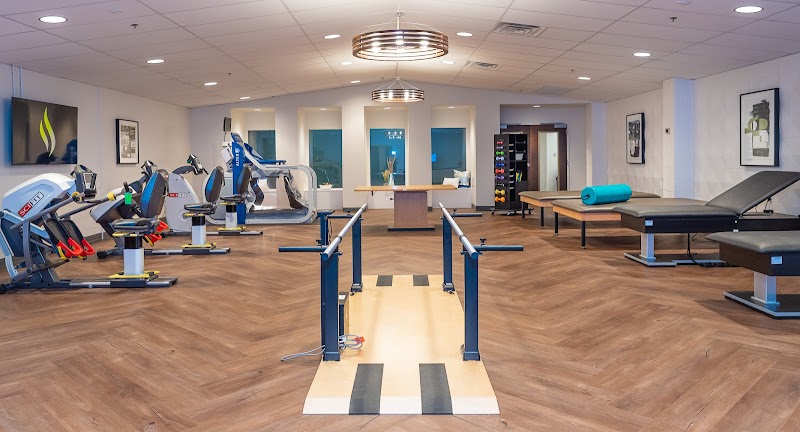
IGNITE MEDICAL RESORT OKC, LLC is owned by a for-profit company. For-profit facilities operate as businesses with obligations to shareholders or private owners. The facility is operated by IGNITE MEDICAL RESORTS, a chain that manages multiple nursing homes. With 75 certified beds and approximately 71 residents (about 95% occupancy), it is a smaller facility located in OKLAHOMA CITY, Oklahoma.

How Does Ignite Medical Resort Okc, Llc Compare to Other Oklahoma Nursing Homes?

Compared to the 100 nursing homes in Oklahoma, IGNITE MEDICAL RESORT OKC, LLC's overall rating (3 stars) is above the state average of 2.6, staff turnover (53%) is near the state average of 46%, and health inspection rating (3 stars) is at the national benchmark.

What Should Families Ask When Visiting Ignite Medical Resort Okc, Llc?

Based on this facility's data, families visiting should ask: "Can you walk me through typical staffing levels on day, evening, and night shifts?" "Can I visit during a mealtime to observe dining assistance and food quality?" "How do you handle medical emergencies, and what is your hospital transfer rate?" "Can I speak with family members of current residents about their experience?" These questions are particularly relevant given the below-average staffing rating.

Is Ignite Medical Resort Okc, Llc Safe?

Based on CMS inspection data, IGNITE MEDICAL RESORT OKC, LLC has a clean safety record: no substantiated abuse findings (meaning no confirmed cases of resident harm), no Immediate Jeopardy citations (the most serious violation level indicating risk of serious injury or death), and is not on the Special Focus Facility watch list (a federal program monitoring the lowest-performing 1% of nursing homes). The facility has a 3-star overall rating and ranks #1 of 100 nursing homes in Oklahoma. While no facility is perfect, families should still ask about staff-to-resident ratios and recent inspection results during their visit.

Do Nurses at Ignite Medical Resort Okc, Llc Stick Around?

IGNITE MEDICAL RESORT OKC, LLC has a staff turnover rate of 53%, which is 7 percentage points above the Oklahoma average of 46%. Moderate turnover is common in nursing homes, but families should still ask about staff tenure and how the facility maintains care continuity when employees leave.

Was Ignite Medical Resort Okc, Llc Ever Fined?

IGNITE MEDICAL RESORT OKC, LLC has no federal fines on record. CMS issues fines when nursing homes fail to meet care standards or don't correct problems found during inspections. The absence of fines suggests the facility has either maintained compliance or corrected any issues before penalties were assessed. This is a positive indicator, though families should still review recent inspection reports for the full picture.

Is Ignite Medical Resort Okc, Llc on Any Federal Watch List?

IGNITE MEDICAL RESORT OKC, LLC is not on any federal watch list. The most significant is the Special Focus Facility (SFF) program, which identifies the bottom 1% of nursing homes nationally based on persistent, serious quality problems. Not being on this list means the facility has avoided the pattern of deficiencies that triggers enhanced federal oversight. This is a positive indicator, though families should still review the facility's inspection history directly.