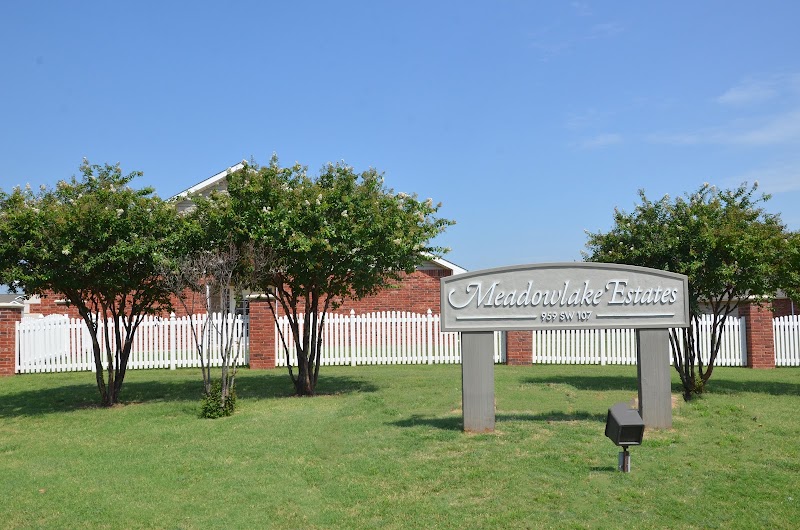
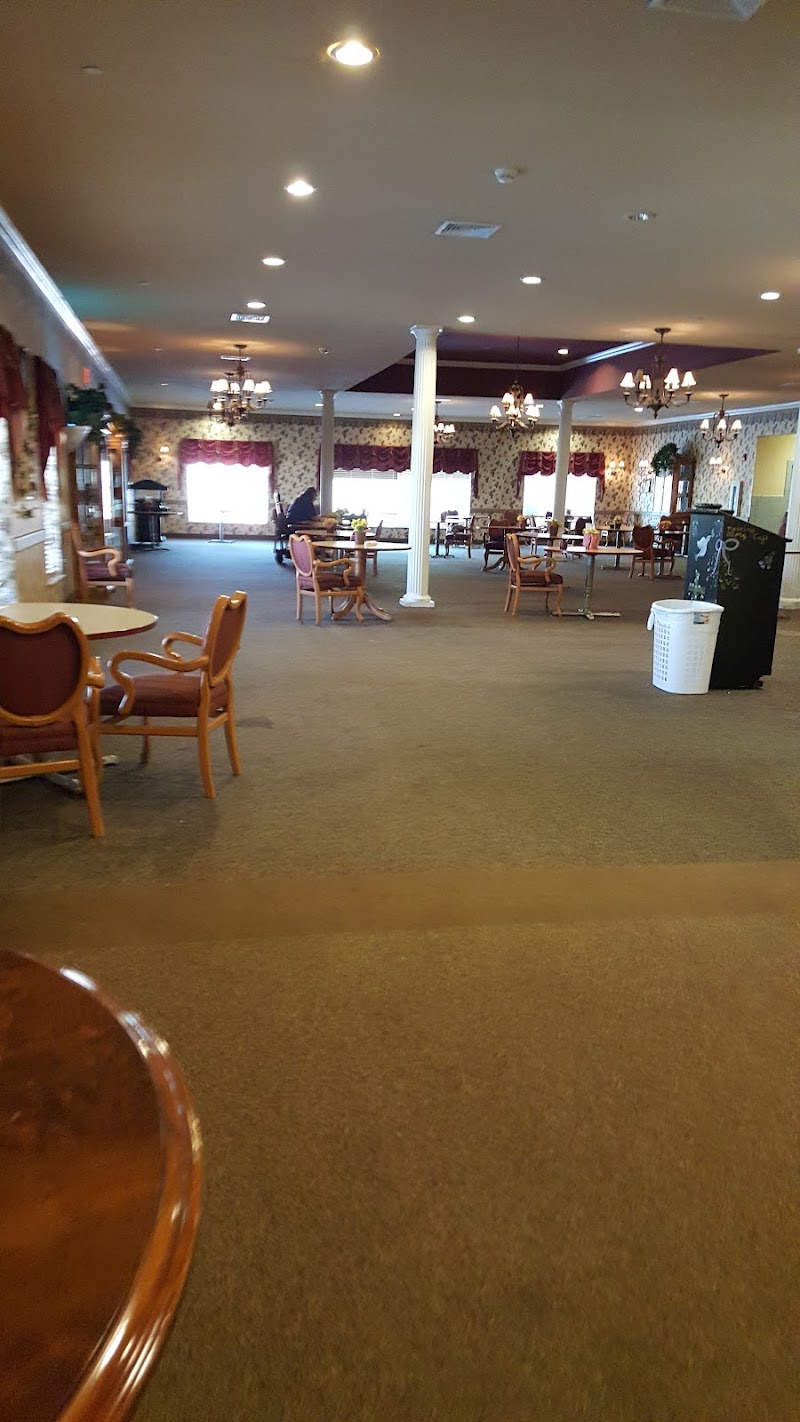
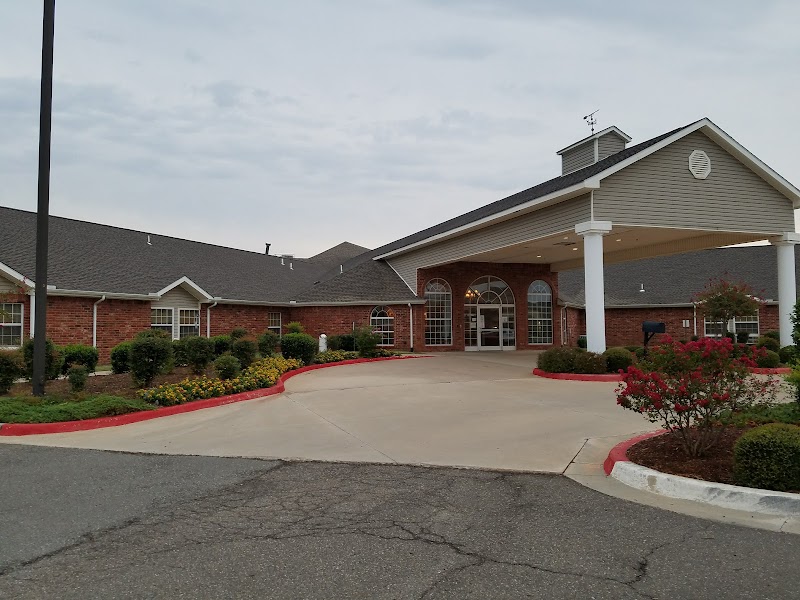
MEADOWLAKE ESTATES

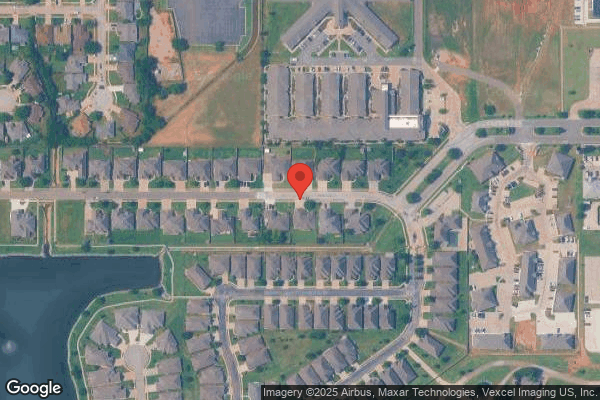
959 SOUTHWEST 107TH STREET, OKLAHOMA CITY, OK 73139 (405) 703-3400
For profit - Corporation 124 Beds STONEGATE SENIOR LIVING Data: November 2025 5 Immediate Jeopardy citations
Trust Grade
0/100
#242 of 282 in OK
Last Inspection: January 2025

Within standard 12-15 month inspection cycle. Federal law requires annual inspections.

Overview

Meadowlake Estates has received a Trust Grade of F, indicating significant concerns about the quality of care provided. They rank #242 out of 282 facilities in Oklahoma, placing them in the bottom half, and #7 out of 10 in Cleveland County, which means only three local facilities are rated worse. The situation at Meadowlake Estates is worsening, with the number of issues increasing from 6 in 2024 to 11 in 2025. Staffing is average with a 3/5 rating, and a 60% turnover rate aligns closely with the state's average. However, the facility has faced concerning fines totaling $46,010, which is higher than 81% of Oklahoma facilities, indicating repeated compliance problems. There have been critical safety incidents, including a resident who exited the facility unnoticed due to a broken door and another who choked on food that did not meet their dietary requirements. While there is some average RN coverage, families should weigh these serious deficiencies against the strengths when considering this facility for their loved ones.

Trust Score
F
0/100
In Oklahoma
#242/282
Bottom 15%
Safety Record
High Risk
Review needed
Inspections
Getting Worse
6 → 11 violations
Staff Stability
⚠ Watch
60% turnover. Above average. Higher turnover means staff may not know residents' routines.
Penalties
✓ Good
$46,010 in fines. Lower than most Oklahoma facilities. Relatively clean record.
Skilled Nurses
⚠ Watch
Each resident gets only 13 minutes of Registered Nurse (RN) attention daily — below average for Oklahoma. Fewer RN minutes means fewer trained eyes watching for problems.
Violations
⚠ Watch
37 deficiencies on record. Higher than average. Multiple issues found across inspections.
★☆☆☆☆
1.0
Overall Rating
★★★☆☆
3.0
Staff Levels
★★★☆☆
3.0
Care Quality
★☆☆☆☆
1.0
Inspection Score
Stable
2024: 6 issues
2025: 11 issues

The Good

  • Full Sprinkler Coverage · Fire safety systems throughout facility
  • No fines on record

Facility shows strength in fire safety.

The Bad

1-Star Overall Rating

Below Oklahoma average (2.6)

Significant quality concerns identified by CMS

Staff Turnover: 60%

14pts above Oklahoma avg (46%)

Frequent staff changes - ask about care continuity

Federal Fines: $46,010

Above median ($33,413)

Moderate penalties - review what triggered them

Chain: STONEGATE SENIOR LIVING

Part of a multi-facility chain

Ask about local staffing decisions and management

Staff turnover is elevated (60%)

12 points above Oklahoma average of 48%

The Ugly 37 deficiencies on record

5 life-threatening
Mar 2025 2 deficiencies
CONCERN (E) 📢 Someone Reported This

A family member, employee, or ombudsman was alarmed enough to file a formal complaint

Potential for Harm - no one hurt, but risky conditions existed

ADL Care (Tag F0677)

Could have caused harm · This affected multiple residents

Based on observation, record review, and interview, the facility failed to ensure residents were bathed as scheduled for 1 (#1) of 5 sampled residents reviewed for assistance with ADLs. The DON ident...

Read full inspector narrative →
Based on observation, record review, and interview, the facility failed to ensure residents were bathed as scheduled for 1 (#1) of 5 sampled residents reviewed for assistance with ADLs. The DON identified 114 residents who resided in the facility. Findings: On 03/11/25 at 12:25 p.m., Res #1 was observed lying in bed. The resident's hair was braided and kempt. No odors were observed. A policy titled Bathing, revised 02/12/20, read in part, Staff will provide bathing services for residents within standard practice guidelines .If the resident refuses to independently or allow staff to assist with bathing, document the refusal in the record. Res #1 was admitted with diagnoses which included quadriplegia, multiple sclerosis, and muscle wasting. A quarterly assessment, dated 11/22/24, showed Res #1 had a brief interview for mental status score of 15 and was cognitively intact. The assessment showed Res #1 was dependent with bathing and mobility. A care plan, dated 12/18/24, showed the resident preferred to be bathed in the morning and for staff to provide the resident assistance with self-care as needed. An undated shower schedule sheet showed Res #1 was to be bathed every Wednesday and Saturday. The shower sheets, dated January 2025, showed the resident was bathed one out of seven opportunities. There were no shower sheets with documentation of completed or refused baths found for February 2025. On 03/11/25 at 12:30 p.m., Res #1 stated their scheduled shower days were every Wednesday and Saturday on the dayshift. Res #1 stated they were frustrated because their showers were often not completed. Res #1 stated their last shower was last Wednesday. They stated the staff do not offer to bathe them at all during some weeks. Res #1 stated when their shower was missed on its scheduled day, the staff never offered to complete the shower later in the day or the following day. On 3/12/25 at 9:36 a.m., CNA #1 stated all showers should be documented on shower sheets as completed or refused. They stated the completed shower sheets were then given to the nurse to review. CNA #1 stated Res #1 had the tendency to refuse baths, but all refusals should have been documented. On 3/12/25 at 9:45 a.m., LPN #1 stated shower sheets were documented as completed or refused. They stated the nursing aides did not always provide refusals to the nurse as they should. LPN #1 stated Res #1 was picky as to who they would let assist them with bathing. They stated there should have been documentation of a completed or refused shower for every scheduled bath day for this resident. On 03/12/25 at 12:00 p.m., the DON stated they could not locate any documentation of completed baths for the missing opportunities in January 2025 or for the month of February 2025 for Res #1. They stated all of Res #1's scheduled baths should have been documented as completed or refused on the shower sheets.
CONCERN (E) 📢 Someone Reported This

A family member, employee, or ombudsman was alarmed enough to file a formal complaint

Potential for Harm - no one hurt, but risky conditions existed

Pressure Ulcer Prevention (Tag F0686)

Could have caused harm · This affected multiple residents

Based on observation, record review, and interview, the facility failed to: a. provide incontinent care to prevent a moisture associated pressure ulcer for 1 (#5); and b. ensure care was provided as o...

Read full inspector narrative →
Based on observation, record review, and interview, the facility failed to: a. provide incontinent care to prevent a moisture associated pressure ulcer for 1 (#5); and b. ensure care was provided as ordered by the physician for 1 (#6) of 3 residents sampled for ADL care to prevent/worsening of pressure ulcers. The DON reported 114 residents resided in the facility. Six residents had wounds. Findings: A facility policy titled Prevention of Pressure Ulcers/Injuries, dated July 2018, read in part,Based upon the assessment and the resident's clinical condition, choices and identified needs, basic or routine care could include, but is not limited to, interventions to: a. Redistribute pressure (such as repositioning, protecting and/or offloading heels); b. Minimize exposure to moisture and keep skin clean, especially of fecal contamination. 1. Res #5 admitted with diagnoses of muscle wasting and atrophy, major depressive disorder, and muscle weakness. An Incident Investigation Report, dated 02/23/24, read in part, On 02/23/25, it was reported by the 11-7 nurse that the residents: [Res #6], name withheld, name withheld, [Res #5], and name withheld were observed to be brown ringed and soaking wet. Focused assessment completed. Stage II noted to [Res #5]. A skin assessment, dated 02/23/25, showed a pressure wound to the saccrum. A physican order, dated 02/23/25, ordered hydrocolloid three times weekly. A wound care physican note, dated 02/25/25, showed moisture assosicated wound area with surrounding dermatitis. The open area meausred 0.7x1x.01. A wound care physician note, dated 03/06/25, showed the wound was resolved. On 3/12/25 at 2:57 p.m., the DON reported the resident should have been checked every two hours and the CNA had been terminated. 2. On 03/11/25 at 10:50 a.m., Res #6 was observed resting in bed with eyes open. The resident's heels were observed resting directly on the mattress. On 03/12/25 at 8:50 a.m., Res #6 was observed resting in bed with eyes open. The resident's heels were observed resting directly on the mattress. On 03/12/25 at 10:16 a.m., Res #6 was observed resting in bed with eyes closed. LPN #2 was asked to uncover the resident's feet. The resident's feet were observed resting directly on the mattress. Res #6 admitted with diagnoses of dementia, anxiety disorder, and macular degeneration. A physician order, dated 09/11/24, documented treatment every shift float heels while in bed. On 03/12/25 at 2:27 p.m., LPN #2 reported they were not aware of the resident's order to float heels while in bed. On 03/12/25 at 2:54 p.m., the DON reported a physician's order should always be followed.
Jan 2025 9 deficiencies 1 IJ
CRITICAL (J) 📢 Someone Reported This

A family member, employee, or ombudsman was alarmed enough to file a formal complaint

Immediate Jeopardy (IJ) - the most serious Medicare violation

Menu Adequacy (Tag F0803)

Someone could have died · This affected 1 resident

On 01/03/25, an Immediate Jeopardy (IJ) situation was determined to exist related to the facility's failure to follow Resident #10's minced and moist level 5 diet which resulted in the resident chokin...

Read full inspector narrative →
On 01/03/25, an Immediate Jeopardy (IJ) situation was determined to exist related to the facility's failure to follow Resident #10's minced and moist level 5 diet which resulted in the resident choking. A physician's order, dated 11/29/24, documented Resident #10 was to have a minced and moist level 5 diet. An incident report, dated 12/19/24, documented Resident #10 was eating lunch in their room when a medication aide saw that the resident was choking and alerted the nurse who performed the Heimlich maneuver. It documented the brownie was expelled. It documented the nurse practitioner was notified and a x-ray was ordered. It documented family was notified. It documented the facility investigated and determined Resident #10 was given a brownie that was not on their diet. It documented the nurse stated the resident was still moving air and coughing and was able to cough the brownie up with a gentle Heimlich maneuver. It documented the dietary manager was notified and kitchen staff were in-serviced on following the resident's diet on their diet sheet. It documented the resident would be taken to the dining room for meals as tolerated. It documented the care plan and POC had been updated. It documented the incident report was completed by the DON. On 01/02/25 at 1:15 p.m., ACMA #1 stated on the day of the incident they heard Resident #10 grunting and got ADON #1 to perform the Heimlich. ACMA #1 stated they did not know who delivered the tray that day, but if they would have noticed the rest of the food was soft, they would have checked the dietary card to make sure the brownie was OK to give to the resident. On 01/02/25 at 2:47 p.m., the CDM stated, I had a new cook on the line, and they overlooked that [Resident #10] was on a minced and moist diet. I did an in-service to dietary and the dietary aides and whoever is standing at the window. On 01/03/25 at 10:32 a.m., ADON #1 stated on the day of the incident the resident was in their room eating lunch. They stated the med aide was in the room and noticed the resident choking on their food. ADON #1 stated the resident was choking on their brownie. They stated they performed the Heimlich. ADON #1 stated the next step was to notify the nurse practitioner. They stated they received an order for a chest x-ray which was clear. ADON #1 stated they called all of the staff that was present to the nursing station and in-serviced them. They stated they were insistent that everyone was required to watch the tickets and make sure the resident was getting the right kind of diet. ADON #1 stated they encouraged the resident to go to the dining room. They stated the resident was to be supervised when eating in their room. On 01/03/25 at 12:34 p.m., the Oklahoma State Department of Health was notified and verified the existence of the IJ situation. On 01/03/25 at 12:47 p.m., the administrator was notified of the IJ situation and was provided the IJ template On 01/06/25 at 2:03 p.m., an acceptable plan of removal was approved by the Oklahoma State Department of Health. The plan of removal documented, (1) an audit was conducted and completed by 3:12 p.m. on 01/03/25 by nursing management to verify diet cards and diet orders are correct, (2) director of nursing/designee would educate all clinical staff on checking diet cards and meals prior to serving trays to residents. Nutrition service manager/designee would educate all nutrition staff on verifying diet orders when serving, (3) director of nursing/designee would perform weekly audits to verify the accuracy of those with modified diets for a period of 4 weeks, discrepancies would be addressed immediately and pulled into the monthly QA meeting, monitoring would be extended if discrepancies were identified, (4) director of nursing/designee would audit new admission orders for diet daily during morning meetings. Nutrition service manager/designee would verify diet order accuracy for new admission on tray cards: and (5) dates of completion and/or initiation for all items 1-4. On 01/03/25 at 7:30 p.m. the items listed were completed and monitoring put into place. The IJ was lifted, effective 01/03/25 at 7:30 p.m., when all components of the plan of removal had been verified as completed. The deficient practice remained at an isolated with a potential harm. Based on record review and interview, the facility failed to follow the minced and moist level 5 diet for one (#10) of three sampled residents reviewed for diet provided accurately. ADON #1 identified 111 residents resided in the facility and 106 residents were provided food by the kitchen. Findings: Resident #10 had diagnoses which included dysphagia, motor and sensory neuropathy, and epilepsy. A hospital After Visit Summary, dated 11/24/24 through 11/29/24, read in part, patient is 1:1 feed, takes medication while in puree. Diet type diabetic healthy heart. A physician's order, dated 11/29/24, documented Resident #10 was to receive a minced and moist level 5 diet. An admission assessment, dated 12/02/24, documented Resident #10 was on a mechanically altered diet while a resident, required substantial assistance with eating, and they were severely cognitively impaired with a BIMS of 7. A Nutrition Therapy Assessment, dated 12/02/24, documented Resident #10 was at risk for dehydration related to dysphagia and swallowing difficulties. An incident report, dated 12/19/24, documented Resident #10 was eating lunch in their room when a medication aide saw that the resident was choking and alerted the nurse who performed the Heimlich maneuver. It documented the brownie was expelled. It documented the nurse practitioner was notified and a x-ray was ordered. It documented family was notified. It documented the facility investigated and determined Resident #10 was given a brownie that was not on their diet. It documented the nurse stated the resident was still moving air and coughing and was able to cough the brownie up with a gentle Heimlich maneuver. It documented the dietary manager was notified and kitchen staff were in-serviced on following the resident's diet on their diet sheet. It documented the resident would be taken to the dining room for meals as tolerated. It documented the care plan and POC had been updated. It documented the incident report was completed by the DON. On 12/19/24, an in-service was provided to kitchen staff by the CDM. The in-service signature page, read in part, Cooks when plating food make sure you are watching the diets, look for modified diets textures. Aide double check the cooks and watch your desserts. Very important our residents are getting the correct diet; choking could cause serious damage or even death. There were six signatures on the document. On 01/02/25 at 1:15 p.m., ACMA #1 stated on the day of the incident they heard Resident #10 grunting and got ADON #1 to perform the Heimlich. ACMA #1 stated they did not know who delivered the tray that day, but if they would have noticed the rest of the food was soft, they would have checked the dietary card to make sure the brownie was OK to give to the resident. On 01/02/25 at 2:47 p.m., the CDM stated, I had a new cook on the line, and they overlooked that [Resident #10] was on a minced and moist diet. I did an in-service to dietary and the dietary aides and whoever is standing at the window. On 01/03/25 at 10:32 a.m., ADON #1 stated on the day of the incident the resident was in their room eating lunch. They stated the med aide was in the room and noticed the resident choking on their food. ADON #1 stated the resident was choking on their brownie. They stated they performed the Heimlich. ADON #1 stated the next step was to notify the nurse practitioner. They stated they received an order for a chest x-ray which was clear. ADON #1 stated they called all of the staff that was present to the nursing station and in-serviced them. They stated they were insistent that everyone was required to watch the tickets and make sure the resident was getting the right kind of diet. ADON #1 stated they encouraged the resident to go to the dining room. They stated the resident was to be supervised when eating in their room. On 01/03/25 at 10:41 a.m., the DON stated they did not have any documentation to support an in-service was completed for all of the staff concerning the incident with Resident #10. The DON stated QAPI had been skipped the last couple of weeks because of the holidays, but would resume next Thursday. On 01/03/25 at 11:55 a.m., the DON stated, I remember we talked about having speech evaluate [Resident #10] when [Resident #10] first came in. When the resident gets here, we would assess and then possibly have speech evaluate if we had a concern. The DON also stated the ordered diet was initiated probably from report given to the receiving nurse from the hospital discharging staff. On 01/03/25 at 12:31 p.m., the DON stated hospital discharges were scanned in. They stated discharging hospital staff called report to the receiving facility nurse and whatever they told the receiving nurse was what they followed. The DON stated if there was a discrepancy they took it to the nurse practitioner. They stated the diet order they used, came from the report from the hospital, to the nurse on the hall. On 01/03/25 at 1:14 p.m., the DON stated speech therapy did not evaluate Resident #10. On 01/03/25 at 2:04 p.m., after the administrator had been notified of the IJ, the RDO and administrator brought restorative aide #1 to speak with the surveyors. Restorative Aide # 1 stated, I take all the trays down every single day, that particular day [Resident #10] did not get their brownie, so they came back and said they didn't get a brownie, but I didn't have a sheet [Resident #10] is minced moist. We put milk on the brownie and wrapped it and took it down to the room. Restorative Aide #1 stated they took the brownie to the resident themselves. Restorative Aide #1 stated, I can't give random because I have to make sure it is the right diet, so we put wrap on it and I took it down to the resident. Restorative Aide #1 then identified the brownie was given on Friday 12/27/24. On 01/03/25 at 2:05 p.m., the RDO stated, So [Resident #10] did receive a minced moist brownie that day. On 01/03/25 at 2:20 p.m., the DON stated Resident #10 got the brownie from the kitchen. They stated the kitchen staff should have known, but must have just put the wrong thing on the tray. The DON stated, they talked to the CDM and minced and moist was on the ticket. The DON stated Resident #10 should not have received the brownie. On 01/06/25, a handwritten statement was received from restorative aide #1. The statement, read in part, I got the meal ticket to send a brownie to [Resident #10]. The ticket gave the consistency minced, milk was put into the brownie to soak the brownie and foil plastic was put over it. I took it to hall 500. I take all trays daily, so I know what comes and goes. An additional statement from restorative aide #1 was provided. The statement, read in part, In talks with surveyors, I gave the wrong exact date. I work Monday through Friday, so the date was wrong, but I know it was me that did that job. This was the only day that a brownie was given.
CONCERN (D)

Potential for Harm - no one hurt, but risky conditions existed

Comprehensive Assessments (Tag F0636)

Could have caused harm · This affected 1 resident

**NOTE- TERMS IN BRACKETS HAVE BEEN EDITED TO PROTECT CONFIDENTIALITY** Based on record review and interview, the facility failed to ensure MDS entry tracking was completed per RAI guidelines for one ...

Read full inspector narrative →
**NOTE- TERMS IN BRACKETS HAVE BEEN EDITED TO PROTECT CONFIDENTIALITY** Based on record review and interview, the facility failed to ensure MDS entry tracking was completed per RAI guidelines for one (#45) of 27 sampled residents who were reviewed for resident assessments. ADON #1 identified 111 residents resided in the facility. Findings: A Resident Assessment policy, revised 01/12/20, read in parts, Purpose: To enter this assessment data into a computerized format that will be transmitted to the Center for Medicare/Medicaid Services (CMS). The policy also read, Tracking records .will be transmitted electronically, in a CMS specified format. Resident #45's MDS list documented a discharge return anticipated on 05/19/23. It documented a quarterly assessment dated [DATE]. There was no entry tracking record. On 12/31/24 at 10:42 a.m., the clinical reimbursement specialist stated the resident went to the hospital and did need an entry. They stated the RAI was not followed.
CONCERN (D)

Potential for Harm - no one hurt, but risky conditions existed

Assessment Accuracy (Tag F0641)

Could have caused harm · This affected 1 resident

**NOTE- TERMS IN BRACKETS HAVE BEEN EDITED TO PROTECT CONFIDENTIALITY** Based on record review and interview, the facility failed to ensure resident assessments were accurately coded for one (#111) of...

Read full inspector narrative →
**NOTE- TERMS IN BRACKETS HAVE BEEN EDITED TO PROTECT CONFIDENTIALITY** Based on record review and interview, the facility failed to ensure resident assessments were accurately coded for one (#111) of 27 sampled residents reviewed for resident assessments. ADON #1 identified 111 residents resided in the facility. Findings: A Resident Assessment policy, revised [DATE], read in part, Each individual who completes a portion of the assessment will sign to certify the accuracy of that portion of the assessment. Resident #111 had diagnoses which included history of seizures and history of traumatic brain injury. A Nurse Note, dated [DATE], documented at 5:25 p.m., Resident #111 coded, CPR was started, emergency personnel arrived, and eventually restored Resident #111's pulse. It documented Resident #111 transferred from the facility to the hospital. The note was electronically signed by the DON on [DATE]. A Transfer Form, dated [DATE], documented Resident #111's blood pressure was 147/79, pulse 68, respirations 18, oxygen 95 percent, and the resident was transferred to the hospital. Resident #111's hospital record, dated [DATE], documented after consultation with GI, the resident's family had elected comfort measures only at the hospital. A Resident Assessment, dated [DATE], documented Resident #111 had died in the facility. On [DATE] at 9:39 a.m., the DON stated they had closed out the nurse note for Resident #111 on [DATE]. They stated the nurse who had written it worked on the weekends. They stated it appeared Resident #111 coded, CPR was started, and emergency personal took over and restored the resident's pulse. They stated the resident was transferred to the hospital. On [DATE] at 9:46 a.m., the DON reviewed the resident assessment dated [DATE] and stated they were not sure of the reason it was marked death in the facility. They stated the staff member who filled out the assessment no longer worked for the facility. The DON stated the resident did not die at the facility and the assessment was coded incorrectly. On [DATE] at 2:09 p.m., the DON stated Resident #111 expired at the hospital. On [DATE] at 2:11 p.m., the DON stated the resident assessment was not coded correctly.
CONCERN (D) 📢 Someone Reported This

A family member, employee, or ombudsman was alarmed enough to file a formal complaint

Potential for Harm - no one hurt, but risky conditions existed

Incontinence Care (Tag F0690)

Could have caused harm · This affected 1 resident

Based on observation, record review and interview, the facility failed to provide incontinent care in a manner to prevent UTI's for one (#42) of four sampled residents observed during incontinent care...

Read full inspector narrative →
Based on observation, record review and interview, the facility failed to provide incontinent care in a manner to prevent UTI's for one (#42) of four sampled residents observed during incontinent care. The DON identified 67 incontinent residents resided in the facility. Findings: A Perineal Care/Incontinent Care policy, effective 04/2012, read in parts, Staff will perform perineal/incontinent care with each bath and after each incontinent episode .Clean groin using sweeping motion .For female .Separate labia and wash downward .then downward on each side of the labia using a different peri wipe with each stroke .Wash downward toward the base of the vaginal opening .Remove gloves and wash hands or alcohol gel and re-glove hands .Turn resident on side facing staff. Roll soiled brief/incontinent pad and apply clean brief and/or incontinent pad. Turn resident away from staff. (ONLY USE ONE WIPE PER SWIPE) .Clean outer hip of buttocks going upwards towards back .Clean anal area with upward motion .Remove gloves and wash hands with alcohol gel. Resident #42 had diagnoses which included UTI. A Physician Order, dated 12/17/24, documented culture urine one time only. An admission Resident Assessment, dated 12/18/24, documented Resident #42 had moderate cognitive impairment, was always incontinent of bowel and bladder and required substantial/maximal assistance for toilet hygiene. Urine culture laboratory results, final release 12/21/24, documented Escherichia Coli was detected low. A Physician Order, dated 12/22/24, documented ertapenem (antibiotic) one gram intramuscular every morning shift for seven days for a diagnoses of UTI. On 12/27/24 at 6:10 a.m., CNA #1 entered Resident #42's room, placed a disposable brief on the bedside table, donned gloves and adjusted the resident's bed. On 12/27/24 at 6:12 a.m., CNA #1 removed the resident's linens, unlatched the disposable brief, obtained several disposable wipes, and wiped the resident's peri area front to back removing a small amount of bowel. Resident #42 was rolled to their right side, there was a large amount of bowel observed in the brief and had leaked out of the brief onto the non disposable pad. CNA #1 removed the disposable pad and rolled the non disposable pad and draw sheet under the resident. CNA #1 provided peri care, placed a clean disposable pad under the resident, rolled the resident to the left side, and pulled the soiled linens out from under the resident. CNA #1 started to attach the clean brief. There was a brown substance remaining on Resident #42's peri area. On 12/27/24 at 6:16 a.m., CNA #1 was asked to observe Resident #42's front peri area and identify if the resident still had bowel present. CNA #1 opened the brief and stated, It's like pee I think. CNA #1 wiped the resident several more times and started to close the resident's brief. A brown substance was observed on the new brief. The CNA did not offer a response when asked about it. On 12/27/24 at 6:21 a.m., CNA #1 obtained a new disposable brief from the cart on Hall 200. On 12/27/24 at 6:23 a.m., CNA #1 turned Resident #42 to their right side, and cleaned additional brown bowel off of the resident using several disposable wipes. On 12/27/24 at 6:25 a.m., CNA #1 removed the soiled brief, placed a new brief under Resident #42 and attached the brief. CNA #1 was asked to observe the resident's right thigh. There was a brown circular substance on the resident's right leg. CNA #1 stated, It wasn't BM, it looks like rice cake. CNA #1 removed the substance from Resident #42's leg. On 12/27/24 at 6:30 a.m., CNA #1 stated incontinent care was to be provided every two hours. CNA #1 was asked how they ensured incontinent care was complete before placing a clean brief. CNA #1 stated, We had some mistakes. CNA #1 stated Resident #42 was not completely clean. CNA #1 stated staff were to keep wiping until the resident was clean. On 12/27/24 at 6:40 a.m., LPN #1 stated they let staff know what residents were incontinent. They stated staff were to complete first round checks on everyone. They stated incontinent care was to be provided every two hours. On 12/27/24 at 6:41 a.m., LPN #1 stated staff were supposed to visualize the resident to ensure they were clean before placing a new brief. LPN #1 stated there had been times they observed incontinent care and had to remind staff a resident was not completely clean. On 12/31/24 at 2:34 p.m., the DON stated staff were to provide incontinent care by wiping from the perineum to the rectum using one wipe per swipe. They stated staff were to turn the resident, clean all areas of the buttock, remove gloves, perform hand hygiene, and apply new gloves before placing a new brief. On 12/31/24 at 2:37 p.m., the DON stated staff should be able to visually tell all urine and feces was removed prior to placing a clean brief on a resident.
CONCERN (D)

Potential for Harm - no one hurt, but risky conditions existed

Respiratory Care (Tag F0695)

Could have caused harm · This affected 1 resident

Based on observation, record review, and interview, the facility failed to ensure oxygen was administered as ordered and a concentrator had a filter and was dust free for one (#1) of one sampled resid...

Read full inspector narrative →
Based on observation, record review, and interview, the facility failed to ensure oxygen was administered as ordered and a concentrator had a filter and was dust free for one (#1) of one sampled resident reviewed for respiratory care. The DON identified 24 residents who received oxygen therapy in the facility. Findings: The OXYGEN THERAPY, CONCENTRATOR INITIATION policy, revised 01/12/20, read in part, The licensed staff will provide the prescribed amount of oxygen therapy to the residents as prescribed by physician and according to practice guidelines. Resident #1 had a diagnosis of chronic obstructive pulmonary disease. A physician's order, dated 12/27/24, documented oxygen 2 liters per minute inhalation every shift via nasal cannula, may remove for ADLs. On 12/30/24 at 11:58 a.m., Resident #1 was observed receiving oxygen via a nasal cannula. The concentrator vent had extreme dust build up. On 01/02/25 at 11:33 a.m., Resident #1 was observed receiving oxygen via a nasal cannula at 3 liters per minute. On 01/02/25 at 1:32 p.m., RN #1 reviewed Resident #1's oxygen order. They stated the resident was to receive 2 liters oxygen per minute inhalation. On 01/02/25 at 1:35 p.m., RN #1 stated maintenance personnel took care of the filters on the oxygen concentrators. 01/02/25 at 1:39 p.m., RN #1 observed Resident #1's concentrator. They stated it was set at 3 liters per minute. They stated the concentrator vent had a lot of dust build up. They stated the concentrator was not cleaned in a while. On 01/02/25 at 1:41 p.m., RN #1 stated Resident #1 did not receive the correct oxygen as ordered. RN #1 adjusted the oxygen to 2 liters per minute. 01/02/25 at 1:51 p.m., the regional maintenance director stated they checked concentrator cords and filters. They stated they were not sure how often concentrators were cleaned, but could be quarterly. 01/02/25 at 2:11 p.m., the maintenance director and regional maintenance director observed Resident #1's concentrator. They stated there was dust build up and the filter was missing from the vent. On 01/02/25 at 2:14 p.m., the DON stated oxygen should be administered as ordered.
CONCERN (D)

Potential for Harm - no one hurt, but risky conditions existed

Pharmacy Services (Tag F0755)

Could have caused harm · This affected 1 resident

**NOTE- TERMS IN BRACKETS HAVE BEEN EDITED TO PROTECT CONFIDENTIALITY** Based on observation and interview, the facility failed to ensure a outdated medication was removed from stock for one of one me...

Read full inspector narrative →
**NOTE- TERMS IN BRACKETS HAVE BEEN EDITED TO PROTECT CONFIDENTIALITY** Based on observation and interview, the facility failed to ensure a outdated medication was removed from stock for one of one medication storage observation. ADON #1 identified 111 residents resided in the facility and 111 residents were administered medications by the nursing staff. Findings: A medication storage policy, dated 01/2024, read in part, Outdated, contaminated, discontinued or deteriorated medications and those in containers that are cracked, soiled, or without secure closures are immediately removed from stock. On [DATE] at 11:02 a.m., a magnesium chloride with calcium bottle was observed to be expired. The best by date was 09/2024. On [DATE] at 11:03 a.m., ACMA #2 stated someone was supposed to check the expiration dates and rotate the stock. They identified the best by date to be 09/2024 and stated the medication would not be appropriate to use. On [DATE] at 11:13 a.m., CMA #3 stated they checked the medications last on [DATE]. They stated they were surprised to know that something was expired. They stated they rotated the stock by putting the new medications at the back and moving the older medications to the front to be used first. They stated the magnesium may have been one that had fallen behind or under the cart and they did not look to see if it was good or not. They stated, As far as I know they look at any expiration dates before they dispense to the residents. CMA #3 stated the magnesium had already been opened so maybe someone took it off their cart. CMA #3 stated, I don't know why it would be up their and open. On [DATE] at 11:15 a.m., a vitamin E bottle with an expiration date of 01/2025 was observed in the back of the rotation to be used last, while the vitamin E to be used first had an expiration date of 08/2026. On [DATE] at 11:15 a.m., CMA #3 stated they did not know why it would be arranged like that, but it was not in correct rotation order. On [DATE] at 2:15 p.m., the DON stated the medications were supposed to be rotated to prevent medications from being able to expire.
CONCERN (D)

Potential for Harm - no one hurt, but risky conditions existed

Room Equipment (Tag F0908)

Could have caused harm · This affected 1 resident

Based on observation and interview, the facility failed to ensure the walk in freezer was in safe operating condition. The DON identified 106 residents received services from the kitchen. Findings: On...

Read full inspector narrative →
Based on observation and interview, the facility failed to ensure the walk in freezer was in safe operating condition. The DON identified 106 residents received services from the kitchen. Findings: On 12/31/24 at 11:20 a.m. the walk in cooler located in the kitchen was observed to have an internal temperature of 34.7 degrees. On 12/31/24 at 11:21 a.m., the walk in freezer entrance was observed inside the walk in cooler. There was an accumulation of ice buildup observed on the doorway of the freezer. While standing outside the entrance door of the freezer, light was observed from inside the freezer with the door closed as far as it would go. Ice accumulation was observed on the upper section of the freezer door all the way down the inner part of the doorframe where the door should seal. Icicles varying in size were observed on the underside of the three level green metal shelving located inside the freezer. There was a clump of ice, larger than the size of a softball, located on the middle shelf. There was ice observed covering the floor of the entrance to the freezer. The CDM stated it was supposed to have a heater on the door, but because it was old, the facility had people out looking at it in the past. The CDM stated it had been a process that had been going on for at least a year. The CDM stated they would come in every couple of weeks or so and use a hammer on the ice so the door would shut all the way. On 12/31/24 at 11:27 a.m., the CDM stated the last time the freezer was worked on was last month. On 12/31/24 at 1:57 p.m., the DON stated they were unable to locate a maintenance policy for the kitchen equipment.
CONCERN (E)

Potential for Harm - no one hurt, but risky conditions existed

Food Safety (Tag F0812)

Could have caused harm · This affected multiple residents

Based on observation, record review and interview, the facility failed to ensure: a. raw meat items were stored in a manner to prevent cross contamination; b. dented cans were removed from circulation...

Read full inspector narrative →
Based on observation, record review and interview, the facility failed to ensure: a. raw meat items were stored in a manner to prevent cross contamination; b. dented cans were removed from circulation in the dry storage; c. leftover food items were discarded within the appropriate timeframe; d. food items in the refrigerator were stored in a sealed container; e. expired food items were removed from circulation; and f. food items were appropriately dated and labeled during the kitchen observation. The DON identified 106 residents received services from the kitchen. Findings: A Use of Leftovers policy, dated 08/01/18, read in parts, Leftovers will be properly handled and used .Leftovers should be covered, labeled, dated and stored appropriately .Unless otherwise indicated on package, leftover food is used within 72 hours or discarded. A Food Storage policy, dated 08/01/18, read in parts, Storeroom .Air-tight containers or bags are used for all opened packages of food. All containers are accurately labeled with the item and date opened .All stock is rotated with each new order received using a First In, First Out system .Canned and dry foods without expiration dates are used within six months of delivery .All foods are covered, labeled and dated. Defrosting meat, eggs and milk shakes are labeled with date pulled for thawing .Any item out of the original case must be properly secured and labeled. A General Food Preparation and Handling policy, dated 08/01/18, read in part, Questionable foods (from broken packages, swollen cans, food with abnormal appearance or odor) are not served. On 12/31/24 at 10:18 a.m., the dry storage area was observed in the kitchen. There was one 111 oz can of light red kidney beans with a large dent in the back of the can. There was one six lb 6.5 oz can of diced tomatoes in tomato juice with a small dent in the edge of the can toward the top. On 12/31/24 at 10:26 a.m., the CDM removed the can of beans and stated it needed to go away. The CDM stated because the can was dented, it was possibly in the seam and it should not be in here. On 12/31/24 at 10:28 a.m., the CDM stated if staff identified a canned good that had been damaged they would bring it to the CDM so it would be returned to the company or disposed of. The CDM observed the dent in the can of tomatoes and stated since the dent was not in the seam, it was OK. On 12/31/24 at 10:46 a.m., two 6.63 lb cans of pumpkin were observed, one with a large dent in the side, and one with a smaller dent in the top edge of the can. The CDM stated, We aren't using them. The CDM stated they were definitely in the seams. On 12/31/24 at 10:48 a.m., a one gallon container of salad dressing was observed in the dry storage with a best by date of 12/23/24. The CDM stated the best by date had elapsed by a couple of days. On 12/31/24 at 10:54 a.m., the reach in cooler was observed to have a white plastic container with an original label of cottage cheese and a handwritten label on blue tape that read tartar sauce 12/20/24. On 12/31/24 at 10:55 a.m., the DON stated the facility would keep tartar sauce after they made it until the next day. They stated, Yeah it should have been thrown away. On 12/31/24 at 10:59 a.m., a large clear bag containing grated Parmesan cheese, open date 12/26/24, was observed to be open to air in the reach in cooler. The CDM stated the bags sometimes opened when they moved them. They stated it was supposed to be closed. On 12/31/24 at 11:01 a.m., there were ten unlabeled cups of a dark material located in the walk in cooler. The CDM stated it was the minced and moist snack for today. They stated it looks like chocolate pudding. The CDM was asked how floor staff would know what was in the cups. The CDM stated neither of the kitchen staff members could write English, so they would ask the CDM or the cook to write it on the containers before they went out to the floor. The CDM began labeling the items. On 12/31/24 at 11:05 a.m., a box of chocolate health shakes with directions keep frozen on the box was observed in the walk in cooler. The box did not contain a date the box was pulled from the freezer and placed in the cooler. The CDM stated they did not know the date the shakes were moved into the cooler. They stated staff should have put a pull date on the box. On 12/31/24 at 11:09 a.m., a large metal cookie sheet was observed on the bottom shelf of the middle rack in the walk in cooler. There were five long pieces of raw meet thawing on the rack. Two of the pieces of meat were labeled ground beef and were hanging over the edges of the pan. The CDM stated the purpose of the tray was if the items leaked, they would not go onto the floor. The CDM stated the meat should have been in a single layer. The CDM stated the pork should have been on one tray and the beef on the other. On 12/31/24 at 11:15 a.m., the other three pieces of raw meat were observed for a label. The only label observed was butcher's block with a yellow sticky note with a pull date of 12/30/24 written on it. The CDM stated it was pork loin. When asked how they knew what the meat was without a label, the CDM stated the facility only got pork loin and pork butt that looked similar. They stated there was a new staff member who pulled the meat before they left and were still in training. On 12/31/24 at 11:29 a.m., the CDM stated the facility used the first in first out method for rotating stock in the kitchen. The CDM stated staff were to date food items when they came in. They stated staff would also date items when they opened them. On 12/31/24 at 11:30 a.m., the CDM stated left over items that had been served out of could be kept for 24 hours. They stated items such as cheeses, staff would use the date on the package.
CONCERN (E) 📢 Someone Reported This

A family member, employee, or ombudsman was alarmed enough to file a formal complaint

Potential for Harm - no one hurt, but risky conditions existed

Infection Control (Tag F0880)

Could have caused harm · This affected multiple residents

**NOTE- TERMS IN BRACKETS HAVE BEEN EDITED TO PROTECT CONFIDENTIALITY** Based on observation, record review, and interview, the facility failed to: a. provide incontinent care in a manner which preven...

Read full inspector narrative →
**NOTE- TERMS IN BRACKETS HAVE BEEN EDITED TO PROTECT CONFIDENTIALITY** Based on observation, record review, and interview, the facility failed to: a. provide incontinent care in a manner which prevented cross contamination for two (#33 and #42) of four sampled residents observed during incontinent care; b. handle linens in a manner which prevented cross contamination for one (#42) of four sampled residents observed during incontinent care; c. ensure proper PPE was worn in a room with a COVID-19 positive resident for three (#46, 55 and #89) of three sampled residents observed with COVID-19; d. ensure the same PPE was not worn when assisting two different residents with COVID-19 in the same room for two (#46 and #55) of three sampled residents observed with COVID-19; and e. medications were not handled with bare hands. The DON identified 67 incontinent residents and four Covid-19 positive residents resided in the facility. ADON #1 identified 111 residents resided in the facility. Findings: A Perineal Care/Incontinent Care policy, effective 04/2012, read in parts, Staff will perform perineal/incontinent care with each bath and after each incontinent episode .Clean groin using sweeping motion .For female .Separate labia and wash downward .then downward on each side of the labia using a different peri wipe with each stroke .Wash downward toward the base of the vaginal opening .Remove gloves and wash hands or alcohol gel and re-glove hands .Turn resident on side facing staff. Roll soiled brief/incontinent pad and apply clean brief and/or incontinent pad. Turn resident away from staff. (ONLY USE ONE WIPE PER SWIPE) .Clean outer hip of buttocks going upwards towards back .Clean anal area with upward motion .Remove gloves and wash hands with alcohol gel . A Glove Use policy, reviewed 01/2022, read in parts, Gloves are worn when .Touching blood or body fluids, except sweat .Touching urine, stool .Handling items or environmental surfaces soiled with blood or body fluids .Gloves are changed between residents .Gloves are changed if contaminated with blood or body fluids before touching other parts of the same resident .Hands are washed immediately after gloves are removed, before contact with another resident or the environment .Hands are washed or decontaminated prior to donning gloves. A COVID-19 policy, revised 08/2023, read in parts, COVID-19 PPE .The required PPE for COVID-19 isolation rooms when providing care or services to a COVID-19 positive resident suspected of having COVID-19, staff should wear an N95, face shield or goggles, gown, and gloves. A Medication Administration policy, dated 01/2024, read in part, Hands are washed with soap and water and gloves applied before administration of topical, ophthalmic, otic, parenteral, enteral, rectal, and vaginal medications. A Laundry and Linen Services policy, undated, read in part, All facility staff should handle all used laundry as potentially contaminated and use appropriate precautions .Used laundry should be handled with gowns and gloves to prevent personal clothing from getting contaminated .All contaminated laundry should be bagged in the area it was used prior to transporting to the laundry area. 1. Resident #33 had diagnoses that included lack of history of cerebral infarct, lack of coordination, and muscle weakness. An admission Resident Assessment, dated 11/14/23, documented Resident #33 required max assist with toileting and dressing. On 12/27/24 at 6:01 a.m., CNA #6 entered Resident #33's room to answer the call light. On 12/27/24 at 6:05 a.m., CNA #6 returned to Resident #33's room with brief, wipes, and trash bags. CNA #6 applied gloves, pulled the resident's covers down, and opened the resident's brief. The resident's peri area was cleaned front to back with multiple wipes. Resident #33 was then rolled to their right side and dark liquid bowel was continuously flowing from their anus. CNA #6 continued to clean the resident until the bowel movement was cleaned up. CNA #6's hair kept falling into the brief and touching the resident while care was being provided. On 12/27/24 at 6:08 a.m., CNA #6 proceeded to move Resident #33's pillow and quilt wearing the same gloves that was used during incontinent care. The CNA then removed their gloves and the remaining personal items were removed from the resident's bed. On 12/27/24 at 6:12 a.m., CNA #6 left the resident's room to get different bedding. On 12/27/24 at 6:17 a.m., CNA #6 returned to Resident 33's room with bedding. The CNA donned new gloves and cream was applied to Resident 33's buttocks. The CNAs gloves were then changed and dirty linens were bagged. On 12/27/24 at 6:24 a.m., CNA #6 completed the bed change and returned personal items to the resident's bed. The call cord was attached to the resident's blanket and dirty laundry and trash were removed from room. On 12/27/24 at 6:28 a.m., CNA #6 took the linens and trash to bins in the soiled utility and washed their hands. On 12/27/24 at 6:31 a.m., CNA #6 stated they had on new gloves when they moved the pillow and quilt, and their hair was usually tied back. They stated they were supposed to change gloves at least three times with a bowel movement and after the third time, they were to wash their hands. The CNA stated residents were to be checked and changed every two hours because most of the residents could not use the call system for assistance. 2. Resident #42 had diagnoses which included UTI. An admission Resident Assessment, dated 12/18/24, documented Resident #42 had moderate cognitive impairment, was always incontinent of bowel and bladder and required substantial/maximal assistance for toilet hygiene. On 12/27/24 at 6:10 a.m., CNA #1 entered Resident #42's room, placed a disposable brief on the bedside table, donned gloves, and adjusted the resident's bed. On 12/27/24 at 6:12 a.m., CNA #1 removed the resident's linens, unlatched the disposable brief, obtained several disposable wipes, and wiped the resident's peri area front to back removing a small amount of bowel. Resident #42 was rolled to their right side, there was a large amount of bowel observed in the brief and had leaked out of the brief onto the non disposable pad. CNA #1 removed the disposable pad and rolled the non disposable pad and draw sheet under the resident. CNA #1 provided peri care, placed a clean disposable pad under the resident, rolled the resident to the left side, and pulled the soiled linens out from under the resident and threw them on the floor. CNA #1 did not change their gloves or wash/sanitize their hands when going from dirty to clean. Bowel was observed on the non disposable pad and draw sheet that were laying on the floor. CNA #1 started to attach the clean brief. There was a brown substance observed remaining on Resident #42's peri area. On 12/27/24 at 6:16 a.m., CNA #1 was asked to observe Resident #42's front peri area and identify if the resident still had bowel present. CNA #1 opened the brief and stated, It's like pee I think. CNA #1 went through several drawers in the resident's room with the same gloved hands used during incontinent care and obtained another package of disposable wipes. CNA #1 wiped the resident several more times and started to close the resident's brief. There was brown substance observed on the new brief. The CNA did not offer a response when asked about it. On 12/27/24 at 6:18 a.m., CNA #1 again went through several drawers in the room, lowered Resident #42's bed, covered the resident with a blanket, pulled a trash bag off a roll of trash bags, and sat the roll on the resident's bedside table with the same gloved hands used during incontinent care. On 12/27/24 at 6:20 a.m., CNA #1, with the same gloved hands placed the soiled linens from the floor in the trash bag, obtained the bag of trash from the trash can, tied it shut, opened the resident's door to the hallway with the same gloved hands used during incontinent care. Once out in the hall, CNA #1 removed the glove on their right hand, tossed the soiled items in the appropriate barrels, removed their left glove and threw it away. On 12/27/24 at 6:21 a.m., CNA #1 sanitized their hands and obtained a new disposable brief from the cart on hall 200. On 12/27/24 at 6:22 a.m., CNA #1 entered Resident #42's room and donned gloves. ADON #1 also entered the room and picked up the roll of trash bags CNA #1 had previously touched with contaminated gloves with gloved hands hands. ADON #1 placed a trash bag in the trash can. On 12/27/24 at 6:23 a.m., CNA #1 adjusted the bed, turned Resident #42 to their right side, and cleaned additional brown bowel off of the resident using several disposable wipes, and rolled the soiled brief under the resident. On 12/27/24 at 6:25 a.m., CNA #1 removed the soiled brief, placed a new brief under Resident #42 and attached the brief. The CNA did not change their gloves or wash/sanitize their hands when going from dirty to clean. CNA #1 was asked to observe the resident's right thigh. There was a brown circular substance on the resident's right leg. CNA #1 stated, It wasn't BM, it looks like rice cake. CNA #1 removed the substance from Resident #1's leg. CNA #1 adjusted Resident #42's bed, covered them with a blanket, moved the resident's bedside table, glasses, television, and placed the roll of trash bags in their right pants pocket with the same gloved hands used during incontinent care. On 12/27/24 at 6:28 a.m., CNA #1 opened the door to the hall with the same gloved hands used during incontinent care, took the trash to the soiled utility room on the hall, removed their right glove, opened the door, placed the items in the trash, and washed their hands with soap and water. On 12/27/24 at 6:30 a.m., CNA #1 stated incontinent care was to be provided every two hours. On 12/27/24 at 6:31 a.m., CNA #1 stated staff were to make sure soiled linens were bagged before leaving the resident's room. They stated the soiled linens would be placed in the soiled linen container. CNA #1 stated they sanitized their hands every time they came out of a room. They stated by the second resident, they would wash their hands. CNA #1 stated they did not know if that was the facility's policy, but it was their policy. On 12/27/24 at 6:32 a.m., CNA #1 stated they were supposed to change gloves every time they came out of a room and between residents. CNA #1 stated they were supposed to change gloves between everything. On 12/27/24 at 6:40 a.m., LPN #1 stated they let staff know what residents were incontinent. They stated staff were to complete first round checks on everyone. They stated incontinent care was to be provided every two hours. On 12/27/24 at 6:42 a.m., LPN #1 stated staff were to either place soiled linens directly in the soiled linen container, or bag them and then place them in the container. LPN #1 stated they had seen it done both ways. On 12/27/24 at 6:44 a.m., LPN #1 stated staff were to sanitize their hands after every interaction with a resident. They stated staff were to wash their hands after they had used sanitizer twice. On 12/27/24 at 6:45 a.m., LPN #1 stated anytime staff were dealing with something dirty, they had to change their gloves before touching something clean. They stated staff were to change gloves between residents, and were not supposed to wear gloves in the hall. They stated a lot of staff did wear gloves in the hall when transporting trash. On 12/31/24 at 2:32 p.m., the DON stated staff were to wash their hands prior to providing care and after care. They stated staff were supposed to wash their hands between care if they had to go from dirty to clean. On 12/31/24 at 2:33 p.m., the DON stated anytime staff went from dirty to clean they should change their gloves. The DON stated soiled linens should be placed in a bag and placed in the hopper room. They stated they should never be on the floor. On 12/31/24 at 2:34 p.m., the DON stated staff were to provide incontinent care by wiping from the perineum to the rectum using one wipe per swipe. They stated staff were to turn the resident, clean all areas of the buttock, remove gloves, perform hand hygiene, and apply new gloves before placing a new brief. 3. Resident #89 had diagnoses which included COVID-19. COVID-19 testing logs documented Resident #89 tested positive for COVID-19 on 12/17/24. On 12/26/24 at 1:52 p.m., CMA #4 was observed placing the lid of a meal tray on the counter in Resident #89's room. CMA #4 did not have a gown, gloves, face shield, or N95 mask on while in the COVID-19 room. CMA #4 only had a standard face mask on. CMA #4 exited the room with a standard face mask on. CMA #4 stated they were delivering the meal tray to Resident #89. CMA #4 was asked to explain the COVID-19 sign on the outside of Resident #89's door. They stated, You are supposed to gown up. They stated they did not put a gown on before entering Resident #89's room. The red COVID-19 sign documented use PPE when caring for patient with COVID-19 or suspected COVID-19. It documented PPE must be donned correctly before entering patient area. 4. Resident #46 had diagnoses which included COVID-19. COVID-19 testing logs documented Resident #46 tested positive for COVID-19 on 12/23/24. A Physician Order, dated 12/23/24, documented isolation full transmission based precautions every shift, droplet precautions along with gown, gloves, N95 mask, and face shield or goggles. 5. Resident #55 had diagnoses which included COVID-19. COVID-19 testing logs documented Resident #55 tested positive for COVID-19 on 12/23/24. A Physician Order, dated 12/23/24, documented isolation full transmission based precautions every shift, droplet precautions along with gown, gloves, N95 mask, and face shield or goggles. On 12/26/24 at 12:20 p.m., CNA #5 was observed wearing two standard face masks. They donned a gown and gloves and entered room [ROOM NUMBER] where Resident #46 and #55 resided. CNA #5 did not have a N95 face mask or a face shield/goggles before entering the COVID-19 positive room. CNA #5 adjusted Resident #55's bed, rolled the resident to the right side, and placed a pillow under the resident's back. Resident #55 did not like the position so CNA #5 went to the right side of the bed, rolled the resident further to the right using the draw sheet, and placed a pillow behind their back. CNA #5 adjusted the resident's bed to the low position, pushed the bed to the wall, and lifted the head of the bed until the resident was comfortable. CNA #5 pulled the trash bag out of Resident #55's trash container, tied it shut, and placed another bag in the trash can. On 12/26/24 at 12:23 p.m., CNA #5 changed their gloves, walked over to Resident #46 with the same gown and masks used during care of Resident #55, picked up linens off of the resident's floor, placed them in a trash bag, and removed their gloves. On 12/26/24 at 12:30 p.m., CNA #5 walked over to Resident #55 with the same masks and gown on, adjusted the resident's bed and handed Resident #55 a box of tissues with their bare hands. CNA #5 then washed their hands with soap and water and stated, I'm going to have to get a new gown since I'm taking care of [Resident #46] OK. CNA #5 removed their gown, placed it in the trash can, and tried to hand Resident #55 their TV remote. The resident did not take the remote. CNA #5 then handed Resident #55 their call light and bed control with their bare hands wearing no gown. On 12/26/24 at 12:34 p.m., CNA #5 entered room [ROOM NUMBER] with a new gown on and donned a pair of gloves at the door in the room. CNA #5 still had two regular face masks on and no face shield. On 12/26/24 at 12:35 p.m., CNA #5 handed Resident #55 their bed remote on request and changed their gloves. CNA #5 got a washcloth off the counter in the room, wet it, and walked over to Resident #46, sat in a chair next to the resident and washed their face and hands off with the washcloth. CNA #5 lifted the resident's head with the bed controller and offered the resident a drink of water with a straw. CNA #5 wiped down Resident #46's bedside table with a disposable wipe and lowered the resident's head back down. On 12/26/24 at 12:38 p.m., CNA #5 removed their gown and gloves, moved over to Resident #55 and moved their bedside table without a gown or gloves on. CNA #5 donned a pair of gloves, wiped off items on the bedside table with a wet wipe, handed Resident #55 their phone wearing just the two regular face masks and gloves. CNA #5 then wet a rag and wiped something off the resident's floor. On 12/26/24 at 12:44 p.m., CNA #5 washed their hands with soap and water, took the soiled linens and trash out of room [ROOM NUMBER] and placed them in the soiled utility room on hall 200. CNA #5 was still wearing both of the standard non disposable face masks. On 12/26/24 at 12:45 p.m., CNA #5 stated staff were to gown and glove before going into a COVID-19 positive room. They stated they were to use a new gown between residents. They stated they did the best they could. They stated there were a lot of needs in the COVID-19 rooms. They stated they tried to make sure the linens and areas were clean to try to stop the process of infection by changing the linens. CNA #5 stated they tried to change their gloves and gown between Resident #55 and #46, but Resident #55 was needy. CNA #5 stated they usually did not wear the same masks in and out of a COVID-19 positive room, but they did today. They stated they should have worn a N95 mask. CNA #5 stated they place COVID-19 soiled items in the regular bin on the hall as instructed. On 12/27/24 at 6:02 a.m. the call light in room [ROOM NUMBER] activated. CNA #1 donned a gown, gloves, N95 mask and face shield, and stated all of the PPE items were needed to enter a COVID-19 room. As CNA #1 approached room [ROOM NUMBER], CNA #3 was exiting and did not need anything. CNA #1 removed their PPE and disposed of it. On 12/27/24 at 6:50 a.m., LPN #1 stated complete PPE, a gown, N95 mask, face shield/goggles, and gloves were to be worn in COVID-19 rooms. On 12/27/24 at 6:54 a.m., LPN #1 stated if staff were caring for two residents in a COVID-19 room, they should change PPE between residents. On 12/30/24 at 12:28 p.m., the DON stated staff were to wear a N95 mask, face shield, gown, and gloves to enter a COVID-19 room. The DON stated the trash from a COVID-19 room was to be placed in the regular trash in the resident's room. On 12/31/24 at 2:37 p.m., the DON stated staff were to switch out all PPE, wash their hands, and completely change out their PPE when caring for two residents in a COVID-19 room. 6. On 01/03/25 at 7:47 a.m., RN #1 was observed popping an unidentified pill from the blister pack that was removed from the secondary lock box inside the medication cart into their bare hands. The pill was then placed into a medication cup. Their nails had red fingernail polish on them. On 01/03/25 at 7:53 a.m., RN #1 stated the policy was to put gloves on, then get the medications out of the cart and give them to the resident, come out, then wash or sanitize their hands again. On 01/03/25 at 7:56 a.m., RN #1 stated they did not put gloves on before touching the medication. They stated the purpose of the gloves was as a safety precaution and gloves were to be used for everything.
Feb 2024 6 deficiencies
CONCERN (D) 📢 Someone Reported This

A family member, employee, or ombudsman was alarmed enough to file a formal complaint

Potential for Harm - no one hurt, but risky conditions existed

Deficiency F0620 (Tag F0620)

Could have caused harm · This affected 1 resident

**NOTE- TERMS IN BRACKETS HAVE BEEN EDITED TO PROTECT CONFIDENTIALITY** Based on record review and interview, the facility failed to obtain signatures by the responsible party on admissions agreements...

Read full inspector narrative →
**NOTE- TERMS IN BRACKETS HAVE BEEN EDITED TO PROTECT CONFIDENTIALITY** Based on record review and interview, the facility failed to obtain signatures by the responsible party on admissions agreements for one (#44) of one resident reviewed for admissions. The director of nursing identified 114 residents who resided in the facility. A facility policy titled, Admissions, revised 03/13/2023, read in part, .Pre- admission: .4. the director of admissions or designee will meet with the resident or the resident's agent or guardian .and will answer all questions pertaining to admission to the community .5. An acknowledgment Form, indicating that these items have been discussed with the resident/guardian, will be signed and dated by the resident/guardian and witnessed by the community representative. A copy of this signed form will be given to the resident . Findings: Res #44 was admitted to the facility on [DATE] with diagnoses which included atrial fibrillation, UTI, hyponatremia, CVA, and bulimia. The facility's admission packet, at the time of the resident's admission, contained the following: ~ Patient information, ~ Medicare Secondary Payer Screening Form, ~ Resident Influenza, Pneumococcal, COVID-19 Vaccine and Tuberculosis Consent. ~ Informed Consent for Telemedicine Services, ~ Advance Directive Acknowledgment and Request Form, ~ Resident and Family Handbook Receipt, ~ Consent to Treatment and Release of Medical Information, ~ Exhibit A to Resident admission Agreement, ~ Resident admission Agreement, ~ Advanced Directive Acknowledgement, ~ Authorization to Release Medical Information, On 02/13/24 at 10:25 a.m., during a phone interview with Res #44's representative, they stated they were never asked to and did not sign any admission paperwork when their family member was admitted to the facility nor were they asked to sign admission paperwork after the admission. No admission paperwork was located in the clinical record. On 02/16/24 at 3:46 p.m., the admission coordinator was asked what their procedure was for admissions. They stated they conducted the admission paperwork in the facility upon admission or emailed the admission packet to the resident's responsible party. They were asked if they had a signed consent to treat for Res #44. They stated they did not.
CONCERN (D) 📢 Someone Reported This

A family member, employee, or ombudsman was alarmed enough to file a formal complaint

Potential for Harm - no one hurt, but risky conditions existed

Staffing Information (Tag F0732)

Could have caused harm · This affected 1 resident

Based on observation and interview, the facility failed to post nurse staffing information, which included all the required components, in an area where it could be reviewed by all residents and visit...

Read full inspector narrative →
Based on observation and interview, the facility failed to post nurse staffing information, which included all the required components, in an area where it could be reviewed by all residents and visitors. The DON identified 114 residents resided in the facility. Findings: On 02/13/23 through 02/16/23 hall 200 nurse staffing information was not posted. On 02/13/23 through 02/16/23 hall 300 nurse staffing information was not posted. On 02/13/23 through 02/16/23 hall 400 nurse staffing information was not posted. On 02/13/23 through 02/16/23 hall 500 nurse staffing information was not posted. On 02/16/24 at 3:03 p.m., the DON reported the nurse staffing information should have been posted in a prominent area daily.
CONCERN (E) 📢 Someone Reported This

A family member, employee, or ombudsman was alarmed enough to file a formal complaint

Potential for Harm - no one hurt, but risky conditions existed

Deficiency F0661 (Tag F0661)

Could have caused harm · This affected multiple residents

**NOTE- TERMS IN BRACKETS HAVE BEEN EDITED TO PROTECT CONFIDENTIALITY** Based on record review and interview, the facility failed to ensure a discharge summary was completed for five (#41, 44, 99, and...

Read full inspector narrative →
**NOTE- TERMS IN BRACKETS HAVE BEEN EDITED TO PROTECT CONFIDENTIALITY** Based on record review and interview, the facility failed to ensure a discharge summary was completed for five (#41, 44, 99, and #115) of five sampled residents reviewed for discharge summaries. The DON identified 114 residents resided in the facility. Findings: A facility policy titled Recapitulation Summary, revised on 01/12/202, read in part, .Standard of Practice: The staff will complete a recapitulation summary per standard guidelines in order to ensure the facility communicates necessary information to the resident, continuing care provider .Procedure: Follow Discharge Process or residents discharging from the facility .The summary should be completed within 20 days of the date of discharge. 1. Res #41 was admitted to the facility on [DATE] with diagnoses which included diabetes mellitus, CVA affecting non-dominant side, chronic pain, insomnia, GERD, depression, muscle spasms, and hyperlipidemia. An admission/discharge summary report, dated 01/01/24 through 02/13/24, documented the resident was discharged to another facility on 01/12/2024. There was no documentation a discharge summary had been completed. 2. Res # 44 was admitted to the facility 12/24/23 with diagnoses which included UTI, CVA, personal history of malignant neoplasm of breast, muscle spasms, atrial fibrillation, insomnia, hyperlipidemia, and HTN. An admission/discharge summary report, dated 01/01/24 through 02/13/24, documented the resident was discharged to the hospital on [DATE]. There was no documentation a discharge summary had been completed. 3. Res #99 was admitted to the facility on [DATE] with diagnoses which included chronic pain syndrome, diabetes, COPD, and HTN. An admission/discharge summary report, dated 01/01/24 through 02/13/24, documented the resident was discharged to home with home health services on 01/01/24. There was no documentation a discharge summary had been completed. 4. Res #115 was admitted to the facility on [DATE] with diagnoses which included CVA, HTN, diabetes, CKD, hypothyroidism, and neuromuscular disorder of the bladder. An admission/discharge summary report, dated 01/01/24 through 02/13/24, documented the resident was discharged to home with home health services on 01/02/24. There was no documentation a discharge summary had been completed. On 02/16/24 at 3:10 p.m., the DON was asked if a discharge summary had been completed for residents #41, 44, 99, and #115. They stated if the discharge summary is blank in the EHR then a discharge summary was not completed. They stated the MDS coordinator was responsible for completing the discharge summaries.
CONCERN (E) 📢 Someone Reported This

A family member, employee, or ombudsman was alarmed enough to file a formal complaint

Potential for Harm - no one hurt, but risky conditions existed

Deficiency F0725 (Tag F0725)

Could have caused harm · This affected multiple residents

Based on record review, observation, and interview, the facility failed to provide enough staff on a 24-hour basis to meet the needs of the residents for one (#48) of six residents reviewed for ADL ca...

Read full inspector narrative →
Based on record review, observation, and interview, the facility failed to provide enough staff on a 24-hour basis to meet the needs of the residents for one (#48) of six residents reviewed for ADL care. The DON identified 114 residents resided in the facility. Findings: A Staffing policy, revised 03/27/23, read in part, Policy: A facility must develop and implement staffing policies, which require staffing ratios based upon the needs of the residents .Procedure: 1. The Director of Resident Care Services will determine staffing ratios based on the level of care required by the residents . Res #48's quarterly assessment, dated 11/17/23 documented the resident's cognition was intact, required substantial assistance with most ADL's, and was always incontinent of bowel and bladder. Daily Staffing sheets, dated from 01/26/24 to 02/13/24, documented 27 of 57 shifts did not meet the staffing ratio requirements for the facility census. On 2/14/24 at 2:14 p.m., Res #48 was asked if they had any concerns regarding her care. They stated no one had been in to change their brief today. They were asked when it was changed last. They stated at 9:00 p.m. last night. The resident stated when she turned her call light on the CNAs come in and turn it off and say they will be right back and they hardly ever come back. They stated they have to call the DON at home to get a CNA to change their brief. CNA #9 was asked how often they check on their incontinent residents. They stated at least every two hours. They were asked when the last time they checked on Res #48. They stated they had not been in the resident's room today. CNA #9 was asked to demonstrate incontinent care on Res #48. The resident's brief was soaked with urine dripping onto their bed pad. On 2/14/24 at 2:27 p.m., CNA #5 was asked how often they check on their incontinent residents. They stated every hour and a half to two hours. They were asked when the last time they checked on resident #48. They stated they had not been in the resident's room today. On 2/14/24 at 2:34 p.m., CNA #6 was asked how often they check on their incontinent residents. They stated at least every hour. They were asked when the last time they checked on resident #48. They stated they had not been in the resident's room today. 02/15/24 at 6:43 a.m., RN #2 was asked if they felt they had adequate staff on the 11 p.m. to 7 a.m. shift. They stated not always. On 02/15/24 at 6:50 a.m., LPN #4 was asked if they felt they had adequate staff on the 11 p.m. to 7 a.m. shift. They stated they did not. On 02/15/24 at 12:25 p.m., CNA #7 was asked if they felt they had adequate staff on the 7 a.m. to 3 p.m. shift. They stated they did not have adequate staff on the shift. On 02/16/24 at 3:07 p.m., the DON was made aware of the insufficient staffing. They stated it is the staffing coordinator's responsibility to ensure the facility has adequate staff to meet the needs of the residents. The DON stated Res #48 often calls her at home to receive care.
CONCERN (E) 📢 Someone Reported This

A family member, employee, or ombudsman was alarmed enough to file a formal complaint

Potential for Harm - no one hurt, but risky conditions existed

Deficiency F0809 (Tag F0809)

Could have caused harm · This affected multiple residents

Based on observation, interview, and record review the facility failed to follow physician orders to provide diabetic residents with an HS snack and ensure snacks were served to all residents at times...

Read full inspector narrative →
Based on observation, interview, and record review the facility failed to follow physician orders to provide diabetic residents with an HS snack and ensure snacks were served to all residents at times in accordance with resident's needs, preferences, and requests for four (#18, 26, 32, and #38) of four sampled residents reviewed for food and nutrition services. The DON identified 34 residents diagnosed with diabetes resided in the facility. Findings: A facility policy titled, Snacks and Supplements, dated 08/01/2018, read in part, .The Nutrition Services employee will prepare snacks and supplements in accordance with physician's order .1. Physician-ordered supplements (or snacks) and all-purpose snacks are prepared and available to residents three times daily .4. HS snacks will include a variety of foods to ensure each resident has an opportunity for a snack . 1. Resident #18 had diagnoses which included diabetes mellitus and protein-calorie malnutrition. A physician order, dated 03/02/22, documented to provide a daily bedtime snack. On 02/13/24 at 2:10pm., Res #18 was asked if they were offered a bedtime snack. They stated they rarely received a bedtime snack. 2. Resident #26 had diagnoses which included diabetes mellitus with diabetic polyneuropathy. A physician order, dated 03/29/22, documented to provide a daily bedtime snack. On 02/13/24 at 1:39 p.m., Res #26 was asked if they were offered bedtime snacks. They stated they rarely received a bedtime snack and if they got one, they have to go into the hall and ask for a snack. They stated most of the time there are not any snacks left. They stated they have observed the staff eating the residents' snacks. 3. Resident #32 had diagnoses which included diabetes mellitus. A physician order, dated 03/17/23, documented to provide a daily bedtime snack. On 02/14/24 at 9:45 a.m., Res #32 was asked if they were offered bedtime snacks. They stated no snacks have not been offered for quite a while. 4. Resident #38 had diagnoses which included diabetes mellitus. A physician order, dated 03/31/22, documented to provide a daily bedtime snack. On 02/15/24 at 8:25 a.m. Res #38 was asked if they were offered bedtime snacks. They stated they never receive a bedtime snack. 5. A resident council meeting form, dated 08/10/23, read in part, .Dietary .Snacks need to be passed by aides . A resident council meeting form, dated 09/07/23, read in part, .Dietary .Need more snacks. Snacks not being given to diabetic residents . A resident council meeting form, dated 12/05/23, documented, .Dietary .Need more snacks . On 2/13/24 at 12:13 p.m., the DM was asked about the resident snack schedule. They stated they prepare snacks for the residents at 10 a.m., 2 p.m., and a bedtime snack around 7 p.m. They stated fruit, sandwiches, and cake were usually available. They were asked what snacks are offered to the diabetics. They stated fruit, sandwiches, and the icing is left off the cake for the diabetics. On 02/15/24 at 1:14 p.m., the DON was made aware of the above stated. They stated they were not aware the residents were not being offered bedtime snacks.
CONCERN (E) 📢 Someone Reported This

A family member, employee, or ombudsman was alarmed enough to file a formal complaint

Potential for Harm - no one hurt, but risky conditions existed

Deficiency F0919 (Tag F0919)

Could have caused harm · This affected multiple residents

Based on observation, record review, and interview, the facility failed to ensure residents' call lights were in reach for five (#3, 5, 21, 50 and #64) of five sampled residents who were reviewed for ...

Read full inspector narrative →
Based on observation, record review, and interview, the facility failed to ensure residents' call lights were in reach for five (#3, 5, 21, 50 and #64) of five sampled residents who were reviewed for call light placement. The DON identified 114 residents resided in the facility. Findings: A Call Lights: Answering policy, dated 01/19/23, read in part, .Procedure .7. When leaving the room, be sure the call light is placed within the resident's reach. 1. Res #3 had diagnoses which included dementia, overactive bladder, difficulty in walking, chronic pain, dizziness, and HTN. A quarterly assessment, dated 11/08/23, documented the resident's cognition severely impaired, always incontinent of bowel and bladder, required substantial assistance with most ADLs. On 02/14/24 at 8:10 a.m., observed the resident in bed and their call light was hanging from the wall at the end of their bed. On 02/14/24 at 1:20 p.m., observed the resident in bed and their call light was hanging from the wall at the end of their bed. On 02/15/24 at 8:06 a.m. observed the resident in bed and their call light was hanging from the wall at the end of their bed. On 02/15/24 at 10:38 a.m., the resident was asked if they were able to reach their call light. They stated there were not able to reach their call light. CNA #6 handed the Res the call light. The resident was able to demonstrate how to utilize their call light. They were asked if they knew what the call light was for. They stated to call the nurses. 2. Res #5 had diagnoses which included non-traumatic intracerebral hemorrhage, unsteadiness on feet and chronic kidney disease. A quarterly assessment, dated 12/17/23, documented the resident's cognition was moderately impaired, no impairment to their upper or lower extremities, required substantial assistance with all their ADLs, and was always incontinent of bowel and bladder. A quarterly assessment, dated 02/02/24, documented the resident's documented the resident's cognition was intact, had impairment no impairment to their extremities, required moderate assistance with their ADLs, and was always incontinent of bowel and bladder. On 02/14/24 at 8:19 a.m., observed the resident in bed and their call light was hanging from the wall between the wall and the end of their bed. On 02/14/24 at 1:32 p.m., observed the resident in recliner and and their call light was hanging from the wall between the wall and the end of their bed. On 02/15/24 at 8:22 a.m. observed the resident in bed and their call light was hanging from the wall between the wall and the end of their bed. On 02/15/24 at 10:47 a.m., the resident was asked if they were able to reach their call light. They stated there were not. CNA # 9 handed the resident their call light. The resident was able to demonstrate how to utilize their call light. 3. Res #21 had diagnoses which included atherosclerosis heart disease, diabetes, polyneuropathy, and CHF. A significant change assessment, dated 06/05/23, documented the resident's cognition was severely impaired, had impairment to both of their lower extremities, required limited assistance with their ADLs, and was always incontinent of bowel and bladder. A quarterly assessment, dated 12/06/23, documented the resident's cognition was severely impaired, had impairment to both of their lower extremities, required limited assistance with their ADLs, and was always incontinent of bowel and bladder. On 02/14/24 at 8:12 a.m., observed the resident in bed and their call light was hanging from the wall at the end of their bed. On 02/14/24 at 1:22 p.m., observed the resident in bed and their call light was hanging from the wall at the end of their bed. On 02/15/24 at 8:08 a.m. observed the resident in bed and their call light was hanging from the wall at the end of their bed. On 02/15/24 at 10:42 a.m., the resident was asked if they were able to reach their call light. They stated there were not. The resident was able to demonstrate how to utilize their call light. They were asked if they knew what the call light was for. They stated they use it to call the CNA's and nurses. 4. Res #50 had diagnoses which included CVA, cardiomegaly, and atrial fibrillation. A quarterly assessment, dated 02/02/24, documented the resident's cognition was intact, had no impairment to their extremities, required moderate assistance with their ADLs, and was occasionally incontinent of bowel and bladder. On 02/14/24 at 8:20 a.m., observed resident in their wheelchair beside their bed and their call light was hanging from the wall between the wall and the end of their bed. On 02/14/24 at 3:35 p.m., observed resident in bed and their call light was underneath the end of the bed. On 02/15/24 at 8:24 a.m., observed resident in bed and their call light was underneath the end of the bed. On 02/15/24 at 10:57 a.m., the resident was asked if they were able to reach their call light. They stated there were not. CNA #9 handed the resident their call light. The resident was able to demonstrate how to utilize their call light. 5. Res #64 had diagnoses which included diabetes and pain. An annual assessment, dated 11/16/23, documented the resident's cognition was moderately impaired, had no impairment to their extremities, required moderate assistance with their ADLs, and was always incontinent of bowel and bladder. On 02/14/24 at 9:19 a.m., observed the resident in bed and their call light was in the top drawer of their bedside table. The drawer was closed on the call light. On 02/14/24 at 2:32 p.m., observed the resident in bed and their call light was in the top drawer of their bedside table. The drawer was closed on the call light. On 02/15/24 at 8:39 a.m., observed the resident in bed and their call light was in the top drawer of their bedside table. The drawer was closed on the call light. On 02/15/24 at 10:51 a.m., the resident was asked if they were able to reach their call light. They stated there were not. CNA #10 handed the resident their call light. The resident was able to demonstrate how to utilize their call light. On 02/15/24 at 2:02 p.m., RN #2 was asked where the residents' call lights should be placed. They stated within their reach. They were asked how they ensured the residents' call lights were within reach. They stated when they go into a resident's room, they look to ensure the light is within the resident's reach. On 02/15/24 at 2:02 p.m., CNA #6 was asked where the residents' call lights should be placed. They stated within their reach. On 02/16/24 at 3:09 p.m., the DON was made aware of the above. They stated the call lights should be within the residents' reach at all times.
Nov 2023 5 deficiencies
CONCERN (D)

Potential for Harm - no one hurt, but risky conditions existed

Deficiency F0561 (Tag F0561)

Could have caused harm · This affected 1 resident

Based on record review and interview, the facility failed to ensure an appointment was scheduled for a resident to see a specialist for one (#75) of one sampled resident reviewed for choices. ADON #1...

Read full inspector narrative →
Based on record review and interview, the facility failed to ensure an appointment was scheduled for a resident to see a specialist for one (#75) of one sampled resident reviewed for choices. ADON #1 identified 105 residents resided in the facility. Findings: Res #75 had diagnoses which included elevation of levels of liver transaminase levels. A quarterly resident assessment, dated 09/02/23, documented the resident's cognition was intact. A physician order, dated 08/11/23, documented liver clinic referral. The order was discontinued on 09/15/23. A physician order, dated 09/15/23, documented hepatology appointment. A physician referral response letter, dated 11/07/23, documented lab results within the last six months for a CBC, CMP, and PT/INR and imaging reports of the resident's abdomen showing the liver within the last month were required to be submitted within ten business days before an appointment could be scheduled with the hepatologist. On 11/28/23 at 9:49 a.m., Res #75 stated the SSD was supposed to make them an appointment to see a liver doctor two months ago, but they had not. On 11/29/23 at 10:23 a.m., the SSD was asked if a hepatology appointment had been scheduled for the resident. They stated their assistant scheduled appointments and they would look into it. On 11/29/23 at 10:54 a.m., the SSD stated they called the hepatologist's office. They stated the hepatologist's office received the labs, but had not received imaging reports of the resident's abdomen showing the liver. They stated they had not seen the response letter from the hepatologist's office before today.
CONCERN (D)

Potential for Harm - no one hurt, but risky conditions existed

Quality of Care (Tag F0684)

Could have caused harm · This affected 1 resident

**NOTE- TERMS IN BRACKETS HAVE BEEN EDITED TO PROTECT CONFIDENTIALITY** Based on observation, record review, and interview, the facility failed to ensure neurological checks were completed after a fal...

Read full inspector narrative →
**NOTE- TERMS IN BRACKETS HAVE BEEN EDITED TO PROTECT CONFIDENTIALITY** Based on observation, record review, and interview, the facility failed to ensure neurological checks were completed after a fall with head injury for one (#35) of two sampled residents reviewed for accidents. The ADON identified 105 residents resided in the facility. Findings: Res #35 admitted to the facility on [DATE] with diagnoses which included muscle weakness and history of transient ischemic attack. An admission MDS, dated [DATE], documented Res #35 was moderately cognitively impaired and had no falls prior to admission. A nurse note, dated 11/23/23, documented Res #35 had a fall in their room and was sent to the emergency room for assessment. A hospital record, dated 11/23/23, documented Res #35 had a diagnosis of a closed head injury. A neurological check log, dated 11/23/23 through 11/26/23, documented neurological checks were not completed for 8 of 10 opportunities. On 11/28/23 at 9:56 a.m., Res #35 was observed in their room resting in bed. They stated they recently had a fall and hit their head. They stated they did not believe they received neurological checks after their return to the hospital. On 11/30/23 at 10:30 a.m., LPN #3 stated residents who have a fall with head injury were assessed with neurological checks according to the EHR's schedule. On 11/30/23 at 10:35 a.m., the DON stated neurological checks should be completed for 72 hours after a fall. They stated the EHR pre-populated the schedule for the neurological checks. They were shown the log for Res #35. They stated the neurological checks were not completed as required.
CONCERN (D)

Potential for Harm - no one hurt, but risky conditions existed

Deficiency F0698 (Tag F0698)

Could have caused harm · This affected 1 resident

Based on record review and interview, the facility failed to ensure there was ongoing communication with the dialysis center and ongoing assessment of a resident after dialysis for one (#363) of one s...

Read full inspector narrative →
Based on record review and interview, the facility failed to ensure there was ongoing communication with the dialysis center and ongoing assessment of a resident after dialysis for one (#363) of one sampled resident reviewed for dialysis services. Corporate Nurse #1 identified four residents received dialysis services. Findings: The Dialysis-Hemodialysis policy, revised 02/12/20, read in part, .Documenting dialysis in the EHR . The dialysis staff and the community staff will participate in ongoing communication by completing the dialysis collection form as follows .Pre-Dialysis: Section A to be completed by the sending community license, nurse and accompany the patient to the dialysis center .Post dialysis: Community nurse to complete section B with dialysis center information. Community nurse to assess and complete section C . Place document in the appropriate section of the medical record . Res #363 had a diagnosis which included end stage renal disease. A physician order, dated 09/29/23, documented dialysis on Monday, Wednesday, and Friday. The October 2023 and November 2023 dialysis pre/post communication reports were reviewed. There were 20 out of 21 opportunities the reports had not been completed. There were 20 out of 21 opportunities the section to be complete by the dialysis staff and returned to the nursing facility had not been completed. There were 20 out of 21 opportunities the section completed by the nursing home staff upon resident return had not been completed. On 11/29/23 at 9:20 a.m., Corporate Nurse #1 was asked for dialysis communication forms for Res #363. They stated that there should be a form that is carried in between dialysis and the facility. They looked in the EHR and did not see the communications forms. They stated there was only one dialysis communication form located in the EHR.
CONCERN (E)

Potential for Harm - no one hurt, but risky conditions existed

Pharmacy Services (Tag F0755)

Could have caused harm · This affected multiple residents

**NOTE- TERMS IN BRACKETS HAVE BEEN EDITED TO PROTECT CONFIDENTIALITY** 2. Res #79 had diagnoses which included diabetes. A facility Documentation - Clinical policy, revised 01/12/2020, documented in...

Read full inspector narrative →
**NOTE- TERMS IN BRACKETS HAVE BEEN EDITED TO PROTECT CONFIDENTIALITY** 2. Res #79 had diagnoses which included diabetes. A facility Documentation - Clinical policy, revised 01/12/2020, documented in part .Medication is due at this time (all scheduled medication trigger 1 hour prior to scheduled time) .Medication is late (all medications trigger 1 hour after scheduled medication time) . A physician order, dated 03/23/23, documented to administer 17 units of insulin detemir every 12 hours at 8:00 a.m. and 8:00 p.m. An EMAR for June 2023, documented the insulin was administered greater than one hour before or after the ordered time 22 of 41 opportunities. A physician order, dated 06/21/23, documented to administer 17 units of insulin detemir daily at 8:00 p.m. An EMAR for June 2023, documented the insulin was administered greater than one hour before or after the ordered time two of five opportunities. A physician order, dated 06/22/23, documented to administer 20 units of insulin detemir one time per day at 08:00 a.m. An EMAR for June 2023, documented the insulin was administered greater than one hour before or after the ordered time one of five opportunities. A physician order, dated 06/26/23, documented to administer 20 units of insulin detemir twice daily at 8:00 a.m. and 5:00 p.m. An EMAR for June 2023, documented the insulin was administered greater than one hour before or after the ordered time five of nine opportunities. An EMAR for July 2023, documented the insulin detemir was administered greater than one hour before or after the ordered time 31 of 62 opportunities. An EMAR for August 2023, documented the insulin detemir was administered greater than one hour before or after the ordered time 24 of 62 opportunities. An EMAR for 09/01/23 through 09/07/23, documented the insulin detemir was administered greater than one hour before or after the ordered time for four of 13 opportunities. A physician order, dated 09/07/23, documented to administer 23 units of insulin detemir twice per day at 8:00 a.m. and 5:00 p.m. An EMAR for 09/07/23 through 09/28/23 documented the insulin was administered greater than one hour before or after the ordered time 12 of 42 opportunities. A physician order, dated 09/28/23, documented to administer 26 units of insulin detemir twice per day at 8:00 a.m. and 5:00 p.m. An EMAR for 09/28/23 through 09/30/23 documented the insulin was administered greater than one hour before or after the ordered time for one of five opportunities. A quarterly MDS, dated [DATE], documented Res #79 was cognitively intact, and received insulin seven days during the review period. An EMAR for October 2023, documented the insulin detemir was administered greater than one hour before or after the ordered time 22 of 62 opportunities. A physician order, dated 10/17/23, documented to administer 10 units of insulin aspart three times per day at 8:00 a.m., 2:00 p.m., and 8:00 p.m. An EMAR for October 2023, documented the insulin was administered greater than one hour before or after the ordered time 17 of 42 opportunities. An EMAR for 11/01/23 through 11/29/23, documented the insulin aspart was administered greater than one hour before or after the ordered time 46 of 85 opportunities. An EMAR for 11/01/23 through 11/29/23, documented the insulin detemir was administered greater than one hour before or after the ordered time 24 of 56 opportunities. On 11/28/23 at 9:18 a.m., Res #79 was observed in their wheelchair in their room. They stated they were receiving their insulin late. On 11/28/23 at 9:24 a.m., LPN #3 was observed obtaining a FSBS for Res #79. They returned and administered their insulin according to physician orders. On 11/29/23 at 11:51 a.m., LPN #3 stated insulin should be administered within one hour of the ordered time. On 11/29/23 at 12:02 p.m., the DON stated insulin should be administered within one hour before or after the ordered time. They were made aware of and acknowledged the late administrations for Res #79. Based on observation, record review, and interview, the facility failed to administer medications as ordered for two (#2 and #79) of six sampled residents reviewed for medications. ADON #1 identified 105 residents resided in the facility. Findings: 1. Res #2 had diagnoses which included HTN. Physician orders, dated 09/29/23, documented atenolol (a beta blocker) 25 mg tablet one per day. Hold if SBP less than 100, hold if DBP less than 60, hold if pulse less than 60; and losartan (an angiotensin converting enzyme inhibitor) 50 mg tablet two times per day. Hold if SBP less than 100, hold if DBP less than 60, hold if pulse less than 60. The October 2023 MAR documented atenolol was not held one out of five opportunities when the SBP was less than 100, DBP less than 60, pulse less than 60. It was documented losartan was not held three out of 12 opportunities when the SBP was less than 100, DBP less than 60, pulse less than 60. The November 2023 MAR documented losartan was not held five out of six opportunities when the SBP was less than 100, DBP less than 60, pulse less than 60. On 11/29/23 at 2:13 p.m., the DON was asked to review the resident's physician orders and MARs for atenolol and losartan. They were asked to verify when the medications were to be held. They stated when the SBP was less than 100, DBP less than 60, pulse less than 60 hold the medications. They stated the medications should have been held.
CONCERN (E)

Potential for Harm - no one hurt, but risky conditions existed

Medical Records (Tag F0842)

Could have caused harm · This affected multiple residents

**NOTE- TERMS IN BRACKETS HAVE BEEN EDITED TO PROTECT CONFIDENTIALITY** Based on record review and interview, the facility failed to ensure resident records were accurate for two (#51 and #98) of two ...

Read full inspector narrative →
**NOTE- TERMS IN BRACKETS HAVE BEEN EDITED TO PROTECT CONFIDENTIALITY** Based on record review and interview, the facility failed to ensure resident records were accurate for two (#51 and #98) of two sampled residents for accurate records. ADON #1 identified 105 residents resided in the facility. Findings: The Documentation - Clinical policy, revised 01/12/20, read in parts, .The IDT will be responsible for recording, care and treatment, observations and assessments and other appropriate entries in the resident clinical record according to professional practice guidelines . 1. Resident #98 had diagnoses which included cerebral infarction, peripheral vascular disease, dysphasia, and aphasia. A care plan intervention, dated 11/07/23, documented to monitor oral intake of food and fluid. A comprehensive MDS, dated [DATE], documented Resident #98's cognition was impaired. An ADL performance monitoring sheet, dated 11/29/23 at 11:45 a.m., documented Res #98 consumed 75 % of the lunch meal. On 11/29/23 at 12:25 p.m., Res # 98 was observed in bed sleeping with bed side table nearby. The resident had not been served lunch. Hall trays were being passed on the hall. On 11/29/23 at 12:39 p.m., CNA #5 was asked about the ADL performance monitoring sheet documentation. The CNA stated the amount documented was the amount the resident usually consumed and the resident had not received their meal tray. The CNA stated they documented the amount the resident usually ate so they documented before the lunch meal was consumed. On 11/29/23 at 12:48 p.m., the DON was shown the Resident 98's lunch meal which was observed on the bed side not eaten. The DON was asked if resident had consumed any of their meal. The DON replied, No. The DON stated they overheard what the CNA told the surveyor and that the amount eaten should of been documented after the meal was consumed and the CNA did not follow the policy for accurate documentation. 2. Res #51 had diagnoses which included HTN, history of stroke, depression, and obesity. A care plan intervention, dated 02/10/23, documented Res #51 would be assisted with incontinence care every two hours and as needed. A quarterly MDS, dated [DATE], documented Res #51 was cognitively intact, was always incontinent of urine, and required moderate assistance with toileting hygiene. On 11/28/23 at 10:38 a.m., Res #51 was observed in their room resting in bed. The resident stated they were not receiving incontinent care in a timely manner. An ADL record for 11/01/23 through 11/29/23, documented incontinent care was not recorded 11/01/23 through 11/06/23, 11/08/23 through 11/12/23, 11/16/23 through 11/19/23, 11/21/23, 11/23/23 through 11/26/23, and 11/28/23. On 11/30/23 at 9:46 a.m., CNA #3 stated incontinent care was documented in the EHR. They stated the documentation should be completed at least once per shift. They stated Res #51 was provided incontinent care at least every two hours, but often hourly. They stated they did not always document when incontinent care was provided since it was only triggered once per shift. On 11/30/23 at 9:50 a.m., the DON stated incontinent care should be documented in the EHR for each episode of care provided. They stated Res #51 was provided incontinent care regularly. They stated they were positive the care was being completed as the resident would contact them directly if there were any issues. They stated the documentation was not accurate for the care provided.
Sept 2023 1 deficiency 1 IJ (1 affecting multiple)
CRITICAL (K) 📢 Someone Reported This

A family member, employee, or ombudsman was alarmed enough to file a formal complaint

Immediate Jeopardy (IJ) - the most serious Medicare violation

Accident Prevention (Tag F0689)

Someone could have died · This affected multiple residents

On 09/14/23 at 10:50 a.m., the Oklahoma State Department of Health (OSDH) confirmed the existence an immediate jeopardy situation existed due to the facilities failure to have a system in place to ens...

Read full inspector narrative →
On 09/14/23 at 10:50 a.m., the Oklahoma State Department of Health (OSDH) confirmed the existence an immediate jeopardy situation existed due to the facilities failure to have a system in place to ensure residents were not missing from the facility. On 09/08/23 the facility was notified by someone in the community that Resident #8 was outside behind the facility on the ground. During an interview with LPN #1, they stated Resident #8 had been outside 30 minutes or less. They stated Resident #8 was found with wet muddy shoes and pants. They stated the resident was able to exit through the back door that went to the smoking area due to the door being broke, and the code and alarm do not work. LPN #1 stated it appeared that the resident had exited a gate behind the facility, as it was found to be open when they went to the back where Resident #1 was located in the alley behind the facility. On 09/14/23 at 10:50 a.m., the administrator was informed of the immediate jeopardy situation. On 09/14/23 at 6:02 p.m., an acceptable plan of removal was received. The plan of removal documented: The following plan of removal to the IJ called on 9/14/23 at 10:50 am for the facility's alleged violation of failing to ensure and exit door was secured for the safety of the residents who are at risk of elopement. Plan of removal Meadowlake Estates: 1. DON/Designee will Inservice/educate all staff (all departments) on elopement policy and procedure to include notification to DON/Administrator if residents are exit seeking. All education be completed by in person or by phone by 11:59 pm 9/14/2023. If unable to reach for education, staff education will be in-serviced prior to working next scheduled shift. 2. An audit was conducted and completed by nursing management to Evaluate all elopement assessments on residents are complete and accurate. 3. DON/designee Updated all residents at risk to elopement book kept at the nurses station. 4. DON/designee will update all care plans for residents identified at risk for elopement by 11:59 on 9-14-23. 5. Maintenance Director/designee has evaluated all doors for operability status. a. A total of 1 door was identified to need repair. b. DON/Designee educated staff about process of visual checks on doors that need repair. c. Staff has been posted within visual range of door identified to need repair. d. Repairman scheduled 9/14/23 by 2 pm. e. Door will be monitored by staff in visual range until repairs are complete. 6. Medical Director has been notified 9.14.23 @ 12:08. 7. QA Committee meeting held 9/14/23 Plan of Removal Date: 9/14/2023 11:59 PM On 09/15/23, after interviews with facility staff, review of elopement assessments for residents, care plans for high risk residents, and in-services, the immediacy was lifted at 12:09 p.m. The deficient practice remained at an isolated harm to the resident. Based on observation, record review, and interview, the facility failed to ensure exit doors were secured to prevent a wandering resident from exiting the facility for one (#8) of three sampled residents reviewed for elopement. The DON identified three residents currently residing in the facility were at risk for elopement. Findings: Resident #8 had diagnoses which included Alzheimer's disease and other speech and language deficits following a cerebral infarction. An elopement risk assessment dated , 09/08/23 documented Resident #8 was at a moderate risk for elopement. A nursing note, dated 09/08/23, read in parts, A gentleman reported to staff that resident was on the floor at the back of the facility, staff went out immediately and found resident on a sitting position at the back of the building with [Resident #8] both legs straighten out in front .had wet mud around the pants and shoes .staff saw resident coming out of [their] room and was walking on the hallway at approximately 0115, staff took patient back to bed and [Resident #8] was seen again at approximately 0145 trying to come out of [their] room then [they] went back in bed . A review of the comprehensive care plan, updated 09/12/23, read in parts, .Wandering/At risk for elopement .Related to: Alzheimer's .Evidenced by: highly confused or demented [11/22/21 : Onset] . An Incident/Accident Report, faxed to OSDH on 09/12/23, read in parts, .Resident [name withheld] exited facility and had to be assisted back inside . On 09/14/23 at 5:46 a.m., LPN #1 was asked if they had any residents try to elope recently. They stated yes, she is not here anymore. LPN #1 was asked to explain the incident. They stated at 1:15 a.m., resident was trying to get OOB, we saw Resident #8 and put Resident #8 back to bed. LPN #1 stated at 1:45 a.m., Resident #8 got up and we took them back to bed. We got busy and between 2:00 - 2:30 a.m., an employee rushed in and said that a gentlemen told him a resident was outside. We rushed out and Resident #8 was sitting in the alley in back of the facility. On 09/14/23 at 7:58 a.m., LPN #1 was asked how long Resident #8 had been out of the facility. LPN #1 stated, I believe [Resident #8] wasn't out more than 30 minutes, [they] still had wet mud on [their] pants and shoes. LPN #1 stated that the door to the smoke area was broken. On 09/14/23 at 8:00 a.m., the exit door to the patio was observed to be opened by a resident without using a code. No alarm sounded when the resident opened the exit door. On 09/14/23 at 9:43 a.m., the DON was asked if they had any residents at risk for elopement. They stated there were three. The DON was asked what interventions were put in place for elopement residents. They stated an elopement assessment was completed, it was care planned, and there was an elopement book at the front desk and one at the nurses station. On 09/15/23 at 08:41 a.m., the DON was asked about the incident with Resident #8. They stated it occurred on 09/08/23 around 2:20 a.m. They stated from an interview with LPN #1, the resident went out the gate and down the alley in the gravel area.
Apr 2023 5 deficiencies 3 IJ
CRITICAL (J) 📢 Someone Reported This

A family member, employee, or ombudsman was alarmed enough to file a formal complaint

Immediate Jeopardy (IJ) - the most serious Medicare violation

Notification of Changes (Tag F0580)

Someone could have died · This affected 1 resident

**NOTE- TERMS IN BRACKETS HAVE BEEN EDITED TO PROTECT CONFIDENTIALITY** On 04/26/23, an Immediate Jeopardy (IJ) situation was determined to exist related to the facility's failure to notify physician ...

Read full inspector narrative →
**NOTE- TERMS IN BRACKETS HAVE BEEN EDITED TO PROTECT CONFIDENTIALITY** On 04/26/23, an Immediate Jeopardy (IJ) situation was determined to exist related to the facility's failure to notify physician of unavailable medications in the facility. APRN stated she was never made aware that the medication was not available or not administered. Resident #1 had a cardiac arrest that resulted in death. The facility's physician notification process was not effective, staff was not following through with the process of notifying physician timely and there was no facility monitoring of staff notification to physician. On 04/26/23 at 4:57 p.m., The Oklahoma State Department of Health was notified and verified the existence of the IJ situation. On 04/26/23 at 5:15 p.m., The Administrator and the DON were notified of the IJ situation. On 04/26/23 at 8:37 p.m., a plan of removal was submitted to the Oklahoma State Department of Health. The plan of removal was reviewed and revision was warranted. The revised plan of removal was submitted on 04/27/23 at 4:55 p.m., and given acceptance to move forward with the plan of removal date of 04/27/23 at 11:59 p.m. The plan of removal sent via email documented: The following is a plan of removal to the IJ called 4/26/2023 at 5:15 PM for the facility's alleged violation of failed to notify physician of unavailable medications. The administrator will be responsible for oversight of the plan of removal. Notification of IJ status was made by the Administrator to the Medical Director, on 4/26/2023 at 7:00 PM. The Medical Director has made themselves available to the team as needed. Plan of Removal 1. DON/Designee will educate all licensed nurses and certified medication aides by 2359 on 4/27/2023 that when medication is not available the physician will be notified via phone upon identification of unavailable medications along with the DON/Designee for further guidance. Licensed nurses will document notification in the chart to the physician with any further recommendation. Any licensed nurse or certified medication aide not educated by 2359 on 4/27/2023 will not be allowed to work until they have received education. 2. An audit was conducted and completed by 2359 on 4/27/2023 by nursing management to assure that medications that are ordered by physician are available to licensed nurses and Certified Medication Aides on their medication carts. The pharmacy was contacted via phone to obtain medication that was not available. The physician will be notified of medication that was found to not be available by 2359 on 4/27/2023. 3. DON/Designee will follow-up during morning clinical meeting, five days a week, Monday through Friday, on all pending prior authorizations for medication, if mediations are needing prior authorization and the medication is not available the provider will be notified for additional guidance. On 04/28/23, staff were interviewed regarding training/updates in regard to notifying physician when medication is not available. Staff stated they had received in-person and/or phone calls from various members of administrative nursing employees and verbalized understanding of the information provided in the in-service pertaining to the plan of removal. On 04/28/23 at 11:37 p.m., the IJ was removed when all components of the plan of removal had been completed. This was effective as of 04/27/23 at 11:59 p.m. The deficiency remained at an isolated level of actual harm. Based on record review and interview, the facility failed to notify physician that a cardiac medication Apixaban had not been given to one (#1) of three sampled residents reviewed for notification of change. The Resident Census and Conditions of Residents form, dated 04/19/23, documented 101 residents resided in the facility. Findings: Resident #1 was readmitted on [DATE] with diagnoses which included atrial flutter, congestive heart failure, coronary artery disease, hemiplegia and hemiparesis following cerebral infarction, chest pain and hypertension. A Physician's Order, dated 06/23/22 documented Apixaban 5mg be administered twice daily for atrial fibrillation. The MAR for January 2023 documented the resident had not been given Apixaban for 13 out of 48 opportunities. The MAR for December 2022 documented the resident had missed opportunities for administration of Apixaban. There was no documentation the physician was notified of medications not administered. On 04/25/23 at 4:25 p.m., the DON was asked what do you expect your nurse to do when the medication aide had not given residents their medication. The DON stated the nurse should also notify the physician. On 04/25/23 at 4:30 p.m., the DON was asked to review Resident #1 January 2023 MAR. The DON reviewed and acknowledge that Apixaban was not administered 13 times. The DON was asked to show documentation the physician was notified of the medication not given. On 04/25/23 at 5:09 p.m., the DON stated, The ADON should have let the doctor know. On 04/26/23 at 12:03 p.m., the APRN was asked if they were ever made aware that Resident #1 had no been receiving their Apixaban twice a day per order. The APRN appeared shocked and stated, No was never made aware [named Resident] was not getting Apixaban. On 04/26/23 at 12:10 p.m., the APRN stated it was their expectation for staff to notify them or the [named physician] when medication was not given or not available.
CRITICAL (J) 📢 Someone Reported This

A family member, employee, or ombudsman was alarmed enough to file a formal complaint

Immediate Jeopardy (IJ) - the most serious Medicare violation

Quality of Care (Tag F0684)

Someone could have died · This affected 1 resident

**NOTE- TERMS IN BRACKETS HAVE BEEN EDITED TO PROTECT CONFIDENTIALITY** On [DATE], an Immediate Jeopardy (IJ) situation was determined to exist related to the facility's failure to administer a cardia...

Read full inspector narrative →
**NOTE- TERMS IN BRACKETS HAVE BEEN EDITED TO PROTECT CONFIDENTIALITY** On [DATE], an Immediate Jeopardy (IJ) situation was determined to exist related to the facility's failure to administer a cardiac medication Apixaban 5mg twice daily as ordered for Resident #1. Resident #1 had missed 15 out of 54 opportunities to receive the physician ordered cardiac medication. Resident #1 had a cardiac arrest which resulted in death. The facility had no guidelines in place to ensure physician ordered medication was administered, that monitoring was in place to avoid missed doses, and that the facility had intervened timely. Resident #1 had an original admission date of [DATE] to the facility with diagnoses which included Schizophrenia, hypertension, anxiety and diabetes mellitus type two. Resident #1's records indicated that resident had a cerebral vascular accident with hemiparesis and hemiplegia in [DATE] and had additional diagnoses which included atrial flutter, heart failure, coronary artery disease, chest pain and shortness of breath. Resident #1's most recent readmission was [DATE]. Resident's medical records indicated their atrial flutter was well controlled on Apixaban and continued to be anticoagulated on the Apixaban. Documents reviewed stated the resident utilized Apixaban for stroke prevention. Resident was seen by their cardiologist every two to three months. The MAR documented that resident's Apixaban had been documented as held/not given by the medication aides 15 times out of 54 opportunities from [DATE] to [DATE]. The records had no documentation of the reason not given or what was done by the nursing staff. The Resident's records documented that on [DATE] the resident was observed on the floor from a fall from bed and shortly went unresponsive. The Resident's records documented CPR was initiated by facility's staff and OKCFD took over CPR until EMSA personnel arrived. EMSA report documented the chief complaint was cardiac arrest with secondary compliant of unresponsiveness. EMSA report documented the resident was in asystole had no rhythm change with continuous CPR and medications. EMSA personnel received order from physician to discontinued CPR efforts. The resident was pronounced dead. The facility's APRN who followed the care of Resident #1 stated that the adverse reaction for a resident who had cardiac diagnosis to miss dosages of the apixaban would be the possibility to develop blood clot to the extremities or lungs. On [DATE] at 4:57 p.m., The Oklahoma State Department of Health was notified and verified the existence of the IJ situation. On [DATE] at 5:15 p.m., The Administrator and the DON were notified of the IJ situation. On [DATE] at 8:37 p.m., a plan of removal was submitted to the Oklahoma State Department of Health. The plan of removal was reviewed and revision was warranted. The revised plan of removal was submitted on [DATE] at 4:55 p.m., and given acceptance to move forward with the plan of removal date of [DATE] at 11:59 p.m. The plan of removal sent via email documented: The following is a plan of removal to the IJ called [DATE] at 5:15 PM for the facility's alleged violation of failed to administer Apixaban 5mg BID as ordered, the resident missed 15 out of 54 doses. The administrator will be responsible for oversight of the plan of removal. Notification of IJ status was made by the Administrator to the Medical Director, on [DATE] at 7:00 PM. The Medical Director has made themselves available to the team as needed. Plan of Removal 1. DON/Designee will Educate all licensed nurses and Certified Medication Aides on administering medications per physician orders by 2359 on [DATE], any licensed nurse and/or Certified Medication Aide not educated by 2359 on [DATE] will not work until education has been completed. 2. An audit was conducted and completed by 2359 on [DATE] by nursing management to assure that all medications that is ordered by physician is available to licensed nurses and Certified Medication Aides on their medication carts. The pharmacy was contacted via phone to obtain medication that was not available. Physician was notified of medication that was found to not be available by 2359 on [DATE]. 3. DON/Designee will monitor medication administration records to assure that medication is administered records as ordered in clinical morning meeting, five times a week, Monday through Friday. Designated nursing manager will monitor medication administration records on Saturday and Sunday to assure that medications are administered as ordered. On [DATE], staff were interviewed regarding training/updates in regard to administering medications per physician orders. Staff stated they had received in-person and/or phone calls from various members of administrative nursing employees and verbalized understanding of the information provided in the in-service pertaining to the plan of removal. On [DATE] at 11:37 p.m., the IJ was removed when all components of the plan of removal had been completed. This was effective as of [DATE] at 11:59 p.m. The deficiency remained at an isolated level of actual harm. Based on record review and interview, the facility failed to follow physician's orders to administer medication for one (#1) of three sampled residents who were reviewed for medication administration. The Resident Census and Conditions of Residents form, dated [DATE], documented 101 residents resided in the facility. Findings: Resident #1 was readmitted to the on [DATE] with diagnoses which included atrial flutter, congestive heart failure, coronary artery disease, hemiplegia and hemiparesis following cerebral infarction, chest pain and hypertension. A Physician's Order, dated [DATE] documented Apixaban 5mg be administered twice daily for atrial fibrillation. The MAR for [DATE] documented the resident had not been given Apixaban for 13 out of 48 opportunities. On [DATE] at 4:25 p.m., the DON was asked what do you expect your nurse to do when the medication aide had not given residents their medication. The DON stated she expected the nurses to find out why the medication was not given. There was no documentation in the resident's medical records to indicate the reason the physician ordered Apixaban was not followed. On [DATE] at 12:01 p.m., the APRN was asked what would be the adverse effects of a resident with atrial fibrillation/atrial flutter who had not been receiving their prescribed apixaban 13 out of 48 opportunities for the month of January. The APRN stated, Apixaban is a blood thinner so it is to prevent blood clots. If not given it would do the opposite. Possible blood clot in extremities or lungs. On [DATE] at 12:07 p.m., the APRN was asked about their visit with the resident on [DATE]. The APRN stated, If [Resident #1] developed a blood clot don't know. Chest x-ray showed possible pneumonia in this case. [Resident #1] also takes it for flutter and blood clot prevention.
CRITICAL (J) 📢 Someone Reported This

A family member, employee, or ombudsman was alarmed enough to file a formal complaint

Immediate Jeopardy (IJ) - the most serious Medicare violation

Pharmacy Services (Tag F0755)

Someone could have died · This affected 1 resident

On 04/26/23, an Immediate Jeopardy (IJ) situation was determined to exist related to the facility's failure to maintain adequate supply of Eliquis (apixaban) to meet the needs of residents. Resident #...

Read full inspector narrative →
On 04/26/23, an Immediate Jeopardy (IJ) situation was determined to exist related to the facility's failure to maintain adequate supply of Eliquis (apixaban) to meet the needs of residents. Resident #1 had a cardiac arrest resulting in death. The DON stated that all Apixaban required prior authorization for medication to be filled. The APRN stated they were not made aware that Resident #1 had prior authorization request for the medication to be refilled. The facility had no system in place to monitor the adequate supply of medication available on hand and to address the request for prior authorization to be fully completed to ensure delivery and availability. On 04/26/23 at 4:57 p.m., The Oklahoma State Department of Health was notified and verified the existence of the IJ situation. On 04/26/23 at 5:15 p.m., The Administrator and the DON were notified of the IJ situation. On 04/26/23 at 8:37 p.m., a plan of removal was submitted to the Oklahoma State Department of Health. The plan of removal was reviewed and revision was warranted. The revised plan of removal was submitted on 04/27/23 at 4:55 p.m., and given acceptance to move forward with the plan of removal date of 04/27/23 at 11:59 p.m. The plan of removal sent via email documented: The following is a plan of removal to the IJ called 4/26/2023 at 5:15 PM for the facility's alleged violation of failed to assure that the facility had adequate amount of Eliquis to meet the needs of the resident. Notification of IJ status was made by the Administrator to the Medical Director, on 4/26/2023 at 7:00 PM. The Medical Director has made themselves available to the team as needed. Plan of Removal 1. An audit was conducted and completed by 2359 on 4/27/2023 by nursing management to assure that all medications that is ordered by physician is available to licensed nurses and Certified Medication Aides on their medication carts. The pharmacy was contacted via phone to obtain medications that were not available. Physician was notified of medication that was found to not be available by 2359 on 4/27/2023. 2. DON/Designee will educate all licensed nurses and certified medication aides by 2359 on 4/27/2023 to order all medication when there are five days left on the medication cart and if medication is not received the following day, they are to notify DON/Designee. On 04/28/23, staff were interviewed regarding training/updates in regard to ensuring that all medications that is ordered by physician is available to licensed nurses and certified medication aides on their medication carts to meet the needs of the residents. Staff stated they had received in-person and/or phone calls from various members of administrative nursing employees and verbalized understanding of the information provided in the in-service pertaining to the plan of removal. On 04/28/23 at 11:37 p.m., the IJ was removed when all components of the plan of removal had been completed. This was effective as of 04/27/23 at 11:59 p.m. The deficiency remained at an isolated level of actual harm. Based on record review, and interview, the facility failed to ensure adequate supply of Eliquis (apixaban) was maintained for one (#1) of three sampled resident reviewed for medication availability to meet the needs of the residents. The Resident Census and Conditions of Residents form, dated 04/19/23, documented 101 residents resided in the facility. Findings: Resident #1 was readmitted to the on 06/23/22 with diagnoses which included atrial flutter, congestive heart failure, coronary artery disease, hemiplegia and hemiparesis following cerebral infarction, chest pain and hypertension. A Physician's Order, dated 06/23/22 documented Apixaban 5mg be administered twice daily for atrial fibrillation. An Electronic Shipping Manifest dated 12/06/22, documented that 14 Eliquis 5mg dosage had been delivered. This supply would have been sufficient for 7 days. An Electronic Shipping Manifest dated 12/16/22, documented that 28 Eliquis 5mg dosage had been delivered. This supply would have been sufficient for 14 days. A Petition/Response for Medication Prior Authorization form, dated 12/28/22, documented previous authorization, fill date and the quantity filled. The request for medication prior authorization documented the form was incomplete. There was no additional shipping manifest provided to show that Eliquis (apixaban) was delivered after 12/16/22. The MAR was reviewed for 12/29/22 through 01/24/23. The documents showed that resident had 15 out of 54 missed opportunities to receive Apixaban 5mg which was ordered to be given twice daily. On 04/25/23 at 5:09 p.m., the DON stated CMA #3 had informed them that prior authorization was needed and that ADON was informed, pharmacy was notified but the medication was never delivered. The DON was asked what is the facility protocol when medication is not available. The DON stated, They need to notify the physician. ADON should have let the doctor know. On 04/25/23 at 5:15 p.m., the DON was asked how could the medication aides give medication if the medication was not available. The DON stated, You would have to ask them. The DON stated that with all apixaban order prior authorization was needed. On 04/25/23 at 5:17 p.m., the DON was asked who monitored to ensure medication is available. The DON stated, We try to run through clinical every morning. On 04/26/23 at 12:05 p.m., the APRN was asked if they were ever made aware that prior authorization was needed for Resident #1 Eliquis (apixaban) to be filled by pharmacy. The APRN stated that prior authorization was dependent on the payor source. The APRN stated, For me personally, no I did not have to fill out prior authorization for the resident. The APRN stated, I had no idea there was a request for prior authorization for any of (Resident #1) medications. On 04/26/23 at 12:10 p.m., the APRN stated it was their expectation for staff to notify them or the [named physician] when medication was not given or not available. On 04/27/23 at 11:53 a.m., the ADON was asked to review Resident #1 MAR for date 01/02/23. The ADON acknowledge that they were the charge nurse assigned to Resident #1 that date. The ADON stated they were not made aware that the Eliquis (apixaban) was not administered that shift. The ADON stated pharmacy would not send out a full 30-day supply of the medication. The ADON stated the medication would not be available because of a combination of both physician signature and insurance. On 04/27/23 at 3:32 p.m., CMA #3 stated, I put it (Eliquis) on hold if the medication is not in the building. CMA #3 stated, Sometimes a medication needs a PA but I would not know until it did not come in. CMA #3 stated they would ask the ADON or would leave a note on the ADON desk.
CONCERN (D) 📢 Someone Reported This

A family member, employee, or ombudsman was alarmed enough to file a formal complaint

Potential for Harm - no one hurt, but risky conditions existed

Infection Control (Tag F0880)

Could have caused harm · This affected 1 resident

Based on observation, record review, and interview, the facility failed to ensure staff demonstrated proper infection control practices related to changing gloves and performing hand hygiene when hand...

Read full inspector narrative →
Based on observation, record review, and interview, the facility failed to ensure staff demonstrated proper infection control practices related to changing gloves and performing hand hygiene when handling food in the kitchen. The DON identified 99 residents who received food from the kitchen. Findings: An Employee Infection Control policy, revised 05/28/20, read in part, .Employees will wash hands before handling food .use hand sanitizer prior to beginning plating service. A Handwashing policy, dated 08/01/18, read in part, .Nutrition Services employees wash hands before starting work, .after handling dishes ., and whenever hands have become soiled. Resident council minutes was reviewed and revealed the following concern: A Resident Council Meeting Form, dated 03/02/23, read in parts, .Dietary .Kitchen workers touching face and touching food without gloves, or touching phones and touching food . On 04/24/23 at 12:00 p.m., [NAME] was observed doing puree. [NAME] donned gloves with no handwashing or hand hygiene observed. [NAME] handled processor, touched coffee machine to remove hot water, touched drawer to remove scoops and spoodles, and picked up four cheddar biscuits with gloved hands. No changing of gloves or hand hygiene observed. On 04/24/23 at 12:06 p.m., [NAME] retrieved a magic bullet from a shelf, plugged it in, retrieved mashed potatoes and pureed with same gloved hands. [NAME] observed to retrieve four more scoops from drawer, and placed them on steam table. [NAME] with same gloved hands, retrieved a cart with dishes from near the drying station and placed dishes on plate warmer. On 04/24/23 at 12:08 p.m., [NAME] observed to remove both gloves walked over to table, removed gloves from glove box. No hand washing observed. [NAME] walked back over to steam table and donned gloves. [NAME] dropped pen onto kitchen floor and picked pen up with gloved left hand. [NAME] then removed glove from left hand and with gloved right hand retrieved a single glove from box and donned. [NAME] walked back to steam stable and proceeded to plate the first tray. No hand hygiene observed. On 04/24/23 at 12:16 p.m., the DM was asked about hand hygiene and glove changing when handling food in preparation, handling equipment, change in tasks, and plating service. The DM acknowledge that hand hygiene and glove changes had not been conducted and stated the cook was nervous.
CONCERN (E) 📢 Someone Reported This

A family member, employee, or ombudsman was alarmed enough to file a formal complaint

Potential for Harm - no one hurt, but risky conditions existed

Deficiency F0800 (Tag F0800)

Could have caused harm · This affected multiple residents

Based on observation, record review, and interview, the facility failed to ensure adequate amount of food was prepared and that adequate portion size was offered to residents. The DON identified 99 r...

Read full inspector narrative →
Based on observation, record review, and interview, the facility failed to ensure adequate amount of food was prepared and that adequate portion size was offered to residents. The DON identified 99 residents who received food from the kitchen. Findings: A Portion Control policy, dated 08/01/18, read in parts, Portion control will be maintained to ensure adequate nutritional value for all foods offered and to maintain inventory control .Standardized recipes are used to manage portion control .Serving sizes and yield are listed on standardized recipes .Recipes are adjusted to expected yield .Spreadsheet indicating portion sizes per diet are posted at tray line and used to guide the serving at each meal .Standardized utensils and a meat scale are available on the kitchen tray line A Resident Council Meeting Form dated 03/02/23, read in parts, .Dietary .Not getting fill servings of meat and desserts . A Noon Meal menu, dated 04/24/23, read in part, .Mushroom Meatloaf, Mashed Potatoes, Seas Peas with onions, Garlic Cheese Biscuit and Chocolate Cake/Frosting . A Therapeutic Spreadsheet Week 4 Monday, undated and signed by registered dietician, read in parts, Regular Puree (P)-Level 4 Mushroom Meatloaf 3oz P #8 scp (4 oz) Mashed potatoes #8scp X (#8 scp =4 oz) Seas Peas with onions #8 scp P #12 scp = 2.67 oz) Garlic Cheese Biscuit 1 each P Garlic Bread (1 each) . On 04/24/23 at 9:32 a.m., the DM stated there were four residents who had puree textured diet. On 04/24/23 at 11:55 a.m., the DM was observed setting up to puree. The DM retrieved a spatula and scooped up three pieces of meatloaf (unmeasured) from metal pan on steam table and placed it the processor. DM retrieved a one-ounce spoodle and added three-ounce spoodle of gravy to the meatloaf in the processor. On 04/24/23 at 11:57 a.m., the DM was asked if they typically prepared the puree. DM stated the cook prepared all the puree. DM then instructed the [NAME] to continue with the preparation of the puree. On 04/24/23 at 12:00 p.m., the [NAME] turned on the processor containing meatloaf, turned processor off and removed the contents and placed the pureed meatloaf on the steam table. The [NAME] stated there were two residents who had puree diet. The [NAME] removed the pan containing Garlic Cheese Biscuits from the oven and placed the pan on the prep table. The [NAME] then placed two of the #8 scoops (4oz each scoop) of peas into processor and turned on the processor. [NAME] observed to place unmeasured amount of hot water from coffee dispenser into a cup and placed it next to processor. The [NAME] then turned off processor removed pureed peas from processor and placed the container on the steam table. On 04/24/23 at 12:03 p.m., the [NAME] retrieved four Cheese Biscuits from the pan located on the prep table and placed them in the processor. [NAME] then placed the unmeasured amount of hot water into the processor. [NAME] then turned off processor and removed the contents of bread from processor and placed it on the steam table. The pan of remaining Garlic Cheese Biscuits remained uncovered on the prep table. On 04/24/23 at 12:06 p.m., the DM instructed the [NAME] to puree the mashed potatoes. [NAME] retrieved a magic bullet (smaller processor), placed two #8 scoops of mashed potatoes and added unmeasured amount of hot water and turned on the processor. The [NAME] then placed the contents of the mashed potatoes in a metal pan and placed the pan on the steam table. On 04/24/23 at 12:07 p.m., the [NAME] had retrieved four #24 scoop (red handle measuring 1.35 ounces) and had placed them on top of the lids of the pureed meatloaf, pureed mashed potatoes, pureed peas and the pureed biscuits. The [NAME] was asked what size were the red handled scoops that they placed on the pureed items. The [NAME] stated, I don't know. The [NAME] then picked up one of the red handled scoops, examined the scoop, and then stated they could not locate the size. On 04/24/23 at 12:10 p.m., There was no spreadsheet observed near the tray line which would indicate portion size. On 04/24/23 at 12:17 p.m., the [NAME] plated the first two trays and utilized the #24 scoop size (red handled scoop) which measured 1.35 ounces per serving. The [NAME] observed to place one scoop of the #24 scoop of pureed meatloaf, pureed mashed potatoes, pureed peas, pureed bread and a 1ounce scoop of gravy. The dietary aide placed a lid on the plate, placed the plate on a tray, added the desert and placed the tray at the window. The first two trays were picked up from the window. On 04/24/23 at 12:20 p.m., the DM was asked how many ounces of meat did todays menu called for. The DM stated, All meals should be two ounces of protein. The DM was shown the detailed Therapeutic Spreadsheet, reviewed it and stated, Regular should have 3 oz and large portion should have 4 oz. The DM was asked how much meat should the puree receive. The DM stated, I can't answer that. The DM reviewed the spreadsheet and stated, The same as the Regular 3 oz. The spreadsheet documented the puree should have received one #8 scoop of meatloaf which equals to 4 oz. On 04/24/23 at 12:24 p.m., the DM was asked what size were the red handle scoops. The DM stated, I don't know. The DM went to drawer where the utensils were stored, returned and stated they believed it was 1.75 oz. Informed the DM that the red handled scoops (1.35oz) had been utilized for all the pureed items. The DM then walked to their office. On 04/24/23 at 12:28 p.m., the [NAME] was observed to plate an additional plate utilizing the #24 red handled scoop. There was a total of three pureed plate prepared with inadequate portion size below recommended portion size. On 04/24/23 at 12:30 p.m., the DM was notified that the [NAME] had served inadequate portion size for the three residents who had pureed diet. On 04/24/23 at 12:31 p.m., the DM instructed the [NAME] to not serve anything else until the DM retrieved the correct size scoops. On 04/24/23 at 12:27 p.m., the DM stated that the [NAME] was nervous and they will do better for dinner. The DM was asked what they planned to do to ensure residents who had already been served insufficient food received the correct portion size. The DM stated they would find out the residents who were underserved, prepare additional food and send to them. On 04/24/23 at 1:03 p.m., the DM was informed by staff at the tray line window that resident in the dining room requested to speak to them with complaints about the taste of the meatloaf. The DM observed to leave the kitchen and observed at dining table. On 04/24/23 at 1:18 p.m., the DM observed at the flat top grill cooking hamburger patties. The DM stated, Ran out of meatloaf. The DM was asked how many residents had not received a tray. The [NAME] counted tickets and stated there were 24 tickets remaining. The cook continued to serve the remaining meatloaf utilizing a #8 scoop (4 oz). The cook served an additional four plates before the meatloaf was gone before all residents were served. On 04/24/23 at 1:28 p.m., the Cooked started back the tray line and was observed placing one hamburger patty on the plate with gravy to substitute the meatloaf. There were no more biscuits remaining and 18 residents who had not been served. On 04/24/23 at 1:31p.m., the steam table was observed to have no more peas. The [NAME] plated two additional plates and sent it out the window with no peas on the plate and no biscuits or bread substitute. On 04/24/23 at 1:33 p.m., the DM was asked if they were made aware that there were no more peas on the steam table and plates continued to be made without peas. The DM stated they were not made aware and will prepare more peas. On 04/24/23 at 1:37 p.m., the DM was asked how many ounces were each hamburger patty. The DM stated, Two ounces each. The DM was asked if correct portion size of hamburger patties were served to the residents who received one hamburger patty. DM stated, No. On 04/24/23 at 1:40 p.m., the DM instructed the [NAME] to stop and give one and one-half patty. The [NAME] was observed with three tickets remaining. The [NAME] had served 15 residents with insufficient portion size of meat (hamburger patty) and 18 residents who had not received a biscuit or a bread substitution and 24 residents who had not received the mushroom meatloaf scheduled but received hamburger patty. On 04/24/23 at 1:48 p.m., the DM was asked how do they ensure adequate amount of food is available and distributed at each meal. The DM stated they would need to prepare meal according to the number of resident and follow the portion size for each. The DM stated, This was a bad day for us.
Dec 2022 9 deficiencies
CONCERN (D)

Potential for Harm - no one hurt, but risky conditions existed

Quality of Care (Tag F0684)

Could have caused harm · This affected 1 resident

Based on record review and interview, the facility failed to assess a change in the resident's skin condition for one (#201) of four sampled residents reviewed for wound care. The regional nurse iden...

Read full inspector narrative →
Based on record review and interview, the facility failed to assess a change in the resident's skin condition for one (#201) of four sampled residents reviewed for wound care. The regional nurse identified 15 residents with non-pressure ulcer wounds resided in the facility. Findings: The facility's Documentation and Measurement of Wounds policy, revised July 2018, read in part, .Wound Data Collection, treatments and evaluations are documented in the EMR/medical record .Document in the appropriate areas of the EMR/medical record on a consistent schedule. Areas include skin data collection modules, wound assessment modules, infection control modules, Care Plans, Nurses' Notes, scanned documents, and physician progress notes . Resident #201 had diagnosis which included personal history of transient ischemic attack (mini stroke). Resident #201's Daily Skilled Note, dated 01/15/22, documented the resident had open lesions on the upper back. Resident #201's Daily Skilled Note, dated 01/16/22 and 01/17/22, documented the resident had open lesions on the upper back and the services provided included wound care. The Daily Skilled Notes were completed by LPN #3. Resident #201's five day assessment, dated 01/18/22, documented the resident's cognition was severely impaired, and required supervision with bed mobility, limited assistance from staff with dressing, toilet use and bathing. Resident #201's Nurse's Note, dated 01/21/22, documented the resident continued an antibiotic for their wound to the left upper back. Resident #201's Physician Progress Note, dated 01/25/22, documented the resident was seen/examined for follow up to an abscess on the back. It documented the resident was receiving an antibiotic and the abscess appeared larger with redness. There was no documentation located in Resident #201's clinical records the wound was assessed for measurements, drainage, odor, etc. On 12/13/22 at 8:22 a.m., ADON #1 was asked how abnormal skin conditions were identified. The ADON stated upon admission the nurse established skin condition, and depending on the skin impairment, they would obtain a wound consult. The ADON stated if there were no abnormal skin condition on admission, they would continue to assess. The ADON #1 stated it would be documented on the skin assessment. The ADON stated Resident #201 did not have any abnormal skin condition on admission. ADON #1 and #2 were asked if the resident developed any skin conditions after they were admitted . ADON #1 stated they thought so. ADON #2 stated the resident had a red, hard, boil, on the resident's back and the resident received antibiotics. On 12/13/22 at 8:35 a.m., LPN #3 was asked what open lesions indicated on the daily skilled notes. LPN #3 stated, Probably had a wound. LPN #3 stated Resident #201 had something on their back. LPN #3 was asked if it was opened. They stated, Yeah. LPN #3 was asked if there was any documentation, such as size, drainage, odor, etc, of the wound on Resident #201. They stated they didn't see anything. On 12/13/22 at 8:47 a.m., LPN #3 was asked if the wound should have been assessed. They stated, It should have been documented.
CONCERN (D)

Potential for Harm - no one hurt, but risky conditions existed

Incontinence Care (Tag F0690)

Could have caused harm · This affected 1 resident

Based on observation, record review, and interviews, the facility failed to ensure incontinent care was provided in a manner which removed all stool from a resident for one (#1) of six sampled residen...

Read full inspector narrative →
Based on observation, record review, and interviews, the facility failed to ensure incontinent care was provided in a manner which removed all stool from a resident for one (#1) of six sampled residents reviewed for ADLs. The Resident Census and Conditions of Residents report, dated 12/07/22, documented 34 residents who were occasionally or frequently incontinent of bowel. Findings: A PERINEAL CARE policy, revised 02/12/20, read in part, .Staff will provide cleanliness of genitalia to avoid skin breakdown and infection .Staff will perform perineal/incontinent care with each bath and after each incontinent episode . Resident #1 had diagnoses which included epilepsy and traumatic brain injury. Resident #1's Care Plan, revised 08/23/22, documented the resident was at risk for problems with elimination. It documented the resident was incontinent of bowel and bladder at times and staff were to provide pericare after each incontinent episode. Resident #1's quarterly assessment, dated 11/14/22, documented the resident was always incontinent of bowel and required extensive two person assistance for toilet use and extensive one person assistance for personal hygiene. On 12/09/22 at 4:16 a.m., CNA #2 was observed entering the resident's room. The resident's roommate reported the resident had experienced a bowel movement. CNA #2 pulled the privacy curtain and donned a pair of gloves. They gathered a new disposable pad and brief and rolled it up next to the resident. CNA #2 assisted resident to their left side. They were observed using several wipes to remove stool from the resident's buttock on the right side. They rolled up the old disposable brief and pad under the resident, placed the new rolled up disposable pad and brief under the resident, and rolled the resident back onto their back. [NAME] stool was still observed on the resident's right buttock. CNA #2 then assisted the resident to their right side, removed the old brief/pad and pulled the new brief/pad under the resident. [NAME] stool was observed on the resident's left buttock. CNA #1 turned the resident back on their back, attached the brief, removed their gloves, and pulled the resident's blanket up. CNA #2 was asked to visualize Resident #1 and identify if all of the stool had been removed from the resident. They donned gloves, opened the brief, and observed bowel on the resident's right inner leg and scrotum. They used several wipes to remove the stool. CNA #2 then turned the resident to their right side, bowel was noted on the resident's left buttock. The CNA used several wipes to remove stool from the resident. Stool was still observed at the top crease of the resident's buttock. The CNA turned resident to their back and started to cover the resident with a blanket. CNA #2 was asked if there was still stool on the resident's left buttock. They turned the resident to the right side and began cleaning off the stool with wipes. The CNA removed the resident's brief and their gloves and stated they had to go get a new brief. CNA #2 sanitized their hands, obtained a new brief and returned to the resident's room. The CNA donned gloves, turned the resident to the right side and placed a new brief under the resident. There was still stool observed at the top crease of the resident's buttock. The CNA turned the resident back onto their back with the clean brief under the resident. CNA #2 was asked if there was still stool left on the resident. They turned the resident back to their right side and noted brown stool at the top crease of the resident's buttock. They used several wipes to remove the stool and attached the new brief closed. CNA #2 was asked what the policy was for ensuring all stool was removed during peri care. They stated, Wipe until you can't see anything. They were asked if they had removed all stool from the resident prior to attaching the new brief. They stated, No. On 12/09/22 at 7:10 a.m., the DON and Administrator were asked what the policy was for incontinent care. The administrator stated staff were to change incontinent residents. The DON stated staff tried to change residents at least every two hours and checked on them during rounds. She stated staff tried not to wake residents up at night. They were asked if all stool should be removed from a resident's peri area prior to placing a new brief and attaching it closed. The DON stated, Yes.
CONCERN (D)

Potential for Harm - no one hurt, but risky conditions existed

Deficiency F0698 (Tag F0698)

Could have caused harm · This affected 1 resident

Based on record review and interview, the facility failed to ensure timely transportation to the facility from dialysis for one (#7) of one sampled residents reviewed for dialysis. The Resident Census...

Read full inspector narrative →
Based on record review and interview, the facility failed to ensure timely transportation to the facility from dialysis for one (#7) of one sampled residents reviewed for dialysis. The Resident Census and Conditions of Residents report, dated 12/07/22, documented 6 residents received dialysis services outside of the building. Findings: The facility's Service Coordination with Third Party Healthcare Providers policy, revised 01/12/20, read in part, .If health care services are performed outside a community, arrange transportation .Refer to Social Services and assist resident in coordination of service . Resident #7 had diagnoses that included chronic kidney disease stage 4 and ESRD. A Physicians' Order, dated 08/31/22, documented dialysis Monday, Wednesday and Friday. Resident #7's quarterly assessment, dated 09/20/22, documented the resident was cognitively intact, required extensive and total assist with mobility, and received dialysis services. A grievance, dated 12/07/22, documented the resident was picked up from dialysis late due to emergency transportation issues. On 12/07/22 at 5:59 p.m., Resident #7's family member was observed speaking in a loud manner with the Administrator related to the resident having to wait three hours to get picked up from dialysis. On 12/07/22 at 6:07 p.m., Resident #7's family member #1 stated the resident had just returned from dialysis after waiting for three hours for pick up and had a brief full of feces that they had to sit in while waiting for transport. They stated the resident should not have had to sit like that for hours. Resident #7's family member #1 was asked if the facility was notified the resident needed to be picked up. They stated, Yes, multiple times. They stated it took two to three hours for the resident to get picked up. The dialysis facility called the facility the resident resided in three times that day with no response. They stated if they had been notified there was a transportation issue, the family would have picked up Resident #7 themselves. They stated they were never notified. Resident #7's family member #1 stated they were at the facility at 2:50 p.m. waiting for resident #7 to return from dialysis. They stated they asked staff when the resident was expected to return to the facility. The staff stated around four. Resident #7's family member #1 asked staff around 5:00 p.m. where the resident was and staff stated the resident was usually back no later than 4:30 p.m. Family called the dialysis center and was informed the resident had been done with their treatment since 3:00 p.m. On 12/07/22 at 6:32 p.m., Resident #7 was observed crying with family present in their room. They stated they were picked up at 5:45 p.m. The resident stated they had a bad experience and kept looking for the driver to show up. Resident #7 stated they did not want to be at the facility anymore. The Resident's evening meal arrived and the resident declined to eat. On 12/07/22 at 7:09 p.m., Resident #7's family member #2 arrived and was asked if there were any previous incidents with transportation. They stated they were not aware of other episodes. The Resident continued to cry stating they had waited outside in the cold rain off and on in their electric wheel chair looking for the transport driver. Family stated they were concerned of how the facility could forget a patient that's out of the facility having things done. On 12/13/22 at 12:40 p.m., the SSD was asked what the process was for picking up residents from dialysis appointments. They stated it was usually a set time and the van picked them up at that time. They were asked how long should residents wait to get picked up from dialysis appointments. They stated, usually no more than 15-20 minutes. The SSD was asked if there had been any instances where residents were not picked up from their appointments in a timely manner. They stated, yes, Resident #7 and #57. They stated both residents were on the same day. The SSD was asked if there had been any complaints from residents/family about the facility's transportation or the driver. They stated, No. They were asked to discuss the incident on 12/07/22 with transportation. They stated everything was scheduled good until a family member of another resident took them to a surgery and failed to provide transportation back to the facility. The facility transport had to pick them up, therefore delaying pick up at dialysis. The SSD was asked if the families of the residents waiting for pick up were notified that they would be picked up late. They stated, I assume not. On 12/13/22 at 1:16 p.m., the DON was asked if they were aware of any concerns with dialysis transport. They stated yes, they had a late pick up due to a hospital resident needed to be picked up, therefore shifted things a little bit. They were asked what was an acceptable amount of time for a resident to wait for pick up from transport. They stated, probably not longer than 15-20 minutes, depending on traffic and other things happening during the day. The DON was asked if 3 hours was an acceptable amount of time a resident should have to wait for pick up from transport. They stated, No, it is not. The DON was asked what staff were instructed to do when a conflict of transportation was identified. They stated, staff would have to call another transport. The DON was asked if the facility should call the family if unable to pick up residents. They stated, I guess they should have.
CONCERN (D) 📢 Someone Reported This

A family member, employee, or ombudsman was alarmed enough to file a formal complaint

Potential for Harm - no one hurt, but risky conditions existed

Pharmacy Services (Tag F0755)

Could have caused harm · This affected 1 resident

Based on record review and interview, the facility failed to administer medications as ordered by the physician for one (#96) of six sampled resident reviewed for medication. The Resident Census and C...

Read full inspector narrative →
Based on record review and interview, the facility failed to administer medications as ordered by the physician for one (#96) of six sampled resident reviewed for medication. The Resident Census and Conditions of Residents report, dated 12/07/22, documented 107 residents resided in the facility. Findings: Resident #96 had diagnoses which included non-traumatic spinal cord dysfunction and traumatic spinal cord dysfunction. Resident # 96's Physician Order, dated 10/11/22, documented the resident was to receive Morphine ER 15 milligrams one tablet every 12 hours. Order Administration Notes, dated 12/12/22 and 12/13/22, documented the facility was waiting on the morphine to be sent by the pharmacy. A Nurse's Note, dated 12/13/22, documented ADON #2 notified the physician the resident was out of Morphine ER and requested the script to be signed and sent to the pharmacy for a STAT fill. On 12/13/22 at 9:11 a.m., Resident #96 stated they did not receive their morphine pain medication on 12/12/22 at 8:00 a.m. or 8:00 p.m. CMA #1 explained to the resident the medication was ordered and as soon as it arrived in the facility, they would bring it to the resident. On 12/13/22 at 9:30 a.m., CMA #1 was asked when was the last time the resident received their morphine. They stated it was last given on 12/11/22 at 8:00 p.m.
CONCERN (D)

Potential for Harm - no one hurt, but risky conditions existed

Deficiency F0809 (Tag F0809)

Could have caused harm · This affected 1 resident

Based on record review, observation, and interview, the facility failed to ensure meals were served in a timely manner for one of two meal services observed. The regional nurse identified 104 resident...

Read full inspector narrative →
Based on record review, observation, and interview, the facility failed to ensure meals were served in a timely manner for one of two meal services observed. The regional nurse identified 104 residents received meals from the kitchen. Findings: An undated Mealtimes schedule documented lunch was to be served from 12:00 p.m. to 1:30 p.m. On 12/07/22 at 12:25 p.m., the RD stated some trays went out first to the halls for residents who go to dialysis or required extra time to eat or be assisted. They stated then the dining room was served and then the rest of halls trays were delivered. On 12/07/22 at 6:36 p.m., Resident #17 stated the meal service was usually slow. On 12/08/22 at 12:17 p.m., the first plate for lunch meal service was plated. On 12/08/22 at 12:31 p.m., [NAME] #1 and #2 were observed waiting on meal tickets from the floor staff. On 12/08/22 at 1:15 p.m., ADON #1 counted the remaining hall tray tickets and stated there were 40 more to be served. On 12/08/22 at 1:38 p.m., the RD stated they were making more food for the lunch meal. On 12/08/22 at 2:15 p.m., the last lunch meal tray was placed on cart and taken to the resident. On 12/09/22 at 9:26 a.m., The RD and CDM were asked how staff ensured meals were provided timely. They stated prep began one to two days in advance. They stated they ensured they had sufficient staff. They stated staff came in at 5:00 a.m. to get breakfast ready at 7:30 a.m., then immediately prepped for lunch. They stated night shift helped out days and days helped out nights. They were asked what time lunch started yesterday. The RD stated about 15 minutes after 12:00 p.m. They were asked what time was last tray delivered to the resident. The RD stated roughly 2:00 p.m. They were asked if that was acceptable. The CDM shook their head no. The RD stated their goal was to complete in 90 minutes.
CONCERN (D) 📢 Someone Reported This

A family member, employee, or ombudsman was alarmed enough to file a formal complaint

Potential for Harm - no one hurt, but risky conditions existed

Deficiency F0925 (Tag F0925)

Could have caused harm · This affected 1 resident

Based on observation, record review and interview, the facility failed to ensure a pest free environment for two (#88 and #202) of 32 sampled residents reviewed for pest control. The Resident's Census...

Read full inspector narrative →
Based on observation, record review and interview, the facility failed to ensure a pest free environment for two (#88 and #202) of 32 sampled residents reviewed for pest control. The Resident's Census and Conditions report, dated 12/07/22, documented 107 residents resided in the facility. Findings: A pest control report, dated 03/18/22, read in part, .Inspected for biting insects room [residents' room identified] no Activity found . 1. Resident #202 had diagnosis which included skin changes. Resident #202's admission assessment, dated 05/14/22, documented the resident's cognition was intact. Resident #202's Physician Progress Note, dated 05/27/22, documented the resident was seen and examined due to lesions on bilateral lower extremities. It documented the resident was noted to have likely insect bites to bilateral lower extremities. A pest control report, dated 05/27/22, documented this resident's room and another room on a different hall were treated for bed bugs. 2. Resident #88 had diagnosis which included hemiplegia. Resident #88's significant change assessment, dated 10/13/22, documented the resident's cognition was moderately impaired, required extensive assistance from staff for bed mobility, toilet use, and personal hygiene. A pest control report, dated 11/02/22, documented a different room in the facility was treated for bed bugs. On 12/09/22 at 6:10 a.m., CNA #3 was observed providing incontinent care to Resident #88. During care, a live, black, oval bug was observed behind the resident's pillow. CNA #3 was observed reaching quickly to pick up the bug up and took it to LPN #2. CNA #3 stated the charged nurse puts the bug in a cup and will let management know. Resident #202 had resided in the same room prior to Resident #88. On 12/09/22 at 8:22 a.m., the administrator stated the bug had been identified as a bed bug. The administrator stated the room had an old couch in it a few months ago and the couch had bed bugs in it. The couch had been disposed of and the room had been treated. The administrator stated they did not believe it was an infestation because this bug was big. On 12/09/22 at 9:30 a.m., the administrator stated the room would be treated today. They stated today's treatment would be stronger and more expensive than the previous treatments in May and November 2022. A pest control report, dated 12/09/22, documented Resident #88's room was treated for bed bugs. On 12/12/22 at 10:25 a.m., the administrator was asked how the facility ensured an effective pest control program. They stated they have a pest control company treat monthly. The administrator was asked if they had identified a problem, how does the facility respond. They stated they implement a plan of correction, notified the exterminators the area the problem was in, and the exterminators would come more frequent. The administrator was asked, since the same room had been identified to have bed bugs two different times, how was the facility's pest control program effective. They stated, When it's identified, it's treated. They stated they believed this was a Rogue one.
CONCERN (E) 📢 Someone Reported This

A family member, employee, or ombudsman was alarmed enough to file a formal complaint

Potential for Harm - no one hurt, but risky conditions existed

ADL Care (Tag F0677)

Could have caused harm · This affected multiple residents

5. Resident #77 had diagnoses which included non-pressure chronic ulcer of other part of left lower leg with necrosis of bone, pressure ulcer of sacral region, stage 4, and unspecified atrial fibrilla...

Read full inspector narrative →
5. Resident #77 had diagnoses which included non-pressure chronic ulcer of other part of left lower leg with necrosis of bone, pressure ulcer of sacral region, stage 4, and unspecified atrial fibrillation. Resident #77's quarterly assessment, dated 05/27/22, documented the resident was cognitively intact and required physical assistance for the task of bathing. A Care Plan, dated 12/12/22, documented Resident #77 preferred a bed bath for bathing. A review of the bathing records for October 2022 documented the resident had one shower on 10/17/22. There was no other documentation the resident received a shower/bath any other day in the month of October. A review of the bathing records for November 2022 documented the resident received a shower/bath on 11/08/22, 11/10/22, 11/14/22, and 11/17/22. There was no other documentation the resident had been offered/refused a shower/bath for the rest of the month of November. The facility bathing schedule sheet, undated, documented the resident was to receive a bath twice a week on Monday and Thursday. On 12/07/22 at 6:35 p.m., Resident #77 was asked if they received baths as often as they liked. They stated not quite. They stated they had issues with staff not wanting to do baths because there wasn't enough help. They stated twice a week is what they would like. They stated sometimes they didn't get that. ADON #1 was asked to review the Resident's bathing documentation for October and November. ADON #1 stated it should have been on the 3rd, 6th, 10th, 13th, 17th, 20th, 24th and 28th in the month of October. They were asked if there was any documentation the resident received a bath/shower on those days. They stated the resident was bathed on the 17th of October. They stated the resident was also bathed on 11/08/22, 11/10/22, 11/14/22, and 11/17/22. ADON #1 stated baths were being done everyday, and staff were not documenting on the bath sheets. They stated they hired a bath team that was doing showers/baths for the facility, but the teams are no longer there. They stated now the CNAs on the floor were responsible for the showers/baths. 4. Resident #21 had diagnoses which included, lack of coordination, muscle weakness, and muscle wasting and atrophy. Resident #21's admission assessment, dated 10/19/22, documented the resident was cognitively intact and required physical assist of one person for bathing. A Care Plan, dated 11/30/22, documented Resident #21 preferred a shower for bathing. The bathing records for October 2022 documented the resident received a shower on 10/28/22. There was no documentation the resident was offered or received a shower for any other day in the month of October 2022. The bathing records for November 2022 documented the resident received a shower on 11/01/22 and 11/22/22. There was no documentation the resident was offered or received a shower for any other day in the month of November. There were no bathing records for the month of December 2022 provided. There was no documentation in the EMR for bathing found. A facility bathing schedule sheet, undated, documented the resident was to receive a shower twice a week. On 12/07/22 at 4:43 p.m., Resident #21 was asked if they received a bath or shower as often as they would like. They stated it had been two weeks since they received their last shower. Resident #21 was asked the reason they had not received one. They stated they had been told there had to be more than one aide on the floor so the call lights were answered. The resident stated usually they only had one aide on the hall. On 12/12/22 at 2:18 p.m., the DON was asked to review the bathing sheets for the month of October 2022. They were asked what days Resident #21 received a bath or a shower in the month of October 2022. The DON stated, according to the sheets, looks like one. The DON stated, Should have been more than that but that's all I see. The DON was asked to review the bathing sheets for the month of November 2022. They were asked what days Resident #21 received a bath or shower in the month of November 2022. They stated, 11/22/22, and 11/02/22. The DON stated, I know they had more than that because we had a shower aide. They were asked when did the facility last have a shower aide. They stated, About two to three weeks ago. The DON was asked if Resident #21 received two baths as scheduled per week. They stated, No. 3. Resident #201 had diagnoses which included personal history of transient ischemic attack (mini-stroke). Resident #201's ADL report, admission date 01/14/22, documented the resident's bathing was scheduled for Monday, Wednesday, and Friday. Resident #201's five day assessment, dated 01/18/22, documented the resident's cognition was severely impaired, and they required limited assistance from staff for bathing. On 12/12/22 at 12:42 p.m., ADON #1 provided skin reports for 01/17/22, 01/19/22, and 01/21/22 for Resident #201. The ADON #1 stated the skin reports indicated a shower was provided on these days. There was no documentation provided for 01/24/22. On 12/13/22 at 8:09 a.m., the DON stated baths were given as scheduled or as requested by the resident. The DON stated bathing was documented in the ADL section of the EHR or on the skin reports. The DON was asked if there was documentation for bathing offered/provided for Resident #201 on 01/24/22 or any other dates other than 01/17/22, 01/19/22, and 01/21/22. The DON stated they didn't see anything else.Based on record review and interviews, the facility failed to ensure residents were bathed as scheduled for five (#21, 37, 47, 77, and #201) of six sampled residents reviewed for ADLs. The Resident Census and Conditions of Residents report, dated 12/07/22, documented 79 residents required assistance of one or two staff members and 11 residents were dependent on staff for the task of bathing. Findings: The facility's Bathing policy, revised 02/12/20, read in part, .Staff will provide bathing services for residents .If the resident refuses to independently or allow staff to assist with bathing, document the refusal in the record . 1. Resident #37 had diagnoses which included unspecified sequelae of cerebral infarction. Resident #37's quarterly assessment, dated 09/28/22, documented the resident was cognitively intact and required two person physical assistance for the task of bathing. The bathing records for October 2022 documented the resident refused bathing on 10/31/22. There was no documentation the resident was offered or received a bath/shower for any other day in the month of October. The bathing records for November 2022 were reviewed. There was no documentation the resident was offered or received a bath/shower for the month. The facility bathing schedule sheet, undated, documented the resident was to receive a bath twice a week on Monday and Thursday. On 12/07/22 at 12:57 p.m., Resident #37 was asked if they received a bath/shower as often as they would like. They stated, No, I am bathed once every eight days. They stated there was one staff member who would bathe them and they only worked on the weekends. Resident #37 was asked if they had ever asked staff for a bath/shower and staff refused. They stated staff would say they would get to it if they could, but they wouldn't. On 12/12/22 at 2:41 p.m., the DON was asked to review the October bathing sheets and identify when the resident received a bath/shower. She stated the resident received one on 10/31. She stated that was the only one she saw. The DON was asked to review the November bathing sheets and identify when the resident received a bath/shower. She stated, I don't see any. She was asked if the resident received a bath/shower twice a week as scheduled. She stated, Not according to documentation. 2. Resident #47 had diagnoses which included TIA, morbid obesity, and osteoarthritis. Resident #47's quarterly assessment, dated 11/14/22, documented the resident was cognitively intact and required one person physical assistance for the task of bathing. The bathing records for October 2022 documented the resident received a bath/shower on 10/06/22. There was no documentation the resident was offered or received a bath/shower for any other day in the month of October. The bathing records for November 2022 documented the resident received bath/shower on the 4th, 8th, 10th, 14th, and 17th. They documented the resident refused a bath/shower on the 7th. There was no documentation the resident was offered or received a bath/shower for any other day in the month of November. The facility bathing schedule sheet, undated, documented the resident was to receive a bath twice a week on Monday and Thursday. On 12/07/22 at 3:21 p.m., Resident #47 was asked if they received baths/showers as often as they would like. They stated, No. They stated they were supposed to receive them on Mondays and Thursdays. They stated they received one on Tuesday. They stated since Tuesday, it had been almost three weeks since they had received a shower. They stated the facility was short handed. On 12/12/22 at 1:13 p.m., ADON #1 was asked if they had provided all bathing documentation to the survey team for October and November 2022. They stated, Yes. They stated they had provided everything they could see. ADON #1 was asked what days Resident #47 was scheduled to be bathed. They stated Mondays and Thursdays were the scheduled days. ADON #1 was asked to review the October bathing records and identify when the resident received a bath/shower. They stated it should have been on the 3rd, 6th, 10th, 13th, 17th, 20th, 24th and 28th. They were asked if there was any documentation the resident received a bath/shower on those days. They stated the resident was bathed on the 6th. ADON #1 stated they knew the resident was bathed more than that. They stated they had personally bathed the resident at times. They were asked if they documented the resident received a bath/shower when they bathed the resident. They stated, No. ADON #1 stated they would report the bath/shower to the person responsible for bathing the resident so they could add the resident's name to the list. ADON #1 was asked if they had located any documentation the resident was bathed any other days in October. They stated at this time, they went through the book they had and were not able to locate anything else. ADON #1 was asked to review the November bathing records and identify when Resident #47 received a bath/shower. They stated the resident received a bath/shower on the 4th, 7th, 8th, 10th, 14th and 17th. They were asked if there was any documentation the resident received a bath/shower after the 17th. They stated the resident had texted them on the 21st that they had not yet received a shower. ADON #1 stated they showered the resident themselves that day. They were asked if there was any documentation of this. They stated, Not that I can see right now. ADON #1 was asked if there was no documentation the resident received a bath/shower twice a week, was the resident bathed as scheduled. They stated, Not that I have in my possession at this time.
CONCERN (E) 📢 Someone Reported This

A family member, employee, or ombudsman was alarmed enough to file a formal complaint

Potential for Harm - no one hurt, but risky conditions existed

Deficiency F0745 (Tag F0745)

Could have caused harm · This affected multiple residents

Based on record review and interviews, the facility failed to ensure physician ordered appointments were scheduled for two (#47 and #72) of three sampled residents reviewed for outside appointments. T...

Read full inspector narrative →
Based on record review and interviews, the facility failed to ensure physician ordered appointments were scheduled for two (#47 and #72) of three sampled residents reviewed for outside appointments. The Resident Census and Conditions of Residents report, dated 12/07/22, documented 107 residents resided in the facility. Findings: The facility's Service Coordination with Third Party Healthcare Providers policy, revised 01/12/20, read in part, .If health care services are performed outside a community, arrange transportation .Refer to Social Services and assist resident in coordination of service . 1. Resident #47 had diagnoses which included TIA, morbid obesity, and osteoarthritis. A Physician Order, dated 05/19/22, read in part, .Orthopedic Consult ORTHO APT . A Nurse's Note, dated 05/19/22, read in part, .New order .to see ortho for chronic back pain .appointment will be set up for after [resident's] skilled stay . On 12/12/22 at 8:38 a.m., the SSD was asked if they were responsible for scheduling appointments for the residents. They stated they were. They were asked if Resident #47 had an order for an orthopedic consult dated 05/19/22. They stated they did. The SSD stated the facility held a care plan meeting where they explained to the resident they would have to wait until their skilled stay was over to schedule this appointment because it was not related to their skilled stay. The SSD was asked if an appointment was ever made for the resident to see the orthopedic physician after they were discharged from skilled services and admitted to long term care. They stated, It was not. 2. Resident #72 had diagnoses which included anemia, heart failure, hypertension and depression. Resident #72's quarterly assessment, dated 10/03/22, documented the resident was cognitively intact. A Physician Order, dated 10/17/22, read in part, .Orthopedic Consult .Dx: Pain . A Physician Progress Note, dated 10/19/22, read in part, .Recent referral made for orthopedic due to right shoulder pain . On 12/07/22 at 7:07 p.m., Resident #72 was asked if the facility assisted them with making outside doctor appointments. They stated this was not a good subject for them. They stated an orthopedic appointment should have been made for them awhile ago. They stated they didn't know if they could make their own appointment or if they had to go through the SSD. On 12/13/22 at 10:10 a.m., the DON and SSD were asked who was responsible for arranging outside doctor appointments for the residents. The DON stated social services. They were asked how they received information regarding what appointments needed to be made. The DON stated sometimes family would take residents to appointments and when they returned, they would not mention the appointment or provide any documentation from the appointment. She stated sometimes during their morning meetings, they discussed resident appointments. The SSD stated they had informed the nurses, they cannot schedule any appointments without a physician's order. They were asked if the 11/19/22 physician progress note documented the resident had a recent referral to orthopedic due to right shoulder pain. They both stated it did. They were asked who would have been responsible for scheduling this appointment. After reviewing the record, the SSD stated CNA #1 would have scheduled it. On 12/13/22 at 10:21 a.m., CNA #1 joined the interview. They were asked to explain the status of the resident's ortho consult. They stated they remembered having that one. They stated transportation didn't show up for it and they needed to reschedule it. CNA #1 was asked if they remembered the date this took place. The stated, I do not. CNA #1 was asked if a referral or an appointment for an orthopedic consult had been made for the resident. They stated, I'm going to call today to get that scheduled.
CONCERN (E)

Potential for Harm - no one hurt, but risky conditions existed

Infection Control (Tag F0880)

Could have caused harm · This affected multiple residents

2. Resident #301 had diagnoses that included anoxic brain injury. Resident #301's significant change assessment, dated 10/22/22, documented the resident required total assistance with all mobility adl...

Read full inspector narrative →
2. Resident #301 had diagnoses that included anoxic brain injury. Resident #301's significant change assessment, dated 10/22/22, documented the resident required total assistance with all mobility adls, and was always incontinent of bowel and bladder. On 12/09/22 at 6:33 a.m., an observation was made of incontinent care provided by CNA #3 with assistance from LPN #4. A clean pad and clean brief was rolled and placed by CNA #3 at the end of the resident's bed on the left side next to LPN #4. When CNA #3 rolled resident onto their left side, the rolled up pad with brief fell to the floor next to LPN #4. CNA #3 stated to LPN #4 the pad had fallen on the floor. LPN #4 stated they would get it once the CNA was ready for it. LPN #4 was observed to pick up the rolled up pad with brief off of the floor and handed it to CNA #3, who then placed the pad and brief under the resident. On 12/9/22 at 7:04 a.m., LPN #4 was asked what the process was when linen fell on the floor. They stated, if it was soiled then leave it there, but if it was clean, get a new one because the floor was dirty. They were asked if they used linen that fell on the floor during incontinent care for resident #301. They stated it was not linen, it was a pad and brief, and that the inside was not facing the floor. LPN #4 was asked if they would use the brief that was on the floor. They stated, Guess not. On 12/09/22 at 7:10 a.m., the DON and Administrator were asked if staff were observed dropping a new brief and disposable pad on the floor during incontinent care, was it ok for the staff to pick them up off the floor and use them on the resident. The DON stated, No. Based on observation, record review, and interviews, the facility failed to ensure personal care was provided in a manner which prevented cross contamination for two (#1 and #301) of six sampled residents observed during incontinent care. The Resident Census and Conditions of Residents report, dated 12/07/22, documented 34 residents who were occasionally or frequently incontinent of bowel and 66 residents who were occasionally or frequently incontinent of bladder. Findings: A Hand Hygiene for Staff and Residents policy, reviewed 01/22, read in part, .Hand Hygiene is the most important component for preventing the spread of infection .Hand hygiene is done: Before .resident contact .taking part in a medical or surgical procedure .After .contact with soiled or contaminated articles .resident contact .toileting or assisting others with toileting, or after personal grooming . When hands are visibly dirty or contaminated .wash hands with either non-antimicrobial soap and water or an antimicrobial soap and water .If hands are not visibly soiled, use an alcohol-based rub for routinely decontaminating hands in all other clinical situations . 1. Resident #1 had diagnoses which included epilepsy and traumatic brain injury. Resident #1's Care Plan, revised 08/23/22, documented the resident was at risk for problems with elimination. It documented the resident was incontinent of bowel and bladder at times and staff were to provide pericare after each incontinent episode. Resident #1's quarterly assessment, dated 11/14/22, documented the resident was always incontinent of bowel and required extensive two person assistance for toilet use and extensive one person assistance for personal hygiene. On 12/09/22 at 4:16 a.m., CNA #2 was observed providing incontinent care involving stool on Resident #1. After care was complete, without removing soiled gloves, CNA #2 pulled the resident's blanket up over them, moved the bedside table, adjusted the resident's bed with the bed controller, removed the container from the bedside commode, and opened the resident's bathroom door. The CNA then dumped the container in the toilet, exited the resident's bathroom and placed the container back into the bedside commode with the same gloved hand. CNA #2 removed their gloves prior to exiting the resident's room and sanitized their hands. They were asked if they removed the gloves used during bowel care prior to touching the resident's linens, bedside table, adjusting the bed with the controller, getting the container from the bedside commode and dumping it in the resident's bathroom. They stated, Not this last time. CNA #2 was asked if they typically removed gloves used during bowel care prior to touching a resident's personal items. They stated, Yes, I usually do. On 12/09/22 at 7:10 a.m., the DON and Administrator were asked what the policy was for hand hygiene. The DON stated staff were to wash their hands or sanitize prior to and after care. She was asked when staff could use sanitizer on their hands. She stated she would have to look. They were asked if staff who provided incontinent care involving cleaning a resident's bowel should remove the gloves used prior to touching a resident's linens, bedside table, bed controller and bathroom door handle. The DON stated, Yes.
Understanding Severity Codes (click to expand)
Life-Threatening (Immediate Jeopardy)
J - Isolated K - Pattern L - Widespread
Actual Harm
G - Isolated H - Pattern I - Widespread
Potential for Harm
D - Isolated E - Pattern F - Widespread
No Harm (Minor)
A - Isolated B - Pattern C - Widespread

Questions to Ask on Your Visit

  • "What changes have you made since the serious inspection findings?"
  • "Why is there high staff turnover? How do you retain staff?"
  • "Can I speak with families of current residents?"
  • "What's your RN coverage like on weekends and overnight?"

Our Honest Assessment

Strengths
  • • Licensed and certified facility. Meets minimum state requirements.
Concerns
  • • Multiple safety concerns identified: 5 life-threatening violation(s), $46,010 in fines. Review inspection reports carefully.
  • • 37 deficiencies on record, including 5 critical (life-threatening) violations. These warrant careful review before choosing this facility.
  • • $46,010 in fines. Higher than 94% of Oklahoma facilities, suggesting repeated compliance issues.
  • • Grade F (0/100). Below average facility with significant concerns.
Bottom line: This facility has 5 Immediate Jeopardy findings. Serious concerns require careful evaluation.

About This Facility

What is Meadowlake Estates's CMS Rating?

CMS assigns MEADOWLAKE ESTATES an overall rating of 1 out of 5 stars, which is considered much below average nationally. Within Oklahoma, this rating places the facility higher than 0% of the state's 100 nursing homes. A rating at this level reflects concerns identified through health inspections, staffing assessments, or quality measures that families should carefully consider.

How is Meadowlake Estates Staffed?

CMS rates MEADOWLAKE ESTATES's staffing level at 3 out of 5 stars, which is average compared to other nursing homes. Staff turnover is 60%, which is 14 percentage points above the Oklahoma average of 46%. High turnover can affect care consistency as new staff learn residents' individual needs.

What Have Inspectors Found at Meadowlake Estates?

State health inspectors documented 37 deficiencies at MEADOWLAKE ESTATES during 2022 to 2025. These included: 5 Immediate Jeopardy (the most serious level, indicating potential for serious harm or death) and 32 with potential for harm. Immediate Jeopardy findings are rare and represent the most serious regulatory concerns. They require immediate corrective action.

Who Owns and Operates Meadowlake Estates?

MEADOWLAKE ESTATES is owned by a for-profit company. For-profit facilities operate as businesses with obligations to shareholders or private owners. The facility is operated by STONEGATE SENIOR LIVING, a chain that manages multiple nursing homes. With 124 certified beds and approximately 109 residents (about 88% occupancy), it is a mid-sized facility located in OKLAHOMA CITY, Oklahoma.

How Does Meadowlake Estates Compare to Other Oklahoma Nursing Homes?

Compared to the 100 nursing homes in Oklahoma, MEADOWLAKE ESTATES's overall rating (1 stars) is below the state average of 2.6, staff turnover (60%) is significantly higher than the state average of 46%, and health inspection rating (1 stars) is much below the national benchmark.

What Should Families Ask When Visiting Meadowlake Estates?

Based on this facility's data, families visiting should ask: "What changes have been made since the serious inspection findings, and how are you preventing similar issues?" "How do you ensure continuity of care given staff turnover, and what is your staff retention strategy?" "Can I visit during a mealtime to observe dining assistance and food quality?" "How do you handle medical emergencies, and what is your hospital transfer rate?" These questions are particularly relevant given the facility's Immediate Jeopardy citations and the facility's high staff turnover rate.

Is Meadowlake Estates Safe?

Based on CMS inspection data, MEADOWLAKE ESTATES has documented safety concerns. Inspectors have issued 5 Immediate Jeopardy citations (the most serious violation level indicating risk of serious injury or death). The facility has a 1-star overall rating and ranks #100 of 100 nursing homes in Oklahoma. Families considering this facility should ask detailed questions about what corrective actions have been taken since these incidents.

Do Nurses at Meadowlake Estates Stick Around?

Staff turnover at MEADOWLAKE ESTATES is high. At 60%, the facility is 14 percentage points above the Oklahoma average of 46%. High turnover means new staff may not know residents' individual needs, medications, or preferences. It can also be disorienting for residents, especially those with dementia who rely on familiar faces. Families should ask: What is causing the turnover? What retention programs are in place? How do you ensure care continuity during staff transitions?

Was Meadowlake Estates Ever Fined?

MEADOWLAKE ESTATES has been fined $46,010 across 4 penalty actions. The Oklahoma average is $33,539. While any fine indicates a compliance issue, fines under $50,000 are relatively common and typically reflect isolated problems that were subsequently corrected. Families should ask what specific issues led to these fines and confirm they've been resolved.

Is Meadowlake Estates on Any Federal Watch List?

MEADOWLAKE ESTATES is not on any federal watch list. The most significant is the Special Focus Facility (SFF) program, which identifies the bottom 1% of nursing homes nationally based on persistent, serious quality problems. Not being on this list means the facility has avoided the pattern of deficiencies that triggers enhanced federal oversight. This is a positive indicator, though families should still review the facility's inspection history directly.