North Winds Living Center
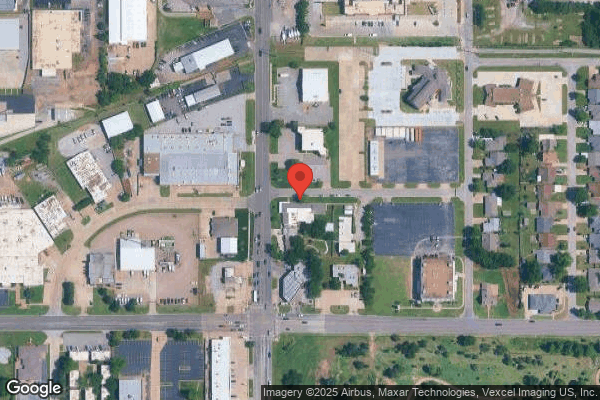
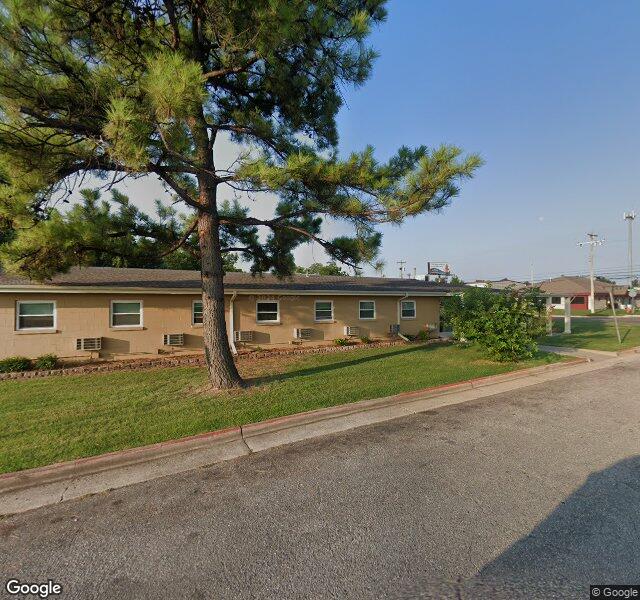
3718 North Portland, Oklahoma City, OK 73112 (405) 942-1014
For profit - Corporation 29 Beds Independent Data: November 2025 2 Immediate Jeopardy citations
Trust Grade
16/100
#176 of 282 in OK
Last Inspection: May 2025

Inspected within the last 6 months. Data reflects current conditions.

Overview

North Winds Living Center has received a Trust Grade of F, indicating significant concerns about the quality of care provided. Ranking #176 out of 282 facilities in Oklahoma places it in the bottom half, and it is #23 out of 39 in Oklahoma County, suggesting that there are better options available nearby. The facility is worsening, with issues increasing from 5 in 2024 to 7 in 2025. Staffing is a weak point, earning only 1 out of 5 stars, although the turnover rate is zero, meaning staff do not frequently leave. There were critical incidents reported, including a failure to protect a resident from psychosocial abuse and inadequate investigation of an abuse allegation. While there have been no fines and quality measures are rated excellent, families should carefully consider the significant deficiencies and safety concerns before choosing this facility.

Trust Score
F
16/100
In Oklahoma
#176/282
Bottom 38%
Safety Record
High Risk
Review needed
Inspections
Getting Worse
5 → 7 violations
Staff Stability
○ Average
Turnover data not reported for this facility.
Penalties
✓ Good
No fines on record. Clean compliance history, better than most Oklahoma facilities.
Skilled Nurses
○ Average
RN staffing data not reported for this facility.
Violations
⚠ Watch
17 deficiencies on record. Higher than average. Multiple issues found across inspections.
★★☆☆☆
2.0
Overall Rating
★☆☆☆☆
1.0
Staff Levels
★★★★★
5.0
Care Quality
★★☆☆☆
2.0
Inspection Score
Stable
2024: 5 issues
2025: 7 issues

The Good

  • 5-Star Quality Measures · Strong clinical quality outcomes
  • Full Sprinkler Coverage · Fire safety systems throughout facility
  • No fines on record

Facility shows strength in quality measures, fire safety.

The Bad

2-Star Overall Rating

Below Oklahoma average (2.6)

Below average - review inspection findings carefully

The Ugly 17 deficiencies on record

2 life-threatening
May 2025 7 deficiencies 2 IJ
CRITICAL (J)

Immediate Jeopardy (IJ) - the most serious Medicare violation

Free from Abuse/Neglect (Tag F0600)

Someone could have died · This affected 1 resident

**NOTE- TERMS IN BRACKETS HAVE BEEN EDITED TO PROTECT CONFIDENTIALITY** On 05/12/25, a past non-compliance Immediate Jeopardy (IJ) situation was determined to exist related to the facility's failure t...

Read full inspector narrative →
**NOTE- TERMS IN BRACKETS HAVE BEEN EDITED TO PROTECT CONFIDENTIALITY** On 05/12/25, a past non-compliance Immediate Jeopardy (IJ) situation was determined to exist related to the facility's failure to protect a resident from psychosocial abuse for Resident #2. A nurse note, dated 02/13/25 at 4:00 p.m., showed Resident #79 was heard yelling come out your room mother [explicit]. The note showed Resident #79 stated, get out here faggot. The note showed LPN #1 approached Resident #79 who was repeating come the [explicit] out, I'm gonna [explicit] you up. The note showed Resident #79 was holding a wet floor sign in their hand, slinging it around, and attempting to get into another resident's room. The note showed the other resident did nothing and kept their door shut. The note showed Resident #79 threw the wet floor sign at the door which hit LPN #1 on the lower right leg. The note showed three staff attempted to calm them down. The note showed Resident #79 then picked up a chair and threw it towards the door. The note showed the nurse went and got the administrator and DON. The note showed Resident #79 stated, I'm going to [explicit] you up while you sleep mother [explicit]. A nurse note, dated 02/13/25 at 4:58 p.m., showed the ARNP was contacted related to Resident #79's behaviors and gave orders to send the resident to the emergency room for evaluation. A combined initial and final facility reported incident, dated 02/13/25, showed Resident #2 and Resident #79 got into a verbal altercation which caused Resident #79 to get upset. The facility reported incident showed Resident #79 grabbed a chair and threw it at a door. The facility reported incident showed Resident #79 then threw a wet floor sign hitting LPN #1. The facility reported incident showed there were multiple witnesses to the incident. The facility reported incident showed the administrator spoke to Resident #79 in their room. The facility reported incident showed Resident #79 felt bad and apologized to LPN #1. There were no additional resident or staff interviews included in the investigation. A nurse note, dated 02/13/25 at 9:11 p.m., showed Resident #2 was asking if the resident who made prior threats against Resident #2 was out there. It showed LPN #1 informed Resident #2 the resident who made the threats was no longer in the building. The note showed Resident #2 stated, that really scared me, when [they] was yelling outside my door earlier i was getting chest pain and my hands were shaking. The note showed LPN #1 reassured Resident #2 the other resident was not in the building. Resident #2 stated, it just scares me, what if [they] come in here and i'm asleep, I wouldn't even have time to get my call light for help. The note showed, what am i supposed to do, i can't stay awake forever. Resident #2 stated the only time they experienced chest pain was when the other resident was outside their door making threats and calling them names. On 05/12/25 at 12:20 p.m., the Oklahoma State Department of Health (OSDH) determined the existence of a past non-compliance IJ. The facility self identified non-compliance and on 02/27/25 and 03/04/25 in-serviced all facility administrators and DONs regarding abuse, neglect, and exploitation. The facility implemented the following measures in response to the noncompliance: a. An in-service for abuse, neglect and reporting was held for facility staff on 02/14/25. b. A performance improvement plan was completed on 02/27/25 with the DON, administrator, and ADON which included education on abuse, neglect, misappropriation, and timeline of reporting to the state agency. The performance improvement plan showed the plan included the administrator, DON, ADON, and department heads would review incidents in morning clinical daily to ensure incidents were identified and reported to the administrator to ensure an investigation was initiated and it was reported to the state agency. It showed QAPI would review any issues at least quarterly and make any needed revisions to the plan. The performance improvement plan showed the deadline was 02/27/25. c. Daily clinical meetings which reviewed state reportable incidents started on 03/07/25. They were held March 7th, 10th, 11th, 12th, 13th, 14th, 17th, 18th, 20th, 24th, 25th, 26th, 27th, 28th, and 31st 2025. They were held April 1st, 2nd, 3rd, 4th, 7th, 8th, and 9th 2025, and continued. The daily clinical meetings are a component of the facility's QA. d. A QAPI meeting was held on 03/25/25 which reviewed all reportable incidents up to 03/25/25 with no concerns identified. Based on record review and interview, the facility failed to protect a resident from psychosocial abuse for 1 (#2) of 2 sampled residents reviewed for abuse. RN #1 identified 27 residents resided in the facility. Findings: An undated resident to resident abuse policy, read in part, Facility staff will immediately intervene to halt abusive behaviors and initiate appropriate actions to ensure safety of all residents based on individual occurrence.Remove abusive resident from other residents .Provide 1:1 immediate supervision until problem behavior is alleviated .Transfer to facility of physician preference .Notify local police department if facility is unable to ensure safety of all residents. An admission resident assessment, dated 12/02/24, showed Resident #79's cognition was intact (BIMS 14). A quarterly resident assessment, dated 02/09/25, showed Resident #2's cognition was intact (BIMS 15). A nurse note, dated 02/13/25 at 4:00 p.m., showed Resident #79 was heard yelling come out your room mother [explicit]. The note showed Resident #79 stated, get out here faggot. The note showed LPN #1 approached Resident #79 who was repeating come the [explicit] out, I'm gonna [explicit] you up. The note showed Resident #79 was holding a wet floor sign in their hand, slinging it around, and attempting to get into another resident's room. The note showed the other resident did nothing and kept their door shut. The note showed Resident #79 threw the wet floor sign at the door which hit LPN #1 on the lower right leg. The note showed three staff attempted to calm them down. The note showed Resident #79 then picked up a chair and threw it towards the door. The note showed the nurse went and got the administrator and DON. The note showed Resident #79 stated, I'm going to [explicit] you up while you sleep mother [explicit]. A nurse note, dated 02/13/25 at 4:58 p.m., showed the ARNP was contacted related to Resident #79's behaviors and gave orders to send the resident to the emergency room for evaluation. A combined initial and final facility reported incident, dated 02/13/25, showed Resident #2 and Resident #79 got into a verbal altercation which caused Resident #79 to get upset. The facility reported incident showed Resident #79 grabbed a chair and threw it at a door. The facility reported incident showed Resident #79 then threw a wet floor sign hitting LPN #1. The facility reported incident showed there were multiple witnesses to the incident. The facility reported incident showed the administrator spoke to Resident #79 in their room. The facility reported incident showed Resident #79 felt bad and apologized to LPN #1. There were no no additional resident or staff interviews included in the investigation. A nurse note, dated 02/13/25 at 9:11 p.m., showed Resident #2 asked if the resident who made prior threats against Resident #2 was out there. The note showed LPN #1 informed Resident #2 the resident who made the threats was no longer in the building. The note showed Resident #2 stated, that really scared me, when [they] was yelling outside my door earlier i was getting chest pain and my hands were shaking. The note showed LPN #1 reassured Resident #2 the other resident was not in the building. The note showed Resident #2 stated, it just scares me, what if [they] come in here and i'm asleep, I wouldn't even have time to get my call light for help. The note showed, what am i supposed to do, i can't stay awake forever. Resident #2 stated the only time they experienced chest pain was when the other resident was outside their door making threats and calling them names. A nurse's note, dated 02/13/25, showed Resident #79 was sent to the hospital for an evaluation. The note showed Resident #79 did not return to the facility. An abuse, neglect, and reporting in-service was completed on 02/14/25 with 12 staff signatures. An abuse in-service was held on 02/27/25 for the administrator of the facility. An abuse in-service was held on 03/04/25 for the DON of the facility. Daily clinical meetings which reviewed state reportable included reportable incidents started on 03/07/25. They were held March 7th, 10th, 11th, 12th, 13th, 14th, 17th, 18th, 20th, 24th, 25th, 26th, 27th, 28th, and 31st. They were held April 1st, 2nd, 3rd, 4th, 7th, 8th, 9th, and continued. A QAPI meeting was held on 03/25/25 which reviewed reportable incidents up to 03/25/25 with no concerns. On 05/07/25 at 8:52 a.m., CNA #1 stated they had received abuse training approximately a month and a half ago. They stated they monitored for resident to resident abuse and staff to resident abuse. On 05/07/25 at 8:53 a.m., CNA #1 stated if abuse was observed or reported to them, they would let the charge nurse and the DON know. On 05/07/25 at 8:54 a.m., LPN #2 stated they received abuse training a month or so ago. They stated they monitored for physical, emotional, sexual, resident to resident, and resident to staff abuse. On 05/07/25 at 8:55 a.m., LPN #2 stated if abuse was observed or reported to them, they would notify the abuse coordinator who was the administrator. On 05/07/25 at 8:58 a.m., the administrator stated staff were educated on abuse upon hire and throughout the year. They stated at a minimum staff were educated on abuse twice a year. The administrator stated they started working at the facility in March 2025. They stated they monitored for all types of abuse including emotional, physical, and involuntary seclusion. On 05/07/25 at 8:59 a.m., the administrator stated if abuse was observed or reported to them, they would immediately notify the police and start an investigation. They stated they would remove the individual from the facility if it was a staff member until the investigation was complete. The administrator stated staff would immediately protect the resident and complete an assessment. On 05/07/25 at 9:00 a.m., the administrator stated they would notify the state department, police, APS, licensing board, and nurse aide registry of allegations of abuse. On 05/07/25 at 9:01 a.m., the administrator stated the initial report was due within two hours and the final was due within five working days. On 05/07/25 at 9:49 a.m., the director of clinical services stated the facility completed in-services related to abuse with the DONs and administrators of all of their facilities related to abuse, neglect, and reporting. They stated they went over completing safe surveys with residents as part of the investigation. On 05/07/25 at 9:54 a.m., the director of clinical services stated this was part of their QA for all of their facilities. On 05/07/25 at 10:31 a.m., the director of clinical services stated the morning meetings were part of their QA and they reviewed all state reportable incidents. On 05/08/25 at 1:23 p.m., Resident #2 stated Resident #79 was a mouthy person. They stated Resident #79 made people uncomfortable to be around. Resident #2 stated they got into it with Resident #79 at the nurses' station. They stated they went to their room as Resident #79 was Yelling and fussing. Resident #2 stated Resident #79 picked up a sign off of the floor and hit staff in the face with it. Resident #2 stated the event made them feel Uneasy. They stated Resident #79 was sent to the hospital. On 05/08/25 at 1:30 p.m., Resident #2 stated they Have never felt unsafe here. They stated they definitely felt safe at the facility. On 05/08/25 at 1:44 p.m., Resident #2 stated they used to be friends with Resident #79. They stated now Resident #79 was an enemy. On 05/08/25 at 2:13 p.m., LPN #1 stated if abuse was observed or reported to them, they would notify on call which consisted of the administrator and the DON. On 05/08/25 at 2:14 p.m., LPN #1 stated Resident #79 was a tantrum [NAME]. They stated Resident #79 was at the nurses' station joking with LPN #1 on 02/13/25. They stated then Resident #79 rolled down the hall and started yelling for Resident #2 to come out because they were going to Whoop [their] [explicit]. LPN #1 stated Resident #2 never came out of their room and their door was never open. They stated Resident #79 escalated to the point of throwing a wet floor sign which bounced off of the door and hit LPN #1. LPN #1 stated Resident #79 then picked up a chair and slung it. LPN #1 stated they went and got the administrator. They stated Resident #2 later spoke to LPN #1 about being scared. On 05/08/25 at 2:16 p.m., LPN #1 stated one of the things Resident #79 had said was they would go into Resident #2's room at night and Beat [their] [explicit]. LPN #1 stated Resident #2 was scared it would happen. LPN #1 stated Resident #79 was already sent out to the hospital at the time Resident #2 reported being scared. LPN #1 reassured Resident #2 they didn't have to worry. On 05/08/25 at 2:17 p.m., LPN #1 stated Resident #79 got sent out on 02/13/25 and had not returned to the facility. LPN #1 stated Resident #2 had only voiced concerns about feeling unsafe with Resident #79 and had not voiced any concerns with any other residents. On 05/12/25 at 9:08 a.m., the director of clinical services stated they had called the previous administrator who was present when the abuse incident between Resident #2 and Resident #79 occurred. They stated the facility completed an in-service the next day on 02/14/25. They stated they addressed the staff immediately. They stated the previous administrator was in the facility at the time and notified the police immediately. They stated Resident #79 was transported to the hospital. On 05/12/25 at 9:11 a.m., the director of clinical services stated Resident #2 notified LPN #1 later on the evening shift they were disturbed by what was going on and what Resident #79 was saying. They stated Resident #79 was already at the hospital at that time and Resident #2 felt secure and safe. On 05/12/25 at 9:14 a.m., the director of clinical services stated the facility staff completed daily rounds related to abuse and neglect to address the concerns. They stated the facility performance improvement plan on 02/27/25 included abuse and neglect. The director of clinical services stated they provided training to staff. They stated Resident #79 was sent out immediately to the hospital after the event. The director of clinical services stated everything was better after Resident #79 left. The director of clinical services stated they had educated staff on the abuse policy, screening residents for signs and symptoms of depression and anxiety, and what to report. On 05/12/25 at 9:28 a.m., the director of clinical services stated they believed the facility did everything they were required to do after the abuse allegation involving Resident #2 and Resident #79. Through staff interviews, in-services and record review it was determined the facility was in compliance as of 03/07/25.
CRITICAL (J)

Immediate Jeopardy (IJ) - the most serious Medicare violation

Investigate Abuse (Tag F0610)

Someone could have died · This affected 1 resident

**NOTE- TERMS IN BRACKETS HAVE BEEN EDITED TO PROTECT CONFIDENTIALITY** On 05/12/25, a past non-compliance Immediate Jeopardy (IJ) situation was determined to exist related to the facility's failure t...

Read full inspector narrative →
**NOTE- TERMS IN BRACKETS HAVE BEEN EDITED TO PROTECT CONFIDENTIALITY** On 05/12/25, a past non-compliance Immediate Jeopardy (IJ) situation was determined to exist related to the facility's failure to thoroughly investigate an allegation of abuse for Resident #2. A nurse note, dated 02/13/25 at 4:00 p.m., showed Resident #79 was heard yelling come out your room mother [explicit]. The note showed Resident #79 stated, get out here faggot. The note showed LPN #1 approached Resident #79 who was repeating come the [explicit] out, I'm gonna [explicit] you up. The note showed Resident #79 was holding a wet floor sign in their hand, slinging it around, and attempting to get into another resident's room. The note showed the other resident did nothing and kept their door shut. The note showed Resident #79 threw the wet floor sign at the door which hit LPN #1 on the lower right leg. The note showed three staff attempted to calm them down. The note showed Resident #79 then picked up a chair and threw it towards the door. The note showed the nurse went and got the administrator and DON. It showed Resident #79 stated, I'm going to [explicit] you up while you sleep mother [explicit]. A nurse note, dated 02/13/25 at 4:58 p.m., showed the ARNP was contacted related to Resident #79's behaviors and gave orders to send the resident to the emergency room for evaluation. A combined initial and final facility reported incident, dated 02/13/25, showed Resident #2 and Resident #79 got into a verbal altercation which caused Resident #79 to get upset. The facility reported incident showed Resident #79 grabbed a chair and threw it at a door. The facilty reported incident showed Resident #79 then threw a wet floor sign hitting LPN #1. The facility reported incident showed there were multiple witnesses to the incident. The facility reported incident showed the administrator spoke to Resident #79 in their room. The facility reported incident showed Resident #79 felt bad and apologized to LPN #1. There were no additional resident or staff interviews included in the investigation. A nurse note, dated 02/13/25 at 9:11 p.m., showed Resident #2 asked if the resident who made prior threats against Resident #2 was out there. The note showed LPN #1 informed Resident #2 the resident who made the threats was no longer in the building. The note showed Resident #2 stated, that really scared me, when [they] was yelling outside my door earlier i was getting chest pain and my hands were shaking. The note showed LPN #1 reassured Resident #2 the other resident was not in the building. Resident #2 stated, it just scares me, what if [they] come in here and i'm asleep, I wouldn't even have time to get my call light for help. It showed, what am i supposed to do, i can't stay awake forever. Resident #2 stated the only time they experienced chest pain was when the other resident was outside their door making threats and calling them names. On 05/12/25 at 12:20 p.m., the Oklahoma State Department of Health (OSDH) determined the existence of a past non-compliance IJ. The facility self identified non-compliance and on 02/27/25 and 03/04/25 in-serviced all facility administrators and DONs regarding the abuse, neglect, and exploitation. The facility implemented the following measures in response to the noncompliance: a. An in-service for abuse, neglect and reporting was held for facility staff on 02/14/25. b. A performance improvement plan was completed on 02/27/25 with the DON, administrator, and ADON which included education on abuse, neglect, misappropriation, and timeline of reporting to the state agency. It showed the plan included the administrator, DON, ADON, and department heads would review incidents in morning clinical daily to ensure incidents were identified and reported to the administrator to ensure an investigation was initiated and it was reported to the state agency. It showed QAPI would review any issues at least quarterly and make any needed revisions to the plan. It showed the deadline was 02/27/25. c. Daily clinical meetings which reviewed state reportable incidents started on 03/07/25. They were held March 7th, 10th, 11th, 12th, 13th, 14th, 17th, 18th, 20th, 24th, 25th, 26th, 27th, 28th, and 31st 2025. They were held April 1st, 2nd, 3rd, 4th, 7th, 8th, and 9th 2025, and continued. The daily clinical meetings are a component of the facility's QA. d. A QAPI meeting was held on 03/25/25 which reviewed all reportable incidents up to 03/25/25 with no concerns identified. Based on record review and interview, the facility failed to thoroughly investigate an allegation of abuse for 1 (#2) of 2 sampled residents reviewed for abuse. RN #1 identified 27 residents resided in the facility. Findings: A resident to resident abuse policy, undated, read in part, Facility staff will immediately intervene to halt abusive behaviors and initiate appropriate actions to ensure safety of all residents based on individual occurrence.Remove abusive resident from other residents .Facility Administrator or Director of Nursing will initiate and immediate [sic] investigation of alleged abuse at the time of occurrence including including exploitation, and document findings. An admission resident assessment, dated 12/02/24, showed Resident #79's cognition was intact (BIMS 14). A quarterly resident assessment, dated 02/09/25, showed Resident #2's cognition was intact (BIMS 15). A nurse note, dated 02/13/25 at 4:00 p.m., showed Resident #79 was heard yelling come out your room mother [explicit]. The note showed Resident #79 stated, get out here faggot. The note showed LPN #1 approached Resident #79 who was repeating come the [explicit] out, I'm gonna [explicit] you up. The note showed Resident #79 was holding a wet floor sign in their hand, slinging it around, and attempting to get into another resident's room. The note showed the other resident did nothing and kept their door shut. The note showed Resident #79 threw the wet floor sign at the door which hit LPN #1 on the lower right leg. The note showed three staff attempted to calm them down. The note showed Resident #79 then picked up a chair and threw it towards the door. The note showed the nurse went and got the administrator and DON. The note showed Resident #79 stated, I'm going to [explicit] you up while you sleep mother [explicit]. A nurse note, dated 02/13/25 at 4:58 p.m., showed the ARNP was contacted related to Resident #79's behaviors and gave orders to send the resident to the emergency room for evaluation. A combined initial and final facility reported incident, dated 02/13/25, showed Resident #2 and Resident #79 got into a verbal altercation which caused Resident #79 to get upset. It showed Resident #79 grabbed a chair and threw it at a door. It showed Resident #79 then threw a wet floor sign hitting LPN #1. It showed there were multiple witnesses to the incident. It showed the administrator spoke to Resident #79 in their room. It showed Resident #79 felt bad and apologized to LPN #1. There were no additional resident or staff interviews included in the investigation. A nurse note, dated 02/13/25 at 9:11 p.m., showed Resident #2 was asking if the resident who made prior threats against Resident #2 was out there. It showed LPN #1 informed Resident #2 the resident who made the threats was no longer in the building. The note showed Resident #2 stated, that really scared me, when [they] was yelling outside my door earlier i was getting chest pain and my hands were shaking. The note showed LPN #1 reassured Resident #2 the other resident was not in the building. The note showed Resident #2 stated, it just scares me, what if [they] come in here and i'm asleep, I wouldn't even have time to get my call light for help. The note showed, what am i supposed to do, i can't stay awake forever. The note showed Resident #2 stated the only time they experienced chest pain was when the other resident was outside their door making threats and calling them names. A nurse's note, dated 02/13/25, showed Resident #79 was sent to the hospital for an evaluation. The note showed Resident #79 did not return to the facility. An abuse, neglect, and reporting in-service was completed on 02/14/25 with 12 staff signatures. An abuse in-service was held on 02/27/25 for the administrator of the facility. An abuse in-service was held on 03/04/25 for the DON of the facility. Daily clinical meetings which reviewed state reportable included reportable incidents started on 03/07/25. They were held March 7th, 10th, 11th, 12th, 13th, 14th, 17th, 18th, 20th, 24th, 25th, 26th, 27th, 28th, and 31st. They were held April 1st, 2nd, 3rd, 4th, 7th, 8th, 9th, and continued. A QAPI meeting was held on 03/25/25 which reviewed reportable incidents up to 03/25/25 with no concerns. On 05/07/25 at 8:52 a.m., CNA #1 stated they had received abuse training approximately a month and a half ago. They stated they monitored for resident to resident abuse and staff to resident abuse. On 05/07/25 at 8:53 a.m., CNA #1 stated if abuse was observed or reported to them, they would let the charge nurse and the DON know. On 05/07/25 at 8:54 a.m., LPN #2 stated they received abuse training a month or so ago. They stated they monitored for physical, emotional, sexual, resident to resident, and resident to staff abuse. On 05/07/25 at 8:55 a.m., LPN #2 stated if abuse was observed or reported to them, they would notify the abuse coordinator who was the administrator. On 05/07/25 at 8:58 a.m., the administrator stated staff were educated on abuse upon hire and throughout the year. They stated at a minimum staff were educated on abuse twice a year. They stated they started working at the facility in March 2025. They stated they monitored for all types of abuse including emotional, physical, and involuntary seclusion. On 05/07/25 at 8:59 a.m., the administrator stated if abuse was observed or reported to them, they would immediately notify the police and start an investigation. They stated they would remove the individual from the facility if it was a staff member until the investigation was complete. They stated staff would immediately protect the resident and complete an assessment. On 05/07/25 at 9:00 a.m., the administrator stated they would notify the state department, police, APS, licensing board, and nurse aide registry of allegations of abuse. On 05/07/25 at 9:01 a.m., the administrator stated the initial report was due within two hours and the final was due within five working days. On 05/07/25 at 9:49 a.m., the director of clinical services stated the facility completed in-services related to abuse with the DONs and administrators of all of their facilities related to abuse, neglect, and reporting. They stated they went over completing safe surveys with residents as part of the investigation. On 05/07/25 at 9:54 a.m., the director of clinical services stated this was part of their qa for all of their facilities. On 05/07/25 at 10:31 a.m., the director of clinical services stated the morning meetings were part of their qa and they reviewed all state reportable incidents. On 05/08/25 at 1:23 p.m., Resident #2 stated Resident #79 was a mouthy person. They stated Resident #79 made people uncomfortable to be around. Resident #2 stated they got into it with Resident #79 at the nurses' station. They stated they went to their room as Resident #79 was Yelling and fussing. Resident #2 stated Resident #79 picked up a sign off of the floor and hit staff in the face with it. Resident #2 stated the event made them feel Uneasy. They stated Resident #79 was sent to the hospital. On 05/08/25 at 1:30 p.m., Resident #2 stated they Have never felt unsafe here. They stated they definitely felt safe at the facility. On 05/08/25 at 1:44 p.m., Resident #2 stated they used to be friends with Resident #79. They stated now Resident #79 was an enemy. On 05/08/25 at 2:13 p.m., LPN #1 stated if abuse was observed or reported to them, they would notify on call which consisted of the administrator and the DON. On 05/08/25 at 2:14 p.m., LPN #1 stated Resident #79 was a tantrum [NAME]. They stated Resident #79 was at the nurses' station joking with LPN #1. LPN #1 stated then Resident #79 rolled down the hall and started yelling for Resident #2 to come out because they were going to Whoop [their] [explicit]. LPN #1 stated Resident #2 never came out of their room and their door was never open. They stated Resident #79 escalated to the point of throwing a wet floor sign which bounced off of the door and hit LPN #1. LPN #1 stated Resident #79 then picked up a chair and slung it. LPN #1 stated they went and got the administrator. They stated Resident #2 later spoke to LPN #1 about being scared. On 05/08/25 at 2:16 p.m., LPN #1 stated one of the things Resident #79 had said was they would go into Resident #2's room at night and Beat [their] [explicit]. LPN #1 stated Resident #2 was scared it would happen. LPN #1 stated Resident #79 was already sent out to the hospital at the time Resident #2 reported being scared. LPN #1 reassured Resident #2 they didn't have to worry. On 05/08/25 at 2:17 p.m., LPN #1 stated Resident #79 got sent out on 02/13/25 and had not returned to the facility. LPN #1 stated Resident #2 had only voiced concerns about feeling unsafe with Resident #79 and had not voiced any concerns with any other residents. On 05/12/25 at 9:08 a.m., the director of clinical services stated they had called the previous administrator who was present when the abuse incident between Resident #2 and Resident #79 occurred. They stated interviews had been misplaced and the old administrator was trying to locate them. The director of clinical services stated the facility completed an in-service the next day on 02/14/25. They stated they addressed the staff immediately. The director of cliica services stated the previous administrator was in the facility at the time and notified the police immediately. They stated Resident #79 was transported to the hospital. On 05/12/25 at 9:11 a.m., the director of clinical services stated the previous administrator did interview residents and staff on 02/13/25. They stated the interviews had not been located. The director of clinical services stated Resident #2 notified LPN #1 later on the evening shift that they were disturbed by what was going on and what Resident #79 was saying. They stated Resident #79 was already at the hospital at that time and Resident #2 felt secure and safe. On 05/12/25 at 9:14 a.m., the director of clinical services stated the facility staff completed daily rounds related to abuse and neglect to address the concerns. They stated the facility performance improvement plan on 02/27/25 included abuse and neglect. The director of clinical servics stated they provided training to staff. They stated Resident #79 was sent out immediately to the hospital after the event. The director of clinical services stated everything was better after Resident #79 left. The director of clinical services stated they had educated staff on the abuse policy, screening residents for signs and symptoms of depression and anxiety, and what to report. On 05/12/25 at 9:20 a.m., the director of clinical services stated the performance improvement plan did not specifically address missing interviews, because the previous administrator had completed interviews and safe surveys related to this abuse investigation, and was just unable to locate them. The director of clinical services stated the previous administrator usually attached the interviews and safe surveys with the state reportable incident report and failed to do so this time. On 05/12/25 at 9:28 a.m., the director of clinical services stated they believed the facility did everything they were required to do after the abuse allegation involving Resident #2 and Resident #79. Through staff interviews, in-services and record review it was determined the facility was in compliance as of 03/07/25.
CONCERN (D)

Potential for Harm - no one hurt, but risky conditions existed

Deficiency F0578 (Tag F0578)

Could have caused harm · This affected 1 resident

Based on record review and interview, the facility failed to ensure a resident's complete advance directive was included in their medical record for 1 (#2) of 16 sampled residents reviewed for advance...

Read full inspector narrative →
Based on record review and interview, the facility failed to ensure a resident's complete advance directive was included in their medical record for 1 (#2) of 16 sampled residents reviewed for advance directives. RN #1 identified 27 residents resided in the facility. Findings: An advance directive policy, revised 12/2016, read in part, Advance directives will be respected in accordance with state law and facility policy.Upon admission, the resident will be provided with written information concerning the right to refuse or accept medical or surgical treatment and to formulate an advance directive if he or she chooses to do so.Information about whether or not the resident has executed an advance directive shall be displayed prominently in the medical record. Resident #2's clinical record contained only one page of their advance directive, dated 04/24/18, which was part four general provisions. The rest of the advance directive was not included in the clinical record. An advance directive acknowledgement form, dated 01/27/24, showed Resident #2 had executed an advance directive. An quarterly resident assessment, dated 02/09/25, showed Resident #2's cognition was intact (BIMS 15). On 05/12/25 at 8:15 a.m., the DON stated Resident #2 had marked the advance directive, but only wanted a DNR. The DON was asked to provide documentation that clarified this information. On 05/12/25 at 9:38 a.m., the social service director stated they knew Resident #2 had an advance directive because the social service director had completed it. They stated they were unsure of where the other pages were. The social services director stated there was a chance when the resident was transferred to the hospital, they did not scan all of the pieces back into Resident #2's chart. On 05/12/25 at 9:40 a.m., the social service director stated they offered resident's the opportunity to formulate an advance directive upon admission. They stated Resident #2 did have the mental capacity to complete an advance directive.
CONCERN (D)

Potential for Harm - no one hurt, but risky conditions existed

Respiratory Care (Tag F0695)

Could have caused harm · This affected 1 resident

Based on observation, record review, and interview, the facility failed to ensure resident's oxygen tubing was changed according to the standard of practice and physician order for 1 (#18) of 1 sample...

Read full inspector narrative →
Based on observation, record review, and interview, the facility failed to ensure resident's oxygen tubing was changed according to the standard of practice and physician order for 1 (#18) of 1 sampled resident reviewed for oxygen use. RN #1 identified 27 residents resided in the facility. Findings: On 05/04/25 at 8:40 a.m., Resident #18 was observed wearing oxygen. The tubing had a piece of tape with red writing that showed 3/23/25. On 05/08/25 at 10:01 a.m., Resident #18 was observed wearing oxygen. The tubing had a piece of tape with red writing that showed 3/23/25. Resident #18's physician order, dated 06/02/24, showed to Change oxygen tubing and humidifier bottles every week on Sunday 11/7 shift every night shift every Sunday. Resident #18's physician order, dated 01/15/25, showed Oxygen 2L/min via nasal cannula as needed. Resident #18's care plan, revised 01/22/25, showed oxygen at 2L per nasal cannula as needed. Resident #18's quarterly resident assessment, dated 04/13/25, showed oxygen use, and diagnoses which included chronic obstructive pulmonary disease and chronic respiratory failure. On 05/08/25 at 10:02 a.m., Resident #18 stated they did not recall when the tubing was last changed and stated it was probably time to change it. On 05/08/25 at 10:07 a.m., LPN #2 stated the oxygen tubing was to be changed out on the 11-7 shift every Sunday and as needed. On 05/08/25 at 10:09 a.m., LPN #2 went to Resident #18's room and stated the oxygen tubing showed 03/23/25, and was not dated appropriately. On 05/08/25 at 10:09 a.m., the DON stated the oxygen tubing was to be changed every Sunday. The DON stated they ensured the tubing was changed when they made their compliance and angel rounds.
CONCERN (D)

Potential for Harm - no one hurt, but risky conditions existed

Pharmacy Services (Tag F0755)

Could have caused harm · This affected 1 resident

Based on record review and interview, the facility failed to ensure a resident was not administered the wrong medications for 1 (#4) of 6 sampled residents reviewed for medication administration. RN #...

Read full inspector narrative →
Based on record review and interview, the facility failed to ensure a resident was not administered the wrong medications for 1 (#4) of 6 sampled residents reviewed for medication administration. RN #1 identified 27 residents resided in the facility. Findings: An administering medications policy, revised 04/2019, read in part, Medications are administered in a safe and timely manner, and as prescribed.Medication errors are documented, reported, and reviewed by the QAPI committee to inform process changes and or the need for additional staff training. A medication error form for Resident #4, dated 02/07/25, read in part, at approximately [7:45 p.m.] acma came to this nurse and reported that a different resident's evening meds were missing, upon investigation this nurse found that meds were not missing they were given to this resident [Resident #4], and were administered at approximately [4:30 p.m.], vs obtained at [7:50 p.m.] t-97.3, bp- 120/77, p-83, resp even unlabored at 20, o2 sat 96% on r/a, fsbs-37 [error], resident alert and oriented to person, place and situation, as is normal for this resident, pleasant mood, gait slow and steady, tremor observed to both hands, not abnormal for this resident .when asked does say [they] feels like [their] heart is racing, this nurse called [pharmacy] and spoke with pharmacist r/t possible ase at approx [8:00 p.m.], [they] said that [they] should be fine and that [they] could feel like [their] heart is racing, be drowsy/sleepy, spoke with [Physician #1] and was told to keep [them] in observation for 24 hours, administrator updated, vs at [9:30 p.m.] t-97.3, bp-137/88, p-70, resp even and unlabored at 20, no drowsiness, very alert, does say [they] still feels like [their] heart is racing, fsbs 131. The form was completed by LPN #1. The February 2025 FSBS injection log showed Resident #4's FSBS on 02/07/25 at 5:30 p.m. was 137. An updated medication error form for Resident #4, dated 02/07/25, was provided to the surveyor on 05/12/25. The form amended the FSBS of 37 to 137, and added the following information: the following medications were admin, duloxetine (an antidepressant), melatonin (a hormone that regulates sleep), clozapine (an antipsychotic), dicyclomine (a medication used to relax the smooth muscles of the intestine), metformin (a medication used to treat diabetes). Resident that has [their] medications given in error, [Resident #6], did receive [their] medications without delay. An order summary report, dated 05/06/25, showed Resident #4 had diagnoses which included anxiety disorder, major depressive disorder, diabetes mellitus, and bipolar disorder. On 05/08/25 at 11:50 a.m., CMA #1 stated the facility had bubble packs for medication administration that included each resident's medications. They stated they would verify the name, the resident's pictures, and go through the resident's medication orders to ensure residents received the correct medications. On 05/08/25 at 11:50 a.m., CMA #1 stated if they identified a resident received the wrong medications they would report it to the charge nurse. They stated they were not aware of an event when Resident #4 received the wrong medications. On 05/08/25 at 11:54 a.m., LPN #2 stated staff were to follow the medication administration record to ensure residents received the correct medications. They stated if staff identified a resident received the wrong medications, they should notify the nurse. LPN #2 stated the nurse would notify the DON and complete a medication error incident report. On 05/08/25 at 11:55 a.m., LPN #2 stated they were not aware of any instance where Resident #4 received the wrong medications. On 05/08/25 at 12:17 p.m., the DON stated staff utilized the medication administration record and the rights for medication administration to ensure residents received the right medications. The director of clinical services stated there was also a photo of the resident for staff to refer to. The director of clinical services stated staff could also ask the resident to verify their name and date of birth . On 05/08/25 at 12:18 p.m., the DON stated the medication aides passed most of the medications to the residents. The DON stated if they identified a resident received the wrong medication they were to immediately notify the nurse. The DON stated the nurse would assess the resident, notify the provider, family, and monitor the resident. The DON stated the medication error form, dated 02/07/25, did not identify what medications Resident #4 received in error or whose medications they received. On 05/08/25 at 12:19 p.m., the director of clinical services stated when the medication error form was vague, it was hard to know. On 05/08/25 at 12:23 p.m., the DON stated staff notified the doctor and the family, if they had any, of the medication error. On 05/08/25 at 12:53 p.m., the director of clinical services stated they knew staff called Physician #1 after the medication error. They stated they could not see where they identified what medications were given. The director of clinical services stated Resident #4 was placed on observation. They stated they would update the incident report once they identified the medications that were given. On 05/08/25 at 2:18 p.m., LPN #1 stated resident medications came in a bag from pharmacy with their name and the medications listed on each bag in order to cut down on medication errors. On 05/08/25 at 2:19 p.m., LPN #1 stated if a resident received the wrong medications, they would call pharmacy first to speak with a pharmacist to see what side effects they needed to monitor for. They stated then they would notify the physician and update them on the resident's status. On 05/08/25 at 2:20 p.m., LPN #1 stated the medication aide had come to them the night of 02/07/25 and informed them they did not have Resident #6's medications to administer. LPN #1 stated they called pharmacy to inform them they did not have the medications, and pharmacy reported they had sent the medications to the facility. LPN #1 stated they looked through the medication cart and when they came to Resident #4's spot in the cart, all of their medications were still there for the evening dose. LPN #1 stated they asked the medication aide if they had given everyone their medications except Resident #6 and they stated they had. LPN #1 stated that was when they figured out Resident #4 had received Resident #6's medications. On 05/08/25 at 2:20 p.m., LPN #1 stated Resident #4 was administered the following medications in error: duloxetine, melatonin, clozapine, dicyclomine, and metformin. LPN #1 stated the medications were the routine evening medications for Resident #6. On 05/08/25 at 2:23 p.m., LPN #1 stated they called pharmacy and spoke with the pharmacist. They stated they notified the provider and the DON at the time. LPN #1 stated Resident #4 was pulled into focused charting where staff monitored them for the next three days to ensure they did not have any adverse reactions to any of the medications. LPN #1 stated they did not observe any adverse reactions. They stated Resident #4's vital signs were stable, there was no grogginess or staggering experienced. LPN #1 stated Resident #4 was diabetic so they monitored their blood sugars and had no issues. On 05/08/25 at 2:24 p.m., the director of clinical services stated they unlocked the 02/07/25 incident report for Resident #4 and added what medications were involved in the incident and the provider was notified of the medications involved.
CONCERN (D)

Potential for Harm - no one hurt, but risky conditions existed

Infection Control (Tag F0880)

Could have caused harm · This affected 1 resident

Based on observation, record review, and interview, the facility failed to ensure EBP (Enhanced Barrier Precaution) signage was in place to ensure appropriate usage of PPE, for 1 (#24) of 1 sampled re...

Read full inspector narrative →
Based on observation, record review, and interview, the facility failed to ensure EBP (Enhanced Barrier Precaution) signage was in place to ensure appropriate usage of PPE, for 1 (#24) of 1 sampled resident reviewed for infection control. RN #1 identified 27 residents resided in the facility. On 05/04/25 at 8:17 a.m., Resident #24 was observed in their room, on their bed under the covers, and did not respond to questions. No observation of EBP signage inside the residents room or anywhere outside of the residents room. On 05/05/25 at 12:33 p.m., there was no EBP signage on the outside of Resident #24's room/door. There was a three drawer plastic cabinet in the hall located next to the room which contained gowns, shields, masks, and gloves. Resident #24 stated the staff tape the port for showers. A resident admission assessment, dated 03/10/25, showed Resident #24 received dialysis, was cognitively intact with a BIMS of 15, and had diagnosis of end stage renal disease. A physicians order, dated 03/06/25, showed Enhanced Barrier Precautions every shift related to end stage renal disease. A policy titled Infection Prevention and Control Program, dated 03/19/25, read in part, This policy has established and maintains an infection prevention control program designed to provide a safe, sanitary, and comfortable environment and to help prevent the development and transmission of communicable diseases and infections as per accepted national standards and guidelines. A physicians order, dated 05/06/25 showed dialysis Tuesday, Thursday, and Saturday. On 05/05/25 at 12:35 p.m., Resident #24 stated it depended on the person if a mask was worn when facility staff tended to the dialysis catheter. Resident #24 stated facility staff never wore a gown when tended to the dialysis catheter. On 05/05/25 at 1:51 p.m., CNA #1 stated the little cabinets in the hallway were for isolation and COVID. They stated there were two residents on EBP for dialysis. When asked how to know who was on EBP, CNA #1 stated there was suppose to be a sign on the outside of the door and was a blue sign. CNA #1 stated the residents take them down. Went inside the room with CNA. CNA #1 stated there was no EBP signage for the residents room. On 05/05/25 at 1:55 p.m., LPN #2 stated there were two residents on EBP and were suppose to have signs up close to the room. They stated Resident #24 did not currently have signage for EBP. LPN #2 stated it had been the DONs responsibility to put up the signage. On 05/05/25 at 2:06 p.m., the DON stated there were two residents on EBP for dialysis. The DON stated there was a paper on the front of the residents door, not inside, and on the isolation cart. The DON stated there was a blue sign on the door and the isolation cart, and it was the first thing done. The DON stated the social services director helped put them out. On 05/05/25 at 2:09 p.m., the DON stated the residents remove the signs. On 05/05/25 at 2:11 p.m., the DON went to Resident #24's room and stated there was no signs.
CONCERN (D)

Potential for Harm - no one hurt, but risky conditions existed

Antibiotic Stewardship (Tag F0881)

Could have caused harm · This affected 1 resident

Based on record review and interview, the facility failed to utilize an infection assessment screening to identify whether or not antibiotics were necessary for 2 (#6 and #10) of 5 sampled residents r...

Read full inspector narrative →
Based on record review and interview, the facility failed to utilize an infection assessment screening to identify whether or not antibiotics were necessary for 2 (#6 and #10) of 5 sampled residents reviewed for antibiotic stewardship. The Resident Matrix, dated 05/04/25, showed 11 residents with infections resided in the facility. Findings: An infection prevention and control program policy, dated 05/12/23, read in part, An antibiotic stewardship program will be implemented as part of the overall infection prevention and control program .Antibiotic use protocols and a system to monitor antibiotic use will be implemented as part of the antibiotic stewardship program. The January 2025 infection surveillance showed Resident #6 received zithromax (an antibiotic) 250 mg for an upper respiratory infection started on 01/16/25. It showed Resident #10 received azithromycin (an antibiotic) 250 mg started on 01/18/25. There were no laboratory results or infection assessment screening located in the residents' clinical record for the above antibiotic use. The February 2025 infection surveillance showed Resident #10 received doxycycline hyclate (an antibiotic) 100 mg for a skin infection started on 02/26/25. There were no laboratory results or infection assessment screening located in the resident's clinical record for the above antibiotic use. On 05/05/25 at 11:40 a.m., the DON and director of clinical services stated the facility utilized the McGreer screening for antibiotic stewardship. On 05/05/25 at 11:44 a.m., the director of clinical services stated it was under assessments in the clinical record and was titled infection screening evaluation. They stated the last infection screening evaluation for Resident #6 was completed on 09/10/24. They stated the facility utilized both the Loeb and McGreer screening. On 05/05/25 at 1:00 p.m., the DON stated they had started at the facility in March 2025. They stated staff would utilize laboratory results and any other results from residents and log them in the infection screening tool as well as the infection control log to track infections in the building. On 05/05/25 at 1:02 p.m., the DON stated it was their understanding the facility utilized the screening tools to help with antibiotic stewardship. They stated they also encouraged hydration to residents and education and in-services on infection control and antibiotic stewardship. The DON stated they would go by whatever the doctor said. They stated staff would send the doctor the lab results and culture and sensitivity and then the doctor would decide based on the individual's history and medications. On 05/05/25 at 1:04 p.m., the DON stated the facility identified the antibiotics were appropriate for Resident #6 and Resident #10 Because the doctor said. The DON reviewed both resident records and stated they did not locate any antibiotic screening tool used for either resident's infection in January 2025. On 05/05/25 at 1:07 p.m., the DON stated they did not locate an antibiotic screening tool for Resident #10's infection in February 2025.
Feb 2024 5 deficiencies
CONCERN (D)

Potential for Harm - no one hurt, but risky conditions existed

Deficiency F0657 (Tag F0657)

Could have caused harm · This affected 1 resident

Based on record review and interview, the facility failed to ensure a care plan had been developed/revised for a resident who received dialysis for one (#8) of 28 residents reviewed for care plans. Th...

Read full inspector narrative →
Based on record review and interview, the facility failed to ensure a care plan had been developed/revised for a resident who received dialysis for one (#8) of 28 residents reviewed for care plans. The Resident Matrix dated 02/12/24, documented 28 residents resided in the facility. One resident received dialysis. Findings: A Care Planning policy, dated 01/01/24, read in part, A comprehensive, person-centered care plan that includes measurable objectives and timetables to meet the resident's physical, psychosocial and functional needs is developed and implemented for each resident .Assessments of residents are ongoing and care plans are revised as information about the residents and the residents' conditions change . Resident #8 had diagnoses which included Chronic Kidney Disease. A physician order, dated 07/27/23, documented to monitor the dialysis port to right upper chest area for signs and symptoms of infection every shift. A physician order, dated 07/27/23 documented no blood pressure, labs or lifting in arm with the dialysis port every shift. A physician order, dated 07/28/23, documented to monitor dressing to dialysis port every shift. If dressing is loose, notify the physician and/or dialysis center. A resident assessment, dated 08/23/23, documented cognition was intact and received dialysis. A resident assessment, dated 11/23/23 documented cognition was intact and received dialysis. A physician order, dated 12/26/23, documented to monitor vital signs when return from dialysis every shift every Tuesday, Thursday, and Saturday. There were no care plan updates since the 05/2023 quarterly. There were resident assessments dated 08/23/23 and 11/23/23. The renal insufficiency care plan was revised 02/2023. There was no care plan located for dialysis monitoring. On 02/14/24 at 9:40 a.m., LPN #2 stated the resident received dialysis and required monitoring of the dialysis port, signs and symptoms of infection and the dressing. They stated they did not see any documentation of the resident refusing care. On 02/14/24 at 10:33 a.m. the DON stated the care plan was last updated 05/2023.
CONCERN (D)

Potential for Harm - no one hurt, but risky conditions existed

Deficiency F0678 (Tag F0678)

Could have caused harm · This affected 1 resident

Based on record review and interview, the facility failed to ensure a resident's code status was identified in their health record for one (#19) of 16 sampled residents reviewed for code status. The R...

Read full inspector narrative →
Based on record review and interview, the facility failed to ensure a resident's code status was identified in their health record for one (#19) of 16 sampled residents reviewed for code status. The Resident Matrix, dated 02/12/24, documented 28 residents resided in the facility. Findings: Resident #19 had diagnoses which included cerebral infarction and major depression. On 02/12/24 at 10:45 a.m., Resident #19's code status in their electronic health record was blank. On 02/12/24 at 1:08 p.m., LPN #1 stated residents' code status were found on their electronic health record and paper chart. They stated Resident #19 was a full code. On 02/12/24 at 1:13 p.m., LPN #1 stated Resident #19's code status on the electronic health record was blank and there was no physician order for a code status. On 02/12/24 at 1:17 p.m., the DON stated code status for residents were located on the electronic health record and there should be a physician's order for the code status. On 02/12/24 at 1:18 p.m., the DON stated the code status for Resident #19 on the electronic health record was blank and there was no physician's order for a code status.
CONCERN (D)

Potential for Harm - no one hurt, but risky conditions existed

Deficiency F0698 (Tag F0698)

Could have caused harm · This affected 1 resident

**NOTE- TERMS IN BRACKETS HAVE BEEN EDITED TO PROTECT CONFIDENTIALITY** Based on record review and interview, the facility failed to ensure there was ongoing communication with the dialysis center and...

Read full inspector narrative →
**NOTE- TERMS IN BRACKETS HAVE BEEN EDITED TO PROTECT CONFIDENTIALITY** Based on record review and interview, the facility failed to ensure there was ongoing communication with the dialysis center and ongoing assessment of a resident before and after dialysis for one (#8) of one sampled resident reviewed for dialysis services. The Resident Matrix, dated 02/12/24, documented 28 residents resided in the facility. Findings: A Hemodialysis Access Care policy, dated 09/10, read in part, .The general medical nurse should document in the resident's medical record every shift as follows: 1. Location of catheter. 2. Condition of dressing .3. If dialysis was done during shift. 4. Any part of report from dialysis nurse post-dialysis being given. 5. Observations post-dialysis. Resident #8 had diagnoses which included Chronic Kidney Disease. A physician order, dated 07/27/23, documented to monitor the dialysis port to right upper chest area for signs and symptoms of infection every shift. A physician order, dated 07/27/23 documented no blood pressure, labs or lifting in arm with the dialysis port every shift. A physician order, dated 07/28/23, documented to monitor dressing to dialysis port every shift. If dressing is loose, notify the physician and/or dialysis center. A resident assessment, dated 9/23/23, documented cognition was intact and received dialysis. A resident assessment dated [DATE] documented cognition was intact and received dialysis. A physician order, dated 12/26/23, documented to monitor vital signs when return from dialysis every shift every Tuesday, Thursday, and Saturday. On 2/14/24 at 9:40 a.m., LPN #2 stated residents were monitored post dialysis for their stability, dressing being intact, signs and symptoms of infection and any behavioral changes. They stated the documentation for dialysis was in a separate book. That book contained two documents. One dated 12/26/23 and 2/13/24. Both documents had inconsistent dates for vital signs both pre and post. LPN #2 was not familiar with were the documentation was. The hard chart had a dialysis communication form dated 08/23. On 02/14/24 at 9:54 a.m., the Corporate Nurse Consultant stated the assessment form auto populated and the nurses were suppose to change it. The only dialysis communication forms they found were in the EMR dated 01/02/24 and 02/13/24. They stated there should have been more assessments and they did not know where they were. On 02/14/24 at 10:33 a.m., the DON stated the staff would not know the accuracy of the residents condition if the dates on the form for the pre and post assessments were not the dates of the treatment.
CONCERN (D)

Potential for Harm - no one hurt, but risky conditions existed

Deficiency F0730 (Tag F0730)

Could have caused harm · This affected 1 resident

Based on record review and interview, the facility failed to complete annual skills competency for two (CNA #1 and CNA #2) of two CNAs whose employee files were reviewed for skills competencies. The R...

Read full inspector narrative →
Based on record review and interview, the facility failed to complete annual skills competency for two (CNA #1 and CNA #2) of two CNAs whose employee files were reviewed for skills competencies. The Resident Matrix, dated 02/12/24, documented 28 residents resided in the facility. There were four CNA's documented on the staff roster who had been employed over one year. Findings: The In-Service Training Program, Nurse Aide policy, revised 2019, read in part, .The facility completes a performance review of nurse aides at least every 12 months . CNA #1 was hired on 10/29/22. There was no annual skills competency in CNA #1's employee file for 2023. CNA #2 was hired on 12/28/15. There was no annual skills competency in CNA #2's employee file for 2023. On 02/14/24 at 11:49 a.m., the CNO stated CNA skill competencies were done annually. The CNO stated they were unable to locate the annual skill competencies for CNA #1 and CNA #2.
CONCERN (D)

Potential for Harm - no one hurt, but risky conditions existed

Pharmacy Services (Tag F0755)

Could have caused harm · This affected 1 resident

Based on observation, interview, and record review, the facility failed to ensure medications were administered as ordered for one (#2) of three sampled residents reviewed for medication administratio...

Read full inspector narrative →
Based on observation, interview, and record review, the facility failed to ensure medications were administered as ordered for one (#2) of three sampled residents reviewed for medication administration. The Resident Matrix, dated 02/12/24, documented 28 residents resided in the facility. Findings: An Administering Medications policy, revised 04/19, read in part, .Medications are administered in accordance with prescriber orders, including any required time frame medications are administered within one hour of their prescribed time, unless otherwise specified . Resident #2 had diagnoses which included human immunodeficiency virus disease. A Physician Order, dated 01/11/24, documented darunavir oral tablet 600 mg give 1 tablet by mouth two times a day related to human immunodeficiency virus disease. On 02/13/24 at 8:54 a.m., darunavir was not available to be administered as ordered to Resident #2. ACMA #1 was observed to have ordered darunavir once it was determined to be unavailable. On 02/13/24 at 8:56 a.m., ACMA #1 stated it could take the pharmacy anywhere from a few hours to 10 days to deliver the medication. On 02/15/24 at 8:48 a.m., the DON stated the medication aides should have been aware of what needed to be reordered and then reordered it. The pharmacy usually delivers the same day or overnights it. We have had a few agency medication aides that may not have ordered appropriately.
Jan 2023 5 deficiencies
CONCERN (D)

Potential for Harm - no one hurt, but risky conditions existed

Deficiency F0637 (Tag F0637)

Could have caused harm · This affected 1 resident

Based on record review and interview, the facility failed to ensure a significant change assessment was conducted for one (#4) of one sampled resident reviewed for hospice services. The Resident Censu...

Read full inspector narrative →
Based on record review and interview, the facility failed to ensure a significant change assessment was conducted for one (#4) of one sampled resident reviewed for hospice services. The Resident Census and Conditions of Residents report, dated 01/17/23, documented two residents were receiving hospice care. Findings: Resident #4 had diagnoses which included HIV, chronic pain syndrome, hemiplegia and hemiparesis, and chronic viral hepatitis C. A physician's order, dated 04/19/22, documented the resident was to be screened and evaluated by hospice. A progress note, dated 04/19/22, documented the resident had readmitted to facility and was placed on hospice. The clinical record had not contained a significant change assessment after the resident had been admitted to hospice. On 01/19/23 at 3:09 p.m., the DON was asked if a significant change assessment had been done. She reviewed the clinical record and stated, No.
CONCERN (D)

Potential for Harm - no one hurt, but risky conditions existed

Assessment Accuracy (Tag F0641)

Could have caused harm · This affected 1 resident

Based on record review and interview, the facility failed to ensure resident assessments were accurate for one (#19) of nine sampled residents reviewed for resident assessments. The Resident Census an...

Read full inspector narrative →
Based on record review and interview, the facility failed to ensure resident assessments were accurate for one (#19) of nine sampled residents reviewed for resident assessments. The Resident Census and Conditions of Residents report, dated 01/17/23, documented 27 residents. Findings: A Resident Assessment policy, undated, read in parts, .The facility reviews the assessment of each resident once every [three] months If appropriate the resident's assessment is revised to assure the continued accuracy of the assessment . Resident #19 had diagnoses which included DM, HTN, and acute kidney failure. A Quarterly Resident Assessment, dated 10/19/22, documented the resident received tracheostomy care during the last 14 days while a resident in the facility and received insulin injections seven days of the seven day look back period. Resident #19's October 2022 MAR/TAR did not document the resident received tracheostomy care or insulin injections. On 01/18/23 at 9:55 a.m., the DON was asked who was responsible for completing resident assessments. She stated, I am. She was asked if Resident #19's quarterly resident assessment, dated 10/19/22, documented the resident received insulin injections seven days out of the last seven day look back period. She stated, Yes. The DON was asked if it documented the resident received tracheostomy care while a resident of the facility in the last 14 days. She stated it did. She was asked if the assessment was inaccurate. She stated, Yes. She was asked to clarify if the resident had received insulin during the look back period. On 01/18/23 at 10:07 a.m., the ADON joined the interview. The DON asked the ADON if Resident #19 had received insulin injections. The ADON stated the resident had never received insulin injections. The DON stated the resident was never on insulin.
CONCERN (D)

Potential for Harm - no one hurt, but risky conditions existed

Comprehensive Care Plan (Tag F0656)

Could have caused harm · This affected 1 resident

Based on record review and interview, the facility failed to develop a care plan for hospice care for one (#4) of one sampled resident who was reviewed for hospice service. The Resident Census and Con...

Read full inspector narrative →
Based on record review and interview, the facility failed to develop a care plan for hospice care for one (#4) of one sampled resident who was reviewed for hospice service. The Resident Census and Conditions of Residents report, dated 01/17/23, documented two residents were receiving hospice care. Findings: The Care Plans, Comprehensive Person-Centered policy, revised December 2016, read in parts, A comprehensive, person-centered care plan that includes measurable objectives and timetables to meet the resident's physical and functional needs is developed and implemented for each resident .The care plan interventions are derived from thorough analysis of the information gathered as part of the comprehensive assessment .The comprehensive, person-centered care plan is developed within seven (7) days of the completion of the required comprehensive assessment . Resident #4 had diagnoses which included HIV, chronic pain syndrome, hemiplegia and hemiparesis, and chronic viral hepatitis C. A physician's order, dated 04/19/22, documented the resident was to be screened and evaluated by hospice. A progress note, dated 04/19/22, document the resident had readmitted to facility and placed on hospice. Resident #4's Care Plan, last revised 11/30/22, did not include documentation related to hospice care. On 01/19/23 at 3:15 p.m., the DON was asked if Resident #4's care plan addressed hospice care. She stated, No.
CONCERN (E) 📢 Someone Reported This

A family member, employee, or ombudsman was alarmed enough to file a formal complaint

Potential for Harm - no one hurt, but risky conditions existed

Deficiency F0657 (Tag F0657)

Could have caused harm · This affected multiple residents

**NOTE- TERMS IN BRACKETS HAVE BEEN EDITED TO PROTECT CONFIDENTIALITY** Based on record review and interview, the facility failed to ensure: A. Residents were offered the opportunity to take part in t...

Read full inspector narrative →
**NOTE- TERMS IN BRACKETS HAVE BEEN EDITED TO PROTECT CONFIDENTIALITY** Based on record review and interview, the facility failed to ensure: A. Residents were offered the opportunity to take part in their care plan meeting for two (#17 and #19) of three sampled residents reviewed for care plan meetings and, B. Care plans were revised with each resident assessment for three (#1, 13 and #24) of nine sampled residents reviewed for care plan revision. The Resident Census and Conditions of Residents report, dated 01/17/23, documented 27 residents. Findings: The Care Planning-Interdisciplinary Team policy, revised September 2013, read in parts, .The resident, the resident's family and/or legal representative/guardian .are encouraged to participate in the development of and revisions to the resident's care plan .Every effort will be made to schedule care plan meetings at the best time of the day for the resident and family . The Care Plans, Comprehensive Person-Centered policy, revised December 2016, read in parts, .Each resident's comprehensive person-centered care plan will be consistent with the resident's rights to participate in the development and implementation of his or her plan of care, including the right to: - Participate in the planning process; - Request meetings; - Request revisions to the plan of care; - See the care plan and sign it. .The resident will be informed of his or her right to participate in his or her treatment .Assessments of residents' care are ongoing and care plans are revised as information about the residents and the residents' conditions change . The Interdisciplinary Team must review and update the care plan: - When there has been a significant change in the resident's condition; - When the desired outcome is not met; - When the resident has been readmitted to the facility from hospital stay; and - At least quarterly, in conjunction with the required quarterly MDS assessment. 1. Resident #17 had diagnoses which included HIV, anxiety disorder, and major depressive disorder. Resident #17's Care Plan was last revised on 07/12/22. Resident #17's Quarterly Resident Assessment, dated 12/23/22, documented the resident's cognition was intact. On 01/17/23 at 10:13 a.m., Resident #17 was asked when their last care plan meeting was held at the facility. They stated they didn't have a care plan meeting. On 01/19/23 at 9:00 a.m., the SSD was asked if there had been a care plan meeting held for Resident #17. They stated a care plan meeting had been held in October 2022. They were asked how often care plan meetings were held. They stated the meetings were held quarterly. The SSD was asked how they knew when to schedule a care plan meeting. They stated the DON was supposed to inform them when the care plan meetings were due. The SSD stated they knew they were supposed to be held quarterly in conjunction with the assessments. The SSD stated they were randomly choosing the dates of the care plan meetings. On 01/19/23 at 9:23 a.m., the DON was asked how she communicated with the SSD regarding when care plan meetings were needing to be held. She stated in the past, the SSD would make a list of residents' care plan meetings and would hold them in the kitchen area. The DON was asked when care plan meetings should be held. She stated the SSD held them quarterly. The DON stated she did not know how the SSD knew what date to hold the meetings. The DON was asked if care plan meetings were to be held in conjunction with the resident assessments/care plan revisions, how was the date the care plan meetings needed to be held being communicated to the SSD so they could schedule the meeting. The DON denied communicating the resident assessment dates with the SSD and denied knowing when the care plan meetings should have been held. 2. Resident #19 had diagnoses which included DM, HTN, and acute kidney failure. A Quarterly Resident Assessment, dated 10/19/22, documented the resident's cognition was intact and the resident did not exhibit any behaviors. Resident #19's Care Plan was last revised on 12/15/22. The facility's care plan meeting book did not document the resident had been invited to attend a care plan meeting in conjunction with the quarterly resident assessment dated [DATE]. On 01/17/23 at 10:20 a.m., Resident #19 was asked the last time they had a care plan meeting at the facility. They stated they had not had a care plan meeting. On 01/17/23 at 3:04 p.m., the DON and the ADON were asked to locate any documentation for Resident #19's care plan meeting. On 01/17/23 at 3:14 p.m., the DON stated, Resident #19 refused to come to the meeting. She stated she could not locate any documentation for it. She was asked if there was any documentation the resident was offered to come to the care plan meeting. She stated, No. On 01/17/23 at 3:20 p.m., the SSD was asked how often care plan meetings were held. They stated, Quarterly. They were asked what the policy was for inviting residents to care plan meetings. They stated they sent out an invitation at the same time they did the resident's appointment reminders. The SSD was asked if there was any documentation for Resident #19's care plan meetings. They stated the resident did not attend anything the facility had. The SSD was asked to verify there was no documentation the facility had offered the resident to attend the care plan meeting. They stated, That was accurate. 3. Resident #13 had diagnoses which included chronic viral hepatitis C, anxiety disorder, and bipolar disorder. Resident #13's Care Plan, revised 07/13/22, documented a target date of 10/10/22 for all of the resident's goals. Resident #13 had an Annual Resident Assessment dated 10/03/22. There was no documentation the resident's care plan had been revised following this assessment. Resident #13 had a Quarterly Resident Assessment dated 01/03/23. There was no documentation the resident's care plan had been revised following this assessment. On 01/19/23 at 8:47 a.m., the DON was asked who was responsible for updating/revising resident care plans. She stated she and the ADON were both responsible. The DON stated, Right now, we are playing catch up. The DON was asked how long she had been the facility's DON. She stated, Going on three years. She was asked how often resident care plans were revised. She stated, We update them as we go because things change. She stated she would update them with a change in condition. The DON stated she tried to update them at least every couple of months. The DON was asked if Resident #13 had a quarterly resident assessment completed on 01/03/23 and an annual resident assessment completed on 10/03/22. She stated, Yes. She was asked if staff updated the care plan after each resident assessment. She stated, Not back to back. She was asked to review Resident #13's care plan and identify the last time it was updated. She stated it was last updated in June 2022. 4. Resident #1 had diagnoses which included cirrhosis of the liver, HIV, pressure ulcer unspecified site, and major depressive disorder. A Quarterly Resident Assessment, dated 10/24/22, documented the resident's cognition was intact and the resident was at risk for pressure ulcer development. A Wound Care Log, dated 12/14/22, documented Resident #1 had a wound to the right buttock with 80 % slough and 20 % granulation tissue present. Resident #1's Physician's Order, dated 12/16/22, documented to cleanse right buttock with dakins(sic), pat dry with gauze, apply medihoney and calcium alginate, cover with island dressing every Monday, Wednesday, and Friday for wound care. Resident #1's Care Plan, last revised 12/20/22, did not address the resident's pressure ulcer. On 01/17/23 at 10:05 a.m., Resident #1 was asked if they had any skin conditions. They stated they had a sore on their back-side that staff was dressing every Monday, Wednesday, and Friday. On 01/18/23 at 2:55 p.m., the DON was asked who was responsible for updating care plans. She stated the DON and the ADON were responsible. She was asked how often resident care plans were updated. She stated they had both been going through the care plans everyday. The DON was asked if a resident had a change in their skin condition, was this something the facility would care plan. She stated yes, the ADON would go in and create a new focus and select pressure ulcers with goals and interventions. She was asked if Resident #1 had any current wounds. The DON reviewed the facility's wound book and stated, Yes, right buttocks. The DON was asked when Resident #1's wound developed. She stated the resident was re-consulted on 11/30/22 for the wound. She was asked if the wound was a pressure ulcer. She stated, Yes. She was asked if a pressure ulcer was something that should be included in the resident's care plan. She stated, Yes, it's considered an ulcer. The DON was asked to review the resident's care plan and identify if the resident's pressure ulcer had been addressed. She stated it was not addressed in the resident's care plan. 5. Resident #24 had diagnoses which included HIV, narcolepsy, atrial fibrillation, anxiety and overactive bladder. Resident #24's Care Plan, revised 12/06/22, documented the resident had a selfcare performance deficit and was totally dependent of two staff for toileting, transfer, and bed mobility. The resident was totally dependent of one staff for bathing and dressing, and the resident utilized a wheel chair for mobility. The quarterly assessment, dated 12/21/22, documented resident #24 was independent in all ADL's and only required supervision for bathing. The assessment documented the resident utilized a walker as a mobility device. There was no documentation the care plan was revised. On 01/19/23 at 3:22 p.m., the DON stated care plans should be updated when there was a change. The DON was asked if Resident #24's care plan was revised after the completion of quarterly assessment dated [DATE]. She stated, No.
CONCERN (E)

Potential for Harm - no one hurt, but risky conditions existed

Quality of Care (Tag F0684)

Could have caused harm · This affected multiple residents

Based on record review and interview, the facility failed to ensure collaboration and coordination of care and services with hospice was provided for one (#4) of one sampled resident who was admitted ...

Read full inspector narrative →
Based on record review and interview, the facility failed to ensure collaboration and coordination of care and services with hospice was provided for one (#4) of one sampled resident who was admitted to hospice services. The Resident Census and Conditions of Residents report, dated 01/17/23, documented two residents were receiving hospice care. Findings: The Hospice Program policy, revised July 2017, read in parts, Hospice services are available to residents at the end of life .it is the responsibility of the facility to meet the resident's personal care and nursing needs in coordination with the hospice representative, and ensure the level of care provided is appropriately based on the individual's needs .Coordinated care plans for residents receiving hospice services will include the most recent hospice plan of care as well as the care and services provided by our facility .The coordinated care plan shall be revised and updated as necessary to reflect the resident's current status to include but not limited to: Diagnosis .Problem list .Symptom management .Nutrition and hydration .Skin integrity .Mobility and positioning . Resident #4 had diagnoses which included HIV, chronic pain syndrome, hemiplegia and hemiparesis, and chronic viral hepatitis C. A physician's order, dated 04/19/22, documented the resident was to be screened and evaluated by hospice. A progress note, dated 04/19/22, document the resident had readmitted to facility and placed on hospice. Resident #4's Care Plan, revised 11/30/22, did not include documentation related to hospice care. On 01/19/23 at 2:57 p.m., the DON was asked to describe the ongoing communication and coordination process between the facility and hospice. The DON stated, there is a hospice book, and the hospice nurse meets with the charge nurse. On 01/19/23 at 3:11 p.m., the DON was asked how did the facility ensure the staff were implementing and meeting the needs of the residents who were on hospice. She stated, the resident's POC and task pulled from the care plan would update the staff. On 01/19/23 at 3:15 p.m., the DON was asked if Resident #4's care plan addressed hospice care. She stated, No. The DON was asked if coordination and collaboration of care and service with hospice was being provided to the resident. She stated, No.
Understanding Severity Codes (click to expand)
Life-Threatening (Immediate Jeopardy)
J - Isolated K - Pattern L - Widespread
Actual Harm
G - Isolated H - Pattern I - Widespread
Potential for Harm
D - Isolated E - Pattern F - Widespread
No Harm (Minor)
A - Isolated B - Pattern C - Widespread

Questions to Ask on Your Visit

  • "What changes have you made since the serious inspection findings?"
  • "What safeguards are in place to prevent abuse and neglect?"
  • "Can I speak with families of current residents?"
  • "What's your RN coverage like on weekends and overnight?"

Our Honest Assessment

Strengths
  • • No fines on record. Clean compliance history, better than most Oklahoma facilities.
Concerns
  • • Multiple safety concerns identified: Federal abuse finding, 2 life-threatening violation(s). Review inspection reports carefully.
  • • 17 deficiencies on record, including 2 critical (life-threatening) violations. These warrant careful review before choosing this facility.
  • • Grade F (16/100). Below average facility with significant concerns.
Bottom line: This facility has a substantiated abuse finding. Extreme caution advised. Explore alternatives.

About This Facility

What is North Winds Living Center's CMS Rating?

CMS assigns North Winds Living Center an overall rating of 2 out of 5 stars, which is considered below average nationally. Within Oklahoma, this rating places the facility higher than 0% of the state's 100 nursing homes. A rating at this level reflects concerns identified through health inspections, staffing assessments, or quality measures that families should carefully consider.

How is North Winds Living Center Staffed?

CMS rates North Winds Living Center's staffing level at 1 out of 5 stars, which is much below average compared to other nursing homes.

What Have Inspectors Found at North Winds Living Center?

State health inspectors documented 17 deficiencies at North Winds Living Center during 2023 to 2025. These included: 2 Immediate Jeopardy (the most serious level, indicating potential for serious harm or death) and 15 with potential for harm. Immediate Jeopardy findings are rare and represent the most serious regulatory concerns. They require immediate corrective action.

Who Owns and Operates North Winds Living Center?

North Winds Living Center is owned by a for-profit company. For-profit facilities operate as businesses with obligations to shareholders or private owners. The facility operates independently rather than as part of a larger chain. With 29 certified beds and approximately 27 residents (about 93% occupancy), it is a smaller facility located in Oklahoma City, Oklahoma.

How Does North Winds Living Center Compare to Other Oklahoma Nursing Homes?

Compared to the 100 nursing homes in Oklahoma, North Winds Living Center's overall rating (2 stars) is below the state average of 2.6 and health inspection rating (2 stars) is below the national benchmark.

What Should Families Ask When Visiting North Winds Living Center?

Based on this facility's data, families visiting should ask: "What changes have been made since the serious inspection findings, and how are you preventing similar issues?" "What safeguards and monitoring systems are in place to protect residents from abuse or neglect?" "Can you walk me through typical staffing levels on day, evening, and night shifts?" "Can I visit during a mealtime to observe dining assistance and food quality?" These questions are particularly relevant given the facility's Immediate Jeopardy citations, the substantiated abuse finding on record, and the below-average staffing rating.

Is North Winds Living Center Safe?

Based on CMS inspection data, North Winds Living Center has documented safety concerns. The facility has 1 substantiated abuse finding (meaning confirmed case of resident harm by staff or other residents). Inspectors have issued 2 Immediate Jeopardy citations (the most serious violation level indicating risk of serious injury or death). The facility has a 2-star overall rating and ranks #100 of 100 nursing homes in Oklahoma. Families considering this facility should ask detailed questions about what corrective actions have been taken since these incidents.

Do Nurses at North Winds Living Center Stick Around?

North Winds Living Center has not reported staff turnover data to CMS. Staff turnover matters because consistent caregivers learn residents' individual needs, medications, and preferences. When staff frequently change, this institutional knowledge is lost. Families should ask the facility directly about their staff retention rates and average employee tenure.

Was North Winds Living Center Ever Fined?

North Winds Living Center has no federal fines on record. CMS issues fines when nursing homes fail to meet care standards or don't correct problems found during inspections. The absence of fines suggests the facility has either maintained compliance or corrected any issues before penalties were assessed. This is a positive indicator, though families should still review recent inspection reports for the full picture.

Is North Winds Living Center on Any Federal Watch List?

North Winds Living Center is not on any federal watch list. The most significant is the Special Focus Facility (SFF) program, which identifies the bottom 1% of nursing homes nationally based on persistent, serious quality problems. Not being on this list means the facility has avoided the pattern of deficiencies that triggers enhanced federal oversight. This is a positive indicator, though families should still review the facility's inspection history directly.