Northwest Nursing Center
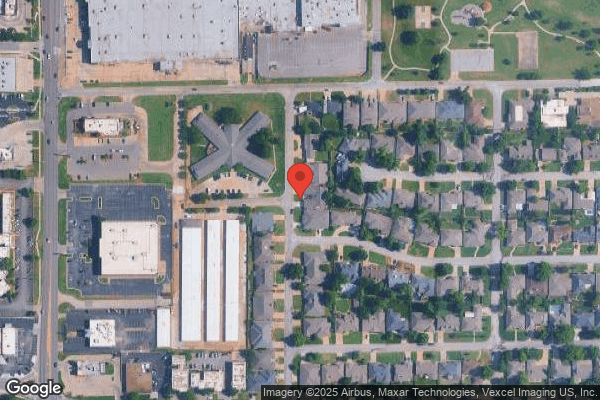
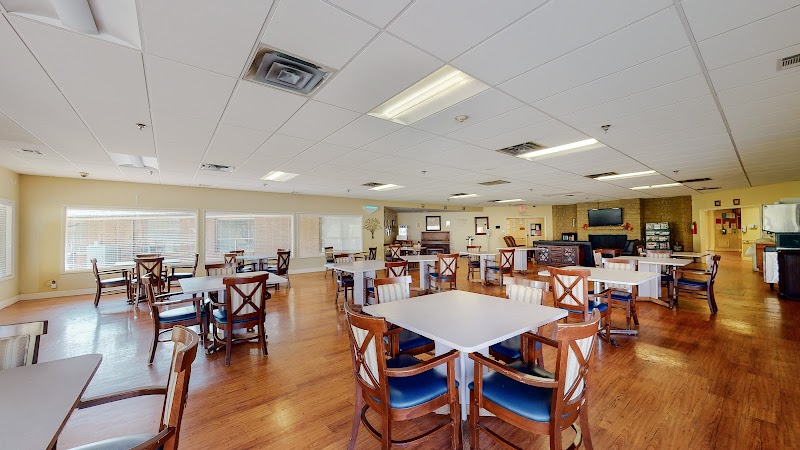
2801 Northwest 61St Street, Oklahoma City, OK 73112 (405) 842-6601
For profit - Individual 100 Beds SOUTHWEST LTC Data: November 2025 1 Immediate Jeopardy citation
Trust Grade
21/100
#123 of 282 in OK
Last Inspection: October 2024

Within standard 12-15 month inspection cycle. Federal law requires annual inspections.

Overview

Northwest Nursing Center has received a Trust Grade of F, indicating poor quality with significant concerns about resident care. Ranked #123 out of 282 facilities in Oklahoma, they are in the top half, but this ranking does not offset the serious issues present. The facility's condition is worsening, with problems increasing from 2 in 2024 to 6 in 2025. Staffing is a major concern, earning only 1 out of 5 stars, with a high turnover rate of 72%, which is well above the state average. Additionally, there were troubling incidents, including a resident with a history of mental health issues who was able to leave the facility unsupervised, and the failure to report and investigate cases of verbal abuse, highlighting significant gaps in resident safety and staff compliance. While the quality measures rating is excellent at 5 out of 5, the overall picture of care at this facility raises serious red flags for families considering this option.
Trust Score
F
21/100
In Oklahoma
#123/282
Top 43%
Safety Record
High Risk
Review needed
Inspections
Getting Worse
2 → 6 violations
Staff Stability
⚠ Watch
72% turnover. Very high, 24 points above average. Constant new faces learning your loved one's needs.
Penalties
⚠ Watch
$10,062 in fines. Higher than 81% of Oklahoma facilities, suggesting repeated compliance issues.
Skilled Nurses
⚠ Watch
Each resident gets only 14 minutes of Registered Nurse (RN) attention daily — below average for Oklahoma. Fewer RN minutes means fewer trained eyes watching for problems.
Violations
⚠ Watch
35 deficiencies on record. Higher than average. Multiple issues found across inspections.
★★★☆☆
3.0
Overall Rating
★☆☆☆☆
1.0
Staff Levels
★★★★★
5.0
Care Quality
★★★☆☆
3.0
Inspection Score
Stable
2024: 2 issues
2025: 6 issues

The Good

  • 5-Star Quality Measures · Strong clinical quality outcomes
  • Full Sprinkler Coverage · Fire safety systems throughout facility
  • No fines on record

Facility shows strength in quality measures, fire safety.

The Bad

3-Star Overall Rating

Near Oklahoma average (2.6)

Meets federal standards, typical of most facilities

Staff Turnover: 72%

26pts above Oklahoma avg (46%)

Frequent staff changes - ask about care continuity

Federal Fines: $10,062

Below median ($33,413)

Minor penalties assessed

Chain: SOUTHWEST LTC

Part of a multi-facility chain

Ask about local staffing decisions and management

Staff turnover is very high (72%)

24 points above Oklahoma average of 48%

The Ugly 35 deficiencies on record

1 life-threatening 3 actual harm
Jul 2025 6 deficiencies 1 Harm
SERIOUS (G) 📢 Someone Reported This

A family member, employee, or ombudsman was alarmed enough to file a formal complaint

Actual Harm - a resident was hurt due to facility failures

Accident Prevention (Tag F0689)

A resident was harmed · This affected 1 resident

Based on observation, record review, and interview, the facility failed to ensure an accident did not occur for a resident during facility transport for 1 (#7) of 1 sampled resident reviewed for accid...

Read full inspector narrative →
Based on observation, record review, and interview, the facility failed to ensure an accident did not occur for a resident during facility transport for 1 (#7) of 1 sampled resident reviewed for accident hazards. The administrator identified eight residents used the facility van for transportation. Findings:On 07/17/25 at 10:59 a.m., the maintenance supervisor demonstrated the process of preparing a resident for transport per wheelchair using the facility van. There were four straps to be connected to the wheelchair at all sides. An undated form titled Policy and Procedure Securing a Wheelchair For Van Transport, read in part, Safety is the top priority when transporting wheelchair users in a wheelchair van. Position the wheelchair in the van as close as possible to the safety straps bolted in the floor. Check that the wheelchair's locks are in place and that four straps with hooks are bolted on the floor, as well as the regular seat belt that goes around the person who is in the wheelchair. Put the seat belt across the individual's lap and chest and fasten it. Adjust the seat belt so that it fits comfortably.An undated face sheet showed Res #7 had diagnoses which included chronic kidney disease stage 4, schizophrenia, seizures, altered mental status, muscle weakness, and abnormalities of gait and mobility.A quarterly assessment, dated 10/15/24, showed Res #7 had a BIMS score of 14 and was not cognitively impaired. The assessment showed the resident required moderate assistance with dressing and transfers.An incident report, dated 11/29/24, showed Res #7 had certain injury. The report showed the resident was being transported to dialysis by the facility van. The report showed a seat belt was in place for transport. The report showed CNA #1 was driving the van and noticed the resident was starting to slide down out of the wheelchair. The report showed CNA #1 pulled the van over and the resident was on the floor. The report showed CNA #1 noted a laceration to the resident's right leg, EMS was called, and the resident was taken to the emergency room by EMS. A nurse note, dated 11/29/24 at 2:31 p.m., showed at 2:00 p.m. Res #7 was being transported to dialysis by facility van. The note showed the resident was observed slumped down in the wheelchair, the staff stopped the van, and the resident was lying on the van floor. The note showed Res #7 was transported by EMS. The note showed the resident received an order to return to the hospital in 10 days to remove the stitches. A nurse note, dated 12/01/24, showed Res #7 continued with focus charting for laceration with sutures to right foot.An In-service Training Report, dated 12/02/24, showed staff were educated to call for assistance and have staff accompany resident during transportation if indicated by charge nurse. A nurse note, dated 12/05/24, showed a wound to the right leg with sutures intact but draining out dark color secretion with a foul odor noted. The note showed the resident complained of pain to the wound site. On 07/17/25 at 10:38 a.m., Res #7 stated the facility provided transportation to dialysis three times a week. The resident stated the staff always placed the seat belt for transport. The resident did not recall sliding or falling out of their wheelchair during transport to dialysis. On 07/17/25 at 11:09 a.m., the maintenance supervisor stated a seat belt was placed around the resident's waist and a shoulder belt from above the left side was connected to the waist belt. The maintenance supervisor stated if the seat belt was placed correctly the resident could not fall out of the chair. On 07/18/25 at 12:10 p.m., CNA #1 was interviewed about the incident with Res #7 on 11/29/24 sliding out of the wheelchair during transport. CNA #1 stated they positioned the wheelchair and connected the straps to the wheelchair. CNA #1stated the LPN/charge nurse #1 placed the seat belt on the resident. The CNA stated they observed in the rearview mirror Res #7 sliding out of their wheelchair, they pulled the van off the road, and Res #7 was found lying on the van floor. CNA #1 stated the seat belt was still connected around the wheelchair. On 07/18/25 at 1:28 p.m., the administrator was asked was the in-service provided to staff sufficient in addressing the incident that occurred on 11/29/24 regarding Res #7 sliding out of the wheelchair during transport. The administrator stated the in-service provided did not address the concern regarding Res #7 sliding out of the wheelchair during transport. On 07/18/2025 at 2:40 p.m., the administrator stated LPN/charge nurse #1 placed the seat belt on Res #7 for transport on 11/29/24. The administrator stated the transportation driver/CNA #1 was responsible for ensuring the resident was secured correctly for transport.
CONCERN (D) 📢 Someone Reported This

A family member, employee, or ombudsman was alarmed enough to file a formal complaint

Potential for Harm - no one hurt, but risky conditions existed

Report Alleged Abuse (Tag F0609)

Could have caused harm · This affected 1 resident

Based on record review and interview, the facility failed to ensure an allegation of abuse/mistreatment was reported to the appropriate licensing board in a timely manner for 5 (#23, 40, 53, 72, and #...

Read full inspector narrative →
Based on record review and interview, the facility failed to ensure an allegation of abuse/mistreatment was reported to the appropriate licensing board in a timely manner for 5 (#23, 40, 53, 72, and #77) of 6 sampled residents reviewed for abuse.The administrator identified 62 residents resided in the facility.Findings:An ABUSE, NEGLECT, EXPLOITATION AND MISAPPROPRIATION OF PROPERTY PROHIBITION policy, dated 2022, read in part, The Health Care Center establishes and implements mechanisms for reporting, investigating, and monitoring the abuse, neglect and misappropriation of property prohibition.1. An annual resident assessment, dated 05/23/25, showed Resident #23 had diagnoses which included weakness and morbid severe obesity due to excess calories. The assessment showed the resident's cognition was intact with a BIMS of 15. 2. An annual resident assessment, dated 06/04/25, showed Resident #40 had diagnoses which included unspecified hearing loss, unspecified ear and repeated falls. The assessment showed the resident had severe cognitive impairment with a BIMS of 00. 3. An annual resident assessment, dated 06/22/25, showed Resident #53 had diagnoses which included unspecified dementia, unspecified severity, without behavioral disturbance, psychotic disturbance, mood disturbance, and anxiety. The assessment showed the resident had severe cognitive impairment with a BIMS of 01. 4. A discharge return not anticipated resident assessment, dated 03/31/25, showed Resident #72 had a diagnosis which included anxiety disorder. The assessment showed the resident's memory was ok. 5. A modification of end of PPS resident assessment, dated 01/15/25, showed Resident #77 had moderate cognitive impairment with a BIMS of 09.A care plan, revised 01/20/25, showed Resident #77 had diagnoses which included hemiplegia and hemiparesis following cerebral infarction affecting left non-dominant side.An Initial INCIDENT REPORT FORM, dated 01/15/25, showed an allegation of abuse/mistreatment. The report showed on 01/15/25, (staff name withheld) reported allegations of physical and emotional abuse to residents by CNA #5. The report showed CNA #5 was rolling roughly into the wall and slammed Resident #72's food tray down in front of them.The initial incident report form did not document the nurse aide registry was notified of the abuse/mistreatment allegation.A final INCIDENT REPORT FORM, dated 01/17/25, showed an allegation of abuse/mistreatment. The report showed CNA #5 was rolling Resident #23 and Resident #40 roughly into the wall with unprofessional comments and slammed Resident #72's food tray down in front of them. The report showed other residents involved were Resident #53 and Resident #77. The report showed the nurse aide registry was notified of the abuse/mistreatment allegation.The report Notification of Nurse Aide/Nontechnical Service Worker Abuse, Neglect, Mistreatment or Misappropriation of Property, dated 01/17/25, showed CNA #5 was reported for abuse/mistreatment allegation.On 07/22/25 at 10:45 a.m., the administrator stated the nurse aide registry should have been notified of the abuse/mistreatment allegation by CNA #5 when the initial incident form was reported to the state agency on 01/15/25.
CONCERN (D) 📢 Someone Reported This

A family member, employee, or ombudsman was alarmed enough to file a formal complaint

Potential for Harm - no one hurt, but risky conditions existed

Deficiency F0628 (Tag F0628)

Could have caused harm · This affected 1 resident

Based on record review and interview, the facility failed to ensure notification of a bed hold was provided upon transfer for 1 (#73) of 4 sampled residents who were reviewed for hospitalization.The a...

Read full inspector narrative →
Based on record review and interview, the facility failed to ensure notification of a bed hold was provided upon transfer for 1 (#73) of 4 sampled residents who were reviewed for hospitalization.The administrator identified 62 residents resided in the facility.Findings:The admission assessment, dated 02/20/25, showed Resident #73 had a BIMS score of 15, which indicated the resident was cognitively intact for daily decision making, and had a diagnosis of end stage renal disease. An entry under the Census section of the electronic clinical record, dated 04/05/25 through 06/15/25, showed Resident #73 was a long-term care resident. A physician order, dated 06/15/25, showed Resident #73 was transferred to the emergency room to be evaluated and treated. A progress note, dated 06/15/25, did not show notification of a bed hold had been provided. On 07/22/25 at 2:46 p.m., LPN #1 stated the administrator or social services director provided bed hold information when a resident was transferred to the hospital. On 07/23/25 at 8:30 a.m., LPN #4 stated they did not know who provided notification of a bed hold upon transfer to the hospital. They stated they thought it was the administrator or the social services director. On 07/23/25 at 8:37 a.m., the administrator stated residents signed information regarding bed holds upon admission. They stated the facility did not provide notification regarding bed holds at the time of a transfer to the hospital.
CONCERN (D) 📢 Someone Reported This

A family member, employee, or ombudsman was alarmed enough to file a formal complaint

Potential for Harm - no one hurt, but risky conditions existed

Comprehensive Assessments (Tag F0636)

Could have caused harm · This affected 1 resident

Based on record review and interview, the facility failed to ensure an annual comprehensive assessment was completed within 366 days of the previous annual comprehensive assessment for 1 (#9) of 19 sa...

Read full inspector narrative →
Based on record review and interview, the facility failed to ensure an annual comprehensive assessment was completed within 366 days of the previous annual comprehensive assessment for 1 (#9) of 19 sampled residents whose assessments were reviewed.The administrator identified 62 residents resided in the facility.Findings: An annual assessment, dated 11/18/24, showed Resident #9 had a BIMS score of 15, which indicated the resident was cognitively intact for daily decision making, and a diagnosis of diabetes mellitus. The annual assessment showed it was completed on 12/13/24. An MDS 3.0 NH Final Validation Report, dated 12/13/24, showed the annual assessment for Resident #9, read in part, Assessment Completed Late: An OBRA comprehensive assessment with the Care Area Assessment [Section V] is due every year unless the resident is no longer in the facility. A prior record with an ARD [A2300] within 366 days of the submitted record could not be found. On 07/23/25 at 6:13 p.m., the administrator stated they had not had an MDS coordinator,. They stated they were utilizing the corporate MDS coordinator and assessments were completed late.
CONCERN (D) 📢 Someone Reported This

A family member, employee, or ombudsman was alarmed enough to file a formal complaint

Potential for Harm - no one hurt, but risky conditions existed

ADL Care (Tag F0677)

Could have caused harm · This affected 1 resident

Based on record review and interview, the facility failed to provide bathing for 1 (#41) of 6 sampled residents reviewed for activities of daily living.The administrator identified 43 residents requir...

Read full inspector narrative →
Based on record review and interview, the facility failed to provide bathing for 1 (#41) of 6 sampled residents reviewed for activities of daily living.The administrator identified 43 residents required assistance with bathing.Findings:An undated facility policy titled Resident Showers, read in part, Residents will be provided showers as per request or as per facility schedule protocols and based upon resident safety.Resident #41's admission resident assessment, dated 05/29/25, showed the resident had impairment on one side of their upper and lower extremity. The assessment showed the resident required partial to moderate assistance with bathing with the assistance of one person. The assessment showed Resident #41's cognition was intact with a BIMS of 15.A care plan, dated 06/05/25, showed Resident #41 had diagnoses which included cerebral infarction and obesity.A Documentation Survey Report for July 2025 showed Activity itself did not occur or family and/or non facility staff provided care 100% of the time for that activity on:a. 07/05/25,b. 07/12/25, andc. 07/19/25.Resident #41 was identified during resident group meeting held on 07/18/25 at 11:16 a.m. of not receiving their showers as scheduled.On 07/23/25 at 11:53 a.m., CNA #3 stated they looked in the shower book to determine which resident were scheduled for a shower.On 07/23/25 at 11:54 a.m., CNA #3 stated if a resident declined a shower, they informed the nurse, the DON, and administrator. They stated they would document refusal on the shower sheet.On 07/23/25 at 11:56 a.m., CNA #3 stated they would document activity did not occur if the shower was not provided or if the resident refused.On 07/23/25 at 11:57 a.m., CNA #3 stated Resident #41 never refused a shower.On 07/23/25 at 11:58 a.m., CNA #4 stated Resident #41's shower scheduled was every Tuesday, Thursday, and Saturday.On 07/23/25 at 11:59 a.m., CNA #4 stated Resident #41 never refused a shower.On 07/23/25 at 12:10 p.m., the DON stated they could not locate any shower sheets for the above dates to show the resident refused a shower.
CONCERN (E) 📢 Someone Reported This

A family member, employee, or ombudsman was alarmed enough to file a formal complaint

Potential for Harm - no one hurt, but risky conditions existed

Quality of Care (Tag F0684)

Could have caused harm · This affected multiple residents

Based on record review and interview, the facility failed to ensure a resident:a. received appropriate care for a dehisced surgical incision for 1 (#54) of 4 sampled residents reviewed for hospitaliza...

Read full inspector narrative →
Based on record review and interview, the facility failed to ensure a resident:a. received appropriate care for a dehisced surgical incision for 1 (#54) of 4 sampled residents reviewed for hospitalization; andb. had an order for hospice services for 2 (#75 and #4) of 3 sampled residents reviewed for hospiceThe administrator identified 62 residents resided in the facility and 11 residents received hospice services.Findings: 1. Resident #54's significant change resident assessment, dated 06/26/25, showed the resident had diagnoses which included unspecified fracture of lower end of right femur, subsequent encounter for closed fracture with routine healing and limitation of activities due to disability. The assessment showed the resident had moderate cognitive impairment with a BIMS of 10. A physician progress note, dated 07/04/25, showed the resident had a long right lateral knee incision which had multiple dehisced areas. The note showed they would have the staff contact the surgeon's office to make sure they know about the dehisced areas. There was no documentation the facility contacted Resident #54's surgeon to notify them about the dehisced surgical site. A Daily Skilled Nurses Note dated 07/05/25, did not document the resident's surgical site was dehisced. A nursing note, dated 07/13/25 at 9:22 a.m., showed the resident pulled out their trach and was sent to the emergency room for further eval. A nursing note, dated 07/13/25 at 10:30 a.m., showed the resident was observed taking off the dressing from their wound and picking on it with blood in their hands. The note showed the nurse replaced the wound dressing. A hospital record, dated 07/13/25, showed the resident had evidence of wound dehiscence to their surgical site. The record showed the resident had a procedure for the closure of the wound dehiscence on 07/14/25. On 07/17/25 at 2:50 p.m., LPN #3 stated they were familiar with the resident's care. They stated they last cared for the resident on 07/10/25. They stated the resident's surgical site was not open. On 07/18/25 at 12:35 p.m., LPN #2 stated they took care of the resident on 07/08/25. They stated the resident's surgical site was not open. On 07/22/25 at 8:20 a.m., RN #1 stated the first time they noticed the resident's surgical site had opened was on 07/13/25. They stated they cared for the resident on 07/12/25 and the surgical site was not open. On 07/22/25 at 11:40 a.m., the corporate nurse consultant stated the DON was responsible for reviewing physician progress notes. They stated the current DON had started working at the facility on 07/09/25 which was the day they received the 07/04/25 physician progress note. On 07/22/25 at 11:43 a.m., Corporate Nurse Consultant #1 stated the facility should have clarified the physician progress note dated 07/04/25. On 07/22/25 at 11:43 a.m., Corporate Nurse Consultant #1 stated the facility should monitor surgical sites and notify the physician if the site dehisced. 2. A policy titled Hospice Services Facility Agreement, dated 04/14/24, read in part, The facility has the interdisciplinary team to be responsible for working with hospice representatives to coordinate care to the resident provided by facility and hospice staff. A progress note, dated 03/19/25, showed Resident #75 wanted to switch hospice companies. A physician order, dated 03/21/25, showed the resident was ordered to be evaluated by the resident's chosen hospice. A significant change assessment, dated 05/16/25, showed Resident #75 had a BIMS score of 12, which indicated the resident was moderately impaired in cognition for daily decision making, and had a life expectancy of less than six months. On 07/23/25 at 6:00 p.m., the administrator was asked when Resident #75 had been originally admitted to hospice services. They stated they did not have an order for the first hospice Resident #75 had been admitted to in February or March 2025, or the hospice company's hard chart. They stated they had coordinated care with the second hospice company Resident #75 had switched to. They stated the first hospice company would routinely make visits to the facility to see the resident between 7:00 p.m. and 11:00 p.m. so there was not a coordination of care with that hospice company. 3. An initial hospice assessment, dated 03/19/25, showed Resident #4 had been assessed by the RN with the hospice company. A significant change assessment, dated 06/11/25, showed Resident #4 had a BIMS score of 14, which indicated the resident was cognitively intact for daily decision making, and had a life expectancy of less than six months. A care plan, reviewed 06/30/25, showed a focus related to hospice services had been initiated on 06/20/25. On 07/18/25 at 8:13 a.m., review of the clinical record did not show Resident #4 had a physician's order for hospice services. A physician order, dated 07/18/25 at 10:54 a.m., showed Resident #4 was admitted to hospice services on 03/19/25. On 07/21/25 at 2:51 p.m., the DON stated they had entered the physician order for hospice services for Resident #4 because there had not been one put into the electronic clinical record. The DON stated they did not know why Resident #4 had not had an order for hospice services. On 07/23/25 at 4:19 p.m., LPN #4 stated they would review the physician orders to determine if a resident was to receive hospice services. They stated if the resident did not have an order for hospice, they would know the resident was on hospice because the hospice companies had hard charts for the residents on services.
Apr 2024 2 deficiencies
CONCERN (D) 📢 Someone Reported This

A family member, employee, or ombudsman was alarmed enough to file a formal complaint

Potential for Harm - no one hurt, but risky conditions existed

Notification of Changes (Tag F0580)

Could have caused harm · This affected 1 resident

Based on record review and interview, the facility failed to notify the physician in a timely manner regarding abnormal lab results for one (#8) of eight sampled residents reviewed for weight loss. T...

Read full inspector narrative →
Based on record review and interview, the facility failed to notify the physician in a timely manner regarding abnormal lab results for one (#8) of eight sampled residents reviewed for weight loss. The Administrator identified 47 residents resided in the facility. Findings: The Test Results policy, revised 04/07, read in part, .Should the test results be provided to the facility, the Attending Physician shall be promptly notified of the results .The Director of Nursing Services, or Charge Nurse receiving the test results, shall be responsible for notifying the Physician of such test results . A physician's order, dated 03/22/24, documented to check bmp a week from today. A laboratory report, dated 03/29/24, documented a high lab result for potassium. There was no documentation the physician was notified of the abnormal lab result. On 04/02/24 at 2:13 p.m., the DON stated the physician should be notified on all abnormal lab results. They reviewed Resident #8's electronic health record. They could not locate a physician notification for the lab result reported on 03/29/24. On 04/03/24 at 2:33 p.m., the ADON stated the facility received the lab result on 03/29/24. They stated the nurse on duty should have notified the physician upon receipt of the abnormal lab report. On 04/03/24 at 2:33 p.m., the ADON stated they reviewed the laboratory report on 04/01/24 and notified the physician. On 04/3/24 at 2:33 p.m., the ADON stated the physician was not notified in a timely manner.
CONCERN (E) 📢 Someone Reported This

A family member, employee, or ombudsman was alarmed enough to file a formal complaint

Potential for Harm - no one hurt, but risky conditions existed

Deficiency F0692 (Tag F0692)

Could have caused harm · This affected multiple residents

Based on record review and interview, the facility failed to ensure: a. meal consumption percentages were documented on a resident who experienced weight loss for two (#3 and #7); and b. weights were ...

Read full inspector narrative →
Based on record review and interview, the facility failed to ensure: a. meal consumption percentages were documented on a resident who experienced weight loss for two (#3 and #7); and b. weights were documented on a resident who experienced weight loss for three (#2, 3, and #5) of three sampled residents reviewed for weight loss. The Administrator identified 47 residents resided in the facility. Findings: The Weight Assessment and Intervention policy, revised 09/08, read in part, .The nursing staff will measure resident weights on admission, the next day, and weekly for two weeks thereafter .If no weight concerns are noted at this point, weights will be measured monthly thereafter . The Frequency of Meal policy, revised 07/17, read in part, .Each resident shall receive at least three meals daily . 1. Resident #2 had diagnoses which included dysphagia and cerebral infarction. A physician's order, dated 11/06/23, documented weekly weights every day shift, every Monday. The November 2023 TAR documented blanks for Resident #2's weight on the 6th, 13th, and 20th. The December 2023 TAR documented blank for Resident #2's weight on the 25th. The January 2024 TAR documented blank for Resident #2's weight on the 1st. The February 2024 TAR documented blank for Resident #2's weight on the 12th. On 04/02/24 at 1:45 p.m., the ADON reviewed Resident #2's TARs above. They stated the blanks on the TARs meant the weights were not completed as ordered. 2. Resident #3 had diagnoses which included protein calorie malnutrition and muscle wasting. A physician's order, dated 03/11/24, documented weekly weights every day shift, every Monday. There was no documentation of Resident #3's meal consumption amount in January 2024 for: a. lunch on the 10th, and b. dinner on the 12th, 24th, and 26th. There was no documentation of Resident #3's meal consumption amount in February 2024 for: a. breakfast on the 24th, b. lunch on the 24th, and b. dinner on the 24th. There was no documentation of Resident #3's meal consumption amount in March 2024 for: a. breakfast on the 16th, b. lunch on the 3rd, 16th, and b. dinner on the 17th, 29th, and 30th. The March 2024 TAR documented blanks for Resident #3's weight on the 18th and 25th. The April 2024 TAR documented blank for Resident #3's weight on the 1st. On 04/03/24 at 2:25 p.m., the ADON stated the March and April 2024 TAR did not document a weight for the above dates. They stated Resident #3 had experienced weight loss. On 04/04/24 at 11:12 a.m., CNA #1 stated staff were to document all meal intakes and refusals. CNA #1 stated there was no documentation for meal consumption on the above dates for Resident #3. On 04/04/24 at 11:29 a.m., the DON stated there was no documentation for meal consumption on the above dates for Resident #3. 3. Resident #5 had diagnoses which included dementia and heart disease. Resident #5's Weight Summary documented they weighed: a. 150.1 pounds on 12/05/23, b. 137.4 pounds on 02/21/24, c. 136.6 pounds on 03/01/24, and d. 138.3 pounds on 03/07/24. There was no documentation for weight in 01/24. On 04/04/24 at 11:49 a.m., the ADON stated if a resident had documented weight loss, they were put on weekly weight monitoring. They stated the Resident was not on weekly weight monitoring. On 04/04/24 at 11:52 a.m., the ADON stated Resident #5's weights were monitored monthly. They stated the Resident had no weight recorded for 01/24. 4. Resident #7 had diagnoses which included dysphagia and protein calorie malnutrition. There was no documentation of Resident #7's meal consumption amount in January 2024 for: a. lunch on the 6th, and b. dinner on the 12th and 24th. There was no documentation of Resident #7's meal consumption amount in February 2024 for dinner on the 4th, 23rd, 25th, and 29th. There was no documentation of Resident #7's meal consumption amount in March 2024 for: a. breakfast on the 2nd, b. lunch on the 2nd, 3rd, and b. dinner on the 2nd, 3rd, and 15th. On 04/04/24 at 11:16 a.m., CNA #1 stated there was no documentation for meal consumption on the above dates for Resident #7. On 04/04/24 at 11:33 a.m., the DON stated Resident #7 had documented weight loss. They stated there was no documentation for meal consumption on the above dates for Resident #7.
Sept 2023 11 deficiencies 1 IJ
CRITICAL (J) 📢 Someone Reported This

A family member, employee, or ombudsman was alarmed enough to file a formal complaint

Immediate Jeopardy (IJ) - the most serious Medicare violation

Accident Prevention (Tag F0689)

Someone could have died · This affected 1 resident

**NOTE- TERMS IN BRACKETS HAVE BEEN EDITED TO PROTECT CONFIDENTIALITY** A past noncompliance Immediate Jeopardy (IJ) situation was determined to exist effective 01/08/23 related to the facility's fail...

Read full inspector narrative →
**NOTE- TERMS IN BRACKETS HAVE BEEN EDITED TO PROTECT CONFIDENTIALITY** A past noncompliance Immediate Jeopardy (IJ) situation was determined to exist effective 01/08/23 related to the facility's failure to ensure an elopement assessment was completed on admission and a resident was free from accident hazards for a resident who had diagnoses of schizoaffective disorder and history of stimulant abuse. The facility failed to prevent Resident #102 from eloping from the facility which had the potential to result in serious injury or harm. On 09/11/23, the Oklahoma State Department of Health verified the existence of the past noncompliance IJ related to the facility's failure to protect and prevent accident hazards related to elopement. The past noncompliance IJ was removed effective 05/09/23 after the facility put measures in place to prevent recurrence. On 01/09/23 staff was in-serviced about the policy and procedure on elopement. The facility performed an elopement community-based drill on 03/20/23 and 03/21/23. The facility completed elopement assessments on all residents by 04/16/23. On 05/09/23 the facility installed a fence around the patio to help keep residents from eloping and protect residents from outside dangers. On 09/08/23 at 8:47 a.m., a fence was observed to be approximately five feet tall with a gate surrounding the back patio area. The gate required a key access on the opposite side of the gate to open. There was also a part on the pole that had to be lifted at the same time in order to open the gate. Based on record review, observation, and interview, the facility failed to ensure an elopement assessment was completed on admission and a resident was free from accident hazards for a resident who had diagnoses of schizoaffective disorder and history of stimulant abuse for one (#102) of three sampled residents reviewed for elopement. The DON identified three residents at risk for elopement resided in the facility. Findings: An Elopement Risk policy, dated 10/11, read in part, .It is the policy of the Facility that on admission, re-admission, significant change, and quarterly, all residents will be assessed for elopement risk .An elopement risk will be completed by nursing . Resident #102 was admitted to the facility on [DATE] and had diagnoses which included schizoaffective disorder, other stimulant abuse in remission, anxiety disorder unspecified, and malignant neoplasm of overlapping sites of the brain. Resident #102's Level 1 PASRR Screening, dated 10/07/22, documented yes for: a. evidence of serious mental illness including possible disturbances in orientation or mood; b. diagnosis of a serious mental illness; and c. recent history of mental illness or been prescribed a psychotropic medication for a possibly undiagnosed mental illness in the absence of a justifiable neurological disorder (within the last two years). It documented per OHCA Resident #102 was cleared to admit and the level two was completed 10/03/22. A Patient Health Questionnaire-9 form, dated 10/13/23, documented moderate depression. It documented Resident #102 experienced the symptoms of feeling down, depressed or hopeless 12-14 days. There was no completed Elopement Risk Assessment on admission located in Resident #102's clinical record. An admission Resident Assessment, dated 10/22/22, documented level two PASRR condition serious mental illness and Resident #102 had severe cognitive impairment. A Progress Note, dated 01/08/23 at 8:38 p.m., read in part, Focus assessment r/t AWOL: A nursing staff took all resident out for smoke break at [3:30 p.m.] include [sic] this resident. They all came back into the building at [3:55 p.m.]. At [4:30 p.m.] staffs [sic] noticed that this resident is nowhere to be found except for [resident's] walker left outside at smoke area. Staff look/drove around neighborhood, but resident couldn't locate. Head count of other residents initiated immediately. This nurse notified ADON and police. Police case number is .Hospice and case walker [sic] notified. A Discharge Resident Assessment, dated 01/09/23, documented staff assessment for cognitive skills for daily decision making was severely impaired. It documented wandering behavior occurred one to three days. A Social Services Note, dated 01/09/23 at 11:38 a.m., read in part, SSD got report from [Detective #1] that resident was found [at] 12:02 a.m. by Oklahoma County Sheriff Office resident was then taken to [hospital] downtown. Resident #102's hospital records, dated 01/09/23, documented the resident was admitted at 12:36 a.m. on 01/09/23 with principal problem of schizophrenia and active problems of anxiety and suicidal ideations. It documented the resident was brought in by police. It documented the resident came in as EOD for psychosis, poor self-care, and suicidal ideations. It documented the resident was withdrawn. It documented Resident #102 reported history of brain cancer and schizophrenia. It documented Resident #102 reported they heard voices in their head all the time. The resident reported they bother me and if they do not go away, I would rather be dead. It documented the resident reported a headache and constant hallucinations. It documented the mental status examination on admission included paranoid delusions, auditory and visual hallucinations, and suicidal thoughts. It documented the resident was oriented times three with poor attention span and poor concentration. It documented the resident had poor insight, poor judgement, and impaired due to serious and persistent mental illness. It documented the resident was started on an antipsychotic Zyprexa 2.5 mg by mouth twice a day. It documented Resident #102 reported being on hospice and that they were sent to a nursing home and believes they are not giving him the correct medication for treating [resident] appropriately. On 09/08/23 at 8:37 a.m., the Administrator was asked when the 01/08/23 progress note documented Resident #102 was not found. They stated the resident was not found at 4:30 p.m. The Administrator stated they were notified around 5:30 p.m. They stated they along with other staff members came up to the facility and a police report had already been filed. They stated they arrived at the facility at 6:30 p.m. and interviewed staff over the incident. On 09/08/23 at 8:39 a.m., the Administrator was asked what interviews were conducted. They stated they asked staff that took the resident out to smoke where Resident #102 was when they last seen them, and what alerted them the resident wasn't there. On 09/08/23 at 8:42 a.m., the Administrator was asked who notified the detective when Resident #102 went missing. They stated, RN #2. On 09/08/23 at 8:43 a.m., the Administrator was asked how the facility determined Resident #102 was missing. They stated the resident went out to smoke. They stated residents were allowed to sit outside in the evenings. On 09/08/23 at 8:44 a.m., the Administrator was asked to explain how Resident #102 got back outside, as the note documented all of the residents returned inside after smoking on 01/08/23. They stated the code was on the door, and the resident could go outside unsupervised as long as they were not smoking. The Administrator was asked if the facility had identified how Resident #102 left the faciity on [DATE]. They stated the resident just walked away. They stated the resident left their walker on the back patio. On 09/08/23 at 8:46 a.m., the Administrator was asked to show the surveyor the back patio. The Administrator was observed walking to the door at the back of the dining room, punched in a code (which was observed on the top of the keypad) into the keypad, opened the door, and exited to the patio. The Administrator stated Resident #102 had it memorized. On 09/08/23 at 8:47 a.m., the Administrator stated, At that time of course, the fence was not here. They stated, That was added after. The Administrator was asked when the fence was added. They stated, May or June of this year. The Administrator was asked the reason the fence was added. They stated, To add extra security. They stated the facility had homeless people who were coming to the patio plugging things in. They stated also to keep people from wandering after that happened. The Administrator was asked if the gate to the fence was locked. They stated, Yes. The fence was observed to be approximately five feet tall with a gate which required a key access on the opposite side of the gate to open. There was also a part on the pole that had to be lifted at the same time in order to open the gate. The Administrator stated Resident #102 had never left this area until this day. The Administrator stated the resident was allowed to come outside unattended by staff. On 09/08/23 at 8:51 a.m., the Administrator was asked the reason Resident #102 was on hospice services. They stated the resident had cancer but they were unsure of the type. The Administrator was asked the reason Resident #102 was admitted to the facility. They stated the hospice nurse had reported the resident could not remember to take their medications on their own or remember to shower. The Administrator stated the resident did not want to live at the facility. On 09/08/23 at 8:53 a.m., the Administrator was asked if they had any knowledge of the reason the resident left the facility. They stated, No. On 09/08/23 at 8:55 a.m., the Administrator was asked if the facility conducted any in-services after Resident #102 eloped. They stated they did an in-service and an elopement drill facility wide right after. They were asked to provide that information a well as the contact information for the staff present at the time of the elopement. On 09/08/23 at 9:08 a.m., Detective #1 stated Resident #102 was assigned to them. They stated the resident was reported missing on 01/08/23. They stated the department found the resident and took them to a local hospital. On 09/08/23 at 9:22 a.m., the SSD was asked to explain the social service note for Resident #102 dated 01/09/23 at 11:38 a.m. The SSD stated they had been calling looking for the resident. They stated they received a call from Detective #1 stating they had found Resident #102 that night and the resident was taken to the hospital the same night. The SSD was asked if they were familiar with Resident #102. They stated the resident wasn't at the facility long. They stated the resident had brain cancer and ambulated on their own. They stated, I know sometimes [Resident #102] was with it, sometimes [Resident #102] wasn't. They stated the resident had bad headaches which caused a lot of pain. They stated when the resident experienced the headaches, their cognition wouldn't be up to par. On 09/08/23 at 9:25 a.m., the SSD was asked if Resident #102 was able to go outside on their own. They stated they had supervised smoking, but the resident could go outside on their own if they weren't smoking. On 09/08/23 at 9:49 a.m., an attempt was made to call RN #2. The call went straight to voicemail and the staff member did not return the call. On 09/08/23 at 10:00 a.m., the Hospice Assistant Administrator was asked to speak with any staff who were familiar with Resident #102. They stated they were present when the resident was admitted . On 09/08/23 at 10:03 a.m., the Hospice Assistance Administrator was asked the reason Resident #102 admitted to the LTC facility. They stated the resident had people stealing from them in their apartment. They stated the resident wasn't taking their medication when it was needed and needed more assistance with medication. On 09/08/23 at 10:42 a.m., the DON was asked to explain the wandering coding on Resident #102's discharge resident assessment. The DON stated the assessment was completed by Corporate MDS and they wanted to get the Administrator to help answer. On 09/08/23 at 10:45 a.m., the Administrator stated the MDS was coded because the resident had eloped that day. The Administrator stated the resident did not wander. On 09/08/23 at 10:51 a.m., attempted to call CMA #2 identified as being there during the elopement and received message the caller is not accepting calls at this time.
CONCERN (D)

Potential for Harm - no one hurt, but risky conditions existed

Deficiency F0558 (Tag F0558)

Could have caused harm · This affected 1 resident

Based on observation, record review and interview, the facility failed to ensure a resident's call light was within reach for one (#13) of 24 sampled residents observed for call lights in reach. The ...

Read full inspector narrative →
Based on observation, record review and interview, the facility failed to ensure a resident's call light was within reach for one (#13) of 24 sampled residents observed for call lights in reach. The Resident Census and Conditions of Residents report, dated 09/06/23, documented 51 residents resided in the facility. Findings: The facility's Answering the Call Light policy, revised 10/10, read in part, .When the resident is in bed or confined to a chair be sure the call light is within easy reach of the resident . Resident #13 had diagnoses which included abnormalities of gait and mobility, limitation of activities due to disability, fracture of left femur, and repeated falls. Resident #13's quarterly resident assessment, dated 09/05/23, documented the resident had moderately impaired cognition and required extensive one person physical assistance with bed mobility and toilet use. The quarterly resident assessment documented resident had a functional limitation in range of motion related to impairment on one side for the lower extremity. A care plan, dated 09/08/23, documented Resident #13 was at risk for falls related to gait and balance. Interventions included to ensure the resident's call light was within reach and encourage them to use it. On 09/11/23 at 12:29 p.m., Resident #13's call light was hanging out of the resident's reach or vision by the side rail with the red tip facing under the bed. Resident #13 stated they were wet but could not tell anyone because they did not see their call light. On 09/11/23 at 12:33 p.m., CNA #3 went in to ask resident #13 if they wanted to get up for lunch and walked out. The call light remained out of reach. On 09/11/23 at 1:05 p.m., CNA #3 delivered Resident #13's lunch tray and helped with set up. On 09/11/23 at 1:06 p.m., CNA #3 left Resident #13's room. The call light remained out of reach. On 09/11/23 at 1:43 p.m., CNA #3 took Resident #13's lunch tray away and told Resident #13 they would be back to assist the resident. The call light remained out of reach. On 09/11/23 at 1:47 p.m., CNA #3 was asked if Resident #13 was a fall risk. They stated, Yes. On 09/11/23 at 1:48 p.m., CNA #3 stated Resident #13 was able to use their call light. On 09/11/23 at 1:51 p.m., CNA #3 was asked if Resident #13's call light was within the resident's reach. They stated, No. CNA #3 gave the call light to Resident #13. Resident #13 told CNA #3 they could not reach the call light. CNA #3 stated, I am sorry.
CONCERN (D) 📢 Someone Reported This

A family member, employee, or ombudsman was alarmed enough to file a formal complaint

Potential for Harm - no one hurt, but risky conditions existed

Abuse Prevention Policies (Tag F0607)

Could have caused harm · This affected 1 resident

Based on record review and interview, the facility failed to complete a pre-employment background check for one (CNA #5) of five employee records reviewed for background checks. The Resident Census an...

Read full inspector narrative →
Based on record review and interview, the facility failed to complete a pre-employment background check for one (CNA #5) of five employee records reviewed for background checks. The Resident Census and Conditions of Residents report, dated 09/06/23, documented 51 residents resided in the facility. The administrator reported there were 54 employees. Findings: A facility policy, titled Resident Abuse, dated 09/12, documented .persons applying for employment with the facility will be screened for a history of abuse, neglect, or mistreating residents to include: a. criminal background check, and b. abuse check with appropriate licensing board and registries, prior to hire . An application form, signed by CNA #5, dated 01/23/23, documented .I acknowledge that a computerized criminal history check will be performed by accessing the State Department of Public Safety secure website if I am offered a job with this company . CNA #5 was hired on 03/08/23 and had no documentation a criminal background check had been completed on hire. A State reportable, dated 03/24/23, documented an abuse allegation involving Resident #44 with CNA #5 named as alleged perpetrator. CNA #5 was suspended immediately pending investigations. A State reportable, dated 03/29/23, documented the abuse allegation was substantiated and CNA #5 was terminated. On 09/13/23 at 11:30 a.m., the Administrator and HR were asked what the policy and procedure was for conducting background checks on new employees. HR stated employees filled out the consent form for background checks on orientation day. They stated they had 15 days to have the background check completed. The Administrator and HR could not provide documentation they had 15 days to conduct the background check. On 09/13/23 at 12:15 p.m., the Administrator and HR were asked if they followed the facility policy for abuse, neglect, mistreating residents for persons applying for employment with the facility. The administrator stated they were waiting on the consent form to conduct the background check on CNA #5. On 09/13/23 at 12:22 p.m., the Administrator and HR were asked if it was acceptable for CNA #5 to work in direct patient care without the facility receiving the consent for background check. The Administrator stated it was pending CNA #5's approval.
CONCERN (D)

Potential for Harm - no one hurt, but risky conditions existed

Comprehensive Care Plan (Tag F0656)

Could have caused harm · This affected 1 resident

Based on record review and interview, the facility failed to fully develop a comprehensive care plan for one (#25) of 22 sampled residents reviewed for care plans. The Resident Census and Conditions o...

Read full inspector narrative →
Based on record review and interview, the facility failed to fully develop a comprehensive care plan for one (#25) of 22 sampled residents reviewed for care plans. The Resident Census and Conditions of Residents report, dated 09/06/23, documented 51 residents resided in the facility and seven residents received antipsychotic medications. Findings: A Care Plans, Comprehensive Person-Centered policy, revised 12/16, read in part, .A comprehensive, person-centered care plan that includes measurable objectives and timetables to meet the resident's physical, psychosocial and functional needs is developed and implemented for each resident . Resident #25 had diagnoses which included neuralgia and neuritis, cognitive communication deficit, and schizoaffective disorder, bipolar type. A Physician Order, dated 10/26/22, documented Zyprexa (an antipsychotic medication) 7.5 mg give one tablet by mouth at bedtime related to schizoaffective disorder. A Significant Change Resident Assessment, dated 04/19/23, documented schizophrenia under active diagnoses and the resident received an antipsychotic medication seven of the seven day look back period. The CAA summary documented psychotropic drug use triggered and would be care planned. Resident #25's care plan did not address their antipsychotic drug use. On 09/12/23 at 11:23 a.m., the DON was asked to review Resident #25's significant change resident assessment, dated 04/19/23, and identify what mental health diagnoses the resident had. They stated depression and schizophrenia was checked. On 09/12/23 at 11:26 a.m., the DON was asked to identify any psychoactive medications the significant change resident assessment documented Resident #25 was receiving. They stated, Seven days antipsychotic, Seven days antidepressant. On 09/12/23 at 11:27 a.m., the DON was asked to identify the care areas which were to be included on the resident's care plan. The DON reviewed the CAA summary and listed all areas triggered which included psychotropic drug use. They were asked to identify the psychoactive medications Resident #25 was receiving. They stated, Antipsychotic Zyprexa, antidepressant duloxetine. On 09/12/23 at 11:31 a.m., the DON was asked to review Resident #25's care plan and identify if the resident's schizophrenia and antipsychotic drug use was included on the care plan. They stated, No.
CONCERN (D)

Potential for Harm - no one hurt, but risky conditions existed

Medical Records (Tag F0842)

Could have caused harm · This affected 1 resident

Based on record review and interview, the facility failed to complete a wandering assessment accurately for one (#102) of three sampled residents reviewed for elopement. The DON identified three resid...

Read full inspector narrative →
Based on record review and interview, the facility failed to complete a wandering assessment accurately for one (#102) of three sampled residents reviewed for elopement. The DON identified three residents at risk for elopement resided in the facility. Findings: A Charting and Documentation policy, revised 07/17, read in part, .Documentation in the medical record will be objective .complete, and accurate . Resident #102 had diagnoses which included schizoaffective disorder, other stimulant abuse in remission, and anxiety disorder unspecified. A Physician Order, dated 10/12/22, documented lorazepam 0.5 mg give one tablet by mouth every eight hours as needed for anxiety for 14 days. A Physician Order, dated 10/12/22, documented Norco tablet 10-325 mg give one tablet by mouth every six hours as needed for pain. Resident #102's Wandering Risk Assessment, dated 10/12/22, documented an admission date of 10/12/22. The recent experiences section did not have admission within the last month marked. The mobility section had nothing marked. The medication section had nothing marked. The Baseline Care Plan, signed 10/13/22, documented cane/crutch under mobility device. The October 2022 MAR documented Resident #102 received Norco 17 times for the month with the first administration on 10/14/22. It documented Resident #102 received the lorazepam on the 10/14, 10/15, 10/16, and 10/2323 On 09/08/23 at 1:10 p.m., the SSD (identified as being able to answer questions about the wandering assessment by the Administrator), was asked to review Resident #102's baseline care plan and identify if the resident used a mobility device. They stated, Yeah I see it, cane or a crutch. On 09/08/23 at 11:14 p.m., the SSD was asked to review the resident's wandering assessment, dated 10/12/22, and identify if anything was filled out for the mobility section. They stated, No. On 09/08/23 at 1:17 p.m., the SSD was asked to review the resident's medication administration record and identify what medications the resident was receiving. The SSD stated that would be a nursing question. The SSD went and got the DON who responded it looked like the resident was receiving ABH, lorazepam, methadone, and Norco. On 09/08/23 at 1:19 p.m., the DON was asked to review the wandering assessment, dated 10/12/22, and identify what medications were identified on the assessment. They stated, There was nothing identified on the assessment. On 09/08/23 at 1:20 p.m., the DON and SSD were asked if the wandering risk assessment was accurate. The DON stated, All I can say based on the medications, no. The DON and SSD stated the assessment did not indicate a cane or walker so it was not accurate.
CONCERN (D)

Potential for Harm - no one hurt, but risky conditions existed

Room Equipment (Tag F0908)

Could have caused harm · This affected 1 resident

Based on observation and interview, the facility failed to remove a moderate amount of lint for two of two dryers observed in the laundry room for lint. The Resident Census and Conditions of Resident...

Read full inspector narrative →
Based on observation and interview, the facility failed to remove a moderate amount of lint for two of two dryers observed in the laundry room for lint. The Resident Census and Conditions of Residents report, dated 09/06/23, documented 51 residents resided in the facility. Findings: An undated and untitled facility policy, read in part, .Confirm that the lint is removed from the stack and inside the dryer. It is a fire hazard and a code violation if this is not maintained .Lint catchers should be cleaned AFTER EACH LOAD . On 09/08/23 at 9:31 a.m., during laundry room observations, the Housekeeping Supervisor was asked how often they cleaned dryer lint. They stated three times a day. On 09/08/23 at 9:32 a.m., a moderate amount of lint was observed on the floor in the lint compartment in dryer two located at the end of the room. The Housekeeping Supervisor separated the lint and squeezed in their right hand to form two hands full. They stated they personally ran two loads that morning. On 09/08/23 at 9:34 a.m., the Housekeeping Supervisor pulled out a thick sheet of lint from dryer one. The Housekeeping Supervisor separated the lint and squeezed in their right hand to form three hands full. A small amount of lint was observed on the floor. On 09/08/23 at 9:36 a.m., the Housekeeping Supervisor was asked the dangers of having the amount of lint pulled out of the dryers. They stated, It can catch a fire. On 09/08/23 at 9:37 a.m., the Housekeeping Supervisor was asked when was the last time lint was removed from the dryers. They stated yesterday afternoon. They stated they checked for lint prior to drying their two loads and it was clean. On 09/08/23 at 9:41 a.m., Laundry #1 stated they ran three loads this morning and their first load was at 7:00 a.m. and their last load was at 9:00 a.m. They stated drying time took about 45 minutes. On 09/08/23 at 9:43 a.m., Laundry #1 was asked if they checked for lint after each load. They stated, Yes. They stated they had to check for lint after each load. On 09/08/23 at 9:45 a.m., the Housekeeping Supervisor stated they ran their second load around 7:15 a.m. On 09/08/23 at 9:46 a.m., the Housekeeping Supervisor stated they used both dryers each time. On 09/08/23 at 9:47 a.m., the Housekeeping Supervisor was informed of the time conflict with Laundry #1 for starting the loads and checking for lint. They stated, I understand.
CONCERN (E)

Potential for Harm - no one hurt, but risky conditions existed

Assessment Accuracy (Tag F0641)

Could have caused harm · This affected multiple residents

Based on record review and interview the facility failed to: a. assess a resident's cognition, mood, and pain on a quarterly resident assessment for one (#1); b. assess a resident's cognition and mood...

Read full inspector narrative →
Based on record review and interview the facility failed to: a. assess a resident's cognition, mood, and pain on a quarterly resident assessment for one (#1); b. assess a resident's cognition and mood on an admission resident assessment for one (#1); and c. assess a resident's pain on a significant change resident assessment for one (#25) of 22 sampled residents reviewed for resident assessments. The Census and Conditions of Residents report, dated 09/06/23, documented 51 residents resided in the facility. Findings: 1. Resident #1 had diagnoses which included altered mental status, spastic quadriplegic cerebral palsy, and epilepsy. An admission Resident Assessment, dated 09/16/22, documented dash marks for the cognitive patterns section BIMS for the resident interview section and dash marks for the staff assessment for mental status section. It documented a 99 (unable to complete interview) for the resident mood interview and dash marks for the staff assessment of resident mood section. A Quarterly Resident Assessment, dated 06/19/23, documented no as the response to should a BIMS interview be conducted with the resident, and dash marks under the staff assessment for mental status. It documented dash marks for the section should pain assessment interview be conducted and a no response for should the staff assessment for pain be conducted section. On 09/11/123 at 2:34 p.m., the Administrator was asked who would be able to answer questions related the resident assessments. They stated they would find someone. On 09/11/23 at 2:48 p.m. the ADON was identified as able to answer Resident Assessment questions. The ADON was asked if they were responsible for MDS Resident Assessments. They stated they were not, but had completed them in the past at another job. They stated they believed the Corporate MDS was completing them remotely for the facility. On 09/11/23 at 2:49 p.m., the ADON stated they started at the facility on 05/29/23 and there was not an MDS person in the facility since they had started. On 09/11/23 at 2:50 p.m., the ADON was asked the policy for completing quarterly and annual resident assessments. They stated every three months they were to be completed. They stated after the third quarter, there would be an annual assessment completed. They stated a resident assessment was also completed on admission. On 09/11/23 at 2:51 p.m., the ADON was asked if a resident was unable to complete the interview section, what would staff do. They stated if the resident was unable to complete it, it would be marked not assessed for the resident, then staff would complete the staff assessment. On 09/11/23 at 2:52 p.m., the ADON was asked if a resident was unable to answer the mood section, what would staff do. They stated, Same. They stated staff would mark it as not assessed or unable to be completed, and staff would follow up with a staff assessment. They stated if residents were unable to answer the pain section, staff would follow up by objective information such as nonverbal responses to pain and facial expressions. The ADON was asked who was responsible for completing that part. They stated, The RN. On 09/11/23 at 2:54 p.m., the ADON was asked to review Resident #1's quarterly resident assessment, dated 06/19/22, and identify if the resident's cognition, mood, or pain had been assessed. They stated the cognition, mood, and pain was not assessed. On 09/11/23 at 2:55 p.m., the ADON was asked to review Resident #1's admission resident assessment, dated 09/16/22, and identify if the resident's cognition hd been assessed. They stated, It was not. They were asked if the mood section was completed. They stated, Not assessed. On 09/11/23 at 2:57 p.m., the Administrator was asked who was completing resident assessments for the facility. They stated the Corporate MDS was completing them. The Administrator was asked how long they had been completing resident assessments for the facility. They stated, Off and on since March or April of this year. They stated the position was open and the facility was actively trying to get it filled. They stated they had been unable to find someone with experience to fill the position. 2. Resident #25 had diagnoses which included neuralgia and neuritis, cognitive communication deficit, and schizoaffective disorder, bipolar type. A Significant Change Resident Assessment, dated 04/19/23, documented moderate cognitive impairment. It documented dash marks under the section should a pain assessment interview be conducted. It documented no under the section should staff assessment of pain be conducted. On 09/12/23 at 8:16 a.m., the ADON was asked if the pain assessment interview with Resident #25 was completed as part of their significant change resident assessment. They stated, It was not. On 09/12/23 at 8:17 a.m., the ADON was asked if the staff pain assessment was completed as part of the significant change resident assessment. They stated, It was not. The ADON was asked what Resident #25's cognition was at the time of the assessment. They stated the BIMS was 12. They were asked if the BIMS 12 meant the resident was interviewable. They stated, Yes.
CONCERN (E) 📢 Someone Reported This

A family member, employee, or ombudsman was alarmed enough to file a formal complaint

Potential for Harm - no one hurt, but risky conditions existed

ADL Care (Tag F0677)

Could have caused harm · This affected multiple residents

**NOTE- TERMS IN BRACKETS HAVE BEEN EDITED TO PROTECT CONFIDENTIALITY** Based on record review and interview, the facility failed to ensure a resident received a bath/shower as scheduled for one (#103...

Read full inspector narrative →
**NOTE- TERMS IN BRACKETS HAVE BEEN EDITED TO PROTECT CONFIDENTIALITY** Based on record review and interview, the facility failed to ensure a resident received a bath/shower as scheduled for one (#103) of six sampled residents reviewed for ADLs. The Resident Census and Conditions of Residents report, dated 09/06/23 documented 10 residents were independent, 21 residents required one or two staff members assistance, and 20 residents were dependent on staff for the task of bathing. Findings: A Shower/Tub Bath policy, revised 10/10, read in part, .The following information should be recorded on the resident's ADL record and/or in the resident's medical record .The date and time the shower/tub bath was performed .The name and title of the individual(s) who assisted the resident with the shower/tub bath .If the resident refused the shower/tub bath, the reason(s) why and the intervention taken .Notify the supervisor if the resident refuses the shower/tub bath . Resident #103 admitted to the facility on [DATE] and had diagnoses which included unspecified protein-calorie malnutrition, vitamin D deficiency, iron deficiency anemia, cachexia, and gangrene and necrosis of lung. An admission Resident Assessment, dated 07/09/22, documented an eight (activity itself did not occur or family and/or non-facility staff provided care 100% of the time for that activity over the entire seven day period) for bathing self performance and support provided. Resident #103's Care Plan, revised 07/18/22 documented the resident had an ADL self-care performance deficit related to impaired balance. It documented the resident was able to shower independently with stand by assistance. Resident #103's July 2022 Bathing Record documented blanks for the day shift from 07/02 through the 07/13/22 and an 8/8 on the 14th. The evening shift documented blanks for the 07/01 through 07/04, 07/08 through 07/10/23, and 8/8 on the 07/05, 07/06, 07/07, 07/11, 07/12, and on 07/14/23. It documented a 1/1 (supervision set-up help) and B (bed bath)on the evening of the 07/13/23. The 8/8 coding documented (activity itself did not occur or family and/or non-facility staff provided care 100% of the time for that activity.) The bottom of the bathing record documented system response available for all questions: RU- Resident Not Available, RR- Resident Refused, and NA- Not Applicable. Resident #103 no longer resided at the facility at the time of the survey. On 09/11/23 at 1:20 p.m., Family Member #1 stated the resident did not receive a bath or shower the entire time they were at the facility. They stated they chose to move the resident out of the facility, and the resident was doing well now. On 09/11/23 at 3:26 p.m., LPN #2 was asked the policy for ensuring resident were provided with a bath/shower. They stated residents should be asked their preference of days and times. They stated staff would inform residents they offered bathing two to three times a week at a minimum. They stated if the resident had a different preference, staff would follow it. They stated approximately a year ago, they implemented a system which would alert staff who was to be bathed each day. On 09/11/23 at 3:28 p.m., LPN #2 was asked to explain the eight charted in the ADLs. They stated eight was activity did not occur. They stated they did not think the aides could mark refused. On 09/11/23 at 3:30 p.m., LPN #2 was asked where staff documented a bath or shower was received. They stated since February 2023, the staff would complete a shower sheet that documented if the resident had skin issues, or if the resident refused. They stated residents would sign the refusal. On 09/11/23 at 3:31 p.m., LPN #2 was asked what it meant if the bath/shower section was blank. They stated, Either no one charted, or the adls weren't completed. On 09/11/23 at 3:32 p.m., LPN #2 was asked to identify when the resident should have received a bath or shower. They stated the resident was scheduled for Tuesday, Thursday, and Saturday. LPN #2 reviewed the ADL record for Resident #103 and acknowledged both Saturdays were blank, several days were documented at eights and the resident received one bath/shower during the time the resident was at the facility.
CONCERN (E) 📢 Someone Reported This

A family member, employee, or ombudsman was alarmed enough to file a formal complaint

Potential for Harm - no one hurt, but risky conditions existed

Deficiency F0692 (Tag F0692)

Could have caused harm · This affected multiple residents

**NOTE- TERMS IN BRACKETS HAVE BEEN EDITED TO PROTECT CONFIDENTIALITY** Based on record review and interview, the facility failed to monitor nutritional intake for one (#103) of three sampled resident...

Read full inspector narrative →
**NOTE- TERMS IN BRACKETS HAVE BEEN EDITED TO PROTECT CONFIDENTIALITY** Based on record review and interview, the facility failed to monitor nutritional intake for one (#103) of three sampled residents reviewed for nutrition. The Resident Census and Conditions of Residents report, dated 09/06/23, documented 51 residents resided in the facility. It documented 29 independent residents, 14 residents who required one or two staff members, and eight resident who were dependent on staff for the task of eating. Findings: A Resident Nutrition Services policy, revised 07/17, read in part, .Each resident is provided with a nourishing, palatable, well-balanced diet that meets his or her daily nutritional and special dietary needs .Nursing personnel will evaluate (and document as indicated) food and fluid intake of residents with, or at risk for, significant nutritional problems . Resident #103 admitted to the facility on [DATE] and had diagnoses which included unspecified protein-calorie malnutrition, vitamin D deficiency, iron deficiency anemia, cachexia, and gangrene and necrosis of lung. A Physician Order, dated 07/08/22, documented the resident was to receive a regular diet, regular texture, regular consistency, enhanced breakfast. An admission Resident Assessment, dated 07/09/22, documented the resident was independent with set up help only for the task of eating. It documented a height of 71 inches and a weight of 91 pounds. Resident #103's Care Plan, revised 07/18/22, documented Resident #103 had nutritional problem or potential nutritional problem related to protein calorie malnutrition. Resident #103's July 2022 Nutrition Amount Eaten record documented blanks 30 out of 41 opportunities. On 09/11/23 at 1:20 p.m., Family Member #1 stated they removed Resident #103 from the facility because they were not feeding the resident. They stated the resident went five days without food. They stated the resident was able to feed themselves, but the staff were not bringing them any food. They stated they chose to move the resident out of the facility, and the resident was doing well now. On 09/11/23 at 2:32 p.m., the DON was asked what staff member would be familiar with Resident #103. The DON stated LPN #2 would be able to answer questions. On 09/11/23 at 3:22 p.m., LPN #2 was asked the policy for ensuring residents were provided meals as ordered by the physician. They stated staff would check the order by clicking on the resident's profile. They stated if there was a diet change, a communication form would be filled out by the speech therapist and handed to staff. They stated staff ensured the order was accurate and matched the dining ticket. On 09/11/23 at 3:23 p.m., LPN #2 was asked what type of assistance Resident #103 required for eating. They stated the record showed set up help and the resident could feed themselves. On 09/11/23 at 3:25 p.m., LPN #2 was asked how they knew how much of a meal a resident consumed. They stated it was usually the person who picked up the tray that would document the amount on the ADLs. LPN #2 was asked what it meant if the meal percentage was blank. They stated, That it wasn't recorded. LPN #2 was asked to review Resident #103's nutrition record and was asked how they would have known how much the resident ate if it was blank. They stated, We wouldn't according to the documentation.
CONCERN (E) 📢 Someone Reported This

A family member, employee, or ombudsman was alarmed enough to file a formal complaint

Potential for Harm - no one hurt, but risky conditions existed

Pharmacy Services (Tag F0755)

Could have caused harm · This affected multiple residents

2. On 09/07/23 at 8:59 a.m., during the medication pass and storage observation, a quarter full bottle of loratadine 10 mg tablets was found in the CMA cart. The manufacturer's expiration date was 08/...

Read full inspector narrative →
2. On 09/07/23 at 8:59 a.m., during the medication pass and storage observation, a quarter full bottle of loratadine 10 mg tablets was found in the CMA cart. The manufacturer's expiration date was 08/23. On 09/07/23 at 9:06 a.m., CMA #1 stated the loratadine 10 mg bottle was house stock. On 09/07/23 at 9:09 a.m., CMA #1 was asked what the expiration date on the loratadine 10 mg bottle was. They stated, 08/23. On 09/07/23 at 9:10 a.m., CMA #1 was asked if the bottle of loratadine 10 mg tablets was expired. They stated, Yes. On 09/07/23 at 9:11 a.m., CMA #1 discarded the loratadine pills with RN #1's approval. On 09/07/23 at 9:12 a.m., RN #1 pulled out a quarter full bottle of loratadine 10 mg tablets from their cart with a manufacturer expiration date of 08/23. On 09/07/23 at 9:14 a.m., RN #1 was asked if the bottle of loratadine 10 mg tablets was house stock. They stated, Yes. On 09/07/23 at 9:16 a.m., RN #1 gave the bottle of loratadine 10 mg tablets to the ADON. On 09/07/23 at 9:17 a.m., the ADON was asked how often the nurses were to check for expired medications in the medication carts. They stated, Weekly. On 09/07/23 at 9:18 a.m., the ADON was asked if the bottle of loratadine 10 mg tablets was expired. They stated, Yes. They stated the expiration date on the bottle was 08/23. Based on observation, record review, and interview the facility failed to: a. administer medication as ordered by the physician for one (#25) of five sampled residents reviewed for unnecessary medications; and b. ensure expired medications were removed from circulation for two of two medication carts observed during the medication pass and storage observation. The Resident Census and Conditions of Residents report, dated 09/06/23, documented 51 residents resided in the facility. Findings: An Administering Medications policy, revised 12/12, read in part, .Medications shall be administered in a safe and timely manner, and as prescribed .Medications must be administered within [one] hour of the prescribed time, unless otherwise specified .The expiration/beyond use date on the medication label must be checked prior to administering . 1. Resident #25 had diagnoses which included schizoaffective disorder, bipolar type, depression, and hyperlipidemia. A Physician Order, dated 06/15/22, documented atorvastatin calcium tablet 80 mg give one tablet by mouth at bedtime related to hyperlipidemia. A Physician Order, dated 10/26/22, documented Zyprexa (an antipsychotic medication) 7.5 mg give one tablet by mouth at bedtime related to schizoaffective disorder. A Physician Order, dated 06/19/23 documented duloxetine hcl oral capsule delayed release particles 60 mg give one capsule by mouth one time a day for depression. It documented give with 30 mg to equal 90 mg. A Physician Order, dated 08/09/23, documented duloxetine hcl capsule delayed release particles 60 mg give one capsule by mouth one time a day for depression. It documented give with 30 mg to equal 90 mg dose. A Mental Health Provider Progress Note, dated 08/28/23, documented increase Zyprexa to 10 mg every day secondary to paranoid/delusions and depression. It documented call of change in mental status. The note was signed by PA #1. A Physician Order, dated 08/29/23, documented Zyprexa 10mg give 10 mg by mouth at bedtime related to schizoaffective disorder, bipolar type. The August 2023 MAR documented: a. OT for the atorvastatin calcium on the 14th, 15th, and 16th; b. OT for the duloxetine 60mg on the 7th, 8th, and 9th; c. an X on the 28th and an OT on the 29th and 30th for the Zyprexa 10mg and; d. an X on the 28th for the Zyprexa 7.5mg. The Orders Administration Note for the duloxetine 60mg documented on order for the 15th and 16th. The Orders Administration Note for the atorvastatin calcium documented on order for the 15th and 16th of August 2023. The Orders Administration Note for the Zyprexa 10 mg documented change in direction for the 29th and 30th of August 2023. On 09/12/23 at 10:46 a.m., RN #1 was asked the policy for ensuring medications were available for administration. They stated, Make sure they are ordered and on the cart. On 09/12/23 at 10:48 a.m., RN #1 was asked what staff did if they identified a medication was not available for administration. They stated the facility had an emergency kit available. They stated they would notify the administrator, and contact the pharmacy to see if they could get the medication through a local pharmacy urgently. They stated staff would brain storm to ensure the medication arrived. On 09/12/23 at 10:49 a.m., RN #1 was asked to explain the OT documented on the August 2023 MAR for the atorvastatin calcium on the 14th, 15th and 16th. They stated they would have to look at the notes. They reviewed the record and stated, On order I'm going to guess. On 09/12/23 at 10:51 a.m. RN #1 was asked if the medication was administered to Resident #25 on those days. They stated they would have to ask the DON. On 09/12/23 at 10:54 a.m., the DON joined the interview and stated, No. RN #1 was asked to review Resident #25's August 2023 MAR for 60mg of duloxetine and explain the OT documented. They stated they believed the OT meant on order. On 09/12/23 at 10:56 a.m., RN #1 was asked to explain the administration note for the duloxetine on 08/07/23 at 7:23 a.m. They stated, On order check pharmacy. On 09/12/23 at 11:00 a.m., RN #1 was asked to explain the OT charted for Resident #25's Zyprexa on the 29th and 30th. They reviewed the record and stated it said Change in direction. They were asked if the resident received Zyprexa during that time. They stated, Not that I can see. On 09/12/23 at 11:02 a.m., RN #1 was asked if Zyprexa was administered to the resident on the 28th of August. They stated, No because it was d' cd on the 28th. On 09/12/23 at 11:03 a.m., RN #1 was asked if Resident #25 experienced any increased behaviors during that time. They stated, Not that I can see. They stated there was a nurse's note on the 28th which gave order to increase Zyprexa at bedtime. They stated they were not seeing it as administered. On 09/12/23 at 11:04 a.m., RN #1 was asked if these medication were in the emergency kit. They stated they didn't think so. On 09/12/23 at 11:06 a.m., the DON was asked the policy for ensuring medications were available for administration. They stated staff processed new orders and went over them in the morning meetings. They stated their deliveries were at midnight. They stated if they couldn't get it in, they would place it on hold until the next day. They stated they could use also use a local pharmacy. They stated during the morning meeting staff would follow up and figure out the reason it was not in the facility from pharmacy. On 09/12/23 at 11:09 a.m., the DON was asked to review the resident's duloxetine and explain the OT documented on the 7th, 8th, and 9th of August 2023. They stated, No notes that I see. On 09/12/23 at 11:14 a.m., the DON was asked if Resident #25 received Zyprexa on the 28th, 29th, or 30th of August 2023. They stated it was xed out on the 28th for the 7.5 mg. They reviewed the record and stated, I'm going to say no. They were asked what OT stood for. They stated, Other. They stated staff should be documenting in the notes as to what it meant. They stated, I don't see anything documented.
CONCERN (E)

Potential for Harm - no one hurt, but risky conditions existed

Medication Errors (Tag F0758)

Could have caused harm · This affected multiple residents

Based on observation and interview, the facility failed to ensure a PRN order which included an antipsychotic medication and an antianxiety medication was reassessed after 14 days and the duration of ...

Read full inspector narrative →
Based on observation and interview, the facility failed to ensure a PRN order which included an antipsychotic medication and an antianxiety medication was reassessed after 14 days and the duration of use was identified for one (#102) of fourteen sampled residents whose medications were reviewed. The Resident Census and Conditions of Residents report, dated 09/06/23, documented 51 residents resided in the facility and 33 residents were receiving psychoactive medications. Findings: An Antipsychotic Medication Use policy, revised 10/16, read in part, .Antipsychotic medications will be prescribed at the lowest possible dosage for the shortest period of time and are subject to gradual dose reduction and re-review .Residents will not receive PRN doses of psychotropic medications unless that medication is necessary to treat a specific condition that is documented in the clinical record .The need to continue PRN orders for psychotropic medications beyond 14 days requires that the practitioner document the rationale for the extended order. The duration of the PRN order will be indicated in the order. Resident #102 had diagnoses which included schizoaffective disorder, other stimulant abuse in remission, and anxiety disorder unspecified. A Physician Order, dated 11/18/22, read in part, ABH 1/25/1 (ATIVAN 1MG, BENADRYL 25MG, HALDOL 1MG) 1-25-1mg/1ml .Apply to inner wrist topically every [six] hours as needed for anxiety/agitation . There was no duration identified in the order. The November 2022 MAR documented the behavior of agitation did not occur and the ABH was not administered for the month. The pharmacy monthly medication review for November 2022 was completed prior to the ABH order. The December 2022 MAR documented the behavior of agitation did not occur and the ABH was administered five times for the month. The pharmacy monthly medication review for December 2022 listed Resident #102 under the Residents with no Recommendations. The form was signed by the Pharmacist. The January 2023 MAR documented the behavior of agitation did not occur and the ABH was administered one time for the month. On 09/08/23 at 4:10 p.m., the DON was asked the policy for having a prn order which contained an antipsychotic and antianxiety medication. They stated for prn, it would be a 14 days use. They stated the physician would have to reevaluate it for any additional 14 days. The DON was asked to review resident #102's record and determine if there was any documentation of that for the prn ABH. They stated, I'm not seeing it. The DON stated they needed to look at the progress note. They stated, I don't find any documentation on it. On 09/08/23 at 4:11 p.m., the DON was asked if Resident #102 was seen by any mental health service at the facility. They stated, Not that I'm seeing. On 09/08/23 at 4:14 p.m., the DON was asked how many times the resident received ABH in 11/22. They stated, None in November. The DON was asked how many times the resident received the ABH in 12/22. They stated, Five times total in December. On 09/08/23 at 4:16 p.m., the DON was asked how many times the resident received the ABH in 01/23. They stated, Only once in January. The DON was asked if Resident #102 had received any routine medication for the schizoaffective diagnosis while they were at the facility. They stated, No, there wasn't any orders from hospice.
May 2022 16 deficiencies 2 Harm
SERIOUS (H)

Actual Harm - a resident was hurt due to facility failures

Report Alleged Abuse (Tag F0609)

A resident was harmed · This affected multiple residents

Based on record review and interview, the facility failed to report an allegation of verbal abuse from staff for one (#57) of five sampled residents reviewed for abuse. The Census and Conditions of Re...

Read full inspector narrative →
Based on record review and interview, the facility failed to report an allegation of verbal abuse from staff for one (#57) of five sampled residents reviewed for abuse. The Census and Conditions of Resident's report, dated 05/04/22, documented 62 residents resided in the facility. Findings: An Abuse policy, dated 2022, read in part, .Reporting .Any employee who becomes aware of an allegation of abuse .shall report the incident to a supervisor, DON or Administrator immediately . Resident #57 had diagnoses which included cerebral infarct and hemiplegia. A resident assessment, dated 05/03/22, documented the resident was cognitively intact. On 05/05/22 at 10:25 a.m., Resident #57 was asked to describe any instance where staff made them feel afraid, humiliated/degraded, said mean things to you, hurt you or made you feel uncomfortable. They stated they were made to feel humiliated. The resident was asked who made them feel that way. They stated the SSD had a way of really being hard. They stated they went to get cigarettes the other day after the SSD had gone to the store. The Resident stated when they started to ask a question, the SSD stated, Don't you see I have people waiting to get cigarettes. The SSD stated, They've been waiting longer than you have. Resident #57 was asked how that made them feel. They stated, embarrassed, like I was doing something wrong. On 05/10/22 at 1:36 p.m., Resident #57 was asked if feeling humiliated and embarrassed by the SSD had affected her. They stated Yes, I'm afraid to go to him for anything. They stated the SSD tells people I want things right then and there and that's not true. On 05/10/22 at 2:26 p.m., The BOM was asked if resident #57 reported any rudeness from staff or being humiliated by staff. She stated, Yes. They were asked who the staff member was. They stated it was the SSD. They stated Resident #57 was in my office discussing the cigarettes and their money. The SSD was standing behind the resident interrupting, talking over the resident, and saying the resident was not saying things right. The BOM stated the resident was in tears. They stated they sent the SSD out of the office and got the resident's mind off of what had happened. The BOM was asked if she reported the SSD. They stated they asked the resident if they wanted to speak to the administrator. Resident #57 stated yes. The BOM stated they wheeled the resident to the administrator's office, but did not stay with the resident. On 5/10/22 at 2:40 p.m., the administrator was asked if resident #57 reported any rudeness from staff or being humiliated by staff in the past few weeks. They stated no, they did not. On 05/10/22 at 3:30 p.m., the BOM was asked what the policy was for abuse. She stated, If I hear, suspect, or see it, go to the abuse coordinator and they investigate it. The BOM was asked why they did not report Resident #57's verbal abuse by the SSD. They stated, [Resident #57] could speak for [themselves]. On 05/10/22 at 4:09 p.m., the Administrator and corp nurse were asked what the policy was for abuse. The Administrator stated they report all allegations. They were asked when staff were to report allegations of abuse. The Administrator stated staff should report to the supervisor or Administrator immediately. The Administrator was asked what staff were instructed to do if a resident reports a staff member being rude/hateful and being afraid to speak to a staff member. They stated they should report it. The Administrator was asked what staff were instructed to do if a staff member had made a resident upset to the point of crying. They stated, Report that, obviously. The Administrator and corp nurse were informed the BOM had witnessed the SSD become verbally abusive towards Resident #57. They were unaware of the incident.
SERIOUS (H)

Actual Harm - a resident was hurt due to facility failures

Investigate Abuse (Tag F0610)

A resident was harmed · This affected multiple residents

**NOTE- TERMS IN BRACKETS HAVE BEEN EDITED TO PROTECT CONFIDENTIALITY** Based on record review and interview, the facility failed to implement their abuse policy to ensure: a. residents were free from...

Read full inspector narrative →
**NOTE- TERMS IN BRACKETS HAVE BEEN EDITED TO PROTECT CONFIDENTIALITY** Based on record review and interview, the facility failed to implement their abuse policy to ensure: a. residents were free from abuse and/or fear of retaliation for three residents (#41, #123, and an anonymous resident), and b. abuse allegations were thoroughly investigated and residents were protected during abuse investigations and corrective measures were implemented for three (#41, 123, and #124) of five sampled residents and a confidential group who were reviewed for abuse. The administrator identified 62 residents resided in the facility. Findings: An Abuse policy, dated 2022, read in part, .MENTAL/PSYCHOLOGICAL ABUSE includes but is not limited to humiliation, harassment .Health Care Center staff will immediately report and protect the resident if an allegation or observation of abuse has occurred .Allegations of abuse .immediately reported to the supervisor, DON and Administrator . Protection .All residents will be immediately protected from harm .Allegation involving staff who has been identified will result in immediate suspension pending investigation .The employee is to immediately leave the area, badge out and exit property .The employee is not to return until requested to do so . Reporting .Any employee who becomes aware of an allegation of abuse .shall report the incident to a supervisor, DON or Administrator immediately . 1. Resident #123 had a diagnosis of atrial fibrillation. A comprehensive resident assessment, dated 09/02/21, documented the resident's cognition was intact. A Grievance/Complaint report, dated 09/13/21, read in part, .individual's name [Resident #123] .Concern reported to: [Previous Administrator] .Res approached Adm. c/o The night nurse last night, instead of helping me clean myself she threw the wipes at me [and] told me to do it myself. Described the employee as short hair, lite complecated [sic] she also was giving me my meds last night . What other action was taken to resolve concern .Employee has had several complaints from staff due to not assisting with care and refuses to answer call [NAME] .Employee will be terminated . There was no documentation an abuse investigation had been conducted. 2. Resident #41 had diagnoses which included PVD and COPD. A resident assessment, dated 02/04/22, documented the resident's cognition was intact. A Grievance/Complaint report, dated 03/16/22, read in part, .individual's name [#41] .'I asked [CNA #7] to pick up my phone off of the floor', she responded 'That's not my job to pickup your phone' ' called her back into the room and she said 'What Do You Want.' I told her 'You need a Better Attitude.' .What other action was taken to resolve concern .Employee was notified of suspension till [sic] investigation is complete .Was grievance/complaint resolved .[Yes] .Employee with other rudeness reports, will be placed on 60 days Pip . CNA #7's time record, documented they worked full eight hours shifts on 03/16/22 and 03/17/22. There was no documentation an abuse investigation had been conducted. On 05/05/22 at 10:27 a.m., Resident #41 stated a CNA was on a video call while they were assisting them in the bathroom. The resident stated the CNA had their cell phone sitting on the edge of the bathroom counter and they could see the person the CNA was talking to on the video call. The resident stated, It was rude. The resident was asked the name of the CNA. They stated they did not know their name and they were an agency staff member. The resident stated it happened last Saturday, on 04/30/22. The resident was asked if they told anyone about the video call. They stated they did, but could not remember who they told. There was no documentation of the incident in the resident's clinical record. There was no incident report of the incident. On 05/09/22 at 8:36 a.m., the ADON was asked what the policy was regarding abuse. They stated once abuse was reported, it would be reported to the abuse coordinator and an investigation would be initiated. They stated they would ensure resident safety. The ADON was asked what the facility would do if a resident reported staff having video calls during personal care. They stated they would visit with the resident, report to the administrator, and go over the handbook on the phone policy with the staff member. They stated, It's not appropriate. The ADON was asked if they had any resident report staff doing a video call during care. They stated no. The ADON was informed of Resident #41's report and that the resident stated they had reported the incident. The ADON stated they was not aware of the incident. 3. Resident #124 had a diagnosis of acute cholycystitis. An OSDH Incident Report form, dated 04/19/22, read in part, .[Resident #124] .Allegations of Abuse/Mistreatment .Description of Incident .On 04/18 it was brought to the attention of the facility that the family had made allegations of abuse against the facility .summary of investigation .On 04/18 It was brought to the attention of the facility that a family member had made allegations of abuse for resident [#124]. The charge nurse on the day of the alleged incident was interviewed by facility and APS and stated the incident did not happen. Safe surveys were completed with no further allegations of abuse or neglect . 4. On 05/04/22 at 1:52 p.m., an anonymous resident stated the SSD can get angry and make you cry. The resident stated they were scared to report the SSD because it could make it worse. 5. On 05/09/22 at 9:54 a.m.,, an anonymous resident group was asked if they knew how to file a grievance. They stated, Yes. They were asked what happened once they filed a grievance. They stated, Nothing. They were asked if they were able to file a grievance without fear of retaliation. They stated if they had a problem with the person present, they can't feel free to say anything. They were asked if they were fearful of any staff. They stated, Depends on what kind of a day they are having. On 05/10/22 at 12:35 p.m., the administrator was asked to provided the abuse investigations and state reportable incident reports for Resident #41, Resident #124, Resident #123, and in-services conducted since January 2021. On 05/10/22 at 4:09 p.m., the Administrator and corp nurse were asked what the policy was for abuse. The Administrator stated they report all allegations. They were asked when staff were to report allegations of abuse. The Administrator stated staff should report to the supervisor or Administrator immediately. The Administrator was asked what the abuse investigation involved. They stated they would conduct interviews, observations, suspend the staff person involved and conduct safe surveys. The Administrator and corp nurse were asked what would be included in a thorough investigation. The corp nurse stated they would conduct a psychosocial and physical assessment of the resident, notify the physician and next of kin, and would interview the resident and any witnesses. The Administrator stated the investigation would be kept with the state reportable incident. The Administrator was asked what staff were instructed to do if a resident reports a staff member being rude/hateful and being afraid to speak to a staff member. They stated they should report it. The Administrator was asked what staff were instructed to do if a staff member had made a resident upset to the point of crying. They stated, Report that, obviously. The Administrator and corp nurse were informed that residents and staff reported the SSD made residents cry, feel humiliated, made them feel as though they were doing something wrong just by asking a question, spoke rudely to them, and they were afraid of the SSD. They were informed the residents feared retaliation if they reported anything. The Administrator and corp nurse were asked if they had located an investigation for resident #41 from the 03/16/22 grievance/complaint. The Administrator stated, No. They were asked if the staff member involved had been sent home and how the residents had been protected. The Administrator stated the staff member involved was no longer employed. She stated, I can't answer that, I wasn't here. She was informed the employee had worked 03/16/22 and 03/17/22. The Administrator and corp nurse were asked if they had located an abuse investigation related to Resident #123. The corp nurse stated, I couldn't' find any IR with her name on it. She was asked if there was an investigation conducted. She stated, I don't see it. They were asked how residents were protected. The corp nurse stated, I really couldn't tell you, I wasn't here. The Administrator and corp nurse were asked what the allegation of abuse was for Resident #123 on 04/19/22. The Administrator stated it had something to do with the resident's door being shut and the light turned off. They stated APS had investigated the complaint. The Administrator was asked if the facility had investigated the allegation of abuse. The corp nurse stated that the resident's family had called APS, and APS reported the complaint to the facility. They stated when the facility was notified, the resident had already been discharged . The corp nurse was asked if an abuse investigation should have been conducted. They stated, Yes.
CONCERN (E)

Potential for Harm - no one hurt, but risky conditions existed

Deficiency F0565 (Tag F0565)

Could have caused harm · This affected multiple residents

Based on record review and interview, the facility failed to ensure resident grievances were acted upon for three of three resident council meeting minutes reviewed for grievances. The administrator i...

Read full inspector narrative →
Based on record review and interview, the facility failed to ensure resident grievances were acted upon for three of three resident council meeting minutes reviewed for grievances. The administrator identified 62 residents resided in the facility. Findings: A resident council meeting, dated 12/29/21, documented weekend staff not provided care like during the week, medications not being given and that nurse leadership had investigated. There was no documentation of a resolution. A Resident Council Meeting form, dated 01/26/22, read in part, .Review previous month's minutes/previous concerns .Spoke with [ADON] about residents not receiving Meds as scheduled and thee poor level of care provided by the weekend staff. Per [previous administrator] will be inserviced . A resident council meeting, dated 03/24/22, documented a report of staff not doing anything when administration wasn't in the building. On 05/09/22 at 9:54 a.m., an anonymous resident group was asked if they knew how to file a grievance. They stated, Yes. They were asked what happened once they filed a grievance. They stated, Nothing. They were asked if they were able to file a grievance without fear of retaliation. They stated if they had a problem with the person present, they can't feel free to say anything. They were asked if they were fearful of any staff. They stated, Depends on what kind of a day they are having. On 05/10/22 at 10:38 a.m., the administrator and SSD were asked what the process was for a resident to file a grievance. The administrator stated residents could go to any staff member with a grievance and the SSD had the grievance forms to fill out. The administrator was asked who was responsible for resident grievances. They stated the grievance would be given to the SSD and they would give it to whatever department that needed it. The administrator was asked how the facility ensured grievances were acted upon and in what time frame should it be acted upon. They stated once the grievance was filled out, they had 24 hours to complete it unless they needed to investigate further. The SSD stated they were required to bring the grievance book to morning stand up meetings and was asked about it daily. The administrator and SSD were shown the grievance on the resident council meeting minutes, dated 12/29/21, that documented weekend staff not provided care like during the week, medications not being given and that nurse leadership had investigated. They were asked who this had been reported to and how it had been resolved. The SSD stated it had been given to the DON or ADON. He was asked if was aware if there had been a resolution. He stated, No, I don't know. The administrator stated it would be in the nursing office if they did an investigation. They were asked to provide that investigation. The administrator and SSD were shown the resident council meeting minutes, dated 01/26/22. They were asked who had spoken to the ADON and when the in-service with staff had been conducted. The SSD stated one of the previous administrators had taken care of it. He stated the ADON had been alerted the same day. The SSD stated, You are asking me to remember something from five months ago, that's impossible. They stated he usually spoke to the involved department the same or next day. The administrator and SSD were shown the grievance on the resident council meeting minutes, dated 03/24/22, and were asked what the follow up had been for the report of staff not doing anything when administration wasn't in the building. The SSD stated that had been reported to a previous administrator and that it wasn't the first, second, or third time she had been informed. They stated that the previous administrator was working on it.
CONCERN (E)

Potential for Harm - no one hurt, but risky conditions existed

Deficiency F0567 (Tag F0567)

Could have caused harm · This affected multiple residents

Based on record review and interview, the facility failed to ensure residents had access to monies in their trust accounts at all times for a confidential group of 14 residents. The BOM identified 35 ...

Read full inspector narrative →
Based on record review and interview, the facility failed to ensure residents had access to monies in their trust accounts at all times for a confidential group of 14 residents. The BOM identified 35 residents whose funds were managed by the facility in a trust account. Findings: A May 2022 trust account ledger documented 35 residents were in the resident trust account. On 05/09/22 at 9:54 a.m., during an confidential resident group meeting, they were asked if they were able to get monies in the evenings and on the weekends. They stated no. On 05/10/22 at 10:38 a.m., the administrator and SSD were asked if residents were able to get their monies in the evenings and on the weekends. The administrator stated resident monies were kept on the nurses' cart over the weekend. The administrator was asked to provide a log of the money kept on the nurses' cart. At 12:18 p.m., the administrator stated there hadn't been any resident trust cash on the nurses' cart for about a month. They stated if a resident wanted money in the evenings or on the weekends, the staff would have to call the SSD.
CONCERN (E)

Potential for Harm - no one hurt, but risky conditions existed

MDS Data Transmission (Tag F0640)

Could have caused harm · This affected multiple residents

Based on record review and interview, the facility failed to ensure MDS assessments were completed within 14 days for three (#11, 17, and #18) of four sampled residents reviewed for assessments. The C...

Read full inspector narrative →
Based on record review and interview, the facility failed to ensure MDS assessments were completed within 14 days for three (#11, 17, and #18) of four sampled residents reviewed for assessments. The Census and Conditions of Residents report, dated 05/04/22, documented 62 residents resided in the facility. Findings: 1. Resident #11 had a quarterly assessment, dated 03/16/22. It documented it was completed on 05/09/22. 2. Resident #18 had a quarterly assessment, dated 03/30/22. It documented it was in progress. 3. Resident #17 had an annual assessment, dated 04/03/22. It documented it was in progress. On 05/11/22 at 1:35 p.m., the corp MDS consultant was asked when MDS assessments were to completed. They stated within 14 days. They stated they were working on them. They were asked if Resident #11's assessment was completed late. They stated, Yes. They were asked what the status was for Resident #17's assessment. They stated, Still in progress. They were asked if it should have been completed. They stated, Yes. The Corp MDS consultant was asked what the status was for Resident #18's assessment. They stated, Should have been completed. They stated, There's no staff in the facility and it's hard to do remotely.
CONCERN (E)

Potential for Harm - no one hurt, but risky conditions existed

Assessment Accuracy (Tag F0641)

Could have caused harm · This affected multiple residents

2. Resident #57 had diagnoses which included hemiplegia, pressure ulcer stage 3 sacral region, and protein calorie malnutrition. A resident asessment, dated 05/03/22, documented the resident was not a...

Read full inspector narrative →
2. Resident #57 had diagnoses which included hemiplegia, pressure ulcer stage 3 sacral region, and protein calorie malnutrition. A resident asessment, dated 05/03/22, documented the resident was not at risk for pressure ulcers, the resident required extensive assist of two persons for bed mobility and transfers, was always incontinent of bowel and bladder, and had MASD. On 05/11/22 at 1:36 p.m., the corp. MDS consultant was asked how the pressure ulcer risk was determined. They stated by the braden risk assessment. They stated they didn't code the mds so they didn't know. They were asked what the last Braden risk assessment documented. They stated high risk. They stated the last coordinator coded the clinical assessment and I do not know how they did the clinical assessment. The corp. mds consultant was asked what was the RAI definition for pressure ulcer risk factors. They stated it's in the manual. They were asked what was coded for bowel and bladder. They stated incontinent of bowel and bladder. The corp. mds consultant was asked what was coded for bed mobility. They stated extensive assist. They were asked what was coded for transfers. They stated extensive assist. They were asked if the coding for bowel and bladder and ADLS made her at risk for PU. They stated yes. Based on record review and interview, the facility failed to assess a resident's cognition/BIMs score for one (#11) and ensure assessment was accurate for one (#57) of four sampled residents' assessments reviewed. The Census and Conditions of Residents report, dated 05/04/22, documented 62 residents resided in the facility. Findings: 1. Resident #11 had a quarterly assessment, dated 03/16/22. It documented the BIMs was not assessed. On 05/11/22 at 1:35 p.m., the corp MDS consultant was asked what it indicated if the BIMs on an assessment documented it wasn't assessed. They stated an interview was not completed during the look back period.
CONCERN (E)

Potential for Harm - no one hurt, but risky conditions existed

Deficiency F0655 (Tag F0655)

Could have caused harm · This affected multiple residents

**NOTE- TERMS IN BRACKETS HAVE BEEN EDITED TO PROTECT CONFIDENTIALITY** Based on record review and interview, the facility failed to ensure baseline care plans were completed for three (#30, 60, and #...

Read full inspector narrative →
**NOTE- TERMS IN BRACKETS HAVE BEEN EDITED TO PROTECT CONFIDENTIALITY** Based on record review and interview, the facility failed to ensure baseline care plans were completed for three (#30, 60, and #118) of eleven sampled residents reviewed for baseline care plans. The administrator identified 62 residents resided in the facility. Findings: 1. Resident #30 was admitted on [DATE]. A baseline care plan, dated 10/26/21, was incomplete. It failed to document what type of care the resident required. 2. Resident #60 was admitted on [DATE]. A baseline care plan, dated 03/03/22, failed to document what type of care the resident required. 3. Resident #118 was admitted on [DATE]. A baseline care plan, dated 04/28/22, failed to document what type of care the resident required. On 05/12/22 at 9:01 a.m., the ADON was shown Resident #30's baseline care plan and was asked what type of care it documented the resident required. She stated, It doesn't look like she requires any. The ADON was shown Resident #60's baseline care plan and was asked what type of care it documented the resident required. She stated it wasn't completed. The ADON was shown Resident #118's baseline care plan and was asked what type of care the resident required. She stated, It says he speaks English.
CONCERN (E)

Potential for Harm - no one hurt, but risky conditions existed

Comprehensive Care Plan (Tag F0656)

Could have caused harm · This affected multiple residents

**NOTE- TERMS IN BRACKETS HAVE BEEN EDITED TO PROTECT CONFIDENTIALITY** Based on record review and interview, the facility failed to ensure a comprehensive care plan was conducted for one (#60) of 11 ...

Read full inspector narrative →
**NOTE- TERMS IN BRACKETS HAVE BEEN EDITED TO PROTECT CONFIDENTIALITY** Based on record review and interview, the facility failed to ensure a comprehensive care plan was conducted for one (#60) of 11 sampled residents reviewed for care plans. The administrator identified 62 residents resided in the facility. Findings: A Care Plans, Comprehensive Person-Centered policy, revised December 2016, read in part, A comprehensive, person-centered care plan that includes measurable objectives and timetables to meet the resident's physical, psychosocial and functional needs is developed and implemented for each resident . Resident #60 was admitted on [DATE] with diagnoses which included chronic respiratory failure, severe persistent asthma, chronic pain, and candidal stomatitis. An admission resident assessment, dated 03/10/22, was conducted. There was no comprehensive care plan located in the resident's clinical record. On 05/12/22 at 9:07 a.m., the ADON was shown the resident's admission assessment, dated 03/10/22 and was asked when a comprehensive plan of care should have been conducted. She stated by day 21. She was asked to locate the care plan. She stated there was not one.
CONCERN (E)

Potential for Harm - no one hurt, but risky conditions existed

Deficiency F0679 (Tag F0679)

Could have caused harm · This affected multiple residents

Based on record review, observation, and interview, the facility failed to provide activities for two (#30 and #57) of two sampled residents who were reviewed for activities. The Census and Conditions...

Read full inspector narrative →
Based on record review, observation, and interview, the facility failed to provide activities for two (#30 and #57) of two sampled residents who were reviewed for activities. The Census and Conditions of Residents report, dated 05/04/22, documented 62 residents resided in the facility. Findings: 1. Resident #30 was admitted with diagnoses which included right pubis fracture and hypertension. admission assessment, dated 10/23/21, documented the resident's cognition was intact. It documented it was very important to the resident to do their favorite activities. On 05/04/22 at 1:25 p.m., Resident #30 was asked if they attended activities. They stated, I try too. They haven't got out the May calendar yet. They stated, I'm bored. They were asked if they notified anyone of activities they like to do. They stated they did. 2. Resident #57 was admitted with diagnoses which included cerebral infarction and chronic pain. admission assessment, dated 02/01/22, documented the resident's cognition was intact. It documented it was very important to the resident to do things with groups of people and to do their favorite activities. On 05/05/22 at 10:24 a.m., Resident #57 was asked if they attended activities. They stated, When they have them. Haven't had them in a while. They stated, I'm bored. All there is to do is smoke and watch TV. They stated, [The activities director] exaggerates and says [they do] two activities a day. I go down there all the time looking and there is nothing going on. On 05/09/22 at 9:54 a.m., an anonymous resident group stated they were tired of not having activities. On 05/10/22 at 10:38 a.m., the SSD and administrator were asked who was in charge of activities for the residents. The SSD stated, That's me. The SSD was asked what the procedure was for providing activities throughout the day. The SSD stated they followed a monthly calendar. They stated the residents weren't motivated to get out of bed since COVID. The administrator stated three residents had asked to go to a ball game or go fishing. The administrator stated the facility can't accommodate two or three residents. They stated they have to make sure everyone had a way of participating. On 05/10/22 at 12:32 p.m., CNA #5 was asked what activities were provided for the residents. She stated when they had an activities director they had multiple activities throughout the day. She stated they did not have an activities director currently. On 05/10/22 at 12:40 p.m., CNA #6 was asked what activities were provided for the residents. She stated she had seen residents doing activities, but that had been about two weeks ago. She was asked if there had ben activities provided recently. She stated, Nothing today. There were no May 2022 activity calendars observed posted throughout the facility during the survey. Activities were not observed to have been conducted throughout the survey.
CONCERN (E)

Potential for Harm - no one hurt, but risky conditions existed

Quality of Care (Tag F0684)

Could have caused harm · This affected multiple residents

**NOTE- TERMS IN BRACKETS HAVE BEEN EDITED TO PROTECT CONFIDENTIALITY** Based on record review and interview, the facility failed to ensure coordination of care with hospice for one (#118) of one samp...

Read full inspector narrative →
**NOTE- TERMS IN BRACKETS HAVE BEEN EDITED TO PROTECT CONFIDENTIALITY** Based on record review and interview, the facility failed to ensure coordination of care with hospice for one (#118) of one sampled resident reviewed for hospice services. The administrator identified seven residents who received hospice services. Findings: Resident #118 was admitted on [DATE] with a diagnosis of lung cancer. A physician's order, dated 04/28/22, documented to admit Resident #118 to hospice services. A baseline care plan, dated 04/28/22, did not document what type of care the resident required or that they were on hospice services. On 05/04/22 at 10:24 a.m., Resident #118 was asked if they received hospice services. They stated they did and hospice staff came to see them two or three times a week. The resident's hospice binder contained no documentation of what services the resident received or medications provided. On 05/12/22 at 9:24 a.m., the ADON was asked how they coordinated care with hospice and what services hospice provided for the resident. They stated they didn't know what they had on the resident's care plan. She was informed there was no documentation from the facility or hospice that documented what services hospice provided.
CONCERN (E)

Potential for Harm - no one hurt, but risky conditions existed

Pharmacy Services (Tag F0755)

Could have caused harm · This affected multiple residents

4. Resident #30 was admitted with diagnosis of fracture of right pubis. On 05/12/22 at 8:00 a.m., CMA #2 was observed taking medication into resident #30's room. The CMA was observed to place the medi...

Read full inspector narrative →
4. Resident #30 was admitted with diagnosis of fracture of right pubis. On 05/12/22 at 8:00 a.m., CMA #2 was observed taking medication into resident #30's room. The CMA was observed to place the medication filled cup on the bedside table and stated to the resident that they left meds and water and will be back soon. There was no documentation a self administration of medication assessment had been conducted or a physician's order for self administration. On 05/12/22 at 8:46 a.m., Resident #30 was asked if they had taken their morning medication. They stated, Yes. They were asked if the staff put their medications in a cup and left it in their room for them to take. They stated sometimes. The resident was asked if the dayshift CMA watched them take their medications. They stated sometimes. On 05/12/22 at 9:15 a.m. CMA #2 was asked what the policy was for self administration of medication. They stated the residents medicate themselves. CMA #2 was asked if Resident #30 had an order for self administration of medication. They stated, No. They stated, No one has an order for self administration on the hall, I give them all their meds, they cant even have any at bedside. Based on record review, observation, and interviews, the facility failed to: a. ensure medications were administered as ordered for three (#44, 30 and #60), and b. provide supervision of medication administration for one (#30) of ten sampled residents reviewed for medication administration. The Census and Conditions of Residents report, dated 05/04/22, documented 62 residents resided in the facility. Findings: A Medication Order policy, revised January 2018, read in part, .The prescriber is contacted by nursing for direction when delivery of a medication will be delayed or the medication is not or will not be available . A Self-administration of Medication policy, revised January 2018, read in part, .residents who desire to self-administer medications are permitted to do so if the facility's interdisciplinary team has determined that the practice would be safe for the resident and other residents of the facility and there is a prescriber's order to self-administer . 1. Resident #44 was admitted with diagnoses which included hypertension, and chronic pain syndrome. A physician's order, dated 10/21/21, documented to administer hydrocodone-acetaminophen every six hours. A physician's order, dated 11/23/21, documented to administer Clonidine every eight hours as needed for blood pressure equal/above 160/90. The February 2022 MAR documented the following: a. 02/05/22 at 4:00 p.m., the blood pressure was 199/95, b. 02/09/22 at 8:00 a.m., the blood pressure was 175/90, and at 12:00 p.m., the blood pressure was 175/90. There was no documentation the Clonidine had been administered when the resident's blood pressure was equal/above 160/90. A quarterly assessment, dated 02/10/22, documented the resident had severely impaired cognition with daily decision making. The March 2022 MAR documented the following: a. 20 blood pressures that were over 160/90. There was no documentation the Clonidine had been administered for 20 out of 20 opportunities, and b. documented OT nine times for hydrocodone-acetaminophen. The Chart Codes documented OT indicated Other/See Nurse Notes. An administration note, dated 03/27/22, documented hydrocodone-acetaminophen was on order. Three administration notes, dated 03/28/22, documented awaiting from pharmacy and the medication was unavailable for Hydrocodone-Acetaminophen. Two administration notes, dated 03/29/22, documented the medication was on order and the medication was unavailable for hydrocodone-acetaminophen. An administration note, dated 03/30/22, documented the medication was unavailable for hydrocodone-acetaminophen. The April 2022 MAR documented 10 blood pressures that were over 160/90. There was no documentation the Clonidine had been administered for these blood pressures. The May 1st through the 9th, 2022 MAR documented two blood pressures that were over 160/90. There was no documentation the Clonidine had been administered for these blood pressures. On 05/09/22 at 8:45 a.m., the corp nurse was asked when the Clonidine order was to be administered. They stated shortly after the blood pressure was taken and after re-evaluating for a blood pressure over 160/90. The corp nurse was asked what the process was to ensure medication were available and administered as ordered. They stated the med aide ordered the medication and would call the pharmacy if the medication was not here. 2. Resident #30 had diagnoses which included glaucoma. Physician's orders, dated 02/18/22, documented latanoprost emulsion eye drops one drop in both eyes at bedtime for glaucoma and brimonidine tartrate eye drops one drop in both eyes twice daily for glaucoma. A physician's order, dated 04/06/22, documented latanoprost emulsion eye drops one drop in both eyes at bedtime for glaucoma. Resident #30's TAR, dated March 2022, documented OT eight of 31 opportunities for latanoprost and four of 31 opportunities for brimonidine tartrate. The Chart Codes documented OT indicated Other/See Nurse Notes. Administration notes, dated 03/21/22 - 03/24/22, documented the latanoprost and brimonidine as med unavailable. Administration notes, dated 03/28/22 - 03/31/22, documented the latanoprost as med unavailable. Resident #30's TAR, dated April 2022, documented OT six of 30 opportunities for latanoprost. Administration notes, dated 04/04/22 - 04/08/22 and 04/11/22, documented the latanoprost as med unavailable. On 05/12/22 at 9:01 a.m., the ADON was shown resident #30's physician's orders, the March and April '22 TARs and the administration notes. She stated they had done retraining with one of the medication aides regarding not notifying a nurse when she was out of medications. The ADON was asked if the medications had been administered as ordered. They stated, I can assume that they wouldn't have been. 3. Resident #60 had diagnoses which included COPD, chronic pain, anxiety, pneumonia in diseases unclassified, unspecified mycosis, and hormone replacement therapy. An admission resident assessment, dated 03/10/22, documented the resident's cognitive should be assessed. It was documented as not assessed. Physician's orders, dated 03/04/22, documented the following: 1. formoterol fumerate nebulizer two times daily, 2. acetylcysteine solution inhalation three times daily, 3. daliresp 500 mcg daily, 4. progesterone 200 mg daily, 5. guaifenesin tablet 400 mg two times daily, 6. voriconazole tablet 300 mg two times daily, and 7. quetiapine fumerate 100 mg at bedtime. A physician's order, dated 03/05/22, documented Fentanyl patch 25 mcg/hr apply one patch transdermal every three days. A physician's order, dated 03/11/22, documented methocarbamol 500 mg every eight hours. A physician's order, dated 03/20/22, documented revefenacin solution 175 mcg/3 ML inhalation daily. A physician's order, dated 03/21/22, documented arformoterol tartrate nebulization solution 15 mcg/2 ML twice daily. Resident #60's MAR, dated March 2022, documented OT two of 25 opportunities for guaifenesin, one of 12 opportunities for revefenacin, two of 36 opportunities for formoterol, four of 56 opportunities for voriconazole, four of 61 opportunities for methocarbamol, three of 20 opportunities for progesterone, two of seven opportunities for Fentanyl, three of 28 opportunities for daliresp and ten of 49 opportunities for acetylcysteine. The Chart Codes documented OT indicated Other/See Nurse Notes. The March 2022 MAR documented blanks three of 12 opportunities for revefenacin, one of 36 opportunities for formoterol, eight of 21 opportunities for arformoteral, one of 28 opportunities for daliresp and two of 49 opportunities for acetylcysteine. The April 2022 MARs documented OT five of 30 opportunities for revefenacin, two of 60 opportunities for voriconazole, four of 30 opportunities for quetiapine, and three of 60 opportunities for guaifenesin. The May 2022 MARs documented OT two of 31 opportunities for methocarbamol, one of 11 opportunities for revefenacin, and one of four opportunities for Fentanyl. Administration notes, dated 03/04/22 through 05/08/22, documented the following reasons for the medications not being administered; on order, unavailable, awaiting pharmacy, out of stock, ordered and waiting for pharmacy, pharmacy to deliver, pt meds not received from pharmacy yet, not on hand, and med not received yet. On 05/04/22 at 1:34 p.m., resident #60 was asked if she received her medications as ordered. She stated, They run out a lot. On 05/11/22 at 10:47 a.m., LPN #5 was asked what it indicated when there was a blank or OT on the treatment administration record or medication administration record. They stated, I'm not sure. They were shown the March, April, and May 2022 MARs with the blanks and OTs. LPN #5 reviewed the resident's administration notes and stated there were several medications documented as being on order, pending pharmacy, or med not received. On 05/12/22 at 9:07 a.m., the ADON was asked what the blanks on the MARs indicated. They stated, If it wasn't documented, it wasn't done. They were shown the blanks and OTs on the March, April, and May 2022 MARs and was asked if the medications had been administered as ordered. They stated, No.
CONCERN (E)

Potential for Harm - no one hurt, but risky conditions existed

Drug Regimen Review (Tag F0756)

Could have caused harm · This affected multiple residents

**NOTE- TERMS IN BRACKETS HAVE BEEN EDITED TO PROTECT CONFIDENTIALITY** Based on record review and interview, the facility failed to ensure pharmacy recommendations were acted upon for three (#11, 17,...

Read full inspector narrative →
**NOTE- TERMS IN BRACKETS HAVE BEEN EDITED TO PROTECT CONFIDENTIALITY** Based on record review and interview, the facility failed to ensure pharmacy recommendations were acted upon for three (#11, 17, and #30) of five sampled residents reviewed for unnecessary medications. The Census and Conditions of Residents report, dated 05/04/22, documented 62 residents resided in the facility. Findings: A Medication Regimen Review policy, revised January 2018, read in part, .MRR also involves reporting findings with recommendations for improvement. All findings and recommendations are reported to the director of nursing and the attending physician, the medical director and the administrator .The finding are phoned, faxed, or e-mailed with (24 hours) to the director of nursing or designee and are documented and stored with the other consultant pharmacist recommendations in the resident's [active record] .At least monthly, the consultant pharmacist reports any irregularities to the attending physician, medical director and director of nursing . 1. Resident #11 was admitted with diagnoses which included anxiety and other erythematous conditions. A physician's order, dated 09/08/21, documented buspirone 10 mg three times a day. A physician's order, dated 09/29/21, documented Nystatin powder to apply topically to bilateral groin every 12 hours as needed. A Resident List form from the pharmacist, dated 12/05/21, read in part, The following residents' medication regimens were reviewed . It documented Resident #11 was on the list of medications reviewed. A Residents with No Recommendations form, dated 12/05/21, read in part, .The following is a list of residents which were reviewed during the consultant pharmacist's visit, but did not require any recommendations . It did not document Resident #11. A Residents with No Recommendations form, dated 03/06/22, read in part, .The following is a list of residents which were reviewed during the consultant pharmacist's visit, but did not require any recommendations . It did not document Resident #11. There were no pharmacy recommendations located for either of the above pharmacy reviews. 2. Resident #17 was admitted with diagnoses which included vitamin deficiency and insomnia. A physician's order, dated 10/01/21, documented Trazodone 50 mg at bedtime. A Residents with No Recommendations form, dated 12/05/21, read in part, .The following is a list of resident which were reviewed during the consultant pharmacist's visit, but did not require any recommendations . It did not document Resident #17. A Residents with No Recommendations form, dated 02/13/22, read in part, .The following is a list of resident which were reviewed during the consultant pharmacist's visit, but did not require any recommendations . It did not document Resident #17. There were no pharmacy recommendations located for either of the above pharmacy reviews. 3. Resident #30 admitted on [DATE] with diagnoses which included generalized anxiety disorder, major depressive disorder. Physician's orders, dated 10/23/21, documented buspirone 5 mg two times daily for generalized anxiety and duloxetine 60 mg daily for major depressive disorder. A physician's order, dated 02/18/22, documented duloxetine 30 mg at bedtime for major depressive disorder. A Residents with No Recommendations forms, dated 11/21/21, 12/05/21, 01/17/22, and 02/13/22, read in part, .The following is a list of resident which were reviewed during the consultant pharmacist's visit, but did not require any recommendations . It did not document Resident #30. On 05/11/22 at 10:30 a.m., the corp nurse was asked to provide the MRRs since October 2021. On 05/11/22 at 1:11 p.m., the corp nurse provided recommendations for 03/06/22 and 04/19/22. She stated, This is all we can find. No other documentation was provided. On 05/11/22 at 9:28 a.m., the corp nurse was asked for Resident #11's MRR from December 2021 and March 2022, and Resident #17's MRR from December 2021 and February 2022. On 05/11/22 at 1:10 p.m., the corp nurse stated they weren't able to find anymore MRRs. On 05/12/22 at 10:22 a.m., the pharmacist was asked what the procedure was for MRR. They stated they send a report to the DON/ADON and the facility puts them in a pharmacy consultantant book. The pharmacist was asked if they followed up on the MRRs. They stated they would check with the facility. They stated nursing has had a lot of turn over. The pharmacist was asked if there was a problem with getting MRRs back. They stated they didn't see a lot of changes and few recommendations would be accepted. The pharmacist was asked if a resident was listed on the Resident List, but was not listed on the Residents with No Recommendations list, was a recommendation made by the pharmacist. They stated, Correct. The pharmacist was able to provide the MRRs and they documented recommendations were made by the pharmacist. The facility was unable to provide documentation the recommendations had been acted upon.
CONCERN (E)

Potential for Harm - no one hurt, but risky conditions existed

Laboratory Services (Tag F0770)

Could have caused harm · This affected multiple residents

Based on record review, and interview, the facility failed to ensure physician ordered lab services were obtained for two (#11 and #60) of five sampled residents reviewed for medications. The ADON id...

Read full inspector narrative →
Based on record review, and interview, the facility failed to ensure physician ordered lab services were obtained for two (#11 and #60) of five sampled residents reviewed for medications. The ADON identified 62 residents had lab orders. Findings: A Lab and Diagnostic Test Results policy, dated September 2012, read in part, .The physician will identify an order diagnostic and lab testing based on diagnostic and monitoring needs .The staff will process test requisitions and arrange for tests . 1. Resident #11 was admitted with diagnoses which included hypothyroidism, type two diabetes mellitus, heart failure, and atrial fibrillation. Physician's orders, dated 09/08/21, documented to obtain HgBA1c every three months (Feb, May, Aug, Nov) and to obtain Prealbumin, Free T4, and TSH every six months (Feb and Aug). On 05/10/22 at 11:20 a.m., the corp nurse was asked to locate labs for HgBA1c from November 2021 and February 2022 and Prealbumin, Free T4 and TSH from February 2022. On 05/11/22 at 9:28 a.m., the corp nurse was asked to provide the lab results. They stated they provided all the lab results they had. They were asked if the lab had been obtained. They stated, We don't have the results. 2. Resident #60 had diagnoses which included candidal stomatitis, pneumonia, and unspecified mycosis. A physician's order, dated 03/08/22, documented Voriconazole 300 mg give two tablets by mouth daily. A physician's order, dated 03/16/22, documented to draw a Voriconazole level, CBC, CMP, ESR and CRP weekly on Wednesday while on Voriconazole. There was no lab located from 03/16/22 through 03/30/21. Lab results, dated 03/31/22, documented a BMP and CBC had been collected. There was no documentation a Voriconazole level, CRP, ESR, or CMP had been collected. There were no labs located for 04/06/22. Lab results, dated 04/13/22, documented a CBC and CMP had been collected. There was no documentation a Voriconazole level, CRP or ESR had been collected. There were no labs collected from 04/14/22 through 04/26/22. Lab results, dated 04/27/22, documented a CBC, CMP, ESR, and CRP had been collected. There was no documentation a Voriconazole level had been collected. A physician's order, dated 04/29/2022, documented Voriconazole 300 mg give two tablets by mouth daily. Lab results, dated 05/04/22, documented a CMP, CRP, ESR, and CBC had been collected. There was no documentation a Voriconazole level had been conducted. On 05/11/22 at 1:41 p.m., the corp nurse was asked to provide copies of the weekly labs. At 2:49 p.m., the corporate nurse provided copies of labs. There were no labs provided from 03/16/22 through 03/30/21, 04/01/22 through 04/12/22, and from 04/14/22 through 04/26/22. On 05/12/22 at 9:07 a.m., the ADON was shown the lab orders and the results provided by the corporate nurse. They stated the Voriconazole was not a lab they could collect. They were asked if labs were collected as ordered. They stated, No.
CONCERN (E)

Potential for Harm - no one hurt, but risky conditions existed

Food Safety (Tag F0812)

Could have caused harm · This affected multiple residents

Based on record review, observation, and interview, the facility failed to ensure that food was stored properly and potentially hazardous foods were thawed in a safe manner. The dietary manager identi...

Read full inspector narrative →
Based on record review, observation, and interview, the facility failed to ensure that food was stored properly and potentially hazardous foods were thawed in a safe manner. The dietary manager identified 58 residents received services from the kitchen. Findings: On 05/04/22 at 8:12 a.m., a tour of the kitchen was conducted. An opened box of meat patties was observed thawing at room temperature in a sink. There was no running water. A Ziploc bag containing a block of cheddar cheese was observed in the refrigerator. There was no date on the cheddar cheese. On 05/04/22 at 8:55 a.m., a tour of the kitchen was conducted. The opened box of meat patties was observed still in the sink. The CDM was asked what the policy was for storing food. They stated that food items in the fridge should be labeled and dated. They stated if there was no date on the items, then it should be discarded. The CDM was shown the cheddar cheese that was open and not dated. They were asked when that was placed there. They stated yesterday. They were asked if there was a date on it. They stated, No. On 05/04/22 at 9:30 a.m., the CDM was asked what the policy was for thawing meat. They stated for it to be under running water in a pan. The CDM was shown the meat in the sink and was asked what it was and how long it had been there thawing. The CDM stated it should have been thawing under running water.
CONCERN (E)

Potential for Harm - no one hurt, but risky conditions existed

Medical Records (Tag F0842)

Could have caused harm · This affected multiple residents

**NOTE- TERMS IN BRACKETS HAVE BEEN EDITED TO PROTECT CONFIDENTIALITY** Based on record review and interview, the facility failed to maintain complete, accurate, and readily accessible records for one...

Read full inspector narrative →
**NOTE- TERMS IN BRACKETS HAVE BEEN EDITED TO PROTECT CONFIDENTIALITY** Based on record review and interview, the facility failed to maintain complete, accurate, and readily accessible records for one (#115) of six closed sampled records. The administrator identified 62 residents resided in the facility. Findings: Resident #115 admitted to the facility on [DATE] and discharged on 03/31/20. The resident's EMR contained an admission resident assessment. No other documentation was in the EMR. On 05/12/22 at 3:00 p.m., the corporate nurse was asked to provide the resident's clinical records. At 3:19 p.m., the corporate nurse stated they were unable to locate the resident's hard chart and they was going to verify if it is offsite.
CONCERN (E)

Potential for Harm - no one hurt, but risky conditions existed

Infection Control (Tag F0880)

Could have caused harm · This affected multiple residents

On 05/09/22 at 4:30 a.m., a lab tech was observed to come into the facility and did not screen in. There was no one observed at the entrance when the lab tech entered. The lab tech stated to LPN #1 th...

Read full inspector narrative →
On 05/09/22 at 4:30 a.m., a lab tech was observed to come into the facility and did not screen in. There was no one observed at the entrance when the lab tech entered. The lab tech stated to LPN #1 they needed to draw lab on a resident. At 4:42 a.m., the lab tech came out of a resident's room. At 4:45 a.m., the lab tech was observed going to leave the facility and the corp maintenance man stopped the lab tech and had them screen out. At 4:46 a.m., the lab tech was asked if they normally screened in. They stated, Yeah. They were asked if they screened in this morning. They stated, No, I didn't. The lab tech was asked if someone was normally at the entrance when they entered the facility. They stated, No, this is the latest I have came in. They stated they usually came in at 2:00 a.m. or 3:00 a.m. On 05/12/22 at 3:46 p.m., the ADON was asked who screened in upon entrance to the facility. They stated, Everyone. They were asked if lab techs were to screen in. They stated, Yes, we usually do have someone at the door. They usually go to the nurse's station for the nurse to screen them in. Based on record review and interview, the facility failed to ensure a lab tech was screened for signs and symptoms of COVID-19 and tracking trending of infections was conducted for the past five months. The administrator identified 62 residents resided in the facility. Findings: An Employee Screening Step by Step Guide policy, undated, read in part, .Screen employees at [sic] they report for their shift . Infection control tracking/trending was reviewed. There was no documentation of infection control tracking/trending for January through May 2022. On 05/12/22 at 3:56 p.m., the ADON was asked who was responsible for conducting the tracking/trending of infections. They stated it was the DON's responsibility. They were asked if any of the tracking/trending of infections had been conducted for 2022. They stated they would have to ask the corporate nurse. There was no documentation provided prior to the survey exit.
Understanding Severity Codes (click to expand)
Life-Threatening (Immediate Jeopardy)
J - Isolated K - Pattern L - Widespread
Actual Harm
G - Isolated H - Pattern I - Widespread
Potential for Harm
D - Isolated E - Pattern F - Widespread
No Harm (Minor)
A - Isolated B - Pattern C - Widespread

Questions to Ask on Your Visit

  • "What changes have you made since the serious inspection findings?"
  • "Why is there high staff turnover? How do you retain staff?"
  • "Can I speak with families of current residents?"
  • "What's your RN coverage like on weekends and overnight?"

Our Honest Assessment

Strengths
  • • Licensed and certified facility. Meets minimum state requirements.
Concerns
  • • Multiple safety concerns identified: 1 life-threatening violation(s), 3 harm violation(s). Review inspection reports carefully.
  • • 35 deficiencies on record, including 1 critical (life-threatening) violation. These warrant careful review before choosing this facility.
  • • $10,062 in fines. Above average for Oklahoma. Some compliance problems on record.
  • • Grade F (21/100). Below average facility with significant concerns.
Bottom line: Trust Score of 21/100 indicates significant concerns. Thoroughly evaluate alternatives.

About This Facility

What is Northwest Nursing Center's CMS Rating?

CMS assigns Northwest Nursing Center an overall rating of 3 out of 5 stars, which is considered average nationally. Within Oklahoma, this rating places the facility higher than 99% of the state's 100 nursing homes. This mid-range rating indicates the facility meets federal standards but may have areas for improvement.
How is Northwest Nursing Center Staffed?
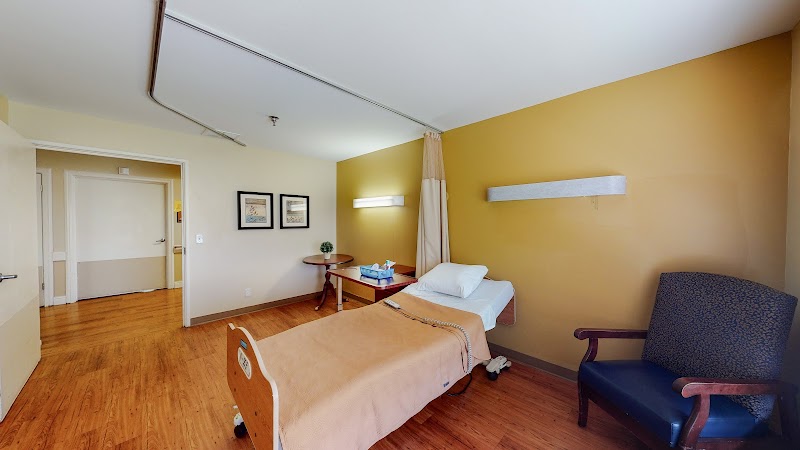
CMS rates Northwest Nursing Center's staffing level at 1 out of 5 stars, which is much below average compared to other nursing homes. Staff turnover is 72%, which is 26 percentage points above the Oklahoma average of 46%. High turnover can affect care consistency as new staff learn residents' individual needs. RN turnover specifically is 71%, which is notably high. RNs provide skilled clinical oversight, so turnover in this role can affect medical care quality.

What Have Inspectors Found at Northwest Nursing Center?

State health inspectors documented 35 deficiencies at Northwest Nursing Center during 2022 to 2025. These included: 1 Immediate Jeopardy (the most serious level, indicating potential for serious harm or death), 3 that caused actual resident harm, and 31 with potential for harm. Immediate Jeopardy findings are rare and represent the most serious regulatory concerns. They require immediate corrective action.

Who Owns and Operates Northwest Nursing Center?

Northwest Nursing Center is owned by a for-profit company. For-profit facilities operate as businesses with obligations to shareholders or private owners. The facility is operated by SOUTHWEST LTC, a chain that manages multiple nursing homes. With 100 certified beds and approximately 71 residents (about 71% occupancy), it is a mid-sized facility located in Oklahoma City, Oklahoma.

How Does Northwest Nursing Center Compare to Other Oklahoma Nursing Homes?

Compared to the 100 nursing homes in Oklahoma, Northwest Nursing Center's overall rating (3 stars) is above the state average of 2.6, staff turnover (72%) is significantly higher than the state average of 46%, and health inspection rating (3 stars) is at the national benchmark.

What Should Families Ask When Visiting Northwest Nursing Center?

Based on this facility's data, families visiting should ask: "What changes have been made since the serious inspection findings, and how are you preventing similar issues?" "How do you ensure continuity of care given staff turnover, and what is your staff retention strategy?" "Can you walk me through typical staffing levels on day, evening, and night shifts?" "Can I visit during a mealtime to observe dining assistance and food quality?" These questions are particularly relevant given the facility's Immediate Jeopardy citations, the facility's high staff turnover rate, and the below-average staffing rating.

Is Northwest Nursing Center Safe?

Based on CMS inspection data, Northwest Nursing Center has documented safety concerns. Inspectors have issued 1 Immediate Jeopardy citation (the most serious violation level indicating risk of serious injury or death). The facility has a 3-star overall rating and ranks #1 of 100 nursing homes in Oklahoma. Families considering this facility should ask detailed questions about what corrective actions have been taken since these incidents.

Do Nurses at Northwest Nursing Center Stick Around?

Staff turnover at Northwest Nursing Center is high. At 72%, the facility is 26 percentage points above the Oklahoma average of 46%. Registered Nurse turnover is particularly concerning at 71%. RNs handle complex medical decisions and coordinate care — frequent RN changes can directly impact care quality. High turnover means new staff may not know residents' individual needs, medications, or preferences. It can also be disorienting for residents, especially those with dementia who rely on familiar faces. Families should ask: What is causing the turnover? What retention programs are in place? How do you ensure care continuity during staff transitions?

Was Northwest Nursing Center Ever Fined?

Northwest Nursing Center has been fined $10,062 across 1 penalty action. This is below the Oklahoma average of $33,179. While any fine indicates a compliance issue, fines under $50,000 are relatively common and typically reflect isolated problems that were subsequently corrected. Families should ask what specific issues led to these fines and confirm they've been resolved.

Is Northwest Nursing Center on Any Federal Watch List?

Northwest Nursing Center is not on any federal watch list. The most significant is the Special Focus Facility (SFF) program, which identifies the bottom 1% of nursing homes nationally based on persistent, serious quality problems. Not being on this list means the facility has avoided the pattern of deficiencies that triggers enhanced federal oversight. This is a positive indicator, though families should still review the facility's inspection history directly.