PARC PLACE MEDICAL RESORT
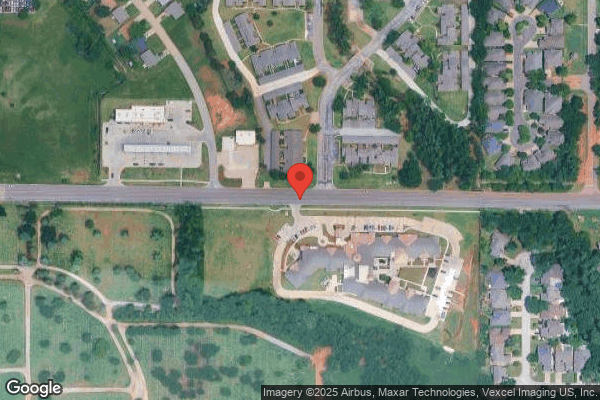

1400 EAST MEMORIAL ROAD, OKLAHOMA CITY, OK 73131 (405) 875-0040
For profit - Individual 73 Beds DIAKONOS GROUP Data: November 2025 1 Immediate Jeopardy citation
Trust Grade
23/100
#179 of 282 in OK
Last Inspection: April 2024

Within standard 12-15 month inspection cycle. Federal law requires annual inspections.

Overview

Parc Place Medical Resort has received a Trust Grade of F, indicating significant concerns about the facility's overall quality and care. Ranked #179 out of 282 in Oklahoma, it falls within the bottom half of facilities in the state and is #24 out of 39 in Oklahoma County, highlighting limited local options for better care. While the facility's trend is improving, decreasing from 11 issues in 2024 to just 1 in 2025, there are still high staffing turnover rates at 77%, well above the state average. The nursing home does have a strong staffing rating of 4 out of 5 stars and provides more RN coverage than 91% of other facilities, which can help catch potential issues. However, the facility has faced concerning fines totaling $54,768, suggesting ongoing compliance problems, and there were critical findings, such as a resident with an unstageable wound that went unreported and failures in food safety and staff competency evaluations, indicating serious areas for improvement. Overall, while there are some strengths, such as RN coverage and improving trends, the facility has significant weaknesses that families should consider carefully.

Trust Score
F
23/100
In Oklahoma
#179/282
Bottom 37%
Safety Record
High Risk
Review needed
Inspections
Getting Better
11 → 1 violations
Staff Stability
⚠ Watch
77% turnover. Very high, 29 points above average. Constant new faces learning your loved one's needs.
Penalties
⚠ Watch
$54,768 in fines. Higher than 98% of Oklahoma facilities. Major compliance failures.
Skilled Nurses
✓ Good
Each resident gets 50 minutes of Registered Nurse (RN) attention daily — more than average for Oklahoma. RNs are trained to catch health problems early.
Violations
⚠ Watch
17 deficiencies on record. Higher than average. Multiple issues found across inspections.
★★☆☆☆
2.0
Overall Rating
★★★★☆
4.0
Staff Levels
★★★☆☆
3.0
Care Quality
★★☆☆☆
2.0
Inspection Score
Stable
2024: 11 issues
2025: 1 issues

The Good

  • 4-Star Staffing Rating · Above-average nurse staffing levels
  • Full Sprinkler Coverage · Fire safety systems throughout facility
  • No fines on record

Facility shows strength in staffing levels, fire safety.

The Bad

2-Star Overall Rating

Below Oklahoma average (2.6)

Below average - review inspection findings carefully

Staff Turnover: 77%

30pts above Oklahoma avg (46%)

Frequent staff changes - ask about care continuity

Federal Fines: $54,768

Above median ($33,413)

Moderate penalties - review what triggered them

Chain: DIAKONOS GROUP

Part of a multi-facility chain

Ask about local staffing decisions and management

Staff turnover is very high (77%)

29 points above Oklahoma average of 48%

The Ugly 17 deficiencies on record

1 life-threatening
Jul 2025 1 deficiency
CONCERN (D) 📢 Someone Reported This

A family member, employee, or ombudsman was alarmed enough to file a formal complaint

Potential for Harm - no one hurt, but risky conditions existed

Report Alleged Abuse (Tag F0609)

Could have caused harm · This affected 1 resident

**NOTE- TERMS IN BRACKETS HAVE BEEN EDITED TO PROTECT CONFIDENTIALITY** Based on record review and interview, the facility failed to ensure an allegation of abuse was reported to the State agency with...

Read full inspector narrative →
**NOTE- TERMS IN BRACKETS HAVE BEEN EDITED TO PROTECT CONFIDENTIALITY** Based on record review and interview, the facility failed to ensure an allegation of abuse was reported to the State agency within two hours for 1 (#1) of 3 sampled residents reviewed for abuse.The DON identified 55 residents resided in the facility. Findings:The facility abuse, neglect, and exploitation policy, dated 2025, read in part, It is the policy of this facility to provide protections for the health, welfare and rights of each resident by developing and implementing written policies and procedures that prohibit and prevent abuse, neglect, exploitation and misappropriation of resident property .Reporting of all alleged violations to the Administrator, state agency, adult protective services and to all other required agencies .within specified timeframes .Immediately, but no more than 2 hours after the allegation is made, if the events that cause the allegation involve abuse or result in serious bodily injury.A quarterly resident assessment, dated 06/04/25, showed Resident #1's cognition was intact (brief interview for mental status score of 15) and the resident did not experience delirium or behaviors. The assessment showed the resident had diagnoses which included mood disorder and acute myocardial infarction.A combined initial and final facility reported incident form, dated 07/15/25, showed Resident #1 made an allegation of abuse against CNA #1. Resident #1 reported when CNA #1 put them to bed and changed them, they looked in the direction of the resident's vagina where they had blisters between their legs and stated they would like to bust their cherry. The form was received by the State agency on 07/16/25 at 7:23 p.m.On 07/24/25 at 2:53 p.m., Resident #1 stated they had a concern regarding sex stuff. They stated the staff member was no longer on their floor. Resident #1 was asked if they could elaborate on what had occurred and they stated, Not really, it was taken care of. They stated the lady in charge, whose name they did not know, handled it and the male staff member was moved to a different floor. They stated they did not know the staff member's name. They stated it occurred about a month ago and they would not share what they remembered.On 07/25/25 at 10:11 a.m., CNA #2 stated they received training on abuse when they joined the facility. They stated they would report allegations of abuse to the nurse. They stated a week or so ago, they came to work in the morning and was informed Resident #1 had reported an allegation of abuse. CNA #2 stated they were assigned to care for Resident #1 and had asked CNA #1 to assist with transferring the resident on two occasions during the shift. They stated the allegation was against CNA #1, but CNA #1 was never alone with the resident and only assisted with the transfers. CNA #2 stated they did not observe any abusive behaviors between Resident #1 and CNA #1. On 07/25/25 at 10:17 a.m., CNA #1 stated on 07/15/25, there were three CNAs assigned to hall 300. They stated they were not assigned to care for Resident #1. They stated CNA #2 was assigned to care for Resident #1. They stated CNA #2 asked CNA #1 to assist with transferring Resident #1 two times during their shift. [NAME] stated they did not provide any personal care to the resident. They stated they were suspended on 07/15/25 when the allegation was made. CNA #1 stated they were permitted to come back to work after the investigation was complete, and no longer assists with the care of Resident #1.On 07/25/25 at 10:30 a.m., the activity director stated they had completed angel rounds (where department heads check on assigned residents) on 07/15/25. They stated while they were asking Resident #1 how everything was going, Resident #1 informed them of an allegation of abuse. They stated the resident was confused and unable to provide the name of the CNA, but was able to identify it was the CNA who took the resident to a previous doctor's appointment. the activity director stated Resident #1 reported the CNA told the resident they wanted to pop their cherry. The resident reported having blisters between their legs by their vagina and was not sure of the exact wording used. Resident #1 stated they told the CNA not to talk nasty to them. The activity director reported the allegation immediately to the DON who instructed them to write out a statement of what Resident #1 reported. The activity director stated they could not be sure of the exact time it was reported to them, but it was during the morning on 07/15/25. On 07/25/25 at 10:51 a.m., the DON stated the administrator was responsible for starting an immediate investigation when an allegation of abuse was made. They stated if it was against an employee, the employee would be suspended pending the investigation. On 07/25/25 at 10:54 a.m., the DON stated the initial report of abuse had to be sent to the State agency within two hours. The DON stated anytime an allegation of abuse was reported to them, they would immediately report it to the administrator. On 07/25/25 at 10:56 a.m., the DON stated they received a call on the way to work on 07/15/25 between 6:30 a.m. and 7:30 a.m. regarding an allegation of abuse involving Resident #1. On 07/25/25 at 10:58 a.m., the DON reviewed the combined initial and final facility reported incident involving Resident #1's allegation of abuse and stated it was faxed to the State on 07/16/25.On 07/25/25 at 11:29 a.m., the administrator stated the timeline for reporting abuse to the State agency was within 24 hours. They stated they tried to complete the initial report as fast as they could. They stated the combined initial and final facility reported incident involving Resident #1's abuse allegation was not sent within the two hours. They stated they completed it the next day because they thought it was a 24-hour timeframe requirement.
Nov 2024 1 deficiency
CONCERN (D) 📢 Someone Reported This

A family member, employee, or ombudsman was alarmed enough to file a formal complaint

Potential for Harm - no one hurt, but risky conditions existed

Free from Abuse/Neglect (Tag F0600)

Could have caused harm · This affected 1 resident

Based on record review and interview, the facility failed to ensure residents were free from physical abuse for two (#2 and #5) of three sampled residents reviewed for abuse. LPN #1 identified 59 resi...

Read full inspector narrative →
Based on record review and interview, the facility failed to ensure residents were free from physical abuse for two (#2 and #5) of three sampled residents reviewed for abuse. LPN #1 identified 59 residents resided in the facility. Findings: An undated Abuse, Neglect and Exploitation policy, read in part, It is the policy of this facility to provide protections for the health, welfare and rights of each resident by developing and implementing written policies and procedures that prohibit and prevent abuse neglect, exploitation and misappropriation of resident property. The policy also read, The facility has written policies and procedures that define how staff will communicate and coordinate situations of abuse. 1. Resident #2 had diagnoses which included anxiety disorder and depression. A MDS assessment, dated 01/05/24, documented the resident's cognition was intact with a BIMS score of 15. It documented the resident was always incontinent of bladder and required substantial/maximal assist of staff for toileting hygiene. An initial OSDH Incident Report, received at OSDH on 08/19/24 at 12:07 p.m., read in part, [Resident #2] reported that employee was rough with [them] during care. [CNA #3] suspended pending investigation. The incident report also read the physician, family, APS, law enforcement, and the Nurse Aide Registry were notified. On 08/20/24, the facility interviewed residents in regard to how staff treated residents. Resident #2 stated they could tell one of the aides was nervous because they did not want to be there. Resident #2 stated they had asked the aide to slowly pull them up or be careful. Resident #2 stated the aide stated they should be in a bubble. On 08/21/24, the facility interviewed staff regarding the incident. CNA #3 stated they did make the statement, Bless your heart, you need to live in a bubble. A final OSDH Incident Report, received on 08/23/24 at 1:34 p.m., read in part, Interviews completed with resident and staff. Employee was anxious while learning on new unit, which then caused the resident to be anxious. 2. Resident #5 had diagnoses which included epileptic seizures, polyneuropathy, and muscle wasting and atrophy. A MDS assessment, dated 08/20/24, documented the resident's cognition was moderately impaired with a BIMS score of nine. It documented the resident was always incontinent of bladder and was dependent upon staff for toileting hygiene. An initial OSDH Incident Report Form, received at OSDH on 08/28/24 at 11:27 a.m., read in part, [CMA #1], reported that last night [they] was assisting [CNA #3] with care for [Resident #5] when [they] heard [CNA #3] make some comments to the resident in a harsh manner that [they] felt like were inappropriate. [CNA #3] was placed on suspension pending investigation. Investigation is ongoing. The incident report also read, the physician, family, APS, law enforcement, and Nurse Aide Registry were notified. On 08/28/24, Resident #5 was interviewed by the administrator. Resident #5 stated CNA #3 had come in their room with an attitude because it did not go the way CNA #3 wanted. Resident #5 stated CNA #3 wanted to roll them side to side to change them and they could not do that because of the stroke that left them with pain and deformities to their left side. Resident #5 stated CNA #3 stated, I am just going to see if I can get you kicked out of here. On 08/29/24, the facility interviewed other residents in regard to how they were treated by staff. (Resident name withheld) stated they rang their bell [CNA #3] told them I just changed you, we only check every 2 hours. (Resident name withheld) stated they were fearful to press their call light because of the aides attitude. A final OSDH Incident Report, received at OSDH on 08/30/24 at 3:33 p.m., read in part, Statements and interviews completed. Staff and resident interviews had similar stories with differences in wording. During the interviews an additional concern presented regarding [CNA #3] The report also read, [CNA #3] had presented with an attitude when [another resident] had used [their] call light to ask for assistance with have [their] brief changed, telling the resident that [they] had just done that. Brief was changed promptly, however resident no longer wanted interaction with [CNA #3]. [CNA #3] is no longer employed at [facility name withheld]. Abuse in-services were documented as completed on 09/24/24. On 11/27/24 at 9:45 a.m., CMA #1 stated the way CNA #3 treated Resident #5 was unprofessional and they spoke to them like a stranger on the street. On 11/27/24 at 9:47 a.m., CMA #1 stated they had in-services on abuse and how to treat residents. On 11/27/24 at 9:52 a.m., CMA #1 stated the policy on abuse was Don't do it, mental, physical, verbal, is not acceptable. On 11/27/24 at 11:21 a.m., CNA #4 stated the policy on abuse was Not tolerated, physical or emotional it was to be reported. On 11/27/24 at 12:28 p.m., the administrator stated CMA #1 had been assisting CNA #3 with care for Resident #5. The administrator stated CNA #3's demeanor and their language was unprofessional. The administrator stated during interviews another resident had stated CNA #3 spoke to them rudely as well. The administrator stated CNA #3 would have be termed, but they self dissolved their position between the initial and final reports. On 11/27/24 at 12:33 p.m., the administrator stated staff had been in-serviced after the incidents. On 11/27/24 at 12:34 p.m., the administrator stated state reportables were discussed at the monthly QAPI meeting to decrease/minimize the risk to residents. Also, monitoring was conducted through rounds and social service follow-ups. They stated if a concern were to arise the facility would pull a sample pool to question.
Apr 2024 10 deficiencies
CONCERN (D)

Potential for Harm - no one hurt, but risky conditions existed

Deficiency F0578 (Tag F0578)

Could have caused harm · This affected 1 resident

**NOTE- TERMS IN BRACKETS HAVE BEEN EDITED TO PROTECT CONFIDENTIALITY** Based on record review and interview, the facility failed to ensure residents were offered the choice to formulate advanced dire...

Read full inspector narrative →
**NOTE- TERMS IN BRACKETS HAVE BEEN EDITED TO PROTECT CONFIDENTIALITY** Based on record review and interview, the facility failed to ensure residents were offered the choice to formulate advanced directives for two (#31 and #163) of 15 sampled residents reviewed for advanced directives. The Administrator identified 58 residents resided in the facility. Findings: 1. Resident #31 was admitted on [DATE] and had diagnoses which included status post displaced comminuted fracture of shaft of humerus right arm. The resident's clinical records did not document the resident and/or their representative was offered the choice to formulate an advanced directive. 2. Resident #163 was admitted on [DATE] and had diagnoses which included aftercare following joint replacement surgery left knee. The resident's clinical records did not document resident and/or their representative were offered the choice to formulate an advanced directive. On 04/23/24 at 10:51 a.m., the Admissions Coordinator was asked if Resident #31 or Resident #163 had been offered the choice to formulate advanced directives. They stated no, it would be offered as part of the admission contract signing process and neither resident had completed the contract signing process yet.
CONCERN (D)

Potential for Harm - no one hurt, but risky conditions existed

Transfer Requirements (Tag F0622)

Could have caused harm · This affected 1 resident

Based on record review and interview, the facility failed to obtain a discharge order for one (#61) of three discharged residents reviewed. The Executive Director identified 58 residents resided in t...

Read full inspector narrative →
Based on record review and interview, the facility failed to obtain a discharge order for one (#61) of three discharged residents reviewed. The Executive Director identified 58 residents resided in the facility. Findings: Resident #61 had diagnoses which included conversion disorder with seizures. A Transfer and Discharge (including AMA) policy, revised 2023, read in part, Obtain physicians' orders for transfer or discharge . A progress note, dated 01/25/24, read in part, Date/Time of Discharge/Death: 1/25/24 @1300 . On 04/23/24 at 1:38 p.m., the DON stated there was not a physician's order for discharge.
CONCERN (D)

Potential for Harm - no one hurt, but risky conditions existed

Deficiency F0655 (Tag F0655)

Could have caused harm · This affected 1 resident

**NOTE- TERMS IN BRACKETS HAVE BEEN EDITED TO PROTECT CONFIDENTIALITY** Based on record review and interview, the facility failed to ensure a baseline care plan was completed within 48 hours for one (...

Read full inspector narrative →
**NOTE- TERMS IN BRACKETS HAVE BEEN EDITED TO PROTECT CONFIDENTIALITY** Based on record review and interview, the facility failed to ensure a baseline care plan was completed within 48 hours for one (#28) of 15 sampled residents reviewed for baseline care plans. The Executive Director identified 58 residents resided in the facility. Findings: A Baseline Care Plan policy, dated 2023, read in part, The baseline care plan will . be developed within 48 hours of a resident's admission. Resident #28 admitted on [DATE] with diagnoses which included acute kidney failure and gastrointestinal hemorrhage. There was no baseline care plan located in the resident's clinical record. On 04/24/24 at 11:05 a.m., MDS Coordinator #2 stated the baseline care plan was not developed.
CONCERN (D)

Potential for Harm - no one hurt, but risky conditions existed

Comprehensive Care Plan (Tag F0656)

Could have caused harm · This affected 1 resident

**NOTE- TERMS IN BRACKETS HAVE BEEN EDITED TO PROTECT CONFIDENTIALITY** Based on observation, record review and interview, the facility failed to develop and implement a comprehensive care plan for tw...

Read full inspector narrative →
**NOTE- TERMS IN BRACKETS HAVE BEEN EDITED TO PROTECT CONFIDENTIALITY** Based on observation, record review and interview, the facility failed to develop and implement a comprehensive care plan for two (#9 and #28) of 15 residents reviewed for care plans. The Executive Director identified 58 residents resided in the facility. Findings: A Comprehensive Care Plans policy, dated 2023, read in part, The comprehensive care plan will be developed within 7 days after the completion of the comprehensive MDS assessment .The comprehensive care plan will describe, at a minimum .the services that are to be furnished to attain or maintain the resident's highest practicable physical, mental, and psychosocial well-being . 1. Resident #9's comprehensive care plan, initiated on 02/13/24, documented the ability to walk in the room and hallway with staff assistance and the use of a walker. An admission assessment, dated 02/18/24, documented resident #9 required substantial assistance with bed mobility and did not attempt to transfer or walk due to medical or safety concerns. On 04/24/24 at 1:08 p.m., Nurse #4 stated resident was a lift transfer and had not been able to walk. On 04/24/24 at 1:10 p.m., MDS Coordinator #1 stated the care plan was inaccurate and did not correspond with the admission assessment conducted on 02/18/24. On 04/24/24 at 1:26 p.m., a physical therapist was observed using a gait belt to assist resident #9 with a stand pivot transfer from the wheelchair into the bed. 2. Resident #28 admitted on [DATE] with diagnoses which included acute kidney failure and gastrointestinal hemorrhage. There was no comprehensive care plan located in the resident's clinical record. On 04/24/24 at 11:05 a.m., MDS Coordinator #2 stated the care plan was not developed.
CONCERN (D)

Potential for Harm - no one hurt, but risky conditions existed

Deficiency F0661 (Tag F0661)

Could have caused harm · This affected 1 resident

Based on record review and interview, the facility failed to ensure a discharge summary was complete for one (#61) of three sampled residents reviewed for discharge. The Executive Director identified ...

Read full inspector narrative →
Based on record review and interview, the facility failed to ensure a discharge summary was complete for one (#61) of three sampled residents reviewed for discharge. The Executive Director identified 58 residents resided in the facility. Findings: Resident #61 had diagnoses which included conversion disorder with seizures. A Discharge Summary policy, dated 2023, read in part, The discharge summary should include .reconciliation of all pre-discharge medications with the resident's post discharge medication to include prescription and over the counter medications . A Discharge Summary, dated 01/25/24, documented the resident received skilled nursing services and therapy services. The discharge summary documented the resident was stable and the resident and representative were educated to see the PCP for follow up after discharge. A Clinical Discharge Instruction Form, dated 01/25/24, had a section for medications sent home. That section was observed to be incomplete. On 04/23/24 at 1:38 p.m., the DON stated medication reconciliation was not documented.
CONCERN (D)

Potential for Harm - no one hurt, but risky conditions existed

Pharmacy Services (Tag F0755)

Could have caused harm · This affected 1 resident

Based on observation, record review, and interview, the facility failed to administer medications as ordered for one (#264) of five sampled residents observed for medication administration. The Execut...

Read full inspector narrative →
Based on observation, record review, and interview, the facility failed to administer medications as ordered for one (#264) of five sampled residents observed for medication administration. The Executive Director identified 58 residents resided in the facility. Findings: The Medication Administration policy, dated 2024, read in part, Medications are administered by licensed nurses, or other staff who are legally authorized to do so in this state, as ordered by the physician . Resident #264 had a diagnosis of hypertension. A physician's order, dated 04/24/24, documented losartan potassium-HCTZ 100-25 mg give 1 tablet by mouth daily for hypertension. Hold if systolic BP is less than 105 or diastolic is less than 65 and notify physician. On 04/24/24 at 7:55 a.m., RN #2 was observed documenting that she was holding the losartan due to a low pulse. RN #2 did not administer the medication. On 04/24/24 at 10:24 a.m., RN #2 stated the order was to hold the medication if the BP was low and to notify the physician. RN #2 stated they would clarify the order with the physician.
CONCERN (D)

Potential for Harm - no one hurt, but risky conditions existed

Deficiency F0757 (Tag F0757)

Could have caused harm · This affected 1 resident

2. Resident #262 had physicain orders for: a. torsemide 20mg 3 tablets daily for diuretics, and b. apixaban 5mg every 12 hours for anticoagulant therapy. On 04/25/24 at 11:31 a.m., the DON stated that...

Read full inspector narrative →
2. Resident #262 had physicain orders for: a. torsemide 20mg 3 tablets daily for diuretics, and b. apixaban 5mg every 12 hours for anticoagulant therapy. On 04/25/24 at 11:31 a.m., the DON stated that neither medications had an appropriate indication for use documented and they would get clarification from the physician Based on record review and interview, the facility failed to have a proper indication for the use of ordered medications for two (#4 and #262) of six sampled residents reviewed for unnecessary medications The Executive Director indicated 58 residents resided in the facility. Findings: A Unnecessary Drugs-Without Adequate Indication for Use policy, undated, read in parts, indication for use is the identifed, documented clinical rationale for administering a medication .will be determined by assessing the resident's underlying condition . 1. Resident #4 had diagnosis which included dementia and pain. A Active Order summary, dated 04/25/24, read in part, Lorazepam [antianxiety medication] 0.5mg give one tab by mouth two times a day for pain . On 04/25/24 at 3:21 p.m., the DON was asked if pain was a proper indication for the Lorazepam use. They stated No, it is not
CONCERN (D)

Potential for Harm - no one hurt, but risky conditions existed

Infection Control (Tag F0880)

Could have caused harm · This affected 1 resident

Based on observation, record review, and interview, the facility failed to disinfection a glucometer before or after its use on a resident. RN #2 identified three residents required the use of this gl...

Read full inspector narrative →
Based on observation, record review, and interview, the facility failed to disinfection a glucometer before or after its use on a resident. RN #2 identified three residents required the use of this glucometer for blood glucose monitoring. Findings: A Glucometer Disinfection policy, dated 2023, read in part, The facility will ensure blood glucometers will be cleaned and disinfected after each use and according to manufacturer's instructions for multi-resident use . On 04/23/24 at 11:30 a.m., RN #2 was observed completing glucose monitoring with a glucometer. RN #2 did not disinfect the glucometer before or after the use. On 04/23/24 at 11:33 a.m., RN #2 stated the glucometer gets cleaned by the night shift. They provided a Glucometer Control Log that documented that the glucometer was in range, but did not document any cleanings.
CONCERN (E)

Potential for Harm - no one hurt, but risky conditions existed

Deficiency F0730 (Tag F0730)

Could have caused harm · This affected multiple residents

Based on record review and interview, the facility failed to complete a nurse aide performance review once every 12 months for two (CNA #1 and CNA #2) of two CNA records reviewed for annual competenci...

Read full inspector narrative →
Based on record review and interview, the facility failed to complete a nurse aide performance review once every 12 months for two (CNA #1 and CNA #2) of two CNA records reviewed for annual competencies. The staff roster, dated 04/24/24, documented 31 CNAs are employed by the facility. Findings: A Competency Evaluation policy, dated 2023, read in part, subsequent and/or annual competency is evaluated at a frequency determined by the facility assessment, evaluation of the training program, and/or job performance evaluations .employee competency forms are maintained in the Staff Development Coordinator's office for current training year, then forwarded to the Human Resources Director for placing into the employee's personnel file. CNA #1 had a hire date of 11/23/21. There was no CNA annual competency review located in the employee's file. CNA #2 had a hire date of 07/20/22. There was no CNA annual competency review located in the employee's file. On 04/25/24 at 1:38 p.m., the DON and Executive Director stated CNA competency reviews were completed upon hire and annually. The DON stated employee skills checks were scheduled for May, but competencies from last year were unable to be located.
CONCERN (F)

Potential for Harm - no one hurt, but risky conditions existed

Food Safety (Tag F0812)

Could have caused harm · This affected most or all residents

Based on observation, record review, and interview, the facility failed to ensure: a. food items in the refrigerator were properly labeled and had identified use by dates, b. food items were discarded...

Read full inspector narrative →
Based on observation, record review, and interview, the facility failed to ensure: a. food items in the refrigerator were properly labeled and had identified use by dates, b. food items were discarded on or before the manufacturer expiration dates, c. leftovers in the refrigerator were dated and used within at least 3 days, d. food items were stored at the appropriate temperatures, e. only clean utensils were used when accessing bulk foods, f. staff in the kitchen with beards wore beard restraints, g. clean dishware was not exposed to splash and covered or inverted, and h. dishwasher rinse cycles were routinely tested for proper chemical sanitization. The Administrator identified 58 residents resided at the facility. Fifty-six residents received meals prepared by dietary services. Findings: A 'Dishwashing Machine Use' policy, revised August 2010, read in parts, A supervisor will check the dishwashing machine for proper concentrations of sanitizer solution .once a week . A 'Food Safety Requirements' policy, undated, read in parts, Dietary staff must wear hair restraints (e.g., hairnet, hat, and/or beard restraint) . A 'Date Marking for Food Safety' policy, undated, read in part, 2. The food shall be clearly marked to indicate the date or day by which the food shall be consumed or discarded .4. The marking system shall consist of .the day/date of opening, and the day/date the item must be consumed or discarded .5. The discard day or date may not exceed the manufacturer's use-by date, or four days, whichever is earliest . On 04/22/24 at 10:54 a.m., during the initial tour of the kitchen, [NAME] #1 was observed with a beard and wearing no beard restraint. When asked if they should have a covering over their beard when inside the kitchen, they stated yes. The following observations were made during the initial tour of the kitchen: The paper towel dispensers at both handwashing sinks were empty. There was a large roll of brown paper towels on the top rack of a tall, uncovered cart sitting in the dirty dish room that Dietary Aide #2 said they were using to dry their hands. Dietary Aide #2 stated the items on the cart were clean and that was where they put things to air dry. The cart was observed to be sitting directly in front of the dirty dish area where the person washing dishes would spray debris from the dishes. On a shelf over the prep table was a 1lb jar of grape jelly, opened and dated 01/30/24. The manufacturer's label read 'refrigerate after opening'. Under the prep table was a large bin labeled flour which was 1/2 full with the scoop buried inside the flour; a large bin labeled corn meal which was practically empty; and a large bin labeled rice which was practically empty. The lids on all the bins were very dirty and greasy with red spills and crumbs stuck to them. The following observations were made in the walk-in cooler: a. two 5lb bags of cut up grilled chicken pieces fully thawed, no label or use-by date b. six peeled hard boiled eggs wrapped in clear plastic, dated 03/01/24 c. 1/2 gallon carton of Heavy Cream- open, 1/2 full with no opened date d. 1/2 gallon carton of liquid Scrambled eggs- open with no opened date e. 5lb container of Sour Cream- opened and dated 03/01/24, manufacturers expiration date on container was 02/09/24 f. 5lb container of Cottage Cheese, opened and dated 02/09/24 g. 5lb container of Ricotta Cheese, opened and dated 02/09/24, manufacturers expiration date on container was 02/08/24 The following observations were made in the large refrigerator: a. a quart sized container of Lemon juice blend, opened and 1/4 full, was dated 12/01/23. The manufacturers expiration date on the container was 02/21/24 and the container was swollen and hard. On 04/22/12:45 p.m., Dietary Aide #2 was observed during the dishwashing process. During rinsing of soiled dishes, water was noted to be splashing directly across the room onto the items on the cart that was holding the clean items for drying. Dietary Aide #2 was asked if the dishes would still be considered clean and he stated, No, thats why I wash those things again before we use them. I immediately observed Dietary Aide #3 come into the dishwashing room and remove five empty water pitchers from the large rack. Dietary Aide #2 was asked to check the sanitizer level of the rinse for the dishwasher and stated he did not know how. There were no sanitizer levels documented on the 'Dish Washer Temperature/Chemical Record' log for April 2024. On 04/23/24 at 12:51 p.m., the Cert. Dietary Mgr. was asked the facility policy on food storage and handling. They stated all food should be labeled and dated when it is opened, and anything opened should be discarded within three days. They stated food thawing in the refrigerator should be labeled as to when it was put in the fridge to thaw. The Cert. Dietary Mrg. was asked how often the dishwashers rinse cycle sanitizer level should be checked. They stated in the morning and in the evening each day. The Cert. Dietary Mgr. was made aware of the above findings and stated that proper procedures for food handling and storage had not been followed.
Dec 2023 1 deficiency
CONCERN (D) 📢 Someone Reported This

A family member, employee, or ombudsman was alarmed enough to file a formal complaint

Potential for Harm - no one hurt, but risky conditions existed

ADL Care (Tag F0677)

Could have caused harm · This affected 1 resident

**NOTE- TERMS IN BRACKETS HAVE BEEN EDITED TO PROTECT CONFIDENTIALITY** Based on record review and interview, the facilty failed to ensure a bath/shower was provided to a resident who required assista...

Read full inspector narrative →
**NOTE- TERMS IN BRACKETS HAVE BEEN EDITED TO PROTECT CONFIDENTIALITY** Based on record review and interview, the facilty failed to ensure a bath/shower was provided to a resident who required assistance from staff for one (#1) of three sampled residents reviewed for ADL assistance. The facility census, dated 12/04/23, documented 67 residents resided in the facility. Findings: An Activities of Daily Living Policy, dated 2023, read in part, .Care and services will be provided for the following activities of daily living .bathing . Resident #1 admitted to the facility on [DATE] with diagnoses which included metabolic encephalopathy, sepsis, and stage four chronic kidney disease. An admission Resident Assessment, dated 11/21/23, documented Resident #1's cognition was intact, and they needed partial assistance from another person for bathing. Resident #1 had a shower review sheet completed on 11/22/23 and 12/02/23. There was no other documentation Resident #1 had received any other bath/shower in the facility. On 12/05/23 at 12:05 p.m., Resident #1 stated they did not receive a bath or shower as often as they would like. They stated they would like to receive one three times a week. They stated the facility hadn't provided a bath/shower three times a week since they had been there. On 12/06/23 at 10:23 a.m., the DON stated there was a bathing schedule on the halls which CNAs were to follow. The CNA would fill out a shower sheet, the charge nurse would sign, the DON would sign it, and then upload it to the resident's record. They stated they did not have any additional documentation to prove Resident #1 received a bath/shower other than on 11/22/23 and 12/02/23. On 12/06/23 at 11:02 a.m., the DON stated residents were bathed per their preference. They stated Resident #1 was scheduled two times a week on Wednesdays and Saturdays or per their preference. They stated there was no documented bathing refusals for the resident.
Sept 2023 1 deficiency
CONCERN (D) 📢 Someone Reported This

A family member, employee, or ombudsman was alarmed enough to file a formal complaint

Potential for Harm - no one hurt, but risky conditions existed

Pharmacy Services (Tag F0755)

Could have caused harm · This affected 1 resident

Based on record review and interview, the facility failed to ensure medications were available and administered as ordered for one (#1) of three sampled residents reviewed for medications. The Residen...

Read full inspector narrative →
Based on record review and interview, the facility failed to ensure medications were available and administered as ordered for one (#1) of three sampled residents reviewed for medications. The Resident Census and Conditions of Residents report, dated 09/26/23, documented 54 residents resided in the facility. Findings: Resident #1 had diagnoses which included heart failure, essential (primary) hypertension, Atherosclerotic heart disease of native coronary artery without angina pectoris, paroxysmal atrial fibrillation, and heart failure, unspecified. A Physician's Order, dated 03/02/23, documented amlodipine Besylate oral tablet 5mg, give one tablet by mouth one time a day related to essential (primary) hypertension. A Physician's Order, dated 03/02/23, documented hydralazine HCI oral tablet 100mg, give one tablet by mouth with meals related to essential (primary) hypertension. A March 2023 MAR documented the following: a. Amlodipine Besylate 5mg had not been administered three out of 29 opportunities. Nurse notes documented three of the 29 opportunities the medications were unavailable or waiting on pharmacy to deliver, and b. Hydralazine HCI 100mg had not been administered 11 out of 87 opportunities. Nurse notes documented 11 out of 87 opportunities the medications were unavailable or awaiting medication from pharmacy. On 09/28/23 at 12:50 p.m., LPN #1 stated they would check the seven rights, name, date of birth , medication, administration route, and dosage when administering medications. They stated to reorder a medication, they would go to the MAR, find the med and re-order through the electronic health record. LPN #1 stated when the nurse note documented no medication available, it was not in the cart or ordered and not delivered yet. On 09/28/23 at 1:00 p.m., ACMA #1 stated the medication administration policy was to check vitals prior to medication administration and check the seven rights. They stated if a medication was down to a seven day supply, they would look to see if it needed to be re-ordered. On 09/28/23 at 1:05 p.m., the DON stated staff were to order medication as soon as the order was received. They stated the facility had an in town pharmacy, so they were typically received that day. They stated medications were to be administered as ordered by the provider. On 09/28/23 at 1:07 p.m., the DON was shown the MAR and the nurses notes for the medications not administered and acknowledge the amlodipine had not been given on March 17th, 21st, and 22nd and the hydralazine had not been administered on March 19th, 20th, 21st, and 22nd.
Mar 2023 3 deficiencies 1 IJ (1 affecting multiple)
CRITICAL (K) 📢 Someone Reported This

A family member, employee, or ombudsman was alarmed enough to file a formal complaint

Immediate Jeopardy (IJ) - the most serious Medicare violation

Pressure Ulcer Prevention (Tag F0686)

Someone could have died · This affected multiple residents

**NOTE- TERMS IN BRACKETS HAVE BEEN EDITED TO PROTECT CONFIDENTIALITY** 2. Resident #157 was admitted [DATE] to the facility, from the hospital, with diagnoses which included sepsis, cellulitis of lef...

Read full inspector narrative →
**NOTE- TERMS IN BRACKETS HAVE BEEN EDITED TO PROTECT CONFIDENTIALITY** 2. Resident #157 was admitted [DATE] to the facility, from the hospital, with diagnoses which included sepsis, cellulitis of left lower limb, quadriplegia, and pressure ulcer of right hip. A Braden Scale, dated 03/10/23, documented the resident was at moderate risk for skin breakdown. A Care Plan, dated 03/13/23, documented Resident #157 required assistance with ADLs. There were no documentation in the resident's clinical record related to a wound/skin issue on Resident #157's left great toe. A Skin/Wound Note, dated 03/14/23, documented the skin assessment was completed on 03/13/23 by the WCN. It did not document any wound/skin issues on Resident #157's left great toe. On 03/14/23 at 3:00 p.m., Resident #157's wound care was observed to be completed by the wound care nurse. An undated band aid was observed on the resident's left great toe. The WCN removed the band aid and an unstageable pea sized wound was observed. The resident stated they hit their toes a lot. They stated they think it happened about two weeks ago. Resident #157 stated home health or the hospital had put the band aid on their toe prior to being admitted at this facility. The WCN stated, Going to have to say I didn't see that. On 03/14/23 at 3:25 p.m., the WCN stated charge nurses were to complete skin assessments when the resident admitted and she completed her assessment at a later time. She stated she completed her assessment on 03/13/23 [four days after the resident admitted ]. The WCN stated when she completed her assessment, she did not look under the band aid. There was no documentation of the skin condition to the left great toe on admission. On 03/15/23 at 10:18 a.m., the DON stated they completed skin assessments on admission. She stated if a wound was identified, the WCN would assess them. The DON stated they would implement wound care orders if necessary. She stated she would expect the nurses to assess an extremity if the resident admitted with cellulitis to the extremity. The DON stated she would expect the nurses to remove bandages on admission, unless there were orders to not remove. She stated she would still expect them to lift the bandage and look under it and then put it back if they were able to. The DON was asked if the physician had been notified and interventions put in place to treat the unstageable wound identified on 03/14/23. She stated no interventions had been implemented and the physician had not been notified. The DON clarified there had not been any treatment to the Resident's left great toe since admission [DATE]]. Resident #157's left great toe had not been assessed, monitored, or treatment obtained for five days. A Nurse's Note, dated 03/15/23 at 11:01 a.m., read in part, .Focus assessment related to wound: Band-aid to distal end of Left great toe, upon removal observed, circular area dark brown scabbed area measuring 1cm x 1.5cm x 0cm, surrounding tissue clinically appears dry and flaky, no exudate observed .new order received for Betadine once a day until healed . On 03/15/23 at 12:43 p.m., the DON was asked what the diagnosis was of Resident #157's left great toe. She stated it was an unstageable wound. On 03/16/23, an IJ situation was determined to exist due to the facility failing to ensure: a. Resident #153, who admitted with a blister to their left heel was thoroughly assessed on admission and weekly, monitored for changes, physician notified, and interventions implemented. This resulted in sepsis, osteomyelitis, and left BKA, and b. Resident #157 was thoroughly assessed on admission and an unstageable pressure ulcer was identified four days after admission. On 03/16/23 at 2:30 p.m., the Oklahoma State Department of Health was notified and verified the existence of the IJ situation. On 03/16/23 at 2:48 p.m., the Administrator and DON were notified of the IJ situation. On 03/16/23 at 11:19 p.m., an acceptable plan of removal was provided. The plan of removal documented: .1. Immediate action(s) taken for the resident(s) found to have been affected include: R-153 no longer resides at the facility. R-157 was assessed on 3/15/23 for wound on left great toe. M.D. notified, order obtained, treatment provided, and care plan updated. Appropriate revisions were made to the care plans to reflect all current pressure injury prevention interventions. The MDS nurse reviewed the revised care plans with all staff involved in the care of the resident on 3/16/23. 2. Identification of other residents having the potential to be affected was accomplished by: The facility took the following actions: Head to toe assessments and Braden assessments were completed for all residents on 3/16/23 by the nursing management team. For those residents at risk, care plans were reviewed to ensure appropriate interventions. The MDS nurse reviewed the revised care plans with all staff involved in the care of at risk residents on 3/16/23. Any resident out of the facility for more that 24 hours will have a new head to toe assessment completed. 3. Actions taken/systems put into place to reduce the risk of future occurrence include: The facility policy regarding Pressure Injury Prevention was reviewed to include Braden assessment and head to toe assessment to be completed upon admission. All licensed nursing staff was inserviced by the Director of Clinical Services and or Nursing Management Team on the facility policy for Pressure Injury Prevention and Management, skin assessments and timely reporting of skin concerns on 3/16/23. All licensed nurses who were on leave (2) will be in-serviced prior to returning to work. All non-direct care staff have been in-serviced regarding if any skin issues are observed or have knowledge of must be reported to the nurse at that time. Skin policies (Pressure Injury Prevention and Management, Skin Assessment and Notification Changes) reviewed have been added into thee onboarding process for new hire nurses. Routine skin meetings have been initiated as of 3/16/23 which will then be reviewed by the IDT. 4. How the corrective action(s) will be monitored to ensure the practice will not recur: The MDS nurses and/or designee will review Braden assessments, skin assessments, interventions, and care plans on all new admission on -going. The Director of Clinical Services and/or designee will monitor/audit a minimum of 10 admission per month for three months, then 5 admission per month thereafter unless otherwise determined by the QAPI committee until such time consistent substantial compliance has been achieved as determined by the committee On 03/17/23 at 9:35 a.m., interviews were conducted across all shifts with facility staff. Staff had knowledge of the POR. After the facility conducted skin assessments on all residents, the DON stated they had five additional residents as having skin issues including shears, cellulitis, and unstageable pressure ulcers. On 03/17/23 at 11:32 a.m., the Administrator was informed the immediacy had been lifted. The deficient practice remained at a harm level. Based on record review, observation, and interview, the facility failed to ensure: a. Resident #153, who admitted with a blister to their left heel was thoroughly assessed on admission and weekly, monitored for changes, physician notified, and interventions implemented. This resulted in sepsis, osteomyelitis, and left BKA, and b. Resident #157 was thoroughly assessed on admission and an unstageable pressure ulcer was identified four days after admission. The Resident Census and Conditions of Residents report, dated 03/13/23, documented 59 residents resided in the facility and two had pressure ulcers. Findings: A Pressure Injury Prevention and Management policy, dated 01/03/23, read in parts, .This facility is committed to the prevention of avoidable pressure injuries .and to provide treatment and services to heal the pressure ulcer/injury, prevent infection and the development of additional pressure ulcers/injuries . Pressure Ulcer/Injury refers to localized damage to the skin and/or underlying soft tissue usually over a bony prominence or related to a medical or other device .Avoidable means that the resident developed a pressure ulcer/injury and that the facility did not do one or more of the following: evaluate the resident's clinical condition and risk factors; define and implement interventions that are consistent with resident needs, resident goals, and professional standards of practice; monitor and evaluate the impact of the interventions; or revise the interventions as appropriate . The facility shall establish and utilize a systematic approach for pressure injury prevention and management, including prompt assessment and treatment; intervening to stabilize, reduce or remove underlying risk factors; monitoring the impact of the interventions; and modifying the interventions as appropriate . Licensed nurses will conduct a full body skin assessment on all resident's upon admission/readmission, weekly, and after any newly identified pressure injury. Findings will be documented in the medical record . Assessments of pressure injuries will be preformed by a licensed nurse, and documented on the EHR. The staging of pressure injuries will be clearly .Treatment decisions will be based on the characteristics of the wound, including the stage, size, exudate (if present), presence of pain, signs of infection, wound bed, wound edge and surrounding tissue characteristics . A Skin Assessment policy, dated 01/03/23, read in parts, .It is our policy to perform a full body skin assessment as part of our systemic approach to pressure injury prevention and management . A full body, or head to toe, skin assessment will be conducted by a licensed or registered nurse upon admission/re-admission, weekly thereafter. The assessment may also be performed after a change of condition or after a newly identified pressure injury .Documentation of skin assessment .Document observations .Document type of wound .Describe wound . 1. Resident #153 had diagnoses which included pressure ulcers. Resident #153's Physician Order, dated 01/09/23, documented wound consult, evaluate, and treat as needed. A Braden Scale for Predicting Pressure Score Risk, dated 01/09/23, documented the resident was at moderate risk for pressure ulcers. A Weekly Skin Screen, dated 01/10/23, documented staff observed what clinically appeared as a fluid filled blister with 75 percent of the blister deflated. There was no location of the wound, stage, size, exudate, description of wound bed, description of wound edges, or signs of infection identified for the blister. There were no physician's orders to treat the wound for four days. A Physician's Order, dated 01/13/23, read in part, .Apply to BLISTER OF LEFT HEEL topically every day shift related to BLISTER (NONTHERMAL), LEFT FOOT, INITIAL ENCOUNTER .GENTLY CLEANSE W/SALINE WOUND WASH, GENTLY PAT DRY, APPLY XEROFORM GAUZE, COVER W/GAUZE ISLAND DRESSING CHANGE DAILY . An admission Resident Assessment, dated 01/16/23, documented Resident #153 was at risk for pressure ulcers, and had one stage one pressure ulcer present. A Weekly Skin Screen, dated 01/18/23, did not document stage, size, exudate, description of wound bed, and description of wound edges for the blister. A Skilled Progress Note, dated 01/20/23 at 1:53 p.m., did not document stage, size, exudate, description of wound bed, and description of wound edges for the blister. A Care Plan, dated 01/20/23, read in part, .have potential/actual impairment to skin integrity. I was admitted to the facility with a stage 1 pressure ulcer .a blister to my left heel. I am at risk for further impairment to my skin r/t impaired gait/mobility .My Skin injury will remain free from infection/complications by review date and I will have no further impairment to my skin .Follow facility protocols for treatment of injury .Identify and document potential causative factors and eliminate/resolve where possible .Monitor and document location, size and treatment of skin injury. Report abnormalities, failure to heal, s/sx of infection, maceration etc. to MD .Monitor limb for swelling and skin changes. Take pedal pulses every shift . A Late Entry Nurses' Note, dated 01/23/23 at 10:21 a.m., created on 01/27/23, documented the nurse observed a fluid filled blister of left heel which appeared clinically with completely deflated blister, surrounding tissue pink, center with 70% thick black eschar (dead tissue). A Wound Care Telemedicine Initial Evaluation, dated 01/25/23, documented the resident had a stage three pressure wound of the left heel for at least 30 days duration. It documented there was moderate serous exudate present with 70% thick adherent black necrotic tissue present. It documented the resident had no medications found to be affecting wound healing. The left heel wound measured 3 by 6.7 by not measurable. This was the first complete wound assessment since the wound had been identified. A Physician's Order, dated 01/27/23, read in part, .Apply to WOUND OF LEFT HEEL topically every day shift related to PRESSURE ULCER .STAGE 3 [three] .CLEANSE WOUND W/SALINE WOUND WASH, PAT DRY, APPLY MEDI HONEY TO WOUND BED, COVER W/FOAM, WRAP W/ROLLED GAUZE .SECURE W/TAPE ONCE DAILY . A Treatment Administration Record, dated January 2023, for Medihoney and Xeroform to the left heel was blank on 01/30/23. A Treatment Administration Record, dated February 2023, for Medihoney and Xeroform to the left heel was blank on 02/05/23. A Weekly Skin Screen, dated 02/01/23, did not document stage, size, exudate, description of wound bed and surrounding skin, or signs and symptoms of infection. A Weekly Skin Screen, dated 02/03/23, did not document stage, size, exudate, description of wound bed and surrounding skin, or signs and symptoms of infection. A Radiology Results report, dated 02/04/23, documented bilateral ankle brachial index impression was mild blockage. Mild range indicated early stages of peripheral arterial disease. A Progress Note signed by Nurse Practitioner #1, dated 02/04/23 at 11:01 p.m., documented Resident #153's left heel was open to air. Resident #153 had a physician's order for daily dressing changes. Daily Skilled Assessment notes, dated 02/05/23 at 8:11 a.m. and 8:29 p.m., documented signs of infection to the foot and left leg. There was no documentation the physician had been notified. A Physician's Order, dated 02/05/23, read in part, .LEFT AND RIGHT LEG VENOUS ULTRASOUND one time only for 1 Day SWELLING . The Extremity Veins Ultrasound results, dated 02/06/23, documented all interrogated veins demonstrated normal venous flow and no thrombus was seen. A Physical Therapy note, dated 02/06/23, documented the resident was declining in ambulation due to a blister on their left foot. A Nurse's Note, dated 02/07/23 at 10:40 a.m., documented the resident was noted with an altered mental status and unable to state what month or year it was. The resident had a fever of 102.7. It documented the Nurse Practitioner was notified and an order was obtained to send Resident #153 to the emergency room for evaluation and treatment. A Progress Note signed by Practitioner #1, dated 02/07/23, documented Resident #153 was oriented to self only, had a temperature of 102, heart rate of 130, and was complaining of pain to the left foot at a 10/10. Resident #153 was transported to the hospital. Resident #153's clinical record did not contain documentation the left heel wound had been assessed for improvement or deterioration for 12 days. There was no documentation of the stage, size, exudate, and description of the wound bed or surrounding tissue from 01/25/23 through 02/07/23 when the resident had been sent to the hospital due to altered mental status, fever, increased heart rate, and severe pain to Resident #153's left foot. Resident #153's Hospital Records, dated 02/07/23, documented Resident #153 presented with complaints of altered mental status, and had a large pressure ulcer to the heel of the left foot. It documented the resident presented with acute encephalopathy likely secondary to their underlying sepsis. It documented Resident #153 likely had an infected pressure ulcer to the left heel. It documented podiatry would consult for possible debridement and further surgical management. The hospital record documented Resident #153 had a stage IV pressure ulcer to the left heel. A MRI report, dated 02/07/23, documented Resident #153 had osteomyelitis involving a large five centimeter region to the left posterior calcaneus, suspicious for infectious tendinosis and abscess formation. Resident #153's Hospital Medicine admission History and Physical, dated 02/07/23, documented the resident had an ulcer on their left heel with surrounding erythema, was septic, and was being treating with antibiotics. Resident #153's Podiatry Consult Note, dated 02/07/23, documented the resident had nonpalpable pedal pulses It documented the posterior aspect of the left heel was necrotic and draining. It documented the wound probed deep towards the calcaneus with copious drainage noted. It documented if the area were to be surgically debrided, it would render the foot nonfunctional as the resident would no longer have a calcaneus, and the wound would never heal. The Podiatrist recommended a BKA as the best option for both healing and containing the infection. Resident #153's Hospital Discharge Summary, dated 02/12/23, documented the resident was admitted with a diagnoses of MRSA bacteremia due to left calcaneal osteomyelitis. Resident #153 was evaluated by podiatry who felt the foot wounds were nonsalvageable. Resident #153 underwent left BKA. On 03/14/23 at 3:25 p.m., the WCN was asked if Resident #153 had any skin issues on admission. She stated they had a partially deflated, fluid filled blister to the left heel. The WCN stated the wound changed quickly and developed a dark unstageable area to the center of the wound. She was asked to locate skin assessments that documented measurements and wound deterioration. The WCN provided the wound care doctor's progress note, dated 01/25/23. On 03/15/23 at 1:26 p.m., the DON was asked how they ensured residents did not develop pressure ulcers or have pressure ulcers worsen. She stated they looked at bed mobility, turning and repositioning, and Braden scores. The DON stated if a resident had a pressure ulcer, they wound notify the wound care doctor, who would do weekly rounds. The DON stated the WCN would monitor the wounds and do their treatments. The DON was asked when skin assessments should be conducted. She stated on admission, re-admission, weekly and with any significant changes. She was asked if Resident #153 had a pressure ulcer on admission. She stated they had a stage two to their left heel. The DON was asked when the physician had been notified of the stage two pressure ulcer. She stated there were no orders implemented for four days. She was asked when the physician should have been notified and interventions implemented. The DON stated on 01/10/23. The DON stated if a wound had 70% black eschar, it would be considered unstageable. The DON was asked if Resident #153's wound had deteriorated from a stage two pressure ulcer to an unstageable pressure ulcer within two weeks. She stated, Yes. The DON was asked if the weekly skin assessments conducted on Resident #153 had been thorough. She stated, No. She was asked when the physician should have been notified of any skin issues. The DON stated, As soon as they are found. She was ask if the unstageable pressure ulcer was avoidable. She stated, Yes, interventions weren't put in place. On 03/16/23 at 11:01 a.m., the DON was shown the blanks for the wound care on 01/30/23 and 02/05/23. She was asked what the blanks indicated. The DON stated the treatments were not done. The DON was shown the nurses' notes from 02/05/23 that documented signs and symptoms of infection. She was asked if the physician had been notified. She stated no. On 03/16/23 at 2:12 p.m., the DON was asked to locate documentation pedal pulses were monitored every shift per the care plan. She stated it should be in the TARs or daily skilled notes. She was observed to look in the EMR. The DON stated, They weren't doing it.
CONCERN (D)

Potential for Harm - no one hurt, but risky conditions existed

Pharmacy Services (Tag F0755)

Could have caused harm · This affected 1 resident

Based on record review and interview, the facility failed to ensure a medication was administered timely for one (#19) of six sampled residents reviewed for medication. The Resident Census and Conditi...

Read full inspector narrative →
Based on record review and interview, the facility failed to ensure a medication was administered timely for one (#19) of six sampled residents reviewed for medication. The Resident Census and Conditions of Residents report, dated 03/13/23, documented 59 residents resided in the facility. Findings: A Medication Ordering policy, dated January 2023, read in part, .Medications and related products are received from the provider pharmacy on a timely basis . Resident #19 had diagnoses which included rash and other nonspecific skin eruption. A Resident Assessment, dated 02/22/23, documented Resident #19's cognition was moderately impaired. A Skin/Wound Note, dated 03/12/23 at 9:22 p.m., documented the resident had a rash to their chest and was scratching at it. A new order was received for Bactroban cream to be applied twice a day for five days. An eMAR note, dated 03/13/23 at 10:21 a.m., documented waiting on pharmacy for the Bactroban cream. An eMAR note, dated 03/14/23 at 12:47 a.m., documented the Bactroban had been ordered and would not be available until possibly Wednesday [03/15/23]. An eMAR note, dated 03/14/23 at 10:32 a.m., documented waiting on pharmacy for the Bactroban cream. On 03/15/23 at 1:00 p.m., Resident #19's family member stated the resident had a rash and physician orders had not been started. On 03/15/23 at 2:48 p.m., the DON stated Bactroban was ordered on 03/12/23. She wasn't sure why it was not delivered the next day. She stated the medication was not administered timely.
CONCERN (E) 📢 Someone Reported This

A family member, employee, or ombudsman was alarmed enough to file a formal complaint

Potential for Harm - no one hurt, but risky conditions existed

Notification of Changes (Tag F0580)

Could have caused harm · This affected multiple residents

**NOTE- TERMS IN BRACKETS HAVE BEEN EDITED TO PROTECT CONFIDENTIALITY** 3. Resident #19 had diagnoses which included rash and other nonspecific skin eruption. A Resident Assessment, dated 02/22/23, do...

Read full inspector narrative →
**NOTE- TERMS IN BRACKETS HAVE BEEN EDITED TO PROTECT CONFIDENTIALITY** 3. Resident #19 had diagnoses which included rash and other nonspecific skin eruption. A Resident Assessment, dated 02/22/23, documented Resident #19's cognition was moderately impaired. A Skin/Wound Note, dated 03/12/23 at 9:22 p.m., documented the resident had a rash to their chest and was scratching at it. A new order was received for Bactroban cream to be applied twice a day for five days. An eMAR note, dated 03/13/23 at 10:21 a.m., documented waiting on pharmacy for the Bactroban cream. An eMAR note, dated 03/14/23 at 12:47 a.m., documented the Bactroban had been ordered and would not be available until possibly Wednesday [03/15/23]. An eMAR note, dated 03/14/23 at 10:32 a.m., documented waiting on pharmacy for the Bactroban cream. On 03/15/23 at 1:00 p.m., Resident #19's family member stated the resident had a rash and physician orders had not been started. On 03/15/23 at 2:48 p.m., the DON stated if a medication was not available, the staff should have notified the physician. She stated there were no documentation the physician had been notified. Based on record review, observation, and interview, the facility failed to ensure a physician was notified timely when: A. an unstageable wound had been identified by staff for one (#157), B. a resident had a stage two pressure ulcer to obtain a treatment and when signs and symptoms of infection had been identified for one (#153), and C. a medication was unavailable and could not be administered as ordered for one (#19) of three sampled residents reviewed for notification. The Resident Census and Conditions of Residents report, dated 03/13/23, documented 59 residents resided in the facility. Findings: A Notification of Changes policy, dated 01/03/23, read in part, .The purpose of this policy is to ensure the facility promptly .consults the resident's physician .when there is a change requiring notification Circumstances that require a need to alter treatment .New treatment . 1. Resident #153 admitted to the facility on [DATE] with diagnoses which included pressure ulcers. A Nursing Admission assessment, dated 01/09/23, documented Resident #153's skin integrity was intact. A Weekly Skin Screen, dated 01/10/23, read in part, .OBSERVED W/ WHAT CLINICALLY APPEARS AS FLUID FILLED BLISTER, 75% OF BLISTER DEFLATED. SKIN INTACT . There was no documentation the physician had been notified. There was no treatment in place for the blister (stage two pressure ulcer). A Daily Skilled Assessment note, dated 02/05/23 at 8:11 a.m., read in part, .Skin Concerns .Infection of foot . There was no documentation the physician had been notified. A Daily Skilled Assessment note, dated 02/05/23 at 8:29 p.m., read in part, .Skin Concerns .Left lower leg feels warmer than the right leg . There was no documentation the physician had been notified. On 03/15/23 at 1:26 p.m., the DON was asked what skin issues Resident #153 had on admission. She stated a weekly skin screen, dated 01/10/23, documented Resident #153 had a blister. The DON stated a blister was considered a stage two pressure ulcer. She was asked when the physician had been notified. The DON stated, I don't believe he was. The DON stated physician orders for the blister had not been received until five days after admission. She was asked when the physician should have been notified. The DON stated on 01/10/23. On 03/16/23 at 11:01 a.m., the DON was shown the daily skilled assessments from 02/05/23 that documented infection of the foot and LLE warm. She was asked if the physician had been notified. She stated no. 2. Resident #157 was admitted on [DATE] with diagnoses which included quadriplegia and left lower extremity cellulitis. A Nursing Evaluation, dated 03/10/23, documented Resident #157 had pressure ulcer wounds to the sacrum, right heel, and left heel. On 03/14/23 at 3:00 p.m., the wound care nurse was observed to provide wound care to Resident #157's right ischium, right heel, and left heel. Resident #157 was observed to have a bandaid over the end of their left great toe. The wound care nurse removed the bandaid. Resident #157 was observed to have a dark, round area, pea sized, to the top of the left great toe. The wound care nurse identified this as an unstageable pressure ulcer. On 03/14/23 at 3:03 p.m., Resident #157 stated they hit their toes a lot. They stated they think it happened about two weeks ago. They stated home health or the hospital had put the band aid on their toe. On 03/14/23 at 3:18 p.m., the wound care nurse stated they had assessed Resident #157's skin on 03/13/23. The wound care nurse stated they had not seen the bandage around Resident #157's left great toe at that time. On 03/15/23 at 10:18 a.m., the DON was asked what interventions had been implemented since the unstageable pressure ulcer had been identified. She stated it had been identified on 03/14/23, but there was no physician notification or physician orders implemented.
Understanding Severity Codes (click to expand)
Life-Threatening (Immediate Jeopardy)
J - Isolated K - Pattern L - Widespread
Actual Harm
G - Isolated H - Pattern I - Widespread
Potential for Harm
D - Isolated E - Pattern F - Widespread
No Harm (Minor)
A - Isolated B - Pattern C - Widespread

Questions to Ask on Your Visit

  • "What changes have you made since the serious inspection findings?"
  • "Why is there high staff turnover? How do you retain staff?"
  • "Can I speak with families of current residents?"
  • "What's your RN coverage like on weekends and overnight?"

Our Honest Assessment

Strengths
  • • Licensed and certified facility. Meets minimum state requirements.
Concerns
  • • Multiple safety concerns identified: 1 life-threatening violation(s), $54,768 in fines. Review inspection reports carefully.
  • • 17 deficiencies on record, including 1 critical (life-threatening) violation. These warrant careful review before choosing this facility.
  • • $54,768 in fines. Extremely high, among the most fined facilities in Oklahoma. Major compliance failures.
  • • Grade F (23/100). Below average facility with significant concerns.
Bottom line: Trust Score of 23/100 indicates significant concerns. Thoroughly evaluate alternatives.

About This Facility

What is Parc Place Medical Resort's CMS Rating?

CMS assigns PARC PLACE MEDICAL RESORT an overall rating of 2 out of 5 stars, which is considered below average nationally. Within Oklahoma, this rating places the facility higher than 0% of the state's 100 nursing homes. A rating at this level reflects concerns identified through health inspections, staffing assessments, or quality measures that families should carefully consider.

How is Parc Place Medical Resort Staffed?

CMS rates PARC PLACE MEDICAL RESORT's staffing level at 4 out of 5 stars, which is above average compared to other nursing homes. Staff turnover is 77%, which is 30 percentage points above the Oklahoma average of 46%. High turnover can affect care consistency as new staff learn residents' individual needs. RN turnover specifically is 82%, which is notably high. RNs provide skilled clinical oversight, so turnover in this role can affect medical care quality.

What Have Inspectors Found at Parc Place Medical Resort?

State health inspectors documented 17 deficiencies at PARC PLACE MEDICAL RESORT during 2023 to 2025. These included: 1 Immediate Jeopardy (the most serious level, indicating potential for serious harm or death) and 16 with potential for harm. Immediate Jeopardy findings are rare and represent the most serious regulatory concerns. They require immediate corrective action.

Who Owns and Operates Parc Place Medical Resort?

PARC PLACE MEDICAL RESORT is owned by a for-profit company. For-profit facilities operate as businesses with obligations to shareholders or private owners. The facility is operated by DIAKONOS GROUP, a chain that manages multiple nursing homes. With 73 certified beds and approximately 57 residents (about 78% occupancy), it is a smaller facility located in OKLAHOMA CITY, Oklahoma.

How Does Parc Place Medical Resort Compare to Other Oklahoma Nursing Homes?

Compared to the 100 nursing homes in Oklahoma, PARC PLACE MEDICAL RESORT's overall rating (2 stars) is below the state average of 2.6, staff turnover (77%) is significantly higher than the state average of 46%, and health inspection rating (2 stars) is below the national benchmark.

What Should Families Ask When Visiting Parc Place Medical Resort?

Based on this facility's data, families visiting should ask: "What changes have been made since the serious inspection findings, and how are you preventing similar issues?" "How do you ensure continuity of care given staff turnover, and what is your staff retention strategy?" "Can I visit during a mealtime to observe dining assistance and food quality?" "How do you handle medical emergencies, and what is your hospital transfer rate?" These questions are particularly relevant given the facility's Immediate Jeopardy citations and the facility's high staff turnover rate.

Is Parc Place Medical Resort Safe?

Based on CMS inspection data, PARC PLACE MEDICAL RESORT has documented safety concerns. Inspectors have issued 1 Immediate Jeopardy citation (the most serious violation level indicating risk of serious injury or death). The facility has a 2-star overall rating and ranks #100 of 100 nursing homes in Oklahoma. Families considering this facility should ask detailed questions about what corrective actions have been taken since these incidents.

Do Nurses at Parc Place Medical Resort Stick Around?

Staff turnover at PARC PLACE MEDICAL RESORT is high. At 77%, the facility is 30 percentage points above the Oklahoma average of 46%. Registered Nurse turnover is particularly concerning at 82%. RNs handle complex medical decisions and coordinate care — frequent RN changes can directly impact care quality. High turnover means new staff may not know residents' individual needs, medications, or preferences. It can also be disorienting for residents, especially those with dementia who rely on familiar faces. Families should ask: What is causing the turnover? What retention programs are in place? How do you ensure care continuity during staff transitions?

Was Parc Place Medical Resort Ever Fined?

PARC PLACE MEDICAL RESORT has been fined $54,768 across 1 penalty action. This is above the Oklahoma average of $33,627. Fines in this range indicate compliance issues significant enough for CMS to impose meaningful financial consequences. Common causes include delayed correction of deficiencies, repeat violations, or care failures affecting resident safety. Families should ask facility leadership what changes have been made since these penalties.

Is Parc Place Medical Resort on Any Federal Watch List?

PARC PLACE MEDICAL RESORT is not on any federal watch list. The most significant is the Special Focus Facility (SFF) program, which identifies the bottom 1% of nursing homes nationally based on persistent, serious quality problems. Not being on this list means the facility has avoided the pattern of deficiencies that triggers enhanced federal oversight. This is a positive indicator, though families should still review the facility's inspection history directly.