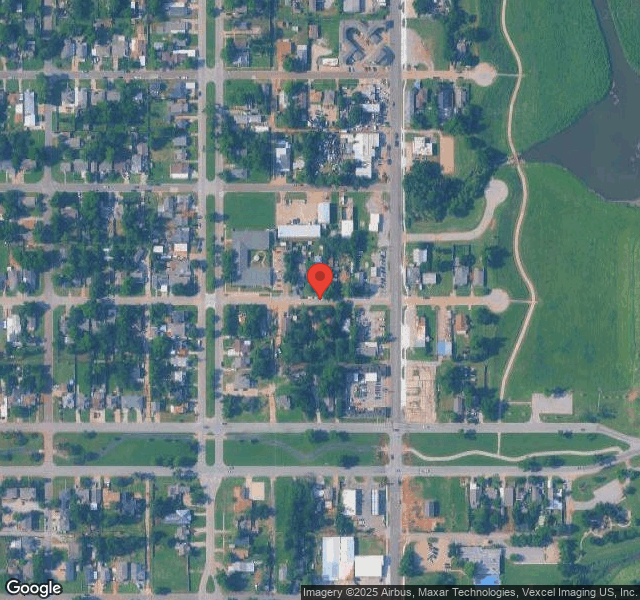
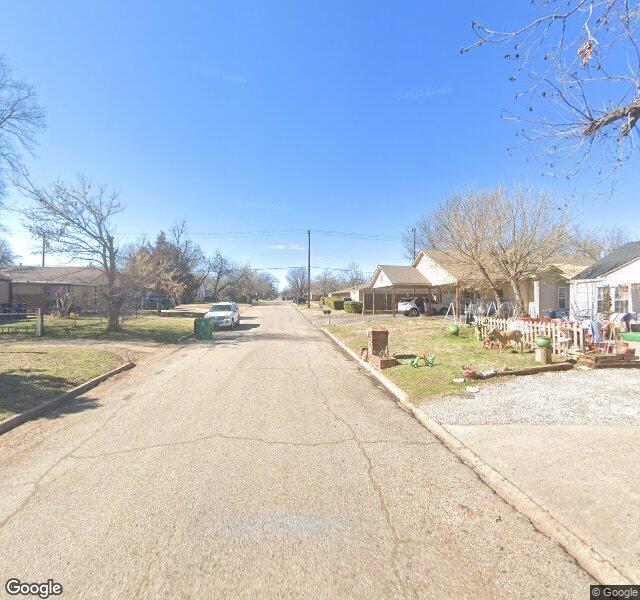
SOUTH PARK EAST

225 SOUTHWEST 35TH STREET, OKLAHOMA CITY, OK 73109 (405) 631-7444
For profit - Corporation 47 Beds PHOENIX HEALTHCARE Data: November 2025 1 Immediate Jeopardy citation
Trust Grade
18/100
#182 of 282 in OK
Last Inspection: June 2025

Inspected within the last 6 months. Data reflects current conditions.

Overview

South Park East has received a Trust Grade of F, indicating significant concerns about the quality of care provided at this nursing home. It ranks #182 out of 282 facilities in Oklahoma, placing it in the bottom half of the state, and #25 out of 39 in Oklahoma County, meaning there are only a few local options that are better. The facility is showing an improving trend, with the number of issues decreasing from 7 in 2024 to 4 in 2025, but it still has serious problems. Staffing has an average rating of 3 out of 5, with a turnover rate of 57%, which is typical for the state, and there are no fines on record, indicating no recent compliance issues. However, the inspector found critical incidents, including failures to protect residents from inappropriate behavior between residents and inadequate investigations of abuse allegations, which raises serious concerns about resident safety.

Trust Score
F
18/100
In Oklahoma
#182/282
Bottom 36%
Safety Record
High Risk
Review needed
Inspections
Getting Better
7 → 4 violations
Staff Stability
⚠ Watch
57% turnover. Above average. Higher turnover means staff may not know residents' routines.
Penalties
✓ Good
No fines on record. Clean compliance history, better than most Oklahoma facilities.
Skilled Nurses
⚠ Watch
Each resident gets only 18 minutes of Registered Nurse (RN) attention daily — below average for Oklahoma. Fewer RN minutes means fewer trained eyes watching for problems.
Violations
⚠ Watch
23 deficiencies on record. Higher than average. Multiple issues found across inspections.
★★☆☆☆
2.0
Overall Rating
★★★☆☆
3.0
Staff Levels
★★★★☆
4.0
Care Quality
★★☆☆☆
2.0
Inspection Score
Stable
2024: 7 issues
2025: 4 issues

The Good

  • 4-Star Quality Measures · Strong clinical quality outcomes
  • Full Sprinkler Coverage · Fire safety systems throughout facility
  • No fines on record

Facility shows strength in quality measures, fire safety.

The Bad

2-Star Overall Rating

Below Oklahoma average (2.6)

Below average - review inspection findings carefully

Staff Turnover: 57%

11pts above Oklahoma avg (46%)

Frequent staff changes - ask about care continuity

Chain: PHOENIX HEALTHCARE

Part of a multi-facility chain

Ask about local staffing decisions and management

Staff turnover is elevated (57%)

9 points above Oklahoma average of 48%

The Ugly 23 deficiencies on record

1 life-threatening
Sept 2025 4 deficiencies 1 IJ
CRITICAL (J) 📢 Someone Reported This

A family member, employee, or ombudsman was alarmed enough to file a formal complaint

Immediate Jeopardy (IJ) - the most serious Medicare violation

Free from Abuse/Neglect (Tag F0600)

Someone could have died · This affected 1 resident

On 09/09/25, an IJ situation was determined to exist related to the facility's failure to provide protection from sexual abuse/inappropriate touching from two residents towards three residents sampled...

Read full inspector narrative →
On 09/09/25, an IJ situation was determined to exist related to the facility's failure to provide protection from sexual abuse/inappropriate touching from two residents towards three residents sampled for abuse.On 09/09/25 at 11:19 a.m., the Oklahoma State Department of Health was notified and verified the existence of an IJ situation.On 09/09/25 at 11:54 a.m., the administrator and ADON were notified of the IJ situation and the IJ template was provided.On 09/10/25 at 11:53 a.m., an acceptable plan of removal was approved by the Oklahoma State Department of Health. The plan of removal, read in part, Identification of total number of residents at risk for the same failed practice:42Actions taken to remove the immediacy of the alleged failed practice:o There are 3 residents identified as affected by this alleged deficient practice with the potential for 42 residents overall to be affected including the 2 residents alleged to have had the behaviors affecting others. Resident #1 and Resident #4 have dementia related conditions as does the entire population of this Specialized Dementia Care Facilityo Resident #1 was placed on 1:1 supervision on 08-20-2025 for 72 hours and was no longer exhibiting sexuality toward others-[they] was already on medication to curb sexual impulses at that time and had been on it since 06-07-2025 despite having no behaviors at that time due to making comments toward women staff but no behaviors related to sexual contact or attempts for contact at that point. Resident #1 was placed back on 1:1 supervision on 08-26-2025 and his psychoactive medications were increased (and [they] remained on the previous ordered medication to curb sexuality) by the PA when [they] was notified of an episode of sexuality toward another resident and was removed from 1:1 supervision at 72 hours when no further behaviors of increased sexuality noted and a room change put him into less proximity to women in that room change. On 08-31-2025 a [identity withheld] resident entered Resident #1 room when a contact occurred, so we were unable to determine who initiated that contact since both residents have cognitive impairment. Resident #1 was placed on 1:1 supervision on 08-31-2025 at the time of the identified incident affecting other resident. Resident #1 was sent out to the hospital related to behaviors on 08-31-2025 and returned on 09-01-2025 and remained on 1:1 and continues to be on 1:1 supervision. Resident #4 remains on 1:1 supervision as well since his conduct on 08-31-2025.o The PA was notified of the incidents at the time of occurrence of each. The PA did not state to the facility staff at that time or any other time that [they] felt a discharge was in order for either resident. PA had made medication changes each time for resident #1 in addition to facility interventions but did not make any changes to resident #4 medications stating it was because the [other] resident in that situation was in resident #4 room and resident #4 had no increased sexually motivated behaviors noted before.o All residents that were interviewable have been interviewed and those that are non-interviewable were assessed with no evidence of abuse or inappropriate/ nonconsensual contact identified based on assessment/interview/observation.o Training of all staff in the areas of abuse/neglect risk including sexual behaviors and potential for such behaviors, identification of those at risk for neglect/abuse, protection measures to prevent abuse and neglect, and dementia care including documentation of 1:1 when provided and in-service lasted for 30 minutes for all current staff by the Nursing Leadership Team staff at 12:15pm September 9, 2025 and no other staff will be permitted to work until they have been in-serviced before their next scheduled shift by phone contact or in-person. The information for in-service covered is attached.o The facility will monitor residents (current and future) behaviors to observe for potential to administer/receive abuse or neglect, and verbalization of signs of behaviors that could escalate to abuse or neglect including sexual abuse. New admits will be screened through interviews and record reviews for at risk behavior including abuse and neglect potential including sexual abuse or behaviors that have the potential to affect others. If a resident is determined to be at risk, then this information will be care planned with individualized interventions for that resident will be determined and implemented which may include 1:1 supervision and/or safe discharge. This information will be captured on the initial baseline care plan for new admissions and on regular care plans for current residents. Any behaviors exhibited would be captured in behavior notes and screened daily by the DON or designee to identify behaviors that might lead to abuse/neglect including potential/actual sexual behaviors. The staff will also notify the DON or Administrator of residents that are having signs of increased sexuality at the time of the event so an immediate intervention can be placed and remain in-place until the behaviors are no longer putting anyone at risk. Psych plus services were recently added to our service offering at South Park East. Actions taken to prevent recurrence of alleged failed practice: DON or designee will:o Daily review of all incidents and behavior notes to identify residents at risk for behaviors affecting others including abuse/neglect including sexual behaviorso Reviews will include protection of residents from abuse/neglect including sexual abuse and interventions to reduce abuse/neglect while still protecting resident rights including consensual contacto Training for staff will continue re: dementia including protective measures from abuse/neglect as well as dementia care and behaviors prevention/management and including documentation for 1:1 care when provided, on an on-going basis by the DON, ADON, MDS, Corporate staff or Administrator and will include new hires on 09-09-2025 and on-goingo The facility will monitor resident (current and future) behaviors to observe for potential abuse or increasing sexuality towards others that may put others at risk. New admits will be screened through interviews and record review for at risk behavior including potential risk of abuse or neglect toward others. If a resident is determined to be at risk, then this information will be care planned with individualized interventions for that resident will be determined and implemented. This information will be captured on the initial baseline care plan for new admissions and on regular care plans for current residents. Any behavior exhibited would be captured in the behavior notes and screened daily by the DON or designee to identify behaviors that might lead to abuse/neglect including non-consensual sexual contact. The staff will also notify the DON or Administrator for residents that are exhibiting behaviors that put themselves or others at potential/actual risk at the time of the event so an immediate intervention can be placed.Actions will be completed by: 09-09-2025 3:00PM and no staff will be permitted to work until they have completed the training, and this training will be completed before the start of their next worked shift. All current working staff will be in-serviced about this as of 09-09-2025 on 09-09-2025.Monitoring implementation of the plan:o Administrator or designee will monitor abuse/neglect identification, protection from abuse/neglect and dementia care including behaviors that put self or others at risk.o Daily review allegations and incidents, as well as behaviors that put or potentially put self or others at risk as well as documentation for 1:1 when providedo Review of residents with allegations and incidents, and behaviors that put or potentially put self or others at risk as well as documentation for 1;1 when provided will be conducted daily and the information carried through the Quality Assurance Performance Improvement Processo All residents that can be interviewed will be interviewed and those that are noninterviewable (sic) will be assessed for evidence of abuse or inappropriate/ nonconsensual contact based on assessment/interview/observation.o The facility will monitor resident (current and future) behaviors to observe for risk of abuse/neglect including nonconsensual sexual contact. New admits will be screened through interview and record review for at risk behavior including potential risk of putting others at risk of abuse/neglect including but not limited to nonconsensual sexual contact. If a resident is determined to put others at risk , then this information will be care planned with individualized interventions for that resident to be determined and implemented to protect others and self. This information will be captured on the initial baseline care plan for new admissions and on regular care plans for current residents. Any behaviors exhibited would be captured in the behavior notes and screened daily by the DON or designee to identify behaviors that might lead to abuse/neglect of others. The staff will also notify the DON or Administrator for residents that are or potentially at risk of behaviors affecting others at the time of the event so an immediate intervention can be placed and maintained as indicated. Information will be carried through the Quality Assurance Performance Improvement Process. On 09/10/25 at 4:05 p.m., the IJ was lifted after review to ensure all the components of the POR were reviewed which included 1:1 documentation, resident assessments for injury, and staff interviews regarding education for abuse and dementia, The deficient practice remained at an isolated level with the potential for harm. Based on observation, record review and interview, the facility failed to ensure protection from sexual abuse/inappropriate touching was provided for 3 (#2,3, and #5) of 3 sampled residents reviewed for abuse.The operating officer identified 42 residents resided in the facility.Findings:A policy titled Abuse and Neglect - Clinical Protocol, revised July 2017, read in part, 1. Abuse .Includes the deprivation by an individual, including a caretaker, of goods or services that are necessary to attain or maintain physical, mental, and psychosocial well-being. Instances of abuse of all residents, irrespective of any mental or physical condition, cause physical harm, pain or mental anguish. It includes . Sexual abuse .non-consensual sexual contact of any type with a resident.1. 1. Resident #1's order summary, dated 09/04/25, showed Resident #1 had diagnoses of sexual dysfunction and dementia.A quarterly assessment, dated 07/25/25, showed the BIMS of 3 which indicated severe cognitive impairment. The assessment showed verbal and other behaviors, rejection of care and independent mobility. A care plan, initiated 06/12/25, showed Resident #1 had times of making sexually inappropriate actions towards themself or others and had a diagnosis of sexual disfunction. An Initial INCIDENT REPORT FORM, dated 08/20/25, showed Resident #1 was witnessed by staff to place their hand down Resident #3's shirt in the hallway. The report showed Resident #1 was to be placed on 1:1.An Initial INCIDENT REPORT FORM, dated 08/26/25, showed Resident #1 was observed touching Resident #2 inappropriately. The report showed Resident #1 was to be placed on 1:1 and was to receive a psychological evaluation related to current behaviors and care plan would be updated to reflect residents' current status.The care plan was not updated timely following the incident.An initial INCIDENT REPORT FORM, dated 08/31/25, showed Resident #1 was observed touching Resident #5's breast. The report showed Resident #1 was sent out to hospital for psychological evaluation and the care plan was to be updated to reflect current status. 2. 2. Resident #4's care plan, dated 06/12/25, showed diagnoses which included unspecified dementia with agitation. A quarterly assessment, dated 06/24/25, showed a BIMS of 3 indicating severe cognitive impairment. The assessment showed rejection of care and wandering, and mobility assistance. AAn Incident Note, dated 08/31/25, showed Resident #4 was observed touching Resident #2 inappropriately. An Alert Note, dated 08/31/25, showed staff observed Resident #4 with hands on top of the resident's (#2) brief and under shirt. An Initial INCIDENT REPORT FORM, dated 08/31/25, showed Resident #4 was observed touching Resident #2's breast. The report showed Resident #4 was placed on 1:1 and the care plan was to be updated to reflect current status.3. 3. Resident #2's care plan, dated, 06/25/25, showed diagnoses which included Alzheimer's disease and unspecified dementia. A significant change assessment, dated 06/04/25, showed Resident #2 had a BIMS of 00 indicating severe cognitive impairment. The assessment showed rejection of care, wandering, and showed the resident required assistance with mobility and used a wheelchair.An Incident Note, dated 08/26/25 at 3:57 p.m., showed Resident #2 was touched inappropriately by Resident #1.An Alert Note, dated 08/31/25 at 8:47 p.m., showed Resident #4 was observed with their hands on top of Resident #2's brief and under their shirt. 4. 4. Resident #3's quarterly assessment, dated 07/04/25 showed Resident #3 had a BIMS of 00 indicating severe cognitive impairment, physical and verbal behaviors, and wandering. It showed they were independent with mobility. It showed a diagnosis of dementia. An Incident Note, dated 08/20/25 at 6:36 p.m., showed Resident #3 was sitting in a chair in the hallway when Resident #1 touched their breast. 5. 5. Resident #5's care plan, dated 01/07/25 showed diagnosis of Alzheimer's disease.A quarterly resident assessment dated , 07/30/25, showed Resident #5 with BIMS of severely impaired cognition, physical and verbal behaviors, wandering and independent with mobility. On 09/02/25 at 2:50 p.m., CNA #1 stated Resident #1 had touched two of the residents of the opposite sex. They stated Resident #1 had their hands down the resident's shirt and Resident #1 spoke sexually to both the staff and the residents. CNA #1 stated when Resident #1 had the behavior, they would redirect them back to their room and was placed on 1:1. CNA #1 stated Resident #1 had been on 1:1 back-to-back and had been sent to the hospital and came back the next day. They were not aware of anything else being done about the incident. CNA #1 stated they were aware of the incidents with Residents #2 and #3 with regarding Resident #1. CNA #1 stated their last abuse education was last week. CNA #1 was not aware of any sexual behaviors regarding Resident #4.On 09/02/25 at 3:06 p.m., CNA #2 stated they had not received any abuse education within the last two weeks with the last one being on 08/20/25. They stated the interventions to prevent other incidents was the 1:1 and to be within arm's length of the residents.On 09/04/25 at 12:50 p.m., LPN #1 stated Resident #1 had sexual behaviors and was aggressive. They stated they had not received any education on abuse at all in the month of August. LPN #1 stated they were aware of the sexual behaviors of Resident #1 with Resident #3 and another unknown resident the past weekend. LPN #1 stated the facility separated the residents, did 1:1 with Resident #1. They stated Resident #1 was monitored and the incident reported. Monitoring through the shift and monitoring for other behaviors. LPN #1 stated Resident #4 had also been inappropriate with another unknown resident as it had taken place at the same time as Resident #1 on 08/31/25. LPN #1 stated the unknown resident wandered into Resident #4's room. LPN #1 stated wandering was the problem with intermingling women and men. LPN #1 stated the process for 1:1 was for 72 hours, but for Residents #1 and #4 it was for a week. LPN #1 stated the incident with Resident #1 and Resident #3 had occurred in the hallway on evening shift. They stated they were not in the facility and did not know what was else had been done. LPN #1 stated the interventions were 1:1 and psychiatric evaluation. LPN #1 was not aware of the victim in the incident with Resident #4 touching another resident but knew the intervention was 1:1. On 09/05/25 at 2:35 p.m., the DON stated they attempted to prevent recurrence by continued monitoring and tried to keep them away from the other residents. There was no documentation to show the family of Resident #5 had been made aware of the incident that involved them. On 09/08/25 at 1:34 p.m., PA #1 stated they were aware of Resident #1's sexual behaviors towards other residents and placed them on estrogen and psychiatric medication. They stated Resident #1 had been sent to the hospital for behaviors and was sent back to the facility on antipsychotic medication. PA #1 stated the behaviors to expect from someone with a diagnosis of sexual dysfunction would be all the behaviors presented by Resident #1, and that there were a lot of residents of the opposite sex in the facility and the other gender does not know any better. The PA stated they could not get the psychiatric units to admit them. They stated the interventions to prevent recurrence was the 1:1, monitoring, keep them separated and to have family to come visit. On 09/08/25 at 2:00 p.m., PA #1 stated there was nothing else medically for them to do and they felt the perpetrators needed to be discharged . They stated the building was not big enough to deal with this population. PA #1 stated they did not feel the facility was able to provide adequate monitoring for a resident with sexual dysfunction who touched other residents when not on 1:1 monitoring with staff. On 09/08/25 at 2:03 p.m., PA #1 stated they were aware of the behavior of Resident #4 and the same interventions applied for them as for Resident #1. The PA stated the building was not big enough to deal with the population as it was all Alzheimer's and dementia related diagnosis.
CONCERN (D) 📢 Someone Reported This

A family member, employee, or ombudsman was alarmed enough to file a formal complaint

Potential for Harm - no one hurt, but risky conditions existed

Notification of Changes (Tag F0580)

Could have caused harm · This affected 1 resident

Based on record review and interview, the facility failed to ensure a resident's family was notified of an allegation of abuse for 1 (#5) of 7 sampled residents reviewed for abuse.The administrator id...

Read full inspector narrative →
Based on record review and interview, the facility failed to ensure a resident's family was notified of an allegation of abuse for 1 (#5) of 7 sampled residents reviewed for abuse.The administrator identified 42 residents resided in the facility. Findings:A policy titled Change in a Resident's Condition or Status, revised 12/2016, read in part, Our facility shall promptly notify the resident, his or her attending Physician, and representative (sponsor) of changes in the resident's medical/mental condition and/or status (e.g., changes in level of care, billing/payments, resident rights, etc. A quarterly assessment, dated 07/30/25, showed Resident #5 had a BIMS score of 3, which indicated severe cognitive impairment. The assessment showed they were independent with mobility.An incident report, dated 08/31/25, showed Resident #1 was observed touching Resident #5's breasts. The report showed the family was notified. An order summary, dated 09/04/25, showed Resident #5 had diagnoses which include Alzheimer's disease and dementia. A family representative interview with Resident #5's family stated they were not aware of any incidents with another resident. They stated they were not aware of residents of the opposite sex in the facility and not informed of any incident that occurred over the weekend. On 09/05/25 at 3:00 p.m., the DON stated they were not aware the family had not been contacted. The DON stated the family should have been notified that same night. On 09/08/25 at 10:52 a.m., the DON stated they had looked into the notification for Resident #5 and stated a note showed they attempted to reach but were unable to. They stated there was not a re-attempt noted, and they were to look into that and notify the family today.
CONCERN (D) 📢 Someone Reported This

A family member, employee, or ombudsman was alarmed enough to file a formal complaint

Potential for Harm - no one hurt, but risky conditions existed

Deficiency F0657 (Tag F0657)

Could have caused harm · This affected 1 resident

Based on record review and interview, the facility failed to revise/update care plan timely following incidents of abuse for 1 (#1) of 2 sampled residents reviewed for abuse allegations.The administra...

Read full inspector narrative →
Based on record review and interview, the facility failed to revise/update care plan timely following incidents of abuse for 1 (#1) of 2 sampled residents reviewed for abuse allegations.The administrator identified 42 residents resided in the facility.Findings:A policy titled Care Plans, Comprehensive Person-Centered, dated 12/2016, read in part, A comprehensive, person-centered care plan that includes measurable objectives and timetables to meet the resident's physical, psychosocial and functional needs is developed and implemented for each resident.Assessments of residents are ongoing and care plans are revised as information about the residents and the resident's conditions change. The Interdisciplinary Team must review and update the care plan: . When the desired outcome is not met.A care plan, initiated on 06/12/25, read in part, I do at times make sexually inappropriate actions towards myself or others. I have a dx of sexual disfunction. The care plan showed an incident, dated 06/06/25, of Resident #1 grabbing staff private parts and making sexual comments about staff. The care plan showed a revision on 09/05/25.A quarterly assessment, dated 07/25/25, showed Resident #1 had a BIMS 3, which indicates severe cognitive impairment. The assessment showed they were independent with mobility. Review of the care plan changes since last review per the electronic record showed the incident on 08/31/25 was dated for 09/01/25. The incident on 08/20/25 was dated for 09/02/25. The incident on 08/26/25 was dated for 09/05/25. An order summary, dated 09/04/25, showed Resident #1 had diagnoses which included sexual dysfunction and dementia.On 09/05/25 at 2:06 p.m., the MDS coordinator stated the care plans were updated every three months and as necessary. They stated if a fall or something physical then they had to add something. The MDS coordinator was asked when Resident #1's care plan had been updated. The MDS coordinator stated they were in it on 09/05/25 and had added on 08/31/25. The MDS coordinator stated they added the behaviors on the 31st. They stated the care plan was updated after each incident of abuse on 6/6/25, 8/20/25, 8/26/25, and 8/31/25. After they reviewed the history of the care plan updates in the electronic record, the MDS coordinator acknowledged they were updated on 09/01/25 and not after the 08/20/25 or the 08/26/25 incidents of abuse. The MDS coordinator stated the care plan should have been updated prior 09/01/25 or 09/05/25 for the related incidents and they were the only ones to update the care plans.
CONCERN (E) 📢 Someone Reported This

A family member, employee, or ombudsman was alarmed enough to file a formal complaint

Potential for Harm - no one hurt, but risky conditions existed

Investigate Abuse (Tag F0610)

Could have caused harm · This affected multiple residents

Based on record review and interview, the facility failed to ensure allegations of abuse were thoroughly investigated for 5 (#1, 2, 3, 4, and #5) of 5 sampled residents reviewed for abuse. The adminis...

Read full inspector narrative →
Based on record review and interview, the facility failed to ensure allegations of abuse were thoroughly investigated for 5 (#1, 2, 3, 4, and #5) of 5 sampled residents reviewed for abuse. The administrator identified 42 residents resided in the facility. Findings:A policy titled Abuse and Neglect - Clinical Protocol, read in part, The nurse will assess the individual and document related findings.An OSDH incident report, dated 08/20/25, showed Resident #1 touched the breast of Resident #3. There were no safe surveys/assessments of other residents to assure safety, and there was no abuse education documented for all staff.An OSDH incident report, dated 08/26/25, showed Resident #1 touched the breast of Resident #2. There were no safe surveys/assessments of other residents to assure safety, and there was no abuse education documented for all staff. An OSDH incident report, dated 08/31/25, showed Resident #1 touched the breast of Resident #5. There were no safe surveys/assessments of other residents to assure safety, and there was no abuse education documented for all staff.An OSDH incident report, dated 08/31/25, showed Resident #4 touched the breast of Resident #2. There were no safe surveys/assessments of other residents to assure safety, and there was no abuse education documented for all staff.On 09/04/25 at 3:07 p.m., the DON stated they were not aware they needed to complete part C (summary of the investigation details) of the incident report.On 09/05/25 at 10:28 a.m., the DON stated they did not do staff education on the incidents regarding sexual abuse/inappropriate touching. The DON stated QA was done monthly and had not had a meeting for this month yet. They stated they do education on abuse often on their training system. On 09/05/25 at 12:33 p.m., the DON stated they did not have documentation of the education but did do verbal education on abuse following each incident and they could write it down now. On 09/05/25 at 2:35 p.m., the DON stated the charge nurse or whoever finds the issue does the incident report. They stated the results of the assessments on the other residents potentially affected was done visually and not documented.
Feb 2024 7 deficiencies
CONCERN (D)

Potential for Harm - no one hurt, but risky conditions existed

Assessment Accuracy (Tag F0641)

Could have caused harm · This affected 1 resident

**NOTE- TERMS IN BRACKETS HAVE BEEN EDITED TO PROTECT CONFIDENTIALITY** Based on record review and interview, the facility failed to accurately code physical therapy minutes on a quarterly resident as...

Read full inspector narrative →
**NOTE- TERMS IN BRACKETS HAVE BEEN EDITED TO PROTECT CONFIDENTIALITY** Based on record review and interview, the facility failed to accurately code physical therapy minutes on a quarterly resident assessment for one (#16) of 10 sampled residents reviewed for accurate assessments. The DON identified 30 residents resided in the facility. Findings: Resident #16 had diagnoses which included Alzheimer's Disease and osteoarthritis. Physical Therapy Treatment Encounter Notes documented Resident #16 received therapy services on 12/07/23 and 12/12/23. A Quarterly Resident Assessment, dated 12/12/23, documented no physical therapy minutes for Resident #16. It documented the physical therapy start date was 06/04/23. On 02/21/24 at 2:00 p.m., PTA #1 stated Resident #16 started services in June 2023. They stated the resident received therapy services twice a week. On 02/21/24 at 2:55 p.m., MDS Coordinator #1 stated they used resident, family and staff interviews along with the resident's record to ensure the resident assessments were coded accurately. They stated they communicated with therapy and looked in the electronic record to identify how much time was spent on therapy. On 02/21/24 at 2:56 p.m., MDS Coordinator #1 stated Resident #16's quarterly resident assessment dated [DATE] documented the start date of physical therapy was 06/04/23 which was ongoing. They stated there were no minutes for physical therapy documented.
CONCERN (D)

Potential for Harm - no one hurt, but risky conditions existed

Accident Prevention (Tag F0689)

Could have caused harm · This affected 1 resident

Based on observation, record review, and interview, the facility failed to ensure: a. a gait belt was used during a transfer for one (#16); and b. neurological checks were completed after a fall with ...

Read full inspector narrative →
Based on observation, record review, and interview, the facility failed to ensure: a. a gait belt was used during a transfer for one (#16); and b. neurological checks were completed after a fall with head injury for one (#13) of two sampled residents reviewed for accident hazards. The DON identified 30 residents resided in the facility. Findings: A Neurological Assessment policy, dated 10/10, read in part, .The purpose of this procedure is to provide guidelines for a neurological assessment .subsequent to a fall with a suspected head injury .Neurological assessments are indicated .Following a fall or other accident/injury involving head trauma unless diagnostics assessment reveals no head injury . A Safe Lifting and Movement of Residents policy, revised 07/17, read in part, .In order to protect the safety and well-being of staff and residents, and to promote quality care, this facility uses appropriate techniques and devices to lift and move residents .Manual lifting of residents shall be eliminated when feasible .Staff responsible for direct resident care will be trained in the use of manual .gait/transfer belts .and mechanical lifting devices . 1. Resident #13 had diagnoses which included Alzheimer's Disease. A State Reportable Incident form, dated 12/22/23, documented Resident #13 was being pushed by a staff member in the dining room and fell forward out of their chair onto the floor. It documented the resident sustained a closed head injury, laceration to forehead, abrasion to their nose, and a skin tear to elbow. It documented the resident was sent to the hospital for evaluation. Hospital Records, dated 12/22/23, documented Resident #13 was seen for a closed head injury, nasal abrasion, skin tear, facial laceration, and fall. It documented the resident was diagnosed with a closed head injury without concussion. It documented the computed tomography scan was negative for infection. It documented the resident should return to the emergency room for severe or worsening headaches, worsening confusion, vision changes, or other neurological changes. It documented instructions for suture removal. There were no neurological checks located in the resident's clinical record for the 12/22/23 fall. On 02/20/24 at 2:37 p.m., Family Member #1 stated Resident #13 had fallen out of their wheelchair which resulted in getting 11 staples to their head at the emergency room. On 02/22/24 at 12:51 p.m., LPN #1 stated staff completed neurological checks for 72 hours after a resident experienced a head injury, unwitnessed falls, and noticeable injuries which involved bruising and swelling. They stated they were completed on a paper neurological form. On 02/22/24 at 1:27 p.m., the DON stated due to the computed tomography scan being negative, neurological checks were not needed. On 02/22/24 at 1:35 p.m., the DON stated Resident #13's communication abilities were very limited. They stated sometimes the resident could answer yes or no, but that was the extent. On 02/22/24 at 1:37 p.m., the DON was asked if staff did not complete neurological checks, how would they know if changes were experienced. They stated, That's a good question. They stated based on their policy, if the computed tomography scan was completed and it was negative, then staff would not complete neurological checks. 2. Resident #16 had diagnoses which included Alzheimer's Disease, osteoarthritis and unsteadiness on feet. A Quarterly Resident Assessment, dated 12/12/23, documented Resident #16 was dependent on staff for sit to stand mobility and chair to bed transfer. On 02/20/24 at 10:02 a.m., CNA #3 and CNA #4 entered Resident #16's room. Both CNA's had gait belts around them. On 02/20/24 at 10:10 a.m., CNA #4 locked the resident's wheelchair, which was located next to the bed. CNA #4 held under the resident's left arm while CNA #3 held under the resident's right arm. CNA #4 held onto the back of the resident's black pants and both CNAs hoisted the resident up out of the wheelchair and pivoted them to a seated position on the bed. The CNAs lifted Resident #16's legs onto the bed. On 02/20/24 at 10:23 a.m., CNA #4 stated staff typically used the resident's arms and a gait belt to transfer. They stated they could also use a sit to stand lift. They stated they did not use the gait belt this time and should have. On 02/20/24 at 10:24 a.m., CNA #4 stated they would use a gait belt when a resident was a two person assist, could bear weight, and could pivot a little.
CONCERN (D)

Potential for Harm - no one hurt, but risky conditions existed

Respiratory Care (Tag F0695)

Could have caused harm · This affected 1 resident

Based on observation, record review, and interview, the facility failed to ensure an oxygen tank was not stored in a resident's room for one (#12) of one sampled resident observed for oxygen tanks. Th...

Read full inspector narrative →
Based on observation, record review, and interview, the facility failed to ensure an oxygen tank was not stored in a resident's room for one (#12) of one sampled resident observed for oxygen tanks. The Administrator identified three residents with orders for oxygen resided in the facility. Findings: A Fire Safety and Prevention policy, revised 05/11, read in part, .Store oxygen in clean, dry locations away from direct sunlight .Do not store oxygen cylinders in any resident room or living area . Resident #12 had diagnoses which included acute respiratory failure with hypoxia and unspecified diastolic heart failure. A Physician Order, dated 02/10/23, documented may administer oxygen two liters per minute as needed for shortness of breath. On 02/21/24 at 11:16 a.m., Resident #12's room was observed to have a portable oxygen tank stored by the end of their dresser which was located in front of the window. The blinds to the window were open. The oxygen tank did not have a regulator present. On 02/21/24 at 11:18 a.m., Resident #12 was observed seated in a wheelchair in the hall. The resident was observed without oxygen in place. On 02/21/24 at 11:20 a.m., CNA #3 stated Resident #12 did not use oxygen, it was just as needed. They stated oxygen canisters were stored in the oxygen room located across the hall from Resident #12's room. On 02/21/24 at 11:23 a.m., LPN #2 stated resident #12 did not use oxygen. LPN #2 observed the oxygen tank in the resident's room. They reviewed the record and identified an as needed oxygen order. On 02/21/24 at 11:28 a.m., LPN #2 showed the closet located across from Resident #12's room where oxygen tanks were to be stored.
CONCERN (D)

Potential for Harm - no one hurt, but risky conditions existed

Deficiency F0730 (Tag F0730)

Could have caused harm · This affected 1 resident

Based on record review and interview, the facility failed to complete a nurse aide performance review once every 12 months for one (CNA #2) of five employee files reviewed. The Employee Information Re...

Read full inspector narrative →
Based on record review and interview, the facility failed to complete a nurse aide performance review once every 12 months for one (CNA #2) of five employee files reviewed. The Employee Information Report, dated 02/21/24, documented 33 staff members for the facility. Findings: CNA #2 had a hire date of 08/16/22. There was no CNA annual competency review located in the employee's file. On 02/21/24 at 10:45 a.m., the DON stated employee skills checks were completed annually. On 02/21/24 at 1:09 p.m., the Director of Clinical Services stated CNA competency reviews were completed upon hire and annually. There was no documentation provided of CNA #2 completing an annual competency review prior to survey exit.
CONCERN (D)

Potential for Harm - no one hurt, but risky conditions existed

Deficiency F0772 (Tag F0772)

Could have caused harm · This affected 1 resident

Based on record review and interview, the facility failed to ensure laboratory tests were completed as ordered for one (#26) of five sampled residents reviewed for unnecessary medications. The DON ide...

Read full inspector narrative →
Based on record review and interview, the facility failed to ensure laboratory tests were completed as ordered for one (#26) of five sampled residents reviewed for unnecessary medications. The DON identified 30 residents resided in the facility. Findings: A Lab and Diagnostic Test Results policy, revised 09/12, read in part, .The physician will identify and order diagnostic and lab testing based on diagnostic and monitoring needs .The staff will process test requisitions and arrange for tests . Resident #26 had diagnoses which included Alzheimer's Dementia and atherosclerotic heart disease of native coronary artery with refractory angina pectoris. A Physician Order, dated 11/01/23, documented CBC and CMP one time only. A Progress Note, dated 11/03/23, documented labs from 11/01 CBC and CMP pending. The note was electronically signed by Physician #1. There were no lab results for the 11/01/23 CBC and CMP located in Resident #26's clinical record. On 02/23/24 at 8:49 a.m., the DON stated they had spoken to PA #1 who reported they had canceled the lab. The DON reviewed the note sent over and stated it documented the lab was cancelled in September. They stated, That can't be right. On 02/23/24 at 8:55 a.m., the DON stated the facility had a contracted lab which came out and drew labs as needed. The DON was unable to provide the CBC and CMP lab results ordered 11/01/23 for Resident #26.
CONCERN (E)

Potential for Harm - no one hurt, but risky conditions existed

Staffing Information (Tag F0732)

Could have caused harm · This affected multiple residents

Based on observation, record review and interview, the facility failed to ensure staffing information, which included the facility name, date, actual hours worked for RNs, LPNs, CNAs, and the resident...

Read full inspector narrative →
Based on observation, record review and interview, the facility failed to ensure staffing information, which included the facility name, date, actual hours worked for RNs, LPNs, CNAs, and the resident census, was posted in a prominent place readily accessible to residents and visitors. The DON identified 30 residents resided in the facility. Findings: On 02/21/24 at 10:17 a.m., a tour of the facility was conducted to locate the posted nursing staffing information. Behind the nurses' station on a dry erase board, there was a list of staff members working for the 7:00 a.m. to 3:00 p.m. shift, 3:00 p.m. to 11:00 p.m. shift, and the 11:00 p.m. to 7:00 a.m. shift. The date 02/21/24 was located on the board. There was no facility name, census, or actual hours worked located on the dry erase board. On 02/21/24 at 10:20 a.m., the DON located a binder at the nurses' station behind the desk. They stated it was the schedule book. The DON provided a copy of the Daily Staffing Assignment Sheet, dated 02/21/24, which documented census 30, DON, Administrator, and the staffing assignments for the 7:00 a.m. to 3:00 p.m. shift, 3:00 p.m. to 11:00 p.m. shift, and the 11:00 p.m. to 7:00 a.m. shift. They stated it was not posted, but was kept in a binder. On 02/21/24 at 10:26 a.m., the DON stated the form did not contain the facility name, or actual hours worked for RNs, LPNs, or CNAs.
CONCERN (E)

Potential for Harm - no one hurt, but risky conditions existed

Food Safety (Tag F0812)

Could have caused harm · This affected multiple residents

Based on observation, record review, and interview, the facility failed to ensure food items were dated, labeled, and not left open to air in the cooler located in the kitchen for one of two kitchen o...

Read full inspector narrative →
Based on observation, record review, and interview, the facility failed to ensure food items were dated, labeled, and not left open to air in the cooler located in the kitchen for one of two kitchen observations. The CDM identified 11 residents with puree diet, 11 residents with mechanical diets, and eight residents with regular diets resided in the facility. Findings: A Date Marking policy, undated, read in part, .All food and supply items in the Dietary Department should be date marked with receive date.Once items are removed from the original packing and placed in alternate storage containers, the alternate storage container must have received date and transfer date .These items require name labeling also if product inside is not easily identifiable .If items are opened but not dished, this product should be placed in a sealed container, labeled with the open date . On 02/20/24 at 9:02 a.m., the CDM stated staff were to date food items when they came in, date after opening, and date when placing in the fridge. They stated everything was to be dated. On 02/20/24 at 9:25 a.m., the following items were observed in the cooler: a. a metal bowel of meat the CDM identified as chicken for that day. They stated there was no date or label; and b. one large tube of a lunch meat product and a small tube of lunch meat product. The CDM identified both as bologna. They stated there was no date or label present. On 02/20/24 at 9:28 a.m., there was a bag of chopped white items in plastic wrap in the cooler. The CDM stated there was not a date or label on it. On 02/20/24 at 9:30 a.m., an open bag of parmesan cheese with, a package date of 11/29/23, was observed in the cooler. The CDM stated everything was supposed to be labeled and dated. They stated there was no open date. There was also an open bag of pork sausage patties located in an open box in the cooler. The CDM stated the bag was open, used this morning, and should have been closed.
Jan 2023 12 deficiencies
CONCERN (D) 📢 Someone Reported This

A family member, employee, or ombudsman was alarmed enough to file a formal complaint

Potential for Harm - no one hurt, but risky conditions existed

Resident Rights (Tag F0550)

Could have caused harm · This affected 1 resident

Based on observation, record review, and interview, the facility failed to ensure residents were treated with dignity during the evening meal service for one (#10) of four sampled residents reviewed f...

Read full inspector narrative →
Based on observation, record review, and interview, the facility failed to ensure residents were treated with dignity during the evening meal service for one (#10) of four sampled residents reviewed for nutrition. The Resident Census and Conditions of Residents report, dated 01/25/23, documented 24 residents. Findings: Resident #10 had diagnoses which included Alzheimer's disease and anxiety disorder. A Quarterly Resident Assessment, dated 12/28/22, documented the resident's cognition was moderately impaired per staff assessment. It documented the resident required supervision oversight, encouragement or cueing setup help only for the task of eating. On 01/25/23 at 5:35 p.m., LPN #1 delivered a dinner tray to Resident #17 who was seated at a table beside Resident #10. Resident #10 did not have a meal tray. On 01/25/23 at 5:36 p.m., CNA #1 sat next to Resident #17 and began assisting them with their meal. On 01/25/23 at 5:40 p.m., Resident #10 reached for Resident #17's tray, then began licking their fingers. On 01/25/23 at 5:49 p.m., Resident #10 was watching Resident #17 eating their meal with the assistance of CNA #1. Resident #10 licked their first finger as they watched Resident #17 eat. On 01/25/23 at 5:51 p.m., Resident #10 was licking their fingers as they watched CNA #1 feeding Resident #17. Resident #10 took their hand out of their mouth and reached across the table toward Resident #17's meal tray, reached back, and began licking their fingers. On 01/25/23 at 5:52 p.m., Resident #10 looked at CNA #1 and reached across the table for a tator tot located on Resident #17's tray. Resident #10 still did not have a meal tray at this time. CNA #1 moved Resident #17's meal tray out of the reach of Resident #10. On 01/25/23 at 5:55 p.m., Resident #10 received their meal tray. On 01/25/23 at 6:52 p.m., CNA #1 was asked to explain the process of residents receiving their meal tray. They stated the staff passed the trays out the to residents. CNA #1 was asked if there was any specific order the trays were passed. They stated staff delivered trays to residents who could feed themselves first, then to the residents who required assistance. CNA #1 was asked the policy for delivering meal trays to residents seated at the same table. They stated they were not aware of a policy for that. They were asked to explain Resident #10 reaching for Resident #17's meal tray. They stated Resident #10 liked to poke and grab a lot. CNA #1 acknowledged having to move Resident #17's meal tray out of the reach of Resident #10. On 01/25/23 at 6:56 p.m., LPN #2 was asked the policy for delivering meal trays to residents. They stated staff usually delivered trays to the independent residents first and then the residents who required help from staff. LPN #2 was asked the policy for delivering meal trays to residents seated at the same table. They stated once one resident received their tray at the table, everyone else at the table needed to also receive their meal.
CONCERN (D)

Potential for Harm - no one hurt, but risky conditions existed

Deficiency F0582 (Tag F0582)

Could have caused harm · This affected 1 resident

Based on record review and interview, the facility failed to provide the appropriate liability notice prior to a resident coming off of skilled services for one (#12) of two sampled residents reviewed...

Read full inspector narrative →
Based on record review and interview, the facility failed to provide the appropriate liability notice prior to a resident coming off of skilled services for one (#12) of two sampled residents reviewed for beneficiary notices. The facility identified two residents who were discharged from Medicare Part A services with benefit days remaining in the past six months. Findings: Resident #12's last covered day of Part A service was 01/09/23. The facility/provider initiated the discharge from Medicare Part A Services when benefit days were not exhausted. There was no SNF ABN of non-coverage provided to the resident or resident's representative. On 01/25/23 at 12:05 p.m., the Administrator was asked to locate the SNF ABN form for Resident #12. On 01/25/23 at 12:36 p.m., the Administrator reported the facility did not provide the form to the resident as it was part of the admission packet. On 01/25/23 at 2:15 p.m., the Administrator was asked if Resident #12 or their representative was provided the SNF ABN form prior to the reduction or ending of their skilled services. The Administrator stated, I don't think they were.
CONCERN (D)

Potential for Harm - no one hurt, but risky conditions existed

Deficiency F0637 (Tag F0637)

Could have caused harm · This affected 1 resident

Based on record review and interview, the facility failed to complete a significant change assessment after a resident decline for one (#24) of fifteen sampled resident reviewed for assessments. The R...

Read full inspector narrative →
Based on record review and interview, the facility failed to complete a significant change assessment after a resident decline for one (#24) of fifteen sampled resident reviewed for assessments. The Resident Census and Conditions of Residents report, dated 01/25/23, documented 24 residents resided in the facility. Findings: A Resident Assessment Instrument policy, revised September 2010, read in parts .The Assesment Coordinator is responsible for ensuring that the Interdisciplinary Assessment Team conduct timely resident assessments and reviews according to the following schedule and/or in accordance with the Resident Assessment Manual .When there has been a significant change in the resident's condition . Resident #24 had diagnoses which included Alzheimer's disease, need for assistance with personal care, and psychotic disturbance. An admission assessment dated , 09/22/22, documented Resident #24 required limited assistance with transfers, dressing, and personal hygiene, and required extensive assistance with walking. A quarterly assessment dated , 12/23/22, documented Resident #24 required extensive assistance with transfers, dressing, and personal hygiene, and no longer walked. On 01/27/23 at 9:36 a.m., the DON was asked when a significant change assessment should be completed. They stated when there is a significant change in clinical or financial status. The [NAME] stated there was a decline in transfers, walking, dressing and personal hygiene and Resident #24 should have had a significant change assessment completed.
CONCERN (D)

Potential for Harm - no one hurt, but risky conditions existed

Deficiency F0676 (Tag F0676)

Could have caused harm · This affected 1 resident

Based on observation, record review, and interview, the facility failed to provide adequate assistance to residents who required supervision during meal service for one (#10) of four sampled residents...

Read full inspector narrative →
Based on observation, record review, and interview, the facility failed to provide adequate assistance to residents who required supervision during meal service for one (#10) of four sampled residents reviewed for nutrition. The facility identified five residents who required coaching, ten residents who required staff to feed them, and ten residents who ate independently for meal services. Findings: A Food and Nutrition Services policy, revised 10/2017, read in parts, .Each resident is provided with a nourishing, palatable, well-balanced diet .Assistive devices will be available to residents who require them . Resident #10 had diagnoses which included Alzheimer's disease and anxiety disorder. A Quarterly Resident Assessment, dated 12/28/22, documented the resident's cognition was moderately impaired per staff assessment. It documented the resident required supervision oversight, encouragement or cueing setup help only for the task of eating. A Physician Order, dated 12/30/22, documented the resident was to receive a regular diet with pureed texture. A Care Plan, revised 01/25/23, read in parts, .I reside in a specialized care unit for treatment of my Alzheimers/dementia disease due to safety for myself and others .Interventions .Cued and or assisted dining as I require .I require assistance with adls .I require assistance to eat .I require staff participation to feed myself . There was no documentation the facility staff had attempted to assist Resident #10 with using a eating utensil and the resident refusing. There was no documentation the resident refused assistance during meal service located in the clinical record. On 01/25/23 at 5:55 p.m., the dinner meal tray was delivered to Resident #10 who was seated at a table in the dining room. Resident #10 began dipping their finger into the three bowls delivered and licked their finger. One bowl contained the meat of the day, one bowl contained vegetables and one bowl contained tator tots along with a pudding cup. The food was observed to be pureed consistency. The resident was provided a plastic spoon on the table. No staff were observed offering to help Resident #10 to eat with a spoon. On 01/25/23 at 5:59 p.m., Resident #10 dipped their finger into the bowl on the right, then the bowl on the left, then licked their finger. Very little food was observed on the resident's finger as they licked it off. On 01/25/23 at 6:01 p.m., Resident #10 was observed dipping their finger several more times into the bowls, licking in between dips with very little food was observed on their fingers each time. On 01/25/23 at 6:07 p.m., LPN #1 was asked to explain Resident #10 eating with their fingers. They stated the resident would not allow staff to feed them. LPN #1 was asked if they had ever tried to feed the resident. They stated they had, but the resident would turn away. LPN #1 was asked if they had ever assisted the resident with using their spoon. They stated the resident did not have the ability to use the spoon. They stated the resident had eaten with their fingers since they had worked at the facility. On 01/25/23 at 6:15 p.m., Resident #10 continued to eat their meal with their fingers. No staff was observed assisting the resident. On 01/25/23 at 6:52 p.m., CNA #1 was asked to explain Resident #10 eating with their fingers. They stated staff did not explain the reason why to them, but the resident did not like using utensils or for staff to assist them. On 01/26/23 at 7:13 a.m., the Administrator was asked if Resident #10 eating with their fingers was care planned. They stated it might not be care planned. They stated they would check with staff to see when the resident began eating with their fingers. They stated they knew documentation had been an issue. The Administrator was asked to provide any documentation of intervention attempts the staff had completed in order to determine eating with their fingers was the only way Resident #10 would consume food. On 01/26/23 at 10:55 a.m., the Administrator stated the resident's care plan had not been updated to reflect the resident's hand usage during meal service. They stated there was no documentation found of staff attempting other interventions such as cueing or attempting utensils. On 01/26/23 at 11:39 a.m., the PA for Resident #10 was asked what type of assistance the resident required for eating. They stated the resident was on a pureed diet and staff assisted them with their meals in the dining room. The PA was made aware of the observation of Resident #10 eating with their fingers during the evening meal service. They stated staff should be intervening any time a resident was observed to be eating with their fingers. They stated Resident #10 was unable to use a utensil, therefore staff should be assisting them with it.
CONCERN (D)

Potential for Harm - no one hurt, but risky conditions existed

Deficiency F0772 (Tag F0772)

Could have caused harm · This affected 1 resident

Based on record review and interview, the facility failed to obtain physician ordered labs for one (#1) of five sampled residents reviewed for unnecessary medications. The Resident Census and Conditio...

Read full inspector narrative →
Based on record review and interview, the facility failed to obtain physician ordered labs for one (#1) of five sampled residents reviewed for unnecessary medications. The Resident Census and Conditions of Residents report, dated 01/25/23, documented 24 residents. Findings: Resident #1 had diagnoses which included chronic kidney disease, delusional disorder, and hypertension. A Physician Order, dated 11/19/21, documented to draw CBC and CMP annually in November. No CBC or CMP lab results for November 2022 were located in the resident's medical record. On 01/26/23 at 3:50 p.m., the DON stated he had looked into the lab data base and there were not any labs for the above ordered date.
CONCERN (D)

Potential for Harm - no one hurt, but risky conditions existed

Menu Adequacy (Tag F0803)

Could have caused harm · This affected 1 resident

Based on record review, observation and interview, the facility failed to ensure menus are followed. The Resident Census and Conditions of Residents report, dated 01/25/23, documented 24 residents. Fi...

Read full inspector narrative →
Based on record review, observation and interview, the facility failed to ensure menus are followed. The Resident Census and Conditions of Residents report, dated 01/25/23, documented 24 residents. Findings: On 01/25/23 at 10:48 a.m., [NAME] #1 stated the meal that was prepared for lunch included stuffed peppers, green beans, dinner roll and chocolate cookies. On 01/25/23 at 11:08 a.m., [NAME] #1 was asked for copies of the menu. [NAME] #1 stated that the facility had no dietary manager. [NAME] #1 stated, I don't follow the menu I just cook by what I remember and what is available. On 01/25/23 at 11:09 a.m., [NAME] #1 provided two different copies of four-week menu schedules. [NAME] #1 was asked which menu scheduled was currently being followed. [NAME] #1 stated, Honestly I am not following. On 01/25/23 at 11:12 a.m., [NAME] #1 was asked who developed and prepared the menus. [NAME] #1 stated that there was a company that prepared the menus and the dietician reviewed and sent it to the facility. On 01/25/23 at 11:20 a.m., [NAME] #1 was asked how the dietary staff knew what should be on the menu for the day. [NAME] #1 stated when they entered the kitchen for their shift, they would look at what was on hand and would decide what to prepare for the meal. On 01/25/23 at 12:03 p.m., [NAME] #2 was observed opening a package of mixed vegetables (broccoli, cauliflower and carrots) and adding it to a pot of boiling water on stove. Cook#2 stated the pot of vegetables was being prepared for dinner. [NAME] #2 was asked what was on the menu for dinner. [NAME] #2 stated, probably pork chops smothered with mashed potatoes or tater tots and fruit. I would need to see what I got. On 01/25/23 at 12:06 p.m., [NAME] #2 was asked how do they know what to prepare. [NAME] #2 stated, I just follow the lead cook. On 01/25/23 at 6:26 p.m., the administrator was asked how did the facility ensure the dietician approved menus are being followed. She stated she ordered from the menu but have been out sick. On 01/25/23 at 6:46 p.m., the administrator stated the cooks should be following week one menu. She stated for lunch it should have been smothered pork chops, buttered noodles and squash medley, dinner roll, chocolate cake and beverage. She stated, I know that was not what was served for lunch. She stated it should have been sloppy joe, fried potatoes, capri vegetables, cinnamon apple slices and beverage for dinner. She stated, That was not what was prepared and served for dinner. On 01/25/23 at 6:50 p.m., the administrator stated that the cooks would need to notify the dietician and get approval to make changes to the menu. She stated the administrator would need to be informed and family would need to be contacted. She stated the menu was not followed.
CONCERN (D)

Potential for Harm - no one hurt, but risky conditions existed

Deficiency F0838 (Tag F0838)

Could have caused harm · This affected 1 resident

Based on record review and interview, the facility failed to update the Facility Assessment at least annually. The Resident Census and Conditions of Residents report, dated 01/25/23, documented 24 res...

Read full inspector narrative →
Based on record review and interview, the facility failed to update the Facility Assessment at least annually. The Resident Census and Conditions of Residents report, dated 01/25/23, documented 24 residents. Findings: The Facility Assessment Tool, last updated 07/05/21, read in part, .Nursing facilities will conduct, document, and annually review a facility-wide assessment, which includes both their resident population and the resources the facility needs to care for their residents . It documented the previous Administrator and previous DON as persons involved in completing the assessment. It documented the last date the Facility Assessment was updated and reviewed by the QAA committee was 07/05/21. On 01/24/23 at 2:31 p.m., the Administrator stated she had been at the facility for three months. She stated the Facility Assessment she located was dated 2019. She stated she was contacting corporate to determine when the last update had occurred. On 01/24/23 at 3:15 p.m., the Administrator provided the Facility Assessment and stated it had not been updated since 07/05/21.
CONCERN (D)

Potential for Harm - no one hurt, but risky conditions existed

Infection Control (Tag F0880)

Could have caused harm · This affected 1 resident

Based on observation, record review, and interview, the facility failed to ensure personal care was provided in a manner which prevented cross contamination for one (#16) of three sampled resident obs...

Read full inspector narrative →
Based on observation, record review, and interview, the facility failed to ensure personal care was provided in a manner which prevented cross contamination for one (#16) of three sampled resident observed during incontinent care. The Resident Census and Conditions of Residents report, dated 01/25/23, documented 24 residents resided in the facility. Findings: An Infection Control Guidelines for All Nursing Procedures policy, revised August 2012, read in parts, .To provide guidelines for general infection control while caring for residents .Standard Precautions will be used in the care of all residents in all situations regardless of suspected or confirmed presence of infections diseases. Standard precautions apply to blood, body fluids, secretions, and excretions regardless of whether or not they contain visible blood, non-intact skin, and/or mucous membranes . A Perineal Care policy, revised October 2010, read in parts, .The purposes of this procedure are to provide cleanliness and comfort to the resident, to prevent infections .wash and dry your hands thoroughly .put on gloves .wash perineal area .discard disposable items into designated container. Wash and dry your hands thoroughly .reposition the bed covers .place the call light within easy reach of the resident . Resident #16 had diagnoses which included dementia, cerebral infarction, and depression. A quarterly assessment dated , 01/01/23, documented Resident #16 required extensive assistance of one to two staff for toileting and personal hygiene. On 01/25/23 at 1:45 p.m., CNA #4 and CNA #5 were observed providing incontinent care to Resident #16. On 01/25/23 at 1:54 p.m., after care was completed, without removing gloves, CNA #4 placed a clean brief on Resident #16, placed a pillow under residents left side, placed oxygen tubing on the resident, grabbed the call light and attached it to the blanket that was covering the resident. On 01/25/23 at 1:58 p.m., CNA #4 was asked what the policy was for changing gloves during incontinent care. They stated to change gloves after every wipe. They stated they had not changed gloves when going from dirty to clean, nor prior to touching the call light. On 01/27/23 at 10:03 a.m., the DON was asked about the policy for changing gloves during incontinent care. They stated gloves were to be changed when considered dirty. The DON stated gloves were to be changed when going from dirty to clean and staff were to wash hands after glove removal.
CONCERN (E)

Potential for Harm - no one hurt, but risky conditions existed

Deficiency F0692 (Tag F0692)

Could have caused harm · This affected multiple residents

Based on observation, record review, and interview, the facility failed to ensure; A. physician ordered supplements were provided and B. meal and supplement percentages were documented for two (#10 a...

Read full inspector narrative →
Based on observation, record review, and interview, the facility failed to ensure; A. physician ordered supplements were provided and B. meal and supplement percentages were documented for two (#10 and #12) of four sampled residents reviewed for nutrition. The Resident Census and Conditions of Residents report, dated 01/25/23, documented 24 residents. Findings: A Food and Nutrition Services policy, revised 10/2017, read in part, .Meals and/or nutritional supplements will be provided with scheduled mealtime or medication pass as indicated, and in accordance with the resident's medication requirements if given with medication pass. The reason for this is to supplement the meal intake and not to make the resident feel so full with between meal supplements that they do not desire their meal . 1. Resident #10 had diagnoses which included Alzheimer's disease, dysphagia, and anxiety disorder. Resident #10's weight on 12/02/22 documented 134.2 pounds. A Quarterly Resident Assessment, dated 12/28/22, documented the resident required supervision oversight, encouragement or cueing setup help only for the task of eating and required a mechanically altered diet. A Physician Order, dated 12/30/22, documented the resident was to receive a regular diet with pureed texture and a magic cup with meals. The December 2022 meal percentage and supplement forms documented blanks for breakfast on 12/24/22, lunch on 12/24/22, and dinner on 12/05/22, 12/06/22, 12/07/22. 12/12/22, 12/13/22, 12/20/22, 12/22/22, 12/24/22, 12/25/22, 12/27/22, 12/29/22, 12/30/22, and 12/31/22. A Care Plan, revised 01/25/23, documented the resident was at risk for malnutrition with interventions which included provide supplements as ordered by the physician, magic cup with meals, and document amount eaten at meals. The January 2023 meal percentage and supplement forms documented blanks for breakfast on 01/01/23 and 01/22/23, lunch on 01/01/23 and 01/22/23, and dinner on 01/01/23, 01/03/23, 01/04/23, 01/05/23, 01/06/23, 01/07/23, 01/10/23, 01/11/23, 01/13/23, 01/15/23, 01/16/23, 01/17/23, 01/18/23 and 01/22/23. On 01/25/23 at 5:55 p.m., Resident #10 received their meal tray. There was no magic cup observed on the tray. On 01/26/23 at 10:18 a.m. Resident #10 was weighed by CNA #4 and CNA #5. The resident weighed 130.6 pounds. On 01/26/23 at 11:39 a.m., the PA for Resident #10 was asked what risk factors the resident had for weight loss. They stated the resident had poor indentation, muscle wasting, a recent case of Covid 19 and a recent fall which all placed her at risk for weight loss. The PA was asked if the resident had experienced any weight loss. They stated, Yes. They stated the resident had lost three and a half pounds since December 2nd. They were asked what interventions were in place to prevent weight loss. They stated the resident had interventions which included house shakes and a magic cup with meals. On 01/26/23 at 11:52 a.m., the DON was asked what interventions were in place to prevent weight loss for Resident #10. They stated the resident had orders for a health shake and magic cup. They stated the house shake was captured on the TAR and the supplements/magic cup were captured on the meal percentage form. The DON was asked to review Resident #10's meal percentage and supplement intake form and identify the reason for all of the blanks. They stated the reason was there were agency staff who worked the 3 p.m. to 11 p.m. shift and they failed to document the information. On 01/26/23 at 1:28 p.m., [NAME] #1 was asked to explain the reason Resident #10 did not receive a magic cup with their dinner meal on 01/25/23. They stated the facility had ran out of the magic cups. 2. Resident #12 had diagnoses which included dementia, moderate protein-calorie malnutrition and dysphagia. A Quarterly Resident Assessment, dated 10/20/22, documented the resident required limited assistance with one person physical assist for the task of eating. Resident #12's weight on 12/02/22 was 111 pounds. A Physician Order, dated 11/11/22, documented the resident was to receive a mechanical soft regular diet, nectar consistency with meat and other foods cut into bite size pieces and add gravy for easy swallowing. It documented the resident was to receive a magic cup with meals. A Physician Order, dated 12/30/22, documented the resident was to receive four ounces of Med Pass three times a day between meals. The December 2023 meal percentage form and supplement percentage form documented blanks for breakfast on 12/05/22 and 12/24/22, lunch 12/05/22 and 12/24/22, and dinner 12/01/22, 12/05/22, 12/06/22, 12/07/22, 12/12/22, 12/13/22, 12/20/22, 12/22/22, 12/24/22, 12/25/22, 12/27/22, 12/29/22, 12/30/22, and 12/31/22. The December 2022 MAR documented the resident received less than four ounces of Med Pass 20 out of 59 opportunities. A Care Plan, revised 01/25/23, documented the resident required encouragement for adequate nutrition. It documented interventions which included staff were to monitor and record food intake at each meal and provide supplements as ordered by the physician. The January 2023 meal percentage form and supplement percentage form documented blanks for breakfast on 01/09/23 and 01/20/23, lunch on 01/09/23 and 01/20/23, and dinner on 01/01/23, 01/03/23, 01/04/23, 01/05/23, 01/06/23, 01/07/23, 01/10/23, 01/11/23, 01/13/23, 01/15/23, 01//16/23, 01/17/23, 01/18/23, and 01/22/23. The January 2023 MAR documented the resident received less than four ounces of Med Pass 29 out of 76 opportunities. On 01/25/23 at 5:33 p.m., CNA #2 was observed cutting up the meat for Resident #12 during the dinner meal service. There was no magic cup observed with the resident's dinner meal tray. On 01/26/23 at 8:17 a.m., CNA #3 delivered the breakfast meal tray to Resident #12. No magic cup was observed. On 01/26/23 at 9:37 a.m., the Administrator stated she was leaving for a bit to run to a business to get magic cups. On 01/26/23 at 9:39 a.m., CNA #3 was asked what type of assistance Resident #12 required with meals. They stated the resident required total assistance with meals. They were asked what type of supplements the resident received. They stated they believed a shake. They were asked if a magic cup was served with the resident's breakfast today. They stated they didn't see one. They stated they didn't see any resident with one today. On 01/26/23 at 10:19 a.m., LPN #1 was asked what type of supplements Resident #12 received. They stated the resident had orders for four ounces of Med Pass three times a day between meals, received a mechanically soft diet, and a magic cup with meals. LPN #1 was asked to clarify the amount of Med Pass administered to the resident in January 2023 and December 2022. They stated they could not explain the reason less than four ounces were administered. They stated, at times, the resident did not eat or drink everything. They stated the staff may not have been able to get the resident to consume the four ounces. LPN #1 was asked if there was any documentation of the reason less than four ounces was administered. They stated there was not. On 01/26/23 at 9:48 a.m., the PA for Resident #12 was asked if the resident had experienced any recent weight loss. They stated the resident had experienced a gradual weight loss. They stated the weight in December 2022 was 111 pounds. They stated they believed the weight was inaccurate. They were asked what risk factors the resident had for weight loss. They stated the resident was up walking all over the facility until recently. They stated the resident had experienced a recent decline. They stated the resident also had abnormal thyroid labs in December requiring medication adjustments. They stated the thyroid could have a direct impact on weight changes. The PA stated the resident also had muscle wasting which could impact the resident's weight. They were asked what supplements the resident had ordered. They stated the resident had Med Pass three times a day ordered. On 01/26/23 at 9:57 a.m., [NAME] #1 and the CDM who was present from a sister home, were asked the reason Resident #12 did not receive a magic cup with their dinner meal on 01/25/23 or their breakfast meal on 01/26/23. [NAME] #1 stated they had ordered them Monday after they did not come in on the food delivery truck. The [NAME] stated the facility ran out yesterday after lunch. They stated the Administrator was running to pick some up from a supplier. On 01/26/23 at 10:21 a.m., Resident #12 was weighed by CNA #4 and CNA #5. The Resident's current weight was 104 pounds. On 01/26/23 at 11:19 a.m., the DON was asked what interventions were in place related to nutrition for Resident #12. He stated the resident had orders for magic cup with meals. He stated the magic cup supplement was documented on the supplement percentage form. The DON was asked if the resident had lost weight. He stated the resident was trending down, yes. The DON was asked what the policy was for documenting resident meal intake and supplement intake. He stated the staff should be documenting the percentage taken at every meal. He was asked to review Resident #12's January 2023 and December 2022 meal and supplement percentage forms and identify the reason for the blanks. He stated it was most likely due to agency staff on the 3 p.m. to 11 p.m. shift. He stated the facility provided them with the means to log in and chart, however, it was dependent on their work ethics on if it was completed. The DON was asked who was responsible for ensuring the documentation was completed. He stated the charge nurse on the 3 p.m. to 11 p.m. shift would be responsible.
CONCERN (E)

Potential for Harm - no one hurt, but risky conditions existed

Pharmacy Services (Tag F0755)

Could have caused harm · This affected multiple residents

Based on record review and interview, the facility failed to ensure; A. medication was administered as ordered for one (#1) and B. blood pressure was monitored prior to the administration of a medicat...

Read full inspector narrative →
Based on record review and interview, the facility failed to ensure; A. medication was administered as ordered for one (#1) and B. blood pressure was monitored prior to the administration of a medication that affects blood pressure for one (#17) of five sampled residents reviewed for unnecessary medications. The Resident Census and Conditions of Residents report, dated 01/25/23, documented 24 residents. Findings: An Administering Medications policy, revised 12/2012, read in parts, .Medications shall be administered in a safe and timely manner, and as prescribed .Medications must be administered in accordance with the orders . 1. Resident #1 had diagnoses which included delusional disorders. A Physician Order, start date 11/19/21, documented quetiapine fumarate tablet 100 mg give one tablet by mouth two times a day. The order had an end date of 12/08/22. A Pharmacist/Physician Communication form, dated 11/28/22, documented the Pharmacist had asked Physician #1 to consider reducing Resident #1's quetiapine from 100mg twice daily to 50mg in the morning and 100mg nightly. The physician response was Agree and was dated 12/08/22. A Physician Order, dated 12/08/22, documented quetiapine fumarate tablet 100mg give one tablet by mouth at bedtime. The December 2022 MAR documented Resident #1 began receiving quetiapine 100mg once daily on 12/08/22. On 01/26/23 at 2:40 p.m., the DON was asked if they recalled the reason Resident #1's quetiapine order was changed. He stated it was a result of a pharmacy recommendation. He was asked to explain the facility process for responding to pharmacy recommendations. The DON stated he was handling it. He stated the pharmacist would leave the recommendations for the month with the Administrator. He stated he would go through and ensure the physician was contacted on all recommendations. He stated he would leave the recommendation in a binder for the physician to sign off on. The DON stated he would update the medications in the computer as the physician ordered. The DON was asked to review the pharmacist recommendation for Resident #1's quetiapine dated 11/28/22. He was asked if the order was accurately transcribed. He reviewed the record and stated it seemed the seroquel 50 mg for the day was omitted. 2. Resident #17 had diagnoses which included hypertension. A Physician Order, dated 11/14/22, documented the resident was to receive metoprolol tartrate tablet 25 mg, give 0.5 tablet by mouth two times a day for hypertension. Take B/P prior to administration and hold medication if B/P less than 110/60. The order was discontinued on 01/24/23. The November 2022 MAR did not document the resident's blood pressure was assessed prior to the administration of the metoprolol tartrate per the physician's orders. The December 2022 MAR did not document the resident's blood pressure was assessed prior to the administration of the metoprolol tartrate per the physician's orders. A Physician Order, dated 01/24/23, documented the resident was to receive metoprolol tartrate tablet 25mg give 0.5 tablet by mouth two times a day related to hypertension. There were no blood pressure parameters associated with this order. The January 2023 MAR documented the first day the resident's blood pressure was assessed prior to the administration of the metoprolol tartrate was 01/24/23. On 01/27/23 at 8:59 a.m., the DON was asked to review Resident #17's orders for metoprolol tartrate and identify the reason the most recent order dated 01/24/23 did not document parameters. The DON stated, I think they were omitted by accident. He stated the previous order, dated 01/04/23, documented to hold the medication for a blood pressure less than 110/60. The DON was asked to identify the original order for the resident's metoprolol. He stated the original order was dated 11/14/22 take metoprolol 25mg, give 1/2 tablet by mouth twice a day, hold for blood pressure less than 110/60. The DON was asked where staff documented blood pressure monitoring prior to administering a blood pressure medication. He stated they would document as they executed the order. He stated if it fell outside of the parameters, staff would hold the medication and document outside of the parameters. He was asked to review the resident's November 2022, December 2022 and January 2023 MAR and identify if blood pressure monitoring was completed in conjunction with the metoprolol administration. He stated, Not consistent with that blood pressure medication.
CONCERN (E) 📢 Someone Reported This

A family member, employee, or ombudsman was alarmed enough to file a formal complaint

Potential for Harm - no one hurt, but risky conditions existed

Deficiency F0802 (Tag F0802)

Could have caused harm · This affected multiple residents

Based on observation, record review, and interview, the facility failed to: A. provide adequate staff to assist residents with dining for one of one meal service observed and B. ensure the dietary sta...

Read full inspector narrative →
Based on observation, record review, and interview, the facility failed to: A. provide adequate staff to assist residents with dining for one of one meal service observed and B. ensure the dietary staff had appropriate competencies and skills sets to carry out the functions of the food and nutrition services. The Resident Census and Conditions of Residents report, dated 01/25/23, documented 24 residents. The facility identified five residents who required coaching, ten residents who required staff to feed them, and ten residents who ate independently for meal services. Findings: A Staffing policy, revised 04/2007, read in parts, .Our facility provides adequate staffing to meet needed care and services for our resident population .Our facility maintains adequate staffing to ensure that our resident's needs and services are met .Other support services .dietary .are adequately staffed to ensure that resident needs are met . The Food Service Manager policy, revised December 2008, read in parts, .The Food Services Manager is responsible for the daily functions of the Food Services Department in accordance with the facility's department policies and procedures .Supervision, training and scheduling of Kitchen Supervisors . The Dietician policy, revised March 2010, read in parts, .A Food Services Manager will oversee the production, storage, and delivery of food .Our facility's Dietician is responsible for, but not necessarily limited to .Developing and implementing continuing education programs for Dietary Services .Helping the Administrator and facility staff review and maintain appropriate quality of meal preparation and menus . The Preventing Foodborne Illness-Food Handling policy, revised July 2014, read in part, .All employees who handle, prepare or serve food will be trained in the practices of safe food handling .Employees will demonstrate knowledge and competency in these practices prior to working with food or serving food to residents . 1. On 01/25/23 at 5:17 p.m., the AD delivered the first evening meal tray to a resident who was able to feed themselves. On 01/25/23 at 5:29 p.m., LPN #2 sat beside Resident #15 and Resident #5 and began assisting them with their evening meal. On 01/25/23 at 5:30 p.m., CNA #2 delivered a meal tray to Resident #12, sat beside the resident, and began assisting them with their meal. On 01/25/23 at 5:35 p.m., LPN #1 delivered a dinner tray to Resident #17 who was seated at a table beside Resident #10. Resident #10 did not have a meal tray. On 01/25/23 at 5:36 p.m., CNA #1 sat next to Resident #17 and began assisting them with their meal. On 01/25/23 at 5:49 p.m., Resident #10 was watching Resident #17 eating their meal with the assistance of CNA #1. Resident #10 licked their first finger as they watched Resident #17 eat. On 01/25/23 at 5:51 p.m., Resident #10 was licking their fingers as they watched CNA #1 feeding Resident #17. Resident #10 took their hand out of their mouth and reached across the table toward Resident #17's meal tray, reached back, and began licking their fingers. On 01/25/23 at 5:52 p.m., Resident #10 looked at CNA #1 and reached across the table for a tator tot located on Resident #17's tray. Resident #10 still did not have a meal tray at this time. CNA #1 moved Resident #17's meal tray out of the reach of Resident #10. On 01/25/23 at 5:55 p.m., Resident #10 received their meal tray 20 minutes after Resident #17 who was seated at the same table. Resident #10 began dipping their finger into the three bowls delivered and licked their finger. The resident was provided a plastic spoon on the table. No staff were observed offering to help Resident #10 to eat with a spoon. On 01/25/23 at 5:59 p.m., Resident #10 dipped their finger into the bowl on the right, then the bowl on the left then licked their finger. Very little food was observed on the resident's finger as they licked it off. On 01/25/23 at 6:01 p.m., Resident #10 was observed dipping their finger several more times into the bowls, licking in between dips with very little food observed on their fingers each time. On 01/25/23 at 6:04 p.m., confidential interview #1 was held. The staff member was asked if there was enough staff to assist residents with the evening meal service. They stated, No. They stated, There are too many people to assist with feeding. They stated there was not enough staff to complete all necessary duties and ensure residents were adequately fed. This staff member identified five dining tables with residents who required assistance to eat. On 01/25/23 at 6:13 p.m., there were five staff members: the AD, LPN #1, CNA #1, LPN #2 and CNA #2 observed assisting 8 residents with there meal service. On 01/25/23 at 6:15 p.m., Resident #10 continued to eat their meal with their fingers. No staff was observed assisting the resident. On 01/25/23 at 6:56 p.m., confidential interview #2 was held. The staff member was asked how many residents required assistance with eating. They stated approximately 16-17 residents. They were asked how many staff members typically worked the 3 p.m. - 11 p.m. shift. They stated there was typically two CNAs and one nurse. They were asked if the AD typically helped with the evening meal service. They stated they did a few times a week. They were asked if they knew the reason Resident #10 received their meal 20 minutes after Resident #17. They stated, I saw that. They stated they usually did not run out of food and they believed that was the reason. On 01/25/23 at 6:49 p.m., additional questions were asked to the confidential interview #1. They stated the 3 p.m.- 11 p.m. shift typically only had three staff members present. They were asked if the AD typically helped during the evening meal. They stated, No. On 01/25/23 at 7:38 p.m., the Administrator was informed of the above observations of a resident having to wait 20 minutes for their meal and Resident #10 eating with their fingers without staff intervening. They stated there were too many residents being fed and not enough staff. They stated the facility had begun problem solving the issue last week. The Administrator stated there was going to be a rotation of when residents were fed. They stated they needed to determine how many residents required staff to feed them in order to start feeding them in waves. They were asked if this had been implemented yet. They stated, It has not. On 01/26/23 at 11:39 a.m., the PA for Resident #10 was made aware of the observation of Resident #10 eating with their fingers during the evening meal service. They stated staff should be intervening any time a resident is observed to be eating with their fingers. They stated Resident #10 was unable to use a utensil, therefore staff should be assisting them with it. On 01/27/23 at 11:23 a.m., the Administrator was asked how the facility determined how many staff members were needed to meet the needs of the residents. They stated they followed the state regulated ratios. They were asked how many staff members typically worked the 3 p.m.- 11 p.m. shift. They stated when the census was 25 or less, three, when the census was 26 or more, up to four. The Administrator was asked if the list she provided identified 10 residents who required staff to feed them, five residents who required staff to coach them and 10 residents who fed themselves, how would three staff members be able to assist all of these residents for the evening meal. She stated one resident should have been crossed off the list to equal nine. She stated she was aware the facility needed extra staff to help in dining for the evening meal service. She stated she knew the residents required assistance with meals and the facility was working on getting more staff hired. 2. On 01/25/23 at 10:48 a.m., [NAME] #1 stated the meal that was prepared for lunch included stuffed peppers, green beans, dinner roll and chocolate cookies. On 01/25/23 at 11:08 a.m., [NAME] #1 was asked for copies of the menu. [NAME] #1 stated that the facility had no dietary manager. [NAME] #1 stated, I don't follow the menu I just cook by what I remember and what is available. On 01/25/23 at 11:09 a.m., [NAME] #1 provided two different copies of four-week menu schedules. [NAME] #1 was asked which menu scheduled was currently being followed. [NAME] #1 stated, Honestly I am not following. On 01/25/23 at 11:12 a.m., [NAME] #1 was asked who developed and prepared the menus. [NAME] #1 stated that there was a company that prepared the menus and the dietician reviewed and sent it to the facility. On 01/25/23 at 11:20 a.m., [NAME] #1 was asked how the dietary staff knew what should be on the menu for the day. [NAME] #1 stated when they entered the kitchen for their shift, they would look at what was on hand and would decide what to prepare for the meal. On 01/25/23 at 11:27 a.m., [NAME] #1 stated there were 13 residents who had pureed texture, eight residents who had regular texture and four residents who had mechanical/grounded texture. On 01/25/23 at 12:03 p.m., [NAME] #2 was observed opening a package of mixed vegetables (broccoli, cauliflower and carrots) and adding it to a pot of boiling water on stove. Cook#2 stated the pot of vegetables was being prepared for dinner. [NAME] #2 was asked what was on the menu for dinner. [NAME] #2 stated, probably pork chops smothered with mashed potatoes or tater tots and fruit. I would need to see what I got. On 01/25/23 at 12:06 p.m., [NAME] #2 was asked how do they know what to prepare. [NAME] #2 stated, I just follow the lead cook. On 01/25/23 at 12:07p.m., observed [NAME] #2 had retrieved 23 pork chops to prepare for dinner. [NAME] #2 stated there were 21 residents in the facility and prepared two additional pork chops. On 01/25/23 at 2:50 p.m., [NAME] #2 stated they had pureed the vegetables. [NAME] #2 stated they were never given a specific time of when to cook the food or when to puree the food. On 01/25/23 at 2:59 p.m., [NAME] #2 was observed removing a pan of potato tots from the oven. [NAME] #2 with gloved hands placed six handfuls of the potato tots into a food processer. [NAME] #2 was observed to squeeze an unmeasured amount of ketchup into the food processor. They stated they were instructed to add ketchup when potato tots were pureed. On 01/25/23 at 3:02 p.m., [NAME] #2 was asked how did she know the amount of ketchup to add. [NAME] #2 stated, I don't. On 01/25/23 at 3:04 p.m., [NAME] #2 was observed retrieving hot water from the coffee dispenser and filled a 355ml Styrofoam cup half filled. [NAME] #2 poured the contents of hot water into the processor. On 01/25/23 at 3:06 p.m., [NAME] #2 retrieved a gallon of milk, filled a 355 ml Styrofoam cup to half and poured it into the processor. [NAME] #2 turned on the processor. On 01/25/23 at 3:07 p.m., [NAME] #2 turned off processor and observed taking a spatula and placed the contents from processor into a three-quart metal container. [NAME] #2 stated, I was told to do until pudding thick. On 01/25/23 at 3:09 p.m., [NAME] #2 repeated the process a second time. On 01/25/23 at 3:17 p.m., [NAME] #2 was asked if she knew the number of residents, she had prepared dinner for. [NAME] #2 stated she had prepared for 21 residents. On 01/25/23 at 3:28 p.m., [NAME] #2 stated they had been hired as an aide and part time cook. They stated they had no training and no food handler certification. They stated they followed the head cooks and read a binder located in the kitchen. On 01/25/23 at 3:39 p.m., [NAME] #2 and dietary aide #1 were observed reviewing the meal cards. They stated there were currently nine residents who had a regular texture, nine residents who had a mechanical texture and 7 residents who had mechanical texture. On 01/25/23 at 5:14 p.m., the first plate was plated by [NAME] #2 and the tray was handed out the window to the staff serving. On 01/25/23 at 5:29 p.m., [NAME] #2 stated there was not enough vegetables and was observed placing a 2-pound bag of vegetables to cook on the stove. On 01/25/23 at 5:38 p.m., the dietary aide #1 informed [NAME] #2 that there was no magic cup (physician ordered supplement) to place on tray with the meals. The dietary aide #1 stated there were only health shakes available. On 01/25/23 at 5:41p.m., [NAME] #2 was observed to puree 3 serving of vegetables. [NAME] #2 stated, I ran out of veggies. On 01/25/23 at 5:46 p.m., [NAME] #2 and dietary aide #1 resumed meal service. On 01/25/23 at 5:57 p.m., [NAME] #2 was observed to puree the remaining mechanical soft texture pork chops. [NAME] #2 stated, I ran out of pureed chops. On 01/25/23 at 6:02 p.m., the last plate was plated and served. On 01/25/23 at 6:20 p.m., the administrator stated the facility had not had a dietary manager since December 6th 2023. The administrator was asked who was supervising the dietary staff. She stated she had been in the kitchen ordering and cooking. She stated the facility had a dietician and certified cooks. She stated the dietician was available by phone. On 01/25/23 at 6:32 p.m., the administrator was asked if she was aware there were no magic cups available to residents to accompany their evening meals. She stated she was not informed but made aware when she requested one for a resident who did not want the food. On 01/25/23 at 6:39 p.m., the administrator was asked what type of orientation or training was offered to a cook. She stated the most recently hired cook was trained the last two weeks by the facility's two cooks. On 01/25/23 at 6:41p.m., the administrator stated the cooks should have food handlers and safety certifications. On 01/25/23 at 6:46 p.m., the administrator stated the cooks should be following week one menu. She stated for lunch it should have been smothered pork chops, buttered noodles and squash medley, dinner roll, chocolate cake and beverage. She stated, I know that was not what was served for lunch. She stated it should have been sloppy joe, fried potatoes, capri vegetables, cinnamon apple slices and beverage for dinner. She stated, That was not what was prepared and served for dinner. On 01/25/23 at 6:50 p.m., the administrator stated that the cooks would need to notify the dietician and get approval to make changes to the menu. She stated the administrator would need to be informed and family would need to be contacted. She stated the menu was not followed. On 01/25/23 at 7:03 p.m., the administrator was informed of the observation of the pureed potato tots. The administrator stated that was not the way she had showed the cook. She stated, It was not right.
CONCERN (E) 📢 Someone Reported This

A family member, employee, or ombudsman was alarmed enough to file a formal complaint

Potential for Harm - no one hurt, but risky conditions existed

Deficiency F0804 (Tag F0804)

Could have caused harm · This affected multiple residents

Based on observation and interview, the facility failed to ensure food was prepared by methods that conserved nutritive value. The Resident Census and Conditions of Residents report, dated 01/25/23, ...

Read full inspector narrative →
Based on observation and interview, the facility failed to ensure food was prepared by methods that conserved nutritive value. The Resident Census and Conditions of Residents report, dated 01/25/23, documented 24 residents. Findings: On 01/25/23 at 12:03 p.m., [NAME] #2 was observed opening a package of mixed vegetables (broccoli, cauliflower and carrots) and adding it to a pot of boiling water on stove. Cook#2 stated the pot of vegetables was being prepared for dinner. On 01/25/23 at 12:07p.m., observed [NAME] #2 had retrieved 23 pork chops to prepare for dinner. [NAME] #2 stated there were 21 residents in the facility and prepared two additional pork chops. On 01/25/23 at 2:50 p.m., [NAME] #2 stated they had pureed the vegetables. [NAME] #2 stated they were never given a specific time of when to cook the food or when to puree the food. On 01/25/23 at 2:59 p.m., [NAME] #2 was observed removing a pan of potato tots from the oven. [NAME] #2 with gloved hands placed six handfuls of the potato tots into a food processer. [NAME] #2 was observed to squeeze an unmeasured amount of ketchup into the food processor. They stated they were instructed to add ketchup when potato tots were pureed. On 01/25/23 at 3:02 p.m., [NAME] #2 was asked how did she know the amount of ketchup to add. [NAME] #2 stated, I don't. On 01/25/23 at 3:04 p.m., [NAME] #2 was observed retrieving hot water from the coffee dispenser and half-filled a 355ml Styrofoam cup. [NAME] #2 poured the contents of hot water into the processor. On 01/25/23 at 3:06 p.m., [NAME] #2 retrieved a gallon of milk, filled a 355 ml Styrofoam cup to half and poured it into the processor. [NAME] #2 turned on the processor. On 01/25/23 at 3:07 p.m., [NAME] #2 stated she was told to add ketchup, water and milk to puree the potato tots. On 01/25/23 at 7:03 p.m., the administrator was informed of the observation of the pureed potato tots. The administrator stated that was not the way she had showed the cook. She stated, It was not right. On 01/25/23 at 7:04 p.m., the administrator was informed that the mixed vegetables which included broccoli, cauliflower and carrots served for dinner had been observed cooking in a large pot of water from 12:03pm.
Understanding Severity Codes (click to expand)
Life-Threatening (Immediate Jeopardy)
J - Isolated K - Pattern L - Widespread
Actual Harm
G - Isolated H - Pattern I - Widespread
Potential for Harm
D - Isolated E - Pattern F - Widespread
No Harm (Minor)
A - Isolated B - Pattern C - Widespread

Questions to Ask on Your Visit

  • "What changes have you made since the serious inspection findings?"
  • "What safeguards are in place to prevent abuse and neglect?"
  • "Why is there high staff turnover? How do you retain staff?"
  • "Can I speak with families of current residents?"
  • "What's your RN coverage like on weekends and overnight?"

Our Honest Assessment

Strengths
  • • No fines on record. Clean compliance history, better than most Oklahoma facilities.
Concerns
  • • Multiple safety concerns identified: Federal abuse finding, 1 life-threatening violation(s). Review inspection reports carefully.
  • • 23 deficiencies on record, including 1 critical (life-threatening) violation. These warrant careful review before choosing this facility.
  • • Grade F (18/100). Below average facility with significant concerns.
  • • 57% turnover. Above average. Higher turnover means staff may not know residents' routines.
Bottom line: This facility has a substantiated abuse finding. Extreme caution advised. Explore alternatives.

About This Facility

What is South Park East's CMS Rating?

CMS assigns SOUTH PARK EAST an overall rating of 2 out of 5 stars, which is considered below average nationally. Within Oklahoma, this rating places the facility higher than 0% of the state's 100 nursing homes. A rating at this level reflects concerns identified through health inspections, staffing assessments, or quality measures that families should carefully consider.

How is South Park East Staffed?

CMS rates SOUTH PARK EAST's staffing level at 3 out of 5 stars, which is average compared to other nursing homes. Staff turnover is 57%, which is 11 percentage points above the Oklahoma average of 46%. High turnover can affect care consistency as new staff learn residents' individual needs.

What Have Inspectors Found at South Park East?

State health inspectors documented 23 deficiencies at SOUTH PARK EAST during 2023 to 2025. These included: 1 Immediate Jeopardy (the most serious level, indicating potential for serious harm or death) and 22 with potential for harm. Immediate Jeopardy findings are rare and represent the most serious regulatory concerns. They require immediate corrective action.

Who Owns and Operates South Park East?

SOUTH PARK EAST is owned by a for-profit company. For-profit facilities operate as businesses with obligations to shareholders or private owners. The facility is operated by PHOENIX HEALTHCARE, a chain that manages multiple nursing homes. With 47 certified beds and approximately 34 residents (about 72% occupancy), it is a smaller facility located in OKLAHOMA CITY, Oklahoma.

How Does South Park East Compare to Other Oklahoma Nursing Homes?

Compared to the 100 nursing homes in Oklahoma, SOUTH PARK EAST's overall rating (2 stars) is below the state average of 2.6, staff turnover (57%) is significantly higher than the state average of 46%, and health inspection rating (2 stars) is below the national benchmark.

What Should Families Ask When Visiting South Park East?

Based on this facility's data, families visiting should ask: "What changes have been made since the serious inspection findings, and how are you preventing similar issues?" "What safeguards and monitoring systems are in place to protect residents from abuse or neglect?" "How do you ensure continuity of care given staff turnover, and what is your staff retention strategy?" "Can I visit during a mealtime to observe dining assistance and food quality?" These questions are particularly relevant given the facility's Immediate Jeopardy citations, the substantiated abuse finding on record, and the facility's high staff turnover rate.

Is South Park East Safe?

Based on CMS inspection data, SOUTH PARK EAST has documented safety concerns. The facility has 1 substantiated abuse finding (meaning confirmed case of resident harm by staff or other residents). Inspectors have issued 1 Immediate Jeopardy citation (the most serious violation level indicating risk of serious injury or death). The facility has a 2-star overall rating and ranks #100 of 100 nursing homes in Oklahoma. Families considering this facility should ask detailed questions about what corrective actions have been taken since these incidents.

Do Nurses at South Park East Stick Around?

Staff turnover at SOUTH PARK EAST is high. At 57%, the facility is 11 percentage points above the Oklahoma average of 46%. High turnover means new staff may not know residents' individual needs, medications, or preferences. It can also be disorienting for residents, especially those with dementia who rely on familiar faces. Families should ask: What is causing the turnover? What retention programs are in place? How do you ensure care continuity during staff transitions?

Was South Park East Ever Fined?

SOUTH PARK EAST has no federal fines on record. CMS issues fines when nursing homes fail to meet care standards or don't correct problems found during inspections. The absence of fines suggests the facility has either maintained compliance or corrected any issues before penalties were assessed. This is a positive indicator, though families should still review recent inspection reports for the full picture.

Is South Park East on Any Federal Watch List?

SOUTH PARK EAST is not on any federal watch list. The most significant is the Special Focus Facility (SFF) program, which identifies the bottom 1% of nursing homes nationally based on persistent, serious quality problems. Not being on this list means the facility has avoided the pattern of deficiencies that triggers enhanced federal oversight. This is a positive indicator, though families should still review the facility's inspection history directly.