ST. ANN'S SKILLED NURSING AND THERAPY
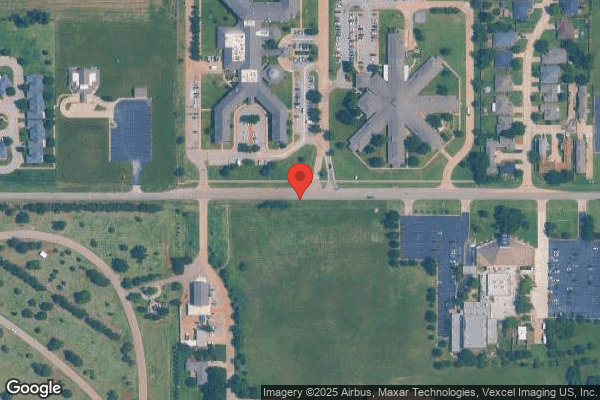
9400 ST ANN'S DRIVE, OKLAHOMA CITY, OK 73162 (405) 728-7888
For profit - Partnership 120 Beds BRIDGES HEALTH Data: November 2025
Trust Grade
65/100
#73 of 282 in OK
Last Inspection: May 2024

Within standard 12-15 month inspection cycle. Federal law requires annual inspections.

Overview

St. Ann's Skilled Nursing and Therapy has a Trust Grade of C+, indicating it's slightly above average but not exceptional. It ranks #73 out of 282 nursing homes in Oklahoma, placing it in the top half, and #6 out of 39 in Oklahoma County, meaning only five local facilities are rated higher. The facility is improving, with the number of issues decreasing from four in 2024 to three in 2025. Staffing is rated average with a 3 out of 5 stars and a turnover rate of 59%, which is close to the statewide average. Notably, the facility has not incurred any fines, which is a positive sign. However, there have been some concerns, such as residents missing scheduled showers without reminders and insufficient staff to assist residents with daily activities, indicating areas that need attention. Overall, while there are strengths like good RN coverage and no fines, families should be aware of the staffing challenges and specific care issues that need addressing.

Trust Score
C+
65/100
In Oklahoma
#73/282
Top 25%
Safety Record
Low Risk
No red flags
Inspections
Getting Better
4 → 3 violations
Staff Stability
⚠ Watch
59% turnover. Above average. Higher turnover means staff may not know residents' routines.
Penalties
✓ Good
No fines on record. Clean compliance history, better than most Oklahoma facilities.
Skilled Nurses
⚠ Watch
Each resident gets only 22 minutes of Registered Nurse (RN) attention daily — below average for Oklahoma. Fewer RN minutes means fewer trained eyes watching for problems.
Violations
⚠ Watch
21 deficiencies on record. Higher than average. Multiple issues found across inspections.
★★★★☆
4.0
Overall Rating
★★★☆☆
3.0
Staff Levels
★★★☆☆
3.0
Care Quality
★★★★☆
4.0
Inspection Score
Stable
2024: 4 issues
2025: 3 issues

The Good

  • Full Sprinkler Coverage · Fire safety systems throughout facility
  • No fines on record

Facility shows strength in fire safety.

The Bad

Staff Turnover: 59%

13pts above Oklahoma avg (46%)

Frequent staff changes - ask about care continuity

Chain: BRIDGES HEALTH

Part of a multi-facility chain

Ask about local staffing decisions and management

Staff turnover is elevated (59%)

11 points above Oklahoma average of 48%

The Ugly 21 deficiencies on record

Jun 2025 3 deficiencies
CONCERN (D) 📢 Someone Reported This

A family member, employee, or ombudsman was alarmed enough to file a formal complaint

Potential for Harm - no one hurt, but risky conditions existed

Deficiency F0657 (Tag F0657)

Could have caused harm · This affected 1 resident

Based on observation, record review, and interview, the facility failed to update a care plan for 1 (#14) of 22 sampled residents observed for accurate care plans. The DON identified 105 residents res...

Read full inspector narrative →
Based on observation, record review, and interview, the facility failed to update a care plan for 1 (#14) of 22 sampled residents observed for accurate care plans. The DON identified 105 residents resided in the facility. Findings: On 06/12/25 at 1:37 p.m., Resident #14 was observed sitting up in bed at approximately a 75 degree angle and slowly feeding themselves. Most of their food was still on their plate. They stated, It would be nice if I had help. On 06/12/25 at 2:00 p.m., CNA #10 went in and asked if Resident #14 was done and then left the tray with them, but did not assist. A care plan, initiated on 10/06/21, showed Resident #14 required supervision or limited staff participation to eat. The care plan had not been revised. On 06/12/25 at 2:12 at p.m., CNA #10 stated, I don't know why [Resident #14] is in [their] room, I take care of the opposite side of the hall. I already went in there twice and [Resident #14] said [they were] fine. [Resident #14] is not a feeder as far as I know. We have a feeding table in the dining room for those that require assistance. [Resident #14] didn't get [their] tray until almost one o'clock. I'm not just going to leave [Resident #14] there, I am going to ask if [they] need help. I am the one that passed the trays, so it is my responsibility to make sure the residents on the hall get assistance if they need it, while CMA #3 is assisting in the dining room. On 06/12/25 at 2:18 p.m., CMA #3 stated, I believe [Resident #14] requires queuing and supervision. [Resident #14] did not want to go to the dining room for lunch today. We can look at the care plan to find out what kind of assistance they require if we don't know. On 06/12/25 at 2:25 p.m., the MDS coordinator stated, [Resident #14] had a significant change assessment done on 04/04/25 because their functional status had declined and they were picked up by hospice. The significant change assessment shows that [Resident #14] required substantial/maximal assistance with eating. The care plan shows [Resident #14] requires supervision or limited staff participation to eat. That part of the care plan was initiated on 10/06/21, and has not been revised since then. I am supposed to update care plans every time I complete a comprehensive assessment. I must have missed it. On 06/12/25 at 2:53 p.m., the administrator stated, Yes, care plans should be current and the expectation is that staff should assist when a resident requires assistance with eating.
CONCERN (D) 📢 Someone Reported This

A family member, employee, or ombudsman was alarmed enough to file a formal complaint

Potential for Harm - no one hurt, but risky conditions existed

ADL Care (Tag F0677)

Could have caused harm · This affected 1 resident

Based on observation, record review, and interview, the facility failed to provide eating assistance for 1 (#14) of 1 sampled resident observed for eating assistance. The DON identified 105 residents ...

Read full inspector narrative →
Based on observation, record review, and interview, the facility failed to provide eating assistance for 1 (#14) of 1 sampled resident observed for eating assistance. The DON identified 105 residents resided in the facility and eight residents required feeding assistance. Findings: On 06/12/25 at 1:37 p.m., Resident #14 was observed sitting up in bed at approximately a 75 degree angle and slowly feeding themselves. Most of their food was still on their plate. They stated, It would be nice if I had help. On 06/12/25 at 2:00 p.m., CNA #10 went in and asked if Resident #14 was done and then left the tray with them, but did not assist. A Nursing Skills Guideline, revised 03/2025, read in part, Our facility is committed to providing care that respects the dignity, preferences, and unique needs of each resident. Assistance with activities of daily living will be provided in a manner that prioritizes the resident's comfort, safety, and personal preferences .To ensure care aligns with the principles of person-centered care, enhancing the quality of life and satisfaction of our residents. A significant change assessment, dated 04/04/25, showed Resident #14 required substantial/maximal assistance with eating and had a BIMS score of 10 indicating moderate cognitive impairment. On 06/12/25 at 2:12 at p.m., CNA #10 stated, I don't know why [they are] in [their] room, I take care of the opposite side of the hall. I already went in their twice and [they] said [they were] fine. [They are] not a feeder as far as I know. We have a feeding table. [They] didn't get [their] tray until almost one o'clock. I'm not just going to leave [them] there I am going to ask if [they] need help. I am the one that passed the trays, so it is my responsibility. On 06/12/25 at 2:53 p.m., the administrator stated, The expectation is that staff should assist when a resident requires assistance with eating.
CONCERN (D) 📢 Someone Reported This

A family member, employee, or ombudsman was alarmed enough to file a formal complaint

Potential for Harm - no one hurt, but risky conditions existed

Pharmacy Services (Tag F0755)

Could have caused harm · This affected 1 resident

Based on record review and interview, the facility failed to ensure the 5 rights of medication administration to prevent medication errors for 1 (#257) of 22 residents reviewed for medication administ...

Read full inspector narrative →
Based on record review and interview, the facility failed to ensure the 5 rights of medication administration to prevent medication errors for 1 (#257) of 22 residents reviewed for medication administration. The DON identified 105 residents resided in the facility. Findings: A policy titled Preparation for Medication Administration, revised 12/01/12, read in part, Medications are administered at the time they are prepared .Residents are identified before medication is administered. The medication nurse or certified medication aide will turn to that resident's medication sheet, compare photo with resident and positively identify the resident. An incident note, dated 06/02/25 at 10:45 p.m., read in part, Medication aide stated to nurse that [they] had made a mistake while attempting to administer medication. [They] state[d] that [they] had two patients who take their medication with applesauce. [They] prepared one cup of medication, applied applesauce and placed it in the cart to give a potassium tablet time to dissolve due to patient being unable to take it whole. [They] then prepared another patients medication and applied applesauce to it as well [they] then pushed [their] cart to [Resident #257's room] and gave the medication in the cup along with applesauce and when [they] returned to [their] cart [they] realized that the appropriate medication cup containing the potassium tablet was still in the cart dissolving. [They] immediately reported [their] findings to the nurse and the patients vitals were assessed right away. provider, family and management were all notified and medication aide was educated on the 5 rights on medication administration. Interventions to monitor vitals q [every] 2 are in place. On 06/10/25 at 11:06 a.m., LPN #6 stated, My med aide [CMA #6] reported that [they] had two different meds for residents in applesauce. One was potassium dissolving, I believe baclofen was the other that was inappropriately given. I educated [them] about the 5 rights of medication administration, notified the essential people, and initiated every two hour vital sign checks. I was noticing lower oxygen levels, I think it was [Resident #257's] baseline. There were no others symptoms. During my monitoring [Resident #257] was fine. Resident [#257] was on B hall at that time. The med aide [#6]worked down there quite often. On 06/10/25 at 3:15 p.m., CMA #6 stated, I was letting a resident's med melt in applesauce. I had another resident that also had to be crushed and added to applesauce.I usually use the PIG [punch, initial, give] method, and I check it three times. While the potassium was dissolving, I got [Resident #101's] baclofen because [they] asked for it while I was letting the potassium dissolve. I accidentally took the baclofen to [Resident #257] because I was getting [their] meds ready before I was asked to get [Resident #101's] medication. On 06/10/25 at 3:38 p.m., the DON stated, The nurse called me and let me know about the situation, I asked how [Resident #257] was, and if they had called the physician. I provided education to [LPN #6 and CMA #6] on the five rights of medication administration. The next day is when we started our in-service for the rest of the staff. We are scheduled to have our QA [quality assurance] meeting at the end of the month and the medication error will be addressed. We did already start monitoring medication administration with compliance rounds for five days, and then it will be weekly.
May 2024 4 deficiencies
CONCERN (D)

Potential for Harm - no one hurt, but risky conditions existed

Assessment Accuracy (Tag F0641)

Could have caused harm · This affected 1 resident

Based on record review and interview, the facility failed to accurately complete a resident assessment for one (#50) of 22 sampled residents reviewed for accurate assessments. The Administrator ident...

Read full inspector narrative →
Based on record review and interview, the facility failed to accurately complete a resident assessment for one (#50) of 22 sampled residents reviewed for accurate assessments. The Administrator identified 106 residents resided in the facility. The Corp Nurse Consultant identified 28 residents who received anticoagulant medications. Findings: Resident #50 had diagnoses which included, heart disease, chronic obstructive pulmonary disease, and high cholesterol. A physician's order, dated 04/26/24, documented the resident was to be administered Aspirin 81 milligrams one tablet one time a day in the evening. A physician's order, dated 04/27/24, documented the resident was to be administered Plavix 75 milligrams one time a day. An admission Assessment, dated 05/02/24 documented Resident #50 received anticoagulant medications. On 05/13/24 at 12:26 p.m., Resident #50 was asked what all the bruising was on their arms. They stated My skin was thin and I take Plavix and Aspirin. On 05/16/24 at 11:40 a.m., MDS Coordinator #1 was shown the admission assessment and Resident #50's physician orders. They were asked what medication Resident #50 had been on that was an anticoagulant. They stated they had coded the Plavix as an anticoagulant. They were asked if Plavix was an anticoagulant. They stated, Yes and ASA was an antiplatelet. On 05/16/24 at 11:55 a.m., MDS Coordinator #1 stated, Plavix is not an anticoagulant, I coded it wrong. On 05/16/24 1:59 p.m., the DON was asked if they were aware Plavix had been coded as an anticoagulant been coded as an anticoagulant. They stated Yes.
CONCERN (D)

Potential for Harm - no one hurt, but risky conditions existed

Deficiency F0697 (Tag F0697)

Could have caused harm · This affected 1 resident

Based on record review, observation and interview, the facility failed to ensure a resident experiencing pain received treatment for pain for one sampled resident (#51) of 35 residents who receive pai...

Read full inspector narrative →
Based on record review, observation and interview, the facility failed to ensure a resident experiencing pain received treatment for pain for one sampled resident (#51) of 35 residents who receive pain medications and treatment. The DON stated 106 residents resided in the facility. Findings: A Pain policy revised, 09/10/07, read in part .1. The leadership of the long-term care facility must ensure that a commitment to resident comfort permeates all aspects of the facility's operation .2. Appoint a pain management coordinator with the responsibility for ensuring that all residents are properly assessed for pain and that all residents who have pain receive effective treatment. 4. Proper communication between teams members must be in place to ensure that information about the resident's pain is routinely conveyed and acted upon. Documentation should meet the same standards regardless of the nursing shift involved and communication between shift changes is vital . Resident (#51) had a diagnosis which included Syncope and Collapse. A Pain Care Assessment, last reviewed 05/11/24, documented Resident (#51) had pain now. Resident (#51) had pain in the past few months. How often does it occur? Resident #51 reported daily and sometimes worse. Resident(#51) reported it is continuous. A Nursing/Progress Note, documented on 05/14/24 for Resident (#51) daughter called stating they have been having pain in their foot and they believe it's gout. They stated they are unable to sleep at night. On 05/14/24 at 11:01a.m., there was no further documentation for pain or pain medication administered in Resident(#51) progress notes. A Care-plan, last reviewed 04/02/24, documented resident (#51) Evaluate the effective of pain interventions. Review for compliance , alleviating of symptoms, dosing schedules and resident satisfaction with results, impact on functional ability and impact on cognition. On 05/14/24 at 10:43a.m., LPN#3 stated Resident (#51) does not have PRN pain medication. On 05/14/24 at 10:44a.m., LPN#3 reported On 05/14/24 at 10:45a.m., LPN#3 stated Resident #51 was not reported to the Physician when Resident #51 reported pain. On 05/16/24 at 11:25a.m., the DON reported that Resident #51 was not administered pain medication after Pain Assessment on 05/11/24. On 05/16/24 at 11:26a.m., the DON reported that Resident #51 was not administered pain medication after daughter reported pain for Resident #51, documented in Progress Notes on 05/14/24.35 residents recieve pain medications
CONCERN (D)

Potential for Harm - no one hurt, but risky conditions existed

Pharmacy Services (Tag F0755)

Could have caused harm · This affected 1 resident

Based on observation, record review, and interview, the facility failed to ensure a medication was available to administer for one (#209) of three sampled residents reviewed during medication observat...

Read full inspector narrative →
Based on observation, record review, and interview, the facility failed to ensure a medication was available to administer for one (#209) of three sampled residents reviewed during medication observation. The administrator identified 106 residents resided in the facility. The Corp nurse consultant identified 106 residents received medications. Findings: A Medication Ordering and Receiving From Pharmacy policy, dated January 2022, read in part, .Medications and related products are received from the dispensing pharmacy on a timely basis . Resident #209's MAR documented 9 on 05/14/24 at 8:00 p.m., and 05/15/24 at 8:00 a.m. An Orders Administration Note, dated 05/15/24 at 8:14 a.m., read in part .Buprenorphine HCL Sublingual Tablet 2 MG .Ordered yesterday still haven't received order . An Orders Administration Note, dated 05/14/24 at 8:18 p.m., read in part .Buprenorphine HCL Sublingual Tablet 2 MG .waiting on pharmacy to deliver medication . On 05/15/24 at 9:18 a.m., the DON was asked why Resident #209's medication was not available to administer. They stated it was not in the facility. They were asked when the last time the medication had been administered. They reviewed the May 2024 MAR and stated yesterday morning. Resident #209 had missed two doses.
CONCERN (D)

Potential for Harm - no one hurt, but risky conditions existed

Infection Control (Tag F0880)

Could have caused harm · This affected 1 resident

Based on observation, record review, and interview, the facility failed to ensure staff implemented infection control measures (sanitized their hands) while passing medications. The Administrator ide...

Read full inspector narrative →
Based on observation, record review, and interview, the facility failed to ensure staff implemented infection control measures (sanitized their hands) while passing medications. The Administrator identified 106 residents resided in the facility. The Corp Nurse Consultant identified 106 residents received medications. Findings: A Hand Hygiene policy, dated 10/07/03, read in part, .Hand hygiene the simple and effective method of preventing the spread of pathogens which cause infections .Failure to properly clean hands can result in the spread of these pathogens to residents .The singe most important step in the prevention of infection is hand hygiene . On 05/15/24 at 7:55 a.m., CMA #1 was observed to pop a tablet of Eliquis that fell in the open med cart drawer. CMA #1 then popped another pill that fell on the floor. CMA #1 was observed to pick the pill up off the floor and throw it in the trash on the end of the cart. They were not observed to sanitize their hands then continued to pop the rest of Resident # 210's medications (four meds). Then administered the medications to the resident. On 05/15/24 at 9:01 a.m., CMA #1 was asked where they disposed of the Eliquis medication that fell on the floor. They stated, In the trash. They were asked if they sanitize their hands after they picked the pill up off the floor. They stated, No. They were asked if there was hand sanitizer on the cart. They opened the cart then stated they use the ones on the hall walls. No hand sanitizer was observed in the medication cart. On 05/15/24 at 9:18 a.m., the DON was asked if staff were expected to sanitize their hands while passing medications. They stated yes, before each resident and after each resident. The DON was asked if staff dropped a pill on the floor, should they sanitize their hands. They stated yes, after they discard the pill.
Apr 2023 3 deficiencies
CONCERN (D) 📢 Someone Reported This

A family member, employee, or ombudsman was alarmed enough to file a formal complaint

Potential for Harm - no one hurt, but risky conditions existed

Safe Environment (Tag F0584)

Could have caused harm · This affected 1 resident

Based on record review, observation, and interview, the facility failed to ensure a clean homelike environment was provided for two (#4 and #48) of 32 sampled residents reviewed for environment. The R...

Read full inspector narrative →
Based on record review, observation, and interview, the facility failed to ensure a clean homelike environment was provided for two (#4 and #48) of 32 sampled residents reviewed for environment. The Resident Census and Conditions of Residents report, dated 03/29/23, documented 101 residents resided in the facility. Findings: A Housekeeping policy, revised 06/29/12, read in part, .Cleaning procedures for the facility are carried out on a daily and weekly basis .There may also be resident rooms that require more than just daily cleaning . On 03/29/23 at 8:47 a.m., a wipe was observed under the head of Resident #48's bed. Dried, light, brown liquid was observed on the floor approximately two feet from the bed. A torn alcohol pad was observed on the floor next to the dried brown liquid. A white straw, black stir stick, and white tissue were observed on the floor, under the bed near the wall. On 03/29/23 at 9:13 a.m., CNA #1 was asked how staff ensured residents' rooms were cleaned. They stated they notify housekeepers when they needed to. CNA #1 stated they would call for a housekeeper when they were done in the room. CNA #1 stated they had worked yesterday and thought the floor looked the same. CNA #1 stated, The floor could use a mop. On 03/29/23 at 9:47 a.m., dried brown liquid was observed on the floor under Resident #4's peg tube pole. Dried black drops of liquid were observed in entry way of Resident #4's room. [NAME] streaks were observed on the floor from the doorway to the middle of the room. Resident #4 stated staff completed mopping weekly. On 03/30/23 at 8:25 a.m., a wipe was observed under the head of Resident #48's bed. Dried, light brown liquid was observed on the floor approximately two feet from the bed. A torn alcohol pad was observed on the floor next to the dried brown liquid. A white straw, black stir stick, and white tissue were observed on the floor, under the bed near the wall. Black streaks were observed on the floor from doorway of Resident #48's room to the middle of the room. On 03/30/23 at 8:31 a.m., housekeeping supervisor was asked how staff ensured a clean homelike environment. She stated they clean and sanitized everything. She stated they checked the floor, blinds, and curtains. She was asked how often the floor was swept and mopped. She stated, Every single day. She stated they moved furniture if the resident was out of the room, or at least reached under the furniture to sweep and mop. On 03/30/23 at 8:34 a.m., the housekeeping supervisor was shown Resident #4 and #48's room. She was asked what was the dry liquid by Resident #48's bed. She stated the resident probably had an accident. The housekeeping supervisor was asked to look under the bed. She stated she saw trash and stains. She was asked when the last time the room had been swept and mopped. She stated yesterday. Housekeeping supervisor was made aware of the observations yesterday morning. She stated she would follow up with her housekeeper to see what happened.
CONCERN (D) 📢 Someone Reported This

A family member, employee, or ombudsman was alarmed enough to file a formal complaint

Potential for Harm - no one hurt, but risky conditions existed

Deficiency F0925 (Tag F0925)

Could have caused harm · This affected 1 resident

Based on observation, record review, and interview, the facility failed to provide a pest free environment for one (#3) of five sampled residents reviewed for pest control. The Resident Census and Con...

Read full inspector narrative →
Based on observation, record review, and interview, the facility failed to provide a pest free environment for one (#3) of five sampled residents reviewed for pest control. The Resident Census and Conditions of Residents report, dated 03/29/23, documented 101 residents resided in the facility. Findings: A Pest Control Policy policy, dated 10/24/2008, read in parts, .It is the policy of this facility to maintain an effective pest control program so that the facility is free of pest and rodents. The purpose of a pest control program is .to correct or eliminate infestation already in existence .The practice of preventative pest control is considered to be most economical and effective means of protecting our residents, employees and visitors .Maintenance personnel should ensure that the facility is free of herbage areas within the facility. All cracks and crevices should be sealed .The administrator is ultimately responsible for monitoring and delegating of the department functions . The facility's Completed Work Order, reviewed 12/01/22 though 03/30/23 did not contain documentation of work orders related to rodents. A Pest Sighting Log, dated 12/27/22, documented a rodent was observed in a resident's room and the pest control company was called. On 03/29/23 at 6:54 a.m., Resident #31 stated there were mice located their previous room. Resident #31 stated, I was moved from that room because I got tired of the mice. On 03/29/23 at 7:15 a.m., Resident #3 stated there were one or two mice in their room and have informed the Social Service Director and the Administrator. Resident #3 stated, I have told them several times. On 03/30/23 at 1:03 p.m., Resident #3's family member stated, A mice just ran over my foot and I went and got [Social Service Director] because they have not fixed this. The family member stated, I am taking [Resident #3] out of facility for fresh air. The family member stated, They just have a mouse trap in there. On 03/30/23 at 1:17 p.m., a mouse trap was observed behind the door of Resident #3's room with mouse droppings observed near the trap. A Pest Sighting Log, dated 03/30/23, documented a rodent was observed in the same resident's room that was previously observed on 12/27/22 and the pest control company was called. On 04/03/23 at 10:35 a.m., Resident #3 stated, There is like five mice now. They run from under the cabinet, under my bed, and over to my neighbor. They told me there were mouse droppings but no mouse caught. They have not offered me a different room. I can't even have food in my room. On 04/03/23 at 11:01 a.m., LPN #4 stated there was a mouse that lived at the end of the hall. They stated, I have seen it when I work the overnight shift. On 04/03/23 at 11:03 a.m., LPN #4 stated they had been working at the facility multiple years. They stated the mouse was the facility's mascot. They stated, currently, Resident #3 was the only one complaining about the rodents. On 04/03/23 at 1:02 p.m., the Administration was asked if she was aware of the pest control problem. She stated she knew there had been issues a couple of years ago but wasn't aware there had been a current problem until last week.
CONCERN (E) 📢 Someone Reported This

A family member, employee, or ombudsman was alarmed enough to file a formal complaint

Potential for Harm - no one hurt, but risky conditions existed

ADL Care (Tag F0677)

Could have caused harm · This affected multiple residents

2. Resident #31 had diagnoses which included neurocognitive disorder with Lewy bodies, hemiplegia and hemiparesis, cerebrovascular disease affecting left non-dominant side, Parkinson's disease, muscle...

Read full inspector narrative →
2. Resident #31 had diagnoses which included neurocognitive disorder with Lewy bodies, hemiplegia and hemiparesis, cerebrovascular disease affecting left non-dominant side, Parkinson's disease, muscle wasting and atrophy. Resident #31's ADL report, admission date 04/30/2014, documented the resident's shower was scheduled for Tuesday and Thursday on 3-11 shift. Resident #31's ADL record, dated January 2023, did not contain documentation of showers. Resident #31's quarterly assessment, dated 02/02/2023, documented the resident's cognition was intact. It documented they required physical help in part of bathing activity with one person physical assist. Resident #31's ADL record, dated February 2023, documented Resident #31 missed four out of eight shower opportunities. On 03/29/23 at 6:54 a.m., Resident #31 stated they missed showers often. Resident stated, Staff don't give showers unless reminded. Resident stated missed showers started the last three months. Resident #31's ADL record, dated March 2023, did not contain documentation of showers for the last 30 days. On 04/03/23 at 10:52 a.m., CNA #4 stated showers were documented on the resident's clinical record. CNA #4 stated they report refusal to the charge nurse. On 04/03/23 at 10:47 a.m., LPN #4 stated showers were documented on the residents clinical record. LPN #4 stated they gave the resident multiple opportunities during the shift for a shower before a refusal was documented on the resident's clinical record. 04/03/23 at 11:15 a.m., the DON reviewed Resident #31's ADL documentation. She acknowledged there had been missed showers. Based on record review and interview, the facility failed to ensure bathing was offered to resident (#3 and #31) of five sampled residents reviewed for bathing. The Resident Census and Conditions of Residents report, dated 03/29/23, documented 101 residents resided in the facility. Findings: 1. Resident #3 had diagnoses which included mood disorder with anxiety. Resident #3's ADL's report, admission date 01/05/22, documented bathing was scheduled for Wednesdays and Saturdays on the 3-11 shift. The annual resident assessment, dated 01/06/23, documented the resident's cognition was intact. It documented the showers were very important, the resident required physical help of one person for bathing, and the resident had no documented rejection of care. On 03/29/23 at 7:19 a.m., Resident #3 stated they had not been receiving showers. Resident's #3's Documentation Survey Report form, dated January 2023, documented the resident was offered two out of eight baths and had received one out of eight opportunities for baths. Resident's #3's Documentation Survey Report form, dated February 2023, documented the resident had received one out of eight opportunities for baths. Resident's #3's Documentation Survey Report form, dated March 2023, documented the resident was offered three out of nine baths and had received one out of nine opportunities for baths. On 04/03/23 at 10:39 a.m., Resident #3 stated, I was supposed to get a shower last week and did not. On 04/03/23 at 10:52 a.m., CNA #4 stated Resident #3's showers were scheduled on the evening shifts and the resident required physical help of one person for bathing. On 04/03/23 at 11:07 a.m., the DON and Corp Nurse Consultant #1 were asked where the documentation was for showers/baths. The DON stated showers were documented by the CNAs in each resident's electronic medical record. The DON reviewed the resident's clinical records and stated the resident had scheduled showers for Wednesdays and Saturdays on the 3p-11p shift. On 04/03/23 at 11:09 a.m., the Corp Nurse Consultant #1 stated the resident's record documented two showers were received and one was refused for the month of March. On 04/03/23 at 11:11 a.m., the DON was asked how did the facility monitored to ensure residents were offered baths as scheduled. The DON stated, We do Q2 and our dash board will show missed showers. The DON and Corp Nurse Consultant #1 acknowledged missed showers.
Nov 2019 11 deficiencies
CONCERN (D)

Potential for Harm - no one hurt, but risky conditions existed

Notification of Changes (Tag F0580)

Could have caused harm · This affected 1 resident

Based on record review and staff interview, it was determined the facility failed to ensure the physician and the resident's representative was notified of a fall for one (#292) of three sampled resid...

Read full inspector narrative →
Based on record review and staff interview, it was determined the facility failed to ensure the physician and the resident's representative was notified of a fall for one (#292) of three sampled residents reviewed for falls. The Resident Census and Condition of Residents report, dated 11/04/19, documented 104 residents resided in the facility. Findings: Resident #292 had diagnoses which included hemiplegia and hemiparesis. On 11/13/19 at 8:02 a.m., the resident and his family member were asked if he had sustained any falls. They stated he fell in the dining room around 6:30 a.m. Sunday morning. The resident was asked if he had hit his head or passed out. He stated he did not hit his head or pass out. He stated he was ok and the wheel chair got away from me. Nurses' notes were reviewed for the resident. There was no documentation to show the resident sustained a fall the morning of 11/10/19. There was no documentation to show the physician and resident's representative was notified of the fall. At 9:08 a.m., licensed practical nurse (LPN) #2 was asked if she had worked last Sunday, 11/10/19. She stated yes, she had worked the 11:00 p.m. to 7:00 a.m. shift on Saturday night. The LPN was asked if the resident had a fall Sunday morning. She stated the resident fell early in the morning, between 5:15 a.m. and 6:45 a.m. She was asked who called her to the dining room. She stated she does not remember who called her to the dining room on the walkie talkie. The LPN stated she assessed the resident on the floor and there were no bruises, skin tears or bumps. She stated the resident was assisted back in to his wheelchair, taken to his room and assisted in bed. The LPN stated she did a full assessment when the resident was assisted to bed. The LPN was asked if she had documented the assessment. She stated she had gotten busy on another hall and forgot about his fall and did not document the fall or the assessment. The LPN stated she documented her assessment on the incident report completed yesterday, (11/12/19). She was asked if she had notified the physician or family member at the time of the incident. She stated, No.
CONCERN (D)

Potential for Harm - no one hurt, but risky conditions existed

Abuse Prevention Policies (Tag F0607)

Could have caused harm · This affected 1 resident

Based on record review and staff interviews, it was determined the facility failed to implement their abuse policy by not conducting employee reference checks for one (licensed practical nurse (LPN) #...

Read full inspector narrative →
Based on record review and staff interviews, it was determined the facility failed to implement their abuse policy by not conducting employee reference checks for one (licensed practical nurse (LPN) #1) of five employee files reviewed. The Resident Census and Conditions of Residents report, dated 11/04/19, documented 104 residents resided in the facility. Findings: A resident abuse, neglect and misappropriation of property policy, revised 12/28/17, documented, .The resident has the right to be free from verbal, sexual, physical, and mental abuse, corporal punishment, and involuntary seclusion .Screening/Prevention .All potential employees will be screened for previous history of abuse by .and other reference checks . LPN #1 was hired on 09/27/19. There was no documentation employee reference checks had been conducted. On 11/05/19 at 9:11 a.m., the corporate nurse was asked to provide documentation reference checks had been conducted for LPN #1. At 11:43 a.m., the administrator stated she had to assume reference checks for LPN #1 had not been completed.
CONCERN (D)

Potential for Harm - no one hurt, but risky conditions existed

Deficiency F0638 (Tag F0638)

Could have caused harm · This affected 1 resident

Based on record review and staff interview, it was determined the facility failed to complete a quarterly resident assessment for one (#292) of 17 sampled residents reviewed for resident assessments. ...

Read full inspector narrative →
Based on record review and staff interview, it was determined the facility failed to complete a quarterly resident assessment for one (#292) of 17 sampled residents reviewed for resident assessments. The Resident Census and Conditions of Residents report, dated 11/04/19, documented 104 residents resided in facility. Findings: Resident #292 had diagnoses which included candidal sepsis, hemiplegia and hemiparesis following a cerebral infarction affecting the right dominant side, type 2 diabetes mellitus with diabetic polyneuropathy and retention of urine. An annual resident assessment was completed on 06/22/19. A quarterly resident assessment was due to be completed in September 2019. There was no documentation a quarterly assessment had been completed. On 11/12/19 at 12:23 p.m., the minimum data set coordinator was asked to review the resident's assessments. She was asked if a quarterly assessment for the resident should have been completed in September 2019. She stated, Yes, he should have had a quarterly done in September.
CONCERN (D)

Potential for Harm - no one hurt, but risky conditions existed

Deficiency F0773 (Tag F0773)

Could have caused harm · This affected 1 resident

Based on record review and staff interview, it was determined the facility failed to ensure the physician was notified of abnormal laboratory (lab) test results for one (#21) of five sampled residents...

Read full inspector narrative →
Based on record review and staff interview, it was determined the facility failed to ensure the physician was notified of abnormal laboratory (lab) test results for one (#21) of five sampled residents reviewed for unnecessary medications. The Resident Census and Conditions of Residents report, dated 11/04/19, documented 104 residents resided in the facility. Findings: Resident #21 had diagnoses which included dysuria. A physician's progress note, dated 10/24/19, documented, .Dysuria .I am going to add UA [urine analysis] with culture . A physician's telephone order, dated 10/24/19, documented, .UA [with] C & S [culture and sensitivity] . A lab service report, dated 10/26/19, documented abnormal results, .URINE CULTURE .ORGANISM .ESCHERICHIA COLI .10,000-50,000 . There was no documentation the physician had been notified of the lab results. On 11/12/19 at 11:42 a.m., the corporate nurse was shown the urine culture results and was asked if the physician had been notified. She stated, If the doctor's initials are not on it or the nurses didn't write fax like on the other ones, then no.
CONCERN (D)

Potential for Harm - no one hurt, but risky conditions existed

Medical Records (Tag F0842)

Could have caused harm · This affected 1 resident

Based on record review and staff interview, it was determined the facility failed to ensure a resident's clinical record was complete and accurate regarding a fall for one (#292) of three sampled resi...

Read full inspector narrative →
Based on record review and staff interview, it was determined the facility failed to ensure a resident's clinical record was complete and accurate regarding a fall for one (#292) of three sampled residents reviewed for falls. The Resident Census and Condition of Residents report, dated 11/04/19, documented 104 residents resided in the facility. Findings: Resident #292 had diagnoses which included hemiplegia and hemiparesis. On 11/13/19 at 8:02 a.m., the resident and his family member were asked if he had sustained any falls. They stated he fell in the dining room around 6:30 a.m. Sunday morning. The resident was asked if he had hit his head or passed out. He stated he did not hit his head or pass out. He stated he was ok and the wheel chair got away from me. Nurses' notes were reviewed for the resident. There was no documentation to show the resident sustained a fall the morning of 11/10/19. At 9:08 a.m., licensed practical nurse (LPN) #2 was asked if she had worked last Sunday, 11/10/19. She stated yes, she had worked the 11:00 p.m. to 7:00 a.m. shift on Saturday night. The LPN was asked if the resident had a fall Sunday morning. She stated the resident fell early in the morning, between 5:15 a.m. and 6:45 a.m. She was asked who called her to the dining room. She stated she does not remember who called her to the dining room on the walkie talkie. The LPN stated she assessed the resident on the floor and there were no bruises, skin tears or bumps. She stated the resident was assisted back in to his wheelchair, taken to his room and assisted in bed. The LPN stated she did a full assessment when the resident was assisted to bed. The LPN was asked if she had documented the assessment. She stated she had gotten busy on another hall and forgot about his fall and did not document the fall or the assessment. The LPN stated she documented her assessment on the incident report completed yesterday, (11/12/19).
CONCERN (E)

Potential for Harm - no one hurt, but risky conditions existed

ADL Care (Tag F0677)

Could have caused harm · This affected multiple residents

Based on observation, record review and resident, family and staff interviews, it was determined the facility failed to ensure there was adequate staff to provide activities of daily living (ADLs) to ...

Read full inspector narrative →
Based on observation, record review and resident, family and staff interviews, it was determined the facility failed to ensure there was adequate staff to provide activities of daily living (ADLs) to dependent residents for one (#36) of two sampled residents reviewed for ADLs. The Resident Census and Conditions of Residents report, dated 11/04/19, documented 104 residents resided in the facility, 58 residents required assistance of one or more with bathing and 81 residents required assistance of one or more with transfers. Findings: Resident #36 had diagnoses which included Parkinson's disease, unspecified visual loss and a history of falling. A quarterly resident assessment, dated 08/25/19, documented the resident's cognition was moderately impaired. She required extensive assistance with transfers and physical help in part of bathing activity. The resident's bathing record documented the resident was to be bathed on Tuesdays, Thursdays and Saturdays. It documented during the weeks of 09/15/19 through 09/21/19, 10/06/19 through 10/12/19 and 10/20/19 through 10/26/19 the resident had been bathed twice each week. One day during each of those weeks documented not applicable. On 11/03/19 at 9:40 a.m., the resident and the resident's family member were asked if there was adequate staff to meet her needs and were those needs met without having to wait a long time. The resident's family member stated she had to wait 30 to 40 minutes at times for her call light to be answered. The resident stated there wasn't enough staff. She was asked if she was bathed according to her preference. She stated she was supposed to be bathed three times a week and sometimes she was bathed only twice. The resident's family member stated she could tell she wasn't bathed by the way her hair smelled. At 9:44 a.m., the resident's family stated the resident wanted to go to bed. The resident's family member activated the call light at the resident's bed. The light on the call light box was illuminated. At 10:25 a.m., the resident's call light had not been answered and the family member activated the emergency call light in the resident's bathroom. The light on the call box was illuminated. At 10:40 a.m., the resident's call light had not been answered. Certified nurse aide (CNA) #2 was observed on the resident's hallway. She was asked when the resident's call light had been activated. She reviewed the documentation in her call light notification pager. She stated the call light had been activated at 9:44 a.m. CNA #2 was asked what the policy was for answering call lights. She stated call lights were to be answered as quickly as possible. She was asked if the resident's call light was answered in a timely manner since it was activated at 9:44 a.m. She stated, No ma'am. She was made aware the resident had wanted to go to bed. On 11/05/19 at 12:29 p.m., CNA #1 was asked how often the resident was bathed. She stated on Tuesdays, Thursdays and Saturdays. She stated when residents were bathed it was documented in the their electronic record and on shower sheets. She stated there should be documentation the resident was bathed or if she refused. She was shown the resident's bathing record and asked what it meant when not applicable was documented. She stated she would have to say she wasn't bathed. At 12:32 p.m., the corporate nurse was asked to provide documentation for the reason the resident had not been bathed three times a week as scheduled for the above weeks. At 2:25 p.m., the corporate nurse stated she contacted the aides who worked during those weeks. She stated they indicated the resident had been bathed. She was made aware there was no documentation the resident had been bathed. She acknowledged the findings.
CONCERN (E)

Potential for Harm - no one hurt, but risky conditions existed

Quality of Care (Tag F0684)

Could have caused harm · This affected multiple residents

Based on record review and staff interview, it was determined the facility failed to ensure physician's orders were followed to obtain daily weights for one (#243) of three sampled residents reviewed ...

Read full inspector narrative →
Based on record review and staff interview, it was determined the facility failed to ensure physician's orders were followed to obtain daily weights for one (#243) of three sampled residents reviewed for weights. The facility identified one resident with orders for daily weights. Findings: Resident #243 had diagnoses which included congestive heart failure (CHF). He discharged from the facility on 07/26/19. A physician's order, dated 07/14/19, documented, .daily weight Dx [diagnosis] :CHF one time a day related to HYPERTENSIVE HEART DISEASE WITH HEART FAILURE . A vital signs report documented the resident had been weighed on 07/19, 07/21 and 07/22/19. On 11/06/19 at 12:36 p.m., the corporate nurse was shown the order for daily weights. She reviewed the resident's clinical record. She was asked if weights had been obtained as ordered. She stated staff obtained weights on 07/19, 07/21 and 07/22/19. She acknowledged the findings.
CONCERN (E)

Potential for Harm - no one hurt, but risky conditions existed

Deficiency F0725 (Tag F0725)

Could have caused harm · This affected multiple residents

Based on observation, record review and resident, family and staff interviews, it was determined the facility failed to ensure there was adequate staff to provide activities of daily living (ADLs) to ...

Read full inspector narrative →
Based on observation, record review and resident, family and staff interviews, it was determined the facility failed to ensure there was adequate staff to provide activities of daily living (ADLs) to dependent residents for one (#36) of two sampled residents reviewed for ADLs. The Resident Census and Conditions of Residents report, dated 11/04/19, documented 104 residents resided in the facility, 58 residents required assistance of one or more with bathing and 81 residents required assistance of one or more with transfers. Findings: Resident #36 had diagnoses which included Parkinson's disease, unspecified visual loss and a history of falling. A quarterly resident assessment, dated 08/25/19, documented the resident's cognition was moderately impaired. She required extensive assistance with transfers and physical help in part of bathing activity. The resident's bathing record documented the resident was to be bathed on Tuesdays, Thursdays and Saturdays. It documented during the weeks of 09/15/19 through 09/21/19, 10/06/19 through 10/12/19 and 10/20/19 through 10/26/19 the resident had been bathed twice each week. One day during each of those weeks documented not applicable. On 11/03/19 at 9:40 a.m., the resident and the resident's family member were asked if there was adequate staff to meet her needs and were those needs met without having to wait a long time. The resident's family member stated she had to wait 30 to 40 minutes at times for her call light to be answered. The resident stated there wasn't enough staff. She was asked if she was bathed according to her preference. She stated she was supposed to be bathed three times a week and sometimes she was bathed only twice. The resident's family member stated she could tell she wasn't bathed by the way her hair smelled. At 9:44 a.m., the resident's family stated the resident wanted to go to bed. The resident's family member activated the call light at the resident's bed. The light on the call light box was illuminated. At 10:25 a.m., the resident's call light had not been answered and the family member activated the emergency call light in the resident's bathroom. The light on the call box was illuminated. At 10:40 a.m., the resident's call light had not been answered. Certified nurse aide (CNA) #2 was observed on the resident's hallway. She was asked when the resident's call light had been activated. She reviewed the documentation in her call light notification pager. She stated the call light had been activated at 9:44 a.m. CNA #2 was asked what the policy was for answering call lights. She stated call lights were to be answered as quickly as possible. She was asked if the resident's call light was answered in a timely manner since it was activated at 9:44 a.m. She stated, No ma'am. She was made aware the resident had wanted to go to bed. On 11/05/19 at 12:29 p.m., CNA #1 was asked how often the resident was bathed. She stated on Tuesdays, Thursdays and Saturdays. She stated when residents were bathed it was documented in the their electronic record and on shower sheets. She stated there should be documentation the resident was bathed or if she refused. She was shown the resident's bathing record and asked what it meant when not applicable was documented. She stated she would have to say she wasn't bathed. At 12:32 p.m., the corporate nurse was asked to provide documentation for the reason the resident had not been bathed three times a week as scheduled for the above weeks. At 2:25 p.m., the corporate nurse stated she contacted the aides who worked during those weeks. She stated they indicated the resident had been bathed. She was made aware there was no documentation the resident had been bathed. She acknowledged the findings.
CONCERN (E)

Potential for Harm - no one hurt, but risky conditions existed

Pharmacy Services (Tag F0755)

Could have caused harm · This affected multiple residents

Based on record review and staff interview, it was determined the facility failed to ensure medications were administer as ordered for one (#33) of five sampled residents reviewed for unnecessary medi...

Read full inspector narrative →
Based on record review and staff interview, it was determined the facility failed to ensure medications were administer as ordered for one (#33) of five sampled residents reviewed for unnecessary medications. The Resident Census and Conditions of Residents report, dated 11/04/19, documented 104 residents resided in the facility. Findings: Resident #33 had diagnoses which included abnormal sputum and anemia. A physician's order, dated 06/12/19, documented, .Vitamin C Tablet .Give 500 mg [milligrams] by mouth two times a day for Supplement . A physician's order, dated 09/02/19, documented, .Mucinex Allergy Tablet .Give 600 mg by mouth two times a day .for 7 Days . The scheduling details for the order documented the Mucinex was to be started on 09/02/19 on the evening shift. The September 2019 medication administration record (MAR) documented Mucinex was coded as a 9 which indicated other/see nurse notes for the following: ~ on 09/02/19 on the evening shift and ~ on 09/03/19 on the morning shift. It was documented the last dose had been administered on 09/09/19 on the morning shift. An orders administration note, dated 09/02/19 at 10:22 p.m., documented, .Mucinex .600 mg by mouth two times a day .for 7 Days nurse notified . An orders administration note, dated 09/03/19 at 7:38 a.m., documented, .Mucinex .600 mg by mouth two times a day .7 Days WAITING ON PHARMACY TO SEND D/T [due to] NEW ORDER ON HOLIDAY CHARGE NURSE NOTIFIED . The November 2019 MAR documented Vitamin C was coded as a 9 on 11/10/19 on the day and evening shifts. An orders administration note, dated 11/10/19 at 10:21 p.m., documented, .Vitamin C Tablet .500 mg by mouth two times a day for Supplement .Waiting on pharmacy to deliver medication charge nurse notified . On 11/12/19 at 11:05 a.m., the director of nursing (DON) was asked what the protocol was for ordering and re-ordering medications. She stated pharmacy delivered medications everyday in the evening. She stated medications were to be re-ordered in advance. She was asked what a 9 indicated on the MAR. She stated it meant other/see nurse notes. The DON was asked to review the resident's physician's orders, MARs and order administration notes and shown where the medications had not been administered. She acknowledged the findings.
CONCERN (E)

Potential for Harm - no one hurt, but risky conditions existed

Laboratory Services (Tag F0770)

Could have caused harm · This affected multiple residents

Based on record review and staff interviews, it was determined the facility failed to ensure laboratory tests were obtained as ordered for two (#72 and #243) of five sampled residents reviewed for lab...

Read full inspector narrative →
Based on record review and staff interviews, it was determined the facility failed to ensure laboratory tests were obtained as ordered for two (#72 and #243) of five sampled residents reviewed for laboratory (lab) services. The Resident Census and Conditions of Residents report, dated 11/04/19, documented 104 residents resided in the facility. Findings: 1. Resident #243 had diagnoses which included congestive heart failure. A physician's progress note, dated 07/24/19, documented, .Will go ahead and get another set of labs .Plan: recheck labs . A physician's order, dated 07/24/19, documented, .CMP [comprehensive metabolic panel] .CBC [complete blood count] . On 11/06/19 at 12:36 p.m., the corporate nurse was shown the order for lab and asked if it had been collected. She reviewed the lab program and acknowledged the lab had not been drawn. 2. Resident #72 had diagnoses which included dementia. A physician's order, dated 10/31/19, documented, CBC, CMP .due to increased confusion . On 11/06/19 at 8:15 a.m., the receptionist was asked to provide lab results for the above order. At 9:46 a.m., the corporate nurse stated the lab had not been completed.
CONCERN (E)

Potential for Harm - no one hurt, but risky conditions existed

Food Safety (Tag F0812)

Could have caused harm · This affected multiple residents

Based on observation and staff interview, it was determined the facility failed to ensure: ~ food products were properly stored to prevent cross-contamination, ~ food products were discarded at desig...

Read full inspector narrative →
Based on observation and staff interview, it was determined the facility failed to ensure: ~ food products were properly stored to prevent cross-contamination, ~ food products were discarded at designated times and ~ the floor was maintained in good repair. The facility identified 100 residents received services from the kitchen. Four residents received nutrition and hydration solely through a feeding tube. Findings: On 11/03/19 at 7:36 a.m., a tour of the kitchen was conducted. The following observations were made: ~ multiple raw hamburger patties were stored on a plate in a metal container next to plates of cut tomatoes, lettuce and slices of cheese on a shelf in the walk-in cooler. The metal container was stored above a ten pound box of fully cooked sausage links and a metal container of cooked sloppy joes, ~ a 30 pound box of raw bacon was stored on a shelf next to a 20 pound box of romaine lettuce in the walk-in cooler, ~ a 12 pound box of raw pork sausage patties was stored on a shelf next to a metal container of cooked sloppy joes in the walk-in cooler, ~ a 12 count carton of raw unpasteurized eggs was stored on a shelf on top of a box of cartons of vanilla nutritional drinks in the walk-in cooler, ~ there was a Ziploc bag of an opened two pound package of ready-to-eat sliced turkey breast date opened 10/19/19, on a shelf in the walk-in cooler and ~ the grout was worn down between the floor tiles in the dish wash area. On 11/04/19 at 11:15 a.m. the dietary manager (DM) was asked how foods were to be stored to prevent cross-contamination. She stated raw foods were to be stored on the bottom shelf and separated from ready-to-eat foods. She was asked how the floors were to be maintained in good repair. She stated they reported issues to maintenance. The DM was asked what the policy was for date marking food products. She stated food products were dated upon arrival and when they were opened. She stated food products, such as lunch meats, were to be discarded after three days of being opened. She was made aware of the above observations. She acknowledged the findings.
Understanding Severity Codes (click to expand)
Life-Threatening (Immediate Jeopardy)
J - Isolated K - Pattern L - Widespread
Actual Harm
G - Isolated H - Pattern I - Widespread
Potential for Harm
D - Isolated E - Pattern F - Widespread
No Harm (Minor)
A - Isolated B - Pattern C - Widespread

Questions to Ask on Your Visit

  • "Why is there high staff turnover? How do you retain staff?"
  • "Can I speak with families of current residents?"
  • "What's your RN coverage like on weekends and overnight?"

Our Honest Assessment

Strengths
  • • No major safety red flags. No abuse findings, life-threatening violations, or SFF status.
  • • No fines on record. Clean compliance history, better than most Oklahoma facilities.
Concerns
  • • 21 deficiencies on record. Higher than average. Multiple issues found across inspections.
  • • 59% turnover. Above average. Higher turnover means staff may not know residents' routines.
Bottom line: Mixed indicators with Trust Score of 65/100. Visit in person and ask pointed questions.

About This Facility

What is St. Ann'S Skilled Nursing And Therapy's CMS Rating?

CMS assigns ST. ANN'S SKILLED NURSING AND THERAPY an overall rating of 4 out of 5 stars, which is considered above average nationally. Within Oklahoma, this rating places the facility higher than 99% of the state's 100 nursing homes. This rating reflects solid performance across the metrics CMS uses to evaluate nursing home quality.

How is St. Ann'S Skilled Nursing And Therapy Staffed?

CMS rates ST. ANN'S SKILLED NURSING AND THERAPY's staffing level at 3 out of 5 stars, which is average compared to other nursing homes. Staff turnover is 59%, which is 13 percentage points above the Oklahoma average of 46%. High turnover can affect care consistency as new staff learn residents' individual needs. RN turnover specifically is 62%, which is notably high. RNs provide skilled clinical oversight, so turnover in this role can affect medical care quality.

What Have Inspectors Found at St. Ann'S Skilled Nursing And Therapy?

State health inspectors documented 21 deficiencies at ST. ANN'S SKILLED NURSING AND THERAPY during 2019 to 2025. These included: 21 with potential for harm.

Who Owns and Operates St. Ann'S Skilled Nursing And Therapy?

ST. ANN'S SKILLED NURSING AND THERAPY is owned by a for-profit company. For-profit facilities operate as businesses with obligations to shareholders or private owners. The facility is operated by BRIDGES HEALTH, a chain that manages multiple nursing homes. With 120 certified beds and approximately 110 residents (about 92% occupancy), it is a mid-sized facility located in OKLAHOMA CITY, Oklahoma.

How Does St. Ann'S Skilled Nursing And Therapy Compare to Other Oklahoma Nursing Homes?

Compared to the 100 nursing homes in Oklahoma, ST. ANN'S SKILLED NURSING AND THERAPY's overall rating (4 stars) is above the state average of 2.6, staff turnover (59%) is significantly higher than the state average of 46%, and health inspection rating (4 stars) is above the national benchmark.

What Should Families Ask When Visiting St. Ann'S Skilled Nursing And Therapy?

Based on this facility's data, families visiting should ask: "How do you ensure continuity of care given staff turnover, and what is your staff retention strategy?" "Can I visit during a mealtime to observe dining assistance and food quality?" "How do you handle medical emergencies, and what is your hospital transfer rate?" "Can I speak with family members of current residents about their experience?" These questions are particularly relevant given the facility's high staff turnover rate.

Is St. Ann'S Skilled Nursing And Therapy Safe?

Based on CMS inspection data, ST. ANN'S SKILLED NURSING AND THERAPY has a clean safety record: no substantiated abuse findings (meaning no confirmed cases of resident harm), no Immediate Jeopardy citations (the most serious violation level indicating risk of serious injury or death), and is not on the Special Focus Facility watch list (a federal program monitoring the lowest-performing 1% of nursing homes). The facility has a 4-star overall rating and ranks #1 of 100 nursing homes in Oklahoma. While no facility is perfect, families should still ask about staff-to-resident ratios and recent inspection results during their visit.

Do Nurses at St. Ann'S Skilled Nursing And Therapy Stick Around?

Staff turnover at ST. ANN'S SKILLED NURSING AND THERAPY is high. At 59%, the facility is 13 percentage points above the Oklahoma average of 46%. Registered Nurse turnover is particularly concerning at 62%. RNs handle complex medical decisions and coordinate care — frequent RN changes can directly impact care quality. High turnover means new staff may not know residents' individual needs, medications, or preferences. It can also be disorienting for residents, especially those with dementia who rely on familiar faces. Families should ask: What is causing the turnover? What retention programs are in place? How do you ensure care continuity during staff transitions?

Was St. Ann'S Skilled Nursing And Therapy Ever Fined?

ST. ANN'S SKILLED NURSING AND THERAPY has no federal fines on record. CMS issues fines when nursing homes fail to meet care standards or don't correct problems found during inspections. The absence of fines suggests the facility has either maintained compliance or corrected any issues before penalties were assessed. This is a positive indicator, though families should still review recent inspection reports for the full picture.

Is St. Ann'S Skilled Nursing And Therapy on Any Federal Watch List?

ST. ANN'S SKILLED NURSING AND THERAPY is not on any federal watch list. The most significant is the Special Focus Facility (SFF) program, which identifies the bottom 1% of nursing homes nationally based on persistent, serious quality problems. Not being on this list means the facility has avoided the pattern of deficiencies that triggers enhanced federal oversight. This is a positive indicator, though families should still review the facility's inspection history directly.