THE HEALTH CENTER AT CONCORDIA
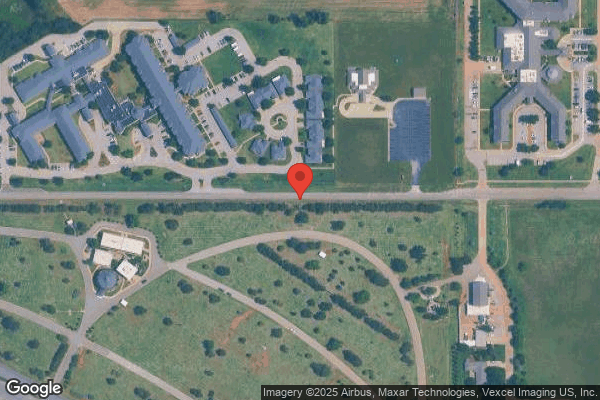
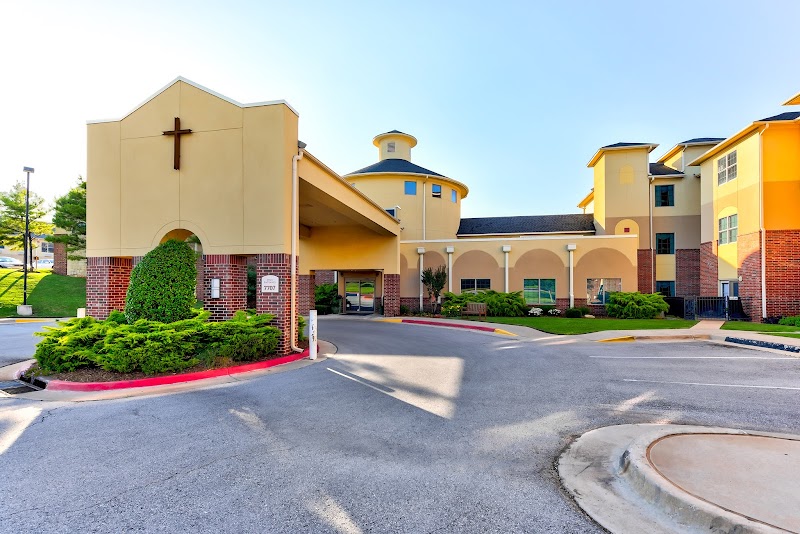
7707 WEST BRITTON ROAD, OKLAHOMA CITY, OK 73132 (405) 720-7200
Non profit - Corporation 30 Beds Independent Data: November 2025
Trust Grade
80/100
#30 of 282 in OK
Last Inspection: November 2024

Within standard 12-15 month inspection cycle. Federal law requires annual inspections.

Overview

The Health Center at Concordia has a Trust Grade of B+, indicating it is above average and recommended for families considering care options. It ranks #30 out of 282 facilities in Oklahoma, placing it in the top half, and #2 out of 39 in Oklahoma County, meaning only one other local facility ranks better. The facility's trend is improving, with the number of issues decreasing from four in 2023 to three in 2024. However, staffing is a concern, with a low 2/5 star rating and a high turnover rate of 67%, which exceeds the state average. They also face $25,407 in fines, higher than 92% of Oklahoma facilities, suggesting some compliance issues. In terms of care, there are some strengths, such as excellent ratings in overall quality measures and health inspections. However, there are specific concerns that families should be aware of. For instance, food safety practices were not followed, as fresh food was rinsed in the same sink where raw fish was defrosting, creating a risk of contamination. Additionally, there was a failure to have an advance directive for one resident, which is an important aspect of patient care planning. Lastly, infection control measures were not implemented properly, as blood pressure cuffs were used on multiple residents without adequate sanitation, posing a risk for infection transmission. Overall, while there are positive aspects to this facility, these weaknesses warrant careful consideration.

Trust Score
B+
80/100
In Oklahoma
#30/282
Top 10%
Safety Record
Low Risk
No red flags
Inspections
Getting Better
4 → 3 violations
Staff Stability
⚠ Watch
67% turnover. Above average. Higher turnover means staff may not know residents' routines.
Penalties
⚠ Watch
$25,407 in fines. Higher than 80% of Oklahoma facilities, suggesting repeated compliance issues.
Skilled Nurses
⚠ Watch
Each resident gets only 25 minutes of Registered Nurse (RN) attention daily — below average for Oklahoma. Fewer RN minutes means fewer trained eyes watching for problems.
Violations
○ Average
10 deficiencies on record. Average for a facility this size. Mostly minor or procedural issues.
★★★★★
5.0
Overall Rating
★★☆☆☆
2.0
Staff Levels
★★★★★
5.0
Care Quality
★★★★☆
4.0
Inspection Score
Stable
2023: 4 issues
2024: 3 issues

The Good

  • 5-Star Quality Measures · Strong clinical quality outcomes
  • Full Sprinkler Coverage · Fire safety systems throughout facility
  • No fines on record

Facility shows strength in quality measures, fire safety.

The Bad

Staff Turnover: 67%

21pts above Oklahoma avg (46%)

Frequent staff changes - ask about care continuity

Federal Fines: $25,407

Below median ($33,413)

Moderate penalties - review what triggered them

Staff turnover is elevated (67%)

19 points above Oklahoma average of 48%

The Ugly 10 deficiencies on record

Nov 2024 3 deficiencies
CONCERN (E)

Potential for Harm - no one hurt, but risky conditions existed

Deficiency F0578 (Tag F0578)

Could have caused harm · This affected multiple residents

Based on record review and interview, the facility failed to ensure an advance directive was available for one (#2) of two sampled residents reviewed for advance directives. The DON identified 27 resi...

Read full inspector narrative →
Based on record review and interview, the facility failed to ensure an advance directive was available for one (#2) of two sampled residents reviewed for advance directives. The DON identified 27 residents resided in the facility. Findings: An Advance Directive policy, dated 11/01/07, read in part, 9. If the resident has prepared such documents, obtain a copy and place in the resident's clinical record. Res #2's clinical record was reviewed. There was no advance directive available. On 11/14/24 at 2:58 p.m., the social services director reported there was no documentation of Res #2's advance directive.
CONCERN (E) 📢 Someone Reported This

A family member, employee, or ombudsman was alarmed enough to file a formal complaint

Potential for Harm - no one hurt, but risky conditions existed

Infection Control (Tag F0880)

Could have caused harm · This affected multiple residents

Based on observation, interview, and record review, the facility staff failed to implement infection control measures when using the blood pressure cuffs from resident to resident. The DON identified ...

Read full inspector narrative →
Based on observation, interview, and record review, the facility staff failed to implement infection control measures when using the blood pressure cuffs from resident to resident. The DON identified 24 residents depended on staff to obtain their blood pressure before administering medication. Findings: The infection control policy, dated 09/23/23, documented the purpose was to provide and ensure an ongoing program to establish and maintain an infection prevention and control program to provide safety, sanitary, and comfortable environment and prevent the development and transmission of communicable disease and infections. It documented the process would be reviewed annually or as needed to update the program through the QAPI process. During medication administration on 11/14/24, LPN #1 and LPN #2 were observed using the blood pressure cuff from their medication carts to obtain blood pressure readings for residents. On 11/14/24 at 7:38 a.m., LPN #1 stated they should have used hand sanitizer on the blood pressure cuff between residents. On 11/14/24 at 8:40 a.m., LPN #2 stated the blood pressure cuff should have been wiped down with Lysol disinfectant wipes between residents. 11/15/24 at 10:39 a.m., the DON stated staff should use sanitizer wipes before and after blood pressure cuff use.
CONCERN (F)

Potential for Harm - no one hurt, but risky conditions existed

Food Safety (Tag F0812)

Could have caused harm · This affected most or all residents

Based on observation and interview, the facility failed to ensure food was being prepared in accordance with professional standards of practice for food safety. The DON identified 27 residents reside...

Read full inspector narrative →
Based on observation and interview, the facility failed to ensure food was being prepared in accordance with professional standards of practice for food safety. The DON identified 27 residents resided in the facility. Findings: On 11/13/24 at 9:57 a.m., Dietary Aide #1 was observed preparing and rinsing fresh food items in the left compartment of the sink. In the right compartment of the sink raw fish was being defrosted with running water. On 11/13/24 at 9:58 a.m. the dietary manager reported the dietary aide #1 was not to rinse and prepare fresh food items in the sink compartment next to the raw fish defrosting.
Sept 2023 4 deficiencies
CONCERN (D)

Potential for Harm - no one hurt, but risky conditions existed

Comprehensive Care Plan (Tag F0656)

Could have caused harm · This affected 1 resident

Based on record review and interview, the facility failed to develop a comprehensive care plan to include a pressure ulcer for one (#1) of 12 sampled residents reviewed for care plans. The Resident C...

Read full inspector narrative →
Based on record review and interview, the facility failed to develop a comprehensive care plan to include a pressure ulcer for one (#1) of 12 sampled residents reviewed for care plans. The Resident Census and Conditions of Residents report, dated 09/12/23, documented 28 residents resided in the facility and one had a pressure ulcer. Findings: Resident #1 had diagnoses which included pressure ulcers. An admission Assessment, dated 08/20/23, documented Resident #1 had one stage two pressure ulcer and one stage three pressure ulcer on admission. A Wound Care note, dated 08/29/23, documented Resident #1 had a pressure ulcer to the left heel. res has wounds to left heel. A Care Plan, dated 08/30/23, failed to document pressure ulcers. On 09/13/23 at 2:55 p.m., the AL director was asked how staff determined what areas were included in a residents' care plan. They stated care plans were generated based on MDS assessments. The AL director was asked if an MDS documented pressure ulcers, would that be on the care plan. They stated, I would think it should be.
CONCERN (D)

Potential for Harm - no one hurt, but risky conditions existed

Deficiency F0661 (Tag F0661)

Could have caused harm · This affected 1 resident

Based on record review and interview, the facility failed to ensure a discharge summary was completed after a discharge for one (#24) of one sampled resident reviewed for discharge. The Resident Cens...

Read full inspector narrative →
Based on record review and interview, the facility failed to ensure a discharge summary was completed after a discharge for one (#24) of one sampled resident reviewed for discharge. The Resident Census and Conditions of Residents report, dated 09/12/23, documented 28 residents resided in the facility. Findings: Resident #24 had diagnoses which included COVID-19. A Census Line report, dated 07/07/23, documented Resident #24 had been discharged . On 09/13/23 at 4:24 p.m., the SSD was asked when a discharge summary would be completed. They stated when a resident discharges. The SSD was made aware a discharge summary was not conducted.
CONCERN (D)

Potential for Harm - no one hurt, but risky conditions existed

Quality of Care (Tag F0684)

Could have caused harm · This affected 1 resident

**NOTE- TERMS IN BRACKETS HAVE BEEN EDITED TO PROTECT CONFIDENTIALITY** Based on observation, record review, and interview, the facility failed to ensure a physician's order for a urinary catheter was...

Read full inspector narrative →
**NOTE- TERMS IN BRACKETS HAVE BEEN EDITED TO PROTECT CONFIDENTIALITY** Based on observation, record review, and interview, the facility failed to ensure a physician's order for a urinary catheter was obtained and I/O's were obtained routinely for one (#13) of one sampled resident reviewed for catheters. The Resident Census and Conditions of Residents report, dated 09/12/23, documented three residents had a catheter. Findings: Resident #13 admitted to the facility on [DATE] with diagnoses which included neuromuscular dysfunction of bladder. Physician's Orders, dated 08/16/23, documented to change catheter monthly and perform catheter care every shift. There was no order for the catheter. An Intake and Output task, dated 08/18/23 though 09/10/23, failed to document output 19 out of 28 opportunities. On 09/12/23 at 1:45 p.m., Resident #13 was observed in bed. A catheter and drain bag were observed secured to the bed frame. On 09/13/23 at 3:31 p.m., the AL director was asked what the policy and procedure was for monitoring I/O's for a resident with a catheter. They stated there was no policy to monitor I/O's. The AL director was asked if there should be an order for a resident with catheter. They stated there should be an order for the catheter.
CONCERN (E)

Potential for Harm - no one hurt, but risky conditions existed

Infection Control (Tag F0880)

Could have caused harm · This affected multiple residents

Based on record review and interview, the facility failed to ensure: a. infection control tracking and trending was conducted for three (June, July, and August) of six months reviewed for infection c...

Read full inspector narrative →
Based on record review and interview, the facility failed to ensure: a. infection control tracking and trending was conducted for three (June, July, and August) of six months reviewed for infection control, and b. a water management system was in place to detect/prevent Legionella. The Resident Census and Conditions of Residents report, dated 09/12/23, documented 28 residents resided in the facility. Findings: 1. Infection control logs were reviewed for the past six months. There was no documentation infection control tracking and trending had been conducted in June, July, or August 2023. On 09/12/23 at 11:28 a.m., the Administrator was asked what the policy was for infection control tracking and trending 2023 tracking and trending. She stated they could not locate it. On 09/12/23 at 11:36 a.m., the AL director was asked what the policy was for conduction infection control tracking and trending. They stated staff were to fill out an infection surveillance sheet and give it to the DON. They stated the DON would look at the sheets and track antibiotics. They stated they utilized a facility map and color coded infections to see if they had trends of infections or could identify a common denominator. The AL director stated, if a trend was identified, they would conduct an in-service related to the issue. They stated the information would be incorporated into the facility's QA. The AL director was asked if they could locate infection control tracking and trending for June, July, and August 2023. They stated, There's nothing. They were asked how the facility ensures trends are identified and actions taken if needed. The AL director stated by completing the infection control tracking and trending monthly and providing education on trends that were identified. 2. On 09/13/23 at 1:04 p.m., the DOO was asked if they had a water management system in place for monitoring/preventing Legionella. He stated they monitored the water for ph and stuff like that, but had no monitoring or prevention for Legionella.
Aug 2022 3 deficiencies
CONCERN (D)

Potential for Harm - no one hurt, but risky conditions existed

Deficiency F0661 (Tag F0661)

Could have caused harm · This affected 1 resident

**NOTE- TERMS IN BRACKETS HAVE BEEN EDITED TO PROTECT CONFIDENTIALITY** Based on record review and interview, the facility failed to complete a discharge summary for one (#26) of one closed records re...

Read full inspector narrative →
**NOTE- TERMS IN BRACKETS HAVE BEEN EDITED TO PROTECT CONFIDENTIALITY** Based on record review and interview, the facility failed to complete a discharge summary for one (#26) of one closed records reviewed. The facility identified 10 residents who had discharged from the facility since 06/01/22. Findings: Resident #26 was admitted to the facility on [DATE] with diagnoses which included included Parkinson, Pain, lack of coordination, abnormalities of gate, hypothyroidism, cognitive communication deficit, dysphagia, constipation, insomnia, and urinary retention. A nurse's progress note, dated 06/10/22, for Resident #26 documented the resident went home from the facility. A review of the clinical record for Resident #26 contained no documentation of a discharge summary. On 08/25/22 at 10:44 a.m., the DON was asked where the discharge summary for Resident #26 would be located. The DON stated it was located in the electronic record under progress notes title discharge summary. The DON looked into the electronic record and stated one was not located in the record, however the DON would check to see if anything had been completed on paper. On 08/25/22 at 11:01 a.m., the DON stated no discharge summary had been completed for the resident and the summary should have been completed by the end of the shift, by the nurse completing the discharge.
CONCERN (D)

Potential for Harm - no one hurt, but risky conditions existed

Deficiency F0760 (Tag F0760)

Could have caused harm · This affected 1 resident

**NOTE- TERMS IN BRACKETS HAVE BEEN EDITED TO PROTECT CONFIDENTIALITY** Based on record review, observation, and interview it was determined the facility failed to ensure residents were free of signif...

Read full inspector narrative →
**NOTE- TERMS IN BRACKETS HAVE BEEN EDITED TO PROTECT CONFIDENTIALITY** Based on record review, observation, and interview it was determined the facility failed to ensure residents were free of significant medication errors for one (#77) of one new admission records reviewed. The facility identified six residents who had been admitted in the past 30 days on CMS form 802 (Resident Matrix). Findings Resident #77 was admitted to the facility on [DATE] at 4:33 a.m., with diagnoses that included sepsis, gross hematumara and bactirum. A a review of Resident #77 hospital discharge orders, dated 08/23/22, read in part, .meropnem (Merreem) 500 mg for home infusion .inject one dose intravenous injection every 12 hours for nine days There was no documentation on the discharge orders as to when the last dose of the meropnem was provided to Resident #77 at the hospital. A review of the facility medication manifest, dated 08/23/22, documented Resident #77 antibiotic was received at the facility at 11:18 p.m. A review of the facility order Summary for Resident #77, dated 08/24/22, documented the resident was to receive the meropnem at 9:00 a.m. and 6;00 p.m. and the order was to start on 08/24/22. There was no documentation the facility consulted with the hospital and or the physician to start Resident #77 antibiotic the day after admission. A review of the treatment administration record for Resident #77 documented the first dose was provided at 10:33 a.m., 18 hours after the resident had been admitted to the facility. On 08/24/22 at 11:45 a.m., LPN #1 was observed in the residents rooms disconnecting an intravenous bag. Present at the time was Resident #77 family who indicated the resident was admitted on the previous day and had not received his intravenous antibiotic medication until now. On 08/24/22 at 1:59 p.m., LPN #1 one stated the resident was to receive the IV antibiotic every 12 hours and was not sure why it had started on 08/24/22. LPN #1 confirmed she provided the first dose to Resident #77 at approximately 11:00 a.m. On 08/24/22 at 2:09 p.m., the DON stated Resident #77 arrived to the facility at 4:33 p.m. with an order for IV antibiotics due to chronic urinary tract infections and being septic at the hospital. The DON then stated she would look and see what the medication had not been administered prior to the first dose at 10:33 a.m. On 08/25/22 at 7:51 a.m., the DON stated she did not see any documentation the antibiotic should have been started on 08/24/22 or documentation when the hospital last provided the medication. The DON stated they had called the hospital and found out the last dose was provided to Resident #77 at 2:00 p.m. on 08/23/22 with the next dose to be provided at 2:00 a.m. on 08/24/22. The DON added the facility did not provide the antibiotic as they should have and acknowledged the medication error.
CONCERN (E)

Potential for Harm - no one hurt, but risky conditions existed

Infection Control (Tag F0880)

Could have caused harm · This affected multiple residents

Based on record review and interview, the facility failed to ensure tracking and trending of infections had been conducted for four months (December '21, April '22, May '22, and June '22) of the last ...

Read full inspector narrative →
Based on record review and interview, the facility failed to ensure tracking and trending of infections had been conducted for four months (December '21, April '22, May '22, and June '22) of the last twelve months reviewed for infection control. The Resident Census and Conditions of Residents report, dated 08/25/22, documented 27 residents resided in the facility. Findings: An Infection Control Surveillance policy, dated 2007, read in part, .PURPOSE .To conduct surveillance of resident and employee infections to guide prevention activities . Infection control tracking and trending was reviewed from September 2021 through July 2022. There was no documentation tracking and trending had been conducted for December '21, April '22, May '22, or June '22. On 08/25/22 at 12:35 p.m., the DON was asked to provide infection control tracking and trending for December '21, April '22, May '22, or June '22. She stated there were lists of who had infections each month in the QAPI book. On 08/25/22 at 2:39 p.m., the DON was asked if the QAPI book contained any tracking and trending documentation for December '21. They stated, I don't see any. The DON was asked what the purpose of tracking and trending infections. They stated, To see where they are and what's causing it and how can we stop it. They were asked if the QAPI book contained any documentation for April, May, or June tracking and trending and education provided. They stated, No.
Understanding Severity Codes (click to expand)
Life-Threatening (Immediate Jeopardy)
J - Isolated K - Pattern L - Widespread
Actual Harm
G - Isolated H - Pattern I - Widespread
Potential for Harm
D - Isolated E - Pattern F - Widespread
No Harm (Minor)
A - Isolated B - Pattern C - Widespread

Questions to Ask on Your Visit

  • "Why is there high staff turnover? How do you retain staff?"
  • "Can I speak with families of current residents?"
  • "What's your RN coverage like on weekends and overnight?"

Our Honest Assessment

Strengths
  • • Grade B+ (80/100). Above average facility, better than most options in Oklahoma.
Concerns
  • • $25,407 in fines. Higher than 94% of Oklahoma facilities, suggesting repeated compliance issues.
  • • 67% turnover. Above average. Higher turnover means staff may not know residents' routines.
Bottom line: Generally positive indicators. Standard due diligence and a personal visit recommended.

About This Facility

What is The At Concordia's CMS Rating?

CMS assigns THE HEALTH CENTER AT CONCORDIA an overall rating of 5 out of 5 stars, which is considered much above average nationally. Within Oklahoma, this rating places the facility higher than 99% of the state's 100 nursing homes. This rating reflects solid performance across the metrics CMS uses to evaluate nursing home quality.
How is The At Concordia Staffed?

CMS rates THE HEALTH CENTER AT CONCORDIA's staffing level at 2 out of 5 stars, which is below average compared to other nursing homes. Staff turnover is 67%, which is 21 percentage points above the Oklahoma average of 46%. High turnover can affect care consistency as new staff learn residents' individual needs. RN turnover specifically is 80%, which is notably high. RNs provide skilled clinical oversight, so turnover in this role can affect medical care quality.

What Have Inspectors Found at The At Concordia?

State health inspectors documented 10 deficiencies at THE HEALTH CENTER AT CONCORDIA during 2022 to 2024. These included: 10 with potential for harm.

Who Owns and Operates The At Concordia?

THE HEALTH CENTER AT CONCORDIA is owned by a non-profit organization. Non-profit facilities reinvest revenue into operations rather than distributing to shareholders. The facility operates independently rather than as part of a larger chain. With 30 certified beds and approximately 26 residents (about 87% occupancy), it is a smaller facility located in OKLAHOMA CITY, Oklahoma.

How Does The At Concordia Compare to Other Oklahoma Nursing Homes?

Compared to the 100 nursing homes in Oklahoma, THE HEALTH CENTER AT CONCORDIA's overall rating (5 stars) is above the state average of 2.7, staff turnover (67%) is significantly higher than the state average of 46%, and health inspection rating (4 stars) is above the national benchmark.

What Should Families Ask When Visiting The At Concordia?

Based on this facility's data, families visiting should ask: "How do you ensure continuity of care given staff turnover, and what is your staff retention strategy?" "Can you walk me through typical staffing levels on day, evening, and night shifts?" "Can I visit during a mealtime to observe dining assistance and food quality?" "How do you handle medical emergencies, and what is your hospital transfer rate?" These questions are particularly relevant given the facility's high staff turnover rate and the below-average staffing rating.

Is The At Concordia Safe?

Based on CMS inspection data, THE HEALTH CENTER AT CONCORDIA has a clean safety record: no substantiated abuse findings (meaning no confirmed cases of resident harm), no Immediate Jeopardy citations (the most serious violation level indicating risk of serious injury or death), and is not on the Special Focus Facility watch list (a federal program monitoring the lowest-performing 1% of nursing homes). The facility has a 5-star overall rating and ranks #1 of 100 nursing homes in Oklahoma. While no facility is perfect, families should still ask about staff-to-resident ratios and recent inspection results during their visit.

Do Nurses at The At Concordia Stick Around?

Staff turnover at THE HEALTH CENTER AT CONCORDIA is high. At 67%, the facility is 21 percentage points above the Oklahoma average of 46%. Registered Nurse turnover is particularly concerning at 80%. RNs handle complex medical decisions and coordinate care — frequent RN changes can directly impact care quality. High turnover means new staff may not know residents' individual needs, medications, or preferences. It can also be disorienting for residents, especially those with dementia who rely on familiar faces. Families should ask: What is causing the turnover? What retention programs are in place? How do you ensure care continuity during staff transitions?

Was The At Concordia Ever Fined?

THE HEALTH CENTER AT CONCORDIA has been fined $25,407 across 2 penalty actions. This is below the Oklahoma average of $33,333. While any fine indicates a compliance issue, fines under $50,000 are relatively common and typically reflect isolated problems that were subsequently corrected. Families should ask what specific issues led to these fines and confirm they've been resolved.

Is The At Concordia on Any Federal Watch List?

THE HEALTH CENTER AT CONCORDIA is not on any federal watch list. The most significant is the Special Focus Facility (SFF) program, which identifies the bottom 1% of nursing homes nationally based on persistent, serious quality problems. Not being on this list means the facility has avoided the pattern of deficiencies that triggers enhanced federal oversight. This is a positive indicator, though families should still review the facility's inspection history directly.