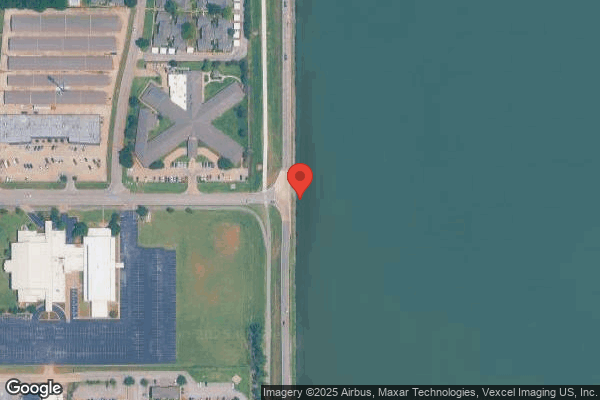
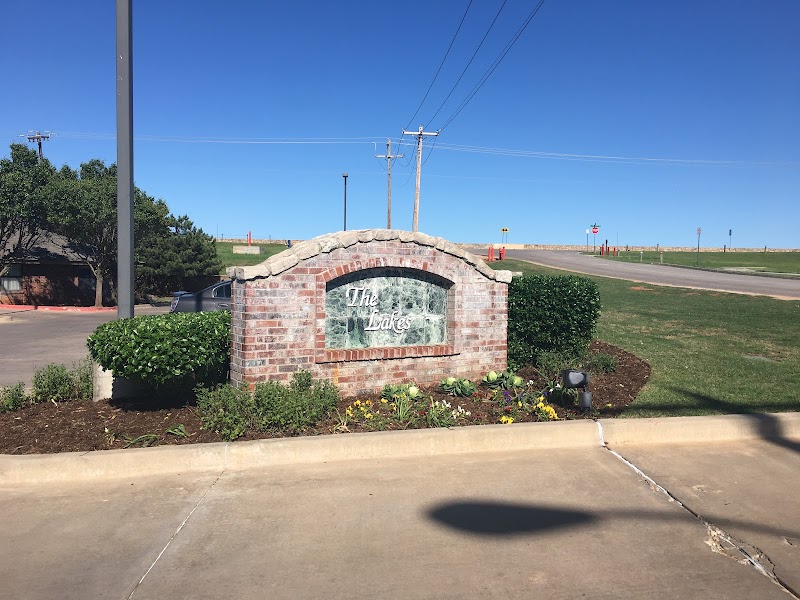
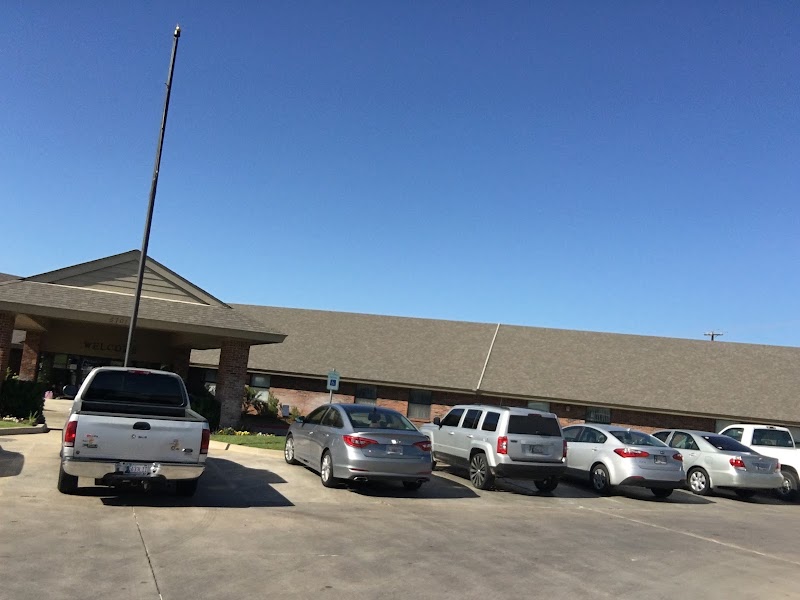

THE LAKES

5701 WEST BRITTON ROAD, OKLAHOMA CITY, OK 73132 (405) 773-8900
For profit - Individual 120 Beds PHOENIX HEALTHCARE Data: November 2025 1 Immediate Jeopardy citation
Trust Grade
21/100
#273 of 282 in OK
Last Inspection: November 2024

Within standard 12-15 month inspection cycle. Federal law requires annual inspections.

Overview

The Lakes in Oklahoma City has received a Trust Grade of F, indicating significant concerns about the quality of care provided. With a state rank of #273 out of 282 facilities in Oklahoma, this places them in the bottom half of nursing homes in the state, and #37 out of 39 in Oklahoma County means there are very few local options that are worse. The facility is worsening, having increased from 6 issues last year to 18 this year, which raises serious alarms for potential residents and their families. While staffing is relatively strong with a 4 out of 5 rating and a turnover rate of 46%, there are critical and serious incidents reported, such as a resident with cognitive impairment wandering away from the facility and another resident suffering a fall that resulted in a head injury due to inadequate supervision. Furthermore, the facility has accumulated $19,073 in fines, which is average, yet reflects ongoing compliance issues that families should consider when making their decision.

Trust Score
F
21/100
In Oklahoma
#273/282
Bottom 4%
Safety Record
High Risk
Review needed
Inspections
Getting Worse
6 → 18 violations
Staff Stability
⚠ Watch
46% turnover. Above average. Higher turnover means staff may not know residents' routines.
Penalties
✓ Good
$19,073 in fines. Lower than most Oklahoma facilities. Relatively clean record.
Skilled Nurses
○ Average
Each resident gets 33 minutes of Registered Nurse (RN) attention daily — about average for Oklahoma. RNs are the most trained staff who monitor for health changes.
Violations
⚠ Watch
29 deficiencies on record. Higher than average. Multiple issues found across inspections.
★☆☆☆☆
1.0
Overall Rating
★★★★☆
4.0
Staff Levels
★☆☆☆☆
1.0
Care Quality
★★☆☆☆
2.0
Inspection Score
Stable
2023: 6 issues
2024: 18 issues

The Good

  • 4-Star Staffing Rating · Above-average nurse staffing levels
  • Full Sprinkler Coverage · Fire safety systems throughout facility
  • No fines on record

Facility shows strength in staffing levels, fire safety.

The Bad

1-Star Overall Rating

Below Oklahoma average (2.6)

Significant quality concerns identified by CMS

Staff Turnover: 46%

Near Oklahoma avg (46%)

Higher turnover may affect care consistency

Federal Fines: $19,073

Below median ($33,413)

Minor penalties assessed

Chain: PHOENIX HEALTHCARE

Part of a multi-facility chain

Ask about local staffing decisions and management

The Ugly 29 deficiencies on record

1 life-threatening 1 actual harm
Dec 2024 2 deficiencies 1 Harm
SERIOUS (G) 📢 Someone Reported This

A family member, employee, or ombudsman was alarmed enough to file a formal complaint

Actual Harm - a resident was hurt due to facility failures

Accident Prevention (Tag F0689)

A resident was harmed · This affected 1 resident

Based on observation, record review, and interview, the facility failed to prevent a resident from a fall resulting in a close head injury during the provision of care for one (#3) of three sampled re...

Read full inspector narrative →
Based on observation, record review, and interview, the facility failed to prevent a resident from a fall resulting in a close head injury during the provision of care for one (#3) of three sampled residents reviewed for accidents. The administrator identified 67 residents resided in the facility and 34 residents required assistance with activities of daily living. Findings: The Safety and Supervision of Residents policy, revised 07/2017, read in part, Resident safety and supervision and assistance to prevent accidents are facility-wide priorities. Resident #3 had diagnoses which included vascular dementia and Alzheimer's disease. Resident #3's care plan for ADLs and falls, revised 10/29/24, documented the resident: a. was dependent on staff for bed mobility, b. was totally dependent on staff for repositioning and turning in bed, c. required total assistance with transfers, and d. was at risk for falls. Resident #3's quarterly resident assessment, dated 10/30/24, documented the resident had severe cognitive impairment and was dependent on staff for toileting hygiene. The assessment documented the resident weighed 222 lbs. A nursing note, dated 12/08/24 at 8:05 a.m., read in part, while given peri care the Resident rolled out of the other side of the bed on to the floor. Nurse noted the Resident lying supine on the floor on the left side of the bed. A knot about the size of a quarter was noted on the right side of the forehead. An After Visit Summary, dated 12/08/24, documented diagnoses of closed head injury and contusion of forehead An Initial State Reportable Incident form, dated 12/09/24, documented certain injuries. It documented Resident #3 rolled out the other side of the bed on to the floor during peri care. It documented a knot about the size of a quarter was noted on right side of the resident's forehead. It documented the resident was sent to the ER due to head injury and being on Eliquis (blood thinner). It documented the resident returned within hours with a diagnosis of closed head injury. A Final State Reportable Incident form, dated 12/13/24, documented certain injuries. It documented Resident #3 had completed neuro checks. It documented knot resolving to right side of forehead with slight discoloration. It documented staff were educated to use two person assist when the resident was in bed. On 12/17/24 at 8:39 a.m., Resident #3 was observed receiving peri care by CNA #2 and CNA #3. The resident was dependent on staff for turning during the provision of peri care. There was no effort from the resident. On 12/17/24 at 1:07 p.m., CNA #3 stated Resident #3 was incontinent and required two staff assistance with peri care. They stated they always had another staff to assist with peri care. On 12/17/24 at 1:07 p.m., the CNO stated they educated staff on using two person assist with Resident #3 on the day of the incident, but did not have signatures or documentation for the education. On 12/17/24 at 2:58 p.m., CNA #1 stated they were completing peri care when the resident rolled out of the bed onto the floor. They stated they had turned the resident on their left side and their left hand was on the resident to hold them. They stated the resident was slippery due to having a bowel movement. CNA #1 stated everything happened so fast. They stated they tried to pick up the wipes with their right hand and the resident rolled out of the bed onto the floor. They stated there were no rails to prevent the fall. They stated they were informed the resident was a one person assist with peri care. On 12/17/24 at 3:06 p.m., CMA #4 stated they were educated after the incident that Resident #3 would now be a two person assist with peri care. They stated they always used two person assist with the resident because they were obese, used a lift for transfers, shook during care, and there was no support in front of the resident so another staff had to be in front to hold them. They stated sometimes if the resident was shaking badly, it could take up to three staff to assist in the care. On 12/17/24 at 3:21 p.m., LPN #1 stated Resident #3 was a one or a two person assist with peri care, but every time they completed peri care on the resident they got another staff to assist. They stated the resident was a two person transfer with the lift. On 12/17/24 at 3:27 p.m., observation of Resident #3's bed was made. There was no supporting device for the resident to hold on to during the provision of care. On 12/18/24 at 2:21 p.m., MDS Coordinator #1 stated totally dependent on staff meant the staff did 75% or more of the effort. They stated it could require one staff or two staff assistance.
CONCERN (D) 📢 Someone Reported This

A family member, employee, or ombudsman was alarmed enough to file a formal complaint

Potential for Harm - no one hurt, but risky conditions existed

Free from Abuse/Neglect (Tag F0600)

Could have caused harm · This affected 1 resident

Based on record review and interview, the facility failed to ensure a resident was free from abuse for one (#2) of three sampled residents reviewed for abuse. The administrator identified 67 residents...

Read full inspector narrative →
Based on record review and interview, the facility failed to ensure a resident was free from abuse for one (#2) of three sampled residents reviewed for abuse. The administrator identified 67 residents resided in the facility. Findings: The Abuse and Neglect Clinical Protocol policy, revised 07/2017, read in part, Sexual abuse is defined .as non-consensual sexual contact of any type with a resident. Resident #2 had diagnoses which included dementia and senile degeneration of brain. Resident #2's quarterly resident assessment, dated 10/23/24, documented the resident had severe cognitive impairment. An Initial State Reportable Incident form, dated 12/02/24, documented an allegation of abuse/mistreatment. It documented Resident #4 was witnessed putting their hand on Resident #2's crotch while sitting at the TV area. It documented Resident #4 was immediately removed from the area and placed on one on one with staff. It documented no injury noted to Resident #2 who was unable to answer any questions regarding the situation. On 12/17/24 at 9:57 a.m., Housekeeper #1 stated they observed Resident #4's hand over Resident #2's crotch over their clothing on their way to the vending machine. They stated they went to get help and it took about five to eight minutes to get help to separate the two residents. On 12/17/24 at 1:23 p.m., the administrator stated they were the abuse coordinator. On 12/17/24 at 1:24 p.m., the administrator and the CNO stated sexual abuse was any unwanted physical contact or any report where a resident felt they were sexually abused. On 12/17/24 at 1:33 p.m., the administrator stated they had completed a safe survey of all residents on 12/01/24 for a different incident and did not complete a safe survey specific to this incident. On 12/17/24 at 1:39 p.m., the administrator and the CNO stated the incident could be considered sexual abuse and that was why it was reported as abuse to the Department.
Nov 2024 11 deficiencies
CONCERN (D)

Potential for Harm - no one hurt, but risky conditions existed

Notification of Changes (Tag F0580)

Could have caused harm · This affected 1 resident

**NOTE- TERMS IN BRACKETS HAVE BEEN EDITED TO PROTECT CONFIDENTIALITY** Based on observation, record review and interview, the facility failed to notify the attending physician of a wound without a tr...

Read full inspector narrative →
**NOTE- TERMS IN BRACKETS HAVE BEEN EDITED TO PROTECT CONFIDENTIALITY** Based on observation, record review and interview, the facility failed to notify the attending physician of a wound without a treatment order for one (#18) of two sampled residents with wounds. The DON identified three residents had been admitted to the facility with wounds since 10/01/24. Findings: An undated facility policy, Guidelines for Notifying Physician of Clinical Problems, read in part, These guidelines are to help ensure that .medical problems are communicated to the medical staff in a timely efficient manner .The charger nurse or supervisor should contact the attending physician at anytime if they feel a clinical situation requires immediate discussion and management .the nurse should have the the following information available active medical problems. The admission Assessment and Follow Up: Role of the Nurse, last revised September 2012, read in part, conduct a physical assessment including skin .contact the attending physician to communicate and review the findings of the initial assessment and any other pertinent information and obtain admission orders that are based on these findings. The admission Notes policy , last revised September 2012, read in part, When a resident is admitted to the nursing unit, the admitting Nurse must document the following .the general condition of the resident upon admission .the time the attending physician was notified of the admission .the time the physician's orders were received and verified. Resident #18 was admitted to the facility on [DATE] with diagnoses which included acute respiratory failure, Parkinson's disease, acute kidney failure, atrial fibrillation, displaced bimalleolar fracture of left lower leg, and disorder of the skin and subcutaneous tissue. Resident #18's admission Summary, dated 11/08/24, documented they had surgical wounds, bruises, skin tears/cuts and other open lesions on the foot. Resident #18's skin and wound progress note, dated 11/08/24, documented their right heel had eschar and they were admitted to the facility with it. The wound was unstageable and measured 3 cm X 3 cm with no depth. There was no documentation Resident #18's physician had been notified on admission of the right heel wound and no treatments. On 11/20/24 at 9:34 a.m., LPN #3 stated they were the admitting nurse for Resident #18. LPN #3 stated Resident #18 had orders from a previous facility that was reviewed for orders. On 11/20/24 at 10:33 a.m., LPN #3 stated there were no orders for treatment. They stated after completing the admission assessment they left for the day without contacting the physician. LPN #3 stated the physician should have been notified and they were not notified until 11/11/24 when the ADON contacted the physician. On 11/20/24 at 12:54 p.m., the ADON stated Resident #18 was admitted with a wound to their right heel and LPN #3 would know what the treatment order was on admission. After looking through the clinical record they stated there were no orders on admission and the physician should have been notified of the wound to get a treatment order. On 11/20/24 at 1:09 p.m., the DON stated it was the expectation of the facility to notify the physician of any wounds on admission and get orders if needed.
CONCERN (D)

Potential for Harm - no one hurt, but risky conditions existed

Assessment Accuracy (Tag F0641)

Could have caused harm · This affected 1 resident

Based on record review and interview, the facility failed to ensure a MDS was coded accurately for one (#30) of 18 sampled residents reviewed for accuracy of MDS assessments. The DON identified 71 re...

Read full inspector narrative →
Based on record review and interview, the facility failed to ensure a MDS was coded accurately for one (#30) of 18 sampled residents reviewed for accuracy of MDS assessments. The DON identified 71 residents resided in the facility. Findings: Resident #30 had diagnoses which included spondylosis and peripheral vascular disease. An admission assessment, dated 10/31/24, documented the resident had an indwelling catheter. On 11/20/24 at 12:45 p.m., MDS coordinator #2 stated Resident #30 did not have a catheter. They stated for some reason the system auto populates. MDS Coordinator #1 stated they would do a correction and that was not the only one. They stated they needed to pay better attention and it was not coded accurately.
CONCERN (D)

Potential for Harm - no one hurt, but risky conditions existed

Deficiency F0661 (Tag F0661)

Could have caused harm · This affected 1 resident

Based on record review and interview, the facility failed to complete a discharge summary for one (#72) of one sampled resident reviewed for discharge. The Admission/Discharge To/From Report, dated 0...

Read full inspector narrative →
Based on record review and interview, the facility failed to complete a discharge summary for one (#72) of one sampled resident reviewed for discharge. The Admission/Discharge To/From Report, dated 05/01/24 through 11/18/24, documented 10 residents discharged from the facility within the last six months. Findings: Res #72 discharged from the facility on 09/03/24 after a respite stay since 08/26/24. A communication note, dated 09/03/24 at 4:37 p.m., documented, Resident picked up by transport to be taken home. Wife, Hospice, ADON and PA aware. Personal belongings and medications given to transport. There was no documentation a discharge summary had been completed. On 11/19/24 at 11:16 a.m., LPN #3 stated they did not see the summary. They stated the policy was to document where the resident was going, how they discharged , any teaching, medications, a brief summary, who picked them up, and details of the stay.
CONCERN (D)

Potential for Harm - no one hurt, but risky conditions existed

Respiratory Care (Tag F0695)

Could have caused harm · This affected 1 resident

Based on observation, record review and interview, the facility failed to ensure: a. oxygen tubing was changed; and b. oxygen was administered as ordered for one (#6) of one sampled resident reviewed...

Read full inspector narrative →
Based on observation, record review and interview, the facility failed to ensure: a. oxygen tubing was changed; and b. oxygen was administered as ordered for one (#6) of one sampled resident reviewed for oxygen. The DON identified six residents with orders for oxygen resided in the facility. Findings: An Oxygen Administration policy, revised 10/2010, read in part, The purpose of this procedure is to provide guidelines for safe oxygen administration .Verify there is a physician's order for this procedure .After completing the oxygen setup .the following information should be recorded in the resident's medical record .The date and time that the procedure was performed .The rate of oxygen. The Respiratory Therapy Prevention of Infection policy, revised 11/2011, read in part, The purpose of this procedure is to guide prevention of infection associated with respiratory therapy .Check water levels of refillable humidifier units daily when humidified O2 is used .Change the reservoir every forty-eight (48) hours when humidified O2 is used. Resident #6 had diagnoses which included chronic respiratory failure with hypoxia and chronic respiratory failure with hypercapnia. A discontinued order, dated 10/18/23, documented oxygen via nasal cannula at two liters continuous three times a day. A discontinued order, dated 09/19/24, documented oxygen via nasal cannula at two liters continuous three times a day. The September 2024 TAR documented the oxygen tubing and humidifier bottle was to be changed weekly on Saturdays. The last documented oxygen tubing change was on the 7th. A Physician Order, dated 10/09/24, documented oxygen via nasal cannula at two liters continuous three times a day. An Annual Resident Assessment, dated 10/25/24, documented Resident #6 utilized oxygen therapy while a resident at the facility. The October 2024 TAR did not document Resident #6's oxygen tubing had been changed during the month. The November 2024 TAR did not document Resident #6's oxygen tubing had been changed for the month. There was no order to change oxygen tubing located in Resident #6's current physician orders. On 11/18/24 at 9:19 a.m., Resident #6 was observed with oxygen in place via nasal cannula. Resident #6 stated they wore oxygen continuously. The humidifier bottle on the oxygen concentrator was observed with a date of 08/31/24 and the oxygen tubing was not connected to the humidifier bottle. There was no date observed on the oxygen tubing. Resident #6 stated they did not use the humidifier because they did not notice much of a difference with it. They stated their oxygen was to be at three liters. The oxygen was observed running at four liters. On 11/18/24 at 9:25 a.m., LPN #4 entered Resident #6's room and administered an inhaler to the resident. LPN #4 did not observed the flow rate of the resident's oxygen that was running. On 11/19/24 at 10:03 a.m., LPN #3 stated staff dated oxygen tubing. When asked how often it was changed, LPN #3 stated, You do what's best for you. They stated if it looked like moisture or a kink was forming, they would switch it out. They stated sometimes it could have discoloration along the nasal part or ear part and they would throw it away. On 11/21/24 at 10:10 a.m., Resident #6 was observed wearing oxygen via nasal cannula running at four liters. There was no date observed on the oxygen tubing. The humidifier bottle on the oxygen concentrator was observed with a date of 08/31/24 and the oxygen tubing was not connected to the humidifier bottle. On 11/21/24 at 10:15 a.m., LPN #4 stated if a resident was on continuos oxygen, staff would ensure the resident had oxygen on, kept pressures, and monitored oxygen every shift. They stated the humidifying component depended on the physician orders and dryness of the mucosa. On 11/21/24 at 10:16 a.m., LPN #4 stated the rate at which the oxygen was to be set would be included in the orders. They stated the night shift would change out the oxygen tubing weekly and most of the residents were scheduled to have it changed every Saturday at bedtime. On 11/21/24 at 10:19 a.m., LPN #4 stated Resident #6 had and order for continuous oxygen at two liters. On 11/21/24 at 10:21 a.m., LPN #4 stated they did not see an order for changing the tubing. On 11/21/24 at 10:22 a.m., LPN #4 walked into Resident #6's room visualized their oxygen concentrator and stated, Oh my goodness. They stated it was running at four liters. They stated they did not see a date sticker on the tubing. They stated the humidifier part was old because the resident did not use it. They stated it was dated August 31st and removed it from the concentrator. On 11/21/24 at 10:26 a.m., the DON stated staff were to verify the physician order, facility protocol, care plan, and assemble equipment and supplies when providing oxygen to residents. On 11/21/24 at 10:28 a.m., the DON stated residents had specific orders for how many liters to put the oxygen at. On 11/21/24 at 10:29 a.m., the DON stated oxygen tubing was supposed to be changed weekly. On 11/21/24 at 10:31 a.m., the DON stated Resident #6 had an order for continuous oxygen at two liters. They stated there was a spot to document checking the oxygen saturation each shift attached to the order.
CONCERN (D)

Potential for Harm - no one hurt, but risky conditions existed

Deficiency F0761 (Tag F0761)

Could have caused harm · This affected 1 resident

Based on observation, record review, and interview, the facility failed to ensure treatment carts were secured when not in use for one observation observed on hall 500 for medication storage. The DON ...

Read full inspector narrative →
Based on observation, record review, and interview, the facility failed to ensure treatment carts were secured when not in use for one observation observed on hall 500 for medication storage. The DON identified 71 residents resided in the facility. Findings: A Storage of Medication policy, dated 4/2007, read in part, The facility shall store all drugs and biologicals in a safe, secure, and orderly manner. The policy also read, Compartment (including but not limited to, drawers, cabinets, rooms, refrigerators, carts, and boxes.) containing drugs and biologicals shall be locked when not in use, and trays or carts used to transport such items shall not be left unattended if open or otherwise potentially available to others. On 11/19/24 at 3:30 p.m., LPN #2 was observed preparing to do wound care. They were observed to walk away from the unlocked treatment cart and walk up the hall towards the nurses station. On 11/19/24 at 3:32 p.m., LPN #2 returned to the cart. They stated they left the cart unlocked and the policy for securing medications was to lock the cart when they walk away from it.
CONCERN (E)

Potential for Harm - no one hurt, but risky conditions existed

PASARR Coordination (Tag F0644)

Could have caused harm · This affected multiple residents

Based on record review and interview, the facility failed to ensure a resident with a new diagnosis of a serious mental health condition had a pre-admission screening and resident review updated for o...

Read full inspector narrative →
Based on record review and interview, the facility failed to ensure a resident with a new diagnosis of a serious mental health condition had a pre-admission screening and resident review updated for one (#1) of one sampled resident reviewed for PASARR level two. The DON identified 28 residents with serious mental health diagnoses. Findings: The facility policy titled, admission Criteria, read in part, Nursing and medical needs of individuals with mental disorders, intellectual disabilities will be determined by coordination with the Medicaid Pre-admission and Resident Review program (PASARR) to the extent possible. Resident # 1 had diagnoses which included psychosis, anxiety, and recurrent depression. Resident #1's Nursing Level of Care Assessment, dated 01/23/18, did not document they had any serious mental health conditions. The primary diagnosis was listed as multiple sclerosis. A review of the order summary medical diagnoses list documented Resident #1 had the following new diagnoses after the initial PASARR was completed in 2018: a. anxiety with an onset date of 09/11/18; b. psychosis not due to a substances or known psychological condition with an onset date of 11/10/23; and c. recurrent depression disorder with an onset date of 11/10/23. An annual MDS assessment, ARD date 07/30/24, docuented Resident #1 did not have a serious mental illness. The assessment further documented Resident #1 had psychiatric mood disorders of anxiety, depression, and psychotic disorder. A care plan, last revised 11/05/24, documented Resident #1 had a diagnoses of anxiety, depression, and psychosis. The documented interventions for all focused areas was for Resident #1 were to be provided their psychoactive medications as ordered by the doctor. Resident #1's physician's orders, dated November 2024, documented Risperdal (antipsychotic medication) 0.5 mg give one tablet by mouth one time a day related to psychosis. The order was first written on 11/17/23. There was no documentation the facility had completed an updated PASARR with the onset of serious mental health diagnoses of recurrent depression, anxiety, and psychosis. On 11/19/24 9:40 a.m, MDS coordinator #1 stated pre-admission screening and resident review was to be completed on admission, when they got referrals, or as soon as they got to the facility. MDS Coordinator #1 stated schizophrenia, recurrent depression, bipolar, and anxiety were all serious mental health diagnoses. They stated Resident #1 had recurrent depression, anxiety, and psychosis which were serious mental health diagnoses. MDS Coordinator #1 stated the diagnoses onset dates were 11/10/23 for recurrent depression and psychosis and 11/20/18 for anxiety. They stated the intital screening occurred on 01/24/18 and it did not list any serious mental health conditions. MDS Coordinator #1 further stated no other screening had been completed after the initial assessment in 2018 and there should have been a new screening to know if there was the need for a level two PASARR. They stated all of Resident #1's serious mental health diagnoses should have had a screen completed. On 11/19/24 at 9:57 a.m., the DON stated a PASARR had to be submitted on admission and if there was a new psychological diagnosis. They stated schizophrenia, recurrent depression, bipolar, and anxiety were all serious mental health diagnoses that would require a screen with the onset of the new diagnosis. The DON stated Resident #1's diagnoses onset dates were 11/10/23 for recurrent depression and psychosis and 11/20/18 for anxiety. They stated a screen should have been completed if they were not on the original screening.
CONCERN (E)

Potential for Harm - no one hurt, but risky conditions existed

Comprehensive Care Plan (Tag F0656)

Could have caused harm · This affected multiple residents

Based on record review and interview, the facility failed to develop a comprehensive care plan for: a. IV and antibiotic usage for one (#20); b. visual function for one (#6); and c. antipsychotic medi...

Read full inspector narrative →
Based on record review and interview, the facility failed to develop a comprehensive care plan for: a. IV and antibiotic usage for one (#20); b. visual function for one (#6); and c. antipsychotic medication use for one (#35) of 18 sampled residents whose care plans were reviewed. The DON identified 71 residents who resided in the facility. Findings: A Care Plans, Comprehensive Person-Centered policy, revised 12/16, read in part, A comprehensive, person-centered care plan that includes measurable objectives and timetables to meet the resident's physical, psychosocial and functional needs is developed and implemented for each resident. 1. Resident #20 had diagnoses which included metabolic encephalopathy, chronic kidney disease, and urinary tract infection. A progress note, dated 11/03/24 at 2:31 p.m., documented they received a urine culture report and the resident would need a midline or PICC placement for IV antibiotic. It documented the resident was sent to the emergency room for a long term access device placement and to receive their first dose of antibiotic for monitoring related to a drug allergy to penicillin. A physician's order, dated 11/04/24, documented normal saline flush intravenous solution with 10 cc intravenously every 8 hours related to urinary tract infection. A care plan focus for urinary tract infection, dated 11/04/24, did not include any documentation or interventions for an IV or antibiotic. The medical record was reviewed and revealed the resident completed their antibiotic on 11/17/24. A physician's order, dated 11/22/24, documented to change the PICC line dressing every seven days. On 11/21/24 at 12:08 p.m., MDS coordinator #2 stated the IV and antibiotic for the recent UTI were not on the care plan and they normally were on the care plan. 2. Resident #6 had diagnoses which included anxiety disorder, essential hypertension and tremor. An Annual Resident Assessment, dated 10/25/24, documented Resident #6's cognition was intact and they had impaired vision and used corrective lenses. The CAA documented visual function had triggered and the care plan decision was yes. Resident #6's care plan did not address their visual function. On 11/18/24 at 9:35 a.m., Resident #6 reported they broke their glasses yesterday. On 11/18/24 at 9:36 a.m., Resident #6's glasses were observed with tape on the right upper frame. The right lens was also observed out of the frame. On 11/21/24 at 10:00 a.m., MDS coordinator #2 stated MDS coordinator #1 had completed Resident #6's annual resident assessment. They stated MDS coordinator #1 was not at the facility and MDS coordinator #2 stated they would be able to answer questions about it. On 11/21/24 at 10:02 a.m., MDS coordinator #2 stated visual concerns were captured on a residents MDS assessment if they had glasses or reading glasses. They stated it was documented under section b. They stated the CAA summary was where they got their information for that section. They stated Resident #6's CAA summary did trigger visual function. On 11/21/24 at 10:03 a.m., MDS coordinator #2 stated anything that triggered should be put on the care plan. They reviewed Resident #6's care plan and stated they were not seeing it on the care plan. 3. Resident #35 had diagnoses which included psychotic disorder with delusions due to known physiological condition. A Physician Order, dated 06/29/24, documented Seroquel (antipsychotic medication) 25 mg one tablet by mouth at bedtime related to unspecified insomnia and psychotic disorder with delusions due to know physiological condition. An admission Resident Assessment, dated 07/06/24, documented Resident #35 had severe cognitive impairment and was taking antipsychotic medication and had an indication for use. The CAA documented psychotropic drug use was trigger and was addressed in the care plan. Resident #35's care plan did not address their antipsychotic medication use or interventions in place to address their psychotic disorder with delusions. On 11/20/24 at 1:34 p.m., LPN #4 stated Resident #35 received Seroquel for psychotic disorder with delusions with known physiological condition. On 11/20/24 at 1:36 p.m., LPN #4 stated Resident #35 occasionally wandered from room to room when their anxiety was high. They stated the resident exhibited restlessness and disorganized thinking. On 11/20/24 at 1:39 p.m., LPN #4 stated staff redirected the resident, provided a calm environment, and would reproach the resident when they exhibited behaviors. They stated medications including antipsychotic medication was monitored and put in resident care plans. On 11/20/24 at 1:41 p.m., LPN #4 reviewed Resident #35's care plan and stated they were not seeing the resident's antipsychotic medication addressed in the care plan. On 11/20/24 at 1:47 p.m., MDS coordinator #2 stated diagnoses, medication, ADLs, and discharge plan interviews were used when developing a resident care plan. On 11/20/24 at 1:48 p.m., MDS coordinator #2 stated if a resident was taking psychotropic medications they would all be in a group. They stated they would click on mental health disorder, they would click on depression, and the program would load any behaviors, psychoactive medications, and side effects they would watch for. On 11/20/24 at 1:51 p.m., MDS coordinator #2 stated Resident #35 was on Seroquel for psychotic disorder with delusions. They stated they would need to research where the diagnosis came from and update the resident's care plan. On 11/20/24 at 1:52 p.m., MDS coordinator #2 stated the antipsychotic was coded on the resident assessment and they did not see it on the care plan.
CONCERN (E)

Potential for Harm - no one hurt, but risky conditions existed

Pressure Ulcer Prevention (Tag F0686)

Could have caused harm · This affected multiple residents

**NOTE- TERMS IN BRACKETS HAVE BEEN EDITED TO PROTECT CONFIDENTIALITY** Based on observation, record review and interview, the facility failed to ensure wound treatments were provided for one (#18) of...

Read full inspector narrative →
**NOTE- TERMS IN BRACKETS HAVE BEEN EDITED TO PROTECT CONFIDENTIALITY** Based on observation, record review and interview, the facility failed to ensure wound treatments were provided for one (#18) of two sampled residents reviewed for pressure ulcers. The DON identified three residents had been admitted to the facility with wounds since 10/01/24. Findings: An undated facility policy, Guidelines for Notifying Physician of Clinical Problems, read in part, These guidelines are to help ensure that .medical problems are communicated to the medical staff in a timely efficient manner .The charger nurse or supervisor should contact the attending physician at anytime if they feel a clinical situation requires immediate discussion and management .the nurse should have the the following information available .active medical problems. The admission Assessment and Follow Up: Role of the Nurse, last revised September 2012, read in part, conduct a physical assessment including .skin .contact the attending physician to communicate and review the findings of the initial assessment and any other pertinent information and obtain admission orders that are based on these findings. The Pressure Ulcer/Injury Risk Assessment policy, last revised July 2017, read in part, documentation in medical record addressing MDS notification if new skin altercation notes with change of plan of care, if needed. The admission Notes policy , last revised September 2012, read in part, When a resident is admitted to the nursing unit, the admitting Nurse must document the following .the general condition of the resident upon admission .the time the attending physician was notified of the admission .the time the physician's orders were received and verified. Resident #18 was admitted to the facility on [DATE] with diagnoses which included acute respiratory failure Parkinson's disease, acute kidney failure, atrial fibrillation, displaced bimalleolar fracture of left lower leg, and disorder of the skin and subcutaneous tissue. Resident #18's admission Summary, dated 11/08/24, documented they had surgical wounds, bruises, skin tears/cuts, and other open lesions on their foot. Resident #18's skin and wound progress note, dated 11/08/24, documented their right heel had eschar and they were admitted to the facility with it. It documented the wound was unstageable and measured 3 cm X 3 cm with no depth. Resdient #18's Baseline Care Plan, dated 11/08/24, documented they had pain to their right heel and had a wound on their right heel. The care plan documented Resident #18's wound measured 3 cm X 3 cm with black eschar on the heel and redness around the outer heel. There were no documented orders for a treatment to the right heel on admission. An Order Summary for Resident #18, dated 11/11/24, documented they had the following treatment order for the right heel. Cleanse right heel with hibiclens and pat dry. Apply calcium alginate to wound bed, cover with optifoam heel protector, secure with kerlix every day and prn one time a day related to disorder of the skin. The order was written three days after Resident #18 was admitted . Resident #18's admission MDS assessment, ARD date 11/12/24, documented they had one unhealed pressure ulcer due to slough or eschar on admission. Resident #18's care plan, dated 11/13/24, documented they had a focus area of potential for impairment to skin integrity. The interventions were documented as assist as needed with tranfers with caution to prevent injury, document skin condition weekly, encourage good nutrition and pressure relieving mattress on the bed. The care plan did not address the wound to the right heel. The November 2024 TAR documented the first treament to the right heel was on 11/11/24. There were no documented treatments on 11/08/24, 11/09/24, or 11/20/24. On 11/18/24 at 1:09 p.m., Resident #18 stated they had a hole in their heel. Resident #18 was observed with a heel protector boot in place and a bandage dated 11/17/24 on the right foot and heel. On 11/20/24 at 9:34 a.m., LPN #3 stated they were the admitting nurse for Resident #18. LPN #3 stated Resident #18 had orders from a previous facility that was reviewed for orders. On 11/20/24 at 10:33 a.m., LPN #3 stated there were no orders for treatments on the admitting paperwork. They stated after completing the admission assessment they left for the day without contacting the physician. LPN #3 stated the physician should have been notified and they were not notified until 11/11/24. LPN #3 stated the ADON was the one that notified the physician and got the order for a treatment on the wound. They stated the order was not until 11/11/24 and prior to that there were no orders for treatments. On 11/20/24 at 11:01 a.m., Resident #18 stated they had their wound since admission on their right heel. Resident #18 stated they just started doing a treatment on the right heel about a week ago and have since been doing them everyday. On 11/20/24 at 12:54 p.m., the ADON stated Resident #18 was admitted with a wound to their right heel, and LPN #3 would know what the treatment order was on admission. After looking through the clinical record they stated there were no orders on admission and the physician should have been notified of the wound to get a treatment order. The ADON indicated no treatment was provided for three days after admission when the order was obtained. On 11/20/24 at 1:09 p.m., the DON stated the admitting nurse was to assess's the resident in all areas including the skin. They stated they received orders from the facility they are admitting from and use them as a basis for their orders. The DON stated if there were identified skin issues without orders it was the expectation of the facility to notify the physician and get orders. They stated Resdient #18 was admitted to the facility with a wound to the right heel, and did not have an order from the previous facility for th wound. The DON stated there were no treatments that had been completed until 11/11/24 and Resident #18 went three days without a treatment. The DON stated the facility policy for admission and notification were not followed and it should be been completed on the first day Resident #18 was admitted the facility.
CONCERN (E)

Potential for Harm - no one hurt, but risky conditions existed

Pharmacy Services (Tag F0755)

Could have caused harm · This affected multiple residents

Based on observation, record review and interview, the facility failed to: a. ensure an insulin label indicated the order had changed for one (#41); and b. ensure medications were administered followi...

Read full inspector narrative →
Based on observation, record review and interview, the facility failed to: a. ensure an insulin label indicated the order had changed for one (#41); and b. ensure medications were administered following standards of practice for one (#41) of ten sampled residents observed during medication pass. The DON identified five residents with orders for a lidocaine patch. The Resident Matrix, dated 11/18/24, documented 16 residents received insulin. Findings: An Administering Topical Medications policy, revised 10/10, read in part, The purpose of this procedure is to provide guidelines for the safe administration of topical medications .Apply glove to your dominant hand .assess area for .debris .Clean the skin. Remove old medication residue .Don clean gloves if necessary .Trans-dermal patches .Clean and dry a selected area that is approved for application of the patch. Rotate sites with each new application, if possible. An Insulin Administration policy, revised 09/2014, read in part, To provide guidelines for the safe administration of insulin to residents with diabetes .The type of insulin, dosage requirements, strength, and method of administration must be verified before administration, to assure that it corresponds with the order on the medication sheet and the physician's order .The nurse shall notify the Director of Nursing Services and Attending Physician of any discrepancies, before giving the insulin . 1. Resident #41 had diagnoses which included chronic pain and type two diabetes mellitus with diabetic neuropathy. A Physician Order, dated 06/25/24, documented lidocaine (local anesthetic medication) external patch five percent apply to right front upper thigh topically one time a day. A Physician Order, dated 09/27/24, documented Lantus (insulin) 100 u/ml inject 55 units subcutaneously one time a day. On 11/19/24 at 9:37 a.m., LPN #3 obtained Resident #41's Lantus from the treatment cart and dialed it to 55 units. The label on the Lantus pen documented inject 45 units subcutaneously once daily with a fill date of 09/09/24. LPN #3 stated, It's 55 in out system. On 11/19/24 at 9:47 a.m., LPN #3 stated the facility had a sticker for change of medication for when the label of the medication did not match the order. LPN #3 stated there was not one on Resident #41's Lantus. They stated the order had recently changed to 55 and they would have to get with the pharmacy to have it changed. LPN #3 removed a lidocaine patch five percent from the treatment cart and obtained a pair of scissors from the top drawer of the cart. On 11/19/24 at 9:50 a.m., LPN #3 cut the lidocaine patch container open, removed the patch and dated and initialed the patch. LPN #3 removed the old patch, dated 11/18/24, from Resident #41's right upper thigh, threw it in the trash, and placed a new patch on the same general area of the resident's right upper thigh. LPN #3 did not clean the site prior to placing a new lidocaine patch on the resident's thigh. On 11/19/24 at 10:22 a.m., LPN #3 stated staff were to move lidocaine patches to different areas of the resident's thigh when administering. They stated staff should probably use alcohol to clean the area first. They stated with Resident #41 they at least tried to move the patch in an area a little different from where it was. On 11/19/24 at 11:47 a.m., the DON stated staff were to wash their hands with soap and water or use alcohol based had rub, verify the order with the label on the lidocaine patch, check expiration, verify the resident's identity, apply glove to dominant hand, and assess the area of skin for debris when administering the lidocaine patch. The DON stated staff were to apply clean gloves if necessary, clean and dry the selected area and rotate sites when possible with each new application. On 11/19/24 at 11:51 a.m., the DON stated there was a change of direction sticker staff used when a medication order changed from what was documented on the label. They stated the sticker was supposed to be applied to the medication itself or the container for it.
CONCERN (E)

Potential for Harm - no one hurt, but risky conditions existed

Infection Control (Tag F0880)

Could have caused harm · This affected multiple residents

**NOTE- TERMS IN BRACKETS HAVE BEEN EDITED TO PROTECT CONFIDENTIALITY** Based on record review and interview, the facility failed to: a. maintain a water management program to prevent the growth of Le...

Read full inspector narrative →
**NOTE- TERMS IN BRACKETS HAVE BEEN EDITED TO PROTECT CONFIDENTIALITY** Based on record review and interview, the facility failed to: a. maintain a water management program to prevent the growth of Legionella and other opportunistic waterborne pathogens in the building water system; b. adhere to enhanced barrier precautions for one (#18) of 18 sampled residents reviewed for infection control; c. remove gloves and/or wash or sanitize hands in order to prevent cross contamination for six (#2, 22, 23, 26, 41, and #49); and d. clean out the nebulizer canister after use for one (#26) of ten sampled residents observed during medication pass. The DON identified 71 residents resided in the facility and eight residents with orders for nebulizer treatments. The Resident Matrix, dated 11/18/24, documented 16 residents received insulin. Findings: A Pulse Oximetry policy, revised 10/2010, read in part, Steps to procedure .Perform hand antisepsis .Remove probe when monitoring is complete .Perform hand antisepsis. The Respiratory Therapy Prevention of Infection policy, revised 11/2011, read in part, The purpose of this procedure is to guide prevention of infection associated with respiratory therapy .Infection Control Considerations Related to Medication Nebulizers .After completion of therapy .Remove the nebulizer container .Rinse with fresh tap water .Dry on a clean paper towel or gauze sponge. An Insulin Administration policy, revised 09/2014, read in part, Steps in the procedure .Wash hands .Check Blood Glucose per physician order .Depress the plunger and remove the needle after approximately five (5) seconds .Dispose of the needle in a designated container .Wash hands. A Handwashing/Hand Hygiene policy, revised 08/2015, read in part, This facility considers hand hygiene the primary means to prevent the spread of infections .All personnel shall follow the handwashing/hand hygiene procedures to help prevent the spread of infections to other personnel, residents .Wash hands with soap .and water for the following situations .When hands are visibly soiled .After contact with a resident with infectious diarrhea .Use alcohol-based hand rub .or .soap .and water for the following situations .Before and after direct contact with residents .Before preparing or handling medications .After contact with a resident's intact skin .After contact with blood or body fluids .After contact with objects in the immediate vicinity of the resident .After removing gloves .Hand hygiene is the final step after removing and disposing of personal protective equipment. A Legionella Water Management Program policy, dated 07/2017, read in part, As part of the infection prevention and control programs, our facility has a water management program, which is overseen by the water management team. The water management team will consist of at least the following personnel: a. The infection preventionist; b. The administrator; c. The medical director (or designee); d. The director of maintenance; and e. The director of environmental services. A Legionella Surveillance and Detection policy, dated 07/2017, read in part, Our facility is committed to the prevention, detection and control of water-borne contaminants, including Legionella. Legionnaire's disease will be included as part of our infection surveillance activities. 1. Resident #18 had diagnoses which included Parkinson's and a-fib. Resident #18s skin and wound progress note, dated 11/08/24, documented their right heel had eschar and they were admitted to the facility with it. It documented the wound was unstageable and measured 3 cm X 3 cm with no depth. Resdient #18's Baseline Care Plan, dated 11/08/24, documented they had pain to their right heel and had a wound on their right heel. The care plan documented Resident #18's wound measured 3 cm X 3 cm with black eschar on their heel and redness around the outer heel. On 11/20/24 at 10:55 a.m., LPN #1 stated the PPE for EBP was a gown and gloves and they were kept in the shower room. On 11/20/24 at 3:37 p.m., LPN #2 was observed to begin performing the treatment on Resident #18's right heel wound. There was no observation of LPN #2 wearing a gown during the provision of wound care. There was no observation of signage to indicate EBP for Resident #18. On 11/20/24 at 1:13 p.m., the ADON stated the EBP policy was for residents that had a peg tube, wound, nebulizer treatment, all Foleys, trachs, and gastric tube. They stated not skin tears. The ADON stated Resident #18 should have been on EBP. They stated the PPE required was a gown, gloves, and mask if airborne. The ADON stated the policy was not followed if the staff did not wear PPE and there was no signage. 2. On 11/20/24 at 1:52 p.m., the maintenance supervisor stated the city came out annually and if they called them to test if someone got sick. They stated they would need to request the documentation. On 11/20/24 at 8:39 a.m., the maintenance supervisor stated they had not received the Legionella testing results and were still waiting. On 11/21/24 at 8:58 a.m., the maintenance supervisor was shown the facility's policy for Legionella. They stated they did not know they had to do the elements listed in the policy. There was no documentation provided by the facility Legionella monitoring had been completed. 3. Resident #26 had diagnoses which included COPD. A Physician Order, dated 11/11/24, documented Ipratropium-albuterol inhalation solution 0.5-3 ml/ 3 ml one vial inhale orally four times a day. 4. Resident #23 had diagnoses which included shortness of breath. A Physician Order, dated 03/26/22, documented combivent respimat aerosol solution 20-100 mcg/act one puff inhale orally three times a day. 5. Resident #41 had diagnoses which included chronic pain and type two diabetes mellitus with diabetic neuropathy. A Physician Order, dated 06/25/24, documented lidocaine external patch five percent apply to right front upper thigh topically one time a day. A Physician Order, dated 09/27/24, documented Lantus 100 u/ml inject 55 units subcutaneously one time a day. On 11/19/24 at 9:11 a.m., LPN #3 removed one vial of Ipratropium-albuterol inhalation solution 0.5-3 ml/ 3 ml from the treatment cart, sanitized their hands, donned gloves, picked up the vial, locked the cart, opened the resident's nebulizer mask with tubing that was in a bag in their room, connected it to the nebulizer machine, placed the mask on the resident's face, opened the vial, poured it into the canister, connected it to the mask, plugged the tubing into the machine, and turned the machine on. LPN #3 removed the nasal cannula tubing in the room, wrapped it up, and threw it in the trash on the treatment cart located in the hall with their gloves hands. They picked up the pulse oximeter off the top of the treatment cart and placed it on Resident #26's finger. On 11/19/24 at 9:21 a.m., LPN #3 removed the pulse oximeter and placed it back on top of the treatment cart with the same gloved hands. On 11/19/24 at 9:24 a.m., Resident #26's treatment was completed. LPN #3 removed the mask from their face, and placed the mask on the resident's bedside table, removed their gloves, left the room and went to the treament cart and pushed it down the hallway. LPN #3 did not clean out the nebulizer canister after use, wash or sanitize their hands, or clean the pulse oximeter after use. On 11/19/24 at 9:30 a.m., LPN #3 moved the treatment cart down to room [ROOM NUMBER]. Without washing or sanitizing their hands from the last treatment they walked into room [ROOM NUMBER] with a thermometer and took Resident #49's temperature and exited the room without washing or sanitizing their hands. On 11/19/24 at 9:32 a.m., LPN #3 opened the treatment cart, obtained Resident #23's combivent respimat 20 mcg/100 mcg inhaler, entered the room, donned gloves, took the resident's temperature, and watched Resident #23 administer the inhaler. LPN #3 used the same pulse oximeter previously used and without cleaning it, obtained Resident #23's oxygen saturation at 94 percent. LPN #3 returned to the treatment cart with one gloved hand that they had written on and placed the pulse oximeter on the cart. On 11/19/24 at 9:37 a.m., LPN #3 removed the glove and placed the inhaler back in the treatment cart. LPN #3 did not clean the pulse oximeter. On 11/19/24 at 9:37 a.m., LPN #3 sanitized their hands, took out two lancets, two alcohol prep pads, a glucometer, placed a test strip in the glucometer, and a cotton ball. They entered Resident #41's room pricked their finger, wiped the first blood off, obtained their FSBS to be 226, cleaned off their finger, threw the disposable items away, and removed their gloves. Without washing or sanitizing their hands, they documented the FSBS in the computer, obtained Resident #41's Lantus from the treatment cart and dialed it to 55 units. LPN #3 donned gloves, cleaned Resident #41's left arm with alcohol, administered the insulin, threw sharps in the sharps container on the treatment cart, and placed the lid back on the insulin pen all while wearing the same pair of gloves. LPN #3 accessed the computer with the same gloved hands to document the FSBS. On 11/19/24 at 9:47 a.m., with the same gloved hands, LPN #3 removed keys from their pocket, unlocked the treatment cart, and obtained a lidocaine patch five percent from the treatment cart, and obtained a pair of scissors from the top drawer of the cart. On 11/19/24 at 9:50 a.m., with the same gloved hands, LPN #3 cut the lidocaine patch container open, removed the patch and dated and initialed the patch. Wearing the same pair of gloves, LPN #3 removed the old patch, dated 11/18/24, from Resident #41's right upper thigh, threw it in the trash, and placed a new patch on the same general area of the resident's right upper thigh. LPN #3 removed their gloves and threw them in the trash. Without washing or sanitizing their hands, LPN #3 moved back to the treatment cart, obtained keys from their pocket, opened the cart, and started using the computer. LPN #3 obtained the thermometer, took Resident #41's temperature and scratched the resident's left upper back through their gown. LPN #3 went back to the treatment cart and started charting on the computer without washing or sanitizing their hands. On 11/19/24 at 9:55 a.m., without washing or sanitizing their hands, LPN #3 walked into Resident #2's room and took their temperature which read 97.6. Without washing or sanitizing their hands, LPN #3 walked over to the other resident in the room, Resident #22, and took their temperature which read 96.8. Without washing or sanitizing their hands, LPN #3 went out to the treatment cart and documented the readings. On 11/19/24 at 9:56 a.m., LPN #3 stated staff were to turn on water, use soap, lather a good 30 seconds, scrub between fingernails and fingers for 25 to 30 seconds, and rinse the soap off when washing their hands. They stated staff would dry their hands with a paper towel and use the paper towel to turn off the water. LPN #3 stated it was best to sanitize before going into each room, even when using gloves. They stated staff should sanitize anytime they went from room to room. On 11/19/24 at 9:58 a.m., LPN #3 stated staff were to use gloves for each resident. They stated they were not to use the same pair of gloves on two different residents. They stated they would remove gloves when visibly soiled. On 11/19/24 at 9:59 a.m., LPN #3 stated they should clean the pulse oximeter after each use. They stated they did not clean it in between uses and that was their fault. On 11/19/24 at 10:01 a.m., LPN #3 stated they did not clean out the canister after administering the nebulizer treatment to Resident #26. They stated they did not know the process for cleaning out the canister. They stated, I don't keep it on there for a whole week or anything like that. They stated sometimes if it got foggy from the temperature, they would switch it out just to be safe. They stated they did not ever date the tubing, but they should. On 11/19/24 at 11:35 a.m., the DON stated staff were to physically wash their hands with soap and water anytime they were visibly soiled. The ADON stated staff were to clean their hands before and after care and could use either sanitizer or soap if not visibly soiled. The DON stated after three uses of sanitizer, staff were supposed to wash their hands. On 11/19/24 at 11:36 a.m., the DON stated staff were clean the nebulizer machine after use per protocol, use soap and water, and allow it to air dry on a paper towel. They stated once it was dry they were to store it in a sanitary manner and change it out every seven days per policy. On 11/19/24 at 11:44 a.m., the DON stated staff would provide hand antiseptics, place probe on the resident's finger, turn on the pulse oximeter, and compare the pulse reading to the radial pulse when obtaining a pulse oximeter reading. They stated staff would perform hand antiseptics afterwards. On 11/19/24 at 11:47 a.m., the DON stated staff would clean the pulse oximeter if they dropped it on the floor, a resident put it in their mouth, or anytime it was dirty.
CONCERN (E)

Potential for Harm - no one hurt, but risky conditions existed

Deficiency F0883 (Tag F0883)

Could have caused harm · This affected multiple residents

**NOTE- TERMS IN BRACKETS HAVE BEEN EDITED TO PROTECT CONFIDENTIALITY** Based on record review and interview, the facilty failed to provide documentation the facility administered the pneumococcal vac...

Read full inspector narrative →
**NOTE- TERMS IN BRACKETS HAVE BEEN EDITED TO PROTECT CONFIDENTIALITY** Based on record review and interview, the facilty failed to provide documentation the facility administered the pneumococcal vaccine for two (#62 and #69) of five sampled residents reviewed for immunizations. The DON identified 71 residents who resided in the facility. Findings: A Pneumococcal Vaccine policy, dated 8/2016 read in part, Prior to or upon admission, residents are assessed for eligibility to receive the pneumococcal vaccine series, and when indicated, are offered the vaccine series within thirty (30) days of admission to the facility. 1. Resident #62 was admitted to the facility on [DATE]. The pneumococcal consent was signed on 12/04/23. The immunization record for the resident did not document the pneumococcal vaccine was administered. 2. Resident #69 was admitted to the facility on [DATE]. The pneumococcal consent was signed on 05/02/24. The immunization record for the resident did not document the pneumococcal vaccine was administered. On 11/21/24 8:38 a.m., the DON stated they were not able to locate any documentation either resident received the pneumococcal vaccine. They stated they had started at the facility in September of this year and they had not administered any vaccines. On 11/21/24 at 9:00 a.m., the DON stated neither Resident #62 nor #69 had received the pneumonia vaccine.
Oct 2024 3 deficiencies 1 IJ
CRITICAL (J) 📢 Someone Reported This

A family member, employee, or ombudsman was alarmed enough to file a formal complaint

Immediate Jeopardy (IJ) - the most serious Medicare violation

Accident Prevention (Tag F0689)

Someone could have died · This affected 1 resident

**NOTE- TERMS IN BRACKETS HAVE BEEN EDITED TO PROTECT CONFIDENTIALITY** On 10/09/24, an Immediate Jeopardy (IJ) situation was determined to exist related to the facility's failure to provide adequate ...

Read full inspector narrative →
**NOTE- TERMS IN BRACKETS HAVE BEEN EDITED TO PROTECT CONFIDENTIALITY** On 10/09/24, an Immediate Jeopardy (IJ) situation was determined to exist related to the facility's failure to provide adequate supervision to prevent elopement for Resident #1 with severe cognitive impairment, daily wandering behaviors, and a history of elopement. An initial State Reportable Incident, dated 10/06/24, documented the facility charge nurse was called and notified by the local church Resident #1 was at their facility. It documented the resident was assessed and noted to have bruising to left and right lower extremities, and bilateral knees. It documented the resident reported they fell but did not hit their head. It documented the resident was sent to the ER and would be placed on 1:1 with staff to ensure safety. An Incident Note, dated 10/06/24 at 1:29 p.m., documented Resident #1 returned to the facility from the hospital with no new orders. Staffing assignment sheets were reviewed from 10/06/24 through 10/09/24. There was no documentation 1:1 was completed by staff on 10/06/24 for the day and evening shift. On 10/09/24 at 4:58 p.m., the Oklahoma State Department of Health was notified and verified the existence of the IJ situation. On 10/09/24 at 5:05 p.m., the administrator and DON were notified of the IJ situation. On 10/10/24 at 11:25 a.m., an acceptable plan of removal was approved by the Oklahoma State Department of Health. The plan of removal documented: .Identification of total number of residents at risk for the same failed practice: 105 Actions to remove the immediacy of the alleged failed practice: . There are (four) residents at risk for this alleged deficient practice including this resident. Resident (initials removed) intentionally hides from the staff thinking it is a joke, Resident (initials removed) and (initials removed) occasionally exit seek and are easily redirected. .The identified resident was placed on 1:1 supervision on 10/06/24 1:29 PM upon return from the hospital check-up post incident and will remain on 1:1 if (the resident) remains as a resident at the facility. .Identified resident's family is seeking placement in a secure dementia unit which is a more appropriate setting for meeting this resident's needs and with the help of facility staff, the (family) found placement in a secure dementia facility and is planning to admit identified resident there on Friday, [DATE]. .Training of all staff in the areas of elopement risk including identification of those at risk for elopement, protection measures to prevent elopement, and dementia care including documentation of 1:1 when provided and lasted for 30 minutes for all current staff by the Nursing Leadership Team staff at 7PM October 9, 2024 and no other staff will be permitted to work until they have been in-serviced before their next scheduled shift by phone contact or in-person. .The facility will monitor resident (current and future) behaviors to observe for exit seeking, verbalization of needing to go home and/or unsafe wandering. New admits will be screened through interview and record review for at risk behavior including potential elopement or unsafe wandering. If a resident is determined to be at risk, then this information will be care planned with individualized interventions for that resident will be determined and implemented. This information will be captured on the initial baseline care plan for new admissions and on regular care plans for current residents. Any behaviors exhibited would be captured in the behavior notes and screened daily by the DON or designee to identify behaviors that might lead to elopement or unsafe wandering. The staff will also notify the DON or Administrator for residents that are wandering or exit seeking at the time of the event so an immediate intervention can be placed. Actions taken to prevent recurrence of alleged failed practice: DON or designee will: .Daily review of all incidents and behavior notes to identify residents at risk for elopement. .Review will include protection of residents from elopement or unsafe wandering and interventions to reduce potential elopement or unsafe wandering in residents with dementia. .Training for staff will continue re: dementia including protective measures from unsafe wandering and elopement as well as dementia care and behaviors prevention/management and including documentation for 1:1 Care when provided, on an on-going basis by the DON, ADON, MDS, Corporate staff or Administrator and will include new hires on 10/09/2024 and on-going. .The facility will monitor resident (current and future) behaviors to observe for exit seeking, verbalization of needing to go home and/or unsafe wandering. New admits will be screened through interview and record review for at risk behavior including potential elopement or unsafe wandering. If a resident is determined to be at risk, then this information will be care planned with individualized interventions for that resident will be determined and implemented. This information will be captured on the initial baseline care plan for new admission and on regular care plans for current residents. Any behaviors exhibited would be captured in the behavior notes and screened daily by the DON or designee to identify behaviors that might lead to elopement or unsafe wandering. The staff will also notify the DON or Administrator for residents that are wandering or exit seeking at the time of the event so an immediate intervention can be placed. Actions will be completed by: 10-10-2024 3:00 PM and no staff will be permitted to work until they have completed training, and this training will be completed before the start of their next worked shift. All current staff will be in-serviced about this as of 7PM on 10-09-2024 . The IJ was lifted, effective 10/10/24 at 3:00 p.m., when all components of the plan of removal had been verified as completed. The deficient practice remained isolated with the potential for more than minimal harm. Based on observation, record review and interview, the facility failed to provide adequate supervision to prevent elopement for a resident with severe cognitive impairment, daily wandering behaviors, and a history of elopement for one (#1) of three sampled residents reviewed for elopement. The ADON identified four residents at risk for elopement resided in the facility. Findings: An Elopement policy, revised 12/07, read in part, .Staff shall investigate and report all cases of missing residents . A Wandering policy, revised 08/14, read in part, .The facility will strive to prevent unsafe wandering while maintaining the least restrictive environment for residents who are at risk for elopement .The staff will offer corrective interventions that may minimize risk .The resident's care plan will indicate the resident is at risk for elopement or other safety issues. Interventions to try to maintain safety, such as a detailed monitoring plan will be included . Resident #1 had diagnoses which included mood disorder, vascular dementia, parkinsonism, and repeated falls. A State Reportable Incident, dated 01/07/23, documented Resident #1 had eloped from the facility and was self-propelling in a wheelchair in the street to the shopping center next to the facility. A Quarterly Resident Assessment, dated 10/04/24, documented Resident #1's cognition was severely impaired. It documented the resident exhibited the behavior of wandering daily. Resident #1's Care Plan, revised 07/06/24, read in part, I wander often and at times am exit seeking. It documented the following interventions. a. 10/06/24 staff to provide 1:1 care date initiated 10/09/24, b. change door code as needed to prevent the resident from memorizing it. Date initiated 04/08/24, c. encourage the resident to attend activities for diversion. Date initiated 04/06/24, and d. observe the resident's movements and redirect away from the door as needed. Date initiated 04/08/24. Resident #1's care plan did not document the resident was at risk for elopement or that the resident had eloped in the past. August 2024 behavior monitoring records documented no behaviors were observed for Resident #1 for the month. September 2024 behavior monitoring records documented Resident #1 exhibited elopement/exit seeking behaviors on the 7th and the 15th. They documented no behaviors were observed any other days of the month. October 2024 behavior monitoring records documented Resident #1 exhibited elopement/exit seeking behaviors on 10/03/24. An Incident Note, dated 10/06/24 at 8:52 a.m., documented LPN #3 was notified by a member of the local church that Resident #1 was at their facility. It documented the nurse walked to the facility with two other staff members to bring Resident #1 back to the building. It documented upon assessment the resident had bruising to their left and right lower extremity and bilateral knees. It documented the resident reported they fell, but did not hit their head. It documented the DON, ADON, POA, and NP were notified. An Incident Note, dated 10/06/24 at 8:58 a.m., documented Resident #1 was picked up by emergency transport and taken to a local hospital for further evaluation. An initial State Reportable Incident, dated 10/06/24, documented the facility charge nurse was called and notified by the local church Resident #1 was at their facility. It documented the resident was assessed and noted to have bruising to left and right lower extremities, and bilateral knees. It documented the resident reported they fell, but did not hit their head. It documented the resident was sent to the ER and would be placed on 1:1 with staff to ensure safety. An Incident Note, dated 10/06/24 at 1:29 p.m., documented Resident #1 returned to the facility from the hospital with no new orders. Staffing assignment sheets were reviewed from 10/06/24 through 10/09/24. There was no documentation 1:1 was completed by staff on 10/06/24 for the day and evening shift. The hospital after visit summary, dated 10/06/24, documented Resident #1 was diagnosed with a closed head injury and accidental fall. On 10/09/24 at 8:23 a.m., CNA #4 was observed seated in a chair in Resident #1's room. Resident #1 was observed lying in bed. CNA #4 stated they were assigned to Resident #1. They stated wherever the resident went, they went. They stated they believed Resident #1 had gotten out of the building, but that was all they knew. They stated they believed the resident had fallen and experienced scratches. They stated the resident could foot propel themselves in a wheelchair. On 10/09/24 at 10:15 a.m., CNA #4 stated Resident #1 exhibited the behavior of kicking the door. They stated the resident was not able to use the key pad because it was too high. They stated the resident did not wear any monitor for wandering. On 10/09/24 at 12:50 p.m., an interview attempt was made with family member #1. Family Member #1 reported they did not want to be interviewed without council for themselves. On 10/09/24 at 1:15 p.m., CNA #2 stated staff had to redirect Resident #1 and keep an eye on them to ensure they were not by the door. They stated the resident went everywhere in the building. They stated staff would redirect the resident. On 10/09/24 at 1:18 p.m., CNA #2 stated they believed Resident #1 had left the building within the last year. They stated the resident was found by the trash can looking for a cigarette. They stated they were not at the facility when Resident #1 eloped on 10/06/24. They stated now someone was sitting with the resident for safety. They stated the door to exit the facility was coded and only staff knew the code. On 10/09/24 at 1:45 p.m., LPN #3 stated if a resident was known to wander the doors to the facility were locked. They stated a code had to be used to exit. They stated there was a door to the gated patio that was not locked. On 10/09/24 at 1:47 p.m., LPN #3 stated they did not know the policy for identifying residents at risk for elopement. They stated they believed they completed an elopement assessment and it was care planned. On 10/09/24 at 1:48 p.m., LPN #3 stated Resident #1 liked to move around freely and go up and down halls and tried to get out of the facility often. They stated staff would take the resident out back to get fresh air. On 10/09/24 at 1:50 p.m., LPN #3 stated Resident #1 headed to the front door pretty often. They stated staff would redirect the resident when they experienced this behavior. On 10/09/24 at 1:51 p.m., LPN #3 stated they really did not know what happened on 10/06/24. They stated the church had called them and reported Resident #1 was there. They stated the door would alarm if someone was trying to get out without the key pad. They stated they did not hear an alarm sounding. LPN #3 stated they were down the hall doing blood sugars at the time. They stated no staff observed Resident #1 leave the building. LPN #3 stated they completed a head to toe assessment of the resident and looked for bruising, pain, and obtained vital signs. They stated the DON, NP, emergency transport company, and family were notified. LPN #3 stated they were not sure how Resident #1 got to the church, but they thought the resident might have fallen because of the resident's knees. They stated the resident was sent out and returned to the facility shortly after with no new orders. On 10/09/24 at 1:56 p.m., LPN #3 stated as soon as the resident came back the facility had a sitter with the resident 24 hours a day. LPN #3 stated they had not received any additional education regarding elopement since the incident occurred. On 10/09/24 at 2:30 p.m., the DON and administrator were asked the policy for wandering. The administrator read the policy word for word. The DON stated the facility did not have an assessment tool, but monitored resident behaviors. On 10/09/24 at 2:35 p.m., the administrator stated staff were to promptly report elopement concerns to the charge nurse and DON. The DON stated staff monitored residents for exit seeking behaviors. The DON stated 1:1 was not part of the policy, but the facility felt it was needed for Resident #1. On 10/09/24 at 2:40 p.m., the DON reviewed Resident #1's behavior monitoring forms and Resident #1's quarterly resident assessment that documented the resident experienced the behavior of wandering daily. The DON stated they could not explain the discrepancy. The DON stated Resident #1 did wander around everyday and even went towards the door. On 10/09/24 at 2:49 p.m., the DON stated there was not an assessment completed on residents for elopement. They stated there was an option on the behavior monitoring form for elopement. On 10/09/24 at 2:53 p.m., the DON provided the behavior monitoring forms for Resident #1. They stated when everything was marked no for Resident #1's behaviors, You don't have to verify a lot. On 10/09/24 at 2:55 p.m., the administrator stated Resident #1 liked to smoke. The DON stated that was generally when the resident would go to the door. The DON stated in the past month they had noticed the resident going to the front door and they would redirect them. The DON stated they had never seen the resident go to the door at the end of the halls. The DON stated Resident #1 was quick at foot propelling themselves in a wheelchair. On 10/09/24 at 2:59 p.m., the DON stated Resident #1 had a history of exit seeking behaviors. On 10/09/24 at 3:01 p.m., the DON stated Resident #1 had eloped from the facility on 10/06/24. They stated no one saw the resident leave the building because staff were on the halls providing treatments to residents. The DON stated they were still investigating and getting statements. The DON stated no one knew Resident #1 had left until they received a call from the church. The DON stated the resident got out of the building and went across the street to the church. The DON stated the resident had apparently fallen and reported getting themselves back into their wheelchair. On 10/09/24 at 3:04 p.m., the DON stated the resident was sent out to the hospital because the fall was unwitnessed and the resident had experienced scrapes. The DON stated when the resident returned they were placed on 1:1. The DON stated 1:1 was documented in nurse notes and on the schedule with a 1:1 next to the name. On 10/09/24 at 3:06 p.m., the DON stated the resident had eloped on 05/30/22 to the facility parking lot but did not leave facility grounds. The administrator stated Resident #1 also eloped from the facility on 01/07/23. They stated the facility had encouraged family to transfer the resident to a more secure facility in the past and the family refused. They stated this time the family was willing to transfer the resident to a sister facility. On 10/09/24 at 3:08 p.m., the DON stated they did not know how Resident #1 exited the building. They stated there was about a 30 second delay of when the door would relock. They stated they facility did not believe the resident pushed the door the 30 seconds because the alarm was not sounding. The DON stated they do not know if the resident followed behind someone to exit the building. On 10/09/24 at 3:12 p.m., the DON reviewed Resident #1's care plan and stated there was nothing that stated the resident had eloped from the facility. The DON stated the facility had not in-serviced any staff related to Resident #1's elopement on 10/06/24. On 10/09/24 at 3:15 p.m., the DON stated the facility did not conduct any additional assessments of residents at risk for elopement after this elopement occurred because the facility did not use an actual assessment. The administrator stated QA was involved in the incident. The administrator was observed looking through documentation for the facility stand up meetings and stated nothing was written down. They stated it was discussed via phone and in text messages. On 10/09/24 at 3:28 p.m., the administrator was observed pushing on the front door for several seconds. The door alarmed and the lock released. On 10/09/24 at 3:29 p.m., the surveyor stood in the common area by the nurses' station. The administrator pushed on the front door sounding the alarm. The alarm was faintly heard in the common area. On 10/09/24 at 3:40 p.m., the DON stated staff did not document 1:1 was completed on 10/06/24 when Resident #1 returned to the facility. On 10/09/24 at 3:52 p.m., the administrator provided three staff interviews related to the 10/06/24 elopement of Resident #1.
CONCERN (D) 📢 Someone Reported This

A family member, employee, or ombudsman was alarmed enough to file a formal complaint

Potential for Harm - no one hurt, but risky conditions existed

Report Alleged Abuse (Tag F0609)

Could have caused harm · This affected 1 resident

Based on record review and interview, the facility failed report an allegation of abuse to APS and local law enforcement for two (#5 and #6) of three sampled residents reviewed for abuse. The DON ide...

Read full inspector narrative →
Based on record review and interview, the facility failed report an allegation of abuse to APS and local law enforcement for two (#5 and #6) of three sampled residents reviewed for abuse. The DON identified 70 residents resided in the facility. Findings: An Abuse Investigation and Reporting policy, revised 07/17, read in part, .All reports of resident abuse, neglect .shall be promptly reported to local, state and federal agencies .All alleged violations involving abuse .will be reported by the facility Administrator .to the following persons or agencies .Adult Protective Services .Law enforcement officials . 1. Resident #5 had diagnoses which included dysphagia following cerebral infarction and osteoporosis. A Quarterly Resident Assessment, dated 06/10/24, documented Resident #5 had moderate cognitive impairment. A Quarterly Resident Assessment, dated 09/10/24, documented Resident #5's cognition was intact. 2. Resident #6 had diagnoses which included unspecified dementia without behavioral disturbances, Alzheimer's disease, and psychotic disorder with delusions. An admission Resident Assessment, dated 07/06/24, documented Resident #6 had severe cognitive impairment. A Combined Initial and Final State Reportable Incident, dated 08/14/24, documented an allegation of abuse/mistreatment. It documented Resident #5 slapped the hand of Resident #6. It documented the residents were separated. It documented no staff observed the incident, but overheard commotion from other residents in the area. It documented the physician and family were notified. It documented no reports of the action had previously been received. It documented staff were educated to redirect Resident #5 and to increase frequent checks while the resident was in the public area around others. It documented relocation for Resident #6 had occurred since they were previously roommates. There was no documentation this allegation of abuse was reported to APS or local law enforcement. On 10/10/24 at 10:15 a.m., Resident #5 stated the staff were good to them. The only concern the resident shared when asked about abuse/neglect was the price they were charged for a haircut and to have their eyebrows done, and that a resident who followed them sometimes had bumped into their wheelchair. They stated they would speak with staff if they had any concerns. On 10/10/24 at 10:57 a.m., an attempt was made to interview Resident #6. The resident did not respond. On 10/10/24 at 1:35 p.m., CNA #1 stated the policy for abuse was to report any concerns to the charge nurse or DON. They stated they were not aware of any incidents of abuse involving Resident #5 and Resident #6. On 10/10/24 at 1:45 p.m., CNA #2 stated any signs of abuse were to be reported to the administrator, DON and ADON. They stated they were not aware of any incidents of abuse involving Resident #5 and Resident #6. On 10/10/24 at 1:48 p.m., CMA #1 stated if they saw abuse they were to immediately report it to the nurse. They stated they were aware of an incident of hitting involving Resident #5 and Resident #6. They stated Resident #5 did not like roommates. They stated the resident could get physically aggressive at times. On 10/10/24 at 2:00 p.m., LPN #1 stated abuse was to be reported to the administrator/abuse coordinator. They stated if they observed a resident to resident altercation they would remove the residents and report it to the DON and administrator. They stated if they were injured, depending on the severity, they would be sent to the hospital. They stated the authorities would typically be called, they would complete behavior monitoring, and an investigation would be completed. LPN #1 stated they had heard there was an incident involving Residents #5 and Resident #6. They stated they believed Resident #5 slapped Resident #6. They stated Resident #6's cognition was not intact. They stated Resident #5 rambled and it was difficult to get a detailed report from them. On 10/10/24 at 2:04 p.m., the administrator stated staff worked on abuse concerns together. On 10/10/24 at 2:17 p.m., the DON stated they would notify the physician, police, family, APS, the State, proper licensing board as needed, the DON, administrator, and corporate. On 10/10/24 at 2:19 p.m., the administrator reviewed the state reportable incident involving Resident #5 and Resident #6 dated 08/14/24, and stated they didn't have any good answers. They stated it happened in the television area. They stated there was a commotion and they separated the residents. The administrator stated staff did not witness the event. They stated since they were roommates the facility separated them. On 10/10/24 at 2:29 p.m., the administrator and DON stated APS was not notified of the event. The administrator stated law enforcement was not notified of the incident of abuse.
CONCERN (E) 📢 Someone Reported This

A family member, employee, or ombudsman was alarmed enough to file a formal complaint

Potential for Harm - no one hurt, but risky conditions existed

Abuse Prevention Policies (Tag F0607)

Could have caused harm · This affected multiple residents

Based on record review and interview, the facility failed to implement their abuse policy for three (#2, 5, and #6) of three sampled residents reviewed for abuse. The DON identified 70 residents resi...

Read full inspector narrative →
Based on record review and interview, the facility failed to implement their abuse policy for three (#2, 5, and #6) of three sampled residents reviewed for abuse. The DON identified 70 residents resided in the facility. Findings: An Abuse Investigation and Reporting policy, revised 07/17, read in part, .All reports of resident abuse, neglect .shall be promptly reported to local, state and federal agencies .and thoroughly investigated by facility management .The Administrator will provide any supporting documents relative to the alleged incident to the person in charge of the investigation .Role of the Investigator .The individual conducting the investigation will, as a minimum .Interview the person reporting the incident .Interview any witnesses to the incident .Interview the resident (as medically appropriate) .Interview staff members (on all shifts) who have had contact with the resident during the period of the alleged incident .Interview the resident's roommate, family members, and visitors .Interview other residents .Review all events leading up to the alleged incident .Witness reports will be obtained in writing . 1. Resident #5 had diagnoses which included dysphagia following cerebral infarction and osteoporosis. A Quarterly Resident Assessment, dated 06/10/24, documented Resident #5 had moderate cognitive impairment. A Quarterly Resident Assessment, dated 09/10/24, documented Resident #5's cognition was intact. 2. Resident #6 had diagnoses which included unspecified dementia without behavioral disturbances, Alzheimer's disease, and psychotic disorder with delusions. An admission Resident Assessment, dated 07/06/24, documented Resident #6 had severe cognitive impairment. A Combined Initial and Final State Reportable Incident, dated 08/14/24, documented an allegation of abuse/mistreatment. It documented Resident #5 slapped the hand of Resident #6. It documented the residents were separated. It documented no staff observed the incident, but overheard commotion from other residents in the area. It documented the physician and family were notified. It documented no reports of the action had previously been received. It documented staff were educated to redirect Resident #5 and to increase frequent checks while the resident was in the public area around others. It documented relocation for Resident #6 had occurred since they were previously roommates. There was no documentation of interviews with Resident #5, witnesses, visitors, staff, or family members conducted in conjunction with this abuse allegation per the facility policy. On 10/10/24 at 10:15 a.m., Resident #5 stated the staff were good to them. The only concern the resident shared when asked about abuse/neglect was the price they were charged for a haircut and to have their eyebrows done and a resident who followed them sometimes had bumped into their wheelchair. They stated they would speak with staff if they had any concerns. On 10/10/24 at 10:57 a.m., an attempt was made to interview Resident #6. The resident did not respond. On 10/10/24 at 1:35 p.m., CNA #1 stated the policy for abuse was to report any concerns to the charge nurse or DON. They stated they were not aware of any incidents of abuse involving Resident #5 or Resident #6. On 10/10/24 at 1:45 p.m., CNA #2 stated any signs of abuse were to be reported to the administrator, DON, and ADON. They stated they were not aware of any incidents of abuse involving Resident #5 or Resident #6. On 10/10/24 at 1:48 p.m., CMA #1 stated if they saw abuse they were to immediately report it to the nurse. They stated they were aware of an incident of hitting involving Resident #5 and Resident #6. They stated Resident #5 did not like roommates. They stated the resident could get physically aggressive at times. On 10/10/24 at 2:00 p.m., LPN #1 stated abuse was to be reported to the administrator/abuse coordinator. They stated if they observed a resident to resident altercation they would remove the residents and report to the DON and administrator. They stated if they were injured, depending on the severity, they would be sent to the hospital. They stated the authorities would typically be called, they would complete behavior monitoring, and an investigation would be completed. LPN #1 stated they had heard there was an incident involving Resident #5 and Resident #6. They stated they believed Resident #5 slapped Resident #6. They stated Resident #6's cognition was not intact. They stated Resident #5 rambled and it was difficult to get a detailed report from them. On 10/10/24 at 2:04 p.m., the administrator stated staff worked on abuse concerns together. On 10/10/24 at 2:10 p.m., the administrator stated an investigation would be completed. The DON stated an incident report and state reportable would be completed. The administrator stated they would provide supporting documentation, notify the family, and would conduct interviews in a private location. They stated they would interview witnesses, the resident, and roommate to get the story of what had occurred. The DON stated when it was a resident to resident incident, staff would separate them to ensure safety was maintained and would need to monitor them. The administrator stated the physician and police would be notified. On 10/10/24 at 2:15 p.m., the administrator stated if abuse was witnessed, reported, or suspected, staff were to report it. The DON stated a CNA or medication aide could separate the residents and notify the charge nurse. On 10/10/24 at 2:17 p.m., the DON stated they would notify the physician, police, family, APS, the State, proper licensing board as needed, the DON, administrator and corporate. On 10/10/24 at 2:19 p.m., the administrator reviewed the state reportable incident involving Resident #5 and Resident #6 dated 08/14/24, and stated they did not have any good answers. They stated it happened in the television area. They stated there was a commotion and they separated the residents. The administrator stated staff did not witness the event. They stated since they were roommates the facility separated them. On 10/10/24 at 2:25 p.m., the administrator stated they did not interview any witnesses because there were not any. The administrator stated Resident #6 was not interviewable and Resident #5 was not interviewed. The administrator stated Resident #5 had a wonderful imagination. The DON stated Resident #5's communication was hard to understand. On 10/10/24 at 2:27 p.m., the administrator stated they did not remember interviewing any staff regarding this incident. On 10/10/24 at 2:28 p.m., the administrator stated they did not interview other residents, family members, or visitors regarding the incident. On 10/10/24 at 2:30 p.m., the administrator stated Resident #5 was kept in an area where they could be closely monitored by staff. They stated they did not have any documentation of staff completing additional monitoring of the resident during this time. The DON stated they had already looked for additional monitoring and did not find it. On 10/10/24 at 2:31 p.m., the administrator stated they did not have any documentation of QAPI having been involved in this allegation of abuse. On 10/10/24 at 2:32 p.m., the administrator stated they did not have any documentation of any education with staff regarding this abuse investigation. 3. Resident #2 had diagnoses which included closed fracture of right distal femur, osteoarthritis, and osteopenia. An admission Resident Assessment, dated 02/26/24, documented Resident #2's cognition was moderately impaired. A Facility Incident Report, dated 08/24/24, documented the nurse had received report from the CNA Resident #2 had complained of their leg hurting when they were turned. It documented Resident #2's description was I don't know, it just hurts. I haven't done anything. It documented the resident was taken to the hospital. Resident #2's x-ray results, dated 08/24/24, documented acute displaced femur fracture. A Combined Initial and Final State Reportable Incident, dated 08/24/24, documented certain injuries and Resident #2 complained of pain in their right leg upon staff trying to assist them out of bed. It documented the x-rays from the hospital documented acute mildly displaced fracture of the distal femoral diametaphysis. It documented the resident did not complain of falling. A Follow-up State Reportable Incident, faxed 08/26/24, documented the facility was seeking updated notes. It documented Resident #2's hospital paperwork stated the resident felt they were handled roughly by nursing staff during a transfer and an investigation was initiated. Resident #2's hospital records, dated 08/26/24, read in part, .It is reported that patient was aggressively moved causing pain . It documented the resident thought they were handled roughly by nursing staff and had worsening pain since. There was no additional documentation of the facility investigating this allegation of abuse. A Quarterly Resident Assessment, dated 09/02/24, documented Resident #2's cognition was intact. On 10/09/24 at 8:40 a.m., Resident #2 stated they believed staff had dropped them in the shower or going to the shower. They stated they could not remember who was helping them. They stated they had no concerns of abuse or mistreatment. Resident #2 denied going to the hospital and stated they had gone to doctor appointments. They stated they knew they were supposed to call staff for help to get up, but sometimes they tried to get up on their own. On 10/11/24 at 9:07 a.m., CNA #3 stated they knew Resident #2's fracture had happened over the weekend. They stated when they came in on Monday the resident had been to the hospital. CNA #3 stated the facility was taking extra precautions with the resident when utilizing the lift. On 10/11/24 at 9:09 a.m., LPN #2 was observed reviewing the incident report for Resident #2 dated 08/24/24, and stated it lacked a description. They stated they knew the resident had a history of fractures. LPN #2 stated the resident had not fallen at the facility in the last six months. They stated the resident had osteoarthritis and they were not aware of the cause of the fracture. On 10/11/24 at 9:11 a.m., LPN #2 stated they were not aware of any reports of abuse, neglect, or mistreatment involving Resident #2. On 10/11/24 at 9:16 a.m., the administrator stated the incident involving Resident #2 happened on 08/24. They stated the resident was sent to the hospital for evaluation and treatment. They stated the x-ray results showed a fracture. The administrator stated different stories were coming out and they believed the resident told a family member staff had transferred them weird. On 10/11/24 at 9:18 a.m., the administrator stated on the follow-up state reportable, there were notes in the hospital portal that documented the resident reported they felt they were handled roughly by staff. The administrator stated according to what the facility had been told the resident reported leg pain. On 10/11/24 at 9:20 a.m., the administrator stated they had spoken to staff regarding this information. They stated they did not believe anything was completed on paper. They stated they would speak with the ADON to see if there was any additional documentation. On 10/11/24 at 9:55 a.m., the administrator stated there was a care plan meeting with the resident's family member. The administrator provided a copy of the social service note, dated 10/03/24, that documented the family discussed concerns with the facility related to the fracture and the resident possibly being manually lifted or dropped. The administrator stated they could not locate any additional documentation of the facility investigating the above allegation.
Aug 2024 2 deficiencies
CONCERN (D) 📢 Someone Reported This

A family member, employee, or ombudsman was alarmed enough to file a formal complaint

Potential for Harm - no one hurt, but risky conditions existed

Deficiency F0573 (Tag F0573)

Could have caused harm · This affected 1 resident

**NOTE- TERMS IN BRACKETS HAVE BEEN EDITED TO PROTECT CONFIDENTIALITY** Based on record review and interview, the facility failed to ensure medical records were provided within two working days for on...

Read full inspector narrative →
**NOTE- TERMS IN BRACKETS HAVE BEEN EDITED TO PROTECT CONFIDENTIALITY** Based on record review and interview, the facility failed to ensure medical records were provided within two working days for one (#1) of one sampled residents reviewed for medical records request. The administrator identifed only one record request since 06/01/24, and 64 residents who resided in the facility Findings: An undated policy, Release of Information, read in part, .A resident may obtain photocopies/electronic versions of their records by providing the facility with at least a forty-eight (48) hour (excluding weekends and Holidays) advance notice of such request .it may require additional time produce up to 5 business days based on the volume . Resident #1 was admitted to the facility on [DATE] with diagnosis to include pressure ulcer to right heel, diabetes mellitus with polyneuropathy, congestive heart failure, cerebral infarction, and hemiplegia and hemiparesis. Resident #1 face sheet documented their spouse was the power of attorney and responsible party. An Authorized to Use or Disclose Health Information form, docuented Resident #1 power of attorney had filled out and signed the form requesting medical records on 07/30/24. There was no documentation the facility had provided the medical record within the two working days. On 08/07/24 at 4:50 p.m., Resident #1 family stated they had requested the medical records on 07/30/24 and they had not received them within two working days. They stated they still had not received them. On 08/12/24 at 7:00 a.m., the administrator stated the family filled out the request for medical records and it was sent to the corporate office. The administrator then stated the attorney mailed them out to the family on Monday, 08/05/24. They stated they do not know when the family received the records. After reviewing the regulation, the administrator stated the facility policy did not match the regulation because it says five business days. The administrator stated the family should have received the medical records no later then 08/01/24.
CONCERN (E) 📢 Someone Reported This

A family member, employee, or ombudsman was alarmed enough to file a formal complaint

Potential for Harm - no one hurt, but risky conditions existed

Quality of Care (Tag F0684)

Could have caused harm · This affected multiple residents

**NOTE- TERMS IN BRACKETS HAVE BEEN EDITED TO PROTECT CONFIDENTIALITY** Based on record review and interview, the facility failed to ensure wound and skin assessments were completed for one (#1) of th...

Read full inspector narrative →
**NOTE- TERMS IN BRACKETS HAVE BEEN EDITED TO PROTECT CONFIDENTIALITY** Based on record review and interview, the facility failed to ensure wound and skin assessments were completed for one (#1) of three sampled residents reviewed for wounds and skin assessments. The director of nursing identified 26 residents with skin issues and/or wounds. Findings: Resident #1 was admitted to the facility on [DATE] with diagnosis to include pressure ulcer to right heel, diabetes mellitus with polyneuropathy, congestive heart failure, cerebral infarction, and hemiplegia and hemiparesis. Resident #1 wound and skin noted dated 06/07/24 at 10:34 p.m., documented the resident had wounds to the right heel and great toe. The note indicated the measurements of the heel wound was 8 cm X 3.5 cm with a depth of 0.1 cm. The heel was dry, hard to touch with a white center and the outer wound was black. There was no additional documentation of the wound to the great toe. Resident #1 admission summary, dated [DATE], read in part, .Pressure injury noted to R heel 8cmx3.5 cm, dry and hard to touch, center white, outer wound black, peri wound reddened and border uneven . There was no documented assessment or descriptions of the residents great toe and second toe on the right foot that was observed on admission. Resident's #1 wound and skin notes dated 06/10/24 documented the resident had the following wounds on admission: great right toe, right heel, and right second toe. The note provided measurements and description of all the wounds the resident had including skin tears and abrasions. Resident #1 care plan, dated 06/11/24, documented the resident had an unstageable pressure ulcer with an intervention to document skin condition weekly. Resident #1 wound and skin note, dated 07/18/24, was the only other assessments and descriptions of all wounds and skin issues the resident had. There were no additional assessment and/or descriptions of Resident #1s wounds to his right heel and toes weekly for Resident #1. On 08/08/24 at 2:44 p.m., Licensed Practical Nurse #2, stated they were the nurse working the night Resident #1 was admitted . They stated the resident had wounds to the right great toe, right second toe and on the heel. They stated they were there on admission and they did not provide any descriptions of the wounds on the toes. On 08/12/24 at 8:18 a.m., the Director of nursing, who identified themselves as the wound nurse, a resident with wounds should have an assessment weekly which would include measurements, stage, signs and symptoms of infection, drainage, a full description. The director of nursing was asked how often this should be completed. The director of nursing stated at least weekly. They were asked to review the clinical record and progress notes dated 06/22/24, 06/28/24, 07/04/24 and 07/17/24. After the review they were asked if these notes were weekly assessments of the residents skin and wounds. The director of nursing stated they were notes about the wounds and skin but they were not assessments. She was asked if there were any additional assessments of the wound and skin for Resident #1. They stated the only complete assessments were 06/10/24 and 07/18/24.
Sept 2023 3 deficiencies
CONCERN (D)

Potential for Harm - no one hurt, but risky conditions existed

Deficiency F0558 (Tag F0558)

Could have caused harm · This affected 1 resident

Based on observation, record review and interview, the facility failed to ensure a call light was in reach for one (#25) of 24 sampled residents reviewed for call lights. The Resident Census and Condi...

Read full inspector narrative →
Based on observation, record review and interview, the facility failed to ensure a call light was in reach for one (#25) of 24 sampled residents reviewed for call lights. The Resident Census and Conditions of Residents report, dated 09/26/23, documented 59 residents resided in the facility. Findings: The facility's Answering the Call Light policy, revised 10/10, read in part, .When the resident is in bed or confined to a chair be sure the call light is within easy reach of the resident . Resident #25 had diagnoses which included hemiplegia and hemiparesis. Resident #25's quarterly resident assessment, dated 07/26/23, documented the resident was cognitively intact and required two person physical assist for transfers. It documented the resident had a functional limitation in range of motion impairment on one side for the upper and lower extremity. Resident #25's care plan for fall, dated 07/28/23, documented Resident #25 was at risk for falls with interventions that included to ensure the Resident's call light was in reach. On 09/26/23 at 1:49 p.m., Resident #25 was in a wheelchair eating their lunch and their call light was out of reach. On 09/26/23 at 1:57 p.m., Resident #25 pointed to their call light on the bed behind two stacked pillows and stated they could not reach it. On 09/26/23 at 1:59 p.m., Resident #25 stated they would holler if they needed help. On 09/26/23 at 2:38 p.m., CNA #1 entered Resident #25's room. On 09/26/23 at 2:39 p.m., CNA #1 left Resident #25's room with the resident's lunch tray. The call light remained out of reach. On 09/26/23 at 2:44 p.m., CNA #1 stated they were not sure if Resident #25 was a fall risk. CNA #1 stated residents should have their call light in reach. On 09/26/23 at 2:45 p.m., CNA #1 stated Resident #25 could use their call light and the call light was out of the resident's reach. On 09/27/23 at 1:29 p.m., the DON stated dependent residents should always have their call light in reach.
CONCERN (D)

Potential for Harm - no one hurt, but risky conditions existed

ADL Care (Tag F0677)

Could have caused harm · This affected 1 resident

Based on observation, record review and interview, the facility failed to provide grooming for one (#4) of two sampled residents reviewed for ADLs. The Resident Census and Conditions of Residents repo...

Read full inspector narrative →
Based on observation, record review and interview, the facility failed to provide grooming for one (#4) of two sampled residents reviewed for ADLs. The Resident Census and Conditions of Residents report, dated 09/26/23, documented 59 residents resided in the facility and required some assistance with ADLs. Findings: Resident #4 had diagnoses which included hemiplegia and dementia. Resident #4's care plan for ADLs, dated 09/04/23, documented Resident #4 required staff participation with personal hygiene. Resident #4's admission resident assessment, dated 09/08/23, documented the resident was cognitively intact and required one person physical assist for personal hygiene. It documented the resident had a functional limitation in range of motion impairment on one side for the upper and lower extremity. On 09/26/23 at 11:02 a.m., Resident #4 was observed with white hairs on their chin. Resident #4's left hand was contracted. On 09/26/23 at 1:25 p.m., Resident #4 touched their chin and stated they would like to be shaved. On 09/28/23 at 8:49 a.m., Resident #4 was observed with white hairs on their chin. On 09/28/23 at 8:56 a.m., CNA #2 stated grooming was part of ADLs. CNA #2 stated facial hairs were removed when visible with observations. On 09/28/23 at 8:59 a.m., CNA #2 made observations of Resident #4. They stated Resident #4 needed to be shaved. On 09/28/23 at 9:01 a.m., the ADON stated grooming was part of ADLs and they expected staff to perform grooming as needed.
CONCERN (E)

Potential for Harm - no one hurt, but risky conditions existed

Food Safety (Tag F0812)

Could have caused harm · This affected multiple residents

Based on observation and interview, the facility failed to ensure stored and opened food items were dated or labeled inside of the refrigerator. The Resident Census and Conditions of Residents report,...

Read full inspector narrative →
Based on observation and interview, the facility failed to ensure stored and opened food items were dated or labeled inside of the refrigerator. The Resident Census and Conditions of Residents report, dated 09/26/23, documented 59 residents resided in the facility. The DON identified 54 residents received their meals from the kitchen and three residents receive nothing by mouth. Findings: A Date Marking policy, dated 12/22, read in part, All food and supply items in the Dietary Department should be date [sic] and marked with received date, Items removed from the master case must be marked individually with received date .Once items are removed from the original packaging and placed in alternate storage containers, the alternate storage container must have received date and transfer date .Commercially prepared products that have been individually marked with a receipt date should be marked once opened with an open date .Once product is removed from original package, product should be .marked with open date .Cooked, prepared food should be sealed and marked with prep date .if product is left over and will not be served that same day, items must be individually dated with service date .if items are opened but not dished, this product should be placed in a sealed container, labeled with the open date . On 09/26/23 at 11:01 a.m., the initial tour of the kitchen was conducted with the CDM. The refrigerator was observed to have the following items undated and unlabeled: a. An opened plastic bag of biscuits located inside the original box was undated and unlabeled. The CDM verified no date or label. b. An opened plastic bag of pancakes located inside the original box was undated and unlabeled. The CDM verified no date or label. c. One metal sheet pan of sausage links was undated and unlabeled. The CDM verified no date or label of placement. The CDM stated they were for tomorrow's breakfast. d. Three metal sheet pans of bacon were undated and unlabeled. The CDM verified no date or label of placement. The CDM stated they were for tomorrow's breakfast. e. One metal container of liquid eggs covered with plastic wrap was undated and unlabeled. The CDM verified no date or label. On 09/26/23 at 11:04 a.m., the CDM was asked what the policy and procedure was for food storage. They stated items were to be dated. They stated when staff opened it, they were to date it.
Apr 2023 3 deficiencies
CONCERN (E) 📢 Someone Reported This

A family member, employee, or ombudsman was alarmed enough to file a formal complaint

Potential for Harm - no one hurt, but risky conditions existed

ADL Care (Tag F0677)

Could have caused harm · This affected multiple residents

Based on record review and interview, the facility failed to ensure bathing was provided for dependent residents for two (#2 and #5) of three sampled residents reviewed for bathing. The Resident Censu...

Read full inspector narrative →
Based on record review and interview, the facility failed to ensure bathing was provided for dependent residents for two (#2 and #5) of three sampled residents reviewed for bathing. The Resident Census and Conditions of Residents report, dated 04/10/23, documented 50 residents required assistance of one to two staff with bathing and seven residents were dependent for bathing. Findings: A Shower/Tub Bath policy, revised October 2010, read in part, .The purposes of this procedure are to promote cleanliness .The following information should be recorded .date and time the shower/tub bath was performed .If the resident refused . 1. Resident #2 had diagnoses which included lupus and chronic pain. An ADL Bathing task, dated range of 03/11/23 through 04/10/23, contained no documentation Resident #2 had received a bath in the past 30 days. A Resident Assessment, dated 03/23/23, documented Resident #2's cognition was intact and required extensive assistance for bathing. On 04/10/23 at 11:45 a.m., Resident #2 was asked if they received their baths as often as they would like. They stated no. Resident #2 was asked when they had last been provided a bath. They stated about three weeks ago. Resident #2 was asked how often they would like to be bathed. They stated weekly. 2. Resident #5 had diagnoses which included Multiple Sclerosis. A Resident Assessment, dated 01/29/23, documented Resident #5's cognition was intact and they required extensive assistance for bathing. An ADL Bathing task, date range of 03/11/23 through 04/10/23, contained no documentation Resident #5 had received a bath in the past 30 days. On 04/10/23 at 2:23 p.m., Resident #5 was asked if they received their baths as often as they would like. They stated they were supposed to receive a bath Mondays, Wednesdays, and Fridays. They stated they did not receive one today (Friday) because there was only one aide on the hall. On 04/11/23 at 12:04 p.m., CNA #8 was asked where staff documented bathing. They stated in the EMR. On 04/11/23 at 12:31 p.m., the ADON was asked when Resident #2 was scheduled to be bathed. She stated Tuesdays, Thursdays, and Saturdays. The ADON was asked to review Resident #2's ADL Bathing task for the past 30 days. She stated there weren't any baths documented. On 04/11/23 at 12:35 p.m., the ADON was asked when Resident #5 was scheduled to be bathed. She stated Mondays, Wednesdays, and Fridays. The ADON was asked to review Resident #5's ADL Bathing Task for the past 30 days. She stated, There's nothing.
CONCERN (E) 📢 Someone Reported This

A family member, employee, or ombudsman was alarmed enough to file a formal complaint

Potential for Harm - no one hurt, but risky conditions existed

Deficiency F0725 (Tag F0725)

Could have caused harm · This affected multiple residents

Based on record review, observation, and interview, the facility failed to ensure adequate staff: a. for four (04/02/23, 04/08/23, 04/09/23, and 04/10/23) of fourteen days reviewed for staffing and b...

Read full inspector narrative →
Based on record review, observation, and interview, the facility failed to ensure adequate staff: a. for four (04/02/23, 04/08/23, 04/09/23, and 04/10/23) of fourteen days reviewed for staffing and b. to meet the needs of dependent residents for two (#2 and #5) of three sampled residents reviewed for bathing. The Resident Census and Conditions of Residents report, dated 04/10/23, documented 57 residents resided in the facility and 57 required assistance with bathing. Findings: A Staffing policy, dated April 2007, read in part, .Our facility provides adequate staff to meet needed care and services for our resident population . A Daily Staffing sheet, dated 04/02/23, documented eight staff on the 7:00 a.m. to 3:00 p.m. shift with a census of 56. The minimum staffing requirements for the day shift is one staff to six residents. For a census of 56, there should be 9 staff members. A Daily Staffing sheet, dated 04/08/23, documented eight staff on the 7:00 a.m. to 3:00 p.m. shift with a census of 57. A Daily Staffing sheet, dated 04/09/23, documented eight staff on the 7:00 a.m. to 3:00 p.m. shift with a census of 57. A Daily Staffing sheet, dated 04/10/23, documented six staff on the 7:00 a.m. to 3:00 p.m. shift with a census of 57. For a census of 57, there should be 10 staff members. 1. Resident #2 had diagnoses which included lupus and chronic pain. An ADL Bathing task, dated range of 03/11/23 through 04/10/23, contained no documentation Resident #2 had received a bath in the past 30 days. On 04/10/23 at 11:45 a.m., Resident #2 was observed laying in bed. Resident #2 was asked if they received their baths as often as they would like. They stated no. Resident #2 was asked when they had last been provided a bath. They stated about three weeks ago. Resident #2 was asked how often they would like to be bathed. They stated weekly. 2. Resident #5 had diagnoses which included Multiple Sclerosis. An ADL Bathing task, date range of 03/11/23 through 04/10/23, contained no documentation Resident #5 had received a bath in the past 30 days. On 04/10/23 at 2:23 p.m., Resident #5 was asked if they received their baths as often as they would like. They stated they were supposed to receive a bath Mondays, Wednesdays, and Fridays. They stated they did not receive one today (Friday) because there was only one aide on the hall. On 04/10/23 at 3:47 p.m., the Administrator was asked how they ensured adequate staff to meet the needs of the residents. She stated they went by the staffing ratios. She stated if staff members called in, administrative staff would help work the floor. She was asked if administrative staff came in and worked on 04/02/23, 04/08/23, 04/09/23 or on 04/10/23. She stated, No. On 04/11/23 at 1:33 p.m., CNA #8 was asked if there was sufficient staff to meet the needs of the residents for bathing. They stated, Most of the time. CNA #8 was asked if they were able to complete baths as scheduled. They stated, A few of the techs get here when they want and it sets us up to not be able to get some baths done.
CONCERN (E) 📢 Someone Reported This

A family member, employee, or ombudsman was alarmed enough to file a formal complaint

Potential for Harm - no one hurt, but risky conditions existed

Deficiency F0919 (Tag F0919)

Could have caused harm · This affected multiple residents

Based on record review, observation, and interview, the facility failed to ensure a working call system for six (#6, 9, 11, 12, 14, and #15) of 28 residents reviewed for working call system. The Resi...

Read full inspector narrative →
Based on record review, observation, and interview, the facility failed to ensure a working call system for six (#6, 9, 11, 12, 14, and #15) of 28 residents reviewed for working call system. The Resident Census and Conditions of Residents report, dated 04/10/23, documented 57 residents resided in the facility. Findings: On 04/10/23 at 11:50 a.m., Resident #11's room was observed. The call light was pushed and did not active. There was no alternate call system observed. On 04/10/23 at 11:56 a.m., Resident #15 was observed in bed. The call light was observed on the floor. When the call light was pushed, it did not activate. There was no alternate call system observed for Resident #15. On 04/10/23 at 12:00 p.m., Resident #14 was observed in their room. The call light was pushed and did not activate. There was no alternate call system observed for Resident #14. On 04/10/23 at 12:07 p.m., Resident #12 was observed in bed. The call light was pushed and did not activate. There was no alternate call system observed for Resident #12. On 04/10/23 at 12:10 p.m., Resident #9's room was observed. The call light was pushed and did not activate. There was no alternate call system observed in the room. On 04/10/23 at 12:30 p.m., Resident #6 was observed in bed. They stated their call light had not worked for about two months. Resident #6 was asked how they called for staff. They stated they did not generally need anything. There was no alternate call system observed for Resident #6. On 04/10/23 at 2:37 p.m., the maintenance man was asked how they ensured a working call system. He stated there call system had been down for almost two months. He stated they had provided the residents with other means to call for assistance. On 04/10/23 at 3:47 p.m., the Administrator was asked how they ensured a working call system for residents since the system was down. She stated they kept staff on all halls and provided all the residents with loud noise makers. She stated they purchased cow bells, whistles, buzzers, and kazoos. The Administrator was made aware of the above observations.
Jun 2022 5 deficiencies
CONCERN (D)

Potential for Harm - no one hurt, but risky conditions existed

Assessment Accuracy (Tag F0641)

Could have caused harm · This affected 1 resident

**NOTE- TERMS IN BRACKETS HAVE BEEN EDITED TO PROTECT CONFIDENTIALITY** Based on record review and interview, the facility failed to ensure an MDS was coded accurately for pressure ulcers for one (#27...

Read full inspector narrative →
**NOTE- TERMS IN BRACKETS HAVE BEEN EDITED TO PROTECT CONFIDENTIALITY** Based on record review and interview, the facility failed to ensure an MDS was coded accurately for pressure ulcers for one (#27) of 11 sampled residents reviewed for accurate MDS assessments. The Resident Census and Conditions of Residents report, dated 06/02/22, documented 56 residents resided in the facility. Findings: An RAI Coding Instructions for MDS assessments, dated October 2019, documented, .Stage 2 Pressure Ulcer .May also present as an intact or open/ruptured blister .Pressure ulcers that are covered with slough and/or eschar, and the wound bed cannot be visualized, should be coded as unstageable because the true anatomic depth of soft tissue damage (and therefore stage) cannot be determined . Resident #27 had diagnoses which included unstageable pressure ulcer to the right heel. A Skin/Wound note, dated 01/28/2022, documented, .Weekly Skin Check done by nurse .Location of Wound: R. heel .Type of Wound: open blister .Measurement .3cm diameter . A Skin/Wound note, dated 03/15/2022, documented, Weekly Skin Check done by nurse .Location of Wound: Heel Right .Type of Wound: Blister, R. Heel, shin .Measurement .Heel R. 3cm diameter .Wound Characteristics .Non draining with echar [sic] R. heel . A Communication-Physician note, dated 04/10/22, documented, .During wound care this nurse noted purulent drainage coming from the wound with foul odor. Also noted is there is redness around the edges and it feels warm to touch . Background: Resident has a wound on. His R heel d/t blister . Wound has eschar in wound bed . An MDS, dated [DATE], documented the resident had no pressure ulcers. On 06/02/22 at 2:53 p.m., Resident #27 was asked if they had any pressure ulcers. They stated, Yes. They were asked how long they have had the pressure ulcer. They stated they have had the wound for several months and that it developed early in their stay at the facility. On 06/08/22 at 9:53 a.m., MDS #2 was asked how they were made aware a resident had a wound. They stated the nurses let them know. They were asked if Resident #27 had a pressure ulcer. They stated, Yes, an unstageable on the heel. They stated it started off red, then a blister, then it opened up. MDS #2 was informed of the skin/wound notes and the communication to physician note. They were asked how should the pressure ulcer be coded on the April 2022 MDS. They stated it was still considered a blister. They were asked how a blister would be coded. They stated they wouldn't code it under pressure ulcer at all. They were asked to look at RAI manual. MDS #2 stated it should be coded a Stage 2.
CONCERN (E)

Potential for Harm - no one hurt, but risky conditions existed

Quality of Care (Tag F0684)

Could have caused harm · This affected multiple residents

**NOTE- TERMS IN BRACKETS HAVE BEEN EDITED TO PROTECT CONFIDENTIALITY** Based on record review and interview, the facility failed to complete weekly skin assessments for a resident with wounds for one...

Read full inspector narrative →
**NOTE- TERMS IN BRACKETS HAVE BEEN EDITED TO PROTECT CONFIDENTIALITY** Based on record review and interview, the facility failed to complete weekly skin assessments for a resident with wounds for one [#43] of one sampled resident reviewed for non pressure skin conditions. The Resident Census and Conditions of Residents report, dated 06/02/22, documented 56 residents resided in the facility. Findings: Resident #43 was re-admitted on [DATE] with diagnoses which included cerebral infarction and hemiplegia. A Skin/Wound Note, dated 05/13/22, documented the resident had wounds on their bilateral lower legs and toes. There was no documentation weekly skin assessments had been completed for the week of 05/15/22, 05/22/22, and 05/29/22. On 06/06/22 at 10:57 a.m., LPN #1 was asked if Resident #43 had any skin issues. They stated they were re-admitted with wounds to their toes and legs. They were asked where skin assessments were documented. They stated they were documented under assessments. LPN #1 was asked how often skin assessments were to be completed. They stated weekly. LPN #1 stated the last skin assessment was completed on 05/13/22. They were asked if there should have been other assessments. They stated, Yes. .
CONCERN (E)

Potential for Harm - no one hurt, but risky conditions existed

Pressure Ulcer Prevention (Tag F0686)

Could have caused harm · This affected multiple residents

Based on record review and interview, the facility failed to ensure weekly skin assessments were conducted for one (#27) of one sampled resident reviewed for pressure ulcers. The Resident Census and C...

Read full inspector narrative →
Based on record review and interview, the facility failed to ensure weekly skin assessments were conducted for one (#27) of one sampled resident reviewed for pressure ulcers. The Resident Census and Conditions of Residents report, dated 06/02/22, documented 56 residents resided in the facility and one resident had a pressure ulcer. Findings: Resident #27 had diagnoses which included unstageable pressure ulcer to the right heel. A Skin/Wound note, dated 01/28/22, documented, Weekly Skin Check done by nurse . Location of Wound: R. heel . Type of Wound: open blister .Measurement .3cm diameter .Wound Characteristics:(describe): draining serous drainage . A Skin/Wound note, dated 03/15/22, documented, Weekly Skin Check done by nurse .Location of Wound: Heel Right .Measurement .Heel R. 3cm diameter .Wound Characteristics:(describe): Non draining with echar [sic] R. heel. Blister R. shin dry and scabbed . A Skin/Wound note, dated 04/29/22, documented, Weekly Skin Check .Location of Wound: right heel .Type of Wound: open .Measurement .4x4 cm .Measurement-Depth (cm): 0.25 cm Wound Characteristics:(describe): red with eschar on bottom of wound, small amount drainage noted, no odor A Wound log, dated 05/20/22, documented Resident #27 had a ruptured blister measuring 4x4x0.25cm. A Skin/Wound note, dated 05/26/2022, documented, Weekly Skin Check .4x2 cm . On 06/06/22 at 2:32 p.m., RN #1 was asked how frequently skin/wound were conducted. They stated they did them weekly on a skin note. On 06/07/22 at 10:02 a.m., the DON was asked how the facility monitored residents' skin. They stated they did weekly skin assessments. They were asked what the policy was for conducting skin assessments. They stated they automatically come up on all residents in the electronic record. The DON was asked how staff were instructed to document if a resident had a pressure ulcer. They stated the skin assessment. They were asked what staff would document related to pressure ulcers. They stated staff should document wound size and what they believed the wound was. The DON was asked how frequently Resident #27's pressure ulcer been assessed. They stated, Right now [Resident #27's] on skilled, so every day. They were asked what they would expect to see on pressure ulcer documentation. They stated, Again, the size, smell, temperature, and whether it's improved or not. On 06/08/22 at 9:19 a.m., the ADON was asked when skin assessments were to be conducted. They stated, Weekly. They were made aware Resident #27's skin assessment had only been conducted five times over the past five months. They stated the resident did not always have a weekly skin assessment.
CONCERN (E)

Potential for Harm - no one hurt, but risky conditions existed

Deficiency F0688 (Tag F0688)

Could have caused harm · This affected multiple residents

Based on record review and interview, the facility failed to ensure a resident was provided services to prevent further decrease in range of motion for one (#43) of one sampled resident reviewed for l...

Read full inspector narrative →
Based on record review and interview, the facility failed to ensure a resident was provided services to prevent further decrease in range of motion for one (#43) of one sampled resident reviewed for limited range of motion. The Resident Census and Conditions of Residents report, dated 06/02/22, documented 18 residents who had contractures. The DON identified there were no residents receiving restorative services. Findings: Resident #43 was re-admitted with diagnoses which included cerebral infarction and hemiplegia. An admission Summary, dated 05/12/22, documented the resident had decreased movement of their left and right lower extremities, and had decreased grasp of their left hand. A Physician's Order, dated 05/12/22, documented may participate in restorative/functional maintenance programs as desired. On 06/02/22 at 9:36 a.m., Resident #43 was observed to have a left hand contracture with no support present. On 06/06/22 at 11:03 a.m., LPN #1 was asked if Resident #43 had any contractures. They stated the residents' left hand was a little rigid and they moved it, but it was not contracted. They were asked if the resident had a device for their left hand. They stated, No. LPN #1 was asked how long the residents' left hand had been rigid. They stated it was present upon re-admission. LPN #1 was asked to observe Resident #43 left hand. Resident #43 was asked if they were able to open their left hand. They shook their head no. Resident #43 was observed not being able to open or closed their left hand. LPN #1 was asked if the resident's left hand was contracted. They attempted to open the resident's left hand and stated it was contracted. On 06/07/22 at 9:57 a.m., The DON was asked where would restorative notes be documented. They stated at the present time they were building their restorative team. They stated they had no residents who were currently receiving restorative services or orders for restorative services. On 06/07/22 at 10:59 a.m., The DON was asked to explain Resident #43's restorative order. They stated they do not have restorative yet. On 06/07/22 11:19 a.m., the ADON was asked if restorative services were provided for residents. They stated the aide's provide services as part of the care their provide. On 06/07/22 at 3:09 p.m., Resident #43 was asked if they wanted therapy for their left hand. They stated, Yes
CONCERN (E)

Potential for Harm - no one hurt, but risky conditions existed

Pharmacy Services (Tag F0755)

Could have caused harm · This affected multiple residents

Based on record review and interview, the facility failed to ensure medications were administered to the correct resident for one (#105) of six sampled residents reviewed for medications. The Resident...

Read full inspector narrative →
Based on record review and interview, the facility failed to ensure medications were administered to the correct resident for one (#105) of six sampled residents reviewed for medications. The Resident Census and Conditions of Residents report, dated 06/02/22, documented 56 residents resided in the facility. Findings: An Adverse Consequences and Medication Errors policy, revised April 2014, documented, .A 'medication error' is defined as the preparation or administration of drugs or biological which is not in accordance with physician's orders .a drug is administered without a physician's order . Resident #105 had diagnoses which included anxiety. A resident assessment, dated 05/17/21, documented Resident #105's cognition was intact. An Incident Report form, dated 05/20/21, read in part, .[LPN #2] was working the 11-7 [11:00 p.m.-7:00 a.m.] shift .administered the wrong medication to Resident #105]. Within 5 minutes of the error, [LPN #2] went back to the resident and told [Resident] that [LPN #2] had administered the wrong medications to [Resident #105]. The resident leaned over the side of her bed to the trashcan and self inducted vomiting. The resident was able to bring up the medication. The nurse notified the PA on call and obtained an order to hold the resident's medication for the day. The resident was stable and had no adverse reaction, VS remained WNL . A Medication Error report, dated 05/20/21, read in part, .Time of error [6:00 a.m.] .Medication as ordered .Morphine 15 mg ER .Gave patient the wrong medication . A Medication Error report, dated 05/20/21, read in part, .Time of error [6:00 a.m.] .Medication as ordered .Xanax 0.5 mg .Gave [Resident #105] the wrong medication . A statement from [LPN #2], dated 05/20/21 at 8:45 a.m., read in part, This morning [at] 6a.m, I gave [Resident #105] the wrong medication. I was working on the medication cart and I planned on giving [Resident #24] [their] medication after I gave [Resident #105's] medication. The room was dark, I asked [Resident #105] if I should turn on the light [they] said it is fine and I told [them] these are your morning medications and [they] took them. I went back to the med cart and tried to give [Resident #24] medications and realized. I assessed [Resident #105] immediately and [their] vital signs were 128/82, HR 84 and her respirations 18, I called nurse practitioner .I filled out the medications errors forms and notified my supervisor . On 06/07/22 at 2:54 p.m., the ADON was asked about the incident. They stated the LPN had punched out two cups of pills and had given Resident #105 the wrong medications. The ADON was asked if Resident #105 had been given Resident #24's Morphine 15 mg and Xanax 0.5 mg. They stated, Yes.
Understanding Severity Codes (click to expand)
Life-Threatening (Immediate Jeopardy)
J - Isolated K - Pattern L - Widespread
Actual Harm
G - Isolated H - Pattern I - Widespread
Potential for Harm
D - Isolated E - Pattern F - Widespread
No Harm (Minor)
A - Isolated B - Pattern C - Widespread

Questions to Ask on Your Visit

  • "What changes have you made since the serious inspection findings?"
  • "Can I speak with families of current residents?"
  • "What's your RN coverage like on weekends and overnight?"

Our Honest Assessment

Strengths
  • • Licensed and certified facility. Meets minimum state requirements.
Concerns
  • • Multiple safety concerns identified: 1 life-threatening violation(s), 1 harm violation(s), Payment denial on record. Review inspection reports carefully.
  • • 29 deficiencies on record, including 1 critical (life-threatening) violation. These warrant careful review before choosing this facility.
  • • $19,073 in fines. Above average for Oklahoma. Some compliance problems on record.
  • • Grade F (21/100). Below average facility with significant concerns.
Bottom line: Trust Score of 21/100 indicates significant concerns. Thoroughly evaluate alternatives.

About This Facility

What is The Lakes's CMS Rating?

CMS assigns THE LAKES an overall rating of 1 out of 5 stars, which is considered much below average nationally. Within Oklahoma, this rating places the facility higher than 0% of the state's 100 nursing homes. A rating at this level reflects concerns identified through health inspections, staffing assessments, or quality measures that families should carefully consider.

How is The Lakes Staffed?

CMS rates THE LAKES's staffing level at 4 out of 5 stars, which is above average compared to other nursing homes. Staff turnover is 46%, compared to the Oklahoma average of 46%. This relatively stable workforce can support continuity of care.

What Have Inspectors Found at The Lakes?

State health inspectors documented 29 deficiencies at THE LAKES during 2022 to 2024. These included: 1 Immediate Jeopardy (the most serious level, indicating potential for serious harm or death), 1 that caused actual resident harm, and 27 with potential for harm. Immediate Jeopardy findings are rare and represent the most serious regulatory concerns. They require immediate corrective action.

Who Owns and Operates The Lakes?

THE LAKES is owned by a for-profit company. For-profit facilities operate as businesses with obligations to shareholders or private owners. The facility is operated by PHOENIX HEALTHCARE, a chain that manages multiple nursing homes. With 120 certified beds and approximately 69 residents (about 57% occupancy), it is a mid-sized facility located in OKLAHOMA CITY, Oklahoma.

How Does The Lakes Compare to Other Oklahoma Nursing Homes?

Compared to the 100 nursing homes in Oklahoma, THE LAKES's overall rating (1 stars) is below the state average of 2.6, staff turnover (46%) is near the state average of 46%, and health inspection rating (2 stars) is below the national benchmark.

What Should Families Ask When Visiting The Lakes?

Based on this facility's data, families visiting should ask: "What changes have been made since the serious inspection findings, and how are you preventing similar issues?" "Can I visit during a mealtime to observe dining assistance and food quality?" "How do you handle medical emergencies, and what is your hospital transfer rate?" "Can I speak with family members of current residents about their experience?" These questions are particularly relevant given the facility's Immediate Jeopardy citations.

Is The Lakes Safe?

Based on CMS inspection data, THE LAKES has documented safety concerns. Inspectors have issued 1 Immediate Jeopardy citation (the most serious violation level indicating risk of serious injury or death). The facility has a 1-star overall rating and ranks #100 of 100 nursing homes in Oklahoma. Families considering this facility should ask detailed questions about what corrective actions have been taken since these incidents.

Do Nurses at The Lakes Stick Around?

THE LAKES has a staff turnover rate of 46%, which is about average for Oklahoma nursing homes (state average: 46%). Moderate turnover is common in nursing homes, but families should still ask about staff tenure and how the facility maintains care continuity when employees leave.

Was The Lakes Ever Fined?

THE LAKES has been fined $19,073 across 2 penalty actions. This is below the Oklahoma average of $33,270. While any fine indicates a compliance issue, fines under $50,000 are relatively common and typically reflect isolated problems that were subsequently corrected. Families should ask what specific issues led to these fines and confirm they've been resolved.

Is The Lakes on Any Federal Watch List?

THE LAKES is not on any federal watch list. The most significant is the Special Focus Facility (SFF) program, which identifies the bottom 1% of nursing homes nationally based on persistent, serious quality problems. Not being on this list means the facility has avoided the pattern of deficiencies that triggers enhanced federal oversight. This is a positive indicator, though families should still review the facility's inspection history directly.