TUSCANY VILLAGE NURSING CENTER
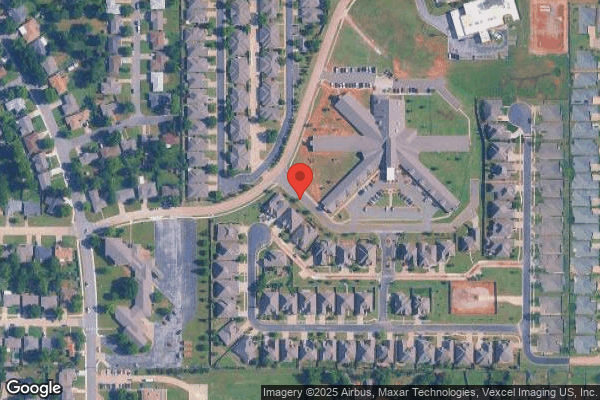
2333 TUSCANY BLVD, OKLAHOMA CITY, OK 73120 (405) 286-0835
For profit - Limited Liability company 137 Beds STONEGATE SENIOR LIVING Data: November 2025 1 Immediate Jeopardy citation
Trust Grade
13/100
#275 of 282 in OK
Last Inspection: April 2025

Within standard 12-15 month inspection cycle. Federal law requires annual inspections.

Overview

Tuscany Village Nursing Center has received a Trust Grade of F, indicating significant concerns about the quality of care provided. They rank #275 out of 282 facilities in Oklahoma, placing them in the bottom half of nursing homes statewide, and #38 out of 39 in Oklahoma County, meaning there is only one facility in the area that is rated worse. The facility is showing signs of improvement, with the number of issues decreasing from 20 in 2024 to 9 in 2025. Staffing is a weakness here, with a rating of 2 out of 5 stars and a concerning turnover rate of 70%, which is much higher than the state average of 55%. Additionally, the facility has incurred $40,626 in fines, which is higher than 79% of similar facilities, suggesting ongoing compliance issues. However, there are some strengths, such as good quality measures, which received a rating of 4 out of 5 stars. Unfortunately, there have been critical incidents, including a failure to provide CPR to a resident who was unresponsive for 30 minutes and a lack of pain management for another resident in distress. There were also concerns about using disinfectant wipes on residents' skin instead of appropriate cleaning methods. Overall, while there are some areas of improvement, families should weigh these serious issues carefully when considering Tuscany Village Nursing Center.

Trust Score
F
13/100
In Oklahoma
#275/282
Bottom 3%
Safety Record
High Risk
Review needed
Inspections
Getting Better
20 → 9 violations
Staff Stability
⚠ Watch
70% turnover. Above average. Higher turnover means staff may not know residents' routines.
Penalties
⚠ Watch
$40,626 in fines. Higher than 85% of Oklahoma facilities, suggesting repeated compliance issues.
Skilled Nurses
⚠ Watch
Each resident gets only 14 minutes of Registered Nurse (RN) attention daily — below average for Oklahoma. Fewer RN minutes means fewer trained eyes watching for problems.
Violations
⚠ Watch
58 deficiencies on record. Higher than average. Multiple issues found across inspections.
★☆☆☆☆
1.0
Overall Rating
★★☆☆☆
2.0
Staff Levels
★★★★☆
4.0
Care Quality
★☆☆☆☆
1.0
Inspection Score
Stable
2024: 20 issues
2025: 9 issues

The Good

  • 4-Star Quality Measures · Strong clinical quality outcomes
  • Full Sprinkler Coverage · Fire safety systems throughout facility
  • No fines on record

Facility shows strength in quality measures, fire safety.

The Bad

1-Star Overall Rating

Below Oklahoma average (2.6)

Significant quality concerns identified by CMS

Staff Turnover: 70%

23pts above Oklahoma avg (46%)

Frequent staff changes - ask about care continuity

Federal Fines: $40,626

Above median ($33,413)

Moderate penalties - review what triggered them

Chain: STONEGATE SENIOR LIVING

Part of a multi-facility chain

Ask about local staffing decisions and management

Staff turnover is elevated (70%)

22 points above Oklahoma average of 48%

The Ugly 58 deficiencies on record

1 life-threatening 1 actual harm
Jun 2025 4 deficiencies
CONCERN (D) 📢 Someone Reported This

A family member, employee, or ombudsman was alarmed enough to file a formal complaint

Potential for Harm - no one hurt, but risky conditions existed

Notification of Changes (Tag F0580)

Could have caused harm · This affected 1 resident

**NOTE- TERMS IN BRACKETS HAVE BEEN EDITED TO PROTECT CONFIDENTIALITY** Based on record review and interview, the facility failed to ensure responsible parties were notified:a) for a change in conditi...

Read full inspector narrative →
**NOTE- TERMS IN BRACKETS HAVE BEEN EDITED TO PROTECT CONFIDENTIALITY** Based on record review and interview, the facility failed to ensure responsible parties were notified:a) for a change in condition, and b) an order for a new medication for 1 (#2) of 3 sampled residents who were reviewed for notification of change.LPN #2 identified 120 residents resided in the facility.Findings:A policy titled Change of Condition, dated 02/13/23, read in part, Patient families, guardians, or other appropriate people are to be contacted when there is a significant change in a patients condition or health status.An undated face sheet for Resident #2's showed diagnoses which included hemiplegia and hemiparesis following cerebral infarction affection left non-dominant side, muscle weakness and cerebral infarction, and bipolar disorder. The face sheet showed HealthCare Contact to be Resident #2's daughter. The resident's spouse/roommate was listed as the primary contact.Resident #2's significant change MDS, dated [DATE], showed cognitively intact cognition with BIMS of 15. An Interdisciplinary Progress Notes, dated 04/07/25 at 2:42 p.m., showed a new order from the physician to send the resident to the emergency room for vomiting and not being able to keep food, water and medication down, and with increased confusion and hallucinations. An SBAR Communication Form, showed the husband, the residents' roommate, was notified on 04/07/25 at 1:00 p.m. There was no documentation the HealthCare contact was notified. A physicians order, dated 04/23/25, showed alprazolam (a benzodiazepine) 0.5 mg tablet was to be administered by mouth twice a day for anxiety. An Interdisciplinary Progress Notes, dated 04/23/25, showed a new physicians order for alprazolam 0.5 mg twice a day. The note showed the resident, and the hospice company were notified. There was no documentation the HealthCare contact was notified. On 06/19/25 at 2:13 p.m., the IP, working as the charge nurse on the hall stated, to determine who was notified for a residents change in condition, they would look on the face sheet for the power of attorney or next of kin and notify them and the physician. The IP stated the representative for Resident #2, when they went to the hospital on [DATE], was the guarantor/emergency, [the resident's daughter]. The IP stated the husband was notified on 04/07/25 at 1:00 p.m. The IP stated the previous electronic record used had switched and had Resident #2's daughter as the HealthCare contact. On 06/19/25 at 2:30 p.m., the IP stated there were no notes for notification.On 06/19/25 at 2:42 p.m., the IP stated Resident #2's daughter probably should have been contacted.
CONCERN (D) 📢 Someone Reported This

A family member, employee, or ombudsman was alarmed enough to file a formal complaint

Potential for Harm - no one hurt, but risky conditions existed

Assessment Accuracy (Tag F0641)

Could have caused harm · This affected 1 resident

Based on record review and interview, the facility failed to accurately code a significant change MDS assessment for 1 (#2) of 3 sampled residents reviewed for accuracy of assessments.LPN #2 identifie...

Read full inspector narrative →
Based on record review and interview, the facility failed to accurately code a significant change MDS assessment for 1 (#2) of 3 sampled residents reviewed for accuracy of assessments.LPN #2 identified 120 residents resided at the facility.Findings:An undated face sheet for Resident #2's, showed diagnoses which included hemiplegia and hemiparesis following cerebral infarction affection left non-dominant side, muscle weakness, cerebral infarction, and bipolar disorder. Resident #2's significant change assessment, dated 05/01/25, showed cognitively intact cognition with a BIMS of 15. The assessment showed the Special treatments, procedures, and programs section, O0100 Z1 was coded as none of the above. Hospice care while a resident at K1 was not marked. A hospice certification document, dated 04/17/25, showed the certification date range of 04/17/25 to 07/15/25. The document was signed by an RN. A physician's order, dated 04/18/25, showed admit to hospice.On 06/19/25 at 12:56 p.m., MDS coordinator #1 stated the significant change assessment, dated 05/01/25, for Resident #2 was related to going on hospice. The MDS coordinator stated the resident went on hospice services on 04/17/25. MDS coordinator #1 reviewed the MDS and stated the MDS did not have hospice coded and was not accurately coded to reflect the resident's status at that time.
CONCERN (D) 📢 Someone Reported This

A family member, employee, or ombudsman was alarmed enough to file a formal complaint

Potential for Harm - no one hurt, but risky conditions existed

Quality of Care (Tag F0684)

Could have caused harm · This affected 1 resident

Based on record review and interview, the facility failed to assess, monitor and intervene in a timely manner for 1 (#3) of 3 sampled residents reviewed for care and treatment.LPN #2 identified 120 re...

Read full inspector narrative →
Based on record review and interview, the facility failed to assess, monitor and intervene in a timely manner for 1 (#3) of 3 sampled residents reviewed for care and treatment.LPN #2 identified 120 residents resided in the facility.Findings: An Interdisciplinary Team Notes, dated 04/09/25 at 9:17 p.m., showed family member #1 called the facility requesting their family member be sent to the emergency room to be tested for C-Diff since their other family member that was a roommate was hospitalized and positive for it. A Medication Administration Record, dated 04/01/25 through 04/30/25, showed Zofran (medication for nausea and vomiting) ordered PRN, was administered on:a. 04/07/25 at 10:40 p.m. b. 04/08/25 at 12:05 p.m.c. 04/09/25 at 8:37 p.m.A facility policy Medication Administration, dated 01/2024, read in part, If two consecutive doses of a vital medication are withheld or refused, the physician is notified.An Interdisciplinary Progress Notes, dated 04/02/25 through 04/11/25 showed the following:On 04/08/25 at 10:45 a.m., CMA#1 documented all morning medications were refused, and the charge nurse was notified of the refusal.On 04/08/25 at 4:49 p.m., CMA #2 documented rabeprazole sodium (a medication for gastro esophageal reflux disease) was held due to refusal.On 04/08/25 at 10:44 p.m., CMA #2 documented docusate sodium (a medication for constipation) was held due to refusal:On 04/09/25 at 9:51 a.m., CMA #3 documented the following medications were held due to refusal:a. furosemide (medication for edema),b. Linzess (medication for irritable bowel syndrome),c. rabeprazole sodium (medication for gastro esophageal reflux disease),d. vitamin c (a supplement), e. calcium carbonate/vitamin d (a supplement), andf. potassium chloride (a supplement).On 04/09/25 at 9:51 a.m., CMA #3 documented the charge nurse was notified of medication refusal.On 04/09/25 at 7:52 p.m., CMA #2 documented the following medications were held due to refused:a. gabapentin (medication for pain),b. rabeprazole sodium, andc. docusate sodium.On 04/10/25 at 9:40 a.m., CMA #1 documented the following medications were held due to refusal and charge nurse was notified:a. rabeprazole sodium,b. furosemide,c. Linzess,d. morphine sulfate (medication for pain),e. vitamin c, andf. calcium carbonate/vitamin d.On 04/10/25 at 9:40 a.m., CMA#1 documented the charge nurse was notified of medication refusal.On 4/10/25 at 10:23 p.m., CMA #2 documented docusate sodium was held due to refusal.On 04/11/25 at 10:40 a.m., CMA#1 documented all morning medications were refused, and the charge nurse was notified of the refusal.An Interdisciplinary Team Notes, dated 04/11/25 at 3:03 p.m., read in part, Physician in the building and ordered C-diff lab test per resident family request. Order in place with lab. There was no documentation in the EHR to show the c-diff test was completed or other attempts were made to obtain it. An Interdisciplinary Team Notes, dated 04/11/25 at 06:07 p.m., showed Resident #3 had an altered mental status and was sent to the emergency room for evaluation.On 06/18/25 at 1:40 p.m., documentation of intake and output for Resident #3 was requested. The DON stated there were not any intake and output records past 02/02/25 due to change in the EMR systems. The DON was asked how they knew if a resident had consistent intake and output. The DON stated they monitored weights for weight loss.A review of Resident Weight Record for Resident #3, showed monthly weights from 10/03/24 through 03/04/25 as refused. There was no weight documentation after 03/04/25.On 06/20/25 at 9:20 a.m., NP #1 was asked about the documentation of a phone conversation from the facility nurse on 04/09/2. The NP stated they were on call the evening of 04/09/25. NP #1 was asked about a phone conversation with facility regarding Resident #3. The NP stated they did remember part of the conversation and the reason for the call, but they did not recall all of the conversation. NP #1 stated they did remember a facility nurse had called them regarding a family member requesting a C-diff test. The NP stated they reviewed the symptoms the resident was having with the facility nurse, specifically regarding diarrhea or abnormal vital signs. The NP stated his vitals were within normal limits and the resident did not have loose stools or diarrhea, other gastrointestinal symptoms or abnormal vital signs, so they did not order the C-diff test since they had lab facilities decline test samples if there were not any loose stool. NP #1 was asked if they were aware the resident had refused some of his routine medications that morning, as well as the previous two days, and had required PRN medications for nausea the two days prior. The NP stated they were not aware of that assessment. NP #1 stated they instructed the facility nurse to have physician #1 follow up and to call if there were any changes in condition. NP #1 was asked about nurses' documentation regarding the family requesting the resident to be sent to emergency room. The NP stated they did not remember that conversation and they were usually supportive of family requests and feels like they would have told them to send the resident to emergency room if they had been aware of the family request. On 04/20/25 at 1:15 p.m., the DON was asked about the process for medications held or refused. The DON stated the CMA notified the charge nurse, and if there were two consecutive holds, the nurse should call the physician and family. The DON was asked what the expectation of the nurse assessment for change of condition. The DON stated it would not be based on medications given or refused.On 04/20/25 at 3:30 p.m., LVN #3 was asked about the process for PRN medications. The LVN stated the nurses administered the PRN meds. LVN #3 stated they completed an assessment and gave medications based on the assessment. LVN #3 was asked about the procedure for calling the physician or family if PRN medications were administered. The LVN stated they did not call unless there were other issues or something significant going on. LVN #3 was asked if they felt taking a PRN does of Zofran 3 days in a row, when a resident had not taken it in several months, would be something that would be significant. The LVN stated No, people got nauseated. LVN #3 was asked about PRN doses that were administered on their shift. The LVN stated they did not remember giving Resident #3 anything for nausea. The MAR for the first part of April 2025 was reviewed with LVN #3 . The MAR showed two doses were documented on their shift. LVN #3 identified the initials documenting the administration as their initials. LVN #3 was asked if they called anyone regarding the PRN medications they administered. The LVN stated, No, I did not.
CONCERN (D) 📢 Someone Reported This

A family member, employee, or ombudsman was alarmed enough to file a formal complaint

Potential for Harm - no one hurt, but risky conditions existed

Medical Records (Tag F0842)

Could have caused harm · This affected 1 resident

Based on record review and interview, the facility failed to ensure activities of daily living documentation was completed for 1 (#2) of 3 sampled residents reviewed for ADL's.LPN #2 identified 120 re...

Read full inspector narrative →
Based on record review and interview, the facility failed to ensure activities of daily living documentation was completed for 1 (#2) of 3 sampled residents reviewed for ADL's.LPN #2 identified 120 residents resided at the facility.Findings:An undated face sheet for Resident #2, showed diagnoses which included hemiplegia and hemiparesis following cerebral infarction affection left non-dominant side, muscle weakness, cerebral infarction, and bipolar disorder. Resident #2's significant change assessment, dated 05/01/25, showed cognitively intact cognition with a BIMS of 15.A policy titled ADL Dysphagia and Dining, dated 01/23/23, read in part, 17. Document percentage consumed in EHR. Review of the ADL documentation for March and April 2025, did not show any documentation of intake and output or meal percentages for 04/01/25 through 04/07/25, the days leading up to the 04/07/25 hospital stay.On 06/18/25 at 3:49 p.m., the regional nurse consultant stated via an email response, they had provided all the ADL documentation they had for March and April 2025.On 06/20/25 at 9:33 a.m., the regional nurse consultant stated they did not have a generalized policy for ADLs, but had it broken down into subgroups that talk about documentation. The regional nurse consultant stated they did not find one for eating or intake or output.
Apr 2025 5 deficiencies
CONCERN (E)

Potential for Harm - no one hurt, but risky conditions existed

Accident Prevention (Tag F0689)

Could have caused harm · This affected multiple residents

Based on observation, record review, and interview, the facility failed to ensure staff did not use disinfectant wipes to clean residents' skin for 2 (#23 and #70) of 2 sampled residents observed duri...

Read full inspector narrative →
Based on observation, record review, and interview, the facility failed to ensure staff did not use disinfectant wipes to clean residents' skin for 2 (#23 and #70) of 2 sampled residents observed during a finger stick for blood sugar and insulin observation. The corporate nurse identified 39 diabetic residents resided in the facility. Findings: On 04/01/25 at 7:41 a.m., LPN #2 was observed to gather supplies to obtain a blood sugar. They were observed to go to Resident #70 and clean the resident's finger with a disinfectant wipe prior to obtaining the blood sugar. On 04/01/25 at 7:49 a.m., the disinfectant wipe container was observed to show Not for use on skin. On 04/01/25 at 7:51 a.m., LPN #2 was observed to gather supplies to obtain another blood sugar. They were observed to go to Resident #23 and clean the resident's finger with a disinfectant wipe prior to obtaining the blood sugar. On 04/01/25 at 8:02 a.m., LPN #2 was observed to clean Resident #23's skin on their abdomen with a disinfectant wipe and administer insulin. A Safety Data Sheet for the disinfectant wipes, dated 06/29/22, showed to avoid contact with skin. A policy titled Bedside Blood Glucose Monitoring, dated 04/26/24, showed to cleanse the finger with alcohol. On 04/01/25 at 10:36 a.m., LPN #2 stated they were suppose to use alcohol swabs when obtaining blood glucose and administering insulin. They were asked if the disinfectant wipes were safe to use on skin. LPN #2 stated they did not think so.
CONCERN (E) 📢 Someone Reported This

A family member, employee, or ombudsman was alarmed enough to file a formal complaint

Potential for Harm - no one hurt, but risky conditions existed

Deficiency F0726 (Tag F0726)

Could have caused harm · This affected multiple residents

Based on observation, record review, and interview, the facility failed to ensure staff were competent with the facility's EMR for 3 (CMA #1, LPN #2, and AD) of 3 staff observed for competent staff. ...

Read full inspector narrative →
Based on observation, record review, and interview, the facility failed to ensure staff were competent with the facility's EMR for 3 (CMA #1, LPN #2, and AD) of 3 staff observed for competent staff. The DON identified 111 residents resided in the facility. Findings: On 04/01/25 at 8:05 a.m., during a medication observation pass with CMA #1, a medication for a Resident #70 was observed not to be administered. In-service sheets for the new EMR, dated 03/05/25, 03/06/25, 03/10/25, and 03/12/25, did not show CMA #1, LPN #2, or the AD attended the in-services. On 04/01/25 at 8:08 a.m., CMA #1 stated the medication was not in the facility. They were asked how medications were ordered. CMA #1 stated as far as they knew, it was on the new EMR system. CMA #1 was asked if they could look at the new EMR and tell if the medication had been ordered. They stated they had not been trained on the new EMR and did not know how to tell if the medication had been ordered. CMA #1 stated they came into work one morning and the new EMR was in place. On 04/02/25 at 10:35 a.m., LPN #2 stated they did not know how to order medication on the new EMR system. On 04/02/25 at 11:56 a.m., the corporate nurse was asked how they ensured staff were competent with the new EMR. They stated corporate staff had conducted a two day training with key staff and nursing administration. The corporate nurse stated those staff members then trained the rest of the staff. On 04/02/25, at 12:01 p.m., during the interview with the corporate nurse, the AD entered and asked the corporate nurse how to get to care plans in the new system. The corporate nurse stated there should be in-service sheets. On 04/02/25 at 1:37 p.m., the corporate nurse stated they could not find any other in-service sheets. They stated without the inservice sheets, they could not say everyone had been in-serviced.
CONCERN (E) 📢 Someone Reported This

A family member, employee, or ombudsman was alarmed enough to file a formal complaint

Potential for Harm - no one hurt, but risky conditions existed

Pharmacy Services (Tag F0755)

Could have caused harm · This affected multiple residents

**NOTE- TERMS IN BRACKETS HAVE BEEN EDITED TO PROTECT CONFIDENTIALITY** Based on observation, record review, and interview, the facility failed to ensure medications were administered as ordered for 5...

Read full inspector narrative →
**NOTE- TERMS IN BRACKETS HAVE BEEN EDITED TO PROTECT CONFIDENTIALITY** Based on observation, record review, and interview, the facility failed to ensure medications were administered as ordered for 5 (#70, 71, 77, 106, and #226) of 10 sampled residents reviewed for medications. The DON identified 111 residents resided in the facility. Findings: 1. On 04/01/25 at 7:17 a.m., CMA #2 was observed to administer medications to Resident #71. Resident #71 had an order for hydrocodone/acetaminophen (an opiate medication) 7.5/325 mg every six hours that was not administered. 2. On 04/01/25 at 7:25 a.m., CMA #2 was observed to administer medications to Resident #226. Resident #226 was administered Vitamin B12 10 mcg without an order. Resident #226 had physician's orders to administer thiamine (a vitamin) 100 mg daily at 9:00 a.m. and ferrous sulfate (a iron supplement) 325 mg daily at 9:00 a.m. that were not observed to be administered. 3. On 04/01/25 at 7:46 a.m., CMA #2 was observed to administer medications to Resident #106. Resident #106 had an order for lisinopril (an ACE inhibitor)10 mg daily at 9:00 a.m. that was not observed to be administered. 4. On 04/01/25 at 8:05 a.m., CMA #1 was observed to administer medications to Resident #70. Resident #70 had orders for amlodipine (a calcium channel blocker) 5 mg daily at 9:00 a.m. and clindamycin (an antibiotic) 150 mg every six hours that were not observed to be administered. 5. On 04/02/25, at 8:17 a.m., LPN #2 was observed to prepare medication for Resident #77. Resident #77 had orders for two capsules of gabapentin (an anticonvulsant)100 mg twice daily and one tablet of potassium (electrolyte supplement)10 meq daily. LPN #2 was observed to administer one capsule of gabapentin and was not observed to administer potassium. A Medication Administration policy, dated 01/2024, read in part, Medications are administered in accordance with written orders of the prescriber. On 04/01/25 at 8:08 a.m., CMA #1 stated the clindamycin for Resident #70 was not in the facility. They stated it had been ordered yesterday and they did not know how quickly the pharmacy delivered new orders. On 04/01/25 at 10:35 a.m., LPN #2 stated they only administered one capsule of gabapentin and should have administered two capsules for Resident #77. They stated they did not administer the potassium tablet because the card of medication was empty. On 04/02/25 at 11:56 a.m., the corporate nurse was asked how they ensured medications were administered per physician orders. They stated they would get physician orders, order the medication from the pharmacy, make sure the medications were on the carts, and follow the MAR. They stated they purchased over the counter medications. The corporate nurse was asked what the policy was for ordering new medications. They stated their EMR interfaces with the pharmacy. The corporate nurse stated they would fax a new order if the EMR was not working. They stated staff would follow up with the pharmacy to ensure they received the orders. The corporate nurse was made aware of the above observations for #70, 71, 77, 106, and #226. Surveyor: Green, [NAME]
CONCERN (E)

Potential for Harm - no one hurt, but risky conditions existed

Unnecessary Medications (Tag F0759)

Could have caused harm · This affected multiple residents

Based on observation, record review, and interview, the facility failed to ensure a medication error rate was less than 5 percent for 5 (#70, 71 77, 106, and #226) of 10 sampled residents reviewed for...

Read full inspector narrative →
Based on observation, record review, and interview, the facility failed to ensure a medication error rate was less than 5 percent for 5 (#70, 71 77, 106, and #226) of 10 sampled residents reviewed for medication administration. The medication error rate was 23.68 percent. The DON identified 111 residents resided in the facility. Findings: 1. On 04/01/25 at 7:17 a.m., CMA #2 was observed to administer medications to Resident #71. Resident #71 had an order for hydrocodone/acetaminophen (an opiate medication) 7.5/325 mg every six hours that was not administered. 2. On 04/01/25 at 7:25 a.m., CMA #2 was observed to administer medications to Resident #226. Resident #226 was administered Vitamin B12 10 mcg without an order. Resident #226 had physician's orders to administer thiamine (a vitamin) 100 mg daily at 9:00 a.m. and ferrous sulfate (a iron supplement) 325 mg daily at 9:00 a.m. that were not observed to be administered. 3. On 04/01/25 at 7:46 a.m., CMA #2 was observed to administer medications to Resident #106. Resident #106 had an order for lisinopril (an ACE inhibitor)10 mg daily at 9:00 a.m. that was not observed to be administered. 4. On 04/01/25 at 8:05 a.m., CMA #1 was observed to administer medications to Resident #70. Resident #70 had orders for amlodipine (a calcium channel blocker) 5 mg daily at 9:00 a.m. and clindamycin (an antibiotic) 150 mg every six hours that were not observed to be administered. 5. On 04/02/25, at 8:17 a.m., LPN #2 was observed to prepare medication for Resident #77. Resident #77 had orders for two capsules of gabapentin (an anticonvulsant)100 mg twice daily and one tablet of potassium (electrolyte supplement)10 meq daily. LPN #2 was observed to administer one capsule of gabapentin and was not observed to administer potassium. A Medication Administration policy, dated 01/2024, read in part, Medications are administered in accordance with written orders of the prescriber. On 04/01/25 at 8:08 a.m., CMA #1 stated the clindamycin for Resident #70 was not in the facility. On 04/01/25 at 10:35 a.m., LPN #2 stated they only administered one capsule of gabapentin and should have administered two capsules for Resident #77. They stated they did not administer the potassium tablet. On 04/02/25 at 11:56 a.m., the corporate nurse was asked how they ensured medications were administered per physician orders. They stated they would get physician orders, order the medication from the pharmacy, make sure the medications were on the carts, and follow the MAR. The corporate nurse was made aware of the above observations for #70, 71, 77, 106, and #226.
CONCERN (E) 📢 Someone Reported This

A family member, employee, or ombudsman was alarmed enough to file a formal complaint

Potential for Harm - no one hurt, but risky conditions existed

Infection Control (Tag F0880)

Could have caused harm · This affected multiple residents

Based on observation, record review, and interview, the facility failed to ensure infection control practices were maintained for handling soiled linen and hand hygiene during incontinent care for 1 (...

Read full inspector narrative →
Based on observation, record review, and interview, the facility failed to ensure infection control practices were maintained for handling soiled linen and hand hygiene during incontinent care for 1 (#52) of 23 sampled residents reviewed for infection control. The DON identified 111 residents resided in the facility. Findings: On 03/25/25 at 9:18 a.m., LPN #1 was observed exiting a resident's room while holding a soiled incontinent pad and took it into the soiled utility room. On 03/31/25 at 5:46 a.m., CNA #1 was observed to provide incontinent care to Resident #52 whose brief was soiled with urine and feces. CNA #1 did not change their gloves after cleaning the resident. CNA #1 used soiled gloves to put a clean brief on Resident #52 and placed a clean incontinent pad and a clean draw sheet under the resident. CNA #1 placed the soiled linen and soiled wipes onto the floor and not into a plastic bag. On 03/31/25 at 6:01 a.m., CNA #1 was observed to place soiled items from the floor into a plastic bag. CNA #1 used soiled gloves to place a clean sheet on top of Resident #52. CNA #1 was not observed to perform hand hygiene during the observation. A policy titled Hand Hygiene for Staff and Residents, revised 02/2025, read in part, Hand hygiene is done .Before .resident contact .After .contact with soiled or contaminated articles, that are contaminated with body fluids .toileting or assisting others with toileting. A policy titled Linen and Laundry Services, revised 03/2025, read in part, Contaminated laundry is bagged or contained at the point of collection (location where it was used) .Linen is not placed on the floor. On 03/25/25 at 9:19 a.m., LPN #1 stated they should have placed the soiled incontinent pad in a bag prior to transporting them to the soiled utility room. On 03/31/25 at 6:02 a.m., CNA #1 stated staff were to place soiled items in the trash, change their gloves, and wash their hands during incontinent care. On 03/31/25 at 6:14 a.m., the DON stated staff were to change their gloves between soiled and clean items when they were providing incontinent care to the residents. The DON stated soiled items went into bags and not on the floor.
May 2024 1 deficiency
CONCERN (E) 📢 Someone Reported This

A family member, employee, or ombudsman was alarmed enough to file a formal complaint

Potential for Harm - no one hurt, but risky conditions existed

Pressure Ulcer Prevention (Tag F0686)

Could have caused harm · This affected multiple residents

Based on observation, record review, and interview, the facility failed to provide treatment and services to promote the healing of a pressure ulcer for one (#2) of three residents reviewed for pressu...

Read full inspector narrative →
Based on observation, record review, and interview, the facility failed to provide treatment and services to promote the healing of a pressure ulcer for one (#2) of three residents reviewed for pressure ulcers. The DON identified eight residents in the facility with pressure ulcers. Findings: A policy titled An Overview of Wound Care, dated July 2018, read in parts .The comprehensive assessment should provide the basis for defining approaches to address residents at risk of developing or already having a PU/PI .Effective prevention and treatment are based upon consistently providing routine and individualized interventions .Repositioning or relieving constant pressure is a common, effective intervention for an individual with a PU/PI or who is at risk of developing one . Resident #2 had diagnoses which included Parkinson's disease, cognitive communication deficit, and overactive bladder. A care plan, dated 08/09/23, documented at risk for/actual skin breakdown. The care plan documented staff where to assist the resident to turn and reposition frequently and inspect skin of the complete body head to toe every week and document. A nurse note, dated 03/12/24, documented the resident was seen by the wound physician and the wound to the buttock was resolved. A significant change assessment, dated 03/30/24, documented the resident was severely impaired cognitively and was dependent for most ADLs. The assessment documented the resident was always incontinent of bowel and bladder. A wound report, dated 04/15/24, documented the resident had a stage 3 pressure wound to the sacrum and measured 2cm X 2cm X 0.1cm. A wound report, dated 04/23/24, documented the resident had a stage 3 pressure wound to the sacrum and measured 4cm X 2cm X 0.2cm. A physician orders, dated 04/23/24 documented the resident was to have wound care every Monday and Thursday in the morning to the sacrum. The staff were to apply medical honey, cover with a mepilex dressing, and change when needed. The ETAR for April 2024, documented from 04/23/24 to 04/30/24 the resident received one wound care treatment. The ETAR documented missed treatments. The ETAR for May 2024, documented from 05/01/24 to 05/08/24 the resident received one wound care treatment. The ETAR documented missed treatments. A coordination note, dated 05/12/24, documented the hospice service was in the facility to provide wound care. The note documented the wound measured 4cm X 4.5cm X 0.5cm. On 05/13/24 at 1:20 p.m., an observation of wound care was conducted for the resident. On 05/13/24 at 3:48 p.m., the DON stated the does not document turning or repositioning, they just know to make every two hour rounds. The DON stated the facility staff does not perform measurements of the wound, the hospice service does weekly wound measurements.
Mar 2024 3 deficiencies 1 Harm
SERIOUS (G) 📢 Someone Reported This

A family member, employee, or ombudsman was alarmed enough to file a formal complaint

Actual Harm - a resident was hurt due to facility failures

Deficiency F0697 (Tag F0697)

A resident was harmed · This affected 1 resident

**NOTE- TERMS IN BRACKETS HAVE BEEN EDITED TO PROTECT CONFIDENTIALITY** The facility failed to ensure a resident experiencing pain received treatment for pain for two (#1 and #15) of four sampled resi...

Read full inspector narrative →
**NOTE- TERMS IN BRACKETS HAVE BEEN EDITED TO PROTECT CONFIDENTIALITY** The facility failed to ensure a resident experiencing pain received treatment for pain for two (#1 and #15) of four sampled residents reviewed for pain. CNA #1 failed to notify the nurse when Resident #15 experienced pain during incontinent care. Resident #15 continued to holler/cry out in pain throughout the incontinent care provided by CNA #1. The Administrator identified a census of 128. Findings: A Pain Management and Basic Comfort Measures policy, revised 08/19/20, read in part, .Staff will evaluate pain and provide basic comfort measures in accordance with standard practice guidelines .Utilize pain level scale to determine acceptable level of pain .Examine the site of patient's pain .Evaluate the resident's medical history for successful pain relief therapies .Provide pain medication as prescribed by an authorized prescriber . 1. Resident #15 had diagnoses which included Parkinson's disease without dyskinesia and cognitive communication deficit. A Pain Care Plan, last reviewed 02/12/24, documented interventions which included assess characteristics of pain including location, severity, type of pain, frequency, precipitating factors, and relief factors using the pain assessment form. A Quarterly Resident Assessment, dated 02/16/24, documented Resident #15 had severe cognitive impairment, they received scheduled pain medication, and had no pain present upon staff pain assessment interview. Resident #15's Incident Report, dated 03/17/24, documented the resident fell on [DATE] at 8:20 p.m. It documented the nurse was called to the resident's room by the nurse aide. It documented the resident was lying on the floor on their left side next to the recliner. Resident #15 was unable to describe what happened. It documented the resident admitted to hitting their head, a head to toe assessment was completed, and the resident was able to move all extremities. It documented the resident was assisted to bed with the help of the nurse aide with no signs of distress/discomfort noted at the time. Staffing schedules documented CNA #1 was working on Resident #15's hall on 03/17/24 on the 3:00 p.m. to 11:00 p.m. shift and 11:00 p.m. to 7:00 a.m. shift. Resident #15's x-ray result, dated 03/18/24 at 8:22 p.m., documented an acute mildly displaced, mildly impacted fracture at the left femoral head neck junction. Hospital records, dated 03/18/24, documented Resident #15 had experienced a ground level fall at the nursing facility. It documented the resident had been complaining of pain, was brought to the hospital, and x-ray showed a valgus impacted femoral neck fracture. It documented Resident #15 had underwent a hip and femur fracture repair. On 03/22/24 at 11:07 a.m., Family Member #1 stated Resident #15 had fallen around 8:03 p.m. on 03/17/24. They stated on 03/18/24 at 3:00 a.m., CNA #1 came in to change Resident #15 and the family member could hear the resident screaming out in pain. Family Member #1 stated CNA #1 was rough with Resident #15, and they identified later the resident had broken their hip. They reported the concern the next morning to the DON and showed them the video surveillance. They stated they told the DON CNA #1's treatment looked like they were rastling with a bear. The Family Member stated the DON did not watch all of the video because they were in a hurry and didn't want to see the rest. Family Member #1 stated they spoke with hospice and had agreed to wait to x-ray until Monday morning. On 03/22/24 at 11:31 a.m., Surveyor #1 observed the video surveillance of Resident #15 for 03/18/24 from 3:14 a.m. through 3:20 a.m. CNA #1 was observed providing incontinent care to Resident #15. CNA #1 lifted Resident #15's left leg, the resident screamed out and the CNA stated You're wet. CNA #1 removed clothing from the resident's lower body, the resident stated, Please quit. The CNA placed a new brief on and began putting the resident's pants back on. Resident #15 stated, Oh that hurts, Quit it, Stop, Get out of here. CNA #1 took Resident #15's left leg and bent it over their straight right leg creating a triangle shape. Resident #15 began screaming out and crying. CNA #1 continued to provide care to the resident. CNA #1 pushed Resident #15 to the right side and the resident screamed out help. The resident was observed hollering out in pain multiple times as care was being provided. CNA #1 failed to stop and go get the nurse, and instead continued to provide incontinent care to the resident and redress the resident. At the very end of care, CNA #1 asked Resident #15 Are you ok. The Resident stated, No, I'm not ok. CNA #1 asked what was not ok, did not receive a response, and covered the resident up. There was no documentation in Resident #15's clinical record that CNA #1 notified the nurse of the resident's pain experienced during care. On 03/22/24 at 2:23 p.m., the DON stated Resident #15's family member had shown them a video of the resident's fall on 03/17/24, and of care being provided during the next shift from CNA #1. They stated Resident #15 was yelling during care. They stated CNA #1 Kept changing [Resident #15]. The DON stated they did a one on one training with CNA #1 informing them if a resident yelled stop, they were to go get the nurse. They stated CNA #1 was aware the resident had fallen on 03/17/24 as they were working on the resident's hall when they fell. On 03/22/24 at 2:30 p.m., the DON stated the resident hollered often and it did not appear CNA #1 was rough. The DON stated it was determined later that day Resident #15 had broken their hip. On 03/25/24 at 10:10 a.m., an attempt to interview Resident #15 was made, the resident had their eyes open but did not respond to the surveyor. On 03/26/24 at 12:00 p.m., CNA #2 stated they would alert the nurse anytime a resident experienced pain/discomfort during care. On 03/26/24 at 12:05 p.m., CNA #3 stated they would let the nurse know if a resident experienced pain/discomfort during care. On 03/26/24 at 12:08 p.m., CNA # 5 stated they would ask a resident what was wrong if they experienced pain/discomfort, and notify the nurse. On 03/26/24 at 12:11 p.m., LPN #2 stated a CNA would need to stop anytime a resident experienced pain or discomfort during care and notify the nurse that moment. They stated they would follow up by completing an assessment of the resident, address the pain, see if there was an as needed pain medication ordered and assist with position changes to help if needed. They stated they would notify the physician if the resident did not have an order to treat pain. On 03/26/24 at 1:35 p.m., LPN #3 stated CNAs should stop and notify the nurse if a resident experienced pain or discomfort during care. LPN #3 stated they would gather as much information as possible, assess the resident, administer medications as ordered, and reposition the resident for comfort. 2. Resident #1 admitted to the facility on [DATE] with diagnoses which included metabolic encephalopathy, rhabdomyolysis, and anxiety disorder. A Physician Order, dated 02/22/24, documented acetaminophen 325 mg take two tablets by mouth every four hours as needed for pain. A Physician Order, dated 02/22/24, documented oxycodone 5mg take one tablet by mouth every six hours as needed. A Physician Order, dated 02/29/24, documented oxycodone 5mg take one tablet by mouth two times a day. The Count Sheet for Resident #1's oxycodone 5mg tablet take one tablet by mouth twice daily documented the first dose was administered on 02/29/24. The February 2024 medication administration record documented: a. the first dose of oxycodone 5mg was administered to the resident at 9:00 a.m. on 02/29/24; b. acetaminophen 325 mg was administered once on 02/22/24 for a pain level of 2, once on the 25th for a pain level of three, and once on the 29th for a pain level of two; c. the oxycodone 5mg one tablet by mouth every six hours as needed for pain was not administered for the month; and d. Resident #1's pain scale for the day shift was rated at a five on the 22nd, 23rd, and 29th, rated at a four on the 25th, 26th, and 27th, and rated at a three on the 24th. On 03/21/24 at 11:35 a.m., Resident #1 stated it took the facility 1 ½ weeks to get their pain pills at the facility. They stated they had pain medications at the facility they came from. Resident #1 stated the staff stated the doctor was called. They stated staff offered them Tylenol. Resident #1 stated their pain radiated from the right leg to the ankle, and they had pain in their back from a previous surgery which burned and at times was generalized. They stated when their pain medication was finally ordered, they received oxycontin 5mg twice a day routinely and never needed the as needed dose. On 03/22/24 at 9:02 a.m., LPN #2 stated they assessed residents for verbal and nonverbal signs of pain. On 03/22/24 at 9:03 a.m., LPN #2 stated they used a one to ten scale for pain. They stated a three to five was considered mild pain and needed a pain intervention. On 03/22/24 at 9:05 a.m., LPN #2 stated if a resident complained of pain, they would review their orders and administer medication as ordered. On 03/22/24 at 9:07 a.m., LPN #2 stated if a resident wanted an alternative pain medication or the medication was not effective, they would notify the physician for an intervention. On 03/22/24 at 9:47 a.m., the DON stated for a pain level of one to five staff would usually give Tylenol. They stated for a pain level higher than five they would give something stronger. They stated if the pain was consistent over a week, they would call the doctor. On 03/22/24 at 9:50 a.m., the DON stated Resident #1's initial pain scale on admission was a four. They stated from 02/22/24 through 02/29/24 the resident's pain level was a five three times, a four three times, a three one time, and a zero one time all on the day shift. They stated the evening and night shifts all had documented a zero for pain. On 03/22/24 at 9:53 a.m., the DON stated they would have expected the nurses' to give Tylenol for the above pain ratings. On 03/22/24 at 10:00 a.m., the DON stated Resident #1 received Tylenol on the 22nd, 25th, and 29th. They stated the resident only received Tylenol from 02/22/24 through 02/28/24. They stated the resident did not receive oxycodone. On 03/22/24 at 10:07 a.m., the DON stated Resident #1 had received oxycodone at the previous facility, but did not have a script at this facility for it. They stated the order was for oxycodone 5 mg every six hours as needed. They stated the doctor had to see the resident before writing a script for the pain medication. They stated the facility received the order for the oxycodone on 02/29/24 and it was received in the building that same day. On 03/22/24 at 10:16 a.m., the DON stated staff should offer the resident oxycodone if they requested it. On 03/22/24 at 11:07 a.m., LPN #2 stated there was no documentation in the nurse notes of what Resident #1's pain effectiveness was for 02/22/24 and 02/29/24 after the Tylenol administration.
CONCERN (D) 📢 Someone Reported This

A family member, employee, or ombudsman was alarmed enough to file a formal complaint

Potential for Harm - no one hurt, but risky conditions existed

Comprehensive Care Plan (Tag F0656)

Could have caused harm · This affected 1 resident

The facility failed to ensure a care plan meeting was held and a resident's representative was included for one (#4) of three sampled residents reviewed for representative included in plan of care. Th...

Read full inspector narrative →
The facility failed to ensure a care plan meeting was held and a resident's representative was included for one (#4) of three sampled residents reviewed for representative included in plan of care. The Administrator identified a census of 128. Findings: Resident #4 had diagnoses which included chronic kidney disease and chronic pain. Resident #4 had a Care Plan Conference on 07/31/23. Resident #4's Annual Resident Assessment was completed on 10/10/23. A Nurse's Note, dated 10/17/24, documented an email was sent to Resident #4's representative regarding setting up a care plan meeting. The next documented Care Plan Conference for Resident #4 was on 02/09/24. On 03/27/24 at 9:18 a.m., LPN #1 stated they were responsible for care plan meetings. They stated the meetings were supposed to be every three months. They stated Resident #4 had a care plan meeting that was missed. They stated the meeting was scheduled, but LPN #1 wasn't working, and no one covered them. They stated it was the meeting that fell between the 07/23 and the 02/24 care plan meetings.
CONCERN (D) 📢 Someone Reported This

A family member, employee, or ombudsman was alarmed enough to file a formal complaint

Potential for Harm - no one hurt, but risky conditions existed

Medical Records (Tag F0842)

Could have caused harm · This affected 1 resident

Based on record review and interview, the facility failed to ensure resident records were accurate for one (#3) of three sampled residents reviewed for accurate records. The Administrator identified a...

Read full inspector narrative →
Based on record review and interview, the facility failed to ensure resident records were accurate for one (#3) of three sampled residents reviewed for accurate records. The Administrator identified a census of 128. Findings: A Records Management policy, revised 06/01/17, read in part, .The Organization requires that its records be maintained in a consistent and logical manner and be managed so that the Organization .Meets legal standards for protection, storage, and retrieval .Protects the privacy of healthcare facility residents and patients . Resident #3 had diagnoses which included cerebral infarction and aphasia. Resident #14's hospital records, dated 08/05/23, were observed in Resident #3's clinical record. Resident #13's hospital records, dated 08/07/23, were observed in Resident #3's clinical record. Resident #11's hospital records, dated 09/08/23, were observed in Resident #3's clinical record. Resident #12's hospital records, dated 09/25/23, were observed in Resident #3's clinical record. On 03/21/24 at 2:42 p.m., Medical Records stated they received any resident information in a basket located by the scanner. They stated the ADON reviewed them to ensure the orders were put in correctly, then Medical Records would scan them in. They stated everything had a resident's name, dates of service, and who created the document. They stated they would email Corporate and have the above documents removed from Resident #3's record.
Mar 2024 13 deficiencies
CONCERN (D)

Potential for Harm - no one hurt, but risky conditions existed

Notification of Changes (Tag F0580)

Could have caused harm · This affected 1 resident

Based on record review and interview, the facility failed to notify the physician when a resident's blood pressure was abnormal for one (#105) of three sampled residents reviewed for hospitalization. ...

Read full inspector narrative →
Based on record review and interview, the facility failed to notify the physician when a resident's blood pressure was abnormal for one (#105) of three sampled residents reviewed for hospitalization. The Administrator identified 134 residents resided in the facility. Findings: The MEASURING BLOOD PRESSURE policy, revised 01/12/18, read in part, .Report abnormal findings to the nurse in charge or the healthcare provider . Resident #105 had a diagnosis of hypertension. A physician's order, dated 07/17/23, documented amlodipine 5 mg give one tablet by mouth one time per day related to hypertension. Hold for systolic blood pressure below 100 or diastolic blood pressure below 60. Notify physician if held times three days. Resident #105's January 2024 EMAR documented the following blood pressures with the administration of amlodipine 5 mg: a. 198/78 on 01/08/24; b. 189/89 on 01/09/24; c. 176/87 on 01/14/24; d. 171/96 on 01/19/24; e. 165/97 on 01/20/24; f. 166/92 on 01/21/24; g. 160/93 on 01/24/24; h. 173/94 on 01/26/24; and i. 197/92 on 01/27/24. On 02/28/24 at 1:54 p.m., the ADON stated any systolic blood pressure above 160 was considered elevated and the physician was to be notified. On 02/28/24 at 2:04 p.m., the ADON reviewed the blood pressures above and Resident #105's medical record. They stated the physician was not notified of the abnormal blood pressure readings for all the days listed above. On 02/28/24 at 2:05 p.m., the ADON reviewed the nurse's note dated 01/28/24. They stated Resident #105 went to the emergency room for hypertension and chest pain. On 02/28/24 at 2:11 p.m., the DON reviewed Resident #105's January 2024 EMAR. The DON stated they expected the nurses to notify the physician of the abnormal blood pressure readings to see if a PRN order could be obtained.
CONCERN (D)

Potential for Harm - no one hurt, but risky conditions existed

Safe Environment (Tag F0584)

Could have caused harm · This affected 1 resident

Based on observation, record review, and interview, the facility failed to maintain a homelike environment for one (#29) of 27 sampled residents reviewed for home like environment. The Administrator ...

Read full inspector narrative →
Based on observation, record review, and interview, the facility failed to maintain a homelike environment for one (#29) of 27 sampled residents reviewed for home like environment. The Administrator identified 134 residents resided in the facility. Findings: Resident #29 had diagnoses which included hemiplegia and hemiparesis affecting the left non-dominant side. On 02/26/24 at 3:17 p.m., a hole was observed on the wall behind Resident #29's head of the bed. There was a tan, rectangular wall plate with a silver adapter hanging below the hole. On 02/26/24 at 3:20 p.m., a hole was observed on the wall by the air conditioner in Resident #29's room. Resident #29 stated they did not know what caused the holes or when they occurred. On 02/26/24 at 3:29 p.m., CNA #1 observed the holes in Resident #29's room. They stated they saw the holes the night before but did not know when they occurred. On 02/26/24 at 3:30 p.m., CNA #1 stated they had not put in a maintenance request for the holes in the Resident's room. On 02/28/24 at 1:45 p.m., the Maintenance Supervisor stated they expected staff to document all maintenance requests in the maintenance book when repairs were needed.
CONCERN (D)

Potential for Harm - no one hurt, but risky conditions existed

Deficiency F0661 (Tag F0661)

Could have caused harm · This affected 1 resident

**NOTE- TERMS IN BRACKETS HAVE BEEN EDITED TO PROTECT CONFIDENTIALITY** Based on record review and interview, the facility failed to ensure a discharge summary was completed for one (#124) of two resi...

Read full inspector narrative →
**NOTE- TERMS IN BRACKETS HAVE BEEN EDITED TO PROTECT CONFIDENTIALITY** Based on record review and interview, the facility failed to ensure a discharge summary was completed for one (#124) of two residents reviewed for discharge. The administrator identified 134 residents resided in the facility. Findings: A Recapitulation Summary policy, revised 01/12/20, read in part, .The staff will complete a recapitulation summary per standard practice guidelines .The recapitulation summary should be completed as an interdisciplinary teams at the time of discharge .The summary should be completed within 20 days of the date of discharge . Resident #124 admitted on [DATE] with diagnoses that included metabolic encephalopathy and malignant neoplasm of brain. Resident #124's face sheet documented the resident discharged on 12/23/23. On 02/28/24 at 11:00 a.m., the DON was asked for Resident #124's discharge summary. On 02/28/24 at 11:02 a.m., the DON stated the discharge summary had not been completed.
CONCERN (D)

Potential for Harm - no one hurt, but risky conditions existed

ADL Care (Tag F0677)

Could have caused harm · This affected 1 resident

Based on record review and interview, the facility failed to ensure residents toenails were trimmed for one (#232) of 27 sampled residents who were reviewed for ADL's. The Administrator identified 134...

Read full inspector narrative →
Based on record review and interview, the facility failed to ensure residents toenails were trimmed for one (#232) of 27 sampled residents who were reviewed for ADL's. The Administrator identified 134 resident who resided in the facility. Findings: A Foot and Toenail Care, Routine policy, read in part, Residents will be provided routine foot and toenail care within the professional scope of practice for CNAs, LVN/LPNs and RNs as is dictated per state guidelines and in accordance with standard practice . Resident #232 had diagnoses which included brain stem stroke syndrome and pain. They did not have diagnoses of diabetes or peripheral vascular disease. A physician's order, dated 02/24/24, documented podiatrist consult to evaluate and treat and trim painful, mycotic, toenails and calluses for prophylactic measures. On 2/26/24 at 2:56 p.m., resident #232's right foot was observed to have long, thick, curved toe nails. The resident stated they would like them cut. On 2/27/24 at 8:51 a.m., resident #232's bilateral feet were observed to have long, thick, curved toe nails. There was no documentation in the medical record for the toe nails condition, being trimmed, or an appointment. On 2/28/24 at 9:07 a.m., LPN #2 stated that the podiatrist does diabetic residents nails if they are long and for non diabetics the nurses do them. They stated they are normally clipped with their shower or during any care that it is noticed and that they do not wait to do them if they see them. On 2/28/24 at 9:10 a.m., LPN #2 observed resident #232's toenails and stated they were overgrown and they needed to be clipped. They stated the resident needed the podiatrist to trim because they were overgrown and thick. LPN #2 stated they should have either been cut or the podiatrist contacted by then. They stated there was a standing order for podiatry consult at admission and would notify the admissions coordinator to arrange the appointment. There were no social services notes, no progress notes, and no mention of Resident #232's toenails in any assessment or bathing note.
CONCERN (D)

Potential for Harm - no one hurt, but risky conditions existed

Pressure Ulcer Prevention (Tag F0686)

Could have caused harm · This affected 1 resident

**NOTE- TERMS IN BRACKETS HAVE BEEN EDITED TO PROTECT CONFIDENTIALITY** Based on record review and interview, the facility failed to ensure pressure ulcers were assessed upon admission for one (#38) o...

Read full inspector narrative →
**NOTE- TERMS IN BRACKETS HAVE BEEN EDITED TO PROTECT CONFIDENTIALITY** Based on record review and interview, the facility failed to ensure pressure ulcers were assessed upon admission for one (#38) of three residents reviewed for pressure ulcers. The DON identified 18 residents had pressure ulcers. Findings: An Overview of Wound Care policy, effective July 2018, read in part, .It is important that each existing PU/PI be identified, whether present on admission or developed after admission .When assessing the PU/PI itself, it is important that documentation addresses .The type of injury .The PU/PI's stage .A description of the PU/PI's characteristics The progress toward healing .Presence of infection .The presence of pain .A description of dressings and treatments . Resident #38 admitted on [DATE] with diagnoses which included pressure ulcer of right hip, stage 4, pressure ulcer of sacral region, stage 4, and pressure ulcer of left heel, stage 4. A Skin Data form, dated 08/30/23, read in part, .Upon assessment, this nurse noticed all wounds were covered with dressings. The dressings to the sacrum area were in place but appeared soiled. This nurse informed resident that .dressings specially the ones to .sacrum area appeared to be soiled and need to be changed .[They] wanted to wait until in the morning to have them changed . There was no documentation in the EHR for wound assessment on 08/31/23. On 02/29/24 at 9:47 a.m., the wound care nurse stated 09/07/23 was the admission assessment of the wounds. They stated the 09/07/23 assessment was the first documented observation of the wounds. On 02/29/24 at 10:02 a.m., the wound care nurse stated the process for admission or re-admission for wounds was to do them within 24 hours.
CONCERN (D)

Potential for Harm - no one hurt, but risky conditions existed

Deficiency F0698 (Tag F0698)

Could have caused harm · This affected 1 resident

Based on record review and interview, the facility failed to ensure there was ongoing communication with the dialysis center and ongoing assessment of a resident before and after dialysis for one (#20...

Read full inspector narrative →
Based on record review and interview, the facility failed to ensure there was ongoing communication with the dialysis center and ongoing assessment of a resident before and after dialysis for one (#20) of one resident reviewed for dialysis. The DON identified 4 residents residing in the facility received dialysis. Findings: A facility policy, titled Dialysis - Hemodialysis, reviewed 04/14/23, read in part, .The dialysis staff and the community staff will participate in ongoing communication by completing the dialysis collection form as follows: .EHR .Resident Data Collection>Dialysis .Pre-Dialysis: Section A to be completed by the sending community licensed nurse and to accompany patient to the dialysis center .Post Dialysis: Community nurse to complete Section B with dialysis with dialysis center information. Community nurse to assess and complete Section C .Place document in the appropriate section of the medical record . Resident #20 had diagnoses which included end stage renal disease, hypertensive heart, chronic kidney disease with heart failure with stage 5 chronic kidney disease, or end stage renal disease. Physician's orders, dated 11/09/23, read in part, a. Dialysis Monday, Wednesday, and Friday on every am shift Monitor shut/graft/fistula for S/X of infection and adequate circulation, and b. Tuesday, Thursday, Saturday, and Sunday every am shift Monitor shut/graft/fistula for S/X of infection and adequate circulation. The December Dialysis Communication Transfer forms were reviewed. There were no forms for 12/08, 12/18, or 12/29/23. The January Dialysis Communication Transfer forms were reviewed. There was no form for 01/19/24. The February Dialysis Communication Transfer forms were reviewed. There were no forms for 02/05, 02/07, or 02/09/24. On 02/28/24 at 9:45 a.m., the DON stated there were no dialysis communication forms for the above dates.
CONCERN (D)

Potential for Harm - no one hurt, but risky conditions existed

Pharmacy Services (Tag F0755)

Could have caused harm · This affected 1 resident

Based on record review and interview, the facility failed to administer medications as ordered for one (#105) of three sampled residents reviewed for hospitalization. The Administrator identified 134...

Read full inspector narrative →
Based on record review and interview, the facility failed to administer medications as ordered for one (#105) of three sampled residents reviewed for hospitalization. The Administrator identified 134 residents resided in the facility. Findings: The PHYSICIAN ORDERS (ADMISSION) policy, revised 01/12/20, read in part, .The licensed nurse reviews orders from the transfer record from an acute care hospital or other entity .A call is placed to the physician to confirm the orders . Resident #105 had a diagnosis of hypertension. A physician's order, dated 07/17/23, documented amlodipine 5 mg give one tablet by mouth one time per day related to hypertension. Hold for systolic blood pressure below 100 or diastolic blood pressure below 60. Notify physician if held times three days. A hospital Discharge Summary Notes, dated 01/29/24, documented to continue taking amlodipine 10 mg take one tablet by mouth daily. A nursing note, dated 01/29/24, documented Resident #105 returned from the emergency room with no new order. On 02/28/24 at 10:59 a.m., LPN #1 stated when a resident returned from the hospital, the facility implements any new orders or changes to their medication and treatment. LPN #1 stated Resident #105 did not have any new orders from the emergency room visit. They stated Resident #105 visited the emergency room for high blood pressure and chest pain. On 02/28/24 at 11:02 a.m., LPN #1 reviewed Resident #105's discharge summary. They stated it documented to continue taking amlodipine 10 mg take one tablet by mouth daily. On 02/28/24 at 11:03 a.m., LPN #1 stated Resident #105's order for amlodipine was 5 mg give one tablet by mouth daily. They stated they did not see the new order for amlodipine when Resident #105 returned from the hospital. On 02/28/24 at 11:22 a.m., the DON reviewed Resident #105's discharge summary and current amlodipine order. They stated the hospital order was not implemented.
CONCERN (D)

Potential for Harm - no one hurt, but risky conditions existed

Deficiency F0761 (Tag F0761)

Could have caused harm · This affected 1 resident

Based on observation and interview, the facility failed to ensure medications were secured for one (Hall 200) of 7 treatment carts observed for medication storage. The facility identified three medica...

Read full inspector narrative →
Based on observation and interview, the facility failed to ensure medications were secured for one (Hall 200) of 7 treatment carts observed for medication storage. The facility identified three medication carts and four nurse carts. Findings: A Storage of Medication policy, read in part, .The medication supply shall be accessible only to licensed nursing personnel, pharmacy personnel, or staff members lawfully authorized to administer medications .allowed access to medication carts .should remain locked when not in use or attended by persons with authorized access. On 02/29/24 at 9:05 a.m., LPN #3 was observed to walk away from the treatment cart without locking it, and went to the nurses' station. Observed inside the cart were insulin syringes, needles, insulin, alcohol pads, and creams. On 02/29/24 at 9:08 a.m., LPN #3 stated the cart was not locked when they returned and that it should always be kept locked. LPN #3 stated that a resident could get something out of the cart and harm themselves if it was not locked.
CONCERN (D)

Potential for Harm - no one hurt, but risky conditions existed

Menu Adequacy (Tag F0803)

Could have caused harm · This affected 1 resident

Based on observation, record review, and interview, the facility failed to ensure adequate portion sizes were offered to residents for one of one meal service observed. The Administrator identified 1...

Read full inspector narrative →
Based on observation, record review, and interview, the facility failed to ensure adequate portion sizes were offered to residents for one of one meal service observed. The Administrator identified 130 residents received services from the kitchen in the facility. Findings: The PORTION CONTROL policy, dated 08/01/18, read in part, .Portion control will be maintained to ensure nutritional value for all foods offered .Spreadsheets indicating portion sizes per diet are posted at tray line and used to guide the serving at each meal . An undated SSC Tuscany Village F/W 2023, Alternate extended menu for lunch documented a number eight scoop for Spanish rice. On 02/26/24 at 11:15 p.m., the CDM identified the above menu as scheduled to be served for lunch on 02/26/24. On 02/26/24 at 12:15 p.m., [NAME] #2 added one quesadilla, one green scoop of Spanish rice, and one green spoodle of zucchini to a plate. On 02/26/24 at 12:19 p.m., [NAME] #2 added one green scoop of Spanish rice, one green spoodle of pork roast, one black spoodle of potatoes, and one ladle of gravy to a plate. On 02/26/24 at 12:20 p.m., [NAME] #1 added one green scoop of Spanish rice, one green spoodle of pork roast, one black spoodle of potatoes, and one half slice of bread to a plate. On 02/26/24 at 12:21 p.m., the CDM observed the scoop used to serve the Spanish rice. They stated the Spanish rice was served with a number 12 scoop. They stated it was the wrong scoop size. [NAME] #1 replaced the number 12 scoop with a number eight scoop. On 02/26/24 at 12:23 p.m., the CDM stated they would send out more rice to the residents served with the lesser scoop size.
CONCERN (D)

Potential for Harm - no one hurt, but risky conditions existed

Antibiotic Stewardship (Tag F0881)

Could have caused harm · This affected 1 resident

Based on record review and interview, the facility failed to ensure an antibiotic stewardship program was implemented for one (#119) of six sampled residents whose medications were reviewed. The Admi...

Read full inspector narrative →
Based on record review and interview, the facility failed to ensure an antibiotic stewardship program was implemented for one (#119) of six sampled residents whose medications were reviewed. The Administrator identified 134 residents resided in the facility and 20 residents were on antibiotics. Findings: The Antibiotic Stewardship policy, revised 11/17, read in part, .We will monitor antibiotic use .Antibiotic Starts .Days of therapy .Measurement process .Will include tracking of specific key aspects of antibiotic use data for each resident .Antibiotic use data will be compiled monthly by the Director of Nursing or designee, and the Infection Preventionist will interpret the monthly data . Resident #119 had diagnoses which included sepsis and acute respiratory failure with hypoxia. A physician's order, dated 02/20/24, documented zyvox 600 mg give one tablet by mouth two times per day related to sepsis. It had an end date of 12/31/9998. The Infection Control Log dated 02/02/24 to 02/27/24 was reviewed. There was no documentation Resident #119's antibiotic use was monitored. On 02/29/24 at 2:10 p.m., the Infection Preventionist stated all antibiotics were to have an initial end date of 48 hours. They stated the physician could extend the end date if necessary. On 02/29/24 at 2:31 p.m., the Infection Preventionist stated Resident #119 was on zyvox for sepsis. They stated the end date for the Resident's zyvox was not appropriate. On 02/29/24 at 2:33 p.m., the Infection Preventionist stated they did not have a chance to include Resident #119 in the antibiotic stewardship program for monitoring. They stated all residents on antibiotics were documented in the infection control log for monitoring and tracking.
CONCERN (D)

Potential for Harm - no one hurt, but risky conditions existed

Deficiency F0919 (Tag F0919)

Could have caused harm · This affected 1 resident

Based on observation, record review, and interview, the facility failed to maintain a functioning call light system for one (#29) of 27 sampled residents reviewed for a functioning call light system. ...

Read full inspector narrative →
Based on observation, record review, and interview, the facility failed to maintain a functioning call light system for one (#29) of 27 sampled residents reviewed for a functioning call light system. The Administrator identified 134 residents resided in the facility. Findings: The CALL LIGHTS ANSWERING policy, revised 02/12/20, read in part, .When leaving the room, be sure the call light is placed within the resident's reach . Resident #29 had diagnoses which included hemiplegia and hemiparesis affecting the left non-dominant side. Resident #29's care plan for stroke, revised 12/06/23, documented to keep call light and most frequently used personal items within reach of the Resident. On 02/26/24 at 3:13 p.m., Resident #29's call light was out of reach of the Resident. The call light was on the recliner with one half of the plate on the floor. Resident #29 was laying in bed. The call light wall plate had exposed red and blue cables. Resident #29 stated the call light was broken a week ago and they holler when they needed help. On 02/26/24 at 3:25 p.m., CNA #1 stated Resident #29 was able to use their call light. They stated they realized the call light was broken last night. CNA #1 stated they did not put in a maintenance request for the call light to be fixed. On 02/26/24 at 3:27 p.m., CNA #1 stated Resident #29 does not have a way to call for help. They stated the resident calls out when they needed help. On 02/28/24 at 1:45 p.m., the Maintenance Supervisor stated they expected staff to document all maintenance requests in the maintenance book when repairs were needed.
CONCERN (E)

Potential for Harm - no one hurt, but risky conditions existed

Food Safety (Tag F0812)

Could have caused harm · This affected multiple residents

Based on observation, record review, and interview, the facility failed to ensure food items were properly securely, dated, and labeled for one of one kitchen observation. The Administrator identified...

Read full inspector narrative →
Based on observation, record review, and interview, the facility failed to ensure food items were properly securely, dated, and labeled for one of one kitchen observation. The Administrator identified 130 residents received services from the kitchen in the facility. Findings: The FOOD STORAGE policy, dated 08/01/18, read in part, .Air-tight containers or bags are used for all opened packages of food. All containers are accurately labeled with the item or date opened .All foods are covered, labeled and dated . On 02/26/24 at 9:00 a.m., during the initial kitchen visit of the dry storage pantry, two opened boxes of quick creamy wheat were observed. The opened boxes were not secured. On 02/26/24 at 9:01 a.m., the CDM picked the two boxes up. They stated the boxes were not secured. On 02/26/24 at 9:02 a.m., two white bulk storage containers containing a white substance were not labeled or dated. On 02/26/24 at 9:04 a.m., the CDM was observed putting a label on each bulk storage container. One container was labeled flour and dated 02/26 and the other was labeled sugar and dated 02/26. On 02/26/24 at 9:05 a.m., the CDM stated both bulk storage containers were not labeled or dated. They stated they had a new truck with deliveries that morning and had removed the stickers. On 02/26/24 at 9:12 a.m., four bottles of a brown substance was not labeled or dated in the walk in refrigerator. The CDM stated the bottles contained tea and were not labeled or dated. They stated they were going to label them later. On 02/26/24 at 9:14 a.m., a bag of opened frozen fries were observed in the walk in freezer not secured. On 02/26/24 at 9:15 a.m., the CDM stated the frozen fries were not properly secured. On 02/26/24 at 9:17 a.m., there was sliced cheese in an un-sealed plastic bag in the kitchen refrigerator. The original packet of the cheese was opened. On 02/26/24 at 9:18 a.m., the CDM stated the sliced cheese was not properly secured. On 02/26/24 at 9:20 a.m., there was a used glass bottle of sweet chili sauce with no date in the kitchen refrigerator. The CDM stated the sweet chili sauce was not dated. On 02/26/24 at 9:21 a.m., there was white shredded cheese in an un-sealed plastic bag in the kitchen refrigerator. The bag was labeled and dated. On 02/26/24 at 9:21 a.m., the CDM stated the shredded cheese was not properly secured. They stated all opened items must be labeled, dated and properly secured.
MINOR (C)

Minor Issue - procedural, no safety impact

Social Worker (Tag F0850)

Minor procedural issue · This affected most or all residents

Based on record review and interview, the facility failed to employ the services of a qualified social worker on a full time basis. The Administrator identified 134 resided in the facility. Findings:...

Read full inspector narrative →
Based on record review and interview, the facility failed to employ the services of a qualified social worker on a full time basis. The Administrator identified 134 resided in the facility. Findings: There was no designated Social Services in the facility. A facility form list of Department heads, revised 2/21/24, did not have a name listed in the space for Social Services Director. On 2/28/24 at 1:58 p.m., the DON stated they did not have a Social Services person in the facility. They stated to ask the Administrator how long they had been without one. On 2/28/24 at 1:59 p.m., the Administrator stated they had not had a Social Services person for approximately 30 days. They stated that the Corporate Social Worker Consultant met the regulation. They stated the Corporate Social Worker was in the facility once a month and would stay for a week at a time. The Administrator stated the regulation was met by the Admissions Coordinator being the assistant to the Corporate Social Worker. They stated the Admissions Coordinator was not a Social Worker and did not have a degree in Social Work.
Jan 2024 3 deficiencies
CONCERN (D) 📢 Someone Reported This

A family member, employee, or ombudsman was alarmed enough to file a formal complaint

Potential for Harm - no one hurt, but risky conditions existed

ADL Care (Tag F0677)

Could have caused harm · This affected 1 resident

Based on observation, record review and interview, the facility failed to ensure thorough incontinent care was provided for one (#9) of three sampled residents observed receiving incontinent care. The...

Read full inspector narrative →
Based on observation, record review and interview, the facility failed to ensure thorough incontinent care was provided for one (#9) of three sampled residents observed receiving incontinent care. The Administrator identified 123 residents resided in the facility and 70 residents were dependent on staff for incontinent care. Findings: The PERINEAL CARE policy, revised 04/10/23, read in part, Staff will provide perineal care in accordance with standard of practice .Perineal care for a female .Wash labia majora .With dominant hand wash downward from pubic area toward rectum in one smooth stroke . Resident #9 had diagnoses which included hemiplegia and hemiparesis. Resident #9's care plan for elimination, reviewed 10/02/23, documented to provide pericare with incontinent changes. On 01/29/23 at 5:16 a.m., CNA #1 informed Resident #9 they would be performing incontinent care. CNA #1 donned gloves, lowered the Resident's head of the bed, pulled down their brief and wiped the Resident's groin with one wipe. They stated the brief was wet. CNA #1 turned Resident #9 and used one wipe to wipe the Resident's buttocks and coccyx. On 01/29/23 at 5:18 a.m., CNA #1 applied cream to Resident #9's buttocks, changed gloves and put a new pad on. On 01/29/23 at 5:20 a.m., CNA #1 secured Resident #9's brief, covered the Resident, lowered their bed, put call light in reach, removed their gloves, took out the trash, and sanitized their hands. CNA #1 failed to clean Resident #9's labia. On 01/29/23 at 5:24 a.m., CNA #1 stated they did not wipe Resident #9's labia because the Resident just voided so they only wiped the top of their pelvis area. CNA #1 stated they were supposed to wipe the Resident's labia and between their labia.
CONCERN (E) 📢 Someone Reported This

A family member, employee, or ombudsman was alarmed enough to file a formal complaint

Potential for Harm - no one hurt, but risky conditions existed

Food Safety (Tag F0812)

Could have caused harm · This affected multiple residents

Based on observation, record review and interview, the facility failed to ensure dishware was clean for one of one kitchen observation. The Administrator identified 114 Residents received nutrition f...

Read full inspector narrative →
Based on observation, record review and interview, the facility failed to ensure dishware was clean for one of one kitchen observation. The Administrator identified 114 Residents received nutrition from the kitchen. Findings: A Cleaning Dishes in Dish Machine policy, dated 08/01/18, read in part, .remove dishes, inspect, and put away if clean and dry .if dishes are not clean, repeat steps . On 01/26/24 at 2:54 p.m., blue handled coffee cups were observed in the clean dish area stacked on trays inverted. 32 cups had a white residue, white small particles, and visible contaminants inside. On 01/26/24 at 2:58 p.m., cook #1 was shown the blue handle plastic coffee cups. They stated they saw some white stuff inside the cup and it did not look clean. [NAME] #1 stated, I don't know what that stuff is, you can wipe it out. On 01/26/24 at 3:05 p.m., the Corporate Dietary Manager was shown the blue plastic coffee cups stored in the clean dish area. They stated they could see the debris and residue inside the cups.
CONCERN (E) 📢 Someone Reported This

A family member, employee, or ombudsman was alarmed enough to file a formal complaint

Potential for Harm - no one hurt, but risky conditions existed

Infection Control (Tag F0880)

Could have caused harm · This affected multiple residents

Based on observation, record review and interview, the facility failed to: a. maintain infection control during the provision of incontinent care for two (#8 and #10) of three sampled residents observ...

Read full inspector narrative →
Based on observation, record review and interview, the facility failed to: a. maintain infection control during the provision of incontinent care for two (#8 and #10) of three sampled residents observed receiving incontinent care; and b. ensure staff donned PPE prior to entering a covid-19 positive room for one (#11) of three sampled residents positive for Covid-19. The Administrator identified 123 residents resided in the facility. Findings: The PERINEAL CARE policy, revised 04/10/23, read in part, .Dispose of gloves and used supplies and perform hand hygiene .Apply new gloves and place new brief and change linens as needed . The CORONAVIRUS 2-2019; SARS-CoV-2; COVID-19 policy, revised 08/23, read in part, .The required PPE for COVID-19 isolation rooms or when providing care or services to a COVID-19 positive resident .staff should wear an N95, face shield or goggles, gown, and gloves . 1. Resident #8 had diagnoses which included generalized muscle weakness. On 01/29/23 at 5:33 a.m., CNA #3 entered Resident #8's room and informed the Resident they would be performing incontinent care. CNA #3 donned gloves. On 01/29/23 at 5:35 a.m., CNA #3 pulled down Resident #8's brief, wiped the Resident's groin, used a clean wipe to wipe the Resident's perineal area. On 01/29/23 at 5:36 a.m., CNA #3 turned Resident #8 and wiped their buttocks. CNA #3 folded the pad under the Resident. On 01/29/23 at 5:37 a.m., CNA #3 got a clean brief with the same gloves and put on the Resident. CNA #3 helped Resident #8 to their left side, took off the dirty pad and laid it on the floor. On 01/29/23 at 5:38 a.m., CNA #3 took out the trash bag containing the wet brief. They picked up the wet pad from the floor and put it in the trash bag. On 01/29/23 at 5:39 a.m., CNA #3 picked up both trash bags and exited Resident #8's room to dispose of the trash bags. CNA #3 removed their gloves and sanitized their hands. CNA #3 did not change their gloves during the provision of incontinent care for Resident #8. On 01/29/23 at 5:46 a.m., CNA #3 stated they did not change their gloves until they were done with incontinent care. On 01/29/23 at 5:46 a.m., CNA #3 stated they put the dirty pad on the floor and they should have put it in a bag right away. 2. Resident #10 had diagnoses which included Alzheimer's disease and dementia. On 01/29/23 at 5:55 a.m., CNA #2 entered Resident #10's room and informed the Resident they were going to perform incontinent care. CNA #2 had wipes and a brief on the beside table. They donned gloves. On 01/29/23 at 5:56 a.m., CNA #2 pulled Resident #10's wet brief down. They wiped the resident's perineal area and buttocks. On 01/29/23 at 5:57 a.m., CNA #2 pulled Resident #10's brief off and put it in the trash. There was a smear of fecal matter on the resident's anal area. On 01/29/23 at 5:58 a.m., CNA #2 put a clean brief on Resident #10. On 01/29/23 at 5:59 a.m., CNA #2 adjusted their bed, put call light within reach of the Resident, turned off the lights, and removed their gloves. CNA #2 did not change their gloves during incontinent care or take the trash out of the room. On 01/29/23 at 6:01 a.m., CNA #2 stated they did not see the fecal matter on the resident because they were nervous. On 01/29/23 at 6:02 a.m., CNA #2 went back into Resident #10's room, donned gloves to perform incontinent care. On 01/29/23 at 6:04 a.m., CNA #2 pulled down Resident #10's brief and cleaned the Resident. On 01/29/23 at 6:07 a.m., CNA #2 removed the dirty brief and put it in the trash can. They put a clean brief on the Resident. On 01/29/23 at 6:08 a.m., CNA #2 adjusted the Resident's bed to lower position. They did not change their gloves. On 01/29/23 at 6:09 a.m., CNA #2 removed their gloves, and took the trash out. On 01/29/23 at 6:15 a.m., CNA #2 stated they were to change their gloves twice during incontinent care. On 01/29/23 at 6:16 a.m., CNA #2 stated they did not change their gloves during the provision of Resident #10's incontinent care. On 01/29/23 at 10:00 a.m., the DON stated staff were to clean the residents front to back and change their gloves between clean and dirty during incontinent care. 3. Resident #11 had diagnoses which included Covid-19 and disorders of the lung. A physician's order, dated 01/24/24, documented isolation, full transmission based precaution every shift, droplet precaution along with gown, gloves, N95 mask, and face shield or goggles. On 01/29/23 at 7:27 a.m., The precautions posted on Resident #11's door documented, a. preferred PPE use: face shield or goggles, N95 or higher, gloves, isolation gown. b. acceptable alternative PPE use: face shield or goggle, face mask, gloves, isolation gown On 01/29/23 at 7:27 a.m., CMA #1 entered Resident #11's room to administer their medication. CMA #1 was not wearing an N95 mask, gown, face shield, and gloves. On 01/29/23 at 7:28 a.m., CMA #1 stated the precautions on Resident #11's door were for Covid-19. They stated the Resident was positive for Covid-19. CMA #1 stated they were informed they only had to follow the precautions posted on the Resident's door if they were to do direct care that involved body contact. On 01/29/23 at 9:58 a.m., the DON stated staff were to wear an N95 mask, gown, face shield and gloves in Covid-19 isolation rooms.
Dec 2023 2 deficiencies
CONCERN (D) 📢 Someone Reported This

A family member, employee, or ombudsman was alarmed enough to file a formal complaint

Potential for Harm - no one hurt, but risky conditions existed

ADL Care (Tag F0677)

Could have caused harm · This affected 1 resident

Based on observation, record review, and interview, the facility failed to provide incontinence care for dependent residents in a timely manner for one (#9) of three sampled residents reviewed for inc...

Read full inspector narrative →
Based on observation, record review, and interview, the facility failed to provide incontinence care for dependent residents in a timely manner for one (#9) of three sampled residents reviewed for incontinence care. The Administrator identified 125 residents resided in the facility and 71 residents needed assistance with incontinence care. Findings: The Perineal Care policy, revised 04/10/23, read in part, .Staff will provide perineal care in accordance with the standard of practice to prevent skin breakdown and infection . Resident #9 had diagnoses which included abnormalities of gait and mobility. Resident #9's admission resident assessment, dated 10/13/23, documented Resident #9 was cognitively intact and they are dependent on another person for toileting hygiene. Resident #9's care plan for self-care deficit, dated 10/05/23, documented, to provide assistance with self-care as needed. On 12/29/23 at 8:17 a.m., Resident #9 stated incontinence care was last provided around 2:00 a.m. Resident #9 stated they told staff an hour ago that he was incontinent. Resident #9 stated they were laying on the cold sheets and no one came to change them. On 12/29/23 at 8:21 a.m., Resident #9 lifted blanket and top sheet to show they were wet. The pad Resident #9 was laying on was wet. On 12/29/23 at 8:21 a.m., CNA #1 stated the pad and fitted sheet was wet. CNA #1 and CMA #1 provided incontinence care. On 12/29/23 at 8:37 a.m., CNA #1 stated the fitted sheet, pad, top sheet, and blanket were wet. They stated Resident #9 must have been wet for longer than an hour. On 12/29/23 at 8:38 a.m., CNA #1 stated incontinent residents were to be checked for incontinence at least every two hours.
CONCERN (D) 📢 Someone Reported This

A family member, employee, or ombudsman was alarmed enough to file a formal complaint

Potential for Harm - no one hurt, but risky conditions existed

Pharmacy Services (Tag F0755)

Could have caused harm · This affected 1 resident

Based on observation, record review, and interview, the facility failed to administer medications as ordered for one (#9) of two sampled residents observed during medication pass. The Administrator id...

Read full inspector narrative →
Based on observation, record review, and interview, the facility failed to administer medications as ordered for one (#9) of two sampled residents observed during medication pass. The Administrator identified 125 residents resided in the facility. Findings: The Medication Administration General Guidelines policy, dated 09/18, read in part, .Medications are administered in accordance with written orders of the prescriber . Resident #9 had diagnoses which included vitamin deficiency, GERD, congestive heart failure. A physician's order, dated 10/09/23, documented magnesium oxide 420 mg give one tablet two times a day. A physician's order, dated 10/05/23, documented pantoprazole 40 mg delayed release give one tablet one time a day. A physician's order, dated 10/09/23, documented probiotic 100 billion cell capsule, give one capsule two times a day dietary supplement. On 12/28/23 at 9:20 a.m., a medication pass for Resident #9 was observed. A review of Resident #9's medication administration record for 12/28/23 documented the following medications were not administered in the morning due to special requirements; a. magnesium oxide 420 mg give one tablet two times a day, b. pantoprazole 40 mg delayed release give one tablet one time a day, and c. probiotic 100 billion cell capsule, give one capsule two times a day dietary supplement. On 12/29/23 at 9:48 a.m., CMA #1 stated they did not administer Resident #9's magnesium because it was not available in the facility. On 12/29/23 at 9:51 a.m., CMA #1 stated they did not administer Resident #9's pantoprazole because it was not available in the facility. On 12/29/23 at 9:52 a.m., CMA #1 stated they did not administer Resident #9's probiotic because it was not available in the facility. On 12/29/23 at 9:54 a.m., CMA #1 stated they did not inform the nurse about the unavailable medications. On 12/29/23 at 9:54 a.m., the DON stated medications were to be given an hour before or an hour after. On 12/29/23 at 10:02 a.m., the DON stated magnesium was not administered on 12/28/23 in the morning due to special requirements. They stated they do not know what the special requirement meant. On 12/29/23 at 10:04 a.m., the DON stated pantoprazole and probiotic was not administered on 12/28/23 due to special requirements.
Oct 2023 1 deficiency
CONCERN (D) 📢 Someone Reported This

A family member, employee, or ombudsman was alarmed enough to file a formal complaint

Potential for Harm - no one hurt, but risky conditions existed

Report Alleged Abuse (Tag F0609)

Could have caused harm · This affected 1 resident

Based on record review and interview, the facility failed to report the results of an investigation that resulted in a resident being found in possession of an illegal substance for one (#2) of four s...

Read full inspector narrative →
Based on record review and interview, the facility failed to report the results of an investigation that resulted in a resident being found in possession of an illegal substance for one (#2) of four sampled residents reviewed for being treated with dignity and respect. The Resident Census and Conditions of Residents report, dated 10/02/23, documented 121 residents resided in the facility. Findings: An Internal Investigative Summary, dated 09/22/23, read in part, .residents complaining about a resident smoking/selling marijuana to other residents A Medication Destruction Log, dated 09/22/23, read in part, .Confiscated marijuana from resident . On 10/03/23 at 3:45 p.m., the Administrator acknowledged a report had not been submitted to OSDH regarding the incident documented in the Internal Investigative Summary written on 09/22/23.
Jul 2023 5 deficiencies
CONCERN (D) 📢 Someone Reported This

A family member, employee, or ombudsman was alarmed enough to file a formal complaint

Potential for Harm - no one hurt, but risky conditions existed

Deficiency F0561 (Tag F0561)

Could have caused harm · This affected 1 resident

Based on observation, record review, and interview, the facility failed to ensure residents had a right to choose their schedules such as bathing for one (#6) of three sampled residents consistent wit...

Read full inspector narrative →
Based on observation, record review, and interview, the facility failed to ensure residents had a right to choose their schedules such as bathing for one (#6) of three sampled residents consistent with careplans. The DON stated there were 119 residents in the facility. Findings: The Care Plan Development and Revision policy, dated 01/12/18, read in part, .The Interdisciplinary Team will coordinate with the resident and their legal representative an appropriate care plan for the resident's needs or wishes based on the assessment and reassessment process within the required timeframe's .The team direct care planning toward attaining and maintaining the highest optimal physical, psychosocial, functional status including Advance Directives, and signs the approved plan of care . The Consolidated Order, dated 12/28/22, read in part, .[Resident #6] .bathe .Monday, Thursday every am shift . The Care Plan, dated 03/13/23, read in part, .will have a person-centered care plan developed and implemented to meet goals, and address the resident's medical, physical, mental and psychological needs .prefers to shower in the am 01/26/18 . The Bath Schedule, undated, read in part, .[Resident #6] .bathing schedule 7-3 Monday and Thursday . On 06/29/23 at 3:40 p.m., Resident #6 was observed tearful, disheveled and with a slight odor. On 06/29/23 at 3:41 p.m., Resident #6 stated, I was told over an hour ago I was going to get my shower. My shower is every morning Monday and Thursday. On 06/29/23 at 3:43 p.m., CNA #3 stated the residents that did not get a shower on the 7-3 shift would get their showers after the scheduled showers of the residents on the 3-11 pm shift.
CONCERN (D) 📢 Someone Reported This

A family member, employee, or ombudsman was alarmed enough to file a formal complaint

Potential for Harm - no one hurt, but risky conditions existed

Investigate Abuse (Tag F0610)

Could have caused harm · This affected 1 resident

Based on record review and interview, the facility failed to report the results of a misappropriation investigation within 5 working days for one (#4) of two sampled residents reviewed for misappropri...

Read full inspector narrative →
Based on record review and interview, the facility failed to report the results of a misappropriation investigation within 5 working days for one (#4) of two sampled residents reviewed for misappropriation. The DON stated there were 119 residents in the facility. Findings: An Incident Report, dated 06/26/23, read in part, .misappropriation of resident property .missing a pair of dress shoes . A final report had not been submitted to the Department. On 07/05/23 at 2:37 p.m., the Administrator stated, I am aware that it is not sent within a five working days. On 07/11/23 at 3:31 p.m., the Adminstrator stated, We have ten working days to have the paperwork submitted.
CONCERN (E) 📢 Someone Reported This

A family member, employee, or ombudsman was alarmed enough to file a formal complaint

Potential for Harm - no one hurt, but risky conditions existed

Pharmacy Services (Tag F0755)

Could have caused harm · This affected multiple residents

2. Resident #4's diagnosis include paraplegic. A physician's order for Wound care, read in part, .Cleanse Wound as needed .Loosing right ischium: Cleanse wound with wound cleanser, Pat dry, lightly pa...

Read full inspector narrative →
2. Resident #4's diagnosis include paraplegic. A physician's order for Wound care, read in part, .Cleanse Wound as needed .Loosing right ischium: Cleanse wound with wound cleanser, Pat dry, lightly pack wound with gauze with 1/4 strength Dakins solution. top with non-adhesive absorbent dressing, cover with adhesive border dressing (may substitute with ABD pads and Tape) PRN for soilage or dislodgement .Cleanse wound as needed As needed for LOOSENING Cleanse Wound to LEFT HIP with wound cleanser, pat dry, apply Dakins soaked gauze to wound site, top with absorbent dressing (may use ABD pad and secure with tape) PRN for soilage or dislodgement . The June 2023 eMAR/eTAR, read in part, .Treat PRN .cleanse wound as needed to left hip .cleanse wound as needed .to right ischium .cleanse wound as needed .as needed loosening cleanse would to left hip with wound cleanser .cleanse wound as needed .as needed loosening right ischium: cleanse wound with wound cleanser . The prn document provided documented no prn treatments were given. An Incident Report, dated 06/23/23, read in part, .allegation of neglect .told an aide to let the nurse know that he needed his dressing replaced . On 07/06/23 at 12:21 p.m., the DON stated they had no records of PRN wound treatments being completed. Based on record review and interview, the facility failed to ensure prn medications were administered and documented as ordered for two (#2 and #4) of three sampled residents reviewed for medications. The Census and Conditions of Residents report, dated 06/29/23, documented 119 residents resided in the facility. Findings: 1. Resident #2 had diagnoses to include pneumonia, heart failure, COPD, and respiratory failure with hypercapnia. A Physician's Start Up Order, dated 04/23/23, read in part, .albuterol 2.5 mg/0.5 ml nebulizer solution, dose 2.5 mg, take 0.5 ml (2.5 mg) by nebulization every 6 hours as needed for wheezing or shortness of breath . The Care Plan, dated 04/24/23, read in part, .pattern .administer nebulizer treatments as ordered . A Physician's Order, dated 04/24/23, read in part, .albuterol sulfate concentrate 2.5 mg/0.5 ml solution for nebulization, 1 vial inhalation every 6 hours as needed SOB nebulization, Dx: COPD . A Nurse's Note, dated 04/26/23, read in part, .This nurse explained to resident that she has only prn br tx and her sats were in the 90's this AM so the nurse didn't see a need for prn tx with no signs of SOB . April 2023 emar/etar, read in part, .med prn .albuterol sulfate concentrate 2.5 mg/0.5 ml solution for nebulization, 1 vial inhalation every 6 hours and needed SOB nebulization . There was no documentation the resident received a prn breathing treatment during their admission. A Hospital Record, dated 04/26/23, read in part, .Chief Complaint Shortness of breath .Progression since Onset Gradually worsening .presenting .shortness of breath since yesterday .additional medical history asthma .diminished breath sounds decreased R, decreased L .Rales/Rhonchi Rhonchi coarse L . A Hospital Record, dated 04/27/23, read in part, .admission diagnosis: COPD Exacerbation .presented .increased work of breathing and shortness of breath .acute hypercapnic respiratory failure . On 07/11/23 at 2:44 p.m., LPN #5 stated there was no prn documentation a breathing treatment had been given. LPN #5 stated the purpose of prn mediations/treatments were for when a resident requested the prn it would be administered to them.
CONCERN (E) 📢 Someone Reported This

A family member, employee, or ombudsman was alarmed enough to file a formal complaint

Potential for Harm - no one hurt, but risky conditions existed

Menu Adequacy (Tag F0803)

Could have caused harm · This affected multiple residents

Based on observations, record review, and interview, the facility failed to follow their menu and accommodate residents' preferences. The DON stated there are 119 residents in the facility. Findings: ...

Read full inspector narrative →
Based on observations, record review, and interview, the facility failed to follow their menu and accommodate residents' preferences. The DON stated there are 119 residents in the facility. Findings: The Selective Menus policy, dated 08/01/18, read in part, .Known preferences and allergies will be honored during the process .Dining your way (DYW) services are offered to each resident. DYW is an enhanced mealtime experience for all residents, emphasizing choice, dignity and customer service . On 07/03/23 at 8:18 a.m., a resident was observed to ask staff for cinnamon toast for breakfast. The Resident was told no by kitchen staff. The Resident left the dining room very upset and hungry. On 07/03/23 at 8:19 a.m., kitchen staff announced to the residents in the dining room that there was no sausage, no eggs, and no bacon for breakfast. They stated they had oatmeal, cream of wheat, and scrambled eggs with cheese. On 07/03/23 at 8:20 a.m., it was observed that multiple residents were dissatisfied with not having breakfast according to the menu and three residents left the dining room. On 07/03/23 at 8:23 a.m., the Dietary Manager stated, We have not had our food truck come in yet. On 07/11/23 at 10:12 a.m., resident #8 stated, The menu is not consistent with choices. They serve these scrambled eggs nobody wants, they don't plan well, and the food is always served late.
CONCERN (E) 📢 Someone Reported This

A family member, employee, or ombudsman was alarmed enough to file a formal complaint

Potential for Harm - no one hurt, but risky conditions existed

Deficiency F0809 (Tag F0809)

Could have caused harm · This affected multiple residents

Based on observation, record review, and interview, the facility failed to ensure meals were served in a timely manner for the 119 residents who resided at the facility. Findings: The Meal Times polic...

Read full inspector narrative →
Based on observation, record review, and interview, the facility failed to ensure meals were served in a timely manner for the 119 residents who resided at the facility. Findings: The Meal Times policy, revised 08/01/18, read in part, .Meals will be served in a timely manner .There will be no more than fourteen (14) hours between the availablity of dinner and breakfast the following day .Seated dining times reflect the times when the dining room will be fully set up and staffed .Dining times .Dinner 5:00 p.m .Breakfast 7:30 a.m .Continental breakfast for early risers . A Meal Schedule, undated, read in part, .breakfast is from 7:30-9:00 a.m., lunch is from 11:30 a.m.-1:00 p.m. and dinner is from 5:00 p.m.- 6:30 p.m On 06/29/23 at 8:18 a.m., it was observed that breakfast in the dining room was starting to be served. On 06/29/23 at 9:17 a.m., a total of 34 residents were counted in the dining room. On 06/29/23 at 5:01 p.m., Resident #8 stated, The cafeteria is never on time. On 06/29/23 at 5:51 p.m., the first dinner plate was served to a resident in the dining room. On 06/29/23 at 6:23 p.m., staff started serving trays to halls five and six. On 07/03/23 at 8:20 a.m., the first breakfast plate was served to a resident in the dining room. On 07/03/23 at 10:37 a.m., breakfast was sent out to halls five and six. On 07/03/23 at 6:17 p.m., dinner trays were served to residents on halls five and six. On 7/11/23 at 10:17 a.m., Resident #8 stated, They are always late and my family came to visit me around 7 p.m. and I just got my dinner.
Apr 2023 1 deficiency
CONCERN (D) 📢 Someone Reported This

A family member, employee, or ombudsman was alarmed enough to file a formal complaint

Potential for Harm - no one hurt, but risky conditions existed

Pressure Ulcer Prevention (Tag F0686)

Could have caused harm · This affected 1 resident

Based on record review and interview, the facility failed to ensure physician's orders were obtained for a pressure ulcer for one (#3) of three sampled residents reviewed for pressure ulcers. The Res...

Read full inspector narrative →
Based on record review and interview, the facility failed to ensure physician's orders were obtained for a pressure ulcer for one (#3) of three sampled residents reviewed for pressure ulcers. The Resident Census and Conditions of Residents report, dated 04/28/23, documented 10 residents had pressure ulcers. Findings: Resident #3 had diagnoses which included end stage renal disease and diabetes mellitus type two. A Resident Assessment, dated 02/27/23, documented Resident #3's cognition was moderately impaired. It documented the resident required extensive assistance with bed mobility and was always incontinent of bowel and bladder. It documented the resident was at risk for pressure ulcers and they had a stage four and an unstageable pressure ulcers on admission. A Skin Data report, dated 03/17/23, documented the resident had a wound to their left foot. A Care Plan, dated 03/17/23, documented Resident #3 had wounds and heel discoloration. It documented to provide treatments and dressings as ordered by the physician. There was no documentation of wound care treatments for the left heel/foot wound from 03/17/23 to 03/24/23. The wound assessments did not reflect the wound had deteriorated. A Physician's Order, dated 03/24/23, documented to cleanse the left heel wound with wound cleanser, pat dry, apply mesalt, top with absorbent dressing, wrap with gauze, and secure with tape daily and as needed. On 04/28/23 at 10:29 a.m., the WCN was asked what was the policy for obtaining physician ordered wound care treatments. She stated the charge nurses completed the initial skin assessments and if there were wounds present, they were to call and obtain orders. The EHR was reviewed with the WCN and she was asked if there had been an order to treat the wound from March 17th to March 24th. She stated, No.
Apr 2023 3 deficiencies 1 IJ
CRITICAL (J) 📢 Someone Reported This

A family member, employee, or ombudsman was alarmed enough to file a formal complaint

Immediate Jeopardy (IJ) - the most serious Medicare violation

Deficiency F0678 (Tag F0678)

Someone could have died · This affected 1 resident

**NOTE- TERMS IN BRACKETS HAVE BEEN EDITED TO PROTECT CONFIDENTIALITY** On [DATE], an Immediate Jeopardy (IJ) situation was determined to exist related to the facilities failure to ensure Resident #1 ...

Read full inspector narrative →
**NOTE- TERMS IN BRACKETS HAVE BEEN EDITED TO PROTECT CONFIDENTIALITY** On [DATE], an Immediate Jeopardy (IJ) situation was determined to exist related to the facilities failure to ensure Resident #1 received CPR for one (#10) of two sampled residents for CPR. Resident #1 was admitted to the facility on [DATE] and had diagnoses which included end stage renal disease, hypertension, diabetes mellitus II, iron deficiency and anemia. Resident #1 admitted late in the day and the facility documented TBD as the Resident's code status. No assessments were completed at the time of admission. Resident #1's documentation from the hospital dated [DATE] documented they were a full code status. On [DATE] the fire department arrived to facility at 2:01 p.m. The fire department run report documented upon their arrival at the facility the nurse stated that the patient had been unresponsive for 30 minutes prior to their arrival. Two employees stated to the fire department that the patient had been unresponsive for 30 minutes prior to our arrival. They stated the reason for the delay CPR or calling 911 was due to contacting the patient's physician for medical direction and having to clean the patient due to bowel incontinence. emergency room documentation, documents Due to prolonged downtime and no return of spontaneous circulation, the decision to terminate resuscitation efforts were made. Time of death was noted at 2:52 P.M. on [DATE]. LPN #1, the charge nurse on [DATE], stated CPR was not performed on Resident #1. They stated that they thought Resident #1 had DNR, they could not find it that night. The DON stated, If they don't have an advance directive or a DNR on file they are a full code and it would be expected for staff to perform CPR. On [DATE] at 4:52 p.m., The Oklahoma State Department of Health was notified and verified the existence of the IJ situation. On [DATE] at 5:05 p.m., the Administrator and the DON were notified of the IJ situation. On [DATE] at 9:52 p.m., the facility submitted an acceptable a plan of removal. The plan of removal documented the following: 1) The DON/designee will educate all licensed nurses on when to initiate CPR and what to do if the code status has TBD. Licensed nurses will be shown how to correct the code status order once they confirm whether the resident is a full code or DNR upon admission. They will also be educated by the Director of Nursing or designee by 11:59pm [DATE] that they must print the DNR/Advanced Directive Report from [facility EHR] at the beginning of their shift. Any licensed nurse not educated by end of day on [DATE] will not return to work until they have received the education. 2) DON/Designee will print the DNR/Advance Directive report from [facility EHR] on [DATE] to assure all code status orders are entered correctly. Staff will be educated on where to find the Code Status in [facility EHR] by 11:59pm [DATE]. 3) Mock Code Blue to be initiated for each shift with return demonstration from staff by end of day (11:59PM) 0n [DATE] then randomly weekly for 2 weeks, then q month for 90 days. a. Staff to remain in room and initiate CPR b. Code Blue announced c. C N A or staff will retrieve emergency crash cart and initiate 911 on each shift. The DON/designee will be conducting the code blue. There will be repeat training for any staff that do not achieve successful completion of code blue. On [DATE], staff were interviewed regarding recent training/updates in regards to the CPR policy and protocol. Staff stated they had received in-services/training from the DON/designee and verbalized understanding of the information provided in the in-service pertaining to the plan of removal. On [DATE] at 7:27 p.m., the Administrator RNC #1 and RNC #2 was informed the immediacy was lifted effective [DATE] at 5:30 p.m. The deficiency remained at an isolated level of actual harm. Based on record review and interview, the facility failed to ensure a newly admitted resident's code status was known upon admission. Resident #1's code status upon admission was TBD (to be determined) and the resident was found unresponsive and the charge nurse failed to initiate CPR due to the lack of knowledge of residents code status. The Resident Census and Conditions of Residents report, dated [DATE], documented 107 residents resided in the facility. Findings: AEmergency Standards of Practice policy, revised [DATE], read in parts, .The staff will call 911 .when the resident's condition is life threatening in accordance with his/her Advanced Directives .Qualified staff initiates the appropriate emergency procedure, i.e., oxygen, suction, CPR . A Cardiopulmonary Resuscitation (CPR): Basic Life Support (BLS)/Hands-Only CPR, policy and procedure, revised [DATE], read in parts, .Standard of Practice: CPR (BLS and/or Hands-Only) will be initiated for residents that experience a witnessed or unwitnessed cardiopulmonary arrest while in the community If an individual is found unresponsive by an employee of the community the employee will initiate CPR unless: .it is known that a Do Not Resuscitate order exists for the resident . Resident #1 was admitted to the facility on [DATE] and had diagnoses which included artherosclerotic heart disease of native coronary artery without angina pectoris, diabetes mellitus type 2, chronic kidney disease, stage 3, COPD, and obstructive sleep apnea. The EHR documented Resident #1's code status as TBD. There was no documentation in the EHR or admission record the resident had a DNR. Resident #1's documentation from the hospital dated [DATE] documented the Resident had a full code status. A nurse's note, dated [DATE], read in parts, This nurse was called to room due to staff reported unable to obtain O2 sat, unable to feel pulse skin was cool to touch. He was laying on mattress urine output was noted in cath collection system. Notified DON and assistance from another staff member. Notified 9-1-1 for ambulance for non-responsive resident, upon CPR given EMSA noted area on side of head, unknown to this nurse and not reported, appearance of dried blood noted to face as staff was cleaning resident due to incontinent of BM and .this nurse stated 30 minutes passed and was not clear on the exact time . This note was electronically signed by LPN #1 as a late entry on [DATE] at 9:45 a.m., 27 days after the resident was found unresponsive and CPR was not performed by the facility. A fire department run report, dated [DATE], read in parts, .arrived 14:01:20 [2:01 p.m. and 20 seconds] was this a full arrest yes .attempted defibrillation, attempted ventilation, initiated chest compressions .narrative .upon arrival, the nurse stated the pt had been unresponsive for 30 minutes prior to our arrival. The two employees from the facility who were are the room .stated the reason for delay CPR or calling 911, was due to contacting the physician for medical direction and having to clean the pt due to bowel incontinence .pt was lying supine on the floor unresponsive and pulseless . A hospital emergency room report, dated [DATE], read in parts, .due to prolonged downtime and no return of spontaneous circulation, the decision to terminate resuscitation efforts were made. Time of death was noted at 1452 [2:52 p.m.] . A discharge assessment, dated [DATE], documented Resident #1 had died in the facility. A signed memorandum from the fire department, dated [DATE], read in parts, .On [DATE] at 1357 our fire department responded to a cardiac arrest call at Tuscany Village .upon our arrival we discovered that the patient had been found unresponsive approximately thirty minutes prior to our call. Instead of imitating immediate CPR, the nursing staff focused on cleaning the patient .The delayed initiation of CPR significantly reduced the patient's chance of survival . On [DATE] at 3:45 p.m., LPN #1, the charge nurse on [DATE] stated CPR was not performed on Resident #1. They stated that they thought Resident #1 had DNR, they could not find. On [DATE] at 2:25 p.m. the DON stated, if a resident does have an advance directive or a DNR on file they are a full code and it would be expected for staff to perform CPR. The DON further stated Resident #1 code status was listed as TBD on admission because they were admitted late that evening. The DON further confirmed Resident #1 did not have a DNR or advanced directive and CPR should have been provided. On [DATE] at 2:39 p.m., the admission coordinator stated that Resident #1 came in late on a Friday evening. They stated that if the hospital paperwork says the resident was a full code then on admission the Resident would be a full code and CPR should be performed.
CONCERN (D) 📢 Someone Reported This

A family member, employee, or ombudsman was alarmed enough to file a formal complaint

Potential for Harm - no one hurt, but risky conditions existed

ADL Care (Tag F0677)

Could have caused harm · This affected 1 resident

Based on record review, observation, and interview, the facility failed to ensure timely incontinent care for one (#10) of three sampled residents reviewed for incontinent care. The Resident Census an...

Read full inspector narrative →
Based on record review, observation, and interview, the facility failed to ensure timely incontinent care for one (#10) of three sampled residents reviewed for incontinent care. The Resident Census and Condition of Residents report, dated 04/07/23, documented 43 resident were dependent and 31 residents required assistance by one or two staff for toileting. 107 residents resided in the facility. Findings: A Perineal Care policy, dated 02/12/20, read in parts .Staff will provide cleanliness of genitalia to avoid skin breakdown and infection .Staff will perform perineal/incontinent care with each bath and after each incontinent episode . A Resident assessment dated , 12/05/22, documented Resident #10 was always incontinent of bowel and bladder, and was totally dependent on staff for personal care. A Care Plan, last revised 03/25/23, read in parts, .check resident every 2 hours and assist with toileting and as needed . On 04/05/23 at 8:12 a.m., Resident #10 stated that staff entered their room at 7:00 a.m. and Resident #10 infomred them they had not received incontinent care since 9:00 p.m., the previous night. Resident #10 informed the staff member they needed to be changed. On 04/05/23 at 8:26 a.m., CNA #1 entered Resident #10's room ask how they had slept and if he had been changed last night. Resident #10 stated no. On 04/05/23 at 8:28 a.m. CNA #1 and the DON entered the room to provide incontinent care to Resident #10. CNA #1 and the DON positioned Resident #10 to provide incontinent care. The top blankets were removed, CNA#1 was observed to unfasten the brief. The brief was observed to be saturated with brownish, yellow urine. CNA #1 and the DON provided Resident #10 with incontinent care and repositioned Resident #10 in the recliner. On 04/10/23 at 12:46 p.m., the DON stated that the policy for timely ADL care was to porvide care immediatly when you discovered a resident needed incontinent care. The DON stated that immobile residents should be checked on every two hours and stated that if a resident was in need of incontinent care it should happen within 15 to 20 minutes. The DON stated that the brief on Residenrt #10 was heavy when incontinent care was provided to Resident #10.
CONCERN (E) 📢 Someone Reported This

A family member, employee, or ombudsman was alarmed enough to file a formal complaint

Potential for Harm - no one hurt, but risky conditions existed

Pharmacy Services (Tag F0755)

Could have caused harm · This affected multiple residents

Based on record review and interview, the facility failed to ensure medications were passed as with their scheduled time frames for one (#4) of three sampled residents reviewed for medications. The f...

Read full inspector narrative →
Based on record review and interview, the facility failed to ensure medications were passed as with their scheduled time frames for one (#4) of three sampled residents reviewed for medications. The facility identified 110 residents who resided in the facility. Findings: A facility policy Liberalized and Standardized Medication Administration Schedules, effective March 2023, read in parts, .Liberalized schedules .are considered timely as long as they are administrated within two (2) hours . The facility form titled, Tuscany Village medication Times, read in parts .QD= 0800 [8:00 a.m.] .BID= 0800-200 [8:00 a.m. and 8:00 p.m.] Resident #4 had diagnoses which included hypertension, insomnia, atrial fibrillation, and hypothyroidism. Resident #4 had the following medications order: Eliquis 5 mg one tablet by mouth two times a day at 8:00 a.m. and 5:00 p.m. for atrial fibrillation; and Digoxin 125 mcg one tablet by mouth one time a day at 9:00 a.m. for atrial fibrillation; A review of the Medaid Mar for March 2023 documented Resident #4 was administered the following medications late on 03/16/23: Eliquis 5 mg tablet due at 8:00 a.m. was provided at 11:30 a.m. Digoxin 125 mcg tablet due at 9:00 a.m. was provided at 11:30 a.m. On 04/10/23 at 10:33 a.m., the DON stated the medications were not administered correctly and on time resulting in an error.
Feb 2023 1 deficiency
CONCERN (E) 📢 Someone Reported This

A family member, employee, or ombudsman was alarmed enough to file a formal complaint

Potential for Harm - no one hurt, but risky conditions existed

Deficiency F0760 (Tag F0760)

Could have caused harm · This affected multiple residents

**NOTE- TERMS IN BRACKETS HAVE BEEN EDITED TO PROTECT CONFIDENTIALITY** Based on record review and interview, the facility failed to ensure medications were passed as ordered by the physician for thre...

Read full inspector narrative →
**NOTE- TERMS IN BRACKETS HAVE BEEN EDITED TO PROTECT CONFIDENTIALITY** Based on record review and interview, the facility failed to ensure medications were passed as ordered by the physician for three (#1, 2, and #3 ) of five sampled residents reviewed for medications. The facility failed to administer medications on time which resulted in a significant medication error for the residents. The facility identified 110 residents who resided in the facility. Findings: A review of the facility medication administration times documented hall 400 received daily medications at 9:00 a.m., twice a day medications at 8:00 a.m. and 5:00 p.m.; and three times a day medications at 8:00 a.m., 12:00 p.m., and 8:00 p.m. The undated facility policy titled Medication Error Reporting and Adverse Drug Reaction Prevention and Detection, read in parts, .Medication error/variance shall be defined as any preventable event that may cause or lead to inappropriate medication use . A review of the time punch detail for Certified medication [NAME] (CMA) #1 documented they did not arrive at work until 10:34 a.m. 1. Resident #1 had diagnoses to include hypertension, depression and edema. Resident #1 had a the following medications orders: Furosemide 20 mg one tablet by mouth one time a day for edema; and Venlafaxine HCL give one 75 mg tablet with 37.5 mg to equal 112.5 mg by mouth every morning at 8:00 a.m. for depression; A review of the Medaid Mar for February 2023 documented Resident #1 was administered the following medications late: Furosemide was administered at 10:07 p.m. on 02/18/23; and Venlafaxine HCL was administered at 10:06 p.m. on 02/18/23. CMA #1 was documented as providing the medication to the resident late. 2. Resident #2 had diagnoses which included depression, bipolar, seizures, and anxiety. Resident #2 had a the following medications orders: Alprazolam 0.25 mg one tablet by mouth every eight hours 8:00 a.m., 4:00 p.m. and 12:00 a.m. for anxiety; Alprazolam 0.50 mg one tablet by mouth every eight hours 8:00 a.m., 4:00 p.m. and 12:00 a.m. for anxiety; Levetiracetam 1,000 mg one tablet by mouth twice a day at 8:00 a.m. and 8:00 p.m. for seizures; A review of the Medaid Mar for February 2023 documented Resident #2 was administered the following medications late: Alprazolam 0.25 mg one tablet by mouth due at 8:00 a.m. was provided at 10:04 p.m.; Alprazolam 0.50 mg one tablet by mouth due at 8:00 a.m. was provided at 10:04 p.m.; and Levetiracetam 1,000 mg one tablet due at 8:00 a.m. was provided at 10:04 p.m CMA #1 was documented as providing the medication to the resident late. 3. Resident #3 had diagnoses which included hypertension, insomnia, atrial fibrillation, and hypothyroidism. Resident #3 had a the following medications orders: Eliquis 5 mg one tablet by mouth two times a day at 8:00 a.m. and 5:00 p.m. for atrial fibrillation; and Digoxin 125 micrograms one tablet by mouth one time a day at 9:00 a.m. for atrial fibrillation; A review of the Medaid Mar for February 2023 documented Resident #3 was administered the following medications late: Eliquis 5 mg tablet due at 8:00 a.m. was provided at 9:23 p.m. Digoxin 125 mcg (micrograms) tablet due at 9:00 a.m. was provided at 9:24 p.m. CMA #1 was documented as providing the medication to the resident late. On 02/22/23 at 6:51 a.m., Resident #1 stated they did not received medications on Saturday (02/18/23) because there was no staff to pass the medications until the afternoon. On 02/22/23 at 9:10 a.m., Resident #3 stated she did not receive her medications on the previous Saturday (02/18/23) until 4:30 p.m. The resident then stated they take medications for atrial fibrillation and it was important to get the medications. On 02/26/23 at 7:30 a.m., the administrator stated they had a problem with passing medications on time on 02/18/23 due to the medication aide not showing up for work. The administrator then stated the medications in the morning were not administered on time and were all late for halls 400 and 500. On 02/26/23 at 7:40 a.m., CMA #1 stated they were the staffing coordinator and on 02/18/23 they had a no call and no show. They stated no one would come in and they ended up coming in and did not start working the floor until after 11:00 a.m. on the date. She stated all the medications on hall 500 and 400 that they had passed were late because they did not have medication aide in the morning. On 02/26/23 at 9:10 a.m., the DON stated CMA #1 did not show up to the facility until after 10:30 and all the medications were administered late. The DON stated the medication aide passed the medications and documented them later when they went back to make sure all the documentation was completed. They then stated she did not administer morning medication late at night but they were late into the afternoon. The DON then stated she understood some of the medications created a significant medication error.
Jan 2023 16 deficiencies
CONCERN (D) 📢 Someone Reported This

A family member, employee, or ombudsman was alarmed enough to file a formal complaint

Potential for Harm - no one hurt, but risky conditions existed

Quality of Care (Tag F0684)

Could have caused harm · This affected 1 resident

Based on record review and interview, the facility failed to ensure neurological checks were conducted after a fall for one (#1) of three sampled residents reviewed for falls. The Resident Census and...

Read full inspector narrative →
Based on record review and interview, the facility failed to ensure neurological checks were conducted after a fall for one (#1) of three sampled residents reviewed for falls. The Resident Census and Conditions of Residents report, dated 01/18/23, documented 120 residents resided in the facility. Findings: A Neurological Evaluation policy, revised 01/12/20, read in part, .nursing staff will evaluate the resident following suspected head injury or change in level of consciousness .Every fifteen (15) minutes times four .Every thirty (30) minutes times four .Every one (1) hour times four .Every four (4) hours times four .Every eight (8) hours times four .Level of Consciousness .Pupil Reaction .Hand Grasp . Resident #1 had diagnoses which included epilepsy and aphasia. An Incident Report, dated 06/14/22, read in part, .Fall .Witnesses No .Action Taken - Neuro check . A Nurse Progress note, dated 06/14/22 at 10:31 p.m., documented the family requested Resident #1 be sent to the hospital due to the fall. A Discharge Hospital record, dated 06/14/22, documented Resident #1 had a mild, closed head injury. There was no documentation in Resident #1's clinical record neuro checks had been conducted. On 01/23/23 at 10:42 a.m., LPN #5 was asked what the policy was if a resident had a fall and hit their head. LPN #5 stated if a fall is unwitnessed or if a resident hit their head, they would do neuro checks. They were asked where neuro checks would be documented. LPN #5 stated they would be documented in the EMR. LPN #5 was asked to locate neuro checks for Resident #1's 06/14/22 fall. LPN #5 was observed to look in the EMR and stated, It's not showing me anything. LPN #5 was asked what the policy was if a resident had a fall, was sent to the hospital, and was diagnosed with a mild closed head injury. They stated neuro checks should be conducted every 15 minutes for an hour, every 30 minutes for two hours, every hour for four hours, every four hours for 24 hours, then every eight hours for 48 hours. LPN #5 stated neuros would be resumed once the resident returned from the hospital. On 01/23/23 at 11:13 a.m., the DON was asked what the policy was for conducting neuro checks. She stated they should be done after any fall. She was asked where neuros would be documented. She stated in the EMR. The DON was asked to locate neuro checks for Resident #1's fall on 06/14/22. She was observed to look in the computer and stated, I'm not seeing it. The DON was asked when neuros should have been conducted. She stated they should have been started right away and resumed when the resident returned from the hospital.
CONCERN (D)

Potential for Harm - no one hurt, but risky conditions existed

Deficiency F0688 (Tag F0688)

Could have caused harm · This affected 1 resident

Based on record review and interview, the facility failed to provide range of motion restorative care to one (#93) of one sampled resident reviewed for restorative care. The Resident Census and Condi...

Read full inspector narrative →
Based on record review and interview, the facility failed to provide range of motion restorative care to one (#93) of one sampled resident reviewed for restorative care. The Resident Census and Conditions of Residents report, dated 01/18/23, documented 120 residents resided in the facility. Findings: A Program Philosophy, Goals and Objectives policy, dated 04/2012, read in parts, .The restorative program, promotes and enhance quality of life for patient/residents by assisting them in obtaining or maintaining as much independence and functional skills as possible, as well as preserving, dignity, and self-esteem . Resident #93 had diagnosis of impairment to upper and lower right side. A Restorative Care Plan sheet, dated 04/27/22, documented Resident #93 was to receive continuous restorative care six times a week to maintain and improve adequate range of motion for upper and lower right side range of motion impairment. A Nursing Restorative Care Program, dated from 04/07/22 through 01/24/23, Resident # 93 did not receive restorative care 219 ordered days out of 236 scheduled restorative days. A Comprehensive Assessment, dated 09/14/22, documented Resident #93 had impairment on one side of upper and lower extremities. A Quarterly Assessment, dated 12/15/22, Resident #93's cognition was intact. It documented Resident #93 had impairment on one side of upper and lower extremities. On 01/17/23 at 10:38 a.m., Resident #93 stated they used to get restorative care but had not received restorative care in two months. The resident indicated their right arm and leg was impaired. On 01/24/23 at 1:27 p.m., Restorative aide #1 was asked how often restorative care services were provided to Resident #93. Restorative aide #1 stated, I was trained to see them daily but other job duties don't allow time for it. Restorative aide #1 stated the frequency should be daily for six days a week. Restorative aide #1 was asked if they documented a reason Resident #93 did not receive restorative services as ordered. Restorative aide #1 stated No. Restorative aide #1 was asked if they had reported to anyone they couldn't provide restorative services as ordered because of other duties. They stated, No.
CONCERN (D)

Potential for Harm - no one hurt, but risky conditions existed

Incontinence Care (Tag F0690)

Could have caused harm · This affected 1 resident

Based on record review, observation, and interview, the facility failed to ensure physician's orders were obtained for a Foley catheter and catheter care for one (#378) of four sampled residents revie...

Read full inspector narrative →
Based on record review, observation, and interview, the facility failed to ensure physician's orders were obtained for a Foley catheter and catheter care for one (#378) of four sampled residents reviewed for catheters. The DON identified four residents with Foley catheters. Findings: A Physician Orders policy, dated 01/12/20, read in part, .The licensed nurse will receive and transcribe the physician's orders . Resident #378 had diagnosis of unstageable pressure ulcer to right buttock. On 01/17/23 at 10:37 a.m., Resident #378 was observed to have a Foley catheter bag. On 01/24/23 at 9:13 a.m., Corporate Nurse #1 stated there were no orders for the resident's Foley or catheter care in the resident's clinical records.
CONCERN (D) 📢 Someone Reported This

A family member, employee, or ombudsman was alarmed enough to file a formal complaint

Potential for Harm - no one hurt, but risky conditions existed

Deficiency F0691 (Tag F0691)

Could have caused harm · This affected 1 resident

Based on record review, observation and interview, the facility failed to ensure urostomy supplies were available for one (#10) of five sampled residents reviewed for urinary catheter care. The DON id...

Read full inspector narrative →
Based on record review, observation and interview, the facility failed to ensure urostomy supplies were available for one (#10) of five sampled residents reviewed for urinary catheter care. The DON identified one resident had a urostomy. Findings: Resident #10 had diagnoses which included cerebral palsy. A Care plan, dated 11/05/22, documented to keep Resident #10's urostomy tubing below the level of the bladder. A Resident Assessment, dated 12/16/22, documented the resident's cognition was intact. On 01/18/23 at 6:12 p.m., Resident #10 was being assisted to bed. CNA #11 asked Resident #10 where the urostomy drain bag was. Resident #10 stated the staff were using a colostomy bag because the facility didn't have the correct supplies. Resident #10 was observed to have a colostomy bag in place. The bag was observed to be two thirds full of urine. CNA #12 stated LPN #3 had placed the colostomy bag over the urostomy last night. CNA #12 stated LPN #3 couldn't locate a urostomy bag. On 01/18/23 at 7:00 p.m., LPN #3 was asked the reason Resident #10 had a colostomy bag in place over the urostomy. LPN #3 stated the wrong wafers had been delivered and the previous bag the resident had in place was leaking and would not reseal. On 01/19/23 at 12:20 p.m., the DON was asked what the policy was for ensuring there was an adequate supply of urostomy products available. The DON stated they have had a new supply person who was responsible to order supplies.
CONCERN (D) 📢 Someone Reported This

A family member, employee, or ombudsman was alarmed enough to file a formal complaint

Potential for Harm - no one hurt, but risky conditions existed

Tube Feeding (Tag F0693)

Could have caused harm · This affected 1 resident

Based on record review, observation, and interview, the facility failed to ensure tube feeding formula was changed within the manufacturers recommended time frames for one (#1) of three sampled reside...

Read full inspector narrative →
Based on record review, observation, and interview, the facility failed to ensure tube feeding formula was changed within the manufacturers recommended time frames for one (#1) of three sampled residents reviewed for tube feeding. The Resident Census and Conditions of Residents report, dated 01/18/23, documented seven residents received tube feedings. Resident #1 had diagnosis which included aphasia. Findings: A Physician's Order, dated 08/24/22, documented Isosource 1.5 formula to be administered at 60 cc per hour for tube feeding. A Resident Assessment, dated 11/03/22, documented Resident #1 had a tube feeding. A Care plan, revised 12/13/22, documented Resident #1 had enteral tube feeding. On 01/18/23 at 5:04 p.m., Resident #1 was observed to be in bed. Isosource 1.5 formula was observed to be infusing via pump at 60 cc per hour. The formula bag was labeled with the date of 01/17/23 and a time of 1:30 p.m. On 01/18/23 at 5:13 p.m., LPN #5 was asked what the policy was for staff changing out a residents' tube feeding formula. They stated staff changed it every 24 hours. LPN #5 was shown Resident #1's formula bag and was asked when it should be changed out. They stated they would change it in about an hour. On 01/19/23 at 12:20 p.m., the DON was asked what the policy was for how long tube feeding formula can hang. She stated it should not hang longer that 24 hours. The DON was informed of Resident #1's tube feeding formula being hung on 01/17/23 at 1:30 p.m. and on 01/18/23 at 5:13 p.m., it was still hanging. She stated, That's not good. She stated it should have been changed by 1:30 p.m. on 01/18/23.
CONCERN (D)

Potential for Harm - no one hurt, but risky conditions existed

Unnecessary Medications (Tag F0759)

Could have caused harm · This affected 1 resident

Based on record review, observation, and interview, the facility failed to ensure a medication administration observation error rate was less than five percent. There were three errors out of 27 oppor...

Read full inspector narrative →
Based on record review, observation, and interview, the facility failed to ensure a medication administration observation error rate was less than five percent. There were three errors out of 27 opportunities observed during a medication pass which made the medication error rate 11.11%. The Resident Census and Conditions of Residents report, dated 01/18/23, documented 120 residents resided in the facility. Findings: 1. Resident #98 had diagnoses which included vitamin deficiency. A Resident's Consolidated Order report, dated 05/19/21, documented Resident #98 was to receive folic acid 1 mg every day. On 01/23/23 at 8:50 a.m., CMA #1 was observed to administer folic acid 400 mcg to Resident #98. On 01/23/23 at 9:51 a.m., CMA #1 was asked how they ensured medications were administered as ordered. CMA #1 stated they look at the physician's orders. CMA #1 showed the bottle of folic acid 400 mcg they had administered to Resident #98. CMA #1 stated it wasn't the correct dose and it should have been 1 mg. 2. Resident #121 had diagnoses which included severe protein-calorie malnutrition and specified carcinomas of the liver. A MedAid MAR, dated 01/11/23, documented to administer calcium citrate 950 mg, and ferrous sulfate 220 mg/5 ml elixir every morning. On 01/23/23 at 7:52 a.m., CMA #2 was observed to administer calcium carbonate 750 mg and ferrous sulfate 325 mg tablet to Resident #121. On 01/23/23 at 9:57 a.m., CMA #2 was asked how they ensured medications were administered as ordered. CMA #2 stated they were told to give the over the counter medications and that was what they had in the facility. CMA #2 stated they should have given 950 mg of the calcium citrate and ferrous sulfate elixir.
CONCERN (D)

Potential for Harm - no one hurt, but risky conditions existed

Laboratory Services (Tag F0770)

Could have caused harm · This affected 1 resident

Based on record review and interview, the facility failed to obtain physician ordered labs for one (#102) of five sampled residents reviewed for laboratory services. The Resident Census and Conditions...

Read full inspector narrative →
Based on record review and interview, the facility failed to obtain physician ordered labs for one (#102) of five sampled residents reviewed for laboratory services. The Resident Census and Conditions of Residents report, dated 01/18/23, documented 120 residents resided in the facility. Findings: Resident #102 had diagnoses which included diabetes mellitus type two and seizures. A Resident's Consolidated Order report, documented lab orders as follows: a. on 06/10/22 for a Complete Blood Count With Auto Differential and a complete metabolic panel to be completed every six months, b. on 10/24/22 for a Hemoglobin A1C to be completed every February, May, August, and November, and c. on 11/16/22 for a LEVETIRACETAM to be completed every December and June. On 01/23/23 at 12:35 p.m., the DON was asked to provide the lab orders listed in the physician orders from January 2022 to current. On 01/23/23 at 1:11 p.m., Corporate nurse #1 stated there were no lab results located. Corporate nurse #1 was asked if the labs should have been completed. They stated Yeah.
CONCERN (D) 📢 Someone Reported This

A family member, employee, or ombudsman was alarmed enough to file a formal complaint

Potential for Harm - no one hurt, but risky conditions existed

Menu Adequacy (Tag F0803)

Could have caused harm · This affected 1 resident

Based on record review , observation, and interview, the facility failed to accommodate a resident's religious diet restrictions for one (#36) of one sampled resident reviewed for religious dietary pr...

Read full inspector narrative →
Based on record review , observation, and interview, the facility failed to accommodate a resident's religious diet restrictions for one (#36) of one sampled resident reviewed for religious dietary preferences. The Resident Census and Conditions of Residents report, dated 01/18/23, documented there were 120 residents residing in the facility. The DON identified 117 residents received nutrition from the kitchen. Findings: A Food and Nutrition policy, dated 08/01/18, read in part, .Menus are personalized to reflect religious, cultural/ethnic needs and preferences . Resident # 36 had a diagnoses which included type 2 diabetes mellitus with hyperglycemia. A Care Plan, dated 10/24/22, read in part, .Doesn't want coffee or tea on [their] meal tray . On 01/17/23 at 9:51 a.m., Resident #36 was observed to have tea served with their meal in the resident's room. Resident #36 stated they were served tea which is against their religious practices. Resident #36 stated they have informed the facility and they continued to be served tea. On 01/19/23 at 11:34 a.m., MDS Coordinator #2 was asked if Resident #36 had complained about getting tea on their tray. They replied, in the past, tea has slipped through. The MDS coordinator was asked how they ensured residents' dietary religious preferences were followed. They stated they spot checked meal services and the preferences were documented on residents' plans of care.
CONCERN (D) 📢 Someone Reported This

A family member, employee, or ombudsman was alarmed enough to file a formal complaint

Potential for Harm - no one hurt, but risky conditions existed

Deficiency F0804 (Tag F0804)

Could have caused harm · This affected 1 resident

Based on record review, observation, and interview, the facility failed to ensure meals were palatable and at an appetizing temperature for one (#71) of eight sampled residents reviewed for dietary se...

Read full inspector narrative →
Based on record review, observation, and interview, the facility failed to ensure meals were palatable and at an appetizing temperature for one (#71) of eight sampled residents reviewed for dietary services. The Resident Census and Conditions of Residents report, dated 01/18/23, documented 120 residents resided in the facility. The DON identified 117 residents received services from the kitchen. Findings: The facility's Hot and Cold Food Temperatures policy, dated 08/01/18, read in part, .All hot food items must be served to the resident at a palatable temperature . Resident #71 had a diagnosis of quadriplegia. A Quarterly Assessment, dated 12/13/22, documented Resident #71's cognition was intact and they required extensive assistance from staff for eating. On 01/18/23 at 5:09 p.m., Resident #71 was laying in bed and their dinner tray was observed next to the resident. The dinner plate was observed to have saran wrap over the food. Resident #71 stated the tray had been there 40 to 45 minutes. On 01/18/23 at 5:40 p.m., CNA #8 gave Resident #71 a french fry. Resident #71 stated the french fry was very cold. On 01/18/23 at 5:57 p.m., CNA #8 was asked what the policy for delivering and serving meals to the residents. They stated, they did not know and the food was always cold. On 01/18/23 at 6:02 p.m., Resident #71 was asked how their dinner was. They stated the french fries were Yuck. They stated it took about an hour and 15 minutes to be assisted. Resident #71 stated It happens a lot.
CONCERN (E) 📢 Someone Reported This

A family member, employee, or ombudsman was alarmed enough to file a formal complaint

Potential for Harm - no one hurt, but risky conditions existed

Deficiency F0558 (Tag F0558)

Could have caused harm · This affected multiple residents

**NOTE- TERMS IN BRACKETS HAVE BEEN EDITED TO PROTECT CONFIDENTIALITY** Based on record review, observation, and interview, the facility failed to ensure: a. call lights were in reach for three (#3,18...

Read full inspector narrative →
**NOTE- TERMS IN BRACKETS HAVE BEEN EDITED TO PROTECT CONFIDENTIALITY** Based on record review, observation, and interview, the facility failed to ensure: a. call lights were in reach for three (#3,18, and #75), and b. a call light was provided that communicated the resident's needs to staff on duty for one (#36) of 24 sampled resident reviewed for call lights . The Resident Census and Conditions of Residents report, dated 01/18/23, documented 120 residents resided in the facility. Findings: A Call Lights policy, revised 02/12/20, read in parts, .be sure the call light is placed within the resident's reach . 1. Resident #36 had diagnoses which included seizure disorder, schizoaffective disorder, and bipolar type. A Quarterly Resident Assessment, dated 12/23/22, documented Resident #36's cognition was intact and they used a wheelchair and walker to ambulate. On 01/17/23 at 9:51 a.m., Resident #36 stated they had no call light and were given a hand bell, but staff couldn't hear it. On 01/18/23 at 5:31 p.m., Resident #36 was observed ringing their hand held call bell. The bell sound was quiet but audible in the hall. On 01/18/23 at 6:00 p.m., CNA #2 was asked if there were any residents who don't have call lights. CNA #2 stated, No. CNA #2 was asked if they were assigned to the 400 hall. The CNA stated, Yes, this is my first day on the floor. CNA #2 was asked how residents notify staff if residents need something in their rooms. The CNA stated, residents used their call lights. The CNA was asked if any residents had an alternative way of notifying staff if they need something in their rooms. CNA #2 stated, all the rooms had call lights and there was no other way of asking for help. On 01/18/23 at 6:05 p.m., the DON was asked was asked how residents requested help for their needs while in their rooms. The DON stated, residents are supposed to turn on their call light or if we are rounding, we check on residents. She stated, a lot of residents have cell phones and call the facility. The DON was asked if there were any alternative ways of alerting staff for help other than call lights in residents' rooms. The DON stated, No. The DON was asked if all residents had call lights in their rooms. The DON stated, all residents had call lights in their rooms. On 01/18/23 at 6:20 p.m., the Maint. Supervisor stated, the call light had been broken for at least one month and Resident #36 had been given a hand held call bell. On 01/18/23 at 6:48 p.m., the Administrator was notified of Resident #36's hand held call bell being rang at 5:31 p.m. and as of 6:48 p.m., staff had not responded. The administrator was asked what an acceptable time frame for the bell response time. On 01/18/23 at 6:55 p.m., The Administrator was observed interviewing CNA #9 and CNA #2 in the 400 hall way. The Administrator asked CNA #9 and CNA #2 if they were communicated the use of the hand bell for Resident #36 in room [ROOM NUMBER] A. The CNAs replied, they were not aware a hand bell being used for room [ROOM NUMBER] A to replace the broken call light. 4. Resident #3 had diagnoses which included quadriplegia. A Care Plan, dated 12/04/22, documented to keep the call light in reach and remind the resident to call for assistance. A Quarterly Assessment, dated 12/08/22, documented Resident #3's cognition was moderately impaired. On 01/18/23 at 6:12 p.m., Resident #3 was observed sitting in their power wheelchair, on the side on the bed by the window in the resident's room. The call light was observed on the opposite side of the bed, out of reach of Resident #3. Resident #3 stated they couldn't reach the call light. On 01/18/23 at 7:10 p.m., CNA #3 was asked if they could locate Resident #3's call light. CNA #3 pointed at the call light and stated it was on the resident's bed by the resident's pillow. CNA #3 was asked if the resident could reach the call light. CNA #3 stated, Not right this minute. 2. Resident #18 had diagnoses which included visual impairment. A Care Plan, dated 12/23/22, documented to keep Resident #18's call light within reach. On 01/17/23 at 7:59 a.m., Resident #18 was observed to be in bed with the call light on the floor next to the bed. On 01/17/23 at 8:00 a.m., CNA #2 was shown Resident #18's call light. They stated, They usually pinned them to them. CNA #2 was asked if the call light was within reach. They stated, No. On 01/18/23 at 8:48 a.m., Resident #18 was observed to be in bed with the call light on the floor to the left side of the bed. On 01/18/23 at 8:52 a.m., CNA #4 was asked where call lights were kept. They stated, In reach. CNA #4 was shown Resident #18's call light on the floor. They stated, It shouldn't be there. 3. Resident #75 had diagnoses which included mood disorders. A Care Plan, dated 01/07/23, documented to keep the call light within reach. On 01/17/23 at 7:53 a.m., CNA #2 was observed to enter Resident #75's room. Resident #75's call light was observed to be on the floor at foot of the bed. Resident #75 was asked how they called staff if they needed them. They stated they would use the call button. Resident #75 was asked where the call light was located. They pointed to the floor. On 01/17/23 at 7:54 a.m., CNA #2 was asked if Resident #75's call light was in reach. CNA #2 stated, No. On 01/19/23 at 12:20 p.m., the DON was asked what the policy was for call lights. She stated they should be within reach. The DON was made aware of Resident #18's and Resident #75's call lights observed not within reach.
CONCERN (E) 📢 Someone Reported This

A family member, employee, or ombudsman was alarmed enough to file a formal complaint

Potential for Harm - no one hurt, but risky conditions existed

Safe Environment (Tag F0584)

Could have caused harm · This affected multiple residents

**NOTE- TERMS IN BRACKETS HAVE BEEN EDITED TO PROTECT CONFIDENTIALITY** Based on record review, observation, and interview, the facility failed to provide maintenance services necessary to ensure the ...

Read full inspector narrative →
**NOTE- TERMS IN BRACKETS HAVE BEEN EDITED TO PROTECT CONFIDENTIALITY** Based on record review, observation, and interview, the facility failed to provide maintenance services necessary to ensure the following: a. a cold water faucet was in good working order one (#49), b. a power wheelchair was clean for one (#10) of 24 sampled residents reviewed for homelike environment, c. carpets were clean and flat for one (Hall 500) of five halls, and d. odors did not linger on one (Hall 500) of five halls observed for odors and homelike environment. The Resident Census and Conditions of Residents report, dated 01/18/23, documented 120 residents resided in the facility. Findings: 1. Resident #49 had diagnoses which included muscle weakness. A Quarterly Assessment, dated 12/15/22, documented Resident #49's cognition was intact. On 01/18/23 at 6:50 p.m., Resident #49 was sitting in their wheelchair outside their room. Resident #49 stated the cold water faucet was broken in their bathroom. Resident #49 stated it had been broken for a couple of months. Resident #49's bathroom's sink was observed with one handle to the left of the spout. This handle was turned to the on position and warm water came out. There wasn't a handle to turn on the cold water. 2. On 01/17/23 at 10:31 a.m., a pungent urine odor was noted throughout hall 500. The carpet was observed rippled up in the middle of the hall outside room [ROOM NUMBER], 509, the soiled work room, clean linen storage room, room [ROOM NUMBER], and room [ROOM NUMBER]. On 01/18/23 at 6:38 p.m., a strong urine odor was present on hall 500. CNA #6 was asked what the odor was. CNA #6 stated the odor was on every hall. On 01/24/23 at 2:45 p.m., the Administrator was asked how the facility ensured the carpet was clean, in good repair, and the environment was odor free. He stated there had been some concerns with the carpet. He stated an employee cleans the carpet three times a week at night. He stated they have received a quote to get the carpet deep cleaned. 3. Resident #10 had diagnoses which included cerebral palsy. A Resident Assessment, dated 12/16/22, documented Resident #10's cognition was intact. On 01/17/23 at 8:40 a.m., Resident #1 stated, I'm trying to figure out who is in charge of cleaning power chairs. Resident #10 pointed to their power chair which had a large amount of debris down the left side of the chair, on the wheel cover, and on the foot board. Resident #10 was asked when the power chair was last cleaned. Resident #10 stated, I don't think they've touched it. On 01/17/23 at 10:30 a.m., CNA #5 was asked who was responsible for cleaning power chairs. They stated no one had ever told them. CNA #5 was shown Resident #10's power chair and was asked if it was clean. CNA #5 stated, No, it's not clean. On 01/17/23 at 10:42 a.m., the DON was asked what the cleaning schedule was for power chairs. She stated Wednesdays on 11:00 p.m. to 7:00 a.m. shift. She was shown Resident #10's power chair. She stated, Oh, no.
CONCERN (E) 📢 Someone Reported This

A family member, employee, or ombudsman was alarmed enough to file a formal complaint

Potential for Harm - no one hurt, but risky conditions existed

ADL Care (Tag F0677)

Could have caused harm · This affected multiple residents

Based on observation, record review, and interview, the facility failed to: A. provide assistance with eating for one (#71), and B. provide incontinent care in a timely manner for one (#33) of six sam...

Read full inspector narrative →
Based on observation, record review, and interview, the facility failed to: A. provide assistance with eating for one (#71), and B. provide incontinent care in a timely manner for one (#33) of six sampled residents reviewed for ADLs. The Resident Census and Conditions of Residents report, dated 01/18/23, documented 120 residents resided in the facility. It documented 63 residents required assistance with eating, and 25 residents were dependent on staff for eating. It documented 85 residents were occasionally or frequently incontinent of bladder. Findings: 1. Resident #71 had a diagnoses of quadriplegia. A Quarterly Assessment, dated 12/13/22, documented Resident #71's cognition was intact and they required extensive assistance from staff for eating. On 01/17/23 at 8:51 a.m., Resident #71 stated they didn't get assisted with breakfast a couple of days ago. They stated the staff told them they would be back but didn't return. On 01/18/23 at 5:09 p.m., Resident #71 was laying in bed and their dinner tray was observed next to the resident. The dinner plate was observed to have saran wrap over the food. Resident #71 stated the tray had been there 40 to 45 minutes. On 01/18/23 at 5:29 p.m., CNA #8 entered Resident #71's room and began to assist the resident with their dinner. On 01/18/23 at 5:57 p.m., CNA #8 was asked what time Resident #71's dinner tray had been delivered. CNA #8 stated the tray had been delivered close to 4:20 p.m. CNA #8 stated they had three residents they needed to assist with meals. Resident #71 had to wait approximately one hour and nine minutes to be assisted with their dinner meal. 2. Resident #33 had a diagnoses which included hemiplegia following cerebral infarction. A Care Plan, dated 09/05/22, documented the resident was sometimes mentally aware of toileting needs. A Annual Assessment, dated 11/23/22, documented Resident #33's cognition was severely impaired and the resident was able to make themselves understood. It documented Resident #33 was dependent on staff for transfers and toilet use. It documented Resident #33 was always incontinent. On 01/18/23 at 5:57 p.m., Resident #33 was observed in their recliner requesting to be changed. LPN #4 and CNA #6 were observed transferring Resident #33 from the recliner to the Resident's bed. Resident #33's light gray pants were observed to be a dark gray color across the resident's buttocks. Once in bed, Resident #33 stated, Now I stink. CNA #6 was observed removing Resident #33's gray pants and the Resident's brief was observed to be heavily saturated with urine. On 01/18/23 at 6:20 p.m., CNA #6 stated they had been reassigned from one hall to hall 500. They stated they didn't get to hall 500 until 4:00 p.m. CNA #6 pointed towards Resident #33 and stated, That's why [Resident #33] was so wet. On 01/18/23 at 7:20 p.m., LPN #4 was asked how staff ensured residents were provided care in a timely manner. LPN #4 stated the staff were to answer call lights timely. LPN #4 stated they were short staffed at the beginning of the shift.
CONCERN (E) 📢 Someone Reported This

A family member, employee, or ombudsman was alarmed enough to file a formal complaint

Potential for Harm - no one hurt, but risky conditions existed

Accident Prevention (Tag F0689)

Could have caused harm · This affected multiple residents

**NOTE- TERMS IN BRACKETS HAVE BEEN EDITED TO PROTECT CONFIDENTIALITY** Based on record review, observation, and interview, the facility failed to ensure equipment and hall areas were free from potent...

Read full inspector narrative →
**NOTE- TERMS IN BRACKETS HAVE BEEN EDITED TO PROTECT CONFIDENTIALITY** Based on record review, observation, and interview, the facility failed to ensure equipment and hall areas were free from potential fall hazards for one (#49) of three sampled residents and one (Hall 500) of five halls observed for accidents hazards. The Resident Census and Conditions of Residents report, dated 01/18/23, documented 120 residents resided in the facility. Findings: 1. Resident #49 had diagnoses which included muscle weakness. A Physician Progress Note, dated 11/11/22, documented the resident was able to self propel short distances in a manual wheelchair. A Quarterly Assessment, dated 12/15/22, documented Resident #49's cognition was intact, the resident utilized a wheelchair, and the resident was independent with locomotion on the unit. On 01/18/23 at 6:50 p.m., Resident #49 was sitting in their wheelchair outside their room. Resident #49 stated the lock on their wheelchair was broken. Resident #49 was observed to push the handle forward, on the right side of the wheelchair, to place it in the locked position. Resident #49 was able to freely move the wheelchair forward and backward. On 01/18/23 at 7:20 p.m., LPN #4 was asked if a loose wheelchair break was a fall hazard. LPN #4 stated it was if the resident could move the wheelchair themselves. 2. On 01/17/23 at 10:31 a.m., the carpet was observed rippled up, in the middle of the hall, outside room [ROOM NUMBER], 509, the soiled work room, clean linen storage room, room [ROOM NUMBER], and room [ROOM NUMBER]. On 01/18/23 at 6:13 p.m., CNA #6 was observed to point at the rippled carpet outside room [ROOM NUMBER], and stated, That's going to kill us. CNA #6 was asked how long the carpet had been like that. CNA #6 stated it had been like that for approximately eight months. On 01/18/23 at 7:20 p.m., LPN #4 was asked if rippled carpet was a fall hazard. LPN #4 stated, Yes. LPN #4 was asked if maintenance had been made aware. LPN #4 they had been made aware for a couple of weeks.
CONCERN (E) 📢 Someone Reported This

A family member, employee, or ombudsman was alarmed enough to file a formal complaint

Potential for Harm - no one hurt, but risky conditions existed

Deficiency F0725 (Tag F0725)

Could have caused harm · This affected multiple residents

4. Resident #93 had diagnoses which included impairment to upper and lower right side extremities. A Restorative Care Plan sheet, dated 04/27/22, documented Resident #93 was to receive continuous rest...

Read full inspector narrative →
4. Resident #93 had diagnoses which included impairment to upper and lower right side extremities. A Restorative Care Plan sheet, dated 04/27/22, documented Resident #93 was to receive continuous restorative care six times a week to maintain and improve adequate range of motion for upper and lower right side. A Comprehensive Assessment, dated 09/14/22, documented Resident #93 had impairment on one side of upper and lower extremities. A Quarterly Assessment, dated 12/15/22, documented Resident #93's cognition was intact. It documented Resident #93 had impairment on one side of upper and lower extremities. On 01/17/23 at 10:38 a.m., Resident #93 stated they used to get restorative care but had not received restorative care in two months. The resident indicated their right arm and leg was impaired. A Nursing Restorative Care Program, dated from 04/07/22 through 01/24/23, documented Resident #93 did not receive restorative care 219 ordered days out of 236 scheduled restorative days. On 01/24/23 at 1:27 p.m., Restorative aide #1 was asked how often restorative care services were provided to Resident #93. Restorative aide #1 stated, I was trained to see them daily but other job duties don't allow time for it. Restorative aide #1 stated the frequency should be daily for six days a week. On 01/24/23 at 2:15 p.m., Restorative aide #1 was asked if there was sufficient staff on the floor to allow them to complete restorative services for Resident #93. They stated sometimes there was not. Based on record review, observation, and interview, the facility failed to provide sufficient staffing to ensure: A. feeding assistance was provided timely for one (#71), B. incontinent care was completed timely for one (#33), C. hoyer transfer was completed timely for one (#24), and D. restorative care was provided as ordered for one (#93) of 25 residents reviewed for care. The Residents Census and Conditions of Residents report, dated 01/18/23, documented 120 residents resided in the facility. Findings: 1. Resident #71 had diagnoses which included quadriplegia. A Quarterly Assessment, dated 12/13/22, documented Resident #71's cognition was intact and they required extensive assistance from staff for eating. On 01/17/23 at 8:51 a.m., Resident #71 stated they didn't get assisted with breakfast a couple of days ago. They stated the staff told them they would be back but didn't return. On 01/18/23 at 5:09 p.m., Resident #71 was laying in bed and their dinner tray was observed next to the resident. The dinner plate was observed to have saran wrap over the food. Resident #71 stated the tray had been there 40 to 45 minutes. On 01/18/23 at 5:29 p.m., CNA #8 entered Resident #71's room and began to assist the resident with their dinner. On 01/18/23 at 5:57 p.m., CNA #8 was asked what time Resident #71's dinner tray had been delivered. CNA #8 stated the tray had been delivered close to 4:20 p.m. CNA #8 stated they had three residents they needed to assist with meals. Resident #71 had to wait approximately one hour and nine minutes to be assisted with their dinner meal. 2. Resident #33 had diagnoses which included hemiplegia following cerebral infarction. A Care Plan, dated 09/05/22, documented the resident was sometimes mentally aware of toileting needs. An Annual Assessment, dated 11/23/22, documented Resident #33's cognition was severely impaired and the resident was able to make themselves understood. It documented Resident #33 was dependent on staff for transfers and toilet use. It documented Resident #33 was always incontinent. On 01/18/23 at 5:28 p.m., Resident #33 activated their call light. CNA #6 was observed to answer the resident's call light immediately. Resident #33 was sitting in their recliner and stated they needed to be changed and wanted to go to bed. CNA #6 stated they were assisting someone else and would assist Resident #33 next. On 01/18/23 at 5:39 p.m., Resident #33 was in their room yelling out for someone to come and change them. The resident was audible from the hall. On 01/18/23 at 5:43 p.m., Resident #33 was yelling out Can someone change me please! There was no staff observed in the hallway. On 01/18/23 at 5:52 p.m., CNA #6 went to Resident #33's room with supplies to change the resident. On 01/18/23 at 5:57 p.m., LPN #4 entered the room and assisted CNA #6 to transfer Resident #33 to bed. Resident #33's light gray pants were observed to be a dark gray color across the resident's buttocks. Once in bed, Resident #33 stated, Now I stink. CNA #6 was observed removing Resident #33's gray pants and the resident's brief was observed to be heavily saturated with urine. Resident #33 waited for approximately 29 minutes from the time they requested to be changed. On 01/18/23 at 6:20 p.m., CNA #6 stated they had been reassigned from one hall to hall 500. They stated they didn't get to hall 500 until 4:00 p.m. CNA #6 pointed towards Resident #33 and stated, That's why [Resident #33] was so wet. On 01/18/23 at 6:38 p.m., CNA #6 was asked if there was enough staff to meet the needs of the residents. They stated, No. CNA #6 was asked to provide what care was not able to be completed timely. CNA #6 stated hall 500 required more staff members to be able to Check and change the residents timely. CNA #6 stated hall 500 had residents that required more assistance which wasn't being provided. CNA #6 stated there were odors on all halls because staff weren't able to change the residents routinely. On 01/18/23 at 7:20 p.m., LPN #4 was asked if there was enough staff to meet the needs of the residents. LPN #4 stated, Sometimes short staffed. LPN #4 was asked if they had sufficient staff for this shift. LPN #4 stated they were short staff at the beginning of the shift. 3. Resident #24 had diagnoses which included hemiplegia. A Resident Assessment, dated 12/07/22, documented Resident #24 required total assistance of two staff for transfers. A Care Plan, dated 12/27/22, documented Resident #24 required total assistance of two and a lift for transfers. On 01/18/23 at 6:00 p.m., Resident #24's call light sounded. On 01/18/23 at 6:01 p.m., LPN #3 was observed to enter Resident #24's room. Resident #24 told LPN #3 they wanted to go to bed. LPN #3 was observed to go inform CNA #11 that Resident #24 wanted to go to bed. On 01/18/23 at 7:04 p.m., CNA's #11 and #12 were observed to enter Resident #24's room with a total body lift. They were observed to use the lift and transferred Resident #24 to bed. On 01/18/23 at 7:23 p.m., CNA #11 was asked how long Resident #24 waited to be transferred to bed. They stated over an hour.
CONCERN (E) 📢 Someone Reported This

A family member, employee, or ombudsman was alarmed enough to file a formal complaint

Potential for Harm - no one hurt, but risky conditions existed

Pharmacy Services (Tag F0755)

Could have caused harm · This affected multiple residents

3. Resident #59 had a diagnosis of Hypothyroidism. A Physician Order, dated 09/30/21, documented to administer Levothyroxine 150 mcg daily. A Resident Assessment, dated, 11/13/22, documented Resident ...

Read full inspector narrative →
3. Resident #59 had a diagnosis of Hypothyroidism. A Physician Order, dated 09/30/21, documented to administer Levothyroxine 150 mcg daily. A Resident Assessment, dated, 11/13/22, documented Resident #59's cognition was intact. A MedAid MAR, dated 12/01/22 through 01/31/23, documented Resident #59 did not receive Levothyroxine 150 mcg tablet on 12/27/22, 12/28/22, 12/29/22, 12/30/22, and 01/01/23 due to special requirement parameters. On 01/19/23 at 11:20 a.m., Resident #59's family representative stated the facility was out of the Residents #59's Levothyroxine for two weeks in early January 2023. On 01/23/23 at 1:40 p.m., the DON and Corporate Nurse #2 were asked what reason Resident #59 did not receive Levothyroxine 150 mcg tablet on 12/27/22,12/28/22,12/29/22,12/30/22 and 01/01/23. The DON and Corporate Nurse stated, they were not seeing any reason. Based on record review, observation, and interview, the facility failed to ensure: A. medications were administered as ordered for three (#98, 121, and #59) of 11 sampled residents reviewed for medications, and B. an adequate system to track and verify discontinued narcotics to prevent potential misappropriation for five (#181, 183, 125, 184, and #180) of five sampled residents reviewed for narcotic destruction. The Resident Census and Conditions of Residents report, dated 01/18/23, documented 120 residents resided in the facility. Findings: A Medical Administration General Guideline, policy dated 09/16, read in part, .If a dose of regularly scheduled medication is withheld, refused, or given at other than the scheduled time .An explanatory note is entered on the reverse side of the record . 1. Resident #98 had diagnoses which included vitamin deficiency. A Resident's Consolidated Order report, dated 05/19/21, documented Resident #98 was to receive folic acid 1 mg every day. On 01/23/23 at 8:50 a.m., CMA #1 was observed to administer folic acid 400 mcg to Resident #98. On 01/23/23 at 9:51 a.m., CMA #1 was asked how they ensured medications were administered as ordered. CMA #1 stated they look at the physician's orders. CMA #1 showed the bottle of folic acid 400 mcg they had administered to Resident #98. CMA #1 stated it wasn't the correct dose and it should have been 1 mg. 2. Resident #121 had diagnoses which included severe protein-calorie malnutrition and specified carcinomas of the liver. A MedAid MAR, dated 01/11/23, documented to administer calcium citrate 950 mg, and ferrous sulfate 220 mg/5 ml elixir every morning. On 01/23/23 at 7:52 a.m., CMA #2 was observed to administer calcium carbonate 750 mg and ferrous sulfate 325 mg tablet to Resident #121. On 01/23/23 at 9:57 a.m., CMA #2 was asked how they ensured medications were administered as ordered. CMA #2 stated they were told to give the over the counter medications and that was what they had in the facility. CMA #2 stated they should have given 950 mg of the calcium citrate and ferrous sulfate elixir. 4. On 01/23/23 at 2:48 p.m., LPN #4 was asked what the policy was when they had discontinued narcotics. They stated they would take the medication along with the narcotic count sheet to the DON and they would both sign the narcotic count sheet to verify the amount. On 01/23/23 at 2:58 p.m., the DON was asked where discontinued narcotics were stored. The DON stated she would keep narcotics in a file cabinet in the closet, but could not access it because of all of the boxes in the closet. She stated she did not currently have any discontinued narcotics. On 01/23/23 at 3:05 p.m., the DON was asked to see the discontinued narcotics storage. The DON was observed to unlock a closet door in her office and pointed to a four drawer file cabinet in the back of the closet. There were several boxes in front of the file cabinet. The DON was asked if there were narcotics in the four drawer file cabinet. She stated she could only get to the top three drawers and there was nothing in them, but there were boxes in front of the bottom drawer and she had not looked in it. On 01/23/23 at 3:19 p.m., the narcotics destruction file cabinet was observed to have the following narcotics in the top drawer: a. Resident #125's morphine sulfate liquid contained approximately 27 mls, narcotic count sheet documented 27 ml remaining, lorazepam concentrate contained approximately 29 mls, narcotic count sheet documented 29 mls, b. Resident #181's morphine 20mg/ml sublingual (syringes) 30 in a bag and 30 on the narcotic count sheet, morphine 20mg/ml 20 syringes in a bag, the narcotic count sheet documented 20 syringes, lorazepam 2mg syringes, 14 syringes in a bag, the narcotic count sheet documented 14 syringes, c. Resident #180's lorazepam concentrate 2mg/ml syringes, 27 in a bag, the narcotic count sheet documented 27 syringes, morphine 20mg/ml 20 syringes in a bag, the narcotic count sheet documented 20 syringes, d. Resident #183's lorazepam .25ml, 17 syringes in a bag, the narcotic count sheet documented 17 syringes, morphine 20mg/ml 26 syringes in a bag, the narcotic count sheet documented 26 syringes, e. Resident #184's morphine 20mg/ml, 17 syringes in a bag, the narcotic count sheet documented 17 syringes, lorazepam 2mg, 17 syringes in a bag, the narcotic count sheet documented 17 syringes, and f. morphine 20mg/ml, 10 syringes. There was no documentation of a Resident name or a narcotic count sheet. The narcotic count sheets did not contain two signatures to verify the narcotic counts had been verified. On 01/23/23 at 3:22 p.m., the DON was asked how she ensured an account of narcotics received to be placed in the narcotic file cabinet. She stated anything in there was before she was employed. On 01/23/23 at 3:52 p.m., the Corporate Nurse #1 was asked if there were two signatures on the narcotic count sheets to verify the narcotic counts. She stated no. On 01/23/23 at 4:00 p.m., the DON was asked how they ensured the narcotics counts were accurate when they were discontinued. She stated they would count the narcotics with two nurses and sign the count sheets. The DON stated she needed to start putting them on a log to track dicontinued narcotics.
CONCERN (E) 📢 Someone Reported This

A family member, employee, or ombudsman was alarmed enough to file a formal complaint

Potential for Harm - no one hurt, but risky conditions existed

Infection Control (Tag F0880)

Could have caused harm · This affected multiple residents

Based on record review, observation, and interview, the facility failed to ensure: a. staff wore masks covering their mouth and nose and washed their hands after touching their face while serving food...

Read full inspector narrative →
Based on record review, observation, and interview, the facility failed to ensure: a. staff wore masks covering their mouth and nose and washed their hands after touching their face while serving food to residents, b. a Foley catheter bag was not on the floor for one (#71), and c. oxygen tubing was not stepped on or in contact with dried fecal matter on the floor for one (#22) of two sampled residents reviewed for infection control practices. The Resident Census and Conditions of Residents report, dated 01/18/23, documented 120 residents resided in the facility, seven had indwelling catheters. The DON identified 117 residents received nutrition from the kitchen and 24 residents had orders for oxygen. Findings: A Personal Protective Equipment Audit policy, undated, read in part , .Mask fits snug to face and below chin . 1. On 01/17/23 at 12:39 p.m., Dietary aide #1 was observed in the kitchen preparing lunch meal trays for in room service. Dietary aide #1 was observed with their mask below their nose. Dietary aide #1 was observed touching their face and nose without washing or sanitizing their hands. On 01/17/23 at 12:49 p.m., [NAME] #1 was observed at the steam table during lunch meal service preparing plates for residents. [NAME] #1's mask was below their mouth and nose resting on their chin. On 01/17/23 at 12:56 p.m., CNA #10 was observed serving food in the dining room with their mask below their nose. On 01/23/23 at 11:30 a.m., [NAME] #1 was asked what the policy was for wearing a mask. [NAME] #1 stated the mask had to be covering their mouth and nose. On 01/23/23 at 11:31 a.m., Dietary aide # 1 was asked what the policy was for masks. The dietary aide stated they had to wear them above their nose. The dietary aide #1 was asked what the policy was for hand washing. They stated if they touched their face, they should wash their hands. 2. Resident #71 had diagnoses which included retention of urine. On 01/24/23 at 9:20 a.m., Resident #71 was observed laying in bed with their catheter drainage bag observed on the floor. On 01/24/23 at 9:22 a.m., LPN #6 was asked how they ensured catheter drainage bags were not on the floor. LPN #6 stated the aides would make sure the bag was hooked to the bed before they left the room. LPN #6 stated if Resident #71's bag was on the floor at this time, the aide must have kicked it when they were assisting the resident. LPN #6 stated they had found the bag on the floor yesterday as well. LPN #6 was observed to go into Resident #71's room and observed the catheter drainage bag on the floor. LPN #6 stated Yeah ,the aide kicked it again. 3. Resident #22 had diagnoses which included asthma with acute exacerbation. A Physician's Order, dated 01/17/23, documented Oxygen at 3 LPM via NC as needed for SOB. On 01/17/23 at 7:15 a.m., Resident #22's oxygen tubing was observed to be on the floor in their room. The floor was observed to have dried fecal matter where the oxygen tubing was laying. CNA #2 was observed in the room at that time and stepped on the oxygen tubing. CNA #2 was asked if that was Resident #22's oxygen tubing. They stated, Yes. CNA #2 then picked up the oxygen tubing from the floor, rolled it up, and placed it on the oxygen concentrator. On 01/17/23 at 8:03 a.m., LPN #3 was asked how staff were to store oxygen tubing when it was not in use to ensure it did not become contaminated. They stated it had to be bagged. LPN #3 was asked if a resident's floor was soiled with fecal matter, should oxygen tubing be picked up from the floor and placed on the resident's oxygen concentrator. They stated, No. LPN #3 was asked what staff should do if they stepped on the oxygen tubing. They stated, You have to change it completely. LPN #3 was made aware of the above observation.
Understanding Severity Codes (click to expand)
Life-Threatening (Immediate Jeopardy)
J - Isolated K - Pattern L - Widespread
Actual Harm
G - Isolated H - Pattern I - Widespread
Potential for Harm
D - Isolated E - Pattern F - Widespread
No Harm (Minor)
A - Isolated B - Pattern C - Widespread

Questions to Ask on Your Visit

  • "What changes have you made since the serious inspection findings?"
  • "Why is there high staff turnover? How do you retain staff?"
  • "Can I speak with families of current residents?"
  • "What's your RN coverage like on weekends and overnight?"

Our Honest Assessment

Strengths
  • • Licensed and certified facility. Meets minimum state requirements.
Concerns
  • • Multiple safety concerns identified: 1 life-threatening violation(s), 1 harm violation(s), $40,626 in fines, Payment denial on record. Review inspection reports carefully.
  • • 58 deficiencies on record, including 1 critical (life-threatening) violation. These warrant careful review before choosing this facility.
  • • $40,626 in fines. Higher than 94% of Oklahoma facilities, suggesting repeated compliance issues.
  • • Grade F (13/100). Below average facility with significant concerns.
Bottom line: Trust Score of 13/100 indicates significant concerns. Thoroughly evaluate alternatives.

About This Facility

What is Tuscany Village Nursing Center's CMS Rating?

CMS assigns TUSCANY VILLAGE NURSING CENTER an overall rating of 1 out of 5 stars, which is considered much below average nationally. Within Oklahoma, this rating places the facility higher than 0% of the state's 100 nursing homes. A rating at this level reflects concerns identified through health inspections, staffing assessments, or quality measures that families should carefully consider.
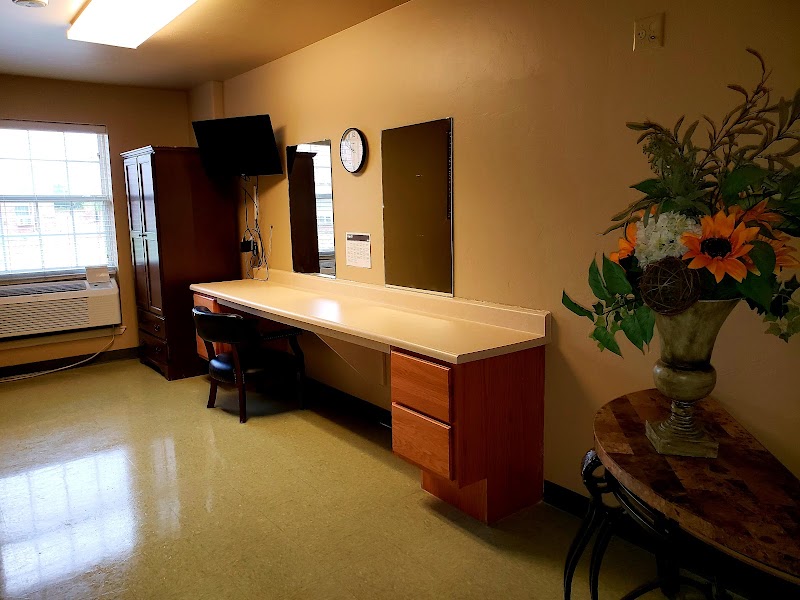
How is Tuscany Village Nursing Center Staffed?

CMS rates TUSCANY VILLAGE NURSING CENTER's staffing level at 2 out of 5 stars, which is below average compared to other nursing homes. Staff turnover is 70%, which is 23 percentage points above the Oklahoma average of 46%. High turnover can affect care consistency as new staff learn residents' individual needs. RN turnover specifically is 67%, which is notably high. RNs provide skilled clinical oversight, so turnover in this role can affect medical care quality.

What Have Inspectors Found at Tuscany Village Nursing Center?

State health inspectors documented 58 deficiencies at TUSCANY VILLAGE NURSING CENTER during 2023 to 2025. These included: 1 Immediate Jeopardy (the most serious level, indicating potential for serious harm or death), 1 that caused actual resident harm, 55 with potential for harm, and 1 minor or isolated issues. Immediate Jeopardy findings are rare and represent the most serious regulatory concerns. They require immediate corrective action.
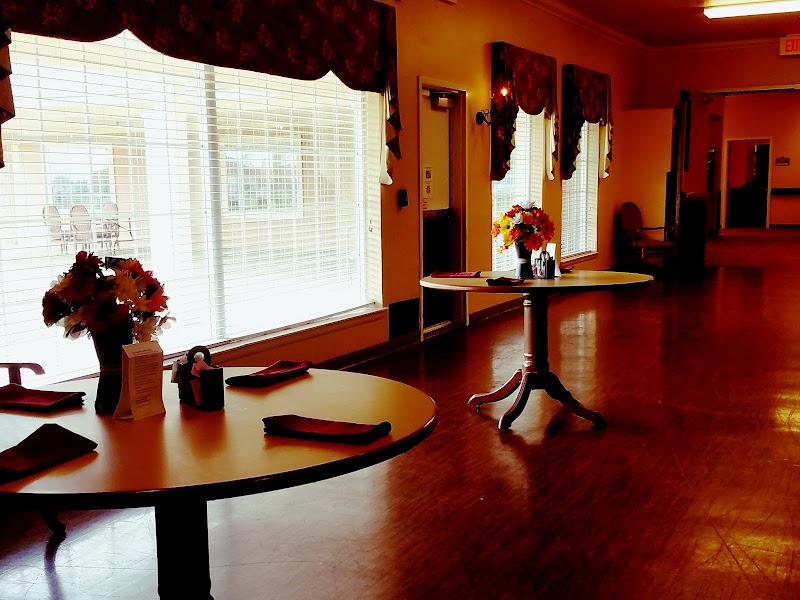
Who Owns and Operates Tuscany Village Nursing Center?

TUSCANY VILLAGE NURSING CENTER is owned by a for-profit company. For-profit facilities operate as businesses with obligations to shareholders or private owners. The facility is operated by STONEGATE SENIOR LIVING, a chain that manages multiple nursing homes. With 137 certified beds and approximately 119 residents (about 87% occupancy), it is a mid-sized facility located in OKLAHOMA CITY, Oklahoma.
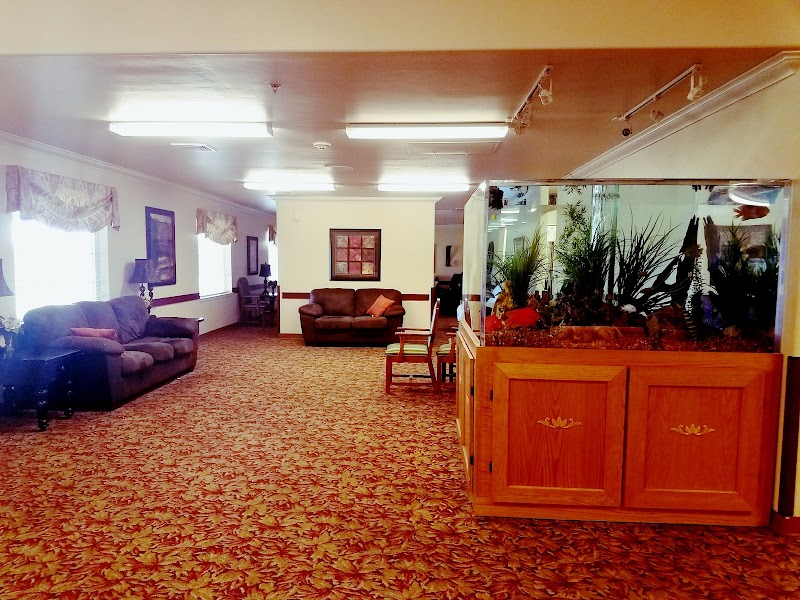
How Does Tuscany Village Nursing Center Compare to Other Oklahoma Nursing Homes?

Compared to the 100 nursing homes in Oklahoma, TUSCANY VILLAGE NURSING CENTER's overall rating (1 stars) is below the state average of 2.6, staff turnover (70%) is significantly higher than the state average of 46%, and health inspection rating (1 stars) is much below the national benchmark.

What Should Families Ask When Visiting Tuscany Village Nursing Center?

Based on this facility's data, families visiting should ask: "What changes have been made since the serious inspection findings, and how are you preventing similar issues?" "How do you ensure continuity of care given staff turnover, and what is your staff retention strategy?" "Can you walk me through typical staffing levels on day, evening, and night shifts?" "Can I visit during a mealtime to observe dining assistance and food quality?" These questions are particularly relevant given the facility's Immediate Jeopardy citations, the facility's high staff turnover rate, and the below-average staffing rating.

Is Tuscany Village Nursing Center Safe?

Based on CMS inspection data, TUSCANY VILLAGE NURSING CENTER has documented safety concerns. Inspectors have issued 1 Immediate Jeopardy citation (the most serious violation level indicating risk of serious injury or death). The facility has a 1-star overall rating and ranks #100 of 100 nursing homes in Oklahoma. Families considering this facility should ask detailed questions about what corrective actions have been taken since these incidents.

Do Nurses at Tuscany Village Nursing Center Stick Around?

Staff turnover at TUSCANY VILLAGE NURSING CENTER is high. At 70%, the facility is 23 percentage points above the Oklahoma average of 46%. Registered Nurse turnover is particularly concerning at 67%. RNs handle complex medical decisions and coordinate care — frequent RN changes can directly impact care quality. High turnover means new staff may not know residents' individual needs, medications, or preferences. It can also be disorienting for residents, especially those with dementia who rely on familiar faces. Families should ask: What is causing the turnover? What retention programs are in place? How do you ensure care continuity during staff transitions?

Was Tuscany Village Nursing Center Ever Fined?

TUSCANY VILLAGE NURSING CENTER has been fined $40,626 across 3 penalty actions. The Oklahoma average is $33,485. While any fine indicates a compliance issue, fines under $50,000 are relatively common and typically reflect isolated problems that were subsequently corrected. Families should ask what specific issues led to these fines and confirm they've been resolved.

Is Tuscany Village Nursing Center on Any Federal Watch List?

TUSCANY VILLAGE NURSING CENTER is not on any federal watch list. The most significant is the Special Focus Facility (SFF) program, which identifies the bottom 1% of nursing homes nationally based on persistent, serious quality problems. Not being on this list means the facility has avoided the pattern of deficiencies that triggers enhanced federal oversight. This is a positive indicator, though families should still review the facility's inspection history directly.