WARR ACRES NURSING CENTER
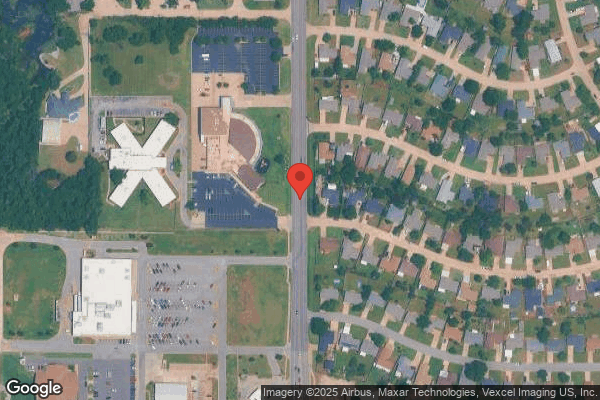
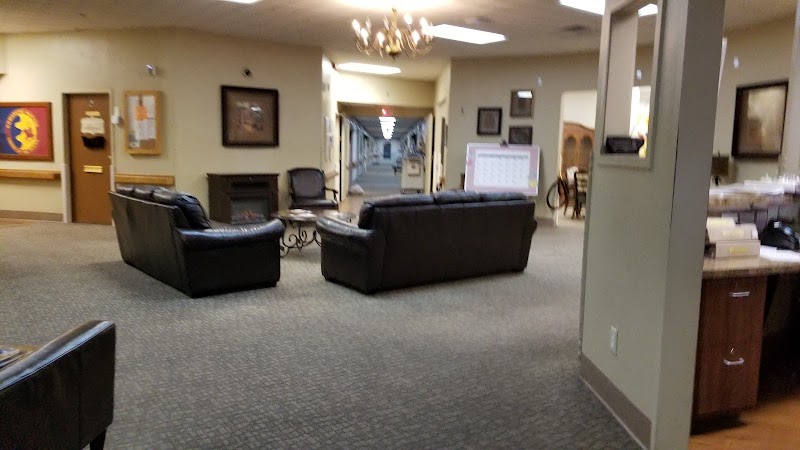
6501 NORTH MACARTHUR, OKLAHOMA CITY, OK 73132 (405) 721-5444
For profit - Limited Liability company 103 Beds DIAKONOS GROUP Data: November 2025
Trust Grade
65/100
#141 of 282 in OK
Last Inspection: April 2025

Within standard 12-15 month inspection cycle. Federal law requires annual inspections.

Overview

Warr Acres Nursing Center has a Trust Grade of C+, which means it is slightly above average compared to other facilities. It ranks #141 out of 282 nursing homes in Oklahoma, placing it in the top half of state facilities, and #16 out of 39 in Oklahoma County, indicating that only a few local options are better. The facility is improving, with issues decreasing from 11 in 2024 to just 4 in 2025. Staffing is rated average with a turnover of 54%, which is slightly better than the state average, but it does suggest some instability. Notably, there have been no fines, which is a positive sign. However, there are some concerning incidents, such as residents not having their call lights within reach, and blood pressure and pulse not being monitored as ordered for several residents, which raises questions about the quality of care. Overall, while the facility has strengths like no fines and an improving trend, families should be aware of the specific care concerns that need attention.

Trust Score
C+
65/100
In Oklahoma
#141/282
Top 50%
Safety Record
Low Risk
No red flags
Inspections
Getting Better
11 → 4 violations
Staff Stability
⚠ Watch
54% turnover. Above average. Higher turnover means staff may not know residents' routines.
Penalties
✓ Good
No fines on record. Clean compliance history, better than most Oklahoma facilities.
Skilled Nurses
⚠ Watch
Each resident gets only 22 minutes of Registered Nurse (RN) attention daily — below average for Oklahoma. Fewer RN minutes means fewer trained eyes watching for problems.
Violations
⚠ Watch
15 deficiencies on record. Higher than average. Multiple issues found across inspections.
★★★☆☆
3.0
Overall Rating
★★★☆☆
3.0
Staff Levels
★★☆☆☆
2.0
Care Quality
★★★☆☆
3.0
Inspection Score
Stable
2024: 11 issues
2025: 4 issues

The Good

  • Full Sprinkler Coverage · Fire safety systems throughout facility
  • No fines on record

Facility shows strength in fire safety.

The Bad

3-Star Overall Rating

Near Oklahoma average (2.6)

Meets federal standards, typical of most facilities

Staff Turnover: 54%

Near Oklahoma avg (46%)

Higher turnover may affect care consistency

Chain: DIAKONOS GROUP

Part of a multi-facility chain

Ask about local staffing decisions and management

The Ugly 15 deficiencies on record

Apr 2025 4 deficiencies
CONCERN (D)

Potential for Harm - no one hurt, but risky conditions existed

Assessment Accuracy (Tag F0641)

Could have caused harm · This affected 1 resident

Based on observation, record review, and interview, the facility failed to ensure a resident assessment was accurately coded for 1 (#2) of 15 sampled residents reviewed for resident assessments. The D...

Read full inspector narrative →
Based on observation, record review, and interview, the facility failed to ensure a resident assessment was accurately coded for 1 (#2) of 15 sampled residents reviewed for resident assessments. The DON identified four residents with catheters resided in the facility. Findings: On 04/21/25 at 1:00 p.m., Resident #2 was observed in bed and no catheter was observed. An undated policy titled Conducting an Accurate Resident Assessment, read in part, The purpose of this policy is to assure that all residents receive an accurate assessment, reflective of the resident's status at the time of the assessment, by staff qualified to assess relevant care areas.The appropriate, qualified health professional will correctly document the resident's medical, functional, and psychosocial problems and identifies residents strengths to maintain or improve medical status, functional abilities, and psychosocial status. Resident #2's order summary, dated 06/03/22 through 04/23/25, showed diagnoses which included hypokalemia, right below the knee amputation, and major depressive disorder. The MDS indicators (information generated from the MDS of a residents condition) showed catheter. A significant change resident assessment, dated 02/26/25, showed H0100 A section of the MDS marked Yes. It indicated an indwelling catheter had been or was in place. Per the guidelines in the resident assessment instrument used for coding the MDS showed there was a seven day look back period to capture a resident with a catheter. There was no documentation in the progress notes of a catheter for the month of February 2025. A resident care plan, dated 03/11/25, did not show a catheter. Resident #2's order summary for active and discontinued orders from admission to current were reviewed and did not show orders for catheter placement. On 04/21/25 at 1:01 p.m., Resident #2 stated they never had a catheter of any type. On 04/23/25 at 11:04 a.m., certified nurse aide #1 stated Resident #2 was incontinent and had not had a catheter in pace. On 04/23/25 at 11:14 a.m., licensed practical nurse #1 stated Resident #2 was incontinent of urine and had not had a catheter in place. On 04/23/25 at 11:17 a.m., the DON stated they determine the coding for a catheter on the MDS by going to the resident and assessing them to see their needs. The DON stated Resident #2 never had a catheter and did not know how it was coded that way. The DON stated they saw the catheter marked on the matrix (a facility specific document that shows what residents have certain diagnoses that need monitoring) when they were gathering the documents for survey. The DON stated the MDS was not accurate.
CONCERN (D)

Potential for Harm - no one hurt, but risky conditions existed

Respiratory Care (Tag F0695)

Could have caused harm · This affected 1 resident

Based on observation, record review, and interview, the facility failed to ensure oxygen concentrator filters were without debris particles for 1 (#2) of 1 sampled resident reviewed for respiratory se...

Read full inspector narrative →
Based on observation, record review, and interview, the facility failed to ensure oxygen concentrator filters were without debris particles for 1 (#2) of 1 sampled resident reviewed for respiratory services. The DON identified five residents received oxygen in the facility. Findings: On 04/21/25 at 12:58 p.m., Resident #2's oxygen concentrator filter was observed to have moderate amount of dust particles both within the filter and hanging off of the filter. An undated policy Oxygen Concentrator, read in part, Follow manufacturer recommendations for the frequency of cleaning filters. A care plan, revised 06/24/24 showed the resident used oxygen. A physicians, order dated 08/18/24 showed to change oxygen tubing weekly on Sunday night and clean oxygen concentrator filter under running water and pat dry. A significant change resident assessment, dated 02/26/25, showed the resident used oxygen. On 04/21/25 at 1:53 p.m., the DON stated they would have to look at the policy and procedure for the cleaning of the filter. The stated they expect their staff to look at the filters on the concentrators and all equipment to keep them clean. The DON was shown the concentrator filter. They stated, that was a lot of dust, not much air was going to get through there.
CONCERN (D) 📢 Someone Reported This

A family member, employee, or ombudsman was alarmed enough to file a formal complaint

Potential for Harm - no one hurt, but risky conditions existed

Deficiency F0761 (Tag F0761)

Could have caused harm · This affected 1 resident

**NOTE- TERMS IN BRACKETS HAVE BEEN EDITED TO PROTECT CONFIDENTIALITY** Based on observation, record review, and interview, the facility failed to ensure medications were secure/locked when not attend...

Read full inspector narrative →
**NOTE- TERMS IN BRACKETS HAVE BEEN EDITED TO PROTECT CONFIDENTIALITY** Based on observation, record review, and interview, the facility failed to ensure medications were secure/locked when not attended for 1 (Hall 300) of 2 medication carts observed. The administrator identified 57 residents resided in the facility. Findings: On 04/23/25 at 11:06 a.m., a medication cart was observed unlocked and unattended on hall 300 next to room [ROOM NUMBER]. An undated policy Medication Storage, read in part, All drug and biologicals will be stored in a locked compartment .During medication pass, medication must be under the direct observation of the person administering medication or locked in the medication storage area/cart. On 04/23/25 at 11:08 a.m., CMA #1 returned to the cart. They stated the cart was not locked. CMA #1 stated the cart was to be locked when they walked away.
CONCERN (D)

Potential for Harm - no one hurt, but risky conditions existed

Food Safety (Tag F0812)

Could have caused harm · This affected 1 resident

Based on observation, record review, and interview, the facility failed to ensure the floor of the walk in freezer was clean and free of debris for 1 of 1 freezers observed. The administrator identif...

Read full inspector narrative →
Based on observation, record review, and interview, the facility failed to ensure the floor of the walk in freezer was clean and free of debris for 1 of 1 freezers observed. The administrator identified 56 residents received their food from the kitchen. Findings: On 04/21/25 at 11:31 a.m., the walk-in freezer was observed. The left side, on the floor at the entrance of the freezer was a small clear bowl with a dried orange substance inside. There was a moderate to large amount of brown and orange debris on the floor and at the edge where the floor and the wall meet. To the right, on the floor under the metal rack, were three food items and a bag of unidentified substance. There was also moderate amount of brown and orange debris on the floor and at the edge where the floor and the wall meet. An undated policy Sanitation Inspection, read in part, Daily: Food service staff shall inspect refrigerators/coolers, freezers. On 04/21/25 at 11:32 a.m., the certified dietary manager stated they were the one to clean and they cleaned it last Monday. On 04/22/25 at 1:50 p.m., the administrator stated the freezer should be cleaned weekly other than wiping out for spills.
Jan 2024 11 deficiencies
CONCERN (D)

Potential for Harm - no one hurt, but risky conditions existed

Deficiency F0655 (Tag F0655)

Could have caused harm · This affected 1 resident

**NOTE- TERMS IN BRACKETS HAVE BEEN EDITED TO PROTECT CONFIDENTIALITY** Based on record review and interview, the facility failed to ensure baseline care plans were developed within 48 hours of admiss...

Read full inspector narrative →
**NOTE- TERMS IN BRACKETS HAVE BEEN EDITED TO PROTECT CONFIDENTIALITY** Based on record review and interview, the facility failed to ensure baseline care plans were developed within 48 hours of admission for one (#21) of 15 sampled residents reviewed for care plans. The Executive Director identified 50 residents resided in the facility. Findings: Resident #21 was admitted to the facility on [DATE] with diagnoses which included multiple fracture of pelvis with stable disruption of pelvic ring, fracture of lower end of right radius, dementia without behaviors, anxiety disorder, major depressive disorder, psychotic disturbance, and mood disturbance. A baseline care plan was not initiated until 11/21/23. On 01/23/24 at 11:43 a.m., MDS Coordinator #1 stated that might have been when they were out. They stated the care plan should have been completed within 48 hours of admission.
CONCERN (D) 📢 Someone Reported This

A family member, employee, or ombudsman was alarmed enough to file a formal complaint

Potential for Harm - no one hurt, but risky conditions existed

Accident Prevention (Tag F0689)

Could have caused harm · This affected 1 resident

Based on record review and interview, the facility failed to ensure adequate supervision was provided during an out of facility appointment for one (#25) of five sampled residents reviewed for acciden...

Read full inspector narrative →
Based on record review and interview, the facility failed to ensure adequate supervision was provided during an out of facility appointment for one (#25) of five sampled residents reviewed for accidents. The Executive Director identified 50 residents resided in the facility. The DON identified 16 residents were at risk for elopement in the facility. Findings: Resident #25 had diagnoses which included dementia, psychotic disturbance, and disorganized schizophrenia. An initial State reportable, dated 09/21/23, with incident date 09/21/23, documented missing resident. It documented the Administrator was contacted around 9:00 a.m. and informed by Resident #25's niece and a VA representative that Resident #25 had been walking the hallways unattended. The Resident was transported to the VA clinic that morning for an eye appointment. A final State reportable, dated 09/26/23, with incident date 09/21/23, documented missing resident. It documented Resident #25's niece called the facility the night before at 7:30 p.m. to inform them the Resident's appointment was cancelled. Resident #25 was picked up from the VA by the ADON. Resident #25's quarterly resident assessment, dated 09/27/23, documented the Resident had severe cognitive impairment and exhibited wandering behavior. Resident #25's care plan for wandering, dated 12/26/23, documented, a. wanders about unaware of their safety, b. sometimes seek to leave the facility, and c. is considered an elopement risk. On 01/04/24 at 8:33 a.m., Resident #25 was observed walking up and down hall 400. A wander guard was observed on their left wrist. On 01/24/24 at 11:18 a.m., the DON stated if a resident had severe cognitive impairment, the family accompanied the resident to their appointment or the facility provided staff to accompany the resident. On 01/24/24 at 11:21 a.m., the DON stated Resident #25 was assessed as an elopement risk and a wander guard was provided for them. On 01/24/24 at 11:27 a.m., the DON stated the incident at the VA posed a safety concern due to Resident #25's cognitive status.
CONCERN (D) 📢 Someone Reported This

A family member, employee, or ombudsman was alarmed enough to file a formal complaint

Potential for Harm - no one hurt, but risky conditions existed

Deficiency F0726 (Tag F0726)

Could have caused harm · This affected 1 resident

Based on observation, record review and interview, the facility failed to ensure that licensed nurses have the specific competencies and skill sets necessary to care for residents' needs for one (RN #...

Read full inspector narrative →
Based on observation, record review and interview, the facility failed to ensure that licensed nurses have the specific competencies and skill sets necessary to care for residents' needs for one (RN #1) of one licensed staff observed during medication pass. The Executive Director identified 50 residents resided in the facility. The Executive Director identified four RNs and 12 LPNs were employed by the facility. Findings: 1. Resident #7 had diagnoses which included Alzheimer's disease, anxiety disorder, hypertension, and GERD. A Physician's Order, dated 01/14/22, documented may crush tablets and/or open capsules unless contraindicated. A Physician Order, dated 09/01/22, documented lanoxin 125 mcg give one tablet by mouth one time a day for Afib, hold if pulse was below 60. A Physician's Order, dated 04/17/23, documented suction oropharynx every one hour as needed for aspiration. A Physician's Order, dated 06/14/23, documented regular diet, pureed texture, nectar (mildly thick) consistency, related to Alzheimer's disease. A Physician's Order, dated 09/01/23, documented Resident #7 was to receive omeprazole 20 mg delayed release one capsule by mouth daily for GERD. On 01/04/24 at 9:05 a.m., RN #1 was observed typing the blood pressure and pulse of Resident #7 into the Resident's medication administration record without being observed taking the blood pressure and pulse, or reviewing any documentation for the information. On 01/04/24 at 9:13 a.m., RN #1 was observed opening olanzapine 5 mg tablet from Resident #47's medication card and put it in their hand to administer to Resident #7. RN #1 was asked to verify the medication they popped into their hand. RN #1 reviewed the medication card and disposed of the medication they had just popped. On 01/04/24 at 9:15 a.m., RN #1 was observed opening levothyroxine 175 mg tablet from Resident #24's medication card and put it in their hand to administer to Resident #7. RN #1 was asked to verify the medication they popped into their hand. RN #1 reviewed the medication card and disposed of the medication they had just popped. On 01/04/24 at 9:17 a.m., RN #1 was observed crushing Resident #7's medications including the omeprazole capsule while still intact and administered it to the Resident by mouth in oatmeal. On 01/04/24 at 9:20 a.m., Resident #7 pushed half of the crushed omeprazole capsule out of their mouth and RN #1 picked it up and disposed of it. On 01/04/24 at 10:10 a.m., RN #1 stated some of Resident #7's capsules could be crushed, and the resident could spit out the capsule after they ate the medication inside it. On 01/04/24 at 10:12 a.m., RN #1 stated residents who were given capsules with swallowing difficulties might choke and aspirate or keep it in their mouth and eventually spit it out. On 01/04/24 at 12:10 p.m., the DON stated they could not see resident #7 being able to swallow a capsule. On 01/04/24 at 12:15 p.m., the ADON stated the staff were supposed to read the medication administration record and ensure the order matched the medication label from the pharmacy. 2. Resident #23 had diagnoses which included essential hypertension. A Physician Order dated 08/16/23, documented cozaar 50 mg give one tablet by mouth one time a day related to essential hypertension. Notify physician if the systolic was greater than 145 or less than 105 or diastolic was greater than 90 or less than 65. Notify the physician if pulse was greater than 96 or less than 56. On 01/04/24 at 8:43 a.m., RN #1 was observed typing the blood pressure and pulse of Resident #23 into the Resident's medication administration record without being observed taking the blood pressure and pulse, or reviewing any documentation for the information. 3. Resident #36 had diagnoses which included essential hypertension. A Physician Order, dated 10/15/23, documented lisinopril 10 mg give one tablet by mouth one time a day related to essential hypertension. Notify physician if the systolic was greater than 145 or less than 105 or diastolic was greater than 90 or less than 65. Notify the physician if pulse was greater than 96 or less than 56. On 01/04/24 at 8:52 a.m., RN #1 was observed typing the blood pressure and pulse of Resident #36 into the Resident's medication administration record without being observed taking the blood pressure and pulse, or reviewing any documentation for the information. On 01/04/24 at 10:04 a.m. RN #1 stated they checked the blood pressure and pulse of Residents #7, #23, and #36 around 6:35 a.m. They stated they memorized them because the residents had heart problems. On 01/04/24 at 10:15 a.m., RN #1 stated they usually memorized the blood pressures or wrote them on their palm or a piece of paper if they knew they would forget. On 01/04/24 at 12:14 p.m., the ADON stated staff were supposed to assess vital signs right before administering medications. 4. On 01/04/24 at 8:58 a.m., RN #1 was observed to have left the medication cart on hall 200 unlocked while delivering medications to a resident on the memory care unit. On 01/04/24 at 10:07 a.m., RN #1 stated the medication cart should always be locked.
CONCERN (D)

Potential for Harm - no one hurt, but risky conditions existed

Deficiency F0761 (Tag F0761)

Could have caused harm · This affected 1 resident

Based on observation and interview, the facility failed to ensure one (hall 200) of three medication carts were locked. The DON identified three medication carts were utilized in the facility. Finding...

Read full inspector narrative →
Based on observation and interview, the facility failed to ensure one (hall 200) of three medication carts were locked. The DON identified three medication carts were utilized in the facility. Findings: On 01/04/24 at 8:58 a.m., RN #1 was observed to have left the medication cart on hall 200 unlocked while delivering medications to a resident on the memory care unit. On 01/04/24 at 10:07 a.m., RN #1 stated the medication cart should always be locked.
CONCERN (D)

Potential for Harm - no one hurt, but risky conditions existed

Room Equipment (Tag F0908)

Could have caused harm · This affected 1 resident

Based on observation and interview, the facility failed to remove an excessive amount of lint for three of three dryers observed in the laundry room for lint. The Executive Director identified 50 res...

Read full inspector narrative →
Based on observation and interview, the facility failed to remove an excessive amount of lint for three of three dryers observed in the laundry room for lint. The Executive Director identified 50 residents resided in the facility. Findings: On 01/03/24 at 12:00 p.m., excessive lint was observed in the lint compartment floor and lint catcher in all three dyers. The Housekeeping Supervisor stated they last cleaned the lint compartments at 6:00 a.m. On 01/03/24 at 12:02 p.m., the Housekeeping Supervisor stated the lint compartments were cleaned every two hours. They stated it was a fire hazard if lint compartments and lint catchers were not cleaned. The Housekeeping Supervisor provided a cleaning log that documented the lint compartments were cleaned hourly. On 01/03/24 at 2:28 p.m., the Housekeeping Supervisor stated they could tell by the amount of lint observed the lint compartments were not cleaned at 6:00 a.m. They stated they were too embarrassed to acknowledge it to the surveyor during the laundry room observation.
CONCERN (E) 📢 Someone Reported This

A family member, employee, or ombudsman was alarmed enough to file a formal complaint

Potential for Harm - no one hurt, but risky conditions existed

Deficiency F0558 (Tag F0558)

Could have caused harm · This affected multiple residents

Based on observation, record review and interview, the facility failed to ensure: a. the call light was in reach for two (#2 and #41) of 24 sampled residents observed during initial pool; and b. a res...

Read full inspector narrative →
Based on observation, record review and interview, the facility failed to ensure: a. the call light was in reach for two (#2 and #41) of 24 sampled residents observed during initial pool; and b. a resident's bed was positioned to allow them to watch TV comfortably for one (#41) of three sampled residents reviewed for accommodation of needs. The Executive Director identified 50 residents resided in the facility. Findings: A Facility Accommodation of Needs policy, dated 02/23, read in part, .The facility will make reasonable accommodations to individualize the resident's physical environment including their personal bathroom and bedroom .Based on individual needs and preferences, the facility will assist the resident in maintaining and/or achieving independent functioning, dignity, and well being to the extent possible . The Call Lights: Accessibility and Timely Response policy, dated 2023, read in part, .Staff will ensure the call light is within reach of resident and secured, as needed . 1. Resident #2 had diagnoses which included muscle weakness and conversion disorder with seizures or convulsions. Resident #2's quarterly resident assessment, dated 12/11/23, documented Resident #2 was cognitively intact and dependent on staff for activities of daily living. On 01/02/24 at 2:01 p.m., Resident #2 stated they used their call light to call for help. They pointed to the call light cable from the wall and stated they could not see it. The call light was observed on the floor by the dresser out of Resident #2's reach. On 01/02/24 at 2:14 p.m., RN #3 came in to check on the resident. They did not put the call light in reach prior to leaving Resident #2's room. On 01/02/24 at 2:16 p.m., RN #3 stated Resident #2 was able to use their call light. They stated the call light was not in reach of Resident #2. RN #3 placed the call light within reach of Resident #2. 2. Resident #41 had diagnoses which included personal history of transient ischemic attack and transient paralysis. On 01/02/24 at 2:19 p.m., Resident #41 stated they were waiting for staff to change them. Resident #41 was observed moving their wheelchair to the foot of their bed looking for their call light. The call light was not located by the resident. On 01/02/24 at 2:25 p.m., RN #2 entered the room and asked Resident #41 where their call light was. RN #2 looked over the bed, moved the curtain, then pulled the call light cord from the end of the bed around the privacy curtain and placed it on the resident's bed. RN #2 stated the resident was not able to get out of bed on their own and the call light had not been in reach of Resident #41. RN #2 stated the call light was actually up under the blankets. On 01/02/24 at 2:53 p.m., Resident #41 stated they could not see their TV ok. They stated, I twist my neck to see it. They stated their family stated no wonder their neck hurt because they had to twist it to see the TV. They stated when Resident #13 was willing to pull their curtain, they could see Resident #13's TV, but they couldn't see their own. Resident #41 stated their family had complained about the location of the TV and bed. Resident #41's left side of bed was observed placed against the wall. The TV was observed across the room at approximately a 90 degree angle from the head of the resident's bed. The resident would have to turn their head completely to the right side to view the TV. On 01/23/24 at 11:14 a.m., LPN #1 stated the facility treated each resident as this was their home. They stated staff tried to accommodate each resident's needs. On 01/23/24 at 11:15 a.m., LPN #1 stated how a resident's room was set up depended on the situation. They stated Resident #41's roommate Resident #13 had a walker. They stated it was hard for Resident #13 to maneuver their walker around Resident #41's bed when it was turned the other way towards the TV. They stated they did whatever was easier for the residents. On 01/23/24 at 11:16 a.m., LPN #1 stated Resident #41's bed used to be facing the TV. On 01/23/24 at 11:17 a.m., LPN #1 stated Resident #41's family had complained about the room set up. LPN #1 stated they explained to the family that they didn't want Resident #13 to fall because they couldn't get around Resident #41's bed. LPN #1 stated the family member had come in at times and rearranged the room themselves, but staff would go in and put it back because it was too crowded. On 01/23/24 at 11:18 a.m. LPN #1 walked into Resident #41 and Resident #13's room. LPN #1 stated Resident #41 would only be able to visualize the TV laying on their right side. LPN #1 stated Resident #13 had cleaned up the room quite a bit since the last time it was changed. They stated Resident #13 had an excessive amount of personal items in the room.
CONCERN (E)

Potential for Harm - no one hurt, but risky conditions existed

Deficiency F0565 (Tag F0565)

Could have caused harm · This affected multiple residents

Based on record review and interview, the facility failed to allow the resident council to meet without staff present. The Executive Director identified 50 residents resided in the facility. Findings:...

Read full inspector narrative →
Based on record review and interview, the facility failed to allow the resident council to meet without staff present. The Executive Director identified 50 residents resided in the facility. Findings: Documents titled Resident Council Minutes identified staff as present for the following dates: 12/06/22, 01/26/23, 03/22/23, 04/24/23, 05/23/23, 06/08/23, 07/18/23, 08/24/23, 09/13/23, 10/10/23, 11/15/23, and 12/12/23. On 01/03/24 at 2:46 p.m., the Resident Council Representative stated they had been told a staff member had to be present at all council meetings. On 01/03/24 at 3:03 p.m., the Activities Director stated the facility wanted a staff member present at all council meetings. On 01/04/24 at 3:01 p.m., the Executive Director stated the Resident Council had never requested to have a meeting without staff present. The Executive Director stated staff was present to maintain order during the meetings.
CONCERN (E)

Potential for Harm - no one hurt, but risky conditions existed

Pharmacy Services (Tag F0755)

Could have caused harm · This affected multiple residents

Based on observation, record review and interview, the facility failed to ensure blood pressure and pulse were monitored as ordered for three (#7, 23, and #36) of six residents observed during medicat...

Read full inspector narrative →
Based on observation, record review and interview, the facility failed to ensure blood pressure and pulse were monitored as ordered for three (#7, 23, and #36) of six residents observed during medication administration. The Executive Director identified 50 residents resided in the facility. Findings: 1. Resident #7 had diagnoses which included Alzheimer's disease, anxiety disorder, hypertension, and GERD. A Physician Order, dated 09/01/22, documented lanoxin 125 mcg give one tablet by mouth one time a day for Afib, hold if pulse was below 60. On 01/04/24 at 9:05 a.m., RN #1 was observed typing the blood pressure and pulse of Resident #7 into the Resident's medication administration record without being observed taking the blood pressure and pulse, or reviewing any documentation for the information. 2. Resident #23 had diagnoses which included essetial hypertention. A Physician Order, dated 08/16/23, documented cozaar 50 mg give one tablet by mouth one time a day related to essential hypertension. Notify physician if the systolic was greater than 145 or less than 105 or diastolic was greater than 90 or less than 65. Notify the physician if pulse was greater than 96 or less than 56. On 01/04/24 at 8:43 a.m., RN #1 was observed typing the blood pressure and pulse of Resident #23 into the Resident's medication administration record without being observed taking the blood pressure and pulse, or reviewing any documentation for the information. 3. Resident #36 had diagnoses which included essential hypertension. A Physician Order, dated 10/15/23, documented lisinopril 10 mg give one tablet by mouth one time a day related to essential hypertension. Notify physician if the systolic was greater than 145 or less than 105 or diastolic was greater than 90 or less than 65. Notify the physician if pulse was greater than 96 or less than 56. On 01/04/24 at 8:52 a.m., RN #1 was observed typing the blood pressure and pulse of Resident #36 into the Resident's medication administration record without being observed taking the blood pressure and pulse, or reviewing any documentation for the information. On 01/04/24 at 10:04 a.m. RN #1 stated they checked the blood pressure and pulse of Residents #7, #23, and #36 around 6:35 a.m. They stated they memorized them because the residents had heart problems. On 01/04/24 at 10:15 a.m., RN #1 stated they usually memorized the blood pressures or wrote them on their palm or a piece of paper if they knew they would forget. On 01/04/24 at 12:14 p.m., the ADON stated staff were supposed to assess vital signs right before administering medications.
CONCERN (E) 📢 Someone Reported This

A family member, employee, or ombudsman was alarmed enough to file a formal complaint

Potential for Harm - no one hurt, but risky conditions existed

Unnecessary Medications (Tag F0759)

Could have caused harm · This affected multiple residents

Based on observation, record review and interview, the facility failed to ensure the medication error rate was less than 5%. A total of 27 opportunities were observed with three errors. The total medi...

Read full inspector narrative →
Based on observation, record review and interview, the facility failed to ensure the medication error rate was less than 5%. A total of 27 opportunities were observed with three errors. The total medication error rate was 11.11%. The Executive Director identified 50 residents resided in the facility. Findings: Resident #7 had diagnoses which included Alzheimer's disease, anxiety disorder, hypertension, and GERD. A Physician's Order, dated 01/14/22, documented may crush tablets and/or open capsules unless contraindicated. A Physician's Order, dated 04/17/23, documented suction oropharynx every one hour as needed for aspiration. A Physician's Order, dated 06/14/23, documented regular diet, pureed texture, nectar (mildly thick) consistency, related to Alzheimer's disease. A Physician's Order, dated 09/01/23, documented Resident #7 was to receive omeprazole 20 mg delayed release one capsule by mouth daily for GERD. On 01/04/24 at 9:13 a.m., RN #1 was observed opening olanzapine 5 mg tablet from Resident #47's medication card and put it in their hand to administer to Resident #7. RN #1 was asked to verify the medication they popped into their hand. RN #1 reviewed the medication card and disposed of the medication they had just popped. On 01/04/24 at 9:15 a.m., RN #1 was observed opening levothyroxine 175 mg tablet from Resident #24's medication card and put it in their hand to administer to Resident #7. RN #1 was asked to verify the medication they popped into their hand. RN #1 reviewed the medication card and disposed of the medication they had just popped. On 01/04/24 at 9:17 a.m., RN #1 was observed crushing Resident #7's medications including the omeprazole capsule while still intact and administered it to the Resident by mouth in oatmeal. On 01/04/24 at 9:20 a.m., Resident #7 pushed half of the crushed omeprazole capsule out of their mouth and RN #1 picked it up and disposed of it. On 01/04/24 at 10:07 a.m., RN #1 stated they were to read the medication label and make sure it matched the order before opening the medication to administer to the resident. They stated they got nervous during medication administration observations. On 01/04/24 at 10:10 a.m., RN #1 stated some of Resident #7's capsules could be crushed, and the resident could spit out the capsule after they ate the medication inside it. On 01/04/24 at 10:12 a.m., RN #1 stated residents who were given capsules with swallowing difficulties might choke and aspirate or keep it in their mouth and eventually spit it out. On 01/04/24 at 12:10 p.m., the DON stated they could not see Resident #7 being able to swallow a capsule. On 01/04/24 at 12:15 p.m., the ADON stated the staff were supposed to read the medication administration record and ensure the order matched the medication label from the pharmacy.
CONCERN (E) 📢 Someone Reported This

A family member, employee, or ombudsman was alarmed enough to file a formal complaint

Potential for Harm - no one hurt, but risky conditions existed

Food Safety (Tag F0812)

Could have caused harm · This affected multiple residents

Based on observation, record review and interview, the facility failed to ensure food items were properly dated and labeled in the walk in cooler and refrigerator located in the kitchen. The Executive...

Read full inspector narrative →
Based on observation, record review and interview, the facility failed to ensure food items were properly dated and labeled in the walk in cooler and refrigerator located in the kitchen. The Executive Director identified 50 residents resided in the facility. Findings: The facility Food Receiving and Storage policy, revised 12/08, read in part, .Food shall be received and stored in a manner that complies with safe food handling practices .All foods stored in the refrigerator or freezer will be covered, labeled and dated . On 01/02/24 at 1:05 p.m., [NAME] #1 stated staff should date and label all food items. On 01/02/24 at 1:19 p.m., the following items were observed in the refrigerator next to the tray line: a. two pitchers with blue lids which contained liquid with no date or label present; b. three pitchers with red lids which contained liquid with no date or label; c. one 46 ounce open container of Thick and Easy kiwi strawberry flavor with no open date; Cook #1 stated the pitchers of fluids were prepared for the meal service and did not contain a date or label on them. They stated the Thick and Easy was usually dated when they came in, but not when they opened it. On 01/02/24 at 1:22 p.m., the following items were observed in the walk in cooler: a. two pies with no label or date; b. a clear plastic gallon sized bag containing a pink substance with cream cheese and another unidentified word written on it. The bag was dated 12/19; c. raw meat product in a plastic bag in a metal bowl with no label present; d. three bags of a pink colored sliced meat product with no label; e. a package of circular sliced meat product with a use by date 10/26/23 and a handwritten label lunch meat and 12/2 then illegible after the two; f. two packages of pink colored circular sliced meat product with no label and a use by date 10/26/23; g. one package of pinkish brown sliced meat product with no label and a use by date 10/26/23; h. one package of white circular sliced meat product with a blue green substance growing on the bottom of it and no label present; i. six packages of sliced meat product with varying degrees of browning with no label present; j. two unlabeled bags of meat product one with no date and one with 12/30 written on it. Neither bag had a label. On 01/02/24 at 1:30 p.m., [NAME] #1 identified the gallon sized plastic bag as cream cheese with strawberry and stated We should have thrown away. [NAME] #2 stated the pies did not have a date or label present. [NAME] #2 identified the raw meat in the metal bowel as chicken with no date or label. [NAME] #2 stated the date was 01/02 because they had taken it out to use for the chicken [NAME] but did not need it. [NAME] #2 stated the other two bags of meat product were also chicken and did not contain a date or label. [NAME] #2 stated they had pulled the items from the freezer that morning. Cook #2 stated the white sliced meat was turkey, the large sliced meat was ham steak, the light pink was salami, and the brownish pink was bologna. They stated they did not contain labels and they were going to throw them in the trash because they had been sitting there awhile. [NAME] #2 stated the blue green substance was probably mold. [NAME] #2 stated they had removed three of the larger sliced meet products from the freezer yesterday. They stated they usually didn't label the meat because they just know what it was.
CONCERN (E)

Potential for Harm - no one hurt, but risky conditions existed

Infection Control (Tag F0880)

Could have caused harm · This affected multiple residents

Based on observation, record review and interview the facility failed to: a. provide incontinent care in a manner to prevent cross contamination for one (#41) of two sampled residents observed receivi...

Read full inspector narrative →
Based on observation, record review and interview the facility failed to: a. provide incontinent care in a manner to prevent cross contamination for one (#41) of two sampled residents observed receiving incontinent care; and b. ensure staff did not touch medication with their bare hands for one (RN#1) of three staff observed during medication pass. The Executive Director identified 50 residents resided in the facility. Findings: A facility Hand Hygiene policy, dated 2023, read in part, .All staff will perform proper hand hygiene procedures to prevent the spread of infection to other personnel, residents, and visitors .Hand hygiene is indicated and will be performed under the conditions listed in .the attached table .Hands are visibly soiled .After handling contaminated objects .Before and after handling clean or soiled dressings, linens .during resident care, moving from a contaminated body site to a clean body site . 1. Resident #41 had diagnoses which included personal history of transient ischemic attack and transient paralysis. Resident #41's Quarterly Resident Assessment, dated 12/22/23, documented the resident was frequently incontinent of urine and always incontinent of bowel. On 01/02/24 at 2:28 p.m., RN #2 and CNA #1 entered Resident #41's room and donned gloves. CNA #1 opened the resident's disposable which was saturated with loose brown stool. CNA #1 sprayed toilet paper with total body body cleanser and wiped stool off of the resident several times. The CNA began searching through the drawers of Resident #41's bedside table with the same gloves used during incontinent care stating they were looking for wipes. RN #2 obtained wipes from the bathroom and handed them to CNA #1. CNA #1 used the wipes to clean stool from the resident. CNA #1 placed a new disposable brief under the resident and attached it with the same pair of gloves. There was brown bowel observed on the nondisposable pad under the resident which was left under the resident. CNA #1 pulled down the resident's gown, pulled the blanket up over the resident, handed them the call light, and raised the resident's head of bed with the controller all with the same pair of gloves. CNA #1 removed their gloves, and washed their hands with soap and water. On 01/02/24 at 2:40 p.m. CNA #1 was asked to observe the nondisposable pad left under the resident to see if they had bowel present on the pad. On 01/02/24 at 2:41 p.m., CNA #1 observed the pad and stated they didn't know if it was bowel because the pads were stained sometimes. On 01/02/24 at 2:44 p.m., CNA #1 replaced the soiled disposable pad with a new pad. On 01/02/24 at 2:49 p.m., CNA #1 stated every time they worked with a resident, they were to wash their hands afterwards when they removed their gloves. They stated they also had the option to sanitize their hands. They stated staff should sanitize their hands after providing incontinent care before touching clean items. On 01/04/24 at 8:38 a.m., the DON stated staff were to perform hand hygiene before and after care. They stated staff were to wear gloves anytime they were in contact with body fluids. They stated staff should perform hand hygiene before and after putting on gloves. 2. On 01/04/24 at 8:43 a.m., RN #1 was observed popping medications into their bare hands to be administered to Resident #23 during medication pass. On 01/04/24 at 8:52 a.m., RN #1 was observed popping medications into their bare hands to be administered to Resident #36 during medication pass. On 01/04/24 at 9:05 a.m., RN #1 was observed popping medications into their bare hands to be administered to Resident #7 during medication pass. On 01/04/24 at 10:06 a.m., RN #1 stated they were supposed to wash hands between patients. On 01/04/24 at 12:16 p.m., The ADON stated the policy for passing medications was to wear gloves when touching medications.
Understanding Severity Codes (click to expand)
Life-Threatening (Immediate Jeopardy)
J - Isolated K - Pattern L - Widespread
Actual Harm
G - Isolated H - Pattern I - Widespread
Potential for Harm
D - Isolated E - Pattern F - Widespread
No Harm (Minor)
A - Isolated B - Pattern C - Widespread

Questions to Ask on Your Visit

  • "Can I speak with families of current residents?"
  • "What's your RN coverage like on weekends and overnight?"

Our Honest Assessment

Strengths
  • • No major safety red flags. No abuse findings, life-threatening violations, or SFF status.
  • • No fines on record. Clean compliance history, better than most Oklahoma facilities.
Concerns
  • • 15 deficiencies on record. Higher than average. Multiple issues found across inspections.
Bottom line: Mixed indicators with Trust Score of 65/100. Visit in person and ask pointed questions.

About This Facility

What is Warr Acres Nursing Center's CMS Rating?

CMS assigns WARR ACRES NURSING CENTER an overall rating of 3 out of 5 stars, which is considered average nationally. Within Oklahoma, this rating places the facility higher than 99% of the state's 100 nursing homes. This mid-range rating indicates the facility meets federal standards but may have areas for improvement.
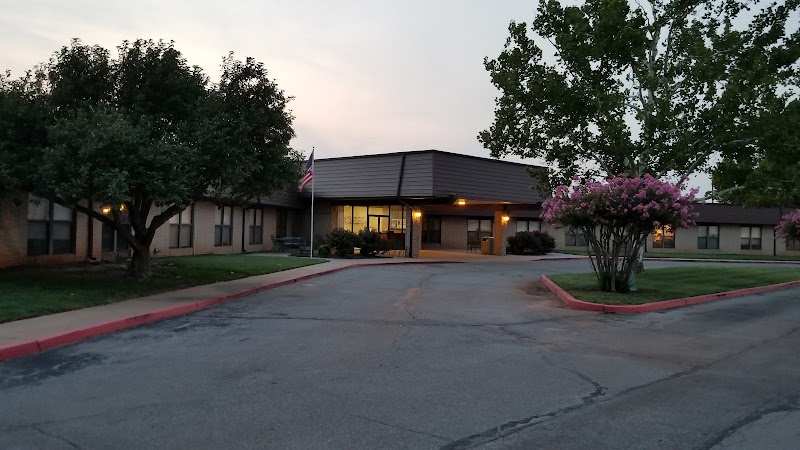
How is Warr Acres Nursing Center Staffed?

CMS rates WARR ACRES NURSING CENTER's staffing level at 3 out of 5 stars, which is average compared to other nursing homes. Staff turnover is 54%, compared to the Oklahoma average of 46%.

What Have Inspectors Found at Warr Acres Nursing Center?

State health inspectors documented 15 deficiencies at WARR ACRES NURSING CENTER during 2024 to 2025. These included: 15 with potential for harm.
Who Owns and Operates Warr Acres Nursing Center?

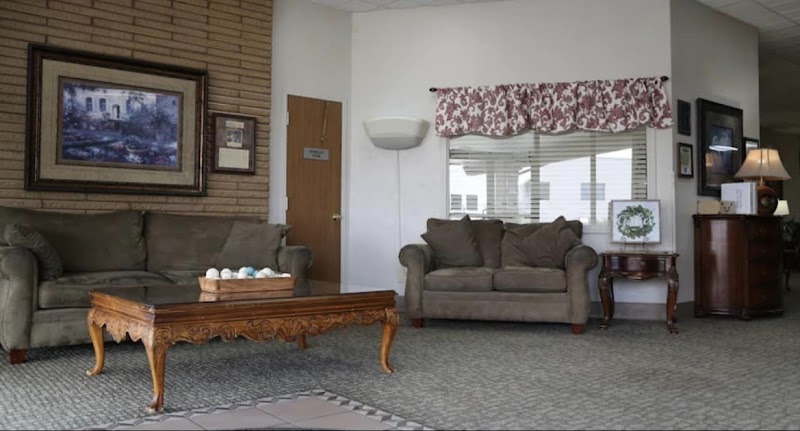
WARR ACRES NURSING CENTER is owned by a for-profit company. For-profit facilities operate as businesses with obligations to shareholders or private owners. The facility is operated by DIAKONOS GROUP, a chain that manages multiple nursing homes. With 103 certified beds and approximately 60 residents (about 58% occupancy), it is a mid-sized facility located in OKLAHOMA CITY, Oklahoma.
How Does Warr Acres Nursing Center Compare to Other Oklahoma Nursing Homes?

Compared to the 100 nursing homes in Oklahoma, WARR ACRES NURSING CENTER's overall rating (3 stars) is above the state average of 2.6, staff turnover (54%) is near the state average of 46%, and health inspection rating (3 stars) is at the national benchmark.

What Should Families Ask When Visiting Warr Acres Nursing Center?

Based on this facility's data, families visiting should ask: "Can I visit during a mealtime to observe dining assistance and food quality?" "How do you handle medical emergencies, and what is your hospital transfer rate?" "Can I speak with family members of current residents about their experience?"

Is Warr Acres Nursing Center Safe?

Based on CMS inspection data, WARR ACRES NURSING CENTER has a clean safety record: no substantiated abuse findings (meaning no confirmed cases of resident harm), no Immediate Jeopardy citations (the most serious violation level indicating risk of serious injury or death), and is not on the Special Focus Facility watch list (a federal program monitoring the lowest-performing 1% of nursing homes). The facility has a 3-star overall rating and ranks #1 of 100 nursing homes in Oklahoma. While no facility is perfect, families should still ask about staff-to-resident ratios and recent inspection results during their visit.

Do Nurses at Warr Acres Nursing Center Stick Around?

WARR ACRES NURSING CENTER has a staff turnover rate of 54%, which is 8 percentage points above the Oklahoma average of 46%. Moderate turnover is common in nursing homes, but families should still ask about staff tenure and how the facility maintains care continuity when employees leave.

Was Warr Acres Nursing Center Ever Fined?

WARR ACRES NURSING CENTER has no federal fines on record. CMS issues fines when nursing homes fail to meet care standards or don't correct problems found during inspections. The absence of fines suggests the facility has either maintained compliance or corrected any issues before penalties were assessed. This is a positive indicator, though families should still review recent inspection reports for the full picture.

Is Warr Acres Nursing Center on Any Federal Watch List?

WARR ACRES NURSING CENTER is not on any federal watch list. The most significant is the Special Focus Facility (SFF) program, which identifies the bottom 1% of nursing homes nationally based on persistent, serious quality problems. Not being on this list means the facility has avoided the pattern of deficiencies that triggers enhanced federal oversight. This is a positive indicator, though families should still review the facility's inspection history directly.