WINDSOR HILLS NURSING CENTER
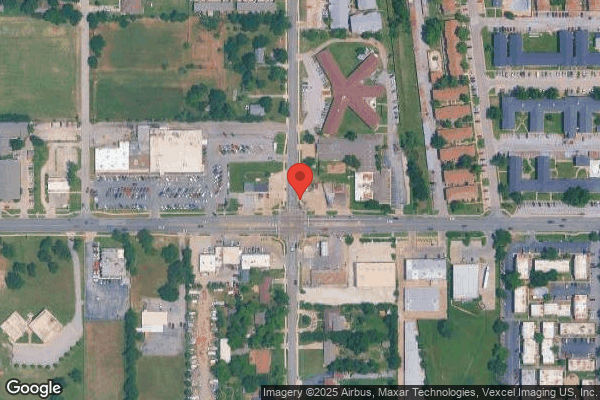
2416 NORTH ANN ARBOR, OKLAHOMA CITY, OK 73127 (405) 942-8566
For profit - Limited Liability company 112 Beds DIAKONOS GROUP Data: November 2025
Trust Grade
0/100
#190 of 282 in OK
Last Inspection: September 2024

Within standard 12-15 month inspection cycle. Federal law requires annual inspections.

Overview

Windsor Hills Nursing Center has received a Trust Grade of F, indicating significant concerns about the quality of care provided at the facility. It ranks #190 out of 282 nursing homes in Oklahoma, placing it in the bottom half of all facilities in the state, and #26 out of 39 in Oklahoma County, meaning there are only a few local options that are better. Although the facility’s issues have improved from 13 in 2024 to just 1 in 2025, it still reported 29 total issues, with 4 serious incidents that caused harm. Staffing is a relative strength, rated 4 out of 5 stars, with a turnover rate of 56%, which aligns closely with the state average, and the facility offers more RN coverage than 84% of Oklahoma facilities, helping to catch potential problems. However, concerning fines of $62,621, which are higher than 86% of other facilities in the state, suggest ongoing compliance problems. Specific incidents include a resident suffering a facial fracture after seven falls without interventions and another resident experiencing multiple falls leading to serious injuries, indicating gaps in fall prevention protocols. Additionally, there was a failure to prevent inappropriate sexual contact between residents, highlighting serious issues with resident safety and supervision.

Trust Score
F
0/100
In Oklahoma
#190/282
Bottom 33%
Safety Record
High Risk
Review needed
Inspections
Getting Better
13 → 1 violations
Staff Stability
⚠ Watch
56% turnover. Above average. Higher turnover means staff may not know residents' routines.
Penalties
✓ Good
$62,621 in fines. Lower than most Oklahoma facilities. Relatively clean record.
Skilled Nurses
⚠ Watch
Each resident gets only 29 minutes of Registered Nurse (RN) attention daily — below average for Oklahoma. Fewer RN minutes means fewer trained eyes watching for problems.
Violations
⚠ Watch
29 deficiencies on record. Higher than average. Multiple issues found across inspections.
★★☆☆☆
2.0
Overall Rating
★★★★☆
4.0
Staff Levels
★★★★☆
4.0
Care Quality
★★☆☆☆
2.0
Inspection Score
Stable
2024: 13 issues
2025: 1 issues

The Good

  • 4-Star Staffing Rating · Above-average nurse staffing levels
  • 4-Star Quality Measures · Strong clinical quality outcomes
  • Full Sprinkler Coverage · Fire safety systems throughout facility
  • No fines on record

Facility shows strength in staffing levels, quality measures, fire safety.

The Bad

2-Star Overall Rating

Below Oklahoma average (2.6)

Below average - review inspection findings carefully

Staff Turnover: 56%

Near Oklahoma avg (46%)

Frequent staff changes - ask about care continuity

Federal Fines: $62,621

Above median ($33,413)

Moderate penalties - review what triggered them

Chain: DIAKONOS GROUP

Part of a multi-facility chain

Ask about local staffing decisions and management

Staff turnover is elevated (56%)

8 points above Oklahoma average of 48%

The Ugly 29 deficiencies on record

4 actual harm
Sept 2025 1 deficiency 1 Harm
SERIOUS (G) 📢 Someone Reported This

A family member, employee, or ombudsman was alarmed enough to file a formal complaint

Actual Harm - a resident was hurt due to facility failures

Free from Abuse/Neglect (Tag F0600)

A resident was harmed · This affected 1 resident

Based on observation, record review, and interview, the facility failed to ensure a resident was not touched sexually by another resident for 1 (#3) of 3 sampled residents reviewed for abuse. The faci...

Read full inspector narrative →
Based on observation, record review, and interview, the facility failed to ensure a resident was not touched sexually by another resident for 1 (#3) of 3 sampled residents reviewed for abuse. The facility's failure to prevent this type of inappropriate, unwanted sexual contact would reasonably cause anyone to have psychosocial harm.The administrator identified 54 residents resided in the facility. On 09/08/25 at 10:43 a.m., Resident #3 was observed lying in bed, with the bed in the low position, with fall mat in place. Their room was clutter free and the trash can was empty. Resident #3's room was next to the nurse's station on hall 300. Resident #3 was unable to appropriately respond to surveyor.On 09/09/25 at 1:08 p.m., Resident #27 was in attendance during resident council.On 09/09/25 at 2:00 p.m., Resident #27 was observed playing bingo in the dining room.On 09/10/25 at 10:25 a.m., LPN #2 and CNA #3 were observed coming out of Resident #3's room. Resident #3 was observed in bed repeating well, well, well, okay, okay, okay. The fall mat was observed in place next to bed. The bed was in low position, and the call light was in their hand.An Oklahoma State Department of Health final report, for an incident dated 09/02/25, showed LPN #2 went to Resident #3's room and found Resident #27 with their hand underneath Resident #3's gown near their groin with a fondling motion. Resident #27 asked Resident #3 if they liked it. LPN#2 asked Resident #27 what they were doing and Resident #27 stated they were trying to help Resident #3 into bed. Resident #3 was unaware of their circumstances or surroundings currently. Resident #27 was instructed not to go into other residents' rooms and Resident #27 stated they did not know what LPN #2 was talking about and then left the room. Resident #27 was immediately placed on 1:1 monitoring. Resident #3 had a head-to-toe assessment completed with no abnormalities noted. The physician, administrator, DON, local police and APS were notified. Resident #27 remained on 1:1 observation for 72 hours with no attempts to go into any other resident's room or exhibit any behaviors. The facility sent medical paperwork into numerous behavioral hospitals, and the resident had been accepted for in-patient evaluation once a bed became open. Resident #27's care plan would be updated for any new medication changes upon return from the hospital. If any future incidents occurred after return, the facility would look at alternative placement.A policy Abuse, Neglect and Exploitation, revised 01/18/25, read in part, It is the policy of this facility to provide protections for the health, welfare and rights of each resident by developing and implementing written policies and procedures that prohibit and prevent abuse, neglect, exploitation and misappropriation of resident property. Sexual Abuse is non-consensual sexual contact of any type with a resident.Resident #3's Significant Change assessment, dated 07/03/25, showed Resident #3 had a BIMS score of 2 indicating severe problems with thinking and memory. The assessment showed Resident #3 had a diagnosis of metabolic encephalopathy [a brain dysfunction with symptoms that include confusion, memory loss, and altered consciousness]. The assessment showed Resident #3 was dependent upon staff for personal hygiene, dressing, bathing, transfers, toileting, and mobilization.A Nurse Progress Note, dated 09/02/25 at 1:59 p.m., showed Resident #3 was lying in their bed with the door open, and Resident #27 was found fondling underneath Resident #3's gown and asking if they liked it. Resident #3 was unable to respond appropriately to actions or questions from Resident #27. LPN #2 interrupted Resident #27's actions and asked what they were doing. Resident #27 stated they were trying to help Resident #3 get into bed. Resident #27 was instructed not to enter anyone's room without permission or staff presence.A Nurse Progress Note, dated 09/02/25 at 2:42 p.m., showed the evening shift nurse performed a head-to-toe assessment with no physical injuries or bruises noted. Resident #3 refused any pain medication but was anxious. Anxiety medication was last administered at 2:00 p.m.A Quarterly assessment for Resident #27, dated 08/09/25, showed a BIMS score of 6 which indicated severe problems with thinking and memory. The assessment showed Resident #27 had a diagnosis of dementia. The assessment showed Resident #27 required cues from staff for dressing, partial assistance with bathing, and substantial assistance with toileting.On 09/08/25 at 1:30 p.m., Resident #3's emergency contact #1 stated they lived in a different state and did not see Resident #3 often. They stated they were not aware of any abuse, but the facility did inform them of hospitalizations, Resident #3's refusal to eat and their rapid decline a few weeks ago. They stated Resident #3 gets taken care of as far as they know.On 09/09/25 at 9:30 a.m., LPN #2 stated the housekeeper noticed Resident #27 in Resident #3's room and alerted CNA #3, who then proceeded to alert them. LPN #1 stated they heard Resident #27 saying you like that, while they were touching Resident #3 under their gown around the groin area. LPN #2 stated Resident #27 had gotten more confused within the last two weeks. LPN #2 stated they asked Resident #27 about it the next day, but Resident #27 did not remember. LPN #2 stated they had never witnessed Resident #27 ever trying to enter Resident #3's room before. LPN #2 stated Resident #27 had entered another resident's room to go to the bathroom before. LPN #2 stated Resident #27 was easy to redirect.On 09/09/25 at 11:48 a.m., CNA #3 stated when they walked past Resident #3's room, Resident #27 was lifting the cover off of Resident #3, so they went to get the nurse. CNA #3 stated they had not seen Resident #27 do anything like that before.On 09/09/25 at 11:52 a.m., the administrator stated Resident #27 was put on 1:1 observation for 72 hours. The administrator stated Resident #27 did not go into any other resident's rooms or have any behaviors during that time. The administrator stated Resident #27 did not even remember the incident happened. The administrator stated they sent out referrals to three different behavioral health facilities to get Resident #27 evaluated. The administrator stated ultimately by the time a bed was available Resident #27 no longer qualified due to having no behaviors within the last 72 hours. The administrator stated their psychiatric doctor came to the facility once a month, but the facility was trying to get psychiatric to come weekly. The administrator stated Resident #3 and Resident #27 were their own responsible parties. The administrator stated there had been no other concerns since the incident. They stated they did not do Safe Surveys or any additional in-service training because the incident had been witnessed and stopped by staff. The administrator stated the facility had dementia training with a speaker in March of 2025. The administrator stated Resident #3 had not shown any signs of distress or acted any differently than previous to the incident.On 09/09/25 at 2:03 p.m., MDS coordinator #1 stated interventions were discussed in the morning stand up meeting. They stated Resident #27 was in the dining room with other residents 90% of the time. MDS Coordinator #1 stated the staff were made aware of the interventions through digital communication, and face to face shift report. They stated after the initial 72 hours of 1:1 observation, the staff were monitoring Resident #27's whereabouts.On 09/09/25 at 2:11 p.m., CMA #1 stated they were aware of the inappropriate touching, and that staff were instructed to keep an eye on Resident #27. CMA #1 stated Resident #27 was confused but was usually seen in the dining room playing games with other residents they lived with prior to being in the facility. CMA #1 stated they had never heard of Resident #27 doing anything like that before.On 09/09/25 at 2:13 p.m., LPN #3 stated they were aware of the incident and Resident #27 had been put on 1:1 monitoring but was unsure if that was still in effect. LPN #3 stated their responsibility when made aware of allegations of abuse was to make sure all the residents were safe, separate the residents, and try to educate the residents were able to comprehend. LPN #3 stated Resident #27 had never done anything like that before, and Resident #27 was usually in the dining room with their spouse, that is also a resident.On 09/09/25 at 2:17 p.m., CNA #1 stated they had provided 1:1 observation on a morning shift after the incident. CNA #1 stated Resident #27 stayed in the dining room most of the day, ate popcorn, and went out to the patio. CNA #1 stated they did not see any inappropriate behavior, and they were not aware of any other incidents involving Resident #27.
Sept 2024 11 deficiencies 1 Harm
SERIOUS (G) 📢 Someone Reported This

A family member, employee, or ombudsman was alarmed enough to file a formal complaint

Actual Harm - a resident was hurt due to facility failures

Incontinence Care (Tag F0690)

A resident was harmed · This affected 1 resident

**NOTE- TERMS IN BRACKETS HAVE BEEN EDITED TO PROTECT CONFIDENTIALITY** Based on record review and interview, the facility failed to ensure a physician's order for monthly catheter changes was followe...

Read full inspector narrative →
**NOTE- TERMS IN BRACKETS HAVE BEEN EDITED TO PROTECT CONFIDENTIALITY** Based on record review and interview, the facility failed to ensure a physician's order for monthly catheter changes was followed and failed to ensure a resident with a indwelling urinary catheter received services to help prevent urinary tract infections for one (#35) of two sampled residents reviewed for catheters. The deficient practice resulted in a bladder stone. The MDS Resident Matrix, dated 09/23/24, identified four residents with catheters. Findings: A Clinical Supplies in Case of Emergency policy, reviewed 09/17/24, read in part, It is the policy of this facility to establish procedures to ensure that needed clinical supplies are available to maintain continuity of care in the case of emergency. It also read, Par levels of various supplies will be set, base on use, and procedures for reordering will be followed accordingly to ensure availability of supplies on an ongoing basis. Res #35 had diagnoses which included acute kidney failure and retention of urine. The admission assessment, dated 04/29/24, documented the Brief Interview for Mental Status score of 15 indicating this resident was cognitively intact. A physician order, dated 04/22/24, documented to change indwelling catheter on the 15th of every month on the 10-6 shift starting on the 15th and ending on the 18th every month. The care plan did not mention their refusal to allow nurses to change catheter, or their request for urologist to provide this care. A progress note, dated 05/16/24 at 9:58 a.m., documented the catheter size was not currently in the building. A progress note, dated 05/17/24 at 6:14 a.m., documented the catheter size was on order. A progress note, dated 05/18/24 at 2:25 a.m., documented the catheter size not available that it was on order. There was no documentation that the physician or DON was notified that the catheter had not been replaced. After three days the order was removed from the medication administration notifying the staff that it needed to be done until it appeared again on the following month administration record for the 15th through the 18th. A progress note, dated 06/14/24 at 9:40 p.m., documented the catheter was draining cloudy yellow urine with foul odor and cream sediment observed in the drainage tube. It was documented the physician was notified and Macrobid (antibiotic medication) 100mg twice daily initiated. A progress note, dated 06/15/24 at 10:18 p.m., documented the catheter continues to drain cloudy yellow urine with foul odor and cream color sediment in tube. The catheter was not changed. A progress note, dated 06/16/24 at 9:38 p.m., documented the catheter was draining cloudy yellow urine with foul odor. It was documented the resident was on an antibiotic for UTI. A progress note, dated 06/17/24 at 6:05 a.m., documented the resident refused to have their catheter changed and was witnessed by two nurses. It was documented the resident continued on antibiotics and would continue to monitor. There was no notification of the refusal to the physician or DON. A progress note, dated 06/18/24 at 7:29 a.m., documented resident refused to allow any nurse to change their catheter, as they insisted on the urologist to change catheter. It was documented the physician was notified and gave an order to send to the ER for catheter change. It was documented the resident refused to go to ER. There was no documentation the physician or DON was made aware of their refusal to go to ER or that their catheter had remained unchanged since prior to the 04/22/24 admission date. A progress note, dated 07/16/24 at 6:09 a.m., documented the resident refused catheter change. It was documented they verbalized they would wait unit Wednesday to talk to their new primary care physician to refer them to a urologist instead. It was documented the ADON was notified. A progress note, dated 07/26/24 at 11:12 a.m., documented that resident's catheter was leaking. It was documented two nurses went to room to reinforce the resident's catheter. A progress note, dated 08/02/24 at 6:33 a.m., documented the resident reported not having any urine flow via catheter at 4:45 a.m. It was documented a nurse assessed and found 60cc urine in bag with no leak and abdomen distended. It was documented the resident complained of lower abdominal pain and felt like they were peeing. It was documented the physician was notified and an order was received to change the catheter. It was documented the resident refused stating they wanted a urologist to put in the catheter and wanted to go to ER. It was documented the DON was notified and the resident was transferred to hospital. A hospital update, faxed to the facility on [DATE], documented the resident had a new diagnosis of a bladder stone received on 08/02/24. A progress note, dated 08/08/24 at 4:48 p.m., documented the resident returned from the hospital on [DATE] at 3:40 p.m. It was documented a new order for finasteride (5-alpha reductase inhibitor) 5mg was sent with resident. A progress note, dated 08/18/24 at 1:44 a.m., documented the resident refused catheter change stating it was changed in the hospital. A progress note, dated 08/24/24 at 9:18 a.m., documented the resident told the nurse their catheter was leaking and had been disconnected at the hub and they had been reconnecting it. A progress note, dated 08/24/24 at 9:37 a.m., documented the DON and ADON were notified. It was documented the ADON instructed the nurse to send the resident to the hospital to have the catheter changed out. It was documented the resident refused stating they had an appointment with the urologist coming up. A progress note, dated 08/24/24 at 2:56 p.m., documented nurse was allowed by resident to change out the drainage containment part to see if that would help with the leaking. A progress note, dated 09/16/24 at 4:51 a.m., documented the resident refused to have their catheter changed. On 09/26/24 at 2:42 p.m., the ADON was asked the reason the resident was allowed to go so long without having their catheter changed. They stated, Hindsight is 20/20, coulda, shoulda, woulda. I don't know. On 09/27/24 at 9:43 a.m., the administrator and corporate nurse #2 stated the protocol was to notify the DON or administrator if supplies were not in the facility so the administrator could place an order. Corporate Nurse #2 stated the resident should have been educated on the consequences of not changing catheter or allowing staff to provide care. They stated going forward they will just make sure Resident #35 had a urologist appointment monthly to allow the urologist to change their catheter.
CONCERN (D) 📢 Someone Reported This

A family member, employee, or ombudsman was alarmed enough to file a formal complaint

Potential for Harm - no one hurt, but risky conditions existed

Assessment Accuracy (Tag F0641)

Could have caused harm · This affected 1 resident

**NOTE- TERMS IN BRACKETS HAVE BEEN EDITED TO PROTECT CONFIDENTIALITY** Based on observation, record review and interview, the facility failed to ensure Resident Assessments were accurately coded for ...

Read full inspector narrative →
**NOTE- TERMS IN BRACKETS HAVE BEEN EDITED TO PROTECT CONFIDENTIALITY** Based on observation, record review and interview, the facility failed to ensure Resident Assessments were accurately coded for one (#17) of 15 residents reviewed for assessments. The Administrator identified 58 residents resided in the facility. Findings: A Conducting an Accurate Resident Assessment policy, undated, read in part, qualified staff who are knowledgeable about the resident will conduct an accurate assessment addressing each resident's status, needs, strengths, and areas of decline. The assessment will be documented in the medical record. Resident #17 had diagnoses which included generalized anxiety, psychotic disorder with delusions, and sclerosis of central nervous system. A care plan initiated on 06/28/19, documented that Resident #17 had a behavior problem related to dementia and other psychological causes that included continuously screaming out and repeating the same thing. A quarterly Resident Assessment and Care Screening dated 08/23/24, documented that resident #17 had no behaviors during the previous 7 days. On 08/17/24 at 11:13 a.m., a progress note documents, Was a behavior observed? YES On 08/20/24 at 9:15 a.m., a progress note documents, Was a behavior observed? YES On 08/22/24 at 9:15 a.m., a progress note documents, Was a behavior observed? YES On 09/23/24 at 9:36 a.m., LPN #1 stated resident #17 yells out to get staffs attention. On 09/23/24 at 9:36 a.m., Resident #17 was heard yelling help me. LPN #1 acknowledged them. On 09/25/24 from 9:00 to 9:07, CMA #2 tried to get resident to take medications, then LPN #1 tried to get resident #17 to take medications. Resident #17 refused and stated they were upsetting them. On 09/25/24 at 10:20 a.m., CMA #2 and LPN #1 both attempted to convince resident #17 to take their medications. Resident #17 refused. Resident #17 was heard throughout survey yelling help me multiple times per day, even when staff were observed to have just left their room. On 09/26/24 at 9:25 a.m., corporate nurse #1 stated the MDS dated [DATE] was inaccurate in regard to behaviors. On 09/27/24 at 9:40 a.m., the administrator and corporate nurse #2 were interviewed and corporate nurse #2 stated the policy was to code the MDS accurately.
CONCERN (D) 📢 Someone Reported This

A family member, employee, or ombudsman was alarmed enough to file a formal complaint

Potential for Harm - no one hurt, but risky conditions existed

Deficiency F0692 (Tag F0692)

Could have caused harm · This affected 1 resident

Based on interview and record review, the facility failed to provide dietary interventions as ordered by the physician for one (#5) of one resident whose clinical records were reviewed for nutrition. ...

Read full inspector narrative →
Based on interview and record review, the facility failed to provide dietary interventions as ordered by the physician for one (#5) of one resident whose clinical records were reviewed for nutrition. The Administrator identified 58 residents resided in the facility. Findings: A Medication Orders policy, dated 01/08/24, documented Handwritten Order Signed by the Physician- The charge nurse on duty at the time the order is received should note the order and enter it on the physician order sheet or electronic order format . Resident #5 had diagnoses which included severe intellectual disabilities, cerebral palsy, and dysphagia. The Weight Summary documented a weight of 176.8 lbs. on 04/01/24, followed by a weight of 164.0 lbs. on 05/01/24, indicating a 5% decrease in one month. On 05/27/24, the dietician recommended health shakes twice a day to aid in weight loss prevention. On 06/03/24, the physician agreed and ordered weekly weights times four. On 07/01/24, Resident #5's weight was documented as 159 lbs. On 07/23/24, the dietician recommended updating diet orders. On 07/24/24, the physician ordered please get twice daily health shakes on resident #5's orders. On 08/01/24, Resident #5's weight was documented as 156.2 lbs. On 08/01/24, an order for house health shakes three times a day for supplement was placed in the electronic health record. There was no documentation to indicate that weights were done weekly in June as ordered. Health shakes were not provided to the resident as ordered until 08/07/24, two months after initially ordered by physician. On 09/25/24 at 11:58 a.m., the ADON stated once we receive the order the nurse on the floor is responsible to put the physician order in to the computer. On 09/25/24 at 12:12 p.m., the dietician returned call and stated that the physician ordered the health shake on 06/03/24, but it was not started until 08/01/24. On 09/27/24 at 9:41 a.m., the administrator and corporate nurse #2 were interviewed and corporate nurse #2 stated that orders should be transcribed to the medication administration record in a timely manner.
CONCERN (D)

Potential for Harm - no one hurt, but risky conditions existed

Deficiency F0761 (Tag F0761)

Could have caused harm · This affected 1 resident

Based on observation and interview, the facility failed to ensure the medication room was secured when not in use. The Administrator identified 58 residents resided in the facility. Findings: A Medic...

Read full inspector narrative →
Based on observation and interview, the facility failed to ensure the medication room was secured when not in use. The Administrator identified 58 residents resided in the facility. Findings: A Medication Storage policy, dated 01/08/24, read in part, All drugs and biologicals will be stored in locked compartments (i.e., medication carts, cabinets, drawers, refrigerators, medication rooms) under proper temperature controls. On 09/23/24 at 10:45 a.m., the medication room door was observed propped wide open with the trash can holding the door open. There were no staff inside or in sight. The medication room was located right across from the dining room where multiple mobile residents were located. One resident was observed within four feet of the wide-open door. They were in a wheelchair they could propel themselves. On 09/23/24 at 10:48 a.m., LPN #1 stated the policy is to keep the door closed and locked. They stated the other staff just loaded their cart and must have forgot to close the door. On 09/27/24 at 9:38 a.m., the administrator and corporate nurse #2 were interviewed and corporate nurse #2 stated the policy was to keep medications locked and secured.
CONCERN (D)

Potential for Harm - no one hurt, but risky conditions existed

Infection Control (Tag F0880)

Could have caused harm · This affected 1 resident

Based on observation and interview, the facility failed to ensure glucometers were disinfected appropriately before and after use on residents. The administrator identified 58 residents resided in the...

Read full inspector narrative →
Based on observation and interview, the facility failed to ensure glucometers were disinfected appropriately before and after use on residents. The administrator identified 58 residents resided in the facility. Findings: A Glucometer Disinfection policy, undated, read in part, The facility will ensure blood glucometers will be cleaned and disinfected after each use and according to manufacturer's instructions for multi-resident use. On 09/25/24 at 10:24 a.m., LPN #1 was observed pulling a glucometer from the cart and using it on a resident to obtain blood sugar level. LPN #1 sanitized their hands and wore gloves but did not disinfect the glucometer before or after use. On 09/25/24 at 10:28 a.m., LPN #1 stated, The policy was to clean the glucometer before and after using. They stated they did not clean the glucometer. On 09/27/24 at 9:38 a.m., the administrator and corporate nurse #2 stated, The policy was to cleanse the glucometer properly before and after use.
CONCERN (E)

Potential for Harm - no one hurt, but risky conditions existed

Deficiency F0578 (Tag F0578)

Could have caused harm · This affected multiple residents

Based on record review and interview, the facility failed to ensure the advance directive acknowledgement forms were completed for two (#7 and #23) of three sampled residents reviewed for advance dire...

Read full inspector narrative →
Based on record review and interview, the facility failed to ensure the advance directive acknowledgement forms were completed for two (#7 and #23) of three sampled residents reviewed for advance directives. The Administrator identified 58 residents resided in the facility. Findings: Resident #7 admitted to the facility 04/11/23. There was no advance directive form found in their electronic health record or their admission packet designating the decision by the resident or the resident's representative. Resident #23 admitted to the facility 05/06/23. There was no advance directive form found in their electronic health record or their admission packet designating the decision by the resident or the resident's representative. On 09/24/24 at 12:56 p.m., social services stated there was no advanced directive found in the admission packet or electronic health record with the decision of the resident or resident representative about advance directives for resident #7 and resident #23.
CONCERN (E) 📢 Someone Reported This

A family member, employee, or ombudsman was alarmed enough to file a formal complaint

Potential for Harm - no one hurt, but risky conditions existed

Comprehensive Care Plan (Tag F0656)

Could have caused harm · This affected multiple residents

Based on record review and interview, the facility failed to ensure an accurate comprehensive care plan was developed and implemented for three (#7, #23, and #53) of 24 sampled residents who were revi...

Read full inspector narrative →
Based on record review and interview, the facility failed to ensure an accurate comprehensive care plan was developed and implemented for three (#7, #23, and #53) of 24 sampled residents who were reviewed for accurate comprehensive care plans. The Administrator identified 58 residents resided in the facility. Findings: Resident #7 admitted to the facility 04/11/23. They had a diagnosis of vascular dementia with behavioral disturbances, but there was no care plan to address their needs. Resident #23 admitted to the facility 05/06/23. They had an illeostomy, but there was no care plan to address their needs. Resident #53 admitted to the facility 05/10/24. The resident was dependent on staff to provide incontinent care, but the care plan documented, .daily care .toileting .I need staff assistance to use the bathroom .including help transferring on/off toilet . On 09/27/24 at 1:45 p.m., CNA #6 stated they do not toilet (resident #53) on the commode, they can not put on or take off their shoes or pants, and has not changed since they were hired. On 09/27/24 at 1:55 p.m., RN #2 stated care plans should be reviewed and updated.
CONCERN (E) 📢 Someone Reported This

A family member, employee, or ombudsman was alarmed enough to file a formal complaint

Potential for Harm - no one hurt, but risky conditions existed

Deficiency F0676 (Tag F0676)

Could have caused harm · This affected multiple residents

Based on observation, record review, and interview, the facility failed to have effective communication using picture exchange communication for one (#53) of one resident who required pictures and/or ...

Read full inspector narrative →
Based on observation, record review, and interview, the facility failed to have effective communication using picture exchange communication for one (#53) of one resident who required pictures and/or words for their activities of daily living. The Administrator identified 58 residents resided in the facility. Findings: Resident #53 had a diagnosis which included atrial fibrillation, high blood pressure and chronic pain. Resident #53's care plan, dated 08/27/24, read in part, I can express my wants/needs by pointing to pictures to let staff know what I am wanting. Resident #53s progress notes, dated 08/02/24, read in part, 1950 [7:50 p.m.] Resident c/o right hand pain rated 6/10 and this nurse gave him Tylenol 650mg. On 09/23/24 at 10:40a.m., it was observed with the ADON and Administrator that Resident #53 could not effectively communicate the location of pain or the level of pain. The pictures of communication were not able to be found or used as requested in Resident #53 care plan, dated 08/27/24. On 09/23/24 at 6:47a.m., the ADON reported that Resident #53 doesn't use the iPAD with me they just point. On 09/23/24 at 8:16a.m., the Administrator reported they needed to find a way that every staff person can communicate for provision of care and activities of daily living with Resident #53.
CONCERN (E)

Potential for Harm - no one hurt, but risky conditions existed

Medication Errors (Tag F0758)

Could have caused harm · This affected multiple residents

Based on record review and interview, the facility failed to ensure a resident who received an antipsychotic medication had an appropriate diagnosis for the use of medication for one (#36) of five sam...

Read full inspector narrative →
Based on record review and interview, the facility failed to ensure a resident who received an antipsychotic medication had an appropriate diagnosis for the use of medication for one (#36) of five sampled residents for psychotropic medication. The Administrator identified 58 residents resided in the facility. Findings: The DON stated 58 residents resided in the facility. The Medication Orders Policy dated, 01/08/24, read in part, This facility shall use uniform guidelines for the ordering of medication. J. Diagnosis or indication of use. Resident #36 had a diagnosis of which included Congestive Heart Failure. On 09/26/24 at 8:32a.m., Resident #36 had a September physician order which documented, Buspirone HCL of 15 MG, start date of 06/29/24 at 6:00 a.m., twice daily, with no diagnosis or reason for administering medication. On 09/26/24 at 8:35a.m., the updated diagnosis record, care plan, gradual dose reduction and nursing level of care assessment plan, had no documentation of anxiety diagnosis found for Resident #36. On 09/26/24 at 8:39a.m., the ADON reported the updated diagnosis sheet, care plan, gradual dose reduction and nursing level of care assessment plan, had no documentation of a diagnosis of anxiety. On 09/26/24 at 8:40a.m., the Regional Director of Clinical Systems reported Resident #36 should have had a diagnosis for the administration anti-anxiety medication.
CONCERN (E) 📢 Someone Reported This

A family member, employee, or ombudsman was alarmed enough to file a formal complaint

Potential for Harm - no one hurt, but risky conditions existed

Menu Adequacy (Tag F0803)

Could have caused harm · This affected multiple residents

Based on observation, record review, and interview, the facility failed to ensure accurate menus were posted and followed for three of three meal services observed. Findings: The Administrator identi...

Read full inspector narrative →
Based on observation, record review, and interview, the facility failed to ensure accurate menus were posted and followed for three of three meal services observed. Findings: The Administrator identified 58 residents resided in the facility. The facility's policy Menus and Adequate Nutrition dated 08/01/24, read in part Menus will be posted in the kitchen and in areas accessible by residents at least one week in advance. Menus will be followed as posted. Notification of any deviation from the menu shall be made as soon as practicable. On 09/23/24 at 7:35 a.m., observation of breakfast to be served was oatmeal, scrambled eggs, sausage patties, bacon and toast. The menu guide report documented ham egg cheese skillet was to be served for this meal. On 09/23/24 at 8:10 a.m., cook #1 stated the food was already being cooked when they arrived. They stated they normally follow the menu. Only the daily menu was posted. The alternatives were not posted and the weekly menu was not posted. On 09/24/24 at 12:23 p.m., residents were observed eating roasted turkey breast, mashed potatoes and gravy, mixed vegetables, and buttered corn muffins. The alternatives were not posted and the weekly menu was not posted. The menu guide report documented roasted turkey breast, wild rice greens of choice, and buttered corn muffin were to be served for this meal. The dietary manager stated they changed the rice to mashed potatoes because the residents just had rice for lunch yesterday. On 09/25/24 at 8:10 a.m., residents were observed eating oatmeal, scrambled eggs, sausage, bacon, and biscuit with gravy. The menu guide report documented blueberry pancakes were to be served for this meal. On 09/25/24 at 2:18 p.m., cook #1 stated they did not get the supplies to make blueberry pancakes, so they made the decision on what to serve instead. The alternatives were not posted and the weekly menu was not posted. On 09/25/24 at 3:12 p.m. the dietary manager was on the phone with the corporate executive. The dietary manager stated their supply company only forgot the blueberries, but they did have pancake mix. The dietary manager stated their supply company was often out of the things that were on the menu making it difficult to follow the menu. The corporate executive stated we are not supposed to make substitutions all the time, only for extenuating circumstances or for resident preferences. The corporate executive stated they would work on getting the menu updated to reflect resident preferences and items the supply company would be able to supply. They stated an accurate menu was supposed to be posted for residents to access, but they did not want to post alternatives in case they didn't always have them available. On 09/26/24 at 1:25 p.m., CNA #1 stated staff does not ask what residents want for breakfast they get what the kitchen provides. [NAME] #1 stated residents get whatever they previously stated they wanted and then if they don't want that, the aides will let the kitchen know to make the residents something else. On 09/27/24 at 9:30 a.m., the administrator stated residents should be able to know what is on the menu at least a week ahead of time.
CONCERN (E) 📢 Someone Reported This

A family member, employee, or ombudsman was alarmed enough to file a formal complaint

Potential for Harm - no one hurt, but risky conditions existed

Food Safety (Tag F0812)

Could have caused harm · This affected multiple residents

Based on observation, record review, and interview, the facility failed to ensure food was maintained at an appropriate temperature for two of two kitchen observations and maintain a sanitary tray lin...

Read full inspector narrative →
Based on observation, record review, and interview, the facility failed to ensure food was maintained at an appropriate temperature for two of two kitchen observations and maintain a sanitary tray line for one of two kitchen observations. The administrator identified 58 residents resided in the facility. Findings: A Record of Food Temperatures policy, reviewed 01/08/24, read in part, Hot foods will be held at 135 degrees Fahrenheit or greater. A Maintaining a Sanitary Tray Line policy, reviewed 01/08/24, read in part, Change gloves when activities are changed, or when the type of food being handles is changed, or when leaving the workstation. It also read, Periodically monitor food temperatures throughout the meal service to ensure proper hot (at or above 135 degrees) or cold holding temperatures (at or below 41 degrees) are maintained. On 09/23/24 at 7:35 a.m., the food to be served was observed sitting on the grill of the stove. The temperature of the pureed sausage was noted to be at 113.2 degrees Fahrenheit. [NAME] #1 stated the facility had not had a steam table in years. On 09/23/24 at 7:42 a.m., cook #1 is observed wearing gloves to prepare plates. [NAME] #1 is observed spreading out the menu cards onto the prep table to be read, then proceeding to dish out food including touching toast with gloved hands that were just touching menu cards and prep table. [NAME] was noted to only change gloves once during entire service. On 09/23/24 at 8:10 a.m., [NAME] #1 stated the policy was to try not to touch foods with same gloves. They stated the prep table should have been cleaned today, but they did not clean it. On 09/24/24 at 8:15 a.m., the test tray was handed to surveyor directly from the serving line that was on the grill, with temperatures recorded to be eggs 110 degrees, sausage patty 98 degrees, hash brown 94 degrees. On 09/27/24 at 9:35 a.m., the administrator stated staff are supposed to temperature check food before providing to the residents to prevent food borne illness. The administrator stated staff are supposed to wash hands and change gloves between touching different surface areas.
Jul 2024 2 deficiencies
CONCERN (D) 📢 Someone Reported This

A family member, employee, or ombudsman was alarmed enough to file a formal complaint

Potential for Harm - no one hurt, but risky conditions existed

Deficiency F0745 (Tag F0745)

Could have caused harm · This affected 1 resident

Based on record review and interview, the facility failed to ensure a physician ordered psychiatric evaluation was arranged for one (#2) of three sampled residents reviewed for outside appointments. ...

Read full inspector narrative →
Based on record review and interview, the facility failed to ensure a physician ordered psychiatric evaluation was arranged for one (#2) of three sampled residents reviewed for outside appointments. The ADON identified 56 residents resided in the facility. Findings: The facility's Social Services policy, dated 2024, read in part, .social services designee, will pursue the provision of any identified need for medically-related services of the resident .Services to meet the resident's needs may include .Making referrals and obtaining needed services from outside entities . Resident #2 had diagnoses which included depression. A Physician Order, dated 06/11/24, read in part, Psych evaluate and treat as indicated. There was no documentation this order had been acted upon. Social Services was unavailable for interview. On 07/26/24 at 9:34 a.m., LPN #3 stated when a resident's family requested an appointment for a psychologist of licensed therapist, the nurse would notify the physician and the DON. LPN #3 stated the physician would sign the resident up for services and the nurse would print out the order and give it to social services. On 07/26/24 at 9:33 a.m., the DON stated the facility would receive an order for a referral for a psychologist or licensed therapist from the physician. They stated the order would go to Social Services and they would set up an appointment and arrange for transportation. On 07/26/24 at 10:40 a.m., the DON stated Resident #2 had an order for a psychiatric evaluation and treat as indicated that was dated 06/11/24. They stated the facility had a company that came to the facility for these services once a month. They stated Social Services would have gotten with the company to complete the order. The DON stated they were checking to see if the facility had arranged any appointments for this order. On 07/26/24 at 12:10 p.m., the DON stated the facility did not arrange for Resident #2 to receive a psychiatric evaluation and treatment.
CONCERN (D) 📢 Someone Reported This

A family member, employee, or ombudsman was alarmed enough to file a formal complaint

Potential for Harm - no one hurt, but risky conditions existed

Pharmacy Services (Tag F0755)

Could have caused harm · This affected 1 resident

Based on record review and interview, the facility failed to ensure: a. medication was administered as ordered for one (#2); and b. medication was available for administration for one (#2) of three sa...

Read full inspector narrative →
Based on record review and interview, the facility failed to ensure: a. medication was administered as ordered for one (#2); and b. medication was available for administration for one (#2) of three sampled residents reviewed for pain. The ADON identified 56 residents resided in the facility. Findings: The facility's Medication Administration policy, dated 2024, read in part, .Medications are administered .as ordered by the physician and in accordance with professional standards of practice . Resident #2 had diagnoses which included chronic pain syndrome. A Physician Order, dated 05/11/24, documented lidocaine external patch four percent, apply to back topically one time a day related to chronic pain syndrome. The May 2024 TAR documented blanks for the lidocaine patch administration on the 11th, 13th, 14th, and 15th. A Physician Order, dated 06/14/24, documented gabapentin 100 mg give one capsule by mouth one time a day related to chronic pain syndrome. The June 2024 MAR documented blanks for the gabapentin administration on the 14th, 15th, 16th, 17th and 18th. MAR Notes, dated 07/20/24, documented unable to apply, on order per this nurse for the lidocaine patch. MAR Notes, dated 07/21/24, documented on order for the lidocaine patch. The July 2024 TAR documented other see nurse notes on the 20th and 21st. On 07/25/24 at 7:46 a.m., Resident #2 stated they took medication to treat pain. They reported concerns with the as needed medication to treat pain, but were unable to elaborate on what the concerns were. On 07/26/24 at 9:34 a.m., LPN # 3 stated the facility had a schedule for administering medications to the residents. They stated they referred to the orders to identify what was scheduled. They stated the morning shift ordered medications and the night shift received them and put them away. They stated everyone was responsible to ensure medications were ordered, and the facility had an emergency kit if they ran out. On 07/26/24 at 9:45 a.m., LPN #3 reviewed resident #2's July 2024 administration record and notes for the lidocaine patch and stated it was on order but not in the facility yet. LPN #3 reviewed the June 2024 administration for gabapentin and stated it was ordered to start on the 16th. They stated the medication probably wasn't here and it might have taken pharmacy five days to deliver. LPN #3 reviewed the May 2024 administration record for the lidocaine patch and stated they did not find anything to explain the blanks. On 07/26/24 at 10:15 a.m., the DON stated staff were to verify the resident rights, review the MAR, and administer medications as ordered. They stated the CMAs reordered medication when it was low. They stated the DON or ADON put in new orders and they would arrive in the evening. They stated the ADON pulled a 24 hour report each day and verified new medications were on hand and discontinued medications were pulled off the carts. On 07/26/24 at 10:25 a.m., the DON stated Resident #2's lidocaine was on order for 07/20 and 07/21/24. The DON stated the gabapentin looked like it wasn't given on the 14th, 15th, 16th, 17th, and 18th of June 2024. The DON stated the lidocaine patch wasn't given on the 11th, 13th, 14th, or 15th of May 2024.
Aug 2023 5 deficiencies
CONCERN (D)

Potential for Harm - no one hurt, but risky conditions existed

Deficiency F0637 (Tag F0637)

Could have caused harm · This affected 1 resident

**NOTE- TERMS IN BRACKETS HAVE BEEN EDITED TO PROTECT CONFIDENTIALITY** Based on record review and interview, the facility failed to ensure a significant change assessment was completed for one (#7) o...

Read full inspector narrative →
**NOTE- TERMS IN BRACKETS HAVE BEEN EDITED TO PROTECT CONFIDENTIALITY** Based on record review and interview, the facility failed to ensure a significant change assessment was completed for one (#7) of 14 sampled residents whose MDS assessments were reviewed. The Resident Census and Conditions of Residents report, dated 08/08/23, documented 56 residents resided in the facility. It documented five residents were receiving hospice care. Findings: An undated facility policy, titled, MDS 3.0 Completion, read in part, .A SCSA is required when a resident enrolls in a hospice program . Resident #7 had diagnoses which included senile degeneration of the brain. A Physician's Order, dated 06/29/23, documented the resident had been admitted to hospice services effective 12/08/22. There was no documentation a significant change assessment had been completed. On 08/09/23 at 9:21 a.m., the Regional MDS Coordinator, MDS Coordinator #1, and the DON was asked when a significant change assessment was to be completed. The Regional MDS Coordinator stated when there had been a permanent change in condition, such as when a resident was admitted to hospice. They were asked if Resident #7 was on hospice services. The DON stated, Yes. She stated the resident had been admitted [DATE]. They were asked if a significant change had been completed. The DON stated, No. They were asked when the assessment should have been completed. The Regional MDS Coordinator stated, Within 14 days.
CONCERN (D)

Potential for Harm - no one hurt, but risky conditions existed

Deficiency F0883 (Tag F0883)

Could have caused harm · This affected 1 resident

Based on record review and interview, the facility failed to administer a pneumonia vaccine for one (#6) of five sampled residents reviewed for immunizations. The Resident Census and Conditions of Res...

Read full inspector narrative →
Based on record review and interview, the facility failed to administer a pneumonia vaccine for one (#6) of five sampled residents reviewed for immunizations. The Resident Census and Conditions of Residents report, dated 08/08/23, documented 56 residents resided in the facility. Findings: A Pneumococcal Vaccine policy, dated 05/31/23, read in parts, .each resident will be offered a pneumococcal immunization unless it is medically contraindicated .the immunization may be administered . An Informed Consent to Administration of Vaccine Injection document, signed by the family for Resident #6 on 04/13/23 to receive pneumonia vaccine. Resident #6's immunization log documented they had not received the pneumococcal vaccine. There was no documentation in Resident #6's clinical record the vaccine had been administered. On 08/08/23 at 9:25 a.m., the IP nurse was asked what the facility policy was if a resident and/or family signed a consent form to receive a pneumonia vaccine. They stated, If the consent is signed then the vaccine is ordered for the resident and is given here at the facility. They were asked who ensured the consents were signed and marked yes or no for the pneumonia vaccine and where the vaccine was documented. They stated the social service person assisted the resident and/or family with signing forms upon admission, then the IP nurse will review the forms and order the vaccine if needed and document it in medical chart when the vaccine had been given. On 08/08/23 at 9:28 a.m., the IP nurse was asked to review Resident #6's consent form and was asked if Resident #6 had received the vaccine. They stated, No.
CONCERN (E)

Potential for Harm - no one hurt, but risky conditions existed

Abuse Prevention Policies (Tag F0607)

Could have caused harm · This affected multiple residents

Based on record review and interview, the facility failed to complete background checks for three of seven staff members whose employee files were reviewed for completed background checks. The Residen...

Read full inspector narrative →
Based on record review and interview, the facility failed to complete background checks for three of seven staff members whose employee files were reviewed for completed background checks. The Resident Census and Conditions of Residents report, dated 08/08/23, documented 56 residents resided in the facility. Findings: A facility's Background Investigations policy, revision date October 2022, read in parts, Job reference checks, drug screenings, licensure verifications and criminal conviction record checks are conducted on all personnel making application for employment with this company .The Human Resource department will conduct all applicable background investigation(s) on each individual making application for employment with this company and on any current employee if such background investigation is appropriate for position for which the individual has applied . An undated facility's Abuse, Neglect and Exploitation policy, read in parts, .Potential employees will be screened for a history of abuse, neglect, exploitation, or misappropriation of resident property .Background, reference, and credentials' checks shall be conducted on potential employees, contracted temporary staff, students affiliated with academic institutions, volunteers and consultants . An undated staff list was provided by the facility, which documented CMA #4 was hired on 07/13/23 and LPN #4 was hired on 05/02/23. A Final Registry Results Form, dated 08/07/23, documented the facility performed an OK-Screen background check for CMA #4. A Final Registry Results Form, dated 08/07/23, documented the facility completed an OK-Screen background check for LPN #4. On 08/08/23 at 10:59 a.m., the business office manager stated she completed background checks prior to employment or the day the staff started working the floor. She stated some of the background checks which she provided were late. She stated staff started working the floor and she was not notified. She stated the CMA #4 and LPN #4 must have started working and she did not know they started working. On 08/08/23 at 1:26 p.m., the regional executive director stated every staff was hired on a provisional basis until the OK-Screen clearance was completed. The DON stated getting clearance should not take over ten days. She stated we usually will not hire until the OK-Screen results have came back. She stated the screen was supposed to be completed before hire or on a ten day contingency if the facility was short of staff. She was notified of the findings. She stated the facility was starting a new orientation process which will ensure background checks were completed. CNA #1's employee file documented their hire date was 08/13/22. It did not contain an OK-Screen background check. On 08/09/23 at 7:28 a.m., the BOM was asked if the OK Screen had been completed for CNA #1. They stated it hadn't. On 08/09/23 at 8:31 a.m., the DON was asked to describe the screening process for an employee in relation to their abuse policy. She stated the facility utilizes the OK Screen. She was asked if employees weren't screened, was the abuse policy followed. She stated No.
CONCERN (E)

Potential for Harm - no one hurt, but risky conditions existed

Pharmacy Services (Tag F0755)

Could have caused harm · This affected multiple residents

Based on observation, record review, and interview, the facility failed to ensure staff: a. cleaned insulin vials prior to administration for two (#35, and #154), and b. did not draw insulin from an ...

Read full inspector narrative →
Based on observation, record review, and interview, the facility failed to ensure staff: a. cleaned insulin vials prior to administration for two (#35, and #154), and b. did not draw insulin from an insulin pen per manufacturer guidelines for one (#35) of two sampled residents observed for insulin administration. The IP identified 15 residents received injectable insulin. Findings: The Humalog website, read in part, .Do not use a syringe to remove Humalog from your prefilled pen. This can cause you to take too much insulin . A Medication Administration Subcutaneous policy, dated 01/23, read in part, .Swab rubber cap of vial with antimicrobial agent . Resident #154's Physician's Order, dated 01/06/23, documented the resident was to receive 25 units of Levemir twice a day for diabetes. Resident #35's Physician's Order, dated 03/25/23, documented the resident was to receive Humalog pen injector insulin per the sliding scale for diabetes. Resident #35's Physician's Order, dated 07/25/23, documented the resident was to receive Lantus 20 units twice a day for diabetes. On 08/08/23 at 7:45 a.m., LPN #3 was observed to remove the top of Resident #154's Levemir vial and draw up the insulin. LPN #3 was not observed to clean the insulin vial prior to drawing up the insulin. LPN #3 was observed to administer the insulin to Resident #154. On 08/08/23 at 7:50 a.m., LPN #3 was observed to remove six units of insulin from the Humalog injector pen using a regular insulin syringe. LPN #3 was observed to draw up 20 units of Lantus in a separate insulin syringe. LPN #3 was not observed to clean the vial of Lantus prior to drawing up the insulin. On 08/08/23 at 7:54 a.m., LPN #3 was asked to describe the procedure for administering injectable insulin. They stated they checked the blood sugar and checked the order prior to getting the insulin ready for administration. LPN #3 was asked if they were to clean the top of the insulin vial. They stated they were suppose to. LPN #3 was asked if they had cleaned the top of the vials prior to administering Resident #154 and #35's insulin. They stated they didn't think they had to clean the new vials or the pen. They stated they didn't think they cleaned the Lantus vial for Resident #35. On 08/08/23 at 8:25 a.m., LPN #1 was asked to describe the procedure for administering injectable insulin. They stated they cleaned the vial of insulins prior to drawing up the insulin. LPN #1 was asked if they cleaned new insulin vials after removing the cap. They stated, I always clean. LPN #1 was asked to describe the procedure for administering insulin using a pen. They stated they clean the end of the pen and, if it is a small dose, they draw up the insulin using a syringe. They stated, if it was a large dose, they would put the needle on the pen and administer the insulin. LPN #1 was asked what was the reason for using the pen two different ways. They stated they didn't feel like the resident was receiving the whole dose of insulin when it was a small amount. On 08/08/23 at 9:45 a.m., the DON was asked to describe the procedure for administering injectable insulin. She stated staff were to swab the vial prior to drawing up the insulin. She stated the staff were to clean the unopened vial after removing the cap. The DON was asked to describe the procedure for administering insulin with a pen. She stated staff were to swab the end of the pen and put the needle on the pen. The DON was asked if it was appropriate to remove insulin from the insulin pen using a regular insulin syringe. She stated, No.
CONCERN (E)

Potential for Harm - no one hurt, but risky conditions existed

Food Safety (Tag F0812)

Could have caused harm · This affected multiple residents

Based on observation, record review, and interview, the facility failed to ensure food items were properly dated and stored in a sanitary manner. The dietary manager identified 54 residents who receiv...

Read full inspector narrative →
Based on observation, record review, and interview, the facility failed to ensure food items were properly dated and stored in a sanitary manner. The dietary manager identified 54 residents who received food from the kitchen. Findings: 1. An undated Monitoring of Cooler/Freezer Temperature facility policy, read in part, .Refrigerated food shall be labeled, dated, and monitored so that it is used by the use by date, frozen, or discarded . On 08/07/23 at 8:07 a.m., the following items were observed in the refrigerator: a. two blocks of yellow cheese slices in a clear, plastic bag dated 7/28, b. yellow shredded cheese in a clear, plastic bag, dated 7/6/23, c. one container with a light yellow substance labeled Lemon pudding 7/6/23, and d. one white, plastic tub with 24 small plastic containers with red sauces, including one yogurt container inside. The white, plastic tub was labeled Condiments 7/20. The small plastic containers were unlabeled. On 08/07/23 at 8:09 a.m., Dietary Aide #1 was asked how long food should be kept in the refrigerator. They stated food should be kept in the refrigerator for 72 hours and be discarded afterwards. They also stated the cheeses and lemon pudding should not be in the refrigerator. On 08/07/23 at 8:10 a.m., the dietary manager was asked to identify what was in the small containers. They stated the containers had ketchup in them. When asked if the unlabeled containers in the white tub should be in the refrigerator, they stated No. 2. An undated Monitoring of Cooler/Freezer Temperature facility policy, read in part, .All food items will be stored at least 6 inches off the ground . On 08/07/23 at 11:57 a.m., a brown box of bananas and three brown boxes of juice containers were observed on the kitchen floor, near the handwashing sink. On 08/07/23 at 12:32 p.m., a brown box of bananas and three brown boxes of juice containers were observed on the kitchen floor, near the handwashing sink. When asked about the boxes on the kitchen floor, the dietary manager stated they should be stored on a pallet, off the floor.
Jul 2023 3 deficiencies 1 Harm
SERIOUS (H) 📢 Someone Reported This

A family member, employee, or ombudsman was alarmed enough to file a formal complaint

Actual Harm - a resident was hurt due to facility failures

Accident Prevention (Tag F0689)

A resident was harmed · This affected multiple residents

**NOTE- TERMS IN BRACKETS HAVE BEEN EDITED TO PROTECT CONFIDENTIALITY** Based on observation, record review, and interview, the facility failed to ensure residents were provided supervision to prevent...

Read full inspector narrative →
**NOTE- TERMS IN BRACKETS HAVE BEEN EDITED TO PROTECT CONFIDENTIALITY** Based on observation, record review, and interview, the facility failed to ensure residents were provided supervision to prevent falls and implement interventions to prevent falls for two (#1 and #2) of three sampled residents reviewed for falls. Resident #1 had seven falls without having any interventions in place and sustained a fracture to the face on 05/09/23. Resident #2 had 22 falls in a six month period without changes in fall interventions and sustained hematoma, bruising, and lacerations that required stitches. The DON identified 43 residents who were moderate to high risk for falls. Findings: The facility's Fall Policy, implemented 01/01/23, read in part, .Each resident will be assessed for fall risk and will receive care and services in accordance with their individualized level of risk to minimize the likelihood of falls .the nurse will indicate .the resident's fall risk and initiate interventions on the baseline care plan in accordance with the resident's level of risk each resident's risk factors and environmental hazards will be evaluated when developing the resident's comprehensive plan of care .interventions will be monitored for effectiveness .the plan of care will be revised as needed .when any resident experiences a fall, the facility will .review the resident's care plan and update as indicated . 1. Resident #1 was admitted to the facility on [DATE] with diagnoses which included respiratory failure, chronic kidney disease, anxiety, chronic pain insomnia, convulsions, fracture of the lower end of left radius and fracture of shaft of humerus left arm. A fall risk assessment, dated 01/28/23, documented the resident was a moderate risk for falls. A base line car plan, dated 01/28/23, did not address the resident was at risk for falls on admission. An admission assessment, dated 02/08/23, documented Resident #1's cognition was severely impaired, and totally dependent on staff for bed mobility, transfer, dressing, eating, toilet use, and personal hygiene. The assessment documented the resident was incontinent of bowel and bladder, and no history of falls prior to admission. A fall risk assessment, dated 02/10/23, documented the resident was at moderate risk for falls. Resident #1 admission comprehensive care plan, dated 02/12/23, did not address the resident was a moderate risk for falls. An incident report, dated 03/04/23, at 2:00 p.m., documented Resident #1 was found sitting on the floor in front of their wheel chair and stated they had fell. An incident report, dated 03/04/23, at 11:28 p.m., documented Resident #1 fell from her wheelchair with no injures. A fall risk assessment, dated 03/06/23, documented Resident #1 was at high risk for falls. An incident report, dated 03/17/23, documented staff heard Resident #1 screaming and found them on the floor, floor mat in place, and bed was in the lowest position. A fall risk assessment, dated 03/19/23, documented Resident #1 was a moderate risk for falls. An incident report, dated 03/23/23 at 4:31 a.m., documented staff saw Resident #1 sitting on the floor mat upright on their buttocks. Resident #1 had stated they were trying to go to the bathroom. A fall risk assessment, dated 03/23/23, documented the resident was a high risk for falls. There was no documentation the facility assessed Resident #1's four falls in March and implemented interventions to aide in the prevention of further falls. An incident report, dated 04/14/23 at 10:10 p.m., documented the nurse heard a loud noise and observed Resident #1's upper extremity on the floor mat with the bed in the lowest position. A fall risk assessment, dated 04/15/23 and 04/16/23, documented the resident was a moderate risk for falls. A fall risk assessment, dated 04/19/23 and 04/25/23, documented the resident was a high risk for falls. An incident report, dated 04/30/23 at 8:00 a.m., documented Resident #1 was observed sitting on the floor mat. Resident #1 stated they fell and the report documented the intervention was to educate the resident on the use of call light. Another incident report, dated 04/30/2 at 10:15 a.m., documented a CMA screamed that Resident #1 was on the floor. A fall risk assessment, dated 05/01/23, documented Resident #1 was a high risk for falls. There was no documentation the facility assessed Resident #1's three falls in April to determine the root cause and develop interventions to aide in the prevention of further falls. Resident #1's care plan, dated 05/05/23, read in part, .I have risk for falls because I am unsteady in my walking and balance (and from my fall score assessment). I had an actual fall in the last 30 days - I fell on [DATE] twice; 04/14/23, 03/23/23, 03/17/23 .I have frequent falls because I am forgetful with impaired cognition and unaware of my safety needs .Interventions .Attempt to anticipate and meet my needs .Avoid repositioning furniture in my room .Be sure my call light is within reach and encourage me to use it for assistance as needed. Answer my call light in timely manner .Beveled edge fall mat to floor at bedside .Continue to encourage me to work with physical therapy (PT) to work on my .Keep Call-light within reach and answer in a timely manner .Place my bed in a low position when I am not receiving care .Place non skid pad in my chair .Please review if I need or need a change in adaptive equipment or devices as needed .Review information if I have a fall and attempt to determine cause of fall. Record possible root cause. Alter and remove any potential cause if possible. Educate me, my family/caregivers as to the cause .Staff will continue to anticipate and meet my needs everyday . Resident #1 had seven falls since admission and the care plan, dated 05/05/23, this was the first care plan that addressed the residents falls and risk for falls. A quarterly assessment, dated 05/09/23, documented Resident #1 had two or more falls without injury and one fall with a minor injury. Two fall risks assessments, dated 05/09/23, documented Resident #1 was a high risk for falls. An incident report, dated 05/09/23 at 1:11 a.m., read in part, . resident had an unwitnessed fall in her room .hit the right side of her face, swelling/redness noted to right side of face .resident transferred via stretcher .to ER for eval and treat for facial/head injury . An incident report, dated 05/09/23 at 11:25 a.m., documented Resident #1 had fallen out of their wheelchair onto their buttocks. A nurse's note dated 05/09/23 at 1:54 p.m., read in part, .CNA called this nurse to resident's room that she fell on floor. This nurse immediately entered resident's room and observed her lying on her right side on floor mat .Head to toe assessment done by this nurse. Swollen noted to her upper right cheek .New order to transfer to ER for evaluate and treat as indicated d/t fall with head injury .injury location face . A nurse's note dated 05/09/23 at 6:22 p.m., read in part, .Received report from .Hospital .that resident has fracture of right cheek bone . A nurse's note dated 05/09/23 at 8:28 p.m., read in part, .1955 [7:55 p.m.] returned to facility from .Hospital Discharge instructions received to schedule appointment with .DDS as soon as possible for a visit .Bruise observed to right eye . There was no documentation the facility assessed Resident #1's two fall on 05/09/23 to determine the root cause and develop interventions to aide in the prevention of further falls. An incident report, dated 05/19/23 at 1:55 p.m., documented Resident #1 had an unwitnessed fall due to throwing themselves onto the floor onto the right side. A corresponding nurse's note dated 05/19/23 at 8:49 p.m., read in part, .1355 [1:55 p.m.] Resident was sitting her bed, threw self onto the floor on her right side .Resident stated that she is a vegin, that she is not afraid . A nurse's note dated 05/31/23 at 7:07 p.m., read in part, .Resident f/u charting r/t fall no injuries noted . There was no additional documentation in the clinical record or an incident report regarding Resident #1's fall referenced in the nurse's note. An incident report dated 06/03/23 at 1:25 a.m. documented Resident #1 had a fall in her room, was on all fours and confused. A nurse's note dated 06/03/23 at 1:31 a.m., read in part, .focused charting r/t resident out of bed on the side on all fours resident is confused .this nurse asked why resident is on the ground resident do not know why .resident on using call light . A nurse's note dated 06/08/23 at 8:21 p.m., read in part, .1940 [7:40 p.m.] This nurse observed resident crawling on the floor picking things sister-in-law sitting in the chair in resident's room stated that resident was sitting in her w/c trying to put on her shoes, the w/c went away from her . There was no further documentation of Resident #1's fall from the wheelchair while putting on her shoes. An incident report dated 06/10/23 at 11:45 p.m., documented Resident #1 was on the ground and didn't know what happened. The incident report further documented Resident #1 was sent to ER due to their catheter being pulled out. There was no additional documentation in the clinical record regarding the resident's fall. An incident report dated 06/26/23 at 11:45 p.m., documented Resident #1 had a fall in their room while attempting to go to the bathroom unassisted. A nurse's note dated 06/26/23 at 1:23 p.m., read in part, .CNA called this nurse to resident's room that she fell and on floor .resident lying on floor on her left side in bathroom .therapists said that resident went to bathroom unassisted and unable to get back on w/c by herself .Staff to continue to monitor resident frequently . A nurses note dated 07/04/23 at 11:57 p.m., read in part, .Focused charting r/t fall unwitnessed @ 2357 [11:57 p.m.] this nurse walked by resident room and noticed resident was on the ground on fall mat on left side, bed was at lowest position, this nurse asked resident what happen Res is alert but confused, unable to give description of incident. Head to toe assessment was preformed .there is a c/o pain to left arm 2/10 pain medication was given, this nurse order x ray to left arm order number #2757 . A nurse's note dated 07/05/23 at 12:09 p.m., read in part, .Resident had a x-ray of left forearm done today, results shows forearm demonstrates normal bony ossification . Resident #1 had four falls in the month of June and one on 07/04/23. There was no documentation the facility assessed Resident #1 falls for root cause analysis and reviewed and revised any interventions to aide in the prevention of further falls. On 07/21/23 at 1:58 p.m., Resident #1 was observed up in the wheelchair propelling themselves around their room and out into the hall. There was a mat in the room and the bed was in the lowest position. The resident was asked about their falls and they respond by saying they had to go to the airport. On 07/24/23 at 1:40 p.m., MDS coordinator #1 stated Resident #1 was a moderate risk for falls on admission and there should have been a comprehensive care plan to address the fall risk. The MDS coordinator was asked if the base line care plan should address a newly admit resident with a moderate risk for falls. They stated it should not be addressed on the base line care plan, but the comprehensive care plan should address the fall risk. On 07/25/23 at 8:23 a.m., CNA #1 stated Resident #1 was a fall risk due to attempting to stand and transfer on their own. CNA #1 further stated the resident had fallen one time and had a wound by her eye. The CNA further stated Resident #1 now had a low bed, mat, and a special pillow for their bed to prevent falls. When asked, the CNA was not sure how long the interventions had been in place. On 07/25/23 at 8:40 a.m., LPN #1 stated Resident #1 had a low bed, fall mat, and was at risk of falls. LPN #1 further stated they did not know how long the resident had been at risk for falls and had only been employed for two weeks. On 07/25/23 at 8:52 a.m., CMA #1 stated Resident #1 will have anxiety and get very impulsive and compulsive. CMA #1 stated they did not know if Resident #1 had falls but knew they were at risk because of the low bed a floor mat. CMA #1 further stated they were not aware of any further interventions in place for Resident #1. On 07/25/23 at 10:05 a.m., MDS Coordinator #1 stated Resident #1 was a moderate risk for falls on admission and had her first two falls on 03/04/23. The MDS Coordinator stated the resident had 14 falls since admission and sustained a fracture to the face on one of the falls. The MDS Coordinator was asked when fall interventions were first implemented. The MDS Coordinator stated on 05/05/23 and the care plan should have been developed on admission. On 07/25/23 at 10:57 a.m., the ADON stated they and the DON were responsible for investigating falls and determining the root cause. The ADON further stated the care plan should be reviewed for falls after a fall or when a MDS was completed. The ADON stated Resident #1 was a high risk for falls and had a lot of falls. The ADON further stated the resident had injuries from the falls but not after every fall. The ADON reviewed the care plan and stated Resident #1 should have had a care plan for falls on admission and it should not have taken several months to develop a care plan. On 07/25/23 at 11:34 a.m., the DON stated newly admitted residents that were moderate and high risk for falls should have a care plan developed for falls on admission and with the base line care plan. The DON further stated the post fall assessment would determine the root cause and interventions should be reviewed and implemented as needed. When asked about the root cause analysis for Resident #1 they stated they had not been completed due to not having an employee doing them and now they were not being completed consistently. The DON was made aware of the lack of care plan until May 2023 and they stated Resident #1's care plan was not developed and revised timely. 2. Resident #2 had diagnosis of disorder with seizures, chronic pain, insomnia, asthma, anxiety, dementia with behavioral disturbance, COPD, muscle weakness, and down syndrome, and recurrent depression. A fall risk assessment, dated 12/29/22, documented the resident was a moderate risk for falls. An incident report, dated 01/16/23 at 1:50 p.m., documented Resident #2 had fallen in the dining room and was lying in between the walker with the right side of the walker under his back. Resident #2 sustained a contusion to the back of their head and was sent to the hospital. A hospital emergency report, dated 01/16/23, read in part, .chief complaint .unwitnessed fall is on eliquis .radiology hematoma to posterior scalp .final diagnosis .closed head injury . A fall risk assessment, dated 01/17/23, documented the resident was a high risk for falls. An incident report, dated 01/17/23 at 9:55 a.m., and a nurse's note, at 10:35 a.m., read in part, .This nurse was notified by the housekeeper that the resident was on the floor. Upon arrival this nurse noticed that the resident was laying on his stomach and he was awake and alert to self which is the resident baseline. Head-to-toe assessment done. Resident had a red bruise with abrasion on the middle of his for head and his left nostril was bleeding .Resident does still having bruising to the back middle of his head d/t fall on 1/16/23 . EMSA arrived around 1015 and left around 1030 . An incident report, dated 02/07/23 at 6:00 a.m., documented Resident #2 was in the dining room and was observed trying to get out of the chair and fell. A fall risk assessment, dated 02/07/23, documented Resident #2 was a moderate risk for falls. There was no documentation the facility had assessed the two falls in January and one fall in February for the root cause and reviewed and revised the care plan interventions. A quarterly assessment, dated 02/27/23, documented Resident #2 had a severe cognitive impairment, required extensive assistance from staff for bed mobility, transfers, and toilet use. The assessment documented the resident was always incontinent of bowel and bladder and had two or more falls without injury and one fall with an injury. Resident #2's care plan, reviewed on 02/28/23, documented they were at risk for falls due to socks hanging on their feet causing them to trip and for not using a walker. It also documented the resident refused to wear a helmet. The care plan documented the interventions included the following: Assure I have shoes or non-slip socks on; Attempt to anticipate and meet my needs; Be sure my call light is within reach and encourage me to use it for assistance as needed. Answer my call light in timely manner; Give me verbal reminders to call for assistance when needing to transfer; Give verbal reminders to use my walker; I need a safe environment with keeping my assistive device within reach at all times; I use a walker with tennis balls on back legs; Floors free from spills and/or clutter; Adequate, glare-free light and personal items within reach; Review information if I have a fall and attempt to determine cause of fall and record possible root cause; Alter and remove any potential cause if possible; and Educate me, my family/caregivers as to the cause. All care plan interventions for Resident #2 had been implemented between 2019 and 2021. An incident report, dated 03/25/23 at 5:55 a.m., and a nurse's note, at 6:12 a.m., read in part, .Nurse was sitting at nursing station when resident was heard screaming. Upon going to patients room patient was found sitting on floor with legs crossed beside the bedside table/ nightstand. A wound to side of the head was observed (laceration/deep cut) wound area was assessed and cleaned and bleeding controlled .Order to send to ER for eval and treat . A hospital emergency report, dated 03/25/23, read in part, .assessment .closed head injury .facial laceration laceration repair .location scalp length (cm)3 .repair method .sutures .final diagnosis laceration without foreign body .long term (current) use of anticoagulants .external cause .fall . An incident report, dated 03/29/23 at 12:17 p.m., and a nurse's note, at 12:16 p.m., documented the resident had a witnessed fall with no injuries. Documented intervention was to make sure the resident had on non-skid socks. A fall risk assessment, dated 03/25/23 and 03/29/23, documented Resident #2 was a moderate risk for falls. There was no documentation the facility had assessed the two falls in March for the root cause and reviewed and revised the care plan interventions. An incident report, dated 04/06/23 at 8:00 a.m., and a nurse's note, at 8:08 a.m., read in part, .Res lost his balance in the lounge area while ambulating with walker Res was assisted from floor, non-skid sock put on . A fall risk assessment dated [DATE], documented Resident #2 was a moderate risk for falls. An incident report, dated 04/09/23 at 11:10 a.m., and a nurse's note, at 11:29 a.m., read in part, .walked into PT room to see co Nurse, cleaning up Pt face, fall mat folded in half on floor in front of Pt bed as well as walker lying over on its side .Pt had a cut in middle of forehead and one under right nostril .PT is on blood thinner, could not get bleeding to stop .called 911 and Pt was taken to ER . A hospital emergency report, dated 04/09/23, read in part, .impression .fall .closed head injury .accidental fall .epistaxis [nose bleed] .chief complaint .fall at nursing home .on Eliquis .final diagnosis .injury of head initial encounter .epistaxis .external cause fall . A fall risk assessment, dated 04/09/23, documented Resident #2 was a high risk for falls. An incident report, dated 04/12/23 at 8:20 p.m., documented Resident #2 had an unwitnessed fall in their room and non skid socks had to be placed on their feet. A nurse's note, dated 04/12/23 at 10:29 p.m., read in part, .1930 [7:30 p.m.] CMA found resident sitting on the floor next to bed .Resident was then assisted by this nurse and the CMA to bed. Non-skid sock put on .continues to take off his socks ambulate self with a walker to the dinning room and back to his bed . An incident report, dated 04/14/23 at 7:55 a.m., read in part, .This nurse was notified that res had a fall in the lounge area face down and was bleeding .res unable to articulate .active bleeding stopped .pain 7 [scale of 1:10] . A corresponding nurse's note, dated 04/14/23 at 8:01 a.m., read in part, .This nurse was notified that res was on the floor, face down in the lounge area. Res was assisted to sitting position, active bleeding stopped .Res refused to wear helmet this morning .Res transported via ambulance to .Hospital . A nurse's note, dated 04/14/23 at 8:30 a.m., read in part, .resident's sister and his Responsible party called back asking what happened and what hospital her brother sent to .This nurse told her that resident fell and probably broke his nose because blood coming out of his nose from hitting his head on the floor. That resident is on Eliquis which is a blood thinner with tendency to bleed more. Resident transported to .Medical Center for evaluate and treat as indicated d/t fall with head injury . A hospital emergency report, dated 04/14/23, read in part, .medical decision making problems addressed .closed head injury .epistaxis .has multiple abrasions to his face and I can tell he is had some epistaxis from right nares final diagnosis injuries of head .abrasions of other part of head .epistaxis .cause if injury .fall . An incident report, dated 04/15/23 at 1:22 p.m., documented Resident #2 was sent to the hospital due to a head injury after a fall in their room. A nurse's note, dated 04/15/23 at 1:45 p.m., read in part, .Resident sent out [hospital name withheld] .due to fall with injury to head . A hospital emergency room report, dated 04/15/23, read in part, patient had an unwitnessed fall .patient has approximately 2 inch laceration of left lateral eyebrow patient has existing sutures to above right eyebrow .upon arrival to the ED patient has previous stitches over right eyebrow from another recent fall. Nursing home staff reports to EMS that the patient has frequent falls. He arrives with a bleeding laceration superior to his left eye. The patient takes Eliquis [a blood thinner] .laceration repair .3 cm on the frontal region of head superior to left eyebrow .6 4-0 sutures placed .admission diagnosis .laceration without forgiven body of left eyelid and periocular area external cause of injury .fall . A fall risk assessment, dated 04/15/23, documented Resident #2 was a high risk for falls. A nurse's note, dated 04/18/23 at 9:59 p.m., read in part, .Res refused putting on the helmet during this shift .Res refused to wear non-skid socks . There was no documentation the facility had assessed the five falls, three with injuries in April for the root cause and reviewed and revised the care plan interventions. An incident report, dated 05/12/23 at 8:30 a.m., documented the resident had a non-injury fall in the dining room. A nurse's note, dated 05/12/23 at 9:35 a.m., read in part, .Focused charting r/t fall this nurse was told by staff that resident had a fall in the dining room. This nurse quickly went to dining area and resident was sitting upright in his wheel chair .This nurse told resident next time he needs help just call . An incident report, dated 05/22/23 at 6:30 a.m., documented Resident #2 had an unwitnessed fall in their room and sustained a laceration to the forehead and was transported to the hospital for treatment and evaluation. A nurse's note, dated 05/22/23 at 7:50 a.m., read in part, .CNA reported to this nurse that resident fell in his room. This nurse and another nurse immediately entered resident's room and observed him sitting on floor next to his floor mat. Resident stated that I fell .Head to toe assessment done and a small laceration noted to his forehead .New order to transfer to ER for evaluate and treat as indicated d/t fall with head injury . A hospital emergency report, dated 05/22/23, read in part, .admission diagnosis .injury of head .final diagnosis .abrasion of scalp .cause of injury .fall from bed . A fall risk assessment, dated 05/12/23 and 05/22/23, documented Resident #2 was a moderate risk for falls. There was no documentation the facility had assessed the two falls, one with an injury in May for the root cause and reviewed and revised the care plan interventions. An annual assessment, dated 06/01/23, documented Resident #2 required extensive assistance from staff for bed mobility, transfers,walking and eating. Resident #2 was totally dependent on staff for dressing, toilet use and personal hygiene. An incident report, dated 06/02/23 at 10:18 p.m., documented Resident #2 fell out of the bed and sustained a red mark above the left eyebrow. The documented intervention was to educate resident on using the call light. A nurse note, dated 06/02/23 at 10:22 p.m., read in part, .focused charting r/t fall out of bed this nurse was walking by resident room when this nurse noticed that resident was on the ground this nurse asked resident what happen resident cant not communicate well resident bed was at lowest position fall mat was down this nurse eval resident there were no bruise just red mark above left eyebrow .this nurse educated resident on how to use call light . A fall risk assessment, dated 06/05/23, documented Resident #2 was a high risk for falls. An incident report, dated 06/06/23 at 8:31 a.m., documented Resident #2 had an unwitnessed fall in their room and sustained a hematoma to the left forehead. Resident was transferred to the hospital for evaluation and treatment. A nurse's note, dated 06/06/23 at 9:35 a.m., read in part, .Nurse was called at 8:20 am that resident has fallen, this nurse found resident face down on the floor in resident room. Upon assessment, nurse found hematoma on resident left forehead .Resident could not tell this nurse if he has any pain .EMSA called and resident was transfer .for Evaluation and treatment. An incident report, dated 06/06/23 at 10:13 p.m., documented Resident #2 was found on the floor mat by his bed with no injuries. There were no documented interventions on the incident report or in the clinical record. A hospital emergency report, dated 06/06/23, read in part, .final diagnosis injury of head .cause of injury fall from bed . An incident report, dated 06/14/23 at 12:02 p.m., documented the resident had an unwitnessed fall in their room and the nurse found the resident yelled out in his room. Resident #2 was found lying supine with both legs straight on the floor mat. There were no documented interventions on the incident report or in the clinical record. An incident report, dated 06/19/23 at 2:44 a.m., and a nurse's note, at 3:12 a.m., read in part, .focused charting r/t fall in room this nurse saw resident on the fall mat on right side in front of bed. The bed was at the lowest position .resident has some red marks on face .this nurse educated resident on not getting out of bed and using call light . An incident report, dated 06/21/23 at 11:07 a.m., and a nurse's note, at 11:47 a.m., read in part, .This nurse called to the dinning room that resident has fallen. Nurse found resident lying on his right side with both legs straight . There were no documented interventions on the incident report or in the clinical record. There was no documentation the facility had assessed the five falls, one with an injury in June for the root cause and reviewed and revised the care plan interventions. An incident report, dated 06/26/23 at 12:15 a.m., documented Resident #2 was found on the ground by his dresser and was not able to communicate what had happened. The report documented the resident was sent to the hospital for evaluation and treatment. A hospital emergency report, dated 06/26/23, read in part, .reason for visit contusion of eyeball and orbital tissue left eye final diagnosis .contusion of eyeball and orbital tissue left eye .causes of injury .fall . A fall risk assessment, dated 06/07/23, 06/16/23, 06/19/23, 06/21/23, 06/22/23, and 06/27/23, documented Resident #2 was a moderate risk for falls. Resident #2's care plan, up-dated on 06/28/23, documented the following interventions were implemented: Beveled edge fall mat placed to floor at bedside; Be in view of staff when I am out of bed; Provide encouragement and monitoring helmet is on to decrease risk for head injuries; Keep my bed in a low position; Medication review; Physical therapy to evaluate and treat me as ordered; Restorative and ambulation with walker; Staff to do frequent checks while in bed; Staff to monitor for no-skid footwear; Staff to anticipate and meet needs; and standard fall mat at bedside. The interventions were the first documented since the last review of the care plan on 02/28/23. An incident report, dated 07/15/23 at 11:07 a.m., documented Resident #2 had an unwitnessed fall in the dining room and was bleeding above the left eye. A nurse's note, dated 07/15/23 at 11:07 a.m., read in part, .Resident was sent out this morning, due to a fall in the dining room with injury .was sent out with EMSA .wound above eye was no longer bleeding when he left . There were no documented interventions on the incident report or in the clinical record the facility assessed the fall for the root cause and reviewed and revised interventions. Resident #2 had 22 falls from 01/16/23 through 07/15/23 and the only care plan intervention changes was on 06/28/23. On 07/21/23 at 4:15 p.m., Resident #2 was observed in his bed with a floor mat on the floor and the bed in the lowest position and observed with bruising to their right temple. The resident was asked general questions and would not respond to them. LPN #5 entered the room and stated the resident had a fall in the dining room and was sent to the hospital because he was not responding a few days earlier. The nurse further stated Resident #2 could not ask for help or understand to use the call light. On 07/24/2023 at 3:56 p.m., Resident #2's power of attorney stated the resident had a lot of falls. The power of attorney stated the facility has a fall mat and a helmet but Resident #2 does not like wearing it. The power of attorney stated from what they had been told there was nothing more the facility could do about the falls. The power of attorney stated Resident #2 did not understand to ask for help and why they would need to wear the helmet or use the call light. On 07/25/23 at 8:31 a.m., CNA #1 stated the resident was a fall risk and they
CONCERN (E) 📢 Someone Reported This

A family member, employee, or ombudsman was alarmed enough to file a formal complaint

Potential for Harm - no one hurt, but risky conditions existed

Comprehensive Care Plan (Tag F0656)

Could have caused harm · This affected multiple residents

**NOTE- TERMS IN BRACKETS HAVE BEEN EDITED TO PROTECT CONFIDENTIALITY** Based on record review and interview, the facility failed to ensure a resident who admitted as a moderate fall risk had a care p...

Read full inspector narrative →
**NOTE- TERMS IN BRACKETS HAVE BEEN EDITED TO PROTECT CONFIDENTIALITY** Based on record review and interview, the facility failed to ensure a resident who admitted as a moderate fall risk had a care plan developed for the risk of falls for one (#1) of three sampled residents reviewed for falls. The DON identified 43 residents who were a moderate to high risk for falls. Findings: The facility's Fall Policy, implemented 01/01/23, read in part, .Each resident will be assessed for fall risk and will receive care and services in accordance with their individualized level of risk to minimize the likelihood of falls .the nurse will indicate .the resident's fall risk and initiate interventions on the baseline care plan in accordance with the resident's level of risk each resident's risk factors and environmental hazards will be evaluated when developing the resident's comprehensive plan of care .interventions will be monitored for effectiveness . Resident #1 was admitted to the facility on [DATE] with diagnoses to include respiratory failure, chronic kidney disease, anxiety, chronic pain, insomnia, convulsions, fracture of the lower end of left radius and fracture of shaft of humerus left arm. A fall risk assessment, dated 01/28/23, documented the resident was a moderate risk for falls. A base line care plan, dated 01/28/23, did not address the resident was at risk for falls on admission. An admission assessment dated [DATE], documented Resident #1's cognition was severly impaired, was total dependent on staff for bed mobility, transfer, dressing, eating, toilet use, and personal hygiene. The assessment documented the resident was incontinent of bowel and bladder, and no history of falls prior to admission. A fall risk assessment, dated 02/10/23, documented the resident was a moderate risk for falls. Resident #1's admission comprehensive care plan, dated 02/12/23, did not address the resident was a moderate risk for falls. The resident had eight falls from 03/04/23 through 05/08/23 Resident #1's care plan, dated 05/05/23, was the first care plan since admission to address Resident #1 as a fall risk. On 07/24/23 at 1:40 p.m., MDS Coordinator #1 stated Resident #1 was a moderate risk for falls on admission and there should have been a comprehensive care plan to address the fall risk. The MDS coordinator was asked if the base line care plan should address a newly admitted resident with a moderate risk for falls. They stated it should not be addressed on the base line care plan, but the comprehensive care plan should address the fall risk. On 07/25/23 at 10:05 a.m., MDS Coordinator #1 stated Resident #1 was a moderate risk for falls on admission and had her first two falls on 03/04/23. The MDS Coordinator stated the resident had 14 falls since admission and sustained a fracture to the face on one of the falls. The MDS Coordinator was asked when fall interventions were first implemented. The MDS Coordnator stated on 05/05/23 and the care plan should have been developed on admission.
CONCERN (E) 📢 Someone Reported This

A family member, employee, or ombudsman was alarmed enough to file a formal complaint

Potential for Harm - no one hurt, but risky conditions existed

Deficiency F0657 (Tag F0657)

Could have caused harm · This affected multiple residents

Based on observation, record review and interview the facility failed to ensure were reviewed and revised for one (#2) of three sampled residents reviewed for falls. The DON identified 43 residents w...

Read full inspector narrative →
Based on observation, record review and interview the facility failed to ensure were reviewed and revised for one (#2) of three sampled residents reviewed for falls. The DON identified 43 residents who were a moderate to high risk for falls. Findings: The facility's Fall Policy, implemented 01/01/23, read in part, .Each resident will be assessed for fall risk and will receive care and services in accordance with their individualized level of risk to minimize the likelihood of falls .the nurse will indicate .the resident's fall risk and initiate interventions on the baseline care plan in accordance with the resident's level of risk each resident's risk factors and environmental hazards will be evaluated when developing the resident's comprehensive plan of care .interventions will be monitored for effectiveness . Resident #2 had diagnosis of disorder with seizures, chronic pain, insomnia, asthma, anxiety, dementia with behavioral disturbance, COPD, muscle weakness, and down syndrome, and recurrent depression. An incident report, dated 01/16/23 at 1:50 p.m., documented Resident #2 had fallen in the dining room and was lying in between the walker with the right side of the walker under his back. Resident #2 sustained a contusion to the back of their head and was sent to the hospital. An incident report, dated 01/17/23 at 9:55 a.m., and a nurse's note, at 10:35 a.m., read in part, .This nurse was notified by the housekeeper that the resident was on the floor. Upon arrival this nurse noticed that the resident was laying on his stomach and he was awake and alert to self which is the resident baseline. Head-to-toe assessment done. Resident had a red bruise with abrasion on the middle of his forehead and his left nostril was bleeding .Resident does still having bruising to the back middle of his head d/t fall on 1/16/23 . EMSA arrived around 1015 and left around 1030 . An incident report, dated 02/07/23 at 6:00 a.m., documented Resident #2 was in the dining room and was observed trying to get out of the chair and fell. There was no documentation the facility had assessed the two falls in January and one fall in February for the root cause and reviewed and revised the care plan interventions. A quarterly assessment, dated 02/27/23, documented Resident #2 had a severe cognitive impairment, required extensive asssistance from staff for bed mobility, transfers, and toilet use. Resident #2 was always incontinent of bowel and bladder and two or more falls without injury and one fall with an injury. Resident #2 care plan, revised on 02/28/23, documented they were at risk for falls due to socks hanging on their feet causing them to trip and for not using a walker. It also documented the resident refused to wear a helmet. The goal was for Resident #2 to have decreased injuries related to falls. All interventions listed on the care plan were dated from 2019 and 2021. An incident report, dated 03/25/23 at 5:55 a.m., and a nurse's note, at 6:12 a.m., read in part, .Nurse was sitting at nursing station when resident was heard screaming. upon going to patients room patient was found sitting on floor with legs crossed beside the bedside table/nightstand. A wound to side of the head was observed (laceration/deep cut) wound area was assessed and cleaned and bleeding controlled .order to send to ER for eval and treat . An incident report, dated 04/06/23 at 8:00 a.m., and a nurse's note, at 8:08 a.m., read in part, .Res lost his balance in the lounge area while ambulating with walker .Res was assisted from floor, non-skid sock put on . An incident report, dated 04/09/23 at 11:10 a.m., and a nurse's note, at 11:29 a.m., read in part, .walked into PT room to see co Nurse, cleaning up Pt face, fall mat folded in half on floor in front of Pt bed as well as walker lying over on its side .Pt had a cut in middle of forehead and one under right nostril .PT is on blood thinner, could not get bleeding to stop .called 911 and Pt was taken to ER . An incident report, dated 04/12/23 at 8:20 p.m., documented the Resident #2 had an unwitnessed fall in their room and non skid socks had to be placed on their feet. An incident report, dated 04/14/23 at 7:55 a.m., read in part, .This nurse was notified that res had a fall in the lounge area face down and was bleeding .res unable to articulate .active bleeding stopped .pain 7 [scale of 1:10] . An incident report, dated 04/15/23 at 1:22 p.m., documented Resident #2 was sent to the hospital due to a head injury after a fall in their room. There was no documentation the facility had assessed the five falls, three with injuries in April for the root cause and reviewed and revised the care plan interventions. An incident report, dated 05/12/23 at 8:30 a.m., documented the resident had a non-injury fall in the dining room. An incident report, dated 05/22/23 at 6:30 a.m., documented Resident #2 had an unwitnessed fall in their room and sustained a laceration to the forehead and was transported to the hospital for treatment and evaluation. There was no documentation the facility had assessed the two falls, one with an injury in May, for the root cause and reviewed and revised the care plan interventions. An annual assessment, dated 06/01/23, documented Resident #2 required extensive asssistance from staff for bed mobility, transfers,walking and eating. Resident #2 was totally dependent on staff for dressing, toilet use and personal hygiene. An incident report, dated 06/02/23 at 10:18 p.m., documented Resident #2 fell out of the bed and sustained a red mark above the left eyebrow. The documented intervention was to educate resident on using the call light. An incident report, dated 06/06/23 at 8:31 a.m., documented Resident #2 had an unwitnessed fall in their room and sustained a hematoma to the left forehead. Resident was transferred to the hospital for evaluation and treatment. An incident report, dated 06/06/23 at 10:13 p.m., documented Resident #2 was found on the floor mat by his bed with no injuries. There were no documented interventions on the incident report or in the clinical record. An incident report, dated 06/14/23 at 12:02 p.m., documented the resident had an unwitnessed fall in their room and the nurse found the resident after they yelled out in their room. Resident #2 was found lying supine with both legs straight on the floor mat. There were no documented interventions on the incident report or in the clinical record. An incident report, dated 06/19/23 at 2:44 a.m., and a nurse's note, at 3:12 a.m., read in part, .focused charting r/t fall in room this nurse saw resident on the fall mat on right side In front of bed. The bed was at the lowest position resident has some red marks on face .this nurse educated resident on not getting out of bed and using call light . An incident report, dated 06/21/23 at 11:07 a.m., and a nurse's note, at 11:47 a.m., read in part, .This nurse called to the dinning room that resident has fallen. Nurse found resident lying on his right side with both legs straight . There were no documented interventions on the incident report or in the clinical record. There was no documentation the facility had assessed the five falls, one with an injury in June, for the root cause and reviewed and revised the care plan interventions. An incident report, dated 06/26/23 at 12:15 a.m., documented Resident #2 was found on the ground by his dresser and was not able to communicate what had happened. Resident #2 sent to the hospital for evaluation and treatment. Resident #2's care plan, up dated on 06/28/23, documented the following interventions were implemented: Beveled edge fall mat placed to floor at bedside; Be in view of staff when I am out of bed; Provide encouragement and monitoring helmet is on to decrease risk for head injuries; Keep my bed in a low position; Medication review; Physical therapy to evaluate and treat me as ordered; Restorative and ambulation with walker; staff to do frequent checks while in bed; Staff to monitor for no-skid footwear; Staff to anticipate and meet needs; and Standard fall mat at bedside. The interventions were the first documented since the last review of the care plan on 02/28/23. Resident #2 had 20 falls from 01/16/23 through 07/15/23 and the only care plan intervention changes was on 06/28/23. On 07/24/2023 at 3:56 p.m., Resident #2's power of attorney stated the resident had a lot of falls. The power of attorney stated the facility had a fall mat and a helmet but Resident #2 did not like wearing it. The power of attorney then stated from what they had been told there was nothing more the facility could do about the falls. The power of attorney stated Resident #2 did not understand to ask for help and that was why they would need to wear the helmet or use the call light. On 07/25/23 at 10:05 a.m., the MDS Coordinator #1, stated Resident #2 did not have the capacity to understand being educated on using the call light or asking for help. They were asked how often the care plan for falls would be updated and revised. The MDS coordinator stated quarterly and with the annual assessment. She was asked when Resident #2 care plan was last revised. She looked through the care plan and stated 06/28/23 and prior to that the interventions were from pervious years. The MDS coordinator stated the DON may have more information on the root cause and interventions after falls.
Jan 2023 1 deficiency 1 Harm
SERIOUS (G) 📢 Someone Reported This

A family member, employee, or ombudsman was alarmed enough to file a formal complaint

Actual Harm - a resident was hurt due to facility failures

Deficiency F0760 (Tag F0760)

A resident was harmed · This affected 1 resident

A past noncompliance with harm was determined to exist effective 01/12/23 related to the facility's failure to provide correctly administered pain medication. The facility failed to follow their medic...

Read full inspector narrative →
A past noncompliance with harm was determined to exist effective 01/12/23 related to the facility's failure to provide correctly administered pain medication. The facility failed to follow their medication administration policy which resulted in a resident being sent to the ER for treatment of Narcan. The resident was sent from the facility 01/12/23 at 8:08 a.m., to the ER and was returned to the facility 01/13/23 at 5:11 p.m. On 01/18/23 at 10:45 a.m., the Oklahoma State Department of Health verified the existence of the past noncompliance with harm related to the improper administration of pain medications to a resident. Based on record review and interview, the facility failed to administer pain medication correctly to one (#1) of three sampled residents who were on a pain management program. The facility reported a resident census of 59. The facility reported 42 residents on a pain management program. Findings: Medication errors policy, read in part, .It is the policy of this facility to provide protections for the health, welfare, and right of each resident by ensuring resident receive care and services safely in an environment free of significant medication errors . Medication administration policy, read in part, .Medications are administered by licensed nurses, or other staff who are legally authorized to do so in this state, as ordered by the physician and in accordance with professional standards of practice . LPN #3 was hired 05/24/21 and worked nights. Resident #1 admitted to the facility 08/07/21 with diagnoses to include chronic pain syndrome, acute respiratory failure with hypoxia and hypercapnia, shortness of breath, hemiplegia and hemiparesis/cerebrovascular disease affecting left non-dominant side, anxiety, depression, and COPD. A physician order, dated 06/27/22, to monitor O2 sats every shift. The January 2023 MAR documented O2 sats in the 90's with 4 L NC. A care plan, dated, 07/26/22, read in part, .I am resistive to care related to having anxiety and COPD which makes me have air hunger .I will request prn nebulizer 4-6 times per day, then will have manipulative behaviors saying I didn't get the treatments and call EMSA .I refuse my O2 at times and will have manipulative behaviors saying staff did not make O2 available to me .explain to me and/or my representative of the possible outcome or consequences that can occur if I do not comply with care or treatment . A nurses note, dated 01/09/23, read in part, .nurse noticed that the resident had his nasal cannula off each time. This nurse replaced the nasal cannula into the resident nose and educated the resident on the importance of wearing it . A nurses note, dated 01/10/23, read in part, .resident has been seen several times with his nasal cannula out of his nose. This nurse along with the CNA's placed it back on him and educated him on the importance of wearing it . A nurses note, dated 01/12/23 at 8:10 a.m., read in part, .when this nurse went into the resident room this nurse noticed that the resident did not have his nasal cannula on. The resident nasal cannula was on the floor. This nurse replace the nasal cannula. Resident oxygen level was 35%. B/P 87/56, pulse 76. This nurse administered the resident routine inhaler and prn breathing treatment. Resident oxygen level went up to 89-90% (B/P 92/65, pulse 86) with the breathing treatment but a few minutes afterward the resident oxygen level dropped down to 77-78%. Dr (name-deleted) notified and this nurse received an order to send the resident to the ER. EMSA notified. The resident representative (name-deleted) notified and verbalized understanding. EMSA and the fire department arrived and the resident stated that he did not want to go but the EMSA personnel explained to the resident of the importance of him going due to his low oxygen level. Resident left the building at 0808 [8:08 a.m.] . A nurses note, dated 01/12/23 at 11:54 a.m., read in part, .The ER nurse stated that the resident keeps taking off his oxygen and he refuses to get intubated . An incident report, dated 01/12/23, read in part, .notifications made to physician, family, adult protective services and the appropriate licensing board . Fax receipts were included of the notifications to APS and OBN. A medication error report form, dated 01/12/23, read in part, .incident details .occurred at 0438 .Discovered 1300 .by the hospital .Norco .description of error: nurse gave midnight and 0400 dose at the same time .wrong dose, wrong time . Notification of Incident .01/12/23 1330 Dr. (name-deleted) Notified .01/12/23 1340 (name-deleted) pharmacist notified .Results of investigation: nurse (LPN) administered 2 doses (Norco 7.5) at same time . Resident evaluation .resident unresponsive .sent to ER .intervention: Narcan and Narcan drip . Interventions/Corrections implemented: suspension of staff member, med cart audited, chart and record review. LPN (#3) educated on med administration procedures including PIG method, med audits on LPN (#3) x 7 shifts then every other shift x 7 shifts then 2/wk x 60 days . The individual narcotic count sheet, dated 01/12/23, documented a midnight dose and a 0400 dose of Norco 7.5 mg signed out by LPN (#3). The medication administration record, dated 01/12/23, documented the midnight dose and 0400 dose of Norco 7.5 mg being given at the same time through the RN's investigation and medication administration audit report. A written statement by the LPN (#3), dated 01/12/23, read in part, .01/12/23 at midnight dose of Lortab was held due to resident sleeping. Around 4-5 a.m. Lortab was popped out also and took to the resident room. Only 4 a.m. dose was given and 1 wasted the 12 midnight dose in the trash . There was no documentation of a waste. Employee disciplinary counseling action, dated 01/12/23, signed 01/13/23, read in part, .On 01/12/23 employee administered the 0000 and 0400 dose of Norco 7.5 at the same time 0438 to resident (#1). Resident was then found by day shift nurse as having a O2 sat of 35% resulting in resident being transferred via EMSA to the hospital. Hospital stated resident presented with hypercarbic respiratory failure (the level of carbon dioxide is too high usually because something prevents the person from breathing normally) and was given Narcan. Patient currently in ICU on Narcan drip and need for continuous monitoring . Resident #1 returned to the facility the following day, 01/13/23 at 1711. Physician ordered change of Norco from 7.5 mg to 5 mg. A nurses note, dated 01/13/23, read in part, .resident return form (name-deleted) hospital by stretcher van at about 5 p.m. Resident cont to be alert and oriented to time, place and self. No s/s of acute distress .B/P 121/68, HR 66, O2 93% 4 L NC. New order for BMP and to stop Xanax . A printed slide show presentation, controlled substances in long-term care facilities was included in the LPN (#3) training. Controlled substances in Long-term care facilities (quiz) was dated as completed 01/13/23. Medication regimen review, dated 01/13/23 through 01/17/23, as individual entries of RN audits of LPN (#3). Medication administration competencies, dated 01/13/23 through 01/17/23, as individual medication administration evaluations of LPN (#3) by an RN. A fax, dated 01/16/23, read in part, .Oklahoma board of nursing .ODH form 283 .Oklahoma board of nursing verification report . A nurse note, dated 01/16/23 at 0920, read in part, .when this nurse went to give the resident his morning medication this nurse noticed that he resident did not have his nasal cannula on and this placed the nasal cannula back on and educated the resident on the importance of wearing it . A nurses note, dated 01/17/23 at 0831, read in part, .The CNA informed this nurse on rounds that the resident did not have his nasal cannula on and she replaced it back in his nose. When this nurse went to give morning medication to the resident, the resident had his nasal cannula on his forehead. This nurse tried to replace the nasal cannula back in the resident nose. The resident told this nurse no that it is giving him a headache . On 01/17/23 at 3:33 p.m., Resident #2 had no concerns or complaints about receiving medications correctly. At 3:53 p.m., the DON stated (LPN #3) did not waste (narcotic) with anybody. There was no proof (documentation) it was wasted by reviewing the individual narcotic record. The DON stated it looked like both (Norco 7.5 mg midnight dose and 0400 dose) were given at the same time. On 01/18/23 at 12:10 p.m., Resident #1 was observed with head of bed elevated, awake, alert, not wearing O2. LPN #1 attempted to place O2, but resident refused. Resident #1 had no concerns or complaints about receiving medications correctly. At 12:25 p.m., Resident #3 had no concerns or complaints about receiving medications correctly. At 1:25 p.m., records were reviewed with the DON. Completed documentation was provided as evidence past non-compliance had been corrected and LPN (#3) would continue to be monitored.
Aug 2022 6 deficiencies
CONCERN (D)

Potential for Harm - no one hurt, but risky conditions existed

Deficiency F0760 (Tag F0760)

Could have caused harm · This affected 1 resident

Based on record review, observation, and interview the facility failed to ensure the facility was free from a significant medication error related to insulin for two (#7 and #10) of two sampled reside...

Read full inspector narrative →
Based on record review, observation, and interview the facility failed to ensure the facility was free from a significant medication error related to insulin for two (#7 and #10) of two sampled residents reviewed during FSBS monitoring and insulin administration. The DON identified nine residents who were administered insulin, and 14 residents who had physician's orders for FSBS monitoring. Findings: An undated facility Medication Administration policy, read in parts, .Medications are administered .as ordered by the physician in accordance with professional standards of practice .identify resident by photo in the MAR . An undated facility Administration of Insulin policy, read in parts, .All insulin will be administered in accordance with the physician's orders .Prepare insulin dose. Before administering insulin, perform two nurse verification of correct resident, dose calculations, and correct route of administration . 1. Resident #7 had diagnoses which included diabetes type II. Current physician's order for Resident #7, dated 08/17/22, read in parts, .CHECK FSBS DAILY one time day related to TYPE 2 DIABETES MELLITUS WITH DIABETIC CHRONIC KIDNEY DISEASE . 2. Resident #10 had diagnoses which included diabetes type II. Current physician's order for Resident #10, dated 08/17/22, read in parts, .Novolog FlexPen Solution Pen-injector 100 UNIT/ML .Inject as per sliding scale .0 - 150 = 0 units not needed; 151 - 200 = 2 units . On 08/16/22 at 7:33 a.m., LPN #2 stated they were going to check Resident #10's FSBS. LPN #2 entered Resident #7 and Resident #10's room. LPN #2 went to Resident #7's bedside and called out Resident #10's name. LPN #2 checked Resident #7's FSBS and then administered two units of insulin to Resident #7 based on the FSBS reading of 155. Resident #7 did not have a physician's order for insulin. LPN #2 stated they had given the wrong resident insulin. LPN #2 stated they thought Resident #7 was Resident #10. On 08/16/22 at 11:56 a.m., the DON stated they were aware of the medication error related to the insulin.
CONCERN (D)

Potential for Harm - no one hurt, but risky conditions existed

Deficiency F0809 (Tag F0809)

Could have caused harm · This affected 1 resident

Based on record review, observation and interviews, the facility failed to ensure residents with physician ordered modified texture diets had snacks available for one (#47) of three sampled residents ...

Read full inspector narrative →
Based on record review, observation and interviews, the facility failed to ensure residents with physician ordered modified texture diets had snacks available for one (#47) of three sampled residents reviewed for bedtime snacks. The facility identified three residents who required pureed diets. Findings: 1. Resident #47 had a diagnoses which included dysphasia, oropharyngeal phase. A Physician's Order, dated 03/30/2022, documented, Regular diet, pureed texture, Honey (moderately thick) consistency. On 08/18/22 at 7:35 p.m., A snack tray was observed to be brought to Resident #47's hall. There was no pureed snack available on the tray. No snacks were avalaible on the tray and Resident #47 was not provided a snack from staff. On 08/18/22 at 7:36 p.m., [NAME] #1 brought the snacks to hall 200. [NAME] #1 was asked what kind of snacks were brought out today. They stated cheese crackers, bananas, cheez-its, honey buns, and sandwiches for a few with their names on them. [NAME] #1 was asked were there snacks available for special diets. They stated none tonight, we didn't get any in. The cook was asked were there any special need snacks, for example: diabetic, soft, and pureed diets States no, not tonight. On 08/18/22 at 9:02 p.m., The DON was asked were there snacks available for residents with pureed diets. The DON asked the CDM who stated, yes. The CDM was asked should there be snacks for residents who are on pureed diets. She stated yes. The DON, Administrator, and CDM were made aware there were no pureed snacks on the snack trays for halls 100, 300, or 400.
CONCERN (E)

Potential for Harm - no one hurt, but risky conditions existed

Safe Environment (Tag F0584)

Could have caused harm · This affected multiple residents

**NOTE- TERMS IN BRACKETS HAVE BEEN EDITED TO PROTECT CONFIDENTIALITY** Based on record review, observation, and interview the facility failed to a. ensure wheelchairs were in good repair for four (#...

Read full inspector narrative →
**NOTE- TERMS IN BRACKETS HAVE BEEN EDITED TO PROTECT CONFIDENTIALITY** Based on record review, observation, and interview the facility failed to a. ensure wheelchairs were in good repair for four (#6, 22, 25, and #57) of four sampled residents who utilized a wheelchair for ambulation; and b. ensure the resident rooms were maintained in good repair for two (#300 and #305 ) of two rooms observed for homelike environment. The Resident Census and Conditions of Residents form documented 60 residents resided in the facility and 31 residents were in a chair all or most of the time. Findings: An undated facility Preventative Maintenance Program policy, read in parts, .A Preventative Maintenance Program shall be developed and implemented to ensure the provision of a safe functional, sanitary, and comfortable environment for residents .The Maintenance Director is responsible for developing and maintaining a schedule of maintenance services to ensure that the buildings, grounds, and equipment are maintained in a safe and operable manner . 1. The maintenance work log, dated 08/2022, revealed no documentation of work requests for Resident #6, 22, 25 or Resident #57's wheelchair armrests. On 08/16/22 at 10:25 a.m., Resident #57's wheelchair armrest was observed to be torn and had the yellow padding showing. On 08/17/22 at 2:00 p.m., during a resident council meeting Resident #6's wheelchair armrest was observed to be torn with the inside padding showing. On 08/22/22 Resident #22 and Resident #25's left wheelchair armrests were observed missing. On 08/22/22 at 3:18 p.m., the environmental director stated they were responsible for the maintenance of the wheelchairs. The environmental director stated the staff would need to put a work order if the wheelchairs needed to be repaired. The environmental director was asked if they were aware of the condition of the armrests on Resident #6, 22, 25, and #57's wheelchair. They stated they had not been notified. 2. On 08/22/22 at 3:15 p.m., the sink in room [ROOM NUMBER] was observed leaning away from the wall. The environmental director stated they were not aware the sink was loose. The environmental director stated the sink had the potential to fall from the wall. On 08/22/22 at 3:20 p.m., the following observations were made in room [ROOM NUMBER]: The sink was pulled away from the wall in bathroom, the cold water was not working, the window had duct tape over a broken part of the glass and was off of the track, the ceiling was peeling around the vent, the ceiling vent had blue tape and black electrical tape on the vent, there was a hole in the wall behind the door, the cover over the cable box was missing, and the wall in the room was missing paint and was damaged. The environmental director stated the cold water was turned off due to a leak, the glass in the window was broken, the hole in the wall was from the door handle because the hinge door stop was broken, the vent ceiling area needed to be repaired, and the walls were damaged due to the resident beds. On 08/22/22 at 3:25 p.m., the environmental director stated the staff were supposed to fill out a work order when things needed to be repaired. The environmental director stated they had not been notified of any of the observations made in room [ROOM NUMBER] or room [ROOM NUMBER]. The environmental director stated they checked the book which contained the work orders daily.
CONCERN (E)

Potential for Harm - no one hurt, but risky conditions existed

ADL Care (Tag F0677)

Could have caused harm · This affected multiple residents

Based on record review, observation, and interview, the facility failed to ensure a resident was assisted with transfers and dressing for one (#55) of two sampled residents who were reviewed for ADL c...

Read full inspector narrative →
Based on record review, observation, and interview, the facility failed to ensure a resident was assisted with transfers and dressing for one (#55) of two sampled residents who were reviewed for ADL care. The Resident Census and Conditions of Residents report, documented 37 residents who required assistance with dressing and 22 residents who required assistance with transferring. Findings: Resident #55 had diagnoses which included osteoarthritis, chronic pain, and muscle weakness. A nurses progress note, dated 7/27/2022 at 8:42 p.m., read in parts, .admitted to .LTC .Transported in w/c [wheelchair] via Med-Ride. Alert and awake . An admission MDS assessment, dated 08/02/22, documented the resident's cognition was intact, required extensive assistance of two staff members for transfers and dressing, and utilized a wheelchair for ambulation. A care plan for daily needs, dated 08/02/22, read in parts, .I need staff to dress and undress me .wheelchair bound . need assistance to and from places, I need staff to propel my wheelchair for me .I need staff to assist me with transfers . A point of care documentation summary, dated 08/2022, documented, not applicable for the task of transferring assistance 14 out of 21 opportunities on the day shift, and eight out of 21 opportunities on the evening shift. On 08/16/22 at 12:34 p.m., Resident #55 was observed in bed wearing a gown. On 08/17/22 at 1:45 p.m., Resident # 55 was observed in bed. On 08/18/22 at 8:41 a.m., Resident # 55 was observed in bed with a breakfast tray in front of her. On 08/18/22 at 9:17 a.m., Resident # 55 was observed in bed with a gown on watching television. On 08/18/22 at 9:33 a.m., CNA #2 was asked which residents needed assistance to get out of bed. CNA #2 did not identify Resident #55 as one of the residents who needed assistance to get out of bed. CNA #2 was asked how they knew which residents needed assistance. They stated because they had been working there and knew who to get out of bed. CNA #2 stated they could also look in the computer to see how much assistance a resident required. On 08/18/22 at 11:00 a.m., an activity was observed in the dining room. On 08/18/22 at 11:38 a.m., Resident #55 was observed in bed. Resident #55 stated the staff had not offered to get them out of bed to attend the activity. On 08/18/22 at 11:59 a.m., staff were observed in Resident #55's room assisting their roommate out of bed for lunch. The staff did not assist Resident #55 out of the bed. On 08/18/22 at 1:45 p.m., CNA #2 was asked if they had offered to get Resident #55 out of bed. CNA #2 stated no, they did not get Resident #55 out of bed. CNA #2 was asked if they had offered to get Resident #55 dressed. CNA #2 stated they did not know if Resident #55 had any clothes. On 08/18/22 at 2:34 p.m., residents were observed in the dining room playing bingo. Resident #55 was in bed. Resident #55 stated they may have gone to bingo if they had known about it. Resident #55 stated the staff had not offered to get them out of bed to go to the activity. On 08/22/22 at 9:15 a.m., the MDS coordinator stated Resident #55's care plan documented the resident was wheelchair bound and could not ambulate on their own and needed staff assistance for transfers. The MDS coordinator stated the staff were supposed to assist Resident #55 out of bed. The MDS coordinator stated the staff should ask Resident #55 if they wanted to get out of bed. The MDS coordinator stated they had told the staff in the past they needed to offer to get the residents up. The MDS coordinator was asked if the staff had been assisting Resident #55 to get out of bed. They stated no, the staff had not asked Resident #55 if they wanted to get out of the bed. On 08/22/22 at 9:28 a.m., Resident #55 stated the staff had not offered to get them out of bed over the weekend. On 08/22/22 at 9:29 a.m., CNA #4 was asked if they had asked Resident #55 if they wanted to get out of the bed. CNA #4 stated no. On 08/22/22 at 9:31 a.m., Resident #55 was observed in bed. Resident #55 stated the staff had not asked if they wanted to get out of bed. Resident #55 stated they had vomited this morning and they were waiting on the staff to change their shirt. Resident #55 was asked when the last time they had been out of bed. Resident #55 stated they thought it was the second day after they moved to the facility. On 08/22/22 at 9:40 a.m., the MDS coordinator stated they would have expected the staff to change Resident #55 gown immediately after the resident had thrown up. On 08/22/22 at 10:18 a.m., the DON stated the staff documented not applicable for the task of transferring the resident. The DON stated the staff should have offered to get Resident #55 out of bed and documented a specific reason if they did not get Resident #55 out of bed. On 08/22/22 at 11:36 a.m., Resident #55 stated they wanted to get out of bed and thought they were getting weaker from laying in bed. On 08/22/22 at 11:42 a.m., CNA #4 stated they had not assisted Resident #55 out of bed until today (08/22/22).
CONCERN (E)

Potential for Harm - no one hurt, but risky conditions existed

Unnecessary Medications (Tag F0759)

Could have caused harm · This affected multiple residents

Based on record review, observation, and interview, the facility failed to have a medication error rate of less than 5% for three (#7, 10 and #163) of five residents observed receiving medications. Th...

Read full inspector narrative →
Based on record review, observation, and interview, the facility failed to have a medication error rate of less than 5% for three (#7, 10 and #163) of five residents observed receiving medications. The facility had two errors out of 31 opportunities, resulting in an 6.45 % medication error rate. The DON identified 60 residents who were administered medications, nine residents who were administered insulin, and 14 residents who had physician's orders for FSBS monitoring. Findings: An undated facility Medication Adminsitration policy, read in parts, .Medications are administered .as ordered by the physician in accordance with professional standards of practice .identify resident by photo in the MAR .Administer within 60 minutes prior to or after scheduled time unless otherwise ordered by physician . 1. Resident #7 had diagnoses which included diabetes type II. Current physician's order, dated 08/17/22, read in parts, .CHECK FSBS DAILY one time day related to TYPE 2 DIABETES MELLITUS WITH DIABETIC CHRONIC KIDNEY DISEASE . 2. Resident #10 had diagnoses which included diabetes type II. Current physician's order, dated 08/17/22, read in parts, .Novolog FlexPen Solution Pen-injector 100 UNIT/ML .Inject as per sliding scale .0 - 150 = 0 units not needed; 151 - 200 = 2 units . On 08/16/22 at 7:33 a.m., LPN #2 stated they were going to check Resident #10's FSBS. LPN #2 entered Resident #7 and Resident #10's room. LPN #2 went to Resident #7's bedside and called out Resident #10's name. LPN #2 checked Resident #7's FSBS and then administered two units of insulin to Resident #7 based on the FSBS reading of 155. Resident #7 did not have a physician's order for insulin. LPN #2 stated they had given the wrong resident insulin. LPN #2 stated they thought Resident #7 was Resident #10. On 08/16/22 at 11:56 a.m., the DON stated they were aware of the medication error related to the insulin. 3. Resident #163 had diagnoses which included chronic pain syndrome and rheumatoid arthritis. Current physician's order, dated 08/17/22, read in parts, .Norco Tablet 5-325 MG (HYDROcodone-Acetaminophen) Give 1 tablet by mouth every 6 hours written for Pain . The controlled drug record for the Hydrocodone 5-325 mg documented Hydrocodone-Acetaminophen was administered on 08/16/22 at 4:00 a.m. On 08/16/22 at 6:29 a.m., CMA #2 was observed during a medication administration pass. CMA #2 administered Resident #163 Norco tablet 5-325 mg one tablet. The medication was administered two hours and twenty nine minutes after the last dose was administered. On 08/17/22 at 9:19 a.m., CMA #2 was asked why they had administered Hydrocodone at 6:29 a.m. CMA #2 stated Resident #163 wanted their medication all at the same time. On 08/17/22 at 1:27 p.m., the DON stated the Hydrocodone was ordered to be administered every six hours for pain. The DON was asked if the physician's orders had been followed. The DON stated no because the Hydrocodone was administered two hours and 29 minutes after the last dose. The DON stated the Hydrocodone should have been administered at 10:00 a.m.
CONCERN (E)

Potential for Harm - no one hurt, but risky conditions existed

Infection Control (Tag F0880)

Could have caused harm · This affected multiple residents

Based on record review, observation, and interview the facility failed to ensure an insulin pen was not used for more than one resident for one (#10) of two sampled residents who had been administered...

Read full inspector narrative →
Based on record review, observation, and interview the facility failed to ensure an insulin pen was not used for more than one resident for one (#10) of two sampled residents who had been administered insulin and failed to ensure glucometers were disinfected according to manufactuers instructions. The DON identified nine residents who were administered insulin, and 14 residents who had physician's orders for FSBS monitoring. Findings: An undated facility Medication Administration policy, read in parts, .Medications are administered .in accordance with professional standards of practice . An undated facility Administration of Insulin policy, read in parts, .All insulin will be administered in accordance with the physician's orders .Prepare insulin dose. Before administering insulin, perform two nurse verification of correct resident, dose calculations, and correct route of administration . An undated facility Glucometer Disinfection policy, read in parts, .The purpose of this procedure is to provide guidelines for the disinfection of capillary-blood glucose sampling devices to prevent transmission of blood borne diseases to residents and employees .The facility will ensure blood glucometers will be .disinfected after each use and according to manufacturer's instructions for multi-resident use .The glucometers will be disinfected with a wipe pre-saturated with an EPA registered healthcare disinfectant that is effective against HIV, Hepatitis C and Hepatitis B virus . FACILITY 1. Resident #7 had diagnoses which included diabetes type II. Current physician's order, dated 08/17/22, read in parts, .CHECK FSBS DAILY one time day related to TYPE 2 DIABETES MELLITUS WITH DIABETIC CHRONIC KIDNEY DISEASE . 2. Resident #10 had diagnoses which included diabetes type II. Current physician's order, dated 08/17/22, read in parts, .Novolog FlexPen Solution Pen-injector 100 UNIT/ML .Inject as per sliding scale .0 - 150 = 0 units not needed; 151 - 200 = 2 units . On 08/16/22 at 7:33 a.m., LPN #2 stated they were going to check Resident #10's FSBS. LPN #2 entered Resident #7 and Resident #10's room. LPN #2 went to Resident #7's bedside and called out Resident #10's name. LPN #2 checked Resident #7's FSBS. The FSBS reading was 155. LPN #2 stated they needed to administer the resident two units of insulin based on the FSBS reading. LPN #2 obtained a new insulin flex pen labeled with Resident #10's name. LPN #2 administered two units of insulin to Resident #7. Resident #7 did not have a physician's order for insulin. LPN #2 stated they had given the wrong resident insulin. LPN #2 stated they thought Resident #7 was Resident #10. On 08/16/22 at 11:53 a.m., LPN #2 was asked if they had administered Resident #10 insulin. LPN #2 stated yes, Resident #4's FSBS was 211 and they administered Resident #10 four units of insulin based on the sliding scale. LPN #2 was asked if they had used the same insulin pen they used to give Resident #7 insulin that morning. LPN #2 stated yes, but they had changed the pen needle. On 08/16/22 at 11:56 a.m., The DON stated the insulin pens were for single resident use. The DON stated the insulin pen used in error on Resident #7 should have been discarded and not used on Resident #10 to prevent cross contamination. 3. On 08/16/22 at 7:33 LPN #2 was observed obtaining a FSBS from Resident #7. LPN #2 wiped the glucometer with a 70% alcohol wipe after they completed the FSBS. On 08/16/22 at 7:44 a.m. LPN #2 stated they usually used a disinfectant on the glucometers between use. LPN #2 stated they did not have any in the cart. On 08/16/22 at 7:52 a.m., LPN #2 was observed to use the same glucometer they used on Resident #7 to obtain the FSBS for Resident #10. On 08/16/22 at 11:56 a.m., the DON stated they did not believe the 70% alcohol wipes could be used to disinfect the glucometers. The DON stated the manufactuers instructions documented to use a EPA registered disinfectant wipe.
Understanding Severity Codes (click to expand)
Life-Threatening (Immediate Jeopardy)
J - Isolated K - Pattern L - Widespread
Actual Harm
G - Isolated H - Pattern I - Widespread
Potential for Harm
D - Isolated E - Pattern F - Widespread
No Harm (Minor)
A - Isolated B - Pattern C - Widespread

Questions to Ask on Your Visit

  • "What safeguards are in place to prevent abuse and neglect?"
  • "Why is there high staff turnover? How do you retain staff?"
  • "Can I speak with families of current residents?"
  • "What's your RN coverage like on weekends and overnight?"

Our Honest Assessment

Strengths
  • • Licensed and certified facility. Meets minimum state requirements.
Concerns
  • • Multiple safety concerns identified: Federal abuse finding, 4 harm violation(s), $62,621 in fines. Review inspection reports carefully.
  • • 29 deficiencies on record, including 4 serious (caused harm) violations. Ask about corrective actions taken.
  • • $62,621 in fines. Extremely high, among the most fined facilities in Oklahoma. Major compliance failures.
  • • Grade F (0/100). Below average facility with significant concerns.
Bottom line: This facility has a substantiated abuse finding. Extreme caution advised. Explore alternatives.

About This Facility

What is Windsor Hills Nursing Center's CMS Rating?

CMS assigns WINDSOR HILLS NURSING CENTER an overall rating of 2 out of 5 stars, which is considered below average nationally. Within Oklahoma, this rating places the facility higher than 0% of the state's 100 nursing homes. A rating at this level reflects concerns identified through health inspections, staffing assessments, or quality measures that families should carefully consider.
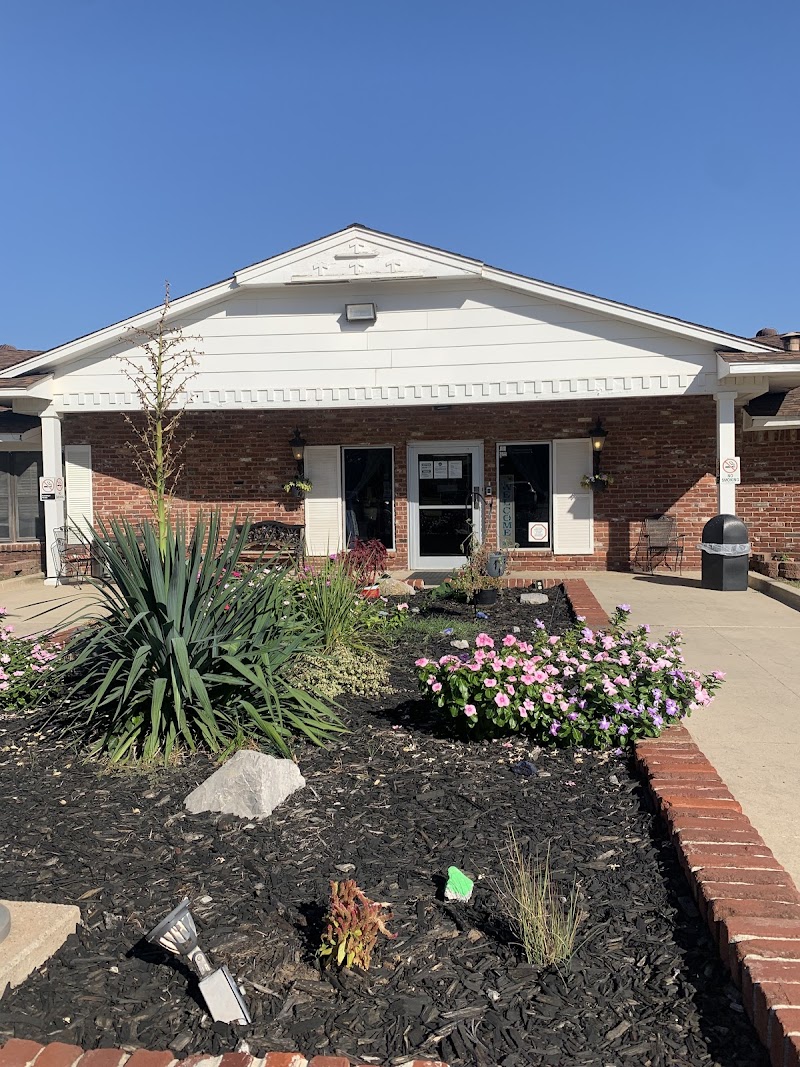
How is Windsor Hills Nursing Center Staffed?

CMS rates WINDSOR HILLS NURSING CENTER's staffing level at 4 out of 5 stars, which is above average compared to other nursing homes. Staff turnover is 56%, which is 10 percentage points above the Oklahoma average of 46%. High turnover can affect care consistency as new staff learn residents' individual needs.

What Have Inspectors Found at Windsor Hills Nursing Center?

State health inspectors documented 29 deficiencies at WINDSOR HILLS NURSING CENTER during 2022 to 2025. These included: 4 that caused actual resident harm and 25 with potential for harm. Deficiencies causing actual harm indicate documented cases where residents experienced negative health consequences.
Who Owns and Operates Windsor Hills Nursing Center?

WINDSOR HILLS NURSING CENTER is owned by a for-profit company. For-profit facilities operate as businesses with obligations to shareholders or private owners. The facility is operated by DIAKONOS GROUP, a chain that manages multiple nursing homes. With 112 certified beds and approximately 52 residents (about 46% occupancy), it is a mid-sized facility located in OKLAHOMA CITY, Oklahoma.
How Does Windsor Hills Nursing Center Compare to Other Oklahoma Nursing Homes?

Compared to the 100 nursing homes in Oklahoma, WINDSOR HILLS NURSING CENTER's overall rating (2 stars) is below the state average of 2.6, staff turnover (56%) is near the state average of 46%, and health inspection rating (2 stars) is below the national benchmark.

What Should Families Ask When Visiting Windsor Hills Nursing Center?

Based on this facility's data, families visiting should ask: "What safeguards and monitoring systems are in place to protect residents from abuse or neglect?" "How do you ensure continuity of care given staff turnover, and what is your staff retention strategy?" "Can I visit during a mealtime to observe dining assistance and food quality?" "How do you handle medical emergencies, and what is your hospital transfer rate?" These questions are particularly relevant given the substantiated abuse finding on record and the facility's high staff turnover rate.

Is Windsor Hills Nursing Center Safe?

Based on CMS inspection data, WINDSOR HILLS NURSING CENTER has documented safety concerns. The facility has 1 substantiated abuse finding (meaning confirmed case of resident harm by staff or other residents). The facility has a 2-star overall rating and ranks #100 of 100 nursing homes in Oklahoma. Families considering this facility should ask detailed questions about what corrective actions have been taken since these incidents.

Do Nurses at Windsor Hills Nursing Center Stick Around?

Staff turnover at WINDSOR HILLS NURSING CENTER is high. At 56%, the facility is 10 percentage points above the Oklahoma average of 46%. High turnover means new staff may not know residents' individual needs, medications, or preferences. It can also be disorienting for residents, especially those with dementia who rely on familiar faces. Families should ask: What is causing the turnover? What retention programs are in place? How do you ensure care continuity during staff transitions?

Was Windsor Hills Nursing Center Ever Fined?

WINDSOR HILLS NURSING CENTER has been fined $62,621 across 3 penalty actions. This is above the Oklahoma average of $33,705. Fines in this range indicate compliance issues significant enough for CMS to impose meaningful financial consequences. Common causes include delayed correction of deficiencies, repeat violations, or care failures affecting resident safety. Families should ask facility leadership what changes have been made since these penalties.

Is Windsor Hills Nursing Center on Any Federal Watch List?

WINDSOR HILLS NURSING CENTER is not on any federal watch list. The most significant is the Special Focus Facility (SFF) program, which identifies the bottom 1% of nursing homes nationally based on persistent, serious quality problems. Not being on this list means the facility has avoided the pattern of deficiencies that triggers enhanced federal oversight. This is a positive indicator, though families should still review the facility's inspection history directly.