HIGHLAND PARK HEALTH CARE
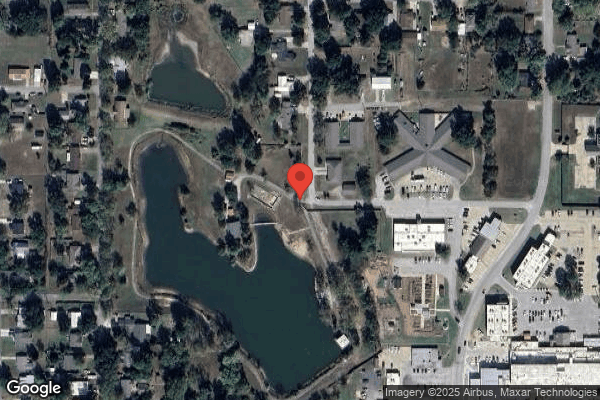

1307 R D MILLER DRIVE, OKMULGEE, OK 74447 (918) 756-5611
For profit - Limited Liability company 114 Beds STONEGATE SENIOR LIVING Data: November 2025 2 Immediate Jeopardy citations
Trust Grade
9/100
#169 of 282 in OK
Last Inspection: August 2024

Within standard 12-15 month inspection cycle. Federal law requires annual inspections.

Overview

Highland Park Health Care has received a Trust Grade of F, indicating significant concerns about the facility's overall quality and care. Ranking #169 out of 282 in Oklahoma places it in the bottom half among state facilities, and #3 out of 4 in Okmulgee County suggests that only one local option is slightly better. The facility is improving, having reduced the number of issues from three in 2024 to one in 2025. Staffing is average at 3 out of 5 stars, with a turnover rate of 49%, which is better than the state average but still high. However, there are serious concerns regarding RN coverage, which is less than 87% of Oklahoma facilities, meaning residents may not receive adequate nursing oversight. Specific incidents of concern include a critical situation where a resident experienced multiple falls due to inadequate supervision, resulting in serious injuries. Additionally, an incident of abuse was reported, leading to staff disciplinary actions. While the facility has some strengths, such as a recent trend of improving issues, families should weigh these against the serious deficiencies found in care and supervision.

Trust Score
F
9/100
In Oklahoma
#169/282
Bottom 41%
Safety Record
High Risk
Review needed
Inspections
Getting Better
3 → 1 violations
Staff Stability
⚠ Watch
49% turnover. Above average. Higher turnover means staff may not know residents' routines.
Penalties
○ Average
$13,397 in fines. Higher than 72% of Oklahoma facilities. Some compliance issues.
Skilled Nurses
⚠ Watch
Each resident gets only 10 minutes of Registered Nurse (RN) attention daily — below average for Oklahoma. Fewer RN minutes means fewer trained eyes watching for problems.
Violations
⚠ Watch
29 deficiencies on record. Higher than average. Multiple issues found across inspections.
★★☆☆☆
2.0
Overall Rating
★★★☆☆
3.0
Staff Levels
★★★★☆
4.0
Care Quality
★★☆☆☆
2.0
Inspection Score
Stable
2024: 3 issues
2025: 1 issues

The Good

  • 4-Star Quality Measures · Strong clinical quality outcomes
  • Full Sprinkler Coverage · Fire safety systems throughout facility
  • No fines on record

Facility shows strength in quality measures, fire safety.

The Bad

2-Star Overall Rating

Below Oklahoma average (2.6)

Below average - review inspection findings carefully

Staff Turnover: 49%

Near Oklahoma avg (46%)

Higher turnover may affect care consistency

Federal Fines: $13,397

Below median ($33,413)

Minor penalties assessed

Chain: STONEGATE SENIOR LIVING

Part of a multi-facility chain

Ask about local staffing decisions and management

The Ugly 29 deficiencies on record

2 life-threatening
Mar 2025 1 deficiency 1 IJ
CRITICAL (J) 📢 Someone Reported This

A family member, employee, or ombudsman was alarmed enough to file a formal complaint

Immediate Jeopardy (IJ) - the most serious Medicare violation

Free from Abuse/Neglect (Tag F0600)

Someone could have died · This affected 1 resident

A past noncompliance Immediate Jeopardy (IJ) situation was determined to exist effective 03/20/25 related to the facility's failure to ensure Resident #1 was not physically or psychosocially abused. ...

Read full inspector narrative →
A past noncompliance Immediate Jeopardy (IJ) situation was determined to exist effective 03/20/25 related to the facility's failure to ensure Resident #1 was not physically or psychosocially abused. On 03/26/25, the Oklahoma State Department of Health was notified and verified the existence of the past noncompliance IJ related to the facility's failure to ensure residents were not physically or psychosocially abused. The past noncompliance IJ was removed effective 03/20/25 after the facility performed one on one inservices for all staff regarding abuse on 03/20/25. On 03/20/25 employee #1 was suspended then terminated on 03/25/25. On 03/20/25 at 3:26 p.m., a quality assurance meeting was held via conference call. Based on record review and interview, the facility failed to ensure a resident was not physically or psychosocially abused for 1 (#1) of 3 sampled residents reviewed for abuse. The administrator identified 81 residents resided in the facility. Findings: A policy titled Abuse, Neglect and Exploitation and Misappropriations of Resident Property. dated 06/23/17, read in part, Each resident has the right to be free from abuse, neglect, exploitation, misappropriation of resident's property, corporal punishment, and involuntary seclusion. Residents must not be subjected to abuse, neglect, exploitation, misappropriation of resident's property by anyone, including, but not limited to, facility staff. Resident #1 had diagnosis which included aphasia and they were nonverbal. A quarterly resident assessment, dated 03/04/25, showed the resident had a memory problem and was rarely/never understood. On 03/26/25 at 1:15 p.m., the housekeeping supervisor stated on 03/20/25 between 6:30 a.m. and 7:00 a.m., during the ambassador rounds, they asked Resident #1 if they were ok because they looked sad. The housekeeping supervisor stated the resident shook their head no. The housekeeping supervisor stated Resident #1's roommate spoke up and said a nurse aide slapped Resident #1 during activity of daily living care on the night shift. The housekeeping supervisor stated they asked Resident #1 if a nurse aide slapped them and the resident nodded yes pointing to the left side of their face. The housekeeping supervisor stated they then reported the incident to the DON. On 03/26/25 at 1:35 p.m., the DON stated they received a report of abuse from the housekeeping supervisor on 03/20/25 at 7:30 a.m. regarding Resident #1. The DON stated after interviewing Resident #1 and their roommate, a head to toe assessment was conducted which revealed no injuries. The DON stated since the incident happened the resident had been afraid to let the night shift check on them or change their brief. The DON stated resident was now receiving psychological counseling. On 03/26/25 at 2:41 p.m., Resident #1's roommate stated on 03/20/25 at 6:30 a.m., CNA #1 came into the room to answer the call light. Resident #1's roommate stated they went to Resident #1 first and stated, You are wet, I'm going to change you. Resident #1's roommate stated they heard Resident #1 become upset and started yelling way, way, way. Resident #1's roommate stated the yelling got louder and louder and then they heard a loud slap. Resident #1's roommate stated then CNA #1 left the room and they asked Resident #1 if CNA #1 had slapped them. Resident #1's roommate stated Resident #1 nodded their head and was crying. Resident #1's roommate stated after the incident happened Resident #1 gets scared and yells when staff try to change them on night shift.
Aug 2024 3 deficiencies
CONCERN (D)

Potential for Harm - no one hurt, but risky conditions existed

Pharmacy Services (Tag F0755)

Could have caused harm · This affected 1 resident

Based on record review and interview the facility failed to notify the physician for out of parameters blood sugars for one (#41) of two sampled residents reviewed for insulin. The DON identified 31 r...

Read full inspector narrative →
Based on record review and interview the facility failed to notify the physician for out of parameters blood sugars for one (#41) of two sampled residents reviewed for insulin. The DON identified 31 residents who received insulin. Findings: The Bedside Blood Glucose Monitoring policy, revised on 02/12/20, read in part, If the glucose level is out of the established ranges ordered by the physician .The physician is contacted. Res #41 had diagnoses which included diabetes. The June physician's orders documented the physician was to be called for a blood sugar greater than 350. On the following dates in June, Res #41's blood sugar was above 350 with no documentation the physician was notified. 06/02/24 at 11:00 a.m., the blood sugar was 420. 06/10/24 at 11:00 a.m., the blood sugar was 368. 06/20/24 at 4:00 p.m., the blood sugar was 379. 06/24/24 at 11:00 a.m., the blood sugar was 484. 06/26/24 at 11:00 a.m. the blood sugar was 361. 06/28/24 at 4:00 p.m., the blood sugar was 544. The July physician's orders documented the physician was to be called for a blood sugar greater than 350 between 07/01/24 through 07/22/24. Between 07/22/24 and 07/31/24, the physician was to be called for a blood sugar greater than 501. On the following dates in July, Res #41's blood sugar was above 350 or 501 with no documentation the physician was notified. 07/02/24 at 4:00 p.m., the blood sugar was 415. 07/03/24 at 11:00 a.m., the blood sugar was 380. On 07/08/24 11:00 a.m., the blood sugar was 507. On 07/11/24 at 8:00 p.m., the blood sugar was 368. On 07/12/24 at 8:00 p.m., the blood sugar was 362. On 07/17/24 at 8:00 p.m., the blood sugar was 387. On 07/19/24 at 4:00 p.m., the blood sugar was 381. On 07/19/24 at 8:00 p.m., the blood sugar was 363. The August physician's orders documented the physician was to be called for a blood sugar greater than 501. On the following dates in August, Res #41's blood sugar was above 501 with no documentation the physician was notified. 08/16/24 at 8:00 p.m., the blood sugar was 522. 08/18/24 at 4:00 p.m., the blood sugar was 518. 08/18/24 at 8:00 p.m., the blood sugar was 590. There was no documentaion the facility called the physician when the blood sugars were out of parameter in June, July August 2024. On 08/23/24 at 12:50 p.m., the DON reported when a blood sugar is out of parameter, the nurses should follow the physician's orders and call the physician for guidance.
CONCERN (D)

Potential for Harm - no one hurt, but risky conditions existed

Medication Errors (Tag F0758)

Could have caused harm · This affected 1 resident

Based on record review and interview, the facility failed to ensure a psychotropic medication was used for a specific diagnosis for one (#71) of five residents who were reviewed for unnecessary medica...

Read full inspector narrative →
Based on record review and interview, the facility failed to ensure a psychotropic medication was used for a specific diagnosis for one (#71) of five residents who were reviewed for unnecessary medication. The DON identified 15 residents who received psychotropic medication. Findings: Resident #71 had diagnoses which included dementia without psychotic disturbance, cerebrovascular disease, and major depressive disorder. A physician order, dated 02/08/24, documented the resident received olanzapine 10 mg tablet one time a day at bedtime for major depressive disorder without psychotic features. A quarterly assessment, dated 05/22/24, documented the resident was receiving an antipsychotic medication. The assessment documented no potential indicators of psychosis or behaviors. On 08/20/24 at 9:33 a.m., the resident was in bed eating breakfast. The resident was calm and pleasant. The care plan, dated 03/01/24, documented psychotropic drug use. The care plan documented the staff was to monitor for resident behaviors and side effects of the medication every shift and document. On 08/22/24 at 11:24 a.m., the DON reviewed the resident's clinical record and stated the resident was receiving an antipsychotic medication (olanzapine) for the diagnosis of major depression without psychotic features. The DON reviewed the resident's diagnoses list and stated there was no diagnosis for the use of an antipsychotic medication.
CONCERN (E)

Potential for Harm - no one hurt, but risky conditions existed

Food Safety (Tag F0812)

Could have caused harm · This affected multiple residents

Based on observation, record review, and interview, the facility failed to: a. store clean dishware inverted and on sanitary surfaces, b. maintain a clean and sanitary kitchen, and c. label, date, an...

Read full inspector narrative →
Based on observation, record review, and interview, the facility failed to: a. store clean dishware inverted and on sanitary surfaces, b. maintain a clean and sanitary kitchen, and c. label, date, and cover food items in the refrigerators during one of two kitchen observations. The DON identified 77 residents received nutrition from the kitchen. Findings: The facility's Employee Infection Control policy, dated 08/01/18, read in part, All local, state, and federal standards and regulations are followed to ensure a safe and sanitary Nutrition Services Department. The policy also read, Store clean dishes inverted or in enclosed or covered storage units. The facility's Food Storage policy, dated 08/01/18, read in part, All foods are covered, labeled and dated. Defrosting meat, eggs, and milk shakes are labeled with date pulled for thawing. The facility's Use of Left Overs policy, dated 08/01/18, read in part, Leftovers should be covered, labeled, dated and stored appropriately. On 08/20/24 at 7:00 a.m., the Initial tour of the kitchen was conducted. The following observations were made in the walk-in refrigerator: a. cooked pork loin in a metal pan uncovered with foil torn and no date label indicating when it was pulled or cooked, b. raw uncooked pork loin not in a pan was on the bottom shelf of the walk-in refrigerator thawing out setting on top of a box of breakfast sausage with no date idicating when it was pulled top thaw out, and c. raw chicken in a plastic pan thawing out in the walk-in on the bottom shelf with no date indicating when it was pulled to thaw out. On 8/20/24 @ 7:15 a.m., [NAME] #1 number one was asked about the items above items. They stated that the cooked pork loin in the walk-in needed to be thrown away and she was not sure when it was cooked. [NAME] #1 was asked what the policy was regarding these items. They stated the raw meat should of been in a pan and dated the date, it was pulled and the chicken should have had a pulled date labeled on it and they were unsure when it was pulled to thaw. On 08/20/24 at 7:20 a.m., the following observations were made: a. next to the griddle on a wood dresser in a brown plastic bin and unknown substance was spilled with spices stored in the bin that had sticky and unsanitary lids, b. the wall behind the food preparation area next to the grill had three dead flies, food debris, a half a cup of unidentified, white powder, not covered, and plastic utensils in a cup with food debris in the bottom of the cup, c. a serving wheeled cart for condiments had food debris on the surface and the bottom shelf had plasticware and crackers with visible food debris and a wet and sticky unknown substance where the crackers and plasticware were stored, d. clean pans under the food prep table were stored and not inverted, e. dishware was stored on a wire rack upright and not inverted or covered, f. a 10 gallon plastic bucket with food debris inside, plastic bags, and aprons were stored on the top shelf above clean dishes, g. the trays used to stack clean glasses had food debris and an unknown sticky substance with clean glasses stacked on them, h. the cereal station had clean bowls stored underneath that were not inverted and had visible food debris in the clean bowls, i. the top of the cereal station had a sticky and white powdery residue on the lids, and j. the floors under the hand sink and three compartment sink had food debris, a black unknown substance, other unknown contaminants, and soiled dirty towels on the floor. On 8/20/24 at 7:36 a.m., dietary aid #2 was showed the above mention items and ask what the policy was. They stated it looks like they didn ' t clean up after themselves. On 8/20/24 at 7:40 a.m., Cook#1 was shown the above items and asked what was their policy. They stated, you should clean as you go. They don't do their job around here. On 8/20/24 at 8:21 a.m., the CDM was shown above items and asked what the policy was for maintaining a clean kitchen and labeling in the refrigerators. They stated the kitchen staff were supposed to follow a cleaning list and were not following the cleaning schedule. The CDM was asked what they thought about the kitchen. They stated the kitchen was not clean and sanitary. On 8/20/24 at 8:31 a.m., the Administrator walked through the kitchen with the surveyor and was shown the above items. The Administrator was asked what they thought about the kitchen. They stated they were very disappointed. The administrator was asked if they thought the kitchen was clean and sanitary. The Administrator stated they did not think the kitchen was clean and sanitary based upon the observations, all items should of been labeled in the refrigerator the date they were opened, and the kitchen should be cleaned after each meal.
Jul 2023 13 deficiencies
CONCERN (D)

Potential for Harm - no one hurt, but risky conditions existed

PASARR Coordination (Tag F0644)

Could have caused harm · This affected 1 resident

Based on record review and interview, the facility failed to notify the OHCA of a new possible serious mental disorder diagnosis for one (#44) of four sampled residents reviewed for PASARR assessments...

Read full inspector narrative →
Based on record review and interview, the facility failed to notify the OHCA of a new possible serious mental disorder diagnosis for one (#44) of four sampled residents reviewed for PASARR assessments. The Resident Census and Census and Conditions of Residents report, dated 07/17/23, documented 73 residents resided in the facility. Findings: A Level I PASARR, dated 04/06/22, documented Res #44 did not have a serious mental illness. On 12/26/22, Res #44 received a new diagnoses of delusional disorders and unspecified psychosis not due to a substance or known physiological condition. There was no documentation the OHCA had been contacted to see if a Level II PASARR was required. On 07/24/23 at 2:00 p.m., the MDS coordinator was asked to provide documentation the OHCA was notified when Res #44 had new diagnoses of delusional disorders and unspecified psychosis not due to a substance or known physiological condition to see if a Level II PASARR was required. On 07/24/23 at 3:07 p.m., the MDS coordinator stated the facility did not contact the OHCA but should have.
CONCERN (D)

Potential for Harm - no one hurt, but risky conditions existed

Deficiency F0655 (Tag F0655)

Could have caused harm · This affected 1 resident

**NOTE- TERMS IN BRACKETS HAVE BEEN EDITED TO PROTECT CONFIDENTIALITY** Based on record review and interview, the facility failed to ensure baseline care plans were completed within 48 hours for one (...

Read full inspector narrative →
**NOTE- TERMS IN BRACKETS HAVE BEEN EDITED TO PROTECT CONFIDENTIALITY** Based on record review and interview, the facility failed to ensure baseline care plans were completed within 48 hours for one (#22) of 18 sampled residents. The Resident Census and Conditions of Residents form documented 73 residents resided in the facility. Findings: Res #22 was admitted to the facility on [DATE] with diagnoses of schizoaffective disorder, bipolar disorder, hypertension, and dysphagia. The resident's record did not documented the baseline care plan was completed.
CONCERN (D)

Potential for Harm - no one hurt, but risky conditions existed

Comprehensive Care Plan (Tag F0656)

Could have caused harm · This affected 1 resident

Based on record review and interview, it was determined the facility failed to ensure a comprehensive care plan was developed for respiratory therapy for one (#22) of three sampled residents whose car...

Read full inspector narrative →
Based on record review and interview, it was determined the facility failed to ensure a comprehensive care plan was developed for respiratory therapy for one (#22) of three sampled residents whose care plans were reviewed for oxygen therapy. The Resident Census and Conditions of Residents form documented 18 residents received respiratory therapy. Findings: Res #22 was admitted to the facility with diagnoses of acute and chronic respiratory failure with hypoxia, hypertension, and anxiety disorder. A physician order, dated 02/12/23, documented oxygen at 2 lpm via NC to maintain SpO2 above 92%. An admission assessment, dated 02/16/23, documented the resident required oxygen therapy. A care plan, dated 05/22/23, contained no documentation related to oxygen therapy. On 07/25/23 at 11:45 a.m., the ADON report the care plan should have contained documentation for oxygen therapy.
CONCERN (D) 📢 Someone Reported This

A family member, employee, or ombudsman was alarmed enough to file a formal complaint

Potential for Harm - no one hurt, but risky conditions existed

Quality of Care (Tag F0684)

Could have caused harm · This affected 1 resident

Based on observation, record review, and interview, the facility failed to ensure weekly weights were obtained per physician order for one (#20) of three sampled residents reviewed for weights. The Re...

Read full inspector narrative →
Based on observation, record review, and interview, the facility failed to ensure weekly weights were obtained per physician order for one (#20) of three sampled residents reviewed for weights. The Resident Census and Conditions of Residents form documented 73 residents resided in the facility. Findings: Res #20 was admitted to the facility with diagnoses of anemia, diabetes, and depression. A physician order, dated 03/27/23, documented to obtain weekly weights every Monday morning. On 07/24/23 at 9:56 a.m., a review of the resident's record contained no documented weight for the weeks of June 18th -24th, 2023; June 25th-July 1st, 2023; and July 9th - July 15th, 2023. On 07/25/23 at 11:30 a.m., the ADON reported the resident should have been weighed weekly.
CONCERN (D) 📢 Someone Reported This

A family member, employee, or ombudsman was alarmed enough to file a formal complaint

Potential for Harm - no one hurt, but risky conditions existed

Accident Prevention (Tag F0689)

Could have caused harm · This affected 1 resident

**NOTE- TERMS IN BRACKETS HAVE BEEN EDITED TO PROTECT CONFIDENTIALITY** Based on record review and interview, the facility failed to ensure a resident was transported from the hospital in the safest p...

Read full inspector narrative →
**NOTE- TERMS IN BRACKETS HAVE BEEN EDITED TO PROTECT CONFIDENTIALITY** Based on record review and interview, the facility failed to ensure a resident was transported from the hospital in the safest possible way for one (#125) of two residents sampled for hospitalizations. The Resident Census and Conditions of Residents form documented 73 residents resided in the facility. Findings: Res #125 was admitted on [DATE] with diagnoses which included post COVID-19 condition, COPD, congested heart failure, atrial fibrillation, chronic hypoxic and hypercapnic respiratory failure, critical illness myopathy, chronic interstitial lung disease, O2 dependent, and history of lung cancer. A nurse note by LPN #1, dated 07/09/23, on the evening shift, documented the resident was sent to the ER r/t decreased oxygen saturation. The note documented they did not have a concentrator to deliver oxygen at 10 lpm. The concentrator had not been delivered yet. The note stated they were running low on oxygen tanks so the resident was sent out. The concentrator was delivered approximately two hours later along with some more oxygen tanks. The note documented the hospital called and asked if they received the concentrator and were told they had received the 10 lpm concentrator. The hospital replied that they needed to come and pick the resident up. The note stated staff went to get the resident. A 5-day PPS/discharge assessment, dated 07/10/23, documented the resident was understood, had clear speech, and had clear comprehension. The assessment documented the resident's memory was intact, required extensive assistance with ADLs, and was always continent of bowel and bladder. The assessment documented the resident had shortness of breath with exertion and sitting at rest; was 69 in and 113 lbs; received antidepressant, anticoagulant, and antibiotic medications; and received therapy services. The assessment documented the resident received chemotherapy while not a resident, received O2 therapy, and IV medications. On 07/18/23 at 3:18 p.m., LPN #1, stated they worked the Sunday 7:00 p.m. to Monday 7:00 a.m. shift, starting on 07/09/23. LPN #1 stated they said the resident to the hospital around 7:30 p.m. on 07/09/23. LPN #1 stated the resident was stable but was concerned about having enough oxygen because they were going through tanks faster than normal. They stated a 10 L concentrator was ordered earlier that day and was delivered soon after the resident was sent out. They were asked if it were normal for residents to be transported by W/C only from the hospital. She stated the hospital would not send them back by ambulance if they were stable. They stated the facility had to go and get them. LPN #1 stated if it was after 7:00 p.m., there was no one insured to drive the van. EMS would not bring them back either. On 07/18/23 at 4:25 p.m., CNA #1 stated they had only worked at the facility for a short time and that was the first time she had walked to the hospital to bring back a resident. They stated their charge nurse told them to go get the resident and bring them back by W/C. She stated the resident was relaxed and said she had asked him several times if he was ok and they said they were, and their O2 was going per NC. The CNA stated there was one car, we waited on them to pass, and then continued. They said they had to go through the hospital parking lot, down the main road for a short distance, then turned at the pharmacy onto the road that went in front of the facility. She stated the resident's POA was at the hospital, then drove behind them in their vehicle, most of the way, then sped around them in a hurry. She stated the resident became nervous at that time. The CNA stated the resident's O2 was 90% when we got back and they helped them in bed. A mobile phone application measured the distance from the hospital to the facility at 700 ft. On 07/18/23 at 5:50 p.m., the DON stated there was no one at the facility who was authorized to drive the van at the time the resident was released from the hospital. The DON stated the nurse should have called them and they would have gone to pick up the resident. The DON stated the facility was in the process of getting a contract with EMS to transport residents back from the hospital.
CONCERN (D)

Potential for Harm - no one hurt, but risky conditions existed

Staffing Information (Tag F0732)

Could have caused harm · This affected 1 resident

Based on observation and interview, the facility failed to post nurse staffing information, which included all the required components, in an area where it could be reviewed by all residents and visit...

Read full inspector narrative →
Based on observation and interview, the facility failed to post nurse staffing information, which included all the required components, in an area where it could be reviewed by all residents and visitors. The Resident Census and Conditions of Residents form documented 73 residents resided in the facility. Findings: On 07/19/23 at 9:00 a.m., no nurse staffing information was posted. On 07/20/23 at 8:30 a.m., no nurse staffing information was posted. On 07/24/23 at 8:45 a.m., no nurse staffing information was posted. On 07/25/23 at 8:30 a.m., no nurse staffing information was posted. On 07/25/23 at 12:00 p.m., the ADON reported the daily nurse staffing information was not posted.
CONCERN (D)

Potential for Harm - no one hurt, but risky conditions existed

Deficiency F0761 (Tag F0761)

Could have caused harm · This affected 1 resident

Based on observation and interview, the facility failed to ensure expired medications and supplies were removed from the medication storage room. The Resident Census and Conditions of Residents form d...

Read full inspector narrative →
Based on observation and interview, the facility failed to ensure expired medications and supplies were removed from the medication storage room. The Resident Census and Conditions of Residents form documented 73 residents resided in the facility. Findings: On 07/25/23 at 2:08 p.m., a tour of the medication storage room for halls #3 & #4 was conducted with CMA #1. The following items were observed. a. one Fluticasone/Salmeterol 250/50 inhale with an expiration date of June 2023, b. eight bulbs of IV Meropenem 1gm with a use by date of 07/17/23, c. three bulbs of IV Vancomycin 1gm with a use by date of 07/21/23, d. five central line kits with an expiration date of 04/30/23, e. two IV start kits with an expiration date of 12/31/22, f. two IV start kits with an expiration date of 01/31/23, g. five culture swab kits with an expiration date of 01/31/23, On 07/25/23 at 2:30 p.m., CMA #1 reported the expired medication and supplies should have already been removed from the medication room. On 07/25/23 at 2:35 p.m., a tour of the medication room for hall #3 was conducted with CMA #2. The following items were observed. a. three central line kits with an expiration date of 04/30/23. b. one central line kit with an expiration date of 12/31/22. c. one central line kit with an expiration date of 12/31/20. d. one IV administration set tubing with an expiration date of 12/31/22. e. four IV start kits with an expiration date of 12/31/22. f. one IV start kit with an expiration date of 04/30/21. g. one IV start kit with an expiration date of 01/31/23. h. one IV start kit with an expiration date of 02/09/20. i. eight 5ml syringe with Luer-Lok tip with an expiration date of 12/31/22. j. one Surecan Safety II Needle with an expiration date of 10/25/22. On 07/25/23 at 2:50 p.m., CMA #2 reported the expired supplies should have already been removed from the medication room. On 07/25/23 at 4:43 p.m., the ADON reported the supplies and medications should have already been removed from the medication storage rooms.
CONCERN (E)

Potential for Harm - no one hurt, but risky conditions existed

Deficiency F0582 (Tag F0582)

Could have caused harm · This affected multiple residents

Based on record review and interview, the facility failed to ensure residents who were discharged from Part A skilled services, had days remaining, and remained in the facility were issued ABN and NOM...

Read full inspector narrative →
Based on record review and interview, the facility failed to ensure residents who were discharged from Part A skilled services, had days remaining, and remained in the facility were issued ABN and NOMNC notices for two (#38 and #45) of three residents reviewed for beneficiary notices. The facility identified 22 residents who were discharged from part A skilled services with benefit days remaining in the previous six months. Findings: 1. Res #38 was discharged from skilled services on 06/20/23 and remained in the facility. 2. Res #45 was admitted to part A skilled services on 04/06/23, discharged from skilled services on 04/27/23, and remained in the facility. On 07/25/23, the DON was asked to provide ABN and NOMNC notices for Res #38 and Res #45. On 07/25/23 at 4:40 p.m., the administrator stated the facility was unable to provide documentation the ABN or NOMNC notices were provided to Res #38 and Res #45.
CONCERN (E) 📢 Someone Reported This

A family member, employee, or ombudsman was alarmed enough to file a formal complaint

Potential for Harm - no one hurt, but risky conditions existed

Respiratory Care (Tag F0695)

Could have caused harm · This affected multiple residents

**NOTE- TERMS IN BRACKETS HAVE BEEN EDITED TO PROTECT CONFIDENTIALITY** 2. Res #22 admitted to the facility with diagnoses of acute and chronic respiratory failure with hypoxia. A physician order, dat...

Read full inspector narrative →
**NOTE- TERMS IN BRACKETS HAVE BEEN EDITED TO PROTECT CONFIDENTIALITY** 2. Res #22 admitted to the facility with diagnoses of acute and chronic respiratory failure with hypoxia. A physician order, dated 02/12/23, documented oxygen at 2 lpm via NC every shift to maintain O2 saturation above 92%. On 07/20/23 at 8:48 a.m., the resident was observed resting in bed with eyes closed, oxygen setting at 1 lpm via NC. On 07/24/23 at 2:32 p.m., the resident was observed resting in bed with eyes closed. The resident's oxygen setting was observed at 1 lpm. On 07/25/23 at 11:24 a.m., the resident was observed resting in bed with eyes closed. The resident's oxygen setting was observed at 1 lpm. On 07/25/23 at 11:31 a.m., LPN #1 was notified of the observations made throughout the survey. LPN #2 was asked if the resident's oxygen was at the correct setting. LPN #1 reported the oxygen should have been at 2 lpm. Based on observation, record review, and interview, the facility failed to notify the physician related to resident oxygen needs and titrating oxygen without a physician order for one (#125) and failed to provide oxygen as ordered by the physician order for one (#22) of three sampled residents reviewed for oxygen therapy. The DON identified 13 residents with orders for oxygen. Findings: 1. Res #125 was admitted on [DATE] with diagnoses which included post COVID-19 condition, COPD, congested heart failure, atrial fibrillation, chronic hypoxic and hypercapnic respiratory failure, critical illness myopathy, chronic interstitial lung disease, O2 dependent, and history of lung cancer. A physician order, dated 07/07/23, documented to administer O2 6 lpm per nasal cannula for chronic diastolic heart failure. A nurse note by RN #1, dated 07/07/23, documented upon taking report for Res #125, was advised that the resident desaturated quickly with any transfers or movement. The note documented that during a transfer of the resident for a shower there was a brief moment in which the resident desaturated to 70%. The staff were able to keep a pulse oximetry on the resident the entire time and a mobile oxygen tank. They were able to keep his oxygen at 93%. The note documented the resident was able to eat, received respiratory treatments, and remained stable. When the night nurse arrived, they were advised of the resident's condition. The note documented they were able to get a non-rebreather mask and continued the oxygen treatment, as well as the 5-liter concentrator. The note documented the local hospital had offered anything they needed oxygen wise. No documentation related to notification of the physician of the resident's status and not having a oxygen concentrator that would go higher than 5 lpm. The care plan, last updated on 07/08/23, documented the resident had hi-flow oxygen and nebulizer use. The care plan documented the resident's goal was to demonstrate an effective respiratory rate, depth, and pattern over the next 90 days, establish a normal/effective respiratory pattern, and ABGs within the resident's normal range. The care plan documented the following interventions: a. Adjust the head of the bed and provide body positioning to assist with ease of respirations. b. Administer the medications, respiratory treatments, and oxygen as ordered. c. Administer the nebulizer treatments as ordered. d. Monitor the lung sounds, pallor, cough, and character of sputum. e. Monitor the respiratory rate, depth, and effort. f. Notify the physician and family of any change of condition. A nurse note by RN #1, dated 07/08/23 on the day shift, documented the night nurse advised that the resident had desaturated, so they had used a non-rebreather mask and O2 tanks in order to stabilize him. During the shift the resident had eaten food from local restaurant, had a breathing treatment, and had desaturated again. The note documented at that time staff monitored the saturation levels and administered oxygen via the non-rebreather mask to get the resident back to 90%. The note documented they had tried the CPAP to see if it could be used to force oxygen, but when they put it on the resident, the SpO2 dipped down to 60% once again. The note documented the ADON asked the resident if he wanted to go to the hospital and he refused. The resident said he wanted to remain at the nursing home. At that time the nurse put the rebreather back on him and increased the rate to 10 lpm and got the resident back up to 88%. The resident was sat up to a 45-degree angle in the bed. The note documented that later the resident's O2 was increased to 10 lpm after the SpO2 dropped to 70%. Once the nurse got them back up to 96% and then the O2 was tapered down to 8 lpm and the non-rebreather mask was left on. The note documented the resident was very coherent. Before each tapering down it was discussed and verified with the resident that they felt ready and comfortable to do so. The note documented the POA was present and stated the resident felt safe at the facility and asked if the resident could be taken home and would be able to pass peacefully at home. The note documented the nurse advised the family that the resident was on IV antibiotics and physical therapy. On this day there was no documentation the physician was notified about the resident's condition and no new order to titrate the oxygen. A nurse note by RN #1, dated 07/09/23 on the day shift, documented the resident was stable. The note documented resident ate some donuts and received a breathing treatment. The note documented that during the treatments the nurse would turn up the O2 to 10-15 liters, so that the resident would not desaturate. The note documented it was the resident's best day so far because they never dipped below 88 percent and was able to stand him up and transfer on a bedside commode to pass a bowel movement, got cleaned up, changed, and put fresh sheets on while remaining at a saturation of at least 91 percent on 15 liters. The resident also had an elevated temperature of 100.4 F and two 500 mg Tylenol were administered to bring down the fever to 99.2 degrees F but spiked again later in the evening before the resident was able to take any additional doses of Tylenol. The note documented they also turned the air on in the room to assist with cooling the resident down. The resident received another breathing treatment and wasn't able to finish his dinner because he would desaturate. The note documented the resident, who was a physician, was coherent and assisted in planning his care. The note documented a call to the pain specialist physician and received an order for a low dose morphine to assist with oxygenation and pain. The note documented a conversation the resident had with the nurse. A nurse note by LPN #1, dated 07/09/23 on the evening shift, documented the resident was sent to the ER r/t decreased oxygen saturation. The POA was present when the resident was sent out. The note documented they did not have a concentrator to deliver oxygen at 10 LPM. The concentrator had not been delivered yet. The note stated they were running low on oxygen tanks so the resident was sent out. The concentrator was delivered approximately two hours later along with some more oxygen tanks. The note documented the hospital called and asked if they received the concentrator and were told they had received the 10 lpm concentrator. The hospital replied that they needed to come and pick the resident up. The note stated staff went to get the resident. The hospital physician note, dated 07/09/23 at 9:34 p.m., read in part, .the patient is on 8 to 10 L nasal cannula at all times due to chronic respiratory failure associated with hospitalization months ago where he was in the ICU for COVID. The patient states that he has no new complaints and has been doing well but states that they told him they needed to send him here because they were concerned they would run out of oxygen. The hospital record, dated 07/09/23, read in part, .Temp 98.6, Heart Rate 83, Resp 18, BP 128/69, SpO2 .the patient is alert, has no immediate need for airway protection. Chronically ill appearing .Respiratory: There are no retractions, no wheezing. No hypoxia on 8 L nasal cannula. Cardiovascular: Regular rate and rhythm .no orders to display . The hospital record, dated 07/09/23, read in part, .The patient's airway, breathing, and circulation were assessed. They were placed on monitors. Vital signs were assessed and stable .He does have chronic respiratory failure and is on 8 to 10 L nasal cannula at all times. He states that he often desaturates with minimal activity. This is a chronic and ongoing issue .The patient was discharged back to the nursing home in stable condition . A 5-day PPS/discharge assessment, dated 07/10/23, documented the resident was understood, had clear speech, and had clear comprehension. The assessment documented the resident's memory was intact, required extensive assistance with ADLs, and was always continent of bowel and bladder. The assessment documented the resident had shortness of breath with exertion and sitting at rest; was 69 in and 113 lbs; received antidepressant, anticoagulant, and antibiotic medications; and received therapy services. The assessment documented the resident received chemotherapy while not a resident, received O2 therapy, and IV medications. RN #1 was unavailable for interview. On 07/18/23 at 3:18 p.m., LPN#1, stated they worked the Sunday 7:00 p.m. to Monday 7:00 a.m. shift, starting on 07/09/23. LPN #1 stated when they sent the resident out they had six O2 tanks left and a 5 L oxygen concentrator. They stated RN #1 had ordered a 10 L concentrator earlier that day, but it had not been delivered yet. They said the resident was sent out around 7:30 p.m. on 07/09/23. LPN #1 stated the resident was stable but concerned about having enough oxygen because they were going through tanks faster than normal. They stated the 10 L concentrator was delivered soon after the resident was sent out. The LPN stated the resident's O2 would drop with any movement, eating, and treatments. They stated they would have to give the resident more oxygen when that happened. They were asked if they had notified the physician related to the resident's condition and having to titrate the amount of oxygen since the order was for 6 lpm. The LPN stated they had not notified the physician. On 07/18/23 at 5:50 p.m., the DON was asked if the nurses should have notified the physician of the resident's condition and received an order to titrate the oxygen administered. The DON stated they could not find any documentation the physician was called. The DON stated the facility needed an order to titrate the oxygen. The DON stated she had called the physician on 07/10/23 at 12:47 a.m. The DON stated she told the physician the resident's SpO2 was at 90-91 on 10 lpm. The DON stated the physician said if the resident started to exhibit signs of distress with desaturation to go ahead and send him to the hospital. The DON stated when she spoke with the resident, they said they did not want to go to the hospital. The DON stated the resident said if he went to the hospital they would place him on a ventilator and they knew they would not come off of it this time. The DON stated the resident did not have an advanced directive except for a Do Not Resusitate document.
CONCERN (E)

Potential for Harm - no one hurt, but risky conditions existed

Drug Regimen Review (Tag F0756)

Could have caused harm · This affected multiple residents

Based on record review and interview, the facility failed to ensure the physician responded to pharmacist MRRs in a timely manner for four (#11, 22, 33, and #66) of five sampled residents reviewed for...

Read full inspector narrative →
Based on record review and interview, the facility failed to ensure the physician responded to pharmacist MRRs in a timely manner for four (#11, 22, 33, and #66) of five sampled residents reviewed for unnecessary medications. The Resident Census and Conditions of Residents form, dated 07/17/23, documented 73 residents resided in the facility. Findings: A Medication Regimen Review and Reporting policy, dated January 2023, read in part .The nursing care center follows up on the recommendations to verify that appropriate action has been taken. Recommendations shall be acted upon within 30 calendar days . 1. Res #66 had diagnoses which included dementia, Alzheimer's disease, and anxiety. A physician order, dated 02/06/23, documented to administer buspirone 5 mg three times daily for anxiety. A MRR, dated 05/22/23, documented a request for a GDR on Res #66's buspirone. There was no documented response to the 05/22/23 GDR request. A MRR, dated 06/21/23, documented a request for a GDR on Res #66's buspirone. The MRR documented the recommendation status as Pending from the previous month's request on 05/22/23. There was no documented response to the 06/21/23 GDR request. On 07/25/23 at 10:06 a.m., the ADON stated the May 2023 and June 2023 GDR requests had not been addressed by the physician within 30 days per facility policy. 2. Res #33 had diagnoses which included GERD, anxiety, and other specified depressive episodes. A physician order, dated 01/08/23, documented to administer pantoprazole 40 mg daily for GERD. A physician order, dated 01/08/23, documented to administer mirtazapine 15 mg at bedtime for other specified depressive episodes. A physician order, dated 01/08/23, documented to administer duloxetine 30 mg daily for other specified depressive episodes. A MRR, dated 04/14/23, documented a request for a GDR on Res #33's mirtazapine and duloxetine. There was no documented response to the 04/14/23 GDR request. A MRR, dated 05/19/23, documented a request for a GDR for Res #33's pantoprazole. The MRR documented the recommendation status as Pending for the GDR response to mirtazapine and duloxetine from the previous month's request on 04/14/23. There was no documented response to the 05/19/23 GDR request. A MRR, dated 06/21/23, documented a request for a GDR on Res #33's mirtazapine, duloxetine, and pantoprazole. The MRR documented the recommendation status as No response for the GDR response to mirtazapine and duloxetine from the previous month's request on 05/19/23. The MRR documented the recommendation status as Pending for the GDR response to pantoprazole from the previous month's request on 05/19/23. There was no documented response to the 06/21/23 GDR request. On 07/25/23 at 10:10 a.m., the ADON stated the April 2023, May 2023, and June 2023 GDR requests had not been addressed by the physician within 30 days per facility policy.3. Res #22 had diagnoses which included schizoaffective disorder, bipolar disorder, and other specified depressive disorders. A MRR, dated 05/22/23, documented a request for a GDR on Res #22's lorazepam (an anti-anxiety medication). There was no documented response to the 05/22/23 request. A MRR, dated 06/21/23, documented a request for a GDR on Res #22's Seroquel (an antipsychotic medication). There was no documented response to the 06/21/23 GDR request. On 07/25/23 at 10:06 a.m., the ADON stated the May 2023 and June 2023 GDR requests had not been addressed by the physician within 30 days per facility policy. 4. Res # 11 had diagnoses which included mood disorder, and unspecified dementia with behavioral disturbance. A MRR, dated 03/09/23, documented a request for a GDR on Res #11's quetiapine (an antipsychotic medication). There was no documented response provided to the 03/09/23 request. A MRR, dated 04/14/23, documented a request for a GDR on Res #11's Depakote (an anticonvulsant). There was no documented response to the 04/14/23 GDR request. On 07/25/23 at 10:06 a.m., the ADON stated the GDR requests had not been addressed by the physician within 30 days per facility policy.
CONCERN (E)

Potential for Harm - no one hurt, but risky conditions existed

Deficiency F0757 (Tag F0757)

Could have caused harm · This affected multiple residents

Based on record review and interview, the facility failed to ensure a gradual dose reduction of a medication was considered or attempted in a timely manner for two (#33 and #22) and signs and symptoms...

Read full inspector narrative →
Based on record review and interview, the facility failed to ensure a gradual dose reduction of a medication was considered or attempted in a timely manner for two (#33 and #22) and signs and symptoms were present before antibiotic use for one (#34) of five sampled residents reviewed for unnecessary medications. The Resident Census and Conditions of Residents form, dated 07/17/23, documented 73 residents resided in the facility and seven residents received antibiotics. Findings: An Antibiotic Stewardship & Antibiotic Prescribing policy, dated December 2022, read in part .Providers will utilize the McGeer's Criteria when considering initiation of antibiotics .Surveillance definitions of skin and soft tissue infections: One of the following criteria must be met: a. Pus present at the wound, skin or soft tissue site b. The resident must have four or more of the following signs or symptoms: fever (100.4 F) or worsening mental/functional status, heat, redness, swelling, tenderness/pain, and/or serous drainage . A Medication Regimen Review and Reporting policy, dated January 2023, read in part .The nursing care center follows up on the recommendations to verify that appropriate action has been taken. Recommendations shall be acted upon within 30 calendar days . 1. Res #33 had diagnoses which included GERD, anxiety, and other specified depressive episodes. A physician order, dated 01/08/23, documented to administer pantoprazole 40 mg daily for GERD. A MRR, dated 05/19/23, documented a request for a GDR for Res #33's pantoprazole. There was no documented response to the 05/19/23 GDR request. A MRR, dated 06/21/23, documented a request for a GDR on Res #33's pantoprazole. The MRR documented the recommendation status as Pending for the GDR response to pantoprazole from the previous month's request on 05/19/23. There was no documented response to the 06/21/23 GDR request. On 07/25/23 at 10:10 a.m., the ADON was asked to provide documentation a GDR had been considered or attempted for the pantoprazole. The ADON stated the GDR request for pantoprazole had not been addressed by the physician until today. 2. Res #34 had diagnoses which included dementia, Parkinson's disease, and diabetes mellitus. An annual assessment, dated 06/13/23, documented the resident was severely cognitively impaired, required extensive one person assistance with activities of daily living, and received antibiotics. A nurse note, dated 07/14/23 at 2:08 p.m., documented the resident was noted with open areas times three to the left outer knee due to the resident having picked a scab off of their leg. The physician was notified and a new order was received to cleanse open areas with normal saline or wound cleanser, pat dry, apply medi-honey, and cover with secondary bandage daily until resolved. A physician order, dated 07/15/23, documented to administer Bactrim DS 800 mg-160 mg every 12 hours for 10 days for a left knee abrasion. A nurse note, dated 07/15/23 at 11:43 p.m., documented the resident's initial dosed of Bactrim DS was upon arrival from pharmacy. No signs or symptoms of adverse reactions noted at this time. A skin assessment, dated 07/16/23, documented the resident had an abrasion to the left knee without redness or rash. There was no documentation in the clinical record of signs and/or symptoms of skin or soft tissue infection for Res #34. On 07/25/23 at 9:30 a.m., the DON was asked to provide documentation of signs and/or symptoms of a skin or soft tissue infection prior to antibiotic use for Res #34. On 07/25/23 at 10:37 a.m., the DON stated there was no documentation of signs or symptoms of a skin or soft tissue infection in the clinical record for Res #34. The DON stated McGeer's criteria for the use of an antibiotic was not met due to the lack of documentation prior to starting Res #34 on an antibiotic.3. Res #22 had diagnoses which included schizoaffective disorder, bipolar disorder, and other specified depressive disorders. A MRR, dated 05/22/23, documented a request for a GDR on Res #22's lorazepam (an anti-anxiety medication). There was no documented response to the 05/22/23 request. On 07/25/23 at 10:06 a.m., the ADON stated the GDR requests had not been addressed by the physician.
CONCERN (E)

Potential for Harm - no one hurt, but risky conditions existed

Medication Errors (Tag F0758)

Could have caused harm · This affected multiple residents

Based on record review and interview, the facility failed to ensure residents who received psychotropic medications received gradual dose reductions in a timely manner for four (#11, 22, 33, and #66) ...

Read full inspector narrative →
Based on record review and interview, the facility failed to ensure residents who received psychotropic medications received gradual dose reductions in a timely manner for four (#11, 22, 33, and #66) of five sampled residents reviewed for unnecessary medications. The Resident Census and Conditions of Residents form, dated 07/17/23, documented 63 residents received psychoactive medications. Findings: 1. Res #66 had diagnoses which included dementia, Alzheimer's disease, and anxiety. A physician order, dated 02/06/23, documented to administer buspirone (an anxiolytic medication) 5 mg three times daily for anxiety. A care plan, dated 02/06/23, documented a goal for the resident to be free of any discomfort or adverse reactions of buspirone with an intervention to ask the physician to review medication for possible dose reduction every three months. A quarterly assessment, dated 05/09/23, documented the resident had severe cognitive impairment, minimal depression, and received antianxiety medications. A MRR, dated 05/22/23, documented a request for a GDR on Res #66's buspirone. There was no documented response to the 05/22/23 GDR request. A MRR, dated 06/21/23, documented a request for a GDR on Res #66's buspirone. The MRR documented the recommendation status as Pending from the previous month's request on 05/22/23. There was no documented response to the 06/21/23 GDR request. The clinical record did not contain documentation a GDR had been attempted for the buspirone. On 07/25/23 at 10:06 a.m., the ADON was asked to provide documentation a GDR had been considered or attempted for the buspirone. The ADON stated the GDR request for buspirone had not been addressed by the physician until today. 2. Res #33 had diagnoses which included anxiety and other specified depressive episodes. A physician order, dated 01/08/23, documented to administer mirtazapine (an antidepressant medication) 15 mg at bedtime for other specified depressive episodes. A physician order, dated 01/08/23, documented to administer duloxetine (an antidepressant medication) 30 mg daily for other specified depressive episodes. A care plan, dated 01/08/23, documented a goal of the resident to be free of any discomfort or adverse reactions of duloxetine and mirtazapine with an intervention to monitor dosage due to the use of two or more antidepressants simultaneously may increase risks of side effects. An admission assessment, dated 01/13/23, documented the resident was cognitively intact, had mild depression, and received antianxiety and antidepressant medications. A MRR, dated 04/14/23, documented a request for a GDR on Res #33's mirtazapine and duloxetine. There was no documented response to the 04/14/23 GDR request. A MRR, dated 05/19/23, documented the recommendation status as Pending for the GDR response to mirtazapine and duloxetine from the previous month's request on 04/14/23. There was no documented response to the 05/19/23 GDR request. A MRR, dated 06/21/23, documented the recommendation status as No response for the GDR response to mirtazapine and duloxetine from the previous month's request on 05/19/23. There was no documented response to the 06/21/23 GDR request. The clinical record did not contain documentation a GDR had been attempted for the mirtazapine and duloxetine. On 07/25/23 at 10:10 a.m., the ADON was asked to provide documentation a GDR had been considered or attempted for the mirtazapine and duloxetine. The ADON stated the GDR request for mirtazapine and duloxetine had not been addressed by the physician until today.3. Res #22 had diagnoses which included schizoaffective disorder, bipolar disorder, and other specified depressive disorders. A MRR, dated 05/22/23, documented a request for a GDR on Res #22's lorazepam (an anti-anxiety medication). There was no documented response to the 05/22/23 request. A MRR, dated 06/21/23, documented a request for a GDR on Res #22's Seroquel (an antipsychotic medication). There was no documented response to the 06/21/23 GDR request. 4. Res # 11 had diagnoses which included mood disorder and unspecified dementia with behavioral disturbance. A MRR, dated 03/09/23, documented a request for a GDR on Res #11's quetiapine (an antipsychotic medication). There was no documented response provided to the 03/09/23 request. A MRR, dated 04/14/23, documented a request for a GDR on Res #11's Depakote (an anticonvulsant). There was no documented response to the 04/14/23 GDR request. On 07/25/23 at 10:06 a.m., the ADON stated the GDR requests had not been addressed by the physician within 30 days per facility policy.
CONCERN (E)

Potential for Harm - no one hurt, but risky conditions existed

Unnecessary Medications (Tag F0759)

Could have caused harm · This affected multiple residents

Based on observation, record review, and interview, the facility failed to ensure the medication error rate was less than 5%. A total of 28 opportunities were observed with nine errors. Total medicati...

Read full inspector narrative →
Based on observation, record review, and interview, the facility failed to ensure the medication error rate was less than 5%. A total of 28 opportunities were observed with nine errors. Total medication error rate was 32.14%. The Resident Census and Conditions of Residents form documented 73 residents resided in the facility. Findings: 1. Res #6's physician order, dated 03/01/22, documented to administer metformin 500 mg with meals for diabetes at 5:00 p.m. On 07/25/23 at 3:06 p.m., CMA #2 was observed administering the metformin to the resident. 2. Res #36's physician order, dated 10/14/21, documented to administer metformin 500 mg with meals for diabetes at 5:00 p.m. On 07/25/23 at 3:13 p.m., CMA #2 was observed administering the metformin to the resident. 3. Res #15's physician order, dated 04/28/23, documented divalproex 250 mg, delayed release, for depression at 5:00 p.m. On 07/25/23 at 3:25 p.m., CMA #2 was observed administering the divalproex to the resident. 4. Res #22's physician order documented to administer carvedilol 3.125 mg for hypertension at 5:00 p.m. On 07/25/23 at 3:32 p.m., CMA #2 was observed administering the carvedilol to the resident. 5. Res #18's physician order, dated 02/02/21, documented to administer docusate sodium 100mg for constipation at 5:00 p.m. A physician order, date 05/12/20, documented to administer Eliquis 2.5 mg for chronic embolism and thrombosis at 5:00 p.m. A physician order, date 06/30/20, documented to administer ferrous sulfate 325mg for anemia at 5:00 p.m. A physician order, dated 12/03/19, documented to administer potassium chloride ER 10 meq, extended release, for acute kidney failure at 5:00 p.m. On 07/25/23 at 3:40 p.m., CMA #2 was observed administering the above medications to the resident. On 07/25/23 at 4:05 p.m., CMA #2 was asked about administering medications over an hour early. they reported that it was their understanding that if the medication shows up in blue that it was ok to give. They reported that all the CMAs give the medications this way. This surveyor asked her what the policy stated, they reported they did not know. On 07/25/23 at 4:42 p.m., the DON reported the medication policy says an hour before or an hour after. The DON reported the CMAs should know this.
May 2023 2 deficiencies 1 IJ (1 affecting multiple)
CRITICAL (K) 📢 Someone Reported This

A family member, employee, or ombudsman was alarmed enough to file a formal complaint

Immediate Jeopardy (IJ) - the most serious Medicare violation

Accident Prevention (Tag F0689)

Someone could have died · This affected multiple residents

**NOTE- TERMS IN BRACKETS HAVE BEEN EDITED TO PROTECT CONFIDENTIALITY** A past noncompliance immediate jeopardy (IJ) situation was determined to exist effective from 03/23/23 to 04/28/23 related to th...

Read full inspector narrative →
**NOTE- TERMS IN BRACKETS HAVE BEEN EDITED TO PROTECT CONFIDENTIALITY** A past noncompliance immediate jeopardy (IJ) situation was determined to exist effective from 03/23/23 to 04/28/23 related to the facility's failure to ensure Res #3 had adequate supervision and updated interventions to prevent the recurrence of falls. Res #3 had experienced 19 falls from 01/14/23 to 04/28/23. Twelve of the falls did not have updated fall interventions documented. A fall on 03/23/23 resulted in six staples to a laceration to the head. A fall on 04/17/23 resulted in three staples to a laceration to the head. The most recent fall on 04/28/23 resulted in an intra-ventricular hemorrhage according to hospital records. On 05/09/23 at 5:20 p.m., the Oklahoma State Department of Health verified the existence of the past noncompliance IJ related to the facility's failure to have adequate supervision and updated interventions to help prevent falls. Based on observation, interview, and record review, it was determined the facility failed to ensure a resident had adequate supervision and updated interventions to prevent the recurrence of falls for one (#3) of four residents sampled for falls. Res #3 had two falls which resulted in lacerations and staples to the head and one fall which resulted in an intra-ventricular hemorrhage. The Resident Census and Conditions of Residents form, dated 05/05/23, documented 72 residents resided in the facility. The DON provided a fall log which documented 25 residents who had fallen in the last two months. Findings: Res #3 was admitted to the facility on [DATE] and had diagnoses which included Parkinson's disease, adult failure to thrive, dementia, disorder of bone density and structure, contracture of right and left hands, anxiety, repeated falls, and traumatic subdural hemorrhage without loss of consciousness. An admission assessment, dated 01/22/23, documented the resident was severely cognitively impaired; required extensive assistance with ADLs; did not walk; had ROM impairment in both upper and lower extremities; and had one fall with no injury. An incident report, dated 01/14/23 at 10:25 p.m., documented the resident had a fall in the hallway with no injury. The interventions to prevent further falls were to provide a well lit and clutter free room, call light in reach, needed and desired items in reach, bed in low position, and new w/c that would fit the resident more appropriate per hospice. Res #3's care plan related to falls, initiated on 01/16/23, documented the following interventions: a. Obtain Labs as ordered and abnormal labs addressed, b. Adequate lighting, provide night light if needed, c. Anticipate residents needs check frequently, d. Assess contributing factors related to fall history, e. Assess environment to maximize safety, f. Assess for potential fall-related injury prevention, looking at circumstances, location, medication, new or worsening medical problems, etc., g. Assess medications for contributing factors and monitor side effects of pain medications, h. Assist resident with ADLs as needed, i. Assist resident with toileting as needed, j. Bed in lowest position, k. Bed wheels in locked position, l. GDR of Psychotropic medication, m. Keep call light and most frequently used personal items within reach, n. Maintain record of falls and evaluate for patterns, o. Maintain room and pathways free of clutter, p. Make sure that staff members are aware that resident is at high risk for falls, q. Monitor bowel movement, r. Monitor fluid intake, s. Monitor for signs and symptoms of UTI, t. Pain Management, u. Provide physical assistance to promote highest level of function, v. Remind resident to call when needing assistance, and w. Wheelchair. An incident report, dated 01/26/23 at 3:25 a.m., documented the resident had a fall in their room with no injury. Urine was found on the floor. The intervention documented was to do purposeful rounds. An incident report, dated 01/26/23 at 8:30 a.m., documented the resident had a fall in the dining room with no injury. The intervention documented to recline the w/c back. An incident report, dated 01/31/23 at 6:38 a.m., documented the resident fell in their room and received two skin tears to their back. The interventions documented were to place the resident in an open area for maximum observation opportunities. An incident report, dated 02/04/23 at 9:10 a.m., documented CNA witnessed resident attempting to get from bed to w/c and fell. The resident sustained two small skin tears on their back. The documented interventions were to wear non-skid and well fitting shoes. An incident report, dated 02/05/23 at 8:20 a.m., documented the resident was found on the floor in their room with no injury. No new interventions were documented. An incident report, dated 02/12/23 at 9:30 a.m., documented the resident fell in the dining room while attempting to get up from the w/c. The resident sustained a skin tear to the left elbow. No new interventions were documented. An incident report, dated 02/13/23 at 9:50 a.m., documented the resident was found next to the closet on the floor with a laceration on right side of their head and was sent out. The intervention documented was to, ''redirect.'' An incident report, dated 02/27/23 at 9:19 a.m., documented the resident fell six foot away from their w/c in the dining room. A housekeeper witnessed the fall. The injury was swelling and bruising to the right hip with no fracture. No interventions to prevent recurrence were documented. An incident report, dated 03/02/23 at 11:24 p.m., documented the resident had a fall at the nurse station with no injury. No interventions to prevent recurrence were documented. An incident report, dated 03/08/23 at 2:31 p.m., documented the resident had a fall in the hallway near their w/c. The resident sustained a skin tear on the left side of their neck and redness to left side of face and was sent out. No new interventions were documented. An incident report, dated 03/11/23, documented a nurse walking the hall saw the resident standing and immediately fell backwards before they could be reached. The injury was a dime sized hematoma on the back of their head. No new interventions were documented. An incident report, dated 03/23/23 at 8:50 a.m., documented a housekeeper found the resident on the floor in their room. The report documented the resident stated, ''I was trying to get up and fell. The resident was sent out and came back with six staples to back of left side of their head. The intervention documented to move resident to a room closer to nurse station and place a mat at the bedside. According to the incident reports, the room change happened sometime after 04/17/23 and before a fall on 04/21/23. The care plan, updated 03/23/23, documented to keep glasses clean and fit with adequate prescription. An incident report, dated 04/01/23 at 12:47 p.m., documented the resident fell in their room with no injury, but an x-ray was performed. No interventions were documented. An incident report, dated 04/17/23 at 6:15 a.m., documented the resident was found on the floor in their room. The injury was a laceration to the back right side of their head and required three staples. No interventions were documented. A quarterly assessment, dated 04/20/23, documented the resident was severely cognitively impaired; required extensive assistance with ADLs; did not walk; had ROM impairment in both upper and lower extremities; had two or more falls with with no injury; and two or more falls with minor injury. An incident report, dated 04/21/23 at 4:30 a.m., documented a room change had occurred. The report documented the resident fell in their room and hit the dresser. The resident sustained a laceration to the left side of their forehead and was sent out and came back with laceration closed with adhesives. No interventions were documented. An incident report, dated 04/23/23 at 12:51 a.m., documented the resident tried to get out of bed and fell while CNAs were with the resident's roommate. No injuries and no interventions documented. The care plan, updated 04/24/23, documented to monitor for side effects of anti-anxiety and anti-depressant medications. An incident report, dated 04/26/23 at 10:30 p.m., documented the resident had an unassisted fall from their w/c at the nurse station with no injury. No interventions were documented. An incident report, dated 04/28/23 at 10:10 p.m., read in parts, .This nurse was sitting at desk with resident 1:1 r/t multiple recent falls. Resident fell asleep in chair, at which time this nurse, as well as CNA/CMA staff, began to complete rounds. This nurse was then notified by CNA that resident had fallen onto floor. This nurse found resident lying in floor on her right side, with blood pooling around her head. Upon further assessment, resident was noted to have 2 lacerations to the right side of her forehead, one at the end of her right eyebrow, and one to the right side of her forehead. It was also noted that resident's left thumbnail was broken off, as well as a skin tear and swelling to the proximal thumb joint. Resident's pupils were unequal and sluggish, resident's gaze was also fixed to the right side .EMS contacted to transport resident to hospital for further evaluation . A nurse note, dated 04/29/23, documented the resident returned back from the hospital with a verified brain bleed and small volume intraventricular hemorrhage, right ocular hyphemia, and right scalp laceration. The past noncompliance IJ was removed, effective 04/29/23 at 11:32 p.m., after the facility in-serviced staff and put measures in place to help prevent the recurrence of falls for Res #3. In-services were conducted with staff on 04/28/23 and 04/29/23. The inservice document, dated 04/28/23, read in part, '' .Reviewed what happened, how to prevent = Res asleep alone at the desk in w/c - offer resident to lay down, switch with another staff member to complete one an one. What we already know about the resident: #1 Unsafe behaviors and unable to verbalize exact needs, #2 What can we do to aid resident with this deficit, #3 Begin interventions like one on one, take to the bathroom, offer snacks, offer puzzles .Interventions to be put into place: Decided after update from the hospital and aware .was returning on the Saturday 04-29-23. Place resident on Hall 2 for quiet and quality time with family. Chair changed from the regular w/c to a geri chair to aide with trunk control and positioning. Discussed with .and on coming shifts.'' Upon entrance to the facility, on 05/05/23 and throughout the survey, observations were conducted of Res #3 and interventions were in place and implemented. Interviews with staff were conducted and they verbalized interventions and their understanding of what was required to be in place for the resident to be safe. On 05/05/23 at 8:52 a.m., Res #3 was observed sitting in an upright position in a geri chair,being fed by CNA #6, in the Hall 2 dining room. The resident was observed with bruising to their left and right forehead. The CNA stated the resident had a fall several weeks ago and was moved to that unit. She stated they were to watch the resident continually, offer her activities, and they changed her to a geri chair for comfort. The resident would look at the surveyor but would not voice any comments. On 05/08/23 at 10:00 a.m., the resident was observed sitting in the geri chair in the small dining room on the unit. A staff member was sitting nearby at a nearby table with another resident. The resident had a cushion to her back for positioning and comfort. The resident was watching TV. On 05/09/23 at 1:30 p.m., LPN #2 was asked about Res #3's falls and interventions which were in place. The LPN stated that normally every day the resident was kept close to the nurse station because of all the falls the resident was having. The LPN stated late on the evening shift on the 28th, the resident was in her w/c by the nurse station. The LPN stated the resident was not on one on one supervision officially, but they would try to keep the resident close to the desk. LPN #2 stated when the resident fell asleep, they went down the hall to check on another resident. LPN #2 stated she would not have left her if the resident was awake. The LPN stated on her way down the hall a CNA was going toward the nurse station. The LPN stated she was only away from the station for three to five minutes when CNA #2 came and got her and told her the resident had fallen from the w/c to the floor. The LPN stated the resident did not like to go to bed. She stated she felt the resident was safe in her chair. LPN #2 stated the resident was leaned back in the w/c with her head leaned back also. The LPN stated the staff tried to keep the resident busy with tactile activities, snacks, and drinks. LPN #2 stated we know now not to leave her alone while asleep in the chair. On 05/09/23 at 2:15 p.m., CNA #2 stated they were working the night Res #3 fell and hit their head. CNA #2 stated they had tried to get her to go to bed a couple of times before that happened. They stated the resident told her, No, so they left her up. They stated the resident fell asleep in the w/c and fell out. CNA #2 stated they were inserviced over the resident's falls and informed of interventions to use with the resident to help prevent falls. They stated they were told to not let the resident sleep in the chair and leave Res #3 unattended. They stated if the resident was in their room the staff were to check on the resident every fifteen minutes and never leave the resident in her room if they were awake. On 05/09/23 at 12:42 p.m., the MDS/care plan cordinator was asked about the process of updating the care plans with interventions for falls. She stated she could pull up a fall report and get the interventions from the incident reports. She stated if it was a new intervention, not used before, she would add it to the care plan. She was asked about Res #3's falls and interventions. She stated if she was not informed, either in morning stand-up or the incident report, then the care plan was not updated. On 05/09/23 at 2:56 p.m., the DON was asked about the facility's process r/t falls. The DON stated the nurse should assess the resident, notify her, the physician, family, and fill out an incident report. She stated the nurse should put an immediate intervention in place and there were interventions listed on the incident report to choose from. She stated the interdisciplinary team will come up with a more appropriate one if needed. The DON stated during morning meeting each resident fall was discussed. She stated the care plan should be updated with the new interventions. She stated they would get therapy involved sometimes and conduct a root cause analyses. She stated they had a fall inservice in March and when Res #3 fell recently she did another one on 04/28/23 and 04/29/23. She stated she went over what needed to be in place for the resident such as constant monitoring, activities, a geri chair for comfort, and not to be left alone while sleeping in the w/c. She stated the QA committee had been monitoring falls recently. On 05/09/23 at 4:00 p.m., the resident was observed in a low bed just off the floor with eyes closed. A floor mat was at bed side. There were two CNAs on Hall 2 at that time. On 05/09/23 at 4:50 p.m., the administrator was asked about the process of what happens after a resident has a fall. She stated the nurse would report to the DON, there would be an investigation, and an incident report would be filled out. She stated also the QAPI committee had been monitoring falls recently. The administrator stated she did read the incident reports and signed off on them. She was asked if she had noticed the interventions had not been updated for Res #3. She stated she had not been paying close attention to the interventions until recently.
CONCERN (E) 📢 Someone Reported This

A family member, employee, or ombudsman was alarmed enough to file a formal complaint

Potential for Harm - no one hurt, but risky conditions existed

Pressure Ulcer Prevention (Tag F0686)

Could have caused harm · This affected multiple residents

Based on observation, record review, and interview, the facility failed to treat pressure ulcers according to physician orders; follow proper infection control procedures during treatments; and implem...

Read full inspector narrative →
Based on observation, record review, and interview, the facility failed to treat pressure ulcers according to physician orders; follow proper infection control procedures during treatments; and implement care plan interventions for Res #7; and assess pressure ulcers at least weekly for Res #1 for two (#1 and #7) of three residents sampled for pressure ulcer care. The Resident Census and Conditions of Residents form, dated 05/05/23, documented four residents had pressure ulcers. 1. Res #7 had diagnoses which included Alzheimer's disease, DM, and a pressure ulcer. The care plan, last reviewed 02/06/23, documented to provide treatments and dressings as ordered by the physician and provide a pressure-reducing or pressure-relieving device if indicated. A quarterly assessment, dated 03/22/23, documented the resident's cognition was severely impaired, required extensive assistance with ADLs, and one stage II pressure ulcer. A physician order, dated 04/24/23, documented to cleanse right gluteal fold with NS, pat dry, apply zinc to affected area, and leave open to air for a diagnosis of other skin changes A physician wound evaluation, dated 05/04/23, documented a stage III pressure ulcer of the right buttock. The evaluation documented the ulcer was 1.0 x 0.5 x 0.1 cm, had moderate serous exudate, and 100% granulation tissue. A physician order on the physician wound evaluation, dated 05/04/23, documented to apply leptospermum honey, calcium alginate, and gauze island dressing with boarder once a day for 30 days for stage III pressure ulcer. On 05/05/23 at 2:55 p.m., the resident was observed sitting in her w/c without a cushion. RN #1 was encouraging the resident to transfer from their w/c to the bed for wound treatment. The RN stated the resident did not like to go to bed during the day and preferred to stay up in her w/c all day. On 05/05/23 at 2:58 p.m., RN #1 was observed to perform wound care. The nurse removed a dressing from a non-pressure wound on the resident's lower left leg, cleansed the wound, changed gloves, then treated the wound. The nurse then cleaned the pressure ulcer wound on the right buttock with NS and gauze, then applied the zinc oxide, and left open to air. The nurse then removed their gloves. Hand hygiene was not observed during the observation. The nurse did not provide the updated treatment ordered by the physician on 05/04/23. On 05/05/23 at 4:19 p.m., the DON was asked why the old treatment order was still in place instead of the updated one. She stated the new order was not entered into the computer, therefore it did not show on the TAR to be completed. The DON stated hand hygiene should be performed between the dirty and clean procedures and with glove changes. On 05/05/23 at 5:00 p.m., RN #1 stated they did not know the order for the pressure ulcer treatment had changed on 05/04/23. The May 2023 TAR documented the zinc treatment order, dated 04/24/23, was provided through 05/06/23 and refused on 05/07/23. On 05/08/23 at 9:30 a.m., CNA #1 stated the resident had a cushion for her w/c. The CNA stated the last time they saw a cushion in the resident's chair was last Wednesday (the 3rd). CNA #1 stated the resident was supposed to have a cushion and would look for it. On 05/08/23 at 9:42 a.m., the DON was asked about the resident's w/c cushion. They stated it must have been taken out to be cleaned and did not know why it was not replaced. 2. Res #1's care plan related to skin, dated 07/06/22, documented to inspect the resident's skin and do a complete body, head to toe assessment, every week and document the results. An annual assessment, dated 04/26/23, documented the resident had moderate cognitive impairment, required extensive assistance with ADLs, and had a stage II pressure ulcer and an unstageable pressure ulcer. A physician order, dated 04/26/23, documented to cleanse right heel, pat dry, apply Medihoney, and cover with silicone bandage every day until resolved for a diagnosis of pressure ulcer of right heel, unspecified stage. A nurse note, dated 04/01/23, documented the resident complained of bilateral heel pain and upon assessment the resident was noted to have dark areas to both heels that measured 0.5 x 1.0 cm. The note documented skin prep was applied and floated the heels. A nurse note, dated 04/09/23, documented skin prep, padded bandages, and heel protector applied to the resident's heels. The note documented the heels were elevated and instruction was given to the resident to keep them up in bed and stay up in chair more often. A physician order, dated 04/26/23, documented to apply Medihoney to right heel and cover with silicone bandage every day until resolve for stage II pressure ulcer of the right heel and swab left heel with Betadine every day until resolved for unstageable pressure ulcer. The care plan related to skin, updated 04/27/23, documented the resident had a deep tissue injury to the left heel and a stage II pressure ulcer to the right heel. On 05/08/23 at 9:50 a.m., the resident was observed in bed with heel protectors in place and heels up on a pillow. The resident's heels had bandages on them. The resident stated the nurse had already completed the treatments this morning. On 05/08/23 at 10:44 a.m., LPN #1 (wound nurse) was asked for the skin assessments for the resident's pressure ulcers for the right and left heels. LPN #1 stated they did not have any assessments for the wounds until the time they were assessed by the wound physician on 05/04/23. On 05/08/23 at 11:18 a.m., the DON stated wound assessments should be completed initially and weekly thereafter.
Jun 2021 10 deficiencies
CONCERN (D)

Potential for Harm - no one hurt, but risky conditions existed

Deficiency F0557 (Tag F0557)

Could have caused harm · This affected 1 resident

**NOTE- TERMS IN BRACKETS HAVE BEEN EDITED TO PROTECT CONFIDENTIALITY** Based on interview and record review, it was determined the facility failed to maintain an accurate personal belongings inventor...

Read full inspector narrative →
**NOTE- TERMS IN BRACKETS HAVE BEEN EDITED TO PROTECT CONFIDENTIALITY** Based on interview and record review, it was determined the facility failed to maintain an accurate personal belongings inventory and ensure the resident's belongings were returned to the resident and/or family upon discharge for two (#95 and #96) of two sampled residents who were reviewed for personal belongings. This had the potential to affect 49 resident who resided at the facility. Findings: The facility's Resident admission Agreement, version 1.1.18, documented, . Personal Belongings. The Resident/Responsible Party shall complete and sign the Facility's written inventory form listing the Resident's personal belongings, including clothing and property, at the time of admission. An original inventory will be retained by the Resident/Responsible Party as a receipt and a copy will be kept by the Facility with the Resident's records . 1. Resident #95 admitted to the facility on [DATE] with diagnoses that included dementia, heart failure, and depressive episodes. A nurse's note, dated 0 1/18/21 at 5:11 p.m., documented the resident was discharged from the facility. Review of the resident's electronic health records (EHR) revealed no documentation of a personal belongings inventory sheet. On 06/16/21 at 3:34 p.m., the director of nursing (DON) and corporate nurse were asked to provide the resident's personal inventory sheet. They reviewed the electronic health record (EHR) and stated they could not find it. The DON stated when a resident was admitted , staff was supposed to gather their belonging and inventory them in the EHR. She stated there was a form specifically for that. She stated she was not exactly sure why there was not a completed form for resident #95. She stated if an aide was filling out the form, there was a paper form they were to use, and it would be scanned into the EHR. The DON stated she was unsure how they missed completing the inventory form for the resident. The DON was asked how the facility could ensure a resident or family would get back all the resident's belongings on discharge. She stated it was a difficult process. She stated during the COVID-19 pandemic, staff would have to take all the items outside of the facility and have the resident or family go through them to ensure they were all there. The DON was asked how the facility ensured resident #95 received all her personal belongings. She stated it was through email. She stated the resident's family member emailed and stated they were missing some items. She stated the family member reported all the items that were missing. The DON was asked if those items were returned to the resident and/or her family. She stated, Some of the items were returned. The DON was asked if there was a record of the items given to the resident and/or her family. She stated it was just a generalized nurses' note. The DON stated she would review the email in regards to what items had been given to the family. On 06/16/21 at 4:15 p.m., the DON provided an email chain, with an origination date of 01/22/21 at 1:23 p.m., from the family member that listed the personal items the family stated were still missing. Those items were: ~ bottom dentures; ~ prescription glasses; ~ digital clock/calendar; ~ slipper boots; ~ house shoe boots; ~ purple crochet shawl; ~ tennis shoes; ~ leopard print velour pajama set; ~ maroon fleece pull-over jacket; ~ leopard print pants and white shirt; ~ five pair of socks; ~ crochet slippers; ~ light green capri pants and matching short sleeve shirt; ~ light green long pull-on pants and matching long sleeve shirt; and ~ two blankets. The facility's reply to the email, dated 01/22/21 at 5:17 p.m., documented the facility informed the family member some of the items had been found; however, it did not specify which items had been found. The family's response, dated 01/25/21 at 9:19 a.m., documented, . Since the glasses and dentures have not been located and the glasses have been missing over one month, I have ordered a new pair of glasses from [resident #95]'s eye doctor. I am also working on to [sic] getting her dentures replaced. I'm requesting [NAME] Park reimburse [resident #95] for the cost of replacing these items. I can send the receipt for the glasses this week . There was no response from the facility regarding sending the receipt or reimbursing the family for the dentures or glasses. On 06/16/21 at 4:20 p.m., the DON was asked which items had been located. She stated the clothing items. She stated the glasses and dentures were still missing. She was asked if the facility had reimbursed the family for either the glasses or dentures. She stated, We don't normally reimburse for dentures and glasses. She stated the facility tried to keep track of dentures, but it was sometimes difficult, especially for residents with dementia. She stated she was not responsible for the reimbursement of any item. On 06/16/21 at 4:24 p.m., the administrator was asked if the facility had reimbursed the family for the resident's glasses or dentures. She stated, No, we have not. She stated she was not aware if the facility had received a receipt for the glasses. The administrator was asked what the facility's response had been to the family's email dated 01/25/21. She stated, I did not get the email. The DON and admissions got it. She stated she had been informed about it. She stated she had told the DON she would have to have the receipts before they could even discuss reimbursement. 2. Resident #96 was admitted to the facility on [DATE] with diagnoses that included cervical cancer, chronic kidney disease, and dementia. A personal inventory sheet, dated completed on 01/03/20, documented the resident had the following personal items: ~ dentures; ~ wheelchair; ~ six shirts; ~ three pair of shoes; ~ four pajamas/gowns; ~ one pair slippers; and ~ six skirts. Review of the resident's business office file revealed one receipt for durable medical equipment, including a wheeled walker and a quad cane (a mobility device similar to a cane with four small feet). A family member was listed as the person responsible for the bill. There was no documentation of a specialty mattress. On 06/17/21 at 12:09 p.m., the resident's family member stated during 02/2019, the facility's former administrator helped the family purchase a specialty mattress for the resident. The family member stated it was a plush mattress, approximately three times thicker than the facility's normal mattresses. The family member stated the cost of the mattress was around $500. The family member stated the family had requested the return of the mattress and quad cane upon the resident's death. The family member stated they had left the resident's wheelchair for use by any other resident that might need them. On 06/21/21 at 9:58 a.m., the DON was asked if the resident had a specialty mattress that the family purchased for her. She stated, Yes, she did. She was asked what happened to the mattress after the resident passed away. She stated, I will have to check on that. On 06/21/21 at 10:08 a.m., the business office manager (BOM) was asked if the resident had a specialty mattress that the family purchased for her. She stated what she knew was the family had inquired about a specialty mattress, and she had referred them to the former administrator. On 06/21/21 at 12:40 p.m., the DON stated the housekeeping supervisor had informed her the family did not want the mattress due to COVID-19 concerns. She was asked if it was documented the family did not want the resident's belongings, including her mattress. She stated, No. I went through everything, and it is not there.
CONCERN (D)

Potential for Harm - no one hurt, but risky conditions existed

Deficiency F0661 (Tag F0661)

Could have caused harm · This affected 1 resident

**NOTE- TERMS IN BRACKETS HAVE BEEN EDITED TO PROTECT CONFIDENTIALITY** Based on interview and record review, it was determined the facility failed to have a discharge summary for one (#95) of two sam...

Read full inspector narrative →
**NOTE- TERMS IN BRACKETS HAVE BEEN EDITED TO PROTECT CONFIDENTIALITY** Based on interview and record review, it was determined the facility failed to have a discharge summary for one (#95) of two sampled residents who were reviewed for discharge. The facility identified 49 residents as residing at the facility. Findings: The facility's policy on analyzing medical records for deficiencies, dated 02/12/20, documented, . Discharge Planning must be completed and signed by authorized facility staff and Resident or responsible party . Discharge Audit should be completed the day after discharge . re-cap Discharge Summary by all disciplines . Physician Discharge Summary . Resident #95 was re-admitted to the facility on [DATE] with diagnoses that included dementia, hypothyroidism, and heart failure. A nurse's note, dated 01/18/21 at 5:11 p.m., documented the resident had an anticipated discharge from the facility. A Discharge summary, dated [DATE] at 4:55 p.m., documented, . Family has been notified of [resident #95]'s attentive discharge date from skilled services, the family states . they do still plan to take the resident back home. [Home health care company name withheld] has been notified . and informed of her attentive discharged date . Review of the resident's clinical record revealed no no recapitulation of the resident's stay, a final summary, reconciliation of medications, or post-discharge plan of care. On 06/17/21 at 9:50 a.m., the director of nursing (DON) was asked to provide the resident's discharge summary. She reviewed the clinical record and stated she could not find one. She stated when a resident was to discharge from the facility, social services initiated the discharge summary, and then each department added to it. She stated she did not know why a discharge summary had not been completed by the departments.
CONCERN (D)

Potential for Harm - no one hurt, but risky conditions existed

Accident Prevention (Tag F0689)

Could have caused harm · This affected 1 resident

**NOTE- TERMS IN BRACKETS HAVE BEEN EDITED TO PROTECT CONFIDENTIALITY** 2. Resident #25 was admitted to the facility on [DATE] with diagnoses that included lupus erythematosus, Epilepsy, and Fibromyal...

Read full inspector narrative →
**NOTE- TERMS IN BRACKETS HAVE BEEN EDITED TO PROTECT CONFIDENTIALITY** 2. Resident #25 was admitted to the facility on [DATE] with diagnoses that included lupus erythematosus, Epilepsy, and Fibromyalgia. An assessment, dated 04/25/21, documented the resident was cognitively intact and required minimal assistance with activities of daily living. The resident's care plan, reviewed on 04/26/21, to assist the resident with toileting as needed. On 06/17/21 at 10:45 a.m., the resident's toilet seat riser was observed. It was loose and easily moved back and forth. On 06/17/21 at 3:44 p.m., the maintenance supervisor stated he was in charge of installing toilet risers. He stated the riser had to be positioned correctly or else it would slip. He stated the housekeepers should remove the risers when cleaning and then reposition them. He stated the risers should be checked every day when the toilets were cleaned, and the housekeepers knew to report any problems or write the problem on the maintenance log. The maintenance supervisor stated training on replacing the risers after cleaning was not provided to the housekeepers or the nursing staff. He stated the risers had to be installed properly so they would not move or slip. On 06/21/21 at 10:09 a.m., resident #25 stated the clips on her toilet riser did not lock to keep it in place. She stated she had almost fell off the riser many times because it was moving. She stated the maintenance supervisor, the aides, and the nurses had been in the room many times, trying to tighten it up, but it still wanted to slip. She stated staff had removed the riser during the previous week after the surveyors had asked questions about it. On 06/21/21 at 11:03 a.m., resident #25 stated she did not know how long the riser had been loose, but she stated staff should have known since they helped her with toileting at times. Based on observation and interview, it was determined the facility failed to ensure an environment free of accident hazards when it did not: ~ ensure one of one medication room and one of two medication carts remained locked when unsupervised. The facility identified two residents as wanderers; and ~ ensure toilet risers were firmly affixed for one (#25) of two sampled residents with toilet risers. The facility identified seven residents as independent with toileting. Findings: 1. On 06/15/21 at 1:00 p.m., the door to the medication room was noted to be open. No staff member was in the room. At 1:05 p.m., licensed practical nurse (LPN) #2 was observed in the area between the nurses' station and the medication room. She did not have a direct line of sight to the medication room entrance from this area. LPN #2 walked from the area, past the open medication room, and retrieved a medication cart from hall 4. She was asked if the medication room should be left open and unsupervised. She stated she was just right there and pointed to the area between the nurses' station and the dining room. She stated the door should have not been left open. On 06/15/21 at 1:12 p.m., the director of nursing (DON) was asked if she could see the medication room door from the area between the nurses' station and the dining room. She stated, Absolutely not. She stated the medication room door should not be left open. On 06/17/21 at 8:35 a.m., the medication cart on hall 4 was observed to be unlocked and unsupervised. LPN #2 was in room [ROOM NUMBER] at the time. The cart was not visible to the nurse. At 9:11 a.m., LPN #2 was asked if the medication cart should be left unlocked. She stated no.
CONCERN (E)

Potential for Harm - no one hurt, but risky conditions existed

Safe Environment (Tag F0584)

Could have caused harm · This affected multiple residents

2. On 06/15/21 at 4:02 p.m., a group meeting of eight alert and oriented residents was held. The residents stated stated the facility did not have enough bath towels or wash cloths for bathing. The r...

Read full inspector narrative →
2. On 06/15/21 at 4:02 p.m., a group meeting of eight alert and oriented residents was held. The residents stated stated the facility did not have enough bath towels or wash cloths for bathing. The residents stated they always had to find linens to be able to shower. All residents in the meeting agreed. The president of the resident council meeting stated, The staff has problems finding bath towels and wash cloths that are clean. On 06/16/21 at 3:46 p.m., one bath towel and seven wash cloths were noted in the laundry room. The laundry aide stated the observed towels and wash clothes in the laundry room were all clean and all the laundry was done for the day. The laundry aide stated there was one towel and seven wash cloths in the laundry room. She stated all the other linen had already been taken to the floor and placed in the linen closets. On 06/16/21 at 3:52 p.m., the following bath towels and wash cloths were observed: ~ hall 1 linen closet - three bath towels and nine wash cloths; ~ hall 4 linen closet - four bath towels and nine washcloths; ~ men's shower room - no bath towels and 12 washcloths; and ~ women's shower room - three bath towels and 11 washcloths. On 06/16/21 at 4:10 p.m., CNA #6 stated the facility used to have lots of towels, but he did not know where the towels went. He stated in the past he has not had enough linens to shower the residents scheduled to have a bath or shower. On 06/16/21 at 4:18 p.m., CNA #7 stated she did not know where else towels would be stored other than hall 1, 4, the laundry, or the shower rooms. She stated she had 4 showers scheduled this evening, and she would have to go get another towel from hall 4. On 06/16/21 at 4:23 p.m., the administrator was asked when towels and linens had been ordered last. She stated she had ordered some on this day. The administrator stated prior to that, she believed it was January, 2021 when she had ordered towels. She stated towels and wash cloths were stored in the linen closets on hall 1 and 4. She stated there might be some in the shower rooms. The administrator stated she was unaware the facility was short on towels and washcloths until about a week ago when the housekeeping supervisor informed her. On 06/16/21 at 4:35 p.m., the administrator provided a purchase order form, dated 06/16/21, for 48 white bath towels. On 06/17/21 at 10:51 a.m., the administrator provided receipts for the previous towel order. The last receipt was dated 11/16/20, and was for 48 white bath towels. Based on observation, interview, and record review, it was determined, the facility failed to: ~ maintain a clean and sanitary environment in one (women's) of two shower rooms observed. The facility had two shower rooms; and ~ ensure adequate bath towels and linens for resident use. This had the potential to affect 49 of 49 residents who resided at the facility. Findings: 1. On 06/14/21 at 10:50 a.m., resident #195 stated, It is filthy here. Have you seen the shower? The resident was asked what was filthy. She stated to look in the shower. On 06/14/21 at 2:31 p.m., resident #14 stated, The showers are nasty. There is mold, and they stink. It has been brought up in resident council. The resident stated she hated to go in the shower room. She stated, Sometimes I refuse to shower and just clean myself in the sink in my room. She reported feces was left in the shower stall, near the drain on this day. On 06/14/21 at 2:38 p.m., the women's shower was observed. A strong odor of mildew was noted. The second shower stall, approximately six feet tall, three feet wide, and five feet deep, was observed to have a black substance noted on the ceiling tile grout, scattered in an approximately six inch area. Around the top of the shower, where the walls met the ceiling, a black substance was observed approximately two inches in height. Seven round areas, approximately a half inch to one inch in size, of a dark substance was observed in the left lower corner of the shower on the white caulking. The area between the whirlpool tub and the lift, approximately 16 inches in length and three inches in width, was observed to have a dark brown substance on the floor. A shower chair, located in the back of the shower room, had two brown streaks on the top. On 06/14/21 at 3:15 p.m., the administrator was asked who was responsible for cleaning the shower rooms. She stated the certified nurse aides (CNAs) were to clean them every day, after each use. She was shown the second shower stall in the women's shower room. She was asked what the black substance was. She stated she did not know. She stated, That looks nasty. She was asked what her expectation was for cleanliness of the shower room. She stated the room should be clean and ready to use. She looked at the first shower stall and stated, This is what I expect. No black substance was observed in the stall. She was shown the floor between the whirlpool tub and the lift. She stated it was dirty and needed to be cleaned. The administrator was shown the shower chair. She was asked what the brown streaks were. She stated it was feces. On 06/14/21 at 3:26 p.m., the maintenance supervisor stated, The grout in the women's shower second stall was charcoal gray, and not mold. He was asked if there was a working exhaust fan in the women's shower. He stated it was broken, and he had ordered a new one. He provided the order confirmation. It was dated 06/11/21 with a description of the part as a Broan 1300w heat/light w/exhaust fan. He was asked how long it had been broken. He looked through his maintenance log request book and stated it was not in the book so he must have found it on his own while doing his daily walk through. On 06/15/21 at 1:04 p.m., a second observation of the women's shower revealed some areas of a black substance had been cleaned and others remained. On the back wall of the second shower stall, where the back wall of the shower met the floor, there were seven round and black areas, approximately one to two inches in diameter on the caulking. The brown substance on the floor between the lift and whirlpool tub remained. On 06/21/21 at 1:18 p.m., CNA #3 was shown the area between the whirlpool tub and the lift. She was asked who cleaned the area. She stated, CNAs only clean and sanitize the showers and equipment they use for giving showers. Housekeeping cleans everything else. On 06/21/21 at 1:21 p.m., housekeeper #1 was shown the area between the whirlpool tub and the lift. She was asked who was responsible for cleaning the area. She stated, I think the CNAs. She was asked if it had been cleaned. She stated, They have not been doing it. She was asked what the substance was. She stated, I don't know.
CONCERN (E)

Potential for Harm - no one hurt, but risky conditions existed

Deficiency F0602 (Tag F0602)

Could have caused harm · This affected multiple residents

**NOTE- TERMS IN BRACKETS HAVE BEEN EDITED TO PROTECT CONFIDENTIALITY** Based on interview and record review, it was determined the facility failed to ensure residents were free from misappropriation ...

Read full inspector narrative →
**NOTE- TERMS IN BRACKETS HAVE BEEN EDITED TO PROTECT CONFIDENTIALITY** Based on interview and record review, it was determined the facility failed to ensure residents were free from misappropriation of money for one (#12) of one sampled resident who was reviewed for misappropriation. The facility identified 49 residents as residing at the facility. Findings: The facility's policy on abuse and neglect, dated 06/23/17, documented, . Upon receiving an allegation . misappropriation, the Abuse Coordinator will . initiate an investigation into the allegation . if the allegation is reportable, report such allegation of the State Regulatory Agency . Resident #12 was admitted to the facility on [DATE] with diagnoses that included rheumatoid arthritis and heart failure. A quarterly assessment, dated 03/31/21, documented the resident was cognitively intact for daily decision making. On 06/14/21 at 2:31 p.m., the resident stated when she first came to the facility, she had $100 that was stolen. She stated at another time, $30 was stolen, and then again, she had $35 that was stolen. She stated one of the occurrences had happened while she was in quarantine for COVID-19. She stated she had told the social services director (SSD) about it, but the facility did not do anything about it. She stated she had received the money from her family member. On 06/16/21 at 10:12 a.m., the SSD stated the resident had reported missing money to her, but she would have to look at her notes for the date. The SSD reported the resident had been on the step down unit (quarantine unit) and had to go to the hospital. The SSD stated the resident had complained twice, and she had made a note and verbally told the administrator. On 06/16/21 at 3:05 p.m., the SSD stated the resident had reported $30 was missing on 01/04/21. She stated she had informed the administrator, and when the administrator talked to the resident, the resident reported she had found the money, so nothing else was done. On 06/16/21 at 4:25 p.m., the administrator stated the resident had told her she had missing money. She stated she talked to the resident and the resident reported she had found the missing money. The administrator stated she did not document the conversation with the resident. On 06/17/21 at 10:43 a.m., the resident stated the administrator had talked with her. The resident stated she reported to the administrator the same thing she had reported to the SSD. The resident stated she did not tell the administrator she had found her money. On 06/17/21 at 2:54 p.m., the administrator stated she was the abuse coordinator. She stated if the resident had not reported she had found the money, she would have completed a state reportable incident report and conducted an investigation. The administrator stated she had talked with the resident again on 06/16/21, completed an incident report, and replaced the resident's money.
CONCERN (E)

Potential for Harm - no one hurt, but risky conditions existed

ADL Care (Tag F0677)

Could have caused harm · This affected multiple residents

**NOTE- TERMS IN BRACKETS HAVE BEEN EDITED TO PROTECT CONFIDENTIALITY** Based on interview and record review, it was determined the facility failed to provide assistance with bathing and/or colostomy ...

Read full inspector narrative →
**NOTE- TERMS IN BRACKETS HAVE BEEN EDITED TO PROTECT CONFIDENTIALITY** Based on interview and record review, it was determined the facility failed to provide assistance with bathing and/or colostomy care for three (#17, #96, and #100) of three sampled residents who were reviewed for assistance with activities of daily living. The facility identified one resident has having a colostomy and 43 residents as needing assistance with bathing. Findings: The facility's policy on colostomy care, with a review date of 10/01/12, documented, . Resident with a colostomy will be provided colostomy care each shift and as needed by certified and/or licensed nursing staff to prevent complications and to ensure resident dignity . An undated facility record documented, . Attention All Charge nurses: We need to pay closer attention to all of the resident with colostomy needs. This is the items to gather when you are going in to change the resident's colostomy. COLOSTOMY CARE CAN ONLY BE DONE BY A LICENSED NURSE . Handwritten at the top of the record was, 4/15/19 - complaint filed by [resident #96] family r/t [related to] colostomy . The facility's policy on bathing, dated 02/12/20, documented, . Staff will provide bathing services for residents within standard practice guidelines . 1. Resident #17 was admitted to the facility on [DATE] with diagnoses that included restlessness and agitation, colostomy, and perforation of the intestine. A pay per service five day assessment, dated 01/08/21, documented the resident required extensive assistance with two or more people for bed mobility, dressing, and toilet use. It was documented the resident required extensive assistance with one person for personal hygiene. The resident's care plan, dated 01/11/21, documented, . Empty the pouch [colostomy bag] when it is a third to half full . A physician's order, dated 01/21/21, documented to perform colostomy care every day shift and as needed for loosening. Review of the resident's nurses' notes, dated 06/12/21 through 06/13/21, revealed no documentation regarding colostomy care or any incident involving the resident's colostomy. On 06/14/21 at 9:44 a.m., resident #17 stated on 06/12/21, her colostomy came loose and she needed help, so she called out for staff assistance. She stated no one came so she called her family member. On 06/14/21 at 10:04 a.m., resident #17's family member stated resident #17 had an incident involving her colostomy on 06/12/21. The family member stated resident #17 needed her colostomy bag empty and no one would help her. She stated the resident transferred herself to her wheelchair to go get help, sustained a skin tear while doing so, and had feces going everywhere. The family member stated she called the facility four times and let the phone ring 15 times, with no answer. The family member stated, and then drove to the facility. The family member stated when she arrived at the facility, certified nurse aide, (CNA) #2 was cleaning the resident up. On 06/17/21 at 11:43 a.m., the family member stated she called the facility a fifth time and talked to the charge nurse. She stated she had talked with the administrator on 06/14/21 concerning the incident. The family member stated the resident had not pushed her call light at the time of the incident, but she was yelling for help. She stated she knew that because she had been on the phone with resident #17 when she was yelling. The family member stated the resident reported CNA #1 told her she had other residents that needed her help more than she did. On 06/21/21 at 9:28 a.m., licensed practical nurse (LPN) #3 stated she had one resident with a colostomy. She stated she had not had to change the bag yet and would know it needed to be changed by looking at it. She stated it had been reported to her the resident was very vocal about when her bag needed to be changed. On 06/21/21 at 9:37 a.m., the administrator was asked about the incident on 06/12/21. She stated she had told her the colostomy should not have been leaking and that she would report it to the director of nursing (DON) who would handle it and get it fixed. The administrator was asked what her expectations were for staff regarding the care of colostomies. She stated she expected the staff to take care of them immediately and not to wait around. She stated she expected the staff to check on a resident when they called out for help. The administrator was asked why the staff did not respond to the resident when she called out for help. She stated she did not know why. She stated the DON had checked it out, but she did not know what the reason was. On 06/21/21 at 9:44 a.m., the DON stated nurses were trained on colostomy care when they were hired. She stated the charge nurses monitored colostomies on each shift. She was asked why the staff did not respond to resident #17 calling for help. She stated the staff did respond. She stated CNA #1 initially went in, saw the colostomy was full of air, and emptied the air. She stated the resident did not want that, she wanted the nurse to change it, so the nurse went in and explained to the resident it did not need changing yet, that it only had air in it. 2. Resident #96 was admitted to the facility on [DATE] with diagnoses that included cervical cancer, chronic kidney disease, and dementia. The resident's care plan, dated 01/03/20, documented a problem related to a self care deficit. It was documented the resident required assistance with bathing and hygiene and preferred her baths in the morning. A quarterly assessment, dated 08/12/20, documented the resident was severely impaired in cognitive skills and required assistance of one staff member for bathing. Review of bathing records, dated 11/2020, revealed documentation the resident received a bath on: ~ 11/02/20; ~ 11/18/20; ~ 11/23/20; and ~ 11/30/20. No other baths had been documented for the month. On 06/17/21 at 12:09 p.m., the resident's family member stated the resident had often been observed with feces under her nails and between her toes. She stated it appeared the resident did not receive help with hygiene. On 06/21/21 at 8:53 a.m., the director of nursing (DON) stated residents mainly received a bath three times a week. She stated there were some residents who received baths twice weekly, and some that received them more often. On 06/21/21 at 12:40 p.m., the DON stated the resident was to receive baths three times weekly. She was asked if the resident received her baths as scheduled. She stated the facility had a problem with aides documenting the care that was provided. She stated the resident thought she was employed at the facility and she kept herself busy throughout the facility. The DON stated the resident was in the shower quite frequently because of her habit of pulling off her colostomy bag, but the documentation showed only four baths were provided in the month of 11/2020. The DON stated at this time she could not provide documentation of the education related to colostomy care following the incident. 3. On 06/17/21 at 12:09 p.m., a family member for resident #96 stated there had been an incident where a staff member had used black duct tape to attach the resident's colostomy bag to her abdomen. On 06/17/21 at 8:11 p.m., photographic evidence was received from the family member. The image was of a person's abdomen with what appeared to be black duct tape holding a colostomy bag in place on the person's abdomen. On 06/21/21 at 9:58 a.m., the DON stated resident #96 had a tendency to remove her colostomy bag. She stated there had been a certified nurse aide (CNA) who had used duct tape to try and keep the resident's colostomy bag in place. She stated once the facility had been informed the CNA had used the tape, the CNA was suspended and staff was educated on who could perform colostomy care and the proper method of performing the task. The DON stated the CNA had asked the nurse for tape, and the nurse told her it was on top of the treatment cart. She stated the CNA removed the tape from the treatment cart and taped the resident's colostomy bag in place. The DON stated the CNA had reported she thought it was dressing tape and did not know it was duct tape. The DON stated the CNA was educated and not allowed to work with the resident further. The DON stated they talked with the entire staff over the situation, educating the nurses and other CNAS. She stated, We pretty much educated the entire nursing staff. The DON was asked to provide documentation of the staff education. On 06/21/21 at 10:21 a.m., the DON provided the incident report related to the incident; however, there was no documentation of staff education. At 11:21 a.m., the DON provided documentation of interviews with other residents in regards to their nursing care as related to the incident. At 11:46 a.m., the DON stated she was still looking for the documentation of staff education. At 12:36 p.m., the DON stated she had one more place to look for the documentation. She stated at the time, the inservice documentation was done on paper, so she was having to go through boxes of documentation. On 06/21/21 at 12:40 p.m., the DON stated at this time she had been unable to locate documentation of the education related to colostomy care following the incident. 4. Resident #100 was admitted to the facility on [DATE] with diagnoses that included diabetes and psychotic disorder. An admission assessment, dated 11/17/20, documented the resident required supervision with bathing. The resident's care plan documented a self-care deficit. It was documented the resident preferred showers and assistance of one was needed with bathing. Bathing records, dated 01/2021, documented the resident received a bath on 01/06/21, 01/07/21, and 01/10/21. Review of the resident's clinical record revealed the resident discharged from the facility on 01/11/21. On 06/21/21 at 12:48 p.m., the DON stated the resident could do quite a bit for herself. She stated she required supervision with bathing. The DON stated the resident was to receive baths/showers three times weekly on the evening shift. The DON was asked if the resident received her showers as scheduled. She stated, I would say she did, but I know if it's not documented, it is not done. The DON stated the facility's electronic health record was different, and staff required constant education, especially with new staff, on documentation in the record.
CONCERN (E)

Potential for Harm - no one hurt, but risky conditions existed

Deficiency F0679 (Tag F0679)

Could have caused harm · This affected multiple residents

**NOTE- TERMS IN BRACKETS HAVE BEEN EDITED TO PROTECT CONFIDENTIALITY** Based on interview and record review, it was determined the facility failed to provide activities for residents while in quarant...

Read full inspector narrative →
**NOTE- TERMS IN BRACKETS HAVE BEEN EDITED TO PROTECT CONFIDENTIALITY** Based on interview and record review, it was determined the facility failed to provide activities for residents while in quarantine for four (#12, #42, #194, and #195) of four sampled residents who were reviewed for activities. The facility identified 49 residents as residing at the facility. Findings: 1. Resident #12 was admitted to the facility on [DATE] and moved to the quarantine hall on 01/25/20. An activities note, dated 11/23/20, documented the resident was on isolation and was unable to have contact. It was documented the activities department sent games, puzzles, and busy work sheets for isolation residents to do, and special treats were sent on Fridays. On 06/14/21 at 2:26 p.m., the resident stated she had been on quarantine several times due to returning from hospital stays. She stated when she was on the quarantine unit, they did not have any activities, with the exception of one time, she had a television to watch. 2. Resident #42 was admitted to the facility on [DATE] to the quarantine hall. An activities note, dated 06/14/21, documented the activities department was to ensure that room and dining room calendars were up to date. It was documented the resident was on the step down unit and unable to have contact. It was documented the activities department was to make sure to have lots of games, puzzles, and busy work packets, and special treats sent to the resident. On 06/14/21 at 2:55 p.m., the resident stated no activities were performed while he was in quarantine. 3. Resident #194 was admitted to the facility on [DATE] to the quarantine hall. Activity notes were reviewed, and no activity notes were noted for the resident. An activities admission assessment, dated 06/11/21, documented activities staff was to provide a calendar of programs for the resident. On 06/15/21 at 1:57 p.m., the resident stated she had a puzzle book that she brought from the hospital. She stated her family member had brought her I-Pad from home. She stated the facility had not provided any activities for her. 4. Resident #195 was admitted to the facility on [DATE] to the quarantine hall. Activity notes were reviewed, and no activity progress notes were found for the resident. On 06/15/21 at 2:55 p.m., the resident stated she had nothing to do and could not leave her room unless she was gowned and only with therapy in the hall. She stated the facility had not provided any activities for her. On 06/15/21 at 2:58 p.m., certified medication aide (CMA) #1, who was the dedicated staff for the quarantine hall, stated she was not aware of any activities to provide for the residents on quarantine. On 06/17/21 at 8:40 a.m., the activities director was asked what activities were provided to a resident when admitted to the quarantine hall. She stated puzzles, games, Rubik's cubes, checkers, coloring packet sheets, and word searches. She stated the CMAs that worked on the hall were instructed by her to offer the activities. She was asked why the staff on the hall were not aware of the activities. She stated she did not know. On 06/17/21 at 9:00 a.m., CMA #2 was asked about activities on the quarantine unit. She stated she thought she had seen some magazines in the bed side table in the hallway. She opened the drawer and looked. Crayons and coloring sheets were observed in the drawer. She stated she did not know the crayons and coloring sheets were in there. She stated she was not given instructions on providing activities.
CONCERN (E)

Potential for Harm - no one hurt, but risky conditions existed

Pressure Ulcer Prevention (Tag F0686)

Could have caused harm · This affected multiple residents

**NOTE- TERMS IN BRACKETS HAVE BEEN EDITED TO PROTECT CONFIDENTIALITY** Based on observation, interview, and record review, it was determined the facility failed to apply pressure reducing devices for...

Read full inspector narrative →
**NOTE- TERMS IN BRACKETS HAVE BEEN EDITED TO PROTECT CONFIDENTIALITY** Based on observation, interview, and record review, it was determined the facility failed to apply pressure reducing devices for one (#8) of two sampled residents who were reviewed for pressure ulcers. The facility identified four residents as having pressure ulcers. Findings: Resident #8 was admitted to the facility on [DATE] with diagnoses that included Alzheimer's disease, osteoporosis, and unspecified dementia with behavioral disturbances. A physicians order, dated 05/06/21, documented the resident was to have boot style heel protectors in place while up in her wheelchair due to presure and/or deep tissue injuries. A quarterly assessment, dated 06/09/21, documented the resident was severely impaired in cognitive skills and required extensive assistance with activities of daily living. The resident's care plan, revised 06/10/21, documented to position the resident properly and to use pressure-reducing or pressure-relieving devices if indicated. On 06/17/21 at 8:12 a.m., 8:33 a.m., and 9:01 a.m., the resident was observed up in her wheelchair with green socks on. The resident did not have pressure reducing boots on. On 06/17/21 at 9:01 a.m., licensed practical nurse ( LPN) #1 stated the resident had an order for pressure reducing boots when up in the wheelchair. The LPN observed the resident and stated, The aides just got her up and must have forgotten to put the boots on. The LPN was observed putting on the pressure reducing boots at this time. On 06/17/21 at 10:03 a.m., certified nurse aide (CNA) #4 was asked what interventions were used for reducing pressure to the resident's heels. The CNA stated to apply bilateral pressure reducing boots when in the wheelchair and float her heels. The CNA was asked if there was reason for the resident not to have the pressure reducing boots on while up in the wheelchair. The CNA stated, If she won't keep them on or the wound nurse is doing care. The CNA stated the other CNA on the hall probably did not know to put the boots on her. The CNA was asked how a CNA would know what to do for each resident. She stated there was an area in the electronic medical record that listed what the staff was supposed to do for each resident. The CNA was asked to show the information for resident #8. She accessed the information. The use of pressure reducing boots was not listed for resident #8. CNA #4 stated the aides were supposed to place the pressure reducing boots on the resident, but the listed information documented only to float her heels when she was in bed. CNA #4 stated she had been instructed by the nurse to put the boots on the resident. On 06/17/21 at 10:12 a.m., CNA #5 stated she had gotten the resident out of bed and had forgot to place the pressure reducing boots on her. She stated she was aware of the boots and should had placed them on the resident when she had gotten her out of bed and into the wheelchair. On 06/17/21 at 10:21 a.m., the director of nurses (DON) was asked what interventions were in use to prevent/reduce the pressure to resident #8 heels. The DON replied, Bilateral boot heel protectors while up in wheel chair, skin prep twice a day, and float heels while in bed. She stated she did not know of any reason for the boots not to be on the resident if she was in her wheelchair, except during wound care. The DON stated the nurses would have to tell the aides to put the boots on because it was not listed in the care the aides were supposed to provide. She stated it would be the nurses' responsibility to ensure the boots were in place.
CONCERN (E)

Potential for Harm - no one hurt, but risky conditions existed

Food Safety (Tag F0812)

Could have caused harm · This affected multiple residents

Based on observation and interview, it was determined the facility failed to ensure the ice machine was maintained in a sanitary manner. This had the potential to affect 48 of 48 residents who ate foo...

Read full inspector narrative →
Based on observation and interview, it was determined the facility failed to ensure the ice machine was maintained in a sanitary manner. This had the potential to affect 48 of 48 residents who ate food and drink from the kitchen. Findings: The facility's policy on ice machine sanitation, dated 08/2018, documented, . perform maintenance activity on a monthly to quarterly schedule . disassemble removable parts of the machine that come in contact with the water used to make ice . thoroughly clean the machine and the parts . On 06/14/21 at 9:48 a.m., the facility's ice machine was observed. The maintenance supervisor opened the door of the door of the ice machine where ice was made. On the inside of the door, a black substance, approximately 12 inches wide by four inches high was observed scattered across the door. A white cloth was wiped along the inside of the door, and a black substance was observed on the cloth. Using a clean corner of the white cloth, the crevice surrounding the ice cube cells was wiped, and a black substance was observed on the cloth. Using another white cloth, the bottom of the water reservoir was wiped, and a pink substance was observed on the cloth. The maintenance supervisor was asked what all the substances were. He stated the ice machine was dirty and needed to be cleaned. He was asked who was responsible for cleaning the ice machine. He stated the kitchen staff should wipe it down daily. He stated he performed a deep cleaning on the machine and it was written on the log on the side of the machine. There was no log observed on the side of the machine, and the maintenance supervisor was unable to provide the log prior to the end of the survey.
MINOR (B)

Minor Issue - procedural, no safety impact

Quality of Care (Tag F0684)

Minor procedural issue · This affected multiple residents

**NOTE- TERMS IN BRACKETS HAVE BEEN EDITED TO PROTECT CONFIDENTIALITY** Based on interview and record review, it was determined the facility failed to assess and monitor a change to the right eye for ...

Read full inspector narrative →
**NOTE- TERMS IN BRACKETS HAVE BEEN EDITED TO PROTECT CONFIDENTIALITY** Based on interview and record review, it was determined the facility failed to assess and monitor a change to the right eye for one (#95) of one sampled resident who was reviewed for assessing and monitoring. The facility identified 49 residents as residing at the facility. Findings: Resident # 95 was admitted to the facility on [DATE] with diagnoses that included heart failure, depressive episodes, and dementia. An admission assessment, dated 10/26/20, documented the resident was severely impaired in cognitive skills and required extensive assistance with most activities of daily living. The resident's care plan, dated 10/27/20, documented the resident had a visual impairment. Interventions included to monitor the resident for eye irritation, pain, and visual impairment; observe for eye redness, swelling, and discharge; and to gently clean the eyelids with morning care. A nurse's note, dated 01/18/21 at 5:11 p.m., documented, . Upon discharging the resident to her family to go home, this nurse observed the residents right eye was red in color and matted together. I took a wash cloth and wiped her eye. Her [family member] was very upset. And after signing the discharge papers and receiving the resident's belongings . [hospital name withheld] ER [emergency room] . Review of the resident's clinical record revealed no further documentation related to the resident's right eye. There was no documentation to show the facility had assessed or monitored the resident's eyes. An emergency department (ED) note, dated 01/18/21 at 4:09 p.m., documented, . presents to the ED with c/o [complaint of] right eye discharge and redness . NH [nursing home] called and spoke with staff who reports baseline mentation, no falls or injuries, that patient's ankles frequently swell, but the right eye is new since Friday . physician examination . right lid mild erythema with yellow discharge matting lid . A hospital Discharge summary, dated [DATE], documented the resident had a hospital admitting diagnosis of acute bacterial conjunctivitis of the right eye. On 06/16/21 at 3:10 p.m., LPN #4 stated on 01/18/21, she had came to work on the evening shift after being off for the weekend. She stated she was informed the family was at the facility to pick the resident up. She stated when the resident was taken to the family's car, she noted the resident's eye was red with yellow matting. LPN #4 stated she got a towel and tried to clean it. She stated she informed the family she would call the doctor, but the family was upset, and they took her on to the hospital. LPN #4 stated she did not recall if she had been informed during report that something was wrong with the resident's eye. She stated no, but if she had been, she would have gone and assessed the resident right away. She stated she had not been able to complete her rounds before the family was there to pick up the resident. On 06/17/21 at 9:15 a.m., LPN #1 was asked about the concerns with the resident's right eye on 01/18/21. She reviewed the electronic health information and stated, I didn't see anything in my notes about a red eye. She stated it looked like the only documentation regarding the resident's eye was on the evening shift, and that was another nurse. LPN #1 was asked if she had any knowledge or remembered the resident's right eye being red or having matting. She stated, No, I don't. She stated she would usually notify the doctor about something like that, but she did not have a note in the nurses' notes. LPN #1 reviewed the resident's skilled nursing notes and stated, I don't have anything about it here either. On 06/17/21 at 10:10 a.m., the director of nursing (DON) and assistant director of nursing (ADON) were asked if they had any knowledge of the incident on 01/18/21 when the resident was noted to have a red right eye with matting. They stated they knew of the incident because the family had been upset. The DON and ADON were asked if there was any documentation to show the resident's eye had been assessed and monitored. They stated there was no documentation in the clinical record.
Understanding Severity Codes (click to expand)
Life-Threatening (Immediate Jeopardy)
J - Isolated K - Pattern L - Widespread
Actual Harm
G - Isolated H - Pattern I - Widespread
Potential for Harm
D - Isolated E - Pattern F - Widespread
No Harm (Minor)
A - Isolated B - Pattern C - Widespread

Questions to Ask on Your Visit

  • "What changes have you made since the serious inspection findings?"
  • "What safeguards are in place to prevent abuse and neglect?"
  • "Can I speak with families of current residents?"
  • "What's your RN coverage like on weekends and overnight?"

Our Honest Assessment

Strengths
  • • Licensed and certified facility. Meets minimum state requirements.
Concerns
  • • Multiple safety concerns identified: Federal abuse finding, 2 life-threatening violation(s). Review inspection reports carefully.
  • • 29 deficiencies on record, including 2 critical (life-threatening) violations. These warrant careful review before choosing this facility.
  • • $13,397 in fines. Above average for Oklahoma. Some compliance problems on record.
  • • Grade F (9/100). Below average facility with significant concerns.
Bottom line: This facility has a substantiated abuse finding. Extreme caution advised. Explore alternatives.

About This Facility

What is Highland Park Health Care's CMS Rating?

CMS assigns HIGHLAND PARK HEALTH CARE an overall rating of 2 out of 5 stars, which is considered below average nationally. Within Oklahoma, this rating places the facility higher than 0% of the state's 100 nursing homes. A rating at this level reflects concerns identified through health inspections, staffing assessments, or quality measures that families should carefully consider.

How is Highland Park Health Care Staffed?

CMS rates HIGHLAND PARK HEALTH CARE's staffing level at 3 out of 5 stars, which is average compared to other nursing homes. Staff turnover is 49%, compared to the Oklahoma average of 46%.

What Have Inspectors Found at Highland Park Health Care?

State health inspectors documented 29 deficiencies at HIGHLAND PARK HEALTH CARE during 2021 to 2025. These included: 2 Immediate Jeopardy (the most serious level, indicating potential for serious harm or death), 26 with potential for harm, and 1 minor or isolated issues. Immediate Jeopardy findings are rare and represent the most serious regulatory concerns. They require immediate corrective action.
Who Owns and Operates Highland Park Health Care?

HIGHLAND PARK HEALTH CARE is owned by a for-profit company. For-profit facilities operate as businesses with obligations to shareholders or private owners. The facility is operated by STONEGATE SENIOR LIVING, a chain that manages multiple nursing homes. With 114 certified beds and approximately 76 residents (about 67% occupancy), it is a mid-sized facility located in OKMULGEE, Oklahoma.

How Does Highland Park Health Care Compare to Other Oklahoma Nursing Homes?

Compared to the 100 nursing homes in Oklahoma, HIGHLAND PARK HEALTH CARE's overall rating (2 stars) is below the state average of 2.6, staff turnover (49%) is near the state average of 46%, and health inspection rating (2 stars) is below the national benchmark.

What Should Families Ask When Visiting Highland Park Health Care?

Based on this facility's data, families visiting should ask: "What changes have been made since the serious inspection findings, and how are you preventing similar issues?" "What safeguards and monitoring systems are in place to protect residents from abuse or neglect?" "Can I visit during a mealtime to observe dining assistance and food quality?" "How do you handle medical emergencies, and what is your hospital transfer rate?" These questions are particularly relevant given the facility's Immediate Jeopardy citations and the substantiated abuse finding on record.

Is Highland Park Health Care Safe?

Based on CMS inspection data, HIGHLAND PARK HEALTH CARE has documented safety concerns. The facility has 1 substantiated abuse finding (meaning confirmed case of resident harm by staff or other residents). Inspectors have issued 2 Immediate Jeopardy citations (the most serious violation level indicating risk of serious injury or death). The facility has a 2-star overall rating and ranks #100 of 100 nursing homes in Oklahoma. Families considering this facility should ask detailed questions about what corrective actions have been taken since these incidents.

Do Nurses at Highland Park Health Care Stick Around?

HIGHLAND PARK HEALTH CARE has a staff turnover rate of 49%, which is about average for Oklahoma nursing homes (state average: 46%). Moderate turnover is common in nursing homes, but families should still ask about staff tenure and how the facility maintains care continuity when employees leave.

Was Highland Park Health Care Ever Fined?

HIGHLAND PARK HEALTH CARE has been fined $13,397 across 1 penalty action. This is below the Oklahoma average of $33,213. While any fine indicates a compliance issue, fines under $50,000 are relatively common and typically reflect isolated problems that were subsequently corrected. Families should ask what specific issues led to these fines and confirm they've been resolved.

Is Highland Park Health Care on Any Federal Watch List?

HIGHLAND PARK HEALTH CARE is not on any federal watch list. The most significant is the Special Focus Facility (SFF) program, which identifies the bottom 1% of nursing homes nationally based on persistent, serious quality problems. Not being on this list means the facility has avoided the pattern of deficiencies that triggers enhanced federal oversight. This is a positive indicator, though families should still review the facility's inspection history directly.