PAULS VALLEY CARE CENTER
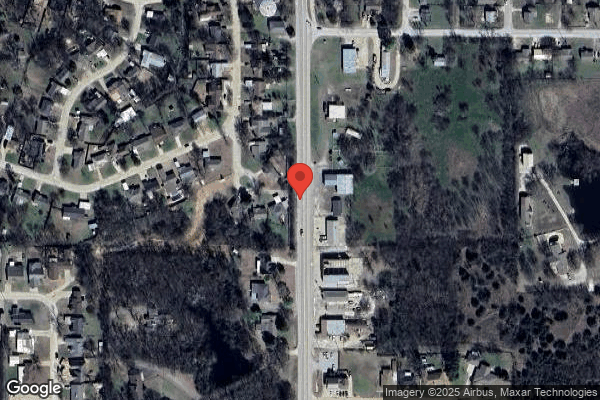

1413 SOUTH CHICKASAW STREET, PAULS VALLEY, OK 73075 (405) 238-6411
For profit - Individual 71 Beds Independent Data: November 2025
Trust Grade
40/100
#254 of 282 in OK
Last Inspection: April 2024

Within standard 12-15 month inspection cycle. Federal law requires annual inspections.

Overview

Pauls Valley Care Center has a Trust Grade of D, indicating that it is below average and has some concerns regarding care quality. It ranks #254 out of 282 facilities in Oklahoma, placing it in the bottom half of the state, and is the lowest ranked in Garvin County at #3 out of 3. The facility is worsening, with issues increasing from 4 in 2023 to 6 in 2024. Staffing is noted as a strength with a turnover rate of 0%, significantly better than the state average, but the overall staffing rating is poor at 1 out of 5 stars. The facility has concerning fines totaling $56,694, which is higher than 91% of Oklahoma facilities, highlighting compliance issues. Additionally, while RN coverage is average, specific incidents include failures to develop proper care plans for residents and inadequate wound care procedures that risk infection. Overall, while there are some strengths in staff retention, the facility has serious areas for improvement.

Trust Score
D
40/100
In Oklahoma
#254/282
Bottom 10%
Safety Record
Moderate
Needs review
Inspections
Getting Worse
4 → 6 violations
Staff Stability
○ Average
Turnover data not reported for this facility.
Penalties
○ Average
$56,694 in fines. Higher than 65% of Oklahoma facilities. Some compliance issues.
Skilled Nurses
⚠ Watch
Each resident gets only 15 minutes of Registered Nurse (RN) attention daily — below average for Oklahoma. Fewer RN minutes means fewer trained eyes watching for problems.
Violations
⚠ Watch
12 deficiencies on record. Higher than average. Multiple issues found across inspections.
★☆☆☆☆
1.0
Overall Rating
★☆☆☆☆
1.0
Staff Levels
★☆☆☆☆
1.0
Care Quality
★★★☆☆
3.0
Inspection Score
Stable
2023: 4 issues
2024: 6 issues

The Good

  • Full Sprinkler Coverage · Fire safety systems throughout facility
  • No fines on record

Facility shows strength in fire safety.

The Bad

1-Star Overall Rating

Below Oklahoma average (2.6)

Significant quality concerns identified by CMS

Federal Fines: $56,694

Above median ($33,413)

Moderate penalties - review what triggered them

The Ugly 12 deficiencies on record

Apr 2024 6 deficiencies
CONCERN (D) 📢 Someone Reported This

A family member, employee, or ombudsman was alarmed enough to file a formal complaint

Potential for Harm - no one hurt, but risky conditions existed

Deficiency F0660 (Tag F0660)

Could have caused harm · This affected 1 resident

Based on record review and interview the facility failed to ensure the resident's representative was included in discharge planning for one (#30) of three residents reviewed for discharges. The Admini...

Read full inspector narrative →
Based on record review and interview the facility failed to ensure the resident's representative was included in discharge planning for one (#30) of three residents reviewed for discharges. The Administrator reported 34 residents resided in the facility. Finding: The facility's Resident/Family Participation - Assessment/Care Plans policy dated 12/01/2006, read in part The resident and his/her family, and/or legal representative, are invited to attend and participate in the resident's assessment and care planning conference .The social services director or designee is responsible for contacting the resident's family and maintaining records of such notices . 1. Resident #30 had diagnoses which included heart failure, respiratory failure, and diabetes mellitus. A care plan, dated 08/25/23, documented Discharge planning: Resident, family and staff are in agreement for discharge planning .Planned discharge date is 09/01/23 .Goal: able to return home with supportive services 09/01/23 .Intervention: Notify provider of concerns. Assist with obtaining community services. Assist in ordering discharge supplies .The care plan documented no evidence the care plan had been signed and a copy given to the resident or resident's representative. On 04/15/24 at 5:27 p.m., family member #1 reported being resident #30's power of attorney and was not included in the discharge care plan meeting. Family member #1 reported not being aware of the discharge date or plan until 48 hours before the resident's benefits ran out. On 04/17/24 at 5:16 p.m., the administrator reported the resident's representative family member #1 had not given them paperwork that she was the POA she just told them she was. The administrator reported family member #2 came to the facility to see the residents and was listed as a contact. The administrator reported family member #2 was present for the care plan meeting. The administrator reported family member #1 was contacted 48 hours before his skilled benefits ran out and informed family member #1 the resident could stay in the facility but would have to be private pay. Resident #30's medical record was reviewed by the surveyor on 04/18/24 and contained a signed durable power of attorney for family member #1, dated 09/29/22.
CONCERN (E)

Potential for Harm - no one hurt, but risky conditions existed

Deficiency F0638 (Tag F0638)

Could have caused harm · This affected multiple residents

**NOTE- TERMS IN BRACKETS HAVE BEEN EDITED TO PROTECT CONFIDENTIALITY** Based on record review and interview, the facility failed to complete and submit quarterly reviews of the minimum data set in th...

Read full inspector narrative →
**NOTE- TERMS IN BRACKETS HAVE BEEN EDITED TO PROTECT CONFIDENTIALITY** Based on record review and interview, the facility failed to complete and submit quarterly reviews of the minimum data set in the required timeframe's for eight (#3, 7, 11, 12, 14,16, 17, and #23) of 10 residents whose clinical records were reviewed for completion/submission of the resident assessments. The administrator identified 34 residents. Census: 34 Findings: The facility's MDS Completion and Submission Timeframe's policy, dated 10/01/10, read in part our facility will conduct and submit resident assessments in accordance with federal and state submission timeframe's . On 04/16/24 at 11:30 a.m., the corporate regional director documented the following as the last completed/submitted minimum data set assessments for the following residents: - a quarterly assessment dated [DATE] for Resident #3 - a quarterly assessment dated [DATE] for Resident #7. - an admission assessment dated [DATE] for Resident #11. - a significant change assessment dated [DATE] for Resident #12. - a quarterly assessment dated [DATE] for Resident #14. - a quarterly assessment dated [DATE] for Resident #16. - an admission assessment dated [DATE] for Resident #17. - a quarterly assessment dated [DATE] for Resident #23. On 04/17/24 at 10:10 a.m., the regional director stated the residents listed above did not have a complete/submitted minimum data set assessment in the last 120 days. The regional director stated they were aware of the delay but had not completed/submitted all residents' assessments that were delayed.
CONCERN (E) 📢 Someone Reported This

A family member, employee, or ombudsman was alarmed enough to file a formal complaint

Potential for Harm - no one hurt, but risky conditions existed

Comprehensive Care Plan (Tag F0656)

Could have caused harm · This affected multiple residents

Based on observation, record review, and interview the facility failed to develop a comprehensive person-centered care plan for two (#1 and #80) of 12 residents reviewed for care plans. The facility f...

Read full inspector narrative →
Based on observation, record review, and interview the facility failed to develop a comprehensive person-centered care plan for two (#1 and #80) of 12 residents reviewed for care plans. The facility failed to develop care plans related to: a) smoking for resident #1 and #80, and b) falls for one resident #80. The Administrator reported 34 residents resided in the facility. Findings: The facility's Care Plans - Comprehensive policy, dated 10/01/10, read in part An individualized comprehensive care plan that includes measurable objectives and timetables to meet the resident's medical, nursing, mental and psychological needs is developed for each resident .Each residents comprehensive care plan is designed to: a. incorporate identified problems area; b. incorporate risk factors associated with identified problems . 1. Resident #1 had diagnoses which included paraplegia and neurological conditions. A smoking assessment, dated 05/16/23, documented resident #1 is a supervised smoker d/t inability to light cigarette and difficulty disposing of cigarette into receptacle. A smoking assessment, dated 04/01/24, documented resident #1 is a supervised smoker. On 04/16/24 at 5: 30 p.m., the resident was observed outside smoking with a staff member present. On 04/17/24 at 11:22 a.m., the DON reported smoking should have been included on resident #1's care plan and will get it updated. 2. Resident #80 had diagnoses which included hemiplegia and dementia. A. A smoking assessment, dated 02/23/24, documented resident #80 was safe to smoke unsupervised. An incident report, dated 02/27/24, documented resident #80 singed hair while lighting a cigarette. The incident report documented the resident was immediately placed on supervised smoking and all smoking items removed from his possession. A smoking assessment, dated 02/27/24, documented resident #80 resident was not safe to smoke unsupervised. Resident #80's care plan, dated 03/14/24, contained no documentation of smoking status. On 04/15/24 at 9:30 a.m., resident #80 was outside smoking with staff present. B. A fall risk assessment, dated 02/23/34, documented resident #80 was at risk for falls. A nurse's note, dated 02/23/24, documented resident #80 had a fall from wheelchair while attempting to transfer himself from his bed to his wheelchair. Resident #80 was instructed to call for assistance when trying to transfer. Resident #80's care plan, dated 03/14/24, contained no documentation of fall risk. On 04/15/23 at 9:43 resident # 80 was observed using a rolling walker to ambulate. A MDS assessment, dated 04/17/24, documented resident #80 had moderate cognitive impairment, required assistance with most activities of daily living, and used a wheelchair or walker to ambulate. On 04/17/24 at 11:22 a.m., the DON reported smoking and falls should have been included on resident #80's care plan.
CONCERN (E)

Potential for Harm - no one hurt, but risky conditions existed

Pressure Ulcer Prevention (Tag F0686)

Could have caused harm · This affected multiple residents

Based on observation and interview, the facility failed to provide wound care in a manner to reduce the risk of infection or cross contamination for one (#17) of two residents observed for wound care....

Read full inspector narrative →
Based on observation and interview, the facility failed to provide wound care in a manner to reduce the risk of infection or cross contamination for one (#17) of two residents observed for wound care. The director of nursing identified 4 residents with wounds. Resident census: 34 Findings: On 04/16/24 at 11:00 a.m., LPN #1 was observed to perform wound care on Res #17. The LPN washed hand and donned gloves. With gloved hands, the LPN borrowed an overbed table from the resident's roommate, removing the roommates personal possessions from the overbed table but not sanitizing the table. With the same gloves, the LPN opened and clear plastic shoe box shaped container, laying the lid on the inside facing up. With the same gloves, the LPN remove the contents needing for the dressing change and laid them atop the overbed table. With the same gloves, the LPN removed a positioning pillow from under the resident's hip/leg. One side of the pillow case appeared brown and wet with fecal incontinence. The LPN observed the condition of the pillow case and stated to the resident that after wound care, they would find the nurse aides to clean and freshly dress the resident. With the same gloves, the LPN folded and positioned the soiled pillow under the resident's right calf. With the same gloves, the LPN removed the old dressing from the resident's right foot, cleansed the wounds on the resident's right heel and toes with normal saline and gauze, applied the new dressing to each, wrapped the foot in kerlix, and secured the dressing with coban, all without changing gloves or sanitizing hands. When cleaning the wounds, LPN #1 swept across intact skin and wound beds alike, in a manner which had the potential to sweep bacteria from the resident's intact skin and onto the wound bed. On 04/16/24 at 11:15 a.m., LPN #1 stated they should sanitize their hands before donning gloves, change gloves when they were visibly soiled, and when moving from dirty task to a clean task. The LPN stated it was only after the dressing change did they recognize the potential cross contamination with touching the roommates personal belongings and using the roommates overbed table without sanitizing the surface; touching and using a soiled positioning pillow to prop the extremity for wound care; removing the old dressing, cleaning, applying, and securing the new dressing, all without further changing gloves and sanitizing hands. On 04/16/24 at 11:30 a.m., the DON stated LPN #1 was fairly new to the facility and they had not had the opportunity to observe the LPN perform wound care. The DON stated the LPN should sanitize hands and change gloves when the gloves were visibly soiled or when moving from a dirty task to a clean task.
CONCERN (E) 📢 Someone Reported This

A family member, employee, or ombudsman was alarmed enough to file a formal complaint

Potential for Harm - no one hurt, but risky conditions existed

Accident Prevention (Tag F0689)

Could have caused harm · This affected multiple residents

Based on observation, record review, and interview, the facility failed to store hazardous chemicals in a secure manner. The director of nursing identified one wandering resident who ambulated throug...

Read full inspector narrative →
Based on observation, record review, and interview, the facility failed to store hazardous chemicals in a secure manner. The director of nursing identified one wandering resident who ambulated throughout the facility. Facility census: 34 Findings: The facility policy entitled Storage Areas, Maintenance, documented hazardous/harmful chemicals were to be stored as instructed on the labels of such products and in a locked storage area. The MSDS (Material Safety Data Sheet) for Virex II - 256 disinfectant documented the chemical was corrosive to eyes, nose, throat, and respiratory tract. The MSDS documented the chemical was combustible and was intended for commercial or industrial use only. It documented to keep the chemical out of reach of children. The MSDS for Good Sense Liquid Air Freshener documented the chemical caused serious eye irritation and not to breath in vapors, taste, or swallow the chemical. The MSDS for Spraybuff, an industrial cleaning chemical, documented the chemical may be harmful if swallowed, may cause eye, skin, and respiratory irritation, and to keep out of children. The MSDS for Bounce Back, a floor finish restorer, documented the chemical may be harmful if swallowed, may cause eye, skin, and respiratory irritation, and to keep out of children. The MSDS for Soft Scrub Cleanser with Bleach, documented the chemical may cause permenant damage to eyes, irritation or severe burns possible on skin, to contact the poison control center if ingested, and to remove from exposed area to fresh air and to contact the poison control center if inhaled. The MSDS for Clorox Clean-Up Cleaner with Bleach, documented the chemical causes serious eye irritation, to avoid contact with skin, and to keep out of reach of children and pets. On 04/14/24 at 4:00 p.m., the following chemicals were observed in the bathroom of an unsecured resident room located on the north hall and used for the storage of equipment: - Bounce Back (floor finisher restorer); - Spraybuff (water based shine maintainer); and, - Soft Scrub with Bleach (cleanser). On 04/14/24 at 4:12 p.m., in the unsecured shower room on the north hall, the following chemicals were observed: - Virex II 256 (disinfectant). On 04/14/24 at 4:18 p.m., in the unsecured hopper room on the south hall the following chemicals were observed: - Good Sense (air freshener), and - Clorox Clean-Up with Bleach (disinfectant cleanser). On 04/14/25 at 4:25 p.m., LPN #1 stated the staff were to lock up stored chemicals. On 04/14/24 at 5:00 p.m., the administrator was shown the above chemicals and their locations. The administrator stated chemicals were to be stored in a secured manner such as in a locked cabinet or locked room.
CONCERN (E)

Potential for Harm - no one hurt, but risky conditions existed

Food Safety (Tag F0812)

Could have caused harm · This affected multiple residents

Based on observation and interview, the facility failed to maintain sanitary conditions in the kitchen. There was standing water in the kitchen, an active water leak from the three compartment sink, a...

Read full inspector narrative →
Based on observation and interview, the facility failed to maintain sanitary conditions in the kitchen. There was standing water in the kitchen, an active water leak from the three compartment sink, and broken/missing floor tiles. This had the potential to effect all residents. The administrator identified 34 residents resided in the facility. Findings: On 04/14/24 at 12:46 p.m., the kitchen was observed. There was an active water leak from under the three compartment sink. There were several saturated bath sheets and towels on the floor between the three compartment sink and the food prep table. There were several missing, cracked, and broken floor tiles observed. The back door was opened wide and there was no screen door present. On 04/14/24 at 12:50 p.m., cook #1 stated when they arrive each morning to start their shift, there was always standing water all through the kitchen that they would have to mop up before starting breakfast. The cook stated the leak from under the three compartment sink had been there awhile and maintenance had been notified. On 04/16/23 at 4:34 p.m., the kitchen was observed. There was an active water leak from under the three compartment sink. There were several saturated bath sheets and towels on the floor between the three compartment sink and the food prep table. There were several missing, cracked, and broken floor tiles observed. On 04/16/24 at 4:45 p.m., the dietary manager stated the leak under the three compartment sink and the subsequent standing water on the floor had been ongoing for some time. The dietary manager stated maintenance had been aware. On 04/16/24 at 5:30 p.m., the administrator stated the facility was without a maintenance person now. The administrator stated they were aware of the condition of the kitchen floor and there was a plan in place for the repairs.
Mar 2023 4 deficiencies
CONCERN (D)

Potential for Harm - no one hurt, but risky conditions existed

Respiratory Care (Tag F0695)

Could have caused harm · This affected 1 resident

Based on record review, observation, and interview, the facility failed to ensure: a. an Oxygen in Use sign was in place per the facility's policy and, b. oxygen tubing was labeled with date and init...

Read full inspector narrative →
Based on record review, observation, and interview, the facility failed to ensure: a. an Oxygen in Use sign was in place per the facility's policy and, b. oxygen tubing was labeled with date and initials when changed per professional nursing standards for two (#1 and #178) of two residents reviewed for oxygen therapy. The Resident Census and Conditions of Residents, dated 03/08/23, documented 21 residents resided in the facility. Findings: The facility Oxygen Administration policy, dated 04/01/22, read in parts, .Place an 'Oxygen in Use' sign on the outside of the room entrance door .Place an 'Oxygen in Use' sign in a designated place on or over the resident's bed . 1. Resident # 1's cognition was documented to be severely impaired and had a diagnoses of COPD. admission Orders for resident #1, dated 02/22/23, read in part, .Check SpO2 every shift, if < 93% place on oxygen 3 lpm via nc . Resident #1's Care Plan, dated 02/22/23, read in parts, .The resident is receiving PRN oxygen therapy related to COPD .Goal: The resident will maintain SpO2 above 93% through the next review date .Change tubing per protocol .Administer oxygen therapy as ordered . A Nurse Note for resident #1, dated 02/22/23, read in part, .Resident returned via EMSA from OU Medical .SpO2 94% on 3L via NC . The Treatment Administration Record for resident #1, dated 03/01/23 through 03/09/23, documented no schedule to change oxygen tubing. On 03/08/23 at 09:59 a.m., resident #1 was observed in bed with oxygen in place at 3 lpm via nc. The resident's oxygen tubing was not labeled with initials and a date when it was put in place. No Oxygen in Use sign was present in the residents's room or on the resident's door. The resident was unsure if the tubing had been changed. On 03/09/23 10:11 a.m., the ADON reported oxygen tubing should be labeled with initials and date when the oxygen tubing was put in place or changed. and a plastic bag should be present to store the tubing when not in use for infection control prevention. The ADON reported the oxygen tubing should be changed weekly. On 03/10/23 at 1:30 p.m., the regional consultant reported oxygen tubing should be tabled with date and initials and Oxygen in Use signs in place for residents receiving oxygen therapy. 2. Resident #178 had diagnoses which included alcoholic hepatitis. Physician Orders for resident #178, dated 01/13/23, documented .Remove oxygen for 5 minutes, check SpO2 every shift, replace oxygen at 3 LPM via nc for SpO2 < 93% .Change and date all respiratory products: tubing/masks/equalizer/etc weekly on Sundays on 11-7 shift . An admission Assessment for resident #178, dated 01/27/23, documented the resident was cognitively intact and had oxygen therapy while in the facility. A Care Plan for resident #178, dated 02/01/23, read in parts, .Receiving oxygen therapy .Change tubing per protocol .Administer oxygen therapy as ordered . On 03/08/23 at 10:30 a.m., resident #178 was observed in their room eating breakfast. The resident was not wearing oxygen and reported they wore it at night. An oxygen concentrator and portable oxygen bottle was in the resident's room. The resident's oxygen tubing was not labeled with initials and date of when the tubing was put in place. No Oxygen in Use sign was present on the door of the resident's room or inside the room. On 03/09/23 at 9:36 a.m., resident #178 reported their oxygen tubing had been changed since they were admitted but they did not remember when. On 03/09/23 10:11 a.m., the ADON reported oxygen tubing should be labeled with initials and dated when the oxygen tubing was put in use or changed, along with a plastic bag to store the tubing in when not in use for infection control prevention. The ADON reported the oxygen tubing should be changed weekly. On 03/10/23 at 1:30 p.m., the regional consultant reported the oxygen tubing should be tabled with date and initials and Oxygen in Use signs in place for residents receiving oxygen therapy
CONCERN (D)

Potential for Harm - no one hurt, but risky conditions existed

Deficiency F0727 (Tag F0727)

Could have caused harm · This affected 1 resident

Based on record review and interview, the facility failed to designate a registered nurse to serve as the Director of Nursing on a full time basis. The Resident Census and Conditions of Residents for...

Read full inspector narrative →
Based on record review and interview, the facility failed to designate a registered nurse to serve as the Director of Nursing on a full time basis. The Resident Census and Conditions of Residents form documented 21 residents resided in the facility. Findings: On 03/08/23 at 9:43 a.m., the Administrator reported she had been at the facility since 02/01/23 and the facility had not had a Director of Nursing during that time. The Administrator stated the new DON had just started working half-days and would be at the facility full-time beginning 03/13/23. The Administrator reported a corporate nurse had been coming in occasionally and offering assistance as needed but did not fulfill the duties of DON. On 03/10/23 at 10:26 a.m., the regional consultant reported the last full time DON had resigned on 01/01/23. The consultant reported there was no DON coverage from 01/01/23 until 03/06/23 when the new DON started part-time, and the DON would be full time effective 03/13/23. The consultant reported she had called to request a waiver but was under the impression she did not need a waiver as long as she had two RN's for full time RN coverage. The consultant was asked if either of the RN's had taken responsibility for the DON duties, and the consultant confirmed that neither RN had fulfilled the duties of DON.
CONCERN (D)

Potential for Harm - no one hurt, but risky conditions existed

Drug Regimen Review (Tag F0756)

Could have caused harm · This affected 1 resident

Based on record review, observation, and interview, the facility failed to act upon a pharmacy recommendation, to consider a dose reduction of an antipsychotic medication, for one (#9) of five sampled...

Read full inspector narrative →
Based on record review, observation, and interview, the facility failed to act upon a pharmacy recommendation, to consider a dose reduction of an antipsychotic medication, for one (#9) of five sampled residents reviewed for unnecessary medications. The Resident Census and Conditions of Residents form documented 21 residents resided in the facility. Findings: A facility policy, Medication Regimen Reviews, revised May 2022, documented in parts, .Within 24 hours of the MRR, the Consultant Pharmacist provides a written report to the attending physician .The attending physician documents in the medical record that the irregularity has been reviewed and what (if any) action was taken to address it .Copies of medication regimen review reports, including physician responses, are maintained as part of the permanent medical record . Resident #9 had diagnoses which included Bipolar disorder, dementia with behaviors, and anxiety. An Annual MDS Assessment, dated 09/28/22, documented the resident was cognitively intact. The assessment documented the resident received antipsychotics seven of seven days, antidepressants seven of seven days, antianxiety medications seven of seven days, and opioids seven of seven days previous. A Medication Regimen Review, dated 02/13/23, documented resident #9 was taking dual agent antipsychotic therapy which could be considered duplication of therapy/unnecessary medication. The pharmacist addressed Quetiapine (an antipsychotic medication) 200 mg twice daily, and Aripiprazole (an antipsychotic medication) 10 mg daily. The pharmacist documented, Might we gradually reduce and discontinue one of these agents or does the current course of therapy remain safe and appropriate? The MRR had not been addressed by the physician. A Care Plan, dated 02/23/23, documented the resident had mental illness and received antipsychotic medications related to behaviors. The care plan documented the resident received medication for anxiety and pharmacy consults would be conducted to review medications. On 03/09/23 at 1:44 p.m., resident #9 reported he thought he was doing well on his current medications. The resident stated he had undergone surgery recently and was feeling better. On 03/09/23 at 2:07 p.m., the ADON pulled monthly pharmacy consults for resident #9 and reviewed the most recent recommendations. The ADON stated the resident had been in and out of the hospital recently and didn't think the physician had made any recent changes. Upon further review, the ADON found a pharmacy consult, dated 02/13/23, which had not been delivered to the resident's physician. The ADON stated the facility process for resident #9's physician was to drop off recommendations and pick up orders from the physician's office. The ADON confirmed the pharmacy recommendation had not been delivered to the physician for consideration and stated a staff member would take it to his office immediately. The pharmacy consult had addressed Quetiapine 200 mg BID and Aripiprazole 10 mg daily, stating this was considered duplication of therapy/unnecessary medication, and asked if the physician might consider a gradual reduction or discontinuation all together of one of the medications. On 03/10/23 at 11:52 a.m., the Administrator was interviewed regarding the facility's policy for getting documentation, such as pharmacy consults/MRRs, to a physician. The Administrator was informed of the MRR which had not been delivered to the physician in a timely manner. Facility staff reported a folder was kept at the nurse's station but could not provide an exact process for ensuring documents were delivered to the physician's office on a regular basis and in a timely manner. The Administrator reported if other physicians visited the facility at least weekly, then documentation requiring a response or signature for resident #9's physician should be delivered to the physician's office at least weekly. The Administrator stated they would review the current process and make changes to ensure the physician received documents in a timely manner.
CONCERN (E)

Potential for Harm - no one hurt, but risky conditions existed

MDS Data Transmission (Tag F0640)

Could have caused harm · This affected multiple residents

Based on record review and interview, the facility failed to electronically transmit MDS assessments, within 14 days after completion, for 11 (#1, 4, 5, 6, 9, 14, 19, 20, 22, 23, and #24) of 11 reside...

Read full inspector narrative →
Based on record review and interview, the facility failed to electronically transmit MDS assessments, within 14 days after completion, for 11 (#1, 4, 5, 6, 9, 14, 19, 20, 22, 23, and #24) of 11 residents reviewed for resident assessments. The Resident Census and Conditions of Residents form documented 21 residents resided in the facility. Findings: On 03/10/23 at 10:19 a.m., the facility's regional consultant was interviewed regarding MDS resident assessments not being transmitted as required. The consultant reported they had recognized a problem with MDS assessments on 02/01/23. The consultant stated the facility previously did not have an RN in their system to sign off on MDS assessments, and they believed this was part of the issue with the assessments either not being transmitted or being transmitted late. On 03/10/23 at 11:16 a.m., the regional consultant provided a list of residents who were identified as having MDS assessments completed but not transmitted in the required timeframe. The consultant reported they had transmitted a batch of MDS assessments over the past couple of days and some of the assessments would now show they had been transmitted. Resident #1 had an admission MDS Assessment completed on 12/15/22. The assessment was electronically signed by an RN on 12/28/22 but had not been transmitted. Resident #4 had an admission MDS Assessment completed on 01/17/23. The assessment was electronically signed by an RN on 01/30/23 but had not been transmitted. Resident #5 had a Reentry MDS Assessment completed on 01/28/23. There was no RN signature and the assessment had not been transmitted. Resident #6 had an admission MDS Assessment completed on 01/24/23. The assessment was electronically signed by an RN on 02/06/23 but had not been transmitted. Resident #9 had an admission MDS Assessment completed on 12/28/22. The assessment was electronically signed by an RN on 01/10/23 but had not been transmitted. Resident #14 had an admission MDS Assessment completed on 12/21/22. The assessment was electronically signed by an RN on 01/03/23 but had not been transmitted. Resident #19 had a Reentry MDS Assessment completed on 11/11/22. The assessment was electronically signed by an RN on 11/23/22 but had not been transmitted. Resident #20 was discharged from the facility on 01/27/23. The assessment was signed by an LPN on 02/02/23 but not signed by an RN and was not transmitted. Resident #22 had an admission MDS Assessment completed on 11/24/22. The assessment was electronically signed by an RN on 11/30/22 but had not been transmitted. Resident #23 had an admission MDS Assessment completed on 01/25/23. The assessment had not been signed or transmitted. Resident #24 had an admission MDS Assessment completed on 01/26/23. The assessment was electronically signed by an RN on 02/08/23 but had not been transmitted. On 03/10/23 at 11:27 a.m., the regional consultant reported LPN #1 was responsible for completing the resident MDS assessments. The consultant stated that due to the facility not having an RN responsible for signing off on assessments for a period of time, LPN #1 held the assessments and did not transmit them in the required time.
Aug 2022 2 deficiencies
CONCERN (D)

Potential for Harm - no one hurt, but risky conditions existed

MDS Data Transmission (Tag F0640)

Could have caused harm · This affected 1 resident

Based on record review and interview, the facility failed to electronically transmit resident assessments, within 14 days after completion, for three (#10, 11, and #15) of three residents sampled for ...

Read full inspector narrative →
Based on record review and interview, the facility failed to electronically transmit resident assessments, within 14 days after completion, for three (#10, 11, and #15) of three residents sampled for resident assessments. The Resident Census and Conditions of Residents documented 22 residents resided in the facility. Findings: A facility policy, Electronic Transmission of the MDS, documented in part .All MDS assessments (e.g., admission, annual, significant change, quarterly review, etc.) and discharge and reentry records will be completed and electronically encoded into our facility's MDS information system and transmitted to CMS' QIES Assessment Submission and Processing (ASAP) system in accordance with current OBRA regulations governing the transmission of MDS data. On 08/17/22 at 3:40 p.m., the Minimum Data Set (MDS) coordinator provided a Final Validation Report, which documented the status of the electronic transmission of resident assessments. The Final Validation Report documented the assessment for Resident (Res) #10 was accepted, with a target date of 06/28/22. The report showed a submission date of 08/15/22, and documented, record submitted late: the submission date is more than 14 days. The Final Validation Report documented the assessment for Res #11 was accepted, with a target date of 06/18/22. The report showed a submission date of 08/15/22, and documented record submitted late: the submission date is more than 14 days. The Final Validation Report documented the assessment for Res #15 was accepted, with a target date of 07/05/22. The report showed a submission date of 08/15/22, and documented record submitted late: the submission date is more than 14 days. On 08/18/22 at 12:23 p.m., the Regional Manager reported when the MDS coordinator accessed the system on the previous day, she found the assessments to be completed and closed, but noted they had not been transmitted. She stated the assessments should have automatically transmitted when they were completed and closed. The Regional Manager stated she and the MDS coordinator had contacted their IT department to find out why the assessments had not transmitted as required and this would be corrected as soon as possible.
CONCERN (E)

Potential for Harm - no one hurt, but risky conditions existed

Infection Control (Tag F0880)

Could have caused harm · This affected multiple residents

Based on record review, observation, and interview, the facility failed to maintain their infection control program, by not performing hand hygiene and disinfecting the glucometer between residents wh...

Read full inspector narrative →
Based on record review, observation, and interview, the facility failed to maintain their infection control program, by not performing hand hygiene and disinfecting the glucometer between residents when obtaining fingerstick glucose levels (FSBS) and administering insulin, for four (#7, 17, 16, and #4) of four residents reviewed for infection control and prevention. The Resident Census and Conditions of Residents documented 22 residents resided in the facility. Findings: The facility Handwashing/Hand Hygiene policy documented in parts .This facility considers hand hygiene the primary means to prevent the spread of infections .Use an alcohol-based hand rub containing at least 62% alcohol; or, alternatively, soap and water .before and after direct contact with residents .before preparing or handling medications .before performing any non-surgical invasive procedure .after contact with a resident's intact skin .after contact with blood or bodily fluids . The facility Obtaining a Fingerstick Glucose Level policy documented in parts .The following equipment and supplies will be necessary when performing this procedure .soap and water .disinfected blood glucose meter (glucometer) .perform hand hygiene . On 08/16/22, from 3:58 p.m. to 4:20 p.m., the Director of Nursing (DON) was observed to obtain finger-stick blood glucose levels and administer insulin. The DON was not observed to wash her hands or perform hand hygiene of any type during the procedures. The DON was observed to use the same glucometer for each resident and the glucometer was not sanitized or cleaned in any way between each resident use. The following was observed as the DON went from resident to resident: Resident (Res) #7 was observed to receive a FSBS and required insulin coverage. Res #17 was observed to receive a FSBS and required insulin coverage. Res #16 was observed to receive a FSBS and required insulin coverage. Res #4 was observed to receive a FSBS and required insulin coverage. On 08/17/22 at 8:34 a.m., RN #1 reported the facility typically had the purple lid sani-wipes which were to be used to disinfect the glucometer between each resident use. The RN reported the facility had only one glucometer. On 08/17/22 at 2:42 p.m., the DON was interviewed regarding hand hygiene and disinfecting the glucometer. The DON stated she didn't work the floor very often. She stated it was brought to her attention she had not performed hand hygiene while obtaining finger-stick blood glucose levels and while administering insulin. She stated she didn't realize it at the time because she was distracted by one of the residents. The DON stated they usually had the sani-wipes available to clean the glucometer between each resident but she didn't think to do this. The DON stated everyone was expected to perform hand hygiene between resident contact when obtaining fingerstick blood glucose levels and/or administering insulin. On 08/18/22 at 8:38 a.m., the Administrator was interviewed regarding facility policy related to hand hygiene and disinfecting glucometers. The Administrator stated the DON should have performed hand hygiene between each resident contact and the glucometer should be disinfected between each resident use.
Understanding Severity Codes (click to expand)
Life-Threatening (Immediate Jeopardy)
J - Isolated K - Pattern L - Widespread
Actual Harm
G - Isolated H - Pattern I - Widespread
Potential for Harm
D - Isolated E - Pattern F - Widespread
No Harm (Minor)
A - Isolated B - Pattern C - Widespread

Questions to Ask on Your Visit

  • "Can I speak with families of current residents?"
  • "What's your RN coverage like on weekends and overnight?"

Our Honest Assessment

Strengths
  • • Licensed and certified facility. Meets minimum state requirements.
Concerns
  • • 12 deficiencies on record. Higher than average. Multiple issues found across inspections.
  • • $56,694 in fines. Extremely high, among the most fined facilities in Oklahoma. Major compliance failures.
  • • Grade D (40/100). Below average facility with significant concerns.
Bottom line: Trust Score of 40/100 indicates significant concerns. Thoroughly evaluate alternatives.

About This Facility

What is Pauls Valley's CMS Rating?

CMS assigns PAULS VALLEY CARE CENTER an overall rating of 1 out of 5 stars, which is considered much below average nationally. Within Oklahoma, this rating places the facility higher than 0% of the state's 100 nursing homes. A rating at this level reflects concerns identified through health inspections, staffing assessments, or quality measures that families should carefully consider.

How is Pauls Valley Staffed?

CMS rates PAULS VALLEY CARE CENTER's staffing level at 1 out of 5 stars, which is much below average compared to other nursing homes.

What Have Inspectors Found at Pauls Valley?

State health inspectors documented 12 deficiencies at PAULS VALLEY CARE CENTER during 2022 to 2024. These included: 12 with potential for harm.

Who Owns and Operates Pauls Valley?

PAULS VALLEY CARE CENTER is owned by a for-profit company. For-profit facilities operate as businesses with obligations to shareholders or private owners. The facility operates independently rather than as part of a larger chain. With 71 certified beds and approximately 36 residents (about 51% occupancy), it is a smaller facility located in PAULS VALLEY, Oklahoma.

How Does Pauls Valley Compare to Other Oklahoma Nursing Homes?

Compared to the 100 nursing homes in Oklahoma, PAULS VALLEY CARE CENTER's overall rating (1 stars) is below the state average of 2.6 and health inspection rating (3 stars) is at the national benchmark.

What Should Families Ask When Visiting Pauls Valley?

Based on this facility's data, families visiting should ask: "Can you walk me through typical staffing levels on day, evening, and night shifts?" "Can I visit during a mealtime to observe dining assistance and food quality?" "How do you handle medical emergencies, and what is your hospital transfer rate?" "Can I speak with family members of current residents about their experience?" These questions are particularly relevant given the below-average staffing rating.

Is Pauls Valley Safe?

Based on CMS inspection data, PAULS VALLEY CARE CENTER has a clean safety record: no substantiated abuse findings (meaning no confirmed cases of resident harm), no Immediate Jeopardy citations (the most serious violation level indicating risk of serious injury or death), and is not on the Special Focus Facility watch list (a federal program monitoring the lowest-performing 1% of nursing homes). The facility has a 1-star overall rating and ranks #100 of 100 nursing homes in Oklahoma. While no facility is perfect, families should still ask about staff-to-resident ratios and recent inspection results during their visit.

Do Nurses at Pauls Valley Stick Around?

PAULS VALLEY CARE CENTER has not reported staff turnover data to CMS. Staff turnover matters because consistent caregivers learn residents' individual needs, medications, and preferences. When staff frequently change, this institutional knowledge is lost. Families should ask the facility directly about their staff retention rates and average employee tenure.

Was Pauls Valley Ever Fined?

PAULS VALLEY CARE CENTER has been fined $56,694 across 2 penalty actions. This is above the Oklahoma average of $33,646. Fines in this range indicate compliance issues significant enough for CMS to impose meaningful financial consequences. Common causes include delayed correction of deficiencies, repeat violations, or care failures affecting resident safety. Families should ask facility leadership what changes have been made since these penalties.

Is Pauls Valley on Any Federal Watch List?

PAULS VALLEY CARE CENTER is not on any federal watch list. The most significant is the Special Focus Facility (SFF) program, which identifies the bottom 1% of nursing homes nationally based on persistent, serious quality problems. Not being on this list means the facility has avoided the pattern of deficiencies that triggers enhanced federal oversight. This is a positive indicator, though families should still review the facility's inspection history directly.