WASHITA VALLEY LIVING CENTER
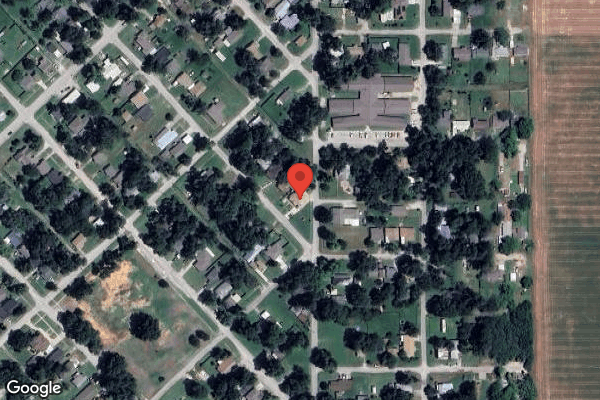
105 WASHINGTON, PAULS VALLEY, OK 73075 (405) 238-5528
For profit - Corporation 109 Beds Independent Data: November 2025
Trust Grade
80/100
#81 of 282 in OK
Last Inspection: April 2025

Within standard 12-15 month inspection cycle. Federal law requires annual inspections.

Overview

Washita Valley Living Center in Pauls Valley, Oklahoma, has a Trust Grade of B+, indicating that it is above average and recommended for potential residents. It ranks #81 out of 282 facilities in the state, placing it in the top half, and is the best option among the three facilities in Garvin County. However, the facility's trend is worsening, as it has doubled the number of reported issues from 2 in 2022 to 4 in 2025. Staffing is a relative strength, with a 3 out of 5-star rating and a turnover rate of 48%, which is below the Oklahoma average of 55%. Importantly, there have been no fines reported, suggesting compliance with regulations, but there are concerns regarding specific incidents. For example, the dietary supervisor lacked proper certification, which could affect meal quality for residents. Additionally, there were failures to use proper personal protective equipment during care, which raises infection control concerns. Finally, there was a lack of timely physician responses to lab results for a resident with serious health conditions, indicating potential lapses in patient monitoring. Overall, while the facility has strengths in staffing and no fines, it faces significant challenges that families should consider.

Trust Score
B+
80/100
In Oklahoma
#81/282
Top 28%
Safety Record
Low Risk
No red flags
Inspections
Getting Worse
2 → 4 violations
Staff Stability
⚠ Watch
48% turnover. Above average. Higher turnover means staff may not know residents' routines.
Penalties
✓ Good
No fines on record. Clean compliance history, better than most Oklahoma facilities.
Skilled Nurses
⚠ Watch
Each resident gets only 19 minutes of Registered Nurse (RN) attention daily — below average for Oklahoma. Fewer RN minutes means fewer trained eyes watching for problems.
Violations
○ Average
6 deficiencies on record. Average for a facility this size. Mostly minor or procedural issues.
★★★★☆
4.0
Overall Rating
★★★☆☆
3.0
Staff Levels
★★☆☆☆
2.0
Care Quality
★★★★☆
4.0
Inspection Score
Stable
2022: 2 issues
2025: 4 issues

The Good

  • Full Sprinkler Coverage · Fire safety systems throughout facility
  • No fines on record

Facility shows strength in fire safety.

The Bad

Staff Turnover: 48%

Near Oklahoma avg (46%)

Higher turnover may affect care consistency

The Ugly 6 deficiencies on record

Apr 2025 4 deficiencies
CONCERN (D) 📢 Someone Reported This

A family member, employee, or ombudsman was alarmed enough to file a formal complaint

Potential for Harm - no one hurt, but risky conditions existed

Quality of Care (Tag F0684)

Could have caused harm · This affected 1 resident

Based on record review and interview, the facility failed to follow a physician order to obtain a follow-up appointment for 1 (#37) of 1 sampled resident reviewed for assistance with medical appointme...

Read full inspector narrative →
Based on record review and interview, the facility failed to follow a physician order to obtain a follow-up appointment for 1 (#37) of 1 sampled resident reviewed for assistance with medical appointments. The administrator reported 35 residents resided in the facility. Findings: A policy titled Referrals, Social Services, dated December 2008, read in part, Social services personnel shall coordinate most resident referrals with outside agencies .Social services will collaborate with the nursing staff or other pertinent disciplines to arrange for services that have been ordered by the physician .Social services will document the referral in the resident's medical record. A physician order, dated 12/06/24, showed Resident #37 was to have a follow-up neurology appointment scheduled with (name withheld) in two weeks. A care plan for Resident #37, dated 12/10/24, showed the resident was admitted to skilled services after a hospitalization due to a fall resulting in anterior displaced type 2 dens fracture (cervical neck fracture). The care plan showed the resident would have a follow-up with neurology (name withheld) in two weeks. A discharge summary for Resident #37, dated 01/05/25, showed the resident had been admitted to the facility with diagnoses which included anterior displaced type 2 dens fracture, chronic obstructive pulmonary disease, congestive heart failure, osteoarthritis, peripheral vascular disease, muscle wasting and atrophy, anxiety, depression, and heart disease. The discharge summary showed the resident had a steady decline and passed away on 01/05/25 under hospice care. On 04/21/25 at 10:32 a.m., the DON reported they had reviewed Resident #37's clinical record and could not find where a two week follow-up neurology appointment was scheduled as ordered for the resident. The DON reported the appointment would have fallen during the holidays and the facility had new social services staff, but the appointment should have been scheduled as ordered. .
CONCERN (D)

Potential for Harm - no one hurt, but risky conditions existed

Food Safety (Tag F0812)

Could have caused harm · This affected 1 resident

Based on observation, record review, and interview, the facility failed to ensure pureed food preparation was conducted in a sanitary manner. The dietary supervisor reported four residents were on a p...

Read full inspector narrative →
Based on observation, record review, and interview, the facility failed to ensure pureed food preparation was conducted in a sanitary manner. The dietary supervisor reported four residents were on a pureed diet. Findings: An undated policy titled Puree Food Preparation, showed to provide puree food that has been prepared in a manner to conserve nutritive value, palatable flavor, and attractive appearance. On 04/15/25 at 12:00 p.m., dietary cook #1 was observed washing the food processor bowl and blade attachment. Dietary [NAME] #1 was observed returning to the food processor and work station, setting down the food processor bowl and blade attachment on the work station. Dietary [NAME] #1 was observed dipping a dish rag into a pail of disinfecting solution with their bare hand, then wiping off the food processor and the work station with the dish rag. Dietary [NAME] #1 was observed returning the dirty dish rag back to the pail of disinfection solution. Dietary [NAME] #1 was observed placing the food processor bowl back onto the food processor and inserting the blade attachment, and touching the inside of the food processor bowl without washing their hands first. Dietary [NAME] #1 was observed putting four pieces of cake into the food processor with a spatula without performing hand hygiene. On 04/15/25 at 12:15 p.m. the dietary supervisor was asked if the cook should have washed their hands after using the dirty rag in the disinfecting solution before continuing the food preparation. The dietary supervisor reported the cook should have washed their hands after using the dish rag. The dietary supervisor reported the cook should discard the cake, re-wash the food processor, wash their hands, and redo the pureed cake food preparation.
CONCERN (E)

Potential for Harm - no one hurt, but risky conditions existed

Deficiency F0801 (Tag F0801)

Could have caused harm · This affected multiple residents

Based on record review and interview, the facility failed to ensure the person designated to serve as the dietary supervisor had completed their certification for dietary management. The DON reported...

Read full inspector narrative →
Based on record review and interview, the facility failed to ensure the person designated to serve as the dietary supervisor had completed their certification for dietary management. The DON reported 34 residents received food from the kitchen. Findings: A dietary manager policy was not provided by the facility. A review of the dietary supervisor's ServeSafe certification showed a completion date of 02/25/25. There was no documentation the dietary supervisor was certified as a dietary manager. On 04/15/25 at 9:30 a.m., the dietary supervisor reported they had not completed the dietary manager certification training. The dietary manager reported they were unsure how long they had served as the dietary supervisor. The dietary supervisor reported they had been working in dietary for many years on and off. On 04/16/25 at 3:00 p.m., the administrator reported the dietary supervisor's hire date was 03/16/11. The administrator reported the employee had worked as the dietary supervisor on and off since being hired. The administrator reported the dietary supervisor had not been sent to the course for dietary manager training due to having unreliable transportation.
CONCERN (E)

Potential for Harm - no one hurt, but risky conditions existed

Infection Control (Tag F0880)

Could have caused harm · This affected multiple residents

Based on observation, record review, and interview, the facility failed to ensure proper personal protective equipment was used for 2 (#34 and #87) of 2 sampled residents reviewed for enhanced barrier...

Read full inspector narrative →
Based on observation, record review, and interview, the facility failed to ensure proper personal protective equipment was used for 2 (#34 and #87) of 2 sampled residents reviewed for enhanced barrier precautions. The assistant director of nursing reported three residents required enhanced barrier precautions. Findings: 1. On 04/16/25 at 10:12 a.m., Resident #34 was observed in bed with an indwelling catheter in place. LPN #1 gathered catheter care supplies, washed their hands and applied gloves. LPN #1 was observed cleaning the resident's peri area and catheter tubing with a wash rag and peri wash. LPN #1 placed the dirty wash rag in a plastic bag and discarded gloves. LPN #1 was observed performing hand hygiene, reapplying gloves, and rinsing the resident's peri area with a clean wash rag and water. LPN #1 placed the use wash rag in the plastic bag and discarded gloves. LPN #1 was observed carrying the plastic bag with used wash rags to the dirty linen room. LPN #1 was observed performing hand hygiene. LPN #1 was not observed to wear a gown for catheter care. A policy titled Enhanced Barrier Precautions, dated 04/24/24, showed an infection control intervention designed to reduce transmission of multidrug-resistant organisms that employs targeted gown and glove use during high contact resident care activities. The policy showed high-contact resident activities include device care or use of urinary catheters and feeding tubes. An admission assessment, dated 03/24/25, showed Resident #34 had an indwelling catheter and a diagnosis of urinary tract infection in the last 30 days. The assessment showed the resident's cognition was intact with a BIMS score of 15. A care plan, dated 04/02/25, showed Resident #34 had a catheter with a leg bag and an intervention of cath care every shift. On 04/17/25 at 9:33 a.m., the DON reported the resident was on enhanced barrier precautions and gown and gloves should have been worn for cath care. 2. On 04/16/25 at 10:06 a.m., Resident #87 was observed in bed with a feeding tube in place to the abdomen. On 04/16/25 at 10:06 a.m., LPN #1 was observed gathering supplies for feeding tube site care for Resident #87. LPN #1 was observed to wash their hands and apply gloves. LPN #1 was not observed to don a gown for feeding tube care. LPN #1 was observed attempting to perform feeding tube site care, but the resident refused. LPN #1 was observed discarding their gloves in the trash and washing their hands before leaving the room. On 04/17/25 at 8:59 a.m., Resident #87 was in bed with feeding tube in place. On 04/17/25 at 8:59 a.m., LPN #1 was observed washing their hands and unhooking Resident #87's feeding tube to perform medication administration. LPN #1 was observed to check feeding tube placement and administer medication. LPN #1 was observed reconnecting the tube feeding and restarting the feeding, their gloves thrown in the trash, and their hands washed before exiting the room. A care plan, dated 04/07/25, showed Resident #87 required tube feeding for all nutrition and hydration due to dysphagia related to stroke and being nothing by mouth. An admission assessment, dated 04/08/25, showed Resident #87 had a feeding tube and a swallowing disorder. The assessment showed the resident's cognition was severly impaired with a BIMS score of 01. On 04/17/25 at 9:14 a.m., LPN #1 reported Resident #87 was not on enhanced barrier precautions. LPN #1 reported residents with catheters, any intruding medical device, and wounds required enhance barrier precautions. LPN #1 reported they were wrong and a gown should have been worn for administering Resident #87's medication and when providing feeding tube site care. LPN #1 reported a gown should have also been worn with Resident #34's catheter care. On 04/17/25 at 9:34 a.m. the DON reported Resident #87 should be on enhanced barrier precautions for the feeding tube, and a gown and gloves should be worn for site care and medication administration. The DON reported staff needed to be retrained on the enhanced barrier precaution policy.
Oct 2022 2 deficiencies
CONCERN (E)

Potential for Harm - no one hurt, but risky conditions existed

Quality of Care (Tag F0684)

Could have caused harm · This affected multiple residents

**NOTE- TERMS IN BRACKETS HAVE BEEN EDITED TO PROTECT CONFIDENTIALITY** Based on record review, observation, and interview the facility failed to ensure a system was in place for timely physician resp...

Read full inspector narrative →
**NOTE- TERMS IN BRACKETS HAVE BEEN EDITED TO PROTECT CONFIDENTIALITY** Based on record review, observation, and interview the facility failed to ensure a system was in place for timely physician responses for lab and diagnostic test results for one (#36) of five residents reviewed for unnecessary medications. The Census and Conditions of Residents form documented 40 residents resided in the facility. Findings: The facility policy Lab and Diagnostic Test Results - Clinical Protocol: read in parts . Physician Responses .Time frames. A physician will respond within an appropriate time frame . within one hour regarding a lab test result requiring immediate notification, and by the end of the next office day to a non-emergency message regarding non-immediate lab test notification. Resident #36 was admitted to the facility on [DATE]. The resident had diagnoses which included myocardial infarction, congestive heart failure, and atrial fibrillation. The resident had a physician's order, dated 05/26/22, for Warfarin Sodium Tablet 5 MG give 1 tablet by mouth one time a day for A-fib. The resident had a current physician's order, dated 10/03/22, for PT/INR monthly. A lab report, dated 06/07/22, documented high lab value results for a PT/INR test. A hand written note, dated 06/07/22, documented the report was faxed to the physician and signed with a nurse's initial. On 10/03/22 the clinical record documented the resident had high lab results for a PT/INR. A hand written note on the report read: faxed on 10/03/22 by (nurse initials) at 2120. There was no documentation in the clinical record verifying the physician's response or any follow-up to the physician by the nursing staff for the 06/07/22 or the 10/03/22 lab results. On 10/28/22, the DON stated there should have been follow-up to the physician when they did not get a response. She stated according to the policy, the physician should have followed up by the end of the next day. The DON acknowledged the facility did not have a system in place to follow up on labs faxed to the physician.
CONCERN (E)

Potential for Harm - no one hurt, but risky conditions existed

Deficiency F0761 (Tag F0761)

Could have caused harm · This affected multiple residents

**NOTE- TERMS IN BRACKETS HAVE BEEN EDITED TO PROTECT CONFIDENTIALITY** Based on record review, observation, and interview, the facility failed to ensure: a. medications had not been left on top of t...

Read full inspector narrative →
**NOTE- TERMS IN BRACKETS HAVE BEEN EDITED TO PROTECT CONFIDENTIALITY** Based on record review, observation, and interview, the facility failed to ensure: a. medications had not been left on top of the med cart unattended, and; b. medications stored in the medication room and on a medication cart were not outdated. The Resident Census and Conditions of Residents form documented 40 residents resided in the facility. Findings: The facility's policy Administering Medications read in parts, .No medications are kept on top of the cart. The cart must be clearly visible to the personnel administering medications . and must be inaccessible to residents or others passing by . On 10/27/22 at 8:20 a.m., the medication cart on the north hall was observed to be unattended. The following medications were observed to be on top of the cart: Furosemide 40 mg 1 tab in a bubble pack, a Flovent inhaler 110 mcg, Tobramycin/Dexameth eye drops, and Azo 95 mg a pack of 12. The surveyor remained with the cart for approximately five minutes until a CMA was seen walking from the south hall, up the middle hall, and returned to the cart. On 10/27/22 at 8:30 a.m. CMA #1 was asked if she was the staff member passing medications and she stated, yes. The CMA reported the medications should not have been left on top of the medication cart unattended. On 10/27/22 at 12:35 p.m., the North hall medication room was toured. Expired resident medications, expired house stock medications, and expired medical supplies were identified during the tour. The following resident expired medications, including expiration dates, were observed in the North medication storage room: 1 Xeroform 06/04/22 2 Silvasorb Gel 08/19/22 1 Hydrogel 07/16/22 2 Hydrocortisone Cream 09/10/22 5 Triple antibiotic Cream 05/18/22, 05/07/22, 07/16/22, 06/14/22, and 04/01/22 2 Mupirocin 09/2022, and 08/2022 2 Eucerin lotion 10/20/21 and 08/27/21 1 Nystatin Cream 04/25/22 1 Muscle Rub 07/07/22 1 Antibacterial soap 10/06/22 1 Iodine 02/28/22 1 Bio freeze spray 06/17/21 2 Santyl 250 units 05/2022 1 Nystan powder 08/09/22 2 Lidocaine 20 ml 07/07/22 and 07/29/22 Resident expired medications found on the South medication cart: 2 DM Tussin 04/19/22 and 04/25/22 Expired house stock observed in the North storage room included: Active Ice pain relief 12/2021 2 Packs of Nicotine Gum 2 mg 02/2018 Budros Butt Paste 03/2018 Dakins Hy[DATE]/26/2019 Peroxide 02/2018 Expired medical supplies observed in the North medication storage room included: 26 dressing tape Right Fix 09/22/21 13 comfi tape adhesive tape 03/31/22, 09/21/21, 03/29/20 and 12/29/20 39 Alginate wound dressing 03/2022 19 Hydrogel wound dressing large 12/10/20 30 Silver Alginate 10/18/22 1 Hydrogel wound dressing 10/2021 4 Packing Strips 02/24/22 1 Box Sterile Gloves 06/30/21 On 10/27/22 at 12:30 a.m., LPN #1 reported the facility didn't want to be wasteful so they were keeping the expired medications in case they were needed. On 10/27/22 at 12:45 p.m., the DON reported the expired medications should have been removed and medications should not have been left on the medication cart unattended.
Understanding Severity Codes (click to expand)
Life-Threatening (Immediate Jeopardy)
J - Isolated K - Pattern L - Widespread
Actual Harm
G - Isolated H - Pattern I - Widespread
Potential for Harm
D - Isolated E - Pattern F - Widespread
No Harm (Minor)
A - Isolated B - Pattern C - Widespread

Questions to Ask on Your Visit

  • "Can I speak with families of current residents?"
  • "What's your RN coverage like on weekends and overnight?"

Our Honest Assessment

Strengths
  • • Grade B+ (80/100). Above average facility, better than most options in Oklahoma.
  • • No major safety red flags. No abuse findings, life-threatening violations, or SFF status.
  • • No fines on record. Clean compliance history, better than most Oklahoma facilities.
Concerns
  • • No significant concerns identified. This facility shows no red flags across CMS ratings, staff turnover, or federal penalties.
Bottom line: Generally positive indicators. Standard due diligence and a personal visit recommended.

About This Facility

What is Washita Valley Living Center's CMS Rating?

CMS assigns WASHITA VALLEY LIVING CENTER an overall rating of 4 out of 5 stars, which is considered above average nationally. Within Oklahoma, this rating places the facility higher than 99% of the state's 100 nursing homes. This rating reflects solid performance across the metrics CMS uses to evaluate nursing home quality.

How is Washita Valley Living Center Staffed?

CMS rates WASHITA VALLEY LIVING CENTER's staffing level at 3 out of 5 stars, which is average compared to other nursing homes. Staff turnover is 48%, compared to the Oklahoma average of 46%. RN turnover specifically is 60%, which is notably high. RNs provide skilled clinical oversight, so turnover in this role can affect medical care quality.

What Have Inspectors Found at Washita Valley Living Center?

State health inspectors documented 6 deficiencies at WASHITA VALLEY LIVING CENTER during 2022 to 2025. These included: 6 with potential for harm.

Who Owns and Operates Washita Valley Living Center?

WASHITA VALLEY LIVING CENTER is owned by a for-profit company. For-profit facilities operate as businesses with obligations to shareholders or private owners. The facility operates independently rather than as part of a larger chain. With 109 certified beds and approximately 36 residents (about 33% occupancy), it is a mid-sized facility located in PAULS VALLEY, Oklahoma.

How Does Washita Valley Living Center Compare to Other Oklahoma Nursing Homes?

Compared to the 100 nursing homes in Oklahoma, WASHITA VALLEY LIVING CENTER's overall rating (4 stars) is above the state average of 2.6, staff turnover (48%) is near the state average of 46%, and health inspection rating (4 stars) is above the national benchmark.

What Should Families Ask When Visiting Washita Valley Living Center?

Based on this facility's data, families visiting should ask: "Can I visit during a mealtime to observe dining assistance and food quality?" "How do you handle medical emergencies, and what is your hospital transfer rate?" "Can I speak with family members of current residents about their experience?"

Is Washita Valley Living Center Safe?

Based on CMS inspection data, WASHITA VALLEY LIVING CENTER has a clean safety record: no substantiated abuse findings (meaning no confirmed cases of resident harm), no Immediate Jeopardy citations (the most serious violation level indicating risk of serious injury or death), and is not on the Special Focus Facility watch list (a federal program monitoring the lowest-performing 1% of nursing homes). The facility has a 4-star overall rating and ranks #1 of 100 nursing homes in Oklahoma. While no facility is perfect, families should still ask about staff-to-resident ratios and recent inspection results during their visit.

Do Nurses at Washita Valley Living Center Stick Around?

WASHITA VALLEY LIVING CENTER has a staff turnover rate of 48%, which is about average for Oklahoma nursing homes (state average: 46%). Moderate turnover is common in nursing homes, but families should still ask about staff tenure and how the facility maintains care continuity when employees leave.

Was Washita Valley Living Center Ever Fined?

WASHITA VALLEY LIVING CENTER has no federal fines on record. CMS issues fines when nursing homes fail to meet care standards or don't correct problems found during inspections. The absence of fines suggests the facility has either maintained compliance or corrected any issues before penalties were assessed. This is a positive indicator, though families should still review recent inspection reports for the full picture.

Is Washita Valley Living Center on Any Federal Watch List?

WASHITA VALLEY LIVING CENTER is not on any federal watch list. The most significant is the Special Focus Facility (SFF) program, which identifies the bottom 1% of nursing homes nationally based on persistent, serious quality problems. Not being on this list means the facility has avoided the pattern of deficiencies that triggers enhanced federal oversight. This is a positive indicator, though families should still review the facility's inspection history directly.