Perry Green Valley Nursing Center, LLC
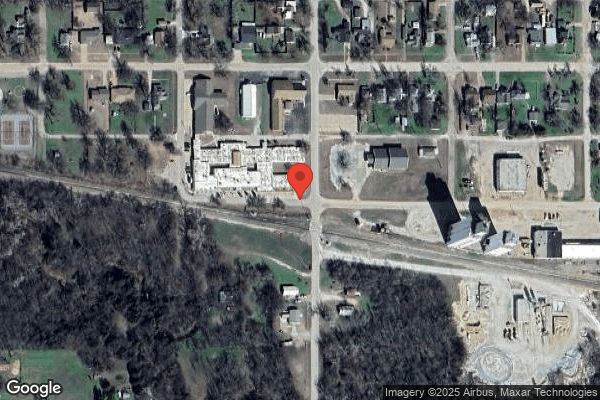
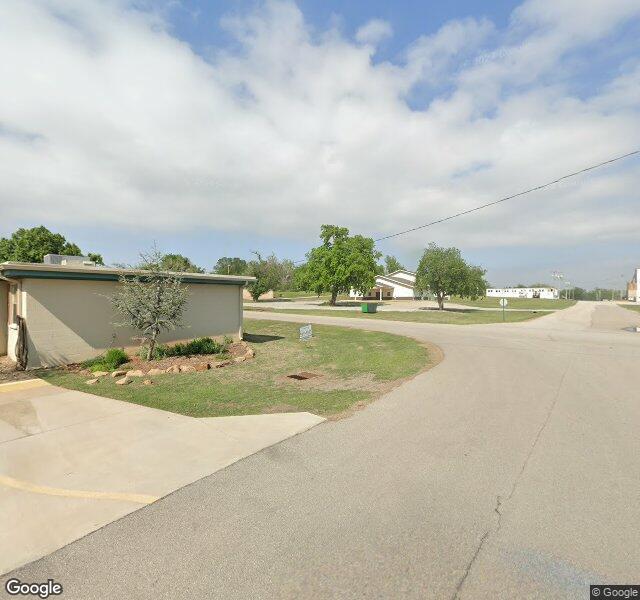
1103 Birch Street, Perry, OK 73077 (580) 336-2285
For profit - Limited Liability company 112 Beds Independent Data: November 2025
Trust Grade
58/100
#125 of 282 in OK
Last Inspection: November 2024

Within standard 12-15 month inspection cycle. Federal law requires annual inspections.

Overview

Perry Green Valley Nursing Center in Perry, Oklahoma, has a Trust Grade of C, indicating it is average among nursing homes-neither great nor terrible. It ranks #125 out of 282 facilities in Oklahoma, placing it in the top half, and is the only nursing home in Noble County. The facility is improving, having reduced issues from six in 2024 to just one in 2025. Staffing is a strength with a 4 out of 5 rating and a turnover rate of 56%, which is about average for the state. However, there are concerns, such as a serious incident where a resident slid from their wheelchair during transport, and unsecured chemicals in the facility that could pose safety risks. Additionally, some residents were not adequately assessed before bed rails were installed, which is a potential safety issue. Overall, while there are strengths in staffing and improvement trends, the facility must address these safety concerns.

Trust Score
C
58/100
In Oklahoma
#125/282
Top 44%
Safety Record
Moderate
Needs review
Inspections
Getting Better
6 → 1 violations
Staff Stability
⚠ Watch
56% turnover. Above average. Higher turnover means staff may not know residents' routines.
Penalties
✓ Good
$12,735 in fines. Lower than most Oklahoma facilities. Relatively clean record.
Skilled Nurses
⚠ Watch
Each resident gets only 27 minutes of Registered Nurse (RN) attention daily — below average for Oklahoma. Fewer RN minutes means fewer trained eyes watching for problems.
Violations
⚠ Watch
11 deficiencies on record. Higher than average. Multiple issues found across inspections.
★★★☆☆
3.0
Overall Rating
★★★★☆
4.0
Staff Levels
★★★☆☆
3.0
Care Quality
★★★☆☆
3.0
Inspection Score
Stable
2024: 6 issues
2025: 1 issues

The Good

  • 4-Star Staffing Rating · Above-average nurse staffing levels
  • Full Sprinkler Coverage · Fire safety systems throughout facility
  • No fines on record

Facility shows strength in staffing levels, fire safety.

The Bad

3-Star Overall Rating

Near Oklahoma average (2.6)

Meets federal standards, typical of most facilities

Staff Turnover: 56%

Near Oklahoma avg (46%)

Frequent staff changes - ask about care continuity

Federal Fines: $12,735

Below median ($33,413)

Minor penalties assessed

Staff turnover is elevated (56%)

8 points above Oklahoma average of 48%

The Ugly 11 deficiencies on record

1 actual harm
May 2025 1 deficiency 1 Harm
SERIOUS (G) 📢 Someone Reported This

A family member, employee, or ombudsman was alarmed enough to file a formal complaint

Actual Harm - a resident was hurt due to facility failures

Accident Prevention (Tag F0689)

A resident was harmed · This affected 1 resident

**NOTE- TERMS IN BRACKETS HAVE BEEN EDITED TO PROTECT CONFIDENTIALITY** Based on record review and interview, the facility failed to ensure a resident did not slide from a wheelchair onto the floor of...

Read full inspector narrative →
**NOTE- TERMS IN BRACKETS HAVE BEEN EDITED TO PROTECT CONFIDENTIALITY** Based on record review and interview, the facility failed to ensure a resident did not slide from a wheelchair onto the floor of a facility vehicle while being transported for 1 (#1) of 3 sampled residents reviewed for accident hazards. The administrator stated 61 residents resided at the facility. Findings: A facility policy titled Driving and Motor Vehicle Policy, dated 06/23/14, read in part, Driver is responsible for the safety of all passengers while providing transportation to persons to and from designated locations. If at any time the driver feels he/she is in an unsafe situation for the passenger or the vehicle, driver will have the right to exercise judgment to stop vehicle. [sic]. A care plan problem for Res #1 titled Falls, dated 10/20/23, read in part, Resident at risk for fall r/t [related to] impaired mobility, spinal stenosis, and dementia. An annual minimum data set assessment, dated 03/31/25, showed Res #1 had a brief interview for mental status score of 11 (this indicated the resident had moderate cognitive impairment). The assessment further showed the resident required assistance to stand and transfer to a chair where a staff member would supply more than half of the physical effort, the resident had impaired mobility in one lower extremity, and the resident weighed 282 pounds. A progress note, dated 05/13/25 at 10:42 a.m. (the note was a late note written on 05/14/25 at 10:44 a.m.), showed Res #1 had repositioned themselves and slid out of their wheelchair during a transport. The note further showed a 12 centimeter scratch had been observed on the resident's left buttock with no other injuries being observed. A progress note, dated 05/15/25 at 10:00 a.m., showed staff had found bruising to Res #1's left abdomen that was blue green and yellow in color. A progress note, dated 05/15/25 at 11:46 a.m., showed Res #1 complained of pain in the left lower quadrant of their abdomen that they described as an 8 on a 0 to 10 pain scale (zero represents no pain and 10 the worst pain the person had experienced). The note further showed the resident flinched when the nurse touched the resident's abdomen and an x-ray had then been ordered. A progress note, dated 05/16/25 at 11:21 a.m. (the note was a late note written on 05/20/25 at 10:10 a.m.), showed Res #1 had been sent to a hospital in a private van. A progress note, dated 05/16/25 at 4:15 p.m., showed hospital staff had contacted the facility and informed them Res #1 was moved to another hospital. A hospital Discharge summary, dated [DATE] at 4:19 p.m., showed Res #1 had been assessed at the hospital secondary to a fall in an automobile. The summary showed the resident was found to have a large left abdominal rectal sheath hematoma (a build up of blood inside a major abdominal muscle). On 05/27/25 at 9:39 a.m., CNA #1 was asked to describe the events that occurred on 05/13/25 regarding Res #1's transport. CNA #1 stated they had transported Res #1 to a physician appointment in the community. CNA #1 stated at the appointment the resident kept sliding down in their wheelchair because they would take their feet off the chair's footrests and did not sit up straight. CNA #1 stated they thought the resident was uncomfortable because they had a boot (for medical purposes) on one of their feet. CNA #1 stated they had repositioned the resident in their wheelchair at least twice at the physician's office. CNA #1 stated after the appointment they had secured the resident in the facility van and started back to the facility. CNA #1 stated while in motion on a city street they arrived at a stop sign where Res #1 stated they felt like they were slipping out of their wheelchair. CNA #1 stated they drove into a store parking lot to assist the resident, but the resident slipped out of the wheelchair onto the floor before they could get to them. CNA #1 stated Res #1 was found on the van floor wedged between their wheelchair and the van's front driver and passenger chairs. CNA #1 stated they attempted to put the resident back into their wheelchair, but was unable because of the resident's weight. CNA #1 stated they called for an ambulance and those workers were able to put the resident back in their wheelchair. CNA #1 stated the EMS staff had asked the resident if they wanted to go to a hospital, but the resident refused. CNA #1 stated they proceeded back to the facility where it took four staff members to get the resident back into the building. CNA #1 was asked how many people were supposed to transport the resident. CNA #1 stated they believed it was one. On 05/27/25 at 11:32 a.m., CNA #1 was asked about their decision to transport the resident back from their appointment after observing the residents having difficulty staying in their wheelchair. CNA #1 stated they did not feel it would be a problem since they had successfully transported the resident previously. On 05/30/25 at 11:40 a.m., LPN #1 was asked to describe what they knew of the incident where Res #1 fell in a van. LPN #1 stated CNA #1 did not report the fall to them and they found out about the fall from the resident. LPN #1 stated Res #1 had told them they had slid out of their wheelchair and that they were ok. LPN #1 stated they assessed the resident, and they found a 12 cm scratch on the resident's buttock. LPN #1 stated they did not find any other injuries on the day they fell. LPN #1 stated Res #1 had no history of sliding out of their wheelchair before that day. LPN #1 described Res #1 as a very large man On 05/30/25 at 11:54 a.m., the DON was asked what information they had regarding Res #1 sliding out of their wheelchair in a van. The DON stated they were in an interdisciplinary team meeting when the driver called and stated the resident had slid out of their wheelchair. The DON stated the driver was told to call EMS because of the resident's size. The DON stated once the resident returned to the facility LPN #1 assessed them and found a single scratch and no other injuries. The DON was asked about their thoughts on CNA #1's actions on the day Res #1 had slid from their wheelchair. The DON stated anytime a resident had a fall they expected the staff member to inform the nurse. The DON stated CNA #1 should have probably called someone for assistance once Res #1 started having trouble staying in their wheelchair at the physician's office. The DON stated Res #1 may not have slid out of their wheelchair if other staff had been there to assist during the transfer.
Nov 2024 6 deficiencies
CONCERN (E)

Potential for Harm - no one hurt, but risky conditions existed

Accident Prevention (Tag F0689)

Could have caused harm · This affected multiple residents

Based on observation and interview, the facility failed to ensure chemicals were secured for three of five halls observed. The DON identified five halls in which residents resided. Findings: On 11/04/...

Read full inspector narrative →
Based on observation and interview, the facility failed to ensure chemicals were secured for three of five halls observed. The DON identified five halls in which residents resided. Findings: On 11/04/24 at 11:39 a.m., the utility room door on hall eight was observed to be unlocked. A bottle of bleach was observed in the unlocked utility room. LPN #4 stated the door was to be closed and locked due to chemicals. On 11/04/24 at 2:44 p.m., a can of disinfectant spray and a tube of Calmoseptine was observed to be unattended on hall seven by the shower room. The disinfectant spray label documented to store the product in an area inaccessible to small children. The Calmoseptine label was observed to document to keep out of reach of children. The door to the shower room was observed to be open. A four ounce bottle of derma daily moisturizing lotion and a box of 50 germicidal disposable wipes were observed to be unsecured and unattended. The labels on the bottle of lotion and the germicidal wipes documented to keep out of reach of children. On 11/04/24 at 2:51 p.m., LPN #3 stated they were supposed to keep the door to the shower room closed and locked and the cart with disinfectant spray was not to be unsecured. On 11/05/24 at 8:05 p.m., the shower room door on hall one was observed to be ajar, unattended, and the key in the door knob. The following items were observed to be unsecured and unattended in the shower room: a. one, four ounce bottle of ultra sure antiperspirant and deodorant. The label documented to keep out of reach of children; b. two, 11 ounce cans of shaving cream. The label documented to keep out of reach of children; and c. four, four ounce bottles of derma daily moisturizing lotion The label documented to keep out of reach of children. On 11/05/24 at 8:08 p.m., the utility room on hall one was observed to be unlocked and unattended. Two, 3.78 liter bottles of bleach were observed unsecured in the utility room. On 11/05/24 at 8:21 p.m., LPN #1 walked by and closed the door. The key to the door was observed to remain in the door knob. On 11/05/24 at 8:28 p.m., LPN #2 stated the door to the utility room was to be kept closed and locked. On 11/05/24 at 8:34 p.m., the utility room on hall seven was observed to be unlocked. The following items were observed to be unsecured in the utility room: a. one gallon bottle of disinfectant cleaner; and b. one bottle of disinfectant with approximately half an inch of liquid. On 11/05/24 at 8:38 p.m., LPN #2 arrived to the utility closet and stated the utility closet was to be closed and locked. On 11/06/24 at 4:57 p.m., the DON stated utility rooms and shower rooms were to be locked to ensure chemicals were secured.
CONCERN (E)

Potential for Harm - no one hurt, but risky conditions existed

Deficiency F0700 (Tag F0700)

Could have caused harm · This affected multiple residents

Based on observation, interview, and record review, the facility failed to ensure residents were assessed for the use of bed rails prior to installation for four (#17, 30, 115, and #55) of four sample...

Read full inspector narrative →
Based on observation, interview, and record review, the facility failed to ensure residents were assessed for the use of bed rails prior to installation for four (#17, 30, 115, and #55) of four sampled residents who were reviewed for bed rails. The DON identified 24 residents who utilized bed rails. Findings: 1. Resident #17 had diagnoses which included Parkinson's disease. A physician order, dated 11/02/23, documented half side rails bilaterally for bed mobility. The Care Plan, dated 10/03/24, read in part, 1/2 side rails bilat upper bed for self repositioning. On 11/04/24 at 11:35 a.m., Resident #17's bed was observed to contain half side rails bilaterally. Review of the electronic clinical record did not reveal a consent had been completed for the use of bed rails. 2. Resident #30 had diagnoses which included muscle weakness. A physician order, dated 09/18/24, documented the resident may use half bed rails for position/mobility. Review of the care plan did not reveal the use of the bed rails. Review of the clinical record did not reveal a consent had been completed for the use of bed rails. On 11/04/24 at 11:31 a.m., Resident #30 was observed in bed with half side rails in the up position bilaterally. 3. Resident #115 had diagnoses which included atrial fibrillation. The Baseline Care Plan, dated 10/28/24, did not document the use of half bed rails. Review of the electronic clinical record did not reveal a physician order or consent for the use of bed rails. On 11/04/24 at 1:12 p.m., Resident #115 was observed in bed with half side rails in the up position bilaterally. 4. Resident #55 had diagnoses which included chronic kidney disease. Review of the care plan did not reveal the use of the bed rails. Review of the clinical record did not reveal a consent had been completed for the use of bed rails or a physician's order had been obtained. On 11/04/24 at 2:43 p.m., the resident's bed was observed to have bilateral half bed rails. On 11/06/24 at 11:37 a.m., the DON stated they obtained physician's orders for the use of bed rails, bed rails were applied to the bed, and residents were then assessed for the use of the bed rails. The DON stated they did not obtain consents for the use of bed rails because they were not used as a restraint. The DON stated orders for bed rails for Resident #115 and Resident #55 had not been obtained.
CONCERN (E)

Potential for Harm - no one hurt, but risky conditions existed

Deficiency F0809 (Tag F0809)

Could have caused harm · This affected multiple residents

Based on observation, record review, and interview, the facility failed to ensure residents were offered snacks for one (bedtime) of one snack time observed. The DON identified 63 residents who receiv...

Read full inspector narrative →
Based on observation, record review, and interview, the facility failed to ensure residents were offered snacks for one (bedtime) of one snack time observed. The DON identified 63 residents who received nourishment from the kitchen. Findings: The undated Resident Meals/Snacks policy, read in part, Staff will pass out optional snacks to residents in-between meals. Residents may also request snacks or simple meals (soups, sandwich, etc.) after dining room hours. On 11/05/24 at 1:37 p.m., seven residents in the resident council meeting stated they were not offered bedtime snacks. On 11/05/24 at 8:04 p.m., the dietary staff were observed in the kitchen. A tour of the facility's nurses stations and resident rooms did not reveal snacks had yet been provided. On 11/05/24 at 8:13 p.m., cook #1 was observed to take a bowl with snacks in it to hall eight. On 11/05/24 at 8:39 p.m., Resident #18 requested a sandwich, chips, and a snack cake from a CNA. Resident #18 stated staff did not offer snacks, but they would ask for them for themselves and their roommate. On 11/05/24 at 8:43 p.m., CMA #1 stated they usually passed out snacks after evening medications were administered. CMA #1 was asked what snacks they had to offer to residents. They stated they had been provided five sandwiches, five bags of chips, and five snack cakes for hall eight. On 11/05/24 at 8:45 p.m., LPN #1 stated they had 24 residents on hall eight. On 11/05/24 at 8:47 p.m., Resident #9 was watching television in their room. They stated they were not offered snacks at bedtime and had not been offered a snack tonight. On 11/05/24 at 8:51 p.m., LPN #1 stated they no longer had access to the kitchen. They stated the other charge nurse may have a key. On 11/05/24 at 8:56 p.m., LPN #2 stated they did not have a key to access the kitchen. On 11/06/24 at 12:23 p.m., cook #1 stated they made approximately six sandwiches, six bags of chips, and six snack cakes for the overnight snacks. They stated they had thought the nurses could get into the kitchen for additional snacks if needed after the kitchen was closed. On 11/06/24 at 12:34 p.m., the dietary manager stated they provided hearty snacks at 8:00 p.m. They stated they had a snack list they followed. They stated they made six sandwiches, six bags of chips, and six cookies in case a resident wanted something overnight. The dietary manager stated if additional food was needed they kept bread and peanut butter in the pantry on the hall. They stated the nursing staff did not have access to the kitchen once it was closed. On 11/06/24 at 12:47 p.m., the DON stated the CMAs were responsible to pass out the snacks provided by the dietary department. The DON stated some residents have scheduled snacks and some residents requested snacks from the staff.
CONCERN (E)

Potential for Harm - no one hurt, but risky conditions existed

Deficiency F0848 (Tag F0848)

Could have caused harm · This affected multiple residents

Based on record review and interview, the facility failed to ensure arbitration agreements documented a location agreed upon by both parties. The administrator identified 63 residents who had signed b...

Read full inspector narrative →
Based on record review and interview, the facility failed to ensure arbitration agreements documented a location agreed upon by both parties. The administrator identified 63 residents who had signed binding arbitration agreements. Findings: The Mediation and Arbitration Agreement, dated 02/05/1951, read in part, Such mediation will be held in Tulsa or Oklahoma County, Oklahoma in a place agreed to by the parties On 11/06/24 at 3:36 p.m., the administrator stated arbitration would take place in either Tulsa or Oklahoma county. The administrator stated if Tulsa or Oklahoma county was not agreed upon by both parties they thought they could change to another location. The administrator stated they did not know why the arbitration agreement did not indicate arbitration could occur in a location agreeable to both parties.
CONCERN (E) 📢 Someone Reported This

A family member, employee, or ombudsman was alarmed enough to file a formal complaint

Potential for Harm - no one hurt, but risky conditions existed

Infection Control (Tag F0880)

Could have caused harm · This affected multiple residents

Based on observation, record review, and interview, the facility failed to: a. ensure control measures and testing protocols were in place for monitoring for the potential presence of water-borne path...

Read full inspector narrative →
Based on observation, record review, and interview, the facility failed to: a. ensure control measures and testing protocols were in place for monitoring for the potential presence of water-borne pathogen such as Legionella; and b. follow the enhanced barrier precautions policy for a resident on precautions for one (#6) of 16 sampled residents reviewed for infection control. The administrator identified 63 residents resided in the facility. Findings: An Infection prevention and control program policy, revised July 2024, read in part, Water Management: a. Control measures and testing protocols are in place to address potential hazards associated with the facility's water system. An Enhanced Barrier Precautions policy, revised April 2024, read in part, It is the policy of this facility to implement enhanced barrier precautions for the prevention of transmission of multidrug-resistant organisms. The policy also read, 'Enhanced barrier precautions' (EBP) refer to an infection control intervention designed to reduce transmission of multidrug-resistant organisms that employs targeted gown and gloves use during high contact resident care activities. The policy also read, All staff receive training on enhanced barrier precautions and high-risk activities upon hire and at least annually. The policy also read, Enhanced barrier precautions (EBP) are indicated for residents with any of the following: wounds .Indwelling medical devices .Infection or colonization. 1. On 11/05/24 at 4:32 p.m., the DON stated they did not know what was in place for prevention of Legionella. On 11/05/24 at 4:40 p.m., the DON stated they spoke with maintenance and they did not know about Legionella. On 11/06/24 at 8:36 a.m., the maintenance director stated they did not check for waterborne pathogens or bacteria. They stated they were not aware of any water testing being done. They stated they did not monitor the water system. They stated the only thing they checked was the water temperature and they knew where the shut off valves were. They stated they did not have a map of the water system. They stated they did not know if any areas of stagnant water concern. They stated they know where to look for leaks based on the location of the valves. 2. Resident #6 had a diagnosis of pressure ulcer stage 3 to left elbow. On 11/06/24 at 9:35 a.m., the wound care nurse was observed during provision of wound care to Resident #6's elbow. The nurse had a nursing student present to assist during the treatment. There was signage on the door for EBP. On 11/06/24 at 9:45 a.m., the wound care nurse was observed to remove the dressing from the residents elbow. They did not have on a gown. On 11/06/24 at 9:46 a.m., the wound care nurse put on the gown after removing the dressing. The nursing student was instructed to hold the resident's arm up while the wound care nurse performed the treatment. The nursing student was not observed to wear a gown. On 11/06/24 at 9:51 a.m., the wound care nurse stated gown and gloves were required for EBP. They stated the requirements for EBP were for anybody that would have close contact with the wound. They stated close contact meant dressing changes, clothing changes, or anything that could get drainage on them. They stated the nursing student did not have on the required PPE and should have since they held the resident's arm. The wound care nurse also stated they should have put on the gown before starting the treatment.
CONCERN (E)

Potential for Harm - no one hurt, but risky conditions existed

Deficiency F0909 (Tag F0909)

Could have caused harm · This affected multiple residents

Based on observation, interview, and record review, the facility failed to ensure resident beds were maintained and monitored for the use of bed rails for four (#17, 30, 115, and #55) of four sampled ...

Read full inspector narrative →
Based on observation, interview, and record review, the facility failed to ensure resident beds were maintained and monitored for the use of bed rails for four (#17, 30, 115, and #55) of four sampled residents who were reviewed for bed rails. The DON identified 24 residents who utilized bed rails. Findings: The Bed Safety and Bed Rails policy, dated August 2022, read in part, Maintenance staff routinely inspects all beds and related equipment to identify risks and problems including potential entrapment risks. 1. Resident #17 had diagnoses which included Parkinson's disease. On 11/04/24 at 11:35 a.m., Resident #17's bed was observed to contain half side rails bilaterally. 2. Resident #30 had diagnoses which included muscle weakness. On 11/04/24 at 11:31 a.m., Resident #30 was observed in bed with half side rails in the up position bilaterally. 3. Resident #115 had diagnoses which included atrial fibrillation. On 11/04/24 at 1:12 p.m., Resident #115 was observed in bed with half side rails in the up position bilaterally. 4. Resident #55 had diagnoses which included muscle weakness and history of falling. On 11/04/24 at 2:43 p.m., the resident's bed was observed to have bilateral half bed rails. On 11/06/24 at 11:38 a.m., the maintenance supervisor stated they installed bed rails as directed by the DON. They stated they repaired bed rails as needed based on staff reports, but did not provide routine safety inspections of the residents' beds or bed rails.
Mar 2022 4 deficiencies
CONCERN (D)

Potential for Harm - no one hurt, but risky conditions existed

Notification of Changes (Tag F0580)

Could have caused harm · This affected 1 resident

Res #15 was admitted with diagnoses which included, unspecified dementia without behavioral disturbances, and hypertension (high blood pressure). Res #15's Physician Order Report', dated 02/14/22 to 0...

Read full inspector narrative →
Res #15 was admitted with diagnoses which included, unspecified dementia without behavioral disturbances, and hypertension (high blood pressure). Res #15's Physician Order Report', dated 02/14/22 to 03/14/22, documented the resident was to receive metoprolol succinate 25mg extended release, and Losartan 100mg daily at 9:00 a.m. for hypertension. On 03/14/22 at 8:33 a.m., during medication pass observation, CMA #1 obtained Res #15's B/P, result was 136/52 and pulse 60. LPN #1 instructed CMA #1 to hold Res #15's metoprolol and losartan medications. No orders to hold medications were in place at that time. A Resident progress note, dated 03/14/22 at 9:49 a.m., read in part .Held BP meds this am d/t pulse 60 and BP 136/52 . On 03/14/22 at 11:21 a.m., LPN #1 was asked what B/P medications were held for Res #15 this morning. She stated, her Metoprolol and Losartan. LPN #1 was asked if there were physician orders or parameters to hold these medications. The nurse stated, No I don't believe there are. I was going to call the physician and get them. I charted I held them. On 03/14/22 at 4:29 p.m., the DON was asked what the standard practice was to notify the physician when a medication is held; and stated, that day or within 24 hours. Based on record review, observation, and interview, the facility failed to ensure resident representatives were notified of skin tears for one (#44) of one sampled resident who was reviewed for notification of change, and failed to consult with the physician before a significant blood pressure medication was held for one (#15) of 15 sampled residents observed during the medication pass. The facility identified five residents who had skin tears. The DON identified 49 residents resided in the facility and received medications. Findings: A policy and procedure, titled, Administering Medications revised April 2019, read in part, .Medications are administered in a safe and timely manner, and as prescribed . Medications are administered in accordance with prescriber orders, including any required time frame . Resident #44 had diagnoses which included falls. An event and progress note, dated 03/06/22, documented the resident had a skin tear to his right second toe and had voiced he had ran over his toe with his wheelchair. The note documented the area was measured and cleaned. On 03/09/22 at 09:12 a.m., the resident stated he cut his right second toe on the wheelchair. He stated the wheelchair had been repaired by a maintenance employee. The resident pulled his sock off and a Band-Aid was observed on his second toe. He was asked how often the staff checked on it and applied bandages. He stated the nurse was supposed to come in and check on it. On 03/14/22 at 09:56 a.m., the resident's clinical record was reviewed and did not reveal the resident's responsible party had been notified of the skin tear injury. On 03/14/22 at 10:24 a.m., LPN #2 was asked who notified the resident's responsible party when the resident had a change such as a skin tear injury. She stated the charge nurse. The nurse was asked where the notification was documented; and stated in the progress notes. LPN #2 was asked why the resident's responsible party/family was not notified of the skin tear injury; and stated she did not know. On 03/14/22 at 10:42 a.m., the DON was asked who was responsible to notify the resident's representative of a change in condition; and stated the charge nurse. The DON was asked why they were not notified on the resident's skin tear; and stated the charge nurse did not notify them and it was missed.
CONCERN (D)

Potential for Harm - no one hurt, but risky conditions existed

Quality of Care (Tag F0684)

Could have caused harm · This affected 1 resident

Based on observation, record review, and interview, the facility failed to ensure physician's orders were obtained and completed for a skin tear injury for one (#44) of one sampled resident who was re...

Read full inspector narrative →
Based on observation, record review, and interview, the facility failed to ensure physician's orders were obtained and completed for a skin tear injury for one (#44) of one sampled resident who was reviewed for a non pressure skin condition. The facility identified five residents who had skin tears. Findings: Resident #44 had diagnoses which included falls. An event and progress note, dated 03/06/22, documented the resident had a skin tear to his right second toe and had voiced he had ran over his toe with his wheelchair. The note documented the area was measured and cleaned. On 03/09/22 at 09:12 a.m., the resident stated he cut his right second toe on the wheelchair. They stated the wheelchair had been repaired by a maintenance employee. The resident pulled his sock off and a adhesive covering was observed on his second toe. Resident #44 was asked how often the staff checked on it and applied bandages. He stated the nurse was supposed to come in and check on it. On 03/10/22 at 2:23 p.m., LPN #3 observed the right foot and removed the bandage on his second toe. Dried blood was observed around the toe. The LPN left the room to get supplies for toe treatment. On 03/10/22 at 2:23 p.m, LPN #3 checked the electronic clinical record and stated the resident had ran over it with a wheelchair. The nurse stated there was not an order for treatments for skin tear; and stated she would contact the nurse practitioner and get an order for treatments. LPN #3 then contacted the nurse practitioner and stated the new orders were to do a dressing with wound wash twice a day and monitor for infection. On 03/10/22 at 2:45 p.m., LPN #3 and LPN #4 performed the skin treatment to the resident's toe. They were asked if either of them had dressed or monitored his toe since 03/06/22 when the injury had occurred. They both stated no. On 03/14/22 at 10:22 a.m., LPN #2 stated the facility's protocol if a resident developed a skin tear was to assess the area, provide basic first aid, notify the physician for new orders, notify the resident's family, and document in the event and progress note area of the electronic record. On 03/14/22 at 10:22 a.m., LPN #2 was asked if she knew why the physician had not been notified regarding the skin tear injury. The nurse stated they did not know the physician had not been notified regarding the skin tear injury; and thought the notification may have occurred during shift change but had not be done. On 03/14/22 at 10:50 a.m., the DON was asked what the protocol was when a resident developed a skin tear. She stated the nurse is to assess, find out what occurred, document a progress note, contact the physician for treatment orders, and update the electronic record with any new orders received. On 03/14/22 at 10:50 a.m., the DON stated she was responsible to ensure treatment orders were obtained when a resident developed a skin tear. She stated usually in the daily meeting she reviewed the incident reports, new orders, and events documented in the electronic record. On 03/14/22 at 10:50 a.m., the DON stated the nurse told her that she had gotten really busy and forgot to contact the physician on 03/06/22. The DON stated she herself had missed the daily meeting on 03/07/22 and the ADON and MDS coordinator had filled in on that day.
CONCERN (E)

Potential for Harm - no one hurt, but risky conditions existed

Unnecessary Medications (Tag F0759)

Could have caused harm · This affected multiple residents

Based on observation, record review, and interview, the facility failed to ensure medications were not held without a physicians' order for one (#15) and a medication was available to be administered ...

Read full inspector narrative →
Based on observation, record review, and interview, the facility failed to ensure medications were not held without a physicians' order for one (#15) and a medication was available to be administered for one (#48) of 15 sampled residents observed during medication pass observation. Findings: A policy and procedure, titled, Administering Medications revised April 2019, read in part, .Medications are administered in a safe and timely manner, and as prescribed .4. Medications are administered in accordance with prescriber orders, including any required time frame . 1. Res #15 had diagnoses which included, unspecified dementia without behavioral disturbances, and hypertension (high blood pressure). Res #15's Physician Order Report', dated 02/14/22 to 03/14/22, documented the resident was to receive metoprolol succinate 25mg extended release, and Losartan 100mg daily at 9:00 a.m. for hypertension. 2. Res #48 had diagnoses which included, recurrent erosion of cornea of the right eye and congestive heart failure. Res #48's Physician Order Report, dated 02/14/02 to 03/14/22, documented, Genteal Tears Severe ointment 94-3 %, apply thin ribbon to both eyes three times a day. Dx: Recurrent erosion of cornea, right eye. On 3/9/22 at 1:57 p.m., during medication pass observation, CMA #1 stated, Res #48's tears were not in stock, the medication was not available. On 03/14/22 at 8:33 a.m., during medication pass observation, CMA #1 obtained Res #15's B/P, result documented as 136/52 and pulse 60. She notified LPN #1 of B/P result. LPN #1 instructed CMA #1 to hold Res #15's metoprolol and losartan medications. No physician orders to hold medications were in place at that time. On 03/14/22 at 11:21 a.m., LPN #1 was asked what B/P medications were held for Res #15 this morning. She replied, her Metoprolol and Losartan. LPN #1 was asked if there were physician orders or parameters to hold these medications. She stated, No, I don't believe there are. I was going to call the physician and get them. I charted I held them. On 03/14/22 at 1:05 p.m., LPN was asked if she had parameters for all B/P medications. LPN #1 stated, Yes, all but the HCTZ. She takes that for a diuretic. LPN #1 was asked if she had rechecked the resident's blood pressure after she received the physician's order. She stated yes it was 130/74 right after I received the parameter order about 1210 p.m. LPN #1 was asked if she administered the medications that were held. LPN #1 stated No, held until tomorrow. On 03/14/22 at 4:29 p.m., the DON was asked what the standard practice was to notify the physician when a medication is held. She stated within 24 hours. On 03/14/22 at 4:29 p.m., the Medication Administration Record was reviewed with the DON. Res #48's MAR documented she did not receive Genteal Tears Severe Ointment three times on 03/08/22, three times on 03/09/22, and one time on 03/10/22. The DON was asked if Res #48 should have missed those doses as documented. She stated, No, there should be a weeks' supply in the house.
CONCERN (E)

Potential for Harm - no one hurt, but risky conditions existed

Infection Control (Tag F0880)

Could have caused harm · This affected multiple residents

Based on observation, record review, and interview, the facility failed to implement infection prevention/control protocols by ensuring catheter bags were not on the floor, gloves were changed as indi...

Read full inspector narrative →
Based on observation, record review, and interview, the facility failed to implement infection prevention/control protocols by ensuring catheter bags were not on the floor, gloves were changed as indicated during provision of incontinent care, and ensure catheter care was provided as an intervention to prevent UTI's for two (#28 and #37) of two sampled residents for catheter care. The DON identified two residents with Foley catheters. Findings: A policy and procedure, titled, Catheter Care, Urinary revised September 2014, read in part .The purpose of this procedure is to prevent catheter-associated urinary tract infections .review the resident's care plan to assess for any special needs of the resident .Infection Control .Be sure the catheter tubing and drainage bag are kept off the floor . 1. Resident #28 had diagnoses which included urinary tract infection, cerebral infarction (stroke) affecting right dominant side, and retention of urine. An admission assessment, dated 01/26/22, documented, resident #28 had moderate cognitive impairment, and required extensive assistance for bed mobility, dressing, toilet use, and personal hygiene. Res #28's Care Plan, read in part, .01/19/22 .Resident requires an indwelling urinary catheter R/T urinary retention .Do not allow tubing or any part of the drainage system to touch the floor .Store collection bag inside a protective dignity pouch .provide catheter care Q shift . A Resident Progress Note, dated 03/11/22 at 4:38 a.m., read in part, .Noted with tea-colored to greenish discoloration UO from catheter, decreased output also noted for this shift . A Resident Progress Note, dated 03/11/22 at 11:17 a.m., read in part, .[Nurse practitioner] w/ new telephone order to obtain UA with C&S if indicated d/t resident w/decreased output, tea colored urine, and purulent DC from cath site per night nurse . A Resident Progress Note, dated 03/11/22 at 1:34 p.m., read in part, .Cath clamped approx. 1 hour ago and UA obtained at this time .Urine appeared yellow and cloudy w/thick mucus . A Resident Progress Note, dated 03/14/22 at 5:01 a.m., read in part, .Received UA C&S final result as follows: >100,000 cfu/ml of Morganella morganii Carbapenem resistant enterobacteriaceae, resistant organism, contact precaution needed . On 03/14/22 at 09:38 a.m., Res #28 was observed sitting in her recliner, the resident's catheter bag was observed on the floor. Urine is straw color with white sediment in tubing, there is no dignity bag observed over the catheter bag. Res #28 stated, I have a UTI, they are doing the labs to see what I have to take. Res #28 was asked if she was having any pain in her vaginal area. She stated, yesterday I coughed and there was pain down there. She stated she did not have any pain today. She was asked how often she received catheter care. She stated, I don't think it is daily. On 03/14/22 at 10:35 a.m., LPN #1 was asked to observe the resident's #28 catheter. She was asked where the resident's #28 catheter bag was located. She stated, Looks like it's on the floor. LPN #1 was asked where should it be. She stated it should be hung to flow to gravity. LPN#1 was asked if it should be covered with a dignity bag. She stated, At all times. LPN #1 was asked if it was an infection control issue related to the catheter bag lying on the ground. She stated, Yes mam. LPN #1 entered the resident's room and hung the catheter bag on the side of the recliner. On 03/14/22 at 1:47 p.m., LPN #1 was asked if she had completed the catheter/pericare today for the resident #28. She stated, The aides do that. LPN #1 pointed to CMA #2 who was walking towards the nurses desk. CMA #2 was asked if she had completed catheter care on Res #28. She stated, yes when we got her up. She was asked when it would be completed again. She stated when the resident #28 feels like she needs to have a bowel movement. On 03/14/22 at 1:50 p.m., the resident was asked if staff had done catheter care on her today. She stated, No, I think I have had it done twice in the past month. On 03/10/22 at 1:58 p.m., RN #1 was asked if the resident had any UTI's. She stated no, not here. On 03/14/22 at 3:50 p.m., the DON was asked who was supposed to be performing catheter care. She stated, The charge nurses. 2. Resident #37 had diagnoses which included, retention of urine, and urinary tract infection. An admission assessment, dated 02/03/22, documented Res #37 had moderate cognitive impairment, and needed extensive assistance with bed mobility, transfers, and toilet use. Resident #37's Care Plan read in part .01/27/22 .Resident requires an indwelling urinary catheter R/T DIFFICULTY URINATING .Do not allow tubing or any part of the drainage system to touch the floor .Store collection bag inside a protective dignity pouch .provide catheter care Q shift . A urine sample was obtained on 03/05/22. A lab report (urine culture), dated, 03/09/22 read in part .Organism 1 .Proteus Mirabilis >1000,000 COL/ML . On 03/09/22 at 08:16 a.m., 11:08 a.m., and 12:29 p.m., Res #37's catheter bag was observed on the floor near his bed. No dignity bag was covering the catheter bag. On 03/09/22 at 12:41 p.m., CNA #1 was asked where Res #37's catheter bag was. CNA #1 bent over and pulled the catheter bag out from under the bed. She was asked if it was on the floor. She stated,Yes. No dignity bag was covering the catheter bag. On 03/10/22 at 10:05 a.m., CNA #2 was observed providing peri care for Res #37. Res #37 was lying on his back, CNA #2 was observed wiping/cleaning feces toward Res #37's testicles in an upward motion. She did not change her gloves and continued to roll the resident and change his sheets. CNA #2 assisted another staff member to put a sling under the resident and transferred the resident to a Geri-chair. Catheter care was not observed prior to transferring the resident to his Geri-chair. CNA #2 then removed her gloves into the trash and donned clean gloves. On 03/10/22 at 10:25 a.m., CNA #2 was asked if she changed her gloves after performing peri care and prior to putting new sheets on the bed. She replied, yes. On 03/14/22 at 1:43 p.m., Res #37 was asked if the staff had completed his catheter/peri care today. Res #37 stated he was not sure what the question meant. Res #37 was then asked if the staff had cleaned his penis area and around the catheter site. Res #37 stated, They ain't never done that.
Understanding Severity Codes (click to expand)
Life-Threatening (Immediate Jeopardy)
J - Isolated K - Pattern L - Widespread
Actual Harm
G - Isolated H - Pattern I - Widespread
Potential for Harm
D - Isolated E - Pattern F - Widespread
No Harm (Minor)
A - Isolated B - Pattern C - Widespread

Questions to Ask on Your Visit

  • "Why is there high staff turnover? How do you retain staff?"
  • "Can I speak with families of current residents?"
  • "What's your RN coverage like on weekends and overnight?"

Our Honest Assessment

Strengths
  • • Licensed and certified facility. Meets minimum state requirements.
Concerns
  • • 11 deficiencies on record, including 1 serious (caused harm) violation. Ask about corrective actions taken.
  • • $12,735 in fines. Above average for Oklahoma. Some compliance problems on record.
  • • Grade C (58/100). Below average facility with significant concerns.
  • • 56% turnover. Above average. Higher turnover means staff may not know residents' routines.
Bottom line: Mixed indicators with Trust Score of 58/100. Visit in person and ask pointed questions.

About This Facility

What is Perry Green Valley Nursing Center, Llc's CMS Rating?

CMS assigns Perry Green Valley Nursing Center, LLC an overall rating of 3 out of 5 stars, which is considered average nationally. Within Oklahoma, this rating places the facility higher than 99% of the state's 100 nursing homes. This mid-range rating indicates the facility meets federal standards but may have areas for improvement.

How is Perry Green Valley Nursing Center, Llc Staffed?

CMS rates Perry Green Valley Nursing Center, LLC's staffing level at 4 out of 5 stars, which is above average compared to other nursing homes. Staff turnover is 56%, which is 10 percentage points above the Oklahoma average of 46%. High turnover can affect care consistency as new staff learn residents' individual needs.

What Have Inspectors Found at Perry Green Valley Nursing Center, Llc?

State health inspectors documented 11 deficiencies at Perry Green Valley Nursing Center, LLC during 2022 to 2025. These included: 1 that caused actual resident harm and 10 with potential for harm. Deficiencies causing actual harm indicate documented cases where residents experienced negative health consequences.

Who Owns and Operates Perry Green Valley Nursing Center, Llc?

Perry Green Valley Nursing Center, LLC is owned by a for-profit company. For-profit facilities operate as businesses with obligations to shareholders or private owners. The facility operates independently rather than as part of a larger chain. With 112 certified beds and approximately 59 residents (about 53% occupancy), it is a mid-sized facility located in Perry, Oklahoma.

How Does Perry Green Valley Nursing Center, Llc Compare to Other Oklahoma Nursing Homes?

Compared to the 100 nursing homes in Oklahoma, Perry Green Valley Nursing Center, LLC's overall rating (3 stars) is above the state average of 2.6, staff turnover (56%) is near the state average of 46%, and health inspection rating (3 stars) is at the national benchmark.

What Should Families Ask When Visiting Perry Green Valley Nursing Center, Llc?

Based on this facility's data, families visiting should ask: "How do you ensure continuity of care given staff turnover, and what is your staff retention strategy?" "Can I visit during a mealtime to observe dining assistance and food quality?" "How do you handle medical emergencies, and what is your hospital transfer rate?" "Can I speak with family members of current residents about their experience?" These questions are particularly relevant given the facility's high staff turnover rate.

Is Perry Green Valley Nursing Center, Llc Safe?

Based on CMS inspection data, Perry Green Valley Nursing Center, LLC has a clean safety record: no substantiated abuse findings (meaning no confirmed cases of resident harm), no Immediate Jeopardy citations (the most serious violation level indicating risk of serious injury or death), and is not on the Special Focus Facility watch list (a federal program monitoring the lowest-performing 1% of nursing homes). The facility has a 3-star overall rating and ranks #1 of 100 nursing homes in Oklahoma. While no facility is perfect, families should still ask about staff-to-resident ratios and recent inspection results during their visit.

Do Nurses at Perry Green Valley Nursing Center, Llc Stick Around?

Staff turnover at Perry Green Valley Nursing Center, LLC is high. At 56%, the facility is 10 percentage points above the Oklahoma average of 46%. High turnover means new staff may not know residents' individual needs, medications, or preferences. It can also be disorienting for residents, especially those with dementia who rely on familiar faces. Families should ask: What is causing the turnover? What retention programs are in place? How do you ensure care continuity during staff transitions?

Was Perry Green Valley Nursing Center, Llc Ever Fined?

Perry Green Valley Nursing Center, LLC has been fined $12,735 across 1 penalty action. This is below the Oklahoma average of $33,206. While any fine indicates a compliance issue, fines under $50,000 are relatively common and typically reflect isolated problems that were subsequently corrected. Families should ask what specific issues led to these fines and confirm they've been resolved.

Is Perry Green Valley Nursing Center, Llc on Any Federal Watch List?

Perry Green Valley Nursing Center, LLC is not on any federal watch list. The most significant is the Special Focus Facility (SFF) program, which identifies the bottom 1% of nursing homes nationally based on persistent, serious quality problems. Not being on this list means the facility has avoided the pattern of deficiencies that triggers enhanced federal oversight. This is a positive indicator, though families should still review the facility's inspection history directly.