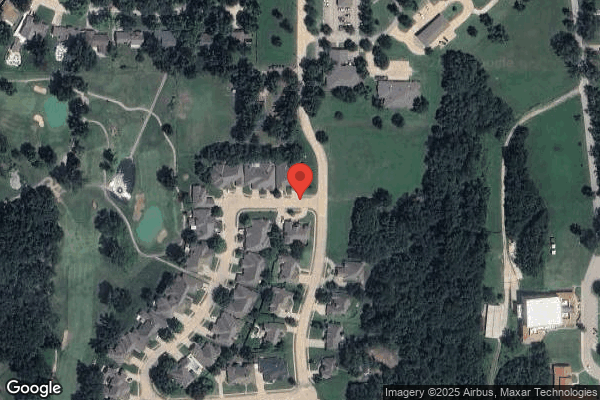
Bradbury Commons

1601 ACADEMY ROAD, PONCA CITY, OK 74604 (580) 370-7132
Non profit - Corporation 68 Beds VIA CHRISTI VILLAGES Data: November 2025 1 Immediate Jeopardy citation
Trust Grade
71/100
#5 of 282 in OK
Last Inspection: July 2024

Within standard 12-15 month inspection cycle. Federal law requires annual inspections.

Overview

Bradbury Commons in Ponca City, Oklahoma, has a Trust Grade of B, indicating it is a good choice for families looking for care. It ranks #5 out of 282 facilities in Oklahoma, placing it in the top half of the state and #1 out of 4 in Kay County, meaning it is the best option locally. The facility is improving, having reduced the number of issues from five in 2023 to none in 2024. Staffing is average, with a 3/5 star rating and a turnover rate of 50%, which is better than the state average. However, the facility has faced some serious concerns, including a critical incident where a resident did not receive necessary medications to manage a subdural hematoma, potentially worsening their condition, and failures to provide timely assistance with daily activities for some residents. On a positive note, the facility has good RN coverage, exceeding that of 85% of state facilities, which is crucial for catching potential problems early.

Trust Score
B
71/100
In Oklahoma
#5/282
Top 1%
Safety Record
High Risk
Review needed
Inspections
Getting Better
5 → 0 violations
Staff Stability
⚠ Watch
50% turnover. Above average. Higher turnover means staff may not know residents' routines.
Penalties
⚠ Watch
$14,518 in fines. Higher than 81% of Oklahoma facilities, suggesting repeated compliance issues.
Skilled Nurses
⚠ Watch
Each resident gets only 27 minutes of Registered Nurse (RN) attention daily — below average for Oklahoma. Fewer RN minutes means fewer trained eyes watching for problems.
Violations
⚠ Watch
12 deficiencies on record. Higher than average. Multiple issues found across inspections.
★★★★★
5.0
Overall Rating
★★★☆☆
3.0
Staff Levels
★★★☆☆
3.0
Care Quality
★★★★★
5.0
Inspection Score
Stable
2023: 5 issues
2024: 0 issues

The Good

  • Full Sprinkler Coverage · Fire safety systems throughout facility
  • No fines on record

Facility shows strength in fire safety.

The Bad

Staff Turnover: 50%

Near Oklahoma avg (46%)

Higher turnover may affect care consistency

Federal Fines: $14,518

Below median ($33,413)

Minor penalties assessed

Chain: VIA CHRISTI VILLAGES

Part of a multi-facility chain

Ask about local staffing decisions and management

The Ugly 12 deficiencies on record

1 life-threatening 1 actual harm
Mar 2023 3 deficiencies 1 IJ
CRITICAL (J) 📢 Someone Reported This

A family member, employee, or ombudsman was alarmed enough to file a formal complaint

Immediate Jeopardy (IJ) - the most serious Medicare violation

Deficiency F0760 (Tag F0760)

Someone could have died · This affected 1 resident

**NOTE- TERMS IN BRACKETS HAVE BEEN EDITED TO PROTECT CONFIDENTIALITY** A past noncompliance Immediate Jeopardy (IJ) situation was determined to exist effective 02/21/23 related to the facility's fail...

Read full inspector narrative →
**NOTE- TERMS IN BRACKETS HAVE BEEN EDITED TO PROTECT CONFIDENTIALITY** A past noncompliance Immediate Jeopardy (IJ) situation was determined to exist effective 02/21/23 related to the facility's failure to ensure a resident was administered medication as ordered in the discharge instructions. The facility failed to ensure Plavix and Aspirin were not continued upon admission when the Resident had a diagnosis of traumatic subdural hematoma. (A serious condition where blood collects between the skull and the surface of the brain.) Resident #1's CT scan of the head, dated 03/04/23 documented the resident's subdural hematoma had increased in size and had an increased right to left midline shift which measured 1.4 cm. (A displacement of brain tissue across the center line of the brain.) On 03/21/23,the Oklahoma State Department of Health verified the existence of the past noncompliance IJ related to the facility's failure to ensure medications were administered as ordered to prevent worsening of a subdural hematoma. The past noncompliance IJ was removed effective 03/07/23 after the facility put measures in place to prevent recurrence. On 03/07/23 a QAPI meeting was conducted, leadership was educated by the Director of Clinical Operations on the policies and procedures for completion of medication reconciliation upon admission, physician order entry and transcription, admission review, and event investigation including timely reporting. Staff were inserviced about the policy and procedures for admissions, medication reconciliation, adverse effects and medication errors, and event reporting on 03/07/23 or prior to their next scheduled shift. The facility performed medication reconciliation for current residents who were admitted in the last 30 days. The IDT reviewed new admission daily during the clinical meeting. The facility put the following action plan in place to prevent recurrence: Action plan Going Forward .Residents newly admitted to the community will have a medication reconciliation opened and will be reviewed by the Interdisciplinary Team during daily clinical huddle and will audit all new admissions within 24 hours of admission to assure DC orders coincide with our MAR. The Interdisciplinary Team will always review all new admissions .on a weekly basis .If a resident comes over from Assisted Living or Memory Care all orders are to be discontinued and re-entered per DC orders from hospital stay. Any discrepancies found upon admission will require clarification from the doctor that provided care or primary care provider . On 03/21/23 CMAs and Nursing staff were interviewed and verified they had received the in-service relating to medication error. Nurses verified they knew how to perform medication reconciliation with new admissions and readmissions and what the process was if they found a discrepancy. The audits for medication reconciliation were reviewed. Based on record review and interview, the facility failed to ensure discharge instructions for medication administration was followed for one (#1) of three sampled residents who were admitted or readmitted to the facility in the past 6 months. The Resident Census and Conditions of Residents report, dated 03/17/23 documented 54 residents resided in the facility. Findings: A facility policy titled Reconciliation of Medication of Admission, dated 12/2017, read in parts, .The purpose of this procedure is to ensure medication safety by accurately accounting for the resident's medications .upon admission or readmission to the community .Gather the information needed to reconcile the medication list .Approved medication reconciliation form .Discharge summary from referring community .admission order sheet .All prescription medication and supplement information obtained from the resident/family during the medication history .Most recent medication administration record .if this is a readmission .Medication reconciliation helps to ensure that all medications .on the list are appropriate for the resident and his/her condition .Review the list carefully to determine if there are discrepancies/conflicts .If there is a discrepancy .Contact the resident's primary physician in the community .Document findings and actions .Contact the attending physician to verify the orders . Resident #1 was admitted to the facility on [DATE] from the hospital with diagnoses which included dehydration and subdural hematoma. A hospital Discharge summary, dated [DATE] read in parts, .Hospitalization Diagnoses .DATES OF HOSPITALIZATION 02/16/23 discharge date [DATE] .Admit DX/Problem List .Dehydration .Subdural hematoma .Discharge Medication List .Continue taking these medications: Benzonatate Cap .100 MG .BY MOUTH TWICE DAILY AS NEEDED .for COUGH . Loratadine .10 MG TAB BY MOUTH DAILY . levETIRAcetam .Tab 250 MG .TWICE DAILY . Acetaminophen Tab .325 MG .TWICE DAILY . Midodrine 10 MG .DAILY . Acetaminophen .325 MG .1-2 TABLET .EVERY 4 HOURS AS NEEDED for temp GREATER THAN 100.4 . Omeprazole .20 MG .DAILY . LEVOTHYROXINE SODIUM .100MCG DAILY Guaifenesin-Codeine Liquid .5 MILLILITER .EVERY 4 HOURS AS NEEDED . for COUGH . Magnesium Hydroxide Liquid 400 MG/5ML .DAILY AS NEEDED for CONSTIPATION Physician's orders, dated 02/21/23, documented the following medications were in Resident #1's electronic record for administration and not documented to be continued on the hospital discharge orders: Plavix 75 mg daily for TIA prevention with an original order date of 12/30/19 and Aspirin 81 mg delayed release tablet for platelet aggregation with an original order date of 02/18/21. Plavix is a drug that inhibits the ability of platelets to clump together. Plavix prevents blood clots. Plavix could make the blood thinner and increase the risk of brain hemorrhage. A MAR, dated 02/21/23 through 02/28/23, documented the Plavix 75 mg and Aspirin 81 mg were administered without a physician's order on 02/22/23, 02/23/23, 02/25/23, 02/26/23, and 02/28/23. A MAR, dated 03/01/23 through 03/31/23, documented Plavix 75 mg and Aspiring 81 mg were administered without a physician's order on 03/01/23 03/03/23, and 03/04/23. A nurse's progress note, dated 02/26/23, read in parts, .Patient continues on SNF for trauma subdural hemorrhage. She is alert and oriented x2. Patient is able to voice needs .She is mobile via wheelchair. Patient requires moderate assistance with ADL's . A nurse's note, dated 02/28/23, read in parts, .Resident has been weak and having difficulty working with therapies and difficult to stand for transfers. Resident is confused x3 for the past 2 days. Called [primary care physician] and received order for UA obtained via straight cath and send to C&S if indicated Urine is dark and amber and with a lot of sediment .Resident had to have someone feed her . A nurse's note, dated 03/03/23, read in parts, .[primary care physician] in facility to see resident. Gave this nurse new orders .discontinue ASA and Plavix due to recent brain bleed. MAR updated .LPN notified of new orders. Aspirin and Plavix removed from cart . Resident #1 received the Plavix and Aspirin eight times after admission without a physician's order. A physician's order, dated 03/03/23, documented to discontinue the Plavix and Aspirin. A physician's progress note, dated 03/03/23, read in parts, .chart and medications have been reviewed .recently in the hospital after a fall with hitting her head and brain bleed .Current Medications Milk of Magnesia .Tylenol .Levsin .Midodrine .Omeprazole .Levothyroxine .Keppra Claritan .Medical History .atrial fibrillation hypertension .She is lethargic Plan .D/C Plavix and Aspirin .Changed/Discontinued Medication(s) .Discontinued By Other MD: ASPIRIN 81 MG TABLET .Discontinued By Other MD: PLAVIX 75 MG TABLET . A nurse's note, dated 03/04/23 at 12:48 p.m., read in parts, .Resident had a decline in health since this AM. Aides came to nurse reporting that resident was not responding to commands. This nurse walked in and tried verbal and minimal painful stimuli. Resident opened eyes briefly and then rolled them back. This nurse attempted to call [primary care physician] for orders to send out with no return phone call. This nurse called [medical director] and he gave approval to send out only if I had attempted [primary care physician] .This nurse called [ambulance service] to send out to ER . An ED Physician Documentation Note, dated 03/04/23, read in parts, .presents to ED via [ambulance service]-Ground with complaints of S/S of Possible Stroke .The symptoms/episode began/occurred last month. Associated signs and symptoms .This patient did not experience any loss of consciousness .The patient has experienced a previous episode, last month .seen here last month, dx with brain bleed. [Physician] has already called telling me the bleed is worse and there is 1.4 cm midline shift .Symptoms have worsened .Diagnosis Traumatic subarachnoid hemorrhage .Nontraumatic subarachnoid hemorrhage, unspecified .Hospice set up by nursing home/nurse . A nurse's progress note, dated 03/13/23 at 3:15 p.m., read in parts, . The DPOA was notified of resident was on Plavix and aspirin for 8 days, but was discontinued from hospital . On 03/17/23 at 12:28 p.m., the DON stated Resident #1 was admitted to the facility after having a fall in the facility's assisted living center which resulted in a subdural hematoma. The DON stated Resident #1 was not supposed to have continued their Aspirin and Plavix when they were admitted to the skilled nursing facility on [DATE]. The DON stated they identified the medication error 10 days later. The DON stated on 03/03/23 the resident's primary care physician saw the resident and discontinued the Aspirin and Plavix. They stated the resident was sent to the hospital on [DATE]. The DON stated they had a QAPI meeting on 03/07/23 and put measures in place to prevent the recurrence. They stated Resident #1 was now on hospice. They stated the medical director had seen the resident on 02/23/23 and knew the resident was on Plavix and Aspirin. The DON was asked if the medical director had been notified on 02/23/23 the Aspirin and Plavix were discontinued at the hospital. They stated they would have to ask the medical director. On 03/17/23 at 3:11 p.m., LPN #3 stated Resident #1 arrived at facility and their orders were in the computer before they had arrived to work on 02/21/23. The LPN was asked if they had reconciled the medications for Resident #1 when they were admitted to the facility. They stated they clicked the No Discrepancy button but did not reconcile the medications. They stated they did not know how to do it until they had the inservice. The LPN was asked if they reviewed the medications ordered in the computer with the discharge medication list. They stated, No. On 03/17/23 at 3:56 p.m., the DON stated the order for the Aspirin and Plavix were in the computer system because Resident #1 lived in the assisted living prior to going to the hospital. The DON was asked if Resident #1's primary care physician had been notified of the discrepancy in the hospital discharge orders. They stated, Not to my knowledge. The DON stated they should have reviewed the medications in computer against the discharge orders and notified Resident #1's primary care physician. On 03/17/23 at 4:29 p.m., the medical director was asked if they were aware the hospital had discontinued Resident #1's Aspirin and Plavix prior to admission to the facility. They stated they could not recall. The medical director stated Resident #1 was not their patient and Resident #1's primary care physician was adamant they would handle their patients. The medical director was asked if they would have continued Aspirin and Plavix if a patient had a subdural hematoma. They stated it would be a case by case basis and they would have to consider the risks and benefits. They stated they would probably hold off until the subdural hematoma had healed a bit. On 03/21/23 at 10:55 a.m., the MDS coordinator stated they had received a fax from the hospital with Resident #1's discharge orders. They stated they put them in the computer. The MDS coordinator was asked if they had put in the Aspirin or Plavix. They stated no, the medications were in the computer because the resident had lived in the assisted living prior to going to the hospital. They stated they thought they had marked discontinue in the computer for the Aspirin and Plavix. The MDS coordinator stated the charge nurse who admitted the resident was responsible for reviewing the discharge paper work and the physician's orders. The MDS coordinator stated on 03/03/23, Resident #1's primary care physician had asked them if the resident was on Aspirin and Plavix and asked them to discontinue the medications.
CONCERN (D) 📢 Someone Reported This

A family member, employee, or ombudsman was alarmed enough to file a formal complaint

Potential for Harm - no one hurt, but risky conditions existed

Comprehensive Care Plan (Tag F0656)

Could have caused harm · This affected 1 resident

Based on record review, observation, and interview, the facility failed to ensure the care plan was implemented for toileting and tranfers assistance for one (#3) of three sampled residents who were r...

Read full inspector narrative →
Based on record review, observation, and interview, the facility failed to ensure the care plan was implemented for toileting and tranfers assistance for one (#3) of three sampled residents who were reviewed for ADL care. The Resident Census and Conditions of Residents report, dated 03/17/23, documented 46 residents required toileting assistance. Findings: Resident #3 had diagnoses which included cerebral infarction. An admission assessment, dated 03/08/23, documented the resident's cognition was intact, and required extensive assistance of one person for toileting and transfers. An ADL care plan, dated 03/03/23, read in parts, .[Resident #3] needs assistance with daily ADL care .will have daily care needs met through next review period .TRANSFER: I need extensive assistance with 1 person staff support .TOILETING: I need extensive assistance with 1 person staff support . On 03/18/23 at 7:52 a.m., LPN #1 was administering medications to Resident #3. Resident #3 reported to the LPN they were told to use the call light when they needed to get up and nobody answered their bathroom call light when they were finished. On 03/18/23 at 7:57 a.m., Resident #3 was observed in their bed. They stated the staff assisted them to the bathroom and failed to answer the bathroom call light when they were finished. They stated they had to walk back without assistance. On 03/18/23 at 7:59 a.m., CNA #1 entered the resident's room and stated they were going to turn the bathroom call light off. On 03/18/23 at 9:34 a.m., CNA #1 stated they did not assist Resident #3 back to bed from the bathroom and did not know who had assisted Resident #3. On 03/18/23 at 11:16 a.m., the DON stated according to the care plan Resident #3 required assistance of one staff with transferring and toileting.
CONCERN (E) 📢 Someone Reported This

A family member, employee, or ombudsman was alarmed enough to file a formal complaint

Potential for Harm - no one hurt, but risky conditions existed

ADL Care (Tag F0677)

Could have caused harm · This affected multiple residents

Based on record review, observation, and interview, the facility failed to ensure ADL care was provided in a timely manner for two (#1 and #3) of three sampled residents reviewed for ADL care. The Res...

Read full inspector narrative →
Based on record review, observation, and interview, the facility failed to ensure ADL care was provided in a timely manner for two (#1 and #3) of three sampled residents reviewed for ADL care. The Resident Census and Conditions of Residents report, dated 03/17/23, documented 46 residents required assistance with toileting and 47 residents required assistance with eating. Findings: 1. Resident #1 had diagnoses which included traumatic subdural hematoma and sarcopenia. An admission assessment, dated 02/26/23 documented the resident's cognition was moderately impaired, required limited to physical assistance of one person with eating. A nutrition care plan, dated 02/24/23, documented the resident needed limited to extensive assistance with meals. On 03/18/23 at 8:35 a.m., the breakfast cart was observed on the hall. On 03/18/23 at 9:23 a.m., CNA #2 was observed taking Resident #1's breakfast tray to the room. CNA #2 stated they were going to assist Resident #1 with eating. The breakfast trays had been on the hall 48 minutes before Resident #1 was served and assisted with breakfast. On 03/18/23 at 9:34 a.m., CNA #1 was asked what time breakfast was served. They stated the dining room served breakfast at 7:30 a.m., and the hall trays were served after the dining room was served. CNA #1 was asked why Resident #1 was fed 48 minutes after the trays were sent to the hall. They stated they were busy answering call lights, passing trays, and Resident #1 needed to be fed. On 03/18/23 at 11:16 a.m., the DON stated they expected the staff to deliver the meal trays within 10-15 minutes of the trays arriving to the floor. The DON stated Resident #1 would have been served last because they needed to be fed. 2. Resident #3 had diagnoses which included cerebral infarction. An admission assessment, dated 03/08/23, documented the resident's cognition was intact, and required extensive assistance of one person for toileting and transfers. An ADL care plan, dated 03/03/23, read in parts, .[Resident #3] needs assistance with daily ADL care .will have daily care needs met through next review period .TRANSFER: I need extensive assistance with 1 person staff support .TOILETING: I need extensive assistance with 1 person staff support . On 03/18/23 at 7:52 a.m., LPN #1 was administering medications to Resident #3. Resident #3 reported to the LPN they were told to use the call light when they needed to get up and nobody answered their bathroom call light when they were finished. On 03/18/23 at 7:57 a.m., Resident #3 was observed in their bed. They stated the staff assisted them to the bathroom and failed to answer the bathroom call light when they were finished. They stated they had to walk back without assistance. On 03/18/23 at 7:59 a.m., CNA #1 entered the resident's room and stated they were going to turn the bathroom call light off. On 03/18/23 at 9:34 a.m., CNA #1 stated they did not assist Resident #3 back to bed from the bathroom and did not know who had assisted Resident #3.
Mar 2023 2 deficiencies
CONCERN (D) 📢 Someone Reported This

A family member, employee, or ombudsman was alarmed enough to file a formal complaint

Potential for Harm - no one hurt, but risky conditions existed

Pharmacy Services (Tag F0755)

Could have caused harm · This affected 1 resident

Based on record review and interview the facility failed to ensure medications were administered according to physician's orders for three (#2, #3, and #4) of three sampled residents whose medication ...

Read full inspector narrative →
Based on record review and interview the facility failed to ensure medications were administered according to physician's orders for three (#2, #3, and #4) of three sampled residents whose medication profiles were reviewed. The Resident Census and Conditions of Residents report, submitted 03/02/23, documented 56 residents resided in the facility. Findings: An Administering Medications policy, last revised 12/2021, read in part, .Medications shall be administered in accordance with the orders . The Resident Council meeting minutes, dated 01/10/23, read in part, .Nursing Concerns .Medicine not passed 1-10-23 during the morning . A Past Non-Compliance Plan of Correction, dated 01/10/23, documented a Plan of Correction related to medication administration was completed on 01/10/23. An In-Service Training, dated 01/10/23, documented 24 staff received education on administering medications. The Quality Assurance Performance Improvement AdHoc Meeting Minutes, dated 01/10/23, documented medication administration policies, education related to administering medications, and findings/regulatory concerns related to administering medications were reviewed and facility compliance date was 01/10/23. (1) Res #2 had diagnoses that included GERD, HTN, and IBS. Res #2's Medication Record for 01/2023 documented that on 01/09/23 at 8:00 a.m., Metoclopramide 10mg for GERD, Preservision AREDS 2 1cap for dietary supplement, Glucosamine 1000mg for dietary supplement, Cetirizine 10mg for allergies, Pantoprazole 40mg for GERD, Calcium + D3 600mg/800 IU for dietary supplement, Amlodipine 5mg for HTN, Irbesartan 150mg for HTN, Miralax 17g for IBS, and Senekot 8.6mg for laxative were not administered to the resident as ordered. On 03/01/23 at 4:21 p.m., Res #2 was observed in their room in bed with family member present at bedside. Res #2's family member was asked if they experienced any problems with Res #2 getting their medications as ordered. They stated they were notified a few weeks ago that [Res #2] did not get medications at all. They were asked if Res #2 experienced any harmful effects from this incident. Res #2's family member stated, Not that I seen. I just hope it wasn't [Res #2's] pain medicine. (2) Res #4 had diagnoses that included Parkinson's disease, CHF, and COPD. Res #4's Medication Record for 01/2023 documented that on 01/09/23 at 8:00 a.m., Rytary 48.75mg-195mg ER for Parkinson's disease was not administered to the resident as ordered. Documentation in Res #4's progress notes, written 01/10/23, stated resident's representative and MD were informed Res #4 did not receive their prescribed medications the morning of 01/09/23. (3) Res #3 had diagnoses that included vascular dementia, anxiety disorder, and HTN. Res #3's Medication Record for 01/2023 documented that on 01/09/23 at 8:00 a.m., Donepezil 10mg for vascular dementia, Loratadine 10mg for allergies, Multivitamin 1 tab for dietary supplement, Lasix 20mg for edema, Docusate Sodium 50mg for constipation, and Losartan 100mg-hydrochlorothiazide 12.5mg for HTN were not administered to the resident as ordered. Documentation in Res #3's progress notes, written 01/10/23, stated resident's representative and MD were informed Res #3 did not receive their prescribed medications the morning of 01/09/23. On 03/02/23 at 3:05 p.m., the DON was asked to review the EHR and verify if medications were administered to Res #2, Res #3, and Res #4 on 01/09/23 at 8:00 a.m. as ordered. The DON confirmed, according to documentation on the MAR, no medications were given for these residents at that time. The DON was asked if the medications should have been administered. They stated yes.
CONCERN (E) 📢 Someone Reported This

A family member, employee, or ombudsman was alarmed enough to file a formal complaint

Potential for Harm - no one hurt, but risky conditions existed

Deficiency F0725 (Tag F0725)

Could have caused harm · This affected multiple residents

Based on record review and interview, the facility failed to: (a) ensure there was sufficient nursing staff to meet the residents' needs for three (#2, #3, and #4) of three sampled residents reviewed ...

Read full inspector narrative →
Based on record review and interview, the facility failed to: (a) ensure there was sufficient nursing staff to meet the residents' needs for three (#2, #3, and #4) of three sampled residents reviewed for care needs being met, and (b) have a licensed nurse to serve as a charge nurse for six (10 p.m. - 6 a.m. on 01/01/23, 01/17/23, 01/21/23, 02/22/23 and 02/24/23 and 2 p.m. - 10 p.m. on 02/28/23) of 177 shifts reviewed for sufficient staffing during the months of January and February 2023. The Resident Census and Conditions of Residents report, submitted 03/02/23, documented 56 residents resided in the facility. A minimum of 40 residents required the assistance of one or two staff for bathing, dressing, transferring, toileting, and eating. Findings: The Daily Staffing Sheets, dated 01/01/23 and 01/17/23, documented LPN #1 was the licensed nurse on the 10 p.m. - 6 a.m. shift. The Daily Staffing Sheets, dated 01/21/23 and 02/24/23, documented LPN #2 was the licensed nurse on the 10 p.m. - 6 a.m. shift. The Daily Staffing Sheets, dated 02/22/23, documented LPN #3 was the licensed nurse on the 10 p.m. - 6 a.m. shift. The Daily Staffing Sheet, dated 02/28/23, documented LPN #4 was the licensed nurse on the 2 p.m. - 10 p.m. shift. PBJ reports for staff and agency personnel, received from the Dir of Business Operations, for 01/01/23 through 02/28/23, had no hours documented for LPN #1 on 01/01/23 nor 01/17/23, no hours documented for LPN #2 on 01/21/23 nor 02/24/23, no hours documented for LPN #3 on 02/22/23, and no hours documented for LPN #4 on 02/28/23. The Resident Council Meeting minutes, dated 02/13/23, read in part, .Nursing Concerns .Staffing issues having people called in on a day off. Nursing staff is aware we are short staffed . (a) (1) Res #2 had diagnoses that included lumbar intervertebral disc degeneration and chronic pain syndrome. On 03/01/23 at 4:21 p.m., Res #2 was observed in their room in bed with family member present at bedside. When asked how their care needs were being met, Res #2 stated, They don't respond fast enough. It takes a long time to get pain medicine sometimes. On 03/01/23 at 4:22 p.m., Res #2's family member was asked about the facility staffing and stated, It seems like they only have two people on the whole floor and they need more. When we come back to the room from dinner no one can come and help get [Res #2] into bed until they clean up the entire dining room. [Res #2] has to sit here in pain and it takes a really long time to get help. The Medication Record for 02/2023 for Res #2 read in parts, .01/09/2023 .[8:00 a.m.] .Med Not Administered .No one was here to pass meds this morning . (2) Res #3 had diagnoses that included vascular dementia, anxiety disorder, and HTN. On 03/03/23 at 1:11 p.m., Res #3 was observed up in recliner in their room listening to music. The Medication Record for 02/2023 for Res #3 read in parts, .01/09/2023 .[8:00 a.m.] .Med Not Administered .No one was here to pass meds this morning . (3) Res #4 had diagnoses that included Parkinson's disease, CHF, and COPD. On 03/03/23 at 12:02 p.m., Res #4 was observed sitting in the common area. Res #4 was asked if they had any problems with staffing. They stated sometimes you have to wait to be put to bed, but the staff works hard to take care of us. There's usually only one or two of them so we could always use more. The Medication Record for 02/2023 for Res #4 read in parts, .01/09/2023 .[8:00 a.m.] .Med Not Administered .No one was here to pass meds this morning . On 03/02/23 at 3:05 p.m., the DON was asked about documentation that residents did not receive medications on 01/09/23 due to a lack of staffing. The DON stated the charge nurse had pulled the CMA off of the medication cart to work the floor because they were short staffed. (b) On 03/02/23 at 12:45 p.m., the Administrator was asked to review Daily Staffing Sheets for the 10 p.m. - 6 a.m. shift on 01/01/23, 01/17/23, 01/21/23, 02/22/23, and 02/24/23 and for the 2 p.m. - 10 p.m. shift on 02/28/23. The administrator was asked if there had been LPN or RN coverage on these shifts. They pointed out there were nurses names listed on the Daily Staffing Sheets for the shifts in question, and stated, You will have to ask the Dir of Business Operations about the accuracy of those hours. On 03/02/23 at 3:05 p.m., the DON was asked what happens if there is no licensed nurse to serve as charge nurse on a particular shift. They stated there is always an LPN or RN on each shift. The DON was asked to review Daily Staffing Sheets for the shifts that had no LPN or RN coverage. They stated, There must be a mistake. Give me the dates and I will look into it. On 03/03/23 at 9:40 a.m., the Dir of Business Operations was asked what the numbers and the blank spaces beside an employee's name meant on the PBJ report. They stated the numbers indicated the amount of hours an employee worked on a particular day. The Dir of Business Operations was asked about the accuracy of the PBJ report. They stated, I don't know. On 03/03/23 at 12:15 p.m., no documentation had been provided verifying a licensed nurse served as the charge nurse on each shift for the dates in question.
Jul 2019 7 deficiencies 1 Harm
SERIOUS (G)

Actual Harm - a resident was hurt due to facility failures

Respiratory Care (Tag F0695)

A resident was harmed · This affected 1 resident

**NOTE- TERMS IN BRACKETS HAVE BEEN EDITED TO PROTECT CONFIDENTIALITY** Based on observation, record review and interviews, it was determined the facility failed to provide necessary respiratory care ...

Read full inspector narrative →
**NOTE- TERMS IN BRACKETS HAVE BEEN EDITED TO PROTECT CONFIDENTIALITY** Based on observation, record review and interviews, it was determined the facility failed to provide necessary respiratory care to one (#56) of one sampled resident reviewed for respiratory services. From 06/19/19 through 07/09/19, it was documented resident #56 had complaints of shortness of breath, a productive cough and adventitious lungs sounds. There was no documentation to indicate the resident was administered respiratory treatments or seen by a physician. The resident required in-patient critical care treatment for pneumonia, severe sepsis, pleural effusion and acute respiratory distress. The facility identified 16 residents who received respiratory treatments. Findings: Resident #56 was admitted to the facility on [DATE] with diagnoses which included bronchiectasis, pseudomonas, pneumonia and dysphagia. A physician's order, dated 06/19/19, documented the resident was to be administered albuterol sulfate via a nebulizer three times a day as needed for pneumonia and albuterol sulfate aerosol inhaler every two hours as needed for shortness of breath or wheezing. A care plan, dated 06/20/19, documented the resident was at risk for shortness of breath and respiratory complications due to bronchiectasis, pseudomonas colonization and pneumonia. Staff was to administer medications and treatments per the physician's orders and monitor for a response. Oxygen was to be administered and oxygen saturation levels were to be monitored. The resident was to be monitored for complications such as dyspnea, shortness of air, cyanosis and tachypnea. The staff was also to assess lung sounds as needed, monitor for signs and symptoms of infection, and report any concerns to the physician. A nurse's note, dated 06/21/19 at 5:31 p.m., documented the resident's lung sounds had rales and rhonchi in all fields upon auscultation. The resident complained of shortness of breath with exertion, required continuous oxygen at two liters per minute and had a non-productive cough. It was also documented the resident did not require use of nebulizer treatments. A nurse's note, dated 06/24/19 at 6:48 p.m., documented the resident had intermittent confusion and a non-productive cough. The resident required continuous oxygen at two to three liters per minute to keep her oxygen saturation in the 90's. The resident had rhonchi in the bases of both lungs upon auscultation which would not clear with cough. It was also documented the resident reported continuing dyspnea on exertion. An admission assessment, dated 06/26/19, documented the resident was independent in cognitive skills for daily decision making and required extensive assistance with activities of daily living. The resident was at risk for coughing or choking during meals or with swallowing medication and required the use of oxygen. A nurse's note, dated 06/26/19 at 9:19 p.m., documented the resident presented with wheezing in the lungs upon auscultation, confusion and complaints of shortness of breath with exertion. It was also documented the resident did not require use of nebulizer treatments but had orders for as needed (PRN) treatments if needed. A nurse's note, dated 06/27/19 at 4:22 p.m., documented the resident complained of shortness of breath while lying flat and with exertion. She required continuous oxygen at two to three liters per minute at all times. The resident had crackles upon auscultation of the lungs and a productive cough. A nurse's note, dated 06/28/19 at 7:03 p.m., documented the resident complained of shortness of breath lying flat, with exertion and at rest. She required continuous oxygen at two to three liters per minute at all times. The resident had crackles upon auscultation of the lungs and a productive cough. A nurse's note, dated 07/01/19 at 7:07 p.m., documented the resident was confused and complained of shortness of breath lying flat, with exertion and at rest. She required continuous oxygen at two to three liters per minute at all times and a productive cough. It was also documented the resident did not require use of nebulizer treatments but had orders for PRN treatments if needed. A nurse's note, dated 07/02/19 at 6:47 p.m., documented the resident was confused and complained of shortness of breath lying flat, with exertion and at rest. She required continuous oxygen at two to three liters per minute at all times and had a productive cough. It was also documented the resident did not require use of nebulizer treatments but had orders for PRN treatments if needed. A nurse's note, dated 07/04/19 at 7:01 p.m., documented the resident complained of shortness of breath while lying flat and with exertion. She required continuous oxygen at two liters per minute. A nurse's note, dated 07/07/19 at 6:05 p.m., documented the resident was confused and complained of shortness of breath lying flat, with exertion and at rest. She required continuous oxygen at two to three liters per minute and a productive cough. It was also documented the resident did not require use of nebulizer treatments but had orders for PRN treatments if needed. A nurse's note, dated 07/08/19 at 5:40 p.m., documented the resident had rales upon auscultation of the lungs, an intermittent productive cough and required continuous oxygen. There was no documentation in the resident's clinical record to indicate the resident was administered a nebulizer treatment or aerosol inhaler from 06/19/19 through 07/09/19. A nurse's note, dated 07/09/19 at 2:55 p.m., documented the nurse was notified by the occupational therapist the resident was not acting right and was sick. The nurse documented the resident was drooling from the nose and mouth with clammy skin. Coarse wheezes and rales were auscultated throughout the lungs. The resident's heart rate was documented at 143-145 beats per minute and respirations were 32 breaths per minute. Her oxygen was continuous at three liters per minute. Emergency services were notified. A nurse's note, dated 07/09/19 at 3:25 p.m., documented the resident was transported to the hospital by ambulance. An emergency physician documentation record, dated 07/09/19, documented the resident arrived at the hospital at 3:27 p.m. Upon examination, the physician documented the resident was in severe respiratory distress. Respirations were shallow, labored and tachypneic. Severe and scattered rales, rhonchi and wheezing of the lungs were documented. The resident's vital signs at 3:44 p.m. were documented as blood pressure 93/66, pulse 128, respirations 30, temperature 100 degrees and oxygen saturation level of 91 at three liters. The record further documented the resident was admitted at 6:00 p.m. for treatment of pneumonia, severe sepsis, pleural effusion and acute respiratory distress. On 07/11/19 at 11:55 a.m., licensed practical nurse (LPN) #4 was asked who was responsible for assessing a resident who required respiratory services. She stated any licensed nurse. She was asked what interventions would be put in place for a resident with abnormal lung sounds or complaints of shortness of breath. She stated the lung sounds should be documented and breathing treatments administered. Position changes, deep breathing and pursed lip breathing could also be implemented. The LPN was asked who she would notify if a resident had a change in their respiratory condition. She stated the physician and family would be notified. At 12:20 p.m., LPN #2 was asked who was responsible for assessing a resident who required respiratory services. She stated the licensed nurses. She was asked what interventions would be put in place for a resident with abnormal lung sounds or complaints of shortness of breath. She stated the orders should be checked. She had been trained on respiratory medications, including nebulizer treatments and inhalers. The LPN stated the resident should also be assessed by listening to the lungs and checking the oxygen saturation level and pulse. The physician should then be contacted if there were no changes. At 12:25 p.m., the director of nursing (DON) was asked the training provided to staff regarding respiratory services. She stated a respiratory skills lab was provided to staff upon hire and annually. The training included the assessment of lung sounds using a high tech manikin with setting changes for the identification of abnormal lung sounds. The DON was asked who was responsible for assessing a resident who required respiratory services. She stated the licensed nurses. She was asked what interventions would be put in place for a resident with abnormal lung sounds or complaints of shortness of breath. She stated breathing treatments should be administered and the resident should be assessed and monitored. The DON stated the physician should be notified if there was no improvement with the resident. The DON was asked to review the clinical record of resident #56. She was asked if the necessary respiratory care was provided to the resident to treat the symptoms documented by the licensed nurses. She stated no, she understood.
CONCERN (D)

Potential for Harm - no one hurt, but risky conditions existed

Transfer Requirements (Tag F0622)

Could have caused harm · This affected 1 resident

Based on record review and interview, it was determined the facility failed to ensure a discharge summary was completed upon transfer to the hospital for one (#57) of three sampled residents who were ...

Read full inspector narrative →
Based on record review and interview, it was determined the facility failed to ensure a discharge summary was completed upon transfer to the hospital for one (#57) of three sampled residents who were reviewed for discharge. This had the potential to affect all 54 residents who resided in the facility. Findings: Resident #57 had diagnoses which included pneumonia. A nurse's note, dated 05/11/19, documented the resident was sent to the hospital related to abnormal lab results. A nurse's note, dated 05/11/19, documented the resident was discharged from the facility. A discharge summary was not located in the clinical record. On 07/11/19 at 1:48 p.m., the director of nursing was asked who was responsible for completing the discharge summary. She stated the charge nurse was supposed to complete the discharge summary at the time of the discharge. She was asked if a discharge summary had been completed when the resident was discharged on 05/11/19. She stated, No, we did not do one.
CONCERN (D)

Potential for Harm - no one hurt, but risky conditions existed

Deficiency F0661 (Tag F0661)

Could have caused harm · This affected 1 resident

Based on interview and record review, it was determined the facility failed to complete a discharge summary for one (#58) of three sampled residents who were reviewed for discharge. This had the poten...

Read full inspector narrative →
Based on interview and record review, it was determined the facility failed to complete a discharge summary for one (#58) of three sampled residents who were reviewed for discharge. This had the potential to affect all 54 residents who resided in the facility. Findings: Resident #58 had diagnoses which included diabetic dementia, coronary artery disease and pulmonary fibrosis. A nurse's note, dated 06/13/19, documented the resident was to be discharged to home. The clinical record contained an undated and incomplete discharge summary for the resident. On 07/11/19 at 11:30 a.m., the director of nursing (DON) was asked if the discharge summary was to be completed in full upon a resident's discharge from the facility. She stated, Yes. The DON was asked to review the discharge summary for resident #58. She was asked if the discharge summary had been completed for the resident. She stated, Some of it is there. She was asked if the form was complete. She stated, It's not totally filled out. She was asked if it should have been. She stated, Yes.
CONCERN (D)

Potential for Harm - no one hurt, but risky conditions existed

Infection Control (Tag F0880)

Could have caused harm · This affected 1 resident

Based on observation and interview, it was determined the facility failed to ensure contact isolation precautions were followed for one (#257) of two sampled residents on isolation precautions. This ...

Read full inspector narrative →
Based on observation and interview, it was determined the facility failed to ensure contact isolation precautions were followed for one (#257) of two sampled residents on isolation precautions. This had the potential to affect all 54 residents who resided in the facility. Findings: Resident #257 had diagnoses which included entercolts Clostrid. A nurse's note, dated 06/25/19, documented, the resident was on isolation precautions due to Clostridium difficile colitis (C-diff) On 07/08/19 at 3:35 p.m., the door outside of the resident's room was observed to have personal protective equipment (PPE) for the contact isolation in a container. A sign on the container gave instructions regarding hand hygiene, gowning and gloving before entering and upon leaving the resident's room. At 3:57 p.m., no red biohazard bags were observed inside the room to dispose of contaminated gowns and gloves. At 3:59 p.m., certified nursing assistant (CNA) #1 was asked why the resident was on contact isolation precautions. She stated, He has C-Diff. She was asked if there should have been biohazard bags to dispose of gowns and gloves upon exiting the room. She stated, Yes. She was asked why there had not been any in the room. The CNA stated the previous shift must have removed one and not replaced it. On 07/11/19 at 8:28 a.m., the director of nursing (DON) was asked what equipment was required for a resident on contact isolation precautions. She stated containers would be placed outside of the room with signs containing PPE instructions to be followed. A red biohazard bag and a yellow soiled linen bag should be in the room to discard the equipment after use. The bags were to be changed out at every shift. The DON was asked how she ensured contact isolation precautions were followed. She stated staff was in-serviced and constantly educated. The equipment was monitored and stocked. Staff was to make sure the bags were changed out at the end of every shift. The DON was asked why resident #257 was on contact isolation precautions. She stated he was admitted with C-diff. The DON was asked if she had been made aware the resident did not have a biohazard bag in his room to dispose of gowns and gloves on 07/08/19. She stated the staff had informed her. She was asked if one should have been there. She stated, Yes.
CONCERN (E)

Potential for Harm - no one hurt, but risky conditions existed

Deficiency F0578 (Tag F0578)

Could have caused harm · This affected multiple residents

**NOTE- TERMS IN BRACKETS HAVE BEEN EDITED TO PROTECT CONFIDENTIALITY** 3. The face sheet in the clinical record for resident #257 documented, .Resuscitate: CPR [cardiopulmonary resuscitation] . A DNR...

Read full inspector narrative →
**NOTE- TERMS IN BRACKETS HAVE BEEN EDITED TO PROTECT CONFIDENTIALITY** 3. The face sheet in the clinical record for resident #257 documented, .Resuscitate: CPR [cardiopulmonary resuscitation] . A DNR consent form, dated [DATE], was in the clinical record. A care plan, dated [DATE], documented, Advanced Directives .will have advance directives reviewed upon admission . will have their preferences followed and reviewed through next review period Obtain Advanced Directive .Consult physician for verification of code status . A physician's order, dated [DATE], documented .CPR . On [DATE] at 4:52 p.m., LPN #1 was asked how she determined a resident's code status. She stated the name plate outside the resident's door was color coded. She stated white meant DNR and green meant full code. She stated the code status was also on the face sheet and in the physician's orders. LPN #1 was asked to review the resident's clinical record. She was asked what the resident's code status was. She stated, Code status is CPR. She was asked if that meant a full code. She stated, Yes. LPN #1 was asked to review the resident's clinical record. She was then asked the code status of the resident. She stated, DNR. She was asked if the code status was correct. She stated, Apparently not. At 4:59 p.m. the DON was asked how a resident's code status was determined. She stated they had a process in place. If the resident had a DNR, it was scanned into the clinical record and the code would be documented by the nurse. She also stated a resident would remain a CPR code until the nurse changed the status. The DON was asked to review the resident's clinical record. She was then asked the resident's current code status. She stated, Initiate CPR. The DON was asked to review the advance directive section of the record. She was then asked what was documented. She stated, A DNR. The DON was asked if the resident's code status was accurately documented. She stated, No. Based on record review and interview, it was determined the facility failed to ensure the code status was accurately identified for three (#7, 55 and #257) of three sampled residents who were reviewed for advanced directives. This had the potential to affect all 54 residents who resided in the facility. Findings: 1. The face sheet in the clinical record for resident #7, dated [DATE], documented, .resuscitate: no info provided . A DNR consent form, dated [DATE], was in the clinical record. The physician's orders, dated 07/2019, did not include an order for a code status. On [DATE] at 11:16 a.m., the name plate on the resident's door was observed to be white in color. At 5:16 p.m., LPN #3 was asked if the resident had a DNR consent form. He stated, Yes. He was asked what the physician's order documented related to the code status. He stated, I don't see an order. He was asked what was documented on the face sheet related to the code status. He stated, No info provided. The LPN was asked what the white name plate on the resident's door indicated. He stated, DNR. On [DATE] at 9:07 a.m., the DON was asked who was responsible for the documentation of the code status. She stated the admission coordinator reviewed the admission paperwork for the code status and then verbally coordinated with the social services director. The social services director then initiated the order for the code status. The DON stated when they put the physician's order in the computer it would automatically throw the chart flags in for the code status. The DON was asked where the DNR status was documented in the clinical record. She stated on the face sheet, advance directive section and the physician's orders. She was asked if the resident's clinical record contained a DNR consent form. She stated, Yes. She was asked if the resident had a DNR consent form, should she have had a physician's order for the DNR. She stated, Yes. She was then asked if the DNR should have been documented on the face sheet. She stated, Yes. 2. The face sheet in the clinical record for resident #55 documented the resident was a do not resuscitate (DNR) status and was to receive no cardiopulmonary resuscitation (CPR). A physician's order, dated [DATE], documented, No CPR/DNR . There was no DNR consent form found in the clinical record. On [DATE] at 5:10 p.m., licensed practical nurse (LPN) #3 was asked how staff determined a resident's code status. He stated it was posted on the face sheet of the clinical record. He also stated the color of the resident's name plate on the door indicated the resident's code status. The name plate would be white if the resident was a DNR and green if CPR was to be performed. The LPN was asked the code status for the resident. He stated DNR was documented on her face sheet and physician orders, however there was not a DNR consent form in the clinical record. The LPN then observed the name plate on the resident's door and stated it was green which would mean CPR was to be performed. The LPN was asked if he knew the resident's code status. He stated, No. On [DATE] at 9:07 a.m., the director of nursing (DON) was asked the process for documenting a resident's code status in the clinical record. She stated they had a recent change in staff and the process had changed. The DON reviewed the clinical record of resident #55 and was asked if the resident's code status was accurately documented. She stated the door was correct and staff was trained to identify status at the door.
CONCERN (E)

Potential for Harm - no one hurt, but risky conditions existed

Pharmacy Services (Tag F0755)

Could have caused harm · This affected multiple residents

Based on observation, record review and interview, it was determined the facility failed to ensure pain medication was available as ordered by the physician for one (#7) of five sampled residents who ...

Read full inspector narrative →
Based on observation, record review and interview, it was determined the facility failed to ensure pain medication was available as ordered by the physician for one (#7) of five sampled residents who were reviewed for pharmacy services. This had the potential to affect all 54 residents who resided in the facility. Findings: Resident #7 had diagnoses which included compression fracture of the right hip. An undated pharmacy policy, documented, .DELIVERY INFORMATION .Refills faxed before the pharmacy closes will be delivered the next business day with your regular evening delivery. Order when a 4 day supply remains . A physician's order, dated 12/28/18, documented the resident was to receive hydrocodone 7.5 mg (milligrams)-acetaminophen 325 mg every six hours as needed (PRN) for pain. A care plan, dated 04/21/19, documented the resident had the potential for pain. The staff was to assess for pain and provide medication as ordered by the physician. A pharmacy record, dated 05/30/19, documented the facility had received 60 doses of the hydrocodone from the pharmacy. It documented the resident had received 49 doses in June and 11 doses from 07/01/19 through 07/07/19. The medication administration record (MAR), dated 07/07/19 at 6:51 p.m., documented the resident's pain was rated a six. The resident was administered hydrocodone. On 07/08/19 at 11:16 a.m., the resident was observed sitting in her room. She stated the facility was out of her pain pills and she was hurting. A Nurse/Physician Faxed Communication form, dated 07/08/19 at 12:50 p.m., documented, .We are needing a script for her Norco [hydrocodone] 7.5mg/325mg 1 PO [by mouth] Q [every] 6* [hours] PRN . A nurse's note, dated 07/08/19 at 3:44 p.m., documented the physician's office confirmed the prescription for the hydrocodone would be sent to the pharmacy that evening. It was also documented the nurse was notified by the medication aide the facility was completely out of the medication. At 3:47 p.m., the resident was observed sitting in her room. The resident stated the facility ran out of her pain medication and forgot to order it. The last dose she had been administered was the day before. A nurse's note, dated 07/08/19 at 6:59 p.m., documented the facility contacted the pharmacy to verify the prescription for the hydrocodone was received from the physician. The pharmacy stated it had not been received. It was documented the director of nursing (DON) was notified and contacted the medical director. The treatment administration record, dated 07/08/19 on the evening shift, documented the resident rated her pain a seven. There was no documentation on the MAR to indicate the resident received hydrocodone for her pain. A nurse's note, dated 07/09/19 at 12:20 p.m., documented a new order was received for the resident to be administered Tylenol 500 mg every six hours as needed for pain. There was no documentation to indicate the resident was administered Tylenol for her pain. On 07/09/19 at 2:10 p.m., the resident was asked if she had been administered her PRN pain medication. The resident stated, No, they keep telling me it will come. She stated, They said they were late on ordering it. The TAR, dated 07/09/19 on the evening shift, documented the resident rated her pain a seven. There was no documentation on the MAR to indicate the resident received hydrocodone for her pain. A pharmacy record, dated 07/09/19, documented the facility had received 60 doses of hydrocodone from the pharmacy. The MAR, dated 07/10/19 at 12:20 a.m., documented the resident rated her pain a six and she was administered the hydrocodone. On 07/10/19 at 8:55 a.m., licensed practical nurse (LPN) #2 was asked how she ensured a resident's pain was controlled. She stated the resident would be assessed for pain, then non-pharmacological interventions would be attempted before pain medication was administered. She stated routine pain medication would be administered. If the resident stated the use of other interventions were not effective, PRN pain medication would then be administered. LPN #2 was asked the protocol to ensure a resident did not run out of pain medication. She stated the medication aide was to check the count routinely to verify at least a week supply was in stock, including PRN medications. The LPN was asked why the resident had ran out of the PRN hydrocodone. She stated the medication was not reordered by staff in a timely manner. The physician did not send the prescription until 07/09/19. At 9:14 a.m., the DON was asked the protocol for ordering PRN medications. She stated staff was to reorder when the resident had at least a five day supply left. The DON was asked how long it took to receive medications once they were reordered. She stated medications were received after 7:00 p.m. on the same day they were ordered if ordered early in the day. She stated the local pharmacy would be used if the medication was not reordered in time. The DON was asked if the resident's PRN medication was reordered according to their protocol. She stated she had contacted the medical director on 07/08/19 at 11:00 p.m. due to not receiving the prescription from the resident's primary care physician. The DON was asked why they had ran out of the PRN pain medication for 53 hours. She stated, I presume because it was a holiday and somebody miscounted.
CONCERN (E)

Potential for Harm - no one hurt, but risky conditions existed

Medication Errors (Tag F0758)

Could have caused harm · This affected multiple residents

Based on record review and interview, it was determined the facility failed to ensure the physician's response was received in a timely manner for the gradual dose reduction recommendations for two (#...

Read full inspector narrative →
Based on record review and interview, it was determined the facility failed to ensure the physician's response was received in a timely manner for the gradual dose reduction recommendations for two (#27 and #55) of five sampled residents reviewed for unnecessary medication . This had the potential to affect 32 residents identified as receiving psychoactive medications. Findings: 1. Resident #27 had diagnoses which included dementia and psychosis. A physician's order, dated 02/21/19, documented the resident was to be administered Risperdal 0.5 milligrams two times a day for dementia. A care plan, revised 04/11/19, documented the resident had the potential for drug related complications due to the use of psychotropic medications. The staff was to observe for signs and symptoms of drug related complications, maintain behavior monitoring and report to the physician as needed. The pharmacy consultant was to review the drug regimen. A pharmacist's Consultant Report, dated 04/22/19, documented the resident had Risperdal 0.5 mg two times a day for expressions or indications of distress related to dementia. The pharmacy consultant recommended, .Please attempt a gradual dose reduction (GDR) to Risperdal 0.25 mg q [every] am 0.5 mg q hs [bedtime] while concurrently monitoring for reemergence of target behaviors and/or withdrawal symptoms . A fax transmission sheet, dated 04/25/19, documented the consultant's report had been faxed to the resident's physician. There was no documentation to indicate the physician had responded to the recommendation. A pharmacist's Consultant Report, dated 06/27/19, documented the resident had Risperdal 0.5 mg two times a day for expressions or indications of distress related to dementia. The pharmacy consultant recommended, .Please attempt a gradual dose reduction (GDR) to Risperdal 0.25 mg q am 0.5 mg q hs while concurrently monitoring for reemergence of target behaviors and/or withdrawal symptoms . A fax transmission sheet, dated 06/27/19, documented the consultant's report had been faxed to the resident's physician. There was no documentation to indicate the physician had responded to the recommendation. On 07/10/19 at 3:42 p.m., the director of nursing (DON) was asked the facility's procedure to ensure physician responses were received for the GDR recommendations. She stated the recommendations were faxed to the physician if a response was not received within seven days, then again at two weeks. The physician's office would also be contacted by phone if it had been two weeks. The DON was asked what action was taken when a response had not been received at three weeks. She stated the request was resent by fax, the medical director would be contacted and staff would go to the physician's office. At 4:00 p.m., the DON was asked to review the Pharmacist Consultant report, dated 04/22/19. She was asked when it had been sent to the physician. She stated it had been sent to the physician on 04/25/19. She was asked if the physician had responded to the recommendation. She stated, No. The DON was asked if the physician had been contacted according to the facility's procedure. She stated, I did today. She was asked if the physician had been contacted before today. She stated, No. The DON was asked to review the Pharmacist Consultant report, dated 06/27/19. She was asked when it had been sent to the physician. She stated it had been sent to the physician on 06/27/19. She was asked if the physician had responded to the recommendation. She stated, No, he has not. The DON was asked if the physician had been contacted according to the facility's procedure. She stated, I did today. She was asked if today was the first time she had contacted the physician. She stated, Yes. 2. Resident #55 had diagnoses which included major depressive disorder. A physician order, dated 05/08/17, documented the resident was to be administered Celexa 20 milligrams (mg) one time a day. A pharmacist's Consultant Report, dated 05/28/19, documented the pharmacy consultant recommended a gradual dose reduction for the Celexa. It was documented the physician agreed to decrease the resident's Celexa to 10 mg a day and signed the report on 06/03/19. The medication administration record was reviewed for the month of June 2019. It was documented the resident was administered Celexa 20 mg from 06/01/19 through 06/25/19. A physician order, dated 06/25/19, documented the resident was to be administered Celexa 10 mg one time a day. On 07/10/19 at 3:42 p.m., the DON was asked to review the pharmacist's Consultant Report and the MAR. She was then asked why the reduction was not initiated until 06/25/19 if the report for the order was signed by the physician on 06/03/19. She stated the letter was probably not received back until 06/25/19 even though the physician had signed it on 06/03/19. She was asked if 28 days was considered timely for the response from the physician. She stated it was not.
Understanding Severity Codes (click to expand)
Life-Threatening (Immediate Jeopardy)
J - Isolated K - Pattern L - Widespread
Actual Harm
G - Isolated H - Pattern I - Widespread
Potential for Harm
D - Isolated E - Pattern F - Widespread
No Harm (Minor)
A - Isolated B - Pattern C - Widespread

Questions to Ask on Your Visit

  • "What changes have you made since the serious inspection findings?"
  • "Can I speak with families of current residents?"
  • "What's your RN coverage like on weekends and overnight?"

Our Honest Assessment

Strengths
  • • Licensed and certified facility. Meets minimum state requirements.
Concerns
  • • Multiple safety concerns identified: 1 life-threatening violation(s), 1 harm violation(s). Review inspection reports carefully.
  • • 12 deficiencies on record, including 1 critical (life-threatening) violation. These warrant careful review before choosing this facility.
  • • $14,518 in fines. Above average for Oklahoma. Some compliance problems on record.
Bottom line: Mixed indicators with Trust Score of 71/100. Visit in person and ask pointed questions.

About This Facility

What is Bradbury Commons's CMS Rating?

CMS assigns Bradbury Commons an overall rating of 5 out of 5 stars, which is considered much above average nationally. Within Oklahoma, this rating places the facility higher than 99% of the state's 100 nursing homes. This rating reflects solid performance across the metrics CMS uses to evaluate nursing home quality.

How is Bradbury Commons Staffed?

CMS rates Bradbury Commons's staffing level at 3 out of 5 stars, which is average compared to other nursing homes. Staff turnover is 50%, compared to the Oklahoma average of 46%. RN turnover specifically is 57%, which is notably high. RNs provide skilled clinical oversight, so turnover in this role can affect medical care quality.

What Have Inspectors Found at Bradbury Commons?

State health inspectors documented 12 deficiencies at Bradbury Commons during 2019 to 2023. These included: 1 Immediate Jeopardy (the most serious level, indicating potential for serious harm or death), 1 that caused actual resident harm, and 10 with potential for harm. Immediate Jeopardy findings are rare and represent the most serious regulatory concerns. They require immediate corrective action.

Who Owns and Operates Bradbury Commons?

Bradbury Commons is owned by a non-profit organization. Non-profit facilities reinvest revenue into operations rather than distributing to shareholders. The facility is operated by VIA CHRISTI VILLAGES, a chain that manages multiple nursing homes. With 68 certified beds and approximately 61 residents (about 90% occupancy), it is a smaller facility located in PONCA CITY, Oklahoma.

How Does Bradbury Commons Compare to Other Oklahoma Nursing Homes?

Compared to the 100 nursing homes in Oklahoma, Bradbury Commons's overall rating (5 stars) is above the state average of 2.7, staff turnover (50%) is near the state average of 46%, and health inspection rating (5 stars) is much above the national benchmark.

What Should Families Ask When Visiting Bradbury Commons?

Based on this facility's data, families visiting should ask: "What changes have been made since the serious inspection findings, and how are you preventing similar issues?" "Can I visit during a mealtime to observe dining assistance and food quality?" "How do you handle medical emergencies, and what is your hospital transfer rate?" "Can I speak with family members of current residents about their experience?" These questions are particularly relevant given the facility's Immediate Jeopardy citations.

Is Bradbury Commons Safe?

Based on CMS inspection data, Bradbury Commons has documented safety concerns. Inspectors have issued 1 Immediate Jeopardy citation (the most serious violation level indicating risk of serious injury or death). The facility has a 5-star overall rating and ranks #1 of 100 nursing homes in Oklahoma. Families considering this facility should ask detailed questions about what corrective actions have been taken since these incidents.

Do Nurses at Bradbury Commons Stick Around?

Bradbury Commons has a staff turnover rate of 50%, which is about average for Oklahoma nursing homes (state average: 46%). Moderate turnover is common in nursing homes, but families should still ask about staff tenure and how the facility maintains care continuity when employees leave.

Was Bradbury Commons Ever Fined?

Bradbury Commons has been fined $14,518 across 1 penalty action. This is below the Oklahoma average of $33,224. While any fine indicates a compliance issue, fines under $50,000 are relatively common and typically reflect isolated problems that were subsequently corrected. Families should ask what specific issues led to these fines and confirm they've been resolved.

Is Bradbury Commons on Any Federal Watch List?

Bradbury Commons is not on any federal watch list. The most significant is the Special Focus Facility (SFF) program, which identifies the bottom 1% of nursing homes nationally based on persistent, serious quality problems. Not being on this list means the facility has avoided the pattern of deficiencies that triggers enhanced federal oversight. This is a positive indicator, though families should still review the facility's inspection history directly.