THE OAKS HEALTHCARE CENTER
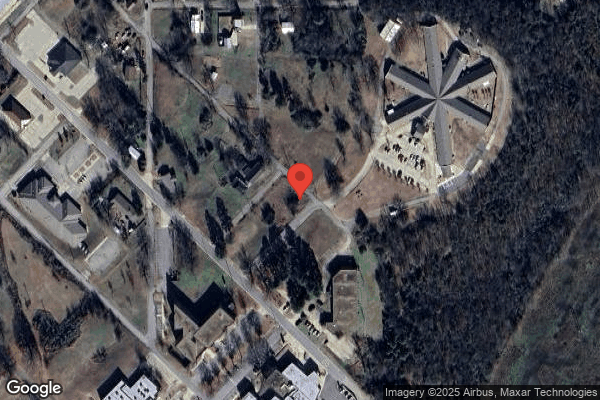
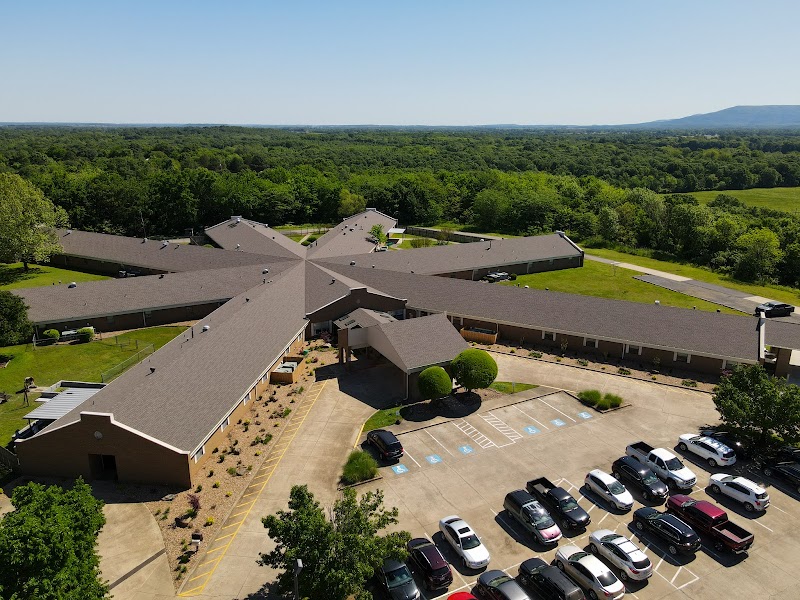
1501 CLAYTON AVENUE, POTEAU, OK 74953 (918) 647-8236
For profit - Limited Liability company 158 Beds Independent Data: November 2025
Trust Grade
35/100
#274 of 282 in OK
Last Inspection: February 2025

Within standard 12-15 month inspection cycle. Federal law requires annual inspections.

Overview

The Oaks Healthcare Center has a Trust Grade of F, indicating significant concerns about the quality of care provided. With a state rank of #274 out of 282, they are in the bottom half of Oklahoma facilities, and they rank #6 out of 6 in Le Flore County, meaning there are no local options that are worse. The facility's performance is worsening, with the number of issues increasing from 7 in 2024 to 11 in 2025. Staffing is a weakness, rated just 1 out of 5 stars, and there is concerning RN coverage-less than 87% of state facilities-indicating that residents may not receive adequate attention from registered nurses. However, it is worth noting that the facility has not accumulated any fines, which suggests no major compliance violations. Specific incidents include a resident with dementia being assisted while the staff member stood rather than sitting, which could compromise the resident's dignity, and medication errors that exceeded the acceptable rate, raising concerns about safety. Overall, while there are some strengths, the facility's serious weaknesses may be a red flag for families considering care for their loved ones.

Trust Score
F
35/100
In Oklahoma
#274/282
Bottom 3%
Safety Record
Low Risk
No red flags
Inspections
Getting Worse
7 → 11 violations
Staff Stability
⚠ Watch
57% turnover. Above average. Higher turnover means staff may not know residents' routines.
Penalties
✓ Good
No fines on record. Clean compliance history, better than most Oklahoma facilities.
Skilled Nurses
⚠ Watch
Each resident gets only 3 minutes of Registered Nurse (RN) attention daily — below average for Oklahoma. Fewer RN minutes means fewer trained eyes watching for problems.
Violations
⚠ Watch
34 deficiencies on record. Higher than average. Multiple issues found across inspections.
★☆☆☆☆
1.0
Overall Rating
★☆☆☆☆
1.0
Staff Levels
★☆☆☆☆
1.0
Care Quality
★★☆☆☆
2.0
Inspection Score
Stable
2024: 7 issues
2025: 11 issues

The Good

  • Full Sprinkler Coverage · Fire safety systems throughout facility
  • No fines on record

Facility shows strength in fire safety.

The Bad

1-Star Overall Rating

Below Oklahoma average (2.6)

Significant quality concerns identified by CMS

Staff Turnover: 57%

11pts above Oklahoma avg (46%)

Frequent staff changes - ask about care continuity

Staff turnover is elevated (57%)

9 points above Oklahoma average of 48%

The Ugly 34 deficiencies on record

Feb 2025 11 deficiencies
CONCERN (D)

Potential for Harm - no one hurt, but risky conditions existed

Deficiency F0554 (Tag F0554)

Could have caused harm · This affected 1 resident

Based on observation, record review, and interview the facility failed to assess a resident for self administration of medication for 1 (#35) of 1 sampled residents who was reviewed for self administr...

Read full inspector narrative →
Based on observation, record review, and interview the facility failed to assess a resident for self administration of medication for 1 (#35) of 1 sampled residents who was reviewed for self administration of medication. The DON identified 5 residents that self administered medication. Findings: Resident #35 had diagnoses which included chronic obstructive pulmonary disease. On 02/21/25 at 9:15 a.m., Resident #35 was observed at the bedside self administering Albuterol Sulfate HFA Aerosol Solution 108 (90 base) MCG/ACT. The Self Administration of Medications policy, dated December 2016, read in part, Residents have the right to self-administer medications if the interdisciplinary team has determined that it is clinically appropriate and safe for the resident to do so. In addition to general evaluation of decision making capacity the staff and practitioner will perform a more specific skill assessment. The annual assessment, dated 11/28/24, showed the resident was cognitively intact for daily decision making. On 02/26/25 at 8:30 a.m., LPN #5 reviewed the electronic clinical record and stated there was not an assessment for self administering an inhaler for Resident #35. They stated it was the nurses responsibility to perform an assessment to have medications at the bedside. The nurse stated they did not know why an assessment had not been completed. On 02/26/25 at 8:50 a.m., the DON stated the charge nurses were responsible to complete an assessment for residents to self administer medications. They stated the facility's policy for self administration of medications had not been followed for Resident #35.
CONCERN (D)

Potential for Harm - no one hurt, but risky conditions existed

Notification of Changes (Tag F0580)

Could have caused harm · This affected 1 resident

Based on record review and interview, the facility failed to ensure notification was made to a resident's guardian for 1 (#15) of 1 resident reviewed for notification of change. The administrator iden...

Read full inspector narrative →
Based on record review and interview, the facility failed to ensure notification was made to a resident's guardian for 1 (#15) of 1 resident reviewed for notification of change. The administrator identified 87 residents who resided at the facility. Findings: A Change in a Resident's Condition or Status policy, revised May 2017, read in part, Our facility shall promptly notify the resident, [their] Attending Physician, and representative (sponsor) of changes in the resident's medical/mental condition and/or status .changes in level of care, billing/payments, resident rights. Resident #15 had diagnoses which included major depressive disorder, schizophrenia, and anxiety. A behavior note, dated 02/06/25 at 9:23 p.m., showed the nurse had overheard Resident #15 state they wanted to die to their roommate. A behavior note, dated 02/06/25 at 9:26 p.m., showed the nurse entered the room of Resident #15 and asked if they were okay. Resident #15 stated they wanted to be changed and put to bed. The note showed Resident #15 was frustrated about having to wait to be changed for bed. A behavior note, dated 02/06/25 9:41 p.m., showed a CNA approached LPN #3 and stated Resident #15 stated, [They] wishes [they] was dead and [they] didn't have to deal with this [expletive]. That [they] just wanted to die. A health status note, dated 02/06/25 at 9:50 p.m., showed emergency management services was notified per the physician, but Resident #15 declined to go for further evaluation. A health status note, dated 02/06/25 at 9:54 p.m., showed Resident #15 had declined a blood draw and urine sample and stated they were tired and they were speaking out of frustration and being agitated. Resident #15 stated they did not want any of their family notified of the situation. A health status note, dated 02/07/25 at 9:04 a.m., showed Resident #15 was previously on 1:1 due to their comment of wanting to die. The note showed LPN #4 spoke with Resident #15 and they reported they were just upset the day before and wanted to retract their statement. Resident #15 stated they had no plans or intentions of hurting themselves. A communication note, dated 02/07/25 at 10:18 a.m., showed the SSD consulted with Resident #15 and the resident expressed having thoughts of suicide, which appeared to be more a result of frustration. The note showed Resident #15 discussed their feelings and clarified they had no active plan to act on their thoughts. A health status note, dated 02/07/25 at 2:28 p.m., showed a call was placed to the physician to notify of recent behaviors, but had to leave a message. An outside physician visit note, dated 02/09/25 at 2:39 p.m., showed Resident #15 voiced no concerns or needs and to continue with current plan of care. On 02/25/25 at 8:36 a.m., the SSD stated Resident #15 was asked about suicidal ideations and they stated they had a thought about suicide a while back, but after speaking to Resident #15 they had said it out of frustration. On 02/26/25 at 10:06 a.m., LPN #4 stated the behavior of Resident #15 happened the day before it was reported to them. They stated Resident #15 told them they did not mean what was said about suicide and was frustrated from the situation. LPN #4 stated they had Resident #15 brought to the nurses station for one on one observation. LPN #4 stated they informed Resident #15 of the policy and why they were required to receive one on one. LPN #4 stated Resident #15 did not like being at the station and stated they would never again. LPN #4 stated they did not notify the guardian of the suicide statement because Resident #15 made their own decisions. They stated it had occurred on the previous shift and was passed on to them in report. LPN #4 stated if the previous shift had notified the guardian, it would have been documented in the progress notes. No documentation of notification to the guardian was located in the clinical record. On 02/26/25 at 12:50 p.m., LPN #3 stated they had heard Resident #15 was upset and mentioned something about wanting to die, and spoke with them. They stated they asked how the statement came about and Resident #15 reported they was aggravated because it was taking the aides too long to get to them. LPN #3 stated Resident #15 was very upset and aggravated and after telling them the consequences of their words, Resident #15 tried to take everything back and they did not want anybody notified. They stated they tried to notify family around 11:00 p.m. and there would be a progress note in the clinical record. No progress note regarding notification to the guardian was located in the clinical record. On 02/26/25 at 11:36 a.m., the corporate nurse stated Resident #15 was not their own person and had a guardian. The stated the guardian should have been informed, but they did not see any documentation they were notified.
CONCERN (D)

Potential for Harm - no one hurt, but risky conditions existed

Deficiency F0698 (Tag F0698)

Could have caused harm · This affected 1 resident

Based on record review and interview, the facility failed to assess and monitor the dialysis port for 1 (#24) of 1 resident who was reviewed for dialysis services. The corporate nurse identified four ...

Read full inspector narrative →
Based on record review and interview, the facility failed to assess and monitor the dialysis port for 1 (#24) of 1 resident who was reviewed for dialysis services. The corporate nurse identified four residents who received dialysis services. Findings: A Hemodialysis Access Care policy, revised September 2010, read in part, Central catheters for hemodialysis are generally inserted in the neck, chest or groin area. This is not the preferred site for long-term placement. There is more risk of clotting and infection than with either fistulas or grafts. Central dialysis catheters are used for short term dialysis (less than three weeks) while [arteriovenous fistula] or [arteriovenous graft] is healing.Care of Central Dialysis Catheters 1. The central catheter site must be kept clean and dry at all times. Bathing and showering are not permitted with this device. 2. Catheter lumens should be capped and clamped when not in use. 3. Dialysis catheters should be marked for dialysis use only so they are not confused with central venous access devices. 4. Flushing, drawing blood or administering medications via central hemodialysis catheters require specialized training and/or certification of an [registered nurse]. Do not allow non-dialysis personnel to access the catheter. 5. Those caring for the catheter site must wear a mask and gloves when doing so. Dressing changes, if ordered, should be done using sterile technique. 6. Never pull or tug on the catheter. Do not use scissors near the catheter, .Documentation The general medical nurse should document in the resident's medical record every shift as follows: 1. Location of catheter. 2. Condition of dressing (interventions if needed). 3. If dialysis was done during shift. 4. Any part of report from dialysis nurse post-dialysis being given. 5. Observations post-dialysis. Resident #24 had diagnoses which included renal failure. A care plan for Resident #24, revised 11/21/24, showed hemodialysis related to renal failure and the resident was non-adherent to attending treatments as scheduled. Review of the December 2024, January 2025, and February 2025 treatment records showed no documentation of assessments for pre and post dialysis. Review of the progress notes for December 2024, January 2025, and February 2025 showed no documentation of assessments for pre and post dialysis. A quarterly assessment, dated 02/16/25, showed dialysis as a special treatment. On 02/21/25 8:48 a.m., Resident #24 stated their dialysis days were Tuesday, Thursday, and Saturday in the morning. They stated the facility sent papers back and forth in a book. Resident #24 stated the facility did not do anything before they left for dialysis or when they returned from dialysis. On 02/26/25 at 8:56 a.m., LPN #5 stated Resident #24 left for dialysis prior to their shift, but when they returned they reviewed the dialysis paper and put Resident #24 back in bed. They stated they monitored the central catheter by reviewing the document from the dialysis center for changes in kidney function, but it was not documented. LPN #5 stated they prevent infection and maintain patency of the dialysis catheter during showers by covering it the site with something waterproof. On 02/26/25 at 9:10 a.m., the corporate nurse stated dialysis residents were monitored in collaboration of care with the dialysis team, they communicate back and forth. They stated it was documented in a dialysis note in the clinical record. The corporate nurse stated the assessment/notes were not completed because the prior leadership missed entering that on the treatment administration record.
CONCERN (D)

Potential for Harm - no one hurt, but risky conditions existed

Laboratory Services (Tag F0770)

Could have caused harm · This affected 1 resident

Based on record review and interview, the facility failed to ensure labs were obtained as ordered by the physician for 1 (#58) of 5 sampled residents whose labs were reviewed. Corporate Nurse #1 ident...

Read full inspector narrative →
Based on record review and interview, the facility failed to ensure labs were obtained as ordered by the physician for 1 (#58) of 5 sampled residents whose labs were reviewed. Corporate Nurse #1 identified 75 residents who had physician's orders for labs. Findings: Resident #58 had diagnoses which included diabetes, hyperlipidemia (high cholesterol), congestive heart failure, and end stage renal disease. A physician's order, dated 06/03/24, showed the resident was to have labs which included a complete blood count, hemoglobin A1C, comprehensive metabolic panel, lipids, and a liver function test every 3 months. The September 2024 medication administration record showed the ordered labs were completed on 09/03/24 and were documented as completed by LPN #1. Review of the clinical record did not reveal the lab reports for September 2024. On 02/25/25 at 11:14 a.m., the DON stated lab orders were documented on the treatment record by the nurse when they were completed. On 02/25/25 at 11:22 a.m., LPN #1 stated they documented on the treatment record when labs were completed. LPN #1 reviewed the treatment record and stated they would look for the lab reports for September 2024. On 02/25/25 at 11:31 a.m., LPN #1 stated the ordered labs for September 2024 had not been completed for Resident #58 and they did not know why they had documented they were completed.
CONCERN (E)

Potential for Harm - no one hurt, but risky conditions existed

Resident Rights (Tag F0550)

Could have caused harm · This affected multiple residents

2. Resident #48 had diagnoses which included dementia. On 02/21/25 at 8:44 a.m., Resident #48 was observed being assisted with the noon meal in their room. CNA #1 was observed to stand while assisting...

Read full inspector narrative →
2. Resident #48 had diagnoses which included dementia. On 02/21/25 at 8:44 a.m., Resident #48 was observed being assisted with the noon meal in their room. CNA #1 was observed to stand while assisting the resident with their meal. The annual assessment, dated 01/30/25, showed Resident #48 was severely impaired in cognition for daily decision making. On 02/25/25 at 7:58 a.m., CNA #1 stated they preferred to stand when assisting residents with their meals in their rooms. On 02/25/25 at 10:30 a.m., LPN #1 stated they thought staff should sit when assisting residents with their meal but would need to check with their supervisor. On 02/25/25 at 10:38 a.m., the DON stated staff were to sit when assisting residents with their meals to maintain the residents' dignity. On 02/25/25 at 11:21 a.m., LPN #1 stated they had found out from their supervisor that staff should sit when assisting residents with their meal. Based on observation, record review, and interview the facility failed to ensure a resident's dignity was maintained by providing clean clothes after meals for 1 (#72) and failed to ensure dignity with dining for 1 (#48) of 2 sampled residents reviewed for dignity. Corporate Nurse #1 identified 87 residents who resided in the facility. Findings: 1. Resident #72 had diagnoses which included dementia. On 02/20/25 at 4:02 p.m., the resident was observed in the dining room waiting to be served dinner wearing a black T-shirt with food debris on it. On 02/25/25 at 2:24 p.m., the resident was observed in the common area, in a chair, with food debris on their shirt and blanket. The quarterly assessment, dated 12/20/24, showed Resident #72 was severely impaired in cognition for daily decision making. On 02/25/25 at 3:15 p.m., LPN #3 stated resident #72 had been in the common area since just after lunch. They stated they did not know why the staff brought the resident out to the common area with food on them, but stated they should have cleaned them up.
CONCERN (E)

Potential for Harm - no one hurt, but risky conditions existed

Unnecessary Medications (Tag F0759)

Could have caused harm · This affected multiple residents

Based on observation, record review, and interview, the facility failed to ensure a medication error rate of less than five percent for one (#47) of four sampled residents who were observed to receive...

Read full inspector narrative →
Based on observation, record review, and interview, the facility failed to ensure a medication error rate of less than five percent for one (#47) of four sampled residents who were observed to receive medications. The medication error rate was 6.9% The corporate nurse identified 87 residents who received medications from the facility. Findings: On 02/25/25 at 7:24 a.m., CMA #1 was observed to administer an albuterol sulfate hydrofluoroalkane inhalation aerosol 90 mcg per actuation. CMA #1 was observed to administer two puffs to Resident #47 without waiting one minute between puffs. CMA #1 was observed to administer aller-flo fluticasone 50 mcg/spray with 2 sprays to Resident #47 in each nostril. They administered one spray, then counted to three and administered another spray. Out of 29 opportunities two medication errors resulted in a medication error rate of 6.9% The undated manufacturer instructions for Albuterol sulfate hfa inhalation aerosol, read in part, Step 6. Hold your breath for about 10 seconds, or for as long as is comfortable. Breathe out slowly as long as you can. If your healthcare provider has told you to use more sprays, wait 1 minute and shake the inhaler again. Repeat step 2 through step 6. An Administering Medications policy, revised April 2019, read in part, Medications are administered in a safe and timely manner, and as prescribed.Medications are administered in accordance with prescriber orders, including any required time frame.The individual administering the medication checks the label THREE (3) times to verify the right resident, right medication, right dosage, right time and right method (route) of administration before giving the medication. Review of the physician orders for Resident #47 showed an active order to administer aller-flo fluticasone 50 mcg/spray one spray both nostrils twice a day. On 02/25/25 at 11:51 a.m., the DON stated their expectation of staff during medication administration was to follow the five rights, stay with the resident until completed, use precautions and administer medications in the ordered way. They stated the CMA supervisor was responsible to educate and train the CMA staff. On 02/25/25 at 11:58 a.m., the CMA supervisor stated their expectation was the staff administer medications effectively. They stated CMA #1 was the only CMA they had not trained because CMA #1 was hired before they started at the facility. The CMA supervisor stated they monitored to ensure medications were administered correctly by watching during the medication administration from a distance.
CONCERN (E)

Potential for Harm - no one hurt, but risky conditions existed

Deficiency F0761 (Tag F0761)

Could have caused harm · This affected multiple residents

**NOTE- TERMS IN BRACKETS HAVE BEEN EDITED TO PROTECT CONFIDENTIALITY** Based on observation, record review, and interview, the facility failed to ensure medications were secured for 2 (300 hall and 4...

Read full inspector narrative →
**NOTE- TERMS IN BRACKETS HAVE BEEN EDITED TO PROTECT CONFIDENTIALITY** Based on observation, record review, and interview, the facility failed to ensure medications were secured for 2 (300 hall and 400 hall) medication/treatment carts of 6 medication/treatment carts observed. The DON identified 6 medication/treatment carts in the facility. Findings: On 02/20/25 at 3:45 p.m., LPN #3 was observed to enter room [ROOM NUMBER]. The 300 hall medication/treatment cart was observed to be left unattended and unlocked for less than one minute. On 02/20/25 at 3:55 p.m., LPN #3 was observed to leave the 300 hall medication/treatment cart unattended and unlocked. On 02/20/25 at 3:56 p.m., LPN #7 was observed to lock the 300 hall medication/treatment cart. On 02/20/25 at 4:11 p.m., LPN #3 was observed to enter room [ROOM NUMBER]. The 300 hall medication/treatment cart was observed to be left unattended and unlocked. On 02/20/25 at 4:14 p.m., LPN #3 was observed to again enter room [ROOM NUMBER]. The 300 hall medication/treatment cart was observed to be left unattended and unlocked. On 02/20/25 at 4:20 p.m., LPN #3 was observed to enter room [ROOM NUMBER]. The 300 hall medication/treatment cart was observed to be left unattended and unlocked. On 02/20/25 at 4:25 p.m., LPN #3 was observed to again enter room [ROOM NUMBER]. The 300 hall medication/treatment cart was observed to be left unattended and unlocked. On 02/25/25 at 10:13 a.m., the 400 hall medication/treatment cart was observed to be unlocked and unattended on the 400 hall. The Security of Medication Cart policy, dated April 2007, read in part, The nurse must secure the medication cart during the medication pass to prevent unauthorized entry. On 02/20/25 at 4:26 p.m., LPN #3 stated they locked the medication/treatment cart when they were finished on the hall and parked the cart by the nurses station. They stated they did not lock the cart when they would go from room to room. On 02/25/25 at 10:25 a.m., LPN #5 stated the medication/treatment carts were to be locked. On 02/25/25 at 11:34 a.m., the DON stated they randomly checked medication/treatment carts to ensure the staff had locked them when they were unattended.
CONCERN (E)

Potential for Harm - no one hurt, but risky conditions existed

Food Safety (Tag F0812)

Could have caused harm · This affected multiple residents

**NOTE- TERMS IN BRACKETS HAVE BEEN EDITED TO PROTECT CONFIDENTIALITY** Based on observation, record review, and interview, the facility failed to ensure appropriate hand hygiene was practiced in the ...

Read full inspector narrative →
**NOTE- TERMS IN BRACKETS HAVE BEEN EDITED TO PROTECT CONFIDENTIALITY** Based on observation, record review, and interview, the facility failed to ensure appropriate hand hygiene was practiced in the kitchen and failed to ensure food delivered to residents on the hall were covered for 1 (C hall) of 1 hall observed during the noon meal. The administrator reported the census was 87 and the facility map showed six halls residents resided on in the facility. Findings: 1. On 02/21/25 at 11:52 a.m., dietary aide #2 was observed to enter the kitchen, touch their pants with both hands, and begin working without washing their hands. On 02/21/25 at 11:53 a.m., the dietary manager was observed to put on gloves without washing their hands. On 02/21/25 at 12:01 p.m., dietary aide #1 was observed to enter the kitchen and to begin preparing meal trays without washing their hands. On 02/21/25 at 12:03 p.m., dietary aide #2 was observed to enter the kitchen, touch their pants with both hands, prepare a meal [NAME], exit the kitchen, serve the meal to a resident in the dining room, return to the kitchen, touch face with right hand, don gloves, prepare two turkey sandwiches, and then to remove the gloves without washing their hands. A facility policy Preventing Foodborne Illness-Employee Hygiene and Sanitary Practices, revised 10/2017, read in part, Employees must wash their hands .whenever entering or re-entering the kitchen .Antimicrobial hand gel cannot be used in place of handwashing in foodservice areas .use of disposable gloves does not substitute for proper handwashing. On 02/21/25 at 12:05 p.m., dietary aide #2 stated hands should be washed when re-entering the kitchen. On 02/21/25 at 2:39 p.m., the dietary manager stated staff should wash their hands when entering the kitchen and prior to serving food. 2. On 02/25/25 at 12:15 p.m., the cart with meal trays, for residents on the C hall, was delivered to the front of the hall by the dietary manager. On 02/25/25 at 12:22 p.m., staff were observed to deliver meal trays, from the cart, down the length of the hall. The cake was observed to be on a saucer and uncovered. On 02/25/25 at 12:35 p.m., cook #1 stated they placed the meal on plates with covers, but did not cover small bowls or saucers. On 02/25/25 at 12:39 p.m., the dietary manager stated they did not cover food items that were not on the main plate because the foods were covered by the cart. They stated staff were to push the cart down the hall to each room to deliver the trays rather than walk down the hall with the foods uncovered.
CONCERN (E)

Potential for Harm - no one hurt, but risky conditions existed

Infection Control (Tag F0880)

Could have caused harm · This affected multiple residents

Based on observation, record review, and interview, the facility failed to: a. ensure proper PPE was utilized during care for EBP for 2 (#42 and #48) of 6 sampled residents who were reviewed for EBP; ...

Read full inspector narrative →
Based on observation, record review, and interview, the facility failed to: a. ensure proper PPE was utilized during care for EBP for 2 (#42 and #48) of 6 sampled residents who were reviewed for EBP; b. ensure clean laundry was transported in a manner to maintain infection control; c. implement a water management program to prevent the spread of waterborne pathogens; and d. maintain indwelling urinary catheters in a manner to prevent infection for 2 (#48 and #15) of 4 sampled residents reviewed for indwelling urinary catheters. Corporate Nurse #1 identified 16 residents with indwelling urinary catheters, 10 residents with wounds, and 87 residents who resided in the facility. Findings: 1. Resident #42 had diagnoses which included diabetes. On 02/24/25 at 1:42 p.m., LPN #2 was observed to provide wound care for Resident #42. LPN #2 was not observed to utilize a gown during wound care. EBP signage was not observed outside the resident's room. On 02/25/25 at 9:02 a.m., LPN #2 stated Resident #42 was on EBP, but they had forgotten to utilize a gown during wound care. 2. Resident #48 had diagnoses which included dementia. On 02/20/25 at 3:39 p.m., Resident #48 was observed by the nurses station in a wheel chair. The catheter bag and tubing was observed to be in contact with the floor. On 02/25/25 at 1:45 p.m., CNA #1 and CNA #2 were not observed to wear gowns during catheter care for Resident #48. EBP signage was not observed outside the resident's room. On 02/25/25 at 2:55 p.m., the catheter bag and tubing for Resident #48 was observed to be in contact with the floor. The Catheter Care, Urinary, policy, dated September 2014, read in part, Be sure the catheter tubing and drainage bag are kept off the floor. The care plan, revised 02/11/25, showed the resident had an indwelling urinary catheter and staff were to maintain EBP during high contact care activities. On 02/25/25 at 2:10 p.m., CNA #2 stated they were unaware of EBP for Resident #48 and did not utilize a gown during catheter care. On 02/25/25 at 2:15 p.m., the DON stated the charge nurses were responsible to place EBP signage on the residents' doors so staff knew to utilize PPE. 3. On 02/25/25 at 1:58 p.m., the clothing racks for clean clothes was observed in the laundry room. Covers for the clean laundry racks were not observed. The Laundry and Bedding, Soiled policy, dated October 2018, read in part, Clean linens protected from dust and soiling during transport and storage to ensure cleanliness. On 02/25/25 at 2:00 p.m., the laundry supervisor stated they did not cover the clothing on the laundry racks when they were transported to residents. They stated they did not have covers for the clothing racks. On 02/25/25 at 3:26 p.m., the administrator stated they did not cover clothing when it was transported to the residents. On 02/25/25 at 3:46 p.m., corporate nurse #1 stated the reference to linen in the facility's policy was interchangeable with clothing. They stated they did not cover residents' clothing when it was transported down the hallways but should to protect against soilage. 4. The Legionella Water Management Program policy, dated July 2017, read in parts, The purposes of the water management program are to identify areas in the water system where Legionella bacteria can grow and spread, and to reduce the risk of legionnaire's disease.The water management program includes the following elements: a. An interdisciplinary water management team; b. A detailed description and diagram of the water system in the facility .c. The identification of areas in the water system that could encourage the growth and spread of Legionella or other waterborne bacteria. On 02/25/25 at 3:20 p.m., the maintenance supervisor stated they had not assessed the facility for areas in the water system that could encourage the growth or spread of waterborne bacteria. On 02/25/25 at 3:25 p.m., the administrator stated they had not implemented the Legionella Water Management Program policy, but had started some classes about waterborne bacteria. 5. Resident #15 had diagnoses which included retention of urine and chronic kidney disease. On 02/20/25 at 4:04 p.m., Resident #15 was observed in their room, sitting in their wheel chair. The catheter bag and tubing were observed to hang under the wheel chair with the bag and tubing in contact with the floor. On 02/24/25 at 11:10 a.m., Resident #15 was observed in their room, sitting in their wheel chair. The catheter bag and tubing were observed to hang under the wheel chair with the bag and tubing in contact with the floor. On 02/25/25 at 8:47 a.m., Resident #15 was observed in their room, sitting in their wheel chair. The catheter bag and tubing were observed to hang under the wheel chair with the bag and tubing in contact with the floor. On 02/25/25 at 9:08 a.m., Resident #15 was observed to be pushed in their wheel chair by staff from their room, through the front lobby by the nurses station, down the 600 hall to the therapy room. The resident's catheter bag and tubing were observed to hang under the wheel chair and drag on floor. The quarterly assessment, dated 12/13/24, showed the resident had an indwelling urinary catheter. On 02/25/25 at 10:24 a.m. CNA #1 stated catheter bags and tubing were to be kept off the floor. On 02/25/25 at 10:26 a.m., LPN #1 stated catheter bags and tubing were to be kept off the floor. LPN #1 stated they did not know why the catheter bags and tubing were in contact with the floor. On 02/25/25 at 11:11 a.m., the DON stated the nurses were to monitor to ensure catheter bags and tubing were not in contact with the floor.
CONCERN (E)

Potential for Harm - no one hurt, but risky conditions existed

Deficiency F0883 (Tag F0883)

Could have caused harm · This affected multiple residents

**NOTE- TERMS IN BRACKETS HAVE BEEN EDITED TO PROTECT CONFIDENTIALITY** Based on record review and interview, the facility failed to ensure residents were provided education and offered the influenza ...

Read full inspector narrative →
**NOTE- TERMS IN BRACKETS HAVE BEEN EDITED TO PROTECT CONFIDENTIALITY** Based on record review and interview, the facility failed to ensure residents were provided education and offered the influenza and pneumococcal immunizations for 2 (#88 and #17) of 5 sampled residents who were reviewed for immunizations. The DON identified 87 residents who resided in the facility. Findings: 1. Resident #88 was admitted [DATE] and had diagnoses which included coronary artery disease. Review of the clinical record did not show the resident had been provided education or offered the influenza or pneumococcal immunization. 2. Resident #17 was admitted on [DATE] and had diagnoses which included diabetes mellitus. Review of the clinical record did not show the resident had been provided education or offered the influenza or pneumococcal immunization. On 02/25/25 at 5:24 p.m., corporate nurse #1/infection preventionist stated a previous infection preventionist had been responsible for educating and offering residents influenza and pneumococcal immunizations, but they could not locate documentation for Resident #88 or Resident #17.
CONCERN (E)

Potential for Harm - no one hurt, but risky conditions existed

Deficiency F0887 (Tag F0887)

Could have caused harm · This affected multiple residents

**NOTE- TERMS IN BRACKETS HAVE BEEN EDITED TO PROTECT CONFIDENTIALITY** Based on record review and interview, the facility failed to ensure residents were provided education and offered the COVID immu...

Read full inspector narrative →
**NOTE- TERMS IN BRACKETS HAVE BEEN EDITED TO PROTECT CONFIDENTIALITY** Based on record review and interview, the facility failed to ensure residents were provided education and offered the COVID immunization for 4 (#17, 49, 78, #88) of 5 sampled residents who were reviewed for immunizations. The DON identified 87 residents who resided in the facility. Findings: 1. Resident #78 was admitted [DATE] and had diagnoses which included dementia. Review of the clinical record did not show the resident had been provided education or offered the COVID immunization. 2. Resident #88 was admitted [DATE] and had diagnoses which included coronary artery disease. Review of the clinical record did not show the resident had been provided education or offered the COVID immunization. 3. Resident #17 was admitted on [DATE] and had diagnoses which included diabetes mellitus. Review of the clinical record did not show the resident had been provided education or offered the COVID immunization. 4. Resident #49 was admitted [DATE] and had diagnoses which included diabetes mellitus. Review of the clinical record did not show the resident had been provided education or offered the COVID immunization. On 02/25/25 at 5:24 p.m., corporate nurse #1/infection preventionist stated a previous infection preventionist had been responsible for educating and offering residents COVID immunizations, but they could not locate documentation for Resident #78, 88, 17 or Resident #49.
Nov 2024 1 deficiency
CONCERN (D) 📢 Someone Reported This

A family member, employee, or ombudsman was alarmed enough to file a formal complaint

Potential for Harm - no one hurt, but risky conditions existed

Transfer Requirements (Tag F0622)

Could have caused harm · This affected 1 resident

**NOTE- TERMS IN BRACKETS HAVE BEEN EDITED TO PROTECT CONFIDENTIALITY** Based on record review and interview, the facility failed to ensure the facility did not initiate a discharge of a resident for ...

Read full inspector narrative →
**NOTE- TERMS IN BRACKETS HAVE BEEN EDITED TO PROTECT CONFIDENTIALITY** Based on record review and interview, the facility failed to ensure the facility did not initiate a discharge of a resident for the use of authorized electronic monitoring of the resident's room for one (#2) of one sampled resident whose facility initiated discharge was reviewed. The DON identified 107 residents who resided in the facility. Findings: The facility Transfer or Discharge Notice policy, dated March 2021, read in part, .2. Residents are permitted to stay in the facility and not be transferred or discharged unless: a. the transfer is necessary for the resident's welfare and the resident's needs cannot be met in the facility. b. the transfer or discharge is appropriate because the resident's health has improved sufficiently so the resident no longer needs the services provided by the facility. c. the resident has failed, after reasonable and appropriate notice, to pay for (or to have paid under Medicare and Medicaid) a stay at the facility . 63 O.S. § 1-1956.2 of the [NAME] E. [NAME] Act (a section of the Nursing Home Care Act) amended and renumbered from 63 O.S. § 1-1953.2 by Laws in 2020 read in part, B. A nursing facility, assisted living center or continuum of care facility shall not refuse to admit an individual to residency in the facility or center and shall not remove a resident from a facility or center because of authorized electronic monitoring of a resident's room. Res #2 was admitted to the facility on [DATE] with diagnoses which included Alzheimer's, dementia, cerebral infarction, stage three chronic kidney disease, [NAME] depressive disorder, and hypertension. The Notice of Involuntary Discharge of Resident for Res #2, dated 10/03/24, documented the reason for discharge was misuse of surveillance camera violating all residents' rights in the facility, and not being able to meet the resident's needs as documented by the attending physician. A nursing note, dated 10/14/24 at 10:26 a.m. documented Res #2's was transferred to another facility by their family. On 11/01/24 at 10:17 a.m. a family member of Res #2's reported the resident did have video surveillance with audio in their room, and did not have a roommate when they were served with a 30 day discharge notice. On 11/01/24 at 5:00 p.m., the DON reported the facility was able to meet the resident's needs, but the family was never satisfied with the care the resident received. The DON reported Res #2 did have video with audio surveillance in their room and the facility was concerned with the audio surveillance picking up conversations residents and staff members had in the halls. The DON reported they were not aware of the requirement regarding video surveillance and the discharge of a resident.
Aug 2024 1 deficiency
CONCERN (D) 📢 Someone Reported This

A family member, employee, or ombudsman was alarmed enough to file a formal complaint

Potential for Harm - no one hurt, but risky conditions existed

Free from Abuse/Neglect (Tag F0600)

Could have caused harm · This affected 1 resident

Based on record review and interview, the facility failed to ensure residents were free from abuse for one (#2) of three sampled residents reviewed for abuse. The Administrator identified 101 resident...

Read full inspector narrative →
Based on record review and interview, the facility failed to ensure residents were free from abuse for one (#2) of three sampled residents reviewed for abuse. The Administrator identified 101 residents resided in the facility. Findings: The Abuse Prevention Program policy, revised 12/16, read in part, Our residents have the right to be free from abuse .Protect our residents from abuse by anyone including .other residents. The Abuse and Neglect Clinical protocol policy, revised 03/18, read in part, The facility management and staff will institute measures to address the needs of residents and minimize the possibility of abuse and neglect. Resident #2 had diagnoses which included autistic disorder, hemiplegia and hemiparesis. Resident #2's annual resident assessment, dated 08/15/24, documented Resident #2 had severe cognitive impairment. A Combined Initial and Final State Reportable Incident form, dated 08/19/24, documented an allegation of abuse/mistreatment. It documented Resident #1 put their arm around Resident #2. Resident #2 had no apparent injuries. A Combined Initial and Final State Reportable Incident form, dated 08/19/24, documented all staff to be in-serviced on de-escalation of behavior technique and redirection. Dietary Aide #1's witness statement, dated 08/19/24, documented Resident #1 followed Resident #2 after dining services yelling at them. The witness statement documented Resident #1 put Resident #2 in a choke hold. Dietary Aide #2's witness statement, dated 08/19/24, documented Resident #1 was yelling and staring at Resident #2 during meal service for making noises. It documented Resident #1 stalked Resident #2 out of the dining room. The statement documented Resident #1 grabbed Resident #2 from behind by the neck and put them in a chokehold. Dietary Aide #3's witness statement, dated 08/19/24, documented Resident #1 was steadily staring and hollering at Resident #2 during meal service because of the noises Resident #2 was making while eating. The statement documented Resident #1 chased Resident #2 out of the dining room. It documented Resident #1 grabbed Resident #2 in a chokehold. An in-service, dated 08/19/24, documented resident to resident behaviors and de-escalation. It did not contain all staff signatures. On 08/22/24 at 11:07 a.m., CMA #1 stated they had not received an in-service on resident to resident behaviors and de-escalation. On 08/22/24 at 11:11 a.m., LPN #2 stated they had not received an in-service on resident to resident behaviors and de-escalation. On 08/22/24 at 11:13 a.m., LPN #1 stated they had not received an in-service on resident to resident behaviors and de-escalation. On 08/22/24 at 11:20 a.m., the Infection Preventionist stated they were responsible for conducting in-services. They stated all staff have not been in-serviced on resident to resident behaviors and de-escalation.
Jul 2024 5 deficiencies
CONCERN (D) 📢 Someone Reported This

A family member, employee, or ombudsman was alarmed enough to file a formal complaint

Potential for Harm - no one hurt, but risky conditions existed

Grievances (Tag F0585)

Could have caused harm · This affected 1 resident

Based on record review and interview, the facility failed to provide a written summary/findings of a grievance investigation for a resident/resident representative for one (#1) of one sampled resident...

Read full inspector narrative →
Based on record review and interview, the facility failed to provide a written summary/findings of a grievance investigation for a resident/resident representative for one (#1) of one sampled residents whose grievances were reviewed. The administrator identified 99 people who residedd in the facility Findings: The Filing Grievances/complaints procedure which is posted on a bullentin board in the common area by the nursing station, read in part, The resident, or person filing the grievance and/or compliant on behalf of the resident, will be informed of the findings of the investigation and the actions that will be taken to correct any identified problems .A written summary of the report will also be provided to the resident The Grievances/Complaints, Filing policy, revised April 2017, read in part, .The resident, or person filing the grievances and/or complaint on behalf of the resident, will be informed verbally and in writing of the findings of the investigation and the actions that will be taken to correct any identified problems . A Grievance/Complaint Report was completed for Res #1 on 05/30/24 in response to Res #1's POA filing a grievance. The documented resolution of grievance/complaint was a phone conversation with Res #1's POA. No written summary of the investigation with any corrective action taken was provided to Res #1's POA. A Grievance/Complaint Report was completed for Res #1 on 06/18/24 in response to Res #1's POA filing a grievance. The documented resolution of grievance/complaint was One-to-one discussion. No written summary of the investigaion with any corrective action taken was provided to Res #1's POA. On 07/10/24 at 2:05 p.m., Res #1's POA reported they had not received a written response to any grievance they have filed on behalf of Res #1. On 07/10/24 at 3:30 p.m., the administrator reported they did not provide a written summary of a grievance invstigation to Res #1's POA. The administrator reported they verbally followed up with Res #1's POA and felt that was an appropriate response.
CONCERN (D) 📢 Someone Reported This

A family member, employee, or ombudsman was alarmed enough to file a formal complaint

Potential for Harm - no one hurt, but risky conditions existed

Report Alleged Abuse (Tag F0609)

Could have caused harm · This affected 1 resident

Based on record review and interview, the facility failed to report an allegation of abuse to OSDH for one (#3) of one sampled resident whose record was reviewed for abuse. The administrator identifie...

Read full inspector narrative →
Based on record review and interview, the facility failed to report an allegation of abuse to OSDH for one (#3) of one sampled resident whose record was reviewed for abuse. The administrator identified 99 residents who resided in the facility. Findings: The Abuse Policy, undated, read in parts, All suspected abuse will be investigated and reported to the appropriate agencies. The Abuse Investigation and Reporting policy, revised July 2017, read in part, All alleged violations involving abuse .will be reported by the facility Administrator .to the State licensing/certification agency responsible for surveying/licensing the facility . On 04/12/24 an in-service was conducted on the facility's Abuse Policy for all facility staff. On 07/10/24 at 3:34 p.m. CNA #1 reported they heard a rumor about some inappropriate behavior between CNA #2 and Res #3. CNA #1 reported the incident occurred in April and had to do with CNA #1's breasts and Res #3, but did not provide any details. On 07/10/24 at 3:50 p.m., CNA #3 reported hearing the aides talk about a situation of inappropriate behavior involving CNA #2 and Res #3. CNA #3 reported they immediately reported the rumor to the administrator and the DON sometime in April. CNA #3 reported the incident was concerning Res #3 and CNA #2's breasts but did not provide any details. On 07/10/24 at 4:05 p.m., the DON reported the rumor regarding CNA #2 and Res #3 was brought to the attention of administration sometime in April. The DON reported the administrator looked into the situation at that time. On 07/10/24 at 4:30 p.m., the administrator reported a situation of inappropriate behavior involving CNA #2 their breasts and Res #3 was reported to them in April. The administrator reported they looked into the situation by questioning Res #3, CNA #2 and other employees and residents to determine if the situation was a rumor or an allegation. The administrator reported they did not turn in a report to OSDH because they weren't sure the situation was a true allegation of abuse versus just a rumor. The administrator reported they didn't feel their attempt to determine whether or not the inappropriate behavior was an allegation versus a rumor was a true investigation. The administrator reported they did in-service all facility staff on their abuse policy at the time the inappropriate behavior was reported to them.
CONCERN (D) 📢 Someone Reported This

A family member, employee, or ombudsman was alarmed enough to file a formal complaint

Potential for Harm - no one hurt, but risky conditions existed

Investigate Abuse (Tag F0610)

Could have caused harm · This affected 1 resident

Based on record review and interview, the facility failed to investigate an allegation of abuse for one (#3) of one sampled resident whose record was reviewed for abuse. The administrator identified 9...

Read full inspector narrative →
Based on record review and interview, the facility failed to investigate an allegation of abuse for one (#3) of one sampled resident whose record was reviewed for abuse. The administrator identified 99 residents who resided in the facility. Findings: The Abuse Policy, undated, read in parts, All suspected abuse will be investigated and reported to the appropriate agencies. The Abuse Investigation and Reporting policy, revised July 2017, read in part, All reports of resident abuse .shall be promptly reported .and thoroughly investigated by facility management . The Abuse, Neglect, Exploitation and Misappropriation Prevention Program policy, revised April 2021, read in part, Identify and investigate all possible incidents of abuse . On 04/12/24 an in-service was conducted on the facility's Abuse Policy for all facility staff. There was no documented investigation regarding Res #3 and CNA #2. On 07/10/24 at 3:34 p.m. CNA #1 reported they heard a rumor about some inappropriate behavior between CNA #2 and Res #3. CNA #1 reported the incident occurred in April and had to do with CNA #1's breasts and Res #3, but did not provide any details. On 07/10/24 at 3:50 p.m., CNA #3 reported hearing the aides talk about a situation of inappropriate behavior involving CNA #2 and Res #3. CNA #3 reported they immediately reported the rumor to the administrator and the DON sometime in April. CNA #3 reported the incident was concerning Res #3 and CNA #2's breasts but did not provide any details. On 07/10/24 at 4:05 p.m., the DON reported the rumor regarding CNA #2 and Res #3 was brought to the attention of administration sometime in April. The DON reported the administrator looked into the situation of inappropriate behavior at that time. On 07/10/24 at 4:30 p.m., the administrator reported a situation of inappropriate behavior involving CNA #2 their breasts and Res #3 was reported to them in April. The administrator reported they looked into the situation by questioning Res #3, CNA #2 and other employees and residents to determine if the situation was a rumor or an allegation. The administrator reported they did not turn in a report to OSDH because they weren't sure the situation was a true allegation of abuse versus just a rumor. The administrator reported they didn't feel their attempt to determine whether or not the inappropriate behavior was an allegation versus a rumor was a true investigation. The administrator reported they did in-service all facility staff on their abuse policy at the time the inappropriate behavior was reported to them. The administrator reported they did not have any documentation regarding the situation of inappropriate behavior between Res #3 and CNA #2.
CONCERN (D) 📢 Someone Reported This

A family member, employee, or ombudsman was alarmed enough to file a formal complaint

Potential for Harm - no one hurt, but risky conditions existed

Deficiency F0657 (Tag F0657)

Could have caused harm · This affected 1 resident

**NOTE- TERMS IN BRACKETS HAVE BEEN EDITED TO PROTECT CONFIDENTIALITY** Based on record review and interview, the facility failed to ensure care plans were updated with physician's orders for one (#1)...

Read full inspector narrative →
**NOTE- TERMS IN BRACKETS HAVE BEEN EDITED TO PROTECT CONFIDENTIALITY** Based on record review and interview, the facility failed to ensure care plans were updated with physician's orders for one (#1) of six sampled residents whose physician's orders were reviewed. The administrator identified 99 residents who resided in the facility. Findings: Res #1 had diagnoses which included dementia and stage 3 chronic kidney disease. A physician's progress note from Urologic Specialist, faxed to the facility on [DATE], documented an order for the facility to ensure the resident is drinking water, No coke/tea. Res #1's care plan was not revised with the physician's order from Urologic Specialist On 07/11/24 at 11:05, the DON reported Res #1's care plan was noted updated with the order from Urologic Specialist. The DON was not sure why the order was overlooked.
CONCERN (D) 📢 Someone Reported This

A family member, employee, or ombudsman was alarmed enough to file a formal complaint

Potential for Harm - no one hurt, but risky conditions existed

Quality of Care (Tag F0684)

Could have caused harm · This affected 1 resident

**NOTE- TERMS IN BRACKETS HAVE BEEN EDITED TO PROTECT CONFIDENTIALITY** Based on record review and interview, the facility failed to ensure physician's orders were implemented for one (#1) of six samp...

Read full inspector narrative →
**NOTE- TERMS IN BRACKETS HAVE BEEN EDITED TO PROTECT CONFIDENTIALITY** Based on record review and interview, the facility failed to ensure physician's orders were implemented for one (#1) of six sampled residents whose physician's orders were reviewed. The administrator identified 99 residents who resided in the facility. Findings: Res #1 had diagnoses which included dementia and stage 3 chronic kidney disease. A physician's progress note from Urologic Specialist, faxed to the facility on [DATE], documented an order for the facility to ensure the resident is drinking water, No coke/tea. The order was not written or implemented for Res #1. On 07/11/24 at 11:05 a.m., the DON reported the order from Urologic Specialist was not written or implemented. The DON was not sure why this was overlooked.
Oct 2023 10 deficiencies
CONCERN (D)

Potential for Harm - no one hurt, but risky conditions existed

Deficiency F0558 (Tag F0558)

Could have caused harm · This affected 1 resident

Based on observation and interview, the facility failed to ensure a resident's personal items were in reach and their bed was made for one (#46) of 32 sampled residents reviewed for accommodation of n...

Read full inspector narrative →
Based on observation and interview, the facility failed to ensure a resident's personal items were in reach and their bed was made for one (#46) of 32 sampled residents reviewed for accommodation of needs. The DON identified 104 residents resided in the facility. Findings: An Accommodation of Needs policy, revised 03/21, read in parts, .Our facility's environment and staff behaviors are directed toward assisting the resident in maintaining and/or achieving safe independent functioning, dignity and well-being .The resident's individual needs and preferences are accommodated to the extent possible .The resident's individual needs and preferences, including the need for adaptive devices and modifications to the physical environment, are evaluated upon admission and reviewed on an ongoing basis .arranging toiletries and personal items so that they are in easy reach of the resident . Resident #46 had diagnoses which included encounter for orthopedic aftercare following surgical amputation. The resident's Plan of Care, dated 01/20/23, read in parts, .[Resident name withheld] needs a safe environment with .personal items within reach .Provide opportunities for the resident and family to participate in care. On 10/25/23 at 9:14 a.m., Resident #46 stated, Staff put their clothes behind the recliner on the small table. They stated they could not reach them and they never made their bed. Resident #46's bed was observed to be unmade. There was a small dresser observed behind the resident's recliner which was out of reach. On 10/25/23 at 12:22 p.m., Resident #46's bed was observed to remain unmade. On 10/26/23 at 2:48 p.m., CNA #2 stated this was there home it should be set up how they need it. They stated Resident #46 did not require much assistance with their ADL's. They stated Resident #46 was able to reach personal items unassisted. On 10/26/23 at 2:50 p.m., CNA #2 stated Resident #46 was not able to reach personal items on the small dresser behind their recliner. They stated they were unsure when Resident #46's bed was last made and they had not made the bed today.
CONCERN (D) 📢 Someone Reported This

A family member, employee, or ombudsman was alarmed enough to file a formal complaint

Potential for Harm - no one hurt, but risky conditions existed

Deficiency F0678 (Tag F0678)

Could have caused harm · This affected 1 resident

**NOTE- TERMS IN BRACKETS HAVE BEEN EDITED TO PROTECT CONFIDENTIALITY** Based on record review and interview, the facility failed to ensure a systemic approach was used to update a resident's code sta...

Read full inspector narrative →
**NOTE- TERMS IN BRACKETS HAVE BEEN EDITED TO PROTECT CONFIDENTIALITY** Based on record review and interview, the facility failed to ensure a systemic approach was used to update a resident's code status for one (#86) of 32 sampled residents reviewed for Advanced Directives. The DON identified 104 residents resided in the facility. The ADON identified 33 residents who had DNR orders. Findings: An Advanced Directives policy, dated 12/16, read in part, .Changes or revocations of a directive must be submitted in writing to the Administrator .The care plan team will be informed of such changes and/or revocations so that appropriate changes can be made in the resident assessment (MDS) and care plan . A Do Not Resuscitate Order policy, dated 03/21, read in part, .A Do Not Resuscitate (DNR) order form must be completed and signed .and placed in the front of the resident's medical record. Resident #86 admitted on [DATE] and had diagnoses which included left artificial knee joint, cerebral infarct, and chronic pain syndrome. Resident #86's code status on the EMR dashboard documented full code. Resident #86 had a full code order dated 08/11/23. A DNR form signed on 08/13/23 was scanned into the EMR with the effective date of 08/13/23. There was no DNR order. The was no revocation of the resident's DNR in the clinical record. Resident #86's assessment dated [DATE] documented cognitively intact. Resident #86's care plan had a full code care plan revised on 08/18/23. A revision on 08/22/23 documented the code status would be honored through the review date. A care plan review dated 09/06/23, documented the resident was full code status. On 10/26/23 at 3:24 p.m., MDS Coordinator #1 was unable to state the policy and procedure for code status documentation and changes. They stated to ensure staff were aware of resident code status, the care plan was kept updated and available. MDS Coordinator #2 stated to also check the physicians' orders. On 10/26/23 at 3:26 p.m., MDS Coordinator #1 & #2 both stated if the code status of a resident was not accurate there could potentially be harm caused and could go against their wishes. MDS Coordinator #1 stated the date of the care plan was dated 09/06/23 and the date the DNR was signed was 08/13/23. On 10/26/23 at 3:28 p.m., MDS Coordinator #1 stated the full code status was not current and not correct on the care plan. MDS Coordinator #1 was unable to state how the staff would know a residents code status had changed.
CONCERN (D)

Potential for Harm - no one hurt, but risky conditions existed

Deficiency F0700 (Tag F0700)

Could have caused harm · This affected 1 resident

Based on observation, record review and interview, the facility failed to ensure: a. the risk versus benefits was discussed with the resident or resident representative prior to installing side rails ...

Read full inspector narrative →
Based on observation, record review and interview, the facility failed to ensure: a. the risk versus benefits was discussed with the resident or resident representative prior to installing side rails on a resident's bed; and b. side rails were properly secured to the bed for one (#47) of one sampled resident reviewed for side rails. Human Resources identified 17 residents with side rails resided in the facility. Findings: A Bed Safety and Bed Rails policy, dated 08/22, read in part, .Bed rails are properly installed .The use of bed rails or side rails .is prohibited unless the criteria for use of bed rails have been met, including attempts to use alternatives, interdisciplinary evaluation, resident assessment, and informed consent .Before using bed rails for any reason, the staff shall inform the resident or representative about the benefits and potential hazards associated with bed rails and obtain informed consent . Resident #47 had diagnoses which included osteoporosis, cerebral infarction, and muscle wasting and atrophy. An admission Resident Assessment, dated 08/09/23, documented Resident #47's cognition was intact and they required extensive two person physical assist for bed mobility, transfers, and toilet use. An Order Note, dated 08/03/23, documented Resident #47 needed side rails for positioning due to poor trunk rotation for rolling side to side. The note was signed by OT #1. A Physician Order, dated 08/03/23, documented needs side rails for positioning. There was no documentation the resident or representative was informed of the risk versus benefits of side rails or informed consent was obtained prior to installing the side rails on Resident #47's bed. On 10/24/23 at 2:14 p.m., half rails were observed at the top half of Resident #47's bed. Resident #47 stated they used the rails for positioning. They stated, Sometimes they are a little loose. The surveyor held the resident's side rails and was able to move both of them up and down in a lever motion several inches from the bed. On 10/24/23 at 2:31 p.m., LPN #1 stated side rails could only be used for repositioning in the bed. They stated they did not know how staff ensured they fit appropriately to the bed. LPN #1 and LPN #2 entered Resident #47's room and observed the side rails. LPN #1 stated they needed to be tightened. LPN #2 stated maintenance put side rails on, but it was everyone's job to report them if they were loose. LPN #1 stated no one had reported the side rails being loose. On 10/24/23 at 2:35 p.m., Maintenance #1 walked into Resident #47's room, tightened the left side rail, then tightened the right side rail, wiggled it several times, tightened it down again, and exited the room. On 10/26/23 at 8:38 a.m., the DON stated side rails could only be used for mobility. They stated an assessment was completed with OT, they recommend them, and an order was obtained. They stated maintenance ensured they fit properly to the bed. On 10/26/23 at 9:12 a.m., Maintenance #1 stated they checked side rails on resident beds each time they had to do something with the bed. They stated the nursing staff would also document in the maintenance log any concerns with side rails. They stated they also conducted regular rounds. Maintenance #1 stated they were not aware of Resident #47's side rails being loose prior to the adjustment observed by the surveyor on 10/24/23. On 10/26/23 at 9:41 a.m., the Administrator stated there was no documentation consent was obtained or the risk versus benefits of side rail use was discussed with the resident or resident representative prior to the side rails being installed.
CONCERN (E)

Potential for Harm - no one hurt, but risky conditions existed

Safe Environment (Tag F0584)

Could have caused harm · This affected multiple residents

**NOTE- TERMS IN BRACKETS HAVE BEEN EDITED TO PROTECT CONFIDENTIALITY** Based on observation, record review and interview, the facility failed to: a. ensure there was hot water in the resident's room ...

Read full inspector narrative →
**NOTE- TERMS IN BRACKETS HAVE BEEN EDITED TO PROTECT CONFIDENTIALITY** Based on observation, record review and interview, the facility failed to: a. ensure there was hot water in the resident's room for one (#41) of 32 sampled residents reviewed for comfortable water temperatures; and b. maintain comfortable air temperatures in the resident's dining room for three (#56, #74, and #89) of three sampled residents reviewed for comfortable air temperatures in the dining room. The DON identified 10 to 30 residents received their meals in the dining room. The DON identified 104 residents resided in the facility. Findings: The Homelike Environment policy, revised 02/21, read in part, .comfortable and safe temperatures (71 degrees Fahrenheit to 81 degrees Fahrenheit . 1. Resident #41 was admitted on [DATE]. Resident #41's admission resident assessment, dated 09/14/23, documented Resident #41 was cognitively intact. On 10/24/23 at 1:26 p.m., Resident #41 stated they had no hot water from the sink in their room since they were admitted to the facility. Resident #41 stated they were unable to clean or wash their face in the morning with warm water. On 10/24/23 at 2:16 p.m., Resident #41's sink hot water measured 90 degrees Fahrenheit (F). On 10/25/23 at 12:44 p.m., Maintenance #1 stated hot water temperatures were maintained at 105 degrees F to 115 degrees F in resident rooms. On 10/25/23 at 12:54 p.m., Maintenance #1's measurement of Resident #41's hot water from the sink was 79.5 degrees F. They stated the water was not hot and should be higher than 79.5 degrees F. 2. Resident #56's annual resident assessment, dated 09/05/23, documented Resident #56 was cognitively intact. On 10/25/23 at 11:43 a.m., during dining observations, Resident #56 was shivering and holding their hands to their chest. The dining room temperature measured 67.9 degrees F. On 10/25/23 at 11:47 a.m., cold air was observed blowing from the vent in the dining room. 3. Resident #74's quarterly resident assessment, dated 08/01/23, documented Resident #74 had severe cognitive impairment. On 10/25/23 at 11:51 a.m., Resident #74 was observed wearing a jacket during dining. Resident #74 stated it was cold. 4. Resident #89's quarterly resident assessment, dated 07/17/23, documented Resident #89 was cognitively intact. On 10/25/23 at 11:52 a.m., Resident #89 was observed wearing a sweatshirt. They stated it was freezing in the dining room. On 10/25/23 at 12:43 p.m., Maintenance #1 stated the facility temperatures should not be less than 72 degrees F. On 10/25/23 at 12:46 p.m., Maintenance #1 had a temperature measurement of 70 degrees F in the dining room.
CONCERN (E)

Potential for Harm - no one hurt, but risky conditions existed

ADL Care (Tag F0677)

Could have caused harm · This affected multiple residents

Based on observation, record review and interview, the facility failed to provide showers for two (#46 and #98) of three sampled residents reviewed for ADLs. The DON identified 104 residents who neede...

Read full inspector narrative →
Based on observation, record review and interview, the facility failed to provide showers for two (#46 and #98) of three sampled residents reviewed for ADLs. The DON identified 104 residents who needed assistance with showers. Findings: A Bath, Shower/Tub policy, revised 02/18, read in parts, .The purposes of this procedure are to promote cleanliness, provide comfort to the resident and to observe the condition of the resident's skin .Documentation .the date and time the shower/tub bath was performed .The name and title of the individual(s) who assisted the resident .All assessment data ( .any reddened areas, sores, etc, on the resident's skin) .How the resident tolerated the shower/tub bath .If the resident refused the shower/tub bath, the reason(s) . 1. Resident #98 had diagnoses which included morbid obesity, abnormalities of gait and mobility, and fracture of the shaft of the right femur. Resident #98's admission resident assessment, dated 09/20/23, documented the resident was cognitively intact. They required two person physical assist for transfers and one person physical assist with bathing. On 10/24/23 at 2:34 p.m., Resident #98 stated it took about three weeks to get a shower and their last shower was over a week ago. On 10/26/23 at 11:10 a.m., the DON stated they did not have documentation to show Resident #98 had a shower for the month of August, September, and October 2023. On 10/26/23 at 2:43 p.m., CNA #3 stated Resident #98's shower schedule was Tuesday, Thursday, and Saturday. On 10/26/23 at 2:44 p.m., CNA #3 stated showers were documented on the resident's electronic health record and shower sheets. On 10/27/23 at 9:37 a.m., the DON provided two shower sheets for Resident #98, dated 10/24/23 and 10/26/23. 2. Resident #46 had diagnoses which included encounter for orthopedic aftercare following surgical amputation and cellulitis of right lower limb. Resident #46 missed 10 out of 12 opportunities to receive a bath/shower for October 2023. On 10/25/23 at 9:07 a.m., Resident #46 stated they didn't get their baths like they were scheduled. They stated they would prefer one every night, but staff stated they didn't have time. On 10/26/23 at 11:13 a.m. the DON stated they did not locate any documentation that Resident #46 had received a bath/shower for the missing days. On 10/26/23 at 2:48 p.m., CNA #2 stated Resident #46's bath schedule was Tuesdays, Thursdays, and Saturdays. On 10/27/23 at 9:37 a.m., the DON provided two bath sheets for Resident #46. No other bath/shower sheets were provided by the facility.
CONCERN (E)

Potential for Harm - no one hurt, but risky conditions existed

Deficiency F0692 (Tag F0692)

Could have caused harm · This affected multiple residents

Based on observation, record review and interview, the facility failed to: a. monitor the amount of meals and fluids a resident at risk for weight loss and dehydration consumed; and b. provide a physi...

Read full inspector narrative →
Based on observation, record review and interview, the facility failed to: a. monitor the amount of meals and fluids a resident at risk for weight loss and dehydration consumed; and b. provide a physician ordered health shake for one (#9) of two sampled residents reviewed for nutrition. The DON identified 104 residents resided in the facility and two residents received their nutrition through tube feeding. Findings: Resident #9 had diagnoses which included dementia, muscle wasting, and atrophy. A physician's order, dated 11/28/22, documented regular diet, pureed texture, and honey consistency. A physician's order, dated 11/28/22, documented honey thick liquids. A physician's order, dated 05/15/23, documented mighty shake three times a day. Resident #9's quarterly resident assessment, dated 07/24/23, documented Resident #9 had severe cognitive impairment and required one person physical assist for the task of eating. Resident #9's care plan for nutrition, dated 08/02/23, documented, a. Resident #9 will maintain adequate nutrition by consuming at least 50% of two meals daily, and b. Provide and serve diet as ordered. Resident #9's dehydration risk screener, dated 10/03/23, documented Resident #9 was at risk for dehydration with a score of 12. Resident #9's amount eaten record, dated 08/23, documented blanks 51 out of 93 opportunities. Resident #9's nutrition fluids record, dated 08/23, documented blanks 64 out of 93 opportunities. Resident #9's amount eaten record, dated 09/23, documented blanks 62 out of 90 opportunities. Resident #9's nutrition fluids record, dated 09/23, documented blanks 63 out of 90 opportunities. Resident #9's amount eaten record, dated 10/23, documented blanks 47 out of 78 opportunities. Resident #9's nutrition fluids record, dated 10/23, documented blanks 48 out of 78 opportunities. On 10/24/23 at 3:00 p.m., Resident #9 was observed laying in bed sucking on their index finger. There were two untouched cups of clear thickened liquids at the bedside. Resident #9 was observed to be frail and skinny. On 10/27/23 at 9:26 a.m., CNA #4 stated the blanks on the amount eaten record and nutrition fluids means they were not documented. They stated they were too busy sometimes. On 10/27/23 at 9:34 a.m., the DON stated there was no documentation to show Resident #9 received their mighty shake as ordered. 10/27/23 at 9:39 a.m., the DON stated the blanks on the amount eaten record and nutrition fluids meant they were not documented. On 10/27/23 at 9:40 a.m., the DON verified the blanks by counting the blanks on the amount eaten record and nutrition fluids record for August, September, and October 2023. 10/27/23 at 9:46 a.m., the DON stated staff were to document meals, fluids, and refusals.
CONCERN (E)

Potential for Harm - no one hurt, but risky conditions existed

Pharmacy Services (Tag F0755)

Could have caused harm · This affected multiple residents

Based on observation, record review and interview, the facility failed to ensure: a. appropriate crush, cocktail, and water flush for PEG tube medication orders were present for one (#260) ; and b. a ...

Read full inspector narrative →
Based on observation, record review and interview, the facility failed to ensure: a. appropriate crush, cocktail, and water flush for PEG tube medication orders were present for one (#260) ; and b. a cocktail order was obtained for one (#13) of 15 residents observed during medication administration. The DON identified 104 residents resided in the facility. The ADON identified two residents with orders to flush peg tube medications, 36 residents with medication crush orders, and three residents with medication cocktail orders. Findings: A Crushing Medications policy, dated 04/18, read in part, Medications shall be crushed only when it is appropriate and safe to do so, consistent with physician orders .Crushing each medication separately and administering each with food is considered best practice . An Administering Medications through an Eternal Tube policy, dated 11/18, read in part, .Administer each medication separately and flush between medications. Do not crush or split medications for administration through an enteral tube unless first checking with the pharmacy or facility approved Do Not Crush Medication List. Tablets that must be crushed prior to administration through an enteral tube require a specific order related to crushing .Stop the feeding and flush tubing with at least 15 ml warm purified water (or prescribed amount) .Dilute crushed (powdered) medication with at least 30 ml purified water (or prescribed amount) .If administering more than one medication, flush with 15 ml warm purified water (or prescribed amount) between medications. When the last of the medication begins to drain from the tubing, flush the tubing with 15 ml of warm purified water (or prescribed amount) . 1. Resident #13 had diagnoses which included type 2 diabetes mellitus with hyperglycemia and hypertension. A physician's order, dated 09/15/23, documented to give potassium & sodium phosphates oral packet 280-160-250 mg one packet before meals and at bedtime. A physician's order, dated 09/15/23, documented to give sucralfate one gram oral tablet four times a day. A physician's order, dated 09/30/23, documented may crush meds as needed. There was no order to cocktail the medication. On 10/26/23 at 11:07 a.m., ACMA #2 was observed to crush Resident #13's sucralfate one gm and phosphorous powder packet and mixed them together with yogurt and administered them to the resident. 2. Resident #260 had diagnoses which included hypotension and Guillain-Barre Syndrome. A physician's order, dated 10/16/23, documented hydrocodone-acetaminophen 7.5-325 mg to give one tablet via peg tube every four hours. A physician's order, dated 10/16/23, documented sodium bicarbonate oral tablet 650 mg give one tablet via peg tube three times a day. There was no order to flush the tube with water for medications, crush, or to cocktail the medications. On 10/25/23 at 11:49 a.m., ACMA #1 was observed to crush both medications and place them in a small clear cup then filled a larger clear cup full of water. The ACMA drew up the medication and water into the syringe. Amount inside the syringe was 40 ml. They then flushed the tube with another 40 ml. ACMA #1 was not observed to measure the water used. On 10/25/23 at 11:53 a.m., ACMA #1 stated they used half of the measuring cup (small clear water cup 120 ml) and would flush with 30 -40 ml of water. On 10/26/23 at 2:14 p.m., the DON stated the policy and procedure for PEG tube administration was just like any other administration as far as verification of the five rights and to have an order of per PEG tube, crush the meds, and administer with a syringe. They stated sometimes they would have a designated order to flush depending on their need. On 10/26/23 at 2:16 p.m., the DON stated the water flush was per the policy unless otherwise ordered and they believed the policy was for 60 ml flush but they would have to look. On 10/26/23 at 2:19 p.m., the DON stated there were no orders for crush, cocktail, or flushing of medication for Resident #260 and stated there should be. The DON stated Resident #13 did not have a cocktail medication order, and should have.
CONCERN (E)

Potential for Harm - no one hurt, but risky conditions existed

Medication Errors (Tag F0758)

Could have caused harm · This affected multiple residents

Based on record review and interview, the facility failed to ensure a PRN psychotropic medication had a specified duration for two (#24 and #37) of five sampled residents reviewed for unnecessary medi...

Read full inspector narrative →
Based on record review and interview, the facility failed to ensure a PRN psychotropic medication had a specified duration for two (#24 and #37) of five sampled residents reviewed for unnecessary medications. The ADON identified 71 residents with psychoactive medication orders resided in the facility. Findings: A Psychotropic Medication Use policy, dated 07/22, read in part, .Psychotropic medications are not prescribed or given on a PRN basis unless that medication is necessary to treat a diagnosed specific condition that is documented in the clinical record .PRN orders for psychotropic medications are limited to 14 days .If the prescriber or attending physician believes it is appropriate to extend the PRN order beyond 14 days, he or she will document the rationale for extending the use and include the duration for the PRN order . 1. Resident #37 had diagnoses which included bipolar disorder, anxiety, and paranoid schizophrenia. A Physician Order, dated 08/04/23, documented valium five mg give one tablet by mouth every four hours as needed for anxiety/agitation. There was no end date on the order. The August 2023 MAR documented Resident #37 received the PRN valium two times. The September 2023 MAR documented the prn valium was not administered to the resident. A Pharmaceutical Consultant Report, dated 09/19/23, documented diazepam [valium] five mg every four hours PRN reminder per CMS, psychotropic PRN orders extended beyond 14 days must have a specified duration. The provider's response did not contain a duration date for the PRN medication. The October 2023 MAR documented Resident #37 received the PRN valium seven times. On 10/26/23 at 3:59 p.m., the DON stated PRN psychoactive medications should not be used over 14 days without being reevaluated. On 10/26/23 at 4:00 p.m., the DON and ADON stated Resident #37's PRN valium order was started on 08/04/23. The DON stated there was not an end date for the order. 2. Resident #24 had diagnoses which included anxiety. A Physician Order, dated 08/22/23, documented Ativan 0.5 mg give 0.5 mg by mouth every 24 hours as needed for anxiety. There was no end date on the order. The August 2023 MAR documented the resident received three doses of the prn Ativan. The Pharmaceutical Consultant Report, dated 08/29/23, documented Ativan 0.5 mg every 24 hours prn, reminder per CMS, PRN psychotropic orders extended beyond 14 days must have a specified duration. The physician's response did not identify duration for the PRN Ativan. The September 2023 MAR documented the resident received three doses of the prn Ativan. The October 2023 MAR documented the prn Ativan was not administered to the resident during the month. On 10/27/23 at 9:04 a.m., the ADON stated there was not an end date for Resident #24's PRN Ativan and the medication start date was 08/22/23.
CONCERN (E)

Potential for Harm - no one hurt, but risky conditions existed

Food Safety (Tag F0812)

Could have caused harm · This affected multiple residents

Based on observation, record review and interview, the facility failed to ensure: a. dented canned goods were removed from circulation; b. food items were not stored on the floor in the walk-in cooler...

Read full inspector narrative →
Based on observation, record review and interview, the facility failed to ensure: a. dented canned goods were removed from circulation; b. food items were not stored on the floor in the walk-in cooler; and c. food debris was not on the floor in the dry storage room during one of two kitchen observations. The DON identified 102 residents received food from the kitchen. Findings: A Food Storage policy, dated 03/11, read in part, .Food storage areas shall be clean at all times .All foods stored in walk-in refrigerators and freezers shall be stored above the floor on shelves, racks, dollies, or other surfaces that facilitate thorough cleaning . On 10/24/23 at 1:08 p.m., the following items were observed to be stored directly on the floor of the walk in cooler: a. five boxes of gallon sized milk stacked on top of each other by the door of the cooler; b. one box of gallon sized milk on the floor by the storage rack; and c. one five gallon container of pickles. The CDM stated the items should not be stored on the floor. They stated the items should be up off the floor. On 10/24/23 at 1:15 p.m., the following items were observed on the canned goods rack in the dry storage room of the kitchen: a. a dented six pound 10 ounce can of cream corn; and b. a dented 50 ounce can of tomato soup. The CDM stated the dented cans should have been thrown away. On 10/24/23 at 1:20 p.m., there were several beans too numerous to count on the floor under the wire food shelving located on the right side in the dry storage room. There were brown, black, and white beans observed on the floor towards the baseboard. A metal pest trap was located in the corner of the room next to the beans on the floor. The CDM stated the floor should be cleaned every night. On 10/25/23 at 11:25 a.m., the Dietician stated dented cans should be sent back. They stated they would complete an in-service about the risks associated with dented cans and the need to discard them. They stated food items should be stored six inches off of the floor.
CONCERN (E)

Potential for Harm - no one hurt, but risky conditions existed

Infection Control (Tag F0880)

Could have caused harm · This affected multiple residents

Based on observation and interview, the facility failed to ensure hand hygiene was performed between providing care for two (#12 and #43) of two sampled residents observed for hand hygiene. The DON i...

Read full inspector narrative →
Based on observation and interview, the facility failed to ensure hand hygiene was performed between providing care for two (#12 and #43) of two sampled residents observed for hand hygiene. The DON identified 104 residents resided in the facility. Findings: A Handwashing/Hand hygiene policy, dated 9/19, read in part, All personnel shall be trained and regularly in-serviced on the importance of hand hygiene in preventing the transmission of healthcare-associated infections .shall follow the handwashing/hand hygiene procedures to help prevent the spread of infections to other personnel, residents, and visitors .use an alcohol-based hand rub containing at least 62% alcohol; or, alternatively, soap .and water for the following situations .Before and after direct contact with residents . Resident #12 had diagnoses which included fusion of spine and type 2 diabetes mellitus with diabetic nephropathy. Resident #43 had diagnoses which included hypertension, conversion disorder with seizures or convulsions and panic disorder. On 10/25/23 at 12:14 p.m., CNA #1 was observed feeding Resident #43 at the bedside during medication administration. CNA #1 was observed to assist Resident #12, the roommate, to move their bedside table and to reposition them in the bed. The CNA did not perform hand hygiene before or after providing assistance for either resident. On 10/25/23 at 12:15 p.m., CNA #1 was asked what the policy and procedure was for hand hygiene. They were unable to answer. CNA #1 stated they did not wash or sanitize their hands before or after assisting the roommate or before resuming feeding Resident #43. On 10/26/23 at 9:20 a.m., the DON stated the policy and procedure for hand hygiene was to perform hand hygiene between every resident by using hand sanitizer and/or soap and water.
Jul 2022 6 deficiencies
CONCERN (E)

Potential for Harm - no one hurt, but risky conditions existed

Notification of Changes (Tag F0580)

Could have caused harm · This affected multiple residents

Based on record review and interview, the facility failed to notify the resident's representative of changes with plan of care for one (#140) of one sampled resident reviewed for notification. The Cen...

Read full inspector narrative →
Based on record review and interview, the facility failed to notify the resident's representative of changes with plan of care for one (#140) of one sampled resident reviewed for notification. The Census and Conditions of Residents report, dated 07/11/22, documented 94 residents resided in the facility. Findings: Resident #140 was admitted with diagnoses of frequency of micturition, chest pain, and abdominal aortic aneurysm. A Health Status Note, dated 06/08/21, read in part, .New order received from Dr. [name deleted] to have ECHO done at [local hospital] . There was no documentation the resident's representative was notified. A Communication note, dated 06/29/21, read in part, .[Resident #140] c/o burning when [they] urinates. Urine is amber in color/clear with foul odor Obtain UA for symptoms of UTI . There was no documentation the resident's representative was notified. A Communication note, dated 07/13/21, read in part, .[Resident #140] proceed to show this nurse that [they] had blood in [their] brief. UA hat was place in [Resident #140's] commode to collect UA. [Resident #140] is c/o painful/burning urination . There was no documentation the resident's representative was notified. A Health Status Note, dated 07/14/21, read in part, .New order received for Nitrofurantoin 100 mg BID for 5 days . There was no documentation the resident's representative was notified. A Health Status Note, dated 07/22/21, read in part, .DC Ativan 0.5mg . There was no documentation the resident's representative was notified. An admission Summary, dated 08/17/21, read in part, .Resident re-admit to facility .Resident returned to facility via NH transport following stay at [local hospital] . There was no documentation the resident's representative was notified. On 07/13/22 at 8:40 a.m., the wound nurse was asked when were resident's representatives notified. They stated when there were changes in condition, physician orders, medications, new UTI symptoms, procedures at a hospital, and when a resident was readmitted from the hospital. They were asked to provide documentation the resident's representative was notified of the changes in Resident #140's condition, the new order for an echo, changes in physician orders, medication changes, and when the resident was readmitted from the hospital. On 07/13/22 at 9:52 a.m., the wound nurse stated they were not able to locate documentation the resident's representative was notified. They were asked if the representative should have been notified. They stated, Yes.
CONCERN (E)

Potential for Harm - no one hurt, but risky conditions existed

Medication Errors (Tag F0758)

Could have caused harm · This affected multiple residents

2. Resident #50 was admitted to the facility with diagnoses which included schizophrenia, bipolar disorder, and depression. A gradual dose reduction request, dated 05/13/22, read in parts, .Please eva...

Read full inspector narrative →
2. Resident #50 was admitted to the facility with diagnoses which included schizophrenia, bipolar disorder, and depression. A gradual dose reduction request, dated 05/13/22, read in parts, .Please evaluate the routine use of the following psychoactive medications and consider a dose reduction. If a dose reduction is not desired, please indicate below a rationale for the continued use. 1. Abilify 30mg daily 2. Clonazepam 1mg at hs 3. Clozapine 200mg at hs 4. Cymbalta 60mg daily 5. Depakote 500mg tid There was documentation the physician disagreed, but a rationale was not provided. On 07/12/22 at 12:35 p.m., the ADON reported a rational should have been provided. Based on record review and interview, the facility failed to: a. document a rational for a gradual dose reduction on one (#50), b. ensure a PRN antianxiety medication was limited to 14 days for one (#56) and c. ensure a pharmacy recommendation was acted upon for one (#56) of five sampled residents reviewed for unnecessary medications. The Resident Census and Conditions of Residents report, dated 07/11/22, documented 59 residents received psychoactive medications. Findings: An Antipsychotic Medications Use policy, revised 12/2016, read in part, .The Physician shall respond appropriately by changing or stopping problematic doses or medications, or clearly documenting (based on assessing the situation) why the benefits of the medication outweigh the risks or suspected or confirmed adverse consequences 1. Resident #56 was admitted with a diagnosis of anxiousness. A Physician's Order, dated 02/23/22, read in part, .Clonazepam Tablet 0.5 MG .as needed . The medication was not limited to 14 days. A Pharmacy Consultant Report Psychoactive PRN Use, dated 03/15/22, documented Resident #56 had an order for Clonazepam PRN. The report was addressed to the physician. It documented to provide an assessment of the resident's current state to warrant the continuance of the medication. There was no documentation the physician was notified or acted upon the report. On 07/13/22 at 8:12 a.m., the ADON was asked for the documentation the physician had reviewed and acted upon the pharmacy report. On 07/13/22 at 10:42 a.m., the ADON stated they were not able to find the pharmacy report had been addressed. They were asked what the policy was for PRN psychotropic medication. They stated the policy was the medication was limited to 14 days and needed to be reassessed. The ADON stated they thought the order had been discontinued. The ADON was shown the order was current in the EHR.
CONCERN (E)

Potential for Harm - no one hurt, but risky conditions existed

Food Safety (Tag F0812)

Could have caused harm · This affected multiple residents

Based on record review, observation, and interview, the facility failed to ensure: a. food products were properly stored, b. food service equipment was kept clean, and c. sanitary hand hygiene practic...

Read full inspector narrative →
Based on record review, observation, and interview, the facility failed to ensure: a. food products were properly stored, b. food service equipment was kept clean, and c. sanitary hand hygiene practices were implemented while handling food and clean dishes. The Resident Census and Conditions of Residents report, dated 07/11/22, documented 94 residents resided in the facility, and four residents received tube feeding. The DON identified two of the four residents received nutrition and hydration solely through a feeding tube. Findings: A Refrigerator-Reach In policy, revised March 2011, read in parts, .Frequency: Daily .Wipe up spills on .sides .of refrigerator .Wash doors . A Handwashing and Glove Use policy, revised March 2015, read in parts, .Guidelines for handwashing and glove use to promote safe and sanitary conditions throughout the dietary department must be followed .Handwashing is a priority for infection control .Gloves may be used when working with food to avoid contact with hands .Gloves must also be worn if an employee has a cut or wearing a bandage . On 07/13/22 at 8:30 a.m., a tour of the kitchen was conducted. The following observations were made: a. dietary cook #1 was observed with their mask below their mouth. They were observed licking their fingers to separate resident paper food tickets while plating food at the steam table . They did not wash their hands. Dietary cook #1 had three scratches on top of their left wrist that were not covered. The scratches were scabbed and red in color, b. a cardboard box of six loaves of bread was stored on the floor in the dry storage room, c. dietary aide #1 was observed loading dirty dishes into the dish machine and not observed washing their hands before removing clean dishes out of the machine, d. an accumulation of food debris was on the rolling cart used to store plate covers, and e. an accumulation of dried food debris was on the front of the three door reach in cooler. On 07/13/22 at 8:44 a.m., the DM stated they were hired on 07/13/22. They stated they had no training and was not aware of policies and procedures. On 07/13/22 at 9:12 a.m., a tour of the resident halls was conducted. The resident snack coolers on halls C, D, and E were dirty with an accumulation of food debris. On 07/13/22 at 12:12 p.m., the administrator was asked what was the policy for storing food products. They stated food products should not be stored on the floor. They were asked what were the policies for hand washing and glove usage while handling food and clean dishes. They stated there was no need to wear gloves during food preparation. They stated hands should be washed in between touching clean and dirty surfaces. The administrator stated wounds should be covered with a waterproof bandage and dressed. They were asked what was the policy for cleaning food service equipment. They stated cleaning should be done on a regular basis. They were made aware of the above observations.
CONCERN (E)

Potential for Harm - no one hurt, but risky conditions existed

Infection Control (Tag F0880)

Could have caused harm · This affected multiple residents

Based on record review, observation, and interview, the facility failed to ensure: a. staff properly wore masks, and b. sanitary hand hygiene practices were implemented while handling food and clean d...

Read full inspector narrative →
Based on record review, observation, and interview, the facility failed to ensure: a. staff properly wore masks, and b. sanitary hand hygiene practices were implemented while handling food and clean dishes. The Resident Census and Conditions of Residents report, dated 07/11/22, documented 94 residents resided in the facility, and four residents received tube feeding. The DON identified two of the four residents received nutrition and hydration solely through a feeding tube. Findings: The Handwashing and Glove Use policy, revised March 2015, read in parts, .Guidelines for handwashing and glove use to promote safe and sanitary conditions throughout the dietary department must be followed .Handwashing is a priority for infection control .Gloves may be used when working with food to avoid contact with hands .Gloves must also be worn if an employee has a cut or wearing a bandage . On 07/13/22 at 8:30 a.m., a tour of the kitchen was conducted. The following observations were made: a. dietary cook #1 was observed with their mask below their mouth. They were observed licking their fingers to separate resident paper food tickets while plating food at the steam table. They did not wash their hands. Dietary cook #1 had three scratches on top of their left wrist that were not covered. The scratches were scabbed and red in color, and b. dietary aide #1 was observed loading dirty dishes into the dish machine and not observed washing their hands before removing clean dishes out of the machine. Their mask was below their nose. On 07/13/22 at 8:44 a.m., the DM stated they were hired on 07/13/22. They stated they had no training and was not aware of policies and procedures. On 07/13/22 at 12:12 p.m., the administrator was asked what were the policies for hand washing and glove usage while handling food and clean dishes. They stated there was no need to wear gloves during food preparation. They stated hands should be washed in between touching clean and dirty surfaces. The administrator stated wounds should be covered with a waterproof bandage and dressed. They were asked how staff were instructed to wear masks. They stated staff were instructed during orientation on the mask wearing procedure and they provided in-services. They stated they have had a problem in the kitchen with masks the past two weeks. They were made aware of the above observations.
CONCERN (E)

Potential for Harm - no one hurt, but risky conditions existed

Deficiency F0883 (Tag F0883)

Could have caused harm · This affected multiple residents

Based on record review and interview, the facility failed to ensure: a. residents were offered an influenza vaccination for three (#22, 29, and #37), and b. residents were offered a pneumococcal vacci...

Read full inspector narrative →
Based on record review and interview, the facility failed to ensure: a. residents were offered an influenza vaccination for three (#22, 29, and #37), and b. residents were offered a pneumococcal vaccination for three (#29, 30, and #37) of five sampled residents reviewed for immunizations. The Resident Census and Conditions of Residents report, dated 07/11/22, documented 94 residents resided in the facility. Findings: A Pneumococcal Vaccine policy, revised October 2019, read in part, .All residents will be offered pneumococcal vaccines An Influenza, Prevention and Control of Season policy, revised August 2020, read in parts, .All residents are offered the vaccine prior to onset of influenza season .Between October 1st and March 31st each year, the influenza vaccine shall be offered to residents 1. There was no documentation Residents #22, #29, and #37 were offered the influenza vaccination in 2021. 2. There was no documentation Residents #29, #30, and #37 were offered the pneumococcal vaccination. On 07/13/22 at 9:55 a.m., the ADON reported the residents should have been offered an influenza and pneumococcal vaccination. The ADON reported they had reviewed the electronic health records and Residents #22, #29, and #37 had not received an influenza vaccination. The ADON reported Residents #29, #37, and #30 had not received the pneumococcal vaccination. The ADON reported if the resident had refused any of the vaccinations a signed declination should have been obtained.
CONCERN (E)

Potential for Harm - no one hurt, but risky conditions existed

Deficiency F0888 (Tag F0888)

Could have caused harm · This affected multiple residents

Based on record review and interview, the facility failed to ensure staff were fully vaccinated, had been granted an exemption or delay from the COVID-19 vaccine for 12 of 109 staff members. This resu...

Read full inspector narrative →
Based on record review and interview, the facility failed to ensure staff were fully vaccinated, had been granted an exemption or delay from the COVID-19 vaccine for 12 of 109 staff members. This resulted in a staff vaccination rate of 89%. The Resident Census and Conditions of Residents report, dated 07/11/22, documented 94 residents resided in the facility. Findings: An Employee Vaccine % Report, dated 07/12/22, documented one staff member was partially vaccinated, and 11 staff members had pending exemptions. There was no documentation the facility had followed up to ensure staff were fully vaccinated, had been granted an exemption or delay from the COVID-19 vaccine. On 07/11/22 at 2:48 p.m., the ADON stated the one staff member identified being partially vaccinated was due for their second vaccine in May 2022, and they didn't get it. The ADON was asked what the facility's policy was to ensure staff were vaccinated or had a granted exemption. They stated they encouraged staff to get vaccinated or get an exemption. They stated the DON and the administrator handled the exemptions. They stated the DON was working on this last week. On 07/12/22 at 12:40 p.m., the administrator was shown the facility's staff vaccination rate was not at 100% and was asked what the plan was to ensure they were 100%. They stated to get it done as soon as possible.
Understanding Severity Codes (click to expand)
Life-Threatening (Immediate Jeopardy)
J - Isolated K - Pattern L - Widespread
Actual Harm
G - Isolated H - Pattern I - Widespread
Potential for Harm
D - Isolated E - Pattern F - Widespread
No Harm (Minor)
A - Isolated B - Pattern C - Widespread

Questions to Ask on Your Visit

  • "Why is there high staff turnover? How do you retain staff?"
  • "Can I speak with families of current residents?"
  • "What's your RN coverage like on weekends and overnight?"

Our Honest Assessment

Strengths
  • • No major safety red flags. No abuse findings, life-threatening violations, or SFF status.
  • • No fines on record. Clean compliance history, better than most Oklahoma facilities.
Concerns
  • • 34 deficiencies on record. Higher than average. Multiple issues found across inspections.
  • • Grade F (35/100). Below average facility with significant concerns.
  • • 57% turnover. Above average. Higher turnover means staff may not know residents' routines.
Bottom line: Trust Score of 35/100 indicates significant concerns. Thoroughly evaluate alternatives.

About This Facility

What is The Oaks Healthcare Center's CMS Rating?

CMS assigns THE OAKS HEALTHCARE CENTER an overall rating of 1 out of 5 stars, which is considered much below average nationally. Within Oklahoma, this rating places the facility higher than 0% of the state's 100 nursing homes. A rating at this level reflects concerns identified through health inspections, staffing assessments, or quality measures that families should carefully consider.
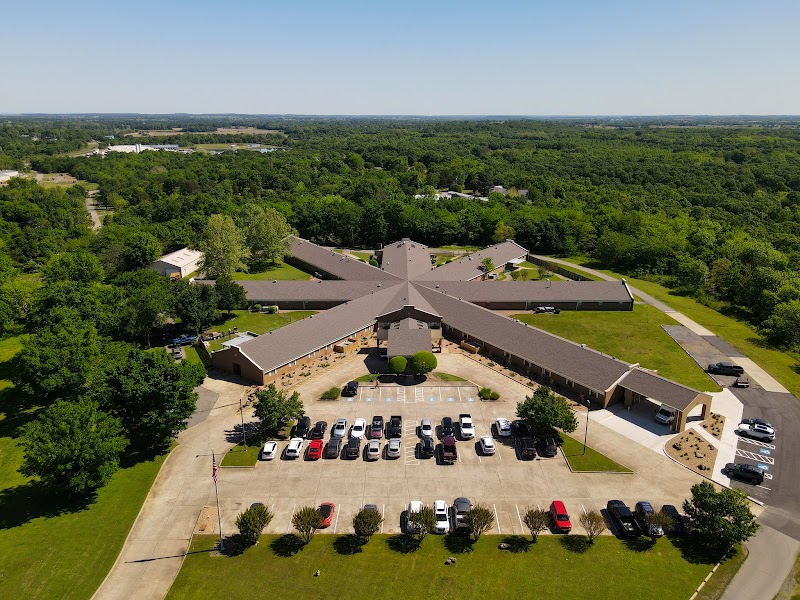
How is The Oaks Healthcare Center Staffed?

CMS rates THE OAKS HEALTHCARE CENTER's staffing level at 1 out of 5 stars, which is much below average compared to other nursing homes. Staff turnover is 57%, which is 11 percentage points above the Oklahoma average of 46%. High turnover can affect care consistency as new staff learn residents' individual needs. RN turnover specifically is 100%, which is notably high. RNs provide skilled clinical oversight, so turnover in this role can affect medical care quality.

What Have Inspectors Found at The Oaks Healthcare Center?

State health inspectors documented 34 deficiencies at THE OAKS HEALTHCARE CENTER during 2022 to 2025. These included: 34 with potential for harm.
Who Owns and Operates The Oaks Healthcare Center?

THE OAKS HEALTHCARE CENTER is owned by a for-profit company. For-profit facilities operate as businesses with obligations to shareholders or private owners. The facility operates independently rather than as part of a larger chain. With 158 certified beds and approximately 99 residents (about 63% occupancy), it is a mid-sized facility located in POTEAU, Oklahoma.
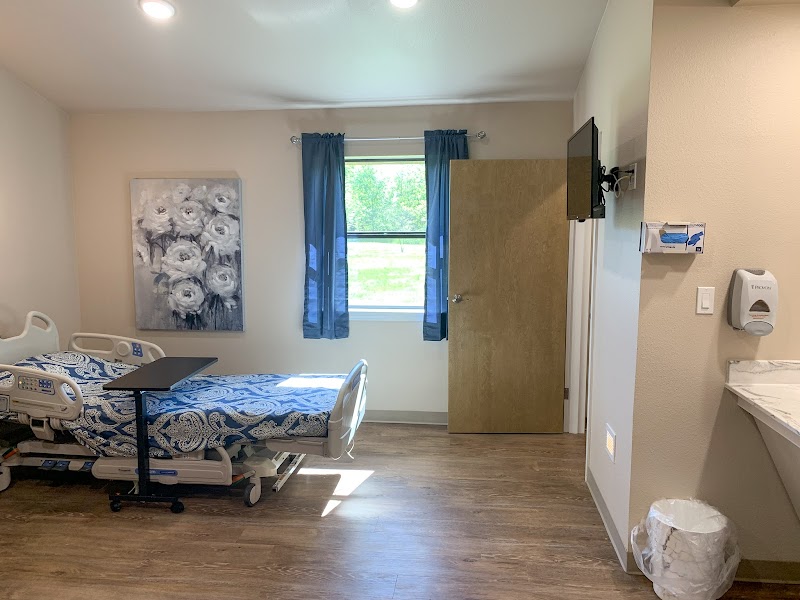
How Does The Oaks Healthcare Center Compare to Other Oklahoma Nursing Homes?

Compared to the 100 nursing homes in Oklahoma, THE OAKS HEALTHCARE CENTER's overall rating (1 stars) is below the state average of 2.6, staff turnover (57%) is significantly higher than the state average of 46%, and health inspection rating (2 stars) is below the national benchmark.

What Should Families Ask When Visiting The Oaks Healthcare Center?

Based on this facility's data, families visiting should ask: "How do you ensure continuity of care given staff turnover, and what is your staff retention strategy?" "Can you walk me through typical staffing levels on day, evening, and night shifts?" "Can I visit during a mealtime to observe dining assistance and food quality?" "How do you handle medical emergencies, and what is your hospital transfer rate?" These questions are particularly relevant given the facility's high staff turnover rate and the below-average staffing rating.

Is The Oaks Healthcare Center Safe?

Based on CMS inspection data, THE OAKS HEALTHCARE CENTER has a clean safety record: no substantiated abuse findings (meaning no confirmed cases of resident harm), no Immediate Jeopardy citations (the most serious violation level indicating risk of serious injury or death), and is not on the Special Focus Facility watch list (a federal program monitoring the lowest-performing 1% of nursing homes). The facility has a 1-star overall rating and ranks #100 of 100 nursing homes in Oklahoma. While no facility is perfect, families should still ask about staff-to-resident ratios and recent inspection results during their visit.

Do Nurses at The Oaks Healthcare Center Stick Around?

Staff turnover at THE OAKS HEALTHCARE CENTER is high. At 57%, the facility is 11 percentage points above the Oklahoma average of 46%. Registered Nurse turnover is particularly concerning at 100%. RNs handle complex medical decisions and coordinate care — frequent RN changes can directly impact care quality. High turnover means new staff may not know residents' individual needs, medications, or preferences. It can also be disorienting for residents, especially those with dementia who rely on familiar faces. Families should ask: What is causing the turnover? What retention programs are in place? How do you ensure care continuity during staff transitions?

Was The Oaks Healthcare Center Ever Fined?

THE OAKS HEALTHCARE CENTER has no federal fines on record. CMS issues fines when nursing homes fail to meet care standards or don't correct problems found during inspections. The absence of fines suggests the facility has either maintained compliance or corrected any issues before penalties were assessed. This is a positive indicator, though families should still review recent inspection reports for the full picture.

Is The Oaks Healthcare Center on Any Federal Watch List?

THE OAKS HEALTHCARE CENTER is not on any federal watch list. The most significant is the Special Focus Facility (SFF) program, which identifies the bottom 1% of nursing homes nationally based on persistent, serious quality problems. Not being on this list means the facility has avoided the pattern of deficiencies that triggers enhanced federal oversight. This is a positive indicator, though families should still review the facility's inspection history directly.