Shady Rest Care Center
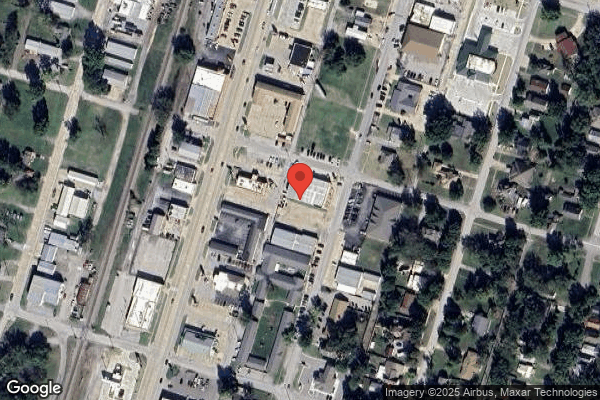
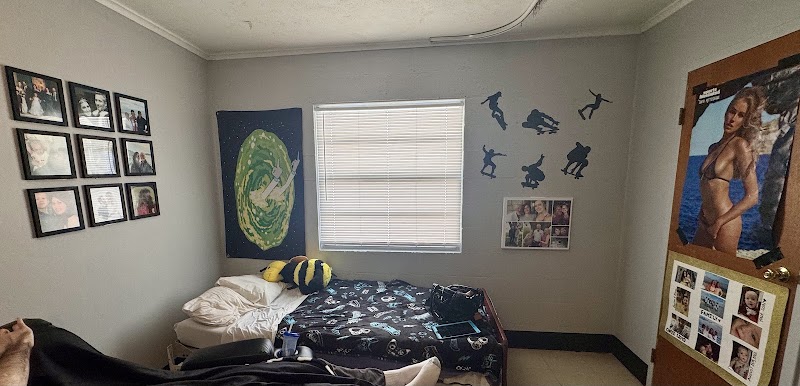
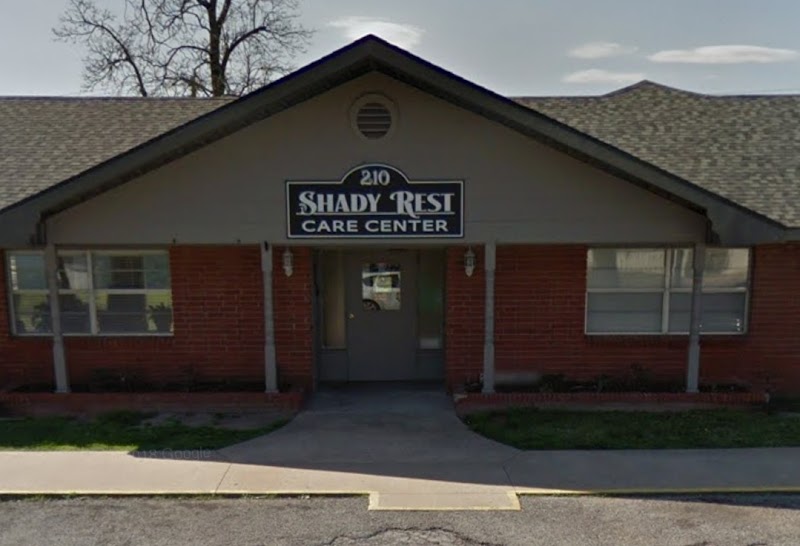
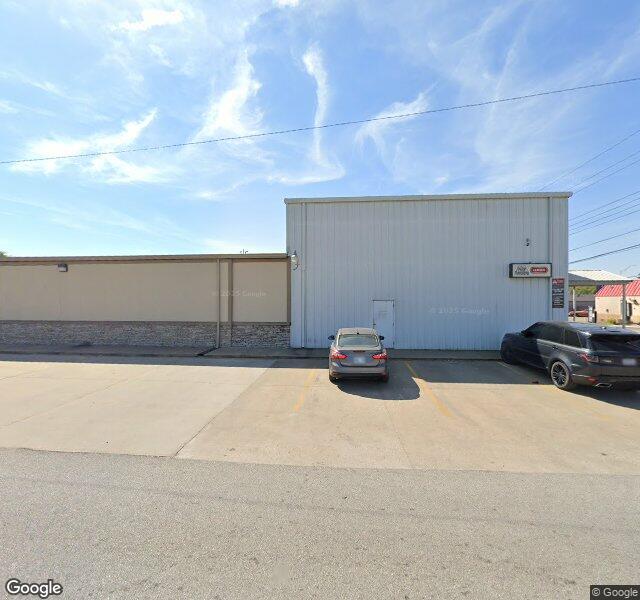
210 South Adair, Pryor, OK 74361 (918) 825-4455
For profit - Limited Liability company 65 Beds BGM ESTATE Data: November 2025 1 Immediate Jeopardy citation
Trust Grade
28/100
#184 of 282 in OK
Last Inspection: August 2024

Within standard 12-15 month inspection cycle. Federal law requires annual inspections.

Overview

Shady Rest Care Center has received a Trust Grade of F, indicating significant concerns about the facility's overall quality. Ranking #184 out of 282 in Oklahoma places it in the bottom half of nursing homes in the state, and it is the lowest-ranked facility in Mayes County. While the number of issues has improved from 12 in 2024 to just 1 in 2025, the staffing turnover rate of 74% is concerning and above the state average of 55%. There were no fines recorded, which is a positive sign, and the facility has average RN coverage, meaning some critical health issues may not be caught. However, a serious incident occurred where a resident fell while being transported in a van, and another resident was able to leave the facility unattended, raising significant safety concerns. Additionally, there were failures in providing correct food portions and a lack of a dietary manager, indicating ongoing operational weaknesses.
Trust Score
F
28/100
In Oklahoma
#184/282
Bottom 35%
Safety Record
High Risk
Review needed
Inspections
Getting Better
12 → 1 violations
Staff Stability
⚠ Watch
74% turnover. Very high, 26 points above average. Constant new faces learning your loved one's needs.
Penalties
✓ Good
No fines on record. Clean compliance history, better than most Oklahoma facilities.
Skilled Nurses
⚠ Watch
Each resident gets only 16 minutes of Registered Nurse (RN) attention daily — below average for Oklahoma. Fewer RN minutes means fewer trained eyes watching for problems.
Violations
⚠ Watch
23 deficiencies on record. Higher than average. Multiple issues found across inspections.
★★☆☆☆
2.0
Overall Rating
★★★☆☆
3.0
Staff Levels
★★★★☆
4.0
Care Quality
★★☆☆☆
2.0
Inspection Score
Stable
2024: 12 issues
2025: 1 issues

The Good

  • 4-Star Quality Measures · Strong clinical quality outcomes
  • Full Sprinkler Coverage · Fire safety systems throughout facility
  • No fines on record

Facility shows strength in quality measures, fire safety.

The Bad

2-Star Overall Rating

Below Oklahoma average (2.6)

Below average - review inspection findings carefully

Staff Turnover: 74%

28pts above Oklahoma avg (46%)

Frequent staff changes - ask about care continuity

Chain: BGM ESTATE

Part of a multi-facility chain

Ask about local staffing decisions and management

Staff turnover is very high (74%)

26 points above Oklahoma average of 48%

The Ugly 23 deficiencies on record

1 life-threatening
Jul 2025 1 deficiency 1 IJ
CRITICAL (J) 📢 Someone Reported This

A family member, employee, or ombudsman was alarmed enough to file a formal complaint

Immediate Jeopardy (IJ) - the most serious Medicare violation

Accident Prevention (Tag F0689)

Someone could have died · This affected 1 resident

**NOTE- TERMS IN BRACKETS HAVE BEEN EDITED TO PROTECT CONFIDENTIALITY** On 07/08/25 past non-compliance immediate jeopardy situations were determined to exist related to the facility's failure to:a. s...

Read full inspector narrative →
**NOTE- TERMS IN BRACKETS HAVE BEEN EDITED TO PROTECT CONFIDENTIALITY** On 07/08/25 past non-compliance immediate jeopardy situations were determined to exist related to the facility's failure to:a. secure Resident #2 during transport in the facility van. On 06/18/25 the van driver had to brake suddenly, and Resident #2 fell forward from the wheelchair hitting their head and right knee on the row of seats in front of them; andb. ensure the safety of Resident #1 who was at risk for elopement. On 06/22/25 at 8:17 p.m., a facility video showed Resident #1 left the facility through the kitchen door and walked North down the alley. At 8:27 p.m., the video showed Resident #1 at the front door of the facility and then they walked South down [NAME] street.Based on observation, record review, and interview, the facility failed to ensure:a. seat belts were in proper working order for 1 (#2) of 3 sampled residents reviewed for transportation safety; and b. prevent the elopement of 1 (#1) of 3 sampled residents reviewed for elopement.The administrator identified 35 residents resided in the facility. Findings:1. A quarterly assessment, dated 05/22/25, showed Resident #2 was cognitively intact with a BIMS of 14. A final Incident Report Form, dated 06/18/25, showed the seatbelt attachment was not in working order and Resident #2 was injured during transportation. A progress note, dated 06/18/25, showed Resident #2 was sent via ambulance to the hospital emergency room for evaluation after complaining of neck pain and right knee pain. A hospital Discharge summary, dated [DATE], showed Resident #2 was diagnosed with a strain of the neck muscles, closed fracture of the nasal bone, closed head injury, and contusion of the right knee. A service repair invoice, dated 06/20/25, showed the lap belt retractor device needed to be replaced. The invoice showed multiple missing tie down pieces for the lap belt were installed. A care plan for Resident #2, revised 06/20/25, read in part, Encourage me to sit up straight when in my w/c [wheelchair], especially if I am in the van. Facility staff will sit in the back with me on any future transports. The equipment in the van will be checked for appropriateness, safety of function. A safety checklist is to be initiated before any transport by staff, going forward.A Quality Assessment and Performance Improvement form, dated 06/19/25, showed 1. Pre-travel safety checklist in place inside transport van; 2. Staff in-service education regarding safety during transport van; 3. Driver suspended pending investigation of situation; and 4. Certified nurse aide/support staff will sit in the back of the van with any resident. Plan of completion date was 06/20/25. On 07/08/25 at 9:34 a.m., Resident #2 stated they were in the van with the maintenance supervisor driving the van. Resident #2 stated the driver nearly missed the exit on the expressway causing them to brake hard. Resident #2 stated they were flung forward hitting their face and right knee on the row of seats in front of them. Resident #2 stated the wheelchair was secured to the floor of the van, but the lap belts did not work. Resident #2 stated the AD was also in the van.On 07/08/25 at 10:07 a.m., the AD stated they were in the van on 06/18/25 during the transport of Resident #2 to a physician's appointment. The AD stated when the van driver attempted to exit off the expressway a car pulled in front of them causing the driver to pump the breaks hard. The AD stated Resident #2 was flung forward hitting their head on the row of seats in front of them. The AD stated the van driver was not on the phone during the transport. On 07/08/25 at 10:19 a.m., the van driver stated the seatbelt for wheelchairs was not working. They stated they had to brake harder than usual, and Resident #2 fell forward. They stated they were not on the phone, although they did use navigation. The van driver stated Resident #2 stated they were fine and declined the emergency room at that time.On 07/08/25 at 10:40 a.m., administrator #1 stated the van was repaired by the safety devise vendor, who also did an in-service with the van driver on using the seat belts. They stated the facility had initiated a safety check list that must be completed before transporting a resident. Administrator #1 stated they monitored this check list. The in-service was not provided by the end of the survey.On 07/08/25 at 11:30 a.m., the van driver stated they had noticed the seatbelt for wheelchair occupants was not working in the middle of May. They stated they reported this to two other administrators at sister facilities. On 07/08/25 at 1:51 p.m., administrator #2 from a sister facility stated they had not received a report from anyone the seatbelts were not working in the facility van. On 07/08/25 at 1:55 p.m., administrator #3 from a sister facility stated they had not received a report from anyone the seatbelts were not working in the facility van. 2. On 06/25/25 at 1:30 p.m., the route Resident #1 walked was observed by car. [NAME] street was observed to be a moderately busy residential street without curbs. On 06/25/25 at 3:32 p.m. the keypad locks were observed on the door from the dining room to the kitchen and on the door from the kitchen to the outside.An admission assessment, dated 05/23/25, showed Resident #1 was moderately impaired for making decisions with a BIMS score of 10. Resident #1 had diagnoses which included hypertension and chronic obstructive pulmonary disease. An elopement assessment, dated 05/23/25, showed Resident #1 was at risk for elopement. A progress note, dated 06/22/25, showed the police called the facility informing them Resident #1 was at a store and requested someone to pick up Resident #1.A care plan for Resident #1, revised 06/23/25, read in part, 1. Assist me to call my wife on the facility phone prn. 2. Encourage me to voice my feelings in a productive manner. 3. If I voice increased desire to leave the facility, help me call my wife, and redirect through conversation, activity. 4. Place on 15 minute checks. 5. When it is noted that I am having episodes of increased paranoia, increase visual checks for my whereabouts, comfort and safety. A Quality Assessment & Performance Improvement form, dated 06/24/25, showed 1. In-service all staff on new door security expectations; 2. At end of shift cook to validate doors are all locked prior to leaving kitchen area; 3. Night charge nurse to check doors at 10 p.m. daily; and 4. In-service all staff to importance of elopement prevention. The plan of completion date was 06/25/25. On 06/25/25 at 12:30 p.m., this surveyor viewed a video which showed on 06/22/25 at 8:17 p.m., Resident #1 leaving the facility through the kitchen door and walking North down the alley. At 8:27 p.m., Resident #1 was observed at the front door of the facility. The resident did not try to re-enter the facility. On 06/25/25 at 12:30 p. m., administrator #1 stated on 06/24/25 the facility put a keypad lock on the door from the dining room to the kitchen and a keypad lock on the door from the kitchen to the outside.On 06/25/25 at 3:30 p.m., LPN #1 stated Resident #1 frequently talked about their family member picking them up to go home. They stated Resident #1 had not eloped before. LPN #1 stated the resident was assessed for injury, but none were noted.
Aug 2024 11 deficiencies
CONCERN (D)

Potential for Harm - no one hurt, but risky conditions existed

Notification of Changes (Tag F0580)

Could have caused harm · This affected 1 resident

**NOTE- TERMS IN BRACKETS HAVE BEEN EDITED TO PROTECT CONFIDENTIALITY** Based on record review and interview, the facility failed to notify a resident's responsible party when the resident was transfe...

Read full inspector narrative →
**NOTE- TERMS IN BRACKETS HAVE BEEN EDITED TO PROTECT CONFIDENTIALITY** Based on record review and interview, the facility failed to notify a resident's responsible party when the resident was transferred to a hospital for one (#37) of four sampled resident reviewed for hospitalizations. The DON stated 26 residents had been transferred from the facility in the six months prior to the survey. Findings: A Change in Resident's Condition or Status policy, dated 2001, documented a nurse was to notify a resident's representative when the resident was transferred to a hospital. A progress note, dated 07/30/24 at 10:00 p.m., documented Resident #37 wanted to be sent to a hospital and a medical transport was called. The note did not document if the resident's representative was notified of the transfer. A progress note, dated 07/31/24 at 3:54 p.m., documented Resident #37's family member called the facility to complain they were not made aware the resident had gone to the hospital. On 08/28/24 at 9:07 a.m. The DON stated they recalled the phone call from the family member that was documented in the 07/31/24 progress note. They stated they had reviewed Resident #37's medical record and did not find documentation anyone at the facility had notified the two emergency contacts when the resident transferred to a hospital on [DATE]. They stated someone should have notified them.
CONCERN (D)

Potential for Harm - no one hurt, but risky conditions existed

Comprehensive Assessments (Tag F0636)

Could have caused harm · This affected 1 resident

**NOTE- TERMS IN BRACKETS HAVE BEEN EDITED TO PROTECT CONFIDENTIALITY** Based on record review and interview, the facility failed to ensure an admission MDS was completed within 14 days of admission f...

Read full inspector narrative →
**NOTE- TERMS IN BRACKETS HAVE BEEN EDITED TO PROTECT CONFIDENTIALITY** Based on record review and interview, the facility failed to ensure an admission MDS was completed within 14 days of admission for one (#139) of five residents reviewed for MDS assessments. The administrator reported the facility census was 34. Findings: An undated facility policy titled MDS Completion and Submission Timeframes read in part, .Our facility will conduct and submit resident assessments in accordance with current federal and state submission timeframes . Resident #139 was admitted to the facility on [DATE]. An MDS 3.0 assessment summary documented the admission assessment for Resident #139 was in process. On 08/28/24 at 1030 am, the ADON stated the admission MDS for Resident #139 had not been completed and was late.
CONCERN (D)

Potential for Harm - no one hurt, but risky conditions existed

Medication Errors (Tag F0758)

Could have caused harm · This affected 1 resident

Based on record review and interview, the facility failed to ensure residents receiving psychotropic medications were monitored for side effects for one (#139) of five residents reviewed for unnecessa...

Read full inspector narrative →
Based on record review and interview, the facility failed to ensure residents receiving psychotropic medications were monitored for side effects for one (#139) of five residents reviewed for unnecessary medications. The corporate nurse reported 23 residents in the facility received psychotropic medications. Findings: Resident #139 had diagnoses which included bipolar disorder and anxiety disorder. A physician order, dated 08/09/24, documented the resident was receiving clonazepam (an antianxiety medication) 0.5 mg by mouth twice a day. A physician order, dated 08/09/24, documented the resident was receiving fluoxetine (an antidepressant) 40 mg by mouth daily. A physician order, dated 08/09/24, documented the resident was receiving trazodone (an antidepressant) 50 mg by mouth at bedtime. A review of the EHR did not document Resident #139 was being monitored for medication side-effects. On 08/27/24 at 1:40 pm, the DON stated all residents receiving psychotropic medications should have side-effect monitoring in place. On 08/28/24 at 10:30 am, the ADON stated medication side-effect monitoring was not in place for resident #139.
CONCERN (D) 📢 Someone Reported This

A family member, employee, or ombudsman was alarmed enough to file a formal complaint

Potential for Harm - no one hurt, but risky conditions existed

Deficiency F0806 (Tag F0806)

Could have caused harm · This affected 1 resident

Based on observation, record review and interview, the facility failed to provide food that accommodated resident allergies for one (#30) of two residents reviewed for dining. Corporate Nurse #1 repor...

Read full inspector narrative →
Based on observation, record review and interview, the facility failed to provide food that accommodated resident allergies for one (#30) of two residents reviewed for dining. Corporate Nurse #1 reported 32 residents received meals from the kitchen. Findings: An undated facility policy titled Food Allergies and Intolerances read in part, .Residents with food allergies and/or intolerances are identified upon admission and offered foods substitutions of similar appeal and nutritional value. Steps are taken to prevent resident exposure to the allergen(s) . Resident #30 had diagnoses which included congestive heart failure and depression. A physician's order, dated 08/05/24, documented the resident was to receive a regular diet with thin liquids, the order did not document the resident's allergies. The EHR documented the resident was allergic to pork. On 08/26/24 at 9:00 am, Resident #30 was observed eating breakfast in his room, bacon was observed on their plate. On 08/26/24 at 9:00 am, Resident #30 stated they were served bacon this morning and had been served sausage the day before. They stated they had spoken to the staff, but they continued to serve pork products. On 08/28/24 at 8:43 am, [NAME] #1 stated that resident preferences and allergies should be listed on the meal card and whoever was plating the meal should check the card to ensure the residents preferences and allergies were accommodated. Resident #30's meal card indicated he was allergic to pork. On 08/29/24 at 12:10 pm, LPN #1 stated the person plating the food should check the card for allergies and preferences and so should the person who is taking the food to the resident.
CONCERN (E)

Potential for Harm - no one hurt, but risky conditions existed

Deficiency F0578 (Tag F0578)

Could have caused harm · This affected multiple residents

Based on record review and interview, the facility failed to ensure the residents right to refuse treatment was respected for one (#28) of two residents reviewed for resident's rights. The administrat...

Read full inspector narrative →
Based on record review and interview, the facility failed to ensure the residents right to refuse treatment was respected for one (#28) of two residents reviewed for resident's rights. The administrator reported the census was 34. Findings: An undated facility policy titled Resident rights Guidelines for All Nursing Procedures read in part, .Prior to having direct-care responsibilities for residents, staff must have appropriate in-service training on resident rights, including . Resident right of refusal (medication and treatments) . Resident #28 had diagnoses which included benign prostate hyperplasia and depression. A physician order, dated 07/21/24, indicated the resident had urinary catheter. A nurse note, dated 07/23/24 at 3:43 am, indicated the resident wanted the catheter removed. A nurse note, dated 07/24/24 at 9:51 am, indicated the resident wanted the catheter removed. A nurse note, dated 07/25/24 at 12:17 pm, indicated the resident wanted the catheter removed. A nurse note, dated 07/30/24 at 2:03 pm, indicated the resident wanted the catheter removed. A nurse note, dated 07/31/24 at 1:57 pm, indicated the resident wanted the catheter removed. A nurse note, dated 08/03/24 2:02 pm, indicated the resident wanted the catheter removed. A nurse note, dated 08/14/24 3:25 am, indicated the resident wanted the catheter removed. A nurse note, dated 08/14/24 2:37 pm, indicated the resident wanted the catheter removed. A nurse note, dated 08/15/24 3:38 am, indicated the resident wanted the catheter removed. A nurse note, dated 08/17/24 4:33 pm, indicated the resident wanted the catheter removed. On 08/26/24 at 12:40 pm, the Resident #28 stated the catheter was very uncomfortable and they would like it removed. They also stated they had spoken to staff about it repeatedly. On 08/27/24 at 1:40 pm, the DON stated the resident has the right to refuse treatment.
CONCERN (E) 📢 Someone Reported This

A family member, employee, or ombudsman was alarmed enough to file a formal complaint

Potential for Harm - no one hurt, but risky conditions existed

Safe Environment (Tag F0584)

Could have caused harm · This affected multiple residents

Based on observation and interview, the facility failed to ensure a broken window pane was replaced and not covered with a Styrofoam and tape for two (#17 and #24) of twelve sampled resident reviewed ...

Read full inspector narrative →
Based on observation and interview, the facility failed to ensure a broken window pane was replaced and not covered with a Styrofoam and tape for two (#17 and #24) of twelve sampled resident reviewed homelike environment. A facility resident roster, dated 08/26/24, documented 34 residents resided in the facility. Findings: On 08/28/24 at 10:19 a.m. a white piece of Styrofoam was observed taped to the window next to the bed of Resident #24. The second occupant of the room was Resident #17. They stated the window had been broken by their previous roommate but could not recall the date. They stated they could not see broken window because of the curtain but they wanted it to be fixed. They stated staff was aware of the broken window as they had put on the Styrofoam but they had not returned to fix it properly. At 10:24 a.m., the maintenance supervisor stated the window had been broken the week prior. They stated they were going to fix it but they had not been given any money to replace the window pane. At 10:31 a.m. the corporate nurse stated the use of Styrofoam to replace a broken window was not provide a homelike appearance. They stated they had provided money to the maintenance supervisor that morning to get materials to replace the missing glass.
CONCERN (E)

Potential for Harm - no one hurt, but risky conditions existed

Comprehensive Care Plan (Tag F0656)

Could have caused harm · This affected multiple residents

Based on record review and interview, the facility failed to implement a comprehensive care plan for one (#139) of five sampled residents reviewed for unnecessary medications. A facility resident rost...

Read full inspector narrative →
Based on record review and interview, the facility failed to implement a comprehensive care plan for one (#139) of five sampled residents reviewed for unnecessary medications. A facility resident roster, dated 08/26/24, documented 34 residents resided in the facility. Findings: Resident #139 had diagnoses which included bipolar disorder and anxiety disorder. A physician order, dated 08/09/24, documented the resident was receiving clonazepam (an antianxiety medication) 0.5 mg by mouth twice a day. A physician order, dated 08/09/24, documented the resident was receiving fluoxetine (an antidepressant) 40 mg by mouth daily. A physician order, dated 08/09/24, documented the resident was receiving trazodone (an antidepressant) 50 mg by mouth at bedtime. A review of Resident #139's care plan did not address the use antidepressant or antianxiety medications. On 08/27/24 at 1:40 pm, the DON stated psychotropic medication use should be included on the resident's care plan. On 08/28/24 at 10:30 am, the ADON stated the use of antidepressant and antianxiety medications should be included on the care plan.
CONCERN (E) 📢 Someone Reported This

A family member, employee, or ombudsman was alarmed enough to file a formal complaint

Potential for Harm - no one hurt, but risky conditions existed

Deficiency F0657 (Tag F0657)

Could have caused harm · This affected multiple residents

Based on record review and interview, the facility failed to ensure a resident's attending physician participated in care plan conferences for one (#6) of twelve sampled resident reviewed for care pla...

Read full inspector narrative →
Based on record review and interview, the facility failed to ensure a resident's attending physician participated in care plan conferences for one (#6) of twelve sampled resident reviewed for care plans. A facility resident roster, dated 08/26/24, documented 34 residents resided in the facility. Findings: A facility policy, titled Care Planning - Interdisciplinary Team, dated 2001, documented the interdisciplinary team was to include a resident's attending physician. Resident #6 had diagnoses which include chronic obstructive pulmonary disease and chronic kidney disease. A care conference information note, dated 07/16/24, documented a care plan conference for a quarterly assessment had occurred on that date. The list of attendees to the meeting did not include the resident's attending physician. On 08/29/24 at 10:43 a.m., the ADON stated the medical director was the attending physician for Resident #6. They stated medical director had not participated in the resident care plan meeting. They stated they had no documentation the medical director had attended any of the care plan meeting for the resident since January of 2024. They stated they do inform the physician if any issues were talked about during those meetings but they have no documentation of those discussions. They stated the facility policy did require the physician to be present during the care plan process.
CONCERN (E)

Potential for Harm - no one hurt, but risky conditions existed

Room Equipment (Tag F0908)

Could have caused harm · This affected multiple residents

Based on observation and interview, the facility failed to ensure dryer lint screens were routinely cleared for two of two dryers observed in the laundry room. The administrator reported the census wa...

Read full inspector narrative →
Based on observation and interview, the facility failed to ensure dryer lint screens were routinely cleared for two of two dryers observed in the laundry room. The administrator reported the census was 34. Findings: A facility policy titled Policy on Lit [sic] and cleaning under, around, and behind dryer, dated 02/11/1995, read 1. Minimum of every shift and as needed for build-up. 2. The area of the lit [sic] trap, behind the dryer and areas around the dryer. A Dryer Lint Log, dated August 2024, documented the lint screens had been cleared on 17 out of 84 opportunities. On 08/29/24 at 8:57 am, the housekeeping supervisor stated that the lint screens should be cleared at the end of every shift, but they could not get the 2nd shift to clear them, and the 3rd shift often forgot to document clearing the screens.
CONCERN (F) 📢 Someone Reported This

A family member, employee, or ombudsman was alarmed enough to file a formal complaint

Potential for Harm - no one hurt, but risky conditions existed

Deficiency F0800 (Tag F0800)

Could have caused harm · This affected most or all residents

Based on record review, observation, and interview, the facility failed to provide the correct amount of food to residents in accordance with the facility menu. A facility resident roster, dated 08/26...

Read full inspector narrative →
Based on record review, observation, and interview, the facility failed to provide the correct amount of food to residents in accordance with the facility menu. A facility resident roster, dated 08/26/24, documented 34 residents resided in the facility. Findings: A facility food portion policy, dated 01/02/23, documented it was the policy of the facility for food portions served be those written on the menus. A facility Spring/Summer 2024 Diet Spreadsheet, documented a serving of fried potatoes was one half cup. On 08/27/24 at 12:07 p.m., the afternoon meal service was observed. [NAME] #1 was observed filling the plates of each resident. They were observed using tongs to measure and place fried potatoes onto each plate. They were observed using serving spoons marked for specific serving sizes for the other food items. The amount of potatoes going on each plate were easily observed to be of various amounts. On 08/28/24 at 9:26 a.m. [NAME] #1 stated the serving size for the fried potatoes was suppose to be one half cup per serving but they did not have that size of serving spoon. They stated they did not have all the correct sizes of measuring spoons at that time and needed to purchase some. They stated they were not aware of how long they had been without all of the spoons. [NAME] #1 provided the printed menu for the afternoon meal on 08/27/24 that included the serving sizes for each food item. At 10:00 a.m., the Administrator stated they were unaware of the need for the spoons and would order replacements. They stated it was important for resident to get the correct amount of each food item.
CONCERN (F) 📢 Someone Reported This

A family member, employee, or ombudsman was alarmed enough to file a formal complaint

Potential for Harm - no one hurt, but risky conditions existed

Deficiency F0801 (Tag F0801)

Could have caused harm · This affected most or all residents

**NOTE- TERMS IN BRACKETS HAVE BEEN EDITED TO PROTECT CONFIDENTIALITY** Based on record review and interview, the facility failed to provide have a director of food services employed at the facility. ...

Read full inspector narrative →
**NOTE- TERMS IN BRACKETS HAVE BEEN EDITED TO PROTECT CONFIDENTIALITY** Based on record review and interview, the facility failed to provide have a director of food services employed at the facility. A facility resident roster, dated 08/26/24, documented 34 residents resided in the facility. Findings: A facility document, titled [NAME] Rest Active, undated, documented the names and titles of the facility staff. Under the subheading, Dietary the title of CMA/Dietary Manager had no name associated with it. On 08/28/24 at 8:35 a.m., [NAME] #1 stated the facility did not have a dietary manager at that time. They stated the last person in that role had left four or five months prior to the survey. They stated the facility administrator was ordering food for the kitchen and the dietician comes in once or twice a month. They stated they had not accepted any of the responsibilities of the dietary manager. At 8:49 a.m. the Administrator stated the last dietary manager was terminated on 08/19/24 and they had not found a new one yet. They stated they currently had no one performing the duties of the dietary manager.
Aug 2024 1 deficiency
CONCERN (E) 📢 Someone Reported This

A family member, employee, or ombudsman was alarmed enough to file a formal complaint

Potential for Harm - no one hurt, but risky conditions existed

Safe Environment (Tag F0584)

Could have caused harm · This affected multiple residents

Based on observation, record review, and interview, the facility failed to provide comfortable room temperatures for two (#6 and #7) of four sampled residents reviewed for environment. A facility resi...

Read full inspector narrative →
Based on observation, record review, and interview, the facility failed to provide comfortable room temperatures for two (#6 and #7) of four sampled residents reviewed for environment. A facility resident roster, dated 08/05/24, documented 37 residents resided at the facility. Findings: A facility indoor temperature policy, dated 05/23/24, documented indoor temperatures at the facility would be maintained between 72 degrees Fahrenheit and 80 degrees Fahrenheit. 1. Resident #6 had diagnoses which included chronic kidney disease and obesity with alveolar hypoventilation (decreased oxygen levels and increased carbon dioxide levels). 2. Resident #7 had diagnoses which included chronic obstructive pulmonary disease and congestive heart failure. On 08/05/24 at 1:52 p.m., Resident #7 stated the temperature in their room made her miserable and had been too hot for at least one month. The temperature in the room was measured by the surveyor and found to be 86.1 degrees Fahrenheit. The resident stated they had informed the administrator and other staff many times but the heat in their room had continued. On 08/05/24 at 1:55 p.m., Resident #6 stated the temperature in their room was too hot. The room temperature was measured by the surveyor and found to be 88.5 degrees Fahrenheit. The resident stated their room had been too hot for about one month. They stated they had informed the administrator and other staff members of the heat many times. On 08/06/24 at 12:04 p.m., CNA #2 stated the hallway and rooms where Residents #6 and #7 reside had been hot for about one month. They stated they were not sure if the administrator was aware of the situation. On 08/06/24 at 12:16 p.m., CNA #3 stated the area of the facility where Residents #6 and #7 reside have been very hot for about three months. They stated they had reported the situation to the administrator several times in those months. On 08/06/24 at 12:46 p.m., CNA #4 stated the rooms and hallway were Resident #6 and #7 reside have been very hot on and off for about one month. They were unsure if the administration had been informed. On 08/06/24 at 1:20 p.m., the Administrator stated they had been informed of the ineffective air conditioning the past Thursday [08/01/24] and had arranged for contractors to work on the air conditioning system. They stated the system was replaced on 08/05/24. They stated they were unaware that part of the building was having problems, and no one reported the issue to them until 08/01/24.
Jul 2023 4 deficiencies
CONCERN (D)

Potential for Harm - no one hurt, but risky conditions existed

Assessment Accuracy (Tag F0641)

Could have caused harm · This affected 1 resident

Based on record review and interview, the facility failed to ensure medications were accurately coded on assessments for one (#37) of five residents whose assessments were reviewed for medications. Th...

Read full inspector narrative →
Based on record review and interview, the facility failed to ensure medications were accurately coded on assessments for one (#37) of five residents whose assessments were reviewed for medications. The MDS coordinator identified four residents who received clopidogrel (an antiplatelet medication). Findings: Resident #37 had diagnoses which included cerebral infarction. The quarterly assessment, dated 06/20/23, documented the resident received an anticoagulant medication for seven days during the seven day look back period. Review of the June 2023 medication administration record did not reveal the resident had received an anticoagulant medication. On 07/26/23 at 2:44 p.m., the MDS coordinator was asked what anticoagulant medication had been coded on the 06/20/23 quarterly assessment. They reviewed the clinical record and stated clopidogrel. They were asked why they had coded clopidogrel as an anticoagulant. They stated they had always coded any resident ordered clopidogrel as an anticoagulant during the look back period on the assessment.
CONCERN (D)

Potential for Harm - no one hurt, but risky conditions existed

Deficiency F0661 (Tag F0661)

Could have caused harm · This affected 1 resident

**NOTE- TERMS IN BRACKETS HAVE BEEN EDITED TO PROTECT CONFIDENTIALITY** Based on record review and interview, the facility failed to include a reconciliation of admission and discharge medications in ...

Read full inspector narrative →
**NOTE- TERMS IN BRACKETS HAVE BEEN EDITED TO PROTECT CONFIDENTIALITY** Based on record review and interview, the facility failed to include a reconciliation of admission and discharge medications in the discharge summary process for one (#39) of three sampled residents reviewed for closed records. The Beneficiary Notice - Residents discharged Within the Past Six Months form, documented nine residents had been discharged in the previous six months. Findings: A Discharge Summary and Plan, policy and procedure, revised December 2016, documented a nurse would reconcile a resident's pre-discharge medications with their post-discharge medications and document the process as part of the discharge summary process. A progress note, dated 05/08/23, documented resident #39 was discharged to another facility. Resident #39's Discharge summary, dated [DATE], was reviewed for documentation of reconciliation of pre-discharge medications and post-discharge medications. No reconciliation of medications were found. On 07/24/23 at 9:06 a.m., the DON was asked to describe the reason resident #39 was discharged . They stated what had occurred leading up to the discharge. They were then asked if the residents pre-discharge and post-discharge medications had been reconciled in the resident's discharge summary. They stated they the nurses were supposed to reconcile the medications but there was no documentation it was done in the case of resident #39.
CONCERN (D)

Potential for Harm - no one hurt, but risky conditions existed

Pharmacy Services (Tag F0755)

Could have caused harm · This affected 1 resident

Based on observation, record review, and interview, the facility failed to obtain a medication to one (#29) of five sampled residents reviewed for medication administration. The Resident Census and Co...

Read full inspector narrative →
Based on observation, record review, and interview, the facility failed to obtain a medication to one (#29) of five sampled residents reviewed for medication administration. The Resident Census and Conditions of Residents, form, dated 07/20/23, documented 35 residents resided in the facility. Findings: Resident #29 had diagnoses which included Diabetes mellitus. A physician's medication order, dated 07/03/23, documented resident #29 was to be administered a Farxiga (medication used to control blood sugar levels) 10 mg tablet once daily during the morning medication pass. A Medication Administration History, record, dated 07/01/23 through 07/27/23, documented resident #29 was not administered Farxiga on 07/26/23 as it was not available. The record further documented a pharmacy would deliver the medication that night. On 07/26/23 at 8:11 a.m., CMA #1 was observed preparing morning medications for resident #29. They reported one medication was not in the medication cart. CMA #1 identified the miss medication as Farxiga 10 mg tablets. They were asked when the resident had last been administered the medication. They reported it had been given the day before. They reported the medication was ordered one week earlier. On 07/27/23 at 9:23 a.m., CMA was asked if resident #29's Farxiga had arrived at the facility. They responded it came the night before and had been administered during the morning medication pass that morning. At 10:13 a.m., the DON was asked to describe the procedure for ordering medications. They responded medications were reordered when a one-week supply was left in the facility. They were asked what was done if a medication order had not arrived before the medication supply had run out. They responded the CMA was to report that information to the charge nurse, ADON, and DON so that steps could be taken to acquire the medication. They were asked if they had been informed of resident #29's unavailable Farxiga on 07/26/23. They stated they had not been informed. At 10:26 a.m., resident #29 was asked if they had been informed of their missing medication on 07/26/23. They stated they had not been informed and was unhappy about missing their medication.
CONCERN (E)

Potential for Harm - no one hurt, but risky conditions existed

Transfer Notice (Tag F0623)

Could have caused harm · This affected multiple residents

3. Resident #3 had diagnoses which included hypertension. A progress note, dated 12/13/22, documented the resident was transferred to the hospital for left sided weakness. The progress note documented...

Read full inspector narrative →
3. Resident #3 had diagnoses which included hypertension. A progress note, dated 12/13/22, documented the resident was transferred to the hospital for left sided weakness. The progress note documented the resident did not have family to notify of the transfer. A progress note, dated 12/18/22, documented the resident was transferred to the hospital for left sided weakness, nausea, and vomiting. The progress note documented the resident did not have family to notify of the transfer. Review of the electronic clinical record did not reveal the resident was provided written notice of transfer before the hospitalizations. On 07/24/23 at 9:44 a.m., the administrator was asked if residents and their representatives were provided a written notice of transfer when a resident is sent to a hospital. They replied they had not given written notices since the family is called and made aware of those situations. The administrator was asked how long they had worked at that facility. They stated since February of 2022. They were asked if since that time until the present had any written notices of transfer been provided to a resident or their representative. They responded there had been none provided during that time. On 07/26/23 at 3:02 p.m., the social service director and MDS coordinator were asked who was responsible to ensure notifications were provided in writing of transfers. The social service director stated they had not been notifying anyone of transfers but they were going to start notifying family members. They were asked who provided written notification to the residents when they were transferred. The social service director stated they had not been notifying residents. The MDS coordinator stated they notified residents verbally but not in writing of transfers. Based on record review and interview, the facility failed to provide written notice of transfer to residents and their representatives prior to each resident's transfer to a hospital for three (#3, 31, and #40) of three sampled residents reviewed for hospitalizations. The Beneficiary Notice - Residents discharged Within the Past Six Months form, documented nine residents had been discharged in the previous six months. Findings: A Transfer or Discharge Notice, revised date December 2016, documented a resident and or their representative would be given a written notice of transfer, as soon as practicable but prior to transfer, if the transfer was required because of the resident's urgent medical needs. 1. Resident #31 had diagnoses which included atrial fibrillation. A progress note, dated 04/26/23, documented the resident was transferred to a hospital for elevated blood pressure and the inability of the resident to move the right side of their body. A progress note, dated 05/06/23, documented the resident was transferred to a hospital for right hip pain following a fall. A review of the resident's electronic clinical record did not find documentation the resident or their representative had received a written notice of transfer before the hospitalizations. 2. Resident #40 had diagnoses which included vascular dementia. A progress note, dated 05/27/23, documented the resident had been sent to a hospital for aggressive behavior including a physical assault on another person. A review of the resident's electronic clinical record did not find documentation the resident or their representative had received a written notice of transfer before the hospitalization.
Jan 2023 1 deficiency
CONCERN (E) 📢 Someone Reported This

A family member, employee, or ombudsman was alarmed enough to file a formal complaint

Potential for Harm - no one hurt, but risky conditions existed

Deficiency F0727 (Tag F0727)

Could have caused harm · This affected multiple residents

Based on record review and interview, the facility failed to ensure eight hours daily of RN coverage and employ a full-time DON for 19 of 28 days reviewed. The Resident Census and Conditions of Reside...

Read full inspector narrative →
Based on record review and interview, the facility failed to ensure eight hours daily of RN coverage and employ a full-time DON for 19 of 28 days reviewed. The Resident Census and Conditions of Residents form identified 41 residents who resided in the facility. Findings: Review of the RN time detail, dated 12/08/22 through 01/04/23, revealed the facility had not provided eight hours of RN coverage on 12/08/22, 12/09/22, 12/12/22 through 12/19/22, 12/21/22, 12/22/22, 12/26/22 through 12/30/22, 01/02/23, and 01/04/23. The time detail revealed the facility had not had a DON since 12/08/22. On 01/05/23 at 1:18 p.m., the administrator was asked who the DON was for the facility. They stated they had a DON arriving later in the day on 01/05/23. The administrator was asked how the facility had provided eight hours of RN coverage daily. They stated the weekend RN had provided coverage at times. The administrator was asked what they had attempted to obtain a full-time DON and provide eight hours of RN coverage daily. They stated they had posted the job openings on various employment websites. They stated the previous DON had provided their resignation effective 01/05/23 but unexpectedly ended their employment after their shift on 12/07/22. The administrator was asked if agency staffing had been utilized to provide eight hours of RN coverage. They stated, No. The administrator was asked why agency staffing had not been utilized for RN coverage. They stated they did not have money for an agency RN because they were utilizing agency LPNs and CMAs.
Nov 2022 5 deficiencies
CONCERN (D)

Potential for Harm - no one hurt, but risky conditions existed

Deficiency F0582 (Tag F0582)

Could have caused harm · This affected 1 resident

**NOTE- TERMS IN BRACKETS HAVE BEEN EDITED TO PROTECT CONFIDENTIALITY** Based on record review and interview, the facility failed to ensure Advanced Beneficiary Notices of Non-Coverage were provided f...

Read full inspector narrative →
**NOTE- TERMS IN BRACKETS HAVE BEEN EDITED TO PROTECT CONFIDENTIALITY** Based on record review and interview, the facility failed to ensure Advanced Beneficiary Notices of Non-Coverage were provided for two (#7 and #11) of three residents who were reviewed for beneficiary notices. The Entrance Conference Worksheet identified five residents had been discharged from a Medicare covered Part A stay, had benefit days remaining, and remained in the facility. Findings: The undated ABN/NOMNC policy, read in part, .It is the policy of [NAME] Rest Care Center to provide ABN/NOMNC per CMS guidelines . 1. Resident #7 had diagnoses which included congestive heart failure. The SNF Beneficiary Protection Notification Review documented the resident began Medicare Part A skilled services on 06/03/22 and the last covered day of Part A service was 08/19/22. The MDS coordinator provided a Notice of Medicare Non-Coverage form. Review of the information provided did not include an ABN. 2. Resident #11 had diagnoses which included dementia with behavioral disturbances. The SNF Beneficiary Protection Notification Review documented the resident began Medicare Part A skilled services on 07/15/22 and the last covered day of Part A service was 10/19/22. The MDS coordinator provided a Notice of Medicare Non-Coverage form. Review of the information provided did not include an ABN. On 11/28/22 at 12:05 p.m., the MDS coordinator was asked who was responsible to ensure residents received a Notice of Medicare Non-Coverage and an ABN as indicated. They stated they were responsible. They were asked why Resident #7 and Resident #11 had not received ABNs. They stated they knew a Notice of Medicare Non-Coverage was required but did not know an ABN was required.
CONCERN (D)

Potential for Harm - no one hurt, but risky conditions existed

Deficiency F0661 (Tag F0661)

Could have caused harm · This affected 1 resident

Based on record review and interview, the facility failed to ensure a discharge summary with a recapitulation of the resident's stay was completed for one (#45) of three sampled residents who were rev...

Read full inspector narrative →
Based on record review and interview, the facility failed to ensure a discharge summary with a recapitulation of the resident's stay was completed for one (#45) of three sampled residents who were reviewed as a closed record review. The Resident Census and Conditions of Residents form documented 42 residents resided in the facility. Findings: The undated Discharge Summary policy, read in part, .It is the policy of this facility that residents who have a planned discharge from the facility will have a completed discharge plan and recapitulation of stay completed to facilitate continuity of care after discharge . Resident #45 had diagnoses which included congestive heart failure. A progress note, dated 08/20/22 at 1:30 p.m., documented the resident had discharged to their home. Review of the EMR did not reveal a discharge summary with a recapitulation of the resident's stay had been completed. On 11/21/22 at 11:50 a.m., the DON was asked where discharge summaries were documented. They stated they would check. On 11/21/22 at 11:53 a.m., the DON stated they did not have a discharge summary because the resident discharged on the weekend. The DON was asked who was responsible to complete discharge summaries on the weekend. They stated the charge nurses. They were asked why a discharge summary was not completed for Resident #45. They stated they did not know. They were asked how discharges, including on the weekend, were monitored to ensure a discharge summary with a recapitulation of the resident's stay had been completed. They stated they did not monitor. They stated they had not thought about it because the resident had left on the weekend.
CONCERN (D)

Potential for Harm - no one hurt, but risky conditions existed

Deficiency F0692 (Tag F0692)

Could have caused harm · This affected 1 resident

**NOTE- TERMS IN BRACKETS HAVE BEEN EDITED TO PROTECT CONFIDENTIALITY** Based on record review, observation, and interview, the facility failed to implement interventions to prevent significant weight...

Read full inspector narrative →
**NOTE- TERMS IN BRACKETS HAVE BEEN EDITED TO PROTECT CONFIDENTIALITY** Based on record review, observation, and interview, the facility failed to implement interventions to prevent significant weight loss for one (#17) of three sampled residents who were reviewed for significant weight loss. The DON identified four residents with significant weight loss. Findings: An undated and untitled policy read in parts, .It is the policy of [NAME] Rest Care Center that weight loss be addressed .Facility will follow PCP recommendations and inform PCP of dietician recommendations . Resident #17 had diagnoses which included Alzheimer's disease and severe protein-calorie malnutrition. The care plan, dated 07/21/22, documented the resident experienced weight loss and included the following interventions: 120 ml house supplement three times a day as ordered, offer double portions, and monitor and record intake of food. The monthly physician's orders, dated November 2022, documented orders for a regular diet with thin liquids, a house supplement to be provided with each meal, and to document the amount of meal and fluids consumed for breakfast, lunch, and dinner. The registered dietician's note, dated 11/16/22 at 5:13 p.m., documented the resident's November weight was 137.6 lbs. The note read in part, .Receives supp with meals but it isn't clear how much [they are] consuming. Rec: weigh weekly x4 and monitor/record supplement intake . On 11/17/22 at 9:44 a.m., the clinical record for Resident #17 was reviewed and the following weights were documented in the EMR: 09/06/22 - 147.6, 09/11/22 - 155.8, 09/24/22 - 149.0, 10/07/22 - 143.0, 10/11/22 - 145.9 (-9.9lb; -6.3% since 09/11/22), 11/05/22 - 137.6, and 11/12/22 - 137.6 (-8.3lbs; -5.6% since 10/11/22 and -18.2lb; -11.6% since 09/11/22). On 11/28/22 at 12:36 p.m., the DON was asked to provide the resident's weight variance report. On 11/28/22 at 12:55 p.m., Resident #17 was observed in the dining room, eating lunch. The resident's plate consisted of a regular portion of a pasta dish (when compared to other resident plates observed at the same time), a salad of shredded greens, a small desert bowl, and a coffee. There were no double portions of the meal or house supplement/shake observed. The resident's meal card documented the resident was to receive a regular diet with thin liquids. There was no documentation on the meal card to provide the resident with double portions or the house supplement/shake. On 11/28/22 at 1:05 p.m., the weight variance report was reviewed with the DON. The DON stated the resident experienced a 5.8% weight loss in the last 30 days. The DON stated the resident was on hospice but after a hospitalization was receiving skilled services. The DON stated the resident received protein powder for wound healing and a house supplement three times a day with meals. The DON stated meal percentages, fluid intake, and supplement intake were documented in the EMR. The DON was asked how much of the house supplement the resident consumed. The DON reviewed the EMR and stated the staff were not documenting the house supplement. The DON was asked who monitored residents with significant weight loss to ensure the interventions in place met their needs. The DON stated the administrator and DON monitored. The DON was asked who reviewed the registered dietician's recommendations. The DON stated the administrator and DON reviewed the recommendations. The DON was asked to review the registered dietician's recommendation dated 11/16/22. The DON stated the recommendation included a request to document the house supplement.
CONCERN (E)

Potential for Harm - no one hurt, but risky conditions existed

Deficiency F0578 (Tag F0578)

Could have caused harm · This affected multiple residents

**NOTE- TERMS IN BRACKETS HAVE BEEN EDITED TO PROTECT CONFIDENTIALITY** Based on record review, observation, and interview, the facility failed to have an effective means of documenting a resident's c...

Read full inspector narrative →
**NOTE- TERMS IN BRACKETS HAVE BEEN EDITED TO PROTECT CONFIDENTIALITY** Based on record review, observation, and interview, the facility failed to have an effective means of documenting a resident's code status for four (#6, 43, 30, and #40) of four sampled residents who were reviewed for advance directives. The Resident Census and Conditions of Residents form documented 13 residents had advanced directives and 43 residents resided in the facility. Findings: The Advanced Directives policy, revised [DATE], read in parts, .Information about whether or not the resident has executed an advance directive shall be displayed prominently in the medical record .The plan of care for each resident will be consistent with his or her documented treatment preferences and/or advanced directive . 1. Resident #43 had diagnoses which included myocardial infarction (heart attack), congestive heart failure, ventricular tachycardia, metabolic encephalopathy, and chronic respiratory failure. The Oklahoma Do-Not-Resuscitate (DNR) Consent Form EMR attachment, dated [DATE], possessed the signature of the resident and the signatures of two witnesses, which indicated the resident was a DNR. A physician order, dated [DATE], documented the resident was a DNR. The nurse's progress note, dated [DATE] at 1:24 p.m., documented the resident was without pulse and CPR was initiated. The note documented CPR was stopped when the code status was determined to be DNR. The resident was pronounced dead by local emergency personal at 1:18 p.m. On [DATE] at 3:11 p.m., LPN #1 was asked about Resident #43. LPN #1 stated staff informed them that Resident #43 was acting funny. The LPN stated when they went to assess the resident, the resident displayed agonal breathing. The LPN stated while assessing, the resident became pulseless and CPR was initiated. The LPN stated Halloween door decorations located on the resident's door blocked their view of the resident's code status. The LPN stated once staff confirmed the resident was a DNR, CPR was stopped. The LPN stated the door decorations were removed the same day they provided CPR to Resident #43. 2. Resident #6 had diagnoses which included quadriplegia. A physician's order, dated [DATE], documented the resident was a full code. The Oklahoma Do-Not-Resuscitate (DNR) Consent Form EMR attachment, dated [DATE], possessed the mark of the resident and the signatures of three witnesses, which indicated the resident was a DNR. On [DATE] at 4:10 p.m., the name plate on the resident's door indicated the resident was a DNR. On [DATE] at 4:45 p.m., the DON was asked what the physician's ordered code status was for Resident #6. The DON stated the physician's ordered code status was full code. The DON was asked what the resident's wishes were related to code status. The DON stated the resident's desired code status was a DNR. The DON was asked the resident's advanced directive indicated. The DON reviewed the DNR, reviewed the resident's care plan, and stated the resident's code status was DNR. 3. Resident #30 had diagnoses which included cerebral vascular accident (stroke). A physician's order, dated [DATE], documented the resident's code status was full code. On [DATE] at 12:56 p.m., the resident's electronic medical record was reviewed. The EMR indicated the resident's code status was DNR. Review of the clinical record did not reveal a physician's order or advance directive attachment which indicated the resident's code status was DNR. On [DATE] at 11:50 a.m., the name plate on the resident's door indicated the resident was a DNR. On [DATE] at 4:42 p.m., the DON was asked what the physician's order for code status was for Resident #30. The DON stated full code. The DON stated the resident had just elected hospice services and the physician's order had not been updated to reflect the change in code status. The DON was asked if there was an advanced directive documented in the resident's electronic medical record. The DON stated the advanced directive had just been uploaded to the resident's electronic medical record a minute ago. The DON was asked what the time frame was for updating a resident's code status. The DON stated it should be done the same day the code status changed. 4. Resident #40 had diagnoses which included cerebral vascular accident (stroke). A physician's order, dated [DATE], documented the resident's code status was full code. On [DATE] at 12:40 p.m., the resident's electronic medical record was reviewed. The EMR indicated the resident's code status was DNR. There was an advanced directive, signed by the resident's representative, attached to the electronic medical record. The attached advanced directive did not possess witness signatures. On [DATE] at 11:25 a.m., the name plate on the resident's door indicated the resident was a DNR. On [DATE] at 4:44 p.m., the advanced directive attached in the electronic medical record was reviewed with the DON. The DON was asked if the attached advanced directive was complete. The DON stated the advanced directive was missing the witness signatures. The DON was asked how the staff knew what the resident's code status was without a complete advanced directive. The DON stated the staff would not know.
CONCERN (E)

Potential for Harm - no one hurt, but risky conditions existed

Food Safety (Tag F0812)

Could have caused harm · This affected multiple residents

**NOTE- TERMS IN BRACKETS HAVE BEEN EDITED TO PROTECT CONFIDENTIALITY** Based on record review, observation, and interview, the facility failed to ensure leftover foods were dated and discarded by the...

Read full inspector narrative →
**NOTE- TERMS IN BRACKETS HAVE BEEN EDITED TO PROTECT CONFIDENTIALITY** Based on record review, observation, and interview, the facility failed to ensure leftover foods were dated and discarded by the use by date and the ice machine was maintained in a sanitary manner. The DON identified 40 residents who received nourishment from the kitchen. Findings: The undated Use of Leftovers policy, read in part, .Leftovers can be used if used within 7 days (day of preparation being day 1) according to the 2013 Federal Food Code and if reheated to 165 [degree] F for a minimum of 15 seconds for hot foods*. Time/temperature control for safety leftovers may be used within 24 hours of preparation or may be frozen for use at a later time . An undated and untitled policy ready in parts, .It is the policy of [NAME] Rest Care Center that ice machines will be cleaned monthly and as needed .All ice will be removed and ice machine cleaned per manufacturer guidelines. Maintenance will keep a log of dates when ice machine has been cleaned . On 11/14/22 at 12:42 p.m., a tour of the kitchen was conducted. The refrigerator was observed to have two plastic containers of an orange substance dated 10/26/22 and 11/02/22, one container labeled applesauce dated 11/10/22, and one container of barbeque pork dated 11/08/22. The dietary manager was asked what the date on the container indicated. They stated it was the date the item was received. They were asked how long leftovers were kept. They stated two to three days. The dietary manager was asked when the containers had been opened. They stated they did not know. They were asked how they monitored to ensure leftovers were discarded by the use by date. They stated they went by when the item had been served on the menu as the date the food had been opened. They were asked where they documented the monitoring of leftover food. They stated they did not document the monitoring. On 11/14/22 at 2:30 p.m., the ice machine was observed with the maintenance supervisor. The deflector panel was observed to contain a black substance when it was wiped with paper towel. On 11/28/22 at 5:54 p.m., the maintenance supervisor was asked how often the ice machine was cleaned. The maintenance supervisor stated they cleaned the mechanical section of the ice machine weekly and the ice storage bin once a month. The maintenance supervisor was asked if they observed discoloration of the parts during the weekly cleaning of the mechanical section. They stated, No. The maintenance supervisor was asked if they observed discoloration of the parts during the monthly cleaning of the ice storage area. They stated, Yes.
Understanding Severity Codes (click to expand)
Life-Threatening (Immediate Jeopardy)
J - Isolated K - Pattern L - Widespread
Actual Harm
G - Isolated H - Pattern I - Widespread
Potential for Harm
D - Isolated E - Pattern F - Widespread
No Harm (Minor)
A - Isolated B - Pattern C - Widespread

Questions to Ask on Your Visit

  • "What changes have you made since the serious inspection findings?"
  • "Why is there high staff turnover? How do you retain staff?"
  • "Can I speak with families of current residents?"
  • "What's your RN coverage like on weekends and overnight?"

Our Honest Assessment

Strengths
  • • No fines on record. Clean compliance history, better than most Oklahoma facilities.
Concerns
  • • Multiple safety concerns identified: 1 life-threatening violation(s). Review inspection reports carefully.
  • • 23 deficiencies on record, including 1 critical (life-threatening) violation. These warrant careful review before choosing this facility.
  • • Grade F (28/100). Below average facility with significant concerns.
  • • 74% turnover. Very high, 26 points above average. Constant new faces learning your loved one's needs.
Bottom line: Trust Score of 28/100 indicates significant concerns. Thoroughly evaluate alternatives.

About This Facility

What is Shady Rest Care Center's CMS Rating?

CMS assigns Shady Rest Care Center an overall rating of 2 out of 5 stars, which is considered below average nationally. Within Oklahoma, this rating places the facility higher than 0% of the state's 100 nursing homes. A rating at this level reflects concerns identified through health inspections, staffing assessments, or quality measures that families should carefully consider.
How is Shady Rest Care Center Staffed?
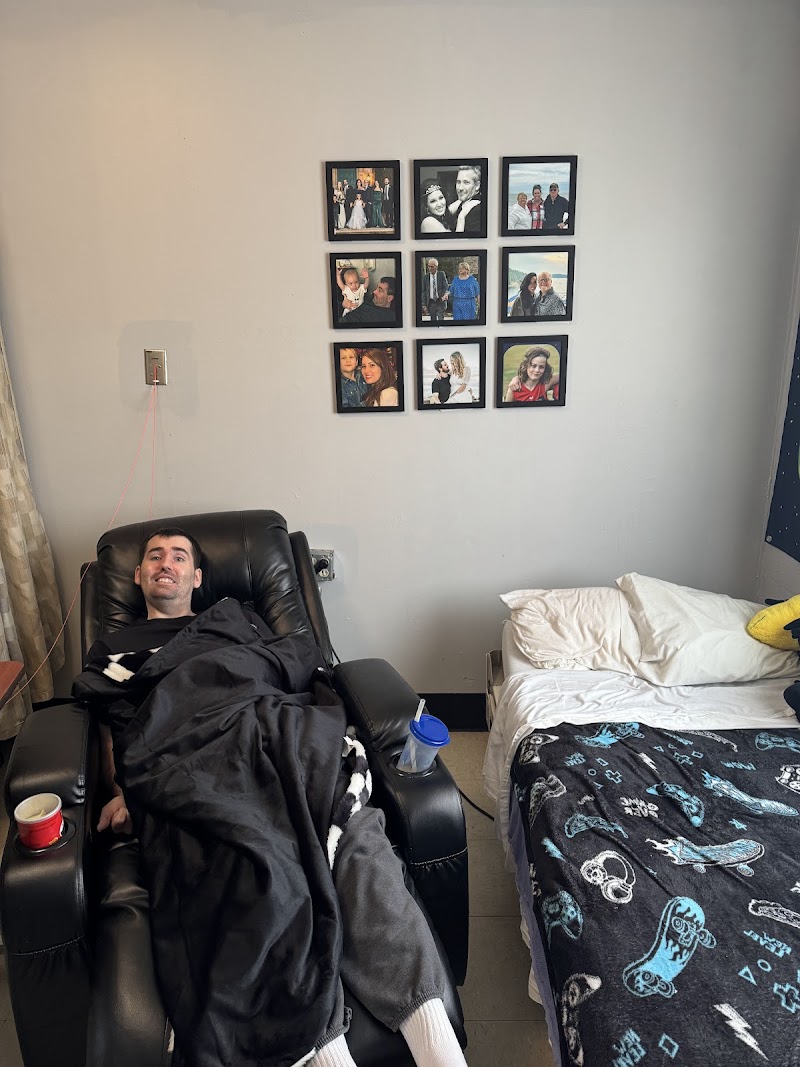
CMS rates Shady Rest Care Center's staffing level at 3 out of 5 stars, which is average compared to other nursing homes. Staff turnover is 74%, which is 28 percentage points above the Oklahoma average of 46%. High turnover can affect care consistency as new staff learn residents' individual needs.

What Have Inspectors Found at Shady Rest Care Center?

State health inspectors documented 23 deficiencies at Shady Rest Care Center during 2022 to 2025. These included: 1 Immediate Jeopardy (the most serious level, indicating potential for serious harm or death) and 22 with potential for harm. Immediate Jeopardy findings are rare and represent the most serious regulatory concerns. They require immediate corrective action.

Who Owns and Operates Shady Rest Care Center?

Shady Rest Care Center is owned by a for-profit company. For-profit facilities operate as businesses with obligations to shareholders or private owners. The facility is operated by BGM ESTATE, a chain that manages multiple nursing homes. With 65 certified beds and approximately 35 residents (about 54% occupancy), it is a smaller facility located in Pryor, Oklahoma.

How Does Shady Rest Care Center Compare to Other Oklahoma Nursing Homes?

Compared to the 100 nursing homes in Oklahoma, Shady Rest Care Center's overall rating (2 stars) is below the state average of 2.6, staff turnover (74%) is significantly higher than the state average of 46%, and health inspection rating (2 stars) is below the national benchmark.

What Should Families Ask When Visiting Shady Rest Care Center?

Based on this facility's data, families visiting should ask: "What changes have been made since the serious inspection findings, and how are you preventing similar issues?" "How do you ensure continuity of care given staff turnover, and what is your staff retention strategy?" "Can I visit during a mealtime to observe dining assistance and food quality?" "How do you handle medical emergencies, and what is your hospital transfer rate?" These questions are particularly relevant given the facility's Immediate Jeopardy citations and the facility's high staff turnover rate.

Is Shady Rest Care Center Safe?

Based on CMS inspection data, Shady Rest Care Center has documented safety concerns. Inspectors have issued 1 Immediate Jeopardy citation (the most serious violation level indicating risk of serious injury or death). The facility has a 2-star overall rating and ranks #100 of 100 nursing homes in Oklahoma. Families considering this facility should ask detailed questions about what corrective actions have been taken since these incidents.

Do Nurses at Shady Rest Care Center Stick Around?

Staff turnover at Shady Rest Care Center is high. At 74%, the facility is 28 percentage points above the Oklahoma average of 46%. High turnover means new staff may not know residents' individual needs, medications, or preferences. It can also be disorienting for residents, especially those with dementia who rely on familiar faces. Families should ask: What is causing the turnover? What retention programs are in place? How do you ensure care continuity during staff transitions?

Was Shady Rest Care Center Ever Fined?

Shady Rest Care Center has no federal fines on record. CMS issues fines when nursing homes fail to meet care standards or don't correct problems found during inspections. The absence of fines suggests the facility has either maintained compliance or corrected any issues before penalties were assessed. This is a positive indicator, though families should still review recent inspection reports for the full picture.

Is Shady Rest Care Center on Any Federal Watch List?

Shady Rest Care Center is not on any federal watch list. The most significant is the Special Focus Facility (SFF) program, which identifies the bottom 1% of nursing homes nationally based on persistent, serious quality problems. Not being on this list means the facility has avoided the pattern of deficiencies that triggers enhanced federal oversight. This is a positive indicator, though families should still review the facility's inspection history directly.