SHATTUCK NURSING CENTER
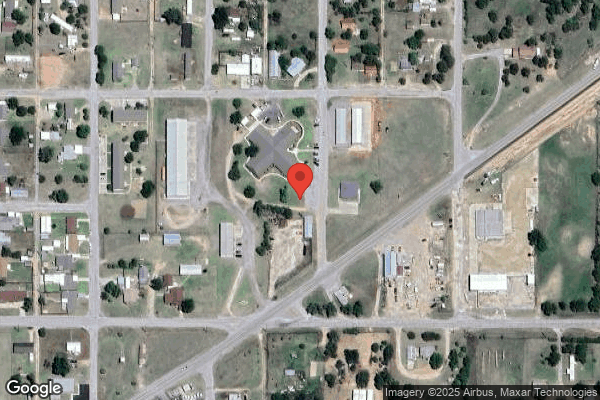
211 NORTH ALFALFA, SHATTUCK, OK 73858 (580) 938-2501
For profit - Corporation 60 Beds Independent Data: November 2025
Trust Grade
55/100
#181 of 282 in OK
Last Inspection: October 2024

Within standard 12-15 month inspection cycle. Federal law requires annual inspections.

Overview

Shattuck Nursing Center has a Trust Grade of C, which means it is average and in the middle of the pack compared to other facilities. It ranks #181 out of 282 in Oklahoma, placing it in the bottom half of the state's nursing homes, but it is the only facility in Ellis County. The facility's performance is worsening, with issues increasing from 5 in 2023 to 7 in 2024. Staffing is a concern, with a low rating of 1 out of 5 stars and a turnover rate of 49%, which is better than the state average but still indicates instability. While there have been no fines, which is a positive sign, specific incidents found during inspections indicate areas for improvement, such as failure to complete required resident assessments and inaccuracies in documentation for residents’ medications. Overall, while there are some strengths, such as no fines, the center has significant weaknesses that families should consider carefully.

Trust Score
C
55/100
In Oklahoma
#181/282
Bottom 36%
Safety Record
Low Risk
No red flags
Inspections
Getting Worse
5 → 7 violations
Staff Stability
⚠ Watch
49% turnover. Above average. Higher turnover means staff may not know residents' routines.
Penalties
✓ Good
No fines on record. Clean compliance history, better than most Oklahoma facilities.
Skilled Nurses
⚠ Watch
Each resident gets only 16 minutes of Registered Nurse (RN) attention daily — below average for Oklahoma. Fewer RN minutes means fewer trained eyes watching for problems.
Violations
⚠ Watch
14 deficiencies on record. Higher than average. Multiple issues found across inspections.
★★☆☆☆
2.0
Overall Rating
★☆☆☆☆
1.0
Staff Levels
★★☆☆☆
2.0
Care Quality
★★★☆☆
3.0
Inspection Score
Stable
2023: 5 issues
2024: 7 issues

The Good

  • Full Sprinkler Coverage · Fire safety systems throughout facility
  • No fines on record

Facility shows strength in fire safety.

The Bad

2-Star Overall Rating

Below Oklahoma average (2.6)

Below average - review inspection findings carefully

Staff Turnover: 49%

Near Oklahoma avg (46%)

Higher turnover may affect care consistency

The Ugly 14 deficiencies on record

Oct 2024 7 deficiencies
CONCERN (D)

Potential for Harm - no one hurt, but risky conditions existed

Notification of Changes (Tag F0580)

Could have caused harm · This affected 1 resident

Based on record review and interview, the facility failed to ensure the physician was notified when a medication was unavailable for one (#44) of five sampled residents reviewed for medications. The D...

Read full inspector narrative →
Based on record review and interview, the facility failed to ensure the physician was notified when a medication was unavailable for one (#44) of five sampled residents reviewed for medications. The DON stated 45 residents resided in the facility. Findings: Resident #44 had diagnoses which included Huntington's disease. An Order Summary Report, dated 03/25/24, documented to give Austredo (VMAT2 inhibitor medication) 24 mg daily, and another order, dated 04/08/24, documented to give Austredo 6 mg daily. Both medications were to treat Huntington's disease. Resident #44's quarterly assessment, dated 08/21/24, documented the resident had moderate cognitive impairment. A CMA Medications report, dated September 2024, documented the resident did not receive either one of the Austredo medications for 18 out of 30 days. A CMA Medications report, dated October 2024, documented the resident did not receive either one of the Austredo medications for 22 out of 23 days. On 10/24/24 at 12:46 p.m., CMA #1 was asked what they knew about Resident #44's Austredo medication. They stated the pharmacy could not fill it because insurance would not cover it. On 10/24/24 at 1:33 p.m., the DON stated the neurologist was last notified the medication could not be filled on 09/23/24. On 10/24/24 at 1:42 p.m., the DON stated the PCP had not been notified.
CONCERN (D)

Potential for Harm - no one hurt, but risky conditions existed

Pharmacy Services (Tag F0755)

Could have caused harm · This affected 1 resident

Based on record review and interview, the facility failed to ensure a medication was available for one (#44) of five sampled residents reviewed for medications. The DON stated 45 residents resided in ...

Read full inspector narrative →
Based on record review and interview, the facility failed to ensure a medication was available for one (#44) of five sampled residents reviewed for medications. The DON stated 45 residents resided in the facility. Findings: Resident #44 had diagnoses which included Huntington's disease. An Order Summary Report, dated 03/25/24 documented to give Austredo (VMAT2 inhibitor medication) 24 mg daily, and another order, dated 04/08/24, documented to give Austredo 6 mg daily. Both medications were to treat Huntington's disease. Resident #44's quarterly assessment, dated 08/21/24, documented the resident had moderate cognitive impairment. A CMA Medications report, dated September 2024, documented the resident did not receive either one of the Austredo medications for 18 out of 30 days. A CMA Medications report, dated October 2024, documented the resident did not receive either one of the Austredo medications for 22 out of 23 days. On 10/24/24 at 12:46 p.m., CMA #1 was asked what they knew about Resident #44's Austredo medication. They stated the pharmacy could not fill it because insurance would not cover it. They stated the medication had not been available for a couple of months.
CONCERN (E)

Potential for Harm - no one hurt, but risky conditions existed

MDS Data Transmission (Tag F0640)

Could have caused harm · This affected multiple residents

Based on record review and interview, the facility failed to ensure resident assessments were completed and submitted to CMS for nine (#13, 17, 21, 23, 25, 37, 40, 42, and #45) of 13 sampled residents...

Read full inspector narrative →
Based on record review and interview, the facility failed to ensure resident assessments were completed and submitted to CMS for nine (#13, 17, 21, 23, 25, 37, 40, 42, and #45) of 13 sampled residents who were reviewed for resident assessments. The DON identified 45 residents resided in the facility. Findings: 1. Resident #21's Annual Assessment, dated 09/15/24, documented the ARD was 09/15/24. Sections B, C, D, F, GG, J, L, M, N, P, and Q did not contain any data. Section Z0400 did not contain any signatures documenting the assessment had been completed. On 10/24/24 at 5:34 p.m., MDS #1 stated Resident #21's assessment was not completed. 2. Resident #13's Quarterly Assessment, dated 08/29/24, documented the ARD was 08/29/24. Section Z0500 documented the DON signed the assessment 09/12/24. A MDS Final Validation Report, dated 10/22/24, documented Resident #13's assessment was submitted late (more than 14 days after section Z0500.) On 10/24/24 at 5:30 p.m., MDS #1 stated Resident #13's assessment was not submitted timely. 3. Resident #17's Quarterly Assessment, dated 09/07/24, documented the ARD was 09/07/24. Section Z0500 documented the DON signed the assessment 09/21/24. A MDS Final Validation Report, dated 10/22/24, documented Resident #17's assessment was submitted late (more than 14 days after section Z0500.) On 10/24/24 at 5:34 p.m., MDS #1 stated Resident #17's assessment was not submitted timely. 4. Resident #23's Quarterly Assessment, dated 08/25/24, documented the ARD was 08/25/24. Section Z0500 documented the DON signed the assessment 09/08/24. A MDS Final Validation Report, dated 10/08/24, documented Resident #23's assessment was submitted late (more than 14 days after section Z0500.) On 10/24/24 at 5:24 p.m., MDS #1 stated Resident #23's assessment wasn't submitted timely. 5. Resident #25's Quarterly Assessment, dated 09/16/24, documented the ARD was 09/16/24. Sections B, C, D, GG, J, L, M, N, P, and Q did not contain any data. Section Z0400 did not contain any signatures documenting the assessment had been completed. On 10/24/24 at 5:36 p.m., MDS #1 stated Resident #25's assessment was not completed. 6. Resident #37's Quarterly Assessment, dated 09/05/24, documented the ARD was 09/05/24. Section Z0500 documented the DON signed the assessment 09/19/24. A MDS Final Validation Report, dated 10/22/24, documented Resident #37's assessment was submitted late (more than 14 days after section Z0500.) On 10/24/24 at 5:40 p.m., MDS #1 stated Resident #37's assessment was not submitted timely. 7. Resident #40's Quarterly Assessment, dated 09/22/24, documented the ARD was 09/22/24. Sections B, C, D, GG, L, M, N, P, and Q did not contain any data. Section Z0400 did not contain any signatures documenting the assessment had been completed. On 10/24/24 at 5:38 p.m., MDS #1 stated Resident #40's assessment was not completed. 8. Resident #42's Quarterly Assessment, dated 09/16/24, documented the ARD was 09/16/24. Sections B, C, D, GG, L, M, N, P, and Q did not contain any data. Section Z0400 did not contain any signatures documenting the assessment had been completed. On 10/24/24 at 5:38 p.m., MDS #1 stated Resident #42's assessment was not completed. 9. Resident #45's Quarterly Assessment, dated 08/29/24, documented the ARD was 08/29/24. Section Z0500 documented the DON signed the assessment on 09/12/24. A MDS Final Validation Report, dated 10/08/24, documented Resident #45's assessment was submitted late (more than 14 days after section Z0500.) On 10/24/24 at 4:10 p.m., MDS #1 stated Resident #45's assessment was not submitted timely.
CONCERN (E)

Potential for Harm - no one hurt, but risky conditions existed

Assessment Accuracy (Tag F0641)

Could have caused harm · This affected multiple residents

Based on record review and interview, the facility failed to ensure resident assessments were accurate for two (#15 and #30) of 13 sampled residents whose resident assessments were reviewed for accura...

Read full inspector narrative →
Based on record review and interview, the facility failed to ensure resident assessments were accurate for two (#15 and #30) of 13 sampled residents whose resident assessments were reviewed for accuracy. The DON identified 45 residents who resided in the facility. Findings: The Long-Term Care Facility Resident Assessment Instrument, dated October 2023, documented alternative medicine products were considered as a dietary supplement. It documented medications such as melatonin should not be counted as a medication. 1. Resident #15 had diagnoses which included insomnia. An Order Summary Report, dated 04/20/24, documented Resident #15 received melatonin at bedtime for insomnia. Resident #15's quarterly assessment, dated 08/10/24, documented the resident received a hypnotic. 2. Resident #30 had diagnoses which included insomnia. An Order Summary Report, dated 03/20/24, documented Resident #30 received melatonin at bedtime for insomnia. Resident #30's quarterly assessment, dated 06/30/24, documented the resident received a hypnotic. On 10/25/24 at 4:40 p.m., MDS #1 was asked how medications were coded correctly on the MDS. They stated they look for new orders, order summaries, and MARs during the date range needed for the MDS. They were asked to list hypnotic medications. They stated melatonin. MDS #1 stated they should look at the classification of the medication.
CONCERN (E)

Potential for Harm - no one hurt, but risky conditions existed

Deficiency F0642 (Tag F0642)

Could have caused harm · This affected multiple residents

Based on record review and interview, the facility failed to ensure resident assessments were not back dated for three (#23, 37 and #45) of 13 sampled residents who were reviewed for resident assessme...

Read full inspector narrative →
Based on record review and interview, the facility failed to ensure resident assessments were not back dated for three (#23, 37 and #45) of 13 sampled residents who were reviewed for resident assessments. The DON identified 45 residents resided in the facility. Findings: 1. Resident #23's Quarterly Assessment, dated 08/25/24, documented the ARD was 08/25/24. Section Z0500 documented the DON signed the assessment was completed on 09/08/24. Section Z0400 documented MDS #1 completed sections A-E, GG, and H-Q on 10/03/24. 2. Resident #37's Quarterly Assessment, dated 09/05/24, documented the ARD was 09/05/24. Section Z0500 documented the DON signed the assessment was completed on 09/19/24. Section Z0400 documented the DON completed sections A-E, GG, and H-Q on 10/22/24. 3. Resident #45's Quarterly Assessment, dated 08/29/24, documented the ARD was 08/29/24. Section Z0500 documented the DON signed the assessment was completed on 09/12/24. Section Z0400 documented the DON completed sections A-E, GG, and H-Q on 10/03/24. On 10/24/24 at 4:36 p.m., the DON and MDS #1 were asked how assessments were signed by the DON before the sections were completed. MDS #1 stated they collected the data and completed resident interviews timely, but were not able to input the data. The DON stated they changed the date on the MDS to reflect when the assessment (data and interview) had been completed.
CONCERN (E)

Potential for Harm - no one hurt, but risky conditions existed

Deficiency F0657 (Tag F0657)

Could have caused harm · This affected multiple residents

Based on record review and interview, the facility failed to ensure care plans were updated for use of alarms for one (#3) and failed to ensure the care plan specified what behaviors were being treate...

Read full inspector narrative →
Based on record review and interview, the facility failed to ensure care plans were updated for use of alarms for one (#3) and failed to ensure the care plan specified what behaviors were being treated with psychotropic medications for one (#30) of eight sampled residents whose care plans were reviewed for behaviors and alarms. The DON identified 45 residents resided in the facility. Findings: 1. Resident #3 had diagnoses which included senile degeneration of the brain. An Order Summary Report, dated 05/23/24, documented the resident had an order for a fall alert monitor device. Resident #3's quarterly assessment, dated 07/20/24, documented the resident's cognition was severely impaired. It documented a bed and chair alarm were used. A Care Plan, dated 10/03/24, did not document an alarm was utilized. On 10/24/24 at 3:55 p.m., the DON stated the care plan did not address the alarms. 2. Resident #30 had diagnoses which included psychosis. An Order Summary Report, dated 03/20/24, documented the resident received Seroquel (antipsychotic medication). Resident #30's quarterly assessment, dated 06/30/24, documented the resident's cognition was severely impaired. It documented the resident received an antipsychotic. A Care Plan, dated 05/09/24, documented the resident received Seroquel, but it did not specify what behaviors the Seroquel was being used for. On 10/24/24 at 4:45 p.m., the DON stated the care plan did not have a list of specific behaviors. They stated it documented a list of side effects.
CONCERN (E)

Potential for Harm - no one hurt, but risky conditions existed

Pressure Ulcer Prevention (Tag F0686)

Could have caused harm · This affected multiple residents

Based on record review and interview, the facility failed to follow their protocol and the resident's care plan by not completing weekly wound assessments for one (#15) of two sampled residents review...

Read full inspector narrative →
Based on record review and interview, the facility failed to follow their protocol and the resident's care plan by not completing weekly wound assessments for one (#15) of two sampled residents reviewed for pressure ulcer care. The Resident Matrix, dated 10/22/24, documented two residents had pressure ulcers. Findings: An undated Wound Care Protocol, documented wounds would be drawn and documented on the pressure ulcer chart and documented in the skin assessment book every Saturday. Resident #15 had diagnoses which included pressure ulcer. Resident #15's Care Plan, dated 05/29/24, documented to follow the facility's protocol, assess, record, and monitor wound healing weekly. A Weekly Observation Tool, dated 09/11/24, documented the resident had a stage three pressure ulcer to their right hip and a stage two pressure ulcer to their left hip. This was the last documented weekly wound assessment. On 10/24/24 at 9:55 a.m., Resident #15's skin was observed with LPN #1. LPN #1 stated they completed skin assessments weekly. They stated they are behind on them. They stated they were documented, but not the in the EHR. LPN #1 stated they had them documented in a notebook, but did not have the note book with them.
Aug 2023 5 deficiencies
CONCERN (D)

Potential for Harm - no one hurt, but risky conditions existed

Infection Control (Tag F0880)

Could have caused harm · This affected 1 resident

Based on observation, record review, and interview, the facility failed to maintain infection control during medication observation for two (#17, and #28) of four sampled residents reviewed during med...

Read full inspector narrative →
Based on observation, record review, and interview, the facility failed to maintain infection control during medication observation for two (#17, and #28) of four sampled residents reviewed during medication observation. The Resident Census and Conditions of Residents report, dated 08/01/23, documented 31 residents resided in the facility. 1. Resident #17 had diagnoses which included high blood pressure, chronic kidney disease, and abnormal coagulation profile. 2. Resident #28 had diagnoses which included high blood pressure, dementia, and anxiety. On 08/03/23 at 7:04 a.m., CMA #1 was observed to remove the b/p cuff from the top of the cart and obtained a blood pressure on Resident #17. CMA #1 was observed to return to the medication cart and placed the b/p cuff on top of the cart. CMA #1 was not observed to sanitize the b/p cuff. On 08/03/23 at 7:19 a.m., CMA #1 was observed to remove the b/p cuff from the top of the cart and obtained a blood pressure on Resident #28. CMA #1 was observed to return to the medication cart and placed the b/p cuff on top of the cart. CMA #1 was not observed to sanitize the b/p cuff. On 08/03/23 at 10:02 a.m., CMA #1 was asked if they had sanitized the blood pressure cuff between residents during medication pass. They stated, I never sanitized the blood pressure cuff. CMA #1 was asked when should they sanitize the blood pressure cuff. They stated at one time they were, but have not been lately. On 08/03/23 at 1:20 p.m., the DON was asked when the b/p cuff should be sanitized. They stated between every resident.
CONCERN (D)

Potential for Harm - no one hurt, but risky conditions existed

Deficiency F0883 (Tag F0883)

Could have caused harm · This affected 1 resident

Based on observation, record review, and interview, the facility failed to administer a pneumococcal vaccination for one (#32) of five sampled residents reviewed for immunizations. The Resident Censu...

Read full inspector narrative →
Based on observation, record review, and interview, the facility failed to administer a pneumococcal vaccination for one (#32) of five sampled residents reviewed for immunizations. The Resident Census and Conditions of Residents documented 31 residents resided in the facility and 21 residents had receive the pneumococcal vaccination. Findings: An undated, Influenza/Pneumonia Vaccines policy, read in parts, .It is the intent of [name of facility] to follow the guidelines of the CDC and ACIP (Advisory Committee on Immunization Practices) on the administration of the influenza and pneumococcal vaccines to their residents with written consent from the residents' POA, representative or the resident, upon admittance to the facility and annually as indicated . Findings: Resident #32 had diagnoses which included, dementia, thrombocytopenia, and high blood pressure. A [Name of Facility] vaccination consent form, dated 05/26/23, documented the Resident's power of attorney had signed for Resident #32 to be administered the pneumococcal vaccination. An admission Assessment, dated 06/05/23, documented Resident #32 had severe cognitive impairment. Resident #32's EHR did not contain documentation the resident had a history of or had been administered the pneumococcal vaccination. On 08/04/23 8:58 a.m., the ADON was asked why hadn't the pneumonia shot been administered. They stated, We don't have the vaccine in yet. The ADON was asked why is it not administered as a one time dose. They stated, We have had a hard time getting it from [facility pharmacy] On 08/04/23 at 11:38 a.m., the Administrator was asked why was the pneumonia vaccination only offered from September through March. They stated, it is offered on admission. They were asked if Resident #32's family member consented to it, why had it not been given yet. They stated, they can order the shot through the pharmacy individually and was unsure why it had not been ordered. On 08/04/23 at 11:41 a.m., the Administrator was asked if the pneumococcal vaccination been administered by now. They stated, Yes.
CONCERN (E)

Potential for Harm - no one hurt, but risky conditions existed

Resident Rights (Tag F0550)

Could have caused harm · This affected multiple residents

Based on observation, record review, and interview, the facility failed to provide privacy for two (#11 and #13) of five sampled residents reviewed for privacy. The Resident Census and Conditions of ...

Read full inspector narrative →
Based on observation, record review, and interview, the facility failed to provide privacy for two (#11 and #13) of five sampled residents reviewed for privacy. The Resident Census and Conditions of Residents report, dated 08/01/23, documented 31 residents resided in the facility. Seven residents had seizure disorders. Findings: A Notice of Privacy Practices policy, dated 04/14/03, read in parts, .[Name of facility] may use your health information for purposes of providing you treatment .[Name of facility] has established a policy to guard against unnecessary disclosure of your health information . 1. Resident #11 had diagnoses which included epilepsy, and conversion disorder with seizures or convulsions. On 08/02/23 at 2:46 p.m., a Seizure Disorder sign was observed hanging on the wall above Resident #11's bed and was visible from the hallway door. 2. Resident #13 had diagnoses which included unspecified convulsions, persistent vegetative state, and aphasia. On 08/02/23 at 2:38 p.m., a Seizure Disorder sign was observed hanging on the wall above Resident #13's bed and was visible from the hallway door. On 08/02/23 at 3:06 p.m., the DON was asked to observe the sign Seizure Disorder above the resident's head of the bed and asked why that sign was posted. They stated to notify the staff. They were asked if they could see the sign from the door. They stated, Yes. They were asked if that is a dignity or privacy issue. They stated, Yes.
CONCERN (E)

Potential for Harm - no one hurt, but risky conditions existed

Deficiency F0578 (Tag F0578)

Could have caused harm · This affected multiple residents

**NOTE- TERMS IN BRACKETS HAVE BEEN EDITED TO PROTECT CONFIDENTIALITY** Based on observation, record review, and interview, the facility failed to: a. ensure staff were aware of the system used to ide...

Read full inspector narrative →
**NOTE- TERMS IN BRACKETS HAVE BEEN EDITED TO PROTECT CONFIDENTIALITY** Based on observation, record review, and interview, the facility failed to: a. ensure staff were aware of the system used to identify CPR/DNR status, and b. ensure clinical health records correctly identified CPR/DNR status for three (#3, 17 and #19) of twelve sampled residents reviewed for advanced directives. The Resident Census and Condition of Residents report, dated [DATE], documented 31 residents resided in the facility. Five residents had advanced directives. Findings: A Life-Sustaining Treatment Decisions policy, dated [DATE], read in parts, .Do Not Resuscitate Orders . A Resident's request to have a DNR Order entered on the chart is to be noted in the medical record .The DNR order should be communicated to all relevant healthcare providers and documented in the Resident's Care Plan .If the Resident or family consent, a DNR wristband could be used to assist identifying the Resident who has a current DNR order. If a DNR wristband is not allowed, a sticker on the resident's chart will be used to identify the DNR resident . 1. Resident #3 had diagnoses which included type two diabetes mellitus, acute kidney failure, and encephalopathy. Resident #3's chart was observed to have a blue dot on the spine of the chart, there was no signed DNR in the chart. An OKLAHOMA DO-NOT-RESUSCITATE (DNR), dated [DATE], documented Resident #3 was a DNR. A Hospice IDG Comprehensive Assessment and Plan of Care Update Report, dated [DATE] to [DATE], documented Resident #3 was a full code. On [DATE] at 10:25 a.m., the DON was asked what the colored dots meant on the residents' charts. They stated, they did not know, no one had told them that. On [DATE] at 10:30 a.m., CNA #1 was asked what the dots on the resident charts meant. They stated, I do not know. RN #1 was asked what the dots meant. They stated they were unsure. CNA #1 was asked how they identified if a resident was a DNR or full code status. CNA #1 stated they use hearts and wings on the residents' name labels on their doors to identify CPR/DNR, but they were not up anymore. CNA #1 stated there was a DNR list, but it had not been updated. RN #1 was asked what if a signed DNR was not in the chart. They stated it should be. On [DATE] at 10:39 a.m., RN#1 was shown Resident #3's chart and asked if there was a signed DNR in the chart. They reviewed the chart and stated, No. They were asked how they know how to respond. RN #1 did not answer. RN #1 was asked what the electronic clinical health record documented. They stated a DNR. On [DATE] the DON provided a DNR/full code list which documented Resident #3 was a DNR. They were asked where the copy is normally kept. They stated in the medication room, but someone had taken the information down. They were asked if the DNR sheet was accurate related to Resident #3. The DON stated No. 2. Resident #19 had diagnoses which included heart disease, muscle weakness, and depressive disorder. Resident #19's electronic health record did not document a DNR or full code status. Resident #19's hard chart was observed to have a blue dot on the spine of the chart. On [DATE] at 11:02 a.m., the DON was shown Resident #19's EHR and asked if it documented a code status or physician order. They stated, No. 3. Resident #17 had diagnoses which included high blood pressure, chronic kidney disease, and abnormal coagulation profile. The electronic health record did not document a DNR or full code status. Resident #17's hard chart was observed to have a blue dot on the spine of the chart. On [DATE] at 11:02 a.m., the DON was asked if there should be a code status identification in the resident's electronic health record for full codes. They stated, Yes. The DON was asked if there should be a physician order for a full code. They stated, Yes. The DON was asked if the staff do not know what the dots on the charts meant, how did they know what to do. They stated to look in the EHR. On [DATE] at 11:50 a.m., the Administrator was asked how residents were identified for DNR or resuscitation. They stated there was a list and a red dot on the chart.
CONCERN (E)

Potential for Harm - no one hurt, but risky conditions existed

Assessment Accuracy (Tag F0641)

Could have caused harm · This affected multiple residents

**NOTE- TERMS IN BRACKETS HAVE BEEN EDITED TO PROTECT CONFIDENTIALITY** Based on record review and interview, the facility failed to ensure MDS assessments were accurate for two (#7 and #23) of 12 res...

Read full inspector narrative →
**NOTE- TERMS IN BRACKETS HAVE BEEN EDITED TO PROTECT CONFIDENTIALITY** Based on record review and interview, the facility failed to ensure MDS assessments were accurate for two (#7 and #23) of 12 residents sampled for accuracy of MDS assessments. The Resident Census and Conditions of Residents report, dated 08/01/23, documented 31 residents resided in the facility. The DON identified nine residents used oxygen. Findings: 1. Resident #7 had diagnoses of atherosclerosis and heart failure. A Physician Order, dated 11/10/22, read in part, .02 at 0.5 L via n.c at HS . An Annual Assessment, dated 07/05/23, did not document oxygen therapy was used during the 14 day look back. On 08/02/23 at 4:01 p.m., the MDS Coordinator was asked about Resident # 7's respiratory orders. They stated Resident # 7 had orders for supplemental oxygen at night prescribed since 11/10/22. They were asked what the date was of most recent MDS. They stated it was on 07/05/23. They were asked if section O documented Oxygen therapy, They stated, No, it does not document oxygen by nursing on the TAR,so I did not document it in the MDS. On 08/02/23 at 4:17 p.m., the ADON was asked if Resident #7 was utilizing oxygen during 14 day look back for MDS dated [DATE]. They stated yes, the resident always wear their oxygen at night. 2. Resident #23 had diagnoses which included asthma and chronic obstructive pulmonary disease. A Physician Order, dated 01/12/22, read in part, .Oxygen 1L to 2L per NC PRN . An Annual Assessment, dated 07/02/23, read in parts, .Special Treatment, Procedures, and Programs .Respiratory Treatments .Oxygen therapy . did not document oxygen therapy was used during the 14 day look back. On 08/02/23 at 3:48 p.m., Resident #23 was observed to be wearing their oxygen. On 08/03/23 at 9:30 a.m., the MDS Coordinator was asked to discuss Resident #23's respiratory orders. They stated Resident #23 wears oxygen PRN. They were asked what MDS section O, dated 07/02/23, documented. They stated it documented Resident #23 did not use oxygen therapy. The MDS coordinator was asked if the MDS was correct. They stated, No, it needs to be corrected. The nurses did not document the PRN oxygen on the TAR so I checked no for the 14 day look back. I should know the resident wears oxygen daily. On 08/03/23 at 9:39 a.m., the Administrator was asked to review the MDS, dated [DATE], for Resident #23 section O and asked if the assessment was accurate. The Administrator stated, No, it needs to be corrected. On 08/03/23 at 9:40 a.m., the ADON stated that Resident #23 always wears oxygen and they had contacted the the physician to change from PRN to continuous oxygen. The ADON was asked if the resident was wearing/using oxygen during the 14 day look back period for the MDS dated [DATE]. The ADON stated, Yes, [the resident] likes to wear it continuously. On 08/03/23 at 10:07 a.m., the Administrator stated they did not have a policy for documenting accurate MDS assessments.
Jun 2022 2 deficiencies
CONCERN (E)

Potential for Harm - no one hurt, but risky conditions existed

Deficiency F0727 (Tag F0727)

Could have caused harm · This affected multiple residents

Based on interview and record review, the facility failed to have a RN eight consecutive hours a day for three of 22 days in June 2022. The DON reported 36 residents resided in the facility. Findings:...

Read full inspector narrative →
Based on interview and record review, the facility failed to have a RN eight consecutive hours a day for three of 22 days in June 2022. The DON reported 36 residents resided in the facility. Findings: The nursing schedule from June 1st through June 22nd, 2022, did not document a RN on June 11th, 12th, and 19th. On 06/22/22 at 2:09 p.m., the BOM and DON were asked if there was a RN for eight consecutive hours a day, seven days a week. The BOM stated, There is a RN here almost all the time. They were asked to provide documentation of RN coverage for June 11th, 12th, and 19th. On 06/22/22 at 2:28 p.m., the BOM was not able to provide the documentation. They stated the administrator, who was also an RN, was here for seven hours on June 19th.
CONCERN (F)

Potential for Harm - no one hurt, but risky conditions existed

Deficiency F0838 (Tag F0838)

Could have caused harm · This affected most or all residents

Based on interview and record review, the facility failed to ensure a facility risk assessment had been completed and updated. The DON identified 36 residents resided in the facility. Findings: On 06...

Read full inspector narrative →
Based on interview and record review, the facility failed to ensure a facility risk assessment had been completed and updated. The DON identified 36 residents resided in the facility. Findings: On 06/24/22 at 8:20 a.m., the BOM was asked to provide the most currant facility assessment that had been completed. They provided two binders, an emergency management binder and a Facility Assessment Compliance Tool binder. The FACT book contained an assessment, dated 2017, last signed by the previous administrator. The BOM was asked if there was another date. They stated they would look for another book. On 06/24/22 at 8:32 a.m., the BOM returned and stated they did not find additional information.
Understanding Severity Codes (click to expand)
Life-Threatening (Immediate Jeopardy)
J - Isolated K - Pattern L - Widespread
Actual Harm
G - Isolated H - Pattern I - Widespread
Potential for Harm
D - Isolated E - Pattern F - Widespread
No Harm (Minor)
A - Isolated B - Pattern C - Widespread

Questions to Ask on Your Visit

  • "Can I speak with families of current residents?"
  • "What's your RN coverage like on weekends and overnight?"

Our Honest Assessment

Strengths
  • • No major safety red flags. No abuse findings, life-threatening violations, or SFF status.
  • • No fines on record. Clean compliance history, better than most Oklahoma facilities.
Concerns
  • • 14 deficiencies on record. Higher than average. Multiple issues found across inspections.
  • • Grade C (55/100). Below average facility with significant concerns.
Bottom line: Mixed indicators with Trust Score of 55/100. Visit in person and ask pointed questions.

About This Facility

What is Shattuck Nursing Center's CMS Rating?

CMS assigns SHATTUCK NURSING CENTER an overall rating of 2 out of 5 stars, which is considered below average nationally. Within Oklahoma, this rating places the facility higher than 0% of the state's 100 nursing homes. A rating at this level reflects concerns identified through health inspections, staffing assessments, or quality measures that families should carefully consider.

How is Shattuck Nursing Center Staffed?

CMS rates SHATTUCK NURSING CENTER's staffing level at 1 out of 5 stars, which is much below average compared to other nursing homes. Staff turnover is 49%, compared to the Oklahoma average of 46%.

What Have Inspectors Found at Shattuck Nursing Center?

State health inspectors documented 14 deficiencies at SHATTUCK NURSING CENTER during 2022 to 2024. These included: 14 with potential for harm.

Who Owns and Operates Shattuck Nursing Center?

SHATTUCK NURSING CENTER is owned by a for-profit company. For-profit facilities operate as businesses with obligations to shareholders or private owners. The facility operates independently rather than as part of a larger chain. With 60 certified beds and approximately 45 residents (about 75% occupancy), it is a smaller facility located in SHATTUCK, Oklahoma.

How Does Shattuck Nursing Center Compare to Other Oklahoma Nursing Homes?

Compared to the 100 nursing homes in Oklahoma, SHATTUCK NURSING CENTER's overall rating (2 stars) is below the state average of 2.6, staff turnover (49%) is near the state average of 46%, and health inspection rating (3 stars) is at the national benchmark.

What Should Families Ask When Visiting Shattuck Nursing Center?

Based on this facility's data, families visiting should ask: "Can you walk me through typical staffing levels on day, evening, and night shifts?" "Can I visit during a mealtime to observe dining assistance and food quality?" "How do you handle medical emergencies, and what is your hospital transfer rate?" "Can I speak with family members of current residents about their experience?" These questions are particularly relevant given the below-average staffing rating.

Is Shattuck Nursing Center Safe?

Based on CMS inspection data, SHATTUCK NURSING CENTER has a clean safety record: no substantiated abuse findings (meaning no confirmed cases of resident harm), no Immediate Jeopardy citations (the most serious violation level indicating risk of serious injury or death), and is not on the Special Focus Facility watch list (a federal program monitoring the lowest-performing 1% of nursing homes). The facility has a 2-star overall rating and ranks #100 of 100 nursing homes in Oklahoma. While no facility is perfect, families should still ask about staff-to-resident ratios and recent inspection results during their visit.

Do Nurses at Shattuck Nursing Center Stick Around?

SHATTUCK NURSING CENTER has a staff turnover rate of 49%, which is about average for Oklahoma nursing homes (state average: 46%). Moderate turnover is common in nursing homes, but families should still ask about staff tenure and how the facility maintains care continuity when employees leave.

Was Shattuck Nursing Center Ever Fined?

SHATTUCK NURSING CENTER has no federal fines on record. CMS issues fines when nursing homes fail to meet care standards or don't correct problems found during inspections. The absence of fines suggests the facility has either maintained compliance or corrected any issues before penalties were assessed. This is a positive indicator, though families should still review recent inspection reports for the full picture.

Is Shattuck Nursing Center on Any Federal Watch List?

SHATTUCK NURSING CENTER is not on any federal watch list. The most significant is the Special Focus Facility (SFF) program, which identifies the bottom 1% of nursing homes nationally based on persistent, serious quality problems. Not being on this list means the facility has avoided the pattern of deficiencies that triggers enhanced federal oversight. This is a positive indicator, though families should still review the facility's inspection history directly.