STIGLER NURSING & REHAB
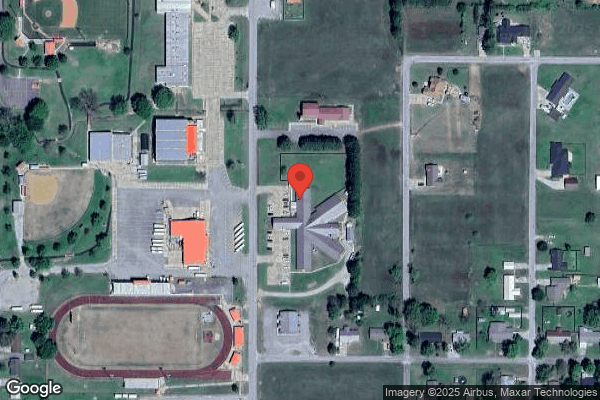
1402 NORTHWEST 7TH STREET, STIGLER, OK 74462 (918) 967-3381
For profit - Limited Liability company 80 Beds Independent Data: November 2025 3 Immediate Jeopardy citations
Trust Grade
0/100
#266 of 282 in OK
Last Inspection: April 2024

Within standard 12-15 month inspection cycle. Federal law requires annual inspections.

Overview

Stigler Nursing & Rehab has received an F grade, indicating poor quality with significant concerns about care. Ranking #266 out of 282 facilities in Oklahoma places it in the bottom half, and as the only option in Haskell County, families have limited alternatives. The facility's performance appears stable, with 9 issues reported in both 2023 and 2024. Staffing is average with a rating of 3 out of 5 stars, but the 69% turnover rate is concerning, as it is higher than the state average. Families should also note the $181,959 in fines, which is higher than 97% of other Oklahoma facilities, and the lack of RN coverage, which is below that of 93% of state facilities. Specific incidents include a critical failure to ensure that staff had current CPR certification, which poses a serious risk in emergencies. Additionally, a resident who was at risk for falls suffered multiple falls without adequate updates to their care plan, raising concerns about safety measures. Lastly, another resident with dementia eloped from the facility without staff knowledge, highlighting lapses in monitoring. Overall, while there are some average staffing levels, the numerous critical incidents and issues with care and safety are significant red flags for families considering this facility.

Trust Score
F
0/100
In Oklahoma
#266/282
Bottom 6%
Safety Record
High Risk
Review needed
Inspections
Holding Steady
9 → 9 violations
Staff Stability
⚠ Watch
69% turnover. Above average. Higher turnover means staff may not know residents' routines.
Penalties
⚠ Watch
$181,959 in fines. Higher than 75% of Oklahoma facilities, suggesting repeated compliance issues.
Skilled Nurses
⚠ Watch
Each resident gets only 10 minutes of Registered Nurse (RN) attention daily — below average for Oklahoma. Fewer RN minutes means fewer trained eyes watching for problems.
Violations
⚠ Watch
32 deficiencies on record. Higher than average. Multiple issues found across inspections.
★☆☆☆☆
1.0
Overall Rating
★★★☆☆
3.0
Staff Levels
★★★★☆
4.0
Care Quality
★☆☆☆☆
1.0
Inspection Score
Stable
2023: 9 issues
2024: 9 issues

The Good

  • 4-Star Quality Measures · Strong clinical quality outcomes
  • Full Sprinkler Coverage · Fire safety systems throughout facility
  • No fines on record

Facility shows strength in quality measures, fire safety.

The Bad

1-Star Overall Rating

Below Oklahoma average (2.6)

Significant quality concerns identified by CMS

Staff Turnover: 69%

22pts above Oklahoma avg (46%)

Frequent staff changes - ask about care continuity

Federal Fines: $181,959

Well above median ($33,413)

Significant penalties indicating serious issues

Staff turnover is elevated (69%)

21 points above Oklahoma average of 48%

The Ugly 32 deficiencies on record

3 life-threatening 2 actual harm
Aug 2024 2 deficiencies 1 IJ
CRITICAL (J) 📢 Someone Reported This

A family member, employee, or ombudsman was alarmed enough to file a formal complaint

Immediate Jeopardy (IJ) - the most serious Medicare violation

Accident Prevention (Tag F0689)

Someone could have died · This affected 1 resident

**NOTE- TERMS IN BRACKETS HAVE BEEN EDITED TO PROTECT CONFIDENTIALITY** On 07/31/24, an Immediate Jeopardy (IJ) situation was determined to exist related to the facility's failure to ensure Res #1, wh...

Read full inspector narrative →
**NOTE- TERMS IN BRACKETS HAVE BEEN EDITED TO PROTECT CONFIDENTIALITY** On 07/31/24, an Immediate Jeopardy (IJ) situation was determined to exist related to the facility's failure to ensure Res #1, who was at risk for elopement, did not elope from the facility. Res #1 admitted to the facility on [DATE] with diagnoses including dementia. Res #1 eloped from the facility on 06/29/24 without staff knowledge and was returned to the facility by a community member. The facility did not complete one-on-one monitoring upon the Res #1's return or initiate environmental interventions for prevention. The care plan was not revised for the Res #1 and staff did not have a consistent plan to monitor and prevent elopement for the resident. On 07/31/24 at 3:00 p.m., the Oklahoma State Department of Health was notified and verified the existence of the IJ situation related to elopement for Res #1. On 07/31/24 at 3:12 p.m., the administrator was notified of the IJ situation. On 08/01/24 at 12:11 p.m., an acceptable plan of removal was submitted to the Oklahoma State Department of Health. The plan of removal documented: Corrective Action: Plan of Removal On 07/31/24, elopement risk assessments were initiated on all residents with care plans updated to identify any at risk residents. 1. A notification sign will be placed on front door and service door to alert visitors and vendors to not let anyone out without notifying/asking facility staff first. 2. All staff In-Serviced on elopement risk policy, ensuring that identified elopement risk residents are redirected away from doors, properly performing 1:1 monitoring, and location of list of wandering/elopement risk residents and to check list at beginning of shift. 3. MDS Coordinator in-serviced on completion of 48-hour care plans on all new admissions to include but not limited to potential for risk of elopement. 4. HR/BOM in-serviced on all newly hired personnel will be educated on elopement policy, location of list of at risk for elopement residents with an acknowledgement page. 5. Nursing Administration In-Serviced on reviewing elopement risk resident list/any new admissions and updating list accordingly 5 times weekly during clinical meeting. 6. DON/Designee will report any negative findings quarterly to QAPI. 7. Any employee that can't be reached for In-Service will be inactive and taken off of schedule until education is provided. Completed by 10 a.m. 8/1/2024 The IJ was lifted, effective 08/01/24 at 10:00 a.m., when all components of the plan of removal had been completed. The deficiency remained at a level of potential for more than minimal harm. Based on observation, record review, and interview, the facility failed to ensure a resident at risk for elopement did not elope from the facility for one (#1) of three sampled residents reviewed for elopement and failed to ensure treatment carts were locked. The facility assessment documented four residents who were at risk for elopement and five residents who wander. Findings: A Safety and Supervision of Residents policy, revised July 2017, documented in part Implementing interventions to reduce accident risks and hazards shall include the following: a. Communicating specific interventions to all relevant staff; b. Assigning responsibility for carrying out interventions; c. Providing training, as necessary; d. Ensuring that interventions are implemented; and e. Documenting interventions. A Wandering and Elopement policy, revised March 2019, documented in part If identified as at risk for wandering, elopement, or other safety issues, the resident's care plan will include strategies and interventions to maintain the resident's safety. 1. Res #1 admitted to the facility on [DATE] with diagnoses including dementia. A baseline care plan was not completed. A wander risk assessment, dated 06/21/24 documented the resident was at risk for elopement. The 72 hour portion of the wander risk assessment was not completed to include history of wandering prior to admission. A progress note, dated 06/22/24 at 2:32 p.m., documented Res #1 was exit seeking. A progress note, dated 06/23/24 at 5:50 p.m., documented Res #1 was trying to get out of the facility. A progress note, dated 06/24/24 at 8:30 a.m., documented an interview with the Res #1's daughter in which the daughter notified the facility Res #1 was a flight risk. A progress note, dated 06/25/24 at 4:23 a.m., documented Res #1 continued to attempt to get out of the facility. A progress note, dated 06/25/24 at 9:51 a.m., documented Res #1 was attempting to leave the facility. The note documented the staff would continue to check on the Res #1 every two hours. A progress note, dated 06/26/24 at 7:28 p.m., documented Res #1 was attempting to get out the front door. A progress note, dated 06/27/24 at 2:25 a.m., documented Res #1 was attempting to get out the front door. An incident report, dated 06/29/24, documented the Res #1 eloped from the facility because a family member let them out. The incident report documented a sign would be placed on the door to alert visitors to not let anyone out, and the resident would be placed on one-on-one monitoring until a new wander risk assessment was completed. A witness statement, dated 06/29/24, documented the Res #1 was observed outside the facility at 1:55 p.m. A progress note, dated 06/29/24, at 2:54 p.m., documented the Res #1 had left the facility without staff knowledge and had been returned by a community member. The high temperature for the facility's location on 06/29/24 was 97 F. No wander risk assessment was documented after 06/29/24. A care plan, dated 07/03/24, documented Res #1 was at risk for elopement. The interventions documented included: Assess for fall risk, distract Res #1 from wandering by offering pleasant diversions, structured activities, food, conversation, television, book. Res #1 prefers: (not completed), monitor for fatigue and weight loss, provide structured activities: toileting, walking inside and outside, reorientation strategies including signs, pictures, and memory boxes. A HOURLY RESIDENT CHECKS form, dated 06/29/24, documented a single check at 3:07. It did not document a.m. or p.m. There were no other documented checks for 06/29/24. A HOURLY RESIDENT CHECKS form was not provided for 06/30/24 from midnight to 6:15 p.m. A HOURLY RESIDENT CHECKS form was not provided for 07/02/24 from 6:00 a.m. to 6:00 p.m. A HOURLY RESIDENT CHECKS form was not provided for 07/04/24 from 6:00 a.m. to 6:30 p.m. A HOURLY RESIDENT CHECKS form was not provided for 07/05/24 from 6:00 a.m. to midnight. A HOURLY RESIDENT CHECKS form was not provided for 07/06/24. A HOURLY RESIDENT CHECKS form was not provided for 07/08/24 from 6:00 p.m. to midnight. A HOURLY RESIDENT CHECKS form was not provided for 07/09/24 from midnight to 6:00 a.m. and 6:00 p.m. to midnight. A HOURLY RESIDENT CHECKS form was not provided for 07/10/24 from midnight to 6:00 a.m. and 4:30 p.m. to midnight. A HOURLY RESIDENT CHECKS form was not provided for 07/11/24 from midnight to 6:00 a.m., from 10:30 a.m. to 3:00 p.m., and from 6:00 p.m. to midnight. A HOURLY RESIDENT CHECKS form was not provided for 07/12/24. A HOURLY RESIDENT CHECKS form was not provided for 07/13/24. A HOURLY RESIDENT CHECKS form was not provided for 07/14/24 from midnight to 6:00 a.m. and from 6:00 p.m. to midnight. A HOURLY RESIDENT CHECKS form was not provided for 07/15/24 from midnight to 6:00 a.m. and from 6:00 p.m. to midnight. No additional forms were provided after this date. On 07/29/24 at 12:00 p.m., the outer front door of the entrance to the facility was observed missing. The hinge was observed hanging from the top of the door frame. A green button to the right of the door granted entry to the facility. No signs for visitors regarding letting anyone out was observed. On 07/29/24 Res #1 was observed wandering the halls and approaching the front door several times from 12:44 p.m. to 1:25 p.m. Staff are not observed redirecting or interacting with Res #1 during this time. On 07/29/24 at 1:07 p.m., staff #1 stated Res #1 was on 15 minute visuals and was supposed to wear bright colors so they can be spotted easily. On 07/29/24 at 1:31 p.m., staff #2 stated Res #1 was reoriented, the staff check the doors to make sure they are locked, and the Res #1 is checked every 2 hours for safety. On 07/31/24 at 11:26 a.m., the staff #3 stated they knew Res #1 was at risk for elopement because they had eloped from their apartment twice before admission. They stated the 15 minute checks were only supposed to be completed during the day because Res #1 was asleep at night. When asked why some of the staff completed them at night they stated they did not have an answer for that. On 07/31/24 at 11:48 a.m., staff #5 stated there were no residents on one-on-one monitoring. They stated the 15 minute checks were not the same as one-on-one monitoring. They stated the 15 minute checks were supposed to be documented 24 hours per day. On 07/31/24 at 12:30 p.m. the staff #3 stated one on one monitoring was not completed. They stated they did not have an answer as to why the other interventions listed were not completed. On 07/31/24 at 12:56 p.m., the staff #3 stated a member of the community was the one who returned the resident to the facility. On 07/31/24 at 1:02 p.m., the staff #3 stated the baseline care plan was not completed. 2. On 07/29/24 at 12:16 p.m., the treatment cart parked on the south side of the nurses station was observed unlocked and unsupervised. The cart remained unlocked and unsupervised until 1:31 p.m. On 07/29/24 at 12:59 p.m., the treatment cart parked on the north side of the nurses station was observed unlocked and unsupervised. On 07/29/24 at 1:31 p.m. staff #2 stated the treatment carts should be locked when they are left. They stated they thought their cart was locked. They were observed locking the medication cart. On 08/01/24 at 11:04 a.m., the treatment cart parked on the south side of the nurses station was observed unlocked and unsupervised. On 08/01/24 at 11:41 p.m., the treatment cart parked on the north side of the nurses station was observed unlocked and unsupervised. On 08/01/24 at 1:00 p.m., the treatment cart parked on the south side of the nurses station was observed unlocked and unsupervised. On 08/01/24 at 1:05 p.m., staff #4 stated treatment carts should be locked when staff walk away from the cart or it is not in use.
CONCERN (E) 📢 Someone Reported This

A family member, employee, or ombudsman was alarmed enough to file a formal complaint

Potential for Harm - no one hurt, but risky conditions existed

Deficiency F0727 (Tag F0727)

Could have caused harm · This affected multiple residents

Based on record review and interview, the facility failed to ensure RN coverage eight consecutive hours seven days per week. The Resident List Report documented 54 residents resided in the facility. ...

Read full inspector narrative →
Based on record review and interview, the facility failed to ensure RN coverage eight consecutive hours seven days per week. The Resident List Report documented 54 residents resided in the facility. Findings: Timecards from 06/16/24 to 07/31/24 documented RN coverage was not provided for eight consecutive hours on: 06/16/24, 06/17/24, 06/28/24, 07/02/24, 07/03/24, 07/04/24, 07/10/24, 07/13/24, 07/17/24, 07/18/24, 07/27/24, and 07/28/24. On 08/01/24 at 1:15 p.m., staff #4 stated there was not a RN in the building on 07/27/24 and 07/28/24. They stated they were unaware the RN on shift was clocking out before a full eight hours was worked.
May 2024 2 deficiencies
CONCERN (D) 📢 Someone Reported This

A family member, employee, or ombudsman was alarmed enough to file a formal complaint

Potential for Harm - no one hurt, but risky conditions existed

Comprehensive Care Plan (Tag F0656)

Could have caused harm · This affected 1 resident

Based on record review and interview, the facility failed to ensure a comprehensive care plan was developed for a resident with wounds for one (#1) of three sampled residents whose wound documentation...

Read full inspector narrative →
Based on record review and interview, the facility failed to ensure a comprehensive care plan was developed for a resident with wounds for one (#1) of three sampled residents whose wound documentation was reviewed. LPN #2 identified ten residents who had wounds. Findings: Res #1 had diagnoses which included paraplegia, end stage renal disease, hepatitis c, diabetes and pressure ulcers. Wound care assessments, dated 05/22/24, documented Res #1 had pressure ulcers to their coccyx, left heel, outer right ankle, outer right foot and spinous process lower. Res #1's comprehensive care plan did not include a care plan for their pressure ulcers. On 05/23/24 at 12:32 p.m., LPN #2 reported they missed the wounds when auditing new physician's orders and reported the wounds should have been care planned.
CONCERN (D) 📢 Someone Reported This

A family member, employee, or ombudsman was alarmed enough to file a formal complaint

Potential for Harm - no one hurt, but risky conditions existed

Pressure Ulcer Prevention (Tag F0686)

Could have caused harm · This affected 1 resident

**NOTE- TERMS IN BRACKETS HAVE BEEN EDITED TO PROTECT CONFIDENTIALITY** Based on record review and interview, the facility failed to ensure wound care assessments were accurate for a resident with wou...

Read full inspector narrative →
**NOTE- TERMS IN BRACKETS HAVE BEEN EDITED TO PROTECT CONFIDENTIALITY** Based on record review and interview, the facility failed to ensure wound care assessments were accurate for a resident with wounds for one (#1) of three sampled residents whose wound documentation was reviewed. LPN #2 identified ten residents who had wounds. Findings: The Pressure Ulcer Treatment policy, undated, read in part, .Suspected Deep Tissue Injury: Purple or [NAME] localized area of discolored intact skin or blood-filled blister due to damage of underlying soft tissue from pressure and/or shear .Unstageable: Full thickness tissue loss in which the base of the ulcer is covered by slough (yellow, tan gray, green or brown) and/or eschar (tan, brown or black) in the wound bed . Res #1 had diagnoses which included paraplegia, end stage renal disease, hepatitis c, diabetes and pressure ulcers. A wound care assessment, dated 05/22/24, documented Res #1 had a SDTI (Suspected Deep Tissue Injury) of the spinous process lower. A progress note, dated 05/22/24, documented in part, .Contacted doctor about wound care and obtained orders .where slough and eschar is present on spinous process lower . A wound care assessment, dated 05/22/24, documented Res #1 had a SDTI to the coccyx with Epithelial tissue, granuation tissue, slough and nectrotic tissue present. On 05/23/24 at 12:34 p.m., LPN #2 reported the facility had a dedicated wound care nurse but the position was eliminated recently. LPN #2 reported the wound care assessments for Res #1 were not accurate with regard to staging. LPN #2 reported the wounds that were documented as SDTI should have been documented as unstageable.
Apr 2024 1 deficiency
CONCERN (E)

Potential for Harm - no one hurt, but risky conditions existed

Deficiency F0657 (Tag F0657)

Could have caused harm · This affected multiple residents

**NOTE- TERMS IN BRACKETS HAVE BEEN EDITED TO PROTECT CONFIDENTIALITY** Based on observation, record review, and interview the facility failed to update the comprehensive person-centered care plans to...

Read full inspector narrative →
**NOTE- TERMS IN BRACKETS HAVE BEEN EDITED TO PROTECT CONFIDENTIALITY** Based on observation, record review, and interview the facility failed to update the comprehensive person-centered care plans to reflect the residents' current needs for four (#2, 19, 30, and #46) of 15 sampled residents whose care plans were reviewed. The administrator identified 58 residents resided in the facility. Findings: A Care Planning-Interdisciplinary Team policy, read in part, .This facility's Care Planning/Interdisciplinary Team is responsible for the development of an individualized comprehensive care plan for each resident . The resident, family members, and/or legal representative are encouraged to participate in the development of and revisions to the resident's care plan . 1) Resident #2's current physician's orders dated 07/31/23, documented may apply oxygen via nasal cannula at 2-4 LPM to keep oxygen saturations above 92%. Resident #2's quarterly assessment dated [DATE] documented the resident had no cognitive impairments and was not on oxygen therapy. On 04/15/24 at 12:15 p.m., an oxygen concentrator and tubing were observed in resident #2's room and the resident reported they would use oxygen if needed. On 04/17/24 at 11:10 a.m., the MDS coordinator reported the oxygen was not captured on the MDS dated [DATE] and stated oxygen therapy was not on the plan of care but should be. They reported the resident had been on oxygen since 07/31/23. 2) Resident #19's physician's orders dated 12/13/22 documented nurse to perform nail care with showers/baths and as needed. The shower sheet dated 04/09/24 documented the resident was already getting ready for bed and did not feel like taking a shower, resident refused to sign. Resident #19's care plan dated 04/13/16 through 05/16/24, documented the resident often refuses showers, will take showers as scheduled, CNA to notify charge nurse if resident refuses showers, staff will encourage resident to take her showers on her scheduled days (Tuesday, Thursday, Saturday), staff will wake resident up at 08:30 every morning to eat breakfast and prepare for shower. On 04/16/24 at 10:09 a.m., Resident #19 reported they refused to sign the shower sheet because it was too late and they were already ready for bed when the staff asked them about a shower. On 04/16/24 at 01:01 p.m., the MDS coordinator was asked about the plan of care for showers. They reported the plan of care changed last week to 7:30 p.m., to 8:30 p.m., at night and the plan of care had not been updated, but they would update it now. 3) Resident #30's physician's orders dated 11/24/22, documented, ensure resident is wearing CPAP at night when sleeping, one time a day related to sleep apnea. The quarterly assessment dated [DATE] documented the resident had no cognitive impairments and had a diagnosis to include sleep apnea and the CPAP was not captured under special procedures. Resident #30's care plan dated 11/02/22 through 04/21/24, documented resident has a diagnosis of sleep apnea, resident will have fewer episodes of sleep apnea, encourage resident to avoid caffeinated drinks before bedtime, provide resident with a quiet room when they are ready to go to sleep. The plan of care did not document the CPAP machine or the maintenance of the equipment. On 04/17/24 at 11:24 a.m., resident #30 reported they wore CPAP at night, the CPAP machine/tubing was observed on the table next to the resident's bed. On 04/17/24 at 11:50 a.m., LPN #2 reported they were aware resident #30 had CPAP, but they did not clean or change the CPAP tubing. They reported they only changed O2 tubing once a week on Thursday. On 04/17/24 at 11:55 a.m., the MDS coordinator was asked if resident #30 had a physician's order for CPAP. They stated they did not know if they were on CPAP. They checked the physician's orders and stated yes there was an order on 11/24/22. They were asked if CPAP was captured on the quarterly MDS dated [DATE]. They stated no, it was blank. They were asked if resident #30 had a plan of care for CPAP. They stated no, it's not on the sleep apnea diagnosis. They reported the last they knew the CPAP was stored in the top of the resident's closet. 4) Resident #46's care plan dated 01/17/24, documented bolus 250 ml of Osmolyte Q 6 hours followed by 100 ml of H20. Resident #46's quarterly assessment dated [DATE], documented, resident's cognition was severely impaired, with seizure disorder, anxiety, and functional quadriplegia. Resident #46's physician's orders dated 03/13/24, documented, Jevity 1.5 every 6 hours 237 cc each feeding. On 04/11/24 at 09:06 a.m., there was no redness around Resident #46's G-tube site and they had a protector (binder) around it to avoid pulling on the tube. On 04/11/24 at 11:54 a.m., ACMA #1 reported resident #46's feeding was scheduled at 12:30 p.m., and they would administer Jevity 1.5. On 04/16/24 at 01:29 p.m., the MDS coordinator was asked when would they update the plan of care. They stated with a new order and quarterly with a new MDS. They were asked when Resident #46's Jevity was ordered and they stated it was ordered on 03/13/24. On 04/16/24 at 03:21 p.m., the IP nurse was asked when they would update a plan of care. They stated usually if a major change or when we find a major change and sometimes things are missed until the quarterly review. They reported they were responsible for the Osmolyte and sometimes more than one of staff would update the plan of care. They reported the plan of care should have been updated when they received the Jevity order. The IP nurse was asked if the protector (binder) around the Resident #46's peg tube was included on the care plan. They reported it was not care planned, but should be care planned.
Feb 2024 4 deficiencies 1 Harm
SERIOUS (G) 📢 Someone Reported This

A family member, employee, or ombudsman was alarmed enough to file a formal complaint

Actual Harm - a resident was hurt due to facility failures

Free from Abuse/Neglect (Tag F0600)

A resident was harmed · This affected 1 resident

**NOTE- TERMS IN BRACKETS HAVE BEEN EDITED TO PROTECT CONFIDENTIALITY** Based on record review and interview, the facility failed to ensure a resident was free from abuse for one (#1) of four resident...

Read full inspector narrative →
**NOTE- TERMS IN BRACKETS HAVE BEEN EDITED TO PROTECT CONFIDENTIALITY** Based on record review and interview, the facility failed to ensure a resident was free from abuse for one (#1) of four residents sampled for abuse. On 08/06/23 CNA #1 sprayed Res #1 in the face for five seconds while the resident was screaming, yelled at the resident, and then sprayed her in the face again again per witness statement and interview. CNA #1 was terminated for abuse on 08/06/23 and rehired on 09/21/23. The administrator identified 58 residents residing in the facility. Findings: A document titled, [NAME] County Nursing Center, dated 01/11/23, signed by CNA #1, read in part, .Abuse/Incident Reporting/Investigations What is reportable and actions to be taken: 1. Abuse is defined in many ways in the nursing home setting. Abuse can be physical, emotional, mental, verbal, and sexual .4. The most important thing you do is make sure all residents are safe and notify your DON, ADON, and/or Administrator . Res #1 had diagnoses which included dementia, major depression disorder, anxiety disorder, and cerebrovascular disease. A statement by CNA #2, dated 08/06/23, documented while assisting CNA #1 with Res #1's shower, CNA #1 took the spray nozzle and ran it across the resident's hair and then stalled the nozzle on the resident's face for at least five seconds. The statement documented CNA #1 then pulled the sprayer off the resident's face and said [Res #1 name withheld] stop screaming, then when the resident resumed yelling, CNA#1 sprayed her in the face again. A warning notice form, signed by the DON on 08/06/23, documented CNA #1 was terminated and was not eligible for rehire. There was no investigation completed. There was no state notification of the allegation until 10/03/23. On 09/21/23, CNA #1 applied for employment again at the long term care facility and was rehired. Per OKScreen documentation, there was no notification of rehire and no screening conducted upon rehire for 09/21/23. On 10/03/23, the administrator faxed an incident report to the state agency related to the abuse allegation on 08/06/23. An annual assessment, dated 12/26/23, documented Res #1 was severly impaired and required total assistance with all ADLs. On 01/31/24 at 12:54, an interview was conducted with the resident's family member in regard to the abuse allegations. The family member stated they were notified of the shower incident and was informed CNA #1 was terminated. They then stated someone from the facility called them while they were out of town and inform them that CNA #1 was back in the facility working with the residents. The family member stated once they were back in town they came into the facility and voiced their concerns related to CNA #1 working in the facility after being terminated for abusing their parent. The family member stated their parent was confused and totally dependent on others to assist them. The family member also stated that CNA #1 had been reported to the district attorney's office for attacking their grandchild in a local restaurant and charges were pending against CNA #1 for assault and battery. On 02/01/24 at 12:59 p.m., the administrator stated they did not know about the incident on 08/06/23 until 10/03/23. They stated they reported the abuse incident to the state at that time. On 02/01/24 at 1:23 p.m., the DON stated the abuse was reported from CNA #2 and they immediately terminated CNA #1. The DON stated they did not know they were required to report the abuse to the state within two hours of the report given to them. They stated they did not know the regulations so the report was not reported to the state. The DON stated CNA #1 was rehired after being terminated for abuse in August. On 02/01/23 at 209 p.m., CNA #2 stated CNA #1 sprayed Res #1 in the face for about five seconds and then yelled at the resident and cursed them for screaming. CNA #2 stated CNA #1 sprayed the resident in the face again. CNA #2 stated they reported the abuse immediately to the DON and then wrote a statement. On 02/01/23 at 2:15 p.m., the ADON stated CNA #1 was rehired on 09/21/23 after being terminated on 08/06/23.
CONCERN (D) 📢 Someone Reported This

A family member, employee, or ombudsman was alarmed enough to file a formal complaint

Potential for Harm - no one hurt, but risky conditions existed

Report Alleged Abuse (Tag F0609)

Could have caused harm · This affected 1 resident

Based on record review and interview, the facility failed to ensure all allegations of abuse were reported within two hours and a final report with five days for one (Res #1) of four residents sampled...

Read full inspector narrative →
Based on record review and interview, the facility failed to ensure all allegations of abuse were reported within two hours and a final report with five days for one (Res #1) of four residents sampled for abuse. The DON identified 58 residents residing in the facility. Findings: A facility policy, titled Abuse and Neglect - Clinical Protocol read in part, .15. The administrator will provide in a written report of the results of all abuse investigations and appropriate actions taken to the state survey and certification agency, the local police department, the ombudsman, and others as may be required by state or local laws, within five (5) working days of the reported incident . A statement by CNA #2, dated 08/06/23, documented while assisting CNA #1 with Res #1's shower, CNA #1 took the spray nozzle and ran it across the resident's hair and then stalled the nozzle on the resident's face for at least five seconds. The statement documented CNA #1 then pulled the sprayer off the resident's face and said [Res #1 name withheld] stop screaming, then when the resident resumed yelling, CNA#1 sprayed her in the face again. On 10/03/23, the administrator faxed an incident report to the state agency. On 02/01/24 at 1:23 p.m., the DON stated they received the abuse allegation statement from CNA #2 on 08/06/23. The DON provided documentation of CNA #1's termination letter with no rehire. The DON stated they did not know they had to file a state reportable within two hours of the allegation. On 02/01/24 at 1:54 p.m., an interview was conducted with the administrator, they stated they did not know about the abuse from CNA #1 until 10/03/23 and as soon as they found out about the abuse they initiated an investigation and reported the abuse to all the appropriated authorities. On 02/01/23 at 2:09 p.m., during a phone interview, CNA #2 stated they were being trained by CNA #1. CNA #2 stated they were helping CNA #1 provide a shower for Res #1. CNA #2 stated that CNA #1 sprayed Res #1 in the face for about five seconds and then yelled and cursed the resident for screaming, then CNA #1 sprayed the resident in the face again. CNA #2 stated she reported the abuse immediately to the charge nurse, ADON, then the DON. CNA #2 stated CNA #1 was terminated and was not to be rehired. CNA #2 stated the administrator knew about the abuse allegation on 08/06/23. CNA #2 stated two weeks later they came to work and CNA #1 was working at the facility again. CNA #2 stated they asked the ADON and the DON about CNA #1 being at work and they said it was above their head.
CONCERN (E) 📢 Someone Reported This

A family member, employee, or ombudsman was alarmed enough to file a formal complaint

Potential for Harm - no one hurt, but risky conditions existed

Safe Environment (Tag F0584)

Could have caused harm · This affected multiple residents

Based on observation, record review, and interview, the facility failed to ensure hot water was provided for the residents for approximately a month. The DON identified 58 residents resided in the fa...

Read full inspector narrative →
Based on observation, record review, and interview, the facility failed to ensure hot water was provided for the residents for approximately a month. The DON identified 58 residents resided in the facility. Findings: An invoice dated 01/09/24, documented two inch pipes were replaced with gas line thread tape to prevent gas leaks. An invoice dated 01/15/24, documented the valve ball fitting was replaced and pipes were replaced again. An invoice dated 01/16/24, documented a water heater connector and pipe had to be replaced. An invoice dated 01/19/24, documented the couple fitting, pipes, copper caps, an adapter, and a lower and upper thermostat were replaced. An invoice dated 01/23/24, documented a lower and upper thermostat was replaced with a water heating element. An invoice dated 01/26/24, documented parts were purchased again to repair the old water heaters. The plumber replaced the water heater pump and the gate valve. Once the pump and gate valve were repaired then the valve that was replaced blew off causing damage again. The pump was replaced with copper adapter, and ball valve was replace. A gate valve was also replaced at this time. An invoice dated 01/27/24, documented a galvanized malleable pipe plug was replaced with a gate valve on the water heaters. Two invoices dated 01/30/24, documented more pipes and connectors, a p-trap fitting, and connectors were replaced on the water heaters. An invoice date 01/31/24, documented two commercial water heaters were purchased and delivered to the facility. On 01/31/24 at 11:07 a.m., an interview was conducted with the COO and they stated there was a problem with both water heaters in the building. Their company had purchased two commercial water heaters and they were going to install them as soon as the electrician was finished with rewiring to upgrade for commercial water heaters. On 01/31/24 at 12:07 p.m., an observation was made for hall #100/200 of shower temperatures at 90.3 to 90.7 F. On 01/31/24 at 1:34 p.m., an interview was conducted with Res #3 and they stated they the water was always cold but they heard there was some new water heaters being put in. On 01/31/24 at 2:18 p.m., an observation was made of the old water heater on #100/200 hallway being removed and an electrician was working to upgrade the wiring for the new commercial water heater. On 02/01/24 at 11:43 a.m., an interview was conducted with Res #2 and they stated they refused to take a shower/bath many times related to the water being ice cold. On 02/05/24 at 1:22 p.m., an interview was conducted with the maintenance man and they stated one water heater was completely rewired and installed and they were working on the other water heater. On 02/05/24 at 1:24 p.m., an observation was made of hall #100/200 shower temperature at 108.0 F. On 02/06/24 at 10:54 a.m., an interview with the activity staff was conducted and they stated the water was never out but the plumber that was working on the old water heaters had to turn the water off and on when working to repair the old water heaters in the past weeks. On 02/07/24 at 11:49 a.m., an interview was conducted with the resident's representative and they stated Res #2 had not been given a shower/bath in almost four weeks. They also stated another family member had to take Res #2 to give them a shower and wash their hair.
CONCERN (E) 📢 Someone Reported This

A family member, employee, or ombudsman was alarmed enough to file a formal complaint

Potential for Harm - no one hurt, but risky conditions existed

ADL Care (Tag F0677)

Could have caused harm · This affected multiple residents

Based on observation, record review, and interview the facility failed to ensure residents received bathing as scheduled for four (#1, 2, 3, and #4) of four residents sampled for ADLs. The DON identi...

Read full inspector narrative →
Based on observation, record review, and interview the facility failed to ensure residents received bathing as scheduled for four (#1, 2, 3, and #4) of four residents sampled for ADLs. The DON identified 58 residents who resided in the facility. Findings: 1. An annual assessment for Res #1, dated 12/26/23, documented the resident was severely cognitively impaired and required total assistance with ADLs. No recent bathing documentation was in medical record. 2. An annual assessment for Res #2, dated 11/01/23, documented the resident was cognitively intact and was independent with most ADLs. No recent bathing documentation was in medical record. On 02/01/24 at 11:43 a.m., Res #2 stated they refused to take a shower/bath many times related to the water being ice cold. On 02/07/24 at 11:49 a.m. an interview was conducted with a family member of Res #2. They stated the resident had not been given a shower/bath in almost four weeks. They also stated another family member had to take Res #2 to give them a shower and wash their hair. 3. A quarterly assessment for Res #3, dated 11/08/23, documented the resident's cognition was impaired and required total assistance with bathing. No recent bathing documentation was in medical record. On 01/31/24 at 1:38 p.m., the resident stated he had not had a shower as often as he would have liked. The resident stated the water is always cold. 4. A quarterly assessment for Res #4, dated 12/07/23, documented the resident was cognitively intact and required supervision with bathing. No recent bathing documentation was in medical record. On 01/31/24 at 11:07 a.m., an interview was conducted with the COO and they stated there was a problem with the both water heaters in the building. Their company had purchased two commercial water heaters and they were going to install them as soon as the electrician was finished with rewiring to upgrade for commercial water heaters. On 01/31/24 at 2:14 p.m., the DON was asked to provide documentation related to bathing for Res #1, #2, #3, and #4. The DON stated the documentation should be in the shower binder at the nurse station but had just looked for it and could not find any bathing documentation. On 02/05/24 at 1:22 p.m., an interview was conducted with the maintenance man and they stated one water heater was completely rewired and installed and they were working on the other water heater.
Mar 2023 9 deficiencies 2 IJ (2 affecting multiple)
CRITICAL (K) 📢 Someone Reported This

A family member, employee, or ombudsman was alarmed enough to file a formal complaint

Immediate Jeopardy (IJ) - the most serious Medicare violation

Deficiency F0678 (Tag F0678)

Someone could have died · This affected multiple residents

**NOTE- TERMS IN BRACKETS HAVE BEEN EDITED TO PROTECT CONFIDENTIALITY** On [DATE] an Immediate Jeopardy (IJ) situation was determined to exist related to the facility's failure to ensure staff were av...

Read full inspector narrative →
**NOTE- TERMS IN BRACKETS HAVE BEEN EDITED TO PROTECT CONFIDENTIALITY** On [DATE] an Immediate Jeopardy (IJ) situation was determined to exist related to the facility's failure to ensure staff were available 24 hours a day who had current certification in CPR for Healthcare Providers (training to include hands-on practice and in-person skills) and maintain their certifications to be able to provide CPR until emergency medical services arrived. The facility failed to have a CPR policy and ensure staff were familiar with facility policies related to CPR. Three of the facility's 15 nurses had CPR certification, one night shift nurse who worked three shifts a week, one weekend nurse, who worked the day shift, and the administrator/RN, who was not on the schedule. No CMAs or CNAs had evidence of CPR certification. On [DATE] at 3:35 p.m., the Oklahoma State Department of Health verified the existence of the IJ situation. On [DATE] at 3:41 p.m., the administrator was notified of the IJ situation. On [DATE] at 12:14 p.m., an acceptable plan of removal was submitted to the Oklahoma State Department of Health. The plan of removal documented: Haskell County Nursing Center February 23, 2023 On February 22, 2023 State Surveyors entered the facility to conduct a complaint survey and also an annual survey. Prior to leaving the facility on February 23, 2023 the survey team initiated an IJ template for the facility for failure to ensure that there was a system in place to ensure that there were an adequate number of staff in the facility that were healthcare provider CPR certified for each shift. The facility also failed to ensure that there was a CPR policy in place and to ensure that staff were familiar with the protocols related to providing CPR. 3 of 15 nurses were certified with only part of the facility being covered with at least one CPR certified employee in the facility at all times. All staff were required to be CPR certified upon hire and the instructor that was performing the CPR classes for the facility relocated to a job that did not allow her to continue to train our staff in CPR, therefore most staff CPR certifications expired in [DATE]. We have a nurse on staff that has completed the book work training to be certified as a CPR instructor but we have had difficulty locating an instructor to check her off for her skills and hands on training therefore we have difficulty finding someone to certify our staff in CPR. On February 23, 2023 from 1600 to 1800 Upon being given the IJ template all staff on shift were immediately inserviced by the administrator and the Director of Nursing on what to do in the event someone went into cardiac arrest, the new policies and procedures implemented by the facility regarding protocols for performing CPR, CPR certification requirements and the proper way to determine the residents code status. On February 23, 2023 from 1600 until 1800 by the assistant DON and the infection control preventionist, the remaining nursing staff were called and in serviced by phone on the proper protocols to follow regarding the proper procedures in the event a resident went into cardiac arrest, the new policy and procedures regarding CPR and CPR certification as well as the proper way to determine a residents code status. A Policy regarding CPR was immediately put into place and approved by the medical director administrator and the DON. During the Survey Process we had practical nursing students in the facility doing clinicals and their instructor informed us that she was in fact certified as a CPR instructor and that she was willing to come in on February 24, 2023, to certify the remaining nurses on staff that were not CPR certified. Therefore, All Nurses employed with our facility were instructed to present to the facility on February 24, 2023, for CPR certification from 11 am to 2 pm. This will allow there to be a minimum of 2 Certified staff on shift at night and more than 5 certified staff on shift on days. We also scheduled all CNAs and CMAs to attend CPR training for those that just needed to renew their certification on Saturday and Sunday February 25th and 26th with classes being held from 8 am to 12 pm and 1 pm until 5 pm both days. And the following weekend from 8 am until 4 pm both with classes on both Saturday and Sunday for all staff that have not been certified previously. Another CPR certified employee was called into the facility to work tonight so that affective immediately there would not be any time that there is not several CPR certified staff on shift working ensuring that we had 24-hour coverage of staff that were CPR certified. These steps that were put into place will ensure that the 30 residents who currently reside in the facility that are full codes will be able to be provided care appropriately according to their wishes and code status ensuring that there will be staff always trained in CPR on shift. From this point forward and following the policy that the facility implemented all staff will be required to attend CPR certification with hands on training every 2 years and will be required to obtain or have their CPR certification prior to starting work or within 90 days from their hire date. The facility will comply and will have the immediacy of the deficiency of having numerous CPR certified staff on at all times twenty-four hours a day with all nurses CPR Certified and all remaining staff in-serviced, this correction will be completed by February 24, 2023, at 4pm. After completion of the correction of the immediate jeopardy, all CNAs and CMAs will attend CPR training in the weeks ahead to ensure that all nursing staff are certified. A CPR policy and Procedure was developed and implemented on February 23, 2023, and approved by the medical director, Administrator, and the DON. All staff were in-serviced and educated on the policies and protocols of the new policy by the administrator and the Director of Nurses. All staff verbalized understanding and importance of knowing the policy and procedure for the facility. All resident records also reviewed and updated with code status and if a DNR ensured a DNR was scanned into the medical record. The immediate Jeopardy will be corrected on February 24, 2023, by 4 pm. The IJ was lifted, effective [DATE] at 4:00 pm., when all the components of the plan of removal had been completed. The deficient practice remained at a pattern with potential for harm to Residents. Based on record review, observation, and interview, the facility failed to: a. ensure the availability of staff present 24 hours a day who had current certification in CPR for Healthcare Providers (training to include hands-on practice and in-person skills) and maintained their certifications to be able to provide CPR until emergency medical services arrived and b. have a CPR policy and ensure staff were familiar and trained in basic life support. The administrator identified 30 residents whose code status was full code. Findings: Upon entrance to the facility, on [DATE] at 10:30 a.m., no staff were present in the building who had certification in CPR for Healthcare Providers. On [DATE] at 10:45 a.m., the DON stated the facility did not have a policy related to CPR or CPR certification. She stated, No one is required to be CPR certified. On [DATE] at 4:25 p.m., LPN #1 stated her CPR certification had expired. She stated she was told by administration that she did not need to be certified. LPN #2 stated hers had also expired. LPN #1 and LPN #2 were the only nurses assigned to work the floor that shift. On [DATE] at 5:23 p.m., the IP/LPN stated she had completed her online training but still needed to find a trainer to do the hands on skills part. On [DATE] at 5:27 p.m., the administrator stated she had ACLS, BLS, and PALS certification which expires 11/2023. On [DATE], during record review, the IP/LPN provided the CPR for Health Care Providers certifications for the administrator/RN, LPN #3, and RN #1. She stated those were the only staff who were CPR certified. On [DATE] at 12:48 p.m., the DON and ADON were asked how the staff know the code status of a resident. The DON stated there was a list at the nurse station. She went and brought back the list of residents who had DNR status. She stated the list had not been updated. She stated it was dated back in 2021. The ADON stated she looked at the top right hand corner of the residents' EHR. During record review there were several residents' EHRs that did not have the code status at the top of their chart. The residents' code status was observed near the door of each resident. On [DATE] from 12:57 p.m. to 2:00 p.m., interviews where conducted with all staff on the halls. There were no staff who voiced they had CPR certification at this time except for two CNAs. The CNAs stated they thought their certification was still good but did not have their card with them. They said the facility had not asked them for their CPR certification card. [DATE] at 3:41 p.m., the administrator stated she did not realize CPR certification was a regulation. She stated the person who had been doing their CPR classes had stopped doing classes last year in June.
CRITICAL (K)

Immediate Jeopardy (IJ) - the most serious Medicare violation

Accident Prevention (Tag F0689)

Someone could have died · This affected multiple residents

2. Res #24 had diagnoses which included after care following joint replacement surgery and arthritis in the left knee. A care plan, dated 07/06/22, documented Res #24 was at risk for falls. The care ...

Read full inspector narrative →
2. Res #24 had diagnoses which included after care following joint replacement surgery and arthritis in the left knee. A care plan, dated 07/06/22, documented Res #24 was at risk for falls. The care plan documented interventions of keep the call light within reach and encourage the resident to use it; promptly answer all requests for assistance; and educate the resident, family, and care givers about safety reminders and what to do if a fall occurs. The care plan also documented to transfer the resident to the emergency room for a CT scan of the head and left shoulder and an x-ray of the scapula. An incident report, dated 11/06/22, documented the resident fell in the bathroom after the resident's legs gave out. The report documented the resident had not been injured and did not document interventions to prevent recurrence. The care plan was not updated at that time. An incident report, dated 11/08/22, documented the resident fell in the bathroom when his legs gave out. The report documented the resident had a skin tear to the upper right arm measuring 7 x 5 cm, a skin tear to the left hand on the index and middle finger, and a skin tear to the upper back measuring 3 x 4 cm. The report did not document interventions to help prevent future falls and the care plan was not updated. A quarterly assessment, dated 12/03/22, documented the resident was moderately impaired in cognition, independent with bed mobility, walking, locomotion, and toilet use; and limited assistance with transfer, dressing, and hygiene. The assessment documented the resident had fallen with a minor injury. An incident report, dated 12/13/22, documented the resident fell in his room sustaining a skin tear to the right forearm measuring 6 cm and skin tears to three fingers on the left hand. The entry documented the resident could not focus for neuro checks and was sent to the emergency room. The report did not document interventions and the care plan was not updated. An An incident report, dated 01/10/23, documented the resident fell in his room, fractured his hip, and pulled off a toe nail. The report documented the resident was educated to use the call light and wait for assistance prior to getting up. No care plan updates were documented. A discharge with return anticipated assessment, dated 01/10/23, documented the resident had fallen with a minor injury and a fall with a major injury. A medicare 5 day PPS assessment, dated 01/22/23, documented the resident was moderately impaired in cognition and required limited to total assistance with ADLs. An incident report, dated 01/24/23, documented the resident fell in his room while attempting to transfer himself to his wheel chair. The entry documented the resident sustained an abrasion to the left knee. The report did not document any interventions to prevent falls and the care plan was not updated. On 02/28/23 at 9:50 a.m., the resident was observed in his bed sleeping. An unidentified hospice aide was present in the room and stated she had just finished with his cares and the resident was worn out. The call light was observed on the resident's abdomen, the wheel chair was placed at the foot of the bed, a recliner was next to the bed, and a walker was placed on the other side of the recliner. An over the bed table with a urinal placed on it was out of reach of the resident. On 02/28/23 at 9:52 a.m., CNA #1 reported the resident had broke his hip from falling. The CNA stated the resident did not have any interventions to prevent falls prior to the hip fracture. The CNA stated the previous night a bed alarm was put on the resident as he kept trying to get out of bed. The CNA stated they felt the resident needed a fall mat but had not been approved for one yet. On 02/28/23 at 9:56 a.m., the MDS coordinator reported she completed this resident's care plan. She reviewed the resident's falls in November and December of 2022, and January of 2023 and agreed no new interventions to prevent the reoccurrence of falls had been documented on the care plan for Res #24. 3. Res #34 had diagnoses which included dementia, long term use of anticoagulants/antiplatelet, and persistent mood disorder. A care plan, dated 12/21/21, documented the resident was at risk for falls. The care plan documented interventions of anticipate and meet the resident's needs; keep the call light in reach and encourage the resident to use it; encourage the resident to participate in activities which promoted exercise or physician activity for strengthening and improved mobility; and ensure the resident was wearing appropriate foot wear. An annual assessment, dated 07/06/22, documented Res #34 was severely impaired in cognitive skills for daily decision making and was independent with most ADLs but required limited assistance with dressing and extensive assistance with toilet use and personal hygiene. The assessment documented the resident had a fall with minor injury. The only update to the fall care plan was dated 07/22/22. It documented the resident preferred not to wear any type of foot wear including non skid socks or shoes. An incident report, dated 10/07/22, documented the resident had fallen in her room. The report documented as a CNA stood her up to assist her to change her clothing, the resident walked away and tripped over the leg of the bedside table sustaining a 2.5 x 1.5 cm skin tear to the right elbow. There were no documented interventions and the care plan was not updated. An incident report, dated 11/21/22, documented the resident was found uninjured and sitting on the floor in her room calling mama mama after rolling out of bed. The report documented the resident was educated on not lying on the edge of the bed to avoid falling out and the resident voiced understanding. The care plan was not updated. An incident report, dated 11/27/22, documented the resident was lying on her back on the floor. The report documented the resident had become tangled in her catheter tubing and fell. The report did not document any injuries. The report documented the catheter bag was changed to a leg bag. The care plan was not updated. An incident report, dated 12/13/22, documented the staff heard the resident calling out and found the resident on the floor with a 2.5 x 1.5 cm abrasion to the left knee. No interventions were documented and the care plan was not updated. An incident report, dated 12/24/22, documented the resident had been found in the floor with her clothing down around her thighs. The report documented the resident sustained a 1 cm skin tear below the left elbow. The report documented staff were educated to ensure no slip socks were on the resident. The care plan was not updated. An incident report, dated 01/08/23, documented the resident was found in the floor on her back with redness to both knees and the right shoulder. Interventions to help prevent recurrence were not documented and the care plan was not updated. An incident report, dated 01/08/23, documented the resident was found on the floor under her bed with no injuries. The report documented the resident was instructed to use the call light when she needed help. The care plan was not updated. An incident report, dated 01/13/23, documented the resident fell in her room onto a fall mat and was not injured. The report did not document interventions for falls and the care plan was not updated. A quarterly assessment, dated 01/23/23, documented Res #34 was severely impaired in cognitive skills for daily decision making and remained mostly independent with ADLs but required limited assistance with transfer, eating, and toileting; and extensive assistance with dressing. The assessment documented Res #34 had fallen two or more times resulting in injury except major injury. An incident report, dated 01/24/23, documented the resident fell half in and out of her room and received a 2 cm laceration above her right eye, a 2 x 1 cm skin tear to the right elbow, and a 17.5 x 2 cm skin tear from her right shoulder to her right elbow. The report documented the staff were educated on non slick socks and the care plan was not updated. On 02/23/23 at 11:54 a.m., the resident was observed in the dining room at the assistive feeding table. The staff member attending to the resident was observed to leave the dining room briefly and asked another staff member to keep an eye on her. During the time the attending staff member was gone, the resident attempted to rise from her seat several times and was observed to be very unsteady. The other staff member was observed to have the resident sit back down and reassure her. On 02/27/23, between 2:44 p.m. and 2:49 p.m., three CNA's were interviewed regarding fall interventions for Res #34. All three stated the only interventions they were aware of was the fall mat beside the bed and to use a gait belt when ambulating with the resident. On 02/28/23 at 9:15 a.m., the resident was observed to get out of bed, cross her fall mat, and enter the bathroom without staff assistance. A short time later, the resident was observed back in bed. On 02/28/23 at 9:57 a.m., the MDS coordinator stated the nursing staff were to put interventions in to prevent future falls when they completed the incident reports. She stated the DON and IP received the incident reports and then brought them to her to update the care plans. On 02/28/23, an Immediate Jeopardy (IJ) situation was determined to exist related to the facility's failure to ensure residents who had fallen had interventions put in place to prevent the recurrence of falls; monitor and evaluate the effectiveness of the interventions; modify the care plan with each fall; conduct a root cause analyses for each fall; and communicate the interventions with all staff. Res #41 had 16 falls in four months with one fall resulting in a fractured hip. Res #41 had sustained a broken hip after six falls and only two falls had steps to prevent recurrence. Res #41 had nine falls after a hip fracture with only two of those falls having interventions to prevent recurrence. The last fall was 02/26/23. Res #24 had five falls in four months, with the forth fall resulting in a fractured hip. Res #34 had eight falls in the last four months with the last fall resulting in a 17 x 2 cm skin tear to arm. The facility failed to consistently put interventions in place to prevent falls for these residents. On 02/28/23 at 1:59 p.m., the Oklahoma State Department of Health verified the existence of the IJ situation. On 02/28/23 at 2:07 p.m., the administrator was notified of the IJ situation. On 02/28/23 at 3:58 p.m., an acceptable plan of removal was submitted to the Oklahoma State Department of Health. The plan of removal documented: February 28, 2023 On February 28, 2023, surveyors were here for annual survey and issued an IJ template regarding falls. The facility failed to ensure that residents who had fallen had fall interventions put into the resident ' s care plan to prevent the recurrence of falls. The facility failed to monitor the effectiveness of the interventions and modify the care plan with each fall. They also failed to conduct a root cause analyses for each fall and communicate the intervention with all staff. The residents affected were resident #41, 24, and 34, with the potential for all remaining residents to be at risk. The facility will correct this deficient practice by 02/28/2023 at 6 pm by in servicing all nursing staff, RNs, LPNs, CMAs, and CNAs regarding: · The facility falls prevention policy. · The facility Accident and Incident Policy · Newly implemented fall intervention book · The importance of reporting changes in resident conditions · The facility incident reporting system · How to review and update a care plan · Perform a new fall risk assessment for all residents in the facility. · Updating fall care plans for the 3 residents affected. The facility has implemented a system to consistently ensure interventions are put into place following resident falls. A root cause analyses will be performed on all 3 residents affected. From this day forth the administrator and the Director of Nurses and Compliance Officer will review all incident/accident reports daily to ensure completion with a root cause analysis established. The facility will ensure that all risk management reports have appropriate interventions added after every fall, updating care plans and fall risk assessments when needed if a resident has a fall. This monitoring will be continuous without a stop date. The IJ was lifted, effective 02/28/23 at 6:00 pm., when all the components of the plan of removal had been completed. The deficient practice remained at a pattern with for actual harm to the residents. Based on record review, observation, and interview, the facility failed to: a. ensure residents who had fallen had interventions put in place to prevent the recurrence of falls; b. monitor and evaluate the effectiveness of the interventions; c. modify the care plan with each fall; d. conduct a root cause analyses for each fall; and e. communicate the interventions with all staff for three (#41, 24, and #34) of three sampled residents reviewed for falls. The IP/LPN identified 21 residents who had fallen in the last four months. Findings: 1. Res #41 had diagnoses which included unspecified injury of left hip, Parkinson's disease, dementia, anxiety disorder due to known physiological condition, and pain. An annual MDS assessment, dated 10/25/22, documented the resident's cognition was severely impaired; was independent with bed mobility, transfers, walking, dressing, and toileting; and required limited assistance with hygiene and bathing. The assessment documented the resident's balance was not steady but was able to stabilize without staff assistance. The assessment documented the resident had no impairment in ROM; used a walker and a wheelchair; was always continent of urine and bowel; did not have pain; and had one fall with no injury. The care plan interventions, dated 11/02/21, documented the following: a. Be sure resident's call light is within reach and encourage the resident to use it for assistance as needed. b. The resident needs prompt response to all requests for assistance. c. The resident needs a safe environment with floors free from spills and/or clutter; adequate, glare-free light; the bed in low position at night; side rails as ordered, handrails on walls, and personal items within reach. d. Ensure that the resident was wearing appropriate footwear, non-skid socks when ambulating or mobilizing in w/c. A facility incident report, dated 11/21/22 at 3:30 p.m., documented the resident was on his knees in the shower room and wheelchair was not in sight. The resident stated he wanted to use the toilet. The report documented no injuries and the intervention was for the resident to be educated to use wheelchair or when walking to use his walker during ambulation. A facility incident report, dated 11/22/22 at 10:08 p.m., documented the resident was lying on the floor beside his bed. The report documented no injuries and no interventions to prevent recurrence. A facility incident report, dated 12/05/22 at 7:50 a.m., documented the resident was sitting on floor near toilet in the common bathroom. The report documented the resident said his knees gave out when using wheeled walker. The report documented no injuries and no updated interventions. A facility incident report, dated 01/02/23 at 5:05 a.m., documented the resident was sitting on the floor near the foot of his bed. The resident stated he missed a step while walking to the bathroom. The report documented no injuries and no interventions to prevent recurrence. The resident's medical record documented the resident received Part B therapy from 01/06/23 to 01/20/23. A facility incident report, dated 01/18/23 at 12:40 a.m., documented the resident was lying on the floor in his room and the resident said he must have fallen. The report documented no injuries and no interventions to prevent recurrence. A facility incident report, dated 01/21/23 at 9:30 a.m., documented the resident was sitting in his wheelchair in the dayroom; was observed attempting to stand and walk to a recliner; and leaned forward and went to his knees. The report documented no injuries and no updated interventions. A facility incident report, dated 01/23/23 at 11:44 a.m., documented the resident was observed standing up from his w/c while in the dining room, fell backward to floor onto his left side, was sent to the hospital, and sustained a left trochanter hip fracture. The report did not documented any interventions to prevent recurrence. A discharge with return anticipated MDS assessment, dated 01/23/23, documented the resident had two or more falls with no injury and one fall with major injury. The resident's medical record documented the resident received Part A therapy from 01/27/23 to the present time. A facility incident report, dated 01/31/23 at 9:00 p.m., documented the resident was on his knees beside his bed, with no injury, and no interventions to prevent recurrence. A facility incident report, dated 02/02/23 at 4:32 a.m., documented the resident was on his knees on the fall mat, alarm in place but did not go off, and the resident had only been in bed for 10 minutes when found. The report documented no injuries and no steps to prevent recurrence. A facility incident report, dated 02/04/23 at 3:30 p.m., documented the resident was lying on his left side on the fall mat, said he rolled off the bed, with no injuries, and no interventions to prevent recurrence. The care plan intervention, dated 02/06/23, documented the resident needed to use a personal alarm on his bed and chair for personal safety precautions. A quarterly MDS assessment, dated 02/06/23, documented the resident's cognition was severely impaired; had no rejection of care behaviors; required the extensive assistance of two people with bed mobility, transfers, dressing, toileting, and bathing; did not walk; required extensive assistance of one person with mobility in a wheelchair and hygiene; and the assistance of one person with eating. The assessment documented the resident's balance was not steady and required staff assistance to stabilize; had impaired ROM on one lower extremity; was frequently incontinent of urine and bowel; had pain and received PRN pain medication; and had one fall with no injury and one fall with minor injury. A facility incident report, dated 02/07/23 at 6:01 a.m., documented the resident yelled for help, was on his left side next to bed on the mat, and stated his left hip hurt. The report documented the resident's alarm string was attached to the resident but not to the alarm box. The report documented the intervention was to wrap the call light in bright pink tape. The care plan intervention, dated 02/07/23, documented the resident had a current left hip fracture which required surgery and currently attended therapy. A facility incident report, dated 02/10/23 at 6:28 p.m., documented the resident was on knees beside his bed, removed the alarm before getting out of bed, and no injury. The report documented the intervention was to place the body alarm in a place on his clothing where he could not reach and place the resident on one on one. There was no documentation of one on one supervision. The next three facility incident reports, dated 02/12/23, 02/14/23, and 02/22/23, documented the resident was on his knees on the fall mat beside his bed, stated he rolled out of bed with no injuries, and no interventions to prevent recurrence. On 02/24/23 at 3:54 p.m., the resident was observed sitting in a recliner in lobby with feet elevated and grip socks on. The resident stated he had not fell, had not broken anything, was not in therapy, and had no pain. A facility incident report, dated 02/26/23 at 11:30 p.m., documented the nurse was answering the resident's call light and upon entering the room, the resident was sitting on his buttocks with arm upon the recliner and knees up by his chest. The report documented the resident stated he was trying to go to the bathroom and when he stood up he fell and hit his head. The report did not document updated interventions to prevent recurrence. On 02/27/23 at 2:54 pm, an observation was made of the resident's room. The resident was not in his room. The resident's twin bed was in low position with a mat on the floor at bedside. There was a bubbled air mattress overlay on top of the flat mattress. The edges of the overlay tapered off to the edge of the mattress. On 02/27/23 at 2:56 p.m., CNA #3 was asked what interventions she used to keep res from falling. She stated she took the resident to the bathroom every hour. She was asked if that intervention was communicated to her from another staff member. She stated, ''No, It was just something that she did. On 02/27/23 at 4:11 p.m., the DON was asked what the facility was doing to help prevent falls for the resident. She stated the resident was told to use his call light and we try to keep an eye on him. She stated, There is not a lot we can do. She stated it was the nurse's responsibility to came up with an intervention for a fall. She stated the nurse should document the interventions on the incident reports. She was asked about the process of the interventions getting on the care plans. She stated she was not sure and should ask the MDS coordinator for that answer. On 02/27/23 at 4:19 p.m., the MDS coordinator stated the nurses documented the interventions on the incident reports. She stated all falls should have an intervention to help prevent another fall. She stated the nurse also documents the interventions in the residents' progress notes. The MDS coordinator stated the IP/LPN goes through the nurse notes and up- dates the care plans with the interventions. On 02/28/23 at 10:38 a.m., the IP/LPN stated she had recently started to update the plans. She stated they should have an intervention for each fall. She stated if an intervention was documented in the nurse notes, then she added it to the care plan. She said it was the nurse on duty responsibility, when the resident fell, to come up with an intervention. She stated an inservice was conducted in January over falls. She stated a root cause analysis was not being conducted. On 02/28/23 at 11:32 a.m., the administrator stated she did not realize there had not been interventions for most of the falls. She stated the resident was on Part B therapy before he broke his hip and Part A after the hip fracture. She said they had removed his w/c and walker so he would not to get to them without help. She said they had done one on one with him and kept the alarm out of his reach. She stated the nurses were supposed to add an intervention with each fall. The administrator stated they had went over interventions for falls at a recent in-service. She stated the facility had not been doing a root cause analysis.
CONCERN (D) 📢 Someone Reported This

A family member, employee, or ombudsman was alarmed enough to file a formal complaint

Potential for Harm - no one hurt, but risky conditions existed

Deficiency F0582 (Tag F0582)

Could have caused harm · This affected 1 resident

Based on record review and interview, the facility failed to ensure residents who were discharged from Part A skilled services, had days remaining, and remained in the facility were issued NOMNC notic...

Read full inspector narrative →
Based on record review and interview, the facility failed to ensure residents who were discharged from Part A skilled services, had days remaining, and remained in the facility were issued NOMNC notices for two (#5 and #19) of three residents reviewed for beneficiary notices. The facility identified 21 residents who were discharged from part A skilled services with benefit days remaining in the previous six months. Findings: 1. Res #19 was admitted to part A skilled services on 09/09/22, discharged from skilled services on 11/17/22, and remained in the facility. Res #5 was admitted to part A skilled services on 11/30/22, discharged from skilled services on 01/13/23, and remained in the facility. On 02/24/23, the MDS coordinator was asked to provide ABN and NOMNC notifications for the sampled residents. On 02/24/23 at 2:18 p.m., the MDS coordinator provided an ABN notice and a form titled Determination on Continued Stay notice for Res #5 and #19. The Determination on Continued Stay notice was not the updated CMS form required to be provided. When asked for the NOMNC form CMS-10123, the MDS coordinator stated the facility had not provided the updated CMS-10123 form to the residents.
CONCERN (D)

Potential for Harm - no one hurt, but risky conditions existed

Deficiency F0637 (Tag F0637)

Could have caused harm · This affected 1 resident

Based on record review, observation, and interview, the facility failed to ensure a significant change assessment was completed within 14 days after a resident experienced a change of status for two (...

Read full inspector narrative →
Based on record review, observation, and interview, the facility failed to ensure a significant change assessment was completed within 14 days after a resident experienced a change of status for two (#24 and #41) of 12 residents whose assessments were reviewed. The Resident Census and Conditions of Resident form documented 47 residents lived at the facility. Findings: 1. Res #24 had diagnoses which included ventricular tachycardia, congestive heart failure, and atrial fibrillation. A quarterly assessment, dated 12/03/22, documented the resident was moderately impaired in cognition, was independent with most ADLs, but did require limited assistance with dressing and hygiene. A nurse note, dated 02/03/23, documented the resident was admitted to hospice services. On 02/28/23 at 9:50 a.m., the resident was observed lying in bed and appeared to be asleep. An unidentified hospice aide was also in the room and reported she had just finished his cares. On 02/28/23 at 12:49 p.m., the MDS coordinator was interviewed regarding a significant change assessment. She stated the assessment was late. 2. Res #41's annual MDS assessment, dated 10/25/22, documented the resident was independent with bed mobility, transfers, walking, dressing, and toileting; required supervision with eating, and required limited assistance with hygiene and bathing. The assessment documented the resident's balance was not steady but was able to stabilize without staff assistance. The assessment documented the resident had no impairment in ROM, was always continent of urine and bowel, and did not have pain. The resident's quarterly MDS assessment, dated 02/06/23, documented the resident required the extensive assistance of two people with bed mobility, transfers, dressing, toileting, and bathing; did not walk, required extensive assistance of one person with mobility in a wheelchair and hygiene; and the assistance of one person with eating. The assessment documented the resident's balance was not steady and required staff assistance to stabilize; had impaired ROM on one lower extremity; was frequently incontinent of urine and bowel; and had pain and received PRN pain medication. The resident had declined in two or more areas at the time of the quarterly assessment. On 02/28/23 at 12:51 p.m., the MDS coordinator stated she had not realize the resident needed a significant change assessment.
CONCERN (D)

Potential for Harm - no one hurt, but risky conditions existed

Medication Errors (Tag F0758)

Could have caused harm · This affected 1 resident

**NOTE- TERMS IN BRACKETS HAVE BEEN EDITED TO PROTECT CONFIDENTIALITY** Based on record review and interview, the facility failed to ensure a physician provided an acceptable rational for not reducing...

Read full inspector narrative →
**NOTE- TERMS IN BRACKETS HAVE BEEN EDITED TO PROTECT CONFIDENTIALITY** Based on record review and interview, the facility failed to ensure a physician provided an acceptable rational for not reducing a psychotropic medication and failed to monitor for side effects of the use of psychotropic medications for two (#24 and #34) of five residents reviewed for unnecessary medications. The Resident Census and Conditions of Residents form documented 22 residents received psychotropic medications. Findings: 1. Res #24 had diagnoses which included persistent mood disorder and anxiety disorder. A MRR, dated 04/09/22, documented a request for a reduction of Trazodone (an antidepressant medication) from 150 mg daily to 100 mg daily. The physician disagreed documented stable. Facility generated reduction requests, dated 09/01/22, documented Cymbalta (an antidepressant medication) 60 mg, Trazodone 150 mg at bedtime, quetiapine (an antipsychotic medication) 200 mg daily for reduction. The physician disagreed documenting stable. A MRR, dated 09/20/22, documented a request to reduce the dose of Seroquel (quetiapine). The physician disagreed documenting stable. A MRR, dated 10/12/22, documented a request to reduce Cymbalta from 60 mg to 20 mg. The physician disagreed documenting stable. Facility generated reduction requests, dated 11/03/22, documented Cymbalta (an antidepressant medication) 60 mg, Trazodone 150 mg at bedtime, quetiapine (an antipsychotic medication) 200 mg daily for reduction. The physician disagreed documenting stable. A quarterly MDS, dated [DATE], documented Res #24 was moderately impaired in cognition and was independent with most ADLs. The assessment documented the resident received insulin, antipsychotic, antianxiety, anticoagulant, and diuretic medication. The assessment documented antipsychotics were used on a daily basis and a GDR had not been attempted. A MRR, dated 12/09/22, documented a question to the physician if Lipitor (a medication used to treat high lipids) was still of benefit to the resident or could it be discontinued. A response from the physician was not provided. A January MRR was not provided for review. The resident's clinical records were reviewed and did not document side effect monitoring other than AIMS assessments on 03/02/22 and 06/02/22. On 02/28/23 at 9:54 a.m., the ADON reported the resident's clinical record did not document side effect monitoring for the resident's psychotropic medications. She confirmed the physician had not provided an adequate rational for not attempting a reduction in the resident's psychotropic medications on the MRRs or the facility generated reduction requests. 2. Res #34 had diagnoses which included dementia, Alzheimer's disease, and persistent mood disorder. A MRR, dated 05/03/22, requested a reduction of Buspar (an antianxiety medication) from three times daily to twice daily. The physician disagreed documenting stable. A facility generated reduction request, dated 06/22/22, documented a request to reduce escitalopram (an antidepressant medication) 10 mg at bedtime, buspirone (Buspar) 10 mg three times daily, or melatonin six mg at bedtime. The physician disagreed documenting stable. A facility generated reduction request, dated 10/01/22, documented a request to reduce escitalopram 10 mg at bedtime. The physician disagreed documenting stable. A MRR, dated 10/11/22, requested a reduction of Buspar 10 mg from three times daily to twice daily. The physician disagreed documenting stable. A MRR, dated 11/10/22, requested a reduction of Lexapro (escitalopram) from 10 mg to 5 mg at bedtime. The facility did not provide a physician response. A quarterly assessment, dated 01/23/23, documented the resident was severely impaired in cognitive skills for daily decision making and received an antianxiety and antidepressant medication. A MRR was not provided for the month of January 2023. A facility generated reduction request, dated 02/02/23, documented a request to reduce Aricept (an anti Alzheimer's disease medication). The physician disagreed documenting stable. The residents EHR revealed no documentation of side effect monitoring for psychotropic medications. On 02/24/22 at 3:27 p.m., the IP stated the side effect monitoring should have been documented on the resident's TARs. She stated if it was not there then it was not done. On 02/27/23 at 3:37 p.m., the ADON agreed the physician had not provided adequate rationale for not reducing the resident's psychotropic medications. She stated the facility had provided all the documentation they had for the MRRs.
CONCERN (E)

Potential for Harm - no one hurt, but risky conditions existed

Deficiency F0657 (Tag F0657)

Could have caused harm · This affected multiple residents

4. Res #44 had diagnoses which included cerebral palsy, and adult failure to thrive, gastrostomy status, and NPO all medications and feeding. A care plan dated 06/07/22, documented tube feeding, Osmo...

Read full inspector narrative →
4. Res #44 had diagnoses which included cerebral palsy, and adult failure to thrive, gastrostomy status, and NPO all medications and feeding. A care plan dated 06/07/22, documented tube feeding, Osmolite 1.5 60 cc/hr continuous via pump related to adult failure to thrive. On 01/23/23 at 6:00 a.m., a physician order discontinued Osmolite 1.5 at 60 cc/hr via peg tube with 60 cc/hr flush one time a day related to adult failure to thrive. On 01/23/23 at 6:00 a.m., a physician order read, Osmolite 1.5 continuous at 40 cc/hr via peg tube with 60 cc/hr flush one time a day related to adult failure to thrive. An annual assessment, dated 02/22/23, documented the resident was a total assist with all ADLs and required tube feeding via gastrostomy tube. On 02/28/23 at 12:06 p.m., the MDS coordinator was asked when the care plans were updated. She stated she reads the nursing notes and if there were any changes in the resident's needs then she would update the care plan at that time. Based on record review, observation, and interview, the facility failed to update the comprehensive person centered care plans to reflect the residents' current needs for four (#24, 34, 44, and #45) of 12 residents whose care plans were reviewed. The Resident Census and Conditions of Residents form, documented 47 residents resided in the facility. Findings: 1. Res #24 had diagnoses which included after care following joint replacement surgery and arthritis in the left knee. A care plan, dated 07/06/22, documented Res #24 was at risk for falls. The care plan documented interventions of keep the call light within reach and encourage the resident to use it; promptly answer all requests for assistance; and educate the resident, family, and care givers about safety reminders and what to do if a fall occurs. An incident report, dated 11/06/22, documented the resident fell in the bathroom. The report did not document an intervention to prevent recurrence. As of 02/28/23, there was no documented update to the care plan. An incident report, dated 11/08/22, documented the resident fell in the bathroom. The report did not document an intervention to prevent recurrence. As of 02/28/23, there was no documented update to the care plan. A quarterly assessment, dated 12/03/22, documented the resident was moderately impaired in cognition, independent with bed mobility, walking, locomotion, and toilet use; and limited assistance with transfer, dressing, and hygiene. The assessment documented the resident had a fall with a minor injury. An incident report, dated 12/13/22, documented the resident fell in his room. The report did not document an intervention to prevent recurrence. As of 02/28/23, there was no documented update to the care plan. An incident report, dated 01/10/23, documented the resident fell in his room, fractured his hip, and pulled off a toe nail. The report documented the resident was educated to use the call light and wait for assistance prior to getting up. As of 02/28/23, there was no documented update to the care plan. A discharge with return anticipated assessment, dated 01/10/23, documented the resident had a fall with a minor injury and a fall with a major injury. An incident report, dated 01/24/23, documented the resident fell in his room. The report did not document an intervention to prevent recurrence. As of 02/28/23, there was no documented update to the care plan. On 02/28/23 at 9:50 a.m., the resident was observed in his bed sleeping. An unidentified hospice aide was present in the room and stated she had just finished with his cares and the resident was worn out. The call light was observed on the resident's abdomen, the wheel chair was placed at the foot of the bed, a recliner was next to the bed, and a walker was placed on the other side of the recliner. An over the bed table with a urinal placed on it was out of reach of the resident. On 02/28/23 at 9:52 a.m., CNA #1 reported the resident had broke his hip from falling. The CNA stated the resident did not have any interventions to prevent falls prior to the hip fracture. The CNA stated the previous night a bed alarm was put on the resident as he kept trying to get out of bed. The CNA stated they felt the resident needed a fall mat but had not been approved for one yet. On 02/28/23 at 9:56 a.m., the MDS coordinator reported she completed this resident's care plan. She reviewed the resident's falls in November and December 2022, and January of 2023 and agreed no new interventions to prevent the reoccurrence of falls had been documented on the care plan for Res #24. 2. Res #34 had diagnoses which included dementia, long term use of anticoagulants/antiplatelet, and persistent mood disorder. A care plan, dated 12/21/21, documented the resident was at risk for falls. The care plan documented interventions of anticipate and meet the resident's needs; keep the call light in reach and encourage the resident to use it; encourage the resident to participate in activities which promoted exercise or physician activity for strengthening and improved mobility; and ensure the resident was wearing appropriate foot wear. An annual assessment, dated 07/06/22, documented Res #34 was severely impaired in cognitive skills for daily decision making and was independent with most ADLs but required limited assistance with dressing and extensive assistance with toilet use and personal hygiene. The assessment documented the resident had a fall with minor injury. The care area assessment documented falls had triggered for care planning. The last update to the fall care plan, dated 07/22/22, documented the resident preferred not to wear any type of foot wear including non skid socks or shoes. An incident report, dated 10/07/22, documented the resident had fallen in her room. The report did not document an intervention to prevent recurrence. As of 02/28/23, there was no documented update to the care plan. An incident report, dated 11/21/22, documented the resident had a fall in her room. The report documented the resident was educated on not lying on the edge of the bed to avoid falling out and the resident voiced understanding. As of 02/28/23, there was no documented update to the care plan. An incident report, dated 11/27/22, documented the resident was lying on her back on the floor. The note documented the catheter bag was changed to a leg bag. As of 02/28/23, there was no documented update to the care plan. An incident report, dated 12/13/22, documented the staff heard the resident calling out and found the resident on the floor. The report did not document an intervention to prevent recurrence. As of 02/28/23, there was no documented update to the care plan. An incident report, dated 12/24/22, documented the resident had been found on the floor. The note documented staff were educated to ensure no slip socks were on the resident. As of 02/28/23, there was no documented update to the care plan. An incident report, dated 01/08/23, documented the resident was found on the floor. The report did not document an intervention to prevent recurrence. As of 02/28/23, there was no documented update to the care plan. An incident report, dated 01/08/23, documented the resident was found on the floor under her bed. The report documented the resident was instructed to use the call light when she needed help. As of 02/28/23, there was no documented update to the care plan. An incident report, dated 01/13/23, documented the resident fell in her room onto a fall mat. The report did not document an intervention to prevent recurrence. As of 02/28/23, there was no documented update to the care plan. A quarterly assessment, dated 01/23/23, documented Res #34 was severely impaired in cognitive skills for daily decision making and remained mostly independent with ADLs but required limited assistance with transfer, eating, and toileting; and extensive assistance with dressing. The assessment documented Res #34 had fallen two or more times resulting in injury except major injury. An incident report, dated 01/24/23, documented the resident fell near her room. The report documented the staff were educated on non slick socks. As of 02/28/23, there was no documented update to the care plan. On 02/23/23 at 11:54 a.m., the resident was observed in the dining room at the assistive feeding table. The staff member attending to the resident was observed to leave the dining room briefly and asked another staff member to keep an eye on her. During the time the attending staff member was gone, the resident attempted to rise from her seat several times and was observed to be very unsteady. The other staff member was observed to have the resident sit back down and reassure her. On 02/27/23, between 2:44 p.m. and 2:49 p.m., three CNA's were interviewed regarding fall interventions for Res #34. All three stated the only interventions they were aware of was the fall mat beside the bed and to use a gait belt when ambulating with the resident. On 02/28/23 at 9:15 a.m., the resident was observed to get out of bed, cross her fall mat, and enter the bathroom without staff assistance. A short time later, the resident was observed back in bed. On 02/28/23 at 9:57 a.m., the MDS coordinator stated the nursing staff were to put interventions in to prevent future falls when they completed the incident reports. She stated the DON and IP received the incident reports and then brought them to her to update the care plans. 3. Res #41 had diagnoses which included unspecified injury of left hip, Parkinson's disease, dementia, anxiety disorder due to known physiological condition, and pain. An annual MDS assessment, dated 10/25/22, documented the resident's cognition was severely impaired; was independent with most ADLs; had no impairment in ROM; used a walker and a wheelchair; and had one fall with no injury. The care plan, dated 11/02/21, documented the resident was at risk for falls. The interventions were documented as the following: a. Be sure resident's call light is within reach and encourage the resident to use it for assistance as needed. b. The resident needs prompt response to all requests for assistance. c. The resident needs a safe environment with floors free from spills and/or clutter; adequate, glare-free light; the bed in low position at night; side rails as ordered, handrails on walls, and personal items within reach. d. Ensure that the resident was wearing appropriate footwear, non-skid socks when ambulating or mobilizing in w/c. A facility incident report, dated 11/21/22 at 3:30 p.m., documented the following: The resident was on his knees in the shower room and wheelchair was not in sight. The resident stated he wanted to use the toilet. No injuries and the intervention was for the resident to be educated to use wheelchair or when walking to use his walker during ambulation. The fall and the intervention were not added to the care plan. The next five resident falls on 11/22/22, 12/05/22, 01/02/23, 01/18/23, and 01/21/23 were not added to the care plan and no new interventions were added. A facility incident report, dated 01/23/23 at 11:44 a.m., documented the resident was observed standing up from his w/c while in the dining room and fell backward to floor onto his left side. The resident sustained a left trochanter hip fracture. The report did not document an intervention to prevent recurrence. There was no documented update to the care plan. A discharge with return anticipated MDS assessment, dated 01/23/23, documented the resident had two or more falls with no injury and one fall with major injury. The resident's medical record documented the resident received Part A therapy from 01/27/23 to the present time. The next three falls on 01/31/23, 02/02/23, and 02/04/23 were not added to the care plan. The care plan intervention, dated 02/06/23, documented the resident needed to use a personal alarm on his bed and chair for personal safety precautions. A facility incident report, dated 02/07/23 at 6:01 a.m., documented the resident yelled for help and was found on his left side next to bed on the mat. The resident's alarm string was attached to the resident but not to the alarm box. The report documented the intervention was to wrap the call light in bright pink tape. The intervention was not added to the care plan. The care plan intervention, dated 02/07/23, documented the resident had a current left hip fracture which required surgery and currently attended therapy. A facility incident report, dated 02/10/23 at 6:28 p.m., documented the resident was on knees beside his bed. the report documented the resident removed the alarm before getting out of bed. The documented intervention was to place the body alarm in a place on his clothing where he could not reach and place the resident on one on one. There was no documentation of one on one supervision. The care plan was not updated with the fall or the interventions. According to incident reports, the next three resident falls on 02/12/23, 02/14/23, and 02/22/23, documented the resident was on his knees on the fall mat beside his bed. The resident stated he rolled out of bed. The reports did not document interventions to prevent recurrence. There was no documented update to the care plan. On 02/24/23 at 3:54 p.m., the resident was observed sitting in a recliner in lobby with feet elevated and grip socks on. The resident stated he had not fallen, had not broken anything, was not in therapy, and had no pain. A facility incident report, dated 02/26/23 at 11:30 p.m., documented the nurse was answering the resident's call light and upon entering the room, the resident was sitting on his buttocks with arm upon the recliner and knees up by his chest. The resident stated he was trying to go to the bathroom and when he stood up he fell. The report did not document an intervention to prevent recurrence. There was no documented update to the care plan. A quarterly MDS assessment, dated 02/06/23, documented the resident's cognition was severely impaired, required the extensive assistance of two people with most ADLs, did not walk. The assessment documented the resident's balance was not steady and required staff assistance to stabilize; had impaired ROM on one lower extremity; and was frequently incontinent of urine and bowel; had pain; and had one fall with no injury and one fall with minor injury. On 02/27/23 at 2:54 pm, an observation was made of the resident's room. The resident was not in his room. The resident's twin bed was in low position with a mat on the floor at bedside. There was a bubbled air mattress overlay on top of the flat mattress. The edges of the overlay tapered off to the edge of the mattress. On 02/27/23 at 2:56 p.m., CNA #3 was asked what interventions she used to keep res from falling. She stated she took the resident to the bathroom every hour. She was asked if that intervention was communicated to her from another staff member. She stated, ''No, It was just something that she did. On 02/27/23 at 4:11 p.m., the DON was asked what the facility was doing to help prevent falls for the resident. She stated the resident was told to use his call light and we try to keep an eye on him. She stated, There is not a lot we can do. She stated it was the nurse's responsibility to came up with an intervention for a fall. She stated the nurse should document the interventions on the incident reports. She was asked about the process of the interventions getting on the care plans. She stated she was not sure and should ask the MDS coordinator for that answer. On 02/27/23 at 4:19 p.m., the MDS coordinator stated the nurses documented the interventions on the incident reports. She stated all falls should have an intervention to help prevent another fall. She stated the nurse also documents the interventions in the residents' progress notes. The MDS coordinator stated the IP/LPN goes through the nurse notes and up-dates the care plans with the interventions. On 02/28/23 at 10:38 a.m., the IP/LPN stated she had recently started to update the plans. She stated they should have an intervention for each fall. She stated if an intervention was documented in the nurse notes, then she added it to the care plan. She said it was the nurse on duty responsibility, when the resident fell, to come up with an intervention. She stated an inservice was conducted in January over falls. She stated a root cause analysis was not being conducted. On 02/28/23 at 11:32 a.m., the administrator stated she did not realize there had not been interventions for most of the falls. She stated the resident was on Part B therapy before he broke his hip and Part A after the hip fracture. She said they had removed his w/c and walker so he would not to get to them without help. She said they had done one on one with him and kept the alarm out of his reach. She stated the nurses were supposed to add an intervention with each fall. The administrator stated they had went over interventions for falls at a recent in-service.
CONCERN (E)

Potential for Harm - no one hurt, but risky conditions existed

Laboratory Services (Tag F0770)

Could have caused harm · This affected multiple residents

Based on record review and interview, the facility failed to ensure physician ordered lab tests were obtained for one (#34) of five residents whose labatory orders were reviewed. The Resident Census ...

Read full inspector narrative →
Based on record review and interview, the facility failed to ensure physician ordered lab tests were obtained for one (#34) of five residents whose labatory orders were reviewed. The Resident Census and Conditions of Residents form documented 47 residents resided in the facility. Findings: Res #34 had diagnoses which included Alzheimer's disease, diabetes, and protein calorie malnutrition. A physician order, dated 12/31/21, documented the facility was to obtain a CBC, CMP, and lipid panel on readmission and every six months thereafter. A review of the residents clinical records was conducted and labs were drawn on 04/05/22 and as of 02/27/23 no labs were drawn according to physician orders after that time. A quarterly assessment, dated 01/23/23, documented the resident was severely impaired in cognitive skills for daily decision making and was mostly independent with ADLs. A care plan, last reviewed on 01/30/23, documented the facility was to obtain routine labs as ordered and notify the physician of the results. On 02/27/23 at 1:39 p.m., the ADON stated there should have been a CBC, CMP, and lipid panel drawn in either October or November of 2022.
CONCERN (E)

Potential for Harm - no one hurt, but risky conditions existed

Deficiency F0888 (Tag F0888)

Could have caused harm · This affected multiple residents

Based on record review and interview, the facility failed to follow their COVID-19 staff vaccination policy and failed to ensure staff received all the vaccinations in the primary series, had an exemp...

Read full inspector narrative →
Based on record review and interview, the facility failed to follow their COVID-19 staff vaccination policy and failed to ensure staff received all the vaccinations in the primary series, had an exemption, or were temporarily delayed in completing their vaccinations. The Resident Census and Conditions of Residents form documented 47 residents resided in the facility. Findings: The facility's COVID-19 Vaccine Policy, updated on 10/31/22, read in part: .Contingency plan for staff who are not fully vaccinated .A part of this contingency plan, a 30-day period, will be put in place starting first day of hire and/or first day of notice to staff member with staff member being informed that per Administration discretion, termination of employment may be enforced if steps have not been taken to complete vaccination series until staff member becomes in compliance . A review of the facilities current staff vaccination matrix documented 97% of the staff had completed the primary series of COVID - 19 vaccination, had an exemption, or was temporarily delayed in completing their vaccinations. The vaccination matrix, filled out by the facility on 02/22/23, documented 97% of staff have completed the primary series, have exemptions, or are temporarily delayed. The IP reported two staff were partially vaccinated and one of those was going tonight to get her second vaccination. On 02/23/23 at 4:00 p.m., the IP reported CNA #2 had received their first COVID -19 vaccine on 08/25/22 and housekeeper #1 had received their first COVID-19 vaccination on 09/31/21. She stated CNA #2 was going to get their second vaccination tonight. The CNA was unavailable for interview. On 02/24/23 at 11:00 a.m., the IP reported the staff members who were partially vaccinated should have completed the series within two months, or within 90 days of hire. She stated CNA #2 had received the second vaccination but she had not received a copy of the vaccination card as yet.
CONCERN (F) 📢 Someone Reported This

A family member, employee, or ombudsman was alarmed enough to file a formal complaint

Potential for Harm - no one hurt, but risky conditions existed

Administration (Tag F0835)

Could have caused harm · This affected most or all residents

**NOTE- TERMS IN BRACKETS HAVE BEEN EDITED TO PROTECT CONFIDENTIALITY** Based on record review, observation, and interview, the facility failed to have an effective administration to use its resources...

Read full inspector narrative →
**NOTE- TERMS IN BRACKETS HAVE BEEN EDITED TO PROTECT CONFIDENTIALITY** Based on record review, observation, and interview, the facility failed to have an effective administration to use its resources effectively and efficiently to attain or maintain the highest practicable physical, mental, and psychosocial well-being of each resident. The facility failed to: a. ensure residents who were discharged from Part A skilled services, had days remaining, and remained in the facility were issued NOMNC notices. b. ensure a significant change assessment was completed when residents experienced a change of status. c. update the comprehensive person centered care plan to reflect the residents' current needs. d. ensure the availability of staff present 24 hours a day who had current certification in CPR for Healthcare Providers, maintained their certifications, have a CPR policy, and ensure staff were familiar with facility policies related to CPR. e. ensure residents who had fallen had interventions put in place to prevent the recurrence of falls; monitor and evaluate the effectiveness of the interventions; modify the care plan with each fall; conduct a root cause analyses for each fall; and communicate the interventions with all staff. f. ensure a physician provided an acceptable rational for not reducing a psychotropic medication and failed to monitor for side effects of the use of psychotropic medications. g. ensure physician ordered lab tests were obtained. h. follow their COVID-19 staff vaccination policy by not ensuring staff who were to be vaccinated received all the vaccinations in the primary series. The Resident Census and Conditions of Residents form documented 47 residents resided in the facility. Findings: 1. On [DATE] at 2:18 p.m., the MDS coordinator provided an ABN notice and a form titled Determination on Continued Stay notice for Res #6 and #16 who remained in the facility. When asked for the NOMNC notification, she stated the facility provided the ABN and Determination on Continued Stay notice. 2. On [DATE] at 12:49 p.m., the MDS coordinator was interviewed regarding Res #24's significant change assessment. She stated the assessment was late. On [DATE] at 12:51 p.m., the MDS coordinator stated she did not realize Res #41 needed a significant change assessment. 3. On [DATE] at 4:11 p.m., the DON was asked what the facility was doing to help prevent falls for the resident. She stated the resident was told to use his call light and we try to keep an eye on him. She stated, There is not a lot we can do. She stated it was the nurse's responsibility to came up with an intervention for a fall. She stated the nurse should document the interventions on the incident reports. She was asked about the process of the interventions getting on the care plans. She stated she was not sure and should ask the MDS coordinator for that answer. On [DATE] at 4:19 p.m., the MDS coordinator stated the nurses documented the interventions on the incident reports. She stated all falls should have an intervention to help prevent another fall. She stated the nurse also documents the interventions in the residents' progress notes. The MDS coordinator stated the IP/LPN goes through the nurse notes and up-dates the care plans with the interventions. On [DATE] at 10:38 a.m., the IP/LPN stated she had recently started to update the plans. She stated they should have an intervention for each fall. She stated if an intervention was documented in the nurse notes, then she added it to the care plan. She said it was the nurse on duty responsibility, when the resident fell, to come up with an intervention. She stated an inservice was conducted in January over falls. She stated a root cause analysis was not being conducted. On [DATE] at 11:32 a.m., the administrator stated she did not realize there had not been interventions for most of the falls. She stated the resident was on Part B therapy before he broke his hip and Part A after the hip fracture. She said they had removed his w/c and walker so he would not to get to them without help. She said they had done one on one with him and kept the alarm out of his reach. She stated the nurses were supposed to add an intervention with each fall. The administrator stated they had went over interventions for falls at a recent in-service. 4. Upon entrance to the facility, on [DATE] at 10:30 a.m., no staff were present in the building who had certification in CPR for Healthcare Providers. On [DATE] at 10:45 a.m., the DON stated the facility did not have a policy related to CPR or CPR certification. She stated, No one is required to be CPR certified. On [DATE] at 4:25 p.m., LPN #1 stated her CPR certification had expired. She stated she was told by administration that she did not need to be certified. LPN #2 stated hers had also expired. LPN #1 and LPN #2 were the only nurses assigned to work the floor that shift. On [DATE], during record review, the IP/LPN provided the CPR for Health Care Providers certifications for the administrator/RN, LPN #3, and RN #1. She stated those were the only staff who were CPR certified. On [DATE] at 12:48 p.m., the DON and ADON were asked how the staff know the code status of a resident. The DON stated there was a list at the nurse station. She went and brought back the list of residents who had DNR status. She stated the list had not been updated. She stated it was dated back in 2021. The ADON stated she looked at the top right hand corner of the EHR. During record review there were several EHRs that did not have the code status at the top of the chart. The residents' code status was observed near the door of each resident. On [DATE] from 12:57 p.m. to 2:00 p.m., interviews where conducted with all staff on the halls. There were no staff who voiced they had CPR certification at this time except for two CNAs. The CNAs stated they thought their certification was still good but did not have their card with them. They said the facility had not asked them for their CPR certification card. [DATE] at 3:41 p.m., the administrator stated she did not realize CPR certification was a regulation. She stated the person who had been doing their CPR classes had stopped doing classes last year in June. 5. On [DATE] at 4:11 p.m., the DON was asked what the facility was doing to help prevent falls for Res #41. She stated the resident was told to use his call light and we try to keep an eye on him. She stated, There is not a lot we can do. She stated it was the nurse's responsibility to came up with an intervention for a fall. She stated the nurse should document the interventions on the incident reports. She was asked about the process of the interventions getting on the care plans. She stated she was not sure and should ask the MDS coordinator for that answer. On [DATE] at 4:19 p.m., the MDS coordinator stated the nurses documented the interventions on the incident reports. She stated all falls should have an intervention to help prevent another fall. She stated the nurse also documents the interventions in the residents' progress notes. The MDS coordinator stated the IP/LPN goes through the nurse notes and up- dates the care plans with the interventions. On [DATE] at 10:38 a.m., the IP/LPN stated she had recently started to update the plans. She stated they should have an intervention for each fall. She stated if an intervention was documented in the nurse notes, then she added it to the care plan. She said it was the nurse on duty responsibility, when the resident fell, to come up with an intervention. She stated an inservice was conducted in January over falls. She stated a root cause analysis was not being conducted. On [DATE] at 11:32 a.m., the administrator stated she did not realize there had not been interventions for most of the falls. She stated the resident was on Part B therapy before he broke his hip and Part A after the hip fracture. She said they had removed his w/c and walker so he would not to get to them without help. She said they had done one on one with him and kept the alarm out of his reach. She stated the nurses were supposed to add an intervention with each fall. The administrator stated they had went over interventions for falls at a recent in-service. She stated the facility had not been doing a root cause analysis. 6. On [DATE] at 9:56 a.m., the MDS coordinator reported she completed this resident's care plan. She reviewed the resident's falls in November and December of 2022, and January of 2023 and agreed no new interventions to prevent the reoccurrence of falls had been documented on the care plan for Res #24. 7. On [DATE] at 9:54 a.m., the ADON reported the Res #24's clinical record did not document side effect monitoring for the resident's psychotropic medications. She confirmed the physician had not provided an adequate rational for not attempting a reduction in the resident's psychotropic medications on the MRRs or the facility generated reduction requests. 8. On [DATE] at 3:27 p.m., the IP stated the side effect monitoring should have been documented on Res #34's TAR. She stated if it was not there then it was not done. On [DATE] at 3:37 p.m., the ADON agreed the physician had not provided adequate rationale for not reducing the resident's psychotropic medications. She stated the facility had provided all the documentation they had for the MRRs. 9. On [DATE] at 1:39 p.m., the ADON stated there should have been a CBC, CMP, and lipid panel drawn in either October or November of 2022 for Res #34. She stated she did not have a good excuse for missing ordering the labs, she just missed them. 10. On [DATE] at 11:00 a.m., the IP reported the staff members who were partially vaccinated should have completed the series within two months or within 90 days of hire. She stated CNA #2 had received the second vaccination but she had not received a copy of the vaccination card as yet.
Dec 2022 3 deficiencies
CONCERN (D) 📢 Someone Reported This

A family member, employee, or ombudsman was alarmed enough to file a formal complaint

Potential for Harm - no one hurt, but risky conditions existed

Deficiency F0557 (Tag F0557)

Could have caused harm · This affected 1 resident

Based on record review, observation, and interview, the facility failed to ensure the dignity of a resident during personal cares for one (#4) of three residents sampled for ADL cares. The Resident C...

Read full inspector narrative →
Based on record review, observation, and interview, the facility failed to ensure the dignity of a resident during personal cares for one (#4) of three residents sampled for ADL cares. The Resident Census and Conditions of Residents form documented 56 residents resided in the facility. Findings: Res #4 had diagnoses which included chronic congestive heart failure, hypertension, diabetes, pain, and dysthymic disorder. A quarterly assessment, dated 11/02/22, documented Res #4 was severely impaired in daily decision making and required extensive assistance with most ADLs. On 12/12/22 at 4:02 p.m., CNA #1 and CNA #2 were observed during the provision of personal care for Res #4. Res #4's roommate was observed in the room at that time. The CNAs were observed to uncover Res #4, place a brief on the resident, remove the resident's shirt and place a house dress on her, place the resident in a sling, move the resident to a geri chair without providing privacy from the view of the resident's roommate. On 12/12/22 at 4:15 p.m., CNA #1 was interviewed and reported he should have provided for Res #4's privacy by pulling the privacy curtains. On 12/13/22 at 12:40 p.m., the administrator was interviewed and reported the CNA should have pulled the privacy curtain to insure Res #4's privacy.
CONCERN (D) 📢 Someone Reported This

A family member, employee, or ombudsman was alarmed enough to file a formal complaint

Potential for Harm - no one hurt, but risky conditions existed

Incontinence Care (Tag F0690)

Could have caused harm · This affected 1 resident

Based on observation and interview, it was determined the facility failed to ensure a catheter bag was properly positioned below the bladder for one (#2) of three residents reviewed for ADL care. The...

Read full inspector narrative →
Based on observation and interview, it was determined the facility failed to ensure a catheter bag was properly positioned below the bladder for one (#2) of three residents reviewed for ADL care. The Resident Census and Conditions of Residents report documented one residents who required indwelling urinary catheters. Findings: 1. Res #2 had diagnoses which included neuromuscular dysfunction of the bladder and history of urinary tract infections. On 12/12/22 at 1:05 p.m., an observation of a video recording was conducted which showed the activity director/CNA assisting CNA #1 to transfer the resident via a lift from recliner to bed. The video showed the activity director hanging the Res #2's catheter bag on the lift above the resident's bladder. An interview on 12/12/22 at 1:20 p.m., was conducted with a family member of Res #2 and she stated that she had told the staff members to keep the catheter bag below the bladder related to Res #2 having a history of urinary tract infections. On 12/12/22 at 2:15 p.m., an interview was conducted with CNA #1 about the catheter of Res #2. He stated he was told by the spouse to keep the catheter bag below the bladder. On 12/13/22 at 3:05 p.m., the administrator reported she had viewed the video provided by the family member of the resident and the catheter should have never been placed above the bladder on any resident.
CONCERN (E) 📢 Someone Reported This

A family member, employee, or ombudsman was alarmed enough to file a formal complaint

Potential for Harm - no one hurt, but risky conditions existed

Infection Control (Tag F0880)

Could have caused harm · This affected multiple residents

Based on record review, observation, and interview, the facility failed to ensure the infection prevention and control program was implemented to help prevent the development and transmission of disea...

Read full inspector narrative →
Based on record review, observation, and interview, the facility failed to ensure the infection prevention and control program was implemented to help prevent the development and transmission of disease and infections. The facility failed to ensure: a. infection control procedures were carried out during the provision of personal care for Res #4. b. appropriate signage was located on the entry door for visitors related to COVID-19. c. the facility utilized the County Transmission Level to make decisions regarding COVID-19. The Resident Census and Conditions of Residents form documented 56 residents resided in the facility. Findings: 1. On 12/12/22 at 10:00 the facility entrance was observed and did not have signage for visitors related to COVID-19 visitation recommendations. On entry to the facility no staff members or residents were observed to be wearing masks of any type. On 12/12/22 at 11:40 a.m., the IP provided a policy, dated 07/02/21, which documented fully vaccinated staff members were no longer required to wear masks unless they felt unwell or were coughing. At that time, the IP stated the policy was written by the previous IP and the date of the policy should have read 07/02/22 rather than 07/02/21. On 12/12/22 at 12:45 p.m., the IP was asked how the facility determined the transmission level. The IP stated she looked on OSDH website and for this week it was low. At that time, showed the IP the CMS website Community Transmission Level which documented the county transmission rate was substantial. She stated she had been utilizing the wrong information to make infection control decisions. 2. Res #4 had diagnoses which included chronic congestive heart failure, hypertension, diabetes, pain, and dysthymic disorder. A quarterly assessment, dated 11/02/22, documented Res #4 was severely impaired in daily decision making and required extensive assistance with most ADLs. On 12/12/22 at 4:02 p.m., CNA #1 and CNA #2 were observed during the provision of personal care for Res #4. Res #4's roommate was observed in the room at that time. The CNAs were observed to uncover Res #4, place a brief on the resident without performing peri care, remove the resident's shirt and place a house dress on her, place the resident in a sling, move the resident to a geri chair, comb the resident's hair, and place her glasses on her face without performing hand hygiene or changing gloves. On 12/12/22 at 4:15 p.m., CNA #1 was interviewed and reported he should have performed hand hygiene and changed gloves between clean and dirty. He stated he did not have to do peri care on the resident as she had not been incontinent at that time. On 12/13/22 at 12:40 p.m., the administrator was interviewed and confirmed the staff members should have performed hand hygiene before they started, when they went from dirty to clean, and before they placed the resident's glasses on her face or combed her hair. She stated the staff members should have performed peri care regardless if the resident had been incontinent or not.
May 2021 11 deficiencies 1 Harm
SERIOUS (H)

Actual Harm - a resident was hurt due to facility failures

Accident Prevention (Tag F0689)

A resident was harmed · This affected multiple residents

Based on observation, interview, and record review, it was determined the facility failed to ensure a resident received supervision and/or failed to implement and/or modify interventions to prevent bu...

Read full inspector narrative →
Based on observation, interview, and record review, it was determined the facility failed to ensure a resident received supervision and/or failed to implement and/or modify interventions to prevent burns from hot liquids for one (#27) of three residents who were reviewed for accident hazards. The resident received a second degree burn from spilling hot coffee onto her lap after interventions were not initiated to prevent burns from two previous incidents where the resident had spilled hot coffee onto her lap. The facility administrator (adm) identified three residents who were severely impaired with cognition and received their meals in their rooms. Findings: The facility policy related to drink temperature protocols documented alternatives, such as a cup with a screw on lid, if a resident was able to remove the lid. Resident #27 had diagnoses which included hemiplegia and hemiparesis affecting the left non-dominate side, dementia, and open wounds on the right and left thighs. A quarterly assessment, dated 06/26/20, documented the resident was severely impaired in cognitive skills for daily decision making. The assessment documented the resident was independent with eating and required set up assistance only. The assessment documented the resident had range of motion (ROM) impairment on one side of her upper and lower extremities. A care plan, dated 06/26/20, did not document the type of assistance needed for meals. A facility incident report, dated 07/26/20, documented the resident spilled hot coffee on herself and received a one centimeter (cm) blister to her right outer thigh. A nurse note, dated 07/29/20, documented the resident had spilled hot coffee on herself on Sunday (07/26/20). The note documented the resident's leg had developed a red discoloration with a one cm blister in the center. The note documented the resident's physician was notified, and an order was received to apply Duoderm to protect the area. An annual assessment, dated 09/21/20, documented the resident was moderately impaired with cognitive skills for daily decision making, was independent with eating, and required set up assistance for meals. The assessment documented the resident had ROM impairment on one side of her upper and lower extremities. A care plan, reviewed on 09/25/20, did not document interventions to prevent or protect the resident from spills from hot coffee. A quarterly assessment, dated 03/29/21, documented the resident was severely impaired in cognitive skills for daily decision making. The assessment documented the resident required limited assistance of one staff person with eating. The assessment documented the resident had ROM impairment on one side of her upper and lower extremities. A care plan, dated 03/29/21, did not document interventions to prevent or protect the resident from spilling hot coffee on herself or for assisting the resident with her meals. A nursing incident note, dated 04/21/21, documented a unnamed certified nursing assistant (CNA) was assisting the resident with changing her clothing when they noticed a light pink area to the resident's right leg. The note documented an unnamed nurse assessed the area and was told by the resident she had spilled coffee on herself earlier in the morning. The note documented the physician was notified, and orders were received to apply lotion and monitor the area for blistering. A hot food temperature chart, dated 04/18/21-04/24/21, documented on 04/21/21, the temperature of the hot coffee was 170 degrees Fahrenheit (F) for breakfast, 175 degrees F for the noon meal, and 170 degrees F for the evening meal. A facility incident report, dated 04/21/21, documented the resident had spilled coffee on herself and had a pink area on her right leg. The incident report did not document steps to prevent spills or protect the resident from spilling hot coffee on herself. A nurse note, dated 04/28/21 at 2:42 PM, documented the resident had spilled hot coffee on herself causing redness to her left leg and an open blister to her right inner thigh. The note documented the director of nursing (DON) suggested the resident's coffee be served in a sippy cup. An incident report was not completed for this incident. A hot food temperature chart, dated 04/25/21-04/30/21, documented on 04/28/21, the temperature of the hot coffee was 170 degrees F for breakfast and lunch. The log documented the coffee temperature was 174 degrees F for the evening meal. A physician order, dated 04/28/21, documented a sippy cup was ordered for warm liquids. A physician order, dated 04/29/21, documented the facility was to cleanse the wound with wound wash once a day, pat the area dry, apply triple antibiotic ointment, and cover until resolved. A skin assessment, dated 05/05/21, documented redness to the right inner thigh was the size of a saucer plate related to burn from the coffee spill. The note documented a red area measuring approximately five cm by seven cm was noted to the left inner leg. The note documented blisters. On 05/10/21 at 2:25 PM, the coffee temperature was obtained and measured 165.4 degrees F. The dietary manager reported the facility was going to obtain a new coffee system to make/keep the coffee hotter. On 05/10/21 at 2:49 PM, the resident was observed sitting in her recliner in her room. Licensed practical nurse (LPN) #3 lifted the dressing on the resident's left thigh for observation. The area was red, open and crusty, and appeared to be approximately four by six cm in size. The resident reported she has recently spilled coffee on herself twice. On 05/10/21 at 2:57 PM, CNA #1 confirmed the resident had recently spilled coffee on herself twice. She stated the facility had been providing the coffee to the residents who ate in their rooms in Styrofoam cups. The CNA reported after the last time the resident spilled coffee, the facility switched her to a sippy cup. On 05/10/21 at 3:00 PM, LPN #4 stated she was the nurse on duty the first time the resident spilled coffee on herself. She confirmed the resident had burned herself twice recently by spilling coffee. On 05/10/21 at 3:01 PM, the director of nursing (DON) reviewed the resident's records and reported she had recommended the resident use a sippy cup for her coffee after the resident spilled coffee on herself on 04/28/21. She stated an incident/investigation report had not been completed. The DON reported the resident was to be supervised when eating and confirmed there had been no interventions prior to 04/28/21 to prevent or protect the resident from hot coffee spills. A care plan update, dated 05/10/21, documented the resident was to utilize a sippy cup with a straw to prevent hot coffee spills. The care plan documented the resident had burned herself by spilling hot coffee and was receiving burn treatment to the affected area. The care plan did not document the resident was to be supervised with meals or with hot liquids. On 05/11/21 at 8:24 AM, the resident's son reported his mother has spilled coffee on herself several times while using styrofoam cups in her room. On 05/11/21 at 10:06 AM, the resident's physician reported the resident received a second degree burn to her upper leg from a coffee spill on 04/28/21. On 05/11/21 at 10:44 AM, CNA #2 reported she was aware the staff were to supervise the resident while eating and drinking. She stated sometimes the staff would sit with the resident and sometimes the staff just drop the tray off. She stated the resident was to be supervised while eating related to providing encouragement to eat and drink. On 05/11/21 at 11:00 AM, LPN #1 reported when new information and interventions were received, it was communicated to all staff by means of a communication log. She stated she measured the burn on the resident's left thigh and it measured four cm by seven cm. The communication log was reviewed from 04/21/21 through 05/11/21 and did not document information regarding the resident's coffee spills, burns, or interventions such as a sippy cup, or supervision with eating. On 05/17/21 at 10:04 AM, the DON reported the care plan did not document the resident required supervision during meals. She stated the care plan should have included supervision and had not been updated to include the use of a sippy cup for hot liquids until 05/10/21.
CONCERN (D)

Potential for Harm - no one hurt, but risky conditions existed

Deficiency F0657 (Tag F0657)

Could have caused harm · This affected 1 resident

Based on observation, interview, and record review, it was determined the facility failed to ensure the resident's care plan was updated to implement and/or modify interventions to prevent burns from ...

Read full inspector narrative →
Based on observation, interview, and record review, it was determined the facility failed to ensure the resident's care plan was updated to implement and/or modify interventions to prevent burns from hot liquids for one (#27) of three residents who were reviewed for accident hazards. The facility identified 49 residents who resided in the facility. Findings: Resident #27 had diagnoses which included hemiplegia and hemiparesis affecting the left non-dominate side, dementia, and open wounds on the right and left thigh. A quarterly assessment, dated 06/26/20, documented the resident was severely impaired in cognitive skills for daily decision making. The assessment documented the resident was independent with eating and required set up assistance only. The assessment documented the resident had range of motion (ROM) impairment on one side of her upper and lower extremities. A care plan, dated 06/26/20, did not document the type of assistance needed for meals. A facility incident report, dated 07/26/20, documented the resident spilled hot coffee on herself and received an one centimeter (cm) blister to her right outer thigh. The incident report did not document steps to prevent reoccurrence (STPR) interventions to prevent further coffee spills. A nurse note, dated 07/29/20, documented the resident had spilled hot coffee on herself on Sunday. The note documented the resident's leg had developed a red discoloration with a one cm blister in the center. The note documented the resident's physician was notified and an order was received to apply Duoderm to protect the area. The resident's care plan was not updated to include interventions to prevent injury from coffee spills. A quarterly assessment, dated 03/29/21, documented the resident was severely impaired in cognitive skills for daily decision making. The assessment documented the resident required limited assistance and the help of one staff person with eating. The assessment documented the resident had ROM impairment on one side of her upper and lower extremities. A care plan, dated 03/29/21, did not document interventions to assist the resident with her meals. A nurse incident note, dated 04/21/21, documented a unnamed certified nursing assistant (CNA) was assisting the resident with changing her clothing when they noticed a light pink area to the resident's right leg. The note documented the nurse assessed the area and was told by the resident she had spilled coffee on herself earlier in the morning. The note documented the physician was notified and orders were received to apply lotion and monitor the area for blistering. A facility incident report, dated 04/21/21, documented the resident had spilled coffee on herself and had a pink area on her leg. The incident report did not document STPR from coffee spills/burns. The resident's care plan did not document an update which included interventions for supervision or assistance with eating or STPR from coffee spills or burns from hot liquids. A nurse note, dated 04/28/21 at 2:42 PM, documented the resident spilled hot coffee on herself causing redness to her left leg and an open blister to her right inner thigh. The note documented the director of nursing (DON) suggested the resident's coffee be served in a sippy cup. An incident report was not completed for this incident. On 05/10/21 at 2:49 PM, the resident was observed sitting in a recliner in her room. The resident reported she had recently burned herself by spilling hot coffee in her lap twice. On 05/10/21 at 3:01 PM, the DON reviewed the resident's records and reported she had recommended the resident use a sippy cup for her coffee after the resident spilled coffee on herself on 04/28/21. The DON stated an incident/investigation report had not been completed. The DON reported the resident was supposed to be supervised when eating. A care plan update, dated 05/10/21, documented the resident was to utilize a sippy cup with a straw to prevent hot coffee spills. The care plan documented the resident had burned herself by spilling hot coffee and was receiving burn treatment to the affected area. The care plan did not document the resident was to be supervised with meals or with hot liquids. On 05/17/21 at 10:04 AM the DON reported the care plan should have included supervision with eating and interventions to prevent hot liquid spills.
CONCERN (D)

Potential for Harm - no one hurt, but risky conditions existed

Pressure Ulcer Prevention (Tag F0686)

Could have caused harm · This affected 1 resident

Based on observation, interview, and record review, it was determined the facility failed to ensure wound care was performed as ordered by the physician for one (#99) of one resident sampled for press...

Read full inspector narrative →
Based on observation, interview, and record review, it was determined the facility failed to ensure wound care was performed as ordered by the physician for one (#99) of one resident sampled for pressure ulcers. The facility identified two residents with pressure ulcers. Findings: Resident #99 was admitted with diagnoses which included stage 2 pressure ulcer of the sacral region and pressure induced deep tissue damage of unspecified heel. A physician order, dated 04/29/21, documented to cleanse the left heel with wound wash, pat dry, apply Betadine, and leave it open to air each shift. There were no wound orders documented for the right heel. An admission assessment, dated 05/06/21, documented the resident had modified independence in cognitive skills for daily decision making, was totally dependent on two staff members for most activities of daily living and did not walk. The assessment documented the resident had one stage 2 pressure ulcer and two deep tissue injuries (DTI) present on admission. On 05/10/21 at 9:31 AM, the resident was observed lying in bed on her back with the bed in a low fowlers position. She reported she had sores on her bottom, present on admission. Heel protectors were observed in her bed but were not on her feet. A physician order, dated 05/11/21, documented the resident's left buttock was to be cleansed with wound wash, painted with Betadine, covered with a thick amount of 4 x 4 gauze, then a foam dressing was to be applied. On 05/12/21 at 1:44 PM, licensed practical nurse (LPN) #1 was observed providing wound care to the resident. The LPN was observed to wipe the area of the left buttock wound with a 4 x 4 gauze with wound wash, applied a barrier wipe, and placed a 4 x 4 gauze over the wound. A foam dressing was applied over the wound area and secured with tape. Betadine was not observed to be used on the wound by the LPN. The LPN was observed to swab both the right and left heels of the resident with Betadine. She was not observed to cleanse the heels with wound wash first. On 05/13/21 at 10:21 AM, LPN #1 was interviewed regarding the wound care. She was asked about the application of Betadine on the left buttock. She stated she thought she had put Betadine on the left buttock wound. The LPN was asked about the application of Betadine to the resident's right heel. She stated she was aware there was no order for wound care for the right heel but thought it was a good idea to go ahead and treat the heel anyway. The LPN confirmed she needed a physician order to initiate wound care. She reported the administrator and assistant director of nursing would cover her for this. On 05/13/21 at 10:23 AM, the administrator reported she had witnessed the LPN applying Betadine to the resident's heel as well. The administrator stated the nurse should have followed the physician orders and should have contacted the physician for orders on the resident's right heel.
CONCERN (E)

Potential for Harm - no one hurt, but risky conditions existed

Deficiency F0637 (Tag F0637)

Could have caused harm · This affected multiple residents

Based on observation, interview, and record review, it was determined the facility failed to conduct significant change assessments when a resident's condition had changed for one (#27) of 25 resident...

Read full inspector narrative →
Based on observation, interview, and record review, it was determined the facility failed to conduct significant change assessments when a resident's condition had changed for one (#27) of 25 residents whose assessments were reviewed. The facility identified 49 residents who resided in the facility. Findings: Resident #27 had diagnoses which included hemiplegia and hemiparesis affecting the left non-dominate side, dementia, anxiety, and depression. An annual assessment, dated 09/21/20, documented the resident was moderately impaired with cognitive skills for daily decision making, required extensive assistance with bed mobility, transfer, and toilet use. The assessment documented the resident required limited assistance with locomotion, personal hygiene, and did not exhibit behaviors or walk. The assessment documented the resident was occasionally incontinent of urine and always continent of bowel. The assessment documented the resident had range of motion (ROM) impairment on one side of her upper extremities and lower extremities. A quarterly assessment, dated 12/21/20, documented the resident was severely impaired with cognitive skills for daily decision making. The assessment documented the resident exhibited physical behaviors directed toward others for one to three days during the assessment period. The assessment documented the resident did not locomote. The assessment documented the resident required limited assistance with bed mobility and extensive assistance with personal hygiene, bathing, and dressing. The assessment documented the resident required set up assistance only with eating. The assessment documented the resident was always incontinent of bowel and bladder. The assessment documented the resident was impaired in ROM on one side of her upper extremities and both lower extremities. A quarterly assessment, dated 03/29/21, documented the resident was severely impaired in cognitive skills for daily decision making and had no behaviors. The assessment documented the resident required limited assistance of one staff member with bed mobility and eating. The assessment documented the resident did not walk or toilet. The assessment documented the resident required extensive assistance with transfers and totally dependent with bathing. The assessment documented the resident was frequently incontinent of bowel and bladder. The assessment documented the resident required limited assistance of one staff person with eating. The assessment documented the resident had ROM impairment on one side of her upper and lower extremities. On 05/10/21 at 2:49 PM, the resident was observed sitting on her recliner in her room. On 05/12/21 at 4:10 PM, the minimum data set (MDS) coordinator reviewed the resident assessments. The MDS coordinator confirmed the assessments should have been significant change assessments.
CONCERN (E)

Potential for Harm - no one hurt, but risky conditions existed

Assessment Accuracy (Tag F0641)

Could have caused harm · This affected multiple residents

Based on observation, interview, and record review, it was determined the facility failed to ensure assessments accurately reflected the residents' status for three, (#27, #32, and #40) of 25 resident...

Read full inspector narrative →
Based on observation, interview, and record review, it was determined the facility failed to ensure assessments accurately reflected the residents' status for three, (#27, #32, and #40) of 25 residents whose assessments were reviewed. The facility failed to accurately assess for antipsychotic use and toilet use. The facility identified 49 residents who resided in the facility. Findings: 1. Resident #27 had diagnoses which included dementia, hemiplegia and hemiparesis, depression, anxiety, and history of urinary tract infections. A quarterly assessment, dated 12/21/20, documented the resident was severely impaired in cognition. The assessment documented the resident did not walk or locomote and antipsychotics were received on a routine basis. A quarterly assessment, dated 03/29/21, documented the resident was severely impaired in cognition, did not toilet, was frequently incontinent of urine and bowel, and antipsychotics were received on a routine basis only. The resident's electronic medical record was reviewed and did not document antipsychotic medications were prescribed. On 05/10/21 at 2:49 PM, the resident was observed sitting in her recliner in her room. 2. Resident #40 had diagnoses which included epilepsy, persistent mood disorder, and dementia. An annual assessment, dated 12/23/20, documented the resident was severely impaired with cognitive skills for daily decision making, toilet use did not occur, the resident was always incontinent of bowel and bladder, and antipsychotics were received on a routine basis. A significant change assessment, dated 01/15/21, documented the resident was severely impaired with cognitive skills for daily decision making, toilet use did not occur, the resident was always incontinent of bowel and bladder, and antipsychotics were received on a routine basis. A significant change assessment, dated 04/14/21, documented the resident was severely impaired with cognitive skills for daily decision making, toilet use did not occur, the resident was always incontinent of bowel and bladder, and antipsychotics were received on a routine basis. On 05/10/21 at 12:11 PM, the resident was observed in the dining room being assisted to eat by a staff member. The resident's electronic medical record was reviewed and did not document the resident had received antipsychotic medications. 3. Resident #32 had diagnoses which included amputation of toes, diabetes, and chronic obstructive pulmonary disease. An admission assessment, dated 04/02/21, documented the resident did not receive antipsychotic medications and received antipsychotic medications on a routine basis. On 05/10/21 at 10:03 AM, the resident was observed sitting in his chair in his room. On 05/12/21 at 4:10 PM, the minimum data set (MDS) coordinator reported if she marked any medications on the N section, she thought she had to mark the resident received antipsychotic medications on a routine basis. The MDS coordinator stated she thought if the resident was totally incontinent, toilet use did not occur. The MDS coordinator stated the assessments were incorrect.
CONCERN (E)

Potential for Harm - no one hurt, but risky conditions existed

Drug Regimen Review (Tag F0756)

Could have caused harm · This affected multiple residents

Based on observation, interview, and record review, it was determined the facility failed to ensure a physician documented a rationale for declining a gradual dose reduction (GDR) for one (#20) of fiv...

Read full inspector narrative →
Based on observation, interview, and record review, it was determined the facility failed to ensure a physician documented a rationale for declining a gradual dose reduction (GDR) for one (#20) of five residents sampled for unnecessary medications. The facility identified 35 residents who required psychoactive medications. Findings: Resident #20 had diagnoses which included insomnia and persistant mood disorder. A physician order, dated 06/06/19, documented Wellbutrin (bupropion) (an antidepressant medication) 100 milligrams (MG) two tablets one time a day related to persistent mood disorder. A physician order, dated 07/24/19, documented trazodone (a sedative medication) 150 MG one tablet in the evening related to insomnia. An annual assessment, dated 06/09/20, documented the resident was cognitively intact and required assistance with activities of daily living. The assessment documented the resident received an antianxiety and an antidepressant seven of seven days of the look back period. A physician order, dated 09/17/20, documented Cymbalta (an antidepressant medication) 60 MG one capsule in the evening for depression related to persistent mood disorder. A pharmacy medication review, dated 11/14/20, documented a request to change wellbutrin from 200 mg to 100 mg. The physician disagreed and failed to document a rationale. A pharmacy medication review, dated 02/16/21, documented a request to discontinue any of the following medications: trazadone, wellbutrin, and cymbalta. The physician disagreed and documented stable. A quarterly assessment, dated 03/11/21, documented the resident was cognitively intact and required assistance with activities of daily living. The assessment documented the resident received an antianxiety and an antidepressant seven of seven days of the look back period. On 05/13/21 at 8:12 AM, the resident was observed sitting in his wheelchair in the dining room. On 05/13/21 at 11:44 AM, the assistant director of nursing (ADON) reported the physician should have documented a rationale for disagreeing with a GDR per the pharmacy medication regimen review.
CONCERN (E)

Potential for Harm - no one hurt, but risky conditions existed

Medication Errors (Tag F0758)

Could have caused harm · This affected multiple residents

Based on observation, interview, and record review, it was determined the facility failed to ensure a gradual dose reduction (GDR) was attempted by the physician for one (#20) of five residents whose ...

Read full inspector narrative →
Based on observation, interview, and record review, it was determined the facility failed to ensure a gradual dose reduction (GDR) was attempted by the physician for one (#20) of five residents whose medications were reviewed. The facility identified 35 residents who was prescribed psychoactive medications. Findings: Resident #20 had diagnoses which included insomnia and persistant mood disorder. A physician order, dated 06/06/19, documented Wellbutrin (bupropion) 100 milligrams (MG) two tablets one time a day related to persistent mood disorder. A physician order, dated 07/24/19, documented trazodone 150 MG one tablet in the evening related to insomnia. An annual assessment, dated 06/09/20, documented the resident was cognitively intact and required assistance with activities of daily living. The assessment documented the resident received an antianxiety and an antidepressant seven of seven days of the look back period. A physician order, dated 09/17/20, documented Cymbalta 60 MG one capsule in the evening for depression related to persistent mood disorder. A pharmacy medication review, dated 11/14/20, documented a request to change wellbutrin from 200 mg to 100 mg. The physician disagreed with the GDR and failed to document a rationale. A pharmacy medication review, dated 02/16/21, documented a request to discontinue any of the following medications: trazadone, wellbutrin, and cymbalta. The physician disagreed with the GDR and documented the resident was stable. A quarterly assessment, dated 03/11/21, documented the resident was cognitively intact and required assistance with activities of daily living. The assessment documented the resident received an antianxiety and an antidepressant seven of seven days of the look back period. On 05/13/21 at 8:12 AM, the resident was observed sitting in his wheelchair in the dining room. On 05/13/21 at 11:44 AM, the assistant director of nursing (ADON) reported the physician should have attempted a reduction of a psychoactive medication in the past year.
CONCERN (E)

Potential for Harm - no one hurt, but risky conditions existed

Menu Adequacy (Tag F0803)

Could have caused harm · This affected multiple residents

Based on observation, interview, and record review, it was determined the facility failed to ensure the proper size scoop was used for puree foods for four of four residents who received pureed meals....

Read full inspector narrative →
Based on observation, interview, and record review, it was determined the facility failed to ensure the proper size scoop was used for puree foods for four of four residents who received pureed meals. The cook prepared one fourth cup of potato salad when the portion size was to have been one half cup. The facility identified four residents who required pureed food. Findings: On 05/12/21 at 11:14 AM, cook #1 was observed to use a two ounce scoop and place four scoops of potato salad into the puree machine and process it for the pureed meals. The cook reported, according to the menu, the residents were to receive 1/2 cup of potato salad. The cook was observed to complete the puree of potato salad and placed it in a metal container for dispensing to the residents. The cook was asked if the scoop was a 1/2 cup scoop. The cook looked at the bottom of the scoop and reported it was a two ounce scoop and it only held 1/4 cup. She stated the scoop was not the correct size scoop. The menu was reviewed and documented the residents was to receive one half cup of potato salad.
CONCERN (E)

Potential for Harm - no one hurt, but risky conditions existed

Food Safety (Tag F0812)

Could have caused harm · This affected multiple residents

Based on observation, interview, and record review, it was determined the facility failed to ensure the kitchen staff prepared the puree meal in a sanitary manner and failed to ensure the ice machine ...

Read full inspector narrative →
Based on observation, interview, and record review, it was determined the facility failed to ensure the kitchen staff prepared the puree meal in a sanitary manner and failed to ensure the ice machine was clean. The administrator identified 49 residents who received their meals from the kitchen. Findings: 1. The facility policy on ice machines documented the ice machine was to be cleaned on a specific schedule. On 05/10/21 at 8:52 AM, a brief kitchen tour was conducted. The ice machine drop was wiped with a clean white cloth by the dietary manager (DM). A brownish orange substance was observed on the cloth. The DM reported the ice machine was cleaned monthly by maintenance. The maintenance cleaning log, posted on the side of the ice machine, documented a date of 03/01/21 as the last date the ice machine had been cleaned. The DM reported according to the log, the ice machine had not been cleaned since the beginning of March 2021. 2. On 05/12/21 at 11:14 AM, observation of puree prep was conducted. [NAME] #1 was observed to wear disposable gloves. She was observed to use tongs to place four cooked chicken breasts into puree machine, then removed them one at a time with her gloved hands and broke them up and removed any bones she found. The cook reported she was preparing puree for four residents. She then added chicken stock from a can and pureed the chicken. The cook was observed to pour the pureed chicken breasts into a metal container and placed them on the steam table. She was observed to take the puree container to the dish washing machine for cleaning and disinfection. The cook was observed to take her gloves off and wipe her hands on her apron. She was observed to don clean gloves without washing her hands. The cook was observed to open a container of potato salad, place four scoops into the puree machine, and process it for serving. She was observed to empty the potato salad into a metal container and place it near the steam table for serving. The cook was observed to remove her gloves and take the puree machine bowl to the dish washing machine for cleaning and disinfection. She was observed to go to the glove box and put on gloves. The dietary manager instructed the cook to wash her hands before putting on gloves. The dietary manager reported staff were to remove their gloves and wash their hands if they touched soiled products, if their hands were visably soiled, or if they had handled food before preparing additional food products. The cook confirmed she should have washed her hands between each food she had prepared.
CONCERN (E)

Potential for Harm - no one hurt, but risky conditions existed

Garbage Disposal (Tag F0814)

Could have caused harm · This affected multiple residents

Based on observation and interview, it was determined the facility failed to ensure garbage containers in the food preparation area were covered with lids. The facility identified 49 residents who re...

Read full inspector narrative →
Based on observation and interview, it was determined the facility failed to ensure garbage containers in the food preparation area were covered with lids. The facility identified 49 residents who received their meals from the kitchen. Findings: On 05/12/21 at 11:35 AM, a trash can was observed to the left of the steam table. The trash can did not have a lid. A second trash can, in the food preparation area, was also observed to be without a lid. The dietary manager reported none of the trash cans in the kitchen had lids.
CONCERN (E)

Potential for Harm - no one hurt, but risky conditions existed

Infection Control (Tag F0880)

Could have caused harm · This affected multiple residents

2. On 05/12/21 at 11:11 AM, during observation of a FSBS, licensed practical nurse (LPN) #1 cleaned the glucometer before and after use with an alcohol swabs. On 05/17/21 at 12:11 PM, during an obser...

Read full inspector narrative →
2. On 05/12/21 at 11:11 AM, during observation of a FSBS, licensed practical nurse (LPN) #1 cleaned the glucometer before and after use with an alcohol swabs. On 05/17/21 at 12:11 PM, during an observation of a FSBS, LPN #1 cleaned the glucometer before and after use with an alcohol swabs. The manufacturer recommendation for cleaning glucometers documented to use a disinfectant to sanitize the glucometers. On 05/13/21 at 2:00 PM, LPN #1 reported there were no disinfectant wipes on the medication cart, so she used an alcohol swab to clean the glucometer after use. On 05/13/21 at 2:25 PM, the assistant director of nursing reported the glucometer should have been cleaned with the disinfectant wipes and not alchohol swabs. Based on observation, interview, and record review, it was determined the facility failed to ensure staff followed the infection control program to control infection and prevent the potential spread of communicable disease. The facility failed to: a. ensure proper hand hygiene was conducted during wound care; and b. ensure glucometers were cleansed with appropriate disinfectant products to prevent the spread of blood born pathogens. The facility identified two residents receiving wound care and 20 residents who received finger stick blood sugar (FSBS) point of care (POC) testing. Findings: 1. The facility policy regarding wound care procedures for major wounds documented washing of hands and changing of gloves was required between steps of the wound care process. Resident #99 was admitted with diagnoses which included stage 2 pressure ulcer of the sacral region and pressure-induced deep tissue damage of unspecified heel. An admission assessment, dated 05/06/21, documented the resident had modified independence in cognitive skills for daily decision making. The assessment documented the resident required total assistance for most activities of daily living, had one stage 2 pressure ulcer to the sacral region, and had two deep tissue injuries present on admission. A physician order, dated 04/29/21, documented to cleanse the left heel with wound wash, pat dry, apply Betadine, and leave it open to air each shift. There were no wound orders documented for the right heel. A physician order, dated 05/11/21, documented the resident's left buttock was to be cleansed with wound wash, painted with Betadine, covered with a thick amount of 4 x 4 gauze, then a foam dressing was to be applied. A physician order, dated 05/11/21, documented the resident's right buttock was to be cleansed with wound wash, apply skin prep to peri-wound, apply collagen to wound bed, then apply hydrogel, cover with 4 x 4 gauze, apply foam dressing and secure with tape daily and as needed for soilage. On 05/12/21 at 1:44 PM, licensed practical nurse (LPN) #1 was observed providing wound care to the resident. She had an assistant in the room to help with positioning. The LPN was observed to have gloves on prior to entry to the resident's room. Hand hygiene was not observed. She was observed to pull the room divider curtain prior to beginning wound care. She removed the old dressing from the resident's buttocks, wiped the resident's buttock wounds, first the left then the right, then the upper buttocks, with 4 x 4 gauze pads. The LPN was observed to use a skin barrier wipe around the right buttock wound. She was then observed to open a package of hydrogel and placed a powder on the gel pad and placed the pad on the right buttock wound, and covered it with a 4 x 4 gauze pad. She was observed to open a skin barrier wipe and apply it to the area around the right buttock wound and placed a 4 x 4 gauze pad on the wound. The LPN then used scissors to cut through the packaging on a foam dressing to cut the foam to size to cover the wound. She removed the foam, placed it on the resident's buttocks and secured the foam to the resident with precut tape labeled with the date. She was then observed to open a Betadine swab and swab the resident's right heel. She then opened a second Betadine swab and swabbed the resident's left heel. The LPN and her assistant then assisted the resident to her back and floated the resident's heels off the bed by placing a pillow under her calves. The LPN then gathered her used supplies, removed her gloves, and used hand gel as hand hygiene. No other hand hygiene or glove changes were performed during the wound care. At that time, the LPN reported she only did hand hygiene when she entered and exited a resident room. The LPN was asked if she should have performed hand hygiene at any time during the wound care. She stated it was only necessary when she entered the room and when she left the room. On 05/12/21 at 2:15 PM, the administrator and assistant director of nursing were interviewed regarding wound care and hand hygiene. The administrator reported the nurse should have removed her gloves, performed hand hygiene, and donned new gloves when going from dirty to clean and between each wound.
Understanding Severity Codes (click to expand)
Life-Threatening (Immediate Jeopardy)
J - Isolated K - Pattern L - Widespread
Actual Harm
G - Isolated H - Pattern I - Widespread
Potential for Harm
D - Isolated E - Pattern F - Widespread
No Harm (Minor)
A - Isolated B - Pattern C - Widespread

Questions to Ask on Your Visit

  • "What changes have you made since the serious inspection findings?"
  • "Why is there high staff turnover? How do you retain staff?"
  • "Can I speak with families of current residents?"
  • "What's your RN coverage like on weekends and overnight?"

Our Honest Assessment

Strengths
  • • Licensed and certified facility. Meets minimum state requirements.
Concerns
  • • Multiple safety concerns identified: 3 life-threatening violation(s), 2 harm violation(s), $181,959 in fines, Payment denial on record. Review inspection reports carefully.
  • • 32 deficiencies on record, including 3 critical (life-threatening) violations. These warrant careful review before choosing this facility.
  • • $181,959 in fines. Extremely high, among the most fined facilities in Oklahoma. Major compliance failures.
  • • Grade F (0/100). Below average facility with significant concerns.
Bottom line: This facility has 3 Immediate Jeopardy findings. Serious concerns require careful evaluation.

About This Facility

What is Stigler Nursing & Rehab's CMS Rating?

CMS assigns STIGLER NURSING & REHAB an overall rating of 1 out of 5 stars, which is considered much below average nationally. Within Oklahoma, this rating places the facility higher than 0% of the state's 100 nursing homes. A rating at this level reflects concerns identified through health inspections, staffing assessments, or quality measures that families should carefully consider.
How is Stigler Nursing & Rehab Staffed?

CMS rates STIGLER NURSING & REHAB's staffing level at 3 out of 5 stars, which is average compared to other nursing homes. Staff turnover is 69%, which is 22 percentage points above the Oklahoma average of 46%. High turnover can affect care consistency as new staff learn residents' individual needs.

What Have Inspectors Found at Stigler Nursing & Rehab?

State health inspectors documented 32 deficiencies at STIGLER NURSING & REHAB during 2021 to 2024. These included: 3 Immediate Jeopardy (the most serious level, indicating potential for serious harm or death), 2 that caused actual resident harm, and 27 with potential for harm. Immediate Jeopardy findings are rare and represent the most serious regulatory concerns. They require immediate corrective action.
Who Owns and Operates Stigler Nursing & Rehab?

STIGLER NURSING & REHAB is owned by a for-profit company. For-profit facilities operate as businesses with obligations to shareholders or private owners. The facility operates independently rather than as part of a larger chain. With 80 certified beds and approximately 48 residents (about 60% occupancy), it is a smaller facility located in STIGLER, Oklahoma.

How Does Stigler Nursing & Rehab Compare to Other Oklahoma Nursing Homes?

Compared to the 100 nursing homes in Oklahoma, STIGLER NURSING & REHAB's overall rating (1 stars) is below the state average of 2.6, staff turnover (69%) is significantly higher than the state average of 46%, and health inspection rating (1 stars) is much below the national benchmark.

What Should Families Ask When Visiting Stigler Nursing & Rehab?

Based on this facility's data, families visiting should ask: "What changes have been made since the serious inspection findings, and how are you preventing similar issues?" "How do you ensure continuity of care given staff turnover, and what is your staff retention strategy?" "Can I visit during a mealtime to observe dining assistance and food quality?" "How do you handle medical emergencies, and what is your hospital transfer rate?" These questions are particularly relevant given the facility's Immediate Jeopardy citations and the facility's high staff turnover rate.

Is Stigler Nursing & Rehab Safe?

Based on CMS inspection data, STIGLER NURSING & REHAB has documented safety concerns. Inspectors have issued 3 Immediate Jeopardy citations (the most serious violation level indicating risk of serious injury or death). The facility has a 1-star overall rating and ranks #100 of 100 nursing homes in Oklahoma. Families considering this facility should ask detailed questions about what corrective actions have been taken since these incidents.

Do Nurses at Stigler Nursing & Rehab Stick Around?

Staff turnover at STIGLER NURSING & REHAB is high. At 69%, the facility is 22 percentage points above the Oklahoma average of 46%. High turnover means new staff may not know residents' individual needs, medications, or preferences. It can also be disorienting for residents, especially those with dementia who rely on familiar faces. Families should ask: What is causing the turnover? What retention programs are in place? How do you ensure care continuity during staff transitions?

Was Stigler Nursing & Rehab Ever Fined?

STIGLER NURSING & REHAB has been fined $181,959 across 4 penalty actions. This is 5.2x the Oklahoma average of $34,898. Fines at this level are uncommon and typically indicate a pattern of serious deficiencies, repeated violations, or failure to correct problems promptly. CMS reserves penalties of this magnitude for facilities that pose significant, documented risk to resident health or safety. Families should request specific documentation of what issues led to these fines and what systemic changes have been implemented.

Is Stigler Nursing & Rehab on Any Federal Watch List?

STIGLER NURSING & REHAB is not on any federal watch list. The most significant is the Special Focus Facility (SFF) program, which identifies the bottom 1% of nursing homes nationally based on persistent, serious quality problems. Not being on this list means the facility has avoided the pattern of deficiencies that triggers enhanced federal oversight. This is a positive indicator, though families should still review the facility's inspection history directly.