WESTHAVEN NURSING HOME
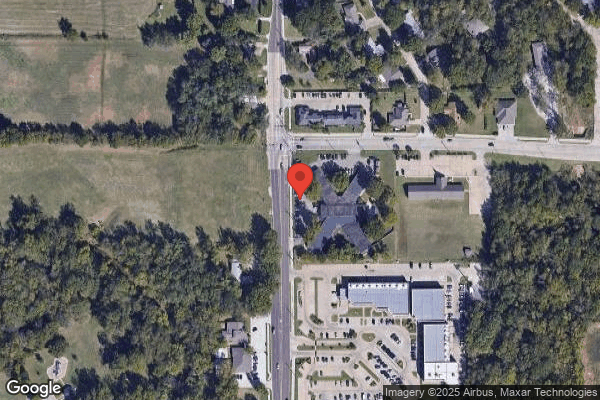
1215 SOUTH WESTERN, STILLWATER, OK 74074 (405) 743-1140
For profit - Limited Liability company 125 Beds Independent Data: November 2025
Trust Grade
60/100
#142 of 282 in OK
Last Inspection: August 2024

Within standard 12-15 month inspection cycle. Federal law requires annual inspections.

Overview

Westhaven Nursing Home in Stillwater, Oklahoma, has a Trust Grade of C+, indicating that it is slightly above average compared to other facilities. Ranked #142 out of 282 in Oklahoma, this places it in the bottom half of state facilities, while it holds the #2 position out of 3 in Payne County, suggesting limited local options. The facility is showing an improving trend, having reduced its issues from 7 in 2024 to just 1 in 2025. Staffing is average with a turnover rate of 56%, consistent with state averages, and there have been no fines recorded, which is a positive sign. However, recent inspector findings raised concerns, including failures to complete discharge summaries for residents and issues with ensuring proper medication review and management, which could potentially impact resident care. Overall, while there are strengths in staffing stability and no fines, families should be aware of the identified concerns regarding medication management and documentation practices.

Trust Score
C+
60/100
In Oklahoma
#142/282
Top 50%
Safety Record
Low Risk
No red flags
Inspections
Getting Better
7 → 1 violations
Staff Stability
⚠ Watch
56% turnover. Above average. Higher turnover means staff may not know residents' routines.
Penalties
✓ Good
No fines on record. Clean compliance history, better than most Oklahoma facilities.
Skilled Nurses
⚠ Watch
Each resident gets only 21 minutes of Registered Nurse (RN) attention daily — below average for Oklahoma. Fewer RN minutes means fewer trained eyes watching for problems.
Violations
⚠ Watch
17 deficiencies on record. Higher than average. Multiple issues found across inspections.
★★★☆☆
3.0
Overall Rating
★★★☆☆
3.0
Staff Levels
★★☆☆☆
2.0
Care Quality
★★★☆☆
3.0
Inspection Score
Stable
2024: 7 issues
2025: 1 issues

The Good

  • Full Sprinkler Coverage · Fire safety systems throughout facility
  • No fines on record

Facility shows strength in fire safety.

The Bad

3-Star Overall Rating

Near Oklahoma average (2.6)

Meets federal standards, typical of most facilities

Staff Turnover: 56%

Near Oklahoma avg (46%)

Frequent staff changes - ask about care continuity

Staff turnover is elevated (56%)

8 points above Oklahoma average of 48%

The Ugly 17 deficiencies on record

Jun 2025 1 deficiency
CONCERN (D) 📢 Someone Reported This

A family member, employee, or ombudsman was alarmed enough to file a formal complaint

Potential for Harm - no one hurt, but risky conditions existed

Infection Control (Tag F0880)

Could have caused harm · This affected 1 resident

Based on observation, record review, and interview, the facility failed to ensure staff implemented proper infection control practices after performing incontinent care for 1 (#10) of 2 sampled reside...

Read full inspector narrative →
Based on observation, record review, and interview, the facility failed to ensure staff implemented proper infection control practices after performing incontinent care for 1 (#10) of 2 sampled residents observed for incontinent care. The director of nursing identified 56 residents resided in the facility. Findings: On 06/18/25 at 1:33 p.m., CNA #1 and #2 were observed to enter Resident #10's room to provide incontinent care. CNA #2 explained each step to Resident #10 as they performed the incontinent care. CNA #1 removed blankets from Resident #10 and then removed the pillow from under the resident's legs. CNA #1 was observed to assist Resident #10 to their right side, wipe their peri area with four wipes using each one time and disposing of the wipe. CNA #1 then assisted Resident #10 to their back and wiped the resident's peri area with three wipes using each wipe one time. CNA #1 replaced the pillow, one by one pulled up each of the four blankets, and used a remote to raise the head of the bed. CNA #1 then placed the remote on the blankets nearest Resident #10's left arm. Once incontinent care was completed, CNA #1 did not remove their soiled gloves or sanitize their hands. A Perineal Care policy, revised February 2018, read in part, The purpose of this procedure are to provide cleanliness and comfort to the resident, to prevent infections and skin irritation, and to observe the resident's skin condition .Put on gloves .Remove gloves and discard into designated container .Wash and dry hands thoroughly .Reposition the bed covers. On 06/18/25 at 1:42 p.m., CNA #1 stated the policy for glove use for providing incontinent care was to remove the gloves before touching clean areas. CNA #1 stated they did not remove their soiled gloves prior to replacing the clean items.
Aug 2024 7 deficiencies
CONCERN (D)

Potential for Harm - no one hurt, but risky conditions existed

Notification of Changes (Tag F0580)

Could have caused harm · This affected 1 resident

Based on observation, record review, and interview, the facility failed to notify the physician of a new pressure ulcer for one (#4) of one sampled resident reviewed for pressure ulcers. The CMS 802 r...

Read full inspector narrative →
Based on observation, record review, and interview, the facility failed to notify the physician of a new pressure ulcer for one (#4) of one sampled resident reviewed for pressure ulcers. The CMS 802 resident matrix documented two residents had pressure ulcers. Findings: Res #4 had diagnoses which included Alzheimer's disease and dementia. A progress note, dated 07/27/24 at 5:33 a.m., documented Res #4 had an open area measuring 0.5 cm by 0.5 cm with red tinged drainage. The note documented the wound was cleaned, patted dry, and calazime (barrier cream) was applied. The note did not document the physician was notified. On 08/27/24 at 10:23 a.m., wound care for Res #4 was observed. On 08/27/24 at 11:51 a.m., the DON stated the physician should be notified of new wounds the day they are discovered. They stated they could not see any documentation the physician was notified.
CONCERN (D)

Potential for Harm - no one hurt, but risky conditions existed

Pharmacy Services (Tag F0755)

Could have caused harm · This affected 1 resident

Based on observation, record review, and interview, the facility failed to ensure medications were not left at bedside for one (#49) of six sampled resident reviewed for medications. The DON identifie...

Read full inspector narrative →
Based on observation, record review, and interview, the facility failed to ensure medications were not left at bedside for one (#49) of six sampled resident reviewed for medications. The DON identified 66 residents resided in the facility. Findings: An Administering Medications policy, dated December 2012, read in part, .Medications shall be administered in a safe .manner . An Inservice Education report, dated 11/06/23, read in part, .Medications are not to be placed in residents' room for them to take later. You are to take medication with you, put name and date and placed in medication cart until resident is ready to take medication . On 08/25/24 at 8:33 a.m., Res #49 was observed sitting in their room eating breakfast. Two medication cups were observed on the resident's bedside table. One medication cup contained two white tablets, and the other contained 12-15 tablets/capsules. On 08/25/24 at 8:40 a.m., RN #1 was asked what the policy was for administering medications. They stated staff would check the physician's orders, punch the medications out, initial the MAR, and administer the medications. RN #1 stated they would stay with the resident until they swallowed the medications. On 08/25/24 at 8:43 a.m., RN #1 was shown the two medication cups sitting on Res #49's bedside table. RN #1 told Res #49 they needed to take their medications. Resident #49 informed RN #1 they would take them after they ate breakfast. RN #1 told Res #49 they were going to take the medications and would bring them back after breakfast. Res #49 stated, Why. RN #1 left the two medication cups on the bedside table and left the resident's room.
CONCERN (D)

Potential for Harm - no one hurt, but risky conditions existed

Infection Control (Tag F0880)

Could have caused harm · This affected 1 resident

Based on observation, record review, and interview, the facility failed to ensure EBP were implemented during incontinent care and indwelling catheter care for one (#120) of five sampled resident revi...

Read full inspector narrative →
Based on observation, record review, and interview, the facility failed to ensure EBP were implemented during incontinent care and indwelling catheter care for one (#120) of five sampled resident reviewed for infection control. The DON identified nine residents with foley catheters and 23 with EBP's in place. Findings: An undated, Enhanced Barrier Precautions policy, read in part, .EBP .are an infection control intervention designed to reduce transmission of multidrug-resistant organisms .Enhanced Barrier Precautions involve gown and glove during high-contact resident care activities .High-contact resident activities include .Changing briefs .urinary catheter . An Enhanced Barrier Precautions sign, posted on the outside of Resident #120's door, documented staff must wear gloves and a gown during transfers and urinary catheter activity. On 08/25/24 at 9:23 a.m., Res #120 was observed sitting in a wheel chair with a lift sling under them. A urinary drain bag was hooked under the wheel chair. CNA #4 and CMA #1 brought a lift into the room, cleaned their hands, and donned gloves. They attached the sling to the lift and transferred the resident to their bed. CMA #1 provided peri care and indwelling catheter care to Res #120. Resident #120 was turned to their left side and CNA #1 provided incontinent care to the resident's bottom. CMA #1 and CNA #4 did not wear gowns during the incontinent care or indwelling catheter care. On 08/25/24 at 11:06 a.m., CMA #1 was asked what the policy was for EBP. They stated staff would use EBP for residents with COVID, respiratory issues, wound care, skin conditions, scabies, breathing treatments, and for c-diff. CMA #1 was asked if EBP should be implemented during incontinent care and urinary catheter care. They stated they thought it should be.
CONCERN (E)

Potential for Harm - no one hurt, but risky conditions existed

Deficiency F0661 (Tag F0661)

Could have caused harm · This affected multiple residents

Based on record review and interview, the facility failed to complete a discharge summary of the residents' stay for three (#60, 67, and #69) of three sampled residents reviewed for discharge. The DON...

Read full inspector narrative →
Based on record review and interview, the facility failed to complete a discharge summary of the residents' stay for three (#60, 67, and #69) of three sampled residents reviewed for discharge. The DON reported 66 residents resided in the facility. Findings: 1. Res #60 was discharged from the facility on 08/22/24. A review of the resident's record did not contain a discharge summary. 2. Res #67 was discharged from the facility on 05/29/24. A review of the resident's record did not contain a discharge summary. 3. Res #69 was discharged from the facility on 05/31/24. A review of the resident's record did not contain a discharge summary. On 08/28/24 at 10:56 a.m., the DON reported the discharge summary's were not completed.
CONCERN (E)

Potential for Harm - no one hurt, but risky conditions existed

Drug Regimen Review (Tag F0756)

Could have caused harm · This affected multiple residents

Based on record review and interview, the facility failed to ensure a MRR pharmacy request to physician had been sent to the physician to be acted upon for one (#6) of five sampled residents reviewed ...

Read full inspector narrative →
Based on record review and interview, the facility failed to ensure a MRR pharmacy request to physician had been sent to the physician to be acted upon for one (#6) of five sampled residents reviewed for unnecessary medications. The DON identified 55 residents received psychotropic medications. Findings: A Drug Regimen Review policy, dated 2024, read in part, .The Consultant Pharmacist reviews the medication regimen of each resident at least monthly. Findings and recommendations are reported to the .Director of Nursing .the Primary Physician .physician provides a written response of the report to the facility within one month after the report is sent . Res #6 had diagnoses which included diabetic neuropathy. A physician's order, dated 04/14/21, documented to administer Gabapentin 600 mg TID. A Medication Regimen Review, dated 06/11/24, read in part, Current orders include Gabapentin 600 mg tid. Based on the resident's renal function the maximum recommended dosage is 700 mg bid .Do you feel a dose reduction would be beneficial at this time . There was no documentation in the resident's clinical record the recommendation had been acted upon. On 08/28/24 at 9:12 a.m., the DON was asked to locate the physician response to the MRR pharmacy recommendation letter to the physician. On 08/28/24 at 10:56 a.m., the DON stated they were unable to locate the MRR.
CONCERN (E)

Potential for Harm - no one hurt, but risky conditions existed

Medication Errors (Tag F0758)

Could have caused harm · This affected multiple residents

Based on record review and interview, the facility failed to ensure: a. an as needed psychotropic medication had a 14 day stop date for one (#14), and, b. a MRR psychotropic reduction request was acte...

Read full inspector narrative →
Based on record review and interview, the facility failed to ensure: a. an as needed psychotropic medication had a 14 day stop date for one (#14), and, b. a MRR psychotropic reduction request was acted upon for one (#37) of five sampled residents reviewed for unnecessary medications. The DON identified 66 residents resided in the facility and 55 residents received psychotropic medications. Findings: 1. Res #14 had diagnoses which included anxiety. A physician order, dated 03/25/24, documented to administer lorazepam 1mg/1ml topically every four hours as needed. The order documented the physician was to re-evaluate on 04/08/24. The order was discontinued on 05/21/24. A physician order, dated 07/15/24, documented to administer lorazepam 1mg/1ml topically every four hours as needed. The order documented the physician was to re-evaluate on 07/29/24. The order was discontinued on 08/05/24. A physician order, dated 08/05/24, documented to administer lorazepam 1mg/1ml topically every four hours as needed. The order documented the physician was to re-evaluate on 08/19/24. The order was discontinued on 08/26/24. On 08/26/24 at 1:46 p.m., Corp. nurse #1 stated when the orders were entered they should have been entered with a set stop date instead of the notation in the body of the order. 2. Res #37 had diagnoses which included anxiety and depression. Physician's orders, dated 09/29/23, documented to administer: a. Lorazepam Tablet 0.5 mg every 6 hours related to anxiety, and b. bupropion extended release 150 mg daily for depression. A Medication Regimen Review, dated 01/05/24, read in part, .The following medications are due for consideration of gradual dose reduction per state and federal guidelines: bupropion xl 150 mg qd, lorazepam 0.5mg q6h. Do you feel this resident is stable enough to tolerate a trial dosage reduction of either of the above medications at this time . On 08/27/24 at 10:19 a.m., the DON was asked to locate a physician response to the 01/05/24 MRR request to physician. On 08/27/24 at 10:28 a.m., the DON stated they could not locate the MRR request.
CONCERN (E)

Potential for Harm - no one hurt, but risky conditions existed

Deficiency F0761 (Tag F0761)

Could have caused harm · This affected multiple residents

Based on observation, record review, and interview, the facility failed to ensure the removal of expired medications and supplies were removed from the medication storage room. The DON reported 66 res...

Read full inspector narrative →
Based on observation, record review, and interview, the facility failed to ensure the removal of expired medications and supplies were removed from the medication storage room. The DON reported 66 residents resided in the facility. Findings: On 08/28/24 at 9:20 a.m., a tour of the medication room was completed with the DON. The following medications and supplies were observed to be expired or passed the use by date. 2- boxes of Ipratropium Bromide 0.5mg and Albuterol Sulfate 3mg with a use by date of 04/10/24, 1- box of Ipratropium Bromide 0.5mg and Albuterol Sulfate 3mg with a use by date of 07/19/24, 2- boxes of Ipratropium Bromide 0.5mg and Albuterol Sulfate 3mg with a use by date of 11/23/24, 1- box of Ipratropium Bromide 0.5mg and Albuterol Sulfate 3mg with a use by date of 11/25/24, 6- collection and transport swab packets with an expiration date of 02/01/24, 1- bottle Lantus insulin opened and not dated, 1- bottle Milk of Magnesia with a use by date of 05/14/24, 2- bottles Milk of Magnesia with a use by date of 03/22/24, 1- bottle Milk of Magnesia with a use by date of 08/03/24, 1- bottle Milk of Magnesia with a use by date of 05/30/24, 1- bottle Milk of Magnesia with a use by date of 06/05/24, 1- Box Narcan nasal spray with a use by date of 11/02/13, 1- Box Narcan nasal spray with a use by date of 12/07/23, 1- Box Narcan nasal spray with a use by date of 11/02/23. On 08/28/24 at 9:35 a.m., the DON reported the insulin should have been dated when opened and the other medication and supplies should have been removed before the use by date.
Jul 2023 2 deficiencies
CONCERN (D)

Potential for Harm - no one hurt, but risky conditions existed

Comprehensive Care Plan (Tag F0656)

Could have caused harm · This affected 1 resident

Based on observation, record review, and interview, the facility failed to develop a comprehensive care plan for antidepressant medications for one (#55) of 15 sampled residents reviewed for care plan...

Read full inspector narrative →
Based on observation, record review, and interview, the facility failed to develop a comprehensive care plan for antidepressant medications for one (#55) of 15 sampled residents reviewed for care plans. The Resident Census and Conditions of Residents report, dated 07/24/23, documented 39 residents received antidepressant medications. The census was 68. Finding: Resident #55 had diagnosis which included fracture of sacrum and depression. A Care plan policy, revised November 2010, read in part, .an individualized comprehensive care plan that includes measurable objectives and timetables to meet the resident's medical, nursing, mental and psychological needs is developed for each resident . A Care plan, dated 06/24/23, did not address the use of antidepressant medications. A admission Assessment, dated 06/29/23, noted Resident #55 had received antidepressant medications. On 07/25/23 at 3:52 p.m., the DON was asked if a resident was on a psychotropic/antidepressant medication, would the care plan need to reflect that medication. They stated, of course it should. The DON was then asked, who makes the changes or up dates a care plan when a resident's medication or status changes. The DON stated, the whole team does, it depends on was here when something needs to be added to the careplan.
CONCERN (D)

Potential for Harm - no one hurt, but risky conditions existed

Deficiency F0761 (Tag F0761)

Could have caused harm · This affected 1 resident

Based on observation, record review, and interview, the facility failed to ensure insulin and insulin supplies were not left unattended and in the presence of licensed/qualified staff during medicatio...

Read full inspector narrative →
Based on observation, record review, and interview, the facility failed to ensure insulin and insulin supplies were not left unattended and in the presence of licensed/qualified staff during medication observation for one (#272) of three residents observed for medication administration. The DON identified three residents that wander about the facility. Findings: A Storage of Medications policy, revised April 2007, read in parts, The facility shall store all drugs and biologicals in a safe, secure .manner .The nursing staff shall be responsible for maintaining medication storage AND preparation areas in clean, safe, and sanitary manner .Compartments (including, but not limited to .carts, and boxes.) containing drugs and biologicals shall be locked when not in use, and trays or carts used to transport such items shall not be left unattended if open or otherwise potentially available to others . Resident #272 admitted with diagnoses which included osteomyelitis and type 2 diabetes. On 07/25/23 at 12:05 p.m., RN #1 was ready to be observed for an insulin injection, stating they had to use a different cart as theirs was in use by a physician. They presented with a rolling cart with insulin and supplies for injection inside three different boxes on top of the cart. RN #1 did not have the computer or order visible with them. On 07/25/23 at 12:10 p.m., RN #1 stated they needed to go and check Resident #272's order for the insulin dose. RN #1 walked away from the rolling cart with the insulin and supplies on top. Inside of the three boxes were two vials of insulin, one insulin pen, insulin syringes and alcohol pads. On 07/25/23 at 12:11 p.m., RN #1 returned to the cart with their laptop. They were asked what the policy and procedure was for medication and supplies storage. They stated that usually in a cart with a lock and have boxes for them and leave them in the cart. RN #1 was asked when they went to look at the order, was the medication and supplies left unattended by qualified staff. They stated that if by themselves then yes, but you were here. You count right? On 07/25/23 at 12:37 p.m., the DON was asked what the policy and procedure was for medication storage. They stated to be kept in the cart and the unopened went in the fridge. They were asked if the cart was to be locked. They stated yes. On 07/25/23 at 12:39 p.m., The DON was asked if it was okay for the insulin and supplies to be left unattended on a rolling cart in the hallway. They stated, No. The DON further stated that they already heard about it and that they knew better than that and would be in-serviced that day.
May 2023 2 deficiencies
CONCERN (D) 📢 Someone Reported This

A family member, employee, or ombudsman was alarmed enough to file a formal complaint

Potential for Harm - no one hurt, but risky conditions existed

Notification of Changes (Tag F0580)

Could have caused harm · This affected 1 resident

**NOTE- TERMS IN BRACKETS HAVE BEEN EDITED TO PROTECT CONFIDENTIALITY** Based on record review and interview, the facility failed to ensure the resident's representative was notified the resident had ...

Read full inspector narrative →
**NOTE- TERMS IN BRACKETS HAVE BEEN EDITED TO PROTECT CONFIDENTIALITY** Based on record review and interview, the facility failed to ensure the resident's representative was notified the resident had falls and was sent to the hospital and failed to ensure the physician was notified of weight loss for one (#2) of three residents who were reviewed for falls and weight loss. The DON identified 70 residents who resided in the facility and four residents who had weight loss. Findings: The facility's undated, Fall Management Program policy, read in parts, .Notification of Changes .A facility must immediately .notify the resident's legal representative or an interested family member when there is . An accident involving the resident which results in injury and has the potential for requiring physician intervention . The facility's Nutrition(Impaired)/Unplanned Weight Loss policy, dated 09/2017, read in parts, .The staff will report to the physician significant weight gains or losses .For individuals with recent or rapid weight gain or loss (for example, more than a pound a day) . Resident #2 was admitted on [DATE] with diagnoses which included heart failure, diabetes, Parkinson's disease, muscle wasting, neuropathy, osteoarthritis, and UTI. An incident report, dated 04/20/23 at 10:30 a.m., read in parts, .Res observed on floor next to sink .Res stated that she was washing her hands from using the restroom and was going to visit with roommate and lost balance and fell . The incident report did not document Resident #2's family and/or representative had been notified of the fall. Resident #2's incident report, dated 04/20/23 at 12:15 p.m., read in parts, .Res was observed on floor in room in door way of bathroom. Res was laying supine with walker in front of her .Res stated that she was up talking to her roommate and noticed that there was paper laying around and was cleaning up and fell .Res taken to [hospital] r/t head injury .Laceration .Back of head .Res A&O x 4 [person, place, time, and situation] following fall Res became more AMS as time passes . The incident report did not document Resident #2's family or representative had been notified the resident had fallen or had been sent to the hospital. On 05/17/23 at 11:20 a.m., LPN #1 stated Resident #2 had fallen around 10:00 a.m., and at 12:15 p.m., on 04/20/23. The LPN stated they had not notified the family the resident had fallen or was sent to the hospital. On 05/17/23 at 4:34 p.m., LPN #2 was asked if they were aware Resident #2's family had not been notified the resident had fallen twice and was sent out to the hospital on [DATE]. They stated, Yes. LPN #2 stated the employee involved had been counseled in writing and the staff had been in-serviced on family notification. Resident #2's weight was documented as 237.2 on 04/12/23 and 229.4 on 04/19/23. Resident #2 had a weight loss of 7.8 pounds in seven days. There was no documentation the physician had been notified of the weight loss. On 05/17/23 at 11:20 a.m., LPN #1 was asked if the physician had been notified Resident #2 lost 7.8 pounds in one week. They stated, No. LPN #1 stated they had documented the weight in the computer but had not received an alert and was not aware Resident #2 had lost 7.8 pounds in a week. On 05/17/23 at 4:34 p.m., The quality assurance RN was asked if the physician should have been notified of Resident #2's weight loss. They stated yes, according to the policy.
CONCERN (E) 📢 Someone Reported This

A family member, employee, or ombudsman was alarmed enough to file a formal complaint

Potential for Harm - no one hurt, but risky conditions existed

Respiratory Care (Tag F0695)

Could have caused harm · This affected multiple residents

**NOTE- TERMS IN BRACKETS HAVE BEEN EDITED TO PROTECT CONFIDENTIALITY** Based on observation, record review, and interview, the facility failed to ensure oxygen tubing was changed as ordered for one (...

Read full inspector narrative →
**NOTE- TERMS IN BRACKETS HAVE BEEN EDITED TO PROTECT CONFIDENTIALITY** Based on observation, record review, and interview, the facility failed to ensure oxygen tubing was changed as ordered for one (#3) and failed to ensure an oxygen concentrator had a filter for one (#11) of three sampled residents who utilized oxygen. The DON identified 17 residents who utilized oxygen. Findings: The facility's undated Maintenance of O2 Equipment policy, read in parts, .Change cannula .every 2 weeks on night shift .Date cannula and connective tubing when changed .Clean concentrator filters .every 2 weeks on night shift . 1. Res #3 was admitted on [DATE] with diagnoses which included cardiomyopathies and edema. A Physician Order, dated 04/20/23, read in parts, .Oxygen at 2-3 L/MIN via nasal cannula .Change O2 set up on the 10th and 25th of each month . On 05/12/23 at 1:31 p.m., 05/16/23 at 8:10 a.m., and 05/17/23 at 6:23 p.m., Resident #3 was observed receiving oxygen via nasal cannula. Resident #3's oxygen tubing was dated 04/25/23. The nasal cannula prongs were observed to be a yellowish color instead of clear. On 05/17/23 at 6:23 p.m., the DON observed Resident #3's oxygen nasal cannula. They stated the oxygen nasal cannula prongs were usually clear. They stated Resident #3's were yellowish. The DON stated the nasal cannula was supposed to be changed two times a month. The DON stated the tubing was dated 04/25/23. The resident reported to the DON the nasal cannula had not been changed since they were admitted to the facility. 2. Resident #11 had diagnoses which included shortness of breath, heart failure, anxiety, and dementia. Resident #11's physician's order, dated 10/04/22, documented to clean the filter on the oxygen concentrator with warm water every other Wednesday and allow to air dry before replacing. Resident #11's physician order, dated 01/24/23, documented to administer oxygen at three liters via nasal cannula continuous. On 05/17/23 at 5:45 p.m., Resident #11 was observed with oxygen in use at three liters via nasal cannula. The oxygen concentrator was observed to be missing a filter on the right side. On 05/17/23 at 6:29 p.m., the DON observed Resident #11's oxygen concentrator and stated the filter was missing on the right side of the machine. On 05/17/23 at 6:40 p.m., Resident #11's family stated they visited the resident each evening and noticed the oxygen filter had been off for at least a week.
Mar 2020 5 deficiencies
CONCERN (D)

Potential for Harm - no one hurt, but risky conditions existed

Deficiency F0568 (Tag F0568)

Could have caused harm · This affected 1 resident

Based on record review and interview, it was determined the facility failed to ensure quarterly statements were provided to one (#22) of one sampled resident who had a personal funds account with the ...

Read full inspector narrative →
Based on record review and interview, it was determined the facility failed to ensure quarterly statements were provided to one (#22) of one sampled resident who had a personal funds account with the facility. The facility identified 21 residents who had trust funds accounts with the facility. Findings: On 03/04/20 at 8:35 a.m., the resident's representative was asked if she received statements for the resident's personal funds account. She stated no. On 03/05/20 at 10:33 a.m., the business office manager was asked how often statements were sent to residents with personal funds accounts. She stated, Monthly. It was documented in her trust book. The business office manager was asked if resident #22 had a personal funds account. She stated yes. She was asked if the resident's representative had received the quarterly statement as required. She stated no.
CONCERN (D)

Potential for Harm - no one hurt, but risky conditions existed

Safe Environment (Tag F0584)

Could have caused harm · This affected 1 resident

Based on observations and interviews, it was determined the facility failed to provide a homelike environment for one (#45) of one sampled resident reviewed for a homelike environment. The facility id...

Read full inspector narrative →
Based on observations and interviews, it was determined the facility failed to provide a homelike environment for one (#45) of one sampled resident reviewed for a homelike environment. The facility identified 70 residents who resided in the facility. Findings: On 03/03/20 at 2:07 p.m., five mattresses were observed stacked on the unoccupied bed in the front of the resident's room. The privacy curtains had been partially pulled around the area but the mattresses were still visible. At 2:13 p.m., a staff member was observed to enter the room and remove one of the mattresses which had been stacked on the unoccupied bed. At 2:16 p.m., the staff member was observed to re-enter the resident's room and remove the remaining mattresses from the bed. At 2:17 p.m., the resident was asked how long the mattresses had been stored in the room. She stated two weeks. The resident stated more mattresses and another bed had also been stored in the area but they had been removed. On 03/05/20 at 8:38 a.m., the DON was asked if mattresses, beds and other equipment were ever stored in rooms occupied by the residents. She stated, No, not normally. She was informed of the observations which had been made and asked if the mattresses should have been stored in the resident's room. She stated, No. The DON was asked if using a resident room for storage was maintaining a homelike environment. She stated, No.
CONCERN (D)

Potential for Harm - no one hurt, but risky conditions existed

Deficiency F0637 (Tag F0637)

Could have caused harm · This affected 1 resident

Based on record review and interview, it was determined the facility failed to ensure significant change assessments were completed as required for one (#46) of one sampled resident who was reviewed f...

Read full inspector narrative →
Based on record review and interview, it was determined the facility failed to ensure significant change assessments were completed as required for one (#46) of one sampled resident who was reviewed for hospice services. The facility identified 70 residents who resided in the facility. Findings: Resident #46 had diagnoses which included chronic obstructive pulmonary disease. A physician's order, dated 10/11/19, documented the resident was admitted to hospice services. The clinical record did not include a significant change assessment after the resident was admitted to hospice services. A physician's order, dated 02/14/20, documented hospice services were discontinued. The clinical record did not include a significant change assessment after the resident was discontinued from hospice services. On 03/09/20 at 10:04 a.m., MDS coordinator #2 was asked if a significant change assessment was to have been completed when a resident was placed on hospice services and discharged from hospice services. She stated, yes. MDS coordinator #2 was asked if she had completed a significant change assessment for the resident when he was admitted to hospice services. She stated a significant change was completed in October 2019, but did not document hospice services. She was asked when the resident was admitted to hospice. She stated on 10/11/19. MDS coordinator #2 was asked if she had completed a significant change assessment for the resident when he was discharged from hospice services. She stated, No. She was asked if a significant change assessment should have been completed. She stated, Yes.
CONCERN (D)

Potential for Harm - no one hurt, but risky conditions existed

Deficiency F0638 (Tag F0638)

Could have caused harm · This affected 1 resident

Based on record review and interview, it was determined the facility failed to complete timely quarterly assessments for one (#13) of three sampled residents reviewed for quarterly assessments. The fa...

Read full inspector narrative →
Based on record review and interview, it was determined the facility failed to complete timely quarterly assessments for one (#13) of three sampled residents reviewed for quarterly assessments. The facility identified 70 residents who resided in the facility. Findings: An admission assessment, dated 10/09/19, was documented as completed for the resident. There was no documentation an assessment had been completed from 10/09/19 through 03/05/20. On 03/05/20 at 3:15 p.m., MDS coordinator #1 was asked who completed the MDS assessments. She stated she and MDS Coordinator #2. She was asked when MDS assessments were completed. She stated by the 14th day after admission, 14 calendar days after discharge from the facility and within 14 days after the determination of a significant change. She stated the entry and death assessments were completed within seven calendar days of the event and there were also quarterly and annual assessments. The MDS coordinator was asked when the last quarterly assessment had been due for resident #13. She stated it was due on 1/23/2020. She asked if the assessment had been completed. She stated, No. She was asked if it had been submitted in the required time frame. She stated, No.
CONCERN (E)

Potential for Harm - no one hurt, but risky conditions existed

Deficiency F0761 (Tag F0761)

Could have caused harm · This affected multiple residents

Based on observation and interview, it was determined the facility failed to ensure: ~ expired medications were discarded from two (the hall 100 treatment cart and the hall 200 treatment cart) of two ...

Read full inspector narrative →
Based on observation and interview, it was determined the facility failed to ensure: ~ expired medications were discarded from two (the hall 100 treatment cart and the hall 200 treatment cart) of two treatment carts reviewed; and ~ medications were appropriately labeled with an expiration date for one (the hall 100 medication cart) of two medication carts reviewed. The facility identified 70 residents who resided in the facility. Findings: On 03/09/20 at 11:47 a.m., the hall 200 treatment cart was observed with LPN #1. The following medications were observed: ~ one bottle of Ventolin HFA Inhalation Aerosol 90 mcg with an expiration date of 10/19; and ~ one box of IcyHot 5% back pads with an expiration date of 02/20. LPN #1 was asked if the medications should have been in the active stock on the treatment cart. She stated, No. At 12:02 p.m., the hall 100 treatment cart was observed with LPN #2. The following medications were observed: ~ two tubes of Inzo Barrier Cream with 5% Dimethicone with an expiration date of 2/20. LPN #2 was asked if the medications should have been in the active stock on the treatment cart. She stated, Probably not. At 12:23 p.m., the hall 100 medication cart was observed with ACMA #1. The following medications were observed: ~ one bottle of Hydroco/App 5-325 tablets with no expiration date on the bottle; and ~ one bottle of Mucinex 600 mg ER with no expiration date on the bottle. At 12:35 p.m., the DON was asked how staff would know the expiration dates on the undated bottles. She stated, You would not know.
Understanding Severity Codes (click to expand)
Life-Threatening (Immediate Jeopardy)
J - Isolated K - Pattern L - Widespread
Actual Harm
G - Isolated H - Pattern I - Widespread
Potential for Harm
D - Isolated E - Pattern F - Widespread
No Harm (Minor)
A - Isolated B - Pattern C - Widespread

Questions to Ask on Your Visit

  • "Why is there high staff turnover? How do you retain staff?"
  • "Can I speak with families of current residents?"
  • "What's your RN coverage like on weekends and overnight?"

Our Honest Assessment

Strengths
  • • No major safety red flags. No abuse findings, life-threatening violations, or SFF status.
  • • No fines on record. Clean compliance history, better than most Oklahoma facilities.
Concerns
  • • 17 deficiencies on record. Higher than average. Multiple issues found across inspections.
  • • 56% turnover. Above average. Higher turnover means staff may not know residents' routines.
Bottom line: Mixed indicators with Trust Score of 60/100. Visit in person and ask pointed questions.

About This Facility

What is Westhaven's CMS Rating?

CMS assigns WESTHAVEN NURSING HOME an overall rating of 3 out of 5 stars, which is considered average nationally. Within Oklahoma, this rating places the facility higher than 99% of the state's 100 nursing homes. This mid-range rating indicates the facility meets federal standards but may have areas for improvement.

How is Westhaven Staffed?

CMS rates WESTHAVEN NURSING HOME's staffing level at 3 out of 5 stars, which is average compared to other nursing homes. Staff turnover is 56%, which is 10 percentage points above the Oklahoma average of 46%. High turnover can affect care consistency as new staff learn residents' individual needs. RN turnover specifically is 56%, which is notably high. RNs provide skilled clinical oversight, so turnover in this role can affect medical care quality.

What Have Inspectors Found at Westhaven?

State health inspectors documented 17 deficiencies at WESTHAVEN NURSING HOME during 2020 to 2025. These included: 17 with potential for harm.

Who Owns and Operates Westhaven?

WESTHAVEN NURSING HOME is owned by a for-profit company. For-profit facilities operate as businesses with obligations to shareholders or private owners. The facility operates independently rather than as part of a larger chain. With 125 certified beds and approximately 58 residents (about 46% occupancy), it is a mid-sized facility located in STILLWATER, Oklahoma.

How Does Westhaven Compare to Other Oklahoma Nursing Homes?

Compared to the 100 nursing homes in Oklahoma, WESTHAVEN NURSING HOME's overall rating (3 stars) is above the state average of 2.6, staff turnover (56%) is near the state average of 46%, and health inspection rating (3 stars) is at the national benchmark.

What Should Families Ask When Visiting Westhaven?

Based on this facility's data, families visiting should ask: "How do you ensure continuity of care given staff turnover, and what is your staff retention strategy?" "Can I visit during a mealtime to observe dining assistance and food quality?" "How do you handle medical emergencies, and what is your hospital transfer rate?" "Can I speak with family members of current residents about their experience?" These questions are particularly relevant given the facility's high staff turnover rate.

Is Westhaven Safe?

Based on CMS inspection data, WESTHAVEN NURSING HOME has a clean safety record: no substantiated abuse findings (meaning no confirmed cases of resident harm), no Immediate Jeopardy citations (the most serious violation level indicating risk of serious injury or death), and is not on the Special Focus Facility watch list (a federal program monitoring the lowest-performing 1% of nursing homes). The facility has a 3-star overall rating and ranks #1 of 100 nursing homes in Oklahoma. While no facility is perfect, families should still ask about staff-to-resident ratios and recent inspection results during their visit.

Do Nurses at Westhaven Stick Around?

Staff turnover at WESTHAVEN NURSING HOME is high. At 56%, the facility is 10 percentage points above the Oklahoma average of 46%. Registered Nurse turnover is particularly concerning at 56%. RNs handle complex medical decisions and coordinate care — frequent RN changes can directly impact care quality. High turnover means new staff may not know residents' individual needs, medications, or preferences. It can also be disorienting for residents, especially those with dementia who rely on familiar faces. Families should ask: What is causing the turnover? What retention programs are in place? How do you ensure care continuity during staff transitions?

Was Westhaven Ever Fined?

WESTHAVEN NURSING HOME has no federal fines on record. CMS issues fines when nursing homes fail to meet care standards or don't correct problems found during inspections. The absence of fines suggests the facility has either maintained compliance or corrected any issues before penalties were assessed. This is a positive indicator, though families should still review recent inspection reports for the full picture.

Is Westhaven on Any Federal Watch List?

WESTHAVEN NURSING HOME is not on any federal watch list. The most significant is the Special Focus Facility (SFF) program, which identifies the bottom 1% of nursing homes nationally based on persistent, serious quality problems. Not being on this list means the facility has avoided the pattern of deficiencies that triggers enhanced federal oversight. This is a positive indicator, though families should still review the facility's inspection history directly.