UNIVERSITY PARK SKILLED NURSING AND THERAPY MEMORY
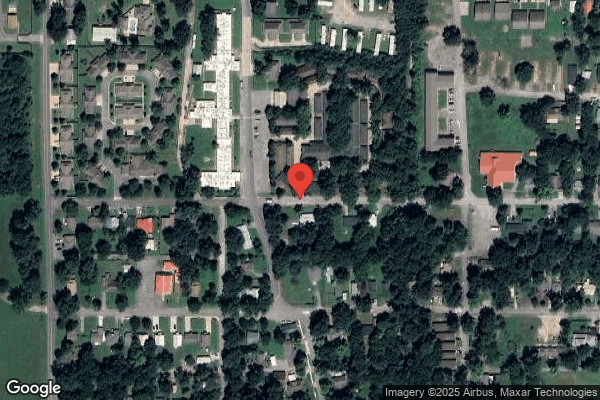

1201 NORTH VINITA AVENUE, TAHLEQUAH, OK 74464 (918) 456-6181
For profit - Partnership 139 Beds BRIDGES HEALTH Data: November 2025
Trust Grade
60/100
#138 of 282 in OK
Last Inspection: March 2025

Within standard 12-15 month inspection cycle. Federal law requires annual inspections.

Overview

University Park Skilled Nursing and Therapy Memory has a Trust Grade of C+, indicating it is slightly above average, but not without its concerns. In Oklahoma, it ranks #138 out of 282 facilities, placing it in the top half, while locally, it is #3 out of 3 in Cherokee County, meaning only one other option is better. Unfortunately, the facility is experiencing a worsening trend, with issues increasing from 5 in 2023 to 8 in 2025. Staffing receives a solid 4 out of 5 stars, with a turnover rate of 39%, which is better than the state average, suggesting that staff likely have good familiarity with residents. Notably, there have been no fines reported, which is a positive sign. However, there are significant areas of concern. Recent inspections revealed that food storage practices were inadequate, with items not properly sealed or dated, which could lead to food safety issues. Additionally, the facility failed to provide adequate activity programs for some residents, which is critical for their mental and emotional well-being. Lastly, two staff members did not have their annual competency reviews completed, raising questions about their training and readiness to provide care. While there are strengths in staffing and a lack of fines, the facility's current challenges should be carefully considered by families.

Trust Score
C+
60/100
In Oklahoma
#138/282
Top 48%
Safety Record
Low Risk
No red flags
Inspections
Getting Worse
5 → 8 violations
Staff Stability
○ Average
39% turnover. Near Oklahoma's 48% average. Typical for the industry.
Penalties
✓ Good
No fines on record. Clean compliance history, better than most Oklahoma facilities.
Skilled Nurses
⚠ Watch
Each resident gets only 20 minutes of Registered Nurse (RN) attention daily — below average for Oklahoma. Fewer RN minutes means fewer trained eyes watching for problems.
Violations
⚠ Watch
28 deficiencies on record. Higher than average. Multiple issues found across inspections.
★★★☆☆
3.0
Overall Rating
★★★★☆
4.0
Staff Levels
★★★★☆
4.0
Care Quality
★★★☆☆
3.0
Inspection Score
Stable
2023: 5 issues
2025: 8 issues

The Good

  • 4-Star Staffing Rating · Above-average nurse staffing levels
  • 4-Star Quality Measures · Strong clinical quality outcomes
  • Full Sprinkler Coverage · Fire safety systems throughout facility
  • No fines on record
  • Staff turnover below average (39%)

    9 points below Oklahoma average of 48%

Facility shows strength in staffing levels, quality measures, fire safety.

The Bad

3-Star Overall Rating

Near Oklahoma average (2.6)

Meets federal standards, typical of most facilities

Staff Turnover: 39%

Near Oklahoma avg (46%)

Typical for the industry

Chain: BRIDGES HEALTH

Part of a multi-facility chain

Ask about local staffing decisions and management

The Ugly 28 deficiencies on record

Mar 2025 5 deficiencies
CONCERN (D)

Potential for Harm - no one hurt, but risky conditions existed

Quality of Care (Tag F0684)

Could have caused harm · This affected 1 resident

**NOTE- TERMS IN BRACKETS HAVE BEEN EDITED TO PROTECT CONFIDENTIALITY** Based on record review and interview, the facility failed to perform post fall neurological checks for 1 (#49) of 1 death record...

Read full inspector narrative →
**NOTE- TERMS IN BRACKETS HAVE BEEN EDITED TO PROTECT CONFIDENTIALITY** Based on record review and interview, the facility failed to perform post fall neurological checks for 1 (#49) of 1 death record reviewed. The administrator identified 49 residents resided in the facility. Findings: The Fall Program policy, revised 05/24, read in part, Complete incident report and include neurological check sheet if suspect or confirmed the resident hit their head. Resident #49 had diagnoses which included epilepsy, history of falling, and unspecified sequelae of cerebral infarction. An Incident Report, dated 01/12/25, read in part, Unwitnessed fall. Resident was found by staff on the floor in prone position in front of his wheelchair in the lobby. Full head to toe assessment completed at the time of incident. Laceration to forehead with moderate bleeding noted. Laceration to right hand with moderate bleeding noted. Pressure dressing applied to both sites and EMS contacted. EMS left with resident at approximately 2000 [8:00 p.m.] Notified DON, administrator and son of transfer. A hospital Patient Discharge Instructions, dated 01/12/25 at 10:27 p.m., showed visit diagnoses of closed head injury, facial laceration, skin tear of right hand without complication, and cervical sprain. There was no documentation 72 hours neurological checks were completed for Resident #49 upon their return to the facility. On 03/06/25 at 11:44 a.m., the DON stated they could not locate neurological checks for Resident #49's fall that occurred on 01/12/25. On 03/06/25 at 2:39 p.m., the ADON stated neurological checks were to be completed for three days if a resident had an unwitnessed fall or if they hit their head. On 03/06/25 at 2:40 p.m., the ADON stated if a resident had a diagnosis of closed head injury post fall, neurological checks will be initiated upon return to the facility. On 03/06/25 at 2:43 p.m., the ADON stated Resident #49 returned to the facility on [DATE]. On 03/06/25 at 2:45 p.m., the ADON stated they could not locate the neurological checks for Resident #49 upon their return to the facility.
CONCERN (D)

Potential for Harm - no one hurt, but risky conditions existed

Respiratory Care (Tag F0695)

Could have caused harm · This affected 1 resident

Based on observation, record review, and interview, the facility failed to ensure oxygen concentrator filters were sanitary for 1 (#39) of 2 sampled residents reviewed for respiratory care. The admin...

Read full inspector narrative →
Based on observation, record review, and interview, the facility failed to ensure oxygen concentrator filters were sanitary for 1 (#39) of 2 sampled residents reviewed for respiratory care. The administrator identified seven residents received oxygen in the facility. Findings: On 03/04/25 at 2:12 p.m., Resident #39's oxygen concentrator filters were observed to have moderate dust build up. The Cleaning Oxygen Concentrators policy, revised 02/27/20, read in part, Oxygen concentrators are cleaned monthly or every four weeks, and as needed. Resident #39 had diagnoses which included shortness of breath and sleep apnea. On 03/06/25 at 2:08 p.m., LPN #2 stated the filters were dirty and had dust build up. They stated they needed to be cleaned. On 03/06/25 at 2:10 p.m., the DON stated the oxygen concentrator filters were to be cleaned monthly. They stated they put an order in the system for the cleaning to keep track but no order was needed. On 03/06/25 at 2:14 p.m., LPN #2 reviewed Resident #39's orders. They stated there was no order to clean the oxygen concentrator filters. On 03/06/25 at 2:29 p.m., LPN #2 stated they did not remember when Resident #39's oxygen concentrator filters were cleaned.
CONCERN (D)

Potential for Harm - no one hurt, but risky conditions existed

Deficiency F0698 (Tag F0698)

Could have caused harm · This affected 1 resident

Based on record review and interview, the facility failed to ensure post dialysis documentation had been completed for 1 (#26) of 1 sampled resident reviewed for dialysis. The facility MDS [minimum d...

Read full inspector narrative →
Based on record review and interview, the facility failed to ensure post dialysis documentation had been completed for 1 (#26) of 1 sampled resident reviewed for dialysis. The facility MDS [minimum data set] Resident Matrix, showed one resident received dialysis. Findings: Resident #26 had diagnoses which included end stage renal disease. The Dialysis Communication forms, read in part, B. Post Dialysis This section to be completed by dialysis unit and returned with the resident: A. Blood pressure B. Pulse C. Respirations D. Temperature E. Pre dialysis weight E1. Post dialysis weight F. Time dialysis started G. Time dialysis ended H. Check all that apply 1. dressing dry and intact 2. ports capped and clamped 3. pain 4. bleeding 5. new orders sent with resident 6. s/s of infection. A physician's order, dated 08/22/22, showed the resident was to receive dialysis weekly Tuesday, Thursday, and Saturday. A quarterly resident assessment, dated 02/20/25, showed the resident was cognitively intact and received dialysis while in the facility. The Dialysis Communication forms dated, 02/19/25, 02/22/25, 02/27/25, and 03/04/25 did not have documentation for post dialysis. On 03/06/25 at 10:20 a.m., LPN #2 stated the process for post dialysis documentation was to get the residents weight when they returned. They stated the night nurse would send the paper and the resident brought it back. LPN #2 stated the assessment was filled out and printed and sent with the resident then uploaded to the electronic medical record after. On 03/06/25 at 10:34 a.m., LPN #2 stated if it was not scanned in then they go back and fill it out. LPN #2 looked in the electronic medical records and verified they did not see documentation for post dialysis on 02/19/25, 02/22/25, 02/27/25, and 03/04/25. They stated they had spoke to the corporate person and provided documents for those dates stating if they were not saved correctly it would not show but would show when printed. Both the LPN #2 and surveyor reviewed the printed documents and there was no documentation for 02/19/25, 02/22/25, 02/27/25, and 03/04/25. On 03/06/25 at 11:44 a.m., the DON stated they were aware of the dialysis documentation issue and had already started and inservice and provided the documents. On 03/06/25 at 11:46 a.m., the DON stated the inservice was 02/17/25. They were informed the missing documentation for post dialysis was after the date of the inservice.
CONCERN (D)

Potential for Harm - no one hurt, but risky conditions existed

Infection Control (Tag F0880)

Could have caused harm · This affected 1 resident

Based on observation, record review, and interview, the facility failed to ensure enhanced barrier precautions were implemented for 1 (#30) of 1 sampled resident reviewed for urinary catheters. The DO...

Read full inspector narrative →
Based on observation, record review, and interview, the facility failed to ensure enhanced barrier precautions were implemented for 1 (#30) of 1 sampled resident reviewed for urinary catheters. The DON reported five residents with urinary catheters. Findings: On 03/07/25 at 8:19 a.m., LPN #1 and the ADON were observed providing catheter care for Resident #30, they were not observed to be wearing gowns. An Infection Control and Isolation Policy, revised 03/28/24, read in part, EBP are indicated for residents with any of the following .Wounds and/or indwelling medical devices even if the resident is not known to be infected or colonized with an MDRO.EBP expands the use of PPE [personal protective equipment] and refer to the use of gown and gloves during high-contact resident care activities. Resident #30 had diagnoses which included benign prostate hyperplasia and diabetes mellitus. A physician's order, dated 10/31/24, showed catheter care was to be completed every shift and as needed. A physician's order, revised 11/01/24, showed enhanced barrier precautions were to be used because Resident #30 had an indwelling catheter. An annual assessment, dated 01/09/25, showed Resident #30 was moderately impaired for daily decision making and had an indwelling urinary catheter. On 03/07/25 at 8:25 a.m., LPN#1 stated they should have been wearing a gown while performing catheter care. On 03/10/25 at 2:50 p.m., the DON stated EBP should be used when providing direct patient care to any resident with an indwelling catheter.
CONCERN (E)

Potential for Harm - no one hurt, but risky conditions existed

Deficiency F0730 (Tag F0730)

Could have caused harm · This affected multiple residents

Based on record review and interview, the facility failed to ensure that annual competency reviews were completed for 2 (CNA #2 and CNA #3) of 5 staff members reviewed for annual competency reviews. T...

Read full inspector narrative →
Based on record review and interview, the facility failed to ensure that annual competency reviews were completed for 2 (CNA #2 and CNA #3) of 5 staff members reviewed for annual competency reviews. The administrator identified 49 residents resided in the facility. Findings: 1. CNA #3 was hired on 04/10/03. 2. CNA #2 was hired on 04/11/22. CNA #3 and CNA #2's personnel files were reviewed and did not contain annual competency reviews. On 03/06/25 at 2:37 p.m., the administrator was asked to provide documentation of the annual competency reviews for CNA #3 and CNA #2. On 03/10/25 at 1:20 p.m., the administrator stated they were unable to locate the annual competency reviews for CNA #3 and CNA #2.
Jan 2025 3 deficiencies
CONCERN (D) 📢 Someone Reported This

A family member, employee, or ombudsman was alarmed enough to file a formal complaint

Potential for Harm - no one hurt, but risky conditions existed

Transfer Requirements (Tag F0622)

Could have caused harm · This affected 1 resident

Based on record review and interview, the facility failed to follow the regulatory requirements for transfer and discharge a resident for one (#1) of one sampled resident reviewed for discharge. The c...

Read full inspector narrative →
Based on record review and interview, the facility failed to follow the regulatory requirements for transfer and discharge a resident for one (#1) of one sampled resident reviewed for discharge. The charge nurse reported the census was 49. Findings: Resident #1 had diagnoses which included dementia and psychotic disorder. A nurse's note, dated 01/01/25 at 8:30 p.m., documented LPN #1 notified RN #1 that Resident #1 was threatening to leave the facility and stating they could not force them to stay in the facility. The note also documented the on call physician was contacted and they requested a BIMS assessment (an assessment to determine cognitive statue) be completed. The note documented the assessment was completed and the resident was cognitively intact. The note documented if the resident insisted on discharging the discharge would be AMA. A police report #2501T0167, dated 01/01/25, documented a police officer observed Resident #1 standing on the side of the road. The report stated the police officer contacted Resident #1 and they reported they had been kicked out of the motel. The report stated the police officer then transported the resident back to the facility and when the officer went to the door of the facility, they saw a note stating staff had been instructed not to open the door and to contact RN #1 for assistance. The police report documented the police officer contacted RN #1 and a short time later the facility came out and took Resident #1 inside. On 01/24/25 at 11:40 a.m., RN #1 stated the police located Resident #1 and brought them back to the facility. They also stated when Resident #1 arrived at the facility they stated they did not want to go back to the facility, they wanted to go to the hospital or a motel. RN #1 further stated they, along with CMA #1, attempted to take Resident #1 to the hospital. RN #1 stated on the way to the hospital Resident #1 decided they did not want to go to the hospital, but wanted to go to a motel instead. RN #1 stated they explained to the resident the discharge would be against medical advice and they would need to sign an AMA form. They stated the resident refused to sign the AMA form and CMA #1 witnessed the refusal. RN #1 stated they rented Resident #1 a room at the motel and left the resident. On 01/24/25 at 1:18 p.m., LPN #1 stated on 01/01/25 at approximately 8:30 p.m. they entered Resident #1's room to administer medications and discovered the window was open and Resident #1 was missing. LPN #1 stated they notified other staff on duty and searched the facility and the grounds. LPN #1 stated they were unable to locate Resident #1. LPN# 1 stated they contacted the police and RN #1 who was not on duty at the time. LPN #1 stated RN #1 instructed them that RN #1 would enter the documentation into Resident #1's medical record regarding the incident. LPN #1 reviewed the nurse's note dated 01/01/25 at 8:30 p.m. and stated it was not an accurate account of the incident. On 01/24/25 at 1:28 p.m., CMA #1 stated they did not accompany RN #1 to the motel with Resident #1. They also stated they did not witness RN #1 offer an AMA form for Resident #1 to sign. On 01/27/25 at 12:34 p.m., LPN #1 stated on 01/01/25 after RN #1 left Resident #1 at the motel, the other nurse on duty got a call from RN #1 instructing them not to let the resident back in the facility and to have them call RN #1. LPN#1 stated the other nurse on duty then put the note on the door. LPN #1 stated on 01/01/25 at 11:47 p.m., they received a text message from RN #1 that read don't let [them] in, followed a short time later by a text from RN #1 telling them to admit the resident.
CONCERN (D) 📢 Someone Reported This

A family member, employee, or ombudsman was alarmed enough to file a formal complaint

Potential for Harm - no one hurt, but risky conditions existed

Accident Prevention (Tag F0689)

Could have caused harm · This affected 1 resident

Based on record review and interview, the facility failed to provide supervision to prevent elopement for one (#1) of three sampled residents reviewed for elopement. The charge nurse reported the cens...

Read full inspector narrative →
Based on record review and interview, the facility failed to provide supervision to prevent elopement for one (#1) of three sampled residents reviewed for elopement. The charge nurse reported the census was 49. Findings: Resident #1 had diagnoses which included dementia and psychotic disorder. A care plan, initiated 12/12/24, documented Resident #1 was at risk for leaving the facility related to confusion and they needed staff to monitor their location. A Medicare five-day assessment, dated 12/13/24, documented Resident #1 was severely impaired for daily decision making. A nurse's note, dated 12/16/24 at 12:40 a.m., documented Resident #1 was going into other resident rooms and required redirection. A nurse's note, dated 12/16/24 at 1:25 a.m., documented Resident #1 had blocked the entrance to their room and Resident #1 had opened their window more than once during this shift. A nurse's note, dated 12/16/24 at 4:43 a.m., documented Resident #1 had been going into other resident rooms. A nurse's note, dated 12/19/24 at 2:49 p.m., documented Resident #1 had been wandering and exit seeking and was moved to the dementia care unit. An elopement risk scale, completed 12/20/24, documented Resident #1 was at high risk for elopement. On 01/27/25 at 11:00 a.m., LPN #2 stated the windows on the memory care unit that open toward the road have alarms. They also stated nursing staff do not routinely monitor the alarms for functionality, but if they notice a problem they reported it to maintenance. On 01/27/25 at 11:38 a.m., the maintenance supervisor reported that they usually checked on the window alarms in the morning, but there was no documentation of routine monitoring or testing. On 01/27/25 at 12:35 p.m., LPN #1 stated on 01/01/25 at approximately 8:30 p.m. they entered Resident#1's room to administer medications and discovered the window was open and Resident #1 was missing. LPN #1 stated they notified other staff on duty and searched the facility and the grounds. They stated they were unable to locate Resident #1. The window alarm was not sounding. The clinical record was reviewed did not document the elopement. On 01/27/25 at 2:38 p.m., the corporate administrator stated they could not say for sure if the alarm was disabled by the resident or was not functioning.
CONCERN (D) 📢 Someone Reported This

A family member, employee, or ombudsman was alarmed enough to file a formal complaint

Potential for Harm - no one hurt, but risky conditions existed

Medical Records (Tag F0842)

Could have caused harm · This affected 1 resident

Based on record review and interview, the facility failed to ensure medical records were complete and accurate for one (#1) of three sampled residents reviewed for elopement. The charge nurse reported...

Read full inspector narrative →
Based on record review and interview, the facility failed to ensure medical records were complete and accurate for one (#1) of three sampled residents reviewed for elopement. The charge nurse reported the facility census was 49. Findings: A facility policy titled Content of Resident Medical Records, revised on 08/19/03, read in part, A medical record is to be completed as a confidential medicolegal document containing sufficient data to identify the resident, justify the diagnosis and treatment, and document the end results accurately. Resident #1 had diagnoses which included dementia and psychotic disorder. A nurse's note, dated 01/01/25 at 8:30 p.m., documented LPN #1 notified RN #1 that Resident #1 was threatening to leave the facility and stating that they could not force them to stay in the facility. The note also documented that the on call physician was contacted and they requested a BIMS assessment (an assessment to determine cognitive statue) be completed. The note documented the assessment was completed and the resident was cognitively intact. The note documented that if the resident insisted on discharging the discharge would be AMA. On 01/27/25 at 12:35 p.m., LPN #1 stated on 01/01/25 at approximately 8:30 p.m. they entered Resident #1's room to administer medications and discovered the window was open and Resident #1 was missing. LPN #1 stated they notified other staff on duty and searched the facility and the grounds. They stated they were unable to locate Resident #1. LPN # 1 stated they contacted the police and RN #1 who was not on duty at the time. LPN #1 stated RN #1 instructed them that RN #1 would enter the documentation into Resident #1's medical record regarding the incident. LPN #1 reviewed the nurse's note dated 01/01/25 at 8:30 p.m. and stated it was not an accurate account of the incident.
Nov 2023 5 deficiencies
CONCERN (D)

Potential for Harm - no one hurt, but risky conditions existed

Safe Environment (Tag F0584)

Could have caused harm · This affected 1 resident

Based on observation, record review, and interview, the facility failed to maintain a clean, homelike environment for one (#29) of 24 sampled residents reviewed for a homelike environment. The adminis...

Read full inspector narrative →
Based on observation, record review, and interview, the facility failed to maintain a clean, homelike environment for one (#29) of 24 sampled residents reviewed for a homelike environment. The administrator identified 52 residents resided in the facility. Findings: A Housekeeping policy, revised 06/29/12, read in part .Every resident room should undergo complete wet cleaning, disinfection, and deodorizing daily . Resident #29 had diagnoses which included dementia and psychotic disorder. A quarterly assessment, dated 10/12/23, documented Resident #29 had moderate cognitive impairment, and was frequently incontinent of bowel and bladder. On 11/28/23 at 9:50 a.m., Resident #29 was observed in their room sitting in their recliner. A bag of trash was on the floor near the recliner, a towel was observed between the recliner and the wall on the floor. The floor was sticky when walking on it and an old urine odor was noted in the room. On 11/29/23 at 9:19 a.m., an observation was made in Resident #29's room. The resident stated, they had seen bugs and was asked when was the last time they had saw one. They stated today and pointed towards the floor in front of the television. Four dead roaches were observed in the resident's room. One in the closet, one on a can of food on an end table, and one in two corners of the room on the floor. The floor felt sticky when walking. On 11/29/23 at 10:16 a.m., the DON was asked how often were residents' rooms were cleaned. They stated that was housekeeping but everyone was responsible. On 11/29/23 at 10:20 a.m., the DON was asked to observe Resident #29's room. They were asked what they had observed. They stated, the floor was sticky, there were bug problems, the trash needed to be emptied, and the room needed attention. On 11/29/23 at 12:27 p.m., the housekeeping supervisor was asked how often were resident rooms cleaned. They stated every day but not Saturdays and Sundays.
CONCERN (D)

Potential for Harm - no one hurt, but risky conditions existed

Deficiency F0688 (Tag F0688)

Could have caused harm · This affected 1 resident

Based on record review and interview, the facility failed to ensure range of motion exercises were completed for one (#39) of one sampled resident reviewed for range of motion. The administrator iden...

Read full inspector narrative →
Based on record review and interview, the facility failed to ensure range of motion exercises were completed for one (#39) of one sampled resident reviewed for range of motion. The administrator identified 52 residents resided in the facility. Findings: A Range of Motion policy, dated 10/01/01, read in part .active or passive, range of motion is done to reduce muscle wasting, weakening, and prevents or reduces the development of contractures . Resident #39 had diagnosis which included hemiplegia and hemiparesis following other nontraumatic intracranial hemorrhage, gait abnormalities, and unsteadiness on feet. A quarterly assessment, dated 09/21/23, documented a BIMS score of 13, extensive assistance with bed mobility, transfer, and toilet use with one staff assistance and limited assistance with dressing. Resident #39's care plan, dated 09/27/23, read in part, .resident experienced cerebral vascular accident .range of motion exercises several times a day. If resident is able, teach how to do correct active range of motion . 11/29/23 at 9:53 a.m., Resident #39 was asked if they were taught how to perform ROM exercises. Resident #39 stated, No one has ever taught her how to do any kind of exercises. On 11/29/23 at 9:57 a.m., CNA #1 was asked if ROM exercises had been completed on any resident. They stated No. They were asked if ROM exercises were performed on Resident #39. They stated No. Resident #39's clinical record did not document that ROM had been completed. On 11/29/23 at 10:03 a.m., the DON was asked if staff were performing ROM exercises with Resident #39. She stated, When they get [Resident #39] dressed and do ADL's that is ROM. The DON was asked where was the ROM documented. She stated, If it is a task the CNA's would document on it, if is not a task then it's not documented.
CONCERN (E)

Potential for Harm - no one hurt, but risky conditions existed

Deficiency F0679 (Tag F0679)

Could have caused harm · This affected multiple residents

Based on observation, record review, and interview, the facility failed to ensure activities were provided for two (#52 and #53) of 24 sampled residents reviewed for activities. The administrator ide...

Read full inspector narrative →
Based on observation, record review, and interview, the facility failed to ensure activities were provided for two (#52 and #53) of 24 sampled residents reviewed for activities. The administrator identified 52 residents resided in the facility. Findings: An Activities Policy, dated 03/07/01, read in part .It is the policy of this facility to provide an ongoing program of activities designed to meet, in accordance with the comprehensive assessment, the interests and the physical, mental and psychosocial well-being of each elder . 1. Resident #52 had diagnoses which included, dementia, Alzheimer's disease, anemia, and depressive disorder. Resident #52's admission assessment, dated 06/22/23, documented Resident #52's activity preferences as very important to have books and magazines to read, listen to music, be around animals, keep up with the news, do their favorite activities, go outside when the weather was good, and participate in religious services or practices. On 11/28/23 at 10:17 a.m., Resident #52 was observed sitting in their room watching television and was asked if they participated in activities. They stated no they can't even go outside. They were asked if they would like other activities. They stated, There was nothing to do here except watch tv and sit around, use to be church, quit doing that. 2. Resident #53 had diagnoses which included dementia, anxiety, and high blood pressure. An admission assessment, dated 10/17/23, documented Resident #53's preferences for routine and activities as very important to listen to music, be around animals, do things with groups of people, do their favorite activities, and go outside when the weather was good. A November 2023 activities calendar documented on 11/29/23 there was reading hour at 10:00 a.m., exercise at 11:45 a.m., and movie and popcorn at 3:00 p.m. scheduled. The activities calendar did not correctly document dates for scheduled activities. On 11/27/23 at 1:19 p.m., Resident #53 was observed sitting in their room watching television and was asked about participating in activities. They stated they had not seen any activities that they knew of. On 11/28/23 at 10:28 a.m., LPN #3 was asked what structured activities had been provided. They stated they had not seen any structured activities in the unit for about two months. On 11/28/23 at 2:05 p.m., Resident #53 was observed sitting in the common area in memory unit. There was not a structured activity being conducted at this time in the memory unit. An observation was made of six residents in the non secured units participating in activities. On 11/28/23 at 3:00 p.m., five residents were observed in the common area in the memory care unit watching television and having popcorn. On 11/29/23 at 9:34 a.m., the activities assistant was asked how do they individualize activities to accommodate the residents preferences. They stated there was calendar planning's on what the residents wanted monthly. They were asked if they did individual activities for those who did not like to participate in group settings. They stated Somewhat, most of them who don't like to participate in group settings don't want to do anything at all. They were asked how often residents were assessed for activities preferences. They stated if there was a significant change. They were asked who is responsible to provide activities in the memory care unit. They stated they were, and tried to go there once a day with something. They were asked if they were aware Resident #52 wanted church services. They stated, Yes [Resident #52 name withheld] had told me that on admission. The activities assistant was asked if they had talked to Resident #53 about their activity preferences since admission. They stated, they had talked to Resident #53. They were asked what activities had been provided yesterday in the memory care unit. They stated a movie and popcorn. On 11/29/23 at 2:16 p.m., the administrator was asked if there were church services on the weekends. They stated there were church services. They were asked why Resident #52 would state there were no longer church services. The administrator stated there had been an outbreak of COVID and maybe they stopping bringing the residents out to the main unit from memory care, they were unsure.
CONCERN (E)

Potential for Harm - no one hurt, but risky conditions existed

Deficiency F0761 (Tag F0761)

Could have caused harm · This affected multiple residents

Based on observation, record review, and interview, the facility failed to ensure two treatment carts were locked. The administrator identified seven medication/treatments carts were utilized in the f...

Read full inspector narrative →
Based on observation, record review, and interview, the facility failed to ensure two treatment carts were locked. The administrator identified seven medication/treatments carts were utilized in the facility. Findings: A Storage of Medication policy, dated January 2022, read in part, .Medication .carts .are locked when not attended by persons with authorized access . On 11/27/23 at 1:09 p.m., a treatment cart was observed to be unlocked on hall 100. No staff were observed around the unlocked treatment cart. On 11/27/23 at 1:11 p.m., LPN #1 was observed to notice the cart was unlocked and went to lock the treatment cart. They were asked what the policy was for securing a treatment cart. They stated staff were not to leave it unlocked. On 11/29/23 at 7:18 a.m., LPN #2 was observed to prep an insulin pen for administration. They were observed to go in to the resident's room, close the door, and had left the treatment cart unlocked on hall 200. On 11/29/23 at 7:20 a.m., two other surveyors observed the treatment cart unlocked. On 11/29/23 at 7:22 a.m., LPN #2 was asked how staff secured treatment carts. They stated staff were to lock it. They were asked if the treatment cart was left unlocked when they went into the resident's room. They stated, No, not that I remember.
CONCERN (F)

Potential for Harm - no one hurt, but risky conditions existed

Food Safety (Tag F0812)

Could have caused harm · This affected most or all residents

Based on observation, record review, and interview, the facility failed to ensure food and dishes were stored properly. The administrator identified all residents received services from the kitchen. F...

Read full inspector narrative →
Based on observation, record review, and interview, the facility failed to ensure food and dishes were stored properly. The administrator identified all residents received services from the kitchen. Findings: A Food Storage policy, dated 04/20/09, read in part, .Storage: Area .floor should be .regularly cleaned .Shelving should be .cleaned .Any opened products should be placed in zip lock bags . On 11/27/23 at 12:28 p.m., a tour of the kitchen was conducted. The following observations were made: a. a blue bag of shredded cheese and a gallon bag of sliced cheese were not sealed or dated in the walk in refrigerator, b. several beans were observed on bottom shelf in dry storage not in a container/bag, c. a container of all purpose mix with the lid not secured in the dry storage, d. one potato on the floor under empty crates in the dry storage area, and e. different sized bowls and plates on multiple shelves next to dishwasher area were faced up and not inverted. On 11/28/23 at 10:00 a.m., a follow up tour of the kitchen was conducted. The following observations were made: a. several beans observed on bottom shelf in dry storage not in a container/bag, b. one potato on the floor under empty crates in the dry storage area, and c. different sized bowls and plates on multiple shelves next to dishwasher area were faced up and not inverted. On 11/28/23 at 10:15 a.m., [NAME] #1 was observed to obtain and use one of the bowls that had been observed stored up and not inverted. On 11/28/23 at 10:30 a.m., [NAME] #1 and DA #1 were asked how were items stored in the walk in refrigerator. [NAME] #1 stated items were covered then dated. DA #1 stated items were placed in a zip lock bag, or covered with aluminum foil or plastic wrap. They were asked if different types of cheese were to be sealed. DA #1 stated, Yes. [NAME] #1 stated, If it was open, it would dry out and be nasty. DA #1 was asked how were dishes stored. They stated they should be inverted. DA #1 was shown the dishes and was asked if the dishes should be stored inverted. They stated, Yes. Cook #1 was asked how were opened packages of food stored in the dry storage. They stated they should be dated and in a zip lock bag or container. [NAME] #1 was asked how staff ensured items were stored properly. They stated, I do it if I open it. [NAME] #1 was shown several beans on the shelf on the shelf in the dry storage. They were asked if the beans were stored properly. They stated, No. [NAME] #1 was shown the potato on the floor in the dry storage area and was asked if it was stored properly. They stated, They are suppose to move everything and sweep at night.
Oct 2022 15 deficiencies
CONCERN (D)

Potential for Harm - no one hurt, but risky conditions existed

Investigate Abuse (Tag F0610)

Could have caused harm · This affected 1 resident

Based on record review and interview, the facility failed to ensure a verbal abuse allegation was thoroughly investigated for one (#55) of two residents reviewed for allegations of abuse. The Residen...

Read full inspector narrative →
Based on record review and interview, the facility failed to ensure a verbal abuse allegation was thoroughly investigated for one (#55) of two residents reviewed for allegations of abuse. The Resident Census and Conditions of Residents form documented 64 residents resided in the facility. Findings: The facility's abuse policy, read in part, .A member of the administrative staff will then conduct a thorough investigation of the incident/allegation to obtain information about the incident . Res #55 had diagnoses which included dementia with other behavioral disturbance and impulse disorder. A documented interview by the administrator, dated 08/08/22, read in entirety, I visited with [LPN #3 name deleted]. I told her that I was told that she [sic] hollering cursing in front of residents. She stated that she did get upset and hollered and may of said something she should not of. Stated that she was just overwhelmed with all the activity that was going on in the unit. I told her I'm going to have to suspend her. She apologized and left in tears. The verbal abuse was admitted [LPN #3 name deleted] therefore substantiated.'' This was the only documentation provided related to the investigation. Res #55's quarterly MDS assessment, dated 09/15/22, documented the resident's cognition was severely impaired, had wandering behaviors, and required supervision to limited assistance with most ADLs. On 10/10/22 at 2:10 p.m., the administrator stated LPN #2 reported the allegation, then he talked to the perpetrator, LPN #3. He said, It was pretty cut and dry. He said he did not write down the interview with LPN #2 and did not interview anyone else. The administrator stated LPN #3 said she screamed at the resident, so I sent her home at that time. The administrator stated LPN #3 was off for over two weeks and now only works PRN and never on the memory unit. On 10/10/22 at 2:19 p.m., LPN #2 stated she was working on the date of the allegation outside the the memory unit's door on hall 200. She stated she heard LPN #3 screaming and then she entered the unit and saw Res #55 standing in front of LPN #3. LPN #2 stated that LPN#3 said He [expletive deleted] hit me, he [expletive deleted] pushed me. LPN #2 stated she did not see any physical abuse. LPN #2 stated she tried to calm LPN #3 down. She stated LPN #4 was also there on the unit. She remembered there was at least one other resident in the area. She stated LPN #4 told her the resident had picked up her phone off of the nurse station and LPN #3 was trying to get it back. LPN #2 stated she immedicatelly went and reported the incident to the administrator. She stated LPN #3 was told to leave and an in-service over verbal abuse was conducted. On 10/10/22 at 2:38 p.m., LPN #4 stated she was standing at the end of the memory unit hall and heard LPN #3 hollering for her to help. LPN #4 stated she did not hear any profanity. She said the resident had picked up her phone and LPN #3 was trying to get it back and the resident was swatting at her. She said LPN #3 was keeping a distance away from the resident. She stated she told LPN #3 that it was ok, she would get the phone back later. She stated LPN #3 said she could not take this any more. She stated the LPN #3 left the building and did not come back for about three weeks. LPN #4 stated no one had interviewed her related to the incident.
CONCERN (D)

Potential for Harm - no one hurt, but risky conditions existed

Deficiency F0645 (Tag F0645)

Could have caused harm · This affected 1 resident

**NOTE- TERMS IN BRACKETS HAVE BEEN EDITED TO PROTECT CONFIDENTIALITY** Based on record review and interview, the facility failed to correctly identify an individual with a mental disorder for one (#5...

Read full inspector narrative →
**NOTE- TERMS IN BRACKETS HAVE BEEN EDITED TO PROTECT CONFIDENTIALITY** Based on record review and interview, the facility failed to correctly identify an individual with a mental disorder for one (#54) of one resident sampled for PASRR level I screening. The Resident Census and Conditions of Residents form documented 44 residents had documented psychiatric diagnoses. Findings: Res #54 was admitted with diagnoses which included unspecified psychosis, recurrent depressive disorders, and anxiety disorder. A OHCA PASRR level I, dated 07/12/22, documented Res #54 did not have a diagnosis of serious mental illness. An admission MDS, dated [DATE], documented Res #54 was not currently considered by the state level II PASRR process to have serious mental illness and/or intellectual disability or a related condition. The assessment documented Res #54 was severely impaired in daily decision making, had delusions, behaviors directed toward others daily, and wandered daily. The assessment documented the resident was independent to required extensive assistance with ADLs. The assessment documented the resident had psychotic disorder (other than schizophrenia), anxiety disorder, and depression (other than bipolar). The assessment documented the resident received antipsychotic, antianxiety, and antidepressant medications daily during the assessment period. A significant change assessment, dated 08/31/22, documented Res #54 was not currently considered by the state level II PASRR process to have serious mental illness and/or intellectual disability or a related condition. The assessment documented Res #54 was severely impaired in daily decision making. The assessment documented the resident had no behaviors. The assessment documented the resident required extensive to total assistance with ADLs. The assessment documented the resident had psychotic disorder (other than schizophrenia), anxiety disorder, and depression (other than bipolar). On 10/06/22 at 1:35 p.m., the DON stated the PASRR level I was completed offsite by per the corporate liaison. She stated the resident's physician confirmed the resident was having delusions and psychosis at the time of admission and was on an antipsychotic for dementia. The DON stated she was not familiar with the PASRR process and would have to make herself familiar so she could review the PASRRs for accuracy.
CONCERN (D)

Potential for Harm - no one hurt, but risky conditions existed

Deficiency F0657 (Tag F0657)

Could have caused harm · This affected 1 resident

**NOTE- TERMS IN BRACKETS HAVE BEEN EDITED TO PROTECT CONFIDENTIALITY** Based on record review and interview, the facility failed to ensure to the extent practicable, the participation of the resident...

Read full inspector narrative →
**NOTE- TERMS IN BRACKETS HAVE BEEN EDITED TO PROTECT CONFIDENTIALITY** Based on record review and interview, the facility failed to ensure to the extent practicable, the participation of the resident and the resident's representative in development of the resident care plan for one (#54) of one resident reviewed for participation in care planning. The Resident Census and Conditions of Residents form documented 64 residents resided in the facility. Findings: Res #54 was admitted with diagnoses which included unspecified psychosis, recurrent depressive disorders, and anxiety disorder. An admission MDS, dated [DATE], documented Res #54 was not currently considered by the state level II PASRR process to have serious mental illness and/or intellectual disability or a related condition. The assessment documented Res #54 was severely impaired in daily decision making, had delusions, behaviors directed toward others daily, and wandered daily. The assessment documented the resident was independent to required extensive assistance with ADLs. The assessment documented the resident had psychotic disorder (other than schizophrenia), anxiety disorder, and depression (other than bipolar). The assessment documented the resident received antipsychotic, antianxiety, and antidepressant medications daily during the assessment period. A comprehensive care plan for Res #54 was initiated on 07/26/22. A significant change assessment, dated 08/31/22, documented Res #54 was not currently considered by the state level II PASRR process to have serious mental illness and/or intellectual disability or a related condition. The assessment documented Res #54 was severely impaired in daily decision making. The assessment documented the resident had no behaviors. The assessment documented the resident required extensive to total assistance with ADLs. The assessment documented the resident had psychotic disorder (other than schizophrenia), anxiety disorder, and depression (other than bipolar). The comprehensive care plan, last reviewed on 9/13/2022, was included in the resident's clinical records. On 10/06/22 at 8:32 a.m., during a resident representative interview, a family member stated they were not notified of care plan meetings and the facility had not reviewed the care plan with them. On 10/11/22 at 10:43 a.m., the MDS/care plan coordinator stated she had not invited the resident representatives to care plan meetings. She stated she had not been sending out invites to care plan meetings as she had been very busy for the last three months.
CONCERN (D)

Potential for Harm - no one hurt, but risky conditions existed

Quality of Care (Tag F0684)

Could have caused harm · This affected 1 resident

Based on record review and interview, the facility failed to provide weekly wound assessments for one (#20) of one resident sampled for non-pressure wounds. The Resident Census and Conditions of Resi...

Read full inspector narrative →
Based on record review and interview, the facility failed to provide weekly wound assessments for one (#20) of one resident sampled for non-pressure wounds. The Resident Census and Conditions of Residents form documented three residents with pressure ulcers. Findings: Res #20's admission MDS assessment, dated 11/14/21, documented the resident was independent with ADLs and had one pressure ulcer on admission and one surgical wound. A physician order, dated 06/28/22, documented to cleanse sternal wound with wound cleanser, pat dry, pack Biostep AG into wound bed and undermining, apply skin prep to periwound, cover with foam bordered dressing every other day for surgical incision. A quarterly MDS assessment, dated 08/05/22, documented the resident was cognitively intact, was independent to requiring limited assistance with ADLs, had one pressure ulcer which was present on admission and one surgical wound. The current care plan, read in part, .to assess/record/monitor wound healing. Measure length, width, and depth weekly where possible. Assess and document status of wound perimeter, wound bed and healing progress. Report improvements and declines to the physician . A wound assessment, dated 09/13/22, documented the wound was 3.0 x 5.0 x UTD cm and had slough with moderate purulent drainage. The next wound assessment, dated 10/03/22, documented the wound was 5.2 x 2.5 x UTD cm and had slough with moderate purulent drainage. There were no assessments for three weeks from 09/13/22 until 10/03/22. On 10/11/22 at 10:49 a.m., the wound nurse stated she was out with sickness from 09/16/22 until 10/03/22. She stated wound assessments were not conducted while she was out. On 10/11/22 at 2:46 p.m., the DON stated the wound assessments had been re-assigned to the charge nurse while the wound nurse was out, but the assessments were not completed.
CONCERN (D)

Potential for Harm - no one hurt, but risky conditions existed

Deficiency F0919 (Tag F0919)

Could have caused harm · This affected 1 resident

**NOTE- TERMS IN BRACKETS HAVE BEEN EDITED TO PROTECT CONFIDENTIALITY** Based on observation and interview, the facility failed to ensure the call light system was properly functioning for a shower ro...

Read full inspector narrative →
**NOTE- TERMS IN BRACKETS HAVE BEEN EDITED TO PROTECT CONFIDENTIALITY** Based on observation and interview, the facility failed to ensure the call light system was properly functioning for a shower room on 100 hall and a resident bathroom for Res #61. The Resident Census and Conditions of Residents form documented 64 residents resided in the facility. Findings: On 10/05/22 at 4:57 p.m., Res #61 in room [ROOM NUMBER] stated the call light in her bathroom was broken. On 10/05/22 at 4:58 p.m., a surveyor observed the call light in Res #61's bathroom to have a cord with no button to push only wires sticking out of the cord. On 10/05/22 at 3:56 p.m., the call light in the shower room on hall 100 was observed to not work. On 10/11/22 at 7:55 a.m., the maintenance supervisor stated he depended on the staff to put in a work order or text him when there were issues in areas where residents received care. He stated he did not check call lights. He said he depended on staff to inform him when there was an problem with a call light. On 10/11/22 at 8:07 a.m., the maintenance supervisor observed the shower room on hall 100. He was observed to pull the chain for the call light and pulled the chain out when trying to turn the call light on. He stated he would fix the call light today. On 10/11/22 at 8:11 a.m., the call light in the shared bathroom for room [ROOM NUMBER] as observed. There was a button observed on the cord of the call light. The call light was checked and it did not light up outside of room [ROOM NUMBER], but it did light up outside of room [ROOM NUMBER]. Res #61 stated the call light had not worked in the bathroom and she was not aware they had fixed it.
CONCERN (E)

Potential for Harm - no one hurt, but risky conditions existed

Deficiency F0578 (Tag F0578)

Could have caused harm · This affected multiple residents

2. Res #52 had diagnoses which included diabetes mellitus, COPD, and CHF. A quarterly assessment, dated 09/02/22, documented the resident was severely impaired with cognition and required extensive to...

Read full inspector narrative →
2. Res #52 had diagnoses which included diabetes mellitus, COPD, and CHF. A quarterly assessment, dated 09/02/22, documented the resident was severely impaired with cognition and required extensive to total assistance with most activities of daily living. The assessment documented the resident had hospice care. A care plan, last reviewed 09/07/22, documented the Res #52 had a DNR. On 10/05/22 at 4:35 p.m., a red name tag was observed by the resident room door indicating Res #52 was not to be resuscitated in the event of cardio-pulmonary arrest. Review of the residents medical record revealed a DNR, dated 05/27/22, signed by [name omitted]. POA paper work or a health care proxy document was not found in the residents chart. On 10/06/22 at 10:10 a.m., the DON stated the resident did not have a POA or proxy and the person who signed the DNR did not have the authority to sign the DNR. Based on observation, record review, and interview, the facility failed to ensure the residents' right to request, refuse, and/or discontinue treatment was ensured for two (#35 and #52) of four residents reviewed for advanced directives. The facility failed to offer information on advanced directives to Res #35 and failed to ensure the individual who had the authority to sign for resident #52 signed the resident's DNR form. The Resident Census and Conditions of Residents form documented 17 residents with advanced directives resided in the facility. Findings: 1. Res #35 had diagnoses which included dementia, cerebral infarction, chronic respiratory failure, and paranoid schizophrenia. A physician order, dated 07/18/22, documented Res #35 was to be resuscitated in the event of cardio-pulmonary arrest. An annual MDS assessment, dated 08/25/22, documented Res #35 had a serious mental illness, was intact in cognition, and was independent to requiring supervision with most ADLs. On 10/05/22 at 4:36 p.m., Res #35's door was observed and documented their name on a green name tag indicating they were to receive a full resuscitation in the event of cardio-pulmonary arrest. On 10/05/22 at 4:36 p.m., Res #35's records were reviewed and did not contain documentation the facility had discussed whether or not Res #35 had an advanced directive or DNR, provided information to the resident/representative, or if the facility had offered to help the resident or representative formulate one. On 10/06/22 at 10:15 a.m., the DON stated Res #35 had resided in the facility for some time. She confirmed Res #35's records did not contain an acknowledgement of receipt of information regarding advanced directives or DNR.
CONCERN (E)

Potential for Harm - no one hurt, but risky conditions existed

Safe Environment (Tag F0584)

Could have caused harm · This affected multiple residents

Based on observation, record review, and interview, the facility failed to ensure a safe, clean, comfortable, and homelike environment for residents, visitors, and staff. The Resident Census and Cond...

Read full inspector narrative →
Based on observation, record review, and interview, the facility failed to ensure a safe, clean, comfortable, and homelike environment for residents, visitors, and staff. The Resident Census and Conditions of Residents form documented 64 residents resided in the facility. Findings: 1. On 10/05/22 at 3:42 p.m., Res #9 stated the grab bar in the shower on hall 100 was very loose and felt it was an accident waiting to happen. On 10/05/22 at 3:56 p.m., the shower room on hall 100 was observed. The grab bar in the shower was very loose and pulled away from the wall. There was a black substance observed on the ceiling in the shower. On 10/10/22 at 3:43 p.m., the grab bar in the shower room on the 100 hall was observed to be loose and pulled away from the wall approximately an inch. On 10/10/22 at 3:44 p.m., a hospice CNA brought Res #62 into the shower room for his shower. Res #62 was asked if he used the grab bar in the shower. Res #62 stated it would be helpful if he could use the grab bar to stand. On 10/10/22 at approximately 4:50 p.m., CNA #2 was asked about the grab bar in the shower on hall 100. She stated the grab bar had been like that since last week. She stated a nurse either [name omitted] or [name omitted] had reported it and made a work order last week. She stated maintenance had been told about the grab bar. On 10/11/22 at 7:55 a.m., the maintenance supervisor stated he just got a work order for the grab bar in the shower room on 100 hall that morning. He stated he had not been down to check the grab bar as yet. He stated he planned to go to the lumber yard that morning and would have the grab bar fixed that day. The maintenance supervisor was asked if he did routine checks for loose railing and grab bars. He stated he visualized the halls and then checked his work orders more than once a day. He stated he depended on the staff to put in a work order or text him when there were issues in areas where residents received care. On 10/11/22 at 8:07 a.m., the maintenance supervisor went to the shower room on hall 100. He stated the grab bar was loose and he would get it fixed. He stated he would treat the black substance on the ceiling. He stated the window could not be opened for ventilation in shower room. 2. On 10/05/22 at 4:19 p.m., Res #20 complained of staff not emptying her BSC. The resident's room had a smell of urine. On 10/07/22 at 11:30 a.m., the resident complained of her bed side commode being full and not emptied from the day before. She stated she would ask for it to be emptied but the staff would wait till it was full and then empty it. The BSC was observed to be three fourths full of urine and feces. The resident stated that she stuck her hand in the urine when she used her BSC earlier this morning. On 10/07/22 at 12:00 p.m., the DON observed the full BSC and said, That's not right. She stated she would get someone to empty it.
CONCERN (E)

Potential for Harm - no one hurt, but risky conditions existed

Assessment Accuracy (Tag F0641)

Could have caused harm · This affected multiple residents

**NOTE- TERMS IN BRACKETS HAVE BEEN EDITED TO PROTECT CONFIDENTIALITY** 2. Res #35 had diagnoses which included dementia, depressive disorder, mood disorder, schizoaffective disorder, paranoid schizop...

Read full inspector narrative →
**NOTE- TERMS IN BRACKETS HAVE BEEN EDITED TO PROTECT CONFIDENTIALITY** 2. Res #35 had diagnoses which included dementia, depressive disorder, mood disorder, schizoaffective disorder, paranoid schizophrenia, anxiety disorder, and extrapyramidal and movement disorder. A MRR, dated 04/20/22, documented no recommendations were made regarding a GDR. A quarterly MDS assessment, dated 05/26/22, documented Res #35 was intact in cognition and received an antipsychotic medication seven days of the seven day assessment period. The assessment documented a physician had documented a GDR was clinically contraindicated on 04/27/22. A MRR, dated 07/19/22, documented no recommendations were made regarding GDR. A MRR, dated 08/22/22, documented no recommendations were made regarding GDR. An annual MDS assessment, dated 8/25/22, documented Res #35 had a serious mental illness and was intact in cognition. The assessment documented Res #35 received an antipsychotic medication for seven days of the seven day assessment period. The assessment documented the physician had documented a GDR of antipsychotic medication was contraindicated on 08/22/22. On 10/07/22 at 9:25 a.m., the MDS coordinator reported she thought when the mental health service documented they reviewed Res #35's medications, this meant they were documenting a GDR was contraindicated. She stated she documented the dates Res #35 was last seen by the mental health service on the MDS assessments. Based on record review and interview, the facility failed to ensure assessments accurately reflected the residents' status for two (#4 and #35) of five residents sampled for medication review. The Resident Census and Conditions of Residents form documented 22 residents on antipsychotic medications. Findings: 1. Res #4 was admitted on [DATE] and had diagnoses which included dementia with other behavioral disturbance, major depressive disorder recurrent severe, impulse disorder, anxiety disorder, delusional disorder, insomnia, psychosis not due to a substance or known physiological condition. A physician order, dated 04/20/18 and discontinued on 11/02/18, documented Risperdal (an antipsychotic medication) 0.5 mg at bedtime related to impulse disorder. An annual MDS assessment, dated 07/07/22, documented the resident was cognitively intact, had minimal depression, no behaviors, and received antipsychotic and antidepressant medication. The assessment documented a GDR had not been attempted. On 10/07/22 at 10:08 a.m., the MDS coordinator stated she had only looked back through the previous year for any antipsychotic GDRs.
CONCERN (E)

Potential for Harm - no one hurt, but risky conditions existed

Pressure Ulcer Prevention (Tag F0686)

Could have caused harm · This affected multiple residents

**NOTE- TERMS IN BRACKETS HAVE BEEN EDITED TO PROTECT CONFIDENTIALITY** 3. Res #52 had diagnoses which included diabetes mellitus, COPD, and CHF. A quarterly assessment, dated 09/02/22, documented the...

Read full inspector narrative →
**NOTE- TERMS IN BRACKETS HAVE BEEN EDITED TO PROTECT CONFIDENTIALITY** 3. Res #52 had diagnoses which included diabetes mellitus, COPD, and CHF. A quarterly assessment, dated 09/02/22, documented the resident was severely impaired with cognition and required extensive to total assistance with most activities of daily living. The assessment documented the resident had one stage three pressure ulcer and was on hospice care. A wound care practitioner note, dated 10/03/22, read in parts, .Wound #6 is Open. The wound has been in treatment 2 weeks. The would is currently classified as a Category/Stage III wound with etiology of Pressure Ulcer and is located on Sacrum. The wound measures 0.5cm length x 0.2cm width x 0.1cm depth; 0.079cm^2 area and 0.008cm^3 volume. There is a small amount of serous drainage noted .continue Triad TID due to frequency of bowel incontinence . On 10/06/22 at 2:42 p.m., wound care was observed performed by LPN #2. LPN #2 performed hand hygiene and placed gloves on her hands. She then cleaned the wound and applied cream to the area in the same gloves. The LPN #2 was not observed to remove her gloves and/or perform hand hygiene between the cleansing and the treatment of the wound. On 10/11/22 at 9:50 a.m., LPN #2 stated she should have changed gloves between cleaning the wound and applying the treatment. 4. Res #56 had diagnoses which included COPD, diabetes mellitus, cellulitis of right lower limb, and atrial fibrillation. A quarterly assessment, dated 09/10/22, documented the resident was intact with cognition and was independent with most ADLs. The assessment documented the resident had two unstageable pressure ulcers. Physician orders, dated 09/24/22, documented to cleanse the right and left heel with NS or wound cleanser, pat dry, apply Santyl to wound bed, cover with ABD pad, wrap with Kerlix, secure with tape every day shift. A wound care practitioner note, dated 10/03/22, documented location of wounds were on the right heel, left heel, and left buttock. The measurements for the two pressure ulcers on the left buttock were 1.5 x 1.5 cm and 0.5 x 0.5 cm. The practioner's note documented an order for treatment for the two pressure ulcers to the left buttock. The order documented to cleanse the wounds with saline, protect periwound with skin prep, apply medihoney to wound bed, and cover wounds with bordered foam every MWF. The October 2022 TAR did not document any treatments for the left buttock from 10/03/22 through 10/07/22. A physician order, dated 10/07/22, documented to cleanse the buttock cheeks with NS or disposable wipes, pat dry, apply Triad to area BID and PRN two times a day for redness and as needed. On 10/10/22 at 4:13 p.m., LPN #2 washed her hands, donned gloves, and cleaned the right heel with NS, then applied treatment and dressing without changing gloves. LPN #2 with same gloves on cleaned the left heel with NS and treated and dressed the left heal without changing gloves. The old bandages were laying on the bed while wound care was being performed. LPN #2 changed her gloves after finishing the heel treatments and did not perform hand hygiene. She then assisted the resident to roll to her right side. On 10/10/22 at 4:33 p.m., LPN #2 went out of the room brought in other supplies for the wound care. LPN #2 placed gloves on her hands no hand hygiene before starting treatment to the bottom was observed. The LPN #2 cleaned the wounds, pat dry, changed gloves, hand hygiene was not performed before changing gloves. The LPN #2 then performed the wound treatment for the residents bottom. On 10/11/22 at 9:50 a.m. LPN #2 stated hand hygiene should be done before touching the resident and anytime you take your gloves off. She stated she would normally changed gloves between cleaning the wound and the treatment. On 10/11/22 at 10:45 a.m., LPN #2 stated 10/03/22 was the first date she had seen the wounds to the resident's buttock and she believed there were two areas to the buttock. On 10/11/22 at 12:47 p.m., LPN #2 stated she did not have an order in the system for wound care on the resident buttock for 10/03/22. She stated the first order was 10/07/22. She stated she thought there was an order for medihoney but there was not one. 2. Res #54 had diagnoses which included unstageable pressure ulcer of the left hip. An admission assessment, dated 7/13/22 , documented the resident was severely impaired in daily decision making and did not have pressure ulcers. The Care Area Assessment documented pressure ulcers triggered for care planning. A nurse note, dated 08/18/22 at 3:36 a.m., read in part, .open areas noted to right hip and lager [sic] red area noted to the left hip. Protective cream applied to area . The note did not document Res #54's physician was notified of the new area of skin breakdown. A weekly skin evaluation assessment, dated 08/18/22, documented new skin issues were identified and an order was obtained. The clinical record did not document a order was obtained on 08/18/22. The assessment did not document a visual assessment or measurements of the wound. A physician order, dated 08/19/22 at 1:30 p.m., documented to cleanse the right hip wound with wound wash, pat dry, and apply Triad to the wound bed and cover with bordered foam dressing daily and as needed for a pressure ulcer of the right hip. A nurse progress note, dated 08/19/22 at 7:18 p.m., documented Res #54 was transferred to the hospital for evaluation of unresponsiveness. A nurse progress note, dated 08/20/22 at 6:00 a.m., documented to cleanse the left hip wound with wound wash, pat dry, paint area with Betadine, cover with a bordered dressing daily and as needed. The resident was hospitalized when this order was documented. A nurse note, dated 08/20/22 at 1:53 p.m., documented the facility was notified Res #54 had been admitted to the hospital for a diagnosis of UTI, sepsis, and stage three kidney disease. A physician order, dated 08/25/22, documented to cleanse lateral left hip wound with normal saline, pat dry, skin prep periwound, apply Santyl to wound bed, cover with Allevyn foam dressing daily and as needed. A quality manager progress note, dated 08/26/22, documented Res #54 was readmitted to the facility on [DATE] and his wound care treatments had been changed at that time by the wound care nurse. A daily wound charting assessment, dated 08/27/22, documented a wound care assessment. The assessment did not document a visual assessment or measurements of the wound. A visit report from a wound care practitioner, dated 08/29/22, documented weeks in treatment 0 and was the initial visit for wounds. A document, titled Wound Care Status Note, dated 08/30/22, documented the left hip wound was an unstageable wound which started on 08/29/22. At the time of the documentation the wound measured 7 cm by 5 cm with a large amount of necrotic tissue within the wound bed including adherent slough. The note documented the wound was facility acquired. A modification of a significant change assessment, dated 8/31/22, documented the resident was severely impaired in daily decision making and had three unstageable pressure ulcers. On 10/06/22 at 3:14 p.m., wound care was observed being performed by LPN #1. Two unidentified hospice nurses were also in Res #54's room and assisted her with the wound care. The LPN who provided the wound care was observed to frequently change her gloves during the wound care but did not perform hand hygiene except at the beginning and the end of the wound care. On 10/10/22 at 3:32 p.m., the DON stated the facility did not have a policy regarding dressing changes. She stated the facility policy was not to allow the charge nurses to measure or stage the wounds. She stated the charge nurses were to notify the wound care nurse and the physician. If it was not on a time when the wound care nurse was in house they were to call the physician and describe the wound as much as possible. On 10/10/22 at 3:58 p.m., the DON stated hand hygiene should have been performed before the wound care was set up, when the staff removed the dressing, after the cleaning the wound, after the treatment application, after the dressing application, between each wound, after the care was completed, and after the supplies are taken out of the room. She confirmed the wound care nurse should have performed hand hygiene as described. The DON provided documentation of the first wound assessment which was dated on 08/29/22. She stated she told the wound care nurse to come in when Res #54 returned from the hospital on [DATE] and assess the wounds. The DON confirmed the first assessment documented was 08/29/22. Based on observation, record review, and interview, the facility failed to provide routine weekly pressure ulcer assessments, failed to provide physician ordered treatments, failed to notify the physician and obtain orders, and failed to perform appropiate hand hygiene during wound care for four (#20, 52, 54, and #56) of four residents sampled for pressure ulcers. The Resident Census and Conditions of Residents form documented three residents with pressure ulcers. Findings: An undated facility policy, titled Pressure Ulcer Policy, read in part, .within eight hours of initial admission or following hospital stay the resident will be assessed for the existence of pressure ulcers. The attending physician will be notified to obtain treatment interventions. Also, the wound care nurse(s) and charge nurse should be notified . 1. Res #20's admission MDS assessment, dated 11/14/21, documented the resident was independent with ADLs and had one pressure ulcer on admission and one surgical wound. A physician order, dated 07/25/22, documented to cleanse sacral wound with wound cleanser and flush undermining, pat dry, pack Biostep AG loosely into wound, apply skin prep to periwound, cover with foam bordered dressing every MWF and PRN related to pressure ulcer of sacral region. A quarterly MDS assessment, dated 08/05/22, documented the resident was cognitively intact, was independent to requiring limited assistance with ADLs, had one pressure ulcer which was present on admission and one surgical wound. The current care plan, read in part, .to assess/record/monitor wound healing. Measure length, width, and depth weekly where possible. Assess and document status of wound perimeter, wound bed and healing progress. Report improvements and declines to the physician . A wound assessment, dated 09/13/22, documented the pressure ulcer was 1.7 x 1.0 x UTD cm with slough and moderate purulent drainage. The next wound assessment, dated 10/03/22, documented the pressure ulcer was 1.7 x 1.0 x UTD cm and had slough with moderate purulent drainage. There were no assessments for three weeks from 09/13/22 until 10/03/22. On 10/11/22 at 10:49 a.m., the wound nurse stated she was out with sickness from 09/16/22 until 10/03/22. She stated wound assessments were not conducted while she was out. On 10/11/22 at 2:46 p.m., the DON stated the wound assessments had been re-assigned to the charge nurse while the wound nurse was out, but the assessments were not completed.
CONCERN (E)

Potential for Harm - no one hurt, but risky conditions existed

Accident Prevention (Tag F0689)

Could have caused harm · This affected multiple residents

Based on observation, record review,and interview, the facility failed to identify and implement interventions to prevent falls for two (#36 and #54) of four residents reviewed for falls. The Residen...

Read full inspector narrative →
Based on observation, record review,and interview, the facility failed to identify and implement interventions to prevent falls for two (#36 and #54) of four residents reviewed for falls. The Resident Census and Conditions of Residents form documented 64 residents resided in the facility. Findings: A facility policy, titled Fall Awareness Program, revised 11-27-17, read in part, .Fall Occurs: 1. Assess the resident for injuries, .Complete incident report .2. Complete additional fall risk assessment tool .4. develop care plan using appropriate interventions .9. Review and revise the care plan as needed .11. Review the fall at the next Safety committee meeting and gain input for interdisciplinary team members for other possible interventions to prevent falls. Make sure to update and revise plan of care as indicated . 1. Res #36 had diagnoses which included Alzheimer's disease, bipolar disease, and polyneuropathy. An incident note, dated 05/15/22, documented Res #36 had experienced an unwitnessed fall in her room and was found on the floor beside her bed. The note documented the resident had a large contusion on the right side of her forehead and a small red abrasion to her right knee. The note documented the resident was sent to the emergency room for evaluation. The note did not document any interventions were put in place to prevent the recurrence of falls. An annual assessment, dated 06/02/22, documented Res #36 was severely impaired in cognitive skills for daily decision making, required extensive to total assistance with ADLs, and had one non injury fall and one fall with minor injury. The care area assessment documented falls triggered for care planning. An incident note, dated 07/06/22, documented Res #36 experienced a witnessed fall while ambulating without assistance in the common area near the nursing station. The note documented the resident sustained no injuries. The note did not document any interventions were put in place to prevent the recurrence of falls. An incident note, dated 08/14/22, documented Res #36 fell while a CNA was in the resident's room. The note stated after cares were performed, the CNA changed her gloves and the resident attempted to get out of the wheelchair and fell backward into the wall and slid down to the floor. The note documented the resident had a small abrasion to the left lower back approximately two inches in length. The note did not document interventions were put in place to prevent the recurrence of falls. A quarterly MDS assessment, dated 08/25/22, documented the resident was severely impaired in cognitive skills for daily decision making, required extensive assistance with ADLs, and had two or more falls since the prior assessment with one fall causing minor injury. A care plan, initiated on 11/13/19 and last reviewed on 09/05/22, documented Res #36 had potential for falls due to confusion and gait/balance problems. On 10/05/22 at 3:10 p.m., Res #36 was observed sleeping in a recliner in the lobby of the Alzheimer's unit. On 10/05/22 at 4:16 p.m., a family member of Res #36 stated the resident fell frequently. The family member stated the resident had several skin tears and once hit her head and was sent to the hospital for evaluation. On 10/11/22 at 8:15 a.m., the MDS/care plan coordinator reviewed the incident notes for 05/15/22, 07/06/22, and 8/14/22, along with the resident's care plan and stated no new interventions were put in place for these falls. She stated new interventions should have been put in place and the care plan updated with each fall. 2. Res #54 had diagnoses which included dementia, COPD, osteoarthritis, and cervical disk disorder. An admission MDS assessment, dated 07/13/22, documented Res #54 was severely impaired in cognitive skills for daily decision making and had not fallen. An incident note, dated 07/31/22, documented Res #54 had been sitting on the side of the bed when he stood up and lost her balance and slid on the floor, falling backwards and landed on the floor with his back on the side of his bed. The note documented to add grip strips to the floor beside the resident's bed to help prevent the recurrence of falls. An incident report, dated 08/10/22, documented the resident was observed on the floor of his room near the sink. The incident report documented the resident complained of pain in his toes. The note documented a x-ray was obtained. The note documented to apply grip strips to the floor near the resident's bed. An incident note, dated 08/18/22, documented Res #54 was found lying on the fall mat next to the bed. The note documented the resident was not injured and no new interventions were documented to prevent the recurrence of falls. A modification of a significant change assessment, dated 8/31/22, documented the resident was severely impaired in cognitive skills for daily decision making and fallen in the two to six months prior to admission, entry, or reentry. The assessment did not document how many times the resident had fallen or if the resident had been injured during the falls. An incident note, dated 09/21/22, documented Res #54 leaned forward in his wheelchair and fell out. The note documented the fall was witnessed and the resident was sent to the emergency room to be checked out. The note documented to monitor the resident's restroom needs more frequently as a step to prevent the recurrence of falls. The resident's care plan was reviewed and did not document this intervention. An incident note, dated 09/25/22, documented Res #54 was found on the floor near the foot of the bed. The note documented the resident was not injured. The note did not document interventions to prevent the recurrence of falls. An incident note, dated 09/30/22, documented Res #54 was found on the floor near the common area in front of the nurses station. The note documented the resident was not injured. The note did not document interventions to prevent the recurrence of falls. On 10/05/22 at 3:36 p.m., Res #54 was observed in bed sleeping. The resident's mattress was observed to be concave and a fall mat was observed at the side of the bed. The floor near the resident's bed was observed to not have grip strips applied. On 10/06/22 at 8:37 a.m., a family member of Res #54 reported the resident fell frequently. On 10/10/22 at 5:10 p.m., the MDS/care plan coordinator reviewed the incident notes and care plan for Res #54 and confirmed no new interventions to prevent falls had been put in place for the falls on 08/18/22, 09/21/22, 09/25/22, or 09/30/22. She stated each time the resident fell a new intervention should have been put in place and the care plan should have been updated. The MDS/care plan coordinator stated she checked the EHR and the facility text system for fall information and new interventions. She stated the charge nurses were to complete the investigation, the incident notes, and institute new interventions. On 10/10/22 at 5:42 p.m., the DON stated the charge nurses should have put new interventions with each resident fall. She stated each resident had a sheet with interventions on it available at the nurses station for the nurses to use. The DON stated the resident's floor was to have grip strips. She stated he had been moved due to a recent COVID-19 outbreak and the staff should have ensured the floor had grip strips applied.
CONCERN (E)

Potential for Harm - no one hurt, but risky conditions existed

Drug Regimen Review (Tag F0756)

Could have caused harm · This affected multiple residents

2. Res #26 had diagnoses which included Alzheimer's disease, psychotic disorder with delusions, impulse disorder, visual and auditory hallucinations, and recurrent depressive disorder. On 11/18/21, a...

Read full inspector narrative →
2. Res #26 had diagnoses which included Alzheimer's disease, psychotic disorder with delusions, impulse disorder, visual and auditory hallucinations, and recurrent depressive disorder. On 11/18/21, a consultant pharmacist request documented Res #26 received the following psychotropic medications, Remeron 15 mg every HS, trazodone 100 mg every HS, Seroquel 150 mg BID, Xanax 1 mg every day, and Ativan 0.5 mg every four hours as needed. The consultant pharmacist documented a question to the physician if they would like to order a dose reduction to any of the listed medications. A physician response, dated 01/26/22, documented not to change any of the medications except to decrease to Remeron 7.5 mg every HS. An annual MDS assessments, dated 05/12/22, documented the resident was severely impaired in cognitive skills for daily decision making and required extensive assistance with ADLs. The assessment documented the resident received antispychotic, antianxiety, and antidepressant medications and a GDR was not attempted. The assessment documented a physician documented a contraindication to GDR on 04/27/22. A quarterly assessment, dated 08/11/22, documented Res #26 was severely impaired in cognitive skills for daily decision making. The assessment documented the resident required extensive to total assistance with ADLs. The assessment documented the resident received antipsychotic, antianxiety, and antidepressant medications daily during the assessment period. The assessment documented a GDR was not attempted and the physician documented a contraindication to a GDR on 06/23/22. A care plan, last reviewed on 8/15/22, documented to consult with pharmacy and the physician to consider dosage reduction when clinically appropriate. On 10/07/22 at 12:58 p.m., the DON stated she did not know why this GDR request was not responded to according to the policy. She stated this GDR was not responded to within the policy time. She stated she had no recollection if she called the medical director. Based on record review and interview, the facility failed to ensure the physician acted upon the MRR in a timely manner and according to the facility's policy. The facility failed to develop policy which addresses the monthly MRRs that include time frames for the different steps in the process for one (#26) of five residents reviewed for unnecessary medications. The Residents Census and Conditions of Residents form documented 64 residents resided in the facility. Findings: 1. The facility's Consultant Pharmacist Reports page 220, read in part, .B. Comments and recommendations concerning medication therapy are communicated in a timely fashion. The timing of these recommendations should enable a response prior to the next medication regimen review. In the event of a problem requiring the immediate attention of the prescriber, the responsible prescriber or physician's designee is contracted by the consultant pharmacist or the facility, and the prescriber is documented on the consultant pharmacist review record or elsewhere in the resident's medical record. C. Recommendations are acted upon and documented by the facility staff and/or the prescriber. If the prescriber does not respond to recommendation directed to him/her within 30 days, the Director of Nursing and/or the consultant pharmacist may contact the Medical Director. 1) If the prescriber that does not respond is also the Medical Director, the Director of Nursing and the Administrator will address the requirements with the Medical Director and/or pursue more formal actions if necessary to facilitate compliance . On 10/06/22 at 5:25 p.m., the DON and pharmacy consultant were interviewed related to the policy only addressing the physician's timeframe for addressing the MRRs. The DON stated the facility had one step in the timeline for the whole process. When informed the policy did not have a time frame for the facility to act upon the physician's response, the DON stated she felt the policy was correct and did not need to be changed.
CONCERN (E)

Potential for Harm - no one hurt, but risky conditions existed

Deficiency F0801 (Tag F0801)

Could have caused harm · This affected multiple residents

Based on observation and interview, the facility failed to ensure the dietary supervisor received the certified dietary manager certification within one year of employment. The Resident Census and Con...

Read full inspector narrative →
Based on observation and interview, the facility failed to ensure the dietary supervisor received the certified dietary manager certification within one year of employment. The Resident Census and Conditions of Residents documented 64 residents were served meals from the kitchen. Findings: On 10/05/22 at 9:47 a.m., during the initial tour of the kitchen, cook #1 was asked who the DM was for the facility. [NAME] #1 stated the DM's name and stated he was not working at that time but was supposed to come in around noon. On 10/10/22 at 10:45 a.m., a return visit to the kitchen was conducted and the DM was observed in the kitchen. On 10/10/22 at 10:48 a.m., the DM stated he had been in the DM position a little over a year. The DM was asked if he had his DM certification. The DM stated he did not. He was asked if he was attending classes. The DM stated he was not enrolled in classes for DM certification. He stated he had completed Servesafe training. On 10/10/22 at 5:57 p.m., the DM stated he had worked in the kitchen for the facility a while and was promoted to DM in April of 2021.
CONCERN (E)

Potential for Harm - no one hurt, but risky conditions existed

Menu Adequacy (Tag F0803)

Could have caused harm · This affected multiple residents

Based on observation, record review,and interview, the facility failed to ensure menus were followed for the observed noon meal. Bread was not served to any resident and the mechanical soft and puree ...

Read full inspector narrative →
Based on observation, record review,and interview, the facility failed to ensure menus were followed for the observed noon meal. Bread was not served to any resident and the mechanical soft and puree meals did not receive every item on the menu. The Resident Census and Conditions of Residents documented 15 residents had mechanically altered diet including puree and all chopped foods. Findings: On 10/05/22 at 4:32 p.m., Res #20 stated she would like to have cake, pie, cobbler, fruit, pudding, or ice cream once in a while. The facility menu for the 10/10/22 noon meal documented, Lasagna, green beans, tossed salad, bread of choice, and dessert of the day. On 10/10/22 at 11:35 a.m., the mechanical soft meal was observed. It was ground meat in sauce, no noodles were observed. On 10/10/22 at 11:49 a.m., meal service was observed. Bread was not observed on the serving line. On 10/10/22 at 11:56 a.m., cook #1 was observed to puree the mechanical soft meat sauce for the puree meal. [NAME] #1 stopped serving to make the puree. The mechanically soft meals and the puree meat diet did not get lasagna noodles only meat sauce. On 10/10/22 at 12:01 p.m., Res #4 who had the puree meat diet only received pureed meat and green beans on his plate for his noon meal. On 10/10/22 at 12:15 p.m., cook #1 stated there was not any bread served with the meal because she did not have the cheese to make the garlic bread. On 10/10/22 at 12:16 a.m., the meals delivered to the men's locked unit were observed to have a banana muffin on the tray. On 10/10/22 at 12:40 p.m., an unidentified resident in the dining room asked the DM for her dessert. The DM did not return to the dining room with a muffin for the resident. Three minuets later the resident asked another staff member for dessert. That staff member asked the DA to get the resident a dessert and the DA brought a muffin out to the resident. No residents in the main dining room received a dessert with their meal. On 10/10/22 at 12:50 p.m., a CNA, who was in the restorative dining room, was asked if her residents received dessert. She stated they had chocolate pudding with their meal. On 10/10/22 at 6:08 p.m., the DM stated the residents who had an altered texture diet should have received the lasagna not just meat sauce. The DM stated all the residents should have received bread with their meal, and all residents in the dining room did get their dessert but the dessert should have gone out with the meals.
CONCERN (E)

Potential for Harm - no one hurt, but risky conditions existed

Deficiency F0804 (Tag F0804)

Could have caused harm · This affected multiple residents

Based on observation and interview, the facility failed to ensure food was served at a palatable temperature for three (#20, 53, and #265) of three residents reviewed for cold food. The Resident Cens...

Read full inspector narrative →
Based on observation and interview, the facility failed to ensure food was served at a palatable temperature for three (#20, 53, and #265) of three residents reviewed for cold food. The Resident Census and Conditions of Residents form documented 64 residents resided in the facility. Findings: 1. Res #20's quarterly assessment, dated 08/05/22, documented the resident's cognition was intact. On 10/05/22 at 4:37 p.m., Res #20 stated the food was always cold in the dining room and on the halls. 2. Res #53 had diagnoses which included protein-calorie malnutrition. A quarterly assessment, dated 09/08/22, documented Res #53 was moderately impaired with cognition. On 10/05/22 at 10:15 a.m., Res #53 stated he did not like the food and it was always cold by the time it got to the room. Res #53's meal was observed with 75% of the meal left on his plate. On 10/07/22 at 1:11 p.m., the temperature of Res #53's meal was obtained. The chicken pot pie was 127 degrees F and the green beans were 103 F. 3. Res #265 had diagnoses which included protein-calorie malnutrition. On 10/05/22 at 10:10 a.m., Res #265 stated they had ribs one night for dinner and he had one rib. The resident stated when he asked for some more ribs they were told by the dietary staff there were no more. Res #265 stated the food was always cold. On 10/07/22 at 8:46 a.m., the hall food carts were sitting by the nurses station. Resident #265 was observed to state to housekeeping staff he had not received his breakfast yet. On 10/07/22 at 9:07 a.m., the resident had received his breakfast. At that time the temperature of the food was obtained. Biscuit and gravy 115 F, eggs 118 F, and sausage 118 F. On 10/07/22 at 9:20 a.m., Res #265 went to kitchen and picked up another breakfast tray, and returned to his room. Res #265 stated the food was still cold. At that time the ADON took the resident's meal and microwaved his breakfast and returned it to him in his room. On 10/07/22 at approximately 9:30 a.m., the resident's breakfast was observed to have approximately 40% of his meal left on his plate. 4. On 10/05/22 at 12:35 p.m., steam was not observed coming from the steam table while the food was being served. The server was observed to plate a meal, place the plate on the cart, and after all plates were on the cart, the server was observed to put lids to cover the plates before taking the cart to the hall. On 10/07/22 at 09:06 a.m., a test tray was delivered to the surveyors. The following temperatures of the food were observed. Biscuit and gravy 115 F, eggs 115 F, and sausage 118 F. On 10/10/22 at 11:35 a.m., the food was taken out of the oven and placed on the steam table. Food temperatures were observed taken at that time by cook #1. Lasagna 137 F, mechanically soft meat 163 F, green beans 152 F. On 10/10/22 at 12:01 p.m., cook #1 was observed to obtain a temperature the puree meat and stated it was 106 degrees F. At that time, [NAME] #1 asked the DM what to do. The DM told cook#1 to reheat the puree. [NAME] #1 plated the green beans with the meat sauce and placed the meal on the cart. [NAME] #1 did not reheat the puree meat. On 10/10/22 at 12:13 p.m., cook #1 was asked if any of the nursing staff came to assist with meal service in the dining room. [NAME] #1 stated the nursing staff did not assist with meal service in the dining room, it was just her and the DA to get the trays to the halls and serve the dining room. On 10/10/22 at 12:47 p.m., a resident in the dining room asked for more lasagna and asked the cook to warm it up for her. On 10/07/22 at 1:03 p.m., a food cart was observed sitting by the nurse station. The food had not been distributed to the residents. On 10/07/22 at 1:11 p.m., staff were passing hall trays at that time. On 10/10/22 at 6:14 p.m., the DM was asked about the temperature of the food served from the kitchen. He stated the puree, which was not at the correct temperature, should have been heated before being served. He stated he had not had many complaints of cold food but he did have a few residents that are not happy with the food. He stated one resident always wanted the food microwaved. He stated the food may set on the carts in the hall at times before getting served.
CONCERN (E)

Potential for Harm - no one hurt, but risky conditions existed

Food Safety (Tag F0812)

Could have caused harm · This affected multiple residents

**NOTE- TERMS IN BRACKETS HAVE BEEN EDITED TO PROTECT CONFIDENTIALITY** Based on observation and interview, the facility failed to ensure food was stored and served in a sanitary manner. The Resident ...

Read full inspector narrative →
**NOTE- TERMS IN BRACKETS HAVE BEEN EDITED TO PROTECT CONFIDENTIALITY** Based on observation and interview, the facility failed to ensure food was stored and served in a sanitary manner. The Resident Census and Conditions of Residents form documented 64 residents resided in the facility. Findings: On 10/05/22 at 9:47 a.m., during the initial tour of the kitchen, the following were observed. The floor in the kitchen was visible dirty. Broken tiles on the floor. Along the wall four tiles had come off the wall and were laying on the floor close to the hand washing sink. On the hand washing sink were two dirty light covers with liquid in them. The trash can was visibly dirty on the outside and the inside of the lid was visibly dirty as well. The oven were observed to have an over spill of an unidentified substance running down the inside of one of the oven doors. On 10/05/22 at 9:56 a.m., the walk in refrigerator was observed to have debris and dirt on the floor, with paper items, and a melted popsicle leaking out of the package onto the floor. Two plates covered with names of residents on them without dates were observed in the refrigerator. Sealed storage bags containing chicken were observed not dated. A cake pan with chocolate cake was observed not be covered or dated. A bag of rice dated 10/04 was observed open to air. A container of what appeared to be strawberry cake was not labeled or dated. Several covered bowls of undated salad was observed in the refrigerator. A large cooking pan covered with foil was observed with no date. On 10/05/22 at 10:00 a.m., cook #1 stated chili fixings without the meat and beans were in the pan. She stated she thought it was put together on Friday which would have been September 30th. The cook stated the two plates were for resident which had not been eaten. She confirmed the items in the refrigerator were not dated. She was not sure when the cake was made. She stated there was melted popsicle on the floor of the refrigerator and the salad bowls should also have been dated. The cook stated the container of strawberry cake was hers and she brought it from home about four days ago. On 10/05/22 at 10:03 a.m., a large cooking pot was observed which contained beans in the freezer not completely covered and partially opened to air. [NAME] #1 stated the beans should have been completely covered. On 10/05/22 at 10:09 a.m., a bin which contained sugar was observed. The lid to the bin was observed to be dirty with unknown substance on the lid. A cup being used as a scoop was observed in the bin. [NAME] #1 stated there should not have been a cup used as a scoop in the bin. On 10/05/22 at 10:14 a.m., a white clean cloth was used to wipe the ice drop of the ice machine. The rag was observed to have several small areas of a black substances after wiping the ice drop. At that time cook #1 was asked what the black spots were. She stated she was not sure. The cook stated a man had been in the facility two or three days ago, either Thursday or Friday of last week, to service the ice machine. She stated she was not sure how often the ice machine was cleaned. On 10/05/22 at 10:38 a.m., dirt, debris and a butter knife, were observed under the dish machine table. DA #1 stated the drain to the dish machine had been repaired over the weekend. On 10/05/22 at 1:15 p.m., the dietary staff was observed plating a meal for a resident without gloves and then picked up a piece of bread with her hands and put it on the plate. She then delivered the plate to the resident. On 10/07/22 at 1:11 p.m., staff were observed passing hall trays. The staff were observed taking food trays into residents' rooms, moving items from the bedside table, placing food tray on the table, then returning to the cart, and taking another meal to another resident room. Hand hygiene was not observed. On 10/10/22 at 11:34 a.m., cook #1 was observed to touch two ladles, which were hanging above the prep table, by the serving surface with her bare hands. On 10/10/22 at 12:06 a.m., during the lunch service cook #1 was observed to touch her glasses on her face several times and her ear with gloved hand and continued to served food without changing her [NAME] and washing her hands. On 10/10/22 at 5:57 p.m., the DM was interviewed about the finding in the kitchen. He stated he did have a cleaning scheduled but the kitchen had not been fully staffed until the beginning of last week. He stated left over food could be kept in the refrigerator three to five days but he only kept it 24 hours. The DM stated food should have been labeled, dated and sealed in the refrigerator and freezer. He stated unopened staff food like a pop could be kept in the refrigerator. The DM stated staff did not like using the break room refrigerator because items may come up missing. The DM stated scoops should not be in the bins. The DM stated maintenance was aware of the loose and missing tiles on the wall and on the floor in the kitchen. He stated a lot of the trash and debris was from getting a new hot water tank. He stated the mess in the closet and some debris on the floor was from when it was installed. The DM stated a company out of Tulsa [name removed] worked on the ice machine last week during a scheduled cleaning. The DM stated he felt he could have cleaned it better. The DM stated the ice machine should be deep cleaned every other month. He stated they removed the ice and wiped the ice machine down very other week. The DM stated the floor of the refrigerator should have been kept picked up and the trash cans cleaned once a week but it had not been done in two weeks. On 10/10/22 at 6:14 p.m., the DM stated the left oven did not work and he did not know what the substance was that had ran down the oven door because it had not been used. The DM stated hand hygiene/washing should be performed anytime you touch something dirty.
Understanding Severity Codes (click to expand)
Life-Threatening (Immediate Jeopardy)
J - Isolated K - Pattern L - Widespread
Actual Harm
G - Isolated H - Pattern I - Widespread
Potential for Harm
D - Isolated E - Pattern F - Widespread
No Harm (Minor)
A - Isolated B - Pattern C - Widespread

Questions to Ask on Your Visit

  • "Can I speak with families of current residents?"
  • "What's your RN coverage like on weekends and overnight?"

Our Honest Assessment

Strengths
  • • No major safety red flags. No abuse findings, life-threatening violations, or SFF status.
  • • No fines on record. Clean compliance history, better than most Oklahoma facilities.
  • • 39% turnover. Below Oklahoma's 48% average. Good staff retention means consistent care.
Concerns
  • • 28 deficiencies on record. Higher than average. Multiple issues found across inspections.
Bottom line: Mixed indicators with Trust Score of 60/100. Visit in person and ask pointed questions.

About This Facility

What is University Park Skilled Nursing And Therapy Memory's CMS Rating?

CMS assigns UNIVERSITY PARK SKILLED NURSING AND THERAPY MEMORY an overall rating of 3 out of 5 stars, which is considered average nationally. Within Oklahoma, this rating places the facility higher than 99% of the state's 100 nursing homes. This mid-range rating indicates the facility meets federal standards but may have areas for improvement.

How is University Park Skilled Nursing And Therapy Memory Staffed?

CMS rates UNIVERSITY PARK SKILLED NURSING AND THERAPY MEMORY's staffing level at 4 out of 5 stars, which is above average compared to other nursing homes. Staff turnover is 39%, compared to the Oklahoma average of 46%. This relatively stable workforce can support continuity of care.

What Have Inspectors Found at University Park Skilled Nursing And Therapy Memory?

State health inspectors documented 28 deficiencies at UNIVERSITY PARK SKILLED NURSING AND THERAPY MEMORY during 2022 to 2025. These included: 28 with potential for harm.

Who Owns and Operates University Park Skilled Nursing And Therapy Memory?

UNIVERSITY PARK SKILLED NURSING AND THERAPY MEMORY is owned by a for-profit company. For-profit facilities operate as businesses with obligations to shareholders or private owners. The facility is operated by BRIDGES HEALTH, a chain that manages multiple nursing homes. With 139 certified beds and approximately 47 residents (about 34% occupancy), it is a mid-sized facility located in TAHLEQUAH, Oklahoma.

How Does University Park Skilled Nursing And Therapy Memory Compare to Other Oklahoma Nursing Homes?

Compared to the 100 nursing homes in Oklahoma, UNIVERSITY PARK SKILLED NURSING AND THERAPY MEMORY's overall rating (3 stars) is above the state average of 2.6, staff turnover (39%) is near the state average of 46%, and health inspection rating (3 stars) is at the national benchmark.

What Should Families Ask When Visiting University Park Skilled Nursing And Therapy Memory?

Based on this facility's data, families visiting should ask: "Can I visit during a mealtime to observe dining assistance and food quality?" "How do you handle medical emergencies, and what is your hospital transfer rate?" "Can I speak with family members of current residents about their experience?"

Is University Park Skilled Nursing And Therapy Memory Safe?

Based on CMS inspection data, UNIVERSITY PARK SKILLED NURSING AND THERAPY MEMORY has a clean safety record: no substantiated abuse findings (meaning no confirmed cases of resident harm), no Immediate Jeopardy citations (the most serious violation level indicating risk of serious injury or death), and is not on the Special Focus Facility watch list (a federal program monitoring the lowest-performing 1% of nursing homes). The facility has a 3-star overall rating and ranks #1 of 100 nursing homes in Oklahoma. While no facility is perfect, families should still ask about staff-to-resident ratios and recent inspection results during their visit.

Do Nurses at University Park Skilled Nursing And Therapy Memory Stick Around?

UNIVERSITY PARK SKILLED NURSING AND THERAPY MEMORY has a staff turnover rate of 39%, which is about average for Oklahoma nursing homes (state average: 46%). Moderate turnover is common in nursing homes, but families should still ask about staff tenure and how the facility maintains care continuity when employees leave.

Was University Park Skilled Nursing And Therapy Memory Ever Fined?

UNIVERSITY PARK SKILLED NURSING AND THERAPY MEMORY has no federal fines on record. CMS issues fines when nursing homes fail to meet care standards or don't correct problems found during inspections. The absence of fines suggests the facility has either maintained compliance or corrected any issues before penalties were assessed. This is a positive indicator, though families should still review recent inspection reports for the full picture.

Is University Park Skilled Nursing And Therapy Memory on Any Federal Watch List?

UNIVERSITY PARK SKILLED NURSING AND THERAPY MEMORY is not on any federal watch list. The most significant is the Special Focus Facility (SFF) program, which identifies the bottom 1% of nursing homes nationally based on persistent, serious quality problems. Not being on this list means the facility has avoided the pattern of deficiencies that triggers enhanced federal oversight. This is a positive indicator, though families should still review the facility's inspection history directly.