BLUE RIVER HEALTHCARE, INC
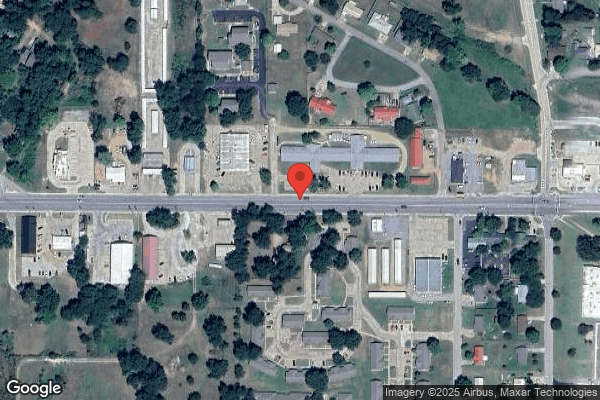

1105 EAST MAIN, TISHOMINGO, OK 73460 (580) 371-2636
For profit - Individual 70 Beds ELMBROOK MANAGEMENT COMPANY Data: November 2025
Trust Grade
85/100
#4 of 282 in OK
Last Inspection: August 2024

Within standard 12-15 month inspection cycle. Federal law requires annual inspections.

Overview

Blue River Healthcare, Inc. has a Trust Grade of B+, indicating it is above average and recommended for families considering care options. It ranks #4 out of 282 facilities in Oklahoma, placing it in the top half statewide, and is the only nursing home in Johnston County. However, the facility is experiencing a worsening trend, with issues increasing from 2 in 2023 to 4 in 2024. Staffing is average with a rating of 3 out of 5 stars and a turnover rate of 65%, which is higher than the state average. Notably, the facility has no fines on record, suggesting compliance with regulations, and it provides better RN coverage than 95% of Oklahoma facilities, which is a positive aspect as RNs can detect issues that CNAs might overlook. On the downside, recent inspections found concerns such as dirty air vents in residents' rooms and a failure to prevent an inappropriate relationship between a staff member and a resident. Additionally, there was a noted issue with monitoring a resident for edema, which could affect their health. Overall, while there are strengths such as good RN coverage and no fines, the recent findings highlight areas that need improvement.

Trust Score
B+
85/100
In Oklahoma
#4/282
Top 1%
Safety Record
Low Risk
No red flags
Inspections
Getting Worse
2 → 4 violations
Staff Stability
⚠ Watch
65% turnover. Above average. Higher turnover means staff may not know residents' routines.
Penalties
✓ Good
No fines on record. Clean compliance history, better than most Oklahoma facilities.
Skilled Nurses
○ Average
Each resident gets 36 minutes of Registered Nurse (RN) attention daily — about average for Oklahoma. RNs are the most trained staff who monitor for health changes.
Violations
○ Average
8 deficiencies on record. Average for a facility this size. Mostly minor or procedural issues.
★★★★★
5.0
Overall Rating
★★★☆☆
3.0
Staff Levels
★★☆☆☆
2.0
Care Quality
★★★★★
5.0
Inspection Score
Stable
2023: 2 issues
2024: 4 issues

The Good

  • Full Sprinkler Coverage · Fire safety systems throughout facility
  • No fines on record

Facility shows strength in fire safety.

The Bad

Staff Turnover: 65%

19pts above Oklahoma avg (46%)

Frequent staff changes - ask about care continuity

Chain: ELMBROOK MANAGEMENT COMPANY

Part of a multi-facility chain

Ask about local staffing decisions and management

Staff turnover is elevated (65%)

17 points above Oklahoma average of 48%

The Ugly 8 deficiencies on record

Sept 2024 2 deficiencies
CONCERN (E) 📢 Someone Reported This

A family member, employee, or ombudsman was alarmed enough to file a formal complaint

Potential for Harm - no one hurt, but risky conditions existed

Safe Environment (Tag F0584)

Could have caused harm · This affected multiple residents

**NOTE- TERMS IN BRACKETS HAVE BEEN EDITED TO PROTECT CONFIDENTIALITY** Based on observation and interview, the facility failed to ensure air vents were clean and in good repair for three (#1, 2, and ...

Read full inspector narrative →
**NOTE- TERMS IN BRACKETS HAVE BEEN EDITED TO PROTECT CONFIDENTIALITY** Based on observation and interview, the facility failed to ensure air vents were clean and in good repair for three (#1, 2, and #3) of three sampled residents reviewed for a clean and homelike environment. The administrator identified 45 residents resided in the facility. Findings: A Cleaning and Disinfecting Residents' Rooms policy, dated August 2013, read in part, .Environmental surfaces will be disinfected (or cleaned) on a regular basis .and when surfaces are visibly soiled .Clean curtains, window blinds, and walls when they are visibly soiled or dusty . 1. On 09/25/24 at 12:53 p.m., Resident #1 was observed in their room (room [ROOM NUMBER]). The air vent closest to the resident was observed to be slightly open and covered with dust. On 09/26/24 at 11:50 a.m., the air vents in Resident #1's room were observed to be covered with dust and rust spots. The resident stated maintenance could not adjust the flow of air because the vent was stuck. 2. On 09/25/24 at 1:03 p.m., Resident #2 was interviewed in their room (room [ROOM NUMBER]). The resident stated they had recently been moved from another room. The resident's current room was observed to have an air vent above the bed which was covered with dust. The resident reported they had previously been in room [ROOM NUMBER]. room [ROOM NUMBER] was observed and found to have air vents covered with dust. On 09/26/24 at 11:45 a.m., Resident #2 was observed to be out of their room. The air vent above the resident's bed was observed to be covered with dust. A second vent in the resident's room was observed to have rust spots and gaps around the edges between the vent and ceiling. 3. On 09/25/24 at 1:07 p.m., the air vent in Resident #3's room (room [ROOM NUMBER]) was observed to be covered with dust. Resident #3 stated they were not aware of the vent ever being cleaned. On 09/26/24 at 11:40 a.m., Resident #3 was observed lying in bed. The vent above the bed was observed to be covered with dust. A second vent in the resident's room was observed to be rusted with gaps between the vent and ceiling. On 09/26/24 at 12:17 p.m., maintenance staff stated they were aware the air vents needed to be replaced. They stated they had a specific budget and it might take some time, but they felt all of the vents in the facility should be replaced. They stated housekeeping staff would be responsible for cleaning the dust and dirt on the vents in resident rooms. On 09/26/24 at 12:27 p.m., the housekeeping supervisor stated vents in the resident rooms were normally cleaned every Tuesday. They stated the administrator had recently purchased new extendable dusters to be used on the vents and stated they had noticed some vents needed to be cleaned twice a week.
CONCERN (E) 📢 Someone Reported This

A family member, employee, or ombudsman was alarmed enough to file a formal complaint

Potential for Harm - no one hurt, but risky conditions existed

Free from Abuse/Neglect (Tag F0600)

Could have caused harm · This affected multiple residents

Based on observation, record review, and interview, the facility failed to prevent an inappropriate relationship between a staff member and resident, and ensure a resident was free from abuse for one ...

Read full inspector narrative →
Based on observation, record review, and interview, the facility failed to prevent an inappropriate relationship between a staff member and resident, and ensure a resident was free from abuse for one (#1) of one sampled resident reviewed for abuse. The administrator identified 45 residents resided in the facility. They stated there was one allegation of abuse in the past 30 days. Findings: An Abuse Investigation and Reporting policy, dated July 2017, read in part, .The Administrator will inform the resident and his/her representative of the status of the investigation and measures taken to protect the safety and privacy of the resident .Upon conclusion of the investigation, the investigator will record the results of the investigation on approved documentation forms and provide the completed documentation to the Administrator . Resident #1 was admitted to the facility with diagnoses which included schizoaffective disorder, depression, anxiety, and chronic pain. An MDS assessment, dated 08/13/24, documented the resident was cognitively intact and exhibited no behaviors. The assessment documented the resident was independent with activities of daily living. An incident report form, dated 09/20/24, documented Resident #1 had gone to the administrator's office and stated a staff member had sent nude pictures to their cell phone. The staff member was not in the facility at the time and was immediately suspended. On 09/25/24 at 12:53 p.m., Resident #1 was interviewed and stated they felt safe and did not report an incident of abuse. On 09/25/24 at 3:15 p.m., the administrator stated there was not a police report related to the allegation of abuse involving Resident #1. The administrator stated when the two police officers came to the facility the resident did not want to give a report and did not want to press charges. On 09/25/24 at 3:40 p.m., the corporate nurse stated the investigation was ongoing. They stated more information had been obtained from Resident #1 related to social media interactions over the past year between the resident and CMA #1. On 09/26/24 at 11:50 a.m., Resident #1 was interviewed in their room. The resident's roommate was out of the room and they asked for their door to be shut. They stated they had more than a friendship with CMA #1. They stated they had shown the administrator months of texts back and forth between them and CMA #1. They stated when CMA #1 sent nude pictures to them they became increasingly anxious and was very uncomfortable when the CMA worked. They stated when they became uncomfortable they reported the pictures to the administrator. They stated then a couple of days later they shared the numerous text messages. The resident was asked if the relationship was consensual. They stated it was okay for a long time. They stated they had a mutual understanding, but the nude pictures made them very uncomfortable. They stated that is when they reported the situation to the administrator. On 09/26/24 at 1:55 p.m., the administrator stated Resident #1 initially came to them on 09/20/24 to report CMA #1 had sent nude pictures to the resident's cell phone. The administrator stated they immediately started the abuse investigation which included required notification to authorities, appropriate reporting, interviews with staff and residents, and staff in-services. The administrator stated Resident #1 came to them again on 09/24/24 and shared months of social media messages between the resident and CMA #1. The administrator stated the abuse investigation had been completed and the allegation of abuse was substantiated.
Aug 2024 2 deficiencies
CONCERN (D) 📢 Someone Reported This

A family member, employee, or ombudsman was alarmed enough to file a formal complaint

Potential for Harm - no one hurt, but risky conditions existed

ADL Care (Tag F0677)

Could have caused harm · This affected 1 resident

Based on observation, record review, and interview, the facility failed to provide showers as scheduled for one (#29) of three residents reviewed for assistance with activities of daily living. The a...

Read full inspector narrative →
Based on observation, record review, and interview, the facility failed to provide showers as scheduled for one (#29) of three residents reviewed for assistance with activities of daily living. The administrator reported a facility census of 48 residents. Findings: An Activities of Daily Living policy, dated March 2018, documented in part, .Residents who are unable to carry out activities of daily living independently will receive the services necessary to maintain good nutrition, grooming and personal and oral hygiene .Appropriate care and services will be provided for .hygiene (bathing, dressing, grooming) . Resident #29 was admitted with diagnoses which included diabetes mellitus, chronic kidney disease, and chronic pain. An MDS assessment, dated 07/15/24, documented resident #29 required assistance with activities of daily living. The assessment documented the resident was cognitively intact. Resident #29's care plan, dated 07/16/24, documented the resident had a self-care deficit and required assistance with activities of daily living. Shower sheets for resident #29 were reviewed for July and August 2024. The shower sheet for 07/06/24 documented self. The sheet for 07/25/24 documented, she didn't want one she was mad. The sheet for 07/30/24 documented, COVID quarantine. The sheet for 08/17/24 documented the resident received a shower. Shower sheets for previous months were reviewed and contained very inconsistent documentation related to which residents received showers as scheduled. Resident council minutes were reviewed. The minutes for 08/09/24 documented residents complained they were not getting showers in a timely manner. The minutes documented staff in-service training was conducted on 08/16/24 related to providing showers as scheduled. On 08/28/24 at 9:34 a.m., resident #29 was observed with oily/greasy hair and reported she thought her regular shower days were Tuesday, Thursday, and Saturday. The resident reported she wasn't feeling well the previous day so didn't get a shower as scheduled. The resident stated she couldn't remember exactly when she last had a shower. On 08/29/24 at 8:57 a.m., CNA #1 reported the aides try to document showers both in the computer and on the shower sheets. The CNA reported the aides have talked to corporate staff regarding the charting of showers in the EMR. The CNA stated the system doesn't provide an option to show when it's not the resident's shower day, and therefore it looks like the aides are charting done every day. The CNA stated some of the new staff aren't sure what to do so they just click on it every day whether it's the resident's shower day or not. The CNA reported they try to keep the paper shower sheets up to date so they're more accurate, but some of the new staff are still being trained. On 08/29/24 at 10:58 a.m., RN #1 reported staff had been in-serviced related to documentation of resident showers. The RN stated administrative staff would continue to make rounds and interview residents to ensure they were getting their showers as scheduled.
CONCERN (D) 📢 Someone Reported This

A family member, employee, or ombudsman was alarmed enough to file a formal complaint

Potential for Harm - no one hurt, but risky conditions existed

Pharmacy Services (Tag F0755)

Could have caused harm · This affected 1 resident

Based on observation, record review, and interview, the facility failed to administer medications per physician orders for two (#11 and #41) of five residents reviewed for following physician orders. ...

Read full inspector narrative →
Based on observation, record review, and interview, the facility failed to administer medications per physician orders for two (#11 and #41) of five residents reviewed for following physician orders. The facility reported two medication errors in the last 90 days. Findings: An Administering Medications policy, dated April 2019, documented in part, .Medications are administered in accordance with prescriber orders, including any required time frame .The individual administering the medication checks the label three (3) times to verify the .right time .before giving the medication . 1. Resident #11 was admitted with diagnoses which included diabetes mellitus, polyarthritis, hypertension, hypothyroidism, acute kidney failure, anxiety, and chronic pain. An MDS assessment for resident #11, dated 06/03/24, documented the resident was moderately impaired with cognition. The assessment documented the resident required some assistance with activities of daily living. A Physician Order Report for resident #11, dated July and August 2024, documented to give Pepcid (famotidine) 20 mg, 1 by mouth daily, between 6:00 a.m. and 7:00 a.m., for gastro-esophageal reflux disease without esophagitis. On 08/26/24 at 8:23 a.m., ACMA #1 was observed to administer resident #11's morning medications. The medication Pepcid (famotidine) 20 mg was included with the other medications. 2. Resident #41 was admitted to the facility with diagnoses which included Alzheimer's disease, hypotension, hypokalemia, Bipolar disorder, depression, anxiety, and pain. A physician's order for resident #41, dated 11/13/23, documented the resident was to receive Pantoprazole 40 mg, one by mouth, prior to breakfast between 6:00 a.m. and 7:00 a.m. Resident #41's care plan, dated 08/05/24, documented the resident was at risk for GI distress related to GERD. An MDS assessment for resident #41, dated 08/05/24, documented the resident was severely impaired with cognition and required assistance with activities of daily living. On 08/26/24 at 8:09 a.m., CMA #1 was observed to administer resident #41's morning medications. The medication Pantoprazole was given at the same time with other medications. On 08/29/24 at 8:54 a.m., CMA #1 reported resident #41 often stayed up late so if the resident was still asleep, they held the early medication until the resident was up and gave it with the other morning medications. The CMA stated she understood Pantoprazole was supposed to be administered prior to breakfast and stated most of the time it was given as ordered. On 08/29/24 at 11:30 a.m., RN #1 reported she had just got the order changed for resident #11 to be given the Pepcid between 6:00 a.m. and 11:00 a.m. The RN stated both residents should have received their medications between 6:00 a.m. and 7:00 a.m. as ordered.
Aug 2023 1 deficiency
CONCERN (D) 📢 Someone Reported This

A family member, employee, or ombudsman was alarmed enough to file a formal complaint

Potential for Harm - no one hurt, but risky conditions existed

Quality of Care (Tag F0684)

Could have caused harm · This affected 1 resident

Based on record review and interview, the facility failed to assess and intervene timely for one (#1) of four sampled residents reviewed for hospitalizations. The Resident Census and Conditions of Res...

Read full inspector narrative →
Based on record review and interview, the facility failed to assess and intervene timely for one (#1) of four sampled residents reviewed for hospitalizations. The Resident Census and Conditions of Residents report, dated 08/14/23, documented 45 residents resided in the facility. Findings: The facility's Change in a Resident's Condition or Status policy, revision date 05/2017, read in part .The nurse will record in the resident's medical record information relative to changes in the resident's medical/mental condition or status . Resident #1 was admitted with a diagnosis of dementia. Resident #1's MAR, with a date range of 08/01/23 through 08/06/23, documented on 08/06/23 the resident's medications had not been administered that morning due to condition. The MAR documented Hydrocodone-acetaminophen tab 7.5-325 mg was last given at 7:19 a.m. on 08/05/23. A nurse note, dated 08/06/23, with a time of 11:36 a.m. documented the resident had not urinated in 14 hours, with a temperature of 100.1 degrees, lethargic, BP 80/60, pulse 90, oxygen at 94% on room air and the resident was sent to the ER. Resident #1's hospital records, dated 08/06/23, documented the resident was admitted at 12:17 p.m. The reason for the admission was AMS, hypotension, and fever. The final diagnosis was sepsis, acute kidney failure, AMS, dementia, and pressure ulcer of right ankle. Resident #1's annual resident assessment, dated 08/08/23, documented the residents cognition was moderately impaired with decision making and required encouragement or cueing with eating. On 08/11/23 at 8:34 a.m., CNA #1 stated the resident normally sleeps a lot. She stated on Saturday the resident was talkative, able to be aroused, and accepting fluids. She stated on Sunday morning the resident did not seem right. She stated she realized the resident was not acting right while trying to check and change them and get them up for breakfast. She stated she was not able to get the resident to take fluids. She stated she notified the RN right when she realized the resident was not acting right. She stated she was not sure if the RN went and evaluated the resident at the time she was notified, but she knew when the RN returned from running an errand she checked on the resident and sent her to the ER. There was no documentation the resident had been assessed until 11:36 a.m. On 08/11/23 at 8:43 a.m., CNA #2 stated the resident sleeps a lot. She stated Saturday the resident was up and ate their meals. She stated the resident acted like their normal self. She stated Sunday CNA #1 and CNA #3, while rounds were being completed at around 7 a.m., had trouble arousing the resident. She stated CNA #1 notified the charge nurse. She stated at times the resident would want to sleep in and their pain medications makes them sleepy. She stated around lunch time the RN took the residents vital signs and sent the resident to the hospital. According to the MAR resident #1 had not had pain medications since 08/05/23. On 08/11/23 at 9:24 a.m., CNA #3 stated on Saturday the resident had a pain pill right before their shower and the resident was hard to keep awake while their hair was blow dried. She stated it was normal for the resident to be drowsy after taking their pain medication. She stated the resident was not feeling well the next morning when she came in for her shift at 6 a.m. On 08/11/23 at 9:48 a.m., LPN #1 stated the residents vitals signs were taken on Saturday and the residents vital signs were within normal limits. She stated she had not documented the vital signs and had not documented the resident would not wake up. She stated staff got the resident up for breakfast, but she would not eat or wake up. She stated Sunday the resident started showing serious signs, running fever, and the RN sent her out to the ER. On 08/11/23 at 10:01 a.m., RN #2 stated on Saturday the resident was a little more tired and had not eaten well. She stated the resident would respond but seemed lethargic. She stated that was the residents normal baseline at times. She stated the resident was up in their chair and did not have any issues with urination until that night. She stated there was nothing concerning with the residents status which would have made her think the resident was not at their normal baseline. Sunday morning the resident was not responding very well and their vital signs were not good. She stated she sent the resident out at that time. She stated the first time she had been notified of the resident condition was when she sent the resident out to the hospital. On 08/11/23 at 11:31 a.m., RN #1 stated she worked Saturday night into Sunday morning. She stated she checked the residents temperature that night and the resident was resting in bed with no temperature. She stated the resident had wet briefs throughout the night. The vital signs log documented the time of temperature taken was 1:05 a.m. She stated during the nurses shift change report the off going nurse told her the resident had been a little more drowsier than normal at dinner. On 08/11/23 at 3:27 p.m., the DON stated a resident found lethargic should be assessed by the nurse. The physician should be contacted and if the resident needed more evaluations send them out to the ER. She stated she would check for any documentation which would indicate the resident was assessed earlier in the morning on 08/06/23. On 08/11/23 at 3:40 p.m., the Administrator stated if a resident was found unresponsive or lethargic the staff should notify the charge nurse and get the resident transported out to the hospital. On 08/11/23 at 4:16 p.m., CMA #1 stated the resident had opened their eyes a couple of times when she took the medications into the room to administer. She stated the resident would not wake up enough to take her medications. She stated she notified the charge nurse the resident would not wake up. She stated that was normal for the resident not to wake up to take their medications early in the morning. She stated she comes back and offers the medications at a later time.
Jul 2023 1 deficiency
CONCERN (D)

Potential for Harm - no one hurt, but risky conditions existed

Deficiency F0806 (Tag F0806)

Could have caused harm · This affected 1 resident

**NOTE- TERMS IN BRACKETS HAVE BEEN EDITED TO PROTECT CONFIDENTIALITY** Based on observation, record review, and interview, the facility failed to provide food preferences, snacks, and alternate food ...

Read full inspector narrative →
**NOTE- TERMS IN BRACKETS HAVE BEEN EDITED TO PROTECT CONFIDENTIALITY** Based on observation, record review, and interview, the facility failed to provide food preferences, snacks, and alternate food choices, to residents who requested a different meal choice, for two (#1 and #26) of two residents sampled for food choices. The Resident Census and Conditions of Residents form, dated 07/25/23, documented 42 residents received meals from the kitchen. Findings: A policy, Alternate Food Choices and Substitutions, dated 10/01/18, documented in part, .An alternate entree and vegetable will be offered at each meal .The facility supports resident choice and allowing residents to choose foods by honoring their food preferences .Other substitutions will also be available in the event a resident does not choose the main meal or the alternate . Resident council meeting minutes, dated 12/22/22, documented complaints related to the dietary department. The minutes documented the residents requested less breakfast for dinner, better snacks on the snack cart, and complained of not liking plain cheese and bread sandwiches for lunch. The dietary response, dated 12/23/23, documented they would abide by a state-approved menu which they were required to serve. The response documented alternate items were posted in the dining room and snack items were rotated and updated routinely. On 07/26/23 at 4:22 p.m., Res #1 reported the kitchen had not given her bread while the surveyors were there, but usually they received bread on their tray. The resident reported the residents were served the same food over and over, stating they received fruit cocktail and Jello all the time. The resident stated when they asked for food listed on the substitute menu, which was documented to be always available, the staff would tell them they didn't have it available due to budget cuts. The resident was asked if they could get a chef salad, and reported when they served salad, it was more like a Caesar salad and that type of lettuce choked them. The resident reported there were no snacks on the snack tray at night that diabetics could have. The resident also stated they wouldn't give them cranberry juice and was told they were not allowed to pass the cranberry juice as a snack. The resident reported they were told by staff they only had milk or fruit punch drink. On 07/27/23 at 8:30 a.m., the DM reported all items for the substitute menu were available at all times, including chef salads. The DM reported they prepared jugs of water, Kool-Aid, and milk for the snack tray. The DM reported they used to have individual milk and juice for snacks to be passed out, but due to budget cuts, she was told to prepare the bigger jugs. The DM stated they did have individual juices, which were kept at the nurses station, for residents who requested juice for a snack. On 07/27/23 at 9:15 a.m., a small refrigerator was observed at the nurse's station. Staff reported the refrigerator was used to store drinks for resident snacks. The only juice observed to be available was thickened juice. On 07/27/23 at 11:20 a.m., LPN #1 reported when a resident did not like what was being served, they would request something different from the kitchen. The LPN reported she was told by kitchen staff they needed to know beforehand or they would not have the food on the substitute menu. The LPN reported one resident did not get chef salads as often as they preferred so the activity director purchased the resident salad items to have in the resident's personal refrigerator as requested by the resident. The LPN stated she had received complaints from residents regarding the snack cart lacking choices and only one drink choice being available. On 07/27/23 at 11:30 a.m., the activities director reported they had asked one time during a meal for a resident to get a chef salad. The activities director stated kitchen staff told them it would be the next meal before the resident could get a salad so the resident was served soup and a sandwich instead. On 07/27/23 at 11:37 a.m., CNA #1 reported when a resident requested a substitute meal during the meal, the kitchen usually did not have what was requested by the resident. The CNA stated when a resident requested a chef salad, they typically would not have the ingredients to prepare one. The CNA reported the snack supply was just okay, with not a lot of variety for the residents to choose from. The CNA stated it had recently changed with only having water or Kool-Aid to serve for the evening snack. The CNA stated they no longer had juice to pass at night for residents who requested it, because they were told they were running out of the small individual containers too fast. On 07/27/23 at 12:04 p.m., the DM was interviewed regarding diabetic diets, appropriate portions related to proteins, as well as breads and starches. The DM voiced an understanding of therapeutic diets. Meal service was observed each day of the survey with proper serving scoops utilized to ensure correct serving sizes, plates filled by the meal ticket, and therapeutic diets offered as ordered. On 07/27/23 at 12:31 p.m., Res #26 reported they were admitted to the facility on [DATE]. The resident reported they were supposed to be on a carb-controlled, reduced concentrated sweets diet, but stated that wasn't always the diet they received. The resident reported they tried not to eat too many potatoes but often received potatoes on their tray. The resident reported they sent their tray back to the kitchen one time but never received a substitute or alternate meal, so now they just ate whatever the kitchen sent them and monitored their blood sugars closely. The resident reported the meals were improving and had been better while the surveyors were there, but they didn't think the kitchen staff understood alternate choices for a carb-controlled diet. On 07/27/23 at 12:36 p.m., the administrator reported they had stopped serving some of the food items they previously offered for snacks, such as cookies, Little [NAME] cakes, potato chips, and now offered crackers and fig bars. The administrator stated they no longer provided popcorn on a regular basis. The administrator reported they put out a pitcher of tea, water, or Kool-Aid, and offered different types of sandwiches. The administrator was asked if residents could get juice in the evenings, and stated she thought juices were kept in the refrigerator under the nurse's station. The administrator reported kitchen staff would be the ones to set up snacks and provide juice. The administrator stated residents should be allowed to order substitute food items as requested, and stated she knew occasionally the kitchen would run out of lettuce before the week was over and a food delivery was made.
Mar 2022 2 deficiencies
CONCERN (D)

Potential for Harm - no one hurt, but risky conditions existed

Deficiency F0661 (Tag F0661)

Could have caused harm · This affected 1 resident

**NOTE- TERMS IN BRACKETS HAVE BEEN EDITED TO PROTECT CONFIDENTIALITY** Based on record review and interview, the facility failed to ensure a discharge summary was completed for one (#42) of three res...

Read full inspector narrative →
**NOTE- TERMS IN BRACKETS HAVE BEEN EDITED TO PROTECT CONFIDENTIALITY** Based on record review and interview, the facility failed to ensure a discharge summary was completed for one (#42) of three residents reviewed. The administrator reported 42 residents resided in the facility. Findings: Resident #42 was admitted on [DATE]. A document titled Against medical advice, dated 01/01/22, documented the resident left the facility against medical advice. The clinical record contained no discharge summary. On 03/10/22 at 10:00 a.m., the interim director of nurses reported a discharge summary had not been completed.
CONCERN (E)

Potential for Harm - no one hurt, but risky conditions existed

Quality of Care (Tag F0684)

Could have caused harm · This affected multiple residents

**NOTE- TERMS IN BRACKETS HAVE BEEN EDITED TO PROTECT CONFIDENTIALITY** Based on record review, observation, and interview, the facility failed to assess and monitor edema for one (#1) of one resident...

Read full inspector narrative →
**NOTE- TERMS IN BRACKETS HAVE BEEN EDITED TO PROTECT CONFIDENTIALITY** Based on record review, observation, and interview, the facility failed to assess and monitor edema for one (#1) of one resident reviewed for edema. The administrator reported 42 residents resided in the facility. Findings: Resident #1 was admitted to the facility on [DATE] with diagnoses which included diabetes mellitus, hypertension, congestive heart failure, and morbid obesity. A significant change assessment, dated 11/19/21, documented the resident was moderately impaired with cognition and required extensive assistance with activities of daily living. The assessment documented the resident was frequently incontinent of bladder and always continent of bowel. The assessment documented no skin issues. A care plan, updated 02/18/22, documented the resident was at risk for excess fluid volume related to congestive heart failure. The care plan documented for the staff to monitor for lower extremity edema per facility guidelines, protocol &/ or per physician orders. On 03/07/22 at 12:01 p.m., the resident was observed to have edema to the right lower extremity. On 03/09/22 at 8:43 a.m., the resident was observed sitting up in his Geri chair. The resident was observed to have edema to bilateral lower extremities (BLE). On 03/09/22 at 1:48 p.m., registered nurse (RN) #1 reported the resident has had BLE edema for years. The RN reported there was not a physician's order to monitor the resident's edema. The RN reported the staff watch him. The RN reported the resident generally had good output. The RN reported there was no documentation on the resident's treatment sheet to assess or monitor the resident's edema. The RN reported they should be assessing, monitoring and documenting the resident's edema. On 03/09/22 at 2:15 p.m., the corporate nurse reported the staff should be monitoring the resident's lower extremities for edema.
Understanding Severity Codes (click to expand)
Life-Threatening (Immediate Jeopardy)
J - Isolated K - Pattern L - Widespread
Actual Harm
G - Isolated H - Pattern I - Widespread
Potential for Harm
D - Isolated E - Pattern F - Widespread
No Harm (Minor)
A - Isolated B - Pattern C - Widespread

Questions to Ask on Your Visit

  • "Why is there high staff turnover? How do you retain staff?"
  • "Can I speak with families of current residents?"
  • "What's your RN coverage like on weekends and overnight?"

Our Honest Assessment

Strengths
  • • Grade B+ (85/100). Above average facility, better than most options in Oklahoma.
  • • No major safety red flags. No abuse findings, life-threatening violations, or SFF status.
  • • No fines on record. Clean compliance history, better than most Oklahoma facilities.
Concerns
  • • 65% turnover. Above average. Higher turnover means staff may not know residents' routines.
Bottom line: Generally positive indicators. Standard due diligence and a personal visit recommended.

About This Facility

What is Blue River Healthcare, Inc's CMS Rating?

CMS assigns BLUE RIVER HEALTHCARE, INC an overall rating of 5 out of 5 stars, which is considered much above average nationally. Within Oklahoma, this rating places the facility higher than 99% of the state's 100 nursing homes. This rating reflects solid performance across the metrics CMS uses to evaluate nursing home quality.

How is Blue River Healthcare, Inc Staffed?

CMS rates BLUE RIVER HEALTHCARE, INC's staffing level at 3 out of 5 stars, which is average compared to other nursing homes. Staff turnover is 65%, which is 19 percentage points above the Oklahoma average of 46%. High turnover can affect care consistency as new staff learn residents' individual needs. RN turnover specifically is 67%, which is notably high. RNs provide skilled clinical oversight, so turnover in this role can affect medical care quality.

What Have Inspectors Found at Blue River Healthcare, Inc?

State health inspectors documented 8 deficiencies at BLUE RIVER HEALTHCARE, INC during 2022 to 2024. These included: 8 with potential for harm.

Who Owns and Operates Blue River Healthcare, Inc?

BLUE RIVER HEALTHCARE, INC is owned by a for-profit company. For-profit facilities operate as businesses with obligations to shareholders or private owners. The facility is operated by ELMBROOK MANAGEMENT COMPANY, a chain that manages multiple nursing homes. With 70 certified beds and approximately 39 residents (about 56% occupancy), it is a smaller facility located in TISHOMINGO, Oklahoma.

How Does Blue River Healthcare, Inc Compare to Other Oklahoma Nursing Homes?

Compared to the 100 nursing homes in Oklahoma, BLUE RIVER HEALTHCARE, INC's overall rating (5 stars) is above the state average of 2.7, staff turnover (65%) is significantly higher than the state average of 46%, and health inspection rating (5 stars) is much above the national benchmark.

What Should Families Ask When Visiting Blue River Healthcare, Inc?

Based on this facility's data, families visiting should ask: "How do you ensure continuity of care given staff turnover, and what is your staff retention strategy?" "Can I visit during a mealtime to observe dining assistance and food quality?" "How do you handle medical emergencies, and what is your hospital transfer rate?" "Can I speak with family members of current residents about their experience?" These questions are particularly relevant given the facility's high staff turnover rate.

Is Blue River Healthcare, Inc Safe?

Based on CMS inspection data, BLUE RIVER HEALTHCARE, INC has a clean safety record: no substantiated abuse findings (meaning no confirmed cases of resident harm), no Immediate Jeopardy citations (the most serious violation level indicating risk of serious injury or death), and is not on the Special Focus Facility watch list (a federal program monitoring the lowest-performing 1% of nursing homes). The facility has a 5-star overall rating and ranks #1 of 100 nursing homes in Oklahoma. While no facility is perfect, families should still ask about staff-to-resident ratios and recent inspection results during their visit.

Do Nurses at Blue River Healthcare, Inc Stick Around?

Staff turnover at BLUE RIVER HEALTHCARE, INC is high. At 65%, the facility is 19 percentage points above the Oklahoma average of 46%. Registered Nurse turnover is particularly concerning at 67%. RNs handle complex medical decisions and coordinate care — frequent RN changes can directly impact care quality. High turnover means new staff may not know residents' individual needs, medications, or preferences. It can also be disorienting for residents, especially those with dementia who rely on familiar faces. Families should ask: What is causing the turnover? What retention programs are in place? How do you ensure care continuity during staff transitions?

Was Blue River Healthcare, Inc Ever Fined?

BLUE RIVER HEALTHCARE, INC has no federal fines on record. CMS issues fines when nursing homes fail to meet care standards or don't correct problems found during inspections. The absence of fines suggests the facility has either maintained compliance or corrected any issues before penalties were assessed. This is a positive indicator, though families should still review recent inspection reports for the full picture.

Is Blue River Healthcare, Inc on Any Federal Watch List?

BLUE RIVER HEALTHCARE, INC is not on any federal watch list. The most significant is the Special Focus Facility (SFF) program, which identifies the bottom 1% of nursing homes nationally based on persistent, serious quality problems. Not being on this list means the facility has avoided the pattern of deficiencies that triggers enhanced federal oversight. This is a positive indicator, though families should still review the facility's inspection history directly.