WAGONER HEALTH & REHAB
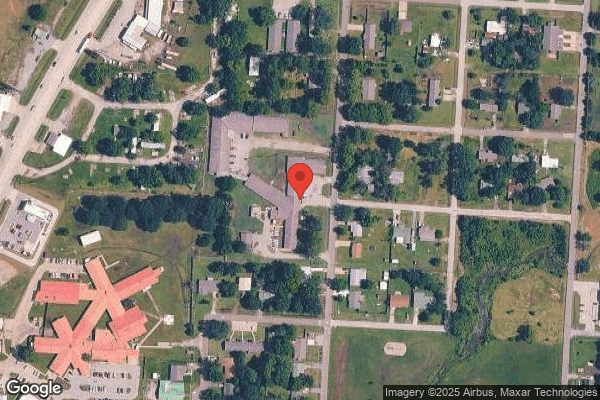
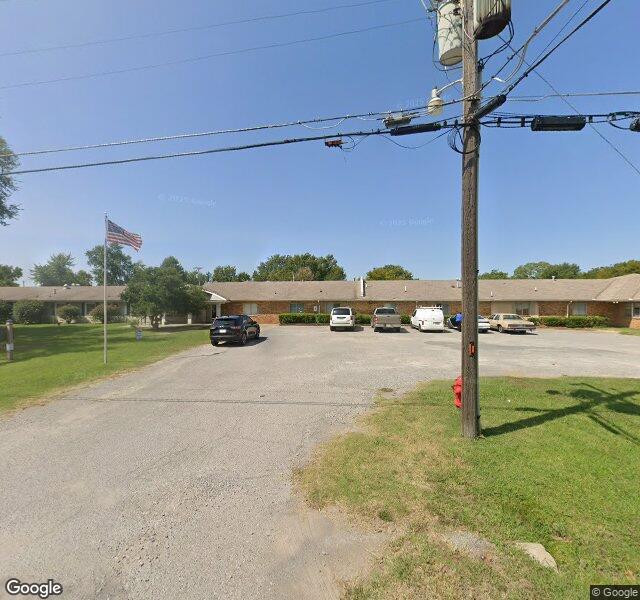
205 NORTH LINCOLN AVENUE, WAGONER, OK 74467 (918) 485-2203
For profit - Limited Liability company 117 Beds BRADFORD MONTGOMERY Data: November 2025
Trust Grade
35/100
#279 of 282 in OK
Last Inspection: April 2025

Within standard 12-15 month inspection cycle. Federal law requires annual inspections.

Overview

Wagoner Health & Rehab has received a Trust Grade of F, indicating significant concerns and a poor overall performance. They rank #279 out of 282 nursing homes in Oklahoma, placing them in the bottom half of facilities statewide and #2 out of 2 in Wagoner County, meaning there is only one local option that is better. The facility is worsening, with issues increasing from 1 in 2024 to 12 in 2025, highlighting a troubling trend. Staffing is average with a 3/5 rating; however, the turnover rate is 56%, which is in line with the state average, suggesting some staff stability. While the facility has not incurred any fines, which is a positive aspect, there are concerning incidents such as staff failing to properly handle food safety by leaving scoops in bulk containers and not ensuring adequate water temperature at handwashing sinks, as well as not revising care plans after residents fell. Overall, while there are some strengths in staffing stability and no fines, the facility's poor inspection outcomes and significant number of issues should give families pause.

Trust Score
F
35/100
In Oklahoma
#279/282
Bottom 2%
Safety Record
Low Risk
No red flags
Inspections
Getting Worse
1 → 12 violations
Staff Stability
⚠ Watch
56% turnover. Above average. Higher turnover means staff may not know residents' routines.
Penalties
✓ Good
No fines on record. Clean compliance history, better than most Oklahoma facilities.
Skilled Nurses
⚠ Watch
Each resident gets only 18 minutes of Registered Nurse (RN) attention daily — below average for Oklahoma. Fewer RN minutes means fewer trained eyes watching for problems.
Violations
⚠ Watch
33 deficiencies on record. Higher than average. Multiple issues found across inspections.
★☆☆☆☆
1.0
Overall Rating
★★★☆☆
3.0
Staff Levels
★☆☆☆☆
1.0
Care Quality
★★☆☆☆
2.0
Inspection Score
Stable
2024: 1 issues
2025: 12 issues

The Good

  • Full Sprinkler Coverage · Fire safety systems throughout facility
  • No fines on record

Facility shows strength in fire safety.

The Bad

1-Star Overall Rating

Below Oklahoma average (2.6)

Significant quality concerns identified by CMS

Staff Turnover: 56%

Near Oklahoma avg (46%)

Frequent staff changes - ask about care continuity

Chain: BRADFORD MONTGOMERY

Part of a multi-facility chain

Ask about local staffing decisions and management

Staff turnover is elevated (56%)

8 points above Oklahoma average of 48%

The Ugly 33 deficiencies on record

Sept 2025 1 deficiency
CONCERN (E) 📢 Someone Reported This

A family member, employee, or ombudsman was alarmed enough to file a formal complaint

Potential for Harm - no one hurt, but risky conditions existed

Deficiency F0657 (Tag F0657)

Could have caused harm · This affected multiple residents

Based on record review and interview, the facility failed to revise the care plan after a fall for 3 (#1, 2, and #3) of 4 sampled residents reviewed for fall interventions.The DON identified 19 falls ...

Read full inspector narrative →
Based on record review and interview, the facility failed to revise the care plan after a fall for 3 (#1, 2, and #3) of 4 sampled residents reviewed for fall interventions.The DON identified 19 falls in the last six months.Findings:A policy titled Falls - Clinical Protocol, revised April 2025, read in part, For an individual who has fallen, the staff and practitioner will begin to try to identify possible causes within 24 hours of the fall.the staff and physician will identify pertinent interventions to try to prevent subsequent falls and to address the risks of clinically significant consequences of falling.If the individual continues to fall, the staff and physician will re-evaluate the situation and reconsider possible reasons for the resident's falling and also reconsider the current interventions.1. An undated medical diagnosis list showed Res #1 had diagnoses which included congestive heart failure and multifocal motor neuropathy.A care plan, dated 01/01/25, showed Res #1 had potential for injury related to falls. The care plan showed Res #1 had fallen on 01/01/25, 03/31/25, and 06/14/25 with fall prevention interventions documented.A facility incident report, dated 08/10/25, showed Res #1 had a non-injury fall while transferring from the bed without assistance. The care plan did not document an intervention for the 08/10/25 fall.A discharge report, dated 09/15/25, showed Res #1 discharged from the facility on 08/29/25. 2. An undated medical diagnosis list showed Res #2 had diagnoses which included atrial fibrillation and a history of falling.A care plan, dated 02/24/25, showed Res #2 was at risk for falls with fall prevention interventions documented. The care plan showed the resident had not fallen.A facility incident report, dated 05/26/25, showed Res #2 had a fall with major injury while ambulating in the facility.The care plan did not document an intervention for the 05/26/25 fall.On 09/15/25 at 1:49 p.m., Res #2 stated they were able to ambulate independently but lost their balance sometimes. Res #2 stated they had fallen while ambulating a few months ago and hurt their shoulder. 3. An undated medical diagnosis list showed Res #3 had diagnoses which included dementia and Alzheimer's disease.A care plan, dated 02/23/25, showed Res #3 had potential for injury related to falls. The care plan showed Res #3 had fallen on 02/23/25, 03/07/25, 06/07/25, and 08/12/25 with fall prevention interventions documented.A facility incident report, dated 09/04/25, showed Res #3 had a fall with minor injury while transferring from the bed without assistance.The care plan did not document an intervention for the 09/04/25 fall. On 09/16/25 at 1:45 p.m., Res #3 stated they could not remember any falls or injuries resulting from falls. On 09/16/25 at 3:00 p.m., the DON stated Res #1, 2, and #3's care plans should have been revised to reflect a new fall prevention intervention after each fall.
Apr 2025 11 deficiencies
CONCERN (D)

Potential for Harm - no one hurt, but risky conditions existed

Assessment Accuracy (Tag F0641)

Could have caused harm · This affected 1 resident

Based on record review and interview, the facility failed to ensure admission assessments were accurate for 1 (#2) of 12 sampled residents whose assessments were reviewed. The administrator identified...

Read full inspector narrative →
Based on record review and interview, the facility failed to ensure admission assessments were accurate for 1 (#2) of 12 sampled residents whose assessments were reviewed. The administrator identified 46 residents resided in the facility. Findings: An admission assessment, dated 03/07/25, showed Resident #2, had a diagnosis of atrial fibrillation, had received an anticoagulant medication while a resident, during the look back period, and had a BIMS score of 15. The medication administration record and treatment administration record, dated March 2025, did not show the resident had received an anticoagulant medication. On 04/09/25 at 1:52 p.m., the MDS coordinator stated they had coded the assessment inaccurately and should not have coded the resident had received an anticoagulant.
CONCERN (D)

Potential for Harm - no one hurt, but risky conditions existed

Comprehensive Care Plan (Tag F0656)

Could have caused harm · This affected 1 resident

Based on observation, record review, and interview, the facility failed to ensure comprehensive care plans were developed for 2 (#21 and #41) of 12 sampled residents whose care plans were reviewed. Th...

Read full inspector narrative →
Based on observation, record review, and interview, the facility failed to ensure comprehensive care plans were developed for 2 (#21 and #41) of 12 sampled residents whose care plans were reviewed. The administrator identified 46 residents resided in the facility. Findings: 1. On 04/07/25 at 9:03 a.m., Resident #21 was observed in bed with a half bed rail, on the left side of the bed, in the up position. On 04/09/25 at 10:55 a.m., Resident #21 was observed in bed with a half bed rail, on the left side of the bed, in the up position. A policy titled Proper Use of Side Rails, dated December 2024, read in part, The use of side rails as an assistive devise will be addressed in the resident care plan. A quarterly assessment, dated 03/13/25, showed Resident #21 had a diagnosis of Alzheimer's disease, a BIMS summary score of three, which indicated the resident was severely impaired in cognition for daily decision making. A care plan, revised 03/18/25, did not show Resident #21 utilized a half side rail on the left side for bed mobility. On 04/09/25 at 1:56 p.m., the MDS coordinator stated Resident #21 utilized the half bed rail for bed mobility. They reviewed care plan and stated they had not developed a care plan related to the use of the half bed rail. 2. On 04/08/25 at 4:36 p.m., Resident #41 was observed in bed with an oxygen nasal cannula in place. On 04/09/25 at 10:56 a.m., Resident #41 was observed in bed with an oxygen nasal cannula in place. A quarterly assessment, dated 12/25/24, showed Resident #41 had a diagnosis of congestive heart failure, was dependent on staff for toileting, personal hygiene, and showering, and required partial/moderate assistance from staff for dressing, and had a BIMS summary score of 14, which indicated the resident was intact in cognition for daily decision making. A care plan, revised 02/12/25, did not show the amount of assistance Resident #41 required for activities of daily living or the resident utilized supplemental oxygen. On 04/09/25 at 1:51 p.m., the MDS coordinator stated they had not developed a care plan to address the supplemental oxygen use for Resident #41. They stated they were not aware the resident routinely utilized supplemental oxygen. On 04/09/25 at 2:00 p.m., the MDS coordinator reviewed the care plan for Resident #41 and stated they must have missed developing a care plan for Resident #41's activities of daily living needs.
CONCERN (D)

Potential for Harm - no one hurt, but risky conditions existed

Deficiency F0700 (Tag F0700)

Could have caused harm · This affected 1 resident

Based on observation, record review, and interview, the facility failed to ensure assessments were completed and consents were obtained for the use of bed rails for 1 (#21) of 1 sampled resident who w...

Read full inspector narrative →
Based on observation, record review, and interview, the facility failed to ensure assessments were completed and consents were obtained for the use of bed rails for 1 (#21) of 1 sampled resident who was reviewed for bed rails. The nurse manager identified two residents who utilized bed rails. Findings: On 04/07/25 at 9:03 a.m., Resident #21 was observed in bed with a half bed rail, on the left side, in the up position. On 04/09/25 at 10:55 a.m., Resident #21 was observed in bed with a half bed rail, on the left side, in the up position. The Evaluation for Use of Side Rails form, dated 10/04/23, did not show the resident was assessed for entrapment with the use of the bed rail or alternatives to the use of the bed rail before they were implemented. The annual assessment, dated 12/11/24, documented Resident #21 had a diagnosis of Alzheimer's disease, and the BIMS score was six, which indicated the resident was severely impaired in cognition for daily decision making. A policy titled, Proper Use of Side Rails, dated December 2024, read in part, When used for mobility or transfer, an assessment will include a review of the resident's .Risk of entrapment from the use of side rails .Consent for using restrictive devices will be obtained from the resident or legal representative per facility protocol .Documentation will indicate if less restrictive approaches are not successful, prior to considering the use of side rails. Review of the resident's chart did not show a consent for the use of the half bed rail. On 04/09/25 at 1:44 p.m., LPN #2 stated Resident #21 utilized the half bed rail to assist with bed mobility and transfers. They stated the DON assessed residents for the use of bed rails. On 04/09/25 at 2:11 p.m., the DON stated Resident #21 utilized the half bed rail on the left side of the bed for positioning. On 04/09/25 at 3:06 p.m., the DON stated the only documentation they completed for the use of bed rails was an assessment. They reviewed the resident's chart and stated they would check in medical records. On 04/09/25 at 5:27 p.m., the DON stated the only assessment that had been conducted for the use of bed rails for Resident #21 had been completed in October 2023. They stated they did not have a consent for the use of the bed rail or an assessment which indicated alternatives to the bed rail had been assessed. On 04/10/25 at 10:39 a.m., the DON stated residents were to be assessed annually for the use of bed rails and a consent should have been obtained.
CONCERN (D)

Potential for Harm - no one hurt, but risky conditions existed

Deficiency F0761 (Tag F0761)

Could have caused harm · This affected 1 resident

Based on observation, record review, and interview, the facility failed to ensure treatment carts were secured for 3 (North hall treatment cart, [NAME] hall treatment cart, and the overflow treatment ...

Read full inspector narrative →
Based on observation, record review, and interview, the facility failed to ensure treatment carts were secured for 3 (North hall treatment cart, [NAME] hall treatment cart, and the overflow treatment cart) of 5 medication/treatment carts observed. The DON identified five medication/treatment carts in the facility. Findings: On 04/07/25 at 7:32 a.m., the North hall treatment cart and the overflow treatment cart was observed by the nurses station to be unlocked and unattended. On 04/07/25 at 7:34 a.m., the treatment carts were observed to be locked in the front living room area, by the nurses station. On 04/08/25 at 9:25 a.m., the [NAME] hall treatment cart and the overflow treatment cart was observed to be by the nurses station, unlocked, and unattended. On 04/08/25 at 12:38 p.m., the overflow treatment cart was observed to be unlocked and unattended by the nurses station. On 04/09/25 at 10:53 a.m., the North hall treatment cart was observed to be unlocked and unattended. On 04/09/25 at 10:54 a.m., LPN #2 was observed to exit a resident's room, lock the cart, and push it down the hall. On 04/08/25 at 9:25 a.m., the DON stated they were supposed to keep medication/treatment carts locked when unattended. A policy titled, Storage of Medication, dated 07/21/24, read in part, Compartments (including, but not limited to, drawers, cabinets, rooms, refrigerators, carts, and boxes.) contained drugs and biologicals shall be locked when not in use, and trays or carts used to transport such items shall not be left unattended if open or otherwise potentially available to others. On 04/08/25 at 9:29 a.m., LPN #1 stated the treatment carts were to be kept locked but they had forgotten to lock them 'out of habit.' On 04/08/25 at 12:44 p.m., LPN #2 stated they had accessed the overflow treatment cart and should have locked it. On 04/10/25 at 11:11 a.m., the DON stated the staff were to lock the medication/treatment carts when they were unattended. The DON stated, I know you have seen them unlocked and unattended three or four times.
CONCERN (D)

Potential for Harm - no one hurt, but risky conditions existed

Deficiency F0804 (Tag F0804)

Could have caused harm · This affected 1 resident

Based on observation and interview, the facility failed to provide palatable meals for 4 (#2, #17, #20, and #46) of 18 residents interviewed regarding food palatability. The corporate nurse manager re...

Read full inspector narrative →
Based on observation and interview, the facility failed to provide palatable meals for 4 (#2, #17, #20, and #46) of 18 residents interviewed regarding food palatability. The corporate nurse manager reported 46 residents received food from the kitchen. Findings: On 04/07/25 at 1:02 p.m., a test tray was sampled for palatability. The Dorito casserole was lukewarm and not well seasoned. The mixed vegetables were soggy, bland, and lukewarm. On 04/08/25 at 12:33 p.m., a test tray was sampled for palatability. The Spanish rice was warm and bland, and the banana cake was dry and without icing. 1. An admission assessment, dated 03/07/25, showed Resident #2 had a BIMS score (a test for cognitive functioning) of 15 which was indicative of independence for daily decision making. On 04/07/25 at 10:03 a.m., Resident #2 stated when they eat meals in their room the hot foods are not hot, and the cold foods are not cold. 2. A quarterly assessment, dated 01/07/25, showed Resident #17 had a BIMS score (a test for cognitive functioning) of 15 which was indicative of independence for daily decision making. On 04/07/25 at 9:16 a.m., Resident #17 stated they only eat breakfast from the kitchen because lunch and dinner were not good. 3. A quarterly assessment, dated 03/06/25, showed Resident #20 had a BIMS score (a test for cognitive functioning) of 12 which was indicative of moderate impairment for daily decision making. On 04/07/25 at 10:25 a.m., Resident #20 stated they ate most meals in their room, and they were usually not hot when they were served. They also stated the food was bland. 4. An admission assessment, dated 12/26/24, showed Resident #17 had a BIMS score (a test for cognitive functioning) of 15 which was indicative of independence for daily decision making. On 04/07/25 at 10:17 a.m., Resident #46 stated the food was not good. On 04/09/25 at 10:15 a.m., the DM was made aware of the observations. They stated they tried to serve the hall cart as quickly as possible to ensure they were warm, they also stated the banana cake should have been served with icing.
CONCERN (D)

Potential for Harm - no one hurt, but risky conditions existed

Deficiency F0909 (Tag F0909)

Could have caused harm · This affected 1 resident

Based on observation, record review, and interview, the facility failed to ensure beds/bed rails were monitored for safety for 1 (#21) of 1 sampled resident who was reviewed for bed rails. The nurse m...

Read full inspector narrative →
Based on observation, record review, and interview, the facility failed to ensure beds/bed rails were monitored for safety for 1 (#21) of 1 sampled resident who was reviewed for bed rails. The nurse manager identified two residents who utilized bed rails. Findings: On 04/07/25 at 9:03 a.m., Resident #21 was observed in bed with a half bed rail in the up position on the left side. The bed rail was observed to be loose when moved side to side and back and forth. On 04/09/25 at 10:55 a.m., Resident #21 was observed in bed with a half bed rail in the up position on the left side. The bed rail was observed to be loose when moved side to side and back and forth. A policy titled, Bed Safety, dated June 2024, read in part, Inspection by maintenance staff of all beds and related equipment as part of regular bed safety program to identify risks and problems including potential entrapment risks. The annual assessment, dated 12/11/24, documented Resident #21 had a diagnosis of Alzheimer's disease, and had a BIMS score was six, which indicated the resident was severely impaired in cognition for daily decision making. On 04/07/25 at 9:03 a.m., Resident #21 stated, It's wiggly when they were asked about their bed rail. On 04/09/25 at 3:53 p.m., the maintenance supervisor stated they did not monitor bed rails once they had installed them. They stated if the staff reported the bed rails were loose they tightened them. The maintenance supervisor stated they had recently installed the bed rail for Resident #21. The maintenance supervisor observed the bed rail and stated, Oh wow, this is really loose, someone must have loosened that. On 04/10/25 at 10:59 a.m., the administrator stated the CNAs documented in the maintenance log if they noticed bed rails were loose. They stated they did not know why maintenance were not inspecting beds/bed rails for safety, including entrapment.
CONCERN (E)

Potential for Harm - no one hurt, but risky conditions existed

Deficiency F0726 (Tag F0726)

Could have caused harm · This affected multiple residents

Based on record review and interview, the facility failed to ensure competencies were completed yearly and upon hire for 5 (LPN #1, LPN #2, CNA #1, CNA #2, and CNA #3) of 5 employees reviewed for comp...

Read full inspector narrative →
Based on record review and interview, the facility failed to ensure competencies were completed yearly and upon hire for 5 (LPN #1, LPN #2, CNA #1, CNA #2, and CNA #3) of 5 employees reviewed for competencies. Human Resources reported seven LPNs and 21 CNAs were employed by the facility. Findings: 1. LPN #1 had a hire date of 02/27/25. On 04/09/25 at 4:30 p.m., LPN #1's employment file was reviewed, it did not show a competency/skills check had been completed upon hire. 2. LPN #2 had a hire date of 09/18/19. On 04/09/25 at 4:35 p.m., LPN #2's employment was reviewed, it did not show a competency/skills check had been completed upon hire. 3. CNA #1 had a hire date of 11/11/24. On 04/09/25 at 4:40 p.m., CNA #1's employment file was reviewed, it did not show a competency/skills check had been completed upon hire. 4. CNA #2 had a hire date of 02/04/25. On 04/09/25 at 4:45 P.m., CNA #2's employment filewas reviewed, it did not show a competency/skills check had been completed upon hire. 5. CNA #3 had a hire date of 08/25/24. On 04/09/25 at 4:50 p.m., CNA #3's employment filewas reviewed, it did not show a competency/skills check had been completed upon hire. On 04/09/25 at 5:26 p.m., the business office manager stated they did not have skills checks/competencies. On 04/10/25 at 11:09 a.m., the DON stated that competencies should be completed upon hire and annually. They also stated they had not completed competencies in over a year.
CONCERN (E)

Potential for Harm - no one hurt, but risky conditions existed

Medication Errors (Tag F0758)

Could have caused harm · This affected multiple residents

Based on record review and interview, the facility failed to ensure psychotropic medications were monitored for side effects for 5 (#7, 17, 20, 32, and #41) of 5 sampled residents who were reviewed fo...

Read full inspector narrative →
Based on record review and interview, the facility failed to ensure psychotropic medications were monitored for side effects for 5 (#7, 17, 20, 32, and #41) of 5 sampled residents who were reviewed for unnecessary medications. The DON identified 19 residents received psychotropic medications. Findings: 1. A physician order, dated 10/28/24, showed an order for fluoxetine (an antidepressant medication) 20 mg every day for mood disorder with depressive features. A physician order, dated 12/10/24, showed an order for lorazepam (an antianxiety medication) 2 mg/ml give 0.25 ml at bedtime for anxiety. A quarterly assessment, dated 02/24/25, showed Resident #7 a diagnosis of anxiety, recurrent depressive disorder, mood disorder with depressive features, and schizoaffective disorder, had a BIMS summary score of two, which indicated the resident was severely impaired in cognition for daily decision making, had received an antipsychotic medication, antianxiety medication, and an antidepressant medication. A care plan, revised 02/27/25, read in parts, I use psychotropic medications .Monitor for side effects and effectiveness Q-SHIFT .Monitor/document/report PRN any adverse reaction of PSYCHOTROPIC medications .I have depression .Monitor/document for side effects and effectiveness .I have a dx of anxiety .Monitor/document for side effects and effectiveness. A physician order, dated 04/04/25, showed an order for quetiapine (an antipsychotic medication) 50 mg twice daily. A Side Effect Monitoring flowsheet, dated March 2025, read in part, BLANKS INDICATE NO SIDE EFFECTS OBSERVED. The flowsheet did not show any documentation side effects had been monitored from 03/01/25 through 03/31/25. A Side Effect Monitoring flowsheet, dated April 2025, read in part, BLANKS INDICATE NO SIDE EFFECTS OBSERVED. The flowsheet did not show any documentation side effects had been monitored from 04/01/25 through 04/08/25. 2. A physician order, dated 10/26/24, showed an order for divalproex sodium extended release (an anticonvulsant medication) 250 mg every day for bipolar disorder. A quarterly assessment, dated 03/03/25, showed Resident #32 had a diagnosis of depression and bipolar disorder, and a BIMS summary score of four, which indicated the resident was severely impaired in cognition for daily decision making. A care plan, revised on 03/18/25, read in parts, I use psychotropic medications [related to] Bipolar, depression, anxiety, skin picking disorder etc .Monitor for side effects and effectiveness Q-SHIFT. A physician order, dated 03/21/25, showed the order for divalproex sodium extended release was changed to divalproex sprinkles 250 mg every day for bipolar disorder. A Side Effect Monitoring flowsheet, dated March 2025, read in part, BLANKS INDICATE NO SIDE EFFECTS OBSERVED. The flowsheet did not show any documentation side effects had been monitored from 03/01/25 through 03/31/25. A Side Effect Monitoring flowsheet, dated April 2025, read in part, BLANKS INDICATE NO SIDE EFFECTS OBSERVED. The flowsheet did not show any documentation side effects had been monitored from 04/01/25 through 04/08/25. 3. A treatment administration record, dated 04/25, showed Resident #17 had diagnoses which included bipolar disorder and depression. A physician order, dated 12/31/24, showed an order for citalopram (an antidepressant medication) 40 mg daily at bedtime for other specified persistent mood disorder. A quarterly assessment, dated 01/07/25, showed Resident #17 had a BIMS score of 15 which was indicative of independence for daily decision making. The assessment showed Resident #17 had received an antidepressant medication. A care plan, revised 02/22/25, read in part, I am on psychotropic medications .Monitor for side effects and effectiveness Q-SHIFT. A Side effect Monitoring flowsheet, dated March 2025, read in part, BLANKS INDICATE NO SIDE EFFECTS OBSERVED. The flowsheet did not show any documentation side effects had been monitored from 03/01/25 through 03/31/25. A Side effect Monitoring flowsheet, dated April 2025, read in part, BLANKS INDICATE NO SIDE EFFECTS OBSERVED. The flowsheet did not show any documentation side effects had been monitored from 04/01/25 through 04/08/25. 4. A treatment administration record, dated 04/25, showed Resident #20 had a diagnosis of major depressive disorder. A care plan, revised 02/23/25, read in part, I am on antidepressant medication .Monitor/document for side effects and effectiveness Q-SHIFT. A quarterly assessment, dated 03/01/25, showed Resident #20 had a BIMS score (a test for cognitive function) of 12 which was indicative of moderate impairment for daily decision making. The assessment also showed Resident #20 had received an antidepressant medication. A physician order, dated 03/06/25, showed an order for fluoxetine (an antidepressant medication) 10 mg daily for depression. A Side effect Monitoring flowsheet, dated March 2025, read in part, BLANKS INDICATE NO SIDE EFFECTS OBSERVED. The flowsheet did not show any documentation side effects had been monitored from 03/01/25 through 03/31/25. A Side effect Monitoring flowsheet, dated April 2025, read in part, BLANKS INDICATE NO SIDE EFFECTS OBSERVED. The flowsheet did not show any documentation side effects had been monitored from 04/01/25 through 04/08/25. 5. A treatment administration record, dated 04/25, showed Resident #41 had diagnoses which included depression, bipolar disorder and anxiety disorder. A physician order, dated 10/13/24, showed an order for amitriptyline (an antidepressant medication) 25 mg daily at bedtime for depression. A physician order, dated 11/11/24, showed an order for buspirone (an antianxiety medication) 10 mg three times a day for anxiety. A quarterly assessment, dated 12/15/24, showed Resident #41 had a BIMS score of 14 which was indicative of no impairment for daily decision making. The assessment showed Resident #41 had received an antidepressant medication and an antipsychotic medication. A physician order, dated 02/26/25, showed an order for quetiapine fumarate (an antipsychotic medication) 25 mg daily for bipolar disorder. A care plan, revised 02/22/25, read in part, I am on psychotropic medications .Monitor for side effects and effectiveness Q-SHIFT. A Side effect Monitoring flowsheet, dated March 2025, read in part, BLANKS INDICATE NO SIDE EFFECTS OBSERVED. The flowsheet did not show any documentation side effects had been monitored from 03/01/25 through 03/31/25. A Side effect Monitoring flowsheet, dated April 2025, read in part, BLANKS INDICATE NO SIDE EFFECTS OBSERVED. The flowsheet did not show any documentation side effects had been monitored from 04/01/25 through 04/08/25. On 04/10/25 at 10:02 a.m., LPN #2 stated side effect monitoring was in the behavior book and they did not chart unless side effects were observed. LPN #2 also stated the care plan showed they should be documenting side effect monitoring every shift and they were not documenting every shift. On 04/10/25 at 11:04 a.m., the DON stated they did not document side effect monitoring unless a side effect was noted. They also stated they were not documenting side effect monitoring every shift like the care plan requires.
CONCERN (E)

Potential for Harm - no one hurt, but risky conditions existed

Menu Adequacy (Tag F0803)

Could have caused harm · This affected multiple residents

Based on record review and interview, the facility failed to ensure menus were reviewed and approved by the dietician. The corporate nurse manager reported 46 residents received food from the kitchen....

Read full inspector narrative →
Based on record review and interview, the facility failed to ensure menus were reviewed and approved by the dietician. The corporate nurse manager reported 46 residents received food from the kitchen. Findings: An undated policy titled Menus, read in part, Menus are developed and prepared to meet resident choices including religious, cultural and ethnic needs while following established national guidelines for nutritional adequacy.The dietician reviews and approves all menus. A dietary menu, dated 04/02/25- 04/09/25, was reviewed. There was no documentation the menu had been approved by the dietician. On 04/09/25 at 10:15 a.m., the dietary manager stated they thought the menus were approved by the dietician and they would look for documentation. No documentation was provided. On 04/10/25 at 10:26 a.m., the social services director stated the menu had not been approved by the dietician.
CONCERN (E)

Potential for Harm - no one hurt, but risky conditions existed

Infection Control (Tag F0880)

Could have caused harm · This affected multiple residents

3. On 04/08/25 at 09:45 a.m., LPN #1 was observed flushing Resident #17's catheter. She was observed to don gloves and position the resident, then they doffed the gloves and did not perform hand hygie...

Read full inspector narrative →
3. On 04/08/25 at 09:45 a.m., LPN #1 was observed flushing Resident #17's catheter. She was observed to don gloves and position the resident, then they doffed the gloves and did not perform hand hygiene. LPN #1 then proceeded to the hallway to obtain supplies, upon returning to the room, LPN #1 donned a pair of gloves without performing hand hygiene. LPN #1 then flushed the resident's catheter, went to the bathroom to retrieve paper towels and returned to the resident. LPN #1 then doffed the gloves and exited the room without performing hand hygiene. LPN #1 was not wearing a gown while flushing Resident #17's catheter. On 04/08/25 at 11:07 a.m., CNA #3 and CNA #4 were observed providing catheter care to Resident #17. They were not wearing gowns. A physician order, dated 11/13/24, showed an order to provide catheter care every shift. A quarterly assessment, dated 01/07/25, showed Resident #17 had a BIMS score (a test for cognitive function) of 15. Which was indicative of independence for daily decision making. The assessment also showed Resident #17 had an indwelling urinary catheter. A physician order, dated 02/28/25, showed an order for the catheter to be flushed every Monday, Wednesday, Friday and as needed. On 04/08/25 at 9:55 a.m., LPN #1 stated they should perform hand hygiene when changing gloves and should change gloves when moving from dirty to clean, they also stated gowns should be worn when providing direct care to residents with a catheter. 4. On 04/07/25 at 9:06 a.m., Laundry #1 was observed transporting clean clothes uncovered. On 04/07/25 at 11:35 a.m., Laundry #1 was observed transporting clean clothes uncovered. On 04/08/25 at 8:46 a.m., Laundry #1 was observed transporting clean clothes uncovered. On 04/10/25 at 9:55 a.m., Laundry # 1 stated they did not know clean linens were supposed to be covered. On 04/10/25 at 11:45 p.m., the infection preventionist stated clean clothes should be covered while transporting them. Based on observation, record review, and interview, the facility failed to: a. ensure enhanced barrier precautions were utilized for residents with wounds for 1 (#32) of 1 sampled resident who was reviewed for wound care; b. ensure infection control was maintained and enhanced barrier precautions were utilized during urinary catheter care for 2 (#17 and #46) of two sampled residents who were reviewed for urinary catheter; and c. ensure clean laundry was covered when transported to resident rooms. The DON identified four residents with wounds, 4 residents with urinary catheters, and 45 residents whose laundry was processed by the facility. Findings: 1. On 04/08/25 at 2:43 p.m., LPN #2 was observed to provide wound care for Resident #32. LPN #2 was not observed to utilize a gown during wound care. Signage regarding enhanced barrier precautions was not observed near the resident's room. A policy titled, Enhanced Barrier Precautions, dated August 2022, read in part, EBP's employ targeted gown and glove use during high contact resident care activities when contact precautions do not otherwise apply .Examples of high-contact resident care activities requiring the use of gown and gloves for EBPs include .wound care .Signs MAY BE posted in the door or wall outside the resident room indicating the type of precautions and PPE [personal protective equipment] required. A quarterly assessment, dated 03/03/25, showed Resident #32 had a stage four pressure ulcer, and had a BIMS summary score of four, which indicated the resident was severely impaired in cognition for daily decision making. On 04/08/25 2:50 p.m., LPN #2 stated wound care for Resident #32 only required gloves. On 04/09/25 at 1:27 p.m., the IP stated staff should implement EBP when providing wound care for Resident #32. On 04/09/25 at 1:35 p.m., the DON stated staff were to implement EBP when they provided wound care. They stated the only way staff would know a resident was on EBP was if they knew Resident #32 had a wound. They stated they did not utilize signage to indicate EBP. 2. On 04/08/25 at 10:18 a.m., CNA #2 was observed to don three gloves on each hand and CNA #1 was observed to don two gloves on each hand and assist the resident with positioning. CNA #2 was not observed to change gloves during catheter care. Signage regarding enhanced barrier precautions was not observed near the resident's room. A policy titled, Enhanced Barrier Precautions, dated August 2022, read in parts, EBP's employ targeted gown and glove use during high contact resident care activities when contact precautions do not otherwise apply .Examples of high-contact resident care activities requiring the use of gown and gloves for EBPs include .device care .urinary catheter .Signs MAY BE posted in the door or wall outside the resident room indicating the type of precautions and PPE required. An admission assessment, dated 12/26/24, showed Resident #46 had a diagnosis of unspecified abnormal findings in urine, had an indwelling urinary catheter, and a BIMS summary score of 15, which indicated the resident was cognitively intact for daily decision making. On 04/08/25 at 11:31 a.m., CNA #2 stated they wore three pairs of gloves during catheter care because they had watched a video online that informed them to utilize three pairs of gloves at one time. They stated they were supposed to discard the outer glove when it had become soiled, but they had forgotten. On 04/09/25 at 7:47 a.m., CNA #2 stated the nurse usually informed the CNAs if a resident was on any type of precautions which required PPE other than gloves. On 04/09/25 at 1:23 p.m., the IP stated staff were to utilize one pair of gloves at a time. The IP stated residents with urinary catheters were to be placed on EBP. The IP stated they communicated with staff if a resident was on EBP. On 04/09/25 at 1:35 p.m., the DON stated they had inserviced staff about utilizing gowns and gloves when they provided catheter care. They stated staff knew to utilize EBP if they observed the resident had a urinary catheter. The DON stated staff were to change gloves and sanitize anytime they went from soiled to a clean task when providing care. The DON stated staff should never wear more than one pair of gloves at a time during the provision of care.
CONCERN (F)

Potential for Harm - no one hurt, but risky conditions existed

Food Safety (Tag F0812)

Could have caused harm · This affected most or all residents

Based on observation, record review, and interview, the facility failed to ensure scoops were not left in bulk containers and the handwashing sink had hot water. The corporate nurse manager reported 4...

Read full inspector narrative →
Based on observation, record review, and interview, the facility failed to ensure scoops were not left in bulk containers and the handwashing sink had hot water. The corporate nurse manager reported 46 residents received meals from the kitchen. Findings: On 04/07/25 at 7:27 a.m., an initial tour of the kitchen was conducted. A scoop was observed in a bulk container of flour and the handwashing sink did not have hot water. An undated facility policy titled Food Receiving and Storage, read in part, Foods shall be received and stored in a manner that complies with safe food handling practices. On 04/09/25 at 10:15 a.m., the dietary manager stated that scoops should not be left in bulk containers, and that the handwashing sink should be repaired.
Oct 2024 1 deficiency
CONCERN (D) 📢 Someone Reported This

A family member, employee, or ombudsman was alarmed enough to file a formal complaint

Potential for Harm - no one hurt, but risky conditions existed

Deficiency F0919 (Tag F0919)

Could have caused harm · This affected 1 resident

**NOTE- TERMS IN BRACKETS HAVE BEEN EDITED TO PROTECT CONFIDENTIALITY** Based on observation and interview, the facility failed to ensure the call light system was functioning in one of six occupied r...

Read full inspector narrative →
**NOTE- TERMS IN BRACKETS HAVE BEEN EDITED TO PROTECT CONFIDENTIALITY** Based on observation and interview, the facility failed to ensure the call light system was functioning in one of six occupied rooms resident rooms reviewed for call light functionality. The administrator reported the census was 53. Findings: A facility policy, reviewed 07/24, titled Maintenance Service read in part, .Functions of maintenance personnel include, but are not limited to .Maintaining the paging and nurse call system in good working order . On 10/08/24 at 10:05 am, LPN #1 stated when the call light was activated a light should illuminate in the hallway by the resident's door. At 10:10 am, CNA #1 stated when they observed that the light in front of a resident's door was illuminated that indicated the resident needed assistance. At 11:50 am, the call system in room [ROOM NUMBER] was activated, no light was illuminated in the hallway or at the nurse's desk. LPN #2 stated the call light for room [ROOM NUMBER] was not functioning. At 1:30 am, the maintenance supervisor stated they tested the call lights on a weekly basis, but they did not document the tests.
Dec 2023 8 deficiencies
CONCERN (D)

Potential for Harm - no one hurt, but risky conditions existed

Comprehensive Assessments (Tag F0636)

Could have caused harm · This affected 1 resident

Based on record review and interview the facility failed to ensure section the care plan decision column of the care area assessment section [section V] was completed on an annual assessment for one (...

Read full inspector narrative →
Based on record review and interview the facility failed to ensure section the care plan decision column of the care area assessment section [section V] was completed on an annual assessment for one (#3) of two sampled resident reviewed for care plans. A facility Census List, dated 12/21/23, documented there were 55 residents living at the facility. Findings: A Comprehensive Assessment and the Care Area Process policy, dated 2001 and revised 2023, read in part, .Comprehensive assessment will be conducted to assist in the developing person-centered care plans . Resident #3 had diagnoses which included schizophrenia and recurrent depressive disorder. An annual assessment, dated 08/17/23, documented in the behaviors section [section E] the resident had rejected care one to three times during the look back period. The care planning decision column of section V [the section of the assessment were an interdisciplinary team (IDT) from the facility meet and decide wether to care plan any triggered care areas] was blank. On 12/27/23 at 1052 a.m. the MDS Coordinator stated they had found no documentation Resident #3 had attended a care plan meeting following the last annual assessment. On 12/28/23 at 9:43 a.m., the MDS Coordinator stated the care areas psychotropic medications, psychosocial, and behaviors had triggered on the assessment but they had missed care planning them. They stated section V should have been completed and those areas care planned. They stated the assessment was incomplete. They stated the IDT had not met as required following the completion of the assessment to discuss the resident care plan. They stated there was no system in place they were aware of to trigger an IDT meeting to occur following an comprehensive assessment. At 10:00 a.m. the Administrator stated they would need to put a system in place to ensure the assessment process was thorough.
CONCERN (D)

Potential for Harm - no one hurt, but risky conditions existed

Comprehensive Care Plan (Tag F0656)

Could have caused harm · This affected 1 resident

Based on record review and interview the facility failed to create a comprehensive care plan for one (#3) of two sampled resident reviewed for care plans. A facility Census List, dated 12/21/23, docum...

Read full inspector narrative →
Based on record review and interview the facility failed to create a comprehensive care plan for one (#3) of two sampled resident reviewed for care plans. A facility Census List, dated 12/21/23, documented there were 55 residents living at the facility. Findings: A Care Plan, Comprehensive Person Centered policy, dated 2001 and revised 2023, read in part, .The Interdisciplinary Team (IDT), in conjunction with the resident and his/her family or legal representative, develops and implements a comprehensive, person centered care plan for each resident . Resident #3 had diagnoses which included schizophrenia and recurrent depressive disorder. On 12/21/23 at 11:31 a.m., Resident #3 stated they had not attended a care plan meeting at the facility. On 12/27/23 at 1052 a.m. the MDS Coordinator stated they had found no documentation Resident #3 had attended a care plan meeting. On 12/28/23 at 9:43 a.m., the MDS Coordinator stated the care areas psychotropic medications, psychosocial, and behaviors had triggered on the last annual assessment, dated 08/17/23, but they had missed care planning them. They stated section V of the assessment should have been completed and those areas care planned. They stated the IDT had not met as required following the completion of the assessment to discuss the resident's care plan so the current care plan was not comprehensive. At 9:56 a.m., the SSD stated the IDT team did not meet following Resident #3's annual assessment. They stated they depended on the MDS coordinator or someone from nursing to alert her of the need for an IDT meeting. At 10:00 a.m. the Administrator stated they would need to put a system in place to ensure the IDT meet following the comprehensive assessments. 12/29/23 at 10:41 a.m., the DON stated their expectation is for each care plan to be comprehensive and complete. They stated they have a full time person now to keep track of the care plans.
CONCERN (D)

Potential for Harm - no one hurt, but risky conditions existed

Pharmacy Services (Tag F0755)

Could have caused harm · This affected 1 resident

Based on observation, record review, and interview the facility failed to ensure a prescribed medication was available for administration to a resident for one (#109) of seven sampled resident observe...

Read full inspector narrative →
Based on observation, record review, and interview the facility failed to ensure a prescribed medication was available for administration to a resident for one (#109) of seven sampled resident observed for medication administration. Findings: A Pharmacy Services Overview policy, dated 2001 and revised 2023, read in part, Residents have sufficient supply of their prescribed medications (routine, emergency, or as needed) in a timely manner .Nursing staff communicate prescriber orders to the pharmacy and are responsible for contacting the pharmacy if a resident's medication is not available for administration . Resident #109 had diagnoses which included heart failure and chronic atrial fibrillation. A medication administration record, dated 12/01/23 through 12/31/23, documented the resident had missed two doses of Eliquis 5 mg two tabs twice daily on 12/21/23 and one dose on 12/22/23. On 12/22/23 at 8:00 a.m., CMA #1 was observed preparing medication for resident #109. They stated the resident's Eliquis [a blood thinner] was not in the building. They stated it had not arrived since it was ordered. They stated the resident was to have started the day before and had missed three doses including the one to be given at that time. On 12/22/23 at 8:59 a.m., Resident #109 stated they had not received Eliquis yet but was not sure when it was to start. A controlled drug receipt form, dated 12/22/23, documented Resident #109 received a dose of Eliquis 5 mg two tabs on that date at 11:35 a.m. On 12/29/23 at 7:57 a.m., the nurse manager stated Resident #109's Eliquis arrived the afternoon of 12/22/23. The medications were observed in the medication cart. At 9:52 a.m. CMA #1 stated the policy regarding missing medication was to inform the charge nurse who would contact the pharmacy. 12/29/23 at 10:41 a.m., the DON stated the nursing staff were to follow policy and immediately contact the pharmacy when medications were not available for administration.
CONCERN (D)

Potential for Harm - no one hurt, but risky conditions existed

Drug Regimen Review (Tag F0756)

Could have caused harm · This affected 1 resident

Based on record review and interview, the facility failed to ensure a response was received from the physician for a gradual dose reduction recommendation for one (#7) of five sampled residents review...

Read full inspector narrative →
Based on record review and interview, the facility failed to ensure a response was received from the physician for a gradual dose reduction recommendation for one (#7) of five sampled residents reviewed for unnecessary medications. The DON reported the census was 55. Findings: An undated facility policy titled Antipsychotic Medication Use, read in part, .Antipsychotic medications will be prescribed at the lowest possible dosage for the shortest period of time and are subject to gradual dose reduction and re-review . Resident #7 had diagnoses which included depression and hypokalemia. A quarterly assessment, dated 11/16/23, documented the resident was cognitively intact and was receiving antianxiety and antidepressant medications. A MRR, dated 10/25/23, documented Resident #7 was receiving Vistaril 50 mg by mouth four times a day and Buspirone 10mg by mouth twice a day. The pharmacist asked the physician to consider a gradual dose reduction on these medications. Review of the clinical record did not document the physician had addressed the MRR. On 12/29/23 at 10:35 a.m., the DON stated they were in the process of updating their procedure to ensure the physician was made aware of the pharmacist recommendations.
CONCERN (D)

Potential for Harm - no one hurt, but risky conditions existed

Medication Errors (Tag F0758)

Could have caused harm · This affected 1 resident

Based on record review and interview, the facility failed to ensure gradual dose reductions were attempted for psychotropic medications without an appropriate rationale to continue the current regimen...

Read full inspector narrative →
Based on record review and interview, the facility failed to ensure gradual dose reductions were attempted for psychotropic medications without an appropriate rationale to continue the current regimen for one (#38) of five sampled resident reviewed for unnecessary medications. A facility Census List, dated 12/21/23, documented there were 55 residents living at the facility. Findings: Resident #38 had diagnoses which included bipolar disorder and depression. A pharmacy note to Resident #38's prescriber documented the resident was prescribed Abilify, Lexapro, Lamictal, and Depakote for bipolar disorder. The pharmacy form further documented a request for the physician to attempt a gradual dose reduction for those medication if appropriate. Physician #1 checked the box for disagree and hand wrote, needs ask staff. On 12/28/23 at 11:46 a.m., physician #1 stated what they wrote said, needs, ask staff and that means they asked the nurses if the resident needed to stay on the four medications as they were. They stated the staff confirmed they need to stay on the medication and they documented as such. 12/29/23 at 10:33 a.m. the DON stated the nurses were the eyes of the physician and they just tell the physician how the resident was acting. They stated they did not questions doctors.
CONCERN (D)

Potential for Harm - no one hurt, but risky conditions existed

Laboratory Services (Tag F0770)

Could have caused harm · This affected 1 resident

Based on record review and interview, the facility failed to ensure laboratory tests were obtained per physician's orders for one (# 2) of five residents reviewed for laboratory services. The administ...

Read full inspector narrative →
Based on record review and interview, the facility failed to ensure laboratory tests were obtained per physician's orders for one (# 2) of five residents reviewed for laboratory services. The administrator reported the census was 55. Findings: An undated policy titled Lab and Diagnostic Test Results - Clinical Protocol, read in part, .The physician will identify and order diagnostic and lab testing based on the resident's diagnostic and monitoring needs . If resident refuses, documentation from lab will be obtained and documented in the medical record . Resident #2 had diagnoses which included a fractured tibia and hypokalemia. A quarterly assessment, dated 09/16/23, documented the resident had severe cognitive impairment and was total dependent on staff for transfers. A physician order, dated 09/28/23, documented a valproic acid level was to be drawn on 10/02/23 and then every month on the first Monday. A review of Resident #1's clinical record did document any VPA levels were drawn for October, November, or December. A review of Resident #1's clinical record did not document the resident had refused any laboratory tests. A review of the lab book documented the resident had refused the VPA level on 12/04/23 but did not document the VPA level had been refused or completed for 10/02/23 or 11/06/23. On 12/29/23 at 10:31 a.m., the DON stated that if lab work had been completed the results should be in the medical record and if a resident refused the lab work it should be documented in the nurse notes and the physician should be notified.
CONCERN (D)

Potential for Harm - no one hurt, but risky conditions existed

Deficiency F0865 (Tag F0865)

Could have caused harm · This affected 1 resident

Based on record review and interview, the facility failed to maintain records of the quality assurance and performance improvement (QAPI) program. Findings: The facility's QAPI Plan, dated 2019, read...

Read full inspector narrative →
Based on record review and interview, the facility failed to maintain records of the quality assurance and performance improvement (QAPI) program. Findings: The facility's QAPI Plan, dated 2019, read in part, .The Administrator, Director of Nursing, and Medical Director are responsible and accountable for developing, leading, and closely monitoring the QAPI program . On 12/29/23 at 9:50 a.m., the Administrator stated QAPI issues were discussed in every morning meeting. They stated the QAPI team meets quarterly. They were asked for documentation the meeting had occurred. At 9:58 a.m., the Administrator stated they could not locate the meeting documentation and that the staff were looking for them. At 10:10 a.m., the staff searched the MDS office. The Administrator stated they could not find the QAPI folder. At 10:30 a.m., the Administrator presented documentation for one meeting that occurred on 11/01/23. They stated the rest of the QAPI documentation was not found.
CONCERN (E)

Potential for Harm - no one hurt, but risky conditions existed

Food Safety (Tag F0812)

Could have caused harm · This affected multiple residents

Based on observation and interview the facility failed to ensure the kitchen was maintained to promote food safety and sanitation. The administrator identified 55 residents residing in the facility. ...

Read full inspector narrative →
Based on observation and interview the facility failed to ensure the kitchen was maintained to promote food safety and sanitation. The administrator identified 55 residents residing in the facility. Findings: On 12/21/23 at 9:10 a.m., a tour of the kitchen and dining area were conducted. The following observation was made: There were no dates on four partially used gallons of milk in refrigerator #1. On 12/21/23 at 9:20 a.m., the dietary manager stated the four gallons of milk should have open dates on them. The dietary manager removed the milk from the refrigerator.
Jan 2023 12 deficiencies
CONCERN (D)

Potential for Harm - no one hurt, but risky conditions existed

Notification of Changes (Tag F0580)

Could have caused harm · This affected 1 resident

Based on record review and interview the facility failed to notify the resident and/or the resident representative of clinical changes to the resident for one (#17) of three sampled residents. The Res...

Read full inspector narrative →
Based on record review and interview the facility failed to notify the resident and/or the resident representative of clinical changes to the resident for one (#17) of three sampled residents. The Resident Census and Conditions of Residents form, documented 45 residents resided in the facility. Findings: The Change in a Resident's Condition or Status policy, dated May 2022, read in parts, .Our facility shall promptly notify the resident, his or her Attending Physician, and representative .of changes in the resident's medical/mental condition and/or status (e.g., changes in level of care, billing/payments, resident rights, etc.) . Resident #17 admitted with diagnoses which included Parkinson's disease. Review of the Face Sheet for Resident #17 revealed the resident was not self responsible. A Nurse Note, dated 01/06/23, documented Resident #17 had congestion and the doctor had ordered an antibiotic. The clinical record did not document the resident representative was notified of a change in condition. On 01/12/23 at 5:32 p.m., during an interview with the resident representative of Resident #17, they stated, the facility did not tell them Resident #17 had experienced a change of condition. On 01/23/23 at 3:42 p.m., the corporate nurse #1 was asked if resident representatives were notified of new medications, changes to medications, and conditions of the resident. They stated yes. The corporate nurse #1 was asked where that was documented. They stated in the nurses notes. The corporate nurse #1 was asked to review the clinical record for Resident #17 and provide documentation that the resident representative was informed of Resident #17 going to skilled services or that the resident had an upper respiratory infection and had received antibiotics. They stated they could not find any documentation the resident representative had been notified of any changes.
CONCERN (D)

Potential for Harm - no one hurt, but risky conditions existed

Comprehensive Assessments (Tag F0636)

Could have caused harm · This affected 1 resident

Based on interview and record review, it was determined the facility failed to ensure assessments were accurate for one (#8) of three residents who were reviewed for limited range of motion/contractur...

Read full inspector narrative →
Based on interview and record review, it was determined the facility failed to ensure assessments were accurate for one (#8) of three residents who were reviewed for limited range of motion/contractures. The Resident Census and Conditions of Residents form identified four residents who had contractures. Findings: Resident #8 had diagnoses which included generalized osteoarthritis and idiopathic gout, multiple sites. A quarterly assessment, dated 09/27/22, documented Resident #8 had no impairment in range of motion for their upper or lower extremities. A quarterly assessment, dated 12/27/22, documented Resident #8 had no impairment in range of motion for their upper or lower extremities and the resident was moderately impaired in cognition for daily decision making. On 01/12/23 at 9:07 a.m., Resident #8 was observed to open their left hand but the third and fourth digit was observed to remain bent downward. Resident #8 was asked how long they had experienced limited range of motion in the third and fourth digits. They stated for a little while. On 01/23/23 at 3:48 p.m., corporate nurse #1 was asked what range of motion Resident #8 had in their upper extremities. They stated the resident had experienced a stroke in the past and had poor dexterity. They were asked who was responsible to complete MDS assessments. They stated themselves, the ADON, and the newly employed MDS coordinator. Corporate nurse #1 was asked why the limited range of motion had not been documented on the quarterly assessments. They stated it was an error.
CONCERN (D)

Potential for Harm - no one hurt, but risky conditions existed

Deficiency F0678 (Tag F0678)

Could have caused harm · This affected 1 resident

Based on record review and interview the facility failed to ensure the code status was updated and accurate for one (#18) of five residents sampled for code status accuracy. The Resident Census and Co...

Read full inspector narrative →
Based on record review and interview the facility failed to ensure the code status was updated and accurate for one (#18) of five residents sampled for code status accuracy. The Resident Census and Conditions of Residents form documented 45 residents resided in the facility. Findings: The Advance Directives policy, dated 2022, read in part, .Changes or revocations of a directive must be submitted in writing to the Administrator. The Administrator may require new documents if changes are extensive. The Care Plan Team will be informed of such changes and/or revocations so that appropriate changes can be made in the resident assessment (MDS) and care plan . On 01/12/23 at 11:18 a.m., the clinical record for Resident #18 was reviewed for code status. The clinical record had a DNR and a red sticker on the face sheet and spine of chart. A Physician's Order, dated November 2022, documented the code status for Resident #18 as a full code. On 01/19/23 at 11:29 a.m., LPN #1 was asked why Resident #18 had a physician's order for a full code when a DNR was in the clinical record. They stated the order probably was carried over. LPN #1 was asked who was responsible to ensure orders for code status were accurate. They stated the DON or MDS coordinator or whoever put in the orders. LPN #1 was asked who was responsible to offer advance directives. They stated the SSD. On 01/19/23 at 11:46 a.m., the SSD was asked when the advance directive was completed. They stated on admission and in the care plan meetings after admission and quarterly. The SSD was asked where they were documented. They stated in a book. The SSD was asked who was responsible to ensure the order matched the code status. They stated the nurses. The SSD was asked who was responsible to monitor the code status matched the resident's wishes. They stated the charge nurse and was not sure how often it was monitored. On 01/19/23 at 1:03 p.m., CNA #1 was asked how they knew the code status of residents. They stated they checked their book and usually do not know unless the nurse calls it out during an emergency. On 01/23/23 at 4:40 p.m., the administrator was asked who was responsible to ensure code status was accurate and updated as needed. They stated medical records usually updated the code status. The administrator was asked who was responsible to monitor code status'. They stated when the code status changed the nurse writes the order, then they put it in the book. The administrator was asked how the staff knew the code status. They stated the staff look in the book. The administrator was asked how the code status change for Resident #18 was not updated. They stated they did not know but had told the staff to obtain a clarification order with the physician.
CONCERN (D)

Potential for Harm - no one hurt, but risky conditions existed

Deficiency F0688 (Tag F0688)

Could have caused harm · This affected 1 resident

Based on record review, observation, and interview, the facility failed to ensure treatment and services to prevent further decrease in range of motion was provided for one (#8) of three residents who...

Read full inspector narrative →
Based on record review, observation, and interview, the facility failed to ensure treatment and services to prevent further decrease in range of motion was provided for one (#8) of three residents who were reviewed for limited range of motion. The Resident Census and Conditions of Residents form identified four residents who had contractures. Findings: Resident #8 had diagnoses which included generalized osteoarthritis and idiopathic gout, multiple sites. A Care Plan, revised 08/25/22, did not document any limitation in ROM for Resident #8. A quarterly assessment, dated 09/27/22, documented Resident #8 had no impairment in range of motion for their upper or lower extremities. A quarterly assessment, dated 12/27/22, documented Resident #8 had no impairment in range of motion for their upper or lower extremities and the resident was moderately impaired in cognition for daily decision making. On 01/12/23 at 9:07 a.m., Resident #8 was observed to open their left hand but the third and fourth digit was observed to remain bent downward. Resident #8 was asked how long they had experienced limited range of motion in the third and fourth digits. They stated for a little while. On 01/17/23 at 9:50 a.m., the ADON provided a list of residents who received restorative nursing services. Resident #8 was not documented on the list. Review of the clinical record did not reveal orders for restorative nursing services, splints, or rolls. On 01/19/23 at 2:27 p.m., the ADON was asked what range of motion Resident #8 had in their upper extremities. The ADON observed the Resident's hands and stated the left hand had limited range of motion with the third and fourth digit. The ADON was asked what interventions were implemented to treat the Resident's limited range of motion. They stated they would need to check. On 01/23/23 at 3:30 p.m., the ADON stated they had received an order for occupational therapy to evaluate the resident. The ADON was asked how long the resident had experienced a limitation in range of motion in the third and fourth digits on the left hand. They stated since August when they had began employment at the facility. The ADON was asked why interventions had not been implemented for Resident #8's limited range of motion. The ADON stated they did not know.
CONCERN (D)

Potential for Harm - no one hurt, but risky conditions existed

Deficiency F0757 (Tag F0757)

Could have caused harm · This affected 1 resident

Based on record review and interview, the facility failed to ensure medications were monitored with labs ordered by the physician for one (#33) of five sampled residents who were reviewed for unnecess...

Read full inspector narrative →
Based on record review and interview, the facility failed to ensure medications were monitored with labs ordered by the physician for one (#33) of five sampled residents who were reviewed for unnecessary medications. Corporate nurse #1 identified 46 residents who received medications in the facility. Findings: Resident #33 had diagnoses which included benign neoplasm of the brain. The care plan, dated 11/19/22, read in parts, .Obtain labs as ordered through the next review date .CBC, CMP q 3 months while on Methotrexate . Physician Orders, dated January 2023, documented Resident #33 had an order for Methotrexate (a cancer medication) 10mg by mouth weekly starting 12/06/21 and a CBC/CMP every three months while taking Methotrexate starting 01/12/22. Review of the clinical record revealed did not reveal the CMP had been completed every three months. The clinical record documented a CMP dated 02/08/22 and 08/09/22 were obtained. On 01/23/23 at 3:16 p.m., the ADON was asked how labs were monitored to ensure they were completed as ordered by the physician. They stated the labs would automatically populate onto the MAR/TAR once they were placed into the system. They stated the former DON, corporate nurse #1, or the MDS coordinator printed the MARs/TARs each month. The ADON was asked why a CMP had not been completed every three months while Resident #33 was ordered Methotrexate. They stated they did not know.
CONCERN (D)

Potential for Harm - no one hurt, but risky conditions existed

Unnecessary Medications (Tag F0759)

Could have caused harm · This affected 1 resident

Based on record review, observation, and interview, the facility failed to ensure a medication administration error rate was less than five percent. There were two errors out of 25 opportunities obser...

Read full inspector narrative →
Based on record review, observation, and interview, the facility failed to ensure a medication administration error rate was less than five percent. There were two errors out of 25 opportunities observed during a medication pass which made the medication error rate 8%. Corporate nurse #1 identified 46 residents who received medications. Findings: The Administering Medications policy, dated December 2022, read in parts, .Medications shall be administered .as prescribed .Medications must be administered in accordance with the orders . 1. Resident #12 had diagnoses which included GERD. On 01/17/23 at 4:01 p.m., Resident #12 was observed during medication pass. CMA #2 was observed to administer 30 mls of antacid by mouth and document on the back of the MAR. Physician Orders, dated January 2023, did not reveal an order for antacid. On 01/19/23 at 11:27 a.m., the ADON was asked if Resident #12 had an order for antacid. The ADON reviewed the monthly physician orders and telephone orders and stated no. The ADON was asked why the resident had received antacid. They stated the resident may have a standing order and they would need to review the clinical record. On 01/19/23 at 2:22 p.m., the ADON provided a copy of an undated Bulk OTC Formulary and stated the facility had a standing order for antacid. The form was reviewed and the ADON was asked what the dosage was for the antacid. The ADON stated they did not know, it was not documented on the formulary, and it would not be considered an order. On 01/19/23 at 2:36 p.m., CMA #2 was asked what the order for the antacid was for Resident #12. They stated they understood there was a standing order for antacid. They were asked how they knew the dosage of antacid to administer. They stated the dosage was 30mls and referenced the Bulk OTC Formulary, reviewed the formulary, and stated the dosage was not documented but 30mls was the universal dosage for antacid. 2. Resident #34 had diagnoses which included chronic pain. On 01/18/23 at 9:16 a.m., Resident #34 was observed during medication pass. CMA #1 was observed to administer Hydroco-APAP 10-325mg 1/2 tablet by mouth. Physician Orders, dated January 2023, documented Norco 5-325mg tablet, give one tablet by mouth every four hours. On 01/19/23 at 11:25 a.m., the ADON was asked what the order was for Norco for Resident #34. They reviewed the physician orders and stated Resident #34 was to receive Norco 5-325mg one tab every 4 hours routinely. They were asked why the resident had received Norco 10-325mg 1/2 tab instead of the ordered Norco 5-325mg. They reviewed the card of medications and stated they did not know.
CONCERN (D)

Potential for Harm - no one hurt, but risky conditions existed

Laboratory Services (Tag F0770)

Could have caused harm · This affected 1 resident

Based on record review and interview, the facility failed to ensure labs were completed as ordered by the physician for one (#8) of five sampled residents whose labs were reviewed. Corporate nurse #1...

Read full inspector narrative →
Based on record review and interview, the facility failed to ensure labs were completed as ordered by the physician for one (#8) of five sampled residents whose labs were reviewed. Corporate nurse #1 identified 41 residents who had physician orders for routine labs. Findings: The Lab and Diagnostic Test Results - Clinical Protocol policy, dated July 2022, read in parts, .The physician will identify and order diagnostic and lab testing based on the resident's diagnostic and monitoring needs .The staff will process test requisitions and arrange for tests . Resident #8 had diagnoses which included schizophrenia. Physician Orders, dated January 2023, documented the resident was to have a CBC every six months with a start date of 06/21/21. Review of the clinical record did not reveal a CBC had been completed. On 01/19/23 at 2:27 p.m., the ADON was asked for documentation of completed CBC lab results for Resident #8. On 01/23/23 at 3:16 p.m., the ADON was asked how labs were monitored to ensure they were completed as ordered by the physician. They stated the labs would automatically populate onto the MAR/TAR once they were placed into the system. They stated the former DON, corporate nurse #1, or the MDS coordinator printed the MARs/TARs each month. The ADON was asked if they had documentation of completed CBC lab results for Resident #8. They stated they did not have any documentation. They were asked why the CBC had not been completed as ordered by the physician. They stated they did not know.
CONCERN (E)

Potential for Harm - no one hurt, but risky conditions existed

MDS Data Transmission (Tag F0640)

Could have caused harm · This affected multiple residents

Based on record review and interview, it was determined the facility failed to ensure assessments were submitted in a timely manner for four (#21, 27, 31, and #45) of four residents who were reviewed ...

Read full inspector narrative →
Based on record review and interview, it was determined the facility failed to ensure assessments were submitted in a timely manner for four (#21, 27, 31, and #45) of four residents who were reviewed for assessments. The Resident Census and Conditions of Residents form identified 45 residents who resided in the facility. Findings: The CMS Submission Report, dated 07/19/22, documented the quarterly assessment for Resident #27 had a target date of 05/27/22. The report read in parts, .Record Submitted Late: The submission date is more than 14 days after Z0500B [the MDS completion date] on this new .assessment . The CMS Submission Report, dated 09/03/22, documented the quarterly assessment for Resident #21 had a target date of 08/08/22. The report read in parts, .Record Submitted Late: The submission date is more than 14 days after Z0500B [the MDS completion date] on this new .assessment . The CMS Submission Report, dated 12/20/22, documented the admission assessment for Resident #45 had a target date of 08/29/22. The report read in parts, .Assessment Completed Late: Z0500B [the MDS completion date] .is more than 14 days after A2300 [the assessment reference date] . The CMS Submission Report, dated 12/30/22, documented the quarterly assessment for Resident #31 had a target date of 10/25/22. The report read in parts, .Record Submitted Late: The submission date is more than 14 days after Z0500B [the MDS completion date] on this new .assessment . On 01/19/23 at 2:03 p.m., the MDS coordinator was asked what their job duties consisted of. They stated they had began employment in December 2022 and on Monday and Tuesday they worked as the charge nurse on the evening shift and completed MDS assessments on Wednesday, Thursday, and Friday. The MDS coordinator was asked why MDS assessments had been submitted late. They stated when they had started as the MDS coordinator/charge nurse in December 2022 there were several MDS assessments that were late. They stated the ADON and corporate nurse #1 had been completing them but they had other roles as well. They were asked how the MDS assessment schedule was monitored to ensure they were submitted timely. They stated they we had a calendar in the system that documented when MDS assessments were due. The MDS coordinator stated they reviewed validation/submission reports and since the middle of December 2022 had been working on getting MDS assessments caught up. On 01/19/23 at 2:11 p.m., the ADON was asked who was responsible to complete MDS assessments. The ADON stated they had been responsible to complete MDS assessments from August 2022 to October 2022 and corporate nurse #1 completed MDS assessments from October 2022 to December 2022. The ADON was asked why assessments were submitted late. They stated when they had began employment they had been assigned to work as a charge nurse every day. They stated MDS assessments were completed intermittently. On 01/19/23 at 2:45 p.m., the administrator was asked why MDS assessments had been submitted late. They stated they had hired the current MDS coordinator in December 2022 and that was their primary role, except on Monday and Tuesday, when they worked as the evening shift charge nurse. The administrator stated they thought the MDS coordinator had also worked as the charge nurse on Wednesday, 01/18/23.
CONCERN (E)

Potential for Harm - no one hurt, but risky conditions existed

Deficiency F0657 (Tag F0657)

Could have caused harm · This affected multiple residents

Based on record review and interview the facility failed to ensure the care plans were reviewed and revised for four (#5, 7, 12, and #17) of four care plans reviewed. The Resident Census and Condition...

Read full inspector narrative →
Based on record review and interview the facility failed to ensure the care plans were reviewed and revised for four (#5, 7, 12, and #17) of four care plans reviewed. The Resident Census and Conditions of Residents form documented 45 residents resided in the facility. Findings: The Care Plans, Comprehensive Person - Centered policy, dated July 2022, read in parts, .The Interdisciplinary Team must review and update the care plan: When there has been a significant change in the resident's condition .At least quarterly, in conjunction with the required quarterly MDS assessment . 1. Resident #5 admitted with diagnoses which included depression and edema. A Care Plan, revised 01/22/21, documented Resident #5 was ordered to take an antidepressant of Remeron, a diuretic of HCTZ, and a supplement of Klor-Con. Physician's Orders, dated January 2023, did not document orders for the antidepressant, diuretic, and supplement. On 01/23/23 at 3:32 p.m., the ADON was asked who was responsible for reviewing and revising care plans. They stated the MDS coordinator was responsible for the care plans and added they believed the corporate nurse #1 was doing the care plans. On 01/23/23 at 3:37 p.m., the corporate nurse #1 was asked if they were completing/reviewing/revising the care plans. They stated they had not been. They were asked who had been reviewing/revising the care plans. They stated the ADON had been updating the falls and wound care care plans. They added, they did not know if the ADON had been doing the comprehensive care plans. The corporate nurse #1 was asked if anyone had completed comprehensive care plans. They stated the MDS coordinator would be but they had had too much turnover in that position. The corporate nurse #1 was asked to review the care plan for Resident #5 and report if the care plan had been updated with any changes. They stated no it did not look like it had been updated. 2. Resident #12 admitted with diagnoses which included chronic pain and hypertension. A Physician's Order, dated 03/17/22 documented to elevate the HOB 30 degrees for Resident #12 due to reflux causing sore throat and ears. A Care Plan, dated 5/26/22, documented a care plan goal that Resident #12 would remain free of wounds by review date of 05/26/22. An intervention documented maintain head of bed angle at less than 30 degrees after meds. A Physician's Order, dated 09/15/22, documented to elevate the HOB 30 degrees at all times. On 01/23/23 at 3:37 p.m., the corporate nurse #1 was asked to review the care plan for Resident #12 and report if the care plan had been updated with any changes. They stated no it did not look like it had been updated. 3. Resident #17 admitted with diagnoses which included Parkinson's disease. On 01/12/23 at 2:06 p.m., the clinical record for Resident #17 was reviewed. The clinical record revealed Resident #17 had been on services with Hospice for COPD since 11/21/17. Review of the care plan for Resident #17 revealed it had not been updated since January 2021. On 01/23/23 at 3:41 p.m., the corporate nurse #1 was asked to review the care plan for Resident #17 and report if the care plan had been updated. They stated no, it did not look like it had been updated since 01/13/21. 4. Resident #7 had diagnoses which included end stage renal disease and hypertension. On 01/17/23 at 10:41 a.m., corporate nurse #1 provided the care plan for Resident #7 and was asked who was responsible to complete care plans. They state they were responsible. On 01/23/23 at 3:52 p.m., corporate nurse #1 was asked when the care plan for Resident #7 had last been reviewed/revised. They reviewed the care plan and stated 03/03/22. They were asked how often care plans were to be reviewed/revised. They stated quarterly and with any changes. They were asked why the care plan for Resident #7 had not been reviewed/revised since 03/03/22. They stated they did not know.
CONCERN (E)

Potential for Harm - no one hurt, but risky conditions existed

Deficiency F0727 (Tag F0727)

Could have caused harm · This affected multiple residents

Based on record review and interview the facility failed to ensure the services of an RN were utilized eight hours a day from 01/12/23 through 01/22/23. The Resident Census and Condition of Residents ...

Read full inspector narrative →
Based on record review and interview the facility failed to ensure the services of an RN were utilized eight hours a day from 01/12/23 through 01/22/23. The Resident Census and Condition of Residents form identified 45 residents who resided in the facility. Findings: The Staffing policy, dated 11/2022, read in part, .RN must be on duty 8 hours a day 7 days a week . On 01/13/23 at 4:45 p.m., the administrator was asked if a RN/DON was on staff. They stated no the DON had quit after working an eight hour shift that day. The administrator was asked if a plan was in place for RN coverage. They stated they were working on it and had calls out to several and had not heard back as of yet. On 01/19/23 at 9:22 a.m., the administrator was asked if an RN had worked during the time of the survey. They stated no and added an RN may be filling in over the weekend. The administrator was asked to provide a punch detail for registered nurses for during the dates of survey. They stated they did not have an RN beginning the day after state entered to present. On 01/19/23 at 9:36 a.m., the ADON/LPN was asked if an RN had worked the previous weekend. They stated there was no RN the past weekend. The ADON/LPN stated they had worked with the LPN that was on the schedule. On 01/23/23 at 9:00 a.m., the administrator was asked if they had an RN in the building over the weekend. They stated they would have to check. The administrator was asked to provide a punch detail if an RN had worked. A punch detail was not provided by the time of exit.
CONCERN (E)

Potential for Harm - no one hurt, but risky conditions existed

Medication Errors (Tag F0758)

Could have caused harm · This affected multiple residents

Based on record review and interview, the facility failed to ensure gradual dose reductions were addressed for one (#8) and medications were monitored by physician ordered labs for one (#34) of five s...

Read full inspector narrative →
Based on record review and interview, the facility failed to ensure gradual dose reductions were addressed for one (#8) and medications were monitored by physician ordered labs for one (#34) of five sampled residents who were reviewed for unnecessary medications. Corporate nurse #1 identified 46 residents who received medications. Findings: The Lab and Diagnostic Test Results - Clinical Protocol policy, dated July 2022, read in parts, .The physician will identify and order diagnostic and lab testing based on the resident's diagnostic and monitoring needs .The staff will process test requisitions and arrange for tests . 1. Resident #8 had diagnoses which included schizophrenia and dementia. A Single Page for Reviewed Residents form, from the consultant pharmacist, dated 12/23/22, read in part, .[Resident #8] has an order for Risperidone (an antipsychotic medication) 0.5 mg by mouth once a day. Please consider a gradual dose reduction with this therapy, if appropriate . The recommendation had not been addressed by the physician. Physician Orders, dated January 2023, documented Resident #8 was ordered Risperdal 0.5mg by mouth once a day for schizophrenia on 06/22/21. 2. Resident #34 had diagnoses which included bipolar disorder and conversion disorder with seizures. Physician Orders, dated June 2021, documented the resident received Valproic Acid for bipolar disorder. Physician Orders, dated January 2023, documented the resident had the following orders: Valporic Acid (an anticonvulsant medication) 125mg by mouth three times a day, on 10/20/21 a Valproic acid level was ordered to be completed every six months, and Zyprexa 5mg twice daily was ordered on 04/11/22. The Psychotropic & Sedative/Hypnotic Utilization Resident Report, dated 01/01/23 through 01/19/21, documented a gradual dose reduction had been requested for Zyprexa on 10/10/23. Review of the clinical record revealed the last Valproic acid level had been completed on 06/10/22 and the gradual dose reduction, addressed by the physician, for Zyprexa from 10/10/22 was not available. On 01/19/23 at 4:04 p.m., the ADON was asked when a Valproic acid level had last been completed for Resident #34. They stated on 06/10/22. They were asked how often a Valproic acid level was ordered to be completed by the physician. The ADON stated every six months. The ADON was asked why a Valproic Acid level had not been completed in December 2022. They stated they had written orders on 11/09/22 for other labs and had not ordered the Valproic Acid level for Resident #34. On 01/19/23 at 4:45 p.m., the pharmacy consultant was asked what the process was for gradual dose reductions. They stated they performed monthly medication regimen reviews and gave a report to the DON and the administrator. They were asked how they ensured previous months' recommendations had been addressed. They stated if they noted a recommendation had not been addressed they would review the medication again. On 01/23/22 at 3:16 p.m., the ADON was asked why gradual dose reductions, recommended by the consultant pharmacist and addressed by the physician, were not available for Resident #8 and Resident #34. They stated they did not know.
CONCERN (E)

Potential for Harm - no one hurt, but risky conditions existed

Food Safety (Tag F0812)

Could have caused harm · This affected multiple residents

Based on record review, observation, and interview, the facility failed to ensure scoops were not stored in food bins for five of five bins observed and ensure refrigerator shelves were free of spille...

Read full inspector narrative →
Based on record review, observation, and interview, the facility failed to ensure scoops were not stored in food bins for five of five bins observed and ensure refrigerator shelves were free of spilled liquids for one of one refrigerators observed. Corporate nurse #1 identified 46 residents who received nourishment from the kitchen. Findings: The Sanitization policy, dated October 2022, read in parts, .The food service area shall be maintained in a clean and sanitary manner . On 01/11/23 at 5:09 p.m., the refrigerator in the kitchen was observed to have a metal pan with a log of ground beef in it. The log of ground beef was observed to hang out of the pan and a dark red/brown liquid was observed under the end of the ground beef, on the bottom of the refrigerator. The other side of the refrigerator was observed to have cartons of eggs. Yellow and clear liquid was observed under and in front of the cartons on the bottom of the refrigerator. On 01/11/23 at 5:19 p.m., bins with blueberry muffin mix, brown sugar, flour, granulated sugar, and corn meal were observed to contain scoops inside the bin. The dietary manager was asked why scoops were stored inside the bins of dry goods. They stated they had notified staff to not keep scoops in the bins. On 01/12/23 at 11:59 a.m., the dietary manager was asked who was responsible to clean the refrigerators. They stated everyone was responsible. They were asked how often refrigerators were cleaned. They stated daily. They were asked why the bottom of the refrigerator had spilled liquids on 01/11/23. They stated they did not know but they were supposed to clean every day. The dietary manager was asked how they monitored to ensure scoops were not stored in bins and refrigerators were maintained in a sanitary manner. They stated they were making a checklist.
Understanding Severity Codes (click to expand)
Life-Threatening (Immediate Jeopardy)
J - Isolated K - Pattern L - Widespread
Actual Harm
G - Isolated H - Pattern I - Widespread
Potential for Harm
D - Isolated E - Pattern F - Widespread
No Harm (Minor)
A - Isolated B - Pattern C - Widespread

Questions to Ask on Your Visit

  • "Why is there high staff turnover? How do you retain staff?"
  • "Can I speak with families of current residents?"
  • "What's your RN coverage like on weekends and overnight?"

Our Honest Assessment

Strengths
  • • No fines on record. Clean compliance history, better than most Oklahoma facilities.
Concerns
  • • 33 deficiencies on record. Higher than average. Multiple issues found across inspections.
  • • Grade F (35/100). Below average facility with significant concerns.
  • • 56% turnover. Above average. Higher turnover means staff may not know residents' routines.
Bottom line: Trust Score of 35/100 indicates significant concerns. Thoroughly evaluate alternatives.

About This Facility

What is Wagoner Health & Rehab's CMS Rating?

CMS assigns WAGONER HEALTH & REHAB an overall rating of 1 out of 5 stars, which is considered much below average nationally. Within Oklahoma, this rating places the facility higher than 0% of the state's 100 nursing homes. A rating at this level reflects concerns identified through health inspections, staffing assessments, or quality measures that families should carefully consider.

How is Wagoner Health & Rehab Staffed?

CMS rates WAGONER HEALTH & REHAB's staffing level at 3 out of 5 stars, which is average compared to other nursing homes. Staff turnover is 56%, which is 10 percentage points above the Oklahoma average of 46%. High turnover can affect care consistency as new staff learn residents' individual needs. RN turnover specifically is 80%, which is notably high. RNs provide skilled clinical oversight, so turnover in this role can affect medical care quality.

What Have Inspectors Found at Wagoner Health & Rehab?

State health inspectors documented 33 deficiencies at WAGONER HEALTH & REHAB during 2023 to 2025. These included: 33 with potential for harm.

Who Owns and Operates Wagoner Health & Rehab?

WAGONER HEALTH & REHAB is owned by a for-profit company. For-profit facilities operate as businesses with obligations to shareholders or private owners. The facility is operated by BRADFORD MONTGOMERY, a chain that manages multiple nursing homes. With 117 certified beds and approximately 47 residents (about 40% occupancy), it is a mid-sized facility located in WAGONER, Oklahoma.

How Does Wagoner Health & Rehab Compare to Other Oklahoma Nursing Homes?

Compared to the 100 nursing homes in Oklahoma, WAGONER HEALTH & REHAB's overall rating (1 stars) is below the state average of 2.6, staff turnover (56%) is near the state average of 46%, and health inspection rating (2 stars) is below the national benchmark.

What Should Families Ask When Visiting Wagoner Health & Rehab?

Based on this facility's data, families visiting should ask: "How do you ensure continuity of care given staff turnover, and what is your staff retention strategy?" "Can I visit during a mealtime to observe dining assistance and food quality?" "How do you handle medical emergencies, and what is your hospital transfer rate?" "Can I speak with family members of current residents about their experience?" These questions are particularly relevant given the facility's high staff turnover rate.

Is Wagoner Health & Rehab Safe?

Based on CMS inspection data, WAGONER HEALTH & REHAB has a clean safety record: no substantiated abuse findings (meaning no confirmed cases of resident harm), no Immediate Jeopardy citations (the most serious violation level indicating risk of serious injury or death), and is not on the Special Focus Facility watch list (a federal program monitoring the lowest-performing 1% of nursing homes). The facility has a 1-star overall rating and ranks #100 of 100 nursing homes in Oklahoma. While no facility is perfect, families should still ask about staff-to-resident ratios and recent inspection results during their visit.

Do Nurses at Wagoner Health & Rehab Stick Around?

Staff turnover at WAGONER HEALTH & REHAB is high. At 56%, the facility is 10 percentage points above the Oklahoma average of 46%. Registered Nurse turnover is particularly concerning at 80%. RNs handle complex medical decisions and coordinate care — frequent RN changes can directly impact care quality. High turnover means new staff may not know residents' individual needs, medications, or preferences. It can also be disorienting for residents, especially those with dementia who rely on familiar faces. Families should ask: What is causing the turnover? What retention programs are in place? How do you ensure care continuity during staff transitions?

Was Wagoner Health & Rehab Ever Fined?

WAGONER HEALTH & REHAB has no federal fines on record. CMS issues fines when nursing homes fail to meet care standards or don't correct problems found during inspections. The absence of fines suggests the facility has either maintained compliance or corrected any issues before penalties were assessed. This is a positive indicator, though families should still review recent inspection reports for the full picture.

Is Wagoner Health & Rehab on Any Federal Watch List?

WAGONER HEALTH & REHAB is not on any federal watch list. The most significant is the Special Focus Facility (SFF) program, which identifies the bottom 1% of nursing homes nationally based on persistent, serious quality problems. Not being on this list means the facility has avoided the pattern of deficiencies that triggers enhanced federal oversight. This is a positive indicator, though families should still review the facility's inspection history directly.