LATIMER NURSING HOME

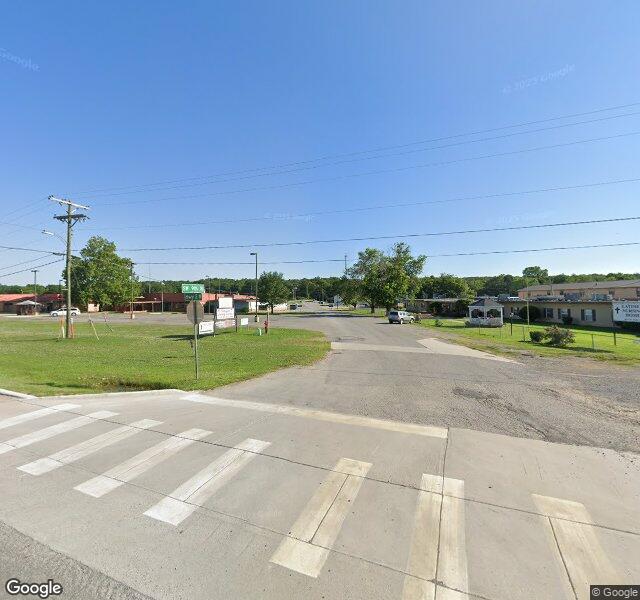
103 SOUTHWEST 9TH STREET, WILBURTON, OK 74578 (918) 465-2255
For profit - Limited Liability company 48 Beds Independent Data: November 2025
Trust Grade
15/100
#237 of 282 in OK
Last Inspection: May 2025

Inspected within the last 6 months. Data reflects current conditions.

Overview

Latimer Nursing Home has received a Trust Grade of F, indicating significant concerns about the care provided, placing it in the poor category. It ranks #237 out of 282 facilities in Oklahoma, meaning it is in the bottom half and only one other facility in the county is worse. Although the facility is trending towards improvement, having reduced issues from 13 in 2024 to 5 in 2025, it still faces serious challenges, including a concerning staffing turnover rate of 71% and high fines totaling $166,167, which is worse than 99% of other facilities in the state. While RN coverage is average, there have been specific incidents reported, such as a lack of a policy for managing waterborne pathogens and failure to inform residents about their rights regarding advance directives, which raises further concerns about the overall environment and care quality. Families should weigh these significant weaknesses against the facility's efforts to improve.

Trust Score
F
15/100
In Oklahoma
#237/282
Bottom 16%
Safety Record
High Risk
Review needed
Inspections
Getting Better
13 → 5 violations
Staff Stability
⚠ Watch
71% turnover. Very high, 23 points above average. Constant new faces learning your loved one's needs.
Penalties
⚠ Watch
$166,167 in fines. Higher than 85% of Oklahoma facilities, suggesting repeated compliance issues.
Skilled Nurses
⚠ Watch
Each resident gets only 17 minutes of Registered Nurse (RN) attention daily — below average for Oklahoma. Fewer RN minutes means fewer trained eyes watching for problems.
Violations
⚠ Watch
21 deficiencies on record. Higher than average. Multiple issues found across inspections.
★☆☆☆☆
1.0
Overall Rating
★☆☆☆☆
1.0
Staff Levels
★☆☆☆☆
1.0
Care Quality
★★★☆☆
3.0
Inspection Score
Stable
2024: 13 issues
2025: 5 issues

The Good

  • Full Sprinkler Coverage · Fire safety systems throughout facility
  • No fines on record

Facility shows strength in fire safety.

The Bad

1-Star Overall Rating

Below Oklahoma average (2.6)

Significant quality concerns identified by CMS

Staff Turnover: 71%

25pts above Oklahoma avg (46%)

Frequent staff changes - ask about care continuity

Federal Fines: $166,167

Well above median ($33,413)

Significant penalties indicating serious issues

Staff turnover is very high (71%)

23 points above Oklahoma average of 48%

The Ugly 21 deficiencies on record

May 2025 5 deficiencies
CONCERN (D)

Potential for Harm - no one hurt, but risky conditions existed

Comprehensive Assessments (Tag F0636)

Could have caused harm · This affected 1 resident

**NOTE- TERMS IN BRACKETS HAVE BEEN EDITED TO PROTECT CONFIDENTIALITY** Based on record review and interview, the facility failed to ensure an admission resident assessment was completed within the re...

Read full inspector narrative →
**NOTE- TERMS IN BRACKETS HAVE BEEN EDITED TO PROTECT CONFIDENTIALITY** Based on record review and interview, the facility failed to ensure an admission resident assessment was completed within the required timeframe for 1 (#126) of 12 sampled residents whose resident assessments were reviewed. The administrator identified 27 residents resided in the facility. Findings: An admission assessment, dated 01/20/25, showed Resident #126 admitted on [DATE]. The assessment was signed as completed on 04/14/25. The assessment should have been completed by the resident's fourteenth day in the facility. On 05/07/25 at 2:08 p.m., the MDS coordinator stated the admission resident assessment was not completed timely. They stated the assessment dated [DATE] was not competed until 04/14/25.
CONCERN (D) 📢 Someone Reported This

A family member, employee, or ombudsman was alarmed enough to file a formal complaint

Potential for Harm - no one hurt, but risky conditions existed

ADL Care (Tag F0677)

Could have caused harm · This affected 1 resident

Based on observation, record review, and interview, the facility failed to ensure residents were assisted with incontinent care for 1 (#20) of 1 sampled resident reviewed for ADL care. The administrat...

Read full inspector narrative →
Based on observation, record review, and interview, the facility failed to ensure residents were assisted with incontinent care for 1 (#20) of 1 sampled resident reviewed for ADL care. The administrator identified 27 residents resided in the facility. Findings: On 05/05/25 at 1:39 p.m. CNA #1 was observed to assist Resident #20 with incontinent care. Resident #20's brief was observed to be very saturated with dark yellow substance. There was a very strong urine odor in the room. An undated policy titled Behavioral Programs and Toileting Plans for Urinary Incontinence, read in part, A 'check and change' strategy involves check the resident's continence status at regular intervals and using incontinence devices or garments. The primary goals are to maintain dignity and comfort to protect the skin. Resident #20's quarterly assessment, dated 03/24/25, showed the resident was cognitively intact with a BIMS score of 15 and had diagnoses which included multiple sclerosis and urinary incontinence. The assessment showed Resident #20 was totally dependent upon staff for assistance with all of their ADL's. On 05/05/25 at 1:09 p.m., Resident #20 stated bed checks were not done every two hours. They stated on most days they were only changed once a day. On 05/05/25 at 1:45 p.m., CNA #1 stated the last time they had changed Resident #20 was a bit after 10:00 a.m. They stated the resident had not been changed from 6:45 a.m. to 10:00 a.m. CNA #1 stated the policy for providing incontinent care was to change the residents every two hours. CNA #1 stated they had not changed Resident #20 every two hours because they had been too busy.
CONCERN (E) 📢 Someone Reported This

A family member, employee, or ombudsman was alarmed enough to file a formal complaint

Potential for Harm - no one hurt, but risky conditions existed

Safe Environment (Tag F0584)

Could have caused harm · This affected multiple residents

Based on observation and interview, the facility failed to provide an environment free of urine odors for 1 of 2 halls. The Point of Care Rooms/Beds roster showed there were 14 residents residing on t...

Read full inspector narrative →
Based on observation and interview, the facility failed to provide an environment free of urine odors for 1 of 2 halls. The Point of Care Rooms/Beds roster showed there were 14 residents residing on the South hall. Findings: On 05/05/25 at 12:30 p.m., there was a strong urine odor present on the South hall. On 05/06/25 at 7:50 a.m., there was a strong urine odor present on the South hall. On 05/07/25 at 7:55 a.m., there was a strong urine odor present on the south hall. On 05/07/25 at 4:07 p.m., LPN #3 stated in the morning the South hall smelled of urine. LPN #3 stated the odor got stronger when they opened the hopper room door. LPN #3 stated the strong urine smelled like the residents on the hall needed to drink more water. LPN #3 stated they provided water to all their residents and encouraged them to drink. On 05/07/25 at 4:29 p.m., CNA #3 stated the odor on the South hall was urine. CNA #3 stated they thought the strong urine odor was coming from one particular room. CNA #3 stated they changed the resident in that room and changed their linen, but even after cleaning the mattress, it still smelled strongly of urine. CNA #3 stated there was another resident whose mattress smelled of urine as well. CNA #3 stated while they waited for help to transfer and change the resident, they cleaned the resident's mattress and made up their bed with clean linen. CNA #3 stated even though they cleaned the mattress, it still smelled of urine. On 05/12/25 at 3:50 p.m., the administrator stated they addressed the facility odors by changing the cleaning and sanitizing chemicals used, added an odor deodorizer, and scheduled routine stripping and buffing of the floors. The administrator stated due to the strong odor of some residents' urine, those residents routinely received new mattresses.
CONCERN (E) 📢 Someone Reported This

A family member, employee, or ombudsman was alarmed enough to file a formal complaint

Potential for Harm - no one hurt, but risky conditions existed

Pharmacy Services (Tag F0755)

Could have caused harm · This affected multiple residents

Based on record review and interview, the facility failed to ensure a resident received their pain medication as ordered by the physician for 1 (#20) of 1 sampled resident reviewed for narcotic pain m...

Read full inspector narrative →
Based on record review and interview, the facility failed to ensure a resident received their pain medication as ordered by the physician for 1 (#20) of 1 sampled resident reviewed for narcotic pain medication use. The MDS coordinator identified 15 residents received narcotic pain medications. Findings: Resident #20's quarterly assessment, dated 03/24/25, showed Resident #20 was cognitively intact with a BIMS score of 15 and had diagnoses which included multiple sclerosis and chronic pain. Physicians orders, dated 03/26/25, showed Resident #20 was to receive: a. hydrocodone/acetaminophen (narcotic pain reliever) 10/325 mg, Give one tablet every six hours; b. cyclobenzaprine (muscle relaxant) 10 mg. Give one tablet in the morning, afternoon, and at bedtime; c. ibuprofen (nonsteroidal anti-inflammatory drug) 600 mg. Give one tablet every six hours as needed for pain; and d. Voltaren arthritis pain gel 1%. Administer topical every four hours as needed. A May 2025 medication administration record showed Resident #20 did not receive their hydrocodone/acetaminophen on 05/11/25 at 12:00 a.m., 6:00 a.m., 12:00 p.m., or 6:00 p.m. and on 05/12/25 at 12:00 a.m. and 6:00 a.m. A nursing note, dated 05/11/25 at 1:34 p.m., showed Resident #20 was given ibuprofen 600 mg for a pain level of 7. A nursing note, dated 05/11/25 at 2:30 p.m., showed Resident #20 had no complaints of pain. On 05/12/25 at 12:47 p.m., the administrator stated they were waiting on prior authorization on the hydrocodone/acetaminophen. They stated it usually it took about two days. On 05/12/25 at 12:47 p.m., the administrator stated Resident #20 was given their last hydrocodone/acetaminophen 10/325 mg on 05/10/25 at 6:45 p.m. They stated the facility was waiting for prior authorization from Resident #20's insurance. On 05/12/25 at 1:24 p.m., Resident #20 was asked their pain level and they stated they were dying without their pain medication. They stated their pain was bad.
CONCERN (E)

Potential for Harm - no one hurt, but risky conditions existed

Infection Control (Tag F0880)

Could have caused harm · This affected multiple residents

Based on observation, record review, and interview, the facility failed to utilize EBP for 1 (#21) of 1 resident who was observed to receive catheter care. The Matrix for Providers identified three re...

Read full inspector narrative →
Based on observation, record review, and interview, the facility failed to utilize EBP for 1 (#21) of 1 resident who was observed to receive catheter care. The Matrix for Providers identified three residents with urinary catheters. Findings: On 05/05/25 at 1:13 p.m., Resident #21 was observed in bed with a catheter bag hooked to the side of the bed. There was no sign to utilize enhanced barrier precautions nor was there enhanced barrier precaution equipment visible near the entrance to the resident's room or in the resident's room. On 05/08/25 at 2:50 p.m., CNA #4 was observed to drain the resident's urinary catheter. There was a towel, washcloth, and gloves lying on the floor near the foot of the resident's bed. CNA #4 was observed to remove gloves from their pocket, don gloves, kneel in front of the urinary catheter drainage bag, pull the towel and wash cloth from the foot of the bed and position the towel under the urinary drainage bag. CNA #4 removed the drainage tube and drained the urine from the bag into a used urinal. CNA #4 wiped the drainage tube with the wash cloth lying on the floor and stored the urinary drainage tube. CNA #4 then exited the room, holding the urinal, wash cloth, and towel in their gloved hands. CNA #4 opened the hopper door with the same gloved hands and then asked if it was ok to wear the gloves if they were still carrying the urinal and dirty washcloth/towel. CNA #4 poured the urine out and ran water from the hopper, to rinse the urinal. CNA #4 then disposed of the washcloth/towel in the dirty linen. CNA #4 doffed their gloves and sanitized their hands. CNA #4 did not wear an isolation gown or mask. On 05/08/25 at 3:30 p.m., LPN #1 was observed to perform urinary catheter care for Resident #21. The urinary catheter tubing was not anchored/secured to the resident's leg. LPN #1 donned gloves to perform the urinary catheter care. LPN #1 did not wear a mask or isolation gown. An undated facility policy titled Policy and Procedure for Enhanced Barrier Precautions, read in part, It is the policy of this facility that any resident that has one of the following must fall under the enhanced barrier precaution rule .colostomy, foley cath, suprapubic cath, rectal tube, peg tube [percutaneous endoscopic gastrostomy], any stoma. EBP rule .When doing any care that requires the staff to come into contact with the artifical [sic] opening into the body or any tubing that is entering the body of a resident the staff member must act as if the resident is in isolation .wearing gloves, a gown, a face shield. This practice is to help prevent infections that can be introduced into the body through the stoma or catheters. A quarterly assessment for Resident #21, dated 04/25/25, showed the resident's cognition was intact with a BIMS score of 15. The assessment showed the resident had an indwelling catheter. On 05/05/25 at 1:15 p.m., Resident #21 stated the facility nursing staff wore gloves when performing urinary catheter care and not all the other stuff the hospital nurses wore. Resident #21 stated the urinary catheter was not secured/anchored. On 05/08/25 at 2:55 p.m., CNA #4 stated they were taught to wear gloves and clean around the drain tube after clamping it, but before securing the drain tube to the drainage bag. CNA #4 denied knowledge of enhanced barrier precautions. After leaving the resident's room with gloves still on from draining the resident's urinary catheter, CNA #4 asked if it was ok to wear gloves into the hall if they were carrying the soiled towel and washcloth and the urinal filled with urine. On 05/08/25 at 3:45 p.m., LPN #1 stated they noticed the resident's urinary catheter was not secured/anchored earlier in their shift and would anchor the catheter after they completed urinary catheter care. LPN #1 stated urinary catheters were to be secured/anchored. LPN #1 stated they wore gloves for infection control when performing urinary catheter care. LPN #1 stated they were not aware of enhanced barrier precautions. On 05/08/25 at 3:52 p.m., the IP stated they expected the nurses to wear gloves when performing urinary catheter care. The IP was asked if the facility staff utilized any other infection control practices when performing urinary catheter care. The IP stated they expected the nurses to wash their hands, wear gloves, and utilize clean technique when performing urinary catheter care. The IP was asked if the nursing staff utilized enhanced barrier precautions when performing urinary catheter care. The IP stated enhanced barrier precautions was where the staff were to wear the isolation masks, gowns, and gloves. The IP stated they had a policy for enhanced barrier precautions somewhere in their binder, but would need time to find it.
May 2024 13 deficiencies
CONCERN (D)

Potential for Harm - no one hurt, but risky conditions existed

Resident Rights (Tag F0550)

Could have caused harm · This affected 1 resident

Based on observation and interview, the facility failed to ensure a resident was treated with dignity during a transfer for one (#1) of one sampled resident observed for dignity. The administrator ide...

Read full inspector narrative →
Based on observation and interview, the facility failed to ensure a resident was treated with dignity during a transfer for one (#1) of one sampled resident observed for dignity. The administrator identified 23 residents residing in the facility. Findings: Res #1 Res #1 was admitted to the facility with cerebral brain stem hemorrhage without loss of consciousness, anxiety disorder, and depression disorder. A quarterly assessment, dated 04/12/24, documented the resident had problems with short- and long-term memory and required total assistance with most ADL's. On 05/02/24 at 9:17 a.m., an observation was made of CNA # 3 transporting Res #1 to their room from the shower room exposing their body to those in the hallway. On 05/02/24 at 9:18 a.m. CNA #3 stated they should have utilized two sheets to cover Res #1 lower part of her body. They also stated they did not notice the lower part of the Res #1 body was even exposed while transporting the Res #1 in the hallway.
CONCERN (D)

Potential for Harm - no one hurt, but risky conditions existed

Deficiency F0657 (Tag F0657)

Could have caused harm · This affected 1 resident

Based on observation, record review, and interview, the facility failed to revise a care plan for one (#11) of nine sampled residents whose care plans were reviewed for accuracy. The administrator ide...

Read full inspector narrative →
Based on observation, record review, and interview, the facility failed to revise a care plan for one (#11) of nine sampled residents whose care plans were reviewed for accuracy. The administrator identified 23 residents who resided in the facility. Findings: Res #11 had diagnoses which included peripheral vascular disease and a right above the knee amputation. Res #11's care plan, dated 02/23/24, documented Res #11 has the potential for skin issues. The care plan was not revised when Res #11 developed their right stump wound. A physician's order, dated 03/26/24 documented a wound care treatment of silvadene cream to Res #11's right stump daily. On 05/02/24 at 10:05 a.m., observed Res #11's wound care treatment to their right stump wound. On 05/03/24 at 11:40 a.m., the MDS Coordinator reported the care plan should have been revised when Res #11 developed a right stump wound. The MDS Coordinator reported they are new to the position and still learning care plans and what should be care planned.
CONCERN (D)

Potential for Harm - no one hurt, but risky conditions existed

Deficiency F0661 (Tag F0661)

Could have caused harm · This affected 1 resident

**NOTE- TERMS IN BRACKETS HAVE BEEN EDITED TO PROTECT CONFIDENTIALITY** Based on record review and interview, the facility failed to document a recapitulation of a resident's stay on a discharge summa...

Read full inspector narrative →
**NOTE- TERMS IN BRACKETS HAVE BEEN EDITED TO PROTECT CONFIDENTIALITY** Based on record review and interview, the facility failed to document a recapitulation of a resident's stay on a discharge summary for one (#26) of two sampled residents whose closed records were reviewed. The administrator identified 23 residents who resided in the facility. Findings: Res #26 was admitted on [DATE] and discharged to another facility on 02/05/24. There was no recapitulation of Res #26's stay in the facility on the discharge summary. On 05/03/24 at 12:15 p.m., the MDS Coordinator/ADON reported they recently received an example of how a discharge summary should be documented and reported they will be documenting a recap of the resident's stay going forward.
CONCERN (D)

Potential for Harm - no one hurt, but risky conditions existed

Respiratory Care (Tag F0695)

Could have caused harm · This affected 1 resident

Based on observation, record review, and interview, the facility failed to develop and implement physician's orders for oxygen tubing care maintenance for two (#2 and #13) of two resident sampled for ...

Read full inspector narrative →
Based on observation, record review, and interview, the facility failed to develop and implement physician's orders for oxygen tubing care maintenance for two (#2 and #13) of two resident sampled for oxygen therapy. The administrator identified 23 residents residing in the facility. Findings: A document titled, Orientation of Residents to the Facility, read in part, .Oxygen Administration .Procedure .12. At regular intervals, check and clean oxygen equipment, masks, tubing, and cannula's . 1. Res #2 was admitted to the facility with diagnoses of diabetes mellitus type II, atrial fibrillation, cerebral infarction, depressive disorder, and heart failure. A quarterly assessment, dated 11/22/23, documented the resident was cognitively intact and dependent on most ADLs. This assessment also documented the resident was on oxygen. There were no physician orders to check and clean oxygen equipment, masks, tubing, and/or cannula's. 2. Res #13 was admitted to the facility with diagnoses of dementia, depressive disorder, encephalopathy, and Parkinson's disease. A significant change assessment, dated 03/04/24, documented the resident had problems with short- and long-term memory and required moderate assistance with all ADLs. The assessment also documented the resident was on oxygen. There were no physician orders to check and clean oxygen equipment, masks, tubing, and/or cannula's. On 05/03/24 at 12:00 p.m., the ADON/MDS Coordinator stated there was nothing telling our nursing staff when to change the oxygen equipment. There should have been an order to let our nursing staff know when to change the oxygen equipment.
CONCERN (E)

Potential for Harm - no one hurt, but risky conditions existed

Deficiency F0578 (Tag F0578)

Could have caused harm · This affected multiple residents

Based on record review and interview, the facility failed to ensure residents were offered the choice to formulate advanced directives for three (#17, 20 and #25) of six sampled residents reviewed for...

Read full inspector narrative →
Based on record review and interview, the facility failed to ensure residents were offered the choice to formulate advanced directives for three (#17, 20 and #25) of six sampled residents reviewed for advanced directives. The administrator identified 23 residents residing in the facility. Findings: 1. Res #17 was admitted with diagnoses which included hypertension and diabetes. There was no advance directive or advance directive acknowledgement in Res #17's electronic health record or paper chart. 2. Res #20 was admitted with diagnoses which included diabetes. There was no advance directive or advance direcgtive acknowledgement in Res 20's electronic health record or paper chart. The ADON was unable to provide documentation Res #17 and #20 had been offered the choice to formulate an advance directive. 3. Res. #25 was admitted to the facility with diagnoses including convulsions, peripheral vascular disease, anemia, and anxiety disorder. An admission assessment, dated 01/10/24, documented the resident was cognitively intact and maximum assist with showering and dressing the upper body and dependent with lower body dressing, putting on and off footwear, and toileting. A record review was conducted on 04/30/24, and a document titled Acknowledgement of Receipt Advanced Directive/Medical Treatment Decisions was marked that Res #25 had chosen to formulate an advanced directive by the durable power of attorney on 05/25/23. On 05/03/24 at 11:10 a.m., the ADON reported the durable power of attorney should have assisted Res #25 with filling out an advanced directive. The ADON reported there was no documentation Res #17 had been offered the choice to formulate an advance directive. The ADON reported there may not be an advance directive acknowledgement in the chart for Res #20 because they are a fairly new admission. The ADON reported Res #17 and #20 should have an advance directive or advance directive acknowledgment in their medical record.
CONCERN (E)

Potential for Harm - no one hurt, but risky conditions existed

Assessment Accuracy (Tag F0641)

Could have caused harm · This affected multiple residents

Based on record review and interview, the facility failed to ensure resident assessments were accurate for three (#2, 5, and #16 ) of 14 sampled residents whose resident assessments were reviewed for ...

Read full inspector narrative →
Based on record review and interview, the facility failed to ensure resident assessments were accurate for three (#2, 5, and #16 ) of 14 sampled residents whose resident assessments were reviewed for accuracy. The administrator identified 23 residents who resided in the facility. Findings: 1. Res #2 was admitted to the facility with diagnoses of diabetes mellitus type II, atrial fibrillation, cerebral infarction, depressive disorder, heart failure. A quarterly assessment, dated 01/22/23, documented the resident was cognitively intact and dependent on most ADLs. This assessment also documented the resident was taking an anti-anxiety and anit-depressive medications. On 02/07/24, a physician's order, documented bupropion 100 mg, give one tab by mouth daily for depressive disorder. On 05/03/24 at 11:16 a.m., the ADON/MDS Coordinator stated the resident was only taking antidepressive medication and they marked anti-anxiety by mistake. 2. Res #5 was admitted to the facility with diagnoses of transient cerebral ischemic attack, HTN, convulsions, injury of kidney, and depressive disorder. A quarterly assessment, dated 02/06/24, documented the resident was severely impaired with cognition and required maximal assistance with most ADLs. The assessment also documented the resident's weight was 131 pounds and had a weight loss. On 05/03/24 at 11:03 a.m., the ADON/MDS Coordinator stated the 131 pounds was a typo and it should have been 121 pounds instead. 3. Res #16 was admitted to the facility with diagnosis of malignant neoplasm of the bone, myocardial infarction, diabetes mellitus type II, and HTN. A significant change assessment, dated 08/17/23, documented the resident was cognitively impaired and required total assistance with all ADLs. The assessment also documented the resident was taking opioid's for pain. There was no documentation of malignant neoplasm cancer on the significant change assessment. On 05/03/24 at 11:16 p.m., the ADON/MDS Coordinator stated the significant change assessment should have malignant neoplasm cancer documented.
CONCERN (E)

Potential for Harm - no one hurt, but risky conditions existed

Comprehensive Care Plan (Tag F0656)

Could have caused harm · This affected multiple residents

Based on record review and interview, the facility failed to implement a comprehensive care plan: a. for five (#6, 8, 10, 16, and #25) of five reviewed for bedrails, b. for one (#13) of one reviewed...

Read full inspector narrative →
Based on record review and interview, the facility failed to implement a comprehensive care plan: a. for five (#6, 8, 10, 16, and #25) of five reviewed for bedrails, b. for one (#13) of one reviewed for hospice care, c. for two (#2 and #13) of two reviewed for respiratory care, and d. for three (#13, 16, an #21) of 4 reviewed for unnecessary medications. The administrator identified 23 residents who resided in the facility. Findings: A. Bedrails 1. Res #6 was admitted to the facility with diagnoses of cerebral palsy, chronic pain syndrome, anxiety disorders, and cardiomegaly. A quarterly assessment, dated 03/01/24, documented the resident was cognitively intact and required total assistance with all ADLs. On 04/30/24 at 9:51 a.m., an observation was made of the resident lying in their bed with bedrails on each side of the bed. On 05/02/24 at 8:36 a.m., CNA #3 stated the resident cannot remove or lower the bedrails but they do use them to help roll from side to side. On 05/03/24 at 1:08 p.m., the ADON/MDS Coordinator stated there was no assessment for bedrails and the bedrails were not added to the care plan. 2. Res #8 was admitted to the facility with diagnoses of multiple fractures of ribs, fracture of the second cervical vertebra, anorexia, and dementia. A significant change assessment date 02/26/24, documented the resident had problems with short- and long-term memory. The assessment also documented the resident required total assistance with all ADLs. On 04/30/24 at 9:48 a.m., an observation was made of the resident lying in the bed with a half bedrail raised on the outer side of bed the other side of bed was up against the wall. On 05/03/24 at 8:25 a.m., CNA #3 stated the resident cannot remove or lower the rails. They also stated the bedrail is up to prevent the resident from falling out of bed related to them lean on the bedrail. On 05/03/24 at 1:08 p.m., the ADON/MDS Coordinator stated there was no assessment for bedrails and the bedrails were not added to the care plan. 3. Res #10 was admitted to the facility with diagnoses of fracture of hip, malaise, multiple sclerosis, convulsions, atrial fibrillation, and mood disorder. An annual assessment, dated 12/14/23, documented the cognitive with daily decision making and independent with all ADLs. On 04/29/24 at 5:16 p.m., an observation was made of half bedrails on bed but are not up at this time. On 05/03/24 at 10:56 a.m., CNA #3 stated the resident was not able to put the bedrails down, so they stay down all the time. On 05/03/24 at 1:10 p.m., the ADON/MDS Coordinator stated there was no assessment for bedrails and the bedrails were not added to the care plan. 4. Res #16 was admitted to the facility with diagnosis of malignant neoplasm of the bone, myocardial infarction, diabetes mellitus type II, and HTN. A significant change assessment, dated 08/17/23, documented the resident was cognitively impaired and required total assistance with all ADLs. On 04/29/24 at 5:38 p.m., an observation of bedrails bilaterally on the upper bed with a padding taped on the outer rail. The resident the bedrails stop them from falling out of bed. On 05/02/24 at 8:36 a.m., CNA #3 stated the resident cannot remove or lower the rails but she utilizes the bedrails to pull up in the bed. On 05/03/24 at 1:13 p.m., the ADON/MDS Coordinator stated there was no assessment for bedrails and was not aware they should be assessing bedrails for residents. They also stated they just discovered there was a bedrail assessment in the EHR. 5. Res #25 was admitted to the facility with diagnoses including convulsions, peripheral vascular disease, anemia, and anxiety disorder. An admission assessment, dated 01/10/24, documented the resident was cognitively intact and maximum assist with showering and dressing the upper body and dependent with lower body dressing, putting on and off footwear, and toileting. On 04/29/24 at 5:28 p.m., bed rails bilateral to upper bed, residents stated they requested them for fear of falling out of bed. B. Hospice Care 1. Res #13 was admitted to the facility with diagnoses of dementia, depressive disorder, encephalopathy, and Parkinson's disease. A significant change assessment, dated 03/04/24, documented the resident had problems with short- and long-term memory and required moderate assistance with all ADLs. The assessment did document the resident was on hospice. On 02/21/24, a physician's order documented to admit resident to hospice. On 05/03/24 at 1:14 p.m., the ADON/MDS Coordinator stated the care plan should have included hospice care. C. Respiratory Care 1. Res #2 was admitted to the facility with diagnoses of diabetes mellitus type II, atrial fibrillation, cerebral infarction, depressive disorder, and heart failure. A quarterly assessment, dated 11/22/23, documented the resident was cognitively intact and dependent on most ADLs. This assessment also documented the resident was on oxygen. There was no care plan documentation for oxygen. On 05/03/24 at 12:00 p.m., the ADON/MDS Coordinator stated there was no care plan for the oxygen. 2. Res. #13 was admitted to the facility with diagnoses of dementia, depressive disorder, encephalopathy, and Parkinson's disease. A significant change assessment, dated 03/04/24, documented the resident had problems with short- and long-term memory and required moderate assistance with all ADLs. The assessment also documented the resident was on oxygen. There was no care plan documentation for oxygen. On 05/03/24 at 12:00 p.m., the ADON/MDS Coordinator stated there was no care plan for the oxygen. D. Unnecessary Medications 1. Res. #13 was admitted to the facility with diagnoses of dementia, depressive disorder, encephalopathy, and Parkinson's disease. A significant change assessment, dated 03/04/24, documented the resident had problems with short- and long-term memory and required moderate assistance with all ADLs. There was no documentation of anti-psychotics on the assessment. There was no documentation of anti-psychotics on the care plan. On 05/03/24 at 11:52 a.m., the ADON/MDS Coordinator stated the anti-psychotics should have been on the care plan. 2. Res. #16 was admitted to the facility with diagnosis of malignant neoplasm of the bone, myocardial infarction, diabetes mellitus type II, and HTN. A significant change assessment, dated 08/17/23, documented the resident was cognitively impaired and required total assistance with all ADLs. The assessment also documented the resident was taking Lasix for myocardial infarction. There was no documentation of anti-diuretics on the care plan. On 05/03/24 at 11:16 a.m., the ADON/MDS Coordinator stated there was not a care plan for Lasix. 3. Res #21 was admitted with diagnoses which included congestive heart failure, ischemic cardiomyopathy and atrial fibrillation. A physician's order, dated 11/17/23, documented Res #21 was on Brilinta (a blood thinner/anticoagulant) 90mg twice a day. There was no comprehensive care plan for Res #21's use of an anticoagulant. On 05/03/24 at 11:40 a.m., the MDS Coordinator reported there should have been a care plan for anticoagulant use. The MDS Coordinator reported they are new to the position and still learning care plans and what should be care planned.
CONCERN (E)

Potential for Harm - no one hurt, but risky conditions existed

Deficiency F0700 (Tag F0700)

Could have caused harm · This affected multiple residents

Based on observation, record review, and interview, the facility failed to attempt appropriate alternatives and perform an entrapment risk assessment prior to installing bed or side- rails for (#6, 8,...

Read full inspector narrative →
Based on observation, record review, and interview, the facility failed to attempt appropriate alternatives and perform an entrapment risk assessment prior to installing bed or side- rails for (#6, 8, 9, 10, 13, 16, 17, and #25) of eight residents reviewed for accident hazards. The administrator identified 23 residents residing in the facility. Findings: A restraints policy, written in by hand and read in part, .6. Full bedrails/siderails (assist rails or ½ rails is not restraints) NO RESTRAINT WITH LOCKING DEVICEs WILL BE USED. NOTE: Restraing assessment will be done prior to use . 1. Res #6 was admitted to the facility with diagnoses of cerebral palsy, chronic pain syndrome, anxiety disorders, and cardiomegaly. A quarterly assessment, dated 03/01/24, documented the resident was cognitively intact and required total assistance with all ADLs. On 04/30/24 at 09:51 a.m., an observation was made of the resident lying in their bed with bedrails on each side of the bed. On 05/02/24 at 8:36 a.m., CNA #3 stated the resident cannot remove or lower the bedrails but they do use them to help roll from side to side. On 05/03/24 at 1:08 p.m., the ADON/MDS Coordinator stated there was no assessment for bedrails and the bedrails were not added to the care plan. 2. Res #8 was admitted to the facility with diagnoses of multiple fractures of ribs, fracture of the second cervical vertebra, anorexia, and dementia. A significant change assessment date 02/26/24, documented the resident had problems with short- and long-term memory. The assessment also documented the resident required total assistance with all ADLs. On 04/30/24 at 09:48 a.m., an observation was made of the resident lying in the bed with a half bedrail raised on the outer side of bed the other side of bed was up against the wall. On 05/03/24 at 8:25 a.m., CNA #3 stated the resident cannot remove or lower the rails. They also stated the bedrail is up to prevent the resident from falling out of bed related to them lean on the bedrail. On 05/03/24 at 1:08 p.m., the ADON/MDS Coordinator stated there was no assessment for bedrails and the bedrails were not added to the care plan. 3. Res #9 had diagnoses which included dementia and osteoarthritis. There was no documented alternatives attempted prior to initiating side rails or side rail/entrapment risk assessments in the clinical record. On 05/01/24 at 2:00 p.m., Res #9 was sitting on the side of the bed. Half rails were in the upright position. On 05/01/24 at 2:05 p.m., CNA #1 reported the rails were in place to keep the Res #9 from falling out of bed. 4. Res #10 was admitted to the facility with diagnoses of fracture of hip, malaise, multiple sclerosis, convulsions, atrial fibrillation, and mood disorder. An annual assessment, dated 12/14/23, documented the cognitive with daily decision making and independent with all ADLs. On 04/29/24 at 5:16 p.m., an observation was made of half bedrails on bed but are not up at this time. On 05/03/24 at 10:56 a.m., CNA #3 stated the resident was not able to put the bedrails down, so they stay down all the time. On 05/03/24 at 1:10 p.m., the ADON/MDS Coordinator stated there was no assessment for bedrails and the bedrails were not added to the care plan. 5. Res #13 was admitted to the facility with diagnoses of dementia, depressive disorder, encephalopathy, and Parkinson's disease. A significant change assessment, dated 03/04/24, documented the resident had problems with short- and long-term memory and required moderate assistance with all ADLs. On 05/03/24 at 10:56 a.m., an observation was made of half bedrails on the resident's bed. 6. Res #16 was admitted to the facility with diagnosis of malignant neoplasm of the bone, myocardial infarction, diabetes mellitus type II, and HTN. A significant change assessment, dated 08/17/23, documented the resident was cognitively impaired and required total assistance with all ADLs. On 04/29/24 at 5:38 p.m., an observation of bedrails bilaterally on the upper bed with a padding taped on the outer rail. The resident the bedrails stop them from falling out of bed. 05/02/24 at 8:36 a.m., CNA #3 stated the resident cannot remove or lower the rails but she utilizes the bedrails to pull up in the bed. 7. Res #17 had diagnoses which included osteoarthritis, bilateral hip replacements and right knee replacement. There was no documented alternatives attempted prior to initiating side rails or side rail/entrapment risk assessments in the clinical record. On 05/01/24 at 2:45 p.m., Res #17 was in their bed with both side rails up. 8. Res #25 was admitted to the facility with diagnoses including convulsions, peripheral vascular disease, anemia, and anxiety disorder. An admission assessment, dated 01/10/24, documented the resident was cognitively intact and maximum assist with showering and dressing the upper body and dependent with lower body dressing, putting on and off footwear, and toileting. On 04/29/24 at 5:28 p.m., bed rails bilateral to upper bed, residents stated they requested them for fear of falling out of bed. On 05/03/24 at 11:35 a.m., the ADON/MDS Coordinator reported they were not aware side rails/entrapment risk assessments were required. The ADON/MDS Coordinator was not aware of any alternative attempted prior to using side rails for Res #9 and Res #17 On 05/03/24 at 1:13 p.m., the ADON/MDS Coordinator stated there was no assessment for bedrails and was not aware they should be assessing bedrails for residents. They also stated they just discovered there was a bedrail assessment in the EHR.
CONCERN (E)

Potential for Harm - no one hurt, but risky conditions existed

Drug Regimen Review (Tag F0756)

Could have caused harm · This affected multiple residents

Based on record review and interview, the facility failed to ensure a consultant pharmacist reviewed the medications of each resident in the facility monthly for four (#2, 10, 16, and #21) of five sam...

Read full inspector narrative →
Based on record review and interview, the facility failed to ensure a consultant pharmacist reviewed the medications of each resident in the facility monthly for four (#2, 10, 16, and #21) of five sampled residents reviewed for unnecessary medications. The administrator identified 23 residents who resided in the facility. Findings: 1. Res #2 was admitted to the facility with diagnoses of diabetes mellitus type II, atrial fibrillation, cerebral infarction, depressive disorder, and heart failure. A quarterly assessment, dated 11/22/23, documented the resident was cognitively intact and dependent on most ADLs. This assessment also documented the resident was taking antianxiety, antidepressants, and diuretics. 2. Res #10 was admitted to the facility with diagnoses of fracture of hip, malaise, multiple sclerosis, history or schizophrenia, convulsions, atrial fibrillation, and mood disorder. An annual assessment, dated 12/14/23, documented the cognitive with daily decision making and independent with all ADLs. The assessment also documented the resident was taking antipsychotics and opioids. 3. Res. #16 was admitted to the facility with diagnosis of malignant neoplasm of the bone, myocardial infarction, diabetes mellitus type II, and HTN. A significant change assessment, dated 08/17/23, documented the resident was cognitively impaired and required total assistance with all ADLs. The assessment also documented the resident was also taking opioid's and diuretics. 4. Res #21 had diagnoses which included Alzheimer's, diabetes, depression, anxiety, and atrial fibrillation. Physician's orders documented Res #21 was taking an anti-anxiety, anti-coagulant, insulin, and an anti-depressant. There was no policy and procedure provided for drug regimen review. On 05/01/24 at 9:46 a.m., the DON stated when they returned to the facility in September 2024, after a short leave of absence, they discovered the pharmacist had completed the monthly reviews for May, June, July, and August 2024 but the acting DON did not follow through with the gradual dose reductions. They also stated as soon as they returned as DON, they contacted the pharmacist to implement all the recommendations for gradual dose reductions.
CONCERN (E)

Potential for Harm - no one hurt, but risky conditions existed

Deficiency F0761 (Tag F0761)

Could have caused harm · This affected multiple residents

Based on observation and interview, the facility failed to ensure medication cards were labeled appropriately with an expiration date for 49 of 55 sampled medication cards. The administrator identifie...

Read full inspector narrative →
Based on observation and interview, the facility failed to ensure medication cards were labeled appropriately with an expiration date for 49 of 55 sampled medication cards. The administrator identified 23 residents who resided in the facility. Findings: The labeling of medications policy, undated, read in part, .ALL PRESCRIPTION MEDICATIONS WILL HAVE THE FOLLOWING LABELING REQUIREMENTS SATISFIED: .To every box, bottle, jar, tube or other container of a prescription legend med which is dispensed, there shall be affixed a label bearing: .the expiration of the medication. On 05/02/24 at 2:40 p.m., the medication cart for female residents was inspected with 30 of 34 medication card labels to have no expiration date. The expiration date at the bottom of the label is cut off or cannot be read. On 05/02/24 at 2:50 p.m., the medication cart for male residents was inspected with 19 of 21 medication card labels to have no expiration date. The expiration date at the bottom of the label is cut off or cannot be read. On 05/02/24 at 2:51 p.m., CMA #1 was unable to read the expiration date on the medication cards. CMA #1 reported they would have no way to know what the expiration date is for the medication and stated, We would just have to basically guess. 05/03/24 at 9:15 a.m., the consultant pharmacist reported they were not aware there was no expiration date on the labels.
CONCERN (E)

Potential for Harm - no one hurt, but risky conditions existed

Food Safety (Tag F0812)

Could have caused harm · This affected multiple residents

Based on observation and interview, the facility failed to serve food under sanitary conditions for 23 residents who ate meals prepared by the kitchen. The administrator identified 23 residents who re...

Read full inspector narrative →
Based on observation and interview, the facility failed to serve food under sanitary conditions for 23 residents who ate meals prepared by the kitchen. The administrator identified 23 residents who resided in the facility. Findings: On 05/02/24 at 12:12 p.m., the dietary manager was observed serving lunch trays to the residents in the dining room wearing gloves. The dietary manager would exit the kitchen with a food tray wearing gloves, place the food tray on the table for the resident in the dining area, and then enter the kitchen again to collect another food tray for another resident. The dietary manager did this several times wearing the same set of gloves and without proper hand washing in between residents. On 05/02/24 at 12:23 p.m., the dietary manager stated they thought if they were wearing gloves they could exit and enter the kitchen without washing their hands to serve the residents in the dining area. They also stated they would begin handing the food trays to the aides without leaving the kitchen so they would not cross-contaminate from the kitchen to the dining area.
CONCERN (E)

Potential for Harm - no one hurt, but risky conditions existed

Deficiency F0909 (Tag F0909)

Could have caused harm · This affected multiple residents

Based on observation, interview, and record review, it determined the facility failed to ensure regular inspections of resident beds equipped with side rails were conducted for eight (#6, 8, 9, 10, 13...

Read full inspector narrative →
Based on observation, interview, and record review, it determined the facility failed to ensure regular inspections of resident beds equipped with side rails were conducted for eight (#6, 8, 9, 10, 13, 16,17, and #25) of eight residents reviewed for accident hazards. The administrator identified 23 residents residing in the facility. Findings: 1. Res #6 was admitted to the facility with diagnoses of cerebral palsy, chronic pain syndrome, anxiety disorders, and cardiomegaly. A quarterly assessment, dated 03/01/24, documented the resident was cognitively intact and required total assistance with all ADLs. On 04/30/24 at 09:51 a.m., an observation was made of the resident lying in their bed with bedrails on each side of the bed. On 05/02/24 at 8:36 a.m., CNA #3 stated the resident cannot remove or lower the bedrails but they do use them to help roll from side to side. On 05/03/24 at 1:08 p.m., the ADON/MDS Coordinator stated there was no assessment for bedrails and the bedrails were not added to the care plan. 2. Res #8 was admitted to the facility with diagnoses of multiple fractures of ribs, fracture of the second cervical vertebra, anorexia, and dementia. A significant change assessment date 02/26/24, documented the resident had problems with short- and long-term memory. The assessment also documented the resident required total assistance with all ADLs. On 04/30/24 at 09:48 a.m., an observation was made of the resident lying in the bed with a half bedrail raised on the outer side of bed the other side of bed was up against the wall. On 05/03/24 at 1:08 p.m., the ADON/MDS Coordinator stated there was no assessment for bedrails and the bedrails were not added to the care plan. 3. Res #9 had diagnoses which included dementia and osteoarthritis. There was no documented alternatives attempted prior to initiating side rails or side rail/entrapment risk assessments in the clinical record. On 05/01/24 at 2:00 p.m., Res #9 was sitting on the side of the bed. Half rails were in the upright position. 4. Res #10 was admitted to the facility with diagnoses of fracture of hip, malaise, multiple sclerosis, convulsions, atrial fibrillation, and mood disorder. An annual assessment, dated 12/14/23, documented the cognitive with daily decision making and independent with all ADLs. On 04/29/24 at 5:16 p.m., an observation was made of half bedrails on bed but are not up at this time. 5. Res #13 was admitted to the facility with diagnoses of dementia, depressive disorder, encephalopathy, and Parkinson's disease. A significant change assessment, dated 03/04/24, documented the resident had problems with short- and long-term memory and required moderate assistance with all ADLs. On 05/03/24 at 10:56 a.m., an observation was made of half bedrails on the resident's bed. 6. Res #16 was admitted to the facility with diagnosis of malignant neoplasm of the bone, myocardial infarction, diabetes mellitus type II, and HTN. A significant change assessment, dated 08/17/23, documented the resident was cognitively impaired and required total assistance with all ADLs. On 04/29/24 AT 5:38 p.m., an observation of bedrails bilaterally on the upper bed with a padding taped on the outer rail. The resident the bedrails stop them from falling out of bed. 7. Res #17 had diagnoses which included osteoarthritis, bilateral hip replacements and right knee replacement. There was no documented alternatives attempted prior to initiating side rails or side rail/entrapment risk assessments in the clinical record. On 05/01/24 at 2:45 p.m., Res #17 was in their bed with both side rails up. 8. Res #25 was admitted to the facility with diagnoses including convulsions, peripheral vascular disease, anemia, and anxiety disorder. An admission assessment, dated 01/10/24, documented the resident was cognitively intact and maximum assist with showering and dressing the upper body and dependent with lower body dressing, putting on and off footwear, and toileting. On 04/29/24 at 5:28 p.m., bed rails bilateral to upper bed, residents stated they requested them for fear of falling out of bed. On 05/03/24 at 8:16 a.m., the maintenance man stated they only check the bedrails when someone reports a problem or when they move the bed.
CONCERN (F)

Potential for Harm - no one hurt, but risky conditions existed

Infection Control (Tag F0880)

Could have caused harm · This affected most or all residents

Based on observation, record review, and interview, the facility failed develop, implement a policy and procedure for a water management program to prevent the growth of Legionella and other opportuni...

Read full inspector narrative →
Based on observation, record review, and interview, the facility failed develop, implement a policy and procedure for a water management program to prevent the growth of Legionella and other opportunistic waterborne pathogens in building water systems. The administrator identified 23 residents who resided in the facility. Findings: There was no policy and procedure for Legionella and other opportunistic waterborne pathogens in the building water system. On 05/03/24 at 10:16 a.m., the maintenance man stated the facility did not have a policy and procedure for Legionella at this time, but they were working on writing a policy and procedure for Legionella and other waterborne pathogens for the facility.
Mar 2023 3 deficiencies
CONCERN (D)

Potential for Harm - no one hurt, but risky conditions existed

Assessment Accuracy (Tag F0641)

Could have caused harm · This affected 1 resident

Based on record review and interview, the facility failed to ensure resident assessments were accurate for a resident with gradual dose reduction for one (#8) of one resident reviewed for antipsychoti...

Read full inspector narrative →
Based on record review and interview, the facility failed to ensure resident assessments were accurate for a resident with gradual dose reduction for one (#8) of one resident reviewed for antipsychotic medication and for a resident with behaviors for one (#10) of one resident reviewed for behaviors. A Roster Sample Matrix, dated 03/21/23, documented six residents were taking antipsychotic medications. The Resident Census and Conditions of Residents, dated 03/21/23, documented a census of 27 residents. Findings: Res #8 was admitted with diagnoses which included paranoid schizophrenia A physician's order for a gradual dose reduction, dated 01/26/23, read in part, Decrease Seroquel 50mg 1 PO BID. A quarterly assessment, dated 03/04/23, read in parts, .has a gradual dose reduction been attempted? No . On 03/23/23 at 1:10 p.m., the MDS Coordinator reported the gradual dose reduction for Res #8 on 01/26/23 should have been documented on the assessment for 03/04/23. Res #10 was admitted with diagnoses which included dementia with behavioral disturbances. A nursing note, dated 03/04/23 at 11:32 a.m., read in parts, Call placed to Dr (name withheld) .order received for Depakote 250mg PO BID .continues to yell out, get in front of other residents; curses at staff and spits at staff .will pinch staff. A quarterly assessment, dated 03/06/23, did not document any physical, verbal, or other behavioral symptoms for Res #10. On 3/23/23 at 1:10 p.m., the MDS Coordinator reported they felt the nursing note for 03/04/23 was a summary of Res #10's behaviors versus an account of Res #10's behavior on 03/04/23. On 03/23/23 at 1:12 p.m., The DON reported she felt the resident was demonstrating behaviors on 03/04/23 and why the nurse called the physician for orders regarding the behaviors. The DON reported the behaviors should have been documented on the assessment.
CONCERN (D)

Potential for Harm - no one hurt, but risky conditions existed

Quality of Care (Tag F0684)

Could have caused harm · This affected 1 resident

Based on record review and interview, the facility failed to document a change in condition for one (#1) of one resident reviewed for a change in condition and obtain physician's orders for diabetic i...

Read full inspector narrative →
Based on record review and interview, the facility failed to document a change in condition for one (#1) of one resident reviewed for a change in condition and obtain physician's orders for diabetic interventions for one (#4) of two residents reviewed for diabetes. A Roster Sample Matrix, dated 03/21/23, documented four residents were insulin dependent diabetics. The Resident Census and Conditions of Residents, dated 03/21/23, documented a census of 27 residents. Findings: Res #1 was admitted with diagnoses which included traumatic brain injury. A statement by RN #1, dated 03/25/21, read in parts, 11-7 shift 3-21-21 .called to Res #1's room .Res #1 is sitting on the bedside commode, restless, confused, diaphoretic FSBS results 458mg/dl .called Dr (name withheld) .informed Dr Res #1 does not have a Dx of diabetes .is diaphoretic, confused and restless .received V/O to give Novolog (insulin to lower blood sugar) 10u now, recheck FSBS in 1 hour and to get Hgb A1C (a lab test to monitor blood sugar) in the am .0134 FSBS 92mg/dl .pleasantly confused .L wrist with edema and looks out of alignment, res does grimace when RN lightly touches L wrist, resident doesn't know what has happened . There is no documentation of Res #1's change in condition in the medical record for 03/21/21. On 03/23/23 at 3:40 p.m., the DON reported RN #1 should have documented Res #1's change in condition in the nursing notes on 03/21/21. Res #4 was admitted with diagnoses which included diabetes. A nursing note, dated 06/26/22 at 10:48 p.m., read in parts, .very lethargic FSBS was 118 nonresponsive to verbal stimuli, so was given Dextrose 40% Vis Glucotrol . A physician's order was not obtained to administer Dextrose 40% Vis Glucotrol. A nursing note, dated 01/01/23 at 8:55 p.m., read in parts, .FSBS at 4PM was 93 so I held her insulin . A physician's order was not obtained to hold Res #4's insulin. A nursing note, dated 03/09/23 at 10:20 p.m., read in parts, .FSBS at 8PM was low at 123, so I held her insulin . A physician's order was not obtained to hold Res #4's insulin. On 03/23/23 at 2:45 p.m., LPN #1 was interviewed and reported the physician should have been notified and orders obtained before administering Dextrose 40%. LPN #1 reported Res #4's insulin should not have been held, the physician should have been notified, and orders obtained. On 03/23/23 at 3:30 p.m., the DON reported the physician should have been notifed and orders obtained when Res #4 was given Dextrose 40% and the insulin was held.
CONCERN (F)

Potential for Harm - no one hurt, but risky conditions existed

Deficiency F0578 (Tag F0578)

Could have caused harm · This affected most or all residents

Based on record review and interview, the facility failed to ensure residents were informed and provided written information concerning the right to accept or refuse to formulate an advance directive....

Read full inspector narrative →
Based on record review and interview, the facility failed to ensure residents were informed and provided written information concerning the right to accept or refuse to formulate an advance directive. The Resident Census and Conditions of Residents, dated 03/21/23, documented a census of 27 residents. Findings: A review of the facility's policies failed to show implementation of a policy for advance directives. A review of records failed to show written advanced directive information had been provided to residents. On 03/22/23 at 4:00 p.m., the DON reported they were unaware of the requirement to inform and provide written information to residents regarding the right to accept or refuse to formulate an advance directive.
Understanding Severity Codes (click to expand)
Life-Threatening (Immediate Jeopardy)
J - Isolated K - Pattern L - Widespread
Actual Harm
G - Isolated H - Pattern I - Widespread
Potential for Harm
D - Isolated E - Pattern F - Widespread
No Harm (Minor)
A - Isolated B - Pattern C - Widespread

Questions to Ask on Your Visit

  • "Why is there high staff turnover? How do you retain staff?"
  • "Can I speak with families of current residents?"
  • "What's your RN coverage like on weekends and overnight?"

Our Honest Assessment

Strengths
  • • Licensed and certified facility. Meets minimum state requirements.
Concerns
  • • Multiple safety concerns identified: $166,167 in fines. Review inspection reports carefully.
  • • 21 deficiencies on record. Higher than average. Multiple issues found across inspections.
  • • $166,167 in fines. Extremely high, among the most fined facilities in Oklahoma. Major compliance failures.
  • • Grade F (15/100). Below average facility with significant concerns.
Bottom line: Trust Score of 15/100 indicates significant concerns. Thoroughly evaluate alternatives.

About This Facility

What is Latimer's CMS Rating?

CMS assigns LATIMER NURSING HOME an overall rating of 1 out of 5 stars, which is considered much below average nationally. Within Oklahoma, this rating places the facility higher than 0% of the state's 100 nursing homes. A rating at this level reflects concerns identified through health inspections, staffing assessments, or quality measures that families should carefully consider.

How is Latimer Staffed?

CMS rates LATIMER NURSING HOME's staffing level at 1 out of 5 stars, which is much below average compared to other nursing homes. Staff turnover is 71%, which is 25 percentage points above the Oklahoma average of 46%. High turnover can affect care consistency as new staff learn residents' individual needs. RN turnover specifically is 100%, which is notably high. RNs provide skilled clinical oversight, so turnover in this role can affect medical care quality.

What Have Inspectors Found at Latimer?

State health inspectors documented 21 deficiencies at LATIMER NURSING HOME during 2023 to 2025. These included: 21 with potential for harm.

Who Owns and Operates Latimer?

LATIMER NURSING HOME is owned by a for-profit company. For-profit facilities operate as businesses with obligations to shareholders or private owners. The facility operates independently rather than as part of a larger chain. With 48 certified beds and approximately 27 residents (about 56% occupancy), it is a smaller facility located in WILBURTON, Oklahoma.

How Does Latimer Compare to Other Oklahoma Nursing Homes?

Compared to the 100 nursing homes in Oklahoma, LATIMER NURSING HOME's overall rating (1 stars) is below the state average of 2.6, staff turnover (71%) is significantly higher than the state average of 46%, and health inspection rating (3 stars) is at the national benchmark.

What Should Families Ask When Visiting Latimer?

Based on this facility's data, families visiting should ask: "How do you ensure continuity of care given staff turnover, and what is your staff retention strategy?" "Can you walk me through typical staffing levels on day, evening, and night shifts?" "Can I visit during a mealtime to observe dining assistance and food quality?" "How do you handle medical emergencies, and what is your hospital transfer rate?" These questions are particularly relevant given the facility's high staff turnover rate and the below-average staffing rating.

Is Latimer Safe?

Based on CMS inspection data, LATIMER NURSING HOME has a clean safety record: no substantiated abuse findings (meaning no confirmed cases of resident harm), no Immediate Jeopardy citations (the most serious violation level indicating risk of serious injury or death), and is not on the Special Focus Facility watch list (a federal program monitoring the lowest-performing 1% of nursing homes). The facility has a 1-star overall rating and ranks #100 of 100 nursing homes in Oklahoma. While no facility is perfect, families should still ask about staff-to-resident ratios and recent inspection results during their visit.

Do Nurses at Latimer Stick Around?

Staff turnover at LATIMER NURSING HOME is high. At 71%, the facility is 25 percentage points above the Oklahoma average of 46%. Registered Nurse turnover is particularly concerning at 100%. RNs handle complex medical decisions and coordinate care — frequent RN changes can directly impact care quality. High turnover means new staff may not know residents' individual needs, medications, or preferences. It can also be disorienting for residents, especially those with dementia who rely on familiar faces. Families should ask: What is causing the turnover? What retention programs are in place? How do you ensure care continuity during staff transitions?

Was Latimer Ever Fined?

LATIMER NURSING HOME has been fined $166,167 across 26 penalty actions. This is 4.8x the Oklahoma average of $34,741. Fines at this level are uncommon and typically indicate a pattern of serious deficiencies, repeated violations, or failure to correct problems promptly. CMS reserves penalties of this magnitude for facilities that pose significant, documented risk to resident health or safety. Families should request specific documentation of what issues led to these fines and what systemic changes have been implemented.

Is Latimer on Any Federal Watch List?

LATIMER NURSING HOME is not on any federal watch list. The most significant is the Special Focus Facility (SFF) program, which identifies the bottom 1% of nursing homes nationally based on persistent, serious quality problems. Not being on this list means the facility has avoided the pattern of deficiencies that triggers enhanced federal oversight. This is a positive indicator, though families should still review the facility's inspection history directly.