WOODWARD SKILLED NURSING AND THERAPY
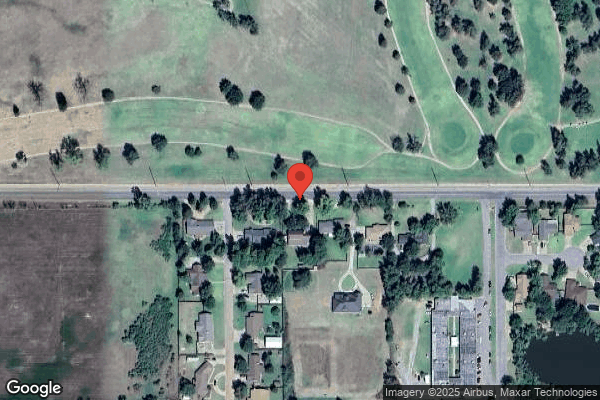
429 E DOWNS AVENUE, WOODWARD, OK 73801 (580) 256-6448
For profit - Partnership 80 Beds BRIDGES HEALTH Data: November 2025
Trust Grade
63/100
#84 of 282 in OK
Last Inspection: October 2024

Within standard 12-15 month inspection cycle. Federal law requires annual inspections.

Overview

Woodward Skilled Nursing and Therapy has a Trust Grade of C+, indicating it is slightly above average but not exceptional. It ranks #84 out of 282 facilities in Oklahoma, placing it in the top half, and is the only option in Woodward County. The facility is improving, with issues decreasing from three in 2024 to one in 2025. Staffing is rated 4 out of 5 stars, with a turnover rate of 58%, which is average for the state, and it has good RN coverage, exceeding 93% of other facilities. However, the facility has a concerning fine of $12,735 and has faced issues such as failing to ensure a two-person transfer for a resident, which created a fall risk, and not monitoring food temperatures properly, which could affect food safety. Overall, while there are strengths in staffing and rankings, families should be aware of some notable deficiencies in care practices.

Trust Score
C+
63/100
In Oklahoma
#84/282
Top 29%
Safety Record
Moderate
Needs review
Inspections
Getting Better
3 → 1 violations
Staff Stability
⚠ Watch
58% turnover. Above average. Higher turnover means staff may not know residents' routines.
Penalties
✓ Good
$12,735 in fines. Lower than most Oklahoma facilities. Relatively clean record.
Skilled Nurses
○ Average
Each resident gets 37 minutes of Registered Nurse (RN) attention daily — about average for Oklahoma. RNs are the most trained staff who monitor for health changes.
Violations
⚠ Watch
13 deficiencies on record. Higher than average. Multiple issues found across inspections.
★★★★☆
4.0
Overall Rating
★★★★☆
4.0
Staff Levels
★★☆☆☆
2.0
Care Quality
★★★★☆
4.0
Inspection Score
Stable
2024: 3 issues
2025: 1 issues

The Good

  • 4-Star Staffing Rating · Above-average nurse staffing levels
  • Full Sprinkler Coverage · Fire safety systems throughout facility
  • No fines on record

Facility shows strength in staffing levels, fire safety.

The Bad

Staff Turnover: 58%

12pts above Oklahoma avg (46%)

Frequent staff changes - ask about care continuity

Federal Fines: $12,735

Below median ($33,413)

Minor penalties assessed

Chain: BRIDGES HEALTH

Part of a multi-facility chain

Ask about local staffing decisions and management

Staff turnover is elevated (58%)

10 points above Oklahoma average of 48%

The Ugly 13 deficiencies on record

1 actual harm
Apr 2025 1 deficiency 1 Harm
SERIOUS (G) 📢 Someone Reported This

A family member, employee, or ombudsman was alarmed enough to file a formal complaint

Actual Harm - a resident was hurt due to facility failures

Accident Prevention (Tag F0689)

A resident was harmed · This affected 1 resident

Based on observation, record review and interview, the facility failed to ensure a 2 person transfer was completed per the care plan for 1 (#1) of 3 sampled residents reviewed for accident hazards. T...

Read full inspector narrative →
Based on observation, record review and interview, the facility failed to ensure a 2 person transfer was completed per the care plan for 1 (#1) of 3 sampled residents reviewed for accident hazards. The DON identified 43 residents resided in the facility and 17 residents required two staff members to transfer. Findings: On 04/22/25 at 3:08 p.m., Resident #1 was observed in their room, sitting in their recliner, with a mechanical lift sheet under them. Resident #1 did not answer questions appropriately or would answer, I don't know. On 04/23/25 at 12:52 p.m., CNA #4 and CNA #5 were observed to use a mechanical lift and transfer Resident #1 from their wheelchair to their recliner. Resident #1's Care Plan, dated 06/21/22, read in part, assist x 2 for transfers. Resident #1's Quarterly Assessment, dated 10/23/24, showed Resident #1's BIMS score was a 4, which indicated the resident's cognition was severely impaired. The assessment showed Resident #1 did not have an impairment in their upper extremities. An Incident Report, dated 12/07/24, showed while repositioning a resident, the staff member heard a pop sound and Resident #1 complained of pain to their right arm. The report showed the physician was notified and gave an order to obtain x-rays of the right shoulder. The report showed the results indicated the resident had a broken right humerus. An inservice sheet, dated 12/08/24, showed staff were educated on transferring residents and using a gait belt. Transfer/Gait Belt Competency check off documents, dated 12/08/24 and 12/09/24, showed staff demonstrated adequate staff were available to assist the resident per the care plan. A Final state report, dated 12/11/24, read in part, During reposition [with a] resident, staff member heard a pop sound. Resident c/o [complaints of] pain to right arm. PCP [primary care physician] notified .Resident is a X2 [times 2] assist with transfers .N/O [new order] received to obtain 2 view x-ray of right shoulder. X-ray obtained and results received and sent to [name withheld]. [Name withheld] stated that resident has a broken right humerus and to put a sling on it .After investigating nurse aide [name withheld] admitted to lifting and repositioning resident under [their] arms with no assist. [CNA #6] admits that [they are] aware [Resident #1] is a two person lift and assist and that [CNA #6] is to use a gate [sic] belt which [they] did not do either, employee terminated on 12/10/24 for failure to follow policy and procedures that resulted in injury to the resident. Resident #1's Quarterly Assessment, dated 12/11/24, showed Resident #1's BIMS score was a 3, which indicated the resident's cognition was severely impaired. The assessment showed Resident #1 did have an impairment in their upper extremities on one side. Compliance Rounds, dated 12/09/24 through 12/13/24, 12/18/24, 12/29/24, and 01/08/25 were completed. The compliance rounds consisted of asking staff how to find what level of care the resident required and watching to see if residents were transferred and positioned properly. A policy titled Stand Assist Lift Guideline, dated 02/2025, read in part, Specific methods of transferring and lifting will be designated for each resident. The designated method for the transfer type will be accessible to all staff who perform lifting and transferring and is contained in the care plan. On 04/25/25 at 10:20 a.m., the DON was asked to describe the incident that occurred with Resident #1. The DON stated CNA #6 did not follow the policy and that was how Resident #1's arm was broken. The DON stated, after the incident, the facility inserviced staff, had staff complete transfer/gait belt competency check offs, and compliance rounds had been completed.
Oct 2024 3 deficiencies
CONCERN (D)

Potential for Harm - no one hurt, but risky conditions existed

Deficiency F0637 (Tag F0637)

Could have caused harm · This affected 1 resident

**NOTE- TERMS IN BRACKETS HAVE BEEN EDITED TO PROTECT CONFIDENTIALITY** Based on record review and interview, the facility failed to complete a significant change assessment for one (#37) of 12 sample...

Read full inspector narrative →
**NOTE- TERMS IN BRACKETS HAVE BEEN EDITED TO PROTECT CONFIDENTIALITY** Based on record review and interview, the facility failed to complete a significant change assessment for one (#37) of 12 sampled residents reviewed for assessments. The Long Term Care Application, dated 10/01/24, documented 46 residents resided in the facility. Findings: A RAI manual, dated October 2023, read in part, .Significant change MDS completion date must be no later than 14 days from the ARD and no later than 14 days after the determination that the criteria for an SCSA were met . Resident #37 had diagnoses which included depression with psychotic features, anxiety, and diabetes mellitus. A significant change assessment, dated 09/15/24, was not completed by the ARD date. On 10/04/24 at 8:22 a.m., the MDS coordinator was asked what was the policy for completing a MDS in a timely manner. They stated there was no policy and they referred back to the RAI manual for instructions. They were tasked to review the significant change assessment dated [DATE]. They were asked if the significant change had been completed by the ARD date. They stated, No.
CONCERN (D)

Potential for Harm - no one hurt, but risky conditions existed

Assessment Accuracy (Tag F0641)

Could have caused harm · This affected 1 resident

**NOTE- TERMS IN BRACKETS HAVE BEEN EDITED TO PROTECT CONFIDENTIALITY** Based on record review and interview, the facility failed to ensure resident assessments were accurately coded for one (#11) of ...

Read full inspector narrative →
**NOTE- TERMS IN BRACKETS HAVE BEEN EDITED TO PROTECT CONFIDENTIALITY** Based on record review and interview, the facility failed to ensure resident assessments were accurately coded for one (#11) of 12 sampled residents reviewed for assessments. The Long-Term Care Facility Application, dated 10/01/24, documented 45 residents resided in the facility. Findings: 1. Resident #11 had diagnoses which included coronary artery bypass, heart disease with heart failure, and congestive heart failure. A physician's order, dated 10/04/24, documented clopidogrel bisulfate (Plavix) (antiplatelet medication). A significant change assessment, dated 07/10/24, doucmented Plavix as a anticoagulant and not as a antiplatelet. On 10/04/24 at 11:40 a.m., the MDS coordinator was asked what was the facility policy on accuracy of assessments. They stated they followed physician orders. They were asked to review the significant change assessment dated [DATE]. They were asked if Resident #11 was on a anticoagulant or a antiplatelet medication and if the medication coding was correct on the significant change assessment. They stated they marked Plavix as a anticoagulant in error.
CONCERN (D)

Potential for Harm - no one hurt, but risky conditions existed

Deficiency F0657 (Tag F0657)

Could have caused harm · This affected 1 resident

Based on record review and interview, the facility failed to ensure the care plan was revised and updated for one (#36) of 12 sampled residents reviewed for care plans. The Long-Term Care Facility App...

Read full inspector narrative →
Based on record review and interview, the facility failed to ensure the care plan was revised and updated for one (#36) of 12 sampled residents reviewed for care plans. The Long-Term Care Facility Application, dated 10/01/24, documented 45 residents resided at the facility. Findings: Resident #36 had diagnoses which included insomnia, anxiety, acute kidney, urethritis, chronic urinary tract infection, and history of urinary retention. A care plan, dated 12/23/23, documented the resident would not have a decline in functional status. The care plan did not document any further updates for a decline in ADL status. A quarterly assessment, dated 07/26/24, documented staff assistant with ADLs was supervision to moderate assist. A significant change assessment, dated 08/23/24, doucmented the resident required maximum assist with ADLs. No revision or update to the ADL careplan was noted on current care plan. On 10/03/24 at 12:29 p.m., Corporate Nurse Consultant #1 was asked the facility policy for revising and updating care plans. They stated they would have to look at the RAI manual to be certain. They were asked to review the care plan for Resident #36 and then asked was the care plan updated or revised for an ADL decline. They stated it was not.
Aug 2023 2 deficiencies
CONCERN (D)

Potential for Harm - no one hurt, but risky conditions existed

Deficiency F0604 (Tag F0604)

Could have caused harm · This affected 1 resident

Based on observation, record review, and interview, the facility failed to prevent the use of a chair alarm to prevent falls from becoming a restraint for one (#45) of nine sampled residents reviewed ...

Read full inspector narrative →
Based on observation, record review, and interview, the facility failed to prevent the use of a chair alarm to prevent falls from becoming a restraint for one (#45) of nine sampled residents reviewed for restraints. The Resident Census and Conditions of Residents report, dated 08/08/23, documented 47 residents resided in the facility. The Regional Nurse Consultant reported there were 9 residents with chair alarms. Findings: A Restraint and Non-Restraint Devices policy, revised 12/14/22, read in parts, .Non-restraint devices are devices that do not restrict the resident's freedom of movement .A Monthly Restraint/non-restraint Assessment .will be completed .to determine the continued need for the use of the restraint/non-restraint . Resident #45 had diagnoses that included history of falling, syncope and collapse, unspecified dementia of unspecified severity, with anxiety. A quarterly assessment, dated 05/24/23, documented Resident #45 was cognitively intact and required extensive assistance of 2 people for positioning, transfers, and ambulation. A Restorative Note, dated 06/26/23, documented Resident #45 actively participated in walking 100-300 feet two to five times per week with limited assistance of one staff. A Restorative Note, dated 07/31/23, documented Resident #45 actively participated in walking 150-300 feet two to five times per week with a walker and assistance of one staff for supervision/cueing. A nursing progress note, dated 07/20/23, read in part, .resident deactivated alarm and was ambulating in the hall on own, resident states i dont know why i cant just walk around my own resident reminded of ambulatory limitations and stated i dont care about that [expletive]! resident assisted back into wheelchair and alarm reattached . A nursing progress note, dated 07/21/23, read in parts, .resident in family room using the couches to ambulate without assistance, resident urged to return to wheelchair .resident became angry .while stating get the .away from me .i will walk if i want .i took that .off cuz i dont wanna hear it. On 08/08/23 at 3:46 p.m., Resident #45 was observed sitting in their room in a recliner with a chair alarm in place. A bed alarm was noted across the resident's bed. When asked how it felt having the alarms, Resident #45 reported they did not like them because they kept them from being able to get up and walk to regain their strength. Resident #45 stated, When I get up, they all come running and yelling Sit down! Sit down! So I just sit down. On 08/10/23 at 9:56 a.m., the DON was asked what was the facility policy on restraints. She reported there were no restraints used in the facility, but they did use grab bars (side rails) and chair/bed alarms for fall prevention. The DON was asked what would be considered a restraint. She stated it would be something a resident could not take off completely and transfer themselves or get free. The DON was asked when a chair/bed alarm would be considered a restraint. She stated if a resident had one that talked and it said Sit down then they would feel like they couldn't get up; or, if the resident felt it restricted their movement. The DON was asked what would be the facility's response if a resident felt their chair/bed alarm was restrictive. The DON stated at that point they would look at the resident's recent falls, restorative reports, and reassess the resident's need. The DON was asked to review the quarterly assessment for Resident #45 dated 05/24/23 and the restorative notes for Resident #45 dated 06/26/23 and 07/31/23. The DON was asked if Resident #45's need for the use of the chair alarm had been reassessed at any time. She stated it had not. The DON was asked if any other interventions to prevent falls had been attempted for Resident #45 besides the use of the chair alarm. She stated, No. The DON was asked to review the nursing progress notes for Resident #45 dated 07/20/23 and 07/21/23. The DON acknowledged Resident #45's statements to the staff indicated they felt like they could not get up or were restricted in their movement because of the chair alarm.
CONCERN (E)

Potential for Harm - no one hurt, but risky conditions existed

Pharmacy Services (Tag F0755)

Could have caused harm · This affected multiple residents

Based on record review and interview, the facility failed to ensure medications were given as ordered for one (#5) of five sampled residents reviewed for unnecessary medications. The Resident Census a...

Read full inspector narrative →
Based on record review and interview, the facility failed to ensure medications were given as ordered for one (#5) of five sampled residents reviewed for unnecessary medications. The Resident Census and Conditions of Residents report, dated 08/08/23, documented 47 residents resided in the facility. Findings: A Medication Administration-General Guidelines policy, effective January 2022, read in part, .For residents not in their rooms or otherwise unavailable to receive medication on the pass .After completing the medication pass, the nurse returns to the missed resident to administer the medication . Resident #5 was scheduled to receive the following medications during the 7 a.m.-11 a.m. time slot: Aspirin Low Dose 81 mg, Pantoprazole Sodium 40 mg, Polyethylene Glycol 3350 Powder 17 gm, Docusate Sodium 100 mg, Ipratropium Bromide Solution 0.06% 2 sprays in both nostrils, Metoprolol Tartrate 25 mg, Mucinex ER 600 mg, Propranolol HCL 10 mg , Seroquel 50 mg, and Hydrocodone-Acetaminophen 5-325 mg. The June 2023 MAR for Resident #5 documented medications scheduled to be given during the 7 a.m.-11 a.m. time slot were not given on the following days: 06/01 through 06/04, 06/11, 06/14, 06/15, 06/19, 06/21 through 06/24, 06/26, and 06/28 through 06/30/23. The CMA documented Resident #5 was asleep. The July 2023 MAR for Resident #5 documented medications scheduled to be given during the 7 a.m.-11 a.m. time slot were not given on the following days: 07/02 through 07/04, 07/06 through 07/08, 07/10 through 07/13, 07/15 through 07/19, and 07/21/23. The CMA documented Resident #5 was asleep. On 08/11/23 at 9:50 a.m., the DON was asked what was the facility policy on administering medication to residents if they were asleep. The DON stated, Most medication times have a four hour window. You can come back at a time when they are awake. The DON was asked if Resident #5 had a physician's order to hold medication if they were asleep. She reviewed Resident #5's orders and said no. The DON was asked to review Resident #5's June and July MAR's. They acknowledged the 7 a.m.-11 a.m. medications were not given as ordered.
Mar 2023 3 deficiencies
CONCERN (D) 📢 Someone Reported This

A family member, employee, or ombudsman was alarmed enough to file a formal complaint

Potential for Harm - no one hurt, but risky conditions existed

Deficiency F0676 (Tag F0676)

Could have caused harm · This affected 1 resident

Based on record review, observation, and interview, the facility failed to provide adequate assistance for residents who required set up assistance for meals for one (#1) of three sampled residents re...

Read full inspector narrative →
Based on record review, observation, and interview, the facility failed to provide adequate assistance for residents who required set up assistance for meals for one (#1) of three sampled residents reviewed for meal set-up and assistance. The Resident Census and Conditions of Residents, dated 03/14/23, documented four residents required assistance and two residents were dependent for eating. The form documented the facility census of 54 residents. Findings: Resident #1 had diagnoses to include Diabetes Mellitus-type 2, COPD, pressure wounds, non-pressure wounds, CHF, depression, and anxiety. A Physician Order, dated 01/06/23, documented Resident #1 was to be served a regular diet with low concentrated sweets. A Quarterly Assessment, dated 02/23/23, documented Resident #1 required set up assistance for eating. A Care Plan, dated 03/13/23, read in parts, .has had a decline in ADL performance .Eating: set up .has terminal prognosis of CHF .Adjust provision of ADLS to compensate for resident's changing abilities . On 03/14/23 at 4:45 p.m., observations of meal service was conducted on the west hall. Staff were going room to room to pick up the empty trays to return to the kitchen. Resident #1 was seated in a wheelchair in their room. A plate of food was next to the resident on an over bed table. The plate of food had been untouched, and the plastic wrap remained secured over the plate. On 03/14/23 at 4:50 p.m., CNA #1 entered Resident #1's room and asked Resident #1 if they were finished eating. CNA #1 then asked Resident #1 if they wanted help to unwrap the plate of food. The resident responded yes, and the CNA unwrapped the plate of food for the resident to begin eating. On 03/15/23 at 4:20 p.m., the DON was asked if Resident #1 required assistance with meals. They stated staff open everything for the resident. The DON was informed of the observations on 03/14/23 and was asked if staff should have provided set up assistance with the meal at the time the meal was served. The DON stated, Yes.
CONCERN (E) 📢 Someone Reported This

A family member, employee, or ombudsman was alarmed enough to file a formal complaint

Potential for Harm - no one hurt, but risky conditions existed

Quality of Care (Tag F0684)

Could have caused harm · This affected multiple residents

Based on record review and interview the facility failed to: a. ensure aspiration precautions and the use of a straw with fluids was implemented as ordered by the physician for one (#4) of three sampl...

Read full inspector narrative →
Based on record review and interview the facility failed to: a. ensure aspiration precautions and the use of a straw with fluids was implemented as ordered by the physician for one (#4) of three sampled residents reviewed for following physician's orders, and b. administer breathing treatments as ordered by the physician for one (#4) of three sampled residents reviewed for medication administration. The Resident Census and Conditions Report, dated 03/14/23, documented 54 residents resided in the facility. The DON identified one resident received thickened liquids. Findings: A MEDICATION ADMINISTRATION-GENERAL GUIDELINES policy, dated January 2022, read in parts, .Administration .Medications are administered in accordance with written orders of the prescriber . Resident #4 had diagnoses which included, dementia, asthma, dysphagia, and pneumonia due to other specified infectious organism. A Physician Order, dated 01/05/23, read in part, .Regular diet Regular Texture, Regular - Thin liquids consistency .Albuterol Sulfate Nebulization Solution (2.5 MG/ML) 0.083% 1 vial orally via nebulizer four times a day related to COVID-19 . A Treatment Administration Record, dated 01/05/23 to 01/31/23, documented Resident #4's Albuterol breathing treatment had not been administered at 11:00 p.m., for eleven of twenty seven doses. A Physician Progress Note, dated 01/10/23, read in parts, .resident with persisting cough, hypoxia and fatigue .was recently started on doxycycline as chest x-ray shows probable right lower lobe infiltrate .Nursing does report occasional choking with meals or drinks .possible aspiration pneumonia or post COVID secondary bacterial pneumonia .Speech therapy evaluation/swallow evaluation .aspiration precautions . A Physician Order, dated 01/10/23, read in part, .Aspiration Precautions .No straws .Practice chin tuck with swallowing .sit upright when eating or drinking and remain in upright position for at least 1 hour following meals . A Modified Barium Swallow Evaluation Report, dated 01/24/23, read in parts, .RECOMMENDATIONS .Diet level recommended regular Liquid level thin with a straw .No skilled Speech Pathology services are recommended at this time:allow patient plenty of time to eat and keep [them] upright at 90 degrees for at least 30 minutes following each meal; recommend alternating solids and liquids and to use a straw with liquids . A Physician Progress Note, dated 01/24/23, read in parts, .Cough is improved. [The resident] had a swallow evaluation and apparently did better with a straw during [their] evaluation .Formal report pending . A Treatment Administration Record, dated 01/25/23, documented to discontinue aspiration precautions. A Treatment Administration Record, dated 02/01/23 to 02/28/23, documented Resident #4's Albuterol breathing treatment had not been administered at 11:00 p.m., for fourteen of twenty eight doses. A Physician Progress Note, dated 02/21/23, read in parts, .Chief Complaint .fatigue/pneumonia .No worsening shortness of breath Dementia is stable. Appetite is okay .Plan .speech therapy .continue aspiration precautions; liquids with a straw . A dietary Table Card, dated 02/21/23, read in parts, .Type: Regular .Texture: regular .Fluid Cons:Regular - Thin liquids The dietary table card did not document any aspiration precautions or to use a straw with liquids. A Treatment Administration Record, dated 03/01/23 to 03/14/23, documented Resident #4's Albuterol breathing treatment had not been administered at 11:00 p.m., for eight of fourteen doses. On 03/15/23 at 4:40 p.m., Resident #4 was observed sitting at the dining table. A grey coffee cup with a lid and straw and an empty clear cup without a straw was observed in front of the resident. On 03/15/23 at 4:55 p.m., the DON was shown Resident #4's January, February and March TAR's and asked what did 7 indicate on documentation for the evening dose of albuterol. The DON reviewed the TAR, and stated sleeping. They were asked if there is a physician order to hold if the resident is sleeping. They stated, No. The DON was asked if the medication should have been held without physician orders. They stated, No. On 03/15/23 at 5:19 p.m., the DM was asked if any residents were on aspiration precautions. The DM stated there was one resident on thickened liquids. The DM was asked if there are any diet changes how would they know. They stated, they would get that information from the nurses. The DM was asked if they had received any dietary changes for Resident #4. They were shown the table card and stated the last change was on 02/21/23. The dietary card did not document the current physician diet orders. The physician ordered aspiration precautions; liquids with a straw on 02/21/23. On 03/15/23 at 5:28 p.m., feeding assistant #1 was asked what diet Resident #4 was on. They stated, a regular diet. They were asked if Resident #4 can use a straw. They stated, they were unsure. They were asked if Resident #4 was on aspiration precautions. They stated, No. On 03/15/23 at 6:14 p.m., the DON was asked if the resident was on aspiration precautions prior to survey. The DON stated, We were doing the sitting upright and no straws. The DON was asked if Resident #4's diet order, dated 02/21/23 (aspiration precautions; liquids with a straw) should have been clarified. They stated, Yes.
CONCERN (F) 📢 Someone Reported This

A family member, employee, or ombudsman was alarmed enough to file a formal complaint

Potential for Harm - no one hurt, but risky conditions existed

Deficiency F0804 (Tag F0804)

Could have caused harm · This affected most or all residents

Based on record review and interview, the facility failed to monitor food holding temperatures to ensure safe temperatures were maintained on the steam tables during meal services. The Resident Censu...

Read full inspector narrative →
Based on record review and interview, the facility failed to monitor food holding temperatures to ensure safe temperatures were maintained on the steam tables during meal services. The Resident Census and Conditions of Residents, dated 03/14/23, documented the facility census to be 54, and all residents received meal service from the kitchen. Findings: The weekly Daily Hot Food Table Temperature Chart, forms, dated 01/03/23 through 03/11/23, contained no entry or incomplete entries of food holding temperatures as follows: a. the breakfast meal contained no or incomplete temperatures for four of 70 breakfast meals served, b. the lunch meal contained no or incomplete temperatures for seven of 70 lunch meals served, and c. the dinner meal contained no or incomplete temperatures for 34 of 70 dinner meals served. On 03/15/23 at 2:30 p.m., the DM was asked how the facility ensured foods are served at palatable and safe temperatures. The DM stated staff are supposed to check the holding temperatures of the food. The DM was asked if the temperature logs were completed for the holding temperatures. The DM stated the staff continue to have issues with not documenting the holding temperatures. The DM was asked if there were ever complaints from the residents that foods were not served hot. They stated there had been resident complaints several months ago and they are working on correcting the issues.
Jun 2022 4 deficiencies
CONCERN (D)

Potential for Harm - no one hurt, but risky conditions existed

Deficiency F0637 (Tag F0637)

Could have caused harm · This affected 1 resident

Based on record review and interview, the facility failed to complete a significant change assessment for one (#11) of two sampled residents reviewed for PASRR's. The Resident Census and Conditions o...

Read full inspector narrative →
Based on record review and interview, the facility failed to complete a significant change assessment for one (#11) of two sampled residents reviewed for PASRR's. The Resident Census and Conditions of Residents report, dated 06/22/22, documented 48 residents resided in the facility. Findings: Resident #11 was admitted with diagnoses which included unspecified intellectual disabilities, unspecified fracture of right arm, depressive disorder, and seizures. An admission assessment, dated 10/04/21, documented Resident #11 required limited assistance with transfers, dressing, and personal hygiene. A quarterly assessment, dated 01/11/22, documented Resident #11 required extensive assistance with transfers, dressing, and personal hygiene. On 06/23/22 at 12:05 p.m., the case manager was asked to review Resident #11's admission and quarterly assessments. They were asked if the resident had a decline in two or more care areas, what should have been done. They stated, a significant change.
CONCERN (D)

Potential for Harm - no one hurt, but risky conditions existed

Deficiency F0645 (Tag F0645)

Could have caused harm · This affected 1 resident

**NOTE- TERMS IN BRACKETS HAVE BEEN EDITED TO PROTECT CONFIDENTIALITY** Based on record review and interview, the facility failed to notify the state authority of new mental health diagnoses for one (...

Read full inspector narrative →
**NOTE- TERMS IN BRACKETS HAVE BEEN EDITED TO PROTECT CONFIDENTIALITY** Based on record review and interview, the facility failed to notify the state authority of new mental health diagnoses for one (#36) of two sampled residents reviewed for PASRR's. The Resident Census and Conditions of Residents report, dated 06/22/22, documented 48 residents resided in the facility. Findings: A level I PASRR screen, dated 07/01/19, documented Resident #36 was screened and a level I was completed. It was documented there were no indicators for a level II PASRR. Resident #36 was admitted to the facility on [DATE] with no diagnoses which included a serious mental illness. On 06/18/21, the resident had a new diagnosis of unspecified psychosis not due to a substance or known physiological condition. On 12/02/21, the resident had a new diagnosis of generalized anxiety disorder. There was documentation the state authority had been notified of the resident's new diagnoses to see if a level II PASRR was required. On 06/23/22 at 4:25 p.m., the case manager was shown Resident #36's level I PASRR where no indicators for a level II were required. They were asked what the process was if a resident had a new diagnosis of a mental illness. They stated they would contact the state authority to see if a level II was needed. They were informed the resident had new diagnoses of unspecified psychosis not due to a substance or known physiological condition and generalized anxiety in 2021. They were asked if the state authority had been notified to see if a level II PASRR was needed. They stated they didn't think so, but would check. On 06/24/22 at 9:50 a.m., the case manager was asked if the state authority had been notified. They stated they checked and they did not notify them.
CONCERN (E)

Potential for Harm - no one hurt, but risky conditions existed

Report Alleged Abuse (Tag F0609)

Could have caused harm · This affected multiple residents

Based on record review and interview, the facility failed to report an alleged violation of verbal abuse and neglect for two (#5 and #11) of three sampled residents reviewed for abuse allegations. Th...

Read full inspector narrative →
Based on record review and interview, the facility failed to report an alleged violation of verbal abuse and neglect for two (#5 and #11) of three sampled residents reviewed for abuse allegations. The Resident Census and Conditions of Residents report, dated 06/22/22, documented 48 residents resided in the facility. Findings: A policy and procedure titled, Resident Abuse, Neglect and Misappropriation of Property, dated September 2016, read in part, .The resident has the right to be free from verbal, sexual, physical and mental abuse, corporal punishment, and involuntary seclusion . Identification/Reporting/Protection .The licensed nurse in charge should then assess the resident for evidence of harm related to the allegation .The nurse should take immediate steps to protect the resident from further incident during this time .The licensed nurse .shall then complete an incident report reflecting any and all findings from the assessment of the resident following the incident . Resident #5 was admitted with diagnoses which included depressive disorder, hypothyroidism, and arthritis. Resident #11 was admitted with diagnoses which included unspecified fracture of right arm, depressive disorder, and seizures. An OSDH incident report, dated 01/17/22, read in part, .Part B The following employees [LPN #4] and [LPN #5] have been suspended pending investigation for allegations of Verbal abuse and neglect. Facility has initiated investigation . There was no documentation an initial report had been reported to OSDH. On 06/23/22 at 12:45 p.m., the QM was asked to verify there was no documentation the incident on 01/17/22 had been filed with OSDH. The QM stated, Yes.
CONCERN (E)

Potential for Harm - no one hurt, but risky conditions existed

Investigate Abuse (Tag F0610)

Could have caused harm · This affected multiple residents

Based on record review and interview, the facility failed to investigate allegations of abuse for one (#10) of three sampled residents reviewed for abuse. The Resident Census and Conditions of Reside...

Read full inspector narrative →
Based on record review and interview, the facility failed to investigate allegations of abuse for one (#10) of three sampled residents reviewed for abuse. The Resident Census and Conditions of Residents report, dated 06/22/22, documented 48 residents resided in the facility. Findings: A policy and procedure titled, Resident Abuse, Neglect and Misappropriation of Property, dated September 2016, read in part, .The resident has the right to be free from verbal, sexual, physical and mental abuse, corporal punishment, and involuntary seclusion . Investigation .A member of the administrative staff will then conduct a thorough investigation of the incident/allegation to obtain information about the incident and complete ODH-283 .The preliminary report .shall at the minimum, include: who, what, when and where; and measures taken to protect the resident(s) during the investigation .preliminary information .preliminary findings of the investigation . Resident #10 was admitted with hypotension, depressive disorder, and atrial fibrillation. An OSDH incident report, dated 05/10/21, read in part, Part B .[Resident] had approached a nurse stating that .arm was broken 04/16/21 Nurse brought this administrator the physician notes 05/11/21 at 11am [a.m.] reflecting an allegation of abuse .Initially [Resident] had stated that the staff had adjusted [Resident] in bed correctly using the pad to pull .up in bed in .conversation with the QM nurse on 04/19/21. At the orthopedic physician appointment [resident] stated that [Resident] was jerked by an aide when [Resident] felt a pop in her shoulder .Part C .At the time of the initial interview with [Resident] .stated that the aides had used the bed pad to adjust [resident] in bed. [Resident] now states the aides pulled [Resident] up by [Resident] arms, when asked who [Resident] stated .did not know their names. Investigation has begun . The facility did not provide any documenation an investigation had been completed. On 06/23/22 at 12:45 p.m., the QM was asked if the incident on 05/10/21 had been investigated. The QM stated, No.
Understanding Severity Codes (click to expand)
Life-Threatening (Immediate Jeopardy)
J - Isolated K - Pattern L - Widespread
Actual Harm
G - Isolated H - Pattern I - Widespread
Potential for Harm
D - Isolated E - Pattern F - Widespread
No Harm (Minor)
A - Isolated B - Pattern C - Widespread

Questions to Ask on Your Visit

  • "Why is there high staff turnover? How do you retain staff?"
  • "Can I speak with families of current residents?"
  • "What's your RN coverage like on weekends and overnight?"

Our Honest Assessment

Strengths
  • • Licensed and certified facility. Meets minimum state requirements.
Concerns
  • • 13 deficiencies on record, including 1 serious (caused harm) violation. Ask about corrective actions taken.
  • • $12,735 in fines. Above average for Oklahoma. Some compliance problems on record.
  • • 58% turnover. Above average. Higher turnover means staff may not know residents' routines.
Bottom line: Mixed indicators with Trust Score of 63/100. Visit in person and ask pointed questions.

About This Facility

What is Woodward Skilled Nursing And Therapy's CMS Rating?

CMS assigns WOODWARD SKILLED NURSING AND THERAPY an overall rating of 4 out of 5 stars, which is considered above average nationally. Within Oklahoma, this rating places the facility higher than 99% of the state's 100 nursing homes. This rating reflects solid performance across the metrics CMS uses to evaluate nursing home quality.

How is Woodward Skilled Nursing And Therapy Staffed?

CMS rates WOODWARD SKILLED NURSING AND THERAPY's staffing level at 4 out of 5 stars, which is above average compared to other nursing homes. Staff turnover is 58%, which is 12 percentage points above the Oklahoma average of 46%. High turnover can affect care consistency as new staff learn residents' individual needs.

What Have Inspectors Found at Woodward Skilled Nursing And Therapy?

State health inspectors documented 13 deficiencies at WOODWARD SKILLED NURSING AND THERAPY during 2022 to 2025. These included: 1 that caused actual resident harm and 12 with potential for harm. Deficiencies causing actual harm indicate documented cases where residents experienced negative health consequences.

Who Owns and Operates Woodward Skilled Nursing And Therapy?

WOODWARD SKILLED NURSING AND THERAPY is owned by a for-profit company. For-profit facilities operate as businesses with obligations to shareholders or private owners. The facility is operated by BRIDGES HEALTH, a chain that manages multiple nursing homes. With 80 certified beds and approximately 36 residents (about 45% occupancy), it is a smaller facility located in WOODWARD, Oklahoma.

How Does Woodward Skilled Nursing And Therapy Compare to Other Oklahoma Nursing Homes?

Compared to the 100 nursing homes in Oklahoma, WOODWARD SKILLED NURSING AND THERAPY's overall rating (4 stars) is above the state average of 2.6, staff turnover (58%) is significantly higher than the state average of 46%, and health inspection rating (4 stars) is above the national benchmark.

What Should Families Ask When Visiting Woodward Skilled Nursing And Therapy?

Based on this facility's data, families visiting should ask: "How do you ensure continuity of care given staff turnover, and what is your staff retention strategy?" "Can I visit during a mealtime to observe dining assistance and food quality?" "How do you handle medical emergencies, and what is your hospital transfer rate?" "Can I speak with family members of current residents about their experience?" These questions are particularly relevant given the facility's high staff turnover rate.

Is Woodward Skilled Nursing And Therapy Safe?

Based on CMS inspection data, WOODWARD SKILLED NURSING AND THERAPY has a clean safety record: no substantiated abuse findings (meaning no confirmed cases of resident harm), no Immediate Jeopardy citations (the most serious violation level indicating risk of serious injury or death), and is not on the Special Focus Facility watch list (a federal program monitoring the lowest-performing 1% of nursing homes). The facility has a 4-star overall rating and ranks #1 of 100 nursing homes in Oklahoma. While no facility is perfect, families should still ask about staff-to-resident ratios and recent inspection results during their visit.

Do Nurses at Woodward Skilled Nursing And Therapy Stick Around?

Staff turnover at WOODWARD SKILLED NURSING AND THERAPY is high. At 58%, the facility is 12 percentage points above the Oklahoma average of 46%. High turnover means new staff may not know residents' individual needs, medications, or preferences. It can also be disorienting for residents, especially those with dementia who rely on familiar faces. Families should ask: What is causing the turnover? What retention programs are in place? How do you ensure care continuity during staff transitions?

Was Woodward Skilled Nursing And Therapy Ever Fined?

WOODWARD SKILLED NURSING AND THERAPY has been fined $12,735 across 1 penalty action. This is below the Oklahoma average of $33,206. While any fine indicates a compliance issue, fines under $50,000 are relatively common and typically reflect isolated problems that were subsequently corrected. Families should ask what specific issues led to these fines and confirm they've been resolved.

Is Woodward Skilled Nursing And Therapy on Any Federal Watch List?

WOODWARD SKILLED NURSING AND THERAPY is not on any federal watch list. The most significant is the Special Focus Facility (SFF) program, which identifies the bottom 1% of nursing homes nationally based on persistent, serious quality problems. Not being on this list means the facility has avoided the pattern of deficiencies that triggers enhanced federal oversight. This is a positive indicator, though families should still review the facility's inspection history directly.