
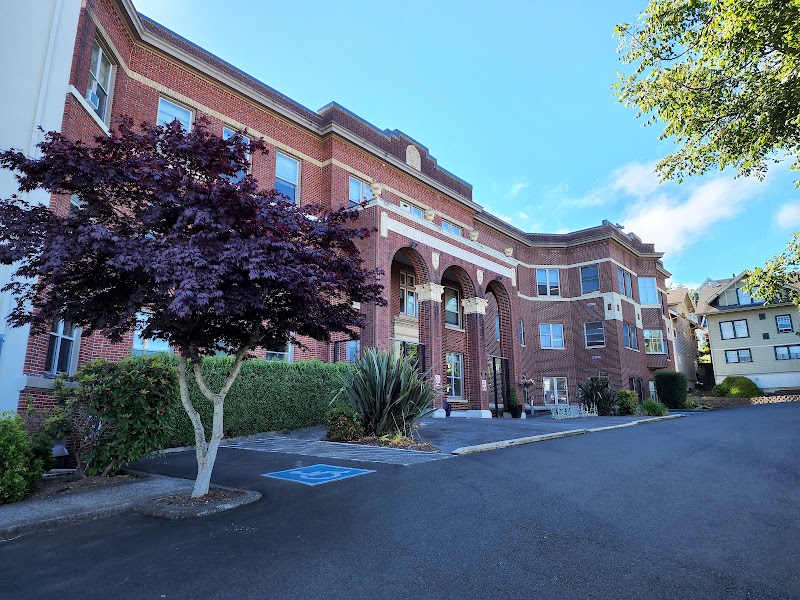
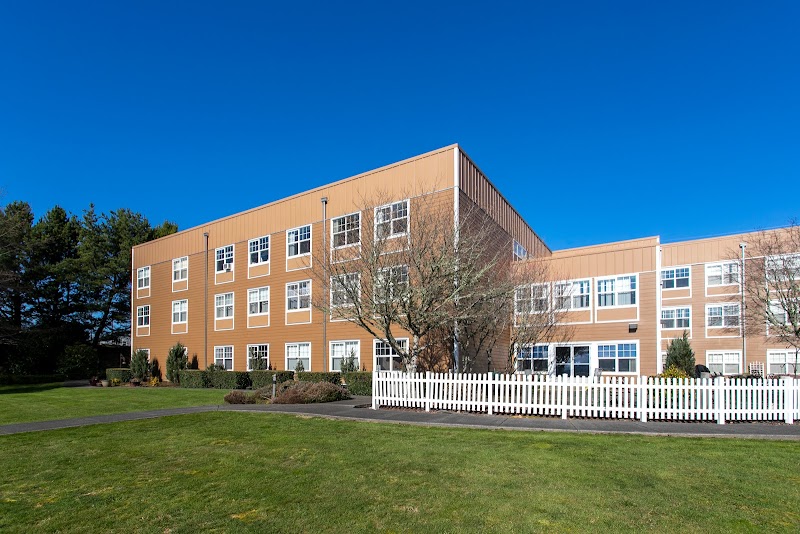
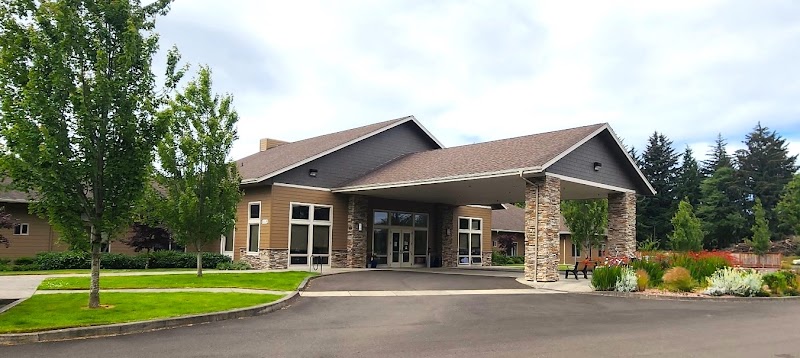

CLATSOP CARE CENTER

646 16TH STREET, ASTORIA, OR 97103 (503) 325-0313
Government - City/county 71 Beds Independent Data: November 2025
Trust Grade
23/100
#82 of 127 in OR
Last Inspection: September 2024

Within standard 12-15 month inspection cycle. Federal law requires annual inspections.

Overview

Clatsop Care Center has received a Trust Grade of F, indicating significant concerns about the facility's quality of care. It ranks #82 out of 127 nursing homes in Oregon, placing it in the bottom half, but it is the only option in Clatsop County. Although the facility is improving, having reduced its issues from 15 in 2023 to 6 in 2024, the staffing situation is troubling with a 67% turnover rate, which is higher than the state average of 49%. There have been some serious incidents, including a resident who was hospitalized due to improper management of blood-thinning medication, and another resident did not receive their diabetes medication as prescribed on multiple occasions. While the facility shows some strengths, such as average RN coverage, the overall picture raises significant concerns for families considering this nursing home.

Trust Score
F
23/100
In Oregon
#82/127
Bottom 36%
Safety Record
High Risk
Review needed
Inspections
Getting Better
15 → 6 violations
Staff Stability
⚠ Watch
67% turnover. Above average. Higher turnover means staff may not know residents' routines.
Penalties
✓ Good
$23,777 in fines. Lower than most Oregon facilities. Relatively clean record.
Skilled Nurses
○ Average
Each resident gets 30 minutes of Registered Nurse (RN) attention daily — about average for Oregon. RNs are the most trained staff who monitor for health changes.
Violations
⚠ Watch
25 deficiencies on record. Higher than average. Multiple issues found across inspections.
★★☆☆☆
2.0
Overall Rating
★☆☆☆☆
1.0
Staff Levels
★★★☆☆
3.0
Care Quality
★★★☆☆
3.0
Inspection Score
Stable
2023: 15 issues
2024: 6 issues

The Good

  • Full Sprinkler Coverage · Fire safety systems throughout facility
  • No fines on record

Facility shows strength in fire safety.

The Bad

2-Star Overall Rating

Below Oregon average (3.0)

Below average - review inspection findings carefully

Staff Turnover: 67%

20pts above Oregon avg (46%)

Frequent staff changes - ask about care continuity

Federal Fines: $23,777

Below median ($33,413)

Minor penalties assessed

Staff turnover is elevated (67%)

19 points above Oregon average of 48%

The Ugly 25 deficiencies on record

4 actual harm
Sept 2024 5 deficiencies
CONCERN (D)

Potential for Harm - no one hurt, but risky conditions existed

Comprehensive Assessments (Tag F0636)

Could have caused harm · This affected 1 resident

2. Resident 8 was admitted to the facility on 2/2024 with diagnoses including dementia and depression. A review of the 2/12/24 Cognitive Loss/Dementia CAA revealed Resident 8 had dementia. The family ...

Read full inspector narrative →
2. Resident 8 was admitted to the facility on 2/2024 with diagnoses including dementia and depression. A review of the 2/12/24 Cognitive Loss/Dementia CAA revealed Resident 8 had dementia. The family was aware and content with care and the plan moving forward. Communicate with Resident 8 and her/his family regarding capabilities and needs. The CAA failed to indicate specifically how dementia was a problem for the resident, how the resident's dementia manifested, the impact on the resident, or a rational for the care planning decision. A review of the 2/15/24 Psychotropic Drug Use CAA revealed Resident 8 was on venlafaxine (an antidepressant) for major depressive disorder, which was effective with no adverse effects noted. The CAA failed to indicate specifically how depression was a problem for the resident, how the resident's depression impacted Resident 8, or a rationale for the care planning decision. On 9/12/24 at 1:26 PM PM Staff 1 (Administrator) stated Staff 4 (LPN) completed the MDS and CAAs for the facility. On 9/12/24 at 4:19 PM Staff 3 (Social Service Director) stated she completed the Cognitive Loss/Dementia CAA for Resident 8. Staff 3 stated she was learning how to better complete the CAAs and acknowledged there was not sufficient information in the CAA section. On 9/12/24 at 6:41 PM Staff 4 (LPN) stated she was training staff to complete the MDS and triggered CAAs. Staff 4 stated she did not complete Resident 8's CAA but confirmed there was not enough meat and potatoes in Resident 8's Cognitive Loss/Dementia and Psychotropic CAA. Staff 4 stated The CAAs were important because they helped drive the care plan for each resident. 3. Resident 25 was admitted to the facility on 6/2024 with diagnoses including schizophrenia and cancer of the lung. A review of the 7/2/24 Psychotropic Drug Use CAA revealed the resident received aripiprazole (an antipsychotic) for her/his schizophrenia which had been effective with no adverse effects noted. Medicate the resident per physician order and assess effectiveness of the medication for adverse effects. The CAA failed to include information regarding Resident 25's potential problems, manifested behaviors, precipitating factors, alleviating factors or non-pharmacological interventions. On 9/12/24 at 1:26 PM PM Staff 1 (Administrator) stated Staff 4 (LPN) completed the MDS and CAAs for the facility. On 9/12/24 at 6:41 PM Staff 4 stated she was training staff to complete the MDS and triggered CAAs. Staff 4 stated she did not complete Resident 25's CAA but confirmed there was not enough meat and potatoes in Resident 25's Psychotropic CAA. Staff 4 stated the CAAs were important because they helped drive the care plan for each resident. Based on interview and record review it was determined the facility failed to comprehensively assess 3 of 7 sampled residents (#s 8, 25 and 83) reviewed for medications, behavior and mood. This placed residents at risk for inaccurate or incomplete assessments and unmet care needs. Findings include: 1. Resident 83 was admitted to the facility in 8/2024 with diagnoses including recent stroke and delirium. Resident 83's physician orders included the use of scheduled and PRN antipsychotic medication. The 8/29/24 psychotropic CAA did not include a description of the specific behavior necessitating the use of the antipsychotic; causes and contributing factors; or risk factors related to the care area such as increased drowsiness, lethargy or increased risk for falls. On 9/13/24 at approximately 9:50 AM Staff 2 (DNS) confirmed the CAAs lacked an analysis of findings.
CONCERN (D)

Potential for Harm - no one hurt, but risky conditions existed

Quality of Care (Tag F0684)

Could have caused harm · This affected 1 resident

Based on interview and record review it was determined the facility failed to follow physician orders for medication administration and implement bowel care timely for (1 of 5) sampled residents (# 17...

Read full inspector narrative →
Based on interview and record review it was determined the facility failed to follow physician orders for medication administration and implement bowel care timely for (1 of 5) sampled residents (# 17) reviewed for medications. This placed residents at risk for adverse side effects and constipation. Findings include: Resident 17 was admitted to the facility in 10/2020 with diagnoses including hypothyroidism (deficiency of hormones used to regulate heart rate, body temperature and digestion) and constipation. a. A physician order from 12/5/23 stated levothyroxine 50 mg was to be given once a day at 8:00 AM to Resident 17 for hypothyroidism. On 9/6/24 the orders for levothyroxine were modified for the medication to be given at 5:00 AM. Review of the 9/2023 MAR revealed Resident 17 did not receive levothyroxine from 9/6/24 through 9/11/24. On 9/12/24 at 1:29 PM Staff 2 (DNS) confirmed Resident 17 did not receive levothyroxine on the dates listed and did not provide any additional information as to why the medication was not administered. b. A physician order from 4/15/23 stated bisocodyl was to be administered as needed for constipation to Resident 17 on the fourth day of no bowel movement A physician order from 4/15/23 stated fleet enema was to be administered as needed for constipation to Resident 17 on the fourth day of no bowel movement. A physician order from 4/28/23 stated milk of magnesia was to be administered as needed for constipation to Resident 17 on the third day of no bowel movement. Review of 8/2024 and 9/2024 bowel care records revealed the following: - Resident 17 had no bowel movements from 8/29/24 through 9/1/24, a total of four days. Review of medication administration records revealed none of the medications listed above were attempted to be administered on day three or day four. - Resident 17 had no bowel movements from 9/3/24 through 9/6/24, a total of four days. Review of medication administration records revealed none of the medications listed above were administered on day three or day four. - Resident 17 had no bowel movements from 9/9/24 through 9/11/24, a total of three days. Review of medication administration records revealed milk of magnesia was not administered on day three. On 9/12/24 at 1:29 PM Staff 2 (DNS) confirmed that based on the 8/2024 and 9/2024 bowel care records, medications used for constipation were not administered as ordered to Resident 17.
CONCERN (D)

Potential for Harm - no one hurt, but risky conditions existed

Deficiency F0761 (Tag F0761)

Could have caused harm · This affected 1 resident

Based on observation and interview it was determined the facility failed to ensure medications were labeled with administration instructions for 1 of 5 residents (#11) for whom medication administrati...

Read full inspector narrative →
Based on observation and interview it was determined the facility failed to ensure medications were labeled with administration instructions for 1 of 5 residents (#11) for whom medication administration was observed. This placed residents at risk for decreased medication efficacy. Findings include: On 9/11/24 at 8:43 AM Staff 6 (CMA) was observed to crush the medication pantoprazole 40 mg DR (delayed release) prior to administration to Resident 11. According to the manufacturer's instruction, this medication is enteric coated to pass through the stomach and should not be crushed. The medication was labled as pantoprazole 40 mg without the DR. There were no instructions on the MAR or the medication bubble pack from the pharmacy to indicate the medication should not be crushed prior to administration. On 9/12/24 at 10:48 AM Staff 7 (Consultant Pharmacist) confirmed pantoprazole 40 mg should not be crushed and was not labeled with instructions not to crush.
CONCERN (D)

Potential for Harm - no one hurt, but risky conditions existed

Medical Records (Tag F0842)

Could have caused harm · This affected 1 resident

Based on interview and record review it was determined the facility failed to ensure records were complete and accurate for 1 of 5 residents (#8) reviewed for medications. This placed residents at ris...

Read full inspector narrative →
Based on interview and record review it was determined the facility failed to ensure records were complete and accurate for 1 of 5 residents (#8) reviewed for medications. This placed residents at risk for inaccurate medical records. Findings include: Resident 8 was admitted to the facility in 2/2024 with diagnoses including dementia and depression. A review of Resident 8's Physician Orders dated 8/2024, revealed an order dated 8/15/24, discontinued on 8/16/24, for mirtazapine (an appetite stimulant) 7.5 mg, one tablet for appetite stimulation for three days. The medication was administered on 8/15/24. A review of Resident 8's Physician Orders dated 8/2024, revealed an order dated 8/16/24, for mirtazapine 7.5 mg, one tablet for appetite stimulation for 30 days. A review of Resident 8's clinical record revealed no evidence the resident received her/his mirtazapine from 8/16/24 through 8/25/24. In an interview on 9/12/24 at 1:42 PM, Staff 1 (Administrator) and Staff 5 (RNCM) stated both physician orders for the mirtazapine were incorrectly transcribed. Staff 1 stated facility staff clarified the mirtazapine order with the physician, and the physician clarified the mirtazapine with a new start date of 8/26/24. Staff 1 acknowledged the 8/2024 MARs were incorrectly transcribed.
CONCERN (E)

Potential for Harm - no one hurt, but risky conditions existed

Safe Environment (Tag F0584)

Could have caused harm · This affected multiple residents

Based on observation and interview it was determined the facility failed to maintain a homelike environment with window cleanliness for 1 of 1 facility reviewed for a homelike environment. This placed...

Read full inspector narrative →
Based on observation and interview it was determined the facility failed to maintain a homelike environment with window cleanliness for 1 of 1 facility reviewed for a homelike environment. This placed residents at risk for an unclean homelike environment. Findings include: On 9/9/24 at 3:38 PM Resident 22 stated her/his windows were all very dirty and she/he would like them cleaned. Observation of Resident 22's windows and windows throughout the facility determined the majority of windows were dirty and unhomelike. On 9/13/24 at 9:06 AM Staff 8 (Maintenance Director) stated the outside windows in the facility had been cleaned only twice in the last eight years. Staff 8 confirmed the outside windows needed to be cleaned.
Jul 2024 1 deficiency 1 Harm
SERIOUS (G) 📢 Someone Reported This

A family member, employee, or ombudsman was alarmed enough to file a formal complaint

Actual Harm - a resident was hurt due to facility failures

Deficiency F0760 (Tag F0760)

A resident was harmed · This affected 1 resident

Based on interview and record review it was determined the facility failed to properly administer anticoagulant medication to 1 of 2 sampled residents (#2) reviewed for medications. As a result, Resid...

Read full inspector narrative →
Based on interview and record review it was determined the facility failed to properly administer anticoagulant medication to 1 of 2 sampled residents (#2) reviewed for medications. As a result, Resident 2 was hospitalized and required Vitamin K infusion (used as reverse the effects of blood thinning medications). Findings include: Resident 2 was admitted to the facility in 5/2021, with diagnosis including paroxysmal atrial fibrillation (irregular heart beat caused by poor blood flow). Resident 2's 5/20/22 Care Plan noted the resident received Coumadin (an anticoagulant medication) related to atrial fibrillation. Resident 2's 5/2022 physician orders indicated Resident 2 was to be administered Coumadin 5 mg daily every Tuesday, Friday, and Sunday at 4:00 PM. A review of Resident 2's 11/2023 MAR revealed the following dates and times the resident's Coumadin was administered: - 5 mg on 11/3/23 at 8:00 AM - 5 mg on 11/3/23 at 4:00 PM - 5 mg on 11/5/23 at 8:00 AM - 5 mg on 11/5/23 at 4:00 PM - 5 mg on 11/7/23 at 8:00 AM - 5 mg on 11/7/23 at 4:00 PM - 5 mg on 11/10/23 at 8:00 AM - 5 mg on 11/10/23 at 4:00 PM - 5 mg on 11/12/23 at 8:00 AM - 5 mg on 11/12/23 at 4:00 PM An 11/14/23 facility investigation revealed Staff 4 (LPN) inputted a duplicate order of Coumadin, which resulted in Resident 2 receiving two doses of Coumadin for six days. The investigation noted Resident 2 was sent to the emergency department after lab test revealed critical lab results. Resident 2's 11/15/23 Progress Note indicated the resident received a Vitamin K infusion while at the hospital. On 7/15/24 at 11:58 AM, Staff 4 (LPN) stated he ordered a duplicate medication of Coumadin, which resulted in Resident 2 receiving extra Coumadin for six days. On 7/11/24 at 12:56 PM, Staff 1 (Administrator) confirmed findings and indicated Resident 2 received a Vitamin K infusion while at the hospital as a result of the medication error. On 11/20/23, the Past Non-Compliance was corrected when the facility completed a root cause analysis of the incident and determined there was medication error. The Plan of Correction included: 1. The effected resident was assessed and sent the emergency department for Vitamin K infusion. 2. An audit of all anticoagulant orders were reviewed for accuracy. 3. All nursing staff were provided education related to administration of Coumadin including warning systems to prevent duplicate orders. 4. Education was received by consultant pharmacist on avoiding medication errors. 5. Anticoagulation orders for residents continued to be monitored and triple checked for accuracy.
Jun 2023 15 deficiencies 3 Harm
SERIOUS (G) 📢 Someone Reported This

A family member, employee, or ombudsman was alarmed enough to file a formal complaint

Actual Harm - a resident was hurt due to facility failures

Deficiency F0658 (Tag F0658)

A resident was harmed · This affected 1 resident

**NOTE- TERMS IN BRACKETS HAVE BEEN EDITED TO PROTECT CONFIDENTIALITY** Based on interview and record review it was determined the facility failed to ensure nursing professional standards of practice ...

Read full inspector narrative →
**NOTE- TERMS IN BRACKETS HAVE BEEN EDITED TO PROTECT CONFIDENTIALITY** Based on interview and record review it was determined the facility failed to ensure nursing professional standards of practice were followed for 1 of 1 sampled resident (#33) reviewed for hospitalization. This resulted in Resident 33 being transported to the hospital and placed in the ICU on a ventilator. This also placed other residents at risk for hospitalization. Findings include: The Oregon Nurse Practice Act included the following: Oregon Administrative Rule [PHONE NUMBER] Scope of Practice Standards for Licensed Practical Nurses - Standards related to the LPN's responsibility for nursing practice. Applying practical nursing knowledge, at the clinical direction and under the clinical supervision of the RN or LIP (Licensed Independent Practitioner), the LPN shall: - Distinguishing abnormal from normal data, sorting, selecting, recording, and reporting the data discrepancies to the supervising RN or supervising LIP; - Evaluate client responses to nursing interventions, progress toward measurable outcomes, and communicate such to appropriate members of the health care team. Resident 33 was admitted to the facility in 2023 with diagnoses including hip fracture. The facility's Bowel Management Policy and Procedure dated 9/2020 included the following interventions for when a resident did not have a bowel movement: - On day three administer Milk of Magnesia in the evening. - On day four administer a laxative suppository in the evening. - On day five if the resident has not had a bowel movement by after breakfast the nurse will check for impaction, check the abdomen and administer an enema per physician's orders. If the resident has not had a bowel movement by 3:00 PM the nurse will again check for impaction and check the abdomen. If there is no stool in the rectal vault the physician will be called for further orders and alert charting will begin. Resident 33's Care Plan initiated on 3/17/23 included the following interventions related to constipation and pain: - Follow facility bowel protocol for bowel management. - Monitor medications for side effects of constipation. Keep physician informed of any problems. - Monitor/document for side effects of pain medication. Observe for constipation; new onset or increased agitation, restlessness, confusion, hallucinations, dysphoria; nausea; vomiting; dizziness and falls. Report occurrences to the physician. Resident 33's 3/2023 Order Summary report included a physician's order for an enema as needed for constipation after five days of no bowel movement. Administer after a bowel assessment. If no results by the afternoon notify the physician for further orders. Resident 33's 3/2023 MAR and Progress Notes revealed the following: - On 3/20/23 at 6:58 PM a Progress Note by Staff 5 (LPN) indicated the resident had not had a bowel movement and an enema was administered (no enema administration was documented on the MAR) after lunch with no bowel movement by the end of the shift. The resident continued with nausea (no nausea was documented prior to this note) and vomited once. The resident's abdomen was hard and bowel tones were sluggish. The note did not indicate Staff 5 contacted an RN or the physician for further instructions. The note indicated will continue to monitor. - On 3/21/23 at 4:39 AM a Progress Note indicated Resident 33 was transported to the hospital by ambulance at 4:00 AM. The resident woke from her/his sleep with multiple episodes of vomiting which was dark brown in color and appeared to be fecal matter. The resident had not had a bowel movement for several days despite being administered Milk of Magnesia and an enema. - On 3/22/23 at 2:50 AM a Progress Note indicated the resident was in the ICU, intubated and on a ventilator. On 6/14/23 at 9:16 AM Resident 33's Care Plan, physician's orders and Progress Notes were reviewed with Staff 5 (LPN). Staff 5 stated she recalled Resident 33 and the incident on 3/20/23. Staff 5 stated she did not remember notifying anyone, such as Staff 2 (DNS) or the physician on 3/20/23. Staff 5 stated she usually did not contact Staff 2 for bowel issues and faxes were the normal method to contact the physician. Staff 5 stated she did not know how to contact the on-call provider. On 6/13/23 at 2:37 PM and 6/14/23 at 11:04 AM Resident 33's Care Plan, physician's orders and Progress Notes were reviewed with Staff 2. Staff 2 stated the physician should have been informed of the resident's condition on 3/20/23. Staff 2 stated the nurses were aware they could call her to evaluate any questions they had. Staff 2 stated the on-call provider was available by fax, text or phone and the charge nurse had the authority to send resident's out to the hospital based on their nursing judgement. Staff 2 verified the physician was not notified on 3/20/23 about Resident 33's condition. Refer to F684.
SERIOUS (G) 📢 Someone Reported This

A family member, employee, or ombudsman was alarmed enough to file a formal complaint

Actual Harm - a resident was hurt due to facility failures

Quality of Care (Tag F0684)

A resident was harmed · This affected 1 resident

2. Resident 16 was admitted to the facility in 2020 with diagnoses including diabetes. a. An 11/18/22 physician order indicated Resident 16 was prescribed Lantus (a drug used to control the amount of...

Read full inspector narrative →
2. Resident 16 was admitted to the facility in 2020 with diagnoses including diabetes. a. An 11/18/22 physician order indicated Resident 16 was prescribed Lantus (a drug used to control the amount of sugar in the blood) two times a day for diabetes. Hold for CBG less than 90. A review of Resident 16's 5/1/23 through 6/10/23 DAR (Diabetic Administration Record) indicated the resident's Lantus was not given according to physician orders on the following days: -5/2 evening dose with no rationale provided; -5/17 morning dose with a progress note indicating the resident was in shower/activity; -5/28 evening dose with a progress note indicating insulin was given by the day nurse. On 6/14/23 at 9:54 AM Staff 2 (DNS) reviewed Resident 16's Lantus DARs and stated the resident's Lantus should have been given on the dates identified and if a resident was in an activity or shower, the nurse should find the resident and administer the insulin or administer the insulin as soon as the resident was available. Staff 2 stated if the day nurse administered insulin, the day nurse should document. b. A 10/21/22 physician order indicated Resident 16 was prescribed Insulin lispro (a short acting type of insulin) after meals. Hold if intake was less than 25%. Notify the physician of CBG's greater than 500. A review of Resident 16's 5/1/23 through 6/10/23 DAR (Diabetic Administration Record) indicated the resident's lispro was not given according to physician orders on the following days: -5/2 dinner dose with no rationale provided; -5/6 dinner dose with no rationale provided; -5/7 dinner dose with no rationale provided; -5/12 lunch dose with a progress note which indicated the resident was in an activity; -5/17 breakfast dose with a progress note which indicated the resident was in the shower or activity; -5/21 dinner dose with a progress note which indicated the insulin was given by the day nurse; -5/24 breakfast dose with a progress note which indicated the resident was in an activity; -5/25 breakfast with no rationale provided; -5/28 dinner dose with a progress note which indicated the insulin was given by the day nurse; -5/30 lunch dose with no rational provided; -5/31 lunch dose with a progress note which indicated the resident was in an activity; -6/3 dinner dose with a progress note which indicated the insulin was held due to the resident's blood sugar being 132; -6/7 lunch dose with a progress note which indicated the resident was in an activity. On 6/14/23 at 9:54 AM Staff 2 (DNS) reviewed Resident 16's lispro DARs and stated the resident's lispro should have been given on the dates identified and if a resident was in an activity or shower, the nurse should find the resident and administer the insulin or administer the insulin as soon as the resident was available. Staff 2 stated if the day nurse administered insulin, the day nurse should document. 3. Resident 20 was admitted to the facility in 2020 with diagnoses including end stage renal disease. A 3/11/23 physician order indicated Resident 20 was prescribed Nova Source (a nutritional supplement which provides protein, vitamins and minerals specifically for people with chronic kidney disease on dialysis) one time a day for end stage kidney disease. A review of Resident 20's 5/1/2023 through 6/12/2023 TARs indicated the resident's Nova Source was not given according to physician orders on the following days: 5/1, 5/2, 5/3, 5/4, 5/5, 5/6, 5/7, 5/8, 5/9, 5/10, 5/12, 6/6, 6/7, 6/8 and 6/11. On 6/11/23 at 11:05 AM Resident 20 stated she/he was supposed to receive Nova Source every day but had not received it for at least the past three weeks. Resident 20 stated every time she/he asked about it, she/he was told it was on order. On 6/12/23 at 10:32 AM Staff 11 (LPN) stated Resident 20 was supposed to receive Nova Source once a day and thought it was being ordered. On 6/12/23 at 11:24 AM and 6/13/23 at 12:32 PM Staff 2 (DNS) stated the facility was currently out of Nova Source. Staff 2 stated she was notified by text that more Nova Source needed to be ordered but she did not see the text so none was ordered. Based on interview and record review it was determined the facility failed to follow physician's orders and the plan of care for 3 of 8 sampled residents (#s 16, 20 and 33) reviewed for hospitalization, dialysis and medications. This resulted in Resident 33 being transported to the hospital where the resident was placed in the ICU on a ventilator and died three days later. This also placed other residents at risk for hospitalization and unmet needs. Findings include: 1. Resident 33 was admitted to the facility in 2023 with diagnoses including hip fracture. The facility's Bowel Management Policy and Procedure dated 9/2020 included the following interventions for when a resident did not have a bowel movement: - On day three administer Milk of Magnesia in the evening. - On day four administer a laxative suppository in the evening. - On day five if the resident has not had a bowel movement by after breakfast the nurse will check for impaction, check the abdomen and administer an enema per physician's orders. If the resident has not had a bowel movement by 3:00 PM the nurse will again check for impaction and check the abdomen. If there is no stool in the rectal vault the physician will be called for further orders and alert charting will begin. Resident 33's Care Plan initiated on 3/17/23 included the following interventions related to constipation and pain: - Follow facility bowel protocol for bowel management. - Monitor medications for side effects of constipation. Keep physician informed of any problems. - Monitor/document for side effects of pain medication. Observe for constipation; new onset or increased agitation, restlessness, confusion, hallucinations, dysphoria; nausea; vomiting; dizziness and falls. Report occurrences to the physician. Resident 33's 3/2023 Order Summary report included the following physician's orders: - Milk of Magnesia as needed for constipation after three days of no bowel movement. - Bisacodyl suppository as needed for constipation after four days of no bowel movement. - Enema as needed for constipation after five days of no bowel movement. Administer after a bowel assessment. If no results by the afternoon notify the physician for further orders. - Hydrocodone(opioid pain medication which may cause constipation)-acetaminophen every four hours PRN for pain. Resident 33's 3/2023 Progress Notes and MAR revealed the following: - hydrocodone-acetaminophen was administered five times from 3/17/23 through 3/19/23. - On 3/18/23 a Progress Note indicated a bisacodyl (laxative) suppository was administered because the resident had not had a bowel movement for four days after Milk of Magnesia (laxative) was administered. - No administration of Milk of Magnesia was charted as being administered on or prior to 3/18/23 either in Progress Notes or the MAR. - On 3/19/20 a Progress Note indicated the resident did not have a bowel movement after the medication was administered. - On 3/20/23 at 3:59 PM a Progress Note indicated Milk of Magnesia was administered for third day with no bowel movement. (Being the third day with no bowel movement is not consistent with charting on 3/18/23 and 3/19/23 which indicated the resident had not had a bowel movement by those dates.) - On 3/20/23 at 6:58 PM a Progress Note by Staff 5 (LPN) indicated the resident had not had a bowel movement and an enema was administered (no enema administration was documented on the MAR) after lunch with no bowel movement by the end of the shift. The resident continued with nausea (no nausea was documented prior to this note) and vomited once. The resident's abdomen was hard and bowel tones were sluggish. The note did not indicate Staff 5 contacted an RN or the physician for further instructions. The note indicated will continue to monitor. - On 3/21/23 at 4:39 AM a Progress Note indicated Resident 33 was transported to the hospital by ambulance at 4:00 AM. The resident woke for her/his sleep with multiple episodes of vomiting which was dark brown in color and appeared to be fecal matter. The resident had not had a bowel movement for several days despite being administered Milk of Magnesia and an enema. - On 3/22/23 at 2:50 AM a Progress Note indicated the resident was in the ICU, intubated and on a ventilator. Resident 33's Hospital History and Physical dated 3/21/23 revealed the resident was diagnosed with a small bowel obstruction (blockage of the small intestine), aspiration pneumonia (infection of the lungs related to food or liquids breathed into the lungs) and pulmonary emboli (blockage of arteries in the lungs). The resident died on 3/24/23. On 6/14/23 at 9:16 AM Resident 33's Care Plan, physician's orders and Progress Notes were reviewed with Staff 5 (LPN). Staff 5 stated she recalled Resident 33 and the incident on 3/20/23. Staff 5 stated she did not remember notifying anyone, such as Staff 2 (DNS) or the physician on 3/20/23. Staff 5 stated she usually did not contact Staff 2 for bowel issues and faxes were the normal method to contact the physician. Staff 5 stated she did not know how to contact the on-call provider. On 6/13/23 at 2:37 PM and 6/14/23 at 11:04 AM Resident 33's Care Plan, physician's orders and Progress Notes were reviewed with Staff 2. Staff 2 stated the physician should have been informed of the resident's condition on 3/20/23. Staff 2 stated the nurses were aware they could call her to evaluate any questions they had. Staff 2 stated the on-call provider was available by fax, text or phone and the charge nurse had the authority to send resident's out to the hospital based on their nursing judgement. Staff 2 verified the physician was not notified on 3/20/23 about Resident 33's condition.
SERIOUS (G) 📢 Someone Reported This

A family member, employee, or ombudsman was alarmed enough to file a formal complaint

Actual Harm - a resident was hurt due to facility failures

Deficiency F0692 (Tag F0692)

A resident was harmed · This affected 1 resident

**NOTE- TERMS IN BRACKETS HAVE BEEN EDITED TO PROTECT CONFIDENTIALITY** Based on interview and record review it was determined the facility failed to promptly intervene when a resident experienced sev...

Read full inspector narrative →
**NOTE- TERMS IN BRACKETS HAVE BEEN EDITED TO PROTECT CONFIDENTIALITY** Based on interview and record review it was determined the facility failed to promptly intervene when a resident experienced severe weight loss for 1 of 3 sampled residents (#30) reviewed for nutrition. This resulted in an unplanned severe weight loss for Resident 30 and placed residents at risk for unplanned weight loss. Findings include: Resident 30 was admitted to the facility in 2023 with diagnoses including Multiple Sclerosis (disease of the brain and spinal cord). On 6/11/23 at 10:48 AM Witness 1 (Family) stated Resident 30 lost 17 pounds in about a month. Resident 30's diet order dated 5/4/23 included a general diet with regular texture and thin consistency (for fluids). Resident 30's Nutritional Status CAA dated 5/11/23 did not indicate a nutritional problem, a comprehensive assessment of the resident's nutritional status or the impact on the resident. Resident 30's Care Plan initiated on 5/4/23 for ADLs and nutrition included the following interventions: - Set-up assistance for eating. - Explain and reinforce to [the resident] the importance of maintaining the diet ordered. Encourage [her/him] to comply. Explain consequences of refusal, obesity/malnutrition risk factors. (The resident was ordered a regular diet therefore it was not evident why this intervention was pertinent.) - Provide and serve the diet as ordered. Monitor and record the resident's intake at each meal. - The RD will evaluate [the resident] and make diet change recommendations as needed. - Weigh the resident weekly. Resident 30's weight record from 5/4/23 through 6/8/23 revealed the resident lost 18 pounds or 6.7% body weight over 35 days. Resident 30's meal intake record from 5/14/23 through 6/11/23, (29 days or 87 meals) revealed 54% of meals were documented as 76-100% eaten and 31% were 51-75% eaten. Resident 30's Nutritional assessment dated [DATE] indicated the resident received a general diet which was appropriate at that time. The resident's meal acceptance was around 75%. The resident was at increased nutritional risk due to an elevated BMI (body mass index). The resident's overall health would likely benefit from a gradual weight decrease. Goals included stable weight with gradual weight decrease okay and to notify the RD as needed. (The assessment did not indicate what specific risks Resident 30 was at risk for due to the elevated BMI. The assessment also did not specify what a gradual weight loss would be or a specific plan to achieve a gradual weight loss.) Resident 30's Progress Notes from 5/4/23 through 6/9/23 revealed no documentation to indicate the resident was reassessed for weight loss, new interventions implemented, referral to the RD, notification to the resident's family or notification to the physician regarding the resident's severe weight loss. On 6/12/23 at 11:04 AM Resident 30's weight loss was reviewed with Staff 2 (DNS). Staff 2 stated the resident was reviewed at the facility's monthly dietary meeting and the RD should have made a progress note and put updated dietary recommendations in her in-box. Staff 2 checked her in-box and reviewed the progress notes. She stated there was no progress note or new dietary recommendations. Staff 2 verified Resident 30's Nutritional Status CAA was not comprehensive, the resident lost 18 pounds over 35 days, the weight loss was not planned and the resident's family and physician were not immediately notified. Staff 2 confirmed there was no evidence of a reassessment of the resident's nutritional status or rationale for no new interventions after the resident lost 18 pounds.
CONCERN (D) 📢 Someone Reported This

A family member, employee, or ombudsman was alarmed enough to file a formal complaint

Potential for Harm - no one hurt, but risky conditions existed

Notification of Changes (Tag F0580)

Could have caused harm · This affected 1 resident

Based on interview and record review it was determined the facility failed to immediately notify a resident's physician of a severe unplanned weight loss for 1 of 3 sampled residents (#30) reviewed fo...

Read full inspector narrative →
Based on interview and record review it was determined the facility failed to immediately notify a resident's physician of a severe unplanned weight loss for 1 of 3 sampled residents (#30) reviewed for nutrition. This placed residents at risk for unmanaged weight loss. Findings include: Resident 30 was admitted to the facility in 2023 with diagnoses including Multiple Sclerosis (disease of the brain and spinal cord). On 6/11/23 at 10:48 AM Witness 1 (Family) stated Resident 30 lost 17 pounds in about a month. Resident 30's weight record from 5/4/23 through 6/8/23 revealed the resident lost 18 pounds or 6.7% body weight in 35 days. Resident 30's Progress Notes from 5/4/23 through 6/9/23 revealed no evidence to indicate the resident's family and physician were notified regarding the resident's severe weight loss. On 6/12/23 at 11:04 AM Staff 2 (DNS) stated the resident's family and physician were not immediately notified after the resident lost 18 pounds. Refer to F692.
CONCERN (D) 📢 Someone Reported This

A family member, employee, or ombudsman was alarmed enough to file a formal complaint

Potential for Harm - no one hurt, but risky conditions existed

Safe Environment (Tag F0584)

Could have caused harm · This affected 1 resident

Based on interview and record review it was determined the facility failed to ensure a resident's missing personal property was addressed for 1 of 1 sampled resident (#17) reviewed for personal proper...

Read full inspector narrative →
Based on interview and record review it was determined the facility failed to ensure a resident's missing personal property was addressed for 1 of 1 sampled resident (#17) reviewed for personal property. This placed residents at risk for loss of personal items. Findings include: The facility's Grievance policy and procedure dated 3/9/16 indicated the following: -Prompt Resolution of Complaint: The staff member who receives the complaint should determine if they can immediately resolve the resident/representative's concern. If they cannot, they must alert their supervisor/charge nurse and a concern/comment form will be completed by staff if it occurs outside of Social Service business hours. During Social Service business hours, staff will contact them directly to aid in completing the form. -The timeframe for follow-up of concern is three days. Resident 17 was admitted to the facility in 2022 with diagnoses including Alzheimer's dementia. 6/11/23 12:41 PM Witness 4 (Family) and Witness 5 (Family) reported Resident 17 was missing a digital picture frame/pictures and hearing aids. Witness 4 and Witness 5 reported Resident 17 had a digital picture frame that displayed numerous pictures of the her/his life over many years which was missing since the resident moved rooms a while ago. They stated they reported the missing items to staff and staff looked for the items but were unable to locate them. A review of the facility's 2023 Grievance notebook revealed no evidence that a grievance form was completed for Resident 17's missing items. On 6/12/23 at 2:05 PM Staff 15 (CNA) reported she recalled seeing Resident 17's digital picture frame/pictures in the resident's previous room but had not seen the digital picture frame/pictures since. Staff 15 stated she did not know if Resident 17 had hearing aids. On 6/13/23 at 10:11 AM Staff 14 (RN) stated approximately one month ago she was informed by Resident 17's family members that the resident's digital picture frame/pictures and hearing aids were missing. Staff 14 stated she looked through the resident's room but was unable to locate the missing items. Staff 14 stated she passed the information to the night shift nurse. On 6/13/23 at 11:41 AM Staff 12 (Social Services Director) stated she was not notified that Resident 17 had any missing items. On 6/13/23 at 12:18 PM Staff 2 (DNS) stated she expected staff to complete a grievance form when residents had missing items and either the items would be located or replaced if they were unable to be located.
CONCERN (D) 📢 Someone Reported This

A family member, employee, or ombudsman was alarmed enough to file a formal complaint

Potential for Harm - no one hurt, but risky conditions existed

Comprehensive Assessments (Tag F0636)

Could have caused harm · This affected 1 resident

Based on interview and record review it was determined the facility failed to comprehensively assess a resident's nutritional status for 1 of 3 sampled residents (#30) reviewed for nutrition. This pla...

Read full inspector narrative →
Based on interview and record review it was determined the facility failed to comprehensively assess a resident's nutritional status for 1 of 3 sampled residents (#30) reviewed for nutrition. This placed residents at risk for unassessed needs. Findings include: Resident 30 was admitted to the facility in 2023 with diagnoses including Multiple Sclerosis (disease of the brain and spinal cord). On 6/11/23 at 10:48 AM Witness 1 (Family) stated Resident 30 lost 17 pounds in about a month. Resident 30's diet order dated 5/4/23 included a general diet with regular texture and thin consistency (for fluids). Resident 30's Nutritional Status CAA dated 5/11/23 did not indicate a nutritional problem, a comprehensive assessment of the resident's nutritional status or the impact on the resident. On 6/12/23 at 11:04 AM Staff 2 (DNS) verified Resident 30's Nutritional Status CAA was not comprehensive and the resident lost 18 pounds over 35 days. Refer to F692.
CONCERN (D) 📢 Someone Reported This

A family member, employee, or ombudsman was alarmed enough to file a formal complaint

Potential for Harm - no one hurt, but risky conditions existed

ADL Care (Tag F0677)

Could have caused harm · This affected 1 resident

Based on interview and record review it was determined the facility failed to provide scheduled showers for 1 of 5 sampled residents (#20) reviewed for ADLs. This placed residents at risk for unmet hy...

Read full inspector narrative →
Based on interview and record review it was determined the facility failed to provide scheduled showers for 1 of 5 sampled residents (#20) reviewed for ADLs. This placed residents at risk for unmet hygiene needs. Findings include: Resident 20 was admitted to the facility in 2020 with diagnoses including end stage renal disease. Resident 20's 4/28/21 ADL Care Plan indicated Resident 20 required physical assistance of one staff for showering three times a week and as necessary. Resident 20's 5/17/23 Quarterly MDS indicated the resident was cognitively intact and totally dependent with one person physical assistance for bathing. Resident 20's 4/30/23 through 6/13/23 bathing task logs indicated the following: -5/5: not applicable; -5/9: shower received; -5/11: not applicable; -5/13: not applicable; -5/16: shower received; -5/20: resident refused; -5/23: shower received; -5/25: shower received; -5/27: not applicable; -5/30: not applicable; -6/3: not applicable; -6/8: shower received and -6/10: shower received. A review of Resident 20's Progress Notes from 4/30/23 through 6/13/23 revealed no documentation indicating Resident 20 was provided with additional bathing opportunities if bathing was refused or not provided. On 6/11/23 at 10:52 AM Resident 20 stated she/he was supposed to receive showers three times a week but only received them sporadically. On 6/12/23 at 1:54 PM and 2:22 PM Staff 15 (CNA) and Staff 16 (CNA) stated Resident 20 was supposed to receive showers three times a week and never refused. On 6/13/23 at 12:32 PM Staff 2 (DNS) reviewed Resident 20's bathing task logs and confirmed the resident did not receive showers three times a week and Resident 20 never refused showers unless she/he was ill.
CONCERN (D) 📢 Someone Reported This

A family member, employee, or ombudsman was alarmed enough to file a formal complaint

Potential for Harm - no one hurt, but risky conditions existed

Accident Prevention (Tag F0689)

Could have caused harm · This affected 1 resident

Based on observation and interview it was determined the facility failed to ensure the residents' environment was free from hazards for 1 of 1 facility randomly observed. This placed residents at risk...

Read full inspector narrative →
Based on observation and interview it was determined the facility failed to ensure the residents' environment was free from hazards for 1 of 1 facility randomly observed. This placed residents at risk for injury and blood borne infection. Findings include: On 6/12/23 at 7:29 AM a large sharps container was observed attached to the right side of the medication cart on the third floor. The sharps container did not have a safety flap and was full of used needles and lancets. On 6/12/23 at 7:40 AM Staff 11 (LPN) stated he had not noticed the sharps container was full and had no safety flap. He reported the concern to Staff 2 (DNS) and got a new sharps container but could not find the key to unlock the retaining device which kept the full sharps container secured to the medication cart. Staff 11 stated when the next shift came to work they might know where the key was. On 6/13/23 at 8:15 AM and 6/13/23 at 10:32 AM the sharps container was observed still attached to the medication cart full of needles and lancets with no safety flap. On 6/13/23 at 11:01 AM Staff 2 was shown the sharps container, she acknowledged the sharps container was full of needles and lancets and the container should have a safety flap.
CONCERN (D) 📢 Someone Reported This

A family member, employee, or ombudsman was alarmed enough to file a formal complaint

Potential for Harm - no one hurt, but risky conditions existed

Deficiency F0698 (Tag F0698)

Could have caused harm · This affected 1 resident

2. Resident 27 was admitted to the facility in 4/2023 with diagnoses including end state renal disease and diabetes. Resident 27's Care Plan identified she/he needed dialysis due to end stage renal d...

Read full inspector narrative →
2. Resident 27 was admitted to the facility in 4/2023 with diagnoses including end state renal disease and diabetes. Resident 27's Care Plan identified she/he needed dialysis due to end stage renal disease, which was scheduled every Tuesday, Thursday and Saturday. Interventions included to monitor and report any problems with the resident's access site to the dialysis clinic. There was no documentation in the resident's Progress Notes since her/his admission of a post dialysis evaluation. On 6/11/23 at 1:30 PM Resident 27 was observed in her/his room sitting on her/his bed with the TV on. Resident 27 stated she/he was on dialysis and showed this surveyor her/his fistula site located on the upper left arm. Resident 27 stated on her/his dialysis days she/he removed the pressure dressing herself/himself after four hours and stated she/he was not assessed after returning from dialysis appointments. On 6/13/23 at 2:52 PM Resident 27 was observed to return from her/his dialysis appointment. On 6/13/23 at 3:50 PM Staff 4 (RN) stated she was unaware what type of dialysis site Resident 27 had, missed giving Resident 27 her/his morning medications because she was running late and had not observed or assessed Resident 27 since she/he had returned from the dialysis clinic. On 6/13/23 at 4:06 PM Resident 27 was observed in bed and had not yet been assessed from her/his return from the dialysis clinic. On 6/14/23 at 11:44 AM Staff 2 (DNS) stated there were no post dialysis assessments in Resident 27's chart because they had not been completed. Staff 3 (RNCM) stated it was her expectation residents on dialysis were assessed within 15 minutes of their return to the facility and all vital signs were completed. Based on observation, interview and record review it was determined the facility failed to conduct post dialysis assessments of resident's condition for 2 of 2 sampled residents (#s 20 and 27) reviewed for dialysis. This placed residents at risk for potential unmet care needs upon return from dialysis. Findings include: The facility's Hemodialysis Access Care policy and procedure dated 9/2010 indicated the Care Immediately Following Dialysis Treatment was as follows: -Mild bleeding from site (post-dialysis) can be expected. Apply pressure to insertion site and contact dialysis center for instructions. -If there is major bleeding from site (post-dialysis), apply pressure to insertion site and contact emergency services and dialysis center. Verify clamps are closed on lumens. This is a medical emergency. Do not leave resident alone until emergency services arrive. 1. Resident 20 was admitted to the facility in 2020 with diagnoses including end stage renal disease. Resident 20's 4/28/21 Dialysis Care Plan indicated the resident received dialysis on Monday, Wednesday and Friday. A review of Resident 20's health care record and dialysis communication notebook revealed no evidence of any post-dialysis assessments. On 6/12/23 at 10:22 AM Resident 20 was observed leaving for dialysis. Resident 20 returned from dialysis at 4:16 PM. On 6/11/23 at 11:22 AM Resident 20 stated she/he went to dialysis three times a week. Resident 20 reported the nurses never assessed her/him upon returning from dialysis and she/he usually removed the pressure bandages sometime the next day. On 6/12/23 at 5:00 PM Resident 20 stated no nurse completed a post-dialysis assessment since she/he returned from dialysis. On 6/12/23 at 5:05 PM Staff 11 (LPN) stated he did not complete post-dialysis assessments on residents but if the CNAs noticed any issues they would tell the nurse. On 6/13/23 at 8:05 AM Resident 20 was observed to still have two pressure bandages on her/his left arm from dialysis on 6/12/23. Resident 20 stated no staff assessed her/his arm or removed the bandages. Resident 20 then removed the bandages and placed them on her/his bedside table. On 6/13/23 at 12:32 PM Staff 2 (DNS) stated she expected nursing staff to complete a post-dialysis assessment when a resident returned from dialysis. Staff 2 stated she expected staff to check the access site, palpate trill (feel for a vibration), look for any bleeding and remove the pressure bandage at some point.
CONCERN (D) 📢 Someone Reported This

A family member, employee, or ombudsman was alarmed enough to file a formal complaint

Potential for Harm - no one hurt, but risky conditions existed

Deficiency F0730 (Tag F0730)

Could have caused harm · This affected 1 resident

Based on interview and record review it was determined the facility failed to ensure CNA staff annual performance reviews were completed for 2 of 5 sampled CNA staff (#s 19 and 23) reviewed for staffi...

Read full inspector narrative →
Based on interview and record review it was determined the facility failed to ensure CNA staff annual performance reviews were completed for 2 of 5 sampled CNA staff (#s 19 and 23) reviewed for staffing. This placed residents at risk for a lack of competent staff. Findings include: A review of personnel records on 6/12/23 indicated the following employees had not received their annual performance evaluations: -Staff 19 (CNA), hire date 9/8/21: no annual performance reviews were provided. -Staff 23 (CNA), hire date 1/6/22; no annual performance reviews were provided. On 6/12/23 at 1:24 PM Staff 18 (Human Resources) confirmed annual performance reviews for the identified staff were not completed.
CONCERN (D) 📢 Someone Reported This

A family member, employee, or ombudsman was alarmed enough to file a formal complaint

Potential for Harm - no one hurt, but risky conditions existed

Staffing Information (Tag F0732)

Could have caused harm · This affected 1 resident

Based on interview and record review it was determined the facility failed to ensure the Direct Care Staff Daily Report (DCSDR) postings were accurate for 32 of 45 days reviewed for staffing. This pla...

Read full inspector narrative →
Based on interview and record review it was determined the facility failed to ensure the Direct Care Staff Daily Report (DCSDR) postings were accurate for 32 of 45 days reviewed for staffing. This placed residents at risk for incorrect staffing information. Findings include: Review of the 5/1/23 through 6/14/23 DCSDRs indicated the following days when required information was missing or inaccurate on the daily postings: 5/12, 5/13, 5/14, 5/15, 5/16, 5/17, 5/18, 5/19, 5/20, 5/21, 5/22, 5/23, 5/25, 5/26, 5/27, 5/28, 5/29, 5/30, 5/31, 6/1, 6/2, 6/3, 6/4, 6/5, 6/6, 6/8, 6/9, 6/10, 6/11, 6/12, 6/13 and 6/14. On 6/14/23 at 9:47 AM Staff 2 (DNS) confirmed the facility's failure to complete required information on the DCSDRs.
CONCERN (D) 📢 Someone Reported This

A family member, employee, or ombudsman was alarmed enough to file a formal complaint

Potential for Harm - no one hurt, but risky conditions existed

Deficiency F0757 (Tag F0757)

Could have caused harm · This affected 1 resident

2. Resident 16 was admitted to the facility in 2020 with diagnoses including diabetes. a. A review of Resident 16's 5/15/23 through 6/12/23 MAR indicated an order for MiraLax (a laxative) which was a...

Read full inspector narrative →
2. Resident 16 was admitted to the facility in 2020 with diagnoses including diabetes. a. A review of Resident 16's 5/15/23 through 6/12/23 MAR indicated an order for MiraLax (a laxative) which was administered one time a day for constipation. The order indicated to hold the medication if Resident 16 had loose stools. The MAR indicated Resident 16 was administered MiraLax daily and there were no instances when the medication was held. A review of Resident 16's Bowel Elimination Flowsheets from 5/15/23 through 6/12/23 indicated Resident 16 had loose stools on the following dates: 5/19, 5/20, 5/21, 5/28, 5/29, 6/4, 6/10 and 6/11. On 6/13/23 at 2:56 PM Staff 14 (RN) stated there was no consistent method to notify nurses when residents' bowel medications needed to be held due to loose stools. She stated sometimes she was notified to hold bowel medications by nurses passing information along via sticky notes, sometimes there was an ON HOLD written in the healthcare record and sometimes CNAs verbally notified the nurses. On 6/14/23 at 9:54 AM Staff 2 (DNS) confirmed Resident 16's bowel medication should have been held on the identified dates and she expected bowel medications to be held when residents had loose stools. b. A review of Resident 16's 5/15/23 through 6/12/23 MAR indicated an order for Colace (a stool softener) which was administered one time a day for constipation. The order indicated to hold the medication if Resident 16 had loose stools. The MAR indicated Resident 16 was administered Colace daily and there were no instances when the medication was held. A review of Resident 16's Bowel Elimination Flowsheets from 5/15/23 through 6/12/23 indicated Resident 16 had loose stools on the following dates: 5/19, 5/20, 5/21, 5/28, 5/29, 6/4, 6/10 and 6/11. On 6/13/23 at 2:56 PM Staff 14 (RN) stated there was no consistent method to notify nurses when residents' bowel medications needed to be held due to loose stools. She stated sometimes she was notified to hold bowel medications by nurses passing information along via sticky notes, sometimes there was an ON HOLD written in the healthcare record and sometimes CNAs verbally notified the nurses. On 6/14/23 at 9:54 AM Staff 2 (DNS) confirmed Resident 16's Colace should have been held on the identified dates and she expected bowel medications to be held when residents had loose stools. c. A review of Resident 16's 5/15/23 through 6/12/23 MAR indicated an order for Senna Plus (a laxative) which was administered two times a day for constipation. The order indicated to hold the medication if Resident 16 had loose stools. The MAR indicated Resident 16 was administered Senna daily and one morning dose was held on 6/4/23. There were no other instances when the medication was held. A review of Resident 16's Bowel Elimination Flowsheets from 5/15/23 through 6/12/23 indicated Resident 16 had loose stools on the following dates: 5/19, 5/20, 5/21, 5/28, 5/29, 6/4, 6/10 and 6/11. On 6/13/23 at 2:56 PM Staff 14 (RN) stated there was no consistent method to notify nurses when residents' bowel medications needed to be held due to loose stools. She stated sometimes she was notified to hold bowel medications by nurses passing information along via sticky notes, sometimes there was an ON HOLD written in the healthcare record and sometimes CNAs verbally notified the nurses. On 6/14/23 at 9:54 AM Staff 2 (DNS) confirmed Resident 16's Senna Plus should have been held on the identified dates and she expected bowel medications to be held when residents had loose stools. Based on interview and record review it was determined the facility failed to ensure residents were free from unnecessary medications for 2 of 5 sampled residents (#s 16 and 84) reviewed for medications. This placed residents at risk for diarrhea, skin breakdown, dehydration and weight loss. Findings include: 1. Resident 84 was admitted to the facility in 2023 with diagnoses including respiratory failure. Resident 84's 6/2023 MAR revealed the resident had a physician's order for Miralax (a laxative also called polyethylene glycol) administered BID and a physician's order for polyethylene glycol administered BID. The MAR revealed the following dates when both Miralax and polyethylene glycol were administered: - 6/6/23 four doses were administered. - 6/7/23 four doses were administered. - 6/8/23 three doses were administered. - 6/9/23 three doses were administered. - 6/10/23 four doses were administered. - 6/11/23 three doses were administered. Resident 84's bowel record from 6/3/23 through 6/12/23 revealed the resident had 25 bowel movements, 17 were recorded as Loose/Diarrhea. On 6/13/23 at 11:12 AM Staff 2 (DNS) confirmed the orders for Miralax and polyethylene glycol were duplicative and the MAR indicated both medications were administered. Staff 2 confirmed the resident's bowel record with numerous Loose/Diarrhea charted which was indicative the medications were administered. On 6/14/23 at 9:54 AM Staff 12 (Consultant Pharmacist) confirmed Miralax and polyethylene glycol were the same medications and administering both would be duplicative therapy.
CONCERN (D) 📢 Someone Reported This

A family member, employee, or ombudsman was alarmed enough to file a formal complaint

Potential for Harm - no one hurt, but risky conditions existed

Deficiency F0761 (Tag F0761)

Could have caused harm · This affected 1 resident

2. On 6/14/22 at 8:16 AM a treatment cart was observed to be unlocked on the 4th floor. The nurse was not in view of the cart. On 6/14/22 at 8:20 AM Staff 5 (LPN) acknowledged the treatment cart was ...

Read full inspector narrative →
2. On 6/14/22 at 8:16 AM a treatment cart was observed to be unlocked on the 4th floor. The nurse was not in view of the cart. On 6/14/22 at 8:20 AM Staff 5 (LPN) acknowledged the treatment cart was unlocked. On 6/14/22 at 8:48 AM a medication cart was observed to be unlocked on the 4th floor. The nurse was not in view of the cart. On 6/14/22 at 8:50 AM Staff 5 acknowledged the medication cart was unlocked. On 6/14/23 at 10:58 AM Staff 2 (DNS) stated the carts should be locked when staff are not using them. Based on observation, interview and record review it was determined the facility failed to store drugs and biologicals in locked compartments for 2 of 2 treatment carts and 2 of 2 medication carts observed during this survey. This placed residents at risk for medication diversion and accidents. Findings include: 1. On 6/11/23 at 11:26 AM a medication cart and a treatment cart were observed in the hallway outside the nurses' station on the third floor. Both carts were unlocked, and no staff were in sight of the carts. Staff 11 (LPN) verified the carts were not locked. On 6/14/23 at 10:58 AM Staff 2 (DNS) stated the carts should be locked when staff are not using them.
CONCERN (F) 📢 Someone Reported This

A family member, employee, or ombudsman was alarmed enough to file a formal complaint

Potential for Harm - no one hurt, but risky conditions existed

Deficiency F0725 (Tag F0725)

Could have caused harm · This affected most or all residents

Based on observation, interview and record review it was determined the facility failed to ensure sufficient staffing to meet resident care needs for 1 of 1 facility reviewed for sufficient and compet...

Read full inspector narrative →
Based on observation, interview and record review it was determined the facility failed to ensure sufficient staffing to meet resident care needs for 1 of 1 facility reviewed for sufficient and competent staffing. This placed residents at risk for delayed and unmet care needs. Findings include: On 6/11/23 the facility provided a list of residents who: -Required one or two person assistance with bathing: 17; -Were fully dependent for bathing: 17; -Required one or two person assistance for eating: 5; -Were fully dependent on staff for eating: 6; -Required one or two person assistance for toileting: 9; -Were fully dependent on staff for toileting: 25; -Required one or two person assistance with transfers: 12; -Were fully dependent on staff for transfers: 20; -Required one or two person assistance with dressing: 19; -Were fully dependent on staff for dressing: 12. Random observations revealed the following: On 6/12/23 at 8:18 AM seven residents in the 300 dining room for breakfast. Three residents were waiting to be assisted with eating and four residents were eating on their own. There was only one CNA in the dining room to assist residents with eating their breakfast until 8:35 AM when a second CNA arrived after passing trays to residents in the hallway. On 6/12/23 at 8:48 AM a resident was heard frequently yelling for help in the 300 hallway. Several staff passed by the resident's room and at 8:57 AM a CNA entered the room. On 6/13/23 at 8:43 AM there were seven residents in the 300 dining room for breakfast. One resident sat with untouched food in front of her/him. Staff 8 (CNA) was assisting another resident with eating. At 8:48 AM a second CNA arrived to assist residents with eating. Staff 8 reported trays arrived at 8:00 AM, the CNAs passed the hall trays and then assisted residents in the dining room. On 6/11/23 at 10:58 AM Resident 20 stated the facility utilized many staff from different agencies and those staff were unfamiliar with her/his needs or how to provide care for her/him. On 6/12/23 at 2:54 PM Witness 1 (Family) stated there were several times the CNA staff were unable to get her family member up for meals because the facility did not have enough CNA staff. Witness 1 stated the previous week she was visiting her family member and asked CNA staff to get her/him up for dinner. She reported the CNA staff were unable to get her family member up as requested because there were only two CNAs working on the hallway; one CNA was giving a shower and the other CNA had to pass dinner trays. Witness 1 stated this happened many other times, too. On 6/12/23 at 2:08 PM Staff 15 (CNA) stated there were many residents who required assistance with eating and there were not enough CNAs to provide timely eating assistance so it took a long time to get through meal service. Staff 15 stated residents often complained about the length of time it took staff to respond to call lights. Staff 15 reported CNA staff often did not get to take their breaks or lunches and they sometimes worked after their shift ended in order to get care completed. Staff 15 stated there were at least eight residents on the 300 hallway that required two person assistance to get them out of bed so many times they could not get all the residents up who wanted to get up for meals. On 6/12/23 at 3:38 PM Staff 19 (CNA) stated there were times when there was not enough CNA staff to get residents up for the dinner meal. On 6/12/23 at 10:24 AM Staff 14 (RN) stated the 300 hallway had high acuity residents and many of them required two person assistance to get out of bed. Staff 14 stated sometimes showers got bumped, CNAs were unable to get all the residents up that needed to be up for meals and residents were not always repositioned every two hours. On 6/13/23 at 10:57 AM Staff 8 (CNA) reported she often did not get breaks or lunches and sometimes worked over her shift to get resident care completed. Staff 8 stated many of the residents in the facility required a lot of assistance and she often could not complete all of her assigned showers or reposition and turn residents as frequently as required. On 6/14/23 at 9:47 AM staffing concerns were reviewed with Staff 2 (DNS). Staff 2 stated she was aware there were residents who expressed concerns with staffing and the facility had many residents with high acuity needs. Staff 2 acknowledged staffing was challenging and it was difficult to get staff hired because of being in a rural area.
CONCERN (F) 📢 Someone Reported This

A family member, employee, or ombudsman was alarmed enough to file a formal complaint

Potential for Harm - no one hurt, but risky conditions existed

Deficiency F0727 (Tag F0727)

Could have caused harm · This affected most or all residents

Based on interview and record review it was determined the facility failed to staff a registered nurse for 8 consecutive hours per day 7 days per week for 14 out of 103 days reviewed for staffing. Thi...

Read full inspector narrative →
Based on interview and record review it was determined the facility failed to staff a registered nurse for 8 consecutive hours per day 7 days per week for 14 out of 103 days reviewed for staffing. This placed all residents at risk for unmet assessment needs. Findings include: A review of the Direct Care Staff Daily Reports dated 1/1/23 through 2/28/23 and 5/1/23 through 6/14/23 revealed the facility had no RN coverage for eight consecutive hours on the following days: 1/4, 1/5, 1/6, 1/18, 1/22, 2/13, 5/15, 5/22, 5/23, 5/27, 5/28, 5/29, 6/2 and 6/10. On 6/14/23 at 9:47 AM Staff 2 (DNS) confirmed the facility lacked RN coverage on the identified days.
Jul 2022 4 deficiencies
CONCERN (D)

Potential for Harm - no one hurt, but risky conditions existed

Pressure Ulcer Prevention (Tag F0686)

Could have caused harm · This affected 1 resident

Based on observation, interview and record review it was determined the facility failed to complete routine assessments, implement pressure ulcer interventions and failed to perform would care as orde...

Read full inspector narrative →
Based on observation, interview and record review it was determined the facility failed to complete routine assessments, implement pressure ulcer interventions and failed to perform would care as ordered to promote healing of a pressure ulcer for 1 of 2 sampled residents (#6) reviewed for pressure ulcers. This placed residents at risk for worsening pressure ulcers. Findings include: The facility's 7/2017 Prevention of Pressure Ulcers/Injuries Policy and Procedure indicated to keep the skin clean and free of exposure to urine and fecal matter, reposition residents at least every hour who are chair-bound and reposition more frequently as needed, based on the condition of the skin and the resident's comfort. Resident 6 was admitted to the facility in 11/2021 with diagnoses including rheumatoid arthritis (chronic disease affecting the joints). Resident 6's 5/15/22 Quarterly MDS assessment indicated Resident 6 was moderately cognitively impaired, frequently incontinent and at risk for pressure ulcers, she/he required a pressure reducing device in the chair and she/he was on a repositioning program. On 7/25/22 at 11:44 AM Resident 6 was unable to participate in an interview. Resident 6 was not oriented to the date, time or the year and was unable to demonstrate use of her/his call light. Observations of Resident 6 were conducted 7/25/22 through 7/27/22 between the hours of 8:29 AM and 4:11 PM. During these observations, Resident 6 sat upright in her/his recliner without an added pressure-reducing cushion, she/he did not reposition her/himself, staff did not reposition the resident and incontinence care was not provided routinely. Resident 6's call light was observed to be clipped to the wall and out of her/his reach at times. A 7/1/22 progress note written by Staff 3 (RNCM) indicated Resident 6 had a pressure wound on her/his left buttock. In the note, Staff 3 indicated the wound measured 1.3 cm in diameter, the physician would be notified, an order would be obtained for a dressing to protect the skin from moisture and a cushion would be added to Resident 6's recliner to provide more pressure relief. A 7/1/22 Wound Weekly Observation Tool revealed Staff 3 (RNCM) assessed Resident 6's pressure ulcer and documented the following information: - Facility acquired, date acquired field blank - Site and type: Stage 2 pressure wound to the left buttocks - Measurements: 1.3 cm length and 1.3 cm width - Granulation tissue (beefy red) 100% - No undermining, no tunneling - Small amount of thin watery drainage - Peri wound condition: fragile - No wound odor A 7/1/22 physician order specified the following: - Cleanse with wound cleanser and pat dry. - Apply barrier film to entire site and allow to dry. - Cover with a bordered foam or similar dressing to protect from moisture and soiling. - Change dressing [every other day] and PRN for soiling/dislodgement. Review of Resident 6's health record revealed no documented pressure ulcer assessments completed after 7/1/22. Review of Resident 6's Care Plan revealed no pressure ulcer information such as location and characteristics of the pressure wound. The Care Plan lacked resident-centered pressure ulcer interventions such as the added cushion, frequency of repositioning and wound care treatment details. Resident 6's 7/2022 TAR revealed no documentation on 7/10/22 and 7/22/22 to indicate wound care was completed as ordered on those dates. On 7/26/22 at 1:58 PM Staff 8 (CNA) stated she believed Resident 6 had a skin issue on her/his bottom and the resident preferred to stay up in her/his recliner for the day. Staff 8 stated she found information about the resident in the Care Plan and was unaware if Resident 6 required an extra cushion in the recliner. Staff 8 stated residents are to be repositioned every two hours, Resident 6 often refused to be repositioned, and she waited for the resident to use the call light when she/he wanted to be toileted and/or repositioned. On 7/26/22 at 2:06 PM Staff 9 (CNA) stated she waited for Resident 6 to call to be toileted and/or repositioned and often the resident refused. On 7/26/22 at 2:08 PM Resident 6's pressure ulcer wound care was observed. Resident 6's incontinence brief was removed and observed heavily saturated with urine and soiled with feces. Resident 6's pressure ulcer dressing was soiled and displaced off the wound and her/his buttocks skin was moist, fragile and macerated (occurs when skin is in contact with moisture for extended periods of time). Staff 5 removed the soiled dressing and completed wound care. Staff 5 stated she didn't think there were recent wound measurements and she measured the wound at 2 cm length, 1.2 cm width and 0.1 cm depth. Staff 5 stated the wound appeared different and open compared to the last time she saw the wound. When asked about the extra cushion in the recliner, Staff 5 stated she was unsure why the extra cushion was missing from the recliner. On 7/27/22 at 10:17 AM Staff 3 (RNCM) stated Resident 6 had a pressure ulcer on her/his buttocks and the wound was likely caused by the resident's frequent incontinence and increased sitting time in the recliner. Staff 3 stated pressure ulcer wounds were to be assessed weekly to determine if the wound was healing or worsening and to ensure the dressings and interventions were appropriate. Staff 3 stated weekly assessments were to include wound measurements, wound bed characteristics and presence of infection. Staff 3 stated if a wound worsened, the physician and family were to be notified. Resident 6's health record was reviewed with Staff 3. Staff 3 acknowledged there were no pressure ulcer wound assessments completed after 7/1/22, the resident's Care Plan did not identify the pressure ulcer and did not include resident-centered interventions related to the pressure ulcer. On 7/27/22 at 12:55 PM Staff 2 (DNS) stated Resident 6 had a pressure ulcer wound to her/his left buttocks, likely caused by pressure from sitting in the recliner. Staff 2 stated on 7/26/22, Staff 5 told her the wound was improved and getting better. When asked about Resident 6's wound interventions, Staff 2 stated an extra cushion was placed in the recliner after the pressure ulcer was identified. Staff 2 stated pressure ulcer wounds were to be assessed and measured weekly for healing or worsening and the findings were to be documented. When asked if Resident 6's wound was measured weekly, Staff 2 was unable to locate additional wound assessments or measurements completed after 7/1/22. Resident 6's Care Plan was reviewed with Staff 2 and she acknowledged the Care Plan did not accurately reflect Resident 6's wound status and did not include the extra cushion intervention. Staff 2 was notified regarding the absence of the extra recliner cushion in Resident 6's room and she was unable to find documentation regarding the lack of the cushion. Staff 2 was notified regarding Resident 6's lack of routine and timely incontinence care and repositioning and stated she expected residents to be repositioned every two hours.
CONCERN (D)

Potential for Harm - no one hurt, but risky conditions existed

Incontinence Care (Tag F0690)

Could have caused harm · This affected 1 resident

Based on observation, interview and record review it was determined the facility failed to follow physician orders for a urinary catheter for 1 of 1 sampled resident (#20) reviewed for urinary cathete...

Read full inspector narrative →
Based on observation, interview and record review it was determined the facility failed to follow physician orders for a urinary catheter for 1 of 1 sampled resident (#20) reviewed for urinary catheter. This placed residents at risk for adverse urinary catheter effects. Findings include: Resident 20 was admitted to the facility in 6/2018 with diagnoses including diabetes mellitus type 2. Resident 20's 6/11/18 Quarterly MDS indicated Resident 20 had an indwelling urinary catheter. Resident 20's 7/2022 physician orders included an order for an indwelling urinary catheter: size 16FR (size of the lumen inserted through the urethra into the bladder) with a 10cc (cubic centimeters) balloon (device used to anchor the lumen in the bladder). A 7/22/22 progress note written by Staff 13 (RN) revealed the following: resident's foley was leaking. Old foley was pulled out and replaced with a new one with sterile technique. New foley's balloon inflated with 30 cc of [normal saline]. No leaks noted. The progress note lacked additional information regarding the size of the urinary catheter lumen. Resident 20's 7/2022 TAR revealed no documentation to indicate the catheter was changed or replaced with a catheter of the appropriate size. Observations of Resident 20 and her/his urinary catheter were conducted 7/25/22 through 7/27/22 between the hours of 8:31 AM and 3:50 PM. During these observations, Resident 20 was observed to have an indwelling urinary catheter. On 7/27/22 at 2:26 PM Resident 20's indwelling urinary catheter size was verified with Staff 5 (RN). The catheter size was observed to be 16FR/30cc and did not correlate with the physician's order. Staff 5 stated she referred to physician orders for directions and size related a resident's indwelling catheter. On 7/27/22 at 2:31 PM Staff 2 (DNS) stated nurses were to follow physician orders regarding all aspects of resident care. Staff 2 was notified of the findings of this investigation and was informed Resident 20's current indwelling urinary catheter did not correlate with the physician orders.
CONCERN (D)

Potential for Harm - no one hurt, but risky conditions existed

Medication Errors (Tag F0758)

Could have caused harm · This affected 1 resident

Based on observation, interview and record review it was determined the facility failed to ensure appropriate indications for the use of antipsychotic medication for 1 or 1 (#12) sample resident revie...

Read full inspector narrative →
Based on observation, interview and record review it was determined the facility failed to ensure appropriate indications for the use of antipsychotic medication for 1 or 1 (#12) sample resident reviewed for an unnecessary psychotropic medication. This placed residents at risk for unnecessary use of psychotropic medications and adverse side effects. Findings include: Resident 12 was admitted to the facility in 5/2021 with diagnoses including dementia and anxiety disorder. A 3/18/22 Health Status Note from Staff 4 (Social Service Director) revealed Staff 4 believed Resident 12 experienced worrisome thoughts which included hearing people talking about taking Resident 12 away. Staff 4 indicated Resident 12 identified her/his thoughts had become more intrusive. A 4/8/22 Health Status Note indicated Resident 12's PCP was contacted concerning Resident 12's suspected anxiety and delusions. Resident 12's PCP indicated an option of placing Resident 12 on low dose Risperidone, an antipsychotic prescribed to treat schizophrenia. Resident 12 declined receiving Risperidone. A 5/12/22 Progress Note indicated Staff 4 left a message for the resident's PCP to provide additional information to Resident 12's recent aggressive behaviors including digging nails into staff when attempting to redirect Resident 12's increased level of anxiety. A 5/12/22 Progress Note indicated Resident 12 returned from her/his PCP visit with a new order for Risperidone 0.25 mg once a day for delusional disorders. Resident 12's 5/2022 Annual MDS Assessment indicated the resident had a Brief Interview for Mental Status (BIMS) score of 15 out of 15, indicating normal cognitive function. Resident 12's 5/2022 Annual Psychotropic CAA indicated Resident 12 received Risperidone for delusional disorder with care plan interventions including, medicate per MD order to assess effectiveness and for adverse side effects. Resident 12's 5/2022 care plan for psychotropic medications indicated the resident was on an antipsychotic with the goal of monitoring interventions which included: shuffling gait, rigid muscles, shaking, frequent falls, refusal to eat, dry mouth, depression, suicidal ideation, and social isolation. The resident's care plan further documented she/he had high anxiety and was care planned to receive once a week reassurance conversations with the facility's social worker. Resident 12's 6/2022 Behavior Monitoring Program assessment indicated the use of Risperidone 0.25 MG for delusional disorders with the goal of reducing Resident 12's anxiety. There was no evidence a comprehensive assessment was conducted prior to Resident 12 receiving an antipsychotic medication to rule out possible contributing factors that warranted the use of an antipsychotic. In addition, there was no assessment to show the facility's efforts in implementing alternative approaches including non-pharmacological approaches was performed prior to beginning the Risperidone. On 7/27/22 at 1:54 PM Staff 5 (RN) stated the primary use of the Risperidone was to take off the edge of her/his anxiety a little bit as Resident 12 experienced high anxiety. On 7/27/22 3:34 PM Staff 3 (RNCM) stated an anxiety assessment was performed on Resident 12 at a behavioral health assessment center, but the facility never received a report of the assessment which was the basis for Resident 12 receiving Risperidone. On 7/28/22 at 2:58 PM Staff 2 (DNS) stated Resident 12's PCP made the decision to place the resident on Risperidone. Staff 2 further indicated the behavioral health assessment center failed to complete an assessment to justify Resident 12's use of Risperidone.
CONCERN (E)

Potential for Harm - no one hurt, but risky conditions existed

Deficiency F0657 (Tag F0657)

Could have caused harm · This affected multiple residents

**NOTE- TERMS IN BRACKETS HAVE BEEN EDITED TO PROTECT CONFIDENTIALITY** 4. Resident 1 was admitted to the facility in 11/2019 with diagnoses including communication deficits. Resident 1's Care Plan, a...

Read full inspector narrative →
**NOTE- TERMS IN BRACKETS HAVE BEEN EDITED TO PROTECT CONFIDENTIALITY** 4. Resident 1 was admitted to the facility in 11/2019 with diagnoses including communication deficits. Resident 1's Care Plan, active on 7/26/22, included the level of assistance required for dressing but no information regarding clothing preferences. From 7/25/22 through 7/28/22 Resident 1 was observed wearing no shirt on all observations. On 7/26/22 at 1:08 PM Witness 1 (Resident Representative) stated Resident 1 preferred to be clothesless when in bed. On 7/26/22 at 1:23 PM Staff 6 (CNA) stated information regarding a resident's care preferences were found in their Care Plans. Staff 6 also stated Resident 1 preferred to wear no clothing. Staff 6 stated she was unsure if Resident 1's clothing preferences were in her/his Care Plan. On 7/27/22 at 3:12 Staff 3 (RNCM) stated information regarding a resident's clothing preferences was shared to CNAs on a Care Plan or [NAME], the tool used by CNAs to direct resident care. Staff 3 confirmed no information concerning Resident 1's clothing preferences was included in her/his Care Plan but having that information included was a good idea. On 7/28/22 Staff 2 (DNS) confirmed Resident 1's Care Plan or [NAME] did not include information regarding clothing preferences and stated these were to be updated to reflect resident specific care instructions. Based on observation, interview and record review it was determined the facility failed to revise care plans to accurately reflect the use of a transfer assistive device, the presence of a pressure ulcer and the associated interventions, to reflect accurate catheter information and dressing preferences for 4 of 4 sampled residents (#s 1, 4, 6 and 20) reviewed for person centered care plans. This placed residents at risk for unmet care needs. Findings include: 1. Resident 4 was admitted to the facility in 2/2015 with diagnoses including cerebral infarction (stroke). Resident 4's 8/18/21 Care Plan identified Resident 4 with limited mobility and a Hoyer (mechanical lift) with two staff assistance was required for transfers. Resident 4's [NAME], the tool used by CNAs to direct the resident's care, indicated Resident 4 was transferred with a Hoyer and two staff assistance. On 7/26/22 at 10:30 AM and 4:46 PM Staff 6 (CNA) and Staff 7 (CNA) stated they used the [NAME] to find information such as transfer status of a resident. Staff 6 and Staff 7 stated Resident 4 was transferred with a sit-to-stand mechanical device at times per her/his preference and transferred with a Hoyer other times. On 7/27/22 at 9:16 AM and 10:25 AM Staff 5 (RN) stated Resident 4 was transferred with a Hoyer only and no other lifts were used and Staff 3 (RNCM) stated Resident 4 was transferred with a sit-to-stand mechanical lift and a Hoyer lift. Staff 5 stated the transfer directions were to be on the [NAME] and the Care Plan. On 7/27/22 at 1:23 PM Staff 2 (DNS) stated staff used the [NAME] and Care Plan as tools to direct Resident 4's care. Staff 2 stated she believed Resident 4 was transferred with a sit-to-stand mechanical lift and a Hoyer lift. Staff 2 stated the transfer status and mechanical devices were to be on the [NAME] and the Care Plan and acknowledged the sit to stand information was missing and inconsistent with Resident 4's transfer care needs. 2. Resident 6 was admitted to the facility in 11/2021 with diagnoses including rheumatoid arthritis (chronic disease affecting the joints). A 7/1/22 progress note written by Staff 3 (RNCM) indicated Resident 6 had a pressure wound on her/his left buttock. In the note, Staff 3 indicated a cushion would be added to Resident 6's recliner to provide more pressure relief. Review of Resident 6's [NAME] and Care Plan revealed no information regarding the pressure wound or the added cushion. On 7/26/22 at 1:37 PM and 1:58 PM Staff 5 (RN) and Staff 8 (CNA) stated in addition to shift-to-shift report, they used the [NAME] and the Care Plan to find information about Resident 20's care needs. On 7/27/22 at 12:55 PM Staff 2 (DNS) acknowledged the recliner cushion intervention was not included on the [NAME] and Care Plan and the pressure wound information was not added to the Care Plan until 7/26/22, 25 days after the pressure wound was identified. 3. Resident 20 was admitted to the facility in 6/2018 with diagnoses including diabetes mellitus type 2. Resident 20's 7/2022 physician orders included an order for a urinary catheter: size 16FR/10 cc (cubic centimeters) balloon. Resident 20's Care Plan, last revised 3/15/22 indicated a urinary catheter size 18FR/30 cc balloon. On 7/26/22 at 12:56 PM and 1:37 PM Staff 5 (RN) stated she referred to the Care Plan for information regarding the residents' care needs. On 7/27/22 at 10:09 AM Staff 3 (RNCM) stated she was primarily responsible for updating and revising residents' Care Plans. On 7/27/22 at 2:31 PM Staff 2 (DNS) acknowledged the Care Plan did not accurately reflect Resident 20's urinary catheter size as indicated by the physician order.
Understanding Severity Codes (click to expand)
Life-Threatening (Immediate Jeopardy)
J - Isolated K - Pattern L - Widespread
Actual Harm
G - Isolated H - Pattern I - Widespread
Potential for Harm
D - Isolated E - Pattern F - Widespread
No Harm (Minor)
A - Isolated B - Pattern C - Widespread

Questions to Ask on Your Visit

  • "Why is there high staff turnover? How do you retain staff?"
  • "Can I speak with families of current residents?"
  • "What's your RN coverage like on weekends and overnight?"

Our Honest Assessment

Strengths
  • • Licensed and certified facility. Meets minimum state requirements.
Concerns
  • • Multiple safety concerns identified: 4 harm violation(s). Review inspection reports carefully.
  • • 25 deficiencies on record, including 4 serious (caused harm) violations. Ask about corrective actions taken.
  • • $23,777 in fines. Higher than 94% of Oregon facilities, suggesting repeated compliance issues.
  • • Grade F (23/100). Below average facility with significant concerns.
Bottom line: Trust Score of 23/100 indicates significant concerns. Thoroughly evaluate alternatives.

About This Facility

What is Clatsop's CMS Rating?

CMS assigns CLATSOP CARE CENTER an overall rating of 2 out of 5 stars, which is considered below average nationally. Within Oregon, this rating places the facility higher than 0% of the state's 100 nursing homes. A rating at this level reflects concerns identified through health inspections, staffing assessments, or quality measures that families should carefully consider.

How is Clatsop Staffed?

CMS rates CLATSOP CARE CENTER's staffing level at 1 out of 5 stars, which is much below average compared to other nursing homes. Staff turnover is 67%, which is 20 percentage points above the Oregon average of 46%. High turnover can affect care consistency as new staff learn residents' individual needs.

What Have Inspectors Found at Clatsop?

State health inspectors documented 25 deficiencies at CLATSOP CARE CENTER during 2022 to 2024. These included: 4 that caused actual resident harm and 21 with potential for harm. Deficiencies causing actual harm indicate documented cases where residents experienced negative health consequences.

Who Owns and Operates Clatsop?

CLATSOP CARE CENTER is owned by a government entity. Government-operated facilities are typically run by state, county, or municipal agencies. The facility operates independently rather than as part of a larger chain. With 71 certified beds and approximately 32 residents (about 45% occupancy), it is a smaller facility located in ASTORIA, Oregon.

How Does Clatsop Compare to Other Oregon Nursing Homes?

Compared to the 100 nursing homes in Oregon, CLATSOP CARE CENTER's overall rating (2 stars) is below the state average of 3.0, staff turnover (67%) is significantly higher than the state average of 46%, and health inspection rating (3 stars) is at the national benchmark.

What Should Families Ask When Visiting Clatsop?

Based on this facility's data, families visiting should ask: "How do you ensure continuity of care given staff turnover, and what is your staff retention strategy?" "Can you walk me through typical staffing levels on day, evening, and night shifts?" "Can I visit during a mealtime to observe dining assistance and food quality?" "How do you handle medical emergencies, and what is your hospital transfer rate?" These questions are particularly relevant given the facility's high staff turnover rate and the below-average staffing rating.

Is Clatsop Safe?

Based on CMS inspection data, CLATSOP CARE CENTER has a clean safety record: no substantiated abuse findings (meaning no confirmed cases of resident harm), no Immediate Jeopardy citations (the most serious violation level indicating risk of serious injury or death), and is not on the Special Focus Facility watch list (a federal program monitoring the lowest-performing 1% of nursing homes). The facility has a 2-star overall rating and ranks #100 of 100 nursing homes in Oregon. While no facility is perfect, families should still ask about staff-to-resident ratios and recent inspection results during their visit.

Do Nurses at Clatsop Stick Around?

Staff turnover at CLATSOP CARE CENTER is high. At 67%, the facility is 20 percentage points above the Oregon average of 46%. High turnover means new staff may not know residents' individual needs, medications, or preferences. It can also be disorienting for residents, especially those with dementia who rely on familiar faces. Families should ask: What is causing the turnover? What retention programs are in place? How do you ensure care continuity during staff transitions?

Was Clatsop Ever Fined?

CLATSOP CARE CENTER has been fined $23,777 across 1 penalty action. This is below the Oregon average of $33,317. While any fine indicates a compliance issue, fines under $50,000 are relatively common and typically reflect isolated problems that were subsequently corrected. Families should ask what specific issues led to these fines and confirm they've been resolved.

Is Clatsop on Any Federal Watch List?

CLATSOP CARE CENTER is not on any federal watch list. The most significant is the Special Focus Facility (SFF) program, which identifies the bottom 1% of nursing homes nationally based on persistent, serious quality problems. Not being on this list means the facility has avoided the pattern of deficiencies that triggers enhanced federal oversight. This is a positive indicator, though families should still review the facility's inspection history directly.