MARQUIS HOPE VILLAGE
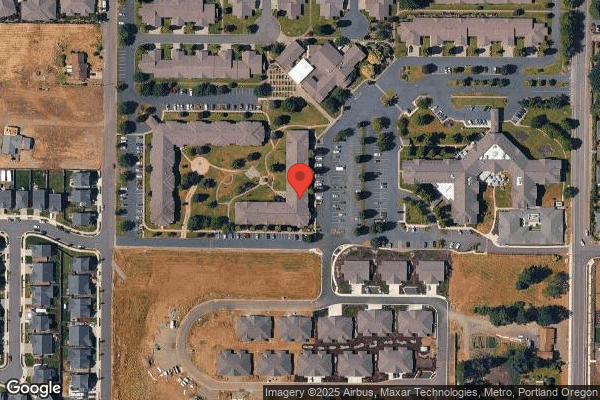

1577 S IVY, CANBY, OR 97013 (503) 266-5541
For profit - Corporation 50 Beds MARQUIS COMPANIES Data: November 2025
Trust Grade
85/100
#14 of 127 in OR
Last Inspection: May 2025

Inspected within the last 6 months. Data reflects current conditions.

Overview

Marquis Hope Village has received a Trust Grade of B+, indicating it is above average and recommended for families considering care options. It ranks #14 out of 127 facilities in Oregon, placing it in the top half, and is the best option among 13 facilities in Clackamas County. The facility is improving, with issues decreasing from 10 in 2023 to 6 in 2025, and has strong staffing ratings with a 5/5 score and a turnover rate of only 35%, significantly better than the state average. While there are no fines on record and the RN coverage is better than 82% of Oregon facilities, there have been some concerns, such as staff not receiving timely performance evaluations, which could affect care quality, and kitchen staff not adhering to proper sanitation practices, raising potential health risks. Overall, while Marquis Hope Village has many strengths, families should be aware of these specific areas for improvement.

Trust Score
B+
85/100
In Oregon
#14/127
Top 11%
Safety Record
Low Risk
No red flags
Inspections
Getting Better
10 → 6 violations
Staff Stability
○ Average
35% turnover. Near Oregon's 48% average. Typical for the industry.
Penalties
✓ Good
No fines on record. Clean compliance history, better than most Oregon facilities.
Skilled Nurses
✓ Good
Each resident gets 54 minutes of Registered Nurse (RN) attention daily — more than average for Oregon. RNs are trained to catch health problems early.
Violations
⚠ Watch
16 deficiencies on record. Higher than average. Multiple issues found across inspections.
★★★★★
5.0
Overall Rating
★★★★★
5.0
Staff Levels
★★★★☆
4.0
Care Quality
★★★★☆
4.0
Inspection Score
Stable
2023: 10 issues
2025: 6 issues

The Good

  • 5-Star Staffing Rating · Excellent nurse staffing levels
  • 4-Star Quality Measures · Strong clinical quality outcomes
  • Full Sprinkler Coverage · Fire safety systems throughout facility
  • No fines on record
  • Staff turnover below average (35%)

    13 points below Oregon average of 48%

Facility shows strength in staffing levels, quality measures, fire safety.

The Bad

Staff Turnover: 35%

11pts below Oregon avg (46%)

Typical for the industry

Chain: MARQUIS COMPANIES

Part of a multi-facility chain

Ask about local staffing decisions and management

The Ugly 16 deficiencies on record

May 2025 5 deficiencies
CONCERN (D)

Potential for Harm - no one hurt, but risky conditions existed

Deficiency F0637 (Tag F0637)

Could have caused harm · This affected 1 resident

Based on observation, interview and record review it was determined the facility failed to identify, in a timely manner, a resident who experienced a significant change in status for 1 of 2 sampled re...

Read full inspector narrative →
Based on observation, interview and record review it was determined the facility failed to identify, in a timely manner, a resident who experienced a significant change in status for 1 of 2 sampled residents (#18) reviewed for accidents. This placed residents at risk for injuries and unidentified care needs. Findings include: Resident 18 was admitted to the facility in 3/2025 with diagnoses including falls. Resident 18's 3/26/25 admission MDS indicated the resident was cognitively intact and had no behavioral symptoms, including wandering. The resident had no functional limitations and was able to use her/his upper extremity freely. A 4/30/25 Unwitnessed Fall Investigation revealed Resident 18 fractured her/his left arm when she attempted to self-transfer to the bed. A 5/1/25 progress note revealed Resident 18 was to be monitored and placed on alert charting for 14 days to determine if the resident experienced a significant change in condition. A review of Resident 18's medical record revealed no indication the resident refused care or was placed on alert charting. On 5/22/25 at 9:35 AM, Staff 11 (CNA) stated Resident 18 was not resistant to care when she/he was admitted to the facility but had since become resistant to care. Staff 11 stated Resident 18 exhibited verbal aggression toward staff. Staff 11 stated Resident 18 was able to perform peri-care and complete upper body dressing independently. On 5/22/25 at 10:53 AM Resident 18 was observed in another resident's room and looked through papers on the bedside table. Resident 18 looked through another resident's personal papers without asking for permission and the other resident was unaware of the incident. On 5/22/25 at 11:23 AM, Staff 13 (CNA) stated Resident 18's functional status declined after sustaining a fracture. Staff 13 stated the resident did not have behaviors and was able to complete upper body tasks independently when she/he admitted to the facility. Staff 13 stated Resident 18 experienced a change in her/his baseline, refused care and wandered the halls. On 5/22/25 at 12:38 PM, Staff 4 (Social Service Director) stated Resident 18 was cognitively intact and able to make decisions about her/his care upon admission but had since become cognitively impaired. Staff 4 stated Resident 18 was moderately impaired for decision-making. Additionally, Staff 4 stated Resident 18 had not exhibited behaviors at the time of admission but later voiced suicidal ideations and threatened her/his roommate. On 5/22/25 at 2:55 PM, Staff 14 (LPN Resident Care Manager) stated she/he was unsure of the criteria of when to complete a Significant Change of Condition Assessment. Staff 14 stated she placed Resident 18 on alert charting for two weeks. She acknowledged no progress note was made to determine if the resident experienced a significant change and needed to converse with Staff 2 (DNS). On 5/22/25 at 3:54 PM, Staff 2 stated no progress note was made regarding a significant change of condition. Staff 2 acknowledged Resident 18's cognition and functional abilities changed. Staff 2 stated she was unsure if Staff 14 spoke to the staff about recent ADL decline. Staff 2 acknowledged a significant change of condition assessment should have been completed.
CONCERN (D)

Potential for Harm - no one hurt, but risky conditions existed

Accident Prevention (Tag F0689)

Could have caused harm · This affected 1 resident

**NOTE- TERMS IN BRACKETS HAVE BEEN EDITED TO PROTECT CONFIDENTIALITY** Based on observation, interview and record review it was determined the facility failed to ensure care plan interventions were i...

Read full inspector narrative →
**NOTE- TERMS IN BRACKETS HAVE BEEN EDITED TO PROTECT CONFIDENTIALITY** Based on observation, interview and record review it was determined the facility failed to ensure care plan interventions were in to prevent falls for 1 of 2 sampled residents (#18) reviewed for accidents. This placed residents at risk for injuries. Findings include: Resident 18 was admitted to the facility in 3/2025 with diagnoses including fracture of the humerus (a bone which connects the shoulder to the elbow). The admission MDS dated [DATE] indicated Resident 18 was cognitively intact and she/he had a history of falls with no fractures in the last six months. A review of Resident 18's medical record revealed the resident fell once on 3/28/25, twice on 4/14/25, once on 4/30/25 and once on 5/11/25. Resident 18's 5/11/25 Care Plan revealed the following: -The resident was to be seated in a high visibility area. -The resident was to have a visual cue in her/his room to remind her/him to use the call light. -The resident was on frequent checks. -The resident was not allowed to be left alone in her/his room unsupervised. A observation on 5/20/25 at 11:38 AM revealed Resident 18 had no visual cues or reminders in her/his room to utilize the call light. A observation on 5/20/25 from 4:40 PM to 4:50 PM, revealed Resident 18 was in her/his wheelchair by the front door of her/his room and no staff were present. On 5/22/25 at 9:35 AM, Staff 11 (CNA) stated he was unaware if Resident 18 was on frequent checks and stated all residents are on fall precautions. On 5/22/25 at 10:25 AM, Staff 12 (CNA) stated she was unaware if Resident 18 had any recent falls. Staff 12 stated she was unsure how often she was supposed to check on Resident 18. On 5/22/25 at 10:53 AM Resident 18 was observed in another resident's room and looked through papers on the bedside table. Resident 18 looked through another resident's personal papers without asking for permission. On 5/22/25 at 11:23 AM, Staff 13 (CNA) stated Resident 18 wandered the hallways often. Staff 13 stated she was unsure how often the resident needed to be checked on but thought Resident 18 should be supervised because she/he made threats to leave the facility. Staff 13 stated she had not observe any visual cues in the resident's room to remind her/him to use the call light. On 5/22/25 at 2:55 PM, Staff 14 (LPN/Resident Care Manager) stated Resident 18 should have a visual cue reminder in the room to remind her/him to use the call light and was unaware one was not in the resident's room. Staff 14 stated she expected staff to frequently check on Resident 18 which she defined as every 15 minutes. Staff 14 further stated Resident 18 was not to be left alone in the room when she/he was up and in her/his wheelchair. On 5/22/25 at 3:54 PM, Staff 2 (DNS) acknowledged the Resident 18 had no visual cues posted in her/his room to remind the resident to utilize the call light. Staff 2 stated staff were expected to implement and follow the care plan and acknowledged the care plan was not followed.
CONCERN (D)

Potential for Harm - no one hurt, but risky conditions existed

Dental Services (Tag F0791)

Could have caused harm · This affected 1 resident

**NOTE- TERMS IN BRACKETS HAVE BEEN EDITED TO PROTECT CONFIDENTIALITY** Based on observation, interview and record review it was determined the facility failed to ensure dental services were provided ...

Read full inspector narrative →
**NOTE- TERMS IN BRACKETS HAVE BEEN EDITED TO PROTECT CONFIDENTIALITY** Based on observation, interview and record review it was determined the facility failed to ensure dental services were provided for 1 of 2 sampled residents (#19) reviewed for activities of daily living. This placed residents at risk for lack of dental care needs. Findings include: Resident 19 was admitted to the facility in 4/2024 with diagnoses including major depressive disorder. Resident 19's 5/24/24 Dental Care Plan revealed the following: -The resident had upper and lower dentures. -Staff were to provide the resident with oral hygiene supplies and assist with oral hygiene if she/he was too weak. -Staff were to assist with proper storage and clean the resident's dentures daily. A Social Services Quarterly assessment dated [DATE] indicated the resident had moderately impaired cognition, had no dental status changes and continued to use her/his dentures. On 5/19/25 at 3:36 PM Resident 19 was observed in bed without dentures in place. On 5/21/25 at 9:36 AM Staff 12 (CNA) stated Resident 19 had not worn her/his dentures for at least a year. Resident 19's denture case was observed on the counter next to her/his bedroom sink. Staff 12 opened the case, and the resident's dentures were observed in a clear fluid and the dentures were covered with black debris. When asked why the resident no longer wore her/his dentures, Staff 12 stated they did not fit. On 5/21/25 at 10:03 AM Staff 11 (CNA) stated the resident had not worn her/his dentures for a few months. Staff 11 stated the dentures caused the resident pain and he reported the concern to a nurse approximately two months ago. On 5/21/25 at 3:20 PM Staff 15 (LPN) stated she was unaware of any dental concerns for Resident 19 and was unsure if the resident wore dentures. On 5/22/25 at 10:43 AM Resident 19 was observed without top and bottom dentures in place. The resident stated the dentures needed to be adjusted. On 5/23/25 at 8:56 AM Staff 4 (Social Services Director) stated she was responsible for arranging dental services for residents with dental needs, including dentures. Staff 4 stated she was unaware of any concerns regarding Resident 19's dentures. On 5/23/25 at 9:11 AM Staff 3 (RNCM) stated staff were expected to report concerns regarding resident dentures to Staff 4 so dental services could be scheduled. Staff 3 stated she was unaware of reported concerns regarding Resident 19's dentures or she/he no longer wore dentures. Staff 4 acknowledged an appointment for dental services should had been initiated for Resident 19.
CONCERN (E)

Potential for Harm - no one hurt, but risky conditions existed

Deficiency F0730 (Tag F0730)

Could have caused harm · This affected multiple residents

Based on interview and record review it was determined the facility failed to ensure CNA staff annual performance reviews were completed for 3 of 3 sampled CNA staff (#s 7, 8 and 9) reviewed for suffi...

Read full inspector narrative →
Based on interview and record review it was determined the facility failed to ensure CNA staff annual performance reviews were completed for 3 of 3 sampled CNA staff (#s 7, 8 and 9) reviewed for sufficient and competent nurse staffing. This placed residents at risk for a lack of competent staff. Findings include: A review of personnel records on 5/22/25 indicated the following employees had not received their annual performance evaluations: -Staff 7 (CNA), hired date was 2/2019 and a performance review was not completed. -Staff 8 (CNA), hired date was 1/2019 and a performance review was not completed. -Staff 9 (CNA), hired date was 4/2020 and a performance review was started in 4/2025 and not completed. On 5/23/25 at 9:45 AM PM Staff 2 (DNS) confirmed annual performance reviews were not completed for Staff 7, Staff 8 and Staff 9.
CONCERN (E)

Potential for Harm - no one hurt, but risky conditions existed

Food Safety (Tag F0812)

Could have caused harm · This affected multiple residents

Based on observation, interview and record review it was determined the facility failed to ensure kitchen staff wore appropriate hair restraints during meal preparation and tray line for 1 of 1 facili...

Read full inspector narrative →
Based on observation, interview and record review it was determined the facility failed to ensure kitchen staff wore appropriate hair restraints during meal preparation and tray line for 1 of 1 facility kitchen reviewed for sanitation. This placed residents at risk for unsanitary foods and food-borne illness. Findings include: Review of the US FDA Food Code 2022 revealed: -Food employees shall wear hair restraints such as hats, hair coverings or nets, beard restraints, and clothing that covers body hair, that are designed and worn to effectively keep their hair from contacting exposed food. On 5/19/25 at 9:10 AM on the initial kitchen tour observed Staff 10 (Dietary Manager) had facial hair and was observed putting breakfast items and cleaning the kitchen counters without a beard restraint in place. On 5/22/25 at 11:40 AM, Staff 10 was observed without a beard restraint while preparing lunch meals, taking food temperatures, and plating food. On 5/22/25 at 1:04 PM Staff 10 stated he expected his staff to follow hygiene protocols and wear hair restraints while working in the kitchen. Staff 10 stated he had offered beard restraints in past, but had never worn one himself. On 5/22/25 at 1:18 PM Staff 1 (Administrator) stated she expected the dietary staff to follow hygiene procedures and wear hair restraints including a beard restraint when working in the kitchen.
Apr 2025 1 deficiency
CONCERN (D) 📢 Someone Reported This

A family member, employee, or ombudsman was alarmed enough to file a formal complaint

Potential for Harm - no one hurt, but risky conditions existed

Infection Control (Tag F0880)

Could have caused harm · This affected 1 resident

**NOTE- TERMS IN BRACKETS HAVE BEEN EDITED TO PROTECT CONFIDENTIALITY** Based on observation, interview and record review the facility failed to implement enhanced barrier precautions for residents wi...

Read full inspector narrative →
**NOTE- TERMS IN BRACKETS HAVE BEEN EDITED TO PROTECT CONFIDENTIALITY** Based on observation, interview and record review the facility failed to implement enhanced barrier precautions for residents with diabetic wounds for 1 of 3 sampled residents (#2) reviewed for skin conditions. This placed residents at risk for facility acquired infections. Findings include: Resident 2 admitted to the facility on [DATE] with diagnoses including diabetic ulcers. Resident 2's 4/9/25 wound care orders instructed staff to apply idosorb 0.9% to the resident's diabetic foot ulcers, cover with gauze, and secure with a foam dressing daily. There was no evidence in Resident 2's medical record that she/he was on enhanced barrier precautions for her/his diabetic ulcers. On 4/10/25 at 11:43 AM, observation of Resident 2's wound revealed Staff 3 (LPN) did not wear a PPE gown and utilize enhanced barrier precautions when she completed wound care to the resident's three diabetic foot ulcers. On 4/10/25 at 12:57 PM, Staff 3 verified she did not wear a PPE gown when she completed Resident 2's wound care. On 4/10/25 at 12:59 and 1:10 PM, Staff 2 (DNS/Infection Preventionist) acknowledged Staff 3 did not follow enhanced barrier precautions when she completed Resident 2's wound care.
Dec 2023 8 deficiencies
CONCERN (D)

Potential for Harm - no one hurt, but risky conditions existed

Deficiency F0554 (Tag F0554)

Could have caused harm · This affected 1 resident

Based on interview and record review it was determined the facility failed to assess a resident for safe self-administration of medication for 1 of 1 sampled resident (#26) reviewed for ADL care. This...

Read full inspector narrative →
Based on interview and record review it was determined the facility failed to assess a resident for safe self-administration of medication for 1 of 1 sampled resident (#26) reviewed for ADL care. This placed residents at risk for unsafe medication administration. Findings include: The facility's Self-Administration Medication policy last revised on 5/2010, indicated the following: -As part of their overall evaluation, the staff and practitioner assess each resident's mental and physical abilities, to determine whether a resident is capable of self-administering medications. -In addition, the staff and practitioner will perform a more specific skill assessment, including (but not limited to) the resident's ability to read the medication labels; comprehension of the purpose and proper dosage and administration time for her/his medications; ability to remove medications from container and to ingest and swallow them and the ability to recognize risks and major adverse consequences. -Self-administered medications must be stored in a safe and secure place, which is not accessible by other residents. If safe storage is not possible in the resident's room, the medications of residents permitted to self-administer will be stored on a central medication cart or in the medication room. Resident 26 admitted to the facility in 11/2023 with diagnoses including stroke and depression. A Physician Order dated 11/30/23 revealed Resident 26 was to receive nicotine polacrilex (assists a person to quit smoking) mouth/throat gum, 2 mg, one piece by mouth every eight hours related to tobacco use. A 12/6/23 admission MDS indicated Resident 26 had a BIMS score of 14 and she/he was cognitively intact. A review of Resident 26's clinical record revealed no evidence that a self-administration of medication assessment was completed. On 12/28/23 from 9:29 AM through 10:30 AM, Resident 26 was observed in bed asleep and on her/his bedside table was a small pill cup with a green square object inside the pill cup. On 12/28/23 at 10:45 AM Staff 10 (CMA) stated the contents of the pill cup on Resident 26's bedside table was nicotine gum, which she always left there for the resident to use when she/he craved a cigarette. On 12/29/23 at 11:54 AM Staff 2 (RNCM) stated Resident 26's should not have been allowed to self-medicate unless a self-medication assessment was completed. Staff 2 acknowledged Resident 26 did not have a self-administration assessment completed.
CONCERN (D)

Potential for Harm - no one hurt, but risky conditions existed

Deficiency F0582 (Tag F0582)

Could have caused harm · This affected 1 resident

**NOTE- TERMS IN BRACKETS HAVE BEEN EDITED TO PROTECT CONFIDENTIALITY** Based on interview and record review it was determined the facility failed to ensure residents received Advance Beneficiary Noti...

Read full inspector narrative →
**NOTE- TERMS IN BRACKETS HAVE BEEN EDITED TO PROTECT CONFIDENTIALITY** Based on interview and record review it was determined the facility failed to ensure residents received Advance Beneficiary Notification (ABN) information for 1 of 3 sampled residents (#22) reviewed for discharge. This placed residents at risk for financial hardship. Findings include: Resident 22 was admitted to the facility on [DATE] with diagnoses including diabetes. The 11/30/23 NOMNC (Notice of Medicare Non-Coverage) indicated Resident 22's skilled days ended on 12/3/23. Review of Resident 22's medical record indicated the resident remained in the facility pending Medicaid. There was no documentation indicating Advance Beneficiary Notification information was provided to the resident. On 12/28/23 at 11:21 AM Staff 4 (admission Care Coordinator) stated Resident 22 was pending Medicaid and acknowledged the resident did not receive Advance Beneficiary Notification information, including the daily cost if Medicaid was not approved.
CONCERN (D)

Potential for Harm - no one hurt, but risky conditions existed

Quality of Care (Tag F0684)

Could have caused harm · This affected 1 resident

2. Resident 20 was admitted to the facility in 7/2022 with diagnoses including stroke. The facility's 4/5/18 Bowel Care Policy indicated: - The nurse was to review residents' bowel results daily and i...

Read full inspector narrative →
2. Resident 20 was admitted to the facility in 7/2022 with diagnoses including stroke. The facility's 4/5/18 Bowel Care Policy indicated: - The nurse was to review residents' bowel results daily and initiate a list of residents who did not have a BM (bowel movement) in 48 hours. - PRN bowel medication was to be administered after no BM in 48 hours. - PRN bowel medication (laxatives) order of administration was (MiraLAX or senna, Dulcolax suppository, tap water enema). - If the resident declined PRN bowel medications the refusal was to be documented and the physician notified. - If no bowel movement after all three PRN medications the physician was to be notified. Resident 20's Physician Order Summary Report as of 12/28/23 indicated the following PRN bowel medication orders: - MiraLAX PRN for no BM in 48 hours. - senna PRN for no BM in 48 hours. - Dulcolax suppository PRN for no BM, if MiraLAX or senna not effective within 24 hours. - Tap water enema, if Dulcolax suppository not effective within 8 hours. Resident 20's BM records from 11/30/23 through 12/28/23 indicated the resident did not have a BM on the following dates: - 12/3/23 through 12/6/23 (four days). - 12/8/23 through 12/11/23 (four days). - 12/13/23 through 12/17/23 (five days). - 12/24/23 through 12/28/23 (five days). No evidence was found in the resident's clinical record to indicate PRN bowel care medications were administered timely, or the physician was notified. On 12/29/23 at 10:03 AM Staff 7 (LPN) stated residents with no BM in 48 hours were included on the bowel care list and were to be administered PRN bowel medications as ordered. Staff 7 stated when a resident refused PRN bowel medications she documented the refusal on the MAR, assessed the resident and contacted the physician as indicated. On 12/29/23 at 1:37 PM Staff 3 (RNCM) stated Resident 20 was frequently on the bowel care list and often refused PRN bowel medications. Staff 3 stated she expected bowel care medications to start after a resident did not have a BM for 48 hours and proceeded as the physician ordered. Staff 3 acknowledged this did not occur for Resident 20. Based on interview and record review it was determined the facility failed to implement bowel care and follow physician orders timely for 2 of 5 sampled residents (#s 20 and 21) reviewed for medications. This placed residents at risk for adverse side effects and constipation. Findings include: 1. Resident 21 admitted to the facility in 11/2023 with diagnoses including chronic ulcerative colitis and dementia. A review of Resident 21's 11/29/23 admission Physician Orders revealed an order for diphenoxylate-atropine (used in the management and treatment of diarrhea) 2.5-0.025 mg, give two tablets by mouth as needed for diarrhea twice daily. A Pharmacy Recommendation dated 11/30/23 revealed Resident 21 had an order for Lomotil (diphenoxylate-atropine), which was a controlled substance medication, and noted, The pharmacy had not received a valid order and was unable to dispense the medication. Provide the pharmacy with a valid order for the medication to prevent a delay in dispensing. A Packing Slip dated 12/1/23 at 2:33 AM indicated Lomotil (diphenoxylate-atropine 2.5-0.025 mg) was delivered to the facility. A review of Resident 21's 11/2023 and 12/2023 MARs revealed Resident 21 did not receive the Lomotil until 12/2/23 at 11:16 AM (three days after it was ordered, and more than 24 hour after it was received by the facility). On 12/28/23 at 7:26 PM Witness 1 (Family Member) stated Resident 21 had chronic ulcerative colitis and the Lomotil was important and helped reduce her/his chronic ongoing diarrhea. On 12/29/23 at 9:32 AM Staff 18 (LPN) stated Resident 21 had chronic diarrhea and Lomotil was necessary to help reduce her/his diarrhea. Staff 18 was not aware there was an issue with the Lomotil not being dispensed due to not having a valid prescription. Staff 18 stated if a prescription was not valid, then a new prescription had to be completed and signed by the physician before the Lomotil could be dispensed. On 12/29/23 at 11:54 AM Staff 2 (RNCM) stated Resident 21 had a physician order for Lomotil on 11/29/23, but the prescription was not valid. Staff 2 stated they had to get a new prescription written from the physician before the Lomotil could be dispensed. Staff 2 stated they received a new prescription but it did not arrive until early in the morning on 12/1/23 and the resident was not offered a dose until 12/2/23.
CONCERN (D)

Potential for Harm - no one hurt, but risky conditions existed

Deficiency F0687 (Tag F0687)

Could have caused harm · This affected 1 resident

Based on observation, interview and record review it was determined the facility failed to provide appropriate foot care for 1 of 1 sampled resident (#26) reviewed for foot care. This placed residents...

Read full inspector narrative →
Based on observation, interview and record review it was determined the facility failed to provide appropriate foot care for 1 of 1 sampled resident (#26) reviewed for foot care. This placed residents at risk for lack of nail care and increased infections. Findings include: Resident 26 admitted to the facility in 11/2023 with diagnoses including stroke and depression. A 12/4/23 Progress Note indicated Staff 17 (LPN) Trimmed nail on both hands. Res requested toenails be cut, they are too thick. The resident stated her/his doctor usually did this, and [she/he] was agreeable to follow up with doctor on discharge. On 12/26/23 at 2:30 PM and 12/28/23 at 12:45 PM Resident 26's toes were observed with all toenails discolored, deformed, thickened (half-an-inch) and longer than one inch. Resident 26's right large toenail was brownish/black and the nail vertically extended above the face of the nail bed over one inch. On 12/28/23 at 12:50 PM Resident 26 stated she/he requested to have her/his toenails trimmed but it was not done. On 12/29/23 at 9:42 AM Staff 16 (LPN) stated she was aware of Resident 26's diabetic toenails because she was not able to trim her/his nails due to the thickness. Staff 16 stated Staff 14 (Social Service Director) was to be notified and was responsible for making a podiatrist appointment. On 12/29/23 at 11:54 AM Staff 2 (RNCM) stated nurses were responsible to trim diabetic toenails and was aware this was not being completed because of the condition of Resident 26's toenails. Staff 2 stated Staff 14 was responsible for addressing podiatrist appointments. On 12/29/23 at 1:14 PM Staff 14 (Social Service Director) stated she was out of the facility due to being sick and was not aware of Resident 26's foot needs. Staff 14 stated she was responsible for making the podiatry appointments.
CONCERN (D)

Potential for Harm - no one hurt, but risky conditions existed

Deficiency F0698 (Tag F0698)

Could have caused harm · This affected 1 resident

**NOTE- TERMS IN BRACKETS HAVE BEEN EDITED TO PROTECT CONFIDENTIALITY** Based on interview and record review it was determined the facility failed to ensure dialysis treatment and care was in place in...

Read full inspector narrative →
**NOTE- TERMS IN BRACKETS HAVE BEEN EDITED TO PROTECT CONFIDENTIALITY** Based on interview and record review it was determined the facility failed to ensure dialysis treatment and care was in place including physician orders and communication with the dialysis provider for 1 of 1 sampled resident (#1) reviewed for dialysis. This placed residents at risk for dialysis complications. Findings include: Resident 1 admitted to the facility on [DATE] with diagnoses including end stage renal disease and dependent on dialysis (a procedure to remove waste products from the blood when the kidneys stop working). a. The 11/27/23 admission MDS indicated at baseline the resident received dialysis treatments three times a week at a clinic outside the facility. Resident 1's care plan for renal failure with dialysis, created on 11/21/23, indicated treatment to the dialysis access site was to be followed per the physician orders. The 11/21/23 admission physician orders and the 12/18/23 last signed physician orders did not include any dialysis care orders. On 12/28/23 at 3:51 PM Staff 19 (RN) stated when the resident returned to the facility from the dialysis center, the charge nurse completed a physical assessment of the resident to ensure the pressure dressing was around the dialysis access site and there was no active bleeding. She indicated she removed the dressing several hours after the resident's return and continued to monitor for bleeding. Staff 19 stated every resident who was on dialysis had physician orders related to dialysis care. When asked if Staff 19 could show the surveyor the physician orders for dialysis care she could not locate any in the resident's chart. On 12/29/23 at 10:39 AM Witness 2 (Dialysis RN) stated every nursing facility should have physician orders for a resident's dialysis care. Witness 2 stated the facility was to remove the pressure dressing from Resident 1's dialysis access site several hours after the resident returned from the dialysis center and the resident was to be monitored for bleeding. On 12/29/23 at 9:29 AM Staff 2 (RNCM) acknowledged there were no physician orders in place for the resident's dialysis care. b. A dialysis communication form was reviewed and indicated the facility was to complete the section for Resident 1's last recorded weight, current blood pressure, any concerns, and the nursing staff signature and date. The dialysis center was to complete the section for pre and post dialysis weights, treatment provided, post dialysis instructions, staff signature and date, and when the next scheduled dialysis treatment was. A review of dialysis communication forms from 11/24/23 through 12/24/23 revealed incomplete communication forms on: 11/24/23, 11/27/23, 12/4/23, 12/11/23, 12/13/23, 12/15/23, 12/18/23, 12/20/23 and 12/22/23. These included missing information in both sections from the facility and the dialysis center. A review of the resident's clinical record revealed no documentation related to communication between the facility and the dialysis provider. On 12/28/23 at 12:40 PM Staff 7 (LPN) and on 12/28/23 at 3:51 PM Staff 19 (RN) stated the dialysis communication forms were completed by the facility and sent with Resident 1 to dialysis. Staff 7 and Staff 19 stated upon return to the facility, the charge nurse entered the resident's weights and any new orders from dialysis. Staff 19 stated if the communication form was incomplete from the dialysis center, the charge nurse attempted to call the dialysis center to obtain information. When the charge nurse was not successful, the RNCM followed up the next day. On 12/29/23 at 9:29 AM Staff 2 (RNCM) stated the communication between the facility and the dialysis center was a challenge. Staff 2 stated she requested the completed forms from the dialysis center and never received them. Staff 2 acknowledged the incomplete dialysis communication forms which included incomplete information from the facility and from the dialysis center.
CONCERN (D)

Potential for Harm - no one hurt, but risky conditions existed

Unnecessary Medications (Tag F0759)

Could have caused harm · This affected 1 resident

Based on observation, interview and record review it was determined the facility failed to ensure a medication error rate of less than five percent for 1 of 6 sampled residents (#240) reviewed for med...

Read full inspector narrative →
Based on observation, interview and record review it was determined the facility failed to ensure a medication error rate of less than five percent for 1 of 6 sampled residents (#240) reviewed for medication administration. The facility's medication error rate was 8%. This placed residents at risk for adverse medication consequences. Findings include: Resident 240 was admitted to the facility in 12/2023 with diagnoses including a fracture of the left femur (thigh bone). a. Resident 240's 12/8/23 Physician's Orders included torsemide (used to treat fluid retention) 10 mg tablet with instructions to administer 0.05 tablet daily. On 12/27/23 at 8:04 AM Staff 10 (CMA) was observed to administer torsemide to Resident 240. The torsemide 10 mg tablet was split in half prior to administration to the resident. On 12/28/23 at 12:00 PM Staff 10 acknowledged she administered Resident 240 half of the torsemide 10 mg tablet for a dose of 5 mg. She verified the order was to administer torsemide 0.05 tablet and not the 0.5 tablet which she administered to the resident. On 12/29/23 at 1:20 PM Staff 2 (RNCM) and Staff 3 (RNCM) stated when a physician's order required clarification the CMA was to notify the nurse, RNCM or DNS to check the order and contact the physician if needed for clarification. Staff 3 acknowledged this was not done for Resident 240's torsemide dose. b. Resident 240's 12/8/23 Physician's Orders included a lidocaine patch [used to treat pain (the resident could have up to three patches daily)] to be applied topically for pain. The facility's Self-Administration Medication policy last revised on 5/2010, indicated the following: -As part of their overall evaluation, the staff and practitioner assess each resident's mental and physical abilities, to determine whether a resident is capable of self-administering medications. -In addition, the staff and practitioner will perform a more specific skill assessment, including (but not limited to) the resident's ability to read the medication labels; comprehension of the purpose and proper dosage and administration time for her/his medications; ability to remove medications from container and the ability to recognize risks and major adverse consequences. -Self-administered medications must be stored in a safe and secure place, which is not accessible by other residents. If safe storage is not possible in the resident's room, the medications of residents permitted to self-administer will be stored on a central medication cart or in the medication room. On 12/27/23 at 8:04 AM Staff 10 (CMA) was observed to leave two lidocaine patches on Resident 240's overbed table. Review of Resident 240's clinical record indicated the resident was not assessed for medication self-administration prior to the lidocaine patches being left in the resident's room. On 12/29/23 at 1:20 PM Staff 2 (RNCM) confirmed Resident 240 did not have a physician's order to self-administer at the time the lidocaine patches were left in the resident's room. She stated her expectation was a self-administration assessment was completed and a physician's order in place prior to allowing the resident to self-medicate.
CONCERN (D)

Potential for Harm - no one hurt, but risky conditions existed

Deficiency F0947 (Tag F0947)

Could have caused harm · This affected 1 resident

Based on interview and record review it was determined the facility failed to ensure CNA staff received 12 hours of in-service training annually for 2 of 5 randomly selected staff members (#s 11 and 1...

Read full inspector narrative →
Based on interview and record review it was determined the facility failed to ensure CNA staff received 12 hours of in-service training annually for 2 of 5 randomly selected staff members (#s 11 and 13) reviewed for evidence of in-service training. This placed residents at risk for lack of quality care. Findings include: A review of the facility's staff training records revealed the following: -Staff 11 (CNA), hired 1/10/19, had six hours of documented training. -Staff 13 (CNA), hired 7/15/22, had one hour of documented training. On 12/29/23 at 1:26 PM Staff 5 (Staffing Coordinator) stated it was the facility's expectation that staff complete their trainings online and in person. On 12/29/23 at 1:56 PM Staff 1 (Administrator) acknowledged Staff 11 and Staff 13 did not meet the 12 hours required and provided no additional documentation.
CONCERN (E)

Potential for Harm - no one hurt, but risky conditions existed

Staffing Information (Tag F0732)

Could have caused harm · This affected multiple residents

Based on interview and record review it was determined the facility failed to ensure the Direct Care Staff Daily Report (DCSDR) postings were accurate for 9 of 30 days reviewed for staffing. This plac...

Read full inspector narrative →
Based on interview and record review it was determined the facility failed to ensure the Direct Care Staff Daily Report (DCSDR) postings were accurate for 9 of 30 days reviewed for staffing. This placed residents at risk for incorrect staffing information. Findings include: Review of the 11/25/23 through 12/24/23 DCSDRs indicated the following days when the number of RN staff and hours worked were inaccurate on the daily postings: -11/25/23, 12/2/23, 12/3/23, 12/9/23, 12/10/23, 12/16/23, 12/22/23, 12/23/23, 12/24/23 On 12/28/23 at 1:43 PM Staff 5 (Staffing Coordinator) stated the DCSDRs were incorrect, the facility had RNs who worked on the identified dates and was unsure why the DCSDR weekend sheets were inaccurate. On 12/29/23 at 1:56 PM Staff 1 (Administrator) acknowledged the DCSDRs were inaccurate.
May 2023 2 deficiencies
CONCERN (D) 📢 Someone Reported This

A family member, employee, or ombudsman was alarmed enough to file a formal complaint

Potential for Harm - no one hurt, but risky conditions existed

Deficiency F0602 (Tag F0602)

Could have caused harm · This affected 1 resident

Based on interview and record review it was determined the facility failed to ensure a resident was free from misappropriation of property for 1 of 1 sampled resident (#4) reviewed for misappropriatio...

Read full inspector narrative →
Based on interview and record review it was determined the facility failed to ensure a resident was free from misappropriation of property for 1 of 1 sampled resident (#4) reviewed for misappropriation. This placed residents at risk of stolen property. Findings include: Resident 4 admitted to the facility in 2022 with diagnoses including heart failure. The 1/2/23 Lost Resident Property Investigation Report revealed Resident 4 reported two missing gold rings. One ring had a diamond and sapphire, the other was a gold band. Resident 4 reported she/he had worn both rings to bed on 1/1/23. The investigation revealed law enforcement was involved. The 1/18/23 Offense/Incident Report (police report) indicated Resident 4 reported she/he awoke on 1/2/23 to find the two rings on her/his left hand, one ring on her/his right hand and a necklace she/he wore were gone. Resident 4 reported going to sleep with the jewelry on. The first and second offenses were documented as Aggravated Theft I - Other and the third offense was Criminal Mistreatment I - All Other. The report revealed Witness 2 (Police Detective) identified Staff 4 (Agency CNA) as the perpetrator. The 5/13/23 Supplemental (police) Report indicated two rings were recovered at a local pawn shop and Staff 4 had additional charges of criminal mistreatment in the first degree and theft in the first degree for the theft of Resident 4's rings and theft in the second degree (by deception) for selling the stolen jewelry to the pawn shop. On 5/30/23 at 12:22 PM Staff 1 (Administrator) verified Resident 4 had jewelry including two gold rings stolen. Staff 1 further stated law enforcement identified Staff 4 as the perpetrator.
CONCERN (D) 📢 Someone Reported This

A family member, employee, or ombudsman was alarmed enough to file a formal complaint

Potential for Harm - no one hurt, but risky conditions existed

Report Alleged Abuse (Tag F0609)

Could have caused harm · This affected 1 resident

Based on interview and record review it was determined the facility failed to notify the State Agency of misappropriation of resident property for 1 of 1 sampled resident (#4) reviewed for misappropri...

Read full inspector narrative →
Based on interview and record review it was determined the facility failed to notify the State Agency of misappropriation of resident property for 1 of 1 sampled resident (#4) reviewed for misappropriation. This placed residents at ongoing risk for stolen property. Findings include: Resident 4 admitted to the facility in 2022 with diagnoses including heart failure. The 1/2/23 Lost Resident Property Investigation Report revealed Resident 4 reported two missing gold rings. One ring had a diamond and sapphire, the other a gold band. Resident 4 reported she/he had worn both rings to bed on 1/1/23. The investigation revealed law enforcement was involved. The 1/2/23 and 5/13/23 police reports revealed Resident 4's jewelry was stolen by Staff 4 (Agency CNA). On 5/30/23 at 12:22 PM Staff 1 (Administrator) verified Resident 4 had two gold rings stolen, law enforcement was involved and identified Staff 4 as the perpetrator and stated the facility did not submit a FRI as required.
Understanding Severity Codes (click to expand)
Life-Threatening (Immediate Jeopardy)
J - Isolated K - Pattern L - Widespread
Actual Harm
G - Isolated H - Pattern I - Widespread
Potential for Harm
D - Isolated E - Pattern F - Widespread
No Harm (Minor)
A - Isolated B - Pattern C - Widespread

Questions to Ask on Your Visit

  • "Can I speak with families of current residents?"
  • "What's your RN coverage like on weekends and overnight?"

Our Honest Assessment

Strengths
  • • Grade B+ (85/100). Above average facility, better than most options in Oregon.
  • • No major safety red flags. No abuse findings, life-threatening violations, or SFF status.
  • • No fines on record. Clean compliance history, better than most Oregon facilities.
  • • 35% turnover. Below Oregon's 48% average. Good staff retention means consistent care.
Concerns
  • • 16 deficiencies on record. Higher than average. Multiple issues found across inspections.
Bottom line: Generally positive indicators. Standard due diligence and a personal visit recommended.

About This Facility

What is Marquis Hope Village's CMS Rating?

CMS assigns MARQUIS HOPE VILLAGE an overall rating of 5 out of 5 stars, which is considered much above average nationally. Within Oregon, this rating places the facility higher than 99% of the state's 100 nursing homes. This rating reflects solid performance across the metrics CMS uses to evaluate nursing home quality.

How is Marquis Hope Village Staffed?

CMS rates MARQUIS HOPE VILLAGE's staffing level at 5 out of 5 stars, which is much above average compared to other nursing homes. Staff turnover is 35%, compared to the Oregon average of 46%. This relatively stable workforce can support continuity of care.

What Have Inspectors Found at Marquis Hope Village?

State health inspectors documented 16 deficiencies at MARQUIS HOPE VILLAGE during 2023 to 2025. These included: 16 with potential for harm.

Who Owns and Operates Marquis Hope Village?

MARQUIS HOPE VILLAGE is owned by a for-profit company. For-profit facilities operate as businesses with obligations to shareholders or private owners. The facility is operated by MARQUIS COMPANIES, a chain that manages multiple nursing homes. With 50 certified beds and approximately 40 residents (about 80% occupancy), it is a smaller facility located in CANBY, Oregon.

How Does Marquis Hope Village Compare to Other Oregon Nursing Homes?

Compared to the 100 nursing homes in Oregon, MARQUIS HOPE VILLAGE's overall rating (5 stars) is above the state average of 3.0, staff turnover (35%) is significantly lower than the state average of 46%, and health inspection rating (4 stars) is above the national benchmark.

What Should Families Ask When Visiting Marquis Hope Village?

Based on this facility's data, families visiting should ask: "Can I visit during a mealtime to observe dining assistance and food quality?" "How do you handle medical emergencies, and what is your hospital transfer rate?" "Can I speak with family members of current residents about their experience?"

Is Marquis Hope Village Safe?

Based on CMS inspection data, MARQUIS HOPE VILLAGE has a clean safety record: no substantiated abuse findings (meaning no confirmed cases of resident harm), no Immediate Jeopardy citations (the most serious violation level indicating risk of serious injury or death), and is not on the Special Focus Facility watch list (a federal program monitoring the lowest-performing 1% of nursing homes). The facility has a 5-star overall rating and ranks #1 of 100 nursing homes in Oregon. While no facility is perfect, families should still ask about staff-to-resident ratios and recent inspection results during their visit.

Do Nurses at Marquis Hope Village Stick Around?

MARQUIS HOPE VILLAGE has a staff turnover rate of 35%, which is about average for Oregon nursing homes (state average: 46%). Moderate turnover is common in nursing homes, but families should still ask about staff tenure and how the facility maintains care continuity when employees leave.

Was Marquis Hope Village Ever Fined?

MARQUIS HOPE VILLAGE has no federal fines on record. CMS issues fines when nursing homes fail to meet care standards or don't correct problems found during inspections. The absence of fines suggests the facility has either maintained compliance or corrected any issues before penalties were assessed. This is a positive indicator, though families should still review recent inspection reports for the full picture.

Is Marquis Hope Village on Any Federal Watch List?

MARQUIS HOPE VILLAGE is not on any federal watch list. The most significant is the Special Focus Facility (SFF) program, which identifies the bottom 1% of nursing homes nationally based on persistent, serious quality problems. Not being on this list means the facility has avoided the pattern of deficiencies that triggers enhanced federal oversight. This is a positive indicator, though families should still review the facility's inspection history directly.