AVAMERE REHABILITATION OF COOS BAY
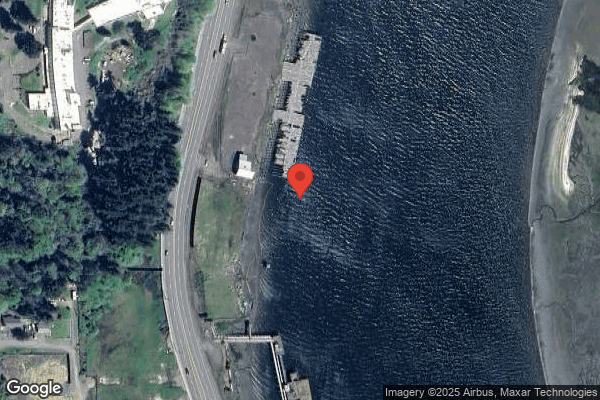
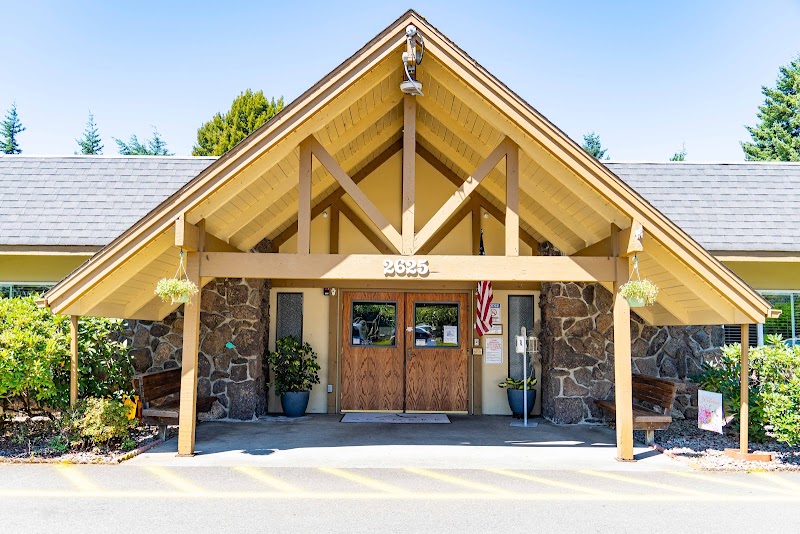
2625 KOOS BAY BLVD, COOS BAY, OR 97420 (541) 267-2161
For profit - Limited Liability company 92 Beds AVAMERE Data: November 2025 2 Immediate Jeopardy citations
Trust Grade
19/100
#77 of 127 in OR
Last Inspection: August 2025

Inspected within the last 6 months. Data reflects current conditions.

Overview

Avamere Rehabilitation of Coos Bay has a Trust Grade of F, indicating significant concerns about the quality of care provided. Ranking #77 out of 127 facilities in Oregon places it in the bottom half, though it is the best option among the three nursing homes in Coos County. Unfortunately, the facility is worsening, with issues increasing from 13 in 2024 to 17 in 2025. On a positive note, staffing is a strength, earning a rating of 4 out of 5 stars with a turnover rate of 37%, which is better than the state average. However, concerning incidents include a failure to initiate CPR for a resident in need, as well as not having emergency medications available for other residents, which places their health at serious risk. While there are strengths in staffing, the overall care quality and serious safety concerns are significant weaknesses to consider.

Trust Score
F
19/100
In Oregon
#77/127
Bottom 40%
Safety Record
High Risk
Review needed
Inspections
Getting Worse
13 → 17 violations
Staff Stability
○ Average
37% turnover. Near Oregon's 48% average. Typical for the industry.
Penalties
○ Average
$15,593 in fines. Higher than 69% of Oregon facilities. Some compliance issues.
Skilled Nurses
○ Average
Each resident gets 35 minutes of Registered Nurse (RN) attention daily — about average for Oregon. RNs are the most trained staff who monitor for health changes.
Violations
⚠ Watch
45 deficiencies on record. Higher than average. Multiple issues found across inspections.
★★☆☆☆
2.0
Overall Rating
★★★★☆
4.0
Staff Levels
★★☆☆☆
2.0
Care Quality
★★☆☆☆
2.0
Inspection Score
Stable
2024: 13 issues
2025: 17 issues

The Good

  • 4-Star Staffing Rating · Above-average nurse staffing levels
  • Full Sprinkler Coverage · Fire safety systems throughout facility
  • No fines on record
  • Staff turnover below average (37%)

    11 points below Oregon average of 48%

Facility shows strength in staffing levels, fire safety.

The Bad

2-Star Overall Rating

Below Oregon average (3.0)

Below average - review inspection findings carefully

Staff Turnover: 37%

Near Oregon avg (46%)

Typical for the industry

Federal Fines: $15,593

Below median ($33,413)

Minor penalties assessed

Chain: AVAMERE

Part of a multi-facility chain

Ask about local staffing decisions and management

The Ugly 45 deficiencies on record

2 life-threatening 1 actual harm
Aug 2025 17 deficiencies 1 Harm
SERIOUS (G)

Actual Harm - a resident was hurt due to facility failures

Deficiency F0760 (Tag F0760)

A resident was harmed · This affected 1 resident

Based on observation, interview, and record review it was determined the facility failed to have an on-hand supply of emergency hypoglycemic medication and administer anti-seizure medications accordin...

Read full inspector narrative →
Based on observation, interview, and record review it was determined the facility failed to have an on-hand supply of emergency hypoglycemic medication and administer anti-seizure medications according to provider orders for 2 of 13 residents (#s 5, and 30) reviewed for insulin and medication errors. This placed residents at risk for serious adverse health outcomes and death. Findings include: 1. Resident 5 admitted to the facility in 4/2025 with diagnoses including end stage kidney disease and Type I diabetes. The facility’s 2024 Standing Physician Orders for diabetic management instructed staff to inject 1 gram glucagon when diabetic residents became unresponsive, or capillary blood glucose (CBG) was below 70 mg/dL. The 4/2025 Diabetic Administration Record (DAR) did not include standing orders for glucagon injections. The 4/30/25 admission MDS revealed Resident 5 had a BIMS of 13, which indicated the resident was cognitively intact. A 6/5/25 Summary for Providers Note revealed Resident 5 had a change in mental status, was unresponsive, and was difficult to arouse. Resident 5’s CBG was 34 mg/dL. Resident 5 was sent to the hospital. A 6/5/25 Hospital Provider Note revealed Resident 5 admitted with hypoglycemia and altered mental status. The resident's CBG was 34 mg/dL, and she/he required repeated administrations of intravenous dextrose (D50). A 6/29/25 Progress Note indicated Resident 5 was sent to hospital for low blood glucose of 34 mg/dL. The 6/2025 DAR revealed no standing orders or documentation on 6/5/25 or 6/29/25 staff administered glucagon injections. A 7/6/25 Progress Note revealed Resident 5 was found leaning to the left side, moaning, grinding teeth, and with clammy and sweaty skin. Resident 5’s CBG was 51 mg/dL. The nurse was unable to locate a glucagon injection and called 911. A repeat CBG was 46 mg/dL. About 20 minutes later, paramedics arrived and found the resident’s CBG at 31 mg/dL. The resident was given intravenous glucose, became responsive about 15 minutes later and was transported to the hospital. A 7/6/25 Progress Note revealed Resident 5 was admitted to the hospital for hypoglycemia and hyperkalemia (dangerous level of potassium in the blood which affects the heart and muscles). A 7/24/25 Progress Note revealed Resident 5 was sweaty, lethargic, weak, and had slurred speech. Resident 5’s CBG was 36 mg/dL. Staff notified the physician and reported a glucagon injection or glucagon gel was not available in the facility. The physician instructed staff to send Resident 5 to the hospital if her/his condition did not improve. Resident 5 was transferred to the hospital. A 7/31/25 Physician order instructed staff to maintain glucagon injections in the emergency kit. Staff were to inject 1 mg glucagon every 12 hours PRN for low CBGs related to hypoglycemia. On 8/21/25 at 4:36 PM, Resident 5 reported having multiple hospitalizations due to hypoglycemia. Resident 5 stated she/he was afraid to go to sleep at night because her/his blood sugars dropped and she/he often woke up in the hospital. Resident 5 further stated it was frightening to wake up in the hospital surrounded by unfamiliar people with no memory of the events leading to the hospitalization. On 8/21/25 at 9:06 AM, Staff 18 (LPN) confirmed the facility did not have any glucagon injections available in the emergency kit. On 8/21/25 at 9:10 AM, Staff 11 (Regional Director of Quality Assurance) confirmed the facility did not have any glucagon injections available in the emergency kit. Staff 11 stated the facility had standing orders for all diabetic residents, which should include their own glucagon injections and glucagon gel available on the medication carts. On 8/21/25 at 9:20 AM, Staff 17 (LPN) stated within the past few months, Resident 5 frequently experienced low CBGs, and required hospitalization due to hypoglycemia. Staff 17 further stated nurses were responsible for ordering additional doses however, there were sometimes delays in the pharmacy delivering the injections. On 8/21/25 at 6:56 PM, Staff 22 (LPN) stated Resident 5’s CBGs often went very low. On 8/22/25 at 12:40 PM, Staff 2 (DNS) and Staff 11 (Regional Director of Quality Assurance) confirmed the facility failed to follow standing orders and maintain sufficient supplies of glucagon injections for diabetic residents. Staff 2 confirmed Resident 5 was hospitalized multiple times as a result of the facility not having glucagon injections. 2. Resident 30 admitted to the facility in 8/2023 with diagnoses including quadriplegia (paralysis in all four limbs) and traumatic brain injury. During an observation of medication administration on 8/21/25 at 12:25, the Electronic Medication Administration Record (EMAR) used by Staff 20 (CMA) indicated multiple residents were receiving medications later than ordered. On 8/21/2025 at 12:45 PM, Staff 19 (LPN) stated he noticed medications were running later than ordered, and he was not sure what the policy was for late medications, or when he was supposed to ask for help. A review of Resident 30’s 8/21/25 Medication Administration Audit Report revealed the following: Baclofen 10mg (muscle relaxant) ordered four times a day for muscle spasms: - ordered to be given at 7:00 AM and was administered at 12:24 PM by Staff 19 (LPN). - ordered to be given at 12:00 PM and was administered at 1:26 PM by Staff 19 (LPN). - ordered to be given at 4:00 PM and was administered at 3:07 PM by Staff 20 (CMA). Levetiracetam 500mg (anti-seizure medication) ordered three times a day for Epilepsy (a seizure disorder): - ordered to be given at 7:00 AM and was administered at 12:24 PM by Staff 19 (LPN). - ordered to be given at 12:00 PM and was administered at 1:26 PM by Staff 19 (LPN). - ordered to be given at 4:00 PM and was administered at 3:07 by Staff 20 (CMA). Klonopin 0.5mg (anti-seizure medication) ordered three times a day for Epilepsy: - ordered to be given at 7:00 AM and was administered at 12:24 PM by Staff 19 (LPN). - ordered to be given at 12:00 PM and was administered at 1:26 PM by Staff 19 (LPN). - ordered to be given at 4:00 PM and was administered at 3:07 PM by Staff 20 (CMA). Progress Notes from 8/21/25 through 8/25/25 revealed no documentation the provider was contacted regarding the med errors, and no alert charting was in the resident’s medical chart. On 8/25/2025 at 9:53 AM, Staff 21 (Pharmacist) stated the Baclofen 10mg, Levetiracetam 500mg, and the Klonopin 0.5mg were not advised to be given so close together. She stated the medications are generally spread out over the waking hours for Resident 30, and the provider should be contacted for orders. She stated these medications administered in close proximity could cause increased lethargy and sedation. On 8/25/2025 at 10:21 AM Staff 2 (DNS) stated Staff 19 (LPN) was a new nurse and should not have been administering all the medications by himself. She stated the expectation for staff is to ask for assistance when they need help. On 8/25/2025 at 6:07 PM, Staff 25 (Medical Director/Doctor) stated he was aware of the medication errors on 8/21/25. He stated Resident 30 has had violent shaking episodes in the past when her/his medications were not administered on time, and the current medication administration schedule was currently managing her/his seizures. He stated the expectation was for staff to call him for orders when they were late with medication or if a medication dosage was missed.
CONCERN (D)

Potential for Harm - no one hurt, but risky conditions existed

Deficiency F0558 (Tag F0558)

Could have caused harm · This affected 1 resident

Based on interview and record review it was determined the facility failed to ensure a resident had correct sized incontinence products for 1 of 3 sampled residents (#3) reviewed for environment. This...

Read full inspector narrative →
Based on interview and record review it was determined the facility failed to ensure a resident had correct sized incontinence products for 1 of 3 sampled residents (#3) reviewed for environment. This placed residents at risk for skin breakdown. Findings include: Resident 3 was admitted to the facility in 9/2023 with a diagnosis of diabetes. Resident 3's Care Plan initiated on 6/12/24 revealed she/he was incontinent of bowel and bladder and wore a three X brief for dignity. Resident 3's 6/18/25 Annual MDS revealed she/he was cognitively intact. On 8/18/25 at 1:39 PM Resident 3 stated the facility often ran out of the incontinence briefs she/he wore, she/he had to wear a smaller size, and it was uncomfortable. On 8/20/25 at 1:19 PM Staff 15 (Central Supplies) stated he ordered residents' incontinence supplies. Resident 3 required a special order. He ordered two boxes every two weeks; however, the shipment did not always arrive because it was back ordered. Staff 15 stated the back order happened regularly. If Resident 3's size did not come in, staff had to use the smaller sized brief. On 8/20/25 at 2:23 PM Staff 16 (CNA) stated approximately every two weeks Resident 3 did not have her/his sized brief for approximately two to three days. On 8/20/25 at 2:39 PM Staff 12 (Social Services) stated Resident 3 reported concerns related to not having the correct sized brief. When she looked into the issue, the supplies were back ordered. On 8/20/25 at 3:01 PM Staff 1 (Administrator) stated if Resident 3 was care planned to have a specific sized brief, the facility needed to ensure there were enough supplies in the facility at all times.
CONCERN (D)

Potential for Harm - no one hurt, but risky conditions existed

Notification of Changes (Tag F0580)

Could have caused harm · This affected 1 resident

Based on interview and record review it was determined the facility failed to notify a resident's family of a hospitalization for 1 of 2 sampled residents (#3) reviewed for hospitalization. This place...

Read full inspector narrative →
Based on interview and record review it was determined the facility failed to notify a resident's family of a hospitalization for 1 of 2 sampled residents (#3) reviewed for hospitalization. This placed residents at risk for lack of family involvement. Findings include:Resident 3 was admitted to the facility in 9/2023 with a diagnosis of diabetes. Resident 3's clinical record indicated Witness 1 (Family) was listed as her/his first emergency contact. Resident 3's 4/25/25 Progress Note revealed her/his oxygen saturation levels dropped multiple times, a rapid pulse, and five episodes of diarrhea. Despite interventions, Resident 3's oxygen level did not increase, and she/he was transferred to the hospital for evaluation. Resident 3's clinical record did not indicate Witness 1 was notified. Resident 3's 6/18/25 Annual MDS revealed she/he was cognitively intact. On 8/21/25 at 3:05 PM Resident 3 stated she/he had family, including Witness 1, who should be contacted when she/he was hospitalized . On 8/25/25 at 8:38 AM Witness 1 stated she was to be notified when Resident 3 had a change in condition. Witness 1 stated she was not notified in 4/2025 when Resident 3 was hospitalized . Witness 1 stated Resident 3 called her after she/he returned to the facility from the hospital and told Witness 1 she/he had been sick for many days. On 8/21/25 at 2:34 PM Staff 2 (DNS) stated Resident 3 was her/his own responsible party and staff did not have to notify family of hospitalizations.
CONCERN (D) 📢 Someone Reported This

A family member, employee, or ombudsman was alarmed enough to file a formal complaint

Potential for Harm - no one hurt, but risky conditions existed

Report Alleged Abuse (Tag F0609)

Could have caused harm · This affected 1 resident

**NOTE- TERMS IN BRACKETS HAVE BEEN EDITED TO PROTECT CONFIDENTIALITY** Based on observation, interview, and record review it was determined the facility failed to report a bruise of unknown origin fo...

Read full inspector narrative →
**NOTE- TERMS IN BRACKETS HAVE BEEN EDITED TO PROTECT CONFIDENTIALITY** Based on observation, interview, and record review it was determined the facility failed to report a bruise of unknown origin for 1 of 3 sampled residents (#41) reviewed for abuse. This placed residents at risk for abuse. Findings include:Resident 41 admitted to the facility on [DATE] with diagnoses including heart failure and pain. A 6/14/25 physician order instructed staff to complete weekly skin checks on the resident's shower days and document on the Weekly Skin Audit. A 7/14/25 physician order instructed staff to administer apixaban 5 mg (anticoagulant) two times a day for blood clots. Resident 41's Annual MDS completed on 8/7/25 revealed a BIMS score of 9, which indicated the resident had moderate cognitive impairment. The 8/15/25 Alert Note indicated the nurse was notified Resident 41 had a long, dark bruise on the underside of her/his right breast. Resident 41 was unable to explain how the bruising occurred and did not complain of pain. No documentation was found to indicate staff notified the State Agency.On 8/19/25 at 10:53 AM, Resident 41 was unable to recall if she/he had any bruises.On 8/20/25 at 4:04 PM, Staff 17 (LPN) confirmed on 8/14/25 he was notified Resident 41 had a large bruise on her/his right breast. The resident did not recall how the bruise occurred. Staff 17 noted the resident was on anticoagulant medication and bruised easily. Staff 17 initiated a risk management report but did not report the incident to the State agency.On 8/21/25 at 4:42 PM, Staff 2 (DNS) was asked to provide copies of all internal and facility reported incidents (FRIs) that involved alleged abuse. Staff 2 confirmed on 8/14/25 staff identified a bruise on Resident 41, the resident was unable to state how the bruise was acquired, and the incident was not reported to the State agency.
CONCERN (D) 📢 Someone Reported This

A family member, employee, or ombudsman was alarmed enough to file a formal complaint

Potential for Harm - no one hurt, but risky conditions existed

Deficiency F0627 (Tag F0627)

Could have caused harm · This affected 1 resident

**NOTE- TERMS IN BRACKETS HAVE BEEN EDITED TO PROTECT CONFIDENTIALITY** Based on interview and record review it was determined the facility failed to ensure therapy was ordered for a discharged reside...

Read full inspector narrative →
**NOTE- TERMS IN BRACKETS HAVE BEEN EDITED TO PROTECT CONFIDENTIALITY** Based on interview and record review it was determined the facility failed to ensure therapy was ordered for a discharged resident for 1 of 2 sampled residents (#22) reviewed for discharge. This placed residents at risk for lack of timely services after discharge. Findings include: Resident 22 was admitted to the facility in 7/2022 with a diagnosis of a stroke. Resident 3's 7/31/25 Discharge Summary and Plan revealed she/he was discharged on 7/31/25 and a Home Health Agency referral was submitted. The expected start of care was 8/4/25. On 8/18/25 at 4:56 PM Witness 4 (Complainant) stated Resident 22 just received orders for therapy on 8/18/25. On 8/20/25 at 2:46 PM Staff 12 (Social Services) stated Resident 22's discharge was resident driven. The facility therapy department recommended two additional weeks of therapy, but Resident 22's family wanted her/him to discharge on [DATE]. Home Health physical therapy and occupational therapy orders were recommended but the orders were not signed before the resident was discharged because the physician was not in the facility. On 8/21/25 at 9:43 AM Witness 2 (Assisted Living Executive Director) stated Resident 22's home health services were delayed. On 8/21/25 at 4:52 PM Witness 3 (Home Health Manager) stated they did not receive therapy orders until Resident 22 went to her/his Primary Care Physician, and that physician's office sent the orders. Witness 3 stated on 8/18/25 Resident 22 was accepted into home health therapy services.
CONCERN (D) 📢 Someone Reported This

A family member, employee, or ombudsman was alarmed enough to file a formal complaint

Potential for Harm - no one hurt, but risky conditions existed

Deficiency F0628 (Tag F0628)

Could have caused harm · This affected 1 resident

**NOTE- TERMS IN BRACKETS HAVE BEEN EDITED TO PROTECT CONFIDENTIALITY** Based on interview and record review it was determined the facility failed to ensure the state Long Term Care Ombudsman's office...

Read full inspector narrative →
**NOTE- TERMS IN BRACKETS HAVE BEEN EDITED TO PROTECT CONFIDENTIALITY** Based on interview and record review it was determined the facility failed to ensure the state Long Term Care Ombudsman's office was notified of facility discharges for 3 of 4 sampled residents (#s 3, 22, and 56) reviewed for discharges and hospitalization. This placed residents at risk for lack of advocacy. Findings include: 1. Resident 3 was admitted to the facility in 9/2023 with a diagnosis of diabetes. Resident 3's Progress Notes revealed she/he was admitted to the hospital on [DATE]. A review of Resident 3's clinical record revealed the state long term care ombudsman (LTCO) was not notified of the resident's facility discharge. On [DATE] at 12:25 PM Staff 11 (Regional Director of Quality Assurance) verified there was no documentation the LTCO was notified of Resident 3's discharge. 2. Resident 22 was admitted to the facility in 7/2022 with a diagnosis of a stroke. Resident 22's Discharge Summary and Plan of Care revealed she/he was discharged on [DATE]. Review of Resident 22's clinical record revealed the state long term care ombudsman (LTCO) was not notified of the resident's facility discharge. The 7/2025 Ombudsman Notice of Residents Discharge form did not include Resident 22. On [DATE] at 12:25 PM Staff 11 (Regional Director of Quality Assurance) verified there was no documentation the LTCO was notified of Resident 22's discharge. 3. Resident 56 was admitted to the facility in 8/2023 with diagnoses including acute respiratory failure with hypercapnia (excess carbon dioxide in the blood) and chronic systolic heart failure (long-term condition where the heart has difficulty pumping blood). Progress Notes indicated Resident 56 was admitted to the hospital on [DATE]. A review of Ombudsman Notice of Residents Discharge forms for 6/2025 and 7/2025 did not include Resident 56's name. On [DATE] at 10:47 AM, Staff 12 (Social Services) stated she sent a monthly fax to the Long-Term Care Ombudsman's (LTCO) office listing all resident discharges. No additional information was provided. On [DATE] at 11:25 AM, an attempt to contact the LTCO office was not successful. On [DATE] at 11:49 AM, Staff 2 (DNS) stated the LTCO office would be expected to be notified monthly if a resident went to the hospital and returned. If a resident died, the LTCO office would be expected to be notified as soon as the facility became aware of the death.
CONCERN (D)

Potential for Harm - no one hurt, but risky conditions existed

Deficiency F0657 (Tag F0657)

Could have caused harm · This affected 1 resident

Based on observations, interview, and record review it was determined the facility failed to ensure the resident's care plan was comprehensive for 1 of 3 sampled residents (#41) reviewed for abuse. Th...

Read full inspector narrative →
Based on observations, interview, and record review it was determined the facility failed to ensure the resident's care plan was comprehensive for 1 of 3 sampled residents (#41) reviewed for abuse. This placed residents at risk for increased complications related to anticoagulant medication use. Findings include: Resident 41 admitted to the facility on 8/2024 with diagnoses including heart failure and pain. A 6/14/25 physician order instructed staff to complete weekly skin checks on the resident's shower days and document any skin irregularities on the Weekly Skin Audit. A 7/14/25 physician order instructed staff to administer apixaban 5 mg (anticoagulant) two times a day for blood clots. Resident 41's 8/7/25 Annual MDS revealed a BIMS score of 9, which indicated the resident had moderate cognitive impairment. The 8/15/25 Alert Note indicated the nurse was notified Resident 41 had a long, dark bruise on the underside of her/his right breast. Resident 41 was unable to explain how the bruising occurred and did not complain of pain. Resident 41's 8/21/25 care plan indicated the resident was on anticoagulant therapy for blood clots. The goal was for the resident to remain free from adverse reactions related to anticoagulant use. Staff were directed to report abnormalities to the nurse, document, and report bruising.On 8/20/25 at 3:56 PM, Staff 33 (CNA) stated on 8/14/25 she identified a large bruise on Resident 41's right breast and reported the findings to the charge nurse.On 8/20/25 at 4:04 PM, Staff 17 (LPN) confirmed he was notified Resident 41 had a bruise on her/his right breast, the resident did not recall how she/he got the bruise, she/he was on anticoagulant medication, and bruised very easily. Staff 17 initiated a risk management and notified management but did not update the care plan.On 8/21/25 at 4:42 PM, Staff 2 (DNS) confirmed Resident 41 had a physician order for anticoagulant medication and it was not on the care plan.
CONCERN (D)

Potential for Harm - no one hurt, but risky conditions existed

Accident Prevention (Tag F0689)

Could have caused harm · This affected 1 resident

Based on observation, interview and record review it was determined the facility failed to ensure a resident's environment remained free from accident hazards for 1 of 9 sampled residents (#52) review...

Read full inspector narrative →
Based on observation, interview and record review it was determined the facility failed to ensure a resident's environment remained free from accident hazards for 1 of 9 sampled residents (#52) reviewed for staffing. This placed residents at risk for accidents. Findings include:Resident 52 was admitted to the facility in 7/2025 with diagnoses including fracture of left leg, anxiety, and difficulty in walking. The care plan dated 7/12/25 identified Resident 52 as high risk for falls. Staff were instructed to keep her/his call light within reach at all times and DO NOT leave the resident unsupervised in the bathroom or on the bedside commode. A 7/16/25 admission MDS BIMS assessment indicated a score of 13 (cognitively intact). On 8/20/25 at 8:05 AM, the call light time log showed Resident 52 activated her/his call light at 7:45 AM. Staff 17 (LPN Charge Nurse) entered the room the room at 8:06 AM-21 minutes later. On 8/20/25 at 8:30 AM Staff 17 stated he entered Resident 52's room because the call light had been on for a while. At 8:36 AM Resident 52 stated she had been waiting on the bedside commode, and her/his buttocks were getting sore. Resident 52 reported self-transferring back to bed. Resident 52 was observed in bed with a gait belt around her/his upper waist. Resident 52 stated Staff 17 entered the room after she/he had already self-transferred. On 8/21/25 at 10:58 AM, Staff 14 (CNA) stated she assisted Resident 52 onto the bedside commode on 8/20/25. She then informed other staff by radio she needed to complete a shower for another resident. After finishing the shower, she saw Resident 52's call light was on and again informed staff by radio. Staff 14 stated she did not know Resident 52 was not to be left alone on the bedside commode. On 8/22/25 at 11:57 AM, Staff 2 (DNS) confirmed Resident 52 was care planned to be supervised while on the bedside commode.
CONCERN (D)

Potential for Harm - no one hurt, but risky conditions existed

Incontinence Care (Tag F0690)

Could have caused harm · This affected 1 resident

**NOTE- TERMS IN BRACKETS HAVE BEEN EDITED TO PROTECT CONFIDENTIALITY** Based on interview and record review it was determined the facility failed to ensure residents received timely incontinence care...

Read full inspector narrative →
**NOTE- TERMS IN BRACKETS HAVE BEEN EDITED TO PROTECT CONFIDENTIALITY** Based on interview and record review it was determined the facility failed to ensure residents received timely incontinence care for 2 of 10 residents (#6 and 15) reviewed for staffing. This placed residents at increased risk for skin breakdown and loss of dignity. Findings include:1. Resident 6 was admitted in 7/2025 with diagnoses including kidney failure and muscle weakness. The admission MDS dated [DATE] identified the resident as frequently incontinent of urine and she/he required assistance with toileting. Resident 6 was cognitively intact and did not have any behaviors of rejection of care. The 7/15/25 Urinary Incontinence CAA identified frequent incontinence and dependance on staff for safe completion of toileting hygiene and needs. Resident 6's care plan dated 7/23/25 directed staff to encourage the use of the call light for assistance, offer frequent toileting opportunities, provide frequent check and change throughout each shift, and perform peri care after each incontinent episode.A Documentation Survey Report for bladder from 8/1/25 through 8/18/25 revealed the following for Resident 6:-Day shift: incontinent 11 times, both continent and incontinent five times, continent two times, no documentation one time. No documentation of refusals.-Evening shift: incontinent nine times, both continent and incontinent four times, continent seven times, and no documentation of refusals. On 8/21/25 at 6:08 AM and 8/22/25 at 7:05 AM, Resident 6 stated it was easier to wear a brief than to wait for staff for assistance. Resident 6 confirmed having soaked through her/his wheelchair, leaving urine on the floor on 8/17/25. Resident 6 reported difficulty receiving timely assistance from staff to transfer into bed for incontinence care. On 8/22/25 at 6:45 AM Staff 8 (CNA) stated she was so pissed staff assisted Resident 6 up for lunch, on 8/17/25 and she later assisted with dinner. Between lunch and dinner, Resident 6 remained in her/his wheelchair without receiving incontinence care. Resident 6 urinated all over herself/himself. Staff 8 stated Resident 6 urinated on herself/himself during dinner, leaving a large puddle on the floor. On 8/22/25 at 9:03 AM Staff 4 (CNA) stated she assisted Resident 6 up for lunch and provided incontinence care on 8/17/25. Staff 4 stated she did not provide any incontinence care after lunch. On 8/22/25 at 10:58 AM Staff 5 (CNA) stated he worked the evening shift on 8/17/25 and was assigned to the same hall as Resident 6. He could not recall if he was specifically assigned to Resident 6 but remembered assisting with incontinence care. Staff 5 recalled the evening being very busy and stated Resident 6's urine maybe was on the floor and he helped clean the urine up. On 8/22/25 at 11:44 AM Staff 2 (DNS) stated staff were expected to check on residents every two hours and offer to lay them down in bed. If a resident refused assistance, staff are to notify the nurse. 2. Resident 15 was admitted in 5/2025 with diagnoses including benign prostatic hyperplasia (non-cancerous enlargement of the prostate) with lower urinary symptoms. The admission MDS dated [DATE] identified Resident 15 as cognitively intact and frequently incontinent of both bladder and bowel. Resident 15 also required the assistance of staff for incontinence care. The care plan dated 5/15/24 directed staff to encourage the use of the call light for assistance and to offer frequent toileting opportunities. A Resident Family Grievance Communication Form dated 8/11/25 documented on 8/10/25, Resident 15 requested a brief change at 1:10 PM. At 2:10 PM, Staff 5 entered the room and was informed assistance was still needed. Staff 5 stated he was told Resident 15 had already received incontinence care. A Documentation Survey Report for bladder from 8/1/25 through 8/12/25 revealed the following for Resident 15:-Day shift: incontinence two times, both continent and incontinent 12 times, and continent four times with no documentation of refusals.-Evening shift: incontinent six times, both continent and incontinent four times, and continent two times with no documentation of refusals. On 8/21/25 at 10:49 AM, Staff 5 stated on 8/10/25, Resident 15 reported being soaked through her/his brief and did not receive staff assistance, there was urine on the floor under her/his wheelchair, and Resident 15 requested to file a grievance. On 8/22/25 at 10:27 AM, Resident 15 confirmed timely incontinence care was not provided on 8/10/25. On 8/22/25 at 12:01 PM, Staff 2 (DNS) stated staff were expected to provide timely incontinence care, check on residents every two hours, and offer to lay them down in bed. If a resident refused assistance, staff were to notify the nurse.
CONCERN (D)

Potential for Harm - no one hurt, but risky conditions existed

Respiratory Care (Tag F0695)

Could have caused harm · This affected 1 resident

**NOTE- TERMS IN BRACKETS HAVE BEEN EDITED TO PROTECT CONFIDENTIALITY** Based on observation, interview, and record review, it was determined the facility failed to provide respiratory care and servic...

Read full inspector narrative →
**NOTE- TERMS IN BRACKETS HAVE BEEN EDITED TO PROTECT CONFIDENTIALITY** Based on observation, interview, and record review, it was determined the facility failed to provide respiratory care and services for 1 of 1 sampled resident (#6) reviewed for medications and respiratory services. This placed residents at risk for unmet respiratory needs. Findings include:Resident 6 was admitted in 7/2025 with diagnoses including sleep apnea and edema (swelling caused by fluid retention).Per the facility's Oxygen Administration policy and procedure, documentation must include:-Date and time of oxygen setup or adjustment-Oxygen flow rate, route, and rationale-Frequency and duration of treatment-Reason for PRN administration-Assessment data before, during, and after the procedure-Resident's tolerance of the procedure The admission MDS dated [DATE] identified Resident 6 was cognitively intact and exhibited no behaviors. Resident 6 was not on oxygen therapy.A physician order dated 8/7/25 instructed staff to administer oxygen at two liters per minute via nasal cannula PRN for shortness of breath. No start date was listed. There was no documentation of oxygen tubing changes or cleaning of the oxygen concentrator filter.An 8/9/25 Physician's Progress Note stated Resident 6 frequently complained of dyspnea (difficulty breathing), although oxygen saturation was good. Oxygen was provided to relieve the sensation.The O2 Saturation Summary Report from 8/7/25 through 8/21/25 revealed oxygen use via nasal cannula on the following dates and times:-8/8/25 at 6:52 AM-8/11/25 at 8:12 AM and 4:07 PM-8/12/25 at 6:34 AM and 2:34 PM-8/13/25 at 6:36 AM-8/14/25 at 6:52 AM-8/20/25 at 10:09 AM, 3:06 PM, and 10:33 PM-8/21/25 at 7:13 AM, 8:44 AM, 2:58 PM, and 6:36 PMReview of Resident 6's 8/2025 MAR and TAR from 8/1/25 through 8/20/25 contained no documentation of Resident 6's PRN oxygen therapy. The care plan dated 8/12/25 identified a risk for ineffective breathing pattern due to edema and positioning. Interventions included:-Administer oxygen as prescribed or per standing order-Encourage coughing, deep breathing, and forced expiratory techniques as ordered-Evaluate pulse oximetry (measurement of oxygen saturation)On 8/21/25 at 6:08 AM, Resident 6 stated she/he used oxygen while sleeping and wore the nasal cannula most of the time. Resident 6 was observed wearing a nasal cannula with oxygen in use.On 8/21/25 at 7:37 AM, Witness 5 stated Resident 6 used oxygen part of the time. On 8/21/25 at 9:20 AM, Staff 7 (CNA) stated Resident 6 always used oxygen during her shifts. On 8/21/25 at 9:37 AM, Staff 9 (Physical Therapist Assistant) stated Resident 6 relied on oxygen. On 8/22/25 Staff 2 (DNS) confirmed there was no documentation on the MAR or TAR of Resident 6's use of oxygen and she would also expect an oxygen tubing and filter cleaning schedule.
CONCERN (D)

Potential for Harm - no one hurt, but risky conditions existed

Pharmacy Services (Tag F0755)

Could have caused harm · This affected 1 resident

Based on interview and record review it was determined the facility failed to ensure a resident's pain medication was available for 1 of 5 sampled residents (#3) reviewed for medications. This placed ...

Read full inspector narrative →
Based on interview and record review it was determined the facility failed to ensure a resident's pain medication was available for 1 of 5 sampled residents (#3) reviewed for medications. This placed residents at risk for uncontrolled pain. Findings include: Resident 3 was admitted to the facility in 9/2023 with a diagnosis of chronic pain. Resident 3's 6/18/25 Annual MDS revealed she/he was cognitively intact. Resident 3's 6/2025 MAR revealed on 6/12/25 she/he was administered one dose of oxycodone (narcotic pain medication). Resident 3's 4/2025 Order Summary Report revealed she/he was to be administered oxycodone every eight hours PRN for pain. Progress Notes revealed the following:6/12/25 follow up with Resident 3's clinic for an oxycodone refill. Staff were notified they were no longer able to use the emergency supply of oxycodone. 6/13/25 The pharmacy reported Resident 3's oxycodone was on hold pending clarification of which physician was allowed to prescribe refills. Resident 3's 8/2025 Orders Summary Report revealed she/he was to be administered oxycodone every eight hours PRN for pain. Resident 3's 8/2025 MAR revealed she/he was to be administered oxycodone every eight hours PRN for pain. The MAR also indicated oxycodone was to be refilled by one specific physician. As a result, Resident 3 was not administered oxycodone on 8/3/25, 8/4/25, 8/16/25 or 8/17/25. Progress Notes revealed the following:-8/16/25 Resident 3 refused showers and stated she/he would continue to refuse showers until her/his pain medication was re-ordered. -8/17/25 Resident 3's oxycodone was not delivered, the pharmacy reported they needed a new prescription, and Resident 3 did not exhibit signs of pain. -8/18/25 Resident 3's clinic was called for her/his oxycodone refill. -8/19/25 Resident 3's provider was unable to be reached, and a message was left. Resident 3 was administered PRN Tylenol (non-narcotic pain medication) and she/he attended an appointment to have her/his oxycodone prescription refilled. On 8/20/25 at 8:01 AM and 8/21/25 at 7:58 AM Resident 3 stated her/his oxycodone was originally ordered to be administered every eight hours PRN and she/he liked to take the medications three times a day. Resident 3 stated if she/he did not take her/his pain medication, it was difficult to get out of bed in the morning and participate in activities. Resident 3 stated she/he had another appointment with her/his physician in 30 days, and they needed to figure out a system for the facility not to run out of pain medications. On 8/21/25 at 12:24 PM Staff 17 (LPN) stated staff tried to refill Resident 3's prescription at least one week prior to the oxycodone running out. On 8/21/25 at 2:53 PM Staff 2 (DNS) stated the nurses faxed resident 3's oxycodone refill request to the clinic and they were to follow up to ensure they received a response. Staff 2 acknowledged there needed to be a system in place to ensure Resident 3's oxycodone prescriptions were filled timely.
CONCERN (D)

Potential for Harm - no one hurt, but risky conditions existed

Dental Services (Tag F0791)

Could have caused harm · This affected 1 resident

Based on interview and record review it was determined the facility failed to ensure a resident's denture was replaced timely for 1 of 1 sampled resident (#3) reviewed for dental. This placed resident...

Read full inspector narrative →
Based on interview and record review it was determined the facility failed to ensure a resident's denture was replaced timely for 1 of 1 sampled resident (#3) reviewed for dental. This placed residents at risk for weight loss. Findings include: Resident 3 was admitted to the facility in 9/2023 with a diagnosis of diabetes. Resident 3's ADL report revealed at times she/he required assistance with oral care. Resident 3's 1/14/15 Care Conference Information form revealed Resident 3 reported the facility lost her/his lower denture. Resident 3 stated she/he set the lower denture on the bedside table and did not place the denture in her/his denture cup. Resident 3 also stated at bedtime she/he requested a snack and at that time she/he could not find her/his lower denture. Resident 3 stated a CNA looked for the denture in the linens, laundry, and dietary department but the denture was not located. Resident 3's 7/9/25 Progress Note revealed Staff 1 (Administrator) notified Staff 12 the facility was to replace Resident 3's lost denture. On 8/20/25 at 8:01 AM Resident 3 stated in 1/2025 she/he was in bed and took her/his dentures out to clean them, put the upper denture in the denture cup, and put the lower denture on the bedside table. Resident 3 stated she/he may have put it in a napkin because she/he was putting adhesive on it. Resident 3 stated later in the evening she/he was going to eat a snack, and she/he could not find the lower denture. The CNAs tried to find the dentures in the bedding, laundry, and garbage and could not find it. Staff 2 (DNS) informed her/him she/he was responsible for the care of her/his dentures. Therefore, she/he would have to pay for the replacement of the dentures. On 8/20/25 at 3:01 PM Staff 1 (Administrator) stated he was not notified of the missing denture in 1/2025. If he would have been aware of Resident 3's missing denture, the replacement process would have been started soon after it was lost.
CONCERN (D)

Potential for Harm - no one hurt, but risky conditions existed

Infection Control (Tag F0880)

Could have caused harm · This affected 1 resident

Based on observation and interview it was determined the facility failed to provide clean and sanitary smoking equipment for 1 of 4 sampled residents (#21) reviewed for smoking. This placed residents ...

Read full inspector narrative →
Based on observation and interview it was determined the facility failed to provide clean and sanitary smoking equipment for 1 of 4 sampled residents (#21) reviewed for smoking. This placed residents at risk for respiratory issues and cross-contamination. Findings include: Resident 21 admitted to the facility in 6/2025 with diagnoses including nicotine dependency and visual loss. The 6/9/25 Smoking Safety Evaluation revealed Resident 21 was alert and oriented, had visual impairment, and required staff supervision while smoking, including the use of a smoking apron.The 8/6/25 Quarterly MDS revealed Resident 21 had a BIMS of 14, which indicated the resident was cognitively intact.On 8/18/2025 at 1:17 PM, Staff 20 (CMA) assisted Resident 21 to the supervised smoking area. Staff 20 and Staff 33 (CNA) stated no clean smoking aprons were available, as the only remaining apron was moldy. Staff 20 stated he would not want to put a moldy apron on himself, nor would he want to put it on any resident.On 8/18/2025 at 1:19 PM, Staff 33 was told by Staff 2 (DNS) they did not have any more smoking aprons in the facility. The remaining smoking apron was covered in black mold stains. Staff 33 attempted to wipe down the moldy smoking apron with an alcohol-based wipe before placing it on Resident 21. After Staff 33 put the smoking apron on Resident 21 she/he stated, yep that smells like mold and alcohol. On 8/18/2025 at 1:22 PM, Staff 33 stated residents should not be wearing moldy smoking aprons. On 8/20/25 at 1:10 PM, Staff 30 (Maintenance Director) stated once he became aware, he replaced all of the smoking aprons. Staff 30 confirmed this was an infection control concern.
CONCERN (E) 📢 Someone Reported This

A family member, employee, or ombudsman was alarmed enough to file a formal complaint

Potential for Harm - no one hurt, but risky conditions existed

Quality of Care (Tag F0684)

Could have caused harm · This affected multiple residents

Based on observation, interview and record review it was determined the facility failed to ensure physician orders were followed for 4 of 15 sampled residents (#s 3, 5, 21, and 59) reviewed for medica...

Read full inspector narrative →
Based on observation, interview and record review it was determined the facility failed to ensure physician orders were followed for 4 of 15 sampled residents (#s 3, 5, 21, and 59) reviewed for medications, insulin, medication administration, and tube feedings. This placed residents at risk for adverse medication effects. Findings include:1. Resident 3 was re-admitted to the facility in 4/2025 with a diagnosis of heart failure. Resident 3's 6/19/25 clinic physician summary indicated she/he was on a fluid restriction and was seen for a follow-up visit from a recent hospitalization for heart failure. The clinic visit summary revealed a handwritten order which instructed staff to discontinue Resident 3's fluid restriction. If Resident 3 experienced a five pound or greater weight gain in 24 hours, increased swelling in her/his legs, or difficulty breathing with exertion, the fluid restriction was to be reinstated. Resident 3's 6/2025 MAR revealed her/his fluid restriction was discontinued on 6/19/25. Resident 3's 7/2025 and 8/2025 TAR revealed her/his weights were monitored daily unless refused. The daily weights were discontinued on 8/11/25. The TARs did not indicate Resident 3's legs were monitored for edema. Resident 3's Progress Notes dated 6/19/25 through 8/19/25 revealed one note on 6/22/25 which addressed her/his lower extremity edema. On 8/22/25 at 9:35 AM Staff 10 (Regional Reimbursement Resource Nurse) acknowledged Resident 3 was on a fluid restriction which was discontinued on 6/19/25 with instructions to reinstate if she/he had symptoms of fluid retention. Staff 10 stated Resident 3 did not have weight gain and was stable. Staff 2 (DNS) stated Resident 3 had a desired weight loss, her/his daily weights were discontinued, and she/he often refused to be weighed. Staff 2 acknowledged the facility did not clarify with Resident 3's physician if the fluid restriction parameters were still required. On 8/22/25 at 9:48 AM Staff 26 (RNCM) stated Resident 3 refused weights, but the facility did not monitor Resident 3 for symptoms of fluid overload including her/his breathing status, lung assessment, or leg swelling. 2. Resident 5 admitted to the facility in 4/25 with diagnoses including end stage kidney disease and Type I diabetes. The facility’s 2024 Standing Physician Orders for diabetic management instructed staff to inject 1 gram glucagon when diabetic residents became unresponsive, or capillary blood glucose (CBG) was below 70 mg/dL. The 4/30/25 admission MDS revealed Resident 5 had a BIMS of 13, which indicated the resident was cognitively intact. Resident 5’s 6/2025 Diabetic Administration Record (DAR) did not include standing orders for glucagon injections. No documentation was found to indicate staff administered glucagon on 6/5/25 or 6/29/25 when the resident’s CBGs were below 70 mg/dL. Progress notes from 6/5/25, 6/29/25, 7/6/25, and 7/24/25 revealed severe hypoglycemia (blood glucose ranging 31-51mg/dL) and hospital transfers. On 7/6/25 and 7/24/25, staff were unable to locate glucagon injections in the facility, requiring emergency transport to the hospital. A 7/31/25 Physician order instructed staff to maintain glucagon injections in the emergency kit. Staff were to inject 1 mg glucagon every 12 hours PRN for low CBG related to hypoglycemia. On 8/21/25 at 9:06 AM, Staff 18 (LPN) confirmed the emergency kit did not include any glucagon injections. Staff 18 stated all diabetic residents should have standing orders for glucagon injections and gel, available on the medication cart. On 8/21/25 at 9:20 AM, Staff 17 (LPN) stated within the past few months, the facility ran out of glucagon injections on several occasions. During this time, Resident 5 frequently experienced low CBG levels, and required hospitalization due to hypoglycemia. Staff 17 further stated nurses were responsible for ordering additional doses however, there were sometimes delays in the pharmacy delivering the injections. On 8/21/25 at 4:36 PM, Resident 5 reported having multiple hospitalizations in recent months due to hypoglycemia. Resident 5 stated she/he was afraid to go to sleep at night due to frequent drops in her/his CBGs. On 8/22/25 at 12:40 PM, Staff 2 (DNS) and Staff 11 (Regional Director of Quality Assurance) confirmed the facility failed to follow standing orders and maintain sufficient glucagon supplies, contributing to multiple hospitalizations for Resident 5. b. The 6/9/25 Hospital After Visit Summary revealed Resident 5 was seen from 6/5/25 through 6/9/25 for hypoglycemia. A follow-up appointment was scheduled for 6/12/25. The physician referral orders indicated Resident 5 was to be enrolled in a continuous glucose monitoring (CGM) program. A 7/6/25 nephrology referral revealed due to Resident 5’s multiple hospitalizations related to either hyperglycemia or hypoglycemia, the resident was determined to have brittle diabetes (highly unpredictable blood glucose levels). The nephrologist recommended enrollment in a CGM program. The 7/31/25 Hospital After Visit Summary revealed a physician prescribed CGM. Medication changes included Dexcom G7 (blood-glucose) Receiver and Dexcom G7 (blood-glucose) Sensor. No documentation was found to indicate the facility followed through with the physicians’ orders. On 8/22/25 at 9:45 AM, Staff 32 (RCM) stated when residents are admitted or re-admitted with new orders, the facility used its triple check system to ensure orders were accurately entered. Staff 32 was unable to provide documentation Resident 5’s physician orders from 6/12/25, 7/6/25, and 7/31/25 were followed up on. On 8/22/25 at 12:40 PM, Staff 2 and Staff 11 confirmed the facility failed to follow up with physician orders related to Resident 5’s diabetic management. 3. Resident 21 was admitted to the facility in 6/2025 with diagnoses including diabetes and visual loss. An 8/2025 BIMS assessment indicated Resident 21 was cognitively intact. An 8/13/25 Progress Note indicated a provider order was received for Bactrim DS 800-160 mg (an antibiotic medication) to be taken twice a day for seven days. An 8/13/25 Progress Note indicated a provider order to decrease Resident 21’s Lantus insulin (diabetic medication) from ten units twice a day to five units twice a day. A provider order for Lantus insulin five units twice a day was entered into Resident 21’s chart on 8/13/25. An 8/14/25 Progress Note indicated Resident 21 received ten units of Lantus insulin during the morning 7:00 – 10:00 AM administration window. A provider order for Bactrim DS 800-160 mg twice a day for seven days was entered into Resident 21’s chart on 8/14/25. A review of Resident 21’s 8/2025 Diabetic Administration Record revealed the following: On 8/14/25 in the 7:00 - 10:00AM administration window ten units of Lantus insulin were administered, and then the order was discontinued. On 8/20/25 at 12:30 PM, Resident 21 stated she/he was aware of mistakes made with her/his insulin and antibiotic medications earlier in the month. On 8/25/2025 at 10:23 AM, Staff 2 (DNS) acknowledged the medication errors and stated her expectation was for provider orders to be double checked for accuracy by two nurses on different shifts for any new medication, any changes to medications, and prior to any medications being discontinued. 4. Resident 59 was admitted to the facility in 12/2024 with diagnoses including left sided Hemiplegia (paralysis of the left side) and intracerebral hemorrhage (a type of stroke). Review of a 2/12/25 Facility Reported Incident (FRI) indicated Resident 59 missed multiple administrations of Isosource Enteral Feed 1.5 (liquid food given though a tube) 300 ml via G-Tube (a flexible tube inserted into the stomach through the abdomen) from 2/1/25 through 2/5/25. A provider order for Isosource 1.5 300 ml via G-Tube at HS was started on 1/31/25 and was incorrectly discontinued on 2/1/25. A 2/1/25 Progress Note indicated Resident 59 was eating food by mouth and was no longer receiving the Isosource 1.5 300 ml via G-Tube. Another provider order for Isosource 1.5 300 ml via G-Tube at HS was started on 2/6/25. A review of Resident 59’s 2/2025 MAR indicated she/he did not receive the HS administration of Isosource 1.5 300 ml via G-Tube from 2/1/25 through 2/5/25. Alert notes from 2/7/25 through 2/10/25 indicate Resident 59 had no adverse effects from the missed administrations of Isosource 1.5 300 ml via G-Tube at HS. On 8/25/2025 at 10:23 AM, Staff 2 (DNS) acknowledged the medication error and stated her expectation was for provider orders to be double checked for accuracy by two nurses on different shifts for any new medication, any changes to medications, and prior to any medications being discontinued.
CONCERN (E)

Potential for Harm - no one hurt, but risky conditions existed

Deficiency F0725 (Tag F0725)

Could have caused harm · This affected multiple residents

**NOTE- TERMS IN BRACKETS HAVE BEEN EDITED TO PROTECT CONFIDENTIALITY** Based on observation, interview, and record review, it was determined the facility failed to provide sufficient nursing staff to...

Read full inspector narrative →
**NOTE- TERMS IN BRACKETS HAVE BEEN EDITED TO PROTECT CONFIDENTIALITY** Based on observation, interview, and record review, it was determined the facility failed to provide sufficient nursing staff to ensure residents attained or maintained their highest practicable mental, physical, and psychosocial well-being for 5 of 10 sampled residents (#s 1, 7, 24, 52, and 61) reviewed for staffing. This placed residents at risk for unmet needs. Findings include:1. Resident 1 was admitted to the facility in 7/2025 with a diagnosis of UTI. Resident 1's 8/4/25 admission MDS revealed she/he had memory loss. On 8/18/25 at 11:53 AM Resident 1 stated, at times, it took approximately 30 minutes for staff to answer her/his call light, and it occurred on all shifts. Resident 1's Past Calls log from 8/14/25 through 8/17/25 revealed her/his call light was activated without a response for more than 30 minutes on 8/15/25 at 7:16 AM, 8/15/25 at 12:22 PM, and 8/16/25 at 7:19 AM. On 8/20/25 at 1:27 PM Staff 14 (CNA) stated Resident 1 often activated her/his call light and was not sure why she was not able to answer it in less than 30 minutes. On 8/20/25 at 2:20 PM Staff 16 (CNA) stated 7:00 AM was a busy time of day when she assisted residents up for breakfast, to bathe, and to get ready for the day. Some days after assisting a resident, there would be eight additional call lights on. Staff 16 stated she had to assist one resident at a time. On 8/21/25 at 2:44 PM and 8/22/25 at 11:57 AM Staff 2 (DNS) stated it was the expectation for resident call lights to be answered within five to ten minutes, and no more than15 minutes during the busy times of the day, such as mealtimes. 2. Resident 7 was admitted to the facility in 6/2024 with diagnoses including fracture of left femur. The care plan dated 3/12/25 identified Resident 7 required assistance with ADLs including repositioning and toilet use. An Annual MDS BIMS assessment dated [DATE] indicated a score of 15 (cognitively intact). A Resident Family Grievance Communication Form dated 8/10/25 revealed Resident 7 activated her/his call light to request assistance with a bedpan. The resident waited one hour before staff entered the room. A few minutes before shift change, Resident 7 was assisted onto the bedpan. After completing use, the resident activated the call light again. No staff responded until shift change was completed. The facility response indicated the call light was activated at 1:31 PM and remained on for 35 minutes. On 8/18/25 at 1:35 PM, Resident 7 stated on 8/10/25 she/he activated her/his call light and was on the bed pan for 20 to 30 minutes. Resident 7 had to wait until the evening shift came on before being assisted off the bed pan. Resident 7 stated she/he completed a grievance. On 8/21/25 at 10:49 AM, Staff 5 (CNA) stated Resident 7 was upset on 8/10/25 and reported she/he waited for assistance for an hour without a response from staff. Staff 5 assisted the resident to complete a grievance form. On 8/22/25 at 12:01 PM, Staff 2 (DNS) stated staff were expected to respond to call lights within five to 10 minutes, and no more than 15 minutes. 3. Resident 24 was admitted to the facility in 7/2024 with diagnoses including respiratory failure and kidney disease The care plan dated 10/4/24 identified Resident 24 as incontinent of bowel and bladder. The resident was encouraged to use the call light for assistance. A Quarterly MDS BIMS assessment dated [DATE] indicated a score of 14 (cognitively intact). A Resident Family Grievance Communication Form dated 8/7/25 revealed Resident 24's call light remained on for one hour and 20 minutes without response. The Past Calls report for call light log 8/12/25 through 8/14/25 and 8/16/25 showed the following: -8/13/25 at 12:45 PM, the call light was on for over 25 minutes without response. -8/16/25 at 9:34 AM the call light was on for over 26 minutes without response. On 8/18/25 at 12:14 PM, Resident 24 stated call light response times were too long. The resident reported one instance took 45 minutes for staff to respond. Resident 24 stated long call light wait times frequently occurred in the afternoons and resulted in multiple episodes of incontinence. On 8/22/25 at 12:01 PM Staff 2 (DNS) stated staff were expected to respond to call lights within five to 10 minutes, and no more than 15 minutes. 4. Resident 52 was admitted to the facility in 7/2025 with diagnoses including fracture of left leg, anxiety, and difficulty in walking. A 7/16/25 admission MDS BIMS assessment indicated a score of 13 (cognitively intact). On 8/20/25 at 8:05 AM, Call light computer time log at the nurses station showed Resident 52 activated the call light at 7:45 AM. Staff 17 (LPN Charge Nurse) entered the room at 8:06 AM-21 minutes later. At 8:30 AM Staff 17 stated he entered Resident 52's room because the call light had been on for a while. At 8:36 AM Resident 52 stated she had been waiting on the bedside commode, and her/his buttocks were getting sore. Resident 52 reported self-transferring back to bed. On 8/21/25 at 10:58 AM, Staff 14 (CNA) stated she assisted Resident 52 onto the bedside commode on 8/20/25. She then informed other staff by radio she needed to complete a shower for another resident. After finishing the shower, she saw Resident 52's call light was on and again informed staff by radio. On 8/22/25 at 12:01 PM, Staff 2 (DNS) stated staff were expected to respond to call lights within five to 10 minutes, and no more than 15 minutes. 5. Resident 61 was admitted to the facility in 8/2025 with diagnoses including diabetes and traumatic subdural hemorrhage (bleeding in the brain caused by trauma). On 8/18/2025 at 4:16 PM, Resident 61 stated she/he had to wait “quite a long time” on 8/17/25 and 8/18/25 to get help from staff. A review of the Call Light Audits for 8/17/25 and 8/18/25 revealed the following call light durations: 8/18/25 at 12:22 AM - 1 hour 7 minutes, 8/18/25 at 6:11 AM - 39 minutes, 8/18/25 at 10:35 AM - 31 minutes, 8/18/25 at 1:23 PM - 28 minutes, and 8/18/25 at 10:51 PM - 25 minutes. On 8/25/2025 at 10:18 AM, Staff 2 (DNS) acknowledged the call light durations and stated her expectation was all staff were responsible for responding to call lights in five to fifteen minutes, no matter what shift, or what was going on in the building.
CONCERN (E)

Potential for Harm - no one hurt, but risky conditions existed

Deficiency F0761 (Tag F0761)

Could have caused harm · This affected multiple residents

**NOTE- TERMS IN BRACKETS HAVE BEEN EDITED TO PROTECT CONFIDENTIALITY** Based on observation, interview, and record review it was determined the facility failed to ensure resident medications were not...

Read full inspector narrative →
**NOTE- TERMS IN BRACKETS HAVE BEEN EDITED TO PROTECT CONFIDENTIALITY** Based on observation, interview, and record review it was determined the facility failed to ensure resident medications were not expired for 1 of 1 medication storage room, 1 of 2 medication carts, and 1 of 1 treatment carts reviewed for medication storage. This placed residents at risk for lack of medication efficacy and adverse reactions from expired medications. Findings include:The facility Medication Labeling and Storage policy, with unknown publication date, stated multi dose vials were to be dated when opened and discarded within 28 days. During an observation of the medication storage room on 8/19/25 at 1:18 PM, the following were found: - Two bottles of Metamucil (a laxative medication) with an expiration date of 4/2025. On 8/19/25 at 1:34 PM, Staff 22 (LPN) stated the expectation for expired medication was for it to be destroyed and replaced. During an observation of the [NAME] Fir Drive medication cart on 8/19/2025 at 2:04 PM, the following was found: - One bottle of acid reducer 20mg (medication used to reduce stomach acid) with an expiration date of 5/2025. On 8/19/2025 at 2:14 PM, Staff 23 (CMA) stated the expectation for expired medication was for it to be removed from the medication cart, destroyed, and replaced. During an observation of the [NAME] Fir Drive treatment cart on 8/19/2025 at 2:17 PM, the following were found: - One vial of Insulin Asparte (medication used for diabetes) with an open date of 7/17/25. - One vial of Insulin Glargine (medication used for diabetes) with an open date of 7/17/25. On 8/19/2025 at 2:22 PM, Staff 22 (LPN) stated the expectation for insulin was for it to be destroyed 28 days after it was opened and replaced with a new vial. On 8/25/2025 at 10:17 AM, Staff 2 (DNS) acknowledged expired medications were found in the medication storage room, on the [NAME] Fir Drive medication cart, and on the [NAME] Fir Drive treatment cart. She stated the expectation for expired medications was for them to be destroyed and replaced. She stated insulin was to be destroyed 28 days after being opened and replaced with a new vial.
CONCERN (E)

Potential for Harm - no one hurt, but risky conditions existed

Food Safety (Tag F0812)

Could have caused harm · This affected multiple residents

Based on observation and interview it was determined the facility failed to ensure an ice machine drain had an airgap to prevent back flow for 1 of 1 kitchen. This placed residents at risk for foodbor...

Read full inspector narrative →
Based on observation and interview it was determined the facility failed to ensure an ice machine drain had an airgap to prevent back flow for 1 of 1 kitchen. This placed residents at risk for foodborne illness. Findings include: On 8/20/25 at 11:04 AM and 8/20/25 at 11:20 AM with Staff 29 (Dietary Manager) the ice machine drainpipe was observed to be in a drain hole with no air gap. Staff 29 stated there was no flooding in the kitchen for years. On 8/21/25 at 12:31 PM Staff 30 (Maintenance) stated in 7/2025 the airgap was identified on a work order to be fixed but was not. On 8/25/25 at 10:33 AM Staff 1 (Administrator) stated he was not aware of the lack of airgap for the ice machine prior to survey.
May 2024 13 deficiencies
CONCERN (D)

Potential for Harm - no one hurt, but risky conditions existed

Safe Environment (Tag F0584)

Could have caused harm · This affected 1 resident

Based on observation, interview, and record review it was determined the facility failed to ensure resident rooms were cleaned for 1 of 3 sampled residents (#9) reviewed for environment. This placed r...

Read full inspector narrative →
Based on observation, interview, and record review it was determined the facility failed to ensure resident rooms were cleaned for 1 of 3 sampled residents (#9) reviewed for environment. This placed residents at risk for lack of a homelike environment. Findings include: Resident 9 admitted to the facility in 2024 with diagnoses including respiratory failure and heart failure. Review of Resident Council notes for 2/2024 indicated residents reported a lot of dirt on the floors and the floors needed to be swept more. Observations made from 4/29/24 through 5/1/24 revealed a visible layer of white and gray dust and hairs underneath Resident 9's bed. Review of the Daily Cleaning Check-Off form indicated Resident 9's room was cleaned on 4/27/24. On 5/1/24 at 12:24 PM Staff 19 (Housekeeping Manager) stated housekeeping staff cleaned one of three resident halls per day. Staff 9 stated the daily cleaning of resident rooms consisted of cleaning the bathroom, taking out the trash, wiping down high touch areas, sweeping and mopping. Staff 19 stated it was brought to her attention that Resident 9's floor was dirty with dust. Staff 19 acknowledged there was a layer of dust under Resident 9's bed and stated it was, unacceptable.
CONCERN (D) 📢 Someone Reported This

A family member, employee, or ombudsman was alarmed enough to file a formal complaint

Potential for Harm - no one hurt, but risky conditions existed

Free from Abuse/Neglect (Tag F0600)

Could have caused harm · This affected 1 resident

Based on interview and record review it was determined the facility failed to protect residents' right to be free from verbal abuse from Staff 24 (RN) for 1 of 1 sampled resident (#20) reviewed for ab...

Read full inspector narrative →
Based on interview and record review it was determined the facility failed to protect residents' right to be free from verbal abuse from Staff 24 (RN) for 1 of 1 sampled resident (#20) reviewed for abuse. This placed residents at risk for abuse. Findings include: The facility's Abuse policy, revised 4/2021, stated the facility and staff would protect residents from abuse, neglect, exploitation, or misappropriation of property by anyone including facility staff. Resident 20 was admitted to the facility in 2023 with diagnoses including major depressive disorder and anxiety disorder. Resident 20's 2/7/24 Comprehensive MDS indicated the resident was cognitively intact. Resident 20's 2/26/24 Care Plan indicated the resident was independent with bathing and required set up help only. Resident 20 showered one time per week per the resident's request. Resident 20's 4/2024 shower logs revealed the resident frequently refused showers. A 3/31/24 Progress Note indicated Staff 24 (RN) approached Resident 20 in the morning about taking a shower. Resident 20 refused and stated she/he would take a shower after church. After church Staff 24 reapproached Resident 20 about showering and Resident 20 refused again. On 3/31/24 a Resident/Family Grievance Communication Form completed by Staff 28 (CNA), Staff 29 (CNA), Resident 35 and Resident 20 indicated Staff 24 confronted Resident 20 two times. Per the written statements on the form, Staff 24 stated Resident 20 needed to take a shower before going to church because she/he stunk. On 4/29/24 at 12:40 PM Resident 20 stated on 3/31/24, Staff 24 (RN) confronted her/him, in front of Staff 28 (CNA), Staff 29 (CNA) and Resident 35. Staff 24 stated Resident 20 could not go to church unless the resident took a shower first. Resident 20 stated Staff 24 said, You want people at church to smell you? Resident 20 stated she/he was upset and the comments made her/him feel terrible. On 5/1/24 at 12:23 PM Staff 30 (CNA) stated she arrived to work early on 4/29/24 and Staff 24 instructed her to, make Resident 20 take a shower. Staff 30 stated she would try to get Resident 20 to take a shower. Staff 30 stated after church, she and Staff 24 went into Resident 20's room. Staff 30 stated Resident 20 yelled she/he did not want Staff 24 in the room but Staff 24 would not leave. Staff 30 stated, Staff 24 eventually left the room and Staff 30 observed Resident 20 crying and visibly upset. The facility's 4/2/24 investigation indicated on 3/31/24 Staff 2 (DNS) was notified Staff 24 was insisting Resident 20 take a shower that morning. Resident 20 refused to take a shower and stated she/he would shower after church. Staff 24 asked the resident, do you want the church to smell you? When Resident 20 returned from church, Staff 24 confronted the resident again about taking a shower. Resident 20 stated Staff 24 came to her/his room and yelled at the resident about showering. Resident 20 stated she/he felt it was very rude of Staff 24 and hurt Resident 20's feelings. Resident 20 asked Staff 24 to leave the room and she was escorted out by Staff 30. Staff 28, Staff 29, Staff 30, Staff 31 (LPN) and Resident 35 all indicated Staff 24 yelled at Resident 20 and told her/him you stink. Staff 24 was terminated on 4/2/24. On 5/2/24 at 11:40 AM Staff 2 (DNS) stated she spoke with Staff 24 on 3/31/24 about the incident. Staff 2 acknowledged Staff 24 verbally abused Resident 20. Staff 2 stated Staff 24 was terminated after the incident was investigated.
CONCERN (D) 📢 Someone Reported This

A family member, employee, or ombudsman was alarmed enough to file a formal complaint

Potential for Harm - no one hurt, but risky conditions existed

Deficiency F0602 (Tag F0602)

Could have caused harm · This affected 1 resident

Based on interview and record review it was determined the facility failed to ensure residents were free from misappropriation by Staff 34 (CNA) for 1 of 1 sampled resident (#302) reviewed for misappr...

Read full inspector narrative →
Based on interview and record review it was determined the facility failed to ensure residents were free from misappropriation by Staff 34 (CNA) for 1 of 1 sampled resident (#302) reviewed for misappropriation of personal funds. This placed residents at risk for financial abuse. Findings include: The facility's revised 4/2021 Abuse, Neglect, Exploitation and Misappropriation Prevention Program stated residents had the right to be free from abuse, neglect, misappropriation of resident property and exploitation. Resident 302 admitted to the facility in 3/2022 with diagnoses including multiple sclerosis. The 4/2023 Comprehensive MDS identified Resident 302 to be alert and oriented. On 5/23/23 a Facility Reported Incident was reported indicating Resident 302 bought Staff 34 (CNA) a scrub top (nurse apparel shirt) purchased on-line for $34.00. Resident 302 stated she/he expected Staff 34 to pay her/him back. Staff 34 paid Resident 302 $20.00. On 5/2/24 at 9:13 AM and at 2:10 PM Staff 34 was unable to be reached via phone. On 5/2/24 at 9:53 AM Staff 5 (Social Services Director) observed Staff 34 always wore cartoon scrub tops. Staff 5 interviewed Resident 302 and the resident made a comment she/he liked Staff 34's scrub top. Staff 34 said there was a scrub top he wanted to have online but he did not have an account. Resident 302 stated she/he would order it and he agreed he could pay her/him back. Staff 5 stated Staff 34 wore the new scrub top to work and Resident 302 felt disrespected. Staff 34 did not pay Resident 302 the full amount due for the scrub top. Staff 5 stated the facility paid the resident back for the scrub top and Staff 34 was terminated. On 5/2/24 at 12:16 PM Staff 2 (DNS) and Staff 4 (Corporate RN) stated Resident 302 was reimbursed for the scrub top. On 5/2/24 at 1:41 PM Resident 302 stated Staff 34 showed her/him a picture of a scrub top online and the resident stated she/he would order it for him. Resident 302 stated on 5/4/23 Staff 34 showed her/him a scrub top online. Resident 302 ordered the scrub top and it was delivered the following day on 5/5/23. Resident 302 stated she/he gave the scrub top to Staff 34 and he wore it. Resident 302 stated she/he begged him to pay the money owed and after some time he paid $20. Resident 302 stated Staff 34 did not pay the remaining balance due for the scrub top and continued to wear the scrub top. Resident 302 stated she/he filed a grievance due to Staff 34 not paying her/him back. Resident 302 stated Staff 2 and Staff 5 stated the facility would pay her/him back, but they never did. On 5/2/24 at 2:02 PM Staff 35 (Business Office Manager) stated she did not have a receipt for Resident 302's reimbursement for the scrub top. On 5/2/24 at 2:07 PM Staff 4 acknowledged the misappropriation of the resident's funds and stated there were no receipts for reimbursement to Resident 302. Staff 4 stated staff were not to accept gifts or money from residents.
CONCERN (D)

Potential for Harm - no one hurt, but risky conditions existed

Deficiency F0688 (Tag F0688)

Could have caused harm · This affected 1 resident

**NOTE- TERMS IN BRACKETS HAVE BEEN EDITED TO PROTECT CONFIDENTIALITY** Based on observation, interview and record review it was determined the facility failed to ensure residents with contractures re...

Read full inspector narrative →
**NOTE- TERMS IN BRACKETS HAVE BEEN EDITED TO PROTECT CONFIDENTIALITY** Based on observation, interview and record review it was determined the facility failed to ensure residents with contractures received ROM services and equipment to prevent further decrease in ROM and skin breakdown for 1 of 1 sampled resident (#4) reviewed for mobility. This placed residents at risk worsening contractures. Findings include: Resident 4 admitted to the facility on [DATE] with diagnoses including quadriplegia and rheumatoid arthritis. The 2/4/24 admission ADL CAA indicated Resident 4 had impaired ROM and the Care Plan would refer to restorative and/or skilled therapy as appropriate. Resident 4's clinical record included a copy of a 11/29/21 Care Plan from Resident 4's previous facility. The Care Plan indicated Resident 4 had contractures to her/his bilateral hands and legs related to rheumatoid arthritis. Interventions included the use of palm protectors to be worn during the day. The 1/31/24 Care Plan revealed no indication of Resident 4's contractures or use of a palm device. Review of a 3/15/24 OT Evaluation indicated Resident 4 transferred from another facility without therapy orders and a referral was made for contracture management. The evaluation indicated no device was found in Resident 4's room and the resident would benefit from positioning the left hand, skin protection of the right hand and the need for a Restorative Aide (RA) program. The evaluation further included the need for a splint and indicated the resident would benefit from ROM to reduce pain, improve skin integrity issues and reduce the risk for further contractures. On 4/29/24 at 1:28 PM Resident 4 was observed in bed and both of her/his hands were observed to be contracted. Resident 4's nails were trimmed but no palm device was observed in place. On 4/30/24 at 3:36 PM Resident 4 stated she/he had palm protectors that were worn at the previous facility. Resident 4 stated she/he did not participate in an RA program since she/he admitted to the facility. Resident 4 stated she/he was interested in wearing palm protectors again and participating in RA. Resident 4's right hand palm protector was observed to be in her/his top nightstand drawer. On 5/2/24 at 10:58 AM Staff 17 (OT) stated she completed the 3/15/24 therapy evaluation for Resident 4. Staff 17 stated RA referrals were completed by filling out the RA form and then discussing it with Staff 15 (Restorative Aide). Staff 17 stated devices such as splints were discussed with the RNCM to determine the device and a schedule for use. Staff 17 stated she saw Resident 4 three times. Staff 17 stated Resident 4 used palm protectors and wore them well. Staff 17 stated Resident 4 went to the hospital on 3/21/24 but was not picked back up after she/he returned to the facility on 4/1/24. Staff 17 acknowledged no RA referral was completed for Resident 4 and there was no follow-up regarding the recommended use of a palm device. On 5/2/24 at 11:18 AM Staff 15 stated Resident 4 was not on the RA list, and he never received a referral for Resident 4 to participate in the RA program. On 5/2/24 at 12:17 PM Staff 3 (RNCM) stated Resident 4 transferred from another facility. Staff 3 stated Resident 4 was compliant with care, but had very fragile skin, and was prone to skin tears and bruising that required extra monitoring. Staff 3 stated Resident 4 also had contractures to both hands. Staff 3 stated Resident 4 had an OT evaluation completed but was, unsure what came of it. Staff 4 acknowledged no follow up was completed regarding the 3/15/24 OT recommendations and acknowledged she was not aware Resident 4 was not being seen by RA.
CONCERN (D)

Potential for Harm - no one hurt, but risky conditions existed

Accident Prevention (Tag F0689)

Could have caused harm · This affected 1 resident

Based on interview and record review it was determined the facility failed to assess falls and provide treatment to prevent falls for 1 of 1 sampled resident (#25) reviewed for accidents. This placed ...

Read full inspector narrative →
Based on interview and record review it was determined the facility failed to assess falls and provide treatment to prevent falls for 1 of 1 sampled resident (#25) reviewed for accidents. This placed residents at risk for falls and injuries. Findings include: Resident 25 admitted to the facility in 2022 with diagnoses including weakness and heart failure. The 1/26/24 Annual MDS indicated Resident 25 was cognitively intact. On 4/29/24 at 1:31 PM Resident 25 stated she/he fell out of the sit-to-stand (a device used to transfer residents between seated to standing positions) several months ago. On 4/30/24 Resident 25's clinical record was reviewed. No fall assessments or incident reports were found. On 4/30/24 a fall assessment was requested from Staff 2 (DNS). On 4/30/24 at 10:31 AM Staff 2 (DNS) stated Resident 25 did not have a fall from the sit-to-stand device, but was assisted to the floor by staff and stated, So it wasn't a fall. Staff 2 stated no assessment was completed. On 5/1/24 at 2:12 PM Staff 2 provided a written statement dated 5/1/24 from Staff 20 (CNA) that indicated, At around 8 PM myself and another CNA [were] laying a resident down with a sit-stand, when [her/his] legs seemed to give out. One of us was in front of [her/him], when [her/his] legs seemed to give out. I was behind [her/him] so was able to guide [her/him] by sliding [her/him] down my right leg. Then we used a [mechanical] lift to put [her/him] on the bed, resident had no claims of pain. The date of the incident was not noted on the witness statement. On 5/1/24 at 3:55 PM Staff 2 provided a statement that Staff 20 noted the incident with Resident 25 happened on the approximate date of 2/19/24 but could not recall the exact date. On 5/1/24 at 2:25 PM Resident 25 stated she/he fell on her/his hip and back but did not remember the date. Resident 25 stated Staff 20 and another staff assisted her/him with the sit-to-stand. Resident 25 stated she/he fell to the floor on her/his left hip, hit the floor, and laid on the floor on her/his side. Resident 25 stated staff had to use a mechanical lift to get her/him off the floor and back into bed. Resident 25 stated Witness 3 (Family Member) was present at the time of the fall. On 5/1/24 at 2:33 PM Witness 3 stated Resident 25 had a fall about a month prior. The resident was on the edge of the bed, slid down the CNA's leg, landed on the floor, and was scared. Witness 3 stated it happened so fast and it also scared him when it happened. Witness 3 stated he did not like the sit-to-stand device that was used because the way staff had to maneuver the resident with the gait belt was difficult, especially if the staff using it were not strong. Witness 3 stated the other CNA who assisted looked like she was confused when using the sit-to-stand device. Witness 3 stated staff used a mechanical lift to assist the resident off the floor and back to bed after the fall. On 5/1/24 at 2:45 PM training logs were requested from Staff 14 (Director of Rehab) for Resident 25's sit-to-stand device. On 5/1/24 at 3:59 PM and 5/2/24 at 10:06 AM messages were left for Staff 20. A return call was not received. On 5/1/24 at 4:07 PM Staff 14 stated Staff 15 (Restorative Aide) was the only staff who was supposed to use the sit-to-stand device with Resident 25. Staff 14 acknowledged other staff were not trained to use the sit-to-stand device for Resident 25. On 5/2/24 at 2:03 AM Staff 21 (LPN) stated she worked on 3/1/24 when Resident 25 had a fall, but did not witness it. Staff 21 stated Staff 20 and Staff 8 (CNA) reported they assisted the resident with the sit-to-stand when the resident fell to the ground. Staff 21 stated she started an incident report and then reported the incident to Staff 2. Staff 21 stated the expectation was to get witness statements for incident reports and she thought she had the staff's written statements but was unable to locate them in the clinical record. Staff 21 stated the incident report was struck out and did not have information regarding the incident. On 5/2/24 at 12:27 PM Staff 3 (RNCM) stated she was not aware of a fall or incident for Resident 25. Staff 3 reviewed the medical record and stated an incident report was started on 3/1/24 and was blank. Staff 3 stated Staff 2 struck out the incident report on 3/6/24 due to incorrect documentation. On 5/2/24 at 12:38 PM Staff 8 stated she was present for Resident 25's fall on 3/1/24. Staff 8 stated she wrote a statement and provided it to the facility. Staff 8 stated Staff 20 showed her how to use the sit-to-stand transfer device on 3/1/24. Staff 8 stated Resident 25 claimed she/he could use the device, but her/his knees were too weak to use it. Staff 8 stated the resident was sitting in her/his wheelchair and was assisted to get up, but her/his legs got wobbly. Staff 8 stated the resident had a gait belt on and, We brought [her/him] down to the ground onto the floor. Staff 8 stated the resident was anxious after the incident and only wanted bigger staff to use the device with her/him. On 5/2/24 at 1:19 PM and on 5/3/24 at 9:10 AM Staff 2 stated staff did not report Resident 25's fall but she found out about it through an unrelated grievance. The findings were reviewed with Staff 2 regarding the incident report that Staff 21 opened on 3/1/24 at 10:00 PM. Staff 2 stated she struck out the incident report on 3/6/24 because there was no information in the report. Staff 2 acknowledged Resident 25 had a fall on 3/1/24, it was not investigated and interviews were not completed with Staff 21, Staff 20 and Staff 8 who worked with Resident 25 on 3/1/24. Staff 2 further acknowledged Staff 20 and Staff 8 did not receive the appropriate training for using the sit-to-stand device for Resident 25.
CONCERN (D)

Potential for Harm - no one hurt, but risky conditions existed

Respiratory Care (Tag F0695)

Could have caused harm · This affected 1 resident

Based on observation, interview, and record review it was determined the facility failed ensure oxygen was administered as ordered and maintain oxygen concentrators for 2 of 3 sampled residents (#s 36...

Read full inspector narrative →
Based on observation, interview, and record review it was determined the facility failed ensure oxygen was administered as ordered and maintain oxygen concentrators for 2 of 3 sampled residents (#s 36 and 251) reviewed for oxygen therapy. This placed residents at risk for increased risk for respiratory failure. Findings include: 1. Resident 36 was admitted to the facility in 8/2023 with diagnoses including chronic respiratory failure with hypercapnia (buildup of carbon dioxide in the bloodstream). The 1/15/24 Significant Change MDS indicated Resident 36 was moderately cognitively impaired. Multiple observations from 4/29/24 through 5/1/24 revealed Resident 36 used an oxygen concentrator. The external filter on the oxygen concentrator was observed to have a layer of dust when touched with a finger. Resident 36's physicians order dated 4/2/24 indicated: - clean external filter on the oxygen concentrator every Tuesday on night shift. The 4/2024 TAR indicated on 4/23/24 the external filter on the oxygen concentrator was cleaned by Staff 21 (LPN) who worked the night shift. On 4/29/24 at 12:34 PM Resident 36 stated she/he wore oxygen continuously. On 5/1/24 at 12:17 PM Resident 36's oxygen concentrator's external filter was observed to have no change in appearance. On 5/1/24 at 2:23 PM and 2:41 PM Staff 12 (LPN) and Staff 13 (LPN) both stated the night shift nurses were responsible for cleaning Resident 36's oxygen concentrator filter. On 5/1/24 at 2:56 PM a phone call and voicemail were placed to Staff 21 with no return phone call. On 5/1/24 at 3:32 PM Staff 2 (DNS) observed the oxygen concentrator's external filter and acknowledged the filter was not clean. 2. Resident 251 was admitted to the facility in 2/2024 with diagnoses including acute respiratory failure with hypoxia (not enough oxygen in the tissues in your body) and dementia. The 3/1/24 Significant Change MDS indicated Resident 251 was moderately cognitively impaired. Observations from 4/29/24 through 5/1/24 revealed Resident 251 used an oxygen concentrator with a nasal cannula (lightweight tubing with two prongs placed in nostrils) with a flow rate of three liters of oxygen. The external filter on the oxygen concentrator was observed to have a layer of dust when touched with a finger. Resident 251's physicians order dated 4/2/24 indicated: - oxygen at one to two liters per minute via a nasal cannula as needed for shortness of breath. The 4/2024 TAR did not indicate when the external filter on the oxygen concentrator was to be cleaned. On 4/29/24 at 12:44 PM Resident 251 stated she/he used oxygen but could not state when she/he used it or how many liters were prescribed. On 5/1/24 at 2:23 PM Staff 12 (LPN) stated the resident used oxygen as needed and the physician order stated one to two liters per minute for the flow rate. Staff 12 further stated night shift nurses were responsible for cleaning Resident 251's oxygen concentrator. On 5/1/24 at 3: 21 PM Staff 2 (DNS) stated Resident 251 had a physicians order for oxygen therapy as needed at a flow rate of one to two liters per minute. On 5/1/24 at 3:32 PM Staff 2 observed and acknowledged the physician order was not followed regarding the oxygen flow rate and the external filter of the oxygen concentrator was not clean.
CONCERN (D)

Potential for Harm - no one hurt, but risky conditions existed

Drug Regimen Review (Tag F0756)

Could have caused harm · This affected 1 resident

Based on interview and record review it was determined the facility failed to follow pharmacist recommendations in a timely manner for 1 of 5 sampled residents (#30) reviewed for unnecessary medicatio...

Read full inspector narrative →
Based on interview and record review it was determined the facility failed to follow pharmacist recommendations in a timely manner for 1 of 5 sampled residents (#30) reviewed for unnecessary medications. This placed residents at risk for unnecessary medication administration. Findings include: Resident 30 admitted to the facility in 2023 with diagnoses including major depressive disorder and psychosis. The 1/16/24 pharmacist recommendation indicated Resident 30 did not display psychotic behavior but had issues with depression, and to consider an order to increase nortriptyline (antidepressant) to 50 mg daily at bedtime for depression and to decrease aripiprazole (antipsychotic) to 2 mg daily for psychosis. The pharmacist recommendation was not signed by the physician until 2/4/24 (19 days after the recommendation was made). The physician recommendation included to discontinue nortriptyline and start Lexapro (antidepressant) 5 mg daily. On 5/1/24 at 2:12 PM Staff 2 (DNS) stated the expectation was for pharmacist recommendations to be reviewed and signed by the physician within 7 days. Staff 2 acknowledged Resident 53's pharmacist recommendations were not completed until 19 days after the recommendation was made, which was not timely.
CONCERN (D)

Potential for Harm - no one hurt, but risky conditions existed

Deficiency F0840 (Tag F0840)

Could have caused harm · This affected 1 resident

Based on interview and record review it was determined the facility failed to have a dialysis agreement in place for 1 of 1 sampled resident (#45) reviewed for dialysis. This placed residents at risk ...

Read full inspector narrative →
Based on interview and record review it was determined the facility failed to have a dialysis agreement in place for 1 of 1 sampled resident (#45) reviewed for dialysis. This placed residents at risk for not receiving dialysis services. Findings include: Resident 45 admitted to the facility in 4/2024 with diagnoses including dependence on renal dialysis. On 4/30/24 a copy of the dialysis agreement was requested from Staff 4 (Corporate RN). On 4/30/24 at 1:52 PM Staff 4 stated the facility did not have a dialysis agreement in place for Resident 45.
CONCERN (D)

Potential for Harm - no one hurt, but risky conditions existed

Medical Records (Tag F0842)

Could have caused harm · This affected 1 resident

Based on interview and record review it was determined the facility failed to accurately document medication administration for 1 of 4 sampled residents (#33) reviewed for physician orders. This place...

Read full inspector narrative →
Based on interview and record review it was determined the facility failed to accurately document medication administration for 1 of 4 sampled residents (#33) reviewed for physician orders. This placed residents at risk for inaccurate medical records. Findings include: Resident 33 admitted to the facility in 3/2024 with diagnoses including hypothyroidism (when the thyroid gland doesn't make enough thyroid hormones to meet your body's needs) and septic arthritis (an infection in the joint fluid and tissues). a. A physician order dated 4/1/24 instructed staff to administer one tablet of levothyroxine 50mcg (a thyroid medication) one time a day at 5:00 AM. A review of Resident 33's April 2024 MAR revealed the resident did not receive the scheduled dose on 4/26/24 at 5:00 AM. There were no progress notes in the resident's clinical record to indicate the reason for the missed dose. On 5/2/24 at 1:50 PM Staff 3 (RNCM) stated the documentation for 4/26/24 on the MAR was inaccurate. Staff 3 stated she contacted Staff 32 (LPN) on 5/2/24 and Staff 32 indicated Staff 32 administered levothyroxine 50 mcg to Resident 33 and forgot to document in the clinical record. b. A physican order dated 4/22/24 instructed staff to administer vancomycin solution 250 ml (an antibiotic) intravenously (into the vein) two times a day at 11:00 AM and 11:00 PM. A review of Resident 33's April 2024 TAR revealed the resident did not receive the scheduled dose of vancomycin solution 250 ml on 4/26/24 at 11:00 AM. There were no progress notes in the resident's clinical record to indicate the reason for the missed dose. On 5/2/24 at 1:50 PM Staff 3 (RNCM) stated the documentation for 4/26/24 on the TAR was inaccurate. Staff 3 stated she contacted Staff 33 (LPN) on 5/2/24 and Staff 33 administered vancomycin solution 250 ml intravenously to Resident 33 and forgot to document in the clinical record.
CONCERN (D)

Potential for Harm - no one hurt, but risky conditions existed

Deficiency F0883 (Tag F0883)

Could have caused harm · This affected 1 resident

Based on interview and record review it was determined the facility failed to ensure residents were offered a pneumonia vaccine for 1 of 5 sampled residents (#30) reviewed for immunizations. This plac...

Read full inspector narrative →
Based on interview and record review it was determined the facility failed to ensure residents were offered a pneumonia vaccine for 1 of 5 sampled residents (#30) reviewed for immunizations. This placed residents at risk for infections. Findings include: The facility's Pneumococcal Vaccine Policy dated 3/2022 indicated, assessments of pneumococcal vaccination status are conducted within five working days of the resident's admission if not conducted prior to admission. Resident 30 admitted to the facility in 8/2023 with diagnoses including depression. A review of Resident 30's clinical record revealed she/he did not receive a pneumonia vaccine and there was no indication the resident was offered a pneumonia vaccine upon admission to the facility. On 5/2/24 at 1:30 PM Staff 18 (IP) stated upon admission a resident was to be offered vaccinations if eligible, including the pneumonia vaccine. Staff 18 confirmed Resident 30 was not offered the pneumonia vaccine upon admission.
CONCERN (E)

Potential for Harm - no one hurt, but risky conditions existed

Deficiency F0761 (Tag F0761)

Could have caused harm · This affected multiple residents

**NOTE- TERMS IN BRACKETS HAVE BEEN EDITED TO PROTECT CONFIDENTIALITY** Based on observation, interview, and record review it was determined the facility failed to ensure proper labeling of biological...

Read full inspector narrative →
**NOTE- TERMS IN BRACKETS HAVE BEEN EDITED TO PROTECT CONFIDENTIALITY** Based on observation, interview, and record review it was determined the facility failed to ensure proper labeling of biologicals, and failed to ensure proper storage temperatures were logged and maintained for 2 of 2 treatment carts and 1 of 1 medication room reviewed for medication storage. This placed residents at risk for reduced efficacy of medication and adverse medication side effects. Findings include: 1. On [DATE] at 3:20 PM two vials of tuberculin (used for the testing in the diagnosis of Tuberculosis) were observed to be opened; one was dated October of an illegible year and another was dated [DATE]. The manufacturer's instructions indicated to discard the medication 30 days after opening. On [DATE] at 3:20 PM Staff 12 (LPN) acknowledged the two vials of tuberculin were opened and expired. 2. On [DATE] at 3:20 PM the medication refrigerator temperature logs were observed to be blank on [DATE], [DATE], and [DATE] through [DATE]. On [DATE] at 3:20 PM Staff 12 (LPN) acknowledged the temperature logs were blank on [DATE], [DATE] and [DATE] through [DATE]. 3. On [DATE] at 3:28 PM the treatment cart for the 100 hall was observed to have one Admelog insulin vial with an open date of [DATE]. Per manufacturer instructions Admelog insulin was good for 28 days after opening (expired on [DATE]). On [DATE] at 3:28 PM Staff 8 (LPN) acknowledged the Admelog insulin vial was expired. 4. On [DATE] at 3:28 PM the treatment cart for the 100 hall was observed to have one Novolog insulin vial with an open date of 3/20 (no year was documented). Per manufacturer instructions Novolog insulin was good for 28 days after opening (expired on [DATE]). On [DATE] at 3:28 PM Staff 8 (LPN) acknowledged the Novolog insulin vial was expired.
CONCERN (F)

Potential for Harm - no one hurt, but risky conditions existed

Food Safety (Tag F0812)

Could have caused harm · This affected most or all residents

Based on observation, interview, and record review it was determined the facility failed to handle and prepare food in a sanitary manner for 1 of 1 kitchen reviewed for sanitary practices. This placed...

Read full inspector narrative →
Based on observation, interview, and record review it was determined the facility failed to handle and prepare food in a sanitary manner for 1 of 1 kitchen reviewed for sanitary practices. This placed residents at risk for food borne illness. Findings include: On 5/2/24 at 11:48 AM Staff 26 (Cook/Dietary Aide) was observed to cut a hamburger patty with gloved hands on the cutting board attached to the steam table. Staff 26 placed the hamburger patty on a plate. Staff 26 then grabbed a rag from the red bleach bucket and wiped the cutting board and knife. The cutting board was observed to still be wet when Staff 26 used the same gloved hands to grab a skinned baked potato and cut it on the wet cutting board with the same knife. On 5/2/24 at 11:50 AM when asked about the drying time after wiping a surface, Staff 26 stated she, had no idea. When asked when it was appropriate to change gloves, Staff 26 stated she changed gloves often and had a box of gloves next to her work surface. When asked why she did not change her gloves after using the rag from the bleach bucket and before touching food, Staff 26 stated, I should have changed my gloves, but I forgot. On 5/3/24 at 9:19 AM Staff 27 (Dietary Manager) stated she expected staff to change their gloves and perform hand hygiene whenever they touched a potentially contaminated surface area to minimize risk of food borne illness, and expected staff to use portable cutting boards and to change out the cutting boards when needed.
CONCERN (F)

Potential for Harm - no one hurt, but risky conditions existed

Infection Control (Tag F0880)

Could have caused harm · This affected most or all residents

Based on interview and record review it was determined the facility failed to process laundry to produce hygienically clean laundry and prevent the spread of infection for 1 of 1 laundry room reviewed...

Read full inspector narrative →
Based on interview and record review it was determined the facility failed to process laundry to produce hygienically clean laundry and prevent the spread of infection for 1 of 1 laundry room reviewed for infection control. This placed residents at risk for contaminated laundry. Findings include: According to the Center for Disease Control and Prevention: Guidelines for Environmental Control in Healthcare Facilities (2003); Laundry and Bedding Section G.II.D, damp laundry was not to be left in machines overnight. On 5/1/24 at 1:17 PM Staff 22 (Housekeeping) stated her shift ended at 2:00 PM and she had the last shift of the day. Staff 22 stated when wet laundry was not completed in the washing machine at the end of her shift, she left the wet laundry in the washing machine overnight. Staff 22 stated the next morning she transferred the wet laundry to the dryer and did not rewash the laundry. On 5/2/24 at 8:52 AM Staff 23 (Housekeeping) stated her shift ended at 2:00 PM and she had the last shift of the day. Staff 23 stated multiple times a week she left wet laundry in the washing machine overnight and transferred the wet laundry to the dryer the next morning. She stated she did not rewash the laundry before it was transferred to the dryer. Staff 23 further stated when the dryer cycle was not completed at the end of her shift, she placed the damp laundry in a basket and covered it. The next morning, she then placed the damp laundry back into the dryer to finish the drying process. On 5/2/24 at 10:15 AM Staff 19 (Housekeeping Manager) was informed of the findings. She acknowledged the staff did not follow standards to produce hygienically clean laundry.
Nov 2023 2 deficiencies 2 IJ
CRITICAL (J) 📢 Someone Reported This

A family member, employee, or ombudsman was alarmed enough to file a formal complaint

Immediate Jeopardy (IJ) - the most serious Medicare violation

Deficiency F0658 (Tag F0658)

Someone could have died · This affected 1 resident

**NOTE- TERMS IN BRACKETS HAVE BEEN EDITED TO PROTECT CONFIDENTIALITY** Based on interview and record review it was determined the facility failed to ensure Staff 3 (RN) and Staff 4 (LPN) adhered to p...

Read full inspector narrative →
**NOTE- TERMS IN BRACKETS HAVE BEEN EDITED TO PROTECT CONFIDENTIALITY** Based on interview and record review it was determined the facility failed to ensure Staff 3 (RN) and Staff 4 (LPN) adhered to professional standards of practice related to the provision of CPR (cardiopulmonary resuscitation) on a resident found with no heartbeat and not breathing for 1 of 1 sampled resident (#1) reviewed for Death/CPR. This failure, determined to be an immediate jeopardy situation, resulted from the failure to initiate CPR for the resident according to physician's orders. This failure prevented the possible resuscitation and continued life of Resident 1. Findings include: OAR 8510450040 Scope of Practice Standards for All Licensed Nurses indicated the following: (1) Standards related to the licensed nurse's responsibilities for client advocacy. The licensed nurse: (b) Intervenes on behalf of the client to identify changes in health status, to protect, promote and optimize health, and to alleviate suffering. OAR 8510450050 Scope of Practice Standards for Licensed Practical Nurses indicated the following: (2) Standards related to the Licensed Practical Nurse's responsibility for nursing practice implementation. Under the clinical direction of the RN or other licensed provider who has the authority to make changes in the plan of care, and applying practical nursing knowledge drawn from the biological, psychological, social, sexual, economic, cultural, and spiritual aspects of the client's condition or needs, the Licensed Practical Nurse shall: (C) Selecting appropriate nursing interventions and strategies, (d) Implement the plan of care. OAR 8510450070 Conduct Derogatory to the Standards of Nursing Defined indicated the following: Nurses, regardless of role, whose behavior fails to conform to the legal standard and accepted standards of the nursing profession, or who may adversely affect the health, safety, and welfare of the public, may be found guilty of conduct derogatory to the standards of nursing. Such conduct shall include, but is not limited to, the following: (1) Conduct related to the client's safety and integrity: (b) Failing to take action to preserve or promote the client's safety based on nursing assessment and judgment. (3) Conduct related to communication: (h) Failing to communicate information regarding the client's status to members of the health care team (physician, nurse practitioner, nursing supervisor, nurse coworker) in an ongoing and timely manner. Resident 1 was admitted to the facility in 2022 with diagnoses including Type 2 Diabetes and late onset Alzheimer's disease. Resident 1's care plan dated [DATE] included Advance Directives Full Code (CPR) and the resident's POLST (Portable Orders for Life-Sustaining Treatment) was on file with the facility. Resident 1's POLST dated [DATE] indicated the resident's code status was Full Code (meaning the resident desired intervention such as CPR should her/his heart stop beating or she/he stops breathing) and Full Treatment (use intubation, advanced airway interventions, and mechanical ventilation as indicated. Transfer to hospital and/or intensive care unit if indicated). 1. A facility Final Investigation dated [DATE] indicated on [DATE] at 5:50 AM Resident 2 (roommate) of Resident 1 heard the resident coughing and asking for help. Resident 2 went into the hallway and requested help from Staff 6 (CNA). Staff 7 (CNA) also responded. The two CNAs adjusted the resident's position and brought the resident some ice water. Staff 6 said the resident told her she felt better. At 6:20 AM Resident 2 called to Resident 1 but received no response. Resident 2 again went out to the hallway and got assistance from Staff 5 (CNA) who determined the resident had no pulse and called for the nurse. Staff 3 (RN) and Staff 4 (LPN)responded to the room. The resident was pale gray and unresponsive. The investigation noted Staff 3 felt the resident had been expired too long. Staff 4 verified the resident was a Full Code. A Code Blue was not called, the crash cart was not brought to the room, CPR was not initiated, and 911 was not called. Staff 4 left the facility because it was the end of her shift and she was not scheduled for another shift for a few days. Staff 3 was suspended pending an investigation. The facility Final Investigation dated [DATE] also included a written statement from Staff 3 (RN) dated [DATE]. The statement indicated Staff 3 followed Staff 4 (LPN) to Resident 1's room when Staff 5 (CNA) called for assistance. They entered the room and Resident 1 was lying in bed not breathing with no pulse. The resident was pale gray in color, warm to the touch but they were unable to arouse her/him. No other information was included in the statement related to anything which occurred after they found the resident unresponsive. On [DATE] at 10:34 AM Staff 3 (RN) indicated on [DATE] he and Staff 4 responded to Staff 5's (CNA) radio call for a nurse to come to Resident 1's room. They went to the resident's room and the resident was dead. Staff 3 said he had not finished report yet so he was not really prepared for work. Resident 1 was not breathing, had no pulse, and was colorless. Staff 3 then walked back out of the room and did not return to the room. Staff 3 said he did not know the code status of the resident and did not think to look in the code book. Staff 3 stated he should have checked the code status of the resident, called a Code Blue (resident with an unexpected cardiac or respiratory arrest requiring resuscitation and activation of a facility-wide alert), got the crash cart, started CPR, called the ambulance, and sent the resident to the hospital. Staff 3 also said he did not do what he should have done and did not follow procedure, he messed up. On [DATE] at 11:48 AM Staff 2 (DNS) indicated she was notified by Staff 4 of the resident's death but was unaware at the time that the nurses had not followed all the appropriate procedures for finding a resident unresponsive. She assumed, since both nurses had many years of experience, they had followed standards of practice related to finding the resident unresponsive. It was her expectation that when a resident was found unresponsive, and was a Full Code, staff would call a Code Blue to get assistance, get the crash cart, start CPR, verify the resident's code status, call 911 and send the resident to the hospital if needed. That did not happen for this incident. 2. On [DATE] at 10:06 AM Staff 4 (LPN) said on [DATE] she responded to Staff 5's (CNA) call for a nurse to come to Resident 1's room. She went into the room with Staff 3 (RN). The resident was not breathing and her/his color was grayish. They did not know the resident's code status and left the room to determine the status. The resident was a Full Code. They did not return to the resident's room. They did not call a Code Blue (resident with an unexpected cardiac or respiratory arrest requiring resuscitation and activation of a facility-wide alert), they did not do CPR, and they did not call 911. Staff 4 said she did not know why she did not start CPR but she should have, even if the RN did not. Staff 4 acknowledged she knew what steps to take when a resident was unresponsive, but failed to follow procedure for the resident who was unresponsive and who's code status was FULL Code which included CPR. A facility Final Investigation dated [DATE] included a written statement from Staff 4 dated [DATE] at 6:20 AM which indicated Staff 5 called Staff 4 to Resident 1's room. Staff 3 went with her and they entered the room. The resident was sitting up in bed with no respirations or pulse. The resident's POLST was verified. Staff 4 called the DNS, the resident's family, and the funeral home. Staff 3 said he would call the doctor. Postmortem care was provided to Resident 1 by CNA staff. No information was contained in the statement related to what steps were taken when they found the resident unresponsive or why CPR was not initiated. On [DATE] at 11:48 AM Staff 2 (DNS) indicated she was notified by Staff 4 of the resident's death but was unaware at the time that the nurses had not followed all the appropriate procedures for finding a resident unresponsive. She assumed, since both nurses (Staff 3 and Staff 4) had many years of experience, they had followed standards of practice related to finding the resident unresponsive. It was her expectation that when a resident was found unresponsive, and was a Full Code, staff would call a Code Blue to get assistance, get the crash cart, start CPR, verify the resident's code status, call 911 and send the resident to the hospital if needed. That did not happen for this incident. On [DATE] at 5:02 PM Staff 1 (Administrator) and Staff 2 (DNS) were notified the incident on [DATE] was an Immediate Jeopardy situation. As the facility identified the deficient practice and instituted corrections, this was determined to qualify for the designation as past non-compliance. On [DATE] at 7:28 AM the facility provided their immediacy removal plan. The facility identified non-compliance on [DATE], initiated training, and education with staff which was completed on [DATE]. The plan included the following: 1. DNS completed immediate huddle with current floor staff on [DATE]. 2. An audit of the facility was completed to determine all residents' code status. 3. DNS (or designee) completed training for direct care staff. Completion date [DATE]. Trainings included the following: a. Expectations of care for unresponsive resident. b. Performance of duties when a code blue is called. c. Policy for Emergency Procedure of CPR. d. Location of POLST Binder related to obtaining Code status information. 4. Completion of mock code blue drills for each shift: Completed [DATE]. 5. Monitoring: Audits for code status initiated beginning [DATE] including: a. POLST Binder b. Electronic Health Record (EHR) for accuracy c. Orders in EHR for change d. Plan of Care in EHR weekly for four weeks, then monthly for four months for compliance and as needed thereafter. All findings would be reviewed in QAPI until significant compliance was met. 6. DNS (or designee) audited employee status for: a. CPR certification b. Latest training and review of policy & procedure, and implementation of Code Blues. c. Mock Code Blue drill participation weekly for four weeks, then monthly for four months, for compliance and as needed thereafter. All findings would be reviewed in QAPI until significant compliance was met. On [DATE] at 2:45 PM Survey determined the Past Non-Compliance was corrected on [DATE] when the facility identified deficient practice, initiated corrections, and completed staff education and training. This included: 1. A review of the facility's audit tool used to determine residents' code status. 2. A review of facility In-Service Training Reports regarding the facility policy on code status and emergency CPR, Code Blues, Mock Code Skills, and Emergency Crash Carts with staff signatures for attendance. 3. Interviews with CNA and licensed nurse staff to verify they were provided the in-service trainings and could accurately explain emergency procedures.
CRITICAL (J) 📢 Someone Reported This

A family member, employee, or ombudsman was alarmed enough to file a formal complaint

Immediate Jeopardy (IJ) - the most serious Medicare violation

Deficiency F0678 (Tag F0678)

Someone could have died · This affected 1 resident

**NOTE- TERMS IN BRACKETS HAVE BEEN EDITED TO PROTECT CONFIDENTIALITY** Based on interview and record review it was determined the facility failed to perform CPR (Cardiopulmonary Resuscitation) on a r...

Read full inspector narrative →
**NOTE- TERMS IN BRACKETS HAVE BEEN EDITED TO PROTECT CONFIDENTIALITY** Based on interview and record review it was determined the facility failed to perform CPR (Cardiopulmonary Resuscitation) on a resident found with no heartbeat and not breathing for 1 of 1 sampled residents (#1) reviewed for Death/CPR. This failure, determined to be an immediate jeopardy situation, resulted from the facility failing to initiate CPR for Resident 1 according to physician's orders. This failure prevented the possible resuscitation and continued life of Resident 1. Without immediate action to correct the failure the 19 other full code residents at the facility were at risk for not being resuscitated. Findings include: Resident 1 was admitted to the facility in 2022 with diagnoses including Type 2 Diabetes and late onset Alzheimer's disease. Resident 1's care plan dated [DATE] included Advance Directives Full Code (CPR) and the resident's POLST (Portable Orders for Life-Sustaining Treatment) was on file with the facility. Resident 1's POLST dated [DATE] indicated the resident's code status was Full Code (meaning the resident desired intervention such as CPR should her/his heart stop beating or she/he stops breathing) and Full Treatment (use intubation, advanced airway interventions, and mechanical ventilation as indicated. Transfer to hospital and/or intensive care unit if indicated). A review of the facility's Policy Information for Code Blue (resident with an unexpected cardiac or respiratory arrest requiring resuscitation and activation of a facility-wide alert) initiation dated [DATE] included the following: 1. If a resident was unresponsive, briefly assess and call for help. 2. Begin CPR-instruct staff member to call a Code Blue and initiate call to 911. 3. Verify, or instruct staff member to verify, the resident's POLST for code status. A facility Final Investigation dated [DATE] indicated on [DATE] at 5:50 AM Resident 2 (Roommate) of Resident 1 heard the resident coughing and asking for help. Resident 2 went into the hallway and requested help from Staff 6 (CNA) and Staff 7 (CNA) also responded. The two CNAs adjusted the resident's position and brought the resident some ice water. Staff 6 said the resident told her she felt better. At 6:20 AM Resident 2 called to Resident 1 but received no response. Resident 2 again went out to the hallway and got assistance from Staff 5 (CNA) who determined the resident had no pulse and called for the nurse. Staff 3 (RN) and Staff 4 (LPN) responded to the room. The resident was pale gray and unresponsive. The investigation noted Staff 3 felt the resident had been expired too long. Staff 4 verified the resident was a Full Code. Code Blue status was not called, the crash cart was not brought to the room, CPR was not initiated, and 911 was not called. Staff 4 left the facility because it was the end of her shift and she was not scheduled for another shift for a few days. Staff 3 was suspended pending an investigation. The facility Final Investigation dated [DATE] included a written statement from Staff 3 dated [DATE]. The statement indicated Staff 3 followed Staff 4 to Resident 1's room when the CNA called for assistance. They entered the room and the resident was lying in bed not breathing with no pulse. The resident was pale gray in color, warm to the touch and they were unable to arouse her/him. The facility Final Investigation dated [DATE] included a written statement from Staff 4 dated [DATE] at 6:20 AM which indicated Staff 5 called Staff 4 to Resident 1's room. Staff 3 went with her and they entered the room. The resident was sitting up in bed with no respirations or pulse. The resident's POLST was verified. Staff 4 called the DNS, the resident's family, and the funeral home. Staff 3 said he would call the doctor. Postmortem care was provided to Resident 1 by CNA staff. No information was contained in the statement related to what steps were taken when they found the resident unresponsive or why CPR was not initiated. On [DATE] at 10:06 AM Staff 4 said she responded on [DATE] to Staff 5's radio call for a nurse to Resident 1's room. She went into the room with Staff 3. The resident was not breathing and her/his color was grayish. They did not know the resident's code status and left the room to determine the status. The resident was a Full Code but they did not return to the resident's room. They did not call a Code Blue, start CPR, or call 911. Staff 4 said she did not know why she did not start CPR but she should have, even if the RN did not. Staff 4 acknowledged she knew what steps to take when a resident was unresponsive, but failed to follow procedure for the resident who was unresponsive and who's code status was Full Code which included CPR. On [DATE] at 10:34 AM Staff 3 indicated on [DATE] he and Staff 4 responded to Staff 5's radio call for a nurse to come to Resident 1's room. They went to the resident's room and the resident was dead. Staff 3 said he had not finished report yet so he was not really prepared for work. Resident 1 was not breathing, had no pulse, and was colorless. Staff 3 then walked back out of the room and did not return to the room. Staff 3 said he did not know the code status of the resident and did not think to look in the code book. Staff 3 stated he should have checked the code status of the resident, started CPR, called the ambulance, and sent the resident to the hospital. Staff 3 also said he did not do what he should have done and did not follow procedure, he messed up. On [DATE] at 11:48 AM Staff 2 (DNS) indicated she was notified by Staff 4 of the resident's death but was unaware at the time that the two nurses involved had not followed all the appropriate procedures for finding a resident unresponsive. She assumed, since both nurses had many years of experience, they had followed standards of practice related to finding the resident unresponsive. It was her expectation that when a resident was found unresponsive, and was a Full Code, staff would call a Code Blue to get assistance, get the crash cart, start CPR, verify the resident's code status, call 911 and send the resident to the hospital if needed. That did not happen for this incident. On [DATE] at 5:02 PM Staff 1 (Administrator) and Staff 2 (DNS) were notified the incident on [DATE] was an Immediate Jeopardy situation. As the facility identified the deficient practice and instituted corrections, this was determined to qualify for the designation as past non-compliance. On [DATE] at 7:28 AM the facility provided their immediacy removal plan. The facility identified non-compliance on [DATE], initiated training, and education with staff which was completed on [DATE]. The plan included the following: 1. DNS completed immediate huddle with current floor staff on [DATE]. 2. An audit of the facility was completed to determine all residents' code status. 3. DNS (or designee) completed training for direct care staff. Completion date [DATE]. Trainings included the following: a. Expectations of care for unresponsive resident. b. Performance of duties when a code blue is called. c. Policy for Emergency Procedure of CPR. d. Location of POLST Binder related to obtaining Code status information. 4. Completion of mock code blue drills for each shift: Completed [DATE]. 5. Monitoring: Audits for code status initiated beginning [DATE] including: a. POLST Binder b. Electronic Health Record (EHR) for accuracy c. Orders in EHR for change d. Plan of Care in EHR weekly for four weeks, then monthly for four months for compliance and as needed thereafter. All findings would be reviewed in QAPI until significant compliance was met. 6. DNS (or designee) audited employee status for: a. CPR certification b. Latest training and review of policy & procedure, and implementation of Code Blues. c. Mock Code Blue drill participation weekly for four weeks, then monthly for four months, for compliance and as needed thereafter. All findings would be reviewed in QAPI until significant compliance was met. On [DATE] at 2:45 PM Survey determined the Past Non-Compliance was corrected on [DATE] when the facility identified deficient practice, initiated corrections, and completed staff education and training. This included: 1. A review of the facility's audit tool used to determine residents' code status. 2. A review of facility In-Service Training Reports regarding the facility policy on code status and emergency CPR, Code Blues, Mock Code Skills, and Emergency Crash Carts with staff signatures for attendance. 3. Interviews with CNA and licensed nurse staff to verify they were provided the in-service trainings and could accurately explain emergency procedures.
Mar 2023 13 deficiencies
CONCERN (D) 📢 Someone Reported This

A family member, employee, or ombudsman was alarmed enough to file a formal complaint

Potential for Harm - no one hurt, but risky conditions existed

Deficiency F0558 (Tag F0558)

Could have caused harm · This affected 1 resident

Based on observation, interview and record review it was determined the facility failed to ensure call lights were within reach for 2 of 2 sampled residents (#s 19 and 30) reviewed for call lights. Th...

Read full inspector narrative →
Based on observation, interview and record review it was determined the facility failed to ensure call lights were within reach for 2 of 2 sampled residents (#s 19 and 30) reviewed for call lights. This placed residents at risk for unmet needs. Findings include: 1. Resident 19 admitted to the facility in 2021 with diagnoses including Parkinson's disease (a brain disorder that affects movement). On 3/7/23 at 9:54 AM Resident 19 stated her/his call light was not always placed where she/he could reach it. On 3/8/23 at 11:18 AM Resident 19 was lying in bed. The call light was on the recliner behind the head of the bed. Resident 19 stated she/he could not reach the call light. On 3/8/23 at 11:24 AM Staff 3 (LPN-RCM) confirmed Resident 19's call light was on the recliner and Resident 19 would not be able to reach the call light. Staff 3 stated staff were expected to keep call lights in resident's reach. On 3/9/23 at 10:47 AM Staff 2 (DNS) confirmed call lights were expected to always be within residents' reach. 2. Resident 30 admitted to the facility in 2021 with diagnoses including dementia. On 3/8/23 at 4:03 PM Resident 30 sat in her/his wheelchair, her/his call light was hanging off the handles on the back of the wheelchair. Staff 29 (CNA) stated Resident 30's call light was not in reach but should be within reach. On 3/9/23 at 10:47 AM Staff 2 (DNS) confirmed the call lights were expected to be within residents' reach. On 3/9/23 at 3:01 PM Resident 30 was lying in bed slightly on her/his left, her/his call light was observed under the right side of her/his pillow. Staff 28 (CNA) verified Resident 30's call light was not in reach but should be within reach.
CONCERN (D)

Potential for Harm - no one hurt, but risky conditions existed

Investigate Abuse (Tag F0610)

Could have caused harm · This affected 1 resident

Based on interview and record review it was determined the facility failed to investigate an injury of unknown origin for 1 of 2 sampled residents (#47) reviewed for abuse. This placed residents at ri...

Read full inspector narrative →
Based on interview and record review it was determined the facility failed to investigate an injury of unknown origin for 1 of 2 sampled residents (#47) reviewed for abuse. This placed residents at risk for abuse. Findings include: Resident 47 was admitted to the facility in 2022 with diagnoses including chronic obstructive pulmonary disease (a lung disease which caused obstructed airflow). In a public complaint on 1/6/23 Witness 7 (Complainant) stated Resident 47 was admitted to the hospital and observed to have multiple bruises on her/his lower abdomen and groin area. A 12/13/22 admission Nursing Database revealed no documentation of bruising on Resident 47's lower abdomen and groin area. A 12/15/22 Progress Note revealed Resident 47 was found on the floor and obtained a small injury to her/his left forearm but no other injury. A 12/20/22 Progress Note revealed Resident 47 fell with no injuries. A 12/22/22 Weekly Skin Audit revealed Resident 47 had no new skin areas and did not identify bruising to the lower abdomen or groin area. A 1/2/23 Weekly Skin Audit revealed Resident 47 continued to have bruises to both of her/his upper extremities and to her/his right lower body, above the groin, and discoloration to the right lower extremity. The medical record revealed no other documentation of bruising in the abdominal or groin area. On 3/7/23 at 3:25 PM Staff 33 (LPN) stated she completed the 1/2/23 Weekly Skin Audit and Resident 47 had bruising, she believed it was from a fall Resident 47 had at the hospital, but there was no other documentation related to it and the only documentation she could find about the bruises was in the 1/2/23 Weekly Skin Audit. On 3/9/23 at 4:08 PM Staff 2 (DNS) stated she reviewed the medical record and believed Resident 47 fell against the bed or had bruising from shots obtained at the hospital. Staff 2 stated there should have been an investigation into the injury of unknown origin to rule out abuse.
CONCERN (D)

Potential for Harm - no one hurt, but risky conditions existed

Deficiency F0637 (Tag F0637)

Could have caused harm · This affected 1 resident

**NOTE- TERMS IN BRACKETS HAVE BEEN EDITED TO PROTECT CONFIDENTIALITY** Based on observation, interview and record review it was determined the facility failed to assess and complete a significant cha...

Read full inspector narrative →
**NOTE- TERMS IN BRACKETS HAVE BEEN EDITED TO PROTECT CONFIDENTIALITY** Based on observation, interview and record review it was determined the facility failed to assess and complete a significant change assessment for 1 of 1 sampled resident (#13) reviewed for dialysis. This placed residents at risk for unmet needs. Findings include: Resident 13 was admitted to the facility in 2022 with diagnoses including end stage renal disease. An admission assessment dated [DATE] documented a BIMS score of 15 (indicating cognitively intact), a depression score of one (no depression), she/he had no behaviors and occasional pain of one (scale of zero-10 with zero meaning no pain and 10 indicating the worst pain imaginable). A Quarterly assessment dated [DATE] documented a BIMS score of nine (moderately impaired), a depression score of six (mild depression), rejection of care one to three days in a seven day period and almost constant pain of nine. On 3/8/23 at 4:07 PM Staff 5 (RNCM) stated Resident 13 had a decline in mood when her/his significant other was hospitalized . Staff 5 stated Resident 13 had more rejections of care and appeared to have increased pain. On 3/9/23 at 11:32 Staff 39 (Regional Nurse Consultant) stated the facility was unable to complete the assessment period for a significant change assessment due to Resident 13 being hospitalized . No additional information was provided.
CONCERN (D) 📢 Someone Reported This

A family member, employee, or ombudsman was alarmed enough to file a formal complaint

Potential for Harm - no one hurt, but risky conditions existed

Deficiency F0657 (Tag F0657)

Could have caused harm · This affected 1 resident

Based on observation, interview and record review it was determined the facility failed to revise care plans and conduct quarterly care planning conferences for 3 of 5 sampled residents (#s 19, 23 and...

Read full inspector narrative →
Based on observation, interview and record review it was determined the facility failed to revise care plans and conduct quarterly care planning conferences for 3 of 5 sampled residents (#s 19, 23 and 24) reviewed for ADLs, constipation and care planning. This placed residents at risk for unmet needs. Findings include: 1. Resident 19 was admitted to the facility in 2021 with diagnoses including Parkinson's disease (a brain disorder affecting movement). A 9/20/22 progress note revealed Resident 19 had a care conference. At the time of the survey no documentation was found in clinical records indicating a care conference was held after 9/20/22. On 3/7/23 at 2:28 PM Staff 4 (Social Service Director) stated care conferences were completed quarterly based on the MDS schedule. Staff 4 confirmed Resident 9 was scheduled for a care conference in 12/2022 but was unable to find documentation to indicate the care conference was conducted. 2. Resident 23 was admitted to the facility in 2021 with diagnoses including stroke. An Annual MDS was completed in 8/2022. A review of Resident 23's medical record revealed no documentation a care conference was conducted relative to the assessment. A Quarterly MDS was completed in 11/2022. A review of Resident 23's medical record revealed no documentation a care conference was conducted relative to the assessment. On 3/7/23 at 2:28 PM Staff 4 (Social Services Director) stated care conferences were conducted quarterly based on the MDS schedule. On 3/9/23 at 9:41 AM Staff 4 stated Resident 23 was unable to have a care conference in 11/2022 because her/his spouse was in the hospital for a scheduled surgery on 11/26/22. There was no documentation the required care conference was conducted until 2/8/23. 3. Resident 24 was admitted to the facility in 2/2023 with diagnoses including chronic pain and anxiety disorder. The 10/4/22 revised Shower Schedule indicated Resident 24 was to receive a shower on Wednesday and Saturday evenings. The 2/8/23 through 3/8/23 Task: Bathing/Showers document revealed Resident 24 did not receive a shower on 2/11/23, 2/18/23, 3/4/23 and 3/8/23. The 2/24/23 revised care plan indicated Resident 24 required both one and two staff to assist with bathing but no further shower preferences were found. On 3/6/23 at 12:18 PM Resident 24's room was observed with a sign on her/his wall that indicated showers were to be provided during the day on Wednesday and Saturday. Resident 24 indicated she/he refused showers because of her/his elevated evening pain and stated Staff 2 (DNS) worked with her/him over a month ago to change the shower schedule. On 3/7/23 at 11:59 AM Staff 2 (DNS) stated the sign in resident's room was the current standard for showers because the shower schedule was being updated and staff were aware. On 3/8/23 at 11:02 AM Staff 23 (LPN) stated she and Staff 26 (CNA) were not aware of changes to Resident 24's shower schedule until 3/4/23 when Staff 23 had a conversation with Resident 24 because of her/his shower refusals. On 3/9/23 at 11:26 AM Staff 27 (CNA) stated she was not aware of specific shower needs for residents outside of the master Shower Schedule sheet and if Resident 24 had specific shower expectations it would be in her/his care plan and no shower expectations were indicated. On 3/9/23 at 2:11 PM Staff 5 (RNCM) stated she had no knowledge of a process in place to revised the master Shower Schedule sheet and the schedule should be followed. Staff 5 stated she was not aware of issues with Resident 24's showers and her/his shower expectations should be indicated in the care plan.
CONCERN (D)

Potential for Harm - no one hurt, but risky conditions existed

Deficiency F0698 (Tag F0698)

Could have caused harm · This affected 1 resident

**NOTE- TERMS IN BRACKETS HAVE BEEN EDITED TO PROTECT CONFIDENTIALITY** Based on interview and record review it was determined the facility failed to ensure dialysis services were provided to 1 of 1 s...

Read full inspector narrative →
**NOTE- TERMS IN BRACKETS HAVE BEEN EDITED TO PROTECT CONFIDENTIALITY** Based on interview and record review it was determined the facility failed to ensure dialysis services were provided to 1 of 1 sampled resident (#16) reviewed for dialysis. This placed residents at risk for lack of dialysis services. Findings include: Resident 13 was admitted to the facility in 2022 with diagnoses including end stage renal disease. a. An alert note dated 10/28/22 indicated Resident 13 had a central venous catheter (a tube inserted into a vein) in the chest and a new left arm fistula (a connection between an artery and a vein) for dialysis treatments. An admission Database dated 10/28/22 did not identify the presence of the central venous line or the fistula. The current care plan for dialysis services identified a dialysis access site in the left arm, restricted blood pressures and lab draws on the left arm, provided information related to monitoring for the fistula for bleeding and to obtain dry weights (weights obtained after the resident received dialysis). The 3/2023 MAR instructed staff to supply a snack and verify if consumed, restrictions for blood pressures and lab draws on the left arm, to check the bruit (sound) and thrill (vibration) each shift, monitoring the fistula dressing for bleeding and remove four hours after dialysis treatments. The MAR and the care plan did not contain information related to the central venous catheter in Resident 13's chest. A review of dialysis notes from 11/8/22 through 2/8/23 documented location of dialysis access sites as left upper arm, right upper arm, left chest and right chest. Current treatment orders included: -Monitor for breakthrough bleeding of the shunt (fistula), apply pressure to site using sterile gauze. -Check the fistula for bruit and thrill every shift. -Ensure the dialysis communication form was sent to and returned from dialysis center. -Monitor the dialysis fistula for signs and symptoms of infection every shift. -No blood pressure or lab draws on left arm. -Remove pressure dressing from fistula 4 hours following dialysis treatment. -Provide a meal or snack to take to dialysis, check upon return to ensure snack was eaten. On 3/8/23 at 3:54 PM Staff 23 (LPN) was asked about Resident 13's dialysis access site and monitoring. Staff 23 stated she/he had an access site in the left chest and the site was monitored for swelling, bleeding, bruit and thrill. On 3/8/23 at 4:07 PM Staff 5 (RNCM) was asked about Resident 13's dialysis access site and monitoring. Staff 5 stated she/he had a left arm fistula and the site was monitored for bleeding, bruit and thrill. Staff 5 added the staff were to remove the pressure dressing after four hours upon the resident's return to the facility. On 3/9/23 at 11:32 AM Staff 2 (DNS) stated Resident 13 had a chest port and a left arm fistula that was currently not being used. The lack of information related to care for both sites, which site was being used for dialysis, the site the staff should be assessing and treatment restricitons for the left arm missing on the [NAME] (CNA care directives) were discussed and Staff 2 agreed the information was important. b. A physician's order dated 10/29/22 instructed staff to send a meal or snack to dialysis treatments and to check with Resident 13 upon return to ensure the meal or snack was eaten. On 3/8/23 at 11:13 AM Resident 13 was asked about whether she/he took a meal/snack or medications to dialysis treatments and the resident answered no. The current MAR was reviewed on 3/9/23 at 10:00 AM and indicated the order related to the meal/snack was documented as completed on each dialysis day. On 3/9/23 at 11:09 AM Staff 3 (LPN Resident Care Manager) was asked if Resident 13 took a snack to dialysis and she stated she did not know as she was not at the facility when Resident 13 left for dialysis. On 3/9/23 at 1:32 PM Staff 2 (DNS) was asked about the order for snacks and stated the order should not be on the MAR. Staff 2 stated the dialysis center had snacks for Resident 13 and the orders needed to be updated. Staff 2 was informed of the current order being signed as provided. Staff 2 provided no additional information.
CONCERN (D)

Potential for Harm - no one hurt, but risky conditions existed

Deficiency F0740 (Tag F0740)

Could have caused harm · This affected 1 resident

Based on interview and record review it was determined the facility failed to reassess, implement and revise behavioral healthcare needs for 1 of 1 sampled resident (#12) reviewed for mood/behavior he...

Read full inspector narrative →
Based on interview and record review it was determined the facility failed to reassess, implement and revise behavioral healthcare needs for 1 of 1 sampled resident (#12) reviewed for mood/behavior health. This placed residents at risk for unmet psychosocial wellbeing. Findings include: Resident 12 was admitted to the facility in 2021 with diagnoses including depression. A review of 3/1/22 through 7/24/22 progress notes revealed Resident 12 had no documented behaviors. A 5/3/22 Quarterly MDS revealed a BIMS score of 15 (cognitively intact), no acute mental status change, a depression scale of 0 (no depression symptoms) and no behaviors. A 7/25/22 progress note revealed Resident 12 accused Staff 30 (RA) of hitting her/him. A 7/26/22 progress note stated Resident 12 was crying and stated Staff 30 did not hit her/him. A 7/28/22 progress noted revealed an investigation regarding an allegation of abuse was completed and abuse was ruled out. An 8/1/22 Comprehensive MDS revealed a BIMS score of 15, no acute mental status change, a depression score of 7 (mild depression) and one day Resident 12 thought she/he would be better off dead or thought of hurting her/himself. The 8/9/22 Mood CAA revealed no documented behaviors and Resident 9 had ineffective coping and made negative statements. An 8/10/22 progress note revealed Resident 12 was crying, she/he stated Staff 30 did not do anything wrong and was concerned Staff 30 was mad at her/him. An 8/13/22 progress note revealed staff was speaking with Resident 12's roommate and Resident 12 told them to shut up. An 8/15/22 progress note Resident 12 was tearful after she/he was informed she/he was not to be alone with Staff 30. An 8/16/22 progress note revealed Resident 12 was tearful. An 8/26/23 progress note revealed Staff 30 submitted a letter to the administrator that he received from Resident 12 at his home address. This was the third letter Staff 30 received from Resident 12. Staff 30 was uncomfortable with sexual content in the letter. An 8/27/22 progress note revealed Staff 30 contacted the police related to continuing to receive letters at his home from Resident 12. A 9/2/22 progress note revealed Resident 12 wanted things to go back to normal with Staff 30. A 9/8/22 Psychotropic Medication Review revealed Resident 12 experienced tearfulness, sad comments and verbal aggression during the last month. A 9/8/22 Behavioral Health progress note revealed Resident 12 stated she/he did not have affection or support from family. Recommendations included a supervised meeting with Staff 30 and Resident 12 for closure. A 9/16/22 progress note revealed Resident 12 requested to leave the facility with Staff 30 to have a conversation. The administrator informed Resident 12 Staff 30 was not comfortable being alone with her/him and did not want contact with Resident 12 outside of work. Resident 12 was agitated, yelled at the administrator and expressed she/he felt the staff were trying to control her/his life. A 9/20/22 progress note revealed Resident 12 was given a guidance list related to the Staff 30 which stated Resident 12 was not to be alone with Staff 30, was not to have contact with Staff 30 outside the facility and was not to have any physically affectionate contact with Staff 30. A 9/26/22 progress note revealed Resident 12 felt restricted and was referred for a PASRR II (an in-depth psychosocial evaluation) evaluation. An 10/6/22 progress note revealed Staff 30 assisted Staff 17 (CNA) with a transfer for Resident 12. During the transfer Resident 12 accused both staff of hitting her/him but followed up with, I'm joking. The administrator informed Resident 12 Staff 30 was not to assist with her/his care anymore and she/he was upset and tearful. An 10/11/22 Behavioral Health progress note revealed Resident 12 had a new diagnosis of adjustment disorder with mixed anxiety and depressed mood, was going through grief reaction, but remained unchanged since the last visit. Recommendations were made to call for increased therapy. An 10/14/22 PASRR II Resident Review Screening for Mental Illness revealed Resident 12 was referred for a Level II evaluation on 9/26/22 due to behaviors which jeopardized Resident 12's current facility placement related to stalking and harassment of an employee. An 10/14/22 Behavioral Health PASRR II progress note stated there were no reported concerns of behaviors prior to the 7/2022 incident and Resident 12 expressed the monthly counseling appointments were not helpful. Recommendation was made for increased therapist appointments. A 11/1/22 Quarterly MDS revealed a BIMS score of 15, no acute mental status change, a depression score of 6 (mild depression) and no behaviors. A review of Resident 12's care plan revealed the following interventions: - 10/27/22 monitor for behaviors of negative statements, verbal aggression, ingesting her/his hair, inability to rest/sleep, refusing showers and refusing medication until educated on each medication. - 11/10/22 PASRR II completed and to encourage attendance of counseling. - 12/2/22 Interventions to monitor for antidepressant medication side effects and effectiveness. - 2/28/23 care in pairs related to history of making accusatory statements toward staff. - 8/9/22 assist resident through grief process, give medication per orders, mental health evaluation as indicated and ordered and when resident makes negative statements attempt to find out reasons and resolve if possible. A 11/7/22 Behavioral Health progress note revealed Resident 12 made some improvement and recommendations were made for weekly therapy. A 12/6/22 Behavioral Health progress note revealed Resident 12 started pulling out her/his hair and eating it as a stress response. A 12/12/22 Psychotropic Medication Review revealed Resident 12 was tearful, made sad comments and was verbally aggressive the last month. A 1/16/23 Behavioral Health progress note revealed Resident 12 had moderate improvement since the previous visit. A 2/2/23 progress note revealed Resident 12 bought food for Staff 30. A 2/3/23 progress note revealed Resident 12 stated she/he wanted things to go back to normal with Staff 30. A 2/16/23 progress note revealed Resident 12 accused Staff 4 (Social Service Director) of throwing away clothes and missing items. A 2/17/23 Behavioral Health Progress note revealed Resident 12's obsessional thoughts continued to negatively impact function and mental health, Resident 12 did not respond well to cognitive-behavioral interventions, and a recommendation to work with the physician for an adjunct medication. A 2/28/23 progress note revealed Resident 12 stated she/he was not going to complain about anything because everything she/he said, got twisted and blown out of proportion. A 2/28/23 Physician Order revealed new orders for Abilify for OCD (Obsessive Compulsive Disorder) management. A 3/2/23 Psychotropic Medication Review revealed Resident 12 was tearful, made sad comments and was verbally aggressive the last month. On 3/6/23 at 1:15 PM Resident 12 stated in 7/2022 she/he accused Staff 30 of hitting her/him even though he did not. Resident 12 stated she/he was in love with Staff 30 and sent him letters to his home. Resident 12 expressed feeling hurt when Staff 30 rejected her/him and accused him of hitting even though he did not. Resident 12 stated she/he did not know why she/he said it, Staff 30 was a very nice man and she/he fell in love with him but there was never a relationship. Staff 30 was not allowed to work with her/him. Resident 12 stated feeling sad about the situation. On 3/8/23 at 2:10 PM Staff 30 stated there was confusion about what he was allowed to do regarding care with Resident 12 after the incident in 7/2022. He was informed he was not allowed to help with any care for Resident 12 after the resident accused him of hitting her/him in 10/2022. On 3/8/23 at 4:58 PM Staff 31 (RN MDS) stated the need for a Significant Change MDS was determined by triggers on the scheduled MDSs and was appropriate for long term changes in condition. Staff 31 stated he did not receive PASRR II notes for Resident 12, she/he was not reviewed for a significant change and a Significant Change MDS was not completed for Resident 12. On 3/9/22 at 2:10 PM Staff 17 stated Resident 12 often focused on the negatives of life. Staff 17 stated Resident 12 remained focused on Staff 30 and was more emotional after counseling appointments. Staff 17 said she made a point to keep interactions with Resident 12 positive as much as possible. On 3/9/23 at 9:41 AM Staff 4 (Social Service Director) stated Resident 12 was fixated on Staff 30 and was unable to move on. Staff 4 stated Resident 12 had a new diagnosis of OCD, had increased emotional behaviors after counseling, her/his depression symptoms waned and she had new behaviors such as suspicion, isolation, making false accusations and eating her/his hair. Staff 4 stated she had not received Resident 12's counseling progress notes and acknowledged she had not followed up on recommendations from the PASRR II or from counselor regarding weekly counseling. On 3/9/23 10:47 AM Staff 2 (DNS) confirmed Resident 12's counseling notes were not received or reviewed until 3/2/23. Staff 2 stated she was unaware of the weekly counseling recommendation from the PASRR II and monthly counseling progress notes which resulted in a delay of mental health treatment for Resident 12. Staff 2 acknowledged Resident 12 had new behaviors which were not exhibited prior to the event on 7/25/22 and Resident 12 had a significant change with mental health which required a Significant Change MDS with care plan revisions.
CONCERN (D)

Potential for Harm - no one hurt, but risky conditions existed

Medication Errors (Tag F0758)

Could have caused harm · This affected 1 resident

Based on interview and record review it was determined the facility failed to monitor psychotropic medication for 1 of 5 sampled residents (#24) reviewed for medications. This place residents at risk ...

Read full inspector narrative →
Based on interview and record review it was determined the facility failed to monitor psychotropic medication for 1 of 5 sampled residents (#24) reviewed for medications. This place residents at risk for unnecessary medications. Findings include: Resident 24 was admitted to the facility with diagnoses including chronic pain and anxiety disorder. The facility's 8/25/20 Psychoactive Medication Management Guideline indicated residents who received psychotropic medications would have a supporting diagnosis, targeted behavior for use and be monitored for effectiveness of the medication therapy. A 1/17/23 Psychoactive Medication Review progress note revealed Resident 24 was stable on current medications and the care plan was updated. A 2/9/23 signed physician order indicated as of 10/28/22 Resident 24 received trazodone (antidepressant medication) by mouth at bedtime for insomnia. Resident 24's clinical record revealed no sleep monitor or care plan related to the resident's sleep. On 3/8/23 at 11:35 AM Staff 10 (CNA) stated Resident 24 was not monitored for sleep and there was no indication of sleep issues in her/his care plan. On 3/9/23 at 2:11 PM Staff 5 (RNCM) confirmed Resident 24 was on trazodone for insomnia and acknowledged her/his sleep was not monitored and the care plan was not updated.
CONCERN (D)

Potential for Harm - no one hurt, but risky conditions existed

Dental Services (Tag F0791)

Could have caused harm · This affected 1 resident

Based on observation, interview and record review it was determined the facility failed to promptly provide emergency dental services and interventions to meet residents' needs for 1 of 2 sampled resi...

Read full inspector narrative →
Based on observation, interview and record review it was determined the facility failed to promptly provide emergency dental services and interventions to meet residents' needs for 1 of 2 sampled residents (#9) reviewed for dental. This placed residents at risk for unmet dental needs. Findings include: Resident 9 admitted to the facility in 2021 with diagnoses including diabetes. A 6/2/22 Annual MDS Dental CAA revealed Resident 9 wore full lower dentures. A 7/5/22 Grievance Form revealed Resident 9's dentures were missing. A dental appointment was made for 10/20/22, the soonest date available. An 8/17/22 Physician Order revealed Resident 9's diet texture was changed to soft and bite size due to dental repair. A 9/2/23 Grievance Form revealed Resident 9's spouse wanted information regarding missing dentures and was notified the dental appointment was on 10/13/22. A 9/8/22 progress note revealed Resident 9 had a dental appointment on 10/19/22 that was changed to 10/13/22. An undated Referral Form indicated Resident 9 had insurance approved for upper and lower dentures on 11/2/22. A 2/3/23 Grievance Form revealed concerns were reported Resident 9 still did not have dentures and had difficulty chewing. A request was made for a SLP evaluation to assess and determine if Resident 9 needed a different diet texture. A 2/6/23 response stated Resident 9 had an appointment on 10/13/22 and after receiving insurance approval an appointment with a denturist was made for 3/13/23, the soonest date available, and Resident 9 was on a mechanical soft diet. No documented evidence was found regarding the requested SLP evaluation. A 3/10/23 Patient Progress Note from the dentist revealed Resident 9 had no teeth and needed upper and lower dentures. A review of Resident 9's Care Plan printed on 3/7/23 revealed no interventions related to missing dentures. On 3/6/23 at 3:45 PM Resident 9 stated her/his dentures were lost a year ago and the facility had not replaced them yet. Resident 9 stated she/he had an appointment on 3/13/23 with a denturist but was frustrated that it took this long. Resident 9 stated she/he was only able to eat food that did not need to be chewed. Resident 9 was observed to have no natural teeth or dentures. On 3/9/23 at 9:41 AM Staff 4 (Social Services Director) stated she was responsible for making dental appointments. Staff 4 stated when Resident 9's dentures went missing in 7/2022, a dental appointment was made for 10/20/22, changed to 10/13/22, which was the soonest available appointment. Staff 4 acknowledged the lack of documentation related to this appointment until 9/2/22 and the lack of documentation of the facility's effort to obtain timely emergency dental care for Resident 9. On 3/9/23 at 10:47 AM Staff 2 (DNS) acknowledged the lack of documentation to support the facility's efforts to obtain timely emergency dental care, and lack of documentation to support interventions initiated for Resident 9 to prevent complications related to the prolonged time Resident 9 was without dentures.
CONCERN (D)

Potential for Harm - no one hurt, but risky conditions existed

Menu Adequacy (Tag F0803)

Could have caused harm · This affected 1 resident

Based on observation, interview and record review it was determined the facility failed to ensure meals were provided to meet the needs of residents for 3 of 4 sampled residents (#s 13, 20 and 22) rev...

Read full inspector narrative →
Based on observation, interview and record review it was determined the facility failed to ensure meals were provided to meet the needs of residents for 3 of 4 sampled residents (#s 13, 20 and 22) reviewed for food and kitchen. This place residents at risk for lack of adequate nutrition and allergic reactions. Finding include: 1. Resident 13 was admitted to the facility in 10/2022 with diagnoses including heart failure and kidney disease. The 3/2023 TAR indicated Resident 13 was allergic to grapes and raisins. Immunization records revealed Resident 13 obtained a skin rash if she/he consumed grapes or raisins. On 3/9/23 at 9:39 AM Witness 8 (Family Member) stated Resident 13 was provided oatmeal raisin cookies on her/his meal tray earlier in the week and the cookies appeared to be made with chocolate chips until they opened the wrapped cookies together and realized the cookies contained raisins. Wrapped cookies with raisins were observed in Resident 13's room. On 3/9/23 at 10:46 AM Staff 6 (Dietary Manager) was shown the cookies with raisins from Resident 13's room and acknowledged Resident 13 had an allergy to raisins and should not have received the cookies. 2. Resident 20 was admitted to the facility in 12/2020 with diagnoses including stroke. The 2/12/23 Nutrition Assessment indicated Resident 20 required increased calories and protein to promote weight gain. Resident 20's current diet slip indicated she/he was to have large protein portions and fortified cereal and starches at each meal. On 3/9/23 from 11:50 AM to 12:10 PM during meal service Staff 24 (Assistant Dietary Manager) was observed to read Resident 20's meal ticket, placed diced meat on the resident's plate and covered the plate with a lid for transport. Staff 24 was made aware of Resident 20's diet slip and confirmed the protein portion of meat was not large as the diet slip indicated. On 3/9/23 at 12:13 PM Staff 6 (Dietary Manager) acknowledged Resident 20's diet slip should be followed. 3. Resident 22 was admitted to the facility in 3/2021 with diagnoses including heart disease and diabetes. The 1/22/23 Nutrition Assessment indicated Resident 20 was lactose (dairy) intolerant and to avoid dairy products. Resident 22's current diet slip indicated she/he was to have no dairy products. On 3/9/23 from 11:50 AM to 12:10 PM during meal service Staff 24 (Assistant Dietary Manager) was observed to read Resident 22's meal ticket, placed chicken with a slice of cheese on the resident's plate and covered the plate with a lid for transport. Staff 24 was made aware of Resident 22's diet slip and confirmed Resident 22 was to receive chicken without cheese. On 3/9/23 at 12:13 PM Staff 6 (Dietary Manager) acknowledged Resident 22's diet slip should be followed.
CONCERN (D)

Potential for Harm - no one hurt, but risky conditions existed

Deficiency F0888 (Tag F0888)

Could have caused harm · This affected 1 resident

Based on interview and record review it was determined the facility failed to accurately track and document the COVID-19 status of 1 of 8 sampled facility staff (#37) reviewed for vaccinations. This p...

Read full inspector narrative →
Based on interview and record review it was determined the facility failed to accurately track and document the COVID-19 status of 1 of 8 sampled facility staff (#37) reviewed for vaccinations. This placed residents at risk for infection. Findings include: A COVID-19 Staff Vaccination Status for Providers spreadsheet provided 3/6/23 revealed Staff 37 (RN) had a non-medical exemption for the COVID-19 vaccination. On 3/8/23 at 10:08 AM Staff 37 stated she thought COVID-19 vaccines were optional for staff at the facility, but she was vaccinated. Staff 37 stated she signed a vaccination declination form because she had two COVID-19 vaccinations and the facility had not asked her for proof of her COVID-19 vaccination. On 3/8/23 at 2:16 PM Staff 22 (Human Resources) stated he tracked the staff COVID-19 vaccinations. Staff 22 stated when new staff were not interested in the COVID-19 vaccination he let the DNS or infection preventionist know. Staff 22 also stated the facility was pretty lenient about non-medical exemptions and new staff did not need to explain why they needed a non-medical or religious COVID-19 exemption. Staff 22 stated Staff 37 gave no explanation as to why she needed a religious exemption for the COVID-19 vaccination but filled out the religious exemption form and was now working. Staff 22 provided Staff 37's 2/26/23 COVID-19 Vaccine Religious Exemption Request Form for a religious exemption with the reason for the exemption written in as private. On 3/8/23 at 2:25 PM Staff 36 (Infection Preventionist) stated Staff 37 was vaccinated against COVID-19 and provided a Declination of COVID-19 Vaccination form signed by Staff 37 on 2/27/23 which indicated she had received two vaccines prior to hire. On 3/8/23 at 3:57 PM Staff 2 (DNS) stated new employees were to provide their COVID-19 vaccination card or proof of vaccination prior to working in the building. Staff 2 stated when new staff requested a non-medical COVID-19 exemption the form was reviewed with human resources and it was required to have an explanation why the non-medical exemption was needed. Staff 2 was unaware Staff 37 had a non-medical exemption for COVID-19 as well as a form which indicated she received two vaccines prior to being hired. Staff 2 confirmed Staff 37 was working in the facility and the documentation regarding her COVID-19 vaccination status was not accurate.
CONCERN (E)

Potential for Harm - no one hurt, but risky conditions existed

Safe Environment (Tag F0584)

Could have caused harm · This affected multiple residents

**NOTE- TERMS IN BRACKETS HAVE BEEN EDITED TO PROTECT CONFIDENTIALITY** 2. Resident 12 admitted to the facility in 2021 with diagnoses including depression. A 2/15/23 grievance revealed Resident 12 co...

Read full inspector narrative →
**NOTE- TERMS IN BRACKETS HAVE BEEN EDITED TO PROTECT CONFIDENTIALITY** 2. Resident 12 admitted to the facility in 2021 with diagnoses including depression. A 2/15/23 grievance revealed Resident 12 complained the living room (TV room) was too cold since the new heaters were installed. On 3/8/23 at 9:59 AM Resident 12 was observed participating in the exercise class in the living room. She/he wore a coat and gloves. The living room felt cold. On 3/8/23 at 1:50 PM Resident 12 stated the living room was cold and was so for a while. On 3/8/23 at 2:44 PM Staff 35 (Maintenance Director) was asked to measure environmental temperatures throughout the facility resulting in the following: - Outside of room [ROOM NUMBER]: 66 degrees - Outside the staff office in the 100 hall: 69 degrees - 200 hallway: 68.2 degrees - Entrance to the dining room: 66 degrees - Dining room, far side of the room: 63.3 degrees - Living room [ROOM NUMBER].6 degrees Staff 35 stated he was aware the living room was cold. Staff 35 stated the living room had a baseboard heater that was replaced with two wall heaters and he planned on putting more wall heaters on the other side of the room. On 3/8/23 at 12:51 PM Staff 1 (Administrator) acknowledged she was aware the living room was cold since the new heaters were installed in 2/2023. On 3/9/23 at 11:26 AM Staff 27 (CNA) stated it was cold in the hallways and common areas and she often wore a jacket when working to stay warm. Based on observation, interview and record review it was determined the facility failed to ensure comfortable temperatures were maintained in all areas of the facility for 1 of 1 facility. This placed residents at risk for an uncomfortable environment. Findings include: 1. On 3/8/23 at 2:32 PM Witness 6 (Family Member) stated he complained for days about the dining room being too cold. Witness 6 stated one of the two heating vents in the dining room did not work and Resident 10 was not comfortable eating in the dining room. On 3/8/23 at 2:44 PM Staff 35 (Maintenance Director) was asked to measure environmental temperatures in the facility. Staff 35 stated he was aware the living room was cold due to the facility replacing the baseboard heater with two new wall heaters but the room needed more heaters. Staff 35 also stated he learned of the cold temperature in the dining room that day and was working on a repair. The following environmental temperatures were obtained: - Outside of room [ROOM NUMBER]: 66 degrees - Outside the staff office in the 100 hall: 69 degrees - 200 hallway: 68.2 degrees - Entrance to the dining room: 66 degrees - Dining room, far side of the room: 63.3 degrees - Living room [ROOM NUMBER].6 degrees On 3/8/23 at 4:16 PM Staff 1 (Administrator) reviewed the temperatures and stated Staff 35 was working on the repair to the dining room heating. Staff 1 stated she was aware the living room was cold prior to that day and confirmed the facility continued to provide Bingo and exercise activities with residents in the living room. On 3/8/23 at 4:47 PM Resident 30 was observed in the front hallway, the hallway felt cold and cold air came from an air vent. Resident 30 was wrapped in a blanket. On 3/8/23 at 4:52 PM Staff 29 (CNA) stated Resident 30 tended to be cold when in the hallway and had a blanket to keep her/him warm. On 3/8/23 at 4:55 PM Resident 10 was in the dining room for dinner and wore a sweatshirt and stocking cap. On 3/8/23 at 4:56 PM Resident 37 and Resident 6 sat at a table in the dining room. Resident 37 wore pants and a hooded sweatshirt with a stocking cap, and Resident 6 wore pants and a sweatshirt. Both residents stated the room was cold. Resident 6 stated the room was cold for a few days. Resident 37 stated she/he did not think the room would ever get warm. On 3/9/23 at 11:26 AM Staff 27 (CNA) stated it was cold in the hallways and common areas and she often wore a jacket when working to stay warm.
CONCERN (E)

Potential for Harm - no one hurt, but risky conditions existed

Quality of Care (Tag F0684)

Could have caused harm · This affected multiple residents

**NOTE- TERMS IN BRACKETS HAVE BEEN EDITED TO PROTECT CONFIDENTIALITY** Based on observation, interview and record review it as determined the facility failed to follow physician orders and ensure bow...

Read full inspector narrative →
**NOTE- TERMS IN BRACKETS HAVE BEEN EDITED TO PROTECT CONFIDENTIALITY** Based on observation, interview and record review it as determined the facility failed to follow physician orders and ensure bowel care interventions were followed for 3 of 5 sampled residents (#s 6, 16 and 24) reviewed for medications. This placed residents at risk for unmet needs and bowel complications. Findings include: 1. Resident 6 was admitted to the facility in 2013 with diagnoses including dementia. A 2/6/23 Note to Attending Physician/Provider signed by Resident 6's physician on 2/8/23 revealed the facility was to complete labs to check the valporic acid level (blood test to check medication levels), CBC (complete blood count) and hepatic panel (liver functioning) in one week on 2/15/23. A review of the clinical records revealed the ordered labs were not completed. On 3/8/23 at 1:43 PM Staff 5 (RNCM) reviewed the Note to Attending Physician/Prescriber for labs and stated the ordered labs were not completed. 3. Resident 24 was admitted to the facility in 10/2022 with diagnoses including chronic pain and anxiety disorder. The facility's Bowel Care Protocol revealed the evening shift was to generate a report of residents who did not have bowel movements for two consecutive days. If a resident did not have a bowel movement for three consecutive days the evening shift nurse was to offer Milk of Magnesia (medication used as laxative). The 2/7/23 through 2/19/23 Task: Bowel Documentation indicated Resident 24 had no bowel movements from 2/11/23 through 2/19/23 (eight days). The 2/2023 TAR revealed Resident 24 was first offered Milk of Magnesia on 2/17/23 and the resident refused. No additional bowel interventions were noted. A 2/24/23 Hospital Discharge Summary revealed Resident 24 was admitted to the hospital on [DATE] with multiple issues including complaints of constipation and abdominal pain. On 3/8/23 at 2:44 PM Staff 38 (RN) stated the night nurse was to make a list of residents who needed bowel care with the option to offer natural remedies to resolve constipation issues. Staff 38 stated the bowel sheet was to be kept on the medication cart to record what bowel medications were offered or if any bowel medications were refused. Staff 38 stated Staff 5 (RNCM) was to receive completed bowel lists and past bowel lists were kept in a binder. On 3/9/23 at 9:13 AM Staff 23 (LPN) recalled a conversation with Resident 24 when she/he was constipated and stated she did not know how the bowel protocol for Resident 24 was missed. Staff 23 stated there were no bowel logs in a binder and no oversight to ensure bowel care was monitored or completed for Resident 24. On 3/9/23 at 2:11 PM Staff 5 stated she was recently made aware of the bowel care process and confirmed there was no evidence the process was followed including the use of bowel care logs to monitor residents' bowel movements and bowel care medications or interventions. Staff 5 acknowledged bowel care should have been offered to Resident 24 after three days. 2. Resident 16 was admitted to the facility in 2019 with diagnoses including dementia and stroke. A consultant pharmacist review dated 2/6/23 noted physician orders for several labs dated 1/17/23. The review asked to ensure the labs were completed and the results were available in the record for monitoring of medications and medical conditions. A 3/9/23 review of the medical record revealed no information the ordered labs were obtained. On 3/9/23 at 11:26 AM Staff 2 (DNS) stated the facility attempted to obtain the ordered labs on 3/8/23. Staff 2 stated she did not know if the labs were obtained or provide information to indicate if staff were successful with the lab draw.
CONCERN (E)

Potential for Harm - no one hurt, but risky conditions existed

Food Safety (Tag F0812)

Could have caused harm · This affected multiple residents

Based on observation and interview it was determined the facility failed to ensure equipment was properly sanitized for 1 of 1 kitchen reviewed. This placed resident at risk for food borne illnesses. ...

Read full inspector narrative →
Based on observation and interview it was determined the facility failed to ensure equipment was properly sanitized for 1 of 1 kitchen reviewed. This placed resident at risk for food borne illnesses. During random observations on 3/6/23 and 3/10/23 in the common dining room, plastic pitchers were observed in use by CNAs who assisted residents by pouring their beverages of choice during meal service. On 3/6/23 from 10:15 AM to 11:30 AM the three compartment sink was observed not in use. On 3/9/23 at 10:30 AM Staff 23 (Dietary Aide) stated the three compartment sink was only used when the dishwasher was not working. Staff 23 was observed to touch a plastic pitcher held in an unused three compartment sanitation sink and stated the plastic pitchers could not be placed in the dish machine because the dish washer damaged the pitchers. Staff 23 stated the pitchers were cleaned just like at home with soapy water. On 3/9/23 at 12:13 PM Staff 6 (Dietary Manager) observed three plastic pitchers on the clean dish shelf and confirmed the three compartment sink was not used to sanitize the pitchers. Staff 6 stated the three sink method or the dishwasher were the only options allowed to sanitize equipment and it was not done.
Understanding Severity Codes (click to expand)
Life-Threatening (Immediate Jeopardy)
J - Isolated K - Pattern L - Widespread
Actual Harm
G - Isolated H - Pattern I - Widespread
Potential for Harm
D - Isolated E - Pattern F - Widespread
No Harm (Minor)
A - Isolated B - Pattern C - Widespread

Questions to Ask on Your Visit

  • "What changes have you made since the serious inspection findings?"
  • "Can I speak with families of current residents?"
  • "What's your RN coverage like on weekends and overnight?"

Our Honest Assessment

Strengths
  • • 37% turnover. Below Oregon's 48% average. Good staff retention means consistent care.
Concerns
  • • Multiple safety concerns identified: 2 life-threatening violation(s), 1 harm violation(s). Review inspection reports carefully.
  • • 45 deficiencies on record, including 2 critical (life-threatening) violations. These warrant careful review before choosing this facility.
  • • $15,593 in fines. Above average for Oregon. Some compliance problems on record.
  • • Grade F (19/100). Below average facility with significant concerns.
Bottom line: Trust Score of 19/100 indicates significant concerns. Thoroughly evaluate alternatives.

About This Facility

What is Avamere Rehabilitation Of Coos Bay's CMS Rating?

CMS assigns AVAMERE REHABILITATION OF COOS BAY an overall rating of 2 out of 5 stars, which is considered below average nationally. Within Oregon, this rating places the facility higher than 0% of the state's 100 nursing homes. A rating at this level reflects concerns identified through health inspections, staffing assessments, or quality measures that families should carefully consider.
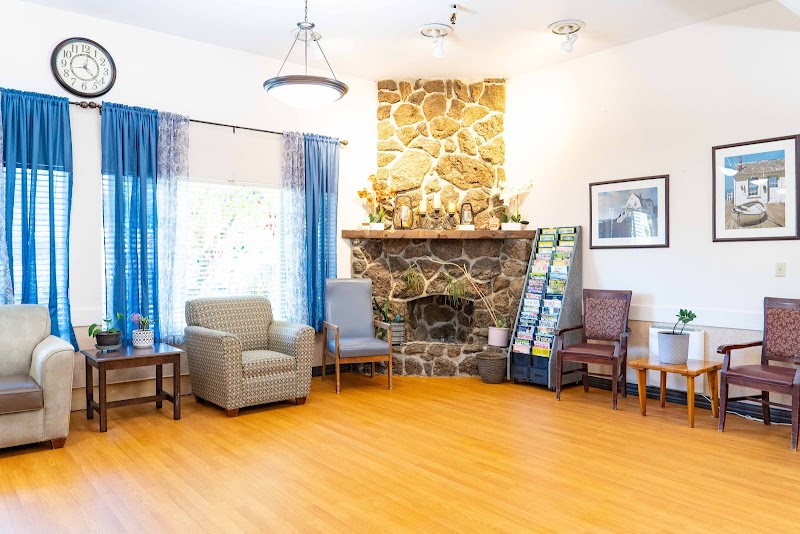
How is Avamere Rehabilitation Of Coos Bay Staffed?

CMS rates AVAMERE REHABILITATION OF COOS BAY's staffing level at 4 out of 5 stars, which is above average compared to other nursing homes. Staff turnover is 37%, compared to the Oregon average of 46%. This relatively stable workforce can support continuity of care.

What Have Inspectors Found at Avamere Rehabilitation Of Coos Bay?

State health inspectors documented 45 deficiencies at AVAMERE REHABILITATION OF COOS BAY during 2023 to 2025. These included: 2 Immediate Jeopardy (the most serious level, indicating potential for serious harm or death), 1 that caused actual resident harm, and 42 with potential for harm. Immediate Jeopardy findings are rare and represent the most serious regulatory concerns. They require immediate corrective action.
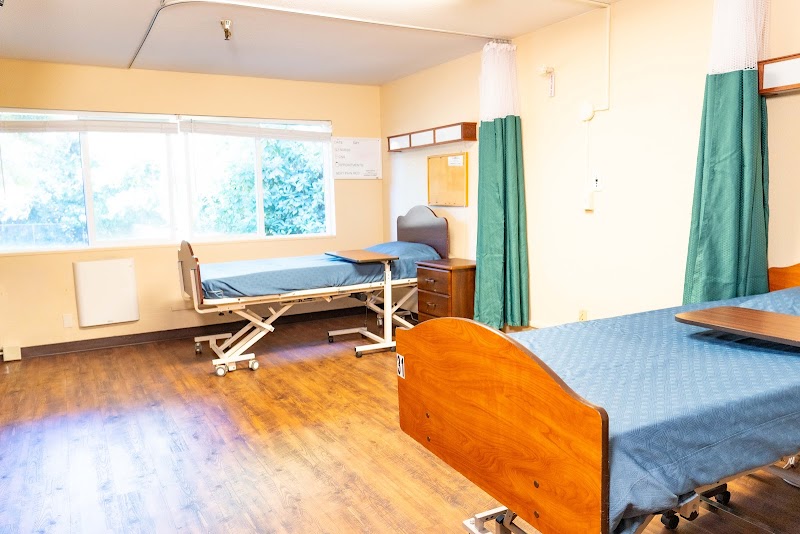
Who Owns and Operates Avamere Rehabilitation Of Coos Bay?

AVAMERE REHABILITATION OF COOS BAY is owned by a for-profit company. For-profit facilities operate as businesses with obligations to shareholders or private owners. The facility is operated by AVAMERE, a chain that manages multiple nursing homes. With 92 certified beds and approximately 50 residents (about 54% occupancy), it is a smaller facility located in COOS BAY, Oregon.
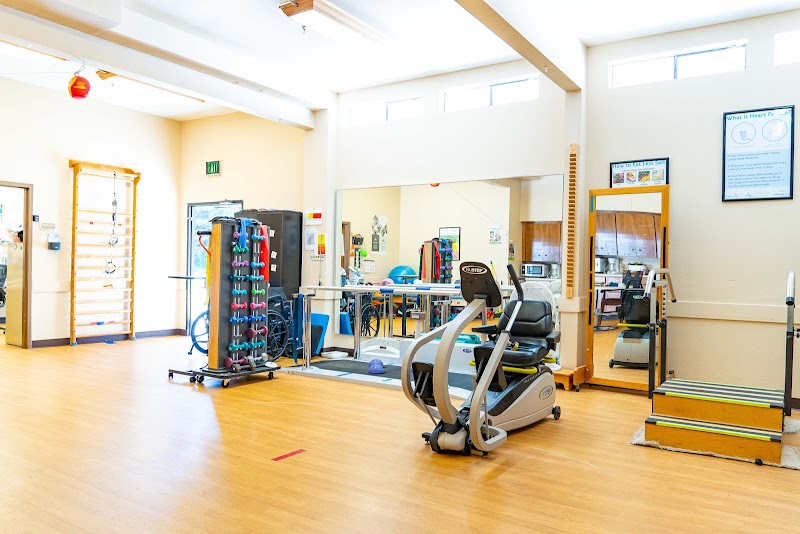
How Does Avamere Rehabilitation Of Coos Bay Compare to Other Oregon Nursing Homes?

Compared to the 100 nursing homes in Oregon, AVAMERE REHABILITATION OF COOS BAY's overall rating (2 stars) is below the state average of 3.0, staff turnover (37%) is near the state average of 46%, and health inspection rating (2 stars) is below the national benchmark.

What Should Families Ask When Visiting Avamere Rehabilitation Of Coos Bay?

Based on this facility's data, families visiting should ask: "What changes have been made since the serious inspection findings, and how are you preventing similar issues?" "Can I visit during a mealtime to observe dining assistance and food quality?" "How do you handle medical emergencies, and what is your hospital transfer rate?" "Can I speak with family members of current residents about their experience?" These questions are particularly relevant given the facility's Immediate Jeopardy citations.

Is Avamere Rehabilitation Of Coos Bay Safe?

Based on CMS inspection data, AVAMERE REHABILITATION OF COOS BAY has documented safety concerns. Inspectors have issued 2 Immediate Jeopardy citations (the most serious violation level indicating risk of serious injury or death). The facility has a 2-star overall rating and ranks #100 of 100 nursing homes in Oregon. Families considering this facility should ask detailed questions about what corrective actions have been taken since these incidents.

Do Nurses at Avamere Rehabilitation Of Coos Bay Stick Around?

AVAMERE REHABILITATION OF COOS BAY has a staff turnover rate of 37%, which is about average for Oregon nursing homes (state average: 46%). Moderate turnover is common in nursing homes, but families should still ask about staff tenure and how the facility maintains care continuity when employees leave.

Was Avamere Rehabilitation Of Coos Bay Ever Fined?

AVAMERE REHABILITATION OF COOS BAY has been fined $15,593 across 1 penalty action. This is below the Oregon average of $33,235. While any fine indicates a compliance issue, fines under $50,000 are relatively common and typically reflect isolated problems that were subsequently corrected. Families should ask what specific issues led to these fines and confirm they've been resolved.

Is Avamere Rehabilitation Of Coos Bay on Any Federal Watch List?

AVAMERE REHABILITATION OF COOS BAY is not on any federal watch list. The most significant is the Special Focus Facility (SFF) program, which identifies the bottom 1% of nursing homes nationally based on persistent, serious quality problems. Not being on this list means the facility has avoided the pattern of deficiencies that triggers enhanced federal oversight. This is a positive indicator, though families should still review the facility's inspection history directly.