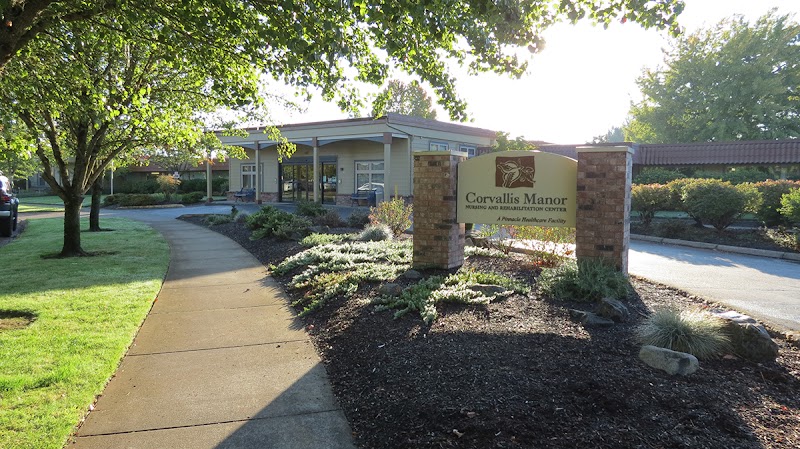
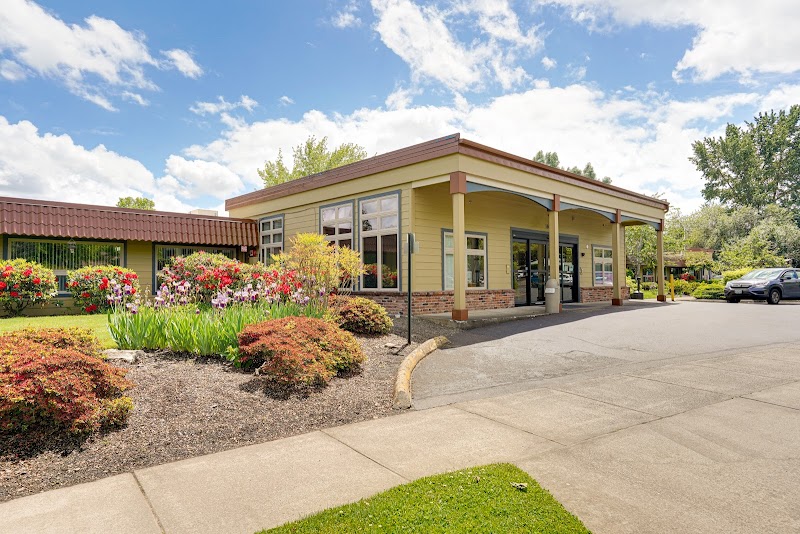
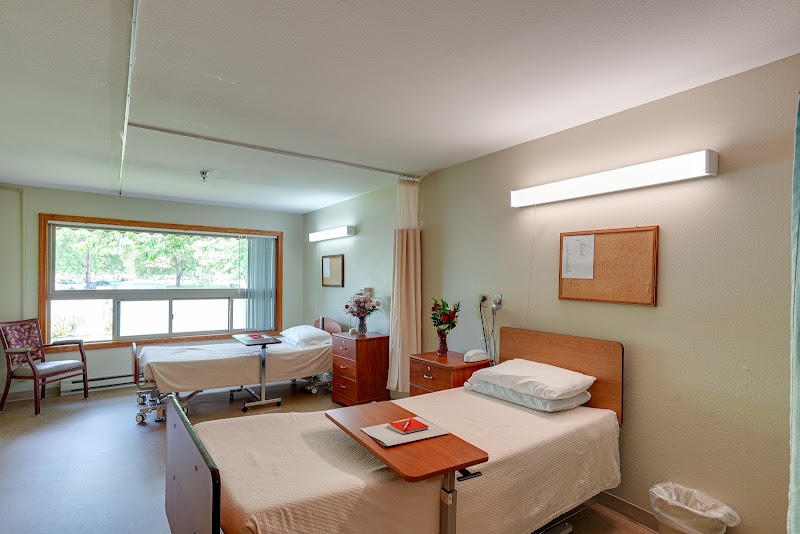
CORVALLIS MANOR

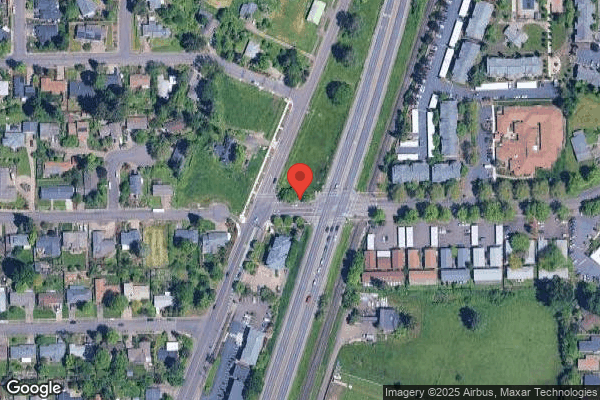
160 NE CONIFER BLVD, CORVALLIS, OR 97330 (541) 757-1651
For profit - Corporation 135 Beds VOLARE HEALTH Data: November 2025 3 Immediate Jeopardy citations
Trust Grade
0/100
#111 of 127 in OR
Last Inspection: March 2025

Within standard 12-15 month inspection cycle. Federal law requires annual inspections.

Overview

Corvallis Manor has a Trust Grade of F, indicating significant concerns about the quality of care provided. Ranking #111 out of 127 facilities in Oregon places it in the bottom half, while being the only option in Benton County means families have no local alternatives. The facility's trend is worsening, with a troubling increase in issues from 6 in 2024 to 27 in 2025. Staffing is average with a 3/5 star rating and a turnover rate of 58%, which is close to the state average of 49%, while RN coverage is also average. However, the facility has incurred $345,051 in fines, concerning as it is higher than 96% of Oregon facilities, suggesting ongoing compliance issues. Critical incidents include a resident who died after being administered 100 mg of oxycodone instead of the prescribed 5 mg, and another resident whose respiratory decline was not reported, leading to hospitalization and death. These findings highlight serious weaknesses in medication management and monitoring.

Trust Score
F
0/100
In Oregon
#111/127
Bottom 13%
Safety Record
High Risk
Review needed
Inspections
Getting Worse
6 → 27 violations
Staff Stability
⚠ Watch
58% turnover. Above average. Higher turnover means staff may not know residents' routines.
Penalties
✓ Good
$345,051 in fines. Lower than most Oregon facilities. Relatively clean record.
Skilled Nurses
○ Average
Each resident gets 38 minutes of Registered Nurse (RN) attention daily — about average for Oregon. RNs are the most trained staff who monitor for health changes.
Violations
⚠ Watch
81 deficiencies on record. Higher than average. Multiple issues found across inspections.
★☆☆☆☆
1.0
Overall Rating
★★★☆☆
3.0
Staff Levels
★★★★☆
4.0
Care Quality
★☆☆☆☆
1.0
Inspection Score
Stable
2024: 6 issues
2025: 27 issues

The Good

  • 4-Star Quality Measures · Strong clinical quality outcomes
  • Full Sprinkler Coverage · Fire safety systems throughout facility
  • No fines on record

Facility shows strength in quality measures, fire safety.

The Bad

1-Star Overall Rating

Below Oregon average (3.0)

Significant quality concerns identified by CMS

Staff Turnover: 58%

12pts above Oregon avg (46%)

Frequent staff changes - ask about care continuity

Federal Fines: $345,051

Well above median ($33,413)

Significant penalties indicating serious issues

Chain: VOLARE HEALTH

Part of a multi-facility chain

Ask about local staffing decisions and management

Staff turnover is elevated (58%)

10 points above Oregon average of 48%

The Ugly 81 deficiencies on record

3 life-threatening 4 actual harm
Apr 2025 2 deficiencies 1 Harm
SERIOUS (G) 📢 Someone Reported This

A family member, employee, or ombudsman was alarmed enough to file a formal complaint

Actual Harm - a resident was hurt due to facility failures

Accident Prevention (Tag F0689)

A resident was harmed · This affected 1 resident

Based on observation, interview and record review it was determined the facility failed to check the Hoyer (a mechanical lift device used to transfer residents) straps to prevent a fall and failed to ...

Read full inspector narrative →
Based on observation, interview and record review it was determined the facility failed to check the Hoyer (a mechanical lift device used to transfer residents) straps to prevent a fall and failed to follow care plan interventions to prevent injury for 2 of 5 (#s 10 and 11) sampled residents. As a result, Resident 11 sustained a subarachnoid hemorrhage, (bleeding in the space between the brain and the tissue covering the brain), an intraparenchymal hemorrhage (bleeding within the brain's functional tissue) a scalp hematoma (blood clot), multilevel acute compression fractures (the back bones collapse due to a forceful impact) involving the thoracic region (middle of the back) and a compression fracture of L4 vertebra (lumbar region, lower back). Findings include: 1. Resident 11 admitted to the facility 6/2021, with diagnoses including Parkinson's disease and congestive heart failure. Resident 11's 3/25/25 MDS indicated the resident was cognitively intact. Resident 11's 4/10/25 Care Plan revealed the resident required a Hoyer lift with two-person assist for transfers and the resident preferred to not have her/his feet touch the bed when transferring. On 3/18/25 at 7:25 AM, Staff 15 (CNA) and Staff 17 (CNA) prepared to transfer Resident 11 via a Hoyer from the three-foot raised bed to a shower chair when the resident fell headfirst out of the sling. On 3/18/25 at 7:30 AM, Resident 11 was transferred via ambulance to the hospital as a trauma level patient. Resident 11 was diagnosed with a subarachnoid hemorrhage, an intraparenchymal hemorrhage, a scalp hematoma and multilevel compression fractures in the thoracic and lumbar regions of the spine. Neurosurgery concluded the brain hemorrhages were not operable and would resolve on their own. Resident 11 was admitted to the hospital for observation and pain management. On 4/9/25 at 9:47 AM, Resident 11 was observed in her/his bed. The bed was elevated about three feet off the ground. Resident 11 stated she/he preferred to have the bed raised off the ground. Resident 11 recalled the fall from the Hoyer on 3/18/25. Resident 11 stated Staff 15 (CNA) and Staff 17 (CNA) brought in the Hoyer to her/his room, the sling was placed underneath her/him and attached to the Hoyer. Resident 11 stated the head hook of the sling was loose, and three of the four straps were hooked up and she/he fell to the floor headfirst. Resident 11 stated now she/he had a fear of falling. On 4/9/25 at 11:50 AM, Staff 6 (CNA) stated she was at the nurses station when Staff 17 (CNA) urgently called for Staff 4 (LPN Charge), stating Resident 11 had fallen from the Hoyer. Staff 6 stated she placed the Hoyer out in the hall and noticed one of the straps were not hooked up. On 4/9/25 at 12:45 PM, Staff 4 (RN) stated she was at the nurses station when Staff 17 (CNA) told her Resident 11 fell from the Hoyer and hit her/his head. Staff 4 immediately went to the room and saw Resident 11 on the floor under the Hoyer lift. Staff 4 provided first aide to the resident while staff called EMS. Staff 4 observed the Hoyer and sling were over Resident 11 and one of the slings straps were not attached. On 4/10/25 at 2:15 PM, Staff 15 (CNA) stated he was assisting Staff 17 (CNA) with Resident 11. Staff 15 stated they placed the sling underneath the resident and Staff 17 prepped the Hoyer lift. Staff 15 stated they hooked the four straps from the sling to the Hoyer. Staff 15 stated Resident 11 always preferred her/his bed elevated three feet off the ground. Staff 15 stated after hooking the sling straps to the Hoyer, they lifted the resident up and pulled the Hoyer out and the resident fell headfirst to the ground. On 4/11/25 at 10:31 AM, Staff 17 (CNA) stated on 3/18/25 it was Resident 11's shower day. Staff 17 stated he placed Resident 11 on the shower sling while the resident was in bed and positioned the shower sling per protocol and hooked it up. Staff 17 stated he and Staff 15 (CNA) started raising the resident up in the air off the raised bed, obtained a weight and started to move the resident in the sling off the bed. Staff 17 stated Resident 11 was in an open space, off to the side of the bed. Staff 17 lifted the resident's ankles to turn the Hoyer and he heard something snap. Staff 17 found the back right sling loop had come off the Hoyer and the resident fell headfirst to the floor, approximately four to five feet. Staff 17 stated there was no rip or tear in the sling. Staff 17 stated the sling's strap was not secured over the loop. On 4/11/25 at 3:15 PM, Staff 2 (DNS) stated the shower sling used for Resident 11 was set aside and now cannot be found. On 4/11/25 at 3:15 PM, Staff 1 (Administrator) and Staff 2 (DNS) acknowledged Resident 11's fall from a Hoyer with significant injuries. 2. Resident 10 admitted to the facility 3/2022, with diagnoses including dementia, weakness and reduced mobility. Resident 10's 2/2025 MDS revealed the resident had severe cognitive impairment. Resident 10's 4/9/25 Care Plan revealed the resident was a two-person assist with turning and repositioning and the call light was to be placed on her/his right side and clipped to the blanket. On 4/10/25 at 1:13 PM, Staff 14 (CNA) and Staff 18 (CNA) were observed to transfer Resident 10 from the wheelchair to the bed. Resident was observed to be still and did not move any extremities before, during or after transfer. Staff 14 stated Resident 10 does not assist or move her/his legs and does not move her/his legs around when staff turn the resident from side to side. On 4/10/25 at 10:10 AM, Staff 13 (CNA) stated she assisted Staff 17 (CNA) with transferring Resident 10 via the Hoyer on 3/21/25 and observed the bruising and skin tear on Resident 10's left neck. Staff 13 stated Staff 17 told her the call light, which was clipped to the resident's gown on the resident's left side, caused the bruising when he pulled the blanket, and it caught the resident on the left side of the neck. Staff 13 stated Resident 10 was crying, and the resident's neck was bleeding. Staff 13 stated the nurse was notified right away. Staff 13 stated she saw the clip for the call light was broken and really sharp. Staff 13 stated when she uncovered Resident 10 she saw a bruise on the resident's right leg and bruising on her/his chest. Staff 13 informed Staff 10 (RN) and showed her the bruise on Resident 10's chest, the bruising on the leg and the swelling of the left arm. On 4/10/25 at 10:26 AM, Staff 10 (RN) stated on 3/21/25 Staff 17 (CNA) showed her Resident 10's skin tear on her/his left neck. She stated Staff 17 showed her the clip for the call light was broken and he stated the clip had cut the resident's skin. Staff 10 stated she cleaned up the wound, put a foam dressing on the skin tear and removed the sharp clip. Staff 10 stated on 3/22/25, Staff 12 (CNA) showed her Resident 10's swelling and a purplish coloration of the skin to Resident 10's right lower leg around the shin area and some discoloration around the resident's chest. Staff 10 stated she did not know where the bruising originated. On 4/10/25 at 4:00 PM, Staff 16 (LPN-IP) stated on 3/22/25 she looked at Resident 10's left hand and stated it was concerning. Staff 17 stated he felt resistance on the blanket and possibly the call light had wrapped around Resident 10's finger, when he pulled the covers back. Staff 16 stated her biggest concern was the bruising on Resident 10's fingers. Staff 16 contacted the provider and requested an x-ray. On 4/11/25 at 10:31 AM, Staff 17 (CNA) stated on 3/21/25 he assisted Resident 10, by himself, out of bed for lunch. Staff 17 stated he pulled down the covers, met some resistance, so he tugged harder. Staff 17 stated Resident 10 was care planned as a two-person assist with dressing, but he dressed the resident himself. Staff 17 stated he turned the resident by himself towards the window. He stated Resident 10 had no muscle tone and she/he started to slip off the bed. Staff 17 stated he grabbed Resident 10's left hip where Resident 10's left hand was and reached for her/his shoulder to bring her/him back to the bed. He stated he did not see bruising on Resident 10's leg because he put the pants on quickly and did not see any bruising on her/his chest. Staff 17 stated he raised the resident's left hand and Resident 10 stated it hurt. Staff 17 stated he palpated different areas of the resident's left arm and the resident stated it hurt. On 4/11/25 at 2:11 PM, Witness 20 (MD) stated she assessed Resident 10 on 3/28/25 (one week after incident). Witness 20 stated her understanding was someone tried to provide care alone and didn't remove the call light which caused a skin tear and bruising on the chest. Witness 20 stated it seemed to her not the correct way to provide care to a resident. Records revealed an Injury of Known Cause investigation form was initiated by Staff 16 (LPN-IP) on 3/22/25. The investigation revealed a skin tear to the left lateral neck and bruising with a green and purple coloration extending from the neck to the subclavicular (collar bone) and mid chest wall. Additional injuries included green bruising on Resident 10's right lower extremity and purple bruising on her/his left index finger and thumb with mild swelling. Staff 16 wrote Resident 10 was unable to describe the injuries and how they occurred. A total body assessment was conducted. Staff 2 and the provider were notified and x-rays and labs were ordered. On 4/11/25 at 3:15 PM, Staff 1 (Administrator) and Staff 2 (DNS) acknowledged the bruises on Resident 10's neck, chest, left hand and right leg. Staff 2 acknowledged the care plan was not followed.
CONCERN (D) 📢 Someone Reported This

A family member, employee, or ombudsman was alarmed enough to file a formal complaint

Potential for Harm - no one hurt, but risky conditions existed

Report Alleged Abuse (Tag F0609)

Could have caused harm · This affected 1 resident

Based on interview and record review it was determined the facility failed to report injuries of unknown origin for 1 of 5 sampled residents (#10) reviewed for abuse reporting. This placed residents a...

Read full inspector narrative →
Based on interview and record review it was determined the facility failed to report injuries of unknown origin for 1 of 5 sampled residents (#10) reviewed for abuse reporting. This placed residents at risk for abuse and neglect. Findings include: Resident 10 was admitted to the facility in 2022, with diagnoses including dementia and weakness. Resident 10's 4/9/25 Care Plan revealed the resident was a two-person assist with turning and repositioning and the resident's call light was to be on the right side of the resident, clipped to blankets. A Progress Note dated 3/22/25 indicated Staff 17 (CNA) reported Resident 10 had bruising and discoloration on her/his leg (on the shin) and swelling around the left arm not observed the previous day. The Progress Note revealed Resident 10 was observed to have swelling around the left hand, pain at the shoulder, skin discoloration around the right leg not observed the previous day. An Injury of Known Cause form dated 3/22/25 revealed an investigation was initiated by Staff 16 and the DNS was notified. On 4/10/25 at 10:26 AM, Staff 10 (RN) stated on 3/22/25, Staff 12 (CNA) showed her Resident 10's swelling and a purplish coloration of the skin to Resident 10's right lower leg around the shin area and some discoloration around the resident's chest. Staff 10 stated she did not know where the bruising originated. Staff 10 stated she did an assessment, and the resident yelled in pain. Staff 10 stated she informed Staff 16 (LPN/IP) who stated she would inform Staff 2 (DNS). Staff 10 stated she did not investigate the bruises of unknown origin but filled out a risk management form. On 4/10/25 at 4:00 PM, Staff 16 (LPN/IP) stated on 3/22/25 she looked at Resident 10's left hand and stated it was concerning. Staff 16 stated she called the DNS and informed her about the bruising and the DNS had her call Staff 17 (CNA) to get a statement. Staff 16 stated her biggest concern was the bruising on Resident 10's fingers. Staff 16 stated Resident 10 was unable to describe how the bruising occurred. Staff 16 stated she had never filled out a Facility Reported Incident (FRI) Form. On 4/11/25 at 3:15 PM, Staff 1 (Administrator) and Staff 2 (DNS) stated a FRI form was not completed for Resident 10.
Mar 2025 23 deficiencies
CONCERN (D)

Potential for Harm - no one hurt, but risky conditions existed

Deficiency F0554 (Tag F0554)

Could have caused harm · This affected 1 resident

Based on observation, interview and record review the facility failed to assess a resident for safe self-administration of medication for 1 of 1 sampled resident (#50) reviewed for anticoagulant medic...

Read full inspector narrative →
Based on observation, interview and record review the facility failed to assess a resident for safe self-administration of medication for 1 of 1 sampled resident (#50) reviewed for anticoagulant medications. This placed resident at risk for adverse side affects. Findings include: Resident 50 was admitted to the facility in 12/2023 with diagnoses including somatization disorder (a form of mental illness that caused one or more bodily symptoms, including pain. They cause excessive and disproportionate levels of distress) and PTSD. A 1/27/25 Self-Administration of Medication indicated Resident 50 offered her/his medications to others. Staff determined the resident was not a candidate for self-administration. A 1/27/25 Nursing Note indicated Staff 2 (DNS) informed Resident 50 regarding her/his cogitative testing results which indicated she/he had cognitive impairment which suggested it was unsafe for her/him to self-administer medications without supervision. A 2/6/25 Risk Versus Benefit indicated Resident 50 was allowed access to one over the counter medication daily from the medication cart. Staff were to review the instructions with the resident and document she/he acknowledged the instructions. The 2/24/25 Care Plan indicated the resident could check out one medication per day to keep in her/his room. Staff were to review the administration instructions with her/him each time and document the resident acknowledged. No documentation was found in the clinical record to indicate the resident checked out her/his medication or staff reviewed administration instructions with the resident. On 3/10/25 at 4:00 PM Resident 50 was observed in her/his bedroom which included nasal sprays and supplements on her/his bedside table and in a large plastic tote sitting on the floor. Resident 50 stated she/he was allowed to keep the medications in her/his room as long as she/he kept them organized. On 3/11/25 at 1:45 PM Staff 18 (LPN) was asked about the medications in resident 50's room but did not remove them. Staff 18 stated the resident was allowed to keep certain medications at her/his bedside during the day and was required to return them at the end of the day. Staff 18 added staff did not monitor which medications the resident took to her/his room or whether the resident returned them. Staff 18 confirmed there were multiple unsecured medications in the resident's room and was unable to determine which medications the resident accessed on any given day. On 3/14/25 at 12:27 PM Staff 2 (DNS) acknowledged Resident 50 was not capable of safe self-administration of medications. Staff 2 stated staff were expected to follow the care plan, provide appropriate instructions to Resident 50 and ensure her/his medications were properly secured at the end of each shift.
CONCERN (D) 📢 Someone Reported This

A family member, employee, or ombudsman was alarmed enough to file a formal complaint

Potential for Harm - no one hurt, but risky conditions existed

Safe Environment (Tag F0584)

Could have caused harm · This affected 1 resident

Based on interview and record review it was determined the facility failed to provide a clean environment as well as functioning phones and lights for 2 of 6 sampled residents (#s 33 and 174) reviewed...

Read full inspector narrative →
Based on interview and record review it was determined the facility failed to provide a clean environment as well as functioning phones and lights for 2 of 6 sampled residents (#s 33 and 174) reviewed for environment. This placed residents at risk for an unclean, unsafe, and unhomelike environment. Findings include: 1. Resident 33 was admitted to the facility in 12/2024 with a diagnosis of heart disease. A care plan initiated 1/24/25 indicated Resident 33's goal was to discharge to an Assisted Living Facility. On 3/10/25 at 11:07 AM a white portable fan was observed on top of Resident 33's night stand. The fan blades were coated with a brown layer of dust. On 3/14/25 at 3:05 PM Staff 28 (Maintenance Director) acknowledged the fan blades were dusty and was not sure who cleaned the blades. On 3/17/25 at 9:15 AM Staff 11 (Housekeeping Manager) stated the outside of the fans were cleaned with daily dusting and and the blades were cleaned when residents moved out of a room. 2. Resident 174 was admitted in 12/2024 with diagnoses including diabetes and a surgical site infection. On 12/26/24 a State Agency public complaint was received which indicated Resident 174 voiced concerns about broken equipment in her/his room which were still unaddressed. On 12/18/24 the resident's phone stopped working and on 12/21/24 the room's light failed to operate. The following work orders for Resident 174's room were obtained from the facility's building management reporting system: -A 12/23/25 order indicated the room's light not working and reported by Staff 21 (IP). -A 12/23/25 order indicated the phone did not ring. -A 12/24/25 order indicated the pull light was not working and was completed on 12/27/25. -A 12/26/25 order indicated the light was not working and the repair was a high priority. A 12/25/24 Nursing Note indicated Resident 174's family attempted to call her/his room and used 911 dispatch in order to call the resident because the room phone did not work. Staff 52 (LPN) replaced Resident 174's phone with a phone from an empty room which fixed the issue. On 3/17/25 at 10:41 AM Staff 21 stated in 12/2024 maintenance work orders were not completed timely and staff were told to follow-up on repair requests verbally. On 3/14/25 at 8:59 AM Staff 8 (LPN) stated she was aware of the repair concerns in Resident 174's room especially when Staff 8 required a light from her cell phone to provide care to the resident's wound. Staff 8 stated Resident 174 liked to read and the room light did not work for three days. On 3/17/25 at 3:05 PM Staff 1 (Administrator) acknowledged work orders were expected to be completed within 24 hours.
CONCERN (D)

Potential for Harm - no one hurt, but risky conditions existed

Grievances (Tag F0585)

Could have caused harm · This affected 1 resident

Based on interview and record review it was determined the facility failed to ensure grievances were acted upon timely for 1 of 5 sampled residents (#14) reviewed for dignity and missing property. Thi...

Read full inspector narrative →
Based on interview and record review it was determined the facility failed to ensure grievances were acted upon timely for 1 of 5 sampled residents (#14) reviewed for dignity and missing property. This placed residents at risk for unresolved needs. Findings include: An undated facility Grievance Process Guide indicated all staff may complete grievances on behalf of residents and to provide a paper copy to residents who declined to file grievances online. Resident 14 was admitted to the facility in 2/2025 with diagnoses including fractures of the spine and pelvis. A 2/17/25 admission MDS indicated Resident 14 was cognitively intact. Facility Grievances from 2/2025 through 3/10/25 were reviewed, but no grievance form for Resident 14 was found. On 3/10/25 at 11:23 AM and 3/12/25 at 4:08 PM Resident 14 indicated her/his red cell phone was missing. Resident 14 stated staff were aware her/his phone was missing and no staff offered assistance to file a grievance. Resident 14 stated she/he purchased a new blue cell phone to replace the missing one; however, no follow-up was conducted concerning the the original issue. On 3/11/25 at 3:28 PM Staff 26 (Social Service Director) stated the facility offered multiple options to submit grievances and confirmed no grievance was submitted by staff or Resident 14 for a missing phone. On 3/12/25 at 12:02 PM Staff 30 (CNA) stated she was aware of Resident 14's missing red phone, had informed nursing about the issue, and did not know where to locate a paper copy of a grievance form to assist Resident 14 with the grievance process. Staff 30 acknowledged no grievance form was completed for Resident 14.
CONCERN (D)

Potential for Harm - no one hurt, but risky conditions existed

PASARR Coordination (Tag F0644)

Could have caused harm · This affected 1 resident

Based on observation, interview and record review it was determined the facility failed to incorporate PASARR (Preadmission Screening and Resident Review) Level II recommendations for 1 of 1 sampled r...

Read full inspector narrative →
Based on observation, interview and record review it was determined the facility failed to incorporate PASARR (Preadmission Screening and Resident Review) Level II recommendations for 1 of 1 sampled resident (# 50) reviewed for PASARR coordination of care. This placed residents who have a mental health disorder at risk for delayed care and services to attain their highest practicable level of well-being. Findings include: Resident 50 was admitted to the facility in 12/2023 with diagnoses including anxiety and post-traumatic stress disorder (PTSD). A 1/25/25 PASARR Level II Mental Health Evaluation was conducted for Resident 50. The assessment included the following non-pharmacological recommendations: Resident 50 expressed interest in having a recliner-style chair placed in her/his room, stating that they spent most hours of the day and night in a wheelchair and experienced significant discomfort. On 3/10/25 at 4:00 PM Resident 50 reported prior to admission, she/he slept in a recliner chair. The resident stated several months earlier, psychological evaluation had been conducted, during which she/he was informed a recliner chair could be provided; however no further updated regarding this request had been received. On 3/14/25 at 9:32 AM Staff 26 (SSD) stated she was responsible for reviewing PASARR Level II results but was unaware of recommendations. Upon reviewing the PASARR Level II documentation, Staff 26 acknowledged the PASARR Level II recommendations was overlooked. On 3/14/25 at 12:27 PM Staff 2 (DNS) reviewed the PASARR II recommendation, acknowledged the recommendation was overlooked and stated staff were expected to follow up on the recommendations.
CONCERN (D)

Potential for Harm - no one hurt, but risky conditions existed

ADL Care (Tag F0677)

Could have caused harm · This affected 1 resident

2. Resident 124 was admitted to the facility in 3/2025 with a diagnosis of diabetes. A 3/5/25 nursing Admission/readmission Evaluation form revealed Resident 124 was cognitively intact and required e...

Read full inspector narrative →
2. Resident 124 was admitted to the facility in 3/2025 with a diagnosis of diabetes. A 3/5/25 nursing Admission/readmission Evaluation form revealed Resident 124 was cognitively intact and required extensive assistance of one staff for bathing and hygiene. On 3/10/25 at 12:14 PM Resident 124 was observed to have long, dirty finger nails, and her/his right thumb nail was long and jagged. A 3/2025 TAR revealed diabetic nail care was to be completed every two weeks and was to be completed on 3/11/25 but was not documented as completed. A 3/11/25 CNA Skin Shower Review sheet revealed Staff 40 (Graduate Nurse Aide) assisted Resident 124 with bathing and indicated Resident 124 did not need her/his fingernails cut. A 3/12/25 Progress Note by Staff 18 (LPN) indicated nail care was not completed. On 3/12/25 at 1:00 PM with Staff 41 (CNA) Resident 124's nails were observed to be long and dirty. Staff 41 stated nail care was usually completed on shower days unless a resident had a diagnosis of diabetes, then the nurse completed nail care. On 3/12/25 at 1:03 PM and 3/15/25 at 4:52 PM Staff 18 stated on 3/11/25 a CNA provided Resident 124 a bath and the bath sheet indicated she/he did not require nail care. With Staff 18 Resident 124's nails were observed to be long and required a trim. Staff 18 stated on 3/11/25 she did not personally look at Resident 124's nails. On 3/14/25 at 11:40 AM Staff 40 stated she provided Resident 124 a bed bath on 3/11/25, washed her/his hands, but did not recall what her/his nails looked like. On 3/14/25 at 11:47 AM Staff 2 (DNS) stated diabetic nail care was done by the nurses and documented on the MAR or TAR. Nail care could be provided prior to the due date or after depending on the resident's preference of nail length preference. Based on observation, interview, and record review it was determined the facility failed to ensure dependent residents received required assistance with ADLs for 2 of 4 sampled residents (#s 61 and 124) reviewed for ADLs. This placed residents at risk for lack of personal hygiene and skin injuries. Findings include: 1. Resident 61 was admitted to the facility in 12/2024 with diagnoses including stroke and muscle weakness. A 12/30/24 admission MDS indicated Resident 61's BIMs score was 13, signifying cognitive intactness. Resident 61 required substantial to maximal assistance with personal hygiene. A revised care plan dated 1/26/25 indicated Resident 61 required a high level of caregiver support to have needs met. Resident 61 required extensive assistance from one staff member to provide bathing and limited assistance with personal hygiene. On 3/10/25 at 12:02 PM, Resident 61 was in her/his room and was observed to have facial hair on her/his chin and upper lip, approximately an inch long. Resident 61 stated she/he would like to have the facial hair removed on their shower days. On 3/12/25 at 9:56 AM, Resident 61 was observed in the main dining room and had facial hair on her/his chin and upper lip, approximately an inch long. On 3/17/25 at 7:54 AM, Resident 61 was in her/his room and was observed with facial hair on her/his chin and upper lip, approximately an inch long. Resident 61 stated she/he did not like having the facial hair, had requested staff to remove it, and did not know what to do to have the facial hair removed. Witness 2 (Staff) confirmed Resident 61's facial hair. On 3/17/25 at 1:58 PM, Staff 1 (Administrator), Staff 2 (DNS), and Staff 24 (Regional Director of Care) stated they would expect staff to take care of a resident's facial hair if a resident did not want facial hair.
CONCERN (D) 📢 Someone Reported This

A family member, employee, or ombudsman was alarmed enough to file a formal complaint

Potential for Harm - no one hurt, but risky conditions existed

Pressure Ulcer Prevention (Tag F0686)

Could have caused harm · This affected 1 resident

Based on interview and record review it was determined the facility failed to follow physician orders for treatment of a resident's pressure ulcer for 1 of 5 sampled residents (#20) reviewed for medic...

Read full inspector narrative →
Based on interview and record review it was determined the facility failed to follow physician orders for treatment of a resident's pressure ulcer for 1 of 5 sampled residents (#20) reviewed for medications. This placed residents at risk for worsening pressure ulcers. Findings include: Resident 20 was admitted to the facility in 1/2025 with diagnoses including chronic pain and a Stage 3 pressure ulcer (full-thickness skin loss). The 2/4/25 admission MDS indicated Resident had frequent pain and a Stage 3 pressure ulcer on admission. The 3/10/25 revised care plan indicated staff were to observe Resident 20's wound dressing every shift. A wound dressing change and documented observation of the wound was to occur three days per week. The 3/2025 TAR revealed a 3/13/25 revised order for wound care to Resident 20's sacrum which was to occur three times per week on Tuesday, Thursday and Saturdays. Staff were to first cleanse and prep the wound. A black foam was to cover the wound before the wound vac (medical devise to promote wound healing) was attached. On 3/16/25 a 9 (to see progress note) was indicated by Staff 47 (LPN). No progress note related to Resident 20's wound was found. On 3/17/25 at 7:54 AM Witness 2 (Staff) stated Resident 20 did not receive her/his wound treatment during the weekend. On 3/17/25 at 9:31 AM Staff 46 (Physician) stated he expected, but did not receive, communication related to a missing wound treatment for Resident 20. On 3/17/25 at 9:54 AM Staff 48 (RN) stated, during the weekend, Resident 20's wound was not treated and the wound vac was not changed due to the lack of black foam Staff 47 needed for the wound vac. On 3/17/25 at 10:11 AM an attempt to reach Staff 47 was unsuccessful. On 3/17/25 at 1:02 PM and 5:28 PM Staff 19 (LPN-Unit Manager) confirmed during the weekend the black foam for Resident 20's wound vac was in stock and acknowledged Resident 20's wound treatment was not provided as ordered.
CONCERN (D)

Potential for Harm - no one hurt, but risky conditions existed

Deficiency F0687 (Tag F0687)

Could have caused harm · This affected 1 resident

Based on interview, and record review it was determined the facility failed to provide appropriate foot care for 1 of 2 sampled residents (#s 22) reviewed for skin. This placed residents at risk for i...

Read full inspector narrative →
Based on interview, and record review it was determined the facility failed to provide appropriate foot care for 1 of 2 sampled residents (#s 22) reviewed for skin. This placed residents at risk for infections. Findings include: Resident 22 was admitted to the facility in 10/2024 with diagnoses of diabetes and vascular dementia. A 10/24/24 admission MDS indicated Resident 22's BIMS was 10, signifying moderate cognitive impact. A 2/25/25 Alert Note revealed Resident 22's left big toe appeared red and swollen, with no drainage noted. The affected area was cleansed. Resident 22 denied pain but reported tenderness upon touch. No open wound or ulceration was observed. The physician was notified and awaiting further recommendations. A 2/25/25 Order Request Response indicated Resident 22 had redness and swelling of the left big toenail with no visible drainage. The physician response recommended continued monitoring and supportive care. Resident 22 was placed on physician's schedule to be evaluated on 2/28/25. No documentation was found in the clinical record for monitoring or evaluation of Resident 22's left big toe. On 3/14/25 at 11:16 AM, Staff 16 (LPN) stated she received information during Resident 22's update she/he had an ingrown toenail. Staff 16 stated she received a physician order to soak the toe in Epsom salt daily for seven days. No documentation was found in Resident 22's clinical record for an Epsom salt soak physician order or a wound evaluation for the left big toe. Resident 22 discharged from the facility on 3/13/24 and admitted to another nursing facility. On 3/14/25 at 2:02 PM, Witness 12 (DNS at Resident 22's facility she admitted to on 3/13/25) stated it appeared Resident 22 had an ingrown toenail which appeared to be infected. On 3/14/25 at 2:26 PM, Staff 2 (DNS) stated the physician evaluated Resident 22's toe on 3/13/25 and there were no concerns. A 3/14/25 Wound Evaluation (From the facility Resident 22 admitted to on 3/13/25) revealed Resident 22 had an ingrown toenail which was present on admission. The size of the wound was 3.05 centimeters in area, 2.21 centimeters in length, and 1.94 centimeters in width, with 40 percent eschar (dead tissue). The wound had evidence of infection with increased drainage, increased pain, redness, and inflammation. The wound has scabbing which was possible dried drainage, increased pain redness, and inflammation. Pain score was five on a scale of one to 10 with 10 being the worst pain. Suspected infection, and the physician was notified. On 3/14/25 at 3:14 PM, Staff 50 (Physician) stated they were notified of the redness on the left big toe on 2/25/25. It was ordered to continue to monitor and to have it evaluated on 2/28/25. Staff 50 stated the left big toe was not evaluated on 2/28/25 as the physician's schedule changed. Staff 50 stated when she completed Resident 22's discharge evaluation, she did not address the toe as Resident 22 did not complain about the toe. Staff 50 stated she continued to be Resident 22's physician at her/his new nursing facility. On 3/17/25 at 1:58 PM, Staff 1 (Administrator), Staff 2 (DNS), and Staff 24 (Regional Director of Care) confirmed Resident 22 should have had treatment, monitoring and the physician should have observed the wound before Resident 22's discharge.
CONCERN (D)

Potential for Harm - no one hurt, but risky conditions existed

Accident Prevention (Tag F0689)

Could have caused harm · This affected 1 resident

Based on observation, interview, and record review it was determined the facility failed to ensure resident water temperatures were safe for 3 of 6 sampled residents (#s 2, 10, and 17) and 1 of 1 ther...

Read full inspector narrative →
Based on observation, interview, and record review it was determined the facility failed to ensure resident water temperatures were safe for 3 of 6 sampled residents (#s 2, 10, and 17) and 1 of 1 therapy gym reviewed for water temperatures. This placed residents at risk for burns. Finding include: 1. Resident 2 was admitted to the facility in 8/2024 with a diagnosis of heart disease. A care plan initiated 6/2022 revealed Resident 2 was incontinent and required the assistance of two staff and a mechanical device for transfers. On 3/12/25 at 11:16 AM Staff 42 (Maintenance) stated water temperatures were checked weekly. On 3/14/25 at 3:33 PM Staff 30 (CNA) stated Residents did not report concerns with hot water. On 3/14/24 at 3:09 PM with Staff 28 (Maintenance Director) Resident 2's bathroom water was observed to be 122 degrees F and the boiler was set at 114 degrees F. Staff 28 was not sure the reason the water was so hot with the boiler set at 114 degrees F. On 3/17/24 at 3:00 PM Staff 1 (Administrator), Staff 2 (DNS) Staff 24 (Regional Director of Care) were present for an interview. Staff 1 stated Resident 2 did not use the bathroom but the water was too hot in the residents' shared bathroom. 2. Resident 10 was admitted to the facility in 5/2024 with a diagnosis of diabetes. A care plan initiated 5/2024 indicated Resident 10 was incontinent and dependent on staff for incontinent care. On 3/12/25 at 11:16 AM Staff 42 (Maintenance) stated the water temperatures were checked weekly. On 3/14/25 03:33 PM Staff 30 (CNA) stated Residents did not report concerns with hot water. On 3/14/24 at 3:09 PM with Staff 28 (Maintenance Director) Resident 2's bathroom water was observed to be 122 degrees F and the boiler was set at 114 degrees F. Staff 28 was not sure the reason the water was so hot with the boiler set at 114 degrees F. On 3/17/24 at 3:00 PM Staff 1 (Administrator), Staff 2 (DNS) Staff 24 (Regional Director of Care) were present for an interview. Staff 1 stated Resident 2 did not use the bathroom but the water was too hot in the residents' shared bathroom. 3. Resident 17 was admitted to the facility in 10/2022 with a diagnosis of cancer. A care plan revised 10/2024 revealed Resident 24 required the assistance of one staff for toileting and mobility. On 3/12/25 at 11:16 AM Staff 42 (Maintenance) stated the water temperatures were checked weekly. On 3/14/25 03:33 PM Staff 30 (CNA) stated Residents did not report concerns with hot water. On 3/14/24 at 3:09 PM with Staff 28 (Maintenance Director) Resident 2's bathroom water was observed to be 122 degrees F and the boiler was set at 114 degrees F. Staff 28 was not sure the reason the water was so hot with the boiler set at 114 degrees F. On 3/17/24 at 3:00 PM Staff 1 (Administrator), Staff 2 (DNS) Staff 24 (Regional Director of Care) were present for an interview. Staff 1 stated Resident 2 did not use the bathroom but the water was too hot in the residents' shared bathroom. 4. Review of a logbook documentation form revealed on 3/7/24 the physical therapy gym water was tested and was 141.6 degrees F. On 3/14/25 at 3:28 PM Staff 43 (Physical Therapy Assistant) stated residents did not have access to the therapy gym unless staff were in the room. On 3/17/24 at 3:00 PM Staff 1 (Administrator), Staff 2 (DNS) Staff 24 (Regional Director of Care) were present for an interview. Staff 1 stated he was not aware the water was tested to be 141 degrees F in the therapy gym, it was too hot, but residents were not allowed in the gym with therapy staff.
CONCERN (D)

Potential for Harm - no one hurt, but risky conditions existed

Incontinence Care (Tag F0690)

Could have caused harm · This affected 1 resident

Based on observation, interview, and record review it was determined the facility failed to assess a resident's ability to self-catheterize (sterile tube inserted into the bladder through the urethra ...

Read full inspector narrative →
Based on observation, interview, and record review it was determined the facility failed to assess a resident's ability to self-catheterize (sterile tube inserted into the bladder through the urethra [tube that goes from the bladder to the outside of the body] to drain the urine) for 1 of 1 sampled resident (#25) reviewed for UTI. This placed residents at risk for recurrent UTIs. Findings include: Resident 25 was admitted to the facility in 9/2024 with a diagnosis of incomplete quadriplegia (partial damage to the spinal cord resulting in varying degrees of weakness, paralysis, and loss of sensation in the legs and arms). A care plan initiated 1/20/22, from a former facility Resident 25 previously resided, revealed she/he had an ADL self care deficit due to quadriplegia, limited ROM, and weakness. Interventions included staff were to assist Resident 25 with hand washing. A 9/23/24 admission MDS revealed Resident 25 had impaired ROM, strength, and muscle coordination. Resident 25 was assessed to have more ability to use her/his arms and was able to straight catheterize her/himself after staff set up the equipment. Resident 25 had a history of multiple UTIs. A 11/19/24 Regulatory Visit Note revealed Resident 25 had range of motion of the arms but no fine motor function (ability to perform small, precise movements of the hands and fingers). A care plan initiated 1/11/25 revealed Resident 25 had a history of UTIs related to self-catheterization. Staff were to educate the resident on good hygiene practice, voiding at first urge, and to not hold her/his urine for extended amount of time. Resident 25's clinical record did not have an assessment to determine if she/he was observed to ensure she/he was able to self-catheterize in a manner to prevent UTIs including performing hand hygiene and keeping a clean environment. On 3/17/25 at 9:00 AM with Staff 20 (CNA) Resident 25's bedside table was observed to have catheter supplies, a urinal with urine in it, and a dry wash cloth. There was no hand sanitizer on the bedside table. Resident 25 was not in the room and Staff 20 stated Resident 25 would be out of the facility most of the day. Staff 20 stated Resident 25 was able to move her/his arms, needed staff to bring her/him catheter supplies, and she did not observe the resident's ability to perform catheterization. Staff 20 stated she would provide Resident 20 a wash cloth to clean her/his hands. On 3/17/25 at 9:06 AM Staff 3 (CNA) stated Resident 25 self-catheterized her/himself and she just set up the supplies. Staff 3 stated the resident was able to open packages and lubricants. Staff 3 stated she did not know if Resident 25 performed hand hygiene before she/he did catheterization. On 3/17/25 at 9:40 AM Staff 15 (RN) stated Resident 25 was able to move her/his arms and was able to grip her/his hands. Staff 15 stated she had not observed Resident 25 perform catheterization and was uncertain how effectively she/he had done it. Staff 15 stated the CNAs set the resident up with her/his supplies. On 3/17/25 at 11:02 AM Staff 19 (LPN Unit Manager) stated the facility ensured Resident 25 had catheter supplies and she/he did the catheterization. Staff 19 stated she never assessed the resident's ability to self-catheterize but indicated she provided education on hand hygiene. A request was made to Staff 19 to provide an assessment of Resident 25's ability to self-catheterize her/himself and education which staff provided the resident. Staff 19 did not provide the requested information. On 3/17/25 12:23 PM Staff 44 (LPN) stated she was not sure how long Resident 25 performed her/his own self-catheterization. The CNAs set up the supplies and the resident did the task. Staff 44 stated she never observed Resident 25 perform the catheterization or observed her/him wash her/his hands. Staff 25 stated she was not sure how clean of a procedure Resident 25 would be able to perform. On 3/17/24 at 3:00 PM Staff 1 (Administrator), Staff 2 (DNS), and Staff 24 (Regional Director of Care) were present for an interview. Staff 2 acknowledged Resident 25 self-catheterized after staff set up her/his supplies and the care plan did not direct the CNA staff to ensure the resident had a clean surface, or did hand hygiene prior to performing the task. A request was made for an assessment or education related to the prevention of UTIs which was provided to Resident 25. Staff 1, Staff 2, and Staff 24 did not provide the requested information.
CONCERN (D)

Potential for Harm - no one hurt, but risky conditions existed

Deficiency F0698 (Tag F0698)

Could have caused harm · This affected 1 resident

**NOTE- TERMS IN BRACKETS HAVE BEEN EDITED TO PROTECT CONFIDENTIALITY** Based on interview and record review it was determined the facility failed to ensure accurate communication occurred between the...

Read full inspector narrative →
**NOTE- TERMS IN BRACKETS HAVE BEEN EDITED TO PROTECT CONFIDENTIALITY** Based on interview and record review it was determined the facility failed to ensure accurate communication occurred between the facility and the dialysis provider and daily weight were obtained per physician orders for 1 of 1 sample resident's (#224) reviewed for dialysis. This placed residents at risk for potential complications and dialysis care and treatment. Findings include: Resident 224 admitted to the facility on [DATE] with diagnoses including heart failure and ESRD (end stage kidney disease). a. The 2/26/25 admission MDS indicated Resident 224 was cognitively intact and had an active diagnosis of ESRD and received hemodialysis (treatment used to filter waste, excess fluids, and toxins from the blood when the kidneys are no longer able). A 3/3/25 physician order instructed staff to complete the Pre-Dialysis Assessment and Communication form and Post-Dialysis Assessment and Communication form. Staff were to ensure the form was sent to the dialysis center with the resident in the morning every Monday, Wednesday and Friday. A review of the Pre and Post Dialysis Assessment Communication form revealed the following: -3/3/25 indicated the resident had a AV (arteriovenous) shunt (a surgical connection between an artery and a vein usually created in the arm for hemodialysis access), the resident had a strong thrill (pronounced vibration or buzzing sensation felt over and AV shunt), and the resident had audible brunt presence (sound of blood flowing through the AV connection). The information did not include post dialysis vitals, additional comments or a signature from the dialysis nurse. -3/7/25 and 3/10/25 the forms were blank and no information was completed on the forms. On 3/11/25 at 11:59 AM Staff 18 (LPN) stated nurses were expected to fill the Pre-Dialysis Assessment and Communication form before the resident went to dialysis and to ensure the Post-Dialysis Assessment form was completed by the dialysis center. Staff 18 confirmed staff did not always complete the forms or follow up with the dialysis center. On 3/11/25 at 3:17 PM Staff 19 (LPN Unit Manager) stated nurses were expected to complete the Pre-Dialysis Assessment and Communication forms and send with the resident to dialysis. Staff 19 stated staff were expected to ensure the Post-Dialysis Assessment and Communication forms were complete after the resident returned from dialysis. Staff 19 confirmed the forms were incomplete. On 3/13/25 at 5:03 PM Staff 2 (DNS) reviewed the residents Pre and Post-Dialysis Assessments and Communication forms dated 3/5/25, 3/7/25 and 3/10/25 and acknowledged the forms were inaccurate or not completed appropriately. Staff 2 stated she expected staff to ensure the forms were completed and accurate. b. A 2/26/25 physician order directed staff to weigh the resident daily every day shift. A review of Resident 224's weights were reviewed from 2/26/25 through 3/11/25. No weights were documented on 2/27/25, 3/2/25, 3/3/25, 3/5/25, 3/6/25, and 3/8/25. On 3/11/25 at 12:43 PM Staff 20 (CNA) stated the resident was already at dialysis when her shift began. Staff 20 stated when Resident 224 returned from dialysis, staff were supposed to weigh the resident and provide the information to the nurse. On 3/11/25 at 2:59 PM Staff 55 (CMA/CNA) stated she was unsure how many days per week the resident went to dialysis and was uncertain how often she/he was weighed throughout the day. On 3/11/25 at 3:17 PM Staff 19 (LPN Unit Manger) stated CNAs were expected to take the residents weights before and after dialysis and give the information to the nurse. Staff 19 confirmed the Resident 224's weights were not documented daily per the physician order. On 3/13/25 at 5:03 PM Staff 2 (DNS) confirmed Resident 224's weights were not obtained. Staff 2 stated she expected staff to ensure the resident weights were obtained daily per physician orders.
CONCERN (D)

Potential for Harm - no one hurt, but risky conditions existed

Deficiency F0699 (Tag F0699)

Could have caused harm · This affected 1 resident

Based on observation, interview and record review it was determined the facility failed to ensure a resident who was a history of trauma received trauma-informed care for 1 of 1 sampled resident (#22)...

Read full inspector narrative →
Based on observation, interview and record review it was determined the facility failed to ensure a resident who was a history of trauma received trauma-informed care for 1 of 1 sampled resident (#22) reviewed for mood and behavior These placed residents at risk for unmet trauma needs and a decrease in their quality of life. Findings include: Resident 22 was admitted to the facility in 10/2024 with diagnoses of psychotic disturbance, mood disturbance and vascular dementia. A 10/24/24 admission MDS and CAAs indicated Resident 22's BIMs was 10, signifying moderate cognitive impact. No behaviors were exhibited, and Resident 22 reported feeling down and depressed. A revised 11/4/24 care plan documented Resident 22 was cognitively impaired with altered thought process due to dementia and short-term memory loss. Interventions included addressing Resident 22 by name, facing Resident 22 when speaking, and make eye contact. The care plan did not address trauma. A 11/7/24 Social Services note revealed Resident 22 was suspected of experiencing financial, sexual, verbal, emotional and physical abuse. A 2/13/25 External Visit physician note, indicated based on chart review, Resident 22 had a history of trauma. During the last visit, Resident 22 voiced interested in behavioral health support. Resident 22 stated she/he had not yet seen a provider. On 3/10/25 at 2:42 PM, Resident 22 was observed sitting in her/his wheelchair in her/his room. Resident 22's eyes were wide, and they seemed concerned. Staff 49 (CNA) stated Resident 22 had PTSD and was jumpy. Staff 49 also stated Resident 22 had a form of dementia. On 3/14/25 at 7:41 AM, Staff 6 (NA) stated Resident 22 could be touchy on certain days. Resident 22 would express a fear of falling when the bed was being raised or lowered. On 3/17/25 at 12:52 AM, Staff 26 (Director of Social Services) stated she had not received any updates on the 11/7/24 investigation concerning the potential financial, sexual, verbal, emotional, and physical abuse of Resident 22. Staff 26 stated she did not feel Resident 22 was appropriate for counseling. On 3/17/25 at 1:58 PM, Staff 1 (Administrator) Staff 2 (DNS), and Staff 24 (Regional Director of Care) confirmed Resident 22's care plan should be personalized to address her/his potential history of trauma.
CONCERN (D)

Potential for Harm - no one hurt, but risky conditions existed

Deficiency F0700 (Tag F0700)

Could have caused harm · This affected 1 resident

Based on observation, interview, and record review it was determined the facility failed to ensure a resident's use of bed rails was assessed for 1 of 1 sampled resident (#124) reviewed for side rails...

Read full inspector narrative →
Based on observation, interview, and record review it was determined the facility failed to ensure a resident's use of bed rails was assessed for 1 of 1 sampled resident (#124) reviewed for side rails. Findings include: Resident 124 was admitted to the facility in 3/2025 with a diagnosis of cancer. A 3/5/25 nursing Admission/readmission Evaluation form revealed Resident 124 was admitted on hospice services, was cognitively intact, and required extensive assistance for bed mobility. On 3/10/25 at 12:16 PM Resident 124's bed was observed to have bilateral half rails. Resident 124 stated she/he did not use the rails to turn. Resident 124's clinical record did not have an assessment of the use of bed rails to ensure the rails did not place her/him at risk for entrapment. On 3/12/25 at 10:11 AM Staff 13 (CMA) stated Resident 124 did not turn on her/his own and did not have uncontrolled movements while in bed. On 3/12/25 11:01 AM at 3/12/25 Staff 1 (DNS) and Staff 19 (LPN Unit Manager) were present for an interview. Staff 1 stated prior to implementing bed rails staff were to do an evaluation. The evaluation needed to ensure the rails were not a restraint, did not restrict movement, and did not place residents at risk for entrapment. If rails were placed, risk and benefits were reviewed with the resident and or resident representative. The facility attempted to use the least restrictive device for mobility aides. Staff 1 stated if hospice applied a rail there would still need to be an evaluation completed. On 3/12/25 at 11:16 AM Staff 42 (Maintenance Assistant) stated maintenance did not apply the rails on Resident 124's bed and was not aware she/he had rails. Staff 124 checked the rails and the rails were observed to be secure. On 3/12/25 at 12:18 PM Witness 7 (Hospice) stated Resident 124 had orders for the rails since 3/4/25 but there was no assessment. Witness 7 stated the facility did not request a side rail assessment until 3/12/25.
CONCERN (D)

Potential for Harm - no one hurt, but risky conditions existed

Deficiency F0742 (Tag F0742)

Could have caused harm · This affected 1 resident

Based on interview and record review it was determined the facility failed to ensure recommended mental health services were provided for 1 of 5 sampled residents (#18) reviewed for unnecessary medica...

Read full inspector narrative →
Based on interview and record review it was determined the facility failed to ensure recommended mental health services were provided for 1 of 5 sampled residents (#18) reviewed for unnecessary medications. This placed residents at risk for unmet needs. Findings include: Resident 18 readmitted to the facility in 7/2021 with diagnoses including post-traumatic stress disorder (a mental health condition that develops following a traumatic event characterized by intrusive thoughts about the incident, recurrent distress, flashback and avoidance of similar situations), agoraphobia (a type of anxiety disorder characterized by fear of places or situations where a person might feel panicked, helpless, or trapped) and bipolar disorder (a mental health condition characterized by significant mood swings). Notes in the resident's 2/20/2025 Significant Change MDS assessment Cognitive loss/Dementia CAA described the resident as not liking to leave her/his room, yelling at staff and refusing care. A review of Physician Progress Note from 12/30/24 revealed the resident exhibited continued depressive symptoms and intermittent irritable mood. The note included consider referral for geropsych (sic) review. A review of the resident's clinical record revealed no evidence a referral for mental health evaluation was obtained. Random observations from 3/11/25 through 3/14/25 revealed Resident 18 remained in bed in her/his room with the lights off. On 3/12/25 at 9:18 Staff 20 (CNA) stated Resident 18 difficult with many of the staff due to her/his moodiness and irritability. Staff 20 stated Resident 18 rarely came out of her/his room and liked the room dark and the door closed. Staff 20 stated Resident 18 often refused personal care including showers and bed and brief changes. On 3/17/25 at 12:31 Staff 26 (Social Services Director) stated she did not review physician notes and was not aware of any practitioner recommendations for behavioral health for Resident 18. Staff 26 stated she thought Resident 18 was offered behavioral health services at some point but was not certain. Staff 26 acknowledged there was not documentation of any referrals for behavioral health services in Resident 18's electronic health record and stated Resident 18 should have been offered behavioral health evaluation and/or services. On 3/17/25 at 2:35 PM Staff 1 (Administrator) and Staff 2 (DNS) acknowledged Resident 18 was not provided a behavioral health evaluation.
CONCERN (D) 📢 Someone Reported This

A family member, employee, or ombudsman was alarmed enough to file a formal complaint

Potential for Harm - no one hurt, but risky conditions existed

Pharmacy Services (Tag F0755)

Could have caused harm · This affected 1 resident

**NOTE- TERMS IN BRACKETS HAVE BEEN EDITED TO PROTECT CONFIDENTIALITY** Based on interview and record review it was determined the facility failed to provide timely pharmaceutical services for 1 of 1 ...

Read full inspector narrative →
**NOTE- TERMS IN BRACKETS HAVE BEEN EDITED TO PROTECT CONFIDENTIALITY** Based on interview and record review it was determined the facility failed to provide timely pharmaceutical services for 1 of 1 sampled resident (#174) reviewed for insulin. This placed residents at risk for elevated blood sugars. Findings include: Resident 174 was admitted on [DATE] with diagnoses including diabetes and a surgical site infection. The 12/17/24 hospital Orders at Discharge revealed insulin orders for Resident 174 which were to be administered three times daily with meals. The 12/2024 Diabetic Administration Record for Resident 174 indicated a 9 (see progress notes) on 12/17/24 at noon and no meal time insulin was administered until 5:00 PM. A 12/17/24 at 12:14 PM Nursing Note indicated the facility's pharmacy received the request for Resident 174's prescriptions. On 12/26/24 a public complaint was received which indicated Resident 174 was admitted to the facility on [DATE] at 11:00 AM and did not receive her/his lunch time insulin as ordered. On 3/14/25 at 8:59 AM Staff 8 (LPN) stated there was an issue with the admission process and Resident 174's medications were not in place when she/he arrived to the facility on [DATE]. On 3/14/25 at 11:29 AM Staff 7 (LPN) confirmed in 12/2024 she arrived around 9:00 AM to address pharmacy orders. Staff 7 recalled Resident 174's need for insulin on 12/17/24 and stated there was no insulin available in the facility and the facility's pharmacy had specific times to receive and deliver medications. On 3/17/25 at 12:42 PM Witness 11 (Pharmacist) indicated on 12/17/24 the general request for Resident 174's orders were received at 12:30 PM and the deadline for immediate deliver was at 11:00 AM. Witness 11 stated on 12/17/24 at 3:07 PM an urgent request for insulin was received and delivered around 7:00 PM. On 3/17/25 at 3:05 PM Staff 2 (DNS) acknowledged residents' medications should be in place before they arrive.
CONCERN (D)

Potential for Harm - no one hurt, but risky conditions existed

Deficiency F0757 (Tag F0757)

Could have caused harm · This affected 1 resident

**NOTE- TERMS IN BRACKETS HAVE BEEN EDITED TO PROTECT CONFIDENTIALITY** Based on interview and record review it was determined the facility failed to provide appropriate monitoring and dosing of medic...

Read full inspector narrative →
**NOTE- TERMS IN BRACKETS HAVE BEEN EDITED TO PROTECT CONFIDENTIALITY** Based on interview and record review it was determined the facility failed to provide appropriate monitoring and dosing of medications for 3 of 5 sampled residents (#s 10, 18, and 20) reviewed for medications. This placed residents at risk for an adverse medication regimen. Findings include: 1. Resident 10 was admitted to the facility in 5/2024 with a diagnosis of a mental health disorder. A [DATE] Note to Attending Physician/Prescriber revealed a recommendation to decease Resident 10's divalproex (treats seizures and bipolar) from 500 mg two times a day to 250 mg in the morning and 500 mg at night. Resident 10's 12/2024 MAR and 1/2025 MAR revealed divalproex was not decreased per orders until [DATE]. On [DATE] at 11:20 AM Staff 45 (Physician) and Staff 2 (DNS) Staff 45 verified the facility did not implement the decreased dose as ordered for approximately a month. 3. Resident 20 was admitted to the facility in 1/2025 with diagnoses including heart disease and chronic pain. The [DATE] facility's Nursing Home Standing Orders indicated anti-hypertensive parameters which instructed staff to hold the medication for a systolic (top number) blood pressure reading below 100 or a diastolic (bottom number) blood pressure reading below 60. The 3/2025 MAR revealed Resident 20 had orders to receive Metoprolol (anti-hypertensive mediation) twice daily, with no parameters indicated, and the following administrations occurred: -On [DATE] at 8:00 AM with a diastolic blood pressure of 59. -On [DATE] at 8:00 PM with a diastolic blood pressure of 57. -On [DATE] at 8:00 PM with a diastolic blood pressure of 50. On [DATE] at 12:28 PM Staff 34 (CMA) stated she was unaware of the facility's Nursing Home Standing Orders and normally did not administer a resident's Metoprolol if the diastolic blood pressure was below 60. Staff 34 acknowledged other CMAs indicated it was not necessary to hold a anti-hypertensive medication unless specified on the MAR. On [DATE] at 3:05 PM Staff 2 (DNS) acknowledged Resident 20's medication should not be administered when her/his diastolic blood pressure was below 60. 2. Resident 18 admitted to the facility 5/2021 with diagnoses including Type II diabetes mellitus with neuropathy (a condition that occurs when the body develops insulin resistance and no longer responds effectively to insulin and resultant nerve damage). The February 2025 MAR indicated Resident 18 was to receive tramadol 25 MG PRN 2 tablets every 6 hours for pain. A review of the resident's clinical record revealed an order from Resident 18's physician to stop administering PRN tramadol on [DATE]. A review of Resident 18's MAR for 2/2025 and 3/2025 revealed the following doses of tramadol were administered after [DATE]: - One dose per day administered on [DATE], [DATE], and [DATE]; - 2 doses per day administered on [DATE], [DATE], [DATE], [DATE], and [DATE]. On [DATE] at 2:35 PM Staff 2 (DNS) confirmed Resident 18 received tramadol after the [DATE] order to discontinue the medication.
CONCERN (D)

Potential for Harm - no one hurt, but risky conditions existed

Medication Errors (Tag F0758)

Could have caused harm · This affected 1 resident

Based on interview and record review it was determined the facility failed to complete a GDR (gradual dose reduction) and appropriately monitor a resident on psychotropic medications for 2 of 5 sample...

Read full inspector narrative →
Based on interview and record review it was determined the facility failed to complete a GDR (gradual dose reduction) and appropriately monitor a resident on psychotropic medications for 2 of 5 sampled residents (#s 10 and 20) reviewed for medications. This placed residents at risk for adverse medication regimen. Findings include: 1. Resident 10 was admitted to the facility in 5/2024 with a diagnosis of a mental health disorder. A 12/17/24 Consultant Pharmacist's Medication Regimen review form revealed Resident 10 was prescribed quetiapine (antipsychotic medication) 50 mg twice a day and a recommendation was made to decrease the dose. A 12/20/24 Pharmacist Communication Notice of Duplicate Therapy form revealed the resident was to be administered quetiapine 25 mg one and one half tablets in the morning and 50 mg daily. a physician verified this was intentional dosing. Review of the 12/2024 and 1/2025 MAR revealed quetiapine was not decreased as ordered until 1/23/25. On 3/14/25 at 11:20 AM with Staff 45 (Physician) and Staff 2 (DNS), Staff 45 verified after the order was clarified staff did not implement the GDR for approximately one month. 2. Resident 20 was admitted to the facility in 1/2025 with diagnoses including insomnia and depression. The 2/4/25 admission MDS indicated Resident 20 was cognitively intact. The Psychotropic Drug Use CAA indicated to administer and monitor the resident's anti-depressant medications for therapeutic effectiveness and adverse side effects. The 3/2025 MAR revealed orders for trazodone (anti-depressant medication) for insomnia and venlafaxine (anxiolytic medication) for depression. The clinical record for Resident 20 revealed no nursing monitors for sleep, behaviors, or side effects of psychotropic medications. On 3/13/25 at 1:43 PM Resident 20 stated she/he received trazodone for insomnia and venlafaxine for depression and anxiety. On 3/13/25 at 4:50 PM Staff 15 (RN) stated she entered the orders for Resident 20's medications into the system. Staff 15 acknowledged the resident's sleep, behaviors, and side effects for the use of anti-depressant medications were not in place because she believed the system created the monitors automatically. On 3/17/25 at 3:05 PM Staff 2 (DNS) acknowledged Resident 20's sleep, behaviors, and anti-depressant medication side effects were to be monitored.
CONCERN (D)

Potential for Harm - no one hurt, but risky conditions existed

Deficiency F0773 (Tag F0773)

Could have caused harm · This affected 1 resident

Based on observation, interview and record review it was determined the facility failed to promptly notify the ordering physician of laboratory results for 1 of 1 sampled residents (#37) reviewed for ...

Read full inspector narrative →
Based on observation, interview and record review it was determined the facility failed to promptly notify the ordering physician of laboratory results for 1 of 1 sampled residents (#37) reviewed for antibiotics. This placed residents at risk for unmet needs. Findings include: Resident 37 admitted to the facility in 10/2024 with diagnosis including kidney failure. On 2/25/25 Labs were collected for a suspected UTI. A 2/27/25 at 4:51 PM Nursing Note indicated staff notified MD regarding Resident 37's urinalysis results. A 3/4/25 Nursing Note indicated staff notified the physician of the final culture. Staff indicated the resident was not on any antibiotic therapy and requested new orders. On 3/11/25 at 9:04 AM Staff 18 (LPN) 3/11/25 stated nursing was expected to follow up with the residents physician in a timely manor with lab results. Staff 18 confirmed resident 37 had a UTI, staff did not monitor the resident for complications and the doctor was not notified until six days later. On 3/14/25 at 12:46 PM Staff 21 (Infection Preventionist/LPN) stated staff should not wait six days to follow up with abnormal lab result. On 3/14/25 at 3:12 PM Staff 2 (DNS) and Staff 24 (Regional Director of Care) acknowledged Resident 37's physician was not notified promptly regarding the laboratory results.
CONCERN (D)

Potential for Harm - no one hurt, but risky conditions existed

Deficiency F0775 (Tag F0775)

Could have caused harm · This affected 1 resident

Based on interview and record review it was determined the facility failed to ensure lab results were in the resident record for 1 of 5 sampled residents (#10) reviewed for medications. This placed re...

Read full inspector narrative →
Based on interview and record review it was determined the facility failed to ensure lab results were in the resident record for 1 of 5 sampled residents (#10) reviewed for medications. This placed residents at risk for incomplete records. Findings include: 1. Resident 10 was admitted to the facility in 5/2024 with a diagnosis of a stroke. A 5/31/24 prescriber written Order Details revealed staff were to obtain blood samples from Resident 10 for testing including thyroid hormone levels. Resident 10's clinical record did not have results of the 5/31/24 thyroid hormone test results. A 2/15/25 Consultant Pharmacist's Medication Regimen Review revealed labs were sent to the lab on 6/4/24 but the results were not in the record. Please follow up. On 3/14/25 at 10:13 AM Staff 19 (LPN Unit Manager) stated the staff collected the blood and sent the blood to the lab but she was unsure the reason the labs were not in the resident's record. Staff 19 stated she was unable to provide the reason the facility did not follow up to ensure the results were in the resident's clinical record.
CONCERN (D)

Potential for Harm - no one hurt, but risky conditions existed

Menu Adequacy (Tag F0803)

Could have caused harm · This affected 1 resident

Based on observation, interview, and record review it was determined the facility failed to make reasonable efforts to deliver a menu based on resident requests and preferences for 2 of 2 residents (#...

Read full inspector narrative →
Based on observation, interview, and record review it was determined the facility failed to make reasonable efforts to deliver a menu based on resident requests and preferences for 2 of 2 residents (#s 7 and 61) during random observations. This placed residents at risk for unmet food preferences. Findings include: 1. Resident 7 was admitted to the facility in 2/2025 with diagnoses including anxiety and deficiency of specified B group vitamins. A 2/21/25 admission MDS indicated Resident 7's BIMs was 15, which indicated she/he was cognitively intact. A 2/21/25 care plan indicated Resident 7 had a nutritional problem due to increased physical demand for participation in therapy and protein-calorie malnutrition (a state of malnutrition in which there is a deficiency of calories and protein). Staff were to provide and serve diet as ordered, monitor intake, and record every meal. On 3/13/25, the following occurred: -1:17 PM, Staff 35 (Agency CNA) was observed writing on a paper at the kitchen door to request pizza for Resident 7 per her/his request. -1:41 PM, the facility intercom system announced Resident 7's pizza was ready. -2:12 PM, Resident 7 stated she/he never received her/his pizza, and she/he stated it was now too late. Staff 36 (Agency CNA) stated she was assisting another resident to eat when she heard the facility announcement but could not go obtain Resident 7's pizza. -4:03 PM, Staff 32 (Dietary Manager) stated he communicated the expectation to place a request on the list outside of the kitchen and listen for the facility intercom system announcement at a recent all staff meeting. Staff 32 acknowledge agency staff may not have been at the meeting when he presented the process training. On 3/17/25 at 2:21 PM, Staff 1 (Administrator) Staff 2 (DNS) and Staff 24 (Regional Director of Care) stated they would expect residents to get their food. 2. Resident 61 was admitted to the facility in 12/2024 with diagnoses including diabetes and protein-calorie malnutrition. A 12/30/24 admission MDS indicated Resident 61's BIMs score was 13, signifying cognitive intactness. On 3/17/25 at 7:54 AM, Resident 61 stated she/he did not receive her/his oatmeal. No bowl was observed on Resident 61's food tray. Witness 2 (Staff) confirmed there was no oatmeal on Resident 61's tray. Resident 61 stated it was too late for Witness 2 to obtain the oatmeal as she/he was done with eating her/his breakfast. A 3/17/25 Breakfast food ticket revealed Resident 61's list of breakfast items which included oatmeal cereal. On 3/17/25 at 8:43 AM, Staff 32 (Dietary Manager) stated the kitchen placed six to eight oatmeal bowls on top of each food cart for the halls. If CNA staff ran out of the oatmeal, they are supposed to return to the kitchen and obtain more for the residents. On 3/17/25 at 1:58 PM, Staff 1 (Administrator), Staff 2 (DNS), and Staff 24 (Regional Director of Care) confirmed residents should receive what was listed on their food ticket.
CONCERN (D) 📢 Someone Reported This

A family member, employee, or ombudsman was alarmed enough to file a formal complaint

Potential for Harm - no one hurt, but risky conditions existed

Infection Control (Tag F0880)

Could have caused harm · This affected 1 resident

Based on observation, interview, and record review it was determined the facility failed to follow infection control standards for contact and Enhanced Barrier Precautions for 3 of 7 sampled residents...

Read full inspector narrative →
Based on observation, interview, and record review it was determined the facility failed to follow infection control standards for contact and Enhanced Barrier Precautions for 3 of 7 sampled residents (#s 7, 20, and 274) reviewed for infection control. This placed residents at risk for exposure and contraction of infectious diseases. Finding include: 1. Resident 7 was admitted to the facility in 2/2025 with diagnoses including sepsis (a life-threatening condition caused by the body ' s overwhelming response to an infection) and a Foley catheter (a flexible tube inserted into the bladder to drain urine). A 2/19/25 physician order instructed staff to provide enhanced barrier precautions because of sepsis and Foley catheter. The 2/21/25 admission MDS revealed Resident 7's BIMs 15, which indicated the resident was cognitively intact. Resident 7 was dependent on staff for toileting hygiene, and had a urinary catheter. A 3/3/25 care plan indicated Resident 7 was on enhanced barrier precautions related to a Foley catheter. Staff were to follow guidelines posted next to the door. On 3/12/25 at 11:21 AM, Witness 2 (Staff) stated prior to 3/10/25, staff were not wearing gowns in precaution rooms. On 3/13/25 at 1:45 PM, Resident 7 and Witness 6 (Family Member) stated gown use was not consistent during Resident 7's catheter care. On 3/17/25 at 1:58 PM, Staff 1 (Administrator) Staff 2 (DNS), and Staff 24 (Regional Director of Care) stated they would expect precautions to happen immediately for residents. 2. Resident 274 was admitted to the facility in 2/2025 with diagnoses of diarrhea and UTI. A 3/4/25 Admissions MDS revealed Resident 274's BIMS was 15, indicated the resident was cognitively intact. Resident 274 was occasionally incontinent of bowel and bladder. A 3/10/25 care plan revealed Resident 274 was on Doxycycline for UTI prophylaxis (an antibiotic) and was to be taught to practice good hand hygiene. On 3/12/25 at 11:21 AM, Witness 2 (Staff) stated the staff did not receive enough plastic bags to remove dirty linens from resident's rooms. Witness 2 stated the lack of bags had been ongoing for a long time. Witness 2 stated residents would have a bowel movement, and she was unable to remove the soiled briefs from the room because of the lack of bags. On 3/10/25 at 11:59 AM, Resident 274 stated the facility ran out of plastic bags and the paper towel dispenser in the resident's bathroom did not work. A cloth towel was observed in Resident 274's bathroom with no paper towels in the paper towel dispenser. On 3/12/25 at 9:58 AM, Staff 10 (Housekeeping) stated she runs out of paper towels about once a month. On 3/12/25 at 12:00 PM, Staff 30 (CNA) confirmed the paper towel dispenser was not functioning in Resident 274's bathroom. Staff 30 stated CNAs were not allowed to access plastic bags as they changed the door code. On 3/13/25 at 10:29 AM, Staff 4 (CNA) stated the facility was weird about the plastic bags. They count a specific number of bags for each resident room and when he attempted to remove garbage or dirty linens there may not be a bag to replace it. At times, he must go to the dirty linen room and bring the dirty laundry barrel back to the room to avoid carry dirty linens down the hall with no bag. On 3/14/25 at 9:26 AM, Witness 3 (Staff) stated there was a shortage of plastic bags. Staff were unable to find plastic bags, and CNA staff were observed walking down the hall with dirty briefs past the food cart. Witness 3 stated dirty briefs were also thrown into the garbage cans with no liners. Witness 3 stated there was also a shortage of paper towels and soap, so residents and staff could not wash and dry their hands appropriately. On 3/14/25 at 10:33 AM Witness 4 (Staff) stated the housekeeping department did not have enough plastic bags for staff to use for removing garbage and soiled linens. Witness 4 stated soap dispensers were also out of soap at times. On 3/17/25 at 8:58 AM, Staff 11 (Housekeeping Manager) confirmed housekeeping purchased the paper towels and plastic bags for the facility. Staff 11 stated when the housekeeping budget was low, the facility ran out of supplies faster, and she would have to travel to another facility and obtain them. Staff 11 stated bags were often hidden in various places by staff when the facility ran out, as staff tried to keep some on hand to prevent shortages. On 3/17/25 at 1:58 PM Staff 1 (Administrator), Staff 2 (DNS), and Staff 24 (Regional Director of Care) stated housekeeping was a contracted company and purchased their supplies once a month. Staff 1 stated CNA staff were putting plastic bags in their pockets and taking them home. Staff 2 stated there were different stories throughout the facility regarding supplies. 3. Resident 20 was admitted to the facility in 1/2025 with diagnoses including chronic pain and a Stage 3 pressure ulcer (full-thickness skin loss). A 3/3/25 revised care plan indicated Resident 20 was on contact precautions due to a positive wound culture and staff were to follow the contact precautions posted next to the resident's door. On 3/14/25 at 9:53 AM a sign outside Resident 20's room indicated the resident was on contact precautions and staff were required to don (put on clothing) a gown and gloves before entering her/his room. Staff 13 (CMA) was observed to gather medications for Resident 20 and stated it was not necessary to wear a gown when medications were administered to Resident 20. On 3/14/25 at 10:29 AM Staff 31 (CNA) was observed in Resident 20's room without a gown or gloves. Staff 31 was observed to removed Resident 20's personal clothing from her/his wheelchair. Staff 31 stated no gowns or gloves were required unless direct contact with the resident occurred. On 3/17/25 at 10:45 AM Staff 21 (IP) confirmed Resident 20 was on contact precautions and staff were required to don a gown and gloves when they were within three feet of the resident or touched the resident's personal belongings.
CONCERN (D)

Potential for Harm - no one hurt, but risky conditions existed

Antibiotic Stewardship (Tag F0881)

Could have caused harm · This affected 1 resident

Based on interview and record review it was determined the facility failed to provide antibiotic stewardship for 1 of 1 sampled resident (#25) reviewed for UTIs. This placed residents at risk for drug...

Read full inspector narrative →
Based on interview and record review it was determined the facility failed to provide antibiotic stewardship for 1 of 1 sampled resident (#25) reviewed for UTIs. This placed residents at risk for drug resistant organisms. Findings include: Resident 25 was admitted to the facility in 9/2024 with a diagnosis of incomplete quadriplegia (partial damage to the spinal cord resulting in varying degrees of weakness, paralysis, and loss of sensation in the legs and arms). A 9/23/24 admission MDS revealed Resident 25 had incomplete quadriplegia and self-catheterized (sterile tube inserted into the bladder through the urethra [tube that goes fro the bladder to the outside of the body] after staff set up the supplies. Resident 25 had a history of UTIs and was on trimethoprim (antibiotic) for prophylaxis (antibiotics taken daily to prevent infection in high risk residents). a. A 11/1/24 UA culture (test to determine which antibiotics eliminate the organism identified to have caused the UTI) result revealed Resident 25 had a UTI and the organism was resistant to trimethoprim. A 11/4/24 order revealed Resident 25 was to receive amoxacillin (antibiotic) for seven days. A 11/2024 MAR revealed Resident 25 was administered trimethoprim daily from 11/1/24 through 11/30/24 and received amoxacillin for seven days from 11/4/24 through 11/11/24. The trimethoprim was not stopped despite not being effective against the UTI. On 3/17/24 at 3:00 PM with Staff 1 (Administrator), Staff 2 (DNS), and Staff 24 (Regional Director of Care) Staff 2 acknowledged the Resident was on a prophylactic antibiotic which was found resistant on the 11/1/24 culture and the trimethoprim was not stopped. Staff 2 stated it was not stopped because it was used to prevent other organisms from growing. A request was made to Staff 2 to provide documentation to verify Resident 25's provider approved the continuation of the prophylactic antibiotic. Staff 2 did not provide any additional information. On 3/17/25 at 3:17 PM Witness 8 (Pharmacist) stated if a resident was on a prophylactic antibiotic and the culture indicated the organism was resistant to the antibiotic the prophylactic antibiotic should be held during an acute UTI unless the physician provided a rationale.
CONCERN (E) 📢 Someone Reported This

A family member, employee, or ombudsman was alarmed enough to file a formal complaint

Potential for Harm - no one hurt, but risky conditions existed

Quality of Care (Tag F0684)

Could have caused harm · This affected multiple residents

**NOTE- TERMS IN BRACKETS HAVE BEEN EDITED TO PROTECT CONFIDENTIALITY** 2. Resident 14 was admitted to the facility in 2/2025 with a diagnosis of diabetes. Per epocrates (online pharmacy resource) re...

Read full inspector narrative →
**NOTE- TERMS IN BRACKETS HAVE BEEN EDITED TO PROTECT CONFIDENTIALITY** 2. Resident 14 was admitted to the facility in 2/2025 with a diagnosis of diabetes. Per epocrates (online pharmacy resource) revealed insulin aspart (hormone to decrease blood sugars) was a fast acting insulin that started to work in about 15 minutes after injection, peaked in about one hour, and kept working for two to four hours. Instructions included you should eat a meal within 5 to 10 minutes. A 2/17/25 admission MDS revealed Resident 14 was cognitively intact. A 3/2025 Diabetic Administration Record (DAR) revealed on 3/13/25 Resident 14 received aspart at 12:00 PM. On 3/13/25 at 1:43 PM Resident 14 stated she/he just ate lunch at 1:20 PM. Resident 14 stated she/he did not have any symptoms of low blood sugars. On 3/14/25 at 8:48 AM Staff 8 (LPN) stated ideally residents should not receive fast acting insulin more than 30 minutes before they ate or they should be provided a snack at the time of the injection. Staff 8 stated on 3/14/25 she administered Resident 14 her/his insulin and lunch ended up being served really late. Resident 14 did not have a snack in her/his room and did not receive lunch for over one hour after the insulin was administered. Staff 8 stated she was in Resident 14's room reviewing her/his discharge medications and she/he did not have signs of low blood sugars. Staff 8 stated the kitchen staff did not notify the staff lunch was going to be late and she did not provide her/him a snack after the insulin was administered. Based on observation, interview and record reviewed it was determined the facility failed to follow physician orders, implement bowel care, treat and monitor skin conditions for 5 of 11 residents (#s 14, 29, 37,174, and 224) reviewed for skin conditions, tube feeding, bowel care, and dialysis. This placed residents at risk for unmet needs. Findings include: 1. Resident 29 was admitted to the facility in 2/2025 with diagnoses of diarrhea and UTI. A 2/17/25 admission MDS indicated Resident 29 was rarely understood and had percutaneous endoscopic gastrostomy tube (PEG tube, also known as a feeding tube). a. A physician's order, signed on 2/20/25, indicated Resident 29 was to have nothing by mouth (NPO). A 2/22/25 Alert Note indicated Resident 29 was at risk of malnutrition and was evaluated by the registered dietitian to administer Juven (a nutritional supplement which supports wound healing, helps body build new tissue) twice daily through feeding tube. A 2/2025 and 3/2025 MARs instructed staff to administer Juven two times a day for wound healing and administer the medication via PEG tube. The MARs showed no documentation Juven was administered to Resident 29 on the following dates and shifts: - 2/20/25, 3/2/25, 3/4/25, 3/5/25, and 3/9/25 during the morning and evening shift. -2/22/25 and 3/8/25 during the evening shift. -3/7/25, with documented indicating to view Administration Notes for both the morning and evening shifts. A 3/7/25 at 8:22 AM and 5:00 PM Administration Notes revealed Juven was not available in the morning and could no longer receive the medication in the evening. No additional documentation was found in the clinical record explaining why Juven was not administered on the above-mentioned days. On 3/14/25 at 9:12 AM, Staff 13 (CMA) stated she believed the order for Juven was on both the TAR and the MAR and the nurse was required to administer the supplement. On 3/17/25 at 1:33 PM, Staff 1(Administrator), Staff 2 (DNS), and Staff 24(Regional Director of Care) stated no information was found explaining why Resident 29 did not receive physician-ordered Juven. Staff 2 expected staff to implement and follow physician orders. b. A 2/2025 Diabetic Administration Record (DAR) instructed staff to check Resident 29's blood sugar once daily for blood glucose monitoring. From 2/15/25 through 2/24/25, the document indicated blood sugar checks were performed, but no blood sugar values were documented on the DAR. No documentation was found in Resident 29's clinical record physician-ordered blood sugar checks were completed on 2/15/25, 2/16/25, 2/20/25, 2/21/25, 2/22/25 and 2/23/25. On 3/17/25 at 1:33 PM, Staff 1 (Administrator), Staff 2 (DNS), and Staff 24 (Regional Director of Care) were present. Staff 2 stated she expected staff to check Resident 29's blood sugars as ordered by the physician. c. A physician's order, signed on 2/20/25, indicated Resident 29 was to have nothing by mouth (NPO). A physician's order, dated 3/11/25, instructed staff to administer two loperamide (to treat diarrhea) capsules by mouth as needed for diarrhea, for three days after first loose stool. A 3/2025 MAR instructed staff to administer loperamide capsules by mouth as needed for diarrhea, with a start date of 3/11/25. On 3/13/25, documentation showed loperamide was administered. A 3/12/25 Skilled Nursing Note indicated Staff 14 (LPN) administered loperamide to Resident 29 on 3/11/25 and on the morning of 3/12/25. A 3/13/25 Administration Note indicated Staff 8 (Agency LPN) administered two loperamide capsules by mouth as needed for diarrhea, and the medication was effective. No documentation was found in the clinical record indicating the physician was notified to clarify the conflicting orders. On 3/14/25 at 10:39 AM, Staff 14 stated she was in training and on 3/12/25, she administered Resident 29's loperamide by crushing the pills, mixing them with water and administering the solution through Resident 29's gastrostomy tube (G-tube). Staff 14 stated because she obtained the medication from the medication technician, she did not document administration on the MAR, and instead documented the administration in the administration notes. On 3/14/25 at 12:22 PM, Staff 8 stated she did not follow physician's orders for loperamide by administering the medication through Resident 29's G-tube. On 3/17/25 at 1:33 PM, Staff 1 (Administrator) Staff 2 (DNS) and Staff 24 (Regional Director of Care) stated they expected staff to administer medications as prescribed by the physician. 3. Resident 37 admitted to the facility in 10/2024 with diagnosis including kidney failure. On 2/25/25 Labs were collected for suspected UTI. A 3/4/25 MD note indicated Resident 37 declined antibiotics and staff were to monitor the resident for signs and symptoms related to UTI complications. No evidence was found in the clinical record to indicate Resident 37 was monitored for signs and symptoms of a UTI. On 3/11/25 at 9:04 AM Staff 18 (LPN) stated nursing was expected to follow up with the residents physician in a timely manor requarding lab results, follow the reccomendations and monitor the resident for complications. Staff 18 confirmed staff did not follow physician orders. On 3/14/25 at 12:46 PM Staff 21 (Infection Preventionist) staff were expected to monitor residents daily for signs and symptoms of a UTI and confirmed no documentation was found to indicate the resident was monitored for UTI complications. Staff 21 further stated she did not know the process for when staff should follow up with the doctor. On 3/14/25 at 1:04 PM Staff 2 (DNS) and Staff 24 (Regional Director of Care) were interviewed. Staff 2 and Staff 24 reviewed Resident 37's clinical record and acknowledged Resident 37 was not monitored for signs and symptoms of her/his UTI. Staff stated she expected staff to monitor every shift for potential complications related to worsening symptoms of a UTI. 4. Resident 224 admitted to the facility in 2/26/25 with diagnoses including heart failure and end stage kidney disease. The facilities undated Bowel Program indicated the following: -To assess and track resident's bowel function and implement bowel protocols. -Bowel movement frequency will be assessed daily by the nurse. -Absence of regular bowel movement in excess of three days will be assessed by the nurse. -The assessment will include: A physical assessment of G.I. system and signs/symptoms of constipation, impaction or obstruction. -When needed, a bowel protocol will be implemented as established by physician's orders: -If, after completion of bowl protocols orders, the resident has not had a bowel movement, the physician will be notified. A 2/26/25 NSG Bowel and Bladder Screener indicated the resident was alert and oriented, was incontinent of stool daily and required one person assistance with transfers to the toilet. A review of the Bowel Elimination Task from 3/1/25 through 3/8/25 indicated Resident 224 had no bowel movement for eight days. No documentation was found in the clinical record to indicate nursing staff monitored, assessed, or implemented bowel care. A 3/6/25 Progress Note indicated staff notified Resident 224's physician related to no bowel movement for six days. A 3/11/25 Alert Note indicated the resident had no bowel movement for six days. On 3/11/25 at 11:59 AM Staff 18 (LPN) stated it was standard for residents to have bowel care orders but confirmed Resident 224 had no orders and staff waited six days to notifiy her/his physician. Staff 18 further stated the resident did not have a bowel movement for six days and she/he was not monitored for bowel care. On 3/12/25 at 12:57 PM Staff 13 (CNA/CMA) stated residents were usually admitted with bowel care orders but Resident 224 did not have any bowel care orders. Staff 13 stated she notified the nurse and the CMA coming on the next shift. Staff 13 further stated the resident did not have a bowel movement for at least four days. On 3/13/25 at 5:17 PM Staff 2 (DNS) reviewed Resident 224 clinical record and confirmed the facility did not have bowel care orders upon Resident 224's admission. Staff 2 stated staff were expected ensure bowel care orders were in place and to implement bowel care protocol. 5. Resident 174 was admitted on [DATE] with diagnoses including diabetes and a surgical site infection. The 12/17/24 hospital Orders and Discharge Instructions indicated Resident 174 required a wound vac (medical devise to assist in wound healing) applied to the resident's left groin and left foot amputation site wound which was to be changed three times weekly. The 12/17/24 care plan indicated Resident 174 had her/his wound vac in place and to monitor the wound daily. The 12/2024 TAR indicated Resident 174 received no wound vac treatment on 12/17/24 or on 12/25/24 when Staff 54 (LPN) worked. A 12/18/24 Nursing Note indicated Staff 8 (LPN) was unable to obtain a photo of Resident 174's left groin wound on 12/17/24. The resident required a dressing change due to the extended period of time the resident's wound vac was unhooked. On 3/14/25 at 8:59 AM Staff 8 stated on 12/17/24 the wound vac supplies were not available when Resident 174 was admitted which caused an issue for the resident's wound. Staff 8 indicated Resident 174's wound treatment did not occur on 12/17/24 and was delayed until 12/18/24. On 3/14/25 at 11:29 AM Staff 7 (LPN) stated in 12/2024 she had a misunderstanding regarding wound vacs and supplies. Staff 7 stated Resident 174 required her/his wound vac to remain in place at all times, except during wound vac changes. Staff 7 confirmed timely wound vac treatment for Resident 174 did not occur due to the lack of wound vac supplies. On 3/16/25 at 4:52 PM Staff 54 stated she did not complete Resident 174's treatment on 12/25/24 because she was unaware how to complete the wound vac process. On 3/17/25 at 3:05 PM Staff 2 (DNS) acknowledged staff did not implement and follow the care plan related to Resident 174's wound vac and wound vac supplies should have been in place.
CONCERN (E)

Potential for Harm - no one hurt, but risky conditions existed

Deficiency F0804 (Tag F0804)

Could have caused harm · This affected multiple residents

**NOTE- TERMS IN BRACKETS HAVE BEEN EDITED TO PROTECT CONFIDENTIALITY** 3. Resident 61 was admitted to the facility in 12/2024 with diagnoses including diabetes and protein-calorie malnutrition. On 3/...

Read full inspector narrative →
**NOTE- TERMS IN BRACKETS HAVE BEEN EDITED TO PROTECT CONFIDENTIALITY** 3. Resident 61 was admitted to the facility in 12/2024 with diagnoses including diabetes and protein-calorie malnutrition. On 3/10/24 at 12:02 PM Resident 61 stated the food which was supposed to be hot was cold sometimes. On 3/13/25 at 1:52 PM the lunch test tray was sampled by the survey team and included: pizza, beets, and a slice of cooked pork. The pizza, beets, and pork were not warm when eaten and the pork was tough to cut with a knife. On 3/13/25 at 4:03 PM Staff 32 and Staff 37 (Regional Dietary Manager) stated new kitchen equipment was ordered and acknowledged the kitchen required sufficient and working equipment to ensure foods were served hot. On 3/17/25 at 2:20 PM Staff 1 (Administrator) Staff 2 (DNS) and Staff 24 (Regional Director of Care) verified residents should receive their hot food hot. Resident 56 admitted to the facility in 9/2024 with diagnoses including cirrhosis of liver and high blood pressure. The 1/3/25 Quarterly MDS indicated resident 56 had a BIMS score of 15, which indicated the resident was cognitively intact. On 3/10/25 at 10:29 AM Resident 56 reported the mashed potatoes were soupy, the broth was overly salty and meals were served cold when they should be hot. The resident reported her/his concerns to staff, but they were not resolved. The resident further stated she/he was tired of going to bed hungry. On 3/10/25 at 12:30 PM staff 30 (CNA) removed moved resident 56's lunch tray and stated the resident expressed dissatisfaction with their lunch and requested an alternative and asked to speak to someone in the kitchen. On 3/17/25 at 12:39 PM staff 53 (Corporate Dietary Manager) stated she followed up on resident 56's dietary concerns. Staff confirmed the resident was not eating their meals because the food was cold, to salty, and, at times, the resident went to bed hungry due to poor quality of food. Surveyor: [NAME], [NAME] K. Based on observation, interview, and record review it was determined the facility failed to ensure food temperatures were maintained for meals served from 1 of 1 facility kitchen and 2 of 4 sampled residents (#s 56 and 61) reviewed for food. This placed residents at risk for food that was not palatable, safe, or appetizing. Findings include: 1. The 12/12/24 Dining Committee Minutes indicated meat quality was a concern for residents and Staff 32 (Dietary Manager) was working to improve results. On 3/13/25 at 1:21 PM the lunch meal service was observed in process and Staff 32 acknowledged the lunch was delayed. Staff 32 indicated the oven temperature to cook the pizza was not maintained, so the process took longer. On 3/13/25 at 1:32 PM a test tray requested by the survey team was completed and placed in an insulated cart. On 3/13/25 at 1:34 PM multiple undelivered lunch trays for resident rooms were observed in Hall 300, stacked on top of the insulated cart. Staff indicated there was insufficient space in the insulated cart to accommodate all the trays. On 3/13/25 at 1:52 PM the test tray was sampled by the survey team and included: pizza, beets, and a slice of cooked pork. The pizza, beets, and pork were not warm when eaten and the pork was tough to cut with a knife. On 3/13/25 at 4:03 PM Staff 32 and Staff 37 (Regional Dietary Manager) stated new kitchen equipment was ordered and acknowledged the kitchen required sufficient and working equipment to ensure foods were served hot and meats were not tough and overcooked.
Jan 2025 2 deficiencies
CONCERN (D) 📢 Someone Reported This

A family member, employee, or ombudsman was alarmed enough to file a formal complaint

Potential for Harm - no one hurt, but risky conditions existed

Deficiency F0805 (Tag F0805)

Could have caused harm · This affected 1 resident

Based on observation, interview and record review it was determined the facility failed to provide modified textured diets as ordered for 2 of 3 sampled residents (#s 1 and 2 ) reviewed for food. This...

Read full inspector narrative →
Based on observation, interview and record review it was determined the facility failed to provide modified textured diets as ordered for 2 of 3 sampled residents (#s 1 and 2 ) reviewed for food. This placed residents at risk for medical complications and aspiration. Findings include: 1. Resident 1 was admitted to the facility in 10/2021 with diagnoses including Alzheimer's disease and mood disturbance. A 10/4/24 Annual MDS indicated Resident 1 required a pureed (smooth textured) diet due to swallowing issues related to her/his Alzheimer's disease. A 10/22/24 care plan indicated staff were to assist Resident 1 with eating. A 1/2/25 public complaint indicated Resident 1's pureed food was observed with a chunk of meat. On 1/3/25 at 1:58 PM Staff 12 (Cook) stated he was aware Resident 1's food on 12/29/24 was not pureed completely. On 1/3/25 at 2:40 PM Staff 10 (CMA) stated on 12/29/24 she assisted Resident 1 with her/his evening meal and found a large piece of meat in her/his pureed food. Staff 10 stated she reported the concern to Staff 4 (Dietary Manager) and did not give Resident 1 the incorrect texture. On 1/3/25 at 3:06 PM Staff 4 stated at the end of 11/2024 he was aware the food processor was not working and was directed by Staff 13 (Former Administrator) to purchase a non-commercial food processor until a commercial food processor arrived. Staff 4 stated he was aware the non-commercial food processor he purchased was not adequate to ensure a smooth consistency for residents with pureed diets. On 1/3/25 at 3:48 PM Staff 8 (Regional Dietary Manager) confirmed she was not aware until 1/3/25 that the expectations for smooth pureed textures in the facility were not met after the non-commercial food processor was purchased and acknowledged additional training for staff was necessary. 2. Resident 2 was admitted to the facility in 4/2021 with diagnoses including stroke and heart disease. A 1/9/23 physician order indicated Resident 2 required a pureed (smooth) texture diet. The 12/24/24 Quarterly MDS indicated Resident 2 was severely cognitively impaired and choked or coughed during meals. The 12/24/24 care plan indicated Resident 2 required intermittent assistance from staff for eating. On 1/3/25 at 12:38 PM Resident 2 was observed in the dining room with no supervision with a plate of pureed food. The pureed macaroni and cheese was observed with small pieces of food in the mixture and was not smooth in texture. On 1/3/25 at 12:45 PM Staff 4 (Dietary Manager) stated he did not receive official training related to diet textures. On 1/3/25 at 1:28 PM a sample tray of pureed food was requested and provided to the surveyor. The texture of the macaroni and cheese was not smooth to the mouth and small pieces of food in the mixture were observed. On 1/3/25 at 1:30 PM Staff 9 (SLP) observed the pureed macaroni and cheese and confirmed the food texture did not meet the expectations for residents who required a pureed texture diet. On 1/3/25 at 1:58 PM Staff 12 (Cook) stated he did not feel the texture of the pureed food produced for residents was safe. On 1/3/25 at 3:48 PM Staff 8 (Regional Dietary Manager) confirmed she was not aware until 1/3/25 that the expectations for smooth pureed textures in the facility were not met and acknowledged additional training for staff was necessary.
CONCERN (F) 📢 Someone Reported This

A family member, employee, or ombudsman was alarmed enough to file a formal complaint

Potential for Harm - no one hurt, but risky conditions existed

Room Equipment (Tag F0908)

Could have caused harm · This affected most or all residents

Based on observation, interview, and record review it was determined the facility failed to maintain essential kitchen equipment for 1 of 1 kitchen reviewed for kitchen services. This placed residents...

Read full inspector narrative →
Based on observation, interview, and record review it was determined the facility failed to maintain essential kitchen equipment for 1 of 1 kitchen reviewed for kitchen services. This placed residents at risk for food borne illnesses. Findings include: The 1/2023 Dietary Services Dishwashing using a Dish Machine instructions indicated a low temperature dish machine wash cycle was to remain at 120 to 140 degrees F with chemical sanitizer levels according to manufacturer's directions. A 11/14/2024 Sanitation Audit Report indicated Staff 3 (RD) provided low temperature dish washer education to dietary staff. The 12/2024 and 1/2025 Dish Machine Logs indicated the facility's low temperature dish machine wash cycle temperatures reached 120 degrees F on 12/13/24 and 12/14/24 through 1/7/25. A 12/19/24 Work Order was submitted by Staff 4 (Dietary Manager) and indicated the water in the kitchen was not hot enough and the priority was high. On 12/27/24 Staff 5 (Regional Director of Maintenance) updated the status to set to completed. On 1/3/25 at 9:25 AM Staff 4 acknowledged the water temperatures for the dish machine were cold on 1/3/25 so paper products were used for resident meal service. On 1/4/25 at 3:42 PM Staff 6 (CNA) stated residents complained of cold showers during the same time the dish machine temperatures were not met. A 1/7/25 Work Order titled water not hot enough for dish machine was submitted by Staff 4 and the priority was critical. On 1/7/25 at 9:02 AM Staff 7 (Dietary Aide) stated the temperatures of the water for the dish machine were fine in the morning but became cold quickly. Staff 7 stated she was instructed by management to continue to use the dish machine to wash and sanitize dishes because the chemicals were sufficient. On 1/7/25 at 11:56 AM Staff (Regional Dietary Manager) acknowledged the expectations for the dish machine wash cycle temperatures were not met. On 1/7/25 at 12:30 PM Staff 5 acknowledged the priority work order was not processed timely and he intervened on 12/27/24 to ensure a new hot water heater was ordered.
Nov 2024 3 deficiencies
CONCERN (D) 📢 Someone Reported This

A family member, employee, or ombudsman was alarmed enough to file a formal complaint

Potential for Harm - no one hurt, but risky conditions existed

Safe Environment (Tag F0584)

Could have caused harm · This affected 1 resident

**NOTE- TERMS IN BRACKETS HAVE BEEN EDITED TO PROTECT CONFIDENTIALITY** Based on observation and interview it was determined the facility failed to provide maintenance services to maintain a safe, com...

Read full inspector narrative →
**NOTE- TERMS IN BRACKETS HAVE BEEN EDITED TO PROTECT CONFIDENTIALITY** Based on observation and interview it was determined the facility failed to provide maintenance services to maintain a safe, comfortable and homelike environment for 2 of 3 resident rooms (Room #s 117 and 118) reviewed for environment. This placed residents at risk of outside air and odors entering the resident rooms. Findings include: An observation on 11/5/24 at 9:20 AM, revealed the wall underneath room [ROOM NUMBER]'s window was in disrepair and the baseboard coving was missing. An observation on 11/5/24 at 9:23 AM, revealed the resident smoking area to be in the outdoor area, in the line of sight from room [ROOM NUMBER]. An observation on 11/6/24 at 9:24 AM, revealed the wall underneath Resident 117's window was in disrepair and the baseboard coving was missing. On 11/5/24 at 9:59 AM, Witness 1 (Complainant) stated the wall underneath Resident 118's was in disrepair, had no baseboard coving and Resident 1 could feel the outside air and smell cigarette smoke. Witness 1 further stated staff placed towels around the suspected areas the outside air came in from because staff felt the air and the smoke came through the holes in the wall since the windows were always closed. On 11/6/24 at 9:24 AM, Resident 8 stated the baseboard coving was missing from the wall underneath the window which allowed a breeze to enter the room. On 11/5/24 at 9:23 AM, Staff 1 (Administrator) verified room [ROOM NUMBER]'s baseboard coving was missing along the wall underneath the window, the wall was in disrepair and stated maintenance was aware of the concern. Staff 1 stated other rooms were in the same condition. On 11/6/24 at 10:20 AM, Staff 4 (Social Service Director) stated the facility was aware of several rooms which had the heaters replaced and the baseboard coving was missing from the walls.
CONCERN (E) 📢 Someone Reported This

A family member, employee, or ombudsman was alarmed enough to file a formal complaint

Potential for Harm - no one hurt, but risky conditions existed

Deficiency F0725 (Tag F0725)

Could have caused harm · This affected multiple residents

Based on observation, interview and record review it was determined the facility failed to ensure sufficient nursing staff to maintain the highest practicable physical and psychosocial well-being for ...

Read full inspector narrative →
Based on observation, interview and record review it was determined the facility failed to ensure sufficient nursing staff to maintain the highest practicable physical and psychosocial well-being for 3 of 3 Resident Halls reviewed for staffing. This placed residents at risk for unmet care needs and psychosocial harm. Findings include: An observation on 11/6/24 at 9:22 AM revealed Resident 7's call light on, the resident's door was open, and her/his bed linen was off which revealed the resident was wearing a soiled brief, leaking of the resident's bowel movement. The resident was visually anxious and distraught, called the surveyor into the room, stated she/he need immediate help because staff had not answered her/his call light and the brief was leaking all over my bed. This surveyor exited the room and immediately informed a staff member standing next to a medication cart across the hall from the resident's room. The staff member stated she was behind and could not assist the resident but would ask a CNA as soon as I see one. Four additional resident call lights were observed to be activated at that time in the 100 Hall. The August 2024 Resident Council Notes revealed residents' concerns of long call lights, the CNAs appeared frustrated, to busy to help, and not being available to help. Call lights were reported to be long, mostly over 20 minutes and sometimes over 40 minutes. The September 2024 Resident Council Notes revealed residents' concerns of call light wait times which was worse on the weekend and the staff complained to the residents about short staffing. The October 2024 Resident Council Notes revealed resident concerns they were told they did not need staff assistance and staff was slow to respond to call lights. On 11/5/24 at 9:59 AM, Witness 1 stated the facility did not have enough staff to meet resident needs in a timely manner and sometimes Resident 1 would request hot water and the staff would leave and not come back. Staff told Resident 1 they were short staffed and too busy to assist her/him. On 11/5/24 at 11:44 AM, Staff 8 (CNA) stated residents' complained of call lights. On 11/5/24 at 12:49 PM, Resident 3 stated she/he was wet earlier that morning, called for assistance, and staff took about an hour to answer the call light. On 11/5/24 at 1:04 PM, Resident 2 stated call light response times could be slow but she/he would call the front desk if staff did not come to assist her/him. On 11/6/24 at 9:22 AM, Resident 7 stated she/he had concerns with staffing and call lights. On 11/6/24 at 9:24 AM, Witness 3 stated staffing was a concern and Resident 8's call light took a long time to be answered. Witness 3 further stated Resident 8 was supposed to get a shower the day before and did not. On 11/6/24 at 9:33 AM, Resident 9 stated she/he had concerns with call light wait times and staffing. On 11/6/24 at 9:35 AM, Witness 4 (Family) stated Resident 8 had to wait multiple times for the call light to be answered and felt the staffing level was abysmal. Witness 4 further stated Resident 8 was a two person assist in bed and she would assist the CNA because they could never find two CNAs to help move her/him in bed. On 11/6/24 at 1:15 PM, Staff 2 (DNS) acknowledged the staffing concerns.
CONCERN (E) 📢 Someone Reported This

A family member, employee, or ombudsman was alarmed enough to file a formal complaint

Potential for Harm - no one hurt, but risky conditions existed

Deficiency F0804 (Tag F0804)

Could have caused harm · This affected multiple residents

Based on observation, interview and record review it was determined meals were not served at the proper temperature for 1 of 1 kitchens reviewed for meal service. This placed residents at risk for foo...

Read full inspector narrative →
Based on observation, interview and record review it was determined meals were not served at the proper temperature for 1 of 1 kitchens reviewed for meal service. This placed residents at risk for food not being served at the appropriate temperature. Findings include: The Food and Drug Administration instructed eggs to be served at 135 degrees F or above and milk at 40 degrees F or below. The August 2024 and September 2024 Resident Council Notes revealed residents' concerns of late meal service and cold food. On 11/6/24 at 8:33 AM, a breakfast test tray was completed with Staff 1 (Administrator) and Staff 17 (Dietary Manager). The meal consisted of a biscuit with gravy, hash browns, scrambled eggs and a cup of milk. All the food was cold when tasted. Staff 17 checked the temperature of the eggs to be 91 degrees F and the milk to be 45 degrees F. Staff 1 and Staff 17 verified the food was served cold. On 11/5/24 at 9:59 AM, Witness 1 (Complainant) stated Resident 1's meals were often served late and the food was cold. On 11/5/24 at 12:33 PM, Resident 4 stated the meals were cold 75% of the time. On 11/5/24 at 1:04 PM, Resident 2 stated the food was usually lukewarm and meals were frequently up to one hour late. On 11/6/24 at 9:24 AM, Resident 8 and Witness 3 (Family) stated meals were served late and cold. On 11/5/24 at 10:51 AM, Staff 6 (Dietary Aide) stated the food was always cold, had no seasonings, no condiments and were often served late. On 11/5/24 at 11:44 AM, Staff 8 (CNA) stated she received complaints from the residents about cold food. On 11/6/24 at 8:27 AM, Staff 17 verified the last meal cart was ready for pick-up at 8:08 AM and the last resident tray was served at 8:27 am. On 11/6/24 at 9:49 AM, Staff 7 (Dietary Aide) stated the meals were not served at the proper temperatures.
Sept 2024 1 deficiency
CONCERN (D) 📢 Someone Reported This

A family member, employee, or ombudsman was alarmed enough to file a formal complaint

Potential for Harm - no one hurt, but risky conditions existed

Free from Abuse/Neglect (Tag F0600)

Could have caused harm · This affected 1 resident

Based on interview and record review it was determined the facility failed to ensure the resident's right to be free from neglect for 1 of 3 sampled residents (#1) reviewed for abuse. This placed resi...

Read full inspector narrative →
Based on interview and record review it was determined the facility failed to ensure the resident's right to be free from neglect for 1 of 3 sampled residents (#1) reviewed for abuse. This placed residents at risk for unmet care needs. Findings include: Resident 1 was admitted to the facility in May 2024, with diagnoses including a left femur fracture. Review of a care plan revised on 5/18/24 revealed the resident was to be assisted with toileting every two hours. A revision on 6/11/24 revealed staff were to make sure the resident was wearing appropriate footwear prior to ambulation or transfers. Review of a progress note dated 6/26/24 at 3:27 PM, stated Staff 3 (LPN) was alerted Resident 1 needed assistance and found the resident on the floor in the resident's room. The note indicated the resident was not wearing socks or shoes and had a soiled brief. The note also indicated the resident was not able to explain how she/he fell and the resident told staff her/his arm was sore. The resident was toileted last at 10:10 AM according to Staff 4 (CNA) and the resident's call light was not on. Resident 1 was assisted back to bed and the resident's brief and clothing were changed. Resident 1 indicated to staff again her/his arm was sore and requested to be sent to a local hospital for evaluation. Review of a progress note dated 6/27/24 at 1:13 AM, stated Resident 1 returned from a local hospital with no injuries from the fall but was diagnosed with a urinary tract infection. Review of a facility investigation dated 6/26/24, stated Resident 1 was found on the floor near the door of the resident's room with urine and feces on her/his body in a manner that was a potential indicator of neglect of care by Staff 4. The investigation indicated the resident may have attempted to use the bathroom and fell. The investigation concluded the resident had not been assisted with toileting for several hours between 10:10 AM and 1:25 PM. The investigation also indicated neglect of care was substantiated. In an interview on 9/11/24 at 10:44 AM, Staff 5 (CNA) said on 6/26/24 she noticed the resident's call light on periodically during the day shift. Staff 5 said Resident 1 was a one person assist for incontinence care. Staff 5 said passing the resident's room she observed the resident's bed sheets on the floor and the bed sheets were soaked with urine. In an interview on 9/11/24 at 11:02 AM, Staff 6 (CNA) said Resident 1's linens were soaked with urine and feces and this had never happened before. Staff 6 said the resident would let her know when the resident needed to be changed. The resident did not always use the call light for assistance and staff had to check on her/him frequently. Staff 6 said the resident had not been provided incontinence care all morning and staff were to check on the resident every two hours. At 12:24 PM Staff 6 said there was urine on the floor which she cleaned up and this may have contributed to the resident's fall. In an interview on 9/11/24 at 11:24 AM, Staff 3 said on 6/26/24 she was alerted by staff Resident 1 was on the floor. Staff 3 said the resident was soaked with urine and feces was coming out of the resident's brief. Staff 3 said the resident had not been changed for some time. Staff 3 also said the resident's bed was soaked with urine and feces and the resident was not wearing shoes or socks. In an interview on 9/11/24 at 12:00 PM, Staff 1 (Administrator and Staff 2 (DNS) both acknowledged the neglect of care for Resident 1. It was determined this citation met the criteria for Past Non-compliance based on the following: On 7/16/24, the Past Noncompliance was corrected when the facility completed a root cause analysis of the incident and determined there was neglect of care regarding toileting every two hours. The facility Plan of Correction included a completion of an incident investigation which identified the regulatory non-compliance and in-serviced all staff on the resident care plans and neglect policies and procedures. The facility conducted weekly audits to keep resident safe from further abuse and no additional incidents occurred since the neglect of care incident on 6/26/24.
Jun 2024 2 deficiencies
CONCERN (D) 📢 Someone Reported This

A family member, employee, or ombudsman was alarmed enough to file a formal complaint

Potential for Harm - no one hurt, but risky conditions existed

Deficiency F0887 (Tag F0887)

Could have caused harm · This affected 1 resident

Based on interview and record review it was determined the facility failed to obtain consent and review risks and benefits prior to administering a COVID-19 vaccination to 1 of 3 sampled residents (#9...

Read full inspector narrative →
Based on interview and record review it was determined the facility failed to obtain consent and review risks and benefits prior to administering a COVID-19 vaccination to 1 of 3 sampled residents (#9) reviewed for immunizations. This placed residents at risk for adverse side effects from the vaccine. Findings include: Resident 9 admitted to the facility in 10/2023, with diagnoses including COVID-19 and heart failure. Resident 9's Immunization Record revealed the COVID-19 Booster was administered on 11/17/24. Review of Resident 9's medical record revealed no evidence the risk versus benefits were discussed with the resident or the resident's representatives. On 6/18/24 at 9:51 AM, Witness 4 (Complainant) stated Resident 9 was administered the COVID-19 vaccine against both the resident and family wishes. Witness 4 further stated Resident 9's family informed the facility Resident 9 had a history of getting sick with previous COVID-19 vaccine administrations. On 6/20/24 at 9:24 AM, Staff 1 (Administrator) and Staff 2 (DNS) verified Resident 9 received the COVID-19 vaccine without receiving education regarding the risks and benefits and without consent from Resident 9 or her/his responsible party.
CONCERN (F) 📢 Someone Reported This

A family member, employee, or ombudsman was alarmed enough to file a formal complaint

Potential for Harm - no one hurt, but risky conditions existed

Deficiency F0727 (Tag F0727)

Could have caused harm · This affected most or all residents

Based on interview and record review it was determined the facility failed to staff a RN for eight consecutive hours per day seven days per week for 22 out of 91 days reviewed for staffing. This place...

Read full inspector narrative →
Based on interview and record review it was determined the facility failed to staff a RN for eight consecutive hours per day seven days per week for 22 out of 91 days reviewed for staffing. This placed residents at risk for unmet assessment needs. Findings include: A review of the facility's Direct Care Staff Daily Reports and payroll documents identified the following 23 days without eight consecutive hours of RN coverage: January 2024: 1/3/24; 1/8/24; 1/9/24; 1/16/24; 1/17/24; 1/21/24; 1/22/24 and 1/23/24. February 2024: 2/2/24; 2/13/24; 2/14/24; 2/20/24; 2/21/24; 2/27/24 and 2/28/24. March 2024: 3/55/24; 3/11/24; 3/19/24; 3/20/24; 3/26/24 and 3/27/24. On 6/17/24 at 12:15 PM, Staff 1 (Administrator) and Staff 2 (DNS) acknowledged there was no RN coverage on the above identified days. Staff 1 stated she expected RN coverage eight hours per day.
Dec 2023 2 deficiencies
CONCERN (D) 📢 Someone Reported This

A family member, employee, or ombudsman was alarmed enough to file a formal complaint

Potential for Harm - no one hurt, but risky conditions existed

Deficiency F0658 (Tag F0658)

Could have caused harm · This affected 1 resident

Based on interview and record review it was determined Staff 5 (Agency RN) failed to follow standards of practice related to insulin administration and failed to be honest during an investigation for ...

Read full inspector narrative →
Based on interview and record review it was determined Staff 5 (Agency RN) failed to follow standards of practice related to insulin administration and failed to be honest during an investigation for 1 of 3 sampled residents (#2) reviewed for medications. This placed residents at ongoing risk of jeopardized health status and blood borne pathogens. Findings include: Resident 2 admitted to the facility in 3/2022 with diagnoses including diabetes. Resident 3 admitted to the facility in 12/2021 with diagnoses including diabetes. On 12/21/23 a public complaint was received which alleged on 12/20/23 Staff 5 (Agency RN) administered the wrong insulin to the wrong resident when he administered insulin from Resident 3's insulin pen to Resident 2. The 1/5/12 CDC Clinical Reminder indicated insulin pens must never be used for more than one person. There was no evidence in Resident 2's or Resident 3's medical record or facility records a medication error occurred. On 12/27/23 at 9:05 AM Staff 2 (Regional RN/Interim DNS) stated she just interviewed Staff 5 and a medication error did not occur. Staff 2 stated Staff 5 told her Resident 2 did not have any insulin so Staff 5 pulled the insulin out of Resident 3's open vial (not insulin pen). Staff 2 stated this was not good practice but was not a medication error. Staff 2 requested Staff 5 to write a statement of the incident. On 12/27/23 at 9:20 AM Staff 5 verified his written statement indicated on 12/20/23 he was unable to find Resident 2's insulin so he drew up the insulin from Resident 3's [single user] insulin pen. Staff 5 further verified Resident 3's insulin pen was previously used. On 12/27/23 at 9:47 AM Staff 2 was updated on Staff 5's written and verbal statement of how he drew the insulin up for Resident 2 from Resident 3's insulin pen. Staff 2 restated Staff 5 told her he withdrew the insulin from a vial and not an insulin pen. Staff 2 further stated, if he did use a pen it was a whole other situation. Staff 2 left to further investigate the situation. On 12/27/23 at 9:58 AM Staff 5 stated he had received no education on the use of an insulin pen and was unaware sharing the single user insulin pen was a bloodborne pathogen and infection control concern. Staff 5 stated he walked to Resident 3's room with the intention of administering her/his insulin but caregivers where in the room, so instead, he went to Resident 2's room since he knew she/he was free. Staff 5 stated he stated he used Resident 3's insulin pen (with a clean needle)adjusted the dosage down to 12 units and administered the insulin to Resident 2. On 12/27/23 at 9:58 AM Staff 5 and administered the insulin to Resident 2. On 12/27/23 at 10:30 AM and 10:45 AM Staff 2 verified Staff 5 told her he pulled insulin from a vial, then immediately wrote a statement which indicated he pulled the insulin from Resident 3's previously used insulin pen and then told her he administered Resident 2's insulin from Resident 3's insulin pen but used a clean needle. Staff 2 verified Staff 5 changed his story of the 12/20/23 insulin administration incident. Refer to F760.
CONCERN (D) 📢 Someone Reported This

A family member, employee, or ombudsman was alarmed enough to file a formal complaint

Potential for Harm - no one hurt, but risky conditions existed

Deficiency F0760 (Tag F0760)

Could have caused harm · This affected 1 resident

Based on interview and record review it was determined the facility failed to ensure a resident was free from a significant medication error for 1 of 3 sampled residents (#2) reviewed for medications....

Read full inspector narrative →
Based on interview and record review it was determined the facility failed to ensure a resident was free from a significant medication error for 1 of 3 sampled residents (#2) reviewed for medications. This placed residents at risk of jeopardized health status and blood borne pathogens. Findings include: Resident 2 admitted to the facility in 3/2022 with diagnoses including diabetes. Resident 3 admitted to the facility in 12/2021 with diagnoses including diabetes. On 12/21/23 a public complaint was received which alleged Staff 5 (Agency RN) administered the wrong insulin to the wrong resident when he administered insulin from Resident 3's insulin pen to Resident 2. The 1/5/12 CDC Clinical Reminder indicated insulin pens must never be used for more than one person. There was no evidence in Resident 2's or Resident 3's medical record or facility records a medication error occurred. On 12/27/23 at 9:58 AM Staff 5 stated he used Resident 3's insulin pen (with a clean needle) and administered the insulin to Resident 2.
Dec 2023 28 deficiencies 3 Harm
SERIOUS (G) 📢 Someone Reported This

A family member, employee, or ombudsman was alarmed enough to file a formal complaint

Actual Harm - a resident was hurt due to facility failures

Quality of Care (Tag F0684)

A resident was harmed · This affected 1 resident

2. Resident 20 was admitted to the facility in 2022 with diagnosis of Parkinson's disease (A progressive disorder which affects the nervous system). A 11/2023 MAR instructed staff to administer carbid...

Read full inspector narrative →
2. Resident 20 was admitted to the facility in 2022 with diagnosis of Parkinson's disease (A progressive disorder which affects the nervous system). A 11/2023 MAR instructed staff to administer carbidopa-levodopa (used to treat symptoms of Parkinson's disease) one tablet at bedtime for Parkinson's disease. From 11/5/23 through 11/7/23 the MAR instructed the reader to review Administration notes. On 11/5/23, 11/6/23, and 11/7/23 Administration Notes revealed to administer one tablet at bedtime of carbidopa-Levodopa for Parkinson's disease. The note indicated the medication was not available. On 12/1/23 at 10:41 AM Staff 1 (Administrator) and Staff 2 (Regional Director of Clinical) stated the medication was ordered on 10/29/23 and the facility had issues obtaining medication. The expectation was for staff to contact the pharmacy again if the medication was not received. 3. Resident 23 was admitted to the facility in 2023 with diagnosis of bacteremia (live bacteria in the bloodstream). a. An 10/2023 TAR instructed staff to complete the following treatments: -Turbo flush Resident 23's PICC line (peripherally inserted central catheter, a long thin tube that was inserted through a vein in the arm and passed through to the larger veins near the heart). For the month of 10/2023 there were four times the PICC line was not flushed. - Cefazolin sodium dextrose intravenous solution (an antibiotic to treat bacterial infections) use two grams intravenously every eight hours with a start date of 10/2/23 and end on 10/30/23. Resident 23's cefazolin treatment was missed six instances. On 12/1/23 at 10:54 AM Staff 1 (Administrator) and Staff 2 (Regional Director of Clinical) confirmed Resident 23 missed multiple treatments. b. A 11/2023 TAR instructed staff to treat Resident 23's wounds as follows: -Left medial ankle wound, cleanse with wound cleanser, and apply a dressing on day shift on Mondays, Wednesdays, and Fridays with a start date of 10/20/23. Out of 12 opportunities Resident 23's wound care was not completed two times. -Left lateral ankle abscess, flush the wound, and apply a dressing every day with a start date of 11/16/23. Out of 15 opportunities Resident 23's wound care did not occur three times. On 12/1/23 at 10:54 AM Staff 1 (Administrator) and Staff 2 (Regional Director of Clinical) confirmed Resident 23 missed multiple treatments. 4. Resident 66 was admitted to the facility in 2023 with diagnosis of sepsis (infection in the blood). A 11/2023 TAR instructed staff to provide the treatment and care for Resident 66 as follows: -Right forearm and hand, cleanse the wounds, pat dry and apply a dressing every day shift starting 11/10/23. Out of 21 opportunities wound care was not provided six times. -Geri sleeves (protect the upper extremities from abrasions, bruises, snags, and tears) to both upper arms for protection of fragile skin with a start date of 11/15/23. Out of 29 opportunities there were seven times care was not provided. -Daily weights one time a day for monitoring of congestive heart failure and edema (excess fluid accumulation) with a start date of 11/15/23. Out of 16 opportunities Resident 66 was not weighed seven times. -Obtain baseline weight one time a day with a start date of 11/9/23 and discontinued on 11/14/23. Out of the six opportunities Resident 66 refused one time and two times her/his weight was not completed. On 12/1/23 at 10:54 AM Staff 1 (Administrator) and Staff 2 (Regional Director of Clinical) confirmed Resident 23 missed multiple treatments. Based on interview and record review it was determined the facility failed to follow physician orders for 4 of 10 sampled residents (#s 20, 23, 63, and 66) reviewed for medications, hospitalization, and pressure ulcers. Resident 63 required acute care intervention for fluid overload. Findings include: 1. Resident 63 was admitted to the facility in 2023 with a diagnosis of congestive heart failure. A 11/7/23 hospital Orders at Discharge revealed Resident 63 was to be administered torsemide (diuretic/removes excess fluid from the body) daily as needed for swelling, and for weight gain greater than five pounds in three days. On 11/7/23, upon admission, Resident 63 weighed 263 pounds. Resident 63's record did not have another weight until 11/9/23, two days after admission, which was 273, a ten pound weight gain. A 11/9/23 Progress Note by Staff 40 (LPN Unit Manager) revealed the resident had a three percent weight gain (ten pounds) and obtaining a reweigh. Resident 63's clinical record revealed no reweigh. A 11/10/23 physician admission note revealed the resident was assessed to have edema, clear lungs and was not in distress. The resident had a three percent weight gain. Staff were to continue torsemide PRN. Resident 63's record revealed the only weight check after 11/9/23 was on 11/25/23 and the resident's weight was 273 pounds, a ten pound weight gain. Resident 63's Progress Notes revealed the resident was assessed to have two plus pitting edema (mild edema) on the following dates: -11/7/23 -11/8/23 -11/9/23 -11/13/23 -11/14/23 -11/15/23 A 11/2023 MAR revealed Resident 63 was not administered torsemide on the dates she/he was assessed to have edema. A 11/25/23 Progress Note revealed Resident 63 had a ten pound weight gain in the morning and was administered torsemide. The resident later developed shortness of breath and her/his oxygen saturation levels on room air decreased to 90 percent. The resident's heart rate was 102 at rest and the resident reported new onset of chest pain radiating from the abdomen to her/his jaw. Emergency services were called and the resident was verified to have an abnormal heart rhythm and was sent to the hospital. The resident was admitted to the hospital, assessed to have infiltration to the lungs (abnormal substance in the lung associated with conditions including fluid accumulation) and was administered intravenous (through the veins) diuretics and the physician reported Resident 63 would be stable after the fluid was removed. On 11/29/23 at 9:20 AM Staff 40 (LPN Unit Manager) stated when an order was written for PRN diuretic based on weight gain, staff were to obtain weights daily. Staff generally documented the weights on the MAR/TAR in order to easily track the weights associated with the medications. Staff 40 indicated a reweigh was not obtained on 11/9/23 and Resident 63 did not refuse to be re-weighed. Staff 40 acknowledged Resident 63 did not receive a PRN diuretic until the day she/he was discharged to the hospital.
SERIOUS (G)

Actual Harm - a resident was hurt due to facility failures

Pressure Ulcer Prevention (Tag F0686)

A resident was harmed · This affected 1 resident

**NOTE- TERMS IN BRACKETS HAVE BEEN EDITED TO PROTECT CONFIDENTIALITY** 2. Resident 66 was admitted to the facility in 2023 with diagnosis of sepsis (infection in the blood). A 11/14/23 admission MDS ...

Read full inspector narrative →
**NOTE- TERMS IN BRACKETS HAVE BEEN EDITED TO PROTECT CONFIDENTIALITY** 2. Resident 66 was admitted to the facility in 2023 with diagnosis of sepsis (infection in the blood). A 11/14/23 admission MDS and Pressure Ulcer Injury CAA indicated Resident 66 was at risk for pressure ulcers and did not have any unhealed pressure ulcers. Resident 66 was at risk for skin integrity compromise because of her/his limited ability to respond to pressure discomfort and had very limited physical activity and limited ability to change and control body position. A 11/14/23 care plan indicated Resident 66 had a potential for skin impairment with interventions which included heel elevation with pillows, floatation device or heel boots as indicated. A 11/2023 Documentation Survey Report revealed staff were to complete skin observation every shift. Out of 68 opportunities Resident 66's skin was not monitored 10 times. A 11/23/23 Nursing Note revealed Resident 66 was identified to have a DTI (deep tissue injury which presents as a blood filled blister) to her/his left heel and left lateral calf. No investigation was found in Resident 66's clinical records for the onset of the calf or heel DTIs. A 11/23/23 Wound Evaluation revealed Resident 66 had a DTI on the left heel which was facility acquired. The area of the wound was 7.56 cm, length of 3.38 cm and width of 2.73 cm. The DTI was noted with a purple fluid filled blister. The note indicated the side of the calf also presented with a soft purple non-blanching (skin that remains white when pressed) area with the surrounding skin intact and edema (swelling due to excessive fluid accumulation) noted. A request was made to the physician for orders. A 11/2023 TAR instructed staff to provide wound care for Resident 66 as follows: -DTI to the left side of the calf, clean and apply pad for protection every day for wound care with a start date of 11/24/23. Out of five opportunities wound care was not provided two times. -DTI to the left heel, keep clean, dry, and covered with a non-adhesive foam until physician orders came in with a start date of 11/24/23 and end date of 11/28/23. Out of five opportunities care was not provided two times. -Make sure Resident 66 wore heel boots while in bed for protection and prevent further skin breakdown with a start date of 11/23/23. Out of 15 opportunities the boots were not checked three times. A 11/28/23 Administration Note revealed treatment to the left side of calf DTI, keep clean, dry and covered with pad for protection every day shift for protection. It was documented the dressing was changed on 11/27/23. There was no documentation treatment was completed as physician ordered for 11/28/23. On 11/30/23 at 1:23 PM and 12/1/23 at 10:48 AM Staff 1 (Administrator) and Staff 2 (Regional Director of Clinical) confirmed the investigation for Resident 66's DTIs wounds were late. Staff 2 confirmed treatments were missed. Based on observation, interview, and record review it was determined the facility failed to accurately assess, care plan, and provide pressure ulcer treatments for 2 of 3 sampled residents (#s 17 and 66) reviewed for pressure ulcers. Resident 17 experienced multiple worsening pressure ulcers. Findings include: 1. Resident 17 was admitted to the facility on [DATE] with diagnoses including a Stage 2 (partial thickness loss of skin with shallow open area) pressure ulcer to the sacrum (bone at the base of the spine) and malnutrition. An 10/12/23 Skin and Wound Evaluation Report indicated Resident 17 had a Stage 3 (full thickness tissue loss) to her/his left buttocks and three open areas to the right buttocks. An 10/12/23 Nutritional Evaluation indicated Resident 17 had an open wound on the left buttocks but later indicated Resident 17's skin was free and clear of open wounds. An 10/17/23 admission MDS indicated Resident 17 had a Stage 3 pressure ulcer to her/his left buttocks and continue with monitoring of nutrition and skin weekly in NAR (Nutrition At Risk) meetings. An 10/11/23 care plan was not revised after the assessment to include the resident's pressure ulcer. The Skin and Wound Evaluation Reports, including photos, indicated the following: -10/18/23 Resident 17 had one Stage 3 pressure ulcer to the left buttocks with 80 percent slough (yellow/white material in the wound bed). The photos revealed one Stage 3 wound on the left buttocks and one Stage 3 wound on the right buttocks. -10/25/23 Resident 17 had a Stage 3 pressure ulcer to her/his coccyx (tail bone). The photos revealed one Stage 3 wound on the left buttocks and one Stage 3 wound on the right buttocks. -10/31/23, 11/15/23 and 11/20/23 Resident 17 had a Stage 3 to her/his coccyx. The photos revealed one Stage 3 wound on the left buttocks and one Stage 3 wound on the right buttocks. -11/20/23 United Wound Clinic (Wound Consultant) indicated Resident 17 had a Stage 3 pressure ulcer to the left buttocks and a Stage 2 pressure ulcer to the right buttocks. The photos revealed one Stage 3 wound on the left buttocks and one Stage 3 wound on the right buttocks. Based on reviewed photos, the assessments inaccurately described the wound locations. On 11/29/23 at 10:10 AM Staff 43 (LPN Wound Nurse) was observed to perform a dressing change for Resident 17. Upon observation the resident had three wounds to bilateral buttocks and one to the gluteal cleft (the crease between the buttocks). The pressure ulcer to the left buttocks was approximately 4.37 centimeters with slough and bleeding. The pressure ulcer to the right buttocks was approximately the size of a 50 cent piece with slough, and the pressure ulcer to the gluteal cleft was approximately the size of a dime with slough. Staff 43 accknowledged the wounds contained slough. On 11/29/23 at 2:26 PM Staff 36 (RD) acknowledged she performed a nutritional evaluation for Resident 17 for diabetic control and not for the wounds. Staff 36 acknowledged Resident 17 was not reviewed by the NAR committee for her/his wounds. On 11/30/23 at 1:04 PM Staff 2 (Regional Director of Clinical) acknowledged Resident 17 had multiple Stage 3 pressure ulcers to the right and left buttocks and the assessments for the wounds were not accurate. On 11/30/23 at 2:27 PM Staff 40 (LPN Unit Manager) acknowledged Resident 17's Stage 3 pressure ulcer was not on the comprehensive care plan.
SERIOUS (G) 📢 Someone Reported This

A family member, employee, or ombudsman was alarmed enough to file a formal complaint

Actual Harm - a resident was hurt due to facility failures

Deficiency F0692 (Tag F0692)

A resident was harmed · This affected 1 resident

**NOTE- TERMS IN BRACKETS HAVE BEEN EDITED TO PROTECT CONFIDENTIALITY** Based on observation, interview, and record review it was determined the facility failed to maintain acceptable parameters of nu...

Read full inspector narrative →
**NOTE- TERMS IN BRACKETS HAVE BEEN EDITED TO PROTECT CONFIDENTIALITY** Based on observation, interview, and record review it was determined the facility failed to maintain acceptable parameters of nutritional status for 2 of 5 sampled residents (#s 52 and 375) reviewed for nutrition. Resident 52 experienced a severe weight loss of over 13 percent in less than three months. Findings include: 1. Resident 52 was admitted to the facility on [DATE] with diagnoses including protein malnutrition and diabetes. Resident 52 had the following weights recorded: -9/1/23 300 pounds -9/10/23 300 pounds -9/25/23 297 pounds -10/26/23 275 pounds -11/7/23 269 pounds -11/8/23 260 pounds This was a 13 percent weight loss which was severe and not gradual. The 9/1/23 care plan indicated to prevent significant weight loss and gain in the next 30 days, 90 days, and 180 days. No significant weight loss of five percent in 30 days or 10 percent in 180 days. The RD was to evaluate and make diet change recommendations as needed. A 9/7/23 admission MDS/CAA indicated Resident 52 was at risk for malnutrition. Weight loss for this resident would be beneficial if slow and gradual. Will continue to monitor weekly weights. A 11/14/23 Nutrition Dietary Note contained no information related to Resident 52's weight loss. There was no documentation in Resident 52's electronic record that discussed the resident's weight loss. On 11/27/23 at 9:36 AM Resident 52 stated she/he lost weight since admission because the food was bad. Resident 52 stated the meat was tough, and vegetables were either half raw or cooked too much with no flavor. Resident 52 stated her/his spouse came to the facility for lunch and dinner and ate her/his meal. Resident 52 stated she/he was aware the facility offered alternative meals and accepted at times. Resident 52 stated she/he asked for ice cream around 10:00 PM so she/he did not wake up hungry. On 11/27/23 at 12:40 PM Resident 52 was observed with a lunch tray in her/his room, the chicken was eaten and half of the mashed potatoes. Resident 52 was asked about the flavor of the meal and stated she/he did not try the food but would when her/his spouse was finished. On 11/27/23 at 12:43 PM Resident 52's spouse was observed eating the resident's meal. On 11/28/23 at 12:29 PM Resident 52's spouse was observed eating the resident's meal. On 11/28/23 at 1:05 PM Staff 22 (CNA) stated staff were aware Resident 52's spouse ate the resident's meals at lunch and dinner. On 11/29/23 at 10:33 AM Staff 33 (Dietary Manager) stated she was aware Resident 52's spouse ate the resident's meals and staff should have intervened. On 11/29/23 at 10:35 AM Staff 36 (RD) stated she was alerted by the nurses if a resident had significant weight loss. Staff 36 stated once she was alerted, she would follow-up with the resident and reassess. Staff 36 stated nursing staff should have notified her sooner of the weight loss so interventions were put in place. On 11/29/23 at 11:04 AM Staff 40 (LPN Unit Manager) acknowledged staff were aware Resident 52's spouse ate some of the resident's meals and she was aware of the weight loss. 3. Resident 375 was admitted to the facility in 2023 with a diagnosis of protein malnutrition. A 9/18/23 hospital Orders at Discharge form revealed Resident 375 was to be administered a nutritional supplement with meals at least twice daily. Progress Notes by Staff 36 (RD) revealed on 9/20/23 she assessed the resident and recommended a protein drink and Resident 375 was agreeable. On 9/25/23 she followed-up with Resident 375 and the resident stated she/he received the protein drink once or twice a day and preferred to get the drink two times a day. A 9/2023 MAR revealed Resident 375 did not receive a protein drink as ordered, at least twice a day on 9/18/23, 9/20/23, 9/21/23, and 9/25/23. On 11/30/23 at 10:35 AM Staff 36 stated she assessed Resident 375 on 9/20/23 and at the time of the assessment the resident was not provided a protein drink with meals or between meals. The hospital may have ordered a specific brand of protein drink, but she ordered what the facility had available on hand with the equivalent nutrients. On 11/30/23 at 10:53 AM Staff 2 (Regional Director of Clinical) acknowledged Resident 375 had orders upon admission for a protein drink to be provided at least twice a day and it was not given as ordered.
CONCERN (D) 📢 Someone Reported This

A family member, employee, or ombudsman was alarmed enough to file a formal complaint

Potential for Harm - no one hurt, but risky conditions existed

Deficiency F0558 (Tag F0558)

Could have caused harm · This affected 1 resident

Based on observation, interview, and record review it was determined the facility failed to provide a comfortable shower chair for 1 of 9 sampled residents (#14) reviewed for ADLs. This placed residen...

Read full inspector narrative →
Based on observation, interview, and record review it was determined the facility failed to provide a comfortable shower chair for 1 of 9 sampled residents (#14) reviewed for ADLs. This placed residents at risk for unmet bathing needs. Findings include: Resident 14 was admitted to the facility in 2022 with diagnoses including stroke and heart failure. An 8/31/23 revised care plan indicated Resident 14 required the extensive assistance of one staff for showers and bathing. The 8/2023 and 11/2023 Follow Up Question Report indicated no showers were provided to Resident 14 on 8/26/23, 11/4/23, 11/11/23, 11/14/23, and 11/25/23 as scheduled. The 9/2023 and 10/2023 Documentation Survey Report indicated Resident 14 refused her/his shower on 9/16/23 and 10/21/23. On 11/27/23 at 10:05 AM Resident 14 stated she/he often refused showers because the shower chair scared her/him due to her/his size and it was uncomfortable. On 11/28/23 at 4:17 PM Staff 28 (LPN) stated she only heard in passing from staff that Resident 14 was uncomfortable with her/his shower chair and Resident 14's concern with her/his shower chair was not documented. On 12/1/23 at 10:37 AM Staff 34 (CNA) stated Resident 14 was most comfortable with a tall shower chair and if the shower chair was unavailable she/he refused her/his shower. Staff 34 stated Resident 14 had a skin issue on her/his buttock and she/he was very vocal with all staff about the discomfort of the shower chair seat. On 12/1/23 at 11:39 AM Staff 1 (Administrator) acknowledged a request to resolve concerns about the comfort of Resident 14's shower chair was not addressed to ensure follow through.
CONCERN (D) 📢 Someone Reported This

A family member, employee, or ombudsman was alarmed enough to file a formal complaint

Potential for Harm - no one hurt, but risky conditions existed

Safe Environment (Tag F0584)

Could have caused harm · This affected 1 resident

Based on observation, interview, and record review it was determined the facility failed to provide a homelike environment for 1 of 1 facility reviewed for environment. This placed residents at risk f...

Read full inspector narrative →
Based on observation, interview, and record review it was determined the facility failed to provide a homelike environment for 1 of 1 facility reviewed for environment. This placed residents at risk for an unpleasant environment. Findings include: On 10/11/23 a public complaint was received which indicated the facility had odors because the staff did not have bags available to bag up items such as soiled linens and incontinent briefs. On 11/27/23 at 8:17 AM Resident 56 stated she/he kept a stash of plastic bags as the facility was short of bags at times. Resident 56 stated if a CNA ran out of bags, she/he would provide them one. Resident 56 stated her/his room did not have an odor since she/he provided the bags. On 11/27/23 at 10:22 AM Staff 7 (CNA) stated in 10/2023 there was a shortage of supplies in the building such as bags, wipes, and briefs. Staff 7 was informed when there were no bags in the trash can staff were instructed to bring the large trash can to the room and empty the room trash can into the larger one. Staff 7 stated there was an odor in the building for approximately three to four days in 10/2023 because of no plastic bags to place dirty linen and dirty briefs. On 11/27/23 at 10:31 AM Staff 8 (CNA) stated in 10/2023 there was a shortage of supplies in the building. The shortage happened often on the weekends. Staff were informed to leave dirty briefs in the trash bins. Staff 8 stated the facility had an odor when there was a shortage of plastic bags. On 11/28/23 at 10:01 AM Staff 15 (Housekeeping) stated she did not restock the plastic bag rolls in the resident rooms, but instead only changed the bags in the garbage cans. On 11/29/23 at 9:15 AM Witness 2 (Complainant) confirmed in 10/2023 the facility had an odor because staff did not have access to the bags to collect items such as soiled linens and incontinent briefs. On 11/29/23 at 10:47 AM Staff 9 (CNA) stated there were times the facility ran out of bags and there were no bags stocked in the bathrooms and the roll of bags were difficult to find. On 11/30/23 at 9:41 AM Staff 5 (Housekeeping Manager) stated in every bathroom there was a grey canister and housekeeping staff usually restocked the plastic bag roll. Staff 5 stated the rolls were checked about every three days. Staff 5 stated the CNAs took and placed the bags in their pockets and then there were no bags in the resident's room. Staff 5 stated every month the bags were ordered, but 10/2023 was a bad month and they had to borrow from other buildings. On 12/1/23 at 7:44 AM Staff 6 (CNA) was observed walking from a resident room to the dirty linen room with his arms and hands full of soiled linens. Staff 6 stated there was only one bag for the garbage in the room but there was not a bag for the dirty linens.
CONCERN (D) 📢 Someone Reported This

A family member, employee, or ombudsman was alarmed enough to file a formal complaint

Potential for Harm - no one hurt, but risky conditions existed

Grievances (Tag F0585)

Could have caused harm · This affected 1 resident

Based on interview and record review it was determined the facility failed to ensure a resident grievance was resolved timely for 1 of 3 sampled residents (#375) reviewed for nutrition. This placed re...

Read full inspector narrative →
Based on interview and record review it was determined the facility failed to ensure a resident grievance was resolved timely for 1 of 3 sampled residents (#375) reviewed for nutrition. This placed residents at risk for unresolved concerns. Findings include: Resident 375 was admitted to the facility in 2023 with a diagnosis of malnutrition. Resident 375 discharged on 10/5/23. A 9/26/23 Grievance Form revealed concerns related to kitchen services including poor food quality, lack of protein drinks, and unavailability of juice for residents. The form indicated there was no resolution to the grievance because the resident was discharged . On 10/30/23, over one month after the grievance was filed, it was determined the former dietary manager did not address grievances in a timely manner. On 11/28/23 at 9:42 AM Witness 1 (Complainant) stated a grievance was filed on behalf of Resident 375 and other residents related to food quality, lack of protein drinks and lack of juice between meals, and a response was never received. Witness 1 stated the grievance was given to Staff 1 (Administrator). On 11/29/23 at 10:22 AM Staff 1 stated a grievance was filed on 9/26/23 on behalf of Resident 375 and it was given to the dietary department to address. Staff 1 stated when the new dietary manager was hired it was discovered the grievance was never addressed by the former dietary manager. Staff 1 acknowledged the grievance was not completed timely. Refer to F692 for additional information.
CONCERN (D) 📢 Someone Reported This

A family member, employee, or ombudsman was alarmed enough to file a formal complaint

Potential for Harm - no one hurt, but risky conditions existed

Deficiency F0625 (Tag F0625)

Could have caused harm · This affected 1 resident

Based on interview and record review it was determined the facility failed to ensure a resident or resident representative was provided a bed hold policy for 1 of 1 sampled resident (#63) reviewed for...

Read full inspector narrative →
Based on interview and record review it was determined the facility failed to ensure a resident or resident representative was provided a bed hold policy for 1 of 1 sampled resident (#63) reviewed for hospitalization. This placed residents at risk for lack of knowledge related to the right to return to the facility. Findings include: Resident 63 was admitted to the facility in 2023 with a diagnosis of heart disease. A 11/25/23 Progress Note revealed Resident 63 developed shortness of breath, a rapid heart rate and a new onset of chest pain. The resident was sent to the hospital for evaluation and treatment. Resident 63's clinical record revealed no indication the resident or resident's representative were provided a bed hold policy after she/he was admitted to the hospital for urgent care. On 12/4/23 at 8:12 AM Staff 2 (Regional Director of Clinical) stated Resident 63 was not provided a bed hold policy when she/he was admitted to the hospital.
CONCERN (D) 📢 Someone Reported This

A family member, employee, or ombudsman was alarmed enough to file a formal complaint

Potential for Harm - no one hurt, but risky conditions existed

Deficiency F0655 (Tag F0655)

Could have caused harm · This affected 1 resident

**NOTE- TERMS IN BRACKETS HAVE BEEN EDITED TO PROTECT CONFIDENTIALITY** 2. Resident 21 was admitted to the facility in 2023 with diagnoses including pneumonia, COPD (difficulty or discomfort with brea...

Read full inspector narrative →
**NOTE- TERMS IN BRACKETS HAVE BEEN EDITED TO PROTECT CONFIDENTIALITY** 2. Resident 21 was admitted to the facility in 2023 with diagnoses including pneumonia, COPD (difficulty or discomfort with breathing) and chronic pain. A record review reviealed the baseline care plan did not address Resident 21's oxygen parameters, chronic pain and wound. On 11/30/23 at 3:48 PM Staff 40 (LPN Unit Manager) confirmed Resident 21's baseline care plan did not contain information regarding oxygen parameters, chronic pain or her/his wound. Staff 40 stated these areas should have been addressed for appropriate care for Resident 21. 3. Resident 225 was admitted to the facility in 2023 with diagnosis including pneumonia. A record review revealed the baseline care plan did not address Resident 225's showers. On 11/26/23 at 9:19 AM Resident 225 was observed to have long jagged nails with dark brown debris underneath, and uncombed hair. Resident 225's right thumbnail was approximately one inch long. Resident 225 stated she/he had only one shower since her/his admission on [DATE]. On 11/30/23 at 3:48 PM Staff 40 (LPN Unit Manager) confirmed Resident 225's baseline care plan did not contain information regarding showers. Based on observation, interview and record review it was determined the facility failed to develop a baseline care plan to address residents' immediate care needs for 3 of 9 sampled residents (#s 4, 21, and 225) reviewed for ADLs. This placed residents at risk for unmet care needs. Findings include: 1. Resident 4 was admitted to the facility in 2023 for end of life care. A record review revealed the baseline care plan did not address Resident 4's bowel and bladder incontinence, risk for falls, lack of activity participation, end of life/hospice status or discharge plan. On 12/1/23 at 10:45 AM when Staff 17 (RN Unit Manager) was asked about the development of baseline care plans she stated they started with the initial resident assessment and were needed to inform staff of the resident's immediate care needs. Staff 17 added the baseline care plan should address basic ADL needs including bowel and bladder, falls and resident preferences. On 12/1/23 at 11:19 AM Staff 2 (Regional Director of Clinical) stated baseline care plans should be completed within 48 hours and were needed to inform staff of a resident's care needs.
CONCERN (D) 📢 Someone Reported This

A family member, employee, or ombudsman was alarmed enough to file a formal complaint

Potential for Harm - no one hurt, but risky conditions existed

Comprehensive Care Plan (Tag F0656)

Could have caused harm · This affected 1 resident

Based on observation, interview, and record review it was determined the facility failed to develop care plans for 2 of 7 sampled residents (#s 6 and 375) reviewed for pain and accidents. This placed ...

Read full inspector narrative →
Based on observation, interview, and record review it was determined the facility failed to develop care plans for 2 of 7 sampled residents (#s 6 and 375) reviewed for pain and accidents. This placed residents at increased risk for unmet needs. Findings include: 1. Resident 6 was admitted to the facility in 2023 with a diagnosis including depression. A 11/23/23 Smoking Screen revealed Resident 6 was an independent smoker. A review of Resident 6's most recent comprehensive care plan revealed no information indicating she/he was a smoker. On 11/29/23 at 8:13 AM Resident 6 was observed in the outside smoking area smoking. On 12/1/23 at 10:29 AM Staff 1 (Administrator) and Staff 2 (Regional Director of Clinical) confirmed Resident 6's care plan did not include smoking information. 2. Resident 375 was admitted to the facility in 2023 with a diagnosis of cancer. A 9/21/23 admission MDS and associated CAAs revealed Resident 375 reported frequent moderate pain. The resident had chronic back and cancer pain which spread to the bone. Review of Resident 375's comprehensive care plan initiated 9/25/23 revealed there was no focused area related to pain and no identified goals or interventions for the resident's pain management. On 11/29/23 at 12:59 PM Staff 2 (Regional Director of Clinical) acknowledged the resident was assessed to have pain and there was no comprehensive care plan developed related to pain. Refer to F697
CONCERN (D)

Potential for Harm - no one hurt, but risky conditions existed

Deficiency F0657 (Tag F0657)

Could have caused harm · This affected 1 resident

Based on observation, interview and record review it was determined the facility failed to ensure care plans were updated for 2 of 2 sampled residents (#s 8 and 11) reviewed for dialysis (process to p...

Read full inspector narrative →
Based on observation, interview and record review it was determined the facility failed to ensure care plans were updated for 2 of 2 sampled residents (#s 8 and 11) reviewed for dialysis (process to purify blood) and care plans. This placed residents at risk for lack of appropriate care. Findings include: 1. Resident 8 was admitted to the facility in 2022 with diagnoses including end stage kidney disease and heart failure. The 6/20/23 Annual MDS and CAA indicated Resident 8 was new to dialysis and received dialysis three times weekly. An 10/25/23 revised care plan indicated not to draw blood or take blood pressures in Resident 8's arm with a graft (surgical access site for dialysis). The 11/14/23 and 11/25/23 Nursing Dialysis-Pre-Dialysis Assessment and Communication forms indicated Resident 8's access type was a central venous (location near the heart) catheter (medical tubing) at the left jugular (vein in the neck). On 11/29/23 at 11:34 AM Staff 28 (LPN) stated she recalled changes related to Resident 8's dialysis and was unaware where to locate the information. On 11/29/23 at 12:16 PM Staff 2 (Regional Director of Clinical) acknowledged Resident 8's care plan was not revised and did not indicate she/he had a central line for dialysis. 2. Resident 11 was admitted to the facility in 2018 with diagnoses including diabetes and chronic migraine. A Hospice notice of Medicare non-coverage signed by Resident 11 on 10/25/23 revealed Resident 11's hospice services would end on 10/31/23. On 11/26/23 a review of Resident 11's comprehensive care plan revised on 3/27/23 revealed Resident 11 was on hospice medication, was provided hospice care and hospice was managing Resident 11's pain medications. On 12/1/23 at 10:27 AM Staff 1 (Administrator) and Staff 2 (Regional Director of Clinical) confirmed Resident 11's care plan was not up to date and hospice information should be removed.
CONCERN (D)

Potential for Harm - no one hurt, but risky conditions existed

Deficiency F0685 (Tag F0685)

Could have caused harm · This affected 1 resident

Based on observation, interview and record review it was determined the facility failed to obtain eye care services for 1 of 1 sampled resident (#8) reviewed for vision. This placed residents at risk ...

Read full inspector narrative →
Based on observation, interview and record review it was determined the facility failed to obtain eye care services for 1 of 1 sampled resident (#8) reviewed for vision. This placed residents at risk for lack of appropriate eye care services and devices. Finding include: Resident 8 was admitted to the facility in 2022 with a diagnosis of heart failure. The 6/20/23 Annual MDS and CAA indicated Resident 8 had severe vision impairment that increased her/his risk of falls. A 3/13/23 IDT (Interdisciplinary Team) Care Plan Conference and Welcome Meeting Form revealed Resident 8 wanted to have her/his vision checked. An 10/25/23 revised care plan indicated Resident 8 was to have eye care consultation as needed and to ensure her/his visual aids were available to participate in her/his activities. During multiple observations on 11/26/23 through 11/28/23 Resident 8 was observed with no glasses. On 11/26/23 at 10:57 AM Resident 8 stated she/he asked about glasses six months ago and there was no follow through. Resident 8 stated she/he could not see the television due to issues with her/his eyes. On 11/28/23 at 3:22 PM, 3:28 PM and 11/29/23 at 3:08 PM Staff 4 (Regional Social Services and Activities Director) stated Staff 19 (Social Service Assistant) was available to assist with the appointment for Resident 8 after the 3/13/23 meeting within a month and acknowledged Staff 19 did not follow up with Resident 8's vision needs as expected.
CONCERN (D)

Potential for Harm - no one hurt, but risky conditions existed

Accident Prevention (Tag F0689)

Could have caused harm · This affected 1 resident

Based on observation, interview, and record review it was determined the facility failed to ensure a resident's environment remained free from accident hazards for 1 of 4 sampled residents (#20) revie...

Read full inspector narrative →
Based on observation, interview, and record review it was determined the facility failed to ensure a resident's environment remained free from accident hazards for 1 of 4 sampled residents (#20) reviewed for accidents. This placed residents at risk for accidents. Findings include: Resident 20 was admitted to the facility in 2022 with diagnosis of Parkinson's disease (A progressive disorder which affects the nervous system). A 11/18/22 revised care plan revealed Resident 20 had a swallowing problem because of dysphagia (difficulty in swallowing food or liquid). Interventions included 100 percent supervision for all meals. If solid foods were within reach of Resident 20 staff must be present for safety. An 4/26/23 Annual MDS indicated Resident 20 coughed and choked during meals. During a continuous observation on 11/29/23 the following was observed: -8:20 AM Resident 20 was in her/his room sitting in her/his wheelchair next to the bed. The bedside table was in front of Resident 20 with the breakfast food tray on top of the table. The lid was off the plate with visible food on the plate. No staff were in the room with Resident 20. Resident 20's chin was close to touching her/his chest and she/he appeared to be sleeping. -8:58 AM Staff 44 (CNA) entered Resident 20's room touched her/his shoulder and spoke to Resident 20 (38 minutes later). -9:07 AM Staff 44 confirmed Resident 20 was care planned for supervision while eating. On 12/1/23 at 10:51 AM Staff 1 (Administrator) and Staff 2 (Regional Director of Clinical) confirmed Resident 20's food was not to be left in front of her/him without staff supervision.
CONCERN (D)

Potential for Harm - no one hurt, but risky conditions existed

Respiratory Care (Tag F0695)

Could have caused harm · This affected 1 resident

Based on observation, interview, and record review it was determined the facility failed to ensure resident's respiratory equipment was maintained for 2 of 3 sampled residents (#s 21 and 225) reviewed...

Read full inspector narrative →
Based on observation, interview, and record review it was determined the facility failed to ensure resident's respiratory equipment was maintained for 2 of 3 sampled residents (#s 21 and 225) reviewed for respiratory needs. This placed residents at risk for respiratory complications. Findings include: 1. Resident 21 was admitted to the facility in 2023 with diagnosis of pneumonia. A 11/7/23 physician order revealed Resident 21 used oxygen. A review of the clinical record revealed no information about cleaning the oxygen filters or how often the oxygen tubing was changed. On 11/26/23 at 9:28 AM Resident 21 was in her/his bed with oxygen tubing in place and an oxygen machine next to the bed. On 11/30/23 at 3:07 PM Staff 40 (LPN Unit Manager) confirmed there was no system in place for the care of Resident 21's oxygen machine and tubing. 2. Resident 225 was admitted to the facility in 2023 with diagnosis of pneumonia. A 11/16/23 physician order indicated Resident 225 used oxygen as needed. A review of the clinical record revealed no information regarding cleaning the oxygen filters or how often the oxygen tubing was changed. On 11/26/23 at 9:28 AM Resident 225 was in her/his bed with oxygen tubing in place and an oxygen machine next to the bed. On 11/30/23 at 3:48 PM Staff 40 (LPN Unit Manager) confirmed there was no system in place for the care of Resident 225's oxygen machine and tubing.
CONCERN (D) 📢 Someone Reported This

A family member, employee, or ombudsman was alarmed enough to file a formal complaint

Potential for Harm - no one hurt, but risky conditions existed

Deficiency F0697 (Tag F0697)

Could have caused harm · This affected 1 resident

Based on interview and record review it was determined the facility failed to ensure a resident was offered pain medication when assessed to have pain for 1 of 3 sampled residents (#375) reviewed for ...

Read full inspector narrative →
Based on interview and record review it was determined the facility failed to ensure a resident was offered pain medication when assessed to have pain for 1 of 3 sampled residents (#375) reviewed for pain. This placed residents at risk for unaddressed pain. Findings include: Resident 375 was admitted to the facility in 2023 with a diagnosis of cancer. A 9/18/23 hospital Orders at Discharge form revealed Resident 375 was to be administered Dilaudid (a narcotic pain medication for moderate to severe pain) four times a day as needed. A 9/21/23 admission MDS and associated CAAs revealed Resident 375 reported frequent moderate pain. The resident had chronic back and cancer pain related to cancer which had spread to the bones. The resident reported pain medications were effective. A 9/26/23 SLUMS (St. Louis University Mental Status) score indicated Resident 375 had dementia. 9/2023 and 10/2023 MARs revealed staff were to ask the resident if she/he had pain every four hours. On the following dates the resident was documented to have moderate to severe pain but was not administered or offered pain medication: -9/20/23 at 8:00 AM -9/21/23 at 5:00 PM -9/24/23 at 4:00 AM, 12:00 PM and 8:00 PM -9/25/23 at 12:00 AM and 12:00 PM -9/26/23 at 6:00 AM and 12:00 PM -9/27/23 at 6:00 AM, 12:00 PM and 8:00 PM -9/28/23 at 12:00 PM -10/1/23 at 12:00 PM -10/2/23 at 4:00 AM -10/3/23 at 12:00 AM and 4:00 AM -10/5/23 at 12:00 AM and 12:00 PM On 11/28/23 at 9:42 AM Witness 1 (Complainant) stated Resident 375 had severe pain and was assessed to have cognitive issues. Staff were to check the resident every four hours and provide the resident pain medication. The resident was not always cognitively able to ask for the medications. On 11/30/23 at 10:53 AM Staff 2 (Regional Director of Clinical) acknowledged Resident 375 reported moderate to severe pain but there were no PRN pain medications administered at the above identified times. Staff 2 stated she would provide documentation to indicate Resident 375 was offered PRN Dilaudid or other pain interventions. No additional information was provided.
CONCERN (D)

Potential for Harm - no one hurt, but risky conditions existed

Deficiency F0744 (Tag F0744)

Could have caused harm · This affected 1 resident

Based on interview and record review it was determined the facility failed to comprehensively assess dementia needs for 1 of 2 sampled residents (#23) reviewed for dementia. This placed residents at r...

Read full inspector narrative →
Based on interview and record review it was determined the facility failed to comprehensively assess dementia needs for 1 of 2 sampled residents (#23) reviewed for dementia. This placed residents at risk for unmet needs. Findings include: Resident 23 was admitted to the facility in 2023 with diagnosis of Alzheimer's disease. A 9/12/23 admission MDS, Mood State, and Cognitive Loss Dementia CAAs indicated Resident 23 was unable to complete the interview and was moderately impaired. The Mood State CAA stated Resident 23 suffered from depression and to see diagnoses, orders, and care plan. The Cognitive Loss Dementia CAA indicated Resident 23 suffered from dementia and severe cognitive impairment with a history of dementia. The CAAs did not complete analysis of Resident 23, and her/his mood and cognitive loss challenges. The CAAs were not person-centered and did not capture Resident 23's mental health history and goals. An 10/23/23 Nursing Note revealed Resident 23 was alert and oriented to self, easily redirected and pleasantly confused. An 10/25/23 Nursing Note revealed Resident 23 was oriented with some forgetfulness. An 10/28/23 Nursing Note revealed Resident 23 was alert and oriented but needed time to process questions. An 10/2023 TAR instructed staff to monitor Resident 23 for behaviors, self-transferring, taking off her/his boot or yelling, and to write a nursing note every day and night shift with a start date of 9/21/23. Out of 62 opportunities there were four instances not documented on the TAR behaviors were monitored. Review of Skilled Nursing Notes for 10/2023 revealed notes referring to behaviors were documented as follows with no documentation on other dates: 10/7/23, 10/10/23, 10/11/23, 10/12/23, 10/18/23, 10/19/23, and 10/31/23. The 10/7/23 revised care plan indicated Resident 23 had dementia with interventions including cuing, reorienting as needed, give medications as ordered and therapy as ordered. On 12/1/23 Staff 4 (Regional Social Services and Activities Director) confirmed Resident 23's assessments were not comprehensive for her/his mood and dementia.
CONCERN (D) 📢 Someone Reported This

A family member, employee, or ombudsman was alarmed enough to file a formal complaint

Potential for Harm - no one hurt, but risky conditions existed

Deficiency F0773 (Tag F0773)

Could have caused harm · This affected 1 resident

Based on interview and record review it was determined the facility failed to ensure a resident's physician was notified of abnormal laboratory results for 1 of 5 sampled residents (#375) reviewed for...

Read full inspector narrative →
Based on interview and record review it was determined the facility failed to ensure a resident's physician was notified of abnormal laboratory results for 1 of 5 sampled residents (#375) reviewed for nutrition. This placed residents at risk for delayed care. Findings include: Resident 375 was admitted to the facility in 2023 with a diagnosis of cancer. Progress Notes revealed on 9/28/23 Resident 375 had increased confusion and did not appear to understand when staff spoke to her/him. Resident 375's physician was notified and an UA and blood work were ordered. There was no assessment of the resident documented on 9/29/23. On 9/30/23 Resident 375 was assessed to be alert, cooperative, and no concerns were identified. A 9/30/23 Lab Results Report form revealed the results were flagged for abnormal results. Abnormal results included a sodium level of 128 (the form lab reference sodium range 135 to 146). Resident 375's clinical record did not indicate the resident's physician was notified by staff of the low sodium level. On 11/29/23 at 12:41 PM Staff 43 (MDS RN) stated the labs were available for the physicians to review in the resident's clinical record. If the results were abnormal but not critical the labs were placed in the physician box to review. If a lab was critical the resident's physician was called. Staff 43 stated she was not sure when the resident's provider reviewed the resident's sodium level and would provide documentation if able. No addition information was provided. On 11/29/23 at 12:59 PM Staff 2 (Regional Director of Clinical) stated on 10/5/23 the lab results from 9/29/23 were sent with the resident at the time of discharge and the resident was to take the results to a primary physician appointment. Staff 2 also stated she was not able to find documentation if the facility notified Resident 375's physician of the low sodium level.
CONCERN (D) 📢 Someone Reported This

A family member, employee, or ombudsman was alarmed enough to file a formal complaint

Potential for Harm - no one hurt, but risky conditions existed

Deficiency F0940 (Tag F0940)

Could have caused harm · This affected 1 resident

Based on interview, and record review it was determined the facility failed to have an effective new staff orientation program for 2 of 3 staff members (#s 12 and 13) reviewed for staffing and orienta...

Read full inspector narrative →
Based on interview, and record review it was determined the facility failed to have an effective new staff orientation program for 2 of 3 staff members (#s 12 and 13) reviewed for staffing and orientation. This placed residents at risk for untrained staff. Findings include: On 10/20/23 a public complaint was received which indicated orientation was not provided to staff when hired at the facility. A review of the signed New Employee Orientation Agenda revealed no signed orientation documentation for Staff 12 (CNA) and Staff 13 (Medication Technician). On 11/29/23 at 10:47 AM Staff 9 (CNA) stated when she started at the facility no orientation was provided and she had to ask peers for assistance. On 12/1/23 at 7:32 AM Witness 3 (Complainant) stated when she worked as a new CNA in 2023 at the facility, she did not receive orientation. On 12/1/23 at 10:24 AM Staff 1 (Administrator) and Staff 2 (Regional Director of Clinical) stated they started a new process for orientation and Staff 13 was hired right before the process started. Staff 1 stated he was unsure what happened to Staff 12 as he thought orientation was completed.
CONCERN (E)

Potential for Harm - no one hurt, but risky conditions existed

Deficiency F0565 (Tag F0565)

Could have caused harm · This affected multiple residents

Based on interview and record review it was determined the facility failed to provide a response for Resident Council concerns for 1 of 1 Resident Council reviewed for grievances. This placed resident...

Read full inspector narrative →
Based on interview and record review it was determined the facility failed to provide a response for Resident Council concerns for 1 of 1 Resident Council reviewed for grievances. This placed residents at risk for a decline in psychosocial well-being. Findings include: The 9/29/23, 11/10/23 and 11/23/23 Council Minutes indicated no old business was discussed which included grievance and resolutions. On 11/20/23 at 10:00 AM Resident 37, Resident 41 and Resident 49 all indicated they attended Resident Council meetings routinely and they were unaware how ongoing issues like staffing were addressed. On 11/30/23 at 12:21 PM Staff 1 (Administrator) stated he routinely met personally with the Resident Council President to share how Resident Council concerns were addressed by the facility. On 11/30/23 at 2:22 PM Staff 20 (Activities Director) indicated she coordinated Resident Council and acknowledged the resolution of grievances was not currently discussed during Resident Council.
CONCERN (E)

Potential for Harm - no one hurt, but risky conditions existed

Deficiency F0578 (Tag F0578)

Could have caused harm · This affected multiple residents

4. Resident 14 was admitted to the facility in 2022 with diagnoses including stroke and heart failure. The 8/4/22, 5/4/23, 8/17/23 and 10/24/23 IDT (Interdisciplinary Team) Care Plan Conference and W...

Read full inspector narrative →
4. Resident 14 was admitted to the facility in 2022 with diagnoses including stroke and heart failure. The 8/4/22, 5/4/23, 8/17/23 and 10/24/23 IDT (Interdisciplinary Team) Care Plan Conference and Welcome Meeting Forms indicated advance directives were not discussed. On 11/27/23 at 11:14 AM Resident 14 confirmed her/his wishes regarding an advance directive were not discussed and the information was important because her/his family was her/his Power of Attorney for financial matters only. On 11/28/23 at 3:10 PM Staff 4 (Regional Social Services and Activities Director) confirmed the discussion of Resident 14's advance directive information was not reviewed quarterly as expected. 2. Resident 20 was admitted to the facility in 2022 with a diagnosis of depression. A review of Resident 20's clinical record revealed no information related to advance directives. On 11/28/23 at 3:10 PM Staff 4 (Regional Director of Social Services and Activities) stated the expectation was the advance directives were reviewed every quarter. Resident 20's record revealed no advance directive discussion occurred at the time of admission. 3. Resident 56 was admitted to the facility in 2022 with a diagnosis of diabetes. A review of Resident 56's clinical record revealed no information related to advance directives. On 11/28/23 at 3:10 PM Staff 4 (Regional Director of Social Services and Activities) stated the expectation was advance directives were reviewed every quarter. There was no documentation found that a discussion occurred regarding Resident 56's advance directive. Based on interview and record review it was determined the facility failed to assist or follow up with residents related to their desire to formulate an advance directive for 4 of 4 sampled residents (#s 14, 20, 41 and 56) reviewed for advance directives. This placed residents at risk for not having their healthcare decisions honored. Findings include: 1. Resident 41 was admitted to the facility in 2020 with diagnoses including end stage kidney disease. A review of Resident 41's medical record included no information related to advance directives. On 11/29/23 at 11:19 AM Resident 41 was asked about advance directives and stated she/he believed she/he was asked at the time of admission but did not recall discussing it again. On 11/28/23 at 3:10 PM Staff 4 (Regional Social Services and Activities) stated advance directives should be reviewed quarterly. Staff 4 indicated there was no information related to advance directives for Resident 41.
CONCERN (E) 📢 Someone Reported This

A family member, employee, or ombudsman was alarmed enough to file a formal complaint

Potential for Harm - no one hurt, but risky conditions existed

ADL Care (Tag F0677)

Could have caused harm · This affected multiple residents

**NOTE- TERMS IN BRACKETS HAVE BEEN EDITED TO PROTECT CONFIDENTIALITY** 2. Resident 6 was admitted to the facility in 2023 with a diagnosis including depression. A 11/2/23 admission MDS indicated Resi...

Read full inspector narrative →
**NOTE- TERMS IN BRACKETS HAVE BEEN EDITED TO PROTECT CONFIDENTIALITY** 2. Resident 6 was admitted to the facility in 2023 with a diagnosis including depression. A 11/2/23 admission MDS indicated Resident 6 was cognitively intact. A review of the Documentation Survey Report from 11/18/23 through 11/30/23 revealed the following for Resident 6's bathing: -11/18/23 and 11/29/23 Resident 6 refused bathing. -11/22/23 was marked NA (Not applicable) -11/25/23 no documentation (17 days without bathing). On 11/30/23 at 1:58 PM Resident 6 stated she/he had refused bathing when staff came in at 4:00 AM and asked if she/he wanted bathing. Resident 6 stated since her/his readmission on [DATE] she/he bathed one time in the facility. On 12/1/23 at 10:34 AM Staff 1 (Administrator) and Staff 2 (Regional Director of Clinical) stated showers were not completed for Resident 6. Staff 2 stated the staff should not document NA. 3. Resident 21 was admitted to the facility in 2023 with diagnoses including pneumonia and chronic pain. On 11/26/23 at 9:39 AM Resident 21 was observed to have greasy, uncombed hair and dark yellow and brown debris under her/his nails. Resident 21 stated she/he had a bed bath, but staff did not clean her/his nails or hair. On 11/26/23 at 9:42 AM Staff 39 (CNA) confirmed Resident 21 had greasy, uncombed hair and dark yellow and brown debris underneath her/his nails. On 11/30/23 at 3:34 PM Staff 40 (LPN Unit Manager) stated all residents' nails and hair should be kept clean. 4. Resident 52 was admitted to the facility in 2023 with diagnoses including malnutrition and muscle weakness. On 11/27/23 at 9:15 AM Resident 52 was observed to have brown debris underneath her/his nails. Resident 52 stated she/he received a bed bath, but staff did not clean her/his nails. Resident 52 stated look how dirty my nails are. On 11/27/23 at 9:22 AM Staff 39 (CNA) confirmed Resident 52 had brown debris underneath her/his nails. On 11/30/23 at 3:34 PM Staff 40 (LPN Unit Manager) stated all residents' nails and hair should be kept clean. 5. Resident 225 was admitted to the facility in 2023 with diagnoses including malnutrition and weakness. On 11/26/23 at 9:19 AM Resident 225 was observed to have long jagged nails with dark brown debris underneath, and uncombed hair. Resident 225's right thumbnail was approximately one inch long. Resident 225 stated she/he needed her/his nails cleaned and trimmed and she/he had only one shower since her/his admission on [DATE]. On 11/26/23 at 9:35 AM Staff 39 (CNA) confirmed Resident 225's nails were long and had dark brown debris underneath and her/his hair was uncombed. On 11/30/23 at 3:34 PM Staff 40 (LPN Unit Manager) stated all residents' nails and hair should be kept clean. Based on observation, interview, and record review it was determined the facility failed to ensure dependent residents received required assistance with ADLs for 5 of 13 sampled residents (#s 4, 6, 21, 52, and 225) reviewed for accidents and ADLs. This placed residents at risk for unmet needs. Findings include: 1. Resident 4 was admitted to the facility in 2023 with diagnoses including pain and end of life care. A review of the clinical records indicated Resident 4 was to be bathed on Tuesday and Friday evenings and was dependent on staff for bathing needs. The clinical records noted bathing omissions on 10/10/23, 10/13/23 and 10/24/23; three of the seven bathing tasks planned for Resident 4 in 10/2023. There was no indication Resident 4 refused bathing on the days noted. On 11/30/23 at 2:37 PM Witness 2 (Complainant) confirmed concerns related to lack of bathing for Resident 4. On 12/1/23 at 10:45 AM Staff 17 (RN Unit Manager) stated the facility had a bathing plan assigned to resident rooms and would make adjustments as needed based on resident preferences. No additional information was provided related to the missed bathing opportunities.
CONCERN (E) 📢 Someone Reported This

A family member, employee, or ombudsman was alarmed enough to file a formal complaint

Potential for Harm - no one hurt, but risky conditions existed

Deficiency F0725 (Tag F0725)

Could have caused harm · This affected multiple residents

Based on observation, interview, and record review it was determined the facility failed to provide sufficient staffing to meet the needs of 1 of 8 sampled residents (#36) and 1 of 1 facility reviewed...

Read full inspector narrative →
Based on observation, interview, and record review it was determined the facility failed to provide sufficient staffing to meet the needs of 1 of 8 sampled residents (#36) and 1 of 1 facility reviewed for staffing. This placed residents at risk for unmet needs. Findings include: The 9/29/23 Council Minutes indicated five residents felt rushed during care, nine residents waited more than 20 minutes for staff to answer call lights, five residents waited more than 30 minutes for staff to answer call lights, five residents waited more than 45 minutes for staff to answer call lights and wait times were worse at night. The 11/10/23 and 11/17/23 Council Minutes indicated call light wait times did not improve. On 11/20/23 at 10:00 AM Resident 37, Resident 41 and Resident 49 all indicated they attended Resident Council meetings routinely and they were unaware how the ongoing issues like staffing were addressed. 1. Resident 36 was admitted to the facility in 2021 with diagnosis of Parkinson's (a disease that affects the nervous system) like symptoms. An 10/31/23 Care Plan Detail indicated Resident 36's goal was to increase strength and stamina through therapy three to four times per week as Staff 29's (RA) scheduled allowed. On 11/26/23 at 11:28 AM Resident 36 stated there was no replacement for Staff 29 when he was gone, Staff 29 was gone often and Resident 36 was lucky if she/he received RA services with the therapy equipment one to two times per week. On 11/28/23 at 1:00 PM Staff 29 confirmed he was the only staff scheduled as an RA to work in the therapy room, he was scheduled to work four days per week and was often away due to vacation. On 11/30/23 at 9:51 AM Staff 17 (RN Unit Manager) stated Resident 36's RA services lacked due to the current staffing levels for the RA position. 2. On 10/11/23 a public complaint was received which indicated the facility was short staffed impacting the ability to provide residents' showers. On 10/20/23 a public complaint was received which indicated the nurses were assigned 40 plus residents each. It was reported there were five to 10 residents nurses did not have time to see in a shift. On 11/26/23 the following interviews revealed: -9:12 AM Resident 225 stated she/he had to wait too long for staff assistance. -9:33 AM Resident 30 stated call light wait times were from a half an hour to an hour on day shift and night shift. -10:04 AM Resident 70 stated the facility was short staffed and she/he always had to wait a long time. Resident 70 stated she/he was not getting her/his scheduled medications on time and treatments as she/he should. When she/he asked staff about it they stated they were running late and would get the next shift to complete the tasks. -11:17 AM Resident 21 stated she/he had to wait a long time for her/his ccall light to be answered. Resident 21 could not get out of bed on her/his own. -11:33 AM Resident 36 stated she/he waited a few hours for incontinent care and assistance to get into her/his bed. On 11/27/23 the following interviews revealed: -7:56 AM Resident 66 stated she/he had to wait 25 to 30 minutes daily and night times were worse for staff answering call lights in a timely manner. -8:15 AM Resident 56 stated staff were overworked, and some staff left the facility because of short staffing. Resident 56 stated on 11/27/23 she/he waited over 55 minutes for staff to come assist her/him. -9:39 AM Resident 52 stated there was never enough staff. Resident 52 required more than CNA for assistance and staff stated they would come back after finding a second CNA, but an hour would pass before they came back. At times they would not come back. -10:12 AM Resident 62 stated the facility was always short staffed. Resident 62 had to wait at least 30 to 60 minutes for staff to come and assist her/him. -10:22 AM Staff 7 (CNA) stated residents complained to her that the night shift did not answer their call lights. One instance she came onto day shift and one resident was soaked with urine and some had dried. Staff 7 stated she observed some residents wearing two incontinent briefs for staff convenience. Staff 7 also stated one morning she started her shift and a resident with dementia was soaked with urine and had feces caked to the edge of the bed. -10:31 AM Staff 8 (CNA) stated she did not have enough time to complete her required assignments each day. Staff 8 stated she did not always have time to complete resident showers, charting and serving meals. Residents complained of long call light wait times. One instance when she started her shift one of her assigned residents was found laying naked on her/his bed with no blankets. The resident's brief was on the floor and the pad under the resident was soaked with urine. Call light wait times were from 20 to 40 minutes. Staff 8 stated when she went on break her co-workers did not always answer her call lights and she had to answer them when she returned. -12:14 PM Staff 28 (LPN) stated if she did not take a break, she was going to vomit from not having any food in her stomach. Staff 28 stated she did not always get her breaks because there were not enough CNAs and nurses. Weekend shifts were bad and Staff 28 estimated three out of seven days a week the facility was understaffed. Staff 28 stated the facility always called her on her days off begging to come help. Since the facility changed owners they were understaffed. Staff were stressed and it was difficult to provide quality care to the residents. Staff 28 stated on Mondays she could have 36 residents and if there was not a medication technician to pass the medications it was difficult to complete all of her daily assignments during her shift. On 11/29/23 the following interviews revealed: -9:45 AM Staff 45 (Infection Preventionist) stated she noticed a significant increase in UTIs in 11/2023 compared to 10/2023. Staff 45 believed it was because of the facility being short staffed. The staff were not able to provide quality care for the residents. The CNAs were burned out because of the facility being chronically understaffed. Staff 45 stated facility management did not assist on the floor. Weekends were especially difficult because there was not enough staff. -10:47 AM Staff 9 (CNA) stated residents complained of long call light wait times and there were a couple of times when she started her shift and residents were soaked with urine. Staff 9 stated, since there was now more charting for CNAs, she had to stay over after her shift to complete all of her charting. On 12/1/23 at 10:08 AM Staff 1 (Administrator) and Staff 2 (Regional Director of Clinical) stated there were some agency staff that did not want to work for the facility. The facility was attempting to provide bonuses to get more staff into the building.
CONCERN (E)

Potential for Harm - no one hurt, but risky conditions existed

Deficiency F0730 (Tag F0730)

Could have caused harm · This affected multiple residents

Based on interview and record review it was determined the facility failed to ensure CNA staff annual performance reviews were completed for 5 of 5 sampled CNA staff (#s 8, 21, 22, 23, and 24) reviewe...

Read full inspector narrative →
Based on interview and record review it was determined the facility failed to ensure CNA staff annual performance reviews were completed for 5 of 5 sampled CNA staff (#s 8, 21, 22, 23, and 24) reviewed for staffing. This placed residents at risk for a lack of competent staff. Findings include: A review of the facility's staff performance review records revealed the following: -Staff 8 (CNA), hired 9/25/19, did not have a performance review from 9/25/22 through 11/28/23. -Staff 21 (CNA), hired 11/20/09, did not have a performance review from 11/20/22 through 11/28/23. -Staff 22 (CNA), hired 6/7/18, did not have a performance review from 6/7/22 through 11/28/23. -Staff 23 (CNA), hired 11/5/22, did not have a performance review from 11/5/22 through 11/28/23. -Staff 24 (CNA), hired 9/20/21, did not have a performance review from 9/20/22 through 11/28/23. On 11/28/23 at 11:19 AM Staff 2 (Regional Director of Clinical) confirmed the above staff did not receive their yearly performance reviews.
CONCERN (E)

Potential for Harm - no one hurt, but risky conditions existed

Drug Regimen Review (Tag F0756)

Could have caused harm · This affected multiple residents

3. Resident 46 was admitted to the facility in 2020 with diagnoses including stroke and schizoaffective disorder (a mental health disorder with combination of schizophrenia symptoms, such as hallucina...

Read full inspector narrative →
3. Resident 46 was admitted to the facility in 2020 with diagnoses including stroke and schizoaffective disorder (a mental health disorder with combination of schizophrenia symptoms, such as hallucinations or delusions, and mood disorder symptoms). An 10/23/23 Consultant Pharmacist Medication Regimen Review indicated there were irregularities related to Resident 46's medications. An 10/26/23 Note to Attending Physician requested a GDR (Gradual Dose Reduction) for Resident 46's lamotrigine (mood stabilizer), Zyprexa (antipsychotic medication to treat severe agitation) and trazadone (antidepressant medication to treat depression) and labs for lipids,Vitamin D and A1c (lab to determine average blood sugar levels). No physician response was found in Resident 46's clinical record related to the 10/26/23 request. On 11/29/23 at 3:55 PM Staff 17 (RN Unit Manager) stated there was no response to the 10/26/23 request from Resident 46's physician so a duplicate letter was generated on 11/27/23. On 12/1/23 at 11:18 AM Staff 2 (Regional Director of Clinical) was asked about pharmacy recommendations and stated she expected them to be completed within a week and staff should follow up when the recommendations were not addressed by the provider. Based on interview and record review it was determined the facility failed to address pharmacy recommendations for 3 of 5 sampled residents (#s 41, 46, and 54) reviewed for medications. This placed residents at risk for adverse medication reactions. Findings include: 1. Resident 54 was admitted to the facility in 2022 with diagnoses including diabetes and dementia. A Psychotropic Medication Review meeting dated 8/23/23 recommended increasing Depakote (anticonvulsant, also used to treat mood disorders) with a goal to decrease Seroquel (antipsychotic) after one month. A Note to Attending Prescriber dated 8/28/23 listed current medications and a recommendation from the Psychotropic Drug Committee to increase Depakote and decrease the Seroquel as it was not effective in managing Resident 54's behaviors. A Psychotropic Medication Review meeting dated 9/22/23 repeated the recommendations to increase the Depakote and decrease the Seroquel. A Psychotropic Medication Review meeting dated 10/19/23 indicated to continue to follow up with the provider related to changes to Depakote and Seroquel. In addition, the pharmacist would provide a letter requesting a valproic acid level (used to monitor Depakote). A Note to Attending Prescriber dated 10/26/23 indicated a repeated recommendation for a valproic acid level. A review of the clinical records revealed no changes to medications or a valproic acid level in order to evaluate for potential changes to Resident 54's medications. On 11/29/23 at 8:56 AM Staff 17 (RN Unit manager) stated she could not locate the lab results for the valproic acid, called the provider and was given orders to wait until 1/2024 to obtain the requested labs. On 12/1/23 at 11:18 AM Staff 2 (Regional Director of Clinical) was asked about pharmacy recommendations and stated she expected them to be completed within a week and staff should follow up when the recommendations were not addressed by the provider. 2. Resident 41 was admitted to the facility in 2021 with diagnosis of end stage kidney disease. The clinical records included two different orders for Vitamin D dated 9/23/23. On 9/30/23 the pharmacist made a recommendation to clarify the two Vitamin D orders. A Note to Attending Prescriber dated 10/29/23 requested monitoring labs for several medications including a Vitamin D level and listed both orders for Vitamin D Resident 41 was receiving. On 11/30/23 at 2:52 PM Staff 17 (RN Unit Manager) acknowledged the clarification did not occur until the second request was made.
CONCERN (E)

Potential for Harm - no one hurt, but risky conditions existed

Medication Errors (Tag F0758)

Could have caused harm · This affected multiple residents

4. Resident 20 was admitted to the facility in 2022 with diagnosis of Parkinson's disease (a progressive disorder which affects the nervous system). A 9/21/23 signed physician orders instructed staff ...

Read full inspector narrative →
4. Resident 20 was admitted to the facility in 2022 with diagnosis of Parkinson's disease (a progressive disorder which affects the nervous system). A 9/21/23 signed physician orders instructed staff to administer aripiprazole (an antipsychotic to treat agitation), and sertraline (an antidepressant to treat depression). A review of the Monitor report from 11/1/23 through 11/28/23 instructed staff to monitor Resident 20 for the following: -Adverse reaction for the use of antidepressant medication. Out of 56 opportunities staff did not monitor nine times. -Adverse reaction for the use of antipsychotic medication. Out of 56 opportunities staff did not monitor nine times. On 12/1/23 at 10:51 AM Staff 1 (Administrator) and Staff 2 (Regional Director of Clinical) confirmed residents were not monitored for adverse medications consistently and they expected staff to be consistent. 5. Resident 23 was admitted to the facility in 2023 with diagnosis of depression with psychotic (loss of contact with reality) symptoms disease. An 10/2023 MAR instructed staff to administer quetiapine (an antipsychotic to treat mental and mood conditions), ziprasidone (an antipsychotic to treat agitation) and fluoxetine (an antidepressant to treat depression). A review of the Monitor report from 10/2023 instructed staff to monitor Resident 23 for the following: -Adverse reaction for the use of antipsychotic medication. Out of 62 opportunities staff did not monitor eight times. -Adverse reaction for the use of antidepressant medication. Out of 62 opportunities staff did not monitor eight times. On 12/1/23 at 10:51 AM Staff 1 (Administrator) and Staff 2 (Regional Director of Clinical) confirmed residents were not monitored for adverse medications consistently and they expected staff to be consistent. 6. Resident 46 was admitted to the facility in 2020 with diagnoses including stroke and schizoaffective disorder (a mental health disorder with combination of schizophrenia symptoms, such as hallucinations or delusions, and mood disorder symptoms). A 11/1/23 signed physician orders instructed staff to administer olanzapine (an antipsychotic to treat severe agitation), and trazodone (an antidepressant to treat depression). A review of the Monitor report from 10/2023 instructed staff to monitor Resident 46 for the following: -Adverse reaction for the use of antidepressant medication. Out of 62 opportunities staff did not monitor 14 times. -Adverse reaction for the use of antipsychotic medication. Out of 62 opportunities staff did not monitor 14 times. On 12/1/23 at 10:51 AM Staff 1 (Administrator) and Staff 2 (Regional Director of Clinical) confirmed residents were not monitored for adverse medications consistently and they expected staff to be consistent. 3. Resident 62 was admitted to the facility in 2023 with diagnoses including PTSD (Post-Traumatic Stress Disorder) and depression. A 9/11/23 signed physician orders instructed staff to administer sertraline (an antidepressant to treat adjustment disorder with anxiety), and alprazolam (an anxiolytic to treat anxiety). A review of the Monitor report from 11/1/23 through 11/30/23 instructed staff to monitor Resident 62 for the following: -Adverse reactions for the use of an antidepressant medication: out of 34 opportunities staff did not monitor nine times. -Adverse reaction for the use of anxiolytic medication: out of 34 opportunities staff did not monitor nine times. -Record behaviors: out of 36 opportunities staff did not monitor 18 times. -Record interventions and outcomes: out of 36 opportunities staff did not monitor 18 times. On 11/30/23 at 2:36 AM Staff 40 (LPN Unit Manager) acknowledged the lack of monitoring in the clinical records. Based on observation, interview, and record review it was determined the facility failed to ensure residents did not receive unnecessary medications for 6 of 6 sampled residents (#s 20, 23, 42, 46, 54, and 62) reviewed for hospice and medications. This placed residents at risk for adverse side effects of medications. Finding include: 1. Resident 42 was admitted to the facility in 2020 with diagnoses including anxiety and a broken hip. On 11/27/23 at 8:22 AM Resident 42 was sitting in bed with her/his breakfast tray on the overbed table positioned in front of the her/him. Resident 42 appeared comfortable without evidence of anxiety or pain. A pharmacy review dated 9/30/23 recommended a 14-day limit on PRN Haldol (antipsychotic) in accordance with regulation and the required direct provider assessment each 14 days for continued use. The provider responded by citing a guidance for medication use but added the guidance did not apply to hospice. A Physician Communication Sheet dated 10/30/23 indicated Haldol should be extended until 4/2024 to not cause undue suffering for Resident 42. On 11/6/23 a request was made to hospice to discontinue the use of the PRN Haldol for Resident 42. The response dated 11/8/23 indicated to continue Haldol and extended the use of PRN Haldol until 5/2024. On 12/1/23 at 11:19 AM Staff 2 (Regional Director of Clinical) was asked about PRN use of Haldol. Staff 2 acknowledged the regulation was not being followed. 2. Resident 54 was admitted to the facility in 2022 with diagnoses including diabetes and dementia. A Note to Attending Prescriber dated 8/28/23 listed current medications and a recommendation from the Psychotropic Drug Committee to increase Depakote (anticonvulsant medication) and decrease the Seroquel (antipsychotic medication) as Seroquel did not appear to be effective in managing Resident 54's behaviors. A Psychotropic Medication Review meeting dated 9/22/23 repeated the recommendations to increase the Depakote and decrease the Seroquel. A Psychotropic Medication Review meeting dated 10/19/23 indicated to continue to follow up with the provider related to Depakote and Seroquel and the pharmacist would provide a letter requesting a valproic acid level (used to monitor Depakote) to determine whether the Depakote could safely be increased. A Note to Attending Prescriber dated 10/26/23 indicated a repeat recommendation for a valproic acid level. A review of the medical record revealed no changes to medications or a valproic acid level in order to evaluate for potential changes to Resident 54's medications. On 11/29/23 at 8:56 AM Staff 17 (RN Unit manager) stated she could not locate the labs, called the provider and was given orders to wait until 1/2024 to obtain the labs. Staff 17 added the facility felt the Depakote was more effective in managing Resident 54's behaviors.
CONCERN (E)

Potential for Harm - no one hurt, but risky conditions existed

Deficiency F0804 (Tag F0804)

Could have caused harm · This affected multiple residents

Based on observation, interview, and record review it was determined the facility failed to ensure proper flavor and appealing food textures for 1 of 1 kitchen and 1 of 13 sampled residents (#8) obser...

Read full inspector narrative →
Based on observation, interview, and record review it was determined the facility failed to ensure proper flavor and appealing food textures for 1 of 1 kitchen and 1 of 13 sampled residents (#8) observed during dining observations. This placed residents at risk for meal dissatisfaction. Findings include: The 9/15/21 revised Pureed (PU4) diet instruction directed staff to puree all food to a smooth and extremely thick consistency and to always refer to the recipe and spreadsheet for directions. 1. On 11/26/23 at 1:08 PM during dining observations a slightly thick green food was observed on the plates of unidentified residents who were assisted with dining. The green food spread across the width of the plates. Staff 25 (CNA) stated the pureed food for residents was often thin. Residents were observed and able to eat the pureed food with assistance with the use of their spoons. On 11/29/23 the following occurred: -11:51 AM Staff 32 (Cook) stated she added water to puree foods if milk was not available. Staff 32 stated no recipes to puree foods were followed. -1:09 PM a sample pureed food tray was provided to the surveyors. The pureed bread was firm and had no flavor. A separate bowl of a drinkable sweet liquid (later identified as cake) with whipped topping was also provided. -1:17 PM Staff 43 (Regional Dietary Manager) observed the drinkable pureed liquid in the bowl, acknowledged pureed food should be able to form on a spoon and the dessert was too thin. Staff 43 stated she was made aware staff used water instead of broth to puree foods which impacted the flavor of the pureed food and acknowledged there was opportunity for pureed food improvement. 2. Resident 8 was admitted to the facility 2022 with diagnoses including end stage kidney disease and heart failure. A 9/28/23 diet order indicated Resident 8 received pureed texture. On 11/29/23 at 11:53 AM Resident 8 stated on some days the pureed food was too thin and the appearance of the food on those days made her/him want to throw up. On 11/29/23 at 1:17 PM Staff 43 (Regional Dietary Manager) stated she was made aware staff used water instead of broth to puree foods and the consistency was too thin. Staff 43 acknowledged there was opportunity for pureed food improvement.
CONCERN (E) 📢 Someone Reported This

A family member, employee, or ombudsman was alarmed enough to file a formal complaint

Potential for Harm - no one hurt, but risky conditions existed

Medical Records (Tag F0842)

Could have caused harm · This affected multiple residents

Based on interview and record review it was determined the facility failed to ensure resident records were accurate for 3 of 17 sampled residents (#s 8, 14, and 66) reviewed for ADLs, dialysis, nutrit...

Read full inspector narrative →
Based on interview and record review it was determined the facility failed to ensure resident records were accurate for 3 of 17 sampled residents (#s 8, 14, and 66) reviewed for ADLs, dialysis, nutrition and PU. This placed residents at risk for inaccurate and incomplete clinical records. Findings include: 1. Resident 8 was admitted to the facility in 2022 with diagnoses including end stage kidney disease and heart failure. A 6/3/23 physician order indicated Resident 8 was to receive one to five liters per minute of oxygen to maintain oxygen saturation greater than 90 percent. The order was discontinued on 8/3/23. The 11/2023 TAR indicated Resident 8's oxygen tubing, cannula (thin tubing inserted into the nose), tubing bag, concentrator bottled were changed every Sunday during the month and last completed on 11/26/23. On 11/26/23 at 10:47 AM Resident 8 was observed in her/his room without the use of oxygen. On 11/28/23 at 12:26 PM Staff 30 (CNA) confirmed Resident 8 did not use oxygen for months. On 11/29/23 at 12:16 PM Staff 2 (Regional Director of Clinical) observed Resident 8's room and confirmed there was no oxygen in use. Staff 2 acknowledged staff should not document that oxygen equipment was changed when it could not occur. 2. Resident 14 was admitted to the facility in 2022 with diagnoses including stroke and heart failure. A 7/18/23 revised care plan indicated Resident 14 was at risk for skin impairment and to keep her/his skin clean and dry and lotion on her/his dry skin. The 9/2023 TAR indicated on 9/14/23, 9/21/23, 9/22/23, and 9/23/23 during day shift Resident 14 did not receive lotion to her/his legs, arms and feet, barrier cream to her/his buttocks every eight hours and lortisone (antifungal) cream topically to her/his groin and buttocks as ordered. On 11/30/23 at 1:28 PM the 9/2023 TAR was reviewed with Staff 16 (LPN). Staff 16 stated he was able to complete all the necessary tasks for Resident 14 but did not have the time to chart. On 12/1/23 at 9:11 AM Staff 2 (Regional Director of Clinical) stated she expected unit managers to be on the floor to manage and support nursing staff to ensure they made the time to chart and acknowledged the charting for Resident 14 was incomplete and not accurate. 3. Resident 66 was admitted to the facility in 2023 with a diagnosis of open wound on left upper arm. A 11/8/23 Wound Evaluation revealed Resident 66 had a skin tear to the right hand. The photo was of Resident 66's hand with measurements of an area of 6.55 cm, length of 4.53 cm and a width of 2.03 cm. A 11/14/23 Wound Evaluation revealed Resident 66 had a skin tear to the right hand which was present on admission. The photo showed the resident's right hand and arm up to the elbow with three red wounds on the arm and one on the hand and multiple dark scabbed wounds scattered on the hand and up the arm. The dimensions of the wound and increase of size of wound are as follows: -Area: 6.67 cm, an increase of size of two percent. -Length of 33.17 cm, an increase of size of 632 percent. -Width of 3.82 cm, an increase of size of 88 percent. -Depth of 0.1 cm, an increase of size of 100 percent. On 12/1/23 at 10:50 AM Staff 1 (Administrator) and Staff 2 (Regional Director of Clinical) stated it was expected of staff to complete separate wound evaluations for each wound, and not document multiple wounds on one wound evaluation.
CONCERN (E) 📢 Someone Reported This

A family member, employee, or ombudsman was alarmed enough to file a formal complaint

Potential for Harm - no one hurt, but risky conditions existed

Infection Control (Tag F0880)

Could have caused harm · This affected multiple residents

**NOTE- TERMS IN BRACKETS HAVE BEEN EDITED TO PROTECT CONFIDENTIALITY** 6. Resident 228 was admitted to the facility on [DATE] with diagnoses including kidney disease and dementia. A 11/27/23 Skilled...

Read full inspector narrative →
**NOTE- TERMS IN BRACKETS HAVE BEEN EDITED TO PROTECT CONFIDENTIALITY** 6. Resident 228 was admitted to the facility on [DATE] with diagnoses including kidney disease and dementia. A 11/27/23 Skilled Progress Note indicated Resident 228 tested positive for COVID-19. On 11/27/23 at 12:50 PM Staff 42 (Social Service Director) was observed to enter Resident 228's room. A sign was posted on the resident's door for droplet precautions. The signage indicated staff were to perform hand hygiene prior to donning PPE and before leaving room, wear a face mask, preferably an N95, and wear gown, gloves and face shield. Staff 42 entered and exited Resident 228's room without implementing droplet precautions. Staff 42 then, without sanitizing her hands exited the room and walked down the hallway back to her office. On 11/27/23 at 12:53 PM Staff 42 indicated she should have followed droplet precautions prior to entering and exiting the resident's room with identified droplet precautions. 5. On 12/1/23 at 7:44 AM Staff 6 (CNA) was observed walking from a resident room to the dirty linens room with his arms and hands full of soiled linens. Staff 6 stated there was only one bag for the garbage in the room but there was not a bag for the dirty linens. On 12/1/23 at 10:19 AM Staff 1 (Administrator) and Staff 2 (Regional Director of Clinical) stated it was not appropriate for staff to carry dirty linens in the hall without first bagging them. Based on observation, interview, and record review it was determined the facility failed to follow infection control standards for 1 of 1 facility reviewed for infection control. This placed residents at risk for exposure and contraction of infectious diseases. Findings include: 1. On 11/27/23 at 12:23 PM Staff 26 (SLP) was observed to enter and exit 10 minutes later from room [ROOM NUMBER] (COVID-19 positive room) wearing a facemask. Staff 26 acknowledged he should have worn full PPE (gown, N95 face mask, face shield and gloves). On 11/28/23 at 12:44 PM Staff 40 (LPN Unit Manager) stated all staff are to wear a gown, N95 face mask, face shield and gloves when entering a COVID-19 positive room. 2. On 11/27/23 at 12:32 PM Staff 41 (CNA) entered room [ROOM NUMBER] (COVID-19 positive room) without an N95 mask. Staff 41 acknowledged he should have worn an N95 face mask. On 11/28/23 at 12:44 PM Staff 40 (LPN Unit Manager) stated all staff are to wear a gown, N95 face mask, face shield and gloves when entering a COVID-19 positive room. 3. On 11/28/23 at 11:09 AM Staff 27 (Maintenance Assistant) was observed exiting room [ROOM NUMBER] (COVID-19 positive room) holding his PPE. Staff 27 proceeded to throw away the PPE in the garbage on the medication cart. Staff 27 acknowledged he should have thrown his PPE in the garbage in room [ROOM NUMBER]. On 11/28/23 at 12:44 PM Staff 40 (LPN Unit Manager) stated all staff were to wear a gown, N95 face mask, face shield and gloves when entering a COVID-19 positive room. 4. Resident 52 was admitted to the facility in 2023 with diagnosis including sleep apnea (breathing starts and stops many times while you sleep). A review of the Monitor report from 11/1/23 through 11/30/23 instructed staff to monitor Resident 52 for the following: -COVID-19 daily symptoms screening. Out of 59 opportunities staff did not monitor 11 times. A 9/6/23 signed physician orders instructed staff to check when the CPAP (machine for sleep apnea) came off and write the time on the board, and make sure anyone who entered the room for the first three hours after the CPAP was removed wore PPE including gloves, gown, N95 face mask and face shield. Out of 99 opportunities staff did not monitor 11 times. On 11/30/23 at 2:36 AM Staff 40 (LPN Unit Manager) acknowledged failure to follow infection control standards for the use of a CPAP and COVID-19 screening.
CONCERN (E) 📢 Someone Reported This

A family member, employee, or ombudsman was alarmed enough to file a formal complaint

Potential for Harm - no one hurt, but risky conditions existed

Deficiency F0947 (Tag F0947)

Could have caused harm · This affected multiple residents

Based on interview, and record review it was determined the facility failed to have a system in place to track annual nurse aide training for the required 12 hours of in-service training annually for ...

Read full inspector narrative →
Based on interview, and record review it was determined the facility failed to have a system in place to track annual nurse aide training for the required 12 hours of in-service training annually for 5 of 5 sampled CNAs (#s 8, 21, 22, 23, and 24) reviewed for sufficient and competent nurse staffing. This placed residents at risk for lack of competent staff. Findings include: On 10/20/23 a public complaint reported the administrator placed a clipboard for staff to sign regarding in-service training. No information was provided regarding the training, it was just a staff participation sign-in sheet. A review of the facility's staff training records revealed the following: -Staff 8 (CNA), hired 9/25/19, had two hours of documented training from 9/25/22 thought 9/25/23. -Staff 21 (CNA), hired 11/20/09, had no hours of documented training from 11/20/22 through 11/20/23. -Staff 22 (CNA), hired 6/7/18, had two hours of documented training 6/7/22 through 6/7/23. -Staff 23 (CNA), hired 11/5/22, had six hours of documented training 11/5/22 through 11/5/23. -Staff 24 (CNA), hired 9/20/21, had no hours of documented training 9/20/22 through 9/20/23. On 11/28/23 at 11:19 AM Staff 2 (Regional Director of Clinical) stated she would review to see if there was any additional information. No additional training information was provided.
Oct 2023 2 deficiencies 2 IJ
CRITICAL (J) 📢 Someone Reported This

A family member, employee, or ombudsman was alarmed enough to file a formal complaint

Immediate Jeopardy (IJ) - the most serious Medicare violation

Deficiency F0658 (Tag F0658)

Someone could have died · This affected 1 resident

**NOTE- TERMS IN BRACKETS HAVE BEEN EDITED TO PROTECT CONFIDENTIALITY** Based on interview and record review it was determined the facility failed to provide care and services in compliance with profe...

Read full inspector narrative →
**NOTE- TERMS IN BRACKETS HAVE BEEN EDITED TO PROTECT CONFIDENTIALITY** Based on interview and record review it was determined the facility failed to provide care and services in compliance with professional standards for 2 of 2 staff (#s 4 and 5) reviewed for medication errors. This failure was determined to be an immediate jeopardy situation because Staff 4 (Agency RN) and Staff 5 (LPN) both administered 100 mg of oxycodone (narcotic pain medication) rather than the prescribed 5 mg within a four-hour period. Findings include: Resident 1 admitted to the facility on [DATE] on hospice services with diagnoses including stomach cancer, dysphagia (difficulty swallowing) and left hip fracture. Resident 1 died on [DATE]. The [DATE] Physician Order instructed to administer oxycodone 5 mg per 5 ml, administer 2.5 to 5 ml every four hours as needed for pain. On [DATE] a revised oxycodone concentration level was ordered which instructed the pharmacy to dispense 100 mg liquid oxycodone in a 20 mg per 1 ml concentration. Resident 1 was to receive 5 mg (0.25 ml) every four hours as needed for pain. The 10/2023 MARs revealed oxycodone 5 mg was administered on [DATE] at 10:00 PM [by Staff 4] and [DATE] at 2:00 AM [by Staff 5]. The [DATE] Progress Note revealed Resident 1 passed away at 7:45 AM. The [DATE] Facility Investigation revealed Resident 1's last bottle of 5 mg per 5 ml was administered on [DATE] at 6:00 PM. A new bottle of oxycodone was opened at the next scheduled administration time ([DATE] at 10:00 PM). Resident 1 was administered 100 mg of oxycodone instead of the ordered 5 mg on [DATE] at 10:00 PM and [DATE] at 2:00 AM. Both Staff 4 and Staff 5 failed to verify the medication dosage by using the six medication rights prior to the oxycodone administration. A written statement by Staff 5 indicated she opened the new bottle of oxycodone for the 10:00 PM dose and did not visualize the bottle to to ensure the medication concentration on the bottle matched Resident 1's MAR. Staff 5 verified she administered 5 ml (100 mg) of oxycodone. The investigation indicated the facility was not able to rule out that the medication error did not contribute to Resident 1's death. On [DATE] at 1:49 PM Staff 5 stated Staff 4 opened the new bottle of oxycodone and administered the incorrect dose at 10:00 PM. Staff 4 stated she did not visualize the bottle of oxycodone and also administered the incorrect dose of oxycodone to Resident 1. Staff 5 stated she was unable to recall how Resident 1 was breathing prior to the oxycodone administration. On [DATE] at 11:45 AM Staff 3 (RNCM) stated she discovered the medication error when she was given the oxycodone 20 mg per 5 ml bottle to destroy after the resident's death. On [DATE] at 9:55 AM Staff 1 (Administrator) and Staff 2 (Regional RN/Interim DNS) confirmed oxycodone 100 mg was administered to Resident 1 instead of oxycodone 5 mg on [DATE] at 10:00 PM and [DATE] at 2:00 AM. Staff 1 and Staff 2 stated both nurses were immediately suspended and had not returned to the facility. Staff 2 stated the facility recognized both medication errors and a plan of correction was put into place. The facility identified all residents who received medications were at risk, completed a baseline audit for medication errors from [DATE] through [DATE] and initiated training and education with all the nurses and medication technicians related to the six rights of medication administration. Staff 2 stated the facility initiated the observation of every nurse and medication technician for medication administration prior to the start of their next shift. Audits were initiated which included medication pass observation on ten percent of the nurses and medication technicians who pass mediation weekly for four weeks, then monthly for two months. The DON or designee would complete the audits on new hires to validate the education on the six rights of medication administration and a medication observation would be completed prior to working independently. The findings would be reported to QAPI (Quality Assurance Performance Improvement committee) monthly for three months for review and further recommendations. The immediacy was determined to be removed on [DATE] at 4:00 PM. On [DATE] at 2:05 PM Staff 1 and Staff 2 were notified the incident on [DATE] through [DATE] was an Immediate Jeopardy situation. As the facility identified the deficient practice and instituted corrections, this was determined to qualify for the designation as past non-compliance. Survey determined the Past Non-compliance was corrected on [DATE] when the facility identified deficient practice, initiated corrections and completed staff education and training. The Plan of Action included: Systemic Changes: 1. The DON/designee re-educated all nursing staff on [DATE] through [DATE] related to steps to complete a medication pass including the six rights of medication administration. This would be ongoing prior to the start of their shift and with new hires. 2. The DON/designee would conduct a medication observation with each licensed nurse and CMA. 3. All newly hired licensed nurses and CMAs would complete education on the six rights of medication administration and complete a medication observation prior to being on their own on the floor. Monitoring: 1. The DON/designee would perform medication pass observations on 10% of licensed nurses and CMAs who pass medications weekly for 4 weeks and then monthly for two months. 2. The DON/designee would complete audits on newly hired staff to validate their education on the six rights of medication administration and complete a medication observation prior to the newly hired staff working independently. Audits would be completed weekly for four weeks then monthly for two months. The findings would be reported to QAPI monthly for three months for review and further recommendations. Additionally, the facility identified all residents who received medications were at risk and a baseline audit was completed for medication errors in the last 30 days [DATE] through [DATE]. Refer to F760
CRITICAL (J) 📢 Someone Reported This

A family member, employee, or ombudsman was alarmed enough to file a formal complaint

Immediate Jeopardy (IJ) - the most serious Medicare violation

Deficiency F0760 (Tag F0760)

Someone could have died · This affected 1 resident

**NOTE- TERMS IN BRACKETS HAVE BEEN EDITED TO PROTECT CONFIDENTIALITY** Based on Based on interview and record review it was determined the facility failed to ensure narcotic pain medication was admin...

Read full inspector narrative →
**NOTE- TERMS IN BRACKETS HAVE BEEN EDITED TO PROTECT CONFIDENTIALITY** Based on Based on interview and record review it was determined the facility failed to ensure narcotic pain medication was administered as ordered for 1 of 2 sampled residents (#1) reviewed for medication errors. This failure was determined to be an immediate jeopardy situation because Resident 1 received 100 mg of oxycodone (narcotic pain medication) rather than 5 mg as ordered twice within a four-hour period. Findings include: Resident 1 admitted to the facility on [DATE] on hospice services with diagnoses including stomach cancer, dysphagia (difficulty swallowing) and left hip fracture. Resident 1 died on [DATE]. The [DATE] Physician Order instructed to administer oxycodone 5 mg per 5 ml, administer 2.5 to 5 ml every four hours as needed for pain. On [DATE] a revised oxycodone concentration level was ordered which instructed the pharmacy to dispense 100 mg liquid oxycodone in a 20 mg per 1 ml concentration. Resident 1 was to receive 5 mg (0.25 ml) every four hours as needed for pain. The 10/2023 MARs revealed oxycodone 5 mg was administered on [DATE] at 10:00 PM [by Staff 4, Agency RN] and [DATE] at 2:00 AM [by Staff 5, LPN]. The [DATE] Progress Note revealed Resident 1 passed away at 7:45 AM. The [DATE] Facility Investigation revealed Resident 1's last bottle of 5 mg per 5 ml was administered on [DATE] at 6:00 PM. A new bottle of oxycodone was opened at the next scheduled administration time ([DATE] at 10:00 PM). Resident 1 was administered 100 mg of oxycodone instead of the ordered 5 mg on [DATE] at 10:00 PM and [DATE] at 2:00 AM. Both Staff 4 and Staff 5 failed to verify the medication dosage by using the six medication rights prior to the oxycodone administration. A written statement by Staff 5 indicated she opened the new bottle of oxycodone for the 10:00 PM dose and did not visualize the bottle to to ensure the medication concentration on the bottle matched Resident 1's MAR. Staff 5 verified she administered 5 ml (100 mg) of oxycodone. The investigation indicated the facility was not able to rule out that the medication error did not contribute to Resident 1's death. On [DATE] at 1:49 PM Staff 5 stated Staff 4 opened the new bottle of oxycodone and administered the incorrect dose at 10:00 PM. Staff 5 stated she did not visualize the bottle of oxycodone and also administered the incorrect dose of oxycodone to Resident 1. Staff 5 stated she was unable to recall how Resident 1 was breathing prior to the oxycodone administration. On [DATE] at 11:45 AM Staff 3 (RNCM) stated she discovered the medication error when she was given the oxycodone 20 mg per 5 ml bottle to destroy after the resident's death. On [DATE] at 9:55 AM Staff 1 (Administrator) and Staff 2 (Regional RN/Interim DNS) confirmed oxycodone 100 mg was administered to Resident 1 instead of oxycodone 5 mg on [DATE] at 10:00 PM and [DATE] at 2:00 AM. Staff 1 and Staff 2 stated both nurses were immediately suspended and had not returned to the facility. Staff 2 stated the facility recognized both medication errors and a plan of correction was put into place. The facility identified all residents who received medications were at risk, completed a baseline audit for medication errors from [DATE] through [DATE] and initiated training and education with all the nurses and medication technicians related to the six rights of medication administration. Staff 2 stated the facility initiated the observation of every nurse and medication technician for medication administration prior to the start of their next shift. Audits were initiated which included medication pass observation on ten percent of the nurses and medication technicians who pass mediation weekly for four weeks, then monthly for two months. The DON or designee would complete the audits on new hires to validate the education on the six rights of medication administration and a medication observation would be completed prior to working independently. The findings would be reported to QAPI (Quality Assurance Performance Improvement committee) monthly for three months for review and further recommendations. Immediacy for this concern was removed on [DATE] at 4:00 PM. On [DATE] at 2:05 PM Staff 1 and Staff 2 were notified the incident on [DATE] through [DATE] was an Immediate Jeopardy situation. As the facility identified the deficient practice and instituted corrections, this was determined to qualify for the designation as past non-compliance. Survey determined the Past Non-compliance was corrected on [DATE] when the facility identified deficient practice, initiated corrections and completed staff education and training. The Plan of Action included: Systemic Changes: 1. The DON/designee re-educated all nursing staff on [DATE] through [DATE] related to steps to complete a medication pass including the six rights of medication administration. This would be ongoing prior to the start of their shift and with new hires. 2. The DON/designee would conduct a medication observation with each licensed nurse and CMA. 3. All newly hired licensed nurses and CMAs would complete education on the six rights of medication administration and complete a medication observation prior to being on their own on the floor. Monitoring: 1. The DON/designee would perform medication pass observations on 10% of licensed nurses and CMAs who pass medications weekly for 4 weeks and then monthly for two months. 2. The DON/designee would complete audits on newly hired staff to validate their education on the six rights of medication administration and complete a medication observation prior to the newly hired staff working independently. Audits would be completed weekly for four weeks then monthly for two months. The findings would be reported to QAPI monthly for three months for review and further recommendations. Additionally, the facility identified all residents who received medications were at risk and a baseline audit was completed for medication errors in the last 30 days [DATE] through [DATE].
Sept 2023 1 deficiency 1 IJ
CRITICAL (J) 📢 Someone Reported This

A family member, employee, or ombudsman was alarmed enough to file a formal complaint

Immediate Jeopardy (IJ) - the most serious Medicare violation

Respiratory Care (Tag F0695)

Someone could have died · This affected 1 resident

**NOTE- TERMS IN BRACKETS HAVE BEEN EDITED TO PROTECT CONFIDENTIALITY** Based on interview and record review it was determined the facility failed to recognize and respond to Resident 2's respiratory ...

Read full inspector narrative →
**NOTE- TERMS IN BRACKETS HAVE BEEN EDITED TO PROTECT CONFIDENTIALITY** Based on interview and record review it was determined the facility failed to recognize and respond to Resident 2's respiratory status change of condition for 1 of 3 sampled residents (#2) reviewed for change in condition. This failure was determined to be an immediate jeopardy situation because the facility failed to recognize, treat, and notify the provider of Resident 2's respiratory decline which resulted in hospitalization for pneumonia and death. Findings include: Resident 2 was admitted to the facility on [DATE] with diagnoses including acute and chronic respiratory failure and COPD (Chronic Obstructive Respiratory Disease). The 8/22/23 Physician Order revealed an order for oxygen 0-4 LPM (liters per minute) to maintain oxygen saturations between 88-92% via nasal cannula. The 8/16/23 Cardiovascular Status Care Plan included interventions to assess for SOB (shortness and breath) and cyanosis (lack of oxygen), monitor vital signs and to notify the provider of any significant abnormalities. Further instructed to monitor, document, and report PRN any changes in lung sounds on auscultation (listening with a stethoscope, i.e. crackles), edema and weight changes. The 8/28/23 Nurse Practitioner Progress Note revealed Resident 2's respirations were unlabored with no SOB, the resident denied a cough or SOB, and the resident did not have edema in her/his extremities. Nursing would continue to monitor and report status changes as needed. The 8/29/23 at 11:16 PM Progress Note revealed Resident 2's oxygen saturation on four liters of oxygen was 84%. The resident reported SOB with any movement and a continuous productive cough. Lung sounds were noted to be diminished in all lobes. The 8/30/23 at 10:20 PM Progress Note revealed Resident 2's oxygen saturation on four liters of oxygen was 87%. The resident's lung sounds had crackles in all lobes, the resident had SOB when lying flat and was breathless during conversation. The 8/31/23 at 12:10 PM Progress Note revealed Resident 2 had a decrease in cognition, oxygen saturation levels decreased, and the resident was notably weaker. The resident had a productive cough with copious amounts of thick, dark yellow phlegm, an audible wheeze and 2+ pitting edema (pressure would leave a skin indentation) in both lower extremities. The 9/2/23 at 11:30 AM Progress Note clarified 911 was called on 8/31/23 and the resident was transported to the ER (Emergency Room) for significant respiratory distress and decreased cognition. The 9/2/23 at 10:54 AM Progress Note indicated Resident 2 was admitted to ICU (Intensive Care Unit) and had passed away on 9/2/23. Resident 2's meal intake revealed the following: · 8/28/23 meal intake varied; first full meal refusal was at lunch. · 8/29/23 all meals refused. · 8/30/23 intake for all meals documented at 0-25%. · 8/31/23 no documented breakfast and refused lunch. Resident 2's weight record revealed a weight of 130.2 pounds on 8/16/23 and 106.9 pounds on 8/18/23. The August 2023 TAR revealed the following: · 8/28/23 night shift - 92% on oxygen at three LPM. · 8/29/23 day shift - 88% on oxygen at four LPM. · 8/29/23 night shift - 84% on oxygen at four LPM. · 8/30/23 day shift - not documented. · 8/30/23 night shift - 87% on oxygen at four LPM. · 8/31/23 day shift - not documented. The Oxygen Saturation Summary from 8/25/23 - 8/31/23 indicated Resident 2's oxygen levels were: · 8/28/23 88-92% · 8/29/23 83-88% · 8/30/23 84% · 8/31/23 77-87% Resident's August 2023 MAR revealed the following prn: · Lorazepam (medication used for anxiety) was administered prn for anxiety on 8/29/23 at 10:22 PM and on 8/30/23 at 4:39 PM. · Albuterol inhaler (breathing treatment) was administered prn on 8/28/23 at 9:51 AM and 3:26 PM. · On 8/31/23 all 8:00 AM scheduled oral medications were refused by the resident. Review of Resident 2's electronic health record revealed no evidence the resident's medical provider was notified of any change of condition including respiratory status, oxygen saturations, meal intake and weight changes on 8/29/23, 8/30/23 or 8/31/23. On 9/20/23 at 12:33 PM Staff 5 (Agency LPN) stated she did not contact the provider on 8/30/23 with Resident 2's change in respiratory status (crackles in lungs all lobes bilaterally, SOB while lying flat, breathlessness during conversation, O2 saturation 87% on oxygen at four LPM) as she thought the resident was at baseline. On 9/20/23 at 1:31 PM Staff 3 (Unit Manager) verified Resident 2 experienced a change of condition on 8/29/23 through 8/31/23, the facility did not follow physician orders related to oxygen, did not follow care plan interventions, and did not respond to the resident's change of condition in a timely manner which resulted in a delay of treatment, hospitalization, and death. On 9/21/23 at 12:14 PM Staff 6 (Nurse Practitioner) stated the facility did not notify her of Resident 2's change of condition or hospitalization. Staff 6 stated the normal procedure was for staff to report a resident's change of condition or need for hospitalization to the provider. On 9/20/23 at 2:42 PM the facility was notified of Immediate Jeopardy (IJ) situation and an immediacy removal plan was requested. On 9/20/23 at 4:52 PM the facility submitted an acceptable immediacy removal plan which would abate the IJ situation. The immediacy removal plan included the following: *Education of all nurses to begin on 9/20/23 and would be completed by 9/22/23 at 6:00 PM or prior to the start of shift for agency staff. *All nurses would be provided education on following the resident care plans, doctor's orders, and responding to/documenting/and notifying the resident provider and Director of Nursing of a resident change in condition. *Ensure all residents with acute or chronic respiratory failure have care plans and orders to ensure safety and were at their baseline. *All residents had a potential for a change in condition and delay in care if timely communication with the provider and interventions were not initiated. *The facility would complete respiratory assessments on residents with acute or chronic respiratory failure to ensure they are at baseline. *DNS would audit care plans and orders on residents with acute or chronic respiratory failure to ensure accuracy and completeness and they were being followed. *DNS would audit resident progress notes and vitals to identify residents at risk for a change in condition. *Audits would be completed weekly for four weeks and then monthly for two weeks. Results of audits would be reviewed weekly at Quality Assurance Performance Improvement for four weeks and then monthly for two months to determine if further auditing was appropriate. On 9/25/23 at 12:09 PM staff interviews verified re-education per the immediacy removal plan was completed. A review of facility documentation revealed all aspects of the immediacy removal plan was implemented.
Jul 2023 3 deficiencies
CONCERN (D) 📢 Someone Reported This

A family member, employee, or ombudsman was alarmed enough to file a formal complaint

Potential for Harm - no one hurt, but risky conditions existed

Report Alleged Abuse (Tag F0609)

Could have caused harm · This affected 1 resident

Based on interview and record review it was determined the facility failed to identify and report a potential violation of mistreatment for 1 of 3 sampled residents (#204) reviewed for accidents. This...

Read full inspector narrative →
Based on interview and record review it was determined the facility failed to identify and report a potential violation of mistreatment for 1 of 3 sampled residents (#204) reviewed for accidents. This placed residents at risk for abuse, neglect or mistreatment. Findings include: Resident 204 admitted to the facility in 2022 with diagnoses including epilepsy (disorder of the brain characterized by repeated seizures), secondary Parkinsonism (condition that involves movement problems seen in Parkinson disease and diabetes) and diabetes. On 11/15/22 at 12:47 PM Witness 1 (Complainant) stated a facility staff member told her Resident 204 had a fall at the facility in early October 2022. The resident fell forward and cracked her/his head open. The staff member told Witness 1 the resident was eventually found and it was a horrific scene with about 2-3 liters of blood on the floor. The resident was transported to the hospital. Witness 1 stated the facility had not notified her, or her agency, of the fall. The resident had no family available to notify. A Facility Investigation was completed on 11/2/22 for the incident which occurred on 9/5/22, or two months after the incident. The incident was identified as an unwitnessed fall and the resident suffered a serious injury which required the facility to call 911 and send the resident out to the hospital. No documentation was found or provided to indicate the facility reported the incident. No documentation was found to indicate abuse, neglect or mistreatment were ruled out at the time of the incident. The investigation document stated abuse and neglect were ruled out as of 11/2/22 but failed to provide details of how that determination was made. A progress note dated 9/5/22 at 11:14 PM indicated at around 9:43 PM, the nurse heard a CNA screaming call for help!. The nurse ran down the hallway and saw the CNA crying in the hallway and she stated, The resident was on the floor with a lot of blood. The nurse went into Resident 204's room and observed the resident on the floor with blood on her/his face. The resident had spontaneous eye movement when asked questions but was not responsive to verbal cues. The nurse called 911 and the Emergency Medical Technicians arrived at 9:50 PM and transported the resident to the hospital. On 7/12/22 at 2:40 PM Staff 5 (CNA) indicated she went into the resident's room shortly after the resident was found because the two CNAs who found the resident were very distraught. When Staff 5 entered the room the resident was on the floor and there was a lot of blood. Staff 5 said she thought the resident was dead. There was blood around the resident's head, lower body and legs and smeared all over the ground. Staff 5 said it looked as if the resident's body wriggled around in the blood. On 7/11/23 at 11:15 AM Staff 3 (Assistant DNS) indicated she had completed the investigation when it was assigned to her. She did not know why it was assigned so long after the incident. Staff 3 confirmed the incident was not reported to the State Agency. On 7/12/23 at 10:37 AM Staff 2 (DNS) and Staff 3 (Assistant DNS) said they understood this incident, which was an unwitnessed event with serious bodily injury, should have been reported to the State Agency.
CONCERN (D) 📢 Someone Reported This

A family member, employee, or ombudsman was alarmed enough to file a formal complaint

Potential for Harm - no one hurt, but risky conditions existed

Investigate Abuse (Tag F0610)

Could have caused harm · This affected 1 resident

Based on interview and record review it was determined the facility failed to ensure a thorough investigation was completed in a timely manner for an unwitnessed fall with serious injury for 1 of 1 sa...

Read full inspector narrative →
Based on interview and record review it was determined the facility failed to ensure a thorough investigation was completed in a timely manner for an unwitnessed fall with serious injury for 1 of 1 sampled resident (# 204) reviewed for accidents. This placed residents at risk for abuse, neglect or mistreatment. Findings include: Resident 204 admitted to the facility in 2022 with diagnoses including epilepsy (disorder of the brain characterized by repeated seizures), secondary Parkinsonism (condition that involves movement problems seen in Parkinson disease and diabetes) and diabetes. On 11/15/22 at 12:47 PM Witness 1 (Complainant) stated a facility staff member told her Resident 204 had an incident, possibly a fall, at the facility in early October 2022. The staff member told her the resident fell forward and cracked her/his head open. The staff member also said the resident was eventually found and it was a horrific scene with about 2-3 liters of blood on the floor. The resident was transported to the hospital. A Facility Investigation was completed on 11/2/22 for the incident which occurred on 9/5/22, or two months after the incident. The incident was identified as an unwitnessed fall and the resident suffered a significant injury which required the facility to call 911 and send the resident out to the hospital. No documentation was found to indicate abuse, neglect or mistreatment were ruled out at the time of the incident. The investigation document stated abuse and neglect were ruled out as of 11/2/22 but failed to provide details of how that determination was made. Additional review of the facility's investigation documents revealed some inconsistencies, missing information and the following: -No accurate accounting of which staff were involved in the incident. -No verification of timelines related to the incident. -The nurse (not identified) reported she checked the resident at 8:35 PM and the resident had a CBG of 67 and do documentation the nurse followed up on the snack provided to the resident. -No description of the resident's injuries. -The record revealed documentation of investigative interviews was incomplete. -The signature for the nurse's statement was illegible and there was no time or date. -No documentation to support care plan interventions were followed at the time of the incident. - No progress notes for the resident from 9/7/22 through 9/21/22. -No evidence of follow up to progress notes on 9/6/22 indicating the resident may have had a seizure. On 7/11/23 at 11:15 AM Staff 3 (Assistant DNS) indicated she completed the investigation when it was assigned to her. She did not know why it was assigned so long after the incident. Staff 3 said the incident was not reported to the State agency and due to staffing issues it was hard to get investigations completed in a timely manner. Staff 3 acknowledged the investigation was not thorough. On 7/12/23 at 10: 37 AM Staff 2 (DNS) and Staff 3 (Assistant DNS) said they understood this incident should have been reported and was not, the investigation was not thorough nor completed in a timely manner. Staff 2 said they were often having 2-3 falls per day, and it was hard for the nurses to get all the investigations completed. On 7/12/23 at 3:47 PM Staff 1 (Administrator) revealed a lengthy list of the facility's current investigations and highlighted the ones which were late. He said he was aware there was a problem with late investigations as evidenced by the long list he had. He acknowledged the investigation for Resident 204 was not completed in the required time frame and there were many others that were also late.
CONCERN (D) 📢 Someone Reported This

A family member, employee, or ombudsman was alarmed enough to file a formal complaint

Potential for Harm - no one hurt, but risky conditions existed

Quality of Care (Tag F0684)

Could have caused harm · This affected 1 resident

**NOTE- TERMS IN BRACKETS HAVE BEEN EDITED TO PROTECT CONFIDENTIALITY** Based on interview and record review it was determined the facility failed to ensure Staff 7 (CNA) provided transfer assistance ...

Read full inspector narrative →
**NOTE- TERMS IN BRACKETS HAVE BEEN EDITED TO PROTECT CONFIDENTIALITY** Based on interview and record review it was determined the facility failed to ensure Staff 7 (CNA) provided transfer assistance per the resident's care plan for 1 of 1 resident (# 207) reviewed for transfers. This placed residents at risk for unsafe transfers. Findings include: Resident 207 admitted to the facility in 4/2023 with diagnoses including COPD (chronic obstructive pulmonary disease) and osteoporatic compression fracture of the lower spine (result of osteoporosis, a condition in which the bones become more fragile due to bone deterioration or low bone mass). On 7/11/23 at 11:52 AM Witness 4 (Complainant) indicated Witness 2 (family member) reported to her the resident had admitted to the facility on [DATE] with a compression fracture and was a two person transfer. Witness 2 told Witness 4 he was present in the room when Staff 7 transferred the resident with a bear-hug transfer, by herself, and the resident was painful. On 7/12/23 at 2:10 PM Staff 7 stated when she had a new admission resident she would ask the nurse how to transfer the resident because the nurse would get a report from the hospital staff which included transfer status. Staff 7 said she remembered being told the resident was a 1-2 person transfer depending on how the resident felt, but she did not remember who told her that information. Staff 7 said she greeted the resident and a family member (Witness 2) and he said the resident was easy to get up. On 7/17/23 at 9:44 PM Staff 4 (Therapy Manager/OTA) said the bear-hug transfer was not an appropriate transfer for Resident 207 when she admitted . Staff 4 said while the resident was at the hospital the resident required a lower level of assistance. Hospital records indicated the resident was a minimum assist of one person with a front wheel walker for bed to chair transfers, but the resident was more confused upon admission to the facility and was re-evaluated by facility staff to be a two person assist with transfers. On 7/19/23 at 1:08 PM Staff 8 (LPN) said she was the evening nurse the night the resident admitted on [DATE]. The resident was in bed by 8:00 PM and had no complaints of pain or anxiety that evening. The resident slept through the night. On 7/19/23 at 2:45 PM Staff 1 (Administrator) acknowledged Staff 7 did not transfer the resident according to the care plan.
Nov 2022 12 deficiencies
CONCERN (D)

Potential for Harm - no one hurt, but risky conditions existed

Grievances (Tag F0585)

Could have caused harm · This affected 1 resident

Based on interview and record review it was determined the facility failed to ensure resident grievances were addressed for 1 of 1 sampled resident (#35) reviewed for personal property. This placed re...

Read full inspector narrative →
Based on interview and record review it was determined the facility failed to ensure resident grievances were addressed for 1 of 1 sampled resident (#35) reviewed for personal property. This placed residents at risk for unresolved grievances. Findings include. Resident 35 was admitted to the facility in 3/2022 with diagnoses including depression and falls. On 7/27/22 at 11:53 AM a Recreation Progress Note indicated Resident 35 told Staff 7 (Activities Director) her/his personal music equipment was missing after she/he returned from an exercise class. A CNA stated she looked through her/his room when the resident reported it to her. Staff 7 reported to the facility administrator and assisted the resident with filling out a grievance form which was also turned into the administrator. Later in the day Staff 7 went back and also looked in the resident's room to see if the item could be found. It was not. On 8/30/22 at 5:01 PM a Recreation Progress Note indicated Resident 35 reported to a CNA that she/he had a digital music player missing. The CNA looked for it and gave the resident a grievance form and then notified Staff 7. Staff 7 went to the resident's room and assisted with filling out the grievance form and looked for the music player. Staff 7 was unable to find it so turned in the grievance form and reported the incident to the Administrator. On 10/31/22 at 2:27 PM Resident 35 stated she/he had completed four grievance forms for missing personal property. The forms were for a portable speaker, two digital music players, a blue-tooth headphone set and two fifty dollar bills. Staff had assisted the resident to complete the forms. Resident 35 stated she/he had not heard anything regarding any of the items from facility staff. Resident 35 also stated the initial item went missing a few months ago. On 11/3/22 at 10:14 AM Staff 5 (Social Services Director) stated no grievance forms were found related to Resident 35's claims of missing property. The facility did provide a grievance form related to the missing money. On 11/3/22 at 4:39 PM Staff 1 (Administrator) stated she was the facility grievance officer. Their process for managing grievances was not followed and she did not receive the resident's grievances. They were also unable to find the grievance forms the resident completed.
CONCERN (D) 📢 Someone Reported This

A family member, employee, or ombudsman was alarmed enough to file a formal complaint

Potential for Harm - no one hurt, but risky conditions existed

Comprehensive Care Plan (Tag F0656)

Could have caused harm · This affected 1 resident

Based on interview and record review it was determined the facility failed to develop a comprehensive care plan for 1 of 5 sampled residents (#30) reviewed for medication. This placed residents at ris...

Read full inspector narrative →
Based on interview and record review it was determined the facility failed to develop a comprehensive care plan for 1 of 5 sampled residents (#30) reviewed for medication. This placed residents at risk for unmet needs. Findings include: Resident 30 admitted to the facility in 5/2021 with diagnoses including bi-polar (mood disorder), Post Traumatic Stress Disorder (PTSD) and Agoraphobia with panic disorder (fear of entering crowded places or leaving one's own home). The 10/19/22 care plan indicated Resident 30 received antidepressant medications related to depression. The care plan did not include information related to Agoraphobia, PTSD and bipolar for which she/he received treatment and there were no resident-centered interventions. On 11/4/22 at 3:48 PM Staff 2 (DNS) acknowledged the resident's care plan was not comprehensive related to depression, anxiety, bipolar, aglobophobia, and PTSD.
CONCERN (D) 📢 Someone Reported This

A family member, employee, or ombudsman was alarmed enough to file a formal complaint

Potential for Harm - no one hurt, but risky conditions existed

Quality of Care (Tag F0684)

Could have caused harm · This affected 1 resident

2. Resident 64 was admitted to the facility in 8/2022 with diagnoses including lung disease and dementia. An 8/10/22 physician order indicated staff were to apply one nicotine patch in the morning an...

Read full inspector narrative →
2. Resident 64 was admitted to the facility in 8/2022 with diagnoses including lung disease and dementia. An 8/10/22 physician order indicated staff were to apply one nicotine patch in the morning and replace every 24 hours for smoking cessation. On 11/2/22 at 2:00 PM Staff 33 (LPN) stated approximately three weeks ago she found three nicotine patches on Resident 64's arm. Staff 33 stated she reported the medication error to Staff 4 (LPN/Unit Manager) but neither Staff 33 nor Staff 4 documented the incident or notified the physician. Staff 33 further stated one week later she found two nicotine patches on Resident 64's arm and reported the medication error to Staff 4 but neither Staff 33 nor Staff 4 documented the incident or notified the physician. On 11/2/22 at 2:35 PM Staff 4 confirmed Staff 33 reported the first medication error regarding Resident 64's nicotine patches. Staff 4 stated she did not recall Staff 33 reporting a second medication error the following week regarding Resident 64's nicotine patches. Staff 4 stated she instructed Staff 33 to write an incident report but Staff 4 did not follow up to ensure it was investigated. On 11/4/22 at 3:48 PM Staff 2 (DNS) and Staff 30 (Corporate Nurse) acknowledged staff failed to follow physician orders. Based on interview and record review it was determined the facility failed to follow physician orders for 2 of 2 sampled residents (#s 64 and 185) reviewed for medication administration and failed to provide a diagnoses for medication for 1 of 1 sampled resident (#185) reviewed for medication errors. This placed residents at risk for adverse side effects. Findings include: 1 a. Resident 185 was admitted to the facility in 7/2022 with diagnoses including leg fracture. The 7/2022 MAR indicated to administer Adderall (stimulant) two tablets at 7:00 AM and one tablet at 11:00 AM. An incident report dated 7/15/22 indicated Resident 185 did not receive her/his 11:00 AM dose of Adderall on 7/14/22. On 7/15/22 Resident 185 received two tablets at 11:30 AM and should have received one tablet. On 7/18/22 Resident 185 received two tablets at 11:00 AM and should have received one tablet. On 11/2/22 at 1:58 PM Staff 2 (DNS) acknowledged the resident missed a dose of Adderall on 7/14/22 and was given the wrong dose on 7/15/22 and 7/18/22. b. A physician order dated 7/13/22 indicated staff were to administer Adderall (stimulant) two tablets one time a day and one tablet one time a day. The order did not have a diagnosis for the use of Adderall. On 11/4/22 at 1:33 PM Staff 4 (LPN/Unit Manager) acknowledged there was no diagnoses for the use of Adderall.
CONCERN (D) 📢 Someone Reported This

A family member, employee, or ombudsman was alarmed enough to file a formal complaint

Potential for Harm - no one hurt, but risky conditions existed

Accident Prevention (Tag F0689)

Could have caused harm · This affected 1 resident

3. Resident 5 admitted to the facility in 2/2022 with diagnoses including neurogenic bladder (lack of bladder control caused by nerve damage) and quadriplegia (paralysis of all four limbs). A revised ...

Read full inspector narrative →
3. Resident 5 admitted to the facility in 2/2022 with diagnoses including neurogenic bladder (lack of bladder control caused by nerve damage) and quadriplegia (paralysis of all four limbs). A revised 6/20/22 care plan indicated two staff were needed to change Resident 5's brief while she/he laid in bed and assist her/him at all times with bed mobility. A 6/26/22 Witnessed Fall investigation revealed Resident 5 rolled out of bed while care was provided by Staff 34 (former CNA). Resident 5 hit her/his forehead against a bedside table that resulted in a nickel sized goose egg and a one inch surface abrasion. A 6/27/22 FRI revealed the alleged violation was a report of neglect and it was determined Staff 34 did not follow Resident 5's care plan. On 11/3/22 at 10:49 AM Resident 5 stated after the fall her/his care changed to include one staff on each side of her/his bed at all times during care and she/he felt safe. On 11/3/22 at 2:08 PM Staff 1 (Administrator) stated she was involved in the investigation and Staff 34 was dismissed because the care plan was not followed for Resident 5. 2. Resident 64 admitted to the facility in 8/2022 with diagnoses including falls with major injury and dementia. A Fall Risk Evaluation dated 8/5/22 revealed Resident 64 was at risk for falls due to age, multiple falls with previous fracture, decreased muscular coordination, need for assistance with ADLs and ambulation. The evaluation indicated the resident received psychotropic medications. The 8/11/22 Five-Day admission MDS indicated Resident 64 had a BIMS score of five indicating severe cognitive impairment. Resident 64's fall care plan initiated on 8/5/22 indicated she/he was at risk for falls related to confusion, de-conditioning, incontinence, psychotropic drug use, and recent ground level fall with fracture. Fall Incident Reports dated from 9/1/22 through 10/31/22 indicated Resident 64 had five unwitnessed falls on 10/3/22, 10/11/22, 10/22/22, 10/24/22 and 10/29/22. The care plan was not revised after the falls and only contained basic standards of care. There were no resident specific care plan interventions included. On 10/3/22 Resident 64 was found on the floor in the doorway of her/his bathroom. Resident 64 had a large hematoma (collection of blood under the skin) on the back of her/his arm and a small skin tear. The resident stated, I was trying to go to the bathroom, but I did not know where it was. On 10/11/22 CNA alerted the nurse and reported Resident 64 was on the ground in her/his room. The resident stated, I didn't fall it was a baseball slide. I was trying to get up. On 10/22/22 Resident 64 was found laying on her/his right side between the bed and wheelchair. The resident's right buttock was red and she/he reported pain in that area. The resident stated sh/he was trying to get up to go to the bathroom and lost hold of the door and fell on her/his bottom. On 10/24/22 Resident 64 was found laying on the floor with her/his head towards the foot of the bed. A skin tear was found on the back of her/his left arm above her/his elbow. The resident stated, I was trying to transfer from the bed to the wheelchair and slipped out of the chair to the floor. On 10/29/22 Resident 64 was found sitting on the floor next to her/his bed and her/his upper body was leaning on the bed. Resident 64 was confused at baseline and unable to say what she/he was trying to do. Resident 64 denied hitting her/his head. Resident 64's medical record lacked documented evidence fall interventions were evaluated for effectiveness in an attempt to minimize falls. The resident's care plan revealed no substantial revisions to fall interventions. On 11/3/22 at 10:04 AM Staff 29 (CNA) stated Resident 64 had a lot of falls. Staff 29 stated the resident had a lot of confusion, did not always use her/his call light and was very impulsive and attempted to self-transfer. On 11/3/22 at 2:53 PM Staff 4 (LPN Unit Manager) reviewed Resident 64's history of falls. Staff 4 confirmed the resident's fall investigations were incomplete and the resident's fall care plan was not updated with new fall interventions. On 11/4/22 at 3:48 PM Staff 2 (DNS) and Staff 30 (Corporate Nurse) reviewed Resident 64's history of multiple falls. Staff 2 confirmed the resident's fall investigations were not accurate or thorough. Based on observation, interview and record review it was determined the facility failed to identify accident hazards and implement resident specific fall interventions for 3 of 5 sampled residents (#s 5, 34 and 64) reviewed for accidents. This placed residents at risk for accidents. Findings include: 1. Resident 34 was admitted to the facility 2/2022 with diagnoses including diabetes and weakness. During an incident on 9/24/22 at 7:15 PM Resident 34 was found on the floor after staff heard a loud noise. Resident 34 stated she/he was coming out of the bathroom with a walker, another resident entered the room in a wheelchair, the wheelchair hit her/his walker and caused Resident 34 to lose her/his balance and fall. During an incident on 10/2/22 at 12:00 PM a nurse heard Resident 34 call out in pain and found Resident 34 seated on the floor. The nurse added the call light was in reach but not activated. Resident 34 stated she/he wanted to go to bed and stood up from the wheelchair, turned around to move backwards toward the bed, lost her/his balance and fell on her/his side. The resident added she/he was able to get into a seated position before staff arrived. Resident 34 complained of left leg pain. During an incident on 10/13/22 at 9:50 AM Resident 34 was observed to stand up from her/his wheelchair and fall on the ground onto her/his left side. On 10/31/22 at 3:10 PM Resident 34 was observed seated in a wheelchair next to the bed. The call light and overbed table with personal items were within reach. Resident 34 was asked about falls and the resident stated she/he had one fall while walking to the nurses' station and her/his leg gave out. A review of all three investigations revealed no statements from staff who last saw the resident, when the resident was last toileted, any medications that may contribute to falls, therapy progress or when Resident 34's spouse was last present. The care plan was not revised after the falls and only contained basic standards of care. There were no resident specific care plan interventions included. On 11/3/22 at 10:48 AM Resident 34 was seated in a wheelchair next to the bed with the TV on. Resident 34 was asked again about falls. Resident 34 stated she/he only had one fall and hurt her/his leg. When the resident was asked about the fall, she/he stated she/he was at home and slipped in some peanut oil from the barbeque. Resident 34 admitted to working with therapy but stated she/he did not walk much prior to admission. On 11/4/22 at 10:36 AM Staff 13 (RN Unit Manager) stated Resident 34 had falls and forgot to use her/his call light. Staff 13 discussed potential contributing factors to Resident 34's falls and stated she should add those risks to the care plan. Staff 13 had no additional information to add. On 11/4/22 at 12:52 PM Staff 2 (DNS) stated the facility reviewed falls weekly with the Medical Director. Staff 2 added Resident 34 was impulsive, unsteady, deconditioned and got up to go to the bathroom and fell. Staff 2 stated the care plan should be reviewed and updated at the weekly meeting. Staff 2 provided no additional information.
CONCERN (D)

Potential for Harm - no one hurt, but risky conditions existed

Deficiency F0698 (Tag F0698)

Could have caused harm · This affected 1 resident

Based on observation, interview and record review it was determined the facility failed to provide dialysis services and medications for 1 of 1 sampled resident (#45) reviewed for dialysis. This place...

Read full inspector narrative →
Based on observation, interview and record review it was determined the facility failed to provide dialysis services and medications for 1 of 1 sampled resident (#45) reviewed for dialysis. This placed residents at risk for dialysis complications. Findings include: Resident 45 was admitted to the facility in 2021 with diagnoses including end stage renal disease. a. On 11/2/22 at 2:52 PM Resident 45 stated she/he had a fistula (abnormal connection between an artery and a vein used for dialysis access) and pulled up her/his sleeve to show the location of the fistula on her/his upper right arm. Resident 45 added the fistula was not working and she currently had a port (a central venous line used for dialysis access) on her/his upper chest. A review of physician orders indicated Resident 45's central venous line was to be kept clean and dry, not to use for blood draws and dressing changes were to be completed by dialysis. There were no orders to monitor the fistula for signs and symptoms of infection or bruit (swooshing) and thrill (vibration). The current care plan for dialysis included dialysis days, location and to monitor the central line site for signs and symptoms of infection. There was no information related to Resident 45 having a fistula or interventions to monitor the site for bleeding, signs and symptoms of infection or for bruit and thrill. On 11/4/22 at 11:28 AM Staff 3 (RN Unit Manager) was asked about dialysis access and monitoring and stated Resident 45 had a central line and a fistula. Staff 3 added the facility did not change the dressing on the central line and the monitoring of bruit and thrill should be on the TAR. No additional information was provided. b. On 11/2/22 at 2:52 PM Resident 45 stated she/he took a sack lunch to dialysis and the facility did not send medications to take on dialysis days On 11/3/22 at 8:48 AM Staff 15 (CMA) stated Resident 45 refused dialysis about 50 percent of the time. Staff 15 added Resident 45 did not have any problems taking her/his medications but did not take any medications to dialysis when she/he went. Resident 45's current orders included calcium acetate (binds with phosphate to reduce blood levels) one tablet to be taken with each meal and Sevelamer (binds with phosphate to prevent absorption) three tablets to be taken with each meal. A review of the 10/2022 MAR indicated on six of 13 scheduled dialysis days Resident 45 was documented to be absent from the facility without medications. On 11/4/22 at 11:28 AM Staff 3 (RN Unit Manager) stated Resident 45 was offered a sack lunch for dialysis days but did not take any medications to dialysis appointments. On 11/4/22 at 1:26 PM Staff 2 (DNS) was asked about Resident 45's medications and stated she needed to follow up related to medication orders. Staff 2 provided no additional information.
CONCERN (E)

Potential for Harm - no one hurt, but risky conditions existed

Deficiency F0578 (Tag F0578)

Could have caused harm · This affected multiple residents

3. Resident 10 was admitted to the facility in 6/2021 with diagnoses including diabetes. On 11/1/22 at 10:29 AM a review of the resident's clinical record revealed no documentation related to advance ...

Read full inspector narrative →
3. Resident 10 was admitted to the facility in 6/2021 with diagnoses including diabetes. On 11/1/22 at 10:29 AM a review of the resident's clinical record revealed no documentation related to advance directives. On 11/1/22 at 10:45 AM Resident 10 stated she/he was not offered an advanced directive. On 11/3/22 at 11:26 AM Staff 5 (Social Services Director) stated admissions staff was responsible for advanced directives and he gave out advanced directives in the past. He was not aware if this was documented in the electronic records. On 11/3/22 at 4:23 PM Staff 1 (Administrator) stated staff should ask at the first care conference if a resident has or wants an advanced directive. Staff 1 acknowledged they did not have an advance directive for Resident 10. 4. Resident 30 was admitted to the facility in 5/2021 with diagnoses including heart failure and diabetes. On 11/1/22 at 12:02 PM a chart note for Resident 30 revealed an advanced directive was left in the resident's room, no further documentation was provided. On 11/01/22 01:02 PM Resident 30 stated she/he was not offered an advanced directive. On 11/3/22 at 11:26 AM Staff 5 (Social Services Director) stated admissions staff was responsible for advanced directives and he gave out advanced directives in the past. He was not aware if this was documented in the electronic records. On 11/3/22 at 4:23 PM Staff 1 (Administrator) stated staff should ask at the first care conference if a resident has or wants an advanced directive. Staff 1 acknowledged they did not have an advance directive for Resident 30. Based on interview and record it was determined the facility failed to evaluate a resident's desire to execute advance directives or follow up related to advance directives for 4 of 4 sampled residents (#s 10, 30, 59 and 79) reviewed for advance directives. This placed residents at risk for not having their healthcare decisions honored. Finding include: 1. Resident 59 was admitted to the facility in 2021 with diagnoses including a mental disorder and was her/his own responsible party. A review of the medical record did not indicate whether or not Resident 59 had an advance directive. A review of care conference notes from admission to current did not contain information related to whether the facility asked about advance directives, offered information about advance directives or determined Resident 59's desire to execute an advance directive. On 11/3/22 at 4:23 PM Staff 1 (Administrator) stated advance directives should be part of the admission process and follow up should occur at care conference. Staff 1 provided no additional information. 2. Resident 79 was admitted to the facility in 2022 with a leg fracture and was her/his own responsible party. A review of the medical record did not indicate whether or not Resident 79 had an advance directive. A care conference note dated 9/28/22 did not include information related to Resident 79's desire to execute an advance directive or whether information was provided related to advance directives. On 11/3/22 at 4:23 PM Staff 1 (Administrator) stated advance directives should be part of the admission process and follow up should occur at care conference. Staff 1 provided no additional information.
CONCERN (E) 📢 Someone Reported This

A family member, employee, or ombudsman was alarmed enough to file a formal complaint

Potential for Harm - no one hurt, but risky conditions existed

Staffing Information (Tag F0732)

Could have caused harm · This affected multiple residents

Based on interview and record review it was determined the facility failed to ensure the daily staff posting was accurate for 31 of 31 days reviewed for sufficient staffing. This placed residents at r...

Read full inspector narrative →
Based on interview and record review it was determined the facility failed to ensure the daily staff posting was accurate for 31 of 31 days reviewed for sufficient staffing. This placed residents at risk for inaccurate staffing information. Findings include: The Direct Care Staff Daily Report from 10/1/22 through 10/24/22 indicated the same person verified staffing every shift on each day. On 10/1/22 through 10/31/22 the RN and LPN hours were inaccurately posted for multiple eight hour shifts. On 11/4/22 at 12:01 PM Staff 30 (Corporate Nurse) reviewed the documents and confirmed the Direct Care Staff Daily Reports were inaccurate. Staff 30 stated nurses worked 12 hour shifts and the hours worked should be divided across multiple shifts and not recorded in a single shift which would also change the full time equivalent calculation. On 11/4/22 at 12:07 PM Staff 1 (Administrator) stated the reviewed days of the Direct Care Staff Daily Report were signed by Staff 35 (Staffing Assistant) after the documents were corrected against payroll records. Staff 1 confirmed her expectation was the Direct Care Staff Daily Report needed to accurately represent the staff who were present during the shift including the nurse in charge who verified the staff counts.
CONCERN (E) 📢 Someone Reported This

A family member, employee, or ombudsman was alarmed enough to file a formal complaint

Potential for Harm - no one hurt, but risky conditions existed

Pharmacy Services (Tag F0755)

Could have caused harm · This affected multiple residents

Based on interview and record review it was determined the facility failed to ensure narcotic drug records were reconciled for 4 of 4 narcotic books reviewed for medication administration. This placed...

Read full inspector narrative →
Based on interview and record review it was determined the facility failed to ensure narcotic drug records were reconciled for 4 of 4 narcotic books reviewed for medication administration. This placed residents at risk for drug diversion. Findings include: On 10/4/22 at 11:16 AM a review of the four narcotic reconciliation books revealed the following number of opportunities when the narcotic reconciliation was not signed as completed: Book One, South: -45 out of 189 opportunities in 8/2022 -37 out of 183 opportunities in 9/2022 -33 out of 189 opportunities in 10/2022 Book Two, South: -12 out of 18 opportunities in 8/2022 -26 out of 183 opportunities in 9/2022 -30 out of 189 opportunities in 10/2022 Book Two, North: -19 out of 189 opportunities in 8/2022 -26 out of 183 opportunities in 9/2022 -32 out of 189 opportunities in 10/2022 Book Two, New Wing: -23 out of 189 opportunities in 8/2022 -21 out of 183 opportunities in 9/2022 -27 out of 189 opportunities in 10/2022 On 11/4/22 at 11:28 PM Staff 2 (DNS) verified the missing signatures.
CONCERN (E)

Potential for Harm - no one hurt, but risky conditions existed

Unnecessary Medications (Tag F0759)

Could have caused harm · This affected multiple residents

Based on observation, interview and record review it was determined the facility failed to ensure the medication error rate was less than 5 percent. There were 25 medication administration opportuniti...

Read full inspector narrative →
Based on observation, interview and record review it was determined the facility failed to ensure the medication error rate was less than 5 percent. There were 25 medication administration opportunities with four errors resulting in an error rate of 16 percent. This placed residents at risk for adverse medication side effects. Findings include: Resident 37 was admitted to the facility in 6/2021 with diagnoses including dementia and anxiety. An observation of Staff 28 (CMA) on 11/2/22 at 10:53 AM revealed the following medications were administered incorrectly: The 11/2022 MAR indicated Resident 37 was to receive the following medications: - Miralax (laxative) at 9:00 AM -Senna (laxative) at 9:00 AM -Seroqel (antipsychotic) at 9:00 AM - Tylenol at 9:00 AM Resident 37 received all medications at 10:53 AM. Resident 37 was to receive Tylenol at 9:00 AM, 3:00 PM and 9:00 PM, six hours apart. Resident 37 received Tylenol at 10:53 AM and another dose at 2:36 PM. On 11/2/22 at 11:10 AM Staff 28 stated he was aware he was behind with medication administration and did not ask for help. On 11/2/22 at 11:45 AM Staff 16 (LPN) stated she was aware Staff 28 was late with medication administration but did not offer help. On 11/2/22 at 3:22 PM Staff 13 (RN/Unit Manager) stated Staff 28 did not ask for help with late medication administration and the charge nurse should have offered help to administer medications when she noticed Staff 28 was late. On 11/4/22 at 9:06 AM Staff 2 (DNS) stated Staff 28 did not ask for help and the charge nurse should have noticed the alert on the computer which indicated the medications were late and offer assistance.
CONCERN (E)

Potential for Harm - no one hurt, but risky conditions existed

Deficiency F0804 (Tag F0804)

Could have caused harm · This affected multiple residents

Based on observation and interview it was determined the facility failed to provide meals with an appetizing appearance and temperature for 4 for 4 sampled residents (#s 10, 19, 23 and 68) reviewed fo...

Read full inspector narrative →
Based on observation and interview it was determined the facility failed to provide meals with an appetizing appearance and temperature for 4 for 4 sampled residents (#s 10, 19, 23 and 68) reviewed for food. This placed residents at risk for unappetizing meals. Findings include: On 10/31/22 at 2:33 PM Resident 10 stated the food was not hot enough. On 10/31/22 12:37 PM Resident 19 stated the food was always cold. On 10/31/22 1:47 PM Resident 23 stated the food was cold. On 11/1/22 at 10:06 AM Resident 68 stated the facility had extensive food choices but the meals were cold about 50 percent of the time. On 11/2/22 at 12:27 PM Staff 9 (Dietary Manager) stated he was aware there were multiple complaints of cold food. On 11/3/22 at 1:19 PM three test trays were received which included: chicken, fish, vegetarian patty rice, asparagus and white bread. The chicken, fish, vegetarian patty, rice and asparagus were all lukewarm. The asparagus was pale green, did not appear appetizing and the bread was limp and soggy. On 11/3/22 at approximately 2:00 PM the test tray findings were discussed with Staff 9. Staff 9 acknowledged staff needed to be educated to not remove resident plate warmers.
CONCERN (E)

Potential for Harm - no one hurt, but risky conditions existed

Infection Control (Tag F0880)

Could have caused harm · This affected multiple residents

Based on observation, interview and record review it was determined the facility failed to follow infection control standards for COVID-19 for 1 of 1 facility reviewed for infection control. This plac...

Read full inspector narrative →
Based on observation, interview and record review it was determined the facility failed to follow infection control standards for COVID-19 for 1 of 1 facility reviewed for infection control. This placed residents at risk for contracting COVID-19. Findings include: The facility was in a current COVID-19 outbreak. According to CDC Guidance: Aerosol Generating Procedures (AGPs) have been associated with an increased risk for transmission in healthcare setting. Facilitate private rooms for all residents utilizing AGPs as able. a. During an aerosol generating procedure implement the following procedure. i. Only one staff member present during the procedure. ii. Door closed during the procedure and for two hours afterwards unless the facility's air exchange rate is known. iii Include signage on the door that clearly states when the door may be opened and the staff can sesure normal PPE use. b. Staff should use full PPE including a N95 mask during the procedure and anytime they enter the room during the procedure. c. PPE should be discarded after each encounter and eye protection disinfected per acceptable standards of practice. Resident 21 had orders for continuous positive airway pressure (CPAP) nightly. On 11/4/22 a sign at the resident's room indicated the AGP treatment was started on 11/2/22 at 9:00 PM. There was no stop time and the sign was not current for the previous night. On 11/4/22 at 8:33 AM Staff 37 (Agency CNA) stated the sign indicated full PPE was to be used for the treatment. Staff 37 could not say whether the CPAP was still in progress at the time he started his shift at 6:30 AM. Resident 7 had orders for a CPAP to be used nightly. On 11/4/22 a sign at the resident's room indicated the AGP treatment was started on 11/2/22 at 8:30 PM. There was no stop time and the sign was not current for the previous night. On 11/4/22 at 8:39 AM Staff 36 (CNA) stated she did not know what the sign meant and she could not remember if the resident was using the device when she came on shift. On 11/4/22 at 9:54 AM the sign at the resident's room was changed to indicate the treatment was started on 11/4/22 at 8:30 PM and a stop time of 5:30 AM. On 11/4/22 at 10:08 AM Resident 15 was asked about staff PPE use. Resident 15 stated she/he wore the CPAP at night and sometimes during the day. Resident 15 added night shift staff do not wear gowns when they came into the room and a new staff member asked Resident 15 about the sign because he did not know why he was donning a gown. On 11/4/22 at 11:51 AM Staff 13 (RN Unit Manager) was asked about AGPs and stated the door was to remain closed for three hours after the completion of the treatment and staff were to wear full PPE. Night shift staff PPE use was discussed with Staff 13 and she stated she was not surprised about the lack of PPE use. Staff 13 added she came in early and often night shift staff were observed at the nurses' station not wearing their eye protection. On 11/4/22 at 1:34 PM Staff 2 (DNS) stated everyone was responsible to monitor staff's use of PPE. After night shift staff's PPE use was discussed with Staff 2, she stated she would need to do audits for night shift. No additional information was provided.
CONCERN (E)

Potential for Harm - no one hurt, but risky conditions existed

Safe Environment (Tag F0921)

Could have caused harm · This affected multiple residents

Based on observation and interview it was determined the facility failed to ensure flooring was in safe, sanitary and homelike conditions in resident rooms for three of three facility hallways reviewe...

Read full inspector narrative →
Based on observation and interview it was determined the facility failed to ensure flooring was in safe, sanitary and homelike conditions in resident rooms for three of three facility hallways reviewed for physical environment. This placed residents at risk for an unsafe and unsanitary environment that was not homelike. Findings include: Multiple observations of the flooring in the facility's resident rooms between 10/31/22 through 11/4/22 revealed the following: Multiple thresholds (transition between the room and the hall) were missing. Areas of flooring near the thresholds had flooring lifting up which was a trip hazard and made it harder to move wheelchairs across the thesholds. Many missing threshold locations had adhesive with debris stuck to adhesive. Multiple areas of flooring in the resident rooms were stained, worn and not cleanable. Rooms on all three hallways were affected: twelve rooms on the 100 Hall, seven rooms on the 200 Hall and four rooms on the 300 hall. On 11/2/22 at 9:29 AM Staff 31 (Housekeeping Manager) stated they cleaned the floors daily but where the threshold strips were missing there was adhesive exposed and the areas could not be cleaned thoroughly. On 11/4/22 at 12:23 PM observations of the facility's resident room flooring were made with Staff 1 (Administrator), Staff 2 (DNS) and Staff 30 (Regional Nurse Consultant). Staff 1 acknowledged the issues with the flooring in the residents' rooms.
Understanding Severity Codes (click to expand)
Life-Threatening (Immediate Jeopardy)
J - Isolated K - Pattern L - Widespread
Actual Harm
G - Isolated H - Pattern I - Widespread
Potential for Harm
D - Isolated E - Pattern F - Widespread
No Harm (Minor)
A - Isolated B - Pattern C - Widespread

Questions to Ask on Your Visit

  • "What changes have you made since the serious inspection findings?"
  • "Why is there high staff turnover? How do you retain staff?"
  • "Can I speak with families of current residents?"
  • "What's your RN coverage like on weekends and overnight?"

Our Honest Assessment

Strengths
  • • Licensed and certified facility. Meets minimum state requirements.
Concerns
  • • Multiple safety concerns identified: 3 life-threatening violation(s), Special Focus Facility, 4 harm violation(s), $345,051 in fines, Payment denial on record. Review inspection reports carefully.
  • • 81 deficiencies on record, including 3 critical (life-threatening) violations. These warrant careful review before choosing this facility.
  • • $345,051 in fines. Extremely high, among the most fined facilities in Oregon. Major compliance failures.
  • • Grade F (0/100). Below average facility with significant concerns.
Bottom line: This facility is on CMS's Special Focus list for poor performance. Consider alternatives strongly.

About This Facility

What is Corvallis Manor's CMS Rating?

CMS assigns CORVALLIS MANOR an overall rating of 1 out of 5 stars, which is considered much below average nationally. Within Oregon, this rating places the facility higher than 0% of the state's 100 nursing homes. A rating at this level reflects concerns identified through health inspections, staffing assessments, or quality measures that families should carefully consider.

How is Corvallis Manor Staffed?

CMS rates CORVALLIS MANOR's staffing level at 3 out of 5 stars, which is average compared to other nursing homes. Staff turnover is 58%, which is 12 percentage points above the Oregon average of 46%. High turnover can affect care consistency as new staff learn residents' individual needs. RN turnover specifically is 69%, which is notably high. RNs provide skilled clinical oversight, so turnover in this role can affect medical care quality.

What Have Inspectors Found at Corvallis Manor?

State health inspectors documented 81 deficiencies at CORVALLIS MANOR during 2022 to 2025. These included: 3 Immediate Jeopardy (the most serious level, indicating potential for serious harm or death), 4 that caused actual resident harm, and 74 with potential for harm. Immediate Jeopardy findings are rare and represent the most serious regulatory concerns. They require immediate corrective action.

Who Owns and Operates Corvallis Manor?

CORVALLIS MANOR is owned by a for-profit company. For-profit facilities operate as businesses with obligations to shareholders or private owners. The facility is operated by VOLARE HEALTH, a chain that manages multiple nursing homes. With 135 certified beds and approximately 68 residents (about 50% occupancy), it is a mid-sized facility located in CORVALLIS, Oregon.

How Does Corvallis Manor Compare to Other Oregon Nursing Homes?

Compared to the 100 nursing homes in Oregon, CORVALLIS MANOR's overall rating (1 stars) is below the state average of 3.0, staff turnover (58%) is significantly higher than the state average of 46%, and health inspection rating (1 stars) is much below the national benchmark.

What Should Families Ask When Visiting Corvallis Manor?

Based on this facility's data, families visiting should ask: "What changes have been made since the serious inspection findings, and how are you preventing similar issues?" "How do you ensure continuity of care given staff turnover, and what is your staff retention strategy?" "Can I visit during a mealtime to observe dining assistance and food quality?" "How do you handle medical emergencies, and what is your hospital transfer rate?" These questions are particularly relevant given the facility's Immediate Jeopardy citations and the facility's high staff turnover rate.

Is Corvallis Manor Safe?

Based on CMS inspection data, CORVALLIS MANOR has documented safety concerns. Inspectors have issued 3 Immediate Jeopardy citations (the most serious violation level indicating risk of serious injury or death). The facility is currently on the Special Focus Facility watch list (a federal program monitoring the lowest-performing 1% of nursing homes nationwide). The facility has a 1-star overall rating and ranks #100 of 100 nursing homes in Oregon. Families considering this facility should ask detailed questions about what corrective actions have been taken since these incidents.

Do Nurses at Corvallis Manor Stick Around?

Staff turnover at CORVALLIS MANOR is high. At 58%, the facility is 12 percentage points above the Oregon average of 46%. Registered Nurse turnover is particularly concerning at 69%. RNs handle complex medical decisions and coordinate care — frequent RN changes can directly impact care quality. High turnover means new staff may not know residents' individual needs, medications, or preferences. It can also be disorienting for residents, especially those with dementia who rely on familiar faces. Families should ask: What is causing the turnover? What retention programs are in place? How do you ensure care continuity during staff transitions?

Was Corvallis Manor Ever Fined?

CORVALLIS MANOR has been fined $345,051 across 5 penalty actions. This is 9.4x the Oregon average of $36,529. Fines at this level are uncommon and typically indicate a pattern of serious deficiencies, repeated violations, or failure to correct problems promptly. CMS reserves penalties of this magnitude for facilities that pose significant, documented risk to resident health or safety. Families should request specific documentation of what issues led to these fines and what systemic changes have been implemented.

Is Corvallis Manor on Any Federal Watch List?

CORVALLIS MANOR is currently an SFF Candidate, meaning CMS has identified it as potentially qualifying for the Special Focus Facility watch list. SFF Candidates have a history of serious deficiencies but haven't yet reached the threshold for full SFF designation. The facility is being monitored more closely — if problems continue, it may be added to the official watch list. Families should ask what the facility is doing to address the issues that led to this status.