HOOD RIVER POST ACUTE
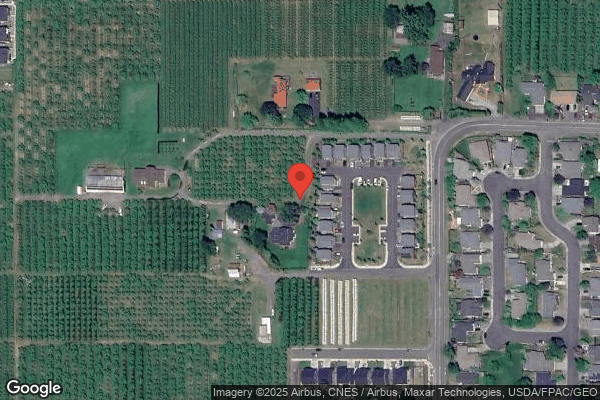
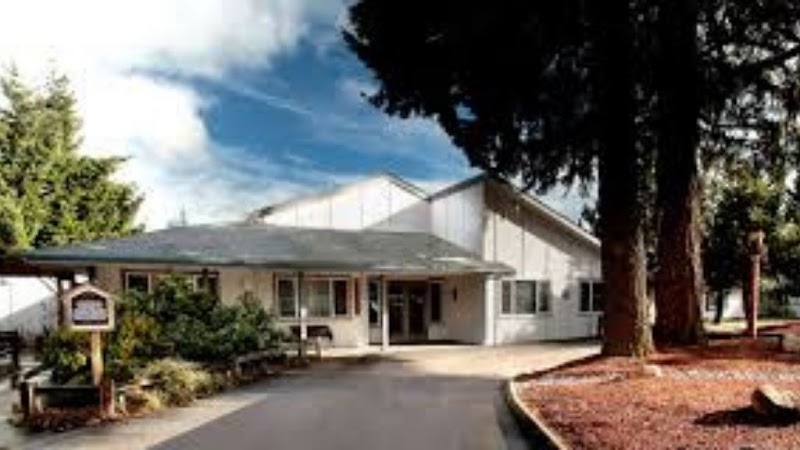
729 HENDERSON ROAD, HOOD RIVER, OR 97031 (541) 386-2688
For profit - Limited Liability company 100 Beds PACS GROUP Data: November 2025 1 Immediate Jeopardy citation
Trust Grade
23/100
#117 of 127 in OR
Last Inspection: September 2024

Within standard 12-15 month inspection cycle. Federal law requires annual inspections.

Overview

Hood River Post Acute has received an F grade, indicating a poor level of care with significant concerns. It ranks #117 out of 127 facilities in Oregon, placing it in the bottom half overall, though it is the only option in Hood River County. The facility is experiencing a worsening trend, with issues increasing from 5 in 2020 to 16 in 2024. Staffing is rated at 4 out of 5 stars, which is a strength, but the turnover rate is average at 51%. Additionally, the home has faced $38,636 in fines, which is concerning, and there were critical findings regarding food safety, such as improper storage temperatures for raw meat, and issues with residents not having access to important contact information for state agencies.

Trust Score
F
23/100
In Oregon
#117/127
Bottom 8%
Safety Record
High Risk
Review needed
Inspections
Getting Worse
5 → 16 violations
Staff Stability
⚠ Watch
51% turnover. Above average. Higher turnover means staff may not know residents' routines.
Penalties
✓ Good
$38,636 in fines. Lower than most Oregon facilities. Relatively clean record.
Skilled Nurses
○ Average
Each resident gets 30 minutes of Registered Nurse (RN) attention daily — about average for Oregon. RNs are the most trained staff who monitor for health changes.
Violations
⚠ Watch
30 deficiencies on record. Higher than average. Multiple issues found across inspections.
★☆☆☆☆
1.0
Overall Rating
★★★★☆
4.0
Staff Levels
★★★★☆
4.0
Care Quality
★☆☆☆☆
1.0
Inspection Score
Stable
2020: 5 issues
2024: 16 issues

The Good

  • 4-Star Staffing Rating · Above-average nurse staffing levels
  • 4-Star Quality Measures · Strong clinical quality outcomes
  • Full Sprinkler Coverage · Fire safety systems throughout facility
  • No fines on record

Facility shows strength in staffing levels, quality measures, fire safety.

The Bad

1-Star Overall Rating

Below Oregon average (3.0)

Significant quality concerns identified by CMS

Staff Turnover: 51%

Near Oregon avg (46%)

Higher turnover may affect care consistency

Federal Fines: $38,636

Above median ($33,413)

Moderate penalties - review what triggered them

Chain: PACS GROUP

Part of a multi-facility chain

Ask about local staffing decisions and management

The Ugly 30 deficiencies on record

1 life-threatening
Sept 2024 14 deficiencies 1 IJ (1 facility-wide)
CRITICAL (L)

Immediate Jeopardy (IJ) - the most serious Medicare violation

Food Safety (Tag F0812)

Someone could have died · This affected most or all residents

⚠️ Facility-wide issue

Based on observation, interview, and record review it was determined the facility failed to store foods at appropriate temperatures for 1 of 3 kitchen refrigerators reviewed for food safety. The facil...

Read full inspector narrative →
Based on observation, interview, and record review it was determined the facility failed to store foods at appropriate temperatures for 1 of 3 kitchen refrigerators reviewed for food safety. The facility's failure was determined to be an immediate jeopardy situation because raw meat stored outside of an acceptable temperature was planned to be used for an upcoming meal. Findings include: According to the U.S. Food and Drug Administration's Food Code 2022, (Chapter 3, Section 501.13), food shall be thawed under refrigeration that maintains the food temperature at 41 degrees F or less. Chapter 3, Section 501.13 goes on to say, improper thawing provides an opportunity for surviving bacteria to grow to harmful numbers and/or produce toxins. On 9/23/24 at 10:24 AM an initial inspection of the kitchen was performed. During this inspection an internal refrigerator thermometer read 45 degrees F. This refrigerator contained uncooked meat thawing, bacon, various salad dressings, cooked ham, cooked pulled pork, salami, pasteurized eggs, pasteurized cheeses and butter. On 9/25/24 at 11:20 AM the same refrigerator was inspected and the internal thermometer read 49 degrees F. This refrigerator contained the same items observed on 9/23/24 as well as uncooked beef being thawed. On 9/25/24 at 11:20 AM Staff 8 (Dietary Director) stated the fridge had problems staying cool for a few weeks. Staff 8 stated she thought this was either due to the location of the fridge or due to a problem with the door not fully closing and staying closed. Information was provided to Staff 8 regarding the temperature being at 49 degrees F and no action was taken by Staff 8. On 9/26/24 at 8:53 AM the Refrigerator Temperature Log for 9/2024 was reviewed and contained the following information: - 9/1: 50 F at 6:00 PM, - 9/2: 42 F at 6:00 PM, - 9/4: 43 F at 6:00 PM, - 9/5: 44 F at 6:00 PM, - 9/6: 46 F at 6:00 PM, - 9/7: 47 F at 6:00 PM, - 9/10: 42 F at 6:00 PM, - 9/15: 46 F at 6:00 PM, - 9/18: 43 F at 7:00 AM, - 9/18: 42 F at 6:00 PM, - 9/19: 42 F at 6:00 PM, - 9/22: 42 F at 9:00 AM, - 9/22: 42 F at 3:00 PM, - 9/23: 42 F at 7:00 AM, - 9/23: 43 F at 7:00 PM and - 9/24: 43 F at 2:00 PM. On 9/26/24 at 10:54 AM Staff 8 repeated she thought the problem was just the door not fully closing and checked to ensure the door was fully closed. Staff 8 repeated previous information about the refrigerator having had problems for a few weeks and added Staff 19 (Maintenance Director) was maybe notified about it. Records of this notification were requested, but no records were provided. On 9/26/24 at 10:54 AM Staff 8 was requested to check the temperature of the uncooked beef which was observed to be 41.3 degrees F. No action was taken by Staff 8 after the temperature check. On 9/26/24 at 11:05 AM Staff 19 stated he had not been informed of the refrigerator temperatures being outside of the acceptable range until 9/26/24. On 9/26/24 at 1:20 PM Staff 8 was requested to check the temperature of the uncooked beef which was found to be at 42.9 degrees F with one thermometer. To ensure temperature accuracy, a second thermometer was used which read 42.6 degrees F. Staff 8 stated the uncooked beef had been in the fridge to thaw since 9/24/24. Staff 8 said she had planned on cooking the beef on 9/27/24 but then said, I guess I'll do it tonight. On 9/26/24 at 2:44 PM the facility was notified of the Immediate Jeopardy (IJ) situation beginning 9/1/24 and an immediacy removal plan was requested. On 9/26/24 at 4:44 PM the facility submitted an acceptable immediacy removal plan which would abate the IJ situation. The immediacy removal plan included the following: - No foodborne illness had been identified. - All food was removed from the refrigerator and disposed. - The refrigerator was taken out of service. - New foods would be purchased to serve to residents. - All kitchen refrigerators would be checked for correct temperatures - The Administrator would educate the Dietary Manager and all dietary staff on 9/26/24 on the importance of refrigerator temperatures and action that should occur immediately with any food temperature concerns. Education would include storage, thawing, cooking and danger zone temperatures as well as when to dispose of any food that is in question. If dietary staff does not answer, they will be educated prior to their shift. - The Administrator would educate maintenance on the importance of placing a malfunctioning refrigerator out of service and action that should occur immediately with any food temperature concerns. - The Administrator of designee would audit refrigerator temperature logs daily for one week, then weekly for three weeks and then monthly for two months. - The findings would be brought to QAPI (Quality Assurance and Performance Improvement) for two months to ensure substantial compliance is met. - The Administrator would be responsible to ensure compliance. On 9/27/24 at 10:03 AM it was determined through observations, staff interviews and review of the facility documentation all aspects of the plan of correction were implemented and completed.
CONCERN (D)

Potential for Harm - no one hurt, but risky conditions existed

Deficiency F0552 (Tag F0552)

Could have caused harm · This affected 1 resident

Based on interview and record review it was determined the facility failed to ensure a consent was obtained prior to administering antidepressant medications to residents for 1 of 5 sampled residents ...

Read full inspector narrative →
Based on interview and record review it was determined the facility failed to ensure a consent was obtained prior to administering antidepressant medications to residents for 1 of 5 sampled residents (#21) reviewed for unnecessary medications. This placed residents at risk for being uninformed about their medications. Findings include: Resident 21 was admitted to the facility in 8/2023 with diagnoses including fracture and dementia. Resident 21's 8/25/23 Physician Order indicated the resident was prescribed mirtazapine (antidepressant) for major depressive disorder. Resident 21's 8/2023 through 9/2024 MARs revealed the resident received mirtazapine daily. Review of Resident 21's health record revealed no documentation to indicate the resident was informed in advance of the risks and benefits of mirtazapine. On 9/25/24 at 10:57 AM Staff 2 (DNS) and Staff 3 (Regional Nurse Consultant) reviewed Resident 21's health record, acknowledged there was no documentation to indicate the resident was informed of the risks and benefits of mirtazapine and confirmed a consent was not obtained from Resident 21 or her/his representative prior to the resident starting the medication.
CONCERN (D)

Potential for Harm - no one hurt, but risky conditions existed

Deficiency F0554 (Tag F0554)

Could have caused harm · This affected 1 resident

Based on interview and record review it was determined the facility failed to ensure a safe system for a resident's self-administration of medication for 1 of 2 sampled residents (#6) reviewed for car...

Read full inspector narrative →
Based on interview and record review it was determined the facility failed to ensure a safe system for a resident's self-administration of medication for 1 of 2 sampled residents (#6) reviewed for care planning. This placed residents at risk for adverse medication reactions. Findings include: Resident 6 admitted to the facility in 2022 with a diagnosis of multiple sclerosis. An 6/25/24 quarterly MDS revealed Resident 6 was cognitively intact. A 3/10/22 Self-Administration of Medication form revealed Resident 6 was assessed to be capable of self-administration of multiple medications. The form also indicated Resident was 6 was not to be left unattended while medication was being administered. A 4/1/24 Self-Administration of Medication form revealed Resident 6 was assessed to be capable of self-administration of Ventolin (respiratory medication) only. On 9/23/24 at 12:56 PM Staff 18 (RN) was observed to leave four unidentified medications at Resident 6's bedside and then left the room. When questioned Staff 18 stated she believed Resident 6 had a medication administration assessment completed that allowed Resident 6 to take her/his medications independently. Staff 18 confirmed she left medications with Resident 6 while she/he was unattended. On 9/24/24 at 2:27 PM staff 27 (CNA) stated in the evenings she observed medications left at Resident 6's bedside while she/he was unattended. On 9/25/24 at 2:31 PM Staff 2 (DNS) was made aware of the details of the medication self administration assessment as well as the observation of medications being left in resident 6's room while she/he was unattended. As of 9/27/24 at 9:57 AM no further information had been provided.
CONCERN (D)

Potential for Harm - no one hurt, but risky conditions existed

Deficiency F0557 (Tag F0557)

Could have caused harm · This affected 1 resident

Based on observation, interview and record review it was determined the facility failed to ensure residents were allowed to retain personal possessions for 1 of 1 sampled resident (#9) reviewed for ch...

Read full inspector narrative →
Based on observation, interview and record review it was determined the facility failed to ensure residents were allowed to retain personal possessions for 1 of 1 sampled resident (#9) reviewed for choices. This placed residents at risk for diminished quality of life. Findings include: Resident 9 was admitted to the facility in 7/2024 with diagnoses including Schizoaffective disorder (a mental health condition marked by a mix of schizophrenia symptoms, such as hallucinations and delusions, and mood disorder symptoms, such as depression and mania). Resident 9's 8/6/24 admission MDS indicated the resident was cognitively intact and did not exhibit any mood symptoms or behaviors. The MDS also indicated it was very important to the resident to take care of her/his personal belongings. On 9/23/24 at 12:15 PM Resident 9 was observed in her/his wheelchair in the dining room. Resident 9 stated she/he wanted to speak with the State Surveyor but wanted Witness 1 (Family Member) to be present for the conversation via her/his cell phone. Resident 9 stated she/he would check out her/his cell phone from the office and then meet in her/his room. On 9/23/24 at 1:05 PM the State Surveyor spoke with Resident 9 in her/his room with Witness 1 available on the resident's cell phone. Resident 9 stated she/he was allowed to have her/his cell phone between the hours of 9:00 AM to 7:00 PM when she/he had to return it to the office. Resident 9 and Witness 1 stated the facility restricted Resident 9's access to her/his cell phone at night since admission. They were told Resident 9 needed to learn to depend on [the facility] and felt as if they could not fight the restriction. Resident 9 further stated she/he did not like it and felt upset [she/he] could not call [her/his] mom when [she/he] wanted to. On 9/24/24 at 1:18 PM Staff 22 (CNA) and at 1:30 PM Staff 21 (CNA) stated they did not know why Resident 9 was not allowed to maintain her/his cell phone. On 9/24/24 at 2:33 PM Staff 23 (Enhanced Care Unit Program Supervisor) stated she would not be surprised if [Resident 9] wanted it [her/his cell phone] all the time. Staff 23 further stated staff were concerned Resident 9's roommate would take the phone so it was brought into the office to charge. No evidence was found in Resident 9's clinical record to indicate why the resident was not allowed to maintain her/his cell phone. On 9/24/24 at 3:47 PM Staff 1 (Administrator) acknowledged the findings of this investigation and stated she expected residents to be able to maintain their own cell phones unless a behavior care plan was in place to indicate otherwise.
CONCERN (D)

Potential for Harm - no one hurt, but risky conditions existed

Deficiency F0567 (Tag F0567)

Could have caused harm · This affected 1 resident

Based on interview and record review it was determined the facility failed to ensure residents had access to their personal funds on an ongoing basis for 2 of 2 sampled residents (#s 1 and 9). This pl...

Read full inspector narrative →
Based on interview and record review it was determined the facility failed to ensure residents had access to their personal funds on an ongoing basis for 2 of 2 sampled residents (#s 1 and 9). This placed residents at risk for lack of access to personal funds. Findings include: 1. Resident 1 was admitted to the facility in 10/2017 with diagnoses including borderline personality disorder (a mental disorder characterized by unstable moods, behavior and relationships). Resident 1's 7/18/24 Quarterly MDS indicated the resident was cognitively intact. On 9/24/24 at 9:22 AM Resident 1 stated she/he was only able to access her/his money during the day time. On 9/24/24 at 1:13 PM Staff 22 (CNA) stated if a resident wanted access to their money, she would direct the resident to wait for staff from the CFL (Center for Living, the community mental health program overseeing the facility's enhanced care unit). Staff 22 stated CFL staff were in the facility every day from approximately 9:00 AM to 7:00 PM. On 9/24/24 at 1:24 PM Staff 21 (CNA) stated she did not deal with any money things and the CFL was responsible for dealing with that. Staff 21 stated she told residents who wanted their money, you have to wait for CFL staff to get here. On 9/24/24 at 2:17 PM Staff 23 (Enhanced Care Unit Program Supervisor) stated residents did not get their money if CFL staff were not available. On 9/25/24 at 8:44 AM Staff 25 (LPN) stated she did not know how to access resident money when CFL staff were not available. On 9/25/24 at 10:53 AM Staff 1 (Administrator) acknowledged the findings of this investigation. Staff 1 stated residents should have access to their money all of the time. 2. Resident 9 was admitted to the facility in 7/2024 with diagnoses including Schizoaffective disorder (a mental health condition marked by a mix of schizophrenia symptoms, such as hallucinations and delusions, and mood disorder symptoms, such as depression and mania). Resident 9's 8/6/24 admission MDS indicated the resident was cognitively intact. On 9/23/24 at 1:03 PM the State Surveyor spoke with Resident 9 in her/his room with Witness 1 (Family Member) available on the resident's cell phone. Resident 9 and Witness 1 stated the resident was not able to access her/his money after 7:00 PM on weekdays and past 4:00 PM on the weekends. On 9/24/24 at 1:13 PM Staff 22 (CNA) stated if a resident wanted access to their money, she would direct the resident to wait for staff from the CFL (Center for Living, the community mental health program overseeing the facility's enhanced care unit). Staff 22 stated CFL staff were in the facility every day from approximately 9:00 AM to 7:00 PM. On 9/24/24 at 1:24 PM Staff 21 (CNA) stated she did not deal with any money things and the CFL was responsible for dealing with that. Staff 21 stated she told residents who wanted their money, you have to wait for CFL staff to get here. On 9/24/24 at 2:17 PM Staff 23 (Enhanced Care Unit Program Supervisor) stated residents did not get their money if CFL staff were not available. On 9/25/24 at 8:44 AM Staff 25 (LPN) stated she did not know how to access resident money when CFL staff were not available. On 9/25/24 at 10:53 AM Staff 1 (Administrator) acknowledged the findings of this investigation. Staff 1 stated residents should have access to their money all of the time.
CONCERN (D)

Potential for Harm - no one hurt, but risky conditions existed

Safe Environment (Tag F0584)

Could have caused harm · This affected 1 resident

Based on observation and interview it was determined the facility failed to maintain a homelike environment and adequate hot water temperatures for 1 of 1 facility shower room reviewed for a homelike ...

Read full inspector narrative →
Based on observation and interview it was determined the facility failed to maintain a homelike environment and adequate hot water temperatures for 1 of 1 facility shower room reviewed for a homelike environment. This placed residents at risk for a cluttered and damaged shower environment as well as cold showers. Findings include: On 9/23/24 at 10:23 AM Resident 32 stated the water in main shower room was too cold. On 9/26/24 at 7:43 AM Resident 100 stated the water would go hot for a bit and then suddenly get cold. On 9/26/24 at 7:01 AM Staff 11 (CNA) stated she started the shower way ahead of time so the water could warm up. Staff 11 stated sometimes the water was too cold. On 9/26/24 at 7:56 AM staff 19 (maintenance director) tested the shower water temp after five or more minutes and it was 87 degrees F. Staff 19 indicated which hot water heater supplied the shower and the temperature gauge read 99 degrees F. On 9/27/24 at 7:26 AM Staff 1 (Administrator) tested the shower water temperature and it reached 94 degrees Fahrenheit. On 9/27/24 at 7:26 AM the main shower room was observed with sections of baseboard missing from the three partition walls on the left side of the shower room leaving exposed unfinished, uncleanable sheetrock. The partition wall furthest from the door had significant chunks and gouges near the base. The ceiling above the non-functioning side of the shower room appeared torn and potentially damaged by water. The vent above the non-functioning shower was observed to be dirty and the light bulb was exposed. The drain cover was also missing in the functional shower resulting in an approximately three inch hole in the floor and was a potential source of injury. 09/27/24 10:17 AM Staff 1 (Administrator) confirmed the damage and un-homelike state of the shower room as well as the hot water temperatures being out of the aceptable range.
CONCERN (D)

Potential for Harm - no one hurt, but risky conditions existed

Deficiency F0645 (Tag F0645)

Could have caused harm · This affected 1 resident

**NOTE- TERMS IN BRACKETS HAVE BEEN EDITED TO PROTECT CONFIDENTIALITY** Based on interview and record review it was determined the facility failed to ensure a PASARR Level II (Preadmission Screening f...

Read full inspector narrative →
**NOTE- TERMS IN BRACKETS HAVE BEEN EDITED TO PROTECT CONFIDENTIALITY** Based on interview and record review it was determined the facility failed to ensure a PASARR Level II (Preadmission Screening for individuals with a mental disorder and/or individuals with intellectual disability) was completed for 2 of 2 sampled residents (#s 9 and 26) reviewed for PASARR. This placed residents at risk for not receiving specialized services. Findings include: The facility's 9/2024 PASARR Policy and Procedure directed the following: -If a Level II evaluation was indicated, the social worker would ensure a LMPH (licensed mental health professional) was scheduled to evaluate within a timely period. -If there was a significant change of condition that could affect a resident's diagnosed need for a PASARR Level II, staff should refer for a new PASARR Level II. -Follow up as needed per federal PASARR rules. 1. Resident 9 was admitted to the facility in 7/2024 with diagnoses including Schizoaffective disorder (a mental health condition marked by a mix of schizophrenia symptoms, such as hallucinations and delusions, and mood disorder symptoms, such as depression and mania) and cerebral palsy (a group of conditions that affect movement and posture and caused by damage that occurs to the developing brain, most often before birth). Resident 9's 7/31/24 PASARR Level I indicated the resident experienced indicators of both serious mental illness and a developmental disability. A review of Resident 9's Social Service Notes from 8/1/24 through 8/13/24 revealed a PASARR Level II was requested to address the resident's indicators of developmental disability but not her/his indicators of serious mental illness. On 9/25/24 at 9:39 AM Staff 4 (Social Services Director) stated PASARR Level IIs for serious mental illness were completed by the Center for Life (CFL), the organization who managed the facility's enhanced care unit, and she was not sure why the PASARR Level II for Resident 9 for her/his diagnosed serious mental illness had not been completed. On 9/25/24 at 10:56 AM Staff 1 (Administrator) acknowledged the findings of this investigation and provided no additional information. 2. Resident 26 was admitted to the facility in 1/2021 with diagnoses including anxiety and depression. Resident 26's 1/21/21 PASARR Level I indicated the resident did not have indicators of either serious mental illness or a developmental disability. A 6/21/23 PASARR Level II revealed Staff 4 (Social Services Director) requested a Level II evaluation for Resident 26 as the resident experienced a dramatic increase in paranoid delusions. A review of Resident 26's clinical record revealed the resident was hospitalized from [DATE] to 3/6/24. Resident 26 readmitted to the facility with a new PASARR Level I which indicated the resident had indicators of serious mental illness. No evidence was found in Resident 26's clinical record to indicate an additional PASARR Level II was requested to address the resident's new onset of serious mental illness indicators. On 9/26/24 at 3:47 PM Staff 4 (Social Services Director) stated Resident 26 was not physically aggressive in 6/2023 when the resident received her/his initial PASARR Level II. Staff 4 stated the resident had experienced a significant change of condition in 3/2024 on account of worsening behaviors and she should have requested an additional PASARR Level II following the resident's hospitalization but she did not. On 9/27/24 at 9:37 AM Staff 1 (Administrator) was informed of the findings and provided no additional information.
CONCERN (D)

Potential for Harm - no one hurt, but risky conditions existed

Deficiency F0657 (Tag F0657)

Could have caused harm · This affected 1 resident

Based on observation, interview, and record review it was determined the facility failed to ensure care plans were revised to accurately to reflect the needs of residents for 2 of 4 sampled residents ...

Read full inspector narrative →
Based on observation, interview, and record review it was determined the facility failed to ensure care plans were revised to accurately to reflect the needs of residents for 2 of 4 sampled residents (#s 14 and 35) reviewed for weights and assistive devices. This placed residents at risk for unmet needs. Findings include: 1. Resident 14 was admitted to the facility in 6/2020 with diagnoses including dementia and parkinsonism (difficulty with movement). Resident 14's 7/2/24 Annual MDS revealed the resident was moderately cognitively impaired. A Care Plan dated 7/11/24 revealed Resident 14 used a mobility bar on the left side of the bed for inhanced bed mobility. Observations from 9/23/24 through 9/27/24 revealed Resident 14 did not have a mobility bar in place while the resident was in bed. On 9/26/24 at 9:51 AM Staff 11 (CNA) stated Resident 14 should have a bed mobility bar on her/his bed to help her/him with positioning while in bed. On 9/26/24 at 10:59 AM Staff 9 (LPN Resident Care Manager) stated Resident 14 had a mobility bed assist rail on her/his bed to assist with positioning and movement. On 9/27/24 at 9:10 AM Staff 2 (DNS) confirmed Resident 14's care plan had not been updated to reflect the resident no longer needed the mobility bar. 2. Resident 35 was admitted to the facility in 3/2023 with diagnoses including delusional disorders, depression and edema. Resident 35's Quarterly MDS revealed the resident was cognitively intact. A Care Plan dated 9/21/24 revealed Resident 35 used bilateral 1/4 inch rails on her/his bed due to a self-performance deficit. Observations from 9/23/24 through 9/27/24 revealed Resident 35 did not have bilateral 1/4 inch rails on her/his bed while the resident was in bed. On 9/24/24 at 3:01 PM Staff 24 (CNA) stated Resident 35 did not use any bed mobility devices. On 9/24/24 at 3:31 PM Staff 5 (RNCM) stated Resident 35 did not use bilateral bars and stated the care plan had not been updated. On 9/27/24 at 9:10 AM Staff 2 (DNS) confirmed Resident 35's care plan had not been updated to reflect the resident no longer needed the bilateral 1/4 inch rails while in bed. 3. Resident 35 was admitted to the facility in 3/2023 with diagnoses including delusional disorders, depression and edema. A Care Plan dated 9/21/24 revealed Resident 35 was to have her/his weight obtained daily due to diuretic therapy from edema. Resident 35's Quarterly MDS revealed the resident was cognitively intact. Review of Resident 35's clinical record revealed a 4/5/24 physician order for the resident to be weighed weekly. On 9/24/24 at 3:01 PM Staff 24 (CNA) stated Resident 35 was to be weighed everyday in the mornings. On 9/24/24 at 3:31 PM Staff 5 acknowledged Resident 35's care plan had not been revised to reflect Resident 35 was to be weighed weekly. On 9/24/24 at 3:52 PM Staff 2 (DNS) was informed of the findings. No additional information was provided.
CONCERN (D)

Potential for Harm - no one hurt, but risky conditions existed

Deficiency F0679 (Tag F0679)

Could have caused harm · This affected 1 resident

Based on observation, interview and record review it was determined the facility failed to provide an on-going program to support individual activity interests and preferences for 1 of 2 sampled resid...

Read full inspector narrative →
Based on observation, interview and record review it was determined the facility failed to provide an on-going program to support individual activity interests and preferences for 1 of 2 sampled residents (#25) reviewed for activities. This placed residents at risk for lack of social interaction and isolation. Findings include: The facility's 3/2019 Activities Policy and Procedure indicated the following: -Each resident's physical, mental, spiritual, psychosocial and leisure choices as well as preferences for participation in activities will be assessed. This assessment will occur on admission, annually and with condition changes. -A monthly calendar shall be posted in designated areas of the facility. The scheduled activities will be planned at an appropriate frequency to provide diverse activity/recreational programs that address various cognitive and functional levels and meet the needs of the residents. Resident 25 was admitted to the facility in 1/2021 with a diagnoses including dementia and depression. Resident 25's 1/17/24 Annual MDS indicated the resident experienced short and long term memory loss, was severely impaired for decision making and her/his activity preferences were listening to music, doing things with groups of people, participating in favorite activities and spending time outdoors. The 3/28/24 Care Plan indicated the following: -Resident 25 was dependent on staff to meet emotional, intellectual, physical and social needs, dementia and physical limitations. -The resident's activity goal was to attend/participate in activities of choice 2-4 times weekly by next review date. -Ensure the activities the resident is attending are compatible with known interests and preferences. -Ensure the activities the resident is attending are compatible with individual needs and abilities. -Introduce the resident to residents with similar background, interests and encourage/facilitate interaction. -The resident needs one-to-one bedside/in-room visits and activities if unable to attend out of room events. A review of the facility's Activity Logs from 8/26/24 through 9/25/24 indicated Resident 25 received four one-to-one activities and did not participate in any group activities. Random observations of Resident 25 from 9/23/24 through 9/26/24 from 9:13 AM to 2:50 PM revealed the resident to be either in bed or in his/her wheelchair at the nurses station or in his/her room. No music was observed to play in the resident's room or at the nurses station. On 9/25/24 at 2:45 PM Staff 26 (CNA) stated Resident 25 was non-verbal, did not participate in activities and spent her/his day either sitting at the nurses station or sleeping in her/his room. On 9/26/24 at 9:28 AM Staff 11 (CNA) stated Resident 25 was non-verbal and was unable to make choices about activities or her/his rountine. Staff 11 stated the resident was in her/his room a lot and they were unaware of any activity interests outside of music. On 9/25/24 at 3:06 PM and 9/26/24 at 4:28 PM Staff 7 (Activities Director) indicated Resident 25 was non-verbal and unable to make activity choices. Staff 7 stated he did not do much one-on-one activites with the resident and was unable to articulate the resident's favorite activities outside of listening to music. Staff 7 stated he attempted a sensory mat with the resident at one point but had not attempted any additional sensory activities. On 9/27/24 at 10:04 AM Staff 1 (Administrator) acknowledged the findings of this investigation and did not provide any additional information.
CONCERN (D) 📢 Someone Reported This

A family member, employee, or ombudsman was alarmed enough to file a formal complaint

Potential for Harm - no one hurt, but risky conditions existed

Accident Prevention (Tag F0689)

Could have caused harm · This affected 1 resident

**NOTE- TERMS IN BRACKETS HAVE BEEN EDITED TO PROTECT CONFIDENTIALITY** Based on interview and record review it was determined the facility failed to provide care in accordance with care planned inter...

Read full inspector narrative →
**NOTE- TERMS IN BRACKETS HAVE BEEN EDITED TO PROTECT CONFIDENTIALITY** Based on interview and record review it was determined the facility failed to provide care in accordance with care planned interventions while transferring residents for 1 of 1 sampled resident (#31) reviewed for accidents. This failure resulted in avoidable skin tears to Resident 31's right arm. Findings include: Resident 31 was admitted to the facility in 9/2023 with diagnoses including stroke and kidney failure. Resident 31's Quarterly MDS dated [DATE] indicated the resident was moderately impaired in cognition. Resident 31's Care Plan dated 10/3/23 identified the resident was at risk for falls due to muscle weakness. Interventions on the care plan included: Two-person transfers with a hoyer lift, staff were to anticipate the resident's needs and to keep the call light and personal items within reach. A 12/6/23 Facility Reported Incident indicated Resident 31 was provided care by Staff 11 (CNA) and Staff 15 (CNA) during a transfer from bed to her/his wheelchair and sustained two skin tears to her/his right forearm. Staff 11 reported the injury happened while they assisted the resident with a transfer. Staff 18 (RN) assessed the resident and cleaned the skin tears which measured 1.5 cm each, and were horseshoe shaped. On 9/26/24 at 10:02 AM Staff 11 stated she recalled the incident on 12/5/23 when she was assisting Resident 31 with a transfer. Staff 11 stated she was not familiar with Resident 31 and the incident happened very quickly. Staff 11 acknowledged Resident 31 required two-person hoyer assistance with transfers and the care plan was not followed. On 9/26/24 at 5:16 PM Staff 2 (DNS) stated Resident 31 required two-person assistance with a hoyer for transfers at the time of the incident. Staff 2 stated the care plan was not followed by Staff 11 and Staff 15, a hoyer lift should have been used for the transfer. Staff 2 stated it was her expectation the care plans were always followed.
CONCERN (D)

Potential for Harm - no one hurt, but risky conditions existed

Deficiency F0699 (Tag F0699)

Could have caused harm · This affected 1 resident

Based on observation, interview and record review it was determined the facility failed to ensure residents who were trauma survivors received trauma-informed care for 1 of 2 sampled residents (#1) re...

Read full inspector narrative →
Based on observation, interview and record review it was determined the facility failed to ensure residents who were trauma survivors received trauma-informed care for 1 of 2 sampled residents (#1) reviewed for mood. This placed residents at risk for re-traumatization and decreased quality of life. Findings include: Resident 1 was admitted to the facility in 10/2017 with diagnoses including borderline personality disorder (a mental disorder characterized by unstable moods, behavior and relationships). The National Institute of Mental Health (NIMH) website section titled Borderline Personality Disorder indicated genetic, environmental and social factors may increase a person's risk of developing borderline personality disorder, and many people with borderline personality disorder report experiencing traumatic life events, such as abuse, abandonment or hardship during childhood. Resident 1's 7/18/24 Quarterly MDS indicated the resident was cognitively intact. On 9/24/24 at 9:17 AM Resident 1 was observed in her/his room in her/his wheelchair. Resident 1 stated she/he had a history of trauma as she/he was abused as a child and teenage years. Resident 1 stated she/he was diagnosed with multiple personality disorder about 10 years ago, and some of her/his personalities were not nice and still hurt [her/him]. No evidence was found in Resident 1's clinical record to indicate the resident's past history of trauma and/or triggers which could cause re-traumatization were identified or assessed. On 9/25/24 at 9:50 AM and 10:16 AM Staff 4 (Social Services Director) stated she screened residents for trauma and developed care plans for those residents who indicated they experienced trauma, which included possible triggers for re-traumatization. Staff 4 stated she did not have any documentation to indicate Resident 1 was ever screened for trauma. On 9/25/24 at 11:02 AM Staff 1 (Administrator) acknowledged the findings of this investigation and did not provide any additional information.
CONCERN (D)

Potential for Harm - no one hurt, but risky conditions existed

Deficiency F0761 (Tag F0761)

Could have caused harm · This affected 1 resident

Based on observation and interview it was determined the facility failed to ensure medications and biologicals were secured and accessible only to authorized personnel for 1 of 1 facility observed for...

Read full inspector narrative →
Based on observation and interview it was determined the facility failed to ensure medications and biologicals were secured and accessible only to authorized personnel for 1 of 1 facility observed for secure medication and treatment carts. This placed residents at risk for misappropriation of medications and adverse medication consequences. Findings include: The facility Medication Storage Policy dated 1/2024 stated: In order to limit access to prescription medications, only licensed nurses, pharmacy staff, and those lawfully authorized to administer medications (such as medication aides) are allowed access to medication carts. Medication rooms, cabinets and medication supplies should remain locked when not in use or attended by persons with authorized access. On 9/23/24 at 1:27 PM the treatment cart near the 300 hall was unlocked and unattended by staff. On 9/23/24 at 1:32 PM Staff 2 (DNS) confirmed the cart was left unlocked and unattended. On 9/26/24 at 1:19 PM the medication cart on the 500 hall was unlocked and unattended by staff. On 9/26/24 at 1:23 PM Staff 10 (LPN) confirmed the cart was left unlocked and unattended by staff. On 9/26/24 at 1:32 PM Staff 2 stated it was her expectation for the medication and treatment carts to remain locked when unattended.
CONCERN (E)

Potential for Harm - no one hurt, but risky conditions existed

Deficiency F0575 (Tag F0575)

Could have caused harm · This affected multiple residents

Based on observation and interview it was determined the facility failed to ensure contact information for pertinent State agencies and the required Long Term Care Ombudsman (LTCO) poster were accessi...

Read full inspector narrative →
Based on observation and interview it was determined the facility failed to ensure contact information for pertinent State agencies and the required Long Term Care Ombudsman (LTCO) poster were accessible to residents for 1 of 2 units observed for required postings. This placed residents at risk for lack of information on how to file a complaint or how to report concerns. Findings include: On 9/23/24 at 11:00 AM the required postings to indicate how residents can contact the State Survey Agency, the State licensure office, adult protective services and LTCO were observed in a hallway outside of the facility's locked enhanced care unit (ECU). Neither posting was observed inside the ECU. On 9/25/24 at 3:30 PM Resident 1 stated she/he had no idea where to access the contact information for pertinent State agencies or the LTCO and she/he was interested to know this information. Resident 1 stated she/he was unable to leave the ECU without a staff escort. On 9/25/24 at 10:55 AM Staff 1 (Administrator) acknowledged the findings of this investigation and confirmed ECU residents could not access the required postings without staff assistance.
CONCERN (E)

Potential for Harm - no one hurt, but risky conditions existed

Infection Control (Tag F0880)

Could have caused harm · This affected multiple residents

Based on observation and interview it was determined the facility failed to ensure sanitary laundry services were provided for 2 of 6 halls reviewed for infection control. This placed residents at ris...

Read full inspector narrative →
Based on observation and interview it was determined the facility failed to ensure sanitary laundry services were provided for 2 of 6 halls reviewed for infection control. This placed residents at risk for cross contamination. Findings include: On 9/24/24 at 12:57 PM and at 1:10 PM Staff 20 (Laundry Services) was observed to deliver clean resident clothing throughout the 400 and 500 Halls and used a small uncovered laundry cart. The laundry cart was left unattended while Staff 20 delivered resident clothing from room to room. On 9/27/24 at 10:02 AM Staff 1 (Administrator) acknowledged that clean resident clothing should be covered while being delivered.
Jun 2024 2 deficiencies
CONCERN (D) 📢 Someone Reported This

A family member, employee, or ombudsman was alarmed enough to file a formal complaint

Potential for Harm - no one hurt, but risky conditions existed

Free from Abuse/Neglect (Tag F0600)

Could have caused harm · This affected 1 resident

Based on observation, interview and record review it was determined the facility failed to protect the resident's right to be free from physical abuse by another resident for 1 of 3 sampled residents ...

Read full inspector narrative →
Based on observation, interview and record review it was determined the facility failed to protect the resident's right to be free from physical abuse by another resident for 1 of 3 sampled residents (#101) reviewed for abuse. This placed residents at risk for abuse. Findings include: Resident 101 was admitted to the facility in 7/2020 with diagnoses including alcohol-induced dementia. Resident 101's 3/18/22 Quarterly MDS indicated the resident was cognitively intact. Resident 100 was admitted to the facility in 7/2021 with diagnoses including Lewy body dementia (a brain disorder that can lead to problems with thinking, movement, behavior and mood). Resident 100's 8/8/21 Behavior Care Plan revealed the following: -The resident experienced agitation and aggression. -Staff were to intervene as necessary to protect the rights and safety of others. Resident 100's 2/4/22 Quarterly MDS indicated the resident was severely cognitively impaired and was able to walk independently. A 4/2/22 FRI and Investigation revealed the following: -Staff 3 (admission Director) heard yelling and cursing coming from Resident 100 and 101's shared room. -Staff 3 entered the room and observed Resident 101 on the ground. Resident 100 stood over Resident 101. -Resident 100 stated she/he hit Resident 101 in the face because the resident stole [her/his] shorts and food. -Resident 101 stated Resident 100 slapped her/him in the face which caused her/him to fall to the ground. -Staff 5 (RN) entered the room and separated the residents. On 6/18/24 at 9:52 AM Staff 5 stated Resident 100 could be pleasant at times but angry and verbally aggressive at others. Staff 5 stated Resident 100 would yell and cuss at other residents. Staff 5 stated he was the nurse on duty when the altercation between Residents 100 and 101 occurred on 4/2/22. Staff 5 stated he recalled Resident 100 standing over Resident 101 with an angry look on her/his face and Resident 101 appeared shocked. On 6/18/24 at 10:46 AM Resident 101 was observed in her/his room in bed. Resident 101 stated she/he felt safe at the facility. Resident 101 was unable to recall any details about the incident that occurred on 4/2/22 and did not remember Resident 100. On 6/18/24 at 10:50 AM Resident 100 was observed to sit in her/his wheelchair in the doorway of her/his room. Resident 100 was unable to recall any details about the incident. On 6/18/24 at 12:03 PM Staff 2 (Social Services Director) stated she spoke with Resident 100 on 4/2/22 following the altercation and Resident 100 confirmed she/he hit Resident 101 because she/he thought the resident was a classmate and was going through her/his belongings. Staff 2 stated Resident 101 was shook up in the moment following the altercation but had forgotten about the altercation not long after it occurred because the resident's short term memory was so poor. On 6/18/24 at 12:45 PM Staff 3 stated she entered Resident 100 and 101's room on 4/2/22 because she heard yelling. Staff 3 stated when she arrived in the room, Resident 100 stood over Resident 101 who was on the ground. Staff 3 stated she helped remove Resident 100 from the room and stated Resident 101 was very scared after the incident. On 6/18/24 at 3:02 PM Staff 1 (Administrator) confirmed Resident 100 hit Resident 101 on 4/2/22.
CONCERN (D) 📢 Someone Reported This

A family member, employee, or ombudsman was alarmed enough to file a formal complaint

Potential for Harm - no one hurt, but risky conditions existed

Accident Prevention (Tag F0689)

Could have caused harm · This affected 1 resident

Based on interview and record review it was determined the facility failed to ensure adequate supervision and a safe environment for 1 of 3 sampled residents (#100) reviewed for elopement. This placed...

Read full inspector narrative →
Based on interview and record review it was determined the facility failed to ensure adequate supervision and a safe environment for 1 of 3 sampled residents (#100) reviewed for elopement. This placed residents at risk for injury from accidents. Findings include: Resident 100 was admitted to the facility in 7/2021 with diagnoses including Lewy body dementia (a brain disorder that can lead to problems with thinking, movement, behavior and mood). Resident 100's 7/29/21 At Risk for Falls and ADL Care Plans revealed the following: -The resident was considered at high risk of falling. -The resident ambulated independently in the facility. -The resident used a front wheeled walker when ambulating on uneven surfaces. Resident 100's 3/17/22 Elopement Risk/Wanderer Care Plan revealed the following: -The resident was considered at risk to elope. -The resident wore a Wanderguard (a monitoring device that allows an alarm to be activated when a person attempts to leave a safe area). -The resident required frequent checks during routine rounds due to her/his dementia, independence with mobility and exit-seeking behaviors. -Staff were to distract the resident from wandering. Resident 100's 10/28/22 Social Service Quarterly Assessment revealed the resident would regularly exit-seek and got frustrated when staff did not open the doors and let her/him outside. Resident 100's 11/5/22 Quarterly MDS revealed the resident was severely cognitively impaired, exhibited wandering and experienced a fall with injury since her/his prior assessment. Resident 100's 11/15/22 Morse Fall Scale indicated the resident was at high risk of falling. Resident 100's 11/15/22 Elopement Risk Evaluation indicated the resident was at high risk to wander/elope. An 11/30/22 Incident Report and Summary revealed the following: -Resident 100 was near the front door to the facility when a UPS (United Parcel Service) driver entered the facility. -The UPS driver dropped off parcels and exited the facility. Resident 100 followed the driver outside of the facility. -An unidentified nurse called out to Resident 100, requesting she/he return to the facility. -Resident 100 stepped on a snow-covered sidewalk and fell on her/his left side. -Resident 100 was assisted into a wheelchair and quickly returned to the facility. -Resident 100 experienced pain in her/his left hip and left arm following the fall. On 6/18/24 at 9:52 AM Staff 5 (RN) stated Resident 100 consistently hung out by the front door and repeatedly asked to go outside. Staff 5 stated Resident 100 had a Wanderguard on her/his ankle, and he would hear the alarm frequently going off because the resident was by the front or back door. On 6/18/22 at 3:22 PM Staff 1 (Administrator) stated Resident 100 had a Wanderguard due to a lot of exit-seeking behaviors. Staff 1 stated Resident 100 was constantly at the doors, trying to get out of the facility. Staff 1 stated Resident 100 was was nice and would make friends with people who would hold the door open for [her/him]. Staff 1 stated on 11/30/22 the weather conditions included snow and ice and acknowledged Resident 100 exited the facility behind a UPS driver and fell.
Jan 2020 5 deficiencies
CONCERN (D)

Potential for Harm - no one hurt, but risky conditions existed

Comprehensive Care Plan (Tag F0656)

Could have caused harm · This affected 1 resident

Based on observation, interview and record review it was determined the facility failed to ensure residents' care-planned interventions were followed for 1 of 1 sampled resident (#45) identified with ...

Read full inspector narrative →
Based on observation, interview and record review it was determined the facility failed to ensure residents' care-planned interventions were followed for 1 of 1 sampled resident (#45) identified with a fall with injury. As a result, Resident 45 sustained a left arm fracture on 12/23/19. The facility identified the noncompliance and immediately initiated a plan of correction which included staff education, staff reminders to read residents' care plans daily and implement care planned interventions and no further accidents occurred. This incident was identified as meeting the criteria for past noncompliance. Findings include: Resident 45 was admitted to the facility in 12/2019 with diagnoses including sepsis (systemic infection). Resident 45's 12/18/19 admission MDS Section C: Cognitive Patterns indicated moderate cognitive impairment with a BIMS score of 12. Resident 45's Care Plan identified the resident as a fall risk. The fall prevention intervention directed staff to ensure Resident 45 used non skid footwear when transferring. On 12/23/19 at approximately 5:45 PM Staff 13 (CNA) transferred Resident 45 from the wheelchair onto the toilet. Staff 13 instructed Resident 45 to use the call light when finished and wait for staff to assist. Staff 13 did not ensure Resident 45 was using non skid footwear. Resident 45 used the call light, did not wait for staff to assist and attempted to self transfer from the toilet to the wheelchair. Staff 13 responded to a noise from Resident 45's room and found Resident 45 on the bathroom floor. Resident 45 was assessed for injury and complained of left shoulder pain. An X-ray was obtained and it was determined Resident 45 sustained a left humerus (long bone in upper arm) fracture. Observations of Resident 45 were made from 1/27/20 through 1/31/20 between the hours of 7:30 AM and 6:00 PM. During these observations, Resident 45 wore non skid footwear. In an interview on 1/27/20 at 11:16 AM Resident 45 stated on 12/23/19 she/he was in the bathroom and did not want to wait for staff to assist with a transfer. Resident 45 stated she/he attempted to self transfer, fell and broke her/his arm. Resident 45 stated she/he did not require surgery, used an immobilizer for a short time, continued with physical and occupational therapy and her/his arm was better now. In an interview on 1/29/20 at 11:12 AM Staff 13 (CNA) stated on 12/23/19 she was delivering dinner meals and responded to Resident 45's request to use the bathroom. Staff 13 stated she transferred Resident 45 to the toilet and reminded Resident 45 to use the call light and wait for assist when finished. Staff 13 stated she was unsure if Resident 45 was wearing non skid footwear. Staff 13 stated she delivered two dinner trays to other residents, saw Resident 45's call light come on, and was walking toward her/his room when Resident 45's roommate declared Resident 45 fell. Staff 13 stated she observed Resident 45 on her/his left side on the floor in the bathroom. Staff 13 stated she called for help and Staff 14 (RNCM) and Staff 23 (RN) assessed Resident 45 and took over her/his care. In an interview on 1/29/20 at 12:42 PM Staff 14 (RNCM) stated on 12/23/19 she was called into Resident 45's room because Resident 45 fell in the bathroom. Staff 14 stated she and Staff 23 (RN obtained Resident 45's vitals signs, initiated neurological assessments, and assessed Resident 45 for pain and range of motion. Staff 14 stated she administered Tylenol to Resident 45, applied an ice pack to Resident 45's shoulder, notified the resident's daughter and physician and suggested the resident go to the ED for evaluation. Resident 45 refused to go to the ED and agreed to a mobile in-house X-ray on 12/24/19. Staff 14 stated the X-ray concluded Resident 45 sustained a left humerus fracture and required an immobilizer and pain medication. Staff 14 stated Resident 45 was not wearing non skid footwear and the care plan was not followed. Interviews conducted on 1/28/20 and 1/29/20 with Staff 6 (CNA), Staff 11 (CNA), Staff 12 (CNA), Staff 13 (CNA) and Staff 22 (RN) who stated information regarding residents was found in the care plan. Staff stated it was an expectation to read residents' care plans daily and follow the recommended interventions to prevent falls. On 1/29/20 at 4:00 PM Staff 2 (Interim DNS) stated on 12/23/19 Resident 45 attempted to self transfer, fell and sustained a left humerus fracture. Staff 2 stated a staff in-service was immediately completed which included staff education to read the care plan daily, implement the care planned interventions to prevent falls and to ensure non skid footwear was used for residents at all times. Staff 2 stated there were no further accidents or incidents of not implementing non skid footwear since the 12/23/19 incident. This situation met the criteria for past noncompliance as follows: 1. The incident indicated noncompliance at F656. 2. The noncompliance occurred after the exit date of the last standard recertification survey (5/11/18) and before the date of this survey (1/31/20). 3. There was sufficient evidence the facility corrected the noncompliance immediately and was in substantial compliance with F656 as evidenced by: -No deficient practice was found at F656 with additional sampled residents; -Evidence the deficient practice was identified by the facility, brought to quality assurance and a plan of correction was implemented on 12/23/19 to educate and remind staff to read residents' care plans and implement interventions to prevent falls. -DNS, RN and CNA interviews indicated knowledge and awareness of expectations and protocol to follow the care planned interventions to prevent falls.
CONCERN (D)

Potential for Harm - no one hurt, but risky conditions existed

Pressure Ulcer Prevention (Tag F0686)

Could have caused harm · This affected 1 resident

Based on interview and record review it was determined the facility failed to monitor, obtain physician's orders and failed to implement a treatment for 1 of 1 sampled resident (#350) reviewed for pre...

Read full inspector narrative →
Based on interview and record review it was determined the facility failed to monitor, obtain physician's orders and failed to implement a treatment for 1 of 1 sampled resident (#350) reviewed for pressure ulcers. This placed residents at risk for unmet needs. Findings include: Resident 350 was admitted to the facility in 1/2020 with diagnoses including a Stage 2 pressure ulcer of the coccyx, systolic and diastolic Congestive Heart Failure and anemia. On 1/15/20 SNF admission Nursing Database revealed Resident 350 had a stage 2 pressure wound on her/his coccyx. The admission orders did not address pressure ulcer wound treatment. There was no wound documentation or treatments found between 1/15/20 and 1/19/20. On 1/19/20 Staff 18 (RN) was notified there was bleeding on Resident 350's coccyx when toileting. Staff 18 examined coccyx and noted redness and measured wound at 0.25 x 0.5 cm. Staff 18 covered the wound with Zinc (ointment per facility's wound care protocol) and educated the resident on the importance of moving off of her/his back. The 1/26/20 at 1:00 PM Progress Note written by Staff 18 indicated the wound on the resident's coccyx was worsening. Staff applied AG bandage (Aquacel AG with hydrofiber, silver impregnated antimicrobial dressing, composed of sodium carboxymethylcellulose and 1.2% ionic silver), which required a physician order. There was no documented wound treatment orders between 1/15/20 and 1/31/20. On 1/31/20 at 8:28 AM Staff 18 (RN) said she did not obtain an order for the AG bandage. On 1/31/20 at 10:33 AM Staff 2 (DNS) stated there should have been a treatment in place upon admission and an order should have been obtained prior to the use of the AG Bandage.
CONCERN (D)

Potential for Harm - no one hurt, but risky conditions existed

Deficiency F0806 (Tag F0806)

Could have caused harm · This affected 1 resident

Based on interview and record review it was determined the facility failed to ensure a resident's food preference was honored for 1 of 3 (#40) sampled residents reviewed for food. This placed resident...

Read full inspector narrative →
Based on interview and record review it was determined the facility failed to ensure a resident's food preference was honored for 1 of 3 (#40) sampled residents reviewed for food. This placed residents at risk for food preferences not being honored. Findings include: Resident 40 was admitted to the facility in 1/2019 with diagnoses including burns and tracheostomy (tube into the windpipe) use. The 1/14/19 Food and Nutrition Services admission Interview revealed the resident did not like pork. The 1/30/20 monthly menu revealed lunch was pork and vegetable stir fry. Resident 40's 1/30/20 dietary slip had pork listed as a dislike. The 1/30/20 Health Status Note, completed by Staff 15 (RN), revealed Resident 40 reported choking on lunch, was coughing and gasping but had audible air profusion. The resident's O2 sat was at 94 percent or above, lung sounds throughout. Resident 40 was suctioned and reported improvement. Pork was noted as a dislike and Resident 40 stated it made her/him choke. The lunch was pork bite sized pieces in sauce. On 1/30/20 at 1:48 PM Resident 40 stated she/he cannot eat pork because she/he had the tube (tracheostomy) and only had about 1/8 of the opening to her/his throat. Resident 40 stated she/he received the meal and asked if it was chicken or pork and was informed by staff they were unsure. Resident 40 said she/he asked because pork was on the menu for lunch. Resident 40 stated she/he started eating and realized it was pork because she/he started coughing, and needed to be suctioned. Resident 40 stated chicken goes down (pointed to her/his throat) much easier. On 1/30/20 at 5:02 PM Staff 15 stated the resident was coughing and needed to be suctioned but always maintained her/his airway. Staff 15 stated the menu said it was pork, but was uncertain. On 1/31/20 at 9:29 AM Staff 16 (Dietary Manager) stated she was aware of Resident 40's dislike of some pork. Staff 16 stated the menu was pork stir fry and expected Resident 40's dietary preferences be honored. On 1/31/20 at 11:07 AM Staff 1 (Administrator) stated she expected residents' food preferences be honored.
CONCERN (D)

Potential for Harm - no one hurt, but risky conditions existed

Medical Records (Tag F0842)

Could have caused harm · This affected 1 resident

Based on interview and record review it was determined the facility failed to document interventions to ensure resident's privacy was respected for 1 of 1 sampled resident (#41) reviewed for privacy. ...

Read full inspector narrative →
Based on interview and record review it was determined the facility failed to document interventions to ensure resident's privacy was respected for 1 of 1 sampled resident (#41) reviewed for privacy. This placed residents at risk for an incomplete clinical record and unmet needs. Findings include: Resident 41 was admitted to the facility in 5/2017 with diagnoses including a stroke. The 12/28/19, 12/29/19, 1/1/20, 1/2/20, 1/3/20, 1/5/20 and 1/6/20 Progress Notes revealed Resident 41 voiced concerns related to sleep disruption due to her/his roommate. A 1/2/20 Progress Note indicated staff attempted to do the roommate's treatment in the evening in attempts not to disrupt Resident 41's sleep as much. No additional documentation was found related to interventions attempted by staff to improve Resident 41's sleep disruptions. In an interview on 1/30/20 at 9:02 AM and 1/31/20 at 11:31 AM Resident 41 stated she/he was woken up at nights and it was frustrating. Resident 41 stated the facility offered some interventions such as ear plugs. Resident 41 could not recall if they offered her/him a room change, but would not likely move since she/he was in the same room for years. In an interview on 1/30/20 at 2:24 PM Staff 24 (RN) stated Resident 41 did not like her/his roommate and voiced concern about not getting enough sleep. Staff 24 stated the staff provided Resident 41 ear plugs. Staff 24 stated he and staff should document interventions they attempted. In an interview on 1/31/20 at 10:49 AM Staff 2 (Interim DNS) stated the facility probably did not document interventions but should. Staff 2 stated Resident 41 was offered ear plugs and a room change but the resident declined the room change. In an interview on 1/31/20 at 11:11 AM Staff 1 (Administrator) stated she was aware of the concerns related to Resident 41's roommate. Staff 1 stated the facility educated staff to minimize noise when they provided care to Resident 41's roommate. Staff 1 stated she expected staff to document their interventions.
CONCERN (E)

Potential for Harm - no one hurt, but risky conditions existed

Deficiency F0804 (Tag F0804)

Could have caused harm · This affected multiple residents

3. Resident 10 admitted on 4/2019 with a diagnoses including diabetes. On 1/28/20 at 9:50 AM Resident 10 stated the food was cold at times. Eggs in the morning were cold and did not have much flavor....

Read full inspector narrative →
3. Resident 10 admitted on 4/2019 with a diagnoses including diabetes. On 1/28/20 at 9:50 AM Resident 10 stated the food was cold at times. Eggs in the morning were cold and did not have much flavor. On 1/29/20 at 8:40 AM a breakfast test tray from the hall cart which served halls 100, 200, 300 and 400 was sampled by the state survey team. The pancakes and eggs were observed to be lukewarm. In an interview on 1/31/20 at 9:19 AM Staff 16 (Dietary Manager) stated she was aware of concerns related to cold foods. Staff 16 stated she sent test trays and monitored the trays for three days and found eggs were cool at service, but was having difficulty keeping hot foods hot. Staff 16 stated she expected hot foods be served hot. In an interview on 1/31/20 Staff 1 (Administrator) stated she expected hot foods be served hot. 4. Resident 350 admitted on 1/2020 with a diagnoses including heart failure. On 1/28/20 at 9:30 AM Resident 350 said the food tasted like hospital food and was not hot. On 1/29/20 at 8:40 AM a breakfast test tray from the hall cart which served halls 100, 200, 300 and 400 was sampled by the state survey team. The pancakes and eggs were observed to be lukewarm. In an interview on 1/31/20 at 9:19 AM Staff 16 (Dietary Manager) stated she was aware of concerns related to cold foods. Staff 16 stated she sent test trays and monitored the trays for three days and found eggs were cool at service, but was having difficulty keeping hot foods hot. Staff 16 stated she expected hot foods be served hot. In an interview on 1/31/20 Staff 1 (Administrator) stated she expected hot foods be served hot. Based on observation, interview and record review it was determined the facility failed to ensure food was served at an appetizing temperature for 3 of 4 halls and 3 of 3 sampled residents (#s 10, 40 and 350) reviewed for food. This placed residents at risk for an unappetizing dining experience. Finding include: 1. The 10/2019 Resident Council Meeting Minutes revealed food was served cold. The facility's response was to monitor the food temperatures on the room tray carts and in during dining services. The 11/2019 Resident Council Meeting Minutes revealed residents voiced concerns related to cold eggs and burnt foods. The facility's response was to educate staff about the burnt items and monitor the food temperatures. On 1/29/20 at 8:40 AM a breakfast test tray from the hall cart which served halls 100, 200, 300 and 400 was sampled by the state survey team. The pancakes and eggs were observed to be lukewarm. In an interview on 1/31/20 at 9:19 AM Staff 16 (Dietary Manager) stated she was aware of concerns related to cold foods. Staff 16 stated she sent test trays and monitored the trays for three days and found eggs were cool at service, but was having difficulty keeping hot foods hot. Staff 16 stated she expected hot foods be served hot. In an interview on 1/31/20 Staff 1 (Administrator) stated she expected hot foods be served hot. 2. Resident 40 was admitted to the facility in 1/2019 with diagnoses including burns. On 1/27/20 at 10:12 AM Resident 40 stated foods were bland and hot foods were served cold. On 1/29/20 at 8:40 AM a breakfast test tray from the hall cart which served halls 100, 200, 300 and 400 was sampled by the state survey team. The pancakes and eggs were observed to be lukewarm. In an interview on 1/31/20 at 9:19 AM Staff 16 (Dietary Manager) stated she was aware of concerns related to cold foods. Staff 16 stated she sent test trays and monitored the trays for three days and found eggs were cool at service, but was having difficulty keeping hot foods hot. Staff 16 stated she expected hot foods be served hot. In an interview on 1/31/20 Staff 1 (Administrator) stated she expected hot foods be served hot.
May 2018 9 deficiencies
CONCERN (D)

Potential for Harm - no one hurt, but risky conditions existed

Deficiency F0551 (Tag F0551)

Could have caused harm · This affected 1 resident

Based on interview and record review it was determined the facility failed to have a system in place which informed all staff of limitations of a guardian's legal authority to make decisions for 1 of ...

Read full inspector narrative →
Based on interview and record review it was determined the facility failed to have a system in place which informed all staff of limitations of a guardian's legal authority to make decisions for 1 of 1 sample resident (#34) reviewed for resident's rights related to guardianship. This placed the rights of residents with guardians at risk. Findings include: Resident 34 was admitted in 3/2018 with diagnoses including schizoaffective disorder of the bipolar type. The resident's Electronic Health Record (EHR) identified a guardianship was in place. The name and contact information was available to all staff who accessed the EHR. In interviews on 5/8/18 interview at 10:38 AM and 5/9/18 at 12:15 PM, Staff 15 (Business Office Manager) stated the guardianship paperwork was kept in the business office files rather than the EHR. The paperwork was only available to staff from Monday through Friday for eight hours each day. The 10/2009 Letters of Guardianship for Resident 34 identified the guardian was not allowed to limit access including visits and communications with family, friends and people of Resident 34's choice. When interviewed on 5/11/18 at 8:16 AM, Staff 14 (Social Service) stated it was the facility's policy to keep the papers safe in the business office and indicate there was a guardianship on the face sheet for the resident. Staff 14 stated staff would be unable to check for limitations to the guardianship under the current policy.
CONCERN (D)

Potential for Harm - no one hurt, but risky conditions existed

Comprehensive Assessments (Tag F0636)

Could have caused harm · This affected 1 resident

**NOTE- TERMS IN BRACKETS HAVE BEEN EDITED TO PROTECT CONFIDENTIALITY** Based on interview and record review it was determined the facility failed to complete a comprehensive pain assessment for 1 of ...

Read full inspector narrative →
**NOTE- TERMS IN BRACKETS HAVE BEEN EDITED TO PROTECT CONFIDENTIALITY** Based on interview and record review it was determined the facility failed to complete a comprehensive pain assessment for 1 of 2 sampled residents (#22) reviewed for pain management. This placed residents at risk for lack of effective and timely pain management. Findings include: Resident 22 was admitted in 9/2011 with diagnoses of diabetes, neuropathy, and dementia with behavioral disturbances. A progress note dated 3/7/18 indicated the resident had complaints of pain all over and PRN Tylenol had been administered. A progress dated 3/8/18 stated the resident had reported pain to the LN earlier in the shift and Tylenol had been administered. The resident's annual MDS dated [DATE] coded the resident as receiving PRN pain medications during the 5- day assessment look-back period. No verbal complaints or non-verbal signs of pain were coded, although the progress notes identified the resident had complaints of pain in the look-back period. Due to the error in coding of the resident's complaints of pain on the 3/11/18 MDS, a pain CAA was not completed. As of 5/8/18 no comprehensive pain assessment was found in the medical record. During an interview on 5/9/18 at 3:40 PM, Staff 1 (DNS) confirmed no comprehensive pain assessment was completed for Resident 22 at the time of the annual assessment.
CONCERN (D)

Potential for Harm - no one hurt, but risky conditions existed

Assessment Accuracy (Tag F0641)

Could have caused harm · This affected 1 resident

**NOTE- TERMS IN BRACKETS HAVE BEEN EDITED TO PROTECT CONFIDENTIALITY** 3. Resident 22 was admitted in 2011 with diagnoses of diabetes, neuropathy, and dementia with behavioral disturbances. Progress ...

Read full inspector narrative →
**NOTE- TERMS IN BRACKETS HAVE BEEN EDITED TO PROTECT CONFIDENTIALITY** 3. Resident 22 was admitted in 2011 with diagnoses of diabetes, neuropathy, and dementia with behavioral disturbances. Progress notes dated 3/7/18 and 3/8/18 indicated the resident had complaints of pain and had been medicated with Tylenol for those complaints. The resident's annual MDS dated [DATE] coded no verbal complaints or non-verbal signs of pain during the 5-day assessment look-back period. Progress notes dated 3/6/18 indicated the resident had acquired a 1 x 2 cm open area on the gluteal fold requiring treatment. A physician's order was received on that date for Calmoseptine ( a topical skin protectant) to be applied to an open area on buttocks. The 3/11/18 annual MDS coded no pressure ulcers were present during the assessment look-back period. The 3/11/18 Pressure Ulcer CAA inaccurately identified the residents skin as intact and made no mention of the existing pressure wound During an interview on 5/10/18 at 3:45 PM, Staff 1 (DNS) and Staff 8 (RNCM) acknowledged the coding regarding pressure ulcers and pain were incorrect. Based on interview and record review it was determined the facility failed to code MDS' accurately in the areas of hospitalization, pain, pressure ulcer, weight and medications for 3 of 15 sample residents (#s 22, 48 and 56) reviewed for MDS accuracy. This placed residents at risk for unmet needs. Findings include: 1. Resident 48 admitted to the facility in 7/2017 with diagnoses including heart disease and insomnia. Resident 48's admission MDS dated [DATE] was coded in Section N to show the resident received insulin, but did not receive an anticoagulant. Resident 48's 7/2017 MAR identified the resident received Coumadin (an anticoagulant) on seven out of seven days during the look-back period for the admission MDS. Resident 48's Quarterly MDS dated [DATE] was coded in Section N to show Resident 48 received an anticoagulant on three of seven days during the look-back period and an antidepressant on six of seven days. Resident 48's 4/2018 MAR identified the resident received Coumadin and trazodone (an antidepressant) on seven out of seven days during the reference period for the Quarterly MDS. On 5/11/18 at 8:35 AM, Staff 9 (RNCM) reviewed Resident 48's admission and Quarterly MDS and compared them to Resident 48's MARs. Staff 9 verified Section N for both MDSs were not accurately coded to reflect the medications Resident 48 received. 2. Resident 56 admitted to the facility in 1/2018 with diagnoses including dehydration. Resident 56 discharged from the facility in 2/2018 and the Discharge MDS dated [DATE] identified the resident discharged to the hospital. Resident 56's Discharge summary dated [DATE] indicated the resident discharged to an ALF (assisted living facility). No information was found in the resident's clinical records to show the resident went to the hospital. On 5/11/18 at 8:48 AM, Staff 9 (RNCM), recalled Resident 56 had discharged to an ALF. Staff 9 confirmed she completed the discharge MDS and upon review, verified she coded the MDS inaccurately.
CONCERN (D)

Potential for Harm - no one hurt, but risky conditions existed

Deficiency F0645 (Tag F0645)

Could have caused harm · This affected 1 resident

Based on interview and record review it was determined the facility failed to assure a level I PASARR (Preadmission Screening for individuals with a mental disorder and individuals with intellectual d...

Read full inspector narrative →
Based on interview and record review it was determined the facility failed to assure a level I PASARR (Preadmission Screening for individuals with a mental disorder and individuals with intellectual disability) was completed for 2 of 3 sample residents (#s 19 and 20) reviewed for PASARR. This placed residents at risk for inappropriate placement in a nursing facility and lack of needed services. Findings include: 1. Resident 19 was admitted in 3/2010 with diagnoses including schizoaffective disorder and anxiety disorder. A review of the resident's Electronic Health Record (EHR) at the time of the survey revealed there was no level I PASARR available in the record. In interviews on 5/8/18 at 12:23 PM and 5/11/18 at 12:56 PM, Staff 6 (RNCM) stated she noticed the lack of PASARR I screenings in long term resident's records about a year ago. The interdisciplinary team (IDT) had discussed the issue, but was still working on a plan to obtain the screening. When interviewed on 5/11/18 at 8:21 AM, Staff 14 (Social Service) stated five long term residents were identified with no level I PASARR. A review of the overflow chart had been completed with no screening found and a request for a new level I PASARR had not yet occurred. 2. Resident 20 was admitted in 6/2014 with diagnoses including bipolar disorder. A review of the resident's Electronic Health Record (EHR) at the time of the survey revealed there was no level I PASARR available in the record. In interviews on 5/8/18 at 12:23 PM and 5/11/18 at 12:56 PM, Staff 6 (RNCM) stated she noticed the lack of PASARR I screenings in long term resident's records about a year ago. The interdisciplinary team (IDT) had discussed the issue, but was still working on a plan to correct the issue. When interviewed on 5/11/18 at 8:21 AM, Staff 14 (Social Service) stated five long term residents were identified with no level I PASARR. A review of the overflow chart had been completed with no screening found and a request for a new level I PASARR had not yet occurred.
CONCERN (D)

Potential for Harm - no one hurt, but risky conditions existed

Deficiency F0679 (Tag F0679)

Could have caused harm · This affected 1 resident

**NOTE- TERMS IN BRACKETS HAVE BEEN EDITED TO PROTECT CONFIDENTIALITY** Based on observation, interview and record review it was determined the facility failed to implement an individualized activity ...

Read full inspector narrative →
**NOTE- TERMS IN BRACKETS HAVE BEEN EDITED TO PROTECT CONFIDENTIALITY** Based on observation, interview and record review it was determined the facility failed to implement an individualized activity program for 1 of 1 sampled resident (#22) reviewed for activities. This placed residents at risk for unmet psycho-social needs. Findings include: Resident 22 was admitted in 2011 with diagnoses of diabetes, dementia, and schizophrenia. At the time of the survey the resident had a pressure ulcer and was on bedrest, except for mealtimes, to aid in healing of the ulcer. Observations on 5/7/18 at 1:35 PM, 5/8/18 at 10:05 AM and 1:47 PM, 5/9/18 at 9:40 am, 10:30 AM, 11:30 AM, 2:05 PM and 3:05 PM revealed the resident was lying in bed awake or sleeping with no in room activities provided. The resident's care plan dated 4/18/17 indicated the resident preferred activities that identified with her/his prior life. Care planned approaches included: Encourage participation in bus outings, provide activities that resemble resident's prior life style such as outdoor outings and family reminiscing activities, adjust activities to accommodate resident's energy level and tolerance, and to involve the resident with others who had shared interests. An annual activity assessment dated [DATE] identified the resident's interests as pet visits, family visits, music, radio, reminiscing, happy hour, trips/outings, outdoor activities, TV, and movies. March and April 2018 Activity Tracking Records documented no activities were offered or attended by the resident. In May 2018, no activities for which the resident expressed interest (music, happy hour, movies, TV, pet visits) were documented as offered. Other activities including religious, games, arts & crafts were documented as offered but refused. During an interview on 5/10/18 at 11:58 AM, Staff 10 (Activity Director) stated the resident got hair cuts and received ROM from aides as part of her/his activity program. Staff 10 stated she attempted one-to-one visits with the resident weekly when awake, but the resident frequently refused activities offered and she needed to find something for the resident to do. The resident was identified as enjoying pet visits, but those had recently been canceled. According to Staff 10, the resident's activity plan was not updated when she/he was restricted to bed. During an interview on 5/10/18 at 3:45 PM, Staff 1 (DNS) and Staff 8 (RNCM) stated Resident #22 joined an annual fishing trip last year and loved it. The resident identified with past outdoor interests and the previous Activity Director set up a magnetic fishing game for her/him which was enjoyed. The typical day for the resident at present was sleeping in bed.
CONCERN (D)

Potential for Harm - no one hurt, but risky conditions existed

Accident Prevention (Tag F0689)

Could have caused harm · This affected 1 resident

Based on observation, interview and record review it was determined the facility failed to have all fall approaches in place and assess the use of soft rails for 1 of 5 residents (#50) reviewed for ac...

Read full inspector narrative →
Based on observation, interview and record review it was determined the facility failed to have all fall approaches in place and assess the use of soft rails for 1 of 5 residents (#50) reviewed for accidents. This placed residents at risk of injury from falls. Findings include: Resident 50 was admitted in 3/2018 with diagnoses including a new stroke, osteoporosis and conductive hearing loss. A 3/23/18 admission Nursing Database identified the resident had a stroke three days previously and her/his left side was flaccid. Resident 50 was identified at risk for falls. The 3/30/18 5-day admission MDS coded a BIMS (Brief Interview for Mental Status) of 5/15 (severe cognitive impairment), the need for extensive assistance with most ADLs, non-ambulatory status and no falls since admission. The resident was also receiving physical therapy. The 4/5/18 Fall CAA identified the family reported the resident would attempt to get out of bed, so fall mats and a bed alarm was in place. a. From 3/31/18 through 4/25/18, the resident experienced six falls from bed. An Incident Investigation for the 4/3/18 fall identified a bed alarm was used, but was not functional at the time of the fall. Education on bed alarm use and need to check functionality when placing the resident in bed was provided to staff. An Incident Investigation for the 4/20/18 fall identified a bed alarm was used, but was not functional at the time of the fall. According to the investigation, the alarm was not plugged in. Education was provided to the therapist who had assisted the resident to bed and separate alarms were placed on the bed and wheelchair. On 5/9/18 at 10:54 AM, Resident 50 was observed in a low bed with mats next to each side of the bed. Bilateral soft rails and a pressure alarm were in place. In a 5/9/18 interview at 3:16 PM, Staff 16 (CNA) stated if the resident was awake, she/he was likely to attempt to get out of bed. The bed alarm was always in use as it helped staff to know when the resident was moving in bed, although it did not always prevent a fall. When interviewed on 5/9/18 at 9:25 PM, Staff 17 (Charge Nurse) stated although the bed alarm did not prevent falls consistently, it allowed staff to know when the resident was moving and to check on her/him. In a 5/10/18 interview at 2:08 PM, Staff 8 (RNCM) stated family had forewarned staff the resident was active and would attempt to get out of bed upon admission. Staff immediately placed fall mats next to the bed and began using a bed alarm. The purpose of the alarm was for staff to move quickly to check on the resident when she/he was moving in the bed. Staff 8 confirmed two falls occurred with the alarm intervention not in place. b. An Incident Investigation for a 4/3/18 fall identified soft rails had been placed on Resident 50's bed since 4/23/18. There was no evidence in the medical record the soft rails were assessed prior to their use to identify potential risks, proper use of the rails, potential to restrain the resident, or the need for monitoring. The 4/23/18 Enabler/Physical Restraint Assessment for soft rails in the medical record was blank. On 5/9/18 at 10:54 AM, Resident 50 was observed in a low bed with mats next to each side of the bed and bilateral soft rails in place. In a 5/10/18 interview at 2:08 PM, Staff 8 (RNCM) confirmed the assessment for the soft rails was incomplete and stated it should have been done.
CONCERN (D)

Potential for Harm - no one hurt, but risky conditions existed

Medication Errors (Tag F0758)

Could have caused harm · This affected 1 resident

Based on interview and record review it was determined the facility failed to ensure a PRN psychotropic medication was ordered no more than 14 days without physician rationale for 1 of 5 sampled resid...

Read full inspector narrative →
Based on interview and record review it was determined the facility failed to ensure a PRN psychotropic medication was ordered no more than 14 days without physician rationale for 1 of 5 sampled residents (#21) reviewed for unnecessary medications. This placed residents at risk for unnecessary psychotropic medications. Findings include: Resident 21 was admitted to the facility in 6/2017 with diagnoses including dementia without behavioral disturbance and anxiety disorder. The 4/2018 Physician Orders included an order for PRN lorazepam (antianxiety medication) 0.5 mg tid for anxiety disorder. Record review for the PRN lorazepam indicated the order was originally from the resident's admission date in 6/2017 and was renewed on 2/13/18 and 4/10/18 with the order remaining the same dosage and frequency. The 12/21/17 Note to Attending Physician/Prescriber (pharmacist recommendation) notified the physician of the 14-day stop date (12/12/17) for the use of the PRN lorazepam unless the physician continued the order by documenting a rationale in the resident's medical record and indicated the duration of the PRN order. Review of Resident 21's MARs revealed the resident was administered the PRN lorazepam seven times in 1/2018, six times in 2/2018, 12 times in 3/2018, six times in 4/2018 and two times in 5/2018. There was no documented rationale provided by the resident's physician to continue the PRN lorazepam in Resident 21's record. On 5/10/18 at 3:09 PM, Staff 6 (RNCM) acknowledged the resident continued to receive the PRN lorazepam and the order was in effect over 14 days without a documented physician rationale.
CONCERN (D)

Potential for Harm - no one hurt, but risky conditions existed

Deficiency F0761 (Tag F0761)

Could have caused harm · This affected 1 resident

Based on observation and interview it was determined the facility failed to secure controlled substances in a permanently affixed container in 1 of 1 medication refrigerators observed. This placed res...

Read full inspector narrative →
Based on observation and interview it was determined the facility failed to secure controlled substances in a permanently affixed container in 1 of 1 medication refrigerators observed. This placed residents at risk for not having medications available for use. Findings include On 5/11/18 at 11:00 AM, the locked medication room was reviewed with Staff 1 (DNS). A locked box containing controlled medications, such as Ativan, was observed on a shelf in a full-sized refrigerator used for medication storage. The box was not permanently affixed to the shelf and the refrigerator door was not locked. Staff 1 confirmed on 5/11/18 at 11:00 am the box was not permanently affixed and acknowledged this posed a risk for diversion.
CONCERN (E)

Potential for Harm - no one hurt, but risky conditions existed

Food Safety (Tag F0812)

Could have caused harm · This affected multiple residents

Based on observation and interview it was determined the facility failed to store and handle food in a sanitary manner in 1 of 1 kitchen serving all residents within the facility. This placed resident...

Read full inspector narrative →
Based on observation and interview it was determined the facility failed to store and handle food in a sanitary manner in 1 of 1 kitchen serving all residents within the facility. This placed residents at risk for unappetizing food and food borne illness. Findings include: 1. On 5/07/18 at 1:17 PM the refrigerator contained 17 vanilla shakes, three strawberry shakes and one chocolate shake that were undated. There were three undated fruit cups, and two uncovered, undated cups of pineapple. The freezer contained an undated, opened bag of freezer burnt pork chops. In an interview on 5/07/18 at 1:28 PM Staff 3 (Dietary) and Staff 4 (Dietary) verified the undated items, uncovered items and open bag of freezer burnt pork chops. Staff 3 and Staff 4 stated the items should be covered, dated and the pork sealed. 2. On 5/09/18 at 7:40 AM Staff 5 (Cook) went to the refrigerator, touched the refrigerator handle and got items out of the refrigerator. With the same gloved hand,s she directly touched toast without conducting hand hygiene or changing gloves. With the same gloves, she touched more bread, then went back into the refrigerator with the same gloves and grabbed toast directly without changing gloves or performing hand hygiene. In an interview on 5/09/18 at 8:10 AM Staff 5 (Cook) stated she was not aware she touched the refrigerator surfaces without changing gloves before touching bread directly, but she should have. In an interview on 5/11/18 at 11:02 AM Staff 2 (Administrator) stated items should be covered, dated and sealed. He expected staff to do hand hygiene and change gloves before directly touching food items.
Understanding Severity Codes (click to expand)
Life-Threatening (Immediate Jeopardy)
J - Isolated K - Pattern L - Widespread
Actual Harm
G - Isolated H - Pattern I - Widespread
Potential for Harm
D - Isolated E - Pattern F - Widespread
No Harm (Minor)
A - Isolated B - Pattern C - Widespread

Questions to Ask on Your Visit

  • "What changes have you made since the serious inspection findings?"
  • "Can I speak with families of current residents?"
  • "What's your RN coverage like on weekends and overnight?"

Our Honest Assessment

Strengths
  • • Licensed and certified facility. Meets minimum state requirements.
Concerns
  • • Multiple safety concerns identified: 1 life-threatening violation(s), $38,636 in fines. Review inspection reports carefully.
  • • 30 deficiencies on record, including 1 critical (life-threatening) violation. These warrant careful review before choosing this facility.
  • • $38,636 in fines. Higher than 94% of Oregon facilities, suggesting repeated compliance issues.
  • • Grade F (23/100). Below average facility with significant concerns.
Bottom line: Trust Score of 23/100 indicates significant concerns. Thoroughly evaluate alternatives.

About This Facility

What is Hood River Post Acute's CMS Rating?

CMS assigns HOOD RIVER POST ACUTE an overall rating of 1 out of 5 stars, which is considered much below average nationally. Within Oregon, this rating places the facility higher than 0% of the state's 100 nursing homes. A rating at this level reflects concerns identified through health inspections, staffing assessments, or quality measures that families should carefully consider.
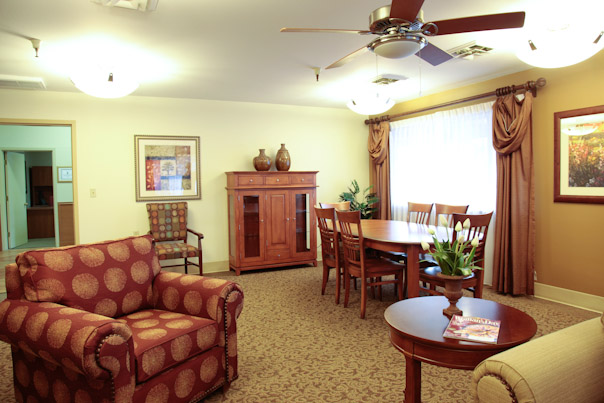
How is Hood River Post Acute Staffed?

CMS rates HOOD RIVER POST ACUTE's staffing level at 4 out of 5 stars, which is above average compared to other nursing homes. Staff turnover is 51%, compared to the Oregon average of 46%. RN turnover specifically is 75%, which is notably high. RNs provide skilled clinical oversight, so turnover in this role can affect medical care quality.

What Have Inspectors Found at Hood River Post Acute?

State health inspectors documented 30 deficiencies at HOOD RIVER POST ACUTE during 2018 to 2024. These included: 1 Immediate Jeopardy (the most serious level, indicating potential for serious harm or death) and 29 with potential for harm. Immediate Jeopardy findings are rare and represent the most serious regulatory concerns. They require immediate corrective action.

Who Owns and Operates Hood River Post Acute?

HOOD RIVER POST ACUTE is owned by a for-profit company. For-profit facilities operate as businesses with obligations to shareholders or private owners. The facility is operated by PACS GROUP, a chain that manages multiple nursing homes. With 100 certified beds and approximately 60 residents (about 60% occupancy), it is a mid-sized facility located in HOOD RIVER, Oregon.
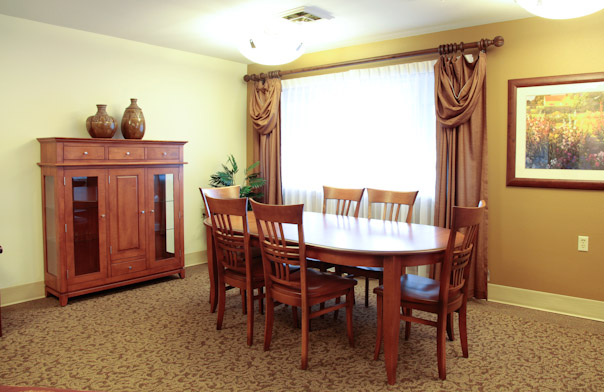
How Does Hood River Post Acute Compare to Other Oregon Nursing Homes?

Compared to the 100 nursing homes in Oregon, HOOD RIVER POST ACUTE's overall rating (1 stars) is below the state average of 3.0, staff turnover (51%) is near the state average of 46%, and health inspection rating (1 stars) is much below the national benchmark.

What Should Families Ask When Visiting Hood River Post Acute?

Based on this facility's data, families visiting should ask: "What changes have been made since the serious inspection findings, and how are you preventing similar issues?" "Can I visit during a mealtime to observe dining assistance and food quality?" "How do you handle medical emergencies, and what is your hospital transfer rate?" "Can I speak with family members of current residents about their experience?" These questions are particularly relevant given the facility's Immediate Jeopardy citations.

Is Hood River Post Acute Safe?

Based on CMS inspection data, HOOD RIVER POST ACUTE has documented safety concerns. Inspectors have issued 1 Immediate Jeopardy citation (the most serious violation level indicating risk of serious injury or death). The facility has a 1-star overall rating and ranks #100 of 100 nursing homes in Oregon. Families considering this facility should ask detailed questions about what corrective actions have been taken since these incidents.

Do Nurses at Hood River Post Acute Stick Around?

HOOD RIVER POST ACUTE has a staff turnover rate of 51%, which is 5 percentage points above the Oregon average of 46%. Moderate turnover is common in nursing homes, but families should still ask about staff tenure and how the facility maintains care continuity when employees leave.

Was Hood River Post Acute Ever Fined?

HOOD RIVER POST ACUTE has been fined $38,636 across 1 penalty action. The Oregon average is $33,465. While any fine indicates a compliance issue, fines under $50,000 are relatively common and typically reflect isolated problems that were subsequently corrected. Families should ask what specific issues led to these fines and confirm they've been resolved.

Is Hood River Post Acute on Any Federal Watch List?

HOOD RIVER POST ACUTE is not on any federal watch list. The most significant is the Special Focus Facility (SFF) program, which identifies the bottom 1% of nursing homes nationally based on persistent, serious quality problems. Not being on this list means the facility has avoided the pattern of deficiencies that triggers enhanced federal oversight. This is a positive indicator, though families should still review the facility's inspection history directly.