INDEPENDENCE HEALTH & REHABILITATION CENTER
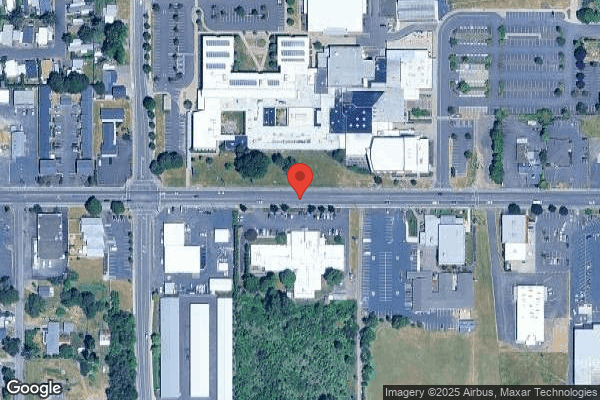
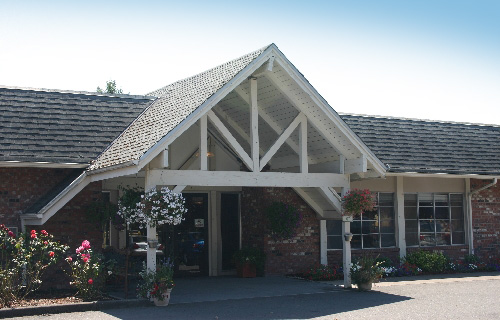
1525 MONMOUTH STREET, INDEPENDENCE, OR 97351 (503) 838-0001
For profit - Limited Liability company 80 Beds EMPRES OPERATED BY EVERGREEN Data: November 2025
Trust Grade
50/100
#37 of 127 in OR
Last Inspection: February 2025

Within standard 12-15 month inspection cycle. Federal law requires annual inspections.

Overview

Independence Health & Rehabilitation Center has a Trust Grade of C, indicating it is average among nursing homes, sitting in the middle of the pack with room for improvement. It ranks #37 out of 127 facilities in Oregon, placing it in the top half, and #1 out of 2 in Polk County, meaning it is the best option locally. Unfortunately, the facility is experiencing a worsening trend, with the number of issues increasing from 8 in 2023 to 9 in 2025. Staffing has a 3 out of 5 star rating, but the 60% turnover rate is concerning, higher than the Oregon average of 49%. There are significant issues with RN coverage, which is better than only 3% of state facilities, and the $69,876 in fines suggests ongoing compliance problems. Specific incidents include a serious case where a resident required two staff members for a transfer but was assisted by only one, leading to a fall risk. Additionally, there have been concerns about delayed nursing assessments due to inconsistent RN coverage, and residents have reported loud and disruptive bathroom fans that have not been addressed. While the facility has strengths, such as a good overall rating and no critical issues, these weaknesses highlight areas that need immediate attention to ensure resident safety and comfort.

Trust Score
C
50/100
In Oregon
#37/127
Top 29%
Safety Record
Moderate
Needs review
Inspections
Getting Worse
8 → 9 violations
Staff Stability
⚠ Watch
60% turnover. Above average. Higher turnover means staff may not know residents' routines.
Penalties
✓ Good
$69,876 in fines. Lower than most Oregon facilities. Relatively clean record.
Skilled Nurses
⚠ Watch
Each resident gets only 13 minutes of Registered Nurse (RN) attention daily — below average for Oregon. Fewer RN minutes means fewer trained eyes watching for problems.
Violations
⚠ Watch
24 deficiencies on record. Higher than average. Multiple issues found across inspections.
★★★★☆
4.0
Overall Rating
★★★☆☆
3.0
Staff Levels
★★☆☆☆
2.0
Care Quality
★★★★☆
4.0
Inspection Score
Stable
2023: 8 issues
2025: 9 issues

The Good

  • Full Sprinkler Coverage · Fire safety systems throughout facility
  • No fines on record

Facility shows strength in fire safety.

The Bad

Staff Turnover: 60%

13pts above Oregon avg (46%)

Frequent staff changes - ask about care continuity

Federal Fines: $69,876

Well above median ($33,413)

Moderate penalties - review what triggered them

Chain: EMPRES OPERATED BY EVERGREEN

Part of a multi-facility chain

Ask about local staffing decisions and management

Staff turnover is elevated (60%)

12 points above Oregon average of 48%

The Ugly 24 deficiencies on record

1 actual harm
Feb 2025 9 deficiencies 1 Harm
SERIOUS (G) 📢 Someone Reported This

A family member, employee, or ombudsman was alarmed enough to file a formal complaint

Actual Harm - a resident was hurt due to facility failures

Accident Prevention (Tag F0689)

A resident was harmed · This affected 1 resident

2. Resident 31 was admitted to the facility in 7/2023 with a diagnosis of a stroke. A care plan initiated 1/21/24 revealed Resident 31 required the assistance of two people to transfer from a bed to ...

Read full inspector narrative →
2. Resident 31 was admitted to the facility in 7/2023 with a diagnosis of a stroke. A care plan initiated 1/21/24 revealed Resident 31 required the assistance of two people to transfer from a bed to wheelchair. A 7/10/24 annual MDS revealed Resident 31 had a stroke, was weak on one side and was at risk for falls. A 12/10/24 quarterly MDS revealed Resident 31 was cognitively intact. A 12/25/24 Fall without fracture investigation revealed on 12/25/24 at 6:50 PM a CNA assisted Resident 31 to transfer from her/his bed to a chair without additional staff to assist. Resident 31 became weak, the CNA lowered her/him to the floor, and she/he did not sustain an injury. Prior to the fall Resident 31 informed the CNA she/he only required one staff to transfer from the bed to wheelchair. The investigation indicated the CNA who transferred Resident 31 at the time of the fall did not review her/his care plan prior to the transfer. On 2/9/25 at 10:46 AM Resident 31 stated a few months prior she/he fell when one staff attempted to transfer her/him alone. On 2/11/25 at 11:48 AM Staff 20 (Agency CNA) stated she never worked with Resident 31 until 12/25/24. On 12/25/24 she received a report from the previous shift on the resident's ability to eat, transfer, and toileting status. Staff 20 stated the resident was in bed and called for help to get out of bed, when she looked for staff to assist her, she was not able to find anyone. Resident 31 rang two additional times and the third time she/he used her/his call light the resident stated she/he only needed one person to assist her/him with transfers. Resident 31 was alert, was very persistent, so she attempted to transfer her/him by herself prior to looking at the care plan. During the transfer Resident 31 became weak, she eased the resident to the floor, and she/he did not sustain an injury. Staff 20 verified she did not check the care plan prior to transferring Resident 31 and she was later informed the resident required the assistance of two people to transfer. On 2/12/25 at 9:23 AM Staff 2 (DNS) verified Resident 31 was not transferred as care planned and fell. Based on interview and record review it was determined the facility failed to ensure a resident was transferred as care planned for 2 of 2 sampled residents (#s 2 and 31) reviewed for falls. this placed residents at risk for injury. Findings include: 1. Resident 2 admitted to the facility in 1/2007 with diagnoses including dementia (a group of symptoms affecting cognition, memory and social relationships) and hemiplegia following cerebral infarction (paralysis of one side of the body following a stroke caused by a blood clot in the brain). Resident 2 was non-verbal and unable to be interviewed due to dementia. A review of the Physician Encounter note dated 8/25/24 revealed the resident was transported to the emergency department following a fall on 8/25/24. Resident 2 was diagosed at the hospital with a fracture of the right femural neck (a break in the bone that connects the ball of the hip to the thigh bone). A review of the resident's care plan indicated Resident 25 required the assistance of two caregivers for toileting and personal care. In an interview on 2/12/25 at 5:02 PM Staff 25 (Former Agency CNA) stated he had not reviewed Resident 2's care plan and was not aware Resident 2 required two caregivers for personal care. Staff 25 stated he worked with Resident 25 on several shifts. Staff 25 stated while performing an end-of-shift brief change Staff 25 briefly turned away from the resident and the resident fell to the floor. In an interview on 2/15/25 at 7:02 PM Staff 27 (LPN) stated she was seated at the nurses station which was very near Resident 2's room when the fall occurred. Staff 27 stated the shift was fully staffed and all staff working night shifts were frequently reminded to ask for help from the nurse if another CNA was not available to assist with resident care. Staff 27 said it would have been easy for Staff 25 to request her assistance with Resident 2. In an interview on 2/18/25 at 9:54 AM Staff 1 (Administrator) and Staff 2 (DNS) acknowledged Staff 25's failure to follow Resident 2's care plan which caused Resident 2 to experience an avoidable fall and injury.
CONCERN (D)

Potential for Harm - no one hurt, but risky conditions existed

PASARR Coordination (Tag F0644)

Could have caused harm · This affected 1 resident

Based on interview and record review it was determined the facility failed to obtain and implement PASARR (Preadmission screening and resident review/screens for serious mental illness and or intellec...

Read full inspector narrative →
Based on interview and record review it was determined the facility failed to obtain and implement PASARR (Preadmission screening and resident review/screens for serious mental illness and or intellectual disability) and findings timely for 1 of 1 sampled resident (#19) reviewed for PASARR. This placed residents at risk for lack of mental health resources. Findings include: Resident 19 was admitted to the facility in 9/2020 with mental health diagnoses and a serious visual impairment. A 2/15/24 Resident Review PASRR II (Screening for mental illness) form revealed Resident 19 was at risk for self-endangering, heard voices, and was agoraphobic (fear of open spaces or crowded places/fear of leaving one's own home). A mental health evaluation was indicated and was to be completed within 14 days. A 2/22/24 PASRR Level II Evaluation revealed Resident 19 had mental health diagnoses, dementia, and depression. Recommendations made after the evaluation included: -consider increasing her/his Abilify (antipsychotic medication) -make a referral to a psychiatric prescriber for medication management -inquire if Resident 19 would enjoy listening to books -contact agencies and resources for peer support and support for the visually impaired On 2/10/25 at 2:51 PM and 2/10/25 3:49 PM with Staff 15 (Business Office Manager) and Staff 3 (LPN Resident Care Manger) Staff 3 and Staff 15 stated Resident 19 was agoraphobic and it was initially very difficult for her/him to attend her/his medical appointments. Over time resident 19 developed a routine and improved with attending appointments, but if her/his routine was altered she/he was set off. In 2024 Resident 19 was noncompliant with fluid restrictions and she/he was still noncompliant, she/he at times made delusional comments, and talked to people who were not visible to others. Staff 15 stated the evaluation which was completed in 2/2024 was sent to the facility but some of the information was not correct and a revised copy was requested by the facility. Staff 3 and Staff 15 stated the facility did not receive a revised copy. On 2/11/25 09:17 AM Witness 2 (MA LPC/Licensed Professional Counselor with a Masters degree stated the PASARR assessments were usually sent to the facility within one month after the evaluation was completed. Witness 2 stated she would e-mail, fax, or mail a copy of the evaluation to the facility. Witness 2 stated she was not notified by the facility they did not have the results of the evaluation. On 2/11/25 at 10:30 AM Staff 5 (Social Services) stated she was the contact person for the PASARR evaluations. After the assessments were completed, the assessments were sent to her. If she did not receive the assessment she would communicate with the mental health evaluator until she received the report. After she received the report the interdisciplinary team reviewed the recommendations and discussed the findings with the resident's physician which, if any, interventions would be appropriate for the resident. On 2/11/25 12:02 PM Staff 2 (DNS) stated the facility failed to ensure the results of the PASARR were obtained, reviewed, and implemented if indicated. On 2/12/25 07:34 AM Staff 16 (Activities) stated she was familiar with Resident 19 but was not aware of recommendations from a PASARR assessment including audio books or resources for the visually impaired.
CONCERN (D) 📢 Someone Reported This

A family member, employee, or ombudsman was alarmed enough to file a formal complaint

Potential for Harm - no one hurt, but risky conditions existed

Quality of Care (Tag F0684)

Could have caused harm · This affected 1 resident

Based on observation, interview, and record review, it was determined the facility failed to provide care and services for skin wounds for 1 of 1 sampled resident (#8) reviewed for non-pressure skin w...

Read full inspector narrative →
Based on observation, interview, and record review, it was determined the facility failed to provide care and services for skin wounds for 1 of 1 sampled resident (#8) reviewed for non-pressure skin wounds. This placed residents at risk for worsening wounds. Findings include: The 1/2025 facility's Skin Integrity policy indicated the following for residents: The nurse establishes a plan of care based on risk factors (factors that increase the chance of a problem). The resident's skin is inspected daily with completion of ADLs, with changes reported to the nurse. Ongoing evaluation continues weekly for a full body skin audit (an examination). -For skin impairment identified with admission (abrasion, bruise, burn, excoriation, pressure sore, rash, skin tear, surgical wound etc.) the nurse would complete the following: Document the skin impairment, including measurements of size, color, presence of odor, exudates (fluid), and presence of pain associated with the skin impairment in the weekly wound evaluation for surgical, pressure, burns, and venous stasis ulcer (a sore on the leg caused by poor blood flow). -Bruises, skin tears and abrasions are monitored on the TAR weekly until resolved. - Notify the resident/representative of the skin condition and treatment plan. -Implement interventions and document them on resident's care plan. Wounds are evaluated weekly by center clinicians. Arterial, pressure, stasis and venous ulcer, significant surgical wounds and burns are evaluated, measured and the findings documented in the medical record. This evaluation include pain associated with the wound during wound care. Resident 8 was admitted to the facility in 5/2024 with diagnoses including contusion (bruising) of right lower leg, and an open wound to right lower leg. A 5/9/24 care plan revealed Resident 8 had potential impairment to the skin due to abrasion, edema (swelling), and immobility. Interventions included following facility protocols for treatment of the injury, monitoring, and documenting the location, size, and treatment of the skin injury and reporting any abnormalities, failures to heal, signs of infection, and maceration (softening). An 8/9/24 Nursing Progress Note revealed Resident 8's right leg wound had exposed tendon and measured seven centimeters by three and half centimeters. An 8/9/24 Emergency Department (ED) summary indicated Resident 8 was admitted to the ED with a right leg wound for the past three months. Resident 8 informed the ED staff that the facility staff took off her/his wound vacuum and noted her/his tendons were exposed. Resident 8 experienced increased pain when the wound vacuum (device used to help wounds heal) was removed and it was recommended to transfer Resident 8 to the ED. Resident 8 had a wound infection, worsening of necrotic (dead tissue) wound, sepsis (a severe infection) and need for wound debridement (removal of dead tissue). An 8/8/24 Surgical Consultation revealed Resident 8 had an open wound to the right front lower leg. She/he developed a hematoma (a collection of blood) on 5/2/24 and the overlying skin and subcutaneous (under the skin) tissue became necrotic, and she/he underwent debridement on 6/11/24. Resident 8's wound was managed by a wound vacuum and on 8/9/24 the dressing was changed, and the wound was found to have necrotic tissue that was malodorous (had a bad smell.) No documentation was found in the clinical record to indicate Resident 8's right lower leg was assessed weekly for size, color, presence of odor, exudates, treatment, and presence of pain. A 9/4/24 signed physician order instructed staff to provide wound care on Mondays, Wednesdays and Fridays. To remove wound vacuum and all dressings and gauze. Cleanse with saline and hibicleanse, border skin with dressing, apply foam or nonstick dressing over tendon, fill wound with foam, plastic drape to cover and seal. A 9/2024 TAR instructed staff to change the wound vacuum dressing three times a week on Mondays, Wednesdays, and Fridays, with a start date of 8/30/24 and a discontinue date of 11/5/24. The 9/4/24 physician orders were not found on the TAR. On 9/27/24, there was no documentation that treatment was completed by Staff 9 (Former LPN). On 2/11/25 at 8:31 AM Staff 6 (LPN) completed a dressing change on Resident 8's right leg open wound. Resident 8 had some facial grimacing during the dressing change. The wound was pink with no odor and was approximately 12 centimeters in length by 7.5 centimeters width. On 2/12/25 at 9:13 AM Staff 9 stated he did not remember if he completed wound care on Resident 8 on 9/27/24. Staff 9 stated the facility ran out of wound treatment supplies in 9/2024 and there may not have been supplies to complete the treatment. On 2/13/25 at 9:23 AM Staff 8 (LPN) stated the RCM usually completed the wound assessments. If the RCM could not complete the assessment, it would be delegated to another staff member. On 2/14/25 at 11:42 AM Staff 1 (Administrator) stated the 9/4/24 signed physician order which was not entered and initiated on the TAR. Staff 1 also indicated there was no evidence treatment was completed on 9/23/24. On 2/18/25 at 7:42 AM Staff 2 (DNS) and Staff 3 (MDS Coordinator-RCM) stated it was expected Resident 8 had weekly wound evaluations of her/his right leg wound.
CONCERN (D)

Potential for Harm - no one hurt, but risky conditions existed

Deficiency F0688 (Tag F0688)

Could have caused harm · This affected 1 resident

Based on interview and record review it was determined the facility failed to ensure a resident received a restorative program for 1 of 1 sampled resident (#31) reviewed for mobility. This placed resi...

Read full inspector narrative →
Based on interview and record review it was determined the facility failed to ensure a resident received a restorative program for 1 of 1 sampled resident (#31) reviewed for mobility. This placed residents at risk for decreased ROM. Findings include: Resident 31 was admitted to the facility in 7/2023 with a diagnosis of a stroke. A 7/11/24 OT RA program referral form revealed Resident 31 was discharged from skilled therapy and staff were to assist the resident in maintaining strength, endurance, and improve ROM. Staff were to provide a resting hand splint to the left hand and Resident 31 was to be assisted with exercises using elastic bands and weights. A 12/3/24 quarterly MDS revealed Resident 31 was cognitively intact. Resident 31's record revealed no evidence staff provided RA per OT's 7/11/24 referral. On 2/9/25 at 10:50 AM Resident 31 stated she/he had decreased ROM to her/his left arm and staff did not provide ROM. Resident 31 was observed to have weakness when she/he attempted to lift her/his left arm. A splint was not observed. On 2/12/25 at 7:53 AM Staff 3 (LPN Resident Care Manager) stated if RA was recommended by OT Staff 2(DNS) was notified. Staff 2 reviewed the recommendations, updated the care plan, and then interventions were implemented. On 2/12/25 at 8:02 AM Staff 18 (Director of Rehabilitation) verified in 7/2024 a RA referral was developed for Resident 31 and provided to the nursing staff. The nursing staff was to implement and evaluate the resident's participation. On 2/12/25 at 9:43 AM Staff 19 (RA) stated she was a RA in 7/2024 and she did not work with Resident 31 for ROM and did not apply a splint. On 2/14/25 at 7:45 AM Staff 2 verified the RA program was not implemented after the 7/2024 OT referral was made.
CONCERN (D) 📢 Someone Reported This

A family member, employee, or ombudsman was alarmed enough to file a formal complaint

Potential for Harm - no one hurt, but risky conditions existed

Deficiency F0697 (Tag F0697)

Could have caused harm · This affected 1 resident

Based on interview and record review the facility failed to provide appropriate and timely pain management for 1 of 6 sampled residents (#8) reviewed for medications. This placed residents at risk for...

Read full inspector narrative →
Based on interview and record review the facility failed to provide appropriate and timely pain management for 1 of 6 sampled residents (#8) reviewed for medications. This placed residents at risk for uncontrolled pain. Resident 8 was admitted to the facility in 5/2024 with diagnoses including fibromyalgia (a disorder that affects muscle and soft tissue causing chronic muscle pain and tenderness), polyneuropathy (nerves are damaged which can cause burning pain) arthritis and an open wound on the right lower leg. A 5/2024 Care plan revealed Resident 8 was on pain medication therapy due to disease process of lupus and fibromyalgia, contusion of right lower leg and arthritis. To administer medications as ordered by physician, review every shift for pain medication efficacy and assess whether pain intensity was acceptable to resident. Anticipate her/his need for pain relief and respond appropriately to any complaint of pain. A 5/2024 care plan revealed Resident 8 was on pain medication therapy due to the disease process of lupus and fibromyalgia, contusion of the right lower leg, and arthritis. Staff were to administer medications as ordered by the physician, review every shift for pain medication effectiveness, and assess whether pain intensity was acceptable to the resident. Staff were to anticipate the resident's need for pain relief and respond appropriately to any complaint of pain. Resident 8's 7/2/24 Significant Change MDS Assessment and CAAs revealed the resident had a BIMS score of 15, which indicated she/he was cognitively intact. Resident 8 received scheduled and PRN pain medication and had frequent pain presence, which occasionally affected sleep, therapy, and day-to-day activities, with a pain score of seven on a scale of zero to ten. Resident 8 had chronic pain from fibromyalgia, polyneuropathy, and wound pain. An 8/2024 MAR instructed staff to administer hydrocodone, two tablets by mouth every six hours for pain, with a start date of 8/2/24. From 8/2/24 through 8/27/24, Resident 8 received PRN pain medication one time for nine days, two times for 14 days, and three times on three days. Pain levels were documented from level four to ten on a zero to ten pain scale. A 9/2024 TAR instructed staff to apply lidocaine (numbing medication) topically to wound bed every day on Monday, Wednesday and Friday for pain management. The TAR instructed reader to review Administration Notes on 9/9/24 and 9/11/24. A 9/9/24 Administration Note instructed staff to apply lidocaine topically to wound bed every day on Monday, Wednesday and Friday for pain management. The note indicated lidocaine was not on hand. A 9/11/24 Administration Note instructed staff to apply lidocaine topically to wound bed every day on Monday, Wednesday and Friday for pain management. The note indicated the lidocaine was not used for wound dressing change. On 9/27/24 the State Survey agency received a public complaint which indicated in 9/2024 Resident 8 did not receive her/his medications timely or consistently. Resident 8 waited over an hour for medications to be delivered. Resident 8 reported significant increase in pain because of waiting to receive medications. A 9/28/24 Nursing Progress Note revealed Resident 8's wound vacuum dressing was changed. Resident 8 reported she refused treatment on 9/27/24 because she/he was in too much pain. Awaiting a response from provider on changing her/his pain medications to every six hours instead of every eight hours. On 2/10/24 at 8:54 AM Witness 1 (Complainant) confirmed the 9/27/24 public complaint. On 2/11/24 at 8:07 AM Resident 8 stated in 8/2024 and 9/2024 her/his pain medications were not scheduled and were PRN. Resident 8 stated it would take from two to three hours to have her/his PRN pain medications delivered. Resident 8 stated sometimes she/he was in so much pain she/he would have emesis. Resident 8 stated she/he would report to a CNA then the nurse would have to come in and assess her/him then the CMA would come in during her/his regular rounds of administering medications. On 2/12/25 at 9:13 AM Staff 9 (Former LPN) confirmed on 9/9/24 there was no lidocaine in the facility to administer to Resident 8 for pain wound management during treatment. On 2/13/25 at 7:44 AM Staff 25 (Former Agency CNA) stated Resident 8 complained frequently about not receiving her/his PRN pain medications in 8/2024 and 9/2024 timely. Staff 25 stated there were instances he had to go into Resident 8's room five to 10 times before the Resident 8's PRN pain medication was administered to her/him. Staff 25 stated approximately 30 percent of the time Resident 8 would ask for her/his PRN pain medication too early and about 70 percent of the time it was time for Resident 8 to receive her/his PRN pain medication, and she/he did not receive the medication timely. On 2/13/25 at 5:45 AM Staff 26 (CNA) stated Resident 8 complained about not receiving PRN pain medications timely in 8/2024 and 9/2024. Staff 26 stated Resident 8 had a real problem with Staff 7 (CMA) being confrontational and not bringing the PRN pain medications timely. On 2/12/25 at 9:23 AM Staff 8 (LPN) stated she spoke to Staff 7 about the process of administering a PRN pain medication. A nurse assessed Resident 8 for pain and Staff 7 did not have the right to decide to withhold Resident 8's PRN pain medications. Staff 8 stated Staff 7 did not improve her process of administering PRN pain medication after Staff 8 educated Staff 7 on the process of administering timely PRN pain medications to Resident 8. Staff 8 stated she was there to educate the staff, but she could not force the staff to follow the process as educated. Staff 8 stated she did not notify the facility administration as she liked to provide three strikes before reporting. On 2/14/25 at 11:42 AM Staff 1 (Administrator) stated on 9/9/24 the facility did not have lidocaine, and it was on order. Staff 1 stated on 9/11/24 Resident 8 accepted the wound treatment without the Lidocaine. Staff 1 stated the facility administration was unaware of any complaints of residents not receiving timely PRN pain medications in 8/2024 and 9/2024. On 2/18/25 at 7:42 AM Staff 2 (DNS) and Staff 3 (MDS Coordinator/RCM) stated they were unaware Resident 8 had a concern with PRN pain medications not administered timely. Staff 2 stated they would provide an overall education to the staff members in regard to the concern.
CONCERN (D)

Potential for Harm - no one hurt, but risky conditions existed

Drug Regimen Review (Tag F0756)

Could have caused harm · This affected 1 resident

Based on interview and record review it was determined the facility failed to ensure a resident's physician acted upon pharmacy recommendations timely for 1 of 5 sampled residents (#31) reviewed for m...

Read full inspector narrative →
Based on interview and record review it was determined the facility failed to ensure a resident's physician acted upon pharmacy recommendations timely for 1 of 5 sampled residents (#31) reviewed for medications. This placed residents at risk for an adverse medication regimen. Findings include: Resident 31 was admitted to the facility in 2023 with a diagnosis of heart disease. a. A 11/1/24 Note to Attending Physician/Prescriber indicated the resident current orders were Eliquis (prevents blood clots), clopidrogrel (prevents blood clots), and cilostazol (prevents blood clots). A pharmacy recommendation was made to evaluate the concurrent use of the medications and consider discontinuing the clopidogrel and cilostazol. There was no signature to indicate the physician responded. A 12/3/24 Note to Attending Physician/Prescriber indicated the resident current orders were Eliquis, clopidrogrel, and cilostazol. A pharmacy recommendation was made to evaluate the concurrent use of the medications and consider discontinuing the clopidogrel and cilostazol. There was no signature to indicate the physician responded. A 1/6/24 Note to Attending Physician/Prescriber indicated the resident current orders were Eliquis, clopidogrel, and cilostazol. A pharmacy recommendation was made to evaluate the concurrent use of the medications and consider discontinuing the clopidogrel and cilostazol. The residents medical provider referred the recommendation to the cardiologist. On 2/11/25 at 12:10 PM Staff 2 (DNS) stated after the pharmacy made a recommendation the recommendation was sent to the resident's physician. The physician usually reviewed the recommendations and provided orders as indicated. Staff 2 stated she was not able to provide an explanation for why the recommendations were not addressed. On 2/11/25 at 12:16 PM Staff 21 (Medical Records) stated as soon as the facility received pharmacy recommendations the facility disbursed the recommendations to the appropriate resident physicians. Staff 21 acknowledged they did not receive a timely response from the 11/2024 pharmacy review. b. A 11/1/24 Note to Attending Physician/Prescriber indicated the resident was prescribed sertraline (antidepressant). A recommendation was made for a GDR (gradual dose reduction) or a rationale for no GDR. A 2/4/25 Note to Attending Physician/Prescriber indicated the resident was prescribed sertraline (antidepressant). A recommendation was made for a GDR (gradual dose reduction) or a rationale for no GDR. The note indicated there was no response in the resident's clinical record. On 2/11/25 at 12:10 PM Staff 2 (DNS) stated after the pharmacy made a recommendation it was sent to the resident's physician. The physician usually reviewed the recommendations and provided orders as indicated. Staff 2 stated she was not able to provide an explanation for why the recommendations were not addressed. On 2/11/25 at 12:16 PM Staff 21 (Medical Records) stated as soon as the facility received pharmacy recommendations the facility disbursed the recommendations to the appropriate resident physicians. Resident 31 had an outside physician, this particular physician did not respond to requests timely, and up to four requests had to be sent for one recommendation. Staff 21 acknowledged they did not receive a response from the 11/2024 pharmacy review
CONCERN (D)

Potential for Harm - no one hurt, but risky conditions existed

Deficiency F0757 (Tag F0757)

Could have caused harm · This affected 1 resident

Based on interview and record review it was determined the facility failed to ensure appropriate monitoring and dosing of medications for 1 of 1 of sampled resident (#38) reviewed for diarrhea. This p...

Read full inspector narrative →
Based on interview and record review it was determined the facility failed to ensure appropriate monitoring and dosing of medications for 1 of 1 of sampled resident (#38) reviewed for diarrhea. This placed the resident at risk for anxiety related to the potential for bowel incontinence and discomfort. Findings include: Resident 38 admitted to the facility 12/2024 with a diagnosis of cerebral hemorrhage. In an interview on 2/11/25 at 9:35 AM Resident 38 stated she/he was having loose stools and was often concerned she/he would not make it to the commode to have a bowel movement. Resident 38 stated she/he spoke to CNAs and an LN about her/his concerns but could not remember which staff. In an interview on 2/12/25 at 10:25 AM Staff 23 (CNA) stated Resident 38 consistently had soft or loose bowel movements and talked to Staff 23 about her/his discomfort and concerns regarding loose stools. Staff 23 stated she talked to the charge nurse about Resident 38's soft or loose stools on multiple occasions. A review of the resident's bowel care task record for 1/2025 and 2/2025 revealed in the past 30 days Resident 38 had 1 bowel movement categorized as normal. For the remaining 29 days bowel movements were documented as soft or loose. A review of the resident's physician order revealed an order for Senna-Docusate Sodium Oral Tablet 8.6-50 MG Give 1 tablet by mouth two times a day for constipation. Senna is a laxative medication given for constipation. In an interview 2/18/25 at 9:54 AM Staff 2 (DNS) stated her expectation was for CNAs to inform the charge nurse when there are concerns about a resident's care and the charge nurse should look at the record and inform the practitioner. Staff 2 also stated the practitioner should have been looking at the resident's record during weekly visits and adjusting medications if needed.
CONCERN (D)

Potential for Harm - no one hurt, but risky conditions existed

Deficiency F0919 (Tag F0919)

Could have caused harm · This affected 1 resident

Based on observation, interview and record review it was determined the facility failed to ensure a bathroom call light cord was present for 2 of 13 sampled residents (#s 9 and 20) reviewed for enviro...

Read full inspector narrative →
Based on observation, interview and record review it was determined the facility failed to ensure a bathroom call light cord was present for 2 of 13 sampled residents (#s 9 and 20) reviewed for environment. This placed residents at risk for the inability to call for assistance. Findings include: 1. Resident 20 was admitted to the facility in 8/2020 with a diagnosis of heart failure. A 12/17/24 quarterly MDS revealed Resident 20 was cognitively impaired. A care plan initiated 5/30/24 revealed Resident 20 propelled with a wheelchair, required one staff for transfers, and was not to be left in the bathroom alone. On 2/9/25 at 2:43 PM Resident 20's bathroom was observed without an emergency call light cord to access if she/he fell and was lying on the floor. A 2/17/24 Progress Note revealed Resident 20 was monitored from 2/12/25 to 2/17/25 due to self transfers to the bathroom. On 2/11/25 at 3:37 PM Staff 12 (Maintenance Director) verified there was no emergency call light cord in Resident 20's bathroom. On 2/11/25 at 3:52 PM Staff 13 (Maintenance Assistant) reviewed the maintenance log and stated staff did not report Resident 20's bathroom call call light cord needed to be replaced. On 2/12/24 at 3:13 PM and 2/18/25 at 9:29 AM Staff 1 (Administrator) stated he was aware Resident 20's bathroom call light cord was identified as missing on 2/9/24 and was not replaced until 2/11/25. 2. Resident 9 was admitted to the facility in 2019 with a diagnosis of diabetes. A care plan initiated 1/15/24 revealed Resident 9 was not to be left in the bathroom alone and required the assistance of one staff to transfer to the toilet. On 2/9/25 at 2:43 PM Resident 9's bathroom was observed without an emergency call device to access if she/he fell and was lying on the floor. On 2/11/25 at 3:37 PM Staff 12 (Maintenance Director) verified there was no call light cord in Resident 9's bathroom. On 2/11/25 at 3:52 PM Staff 13 (Maintenance Assistant) reviewed the maintenance log and stated staff did not report Resident 9's bathroom call device needed to be replaced. On 2/12/24 at 3:13 PM and 2/18/25 at 9:29 AM Staff 1 (Administrator) stated he was aware Resident 9's bathroom call light cord was identified as missing on 2/9/24 and not replaced until 2/11/25.
CONCERN (E)

Potential for Harm - no one hurt, but risky conditions existed

Safe Environment (Tag F0584)

Could have caused harm · This affected multiple residents

2. Resident 20 was admitted to the facility in 8/2020 with a diagnosis of heart failure. A 12/17/24 quarterly MDS revealed Resident 20 was cognitively impaired. On 2/9/25 at 2:43 PM when Resident 20...

Read full inspector narrative →
2. Resident 20 was admitted to the facility in 8/2020 with a diagnosis of heart failure. A 12/17/24 quarterly MDS revealed Resident 20 was cognitively impaired. On 2/9/25 at 2:43 PM when Resident 20's bathroom light was turned on, the bathroom fan was activated, and the fan motor made a very loud, metal rattling noise. On 2/11/25 at 3:37 PM Staff 12 (Maintenance Director) verified Resident 20's bathroom fan rattled when activated. On 2/12/24 at 3:13 PM and 2/18/25 at 9:29 AM Staff 1 (Administrator) stated he was not notified by residents of noisy bathroom fans. Staff 1 stated staff did not report the concern which then created an unhomelike environment. On 2/18/25 at 9:07 AM Resident 20 stated the fan was loud and was like that for years. 3. Resident 31 was admitted to the facility in 7/2023 with a diagnosis of a stroke. A 12/23/24 quarterly MDS revealed Resident 31 was cognitively intact. On 2/9/25 at 10:55 AM in Resident 31's bathroom, dry wall, which was cut, not patched, and not repainted, was observed behind the toilet near the water shut off valve. The area was cut in the shape of a square and each side was approximately nine inches long. On 2/11/25 at 3:53 PM Resident 31 stated she/he did not use the bathroom. On 2/13/25 at 8:14 AM and 2/14/25 at 8:28 AM Staff 12 (Maintenance Director) stated the facility pipes frequently leaked. Staff 12 stated the leak in Resident 5's room occurred approximately two months ago and he had not repaired the wall. On 2/14/25 at 8:28 AM Staff 1 (Administrator) stated the facility had several leaks from the water pipes and the dry wall repairs should be completed promptly to ensure a quality living environment for the residents. 4. Resident 38 was admitted to the facility in 12/2024 with a diagnosis of a fractured skull. A 1/2/25 admission MDS revealed Resident 38 had moderate cognitive impairment. On 2/10/25 at 10:13 AM when Resident 38's bathroom light was turned on, the bathroom fan was activated, and the fan generated a loud, metal rattling noise. Resident 38 was in bed, approximately 12 feet from the bathroom, and stated the fan was loud. The dry wall behind the toilet near the shut off valve was cut, not patched, and not repainted. The area was cut in the shape of a square and each side was approximately six inches long. On 2/13/25 at 8:14 AM and 2/14/25 at 8:28 AM Staff 12 (Maintenance Director) stated he did not recall when the leak occurred and knowledged the dry wall was cut in Resident 38's room. On 2/12/24 at 3:13 PM, 2/14/25 at 8:28 AM, and 2/18/25 at 9:29 AM Staff 1 (Administrator) stated the facility had several leaks from the water pipes. Staff 1 stated the dry wall repairs should be completed promptly to ensure a quality living environment for the residents. Staff 1 stated he was not notified by residents of noisy bathroom fans and staff did not report the concern creating an unhomelike environment. 5. Resident 19 was admitted to the facility in 9/2020 with a diagnosis of kidney failure. A 12/5/24 quarterly MDS revealed Resident 19 was cognitively intact. On 2/9/25 at 11:13 AM when Resident 19's bathroom light was turned on, the bathroom fan was activated, and the fan generated a loud, metal rattling noise. Resident 19 stated the fan was really loud and laughed. On 2/11/25 at 3:37 PM Staff 12 (Maintenance Director) acknowledged Resident 19's fan rattled. On 2/14/25 at 8:28 AM Staff 1 (Administrator) stated he was not notified by residents of noisy bathroom fans and staff did not report the concern creating an unhomelike environment. 6. Resident 11 was admitted to the facility in 12/2018 with a diagnosis of heart disease. A 1/10/25 annual MDS revealed Resident 11 was cognitively intact. On 2/12/25 at 2:00 PM and on 2/18/25 at 9:18 AM with Staff 14 (CNA) when entering the [NAME] Hall shower room, the room was cold. When the fan was activated, cold air was pushed down from the ceiling. Staff 14 stated she notified Staff 12 (Maintenance Director). Staff 14 stated the [NAME] Hall shower room was always cold and residents had to be transported to the East Hall for showers. On 2/12/25 at 3:00 PM Resident 11 stated when the fan was turned on in the west shower room the air was cold and chilly. Resident 11 stated she/he had to take a shower on the other end of the hall (East Hall) and was transported there half ass naked. On 2/13/25 08:14 AM via text Staff 12 reported the [NAME] Hall shower fan was installed incorrectly, and was pulling air down from the outside and was not pulling the air up. Based on observation and interview it was determined the facility failed to maintain a comfortable interior for 2 of 2 residents (#29 and 35) and 1 of 1 hall reviewed for a homelike environment. This placed residents at risk for an unhomelike environment. Findings include: 1.Resident 297 was admitted to the facility in 12/2024 with a diagnosis of varicose veins of left lower extremity. A 12/5/24 MDS revealed Resident 297 was cognitively intact. On 2/12/25 at 9:20 AM, Resident 35's room was observed with an unpainted area behind the headboard with drywall exposed. On 2/12/25, Resident 29 stated when she/he moved into the room the wall had been in disrepair for a while. In an interview on 2/12/25 at 2:56 PM, Staff 17 (CNA) stated she was aware of the wall damage in the hallway to include torn drywall with missing paint. Residents' rooms also had drywall exposed and paint missing behind the headboards. Staff 17 acknowledged it should be repaired. In an interview on 2/18/25 at 10:33 AM, Staff 12 (Maintenance Director) Stated the wall had been down for two months from ongoing water damage. He acknowledged the wall in the hallway and residents' rooms had drywall exposed and walls in disrepair without paint.
Nov 2023 6 deficiencies
CONCERN (D)

Potential for Harm - no one hurt, but risky conditions existed

Deficiency F0552 (Tag F0552)

Could have caused harm · This affected 1 resident

2. Resident 27 was admitted to the facility in 10/2023 with diagnoses including depression. Resident 27's physician orders dated 10/25/23 included the daily administration of three psychotropic medica...

Read full inspector narrative →
2. Resident 27 was admitted to the facility in 10/2023 with diagnoses including depression. Resident 27's physician orders dated 10/25/23 included the daily administration of three psychotropic medications: Bupropion, venlafaxine and amitriptyline. Resident 27's Psychotropic Drugs Disclosure and Consent (a facility document used to disclose the risks and benefits regarding the use of psychotropic drugs) was signed by the resident on 10/25/23. The form indicated the resident was prescribed bupropion. Venlafaxine was circled and then crossed out. The form did not indicate the resident was also prescribed amitriptyline. On 11/16/23 at 10:08 AM, Staff 8 (LPN) reported when a resident was admitted , the physician's orders were reviewed for psychotropic medications. The admitting nurse then used the consent forms to identify the medications and reviewed them with the resident. On 11/16/23 at 1:00 PM, Staff 2 (DNS) stated the policy/procedure for obtaining informed consent for the use of psychotropics was to complete the form at admission; before the psychotropic medications were given to the resident. Staff 2 confirmed the facility did not obtain consent from Resident 27 for the venlafaxine or amitriptyline upon admission. Based on interview and record review it was determined the facility failed to provide the risk and benefits for the use of psychotropic medication prior to administration for 2 of 5 sampled residents (#s 17 and 27) reviewed for medications. This placed residents at risk for lack of informed consent. Findings include: 1. Resident 17 was admitted to the facility in 2019 with diagnoses including schizoaffective disorder (mental disorder of abnormal thought processes and an unstable mood). Resident 17's 10/20/23 Physician Order indicated the resident was prescribed hydroxyzine (medication used to treat anxiety) PRN for restlessness and agitation. Resident 17's 10/2023 and 11/2023 MARs revealed the resident received 17 doses of hydroxyzine in 10/2023 and eight doses in 11/2023. Review of Resident 17's health record revealed no documentation to indicate the resident's guardian was informed in advance of the risks and benefits of hydroxyzine. The 10/31/23 Psychotropic Drug and Behavior Monthly document indicated Resident 17 did not have a signed consent for hydroxyzine. On 11/16/23 at 8:17 AM Staff 2 (DNS) reviewed Resident 17's health record and acknowledged no consent for the use of hydroxyzine was obtained. Staff 2 stated her expectation was for a consent for psychotropic medication to be completed prior to administration of the medication.
CONCERN (D)

Potential for Harm - no one hurt, but risky conditions existed

Comprehensive Care Plan (Tag F0656)

Could have caused harm · This affected 1 resident

Based on observation, interview and record review it was determined the facility failed to implement a person-centered care plan for 1 of 3 sampled residents (#3) reviewed for accidents. This placed r...

Read full inspector narrative →
Based on observation, interview and record review it was determined the facility failed to implement a person-centered care plan for 1 of 3 sampled residents (#3) reviewed for accidents. This placed residents at risk for increased injury from falls. Findings include: Resident 3 admitted to the facility in 2/2023 with diagnoses including paralysis and muscle weakness. Resident 3's care plan, initiated on 4/19/23, identified the resident was at risk for falls. Staff were to place fall mats on both sides of Resident 3's bed. On 11/13/23 at 11:31 AM Resident 3 was observed in bed with no fall mats in place. On 11/16/23 at 10:44 AM Resident 3 observed in bed with no fall mats in place. On 11/16/23 at 11:21 AM Staff 9 (CNA) confirmed Resident 3's fall mats were not in place. On 11/16/23 at 12:46 PM Staff 2 (DNS) confirmed fall mats were to be on both sides of Resident 3's bed when she/he was in bed.
CONCERN (D)

Potential for Harm - no one hurt, but risky conditions existed

Deficiency F0692 (Tag F0692)

Could have caused harm · This affected 1 resident

Based on interview and record review it was determined the facility failed to monitor weight loss and reassess the effectiveness of nutrition interventions for 1 of 1 sampled resident (#17) reviewed f...

Read full inspector narrative →
Based on interview and record review it was determined the facility failed to monitor weight loss and reassess the effectiveness of nutrition interventions for 1 of 1 sampled resident (#17) reviewed for nutrition. This placed residents at risk for severe weight loss and malnutrition. Findings include: Resident 17 was admitted to the facility in 2019 with diagnoses including schizoaffective disorder (mental disorder of abnormal thought processes and an unstable mood). Resident 17's 10/27/23 Significant Change MDS indicated the resident was severely cognitively impaired. Resident 17's 7/25/23 Annual Nutrition Evaluation indicated the resident's weight was stable and the resident consumed 76-100% of her/his meals. The 9/5/23 Nutrition Hydration Skin Committee Review indicated Resident 17 consumed 75-100% of her/his meals. According to weight records, Resident 17's 9/1/23 weight was 199.6 pounds. According to weight records, Resident 17's 10/4/23 weight was 183.2 pounds (a weight loss of 16.4 pounds from 9/1/23 to 10/4/23 or 8.22% in 33 days). On 10/13/23 a physician's order for Cal Dense (a nutritional supplement) was obtained. On 10/27/23 Resident 17's Care Plan was updated to reflect the resident's significant weight loss. The Care Plan update did not include more frequent weight monitoring. The 10/27/23 Quarterly Nutrition Evaluation indicated Resident 17 had a significant weight loss of 8.2% in 30 days. The evaluation did not indicate more frequent weight monitoring. Resident 17's health record indicated she/he was not weighed between 10/4/23 and 11/15/23. According to weight records, Resident 17's 11/15/23 weight was 165.8 pounds (a weight loss of 17.4 pounds from 10/4/23 to 11/15/23 or 9.5% in 44 days). On 11/16/23 at 11:15 AM Staff 11 (LPN) stated Resident 17 lost weight and her/his appetite was below baseline. On 11/17/23 at 9:02 AM Staff 2 (DNS) confirmed Resident 17's weights and weight loss. Staff 2 acknowledged Resident 17 was not weighed for six weeks after the initial weight loss was identified. Staff 2 stated she expected residents with significant weight loss to be weighed weekly and acknowledged Resident 17 should have been weighed more frequently. Staff 2 stated the resident was discussed in a NAR (Nutrition At Risk) meeting on 10/13/23 and was not discussed in NAR meetings after that date.
CONCERN (D)

Potential for Harm - no one hurt, but risky conditions existed

Deficiency F0757 (Tag F0757)

Could have caused harm · This affected 1 resident

Based on interview and record review it was determined the facility failed to ensure residents were free from unnecessary bowel medications for 1 of 5 sampled residents (#17) reviewed for unnecessary ...

Read full inspector narrative →
Based on interview and record review it was determined the facility failed to ensure residents were free from unnecessary bowel medications for 1 of 5 sampled residents (#17) reviewed for unnecessary medications. This placed residents at risk for loose stools and diarrhea. Findings include: Resident 17 was admitted to the facility in 2019 with diagnoses including schizoaffective disorder (mental disorder of abnormal thought processes and an unstable mood). The facility's 2020 Bowel Protocol indicated each resident was placed on a bowel monitoring program which the nurse reviewed daily. Resident 17's 11/20/23 Active Order Summary indicated the resident had an order for the following bowel care medications: - polyethylene glycol (a laxative) once daily. - sennosides (a laxative) twice daily. Bowel elimination records from 10/17/23 through 11/15/23 revealed Resident 17 had loose stools documented on the following dates: - 10/17/23 x one - 10/20/23 x one - 10/23/23 x one - 10/30/23 x one - 10/31/23 x one - 11/01/23 x three - 11/02/23 x one - 11/05/23 x one - 11/07/23 x one Resident 17's MARs from 10/17/23 through 11/15/23 indicated the scheduled polyethylene glycol and sennosides bowel care medications were administered daily and were not held for the resident's loose stools. On 11/15/23 Staff 8 (LPN) stated residents were monitored for bowel consistency and regularity. If a resident had a loose bowel movement the resident's bowel medications were to be held. On 11/16/23 Staff 2 (DNS) confirmed the dates Resident 17 had loose stools and stated the resident's scheduled bowel care medications should have been held for those dates.
CONCERN (D)

Potential for Harm - no one hurt, but risky conditions existed

Deficiency F0883 (Tag F0883)

Could have caused harm · This affected 1 resident

Based on interview and record review it was determined the facility failed to administer pneumococcal vaccines for 2 of 5 sampled residents (#s 8 and 17) reviewed for immunizations. This placed reside...

Read full inspector narrative →
Based on interview and record review it was determined the facility failed to administer pneumococcal vaccines for 2 of 5 sampled residents (#s 8 and 17) reviewed for immunizations. This placed residents at risk of contracting communicable illnesses. Findings include: 1. Resident 8 was admitted to the facility in 10/2016 with diagnoses including diabetes. A review of Resident 8's clinical record revealed the resident representative was informed of and consented to receive the pneumococcal vaccine on 4/29/23. There was no evidence to indicate Resident 8 received the pneumococcal vaccine. On 11/17/23 at 10:30 AM Staff 3 (LPN Resident Care Manager) acknowledged the pneumococcal vaccine was not administered to Resident 8. 2. Resident 17 was admitted to the facility in 10/2019 with diagnoses including schizoaffective disorder (mental disorder of abnormal thought processes and an unstable mood). A review of Resident 17's clinical record revealed the resident representative was informed of and consented to receive the pneumococcal vaccine on 4/20/23. There was no evidence to indicate Resident 17 received the pneumococcal vaccine. On 11/17/23 at 10:47 AM Staff 3 (LPN Resident Care Manager) acknowledged the pneumococcal vaccine was not administered to Resident 17.
CONCERN (E)

Potential for Harm - no one hurt, but risky conditions existed

Food Safety (Tag F0812)

Could have caused harm · This affected multiple residents

Based on observation and interview it was determined the facility failed to ensure food was stored appropriately and was discarded in a timely manner for 1 of 1 resident refrigerator reviewed for food...

Read full inspector narrative →
Based on observation and interview it was determined the facility failed to ensure food was stored appropriately and was discarded in a timely manner for 1 of 1 resident refrigerator reviewed for food storage and handling. This placed residents at risk for food-borne illness and decreased food quality. Findings including: On 11/16/23 at 10:33 AM the resident refrigerator located in the therapy kitchen the following was observed: -Opened bottle of fry sauce, expired 7/19/23. -Open and undated bottle of queso con salsa. -Unopened package of hummus used by 11/13/23. -One bowl of cottage cheese and peaches used by 11/13/23. -Three sandwiches used by 11/14/23. -One cup of broth used by 11/14/23. -One mildly thick drink used by 11/14/23. -Two brown-colored juice used by 11/14/23. -Two lettuce salad and dressing used by 11/14/23. -Three bowls of cottage cheese and peaches used by 11/14/23. -Two sandwiches used by 11/15/23. -One cup of broth used by 11/15/23. -One brown-colored juice used by 11/15/23. -Lettuce salad and dressing used by 11/15/23. -One bowl of cottage cheese and peaches used by 11/15/23. On 11/16/23 at 11:04 AM Staff 7 (Dietary Manager) acknowledged the above observation. Staff 7 stated the food items should have been discarded after the use by dates.
Aug 2023 2 deficiencies
CONCERN (D) 📢 Someone Reported This

A family member, employee, or ombudsman was alarmed enough to file a formal complaint

Potential for Harm - no one hurt, but risky conditions existed

Deficiency F0658 (Tag F0658)

Could have caused harm · This affected 1 resident

Based on interview and record review it was determined the facility failed to ensure services provided met professional standards of quality for 1 of 1 sampled resident reviewed (#1) for change of con...

Read full inspector narrative →
Based on interview and record review it was determined the facility failed to ensure services provided met professional standards of quality for 1 of 1 sampled resident reviewed (#1) for change of condition. This placed residents at risk for a lack of nursing assessment, acute respiratory failure and hospitalization. Findings include: Resident 1 admitted to the facility in 2021 with diagnoses including chronic respiratory failure and chronic obstructive pulmonary disease (COPD). The Vitals flowsheet revealed Resident 1 had a CNA documented O2 Sat of 85% at 1:14 AM. The 3/21/23 Facility Investigation revealed on 3/21/23 at 12:01 AM Resident 1 was found to have an O2 Sat of 85% on 2 L/m (liters per minute) of oxygen. The CNAs notified the charge nurse (Staff 3, Former LPN) who responded, okay but did not assess the resident. At 4:00 AM the CNAs rechecked Resident 1's O2 Sat, which was 79%. The CNAs again notified Staff 3 who did not assess the resident. A later check revealed an O2 Sat level in the low 70s. The CNAs reported the situation to the day shift nurse upon her arrival to the facility. The nurse immediately assessed the resident, found the resident hypoxic (low oxygen level) and confused with an O2 sat at 58%. The nurse administered a breathing treatment, notified emergency services and had the resident transferred to the hospital for further evaluation and treatment. The resident was directly admitted into the ICU (intensive care unit) and discharged back to the facility on 3/28/23. The investigation revealed Staff 3 did not follow Standard of Practice for evaluating the resident for a possible change of condition. The 3/21/23 Witness Statements from Staff 4 (CNA) and Staff 5 (CNA) revealed both staff were concerned with Resident 1's health status, checked on the resident frequently and repeatedly reported their concerns to Staff 3. Review of facility records revealed Staff 3's violation of the nursing Standard's of Practice was reported to the Oregon Board of Nursing. The Complaint number was 20230302503. On 8/2/23 at 1:58 PM Staff 5 (CNA) stated she and another CNA checked on Resident 1, noted she/he was a little off and informed Staff 3 who did nothing. Staff 5 stated she and the other CNA checked on the resident throughout the night, reported their concerns and Staff 3 still ignored us and did not assess the resident. Staff 5 further stated when the day shift nurse arrived they notified her of their concerns for Resident 1. The nurse immediately checked on the resident and transferred the resident to the hospital. Staff 5 stated this was when the night nurse .finally paid attention. On 8/3/23 at 3:56 PM Staff 3 stated she was not notified of any concerns related to Resident 1 until approximately 4:00 AM when the resident was not able to walk independently from the bathroom to her/his bed (the resident was able to walk independently at baseline.). She called the EMTs (Emergency Medical Technicians) for assistance to transfer the resident to bed. She stated at that time Resident 1 did not have visual shortness of breath and confirmed she did not complete a respiratory assessment. Staff 4 further stated she did not document any progress notes for the resident on the 3/20/23 night shift regarding Resident 1's health status or the EMTs coming to the facility to assist the resident. Staff 3 stated it was common for Resident 1 to remove her/his oxygen which resulted in decreased O2 Sats and then when staff put the O2 back on her/him the O2 Sat returned to normal. On 8/2/23 at 10:30 AM and 11:10 AM Staff 2 (DNS) verified Resident 1 had a change in her/his respiratory status on 3/21/23 and Staff 3 did not respond to the repeated staff reports of a change in health status. Staff 2 stated Resident 1 was independent with ambulation and when the EMTs were called to assist her/him back to bed, Staff 3 did not report to them any concerns of changes to her/his respiratory status. Staff 2 verified the documentation and findings in the facility investigation were correct, and Staff 3 violated professional nursing standards by not responding to Resident 1's change of condition and that she reported this incident to the Oregon State Board of Nursing. Staff 2 stated on 3/21/23 Staff 3 was suspended, staff education related to the assessment and treatment of a potential change of condition was initiated and Staff 3 was terminated after the investigation was finished. On 8/3/23 at 7:53 AM Staff 1 (Administrator) verified Staff 3 was terminated and all education was completed on 3/24/23. On 3/24/23, the Past Non-Compliance was corrected when 1. Staff education was started on 3/21/23 related to respiratory assessments and expected response to a resident's change of condition. 2. Education was completed on 3/24/23. 3. Staff 3 was terminated 3/24/23. Refer to F695
CONCERN (D) 📢 Someone Reported This

A family member, employee, or ombudsman was alarmed enough to file a formal complaint

Potential for Harm - no one hurt, but risky conditions existed

Respiratory Care (Tag F0695)

Could have caused harm · This affected 1 resident

**NOTE- TERMS IN BRACKETS HAVE BEEN EDITED TO PROTECT CONFIDENTIALITY** Based on interview and record review it was determined the facility failed to respond to a change of condition related to a resi...

Read full inspector narrative →
**NOTE- TERMS IN BRACKETS HAVE BEEN EDITED TO PROTECT CONFIDENTIALITY** Based on interview and record review it was determined the facility failed to respond to a change of condition related to a resident's respiratory status for 1 of 1 sampled resident (#1) reviewed for change of condition. This placed residents at risk for respiratory failure and hospitalization. Findings include: Resident 1 admitted to the facility in 2021 with diagnoses including chronic respiratory failure and chronic obstructive pulmonary disease (COPD). The 3/7/23 Hospital Records revealed Resident 1 was in the hospital from [DATE] through 3/7/23 for respiratory failure. The 3/20/23 Progress Notes revealed Resident 1 repeatedly removed her/his oxygen (cannula) on evening shift, her/his oxygen saturation level (O2 Sat) dropped below 90% (normal O2 Sat for a person with COPD is between 88-92%), staff put the oxygen back on Resident 1 and the O2 Sat returned to normal limits. [It is common for a person with a low O2 Sat to be confused and repeatedly remove the oxygen cannula.] The Vitals flowsheet revealed Resident 1 had a CNA documented O2 Sat of 85% at 1:14 AM. The 3/21/23 Facility Investigation revealed on 3/21/23 at 12:01 AM Resident 1 was found to have an O2 Sat of 85% on 2 L/m (liters per minute) of oxygen. The CNAs notified the charge nurse (Staff 3, Former LPN) who responded, okay but did not assess the resident. At 4:00 AM the CNAs rechecked Resident 1's O2 Sat, which was then down to 79%. The CNAs again notified Staff 3 who again did not assess the resident. A later check revealed an O2 Sat level in the low 70s. The CNAs reported the situation to the day shift nurse upon her arrival to the facility. The nurse immediately assessed the resident, found the resident hypoxic (low oxygen level) and confused with an O2 Sat at 58%. The nurse administered a breathing treatment, notified emergency services and had the resident transferred to the hospital for further evaluation and treatment. The investigation revealed Staff 3 did not follow Standard of Practice for evaluating someone for a possible change of condition. The 3/21/23 Witness Statements from Staff 4 (CNA) and Staff 5 (CNA) revealed both staff were concerned with Resident 1's health status, checked on the resident frequently and repeatedly reported their concerns to Staff 3. On 8/2/23 at 1:58 PM Staff 5 (CNA) stated she and another CNA checked on Resident 1, noted she/he was a little off and informed Staff 3 who did nothing. Staff 5 stated she and the other CNA checked on the resident throughout the night, reported their concerns and Staff 3 still ignored us and did not assess the resident. Staff 5 further stated when the day shift nurse arrived they notified her of their concerns for Resident 1. The nurse immediately checked on the resident and sent the resident to the hospital. Staff 5 stated this was when the night nurse .finally paid attention. On 8/3/23 at 3:56 PM Staff 3 stated she was not notified of any concerns related to Resident 1 until approximately 4:00 AM when the resident was not able to walk independently from the bathroom to her/his bed (the resident was able to walk independently at baseline.). She called the EMTs (Emergency Medical Technicians) for assistance to transfer the resident to bed. She stated at that time Resident 1 did not have visual shortness of breath and confirmed she did not complete a respiratory assessment. Staff 4 further stated she did not document any progress notes for the resident on the 3/20/23 night shift regarding Resident 1's health status or the EMTs coming to the facility to assist the resident. Staff 3 stated it was common for Resident 1 to remove her/his oxygen which resulted in decreased O2 Sats and then when staff put the O2 back on her/him the O2 Sat returned to normal. On 8/2/23 at 10:30 AM and 11:10 AM Staff 2 (DNS) verified Resident 1 had a change in her/his respiratory status on 3/21/23. Staff 2 verified the CNAs checked on Resident 1 throughout the night, reported their concerns to Staff 3, who ignored the concerns and did not assess the resident. Staff 2 stated Resident 1 was independent with ambulation and when the EMTs were called to assist her/him back to bed, Staff 3 did not report to them any concerns of changes to her/his respiratory status. Staff 2 verified the documentation and findings in the facility investigation were correct and stated Staff 3 violated professional nursing standards by not responding to Resident 1's change of condition. Staff 2 stated on 3/21/23 Staff 3 was suspended and education related to assessments and response to a resident's change of condition was initiated. On 8/3/23 at 7:53 AM Staff 1 (Administrator) stated Staff 3 was terminated and all education was completed on 3/24/23. On 3/24/23, the Past Non-Compliance was corrected when 1. Staff education was started on 3/21/23 related to respiratory assessments and expected response to a resident's change of condition. 2. Education was completed on 3/24/23. 3. Staff 3 was terminated 3/24/23.
Dec 2022 1 deficiency
CONCERN (D) 📢 Someone Reported This

A family member, employee, or ombudsman was alarmed enough to file a formal complaint

Potential for Harm - no one hurt, but risky conditions existed

Deficiency F0558 (Tag F0558)

Could have caused harm · This affected 1 resident

Based on observation and interview it was determined the facility failed to ensure the resident's call light was within reach for 1 of 3 sampled residents (#4) reviewed for call lights. This placed re...

Read full inspector narrative →
Based on observation and interview it was determined the facility failed to ensure the resident's call light was within reach for 1 of 3 sampled residents (#4) reviewed for call lights. This placed residents at risk for delay in care and services. Findings include: Resident 4 was admitted to the facility in 2017 with diagnoses including chronic pain. On 11/21/22 at 12:25 PM Resident 4 was in bed and her/his call light was observed to be tied to a stuffed animal, in a drawer next to the bed. On 11/21/22 at 12:25 PM Resident 4 stated she/he was unable to reach the call light and it happened all the time. On 11/21/22 at 12:25 PM Staff 5 (CNA) confirmed Resident 4's call light was out of reach and gave the call light to the resident.
Oct 2022 6 deficiencies
CONCERN (D)

Potential for Harm - no one hurt, but risky conditions existed

Quality of Care (Tag F0684)

Could have caused harm · This affected 1 resident

2. Based on interview and record review it was determined the facility failed to follow physician orders for collecting an UA for 1 of 2 sampled residents (#35) reviewed for urinary catheters. This pl...

Read full inspector narrative →
2. Based on interview and record review it was determined the facility failed to follow physician orders for collecting an UA for 1 of 2 sampled residents (#35) reviewed for urinary catheters. This placed residents at risk for an untreated infection. Findings include: Resident 35 was admitted to facility in 2019 with diagnoses including neuromuscular dysfunction of bladder (the lack of bladder control) and benign prostatic hyperplasia (enlarged prostate causing difficulty with urination). A 7/21/22 physician's order revealed the facility staff were to complete an UA on Resident 35 for signs and symptoms of a urinary tract infection. A record review of Resident 35's medical record revealed no results of the ordered UA. On 10/7/22 at 1:33 PM Staff 2 (Acting DNS) stated Resident 35's UA was not completed as ordered. 1. Based on observation, interview, and record review it was determined the facility failed to assess an area of skin breakdown for 1 of 5 residents (#4) reviewed for skin issues. This placed residents at risk for further skin breakdown. Findings include: Resident 4 admitted to the facility in 7/2022 with diagnoses including dementia and a hip fracture. The 7/21/22 admission MDS indicated the resident was not cognitively intact and did not have any wounds or skin impairments at the time of admission. The current Care Plan did not indicate Resident 4 had any skin conditions or interventions to promote healing or prevent skin breakdown prior to 10/5/22. A 9/17/22 Progress Note indicated Resident 4 had an open area to left side near the coccyx. A 9/17/22 Physician Order indicated Resident 4 had a skin tear to her/his coccyx and staff were to clean the wound, apply skin preparation, and cover with Optifoam. Staff were to change the dressing every three days and as needed. The 9/2022 and 10/2022 TARs indicated the treatment was completed as ordered for the skin tear. On 10/7/22 at 10:33 AM Staff 2 (Acting DNS) stated the facility did not complete an incident report for Resident 4's 9/17/22 coccyx wound. On 10/7/22 at 11:24 AM Staff 8 (LPN, Wound Nurse) indicated she had not observed Resident 4's coccyx wound but staff described the wound to her as erosion and the wound was not a skin tear. Staff 8 stated if an incident report was completed then she would have known to view the wound. Staff 8 further confirmed the care plan did not reflect interventions for Resident 4's wound. On 10/7/22 at 1:02 PM With the resident's permission, a Surveyor RN observed Resident 4's wound with Staff 8 and it was an open area, not over a bony prominence. There was redness surrounding the open area, which was blanchable. The area appeared consistent with moisture association skin damage (MASD). Staff 8 stated she would be contacting the physician to change the dressing to a more appropriate one per her assessment of Resident 4's wound.
CONCERN (D)

Potential for Harm - no one hurt, but risky conditions existed

Unnecessary Medications (Tag F0759)

Could have caused harm · This affected 1 resident

Based on observation, interview, and record review it was determined the facility failed to ensure a medication error rate of less than 5%. There were two errors in 28 opportunities resulting in a 7% ...

Read full inspector narrative →
Based on observation, interview, and record review it was determined the facility failed to ensure a medication error rate of less than 5%. There were two errors in 28 opportunities resulting in a 7% error rate. This placed residents at risk for adverse medication consequences. Findings include: Resident 12 was admitted to the facility in 2022 with diagnoses including asthma and chronic obstructive pulmonary disease (a lung disease that can cause difficulty breathing). Resident 12's 8/2022 Physician Orders included the following orders: - Mometasone Furo-Formoterol Fum Aerosol (an inhaled combination medication to treat asthma), 1 puff once a day. After use, rinse mouth out with water and spit it out. - Qvar Aerosol (an inhaled medication), to treat COPD (chronic obstructive pulmonary disease) and asthma, 1 puff two times a day. After use, rinse mouth out with water and spit it out. On 10/6/22 at 8:18 AM Staff 4 (LPN) gave the inhalers to Resident 12 for the resident to self-administer the medications. Staff 4 did not instruct, assist or remind Resident 12 to rinse her/his mouth with water and spit it out after inhalation of Mometasone Furo-Formoterol Fum Aerosol and Qvar Aerosol. On 10/6/22 at 10:24 AM Resident 12's medication orders were reviewed with Staff 4 (LPN) who verified she did not instruct or remind Resident 12 to rinse and spit after self-administering the inhalers.
CONCERN (E)

Potential for Harm - no one hurt, but risky conditions existed

Deficiency F0565 (Tag F0565)

Could have caused harm · This affected multiple residents

Based on interview and record review it was determined the facility failed to ensure Resident Council requests were provided responses for 1 of 1 Resident Council reviewed for grievances. This placed ...

Read full inspector narrative →
Based on interview and record review it was determined the facility failed to ensure Resident Council requests were provided responses for 1 of 1 Resident Council reviewed for grievances. This placed residents at risk for unaddressed needs. Findings include: Resident Council Notes were reviewed from 7/2022 through 8/2022 and indicated the following concerns: *7/20/22: Disrespected, Rude CNAs, CNAs were not checking in, and for kitchen: better plating and cut up hard boiled egg. *8/25/22: Posters were too high and not accessible, CNA issues attitudes, long breaks, and 45-hour call lights. The kitchen was: always running out of things and menus posted but not followed. *8/31/22: Menus not being turned in, call light times, Med Pass, and Menus not being turned in. On 10/5/22 at 2:14 PM Resident 31 (Resident Council President) stated there were no written responses provided by management for Resident Council concerns. Review of Resident Council notes indicated there were no documented responses documented for the concerns identified. On 10/4/22 at 11:13 AM Staff 1 (Administrator) stated there were no resident council management responses to resident council concerns in writing, but the facility did respond to resident council concerns.
CONCERN (E)

Potential for Harm - no one hurt, but risky conditions existed

Deficiency F0730 (Tag F0730)

Could have caused harm · This affected multiple residents

Based on interview and record review it was determined the facility failed to ensure each CNA received a performance review on an annual basis for 2 of 3 CNAs (#s 16 and 19) reviewed for annual perfor...

Read full inspector narrative →
Based on interview and record review it was determined the facility failed to ensure each CNA received a performance review on an annual basis for 2 of 3 CNAs (#s 16 and 19) reviewed for annual performance reviews. This failure placed residents at risk for lack of quality care. Findings include: On 10/4/22 at 1:06 PM a request was made to Staff 1 (Administrator) for CNA performance reviews for Staff 16, Staff 18 and Staff 19. Staff 1 provided a performance evaluation for Staff 18. Staff 1 was unable to provide performance evaluations for Staff 16 or Staff 18.
CONCERN (E)

Potential for Harm - no one hurt, but risky conditions existed

Food Safety (Tag F0812)

Could have caused harm · This affected multiple residents

Based on observation and interview it was determined the facility failed to ensure kitchen equipment was clean and sanitary. This placed residents at risk cross contamination. Findings include: On 10...

Read full inspector narrative →
Based on observation and interview it was determined the facility failed to ensure kitchen equipment was clean and sanitary. This placed residents at risk cross contamination. Findings include: On 10/3/22 at 9:43 AM a cart comprised of polyvinyl chloride (PVC) pipe, wire racking and a black bottom shelf were observed in the kitchen. The cart was observed to have built up sediment, crumbs and other food debris on the bottom shelf. The various PVC pipes was observed to be dusty and with what appeared to be food splattered throughout. Five clean plate warming covers were observed to be placed on the cart. Staff 23 (Kitchen Manager) stated the carts were to be cleaned weekly and acknowledged the cart was dirty and appeared to not have been cleaned in a while.
CONCERN (F)

Potential for Harm - no one hurt, but risky conditions existed

Deficiency F0727 (Tag F0727)

Could have caused harm · This affected most or all residents

Based on interview and record review it was determined the facility failed to ensure an RN was available for at least eight consecutive hours for 9 days out of 30 days reviewed for RN coverage. This p...

Read full inspector narrative →
Based on interview and record review it was determined the facility failed to ensure an RN was available for at least eight consecutive hours for 9 days out of 30 days reviewed for RN coverage. This placed residents at risk for delayed nursing assessments. Findings include: Review of the Direct Care Staff Daily Reports from 9/3/22 through 10/3/22 revealed no RN coverage for the following dates: - 9/3/22 - 9/11/22 - 9/17/22 - 9/22/22 - 9/24/22 - 9/25/22 - 9/27/22 - 10/1/22 - 10/2/22 On 10/5/22 at 10:09 AM Staff 1 (Administrator) confirmed the identified dates with no RN coverage.
Understanding Severity Codes (click to expand)
Life-Threatening (Immediate Jeopardy)
J - Isolated K - Pattern L - Widespread
Actual Harm
G - Isolated H - Pattern I - Widespread
Potential for Harm
D - Isolated E - Pattern F - Widespread
No Harm (Minor)
A - Isolated B - Pattern C - Widespread

Questions to Ask on Your Visit

  • "Why is there high staff turnover? How do you retain staff?"
  • "Can I speak with families of current residents?"
  • "What's your RN coverage like on weekends and overnight?"

Our Honest Assessment

Strengths
  • • Licensed and certified facility. Meets minimum state requirements.
Concerns
  • • 24 deficiencies on record, including 1 serious (caused harm) violation. Ask about corrective actions taken.
  • • $69,876 in fines. Extremely high, among the most fined facilities in Oregon. Major compliance failures.
  • • Grade C (50/100). Below average facility with significant concerns.
  • • 60% turnover. Above average. Higher turnover means staff may not know residents' routines.
Bottom line: Mixed indicators with Trust Score of 50/100. Visit in person and ask pointed questions.

About This Facility

What is Independence Health & Rehabilitation Center's CMS Rating?

CMS assigns INDEPENDENCE HEALTH & REHABILITATION CENTER an overall rating of 4 out of 5 stars, which is considered above average nationally. Within Oregon, this rating places the facility higher than 99% of the state's 100 nursing homes. This rating reflects solid performance across the metrics CMS uses to evaluate nursing home quality.
How is Independence Health & Rehabilitation Center Staffed?

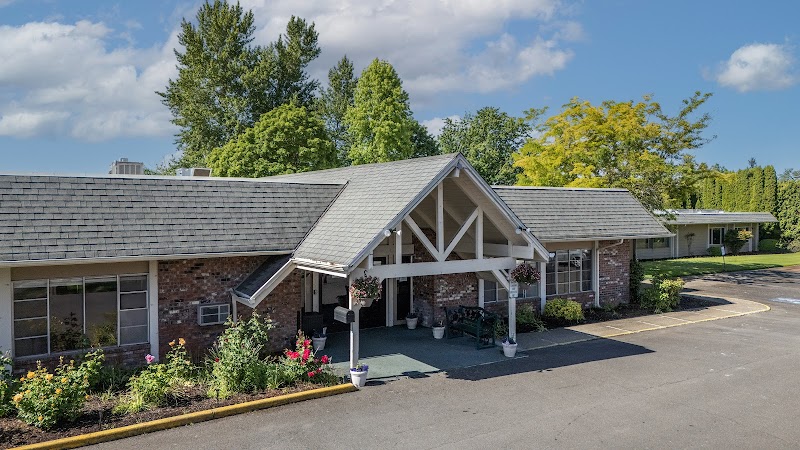
CMS rates INDEPENDENCE HEALTH & REHABILITATION CENTER's staffing level at 3 out of 5 stars, which is average compared to other nursing homes. Staff turnover is 60%, which is 13 percentage points above the Oregon average of 46%. High turnover can affect care consistency as new staff learn residents' individual needs.

What Have Inspectors Found at Independence Health & Rehabilitation Center?

State health inspectors documented 24 deficiencies at INDEPENDENCE HEALTH & REHABILITATION CENTER during 2022 to 2025. These included: 1 that caused actual resident harm and 23 with potential for harm. Deficiencies causing actual harm indicate documented cases where residents experienced negative health consequences.
Who Owns and Operates Independence Health & Rehabilitation Center?

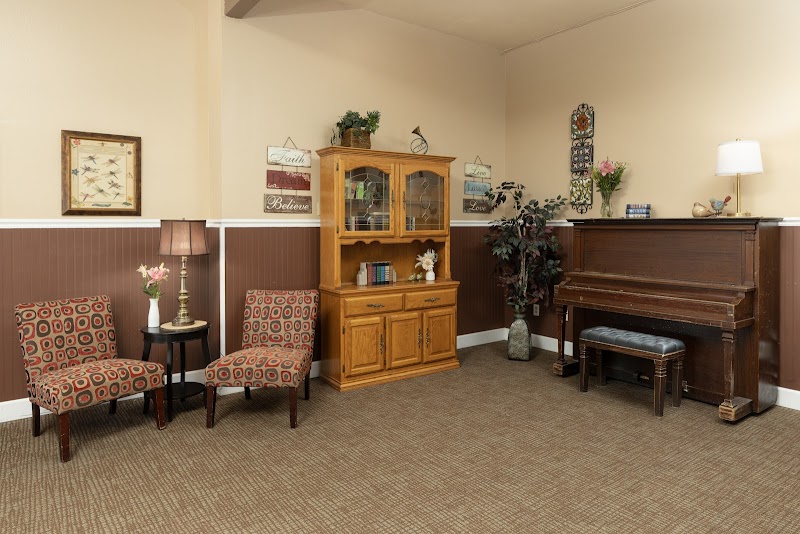
INDEPENDENCE HEALTH & REHABILITATION CENTER is owned by a for-profit company. For-profit facilities operate as businesses with obligations to shareholders or private owners. The facility is operated by EMPRES OPERATED BY EVERGREEN, a chain that manages multiple nursing homes. With 80 certified beds and approximately 37 residents (about 46% occupancy), it is a smaller facility located in INDEPENDENCE, Oregon.
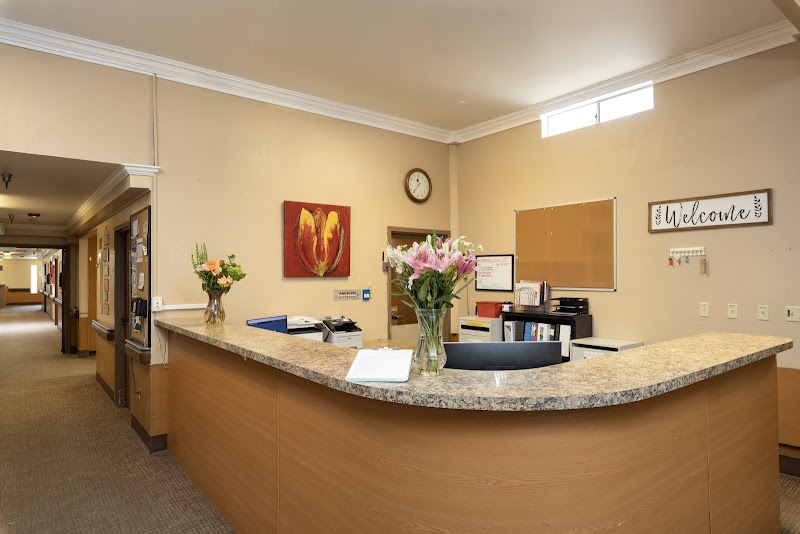
How Does Independence Health & Rehabilitation Center Compare to Other Oregon Nursing Homes?

Compared to the 100 nursing homes in Oregon, INDEPENDENCE HEALTH & REHABILITATION CENTER's overall rating (4 stars) is above the state average of 3.0, staff turnover (60%) is significantly higher than the state average of 46%, and health inspection rating (4 stars) is above the national benchmark.

What Should Families Ask When Visiting Independence Health & Rehabilitation Center?

Based on this facility's data, families visiting should ask: "How do you ensure continuity of care given staff turnover, and what is your staff retention strategy?" "Can I visit during a mealtime to observe dining assistance and food quality?" "How do you handle medical emergencies, and what is your hospital transfer rate?" "Can I speak with family members of current residents about their experience?" These questions are particularly relevant given the facility's high staff turnover rate.

Is Independence Health & Rehabilitation Center Safe?

Based on CMS inspection data, INDEPENDENCE HEALTH & REHABILITATION CENTER has a clean safety record: no substantiated abuse findings (meaning no confirmed cases of resident harm), no Immediate Jeopardy citations (the most serious violation level indicating risk of serious injury or death), and is not on the Special Focus Facility watch list (a federal program monitoring the lowest-performing 1% of nursing homes). The facility has a 4-star overall rating and ranks #1 of 100 nursing homes in Oregon. While no facility is perfect, families should still ask about staff-to-resident ratios and recent inspection results during their visit.

Do Nurses at Independence Health & Rehabilitation Center Stick Around?

Staff turnover at INDEPENDENCE HEALTH & REHABILITATION CENTER is high. At 60%, the facility is 13 percentage points above the Oregon average of 46%. High turnover means new staff may not know residents' individual needs, medications, or preferences. It can also be disorienting for residents, especially those with dementia who rely on familiar faces. Families should ask: What is causing the turnover? What retention programs are in place? How do you ensure care continuity during staff transitions?

Was Independence Health & Rehabilitation Center Ever Fined?

INDEPENDENCE HEALTH & REHABILITATION CENTER has been fined $69,876 across 3 penalty actions. This is above the Oregon average of $33,778. Fines in this range indicate compliance issues significant enough for CMS to impose meaningful financial consequences. Common causes include delayed correction of deficiencies, repeat violations, or care failures affecting resident safety. Families should ask facility leadership what changes have been made since these penalties.

Is Independence Health & Rehabilitation Center on Any Federal Watch List?

INDEPENDENCE HEALTH & REHABILITATION CENTER is not on any federal watch list. The most significant is the Special Focus Facility (SFF) program, which identifies the bottom 1% of nursing homes nationally based on persistent, serious quality problems. Not being on this list means the facility has avoided the pattern of deficiencies that triggers enhanced federal oversight. This is a positive indicator, though families should still review the facility's inspection history directly.