AVAMERE COURT AT KEIZER
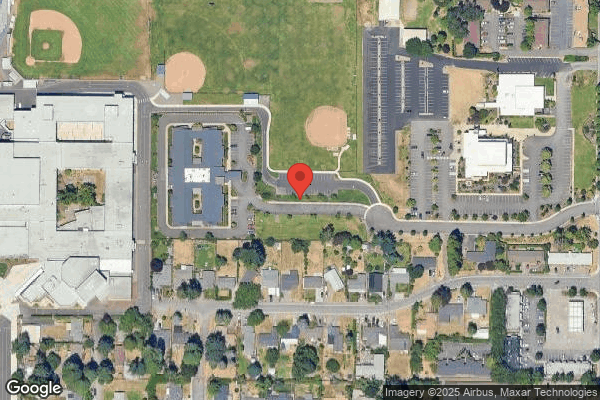
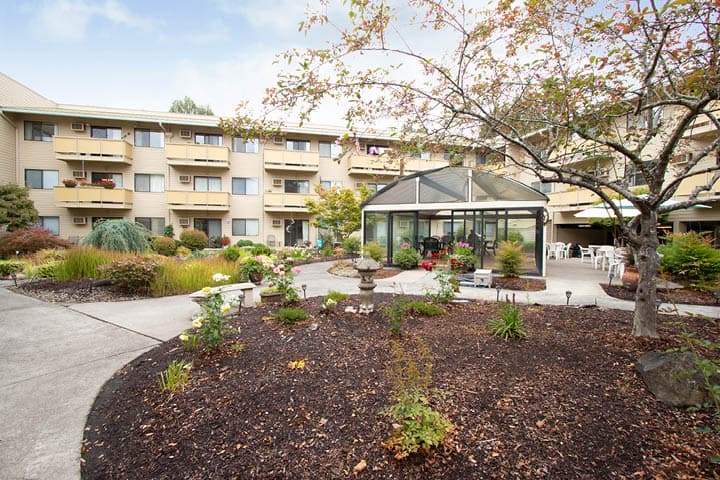
5210 RIVER ROAD N., KEIZER, OR 97303 (503) 393-3624
For profit - Corporation 69 Beds AVAMERE Data: November 2025 1 Immediate Jeopardy citation
Trust Grade
43/100
#49 of 127 in OR
Last Inspection: May 2024

Within standard 12-15 month inspection cycle. Federal law requires annual inspections.

Overview

Avamere Court at Keizer has received a Trust Grade of D, indicating below-average performance with some concerns about care and safety. It ranks #49 out of 127 facilities in Oregon, placing it in the top half, and #2 out of 8 in Marion County, suggesting it is one of the better local options. Unfortunately, the facility's performance is worsening, with the number of issues increasing from 4 in 2023 to 13 in 2024. Staffing is a strength, rated at 4 out of 5 stars with a turnover rate of 35%, which is lower than the state average, indicating stable staff who are familiar with residents. However, there are significant concerns, including a critical incident where a resident requiring supervision for swallowing was left unattended, risking serious health complications, and issues with a lack of a proper grievance system for residents to report concerns. Despite having no fines, which is positive, the facility must address these critical and serious deficiencies to improve overall care.

Trust Score
D
43/100
In Oregon
#49/127
Top 38%
Safety Record
High Risk
Review needed
Inspections
Getting Worse
4 → 13 violations
Staff Stability
○ Average
35% turnover. Near Oregon's 48% average. Typical for the industry.
Penalties
✓ Good
No fines on record. Clean compliance history, better than most Oregon facilities.
Skilled Nurses
⚠ Watch
Each resident gets only 28 minutes of Registered Nurse (RN) attention daily — below average for Oregon. Fewer RN minutes means fewer trained eyes watching for problems.
Violations
⚠ Watch
24 deficiencies on record. Higher than average. Multiple issues found across inspections.
★★★☆☆
3.0
Overall Rating
★★★★☆
4.0
Staff Levels
★★★★☆
4.0
Care Quality
★★★☆☆
3.0
Inspection Score
Stable
2023: 4 issues
2024: 13 issues

The Good

  • 4-Star Staffing Rating · Above-average nurse staffing levels
  • 4-Star Quality Measures · Strong clinical quality outcomes
  • Full Sprinkler Coverage · Fire safety systems throughout facility
  • No fines on record
  • Staff turnover below average (35%)

    13 points below Oregon average of 48%

Facility shows strength in staffing levels, quality measures, fire safety.

The Bad

3-Star Overall Rating

Near Oregon average (3.0)

Meets federal standards, typical of most facilities

Staff Turnover: 35%

11pts below Oregon avg (46%)

Typical for the industry

Chain: AVAMERE

Part of a multi-facility chain

Ask about local staffing decisions and management

The Ugly 24 deficiencies on record

1 life-threatening 1 actual harm
May 2024 13 deficiencies
CONCERN (D) 📢 Someone Reported This

A family member, employee, or ombudsman was alarmed enough to file a formal complaint

Potential for Harm - no one hurt, but risky conditions existed

Resident Rights (Tag F0550)

Could have caused harm · This affected 1 resident

Based on observation, interview and record review the facility failed to ensure a dignified dining experience by failing to provide meals to all residents at a table at the same time for 1 of 2 dining...

Read full inspector narrative →
Based on observation, interview and record review the facility failed to ensure a dignified dining experience by failing to provide meals to all residents at a table at the same time for 1 of 2 dining halls and 1 of 5 sampled residents (#20) reviewed for dining and food services. This placed residents at risk for not being treated in a dignified manner. Findings include: Resident 20 was admitted to the facility in 2018 with diagnoses including dysphagia (difficulty swallowing). An observation on 5/28/24 from 12:20 PM thorough 12:48 PM (28 minutes) revealed Resident 20 was in the 100 hall dining room with other residents. Resident 20 waited for her/his lunch while other residents were eating. Staff began clearing other residents' tables because they finished eating, while Resident 20 continued to wait for her/his meal. On 5/28/24 at 12:40 PM Staff 17 (CNA) stated Resident 20 was in the dining hall since 12:20 PM. Staff 17 acknowledged the resident did not receive her/his lunch meal. Staff 17 stated it was an ongoing problem, with meals often being late or residents' meals not being placed on the correct meal cart. On 5/30/24 at 9:00 AM Staff 16 (CNA) stated Resident 20 ate in the dining room and acknowledged her/his tray was not delivered timely on 5/28/24. Staff 16 stated the facility had difficulty delivering meal cart trays timely and residents' meals were not always placed on the correct meal cart. On 5/31/24 at 9:41 AM Staff 5 (RNCM) and at 11:43 AM Staff 2 (DNS) acknowledged Resident 20's meal was late on 5/28/24 and not served with the other residents in the 100 dining hall. Staff 2 and Staff 5 stated staff were expected to follow up with the kitchen or attempt to locate Resident 20's meal.
CONCERN (D) 📢 Someone Reported This

A family member, employee, or ombudsman was alarmed enough to file a formal complaint

Potential for Harm - no one hurt, but risky conditions existed

Deficiency F0657 (Tag F0657)

Could have caused harm · This affected 1 resident

Based on interview and record review it was determined the facility failed to ensure care plans were revised to accurately reflect the needs of residents for 1 of 1 sampled resident (#7) reviewed for ...

Read full inspector narrative →
Based on interview and record review it was determined the facility failed to ensure care plans were revised to accurately reflect the needs of residents for 1 of 1 sampled resident (#7) reviewed for hospice care. This placed residents at risk for unmet needs. Findings include: Resident 7 was admitted to the facility in 2020 with a diagnosis of Huntington's disease (inherited condition in which nerve cells break down in the brain). Resident 7's health record revealed she/he began hospice services on 3/9/24. The 3/18/24 Significant Change of Condition MDS indicated Resident 7 was expected to live six months or less and received Hospice services. Resident 7's 5/30/24 care plan revealed a focus of ADL Self Care Performance Deficit and limited mobility. The goal was to maintain current level of function for dressing, transfers, bathing and toilet use. The interventions to achieve the goal in dressing, transfers, toileting and bathing were last revised on the care plan on 12/15/23. Review of Resident 7's current care plan provided no evidence the care plan was revised to reflect the resident centered approaches for the anticipated decline of health condition and individual hopice care needs. On 5/31/24 at 12:22 PM Staff 1 (Administrator) acknowledged the need for Resident 7's care plan revision. Staff 1 expected all residents to have resident centered care plans revised to reflect health changes.
CONCERN (D) 📢 Someone Reported This

A family member, employee, or ombudsman was alarmed enough to file a formal complaint

Potential for Harm - no one hurt, but risky conditions existed

Quality of Care (Tag F0684)

Could have caused harm · This affected 1 resident

**NOTE- TERMS IN BRACKETS HAVE BEEN EDITED TO PROTECT CONFIDENTIALITY** 3. Undated documents provided by Staff 2 (DNS) on 5/30/24 and 5/31/24 Staff 2 (DNS) indicate the facility's bowel protocol inclu...

Read full inspector narrative →
**NOTE- TERMS IN BRACKETS HAVE BEEN EDITED TO PROTECT CONFIDENTIALITY** 3. Undated documents provided by Staff 2 (DNS) on 5/30/24 and 5/31/24 Staff 2 (DNS) indicate the facility's bowel protocol included: -If resident had no bowel movements in three consecutive days, day shift to give Milk of Magnesia, if no results, then evening shift to give the suppository. If no results, NOC (overnight) shift to give fleet enema. -If offered and refused then it must be documented as refused. Without this documentation it looks like protocol was not followed. -Check medication list for alternative PRN, offer dose and document if refused. Resident 20's Physician Order Summary Report as of 5/28/24 indicated the following PRN bowel medication orders: -bisacodyl suppository PRN every eight hours as needed for constipation. -fleet enema every 24 hours as needed for constipation. -magnesium hydroxide (same as Milk of Magnesia) as needed for constipation. -polyethylene glycol as needed for constipation. a. Resident 20 readmitted to the facility on [DATE] with diagnoses including pneumonia, chronic constipation and stroke with left-sided weakness with dysphagia (difficulty swallowing). Resident 20's 5/2024 bowel records indicated the resident did not have a bowel movement from 5/25/24 through 5/31/24 at noon (six and a half days without a bowel movement). Resident 20's 5/2024 MAR indicated the following: - From 5/25/24 through 5/31/24 there was no indication a bisacodyl suppository was offered or administered. - From 5/25/24 through 5/31/24 there was no indication a fleet enema was offered or administered. - From 5/25/24 through 5/28/24 there was no indication magnesium hydroxide was offered or administered. On 5/29/24 magnesium hydroxide was administered and noted to be ineffective. - From 5/25/24 through 5/29/24 there was no indication a polyethylene glycol was offered or administered. On 5/30/24 polyethylene glycol was administered and documented as unknown in effectiveness. A 5/28/24 progress note revealed Resident 20 was on day four of no bowel movement and nursing staff were to start abdominal assessments and offer bowel care/interventions on 5/29/24. On 5/31/24 at 9:52 AM Staff 21 (CMA) stated she recalled Resident 20 was on the bowel list on day three and she was unsure why milk of magnesia was not offered. On 5/31/24 at 10:01 AM Staff 9 (LPN) stated Resident 20 had her/his own bowel protocol because of opioid use and was unsure why it was not initiated on day three. On 5/31/24 at 10:39 AM Staff 5 (RNCM) stated Resident 20 had her/his own bowel protocol which was discontinued when the resident went to the hospital and was not continued when the resident returned from the hospital. Staff 5 acknowledged the house protocol and Resident 20's own bowel protocol were not followed. b. The 5/12/24 physician orders indicated Resident 20 was to receive medications crushed with applesauce with mildly thick liquids. The 5/2024 MAR indicated Resident 20 received duloxetine delayed release particles for depression once a day and bisacodyl delayed release for constipation once a day. On 5/30/24 at 9:00 AM Staff 10 (LPN) stated delayed release medications were not supposed to be crushed. Staff 10 stated Resident 20 had an order for all medications to be crushed. Staff 10 stated she crushed all of Resident 10's medications including the duloxetine and bisacodyl since the resident's admission. On 5/31/24 at 9:52 AM Staff 21 (CMA) stated she crushed all of Resident 10's medication. Staff 21 stated the duloxetine was a capsule and was not crushable, so she opened the capsules and added the medication to the applesauce. Staff 21 stated she did not know if opening the duloxetine capsule changed the efficacy of the delayed release. On 5/31/24 at 11:47 AM Staff 23 (Pharmacist) stated the duloxetine manufacturer did not recommend the delayed release capsules to be opened, but it could be opened and sprinkled in applesauce or juice for no more than two hours, but not crushed and not placed in chocolate pudding. Staff 23 stated it was not recommended for bisacodyl delayed release to be crushed because it would break the enteric coating and decrease the efficacy. On 5/31/24 at 11:56 AM Staff 2 (DNS) stated she expected staff to look in the drug book, ask the charge nurse, and get clarification from the pharmacist and doctor if there were concerns regarding crushing a medication. Staff 2 acknowledged the staff crushed medications that may have decreased the medication's efficacy. Based on interview and record review it was determined the facility failed to follow physician orders or implement bowel care timely for 3 of 6 sampled residents (#s 8, 20, and 151) reviewed for medications and pain. This placed residents at risk for adverse side effects and constipation. Findings include: 1. Resident 151 was admitted to the facility on 4/2024 with diagnoses including diabetes. A physician order dated 4/30/24 indicated Resident 151 was to receive alpha-lipoic acid (an antioxidant) 600 MG. Staff were to administer two capsules by mouth at bedtime for a supplement. A review of the resident's 5/2024 MAR revealed Resident 151 did not receive the alpha-lipoic acid from 5/17/24 through 5/20/24 (four days), as well as on 5/27/24 and 5/28/24. The reason for the non-administration was because the medication was marked 9 (not available). A physician order dated 5/1/24 indicated Resident 151 was to receive alpha-lipoic acid 600 MG and staff were to administer one capsule in the morning for a supplement. A review of the resident's 5/2024 MAR revealed Resident 151 did not receive her/his medication from 5/1/24 through 5/4/24 (four days) and from 5/14/24 through 5/21/24 (eight days). The reason for the non-administration was because the medication was marked 9 (not available). On 5/30/24 at 1:38 PM Staff 8 (CMA) and 1:55 PM Staff 6 (LPN) stated when they could not locate Resident 151's alpha-lipoic acid, they marked the MAR as 9, indicating the medication was not available. Staff 8 and Staff 9 stated they reported the lack of medication to Staff 5 (RNCM). On 5/31/24 at 11:32 AM Staff 5 acknowledged Resident 151 missed multiple doses of alpha-lipoic acid and was unsure why. Staff 5 stated the supplement was an over the counter medication and accessible through the facility's central supply system. Staff 5 stated she expected staff to email central supply directly or report to her when the supplement was unavailable. 2. Resident 8 was admitted to the facility in 11/2023 with diagnoses including end stage renal disease and the resident received renal dialysis (removes waste products and excess fluid from the blood). A Comprehensive Care Plan, dated 11/7/23, and revised on 5/23/24, revealed Resident 8 received dialysis on Mondays, Wednesdays and Fridays. A physician order dated 3/30/24, indicated Resident 8 was to receive sevelamer carbonate (a phosphate binder) 800 MG. Staff were to administer two tablets by mouth with meals related to end stage renal disease. A review of the resident's 5/2024 MAR revealed Resident 8 did not receive her/his 8:00 AM medication on 5/3/24, 5/6/24, 5/8/24, 5/10/24, 5/13/24, and 5/17/24 because the resident was out of the facility. On 5/31/24 at 5:00 AM Witness 1 (Family Member) stated Resident 8 was supposed to be sent with the sevelamer carbonate when the resident went to dialysis, but this did not always occur. On 5/31/24 at 5:09 AM Staff 20 (LPN) stated he assisted Resident 8 with going to her/his dialysis treatments on Mondays, Wednesdays and Fridays. Staff 20 stated he sent paperwork and medications with the resident on dialysis days. Staff 20 further stated he thought there were times when the sevelamer carbonate was not available. On 5/31/24 at 11:44 AM Staff 5 (RNCM) acknowledged Resident 8 was not sent with the 8:00 AM sevelamer carbonate dose and should not have gone without the medication on her/his scheduled dialysis days.
CONCERN (D) 📢 Someone Reported This

A family member, employee, or ombudsman was alarmed enough to file a formal complaint

Potential for Harm - no one hurt, but risky conditions existed

Medication Errors (Tag F0758)

Could have caused harm · This affected 1 resident

**NOTE- TERMS IN BRACKETS HAVE BEEN EDITED TO PROTECT CONFIDENTIALITY** Based on interview and record review it was determined the facility failed to ensure residents were free of unnecessary psychotr...

Read full inspector narrative →
**NOTE- TERMS IN BRACKETS HAVE BEEN EDITED TO PROTECT CONFIDENTIALITY** Based on interview and record review it was determined the facility failed to ensure residents were free of unnecessary psychotropic (affects brain activities) medications for 1 of 6 sampled residents (# 303) reviewed for medications. This placed residents at risk for receiving sedation and complications of psychotropic drug use. Findings include: The facility's 8/25/20 Psychoactive (affects brain activities) Medication Management Guideline directed staff to complete the following: -Review admission Orders for psychotropic medications; -Ensure appropriate diagnosis for use; -If no supporting diagnosis was present, notify the provider and obtain an appropriate diagnosis. Resident 303 was admitted to the facility on [DATE] with diagnoses including mild cognitive impairment. Review of Resident 303's 5/29/24 Physician Order directed staff to administer 25 mg of Quetiapine Fumarate (antipsychotic medication used to treat schizophrenia [serious mental condition] and bipolar disorder [sudden episodes of mania or depression] ) at bedtime related to mild cognitive impairment. Review of Resident 303's 5/2024 MAR on 5/29/24 at 11:57 AM revealed she/he was administered the Quetiapine Fumarate medication. Review of Resident 303's health record on 5/29/24 at 12:31 PM revealed no documented behaviors or target behaviors related to the use of Quetiapine Fumarate. On 5/30/24 at 9:15 AM Staff 4 (RNCM) confirmed Resident 303's diagnosis of mild cognitive impairment for the Quetiapine Fumarate. Staff 4 confirmed Resident 303 was administered Quetiapine Fumarate while in the facility. Staff 4 confirmed mild cognitive impairment was not an appropriate diagnosis for Quetiapine Fumarate and Resident 303 was not reported or documented to experience behaviors which indicated the use of an antipsychotic medication. On 5/30/24 at 9:21 AM Staff 2 (DNS) stated she expected all residents at admission to be assessed for appropriateness of medications and if a resident was on an antipsychotic medication, the staff were to obtain an appropriate diagnosis from the physician and put behavior monitors in place to monitor for medication effectiveness. Staff 2 confirmed Resident 303 was administered Quetiapine Fumarate without an appropriate diagnosis.
CONCERN (D) 📢 Someone Reported This

A family member, employee, or ombudsman was alarmed enough to file a formal complaint

Potential for Harm - no one hurt, but risky conditions existed

Unnecessary Medications (Tag F0759)

Could have caused harm · This affected 1 resident

Based on observation, interview and record review it was determined the facility failed to ensure a medication pass error rate of less than 5%. There were two errors in 28 opportunities resulting in a...

Read full inspector narrative →
Based on observation, interview and record review it was determined the facility failed to ensure a medication pass error rate of less than 5%. There were two errors in 28 opportunities resulting in an 7.14% error rate. This placed residents at risk for adverse medication side effects. Findings include: The Drugs.com website, section titled Metformin Extended Release Tablets Prescribing Information, specified to Swallow metformin hydrochloride extended-release tablets whole. Do not crush, cut, or chew the tablets. The PreserVision AREDS (supplement specifically for eye health) manufacturer's website specified multivitamins were no substitute for an AREDS supplement and did not contain the same levels of nutrients found in the AREDS formula. 1. Resident 27 was admitted to the facility in 6/2023 with diagnoses including type 2 diabetes. Resident 27's 5/2024 Physician Orders included metformin HCl extended release (ER) tablet, 500 mg, give two tablets by mouth in the morning related to type 2 diabetes. On 5/30/24 at 8:50 AM Staff 10 (LPN) was observed for Resident 27's medication administration. Staff 10 dispensed two metformin 500 mg ER tablets into a cup, transferred the tablets into a pouch, crushed the tablets into a powder form, mixed the powder with pudding and administered the mixture to Resident 27. On 5/30/24 at 9:00 AM and 1:57 PM Staff 10 stated ER medications could not be crushed and if a resident preferred their medications crushed, she notified the provider. Staff 10 reviewed Resident 27's metformin order, acknowledged the medication was an ER form and confirmed she should not have crushed the medication. On 5/31/24 at 10:38 AM Staff 1 (Administrator) and Staff 2 (DNS) were notified the metformin ER 500 mg tablets were crushed during Resident 27's medication administration. Staff 2 stated she expected staff to know ER medication was not crushable. 2. Resident 35 was admitted to the facility in 5/2024 with diagnoses including spinal stenosis (narrowing of the space around the spine). Resident 35's 5/8/24 Physician Orders included PreserVision AREDS oral tablet, give one tablet by mouth one time a day for supplement. On 5/29/24 at 11:20 AM Staff 11 (LPN) was observed for Resident 35's medication administration. Staff 11 dispensed and administered a house stock multivitamin with mineral and did not administer PreserVision AREDS. On 5/29/24 at 1:20 PM Staff 11 reviewed Resident 35's PreserVision AREDS order. Staff 11 stated it was preferred to administer the house stock multivitamin with mineral in place of the PreserVision AREDS. On 5/30/24 at 1:53 PM Staff 5 (RNCM) reviewed Resident 35's PreserVision AREDS order. Staff 5 opened the medication cart, retrieved a large bottle labeled Preservision AREDS and stated this was the supplement staff should administer per physician orders. Staff 5 stated the house stock multivitamin with mineral was not an alternative to PreserVision AREDS. On 5/31/24 at 11:10 AM Staff 1 (Administrator) and Staff 2 (DNS) were notified the PreserVision AREDS was not administered as ordered during Resident 35's medication administration. Staff 2 compared the house stock multivitamin with mineral with the PreserVision AREDS. Staff 2 stated the ingredients were not the same and staff should have administered PreserVision AREDS.
CONCERN (E) 📢 Someone Reported This

A family member, employee, or ombudsman was alarmed enough to file a formal complaint

Potential for Harm - no one hurt, but risky conditions existed

Deficiency F0565 (Tag F0565)

Could have caused harm · This affected multiple residents

Based on interview and record review, it was determined the facility failed to effectively respond to resident council concerns expressed at 3 of 3 resident council meetings reviewed for facility resp...

Read full inspector narrative →
Based on interview and record review, it was determined the facility failed to effectively respond to resident council concerns expressed at 3 of 3 resident council meetings reviewed for facility response to resident council concerns. This placed residents at risk for unmet needs concerning issues of resident care and lessened quality of life. Findings include: The facility's undated Resident Council Policy indicated a Quality Assurance form should be utilized for Resident Council meetings to help track the council's concerns and/or suggestions. A staff designee would fill out the Resident Council Response/Grievances forms immediately following Resident Council meetings. During the 5/29/24 at 2:00 PM Resident Council meeting the residents stated they did not feel heard about their concerns or suggestions. The Resident Council stated they often did not receive a response from administration or departments regarding the concerns or suggestions they reported. On 5/29/24 at 6:15 PM review of the Resident Council/Family Council Department Response Form revealed the following from the Resident Council meetings concerns: -3/25/24, residents expressed concern the laundry took longer and more items came up missing. No response was given to the Resident Council; -4/22/24, residents expressed concern for food quality, supply closets ran short of supplies for briefs and wipes more often than not, residents were not served meals at the same time at dining room tables, and the wipes and mechanical lift slings ran low more often than not. The Central Supply department replied, Works M, W, F and will stock on those days. No resolution or reasoning for the supply shortage was provided and no responses were provided for the other identified concerns. -5/6/24, residents expressed concern that supply closets often ran low with supplies, they would like smaller food portions and lemonade to drink, and the aides were throwing clothes directly on the floor instead of placing them in a bag. No responses were provided to the Resident Council. On 5/31/24 at 10:39 AM Staff 13 (Activities/CNA) confirmed the lack of responses to the Resident Council concerns. Staff 13 stated she assisted the residents with Resident Council and she wrote the Resident Council/Family Council Department Response Forms for each facility department with resident concerns. Staff 13 acknowledged she often did not get responses from facility departments for the residents; concerns and the Resident Council members were frustrated with the lack of response. On 5/31/24 at 11:01 AM Staff 1 (Administrator) acknowledged the lack of response to the Resident Council concerns. Staff 1 expected all Resident Council concerns to be appropriately addressed in written form on the Resident Council/Family Council Department Response Form and given to the Resident Council to review.
CONCERN (E) 📢 Someone Reported This

A family member, employee, or ombudsman was alarmed enough to file a formal complaint

Potential for Harm - no one hurt, but risky conditions existed

Deficiency F0572 (Tag F0572)

Could have caused harm · This affected multiple residents

Based on observation, interview and record review it was determined the facility failed to ensure residents were notified of rights both orally and in writing on an ongoing basis for 1 of 1 facility r...

Read full inspector narrative →
Based on observation, interview and record review it was determined the facility failed to ensure residents were notified of rights both orally and in writing on an ongoing basis for 1 of 1 facility reviewed for Resident Council. This placed residents at risk for not being informed of their rights. Findings include: The facility's revised 2021 Resident Rights policy indicated copies of the resident rights were posted throughout the facility. Residents were to be informed about rights and responsibilities upon admission and periodically thereafter. Record review of the past Resident Council Meeting minutes on 5/29/24 at 1:47 PM revealed no indication of resident rights provided to residents during the meetings on 3/25/24, 4/22/24 and 5/6/24. On 5/29/24 at 2:00 PM the Resident Council stated they were not informed of resident rights on an ongoing basis and were unsure if any were posted in the facility or where to obtain the resident rights. The reception area and facility common areas were observed on 5/29/24 at 2:53 PM and no resident rights were observed posted. In an interview on 5/31/24 at 10:39 AM Staff 13 (Activities/CNA) stated she did not have a system to track the right rights which she read to residents during the Resident Council. Staff 13 could not ensure all the resident rights were reviewed during Resident Council. Staff 13 did not know how the facility provided ongoing resident rights communication to residents who did not attend Resident Council. On 5/31/24 at 11:01 AM Staff 1 (Administrator) stated she believed resident rights were reviewed through Resident Council. Staff 1 acknowledged the finding of the lack of ongoing resident rights information provided to residents and lack of resident rights posting in the facility.
CONCERN (E)

Potential for Harm - no one hurt, but risky conditions existed

Free from Abuse/Neglect (Tag F0600)

Could have caused harm · This affected multiple residents

Based on interview and record review it was determined the facility neglected to ensure resident needs were accommodated related to mechanical lift slings (device required to transfer) and briefs (inc...

Read full inspector narrative →
Based on interview and record review it was determined the facility neglected to ensure resident needs were accommodated related to mechanical lift slings (device required to transfer) and briefs (incontinent undergarment) for 4 of 4 sampled residents (#s 6, 23, 27 and 29) reviewed for accommodation of needs during Resident Council. This placed residents at risk for loss of independence, social isolation and ADL decline. Findings include: On 5/28/24 at 12:50 PM Resident 29 stated the facility often did not have mechanical lift slings and briefs available for residents. Resident 29 stated her/his spouse had to purchase briefs last weekend due to the lack of availability in the facility. Resident 29 stated on many occasions she/he was not able to get out of bed due to the lack of mechanical lift slings. Record review on 5/29/24 at 1:47 PM of Resident Council Meeting minutes revealed the following: -On 4/22/24 the Resident Council expressed concern the mechanical lift slings often were not available and the resident supplies closet often ran low of supplies. -On 5/6/24 the Resident Council expressed concern the resident supplies ran low. On 5/29/24 at 2:00 PM the Resident Council members stated the mechanical lift slings required three days to dry when laundered. There were many times when residents could not get out of bed due to the lack of mechanical lift slings. A council member stated, It's horrible not being able to get out of bed. Resident 23 was not able to get out of bed due the lack of mechanical lift slings. The Resident Council members stated the facility often ran out of briefs and under pads for the bed and it was stressful to worry about them running out of the briefs. On 5/30/24 at 9:00 AM Staff 16 (CNA) stated the facility often experienced a brief and wipes shortage, especially during the weekends. Staff 16 stated the mechanical lift slings were often not available and residents had to stay in bed because the staff had no way to get residents out of bed. On 5/30/24 at 10:58 AM Staff 7 (CNA) stated last week the facility went a whole day without wipes and extra large briefs. The shortage of brief supplies often happened on weekends. Staff 7 stated residents were often not able to shower due to the lack of mechanical lift slings and sometimes staff needed to borrow a mechanical lift sling from another resident if a resident fell and a mechanical lift sling was not available to get the resident off the floor. On 5/30/24 at 3:46 PM Resident 23 confirmed she/he wanted to get out of bed the previous day and was not able due to the lack of a mechanical lift sling. On 5/30/24 at 4:40 PM Resident 27 stated she/he was not able to get out of bed many times due to the lack of a mechanical lift sling. Resident 27 stated the facility often ran out of her/his size of briefs and she/he had to wear the wrong size or no brief at all. On 5/31/24 at 10:54 AM Resident 6 stated the facility often ran out of mechanical lift slings and incontinent supplies. On 5/31/24 at 11:01 AM Staff 1 (Administrator) stated she purchased mechanical lift slings in the past and was unaware it continued to be a problem. Staff 1 acknowledged the lack of mechanical lift slings and briefs for the residents. Staff 1 expected mechanical lift slings and briefs to be available for all residents.
CONCERN (E) 📢 Someone Reported This

A family member, employee, or ombudsman was alarmed enough to file a formal complaint

Potential for Harm - no one hurt, but risky conditions existed

Deficiency F0727 (Tag F0727)

Could have caused harm · This affected multiple residents

Based on interview and record review it was determined the facility failed to use the services of a registered nurse for at least eight consecutive hours a day for 9 of 62 days reviewed for registered...

Read full inspector narrative →
Based on interview and record review it was determined the facility failed to use the services of a registered nurse for at least eight consecutive hours a day for 9 of 62 days reviewed for registered nurse staffing. This placed residents at risk for lack of RN oversight including resident assessment, care and services. Findings include: A review of the Direct Care Staff Daily Reports for the months of 2/2023, 9/2023, and 5/2024 revealed the following days with no RN coverage during the 24 hour period: 2/2023: 2/4 and 2/11. 9/2023: 9/1, 9/3, 9/10 and 9/11. 5/2024: 5/6, 5/10, 5/12. On 5/31/24 at 9:41 AM Staff 14 (Staffing Coordinator), Staff 15 (Human Resources) and Staff 2 (DNS) were present for an interview. Staff 14 and Staff 15 acknowledged the facility struggled with RN coverage in 2/2023 and 9/2023. Staff 14 stated the facility adjusted RN schedules to ensure appropriate RN coverage was provided in the building. Staff 14 was unable to provide additional information regarding the lack of RN coverage on 5/6/24, 5/10/24 and 5/12/24.
CONCERN (E) 📢 Someone Reported This

A family member, employee, or ombudsman was alarmed enough to file a formal complaint

Potential for Harm - no one hurt, but risky conditions existed

Deficiency F0761 (Tag F0761)

Could have caused harm · This affected multiple residents

Based on observation, interview and record review it was determined the facility failed to ensure medications were secured and only accessible to authorized persons for 1 of 1 medication room reviewed...

Read full inspector narrative →
Based on observation, interview and record review it was determined the facility failed to ensure medications were secured and only accessible to authorized persons for 1 of 1 medication room reviewed for medication storage. This placed residents at risk for drug diversion. Findings include: The facility's 1/2021 Storage of Medication Policy & Procedure specified medications were stored properly and accessible only to licensed nursing personnel or staff members lawfully authorized to administer medications. On 5/29/24 at 1:24 PM the medication storage room was reviewed. Staff 10 (LPN) opened the medication refrigerator, removed a box of Ozempic (used to treat type 2 diabetes) and stated the Ozempic was not supposed to be stored in the medication room refrigerator. When asked where the Ozempic was stored, Staff 10 stated it was stored in Staff 2's (DNS) office refrigerator. On 5/29/24 at 2:11 PM Staff 2's office was observed. The office was located near the facility's entrance, next to Staff 1's (Administrator) office and adjacent to the reception desk. Inside Staff 2's office in plain view was a small, unlocked refrigerator. Staff 2 stated since the middle of last month the Ozempic medication was stored in her office refrigerator. Staff 2 stated the refrigerator did not lock and stated her office door was locked when she was not in the room. On 5/29/24 at 2:29 PM Staff 2's office door was observed propped open. Staff 2 was not in her office and the refrigerator was not locked. On 5/31/24 at 10:38 AM Staff 1 and Staff 2 reviewed the findings of this investigation. Staff 2 stated all medications were to be locked and secured in the appropriate and designated medication storage room to mitigate unauthorized access. Staff 1 and Staff 2 acknowledged the unlocked office refrigerator was not the appropriate place to store medications.
CONCERN (E) 📢 Someone Reported This

A family member, employee, or ombudsman was alarmed enough to file a formal complaint

Potential for Harm - no one hurt, but risky conditions existed

Food Safety (Tag F0812)

Could have caused harm · This affected multiple residents

Based on observation, interview, and record review it was determined the facility failed to ensure foods were labeled and stored in a way to minimize food spoilage, failed to ensure staff wore hair re...

Read full inspector narrative →
Based on observation, interview, and record review it was determined the facility failed to ensure foods were labeled and stored in a way to minimize food spoilage, failed to ensure staff wore hair restraints, and failed to maintain a clean and sanitary kitchen for 2 of 2 facility kitchens reviewed for sanitation. This placed residents at risk for potential infection related to foodborne pathogens. Findings include: Review of the US FDA 2022 Food Code revealed: -food prepared and held cold must be clearly marked with date prepared or by day which the food shall be consumed or discarded with a maximum of seven days if held at 41 degrees F. 1. On 5/28/24 at 9:36 AM during the initial kitchen observation, the refrigerator contained the following: -one container of facility made potato salad labeled 4/24/24. -one container of facility made chicken gravy labeled 4/26/24. -one container of facility made country gravy labeled 4/25/24. On 5/28/24 at 9:45 AM Staff 24 (Dietary Manager) acknowledged the April dates on the identified items. Staff 24 stated the refrigerator was checked daily for outdated food and should have been discarded after three days in the refrigerator. 2. On 5/29/24 at 11:16 AM the 5/2024 temperature log for the snack refrigerator in the satellite kitchen was reviewed. The log was blank on the following dates: -5/4/24 -5/5/24 -5/11/24 -5/12/24 -5/18/24 -5/19/24 -5/25/24 -5/26/24 On 5/29/24 at 11:17 AM Staff 25 (Dietary Aide) stated it was difficult to get the weekend staff to chart the temperature logs on the snack refrigerators. On 5/31/24 at 10:25 AM Staff 24 (Dietary Manager) acknowledged the refrigerator temperatures were not monitored on weekends. 3. On 5/29/24 at 12:36 PM Staff 25 (Dietary Aide) was observed assisting with lunch time tray line in the satellite kitchen without a hair restraint. Staff 25 stated a hair restraint was required when in the kitchen area and acknowledged she was not wearing a hair restraint during tray line. On 5/31/24 at 10:25 AM Staff 24 (Dietary Manager) stated he expected staff to wear a hair restraint when in the kitchen area. 4. On 5/30/24 at 12:08 PM the surveyor requested Staff 24 (Dietary Manager) test the bleach buckets for the correct chemical solution concentration. Staff 24 was observed to test the bleach buckets. The test strips turned white, which indicated zero bleach concentration was in the bleach solution. Staff 24 tested two bleach buckets on the floor and tested a newly dispensed bleach bucket. All the test strips indicated zero bleach concentration. On 5/30/24 at 12:56 PM Staff 24 stated the wrong test strips were used for the bleach buckets and the chemical solution dispenser was serviced.
CONCERN (E) 📢 Someone Reported This

A family member, employee, or ombudsman was alarmed enough to file a formal complaint

Potential for Harm - no one hurt, but risky conditions existed

Infection Control (Tag F0880)

Could have caused harm · This affected multiple residents

Based on observation, interview and record review it was determined the facility failed to ensure appropriate disinfection of a shared glucometer (a device used to obtain blood sugar levels) for 4 of ...

Read full inspector narrative →
Based on observation, interview and record review it was determined the facility failed to ensure appropriate disinfection of a shared glucometer (a device used to obtain blood sugar levels) for 4 of 4 sampled residents (#s 15, 19, 29 and 45) observed for CBG monitoring and failed to ensure bilateral grab bars were sanitary for 1 of 2 sampled residents (#24) reviewed for environment. This placed residents at risk for bloodborne infections and the spread of germs. Findings include: 1. The CDC website, section titled Infection Prevention during Blood Glucose Monitoring and Insulin Administration, specified there was an increased risk for exposure to bloodborne viruses through contaminated equipment, such as glucometers, when shared. Using a glucometer for more than one person without cleaning and disinfecting it in between uses contributed to transmission of HBV (Hepatitis B virus). Glucometers should be cleaned and disinfected after every use. The facility's 10/2011 Obtaining a Fingerstick Glucose level Policy & Procedure specified to always ensure the blood glucose meters were cleaned and disinfected between resident use according to manufacturer's instructions and current infection control standards of practice. Resident 15 was admitted to the facility in 5/2022 with diagnoses including type II diabetes. Resident 19 was admitted to the facility in 10/2022 with diagnoses including type II diabetes. Resident 29 was admitted to the facility in 3/2023 with diagnoses including type II diabetes. Resident 45 was admitted to the facility in 5/2024 with diagnoses including type II diabetes. On 5/30/24 at 11:50 AM Staff 9 (LPN) was observed for residents' CBG monitoring (capillary blood glucose: measurement of blood sugar). Staff 9 gathered supplies from the medication cart, including a glucometer, entered Resident 15's room, placed the glucometer directly on the resident's bed, cleansed the resident's finger, retrieved the glucometer from the bed and obtained the resident's CBG. Staff 9 returned to the medication cart in the hallway, placed the glucometer on a disinfectant wipe on the top surface of the cart and quickly flipped the glucometer side-to-side over the wipe. Staff 9 gathered more supplies and the glucometer and entered Resident 19's room. Staff 9 placed the glucometer directly on Resident 19's bed, cleansed the resident's finger, retrieved the glucometer from the bed and obtained the resident's CBG. Staff 9 returned to the medication cart and quickly flipped the glucometer side-to-side over the same disinfectant wipe, gathered more supplies and the glucometer and entered Resident 29's room. Staff 9 placed the glucometer directly on Resident 29's bed, cleansed the resident's finger, retrieved the glucometer from the bed and obtained the resident's CBG. Staff 9 returned to the medication cart, quickly flipped the glucometer side-to-side over the same disinfectant wipe, gathered more supplies and the glucometer and entered Resident 45's room. Staff 9 placed the glucometer directly on Resident 45's overbed table, cleansed the resident's finger, retrieved the glucometer from the table and obtained the resident's CBG. Staff 9 returned to the medication cart and quickly flipped the glucometer side-to-side over the same disinfectant wipe. Staff 9 failed to thoroughly disinfect all areas and surfaces of the glucometer between each use. During the CBG observations, there was no visible blood on the glucometer and Residents 15, 19, 29 and 45's health records revealed no diagnoses including viral bloodborne pathogens. On 5/30/24 at 1:05 PM Staff 9 stated the process for glucometer disinfection included ensuring the front, back and sides were thoroughly wiped with a saturated and new disinfectant wipe between each use. Staff 9 stated she was busy and running behind and acknowledged she did not thoroughly disinfect the glucometer between each use. On 5/31/24 at 10:38 AM Staff 1 (Administrator) and Staff 2 (DNS) were informed of the lack of appropriate glucometer disinfection. Staff 2 stated the glucometer should have been thoroughly disinfected between each use to prevent the spread of blood borne pathogens between residents. 2. Resident 24 was admitted to the facility in 7/2021 with diagnoses including dementia and anxiety. On 5/28/24 at 11:33 AM Resident 24 stated her/his bilateral grab bars helped with being repositioned in bed by staff. Random observations from 5/28/24 through 5/30/24 revealed Resident 24 remained in bed and had bilateral grab bars to assist with repositioning. The bilateral grab bars were coved with coban (self-adhering bandage wrap). The left grab bar had blue coban tape with cracks and brown stains on the blue coban. The right grab bar had brown coban wrapped around and was worn and dirty. On 5/30/24 at 3:39 PM Staff 5 (RNCM) entered the room with the surveyor and acknowledged the bilateral grab bars were covered with coban adhesive, were worn, dirty, and needed to be replaced. Staff 5 stated she was unsure how long the coban adhesive was in place.
CONCERN (F) 📢 Someone Reported This

A family member, employee, or ombudsman was alarmed enough to file a formal complaint

Potential for Harm - no one hurt, but risky conditions existed

Grievances (Tag F0585)

Could have caused harm · This affected most or all residents

Based on observation, interview and record review it was determined the facility failed to ensure a system was in place to receive and resolve resident and/or resident representative grievances for 1 ...

Read full inspector narrative →
Based on observation, interview and record review it was determined the facility failed to ensure a system was in place to receive and resolve resident and/or resident representative grievances for 1 of 1 sampled facility reviewed for Resident Council. This placed residents at risk for unreported and unresolved grievances. Findings include: The facility's undated Grievance policy indicated the facility was to ensure all residents and their family members were afforded the opportunity to express their concerns and suggest changes in the facility formally in writing. Record review of the facility's grievances binder revealed no written grievances were completed by residents or family members since 9/2023. During the 5/29/24 at 2:00 PM Resident Council meeting, residents stated they did not know how to file a grievance and one resident thought there used to be forms in the front reception area. The reception area and facility common areas were observed on 5/29/24 at 2:53 PM. No evidence of information was found on the right to file a grievance in writing or orally, how to file a grievance anonymously, the reasonable timeframe the resident could expect for a completed review of the grievance, the right to obtain the review in writing, the required contact information for the grievance official, or independent entities with whom grievances may also be filed with, or readily available grievance forms. On 5/31/24 at 10:54 AM Resident 6 stated she/he purchased a mechanical lift sling (device required to transfer) for personal use and it was lost months ago. Resident 6 stated she/he told everyone she/he could think of and did not receive a resolution. Resident 6 stated she/he was not offered a grievance form and did not know how to file a grievance. On 5/31/24 at 11:01 AM Staff 1 (Administrator) acknowledged there was no signage or ongoing reminders verbally to instruct residents or family members on the grievance process, and instructions were given in the Resident handbook upon admission. Staff 1 stated the forms were available at nursing stations and residents needed to ask for them. Staff 1 confirmed the lack of grievances filed by residents or resident representatives since 9/2023.
Apr 2023 4 deficiencies
CONCERN (D)

Potential for Harm - no one hurt, but risky conditions existed

Comprehensive Assessments (Tag F0636)

Could have caused harm · This affected 1 resident

Based on interview and record review it was determined the facility failed to comprehensively assess residents for dialysis, nutrition and unnecessary medications for 2 of 6 sampled residents (#s 13 a...

Read full inspector narrative →
Based on interview and record review it was determined the facility failed to comprehensively assess residents for dialysis, nutrition and unnecessary medications for 2 of 6 sampled residents (#s 13 and 49) reviewed for dialysis and unnecessary medications. This placed residents at risk for unassessed needs. Findings include: 1. Resident 13 was admitted to the facility in 2023 with diagnoses including end-stage kidney disease, broken hip, insomnia and depression. a. Resident 13's 4/1/23 MDS Special Treatments, Procedures, and Programs assessment indicated the resident was receiving dialysis services (a procedure to remove waste products and excess fluid from the blood when the kidneys stop working properly). A review of Resident 13's CAAs with an assessment reference date of 4/1/23 revealed no comprehensive assessment of the resident's need for dialysis. On 4/18/23 at 12:50 PM Staff 2 (RNCM) stated she initiated residents' care plans, but she did not utilize the MDS assessments or CAAs when she created care plans for residents. On 4/19/23 at 8:30 AM Staff 9 (MDS Coordinator) confirmed the CAAs did not include a comprehensive assessment for Resident 13's dialysis. b. Resident 13's 4/2023 MAR revealed the resident received the following psychotropic medications: - bupropion (antidepressant) daily - venlafaxine (antidepressant) daily - doxepin (antidepressant) PRN - quetiapine (antipsychotic) PRN A review of Resident 13's Psychotropic Drug Use CAA with an assessment reference date of 4/1/23 revealed the verbiage [Resident 13] is taking antipsychotic, antidepressant medication, No ASE [adverse side effect] noted. was used repeatedly throughout the assessment areas without indication of what specific medications the resident was taking, what specific adverse side effects of those medications the resident was at risk for or may have exhibited, and did not indicate how this verbiage was pertinent to each assessment area. In the assessment area for Provide input from resident and/or family/representative regarding this care area. the assessment indicated No concerns voiced. In the assessment area for Describe impact of this problem/need on the resident and your rationale for care plan decision. several generic care plan interventions were listed without a description of the impact on the resident or a rationale for the care plan decision. On 4/18/23 at 12:50 PM Staff 2 (RNCM) stated she initiated residents' care plans, but she did not utilize the MDS assessments or CAAs when she created care plans for residents. On 4/19/23 at 8:30 AM Staff 9 (MDS Coordinator) confirmed the CAA did not include a comprehensive assessment for Resident 13's psychotropic medication use. Staff 9 stated she did not speak to residents or their families when she completed the CAA. 2. Resident 49 was admitted to the facility in 2023 with diagnoses including depression, panic disorder and anxiety. Resident 49's 3/2023 MAR revealed the resident received the following psychotropic medications: - trazodone (antidepressant) daily - alprazolam (antianxiety) PRN A review of Resident 49's Psychotropic Drug Use CAA with an assessment reference date of 3/29/23 revealed the verbiage [Resident 49] is taking antidepressant and antianxiety medication, No ASE noted at this time. staff to continue to monitor. was used repeatedly throughout the assessment areas without indication of what specific medications the resident was taking, what specific adverse side effects of those medications the resident was at risk for or may have exhibited, and did not indicate how this verbiage was pertinent to each assessment area. In the assessment area for Provide input from resident and/or family/representative regarding this care area. the assessment indicated No concerns voiced. In the assessment area for Describe impact of this problem/need on the resident and your rationale for care plan decision. several generic care plan interventions were listed without a description of the impact on the resident or a rationale for the care plan decision. On 4/18/23 at 12:50 PM Staff 2 (RNCM) stated she initiated residents' care plans, but she did not utilize the MDS assessments or CAAs when she created care plans for residents. On 4/19/23 at 8:30 AM Staff 9 (MDS Coordinator) confirmed the CAA did not include a comprehensive assessment for Resident 49's psychotropic medication use. Staff 9 stated she did not speak to residents or their families when she completed the CAA.
CONCERN (D)

Potential for Harm - no one hurt, but risky conditions existed

Incontinence Care (Tag F0690)

Could have caused harm · This affected 1 resident

Based on observation, interview and record review it was determined the facility failed to ensure a resident's catheter drainage bag was positioned properly for 1 of 1 sampled resident (#32) reviewed ...

Read full inspector narrative →
Based on observation, interview and record review it was determined the facility failed to ensure a resident's catheter drainage bag was positioned properly for 1 of 1 sampled resident (#32) reviewed for UTIs. This placed residents at risk for infections. Findings include: Resident 32 was admitted to the facility in 2022 with diagnoses including cancer. A 2/2023 annual MDS and associated CAAs indicated the resident was cognitively intact, had a urostomy (surgical opening to collect urine outside of the body) and staff managed the urostomy. The urostomy placed the resident at increased risk for infections. The CAAs did not indicate the resident was noncompliant with urostomy care and maintenance. On 4/18/23 at 12:50 PM Resident 32 was observed with the urostomy drainage bag in her/his lap while she/he sat in a wheelchair. On 4/18/23 at 12:56 PM Staff 4 (CNA) stated the resident liked to keep the drainage bag on the gait belt during transfers and beside her/him in the wheelchair seat. On 4/19/23 at 1:57 PM Staff 7 (CNA) indicated even when staff placed the drainage bag below the wheelchair seat, Resident 32 lifted the drainage bag and placed it beside her/him. On 4/20/23 at 9:29 AM Staff 8 (CNA) stated Resident 32 did not keep the drainage bag in the low position and it was her/his right to place it in the wheelchair. Staff 8 indicated he did not educate the resident to keep it lower. On 4/18/23 at 1:04 PM Staff 5 (LPN) stated for at least the last eight months, when Resident 32 sat in the wheelchair, she/he tucked the urostomy drainage bag beside her/him per her/his preference. If staff educated the resident, on the risk of infection from not allowing the urine to drain properly, it would be documented in the care plan or in the progress notes. Resident 32's current care plan did not indicate the resident was noncompliant with cares. Resident 32's record did not have risk, benefits or education related to keeping the drainage bag lower than the bladder. On 4/21/23 at 8:41 AM Staff 1 (DNS) indicated the resident was alert, oriented and chose to keep the urostomy drainage bag at her/his side. Staff 1 acknowledged this placed the resident at increased risk for infection. Staff 1 stated when the resident's was planned to discharge home, staff instructed the resident to keep the drainage bag lower than her/his bladder. Staff 1 was asked to provide documentation to indicate education was provided to Resident 32 related to the resident's current practice of keeping the urostomy drainage bag in the wheelchair and the increased risk of infection. No additional information was provided.
CONCERN (E)

Potential for Harm - no one hurt, but risky conditions existed

Deficiency F0804 (Tag F0804)

Could have caused harm · This affected multiple residents

Based on observation and interview it was determined the facility failed to ensure food was served at an appetizing temperature for 2 of 3 sampled residents (#s 17 and 32) reviewed for food. This plac...

Read full inspector narrative →
Based on observation and interview it was determined the facility failed to ensure food was served at an appetizing temperature for 2 of 3 sampled residents (#s 17 and 32) reviewed for food. This placed residents at risk for weight loss. Findings include: On 4/17/23 at 11:15 AM Resident 17 stated the food was cold due to her/his room being located at the end of the hall and the last room to which meals were delivered. The resident stated the meals were repetitive and unappealing, and reported there are very few meals I look forward to warm or not. On 4/17/23 at 1:17 PM Resident 32 reported the food was dry and cold. On 4/21/23 at 10:00 AM Staff 10 (CNA/RA) stated Resident 17 complained the food was cold and hard to chew. On 4/20/23 at 12:48 PM four surveyors sampled a regular lunch meal consisting of honey-garlic pork chops, roasted red potatoes, mixed vegetables, and pumpkin pie. The pork chop was described as dry, tough and not warm. The potatoes had good flavor but were not warm. The vegetables were cold. On 4/20/23 at 12:50 PM Staff 1 (DNS) sampled the lunch meal and stated the food would be better if it was warmer.
CONCERN (F)

Potential for Harm - no one hurt, but risky conditions existed

Deficiency F0727 (Tag F0727)

Could have caused harm · This affected most or all residents

Based on interview and record review it was determined the facility failed to ensure a RN was available for at least eight consecutive hours per day seven days per week for 17 of 123 days reviewed for...

Read full inspector narrative →
Based on interview and record review it was determined the facility failed to ensure a RN was available for at least eight consecutive hours per day seven days per week for 17 of 123 days reviewed for staffing. This placed residents at risk for lack of timely RN assessments and care. Findings include: Review of the Direct Care Staff Daily Reports from 7/1/22 through 9/30/22 and 3/1/23 through 3/31/23 revealed there was no RN coverage for eight consecutive hours on: -7/2, 7/9, 7/16, 7/23, 7/30, 8/6, 8/13, 8/20, 8/27, 9/3, 9/4, 9/10, 9/11, 9/17, 9/19, 9/24; -3/19. On 4/21/23 at 10:40 AM Staff 1 (DNS) was notified of the findings of this investigation. Staff 1 stated they were working to ensure the facility had appropriate RN coverage.
Apr 2022 7 deficiencies 1 IJ
CRITICAL (J)

Immediate Jeopardy (IJ) - the most serious Medicare violation

Accident Prevention (Tag F0689)

Someone could have died · This affected 1 resident

Based on observation, interview and record review it was determined the facility failed to provide supervision for swallowing safety for 1 of 9 sampled residents (#48) who were on swallowing precautio...

Read full inspector narrative →
Based on observation, interview and record review it was determined the facility failed to provide supervision for swallowing safety for 1 of 9 sampled residents (#48) who were on swallowing precautions and required close supervision for all oral intake. Resident 48 was observed to be left unattended with her/his snack and fluids during continuous observations. Resident 48 was observed to independently feed her/himself. This failure resulted in an immediate jeopardy situation. This placed the resident at risk for pneumonitis (inflammation of the lung tissue), aspiration pneumonia (a type of lung infection that is due to material from the stomach or mouth entering the lungs) and death. Findings include: A 10/2021 Dysphagia (a condition with difficulty in swallowing food or liquid) Diets and Aspiration Precautions policy indicated dysphagia precautions and diets will be individualized with modifications made by the SLP working in conjunction with the Licensed Nurse (LN) and/or RD or designee and Nutrition Services Manager. Upon completion of the evaluation the SLP would recommend resident food and fluid modifications and outline aspiration precautions. The LN would then develop a resident plan of care outlining precautions, and ensure the precaution form was updated and posted above the resident's bed. On 4/12/22 at 2:32 PM an undated placard Supervision Levels per SLP Recommendations in the facility dining room indicated for close supervision patient and staff were to sit at the same/adjoining table and patient was not left unattended with food tray. Resident 48 was readmitted to the facility 3/2022 with diagnoses including traumatic brain injury and dementia. A 2/2022 Quarterly MDS assessment indicated Resident 48 was moderately cognitively impaired and was to be supervised while eating with one person physical assist. The 4/1/22 Speech Therapy Treatment Encounter Note(s) indicated Resident 48 had reduced self-feeding skills with an increased risk of adverse events. The recommendation was to have increased supervision. Nursing was notified. The 4/1/22 Aspirations Precautions form posted above Resident 48's bed indicated close supervision with meals and staff were to ensure the resident was in an upright position at a 75 to 90 degree angle. The 4/4/22 revised care plan for Resident 48 indicated she/he had impaired swallowing and was at risk for aspiration. Interventions included swallowing precautions, sit upright for meals and close supervision for all intake. The 4/5/22 Speech Therapy Treatment Encounter Notes(s) indicated Resident 48 was found alone in her/his room with the bed reclined to 45 degrees. Resident 48 was drinking from an open cup with strong continuous coughing. Nursing was notified of inadequate positioning and inadequate supervision. On 4/12/22 at 1:21 PM observations made of Resident 48 revealed she/he was alone in her/his room and was upright in a wheelchair with a clothing protector on, a bedside table was in front of her/him with a hydration bottle full of clear liquid. Resident 48 had a cookie in her/his left hand and was eating the cookie independently. On 4/12/22 between 1:21 PM to 1:26 PM continuous observations of Resident 48 revealed the resident was not supervised while eating the cookie and multiple staff walked by without looking into the resident's room. On 4/12/22 at 1:26 PM Staff 4 (CNA) and a State Surveyor entered Resident 48's room. Staff 4 acknowledged Resident 48 was actively eating a cookie and was independently able to pick up food items if they were within reach. Staff 4 further acknowledged Resident 48 was not to be left alone with food and drink within reach. On 4/12/22 at 1:41 PM Staff 5 (CNA) stated she previously provided care for Resident 48. She further stated Resident 48 was on close supervision for food and snacks and should not be left alone in her/his room with snacks or liquids. On 4/12/22 at 2:03 PM Staff 3 (SLP) stated Resident 48 had always been on swallowing precautions and was changed from distant supervision (line of sight) to close supervision based on her evaluation completed 4/1/22. She further stated Resident 48 required staff to be present while alone in her/his room when the resident was consuming food or liquids and should not have been left alone. On 4/12/22 at 4:56 PM Staff 1 (Administrator) and Staff 2 (DNS) were notified of the immediate jeopardy (IJ) situation and were provided a copy of the IJ template related to the facilities failure to ensure residents were adequately supervised during meals. An immediate plan of correction (POC) was requested. On 4/12/22 at 6:43 PM the facility submitted a final POC. The IJ removal plan included: -All residents currently in the facility with aspiration precautions will be reviewed to ensure care plan and aspiration precautions reflect the same information. Residents that are not to have food & fluids at bedside have been checked to ensure foods & fluids currently not at bedside. This will be completed by end of day 4/12/22. -All direct care staff will be in serviced on the policy of aspiration precautions, how to read and understand the aspiration precautions signs and definitions of supervisions as outlined in the policy. All nursing staff in the building currently will receive the in service prior to leaving tonight and day shift will be in serviced prior to starting their shift in the morning. All other nursing staff will be in serviced no later than 1159 of 4/13/22 unless staff is unreachable ie: on leave, vacation or paid time off. Any staff that are not reachable will receive in service prior to starting their next shift. -DNS or designee will complete weekly audits of all residents on aspiration precautions to ensure all areas of information are the same. These audits will be completed weekly for 3 months and will be reviewed at QAPI until substantial compliance has been met for 2 quarters. On 4/13/22 at 3:22 PM Staff 2 (DNS) and Staff 7 (Regional RN) were notified the immediacy was removed based on observations, staff interviews, and record review. The IJ removal plan was fully implemented.
SERIOUS (G)

Actual Harm - a resident was hurt due to facility failures

Deficiency F0692 (Tag F0692)

A resident was harmed · This affected 1 resident

**NOTE- TERMS IN BRACKETS HAVE BEEN EDITED TO PROTECT CONFIDENTIALITY** Based on interview and record review it was determined the facility failed to ensure a change of condition was addressed for 1 o...

Read full inspector narrative →
**NOTE- TERMS IN BRACKETS HAVE BEEN EDITED TO PROTECT CONFIDENTIALITY** Based on interview and record review it was determined the facility failed to ensure a change of condition was addressed for 1 of 2 residents (#202) reviewed for weight loss and dehydration. This failure resulted in Resident 202 experiencing dehydration and weight loss resulting in hospitalization. This failure placed other residents at risk for weight loss and dehydration. Findings include: The 10/2017 Resident Hydration and Prevention of Dehydration Policy indicated: 1. The dietician would assess all residents for hydration adequacy and more often as clinically deemed necessary. 5. If potential inadequate intake and/or signs and symptoms of dehydration were observed, intake monitoring will be initiated and incorporated into the care plan. b. The physician would be notified. 7. The dietitian, nursing staff, and the physician would assess factors that may be contributing to inadequate fluid intake. Orders for medications that may exacerbate dehydration (i.e. diuretics) would be reviewed and held if medically necessary. The 3/2015 Nutrition & Hydration: Weight Systems Policy indicated: 6. weekly reweighs are indicated when a weekly weight change +/- 3% or greater is identified. Reweighs should be conducted at the time the change is first identified. a) The DNS, Resident Care Manager (RCM), or Designee will review the final weight prior to CNA entry into POC (electronic health system). 7. Residents identified with weekly weight change will be reviewed by the nurse through the weights and vital portal. RCM would review 24-hour report and discuss at morning meeting. The 3/2018 Acute Condition Changes- Clinical Protocol Policy indicated: 3. Direct care staff would be trained to recognize subtle but significant changes in the resident (for example, a decrease in food intake .) and how to communicate those changes to the nurse. 8. The nursing staff would contact the physician based on the urgency of the situation. 9. The attending physician would respond in a timely manner to notification of problems or changes in condition and status. Resident 202 admitted to the facility on [DATE] with diagnoses including dysphagia (difficulty swallowing), congestive heart failure, chronic kidney disease, UTI, pneumonia, and metabolic encephalopathy (global brain dysfunction). The resident's daughter was listed as her/his power of attorney for care. The 12/16/21 Hospital History and Physical indicated Resident 202 had no edema, weighed 144 pounds (BMI 19.53), and general appearance: healthy. The 12/23/21 admission Orders indicated Resident 202 received Lasix (diuretic) 40 MG daily. A 12/23/21 Diet Order indicated the resident required nectar thick liquids and a soft, bite sized diet texture. The 12/23/21 Care Plan did not indicate the resident was at risk for weight loss or dehydration. The 12/29/21 admission MDS indicated Resident 202 was moderately cognitively impaired, was on a diuretic, had an urostomy, and had medically complex conditions. Section K (swallowing disorder) indicated the resident was on a mechanically altered diet due to difficulty chewing and swallowing, was 72 inches tall and weighed 120 pounds, had a weight loss of over 5% in the last month, and was on a medically prescribed weight-loss regimen. Review of the 12/2021 and 1/2022 MARs and TARs indicated Lasix was administered daily and there was no evidence the resident received a scheduled fluid/hydration pass or scheduled nutrition supplements. Speech Therapy Notes from 12/2021 through 1/2022 indicated the following: *12/28/21: Resident refused all solid intake trials. During liquid trials, as the session progressed, resident had reflexive throat clearing and wet vocal quality, suspect due to fatigue from functional intake. *12/29/21: Resident 202 was assessed for tolerance of thin and mildly thin liquids due to ongoing complaints by the resident and daughter regarding dry mouth and fear of dehydration. The resident refused all solid intake requesting only coffee and eventually agreed to a double serving of a health shake. The resident was noted as moderately responsive to strategies yet minimal buy-in for purpose of skilled intervention or increased PO intake to maximize recovery. *12/30/21: Resident refused intake options, but eventually agreed to a sandwich with milk and water and had slow, effortful chewing suspect due to fatigue. *12/31/21: Resident 202 tolerated one out of three trials of thin liquids and during combined trials of chili and a milkshake the resident increased overall nutritional intake. The daughter reported concern over decreased nutritional intake. *1/1/22: Dysphagia treatment provided in room at bedside and in dining room to maximize potential in presence of significant weakness/fatigue and increase opportunities for hydration. Oral care was initiated to decrease dry mouth. Resident had dry sticky oral cavity, not much improved following oral care, and weak, wet vocal quality prior to intake. CNA agreed to initiate frequent oral swabs for hydration. Resident with limited intake and refused continued trials due to fatigue. *1/3/22: Resident found slumped in chair with inadequate breath support for speech. Unable to self-correct posture, demonstrated decreased swallowing abilities with all trials. Unsafe to continue, rapidly declining throughout session. Resident sent to emergency department at end of session. The Weights and Vitals Sheets were reviewed from 12/2021 through 1/2022 and indicated Resident 202's weight in pounds: *12/24/21: 126.8 *12/25/21: 126.2 *12/26/21: 125 *12/27/21: 121.8 *12/28/21: 121.4 *12/29/21: 120.2 *12/30/21: 121.4 *12/31/21: 118.6 *1/1/22: 118 *1/2/22: 115.8 *1/3/22: 114.2 The Meal and Fluid Monitoring Task Sheets for 12/2021 and 1/2022 indicated fluid intake totals recorded for the day in milliliters (mLs) (average amount of fluids per day is 3700 mLs per Mayo Clinic): *12/24/21: 718 *12/25/21: 720 *12/26/21: 956 *12/27/21: 840 *12/28/21: 1250 *12/29/21: 688 *12/30/21: 598 *12/31/21: 780 *1/1/22: 518 *1/2/22: 100 *1/3/22: 0 The House Health Shake Task Sheets for 12/2021 through 1/2022 indicated the resident was offered a 118 mL shake BID. The documented amount of the health shake the resident consumed in mLs daily was: *12/24/21 AM: 118, PM: 60 = 178 total *12/25/21 AM: 0, PM: 0 = 0 *1/26/21 AM: 118, PM: 118 = 236 *1/27/21 AM: 0, PM: 118 = 118 *1/28/21 AM: 50, PM: 120 = 170 *1/29/21 AM: 118, PM: 30 = 148 *1/30/21 AM: 118, PM: 0 = 118 *1/31/21 AM: 120, PM: 0 = 120 *1/1/22 AM: 118, PM: 30 = 148 *1/2/22 AM: 0, PM: 0 = 0 *1/3/22 AM: 0 The Meal and Fluid Monitoring Task Sheets for 12/2021 and 1/2022 indicated the amount of each meal consumed (if less than 50% staff were to offer the resident a replacement meal, such as a health shake): *12/24/21 Breakfast: 51-75%, Lunch: 0-25% with 0% meal replacement consumed, Dinner :76-100%. *12/25/21 Breakfast: 76-100%, Lunch: 26-50%, Dinner: 51-75%. *12/26/21 Breakfast: 51-75%, Lunch: 26-50% with 0% meal replacement consumed, Dinner: 51-75%. *12/27/21 Breakfast: 76-100%, Lunch: 26-50% with 0% meal replacement consumed, Dinner: 51-75%. *12/28/21 Breakfast: 76-100%, 26-50% with 30% meal replacement consumed, Dinner: 76-100%. *12/29/21 Breakfast: 51-75%, Lunch: 0-25% with 100% meal replacement consumed, Dinner: 26-50% with 0% of meal replacement consumed. *12/30/21 Breakfast: 51-75%, Lunch: 51-75%, Dinner: 26-50% with 0% of meal replacement consumed. *12/31/21 Breakfast: 51-75%, Lunch: 51-75%, Dinner: 0-25% with 0% replacement meal consumed. *1/1/22 Breakfast: 25-50% with 90% replacement meal consumed, Lunch: 51-75%, Dinner: 0-25% with 30% meal replacement consumed. *1/2/22 Breakfast: 0-25% with 0% replacement meal consumed, Lunch: 0-25% with 0% replacement meal consumed, Dinner: 0-25% with 0% replacement meal consumed. *1/3/22 Breakfast: 0-25% with 0% replacement meal consumed. The Urine Output Monitoring Task Sheets for 12/2021 through 1/2022 indicated output totals in mLs for each day: *12/24/21: 1075 *12/25/21: 1150 *12/26/21: 1250 *12/27/21: 1200 *12/28/21: 1040 *12/29/21: 1075 *12/30/21: 825 *12/31/21: 875 *1/1/22: 925 *1/2/22: 750 Progress Notes reviewed from 12/2021 through 1/2022 indicated: *12/29/21 at 2:35 PM Resident 202's primary care physician approved diagnoses for oropharyngeal dysphagia and diagnoses at risk for malnutrition per MDS assessment. *12/29/21 at 10:21 PM Resident 202's daughter called concerned regarding today after lunch the resident vomited. The resident told his daughter that she/he vomited and swallowed her/his vomit and the daughter was concerned regarding aspiration. The nursing assessment was within normal limits. A note was placed in Staff 15's (Medical Director) folder. *12/31/21 at 8:05 PM Nurse walked past Resident 201's room and noticed vomit on the floor. Per CNA the resident ate 25% of dinner and the resident's daughter around 3:00 PM brought in a bowl of chili and a strawberry shake. Per the daughter the resident ate two-thirds of the soup and the whole shake. Resident stated she/he was very tired and used much energy when vomited. On-call provider notified and aware resident was high aspiration risk and ordered Zofran (anti-nausea medication). *1/2/22 at 13:19 PM Skilled Evaluation note indicated on the Nutrition portion of the evaluation that the resident did not have a cough, took nutrition and hydration orally, had no complaints of thirst, no signs/symptoms of a swallowing disorder, and mucous membranes were moist. *1/2/22 at 5:44 PM completed by Staff 13 (LPN) indicated Resident 202's daughter called and was concerned about the resident's dry mouth. The resident's daughter had talked to her/him yesterday [1/1/22] on the phone and could hear how dry it was and was concerned about the resident's weight decrease and the Lasix medication he/she was on. Resident 202's daughter was worried the resident was dehydrated and wanted her/him to be on IV (intravenous) fluids. Staff informed Resident 202's daughter that the resident had a video appointment on 1/4/22 with the resident's primary care provider and the daughter was informed she was welcome to join to address her concerns. The note further indicated a fax was left for Staff 15 (Medical Director) to possibly address concerns. The Skilled Evaluation Progress Notes were completed daily from 12/24/21 through 1/2/22 and had the same wording for the Nutrition section of the assessments indicating no concerns related to dehydration and no signs/symptoms of a swallowing disorder. A 1/2/22 Provider Fax was sent to Staff 15 (Medical Director) by Staff 13 that noted Per daughter, resident has really bad dry mouth and [was] possibly dehydrated. [He/she] is on thickened liquids. Also concerned about weight decrease and being on Lasix 40 mg daily. She is wanting patient to have IV fluids to help with dehydration. Please advise. On 1/4/22 (two days later) a response was documented by the on-call provider and noted hospitalized for COVID. Hospital Records were received on 4/19/22 for Resident 202's hospital admission from 1/3/22 through 1/12/22. The 1/3/22 admission records indicated the following: *The resident had respiratory distress, dry mucous membranes, and the resident was weak and lethargic. *CMP (comprehensive metabolic panel) lab results indicated creatinine (measures how well kidneys are functioning) was 3.89 mg/dL (normal range: 0.74 to 1.35 mg/dL) and hypernatremia (too much sodium in the blood related to a lack of fluids) was at 159 mmol/l (hypernatremia defined as serum sodium levels >145 mmol/l). *Started on D5 (Dextrose 5%) drip (used to treat dehydration or nutritional support for people unable to eat) 75 ml per hour. *Diagnoses included: COVID-19, severe protein calorie malnutrition, BMI (Body Mass Index) <16, acute kidney injury, and hypernatremia, likely due to dehydration with poor intake. Noted minimal to no fluids past several days, improving with IVF (intravenous fluids). On 4/12/22 at 11:54 AM Witness 2 (Family Member) stated she visited Resident 202 at the facility the day after admission [DATE]] and the resident stated her/his mouth was dry and did not like the thickened liquids. Witness 2 stated the resident complained daily about thirst and difficulty swallowing. Witness 2 stated she was concerned as the Resident received Lasix and had no intake of fluids. Witness 2 stated on Sunday (1/2/22) she called the facility about re-evaluating the resident and the nurse stated it was difficult to get a hold of the resident's doctor and the resident's vitals did not indicate the resident was dehydrated. Witness 2 stated on Monday (1/3/22) she was informed the resident was being sent to the hospital. Witness 2 stated at the hospital Resident 202 could not talk, her/his potassium was high, her/his tongue was shriveled, and she/he was malnourished, severely dehydrated, and had COVID-19. On 4/12/22 at 2:16 PM Staff 3 (Speech Therapy) stated from what she could recall about Resident 202, the resident had really poor recall and required re-education about thickened liquids. The resident requested only coffee and refused all solid intake. Staff 3 reported providing the resident a double health shake due to the resident not eating and she/he was eventually agreeable to the double-serving. Staff 3 stated every therapy session she provided repeated teaching about intake, strongly encourage PO trials as the resident was forgetful. Staff 3 confirmed on 1/1/22 the resident had a dry, sticky oral cavity, weak vocal quality, and poor intake. On 4/13/22 at 1:09 PM Staff 15 (Medical Director) stated he participated in weekly clinical meetings with facility, which included weight loss. Staff 15 stated certain cases had parameters for weights and the facility would review those as well. Staff 15 stated if a resident experienced a change of condition, he would expect the facility to notify the medical provider right away. For potential dehydration, Staff 15 stated he would expect the provider to be notified so labs could be ordered to confirm. Staff 15 reviewed the 1/2/22 fax and stated based on the wording of the fax the expectation was for staff to have notified the provider by phone. On 4/14/22 at 1:44 PM Witness 3 (Regional RD) stated the facility designated RD no longer worked for the facility. Witness 3 stated the process was if significant weight loss triggered on point click care (healthcare software) then the resident care managers would review and discuss and clear the weights the next day and notify the RD of a weight loss of 3% in one week, 5% in one month, 7.5% in three months, and 10% in six months. For hydration, nursing staff were to monitor and document the hydration status and let the RD know the intake. Witness 3 stated the RD was not notified of the resident's weights or hydration status. On 4/15/22 at 12:20 PM Staff 12 (CNA) stated what she could recall of Resident 202 was she/he was on thickened liquids, was very weak and so skinny, and staff had to provide the resident with health shakes as she/he did not eat a lot. Staff 12 stated if a resident did not eat well for one meal she would report to a nurse and would provide a resident with a health shake. Staff 12 further stated if a resident was not receiving enough fluids, she would inform a nurse. On 4/18/22 at 2:08 PM Staff 13 (LPN) stated Resident 202 resided at the facility for a week and could not recall specifics and did not recall the resident experiencing a change of condition. Staff 13 stated she received a call from the resident's daughter regarding dehydration and stated she was able to give the resident fluids after the call, but she/he did not like thickened liquids. Staff 13 stated she gave the resident two glasses of the thickened liquid and wet her/his lips with oral swabs. Staff 13 stated she assessed Resident 202 per the resident's daughter's concerns, but did not document the assessment. Staff 13 stated she was unaware of the resident's weight and stated, we nurses do not keep track. Staff 13 stated she faxed the on-call provider regarding the concerns, but the resident's blood pressure was normal, so she did not call the provider. Staff 13 further stated if she felt the resident was declining and refusing fluids, she would have called the provider. On 4/19/22 at 11:55 AM Staff 11 (RNCM) stated if a resident was showing signs and symptoms of dehydration an assessment would be conducted by charge nurse and if findings were consistent the medical provider would be contacted. Based on the provider's response, labs and a hydration pass would be initiated. Staff 11 reviewed the 1/2/22 Fax and stated she would expect the nurse to document an assessment, the resident to be placed on alert charting, and if the resident was not on a fluid restriction, the resident would be started on a hydration pass. Staff 11 confirmed the resident had signs and symptoms consistent with dehydration based on review of the Speech Therapy notes. Staff 11 stated the RD performed assessments of residents on admission but acknowledged there was no assessment for Resident 202. Staff 11 stated Resident 202 had a previous RNCM that no longer worked at the facility but weights that were triggered in the electronic health record were to be reviewed and if the resident lost 3-5% in a week, and the medical provider and dietician would be notified. Staff 11 stated per review of Resident 202's records, she would expect the provider to be notified of a change of condition on 12/27/21 as Resident 202 experienced an almost four-pound weight loss and the weights were tapering down. Staff 11 confirmed there were no notes regarding Resident 202's weight loss and acknowledged the resident's meal intake declined beginning 12/29/21. Staff 11 stated CNAs record residents' meal intake and if a resident ate less than 50% of their meal, staff would offer meal replacement and if the resident declined the meal intake, CNAs were to notify the nurse and then notify the doctor. On 4/19/22 at 2:31 PM Staff 14 (CNA) stated she recalled working with the resident on 1/2/22 and the resident was not eating or drinking. Staff 14 stated the resident was very lethargic and tired and when she offered the resident food, she/he turned it away. Staff 14 stated she informed a nurse but could not recall which nurse. Staff 14 stated she was pretty positive the nurse assessed the resident, but Staff 14 had to remind the nurse a couple of times as it was a Sunday, and the facility was limited on CNA staff. Staff 14 stated she sat in Resident 202's room and offered fluids, but the resident drank a very minimal amount, so the nurse stated they would try again at lunch. Staff 14 stated the resident did not eat or drink much at lunch, so she informed the nurse again and was unsure what happened after. On 4/19/22 at 12:23 PM and at 2:49 PM Staff 2 (DNS) and Staff 7 (Regional RN) stated if a resident had diagnoses of an UTI and dysphagia and was on aspiration precautions with thickened fluid the expectation would be that potential for dehydration and weight loss would be on the care plan. Staff 2 stated the resident was on a diuretic, which was why the resident was coded on the MDS for a prescribed weight loss regimen. Staff 2 stated the RNCMs were responsible for monitoring weight loss and would expect a note in the resident's chart to indicate if the weight loss that triggered was planned. A progress note indicated emesis on 12/31/21, so Staff 2 stated the expectation would be a note indicating weight loss and discussion of the emesis. Staff 7 confirmed the Progress Note on 1/2/22 contradicted the Speech Therapy Note on 1/1/22 and the Hospital Records from 1/3/22 indicating the resident had signs and symptoms of dehydration and was not consistent with the daughter's and staff concerns. Staff 2 and Staff 7 acknowledged Resident 202's meal and fluid intake and weights declined and the provider was not notified of a 9.94% weight loss (indicating severe weight loss) and dehydration symptoms, and conditions were not addressed prior to the resident being hospitalized on [DATE] and diagnoses with hypernatremia and severe protein calorie malnutrition.
CONCERN (D)

Potential for Harm - no one hurt, but risky conditions existed

Deficiency F0602 (Tag F0602)

Could have caused harm · This affected 1 resident

**NOTE- TERMS IN BRACKETS HAVE BEEN EDITED TO PROTECT CONFIDENTIALITY** Based on interview and record review the facility failed to ensure residents were free from misappropriation of narcotic medicat...

Read full inspector narrative →
**NOTE- TERMS IN BRACKETS HAVE BEEN EDITED TO PROTECT CONFIDENTIALITY** Based on interview and record review the facility failed to ensure residents were free from misappropriation of narcotic medications for 1 of 7 sampled residents (#213) reviewed for drug diversion. This placed residents at risk for misappropriation or narcotic pain medication and untreated pain. Findings Include: Resident 213 admitted to the facility in 2020 with diagnoses including arthritis. A review of the 1/27/21 facility drug diversion investigation, Resident 213's 12/2020 physician orders, Resident 213's 1/2021 MAR, the Controlled Substance Book, B Wing Book, Number 89 Page 97 and A Wing Book Number 77 Page 55 revealed: -Resident 213 was prescribed oxycodone 5 mg one tablet every 6 hours as need for pain. -On 1/14/21 Resident 213 was transferred within the facility from room [ROOM NUMBER]-A, B wing to 107-A, A wing. -On 1/14/21 Witness 1 (Former Staff/LPN) transferred Resident 213's oxycodone 5 mg from Controlled Substance Book, B Wing number 89 Page 97 to Book 77 Page 55 A Wing. The amount in B Wing book 89 Page 97 was 22 tablets. The number of tablets transferred to A Wing book 77 Page 55 was 16. Witness 1's signature was the only signature in both controlled substances books when the transfer occurred. Six tablets of oxycodone 5 mg were unaccounted for. -Resident 213 was assessed for pain with no concerns. On 4/19/22 at 11:47 AM Witness 1 stated she could not recall the transfer of Resident 213's narcotics from B Wing to A Wing. She did not have an explanation regarding the six unaccounted doses of oxycodone 5 mg. On 4/19/22 at 12:03 PM Staff 19 (LPN) stated when a resident's narcotics were transferred from one facility wing to the other, the information was transposed from one controlled substances book to the other and the amount of the controlled substance was verified by two nurses. In the event of a discrepancy regarding the amount of narcotics both nurses would attempt to locate or reconcile the missing doses. On 4/19/22 at 12:14 PM Staff 20 (LPN) stated when a resident's narcotics were transferred between wings at the facility the amount was verified by utilizing the physical count with the MAR and the value recorded in the Controlled Substance Book. She further stated two staff should be involved with the transfer and verification of the amount of narcotic doses. In the event of a discrepancy regarding the amount of narcotics she stated staff would try to figure out where the missing doses were. On 4/19/22 at 1:16 PM Staff 2 (DNS) verified six doses of Resident 213's oxycodone 5 mg doses were unaccounted for and the transfer of narcotics between wings at the facility should have involved two nurses to prevent the misappropriation of narcotics.
CONCERN (D)

Potential for Harm - no one hurt, but risky conditions existed

Deficiency F0658 (Tag F0658)

Could have caused harm · This affected 1 resident

**NOTE- TERMS IN BRACKETS HAVE BEEN EDITED TO PROTECT CONFIDENTIALITY** Based on interview and record review it was determined the facility failed to ensure Witness 1 (Former Staff/LPN) adhered to pro...

Read full inspector narrative →
**NOTE- TERMS IN BRACKETS HAVE BEEN EDITED TO PROTECT CONFIDENTIALITY** Based on interview and record review it was determined the facility failed to ensure Witness 1 (Former Staff/LPN) adhered to professional standards of practice regarding the misappropriation of resident narcotic medication. This placed residents at risk for misappropriation of resident narcotic medication. Findings include: Oregon Administrative Rule [PHONE NUMBER]: 2. Conduct related to other federal or state statute/rule violations: (f) Unauthorized removal or attempted removal of narcotics, other drugs, supplies, property, or money from clients, the work place, or any person. A review of the 1/27/21 facility drug diversion investigation, Resident 213's 12/2020 physician orders, Resident 213's 1/2021 MAR, the Controlled Substance Book, B Wing Book, Number 89 Page 97 and A Wing Book Number 77 Page 55 revealed: -Resident 213 was prescribed oxycodone 5 mg one tablet every 6 hours as need for pain. -On 1/14/21 Resident 213 was transferred within the facility from room [ROOM NUMBER]-A, B wing to 107-A, A wing. -On 1/14/21 Witness 1 (Former Staff/LPN) transferred Resident 213's oxycodone 5 mg from Controlled Substance Book, B Wing number 89 Page 97 to Book 77 Page 55 A Wing. The amount in B Wing book 89 Page 97 was 22 tablets. The number of tablets transferred to A Wing book 77 Page 55 was 16. Witness 1's signature was the only signature in both controlled substances books when the transfer occurred. Six tablets of oxycodone were unaccounted for. -Resident 213 was assessed for pain with no concerns. On 4/19/22 at 11:47 AM Witness 1 (Former LPN) did not have an explanation concerning Resident 213's missing oxycodone 5 mg tablets. On 4/19/22 at 1:16 PM Staff 2 (DNS) verified six doses of Resident 213's oxycodone 5 mg doses were unaccounted for. Refer to F602
CONCERN (D)

Potential for Harm - no one hurt, but risky conditions existed

Quality of Care (Tag F0684)

Could have caused harm · This affected 1 resident

Based on observation, interview, and record review it was determined the facility failed to ensure the physician order was followed for an incentive spirometer (a device used to help your lungs recove...

Read full inspector narrative →
Based on observation, interview, and record review it was determined the facility failed to ensure the physician order was followed for an incentive spirometer (a device used to help your lungs recover after surgery or lung illness) for 1 of 1 resident (#31) reviewed for quality of care. This placed residents at risk for decreased lung functioning. Findings include: Resident 31 readmitted to the facility in 10/2021 with diagnoses including COVID-19 and pneumonia. The 2/25/22 Quarterly MDS indicated the resident was rarely/never understood. A 10/4/21 Physician Order indicated staff were to ensure the incentive spirometer (IS) was at bedside, document refusals, offer throughout the day and strongly encourage use every shift for a history of pneumonia. Progress notes on 3/22/22, 3/27/22, and 3/29/22 indicated none present, referring to the incentive spirometer order. Observations on 4/12/22, 4/13/22, and 4/15/22 revealed the incentive spirometer was not at Resident 31's bedside or in the resident's room. The 4/2022 TAR indicated the incentive spirometer order was checked off as given by multiple staff. On 4/15/22 Staff 6 (LPN) had checked off the TAR. On 4/15/22 at 9:37 AM Staff 6 (LPN) confirmed she documented the incentive spirometer was provided to Resident 31 on the morning of 4/15/22. At 9:39 AM the surveyor and Staff 6 went into Resident 31's room and Staff 6 confirmed there was no incentive spirometer available in the resident's room. Staff 6 walked across the hall to retrieve an incentive spirometer from the therapy department. On 4/15/22 at 2:24 PM Staff 2 (DNS) and Staff 7 (Regional RN) acknowledged the incentive spirometer was expected to be at the resident's bedside and offered as ordered before signing off the treatment as completed.
CONCERN (D)

Potential for Harm - no one hurt, but risky conditions existed

Deficiency F0688 (Tag F0688)

Could have caused harm · This affected 1 resident

Based on interview and record review it was determined the facility failed to ensure residents received restorative aid (RA) therapy to prevent ADL decline for 2 of 2 sampled residents (#s 12 and 29) ...

Read full inspector narrative →
Based on interview and record review it was determined the facility failed to ensure residents received restorative aid (RA) therapy to prevent ADL decline for 2 of 2 sampled residents (#s 12 and 29) reviewed for RA. This placed residents at risk for physical decline and a decrease in well-being. Findings include: 1. Resident 12 admitted to the facility 10/2021 with diagnoses including heart failure and diabetes. An 11/8/21 Therapy RA referral form indicated Resident 12 was to receive the following RA: -Active Range of Motion to include leg exercises three to five times a week. The 1/2022 Quarterly MDS assessment indicated Resident 12 was cognitively intact, required extensive assist for transfers and locomotion and received RA only one time during the seven day look back period. The 1/2022, 2/2022 and 3/2022 RA Task Sheet indicated Resident 12 received ordered RA on the following dates: -January: 1, 11 and 28. -February: 3,4 and 9. -March: 3, 9,16, 24, 29 and 30. On 4/13/22 at 1:35 PM and 4/15/22 at 9:41 AM Resident 12 stated she/he felt better when she/he received RA but did not get RA regularly. Resident 12 further stated the RA schedule was erratic and it was hard to plan her/his day and often times she/he felt ignored by staff. On 4/15/22 at 10:03 AM Staff 16 (CNA) stated she performed RA for Resident 12 and documented it on the RA task sheet. She further stated she was not always able to perform RA as prescribed because she was pulled to the floor for other duties. When this occurred she did not complete the RA for Resident 12. On 4/15/22 Staff 10 (RNCM) stated Resident 12 was assessed by therapy and the RA orders were given to her. She then placed the orders in Resident 12's daily task sheets for the RA staff to complete. She further stated sometimes RA staff were pulled to the floor and were unable to complete the weekly RA regimen for Resident 12. On 4/15/22 Staff 17 (Director of Rehabilitation Services) stated an RA program was created for Resident 12 to prevent a decline in functioning, prevent contractures and preserve joint health. She further stated the most recent RA order dated 11/8/2021 for Resident 12 was for a minimum of three times and a maximum of five times per week. On 4/15/22 at 12:48 PM Staff 7 (Regional RN) confirmed Resident 12 did not receive the prescribed RA services. 2. Resident 29 readmitted to the facility in 1/2022 with diagnoses including rheumatoid arthritis and dementia. The 7/15/20 therapy order indicated Resident 29 was to use the arm bike for five minutes three to five times per week. The 2/7/22 care plan indicated Resident 29 had an active restorative nursing program to maintain and improve functional status related to risk or loss of range of motion and exercises. The 3/8/22 updated therapy order indicated Resident 29 was to use the arm bike seated for five minutes on two occasions three to five times per week. On 4/12/22 at 10:36 AM Resident 29 stated she/he wanted therapy services and staff were looking into it. On 4/14/22 at 9:27 AM Staff 4 (CNA) stated Resident 29 was supposed to get RA at least three times per week and the resident loved it. Staff 4 stated she was unsure if the resident received RA as ordered. On 4/15/22 at 10:03 AM Staff 16 (CNA) stated she was not always able to perform RA as prescribed because she was pulled to the floor for other duties. The 2/2022 to 4/2022 Tasks and RA Roster indicated Resident 29 received or was offered RA on the following dates: -February: 2, 5, 12, 17, 22 and 28. -March: 4, 5, 8, 10, 15, 17, 18, 21, 22, 24, 26, 28 and 31. -April: 6, 14. The 2/2022 to 4/2022 RA roster indicated staff were pulled to work the floor and not able to provide RA to residents on multiple occasions. On 4/18/22 at 2:19 PM Staff 2 (DNS) acknowledged Resident 29 did not receive RA three to five times per week as ordered for 2/2022 through 4/2022.
CONCERN (D)

Potential for Harm - no one hurt, but risky conditions existed

Deficiency F0730 (Tag F0730)

Could have caused harm · This affected 1 resident

Based on interview and record review it was determined the facility failed to ensure performance reviews were completed at least once every 12 months for 2 of 4 CNAs (#s 8 and 9) reviewed for staffing...

Read full inspector narrative →
Based on interview and record review it was determined the facility failed to ensure performance reviews were completed at least once every 12 months for 2 of 4 CNAs (#s 8 and 9) reviewed for staffing. This placed residents at risk for a lack of care by competent staff. Findings include: A review of the facility's annual performance reviews prior to 4/18/22 indicated: *Staff 8 (CNA) was hired on 1/22/13 and had not received an annual performance review for 2022. *Staff 9 (CNA) was hired on 2/18/21 and had not received an annual performance review for 2022. On 4/18/22 at 2:41 PM Staff 1 (Administrator) acknowledged annual performance reviews were not completed for Staff 8 and Staff 9.
Understanding Severity Codes (click to expand)
Life-Threatening (Immediate Jeopardy)
J - Isolated K - Pattern L - Widespread
Actual Harm
G - Isolated H - Pattern I - Widespread
Potential for Harm
D - Isolated E - Pattern F - Widespread
No Harm (Minor)
A - Isolated B - Pattern C - Widespread

Questions to Ask on Your Visit

  • "What changes have you made since the serious inspection findings?"
  • "Can I speak with families of current residents?"
  • "What's your RN coverage like on weekends and overnight?"

Our Honest Assessment

Strengths
  • • No fines on record. Clean compliance history, better than most Oregon facilities.
  • • 35% turnover. Below Oregon's 48% average. Good staff retention means consistent care.
Concerns
  • • Multiple safety concerns identified: 1 life-threatening violation(s), 1 harm violation(s). Review inspection reports carefully.
  • • 24 deficiencies on record, including 1 critical (life-threatening) violation. These warrant careful review before choosing this facility.
  • • Grade D (43/100). Below average facility with significant concerns.
Bottom line: Trust Score of 43/100 indicates significant concerns. Thoroughly evaluate alternatives.

About This Facility

What is Avamere Court At Keizer's CMS Rating?

CMS assigns AVAMERE COURT AT KEIZER an overall rating of 3 out of 5 stars, which is considered average nationally. Within Oregon, this rating places the facility higher than 0% of the state's 100 nursing homes. This mid-range rating indicates the facility meets federal standards but may have areas for improvement.
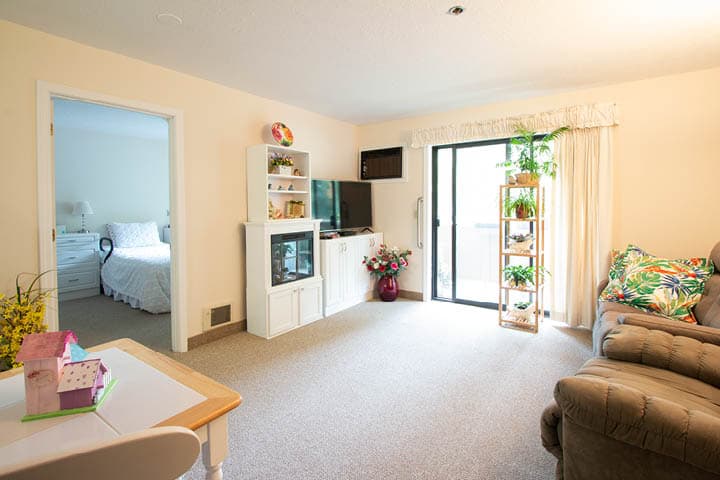
How is Avamere Court At Keizer Staffed?

CMS rates AVAMERE COURT AT KEIZER's staffing level at 4 out of 5 stars, which is above average compared to other nursing homes. Staff turnover is 35%, compared to the Oregon average of 46%. This relatively stable workforce can support continuity of care.

What Have Inspectors Found at Avamere Court At Keizer?

State health inspectors documented 24 deficiencies at AVAMERE COURT AT KEIZER during 2022 to 2024. These included: 1 Immediate Jeopardy (the most serious level, indicating potential for serious harm or death), 1 that caused actual resident harm, and 22 with potential for harm. Immediate Jeopardy findings are rare and represent the most serious regulatory concerns. They require immediate corrective action.
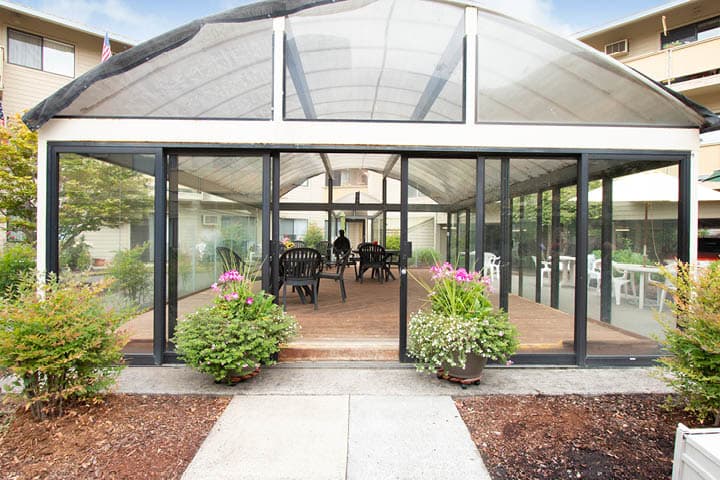
Who Owns and Operates Avamere Court At Keizer?

AVAMERE COURT AT KEIZER is owned by a for-profit company. For-profit facilities operate as businesses with obligations to shareholders or private owners. The facility is operated by AVAMERE, a chain that manages multiple nursing homes. With 69 certified beds and approximately 51 residents (about 74% occupancy), it is a smaller facility located in KEIZER, Oregon.

How Does Avamere Court At Keizer Compare to Other Oregon Nursing Homes?

Compared to the 100 nursing homes in Oregon, AVAMERE COURT AT KEIZER's overall rating (3 stars) matches the state average, staff turnover (35%) is significantly lower than the state average of 46%, and health inspection rating (3 stars) is at the national benchmark.

What Should Families Ask When Visiting Avamere Court At Keizer?

Based on this facility's data, families visiting should ask: "What changes have been made since the serious inspection findings, and how are you preventing similar issues?" "Can I visit during a mealtime to observe dining assistance and food quality?" "How do you handle medical emergencies, and what is your hospital transfer rate?" "Can I speak with family members of current residents about their experience?" These questions are particularly relevant given the facility's Immediate Jeopardy citations.

Is Avamere Court At Keizer Safe?

Based on CMS inspection data, AVAMERE COURT AT KEIZER has documented safety concerns. Inspectors have issued 1 Immediate Jeopardy citation (the most serious violation level indicating risk of serious injury or death). The facility has a 3-star overall rating and ranks #1 of 100 nursing homes in Oregon. Families considering this facility should ask detailed questions about what corrective actions have been taken since these incidents.

Do Nurses at Avamere Court At Keizer Stick Around?

AVAMERE COURT AT KEIZER has a staff turnover rate of 35%, which is about average for Oregon nursing homes (state average: 46%). Moderate turnover is common in nursing homes, but families should still ask about staff tenure and how the facility maintains care continuity when employees leave.

Was Avamere Court At Keizer Ever Fined?

AVAMERE COURT AT KEIZER has no federal fines on record. CMS issues fines when nursing homes fail to meet care standards or don't correct problems found during inspections. The absence of fines suggests the facility has either maintained compliance or corrected any issues before penalties were assessed. This is a positive indicator, though families should still review recent inspection reports for the full picture.

Is Avamere Court At Keizer on Any Federal Watch List?

AVAMERE COURT AT KEIZER is not on any federal watch list. The most significant is the Special Focus Facility (SFF) program, which identifies the bottom 1% of nursing homes nationally based on persistent, serious quality problems. Not being on this list means the facility has avoided the pattern of deficiencies that triggers enhanced federal oversight. This is a positive indicator, though families should still review the facility's inspection history directly.