LA GRANDE POST ACUTE REHABILITATION
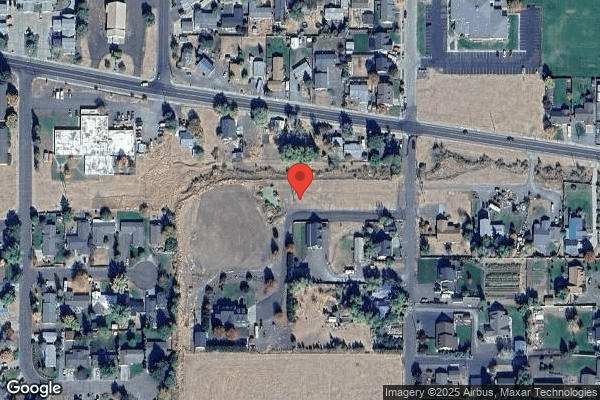
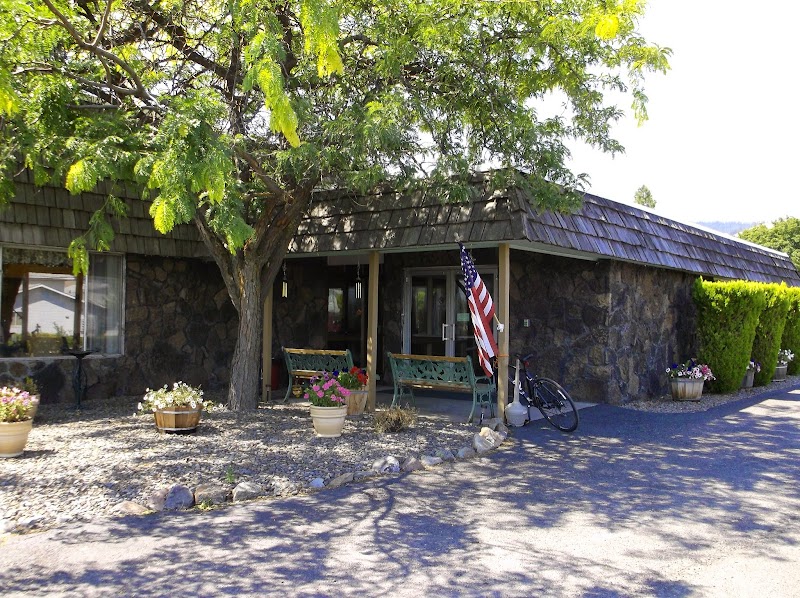
91 ARIES LANE, LA GRANDE, OR 97850 (541) 963-8678
For profit - Corporation 76 Beds EMPRES OPERATED BY EVERGREEN Data: November 2025
Trust Grade
60/100
#56 of 127 in OR
Last Inspection: February 2025

Within standard 12-15 month inspection cycle. Federal law requires annual inspections.

Overview

La Grande Post Acute Rehabilitation has a Trust Grade of C+, indicating it is slightly above average but not exceptional. It ranks #56 out of 127 facilities in Oregon, placing it in the top half, and is the only option in Union County. The facility is improving, with reported issues decreasing from 12 in 2023 to 9 in 2025. Staffing is a strength, with a rating of 4 out of 5 stars and a turnover rate of 35%, which is lower than the state average, suggesting staff stability. However, there have been concerns, including unsanitary conditions in the kitchen that could lead to food-borne illnesses, and failures in medication storage practices that risk misappropriation and reduced medication effectiveness. Fortunately, the facility has not incurred any fines, which is a positive sign for compliance.

Trust Score
C+
60/100
In Oregon
#56/127
Top 44%
Safety Record
Low Risk
No red flags
Inspections
Getting Better
12 → 9 violations
Staff Stability
○ Average
35% turnover. Near Oregon's 48% average. Typical for the industry.
Penalties
✓ Good
No fines on record. Clean compliance history, better than most Oregon facilities.
Skilled Nurses
○ Average
Each resident gets 41 minutes of Registered Nurse (RN) attention daily — about average for Oregon. RNs are the most trained staff who monitor for health changes.
Violations
⚠ Watch
30 deficiencies on record. Higher than average. Multiple issues found across inspections.
★★★☆☆
3.0
Overall Rating
★★★★☆
4.0
Staff Levels
★★☆☆☆
2.0
Care Quality
★★★☆☆
3.0
Inspection Score
Stable
2023: 12 issues
2025: 9 issues

The Good

  • 4-Star Staffing Rating · Above-average nurse staffing levels
  • Full Sprinkler Coverage · Fire safety systems throughout facility
  • No fines on record
  • Staff turnover below average (35%)

    13 points below Oregon average of 48%

Facility shows strength in staffing levels, fire safety.

The Bad

3-Star Overall Rating

Near Oregon average (3.0)

Meets federal standards, typical of most facilities

Staff Turnover: 35%

11pts below Oregon avg (46%)

Typical for the industry

Chain: EMPRES OPERATED BY EVERGREEN

Part of a multi-facility chain

Ask about local staffing decisions and management

The Ugly 30 deficiencies on record

Apr 2025 2 deficiencies
CONCERN (D) 📢 Someone Reported This

A family member, employee, or ombudsman was alarmed enough to file a formal complaint

Potential for Harm - no one hurt, but risky conditions existed

Free from Abuse/Neglect (Tag F0600)

Could have caused harm · This affected 1 resident

**NOTE- TERMS IN BRACKETS HAVE BEEN EDITED TO PROTECT CONFIDENTIALITY** Based on interview and record review it was determined the facility failed to protect the resident's right to be free from sexua...

Read full inspector narrative →
**NOTE- TERMS IN BRACKETS HAVE BEEN EDITED TO PROTECT CONFIDENTIALITY** Based on interview and record review it was determined the facility failed to protect the resident's right to be free from sexual abuse by a resident for 1 of 3 (#1) sampled residents reviewed for abuse. This placed residents at risk for abuse. Findings include: The facility's Investigation of Alleged Sexual Abuse policy, updated 10/2022, defined sexual abuse as non consensual sexual contact of any type with a resident, which included unwanted intimate touching of any kind, especially the breast or perineal area. Resident 1 was admitted to the facility in 8/2024, with diagnoses including multiple sclerosis. Resident 1's Quarterly MDS dated [DATE] revealed a BIMS score of 15 which indicated she/he was cognitively intact. Resident 2 was admitted to the facility in 5/2024 with diagnoses including stroke. Resident 2's Quarterly MDS dated [DATE] revealed a BIMS score of 13 which indicated she/he was cognitively intact. On 2/25/25, the facility submitted a FRI to the State Survey Agency which revealed Resident 2 was observed with her/his hand in the genital area of Resident 1, who was seated in her/his wheelchair in the facility's dining hall. Resident 2 was immediately taken to her/his room and Staff 1 (Administrator) initiated an investigation. On 4/2/25 at 2:12 PM, Resident 1 stated she/he recalled the incident from 3/25/25. She/he revealed Resident 2 had touched her/his genital area over the clothing on that date. Resident 1 stated Resident 2 was taken away from the dining room by a nurse immediately after the incident. She/he denied that she/he was afraid of Resident 2, confirmed she/he had seen Resident 2 since the incident and there was always staff present with Resident 2 in the dining room or hallways. Resident 1 confirmed she/he felt safe and wanted to remain living in the facility. On 4/2/25 at 2:17 PM, Staff 5 (CNA) was observed to provide 1:1 supervision for Resident 2. She stated she was Resident 2's assigned CNA on 3/25/25 and was aware Resident 2 had a history of touching other residents inappropriately. Staff 5 stated she was assigned to the dining room for lunch duty and had left the dining room to return another resident to their room. When she came back to the dining room, Resident 2 had already been taken out of the dining room. Staff 5 stated she was gone only for a minute but acknowledged Resident 2 moved very quickly in her/his wheelchair, stating she/he was 20 feet away (from Resident 1), it was that quick. On 4/2/25 at 2:56 PM, Staff 3 (Dietary Manager) stated he was working in the kitchen on 3/25/25 and was told by the cook something was going on in the dining room. Staff 3 walked into the dining room and observed Resident 2 sitting in her/his wheelchair next to Resident 1, who was seated in her/his wheelchair facing the kitchen. Staff 3 stated Witness 3 (facility resident) was yelling and told him Resident 2 had her/his hand all the way up Resident 1's thigh. Staff 4 (LPN) had entered the room the same time as Staff 3 and removed Resident 2 from the dining room. Staff 3 then spoke to Resident 1, who stated she/he was okay. Staff 3 stated there were no other CNA or staff in the dining room when the incident occurred. On 4/2/25 at 3:22 PM, Witness 3 (facility resident) stated she was in the dining room on 3/25/25 and it was just her, Resident 1 and Resident 2. She decided to stay in the dining room with Resident 1 and was seated at a different table. Witness 3 observed Resident 2 go to Resident 1's table and talked to her/him, then leaned toward Resident 1, who told Resident 2 to leave her/him alone. Resident 2 then moved closer in to Resident 1 and Witness 3 observed her/him put her/his hand up Resident 1's pants leg. Witness 3 stated Resident 1 then said no, no, go away to Resident 2, who still had her/his hand on Resident 1's upper leg area. Witness 3 started yelling at Resident 2 to stop and for help and stated staff immediately came to the dining room. Witness 3 stated a CNA had been assisting Resident 1 with eating but had left to take someone to their room when the incident occurred. On 4/2/25 at 3:52 PM, Staff 4 (LPN) stated she worked on 3/25/25 day shift, was at the nurse's station and heard yelling from the dining room. She ran down to the dining room and observed Resident 2 facing the kitchen doors seated right next to Resident 1. Staff 4 did not observe any physical contact and stated she could tell Resident 1 was distressed by her/his voice and facial expression. She stated another resident in the dining room was yelling. She noted Resident 2 was cognitively intact and had a smirk on her/his face when she came into the dining room. She stated she told Resident 2 she was going to take her/him to their room and the resident was agreeable. Resident 2 was observed in her/his room on 4/2/25 at 2:08 PM and 3:45 PM. Resident 2 was unavailable for an interview. On 4/2/25 at 5:00 PM, Staff 1 (Administrator) was advised of the investigative findings. He stated Resident 2 would remain on one to one supervision during waking hours until a more appropriate placement was found.
CONCERN (D) 📢 Someone Reported This

A family member, employee, or ombudsman was alarmed enough to file a formal complaint

Potential for Harm - no one hurt, but risky conditions existed

Comprehensive Care Plan (Tag F0656)

Could have caused harm · This affected 1 resident

**NOTE- TERMS IN BRACKETS HAVE BEEN EDITED TO PROTECT CONFIDENTIALITY** Based on interview and record review it was determined the facility failed to implement the plan of care for 1 of 3 sampled resi...

Read full inspector narrative →
**NOTE- TERMS IN BRACKETS HAVE BEEN EDITED TO PROTECT CONFIDENTIALITY** Based on interview and record review it was determined the facility failed to implement the plan of care for 1 of 3 sampled residents (#2) reviewed for care plans. This placed residents at risk of abuse. Findings include: Resident 2 was admitted to the facility in 5/2024, with diagnoses including stroke. Resident 2's Quarterly MDS dated [DATE] revealed a BIMS score of 13 which indicated she/he was cognitively intact. Resident 2's care plan, revised 2/3/25, indicated she/he had disinhibited sexual behaviors related to touching residents of the opposite gender. Interventions included Resident 2 was to be in line of sight of staff and was not to dine with opposite gender residents. On 4/2/25 at 2:12 PM, Resident 1 stated she/he recalled the incident from 3/25/25. She/he revealed Resident 2 had touched her/his genital area over the clothing on that date. Resident 1 stated Resident 2 was taken away from the dining room by a nurse immediately after the incident. On 4/2/25 at 2:17 PM, Staff 5 (CNA) stated she was Resident 2's assigned CNA on 3/25/25 and was aware Resident 2 had a history of touching other residents inappropriately. Staff 5 stated she was assigned to the dining room for lunch duty and had left the dining room to return another resident to their room and left Resident 2 alone with other residents in the dining room. Staff 5 stated she was gone only for a minute but acknowledged Resident 2 moved very quickly in her/his wheelchair, stating she/he was 20 feet away (from Resident 1), it was that quick. On 4/2/25 at 5:00 PM, Staff 1 (Administrator) acknowledged the facility did not follow Resident 2's care plan related to supervision in the dining room and Resident 2 would be on one to one supervision during waking hours until a more appropriate placement was found.
Feb 2025 7 deficiencies
CONCERN (D)

Potential for Harm - no one hurt, but risky conditions existed

Deficiency F0552 (Tag F0552)

Could have caused harm · This affected 1 resident

Based on interview and record review it was determined the facility failed to inform residents of the risks and benefits of psychotropic medication use for 2 of 5 sampled residents (#s 7 and 10) revie...

Read full inspector narrative →
Based on interview and record review it was determined the facility failed to inform residents of the risks and benefits of psychotropic medication use for 2 of 5 sampled residents (#s 7 and 10) reviewed for medications. This placed residents at risk for being uniformed of psychotropic medication. Findings include: 1. Resident 10 was admitted to the facility in 5/2024 with the diagnoses including anxiety. The 5/25/24 Physician Orders revealed an order for Duloxetine (antianxiety) to be administered daily. Resident 10's medical record revealed no evidence of the risk and benefit information for Duloxetine was reviewed with her/him prior to 10/9/24. On 2/13/25 at 11:52 AM, Staff 3 (RN/Divisional Director of Clinical Operations) confirmed Resident 10 was administered Duloxetine from 5/25/24 to 10/9/24. Staff 3 acknowledged Resident 10 was not provided risk and benefit information related to the use of Duloxetine until 10/9/25. Staff 3 stated she would expect the risk and benefit information provided prior to the administration of Duloxetine. 2. Resident 7 was admitted to the facility in 10/2021 with diagnoses including Alzheimer's disease and bipolar disorder (a mental health disorder affecting a person's mood, emotions, and ability to function). The 2/12/25 Physician Orders revealed an order for lurasidone (anti-psychotic) and escitalopram (antidepressant) daily. Review of Resident 7's medical record revealed no documentation to indicate the resident was informed in advance of the risks and benefits of lurasidone or escitalopram. On 2/12/25 3:06 PM, Staff 2 (DNS) acknowledged Resident 7 was not informed of the risks and benefits of lurasidone and escitalopram.
CONCERN (D)

Potential for Harm - no one hurt, but risky conditions existed

Safe Environment (Tag F0584)

Could have caused harm · This affected 1 resident

Based on observation, interview and record review it was determined the facility failed to accommodate residents with wheelchair arm rests in safe and proper cleanable order for 1 of 2 sampled residen...

Read full inspector narrative →
Based on observation, interview and record review it was determined the facility failed to accommodate residents with wheelchair arm rests in safe and proper cleanable order for 1 of 2 sampled residents (#86) reviewed for environment. This placed residents at risk for lack of a clean, safe homelike environment and personal equipment in disrepair. Findings include: On 2/10/25 at 3:28 PM, Resident 86's left wheelchair arm rest was observed with the black surface covering torn and cracked with exposed uncleanable cloth foam. The surface was in disrepair and uncleanable. Record review of the facilities maintenance log dated 12/5/24 to 2/10/25 revealed no reports of Resident 86's or any resident's wheelchair arm rests in poor condition. On 2/11/25 at 12:26 PM Staff 13 (CNA) stated if a resident's wheelchair equipment needed repairs, the staff were to write the concerns in the maintenance log. On 2/11/25 at 1:42 PM, Staff 14 (Maintenance Director) stated staff were to write in the maintenance log when a resident's wheelchair needed repair. Staff 14 confirmed no reports were documented in the maintenance log to repair Resident 86's wheelchair arm rests. Staff 14 confirmed Resident 86's wheelchair arm rests were in poor condition and needed replaced. On 2/11/24 at 1:50 PM Staff 1 (Executive Director) confirmed Resident 86's wheelchair arm rests were in poor condition and not cleanable. Staff 1 stated he expected residents to have safe and cleanable wheelchairs.
CONCERN (D)

Potential for Harm - no one hurt, but risky conditions existed

Quality of Care (Tag F0684)

Could have caused harm · This affected 1 resident

Based on interview and record review it was determined the facility failed to follow bowel care physician orders for 1 of 5 sampled residents (#10) reviewed for medications. This placed residents at r...

Read full inspector narrative →
Based on interview and record review it was determined the facility failed to follow bowel care physician orders for 1 of 5 sampled residents (#10) reviewed for medications. This placed residents at risk for constipation care needs. Findings include: The facility's Bowel Protocol Policy, updated 2018, revealed each resident was placed on a daily bowel monitoring program. The licensed nurse reviewed the bowel monitoring daily. If a resident did not have a bowel movement for three days, the nurse was to administer the physician ordered bowel program or the facility specific PRN medication bowel program. Resident 10 was admitted to the facility in 5/2024 with a diagnoses including pain. Resident 10's 12/1/24 Quarterly MDS indicated she/he was cognitively intact. Resident 10's 1/2025 Physician Orders directed staff to administer the following bowel care medications PRN for constipation: - Senna Oral Tablet; every 24 hours as needed. - Miralax Oral Powder; every 24 hours as needed. - Milk of Magnesia (MOM) Oral Suspension; if resident does not have a bowel movement for three days. - Bisacodyl Suppository; if no results from MOM, administer per physician order on next shift. - Fleet Enema; if no results from supplement, give the next shift. - Sodium Phosphates Rectal Enema; as needed daily. Review of Resident 10's 1/10/25 through 1/31/25 bowel records revealed she/he did not have a bowel movement on the following dates: 16, 17, 18, 19, 20 and 24, 25, 26, 27 and 28. Review of Resident 10's 1/2025 MAR revealed no PRN bowel care medications for constipation were administered on the 16, 17, 18, 19, 20 and 24, 25, 26, 27 and 28 dates. On 2/10/25 at 12:41 PM, Resident 10 expressed she/he experienced long periods of time without a bowel movement and staff had not addressed the constipation. On 2/13/25 at 10:52 AM, Staff 3 (RN/ Divisional Director of Clinical Operations) confirmed Resident 10 did not have PRN medications administered per the facility protocol for bowel care. Staff 3 acknowledged she would expect bowel care protocol to be followed.
CONCERN (D)

Potential for Harm - no one hurt, but risky conditions existed

Antibiotic Stewardship (Tag F0881)

Could have caused harm · This affected 1 resident

Based on interview and record review it was determined the facility failed to implement an antibiotic stewardship program for 1 of 1 facilities reviewed for infection control. This placed residents at...

Read full inspector narrative →
Based on interview and record review it was determined the facility failed to implement an antibiotic stewardship program for 1 of 1 facilities reviewed for infection control. This placed residents at risk for unnecessary and/or prolonged use of antibiotic medications. Findings include: A review of safety with infection control was performed which included a review of the facilities antibiotic stewardship program. There was no indication of the existence of an antibiotic stewardship program. On 2/13/25 at 12:02 PM, 12:51 PM, and 1:11 PM Staff 3 (Divisional Director of Clinical Operations) stated Staff 2 (DNS) was the current Infection Preventionist, but Staff 2 was out of the facility. Staff 3 stated she was unaware of the existance of an antibiotic stewardship program in the facility. Staff 3 stated four current residents received antibiotics but was unable to verify if the residents were being monitored appropriately for the continued use of an antibiotic. Staff 3 stated Staff 2, Staff 9 (Phamacist), the Executive Director, and the Medical Director should be involved in a monthly review of antibiotic use and confirmed these meeting had not occurred.
CONCERN (E)

Potential for Harm - no one hurt, but risky conditions existed

Pharmacy Services (Tag F0755)

Could have caused harm · This affected multiple residents

Based on observation, interview and record review it was determined the facility failed to ensure a system of accurate reconciliation to account for controlled drugs for 1 of 2 sampled medications car...

Read full inspector narrative →
Based on observation, interview and record review it was determined the facility failed to ensure a system of accurate reconciliation to account for controlled drugs for 1 of 2 sampled medications carts reviewed for medication storage. This placed residents at risk for misappropriation and misplacement of controlled drugs. Findings include: The facility's 1/2023 Storage of Medication and Controlled Medication Storage Policy & Procedure specified the following: - Medications included in the Drug Enforcement Administration Classifications as controlled substances were subject to special handling, storage, disposal and record keeping. A controlled medication accountability record is prepared when receiving inventory of a schedule 2 medication. At each shift change, a physical inventory of all schedule 2 medication was conducted and was documented on the controlled substances accountability record. Resident 15 was admitted to the facility in 8/2024 with diagnoses including amyotrophic lateral sclerosis (a neurological disorder). Resident 15's 2/2025 Physician Orders did not include Morphine (an opioid medication classified as a controlled drug with high potential for abuse and addiction). On 2/11/25 at 12:54 PM, Staff 5 (CMA) and the state surveyor reviewed the narcotic compartment, located inside the medication cart used to store controlled drugs (drugs regulated by the government due to their potential for abuse and addiction). The narcotic compartment contained four bubble pack cards with Resident 15's name and dated 1/31/25. Each card contained 60 half tablets of Morphine 15 mg. Staff 5 stated the Morphine was not entered into and documented on the facility's accountability record. Staff 5 stated Resident 15 did not have a physician order for Morphine, she reported this information to Staff 2 (DNS) and other agency nurses and was waiting on direction for what to do with the drugs. On 2/11/25 at 1:02 PM, Staff 2 stated the proper process for receipt, tracking and reconciliation of controlled drugs was to enter the drug information into the facility's accountability record immediately upon delivery. Staff 2 stated staff who administered medications and utilized the medication carts were expected to count and reconcile the controlled drugs every shift by comparing the bubble pack drug cards to the documentation in the accountability record. At 1:06 PM Staff 2 observed the four bubble packs of Morphine, stated she was unaware they were in the narcotic compartment and indicated the Morphine should have been entered into and documented on the facility's accountability record to ensure the drugs were tracked.
CONCERN (E)

Potential for Harm - no one hurt, but risky conditions existed

Deficiency F0761 (Tag F0761)

Could have caused harm · This affected multiple residents

StaBased on observation, interview and record review it was determined the facility failed to ensure drugs and biologicals were secure for 1 of 1 treatment cart and stored under proper temperatures fo...

Read full inspector narrative →
StaBased on observation, interview and record review it was determined the facility failed to ensure drugs and biologicals were secure for 1 of 1 treatment cart and stored under proper temperatures for 1 of 1 medication refrigerator reviewed for medication storage. This placed residents at risk for misappropriation and reduced medication efficacy. Findings include: The facility's 1/2023 Storage of Medication and Controlled Medication Storage Policy & Procedure specified the following: - Medications and biologicals were stored properly to support safe effective drug administration. - Medications requiring refrigeration or temperatures between 36 degrees F and 46 degrees F were kept in a refrigerator with a thermometer to allow temperature monitoring. Do not freeze insulin, if insulin has been frozen, do not use. The CDC's 6/18/24 Storage and Handling of Immunobiologics website, https://www.cdc.gov/vaccines/hcp/imz-best-practices/storage-handling-immunobiologics.html#cdc_report_pub_study_section_2-storage-temperature, specified vaccines licensed for refrigerator storage should be stored at 2°C-8°C (36°F-46°F) and an out-of-range temperature reading should prompt immediate action. The CDC's 7/31/24 Provider's Role: Importance of Vaccine Administration and Vaccine Storage & Handling website, https://www.cdc.gov/vaccines/hcp/storage-handling/providers-role.html specified to carefully select and use the proper vaccine storage units to store vaccines and have a properly calibrated thermometer or temperature recording device inside each storage compartment. a. On 2/11/25 at 11:05 AM, the treatment cart adjacent to the nursing station was unlocked and unattended. At 11:09 AM, Staff 6 (Nursing Student) and Staff 7 (Nursing Student) approached the cart, disinfected the glucometer (device used to obtain blood sugar level), obtained supplies from the top drawer, left the treatment cart and walked down the hallway. The treatment cart was left unlocked and unattended and accessible to staff and residents in the area. On 2/11/25 at 11:12 AM, Staff 6 and Staff 7 returned to the cart. Staff 6 acknowledged the cart was left unlocked and stated the treatment cart should have been locked when unattended. The contents of the cart included various types of insulin, needles, scissors and medicated creams, ointments and powders. On 2/12/25 at 1:29 PM, Staff 1 (Administrator) and Staff 3 (Divisional Director of Clinical Operations) were notified the treatment cart was left unlocked and unattended with the contents accessible to unauthorized staff and residents. Staff 3 acknowledged the treatment cart should have been locked when unattended. b. On 2/11/25 at 11:00 AM, Staff 5 (CMA) and the state surveyor reviewed the medication room refrigerator. Upon review, there was no thermometer found inside the refrigerator. When asked how the temperature of the refrigerator was monitored, Staff 5 stated she removed a thermometer from an adjacent empty refrigerator and placed the thermometer into the medication refrigerator for about 20 minutes. Staff 5 retrieved the thermometer from the empty refrigerator and placed it into the medication refrigerator. On 2/11/25 at 11:30 AM, Staff 5 and the state surveyor observed the medication refrigerator thermometer at 26 degrees F. On 2/11/25 at 11:54 AM, Staff 5 and the state surveyor observed the medication refrigerator thermometer at 20 degrees F. On 2/11/25 at 12:00 PM, Staff 2 (DNS) was asked about the process to monitor medication refrigerator temperatures and stated it was the CMA's responsibility. Staff 2 was notified of the out-of-range medication refrigerator temperatures and stated she would recheck it. On 2/11/25 at 12:53 PM, Staff 5 and the state surveyor observed the medication refrigerator thermometer at 26 degrees F. On 2/11/25 at 3:38 PM, Staff 5 and the state surveyor observed the medication refrigerator thermometer at 26 degrees F. Staff 5 stated she would continue to adjust the refrigerator temperature until the end of her shift. The contents of the medication refrigerator included: - insulin - lorazepam liquid (anti-anxiety medication) - Ozempic (used to manage type 2 diabetes) - denosumab (used to treat bone loss) - tuberculin (used to diagnose tuberculosis) - latanoprost eye drops (used to treat eye pressure) - Trulicity (used to treat type 2 diabetes) - estradiol patches (used to treat menopause symptoms) - influenza vaccine - formoterol fumarate inhalation solution (used to treat lung disease) - liquid urine controls box - Covid 19 vaccines - respiratory synctial virus vaccine On 2/12/25 at 8:02 AM, Staff 5 and the state surveyor observed the medication refrigerator thermometer at 32 degrees F. Staff 5 stated she checked the medication refrigerator temperatures until midnight on 2/11/25 and stated the temperatures were all over the place and was even in the 50's. On 2/12/25 at 9:10 AM, Staff 9 (Pharmacist) stated the recommended temperature range for refrigerated drugs and biologicals was between 35 degrees F and 45 degrees F. Staff 9 was notified of the out-of-range temperatures and provided with the list of drugs and biologicals observed inside the refrigerator. Staff 9 stated it was determined the refrigerated drugs were compromised by the fluctuating and potentially freezing temperatures and would need to be removed from the refrigerator and destroyed. Staff 9 stated it was best practice to maintain a thermometer inside the refrigerator to accurately monitor the temperatures. On 2/12/25 at 1:29 PM, Staff 1 (Administrator) and Staff 3 (Divisional Director of Clinical Operations) were notified of the findings of this investigation. Staff 1 and Staff 3 acknowledged the refrigerator temperatures were out-of-range for an extended period of time and the drugs' and biologicals' efficacy was compromised.
CONCERN (F)

Potential for Harm - no one hurt, but risky conditions existed

Food Safety (Tag F0812)

Could have caused harm · This affected most or all residents

Based on observation, interview and record review it was determined the facility failed to maintain hygienic conditions in the facility's walk-in freezer and failed to store food in a hygienic manner ...

Read full inspector narrative →
Based on observation, interview and record review it was determined the facility failed to maintain hygienic conditions in the facility's walk-in freezer and failed to store food in a hygienic manner in the freezer and dry storage rooms to maintain freshness and prevent the spread of food-borne illness in 1 of 1 kitchen reviewed for food storage. This placed residents at risk of food-borne illness and cross contamination. Findings include: The facility's October 2017 Food Storage policy indicated: -Food storage areas are to be kept clean at all times; -Dry bulk foods are to be stored in seamless plastic or metal bins with tight-fitting lids; and -Items stored in the freezer are to be kept on shelving above the floor. On 2/10/25 at 12:02 PM, during the initial tour of the facility's kitchen, the following was observed in the walk-in freezer: -A discarded frozen snack cup on the floor under the shelving; -A cardboard case of chocolate health shake cartons stored on the floor; -Discarded plastic wrappers scattered on the floor under and between the shelving units; -A plastic-lined cardboard case of frozen peas and chopped carrots stored with the lid unsealed and open; and -A partial hamburger patty on the floor between the shelving units. In the dry-storage room, the following was observed: -A plastic-lined cardboard box of parboiled rice with the lid unsealed and open. On 2/10/25 at 12:09 PM, Staff 10 (Dietary Manager) acknowledged the food in freezer was not stored properly and the freezer was not cleaned appropiately. Staff 10 stated the dry storage foods were to be stored in closed containers. During a follow-up tour of the facility's kitchen on 2/12/25 at 10:34 AM, a cardboard box of saltine crackers was observed to be stored on the floor of the food storage closet adjacent to the rear kitchen door. Staff 10 acknowledged the storage location of the crackers and stated no food items should be stored on the floor even if they were in boxes. On 2/13/25 at 2:45 PM, Staff 1 (Administrator) stated he expected food to be stored in a sanitary manner with residents' safety in mind.
Oct 2023 12 deficiencies
CONCERN (D)

Potential for Harm - no one hurt, but risky conditions existed

Deficiency F0552 (Tag F0552)

Could have caused harm · This affected 1 resident

Based on interview and record review it was determined the facility failed to ensure consent was obtained prior to administering psychotropic medications to residents for 1 of 5 sampled residents (#15...

Read full inspector narrative →
Based on interview and record review it was determined the facility failed to ensure consent was obtained prior to administering psychotropic medications to residents for 1 of 5 sampled residents (#15) reviewed for medications. This placed residents at risk for being uninformed about their medications. Findings include: The facility's 9/2017 Informed Consent for Psychotropic Drugs Policy specified when the physician ordered an anti-depressant, the facility obtained informed consent from the resident before the drug was administered. Resident 15 was admitted to the facility in 2/2021 with diagnoses including depression. Resident 15's 9/30/23 Physician Order indicated the resident was prescribed trazodone 50 mg for sleep and depression. Resident 15's 9/2023 and 10/2023 MARs revealed the resident received trazodone daily. Review of Resident 15's health record revealed no documentation to indicate the resident was informed in advance of the risks and benefits of trazodone nor given the opportunity to consent to the medication. On 10/4/23 at 1:46 PM Staff 3 (Social Services Director) stated she was responsible to review and obtain consent from residents for newly prescribed medications. Staff 3 reviewed Resident 15's health record, acknowledged there was no documentation to indicate the resident was informed of the risks and benefits of trazodone and confirmed she did not obtain consent from Resident 15 for trazodone.
CONCERN (D)

Potential for Harm - no one hurt, but risky conditions existed

Deficiency F0554 (Tag F0554)

Could have caused harm · This affected 1 resident

Based on observation, interview and record review it was determined the facility failed to ensure residents were assessed for self-administration of medications for 1 of 7 sampled residents (#10) revi...

Read full inspector narrative →
Based on observation, interview and record review it was determined the facility failed to ensure residents were assessed for self-administration of medications for 1 of 7 sampled residents (#10) reviewed for medication administration. This placed residents at risk for unsafe medication administration. Findings include: The facility's 6/2017 Medication Administration Policy specified medications were not to be left at the resident's bedside for the resident to take later. Resident 10 was admitted to the facility in 3/2020 with diagnoses including heart failure. Resident 10's 9/6/23 Quarterly MDS indicated the resident was cognitively impaired. On 10/5/23 at 8:19 AM Staff 4 (CMA) was observed for medication administration. Staff 4 dispensed the following medications into a plastic cup: - Colace 100mg (stool softener) - furosemide 20mg (diuretic) - losartan 25mg (blood pressure) - gabapentin 100mg (pain) - Jardiance 10mg (diabetes) - Urecholine 10mg (urinary retention) - Eliquis 2.5mg (blood clot prevention) - metformin 500mg (diabetes) - fiber powder, 1 scoop added to a cup of water (supplement) On 10/5/23 at 8:25 AM Resident 10 was in her/his room with a breakfast meal tray on her/his table. Staff 4 placed the plastic cup of pills and fiber beverage on Resident 10's breakfast meal tray, stated it was the resident's preference to take the medications after breakfast and left Resident 10's room. When asked how Staff 4 ensured Resident 10 took the medications, Staff 4 stated she would go back to the resident's room later. Review of Resident 10's health record revealed no assessment to indicate the resident was safe to self-administer medications and no self-administration Physician Order. On 10/5/23 at 1:24 PM Staff 2 (DNS) was informed Resident 10's medications were left in the resident's room. Staff 2 stated medications should not be left with a resident in their room and staff should ensure each resident took their medications.
CONCERN (D)

Potential for Harm - no one hurt, but risky conditions existed

Comprehensive Assessments (Tag F0636)

Could have caused harm · This affected 1 resident

Based on interview and record review it was determined the facility failed to complete a comprehensive assessment in activites for 1 of 1 sampled resident (#19) reviewed for activities. This placed re...

Read full inspector narrative →
Based on interview and record review it was determined the facility failed to complete a comprehensive assessment in activites for 1 of 1 sampled resident (#19) reviewed for activities. This placed residents at risk for unidentified care needs. Findings include: Resident 19 was admitted to the facility in 9/2021 with diagnoses including aphasia (language disorder which affects one's ability to communicate) and dementia. Resident 19's 5/25/23 Annual MDS assessed her/him was unable to answer cognition questions, with memory problems and no recall of information. Section F, Activities Preferences, indicated she/he enjoyed the use of a phone in private, participating in her/his favorite activities and spending time outdoors. The assessment indicated her/his family or representative was not interviewed to obtain answers for the resident. Resident 19's 5/25/23 MDS CAAs for Activities revealed the resident has some cognitive issues that make it difficult for [her/him] to express [her/his] needs. [She/he] seems to have some understanding at times. [She/he] usually just smiles when spoken to and if [she/he] is uncomfortable will express with noises and restlessness. Activities addressed in [Car Plan]. The 5/25/23 Activity Progress Note -Annual Assessment indicated Resident 19 did not like group activities and became restless and loud. The resident sat in the dining room and liked to look out the window. The resident's spouse visited when able. The resident settled into a routine and did not like to be interrupted. Resident 19's current 10/2023 Activities Care Plan interventions indicated the resident preferred activities and socialization outside of the facility activities program related to physical limitations. Resident 19 would participate in one-to-one visits three times weekly. The resident would show satisfaction to look out the dining room window daily and required assistance to get to activity functions. Resident 19 needed to be around others for social stimulation. The interventions further directed staff to complete a check and changed after lunch and the need to lie down to prevent skin breakdown. On 10/2/23 at 1:36 PM and 10/5/23 at 12:33 PM Resident 19's spouse stated the resident's past leisure interests were to watch television particularly, western type shows, played guitar and sang in a band, enjoyed Gospel music, enjoyed anything outdoors and was always busy doing something. Her/his spouse stated the resident enjoyed scripture being read to her/him and Gospel music. On 10/5/23 at 12:11 PM Staff 6 (Activities Director) confirmed she had not interviewed Resident 19's spouse for the annual assessments because she knew the resident. Staff 6 was not able to express other leisure interests for Resident 19. On 10/5/23 at 12:58 PM, Staff 1 (Administrator) acknowledged she would expect the Activities Assessment to be comprehensive and person centered.
CONCERN (D)

Potential for Harm - no one hurt, but risky conditions existed

Deficiency F0657 (Tag F0657)

Could have caused harm · This affected 1 resident

Based on interview and record review it was determined the facility failed to ensure resident care plans were revised to accurately reflect resident needs for 1 of 5 sampled residents (#11) reviewed f...

Read full inspector narrative →
Based on interview and record review it was determined the facility failed to ensure resident care plans were revised to accurately reflect resident needs for 1 of 5 sampled residents (#11) reviewed for unnecessary medications. This placed residents at risk for unmet needs. Findings include: Resident 11 was admitted to the facility in 4/2023 with diagnoses including congestive heart failure. Resident 11's 7/18/23 Significant Change in Status MDS revealed the resident required extensive assistance from at least one staff in the areas of bed mobility, transfers, dressing, toilet use and personal hygiene. Resident 11's 8/16/23 ADL Self-Care Performance Deficit Care Plan revealed the following: - The resident required supervision with bed mobility. - The resident was able to transfer with supervision. - The resident was able to dress her/himself with supervision. - The resident required limited assistance from one staff person with toilet use. - The resident was able to independently perform personal hygiene tasks after set-up. On 10/5/23 at 9:42 AM Staff 9 (CNA) stated she found information on resident care needs in the resident's care plan. Staff 9 further stated Resident 11 required extensive assistance with the help of two staff for bed mobility and dressing. On 10/5/23 at 9:49 AM Staff 13 (CNA) stated she found information on resident care needs in the resident's care plan. Staff 13 further stated Resident 11 required extensive assistance with dressing and toileting, and the resident used a mechanical lift device for transfers. On 10/5/23 at 12:12 PM Staff 2 (DNS) acknowledged the discrepancy between Resident 11's MDS Assessment and Care Plan.
CONCERN (D)

Potential for Harm - no one hurt, but risky conditions existed

Deficiency F0679 (Tag F0679)

Could have caused harm · This affected 1 resident

Based on observation, interview and record review, it was determined the facility failed to provide an ongoing program to support individual activity interests and preferences for 1 of 1 sampled resid...

Read full inspector narrative →
Based on observation, interview and record review, it was determined the facility failed to provide an ongoing program to support individual activity interests and preferences for 1 of 1 sampled resident (#19) reviewed for activities. This placed residents at risk for unmet psychosocial needs. Findings include: The facility's 7/2015 Activity Program Policy and Procedure indicated the facility provided an ongoing program of activities designed to meet the interests as well as physical, mental and psychosocial well-being of each resident. Activities included individual, small and large group, one-to-one, and independent activities to meet resident's needs, abilities and interests. For residents who remained in their room, the Activity Department provides and assists with in-room activities/projects/leisure pursuits in keeping with needs, abilities, and interests. Resident 19 was admitted to the facility in 9/2021 with diagnoses including aphasia (language disorder which affects ability to communicate), depression, insomnia (sleeplessness) and dementia. Resident 19's 5/25/23 Annual MDS assessed her/him as unable to answer cognition questions, with memory problems and as unable of information. Section F, Activities Preferences, indicated she/he enjoyed the use of a phone in private, to participate in her/his favorite activities and to spend time outdoors. The assessment indicated her/his family or representative was not interviewed to obtain answers the resident. Resident 19's 5/25/23 MDS CAAs for Activities revealed has some cognitive issues that make it difficult for [her/him] to express [her/his] needs. [She/he] seems to have some understanding at times. [She/he] usually just smiles when spoken to and if [she/he] is uncomfortable will express with noises and restlessness. Activities addressed in [Care Pla]. The 5/25/23 Activity Progress Note-Annual Assessment indicated Resident 19 did not like group activities and became restless and loud. The resident sat in the dining room and liked to look out the window. The resident's spouse visited when able. The resident had settled into a routine and did not like to be interrupted. Resident 19's Activity Participation Records for 7/2023, 8/2023 and 9/2023 revealed the following: -Card game: 7/5/23. -Social: 7/5/23, 8/1/23, 8/9/23, 8/10/23, 8/14/23, 8/21/23, 8/26/23 and 8/27/23. -Newspaper: 8/14/23. -Family visit: 9/11/23 and 9/12/23. -Social visit: 9/8/23, 9/17/23, 9/23/23, 9/24/23, 9/29/23 and 9/30/23. -Independent television: 9/8/23, 9/10/23, 9/22/23, 9/23/23, 9/24/23, 9/29/23, and 9/30/23. Resident 19's 10/2023 Activities Care Plan interventions indicated the resident preferred activities and socialization outside of the facility activities program related to physical limitations. Resident 19 was to participate in one-to-one visits three times weekly. The resident would show satisfaction to look out the dining room window daily and required assistance to activity functions. Resident 19 needed to be around others for social stimulation. The interventions further directed staff to complete a check and changed after lunch and the need to lie down to prevent skin breakdown. No other individual leisure interests or preferences were found. The October 2023 activity group calendar indicated the following group activities were available: -10/2/23: 10:00 AM Bible Study Hymns, 3:00 PM Cribbage and 5:00 PM Lady Social Club -10/3/23: 10:00 AM Let's Play Family Feud! and 3:00 PM Shanghai Rummy -10/4/23: 10:00 AM Poker, 3:00 PM Creative Cooking and 5:00 PM Reminisce -10/5/23: 9:30 AM Nazarenes, 10:30 AM Hangman, 2:30 PM Pinochle and 5:00 PM Men's Sports Club Record review revealed no evidence of an ongoing activity program which honored preferences of each resident or supported residents in their choice of activities for both facility-sponsored group and individual and independent activities. The activity program was not designed to meet the interests of or support the physical, mental, or psychosocial well-being of each resident, especially residents with dementia with need for one-to-one and sensory activities. On 10/2/23 at 1:36 PM and 10/5/23 at 12:33 PM Resident 19's spouse stated the resident's past leisure interests were to watch television, particularly western type shows, played guitar and sang in a band, enjoyed Gospel music, enjoyed anything outdoors and was always busy doing something. Her/his spouse stated the resident enjoyed scripture read to her/him and Gospel music. On 10/3/23 at 10:10 AM, 2:23 PM and 3:30 PM Resident 19 was observed in her/his room, lying in bed, window blinds closed, with no TV (television) or music turned on and the room was quiet. On 10/4/23 at 9:46 AM, 12:47 PM, and 2:56 PM Resident 19 was observed in her/his room, lying in bed, window blinds closed, with no TV or music turned on. The room was quiet. On 10/5/23 at 8:43 AM Resident 19 was observed in she/his bed with the window blinds closed, with no TV or music turned on. During an interview on 10/5/23 at 12:11 PM Staff 6 (Activities Director) confirmed all of the resident's activity participation was recorded on the Activity Participation records. Staff 6 stated her one-to-one activities consisted of a handshake and to talk about the weather with residents who were not able to express their needs. Staff 6 stated she was familiar with Resident 19. Staff 6 stated Resident 19 enjoyed the outdoors and to look out the widow after lunch before staff laid her/him back down in bed. Staff 6 was not able to provide other leisure interests for Resident 19. When Staff 6 was asked if she had interviewed Resident 19's spouse about her/his leisure interest/preferences, Staff 6 stated she thought she did in the very beginning. Staff 6 was unaware of Resident 19's religious background and leisure interests. Staff 6 stated she did not think they had tried to turn the TV on for Resident 19 or never tried any music in or out of her/his room. On 10/5/23 at 12:58 PM, Staff 1 (Administrator) acknowledged she expected the activities program to provide meaningful, preferred and person-centered activities to all residents.
CONCERN (D)

Potential for Harm - no one hurt, but risky conditions existed

Accident Prevention (Tag F0689)

Could have caused harm · This affected 1 resident

Based on observation, interview and record review the facility failed to ensure the environment was free of potential accident hazards for 1 of 3 residents (#22) reviewed for accidents. This placed th...

Read full inspector narrative →
Based on observation, interview and record review the facility failed to ensure the environment was free of potential accident hazards for 1 of 3 residents (#22) reviewed for accidents. This placed the residents at risk for potential accidents. Findings include: Resident 22 admitted to the facility in 8/2023 with diagnoses including abnormalities of gait (manner of walking) and mobility, weakness and dementia. Residents 22's 10/2023 Physician Order, initiated on 8/10/23, directed staff to place the resident's bed against the wall on one side. Resident 22's 10/3/23 In-Room Care Plan directed staff to place the resident's bed against the wall on one side and a fall mat on the opposite side. Review of the 10/3/23 IDT (Inter Disciplinary Team) Review form revealed Resident 22 experienced a fall on 9/28/23 in her/his bedroom. The9/28/23 fall assessment indicated the contributing factor of the fall was the resident's lack of safety awareness. Observations on 10/3/23 at 10:16 AM and 10/4/23 at 9:48 AM and 12:56 PM Resident 22 was observed to sit on her/his bed while the bed was positioned away from the wall and no fall mat was placed in the room. On 10/4/23 at 2:29 PM Staff 11 (CNA) stated she received her information about how to care for the resident from the Care Plan. On 10/4/23 at 2:52 PM Staff 2 (DNS) confirmed Resident 22's bed was not next to the wall, and she/he had no fall mat in place. Staff 2 acknowledged Resident 22's 9/28/23 fall occurred in the resident room. Staff 2 expected the Physician Orders and care plans to be followed as directed. On 10/5/23 at 12:58 PM Staff 1 (Administrator) acknowledged the findings and stated she expected the physician orders and care plan to be followed by staff.
CONCERN (D)

Potential for Harm - no one hurt, but risky conditions existed

Deficiency F0692 (Tag F0692)

Could have caused harm · This affected 1 resident

Based on observation, interview and record review it was determined the facility failed to identify, assess and monitor weight loss for 1 of 4 sampled residents (#11) reviewed for nutrition. This plac...

Read full inspector narrative →
Based on observation, interview and record review it was determined the facility failed to identify, assess and monitor weight loss for 1 of 4 sampled residents (#11) reviewed for nutrition. This placed residents at risk for unidentified weight changes. Findings include: The facility's 12/2016 Procedure for Managing Weight Loss and Weight Gain indicated the following: - Report abnormal results to the Wellness Director or Community Director, Dietician, physician, and the resident's family if the resident is not their own person: a. A 5 percent or more decrease/increase in weight since the last recorded weight or within the past 30 days. b. A 7.5 percent or more decrease/increase in weight since the last recorded weight or within the past 90 days. c. A 10 percent or more decrease/increase in weight since the last recorded weight or within the past 180 days. - Report changes or differences in health status, service needs, or preferences to the Community Director, Wellness Director, Dietician, and/or designated staff. - Once the attending physician has been notified that their resident has experienced weight loss or gain, continue to notify the physician if weight changes further in accordance with the percentage changes listed above. Resident 11 was admitted to the facility in 4/2023 with diagnoses including congestive heart failure. Resident 11's 7/18/23 Significant Change in Status MDS revealed the resident experienced moderate impairment in cognition, did not have a poor appetite, ate independently after set-up assistance was provided, did not have a swallowing disorder, was on a therapeutic diet and experienced a weight gain of five percent or more in the last month or gain of ten percent or more in the last six months. Resident 11's 7/23/23 Nutrition Evaluation indicated the following: - The resident received a regular texture, controlled carbohydrate diet with no added salt. - The resident's intake averaged 58 percent for all meals. - The resident was identified as nutrition at risk with the goals of minimizing risks and avoiding complications. A review of Resident 11's weights from 4/2023 to 9/2023 revealed the following: - 9/29/23= 136.8 pounds -- a 6.3 percent loss compared to the 8/24/23 weight; -- a 11.5 percent loss compared to the 7/7/23 weight; and -- a 13.4 percent loss compared to the resident's 4/17/23 weight. - 9/22/23= 136.8 pounds -- a 7.7 percent loss compared to the 8/24/23 weight; -- a 12.8 percent loss compared to the 7/7/23 weight; and -- a 14.6 percent loss compared to the 4/17/23 weight. - 9/19/23= 143.4 pounds -- a 6.5 percent loss compared to the 8/18/23 weight; -- a 8.5 percent loss compared to the 7/7/23 weight; and -- a 10.5 percent loss compared to the 4/17/23 weight. - 8/24/23= 148.2 pounds. - 8/18/23= 153.4 pounds. - 7/7/23= 156.8 pounds. - 4/17/23= 160.2 pounds. A review of Resident 11's health record revealed no evidence the resident's physician or dietician were aware of and/or monitored her/his weight loss. On 10/4/23 at 1:29 PM Resident 11 was observed lying flat in bed with her/his untouched lunch tray located on an overbed table next to the bed. Resident 11 viewed the contents of her/his meal and stated she/he was not hungry. On 10/5/23 at 9:42 AM Staff 9 and at 9:49 AM Staff 13 stated the facility's restorative aide was previously responsible to obtain resident weights and this recently became a task assigned to CNAs. Both Staff 9 and 13 stated they were not aware of any significant weight loss for Resident 11. On 10/5/23 at 12:24 PM Staff 2 (DNS) stated the facility held weekly Nutrition At Risk (NAR) meetings for residents who were identified as nutritionally at risk, including those residents who triggered for a weight loss, such as a five percent change in a month. Staff 2 reviewed Resident 11's weights and confirmed the resident triggered for weight loss on multiple occasions. Staff 2 stated the resident was not added to the NAR meeting and the resident's physician was not notified of the weight loss and confirmed the resident should have been added to the weekly NAR meetings and the physician should have been notified.
CONCERN (D)

Potential for Harm - no one hurt, but risky conditions existed

Respiratory Care (Tag F0695)

Could have caused harm · This affected 1 resident

Based on observation, interview and record review it was determined the facility failed to ensure respiratory equipment was properly maintained and used as ordered for 1 of 2 sampled residents (#11) r...

Read full inspector narrative →
Based on observation, interview and record review it was determined the facility failed to ensure respiratory equipment was properly maintained and used as ordered for 1 of 2 sampled residents (#11) reviewed for respiratory care. This placed residents at risk for discomfort. Findings include: The facility's 1/2015 Maintenance Program-Oxygen Concentrators Policy included the following related to equipment maintenance: - Oxygen tubing, cannula (medical device used to provide supplemental oxygen therapy) and humidifier bottle to be cleaned daily. - Cabinet air filter to be cleaned weekly. Resident 11 was admitted to the facility in 4/2023 with diagnoses including congestive heart failure. Resident 11's 8/16/23 Congestive Heart Failure Care Plan revealed the following: - Oxygen via nasal prongs at two liters as needed to maintain saturation of oxygen over 90 percent and humidified. Resident 11's 8/23/23 Physician Orders included a PRN order for two liters of oxygen per minute via nasal cannula to keep O2 sats greater than 90 percent for hypoxemia. On 10/2/23 at 2:07 PM and 10/3/23 at 11:27 AM Resident 11's oxygen concentrator was observed on, the oxygen level was set to 3.5 liters and the water in the concentrator's humidifier was still. On 10/3/23 at 11:45 AM Staff 10 (CNA) stated she just exchanged Resident 11's concentrator as she noticed the water in the humidifier was not bubbling. Staff 10 stated the piece that connected the tube to the concentrator was broken and revealed the broken piece to the surveyor. Staff 10 stated Resident 11 received oxygen at all times and CNAs took her/his O2 sats each shift. On 10/3/23 at 11:53 AM Staff 14 (RN) stated Resident 11 was on oxygen regularly because staff found when she/he was not, her/his O2 sats dropped pretty low. Staff 14 stated Resident 11 was supposed to receive 1.5-2 liters of oxygen via nasal cannula with the goal of keeping the resident's O2 sats above 90 percent. Staff 14 stated she was informed approximately 10 minutes earlier that the resident's concentrator was not working and confirmed the plastic piece connecting the tubing to the concentrator was broken. On 10/3/23 at 1:33 PM Staff 2 (DNS) stated Resident 11 was to receive two liters of oxygen per minute PRN to keep the resident's O2 sats over 90 percent. Staff 2 stated she expected CNAs to complete routine checks for Resident 11, which included to ensure the nasal cannula was correctly placed, the concentrator worked and the oxygen was set to the correct liter. Staff 2 acknowledged the findings and confirmed the resident should not have received 3.5 liters of oxygen and staff did not ensure the resident's concentrator worked properly.
CONCERN (D)

Potential for Harm - no one hurt, but risky conditions existed

Deficiency F0761 (Tag F0761)

Could have caused harm · This affected 1 resident

Based on observation, interview and record review it was determined the facility failed to ensure safe and secure storage of medicated powder for 1 of 2 sampled residents (#15) reviewed for skin condi...

Read full inspector narrative →
Based on observation, interview and record review it was determined the facility failed to ensure safe and secure storage of medicated powder for 1 of 2 sampled residents (#15) reviewed for skin conditions. This placed residents at risk for receiving incorrect medication and treatment. Findings include: Resident 15 was admitted to the facility in 2/2021 with diagnoses including depression. Resident 15's 9/1/23 Significant Change in Status Assessment revealed the resident was severely cognitively impaired. Resident 15's 5/2023 Physician Order included nystatin powder (a medication used to treat fungal infections) bid to the groin area. On 10/2/23 at 11:30 AM two unlabeled, plastic medication cups filled with white powder were observed on Resident 15's nightstand. Resident 15 stated staff applied the powder from those cups to her/his groin area every day for her/his rash. On 10/5/23 at 12:39 PM Staff 12 (LPN) stated medicated powders were stored in a locked treatment cart. Staff 12 stated medicated powders, such as nystatin, should be applied by the nurse and not left in a resident's room. On 10/5/23 at 1:17 PM Staff 2 (DNS) was informed about the two unlabeled, plastic medication cups observed in Resident 15's room. Staff 2 stated medicated powders should not be left in a resident's room.
CONCERN (D)

Potential for Harm - no one hurt, but risky conditions existed

Infection Control (Tag F0880)

Could have caused harm · This affected 1 resident

**NOTE- TERMS IN BRACKETS HAVE BEEN EDITED TO PROTECT CONFIDENTIALITY** 2. Based on interview and record review it was determined the facility failed to ensure appropriate transmission-based precautio...

Read full inspector narrative →
**NOTE- TERMS IN BRACKETS HAVE BEEN EDITED TO PROTECT CONFIDENTIALITY** 2. Based on interview and record review it was determined the facility failed to ensure appropriate transmission-based precautions were initiated and adhered to by staff for 1 of 5 sampled residents (#11) reviewed for unnecessary medications. This placed residents at increased risk for infections. Findings include: The Centers for Disease Control and Prevention (CDC) website section titled, Preventing Infections in Healthcare indicated the following: - Based on the current evidence, CDC continues to recommend the use of Contact Precautions for MRSA (Methicillin-resistant Staphylococcus aureus)-colonized or infected patients. Resident 11 was admitted to the facility in 4/2023 with diagnoses including non-pressure chronic ulcer of the right lower leg. A 7/12/23 Medical Hospitalist Discharge Summary revealed the following: - Resident 11 was hospitalized from [DATE] to 7/12/23 related to an upper gastrointestinal bleed. - Resident 11 was found to have two ulcerations of the right lower extremity from venous stasis/lmyphedema (complex disorders that cause swelling of legs, arms, and other body parts). - A wound culture was taken which indicated the wounds were positive for MRSA. - Resident 11 was started on antibiotics. A 7/12/23 Progress Note completed by Staff 8 (LPN) indicated a culture was done to Resident 11's leg wounds while she/he was hospitalized , which were positive for MRSA. Resident 11's 7/2023 MARs included 500mg ciprofloxacin (antibiotic) bid for seven days for a skin infection, which started on 7/12/23. A review of Resident 11's Progress Notes from 7/30/23 through 8/14/23 revealed the following: - The resident's bilateral lower extremity ulcers drained copious amounts of serous (clear to yellow) fluid. - The resident's old dressings were saturated with drainage. Resident 11's 10/2023 Physician Orders included the following: - Apply hydrophilic wound dressing to wounds on bilateral lower extremities. Wrap wounds with moistened gauze, gauze pads and then dry gauze. No evidence was found in the resident's clinical record to indicate contact precautions for wound care were consistently executed following Resident 11's return from the hospital and subsequent diagnosis of MRSA in 7/2023. On 10/5/23 at 10:03 AM Staff 8 stated she did not follow contact precautions when providing wound care for Resident 11 following her/his return from the hospital in 7/2023 but she should have as the resident received antibiotics. Staff 8 further stated she did not know what type of precautions should currently be in place for Resident 11 given the resident's diagnosis of MRSA. On 10/5/23 at 12:02 PM Staff 2 (DNS) confirmed Resident 11 should have been on contact precautions for wound care following her/his hospitalization in 7/2023 while she/he received antibiotics. Staff 2 stated staff currently adhered to standard precautions for wound care for Resident 11 and was unaware of the CDC's recommendations. 1. Based on observation, interview and record review it was determined the facility failed to ensure appropriate infection control practices during medication administration for 4 of 5 sampled residents (#s 10, 17, 23 and 131) observed for medication administration. This placed residents at risk for spread of infection. Findings include: The facility's 3/2018 Handwashing/Hand Hygiene Policy specified hand hygiene was the primary means to prevent the spread of infection and should be performed before and after preparing medications. Resident 10 was admitted to the facility in 3/2020 with diagnoses including heart failure. Resident 17 was admitted to the facility in 8/2021 with diagnoses including stroke. Resident 23 was admitted to the facility in 5/2023 with diagnoses including lung disease. Resident 131 was admitted to the facility in 9/2023 with diagnoses including heart failure. On 10/4/23 at 11:14 AM Staff 4 (CMA) dispensed and administered Resident 131's medications. At 11:17 AM Staff 4 returned to the medication cart, used the medication cart keys to unlock the medication cart, touched multiple medication cart drawer handles, used the keyboard and computer mouse and then prepared and administered another resident's medications. Staff 4 did not perform hand hygiene after administering Resident 131's medications, handling the keys and various high touch surfaces or before preparing and administering another resident's medications. On 10/5/23 at 8:19 AM Staff 4 dispensed Resident 10's medications into a plastic cup. Staff 4 handled the medication cart keys, the cart drawer handles, the keyboard and computer mouse while she prepared the medications. Staff 4 entered Resident 10's room and placed the medication cup on the resident's breakfast meal tray. Staff 4 then walked over to Resident 10's roommate and handled the call light. Staff 4 left Resident 10's room, returned to the medication cart, used the medication cart keys to unlock the medication cart, touched the drawer handles and proceeded to prepare Resident 23's medications. Staff 4 did not perform hand hygiene after contact with Resident 10 roommate's call light, after handling the keys and various high touch surfaces or before preparing Resident 23's medications. On 10/5/23 at 8:26 AM Staff 4 was observed for Resident 23's medication preparation and administration. Staff 4 dispensed six separate medications from their individual bottles and bubble pack cards directly into the palm of her bare hand and then placed the pills into a plastic cup. Staff 4 did not use gloves to handle the pills and did not perform hand hygiene prior to dispensing the medications into her hand. Staff 4 administered Resident 23's medications, returned to the medication cart and performed hand hygiene. On 10/5/23 at 8:31 AM Staff 4 was observed for Resident 17's medication preparation and administration. Staff 4 dispensed two acetaminophen tablets into a cup and spilled one tablet onto the surface of the medication cart. Staff 4 used her bare fingers, picked up the tablet and placed it into the medication cup. Staff 4 used her bare fingers and retrieved three additional pills from their individual bottles and placed them into a medication cup. Staff 4 dispensed another pill from the packaging, used her bare fingers and placed it directly on the medication cart surface. Staff 4 did not use gloves to handle the medications, did not disinfect the medication cart surface before or after medication administration and did not use a barrier between the pills and the surface of the medication cart. On 10/5/23 at 12:28 PM Staff 4 acknowledged she missed hand hygiene opportunities and stated she usually performed hand hygiene between each resident medication administration. When asked about handling the pills with bare fingers, she stated it was difficult to retrieve the pills from their bottles and used her hands and fingers. On 10/5/23 1:24 PM Staff 2 (DNS) was notified about the lack of appropriate infection control practices during medication administration. Staff 2 stated she expected staff to perform hand hygiene between each resident during medication administration. Staff 2 stated staff should dispense pills directly into the medication cups and not touch, handle or place them directly onto the medication cart surface.
CONCERN (D)

Potential for Harm - no one hurt, but risky conditions existed

Deficiency F0910 (Tag F0910)

Could have caused harm · This affected 1 resident

Based on observation, interview and record review the facility failed to ensure reisdent rooms were designed and equipped for adequate privacy for 1 of 1 sampled resident (#19) reviewed for activities...

Read full inspector narrative →
Based on observation, interview and record review the facility failed to ensure reisdent rooms were designed and equipped for adequate privacy for 1 of 1 sampled resident (#19) reviewed for activities. This placed residents at risk for lack of priviacy and dignity. Findings include: Resident 19 was admitted to the facility in 9/2021 with diagnoses including aphasia (language disorder which affects ability to communicate) and dementia. On 10/2/23 at 2:52 PM Resident 19's window blinds were observed with three vertical slats missing and the common area to the soda machines was visible from her/his bed. On 10/3/23 at 11:49 AM the facility's written repair maintenance binder was reviewed and no repair for the missing blinds were reported. On 10/3/23 at 9:38 AM Staff 11 (CNA) stated when Resident 19 received personal care in her/his bed, the blinds covered the window for privacy. On 10/3/23 at 1:50 PM Staff 15 (Administer in Training/Temporary Maintenance) stated the condition of resident rooms and the building in general was audited weekly. At 2:06 PM Staff 15 walked through the facility and acknowledged Resident 19's lack of privacy due to the unobstructed view to the outside soda machines, which residents and staff used. On 10/3/23 at 2:20 PM Staff 16 (Regional [NAME] President of Operations) walked through the facility and confirmed the blinds for Resident 19 were in need of repair and lacked privacy to the outside common use area.
CONCERN (E)

Potential for Harm - no one hurt, but risky conditions existed

Safe Environment (Tag F0584)

Could have caused harm · This affected multiple residents

**NOTE- TERMS IN BRACKETS HAVE BEEN EDITED TO PROTECT CONFIDENTIALITY** Based on observation, interview and record review it was determined the facility failed to ensure a clean, homelike environment ...

Read full inspector narrative →
**NOTE- TERMS IN BRACKETS HAVE BEEN EDITED TO PROTECT CONFIDENTIALITY** Based on observation, interview and record review it was determined the facility failed to ensure a clean, homelike environment for 1 of 1 facility reviewed for environment. This placed residents at risk for an environment that was not homelike. Findings include: On 10/2/23 between the hours of 12:10 PM and 2:52 PM the following environmental issues were observed: - room [ROOM NUMBER]'s walls had multiple thick gouges where the paint and sheet rock were missing and the plastic window blinds were broken and bent; - room [ROOM NUMBER]'s floor was sticky with built-up dark debris along the baseboard, the walls were scraped and gouged and the vertical blinds had missing slats; - room [ROOM NUMBER]'s large window had multiple strips of black, white and green tape adhered to various parts of the window. Do not open was hand written on one of the green strips of tape. Glue or adhesive residue was observed from top to bottom of the window and blue painter's tape outlined the entire window; - room [ROOM NUMBER]'s door was stuck to the door frame and made a loud, scraping noise when opened and closed. The hinges of the door squeaked loudly each time the door was opened and closed. The door became stuck on the floor when partially opened and as a result, large dark linear marks were on the floor. - room [ROOM NUMBER]'s door was stuck to the door frame and made a loud, scraping noise when opened and closed. The hinges of the door squeaked loudly each time the door was opened and closed. The wall behind Resident 27's bed had multiple thick gouges where the paint and sheet rock was missing and a mound of loose paint chips and sheet rock was on the floor. On 10/3/23 at 11:15 AM Staff 9 (CNA) stated when staff identified a maintenance or environmental issue, they wrote a note with the details in the maintenance binder. On 10/3/23 at 11:49 AM the maintenance binder was reviewed and none of the identified maintenance and environmental issues were noted. On 10/3/23 at 1:50 PM Staff 15 (Administer in Training/Temporary Maintenance) stated the condition of resident rooms and the building in general were audited weekly. At 2:06 PM Staff 15 walked through the facility and acknowledged the identified issues for Rooms 3, 20, 21, 27 and 28. On 10/3/23 at 2:20 PM Staff 16 (Regional [NAME] President of Operations) walked through the facility and confirmed the floors, walls, doors, windows and blinds were in need of repair.
Oct 2022 9 deficiencies
CONCERN (D)

Potential for Harm - no one hurt, but risky conditions existed

Deficiency F0685 (Tag F0685)

Could have caused harm · This affected 1 resident

Based on interview and record review it was determined the facility failed to ensure treatment and services to maintain vision abilities were received for 1 of 3 sampled residents (#5) reviewed for co...

Read full inspector narrative →
Based on interview and record review it was determined the facility failed to ensure treatment and services to maintain vision abilities were received for 1 of 3 sampled residents (#5) reviewed for communication and sensory care. This placed residents at risk for unmet vision needs. Findings include: Resident 5 admitted to the facility in 2/2022 with diagnoses including cerebral infarction (stroke). A 5/6/2022 progress note revealed Resident 5 requested an appointment for a vision exam related to complaints of blurred vision. This progress note also stated the request for an appointment was forwarded to social services. The 5/25/22 Quarterly Social Service Evaluation noted vision concerns but did not explain how the facility addressed the resident's needs. On 10/17/22 at 4:47 PM Resident 5 stated she/he was supposed to wear glasses but did not have a pair. Resident 5 said she/he previously expressed this concern to social services. During interviews with Staff 6 (SSD) on 10/18/22 at 2:21 PM and 10/20/22 at 8:45 AM, she stated she usually called to schedule resident appointments on the same day she received the request. Staff 6 confirmed she did not schedule a vision appointment for Resident 5. During an interview on 10/19/22 at 3:25 PM with Staff 2 (DNS) and Staff 3 (Regional [NAME] President), Staff 2 and 3 acknowledged the lack of follow-up regarding vision services for Resident 5.
CONCERN (D)

Potential for Harm - no one hurt, but risky conditions existed

Pressure Ulcer Prevention (Tag F0686)

Could have caused harm · This affected 1 resident

Based on observation, interview and record review it was determined the facility failed to ensure pressure ulcer wounds were accurately and routinely assessed for healing for 1 of 1 sampled resident (...

Read full inspector narrative →
Based on observation, interview and record review it was determined the facility failed to ensure pressure ulcer wounds were accurately and routinely assessed for healing for 1 of 1 sampled resident (#15) reviewed for pressure ulcers. This placed residents at risk for worsening pressure ulcers. Findings include: The 2019 National Pressure Injury Advisory Panel (NPIAP) Prevention and Treatment of Pressure Ulcers/Injuries Quick Reference Guide indicated the following recommendations regarding pressure ulcer assessment: - Assess the pressure ulcer initially and re-assess it at least weekly to monitor progress towards healing; - Document the results of all wound assessments; - Assess and document physical characteristics including: location, category/stage, size, tissue type(s), color, peri-wound condition, wound edges, sinus tracts, undermining, tunneling, exudate, and odor; - Select a uniform, consistent method for measuring wound length, width, depth or wound area to facilitate meaningful comparisons of wound measurements across time; - Ensure pressure ulcers are correctly differentiated from other skin injuries, particularly incontinence associated dermatitis or skin tears. The NPIAP Staging Guidelines described a Stage 2 Pressure Ulcer as partial-thickness skin loss with exposed dermis Partial-thickness loss of skin with exposed dermis, presenting as a shallow open ulcer. The wound bed is viable, pink or red, moist, and may also present as an intact or open/ruptured blister. Adipose (fat) is not visible and deeper tissues are not visible. Granulation tissue, slough and eschar are not present. This stage should not be used to describe moisture associated skin damage including incontinence associated dermatitis, intertriginous dermatitis (inflammation of skin folds), medical adhesive related skin injury, or traumatic wounds (skin tears, burns, abrasions). Resident 15 was admitted to the facility in 11/2017 with diagnoses including multiple sclerosis (a disease affecting the central nervous system). Resident 15's 3/23/22 Weekly Skin Evaluation indicated a new skin impairment was identified. The evaluation included the following information: Site: left buttock Description: sacrum pressure ulcer Length: 9.5 cm Width: 3.5 cm Depth: 0 cm Shape: linear Type: pressure ulcer No evidence was found in Resident 15's health record to indicate potential causal factors were evaluated at the time the pressure ulcer was found. Resident 15's 8/26/22 Annual MDS inaccurately assessed the resident with no pressure ulcer. Resident 15's Skin Evaluations were completed on the following dates between 3/23/22 and 10/12/22: 3/28/22, 4/4/22, 4/11/22, 4/18/22, 5/2/22, 5/9/22, 5/16/22, 5/23/22, 6/8/22, 7/13/22, 7/22/22, 8/4/22, 8/12/22, 8/18/22, 8/25/22, 9/1/22 and 9/21/22. Review of the completed assessments between 3/23/22 and 10/12/22 for Resident 15's left buttocks pressure ulcer revealed the following inaccurate and inconsistent documentation: - site of wound inaccurately identified on the right buttocks on 3/28, 4/4, 4/11, 5/2, 5/9, 5/16, 5/23, 6/8, 7/13, 7/22, 8/4, 8/12, 8/18, 8/25, 9/1 and 9/21. - wound type inaccurately described as incontinence dermatitis on 3/28, 4/18, 5/9, 5/16, 5/23 and 6/8; - wound type inaccurately described as non pressure ulcer on 4/4, 4/11, 5/2, 7/13, 7/22, 8/4, 8/12, 8/18 and 8/25; - description inconsistently described as MASD (moisture associated skin damage) on 3/28, 5/9, 5/16 and 5/23; - description inconsistently described as beefy red figure eight on 4/4; - description inconsistently described as two round wounds on 4/11; - description inconsistently described as two round areas blanchable erythematous (redness) on 4/18; - description inconsistently described as slough decreased (non-viable tissue) on 7/22, 8/4, 8/12, 8/18 and 8/25; - description inconsistently described as peri wound intact and pink in color, slight amount drainage without odor on 9/1; - description blank on 5/2, 6/8, 7/13 and 9/21. Review of Resident 15's health record revealed the following time gaps between 4/18/22 through 10/18/22 when no comprehensive assessments were completed of the pressure ulcer such as physical characteristics, location, category/stage, size, tissue type(s), color, peri-wound condition, wound edges, sinus tracts, undermining, tunneling, exudate (drainage), and odor of the pressure ulcer: - Between 4/18 and 5/2, a total of 13 days without an assessment. - Between 5/23 and 6/8, a total of 15 days without an assessment. - Between 6/8 and 7/13, a total of 34 days without an assessment. - Between 7/13 and 7/22, a total of eight days without an assessment. - Between 7/22 and 8/4, a total of 12 days without an assessment. - Between 9/1 and 9/21, a total of 19 days without an assessment. - Between 9/21 and 10/18, a total of 27 days without an assessment. Resident 15's progress notes revealed two entries between 3/23/22 and 10/12/22 regarding the left buttocks pressure ulcer: - 9/15/22: wound on left upper buttock cleansed with wound cleanser, pat dry, [dressing] applied and [dressing] put over the top. Wound measurements 1.5 cm x 2 cm. - 9/28/22: [Resident] has two wounds on left buttock. One older, [approximately] 1 cm x 1 cm. Circular in shape. New wound, linear [approximately] 1.3 cm x 0.3 cm. Both wounds cleansed with wound cleanser, pat dry, [dressing] placed on wound and covered with [dressing]. The progress notes lacked detailed assessments of Resident 15's left buttock pressure ulcer such as physical characteristics, location, category/stage, size, tissue type(s), color, peri-wound condition, wound edges, sinus tracts, undermining, tunneling, exudate, and odor of the pressure ulcer. On 10/18/22 at 12:12 PM Resident 15 stated her/his wound started a long time ago and she/he was unsure of the exact date. On 10/18/22 at 3:17 PM Staff 15 (LPN) completed Resident 15's wound care. Resident 15 had a wound on her/his left buttocks with characteristics consistent with the NPIAP staging guidelines for a Stage 2 pressure ulcer. Staff 15 did not measure the resident's left buttocks pressure ulcer before, during or after wound care. On 10/18/22 at 3:38 PM Staff 15 stated she had not seen Resident 15's wound in a couple weeks. Staff 15 stated the wound appeared changed but not worse. When asked how the wound was assessed for healing, Staff 15 stated it was usually measured on Wednesdays and she tried to enter a progress note regarding the wound every time she completed wound care. On 10/19/22 at 1:43 PM and 4:17 PM Staff 2 (DNS) was notified of the findings of this investigation. Staff 2 was informed regarding the lack of routine, comprehensive assessments of Resident 15's pressure ulcer and the inaccurate and inconsistent documentation on the existing assessments. Staff 2 stated comprehensive skin evaluations should have been completed weekly and accurately documented in Resident 15's health record.
CONCERN (D)

Potential for Harm - no one hurt, but risky conditions existed

Respiratory Care (Tag F0695)

Could have caused harm · This affected 1 resident

2. Resident 30 admitted to the facility in 3/2020 with diagnoses including chronic obstructive pulmonary disease (COPD). A 1/8/21 Physician Order indicated the resident was to receive two liters of o...

Read full inspector narrative →
2. Resident 30 admitted to the facility in 3/2020 with diagnoses including chronic obstructive pulmonary disease (COPD). A 1/8/21 Physician Order indicated the resident was to receive two liters of oxygen per minute through a cannula/mask prn to keep O2 sats above 92%. A review of Resident 30's clinical record indicated no cleaning orders or a cleaning schedule for the resident's oxygen concentrator or attachments. On 10/17/22 at 4:29 PM Resident 30's tubing and nasal cannula were observed on the floor. There was no water in the humidifier and the tubing was not dated. The filter on the concentrator was observed to be covered in gray dust and strands of hair. The resident stated she/he was expected to clean the filter her/himself. The resident was currently utilizing a travel oxygen concentrator attached to her/his wheelchair but stated she/he used the other concentrator as well. On 10/18/22 at 11:54 AM Resident 30's oxygen concentrator filter was observed still covered in a layer of gray dust and hair, the tubing was not labeled or dated, but there was water in the humidifier. On 10/18/22 at 11:55 AM Staff 19 (CNA) stated night shift CNAs were responsible for cleaning oxygen filters and tubing, but stated they did not always do it due to staff turnover. On 10/18/22 at 11:57 AM Staff 2 (DNS) stated the night shift was expected to clean oxygen concentrator filters and tubing but there was a lot of turnover. Staff 2 observed Resident 30's oxygen concentrator and confirmed the filter was dusty, unclean and the tubing was not dated. Based on observation, interview and record review it was determined the facility failed to ensure respiratory equipment was properly maintained for 2 of 3 sampled residents (#s 21 and 30) reviewed for respiratory care. This placed residents at risk for infection. Findings include: 1. Resident 21 admitted to the facility in 2022 with hospice services. The Resident's 6/8/22 care plan indicated oxygen therapy with the use of three liters of continuous oxygen. On 10/17/22 at 4:41 PM Resident 21 was observed to have oxygen in place. The oxygen concentrator filter was observed to be dirty, completely covered in dust and the oxygen tubing was not dated. Resident 21 indicated she/he used the oxygen continuously. On 10/18/22 at 11:55 AM Resident 21's oxygen filter was still visibly dusty. Staff 2 (DNS) acknowledged the filter was dusty, needed to be cleaned and the resident's oxygen tubing was not dated.
CONCERN (D)

Potential for Harm - no one hurt, but risky conditions existed

Drug Regimen Review (Tag F0756)

Could have caused harm · This affected 1 resident

Based on interview and record review it was determined the facility failed to ensure irregularities identified by the pharmacist were addressed by a physician for 1 of 5 sampled residents (#5) reviewe...

Read full inspector narrative →
Based on interview and record review it was determined the facility failed to ensure irregularities identified by the pharmacist were addressed by a physician for 1 of 5 sampled residents (#5) reviewed for unnecessary medications. This placed residents at risk for unnecessary medications and adverse side effects. Findings include: Resident 5 admitted to the facility in 2/2022 with diagnoses including schizoaffective disorder, depression, and insomnia. A review of Resident 5's 10/2022 MAR revealed she/he received three antidepressants: Cymbalta, Zoloft, and trazodone. Pharmacist recommendations from 3/17/22, 4/21/22, and 7/21/22 documented the need for Resident 5's physician to assess the risks versus benefits of these medications and to provide documentation to support their use. No documentation existed in Resident 5's record indicating these recommendations were acted upon. On 10/19/22 at 3:29 PM Staff 2 (DNS) confirmed no rationale was provided for Resident 5's concurrent use of three antidepressants.
CONCERN (D)

Potential for Harm - no one hurt, but risky conditions existed

Dental Services (Tag F0791)

Could have caused harm · This affected 1 resident

Based on interview and record review it was determined the facility failed to obtain dental services for 1 of 2 sampled residents (#5) reviewed for dental services. This placed residents at risk for u...

Read full inspector narrative →
Based on interview and record review it was determined the facility failed to obtain dental services for 1 of 2 sampled residents (#5) reviewed for dental services. This placed residents at risk for unmet dental needs. Findings include: Resident 5 admitted to the facility in 2/2022 with diagnoses including cerebral infarction (stroke). The 2/23/22 admission Dental CAA explained Resident 5 experienced dental pain and she/he was interested in scheduling a dental appointment. This assessment further indicated social services was notified. A 3/18/22 progress note indicated Resident 5 had a dental appointment scheduled on 3/18/22 but it was not completed as Resident 5 was transferred from the dental office to the emergency department prior to the start of her/his appointment. A 5/6/22 progress note revealed Resident 5 requested to see a dentist related to complaints of dental pain. The progress note indicated the request for an appointment was forwarded to social services. The 5/25/22 Quarterly Social Service Evaluation noted dental concerns but did not explain how the facility addressed the resident's needs. On 10/17/22 at 4:45 PM Resident 5 stated she/he had five remaining teeth. The resident stated these teeth caused her/him pain, and she/he reported this to facility staff on multiple occasions. On 10/18/22 at 2:56 PM Staff 15 (LPN) stated Resident 5 reported she/he experienced mouth pain on occasion. Staff 15 said when she received such reports, she completed an oral evaluation, followed-up with the physician, if need be, and completed a progress note. Staff 15 confirmed no documentation existed for any of her oral evaluations for Resident 5. No evidence was found in the resident's clinical record to indicate the facility assessed Resident 5's dental pain or scheduled another dental appointment. On 10/18/22 at 2:21 PM Staff 6 (SSD) confirmed no further action was taken with regard to rescheduling a dental appointment since the failed appointment on 3/18/22.
CONCERN (E)

Potential for Harm - no one hurt, but risky conditions existed

Deficiency F0565 (Tag F0565)

Could have caused harm · This affected multiple residents

Based on interview and record review it was determined the facility failed to provide a response rationale for Resident Council requests for 1 of 1 Resident Council reviewed for grievances. This place...

Read full inspector narrative →
Based on interview and record review it was determined the facility failed to provide a response rationale for Resident Council requests for 1 of 1 Resident Council reviewed for grievances. This placed residents at risk for a decline in psychosocial well-being. Findings include: Resident Council Notes were reviewed from 8/2022 through 10/2022 and indicated the following concerns: *8/2022: Resident Council meeting canceled due to COVID-19 outbreak. *9/2022: Concerns regarding staff not wearing name tags and making name tags larger so residents could read them. *10/2022: Resident rooms were untidy, cleaning supplies were left piled on dressers, and there were missing pants for one resident and missing pajamas for another resident. There were no written responses or rationales provided for the resident council concerns and the forms for the Resident Council President's signature and Executive Director's signature were left blank. On 10/20/22 at 12:33 PM Staff 3 (Regional [NAME] President) stated there were no written responses for Resident Council concerns.
CONCERN (E)

Potential for Harm - no one hurt, but risky conditions existed

Quality of Care (Tag F0684)

Could have caused harm · This affected multiple residents

**NOTE- TERMS IN BRACKETS HAVE BEEN EDITED TO PROTECT CONFIDENTIALITY** 4. Resident 26 admitted to the facility in 7/2022 with hypertension (high blood pressure) and altered mental status. Review of R...

Read full inspector narrative →
**NOTE- TERMS IN BRACKETS HAVE BEEN EDITED TO PROTECT CONFIDENTIALITY** 4. Resident 26 admitted to the facility in 7/2022 with hypertension (high blood pressure) and altered mental status. Review of Resident 26's Quarterly MDS from 9/27/22 revealed Resident 26 had a BIMS of 11 indicating moderate cognitive impairment. Physician orders from 7/6/22 instructed all blood pressure medications to be held for Resident 26 if her/his systolic blood pressure (SBP) was less than or equal to 110. Review of Resident 26's 9/2022 and 10/2022 MARs revealed Resident 26's amlodipine besylate (medication used to treat high blood pressure) was administered incorrectly on the following dates: - 9/5 with SBP at 110, - 9/6 with SBP at 100, - 9/10 with SBP at 108, - 9/12 with SBP at 102, - 9/15 with SBP at 100, - 9/27 with SBP at 100, - 10/7 with SBP at 106, - 10/8 with SBP at 100, - 10/9 with SBP at 105, - 10/10 with SBP at 105 and - 10/12 with SBP at 110. Review of Resident 26's 9/2022 and 10/2022 MARs revealed Resident 26's metoprolol succinate (medication used to treat high blood pressure) was administered incorrectly on the following dates: - 9/4 with SBP at 110, - 9/12 with SBP at 106, - 9/23 with SBP at 104, - 9/29 with SBP at 110, - 10/3 with SBP at 100, - 10/7 with SBP at 106 and - 10/9 with SBP at 105. On 10/19/22 at 10:12 AM Staff 12 (CMA) stated residents sometimes had parameters for blood pressure medications listed in the MAR. Staff 12 stated Resident 26 had no parameters listed. On 10/19/22 at 10:16 AM Staff 2 (DNS) confirmed Resident 26 received amlodipine besylate and metoprolol against physician orders on the identified dates. Based on interview and record review it was determined the facility failed to ensure physician orders were followed and notify the physician for delays in treatment for 4 of 7 sampled residents (#s 26, 30, 31 and 32) reviewed for unnecessary medications and following physician orders. This placed residents at risk for adverse side effects. Findings include: 1. Resident 32 admitted to the facility on [DATE] with diagnoses including hypothyroidism (under active thyroid). The resident discharged from the facility on 5/10/22. A 4/28/22 Physician Order indicated the resident was to receive levothyroxine (thyroid medication) once daily. The 4/2022 and 5/2022 MARs indicated Resident 32 did not receive the levothyroxine from 4/28/22 through 5/5/22, except the medication was marked off as given on 5/2/22. The dates reviewed indicated the following: *4/28/22 through 5/1/22: On order from pharmacy *5/2/22: Medication administered. *5/3/22 through 5/4/22: Left blank. *5/5/22: See Progress Note (There was no progress note related to the medication). *5/6/22 through 5/10/22: Medication administered. Progress Notes reviewed from 4/2022-5/2022 indicated the following: *5/1/22: The resident questioned her/his lack of thyroid medication with AM medications. Informed the resident that the medication was scheduled for 5:00 AM so it can be taken on an empty stomach and she/he seemed satisfied with this answer. *5/3/22: Call was placed to pharmacy to inquire into thyroid medication not being delivered and they were under the impression that it was discontinued, verbal order was given. *5/4/22 at 7:00 AM levothyroxine received from pharmacy. On 10/18/22 at 3:49 PM Staff 2 (DNS) stated the expectation was for medications to be administered four hours after a resident admitted to the facility and to follow up with the pharmacy right away if the medication was not available. Staff 2 confirmed the levothyroxine was not administered from 4/29/22 until 5/6/22. Staff 2 further stated the expectation was for staff to administer the medication when received (5/4/22) instead of waiting until 5/6/22 to administer. 2. Resident 30 admitted to the facility in 3/2020 with diagnoses including an abdominal aneurysm (enlargement of the aorta) and a urinary tract infection (UTI). The 11/22/21 Significant Change MDS indicated Resident 30 was cognitively intact and had admitted to hospice. The 11/2021 MAR indicated Resident 30 received amoxicillin (antibiotic) for a UTI from 11/27/21 until 12/2/21. A 12/11/21 Progress Note indicated the resident questioned whether she/he was still receiving an antibiotic to prevent a UTI. Staff informed the resident it was discontinued during her/his last hospitalization. The resident's daughter then called and asked for the resident to be sent to the hospital to determine if she/he had a UTI. Hospice was notified and ordered the facility to take a sample of the resident's urine and provide it to hospice for analysis on 12/12/21. There were no progress notes after 12/11/21 related to Resident 30's potential UTI until 12/16/21. The 12/16/21 progress note indicated Resident 30's urine sample was provided to hospice on 12/16/21 (four days after it was requested). Hospice indicated the UA showed infection and would be cultured; and ordered Keflex (antibiotic) for Resident 30 for seven days. There was no evidence the medical provider or hospice were contacted related to the delay in collecting a urine sample for Resident 30. The 12/2021 MAR indicated Resident 30 received Keflex starting on 12/17/21. On 10/17/22 at 4:09 PM Resident 30 stated she/he had chronic UTIs due to a stent placement for kidney stones. Resident 30 could not recall specifics about the UTI in 12/2021 but stated during that time when she/he reported concerns to staff things went by the wayside. On 10/19/22 at 10:59 AM Staff 2 (DNS) stated the expectation was for a urine sample to be collected for a UA within a couple of hours or the next day at the latest after an order was made. Staff 2 stated staff needed to call hospice right away for any delays. Staff 2 confirmed the need a urine sample was to be obtained on 12/12/21 for a potential UTI and was not completed until 12/16/21. 3. Resident 31 admitted to the facility in 2021 with diagnoses including kidney disease and urinary incontinence. A 8/17/21 Emergency Department (ED) record indicated Resident 31 had a UTI. A discharge order indicated the use of levofloxacin (antibiotic) starting 8/18/21 every other day for five doses (end date of 8/27/21). Resident 31's 8/2021 orders indicated the use of levofloxacin per the ED physician with a start date of 8/26/21 (9 days later). The 8/2021 MAR indicated Resident 31 did not receive the levofloxacin until 8/26/21. On 10/18/22 at 2:48 PM Staff 2 (DNS) acknowledged Resident 31 did not receive levofloxacin as ordered on 8/18/21.
CONCERN (E)

Potential for Harm - no one hurt, but risky conditions existed

Accident Prevention (Tag F0689)

Could have caused harm · This affected multiple residents

**NOTE- TERMS IN BRACKETS HAVE BEEN EDITED TO PROTECT CONFIDENTIALITY** Based on interview and record review it was determined the facility failed to complete a thorough fall investigation and ensure ...

Read full inspector narrative →
**NOTE- TERMS IN BRACKETS HAVE BEEN EDITED TO PROTECT CONFIDENTIALITY** Based on interview and record review it was determined the facility failed to complete a thorough fall investigation and ensure interventions were in place to prevent falls for 4 of 4 falls (Resident #s 12, 34 and 35) reviewed for accidents. This placed residents at risk for injury. Findings include: 1. Resident 34 admitted to the facility on [DATE] with diagnoses including Alzheimer's disease and adult failure to thrive. The 8/28/21 Fall Assessment indicated the resident was at high risk for falls. The 9/3/21 admission MDS indicated the resident was severely cognitively impaired and the resident's fall history was unable to be determined. A 9/7/21 Fall Investigation indicated Resident 34 was found on the floor laying on the right side with her/his head at the foot of bed. There were no witnesses, and the resident was unable to be interviewed. There was no information related to when the resident was last seen. Resident 34 sustained no injuries. The initial root cause was noted to be related to Resident 34's disorientation at night. Interventions to prevent future falls included: bed placed in low position to prevent injury. A 9/7/21 Care Conference with Resident 34's family indicated the family was concerned related to the resident's fall and interventions would be put in place to prevent further falls. The Fall Care Plan, initiated 9/8/21, indicated the resident was at high risk for falls related to confusion, incontinence, deconditioning, unawareness of safety needs, etc. The resident had updated interventions implemented on 9/9/21 that included: bed in low position, floor mats to left side of bed, and right side of bed against the wall. A 9/9/21 Fall Investigation indicated Resident 34 was found on the floor next to her/his bed on the right side on the metal base of the over-bed table. The resident was unable to be interviewed and there were no witnesses. The resident reported 8/10 pain and sustained abrasions and bruising to her/his face. The investigation did not indicate when the resident was last visualized and toileted, if the resident was incontinent, and if care planned interventions were in place. The resident was noted to move constantly in bed, turning her/himself sideways and fell onto the bedside table. Interventions to prevent future falls included: lowered bed, placed fall mat to prevent injury, and bed moved against wall. On 9/13/21 Witness 1 (Family Member) stated Resident 34 had a fall on 9/7/21 and facility staff stated they would implement interventions to prevent further falls such as moving the resident's bed against the wall and putting a mat on the floor, but the resident fell again on 9/9/21 and none of the interventions were in place. Resident 34 hit a table during the fall and sustained significant bruising and lacerations to her/his face. On 10/18/22 at 1:59 PM Staff 7 (LPN) stated she completed the initial fall investigation for Resident 34's 9/9/21 fall. Staff 7 stated after the 9/9/21 fall, Resident 34's bed was lowered to the floor, a fall mat was put in place, and the bed was moved against the wall. Staff 7 was unaware of any previous falls. On 10/20/22 at 11:33 AM Staff 2 (DNS) stated the expectation was for care planned interventions to be in place to prevent falls and investigations were to be completed thoroughly to prevent further falls. Staff 2 stated the 9/7/21 and 9/9/21 investigations were not thorough and indicated Resident 34's bed was not in a low position for both falls and was to be implemented prior to the first fall. Staff 2 confirmed the fall mat and bed being moved against the wall were not implemented until the second fall on 9/9/21. Staff 2 acknowledged Resident 34 was at high risk for falls upon admission and the care plan was not initiated until after the first fall on 9/8/21 and interventions for the 9/7/21 fall were not on the care plan until the second fall on 9/9/21. 2. Resident 35 admitted to the facility in 9/2019 with diagnoses including dementia and difficulty walking. The 7/21/21 Fall Care Plan indicated the resident required extensive assistance by one staff for toileting in the bathroom and to move between surfaces. The Care Plan indicated the resident had a history of falls and was at high risk due to gait/balance problems, unawareness of safety, dementia, etc. The 2/25/22 Quarterly MDS indicated Resident 35 required two-person extensive assistance for toileting and one-person extensive assistance with transfers. A 2/11/22 Fall Investigation indicated at 3:14 PM Resident 35 fell. Staff 18 (Former LPN) stated prior to the fall she entered the resident's room to give the resident the phone. The resident was in the restroom. Resident 35 stated she/he was going to hurry out of the bathroom to get to the phone. Staff 18 told the resident to take her/his time. Staff 18 indicated she was later notified the resident was on the floor. The fall was noted as unwitnessed by staff and the resident was noted to be ambulating without assistance. The 2/15/22 Interdisciplinary Team (IDT) Fall Review indicated Resident 25 did not use the call light appropriately despite education and the nurse was in the bathroom minutes prior to the resident's fall and the resident did not ask for assistance. The review further indicated the resident was talking on the phone at the time of the fall in the restroom. Interventions to prevent further falls included: a toilet riser to assist with fatigue. On 3/28/22 Witness 3 (Complainant) reported that on an unspecified date, Witness 3 called Resident 35 while the resident was in the restroom. Witness 3 stated he heard the staff member yell through the door that the resident had a phone call and then tossed the phone on the bed. Witness 3 then heard Resident 35 come out of the restroom and fall. Resident 35 was crying so Witness 3 hung up the phone and called the facility to get help. On 10/18/22 at 1:47 PM an attempt was made to contact Staff 18 (Former LPN) but the message was not returned. On 10/18/22 at 4:11 PM Staff 5 (CNA) stated the resident was impulsive and self-transferred without waiting for staff. Staff 5 stated the resident required staff assistance for transfers and toileting. On 10/19/22 at 10:21 AM Staff 9 (RN) stated Resident 35 was impatient and used to fall once or twice a month trying to get to the bathroom. Staff 9 stated the resident needed staff to help with transfers to and from the restroom as the resident thought she/he could do more than she/he was able. On 10/19/22 at 11:28 AM Staff 8 (CNA) stated Resident 35 was not supposed to self-transfer but was impulsive and staff often found the resident mid-transfer to the restroom. Staff 8 stated the expectation was for staff to stay with the resident in or outside the restroom to assist her/him with toileting and assistance with transfers. On 10/19/22 at 2:02 PM Staff 2 (DNS) stated the expectation for Resident 35 was for staff to assist the resident to and from the restroom and not to leave the resident unattended. Staff 2 confirmed the inconsistency between the fall investigation and the IDT Fall Review stating the resident was not on the phone and the other stating she/he was. Staff 2 stated per investigation, Resident 35 was not on the phone but fell self-transferring from the bathroom to get to the phone and staff were not present at the time of the fall. 3. Resident 12 admitted to the facility in 8/2022 with diagnoses including altered mental status. The 8/15/22 Care Plan indicated Resident 12 was a high risk for falls related to confusion, dementia and being unaware of her/his safety needs. Interventions included placement of the bed in lowest position and to provide frequent checks. A 9/8/22 progress note indicated Resident 12 fell while getting off the commode. The resident was able to indicate she/he decided to stand up and fell over hitting the back of her/his head and elbow. Vitals were completed and neurological checks were initiated with no negative outcome. Review of Resident 12's medical record revealed no indication a fall investigation or assessment was completed for the 9/8/22 fall. On 10/19/22 at 1:04 PM Staff 3 (Regional [NAME] President) confirmed an investigation or assessment was not completed for Resident 12's 9/8/22 fall.
CONCERN (E)

Potential for Harm - no one hurt, but risky conditions existed

Food Safety (Tag F0812)

Could have caused harm · This affected multiple residents

Based on observation and interview it was determined the facility failed to ensure food was labeled, stored appropriately and was discarded in a timely manner, and a resident refrigerator was properly...

Read full inspector narrative →
Based on observation and interview it was determined the facility failed to ensure food was labeled, stored appropriately and was discarded in a timely manner, and a resident refrigerator was properly cleaned and maintained for 1 of 1 kitchen reviewed for sanitary food storage and handling. This placed residents at risk for food-borne illness and cross contamination. Findings include: 1. On 10/17/22 at 2:20 PM during the initial tour of the facility's walk-in refrigerator, walk-in freezer, and dry storage room the following were observed: Walk-in refrigerator *An unsealed and undated bag of shredded cheese *An unsealed and undated bag of sliced cheese *An unsealed, partially consumed one-gallon container of yellow mustard dated 2/22/22 *An unsealed, partially consumed and undated plastic bottle of teriyaki glaze *An undated zip lock plastic bag of hamburger buns *An unlabeled to go box containing an employee's lunch Walk-in freezer *An undated plastic bag containing five unbaked cinnamon rolls with freezer burn *An undated plastic bag containing frozen egg and cheese omelets with freezer burn *An undated disposable plastic storage box containing cupcakes *Plastic packing tape strips and parts of a cardboard container on the floor under the bottom shelf Dry storage room *An unsealed and undated plastic bulk bin of rice *An unsealed and undated plastic bulk bin of corn meal On 10/17/22 at 2:28 PM Staff 17 (Dietary Manager) confirmed the identified findings in the refrigerator, freezer, and dry storage areas. He stated the teriyaki sauce and mustard were to be discarded and the undated items were not labeled in accordance with professional standards for food service safety. He also stated the freezer was not free of debris in accordance with professional standards for food service safety. 2. On 10/20/22 at 10:10 AM a resident refrigerator located in the facility hallway was observed with the following: *The bottom of the refrigerator was visibly dirty with food debris, spills of red and yellow color and was sticky *The bottom edging of the inside of the refrigerator appeared to have a black mildew substance across it *The side shelves were dirty with food debris *A dead insect on the shelf near a container of apple sauce On 10/20/22 at 10:20 AM Staff 4 (Visiting Dietary Manager) stated kitchen staff were responsible for cleaning the refrigerator and it was to be cleaned once to twice a week and as needed. Staff 4 confirmed the identified findings in the refrigerator.
Understanding Severity Codes (click to expand)
Life-Threatening (Immediate Jeopardy)
J - Isolated K - Pattern L - Widespread
Actual Harm
G - Isolated H - Pattern I - Widespread
Potential for Harm
D - Isolated E - Pattern F - Widespread
No Harm (Minor)
A - Isolated B - Pattern C - Widespread

Questions to Ask on Your Visit

  • "Can I speak with families of current residents?"
  • "What's your RN coverage like on weekends and overnight?"

Our Honest Assessment

Strengths
  • • No major safety red flags. No abuse findings, life-threatening violations, or SFF status.
  • • No fines on record. Clean compliance history, better than most Oregon facilities.
  • • 35% turnover. Below Oregon's 48% average. Good staff retention means consistent care.
Concerns
  • • 30 deficiencies on record. Higher than average. Multiple issues found across inspections.
Bottom line: Mixed indicators with Trust Score of 60/100. Visit in person and ask pointed questions.

About This Facility

What is La Grande Post Acute Rehabilitation's CMS Rating?

CMS assigns LA GRANDE POST ACUTE REHABILITATION an overall rating of 3 out of 5 stars, which is considered average nationally. Within Oregon, this rating places the facility higher than 0% of the state's 100 nursing homes. This mid-range rating indicates the facility meets federal standards but may have areas for improvement.

How is La Grande Post Acute Rehabilitation Staffed?

CMS rates LA GRANDE POST ACUTE REHABILITATION's staffing level at 4 out of 5 stars, which is above average compared to other nursing homes. Staff turnover is 35%, compared to the Oregon average of 46%. This relatively stable workforce can support continuity of care. RN turnover specifically is 60%, which is notably high. RNs provide skilled clinical oversight, so turnover in this role can affect medical care quality.

What Have Inspectors Found at La Grande Post Acute Rehabilitation?

State health inspectors documented 30 deficiencies at LA GRANDE POST ACUTE REHABILITATION during 2022 to 2025. These included: 30 with potential for harm.

Who Owns and Operates La Grande Post Acute Rehabilitation?

LA GRANDE POST ACUTE REHABILITATION is owned by a for-profit company. For-profit facilities operate as businesses with obligations to shareholders or private owners. The facility is operated by EMPRES OPERATED BY EVERGREEN, a chain that manages multiple nursing homes. With 76 certified beds and approximately 28 residents (about 37% occupancy), it is a smaller facility located in LA GRANDE, Oregon.

How Does La Grande Post Acute Rehabilitation Compare to Other Oregon Nursing Homes?

Compared to the 100 nursing homes in Oregon, LA GRANDE POST ACUTE REHABILITATION's overall rating (3 stars) matches the state average, staff turnover (35%) is significantly lower than the state average of 46%, and health inspection rating (3 stars) is at the national benchmark.

What Should Families Ask When Visiting La Grande Post Acute Rehabilitation?

Based on this facility's data, families visiting should ask: "Can I visit during a mealtime to observe dining assistance and food quality?" "How do you handle medical emergencies, and what is your hospital transfer rate?" "Can I speak with family members of current residents about their experience?"

Is La Grande Post Acute Rehabilitation Safe?

Based on CMS inspection data, LA GRANDE POST ACUTE REHABILITATION has a clean safety record: no substantiated abuse findings (meaning no confirmed cases of resident harm), no Immediate Jeopardy citations (the most serious violation level indicating risk of serious injury or death), and is not on the Special Focus Facility watch list (a federal program monitoring the lowest-performing 1% of nursing homes). The facility has a 3-star overall rating and ranks #1 of 100 nursing homes in Oregon. While no facility is perfect, families should still ask about staff-to-resident ratios and recent inspection results during their visit.

Do Nurses at La Grande Post Acute Rehabilitation Stick Around?

LA GRANDE POST ACUTE REHABILITATION has a staff turnover rate of 35%, which is about average for Oregon nursing homes (state average: 46%). Moderate turnover is common in nursing homes, but families should still ask about staff tenure and how the facility maintains care continuity when employees leave.

Was La Grande Post Acute Rehabilitation Ever Fined?

LA GRANDE POST ACUTE REHABILITATION has no federal fines on record. CMS issues fines when nursing homes fail to meet care standards or don't correct problems found during inspections. The absence of fines suggests the facility has either maintained compliance or corrected any issues before penalties were assessed. This is a positive indicator, though families should still review recent inspection reports for the full picture.

Is La Grande Post Acute Rehabilitation on Any Federal Watch List?

LA GRANDE POST ACUTE REHABILITATION is not on any federal watch list. The most significant is the Special Focus Facility (SFF) program, which identifies the bottom 1% of nursing homes nationally based on persistent, serious quality problems. Not being on this list means the facility has avoided the pattern of deficiencies that triggers enhanced federal oversight. This is a positive indicator, though families should still review the facility's inspection history directly.