LEBANON VETERANS HOME
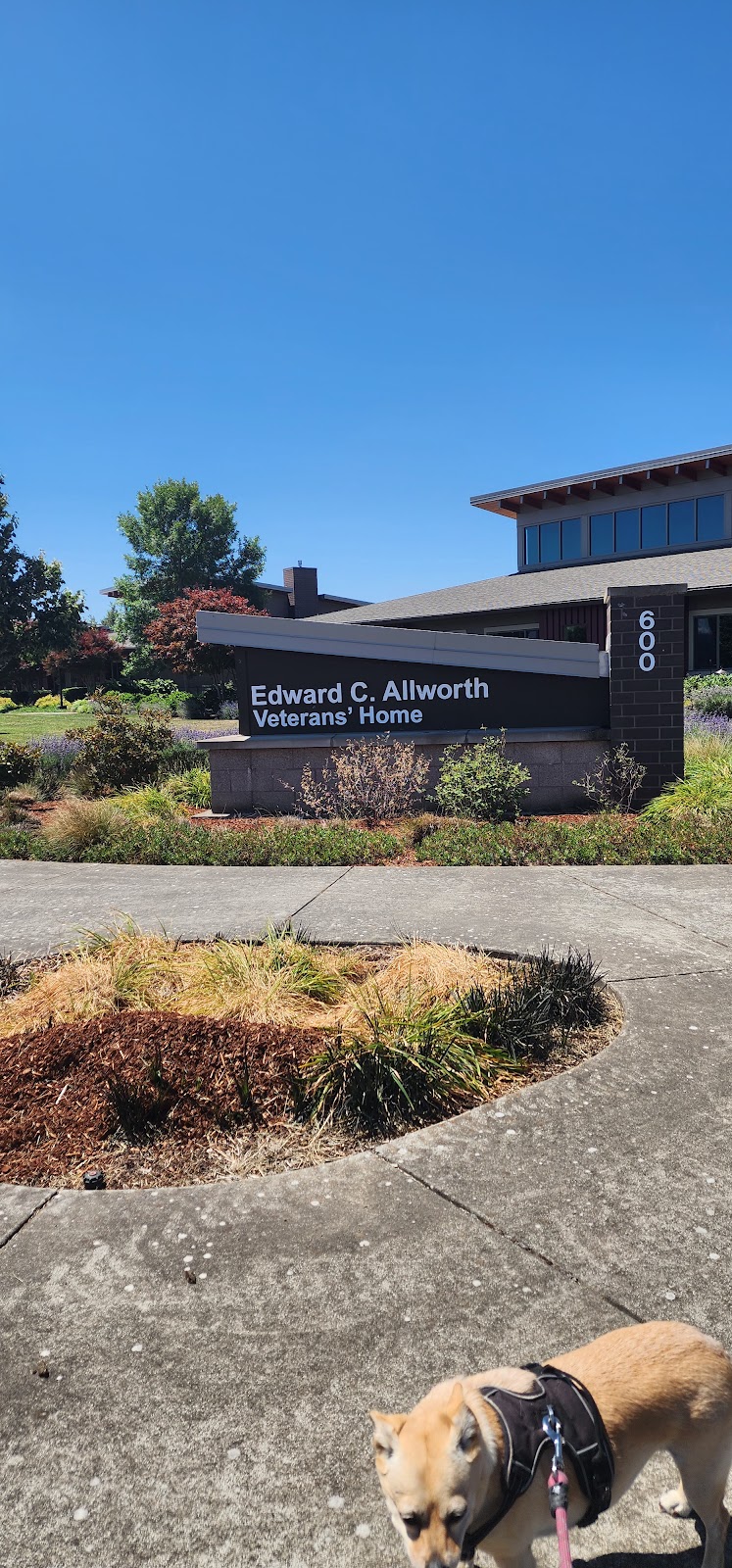
600 NORTH 5TH STREET, LEBANON, OR 97355 (541) 497-7265
Government - State 154 Beds Independent Data: November 2025
Trust Grade
60/100
#58 of 127 in OR
Last Inspection: May 2024

Within standard 12-15 month inspection cycle. Federal law requires annual inspections.

Overview

Lebanon Veterans Home has a Trust Grade of C+, which means it is slightly above average but still has room for improvement. It ranks #58 out of 127 facilities in Oregon, placing it in the top half, and #2 out of 5 in Linn County, indicating only one other local facility is rated higher. However, the facility is currently worsening, with reported issues increasing from 9 in 2023 to 16 in 2024. Staffing is a relative strength, with a 4/5 star rating and a turnover rate of 32%, which is well below the state average. Despite having no fines, which is a positive sign, there is concerning RN coverage, as the facility has less RN support than 83% of Oregon facilities. Specific incidents noted during inspections include a failure to ensure residents were free from abuse, which placed some at risk, as well as changes in therapy services that were not communicated to residents, leading to confusion. Additionally, there were lapses in monitoring a resident's urinary symptoms, which raises concerns about the attention to medical needs. Overall, while there are strengths in staffing stability and a lack of fines, the increasing number of issues and specific concerns about resident care warrant careful consideration.

Trust Score
C+
60/100
In Oregon
#58/127
Top 45%
Safety Record
Low Risk
No red flags
Inspections
Getting Worse
9 → 16 violations
Staff Stability
○ Average
32% turnover. Near Oregon's 48% average. Typical for the industry.
Penalties
✓ Good
No fines on record. Clean compliance history, better than most Oregon facilities.
Skilled Nurses
○ Average
Each resident gets 34 minutes of Registered Nurse (RN) attention daily — about average for Oregon. RNs are the most trained staff who monitor for health changes.
Violations
⚠ Watch
29 deficiencies on record. Higher than average. Multiple issues found across inspections.
★★★☆☆
3.0
Overall Rating
★★★★☆
4.0
Staff Levels
★★☆☆☆
2.0
Care Quality
★★★☆☆
3.0
Inspection Score
Stable
2023: 9 issues
2024: 16 issues

The Good

  • 4-Star Staffing Rating · Above-average nurse staffing levels
  • Full Sprinkler Coverage · Fire safety systems throughout facility
  • No fines on record
  • Staff turnover below average (32%)

    16 points below Oregon average of 48%

Facility shows strength in staffing levels, fire safety.

The Bad

3-Star Overall Rating

Near Oregon average (3.0)

Meets federal standards, typical of most facilities

Staff Turnover: 32%

13pts below Oregon avg (46%)

Typical for the industry

The Ugly 29 deficiencies on record

May 2024 16 deficiencies
CONCERN (D)

Potential for Harm - no one hurt, but risky conditions existed

Deficiency F0552 (Tag F0552)

Could have caused harm · This affected 1 resident

Based on interview and record review it was determined the facility failed to provide risk and benefits for the use of an antipsychotic medication to a resident/responsible party before administration...

Read full inspector narrative →
Based on interview and record review it was determined the facility failed to provide risk and benefits for the use of an antipsychotic medication to a resident/responsible party before administration and communicate changes in ROM services for 2 of 6 sampled residents (#s 80 and 118) reviewed for medications and positioning. This placed residents and responsible parties at risk for lack of appropriate information. Findings include: 1. Resident 80 admitted to the facility in 2020 with diagnoses including multiple sclerosis (disease of the central nervous system) and degeneration of the spine. A 1/10/24 Restorative Assessment and Referral indicated to utilize a standing frame (a device which allows an impaired individual to stand) for Resident 80 three times each week for 10 minutes for improved quality of life. Precautions required two staff present for set-up and one staff present during standing. A 2/29/24 revised Restorative Assessment and Referral indicated Resident 80 was to direct the frequency of the use of the standing frame. A 3/6/24 revised Task indicated staff were to facilitate Resident 80's ability to stand in the standing frame as needed for improved quality of life. On 4/25/24 and 4/27/24 the document indicated Resident 80 refused the standing frame and the task was not offered any additional days from 4/3/24 through 5/2/24. A 3/12/24 Interdisciplinary Care Conference indicated assistance would be provided to Resident 80 to have access to the standing frame per her/his request. Staff 5 (Resident Care Manager) was not in attendance. On 4/29/24 at 11:03 AM Resident 80 stated facility staff were to provide assistance to allow her/him to be in the standing frame three days each week, but the therapy was no longer offered by staff. On 5/1/24 at 9:01 AM Staff 12 (CNA) stated because Resident 80's standing frame task was PRN, staff no longer provided the standing frame service unless she/he asked. On 5/2/24 at 12:28 PM Staff 5 stated Resident 80 was able to advocate for herself/himself and could ask to use the standing frame. On 5/2/24 at 2:53 PM Resident 80 stated she/he was not aware she/he needed to ask staff to provide the standing frame service since the service was routine in the past. Resident 80 stated she/he only refused the standing frame services when she/he was too tired. On 5/3/24 at 9:42 AM Staff 2 (DNS) stated she trusted Resident 80's statement if she/he indicated she/he was not notified of the changes to her/his standing frame services. Staff 2 stated Resident 80 should be informed when changes were made to her/his therapy service plan. 2. Resident 118 admitted to the facility in 2023 with diagnoses including bipolar disorder (mental illness with extreme mood swings) and dementia. A 3/11/24 signed physician order instructed staff to administer 50 mg Seroquel (an antipsychotic used to treat bipolar disorder) one time a day for bipolar disorder at bedtime with a start date of 2/29/24, and discontinue date of 3/18/24. Seroquel was increased on 3/19/24 to 100 mg two times a day in the morning and evening. An 4/2024 MAR instructed staff to administer 100 mg Seroquel two times a day for bipolar disorder and hold if blood pressure was 90/60 or she/he was overly drowsy with a start date of 4/18/24. No documentation was found in clinical records that risk and benefits were provided to Resident 118's responsible party and no consent was received for use of Seroquel. On 5/2/24 at 10:59 AM Staff 22 (Assistant DNS) confirmed consent was not received for use of Resident 118's Seroquel.
CONCERN (D)

Potential for Harm - no one hurt, but risky conditions existed

Notification of Changes (Tag F0580)

Could have caused harm · This affected 1 resident

**NOTE- TERMS IN BRACKETS HAVE BEEN EDITED TO PROTECT CONFIDENTIALITY** Based on interview and record review it was determined the facility failed to notify a resident's physician of a change in condi...

Read full inspector narrative →
**NOTE- TERMS IN BRACKETS HAVE BEEN EDITED TO PROTECT CONFIDENTIALITY** Based on interview and record review it was determined the facility failed to notify a resident's physician of a change in condition for 1 of 3 sampled residents (#36) reviewed for UTIs. This placed residents at risk for delayed treatment. Findings include: Resident 36 admitted to the facility in 2021 with a diagnoses including dementia, urinary retention, and an irregular heart beat. A 2/2024 annual CAA indicated Resident 36 had a diagnosis of dementia, was able to communicate, transfer to the toilet, and was incontinent of urine. Resident 36's 3/2024 MAR revealed she/he was administered a blood thinner daily. Progress Notes revealed the following: -2/24/24 Resident 36 was observed to have small amounts of red-tinged urine during her/his incontinent care. The resident denied pain or painful urination. The not indicate the resident would be monitored. There was no indication Resident 36's physician was notified of the red-tinged urine. -2/25/24 Resident 36 did not have red or pink-tinged urine or discharge. -2/26/24 through 3/8/29 revealed Resident 36's urinary status was not assessed. -3/9/24 at 5:46 PM a note by Staff 23 (Agency RN) indicated the resident continuously took her/himself to the bathroom. Resident 36 reported a stomach ache at approximately 2:30 PM and was administered an antacid which was noted to be effective. The resident was also noted to have a small amount of blood on her/his incontinent brief and genitalia. Resident 36 reported she/he had to pee every time. Staff were to monitor the resident. There was no indication Resident 36's physician was notified of the blood, abdominal pain, or frequent urination. -3/10/24 at 7:11 AM a note revealed Resident 36 reported stomach cramping which was alleviated with PRN medication. -3/10/24 at 11:13 AM revealed Resident 36 had severe abdominal pain, was shaking, and crying. The note indicated the pain could be from bowel care. The resident's physician was not able to be reached and the resident was transported to the hospital. A 3/12/24 hospital Orders At Discharge form revealed the resident was admitted to the hospital on [DATE] and was diagnosed with urinary retention, UTI with hematuria (blood in urine), and sepsis (potentially life-threatening complication of an infection) with sudden onset of kidney failure without septic shock (a serious condition when the body does not respond to an infection which causes a dramatic drop in blood pressure that can damage other organs). On 5/1/24 at 12:30 PM Staff 23 stated at times when a resident had symptoms of a UTI it was difficult for staff to obtain orders from the physician for UAs. Staff 23 stated she did not recall the note she wrote on 3/9/24, would review the note, and provide additional information if able. No additional information was provided. On 5/2/24 at 3:00 PM Staff 32 (LPN) stated if a resident had blood in her/his urine it could be signs of a UTI. Staff should also look at the medications the resident was administered and if the resident was on a blood thinner it could be related to the medication and the physician should be notified. The physician may or may not order a UA or other labs but staff should still notify the physician. On 5/2/24 at 4:33 PM Staff 2 (DNS) reviewed Resident 36's clinical record and stated during 2/24/24 through 3/8/24 she was not able find information to indicate Resident 36's physician was notified of the blood on the genitalia on 2/24/24 or 3/9/24. Staff 2 acknowledged the resident's blood could have been from the blood thinner or a possible UTI. Staff 2 stated she would provide documentation if Resident 36's physician was notified. No additional information was provided.
CONCERN (D)

Potential for Harm - no one hurt, but risky conditions existed

Deficiency F0582 (Tag F0582)

Could have caused harm · This affected 1 resident

Based on interview and record review it was determined the facility failed to provide timely Notice of Medicare Non-Coverage (NOMNC) for 1 of 1 sampled resident (#248) reviewed for notices. This place...

Read full inspector narrative →
Based on interview and record review it was determined the facility failed to provide timely Notice of Medicare Non-Coverage (NOMNC) for 1 of 1 sampled resident (#248) reviewed for notices. This placed residents at risk for lack of appeal information. Resident 248 was admitted to the facility in 2024 with diagnoses including heart attack and dehydration. A NOMNC documented the last covered day as 4/3/24. The NOMNC was signed by Resident 248 on 4/2/24. On 5/2/24 at 2:44 PM Staff 4 (Social Services Designee) confirmed the notice was not provided in the required timeframe to Resident 248.
CONCERN (D)

Potential for Harm - no one hurt, but risky conditions existed

Grievances (Tag F0585)

Could have caused harm · This affected 1 resident

Based on interview and record review it was determined the facility failed to develop a sufficient grievance policy and a timely grievance response for 1 of 4 sampled resident (#128) reviewed for acti...

Read full inspector narrative →
Based on interview and record review it was determined the facility failed to develop a sufficient grievance policy and a timely grievance response for 1 of 4 sampled resident (#128) reviewed for activities. This placed residents at risk for unaddressed concerns and grievances. Findings include: A 12/2023 revised facility Grievances policy indicated staff were to assist residents with the grievance process, a resolution to a grievance was as soon as possible, and the policy did not indicate a reasonable expected timeframe for the facility to complete the review of grievances. The facility policy neglected to include that a resident had the right to file a grievance orally or anonymously and obtain a written decision. An 4/12/24 hand-written letter from Resident 128 to Staff 6 (Recreation Director) indicated dissatisfaction with recent rule changes to a game activity because of her/his skills for the game. The letter also indicated activity staff were prejudice against Resident 128. On 4/29/24 at 10:00 AM Resident 128 stated she/he filed a complaint about activities and received no communication about her/his concerns since the letter was written (15 days ago). On 5/1/24 at 10:09 AM Staff 3 (Assistant Administrator) stated he (the Grievance Officer) did not read Resident 128's letter until 4/28/24. Staff 3 stated Staff 8 (Social Service Designee) observed Resident 128's letter on 4/12/24 when Resident 128's letter was shared by Staff 6. Staff 3 stated there was a delay in response to Resident 128 due to a team effort to determine the best way to handle information in the letter. On 5/1/24 at 12:43 PM Staff 8 stated he believed Resident 128's 4/12/24 letter was written to express her/his feelings and Staff 8 did not consider the letter a grievance because it was not on the grievance form. On 5/1/24 at 4:40 PM and 5/3/24 at 10:39 AM Staff 3 indicated a late conversation with Resident 128 regarding her/his concerns with activities was conducted on 5/1/24 and the facility Grievance policy was insufficient when updated in 12/2023.
CONCERN (D) 📢 Someone Reported This

A family member, employee, or ombudsman was alarmed enough to file a formal complaint

Potential for Harm - no one hurt, but risky conditions existed

Free from Abuse/Neglect (Tag F0600)

Could have caused harm · This affected 1 resident

Based on interview and record review, it was determined the facility failed to ensure residents were free from sexual and physical abuse for 2 of 5 sampled residents (#s 38 and 108) reviewed for abuse...

Read full inspector narrative →
Based on interview and record review, it was determined the facility failed to ensure residents were free from sexual and physical abuse for 2 of 5 sampled residents (#s 38 and 108) reviewed for abuse by Resident 139 and Resident 141. This placed residents at risk for abuse. Findings include: 1. Resident 38 admitted to the facility in 2018 with diagnoses including panic disorder, dementia, and PTSD (Post-Traumatic Stress Disorder). Resident 141 admitted to the facility in 2024 with a diagnosis of Alzheimer's Disease. An 10/11/23 Annual MDS indicated Resident 38 was rarely understood. An 4/4/24 Investigation revealed on 4/4/24 while Resident 38 was on a video call with Witness 1 (Family Member), Resident 141 was sitting next to Resident 38 and reached over and rubbed Resident 38's chest area. Witness 1 stated, Keep your hands to yourself. Staff moved Resident 38 into her/his wheelchair to the nurses' station to complete the video call. Resident 141 was escorted back to her/his unit. The facility substantiated sexual abuse. On 5/1/24 at 10:10 AM Witness 1 stated Resident 38 was seated in a recliner while engaged in a video call with her. Witness 1 stated she saw a hand and forearm reach across and touch Resident 38's chest and was rubbing the area. Witness 1 yelled at Resident 141 and Resident 141 quit. On 5/2/24 at 7:49 AM Staff 17 (CNA) stated she was in a resident's room and Resident 141 was sitting next to Resident 38. Staff 17 stated she heard Witness 1 state leave [her/him] alone. Resident 141 touched Resident 38's chest two times. Staff 17 stated she stood between the two recliners until Resident 38 could be removed from the area. On 5/3/24 at 8:57 AM Staff 21 (RCM) confirmed the facility substantiated sexual abuse by Resident 141 to Resident 38. 2. Resident 108 admitted to the facility in 2024 with diagnoses including depression. Resident 139 admitted to the facility in 2023 with diagnoses including dementia, psychotic disturbance, mood disturbance, anxiety, and PTSD (Post-Traumatic Stress Disorder). A 2/15/24 care plan indicated Resident 108 had a history of trauma to remain safe and stable. A 2/22/24 Annual MDS indicated Resident 108 had a BIMS score of 11 indicating moderate cognitive impact. A Nurse's Note on 4/17/24 at 8:30 PM indicated Resident 108 was struck by a thrown object on the side of her/his face. No injuries were identified on Resident 108, and the staff would continue to monitor her/him for any abnormalities. An 4/18/24 Investigation report revealed on 4/18/24 (incident occurred 4/17/24) around 7:30 PM Resident 139's behaviors escalated, she/he went into the kitchen and picked up a hand-held game in its packaging. Resident 139 threw the game into Resident 108's room and struck Resident 108 on the left side of her/his face. On 5/2/24 at 7:31 AM Staff 15 (CNA) stated around 7:30 PM on 4/17/24 she witnessed Resident 139's behaviors escalate, and she/he was upset. Resident 139 was yelling, Resident 108's door was open, and Resident 139 threw a handheld game into the room. Staff 15 went into the room and Resident 108 stated the game hit her/him in the face. On 5/1/24 at 12:21 PM Staff 14 (CNA) stated on 4/17/24 he observed Resident 139 pick up a hand-held game and throw it into Resident 108's room. Staff 14 stated he heard a sound of impact and Resident 108 reported to him that she/he was struck in the head by the game. Staff 14 did not get a chance to observe Resident 108's head at the time as he was attempting to keep other residents safe from 108's behaviors. On 5/3/24 at 8:54 AM Staff 40 (RCM) stated the facility did not substantiate abuse during the investigation. The facility determined Resident 139's PTSD was triggered, and she/he was agitated and did not believe Resident 139 was aware of her/his actions.
CONCERN (D) 📢 Someone Reported This

A family member, employee, or ombudsman was alarmed enough to file a formal complaint

Potential for Harm - no one hurt, but risky conditions existed

Investigate Abuse (Tag F0610)

Could have caused harm · This affected 1 resident

Based on interview and record review it was determined the facility failed to timely investigate abuse for 1 of 3 sampled residents (#38) reviewed for abuse. This placed residents at risk for abuse an...

Read full inspector narrative →
Based on interview and record review it was determined the facility failed to timely investigate abuse for 1 of 3 sampled residents (#38) reviewed for abuse. This placed residents at risk for abuse and neglect. Findings include: Resident 38 admitted to the facility in 2018 with diagnoses including panic disorder, dementia, and PTSD (Post-Traumatic Stress Disorder). Resident 141 admitted to the facility in 2024 with a diagnosis of Alzheimer's Disease. An 4/4/24 Investigation revealed an investigation timeframe 4/4/24 through 4/10/24. On 4/4/24 while Resident 38 was on a video call with Witness 1 (Family Member) Resident 141 was sitting next to Resident 38 and reached over and rubbed Resident 38's chest area. Witness 1 stated Keep your hands to yourself. The facility determined sexual abuse was substantiated. On 5/3/24 at 8:57 AM Staff 21 (RCM) confirmed the investigation was not completed timely. Refer to F600
CONCERN (D)

Potential for Harm - no one hurt, but risky conditions existed

Deficiency F0637 (Tag F0637)

Could have caused harm · This affected 1 resident

Based on interview and record review it was determined the facility failed to document and conduct a Significant Change MDS assessment within the required timeframe for 1 of 5 sampled residents (#118)...

Read full inspector narrative →
Based on interview and record review it was determined the facility failed to document and conduct a Significant Change MDS assessment within the required timeframe for 1 of 5 sampled residents (#118) reviewed for nutrition. This placed residents at risk for unassessed needs. Findings include: Resident 118 admitted to the facility in 2023 with diagnoses including diabetes, pressure ulcer and dementia. A 9/13/24 admission MDS revealed Resident 118's BIMS score was 15 which indicated she/he was cognitively intact. There were no concerns with Resident 118's mood and she/he did not have any behaviors. Resident 118 was frequently incontinent of bowel and had occasional pain presence with PRN pain medications. Resident 118 had one Stage 3 (a deep wound that has broken through the top two layers of skin into the fatty tissue) pressure ulcer and moisture associated skin breakdown. Medications administered to Resident 118 included insulin and antidepressants. A 3/13/24 Quarterly MDS revealed Resident 118's BIMS was nine which indicated moderate cognitive impairment. Resident 118 felt down, depressed or hopeless two to six days during the look back period. Behaviors included physical symptoms towards others such as hitting or kicking, verbal behaviors such as threatening others, and behavioral symptoms not directed toward others such as pacing. Resident 118 also rejected care one to three days. Resident 118 was always incontinent of bowel. Pain levels were frequent pain with scheduled and PRN pain medications with a pain presence of eight on a one to 10 scale. Resident 118 had one Stage 4 (a deep wound that impacts muscle, tendons, ligaments, and bone) pressure ulcer and moisture associated skin breakdown. Medications administered to Resident 118 included insulin, antipsychotic, antianxiety, anticoagulant, and opioid medications. There was no documentation found in Resident 118's clinical records to indicate a significant change assessment was considered or ruled out. On 5/3/24 at 7:35 AM Staff 21 (RCM) stated she did not know why a significant change assessment was not completed for Resident 118.
CONCERN (D)

Potential for Harm - no one hurt, but risky conditions existed

Deficiency F0657 (Tag F0657)

Could have caused harm · This affected 1 resident

**NOTE- TERMS IN BRACKETS HAVE BEEN EDITED TO PROTECT CONFIDENTIALITY** 3. Resident 101 admitted to the facility in 2021 with a diagnosis of dementia. A 5/2023 annual MDS indicated Resident 101 was as...

Read full inspector narrative →
**NOTE- TERMS IN BRACKETS HAVE BEEN EDITED TO PROTECT CONFIDENTIALITY** 3. Resident 101 admitted to the facility in 2021 with a diagnosis of dementia. A 5/2023 annual MDS indicated Resident 101 was assessed to identify activities which were very important which included being with people and being in fresh air. A Care Plan updated 6/8/23 revealed the resident enjoyed bird watching out her/his window. Resident 101's clinical record revealed she/he moved to her/his current room [ROOM NUMBER]/28/23. On 5/1/24 at 12:03 PM Resident 101 was observed in her/his recliner next to the window. The window blinds were shut. On 5/1/24 at 3:00 PM Staff 41 (CNA) stated Resident 101 loved to go to outside and to the casino. Staff 41 stated Resident 101 did not like her/his window blinds open. Staff 41 also stated if the blinds were opened the resident told staff to shut the blinds. Staff 101 stated when Resident 101 lived in a different part of the facility the resident used to bird watch from her/his window. Staff 41 stated since the resident moved to her/his current room the resident did not like to watch the birds from her/his window. On 5/2/24 at 11:20 AM Staff 6 (Recreational Director) indicated the care plan may not have been updated to reflect the resident's current preferences. Based on observation, interview, and record review it was determined the facility failed to revise care plan interventions for 3 of 8 sampled residents (#s 38, 101 and 121) reviewed for accidents, pressure ulcers and position and mobility. This placed residents at risk for unmet needs. Findings include: 1. Resident 38 admitted to the facility in 2018 with diagnoses including Parkinson's disease. A current care plan dated 2/14/22 indicated Resident 108 had a problematic manner of ineffective coping with interventions including taking Resident 108 on walks. An 4/10/24 Quarterly MDS indicated walking 10 feet was not attempted due to medical conditions or safety concerns. An 4/30/24 Abnormal Involuntary Movement Scale indicated Resident 38 could not sit in a chair without leaning back. Resident 38 could only stand with two persons with maximum assistance for balance and she/he twisted her/his feet. On 5/3/24 at 8:57 AM Staff 21 (RCM) stated Resident 38 declined in her/his abilities, no longer walked, and the care plan did not reflect their current abilities. 2. Resident 121 admitted to the facility in 2024 with diagnoses including cramp and spasm disorder, and anxiety. A 3/2/24 admission MDS indicated Resident 121 had a BIMS score of 11 indicating moderate cognitive impairment. Resident 121 had a history of falls. A current care plan dated 3/18/24 indicated Resident 121 was at risk for falls with interventions including a fall mat at the bedside and in the bathroom. Resident 121 was to have commonly used items within reach. Physical therapy was to evaluate and treat for gait and proper assistive equipment. Staff were to remind Resident 121 to use the call light for assistance and place a sign to remind Resident 121 to use the call light near her/his clock in the bedroom, and near the call light in the bathroom. An 4/15/24 Post Fall Assessment revealed Resident 121 was found on the floor. Resident 121 had a history of falls with interventions that were effective were she/he was switched from using double canes for walking to using a walker and to have room and bed sensors. No documentation was found in Resident 121's care plan to include the use of room and bed sensors for fall interventions.
CONCERN (D)

Potential for Harm - no one hurt, but risky conditions existed

ADL Care (Tag F0677)

Could have caused harm · This affected 1 resident

Based on interview and record review it was determined the facility failed to ensure dependent residents received required assistance with ADLs for 1 of 4 sampled residents (#80) reviewed for ADLs. Th...

Read full inspector narrative →
Based on interview and record review it was determined the facility failed to ensure dependent residents received required assistance with ADLs for 1 of 4 sampled residents (#80) reviewed for ADLs. This placed resident at risk for inadequate personal hygiene. Findings include: Resident 80 admitted to the facility in 2020 with diagnoses including multiple sclerosis (disease of the central nervous system) and degeneration of the spine. An 10/23/23 revised care plan indicated Resident 80 required one staff to assist with bathing. 3/2024 and 4/2024 shower calendars for Resident 80 indicated the resident received one shower during the week on 3/6/24, 4/18/24, 4/25/24, and 4/29/24. No showers were provided on any Sundays and Resident 80 was to receive her/his showers at night. The 3/12/24 Quarterly MDS indicated Resident 80 required substantial to maximum assistance for bathing. On 4/29/24 at 10:57 AM and 5/1/24 at 11:33 AM Resident 80 stated she/he received no Sunday shower as expected and only one shower during the week for the last 30 days due to lack of staff. Resident 80 indicated she/he filed a grievance related to lack of showers but concerns related to her/his showers continued. On 5/1/24 at 9:01 AM Staff 12 (CNA) indicated Resident 80 was the only resident who requested showers at night to help relax her/his muscles and it was difficult to get her/his shower task completed. Staff 12 stated Staff 11 (CNA) was often left to work alone at night over the last two months due to lack of staffing. On 5/2/24 at 2:33 PM Staff 27 (CNA) stated Resident 80 often informed her no shower was provided earlier in the week and nurses were aware. Staff 27 stated because Resident 80's shower required staff assistance for one hour, she sometimes was not able to complete Resident 80's make-up shower. On 5/2/24 at 4:48 PM Staff 3 (Assistant Administrator) confirmed he spoke with Resident 80 about her/his shower concern in 1/2024 and expected Resident 80 to be provided a follow-up shower if weekend showers were missed. On 5/3/24 at 9:42 AM Staff 2 (DNS) and Staff 22 (Assistant DNS) acknowledged Staff 7 (Staffing Coordinator) received direction that the same resident unit should not always be required to work short-handed when the expectations for the facility staffing model were not met. Staff 2 acknowledged teamwork was necessary for Resident 80 to receive two showers weekly and it did not occur.
CONCERN (D)

Potential for Harm - no one hurt, but risky conditions existed

Quality of Care (Tag F0684)

Could have caused harm · This affected 1 resident

**NOTE- TERMS IN BRACKETS HAVE BEEN EDITED TO PROTECT CONFIDENTIALITY** 2. Resident 118 admitted to the facility in 2023 with diagnoses including pressure ulcer and diabetes. A 4/2024 MAR instructed ...

Read full inspector narrative →
**NOTE- TERMS IN BRACKETS HAVE BEEN EDITED TO PROTECT CONFIDENTIALITY** 2. Resident 118 admitted to the facility in 2023 with diagnoses including pressure ulcer and diabetes. A 4/2024 MAR instructed staff to administer one fourth a cup of Kefir (fermented milk with probiotic effects on blood sugar, cholesterol, and digestion) two times a day for 14 days with a start date of 4/12/24, and a discontinue of 4/25/24. Eighteen times the MAR referred the reader to administration notes, and six times it was documented as administered. The 4/12/24, 4/13/24, 4/18/24, and 4/19/24 Medication Administration Notes indicated Kefir was not available. On 5/3/24 at 7:35 AM Staff 21 (RCM) stated staff should notify the physician when Kefir was unavailable. Based on interview and record review it was determined the facility failed to monitor a resident for a change of condition, make a urology appointment, and follow physician orders for 2 of 8 sampled residents (#s 36 and 118) reviewed for UTIs and medications. This placed residents at risk for delayed care and unmet needs. Findings include: 1. Resident 36 admitted to the facility in 2021 with a diagnosis of dementia. a. A 2/2024 annual CAA indicated Resident 36 had a diagnoses of dementia, was able to communicate, was able to transfer to the toilet, and was incontinent of urine. Resident 36's 3/2024 MAR revealed she/he was administered a blood thinner daily. Progress Notes revealed the following: -2/24/24 Resident 36 was observed to have small amounts of red-tinged urine during her/his incontinent care. The resident denied pain or painful urination. The not indicate the resident would be monitored. -2/25/24 Resident 36 did not have red or pink-tinged urine or discharge. -2/26/24 through 3/8/29 revealed Resident 36's urinary status was not assessed. -3/9/24 at 5:46 PM a note by Staff 23 (Agency RN) indicated the resident continuously took her/himself to the bathroom. Resident 36 reported a stomach ache at approximately 2:30 PM and was administered an antacid which was noted to be effective. The resident was also noted to have a small amount of blood on her/his incontinent brief and genitalia. Resident 36 reported she/he had to pee every time. Staff were to monitor the resident. -3/10/24 at 7:11 AM a note revealed Resident 36 reported stomach cramping which was alleviated with PRN medication. -3/10/24 at 11:13 AM revealed Resident 36 had severe abdominal pain, was shaking, and crying. The note indicated the pain could be from bowel care. The resident's physician was not able to be reached and the resident was transported to the hospital. A 3/12/24 hospital Orders At Discharge revealed the resident was admitted to the hospital on [DATE] and was diagnosed with urinary retention, UTI with hematuria (blood in urine), and sepsis (potentially life-threatening complication of infection) with sudden onset of kidney failure without septic shock (a serious condition when the body does not respond to an infection which causes a dramatic drop in blood pressure that can damage other organs). On 5/2/24 at 4:33 PM Staff 2 (DNS) reviewed Resident 36's clinical record and stated during 2/24/24 through 3/8/24 she did not see Resident 36's physician was notified of the blood on the genitalia on 2/24/24 or 3/9/24. Staff 2 acknowledged the resident's blood could have been from the blood thinner or a possible UTI. Staff 2 also stated she expected staff to monitor the resident each shift for at least 72 hours to ensure the resident did not have continued bleeding or additional symptoms of a UTI. b. Resident 36's After visit Summary revealed the resident was hospitalized from [DATE] through 3/12/24 and orders included the resident was to be seen by urology (Physician who specializes in conditions related to the urinary system). Resident 36's 4/15/24 facility NP visit note revealed the resident was sent to the hospital and was identified to have UTI and a Referral to urology was sent for urinary retention (bladder does not empty completely after urinating). Review of Resident 36's record revealed no documentation a referral to urology was completed. On 5/2/24 at 3:30 PM a request was made to Staff 40 (RNCM) to provide documentation a referral was made. No additional information was provided.
CONCERN (D)

Potential for Harm - no one hurt, but risky conditions existed

Pressure Ulcer Prevention (Tag F0686)

Could have caused harm · This affected 1 resident

Based on observation, interview, and record review it was determined the facility failed to accurately assess pressure ulcers for 2 of 5 sampled residents (#s 59 and 118) reviewed for pressure ulcers....

Read full inspector narrative →
Based on observation, interview, and record review it was determined the facility failed to accurately assess pressure ulcers for 2 of 5 sampled residents (#s 59 and 118) reviewed for pressure ulcers. This placed residents at risk for worsening wounds. Findings include: 1. Resident 59 admitted to the facility in 3/2017 with diagnoses including paraplegia (the inability to voluntarily move the lower parts of the body). A review of Resident 59's care plan revealed a 1/21/24 care plan for a moisture associated wound (inflammation of the skin caused by moisture) to her/his sacrum. A review of a 1/22/24 Wound Evaluation revealed Resident 59 had moisture assoicated damage to her/his sacrum. The Wound Evlauation stated the wound was 12 cm X 8.14 cm with 90% dead tissue on the wound bed. A review of a 1/29/24 Wound Evaluation revealed Resident 59 had an unstageable pressure wound (wound caused by pressure with full thickness tissue loss with exposed bone, tendon, or muscle; dead tissue may be present on some parts of the wound bed; often includes tissue damage beneath the skin) on her/his sacrum. The Wound Evaluation stated the wound was 12.88 cm X 9.56 cm with a 1.4 cm depth and 80% dead tissue on the wound bed. A review of a 2/4/24 Wound Evaluation revealed Resident 59 had moisture associated damage to her/his sacrum. The Wound Evaluation stated the wound was 16.1 cm X 9.04 cm with a 2.4 cm depth and 3.2 cm tunneling under the skin and 80% dead tissue on the wound bed. A review of a 4/29/24 Wound Evaluation revealed Resident 59 had a Stage 4 pressure wound (wound caused be pressure with full thickness tissue loss with exposed bone, tendon, or muscle; dead tissue may be present on some parts of the wound bed; often includes tissue damage beneath the skin) on her/his sacrum. The Wound Evaluation stated the wound was 12.76 cm X 16.57 cm with 10% dead tissue. On 5/1/24 at 10:47 AM Staff 38 (LPN) stated Resident 59 had the sacrum pressure ulcer since 1/2024. On 5/1/24 at 10:47 AM a wound was observed on Resident 59's sacrum with Staff 38. The wound was observed to have full thickness tissue loss with a mixture of pale pink and red tissue through much of the wound with scattered dead tissue and undermining (erosion underneath the outwardly visible wound margins resulting in more extensive damage beneath the skin surface). Resident 59's wound met the definition of a Stage 4 pressure ulcer. On 5/1/24 at 2:56 PM Staff 9 (RCM) stated Resident 59's wound to her/his sacrum started on 1/14/24 as an unstageable pressure wound. Staff 9 stated the wound worsened and on 2/4/24 Resident 59 was admitted to the hospital for wound debridement (surgical removal of dead tissue). On 5/2/24 at 9:44 AM Staff 9 and Staff 13 (RCM) stated Resident 59 had a stage 4 pressure wound to her/his sacrum. Staff 9 and 13 acknowledged Resident 59's sacrum wound was incorrectly assesed as moisture associated damage and Resident 59's stage 4 pressure wound to her/his sacrum was not on the care plan. 2. Resident 118 admitted to the facility in 2023 with diagnoses including a sacral (lies between the two hip bones behind the pubic bone) pressure ulcer. A 9/13/23 admission MDS indicated Resident 118 had a Stage 3 pressure ulcer (deep wound broken throug the top to layers of the skin into fatty tissue) to the sacrum. Resident 118 was at risk for skin breakdown and had a history of slow healing. A 11/7/23 care plan revealed Resident 118 had a chronic Stage 4 pressure ulcer (deep wound which impacts muscle, tendons, ligaments, and bone) with interventions including providing weekly wound assessments and documentation. A review of Resident 118's Skin and Wound Evaluations from 1/29/24 through 4/30/24 revealed the following. -On 2/16/24 and 3/15/24 the evaluation did not include a description of the wound bed or if there was any drainage from the wound. There was no description of the surrounding tissue, edges, temperature, or swelling. Resident 118's pain level and treatment were not included in the evaluation. -On 4/12/24 the evaluation did not include a description of the wound bed. There was no description of the surrounding tissue, edges, temperature, or swelling. There was no documentation about the progress of the wound, or if there was an infection. -On 4/19/24 no skin and wound evaluation was completed. -On 4/30/24 (reviewed on 5/3/24) the evaluation was still in progress and was not completed. The skin and wound evaluation did not include a description of the wound bed, or if the wound had any drainage. There was no description of the surrounding tissue, edges, temperature, or swelling. The evaluation did not include if Resident 118 had pain with the wound and what type of treatment or if there was an infection. On 5/3/24 at 7:43 AM Staff 21 (DNS) confirmed the skin and wound evaluations should be fully comprehensive.
CONCERN (D)

Potential for Harm - no one hurt, but risky conditions existed

Accident Prevention (Tag F0689)

Could have caused harm · This affected 1 resident

2. Resident 121 admitted to the facility in 2024 with diagnoses including anxiety, and cramp and spasm disorder. An 4/15/24 Post Fall Assessment revealed Resident 121 was found on the floor. The inve...

Read full inspector narrative →
2. Resident 121 admitted to the facility in 2024 with diagnoses including anxiety, and cramp and spasm disorder. An 4/15/24 Post Fall Assessment revealed Resident 121 was found on the floor. The investigation was completed on 4/22/24. An 4/23/24 Post Fall Assessment revealed Resident 121 reported a fall in the bathroom. The investigation was completed on 5/1/24. On 5/3/24 at 9:09 AM Staff 40 (RCM) confirmed the 4/15/24 and 4/23/24 fall investigations were not completed timely. Based on observation, interview and record review it was determined the facility failed to assess and care plan a resident's ability to transfer from a reclining chair and timely investigate a fall for 2 of 8 sampled residents (#s 121 and 142) reviewed for dementia care and accidents. This placed residents at risk for falls. Findings include 1. Resident 142 admitted to the facility with a diagnosis of dementia. A 3/25/24 admission MDS indicated Resident 142 walked without assistive devices. The assessment indicated she/he and had a fall prior to and one fall after admission to the facility. Resident 142's risk factors for falls included medication side affects which could cause confusion and dizziness. The resident also had insomnia and was often awake for many hours at a time placing the resident at risk for falls. A care plan initiated 3/18/24 revealed Resident 142 was at risk for falls and the resident was to wear non-skid socks and call staff for assistance. On 4/30/24 at 12:52 PM Resident 142 was observed in a recliner with her/his eyes shut, she/he was covered with blankets, and her/his legs were elevated on the recliner leg rests. Resident 142 was not observed to attempt to get out of the recliner. On 5/2/24 at 12:08 PM Staff 21 (RNCM) stated the recliners had remote controls to elevate the leg rests, there should always be one staff in the common area, and if a resident needed assistance to stand staff should be able to intervene. Staff 21 acknowledged many residents in the memory care unit were not able to use the remote control to adjust the recliner leg rests. Staff 21 stated Resident 142 was not not assessed to determine if she/he was able to use the remote, and acknowledged if the resident attempted to transfer out of the chair with the leg rests elevated it would increase the resident's risk for falls. Staff 21 stated the care plan did not direct staff to ensure leg rests were down if staff were not in the common area and the resident was asleep. On 5/2/24 at 1:25 PM Resident 142 was observed in a recliner with her/his legs elevated on the recliner leg rests. Resident 142 was covered with blankets and her/his eyes were shut. Resident 142 was then observed to attempt to transfer out of the recliner but was not able to lower the leg rests. Resident 142 swung her/his legs over the leg rests and attempted to get out of the chair. Staff 18 (CNA) was then observed to assist the resident with the recliner remote to lower the leg rests and assisted the resident to stand. Resident 142 was observed to be unsteady when she/he initially stood and then was able to walk to the dining room table. Staff 18 stated in general they always tried to have one staff member in the common area, but there were times when all the staff were assisting other residents and may not be available. Staff 18 stated Resident 142 was not able to use the remote to lower the recliner leg rests without staff providing verbal assistance and directions, but was able to stand if the leg rests were down.
CONCERN (D)

Potential for Harm - no one hurt, but risky conditions existed

Respiratory Care (Tag F0695)

Could have caused harm · This affected 1 resident

Based on observation, interview, and record review it was determined the facility failed to obtain orders for oxygen for 1 of 1 sampled resident (#86) reviewed for respiratory care. This placed reside...

Read full inspector narrative →
Based on observation, interview, and record review it was determined the facility failed to obtain orders for oxygen for 1 of 1 sampled resident (#86) reviewed for respiratory care. This placed residents at risk for impaired respiratory status. Findings include: Resident 86 admitted to the facility in 12/2022 with diagnoses including chronic obstructive pulmonary disease (a group of diseases that cause airflow blockage and breathing-related problems). A review of Resident 86's care plan revealed a 3/3/23 care plan for as-needed oxygen. An 4/8/24 Progress Note revealed Resident 86 received oxygen due to respiratory difficulties and shortness of breath. On 4/29/24 at 10:42 AM an oxygen concentrator was observed by Resident 86's bed. Resident 86 stated she/he used oxygen a couple of times a week, usually in the evenings. A 5/1/24 review of Resident 86's medical record revealed no evidence of oxygen orders. On 5/2/24 at 8:45 AM Staff 30 (CNA) stated Resident 86 used oxygen as needed or requested. On 5/2/24 at 9:41 AM Staff 13 (RCM) acknowledged Resident 86 used oxygen as needed but had no orders for oxygen.
CONCERN (D)

Potential for Harm - no one hurt, but risky conditions existed

Deficiency F0760 (Tag F0760)

Could have caused harm · This affected 1 resident

Based on interview and record review it was determined the facility failed to ensure residents were free from significant medication errors for 1 of 5 sampled residents (#118) reviewed for medications...

Read full inspector narrative →
Based on interview and record review it was determined the facility failed to ensure residents were free from significant medication errors for 1 of 5 sampled residents (#118) reviewed for medications. This placed residents at risk of jeopardized health status. Findings include: Resident 118 admitted to the facility in 2023 with diagnoses including partial intestinal obstruction. A signed 3/11/24 physician's order instructed staff to administer Loperamide (to treat diarrhea) by mouth in the morning for diarrhea with a start date of 12/14/23. The physician order also instructed staff to administer Senna (to treat constipation) by mouth in the morning for constipation with a start date of 2/14/23. 2/2024, 3/2024 and 4/2024 MARs instructed staff to administer Loperamide by mouth in the morning for diarrhea with a start date of 12/14/23. The physician order also instructed staff to administer Senna by mouth in the morning for constipation with a start date of 2/14/23. Resident 118 was administered both medications daily as follows: -2/14/24 through 2/23/24, and 2/25/24 through 2/29/24; -3/1/24 through 3/5/24, 3/7/24 through 3/13/24, 3/15/24, and 3/17/24 through 3/31/24. -4/1/24 through 4/12/24, 4/14/24 through 4/17/24 and 4/21/24 through 4/24/24. An 4/2024 Documentation Survey Report revealed from 4/8/24 through 4/12/24 Resident 118 did not have a bowel movement (five days). An 4/13/24 Nurses Note indicated Resident 118 was on alert since she/he did not have a bowel movement for five days. Resident 118 was provided a suppository. An 4/14/24 Medication Administration Note indicated Resident 118 was administered Miralax for bowel care as she/he did not have a bowel movement for three days. On 4/15/24 a Medication Administration Note indicated Resident 118 was administered Miralax for bowel care which was effective. On 5/3/24 at 7:40 AM Staff 21 (RCM) stated Resident 118 should not have both Loperamide and Senna administered at the same time and the Loperamide should be a PRN administration. Staff 21 stated the order was put in clinical records incorrectly and was considered a medication error.
CONCERN (D)

Potential for Harm - no one hurt, but risky conditions existed

Medical Records (Tag F0842)

Could have caused harm · This affected 1 resident

Based on interview and record review it was determined the facility failed to ensure resident records were complete and accurate for 1 of 5 sampled residents (#118) reviewed for medications. This plac...

Read full inspector narrative →
Based on interview and record review it was determined the facility failed to ensure resident records were complete and accurate for 1 of 5 sampled residents (#118) reviewed for medications. This placed residents at risk for unmet needs Findings include: Resident 118 admitted to the facility in 2023 with a diagnosis of diabetes. A 3/11/24 signed physician order instructed staff to administer insulin (regulates level of blood sugar) injection three times a day for diabetes with a start date of 10/22/23. An 4/2024 Diabetic Orders report instructed staff to administer insulin injection three times a day for diabetes. The following dates and times were documented Resident 118 was sleeping and was not administered her/his insulin 4/1/24 5:00 PM, 4/13/24 7:00 AM, 4/14/24 7:00 AM, 4/16/24 12:00 PM, 4/21/24 12:00 PM, and 4/23/24 12:00 PM. On 5/3/24 at 7:35 AM Staff 21 (RCM) stated the dates listed above were marked in error and Resident 118 was administered her/his medication as physician ordered.
CONCERN (D)

Potential for Harm - no one hurt, but risky conditions existed

Infection Control (Tag F0880)

Could have caused harm · This affected 1 resident

Based on observation, interview, and record review it was determined the facility failed to practice proper infection control procedures for 1 of 5 sampled residents (#59) reviewed for pressure ulcers...

Read full inspector narrative →
Based on observation, interview, and record review it was determined the facility failed to practice proper infection control procedures for 1 of 5 sampled residents (#59) reviewed for pressure ulcers and sanitize resident care equipment for 1 of 3 halls. This placed residents at risk for infection. Findings include: 1. Resident 59 admitted to the facility in 3/2017 with diagnoses including paraplegia (the inability to voluntarily move the lower parts of the body). A review of an 4/29/24 Wound Evaluation revealed Resident 59 had a Stage 4 pressure ulcer (wound caused by pressure with full thickness tissue loss with exposed bone, tendon, or muscle; dead tissue may be present on some parts of the wound bed; often includes damage underneath the skin) on her/his sacrum. On 5/1/24 at 10:47 AM Staff 38 (LPN) was observed performing Resident 59's wound care with Staff 37 (CNA). Staff 38 was observed emptying Resident 59's catheter bag, he removed his gloves, and put on new clean gloves. Staff 38 was not observed performing hand hygiene and stated he was not aware he had to perform hand hygiene after removing gloves and before applying clean gloves. Staff 36 stated she was not aware of the need to perform hand hygiene after gloves were removed. On 5/1/24 at 2:56 PM Staff 9 (RCM) stated staff were expected to perform hand hygiene after taking off gloves, prior to applying new gloves. 2. On 4/29/24 at 11:33 AM Staff 36 (CNA) was completing blood pressure and oxygenation checks in rooms 201, 205, 209 and 210. Staff 29 was stopped before entering another room due to not sanitizing the equipment after each use. On 4/20/24 at 11:40 AM Staff 36 acknowledged she did not sanitize the blood pressure cuff or oxygen saturation monitor after each resident in the above rooms.
Jun 2023 2 deficiencies
CONCERN (D) 📢 Someone Reported This

A family member, employee, or ombudsman was alarmed enough to file a formal complaint

Potential for Harm - no one hurt, but risky conditions existed

Report Alleged Abuse (Tag F0609)

Could have caused harm · This affected 1 resident

Based on interview and record review it was determined the facility failed to report allegations of abuse for 1 of 3 sampled residents (#2) reviewed for abuse. This placed residents at risk for abuse....

Read full inspector narrative →
Based on interview and record review it was determined the facility failed to report allegations of abuse for 1 of 3 sampled residents (#2) reviewed for abuse. This placed residents at risk for abuse. Findings include: Resident 2 was admitted to the facility in 2021 with diagnoses including stroke, lung disease and chronic pain. On 6/1/23 at approximately 11:00 AM a meeting was held with Resident 2 and other family members, according to a document titled Investigation Timeline for [Resident 2]. During the meeting Resident 2 and Witness 2 (Family) described three allegations including sexual, verbal and physical abuse. The documentation included information through 6/6/23. There was no documented evidence Resident 2's allegations of abuse were reported to the SA (State Agency) as required. A public complaint was received by the SA on 6/2/21 at 10:13 AM and Witness 1 (Complainant) reported allegations of physical and verbal abuse directed at Resident 2. The complaint noted there were no recent FRIs from the facility. During an interview on 6/21/23 at 11:20 AM Staff 2 (Assistant Administrator) acknowledged the Investigation Timeline documentation was not in the format of an investigation. Staff 2 stated the allegations were not reported because it was determined there was no abuse. On 6/21/23 at 1:03 PM Staff 3 (DNS) stated she was not present at the 6/1/23 meeting with the family. Staff 3 indicated she interviewed nurses and other staff who she found credible and a FRI was not submitted because she was able to immediately rule out abuse related to the sexual abuse allegation.
CONCERN (D) 📢 Someone Reported This

A family member, employee, or ombudsman was alarmed enough to file a formal complaint

Potential for Harm - no one hurt, but risky conditions existed

Investigate Abuse (Tag F0610)

Could have caused harm · This affected 1 resident

Based on interview and record review it was determined the facility failed to thoroughly investigate allegations of abuse for 1 of 3 residents (#2) reviewed for abuse. This placed residents at risk fo...

Read full inspector narrative →
Based on interview and record review it was determined the facility failed to thoroughly investigate allegations of abuse for 1 of 3 residents (#2) reviewed for abuse. This placed residents at risk for abuse. Findings include: Resident 2 was admitted to the facility in 2021 with diagnoses including stroke, lung disease and chronic pain. The facility's Abuse Policy and Procedure dated 2014, revealed the following: - It is the policy of this facility that all suspected, alleged, or actual cases of resident abuse, including injuries of unknown origin, shall be thoroughly and completely investigated and reported according to State and Federal Regulations. - Investigation: As soon as a report of alleged or suspected abuse, or injury of unknown cause is received, the internal investigation shall begin immediately in order to rule out or identify abuse. Investigations shall be objective, professional and complete. - Protect resident(s) from further harm. Implement interventions as appropriate. - The investigation will include at a minimum the following steps: Assessment of the involved for injury and the need for medical and/or emotional support. Identification of the parties involved including resident(s), staff and/or family members/visitors. Identification of witness/witnesses. Interview of all parties involved, including the resident (if interviewable). This may include signed and dated witness statements from individuals in their own words that describe the incident. A public complaint was received by the SA (State Agency) on 6/2/21 at 10:13 AM. Witness 1 (Complainant) reported allegations of physical and verbal abuse experienced by Resident 2. The complaint noted there were no recent FRIs from the facility. On 6/12/23 at 2:38 PM the facility's investigation regarding Resident 2's abuse allegations was requested. No information was received. On 6/15/23 at 8:30 AM surveyor staff discussed with Staff 1 (Administrator) the need for Resident 2's abuse investigation. At 9:50 AM and 11:40 AM on 6/15/23 Resident 2's investigation was requested from Staff 3 (Assistant DNS). On 6/15/23 at 3:15 PM Staff 2 (Assistant Administrator) provided a document titled Investigation Timeline for [Resident 2]. The timeline revealed documentation of a meeting on 6/1/23 at approximately 11:00 AM with Resident 2 and her/his family to address concerns with facility staff. During the meeting Resident 2 and Witness 2 (Family) discussed allegations regarding sexual, verbal and physical abuse. The documentation included information dated through 6/6/23. During an interview on 6/21/23 at 11:20 AM Staff 2 acknowledged the Investigation Timeline documentation was not in the format of an investigation. Staff 2 further acknowledged the documentation lacked information related to assessment and protection of the resident as needed and how abuse was ruled out.
Jan 2023 6 deficiencies
CONCERN (D)

Potential for Harm - no one hurt, but risky conditions existed

Deficiency F0554 (Tag F0554)

Could have caused harm · This affected 1 resident

Based on observation, interview and record review it was determined the facility failed to assess a resident's ability to safely self-administer medications for 1 of 6 sampled residents (#122) reviewe...

Read full inspector narrative →
Based on observation, interview and record review it was determined the facility failed to assess a resident's ability to safely self-administer medications for 1 of 6 sampled residents (#122) reviewed during medication pass. This placed residents at risk for unsafe medication administration. Findings include: The 7/2021 Self-Administration of Medication Policy indicated the following: -Residents may choose to self-administer medications if the interdisciplinary team determined the resident was safe to self-administer medications. -An assessment of the resident's capabilities to self-administer was to be performed by the Resident Care Manager utilizing the user defined assessment, Medication Self-Administration Assessment and MDS information. -A physician order was to be obtained. Resident 122 was admitted to the facility in 2022 with diagnoses including hypertension (high blood pressure). The 12/15/22 physician orders did not include an order to self-administer medications. A 1/17/23 Self-Administration Assessment was started but was incomplete as of 1/25/23. On 1/25/23 at 8:29 AM Staff 3 (LPN) prepared the following medications for Resident 122: -oxycodone (opioid pain medication) -alpha lipoic acid (supplement) -buspar (antianxiety medication) -vitamin D (supplement) -Cymbalta (antidepressant) -gabapentin (pain medication) -amlodipine (blood pressure medication) On 1/25/23 at 8:29 AM Staff 3 took the medications to the dining room and gave Resident 122 the medicine cup which contained her/his medications. Staff 3 exited the dining room without ensuring Resident 122 took the medications. Staff 3 was asked if Resident 122 had an order to self-administer her/his own medication. Staff 3 stated Resident 122 did not have an order to self-administer medications. On 1/27/23 at 11:51 AM and 1/30/23 at 9:43 AM Staff 2 (DNS) acknowledged Resident 122 did not have an order to self-administer medications and a medication self-administration assessment was not completed when the resident received the identified medications on 1/25/23.
CONCERN (D)

Potential for Harm - no one hurt, but risky conditions existed

Notification of Changes (Tag F0580)

Could have caused harm · This affected 1 resident

Based on interview and record review it was determined the facility failed to ensure a resident's physician was notified of a change in AIMS (abnormal involuntary movement scale) score for 1 of 5 samp...

Read full inspector narrative →
Based on interview and record review it was determined the facility failed to ensure a resident's physician was notified of a change in AIMS (abnormal involuntary movement scale) score for 1 of 5 sampled residents (#128) reviewed for medications. This placed residents at risk for lack of physician notification. Findings include: Resident 128 was admitted to the facility in 7/2022 with diagnoses including dementia. A 7/6/22 CAA indicated Resident 128 was on medications including antipsychotic medications. A 7/2022 AIMS (test to detect repetitive involuntary body movements such as grimacing, sticking out tongue or smacking of lips which can interfere with daily functioning and can be a result of long-term use of medications including antipsychotics) had a total score of zero. A zero indicated no abnormal movement was observed by the evaluator. A 1/2023 AIMS revealed the resident had a total score of four. The evaluator assessed the resident to have minimal movement to the face, jaw, upper extremities and trunk. The resident's record did not have documentation to indicate the physician was notified of the changes identified on the AIMS test. On 1/30/23 at 10:36 AM Staff 5 (RNCM) stated she saw minimal movement when she evaluated Resident 128 and acknowledged her evaluation on 1/2023 was different than the 7/2022 evaluation and she did not notify Resident 128's physician.
CONCERN (D)

Potential for Harm - no one hurt, but risky conditions existed

Grievances (Tag F0585)

Could have caused harm · This affected 1 resident

Based on interview and record review it was determined the facility failed to ensure resident grievances were addressed in a timely manner for 1 of 2 sampled residents (#116) reviewed for personal pro...

Read full inspector narrative →
Based on interview and record review it was determined the facility failed to ensure resident grievances were addressed in a timely manner for 1 of 2 sampled residents (#116) reviewed for personal property. This placed residents at risk for unaddressed grievances. Findings include: Resident 116 was admitted to the facility in 2021 with diagnoses including dementia. a. A 9/23/22 Loss/Damage Report form revealed Resident 116's spouse reported a missing army shirt. The form was not completed until 1/18/23 On 1/23/23 at 11:22 AM Witness 1 (Family Member) stated months prior she reported to Staff 6 (Social Services) Resident 116 was missing a vintage army shirt and she/he did not receive any follow up. On 1/27/23 at 10:02 AM Staff 6 acknowledged Witness 1 reported Resident 116's missing shirt in 9/2022 and there was no follow up until 1/2023, four months later. b. A 9/13/22 Interdisciplinary Care Conference form revealed Witness 1 (Family Member) reported Resident 116 was missing a medical alert bracelet and a Loss Report form was filed. On 1/23/23 at 11:22 AM Witness 1 stated at a care conference, months prior in 2022, she/he reported to Staff 6 (Social Services) Resident 116's missing bracelet and she/he did not receive any follow up. The bracelet was specially made for the resident. On 1/27/23 at 10:02 AM Staff 6 acknowledged Witness 1 reported Resident 116's missing bracelet in 9/2022 and there was no follow up until 1/2023, four months later.
CONCERN (D)

Potential for Harm - no one hurt, but risky conditions existed

Comprehensive Care Plan (Tag F0656)

Could have caused harm · This affected 1 resident

Based on interview and record review it was determined the facility failed to ensure a resident centered care plan was developed for 1 of 3 sampled residents (#116) reviewed for activities. This place...

Read full inspector narrative →
Based on interview and record review it was determined the facility failed to ensure a resident centered care plan was developed for 1 of 3 sampled residents (#116) reviewed for activities. This placed residents at risk for lack of care planning. Findings include: Resident 116 was admitted to the facility in 2021 with diagnoses including dementia. A 6/8/22 Recreation Interest Survey indicated the resident liked to watch the news and enjoyed country music and any patriotic music from the 1960's. A current Care Plan indicated the resident liked music but did not indicate the type of music the resident liked and indicated staff were to assist the resident with the television but it did not indicate the type of television shows the resident preferred to watch. On 1/23/23 at 11:17 AM Witness 1 (Family Member) stated the resident liked to listen to music and participate in other activities, not just be provided the fidget board. On 1/23/23 11:43 AM Resident 116 was observed in front of the television with a fidget board. The television channel was set to a western channel and not the news. On 1/26/23 at 10:21 AM and 2:00 PM Staff 7 (Assistant Recreational Director Memory Care Coordinator) stated Resident 116 usually watched movies or listened to music. Staff 7 acknowledged the care plan was not specific to the resident's music or television preferences.
CONCERN (D)

Potential for Harm - no one hurt, but risky conditions existed

Deficiency F0679 (Tag F0679)

Could have caused harm · This affected 1 resident

Based on interview and record review it was determined the facility failed to develop an activity program to meet resident's needs for 2 of 3 sampled residents (#s 91 and 116) reviewed for activities....

Read full inspector narrative →
Based on interview and record review it was determined the facility failed to develop an activity program to meet resident's needs for 2 of 3 sampled residents (#s 91 and 116) reviewed for activities. This placed residents at risk for lack of meaningful activities. Findings include: 1. Resident 91 was admitted to the facility in 2019 with diagnoses including dementia. A 11/30/22 significant change MDS and CAAs indicated Resident 91 liked woodworking, spending time with her/his spouse and often refused activities offered by staff. On 1/23/23 at 10:18 AM Witness 3 (Family Member) stated Resident 91 used to do work with her/his hands including woodwork and made jewelry boxes. Witness 91 stated the activities of hitting the ball were not fulfilling for the resident. A Task form for the last 30 days revealed the resident did not do any woodwork activities. On 1/26/23 at 10:08 AM Staff 7 (Assistant Recreational Director Memory Care Coordinator) stated the resident often refused to participate in activities and enjoyed spending time with her/his spouse. Staff 7 stated the last time the facility offered a wood related craft was the previous summer and the resident chose not to participate. Staff 7 indicated she did not communicate with the resident or spouse to find ways to incorporate woodwork projects into Resident 91's routine which would be meaningful to the resident and could possibly be done safely in her/his room with the spouse. 2. Resident 116 was admitted to the facility in 2021 with diagnoses including dementia. A 6/8/22 Recreation Interest Survey indicated the resident liked to watch the news, read the newspaper, and enjoyed country music and any patriotic music from the 1960s. A 12/2022 Significant Change MDS revealed it was very important for Resident 116 to have music, family and pets as part of her/his activities. A current Task form for the last thirty days revealed no pet visits, one exposure to music and no reading. On 1/23/23 at 11:17 AM Witness 1 (Family Member) stated the resident liked music and other activities, and not just the fidget board or watching the television. On 1/23/23 at 11:43 AM Resident 116 was observed in front of the television with the fidget board. The resident was watching a western type show and not the news. On 1/26/23 at 10:21 AM and 2:00 PM Staff 7 (Assistant Recreational Director Memory Care Coordinator) stated Resident 116 usually watched movies on the television and utilized sensory boards. Staff 7 acknowledged the resident was assessed to like activities including pet visits. The facility had a therapy dog visit the facility once a week and the resident did not have any pet visits the last 30 days. Staff 7 also acknowledged the resident was identified to like the news.
CONCERN (D)

Potential for Harm - no one hurt, but risky conditions existed

Quality of Care (Tag F0684)

Could have caused harm · This affected 1 resident

Based on interview and record review it was determined the facility failed to follow physician orders for 2 of 6 sampled residents (#s 106 and 117) reviewed for medication and range of motion. This pl...

Read full inspector narrative →
Based on interview and record review it was determined the facility failed to follow physician orders for 2 of 6 sampled residents (#s 106 and 117) reviewed for medication and range of motion. This placed residents at risk for reduced efficacy of medications and decreased range of motion. Findings include: 1. Resident 117 was admitted to the facility in 2022 with diagnoses including hypothyroidism (underactive thyroid). The 12/15/22 physician order indicated Resident 117 was to receive levothyroxine 25 mcg once daily for hypothyroidism. The 12/2022 and 1/2023 MARs indicated levothyroxine was not administered on the following dates: 12/16/22, 12/17/22, 12/21/22, 12/23/22, 12/24/22, 12/30/22, 12/31/22, 1/6/23, 1/10/23, 1/13/23 and 1/14/23. On 1/30/23 at 9:43 AM Staff 2 (DNS) acknowledged Resident 117 had an order for levothyroxine daily and acknowledged the resident did not receive the medication as ordered on the identified dates. 2. Resident 106 admitted to the facility in 2022 with diagnoses including nerve pain. The 11/22/22 physician order indicated Resident 106 had a referral to an orthopeditc doctor for left hip arthritis and the resident was very interested in discussing a hip replacement. On 1/23/23 at 1:04 PM Resident 106 further stated she/he had a right hip replacement twice in the past and it felt like it was going to go out again. Resident 106 stated she/he was supposed to see the orthopedic doctor two months previously for her/his back, hips and knees and staff did not follow up regarding the orthopedic appointments. On 1/30/23 at 9:45 AM Staff 2 (DNS) acknowledged Resident 106 had an 11/22/22 physician order for a referral to orthopedic and it was not completed as of 1/23/23. Staff 2 stated the expectation was for referrals to be started within a week of receiving them.
Jan 2023 1 deficiency
CONCERN (E) 📢 Someone Reported This

A family member, employee, or ombudsman was alarmed enough to file a formal complaint

Potential for Harm - no one hurt, but risky conditions existed

Free from Abuse/Neglect (Tag F0600)

Could have caused harm · This affected multiple residents

**NOTE- TERMS IN BRACKETS HAVE BEEN EDITED TO PROTECT CONFIDENTIALITY** Based on observation, interview and record review it was determined the facility failed to ensure residents were free from abuse...

Read full inspector narrative →
**NOTE- TERMS IN BRACKETS HAVE BEEN EDITED TO PROTECT CONFIDENTIALITY** Based on observation, interview and record review it was determined the facility failed to ensure residents were free from abuse for 2 of 4 sampled residents (#s 6 and 7) reviewed for abuse. This placed residents at risk for abuse. Findings include: Resident 5 was admitted to the facility in 6/2022 with diagnoses including dementia with behavioral disturbance and anxiety. A 7/6/22 admission MDS revealed Resident 5's BIMS was 3 indicating severe cognitive impairment. A 7/21/22 care plan revealed Resident 5 had inappropriate and aggressive behaviors with interventions including: do not invade Resident 5's personal space, find creative ways to direct without telling Resident 5 what to do, provide one on one supervision PRN, provide a low stimulus environment, limit attention given to Resident 5, refer to the mental health evaluation as indicated and encourage Resident 5 to find a quiet and calm space. A 7/31/22 Nurses Note indicated Resident 5 started choking a staff member when she/he wanted to leave the building. Review of Resident to Resident/Staff Assessments revealed Resident 5 had the following behaviors: -7/21/22 pushed another resident in the chest. -7/27/22 pushed a resident which caused her/him to fall to the floor. -8/5/22 raised a heavy metal picture and came at [staff] with the frame in the air. An 8/5/22 Nurses Note indicated Resident 5 attempted to hit a staff member with an object and threatening to kill people. Resident 5 grabbed a keyboard from a computer and swung it. Resident 5 was sent to the emergency room for her/his aggression and harmful intent to others. Resident 5 was readmitted to the facility on [DATE]. An 8/31/22 revised care plan revealed Resident 5 had inappropriate and aggressive behaviors. Interventions were as per the previous care plan dated 7/21/22 and included: approach with a slow unhurried pace and smile, loud noises may cause Resident 5 to act negatively, remove from a stimulating environment to quieter area and distract while walking with her/him. If Resident 5 became aggressive with violent tendencies toward staff or other residents' staff were directed to call 911 and keep other residents out of harm's way until help came. The nurse would assess the situation and determine if police needed to be called. Interventions also included to monitor for signs and symptoms of pain and use distractions and one on one supervision until further notice. Review of Resident to Resident/Staff Assessments revealed Resident 5 had the following behaviors: -10/1/22 punched a CNA in the chest. -10/6/22 took Resident 7's hat off her/his head and hit her/him two to three times on the head with the hat. -10/6/22 punched Staff 36 (CNA) in the back. -10/11/22 punched several staff members and pulled one staff member's hair. -11/1/22 punched a staff member in the face. -11/6/22 slapped a staff member across the face. On 1/11/23 in a continuous observation from 10:06 AM through 10:23 AM Staff 15 (CNA) was standing by the kitchen watching Resident 5 sit at a dining room table. Staff 15 then attempted to assist or encourage Resident 5 to eat some food. Staff 15 stated she was Resident 5's one on one CNA. At 10:10 AM Staff 15 walked to room [ROOM NUMBER] and went into the room because a call light was activated. The other staff members were approximately 12 to 20 feet away from Resident 5 and not observing her/him. Staff 15 was out of line of site from Resident 5. At 10:23 AM Resident 5 stood by the fireplace within three feet of another resident who was also standing near the fireplace. Staff 45 (CNA) was approximately six feet way with her back toward Resident 5 with the TV remote and looking at the TV. On 1/18/23 at 10:00 AM Witness 8 (a family member) stated Resident 5 would target other residents. On 1/20/23 at 12:40 PM Staff 18 (CNA) stated Resident 5 shoved her up against a bathroom wall, hit another staff member in the face and gave her a black eye. Staff 18 stated Resident 5 was not appropriate for the unit. Staff 18 stated Resident 5 targets visitors and if Resident 5 was not medicated she/he was a threat due to her/his unwarranted outbursts to all the residents and visitors. Other residents attempted to leave the area and one resident physically shook when Resident 5 was in the area. On 1/23/23 at 10:02 AM Staff 36 (CNA) stated on 10/6/22 Resident 5 was triggered by something and went over and hit Resident 7 on the head with her/his hat. Staff 36 stated she got in between Resident 5 and Resident 7 to stop her/him from hitting Resident 7 again. Staff 36 stated she was punched in the back one time by Resident 5. On 1/24/23 at 8:07 AM Staff 14 (CNA) stated Resident 5 hit her in the nose the week of 1/18/22 while she assisted Resident 5 with bathing. On 1/24/23 at 7:47 AM Staff 20 (RNRCM) stated on 8/31/22 Resident 5 was care planned to have one on one supervision with a staff member. Staff 20 stated Resident 5 was so quick. In an interview on 1/27/23 at 10:34 AM Staff 1 (Interim Administrator), Staff 2 (DNS), Staff 48 (Assistant DNS), Staff 46 (Social Services) and Staff 47 (Quality Enhancement Coordinator) stated it was expected of staff to visualize Resident 5 and to hear him to respond quickly if needed. If another staff needed to be out of site it was expected for them to inform another staff member. 2. Resident 6 was admitted to the facility in 6/2021 with diagnoses including Alzheimer's disease, anxiety and post-traumatic stress disorder. Resident 5 was admitted to the facility in 6/2022 with dementia with behavioral disturbance and anxiety. A 9/9/22 Quarterly MDS indicated Resident 6 was severely impacted cognitively with a BIMS score of three. An 10/8/22 Resident to Resident/Staff Assessment revealed Resident 6 was sitting in the dining room. Resident 5 came over and hit Resident 6 on the back of the head with an open hand three times before staff could intervene. An 10/12/22 revised care plan indicated Resident 5 had ineffective coping, verbal aggression and abuse with a history of incidents as follows: 7/21/22 resident to resident, 7/27/22 resident to resident, and from 8/5/22 to 8/31/22 she/he was hospitalized due to aggression with violent tendencies. On 10/2/22 she/he exhibited aggressive behavior with staff such as arm twisting, punching and name calling. On 10/6/22 she/he hit another resident on the head with her/his hat, and on 10/8/22 she/he hit Resident 6 on head multiple times with open palm and hit, punched and kneed staff while name calling. On 10/11/22 Resident 5 was aggressive, hitting staff, pulling hair and name calling. On 1/18/23 at 10:00 AM Witness 8 (a family member) stated Resident 5 would target other residents. On 1/20/23 at 12:25 PM Staff 19 (CNA) stated on 10/8/22 Resident 5 walked by Resident 6 and whacked Resident 6 in the back of the head and kept going. Staff 19 stated she was hit by Resident 5 a couple of times and one time Resident 5 had a glass plaque and waved it above her/his head like she/he was going to hit Staff 19. Staff 19 stated she did not feel it was appropriate for Resident 5 to be residing with the other residents in the unit. Staff 19 stated there was tension with the other residents when Resident 5 was near, and they left the area. On 1/20/23 at 12:40 PM Staff 18 (CNA) stated on 10/8/22 Resident 6 was sitting at the dining room table, Resident 5 was in [her/his] mood and walked up behind Resident 6 and popped her/him in the head. Staff 18 stated Resident 5 shoved her up against a bathroom wall and hit another staff member in the face and gave her a black eye. Staff 18 stated Resident 5 was not appropriate for the unit. Staff 18 stated Resident 5 targets visitors and if Resident 5 was not medicated she/he was a threat due to her/his unwarranted outbursts to all the residents and visitors. Other residents attempted to leave the area and one resident was observed physically shaking when Resident 5 was in the area. On 1/24/23 at 7:47 AM Staff 20 (RNRCM) stated on 8/31/22 Resident 5 was care planned to have one on one supervision with a staff member. Staff 20 stated the last altercation was on 11/6/22. Staff 20 stated Resident 5 was so quick. In an interview on 1/27/23 at 10:39 AM Staff 1 (Interim Administrator), Staff 2 (DNS), Staff 48 (Assistant DNS), Staff 46 (Social Services), and Staff 47 (Quality Enhancement Coordinator) stated the facility did not substantiate abuse for Resident 6 because of Resident 5's cognitive status. The facility reviewed a resident's intent when determining if abuse occurred.
Oct 2019 4 deficiencies
CONCERN (D)

Potential for Harm - no one hurt, but risky conditions existed

Transfer Notice (Tag F0623)

Could have caused harm · This affected 1 resident

Based on interview and record review it was determined the facility failed to ensure there was a process in place to notify the Ombudsman's office for facility initiated transfers for 1 of 2 (#126) sa...

Read full inspector narrative →
Based on interview and record review it was determined the facility failed to ensure there was a process in place to notify the Ombudsman's office for facility initiated transfers for 1 of 2 (#126) sampled residents reviewed for hospitalization. This placed residents at risk for lack of advocacy by the Ombudsman's office. Findings include: Resident 126 was admitted in 2019 with diagnoses including multiple urinary tract infections. Review of Resident 126's medical record revealed on three occasions she/he was transferred to the hospital for acute medical changes. There was no evidence in the medical record the state Ombudsman's office was notified of the transfers. On 10/7/19 at 3:06 PM Staff 1 (Administrator) was asked about the transfer notifications to the Ombudsman's office and he stated he had no additional information to provide.
CONCERN (D)

Potential for Harm - no one hurt, but risky conditions existed

Deficiency F0657 (Tag F0657)

Could have caused harm · This affected 1 resident

Based on observation, interview and record review it was determined the facility failed to ensure care plans were revised for 2 of 7 sampled residents (#s 74 and 96) reviewed for abuse. This placed re...

Read full inspector narrative →
Based on observation, interview and record review it was determined the facility failed to ensure care plans were revised for 2 of 7 sampled residents (#s 74 and 96) reviewed for abuse. This placed residents at risk for inaccurate care plans. Findings include: 1. Resident 74 was admitted to the facility in 3/2017 with diagnoses including dementia with behaviors and depression. A 3/6/19 progress note revealed a resident-to-resident altercation occurred on 3/5/19 when Resident 74 attempted to touch Resident 96's head and pray for her/him. On 3/6/19 an assessment was completed for the 3/5/19 incident and indicated staff would monitor Resident 74 for appropriate interactions with other residents and seat Resident 96 in a different area during meals. Resident 74's care plan was not revised regarding the 3/5/19 resident-to-resident altercation or interventions to minimize further occurrences. A 7/12/19 progress note revealed Resident 74 initiated a resident-to-resident incident with Resident 96 including grabbing and hitting her/him while yelling verbal accusations. An assessment of the 7/12/19 incident indicated staff were able to separate the two residents but Resident 74 attempted to reapproach Resident 96 and staff intervened. Recommendations indicated labs were normal and to continue close monitoring. Resident 74's care plan was not revised after the 7/12/19 resident-to-resident altercation. On 10/4/19 at 1:43 PM Resident 74 was observed seated in the wheelchair in her/his room with a velcro type stop sign in place across the doorway. On 10/4/19 at 10:00 AM Staff 36 (CNA) confirmed Resident 74's history of incidents with other residents and need for monitoring. Staff 36 stated the resident had religious type delusions and was inappropriate and combative with other residents. On 10/7/19 at 12:03 PM Staff 29 (Resident Care Manager) and Staff 39 (Social Services) acknowledged Resident 74's care plan was not revised with information related to resident-to-resident altercations or interventions to minimize further incidents. 2. Resident 96 was admitted to the facility in 3/2017 with diagnoses including dementia with behaviors and post-traumatic stress disorder (mental condition caused by traumatic event). Resident 96's medical record revealed the following information: - 2/23/19: Resident 96 was in another resident's room and both residents became combative, hitting each other with no resultant injuries. - 2/26/19: Resident 96 attempted to kick another resident in a hallway outside the unit. - 3/5/19: A resident-to-resident altercation occurred when Resident 74 attempted to touch Resident 96's head and Resident 96 hit her/him. Resident 74 attempted to hit back at Resident 96 but staff intervened and separated the residents. An investigation completed on 3/6/19 revealed Resident 96 had a history of responding negatively when others attempted to touch her/his face/head. A recommendation was made to ensure the two residents were seated apart during meals. Resident 96's care plan was not revised related to her/his history of resident-to-resident altercations, her/his dislike of having her/his head touched or for monitoring of seating away from Resident 74. Progress notes and an incident assessment on 7/8/19 revealed another resident pushed Resident 96's head down and Resident 96 responded by hitting the other resident. The two residents continued to hit each other until separated by staff. Progress notes on 7/12/19 revealed Resident 74 approached Resident 96 in the dining area and began hitting her/him in the arm until staff were able to intervene. A 7/12/19 incident assessment indicated staff were to continue to monitor both residents especially when they were in common areas of the facility. Resident 96's care plan revealed no revisions to interventions or plan of care for her/his history of multiple resident-to-resident altercations. On 10/7/19 at 10:33 AM Staff 40 (LPN) stated Resident 96 wandered a lot and was the reason Resident 74 had a stop sign in her/his door. Staff 40 further stated the resident was difficult to redirect and had multiple incidents with other residents but there were no injuries. On 10/7/19 at 12:03 PM Staff 39 (Social Services) and Staff 29 (Resident Care Manager) acknowledged Resident 96's care plan was not revised regarding her/his history of resident-to-resident altercations.
CONCERN (D)

Potential for Harm - no one hurt, but risky conditions existed

Deficiency F0679 (Tag F0679)

Could have caused harm · This affected 1 resident

Based on observation, interview and record review it was determined the facility failed to provide a person-centered activity program for 1 of 2 sampled residents (#17) reviewed for activities. This p...

Read full inspector narrative →
Based on observation, interview and record review it was determined the facility failed to provide a person-centered activity program for 1 of 2 sampled residents (#17) reviewed for activities. This placed residents at risk for decreased quality of life. Findings include: Resident 17 was admitted to the facility in 11/2018 with diagnoses including a stroke and depression. The 12/2018 admission MDS revealed Resident 17's preferences rated as very important included to have books, newspapers and magazines to read, have pet visits, keep up on the news and get outside for fresh air when the weather was good. The 6/2019 Quarterly MDS revealed Resident 17's BIMS score was 13 out of 15 which indicated the resident was cognitively intact. A Communication CAA dated 12/26/18 revealed Resident 17 was hard of hearing. The resident could communicate with the utilization of a tablet or a white board. Progress notes and activities task records reviewed from 6/1/19 through 10/2/19 revealed Resident 17 refused to get out of bed and no in room activities were offered to Resident 17. Records further indicated that for pet therapy offered on 9/10, 9/17 and 9/24/19 and for volunteer visits offered on 9/17/19 Resident 17 was not available. Random observations from 9/30/19 through 10/4/19 revealed Resident 17 in bed with her/his door open, the TV was off and no newspapers or magazines were available in the resident's room. On 10/1/19 at 11:46 AM and 10/4/19 at 11:06 AM Resident 17 stated she/he liked dogs and was okay with staff waking her/him up to visit with a pet. Resident 17 stated she/he would like to read or look at the newspaper which was not provided. The resident stated she/he was not interested in group activities and preferred to stay in bed. On 10/2/19 at 8:15 PM Staff 10 (CNA) stated she worked the night shift and the resident could state her/his needs with the use of a white board. She stated no activities were offered in the evening and indicated Resident 17 liked to watch TV in her/his room. On 10/3/19 at 9:19 AM Staff 9 (CNA) stated Resident 17 could state her/his needs with the use of a white board. Staff 9 stated the resident refused to get out of bed to participate in activities, however the resident enjoyed cards and listening to music. Staff 9 stated when the resident participated in activities he documented this in the clinical record. On 10/3/19 at 11:33 AM Staff 4 (LPN) stated Resident 17 slept a lot, however when the resident's eyes were closed it was not always an indication the resident was asleep. Staff 4 stated staff encouraged the resident to get out of bed and participate in group activities, however the resident often refused. Staff 4 stated she was not sure if activities provided any materials for the resident to utilize in her/his room. On 10/4/19 at 10:18 AM Staff 5 (Recreation Assistant) stated Resident 17 refused to get out of bed for group activities and she/he slept most of the time. She stated at times she was hesitant to wake the resident due to her/him sleeping. Staff 5 stated she was not really sure what Resident 17's preferences were. On 10/4/19 at 11:22 AM Staff 2 (DNS) stated she expected staff to provide activities in Resident 17's room if she/he did not care to participate in group activities.
CONCERN (D)

Potential for Harm - no one hurt, but risky conditions existed

Quality of Care (Tag F0684)

Could have caused harm · This affected 1 resident

Based on interview and record review it was determined the facility failed to complete a thorough skin check and implement a bowel management protocol for 2 of 2 sampled residents (#s 84 and 96) revie...

Read full inspector narrative →
Based on interview and record review it was determined the facility failed to complete a thorough skin check and implement a bowel management protocol for 2 of 2 sampled residents (#s 84 and 96) reviewed for non-pressure related skin conditions and hospice. This placed residents at risk for delay in treatment. Findings include: 1. Resident 84 was admitted to the facility in 10/2017 with diagnoses including diabetes and nerve damage. Resident 84 went camping with the facility on 9/24/19 and returned to the facility on 9/25/19. In an interview on 10/3/19 at 11:11 AM Resident 84 stated that she/he burned her/his feet at the campground. The resident stated she/he put her/his feet up by the fire, staff had told her/him to put them down but she/he put them back up by the fire. A Total Body Skin Assessment was completed on 9/26/19 by Staff 18 (LPN) and indicated Resident 84 had no new wounds. A Bath Day Audit was completed on 9/28/19 by Staff 33 (CNA) which identified an open area on the bottom of Resident 84's right foot. On 9/29/19 an order from the physician was obtained to treat the resident's right foot. In an interview on 10/3/19 at 11:00 AM Staff 18 stated he completed the skin check on Resident 84 and he did not look at the bottom of the resident's feet. On 10/3/19 Staff 2 (DNS) confirmed the weekly skin assessment was head to toe. 2. Resident 96 was admitted to the facility in 3/2017 with diagnoses including chronic pain, dementia with behaviors and constipation. The resident was admitted to hospice in 9/2019. The facility's Policy/Procedure for Bowel Management: Goal: The Veteran/Family is to have a soft, formed stool within range of what is considered normal bowel routine for that person, no less than one bowel movement (BM) every three to four days. Procedure: - Licensed nurse/Resident Care Manager will assess bowel habit on admission and at least quarterly. - Licensed nurse/Resident Care Manager to determine whether the Veteran/Family has adequate fluid intake, exercise and diet. - CNAs will record bowel pattern in the ADL kiosk every shift. - Night shift nurse will check record daily for absence of bowel elimination, at the beginning of each shift and make a list of involved Veteran/Family's to be used as a work sheet. This sheet is reviewed by the charge day nurse for accuracy and administer bowel care per protocol. - If a Veteran/Family has not had a BM on the 3rd day, the evening shift nurse or CMA will administer 30 cc of milk of magnesia (MOM). - If there continues to be no BM on the 4th day AM shift, a Dulcolax suppository will be administered on day shift. - If there continues to be no BM, a Fleets (saline type) enema or TWE (tap water enema) will be administered on the 5th day on day shift. - If there continues to be no BM after the enema the physician will be contacted for further orders. MARs for 8/2019, 9/2019 and 10/2019 revealed Resident 96 received daily opioid medications including Fentanyl patches on the skin every three days and morphine up to four times daily PRN. A common side effect of opioid medications is constipation. Resident 96's care plan was revised on 8/23/19 related to her/his chronic pain and staff interventions included monitoring for constipation PRN. The medical record revealed the following information related to Resident 96's BMs and bowel care: - 8/21/19 through 8/24/19: No BMs were recorded for three and one-half days and no bowel care was provided. - 9/1/19 through 9/4/19: No BMs were recorded for four days, MOM was administered at 7:50 AM on 9/4/19 (fourth day) and was noted to be ineffective. No additional bowel care was provided. - 9/6/19 through 9/9/19: No BMs were recorded for four days and no bowel care was provided. A progress note on 9/10/19 at 3:28 AM indicated Resident 96 was on 4 days of no BM. The resident refused bowel care medication. - 9/11/19 through 9/15/19: No BMs were recorded for five days, MOM was administered at 11:51 PM on 9/14/19 (fourth day) and was noted to be ineffective. No additional bowel care was provided - 9/16/19 through 9/23/19: No BMs were recorded for eight days. No bowel care was provided. A 9/23/19 progress note at 3:07 AM indicated Resident 96 was on alert for no BM in seven days and refused administration of a suppository. The 9/2019 MAR revealed a suppository was administered later in the day at 1:20 PM on 9/23/19 (eighth day) and noted to be effective and was recorded on the bowel monitor. - 9/24/19 through 10/4/19: No BMs were recorded for 11 days. MOM was administered on 9/28/19 (fifth day) and noted to be effective but no BM was recorded on the bowel monitor. On 10/7/19 at 10:33 AM Staff 40 (LPN) stated Resident 96 received routine bowel medications and was on the bowel list occasionally for constipation. Staff 40 further stated the bowel care was started after no BM for three days. During an interview on 10/7/19 at 2:35 PM Staff 29 (Resident Care Manager) reviewed Resident 96's bowel monitor and bowel care provided from 8/21/19 through 10/4/19. Staff 29 stated the resident was not eating well and refused her/his medications at times. Staff 29 acknowledged the resident's BM status was not closely monitored and bowel care was not provided according to the protocol.
Understanding Severity Codes (click to expand)
Life-Threatening (Immediate Jeopardy)
J - Isolated K - Pattern L - Widespread
Actual Harm
G - Isolated H - Pattern I - Widespread
Potential for Harm
D - Isolated E - Pattern F - Widespread
No Harm (Minor)
A - Isolated B - Pattern C - Widespread

Questions to Ask on Your Visit

  • "Can I speak with families of current residents?"
  • "What's your RN coverage like on weekends and overnight?"

Our Honest Assessment

Strengths
  • • No major safety red flags. No abuse findings, life-threatening violations, or SFF status.
  • • No fines on record. Clean compliance history, better than most Oregon facilities.
  • • 32% turnover. Below Oregon's 48% average. Good staff retention means consistent care.
Concerns
  • • 29 deficiencies on record. Higher than average. Multiple issues found across inspections.
Bottom line: Mixed indicators with Trust Score of 60/100. Visit in person and ask pointed questions.

About This Facility

What is Lebanon Veterans Home's CMS Rating?

CMS assigns LEBANON VETERANS HOME an overall rating of 3 out of 5 stars, which is considered average nationally. Within Oregon, this rating places the facility higher than 0% of the state's 100 nursing homes. This mid-range rating indicates the facility meets federal standards but may have areas for improvement.
How is Lebanon Veterans Home Staffed?

CMS rates LEBANON VETERANS HOME's staffing level at 4 out of 5 stars, which is above average compared to other nursing homes. Staff turnover is 32%, compared to the Oregon average of 46%. This relatively stable workforce can support continuity of care.

What Have Inspectors Found at Lebanon Veterans Home?

State health inspectors documented 29 deficiencies at LEBANON VETERANS HOME during 2019 to 2024. These included: 29 with potential for harm.
Who Owns and Operates Lebanon Veterans Home?

LEBANON VETERANS HOME is owned by a government entity. Government-operated facilities are typically run by state, county, or municipal agencies. The facility operates independently rather than as part of a larger chain. With 154 certified beds and approximately 144 residents (about 94% occupancy), it is a mid-sized facility located in LEBANON, Oregon.
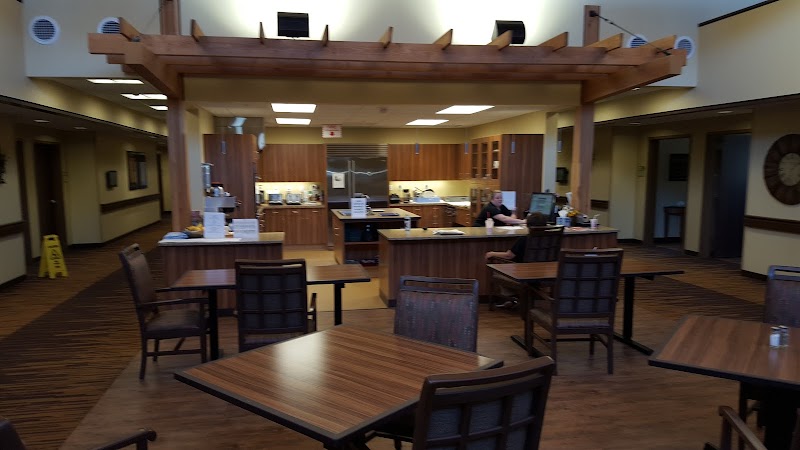
How Does Lebanon Veterans Home Compare to Other Oregon Nursing Homes?

Compared to the 100 nursing homes in Oregon, LEBANON VETERANS HOME's overall rating (3 stars) matches the state average, staff turnover (32%) is significantly lower than the state average of 46%, and health inspection rating (3 stars) is at the national benchmark.

What Should Families Ask When Visiting Lebanon Veterans Home?

Based on this facility's data, families visiting should ask: "Can I visit during a mealtime to observe dining assistance and food quality?" "How do you handle medical emergencies, and what is your hospital transfer rate?" "Can I speak with family members of current residents about their experience?"

Is Lebanon Veterans Home Safe?

Based on CMS inspection data, LEBANON VETERANS HOME has a clean safety record: no substantiated abuse findings (meaning no confirmed cases of resident harm), no Immediate Jeopardy citations (the most serious violation level indicating risk of serious injury or death), and is not on the Special Focus Facility watch list (a federal program monitoring the lowest-performing 1% of nursing homes). The facility has a 3-star overall rating and ranks #1 of 100 nursing homes in Oregon. While no facility is perfect, families should still ask about staff-to-resident ratios and recent inspection results during their visit.

Do Nurses at Lebanon Veterans Home Stick Around?

LEBANON VETERANS HOME has a staff turnover rate of 32%, which is about average for Oregon nursing homes (state average: 46%). Moderate turnover is common in nursing homes, but families should still ask about staff tenure and how the facility maintains care continuity when employees leave.

Was Lebanon Veterans Home Ever Fined?

LEBANON VETERANS HOME has no federal fines on record. CMS issues fines when nursing homes fail to meet care standards or don't correct problems found during inspections. The absence of fines suggests the facility has either maintained compliance or corrected any issues before penalties were assessed. This is a positive indicator, though families should still review recent inspection reports for the full picture.

Is Lebanon Veterans Home on Any Federal Watch List?

LEBANON VETERANS HOME is not on any federal watch list. The most significant is the Special Focus Facility (SFF) program, which identifies the bottom 1% of nursing homes nationally based on persistent, serious quality problems. Not being on this list means the facility has avoided the pattern of deficiencies that triggers enhanced federal oversight. This is a positive indicator, though families should still review the facility's inspection history directly.