EAST CASCADE RETIREMENT COMMUNITY
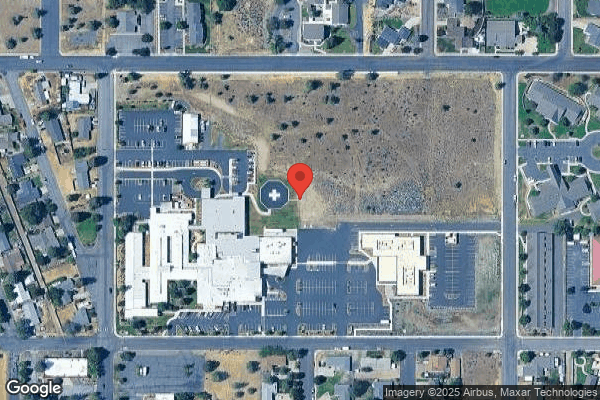
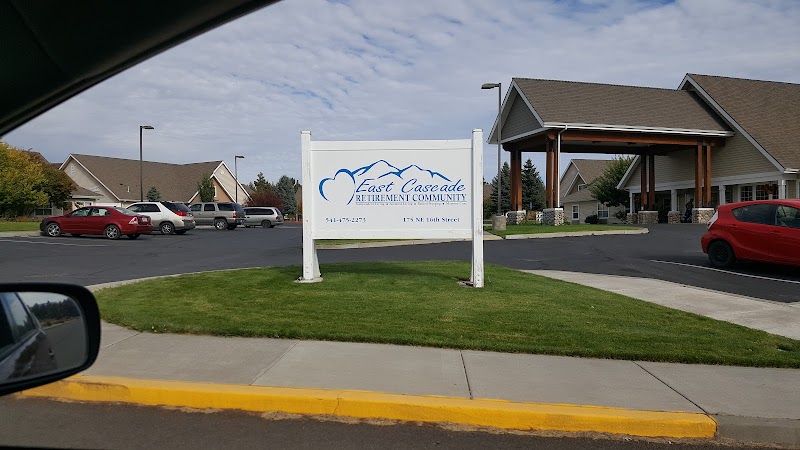
175 NE 16TH STREET, MADRAS, OR 97741 (541) 475-2273
For profit - Limited Liability company 20 Beds Independent Data: November 2025
Trust Grade
55/100
#9 of 127 in OR
Last Inspection: October 2024

Within standard 12-15 month inspection cycle. Federal law requires annual inspections.

Overview

East Cascade Retirement Community in Madras, Oregon has a Trust Grade of C, which means it is average and sits in the middle of the pack compared to other facilities. It ranks #9 out of 127 in Oregon, placing it in the top half, and is the only option in Jefferson County. The facility is improving overall, with issues decreasing from 14 in 2023 to just 3 in 2024. Staffing is a strength here, earning 5 out of 5 stars with a turnover rate of 54%, which is average but still indicates that staff members are familiar with the residents. However, the $74,127 in fines is concerning as it is higher than all other Oregon facilities, suggesting ongoing compliance issues. While the facility has strong RN coverage, exceeding 88% of state facilities, there have been serious incidents noted in inspections. For example, one resident experienced unmanageable pain that was not adequately addressed, leading to agitation. Additionally, two residents did not receive necessary pressure ulcer treatments, resulting in avoidable skin issues. There have also been failures to maintain acceptable nutritional standards, leading to severe weight loss for some residents. Overall, while there are commendable strengths, prospective families should weigh these serious concerns carefully.

Trust Score
C
55/100
In Oregon
#9/127
Top 7%
Safety Record
High Risk
Review needed
Inspections
Getting Better
14 → 3 violations
Staff Stability
⚠ Watch
54% turnover. Above average. Higher turnover means staff may not know residents' routines.
Penalties
✓ Good
$74,127 in fines. Lower than most Oregon facilities. Relatively clean record.
Skilled Nurses
✓ Good
Each resident gets 65 minutes of Registered Nurse (RN) attention daily — more than 97% of Oregon nursing homes. RNs are the most trained staff who catch health problems before they become serious.
Violations
⚠ Watch
37 deficiencies on record. Higher than average. Multiple issues found across inspections.
★★★★★
5.0
Overall Rating
★★★★★
5.0
Staff Levels
★★☆☆☆
2.0
Care Quality
★★★★☆
4.0
Inspection Score
Stable
2023: 14 issues
2024: 3 issues

The Good

  • 5-Star Staffing Rating · Excellent nurse staffing levels
  • Full Sprinkler Coverage · Fire safety systems throughout facility
  • No fines on record

Facility shows strength in staffing levels, fire safety.

The Bad

Staff Turnover: 54%

Near Oregon avg (46%)

Higher turnover may affect care consistency

Federal Fines: $74,127

Well above median ($33,413)

Moderate penalties - review what triggered them

The Ugly 37 deficiencies on record

3 actual harm
Oct 2024 2 deficiencies
CONCERN (E)

Potential for Harm - no one hurt, but risky conditions existed

Deficiency F0761 (Tag F0761)

Could have caused harm · This affected multiple residents

Based on observation, interview, and record review it was determined the facility failed to ensure medications and biologicals were secured and accessible only to authorized personnel for 1 of 2s medi...

Read full inspector narrative →
Based on observation, interview, and record review it was determined the facility failed to ensure medications and biologicals were secured and accessible only to authorized personnel for 1 of 2s medication cart observed for secure medication carts. This placed residents at risk for misappropriation of medications and adverse medication consequences. Findings include: The facility's Storage of Medication Policy revised 4/2007 stated, The Facility shall store all drugs and biologicals in a safe, secure, and orderly manner. 1. On 10/7/24 at 7:16 PM the medication cart near the nurses' station was unlocked and unattended by staff. On 10/7/24 at 7:18 PM Staff 9 (RN) confirmed the cart was left unlocked and unattended. On 10/9/24 at 10:07 AM Staff 2 (DNS) stated the medication cart was to be secured when unattended. 2. On 10/8/24 at 6:57 AM a bottle of Omeprazole (a stomach acid medication) was on the top of the medication cart near the nurses' station. The medication cart was unattended by staff. On 10/8/24 at 7:09 AM bubble-pack cards containing medications for Resident 6 were left on top of the facility medication cart located near the nurses' station. The medications were unattended by staff. On 10/8/24 at 7:18 AM Staff 3 (RN) confirmed the medications were not secured and were unattended by staff. On 10/9/24 at 10:07 AM Staff 2 (DNS) stated the medication cart was to be secured when unattended. 3. On 10/9/24 at 7:33 AM the medication cart near the nurses' station was unlocked and unattended by staff. On 10/9/24 at 7:35 AM Staff 8 (RN) confirmed the cart was unlocked and unattended by staff. On 10/9/24 at 10:07 AM Staff 2 (DNS) stated the medication cart was to be secured when unattended.
CONCERN (F)

Potential for Harm - no one hurt, but risky conditions existed

Food Safety (Tag F0812)

Could have caused harm · This affected most or all residents

Based on interview and record review it was determined the facility failed to monitor and maintain refrigerator and dishwasher temperatures for 1 of 1 kitchen reviewed for sanitary conditions. This pl...

Read full inspector narrative →
Based on interview and record review it was determined the facility failed to monitor and maintain refrigerator and dishwasher temperatures for 1 of 1 kitchen reviewed for sanitary conditions. This placed residents at risk for food borne illnesses. Findings include: Review of the facility's kitchen Equipment Temp Log on 10/8/24 for the refrigerator, freezer, dishwasher and dish rinse revealed the following: - The log included entries from 9/17/24 through 9/30/24. There was no record of temperatures taken prior to 9/17/24. - The log included entries from 10/1/24 through 10/4/24. On 10/5/24 the refrigerator and freezer temperature was documented but the dishwasher temperature was not documented. There were no documented temperatures after 10/5/24. On 10/8/24 at 8:18 AM Staff 7 (Dietary Manager) acknowledged the temperature logs were incomplete and not up to date.
Jul 2024 1 deficiency
CONCERN (D) 📢 Someone Reported This

A family member, employee, or ombudsman was alarmed enough to file a formal complaint

Potential for Harm - no one hurt, but risky conditions existed

Pressure Ulcer Prevention (Tag F0686)

Could have caused harm · This affected 1 resident

**NOTE- TERMS IN BRACKETS HAVE BEEN EDITED TO PROTECT CONFIDENTIALITY** Based on interview and record review it was determined the facility failed to notify a physician and obtain orders for a worseni...

Read full inspector narrative →
**NOTE- TERMS IN BRACKETS HAVE BEEN EDITED TO PROTECT CONFIDENTIALITY** Based on interview and record review it was determined the facility failed to notify a physician and obtain orders for a worsening pressure ulcer for 1 of 3 sampled residents (#6) reviewed for pressure ulcers. This placed resident at risk for worsening wounds. Findings include: Resident 6 was admitted to the facility in 12/2023 with diagnoses including dementia and peripheral vascular disease. A 12/30/23 admission Skin Observation Tool assessment revealed Resident 6 had a right heel Stage 1 (intact skin with non-blanchable redness) pressure ulcer which measured 0.1 cm x 0.1 cm. The resident's skin was warm, dry, and intact. Both heels were dry and scaly. A care plan initiated 1/2/24 revealed Resident 6 required one-person extensive assistance with repositioning in bed every two hours. The care plan had no information regarding Resident 6's risk of pressure ulcers or any interventions to address pressure ulcer risk. The admission MDS dated [DATE], with a review date of 1/6/24, revealed Resident 6 had severe cognitive impairment and was at risk for pressure ulcers. A 1/11/24 physician order directed staff to cleanse the right heel with wound cleanser, paint with betadine, and cover with a silicone dressing every night shift for wound care. A review of the TARs from 1/11/24 through 2/5/24 revealed staff provided wound treatments as ordered. A 2/1/24 Weekly Wound Observation revealed Resident 6 admitted with a Stage 1 pressure ulcer to the right heel. The wound measured 2.0 cm x 3.0 cm x 0.1 cm. The wound had maceration (breaking down of the skin) on the immediate perimeter, and was red and boggy but blanchable outside the maceration. The wound worsened since admission with offloading using a pillow to float the heel. Staff were to place a wedge to elevate the heels and special boots were en route. A report was sent to the physician, Staff 4 (Medical Director), and the family was notified. A 2/6/24 physician order directed staff to cleanse the right heel with wound cleanser, fill the open area with Medi honey (aids and supports debridement), cover with Hydrofera (topical adhesive) blue, apply u-shaped foam around the perimeter, and cover with a 5 x 5 foam dressing. Staff were to wrap with Kerlex (dressing) and Coban (wrap) for light compression. Staff were to change the dressing when three-quarters of the dressing showed drainage and as needed for soiling. A review of the TAR from 2/6/24 through 2/19/24 revealed staff provided wound treatments as ordered. A 2/7/24 Weekly Wound Observation revealed Resident 6's right heel worsened to a Stage 3 (full thickness tissue loss) pressure ulcer. The wound measured 3.5 cm x 4.5 cm x 0.1 cm and indicated, Suspected cellulitis [bacterial] infection with increased heat, redness, shiny appearance and painful to touch. Closed DTI [deep tissue injury] open with fluid filled pockets that drained down to heel. Those had been debrided [removal of dead tissue] and painted with iodine. Staff were to place a wedge to elevate the heels, utilize special boots and open heel foam to prevent pressure. Staff faxed a report of the heel to Staff 4 and notified family. A 2/8/24 Physician Visit note, by Staff 4, revealed Resident 6 had a Stage 2 (partial thickness loss of dermis) pressure ulcer over the entire heel, with edema, bruising, and erythema (reddening of the skin) up to the mid-shin. A referral to the wound clinic was initiated. There were concerns of cellulitis to the bilateral lower extremities and antibiotics were initiated for 10 days to treat the cellulitis. A facility 2/14/24 Weekly Wound Observation revealed Resident 6's right heel worsened to an Unstageable (full thickness tissue loss) pressure ulcer, with 100% necrotic (dead) tissue, without drainage or odor. The wound measured 4.5 cm x 5.0 cm. Inflammation was present and treated with antibiotics for cellulitis. There was maceration around the wound with boggy, blanchable skin outside of the macerated area. The wound was debrided with wound cleanser and gauze to remove non-viable skin, from the foot and leg. A report of the heel was sent to Staff 4 and family was notified. Progress Notes revealed the following information regarding the right heel pressure ulcer: -2/11/24 The right heel had a large blister which extended from the pressure ulcer to the top of the foot. When changing the dressing, one section of the blister was open with drainage proximal to the open area on the medial foot. The dressing was fitted to cover the whole area with Medi honey. The heels were floated in bed to alleviate pressure off the heels. -2/16/24 The large blister that extended from the pressure ulcer to the top of the foot was all open with mostly dry drainage on the dressing. The open areas were mostly dark red and drying. -2/17/24 The large blister on top of the foot had yellow drainage on the dressing. It was turning dark and drying except for a new moist edge that was red. -2/18/24 The large blister on the top of the foot had yellow drainage on the dressing. It was turning dark like necrotic (dead) tissue, except for a moist edge which was red at the top of the foot. A review of Resident 6's medical record from 2/9/24 through 2/18/24 (ten days) revealed no indication that staff communicated or notified Staff 4 of Resident 6's worsening wound. On 2/19/24 (11 days after the resident's wound was last seen by a physician), Resident 6 was sent to the hospital regarding the worsening wound. On 2/22/24 Resident 6 returned from the hospital on hospice services with diagnoses including atherosclerosis (build-up or blockage), venous (improper functioning of the vein valves in the leg) of the lower extremity, and dry gangrene (when the blood supply to the tissue is cut off). On 7/8/24 at 11:30 AM Witness 17 (Complainant) and at 11:35 AM Witness 18 (Complainant) stated Resident 6's right heel wound was not addressed timely, and the resident was sent to the hospital due to her/his worsening wound. Interviews on 7/9/24 revealed the following: -9:51 AM Staff 5 (Former LPN) stated Resident 6 had a pressure ulcer to her/his right heel and she recalled a huge blister on the top of her/his foot. The wound on the right heel and leg progressed quickly, and the resident was sent to the hospital for further evaluation. Staff 5 stated the resident was not painful and she recalled offloading the resident's heels with pillows but did not recall utilizing the wedge or boot protectors. -6:47 PM Staff 6 (Former LPN) stated Resident 6's heels were boggy and got dark quickly. Staff 6 stated she attempted to float the resident's heels as she/he allowed. She did not recall any other interventions for the resident's wound to the heel. -9:27 PM Staff 8 (RN) stated she did not provide wound treatment to Resident 6's right heel but recalled offloading the heels as the resident allowed. The resident had pillows but she did not recall any boot protectors or a wedge. On 7/10/24 at 4:00 PM and 7/11/24 at 9:45 AM Staff 2 (DNS) stated she completed weekly wound observations but was unaware of the new blister on the top of Resident 6's foot. Staff 2 stated she expected staff to notify the physician or her regarding Resident 6's worsening wound. Staff 2 acknowledged the care plan had no information or interventions regarding Resident 6's risk for pressure ulcers. Staff 2 stated Resident 6 was supposed to go to the wound clinic on 2/19/24 but went to the hospital due to the wound worsening. On 7/11/24 at 8:59 AM Staff 13 (Former LPN) stated she recalled Resident 6's right heel wound and the large blister that appeared on top of the resident's foot, which progressed quickly. Staff 13 stated she reported her concerns numerous times to the charge nurse but did not inform Staff 4 or Staff 2 regarding the worsening of the wound because she worked night shift. Staff 13 stated the resident did not report pain and allowed her to provide treatments to the area. On 7/11/24 at 9:00 AM Staff 4 stated she saw Resident 6 on 2/8/24 due to concerns with her/his wound to the right heel and possible cellulitis. Staff 4 stated the resident had edema since admission, her/his right ankle had bruising, erythema and was a Stage 2 pressure ulcer. Staff 4 stated the resident had good capillary refill with no acute ischemia and was started on an antibiotic. Staff 4 further stated she had no correspondence related to the resident's worsening wound to the right heel and staff should have informed her of the worsening wound.
Jun 2023 14 deficiencies 1 Harm
SERIOUS (G) 📢 Someone Reported This

A family member, employee, or ombudsman was alarmed enough to file a formal complaint

Actual Harm - a resident was hurt due to facility failures

Deficiency F0697 (Tag F0697)

A resident was harmed · This affected 1 resident

Based on interview and record review it was determined the facility failed to ensure a resident's ordered pain medication was available and effectively managed resident's severe pain for 1 of 1 sample...

Read full inspector narrative →
Based on interview and record review it was determined the facility failed to ensure a resident's ordered pain medication was available and effectively managed resident's severe pain for 1 of 1 sampled resident (#18) reviewed for pain management. This resulted in Resident 18 having unrelieved, unmanageable pain and treatment at the hospital Emergency Department. Findings include: Resident 18 admitted to the facility in 4/2023 with diagnoses including chronic pain and osteoarthritis. A 5/10/23 Behavioral Symptoms and Pain CAA revealed Resident 18 had episodes of cursing, yelling and became agitated at staff notably when she/he had extreme pain while pending hip surgery. When Resident 18's pain was managed she/he was in a pleasant mood. A message was sent to the IDT (Interdisciplinary Team) and requested a follow up with the physician for pain management improvement. A 5/13/23 physician order directed staff to administer oxycodone-acetaminophen 5-325 mg one tablet by mouth every four hours for chronic pain. A review of Resident 18's Weights and Vital Report from 6/12/23 through 6/15/23 revealed her/his pain ranged anywhere from three to a six out of 10 on a pain scale. A review of the 6/17/23 and 6/18/23 Weight and Vital report revealed the following: -On 6/17/23 Resident 18's pain level was 10 out of 10 at 7:49 PM -On 6/18/23 Resident 18's pain level was 10 out of 10 at 6:54 AM and 2:36 PM. A 6/18/23 Medication Error Report revealed on 6/17/23 Resident 18 had enough of her/his oxycodone 5-325 mg to administer at 12:00 AM on [6/18/23]. The pharmacy indicated the medication was about to run out and requested a new prescription from the provider, since they had not received the prescription they could not give a code to retrieve the medication from the Cubex (dispenses medications). Resident 18 was very painful and distraught when informed she/he took her/his last dose until a prescription could be sent to the pharmacy. It was Sunday and clinics were not open. Resident 18 rated her/his pain 10 out of 10 on a pain scale and complained of increased pain. The 6/18/23 MAR revealed Resident 18's pain level was 10 out of 10 at 12:00 AM when she/he received the last dose of her/his oxycodone. Resident 18 did not receive her/his 4:00 AM dose. A 6/18/23 Emergency Hospital Discharge Summary revealed Resident 18 was in the emergency department because the facility ran out of her/his usual pain medications and missed two doses after which her/his chronic pain increased. On exam Resident 18 moved all four extremities spontaneously, though very painful with passive range of motion of the bilateral hips. Resident 18 was treated with intramuscular fentanyl and oral oxycodone with significant improvement in her/his pain. On 6/26/23 at 2:14 PM Resident 18 stated she/he had chronic hip pain and missed dosages of her/his pain medications on 6/18/23 and was in terrible pain because the facility ran out of pain medication. Resident 18 stated she/he went to the emergency department because of her/his increased chronic pain. On 6/28/23 at 11:41 AM Staff 13 (RN) stated Resident 18 struggled with pain and discomfort and on 6/18/23 the resident missed one dose because staff was unable to refill her/his prescription. Staff 13 stated Resident 18's physician did not respond to refills or pain medication requests. Staff 13 stated they only received 14 days worth of narcotics at a time for residents and were expected to request pain medication when there were only five days remaining. On 6/29/23 at 9:52 AM Staff 12 (RN) stated she was present on 6/18/23 when the resident was crying and in pain. Staff 12 stated Resident 18 had horrible pain in her/his right hip and was waiting for a hip replacement. Staff 12 stated her/his pain medication ran out and staff were unable to fill the prescription Resident 18 went to the emergency department to address her/his pain. Staff 12 stated it was difficult at times to get prescriptions refilled because either Resident 18's physician did not respond or there were delays with the pharmacy. On 6/29/23 at 11:41 AM Staff 11 (CNA) stated Resident 18 struggled with extreme pain and receiving the regular scheduled pain medications every four hours helped her/him tremendously. On 6/29/23 at 12:55 PM Staff 14 (NA) stated Resident 18 struggled with chronic pain but if her/his pain medications were late she/he struggled with increased pain, was moody and more agitated. Staff 14 stated her/his pain was more controlled with pain medications being administered on her/his regular scheduled times. On 6/29/23 at 1:17 PM Staff 2 (DNS) stated she was aware of the missed dose on 6/18/23 and faxed Resident 18's outside provider/physician multiple times with no response. Staff 2 stated Resident 18 went to the emergency department for the missed dose on 6/18/23 and her/his oxycodone order was changed from a scheduled pain medication to a PRN upon her/his return from the hospital. Staff 2 acknowledged pain medications were not in place appropriately for Resident 18 and the resident struggled with her/his pain. On 6/30/23 at 9:39 AM Staff 1 (Administrator), Staff 2 (DNS) and Staff 4 (Regional Director of Operations) acknowledged pain medications were not ordered appropriately for Resident 18 and the facility struggled with communication to ensure Resident 18's physician responded appropriately to pain medication requests.
CONCERN (D) 📢 Someone Reported This

A family member, employee, or ombudsman was alarmed enough to file a formal complaint

Potential for Harm - no one hurt, but risky conditions existed

Safe Environment (Tag F0584)

Could have caused harm · This affected 1 resident

Based on observation and interview it was determined the facility failed to ensure resident equipment was maintained and sanitary for 2 of 3 sampled residents (#s 1, and 16) and flooring was safe in t...

Read full inspector narrative →
Based on observation and interview it was determined the facility failed to ensure resident equipment was maintained and sanitary for 2 of 3 sampled residents (#s 1, and 16) and flooring was safe in the living room reviewed for environment. This placed residents at risk for injury and unhomelike environment. Findings include: 1. On 6/26/23 at 1:06 PM Resident 16's wheelchair was observed to have a large amount of dry crusted food debris on the base of the wheelchair. On 6/29/23 at 3:37 PM Staff 2 (DNS) observed Resident 16's wheelchair and acknowledged it had dry crusted food debris at the base of the wheelchair. Resident 16 stated staff generally did not have time to clean it. Staff 2 stated night shift staff were to clean the wheelchairs. 2. On 6/26/23 at 2:06 PM Resident 1's wheelchair was observed to have dry crusted food on the base of the wheelchair. Resident 1 stated staff did not clean her/his wheelchair. On 6/29/23 at 3:36 PM Staff 2 (DNS) observed Resident 1's wheelchair and acknowledged it had dry crusted food debris at the base of the wheelchair. Staff 2 stated night shift staff were to clean the wheelchairs. 3. On 6/28/23 at 10:20 AM Resident 13 was observed seated in a wheelchair in the living room area, under Resident 13 was approximately a two-inch hole in the concrete flooring. On 6/28/23 at 12:52 PM Staff 21 (Maintenance Director) confirmed there was a large hole in the concrete flooring in the living room area in need of repair.
CONCERN (D) 📢 Someone Reported This

A family member, employee, or ombudsman was alarmed enough to file a formal complaint

Potential for Harm - no one hurt, but risky conditions existed

ADL Care (Tag F0677)

Could have caused harm · This affected 1 resident

2. Resident 8 admitted to the facility in 2022 with diagnoses including respiratory failure. A 1/11/23 Care Plan indicated Resident 8 recieved hospice services, was dependent on staff to provide weekl...

Read full inspector narrative →
2. Resident 8 admitted to the facility in 2022 with diagnoses including respiratory failure. A 1/11/23 Care Plan indicated Resident 8 recieved hospice services, was dependent on staff to provide weekly and as necessary bathing and shower care. A review of the facility 30-day shower log indicated Resident 8 did not receive a shower in the past 30 days. A review of Resident 8's clinical record revealed she/he was not provided nail care from facility staff. A review of the hospice notes revealed from 5/5/23 to 6/23/23 Resident 8 received seven showers and one nail care by the hospice CNA. On 6/26/23 at 1:17 PM Resident 8 stated she/he had long, thick toenails that needed to be cut and was not sure when her/his last shower or bed bath was completed. On 6/27/23 at 1:51 PM Staff 22 (CNA) stated she had not given Resident 8 a shower, bed bath or provide any nail care. Staff 22 stated she believed hospice was responsible for showers and nail care and hospice was in one or two times a week. On 6/28/23 at 9:19 AM Staff 23 (CNA) stated hospice was responsible for Resident 8's showers and nail care. On 6/28/23 at 12:12 PM Staff 19 (Hospice RN) stated hospice was not primarily responsible for providing all showers or nail care but was an additional support for ADL care. On 6/28/23 at 12:53 PM Staff 2 (DNS) stated hospice provided Resident 8's bed baths and CNAs at the facility were only responsible to provide a bed bath or shower PRN. On 6/30/23 at 10:17 AM Staff 1 (Administrator) and Staff 4 (Regional Director of Operations) stated staff were expected to provide showers or a bed bath two times a week and showers were not just provided by hospice. Staff 1 and Staff 4 acknowledged Resident 3's nail care and showers were not provided appropriately. Based on observation, interview and record review it was determined the facility failed to provide care and services to maintain good grooming and nail care for 2 of 5 sampled residents (#s 3 and 8) reviewed for ADLs and hospice. This placed residents at risk for lack of grooming and hygiene. Findings included: 1. Resident 3 admitted to the facility in 3/2023 with diagnoses including chronic heart failure. A 4/4/23 Care Plan indicated Resident 3 was to have diabetic nail care by the night shift nursing staff and nails trimmed weekly. Resident 3 had an ADL care deficit related to stroke, was on hospice, required one or two staff for bathing and referred to the ADL care CNA task for bathing. The 5/2023 and 6/2023 TARs indicated weekly checks and nail care were completed by nursing staff. Resident 3 refused nail care on 5/17/23 and 5/31/23. The ADL care CNA task for bathing had no information regarding if Resident 3 was scheduled or received any type of bathing. A review of hospice notes revealed from 5/8/23 through 6/27/23 Resident 3 only received four bed baths by the hospice CNA aide. Random observations from 6/26/23 through 6/28/23 revealed Resident 3 was in bed, hair unkempt and her/his right hand rested on top of her/his blanket. Resident 3's nails were thick, yellowish and beyond her/his nail bed. On 6/26/23 at 12:28 PM Resident 3 indicated staff were supposed to trim her/his nails and provide a bed bath or shower. On 6/27/23 at 2:20 PM Staff 14 (NA) stated Resident 3 was on hospice and she/he stayed in bed most of the time. Staff 14 stated she thought hospice was responsible for bathing and trimming Resident 3's nails. On 6/28/23 at 9:06 AM Staff 15 (CNA) entered the room and confirmed Resident 3's nails were long, yellowish and her/his hair was unkempt. Staff 15 stated Resident 3 was on hospice and hospice was responsible for showers and nail care. Staff 15 stated they provided showers or bed baths only PRN. On 6/28/23 at 12:00 PM Staff 19 (Hospice Nurse) stated the facility was responsible for nail care and showering the resident. Staff 19 stated hospice provided a bed bath for Resident 3 once a week. On 6/28/23 at 12:53 PM Staff 2 (DNS) stated hospice provided Resident 3's bed baths and CNAs at the facility were only responsible to provide a bed bath or shower PRN. Staff 2 acknowledged Resident 3's nails were long, thick and had a nail fungus and staff were expected to address her/his nail care and request an anti-fungal cream to address her/his nail fungus. On 6/30/23 at 10:17 AM Staff 1 (Administrator) and Staff 4 (Regional Director of Operations) stated staff were expected to provide showers or a bed bath two times a week and showers were not just provided by hospice. Staff 1 and Staff 4 acknowledged Resident 3's nail care and showers were not provided appropriately.
CONCERN (D) 📢 Someone Reported This

A family member, employee, or ombudsman was alarmed enough to file a formal complaint

Potential for Harm - no one hurt, but risky conditions existed

Quality of Care (Tag F0684)

Could have caused harm · This affected 1 resident

**NOTE- TERMS IN BRACKETS HAVE BEEN EDITED TO PROTECT CONFIDENTIALITY** 2. Resident 23 admitted to the facility in 2022 with diagnoses including diabetes and dialysis (removing excess water solutes an...

Read full inspector narrative →
**NOTE- TERMS IN BRACKETS HAVE BEEN EDITED TO PROTECT CONFIDENTIALITY** 2. Resident 23 admitted to the facility in 2022 with diagnoses including diabetes and dialysis (removing excess water solutes and toxins from the blood when the kidneys no longer perform). A 8/15/22 Care plan indicated Resident 23 was to be provided and administered medications as ordered. A review of Resident 23's MARs for 8/2022 and 9/2022 revealed the following: 8/2022 MARs: -20 times nephrocaps (treats vitamin deficiency), lokelam (treats high levels of potassium), culturelle (a probiotic), norvasc (a calcium channel blocker) medications were not administered due to waiting on the medication from pharmacy or Resident 23 was out of the facility or was noted as don't have. 9/2022 MARs: -13 times nephrocaps, lokelam, culturelle, norvasc medications were not administered due to waiting on the medication from the pharmacy. -21 times Resident 23 was noted as being out of the facility. -Eight times calcium acetate (phosphate binder) was not administered due to waiting on the pharmacy or unsure if medication was given or Resident 23 was at dialysis. On 6/26/23 at 2:51 PM Witness 6 (Complainant) stated there was an ongoing concern with Resident 23's not getting medications timely or at all. On 6/28/23 at 1:47 PM Staff 3 (LPN/Unit Manager) stated she did not recall specifics regarding Resident 23's medication administration during 8/2022 and 9/2022 but the facility struggled to receive medication requests back from the pharmacy and physicians timely. On 6/30/23 at 9:27 AM Staff 1 (Administrator), Staff 2 (DNS) and Staff 4 (Regional Director of Operations) acknowledged Resident 23 was not administered her/his medications per physician orders and staff were expected to follow up if medications were unavailable. 3. Resident 12 admitted to the facility in 7/2021 with diagnoses including diabetes. A physician order dated 6/17/23 directed staff to obtain Resident 12's CBG one time a day in the AM. A review of the 6/2023 MARs and TARs revealed from 6/18/23 through 6/30/23 (13 days) no CBGs were obtained for Resident 12. On 6/29/23 at 1:29 PM Staff 2 (DNS) stated she expected staff to update and implement physician orders. Staff 2 acknowledged staff were not monitoring CBGs appropriately for Resident 12's CBGs. Based on interview and record review it was determined the facility failed to ensure physician orders were followed and implemented for 3 of 5 sampled residents (#s 4, 12 and 23) reviewed for medications. This placed residents at risk for adverse side effects of medications. Findings include: 1. Resident 4 admitted to the facility on [DATE] with diagnoses including osteoporosis. a. The admission order dated 4/26/23 indicated Resident 4 was to receive alendronate (medication used to treat osteoporosis) 35 mg once weekly. Progress notes and 5/2023 MARs indicated alendronate was not administered as ordered on the following dates: -5/7/23 -5/14/23 -5/21/23 -5/28/23 The 6/2/23 Medication Report indicated Resident 4 missed four doses of alendronate. On 6/28/23 at 11:15 AM Staff 13 (RN) stated Resident 4 missed four weekly doses of alendronate due to a miscommunication and the nurse did not follow through with ordering medications. On 6/29/23 at 1:17 PM Staff 2 (DNS) acknowledged Resident 4 missed alendronate on the identified dates. b. The 5/2023 MAR indicated Resident 4 did not receive levothyroxine (thryroid medication) on the following dates: -5/4/23 -5/10/23 -5/23/23 On 6/29/23 at 1:17 PM Staff 2 (DNS) acknowledged Resident 4 missed levothyroxine on the identified dates.
CONCERN (D) 📢 Someone Reported This

A family member, employee, or ombudsman was alarmed enough to file a formal complaint

Potential for Harm - no one hurt, but risky conditions existed

Deficiency F0691 (Tag F0691)

Could have caused harm · This affected 1 resident

Based on interview and record review it was determined the facility failed to ensure physician orders were followed and implemented for 1 of 1 sampled resident (#21) reviewed for ostomy care. This pla...

Read full inspector narrative →
Based on interview and record review it was determined the facility failed to ensure physician orders were followed and implemented for 1 of 1 sampled resident (#21) reviewed for ostomy care. This placed residents at risk for skin breakdown. Findings include: Resident 21 readmitted to the facility in 1/2023 with diagnoses including malnutrition. The 3/1/23 physician order indicated the following: -Ileoostomy (a procedure in which part of the small bowel, is brought through the abdominal wall via a surgically-created opening called a stoma. The purpose of an ileostomy is to evacuate stool from the body via the ileum) care: change bag in the evening every three days and PRN leaking; -Cleanse skin with water only and allow to completely dry. The 3/17/23 8:14 PM Administration Note indicated there were no supplies to do proper change of the ostomy bag. The 3/18/23 at 8:20 PM Administration Note indicated proper supplies not available, replaced with similar situation. The 3/18/23 9:04 PM Administration Note indicated 0 supplies available that would work, had been changed 3 times in 3 hours. Sent to emergency room for ileostomy change. The 3/18/23 at 11:19 PM Progress Note indicated Resident 21 returned from the emergency room with a regular ostomy bag intact. On 6/28/23 at 11:05 AM Staff 13 (RN) stated Resident 21 had a specific ostomy that required specific supplies. Staff 13 stated the facility did not have the ordered ostomy care supplies and staff had to use the regular supplies that were on hand which resulted in the ostomy site leaking and caused skin issues. On 6/28/23 at 11:30 AM Witness 7 (Wound/Ostomy RN) stated the ostomy and wound clinic sent supplies and specific instructions for ostomy care. Witness 7 stated Resident 21 was seen three times weekly at the wound/ostomy clinic. Witness 7 further stated on multiple occasions Resident 21 arrived at the clinic with incorrect ostomy supplies and/or incorrectly applied supplies resulting in leaking around the ostomy site. Witness 7 stated the ostomy care instructions were often not followed. On 6/28/23 at 12:10 PM Staff 20 (RN) stated a lot of times the facility did not have the correct ostomy supplies for Resident 21 and the ostomy site leaked. Staff 20 stated the facility had regular ostomy supplies that had to be used since the ordered supplies were not available. Staff 20 further stated she had to send the resident to the emergency room because the facility did not have the proper supplies for the ostomy. On 6/29/23 at 1:24 PM Staff 2 (DNS) acknowledged the facility often did not have the ordered ostomy supplies for Resident 21.
CONCERN (D) 📢 Someone Reported This

A family member, employee, or ombudsman was alarmed enough to file a formal complaint

Potential for Harm - no one hurt, but risky conditions existed

Respiratory Care (Tag F0695)

Could have caused harm · This affected 1 resident

Based on observation, interview and record review it was determined the facility failed to ensure resident respiratory orders were accurate and equipment was maintained for 1 of 1 sampled resident (#3...

Read full inspector narrative →
Based on observation, interview and record review it was determined the facility failed to ensure resident respiratory orders were accurate and equipment was maintained for 1 of 1 sampled resident (#3) reviewed for respiratory care. This placed residents at risk for respiratory issues. Findings include: Resident 3 admitted to the facility in 3/2023 with diagnoses including chronic heart failure. Random observations from 6/26/23 through 6/28/23 revealed Resident 3 utilized oxygen and wore a nasal cannula. The concentrator had two gray filters on the sides of the concentrator and had a white dusting/particle build-up on the outsides of the filter and dust particles were on the front of the concentrator. No documentation was found in the clinical records indicating Resident 3's oxygen concentrator machine and filters were cleaned on a regular basis. On 6/27/23 at 2:20 PM Staff 14 (NA) stated Resident 3 was on hospice, utilized oxygen and she/he stayed in bed most of the time. Staff 14 stated she thought the CNAs were responsible for cleaning the oxygen concentrator. On 6/28/23 at 9:06 AM Staff 15 (CNA) entered the room and confirmed the oxygen concentrator was not clean; both filters were dusty with particles and dust was visible on the top of the oxygen concentrator. Staff 15 stated Resident 3 was on hospice, utilized oxygen and wore her/his nasal cannula in bed all the time. Staff 3 stated she thought hospice was responsible for cleaning the oxygen concentrator. On 6/28/23 at 11:52 AM Staff 13 (RN) stated Resident 3 received hospice care and her/his oxygen concentrator cleaning was provided by hospice. On 6/28/23 at 12:00 PM Staff 19 (Hospice Nurse) stated the facility was responsible for cleaning the oxygen concentrator. On 6/28/23 at 12:53 PM Staff 2 (DNS) stated facility staff were responsible for cleaning the oxygen concentrator. Staff 2 verified there was no evidence in the clinical record to ensure Resident 3's oxygen concentrator was cleaned regularly. b. A 5/6/23 hospice order directed staff to administer oxygen at two liters per minute. The order did not indicate if Resident 3 was to wear the oxygen continuously or PRN. No documentation was found in the clinical records indicating if Resident 3's oxygen was worn continuously or PRN. Random observations from 6/26/23 through 6/28/23 revealed Resident 3 utilized oxygen and wore a nasal cannula. The oxygen concentrator was set at two liters per minute. On 6/27/23 at 2:20 PM Staff 14 (NA) stated Resident 3 was on hospice, utilized oxygen and the concentrator was used 24 hours a day seven days a week. Staff 14 stated she was not sure if Resident 3 was to use oxygen all the time. On 6/28/23 at 11:52 AM Staff 13 (RN) stated Resident 3 received hospice care and utilized oxygen at all times but was not sure how many liters per minute Resident 3 received. On 6/28/23 at 12:00 PM Staff 19 (Hospice Nurse) stated Resident 3 utilized oxygen but could not recall if she/he had continuous or PRN use only. On 6/28/23 at 7:06 PM Staff 4 (Regional Director of Operations) reviewed and acknowledged the orders were not clarified or accurate regarding the use of Resident 3's oxygen and facility staff were expected to clarify oxygen orders if there were discrepancies.
CONCERN (D) 📢 Someone Reported This

A family member, employee, or ombudsman was alarmed enough to file a formal complaint

Potential for Harm - no one hurt, but risky conditions existed

Staffing Information (Tag F0732)

Could have caused harm · This affected 1 resident

Based on interview and record review it was determined the facility failed to ensure accurate staffing information was posted for 7 of 30 days reviewed for staffing reports. This placed residents and ...

Read full inspector narrative →
Based on interview and record review it was determined the facility failed to ensure accurate staffing information was posted for 7 of 30 days reviewed for staffing reports. This placed residents and the public at risk for lack of staffing information. Findings include: a. The Direct Care Daily Staff Reports indicated the following dates when two different forms were completed for the same date and signed by different staff. There were discrepancies between the two forms regarding the number of staff worked on the following dates: -9/2/22 -9/3/22 -9/6/22 -9/7/22 b. The Direct Care Daily Staff Reports were missing information on the following dates: -9/9/22 no census was noted for night shift. -9/11/22 no census was noted for evening or night shift. -9/18/22 no census was noted for night shift. On 6/28/23 at 2:37 PM Staff 1 (Administrator) and Staff 4 (Regional Director of Operations) confirmed the identified Direct Care Daily Staff Reports discrepancies and acknowledged the incomplete forms.
CONCERN (D) 📢 Someone Reported This

A family member, employee, or ombudsman was alarmed enough to file a formal complaint

Potential for Harm - no one hurt, but risky conditions existed

Drug Regimen Review (Tag F0756)

Could have caused harm · This affected 1 resident

2. Resident 15 admitted to the facility in 2021 with diagnoses including anxiety and depressive disorder. a. The 1/24/23 pharmacy recommendation indicated the following: -Resident 15 was taking trazod...

Read full inspector narrative →
2. Resident 15 admitted to the facility in 2021 with diagnoses including anxiety and depressive disorder. a. The 1/24/23 pharmacy recommendation indicated the following: -Resident 15 was taking trazodone routinely for insomnia and was due for a gradual dose reduction (GDR) assessment. On 2/10/23 Resident 15's provider signed the pharmacy recommendation and wrote will discuss with patient at an upcoming appointment. A physician visit dated 5/9/23 revealed no mention of a reduction or GDR for trazodone. A review of the 2/2023 to 6/2023 MAR and the clinical record revealed no changes to the trazodone dosage. On 6/28/23 at 3:02 PM Staff 2 (DNS) confirmed the facility did not act upon the pharmacist recommendation timely. b. The 5/22/23 pharmacy recommendation indicated the following: -Resident 15 received several psychotropic agents since October 2022, buspirone 5 mg daily for anxiety and depression and duloxetine 60 mg for depression and was due for a GDR assessment. On 6/28/23 the clinical record was reviewed and there was no indication a response was received from the physician. On 6/28/23 at 3:02 PM Staff 2 (DNS) confirmed the facility did not act upon the pharmacist recommendation timely. Based on interview and record review it was determined the facility failed to ensure pharmacy recommendations were addressed by the physician for 2 of 5 sampled residents (#s 5 and 15) reviewed for medications. This placed residents at risk for medication complications. Findings include: 1. Resident 5 admitted to the facility in 2/2022 with diagnoses including anxiety and depression. The 3/28/23 pharmacy recommendation indicated the following: -Resident 5 had an order for diclofenac (topical pain cream) with no specific dose, and stated, Please clarify the amount of grams are to be applied to the affected areas or joint. For the upper extremities it should be two grams per area and lower extremities four grams per area with a maximum of 32 grams per day. Please clarify and update the MAR. The pharmacy recommendation regarding the diclofenac was not signed or updated until 4/26/23. On 6/29/23 at 1:29 PM Staff 2 (DNS) confirmed the facility did not act upon the pharmacist recommendation timely.
CONCERN (D) 📢 Someone Reported This

A family member, employee, or ombudsman was alarmed enough to file a formal complaint

Potential for Harm - no one hurt, but risky conditions existed

Medication Errors (Tag F0758)

Could have caused harm · This affected 1 resident

Based on interview and record review it was determined the facility failed to provide adequate behavior monitoring for 1 of 5 sampled residents (#5) reviewed for medications. This placed residents at ...

Read full inspector narrative →
Based on interview and record review it was determined the facility failed to provide adequate behavior monitoring for 1 of 5 sampled residents (#5) reviewed for medications. This placed residents at risk for increased behaviors and adverse side effects. Findings include: 1. Resident 5 admitted to the facility in 2/2022 with diagnoses including anxiety and depression. A 3/12/22 Care Plan indicated Resident 5 received buspirone (antianxiety) medication related to the diagnosis of anxiety disorder. Interventions included to monitor side effects and effectiveness of the medication. A revision dated 9/3/22 indicated staff were to monitor/record occurrence of target behavior symptoms (pacing, wandering, disrobing, inappropriate response to verbal communication, violence/aggression towards staff/other.) and document per facility protocol. Resident 5 was resistive to care and staff were to negotiate a time to lay her/him down and if Resident 5 resisted to return within five to 10 minutes. A review of progress notes and behavior monitoring from 4/29/23 through 6/27/23 revealed multiple behaviors including: -Accusing of others, expressed frustration/anger at others and made disruptive sounds. -Repetitive motion, threatening and screaming at others. -Yelled help help after turning off her/his call light and staff was hardly out of the room. -Caught using her/his vape pen in inappropriate areas and stated she/he did not know where she/he was on multiple occasions. -Hitting her/his hairbrush on the bedside table, cursed and argued with staff. -Entered other resident rooms and screamed at the CNAs while they were assisting other residents. -Pacing back and forth continuously in her/his electric wheelchair asking when her/his smoke break was. -Resident 5 screamed for help instead of using the call light. Staff reminded Resident 5 to utilize her/his call light because she/he scared other residents. -Resident 5's roommate was very tired and lost her/his temper because of no sleep due to Resident 5's disruptive behaviors in their room. The progress notes, care plan and behavior monitoring logs did not indicate non-pharmacological interventions for Resident 5, if they were successful and how the facility staff attempted to address Resident 5's disruptive behaviors. On 6/27/23 the 4/2023, 5/2023 and 6/2023 Psychotropic reviews were requested and none were received. On 6/27/23 at 2:00 PM Staff 14 (NA) stated Resident 5 was very anxious with behaviors, very hard to redirect and was fixated on her/his vape pen. Resident 5 was disruptive to other residents and at times barged into other residents rooms when the door was closed while staff provided ADL cares to other residents. Staff 14 stated the facility did not have specific interventions in place to address Resident 5's ongoing behaviors. On 6/28/23 at 2:09 PM Staff 3 (LPN/Unit Manager) stated Resident 5 had behaviors due to anxiety and staff attempted to redirect or re-assure her/him but they were not always successful. Staff 3 indicated she was not involved in the psychotropic reviews/meetings and were completed by Staff 2 (DNS) and Staff 16 (Pharmacy Consultant). On 6/29/23 at 9:52 AM Staff 12 (RN) stated Resident 5 had severe anxiety and short-term memory loss. Staff 12 stated Resident 5 was passive aggressive, hard to redirect and the facility did not have true interventions in place to address Resident 5's ongoing behaviors. Staff 12 stated her/his behaviors were disruptive to other residents. On 6/29/23 at 1:29 PM Staff 2 (DNS) stated she was not sure how psychotropic meetings were conducted and if any psychotropic documentation kept prior to her starting at the end of 5/2023. On 6/29/23 at 1:44 PM Staff 16 (Pharmacist) stated she completed pharmacy reviews off site but at times was in the building to meet with Staff 2 regarding all residents. Staff 16 stated the facility did not complete psychotropic meetings and she only interacted with Staff 2. Staff 16 stated she encouraged the facility to create an IDT (Interdisciplinary Team) related to psychotropic meetings to review all medications, discuss behaviors and ensure a thorough overview was completed for each resident. On 6/29/23 at 3:26 PM Staff 5 (Social Service Director) stated she was supposed to address behaviors and interventions for Resident 5 but was not involved or included in the psychotropic meetings. On 6/30/23 at 9:51 AM Staff 1 (Administrator) stated the psychotropic drug meetings were completed monthly along with the pharmacy reviews, however it was mainly Staff 2 and Staff 16 and did not involve Staff 3 or Staff 5 in the meetings. Staff 1 acknowledged they did not have appropriate behavior monitoring in place, including interventions or if they were effective for Resident 5 on a consistent basis.
CONCERN (D) 📢 Someone Reported This

A family member, employee, or ombudsman was alarmed enough to file a formal complaint

Potential for Harm - no one hurt, but risky conditions existed

Menu Adequacy (Tag F0803)

Could have caused harm · This affected 1 resident

Based on interview and record review it was determined the facility failed to honor residents religious food preferences for 1 of 7 sampled residents (#23) reviewed for food and religious choices. Thi...

Read full inspector narrative →
Based on interview and record review it was determined the facility failed to honor residents religious food preferences for 1 of 7 sampled residents (#23) reviewed for food and religious choices. This placed residents at risk for not honoring religious choices. Findings include: Resident 23 admitted to the facility in 2022 with diagnoses including renal dialysis (removing excess water solutes and toxins from the blood when the kidneys no longer perform). A 8/15/22 care plan indicated Resident 23 was to be provided and served a diet as ordered. The care plan indicated double portions for all meals and no pork. A diet order on 9/22/22 revealed CCHS (Controlled Carbohydrate Diet) regular, low potassium and sodium, double proteins for all meals. The new diet order indicated no pork. A diet order updated on 10/13/22 revealed Resident 23 was to not be served any ham, bacon or sausage. On 6/26/23 at 2:51 PM Witness 6 (Complainant) stated Resident 23's religious preferences were not honored. Witness 6 indicated when he visited Resident 23 during mealtimes she/he was served pork products often which was against her/his religious beliefs. On 6/28/23 at 10:45 AM Staff 10 (Former Registered Dietician) stated there were concerns regarding Resident 23's religious preferences not being implemented and she/he was served pork products on a regular basis. Staff 10 stated she updated the 10/13/22 diet order to ensure staff did not serve Resident 23 any pork products at any meal. On 6/29/23 at 10:24 AM Staff 9 (Former Dietary Manager) stated she recalled Resident 23 and her/him being served pork products which was against her/his religious beliefs and took a awhile to sort out. On 6/30/23 at 9:27 AM Staff 1 (Administrator) and Staff 4 (Regional Director of Operations) indicated they expected dietary and kitchen staff to implement and honor religious preferences regarding food.
CONCERN (D) 📢 Someone Reported This

A family member, employee, or ombudsman was alarmed enough to file a formal complaint

Potential for Harm - no one hurt, but risky conditions existed

Deficiency F0808 (Tag F0808)

Could have caused harm · This affected 1 resident

Based on interview and record review it was determined the facility failed to follow therapeutic diet recommendations for 1 of 7 sampled residents (#23) reviewed for food and therapeutic diet. This pl...

Read full inspector narrative →
Based on interview and record review it was determined the facility failed to follow therapeutic diet recommendations for 1 of 7 sampled residents (#23) reviewed for food and therapeutic diet. This placed residents at risk for weight loss. Findings include: Resident 23 admitted to the facility in 2022 with diagnoses including renal dialysis (removing excess water solutes and toxins from the blood when the kidneys no longer perform). An 8/11/22 progress note indicated labs and recommendations were received from dialysis, a diet change including double portions was to be implemented. An 8/11/22 dietary order indicated Resident 23 was to receive double protein for all meals. The 8/15/22 care plan indicated Resident 23 was to be provided and served a diet as ordered. The resident's ordered diet included double portions for all meals. The care plan also indicated the dietician was to evaluate and make recommended diet changes as needed. The care plan indicated Resident 23 received dialysis three times a week on Monday, Wednesday, and Friday. An 8/15/22 progress note indicated Resident 23 requested to get up earlier than normal to have time to eat before she/he went to dialysis. Review of the dialysis lab report indicated the following: - 8/2022- double protein at meals. The albumin level (protein in blood) was 3.6, with a goal of 4 or higher. - 9/2022- double protein, do not skip meals on dialysis days. The albumin level remained 3.6. A diet order dated 9/22/22 indicated changes to Resident 23's diet and included, patient needs double protein portions with meals. On 6/28/23 at 10:45 AM Staff 10 (Former Registered Dietician) stated dialysis was very specific about Resident 23's diet recommendations, including implementing the double portions for all meals. Staff 10 stated the facility did not send the resident with a morning meal to dialysis or ensure the resident was up earlier to eat a meal prior to dialysis. Staff 10 stated Resident 23 did not receive a morning meal for two to three weeks on dialysis days. On 6/29/23 at 10:24 AM Staff 9 (Former Dietary Manager) stated Resident 23 was to receive double protein portions for all meals. Staff 11 stated there was confusion related to Resident 23's dialysis days. Staff 11 acknowledged there were times when staff did not wake up Resident 23 for a meal to be offered prior to dialysis. On 6/30/23 at 9:23 AM Staff 1 (Administrator) and Staff 4 (Regional Director of Operations) acknowledged Resident 22 did not receive an appropriate therapeutic diet as ordered.
CONCERN (E) 📢 Someone Reported This

A family member, employee, or ombudsman was alarmed enough to file a formal complaint

Potential for Harm - no one hurt, but risky conditions existed

Deficiency F0727 (Tag F0727)

Could have caused harm · This affected multiple residents

Based on interview and record review it was determined the facility failed to ensure an RN was available for at least eight consecutive hours for 16 of 30 days reviewed for RN coverage. This placed re...

Read full inspector narrative →
Based on interview and record review it was determined the facility failed to ensure an RN was available for at least eight consecutive hours for 16 of 30 days reviewed for RN coverage. This placed residents at risk for delayed nursing assessments. Findings include: Direct Care Daily Staff Reports indicated there was no RN coverage on the following dates: -9/2/22 -9/3/22 -9/4/22 -9/8/22 -9/9/22 -9/10/22 -9/11/22 -9/15/22 -9/16/22 -9/17/22 -9/18/22 -9/23/22 -9/24/22 -9/25/22 -9/29/22 -9/30/22 On 6/28/23 at 2:37 PM Staff 1 (Administrator) and Staff 4 (Regional Director of Operations) confirmed the dates with no RN coverage.
CONCERN (E) 📢 Someone Reported This

A family member, employee, or ombudsman was alarmed enough to file a formal complaint

Potential for Harm - no one hurt, but risky conditions existed

Deficiency F0919 (Tag F0919)

Could have caused harm · This affected multiple residents

Based on interview and record review it was determined the facility failed to ensure call lights were functioning for 1 of 1 facility and 2 of 3 sampled residents (#s 22 and 23). This placed residents...

Read full inspector narrative →
Based on interview and record review it was determined the facility failed to ensure call lights were functioning for 1 of 1 facility and 2 of 3 sampled residents (#s 22 and 23). This placed residents at risk for delayed care and unmet needs. Findings include: On 6/28/23 at 10:28 AM Staff 4 (Regional Director of Operations) provided a call light replacement document that indicated the following: -On approximately 8/15/22 the facility call lights became non-functional; -Attempts were made to fix the call lights and were unsuccessful; -On 9/21/22 a quote was obtained for a replacement call light system and it was ordered; -The new call light system was installed on 9/27/22 [43 days later]; -During the time the call system was not working manual bells were provided to the residents and 15-minute checks were initiated. A review of the 15-minute call light log book from 8/25/22 through 9/23/22 (30 days) revealed the log was incomplete with no room numbers, names of residents or initials of staff who had completed the 15-minute checks. On 6/28/23 at 9:06 AM Staff 15 (CNA) stated in September 2022 the call light system was not working for some time. Staff 15 stated the residents used the tapping call bells to get assistance. Staff 15 stated staff were expected to do 15-minute checks for the residents who were not able to use the call lights but were not always able to do so. Staff 15 further stated if the residents' doors were closed staff could not hear where the call bell was coming from because then the residents stopped tapping on the manual call bell so it could take a while to figure out who tapped on the bell. Staff 15 stated residents were frustrated with staff not hearing the call bells. On 6/29/23 at 9:31 AM Staff 18 (Housekeeping) stated she remembered the call light system not functioning and residents were provided bells. Staff 18 stated residents were very upset because staff were unable to hear the call bells when the residents' doors were closed. a. Resident 23 admitted to the facility in 2022 with diagnoses including muscle weakness and pain. The 8/8/22 admission MDS indicated Resident 23 was cognitively intact. A progress dated 8/29/22 indicated Resident 23's call bell was in reach, but the resident stated, does no good to ring that, no one ever comes. On 6/26/23 at 2:51 PM Witness 6 (Complainant) sated in 9/2022 the call light system did not function and Resident 23 was provided a call bell and staff could not hear the call bells when Resident 23 wanted assistance. Witness 6 indicated the call light system was out for sometime. b. Resident 22 admitted to the facility in 3/2022 with diagnoses including chronic heart failure and anxiety. The 3/8/22 admission MDS indicated Resident 22 was cognitively intact. On 6/29/23 at 11:03 AM Staff 6 (CNA) stated the call light system was not working for a while. Staff 6 stated residents were provided bells. Staff 6 stated it was difficult to hear the bell when she was in a resident's room. Staff 6 stated she told residents to just keep ringing the bell until staff came to assist. Staff 6 stated Resident 22 complained about using the call bell and whistled to get assistance as it was louder than the bell. On 6/28/23 at 10:28 AM and 6/30/23 at 10:25 AM Staff 1 (Administrator) and Staff 4 (Regional Director of Operations) acknowledged the facility call lights became non-functional on approximately 8/15/22 and the new call system was installed on 9/27/22. On 9/27/22, the Past Noncompliance was corrected when the facility replaced the call light system. 1. A quote on 9/21/22 was obtained for replacement of the call light system. 2. The new call light system was installed on 9/27/22 and was working appropriately.
CONCERN (E) 📢 Someone Reported This

A family member, employee, or ombudsman was alarmed enough to file a formal complaint

Potential for Harm - no one hurt, but risky conditions existed

Deficiency F0924 (Tag F0924)

Could have caused harm · This affected multiple residents

Based on observation and interview it was determined the facility failed to provide secured handrails in all corridors for 2 of 2 halls reviewed for environment. This placed residents at risk for acci...

Read full inspector narrative →
Based on observation and interview it was determined the facility failed to provide secured handrails in all corridors for 2 of 2 halls reviewed for environment. This placed residents at risk for accidents. Findings include: On 6/28/23 at 10:20 AM Resident 15 was observed using the handrail to self-propel from the living room common area to the [NAME] hall with the handrail loosely attached to the wall. On 6/28/23 at 12:52 PM Staff 21 (Maintenance Director) acknowledged multiple handrails were unsecured to the walls in the facility. On 6/28/23 at 12:56 PM Staff1 (Administrator) stated she was aware the handrails in the facility were unsecured to the walls throughout the facility.
May 2022 20 deficiencies 2 Harm
SERIOUS (G)

Actual Harm - a resident was hurt due to facility failures

Pressure Ulcer Prevention (Tag F0686)

A resident was harmed · This affected 1 resident

**NOTE- TERMS IN BRACKETS HAVE BEEN EDITED TO PROTECT CONFIDENTIALITY** Based on observation, interview and record review it was determined the facility failed to ensure a resident received pressure u...

Read full inspector narrative →
**NOTE- TERMS IN BRACKETS HAVE BEEN EDITED TO PROTECT CONFIDENTIALITY** Based on observation, interview and record review it was determined the facility failed to ensure a resident received pressure ulcer treatments for 2 of 2 sampled residents (#s 4 and 8) reviewed for pressure ulcers. This resulted in multiple avoidable Stage 2 pressure ulcers for Resident 8. This placed other residents at risk for worsening pressure ulcers. Findings include: 1. Resident 8 admitted to the facility on [DATE] with diagnoses including chronic kidney disease. The 2/25/22 admission MDS Pressure Ulcer CAA indicated Resident 8 had a pressure relief mattress, had no current skin breakdown and was to be care planned for risk of skin breakdown. Resident 8's Care Plan did not identify any pressure ulcers or interventions prior to 5/4/22. The 4/23/22 Skin Assessment indicated Resident 8 had a new pressure ulcer on the buttocks. The 4/25/22 Skin/Wound Note indicated a new skin issue, pressure sore to buttocks. The 4/26/22 Fax Communication to the physician indicated please advise on skin care per pressure sores. The physician responded by fax on 4/28/22 with please consult RN for bed sore management. Resident 8's Skin/Wound Notes indicated the following: -4/27/22 at 5:54 AM two pressure spots on the right hip, the physician was faxed. -4/27/22 at 7:40 PM two pea size purple areas on right hip, no skin is broken, appears to be bruising, per DNS barrier cream was to be applied. The 4/28/22 Progress Note indicated a CNA called the nurse into the room to observe the resident's coccyx and found residents cheeks to have multiple lateral skin lesions ranging in length from 1 cm to 3 cm. The area was cleaned and dried and then a 7 x 7 sacrum optifoam dressing was applied. The resident was put on a turning schedule which she refunded [refused] in the past. The resident agreed to get out of her/his wheelchair after each meal and had been spending most of the day in her/his power chair recently. The 4/29/22 Skin Assessment indicated Resident 8 had broken skin on the right and left buttocks and lateral lesions along the inside of her/his buttock. The 4/30/22 Fax Communication to the physician indicated the resident had multiple lateral skin lesions ranging 1 cm to 3 cm to the cheeks and a 7 x 7 optifoam dressing was applied to the sacral area. Staff will monitor and change every 72 hours or sooner if soiled. Resident put on a turning schedule which she/he had refused in the past and she/he also agreed to get out of the wheelchair after meal and had been spending most of the day in the power chair. Do you want me to keep this treatment plan or modify it? The physician responded by fax on 5/2/22 with continue as planned, recommend air cushion on power wheelchair. The 5/1/22 Skin/Wound Note indicated the resident refused to change positions in bed to relieve pressure to the right side. Staff explained the risk associated with not being repositioned and the resident still refused, writer attempted x3. On 5/4/22 at 11:18 AM Staff 10 (RN) was observed to remove a foam dressing dated 5/3 from Resident 8's coccyx area. The area was observed to be open and additional open areas were observed and were not covered with dressings. On 5/4/22 at 11:31 AM Staff 2 (DNS) entered the room to complete a skin assessment. Staff 2 stated she looked at this area a week ago and the wound was a bruise. Staff 2 measured and staged the areas and identified them as Staff 10 (RN) documented the measurements. Staff 2 measured and verbalized the identified areas as: -Stage 2 pressure ulcer on right buttock 1 cm x 6 cm; -Stage 2 right hip 1.5 cm x 1 cm; -Stage 2 right coccyx 4.5 cm x 1.2 cm; -Stage 2 left coccyx 3.2 cm x 6 cm; -Right gluteal fold 0.3 cm x 0.6 cm; -Right buttock deep tissue injury 0.8 cm x 0.4 cm; -Right gluteal fold-coccyx 0.7 cm x 0.4 cm. On 5/4/22 at 12:54 PM Staff 2 stated there were no skin assessments with measurements prior to 5/4/22. On 5/4/22 at 1:53 PM Staff 10 (RN) stated she had not contacted the physician regarding Resident 8's identified pressure ulcers on 5/4/22 because she hasn't had time. On 5/5/22 at 3:19 PM Staff 2 was asked about physician notification and orders regarding the identified pressure ulcers. Staff 2 stated she asked Staff 10 to notify the physician and was unaware if the physician responded yet. The 5/5/22 fax to the physician indicated the resident had multiple Stage 2 wounds on coccyx and buttocks and please send wound orders. These are worsening since prior optifoam orders. On 5/6/22 the physician responded by fax please consult wound care nurse. On 5/6/22 at 6:08 AM Staff 13 (LPN) stated Resident 8 had multiple pressure ulcers and she/he had a large dressing covering the area on her/his hip. Staff 13 stated she completed dressing changes but could not stage pressure ulcers. She stated the physician indicated to follow nursing orders for the pressure areas. Staff 13 stated Resident 8 was up in her/his power chair during the day and would usually only lay down in bed for 30 minutes or an hour before she/he wanted to get up again. Staff 13 stated therapy was looking at getting the resident a different cushion as she/he did not like one they provided. On 5/6/22 at 11:45 AM Staff 2 stated Resident 8's pressure ulcer to the coccyx was first identified on 4/23/22, a fax was not sent to the physician until 4/26/22 and a response was not received until 4/28/22. Staff 2 acknowledged the multiple delays for notification of the physician, lack of wound monitoring, lack of wound care orders and the multiple additional Stage 2 pressure ulcers identified on 5/4/22. Staff 2 stated she followed up with the physician and the plan was to send Resident 8 to the wound clinic. Staff 2 stated the expectation was for staff to report any open skin areas and complete an incident report. Staff 2 stated she was out of the facility from 4/26/22 until 5/1/22 and the facility did not have a resident care manager or staff delegated to complete skin and wound assessments. Staff 2 further acknowledged there was no update to the residents care plan regarding the pressure ulcers until 5/4/22. 2. Resident 4 admitted to the facility in 2021 with diagnoses including an unstageable pressure ulcer of the right ankle and dementia. The 2/9/22 physician order indicated Resident 4 was to receive the following wound care: -clean with soap and water, pat dry. -apply thin layer of extra protective cream around wound. -apply a piece of purple foam in the shape of the wound to the wound bed. -cover with foam dressing. -change every 2-3 days. The 3/31/22 physician notes indicated Resident 4 had a 2 cm ulcer on the right ankle that was healing well. The note indicated to continue wound care and the wound was healing well. Non-pressure chronic ulcer of right ankle with fat layer exposed. On 5/2/22 a copy was made of Resident 4's skin sheets and wound measurements. The 4/20/22 skin sheet indicated Resident 4 had a Stage 4 pressure ulcer to the right ankle that measured 12 mm x 15 mm x 1 mm (1.2 cm x 1.5 cm x 0.1 cm). There were no additional skin and wound measurements after 4/20/22. On 5/2/22 at 2:59 PM Staff 10 (RN) stated Resident 4 had a pressure ulcer on the right ankle and the evening shift nurse or Staff 2 (DNS) was responsible for changing the dressing. Staff 10 stated the MARs/TARs indicated the resident received a dressing change on 5/1/22 at 9:43 PM by Staff 11 (LPN). An observation was made with Staff 10 of Resident 4's dressing on the right ankle. The dressing was observed to have dark brown drainage visible through the top of the bandage and it was dated 4/28[2022]. Staff 10 confirmed the dressing was dated 4/28 [2022]. On 5/2/22 at 3:16 PM Staff 2 stated Resident 4's pressure ulcer was last measured on 4/20/22 and the expectation was for measurements to be completed weekly. On 5/2/22 at 3:39 PM the surveyor asked Staff 2 (DNS) to complete a dressing change for Resident 4. Staff 2 removed the old dressing and acknowledged it was dated 4/28. Staff 2 stated there was a scant amount of serosanguineous drainage (discharge that contains blood and serum) when she removed the bandage, there was no foam pad observed under the dressing. Staff 2 stated the wound was a Stage 4 pressure ulcer and the resident admitted with it. Staff 2 measured the area and stated it measured 1.4 cm x 1 cm x 0.4 cm. Staff 2 completed the dressing change per the order. On 5/2/22 at 3:58 PM Staff 11 (LPN) stated she documented she completed a dressing change for Resident 4 on 5/1/22 but did not complete the dressing change and must have overlooked it. On 5/3/22 at 12:07 PM Witness 4 (Clinic Wound Nurse) stated Resident 4 was being seen at the wound clinic and her/his last visit was 2/9/22. Witness 4 stated the resident had subsequent appointments scheduled but did not show up. Witness 4 further stated the facility did not bring Resident 4 back for the scheduled appointments and did not schedule future appointments. Witness 4 stated the wound measurements on 2/9/22 were 1.9 cm x 1.9 cm x 0.3 cm. On 5/3/22 at 3:09 PM Staff 2 (DNS) acknowledged Resident 4 did not have the foam pad in place when she changed the dressing on 5/2/22. On 5/3/22 at 5:02 PM Staff 2 (DNS) stated Resident 4 was not seen by the wound clinic after 2/9/22 even though the resident had future appointments set up. Staff 2 stated there was a system breakdown. On 5/6/22 at 11:48 AM Staff 2 stated the MAR/TAR indicated Resident 4 refused dressing changes on 4/10/22 and 4/16/22 and there was no indication in the clinical record to indicate the resident was reapproached for a dressing change. Staff 2 acknowledged the resident received a scheduled dressing change on 4/7/22 then refused 4/10/22 and an additional dressing change was not completed until 4/13/22. Staff 2 further acknowledged the resident did not receive the scheduled dressing change on 4/16/22 and an additional dressing change was not completed until 4/19/22. Staff 2 acknowledged staff should have reapproached the resident for a dressing change after her/his refusals on 4/10/22 and 4/16/22. Refer to F692.
SERIOUS (G)

Actual Harm - a resident was hurt due to facility failures

Deficiency F0692 (Tag F0692)

A resident was harmed · This affected 1 resident

**NOTE- TERMS IN BRACKETS HAVE BEEN EDITED TO PROTECT CONFIDENTIALITY** Based on observation, interview, and record review it was determined the facility failed to provide care and services to maintai...

Read full inspector narrative →
**NOTE- TERMS IN BRACKETS HAVE BEEN EDITED TO PROTECT CONFIDENTIALITY** Based on observation, interview, and record review it was determined the facility failed to provide care and services to maintain acceptable parameters of nutritional status and ensure residents received a therapeutic diet and nutritional supplements as ordered for 2 of 4 sampled residents (#s 4 and 14) reviewed for nutrition. This resulted in Resident 14 and Resident 4 experiencing a severe weight loss. This placed other residents at risk for weight loss. Findings include: The 2001 Facility Nutrition Program Policy indicated: 1. Direct care staff, assisted by the facility's Clinical Dietitian, will evaluate each individual's physical, functional, and psychosocial factors that affect eating and nutritional intake and utilization. 2. Physician and related Health Care Practitioners (NP, PA, etc.) would help the staff identify specific factors in individual residents (medical conditions, medications, etc.) that may be affecting a resident's appetite, nutritional needs, nutrition utilization, and hydration status. 3. A facility Dietitian would help assess the nutritional needs and risks of all residents and patients in the facility, and help the facility assure that it provided appropriate meals and other nutritional interventions. 6. As part of the facility's quality improvement program, the staff, Administrator, and Medical Director would review nutrition-related outcomes and address related problems. The 12/1/20 Weight Policy indicated: 4. If there was a +/- three-pound variance from the prior weight, a re-weight would be completed within 24 hours. 6. Any residents with a +\- three-pound variance would be noted in the 24-hour report and in the care notes for further RN review. 7. The RN or designee would review monthly weights to further evaluate for any significant weight loss or gain. Significant weight loss or gain would be defined as: 5% in 30 days, 7.4% in 90 days, and 10% in 180 days. 8. Any resident with a significant weight loss or gain would be further assessed by the RN for the cause of the weight change and the physician and family would be notified as needed. 9. The service plan would be updated to reflect any changes in care and further interventions. 1. Resident 14 admitted to the facility in 12/2021 with diagnoses including a back fracture and dysphagia (difficulty swallowing foods and liquids). Resident 14 had a 12/16/21 Nutrition Order for a regular diet, minced, moist, and thin liquids. The 12/23/21 admission MDS indicated Resident 14 was moderately cognitively impaired, had no difficulty with swallowing but reported difficulty or pain with swallowing, and the resident weighed 177 pounds. The 12/23/21 Nutrition CAA indicated Resident 14 was currently prescribed a mechanical soft diet and consumed an average of 51-70% of meals with meal substitutions and/or replacement shakes offered when the resident consumed less than 50% of any given meal. Weight, meal intakes, labs, and nutritional needs would be followed by the interdisciplinary team and the RD via NAR (Nutrition At Risk). The 3/13/22 Quarterly MDS indicated Resident 14 weighed 168 pounds with no significant weight loss noted. The Weight Summary indicated Resident 14's weights in pounds: *12/16/21: 174.6 *12/17/21: 172.8 *12/18/21: 177 *12/19/21: 176.4 *12/22/21: 177.4 *1/10/22: 171.2 *2/3/22: 168.2 *3/30/22: 154 *4/6/22: 162.8 *5/4/22: 161.8 The resident was 177.4 pounds on 12/22/21 and 154 pounds on 3/30/22. This was a 23.4-pound weight loss (8.79%) in 99 days, indicating a severe weight loss. Resident 14 weighed 161.8 pounds on 5/4/22. This was a 15.6-pound weight loss (8.79%) in 134 days from 12/22/21, indicating a significant weight loss. There were no re-weights of Resident 14 in the medical record. There was no evidence in the medical record to indicate RD or NAR assessments were completed for Resident 14 from 1/2022 until 4/25/22. There was no evidence in the medical record the RD or physician were notified of Resident 14's weight loss. The admission Dietary assessment dated [DATE] was noted as in progress in Resident 14's medical record as of 5/4/22. The assessment information included: no bacon per resident, mechanical soft texture and needs food soft and moist to chew due to no bottom teeth. The 4/25/22 Nutrition/Dietary Note indicated Resident 14 experienced a significant weight loss and was observed to be thin with sunken eyes and slow skin turgor. The resident reported the food was cold and she/he had difficulty biting off sandwiches and chewing raw/vegetables and fruits. The notes indicated Resident 14 had mild PCM (protein-calorie malnutrition) related to dysphagia, dissatisfaction with the food, and chewing difficulty related to missing lower teeth and having top dentures. Intake was estimated as 75% of estimated energy needs for calories with a 10% weight loss in three months. The plan indicated Resident 14 was to receive oatmeal and scrambled eggs for breakfast and cottage cheese with lunch and dinner. The resident was noted to accept nutritional supplements 118ml TID with meals. The resident's diet was to be regular with mechanical soft textures with all foods finely chopped/ground, gravy/sauce on all foods, no raw veggies, no raw fruits, and no bread/buns/rolls/crusts. The 4/26/22 Change of Diet Slip indicated Resident 14 was to receive a regular diet, mechanical soft with all food finely chopped/ground, gravy sauce on all foods, no raw veggies or fruits, and no breads. Meal Monitoring Sheets were reviewed from 2/1/22 through 5/4/22 and indicated the amount of times Resident 14 consumed less than 50% of her/his meal or the meal was undocumented: *2/1/22 through 2/28/22: 24 out of 84 meals. *3/1/22 through 3/31/22: 19 out of 60 meals (Resident 14 was hospitalized [DATE] until 3/14/22). *4/1/22 through 4/30/22: 49 out of 90 meals. *5/1/22 through 5/4/22: 12 out of 19 meals. There was no evidence in the medical record the resident was offered a nutritional shake when Resident 14 consumed less than 50% of any given meal. On 5/1/22 at 2:13 PM Resident 14 stated she/he did not like the food, and she/he wanted oatmeal for breakfast and did not receive it. The following observations and interviews occurred on 5/3/22: *12:37 PM Resident 14's lunch tray was observed, and the resident was eating ice cream independently in her/his bed. The tray was observed to contain a full sandwich that was not cut up, no gravy or sauce, and no cottage cheese. Resident 14 stated she/he wanted cottage cheese with her/his lunch and was unable to eat the sandwich. Resident 14 did not have a meal/diet card on her/his tray. Resident 14 was observed in bed with the head of the bed at approximately a 60-degree angle. *12:43 PM Staff 2 (DNS) stated the RD had just made the recommendation for a mechanical soft diet and the diet had not been implemented. Staff 2 stated Staff 15 (Dietary Manager) was expected to have updated the meal card. Staff 15 stated when the RD made recommendations, Staff 2 would get the order from the nursing staff and update the meal card. Staff 15 confirmed Resident 14 did not receive a mechanical soft diet and should not have gotten a sandwich and should have received cottage cheese. Staff 15 stated she had implemented the order on the meal card, but she was training new kitchen staff and it was not implemented. Staff 2 was asked if the resident was at risk for aspiration and left the room to obtain Resident 14's last speech evaluation. *12:54 PM Resident 14 received cottage cheese and began consuming independently. *12:57 PM Staff 2 read Resident 14's 12/2021 speech evaluation which indicated the resident's self-reported swallowing difficulties were related to sitting up and eating preferences and per RD required a mechanical soft diet with gravy. The Speech Therapist recommended the resident be up in bed at 90 degrees for all meals. Staff 2 confirmed Resident 14's bed was not 90 degrees and raised the head of the resident's bed. *1:26 PM Resident 14's meal card was reviewed and indicated the resident was to receive a regular diet with mechanical soft texture. All foods finely chopped/ground, gravy/sauce on all food. No raw veggies, raw fruits, or breads, milk with every meal, and no bacon per resident. On 5/3/22 at 3:28 PM Staff 14 (RD) stated she had not worked in the facility for three months due to contractual issues and there were no NAR meetings for those months. Staff 14 confirmed the facility had been without a dietitian from 1/2022 until 4/2022. Staff 14 stated for her nutritional recommendations she would inform the Administrator, DNS, Resident Care Managers (RCMs), and dietary managers of her recommendations and they would implement them. Staff 14 stated the expectation for implementing dietary recommendations was 24 hours. Staff 14 stated Resident 14 had mechanical soft dietary orders since admission and had not been receiving those orders and this put the resident at risk for weight loss. Staff 14 stated Resident 14 did not have any problem with swallowing or choking issues per her assessments. Staff 14 stated there were issues with the facility obtaining weights and the plan had always been to reweigh residents if there was a three-pound increase or decrease from the previous weight. Staff 14 stated based on Resident 14's weights the facility would be expected to weigh the resident weekly due to the resident's significant weight loss. Staff 14 further stated she expected the head of bed to be at 90 degrees unless a more recent speech evaluation concluded the intervention was no longer needed for Resident 14. On 5/4/22 at 8:18 AM Resident 14's breakfast tray was observed to have cottage cheese and an over-easy egg cut up. Resident 14 stated she/he did not like eggs like that and never will. Resident 14 did not have oatmeal on her/his meal tray. A CNA was observed to remove the tray stating they would get the resident scrambled eggs, but the resident replied she/he wanted to go back to bed and did not have an appetite. On 5/4/22 at 8:59 AM Staff 15 (Dietary Manager) acknowledged Resident 14 did not receive oatmeal for breakfast and eggs were not scrambled. Staff 15 stated she would update the dietary card per the RD assessment and resident preferences. On 5/4/22 at 11:41 AM Staff 15 (Dietary Manager) confirmed the Dietary Assessment was noted as in progress but stated it had been completed with Staff 14 (RD) on 4/25/22. Staff 15 confirmed the assessment was expected to be completed at admission, but she had only started working at the facility a few weeks prior and the RD had not been in the facility for three months prior to 4/2022. On 5/5/22 at 11:35 AM Staff 7 (CNA) stated if a resident consumed less than 50% intake of meals staff would offer the resident an alternative or a high protein shake if ordered. Staff 7 stated staff documented the nutritional shakes or alternatives under a prn tab in the Tasks section of the medical record. Staff 7 stated Resident 14 had ongoing issues with intake and the resident liked oatmeal so she would bring the resident oatmeal and other soft foods. Staff 7 stated Resident 14 was not offered a protein shake as it was not on the resident's care plan. On 5/6/22 at 11:33 AM Staff 2 (DNS) and Staff 1 (Administrator) stated any residents who experienced a significant weight loss or gain would be discussed with Staff 14 and interventions would be put in place like a nutritional supplement. Staff 2 stated the policy was for residents who triggered for a 5% weight loss or gain would be re-weighed. Staff 1 and Staff 2 acknowledged Resident 14 experienced a severe weight loss from 12/2021 through 3/2022 of over 13% in three months. Staff 2 confirmed there were no assessments or interventions implemented for Resident 14's weight loss and the medical provider was not notified. Staff 1 confirmed there was no dietitian in the building from 1/2022 until 4/2022 to assess residents for nutrition status. Refer to F657, F710, F803, and F825. 2. Resident 4 admitted to the facility 11/8/21 with diagnoses including a right ankle pressure ulcer and dementia. The 11/21/21 admission MDS indicated Resident 4 was rarely/never understood, had no swallowing issues, and weighed 138 pounds with no weight loss. The 11/21/21 Nutrition CAA indicated Resident 4 received protein powder in drinks and consumed meals independently with 1:1 mealtime assist to encourage increased PO intake of meals and fluids. The assessment indicated the RD was to review/recommend quarterly and prn. The assessment further indicated the resident had an extensive history of refusing meals and the resident was offered meal alternatives, supplements, and snacks as needed. The Weight Summary indicated Resident 4's weights in pounds: 11/19/21: 138 12/8/21: 121.8 12/18/21: 123 12/19/21: 118.8 12/27/21: 119 1/3/22: 124.6 1/10/22: 123.4 1/13/22: 124.8 2/6/22: 118.8 3/30/22: 128.6 4/6/22: 121 5/3/22: 120.4 Resident 4 weighed 138 pounds on 11/19/21 and weighed 120.4 pounds on 5/3/22. This was a 16.6 pound weight loss (12.4%) in less than six months, indicating a severe weight loss. There were no re-weights of Resident 4 in the Weight Summary, except on 12/18/21 the resident weighed 123 pounds and on 12/19/21 the resident weighed 118.8 pounds. An 11/15/21 Nutrition/Dietary Note indicated Resident 4 had a regular diet with regular textures and nutrition needs were met. Facility weights were pending, and staff were to alert the RD as weights became available for further assessment of nutrition/hydration needs. A 12/16/21 Nutrition/Dietary Note indicated Resident 4's admission weight was 138 and the resident currently weighed 121.8 pounds. A re-weight was requested. The note indicated if the weights were accurate then Resident 4 sustained a severe loss since admission in the past month of 16.2 pounds (11.7%). The assessment indicated due to Resident 4's significant dementia, oral intakes being impacted and were diminished to suboptimal amounts of 50-75% since admission. The plan included to provide Resident 4 with a nutritionally enhanced regular diet with a large high protein nutritional supplement TID with meals and 2cal (nutritional shake) 80cc TID between meals. The note indicated staff were to document supplement intakes and the NAR (Nutrition at Risk) IDT (Interdisciplinary Team) were to monitor skin and weight. There was no evidence in the medical record to indicate RD or NAR assessments were completed for Resident 14 from 1/2022 until 4/28/22. There was no evidence in the medical record the RD or physician were notified of Resident 14's weight loss. The 2/16/22 Care Plan indicated Resident 4 was to receive a protein shake with lunch to promote adequate nutrition for wound healing. The 2/21/22 Quarterly MDS indicated Resident 4 had no swallowing issues and weighed 119 pounds and had a loss of 5% or more in the last month or a loss of 10% or more in the last 6 months and was not on a prescribed weight loss regimen. A 3/1/22 Nutrition/Dietary Note indicated Resident 4's diet order was clarified with the dietician, including regular diet and a protein shake with meals and 4 oz of 2Cal between meals. A 4/28/22 Nutrition/Dietary Note indicated Resident 4 had a current weight of 121 pounds and a loss of 17 pounds (12%) in the past five months and a seven-pound (6%) weight loss in one month. The RD questioned the accuracy of the 128-pound weight on 3/30/22 as the resident did not have edema and was not on a diuretic. Resident 4's diet was noted as regular with an added high protein nutrition supplement 118ml TID with meals and a 2-Cal (nutrition shake) between meals. Intakes of food were noted as variable between 25-100% of meals. The note further indicated NAR (Nutrition at Risk) IDT (Interdisciplinary Team) to monitor the resident for wound healing and until weight was at goal. Meal Monitoring Sheets were reviewed from 1/1/22 through 5/4/22 and indicated the amount of times Resident 4 consumed less than 50% of her/his meal or the meal was undocumented: *1/1/22 through 1/31/22: 54 out of 96 meals. *2/1/22 through 2/28/22: 35 out of 84 meals *3/1/22 through 3/31/22: 36 out of 96 meals. *4/1/22 through 4/30/22: 42 out of 90 meals. *5/1/22 through 5/5/22: 5 out of 15 meals. There was no evidence a health shake or 2Cal shake were ordered or documented in Resident 4's medical record. The following observations and interviews were conducted regarding Resident 4 on 5/3/22: *12:39 PM Staff 8 (CNA) was observed passing meal trays to the dining room. *12:42 PM Resident 4 was observed eating a sandwich independently alone at a table in the corner of the dining room. Resident 4 attempted to get up and Staff 8 asked the resident if she/he wanted to drink her/his juice. The sandwich was observed as untouched, and it appeared as though the resident had consumed some of the soup. Resident 4 did not consume her/his juice. Staff 8 asked Resident 4 if she/he wanted more and the resident stated no. There was no health shake observed at Resident 4's table and no shake was offered by staff. *12:48 PM Staff 8 (CNA) was asked if Resident 4 received a health shake with meals. Staff 8 stated he had seen the resident receive one before but was unsure if the resident received them with meals. Staff 8 stated the resident liked the health shakes and would consume them. Staff 8 further stated if a resident received a health shake staff would document the shake as liquids in Resident 4's medical record and not as a health shake. *1:10 PM Staff 7 (CNA) stated Resident 4 received health shakes in the morning and would consume the shake. *1:13 PM Staff 15 (Dietary Manager) stated Resident 4 received a health shake at every meal and it was put on the meal tray. Staff 15 stated she did not see Resident 4's health shakes come back so she assumed the resident drank the health shake. *5:28 PM Staff 9 (CNA) stated she had seen Resident 4 receive health shakes but was unsure if the shakes were on Resident 4's care plan. Staff 9 further stated there was no section in the medical record to document supplements so there was no way to document if Resident 4 received/consumed the health shake. On 5/3/22 at 3:28 PM and 3:43 PM Staff 14 (RD) stated she had not worked in the facility for three months due to contractual issues and there were no NAR meetings for those months. Staff 14 confirmed the facility had been without a dietitian from 1/2022 until 4/2022. Staff 14 stated per the facility weights, Resident 4 experienced a significant weight loss, and her expectation was if a resident's weights were fluctuating the facility would reweigh the resident to ensure weights were correct. Staff 14 stated there were issues with the facility obtaining weights and the plan had always been to reweigh residents if there was a three-pound increase or decrease from the previous weight. Staff 14 stated she would expect the facility to provide the health shakes at the meals as part of the diet order and to specify to how much was consumed and then the documentation was to be entered as a task and documented by the CNAs. Staff 14 further stated if a supplement was provided between meals like 2Cal then the supplement would be entered as a specific order and documented on the MAR by nursing staff. On 5/5/22 at 11:35 AM Staff 7 (CNA) stated if a resident consumed less than 50% intake of meals staff would offer the resident an alternative or a high protein shake if ordered. Staff 7 stated staff documented the nutritional shakes or alternatives under a prn tab in the Tasks section of the medical record. Staff 7 stated staff offered Resident 4 ice cream and or shakes if the resident ate less than 50% of her/his meal. On 5/6/22 at 11:33 AM Staff 2 (DNS) and Staff 1 (Administrator) stated any residents who experienced a significant weight loss or gain would be discussed with Staff 14 and interventions would be put in place like a nutritional supplement. Staff 2 stated the policy was for residents who triggered for a 5% weight loss or gain would be reweighed. Staff 1 and Staff 2 acknowledged Resident 4 experienced a severe weight loss of 16.6 pounds (12.4%) in less than six months. Staff 2 confirmed there were no assessments or interventions implemented for Resident 4's weight loss and the medical provider was not notified. Staff 1 confirmed there was no RD in the building from 1/2022 until 4/2022 to assess residents for nutrition related concerns. Refer to F657, F710, and F803.
CONCERN (D)

Potential for Harm - no one hurt, but risky conditions existed

Deficiency F0582 (Tag F0582)

Could have caused harm · This affected 1 resident

**NOTE- TERMS IN BRACKETS HAVE BEEN EDITED TO PROTECT CONFIDENTIALITY** Based on interview and record review it was determined the facility failed to provide written notification to 1 of 3 sampled res...

Read full inspector narrative →
**NOTE- TERMS IN BRACKETS HAVE BEEN EDITED TO PROTECT CONFIDENTIALITY** Based on interview and record review it was determined the facility failed to provide written notification to 1 of 3 sampled residents (# 167) reviewed for notice of Medicare of non-coverage (NOMNC). This placed residents at risk for unknown financial liabilities. Findings include: Resident 167 admitted to the facility on [DATE] and discharged from the facility on 11/24/21. The 11/24/22 Discharge MDS indicated Resident 167 had a planned discharge with a Medicare covered stay at the facility. Review of the resident's medical record revealed no indication a NOMNC was provided. On 5/5/22 at 1:03 PM AM Staff 5 (Social Services) confirmed she could not verify a NOMNC was provided for Resident 167.
CONCERN (D)

Potential for Harm - no one hurt, but risky conditions existed

Investigate Abuse (Tag F0610)

Could have caused harm · This affected 1 resident

Based on interview and record review it was determined the facility failed to ensure an investigation for an allegation of resident to resident abuse was completed timely for 1 of 2 sampled residents ...

Read full inspector narrative →
Based on interview and record review it was determined the facility failed to ensure an investigation for an allegation of resident to resident abuse was completed timely for 1 of 2 sampled residents (#s 6) reviewed for abuse. This placed residents at risk for further injury. Findings include: A FRI was received by the State Agency on 4/5/22 regarding a resident to resident altercation. The intake indicated the incident occurred on 4/4/22 and the investigation was not completed until 4/16/22. On 4/16/22 an email was received by the State Agency from Staff 2 (DNS) indicating the investigation had been concluded for possible resident to resident abuse (seven days late). On 5/4/22 at 10:57 AM Staff 2 confirmed the investigation regarding resident to resident abuse was not completed and submitted timely. Refer to F600.
CONCERN (D)

Potential for Harm - no one hurt, but risky conditions existed

Comprehensive Assessments (Tag F0636)

Could have caused harm · This affected 1 resident

Based on interview and record review it was determined the facility failed to ensure a resident's MDS Brief Interview for Mental Status was completed for 1 of 1 sampled resident (#14) reviewed for ROM...

Read full inspector narrative →
Based on interview and record review it was determined the facility failed to ensure a resident's MDS Brief Interview for Mental Status was completed for 1 of 1 sampled resident (#14) reviewed for ROM. This placed residents at risk for a lack of accurate assessments. Findings include: Resident 14 admitted to the facility in 12/2021 with diagnoses including a back fracture. The 3/13/22 Quarertly MDS, Section C, Brief Interview for Mental Status (BIMS) was not completed. On 5/4/22 at 10:52 AM Staff 2 (DNS) acknowledged the 3/13/22 BIMS was not completed and the expectation was for the assesment to be completed when the MDS triggers to do so.
CONCERN (D)

Potential for Harm - no one hurt, but risky conditions existed

Deficiency F0657 (Tag F0657)

Could have caused harm · This affected 1 resident

Based on interview and record review it was determined the facility failed to assess the effectiveness of interventions and review and revise the care plan for 2 of 4 sampled residents (#s 4 and 14) r...

Read full inspector narrative →
Based on interview and record review it was determined the facility failed to assess the effectiveness of interventions and review and revise the care plan for 2 of 4 sampled residents (#s 4 and 14) reviewed for nutrition. This placed residents at risk for a lack of assessment and appropriate care planned interventions to prevent weight loss and pressure ulcers. Findings include: 1. Resident 14 admitted to the facility in 12/2021 with diagnoses including a back fracture and dysphagia (difficulty swallowing foods and liquids). The 3/25/22 Care Plan indicated the resident required set-up/clean-up assistance with meals. Diet: Regular portions, mechanical soft texture, moist and minced. For skin integrity, the Care Plan indicated staff were to encourage good nutrition and hydration in order to promote healthier skin. The Care Plan did not indicate the resident was at risk for weight loss, experienced weight loss, or provided interventions to prevent weight loss. The 12/23/21 Nutrition CAA indicated Resident 14 was currently prescribed a mechanical soft diet and consumed an average of 51-70% of meals with meal substitutions and/or replacement shakes offered when the resident consumed less than 50% of any given meal. Resident 14's Meal Monitoring Sheets for 4/28/22 through breakfast of 5/4/22 (seven days) indicated Resident 14 consumed: *4/28/22: 26-50% of breakfast, 51-75% of lunch, and 0-25% of dinner. *4/29/22: 26-50% of breakfast, 26-50% of lunch, and 0-25% of dinner. *4/30/22: 51-75% of breakfast, 51-75% of lunch, and dinner was marked as resident refused. *5/1/22: 26-50% of breakfast, 26-50% of lunch, and 26-50% of dinner. *5/2/22: 75-100% of breakfast, 26-50% of lunch, and 0-25% of dinner. *5/3/22: 51-75% of breakfast, 51-75% of lunch, and 0-25% of dinner. *5/4/22: 26-50% of breakfast. On 5/5/22 at 11:35 Staff 7 (CNA) stated if a resident consumed less than 50% intake of meals staff would offer the resident an alternative or a high protein shake if ordered. Staff 7 stated staff documented the nutritional shakes or alternatives under a prn tab in the Tasks section of the medical record. Staff 7 stated Resident 14 had ongoing issues with intake and the resident liked oatmeal so she would bring the resident oatmeal and other soft foods. Staff 7 stated Resident 14 was not offered a protein shake as it was not on the resident's care plan. On 5/6/22 at 12:48 PM Staff 2 (DNS) stated the expectation for weight loss was for the care plan to include the resident's risk for weight loss and to include interventions to prevent weight loss. Refer to F692. 2. Resident 4 admitted to the facility 11/8/21 with diagnoses including a right ankle pressure ulcer and dementia. The 11/21/21 Nutrition CAA indicated Resident 4 received protein powder in drinks and consumed meals independently with 1:1 mealtime assistance to encourage increased PO intake of meals and fluids. The assessment indicated the RD was to review/recommend quarterly and prn throughout the resident's stay. The assessment further indicated the resident had an extensive history of refusing meals and the resident was offered meal alternatives, supplements, and snacks as needed. The 2/16/22 Care Plan indicated Resident 4 was to receive a protein shake with lunch to promote adequate nutrition for wound healing and the resident was able to eat independently after meal set up and may require encouragement / cueing at times. The Care Plan did not indicate the resident was at risk for weight loss, experienced weight loss, or provided interventions to prevent weight loss. Resident 4's Weight Summary revealed the resident weighed 138 pounds on 11/19/21 and weighed 120.4 pounds on 5/3/22. This was a 16.6 pound weight loss (12.4%) in less than six months, indicating a severe weight loss. On 5/3/22 at 12:48 PM Staff 8 (CNA) was asked if Resident 4 received a health shake with meals. Staff 8 stated he had seen the resident receive one before but was unsure if the resident received them with meals. On 5/5/22 at 11:35 Staff 7 (CNA) stated staff offered Resident 4 ice cream and or shakes if the resident ate less than 50% of her/his meal. On 5/6/22 at 12:48 PM Staff 2 (DNS) stated the expectation for weight loss was for the care plan to include the resident's risk for weight loss and to include interventions to prevent weight loss. Refer to F692.
CONCERN (D)

Potential for Harm - no one hurt, but risky conditions existed

Quality of Care (Tag F0684)

Could have caused harm · This affected 1 resident

**NOTE- TERMS IN BRACKETS HAVE BEEN EDITED TO PROTECT CONFIDENTIALITY** 3. Resident 15 admitted to the facility in 6/2021 with diagnoses including dementia and Parkinson's disease. The 4/5/22 Physici...

Read full inspector narrative →
**NOTE- TERMS IN BRACKETS HAVE BEEN EDITED TO PROTECT CONFIDENTIALITY** 3. Resident 15 admitted to the facility in 6/2021 with diagnoses including dementia and Parkinson's disease. The 4/5/22 Physician Orders indicated Resident 15 was to receive the following bowel medication: *bisacodyl 10 mg. *bisacodyl 5 mg. *docusate Sodium 100 mg. *Milk of Magnesia (MOM) 40 mg/5 ml. *Miralax 17 gm scoop powder. *polyethylene glycol 3350 17 gm scoop powder. *Senna 8.6 mg The 7/17/21 Bowel Care Protocol Orders included: *i. Two days no BM (bowel movement), administer MOM 30 cc. Miralax 17 g, Senna 17.2 mg, or Colace/docusate 200 mg. *ii. Three days no BM, give bisacodyl 10 mg with breakfast. *iii. Three days no BM, give bisacodyl 10 mg suppository at bedtime. *iv. Four days no BM, medication regimen should be reviewed, MD notified for possible medication changes for daily bowel care orders for optimum outcome. The 4/2022 through 5/2022 Bowel Task Sheets indicated Resident 15 did not have a BM from 4/28/22 until 5/2/22 (4 days). The 4/2022 and 5/2022 MARs did not reveal Resident 15 received bowel medications for the identified dates. On 5/5/22 at 3:00 PM Staff 2 (DNS) stated bowel medication interventions were to be implemented when there was no BM for three days. Staff 2 acknowledged Resident 15 did not experience a BM for the identified four dates and no bowel protocol medications were implemented. Based on interview and record review it was determined the facility failed to follow physician orders for 3 of 6 sampled residents (#s 1, 15 and 216) reviewed for medications. This placed residents at risk for adverse side effects of medication, unmet medication needs and constipation. Findings include: 1. Resident 216 admitted to the facility on [DATE] with diagnoses including post-traumatic stress disorder (PTSD). The 9/26/21 progress note indicated Resident 216 and her/his family raised concerns about the resident's current medication program and wanted the doctor to restart the resident's prazosin (antihypertensive medication used for PTSD related to nightmares). A fax was sent to the physician with the requests [on 9/26/21]. The physician was scheduled to be at the facility on 10/1/22 and family was aware of this. The 9/28/21 2:11 AM progress note indicated Resident 216 had new orders for prazosin and the resident reported difficulty staying asleep due to nightmares. The 9/28/21 9:48 AM progress note indicated a fax was received for prazosin 2 mg at bedtime for PTSD nightmares, the order was faxed to the pharmacy. The 9/30/21 4:46 PM progress note indicated the pharmacy was contacted regarding the medication prazosin that was faxed twice and had not been received. Staff spoke with the pharmacist who requested clarifications of the directions. Prazosin 2mg at bedtime. Pharmacy stated they would get medication to the facility as soon as possible. A review of the 9/2021 and 10/2021 MARs indicated Resident 216 did not receive prazosin until 10/1/21 (five days after the order was requested). On 5/3/22 at 2:49 PM Staff 2 (DNS) acknowledged the physician order for prazosin for nightmares was received on 9/28/21 and Resident 216 did not receive the medication until 10/1/21 (three days later). 2. Resident 1 admitted to the facility in 2012 with diagnoses including diabetes. The 4/27/22 physician order indicated Resident 1 was to receive Humalog insulin 9 units three times per day with meals plus one unit for every 25 greater than 150 on CBG. The MARs were reviewed from 4/27/22 through 5/4/22 and indicated Resident 1 received the following Humalog insulin: -4/27/22 7:00 AM CBG 208 3 units administered (instead of the ordered 2 units); -4/27/22 12:00 PM CBG 233 4 units administered (instead of the ordered 3 units); -4/28/22 7:00 AM CBG 258 5 units administered (instead of the ordered 4 units); -4/28/22 12:00 PM CBG 335 8 units administered (instead of the ordered 7 units); -4/28/22 5:00 PM CBG 360 9 units administered (instead of the ordered 8 units); -4/29/22 7:00 AM CBG 213 3 units administered (instead of the ordered 2 units); -4/29/22 12:00 PM CBG 338 8 units administered (instead of the ordered 7 units); -4/29/22 5:00 PM CBG 169 1 unit administered (instead of the ordered 0 units); -4/30/22 12:00 PM CBG 318 4 units administered (instead of the ordered 6 units); -4/30/22 5:00 PM CBG 262 3 units administered (instead of the ordered 4 units); -5/2/22 7:00 AM CBG 228 4 units administered (instead of the ordered 3 units); -5/2/22 12:00 PM CBG 302 7 units administered (instead of the ordered 6 units); -5/2/22 5:00 PM CBG 235 4 units administered (instead of the ordered 3 units); -5/3/22 5:00 PM CBG 338 8 units administered (instead of the ordered 7 units); -5/4/22 7:00 AM CBG 186 2 units administered (instead of the ordered 1 unit); -5/4/22 12:00 PM CBG 283 6 units administered (instead of the ordered 5 units); -5/4/22 5:00 PM CBG 201 1 unit administered (instead of the ordered 2 units). On 5/6/22 at 10:45 AM Staff 10 (RN) stated Resident 1's Humalog insulin order was confusing and she made a cheat sheet every day so she did not have to calculate the Humalog sliding scale insulin each time. On 5/6/22 at 11:54 AM Staff 2 (DNS) acknowledged the identified dates when the physician orders were not followed for Humalog insulin.
CONCERN (D)

Potential for Harm - no one hurt, but risky conditions existed

Deficiency F0688 (Tag F0688)

Could have caused harm · This affected 1 resident

Based on interview and record review it was determined the facility failed to ensure a resident admitted with limited ROM was provided treatment and services to increase or prevent a decrease in range...

Read full inspector narrative →
Based on interview and record review it was determined the facility failed to ensure a resident admitted with limited ROM was provided treatment and services to increase or prevent a decrease in range of motion/mobility for 1 of 1 sampled resident (#14) reviewed for ROM. This placed residents at risk for a decrease in ADLs. Findings include: Resident 14 admitted to the facility in 12/2021 with diagnoses including a back fracture and ataxia (impaired balance and coordination). The 12/23/21 admission MDS indicated Resident 14 required extensive assistance for all ADLs, except was independent with eating. Resident 14 received physical and occupational therapy six days during the look-back period. The resident was moderately cognitively impaired. The 3/13/22 Quarterly MDS indicated Resident 14 required extensive assistance for all ADLs, except was independent with eating. The resident did not receive physical, occupational, or restorative therapy during the look-back period. The 4/1/22 Care Plan indicated: *The resident has an ADL self-care performance deficit related to activity intolerance, impaired balance, and general weakness. *Resident 14 would maintain current level of function with mobility through the review date. She/he would be able to continue to make moderate adjustments in bed using her/his legs and arms. On 5/1/22 at 2:13 PM Resident 14 stated she/he wanted to get stronger, but staff did not assist her/him. Resident 14 stated she/he used to receive physical therapy, but no longer received therapy services. On 5/1/22 at 4:00 PM and on 5/5/22 at 11:38 Staff 7 (CNA) stated she had not seen any RA in the building and thought about brining it up to management as she was certified to perform RA. Staff 7 stated resident 14 was very stiff and she/he used to receive physical therapy, but was unsure why it was discontinued. Staff 7 stated Resident 14 did not receive restorative aid. On 5/4/22 at 10:32 AM Staff 8 (CNA) stated the facility did not have an RA program and he never provided either passive or active ROM for residents. On 5/4/22 at 11:41 AM Staff 3 (CNA) stated there was no RA program, but CNAs completed passive ROM. Staff 3 stated staff did not document ROM in the medical record and was unsure if Resident 14 received passive RA. Staff 3 further stated Resident 14 no longer received therapy, but would be a good candidate for restorative aid based on diagnoses and not getting out of bed. On 5/6/22 at 11:31 AM Staff 2 (DNS) stated residents in the facility did not currently receive RA. Staff 2 stated the facility previously had an RA program, but the aide quit and the facility was in the process of setting up the program again.
CONCERN (D)

Potential for Harm - no one hurt, but risky conditions existed

Accident Prevention (Tag F0689)

Could have caused harm · This affected 1 resident

**NOTE- TERMS IN BRACKETS HAVE BEEN EDITED TO PROTECT CONFIDENTIALITY** Based on observation, interview, and record review it was determined the facility failed to ensure residents received adequate s...

Read full inspector narrative →
**NOTE- TERMS IN BRACKETS HAVE BEEN EDITED TO PROTECT CONFIDENTIALITY** Based on observation, interview, and record review it was determined the facility failed to ensure residents received adequate supervision to prevent accidents for 1 of 2 sampled residents (#4) reviewed for accidents. This placed residents at risk for injury or abuse. Findings include: Resident 4 admitted to the facility in 11/2021 with diagnoses including dementia with behaviors. The 11/21/21 admission MDS indicated Resident 4 was rarely/never understood and Resident 4 hallucinated and rejected care during the look-back period. There were no wandering behaviors exhibited in the look-back period. The 11/21/21 Behavior CAA indicated Resident 4 had a diagnosis of advanced dementia with chronic behaviors and was very confused and only oriented to self. Since admission, staff reported the following behavioral symptoms: confusion, hallucinations, combativeness, and refusal of care. The resident's reported mood symptoms were most likely attributed to her/his diagnosis of dementia, overall health status/condition, decreased independence, and her/his new environment. The resident's 2/14/22 Care Plan indicated Resident 4 was an elopement risk/wanderer due to disorientation to place, impaired safety awareness, and the resident wandered aimlessly. Interventions included: distract the resident from wandering by offering pleasant diversions, structured activities, food, conversation, television, and a book. The care plan indicated Resident prefers: (left blank). A 2/14/22 Wandering Assessment indicated Resident 4 was at risk to wander. The assessment indicated the resident had not wandered in past six months, which was inconsistent with a note in the assessment that stated: Resident exit seeks at the doors daily. Doors are locked or with a code to enter/exit. The 2/21/22 Quarterly MDS indicated the resident had wandering behaviors daily during the look-back period. Progress Notes reviewed from 11/2021 through 5/2022 indicated Resident 4 had multiple wandering behaviors including: *11/28/21: Resident spent the entire day wandering all over the facility. She/he wandered into several other residents' rooms and the hallway to the laundry room. Tried distracting the resident with no change. *2/20/22: No behavior noted during shift resident just wandering in other residents' rooms. *3/23/22: The resident attempted to exit seek. Wandering scale had been completed. The resident redirects with ease. *3/28/22: Resident had wandered around the facility, trying to get out of the building all day. The resident had been very persistent. The resident had also had to be reminded many times throughout the day of the places she/he was allowed to go and the places she/he was not allowed to go. *3/29/22: Resident had been wandering around the facility. Staff have kept her/him out of the nurse's station. The resident almost smashed her/his hand in the laundry room door, but staff caught her/him before it closed. *4/6/22: Resident was up late self-propelling around facility. Wandering into rooms. Able to redirect. *4/16/22: Investigation to possible resident-to-resident. On 4/4/22 at approximately 7:50 PM the nurse on duty reported she heard Resident 4 yell for help. The nurse was at the nurse station and immediately responded. Resident 4 was in her/his wheelchair adjacent to room [ROOM NUMBER]; the other resident was also in her/his wheelchair behind Resident 4. The nurse reports she saw the other residents' hands near Resident 4's neck. Interventions in place to include continuing to divert Resident 4 from other residents' personal space or property. *4/21/22: Resident 4 wandered into other resident's rooms often and upsets others by touching their belongings or crowding their personal space. *4/19/22: Follow up Investigation to witnessed Resident to Resident. On 4/18/22 the business office manager witnessed Resident 4 in the main television area sitting in her/his wheelchair facing a second resident (Resident 2) who was also sitting in her/his wheelchair. Resident 4 was observed to kick (Resident 2) in the shin. The two were separated without further incident. Both parties care plans were updated to include keeping them at a distance from one another when in common areas. Observations of Resident 4 from 5/1/22 through 5/4/22 revealed the following: * 5/1/22 at 1:37 PM Resident 4 came out of Resident 2's room. Resident 2 was not in the room. There were no staff present. *5/1/22 at 1:43 PM: Resident 2 was observed sitting in front of the television as Resident 4 self-propelled right next to Resident 2 in the main area with their wheelchairs pressed up against each other. There were no staff present. Resident 2 yelled to be moved out of the way of Resident 4. Staff came and moved the residents away from each other. *5/1/22 at 4:05 PM: Resident 4 attempted to go into Resident 2's room. Staff 7 (CNA) stated the room used to also be Resident 4's until the residents had an altercation. Staff 7 redirected Resident 4 away from the room. *5/2/22 at 9:41 AM: Resident 4 was alone in the hall, digging in the laundry bin outside the shower room. There were no staff observed in hall. Staff 6 (CNA) was observed in the breakroom next door with the door closed. The surveyor asked Staff 6 if the laundry bin was dirty and informed her that Resident 4 was digging in the bin. Staff 6 confirmed the laundry bin was dirty and Resident 4 was not supposed to be digging in the bin. Staff 6 moved the bin into shower room and closed door and stated Resident 4 had a history of digging in the laundry bin. *5/2/22 at 3:17 PM: Resident 4 attempted to go into another resident's room. Redirected by staff. *5/3/22 at 1:56 PM: Resident 4 was down the hall by breakroom pushing on the outside door to get out. The door was locked. *5/3/22 at 5:29 PM: Resident 4 was at the front door pressing on the glass to get out. *5/4/22 at 11:48 AM: Resident 4 was pressing on the front door. No staff observed in the hallways. On 5/4/22 at 10:57 AM Staff 2 (DNS) acknowledged the observed wandering behaviors for Resident 4 and the two resident-to-resident altercations involving Resident 4. Staff 2 stated she tried to keep Resident 4 from wandering but the resident would not stay in one place. Staff 2 acknowledged Resident 4 wandering unsupervised and wandering into other resident's rooms and personal spaces put Resident 4 at risk for accidents. See F679 and F600.
CONCERN (D)

Potential for Harm - no one hurt, but risky conditions existed

Deficiency F0697 (Tag F0697)

Could have caused harm · This affected 1 resident

Based on interview and record review it was determined the facility failed to ensure residents received pain medication as ordered for 1 of 6 sampled residents (#1) reviewed for medication. This place...

Read full inspector narrative →
Based on interview and record review it was determined the facility failed to ensure residents received pain medication as ordered for 1 of 6 sampled residents (#1) reviewed for medication. This placed residents at risk for pain. Findings include: Resident 1 admitted to the facility in 2015 with diagnoses including fibromyalgia. The 8/3/13 care plan indicated Resident 1 had chronic pain related to fibromyalgia and neuropathy. The 3/26/22 physician order indicated Resident 1 was to receive Fentanyl (pain medication) patch topically every 72 hours. The 5/4/22 Medication Error Report indicated Staff 13 (LPN) documented Resident 1 received the Fentanyl patch when it was not available. The resident was to receive the medication on 5/4/22 at 10:00 PM. The pharmacy was contacted and the physician was faxed. Resident 1 was made aware and staff explained an alternative for pain control. On 5/5/22 at 11:05 AM Resident 1 was observed in bed resting without signs and indicating pain. Resident 1 stated she/he hurt all over and received Tylenol for pain that morning. On 5/5/22 at 11:51 AM Staff 19 (RN) stated she was made aware of Resident 1 missing her/his Fentanyl patch during shift report that morning and was told that the pharmacy was to deliver the patch that night. Staff 19 further stated Resident 1 had not reported pain to her that day (5/5/22). On 5/6/22 at 6:02 AM Staff 13 (LPN) stated she filled out a medication error report on 5/4/22 and called the pharmacy to get authorization to pull it from the emergency kit. Staff 13 was told the physician needed to sign and they had faxed the physician the morning of 5/5/22. Staff 13 stated she offered Resident 1 different pain interventions including oxycodone since she/he did not have a Fentanyl patch available. On 5/6/22 at 8:48 AM Staff 2 (DNS) acknowledged Resident 1 did not receive the Fentanyl patch as ordered and stated the nurse filled out a medication error report and the nurse reached out the physician. Staff 2 further stated alternatives for pain relief were offered to Resident 1 until additional Fentanyl arrived.
CONCERN (D)

Potential for Harm - no one hurt, but risky conditions existed

Deficiency F0710 (Tag F0710)

Could have caused harm · This affected 1 resident

Based on interview and record review it was determined the facility failed to ensure a resident's change in nutritional status was evaluated and addressed by a physician for 2 of 2 sampled residents (...

Read full inspector narrative →
Based on interview and record review it was determined the facility failed to ensure a resident's change in nutritional status was evaluated and addressed by a physician for 2 of 2 sampled residents (#s 4 and 14) reviewed for nutrition. This placed residents at risk for continued weight loss. Findings include: 1. Resident 14 admitted to the facility in 12/2021 with diagnoses including a back fracture and dysphagia (difficulty swallowing foods and liquids). The 12/23/21 admission MDS indicated Resident 14 was moderately cognitively impaired and was not examined by a physician during the 14-day look back period. The resident was 177.4 pounds on 12/22/21 and 154 pounds on 3/30/22. This was a 23.4-pound weight loss (8.79%) in 99 days, indicating a severe weight loss. Resident 14 weighed 161.8 pounds on 5/4/22. This was a 15.6-pound weight loss (8.79%) in 134 days from 12/22/21, indicating a significant weight loss. There were no re-weights of Resident 14 in the Weight Summary. There was no evidence in the medical record the physician evaluated or addressed nutritional issues related to Resident 14's weight loss. Staff 2 was asked to provide the last three months of physician visits for Resident 14. On 5/4/22 at 10:53 AM Staff 2 (DNS) was unable to provide physician visits for Resident 14 for the last three months. Staff 2 stated Resident 14's medical provider had not been notified of Resident 14's weight loss and had not visited the resident since admission. Staff 2 stated the process for if a resident's physician was unable to visit was the facility's house provider would see the resident or a telehealth visit would be scheduled. Staff 2 confirmed there was no evidence the house provider examined Resident 14 or a telehealth visit occurred. Refer to F692. 2. Resident 4 admitted to the facility 11/8/21 with diagnoses including a right ankle pressure ulcer and dementia. The 11/21/21 Annual MDS indicated Resident 4 was rarely/never understood and was seen by a physician during the 14-day look back period. Resident 4's Weight Summary revealed the resident weighed 138 pounds on 11/19/21 and weighed 120.4 pounds on 5/3/22. This was a 16.6 pound weight loss (12.4%) in less than six months, indicating a severe weight loss. There was no evidence in the medical record the physician evaluated or addressed nutritional issues related to Resident 4's weight loss. On 5/6/22 at 11:33 AM Staff 2 (DNS) confirmed there was no physician oversight of Resident 4's severe weight loss. Refer to F692.
CONCERN (D)

Potential for Harm - no one hurt, but risky conditions existed

Deficiency F0825 (Tag F0825)

Could have caused harm · This affected 1 resident

Based on interview and record review it was determined the facility failed to ensure a resident received specialized rehabilitative services (speech-language pathology) per assessment for 1 of 4 sampl...

Read full inspector narrative →
Based on interview and record review it was determined the facility failed to ensure a resident received specialized rehabilitative services (speech-language pathology) per assessment for 1 of 4 sampled residents (#14) reviewed for nutrition. This placed residents at risk for weight loss. Findings include: Resident 14 admitted to the facility in 12/2021 with diagnoses including a back fracture and dysphagia (difficulty swallowing foods and liquids). The 12/23/21 Annual MDS indicated the resident was moderately cognitively impaired. A 4/25/22 Nutrition/Dietary Note completed by Staff 14 (RD) indicated Resident 15 was experiencing weight loss and Staff 3 recommended a speech therapy evaluation for an update on diet textures. The note indicated the recommendation was referred to the Dietary Manager and DNS for implementation. On 5/3/22 at 3:14 PM and 3:19 PM Staff 2 (DNS) stated the process was for her or nursing staff to implement RD recommendations for referrals and if the referral was for a diet texture the dietary manager would implement the request. Staff 2 stated she spoke to therapy on 5/2/22 to have a speech therapist evaluate Resident 14 and sent a referral to the physician for approval. On 5/3/22 at 3:24 PM Staff 2 was asked for a copy of the speech therapy referral for Resident 14 by the surveyor. Staff 2 acknowledged there was no speech therapy referral for Resident 14. Staff 2 confirmed the 4/25/22 speech therapy recommendation was not completed. On 5/3/22 at 3:28 PM Staff 14 (RD) stated the process for her recommendations for speech evaluations to be conducted was that the facility would execute the recommendation within 24 hours. Staff 14 stated she asked for a speech therapy referral to upgrade the resident's diet to improve nutrition. Refer to F692.
CONCERN (D)

Potential for Harm - no one hurt, but risky conditions existed

Medical Records (Tag F0842)

Could have caused harm · This affected 1 resident

**NOTE- TERMS IN BRACKETS HAVE BEEN EDITED TO PROTECT CONFIDENTIALITY** 3. Resident 15 admitted to the facility in 6/2021 with diagnoses including dementia. Resident 15 had Physician Orders for the f...

Read full inspector narrative →
**NOTE- TERMS IN BRACKETS HAVE BEEN EDITED TO PROTECT CONFIDENTIALITY** 3. Resident 15 admitted to the facility in 6/2021 with diagnoses including dementia. Resident 15 had Physician Orders for the following medications prescribed on 6/10/21: *levoythyroxine (thyroid medication) 100 mcg. *lovastatin (high cholesterol medication) 20 mg. There was no indication in Resident 15's medical record that labs were completed to measure thyroid or cholesterol levels to ensure medications were appropriate. On 5/5/22 at 2:56 PM Staff 2 (DNS) stated she went to the the local medical group to retrieve labs for Resident 15. Staff 2 stated the providers received the labs and the facility did not have access to the labs. Staff 2 stated the expectation was for labs to be available in resident medical records and confirmed labs were not available in Resident 15's medical record until 5/6/22. Based on interview and record review it was determined the facility failed to ensure resident records were complete and accurate for 3 of 6 sampled residents (#s 1, 15 and 216) reviewed for medications. This placed residents at risk for inaccurate clinical records. Findings include: 1. Resident 216 admitted to the facility on [DATE] with diagnoses including malnutrition. The 9/28/21 Nutrition/Dietary Note indicated Resident 216 was to receive a high protein supplement three times daily with meals. The 9/29/21 admission Nutritional CAA indicated Resident 216 was to receive a high protein supplement with meals and the resident had elevated nutritional needs due to recent COVID-19, pneumonia, documented mild protein calorie malnutrition and history of gastric bypass. A review of Resident 216's clinical record revealed no monitoring to indicate if she/he received the high protein supplement with meals. On 5/3/21 at 4:39 PM Staff 13 (LPN) stated Resident 216 received protein shakes with meals. On 5/3/22 at 2:49 PM Staff 2 (DNS) acknowledged Resident 216 had an order to receive high protein supplements three times daily with meals and there was no documentation to indicate she/he received the supplements as ordered. On 5/3/22 at 3:48 PM Staff 14 (RD) stated a supplement was ordered at meals for Resident 216 and the expectation was for the resident to receive the supplement and for staff to document if she/he received the supplement. 2. Resident 1 was admitted to the facility in 2012 and had a diagnoses of heart disease and stroke in 2017. The 4/27/22 Physician Order indicated Resident 1 was to receive the following: -atorvastatin (cholesterol medication) once daily. -levothyroxine (thyroid medication) once daily. -Humalog insulin three times daily. There was no indication in Resident 1's medical record that labs were completed to measure thyroid levels, cholesterol levels or Hemoglobin A1C (measures average CBGs) to ensure medications were appropriate. On 5/5/22 at 2:56 PM Staff 2 (DNS) stated she went to the the local medical group to retrieve labs for Resident 1. Staff 2 stated the providers received the labs and the facility did not have access to the labs. Staff 2 stated the expectation was for labs to be available in resident medical records and confirmed labs were not available in Resident 1's medical record until 5/6/22.
CONCERN (E)

Potential for Harm - no one hurt, but risky conditions existed

Free from Abuse/Neglect (Tag F0600)

Could have caused harm · This affected multiple residents

3. Resident 4 admitted to the facility in 11/2021 with diagnoses including dementia with behaviors. The 11/21/21 admission MDS indicated Resident 4 was rarely/never understood and Resident 4 hallucin...

Read full inspector narrative →
3. Resident 4 admitted to the facility in 11/2021 with diagnoses including dementia with behaviors. The 11/21/21 admission MDS indicated Resident 4 was rarely/never understood and Resident 4 hallucinated and rejected care during the look-back period. The 11/21/21 Behavior CAA indicated Resident 4 had a diagnosis of advanced dementia with chronic behaviors and was very confused and only oriented to self. Since admission, staff reported the following behavioral symptoms: confusion, hallucinations, combativeness, and refusal of care. Resident 4's reported mood symptoms were most likely to be attributed to her/his diagnosis of dementia, her/his overall health status/condition, decreased independence, and her/his new environment. The resident's 2/14/22 Care Plan indicated Resident 4 wandered aimlessly. Interventions included: distract the resident from wandering by offering pleasant diversions, structured activities, food, conversation, television, or a book. The care plan indicated Resident prefers: (left blank). The Care Plan was updated 4/15/22 (prior to the incident) and noted Resident 4 had been involved in a resident-to-resident altercation. The Care Plan indicated Resident 4 sometimes attempted to take other residents belongings as she/he did not understand they are not hers/his and noted Resident 4 kicked another resident. Interventions to prevent further altercations included: If Resident 4 was seen approaching others' personal space or attempting to take their personal items, re-direct Resident 4 in a different direction. Use distraction techniques such as engaging in conversation, offering cares, and snacks. A 4/19/22 Incident Note indicated on 4/18/22 the business office manager (Staff 21) witnessed Resident 4 in the main television area sitting in her/his wheelchair facing a second resident (Resident 2) who was also sitting in her/his wheelchair. Resident 4 was observed to kick (Resident 2) in the shin. The two were separated without further incident. Both parties' care plans were updated to include keeping them at a distance from one another when in common areas. Observations of Resident 4 and Resident 2 from 5/1/22 through 5/2/22 revealed the following: * 5/1/22 at 1:37 PM Resident 4 came out of Resident 2's room. Resident 2 was not in the room. There were no staff present. *5/1/22 at 1:43 PM Resident 2 was observed sitting in front of the television as Resident 4 self-propelled right next to Resident 2 in the main area with their wheelchairs pressed up against each other. There were no staff present. Resident 2 yelled to be moved out of the way of Resident 4. Staff came and moved the residents away from each other. *5/1/22 at 4:05 PM: Resident 4 attempted to go into Resident 2's room. Staff 7 (CNA) stated the room used to also be Resident 4's until the residents had an altercation. Staff 7 redirected Resident 4 away from the room. *5/2/22 at 3:17 PM Resident 4 attempted to go into another resident's room and was redirected by staff. On 5/3/22 at 11:32 AM Staff 21 (Business Office Manager) stated she observed the incident between Resident 2 and Resident 4 on 4/18/22. Staff 21 stated she was walking to the printer and observed Resident 4 in the main room next to Resident 2. Both residents were in their wheelchairs. Staff 21 stated she observed Resident 4 kick Resident 2 in the shin. Staff 21 stated she said, stop that! to Resident 4 and the resident kept intentionally kicking, so Staff 21 moved Resident 4 away from Resident 2 to the other side of the room. Staff 21 stated she could not recall if staff were in the room with the residents. Staff 21 further stated she retrieved her copies from the printer and when she was walking back to her office, she saw Resident 4 close by Resident 2 attempting to kick her/him again. Staff 21 stated she intervened and moved Resident 4 further across the room and went and told the DNS. Staff 21 stated she had heard about other incidents between Resident 4 and Resident 2 but had not witnessed other incidents. On 5/3/22 at 5:28 PM Staff 9 (CNA) stated she was a traveling CNA and had worked in the facility since 4/2022. Staff 9 stated she had been advised to keep Resident 4 away from Resident 6 but was not aware to distance Resident 4 from any other residents, including Resident 2. On 5/4/22 at 10:57 AM Staff 2 (DNS) acknowledged the resident-to-resident altercation involving Resident 4 and Resident 2 on 4/18/22 and the facility investigation substantiated the allegation of abuse. Staff 2 stated staff were to try to keep Resident 4 away from other residents, like Resident 2. Staff 2 acknowledged Resident 4 wandering unsupervised and wandering into other resident's rooms and personal spaces put residents (including Resident 4) at risk for abuse. Refer to F679, F689, and F725. Based on observation, interview, and record review it was determined the facility failed to ensure a resident was free from abuse for 3 of 4 sampled residents (#s 2, 4, and 7) reviewed for resident to resident altercations. This placed residents at risk for abuse. Findings include: Resident 6 admitted to the facility in 2017 with diagnoses including dementia with behaviors, anxiety and disorder of psychological development. The 8/2/21 Annual MDS indicated Resident 6 had a BIMS of 2 (severe cognitive impairment). The 10/22/17 Care Plan indicated Resident 6 had the potential for physically aggression (hitting) related to frustration and poor impulse control. The resident was identified to become frustrated and agitated easily and quickly for unexpected and minor things. Two resident to resident incidents were indicated on 2/6/21 and 2/10/21. Interventions included to monitor every shift, for staff to be aware of possible aggression or contact with others and for staff to be alert when Resident 6 is approaching another resident to be close by to ensure no aggressive contact occurred (initiated 2/14/22). Interventions also included for Resident 6 to be at least six feet away from Resident 7 at all times (initiated 2/11/21) and to also be six feet apart from Resident 4 at all times (initiated 12/16/21). a. Resident 7 admitted to the facility in 2016 with diagnoses including dementia without behaviors and mild cognitive impairment. The 10/4/16 Care Plan indicated Resident 7 had impaired cognitive function relate to brain injury and a stroke. On 12/4/21 a FRI was received that indicated Resident 6 went to get coffee in the dining room. Resident 6's wheelchair was not able to get by Resident 7's wheelchair and Resident 6 began hitting Resident 7. Resident 7 suffered a scratch to her/his right forehead. Both residents were separated by staff (Environmental Services) who witnessed the incident and residents were placed on 15 minute checks. There was no further altercations between the residents. The investigation noted that both residents had another incident in the past. Resident 6 was noted to have diagnoses that placed her/him at high risk to assault others. The facility investigation concluded that abuse was not ruled out and it was determined Resident 6 assaulted Resident 7. The staff who witnessed the incident was unable to be interviewed due to being out on medical leave. On 5/4/22 at 10:57 AM Staff 2 (DNS) confirmed the statement taken from the staff who witnessed the incident was accurate to her knowledge. Staff 2 confirmed resident to resident abuse occurred between Resident 6 and Resident 7 as indicated. b. Resident 4 admitted to the facility in 2021 with diagnoses including dementia with behaviors. An 11/9/21 Wandering Assessment indicated the resident was at risk for wandering. The 11/27/21 Care Plan indicated Resident 4 had cognitive impairments. A 4/5/21 FRI was received that indicated Staff 11 (LPN) heard Resident 4 screaming from the nurses station. Staff 11 responded and observed Resident 6 behind Resident 4's wheelchair with her/his hands near Resident 4's neck. Both residents were unable to state what took place. Resident 4 indicated her/his neck hurt and scratches were observed on the right side of the her/his neck. Both resident's were separated without further incident. The investigation concluded that abuse was not ruled out. On 5/3/22 at 4:22 PM Staff 11 stated she was present during the incident between Resident 6 and Resident 4. Staff 11 stated she heard screaming from the nurses station and down the hall she observed both Resident 6 and Resident 4 in their wheelchairs. Staff 11 stated she was not able to tell if Resident 6's arms were on Resident 4 but observed her/his arms raised. Staff 11 stated both residents were not able to tell her what happened. She stated Resident 4 indicated her/his neck hurt and was observed to have scratches. Staff 11 stated she was the only staff around at the time of the incident as the other two CNAs were in a resident room. Staff 11 stated she was unaware if Resident 6 and Resident 4 were supposed to be apart from each other. On 5/4/22 at 10:57 AM Staff 2 (DNS) confirmed the allegation of resident to resident abuse occurred between Resident 6 and Resident 4 as indicated.
CONCERN (E)

Potential for Harm - no one hurt, but risky conditions existed

Deficiency F0679 (Tag F0679)

Could have caused harm · This affected multiple residents

Based on observation, interview, and record review it was determined the facility failed to provide an ongoing program of activities designed to meet the interests and needs for residents for 4 of 4 s...

Read full inspector narrative →
Based on observation, interview, and record review it was determined the facility failed to provide an ongoing program of activities designed to meet the interests and needs for residents for 4 of 4 sampled residents (#s 4, 8, 11, and 15) reviewed for activities. This placed residents at risk for a lack of psychosocial well-being. Findings include: 1. Resident 4 admitted to the facility in 11/2021 with diagnoses including dementia with behavioral disturbance. The 11/2021 Care Plan indicated: *Resident 4 would maintain involvement in cognitive stimulation, social activities as desired through review date. *Staff were to ensure activities Resident 4 attended were: Compatible with physical and mental capabilities; Compatible with known interests and preferences; Adapted as needed· *Staff were to invite the resident to scheduled activities. Review of the 5/2022 Activities Calendar indicated Wednesdays were the only days Building E (skilled nursing) had activities. On 5/1/22 at 1:33 PM and 5/2/22 at 10:07 AM Resident 4 was observed wandering the hallway in her/his wheelchair. There were no activities observed for any residents. On 5/1/22 at 4:00 PM Staff 7 (CNA) stated there was only one activities person for the whole campus (assisted living, skilled nursing, memory care, etc.) and she was limited on how long she could do activities in the skilled nursing facility. On 5/2/22 at 11:12 AM Staff 4 (Activities Assistant) stated she was the activities person for the campus and was expected to do activities for all residents with limited time. Staff 4 stated there were no activities on the weekends as she was not working. Staff 4 further stated she was going start 1:1 activities starting this month (May 2022) and stated for residents who would benefit from 1:1 activities, there were quite a few of them. On 5/2/22 at 11:39 AM Staff 3 (CNA/CMA/Staffing Coordinator/Activities Director) stated she was expected to be the activities director, but she did not have time to conduct activities on top of her other duties. Staff 3 stated it had been over a month since she had been able to conduct activities with residents. Staff 3 stated there were no activities on weekends for residents. Staff 3 further stated there was no documentation for resident activities in the medical record. On 5/3/22 at 2:43 PM Staff 18 (Regional RN) confirmed there were no participation sheets for activities for any residents. On 5/6/22 at 9:55 AM Staff 19 (RN) stated Resident 4 would benefit from activities as the resident was all over the place all day long and it would be good for the resident to be busy. 2. Resident 15 admitted to the facility 6/2021 with diagnoses including dementia and Parkinson's disease. The 3/18/22 Quarterly MDS indicated the resident was moderately cognitively impaired (BIMS 12). The 3/7/22 Quarterly Activities Participation Review indicated Resident 15 participated in activities depending on how she/he was feeling. The resident enjoyed bingo, gin rummy, family visits, and visiting with staff and residents. The 3/25/22 Care Plan indicated: *Resident 15 would maintain involvement in cognitive stimulation, social activities as desired through review date. *Assist the resident with arranging community activities. Arrange transportation. *Introduce the resident to residents with similar background, interests and encourage/facilitate interaction. *Invite the resident to scheduled activities. On 5/1/22 at 3:12 PM Resident 15 stated the facility had activities when she/he first admitted , but did not believe the facility had an activities person currently. Resident 15 further stated since COVID-19 staff did not want residents to touch so activities were limited. Resident 15 stated she/he wanted to play cards like gin rummy, but there was no one to play cards with, including staff. On 5/1/22 at 4:00 PM Staff 7 (CNA) stated there was only one activities person for the whole campus (assisted living, skilled nursing, memory care, etc.) and she was limited on how long she could do activities in the skilled nursing facility. On 5/2/22 at 11:12 AM Staff 4 (Activities Assistant) stated she was the activities person for the campus and was expected to do activities for all residents with limited time. Staff 4 stated there were no activities on the weekends as she was not working. Staff 4 further stated she was going start 1:1 activities starting this month (May 2022) and stated for residents who would benefit from 1:1 activities, there were quite a few of them. On 5/2/22 at 11:39 AM Staff 3 (CNA/CMA/Staffing Coordinator/Activities Director) stated she was expected to be the activities director, but she did not have time to conduct activities on top of her other duties. Staff 3 stated it had been over a month since she had been able to conduct activities with residents. Staff 3 stated there were no activities on weekends for residents. Staff 3 further stated there was no documentation for resident activities in the medical record. On 5/3/22 at 2:43 PM Staff 18 (Regional RN) confirmed there were no participation sheets for activities for any residents. 3. Resident 11 admitted to the facility in 2020 with diagnoses including major depressive disorder. The 3/18/22 BIMS indicated Resident 11 was cognitively intact. Resident 11's 6/23/20 care plan indicated the following: -Needed 1:1 in room visits and activities if she/he was unable to attend out of the room events. -Preferred activities included: television, art, jewelry, rocks, any kind of crafts, and was working on arm strength for painting. -Enjoyed 1:1 visits after 1:00 PM if awake. On 5/1/22 at 2:13 PM Resident 11 stated there were no activities in this facility due to the activity person being allocated to other buildings. On 5/2/22 at 11:12 AM Staff 4 (Activities Assistant) stated she spent three to four hours per week at the facility doing activities for the past six months and was unaware if other staff did activities with residents when she was not in the building. Staff 4 stated there were no activities on the weekends. Staff 4 stated Resident 11 preferred doing crafts and painting and enjoyed 1:1 visits. Staff 4 stated she was going to try to do 1:1 activities starting this month (May 2022). On 5/2/22 at 11:39 AM Staff 3 (CNA/CMA/Staffing Coordinator/Activities Director) stated she was supposed to be the activity director and was previously taking the course and didn't have time to complete it and there was no current activity director. Staff 3 stated she did not have time to do activities with residents. Staff 3 further stated Resident 11 liked to do activities at night and there was no one to do activities with her/him. 4. Resident 8 admitted to the facility in 2022 with diagnoses including anxiety. A 2/17/22 Activity admission assessment indicated Resident 8 wished to participate in activities. The resident indicated she/he liked to go on outings, 1:1 with staff, and independent activities. A Care Conference dated 4/19/22 indicated Resident 8 wanted more games such as bridge and cards. On 5/1/22 at 3:36 PM Resident 8 stated there was no activities in the facility. Resident 8 stated she/only only ate, read, did crossword puzzles and that was it. On 5/2/22 at 11:12 AM Staff 4 (Activities Assistant) stated she completed activities for the whole campus and spent three to four hours per week on activities at the facility. Staff 4 confirmed there were no activities on Saturday and Sunday. On 5/2/22 at 11:39 AM Staff 3 (CNA/CMA/Staffing Coordinator/Activities Director) stated she was expected to be the activities director, but she did not have time to conduct activities on top of her other duties. Staff 3 stated it had been over a month since she had been able to conduct activities with residents. Staff 3 stated there were no activities on weekends for residents. Staff 3 further stated there was no documentation for resident activities in the medical record.
CONCERN (E)

Potential for Harm - no one hurt, but risky conditions existed

Deficiency F0725 (Tag F0725)

Could have caused harm · This affected multiple residents

Based on observation, interview and record review it was determined the facility failed to ensure sufficient nursing staffing on a 24-hour basis for resident acuity for 1 of 1 building reviewed for st...

Read full inspector narrative →
Based on observation, interview and record review it was determined the facility failed to ensure sufficient nursing staffing on a 24-hour basis for resident acuity for 1 of 1 building reviewed for staffing. This placed residents at risk for unmet care needs. Findings include: The facility had a census of 16 residents and the facility provided a list of acuity needs for residents including: *Residents who required two-person staff transfers and required a mechanical lift for transfers: four (#s 3, 7, 8, and 12). *Residents who had behaviors: six (#s 4, 5, 6, 7, 8, and 10). *Residents with a diagnoses of dementia: five (#s 3, 4, 6, 13, and 15). *Residents who were at risk for falls: four (#s 4, 6, 15, and 166). Resident Council Notes were reviewed from 2/2022 through 4/2022 and indicated the following: *2/16/22: Call lights could be answered faster. *3/16/22: Residents asked when there would be permanent staff instead of agency staff. *4/20/22: Residents understand CNAs were busy but they could still answer call lights faster. On 5/1/22 at 1:27 PM Staff 6 (CNA) stated weekends were short staffed at the facility due to staff calling out. Staff 6 stated she had to work six days in a row due to staffing shortages. The following interviews were conducted with residents: *5/1/22 at 3:12 PM Resident 15 stated she/he felt staff were absent and call lights took at times up to an hour to be answered. Resident 15 stated she/he peed my pants due to waiting so long for staff assistance, but could not recall the date. *5/1/22 at 2:30 PM Resident 14 stated when she/he pressed their call light it could take up to an hour and half for the light to be answered by staff. *5/1/22 at 1:40 PM Resident 67 stated staff were busy and call lights took up to 15 minutes to be answered. Resident 67 further stated the facility definitely needed more CNA staff. *5/1/22 at 2:41 PM Resident 1 stated the facility was pretty maxed related to staffing and had previously waited two hours the night before for pain medication. *5/1/22 at 4:03 PM Resident 12 stated she/he waited up to an hour during the day for call lights to be answered, but call lights were better during night shift. *5/5/22 at 1:43 PM Resident 11 stated she/he was mostly independent but other residents complained about long call light times. Resident 11 stated as long as she/he resided at the facility there had been long call light wait times. Observations of Resident 4 from 5/1/22 through 5/4/22 revealed the following: *5/1/22 at 1:37 Resident 4 came out of Resident 2's room. Resident 2 was not in the room. There were no staff present. *5/1/22 at 1:43 PM: Resident 2 was observed sitting in front of the television as Resident 4 self-propelled right next to Resident 2 in the main area with their wheelchairs pressed up against each other. There were no staff present. Resident 2 yelled to be moved out of the way of Resident 4. Staff came and moved the residents away from each other. *5/1/22 at 4:05 PM: Resident 4 attempted to go into Resident 2's room. Staff 7 (CNA) stated the room used to also be Resident 4's until the residents had an altercation. Staff 7 redirected Resident 4 away from the room. *5/2/22 at 9:41 AM: Resident 4 was alone in the hall, digging in the laundry bin outside the shower room. There were no staff observed in hall. Staff 6 (CNA) was observed in the break-room next door with the door closed. The Surveyor asked Staff 6 if the laundry bin was dirty and informed her that Resident 4 was digging in the bin. Staff 6 confirmed the laundry bin was dirty and Resident 4 was not supposed to be digging in the bin. Staff 6 moved the bin into shower room and stated Resident 4 had a history of digging into the dirty laundry bin. On 5/4/22 at 10:57 AM Staff 2 (DNS) acknowledged the observed wandering behaviors for Resident 4 and stated there were two incidents of resident-to-resident altercations involving Resident 4. Staff 2 stated she tried to keep Resident 4 from wandering but the resident would not stay in one place. Staff 4 acknowledged Resident 4 wandering unsupervised and wandering into other resident's rooms and personal spaces put Resident 4 at risk for altercations or accidents. On 5/6/22 at 11:40 AM Staff 1 (Administrator) acknowledged the staffing concerns related to resident acuity and stated there were no resident council written responses for the 2/2022, 3/2022, and 4/2022 resident council concerns related to staffing. Refer to F600 and F689.
CONCERN (E)

Potential for Harm - no one hurt, but risky conditions existed

Menu Adequacy (Tag F0803)

Could have caused harm · This affected multiple residents

Based on observation, interview and record review it was determined the facility failed to offer residents a menu to accommodate their preferences for 4 of 4 sampled residents (#s 8, 11, 14, and 15) r...

Read full inspector narrative →
Based on observation, interview and record review it was determined the facility failed to offer residents a menu to accommodate their preferences for 4 of 4 sampled residents (#s 8, 11, 14, and 15) reviewed for food choices. This placed residents at risk for not having food preferences honored and weight loss. Findings include: Review Resident Council Notes indicated the following: - 2/2022 residents were not happy with the food. Residents wanted more variety with less soup and sandwiches. - 3/2022 residents wanted fewer chicken meals, soup and sandwiches. There was no indication the facility followed up with the Resident Council's food concerns. Interviews with residents revealed the following: - 5/1/22 at 2:13 PM Resident 11 stated she/he did not receive a menu and received food that she/he did not like and alternative food choices were not offered. - 5/1/22 at 2:13 PM Resident 14 stated no menus or alternatives were provided. - 5/1/22 at 3:12 PM Resident 15 stated she/he did not get a menu to choose what she/he wanted to eat and was given what staff brought to her/him. - 5/1/22 at 4:21 PM Resident 8 stated there were no menus or choices provided to residents. On 5/4/22 at 8:57 AM and 8:59 AM interviews with staff revealed the following: - Staff 7 (CNA) stated residents were not provided menus. - Staff 8 (CNA) stated residents were not provided menus and the facility did not always have alternative food options available. On 5/4/22 at 8:52 AM Staff 15 (Dietary Manager) confirmed menus were not provided to residents and the facility currently did not have healthy alternative options for residents. Refer to F692.
CONCERN (E)

Potential for Harm - no one hurt, but risky conditions existed

Food Safety (Tag F0812)

Could have caused harm · This affected multiple residents

Based on observation, interview, and record review it was determined the facility failed to store and label food in a sanitary manner and maintain the ice machine for 1 of 1 kitchen reviewed. This pla...

Read full inspector narrative →
Based on observation, interview, and record review it was determined the facility failed to store and label food in a sanitary manner and maintain the ice machine for 1 of 1 kitchen reviewed. This placed residents at risk for food borne illness. Findings include: Review of the facility's undated Refrigerators and Freezers Policy indicated all food shall be appropriately dated to ensure proper rotation by expiration dates. Received dates would be marked on items. Use by dates will be completed with expiration dates on all prepared food in refrigerators. Expiration dates on unopened food will be observed and use by dates indicated once food was opened. Supervisors would be responsible for ensuring food items in pantry, refrigerators and freezers are not expired or past perish dates. 1. On 5/1/22 at 1:30 PM the following kitchen observations were made: - Three containers with cereal inside not dated. One container lid was open to air. - One package of hamburger buns dated 3/14/22. - One package containing two hamburger buns dated 2/8/22. Mold was visible on one of the buns. - One package of six hoagie rolls not dated with visible mold to over half of each roll. - Several loafs of bread (white and wheat) undated. Observations of the refrigerator revealed the following: - Three large bags of salad mix undated. One bag of salad had wilted, clear lettuce in the corner. - One bag of broccoli undated and open to air. - One half of a ham in a bag, undated. - A prepared plate of a resident's food and drink, undated. On 5/1/22 at 1:40 PM and 1:50 PM Staff 20 (Dietary Aide) and Staff 12 (Cook) confirmed the identified findings in the kitchen. 2. On 5/4/22 at 7:13 AM an observation was made of the ice machine. Inside the ice machine was an orange/amber colored streak with some black residue across the top. The residue was able to be easily removed. On 5/4/22 at 8:52 AM Staff 15 (Dietary Manager) stated she was not aware of the process related to the cleaning of the ice machine and was not aware when the ice machine was last cleaned. Staff 15 confirmed the ice machine was dirty and needed to be cleaned.
CONCERN (E)

Potential for Harm - no one hurt, but risky conditions existed

QAPI Program (Tag F0867)

Could have caused harm · This affected multiple residents

Based on observations, interview, and record review it was determined the facility's quality assessment and assurance committee (QAA) failed to systematically identify and correct deficiencies in the ...

Read full inspector narrative →
Based on observations, interview, and record review it was determined the facility's quality assessment and assurance committee (QAA) failed to systematically identify and correct deficiencies in the areas of nutrition and pressure ulcers. This placed residents at risk for weight loss and skin breakdown. Findings include: 1. The facility failed to ensure services were provided to maintain acceptable parameters of nutritional status and ensure residents received a therapeutic diet and nutritional supplements as ordered for 2 of 4 sampled residents. This resulted in Resident 14 and Resident 4 experiencing a severe weight loss. On 5/6/22 at 12:16 PM Staff 1 (Administrator) stated he did not believe the nutrition or weights were brought up by anyone and were not addressed by QAA/QAPI. Staff 1 further stated the RD was not in the building for three months to assess residents for nutrition needs. 2. The facility failed to ensure residents received pressure ulcer treatments for 2 of 2 sampled residents reviewed. On 5/6/22 at 12:16 PM Staff 1 (Administrator) stated the facility did not currently have a Resident Care Manager (RCM) and wounds were addressed by a previous RCM who was doing regular wound rounding, but when the RCM left they dropped off a bit. Refer to F686 and F692.
CONCERN (E)

Potential for Harm - no one hurt, but risky conditions existed

Deficiency F0888 (Tag F0888)

Could have caused harm · This affected multiple residents

Based on interview and record review it was determined the facility failed to ensure and have knowledge of contracted therapy staff's vaccination status for COVID-19 for 4 of 4 sampled contracted staf...

Read full inspector narrative →
Based on interview and record review it was determined the facility failed to ensure and have knowledge of contracted therapy staff's vaccination status for COVID-19 for 4 of 4 sampled contracted staff (Witness #'s 6, 7, 8 and 9) to prevent the spread of COVID-19. This placed residents at risk for infection. Findings include: Review of the facility's Current Staff Roster identified contracted therapy staff. Review of the facility's COVID-19 Staff Vaccination Status for Providers did not indicate vaccination status for contracted therapy staff. On 5/5/22 at 2:06 PM Witness 6 (PT) stated the facility never requested his COVID-19 vaccination status and the facility would be able to verify by either asking him or contacting the therapy agency. On 5/5/22 at 2:09 PM Witness 7 (SLP) stated she had worked in the facility since June of last year (2021) and the facility asked for her COVID vaccination status that day (5/5/22). On 5/5/22 at 1:43 PM Staff 1 (Administrator) acknowledged he was not aware of Staff 6, Staff 7, Staff 8, and Staff 9's COVID-19 vaccination status.
Understanding Severity Codes (click to expand)
Life-Threatening (Immediate Jeopardy)
J - Isolated K - Pattern L - Widespread
Actual Harm
G - Isolated H - Pattern I - Widespread
Potential for Harm
D - Isolated E - Pattern F - Widespread
No Harm (Minor)
A - Isolated B - Pattern C - Widespread

Questions to Ask on Your Visit

  • "Can I speak with families of current residents?"
  • "What's your RN coverage like on weekends and overnight?"

Our Honest Assessment

Strengths
  • • Licensed and certified facility. Meets minimum state requirements.
Concerns
  • • Multiple safety concerns identified: 3 harm violation(s), $74,127 in fines. Review inspection reports carefully.
  • • 37 deficiencies on record, including 3 serious (caused harm) violations. Ask about corrective actions taken.
  • • $74,127 in fines. Extremely high, among the most fined facilities in Oregon. Major compliance failures.
  • • Grade C (55/100). Below average facility with significant concerns.
Bottom line: Mixed indicators with Trust Score of 55/100. Visit in person and ask pointed questions.

About This Facility

What is East Cascade Retirement Community's CMS Rating?

CMS assigns EAST CASCADE RETIREMENT COMMUNITY an overall rating of 5 out of 5 stars, which is considered much above average nationally. Within Oregon, this rating places the facility higher than 99% of the state's 100 nursing homes. This rating reflects solid performance across the metrics CMS uses to evaluate nursing home quality.

How is East Cascade Retirement Community Staffed?

CMS rates EAST CASCADE RETIREMENT COMMUNITY's staffing level at 5 out of 5 stars, which is much above average compared to other nursing homes. Staff turnover is 54%, compared to the Oregon average of 46%.

What Have Inspectors Found at East Cascade Retirement Community?

State health inspectors documented 37 deficiencies at EAST CASCADE RETIREMENT COMMUNITY during 2022 to 2024. These included: 3 that caused actual resident harm and 34 with potential for harm. Deficiencies causing actual harm indicate documented cases where residents experienced negative health consequences.

Who Owns and Operates East Cascade Retirement Community?

EAST CASCADE RETIREMENT COMMUNITY is owned by a for-profit company. For-profit facilities operate as businesses with obligations to shareholders or private owners. The facility operates independently rather than as part of a larger chain. With 20 certified beds and approximately 18 residents (about 90% occupancy), it is a smaller facility located in MADRAS, Oregon.

How Does East Cascade Retirement Community Compare to Other Oregon Nursing Homes?

Compared to the 100 nursing homes in Oregon, EAST CASCADE RETIREMENT COMMUNITY's overall rating (5 stars) is above the state average of 3.0, staff turnover (54%) is near the state average of 46%, and health inspection rating (4 stars) is above the national benchmark.

What Should Families Ask When Visiting East Cascade Retirement Community?

Based on this facility's data, families visiting should ask: "Can I visit during a mealtime to observe dining assistance and food quality?" "How do you handle medical emergencies, and what is your hospital transfer rate?" "Can I speak with family members of current residents about their experience?"

Is East Cascade Retirement Community Safe?

Based on CMS inspection data, EAST CASCADE RETIREMENT COMMUNITY has a clean safety record: no substantiated abuse findings (meaning no confirmed cases of resident harm), no Immediate Jeopardy citations (the most serious violation level indicating risk of serious injury or death), and is not on the Special Focus Facility watch list (a federal program monitoring the lowest-performing 1% of nursing homes). The facility has a 5-star overall rating and ranks #1 of 100 nursing homes in Oregon. While no facility is perfect, families should still ask about staff-to-resident ratios and recent inspection results during their visit.

Do Nurses at East Cascade Retirement Community Stick Around?

EAST CASCADE RETIREMENT COMMUNITY has a staff turnover rate of 54%, which is 8 percentage points above the Oregon average of 46%. Moderate turnover is common in nursing homes, but families should still ask about staff tenure and how the facility maintains care continuity when employees leave.

Was East Cascade Retirement Community Ever Fined?

EAST CASCADE RETIREMENT COMMUNITY has been fined $74,127 across 2 penalty actions. This is above the Oregon average of $33,820. Fines in this range indicate compliance issues significant enough for CMS to impose meaningful financial consequences. Common causes include delayed correction of deficiencies, repeat violations, or care failures affecting resident safety. Families should ask facility leadership what changes have been made since these penalties.

Is East Cascade Retirement Community on Any Federal Watch List?

EAST CASCADE RETIREMENT COMMUNITY is not on any federal watch list. The most significant is the Special Focus Facility (SFF) program, which identifies the bottom 1% of nursing homes nationally based on persistent, serious quality problems. Not being on this list means the facility has avoided the pattern of deficiencies that triggers enhanced federal oversight. This is a positive indicator, though families should still review the facility's inspection history directly.