EVAN TERRACE POST ACUTE
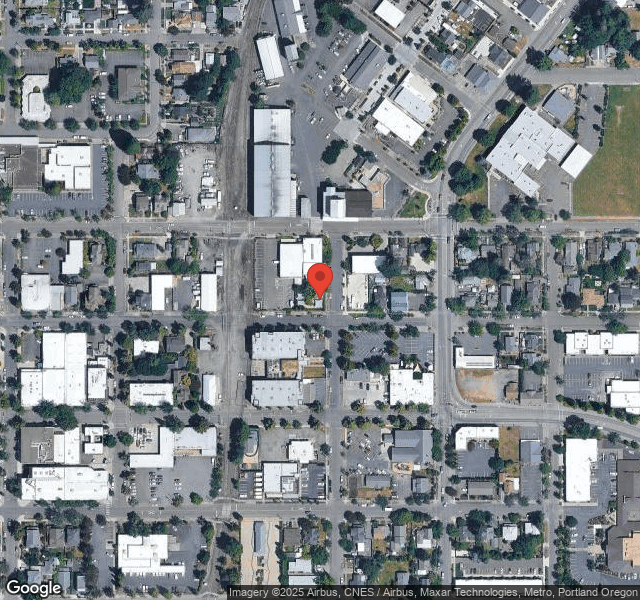
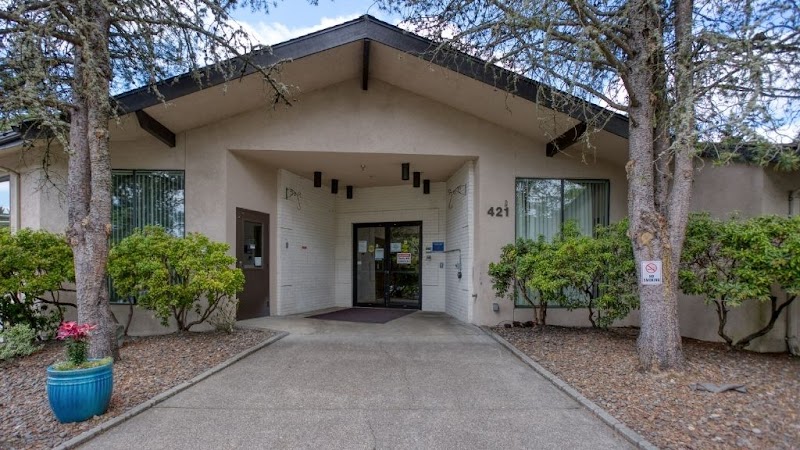
421 SE EVANS STREET, MCMINNVILLE, OR 97128 (503) 472-3141
For profit - Limited Liability company 96 Beds PACS GROUP Data: November 2025
Trust Grade
20/100
#112 of 127 in OR
Last Inspection: June 2025

Inspected within the last 6 months. Data reflects current conditions.

Overview

Evan Terrace Post Acute has a Trust Grade of F, which indicates significant concerns about the quality of care provided, placing it in the poor category. It ranks #112 out of 127 facilities in Oregon, meaning it is in the bottom half of nursing homes in the state and #6 out of 6 in Yamhill County, suggesting that there are only lower-rated options available locally. The facility is worsening, with the number of issues increasing from 17 in 2024 to 21 in 2025. Staffing is a concern, rated at 2/5 stars with a high turnover rate of 66%, compared to the Oregon average of 49%. Additionally, there have been serious incidents, including a resident developing multiple pressure ulcers due to inadequate assessments and care plans, and another resident experiencing skin damage that led to an unstageable ulcer because preventive measures were not properly implemented. While there are some average quality measures, the high turnover and concerning staffing levels along with repeated issues make this facility a risky choice for families seeking care for their loved ones.

Trust Score
F
20/100
In Oregon
#112/127
Bottom 12%
Safety Record
Moderate
Needs review
Inspections
Getting Worse
17 → 21 violations
Staff Stability
⚠ Watch
66% turnover. Above average. Higher turnover means staff may not know residents' routines.
Penalties
○ Average
$36,576 in fines. Higher than 62% of Oregon facilities. Some compliance issues.
Skilled Nurses
⚠ Watch
Each resident gets only 21 minutes of Registered Nurse (RN) attention daily — below average for Oregon. Fewer RN minutes means fewer trained eyes watching for problems.
Violations
⚠ Watch
61 deficiencies on record. Higher than average. Multiple issues found across inspections.
★☆☆☆☆
1.0
Overall Rating
★★☆☆☆
2.0
Staff Levels
★★★☆☆
3.0
Care Quality
★☆☆☆☆
1.0
Inspection Score
Stable
2024: 17 issues
2025: 21 issues

The Good

  • Full Sprinkler Coverage · Fire safety systems throughout facility
  • No fines on record

Facility shows strength in fire safety.

The Bad

1-Star Overall Rating

Below Oregon average (3.0)

Significant quality concerns identified by CMS

Staff Turnover: 66%

20pts above Oregon avg (46%)

Frequent staff changes - ask about care continuity

Federal Fines: $36,576

Above median ($33,413)

Moderate penalties - review what triggered them

Chain: PACS GROUP

Part of a multi-facility chain

Ask about local staffing decisions and management

Staff turnover is elevated (66%)

18 points above Oregon average of 48%

The Ugly 61 deficiencies on record

2 actual harm
Jun 2025 3 deficiencies 1 Harm
SERIOUS (G) 📢 Someone Reported This

A family member, employee, or ombudsman was alarmed enough to file a formal complaint

Actual Harm - a resident was hurt due to facility failures

Pressure Ulcer Prevention (Tag F0686)

A resident was harmed · This affected 1 resident

Based on interview and record review it was determined the facility failed to provide pressure ulcer care consistent with professional standards of practice for 1 of 5 sampled residents (#6) reviewed ...

Read full inspector narrative →
Based on interview and record review it was determined the facility failed to provide pressure ulcer care consistent with professional standards of practice for 1 of 5 sampled residents (#6) reviewed for pressure ulcers. As a result, Resident 6 developed multiple facility-acquired pressure ulcers and placed residents at risk for new and worsening pressure ulcers. Findings include: The 2019 NPIAP (National Pressure Injury Advisory Panel) guidelines indicated when an individual had a pressure injury a comprehensive initial assessment should be completed, treatment goals with input from the individual's informal caregivers set, and a treatment plan developed. The wound was to be re-assessed at least weekly to monitor the progress toward healing. Resident 6 admitted to the facility in 1/2025, with diagnoses of dementia and a right lower leg fracture. Resident 6 discharged from the facility on 5/6/25. Resident 6's 1/13/25 Nursing admission Evaluation indicated she/he wore a splint on her/his right lower leg and had no open skin areas. The 1/20/25 admission MDS Assessment indicated Resident 6 had no pressure ulcers, was at risk for developing pressure ulcers, needed partial assistance with bed mobility and was dependent on staff for wheelchair mobility. Resident 6's Pressure Ulcer CAA indicated she/he had no pressure ulcers and was at risk for developing pressure ulcers. The assessment did not include any risk factors that could contribute to the development of pressure ulcers. There was no Baseline Care Plan for Resident 6 to address the resident's skin or risk for pressure ulcers upon admission. Resident 6's 2/7/25 Skin Care Plan indicated she/he was at risk for skin breakdown related to a healing fracture to the right lower leg and dementia. The care plan indicated Resident 6 had pressure ulcers to the right medial foot and bilateral heels. Interventions included to assist the resident to turn and reposition as indicated and as tolerated. Resident 6's Skin and Wound Evaluations indicated the resident had the following wounds: 1) Right medial (inner side) foot pressure ulcer identified on 1/23/25. The resident's Wound Evaluations for 2/14/25, 2/24/25 and 4/3/25 had inaccurate information related to the staging and description of her/his pressure ulcer and incorrectly identified the resident's pressure ulcer as being present on admission. There were 11 missing weekly wound assessments from 1/24/25 through 5/6/25. 2) Right heel pressure ulcer, no date provided for when pressure ulcer was identified. The resident's Wound Evaluations for 2/14/25, 2/21/25, and 4/9/25 had inaccurate information related to the staging and description of the her/his pressure ulcer. There were nine missing weekly wound assessments from 2/14/25 through 5/6/25. 3) Left heel pressure injury identified on 2/25/25. The resident's Wound Evaluations for 2/25/25 and 4/3/25 had inaccurate information related to the wound type and staging of her/his pressure ulcer. There were 8 missing weekly wound assessments from 2/25/25 through 5/6/25. 4) Left, third toe pressure injury identified on 2/25/25. The resident's Wound Evaluations for 4/3/25 indicated inaccurate information related to the wound type and location of the pressure ulcer. There were nine missing weekly wound assessments from 2/25/25 through 5/6/25. 5) Right foot, second toe pressure injury identified on 4/3/15. There were four missing weekly wound assessments from 4/3/25 through 5/6/25. 6) Right foot pressure injury identified on 4/22/25 by the wound clinic. There were two missing weekly wound assessments from 4/22/25 through 5/6/25. Resident 6's 4/2025 Wound Clinic Notes revealed her/his wounds were staged as follows: 1) Right medial foot, Stage 3 (full-thickness skin loss). 2) Right heel, Stage 4 (full-thickness skin and tissue loss with exposed or directly palpable fascia, muscle, tendon, ligament, cartilage or bone in the ulcer). 3) Left heel, Stage 3. 4) Left, third toe, unstageable (obscured full-thickness skin and tissue loss). 5) Right, second toe, unstageable. 6) Right proximal, lateral, Stage 2 (partial-thickness skin loss). The facility did not have and did not request Resident 6's Wound Clinic notes until 6/12/25. Resident 6's 5/6/25 Discharge MDS indicated the resident discharged home with three Stage 3 pressure ulcers. The MDS incorrectly identified the number of pressure ulcers. Resident 6 discharged home with six pressure ulcers. Review of Resident 6's clinical record found no documented evidence the facility evaluated and assessed the development of the resident's pressure ulcers to determine causative factors, to evaluate current interventions or to determine if the pressure ulcers were avoidable or unavoidable. On 6/10/25 at 8:16 PM, Staff 29 (CNA) was unable to recall Resident 6. On 6/10/25 at 8:24 PM, Staff 28 (CNA) was unable to recall Resident 6. On 6/10/25 at 8:27 PM, Staff 27 (CNA) was unable to recall Resident 6. On 6/11/25 at 9:25 AM, Staff 25 (CNA) was unable to recall Resident 6. On 6/11/25 at 9:27 AM, Staff 26 (CNA) was unable to recall Resident 6. On 6/12/25 at 8:05 AM, Staff 19 (LPN) was unable to recall Resident 6. On 6/16/25 at 2:20 PM, Staff 1 (Administrator), Staff 2 (DNS), Staff 3 (Regional RN) and Staff 24 (MDS Coordinator) verified all six facility acquired pressure ulcers had inaccurate and/or missing weekly wound assessments and the Discharge MDS incorrectly identified the number of pressure ulcers upon discharge.
CONCERN (D) 📢 Someone Reported This

A family member, employee, or ombudsman was alarmed enough to file a formal complaint

Potential for Harm - no one hurt, but risky conditions existed

Deficiency F0940 (Tag F0940)

Could have caused harm · This affected 1 resident

Based on interview and record review it was determined the facility failed to implement and maintain an effective tracheostomy training program for 1 of 1 sampled resident (#19) reviewed for respirato...

Read full inspector narrative →
Based on interview and record review it was determined the facility failed to implement and maintain an effective tracheostomy training program for 1 of 1 sampled resident (#19) reviewed for respiratory care. This placed residents at risk for inappropriate tracheostomy care and the potential for a decline in respiratory status. Findings include: Resident 19 admitted to the facility in 4/2024, with diagnoses including acute respiratory failure and tracheostomy (a surgical opening through the front of the neck and into the windpipe, which a tube is placed into the hole to keep it open for breathing). A 5/5/25 Progress Note revealed Resident 19 was transferred to the hospital for vomiting. A 5/5/25 Fire District Incident Report revealed EMS (Emergency Medical Services) responded to the facility for Resident 19 and observed Resident 19's humidifier tubing taped to the resident's bed. EMS noted if Resident 19 had moved, the humidified oxygen would have disconnected. In addition, EMS observed the resident's humidifier to be partially filled with water (having water in a tracheostomy tube would be similar to having water poured directly into the lungs and provides less available oxygen for a resident to breath). On 6/10/25 at 8:23 PM, Staff 15 (Agency LPN) stated she had not received any tracheotomy training from the facility. On 6/10/25 at 8:31 PM, Staff 16 (CMA) stated only the 100 hall nurse worked with Resident 19 and no other staff. Staff 16 stated if the 100 hall nurse went to break or left the building he would not know who could assume care for the resident. On 6/11/25 at 11:53 AM, Staff 12 (Physician Assistant) stated he was unsure how well the staff were trained to care for a resident with a tracheostomy and questioned if the staff knew how to correctly suction Resident 19. Additionally, Staff 12 stated he would ask different staff the same question about Resident 19 and get different answers. On 6/12/25 at 8:05 AM, Staff 19 (Agency LPN) verified she was Resident 19's nurse the morning she/he was transferred to the hospital. Staff 19 stated the facility gave her no tracheostomy training prior to working with Resident 19 and had told the Resident Care Manager (RCM) she had not had any hands-on experience with tracheotomies for over 10 years and did not feel qualified to care for any resident with a tracheotomy. Staff 19 stated she was told the resident's CNA would tell her what to check and when to check it, which is what occurred. Staff 19 stated she knew she needed more training but there was no one in the building to help her. Staff 19 was unable to recall the set-up of the humidified oxygen tubing. On 6/12/25 at 11:07 AM, Staff 1 (Administrator) and Staff 2 (DNS) both stated they were unable to find any documentation to show staff were trained to care for a resident with a tracheotomy.
CONCERN (E) 📢 Someone Reported This

A family member, employee, or ombudsman was alarmed enough to file a formal complaint

Potential for Harm - no one hurt, but risky conditions existed

Quality of Care (Tag F0684)

Could have caused harm · This affected multiple residents

Based on interview and record review it was determined the facility failed to follow physician orders for 2 of 5 sampled residents (#s 25 and 26) reviewed for medications. This placed residents at ris...

Read full inspector narrative →
Based on interview and record review it was determined the facility failed to follow physician orders for 2 of 5 sampled residents (#s 25 and 26) reviewed for medications. This placed residents at risk for missed medications. Findings include: 1. Resident 25 admitted to the facility in 1/2025, with diagnoses including hypothyroidism (low thyroid hormone levels) and diabetes. A 1/17/25 admission Order for Resident 25 included an order for levothyroxine (a thyroid medication) 1 tablet by feeding-tube daily. A 1/20/25 Physician Progress Note indicated Resident 25 was ordered to have levothyroxine once daily but the order was erroneously entered as three times daily. The resident received three doses on 1/19/25 and two doses on 1/20/25. Resident 25's 1/2025 MAR included an order for levothyroxine, 50 mcg, via G-Tube before meals (or three times per day) for hypothyroidism. The order was transcribed incorrectly and should have been for once per day. The resident received three doses on 1/19/25 and two doses on 1/20/25. On 6/16/25 at 9:59 AM, Staff 1 (Administrator) was informed of the findings regarding not following physician orders for Resident 25's levothyroxine medication and provided no additional information. 2. Resident 26 was admitted to the facility in 9/2024, with diagnoses including orthopedic aftercare following above the knee surgical amputation, and diabetes with diabetic neuropathy (nerve damage). Resident 26's 11/28/25 Physician Orders included the following medication order: -Insulin Lispro Injection Solution, inject as per sliding scale subcutaneously with meals in addition to set dose. -Insulin Lispro Injection Solution, inject 8 units subcutaneously two times a day with breakfast and lunch. -Insulin Lispro Injection Solution, inject 6 units subcutaneously in the evening (5:00 PM). Resident 26's 11/2024 DAR revealed the following missed insulin medications: -On 11/29/24 - two doses of the resident's lispro sliding scale insulin were missed; -On 11/28/24 and 11/29/24 - three doses of lispro insulin 8 units were missed; and -On 11/28/24 and 11/29/24 - two doses of the lispro insulin 6 units were missed. On 6/16/25 at 12:24 PM, Staff 23 (LPN) stated she had discovered the resident was not administered her/his insulin medications during the day shift on 11/28/25 and on 11/29/25. Staff stated she reported the issue to Staff 2 (DNS). On 6/16/25 at 9:59 AM, Staff 1 (Administrator) was informed of the findings regarding not following physician orders for Resident 26's insulin medication and provided no additional information.
Jun 2025 16 deficiencies
CONCERN (D)

Potential for Harm - no one hurt, but risky conditions existed

Deficiency F0552 (Tag F0552)

Could have caused harm · This affected 1 resident

Based on interview and record review it was determined the facility failed to provide the risk and benefits for the use of an antipsychotic medication to a resident/responsible party prior to administ...

Read full inspector narrative →
Based on interview and record review it was determined the facility failed to provide the risk and benefits for the use of an antipsychotic medication to a resident/responsible party prior to administration for 1 of 5 sampled residents (#20) reviewed for medications. This placed residents at risk for lack of informed consent. Findings include: Resident 20 was admitted to the facility in 9/2024 with diagnoses including dementia with behavioral disturbances and convulsions. A 9/26/24 Informed Consent-Psychoactive Medication form indicated Resident 20 gave verbal consent for the use of her/his psychotropic medications not including divalproex sodium (anticonvulsant medication). The 10/2/24 admission MDS indicated Resident 20 received psychotropic medications to manage the resident's agitation and aggressive behaviors related to her/his dementia. A 12/6/24 IDT (Interdisciplinary Team) Psychotherapeutic Review indicated Resident 20 received divalproex sodium (anticonvulsant medication use as an antipsychotic medication). A review of Resident 20's clinical record revealed no signed consent for the use of divalproex sodium. On 6/5/25 at 9:55 AM, Staff 20 (Regional Director of Clinical Services) and Staff 14 (MDS Coordinator) acknowledged a consent for the risks and benefits of divalproex sodium was not obtained as expected.
CONCERN (D)

Potential for Harm - no one hurt, but risky conditions existed

Deficiency F0561 (Tag F0561)

Could have caused harm · This affected 1 resident

Based on observation, interview and record review it was determined the facility failed to promote self determination for 1 of 1 sampled resident (#44) reviewed for choices. This placed residents at r...

Read full inspector narrative →
Based on observation, interview and record review it was determined the facility failed to promote self determination for 1 of 1 sampled resident (#44) reviewed for choices. This placed residents at risk for lack of honoring choices and room preferences. Findings include: Resident 44 was admitted to the facility in 9/2024 with diagnoses including a stroke and depression. The 9/12/24 admission MDS indicated Resident 44 was cognitively intact. On 6/2/25 at 1:51 PM Resident 44 stated she/he requested a room change as the roommate's television volume was loud and disrupted her/his sleep. The roommate's television was observed to be on and the volume was loud, which made it difficult to hear anything else in the room. Resident 44 stated she/he spoke with Staff 8 (Social Services Director) about the request and no follow up was provided. On 6/4/25 at 9:40 AM Resident 44 was observed in bed with a headphone set on and the roommate's television volume was loud. Resident 44 stated the headphones helped some with the noise, but her/his sleep was still disrupted. On 6/6/25 at 11:59 AM Staff 8 stated about one week ago Resident 44 expressed to her a desire to move rooms due to the roommate's television volume. Staff 8 stated she was more focused on the resident's discharge arrangements than a room move. On 6/6/25 at 1:01 PM Staff 1 (Administrator) stated he was not aware of Resident 44's request to move rooms and it should have been brought his attention.
CONCERN (D)

Potential for Harm - no one hurt, but risky conditions existed

Deficiency F0605 (Tag F0605)

Could have caused harm · This affected 1 resident

Based on interview and record review it was determined the facility failed to ensure residents were free from unnecessary psychotropic medications for 1 of 5 sampled residents (#56) reviewed for medic...

Read full inspector narrative →
Based on interview and record review it was determined the facility failed to ensure residents were free from unnecessary psychotropic medications for 1 of 5 sampled residents (#56) reviewed for medications. This placed residents at risk for adverse side effects of medication. Findings include: Resident 56 was admitted to facility in 4/2025 for surgical aftercare with diagnoses including spinal abscess and lower body paralysis. Resident 56's medication orders upon admission indicated the following: - Prochlorperazine (used to treat nausea and vomiting) every 6 hours PRN. Resident 56's 5/2025 Note To Attending Physician/Prescriber revealed a letter was sent to the provider, advising that the PRN Prochlorperazine required the prescriber to provide a direct examination and rationale every 14 days. There was no evidence in Resident 56's medical record that indicated the physician reviewed, assessed or evaluated the resident within 14 days for the PRN antipsychotic, as required. On 6/9/25 at 11:44 AM Staff 18 (LPN Resident Care Manager) stated his understanding of regulations around antipsychotic orders included PRN orders were only allowed for 14 days at a time, and the prescriber was required to provide a face-to-face evaluation and rationale for continuing the medication. Staff 18 reviewed Resident 56's PRN Prochlorperazine orders and acknowledged the orders went beyond the 14 days without review and evaluation.
CONCERN (D)

Potential for Harm - no one hurt, but risky conditions existed

Comprehensive Care Plan (Tag F0656)

Could have caused harm · This affected 1 resident

**NOTE- TERMS IN BRACKETS HAVE BEEN EDITED TO PROTECT CONFIDENTIALITY** Based on interview and record review it was determined the facility failed to develop a comprehensive care plan for 1 of 1 sampl...

Read full inspector narrative →
**NOTE- TERMS IN BRACKETS HAVE BEEN EDITED TO PROTECT CONFIDENTIALITY** Based on interview and record review it was determined the facility failed to develop a comprehensive care plan for 1 of 1 sampled resident (#43) reviewed for choices. This placed residents at risk for unmet needs. Findings include: Resident 43 admitted to the facility in 2025 with diagnoses including schizophrenia. Resident 43's admission MDS dated [DATE] revealed a BIMS score of 15 which indicated the resident was cognitively intact. A 4/30/25 Social History Assessment indicated the resident had trauma of rape/sexual assault/uncomfortable and unwanted sexual experience. A review of Resident 43's 6/2/25 updated comprehensive care plan revealed no evidence she/he was to receive care from females only. On 6/2/25 at 1:56 PM Resident 43 stated she/he experienced uncomfortable interactions with male caregivers. Resident 43 stated she/he did not want male caregivers coming into her/his room. On 6/5/25 at 9:36 AM Staff 38 (CNA) stated Resident 43 preferred female caregivers based upon conversations she had with the resident and believed this information was included in the resident's care plan. On 6/6/25 at 11:12 AM Staff 1 (Administrator) confirmed Resident 43's care plan was not updated to reflect female caregiving staff only.
CONCERN (D)

Potential for Harm - no one hurt, but risky conditions existed

Quality of Care (Tag F0684)

Could have caused harm · This affected 1 resident

Based on interview and record review it was determined the facility failed to obtain treatment orders and provided treatment for diabetic ulcers for 1 of 1 sampled resident (#8) reviewed for pressure ...

Read full inspector narrative →
Based on interview and record review it was determined the facility failed to obtain treatment orders and provided treatment for diabetic ulcers for 1 of 1 sampled resident (#8) reviewed for pressure ulcers. This placed residents at risk for lack of timely treatment. Findings include: Resident 8 was admitted to the facility in 2015 with diagnoses including diabetes and osteomyelitis (bone infection). A 1/10/25 Quarterly MDS revealed Resident 8 had a BIMS score of 12 which indicated the resident had moderate cognitive impairment. Resident 8 had surgical wounds and 6 arterial ulcers (wounds due to lack of adequate blood flow) including diabetic foot ulcers. The 1/2025 TAR revealed the following treatment orders for Resident 8: -Between the first and second toes, cleanse wound vigorously to patient's tolerance with house wound cleanser, apply gauze and paint with betadine (solution to prevent infections). The order started on 12/11/24. -Right lower leg: wash lower leg with warm water, pat dry, apply ointment (except to surgical site) and apply two-layer compression every day shift. The order started on 11/8/24. A 1/28/25 wound clinic Physician Orders Details instructed the facility to: fax orders and progress notes to the clinic, not use compression wraps or wrap all the way up Resident 8's leg, and apply DriGo (skin protection textile to prevent bacterial growth) between the resident's toes to prevent moisture. A 1/29/25 Note Text revealed Resident 8 refused her/his diabetic foot ulcer treatment between her/his toes because the resident recently returned from the wound clinic where treatment was completed. The 2/2025 TAR revealed no additional implementation of the 1/28/25 wound care clinic orders related to Resident 8's toes and legs. On 6/4/25 at 9:13 AM Resident 8 stated she/he preferred the wound clinic for wound care and indicated orders from the wound clinic were not always implemented by the facility. On 6/4/25 at 3:34 PM, Staff 5 (RNCM) stated communication between the wound clinic and the facility was challenging, and indicated the wound clinic orders were at times requested and not received. On 6/5/25 at 12:42 PM, Staff 25 (Former LPN) stated Resident 8 had diabetic foot ulcers which were treated by an outside provider as early as 1/2025. Staff 25 stated, when Resident 8 returned from the wound clinic, the resident's new orders were to be scanned. On 6/5/25 at 3:57 PM, Staff 28 (LPN) confirmed nurses were to check for new treatments when Resident 8 returned from the wound clinic. Staff 28 stated the system to ensure new orders were implemented was not consistent and agency staff were not aware of the process. On 6/6/25 at 8:40 AM, Staff 32 (NP) stated she did not coordinate communication between Resident 8's multiple providers. On 6/9/25 at 10:24 AM, Staff 21 (Regional Director of Clinical Services) expected staff to verify wound care for Resident 8 was addressed timely and treatments orders were in place. On 6/9/25 at 1:51 PM, Witness 3 (Wound Clinic Program Director) stated the clinic was often unable to connect with the facility related to needed follow-up for Resident 8's leg and foot treatments.
CONCERN (D) 📢 Someone Reported This

A family member, employee, or ombudsman was alarmed enough to file a formal complaint

Potential for Harm - no one hurt, but risky conditions existed

Accident Prevention (Tag F0689)

Could have caused harm · This affected 1 resident

Based on interview and record review it was determined the facility failed to complete a timely assessment after a fall and conduct a thorough investigation for 2 of 6 sampled residents (#s 20 and 66)...

Read full inspector narrative →
Based on interview and record review it was determined the facility failed to complete a timely assessment after a fall and conduct a thorough investigation for 2 of 6 sampled residents (#s 20 and 66) reviewed for accidents. Findings include: 1. A 9/2024 facility Accident/Incident Policy and Procedure indicated persons with knowledge of events surrounding an incident were to complete a witness statement and to implement a plan to prevent re-occurrences after a thorough investigation was completed. Resident 20 was admitted to the facility in 9/2024 with diagnoses including dementia with behavioral disturbances and fracture of the left hip bone. The 10/2/24 admission MDS indicated Resident 20 had a history of falls with injuries, was dependent on staff for toileting and transfers, and had a BIMS score of 6 which indicated the resident had severe cognitive impairment. A 11/5/24 revised care plan indicated Resident 20 required minimal assistance to transfer, to anticipate the resident's needs, and monitor the resident for complications after a fall. A 11/25/24 Un-witnessed Fall report, completed by Staff 26 (Former RN), indicated Resident 20 was found on the floor with her/his head towards the wall and an injury to her/his left hip. The report indicated a fall mat was in place and the floor in the resident's room was wet. The report revealed Resident 20 was assisted back to bed by three staff after vitals were obtained and her/his bed linens were changed. The report contained no additional staff interviews or conclusion to the investigation. A 12/11/24 revised care plan indicated to place a fall mat on the right side of Resident 20's bed. The 4/4/25 Quarterly MDS indicated Resident 20 had two or more falls during the previous quarter. On 6/3/25 at 11:11 AM, Staff 26 recalled Resident 20's fall on 11/25/24 and stated the floor was wet because there was urine on the floor since the resident refused toileting. Staff 26 stated she was surprised when Resident 20 stood up and urinated. Staff 26 indicated she had to complete the nightly medication pass and was unable to complete the fall report and protocol. On 6/5/25 at 1:48 PM, Staff 27 (Former CNA) stated she worked with Resident 20 on 11/25/24 but was in another room when she/he fell. Staff 27 stated no witness statement was requested related to the 11/25/24 incident. On 6/6/25 at 9:14 AM, Staff 20 (Regional Director of Clinical Services) expected the fall investigation to include witness statements and an updated care plan for Resident 20 after a root cause was determined. Staff 26 and Staff 1 (Administrator) acknowledged the 11/25/24 fall investigation for Resident 20 was not thorough and the revised care plan did not correctly address the correct fall prevention which could aid to reduce further falls. 2. Resident 66 admitted to the facility in 10/2024 with diagnoses including Huntington's Disease (a genetic disorder which causes a progressive breakdown of nerve cells in the brain). An 10/18/24 admission MDS revealed Resident 66 had a BIMS of 10, which indicated her/his cognition was moderately impaired. A 11/7/24 fall care plan revealed Resident 66 was at risk for falls due to medication side effects, Huntington's disease, incontinence, confusion, arthritis, and epilepsy. A Fall Risk Management dated 11/23/24, but completed on 1/6/25, revealed Resident 66 was found on the floor at 12:45 AM on 11/23/24. The fall investigation was not completed until 1/6/25 and no updates were made to the fall care plan. In interviews on 6/5/25 at 9:30 AM and 6/9/25 at 9:44 AM Staff 21 (Regional Director of Clinical Services) stated she completed the investigation into the fall late when the resident was discharging from the facility.
CONCERN (D)

Potential for Harm - no one hurt, but risky conditions existed

Tube Feeding (Tag F0693)

Could have caused harm · This affected 1 resident

**NOTE- TERMS IN BRACKETS HAVE BEEN EDITED TO PROTECT CONFIDENTIALITY** Based on observation, interview and record review it was determined the facility failed to ensure residents received appropriate...

Read full inspector narrative →
**NOTE- TERMS IN BRACKETS HAVE BEEN EDITED TO PROTECT CONFIDENTIALITY** Based on observation, interview and record review it was determined the facility failed to ensure residents received appropriate care and services for a feeding tube for 1 of 1 sampled resident (#60) reviewed for feeding tubes. This placed residents at risk for complications related to the use of a feeding tube including bacterial growth. Findings include: According to Best Practices for Managing Tube Feeding, a Nurse's Pocket Manual published by [NAME] Nutrition in May 2015 an open system tube feeding container and tubing should be changed at least every 24 hours. Resident 60 was admitted to the facility in 4/2025 with diagnoses including acute respiratory failure with hypoxia, pneumonia, nontraumatic subarachnoid hemorrhage from right middle cerebral artery (stroke) and tracheostomy status. A review of Resident 60's 5/6/25 admission MDS revealed she/he had a feeding tube (TF) and received 51% or more of total calories through TF and an average fluid intake of 501 CC/day or more. A 5/25/25 physician order revealed Resident 60 was to receive [NAME] Farms 1.5 or equivalent at 67 mL/hr x 18 hours from 1600-1000 (providing 1206 mL total volume) house equivalent TF - Jevity 1.5 or Isosource 1.5 per RD two times a day for nutrition with new bag set-up daily when starting at 4:00 PM. On 6/3/25 at 9:51 AM a bag containing Resident 60's tube feeding formula was observed running and had a sticker-label dated 5/30/25. On 6/3/25 at 10:17 AM Staff 33 (Agency LPN) was observed re-filling the tube feeding bag with cartons of formula. On 06/3/25 at 10:39 AM Staff 33 confirmed the tube feeding bag was dated 5/30/25. On 06/6/25 at 8:19 AM Staff 34 (LPN) stated Resident 60's tube feeding bag and tubing was to be placed daily at 4pm. She further stated it was not changed on 5/31/25, 6/1/25 or 6/2/25 though she documented on the TAR it was completed. She explained the risks of not changing the bag as ordered were bacterial growth and the resident experiencing nausea or vomiting. On 6/6/25 at 12:20 PM Staff 18 (LPN RCM) stated the bag should be changed every 24 hours or when it doubt, change it out and the resident was at risk for infection, aspiration, pneumonia and sepsis if not completed. He further stated he was aware the tube feeding bag was not changed on 5/31/25, 6/1/25 and 6/2/25. On 6/9/25 at 9:24 AM Staff 2 (DNS) stated the tube feeding bag and tubing should have been changed every day at 4:00 PM and the risks associated with this not being done were bacterial growth in the bag, clogging and potential for gastro intestinal issues or sepsis.
CONCERN (D)

Potential for Harm - no one hurt, but risky conditions existed

Deficiency F0744 (Tag F0744)

Could have caused harm · This affected 1 resident

Based on observation, interview, and record review it was determined the facility failed to comprehensively assess and revise a resident's care plan related to dementia for 1 of 1 sampled resident (#2...

Read full inspector narrative →
Based on observation, interview, and record review it was determined the facility failed to comprehensively assess and revise a resident's care plan related to dementia for 1 of 1 sampled resident (#20) reviewed for dementia. This placed residents at risk for unaddressed dementia and behavioral needs. Findings include: Resident 20 was admitted to the facility in 9/2024 with diagnoses including dementia with behavioral disturbances. The 10/2/24 admission MDS indicated revealed a BIMS score of 6, which indicated Resident 20 had severe cognitive impairment. The MDS also indicated the resident received psychotropic medications to manage the resident's agitation and aggressive behaviors related to her/his dementia. A 12/23/24 Care Conference Meeting indicated Staff 8 (Social Services Director) met with Resident 20 and her/his representative to discuss facility and discharge goals. The 5/6/25 through 6/3/25 CNA Task: Focused Behaviors revealed Resident 20 kicked, yelled, rejected care, threatened or grabbed others on 16 of 32 days. A 5/8/25 revised care plan indicated to analyze and document key times, places, circumstances, and triggers related to what deescalated Resident 20's behavior. The care plan instructed staff to engage calmly with Resident 20 and explain care before care was provided to reduce tension. No additional behavior triggers were identified. On 6/3/25 at 8:27 AM, Resident 20 was observed to attempt to grab another resident's food tray. Staff 30 (CNA) redirected Resident 20 and stated the resident grabbed anything she/he wanted if not redirected. Staff 30 stated consistent CNAs and care for Resident 20 was helpful to reduce her/his behaviors. Staff 30 acknowledged Resident 20 became calm when her/his spouse visited and became angry and agitated when her/his spouse left. On 6/4/25 at 12:44 PM, Staff 24 (CNA) stated Resident 20 was less resistive to care when her/his spouse was present. Staff 24 indicated Resident 20 routinely hit female care givers if the approach was unexpected. On 6/6/25 at 9:14 AM, Staff 20 (Regional Director of Clinical Operations) and Staff 1 (Administrator) expected a more detailed resident-centered care plan for Resident 20, especially related to her/his spouse. On 6/6/25 at 10:56 AM, Staff 31 (LPN) stated Resident 20 often asked for her/his spouse. Staff 31 stated she calmed Resident 20 when she reassured her/him of the spouse's pending visit. On 6/9/25 at 11:16 AM Staff 8 stated she was responsible for Resident 20's dementia care plan. Staff 8 indicated she updated the resident's care plan based on her observations and relied on staff to come to her to provide additional insight. Staff 8 acknowledged additional staff feedback was necessary to addressed the behavioral and dementia needs for Resident 20.
CONCERN (D)

Potential for Harm - no one hurt, but risky conditions existed

Deficiency F0825 (Tag F0825)

Could have caused harm · This affected 1 resident

Based on interview and record review it was determined the facility failed to ensure physician orders were followed for 1 of 3 sampled residents (#59) reviewed for rehabilitative and restorative servi...

Read full inspector narrative →
Based on interview and record review it was determined the facility failed to ensure physician orders were followed for 1 of 3 sampled residents (#59) reviewed for rehabilitative and restorative services. This placed residents at risk for not receiving physical therapy services. Findings include: Resident 59 was admitted to the facility in 4/2025 with diagnoses including fracture of right and left heel bones, and multiple fractures of ribs. The 4/14/25 admission MDS identified Resident 59 with lower extremity impairment on both sides, and indicated resident was cognitively intact. On 6/5/25 at 1:08 PM the resident stated she/he went to a physician visit on 6/2/25 and received hard copy orders from the bone specialist for continued physical therapy, and she/he gave the orders to a nurse when she/he returned to the facility. Resident 59 stated she/he was not scheduled for more physical therapy yet. Resident 59's physical therapy order was observed and indicated physical therapy two times a week for eight weeks. A 6/2/25 physician order indicated Resident 59 was to receive physical therapy two times a week for eight weeks. A review of Resident 59's health record revealed no current order for physical therapy. On 6/5/25 at 12:35 PM Staff 19 (OT) reviewed Resident 59's health records and stated the resident did not have therapy orders. On 6/6/25 11:07 AM Staff 18 (LPN Resident Care Manager) stated when a resident returned from a physician visit with a new order, the charge nurse was responsible for entering the orders. Staff 18 confirmed there were no new orders for continued physical therapy communicated to him or entered in Resident 59's health record.
CONCERN (D)

Potential for Harm - no one hurt, but risky conditions existed

Medical Records (Tag F0842)

Could have caused harm · This affected 1 resident

Based on observation, interview and record review, it was determined the facility failed to accurately document feeding tube treatments for 1 of 1 sampled resident (#60) reviewed for feeding tube. Thi...

Read full inspector narrative →
Based on observation, interview and record review, it was determined the facility failed to accurately document feeding tube treatments for 1 of 1 sampled resident (#60) reviewed for feeding tube. This placed the residents at risk for inaccurate records. Findings include: Resident 60 was admitted to the facility in 4/2025 with diagnoses including acute respiratory failure with hypoxia, pneumonia, nontraumatic subarachnoid hemorrhage from right middle cerebral artery (stroke) and tracheostomy status. A 5/25/25 physician order revealed Resident 60 was to receive feeding tube (TF) formula with new bag set-up daily when starting at 4:00 PM. On 6/3/25 at 9:51 AM a bag containing Resident 60's tube feeding formula was observed running and had a sticker-label dated 5/30/25. On 06/3/25 at 10:39 AM Staff 33 (Agency LPN) confirmed the tube feeding bag was dated 5/30/25. A review of Resident 60's TAR revealed Staff 34 (LPN) completed the feeding tube formula and new bag setup on 5/31/25, 6/1/25 and 6/2/25. On 6/6/25 at 8:19 AM Staff 34 (LPN) stated Resident 60's tube feeding bag and tubing was not changed on 5/31/25, 6/1/25 or 6/2/25 though she documented on the TAR it was completed. On 6/6/25 at 12:20 PM Staff 18 (LPN RCM) stated the the tube feeding bag was not changed 5/31/25, 6/1/25 and 6/2/25. On 6/9/25 at 9:24 AM Staff 2 (DNS) stated the record was not accurate. Refer to F693.
CONCERN (E) 📢 Someone Reported This

A family member, employee, or ombudsman was alarmed enough to file a formal complaint

Potential for Harm - no one hurt, but risky conditions existed

Report Alleged Abuse (Tag F0609)

Could have caused harm · This affected multiple residents

**NOTE- TERMS IN BRACKETS HAVE BEEN EDITED TO PROTECT CONFIDENTIALITY** 3. Resident 66 admitted to the facility in 10/2024 with diagnoses including Huntington's Disease (a genetic disorder which cause...

Read full inspector narrative →
**NOTE- TERMS IN BRACKETS HAVE BEEN EDITED TO PROTECT CONFIDENTIALITY** 3. Resident 66 admitted to the facility in 10/2024 with diagnoses including Huntington's Disease (a genetic disorder which causes a progressive breakdown of nerve cells in the brain). An 10/18/24 admission MDS revealed Resident 66 had a BIMS of 10, which indicated her/his cognition was moderately impaired. On 6/2/25 at 12:30 PM Witness 4 (Complainant) stated in 11/2024 Resident 66 reported to her a staff member at the facility fondled her/him. Witness 4 did not indicate if this was reported to the facility and did not have additional information related to the allegation. Resident 66 was unable to be interviewed due to being discharged from the facility and poor cognition. No evidence was found to indicate the incident was reported to the state agency. On 6/2/25 at 1:02 PM Staff 2 (DNS) stated the facility did not have an investigation into an allegation of sexual abuse related to Resident 66. On 6/4/25 at 11:57 PM Staff 23 (CNA) stated she assisted Resident 66 with a shower and unintentionally brushed Resident 66's breast and Resident 66 felt uncomfortable. Staff 23 stated the facility management notified her at that time there was an abuse allegation related to the incident. On 6/6/25 at 11:53 AM Staff 22 (Former Administrator) stated he recalled Resident 66 and the allegation of sexual abuse. Staff 22 stated Resident 66 was given a shower by Staff 23 and Resident 66 became upset. Staff 22 stated he did not know if the incident was investigated and was unable to provide additional information. On 6/9/25 at 9:02 AM Staff 1 (Administrator) confirmed the sexual abuse allegation was not reported to the state agency. Based on interview and record review it was determined the facility failed to ensure allegations of abuse were reported to the State Agency within two hours for 3 of 6 sampled residents (#s 43, 61 and 66) reviewed for abuse. This placed residents at risk for continued abuse. Findings include: 1. Resident 43 admitted to the facility in 2025 with diagnoses including schizophrenia (a brain disorder that affects a person's ability to think, feel, and behave clearly). Resident 43's admission MDS dated [DATE] revealed a BIMS score of 15 which indicated the resident had no cognitive impairment. On 6/2/25 at 1:56 PM Resident 43 stated her/his breasts were grabbed by an unidentified male caregiver one time. On 6/6/25 at 8:38 AM Staff 8 (Social Services Director) indicated she was aware Resident 43 alleged a male caregiver touched her/his breasts and it was reported to Staff 1 (Administrator) for further investigation. A record review on 6/6/25 revealed no evidence the allegation was reported to the State Agency. On 6/6/25 at 11:12 AM Staff 1 (Administrator) confirmed he was aware of the allegation made by Resident 43 and did not report it to the State Agency. 2. Resident 61 admitted to the facility in 2025 with diagnoses including a stroke. Resident 61's admission MDS dated [DATE] revealed a BIMS score of 15 which indicated the resident had no cognitive impairment. On 6/2/25 at 12:53 PM Resident 61 stated an unidentified male caregiver grabbed her/his breasts one time. On 6/6/25 at 8:38 AM Staff 8 (Social Services Director) indicated she was aware Resident 61 alleged a male caregiver touched her/his breasts and it was reported to Staff 1 (Administrator) for further investigation. A record review on 6/6/25 revealed no evidence the allegation was submitted to the State Agency. On 6/6/25 at 11:12 AM Staff 1 (Administrator) confirmed he was aware of the allegations made by Resident 43 and did not report it to the State Agency.
CONCERN (E) 📢 Someone Reported This

A family member, employee, or ombudsman was alarmed enough to file a formal complaint

Potential for Harm - no one hurt, but risky conditions existed

Investigate Abuse (Tag F0610)

Could have caused harm · This affected multiple residents

**NOTE- TERMS IN BRACKETS HAVE BEEN EDITED TO PROTECT CONFIDENTIALITY** Based on interview and record review it was determined the facility failed to investigate allegations of sexual, physical, and v...

Read full inspector narrative →
**NOTE- TERMS IN BRACKETS HAVE BEEN EDITED TO PROTECT CONFIDENTIALITY** Based on interview and record review it was determined the facility failed to investigate allegations of sexual, physical, and verbal abuse for 4 of 6 sampled residents (#s 11, 43, 61, and 66) reviewed for abuse. This placed residents at risk for further abuse. Findings include: 1. Resident 11 was admitted to the facility in 8/2023 with diagnoses including depression and stroke. The 2/25/25 Quarterly MDS indicated Resident 11 had a BIMS score of 14 which indicated the resident was cognitively intact. Resident 20 was admitted to the facility in 9/2024 with diagnosis including dementia with behavioral disturbances. The 4/4/25 Quarterly MDS indicated Resident 20 had a BIMS score of 3 which indicated severe cognitive impairment. On 3/5/25 a public complaint was received by the State Agency which alleged Resident 11 was punched by Resident 20. On 5/30/25 at 4:39 PM, Resident 11 stated Resident 20 hit and swore at her/him in the dining room and also slapped Resident 11 a month earlier in the day room. Resident 11 stated she reported the issue to management. On 6/2/25 at 4:49 PM and 6/3/25 at 7:58 AM, Staff 1 (Administrator) acknowledged Resident 11 spoke to him about Resident 20 around 2/2025. Staff 1 stated Resident 11 asked, What are you going to do about the pervert, [Resident 20]? Staff 1 stated he spoke to one other resident about the incident who Resident 11 indicated was a witness but did not document interviews. Staff 1 stated there was no additional interviews or full investigation because the conversation with the alleged witness did not pan out. Staff 1 acknowledged he did not conduct a full abuse investigation to rule out abuse. On 6/3/25 at 8:27 AM, Staff 30 (CNA) confirmed an incident occurred in the dining room between Resident 11 and Resident 20 around 3/2025 or 4/2025. Staff 30 stated she heard yelling and saw fists, separated Resident 11 and Resident 20, and reported the incident to an agency nurse the same day. On 6/9/25 at 2:28 PM, Staff 21 (Regional Director of Clinical Services) acknowledged a comprehensive investigation was to begin the moment Staff 1 was aware which did not occur. 4. Resident 66 admitted to the facility in 10/2024 with diagnoses including Huntington's Disease (a genetic disorder which causes a progressive breakdown of nerve cells in the brain). An 10/18/24 admission MDS revealed Resident 66 had a BIMS of 10, which indicated her/his cognition was moderately impaired. On 6/2/25 at 12:30 PM Witness 4 (Complainant) stated in 11/2024 Resident 66 reported to her a staff member at the facility fondled her/him. Witness 4 did not indicate if this was reported to the facility and did not have additional information related to the allegation. Resident 66 was unable to be interviewed due to being discharged from the facility and poor cognition. A review of Resident 66's medical record revealed nothing related to an allegation of sexual abuse. On 6/02/25 at 1:02 PM Staff 2 (DNS) stated the facility did not have an investigation into an allegation of sexual abuse related to Resident 66. On 6/4/25 at 11:57 PM Staff 23 (CNA) stated she assisted Resident 66 with a shower and while she assisted her/him she unintentionally brushed Resident 66's breast and Resident 66 felt uncomfortable. Staff 23 stated facility management notified her after the shower that there was an allegation that she abused Resident 66. On 6/5/25 at 12:13 PM Staff 8 (Social Services) stated she recalled Resident 66 made an allegation related to care provided by Staff 23 and thought it was investigated. Staff 8 was unable to provide additional information. On 6/6/25 at 11:53 AM Staff 22 (Former Administrator) stated he recalled Resident 66 and the allegation of sexual abuse. Staff 22 stated Resident 66 was given a shower by Staff 23 and Resident 66 became upset. Staff 22 stated he did not know if the incident was investigated and was unable to provide addition information. On 6/9/25 at 9:44 AM during a joint interview Staff 20 (Regional Director of Clinical Services) and Staff 21 (Regional Director of Clinical Services) stated the facility did not complete an investigation into Resident 66's allegation of sexual abuse. 2. Resident 43 admitted to the facility in 2025 with diagnoses including schizophrenia (a brain disorder that affects a person's ability to think, feel, and behave clearly). Resident 43's admission MDS dated [DATE] revealed a BIMS score of 15 which indicated the resident had no cognitive impairment. On 6/2/25 at 1:56 PM Resident 43 stated her/his breasts were grabbed by an unidentified male caregiver one time. On 6/6/25 at 8:38 AM Staff 8 (Social Services Director) indicated she was aware Resident 43 alleged a male caregiver touched her/his breasts and it was reported to Staff 1 (Administrator) for further investigation. A record review on 6/6/25 revealed no evidence an investigation into the allegations made by Resident 43 was completed. On 6/6/25 at 11:12 AM Staff 1 (Administrator) confirmed an investigation into the allegations made by Resident 43 was not completed. 3. Resident 61 admitted to the facility in 2025 with diagnoses including a stroke. Resident 61's admission MDS dated [DATE] revealed a BIMS score of 15 which indicated the resident had no cognitive impairment. On 6/2/25 at 12:53 PM Resident 61 stated an unidentified male caregiver grabbed her/his breasts one time. On 6/6/25 at 8:38 AM Staff 8 (Social Services Director) indicated she was aware Resident 61 alleged a male caregiver touched her/his breasts and it was reported to Staff 1 (Administrator) for further investigation. A record review on 6/6/25 revealed no evidence an investigation into the allegations was completed. On 6/6/25 at 11:12 AM Staff 1 confirmed an investigation into the allegations made by Resident 61 was not completed.
CONCERN (E)

Potential for Harm - no one hurt, but risky conditions existed

Drug Regimen Review (Tag F0756)

Could have caused harm · This affected multiple residents

**NOTE- TERMS IN BRACKETS HAVE BEEN EDITED TO PROTECT CONFIDENTIALITY** Based on interview and record review it was determined the facility failed to ensure pharmacist recommendations were considered ...

Read full inspector narrative →
**NOTE- TERMS IN BRACKETS HAVE BEEN EDITED TO PROTECT CONFIDENTIALITY** Based on interview and record review it was determined the facility failed to ensure pharmacist recommendations were considered for 4 of 5 sampled residents (#s 20, 31, 44 and 56) reviewed for medications. This placed residents at risk for unnecessary medication. Findings include: A 4/2025 Drug Regimen Review Policy and Procedure indicated the pharmacy was to review each resident's medication regime to ensure that risk and problems were identified and acted upon in a timely manner. 1. Resident 20 was admitted to the facility in 9/2024 with diagnoses including dementia with behavioral disturbances and fracture of the left hip bone. The 10/2/24 admission MDS indicated Resident 20 received psychotropic medications to manage the resident's agitation and aggressive behaviors related to her/his dementia and the pharmacist consultant was to review her/his medications quarterly. A 12/6/24 IDT (Interdisciplinary Team) Psychotherapeutic Review indicated Resident 20 was not scheduled for a GDR until 3/2025. A review of Resident 20's clinical record found no additional quarterly review completed related to Resident 20's psychotropic medications. The 4/4/25 Quarterly MDS revealed no GDR (Gradual Dose Reduction) was attempted for Resident 20. The 4/21/25 pharmacy Nursing Recommendations indicated Resident 20's fluoxetine (antidepressant medication) and quetiapine (antipsychotic medication) were due for a GDR and the notification was a repeated recommendation from 3/2025. Psychotropic IDT meeting notes on the form indicated no discussion related to Resident 20's GDR. The 5/25/25 pharmacy Nursing Recommendations indicated Resident 20's fluoxetine and quetiapine were due for a GDR and the notification was a repeated recommendation from 3/2025. On 6/5/25 at 9:55 AM and 6/6/25 at 9:14 AM, Staff 20 (Regional Director of Clinical Services) stated there was no indication all aspects of Resident 20's psychotropic medications were addressed quarterly as expected and pharmacy recommendations should be submitted to Resident 20's physician and resolved within 30 days once the notice was received. On 6/9/25 at 2:20 PM, Staff 32 (NP) confirmed she received no communication from the facility related to a need for a GDR for Resident 20's fluoxetine and quetiapine which should be addressed. 2. Resident 31 was admitted to the facility in 2022 with diagnoses including chronic diastolic congestive heart failure, hypertensive heart disease with heart failure and hyperkalemia (high potassium in blood). A review of pharmacy recommendations for 3/2025, 4/2025 and 5/2025 revealed on 4/25/25 and 5/25/25 the facility was notified the pharmacist recommended a periodic assessment of Resident 31's potassium level. There was no evidence in Resident 31's clinical record the facility responded to or followed-up on this recommendation. On 6/9/25 at 12:31 PM Staff 2 (DNS) stated 3/2025 and 4/2025 pharmacist recommendations were not responded to or followed-up on in error. 3. Resident 44 was admitted to the facility in 9/2024 with diagnoses including depression and PTSD (Post Traumatic Stress Disorder). a. A 2/25/25 Pharmacy review indicated the resident had three PRN pain opioid orders and the recommendation was to simplify the orders. There was no physician response. -A 3/24/25 Pharmacy review indicated it was a repeat recommendation from February 2025 due to no response. There was still no physician response. b. A 3/25/25 Pharmacy review indicated Resident 44 was on the following psychotropic regimen and was due for a GDR (gradual dose reduction): -buproprion (an Anti-depressant) 150 mg once a day for depression, start date of 9/2024. -escitalopram (an Anti-depressant) 5 mg once a day for depressing, start date 11/2024. -quetiapine (an Anti-psychotic) 50 mg in the morning and 250 mg at bedtime for bipolar, start date 11/14/24. -liothyronine (a thyroid medication) 12.5 mg once a day for adjunct depression, start date 12/2024. -propranolol (a beta blocker) 10 mg twice daily for headache and anxiety, start date 11/2024. There was no response from the physician. -A 4/21/25 Pharmacy review revealed it was a repeat recommendation from March 2025. There was still no response from the physician. -A 5/25/25 Pharmacy review revealed it was a repeat recommendation from March and April 2025 and there was no response from the physician. On 6/9/25 at 12:37 PM Staff 2 (DNS) stated pharmacy recommendations for February, March, April, and May 2025 were not sent to Resident 44's physician. 4. Resident 56 was admitted to the facility on [DATE] for surgical aftercare with diagnoses including spinal abscess and paralysis. Resident 56's 4/30/25 physician orders indicated the following active medications: -Oxycodone 10mg every 24 hours as needed for pain -Lidocaine 4% 2 patches every 24 hours for pain -Albuterol-Budesonide 2 puffs every 4 hours as needed for shortness of breath In Resident 56's 5/2025 Note To Attending Physician/Prescriber and Nursing Recommendations the following recommendations were made: -Oxycodone 10mg every 24 hours as needed for pain - specify if medication should be given a certain amount hours from the other PRN Oxycodone. -Lidocaine patch add to schedule: Lidocaine patch to be worn for 12 hours and patient is to be patch free for 12 hours. -Albuterol-Budesonide: Please confirm that the correct med is actually albuterol-budesonide and not supposed to be albuterol only. -Hydroxyzine (used to treat anxiety) PRN orders may be extended beyond 14 days if rationale is provided and duration for the PRN order is indicated. -Prochlorperazine (used to treat nausea and vomiting) PRN orders are limited to 14 days and cannot be renewed without a physical evaluation. Review of Resident 56's 5/2025 MARs revealed the pharmacy recommendations were not implemented. On 6/9/25 12:31 PM Staff 2 (DNS) stated the facility's regular pharmacist went on leave in late 1/2025 through early 5/2025 and the interim pharmacist did not send recommendations to the providers. Staff 2 acknowledged recommendations were not acted upon in that time and stated the facility discovered the problem about a week ago.
CONCERN (E)

Potential for Harm - no one hurt, but risky conditions existed

Infection Control (Tag F0880)

Could have caused harm · This affected multiple residents

Based on observation, interview, and record review it was determined the facility failed to follow proper infection control protocols related to transmission based and enhanced barrier precautions for...

Read full inspector narrative →
Based on observation, interview, and record review it was determined the facility failed to follow proper infection control protocols related to transmission based and enhanced barrier precautions for 2 of 4 sampled residents (#s 48 and 60) reviewed for feeding tube and infection control. This placed residents at risk for cross-contamination and infection. Findings include: 1. Resident 48 was admitted to the facility in 10/2024 with diagnoses including multiple pressure ulcers and contractures. A 6/2021 Center for Disease Control Consideration for Use of Enhanced Barrier Precautions (EBP) in Skilled Nursing Facilities identified that EBP was an approach of targeted gown and glove use for residents with wounds, regardless of the multidrug-resistant organism status of the resident, due to the common existence of organisms in nursing facilities. A 5/30/25 revised care plan indicated Resident 48 had a Stage 4 (full-thickness skin loss with exposed bone or tendons) pressure ulcer on her/his sacrum (bone at the base of the spine). On 6/2/25 at 1:32 PM, an EBP sign, with instructions to don gown and gloves, was observed in the hall and outside the door of Resident 48's room. No supply of gowns were observed near the sign. On 6/2/25 at 1:33 PM and 1:41 PM, Staff 37 (CNA) and an unidentified CNA donned gloves only and entered Resident 48's room to turn and adjust the resident in her/his bed. Staff 37 was unsure why Resident 48 was on EBP and stated a cart with a supply of gowns at the door was needed to alert staff to use gowns. Staff 37 confirmed she was to don both gloves and gowns to move Resident 48 in her/his bed. On 6/6/25 at 2:26 PM Staff 20 (Regional Director of Clinical Services/IP) confirmed staff were to don gown and gloves during all direct care for residents on EBP. 2. Resident 60 was admitted to the facility in 4/2025 with diagnoses including acute respiratory failure with hypoxia, pneumonia, nontraumatic subarachnoid hemorrhage from right middle cerebral artery (stroke) and tracheostomy status. A review of Resident 60's 5/1/25 care plan indicated: Isolation precautions: Resident requires droplet, enhanced standard precautions (ESP) single room isolation precautions due to MRSA infection, pneumonia. Maintain isolation droplet enhanced standard precautions. Requires strict single bed isolation due to infection. Staff will perform hand washing after completing care and leaving the room/ Use of PPE as recommended for type of infection. On 6/2/25 at 10:19 AM and throughout the survey a sign was observed outside of Resident 60's room that read: STOP Droplet Precautions Everyone must: clean their hands, including before entering and when leaving the room. Make sure their eyes, nose and mouth are fully covered before room entry. Remove face protection before room exit. a. On 6/2/25 at 10:19 AM Staff 34 (LPN) was observed to enter Resident 60's room without a mask or eye covering. On 6/6/25 at 8:36 AM Staff 34 (LPN) stated Resident 60 was on droplet precautions because she/he had MRSA in his/her tracheostomy and in wounds. She further stated she did not need an eye covering unless the resident was going to cough in her eyeballs. She said on 6/2/25 she entered Resident 60's room without PPE because the tube feeding alarm was sounding but she should have put on a mask and eye covering. b. On 6/3/25 at 10:17 AM Staff 33 (Agency LPN) was observed to enter Resident 60's room without a mask or eye covering. On 6/3/25 at 10:21 AM Staff 33 exited Resident 60's room, did not perform hand hygiene and used her computer. She re-entered without a mask or eye covering and put on gloves without using sanitizer. On 6/3/25 at 10:28 AM Staff 33 entered Resident 60's room with a glucometer and CBG supplies without performing hand hygiene, a mask or eye covering. On 6/3/25 at 10:39 AM Staff 33 stated she had not noticed the sign by Resident 60's door, was not aware Resident 60 was on droplet precautions, and had been in and out of Resident 60's room all day without using a mask or shield. c. On 6/4/25 8:50 AM Staff 35 (LPN) was observed providing care to Resident 60 without an eye covering. On 6/4/25 at 9:09 AM Staff 35 stated staff and visitors were to use a mask and eye covering to enter the room. She stated she took her face shield off while she was in the room because she couldn't see what she was doing with it on due to fog. She explained the mask and eye covering was to protect Resident 60 and staff. On 6/6/25 at 11:36 AM Staff 20 (Regional Director of Clinical Services and Infection Preventionist) stated for residents on droplet precautions staff were to use a mask and shield to prevent the spread of diseases through respiratory droplets. She stated she was aware some staff did not wear a mask and face shield in Resident 60's room and staff needed education on what precautions were. She also stated staff were to encourage and educate Resident 60's visitors to use PPE because it would put them at risk of infection. On 6/9/25 at 9:30 AM Staff 2 (DNS) stated staff were to follow contact precautions.
MINOR (C)

Minor Issue - procedural, no safety impact

Deficiency F0577 (Tag F0577)

Minor procedural issue · This affected most or all residents

Based on observations and interviews the facility failed to ensure the state survey inspection results were readily accessible for 1 of 1 facility reviewed for resident council. This placed residents ...

Read full inspector narrative →
Based on observations and interviews the facility failed to ensure the state survey inspection results were readily accessible for 1 of 1 facility reviewed for resident council. This placed residents and the public at risk of not being informed of the facility's survey history. Findings include: During a resident council interview on 6/4/25 at 1:00 PM, eight resident attendees indicated they did not know where to find the state survey inspection results in the facility. On 6/4/25 at 1:25 PM, a tour of the facility found no accessible survey results on any of the three halls of the facility or signage to direct residents where to locate this information. On 6/4/25 at 1:31 PM Staff 1 (Administrator) confirmed the the facility did not have the state survey inspection results available for residents or visitors.
MINOR (C)

Minor Issue - procedural, no safety impact

Staffing Information (Tag F0732)

Minor procedural issue · This affected most or all residents

Based on interview and record review it was determined the facility failed to ensure accurate staffing information was posted for 10 of 31 days reviewed for staffing reports. This placed residents and...

Read full inspector narrative →
Based on interview and record review it was determined the facility failed to ensure accurate staffing information was posted for 10 of 31 days reviewed for staffing reports. This placed residents and the public at risk for lack of staffing information. Findings include: A review of the Direct Care Staff Daily Reports dated 5/1/25 through 5/31/25 revealed 10 out of 31 days the registered nurse information was not documented. On 6/9/25 at 9:50 AM Staff 1 (Administrator) acknowledged the identified staffing forms were incomplete.
Mar 2025 2 deficiencies
CONCERN (D) 📢 Someone Reported This

A family member, employee, or ombudsman was alarmed enough to file a formal complaint

Potential for Harm - no one hurt, but risky conditions existed

Quality of Care (Tag F0684)

Could have caused harm · This affected 1 resident

Based on interview and record review it was determined the facility failed to ensure physician orders related to diabetic management were followed for 1 of 3 sampled residents (#9) reviewed for physic...

Read full inspector narrative →
Based on interview and record review it was determined the facility failed to ensure physician orders related to diabetic management were followed for 1 of 3 sampled residents (#9) reviewed for physician orders. This placed residents at risk for diabetic complications. Findings include: Resident 9 was admitted to the facility on 2/2025 with diagnoses including diabetes and UTI. The 2/19/25 physician progress note indicated a new order to check Resident 9's CBG every morning, at bedtime and as needed for signs of hypoglycemia (low blood sugar) or hyperglycemia (abnormally high blood sugar). The 2/26/25 physician progress note indicated the 2/19/25 physician orders were not implemented. A review of the 2/2025 diabetic administration record revealed on 2/26/25 the physician order to check Resident 9's CBG every morning, at bedtime and as needed was implemented, seven days after the initial physician order. On 3/4/25 at 10:55 AM Staff 2 (DNS) acknowledged the 2/19/25 physician order to check Resident 9's CBG was not implemented timely.
CONCERN (D) 📢 Someone Reported This

A family member, employee, or ombudsman was alarmed enough to file a formal complaint

Potential for Harm - no one hurt, but risky conditions existed

Deficiency F0825 (Tag F0825)

Could have caused harm · This affected 1 resident

**NOTE- TERMS IN BRACKETS HAVE BEEN EDITED TO PROTECT CONFIDENTIALITY** Based on interview and record review it was determined the facility failed to provide rehabilitation services for 1 of 3 sampled...

Read full inspector narrative →
**NOTE- TERMS IN BRACKETS HAVE BEEN EDITED TO PROTECT CONFIDENTIALITY** Based on interview and record review it was determined the facility failed to provide rehabilitation services for 1 of 3 sampled residents (#3) reviewed for rehabilitation services. This placed residents at risk for declined mobility and lack of quality of life. Findings include: Resident 3 admitted to the facility on [DATE] and discharged on 1/9/25 with diagnoses including multiple fractures. Review of Resident 12/24/24 Physical Therapy Evaluation indicated Resident 3 was to receive phsyical therapy five times a week for 8 weeks. Review of Resident 3's 12/2024 and 1/2025 therapy Service Log Matrix indicated the following: - physical therapy was provided on 12/24/24, 12/28/24, 12/30/24, 12/31/24, 1/3/25 and 1/6/25 (seven sessions). - physical therapy was not provided on 12/25/24, 12/26/25, 12/27/24 and 1/1/25 (four sessions). On 12/31/24 a concern was reported that Resident 3 did not receive physical therapy as ordered. On 3/4/25 at 8:51 AM Staff 9 (Physical Therapist) stated there were therapy staffing issues in 12/2024 and 1/2025. Staff 9 stated was the only PT for a period of time and was not able to provide therapy to residents, including Resident 3. Staff 9 acknowledged Resident 3 missed therapy sessions for the dates identified and the resident did not receive physical therapy five times a week as ordered. On 3/4/25 at 10:40 AM Staff 2 (DNS) acknowledged Resident 3 did not recieve therapy as ordered.
Nov 2024 8 deficiencies
CONCERN (D) 📢 Someone Reported This

A family member, employee, or ombudsman was alarmed enough to file a formal complaint

Potential for Harm - no one hurt, but risky conditions existed

Investigate Abuse (Tag F0610)

Could have caused harm · This affected 1 resident

**NOTE- TERMS IN BRACKETS HAVE BEEN EDITED TO PROTECT CONFIDENTIALITY** 3. Resident 13 admitted to the facility in 9/2024 with diagnoses including fracture of unspecified part of neck of right femur (...

Read full inspector narrative →
**NOTE- TERMS IN BRACKETS HAVE BEEN EDITED TO PROTECT CONFIDENTIALITY** 3. Resident 13 admitted to the facility in 9/2024 with diagnoses including fracture of unspecified part of neck of right femur (large leg bone) and cirrhosis of the liver. On 11/20/24 at 5:15 PM, Witness 9 (Complainant) stated Resident 13 was admitted to a room with a roommate who had dementia and hallucinations. Resident 13 did not feel comfortable. Witness 9 stated Resident 13 did not receive two doses of her/his medications upon admission for 18 hours. Resident 13 was discharged on 10/1/24. A 10/7/24 Facility Reported Incident (FRI) was received by the State Survey Agency which alleged potential abuse and neglect of Resident 13. The FRI indicated the family was concerned regarding Resident 13's roommate the resident missed her/his Lactulose medication on 9/16/24 at 7:00 PM and on 9/17/24 at 7:00 AM. The FRI submitted was incomplete and did not include observations of the alleged victim, interviews with staff, residents, alleged victim and alleged perpetrator, review of clinical records, and there was no investigation completed after the facility was made aware of the roommate concern. On 11/26/24 at 1:45 PM, Staff 1 (Administrator) stated he did not interview other residents or staff for the FRI and submitted the FRI late. Based on observation, interview and record review it was determined the facility failed to thoroughly and timely investigate an allegation of abuse and neglect for 3 of 3 sampled residents (#s 1, 5 and 13) reviewed for abuse. This placed residents at risk for abuse. Finding include: 1. Resident 1 admitted to the facility in 9/2024, with diagnoses including stroke and dementia. An observation on 11/18/24 at 4:50 AM, revealed the front doors could be opened by entering a code on the keypad. No facility staff were present near the front doors and the surveyor entered the building unnoticed. The undated Event Summary Report revealed on 10/22/24 Resident 1 stated a male entered her/his room between 11:00 PM and 1:00 AM, approached her/him from behind and attempted to remove her/his brief but was unsuccessful. The Administrator, DNS and local law enforcement were notified. The facility interviewed two male staff members who worked the previous evening shift and two LPNs who worked the night shift. The LPNs stated no male strangers were in the facility at the time of the alleged incident. Four residents were interviewed and two indicated there were no strangers in the facility at the time. The summary concluded there were no males present in the facility at the time of the alleged incident and interviews indicated there were no unknown people at the time of the incident so the allegation of abuse and neglect was unsubstantiated. The investigation did not include who completed the investigation, when the investigation was completed and if the Administrator or DNS reviewed the investigation. Most resident interviews did not include the resident name and the interviews were not dated or timed. No night shift CNAs were interviewed. On 11/18/24 at 11:35 AM, Staff 1 (Administrator) stated he completed the investigation on 10/29/24, verified anyone who knew the door code could enter the building when the doors were locked and acknowledged the investigation was not thorough or timely. 2. Resident 5 admitted to the facility on [DATE] with diagnoses including diabetes. On 10/11/24, a Facility Reported Incident (FRI) was received by the State Survey Agency, which alleged potential neglect of Resident 5. The report revealed Resident 5 was discharged home on 9/30/24 with an indwelling urinary catheter and Wound Vac (Vacuum-Assisted Closure of a Wound) without a primary care physician or home health services. The 9/30/24 Progress Note revealed Resident 5 was discharged home without an outside provider, home health services and wound care assistance. The resident had a Wound Vac and indwelling urinary catheter in place. The resident was instructed to obtain a provider as soon as possible and to go to either urgent care or the emergency department for any care needs. The 10/2/24 Social Service Note revealed the resident had not been able to locate a provider and was concerned with the lack of follow-up care. Resident 5 further reported the urinary bag leaked so she/he put tape on the bag. Staff encouraged the resident to go to urgent care or the emergency room if she/he required further assistance. The 10/4/24 Hospital Records revealed Resident 5 presented to the emergency room to report the Wound Vac had malfunctioned so she/he turned it off and requested a dressing change. Review of the facility's 10/11/24 investigation revealed Resident 5 had an unsafe discharge due to being discharged without a provider, home health services and wound care assistance. The investigation was not thorough and did not include witness or staff interviews of what happened and why, if there was any outcome to the resident, who conducted the investigation, and no evidence the Administrator or DNS reviewed the investigation. On 11/18/24 at 11:35 AM, Staff 1 (Administrator) verified the facility investigation was not thorough.
CONCERN (D) 📢 Someone Reported This

A family member, employee, or ombudsman was alarmed enough to file a formal complaint

Potential for Harm - no one hurt, but risky conditions existed

Deficiency F0655 (Tag F0655)

Could have caused harm · This affected 1 resident

**NOTE- TERMS IN BRACKETS HAVE BEEN EDITED TO PROTECT CONFIDENTIALITY** Based on interview and record review it was determined the facility failed to complete a baseline care plan within the required ...

Read full inspector narrative →
**NOTE- TERMS IN BRACKETS HAVE BEEN EDITED TO PROTECT CONFIDENTIALITY** Based on interview and record review it was determined the facility failed to complete a baseline care plan within the required timeframe for 2 of 4 sampled residents (#s 1 and 3) reviewed for care plans. This placed residents at risk for unmet care needs. Findings include: 1. Resident 3 admitted to the facility on [DATE], with diagnoses including liver transplant and diabetes. Per record review, Resident 3's Baseline Care Plan was not completed until 10/14/24; 32 days after admission. On 11/13/24 at 11:20 AM, Staff 2 (DNS) verified Resident 3's Baseline Care Plan was not completed in the required timeframe. 2. Resident 1 admitted to the facility on [DATE], with diagnoses including dementia, stroke, and chronic obstructive pulmonary disease. Per record review, Resident 1's Baseline Care Plan was not completed until 10/14/24; 21 days after admission. On 11/13/24 at 11:20 AM, Staff 2 (DNS) verified Resident 1's Baseline Care Plan was not completed in the required timeframe.
CONCERN (D) 📢 Someone Reported This

A family member, employee, or ombudsman was alarmed enough to file a formal complaint

Potential for Harm - no one hurt, but risky conditions existed

Deficiency F0660 (Tag F0660)

Could have caused harm · This affected 1 resident

**NOTE- TERMS IN BRACKETS HAVE BEEN EDITED TO PROTECT CONFIDENTIALITY** Based on interview and record review it was determined the facility failed to ensure discharge needs were in place for 2 of 3 sa...

Read full inspector narrative →
**NOTE- TERMS IN BRACKETS HAVE BEEN EDITED TO PROTECT CONFIDENTIALITY** Based on interview and record review it was determined the facility failed to ensure discharge needs were in place for 2 of 3 sampled residents (#s 4 and 5) reviewed for discharge. This placed residents at risk for a decline in abilities and unmet care needs after discharge. Findings include: 1. Resident 5 admitted to the facility in 9/2024 with diagnoses including diabetes and heart failure. Resident 5 discharged home on 9/30/24. The 9/18/24 SLUMS (cognitive assessment) score was 13/30 which revealed Resident 5 had dementia. The 9/18/24 Care Plan revealed Resident 5 had an open wound to the right buttock and two surgical wounds to the left buttock. Resident 5's 9/27/24 Discharge Orders included wound care orders for a wound vac (Vacuum-Assisted Closure of a wound.) Resident 5's 9/30/24 Progress Note revealed the resident's previous outside provider no longer accepted her/his insurance and would not accept Resident 5 as a patient. The note indicated the resident would not have a primary care provider, home health (HH) services or durable medical equipment which included a Wound Vac upon discharge. The Administrator and RCM were notified and they confirmed the resident would still discharge but with a facility Wound Vac. Resident 5 would need to obtain a provider ASAP and go to an urgent care or emergency department (ED) to have the Wound Vac serviced. The 9/30/24 Discharge Summary revealed the resident was discharged home. A 10/2/24 Social Service Note revealed the resident was called to follow-up on her/his status and the resident reported being concerned of lack of home health, getting a new Wound Vac and not being able to find a provider. Staff reminded the resident she/he had to obtain a new provider for those services and to go to urgent care or ED for help. The resident also reported a leak to the urine bag which she/he had put tape over. Staff again encouraged the resident to go to an urgent care or ED. Resident 5's 10/4/24 Hospital Records revealed she/he went to the ED and stated the Wound Vac needed to be serviced because it had malfunctioned and she/he needed a new dressing applied to the wound. On 11/18/24 at 11:35 AM, Staff 1 (Administrator) verified the resident was discharged home without a provider, home health or wound care supplies. Staff 1 verified it was an unsafe discharge. 2. Resident 4 admitted to the facility in 10/2024, with diagnoses including acute respiratory failure. Resident 4 discharged home on [DATE]. Resident 4's Progress Notes from 10/2024 to 11/2024 revealed the following: -10/30/24: The SSD (Social Service Director) sent a referral for Home Health (HH) therapy services. -11/3/24: Resident 4 discharged home with family. -11/5/24: The SSD called HH to confirm the start date. -11/6/24: SSD called HH to confirm start date and was informed HH services could not be initiated until Resident 4 re-established care with her/his provider as the appointment was longer than one week post discharge. -11/6/24: SSD followed up with Resident 4 related to the discharge. On 11/20/24 8:08 AM, Staff 6 (SSD) stated prior to a resident's discharge home she would send a referral for HH and DME (durable medical equipment) and schedule a follow-up appointment with the resident's provider. Staff 6 stated she did not confirm HH services for Resident 4 prior to her/his discharge, did not follow-up until 11/5/24 and HH did not initiate service until 11/18/24 which was 15 days after Resident 4's discharge home.
CONCERN (D) 📢 Someone Reported This

A family member, employee, or ombudsman was alarmed enough to file a formal complaint

Potential for Harm - no one hurt, but risky conditions existed

Quality of Care (Tag F0684)

Could have caused harm · This affected 1 resident

Based on interview and record review it was determined the facility failed to follow physician orders and notify the physician of omitted medications for 3 of 10 sampled residents (#s 2, 3 and 13) rev...

Read full inspector narrative →
Based on interview and record review it was determined the facility failed to follow physician orders and notify the physician of omitted medications for 3 of 10 sampled residents (#s 2, 3 and 13) reviewed for medications and pressure ulcers. This placed residents at risk for unmet medication and treatment needs. Findings include: 1. Resident 2 admitted to the facility in 9/2024, with diagnoses including diabetes and sepsis (blood stream infection). Resident 2's 9/30/24 admission Orders included the following orders: -Amoxicillin (an antibiotic medication) 1000 mg TID with meals to start 10/1/24. -Gabapentin (a nerve pain medication) 100 mg TID. -CBG (capillary blood glucose test) checked TID before meals. -Insulin lispro 100 units/ml sliding scale. -Insulin glargine 8 units daily. -Quetiapine fumarate (an antipsychotic medication) 100 mg every evening. Resident 2's October MARs revealed the following medications and checks were not administered: -10/1/24 3:00 PM: amoxicillin and gabapentin -10/1/24 5:00 PM: queitapine fumarate -10/2/24 7:00 AM: insulin glargine subcutaneous -10/2/24 3:00 PM: amoxicillin and gabapentin -10/2/24 8:00 AM, 12:00 PM and 5:00 PM: CBG checks and insulin lispro On 11/21/24 at 12:10 PM, Staff 2 (DNS) verified the above medications were not administered as ordered. 2. Resident 3 admitted to the facility in 9/2024 with diagnoses including liver transplant and diabetes. a. Resident 3's 9/12/24 admission Orders included the following orders: -Apixaban (an anticoagulant medication) 2.5 mg tab BID to prevent embolisms. -Chlorhexidine (an antiseptic) 0.12% mouthwash. Swish 15 ml every six hours. -Methocarbamol (a muscle relaxant medication) 500 mg, two tabs four times daily. -Metoprolol tartrate (a medication to lower blood pressure) 25 mg tab; 1/2 tab BID. -Midodrine (a medication to lower blood pressure) 10 mg tab, give three tabs daily. -Simethicone (a gas relief medication) 40 mg every six hours. Resident 3's October 2024 MARS revealed the following medications were not administered: -10/1/24 and 10/2/24 at 1:30 PM and 5:30 PM: methocarbamol -10/1/24 and 10/2/24 at 3:30 PM: simethicone -10/1/24 and 10/2/24 at 5:00 PM: chlorhexidine throat solution Resident 3's October 2024 MARS revealed the following medications were not administered at the correct time: -10/9/24 9:30 AM dose administered at 10:49 AM: midodrine -10/10/24 9:30 AM dose administered at 11:39 AM: midodrine -10/9/24 9:30 dose administered at 10:47 AM: methocarbamol -10/9/24 9:30 AM dose administered at 10:51 AM: metoprolol -10/10/24 9:30 AM dose administered at 12:39 PM: metoprolol -10/9/24 9:30 dose administered at 10:47 AM: apixaban -10/10/24 9:30 AM dose administered at 12:39 AM: apixaban On 11/21/24 at 9:10 AM, Staff 2 (DNS) acknowledged the above medications were not administered or administered late. b. Resident 3's 9/12/24 admission Orders revealed an order for insulin lispro sliding scale every six hours for CBGs as follows: -141-200 - 2 units; -210-250 - 4 units; -251-300 - 6 units; -301-350 - 8 units; -351-400 - 10 units; and -Over 400 - notify physician. Resident 3's October 2024 Diabetic Administration Records revealed the resident's CBG was not checked and insulin lispro was not given on 10/5/24 at 6:00 PM, 10/26/24 at 5:00 PM and 10/28/24 at 5:00 PM. On 11/18/24 at 12:18 PM, Staff 2 (DNS) verified Resident 3's CBGs were not checked and insulin was not administered per physician orders on 10/5/24, 10/26/24 and 10/28/24. c. Resident 3's 9/18/24 Physician Order revealed an order to apply warm compress and then apply medihoney daily for the left lateral forearm wound care. Resident 3's October 2024 TARS revealed the left lateral forearm was not completed as ordered on 10/2/24 and 10/9/24. d. Resident 3's 9/17/24 Physician Visit Note revealed an order to send a stool sample to the lab to test for clostridiodes dificile (c-diff). Resident 3's bowel records revealed she/he had a bowel movement on 9/19/24. The 9/24/24 Lab Results revealed the stool sample was collected on 9/23/24; six days after the test was ordered. On 11/21/24 at 1:04 PM, Staff 2 (DNS) verified the c-diff test was ordered on 9/17/24, should have been completed on 9/19/23, but not completed until 9/23/24. 3. Resident 13 admitted to the facility in 9/2024, with diagnoses including cirrhosis of the liver and fractured femur (largest bone of the leg). Resident 13's 9/2024 admission Orders revealed the resident was to be administered lactulose (a liquid medication used to help those with liver disease eliminate waste) 20 ml twice a day. Resident 13's September 2024 MARS revealed the following medication was not administered: -9/16/24 at 7:00 PM: lactulose -9/17/24 at 7:00 AM: lactulose A review of Resident 13's medical records revealed the provider was not notified regarding the two missing doses for 24 hours. Resident 13's 9/17/24 at 7:55 PM Progress Note revealed Staff 25 (RN) notified the provider. New orders were received to increase dosage of lactulose to '30 ml tonight instead of the scheduled 20 ml due to missed doses this last AM and last EVE.' On 11/27/24 at 3:09 PM, Staff 42 (LPN) stated if a medication is missed you notify the provider right away. On 11/19/24 at 2:04 PM, Staff 2 (Interim DNS) acknowledged the resident's two doses of lactulose were missed and she expected the provider to be notified timely.
CONCERN (D) 📢 Someone Reported This

A family member, employee, or ombudsman was alarmed enough to file a formal complaint

Potential for Harm - no one hurt, but risky conditions existed

Tube Feeding (Tag F0693)

Could have caused harm · This affected 1 resident

Based on observation, interview and record review it was determined the facility failed to ensure residents received appropriate care and services for a feeding tube for 1 of 3 sampled residents (#3) ...

Read full inspector narrative →
Based on observation, interview and record review it was determined the facility failed to ensure residents received appropriate care and services for a feeding tube for 1 of 3 sampled residents (#3) reviewed for feeding tubes. This placed residents at risk for complications related to the use of a feeding tube. Findings include: On 11/22/24 a public complaint was received by the State Survey Agency which alleged the facility failed to ensure the care and services regarding the resident's nasogastric tube, NG (a tube inserted through the nose to the stomach and used to provide nutrition). On 11/25/24 at 10:30 AM Witness 4 (Complainant) stated the facility had called 911 several times associated with this concern over the last two weeks. Witness 4 stated the facility stated addressing the clogged NG tube was within their scope of practice of the facility staff. The facility had planned on addressing the issue at a later date. Staff 2 (Interim DNS) informed the complainant until education was completed the facility will continue to call 911 for clogged NG tubes. Witness 4 shared records which indicated the following dates 911 was called for Resident 3's clogged NG tube: 11/9/24, 11/10/24, 11/15/24, 11/19/24 and 11/20/24. Resident 3 was admitted to the facility in 10/2024, with diagnoses including chronic hepatic failure and dysphagia (difficulty swallowing). Resident 3's 11/24 Physician Enteral Feed Orders stated to verify placement every shift, water flushes pre and post medication administration, water flushes pre and post tube feeding administration and to administer Glucerna 1.5 Cal Oral Liquid (nutritional supplement) via NG-tube two times a day. Resident 3's November 2024 TAR indicated she/he did not receive her/his tube feedings on the following dates: -11/9; -11/10; -11/15; -11/19; and -11/20. A 11/9/24 Progress Note revealed Staff 41 (Agency RN) attempted to unplug and flush the residents NG tube but was unable and Resident 3 was transferred to the hospital. A 11/15/24 progress note revealed Staff 35 (LPN) wrote: The tube feeding was not ran last night due to the NG tube clogged. On 11/15/24 at 4:00 PM the resident was transferred to the hospital. On 11/24/24 at 12:47 PM, Staff 3 (DNS) and the Surveyor observed the supply closet. Staff 3 noted there were no NG tube supplies and stated the facility accepted residents with NG tubes. Staff 3 acknowledged the facility did not supply the NG tubes for replacement or maintenance. Staff 3 stated the nurses did not complete a competency checklist for NG tubes. Staff 3 stated inserting a NG tube is a nursing task. On 11/25/24 at 11:40 AM, Resident 3 was observed to be sitting up in bed with the taped NG tube from her/his nose attached to a tube feeding pump. Tube feeding of Glucerna was infusing. Resident 3 stated she/he had been sent to the hospital because the NG tube was clogged. Resident 3 stated the staff are flushing it now but previously staff were half-ass flushing it when they felt like it. On 11/25/24 at 12:06 PM Staff 27 (LPN) stated another nurse had trained her on feeding tubes, which included if the NG tube became clogged, how to initiate a visit to the emergency department. On 11/25/24 at 12:10 PM, Staff 9 (Infection Preventionist) stated there were no competencies for the nursing staff on NG tube placement. Staff 9 stated there were no NG tube supplies in the building and stated she would think the facility would have supplies available if the facility had residents with NG tubes. On 11/25/24 at 12:23 PM, Staff 41 (RCM) stated the facility informed the nursing staff we do not insert NG tubes here and did not provide supplies for the NG tubes. Staff 41 stated if the facility accepted residents with NG tubes the supplies should be available to maintain the NG tubes. On 11/25/24 at 2:30 PM, Staff 10 (LPN) stated she had a smattering of training since working at the facility. Staff 10 stated there were no NG tube supplies in the facility if the NG tube needed to be replaced. On 11/25/24 at 3:51 PM, Staff 1 (Administrator) acknowledged the nurses have not been trained on tube feedings, there were no competencies for tube feedings and NG tubes and the facility did not supply NG tubes for replacement or maintenance.
CONCERN (D) 📢 Someone Reported This

A family member, employee, or ombudsman was alarmed enough to file a formal complaint

Potential for Harm - no one hurt, but risky conditions existed

Deficiency F0760 (Tag F0760)

Could have caused harm · This affected 1 resident

2. Resident 13 admitted to the facility in 9/2024, with diagnoses including alcoholic cirrhosis of the liver. Resident 13's 9/16/24 admission Orders included the following orders: -Lactulose (a criti...

Read full inspector narrative →
2. Resident 13 admitted to the facility in 9/2024, with diagnoses including alcoholic cirrhosis of the liver. Resident 13's 9/16/24 admission Orders included the following orders: -Lactulose (a critical medication used for management of hepatic failure which is caused by the accumulation of ammonia and other toxins in the bloodstream due to impaired liver function) oral solution 20 ml by mouth two times a day for bowel care. Resident 13's September 2024 MARS revealed the following significant medication errors: -9/16/24: lactulose 7:00 PM dose was not administered. -9/17/24: lactulose 7:00 AM dose was not administered. Resident 13 had a diagnosis of hepatic encephalopathy. The resident's lactulose medication was necessary to remove her/his body of toxins which could not be filtered by the liver. By omitting doses of lactulose, Resident 13 was put at risk for liver failure and potential death. On 11/19/2024 at 2:04 PM, Staff 2 (Interim DNS) acknowledged staff did not give the lactulose per MD orders. Staff 2 stated I would expect if there was an order it would be given. Based on interview and record review it was determined the facility failed to ensure residents were free from significant medication errors for 2 of 10 sampled residents (#s 3 and 13) reviewed for medications. Findings include: 1. Resident 3 admitted to the facility in 9/2024, with diagnoses including liver transplant and diabetes. Resident 3's 9/14/24 admission Orders included the following orders: -Prednisone (a corticosteroid used in transplant patients to suppress the immune system and prevent organ rejection) 5 mg daily to prevent organ rejection. -Tacrolimus (a calcineurin inhibitor used to prevent prevent organ rejection by selectively suppressing T-cell activation) 1 mg BID to prevent organ rejection. -Valganciclovir (a medication which inhibits viral DNA polymerase to prevent replication of cytomegalovirus or CMV. Prophylaxis against CMV, the leading cause of morbidity and mortality in transplant recipients) 450 mg, two tablets daily to prevent dangerous infection. -Midodrine (a blood pressure medication used in transplant patients to improve perfusion to vial organs, stabilize hemodynamics and prevent complications. Impaired blood flow to critical organs would risk ischemia (tissue damage) and multi-organ dysfunction) 10 mg tab, give three tabs daily for blood pressure. Resident 3's October 2024 MARS revealed the following significant medication errors: -10/1/24: midodrine 3:30 PM dose was not administered. -10/2/24: midodrine 3:30 PM dose was not administered. -10/8/24: valganaciclovir 9:30 dose was not administered. -10/9/24: prednisone 9:30 AM dose was administered at 10:49 AM. -10/9/24: valganciclovir 9:30 AM dose was administered at 10:52 AM. -10/9/24: tacrolimus 9:30 AM dose was administered at 10:49 AM. -10/10/24: tacrolimus 9:30 AM dose was administered at 12:39 PM. -10/10/24 valganciclovir 9:30 AM dose was administered at 12:39 PM. -10/10/24: prednisone 930 AM dose was administered at 12:39 AM. Resident 3 had a recent liver transplant and not administering medication or administering her/his medications late placed the resident at risk for organ rejection. On 11/21/24 at 9:10 AM, Staff 2 (DNS) acknowledged the above significant medication errors related to medication omissions and late medication administration.
CONCERN (E) 📢 Someone Reported This

A family member, employee, or ombudsman was alarmed enough to file a formal complaint

Potential for Harm - no one hurt, but risky conditions existed

Deficiency F0726 (Tag F0726)

Could have caused harm · This affected multiple residents

Based on interview and record review it was determined the facility failed to ensure staff were trained on appropriate skills and competencies necessary to care for residents with feeding tubes and NG...

Read full inspector narrative →
Based on interview and record review it was determined the facility failed to ensure staff were trained on appropriate skills and competencies necessary to care for residents with feeding tubes and NG tubes (nasogastric tube inserted through the nose to the stomach, used for nutritional supplementation) for 3 of 3 staff (#s 9, 26 and 45) reviewed for nurse competencies. This placed residents at risk for lack of care by competent staff. Findings include: During the survey period, the facility had four residents residing at the facility who had feeding tubes or NG tubes. On 11/25/24 12:47 PM, Staff 3 (DNS) stated a nurse's meeting was held in May or June, where a training on NG tubes was presented. Staff 3 was unable to produce any feeding tube or NG tube training documentation. Staff 3 stated there were no documented competencies for feeding tubes and NG tube management. On 11/25/24 at 3:24 PM, Staff 3 (DNS) stated no nurse training had been done on NG tube competencies. On 11/25/2024 at 3:51 PM, Staff 1 (Administrator) stated the nurses have not been trained on feeding tubes or NG tubes and there are no documented competencies. Staff 1 stated the nurses had a meeting in May, but there are no meeting notes. Staff 1 stated there should be education on feeding tubes and NG tubes when nursing staff are first hired with a competency checklist. Staff 1 stated agency nurses had no additional training from the facility when they come in to work at the facility. On 11/26/24 at 11:00 AM, Staff 7 (HR, payroll coordinator) provided the Revised January 2024 Required Employee Orientation Checklist for Staff 9, Staff 26 and Staff 45. The checklist was reviewed with Staff 7 who acknowledged Tube Feedings and NG tube training was not on the list of subjects reviewed.
CONCERN (F) 📢 Someone Reported This

A family member, employee, or ombudsman was alarmed enough to file a formal complaint

Potential for Harm - no one hurt, but risky conditions existed

Deficiency F0838 (Tag F0838)

Could have caused harm · This affected most or all residents

**NOTE- TERMS IN BRACKETS HAVE BEEN EDITED TO PROTECT CONFIDENTIALITY** Based on interview and record review it was determined the facility failed to update the Facility Assessment and failed to show ...

Read full inspector narrative →
**NOTE- TERMS IN BRACKETS HAVE BEEN EDITED TO PROTECT CONFIDENTIALITY** Based on interview and record review it was determined the facility failed to update the Facility Assessment and failed to show resources needed to care for residents with tube feeding requirements for 1 of 1 Facility Assessment reviewed. This failure placed residents at risk for being uninformed of facility ownership, unmet care needs due to lack of staff training on services rendered and an insufficient supply of equipment needed to provide care for the residents. Findings include: A review of the Facility assessment dated [DATE] through 7/6/24, showed the previous owners listed as Prestige McMinnville and not the current owners as [NAME] Terrace Post-Acute owned by PACs. The assessment did not include the current administrator or DNS and the listed Quality Improvement Director no longer worked with the facility or current owners. The assessment revealed the facility accepted residents with feeding tubes and the care requirements would be provided upon hire to the nursing staff and in monthly training. The medical and non-medical equipment required did not list the necessary equipment needed to provide care to the residents if a feeding tube/naso-gastric (NG) tube became dislodged. Review of facility records revealed no evidence the nursing staff was trained on feeding tube care and services. An observation of the supply closet with Staff 3 (DNS) at 11/25/24 at 12:47 AM, revealed no feeding or NG tubes. Staff 3 stated the facility did not have any feeding or NG tubes and staff were not trained to insert the feeding or NG tubes. Staff 3 further stated the facility accepted residents with feeding tubes/NG tubes according to the Facility Assessment and verified replacing a feeding tube/NG tube was in the nurses' scope of practice. 11/25/24 at 10:40 AM, Staff 1 (Administrator) acknowledged the Prestige McMinnville Facility assessment dated [DATE] through July 26, 2024 had not been updated as required.
Apr 2024 9 deficiencies
CONCERN (D) 📢 Someone Reported This

A family member, employee, or ombudsman was alarmed enough to file a formal complaint

Potential for Harm - no one hurt, but risky conditions existed

Assessment Accuracy (Tag F0641)

Could have caused harm · This affected 1 resident

**NOTE- TERMS IN BRACKETS HAVE BEEN EDITED TO PROTECT CONFIDENTIALITY** Based on interview and record review it was determined the facility failed to accurately code MDS assessments for 1 of 1 sampled...

Read full inspector narrative →
**NOTE- TERMS IN BRACKETS HAVE BEEN EDITED TO PROTECT CONFIDENTIALITY** Based on interview and record review it was determined the facility failed to accurately code MDS assessments for 1 of 1 sampled resident (#295) reviewed for oxygen. This placed residents at risk for unidentified treatment needs. Findings include: Resident 295 admitted to the facility on [DATE] with diagnoses including asthma and acute respiratory failure with hypoxia (not enough oxygen in the tissues in the body). The resident's 3/29/24 admission orders indicated the resident required the use of oxygen therapy. A review of the March and April 2024 TARs indicated the resident received oxygen continuously every day since admission. The resident's 4/5/24 admission MDS indicated the resident did not require the use of oxygen. On 4/15/24 at 1:37 PM Resident 295 was observed to have oxygen in place and the resident stated she/he required oxygen continuously since admission to the facility in March 2024. On 4/18/24 at 3:18 PM Staff 3 (Resident Care Manager LPN) acknowledged the 4/5/24 admission MDS was coded inaccurately for the use of oxygen.
CONCERN (D) 📢 Someone Reported This

A family member, employee, or ombudsman was alarmed enough to file a formal complaint

Potential for Harm - no one hurt, but risky conditions existed

Deficiency F0655 (Tag F0655)

Could have caused harm · This affected 1 resident

Based on interview and record review it was determined the facility failed to ensure a written summary of a baseline care plan was reviewed and provided to residents within 48 hours of admission for 1...

Read full inspector narrative →
Based on interview and record review it was determined the facility failed to ensure a written summary of a baseline care plan was reviewed and provided to residents within 48 hours of admission for 1 of 1 sampled resident (#245) reviewed for care planning. This placed residents at risk for being uninformed about their plan of care. Findings include: Resident 245 admitted in 12/2023 with diagnoses including diabetes and kidney failure. Resident 245's care plan dated 12/26/23 did not indicate she/he received or reviewed the baseline care plan. Resident 245's 12/2023 MAR revealed no documentation her/his baseline care plan was provided or reviewed. On 4/19/24 at 10:08 AM Staff 15 (Resident Care Manager) Staff 15 confirmed Resident 245 did not receive or review the baseline care plan.
CONCERN (D) 📢 Someone Reported This

A family member, employee, or ombudsman was alarmed enough to file a formal complaint

Potential for Harm - no one hurt, but risky conditions existed

Deficiency F0657 (Tag F0657)

Could have caused harm · This affected 1 resident

Based on interview and record review it was determined the facility failed to ensure care plans were revised to accurately reflect the needs of residents for 1 of 1 sampled resident (#246) reviewed fo...

Read full inspector narrative →
Based on interview and record review it was determined the facility failed to ensure care plans were revised to accurately reflect the needs of residents for 1 of 1 sampled resident (#246) reviewed for staffing. This placed residents at risk for unmet needs. Findings include: Resident 246 admitted to the facility in 6/2023 with diagnoses including dementia and hypertension. Resident 246's 1/29/24 care plan indicated staff were to wake up the resident at 2:00 AM every morning to void. On 4/17/24 at 9:51 PM Staff 17 (CNA), Staff 18 (CNA) and Staff 19 (CNA) stated they were not aware of the care plan intervention to wake Resident 246 at 2:00 AM to void. Staff 17, Staff 18, and Staff 19 stated Resident 246 was up and down often at night and the intervention to wake her/him did not fit with Resident 246's care needs. On 4/19/24 at 9:53 AM Staff 2 (DNS) confirmed the intervention to wake Resident 246 at 2:00 AM was not current and the care plan needed to be updated.
CONCERN (D) 📢 Someone Reported This

A family member, employee, or ombudsman was alarmed enough to file a formal complaint

Potential for Harm - no one hurt, but risky conditions existed

Pressure Ulcer Prevention (Tag F0686)

Could have caused harm · This affected 1 resident

**NOTE- TERMS IN BRACKETS HAVE BEEN EDITED TO PROTECT CONFIDENTIALITY** Based on observation, interview and record review it was determined the facility failed to ensure pressure ulcers were assessed,...

Read full inspector narrative →
**NOTE- TERMS IN BRACKETS HAVE BEEN EDITED TO PROTECT CONFIDENTIALITY** Based on observation, interview and record review it was determined the facility failed to ensure pressure ulcers were assessed, treated and care planned appropriately for 1 of 2 sampled residents (#145) reviewed for pressure ulcers. This placed residents at risk for worsening pressure ulcers. Findings include: Resident 145 admitted to the facility on [DATE] with diagnoses including pressure ulcers to the right and left heels (unspecified stages) and a Stage 2 pressure ulcer to the right elbow. The 4/10/24 admission Nursing Database indicated Resident 145 had the following skin impairments: bilateral heels and right pinkie finger with necrosis [dead tissue] noted varying in size from quarter to half dollar. Multiple skin impairment sores noted throughout body - varying in size from dime to quarter - varying degrees of healing (scabbing noted). Wounds present: 10 or more. The 4/11/24 care plan indicated the resident had potential impairment to skin integrity related to impaired mobility. Interventions included: encourage resident to change position frequently; lotion to skin as needed; notify nurse of new skin issues. The care plan did not identify the resident had pressure ulcers and did not include specific interventions for the pressure ulcers. The 4/13/24 progress note indicated the facility received orders for wound care: provider indicated to continue wound care the hospital was performing. Resident had opti-foam to the left heel in place at the time of assessment, new order to place opti-foam to both heels every day until wound care assessed the wounds. The 4/14/24 at 2:40 PM progress note indicated Resident 145 was now complaining of increased pain and burning to right elbow, the diameter in size has increased and the pus pockets are now leaking fluids. Resident has complained of feeling hot and received Tylenol due to 99.2 temp. Provider gives new order to send to ER for evaluation and treatment. Resident is made aware. EMS [Emergency Medical Services] notified and in route. The 4/2024 TARs indicated the following: -4/17/24: left fifth digit apply betadine to eschar once daily and cover with bandage every day shift. -There was no indication any other treatments were implemented or obtained from 4/10/24-4/17/24 including the opti-foam daily dressing changes to both heels. On 4/18/24 at 9:13 AM Resident 145 stated she/he had wounds on both heels and staff were supposed to do bandage changes daily, but the dressings were not changed for a couple of nights. On 4/18/24 at 9:47 AM Staff 10 (CNA) stated she was assigned to Resident 145 and was unsure if the resident had skin issues. Staff 10 reviewed the [NAME] (CNA care directive) and stated the resident was to be repositioned frequently with no further interventions indicated. On 4/18/24 at 9:58 AM Staff 8 (LPN) stated Resident had skin issues including a couple of areas on both big toes and her/his heel, and a red area to her/his right elbow, and the resident admitted with those skin issues. Staff 8 stated the resident had one skin treatment due that day and it was for betadine to the finger. Staff 8 stated the wound care nurse practitioner was at the facility that day and would assess the resident. On 4/18/24 at 11:16 AM Staff 23 (Wound Care Nurse Practitioner) was observed to measure Resident 145's multiple wounds. Staff 23 ordered and performed treatment on the wounds. Staff 4 (Resident Care Manager LPN) assisted Staff 23 and indicated the dressing removed from the resident's left heel wound was dated 4/13/24 (five days prior), and the dressing removed from the resident's right heel wound had an illegible date. On 4/19/24 Staff 23's wound assessment notes from 4/18/23 were provided to the Surveyor and indicated the following: -Wound 1: left 5th finger unstageable pressure ulcer 1.8 cm x 0.9 cm. -Wound 2: right elbow stage 2 pressure ulcer closed. -Wound 3: left 1st digit foot unstageable pressure ulcer 1 cm x 1 cm. -Wound 4: right 1st digit foot unstageable pressure ulcer 1 cm x 1 cm. -Wound 5: right heel unstageable pressure ulcer 1.1 cm x 0.9 cm. -Wound 6: buttocks with moisture associated skin damage widespread. -Wound 7: left heel Stage 3 pressure ulcer 6.8 cm x 7.2 cm. On 4/19/24 at 1:08 PM Staff 2 (DNS) acknowledged Resident 145 admitted with 10 plus wounds per documentation. Staff 2 acknowledged on 4/18/24 Resident 145's left heel wound had a dressing dated 4/13/24 and an illegible date on the right heel. Staff 2 further acknowledged there was no comprehensive assessment, measurements or treatments implemented until one treatment on 4/17/24 for the finger and additional treatments were not implemented until after Staff 23 assessed and ordered wound treatments on 4/18/24.
CONCERN (D) 📢 Someone Reported This

A family member, employee, or ombudsman was alarmed enough to file a formal complaint

Potential for Harm - no one hurt, but risky conditions existed

Medical Records (Tag F0842)

Could have caused harm · This affected 1 resident

**NOTE- TERMS IN BRACKETS HAVE BEEN EDITED TO PROTECT CONFIDENTIALITY** Based on interview and record review it was determined the facility failed to ensure records were accurate for 1 of 18 sampled r...

Read full inspector narrative →
**NOTE- TERMS IN BRACKETS HAVE BEEN EDITED TO PROTECT CONFIDENTIALITY** Based on interview and record review it was determined the facility failed to ensure records were accurate for 1 of 18 sampled residents (#246) reviewed for staffing. This placed residents at risk for inaccurate treatment. Findings include: Resident 246 admitted to the facility in 6/2023 with diagnoses including dementia and hypertension. Resident 246's 1/2024 MAR indicated the resident received pantoprazole as ordered at 5:20 AM on [DATE]. A FRI submitted to the state on [DATE] indicated Resident 246 was found unresponsive in her/his room at 7:15 AM and the resident was determined to be deceased . An undated investigation summary report revealed the facility contacted the police. The police and coroner findings indicated Resident 246 passed away much earlier in the morning before the pantoprazole was documented as administered. On [DATE] at 4:43 PM Witness 2 (Former Employee) stated he provided the medication to Resident 246 the night before she/he passed away and did not visualize the resident the remainder of the shift on [DATE]. Witness 2 confirmed the administration time was documented incorrectly. On [DATE] at 11:56 AM Staff 1 (Administrator) stated the police investigated Resident 246's cause of death and found she/he passed away at approximately midnight. Staff 1 stated the police indicated the medication time change was non-contributory to Resident 246 passing away. Staff 1 confirmed the medication was given and documented incorrectly.
CONCERN (E) 📢 Someone Reported This

A family member, employee, or ombudsman was alarmed enough to file a formal complaint

Potential for Harm - no one hurt, but risky conditions existed

Quality of Care (Tag F0684)

Could have caused harm · This affected multiple residents

**NOTE- TERMS IN BRACKETS HAVE BEEN EDITED TO PROTECT CONFIDENTIALITY** 3. a. Resident 32 admitted on 9/2023 with diagnoses including anxiety and depression. A 4/17/24 medication administration audit...

Read full inspector narrative →
**NOTE- TERMS IN BRACKETS HAVE BEEN EDITED TO PROTECT CONFIDENTIALITY** 3. a. Resident 32 admitted on 9/2023 with diagnoses including anxiety and depression. A 4/17/24 medication administration audit indicated the following: - Duloxetine was administered three hours late. b. Resident 28 admitted on 2/2023 with diagnoses including diabetes and kidney failure. A 4/17/24 medication administration audit indicated the following: - Carvedilol was administered three hours late. c. Resident 1 admitted on 3/2024 with diagnoses including dementia and heart failure. A 4/17/24 medication administration audit indicated the following: - Levothyroxine was administered one hour and 23 minutes late. - Metformin was administered four hours late. - Tylenol was administered three hours late. d. Resident 10 admitted on 3/2024 with diagnoses including diabetes and heart failure. A 4/17/24 medication administration audit indicated the following: - Humulin (Insulin) was ordered at 6:00 PM and was not administered. - Ferrous Sulfate was administered five hours late. - Humulin (Insulin) was administered six hours late. e. Resident 33 admitted on 9/2023 with diagnoses including heart failure and hypertension. A 4/17/24 medication administration audit indicated the following: - Calcium was administered four hours late. - Carvedilol was administered four hours late. - Atorvastatin was administered four hours late. - Insulin was administered six hours late. - Acetaminophen was administered three hours late. - Gabapentin was administered three hours late. f. Resident 4 admitted on 8/2023 with diagnoses including diabetes and depression. A 4/17/24 medication administration audit indicated the following: - Torsemide was administered four hours late. - Metoprolol ER was administered three hours late. - Pregabalin was administered three hours late. - Symbicort was administered three hours late. - Apixaban was administered three hours late. - Tylenol was administered three hours late. - Atorvastatin was administered three hours late. - Insulin was administered five and a half hours late. g. Resident 11 admitted on [DATE] with diagnoses including diabetes and anxiety. A 4/17/24 medication administration audit indicated the following: - Ciprofloxacin (antibiotics) was administered four hours late. - Simvastatin was administered three hours late. - Tylenol was administered two and a half hours late. - Apixaban was administered two and a half hours late. - Gabapentin was administered two and a half hours late. h. Resident 14 admitted on 2/2024 with heart failure. A 4/17/24 medication administration audit indicated the following: - Pregabalin was administered five hours late. i. Resident 145 admitted on 4/2024 with heart failure. A 4/17/24 medication administration audit indicated the following: - Buspirone was administered four hours late. - Tylenol was administered four hours late. - Carvedilol was administered four hours late. - Eliquis was administered four hours late. - Potassium chloride ER was administered four hours late. - Senna plus was administered four hours late. j. Resident 30 admitted on 2/2024 with Hypertension. A 4/17/24 medication administration audit indicated the following: - Potassium chloride ER was administered four hours late. - Senna oral was administered four hours late. - Gabapentin oral was administered four hours late. On 4/17/24 at 8:23 PM Staff 14 (LVN) confirmed the identified medications were all administered late. On 4/19/24 at 9:31 AM Staff 15 (LPN Resident Care Manager) and Staff 16 (LPN Resident Care Manager) were made aware of the late medications. No additional information was provided. 2. On 4/25/23 a concern was reported that indicated Resident 144 did not receive her/his medications as ordered. Resident 144 admitted to the facility on [DATE] with diagnoses including heart failure. The 4/20/23 physician orders indicated Resident 144 was to receive the following medications: -Eliquis 2.5 mg bid for atrial fibrillation -metoprolol 25 mg bid for heart failure Resident 144's 4/2023 MARs indicated the following: -Eliquis and metoprolol were not administered on the evening of 4/20/23 as ordered. -On 4/21/23 at 10:43 AM the resident received her/his first dose of Eliquis and metoprolol. On 4/16/23 at 12:59 PM Staff 24 (Regional Director) stated Resident 144 admitted on [DATE] at 6:25 PM. On 4/19/24 at 1:08 PM Staff 2 (DNS) acknowledged Resident 144 did not receive Eliquis and metoprolol on 4/20/23 as ordered and did not receive the medications until 4/21/23 at 10:43 AM. Based on interview and record review it was determined the facility failed to ensure physician orders were followed for 12 of 15 sampled residents (#s 1, 4, 10, 11, 14, 28, 30, 32, 33, 94, 144 and 145) reviewed for medications. This placed residents at risk for reduced medication efficacy and adverse medication side effects. Findings include: 1. Resident 94 admitted to the facility on [DATE] with diagnoses including cellulitis and a pressure ulcer. Review of Resident 94's current physician orders indicated the following medications: - Atorvastatin (used to lower cholesterol) at bedtime for hyperlipidemia. - Cholecalciferol (vitamin D) at bedtime for a supplement. - Gabapentin TID for pain. - Pantoprazole (used to treat heartburn) BID for ulcer. Review of Resident 94's 4/2024 Medication Administration Audit report indicated Resident 94 was to receive; Atorvastatin, Cholecalciferol, Gabapentin and Pantoprazole at 9:00 PM. The report indicated Resident 94 did not receive her/his medications until 11:18 PM on 4/12/24 and 11:02 PM on 4/13/24. On 4/15/24 at 2:20 PM Resident 94 stated she/he usually received her/his night medications around 9:00 PM. Resident 94 stated on 4/13/24 she/he did not receive her/his medications until 12:00 AM. On 4/18/24 at 10:32 AM Staff 6 (LPN) stated on 4/13/24 she worked with a resident who just returned from the hospital, completed a bed bath and was doing treatments. Staff 6 stated she was unable to complete her medication pass on time and was late passing medications including Resident 94's medications. On 4/18/24 at 1:08 PM Staff 7 (LPN) stated on 4/12/24 he was late passing medications, including Resident 94's medications, due to starting late and trying to figure out the arrangement of the medications and treatments. On 4/19/24 at 9:23 AM Staff 5 (Resident Care Manager LPN) acknowledged Resident 94's medications were not administered timely on 4/12/24 and 4/13/24.
CONCERN (E) 📢 Someone Reported This

A family member, employee, or ombudsman was alarmed enough to file a formal complaint

Potential for Harm - no one hurt, but risky conditions existed

Deficiency F0725 (Tag F0725)

Could have caused harm · This affected multiple residents

**NOTE- TERMS IN BRACKETS HAVE BEEN EDITED TO PROTECT CONFIDENTIALITY** Based on observation, interview, and record review it was determined the facility failed to ensure sufficient staffing to meet r...

Read full inspector narrative →
**NOTE- TERMS IN BRACKETS HAVE BEEN EDITED TO PROTECT CONFIDENTIALITY** Based on observation, interview, and record review it was determined the facility failed to ensure sufficient staffing to meet resident care needs for 2 of 2 halls reviewed for staffing. This placed residents at risk for delayed and unmet care needs. Findings include: On 4/18/24 the facility provided lists of residents who: -Required assistance with eating: 3. -Required two-person assistance with transfers: 6. -Required mechanical lift with transfers: 23. -Required assistance with dressing: 46. -Required assistance with bathing: 47. -Required assistance with toileting: 40. -Residents who were incontinent: 37. -Had wandering behaviors: 2. -Had behavioral healthcare needs: 32. Review of Resident Council Notes revealed the following staffing concerns: -January 2024: The call light does not get answered during shift change between 2:00 PM to 3:00 PM. -February 2024: The call light was on for an hour and a half. A resident was left in a wet and dirty brief for a unknown length of time. A CNA sat at the nurses' station on a cell phone while call lights were on and a CNA sat in the breakroom during night shift. Observations of call lights made on 4/17/24 from 8:00 PM to 10:00 PM revealed the following: - room [ROOM NUMBER]: call light was activated at 8:20 PM and staff responded at 8:43 PM (23 minutes). - room [ROOM NUMBER]: call light was activated at 8:20 PM and staff responded at 8:43 PM (23 minutes). - room [ROOM NUMBER]: call light was activated at 9:07 PM and staff responded at 9:33 PM (26 minutes). - room [ROOM NUMBER]: call light was activated at 9:07 PM and staff responded at 9:33 PM (26 minutes). During a resident group meeting on 4/18/24 at 1:30 PM, the residents indicated call light times were lengthy, ranging from 30 minutes to one hour or longer and that occurred multiple times a week. The residents indicated the staff often stated no one was available to help answer call lights. Residents indicated they were incontinent due to the slow response to call lights. The residents stated multiple days a week they received their medications late on every shift and night medications were administered at midnight. Resident interviews revealed the following: - On 4/16/24 at 9:00 AM Resident 294 stated call lights took up to 45 minutes to be answered. - On 4/16/24 at 9:23 AM Resident 19 stated she/he typically waited 30-45 minutes for call lights to be answered; and waited as long as two hours. - On 4/16/24 at 9:41 AM Resident 6 stated she/he frequently waited a long time for call lights to be answered and the longest call light time was two hours and 40 minutes. - On 4/16/24 at 10:34 AM Resident 7 stated call lights took up to 45 minutes to be answered. - On 4/15/24 at 11:03 AM Resident 296 stated she/he waited 30 minutes or longer for call lights to be answered. - On 4/15/24 at 12:48 AM Resident 25 stated call lights took anywhere from 20-30 minutes and up to two hours to be answered. - On 4/15/24 at 2:16 PM Resident 9 stated call light wait times were longer on evenings and weekends; she/he waited up to an hour and had incontinence episodes on occasions while waiting for staff to answer her/his call light. - On 4/16/24 at 10:15 AM Resident 94 stated a couple of days prior over the weekend she/he did not receive incontinence care timely and staffing was worse on nights and weekends. Resident 94 stated she/he waited up to 40 minutes for her/his call light to be answered. - On 4/15/24 at 12:29 PM Resident 145 stated she/he waited hours for staff to answer her/his call light and had episodes of incontinence due to waiting a long time for staff to answer the call light. Staff interviews revealed the following: - On 4/17/24 at 1:35 PM Staff 22 (CMA) stated she passed medications for the entire facility and was not able to finish passing morning medications until just before noon due to the large amount of residents, and she was the only staff passing medications. - On 4/17/24 at 5:03 PM Staff 20 (CNA) stated the facility was often short staffed and a few days prior staff were not able to give residents their showers due to being short-staffed. Staff 20 stated several residents had higher acuity needs and it was often difficult to take breaks. - On 4/17/24 at 5:34 PM Staff 12 (CNA) stated she was not always able to take breaks and some of the halls had residents with behaviors and residents who had higher acuity care needs which made the workload more difficult. - On 4/17/24 at 5:43 PM Staff 21 (LPN) was observed to answer the call light in room [ROOM NUMBER]. When she exited the room she stated she provided incontinence care to the resident and often assisted to answer call lights due to staffing. - On 4/17/24 at 8:20 PM ten residents noted on Staff 14's (LPN) computer were highlighted in red, indicating their medications were late. At 8:23 PM Staff 14 (LPN) confirmed the residents' (#s 1, 4, 10, 11, 14, 28, 30, 32, 33 and 145) medications were late. Staff 14 stated medications were late because she got pulled too many different directions and was not able to complete her work on time. - On 4/17/24 at 9:24 PM Staff 11 (CNA) stated she was regularly unable to complete all her assigned duties on her shift. - On 4/17/24 at 10:30 PM Staff 12 (CNA) stated because of the needs of some residents she was unable to complete all her assigned duties on her shift. - On 4/17/23 at 10:42 PM Staff 13 (CNA) stated if she had a good hall partner, she was able to complete her work, otherwise she was unable to complete her work. - On 4/18/24 at 10:32 AM Staff 6 (LPN) stated on her shift she dealt with several high demand residents, completed a resident bed bath and had to complete new or returning resident admissions that could take up to several hours. Staff 6 stated with all these tasks she could fall behind in passing medications, resulting in residents receiving medications late. Staff 6 stated Resident 94 received her/his medications late on 4/13/24. - On 4/18/24 at 12:23 PM Staff 8 (LPN) stated often times medications were given late at night to residents due to nursing staff having to complete medication pass, assessments, new admissions, discharges and other nursing tasks. - On 4/19/24 at 9:32 AM Staff 5 (Resident Care Manager LPN) and Staff 4 (Resident Care Manager LPN) stated the expectation was for night shift nursing staff to pass medications, complete treatments as well as complete any new or readmitted residents.
CONCERN (E) 📢 Someone Reported This

A family member, employee, or ombudsman was alarmed enough to file a formal complaint

Potential for Harm - no one hurt, but risky conditions existed

Deficiency F0757 (Tag F0757)

Could have caused harm · This affected multiple residents

**NOTE- TERMS IN BRACKETS HAVE BEEN EDITED TO PROTECT CONFIDENTIALITY** Based on interview and record review it was determined the facility failed to ensure residents were free from unnecessary medica...

Read full inspector narrative →
**NOTE- TERMS IN BRACKETS HAVE BEEN EDITED TO PROTECT CONFIDENTIALITY** Based on interview and record review it was determined the facility failed to ensure residents were free from unnecessary medications for 2 of 6 sampled residents (#s 4 and 6) reviewed for medication. This placed residents at risk for adverse side effects of medication and hypoglycemia. Findings include: 1. Resident 6 admitted to the facility in 2023 with diagnoses including end stage renal disease. The 2/29/24 physician order indicated Resident 6 was to receive midodrine (used to manage low blood pressure in patients whose [NAME] are impaired) TID PRN if the systolic blood pressure was less than 90. The 3/2024 and 4/2024 TARs revealed the following: -3/16-3/31 there were 43 occasions when the systolic blood pressure was greater than 90 and the midodrine was administered and not held as ordered. -4/1-4/16 there were 40 occasions when the systolic blood pressure was greater than 90 and the midodrine was administered and not held as ordered. On 4/19/24 at 1:08 PM Staff 2 (DNS) acknowledged Resident 6 received midodrine on the identified dates and the medication was not held as ordered. 2. Resident 4 admitted to the facility in 2023 with diagnoses including diabetes. The 3/8/24 physician order indicated Resident 4 was to receive insulin lispro (fast acting insulin) 13 units before meals, hold if the CBG was less than 120. The 3/2024 and 4/2024 Diabetic Administration Records (DAR) revealed the following: -3/16-3/31 there were two occasions when Resident 4's CBG was less than 120 and insulin was administered and not held as ordered. -4/1-4/16 there were five occasions when Resident 4's CBG was less than 120 and insulin was administered and not held as ordered. On 4/19/24 at 1:08 PM Staff 2 (DNS) acknowledged Resident 4 received insulin lispro on the identified dates and the medication was not held as ordered.
CONCERN (E) 📢 Someone Reported This

A family member, employee, or ombudsman was alarmed enough to file a formal complaint

Potential for Harm - no one hurt, but risky conditions existed

Deficiency F0761 (Tag F0761)

Could have caused harm · This affected multiple residents

5. On 4/17/24 at 8:19 PM a treatment cart which contained antibiotics and blood pressure medications was observed to be unlocked and unattended in the long-term care nursing unit. Staff 14 (LPN) confi...

Read full inspector narrative →
5. On 4/17/24 at 8:19 PM a treatment cart which contained antibiotics and blood pressure medications was observed to be unlocked and unattended in the long-term care nursing unit. Staff 14 (LPN) confirmed the cart was unattended and unlocked. Staff 14 locked the cart. On 4/17/24 at 9:21 PM a treatment cart which contained antibiotics and blood pressure medications was observed to be unlocked and unattended, in the long-term care nursing unit. Staff 14 (LPN) confirmed the cart was unlocked. Based on observation, interview, and record review it was determined the facility failed to ensure proper labeling of biologicals, proper storage temperatures were logged and maintained, and medication carts were properly secured for 2 of 2 treatment carts and 1 of 1 medication room reviewed for medication storage and observed during random observations. This placed residents at risk for reduced efficacy of medication and unauthorized access to medications. Findings include: 1. On 4/19/24 at 10:11 AM two open insulin pens were observed in the 300-hall treatment cart with no open dates. On 4/19/24 at 10:11 AM Staff 8 (LPN) acknowledged the two insulin pens were open and not labeled with open dates. 2. On 4/19/24 at 10:19 AM one open insulin pen was observed in the 200-hall treatment cart with no open date. On 4/19/24 at 10:19 AM Staff 8 (LPN) acknowledged the insulin pen was open and not labeled with an open date. 3. On 4/19/24 at 10:04 AM the controlled medication refrigerator was observed with Staff 8 (LPN). The refrigerator contained a thermometer and medications, but no temperature log was located. On 4/19/24 at 10:04 AM Staff 8 (LPN) acknowledged there was no temperature log for the controlled medication refrigerator. 4. The 3/2024 and 4/2024 medication refrigerator temperature logs indicated the temperatures were to be logged twice daily and the temperatures were to be between 36 F and 46 F. The temperature logs indicated the following: -26 occasions when the temperature was checked zero to one time daily. -Three occasions when the temperature was less than 36 F and one occasion when the temperature was greater than 46 F. On 4/19/24 at 10:04 AM Staff 8 (LPN) stated the temperature logs for the medication refrigerators were not assigned to anybody. Staff 8 was not sure who was responsible for recording temperatures. On 4/19/24 at 1:08 PM Staff 2 (DNS) acknowledged the identified dates when the temperatures were out of range and acknowledged the 26 occasions when the temperatures were not checked twice daily.
Dec 2023 5 deficiencies
CONCERN (D) 📢 Someone Reported This

A family member, employee, or ombudsman was alarmed enough to file a formal complaint

Potential for Harm - no one hurt, but risky conditions existed

Free from Abuse/Neglect (Tag F0600)

Could have caused harm · This affected 1 resident

Based on interview and record review it was determined the facility failed to prevent abuse for 1 of 4 sampled residents (#22) reviewed for abuse. This placed residents at risk for abuse. Findings inc...

Read full inspector narrative →
Based on interview and record review it was determined the facility failed to prevent abuse for 1 of 4 sampled residents (#22) reviewed for abuse. This placed residents at risk for abuse. Findings include: Resident 23 was admitted to the facility in 2023 with diagnoses including dysphagia (difficulty swallowing) following a stroke. Resident 22 was admitted to the facility in 2023 with diagnoses including neck fracture. Resident 22's care plan dated 9/19/23 revealed she/he had a history of physical aggression which included hitting, kicking, scratching and threatening others. Interventions were to offer snacks, face time with family and to move her/him to a quieter area. Resident 22's clinical record revealed a resident to resident incident in 8/2023 where she/he was the aggressor. On 10/13/23 the facility submitted a report to the state agency which revealed on 10/13/23 Resident 22 struck Resident 23 in the face while moving past Resident 23 in her/his wheelchair. There was redness around Resident 23's eye area which dissipated shortly after the incident. Resident 23 was assessed immediately after the incident and denied feeling unsafe or painful. Both residents were observed on 12/20/23 but were not interviewed due to severe cognitive impairment. On 12/20/23 at 11:45 AM, Staff 1 (Administrator) acknowledged the two resident to resident incidents occurred.
CONCERN (D) 📢 Someone Reported This

A family member, employee, or ombudsman was alarmed enough to file a formal complaint

Potential for Harm - no one hurt, but risky conditions existed

Report Alleged Abuse (Tag F0609)

Could have caused harm · This affected 1 resident

**NOTE- TERMS IN BRACKETS HAVE BEEN EDITED TO PROTECT CONFIDENTIALITY** Based on interview and record review it was determined the facility failed to report timely to the state agency an incident of m...

Read full inspector narrative →
**NOTE- TERMS IN BRACKETS HAVE BEEN EDITED TO PROTECT CONFIDENTIALITY** Based on interview and record review it was determined the facility failed to report timely to the state agency an incident of misappropriation of medications for 1 of 3 sampled residents (#8) reviewed for misappropriation. This placed residents at risk for misappropriation of property. Findings include: Resident 8 was admitted to the facility in 3/2023 with a diagnosis of diabetes. Review of a hospital Discharge summary dated [DATE] revealed physician orders for the resident to receive an Ozempic (diabetic medication) injection weekly. Review of a facility incident investigation dated 3/26/23, revealed on 3/14/23 the facility was unable to locate the resident's Ozempic medication that was delivered by the pharmacy. On 3/21/23 the facility reported another missing Ozempic injector that was delivered by the pharmacy on 3/20/23. Staff 3 (DNS) was also informed. Review of a Facility Reported Incident Form dated 3/23/23 revealed the resident's Ozempic was missing on 3/14/23 and 3/21/23. In an interview on 12/13/23 at 7:52 AM Witness 1 (Pharmacy Technician) said the resident's Ozempic was delivered to the facility on 3/15/23. Another dose was delivered on 3/20/23 and a third dose was delivered on 3/22/23. In an interview on 12/13/23 at 8:14 AM Staff 1 (Administrator) acknowledged the facility did not report the resident's missing medications in a timely manner to the State Agency.
CONCERN (D) 📢 Someone Reported This

A family member, employee, or ombudsman was alarmed enough to file a formal complaint

Potential for Harm - no one hurt, but risky conditions existed

Investigate Abuse (Tag F0610)

Could have caused harm · This affected 1 resident

**NOTE- TERMS IN BRACKETS HAVE BEEN EDITED TO PROTECT CONFIDENTIALITY** Based on interview and record review it was determined the facility failed to complete an incident investigation within five wor...

Read full inspector narrative →
**NOTE- TERMS IN BRACKETS HAVE BEEN EDITED TO PROTECT CONFIDENTIALITY** Based on interview and record review it was determined the facility failed to complete an incident investigation within five working days for 1 of 3 sampled residents (#8) reviewed for misappropriation. This placed residents at risk for misappropriation of property. Findings include: Resident 8 was admitted to the facility in 3/2023 with a diagnosis of diabetes. Review of a hospital Discharge summary dated [DATE] revealed physician orders for the resident to receive an Ozempic (diabetic medication) injection weekly. Review of an incident investigation dated 3/26/23 revealed on 3/14/23 the facility was unable to locate the resident's Ozempic medication that was delivered by the pharmacy. On 3/21/23 the facility reported another missing Ozempic injector that was delivered by the pharmacy on 3/20/23. Staff 3 was also informed. In an interview on 12/13/23 at 7:52 AM Witness 1 (Pharmacy Technician) said the resident's Ozempic was delivered to the facility on 3/15/23. Another dose was delivered on 3/20/23 and a third dose was delivered on 3/22/23. In an interview on 12/13/23 at 9:50 AM Staff 2 (Regional Consultant) said he was the former administrator for the facility and completed the incident investigation for the resident's missing Ozempic. Staff 2 said the resident's Ozempic first was identified as missing on 3/15/23 and he completed the investigation on 3/26/23. Staff 2 acknowledged the incident investigation was not completed within five working days.
CONCERN (D) 📢 Someone Reported This

A family member, employee, or ombudsman was alarmed enough to file a formal complaint

Potential for Harm - no one hurt, but risky conditions existed

Quality of Care (Tag F0684)

Could have caused harm · This affected 1 resident

**NOTE- TERMS IN BRACKETS HAVE BEEN EDITED TO PROTECT CONFIDENTIALITY** Based on interview and record review it was determined the facility failed to follow physician orders for 1 of 3 sampled residen...

Read full inspector narrative →
**NOTE- TERMS IN BRACKETS HAVE BEEN EDITED TO PROTECT CONFIDENTIALITY** Based on interview and record review it was determined the facility failed to follow physician orders for 1 of 3 sampled residents (#24) reviewed for medications. This placed residents at risk for unmet medication needs. Findings include: A. Resident 24 was admitted to the facility in 2023 with diagnoses including heart failure and Restless Leg Syndrome (RLS - a condition which causes an uncontrollable urge to move the legs, usually because of an uncomfortable sensation). On 11/4/23 a progress note indicated Resident 24 complained of symptoms of UTI, urine was collected and was awaiting pick up by the lab. A Lab Results Report dated as collected on 11/6/23 and reported on 11/8/23, indicated Resident 24 tested positive for a Klebsiella (bacteria) UTI. On 11/7/23 a progress note indicated the resident was seen for follow up on the UA (urinalysis) labs. The resident reported mild dysuria (painful or difficult urination) with occasional burning. The final culture result was pending but the UA was noted to be abnormal. On 11/8/23 a progress note indicated the culture was received and faxed to the provider. An order was received to start the antibiotic Bactrim for the UTI. An 11/8/23 Physician Order instructed facility staff to administer Bactrim (dose) one tablet twice daily for six days. Resident 24's MAR indicated the 11/8/23 physician order was transcribed as one tablet twice a day for six administrations. Resident 24's November MAR contained an order for the antibiotic Bactrim. Give one tablet by mouth, two times a day for UTI for six administrations with a start date 11/8/2023. The MAR indicated the resident did not receive the first dose of medication until 11/10/23, or 6 days after the initial complaint of symptoms by the resident. On 11/13/2023 at 7:43 PM an Alert Note indicated Resident 24 reported she/he did not receive the full dose of antibiotics for her/his UTI beginning 11/8/23. She/he had only received two doses (11/10/23) before it fell off our system as completed. Today the resident reported she/he had increased symptoms of shaking and vomiting. The on-call doctor was contacted and said to restart the antibiotic. The facility had one dose on hand and the pharmacy would send the rest. An 11/14/23 at 10:48 AM Utilization Review note revealed new orders for Bactrim twice a day for 6 doses for UTI on 11/13/23. The new order did not reflect only three additional doses were needed. An Alert Note dated 11/14/23 at 1:07 PM indicated Staff 3 (DNS) received a note the resident's family member wanted to speak about the resident's medication. She was concerned the antibiotic had dropped off the MAR and only two administrations were given. Staff 3 reviewed the MAR and confirmed the information. Staff 3 placed an IT ticket to find out why. On 11/15/23 at 12:06 PM a Health Status Note indicated the resident voiced concerns about not being ready to leave the facility. The resident stated she/he was still shaky, unstable, and needed more time to work with PT and OT for strengthening. On 11/16/23 at 10:57 AM an Alert Note indicated Staff 3 came to the resident's room to check for signs and symptoms of a UTI. The resident stated she continued to have urgency. Staff 3 assured the resident a new UA was dropped off at the Medical Center on 11/15/23 and they were waiting for the culture results. An UA Laboratory Report result dated as collected 11/15/23 with final culture dated 11/17/23 indicated Resident 24 tested positive for a new Proteus Mirabilis (bacteria) UTI. The November MAR revealed the resident received two doses of antibiotic on 11/10/23 and one dose on 11/11/23. The antibiotic was then restarted on the evening of 11/13/23 and the resident received the final three doses on 11/13/23 and 11/14/23. A progress note dated 11/27/23 (after the resident's discharge from the facility) indicated the hospital called the facility and requested the urine labs done while the resident was in the facility as the resident was now hospitalized for severe sepsis. On 12/12/23 at 9:41 AM Staff 6 (LPN) said per standard nursing procedures for UTI treatment, six days was too long to wait to get a medication started for a UTI. On 12/18/23 at 2:45 PM Witness 6 (Complainant) stated she believed the lack of prompt and appropriate treatment for the resident's UTI was the reason the resident the resident developed the second UTI. Witness 6 said the facility delayed the start of the resident's antibiotic and failed to give the resident all the doses of the antibiotic as ordered. The facility also conducted a second UA which was positive for a new UTI. No instructions or documentation were found on the resident's Discharge summary dated [DATE] related to the new positive UA results. No documentation was found to indicate the lab results were reviewed by the physician. According to information from the Centers for Disease Control (CDC) (10/2022), National Institutes of Health (NIH) (1/2021), Medical News Today (10/2023), and Drugs.com (9/2023): missing several doses of an antibiotic medication can result in ineffective treatment and potentially contribute to antimicrobial resistance. Antimicrobial-resistant infections which require the use of second and third-line treatments could harm patients by causing serious side effects, such as organ failure, and prolong care and recovery, sometimes for months. Waiting too long in between doses of antibiotics increase the chance of bacteria growing and becoming resistant to the medicine. On 12/19/23 at 12:43 PM Staff 1 (Administrator) and Staff 3 (DNS) acknowledged the multiple issues with the antibiotic medication. Staff 3 identified a problem with the facility's medication process and the delivery of medications from their pharmacy, which was out of state. She acknowledged the resident missed four opportunities for antibiotic doses before they fixed the issue. The two incorrect orders for the antibiotic medication caused delays in the resident receiving appropriate doses on time. B. Resident 24 was admitted to the facility in 2023 with diagnoses including Restless Leg Syndrome (RLS- a condition which causes an uncontrollable urge to move the legs, usually because of an uncomfortable sensation). A review of Resident 24's October and November MAR revealed the resident had physician orders to receive the medication Ropinirole. Staff were instructed to give the medication at bedtime which was 8:00 PM per the MAR. The MAR indicated the medication was for insomnia. Per Resident 24's family the medication was for her/his Restless Leg Syndrome. Per online medication resources Ropinirole's main use was for Parkinson's Disease and Restless Leg Syndrome. A Note to Attending Physician/Prescriber dated 11/14/23 requested verification of the diagnosis for the Ropinirole. The Physician/Prescriber Response was Restless Leg Syndrome. On 11/17/23 at 8:32 AM Witness 1 (family member) reported the resident's bedtime medications were not being given on time. Witness 1 requested the facility change the hour of administration to 7:00 PM so the resident would get her/his medication more timely. Witness 1 said Resident 24 had severe RLS and needed the medication to sleep. Due to not receiving the medication timely, the resident called the family member three separate times crying because she/he felt so miserable because of her/his legs. On another occasion the resident got up out of bed alone at night and went out to the hall to get a staff member to walk with her/him because her/his legs were painful. The resident required the assistance of staff for transfers because she/he was a fall risk. The facility Medication Administration General Guidelines dated 1/2023 included medications were to be administered in accordance with the written orders of the prescriber. If necessary, the nurse contacted the prescriber for clarification. Medication administration timing parameters included the following: medications given at bedtime are to be scheduled for administration up to one hour prior to the resident's scheduled bedtime and medications are administered within 60 minutes of the scheduled time. A review of the Resident 24's Medication Administration times for Ropinirole revealed the following dates when the medication, due at 8:00 PM, was administered over an hour late: 11/1/23 administered at 11:11 PM 11/4/23 administered at 9:23 PM 11/8/23 administered at 9:26 PM 11/9/23 administered at 10:53 PM 11/10/23 administered at 11:07 PM The facility changed the medication administration time to 7:00 PM on 11/11/2023. The medication was administered over an hour late on the following dates: 11/14/23 administered at 8:15 PM 11/15/23 administered at 8:13 PM 11/16/23 administered at 10:11 PM A review of Resident 24's Vitals for Pain Levels indicated four dates (11/10/23, 11/11/23, 11/12/23, 11/13/23) when she/he rated pain at 10 out of 10 and an additional four dates (11/5/23, 11/6/23, 11/7/23 and 11/16/23) when her/his pain rated at 7 or 8 out of 10. Pain was reported in the evenings as follows: 11/5/23 at 9:45 PM: pain scale 8 out of 10 11/6/23 at 7:45 PM: pain scale 7 out of 10 11/10/23 at 11::31 PM: pain scale at 10 out of 10 11/11/23 at 6:45 PM: pain scale 10 out of 10 11/12/23 at 7:58 PM: pain scale 10 out of 10 11/13/23 at 7:54 PM: pain scale at 10 out of 10 On 12/12/23 at 5:50 PM Staff 3 provided copies of the Administration Details Report for the Ropinirole for Resident 24. On 12/13/23 Staff 3 acknowledged the multiple late administrations of the medication. On 12/18/23 at 2:45 PM Witness 1 (family member) said the resident had a very bad case of RLS. Although RLS was not always associated with pain, it caused the resident great discomfort, and prevented the resident from sleeping. Witness 1 said she told Staff 3 about the medication being late, so they moved the time of administration up an hour but still administered the medication late.
CONCERN (D) 📢 Someone Reported This

A family member, employee, or ombudsman was alarmed enough to file a formal complaint

Potential for Harm - no one hurt, but risky conditions existed

Medical Records (Tag F0842)

Could have caused harm · This affected 1 resident

Based on interview and record review it was determined the facility failed to accurately document medication administration for 1 of 1 sampled resident (#24) reviewed for medications. This placed resi...

Read full inspector narrative →
Based on interview and record review it was determined the facility failed to accurately document medication administration for 1 of 1 sampled resident (#24) reviewed for medications. This placed residents at risk for inaccurate medical records. Findings include: Resident 24 admitted to the facility in 10/2023 with diagnoses including heart failure. Resident 24's October MAR Indicated the resident was administered a genital cream medication on 10/30/23. The medication was administered by Staff 7 (LPN) at 9:00 PM as evidenced by a check mark on 10/30/23 with the administering nurse's initials. The October MAR also included Chart Codes and Follow Up Codes. The codes indicated staff were to use a check mark on the MAR to indicate a medication was administered. On 10/31/23 at 5:09 AM a progress note indicated Staff 7 administered the genital cream and administered the medication late as the medication just arrived that morning. On 12/19/23 at 3:03 PM Staff 3 (DNS) acknowledged Staff 7 should not have documented the medication as administered on 10/30/23 when she had not administered the medication until 10/31/23 because the medication was not in the building until 10/31/23. Staff 3 said Staff 7 should have indicated the medication was not available.
Oct 2023 5 deficiencies
CONCERN (D) 📢 Someone Reported This

A family member, employee, or ombudsman was alarmed enough to file a formal complaint

Potential for Harm - no one hurt, but risky conditions existed

Notification of Changes (Tag F0580)

Could have caused harm · This affected 1 resident

**NOTE- TERMS IN BRACKETS HAVE BEEN EDITED TO PROTECT CONFIDENTIALITY** Based on interview and record review it was determined the facility failed to notify the physician of a significant change of co...

Read full inspector narrative →
**NOTE- TERMS IN BRACKETS HAVE BEEN EDITED TO PROTECT CONFIDENTIALITY** Based on interview and record review it was determined the facility failed to notify the physician of a significant change of condition for 1 of 3 sampled residents (#1) reviewed for pressure ulcers. This placed residents at risk for a decline in health status. Findings include: Resident 1 admitted to the facility on [DATE] with diagnoses including myeloid sarcoma (a rare, cancerous tumor). The 9/13/23 admission Orders instructed staff to notify the hematological malignancies triage clinic immediately and to page the BMT person on call for concerns including: *Inability to drink at least two liters or more of liquids per day. *Any evidence of new or increased bleeding. On 9/22/23 Progress Note revealed Resident 1 had a large amount of blood with four grape sized blood clots. Resident 1 was sent to the hospital for evaluation. [There was no evidence the hematological malignancies triage clinic was notified of Resident 1's change of condition.] Review of Resident 1's medical record revealed no evidence the facility monitored Resident 1's fluid intake. On 9/29/23 at 19:52 AM Staff 4 (LPN Resident Care Manager) acknowledged the facility did not monitor Resident 1's intake and did not notify the hematological malignancies triage clinic when Resident 1 had a large amount of bleeding.
CONCERN (D) 📢 Someone Reported This

A family member, employee, or ombudsman was alarmed enough to file a formal complaint

Potential for Harm - no one hurt, but risky conditions existed

Deficiency F0655 (Tag F0655)

Could have caused harm · This affected 1 resident

**NOTE- TERMS IN BRACKETS HAVE BEEN EDITED TO PROTECT CONFIDENTIALITY** Based on interview and record review it was determine the facility failed to complete and implement a person-centered baseline c...

Read full inspector narrative →
**NOTE- TERMS IN BRACKETS HAVE BEEN EDITED TO PROTECT CONFIDENTIALITY** Based on interview and record review it was determine the facility failed to complete and implement a person-centered baseline care plan for 1 of 3 sampled residents (#1) reviewed for pressure ulcers. This placed residents at risk for a decline in status. Findings include: Resident 1 admitted to the facility on [DATE] with diagnoses including myeloid sarcoma (a rare, cancerous tumor). The 9/13/23 Hospital admission orders included the following: *Daily showers. *Assess daily for signs and symptoms of rash, redness or irritation *No razor to be used if platelets were less than 50,000. *Vital Signs BID, morning and night with parameters. *If the resident was unable to drink at least two liters or more of liquids per day notify the clinic. *Oral care instructions included to assess daily for redness swelling, sores or bruising in mouth, use an extra soft toothbrush, if Resident 1's platelet count was less than 50,000 to use a toothette instead of the toothbrush and if under 100,000 to not floss. Resident 1 was to rinse her/his mouth with one to two ounces of saline solution four times a day. The 9/14/23 Resident Infection Report revealed Resident 1 was on special droplet/contact precautions for infection prevention related to the cancer therapy. Resident 1's 9/14/23 Baseline Care Plan did not provide resident specific instructions related to chemotherapy, isolation precautions, skin and oral care directions, fluid intake or vital signs. On 9/29/23 at 10:52 AM Staff 4 (LPN Resident Care Manager) acknowledged the Baseline Care Plan did not provide instructions for the provision of effective and person-centered care for Resident 1.
CONCERN (D) 📢 Someone Reported This

A family member, employee, or ombudsman was alarmed enough to file a formal complaint

Potential for Harm - no one hurt, but risky conditions existed

Deficiency F0660 (Tag F0660)

Could have caused harm · This affected 1 resident

**NOTE- TERMS IN BRACKETS HAVE BEEN EDITED TO PROTECT CONFIDENTIALITY** Based on interview and record review it was determined the facility failed to ensure a safe discharge for 1 of 3 sampled residen...

Read full inspector narrative →
**NOTE- TERMS IN BRACKETS HAVE BEEN EDITED TO PROTECT CONFIDENTIALITY** Based on interview and record review it was determined the facility failed to ensure a safe discharge for 1 of 3 sampled residents (#4) reviewed for safe discharges. This placed residents at risk for unmet care needs. Findings include: Resident 4 admitted to the facilty in 6/2023 with diagnoses including left below the knee amputation and obesity. On 9/29/23 at 2:26 PM Witness 5 (Complainant) verified the facility provided the Independent Living Facility (ILF) with multiple documents that Resident 4 was not strong enough to use a slide board with transfers independently and the ILF provider was scheduled to assess Resident 4 on 7/27/23 to ensure a safe discharge. Witness 5 verified the facility changed the discharge plan and discharged Resident 4 to the ILF on Sunday, 7/23/23. This was done without the ILF's knowledge, when the office was closed and when no caregivers were on staff. Witness 5 stated Resident 4 was unable unable to self-transfer, unable to get into the bathroom because the wheelchair did not fit through the door and only had 30 caregiver hours weekly. Witness 5 stated, as a result, Resident 5 urinated and defecated on her/himself and had to wait in bed until a caregiver could come. Witness 5 stated Resident 4 required an Assisted Living Facility (ALF) and was unsafe for the ILF environment. The 6/26/23 Initial Care Management Meeting indicated Resident 4 had 30 hours of home caregiving and the discharge goal was to be able to transfer with a slide board when discharged home. The 7/19/23 Utililization Review revealed Resident 4 was a slide board transfer with minimal assist, was not self-administering her/his medications and was pending discharge to the ILF. The 7/20/23 Progress Note revealed Staff 6 (SSD) contacted the ILF about Resident 4's pending discharge on [DATE]. The 7/21/23 Discharge Order revealed Resident 4 would discharge to the ILF, noted the resident utilized a slide board for transfers and required assistance for cares and therapies. The 7/21/23 Discharge Summary revealed the resident had behavior issues during her/his stay at the facility, tested positive for methamphetamines and had increased behaviors when under the influence of the methamphetamines. It further indicated the resident would discharge to an ALF. The 7/23/23 Progress note indicated the resident discharged to the ILF on 7/23/23. The 7/24/23 Progress Note indicated Staff 6 ordered Home Health Services and durable medical equipment for Resident 4. Review of Resident 4's medical record revealed no evidence the ILF was notified of the change of discharge date . On 10/2/23 at 10:41 AM Staff 6 verified there was no evidence in Resident 4's medical record the ILF facilty was notified in the change of discharge date and verified the resident discharged on 7/23/23. Staff 6 stated he had not contacted the resident's case manager because Resident 4 stated she/he would apply for home health hours her/himself. Staff 6 verified the discharge occurred prior to the ILF assessment to ensure Resident 4 could safely discharge to them. Staff 5 verified he documented Resident 4 would discharge to an ALF and stated he probably mistyped because everyone goes to an ALF.
CONCERN (D) 📢 Someone Reported This

A family member, employee, or ombudsman was alarmed enough to file a formal complaint

Potential for Harm - no one hurt, but risky conditions existed

Quality of Care (Tag F0684)

Could have caused harm · This affected 1 resident

**NOTE- TERMS IN BRACKETS HAVE BEEN EDITED TO PROTECT CONFIDENTIALITY** Based on interview and record review it was determined the facility failed to follow physician orders for 1 of 3 sampled residen...

Read full inspector narrative →
**NOTE- TERMS IN BRACKETS HAVE BEEN EDITED TO PROTECT CONFIDENTIALITY** Based on interview and record review it was determined the facility failed to follow physician orders for 1 of 3 sampled residents (#1) reviewed for pressure ulcers. This placed residents at risk for a decline in health status. Findings include: Resident 1 admitted to the facility on [DATE] with diagnoses including myeloid sarcoma (a rare, cancerous tumor). The 9/13/23 admission Orders revealed orders which included: *Take vital signs BID, morning and night. *Skin care: Daily shower; use a new towel each day. Linen changes twice weekly and when soiled. *Oral Care: assess daily for redness, swelling, sores or bruising in mouth. Extra soft toothbrush, if platelets are less than 50,000 do not use a toothbrush but instead use toothetes. If platelets are less than 100,000 do not floss. Rinse mouth with one to two ounces saline solution four times a day; after meals and at bedtime. *Air mattress. The September Vital Sign Summary revealed Resident 1's blood pressure was taken once on 9/14/23, 9/16/23 and 9/20/23. The September 2023 shower records revealed Resident 1 was not offered a shower on September 14, 16, 18, 20, 21 and 22. Resident 1's September 2023 MARs and TARs revealed no evidence Resident 1's mouth was rinsed with one to two ounces of saline solution QID. The 9/21/23 wound care note indicated Resident 1's air mattress was replaced with a bariatric mattress. Review of Resident 1's medical record revealed no evidence of a revised physician order to replace the air mattress or that Resident 1's linen's were changed twice weekly. There was no evidence of the use of an extra soft toothbrush, what the resident's platelet count was or that Resident 1's mouth was assessed daily for redness, swelling, sores or bruising. On 9/29/23 at 10:52 AM Staff 5 (LPN Resident Care Manager) acknowledged the facility did not follow the physician orders to check the vital signs twice daily, offer daily showers, change linen twice weekly and PRN, did not assess Resident 1's mouth daily, did not know what toothbrush the resident utilized, did not provide oral care per Resident 1's platelet count, did not rinse the resident's mouth out with a saline solution and did not have an order to discontinue the air mattress.
CONCERN (D) 📢 Someone Reported This

A family member, employee, or ombudsman was alarmed enough to file a formal complaint

Potential for Harm - no one hurt, but risky conditions existed

Pressure Ulcer Prevention (Tag F0686)

Could have caused harm · This affected 1 resident

**NOTE- TERMS IN BRACKETS HAVE BEEN EDITED TO PROTECT CONFIDENTIALITY** Based on interview and record review it was determined the facility failed to assess, treat and prevent pressure ulcers for 1 of...

Read full inspector narrative →
**NOTE- TERMS IN BRACKETS HAVE BEEN EDITED TO PROTECT CONFIDENTIALITY** Based on interview and record review it was determined the facility failed to assess, treat and prevent pressure ulcers for 1 of 3 sampled residents (#1) reviewed for pressure ulcers. This placed residents at risk for new and worsening wounds. Findings include: Resident 1 admitted to the facility on [DATE] with diagnoses including myeloid sarcoma (a rare, cancerous tumor to the sacral region) and a sacral pressure ulcer. The 9/13/23 Hospital admission Orders for wound care instructed staff to change the wound vac (vacuum assisted device to help close a wound) dressing three times weekly with two extra sponges to create a bridge/[NAME] [sic] pad for pressure injury relief. Additionally, an air pressure mattress was ordered to help with the sacral wound and neuropathic malignancy (nerve damage caused by cancer) related pain. The next wound vac change was scheduled for 9/13/23. The 9/13/23 admission Nursing Datbase [sic] revealed Resident 1 had a sacrum pressure ulcer which measured 6 cm x 6 cm x 4 cm with a wound vac in place. The wound was granulated (new connective tissue) with no signs of infection. [A full wound assessment was not completed until 9/15/23.] The 9/15/23 Wound Care Note revealed Resident 1 utilized an air mattress and had a history of an unspecified stage pressure ulcer of the sacral region. The assessment revealed the wound was expected to worsen or at best heal slowly. There was potential for the development of additional, unavoidable pressure ulcers due to Resident 1's co-morbidities. On initial assessment the wound measured of 6.1 cm x 4.1 cm x 3.1 cm. Undermining (extension of wound into the subcutaneous tissue under the skin) of 5.1 cm was present from nine o'clock to two o'clock. The wound base had 1-10% epithelial tissue (type of tissue that forms new skin in the wound healing process), 76-100% granulation tissue (reddish connective tissue) with no slough (layer or mass of dead tissue, usually yellow or white in color) or eschar (dry, dead tissue, typically tan, brown or black in color) present. The muscle/fascia (tissue that surrounds the muscle) was exposed and the wound edges were unattached. The periwound (skin surrounding the wound) was macerated (skin softens/breaks down) with erythema (redness) and there was minimal serosangenous exudate (drainage that contains both blood and a clear yellow liquid) with a mild odor. 100% of the wound was surgically debrided (removal of dead or infected skin tissue to help a wound heal) and re-measured at 6.2 x 4.2 x 3.2. The wound was reassessed to be a Stage IV (deep wound which could impact muscle, tendons, ligaments, and bone.) New wound care orders were initiated and included protein supplements with meals BID until wound closure. [There was no evidence the protein supplements were administered.] The 9/21/23 Wound Care Note revealed Resident 1 had three pressure wounds to her/his coccyx and left buttocks and was taken off the air mattress which was replaced with a bariatric bed. Wound 1, the original sacral wound, measured 6.5 cm x 5 cm x 2.4 cm. Undermining measured 5.3 cm from nine o'clock to two o'clock. The wound base consisted of 1-10% epithelial tissue, 11-25% granulation tissue, and 26-50% eschar with exposed muscle/fascia tissue. The wound edges were unattached, the periwound was macerated with erythema and there was minimal serosangenous exudate with a strong odor. Signs of infection included increased necrotic (dead) tissue and increased odor. 100% of the wound was debrided and measured 6.6 cm x 5.2 cm x 2.6 cm. Wound 2, a Stage 2 (partial thickness skin loss) to the left buttock, was a facility acquired pressure ulcer which resulted from the pressure from a medical device. The wound measured 4.2 cm x 27.1 x 0.1. The wound base was 100% epithelial tissue with the periwound red and macerated. Wound 3, a facility acquired, unstageable (when slough or eschar interfere with visualizing the extent of the tissue damage) left buttock pressure ulcer, measured 1.5 cm x 2.7 cm x 0.2 cm, had 1-10% epithelial tissue and 76-100% slough. The periwound was macerated with erythema and moderate serosangenous exudate. New orders were written including to re-instate the air mattress. [There was no evidence in the medical record the air mattress was re-instated.] The September 2023 TARs revealed the wound vac was not changed on 9/20/23. The 9/21/23 Facility Investigation revealed when the wound vac dressing was removed the skin under the wound vac foam was red and macerated from the left hip to the coccyx. The summary revealed the wound vac dressing was placed incorrectly which caused skin impairment to the (left) buttocks. Additionally, the investigation revealed the wound vac dressing was scheduled to be changed on 9/20/23 but the nurse did not complete the dressing change. On 9/29/23 at 10:52 AM Staff 4 (LPN Resident Care Manager) acknowledged the wound vac dressing change was not completed on 9/20/23. On 9/29/23 at 11:33 AM Staff 3 (Regional RN) and Staff 5 (LPN Resident Care Manager) acknowledged Wound #2 to the left buttock was caused by pressure from the wound vac and both Wound #s 2 and 3 were facility acquired pressure ulcers. Additionally, Staff 5 verified the nutritional supplements were not administered as ordered by the Wound Care Provider.
Feb 2023 9 deficiencies 1 Harm
SERIOUS (G) 📢 Someone Reported This

A family member, employee, or ombudsman was alarmed enough to file a formal complaint

Actual Harm - a resident was hurt due to facility failures

Pressure Ulcer Prevention (Tag F0686)

A resident was harmed · This affected 1 resident

Based on interview and record review it was determined the facility failed to ensure a resident had interventions in place to prevent pressure ulcers and update the plan of care to prevent worsening o...

Read full inspector narrative →
Based on interview and record review it was determined the facility failed to ensure a resident had interventions in place to prevent pressure ulcers and update the plan of care to prevent worsening of pressure ulcers for 1 of 3 sampled residents (#12) reviewed for pressure ulcers. Resident 12 developed two stage 2 pressure ulcers (shallow partial thickness skin loss) to the coccyx and a deep tissue injury (Persistent non-blanchable deep red, maroon or purple discoloration of intact skin due to damage of underlying soft tissue) to the heel which deteriorated to an unstageable ulcer (depth unable to be determined due to slough/nonviable tissue covering the base of the ulcer). Findings include: Resident 12 was admitted to the facility 1/13/23 with diagnoses including pneumonia. A 1/13/23 Scale for Prediction of Pressure Sore Risk form indicated Resident 12 was at risk for the development of pressure ulcers. A 1/13/23 admission Nursing assessment indicated Resident 12 did not have skin impairments including pressure ulcers. The Skin Care Plan section was not marked as initiated on the form and goals were not selected which could have included to assist the resident to change position frequently and to float heels. A baseline care plan dated 1/14/23 did not include pressure ulcer prevention interventions. A Progress Note dated 1/24/23 indicated a 0.5 cm by 0.5 cm open area to the coccyx was identified. A 1/24/23 Skin investigation indicated a small open area was noted to the coccyx region. Predisposing factors included the resident was confused, incontinent, weak, had impaired memory and had a recent illness. On 2/13/23 at 12:19 PM Staff 6 (LPN Resident Care Manager) stated Resident 12 was admitted to the facility without pressure ulcers, was weak and was at risk for the development of pressure ulcers. Staff 6 acknowledged the baseline care plan did not have interventions for the prevention of pressure ulcers and the resident developed a Stage 2 pressure ulcer to the coccyx. A Progress Note dated 1/26/23 by the Advanced Registered Nurse Practitioner (ARNP) revealed the resident had a Stage 2 pressure ulcer to the coccyx which was 4.5 cm by 1.3 cm and a new deep tissue pressure injury to the left lateral heel which was 3.3 cm by 3.7 cm. The resident was assessed to have poor ability to reposition and was incontinent. Recommendations included off-loading boots, repositioning and off-loading pressure areas. A Care Plan for potential impairment to skin integrity, pressure injury to left lateral heel and coccyx was not initiated until 1/30/23, six days after the identification of the Stage 2 pressure ulcer to the resident's coccyx and four days after the identification of the deep tissue injury to the foot. Interventions added on 1/30/23 included encourage resident to change position frequently and an air bed. It did not include to float heals or to use off-loading boots as recommended by the ARNP. On 2/9/23 at 9:22 AM and 2/13/23 at 12:59 PM Resident 12 was observed in her/his wheel chair with shoes on. The resident's off loading boots were on her/his bed. On 2/9/23 at 10:32 AM during an interview with Witness 1 (ARNP) and Staff 3 (RN), Witness 1 stated she first assessed Resident 12 on 1/26/23. Witness 1 stated facility staff always went with her when she provided care to Resident 12. She provided verbal recommendations to staff and usually documented the recommendations in the resident's record. The coccyx ulcer was larger on 1/26/23 compared to 1/24/23 because a new Stage 2 ulcer developed right above the original ulcer which was identified on 1/24/23. It was standard of practice for her to combine the measurements of two ulcers if the two ulcers were in the same area and if the ulcers would likely merge into one. Witness 1 acknowledged the resident had shoes on when she entered the room to do Resident 12's assessment and on her previous visit she notified staff the resident was not to wear shoes when out of bed, except for transfers, to prevent pressure on the heel ulcer. Witness 1 indicated the heel ulcer progressed from a deep tissue injury to an unstageable pressure ulcer since her last visit. The 2/9/23 ARNP note indicated the resident was to wear NO shoes except to stand and was to wear heel protector booties while up in a chair. The coccyx wound was assessed as improved. On 2/13/23 at 12:19 PM Staff 6 stated she was not at the facility on 2/9/23 when Witness 1 assessed Resident 12. Prior to 2/9/23, Staff 6 indicated she recalled having a conversation with Witness 1 which included the resident was not to wear shoes to decrease pressure to the heel. Staff 6 acknowledged the care plan was not updated for staff to float heels or to use off-loading boots. Staff 12 was not able to provide a date when the boots arrived to the facility.
CONCERN (D)

Potential for Harm - no one hurt, but risky conditions existed

Deficiency F0561 (Tag F0561)

Could have caused harm · This affected 1 resident

Based on observation, interview and record review it was determined the facility failed to honor resident choices for 1 of 1 sampled resident (#10) reviewed for ADL care. This placed residents at risk...

Read full inspector narrative →
Based on observation, interview and record review it was determined the facility failed to honor resident choices for 1 of 1 sampled resident (#10) reviewed for ADL care. This placed residents at risk for choices not being honored. Findings include: Resident 10 admitted to the facility in 2019 with diagnoses including paraplegia (partial or complete paralysis of lower half of the body) and depression. On 2/8/23 at 11:19 AM Resident 10's hair was observed to be below his ears and disheveled, Resident 10 stated her/his choice was to have shorter hair. Resident 10 reported she/he requested a haircut for the past three months with no follow through of haircare services provided. On 2/9/23 at 11:09 AM Staff 4 (Hairdresser) stated she last provided haircare services to residents in 11/2022. On 2/13/23 at 11:05 AM Staff 5 (Human Resources/Payroll) stated the hairdresser was paid one to two weeks after services were provided. Staff 5 confirmed haircuts have not been accessible or offered to residents since 11/2022 as her records showed Staff 4 was last paid on 12/1/2022. On 2/16/23 at 10:00 AM these findings were shared with Staff 1 (Administrator). No additional information was received.
CONCERN (D)

Potential for Harm - no one hurt, but risky conditions existed

Deficiency F0638 (Tag F0638)

Could have caused harm · This affected 1 resident

**NOTE- TERMS IN BRACKETS HAVE BEEN EDITED TO PROTECT CONFIDENTIALITY** Based on interview and record review it was determined the facility failed to complete a Quarterly MDS for 3 of 9 sampled reside...

Read full inspector narrative →
**NOTE- TERMS IN BRACKETS HAVE BEEN EDITED TO PROTECT CONFIDENTIALITY** Based on interview and record review it was determined the facility failed to complete a Quarterly MDS for 3 of 9 sampled residents (#s 5, 13, and 19) reviewed for nutrition, unnecessary meds, and behavioral health. This placed residents at risk for unmet needs. Findings include: 1. Resident 5 admitted to the facility in 2021 with diagnoses including schizoaffective disorder, bipolar type. Resident 5's Quarterly MDSs dated 7/29/22 and 10/29/22 indicated Resident 5 was able to be understood and should have been interviewed for cognitive function. The cognitive function interview was marked not assessed on both assessments. The staff interview portion of the cognitive test was marked not assessed on both assessments. On 2/10/23 at 1:04 PM Staff 6 (LPN Resident Care Manager) confirmed the assessments were not completed. 2. Resident 13 admitted to the facility in 2021 with diagnoses including dementia. Resident 13's Quarterly MDS dated [DATE] indicated Resident 13 was able to be understood and should have been interviewed for cognitive function. The cognitive function interview was marked not assessed. The staff interview portion of the cognitive test was marked not assessed. On 2/10/23 at 1:04 PM Staff 6 (LPN Resident Care Manager) confirmed the assessment was not complete. 3. Resident 19 admitted to the facility in 2022 with diagnoses including dementia. Resident 19's Quarterly MDS dated [DATE] indicated Resident 19 was able to be understood and should have been interviewed for cognitive function and mood/behavior. The cognitive function interview and mood/behavior interview was marked not assessed. The staff interview portions of the cognitive function and mood/behavior interview were marked not assessed. On 2/10/23 at 1:04 PM Staff 6 (LPN Resident Care Manager) confirmed the assessment was not completed.
CONCERN (D) 📢 Someone Reported This

A family member, employee, or ombudsman was alarmed enough to file a formal complaint

Potential for Harm - no one hurt, but risky conditions existed

Deficiency F0655 (Tag F0655)

Could have caused harm · This affected 1 resident

**NOTE- TERMS IN BRACKETS HAVE BEEN EDITED TO PROTECT CONFIDENTIALITY** 2. Resident 19 admitted to the facility on [DATE] with diagnoses including dementia. The baseline care plan initiated on 8/24/22...

Read full inspector narrative →
**NOTE- TERMS IN BRACKETS HAVE BEEN EDITED TO PROTECT CONFIDENTIALITY** 2. Resident 19 admitted to the facility on [DATE] with diagnoses including dementia. The baseline care plan initiated on 8/24/22 did not have a social services care plan to address potential behavioral health, mood, and emotional state. On 2/10/23 at 1:04 PM Staff 6 (LPN Resident Care Manager) stated there was no baseline care plan related to the resident's emotional needs. Refer to 636 for additional information. Based on interview and record review it was determined the facility failed to develop a baseline care plan to provide behavioral health services and prevent pressure ulcers for 2 of 4 sampled residents (#s 12 and 19) reviewed for pressure ulcers and behavioral health. This placed residents at risk for skin breakdown and unmet emotional needs. Findings include: 1. Resident 12 was admitted to the facility 1/13/23 with diagnoses including pneumonia. A 1/13/23 Scale for Prediction of Pressure Sore Risk form indicated Resident 12 was at risk for the development of pressure ulcers. A 1/13/23 admission Nursing Data Base indicated Resident 12's skin was intact. The resident's skin status was marked as n/a [not applicable]. The Skin Care Plan was not initiated on the form and no goals were selected including to assist the resident to change position frequently. A baseline care plan dated 1/14/23 did not have pressure ulcer prevention interventions. A Progress note dated 1/24/23 indicated a 0.5 cm by 0.5 cm open area to the coccyx was identified. On 2/13/23 at 12:19 PM Staff 6 (LPN Resident Care Manager) stated Resident 12 was admitted to the facility without pressure ulcers, was weak and was at risk for the development of pressure ulcers. Staff 6 acknowledged the baseline care plan did not have interventions for the prevention of pressure ulcers and the resident developed a Stage 2 pressure ulcer (shallow partial thickness skin loss) to the coccyx. Refer to F686 for additional information.
CONCERN (D) 📢 Someone Reported This

A family member, employee, or ombudsman was alarmed enough to file a formal complaint

Potential for Harm - no one hurt, but risky conditions existed

ADL Care (Tag F0677)

Could have caused harm · This affected 1 resident

Based on interview and record review it was determined the facility failed to ensure the resident was provided incontinent care for 1 of 1 sampled resident (#12) reviewed for incontinence. This placed...

Read full inspector narrative →
Based on interview and record review it was determined the facility failed to ensure the resident was provided incontinent care for 1 of 1 sampled resident (#12) reviewed for incontinence. This placed residents at risk for skin break down. Findings include: Resident 12 was admitted to the facility in 2023 with diagnoses including pneumonia. A 1/26/23 admission CAA indicated the resident was alert, able to make needs know but was forgetful and was often incontinent. Staff were to check on the resident frequently and provide toileting and incontinent care. A Care Plan initiated on 1/13/23 indicated the resident had bladder and bowel incontinence. Staff were to clean the resident after each incontinent episode and monitor for signs of infection. The care plan did not indicate how often the resident was to be assisted with toileting. ADL documentation from 1/13/23 through 2/8/23 revealed there were 19 shifts the resident was not provided toileting. On 2/9/23 at 12:44 PM Staff 8 (CNA) stated she worked with Resident 12 when the resident initially admitted to the facility and continued to work with the resident. The resident's toileting status did not change very much, the resident was still incontinent and had to be assisted at least every two hours. Staff 8 indicated the resident wore an incontinent brief, did not notify staff when she/he was wet and only called staff if she/he had a bowel movement. On 2/9/23 at 1:51 PM Staff 9 (CNA) and Staff 10 (CNA) both stated if it was documented in the record toileting was an 8 it meant the activity did not occur. Staff 9 and Staff 10 both indicated it was very unlikely Resident 12 would be able to go the entire shift without being incontinent and require toileting. On 2/7/23 at 1:48 PM Witness 3 (Complainant) stated she visited the resident in 1/2023 and the resident was in her/his wheelchair. The resident soaked through her/his incontinent brief and her/his clothes were wet. Witness 3 stated she communicated with Staff 2 (DNS) about the incontiennce. Staff 2 reported to Witness 3 he was not able to monitor the CNAs or ensure all care was provided. On 2/13/23 at 1:11 PM the toileting documentation was reviewed with Staff 6 (LPN Resident Care Manager). Staff 6 acknowledged when the resident was documented as not being toileted it was frequently on the evening and night shift and stated she would provide documentation to show toileting assistance was provided. No additional information was provided.
CONCERN (D)

Potential for Harm - no one hurt, but risky conditions existed

Quality of Care (Tag F0684)

Could have caused harm · This affected 1 resident

2. Resident 15 was re-admitted to the facility in 2023 with diagnoses including chronic lung disease and chronic heart disease. Hospital Discharge Orders from 2/7/23 indicated Resident 15 was to rece...

Read full inspector narrative →
2. Resident 15 was re-admitted to the facility in 2023 with diagnoses including chronic lung disease and chronic heart disease. Hospital Discharge Orders from 2/7/23 indicated Resident 15 was to receive Torsemide once a day for congestive heart failure. Review of a 2/2023 MAR revealed Resident 15's Torsemide order was not started until 2/13/23, six days after the resident returned to the facility. On 2/13/22 at 1:28 PM Staff 6 (LPN Resident Care Manager) confirmed Resident 15 did not receive Torsemide as ordered for six days upon re-admission because the order was missed. Based on interview and record review it was determined the facility failed to ensure residents' medications were administered per physician orders for 2 of 5 sampled residents (#s 3 and 5) reviewed for unnecessary medications. This placed residents at risk for ineffective medication regimen. Findings include: 1. Resident 3 was re-admitted to the facility in 2023 with diagnoses including kidney disease. A Care Plan initiated 11/28/22 revealed the resident went to dialysis on Tuesdays, Thursdays and Saturdays. Current physician orders revealed the resident was to receive sennoside (laxative) daily, sevelamer (removes phosphorous from the blood) with meals, Pulmicort inhaler (treats chronic lung disease) twice a day and Tylenol (non-narcotic pain medication) four times a day. The 1/1/23 through 2/8/23 MARs revealed the resident did not receive the 8:00 AM scheduled doses of sennoside, Pulmicort inhaler, sevelamer and Tylenol on Tuesdays, Thursdays and Saturdays. On 2/13/23 at 10:26 AM Staff 7 (CMA) stated she arrived to the facility at 6:00 AM and started to administer residents' medications which were scheduled at 7:00 AM and later. Staff 7 stated Resident 3 left the facility at 4:30 AM for dialysis and she was not able to administer the resident's 8:00 AM medications. On 2/14/23 at 11:36 AM during an interview with Staff 2 (DNS) and Staff 6 (LPN Resident Care Manager), Staff 6 stated Resident 3 went to dialysis on Tuesdays, Thursdays and Saturdays and left the facility at approximately 4:30 AM and returned at 10:30 AM. Staff 2 reviewed the MARs and acknowledged the resident's 8:00 AM medications were not administered as prescribed on dialysis days.
CONCERN (D)

Potential for Harm - no one hurt, but risky conditions existed

Deficiency F0698 (Tag F0698)

Could have caused harm · This affected 1 resident

Based on interview and record review it was determined the facility failed to monitor the arteriovenous(AV) fistula (dialysis access site) for 1 of 2 sampled residents (#3) reviewed for dialysis. This...

Read full inspector narrative →
Based on interview and record review it was determined the facility failed to monitor the arteriovenous(AV) fistula (dialysis access site) for 1 of 2 sampled residents (#3) reviewed for dialysis. This placed residents at risk for dialysis complications. Findings include: Resident 3 re-admitted to the facility in 1/2023 with diagnoses including end stage renal disease. Resident 3's 12/12/22 Care Plan for dialysis included dialysis days, location and to monitor the residents AV fistula for signs and symptoms of infection. The 12/12/22 Care Plan for dialysis did not include monitoring her/his AV fistula for a bruit and thrill (a swooshing sound and a vibration) to assess for patency. Resident 3's 1/2023 and 2/2023 TARs did not include an order to assess or monitor the resident's AV fistula for a bruit and thrill. Resident 3's Post-Dialysis Evaluation Forms dated 11/29/22 through 2/4/23 indicated the AV fistula was assessed for the presence of a bruit but not a thrill. On 2/10/23 at 10:55 AM Staff 12 (LPN) stated when a resident returned from dialysis, the AV fistula was assessed. Staff 12 did not indicate monitoring a bruit and thrill were part of the post-dialysis assessment. On 2/14/23 at 11:56 AM Staff 2 (DNS) acknowledged a resident receiving dialysis should have their bruit and thrill assessed when they return from dialysis. Staff 2 was asked to provide additional documentation the AV fistula was monitored for the presence of a thrill. No additional documentation was provided.
CONCERN (E)

Potential for Harm - no one hurt, but risky conditions existed

Comprehensive Assessments (Tag F0636)

Could have caused harm · This affected multiple residents

**NOTE- TERMS IN BRACKETS HAVE BEEN EDITED TO PROTECT CONFIDENTIALITY** Based on interview and record review it was determined the facility failed to complete an admission or Annual MDS for 4 of 6 sam...

Read full inspector narrative →
**NOTE- TERMS IN BRACKETS HAVE BEEN EDITED TO PROTECT CONFIDENTIALITY** Based on interview and record review it was determined the facility failed to complete an admission or Annual MDS for 4 of 6 sampled residents (#s 2, 3, 19 and 27) reviewed for nutrition, unnecessary medications and behavioral health. This placed residents at risk for unmet needs. Findings include: 1. Resident 3 admitted to the facility in 2022 with diagnoses including kidney failure. Resident 3's admission MDS dated [DATE] indicated Resident 3 was able to be understood and should have been interviewed for cognitive function. The cognitive function interview was marked not assessed. The staff interview portion of the cognitive test was marked not assessed. On 2/10/23 at 1:04 PM Staff 6 (LPN Resident Care Manager) confirmed the assessment was not completed. 2. Resident 19 admitted to the facility in 2022 with diagnoses including dementia. Resident 19's admission MDS dated [DATE] indicated Resident 19 was able to be understood and should have been interviewed for her/his mood and behavior. The mood and behavior interview was marked not assessed. The staff interview portion of the mood and behavior test was marked not assessed. On 2/10/23 at 1:04 PM Staff 6 (LPN Resident Care Manager) confirmed the assessment was not completed. 3. Resident 2 admitted to the facility in 2019 with diagnoses including bipolar mood disorder. Resident 2's admission MDS dated [DATE] indicated Resident 2 was able to be understood and should have been interviewed for cognitive function. The cognitive function interview was marked not assessed. The staff interview portion of the cognitive test was marked not assessed. On 2/10/23 at 1:04 PM Staff 6 (LPN Resident Care Manager) confirmed the assessment should have been completed and was not. 4. Resident 27 admitted to the facility in 2022 with diagnoses including depression Resident 27's admission MDS dated [DATE] indicated Resident 27 was able to be understood and should have been interviewed for cognitive function. The cognitive function interview was marked not assessed. The staff interview portion of the cognitive test was marked not assessed. On 2/10/23 at 1:04 PM Staff 6 (LPN Resident Care Manager) confirmed the assessment was not completed.
CONCERN (E)

Potential for Harm - no one hurt, but risky conditions existed

Deficiency F0725 (Tag F0725)

Could have caused harm · This affected multiple residents

Based on observation, interview, and record review it was determined the facility failed to provide sufficient staffing to ensure residents were showered and care plans were followed for 1 of 1 evenin...

Read full inspector narrative →
Based on observation, interview, and record review it was determined the facility failed to provide sufficient staffing to ensure residents were showered and care plans were followed for 1 of 1 evening shift (2/14/23) observed for staffing. This placed residents at risk for lack of hygiene and unmet psychosocial needs. Findings include: 1. On 2/14/23 at 8:03 PM Witness 2 (Staff) stated even when the CNA ratio met the state minimum requirement it was difficult to complete all tasks on the evening shift due to the amount of time it took to attend to Resident 25, who required two staff at all times. If staff answered call lights timely then all resident baths might not get completed. If a resident was not provided a bath due to lack of staffing it was documented as NA/[not applicable] or 8/[activity did not occur]. Witness 2 indicated Resident #s 10, 13, 28, 285 and 286 were scheduled for baths and she/he was not sure if they would be completed. A 2/14/23 Direct Care Staff Daily Report revealed the evening shift census was 38. The facility had four CNAs scheduled which met the state required minimum staffing ratio of 1 CNA to 9.5 residents. Review of 2/14/23 bathing records revealed the following: -Resident 10 was scheduled to have a shower but the activity did not occur. -Resident 13 was scheduled to have a shower but the activity did not occur. -Resident 28 was scheduled to have a shower but the activity did not occur. -Resident 286 was scheduled to have a shower but the activity did not occur. On 2/15/23 at 10:52 AM in an interview with Staff 1 (Administrator) and Staff 2 (DNS), Staff 1 stated they based staffing on the state mandated ratio and, when able, tried to have an extra staff on the evening and night shift due to a bariatric resident who required two staff for transfers and for the increased care required by Resident 25. Failure to provide bathing to Resident #s 10, 13, 28 and 286 due to insufficient staffing was reviewed with Staff 1 and Staff 2. A request was made for documentation to show bathing was provided. No additional information was provided. 2. Resident 25 admitted to facility on 2021 with diagnoses including anxiety. Resident 25's 9/16/22 care plan indicated all care was to be provided in pairs. No staff were to enter Resident 25's room alone. On 2/14/23 at 8:23 PM Staff 11 (CNA) was observed exiting Resident 25's room. Staff 11 confirmed she entered her/his room alone and was aware the care plan indicated two persons were required. Staff 11 confirmed there were not enough staff available to answer the call light timely. On 2/14/23 at 8:45 PM Witness 2 (Staff) was observed exiting Resident 25's room. Witness 2 confirmed she/he entered her/his room alone and was aware Resident 25 required two-person assistance for all care. Witness 2 confirmed there were not enough staff available to answer the call light timely. On 2/16/23 at 11:00 AM Staff 6 (LPN Resident care manager) confirmed Resident 25 required two staff at all times. Staff 6 acknowledged staff reported entering Resident 25's room alone due to insufficent staff.
Dec 2022 4 deficiencies
CONCERN (D) 📢 Someone Reported This

A family member, employee, or ombudsman was alarmed enough to file a formal complaint

Potential for Harm - no one hurt, but risky conditions existed

Deficiency F0554 (Tag F0554)

Could have caused harm · This affected 1 resident

Based on interview and record review it was determined the facility failed to ensure a resident was assessed to self administer recreational edibles for 1 of 3 sampled residents (#1) reviewed for oxyg...

Read full inspector narrative →
Based on interview and record review it was determined the facility failed to ensure a resident was assessed to self administer recreational edibles for 1 of 3 sampled residents (#1) reviewed for oxygen. This placed residents at risk for adverse medication side affects. Findings include: A facility policy related to Medical and Recreational Marijuana Use last revised 2/2019 revealed the facility was to evaluate the ability of the resident to self-manage the use of the marijuana based on the form of marijuana used. A Self-Administration of Medication Evaluation form was to be completed. Resident 1 was readmitted to the facility in 2022 with diagnoses including sleep apnea (breathing stops during sleep). A Care Plan initiated 1/4/22 revealed the resident consumed marijuana edibles in her/his room. The resident was to keep the edibles in a locked box and the staff were to monitor the resident for side affects including anxiety, nausea and panic attacks. A 7/21/22 quarterly MDS indicated Resident 1 was cognitively intact. The resident's record did not have an assessment to ensure the resident was able to safely consume the edibles, how many edibles the resident was to consume in a day and or if the resident's use of edibles was clinically appropriate with the resident's medication regimen. A 10/26/22 Progress Note by Staff 1 (RN) revealed Resident 1 ate a number of her/his THC (chemical found in marijuana) gummies yesterday, which contributed to the resident's ability to see through skin. On 12/7/22 at 12:37 PM Staff 1 indicated he was aware Resident 1 consumed edibles but was not present when the resident ate the edibles. On 12/8/22 at 9:23 AM Staff 2 (LPN Resident Care Manager) stated if a resident consumed edibles, the resident's medical providers were notified and then staff were to complete a Self Medication Administration Assessment to ensure it was appropriate. A request was made to Staff 2 to provide Resident 1's assessment. No additional information was provided.
CONCERN (D) 📢 Someone Reported This

A family member, employee, or ombudsman was alarmed enough to file a formal complaint

Potential for Harm - no one hurt, but risky conditions existed

Deficiency F0688 (Tag F0688)

Could have caused harm · This affected 1 resident

Based on interview and record review it was determined the facility failed to ensure the resident received restorative aid services for 1 of 3 sampled residents (#1) reviewed for therapy. This placed ...

Read full inspector narrative →
Based on interview and record review it was determined the facility failed to ensure the resident received restorative aid services for 1 of 3 sampled residents (#1) reviewed for therapy. This placed residents at risk for decreased ROM. Findings include: Resident 1 was readmitted to the facility in 7/2022 with diagnoses including obesity. The 7/15/22 Provider Note indicated the resident reported she/he wanted to get stronger in order to transfer independently. The 7/21/22 PT Discharge Summary revealed the resident was inconsistent with therapy participation, often did not want to get out of bed and was discharged from services. The RNP (Restorative Nurse Program) was to facilitate the resident's current level of performance and to prevent decline. The summary indicated the RNP was completed with the interdisciplinary team and included active ROM (resident performs the exercise). On 12/9/22 at 9:57 AM Staff 6 (Physical Therapy Assistant) stated the active ROM was created by the therapy team and then presented to the nursing team to implement. The resident was to be assisted to the edge of the bed to do active ROM. The resident was not able to sit at the side of the bed independently. The resident's record did not reveal the resident participated in active ROM or evaluated the resident's ability to perform active ROM. On 12/7/22 at 1:29 PM Staff 3 (CNA) stated she did not recall Resident 1 to be on an RA program. If the resident participated in RA it was documented in the CNA tasks. On 12/8/22 at 9/23/22 at 9:23 AM Staff 2 (LPN Resident Care Manager) acknowledged the 7/21/22 PT discharge summary indicated the resident was to have a RNP with active ROM. A request was made for documentation to indicate an RA program was implemented. No additional information was provided.
CONCERN (D) 📢 Someone Reported This

A family member, employee, or ombudsman was alarmed enough to file a formal complaint

Potential for Harm - no one hurt, but risky conditions existed

Deficiency F0692 (Tag F0692)

Could have caused harm · This affected 1 resident

Based on interview and record review it was determined the facility failed to implement RD recommendations for 1 of 3 sampled residents (#2) reviewed for weight loss. This placed residents at risk for...

Read full inspector narrative →
Based on interview and record review it was determined the facility failed to implement RD recommendations for 1 of 3 sampled residents (#2) reviewed for weight loss. This placed residents at risk for continued weight loss. Findings include: Resident 2 was admitted to the facility in 7/2022 with diagnoses including obesity. Resident 2 was cognitively intact (10/21/22 MDS). NAR (Nutrition at Risk) notes dated 8/19/22 indicated the RD attended the meetings. The resident had poor intake and weight loss. The plan was to add cottage cheese with meals. NAR notes on 9/16/22, 10/21/22 and 11/10/22 did not indicate cottage cheese at meals was discontinued. A 10/21/22 RD assessment indicated the resident did not meet nutritional needs and had weight loss. The resident often refused nutritional supplements and had poor intakes. The resident's family brought in food in the evenings. The assessment did not address the resident's intake of cottage cheese. The resident's current current meal ticket did not include cottage cheese. On 12/5/22 at 2:05 PM Staff 4 (Dietary Manager) stated if a resident had interventions such as adding cottage cheese to meals, it would be on the resident's meal ticket. Staff 4 stated he was not aware Resident 2 was to have cottage cheese with meals. On 12/5/22 at 2:20 PM Staff 5 (LPN Resident Care Manager) stated the resident often refused nutritional supplements and interventions to prevent weight loss. Staff 5 acknowledged the RD was going to have staff add cottage cheese to meals after the 8/16/22 NAR meeting. A request was made to Staff 5 to provide documentation to to indicate cottage cheese was implemented or assessed to be ineffective. No additional information was provided. On 12/5/22 at 2:06 PM Resident 2 stated she was a very picky eater. She often did not like the facility food and likely would not like the brand of cottage cheese the facility provided even if offered.
CONCERN (D) 📢 Someone Reported This

A family member, employee, or ombudsman was alarmed enough to file a formal complaint

Potential for Harm - no one hurt, but risky conditions existed

Deficiency F0745 (Tag F0745)

Could have caused harm · This affected 1 resident

Based on interview and record review it was determined the facility failed to ensure transportation to an appointment was made for 1 of 3 sampled residents (#1) reviewed for oxygen. This placed reside...

Read full inspector narrative →
Based on interview and record review it was determined the facility failed to ensure transportation to an appointment was made for 1 of 3 sampled residents (#1) reviewed for oxygen. This placed residents at risk for delayed care. Findings include: Resident 1 was readmitted to the facility in 7/2022 with diagnoses including obesity. Progress Notes revealed the following: -8/10/22 note by the Nurse Practitioner indicated the resident had a recent hospitalization for low oxygen levels and had a history of obstructive sleep apnea (breathing stops during sleep). The resident reported she/he used to wear a C-PAP (Continuous Positive Airway Pressure-breathing machine to keep airways open) in the past, the machine broke several years prior and the resident did not use one since that time. The resident was to follow up with the pulmonologist (lung specialist). -8/10/22 indicated Resident 1 was scheduled to see the pulmonlolgist on 9/8/22. Transportation to be determined. -9/8/22 did not indicate the resident went to the appointment. -9/26/22 Resident had low oxygen levels and went to the hospital for evaluation and treatment -9/30/22 physician note note indicated the resident was in the hospital 9/26/22 for acute (new) on chronic respiratory failure. The resident had elevated carbon dioxide levels (caused by inadequate oxygenation). The resident needed a sleep study. A 10/17/22 Pulmonologist evaluation note revealed the resident had sleep apnea and needed further evaluation and treatment. A sleep study would be scheduled due to the resident's inability to produce data for the previous C-PAP machine. On 12/8/22 at 9:23 AM Staff 2 (LPN Resident Care Manager) stated the resident required a stretcher for transportation to appointments. In August 2022 the transportation company canceled the appointment and the facility was able to reschedule the appointment for 9/8/22. Staff 2 indicated she would provide documentation for the reason the 9/8/22 appointment was missed. No additional information was provided.
Understanding Severity Codes (click to expand)
Life-Threatening (Immediate Jeopardy)
J - Isolated K - Pattern L - Widespread
Actual Harm
G - Isolated H - Pattern I - Widespread
Potential for Harm
D - Isolated E - Pattern F - Widespread
No Harm (Minor)
A - Isolated B - Pattern C - Widespread

Questions to Ask on Your Visit

  • "Why is there high staff turnover? How do you retain staff?"
  • "Can I speak with families of current residents?"
  • "What's your RN coverage like on weekends and overnight?"

Our Honest Assessment

Strengths
  • • Licensed and certified facility. Meets minimum state requirements.
Concerns
  • • 61 deficiencies on record, including 2 serious (caused harm) violations. Ask about corrective actions taken.
  • • $36,576 in fines. Higher than 94% of Oregon facilities, suggesting repeated compliance issues.
  • • Grade F (20/100). Below average facility with significant concerns.
  • • 66% turnover. Above average. Higher turnover means staff may not know residents' routines.
Bottom line: Trust Score of 20/100 indicates significant concerns. Thoroughly evaluate alternatives.

About This Facility

What is Evan Terrace Post Acute's CMS Rating?

CMS assigns EVAN TERRACE POST ACUTE an overall rating of 1 out of 5 stars, which is considered much below average nationally. Within Oregon, this rating places the facility higher than 0% of the state's 100 nursing homes. A rating at this level reflects concerns identified through health inspections, staffing assessments, or quality measures that families should carefully consider.

How is Evan Terrace Post Acute Staffed?

CMS rates EVAN TERRACE POST ACUTE's staffing level at 2 out of 5 stars, which is below average compared to other nursing homes. Staff turnover is 66%, which is 20 percentage points above the Oregon average of 46%. High turnover can affect care consistency as new staff learn residents' individual needs. RN turnover specifically is 100%, which is notably high. RNs provide skilled clinical oversight, so turnover in this role can affect medical care quality.

What Have Inspectors Found at Evan Terrace Post Acute?

State health inspectors documented 61 deficiencies at EVAN TERRACE POST ACUTE during 2022 to 2025. These included: 2 that caused actual resident harm, 57 with potential for harm, and 2 minor or isolated issues. Deficiencies causing actual harm indicate documented cases where residents experienced negative health consequences.

Who Owns and Operates Evan Terrace Post Acute?

EVAN TERRACE POST ACUTE is owned by a for-profit company. For-profit facilities operate as businesses with obligations to shareholders or private owners. The facility is operated by PACS GROUP, a chain that manages multiple nursing homes. With 96 certified beds and approximately 70 residents (about 73% occupancy), it is a smaller facility located in MCMINNVILLE, Oregon.

How Does Evan Terrace Post Acute Compare to Other Oregon Nursing Homes?

Compared to the 100 nursing homes in Oregon, EVAN TERRACE POST ACUTE's overall rating (1 stars) is below the state average of 3.0, staff turnover (66%) is significantly higher than the state average of 46%, and health inspection rating (1 stars) is much below the national benchmark.

What Should Families Ask When Visiting Evan Terrace Post Acute?

Based on this facility's data, families visiting should ask: "How do you ensure continuity of care given staff turnover, and what is your staff retention strategy?" "Can you walk me through typical staffing levels on day, evening, and night shifts?" "Can I visit during a mealtime to observe dining assistance and food quality?" "How do you handle medical emergencies, and what is your hospital transfer rate?" These questions are particularly relevant given the facility's high staff turnover rate and the below-average staffing rating.

Is Evan Terrace Post Acute Safe?

Based on CMS inspection data, EVAN TERRACE POST ACUTE has a clean safety record: no substantiated abuse findings (meaning no confirmed cases of resident harm), no Immediate Jeopardy citations (the most serious violation level indicating risk of serious injury or death), and is not on the Special Focus Facility watch list (a federal program monitoring the lowest-performing 1% of nursing homes). The facility has a 1-star overall rating and ranks #100 of 100 nursing homes in Oregon. While no facility is perfect, families should still ask about staff-to-resident ratios and recent inspection results during their visit.

Do Nurses at Evan Terrace Post Acute Stick Around?

Staff turnover at EVAN TERRACE POST ACUTE is high. At 66%, the facility is 20 percentage points above the Oregon average of 46%. Registered Nurse turnover is particularly concerning at 100%. RNs handle complex medical decisions and coordinate care — frequent RN changes can directly impact care quality. High turnover means new staff may not know residents' individual needs, medications, or preferences. It can also be disorienting for residents, especially those with dementia who rely on familiar faces. Families should ask: What is causing the turnover? What retention programs are in place? How do you ensure care continuity during staff transitions?

Was Evan Terrace Post Acute Ever Fined?

EVAN TERRACE POST ACUTE has been fined $36,576 across 1 penalty action. The Oregon average is $33,445. While any fine indicates a compliance issue, fines under $50,000 are relatively common and typically reflect isolated problems that were subsequently corrected. Families should ask what specific issues led to these fines and confirm they've been resolved.

Is Evan Terrace Post Acute on Any Federal Watch List?

EVAN TERRACE POST ACUTE is not on any federal watch list. The most significant is the Special Focus Facility (SFF) program, which identifies the bottom 1% of nursing homes nationally based on persistent, serious quality problems. Not being on this list means the facility has avoided the pattern of deficiencies that triggers enhanced federal oversight. This is a positive indicator, though families should still review the facility's inspection history directly.