LIFE CARE CENTER OF MCMINNVILLE
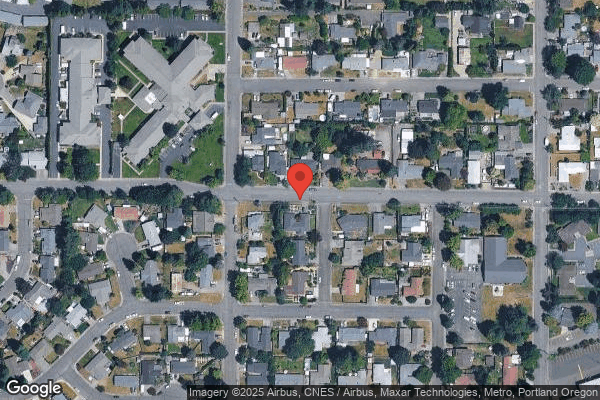
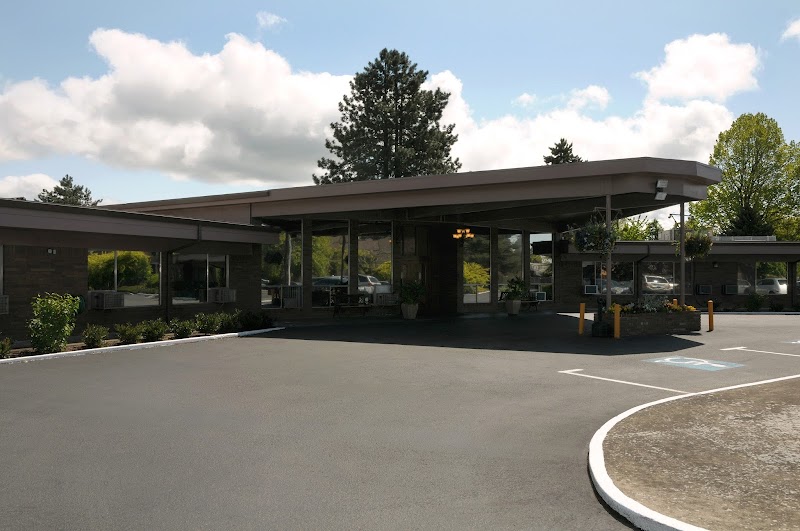
1309 NE 27TH STREET, MCMINNVILLE, OR 97128 (503) 472-4678
For profit - Limited Liability company 110 Beds LIFE CARE CENTERS OF AMERICA Data: November 2025
Trust Grade
75/100
#11 of 127 in OR
Last Inspection: November 2024

Within standard 12-15 month inspection cycle. Federal law requires annual inspections.

Overview

Life Care Center of McMinnville has a Trust Grade of B, indicating it is a good choice for nursing care, meaning it performs well but has room for improvement. It ranks #11 out of 127 facilities in Oregon, placing it in the top half, and is the best facility among 6 in Yamhill County. The facility is currently improving, with reported issues decreasing from 10 in 2024 to just 3 in 2025. Staffing is a concern, as it has a 60% turnover rate, higher than the state average, which could affect consistency of care. Although there have been no fines, there are some serious issues to consider. For example, there were medication errors, including a nurse preparing the wrong dosage for a resident, which can lead to adverse side effects. Additionally, insulin vials were not labeled with open dates, putting residents at risk of using expired medications. Despite these concerns, the facility has a strong overall rating and no critical or serious harm incidents reported, suggesting a commitment to improvement.

Trust Score
B
75/100
In Oregon
#11/127
Top 8%
Safety Record
Low Risk
No red flags
Inspections
Getting Better
10 → 3 violations
Staff Stability
⚠ Watch
60% turnover. Above average. Higher turnover means staff may not know residents' routines.
Penalties
✓ Good
No fines on record. Clean compliance history, better than most Oregon facilities.
Skilled Nurses
○ Average
Each resident gets 33 minutes of Registered Nurse (RN) attention daily — about average for Oregon. RNs are the most trained staff who monitor for health changes.
Violations
⚠ Watch
33 deficiencies on record. Higher than average. Multiple issues found across inspections.
★★★★★
5.0
Overall Rating
★★★☆☆
3.0
Staff Levels
★★★★★
5.0
Care Quality
★★★★☆
4.0
Inspection Score
Stable
2024: 10 issues
2025: 3 issues

The Good

  • 5-Star Quality Measures · Strong clinical quality outcomes
  • Full Sprinkler Coverage · Fire safety systems throughout facility
  • No fines on record

Facility shows strength in quality measures, fire safety.

The Bad

Staff Turnover: 60%

14pts above Oregon avg (46%)

Frequent staff changes - ask about care continuity

Chain: LIFE CARE CENTERS OF AMERICA

Part of a multi-facility chain

Ask about local staffing decisions and management

Staff turnover is elevated (60%)

12 points above Oregon average of 48%

The Ugly 33 deficiencies on record

Jul 2025 1 deficiency
CONCERN (D) 📢 Someone Reported This

A family member, employee, or ombudsman was alarmed enough to file a formal complaint

Potential for Harm - no one hurt, but risky conditions existed

Deficiency F0602 (Tag F0602)

Could have caused harm · This affected 1 resident

**NOTE- TERMS IN BRACKETS HAVE BEEN EDITED TO PROTECT CONFIDENTIALITY** Based on interview and record review, it was determined the facility failed to protect residents' right to be free from misappro...

Read full inspector narrative →
**NOTE- TERMS IN BRACKETS HAVE BEEN EDITED TO PROTECT CONFIDENTIALITY** Based on interview and record review, it was determined the facility failed to protect residents' right to be free from misappropriation of property for 2 of 3 sampled residents (#s 101 and 102) reviewed for misappropriation of resident property. This placed residents at risk for loss of property. Findings include: 1. Resident 101 was admitted to the facility in 6/2025, with diagnoses including difficulty walking and fracture of the right arm. On 7/29/25 at 9:23 AM, Staff 1 (Administrator) stated on 7/14/25, two Police Officers came to the facility and showed Staff 1 a picture, which she identified as Staff 4 (CMA/CNA), an employee of the facility. The Officers informed Staff 1 that Resident 101 and Resident 102 had their debit/credit cards stolen, and Staff 4 was under investigation. Staff 1 stated the police called her on 7/15/25 and informed her they had taken Staff 4 into custody and lodged her at the County jail. The officers also told Staff 1 that Staff 4 had admitted to taking and using the residents' cards. Staff 1 stated she had testified at the Grand Jury, and there were 10 counts pending against Staff 4 including felony charges.A 7/16/25 Police Case Report indicated that on 6/28/25, Witness 2 (Police Officer) received a report from Resident 101 regarding a stolen credit card. Resident 101 had been staying at the nursing facility during the time the unauthorized charges occurred. Two of the charges were made at a large discount department store, which provided video footage of the person using the card. The person using the card was identified as Staff 4, an employee at the nursing facility. Witness 2 indicated he went to Staff 4's residence, where she admitted to taking both Resident 101's and Resident 102's debit/credit cards. She also confessed to committing thefts at the hospital where she previously worked. Witness 2 then arrested and transported Staff 4 to the County Correctional Facility. The report also included Staff 4 had a warrant out of [NAME] County for Elder Abuse.On 7/29/25 at 10:16 AM, Witness 1 (District Attorney) stated there were two victims identified who had been residents at the nursing facility, Residents 101 and 102. The Grand [NAME] did indict Staff 4 on ten charges, five charges for each victim. Staff 4 was still in custody. On 7/29/25 at 10:29 AM, Resident 101 stated that on the last Friday in June she/he had checked her/his bank account and found it empty. Resident 101 then checked her/his wallet and found her/his debit card was gone. Resident 101 said she/he reported it to the police, the bank, and the nursing facility. The Officer who responded to her/his report showed her/him a picture of the person who used the card, and she/he recognized the picture as an employee of the nursing facility.On 7/29/25 at 2:45 PM, Staff 1 (Administrator), Staff 2 (DNS), and Staff 3 (Regional Director) were interviewed and acknowledged that misappropriation of property had occurred.2. Resident 102 was admitted to the facility in 5/2025, with diagnoses including hip fracture, muscle weakness, and chronic pain. On 7/29/25 at 9:23 AM, Staff 1 (Administrator) stated that on 7/14/25, two Police Officers came to the facility and showed Staff 1 a picture, which she identified as Staff 4 (CMA/CNA), an employee of the facility. The Officers informed Staff 1 that Resident 101 and Resident 102 had their debit/credit cards stolen, and Staff 4 was under investigation. Staff 1 stated the police called her on 7/15/25 and informed her they had taken Staff 4 into custody and lodged her at the County jail. The officers also told Staff 1 that Staff 4 had admitted to taking and using the residents' cards. Staff 1 stated she had testified at the Grand Jury, and there were 10 counts pending against Staff 4, including felony charges.A 7/15/25 Police Case Report indicated Witness 5 (Police Officer) spoke with Resident 102's daughter, who stated she was notified on 7/1/25 that the resident's debit card had been used in the city of Molalla, while the resident was recovering in the nursing facility. The report indicated some charges were made at a local discount department store where a still photograph of the suspect was identified as the same suspect from another case involving Resident 101 at the same nursing facility. Witness 5 went to the nursing facility and verified the identification of Staff 4 (CMA/CNA) as the alleged suspect. The report indicated Witness 2 (Police Officer) went to Staff 4's residence and arrested her. Witness 5 spoke briefly with Staff 4. Staff 4 confessed she/he did not remember using the resident's card, but she/he probably did.On 7/29/25 at 10:16 AM, Witness 1 (District Attorney) stated there were two victims identified who had been residents at the nursing facility, Residents 101 and 102. The Grand [NAME] did indict Staff 4 on ten charges, five charges for each victim. Staff 4 was still in custody. On 7/29/25 at 12:58 PM, Witness 4 (family member/POA) stated the resident had a fall and broke her/his hip and could not get out of bed. The resident could not have made the charges found on her/his debit and credit cards. Witness 4 stated she/he had bank alerts on her/his phone for the resident, which enabled her/him to recognize the fraudulent charges. Witness 4 stated she/he filed a police report and were aware Staff 4 was arrested.On 7/29/25 at 2:45 PM, Staff 1 (Administrator), Staff 2 (DNS), and Staff 3 (Regional Director) were interviewed and acknowledged that misappropriation of property had occurred.On 7/25/25, the Past Noncompliance was corrected when the facility completed a root cause analysis of the incident and determined that there was misappropriation of property. The Plan of Correction included: 1. Staff conducted interviews with all current residents. 2. Abuse in-services were completed with all staff with particular attention to identification of types of abuse, abuse reporting and response regarding suspicion of a crime, and the Elder Justice Act. 3. Monitoring: abuse and neglect-staff interviews and observations of three staff members 5 times per week for 1 week, 3 times per week for 3 weeks, then once a week for 2 months, to be done in various areas such as resident rooms, shower room, activities, dining rooms, and hallways. 4. DON or designee will audit nurses' notes and review risk management reports in the morning clinical meeting 5 times a week for 1 month, then weekly for 2 months for any signs of abuse or neglect. If any evidence is found that has not already been reported, the Executive Director will be notified immediately, and the Abuse Policy will be followed.
Apr 2025 2 deficiencies
CONCERN (D) 📢 Someone Reported This

A family member, employee, or ombudsman was alarmed enough to file a formal complaint

Potential for Harm - no one hurt, but risky conditions existed

Quality of Care (Tag F0684)

Could have caused harm · This affected 1 resident

**NOTE- TERMS IN BRACKETS HAVE BEEN EDITED TO PROTECT CONFIDENTIALITY** Based on interview and record review it was determined the facility failed to assess a skin wound for 1 of 3 sampled residents (...

Read full inspector narrative →
**NOTE- TERMS IN BRACKETS HAVE BEEN EDITED TO PROTECT CONFIDENTIALITY** Based on interview and record review it was determined the facility failed to assess a skin wound for 1 of 3 sampled residents (#2) reviewed for skin conditions. This placed residents at risk for worsening wounds. Findings include: Resident 2 admitted to the facility in 11/2024, with diagnoses including malnutrition and colostomy. The 11/19/24 Hospital History and Physical indicated Resident 2's abdominal ostomy site had surrounding erythema (redness) and one spot of skin breakdown. The 11/20/24 admission Skin Assessment indicated no abdominal wounds. Resident 2's Progress Notes dated 11/22/24 through 11/24/24 and 11/26/24 through 12/2/24 described an abdominal ostomy with constant drainage, and the surrounding skin as red and inflamed. A 12/6/24 Progress Note indicated Resident 2's colostomy bag would not stay in place, her/his abdominal skin was excoriated, blistered, tender to touch and caused irretractable pain due to the constant colostomy drainage. Resident 2's skin was inflamed mid abdomen to the perineum and thighs. Resident 2 was transferred to the hospital for evaluation and treatment. Resident 2's Progress Notes revealed she/he re-admitted to the facility on [DATE] and passed away on 12/15/24. Review of Resident 2's clinical record revealed no weekly wound assessments for the worsening abdominal wound from 11/20/24 through 12/15/24. On 4/16/25 at 12:36 PM, Staff 2 (DNS) and Staff 3 (LPN/RCM) verified no wound assessments were completed on Resident 2's worsening abdominal wound.
CONCERN (D) 📢 Someone Reported This

A family member, employee, or ombudsman was alarmed enough to file a formal complaint

Potential for Harm - no one hurt, but risky conditions existed

Deficiency F0710 (Tag F0710)

Could have caused harm · This affected 1 resident

Based on interview and record review it was determined the facility failed to ensure a physician supervised the resident's medical care and evaluated the effectiveness of wound care treatments for 1 o...

Read full inspector narrative →
Based on interview and record review it was determined the facility failed to ensure a physician supervised the resident's medical care and evaluated the effectiveness of wound care treatments for 1 of 3 sampled residents (#2) reviewed for skin conditions. This placed residents at risk for increased pain, worsening wounds and hospitalization. Findings include: Resident 2 admitted to the facility in 11/2024, with diagnoses including atrial fibrillation (irregular heartbeat), malnutrition and colostomy. The 11/19/24 Hospital History and Physical indicated Resident 2's abdominal ostomy site had surrounding erythema (redness) and one spot of skin breakdown. Resident 2's 11/20/24 and 11/27/24 Ostomy and Skin Care Plans revealed she/he had a colostomy and was at risk for a decline in skin integrity. Staff were to keep the skin clean, dry and protected from the ostomy drainage, and to clean and apply moisture barrier to the skin after each leaking episode. The 11/21/24 Physician Note revealed Resident 2 had a colostomy and indicated all chronic conditions were relatively stable. The note did not include information related to Resident 2's leaking ostomy or the condition of her/his surrounding skin. Resident 2's Progress Notes dated 11/22/24 through 11/24/24 and 11/26/24 through 12/2/24 described an abdominal ostomy with constant drainage, and the surrounding skin as red and inflamed. A 12/6/24 Progress Note indicated Resident 2's colostomy bag did not stay in place, her/his abdominal skin was excoriated, blistered, tender to touch and caused irretractable pain due to the constant colostomy drainage. Resident 2's skin was inflamed mid abdomen to the perineum and in-between her/his thighs. Resident 2 was transferred to the hospital for evaluation and treatment on 12/5/24. A 12/5/24 Emergency Department Note indicated Resident 2 had extensive skin breakdown and maceration which extended from the right-sided ostomy and the entire abdomen was tender due to the skin maceration. Differential diagnoses included ostomy bag malfunction skin maceration and atrial fibrillation. The physician noted Resident 2 had extensive skin maceration and erythema to her/his entire abdominal wall skin related to the leakage from the ostomy bag which resulted in significant pain. The physician indicated IV (intravenous) medications were needed for pain control and the resident would require extensive wound care for the abdominal wall maceration. A 12/6/24 Hospital Note revealed Resident 2 had right sided abdominal red and raw skin which extended to the perineal and inner thighs. Resident 2's 12/10/24 Progress Notes revealed she/he re-admitted to the facility. Resident 2's 12/12/24 Physician Note indicated the resident continued with a colostomy which functioned normally. The note did not include any assessment of the resident's skin surrounding the leaking colostomy site. On 4/16/25 at 9:47 AM, Staff 5 (CNA) stated Resident 2's ostomy constantly leaked, the colostomy bag would fall off, and the resident's skin was raw, red and sore. Staff 5 stated she would constantly report the issue to the nurse who would clean the site and replace the colostomy bag. On 4/16/25 at 9:55 AM, Staff 4 (LPN) stated Resident 2's ostomy leaked a lot, wound care was completed frequently, and the resident's skin got very irritated. Staff 4 stated one time as soon as she completed all the wound care and the new colostomy bag was on, it immediately fell back off and the care had to be done again, which was a common occurrence. Staff 4 stated all staff were aware of Resident 2's skin issues and the leaking colostomy. Additionally, Staff 4 stated the resident went to an appointment related to her/his colostomy on 12/12/25 and returned with no new orders which frustrated staff since it did not address the colostomy leakage concern. On 4/16/25 at 12:36 PM, Staff 2 (DNS) and Staff 3 (LPN/RCM) acknowledged Resident 2's colostomy constantly leaked and her/his abdominal skin condition declined although skin treatments were in place. On 4/18/25 at 10:28 AM, Witness 8 (Physician) stated he focused on Resident 2's cardiac concerns and osteomyelitis which were the main reasons she/he admitted to the facility. Witness 8 further stated he was unable to recall if the facility staff ever reached out to him related to colostomy concerns or skin problems and when Resident 2 returned from the hospital he believed her/his colostomy functioned normally. Witness 8 verified he did not observe Resident 2's abdominal wound when he examined her/him on 12/12/24.
Nov 2024 5 deficiencies
CONCERN (D)

Potential for Harm - no one hurt, but risky conditions existed

ADL Care (Tag F0677)

Could have caused harm · This affected 1 resident

Based on observation, interview and record review it was determined the facility failed to ensure a resident received assistance with fingernail care for 1 of 4 sampled residents (#46) reviewed for AD...

Read full inspector narrative →
Based on observation, interview and record review it was determined the facility failed to ensure a resident received assistance with fingernail care for 1 of 4 sampled residents (#46) reviewed for ADL care. This placed residents at risk for unmet care needs. Findings include: Resident 46 admitted to the facility in 2024 with diagnoses including stroke and left sided hemiparesis (paralysis to one side of the body). The 8/7/24 care plan indicated Resident 46 had left sided weakness and required assistance with ADL care. The 10/2024 TAR indicated Resident 46 received nail care on 10/31/24. On 11/4/24 at 12:43 PM Resident 46 was observed to have long fingernails. Resident 46 stated she/he requested to have her/his nails trimmed but staff did not provide nail care. On 11/6/24 at 2:10 PM Staff 7 (CNA) stated nail care was completed or offered for all residents on shower days. Staff 7 acknowledged Resident 46 was dependent on staff for nail care and her/his fingernails were long. On 11/6/24 at 2:15 PM Staff 2 (DNS) observed Resident 46's fingernails and acknowledged her/his fingernails were long and nail care was not completed.
CONCERN (D)

Potential for Harm - no one hurt, but risky conditions existed

Deficiency F0688 (Tag F0688)

Could have caused harm · This affected 1 resident

Based on interview and record review it was determined the facility failed to provide a restorative program to prevent decline in range of motion for 1 of 1 sampled resident (#46) reviewed for RA. Thi...

Read full inspector narrative →
Based on interview and record review it was determined the facility failed to provide a restorative program to prevent decline in range of motion for 1 of 1 sampled resident (#46) reviewed for RA. This placed residents at risk for physical decline. Findings include: Resident 46 admitted to the facility in 2024 with diagnoses including stroke and left sided hemiparesis (paralysis to one side of the body). The 8/7/24 care plan indicated Resident 46 had left sided weakness, impaired mobility and required assistance with ADL care. The 9/23/24 Physical and Occupational Therapy Discharge Summaries indicated Resident 46 made consistent progress throughout the plan of treatment and responded positively to techniques to stimulate functional performance and enhance safety to prevent further decline. Notes further indicated she/he had upper extremity hemiparesis which did not improve. The restorative program was, not indicated at this time. On 11/4/24 at 12:43 PM Resident 46 was observed to have her/his hand to be closed into a fist and stated she/he did not receive range of motion exercises for her/his hand and wanted to participate in an RA program. On 11/5/24 at 10:58 AM Staff 6 (PT) stated Resident 46 was discharged from therapy on 9/19/24. Staff 6 stated the resident was a good candidate for RA services after she/he discharged from therapy due her/his left sided stroke and difficulty using her/his left hand due to it tensing up. Staff 6 stated she was unable to make a referral to RA as the facility did not offer an RA program. On 11/5/24 at 10:51 AM and 11/7/24 at 1:33 PM Staff 2 (DNS) stated the facility did not have an RA program and was unsure of the last time RA was offered to residents. Staff 2 acknowledged Resident 46 had left sided weakness and would have benefited from an RA program.
CONCERN (D)

Potential for Harm - no one hurt, but risky conditions existed

Deficiency F0698 (Tag F0698)

Could have caused harm · This affected 1 resident

Based on interview and record review it was determined the facility failed to provide appropriate treatment for a resident receiving dialysis including monitoring of the dialysis site and communicatio...

Read full inspector narrative →
Based on interview and record review it was determined the facility failed to provide appropriate treatment for a resident receiving dialysis including monitoring of the dialysis site and communication with the dialysis provider for 1 of 1 sampled resident (#30) reviewed for dialysis. Findings include: Resident 30 admitted to the facility in 2022 with diagnoses including renal dialysis. a. The facility's Hemodialysis Offsite Policy, revised in 2023, indicated staff were to initiate the Pre/Post Dialysis Communication Form that was to be sent to the dialysis clinic with the resident. The policy further indicated upon return from dialysis the Pre/Post Dialysis Communication Form was to be completed. The 11/20/23 care plan indicated Resident 30 received dialysis three days a week on Tuesdays, Thursdays, and Saturdays. Review of the Pre/Post Dialysis Communication Form from 7/2024 through 10/2024 revealed the following: - 7/2024 five instances when the dialysis forms were not completed. - 8/2024 10 instances when the dialysis forms were not completed. - 9/2024 10 instances when the dialysis forms were not completed. - 10/2024 10 instances when the dialysis forms were not completed. On 11/7/24 at 12:11 PM Staff 4 (LPN) stated Resident 30 took the dialysis book (which contained the communication form) with her/him to each appointment. Staff 4 stated the communication form was used to communicate with dialysis with any updates or changes to Resident 30's care. Staff 4 stated nursing staff were supposed to complete the Pre/Post Dialysis Communication Form before and after the resident's dialysis appointments. Staff 4 acknowledged nursing staff did not always complete the dialysis communication forms. On 11/8/24 at 10:34 AM Staff 2 (DNS) stated the Pre/Post Dialysis Communication Forms were to be completed by nursing staff at each dialysis appointment and acknowledged the forms were not completed for the identified dates. b. The 9/24/24 care plan indicated Resident 30 had a right chest wall dialysis access site. An intervention included for the site to be checked daily. Review of Resident 30's medical record revealed no evidence Resident 30's access site was checked daily. On 11/7/24 at 10:00 AM Resident 30 stated staff did not assess her/his dialysis site after she/he returned from dialysis. On 11/8/24 at 10:34 AM Staff 2 (DNS) stated nursing staff were to check Resident 30's chest and it was to be documented on the TAR. Staff 2 acknowledged there was no evidence Residents 30's chest wall dialysis site was being checked on the TAR or in the resident's medical record.
CONCERN (D)

Potential for Harm - no one hurt, but risky conditions existed

Drug Regimen Review (Tag F0756)

Could have caused harm · This affected 1 resident

Based on interview and record review it was determined the facility failed to ensure pharmacist recommendations were considered for 2 of 5 sampled residents (#s 14 and 28) reviewed for unnecessary med...

Read full inspector narrative →
Based on interview and record review it was determined the facility failed to ensure pharmacist recommendations were considered for 2 of 5 sampled residents (#s 14 and 28) reviewed for unnecessary medications. This placed residents at risk for unnecessary medication. Findings include: 1. Resident 14 admitted to the facility in 2021 with diagnoses including delusional disorder. Resident 14's 9/26/24 pharmacy recommendation indicated the following: -The resident received haloperidol (antipsychotic medication) 2.5 mg in the morning and 5 mg at bedtime for psychosis related to metabolic encephalopathy (brain dysfunction) and hallucinations. -Nursing assessments indicated no episodes of delusions or hallucinations in the last three months. -Please attempt a gradual dose reduction of haloperidol to 5 mg at bedtime. - The pharmacy recommendation was signed by the physician on 9/26/24 and indicated the recommendations were accepted and to be implemented as written. The pharmacy recommendation was not noted by Staff 2 (DNS) until 10/8/24 (13 days later). On 11/7/24 at 1:23 PM Staff 2 stated the facility received the recommendation but did not have a system in place to ensure pharmacy recommendations were addressed. Staff 2 acknowledged Resident 14's pharmacy recommendations were not addressed timely. 2. Resident 28 admitted to the facility in 2022 with diagnoses including atrial fibrillation. On 11/8/24 a request was made from Staff 2 (DNS) for the 10/2024 pharmacy recommendations for Resident 28 as they were not located in the clinical record. Resident 28's 10/16/24 pharmacy recommendation indicated the following: -During the review of the resident's Eliquis (anticoagulant medication) tablet 5 mg twice daily directions include to resume on 4/27/24 after Paxlovid (antiviral medication) was complete. -Please remove the following from the order: resume on 4/27/24 after Paxlovid was complete. On 11/8/24 at 11:27 AM Staff 2 acknowledged the 10/16/24 pharmacy recommendation was not addressed as of 11/8/24. Staff 2 stated she did not recall receiving the pharmacy recommendation and had to go online on 11/8/24 to find the recommendation.
CONCERN (E)

Potential for Harm - no one hurt, but risky conditions existed

Unnecessary Medications (Tag F0759)

Could have caused harm · This affected multiple residents

Based on observation, interview and record review it was determined the facility failed to ensure the facility maintained a medication error rate of less than 5%. There were six errors in 26 opportuni...

Read full inspector narrative →
Based on observation, interview and record review it was determined the facility failed to ensure the facility maintained a medication error rate of less than 5%. There were six errors in 26 opportunities resulting in a 23% medication error rate. This placed residents at risk for adverse side effects from medications. Findings include: 1. Resident 152 admitted to the facility in 2024 with diagnoses including heart failure, gastroesophageal reflux disease (GERD) and fibromyalgia. a. The 11/1/24 physician order indicated Resident 152 was to receive duloxetine (antidepressant medication) delayed release 60 mg once daily for chronic pain. On 11/6/24 at 9:01 AM Staff 5 (Agency RN) was observed to prepare morning medications for Resident 152. Staff 5 prepared duloxetine 30 mg in the medication cup and continued to the next medication. The State Surveyor stopped Staff 5 and asked her to review the order since the prepared medication did not match the order. Staff 5 acknowledged she prepared duloxetine 30 mg instead of the ordered duloxetine 60 mg. Staff 5 then prepared the correct dose of the medication. On 11/6/24 at 10:49 AM Staff 2 (DNS) acknowledged the identified findings and provided no additional information. b. The 11/1/24 physician order indicated Resident 152 was to receive Eliquis (anticoagulant medication) 2.5 mg twice daily for heart failure. On 11/6/24 at 9:01 AM Staff 5 (Agency RN) was observed to prepare morning medications for Resident 152. Staff 5 prepared Eliquis 5 mg in the medication cup and continued to the next medication. The State Surveyor stopped Staff 5 and asked her to review the order since the prepared medication did not match the order. Staff 5 acknowledged she prepared Eliquis 5 mg instead of the ordered 2.5 mg. Staff 5 then prepared the correct dose of the medication. On 11/6/24 at 10:49 AM Staff 2 (DNS) acknowledged the identified findings and provided no additional information. c. The 11/1/24 physician order indicated Resident 152 was to receive omeprazole 40 mg twice daily for GERD. The manufacturer recommendations indicated omeprazole was to be administered before meals. On 11/6/24 at 9:01 AM Staff 5 (Agency RN) was observed to prepare morning medications for Resident 152 including omeprazole 40 mg. On 11/6/24 at 9:01 AM Staff 5 acknowledged omeprazole was to be administered prior to breakfast but was administered after Resident 152 ate breakfast. On 11/6/24 at 10:49 AM Staff 2 (DNS) acknowledged the identified findings and provided no additional information. d. The 11/1/24 physician order indicated Resident 152 was to receive Tylenol 1000 mg three times daily for pain. On 11/6/24 at 9:01 AM Staff 5 was observed to prepare morning medications for Resident 152. The medications did not include Tylenol. On 11/6/24 at 9:28 AM Resident 152 was observed to ask Staff 5 for the Tylenol and stated it was scheduled. Staff 5 then prepared the Tylenol 1000 mg. On 11/6/24 at 9:31 AM Staff 5 stated the Tylenol was due at 8:00 AM but she did not see it because she pulled up medications that were due at 9:00 AM. Staff 5 administered the Tylenol to Resident 152 and acknowledged it was administered late. On 11/6/24 at 10:49 AM Staff 2 (DNS) acknowledged the identified findings and provided no additional information. e. The 11/1/24 physician order indicated Resident 152 was to receive loratadine 10 mg once daily for allergies. The physician order did not include cetirizine 10 mg. On 11/6/24 at 9:46 AM Staff 5 was observed to prepare cetirizine 10 mg for Resident 152. The State Surveyor stopped Staff 5 and asked her to review the order. Staff 5 reviewed the order and looked up cetirizine in the computer and acknowledged loratadine and cetirizine were two different drugs. Staff 5 stated she needed to check with the nurse as she could not find the loratadine in the medication cart or the medication room. On 11/6/24 at 10:49 AM Staff 2 (DNS) acknowledged the identified findings and provided no additional information. 2. Resident 10 admitted to the facility in 2024 with diagnoses including major depressive disorder. The 11/1/24 physician order indicated Resident 10 was to receive sertraline 50 mg two tabs once daily. On 11/7/24 at 8:07 AM Staff 3 (LPN) was observed to prepare morning medications for Resident 10. Staff 3 prepared sertraline 50 mg in a medication cup and continued to the next medication. The State Surveyor stopped Staff 3 and asked her to review the order since the prepared medication did not match the order. Staff 3 clarified the order with Staff 2 (DNS) and acknowledged she prepared sertraline 50 mg instead of the ordered 100 mg. Staff 3 then prepared the correct dose of the medication. On 11/7/24 at 1:26 PM Staff 2 (DNS) acknowledged the identified findings and provided no additional information.
Oct 2024 1 deficiency
CONCERN (E) 📢 Someone Reported This

A family member, employee, or ombudsman was alarmed enough to file a formal complaint

Potential for Harm - no one hurt, but risky conditions existed

Deficiency F0565 (Tag F0565)

Could have caused harm · This affected multiple residents

Based on interview and record review it was determined the facility failed to promptly respond for 2 of 3 months of Resident Council minutes reviewed. This placed residents at risk for unresolved qual...

Read full inspector narrative →
Based on interview and record review it was determined the facility failed to promptly respond for 2 of 3 months of Resident Council minutes reviewed. This placed residents at risk for unresolved quality of life and care issues. Findings include: The facility's revised 9/27/23 Resident Council policy stated, the facility must act promptly upon the recommendations of such groups concerning issues of resident care and life in the facility. The Activities Director will facilitate follow-up on all suggestions and ideas presented at the council meeting and will report results at the next meeting. Each Department Director will be responsible for filling out a comment form prior to the next meeting. Resident Council Minutes were reviewed from 7/2024 through 9/2024 and indicated the following residents' concerns: *7/10/24: Do not close doors without permission, make sure call lights are within reach, beds have been squeaking, can people be informed? There was no follow up after the 7/10/24 Resident Council meeting regarding the residents' concerns and recommendations. *8/7/24: Cooler for food items, diet reports not being followed, room not getting cleaned daily, call lights and medications take forever, make a form for residents to address concerns between Resident Council meetings. There was no follow up after the 8/7/24 Resident Council meeting regarding the residents' concerns and recommendations. *9/11/24: Make sure allergy/dislikes being followed, more diabetic options, clothes not being put in correct closets, med times and call lights taking awhile at times, trash cans not being taken out daily. There was no follow up from dietary and maintenance after the 9/11/24 Resident Council meeting regarding the residents' concerns and recommendations. On 10/2/24 at 3:52 PM, Staff 3 (Activities Director) stated Resident Council meetings are held monthly. Following the meetings Staff 3 stated she copied the meeting notes and gave copies to each Department Head Manager. Staff 3 stated she did not get responses back from the department head managers. On 10/14/24 at 12:16 PM, Staff 1 (Administrator) stated she would expect department managers to respond to Resident Council concerns within seven to 10 days.
Jan 2024 4 deficiencies
CONCERN (D) 📢 Someone Reported This

A family member, employee, or ombudsman was alarmed enough to file a formal complaint

Potential for Harm - no one hurt, but risky conditions existed

Report Alleged Abuse (Tag F0609)

Could have caused harm · This affected 1 resident

**NOTE- TERMS IN BRACKETS HAVE BEEN EDITED TO PROTECT CONFIDENTIALITY** Based on interview and record review it was determined the facility failed to report to the State Survey Agency an allegation of...

Read full inspector narrative →
**NOTE- TERMS IN BRACKETS HAVE BEEN EDITED TO PROTECT CONFIDENTIALITY** Based on interview and record review it was determined the facility failed to report to the State Survey Agency an allegation of sexual abuse for 1 of 1 sampled resident (#1) reviewed for sexual abuse. This placed residents at risk for sexual abuse. Findings include: Resident 1 admitted to the facility in 7/2023 with diagnoses including anxiety and adult failure to thrive. A 8/18/23 a Progress Note revealed Resident 1 was sent to the hospital due to a change of condition. On 1/3/24 at 3:27 PM Witness 1 (Complainant) stated on 9/1/23 she was informed by a hospital social worker, Resident 1 reported she did not want to return to the facility from the hospital because they, indicating staff, were having sex with [her/him]. On 1/4/24 at 1:46 PM Staff 4 (Social Service Director) stated she contacted Witness 2 (Family Member) around Christmas time because Resident 1 had a box of items left at the facility. Witness 2 refused to step foot into the facility, claiming Resident 1 was raped every day at the facility. Staff 4 stated Witness 2 was very mad and angry about the situation. Staff 4 stated she notified Staff 1 (Administrator) about the concern. Staff 4 stated she did not document the conversation with Witness 2. On 1/4/24 at 3:46 PM Witness 3 (Family Member) indicated Resident 1 was sent out to the hospital in 8/2023 from the facility and when Witness 3 spoke with Resident 1 she/he did not want to return to the facility because she/he was molested there. On 1/4/24 at 4:15 PM Witness 2 (Family Member) indicated Resident 1 was hospitalized on [DATE] due to a change of condition. When Witness 2 spoke to Resident 1, the resident stated she/he did not want to return to the facility because she/he was raped every day. Witness 2 asked if the resident heard any noises or knew the gender of the perpetrator. Resident 1 stated she/he could not see them, but they played loud music. Witness 2 asked the resident if they had intercourse with her/him and the resident stated no but they dragged her/him out of bed and kissed her/him. Witness 2 expressed this was very emotional to hear. Witness 2 stated a social worker interviewed Resident 1 at the hospital but Resident 1 was less cooperative. Witness 2 stated she informed Staff 4 about her concerns in 12/2023 regarding Resident 1 being raped at the facility and Staff 4 was shocked. There was no evidence a FRI (Facility Reported Incident) was sent to the State Survey Agency. On 1/4/24 at 4:37 PM and 5:13 PM Staff 1 (Administrator) and Staff 4 were present for an interview. Staff 1 stated Staff 4 spoke with her regarding the phone conversation Staff 4 had with Witness 2. Staff 1 acknowledged the State Agency was not notified and a FRI was not initiated for the allegation of sexual abuse.
CONCERN (D) 📢 Someone Reported This

A family member, employee, or ombudsman was alarmed enough to file a formal complaint

Potential for Harm - no one hurt, but risky conditions existed

Investigate Abuse (Tag F0610)

Could have caused harm · This affected 1 resident

Based on interview and record review it was determined the facility failed to investigate an allegation of sexual abuse for 1 of 1 sampled resident (#1) reviewed for allegations of sexual abuse. This ...

Read full inspector narrative →
Based on interview and record review it was determined the facility failed to investigate an allegation of sexual abuse for 1 of 1 sampled resident (#1) reviewed for allegations of sexual abuse. This placed residents at risk for further sexual abuse. Findings include: Resident 1 admitted to the facility in 7/2023 with diagnoses including anxiety and adult failure to thrive. A 8/18/23 a Progress Note revealed Resident 1 was sent to the hospital due to a change of condition. On 1/3/24 at 3:27 PM Witness 1 (Complainant) stated on 9/1/23 she was informed by a social worker that Resident 1 reported she/he did not want to return to the facility from the hospital because they, indicating staff, were having sex with [her/him]. On 1/4/24 at 1:46 PM Staff 4 (Social Service Director) stated she contacted Witness 2 (Family Member) around Christmas time because Resident 1 had a box of items left at the facility. Witness 2 refused to step foot into the facility, claiming Resident 1 was raped every day at the facility. Staff 4 stated Witness 2 was very mad and angry about the situation. Staff 4 stated she notified Staff 1 (Administrator) about the concern. Staff 4 stated she did not document the conversation with Witness 2. There was no evidence a FRI (Facility Reported Incident) was initiated. On 1/4/24 at 4:37 PM and 5:13 PM Staff 1 (Administrator) and Staff 4 were present for an interview. Staff 1 stated Staff 4 spoke with her regarding the phone conversation Staff 4 had with Witness 2. Staff 1 acknowledged no investigation was completed regarding the allegation of sexual abuse. -Refer to F609
CONCERN (D) 📢 Someone Reported This

A family member, employee, or ombudsman was alarmed enough to file a formal complaint

Potential for Harm - no one hurt, but risky conditions existed

Pressure Ulcer Prevention (Tag F0686)

Could have caused harm · This affected 1 resident

**NOTE- TERMS IN BRACKETS HAVE BEEN EDITED TO PROTECT CONFIDENTIALITY** Based on interview and record review the facility failed to provide care to prevent a pressure ulcer and accurately assess a pre...

Read full inspector narrative →
**NOTE- TERMS IN BRACKETS HAVE BEEN EDITED TO PROTECT CONFIDENTIALITY** Based on interview and record review the facility failed to provide care to prevent a pressure ulcer and accurately assess a pressure ulcer injury for 1 of 3 sampled residents (#3) reviewed for pressure ulcers. This placed residents at risk for inaccurate wound assessments and worsening of wounds. Findings include: CMS Appendix PP defined an Unstageable Pressure Ulcer: Obscured full-thickness skin and tissue loss. Full-thickness skin and tissue loss in which the extent of tissue damage within the ulcer cannot be confirmed because the wound bed is obscured by slough (yellow/white material in the wound bed) or eschar (a dry, dark scab or falling away of dead skin). Stable eschar (i.e. dry, adherent, intact without erythema or fluctuance) should only be removed after careful clinical consideration and consultation with the resident's physician, or nurse practitioner, physician assistant, or clinical nurse specialist if allowable under state licensure laws. If the slough or eschar is removed, a Stage 3 or Stage 4 pressure ulcer will be revealed. If the anatomical depth of the tissue damage involved can be determined, then the reclassified stage should be assigned. The pressure ulcer does not have to be completely debrided or free of all slough or eschar for reclassification of stage to occur. Resident 3 admitted to the facility in 9/2023 with diagnoses including left leg fracture, peripheral vascular disease and right trans-metatarsal amputation (removal of the toes). A 9/21/23 care plan indicated Resident 3 required one-person assistance with her/his ADL care needs. The resident was at risk for breaks in skin integrity and expressed pain and discomfort related to her/his hip fractures. Interventions included pressure reducing mattress, weekly skin checks, evaluate effectiveness of pain interventions, pain medications, and treatment as ordered. A Documentation Survey Report from 9/20/23 through 10/9/23 revealed Resident 3 accepted assistance with her/his ADL care for bed mobility, dressing and personal hygiene. Resident 3 refused showering on 9/29/23 and 10/3/23. A Behavior Note dated 9/25/23 indicated the resident was agitated, refused care, dressing change, meals, medications and was yelling and threatening staff. A Care Management Note dated 9/27/23 indicated the resident was noncompliant with therapy and nursing still a max assist for transfers and one person for bed mobility and mod assist. A Behavior Note dated 9/29/23 indicated Resident shouting, yelling at staff, and cussing them out. Shower was offered and the resident told staff get the F out, leave me alone, I don't care. A Document Survey Report from 10/2/23 through 10/9/23 revealed 23 opportunities to document Resident 3's behaviors each shift and revealed the following: -16 times the resident had no behaviors. -Five times the resident was agitated, cursed or refused ADL care. A review of Resident 3's clinical record revealed no evidence the resident was informed of the risk of refusing care. A Transfer to Hospital Summary dated 10/4/23 revealed the resident was sent to the hospital at 9:15 AM because of emesis (vomiting) all morning shift. A Skilled Note dated 10/4/23 revealed the resident returned from the hospital at 6:45 PM with diagnoses of gastroenteritis (a stomach virus) and dehydration. No evidence was found in the clinical record to indicate a skin check was completed when Resident 3 returned to the facility. A Risk Assessment Skin Related Report dated 10/6/23 revealed the following: -Staff 6 (LPN-Resident Care Manager) was approached by Witness 5 (LPN [from an Assisted Living Facility]) about a pressure injury to the resident's left heel. Staff 6 went into the resident room to look at the resident's heel. Resident 3 was lying in bed and Staff 6 carefully lifted the resident's leg so she could get a better look at the bottom of the resident's heel and the resident yelled out that hurts don't fucking touch it that way, pick it up by my toe, Staff 6 did as the resident asked and picked up her/his foot by her/his great toe. Once the resident's heel was visible Staff 6 with a clean hand lightly pushed around the outside of the wound and again the resident yelled out what the fuck are you doing that fucking hurts. Staff 6 apologized and indicated I'm not trying to hurt you I'm just trying to assess the wound on your heel but I'm done now. Staff 6 asked the resident how she/he got the pressure injury on her/his heel, or if he had told anyone that her/his heel was hurting and she/he stated, I have been saying my leg hurts, open your fucking ears what are you stupid. Staff 6 stated we know your leg hurts you had surgery I'm talking about your heel the resident declined to answer and stated get the fuck out of here. -Immediate Action Taken: Staff 6 cleaned the resident's heel, placed a foam dressing and made sure the resident's heel was floated. -Unable to determine the type of injury on the resident's left heel. -Resident 3 has been refusing cares since [she/he] admitted to the facility, the resident has also been cussing at every staff member and using very vulgar profanity anytime staff goes into [her/his] room to do anything. -The assessment failed to describe the pressure injury, stage of the wound, no measurements were obtained and no root cause analysis of how the wound may have developed. The assessment did not indicate if the resident was reapproached or informed of the risk of refusing to allow staff to asses the wound. A Physician's Order Summary dated 10/6/23 revealed Left Heel Unstageable Pressure Ulcer cover with Eschar: Staff was to cleanse with NS (normal saline), apply iodine to black eschar, cover with foam dressing three times a weekly and PRN every day shift every Monday, Wednesday and Saturday. A Discharge summary dated [DATE] revealed Resident 3 completed her/his skilled stay and received therapy services. Resident 3 was seen by nursing to monitor her/his surgical site and Resident 3 developed a pressure injury to her/his left heel due to her/his noncompliance. On 1/3/24 at 10:33 AM Resident 3 indicated she/he was at the facility because she/he broke her/his hip and was there for therapy services. Resident 3 indicated she/he reported her/his left heel hurt a couple days prior to being sent out to the hospital but no one at the facility looked at her/his left foot. Resident 3 stated Witness 5 discovered her/his left heel wound and when she removed the sock from the left foot it was very painful. Resident 3 stated the wound on the bottom of the left heel was black. Resident 3 stated staffed ignored her/him because she/he could be a little difficult at times. Resident 3 stated she/he had surgery to the left foot and was still not completely healed. On 1/3/24 at 11:17 AM Witness 5 stated she completed a skin assessment at the facility on 10/6/23 for Resident 3 to return to her/his ALF. Witness 5 stated the resident was in bed and her/his left foot had a flat pillow under her/his calf area, but the left heel rested on the bed. The resident indicated her/his left foot really hurt. Witness 5 stated she removed the sock from the left heel and the resident grimaced with pain. The left great toe had a bandage over it with no date and upon removal of the bandage the skin underneath was dry, intact, and not painful. Witness 5 stated the resident's left heel had an unstageable pressure wound with eschar, dead tissue and was approximately half a dollar coin sized. Witness 5 stated the edges around the wound were red and extremely painful to touch. Witness 5 stated she reported this to Staff 6 (LPN-Resident Care Manager) and Staff 5 (LPN). Staff 3 entered the room to look at the wound and proceeded to pick up the resident's left foot without gloves and started to touch and press on the outer portion of her/his left heel wound with no regard to the residents pain or discomfort. Witness 5 stated Staff 3 and Staff 5 stated the resident was sent out to the hospital recently and could have acquired the wound there. Witness 5 stated Staff 3 indicated the resident was difficult to work with because of her/his behaviors. On 1/4/23 at 10:34 PM Staff 3 stated she worked with Resident 3 and remembered the wound to her/his left heel. Staff 3 stated Resident 3 was sent out to the hospital on [DATE] and returned later that evening and reported her/his left heel hurt but refused staff to assess the left heel until Witness 5 came to complete an assessment on 10/6/23. Staff 3 stated Witness 5 alerted her and Staff 5 of a wound found on the resident's left heel. Staff 3 stated she entered the room to assess the left heel, but did not put gloves on, proceeded to lift the left heel off the bed and the wound covered the base of the heel, was red and dark in color. Staff 3 stated she touched the outer edge of the wound without gloves and the resident stated, ouch that hurts. Staff 3 stated she applied a dressing and Staff 5 initiated treatment orders. Staff 3 stated the resident was a challenge due to her/his behaviors and was non-compliant several times with ADL care and indicated this was documented in the clinical record. Staff 3 indicated facility staff offloaded the resident's legs as she/he would allow. When asked if she completed the Risk Assessment Skin Related Report on 10/6/23 and what was to be documented and how she determined the wound occurred. Staff 3 stated she completed the 10/6/23 form and was to include a description of the wound, measurements, treatment initiated, notification to family, physician and determine how the wound occurred. Staff 3 stated she did not describe the wound, measure, or determine how the wound potentially occurred. On 1/5/24 at 10:30 AM Staff 2 (DNS) stated Resident 3 was not very pleasant with staff and refused ADL care and repositioning. When asked what her expectations were when residents refused care and what staff were to do she stated refusals were to be documented in the clinical record and education was to be provided to the resident for refusal of care. Staff 2 stated she was notified of Resident 3's left heel pressure injury on 10/6/23 and she/he discharged a few days later. Staff 2 stated staff were expected to complete a Risk Assessment Skin Related Report because it was a big part of the investigation which was to include a description and staging of the wound, measurements, and an analysis of contributing factors to identify how the wound occurred. Staff 2 stated staff were expected to wash hands and wear gloves prior to touching a wound.
CONCERN (D) 📢 Someone Reported This

A family member, employee, or ombudsman was alarmed enough to file a formal complaint

Potential for Harm - no one hurt, but risky conditions existed

Infection Control (Tag F0880)

Could have caused harm · This affected 1 resident

Based on interview it was determined the facility failed to ensure staff wore gloves when assessing a wound for 1 of 2 sampled residents (#3) reviewed for pressure ulcers. This placed resident at risk...

Read full inspector narrative →
Based on interview it was determined the facility failed to ensure staff wore gloves when assessing a wound for 1 of 2 sampled residents (#3) reviewed for pressure ulcers. This placed resident at risk for infections. Findings include: Resident 3 admitted to the facility in 9/2023 with diagnoses including left leg fracture, peripheral vascular disease, and right trans-metatarsal amputation (removal of the toes). On 1/3/24 at 11:17 AM Witness 5 (ALF [from an Assisted Living Facility]-LPN) stated she completed a skin assessment at the facility on 10/6/23 for Resident 3 to return to her/his ALF. Witness 5 stated she removed the sock from the left heel and the resident's left heel had an unstageable (full-thickness skin and tissue loss) pressure wound with eschar (dry, dark scab or falling away of dead skin), dead tissue and was approximately half a dollar coin sized. Witness 5 stated she reported this to Staff 3 (LPN-Resident Care Manager) and Staff 5 (LPN). Staff 3 entered the room to look at the wound and proceeded to pick up the resident's left foot without gloves and started to touch and press on the outer portion of her/his left heel wound with no regard to the resident's pain or discomfort. On 1/4/24 at 10:34 PM Staff 3 stated she worked with Resident 3 and remembered the wound to her/his left heel. Staff 3 stated Witness 5 alerted her and Staff 5 of a wound found on the resident's left heel. Staff 3 stated she entered the room to assess the left heel, but did not put gloves on, proceeded to lift the left heel off the bed and the wound covered the base of the heel, was red and dark in color. Staff 3 stated she touched the outer edge of the wound without gloves and the resident stated, Ouch that hurts. Staff 3 stated she applied a dressing and Staff 5 initiated treatment orders. On 1/5/24 at 10:30 AM Staff 2 (DNS) stated she expected staff to wash their hands and wear gloves prior to assessing and touching a wound. -Refer to F686
Jul 2023 10 deficiencies
CONCERN (D) 📢 Someone Reported This

A family member, employee, or ombudsman was alarmed enough to file a formal complaint

Potential for Harm - no one hurt, but risky conditions existed

Deficiency F0582 (Tag F0582)

Could have caused harm · This affected 1 resident

**NOTE- TERMS IN BRACKETS HAVE BEEN EDITED TO PROTECT CONFIDENTIALITY** Based on interview and record review it was determined the facility failed to give notification of financial responsibilities fo...

Read full inspector narrative →
**NOTE- TERMS IN BRACKETS HAVE BEEN EDITED TO PROTECT CONFIDENTIALITY** Based on interview and record review it was determined the facility failed to give notification of financial responsibilities for 1 of 3 sampled residents (#37) reviewed for Medicare notification of non-coverage. This placed residents at risk for unknown financial liabilities. Findings include: Resident 37 admitted to the facility with Medicare Part A services on 4/10/23 for physical and occupational therapy. On 5/16/23 a Notice of Medicare Non-Coverage (NOMNC) was provided for Medicare A discharge on [DATE]. According to the SNF Beneficiary Protection Notification document provided by the facility, the resident remained in the facility after 5/18/23, pending Medicaid coverage approval. On 7/11/23 at 10:53 AM Staff 3 (Social Service Director) acknowledged Resident 37 was not provided appropriate notice to outline the resident's financial responsibilities.
CONCERN (D) 📢 Someone Reported This

A family member, employee, or ombudsman was alarmed enough to file a formal complaint

Potential for Harm - no one hurt, but risky conditions existed

Comprehensive Care Plan (Tag F0656)

Could have caused harm · This affected 1 resident

**NOTE- TERMS IN BRACKETS HAVE BEEN EDITED TO PROTECT CONFIDENTIALITY** Based on interview and record review it was determined the facility failed to develop a comprehensive care plan related to the r...

Read full inspector narrative →
**NOTE- TERMS IN BRACKETS HAVE BEEN EDITED TO PROTECT CONFIDENTIALITY** Based on interview and record review it was determined the facility failed to develop a comprehensive care plan related to the resident's umbilical hernia for 1 of 1 sampled resident (#29) reviewed for hospitalization. This placed residents at risk for unmet needs and rehospitalization. Findings include: Resident 29 admitted to the facility in 2022 with diagnoses including cirrhosis of the liver, anemia (low red blood cells), and umbilical hernia. A Progress Note dated 5/21/23 at 3:00 PM indicated Resident 29 asked the nurse to assess her/his hernia due to a change in appearance, experiencing nausea, and vomiting and pain with movement. The resident was sent to the emergency room via ambulance and had an emergent surgical repair of the hernia. A Hospital Discharge summary dated [DATE] indicated Resident 29 had a longstanding history of an umbilical hernia. Resident 29's 4/22/23 Care Plan did not include any information regarding her/his hernia. On 7/13/23 at 12:04 PM Staff 4 (LPN) confirmed Resident 29's Care Plan did not indicate a focus or interventions for her/his hernia. On 7/13/23 at 1:30 PM Staff 2 (DNS) stated she expected Resident 29's Care Plan to reflect her/his hernia on admission.
CONCERN (D)

Potential for Harm - no one hurt, but risky conditions existed

Deficiency F0657 (Tag F0657)

Could have caused harm · This affected 1 resident

Based on interview and record review it was determined the facility failed to revise the resident's care plan related to severe chronic anemia for 1 of 1 sampled resident (#29) reviewed for hospitaliz...

Read full inspector narrative →
Based on interview and record review it was determined the facility failed to revise the resident's care plan related to severe chronic anemia for 1 of 1 sampled resident (#29) reviewed for hospitalization. This placed residents at risk for unmet needs and rehospitalization. Findings include: Resident 29 admitted to the facility in 2022 with diagnoses including cirrhosis of the liver, anemia (low red blood cells), and umbilical hernia. On 3/21/23 at 9:10 AM Resident 29's lab values revealed she/he had a critically low hemoglobin and hematocrit (red blood cell values). The resident was sent to the hospital and required a blood transfusion. Resident 29's Hospital Patient Discharge Report dated 3/22/23 indicated she/he was diagnosed with severe iron deficiency. On 3/23/23 Resident 29 returned to the facility and was started on the following medications: - Folic acid (supplement for red blood cell formation) - Ferrous Sulfate (Iron supplement) On 4/15/23 a Physician's Progress Note indicated Resident 29 would be referred to hematology for severe chronic anemia. The resident had a hematology consult scheduled for 5/8/23. Resident 29's 4/22/23 Care Plan did not include any information regarding the resident's severe anemia. On 7/13/23 at 12:04 PM Staff 4 (LPN) stated Resident 29's Care Plan should have included her/his severe anemia following the resident's blood transfusion. On 7/13/23 at 1:30 PM Staff 2 (DNS) confirmed Resident 29's Care Plan did not include signs and symptoms related to severe anemia.
CONCERN (D) 📢 Someone Reported This

A family member, employee, or ombudsman was alarmed enough to file a formal complaint

Potential for Harm - no one hurt, but risky conditions existed

Quality of Care (Tag F0684)

Could have caused harm · This affected 1 resident

Based on interview and record review it was determined the facility failed to administer bowel medications according to physician orders for 1 of 5 sampled residents (#17) reviewed for medications. Th...

Read full inspector narrative →
Based on interview and record review it was determined the facility failed to administer bowel medications according to physician orders for 1 of 5 sampled residents (#17) reviewed for medications. This placed residents at risk for complications of constipation. Findings include: Review of the facility Bowel Care list revealed the following bowel protocol: -If no BM (bowel movement) after day three staff would administer MOM (Milk of Magnesia) a laxative. -If no BM after MOM evening staff would administer a suppository. -If no BM after the suppository night shift staff would administer an enema. -If no results staff were to notify the physician. Resident 17 was admitted to the facility in 2022 with diagnoses including diabetes and chronic pain syndrome. Resident 17's BM records from 6/13/23 through 7/12/23 indicated the resident did not have a BM on the following dates: - 6/13/23 through 6/16/23 (four days) - 6/27/23 through 7/4/23 (seven days) No evidence was found in the resident's clinical record to indicate the bowel protocol was initiated. On 7/12/23 at 1:46 PM Staff 6 (LPN) stated Resident 17 struggled with constipation and if she/he did not have a BM by day three was placed on the bowel list and offered MOM during day shift. If Resident 17 had no BM during day shift then during evening shift Resident 17 was to receive a suppository and if that was unsuccessful the night shift nurse was to administer an enema. On 7/13/23 at 10:54 AM Staff 4 (LPN/Resident Care Manager) stated she expected staff to implement physician orders and follow the bowel care protocol. On 7/14/23 at 10:00 AM Staff 2 (DNS) confirmed bowel care protocol was not implemented per physician orders for Resident 17.
CONCERN (D) 📢 Someone Reported This

A family member, employee, or ombudsman was alarmed enough to file a formal complaint

Potential for Harm - no one hurt, but risky conditions existed

Deficiency F0699 (Tag F0699)

Could have caused harm · This affected 1 resident

**NOTE- TERMS IN BRACKETS HAVE BEEN EDITED TO PROTECT CONFIDENTIALITY** Based on interview and record review it was determined the facility failed to ensure a resident who was a trauma survivor receiv...

Read full inspector narrative →
**NOTE- TERMS IN BRACKETS HAVE BEEN EDITED TO PROTECT CONFIDENTIALITY** Based on interview and record review it was determined the facility failed to ensure a resident who was a trauma survivor received trauma-informed care for 1 of 1 sampled resident (#2) reviewed for behavioral needs. This placed residents at risk for re-traumatization and a decrease in their quality of life. Findings include: Resident 2 was admitted to the facility 3/2023 with diagnoses including: PTSD (Post traumatic stress disorder). Resident 2's 3/17/23 Care Plan did not reveal any information regarding the resident's PTSD. A 4/13/23 Trauma Informed Care worksheet completed by Staff 3 (Social Service Director) revealed Resident 2 experienced physical assault. Resident 2 answered 'Extremely' to the following questions: -Felt upset when something reminded her/him of the stressful event; -Avoiding memories, thoughts, or feelings related to the stressful experience; -Having strong negative feelings such as fear, horror, anger, guilt, or shame; -Feeling jumpy or easily startled. On 7/10/23 at 9:40 AM Resident 2 explained the trauma she/he endured and stated she/he saw a psychiatrist in the past but does not see one now. Resident 2 stated she/he was open to talking with a counselor or psychiatrist because she/he had not dealt with the situation, continued with night terrors and was triggered by shows on tv. On 7/12/23 between 10:26 AM to 2:21 PM Staff 12 (LPN) and Staff 14 (LPN/Infection Control Preventionist) stated they were not familiar with Resident 2's PTSD and were not currently implementing any interventions. On 7/12/23 at 2:37 PM and on 7/13/23 at 9:00 AM Staff 17 (CNA) and Staff 10 (CNA) stated there was no care plan in place for Resident 2's PTSD. On 7/13/23 at 9:12 AM Resident 2 stated she/he jumped when anyone approached from behind, continued with night terrors and nightmares so bad she/he woke up swinging her/his arms and cried when triggered. Resident 2 stated she/he felt counseling was important because the issue of [NAME]-up rage was not resolved. Resident 2 stated, I honest to God feel that if something triggered me, I would lose my mind and would beat the crap out of someone. On 7/13/23 at 1:00 PM Staff 3 (Social Service Director) acknowledged counseling services were not offered. Staff 3 stated she interviewed Resident 2 and completed the Trauma Informed Care worksheet on 4/13/23. Staff 3 stated the answers on the worksheet should have prompted her to bring the worksheet to the Medical Director and the IDT (Interdisciplinary Team) team's attention where interventions regarding counseling services would have been implemented. On 7/14/23 at 9:25 AM Staff 2 (DNS) stated she expected the Trauma Informed Care worksheet to be brought to the attention of Staff 4 (LPN/Resident Care Manager) and Staff 1 (Administrator) and Resident 2's trauma history to be in the resident's care plan with interventions included.
CONCERN (D) 📢 Someone Reported This

A family member, employee, or ombudsman was alarmed enough to file a formal complaint

Potential for Harm - no one hurt, but risky conditions existed

Drug Regimen Review (Tag F0756)

Could have caused harm · This affected 1 resident

2. Resident 20 admitted to the facility in 2021 with diagnoses including a stroke, muscle weakness and neurocognitive disorder. A review of Resident 20's clinical record revealed no indication the res...

Read full inspector narrative →
2. Resident 20 admitted to the facility in 2021 with diagnoses including a stroke, muscle weakness and neurocognitive disorder. A review of Resident 20's clinical record revealed no indication the resident's medication regimen was reviewed by a licensed pharmacist for 6/2023. On 7/13/23 at 8:30 AM Staff 2 (DNS) was asked to provide information to demonstrate the resident's medication regimen was reviewed for 6/2023 and no information was provided. On 7/14/23 at 10:46 AM Staff 2 and Staff 4 (LPN) verfied the pharmacist was to complete monthly resident medication regimen reviews. Based on interview and record review it was determined the facility failed to ensure pharmacy reviews were completed and recommendations were addressed by the physician for 2 of 5 sampled residents (#s13 and 20) reviewed for medications. This placed residents at risk for inappropriately managed medications. Findings include: 1. Resident 13 admitted to the facility in 2023 with diagnoses including dementia. Resident 13's current medications reviewed on 7/10/23 revealed the resident was administered Seroquel (antipsychotic) 25 mg each day at bedtime. A 6/23/23 Omnicare Consultation report, pharmacist review of medications, indicated Resident 13's antipsychotic required a specific diagnosis/indication requiring treatment that was based upon an assessment of the resident's condition and therapeutic goals. A list of the symptoms or target behaviors included their impact on the resident and documentation that other medications were considered, and that individualized nonpharmacological interventions were in place. In addition, the report indicated ongoing monitoring should have been ordered. The document finished by indicating CMS required the resident's medical record included documentation of adequate indications for medication use and the diagnosed condition for which a medication was prescribed. The 6/23/23 Omnicare consultation report was sent to Resident 13's physician on 6/26/23 and the physician responded on 6/28/23 with an order to update Resident 13's Seroquel. Resident 13's Seroquel order was not updated as of 7/11/23. On 7/12/23 at 10:51 AM Staff 4 (LPN/Resident Care Manager) confirmed the facility did not follow up on the physician's orders from the pharmacy review.
CONCERN (D) 📢 Someone Reported This

A family member, employee, or ombudsman was alarmed enough to file a formal complaint

Potential for Harm - no one hurt, but risky conditions existed

Medication Errors (Tag F0758)

Could have caused harm · This affected 1 resident

Based on interview and record review it was determined the facility failed to ensure there was appropriate evaluation and monitoring of psychotropic medications for 1 of 5 sampled resident (#13) revie...

Read full inspector narrative →
Based on interview and record review it was determined the facility failed to ensure there was appropriate evaluation and monitoring of psychotropic medications for 1 of 5 sampled resident (#13) reviewed for unnecessary medications. This placed residents at risk for adverse side effects. Findings include: Resident 13 was admitted to the facility in 2023 with diagnoses including dementia. A review of Resident 13's clinical record revealed the resident had orders for the following psychotropic medications: - Bupropion (Anti-depressant) - Quetiapine (Antipsychotic) - Duloxetine (Mood stabilizer) A 7/10/23 review of Resident 13's clinical record indicated no monitoring of indications for use were in place for the identified psychotropic medications. On 7/12/23 at 9:53 AM Staff 6 (LPN) confirmed there was no monitoring in place for behavioral symptoms or indications for use for any of Resident 13's psychotropic medications. On 7/12/23 at 10:16 AM Staff 18 (CNA) confirmed staff did not document any of Resident 13's behaviors. On 7/12/23 at 10:51 AM staff 4 (LPN/Resident Care Manager) confirmed there should have been monitoring of symptoms in place for Resident 13 for all psychotropic medications.
CONCERN (D) 📢 Someone Reported This

A family member, employee, or ombudsman was alarmed enough to file a formal complaint

Potential for Harm - no one hurt, but risky conditions existed

Unnecessary Medications (Tag F0759)

Could have caused harm · This affected 1 resident

Based on observation, interview and record review it was determined the facility failed to ensure a medication error rate of less than five percent for 3 of 7 sampled residents (#s 5, 7 and 14) during...

Read full inspector narrative →
Based on observation, interview and record review it was determined the facility failed to ensure a medication error rate of less than five percent for 3 of 7 sampled residents (#s 5, 7 and 14) during medication administration. There were five errors in 26 opportunities resulting in a 19.23% error rate. This placed residents at risk for adverse medication consequences. Findings include. 1. Resident 5 was admitted to the facility in 2/2020 with diagnoses including diabetes and COPD (Chronic Obstructive Pulmonary Disease). Resident 5's 6/26/23 physician's order indicated: -NovoLog (short acting insulin) Pen- inject 6 units subcutaneously (under the skin) two times a day for diabetes. -Lantus (long acting insulin) multi-use vial inject 25 units subcutaneously in the morning related to diabetes. On 7/12/23 at 7:51 AM Staff 12 (LPN) was observed to administer two doses of insulin to Resident 5. The Novolog Pen and the Lantus multi dose vial did not indicate an open date on the pen or vial. On 7/12/23 at 9:58 AM Staff 12 stated she was unsure what the process was for medications without an open date on the vial. On 7/12/23 at 11:27 AM Staff 2 (DNS) stated staff were expected to discard the insulin pens and vials without an open date on them. Staff 2 stated staff were expected to place an open date on the insulin pens and vials. 2. Resident 7 was admitted to the facility in 6/2022 with diagnoses including diabetes. Resident 7's 6/10/23 physician's order indicated: -Humulin R (regular short acting insulin)- Inject 22 units subcutaneously one time a day related to diabetes. On 7/12/23 at 8:10 AM Staff 12 (LPN) was observed to administer Humulin R to Resident 7. The multi-use vial did not have an open date on the vial. On 7/12/23 at 9:58 AM Staff 12 stated she was unsure what the process was for medications without an open date on the vial. On 7/12/23 at 11:27 AM Staff 2 (DNS) stated staff were expected to discard the insulin pens and vials without an open date on them. Staff 2 stated staff were expected to place an open date on the insulin pens and vials. 3. Resident 14 was admitted to the facility in 6/2022 with diagnoses including COPD (chronic obstructive pulmonary disease). Resident's 14 physician's order indicated: -Give Breo Ellipta Aerosol Powder (inhaler) one puff; inhale orally; one time a day for COPD; rinse with water after use; do not swallow. An observation on 7/12/23 at 9:00 AM Staff 12 (LPN) handed Resident 14 her/his inhaler medication along with her/his other morning medications. Resident 14 used the inhaler and drank a glass of water. Resident 14 took the remaining morning medications with a glass of water. On 7/12/23 at 9:00 AM Staff 12 stated she spoke to Resdient 14 regarding her/his inhaler, to swish and spit after use but resident 14 preferred not to swish and spit the inhaler medication and rinsed it down with her/his pills. On 7/12/23 at 11:27 AM Staff 2 (DNS) stated she expected staff to ensure Resident 14 rinsed and did not swallow the inhaler medications as directed.
CONCERN (D) 📢 Someone Reported This

A family member, employee, or ombudsman was alarmed enough to file a formal complaint

Potential for Harm - no one hurt, but risky conditions existed

Dental Services (Tag F0791)

Could have caused harm · This affected 1 resident

Based on interview and record review it was determined the facility failed to obtain dental services for 1 of 2 sampled residents (#29) reviewed for dental. This placed residents at risk for difficult...

Read full inspector narrative →
Based on interview and record review it was determined the facility failed to obtain dental services for 1 of 2 sampled residents (#29) reviewed for dental. This placed residents at risk for difficulty eating. Findings include: Resident 29 admitted to the facility in 2022 with diagnoses including cirrhosis of the liver. Resident 29's 4/7/23 Annual Dental CAA indicated the resident was at risk for dental problems due to missing teeth, possible dental cavities, and resident report of missing dental crowns. Resident 29's dental care plan initiated on 4/12/22 included an intervention to coordinate arrangements for dental services as needed. On 7/10/23 at 10:06 AM Resident 29 stated it hurt when biting into hard food. The resident did not recall having been offered dental services since coming to the facility and wanted to be seen by a dentist. On 7/13/23 at 8:30 AM Staff 2 (DNS) was requested to provide any additional information which may have indicated Resident 29 was offered or received dental services and none was provided. On 7/13/23 at 1:30 PM Staff 2 verified Resident 29 did not receive dental services while at the facility and she expected the resident to have been offered or received dental services.
CONCERN (E) 📢 Someone Reported This

A family member, employee, or ombudsman was alarmed enough to file a formal complaint

Potential for Harm - no one hurt, but risky conditions existed

Deficiency F0761 (Tag F0761)

Could have caused harm · This affected multiple residents

Based on observation, interview and record review it was determined the facility failed to ensure multi-dose insulin vials were labeled with an open date for 2 of 7 residents (#s 5 and 7) reviewed for...

Read full inspector narrative →
Based on observation, interview and record review it was determined the facility failed to ensure multi-dose insulin vials were labeled with an open date for 2 of 7 residents (#s 5 and 7) reviewed for medication storage. This placed residents at risk for expired medications. Findings include: 1. Resident 5 was admitted to the facility in 2/2020 with diagnoses including diabetes and Chronic Obstructive Pulmonary Disease. Resident 5's 6/10/23 physician's order indicated: -NovoLog (short acting insulin) Pen-inject six units subcutaneously (under the skin) two times a day for diabetes. -Lantus (long acting insulin) multi-use vial-inject 25 units subcutaneously in the morning related to diabetes. On 7/12/23 at 7:51 AM Staff 12 (LPN) administered two doses of insulin to Resident 5. The Novolog Pen and the Lantus multi dose vial did not indicate an opened on date on the pen or vial. On 7/12/23 at 9:58 AM Staff 12 stated she was unsure what the process was for medications without an open date on the bottle. Staff 12 acknowledged the medication could be expired. On 7/12/23 at 11:27 AM Staff 2 (DNS) stated if there was not an opened on date label on a multi-use vial or an opened insulin pen, she expected nursing staff to discard the medication. Staff 2 stated she expected nursing staff to write the open on date on the vials. 2. Resident 7 was admitted to the facility in 6/2022 with diagnoses including type diabetes. Resident 7's 6/10/23 physician's order indicated: Humulin R (regular short acting insulin)- Inject 22 units subcutaneously one time a day related to diabetes. On 7/12/23 at 8:10 AM Staff 12 (LPN) was observed to administer 22 units of Humulin R to Resident 7. The multi-use vial did not have an opened on date on the vial. On 7/12/23 at 9:58 AM Staff 12 stated she was unsure what the process was for medications without an open date on the vial. Staff 12 acknowledged the medication could be expired. On 7/12/23 at 11:27 AM Staff 2 (DNS) stated if there was not an opened on date label on a multi-use vial or an opened insulin pen, she expected nursing staff to discard the medication. Staff 2 stated she expected nursing staff to write the open on date on the vials.
May 2023 2 deficiencies
CONCERN (E)

Potential for Harm - no one hurt, but risky conditions existed

Deficiency F0883 (Tag F0883)

Could have caused harm · This affected multiple residents

Based on interview and record review it was determined the facility failed to ensure resident medical records included documentation of education related to the risks and benefits of immunization for ...

Read full inspector narrative →
Based on interview and record review it was determined the facility failed to ensure resident medical records included documentation of education related to the risks and benefits of immunization for 4 of 5 sampled residents (#s 1, 2, 3 and 4) reviewed for immunizations. This placed residents at risk for lack of education and consent for immunizations. Findings include: The facility's Influenza Vaccine and Pneumococcal Vaccine Policy revised 3/14/22 stated the facility should include documentation of the education that was provided to the resident and/or responsible party related to the vaccine in the residents medical record. Resident 1 was admitted to the facility in 2023 with diagnoses including a fractured femur. Resident 2 was admitted to the facility in 2022 with diagnoses including Morbid (severe) Obesity with Alveolar Hypoventilation (insufficient ventilation/breathing). Resident 3 was admitted to the facility in 2023 with diagnoses including a stroke. Resident 4 was admitted to the facility in 2023 with diagnoses including Hyponatremia (low sodium). Resident 1, 2, 3 and 4's immunization records revealed the residents refused the influenza and pneumonia vaccines. There was no documentation in the residents' clinical records related to education of the risks and benefits of the vaccines. In an interview on 5/11/2023 at 2:06 PM Staff 8 (LPN Infection Preventionist) confirmed there was no documentation of risks and benefits for influenza or pneumonia vaccinations in the resident's clinical charts.
CONCERN (E)

Potential for Harm - no one hurt, but risky conditions existed

Deficiency F0887 (Tag F0887)

Could have caused harm · This affected multiple residents

Based on interview and record review it was determined the facility failed to ensure resident medical records included documentation of education related to the risks and benefits of the COVID-19 vacc...

Read full inspector narrative →
Based on interview and record review it was determined the facility failed to ensure resident medical records included documentation of education related to the risks and benefits of the COVID-19 vaccine for 5 of 5 sampled residents (#s 1, 2, 3, 4 and 5) reviewed for vaccinations. This placed residents at risk for making uninformed healthcare decisions. Findings include: Resident 1 was admitted to the facility in 2023 with diagnoses including a fractured femur. Resident 2 was admitted to the facility in 2022 with diagnoses including morbid obesity. Resident 3 was admitted to the facility in 2023 with diagnoses including a stroke. Resident 4 was admitted to the facility in 2023 with diagnoses including a fracture of the lumbar vertebrae. Resident 5 was admitted to the facility in 2023 with diagnoses including hyponatremia (low sodium). Resident 1, 2, 3, 4 and 5's immunization records revealed the residents refused the COVID-19 vaccine. There was no documentation in the residents' medical records related to education of the risks and benefits of the COVID-19 vaccine. In an interview on 5/11/2023 at 2:06 PM Staff 8 (LPN Infection Preventionist) confirmed there was no documentation of risks and benefits of the COVID-19 vaccine in the residents' medical records.
May 2022 8 deficiencies
CONCERN (D)

Potential for Harm - no one hurt, but risky conditions existed

Deficiency F0578 (Tag F0578)

Could have caused harm · This affected 1 resident

Based on interview and record review it was determined the facility failed to ensure residents or their representatives were provided information related to or obtained copies of Advance Directives fo...

Read full inspector narrative →
Based on interview and record review it was determined the facility failed to ensure residents or their representatives were provided information related to or obtained copies of Advance Directives for 1 of 1 sampled resident (# 41) reviewed for advance directives. This placed residents at risk for not having their treatment decisions honored. Findings include: Resident 41 admitted to the facility in 4/2022 with diagnoses including a stroke and diabetes. Resident 41 was listed as her/his own responsible party. The 4/26/22 Care Plan indicated Resident 41's advance directive would be honored. The 5/2/22 Annual MDS indicated the resident was mildly cognitively impaired. Resident 41's clinical record did not indicate the resident had an advance directive or documentation to indicate the resident was informed of or provided written information concerning their right to formulate an advance directive. On 5/18/22 at 1:52 PM Resident 41 stated she/he was unsure if she/he had an advance directive or was offered to complete one by the facility. On 5/19/22 at 1:01 PM Staff 3 (Social Services) stated the facility had just started implementing a process for advanced directives and if Resident 41 had one or had been offered one it would be in the hard chart. On 5/20/22 at 9:26 AM Staff 1 (Administrator) acknowledged there was no evidence Resident 41 was offered information on how to complete an advance directive or if a copy of the resident's completed advance directive was obtained.
CONCERN (D)

Potential for Harm - no one hurt, but risky conditions existed

ADL Care (Tag F0677)

Could have caused harm · This affected 1 resident

2. Resident 42 admitted to the facility in 2022 with diagnoses including muscle weakness and hemiparesis (inability to move one side of the body) affecting the right side. The 3/4/22 admission MDS in...

Read full inspector narrative →
2. Resident 42 admitted to the facility in 2022 with diagnoses including muscle weakness and hemiparesis (inability to move one side of the body) affecting the right side. The 3/4/22 admission MDS indicated Resident 42 had mild cognitive impairment. The 5/2022 TAR indicated Resident 42 was to receive nail care once a week with the skin assessment which was documented as completed on 5/13/22. Review of the 5/13/22 Skin Assessment did not indicate nail care was completed for Resident 42. On 5/19/22 at 10:15 AM Resident 42 was observed to have fingernails that were approximately ¼ inch long and very thick. The resident stated she/he was waiting for the nurse to cut them. On 5/19/22 at 10:20 AM Staff 21 (LPN) confirmed Resident 42's nails were very thick and long. Staff 21 further indicated it appeared the resident's nail care had not been completed recently. Staff 21 stated there was no place on the skin assessment for staff to document completion of nail care. On 5/19/22 at 1:10 PM Staff 2 (DNS) confirmed Resident 42's nails were long and thick. Staff 2 confirmed the TAR did not reflect staff completing nail care for the resident and the skin assessments did not have a place to document if nail care was completed. Staff 2 further indicated Resident 42 had been in the facility for about a month since her/his last hospital stay. Based on observation, interview, and record review it was determined the facility failed to ensure dependent residents received ADL care for 2 of 2 sampled residents (#s 2 and 42) reviewed for ADLs. This placed residents at risk for unmet hygiene needs. Findings include: 1. Resident 2 admitted to the facility in 2021 with diagnoses including leg fracture. The 10/14/21 Care Plan indicated Resident 2 required one person assistance with bathing and was to be seated in a rolling shower chair. The 1/29/22 Quarterly MDS indicated Resident 2 was cognitively intact. Resident 2's shower records indicated she/he had a shower on 5/9/22. On the morning of 5/19/22 a bed bath was documented (ten days with no bathing documented). On 5/19/22 at 10:15 AM Resident 2 stated her/his last shower was about a week ago and she/he received a sticky liquid medication that got stuck in her/his beard and was difficult to wash out if it was left sitting for too long. Resident 2 stated she/he would like a shower and would like to wash the medication out of her/his beard. The resident was observed to have white fuzz in her/his hair and white and yellow crumbs and debris on her/his shirt. On 5/19/22 at 12:52 PM Resident 2 stated he did not receive a shower today [5/19/22]. The resident was observed to have white and yellow crumbs and debris on her/his shirt and a large amount of trimmed beard hair on the front of her/his shirt and on both shoulders of the shirt. On 5/19/22 at 10:32 AM and 12:56 PM Staff 19 stated she offered Resident 2 a shower earlier that morning at approximately 6:00 AM but the resident declined because she/he liked to sleep in. Staff 19 stated she changed Resident 2's brief that morning and [she/he] got scrubbed down at that time because she/he did not want to get up. Staff 19 stated she did not reproach the resident to ask if she/he wanted a shower. Staff 19 acknowledged the resident had white and yellow crumbs and debris on her/his shirt, had a large amount of beard hair on the front of her/his shirt and on both shoulders of the shirt and her/his hair was unkempt. On 5/19/22 at 2:12 PM Staff 2 (DNS) acknowledged the surveyor's findings that Resident 2 was observed to be unclean and unkempt on 5/19/22. Staff 2 further acknowledged the shower records indicated Resident 2 went from 5/9/22 to 5/19/22 with no bed bath or shower and the expectation was for Resident 2 to receive showers twice weekly.
CONCERN (D)

Potential for Harm - no one hurt, but risky conditions existed

Quality of Care (Tag F0684)

Could have caused harm · This affected 1 resident

Based on interview and record review the facility failed to follow physician orders for 1 of 5 sampled residents (#5) reviewed for unnecessary medications. This placed residents at risk for adverse dr...

Read full inspector narrative →
Based on interview and record review the facility failed to follow physician orders for 1 of 5 sampled residents (#5) reviewed for unnecessary medications. This placed residents at risk for adverse drug events, bradycardia (slow heart rate) and hypotension. Findings include: Resident 5 was admitted to the facility in 5/2020 with diagnoses including heart failure and atrial fibrillation (irregular heartbeats). The 2/13/22 Quarterly MDS indicated Resident 5 was severely cognitively impaired. The 12/13/21 physician order indicated Resident 5 was to receive metoprolol tartrate (a heart medication) 25 mg one half tablet by mouth twice daily for hypertension, hold for heart rate (HR) less than 60. A review of the 4/2022 MAR revealed Resident 5 received at least one dose on the following days when her/his HR was less than 60: -4/1/22 -4/2/22 -4/4/22 -4/6/22 -4/7/22 -4/8/22 -4/9/22 -4/10/22 -4/11/22 -4/12/22 -4/14/22 -4/27/22 On 5/25/22 at 10:57 AM Staff 2 (DNS) acknowledged Resident 5's HR was under 60 when the doses of metoprolol were given and acknowledged the physician order was not followed.
CONCERN (D)

Potential for Harm - no one hurt, but risky conditions existed

Accident Prevention (Tag F0689)

Could have caused harm · This affected 1 resident

Based on observation, interview, and record review it was determined the facility failed to ensure interventions were implemented, assessed and updated to prevent falls. The facility failed to ensure ...

Read full inspector narrative →
Based on observation, interview, and record review it was determined the facility failed to ensure interventions were implemented, assessed and updated to prevent falls. The facility failed to ensure falls were investigated thoroughly and in a timely manner for 2 of 3 sampled residents (#s 5 and 29) reviewed for falls. This placed residents at risk for repeated falls and injury. Findings include: 1. Resident 29 admitted to the facility in 3/2021 with diagnoses including congestive heart failure and diabetes. The 3/27/22 Annual MDS indicated the resident was cognitively intact and required two-person, extensive assistance with transfers. On 5/19/22 at 10:22 AM Resident 29 stated she/he experienced a fall a few months prior when staff did not lock the shower chair. Resident 29 stated two agency staff members were assisting the resident into the shower chair using a mechanical lift and the resident fell backwards and the lift hit the resident in the face. Resident 29 stated she/he did not want to go to the hospital at the time and there were no residual injuries. A 2/7/22 Fall Investigation indicated two agency CNAs (Witness 5 and Witness 6) reported to Staff 5 (LPN) that during a transfer from the bed to the shower chair Resident 29 and the mechanical lift tipped backward. The resident had her/his body in the shower chair and the resident and chair were tipped back onto the floor with the resident's feet were in the air and practically on top of the CNA. Staff assisted the resident safely back to bed. The resident stated her/his lip hurt from where the mechanical lift crane bumped it, but the resident did not want ice, medication, or to be transferred to the hospital. A skin assessment revealed bruising, skin tears, and her/his lips were slightly swollen. The resident was placed on alert. The investigation summary was dated as completed on 3/8/22. On 5/19/22 at 1:11 PM Staff 5 (LPN) stated she completed the incident note regarding Resident 29's fall. Staff 5 stated agency staff tipped the whole shower chair back to get Resident 29 into the chair from the mechanical lift sling. CNA staff unhooked the sling, but the resident was not completely seated in the chair, causing the whole chair to tip back onto one of the CNAs. Resident 29 was assessed and did not hit her/his head and there were no significant injuries. Staff 5 stated the expectation was for shower chairs to be upright and locked during transfers and for staff not to unhook the mechanical lift sling until the resident was fully seated. On 5/23/22 attempts were made to contact Witness 5 (Agency CNA) and Witness 6 (Agency CNA) but calls were not returned. On 5/23/22 at 10:39 AM and 10:44 AM Staff 2 (DNS) stated the Agency was contacted regarding the Witness 5 and Witness 6 and the CNAs had not returned to the building. Staff 2 confirmed the witness statement from Witness 5 was accurate regarding the incident. Staff 2 stated the expectation was for shower chairs to be locked and not tilted back during resident transfers. Staff 2 acknowledged the 2/7/22 incident investigation was not completed timely. 2. Resident 5 admitted to the facility in 5/2020 with diagnoses including dementia, hypertension, tachycardia (fast heart rate), and impaired vision. The 5/13/21 Fall CAA indicated the resident was at risk for further falls due to fall risk scores, weakness, deconditioning, and diagnoses. Staff would continue to monitor for increased fall risk and for side effects related to medication use and notify the MD as indicated. Interventions to prevent falls included: place call light and belongings within reach of the resident, orient to placement, and remind the resident to use call light and wait for assistance before transfers. The 2/13/22 Quarterly MDS indicated the resident was severely cognitively impaired, required one-person assistance with transfers, and experienced one fall prior to the last assessment with no major injury. The Fall Care Plan, last updated 3/22/22, indicated the resident was a high fall risk and the resident sustained non-injury falls on 6/10/20, 6/25/20, 8/20/20, 1/25/22, 2/27/22, and one fall with minor injury on 12/25/21. Interventions included: anticipate and meet the resident's needs, assist with ADLs as needed, provide/observe use of adaptive devices as indicated, educate the resident/family/caregivers about safety reminders and what to do if a fall occurs, reacher within reach so resident can use it to reach for stuff, low bed while in bed at all times, call don't fall sign, wheelchair near bed as resident tends to self-transfer as allows, orient the resident to room PRN, place call light and belongings within reach of, and remind her/him to use call light and wait for assistance. On 5/18/22 at 1:10 PM Resident 5 was observed in her/his room sitting in her/his wheelchair with regular socks on. The resident had a transfer pole on the left side of the bed and no fall mat. On 5/25/22 at 9:03 AM Resident 5 was observed in her/his room sitting in her/his wheelchair. The resident was observed wearing slippers with rubber soles. There was no sign observed in the resident's room instructing the resident to call before transferring. a. A 12/25/21 Un-witnessed Fall Investigated indicated at 4:01 PM a CNA (un-named) reported the resident's call light was on and when the CNA went to answer the light the resident was found on the floor, sitting up, holding onto her/his transfer pole. Resident 5 reported she/he was attempting to transfer her/himself and slipped, sliding down the pole onto the floor. The resident reported she/he did not hit her/his head. The investigation summary dated 1/9/22 (15 days later) indicated the resident used the call light but did not have appropriate footwear on and noted no additional interventions. The investigation did not include witness statements, how long the call light was initiated, when the resident was last visualized and toileted, and interventions implemented to prevent further falls. There were no updated interventions on the care plan post the 12/25/21 fall. On 5/24/22 at 12:24 PM Staff 9 (CNA) stated Resident 5 was at risk for falls as the resident would self-transfer prior to waiting for staff to assist the resident to the restroom. Staff 9 stated if staff did not respond to the resident's call light immediately then the resident would self-transfer to the restroom. Staff 9 stated interventions to prevent falls included frequent checks for toileting, a transfer pole, non-skid socks or the resident's slippers. On 5/25/22 at 1:45 PM Staff 2 (DNS) stated for the 12/25/21 fall she did not realize witness statements were needed by those who discovered the resident had fallen. Staff 2 stated Resident 5 was expected to wear non-skid socks or slippers with rubber soles and was not at the time of the fall. Staff 2 acknowledged there was no call don't fall sign in the resident's room, the care plan did not include the non-skid footwear intervention and the investigation was not completed timely. b. A 1/25/22 Un-witnessed Fall investigation indicated at 9:20 AM Staff 18 (LPN) heard yelling and found Resident 5 in her/his room on the floor in a prone position with a puddle of blood surrounding her/his forehead. Resident 2 stated she/he woke up falling and hit her/his head. The resident sustained a 2.5 cm/2 cm hematoma and was sent to the hospital. Resident 5's wheelchair was noted to be in the middle of the room with brakes not engaged. The call light was not on. The investigation summary was completed on 2/4/22 (10 days later) and indicated the resident returned from the hospital with forehead sutures and it was likely the resident fell/rolled out of bed. Interventions included to evaluate room for rearrangements, to provide a fall mat, and the care plan was to include the bed in the lowest position. The investigation did not include when the resident was last observed. There were no updated interventions on the care plan post the 1/25/22 fall. On 5/25/22 at 9:25 AM Staff 18 (LPN) stated Resident 5 was at risk for falls due to self-transferring to the bathroom without waiting for assistance. Staff 18 stated on 1/25/22 the resident was in her/his wheelchair when she/he fell, not in bed. Staff 18 could not recall when the resident was last visualized prior to the fall. On 5/25/22 at 1:45 PM Staff 2 (DNS) stated for the 1/25/22 fall, the fall mat was not an appropriate intervention, therefore was not in place. Staff 2 acknowledged the resident fell out of her/his wheelchair, not the bed therefore interventions such as lowering the bed were not consistent with how the resident fell. Staff 2 confirmed the investigation was not completed timely and the care plan was not updated for interventions to prevent further falls. c. A 2/27/22 Un-witnessed Fall investigation indicated at 1:50 AM Staff 18 (LPN) heard Resident 5 calling for help and found the resident on the floor next to the sink. Resident 5 stated she/he was attempting to go to the restroom. The investigation indicated Witness 9 (Agency CNA) was on her lunch break when the fall occurred, and Witness 9 stated she last checked and toileted Resident 5 at 11:30 PM (2 hours and 20 minutes prior). The resident did not sustain any injuries. The investigation summary was completed on 3/22/22 (23 days later) and indicated Resident 5 used her/his brief for occasional incontinence and needed to use the restroom. The summary indicated rounds were completed within that hour. There were no witness statements, indication if the resident's brief was soiled, or interventions to prevent further falls for Resident 5. There were no updated interventions on the care plan post the 2/27/22 fall. On 5/25/22 at 12:17 PM Witness 9 (Agency CNA) stated she last checked on Resident 5 at 11:30 PM the night of 2/27/22 and then went to lunch. Witness 9 stated another CNA was covering for her during that time and had not checked on the resident prior to the fall. Witness 9 stated when she came back from lunch Staff 18 and the CNA were in Resident 5's room. Witness 9 stated the resident was confused, had fallen, and had soaked her/his brief. Witness 9 stated Resident 5 was at times incontinent, especially at night. Witness 9 further stated she was unsure of the timeframe for checking on residents at the facility, but she checked on residents every two hours. On 5/25/22 at 1:45 PM Staff 2 (DNS) and Staff 6 (LPN Resident Care Manager) stated for the 2/27/22 fall, Resident 5 was expected to be checked on every two hours at night and acknowledged Resident 5 was not observed for over two hours and was a high fall risk. Staff 2 acknowledged there were no witness statements, indication the resident's brief was soiled, or interventions to prevent further falls. Staff 2 confirmed the investigation was not completed timely and the care plan was not updated. d. A 3/19/22 Un-witnessed Fall investigation indicated at 7:15 PM Resident 5 was observed sitting on the floor and stated, I fell on my butt; I slid to the floor. The resident stated she/he had lower extremity pain and appeared to have an altered mental status. The resident was sent to the hospital with no injuries noted. The investigation summary was completed on 3/22/22 and indicated the resident required one-person assistance with transfers and was noted to be self-transferring. The call light was in reach but not on and the resident used a brief for occasional incontinence. The investigation did not include witness statements, when the resident was last visualized or toileted, if the resident fell from her/his wheelchair, if the wheelchair was locked, and if the resident's brief was soiled. The 3/19/22 through 3/20/22 Hospital Records indicated the resident was to follow up with her/his physician regarding the resident's blood pressure. There was no evidence in the medical record to indicate the physician was notified or followed-up regarding the resident's blood pressure. Physician visits were completed in 2/2022 and 4/2022 for Resident 5, but none were completed in 3/2022. The Care Plan was updated on 3/22/22 to include wheelchair near bed as resident tends to self-transfer as allows. On 5/25/22 at 1:45 PM Staff 2 (DNS) stated for the 3/19/22 fall, the investigation did not include if the resident's wheelchair was locked, when the resident was last visualized and toileted, and if the resident's brief was soiled. Staff 2 further acknowledged there were not witness statements, there was no call don't fall sign in the resident's room, and the physician did not assess the resident's blood pressure.
CONCERN (D)

Potential for Harm - no one hurt, but risky conditions existed

Drug Regimen Review (Tag F0756)

Could have caused harm · This affected 1 resident

Based on interview and record review it was determined the facility failed to respond to pharmacy recommendations timely for 1 of 5 sampled residents (#2) reviewed for medications. This placed residen...

Read full inspector narrative →
Based on interview and record review it was determined the facility failed to respond to pharmacy recommendations timely for 1 of 5 sampled residents (#2) reviewed for medications. This placed residents at risk for adverse side effects from medication. Findings include: Resident 2 admitted to the facility in 2021 with diagnoses including end stage renal disease. On 5/2/22 Resident 2 was diagnosed with a UTI at the hospital. The 5/3/22 hospital records indicated Resident 2 was to receive Amoxicillin/Clavulanate (antibiotic medication) BID for UTI. On 5/4/22 the physician order indicated Resident 2 was to receive Amoxicillin/Clavulanate BID for 10 doses. The 5/5/22 pharmacy recommendation indicated the following: -Please discontinue Amoxicillin/Clavulanate and if appropriate initiate an alternative medication; -Rationale: The use of Amoxicillin/Clavulanate is contraindicated in individuals receiving dialysis; -If therapy is to continue, it is recommended that a) the prescriber document an assessment of risk versus benefit, indicating that it continues to be a valid therapeutic intervention for this individual; and b) the facility interdisciplinary team ensure ongoing monitoring for adverse effects. There was no indication in the clinical record to indicate the physician was notified of the pharmacy recommendation until 5/13/22 (eight days later). The physician response was signed and dated 5/13/22 with a note to accept the recommendations above and already completed. On 5/24/22 at 1:59 PM Staff 2 (DNS) acknowledged the 5/5/22 pharmacy recommendation indicated Amoxicillin/Clavulanate was contraindicated due to the resident receiving dialysis and the physician did not review and sign the recommendation until 5/13/22 after the medication was already completed.
CONCERN (D)

Potential for Harm - no one hurt, but risky conditions existed

Medication Errors (Tag F0758)

Could have caused harm · This affected 1 resident

Based on interview and record review the facility failed to provide the clinical rationale for extending a PRN psychotropic medication order beyond 14 days for 1 of 5 sampled residents (#39) reviewed ...

Read full inspector narrative →
Based on interview and record review the facility failed to provide the clinical rationale for extending a PRN psychotropic medication order beyond 14 days for 1 of 5 sampled residents (#39) reviewed for unnecessary medications. This placed residents at risk for increased sedation, a further decline in cognition and drug dependence. Findings include: Resident 39 readmitted to the facility in 9/2021 with diagnoses including anxiety and delusional disorders. The 4/20/22 Quarterly MDS assessment indicated Resident 39 was moderately cognitively impaired. A 5/1/22 physician order indicated Resident 39 was to receive alprazolam (a psychotropic medication used for anxiety) 0.25mg PRN for anxiety until 7/29/22 (a total of 90 days). No clinical rationale for the extension of the order beyond 14 days was included in the resident's medical record. The 5/2022 MAR revealed from 5/1/22 through 5/23/22 Resident 39 received six doses. On 5/24/22 at 1:21 PM Staff 2 (DNS) confirmed Resident 39's order for alprazolam did not have a clinical rationale documented by the physician for continuation beyond 14 days.
CONCERN (D)

Potential for Harm - no one hurt, but risky conditions existed

Deficiency F0883 (Tag F0883)

Could have caused harm · This affected 1 resident

Based on interview and record review it was determined the facility failed to provide pneumococcal immunizations for 2 of 5 sampled residents (#s 2 and 5) reviewed for infection control. This placed r...

Read full inspector narrative →
Based on interview and record review it was determined the facility failed to provide pneumococcal immunizations for 2 of 5 sampled residents (#s 2 and 5) reviewed for infection control. This placed residents at increased risk for pneumonia. Findings include: The revised 3/14/22 Pneumococcal Vaccine Policy for Residents indicated each resident was offered a pneumococcal immunization unless the immunization was medically contraindicated, or the resident has already been immunized. The resident's medical record included documentation that indicated, at minimum the resident either received the pneumococcal immunization or did not receive the pneumococcal immunization due to medical contraindications or refusal. 1. Resident 2 admitted to the facility in 7/2021 with diagnoses including renal failure. The Informed Consent for Pneumococcal Vaccine indicated the resident gave the facility permission to administer the pneumococcal vaccine and was signed by the resident on 7/22/21. Review of the medical record revealed no documentation Resident 2 had previously received the pneumococcal immunization. There was no documentation the vaccine was refused, contraindicated or administered since admission to the facility. On 5/24/22 at 2:22 PM Staff 2 (DNS) verified the pneumococcal immunization was not administered to Resident 2. 2. Resident 5 admitted to the facility in 5/2020 with diagnoses including dementia. The Informed Consent for Pneumococcal Vaccine indicated the resident gave the facility permission to administer the pneumococcal vaccine and was signed by the resident's representative on 5/5/20. Review of the medical record revealed no documentation Resident 2 had previously received the pneumococcal immunization. There was no documentation the vaccine was refused, contraindicated or administered since admission to the facility. On 5/24/22 at 2:22 PM Staff 2 (DNS) verified the pneumococcal immunization was not administered to Resident 5.
CONCERN (E)

Potential for Harm - no one hurt, but risky conditions existed

Antibiotic Stewardship (Tag F0881)

Could have caused harm · This affected multiple residents

Based on interview and record review it was determined the facility failed to develop and implement an antibiotic stewardship program (ASP) that included clinical assessments or checklists for residen...

Read full inspector narrative →
Based on interview and record review it was determined the facility failed to develop and implement an antibiotic stewardship program (ASP) that included clinical assessments or checklists for resident symptoms prior to initiating antibiotic use, development of written antibiotic use protocols (AUP) for specific infections and review of antibiotic resistance patterns of clinical isolates (bacteria) based on laboratory data (Antibiogram) specific for facility infections. This placed residents at risk of infection with multidrug-resistant organisms (MRDO), Clostridioides Difficile (a bacterium that causes severe diarrhea) and adverse drug events for 1 of 1 facility. Findings include: The CDC Core Elements of Antibiotic Stewardship https://www.cdc.gov/antibiotic-use/core-elements/nursing-homes.html, dated 8/2021 indicated Antibiotics were among the most frequently prescribed medications in nursing homes, with up to 70% of residents in a nursing home receiving one or more courses of systemic antibiotics when followed over a year. Harms from antibiotic overuse are significant for the frail and older adults receiving care in nursing homes. These harms include risk of serious diarrheal infections from Clostridioides difficile, increased adverse drug events and drug interactions, and colonization and/or infection with antibiotic-resistant organisms. Core elements of a facility Antibiotic Stewardship Program should include a clinical assessment of resident symptoms along with a written AUP to facilitate the appropriate selection of an antibiotic regimen and to prevent resistance. A facility ASP should also include analysis of infections and causative bacteria along with resistant data specific to both the facility and the type of infection (Antibiogram). This information should be given to the prescriber for appropriate antibiotic selection. Further retrospective infection surveillance utilizing McGeers Criteria should be conducted to ensure correct use of antibiotic therapy adherence to facility antibiotic use protocols (AUP) and the treatment of true infections versus colonization (presence of a microorganism on/in a host, with growth and multiplication of the organism, but without interaction between host and organism). The Facility Antibiotic Stewardship Policy revised 9/20/21 indicated: -Assessment of residents suspected of having an infection. The facility will utilize the McGeer Criteria when considering the initiation of antibiotics. (According to https://www.ncbi.nlm.nih.gov/pmc/articles/PMC3538836/ Mcgeers criteria is utilized for retrospective analysis of previous infections). -Work with laboratory annually to obtain local/regional antibiogram (The CDC recommends an antibiogram specific to the facility that includes clinical isolates (bacteria) and susceptibility to antibiotics) The facility policy did not include a comprehensive system to assess resident symptoms of suspected infections (i.e. Loeb or SBAR) prior to initiating antibiotics, nor infection specific AUP for various types of infections (i.e. UTI, Upper Respiratory, Cellulitis). On 5/24/22 at 1:28 PM AM Staff 4 (LPN/Infection Preventionist) and Staff 22 (RN/Regional Nurse) when asked to provide a facility specific antibiogram presented a document dated March 2022 which indicated an Organism rate per 1000 resident days and the rate/prevalence of two bacterial organisms: Escherichia coli (E. Coli) non shiga toxin producing and Proteus Mirabilis (both UTI causing bacteria). There was no data regarding antibiotic susceptibility or resistance specific to the facility. Other data provided included a March 2022 Infection Control Data Sheet which indicated of eight UTIs only one met McGeer criteria. On 5/25/22 at 11:10 AM Staff 4 stated the facility did not have any written AUP in place. When the medical provider initiated antibiotic therapy for a resident he used previous pharmacotherapy to base his decisions on and he knew his residents really well and was a good guesser at which antibiotics to prescribe. Staff 4 further stated the facility did not have an antibiogram and was currently working with the lab to get one. On 5/25/22 at 1:26 PM Staff 2 (DNS) and Staff 22 confirmed the facility lacked a comprehensive system to document and assess clinical symptoms of resident infections prior to initiating antibiotic therapy, AUP for specific resident infections, and a facility specific antibiogram.
Understanding Severity Codes (click to expand)
Life-Threatening (Immediate Jeopardy)
J - Isolated K - Pattern L - Widespread
Actual Harm
G - Isolated H - Pattern I - Widespread
Potential for Harm
D - Isolated E - Pattern F - Widespread
No Harm (Minor)
A - Isolated B - Pattern C - Widespread

Questions to Ask on Your Visit

  • "Why is there high staff turnover? How do you retain staff?"
  • "Can I speak with families of current residents?"
  • "What's your RN coverage like on weekends and overnight?"

Our Honest Assessment

Strengths
  • • No major safety red flags. No abuse findings, life-threatening violations, or SFF status.
  • • No fines on record. Clean compliance history, better than most Oregon facilities.
Concerns
  • • 33 deficiencies on record. Higher than average. Multiple issues found across inspections.
  • • 60% turnover. Above average. Higher turnover means staff may not know residents' routines.
Bottom line: Generally positive indicators. Standard due diligence and a personal visit recommended.

About This Facility

What is Life Of Mcminnville's CMS Rating?

CMS assigns LIFE CARE CENTER OF MCMINNVILLE an overall rating of 5 out of 5 stars, which is considered much above average nationally. Within Oregon, this rating places the facility higher than 99% of the state's 100 nursing homes. This rating reflects solid performance across the metrics CMS uses to evaluate nursing home quality.
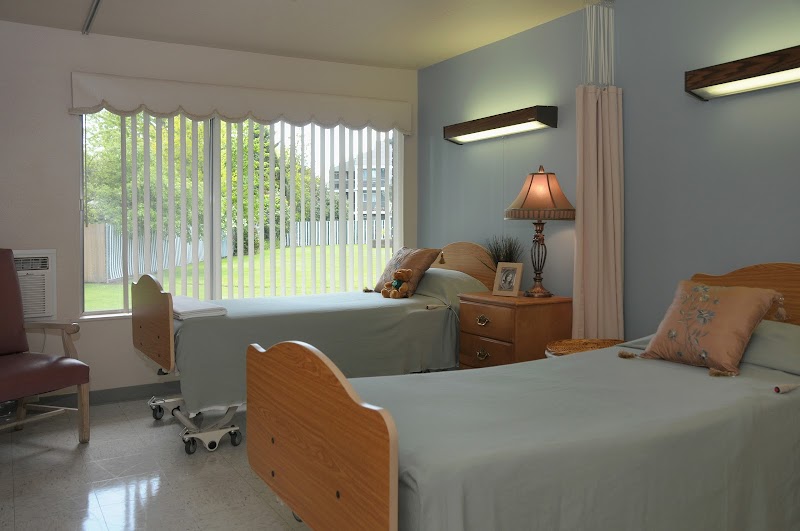
How is Life Of Mcminnville Staffed?

CMS rates LIFE CARE CENTER OF MCMINNVILLE's staffing level at 3 out of 5 stars, which is average compared to other nursing homes. Staff turnover is 60%, which is 14 percentage points above the Oregon average of 46%. High turnover can affect care consistency as new staff learn residents' individual needs. RN turnover specifically is 78%, which is notably high. RNs provide skilled clinical oversight, so turnover in this role can affect medical care quality.

What Have Inspectors Found at Life Of Mcminnville?

State health inspectors documented 33 deficiencies at LIFE CARE CENTER OF MCMINNVILLE during 2022 to 2025. These included: 33 with potential for harm.
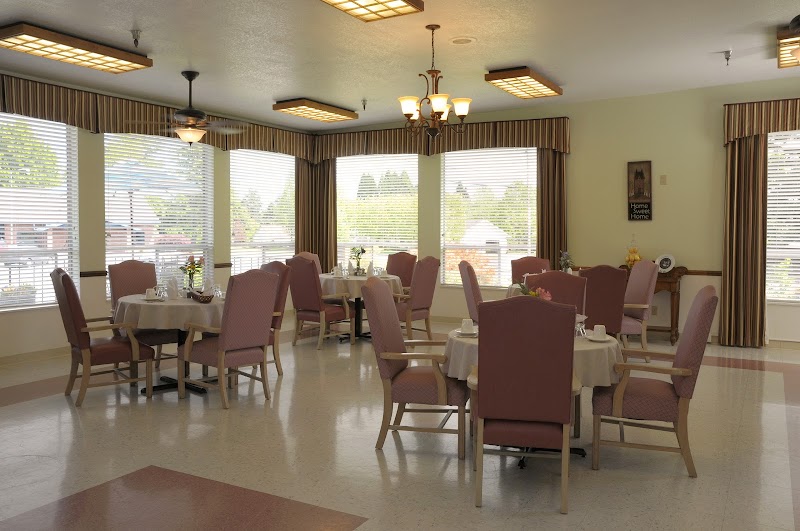
Who Owns and Operates Life Of Mcminnville?

LIFE CARE CENTER OF MCMINNVILLE is owned by a for-profit company. For-profit facilities operate as businesses with obligations to shareholders or private owners. The facility is operated by LIFE CARE CENTERS OF AMERICA, a chain that manages multiple nursing homes. With 110 certified beds and approximately 52 residents (about 47% occupancy), it is a mid-sized facility located in MCMINNVILLE, Oregon.

How Does Life Of Mcminnville Compare to Other Oregon Nursing Homes?

Compared to the 100 nursing homes in Oregon, LIFE CARE CENTER OF MCMINNVILLE's overall rating (5 stars) is above the state average of 3.0, staff turnover (60%) is significantly higher than the state average of 46%, and health inspection rating (4 stars) is above the national benchmark.

What Should Families Ask When Visiting Life Of Mcminnville?

Based on this facility's data, families visiting should ask: "How do you ensure continuity of care given staff turnover, and what is your staff retention strategy?" "Can I visit during a mealtime to observe dining assistance and food quality?" "How do you handle medical emergencies, and what is your hospital transfer rate?" "Can I speak with family members of current residents about their experience?" These questions are particularly relevant given the facility's high staff turnover rate.

Is Life Of Mcminnville Safe?

Based on CMS inspection data, LIFE CARE CENTER OF MCMINNVILLE has a clean safety record: no substantiated abuse findings (meaning no confirmed cases of resident harm), no Immediate Jeopardy citations (the most serious violation level indicating risk of serious injury or death), and is not on the Special Focus Facility watch list (a federal program monitoring the lowest-performing 1% of nursing homes). The facility has a 5-star overall rating and ranks #1 of 100 nursing homes in Oregon. While no facility is perfect, families should still ask about staff-to-resident ratios and recent inspection results during their visit.

Do Nurses at Life Of Mcminnville Stick Around?

Staff turnover at LIFE CARE CENTER OF MCMINNVILLE is high. At 60%, the facility is 14 percentage points above the Oregon average of 46%. Registered Nurse turnover is particularly concerning at 78%. RNs handle complex medical decisions and coordinate care — frequent RN changes can directly impact care quality. High turnover means new staff may not know residents' individual needs, medications, or preferences. It can also be disorienting for residents, especially those with dementia who rely on familiar faces. Families should ask: What is causing the turnover? What retention programs are in place? How do you ensure care continuity during staff transitions?

Was Life Of Mcminnville Ever Fined?

LIFE CARE CENTER OF MCMINNVILLE has no federal fines on record. CMS issues fines when nursing homes fail to meet care standards or don't correct problems found during inspections. The absence of fines suggests the facility has either maintained compliance or corrected any issues before penalties were assessed. This is a positive indicator, though families should still review recent inspection reports for the full picture.

Is Life Of Mcminnville on Any Federal Watch List?

LIFE CARE CENTER OF MCMINNVILLE is not on any federal watch list. The most significant is the Special Focus Facility (SFF) program, which identifies the bottom 1% of nursing homes nationally based on persistent, serious quality problems. Not being on this list means the facility has avoided the pattern of deficiencies that triggers enhanced federal oversight. This is a positive indicator, though families should still review the facility's inspection history directly.