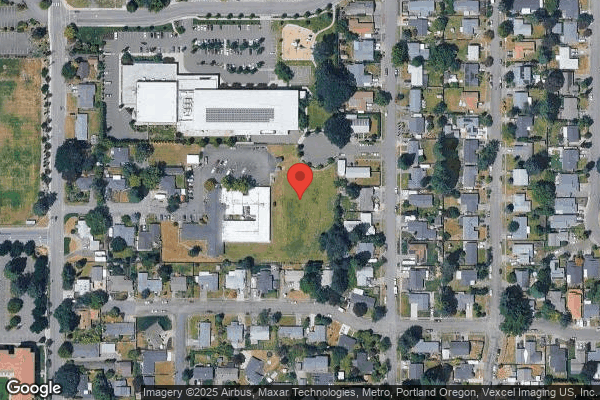

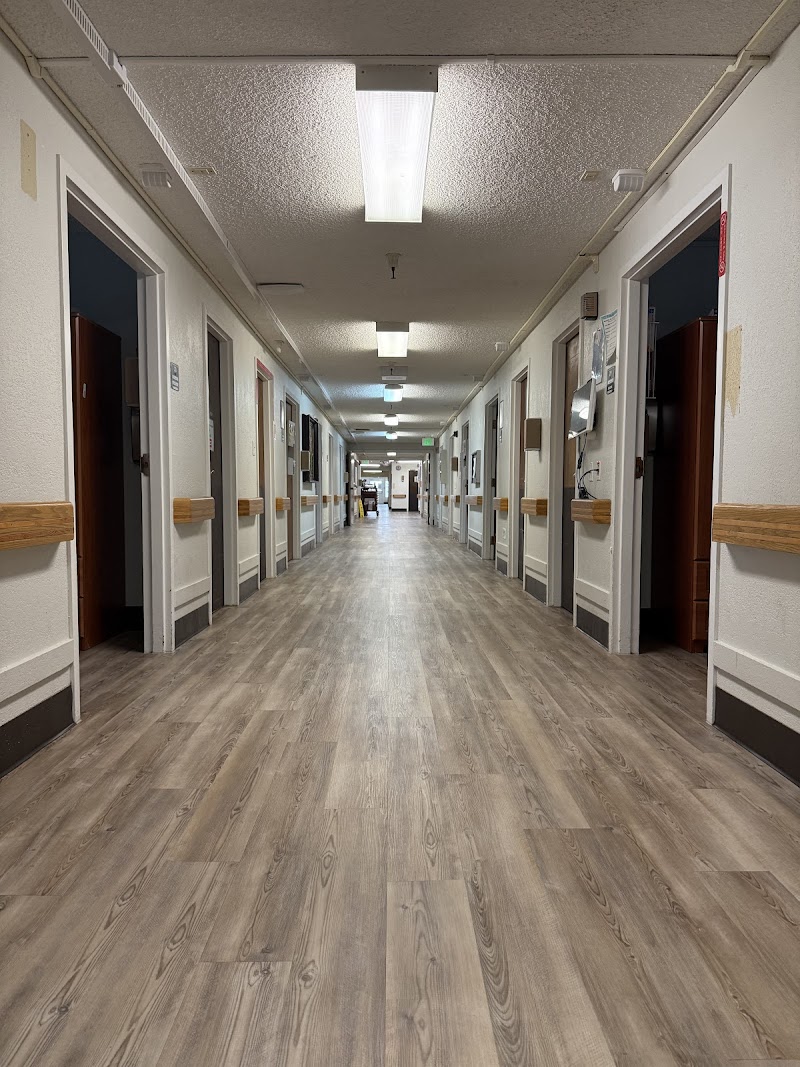
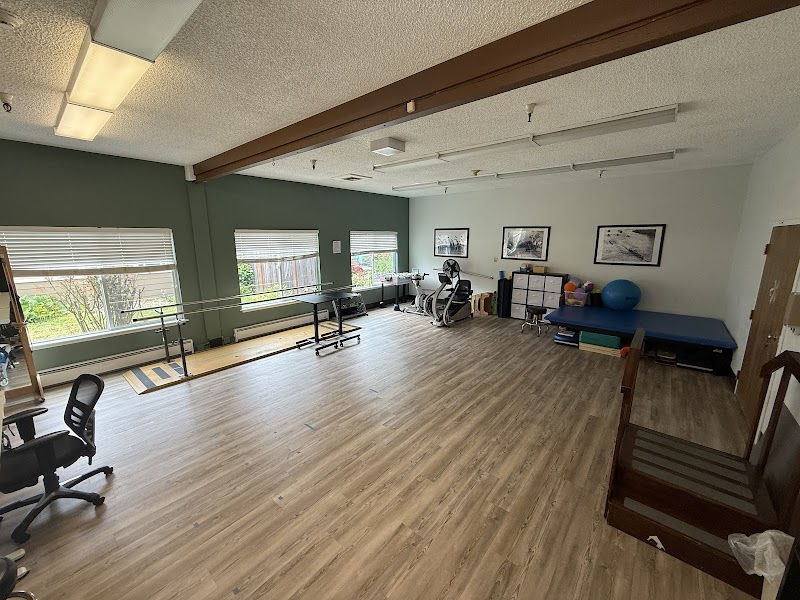
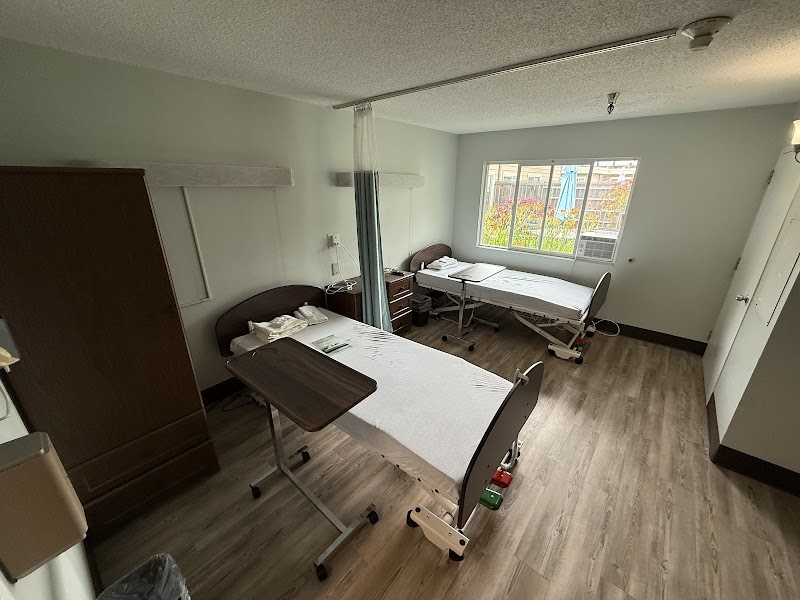
CHEHALEM POST ACUTE

1900 E. FULTON STREET, NEWBERG, OR 97132 (503) 538-2108
For profit - Corporation 84 Beds PACS GROUP Data: November 2025 1 Immediate Jeopardy citation
Trust Grade
0/100
#110 of 127 in OR
Last Inspection: March 2025

Within standard 12-15 month inspection cycle. Federal law requires annual inspections.

Overview

Chehalem Post Acute has received an F grade for its trust score, indicating significant concerns about the quality of care provided. Ranked #110 out of 127 facilities in Oregon, they are in the bottom half, and at #5 out of 6 in Yamhill County, only one local option is better. The facility's situation is worsening, with issues increasing from 1 in 2024 to 28 in 2025. Staffing is a relative strength with a 3/5 star rating and 0% turnover, indicating staff stability; however, they have concerning RN coverage, with less than 22% of facilities providing more. The facility has incurred $54,581 in fines, which is higher than 83% of Oregon facilities, suggesting ongoing compliance problems. Specific incidents include a failure to supervise residents safely while smoking, leading to increased fire risk, and a serious incident where one resident kicked another's walker, causing a fall that resulted in a fractured hip. Additionally, a resident who had multiple falls did not receive adequate supervision or necessary interventions, raising further concerns about resident safety.

Trust Score
F
0/100
In Oregon
#110/127
Bottom 14%
Safety Record
High Risk
Review needed
Inspections
Getting Worse
1 → 28 violations
Staff Stability
○ Average
Turnover data not reported for this facility.
Penalties
○ Average
$54,581 in fines. Higher than 50% of Oregon facilities. Some compliance issues.
Skilled Nurses
⚠ Watch
Each resident gets only 28 minutes of Registered Nurse (RN) attention daily — below average for Oregon. Fewer RN minutes means fewer trained eyes watching for problems.
Violations
⚠ Watch
56 deficiencies on record. Higher than average. Multiple issues found across inspections.
★☆☆☆☆
1.0
Overall Rating
★★★☆☆
3.0
Staff Levels
★★★☆☆
3.0
Care Quality
★☆☆☆☆
1.0
Inspection Score
Stable
2024: 1 issues
2025: 28 issues

The Good

  • Full Sprinkler Coverage · Fire safety systems throughout facility
  • No fines on record

Facility shows strength in fire safety.

The Bad

1-Star Overall Rating

Below Oregon average (3.0)

Significant quality concerns identified by CMS

Federal Fines: $54,581

Above median ($33,413)

Moderate penalties - review what triggered them

Chain: PACS GROUP

Part of a multi-facility chain

Ask about local staffing decisions and management

The Ugly 56 deficiencies on record

1 life-threatening 2 actual harm
Aug 2025 1 deficiency
CONCERN (E) 📢 Someone Reported This

A family member, employee, or ombudsman was alarmed enough to file a formal complaint

Potential for Harm - no one hurt, but risky conditions existed

Deficiency F0583 (Tag F0583)

Could have caused harm · This affected multiple residents

Based on interview and record review it was determined the facility failed to ensure resident records were kept private for 1 of 1 sampled facility record system reviewed for privacy. This placed resi...

Read full inspector narrative →
Based on interview and record review it was determined the facility failed to ensure resident records were kept private for 1 of 1 sampled facility record system reviewed for privacy. This placed residents at risk for lack of privacy. Findings include:On 6/23/25 a public complaint was received that alleged the facility did not keep resident records private and sent confidential resident information to Staff 3 (Former Staff/LPN) via a phone application (app) after she quit working at the facility on 6/19/25. On 8/11/25 at 11:50 AM documentation was received that indicated Staff 3's last day at the facility was on 6/19/25. On 8/11/25 at 10:26 AM Staff 3 stated she continued to receive resident private data through a phone app which included resident names, room numbers, information about new admissions and resident behaviors. Staff 3 stated she continued to receive resident information on the app for approximately one month after she stopped working at the facility. On 8/13/25 at 10:53 AM Staff 1 (Administrator) acknowledged Staff 3's last day at the facility was on 6/19/25 and she continued to receive private resident data through the phone app until 7/8/25. Staff 1 stated the phone app was used for communication which included resident names and room numbers and information regarding admissions, discharges and hospitalizations.
Mar 2025 24 deficiencies
CONCERN (D)

Potential for Harm - no one hurt, but risky conditions existed

Deficiency F0552 (Tag F0552)

Could have caused harm · This affected 1 resident

Based on interview and record review it was determined the facility failed to inform residents and/or resident's responsible party of the risks and benefits, and to ensure consent was obtained, for th...

Read full inspector narrative →
Based on interview and record review it was determined the facility failed to inform residents and/or resident's responsible party of the risks and benefits, and to ensure consent was obtained, for the use of psychotropic medications for 2 of 5 sampled residents (#s 22 and 30) reviewed for unnecessary medications. This placed residents at risk for lack of informed consent of psychotropic medications. Findings include: 1. Resident 22 admitted to the facility in 2024 with diagnoses including anxiety. A 3/15/25 physician order indicated the use of trazodone for sleep disorder. Review of Resident 22's medical record revealed no indication the resident was informed of the risks and benefits of the medication. On 3/26/25 Staff 37 (Regional RN) acknowledged Resident 22 was not informed of the risks and benefits of the use of trazodone. 2. Resident 30 was admitted to the facility in 2/2025 with diagnoses including anxiety and post-traumatic stress disorder. Resident 30's 2/2025 MAR revealed the resident received Quetiapine fumarate (an antipyschotic medication) one time a day for anxiety. Review of Resident 30's health record revealed no documentation to indicate the resident, or her/his representative, was informed of the risks and benefits of quetiapine fumarate and the resident did not consent to receiving the medication. On 3/26/25 at 3:03 PM Staff 2 (DNS) stated it was her expectation nursing staff reviewed the risks and benefits of psychotropic medications with residents and confirmed Resident 30 received quetiapine fumarate without giving consent.
CONCERN (D) 📢 Someone Reported This

A family member, employee, or ombudsman was alarmed enough to file a formal complaint

Potential for Harm - no one hurt, but risky conditions existed

Safe Environment (Tag F0584)

Could have caused harm · This affected 1 resident

Based on observation, interview, and record review it was determined the facility failed to ensure resident rooms were clean and in good repair for 2 of 3 sampled residents (#s 37 and 54) reviewed for...

Read full inspector narrative →
Based on observation, interview, and record review it was determined the facility failed to ensure resident rooms were clean and in good repair for 2 of 3 sampled residents (#s 37 and 54) reviewed for environment. This placed residents at risk for lack of a homelike environment. Findings include: 1. Resident 37 admitted to the facility in 2023 with diagnoses including hemiplegia. a. On 3/19/25 at 10:22 AM Resident 37's shared bathroom was observed to have dried feces inside and outside the toilet bowl. The toilet also was observed to have splattered layers of caked on old feces between the seam of the bowl and tank. Splatters of feces were observed on the floor. Review of Resident Council notes revealed the following: - 1/2025 residents indicated issues with the bathrooms not being cleaned daily. - 2/2025 residents indicated confusion on which staff cleaned the bathrooms and toilets. On 3/19/25 at 10:22 AM Witness 4 (Family) stated the bathroom toilet was in the observed condition for about a day or two. Resident 37 stated she/he used the toilet that morning. On 3/19/25 at 11:08 AM Staff 38 (Housekeeping) stated he was assigned to Resident 37's room. Staff 38 stated the resident's bathroom was last cleaned the previous day. Staff 38 was shown the old feces on the back of the toilet and provided no further information. On 3/19/25 at 10:50 AM Staff 1 (Administrator) was shown Resident 37's bathroom and acknowledged the toilet and floor were unclean and did not appear as if they were recently cleaned. b. On 3/19/25 at 10:24 AM half of an electric outlet was observed to be off of the wall with exposed wires. Resident 37's bed was in front of the outlet with a device plug in from the outlet to the resident's bed. Witness 4 stated the outlet was pulled off the wall for a while. On 3/28/25 at 8:25 AM Staff 37 (Maintenance) stated he was aware of the electric outlet being pulled away from the wall in Resident 37's room. Staff 37 stated the outlet was pulled from the wall at least two months. 2. Resident 54 was admitted to the facility in 2024 with diagnoses including depression. On 3/19/25 at 1:36 PM Resident 54's window was observed to have a large piece of the bottom trim missing with exposed jagged edges. On 3/28/25 at 8:30 AM Staff 37 (Maintenance) acknowledged Resident 54's window trim was missing and had exposed jagged edges.
CONCERN (D) 📢 Someone Reported This

A family member, employee, or ombudsman was alarmed enough to file a formal complaint

Potential for Harm - no one hurt, but risky conditions existed

Comprehensive Care Plan (Tag F0656)

Could have caused harm · This affected 1 resident

Based on interview and record review it was determined the facility failed to develop a person-centered comprehensive care plan related to bowel care for 1 of 1 sampled resident (#16) reviewed for con...

Read full inspector narrative →
Based on interview and record review it was determined the facility failed to develop a person-centered comprehensive care plan related to bowel care for 1 of 1 sampled resident (#16) reviewed for constipation. This placed residents at risk for lack of personal preferences being honored. Findings include: Resident 16 admitted to the facility in 2018 with diagnoses including quadriplegia. Resident 16's revised 11/12/23 Care Plan indicated Resident 16 was incontinent of bowel related to quadriplegia and was at risk for constipation. Resident 16 received a bowel regimen that included medications and a suppository. Interventions included a bowel regimen including digital stimulation and suppository. On 3/19/25 at 11:51 AM Resident 16 stated nursing staff, mostly consisting of agency staff, tried to tell her/him when she/he could and coud not have a suppository and she/he was upset about it. On 3/25/25 at 9:31 AM Staff 22 (LPN) stated she was an agency nurse. Staff 22 stated when she worked with Resident 16 she was unaware the resident preferred a suppository instead of oral medications. Staff 22 stated Resident 16 became upset when oral medications were given instead of the suppository. On 3/25/25 at 10:10 AM Staff 12 (CMA) stated Resident 16 had a history of requesting a suppository instead of oral bowel medications. Staff 12 stated if staff offered oral bowel medications before a suppository Resident 26 got upset and started cussing. On 3/25/25 at 3:08 PM Staff 23 (LPN Resident Care Manager) stated Resident 16 had a history of refusing oral bowel medications and preferred to have a suppository first. Staff 23 stated Resident 16 requested suppositories first for the past few years. Staff 23 stated Resident 16 had issues with agency staff not honoring her/his bowel medication preferences. Staff 23 acknowleged Resident 16's Care Plan did not indicate her/his bowel care preferences.
CONCERN (D) 📢 Someone Reported This

A family member, employee, or ombudsman was alarmed enough to file a formal complaint

Potential for Harm - no one hurt, but risky conditions existed

Deficiency F0658 (Tag F0658)

Could have caused harm · This affected 1 resident

Based on interview and record review it was determined the facility failed to ensure Staff 32 (LPN) adhered to professional standards for medication management. This placed residents at risk for adver...

Read full inspector narrative →
Based on interview and record review it was determined the facility failed to ensure Staff 32 (LPN) adhered to professional standards for medication management. This placed residents at risk for adverse side effects of medication. Findings include: Resident 39 admitted to the facility in 2023 with diagnoses including schizophrenia and major depressive disorder. The 2/2024 MAR indicated Resident 39 received escitalopram, also known as Lexapro (antidepressant) 20 mg once daily. The 3/4/24 provider note indicated I will half the dose of Celexa [also known as citalopram]. A review of the prior physician orders and 2/2024 MARs indicated Resident 39 did not receive Celexa prior to 3/4/24. The 3/4/24 Celexa order was transcribed by Staff 24 (LPN) and indicated 10 mg daily was set to start on 3/5/24 at 7:00 AM. The escitalopram was discontinued, and the reason documented was decrease to 10 mg. On 3/24/25 at 8:46 AM Staff 24 stated she often worked with Resident 39 and the resident often went back and forth with meds. Staff 24 stated she did not remember the 3/4/24 incident with Resident 39's Celexa and escitalopram orders. On 3/28/25 at 12:18 PM Staff 2 (DNS) acknowledged Resident 39 received Celexa 10 mg from 3/5/24 through 3/29/24 (25 days) in error due to the discrepancy between the provider order for Celexa and escitalopram. Staff 2 acknowledged nursing staff failed to clarify the physician order and the error was not identified until 3/29/24 during a psychotropic drug review.
CONCERN (D) 📢 Someone Reported This

A family member, employee, or ombudsman was alarmed enough to file a formal complaint

Potential for Harm - no one hurt, but risky conditions existed

Quality of Care (Tag F0684)

Could have caused harm · This affected 1 resident

**NOTE- TERMS IN BRACKETS HAVE BEEN EDITED TO PROTECT CONFIDENTIALITY** Based on interview and record review it was determined the facility failed to clarify insulin orders with the physician, monitor...

Read full inspector narrative →
**NOTE- TERMS IN BRACKETS HAVE BEEN EDITED TO PROTECT CONFIDENTIALITY** Based on interview and record review it was determined the facility failed to clarify insulin orders with the physician, monitor and provide bowel medications as ordered and failed to identify medication discrepancies for 3 of 7 sampled residents (#s 22, 39 and 114) reviewed for medications. This placed residents at risk for not receiving medications. Findings include: 1. Resident 22 admitted to the facility in 2018 with diagnoses including congestive heart failure. The 9/2/24 care plan indicated Resident 22 was continent of bowel. Interventions included to record bowel movement patterns each day and to monitor for signs or symptoms of constipation related to opioid use. The care plan did not indicate any history of Resident 22 refusing bowel medication. A 10/2/24 physician order indicated the use of Milk of Magnesia as needed for no bowel movement after three days. Review of Resident 22's bowel record indicated no bowel movement from 2/26/25 to 3/1/25 (four days) and from 3/3/25 to 3/6/25 (four days). Review of the 2/2025 and 3/2025 MARs revealed no indication Resident 22 received bowel medication after three days of no bowel movement during the two identified instances. Review of Resident 22's medical record revealed no documentation of monitoring of bowel movement after three days of no bowel movement or an indication of bowel medications being offered, accepted or refused. On 3/28/25 at 9:12 AM Resident 22 stated she/he was independent with toileting. Resident 22 stated staff did not ask her/him very often when she/he had a bowel movement. Resident 22 stated staff asked her/him maybe a couple times a week if she/he had a bowel movement. On 3/27/25 9:04 AM and 10:49 AM Staff 16 (RN) stated staff were to monitor when a resident did not have a bowel movement after three days and were to document when bowel medications were offered/accepted or refused. Staff 16 stated Resident 22 had a history of refusing bowel medications and acknowledged bowel medication refusals and monitoring of the resident's bowel movements were not documented. On 3/27/25 at 11:26 AM Staff 2 (DNS) acknowledged staff lacked documentation of monitoring of Resident 22's bowel movements. Staff 2 stated if no bowel movements were documented after three days then bowel medications were to be given as ordered. Staff 2 stated the expectation was for staff to monitor Resident 22's bowel movements daily even though she/he was independent with toileting. Staff 2 further stated Resident 22 had a history of refusing bowel medication and that needed to be reflect in the care plan. 2. Resident 114 admitted to the facility on [DATE] and discharged on 9/19/24 with diagnoses including diabetes. A 9/18/24 progress note by Staff 44 (LPN) indicated a new order for sliding scale insulin including 14 units of insulin to be given and the physician to be contacted for a CBG greater than 300. The progress noted indicated Resident 144 had a CBG of 327 and staff would continue to monitor. Review of Resident 114's medical record revealed no indication Resident 144 was given insulin or Staff 44 contacted the physician to clarify the order for frequency of the insulin, or to report the CBG above 300. On 10/1/24 a concern was reported to the State Agency indicating Resident 114's CBG was above 300 on the resident's first night at the facility and the resident was not administered insulin. On 3/26/25 at 8:18 AM and 4:12 PM attempts to contact Staff 44 were unsuccessful. On 3/27/25 at 11:12 PM Staff 2 (DNS) acknowledged the order for sliding scale insulin was not clarified by the physician for frequency, the physician was not contacted regarding the CBG over 300, and there was no indication Resident 144 was given insulin for a CBG of 327. 3. Resident 39 admitted to the facility in 2023 with diagnoses including schizophrenia and major depressive disorder. The 2/2024 MAR indicated Resident 39 received escitalopram, also known as Lexapro (antidepressant) 20 mg once daily. The 3/4/24 provider note indicated the following: -The past few days-week Resident 39 had an increase in manic episodes and behaviors; -Omeprazole could potentiate the effects of citalopram [antidepressant medication] which in turn could result in mania; -I will half the dose of Celexa [also known as citalopram]. A review of the prior physician orders and 2/2024 MARs indicated Resident 39 did not receive Celexa prior to 3/4/24. The 3/4/24 Celexa order was transcribed by Staff 24 (LPN) and indicated citalopram 10 mg daily was set to start on 3/5/24 at 7:00 AM. The escitalopram was discontinued, and the reason documented was decrease to 10 mg. The 3/2024 MAR indicated Resident 39 received the following medications: -escitalopram 20 mg every morning from 3/1/24 through 3/4/24. -Celexa 10 mg every morning from 3/5/24 through 3/29/24. -escitalopram 10 mg every morning on 3/30/24 and 3/31/24. A pharmacy review was completed on 3/7/24 and there was no indication the discrepancy between the Celexa order and escitalopram order was noted. The 3/29/24 progress note indicated an order was received to discontinue citalopram and start escitalopram 10 mg daily. The resident was placed on alert charting for continued monitoring. There was no indication in the clinical record to indicate Resident 39 had side effects from the citalopram. On 3/24/25 at 8:46 AM Staff 24 stated she often worked with Resident 39 and the resident often went back and forth with meds. Staff 24 stated she did not remember the 3/4/24 incident with Resident 39's Celexa and escitalopram orders. On 3/24/25 at 1:41 PM a message was left for Staff 39 (Former Medical Director). A call back was not received. On 3/28/25 at 12:18 PM Staff 2 (DNS) acknowledged Resident 39 received Celexa 10 mg from 3/5/24 through 3/29/24 (25 days) in error due to the discrepancy between the provider order for Celexa and escitalopram. Staff 2 acknowledged nursing staff failed to clarify the physician order and the error was not identified until 3/29/24 during a psychotropic drug review.
CONCERN (D) 📢 Someone Reported This

A family member, employee, or ombudsman was alarmed enough to file a formal complaint

Potential for Harm - no one hurt, but risky conditions existed

Accident Prevention (Tag F0689)

Could have caused harm · This affected 1 resident

Based on observation, interview and record review it was determined the facility failed to assess a resident's fall for 1 of 2 sampled residents (#53) reviewed for falls. This placed residents at incr...

Read full inspector narrative →
Based on observation, interview and record review it was determined the facility failed to assess a resident's fall for 1 of 2 sampled residents (#53) reviewed for falls. This placed residents at increased risk for injury from falls. Findings include: Resident 53 admitted to the facility in 2024 with diagnoses including dementia. The 10/12/24 9:14 AM progress note indicated Resident 53 had an unwitnessed fall, and included, the CNA reported the fall to the nurse, vital signs were taken and within normal limits, Assessed the resident for injuries, skin intact and no signs of immediate bruising or injuries. Resident appeared to be confused. Neuro checks were started immediately. The resident was assisted by the nurse and CNA from the floor to [her/his] wheelchair. On 3/27/25 a request was made for the fall assessment for the 10/12/24 fall. On 3/28/25 at 12:28 PM Staff 2 (DNS) acknowledged a fall assessment was not completed for the 10/12/2 fall.
CONCERN (D) 📢 Someone Reported This

A family member, employee, or ombudsman was alarmed enough to file a formal complaint

Potential for Harm - no one hurt, but risky conditions existed

Medication Errors (Tag F0758)

Could have caused harm · This affected 1 resident

Based on interview and record review it was determined the facility failed to ensure residents were free from unnecessary psychotropic medication for 1 of 6 sampled residents (#53) reviewed for unnece...

Read full inspector narrative →
Based on interview and record review it was determined the facility failed to ensure residents were free from unnecessary psychotropic medication for 1 of 6 sampled residents (#53) reviewed for unnecessary medication. This placed residents at risk for adverse side effects. Findings include: Resident 53 admitted to the facility in 2024 with diagnoses including dementia. The 2/24/25 physician order indicated Resident 53 was to receive the following: -lorazepam (antianxiety psychotropic medication) 0.25 mg every two hours PRN for anxiety and agitation. May not give within two hours of the morphine dose. -morphine sulfate (narcotic medicatin) give 0.25 ml every hour PRN for pain or shortness of breath. May not give morphine within two hours of the lorazepam dose. The 3/2024 controlled substance log indicated Resident 53 received the following medications: *3/21/25: -lorazepam at 9:42 AM and morphine at 9:48 AM. Both medications were signed as administered by Staff 11 (CMA). -lorazepam at 12:07 PM and morphine at 12:07 PM. Both medications were signed as administered by Staff 11. -lorazepam at 2:00 PM and morphine at 2:00 PM. Both medications were signed as administered by Staff 43 (CMA). -lorazepam at 4:30 PM and morphine at 5:30 PM. Both medications were signed as administered by Staff 43. *3/22/25: -lorazepam 9:03 AM and morphine at 10:28 AM. Both medications were signed as administered by Staff 11. On 3/28/25 at 9:35 AM Staff 11 acknowledged he signed out and administered lorazepam and morphine on 3/21/25 and 3/22/25 and acknowledged the physician order indicated the medications were not to be administered within two hours of each other. Staff 11 stated the orders for the medications were confusing. On 3/28/25 at 11:37 AM a message was left for Staff 43. A call back was not received. On 3/28/25 at 11:07 AM Staff 2 (DNS) acknowledged Resident 53 received lorazepam and morphine on the identified dates and acknowledged the physician order indicated the medications were not to be administered within two hours of each other.
CONCERN (D) 📢 Someone Reported This

A family member, employee, or ombudsman was alarmed enough to file a formal complaint

Potential for Harm - no one hurt, but risky conditions existed

Deficiency F0776 (Tag F0776)

Could have caused harm · This affected 1 resident

Based on interview and record review it was determined the facility failed to provide timely diagnostic services for 1 of 2 sampled residents (#164) reviewed for lab services. This placed residents at...

Read full inspector narrative →
Based on interview and record review it was determined the facility failed to provide timely diagnostic services for 1 of 2 sampled residents (#164) reviewed for lab services. This placed residents at risk for undiagnosed care needs. Findings include: Resident 164 admitted to the facility in 2024 with diagnoses including diabetes. The 10/3/24 physician order indicated staff were to obtain a stool sample from the resident to rule out Clostridium Difficile (c-diff, a bacterial infection that can cause severe diarrhea). The 10/9/24 1:20 PM progress note by Staff 25 (RN) indicated Resident 164's stool sample was collected and picked up by the lab. On 3/25/25 at 11:55 AM Staff 25 stated Resident 164's stool sample was obtained initially after the 10/3/24 order was received and staff accidentally put another resident's name on it. Staff 25 stated due to the error, staff had to obtain another sample on 10/9/24, delaying the lab results. On 3/28/25 at 12:41 PM Staff 2 (DNS) acknowledged the physician order to obtain Resident 164's stool sample was received on 10/3/24 and the facility did not complete it until 10/9/24.
CONCERN (D)

Potential for Harm - no one hurt, but risky conditions existed

Deficiency F0777 (Tag F0777)

Could have caused harm · This affected 1 resident

Based on interview and record review it was determined the facility failed to notify the ordering physician of the results of a critical lab value for 1 of 2 sampled residents (#53) reviewed for accid...

Read full inspector narrative →
Based on interview and record review it was determined the facility failed to notify the ordering physician of the results of a critical lab value for 1 of 2 sampled residents (#53) reviewed for accidents. This placed residents at risk for delayed treatment. Findings include: Resident 53 admitted to the facility in 2024 with diagnoses including dementia. On 10/9/24 labs were obtained, and the results were completed and reported to the facility the same day. The results indicated Resident 53 had a critical hemoglobin level of 5.8 g/DL (grams per deciliter) (normal reference range was 12.5-14.9 g/DL). It was noted on the lab report that a critical value was identified, and the facility was contacted, but there was no one available to take critical value. The 10/16/24 progress note indicated Resident 53 had abdominal pain and later had vomiting and absent bowel tones. The resident was transported to the hospital. The 10/16/24 4:57 PM progress note by Staff 2 (DNS) indicated a chart review was completed, and a critical lab value was in an unreviewed state. A call was placed to Staff 39 (Former Medical Director) to inform him of the critical low hemoglobin level from 10/9/24 and the resident was sent out to the hospital that morning for possible concerns for bowel obstruction per nurse report. The DNS also informed the other provider of lab values. On 3/28/25 at 12:18 PM Staff 2 stated Resident 53's 10/9/24 critical hemoglobin level was not noted by the facility until she discovered it on 10/16/24 at 4:25 PM and called Staff 39 and the other provider to notify them of the results, and that the resident was hospitalized as of that morning. Staff 2 stated due to a technical issue in the electronic health record and a change in the phone system, the critical lab value was received by the facility but not noted by staff until 10/16/24.
CONCERN (D) 📢 Someone Reported This

A family member, employee, or ombudsman was alarmed enough to file a formal complaint

Potential for Harm - no one hurt, but risky conditions existed

Deficiency F0883 (Tag F0883)

Could have caused harm · This affected 1 resident

Based on interview and record review it was determined the facility failed to administer a pneumococcal vaccine for 1 of 5 sampled residents (#24) reviewed for immunizations. This placed residents at ...

Read full inspector narrative →
Based on interview and record review it was determined the facility failed to administer a pneumococcal vaccine for 1 of 5 sampled residents (#24) reviewed for immunizations. This placed residents at risk for contracting communicable illnesses. Findings include: A review of the facility 9/1/2024 Influenza and Pneumococcal Immunizations policy indicated it was the policy of the center to offer the Influenza and Pneumococcal immunizations to residents in accordance with federal regulations and current CDC (Centers for Disease Control and Prevention) guidelines. Resident 24 was admitted to the facility in 6/2024 with diagnoses including diabetes and heart failure. A review of the 1/18/25 Quarterly MDS indicated Resident 24 was cognitively intact. A review of Resident 24's clinical record revealed an undated pending consent for Prevnar 20 (a type of Pneumococcal vaccination). On 3/26/25 at 1:33 PM and on 3/28/25 at 10:12 AM Staff 7 (Infection Preventionist) stated she recalled talking with Resident 24 in October or November 2024 to educate and offer a pneumococcal vaccination that the resident was eligible for. Staff 7 stated Resident 24 provided verbal consent, however Staff 7 never followed up and Resident 24 was not administered the vaccination.
CONCERN (D)

Potential for Harm - no one hurt, but risky conditions existed

Deficiency F0887 (Tag F0887)

Could have caused harm · This affected 1 resident

Based on interview and record review it was determined the facility failed to obtain resident representative consent for a Covid-19 vaccine for 1 of 5 sampled residents (#40) reviewed for immunization...

Read full inspector narrative →
Based on interview and record review it was determined the facility failed to obtain resident representative consent for a Covid-19 vaccine for 1 of 5 sampled residents (#40) reviewed for immunizations. This placed residents at risk for a lack of informed education and consent and at risk for contracting communicable illnesses. Findings include: A review of the facility's 9/1/24 Covid-19 Vaccination policy and procedure indicated residents were offered recommended Covid-19 vaccinations upon admission and as eligible per CDC (Centers for Disease Control and Prevention) recommendations. Consent for approved vaccines were obtained prior to or at the time of vaccination. Resident 40 was admitted to the facility in 4/2023 with diagnoses including dementia and adult failure to thrive. A review of the 8/5/24 Quarterly MDS indicated Resident 40's cognition was severely impaired. A review of Resident 40's clinical record revealed Witness 5 (Family Member) was Resident 40's Power of Attorney and Healthcare Decision maker. A review of Resident 40's immunization list revealed on 10/16/24 the resident was educated, offered and refused a Covid-19 vaccination. There was no indication Witness 5 was contacted for education and consent. On 3/26/25 at 1:24 PM Staff 7 (Infection Preventionist) acknowledged Resident 40's cognition was impaired, and Resident 40's resident representative was not contacted for education or consent for a Covid-19 vaccination.
CONCERN (E) 📢 Someone Reported This

A family member, employee, or ombudsman was alarmed enough to file a formal complaint

Potential for Harm - no one hurt, but risky conditions existed

Deficiency F0583 (Tag F0583)

Could have caused harm · This affected multiple residents

Based on interview and record review it was determined the facility failed to ensure privacy was provided during care and resident records were kept private for 2 of 2 sampled residents (#s 37 and 45)...

Read full inspector narrative →
Based on interview and record review it was determined the facility failed to ensure privacy was provided during care and resident records were kept private for 2 of 2 sampled residents (#s 37 and 45) and 1 of 1 sampled facility record system reviewed for privacy. This placed residents at risk for lack of privacy. Findings include: 1. On 11/4/24 a public complaint was received that alleged the facility did not keep resident records private by sending confidential resident information to Staff 26 (RN) via a phone application (app) after she was terminated from the facility . The 10/28/24 Termination Letter indicated Staff 26 was terminated from the facility as of 10/28/24. On 3/25/25 at 11:55 AM Staff 26 stated she worked at the facility in 2024 and was terminated on 10/28/24. Staff 25 stated after her termination she still continued to receive resident private data through a phone app which included information such as admissions, discharges and anything going on with residents. On 3/28/25 at 9:00 AM Staff 2 (DNS) acknowledged Staff 25 was terminated on 10/28/24 and continued to receive private resident data through a phone app until 11/27/24. Staff 2 stated the app was used for staff to communicate falls, change of condition, and resident condition. Staff 2 stated the expectation was for staff to be removed from communications the last date of employment. 2. On 1/22/25 a public complaint stated the flooring was replaced in the entire facility which displaced all residents from their rooms. Residents were placed in the main dining room, therapy room and front open area of the facility known as the living room. The complaint stated there was inadequate privacy between residents while personal care was provided, and there was a makeshift divider curtain between the genders but not between each resident. a. Resident 37 was admitted to the facility in 1/2023 with diagnoses including stroke and hypertension. A 1/20/25 Annual MDS indicated Resident 37 was cognitively intact. On 3/19/25 at 10:25 AM Resident 37 stated she/he stayed in the therapy room for a couple days during the flooring replacement. Resident 37 stated she/he did not recall having a curtain or divider between her/him and Resident 45 when personal care was provided. On 3/20/25 at 9:55 PM Staff 25 (CNA) stated Resident 37 and Resident 45 were in the therapy room for several days during the flooring replacement. Staff 25 stated there were dividers created using IV poles and blankets but there was not enough to go between each resident. The dividers were used to separate the genders in the dining room and around the commodes. Staff 25 stated Resident 37 was provided personal care without a divider while Resident 45 laid in the next bed less than two feet away. On 3/21/25 at 10:24 Staff 12 (CMA) stated there were makeshift dividers using two IV poles and bed sheets and staff were expected to move the dividers between the residents when providing personal care. Staff 12 stated there were not enough dividers to provide each resident with privacy and the dividers were cumbersome and difficult to move. On 3/21/25 at 1:36 PM Staff 23 (LPN, Resident Care Coordinator) stated CNAs reported concerns regarding resident privacy during the constructions, and the concerns were brought to Staff 1 (Administrator). Staff 23 stated staff were instructed to move the IV dividers between the residents when providing personal care for privacy, but there was not always enough time or dividers to use. On 3/21/25 at 2:16 PM Staff 2 (DNS) stated she was out of the office for the beginning portion of the construction but expected nursing staff to provide privacy when any personal care was provided. On 3/21/25 at 2:28 PM Staff 1 acknowledged there were several family and resident concerns regarding the floor construction. Staff 1 stated he attempted to address the concerns brought to his attention. Staff 1 stated he had 15 IV poles to create privacy curtains for the residents while in the dining room, therapy room and living room area. Staff 1 stated he expected nursing staff to provide privacy with personal care at all times. b. Resident 45 was admitted to the facility 10/2023 with diagnoses including a stroke. A 1/18/25 Quarterly MDS indicated Resident 45 was cognitively intact. On 3/21/25 at 10:52 AM Resident 45 stated she/he stayed in the therapy room during the floor replacement project. Resident 45 stated there was a sheet covering the bedside commode but did not recall having a sheet between her/him and Resident 37. Resident 45 stated she/he was exposed when using the bedside commode. On 3/20/25 at 9:55 PM Staff 25 (CNA) stated Resident 45 and Resident 37 were in the therapy room for several days during the flooring replacement project. Staff 25 stated there were dividers created using IV poles and blankets but there was not enough to go between each resident. The dividers were used to either separate the genders in the dining room and around the commodes. Staff 25 stated Resident 45 laid in bed next to Resident 37 while personal care was provided without a divider. On 3/21/25 at 10:24 Staff 12 (CMA) stated there were makeshift dividers using two IV poles and bed sheets and staff were expected to move the dividers between the residents when providing personal care. Staff 12 stated there were not enough dividers to provide each resident with privacy and the dividers were cumbersome and difficult to move. On 3/21/25 at 1:36 PM Staff 23 (LPN, Resident Care Coordinator) stated CNAs reported concerns regarding resident privacy during the constructions, and the concerns were brought to Staff 1 (Administrator). Staff 23 stated staff were instructed to move the IV dividers between the residents when providing personal care for privacy, but there was not always enough time or dividers to use. On 3/21/25 at 2:16 PM Staff 2 (DNS) stated she was out of the office for the beginning portion of the construction but expected nursing staff to provide privacy when any personal care was provided. On 3/21/25 at 2:28 PM Staff 1 acknowledged there were several family and resident concerns regarding the floor construction. Staff 1 stated he attempted to address the concerns brought to his attention. Staff 1 stated he had 15 IV poles to create privacy curtains for the residents while in the dining room, therapy room and living room area. Staff 1 stated he expected nursing staff to provide privacy with personal care at all times.
CONCERN (E) 📢 Someone Reported This

A family member, employee, or ombudsman was alarmed enough to file a formal complaint

Potential for Harm - no one hurt, but risky conditions existed

Abuse Prevention Policies (Tag F0607)

Could have caused harm · This affected multiple residents

Based on interview and record review it was determined the facility failed to implement their policies and procedures for screening potential employees to prevent abuse for 3 of 3 sampled new employee...

Read full inspector narrative →
Based on interview and record review it was determined the facility failed to implement their policies and procedures for screening potential employees to prevent abuse for 3 of 3 sampled new employees (#s 8, 9 and 10) reviewed for employee screening. This placed residents at risk for abuse. Findings include: The facility's Abuse Policy dated 9/2024 indicated the screening process for potential employees included contacting previous employers to request employment history which included: dates of services, position held, performance history and history of abuse/neglect. On 3/26/25 a random sample of three newly hired staff members was reviewed for reference checks with Staff 36 (Human Resources). On 3/26/25 at 10:00 AM Staff 36 stated the facility did not complete reference checks for newly hired staff since the change in ownership in 2024. Staff 36 acknowledged no reference checks were completed for Staff 8 (LPN), Staff 9 (CNA) and Staff 10 (CNA). On 3/26/25 at 10:10 AM and 3/27/25 at 8:21 AM Staff 1 (Administrator) acknowledged reference checks were not completed for newly hired staff and the facility's abuse policy indicated previous employers were to be contacted.
CONCERN (E) 📢 Someone Reported This

A family member, employee, or ombudsman was alarmed enough to file a formal complaint

Potential for Harm - no one hurt, but risky conditions existed

Deficiency F0725 (Tag F0725)

Could have caused harm · This affected multiple residents

Based on interview, and record review it was determined the facility failed to ensure sufficient staffing to meet resident care needs for 1 of 1 resident council and 4 of 4 sampled residents (#s 13, 1...

Read full inspector narrative →
Based on interview, and record review it was determined the facility failed to ensure sufficient staffing to meet resident care needs for 1 of 1 resident council and 4 of 4 sampled residents (#s 13, 16, 37 and 38) reviewed for concerns with staffing. This placed residents at risk for delayed and unmet care needs. Findings include: On 3/26/25 the facility provided a list of residents who: -Required assistance with dressing: 55 -Required assistance with bathing: 58 -Required assistance with toileting: 49 -Required assistance with incontinence care: 44 -Required assistance with two-person transfers: 23 -Required two person assistance with mechanical lifts: 10 -Required assistance with incontinence care: 44 -Received mental health services: 24 -Had wandering behaviors: 8 a. Resident Council Notes indicated the following: -1/20/25: Nursing: not responding to call lights in a timely manner. -2/24/25 Nursing: call light times exceeded one hour after 6:00 PM on most days. Grievances indicated the following resident concerns: -1/15/25: long call light times at night, 60 plus minutes. -1/20/25: call light pushed once resident was finished on the toilet, staff responded 17 minutes later. -1/30/25: call light times of 60 plus minutes, staff put residents on the toilet and they were left for extended periods of time. -2/25/25: concerns with call light times of 60 plus minutes. -2/27/25: concerns about not getting pain medications timely. A review of the facility's Direct Care Staff Daily Reports from 1/1/25 through 3/18/25 revealed the facility had insufficient CNA staff, according to state minimum staffing requirements, for one or more shifts on the following dates: -1/24/25 -1/25/25 -1/26/25 -1/28/25 -2/16/25 -2/17/25 -3/9/25 A review of the Direct Care Staff Daily Reports from 1/1/25 through 3/18/25 revealed the following dates with no RN coverage: - 1/4/25 -1/5/25 -2/15/25 b. Interviews with residents revealed the following concerns: -On 3/19/25 at 10:22 AM Resident 37 stated it took up to an hour for the call light to be answered and shift change was even worse. -On 3/19/25 at 12:12 PM Resident 16 stated she/he waited over an hour for call lights to be answered at nighttime. -On 3/19/25 at 1:38 PM Resident 38 stated it took up to an hour for call lights to be answered and call lights were sometimes not answered at all. -On 3/20/25 at 9:38 AM Resident 13 stated there were staffing issues and she/he did not get checked on by staff. c. Interviews with staff revealed the following concerns: -On 3/21/25 at 8:18 AM Staff 11 (CMA) stated the facility had residents with high acuity needs and was consistently short staffed for CNA and CMA staff. Staff 11 stated it was hectic at times, especially evening shift, and staff were not always able to take breaks. Staff 11 stated when it was busy, medications were given late. -On 3/24/25 at 6:19 AM Staff 6 (CNA) stated staff were not always able to get resident care completed due to being short staffed. -On 3/24/25 at 8:46 AM Staff 24 (LPN) stated the facility was consistently short staffed and she had to assist with dining due to not having enough CNA staff. Staff 24 further stated if a nurse did not show up for a shift there were only two nurses working the floor which was not safe because she did not have time to check on the residents. Staff 24 stated two or three times per week staff were late for work or did not arrive to work. Staff 24 stated management knew about the staffing issues and concerns and say they were working on it. -On 3/24/25 at 10:09 AM Staff 8 (LPN) stated the low staffing was overwhelming especially when there was a resident emergency or resident discharge. Staff 8 stated the facility had residents with high acuity needs and there were not enough nursing staff to complete treatments and assessments. Staff 8 stated the staffing concerns were brought to Staff 1 (Administrator) and Staff 2 (DNS) and the concerns were ignored. -On 3/25/25 at 8:50 AM Staff 12 (CMA) stated staff were not able to administer medications on time if there was only one CMA, and that happened twice in the past two weeks. Staff 12 stated she was unable to do it by herself. Staff 12 stated the management staff were aware of the staffing concerns and responded by telling staff when the facility census increased then the facility would then increase staff on the floor. Staff 12 stated it was stressful and it was not always possible to take breaks. -On 3/25/25 at 9:18 AM Staff 46 (CNA) stated acuity was higher in the memory care unit and it was difficult to see and answer the lights because she was responsible for residents inside and outside the memory care unit. Staff 46 stated the administrator was aware of the staffing concerns. -On 3/25/25 at 2:51 PM Staff 47 (CNA) stated the facility was short staffed most of the time and it was difficult to find another staff to assist residents who required two-person assistance. Staff 47 stated when one staff stayed in the dining room there was often no staff to cover that CNA in the hallway. Staff 47 stated they were not always able to get to incontinence care on time and had to stay late to complete resident care. Staff 47 further stated it was difficult when being assigned to memory care and the back hall because staff were not able to see call lights in each hall, and the memory care residents required more care and more frequent checks which was difficult to do when assigned both halls. -On 3/26/25 at 11:38 AM Staff 48 (LPN) stated resident acuity was high and the facility needed another nurse to help out with resident care. Staff 48 stated the facility had a large number of residents that required wound care, tube feeding and diabetic care. -On 3/26/25 at 5:41 PM Staff 27 (RN) stated she worked on 1/27/25 and arrived to work at 10:00 AM. She stated there was no CMA working that day; there were only two nurses working the floor and they were down one nurse. Staff 27 stated the 6:00 AM medications were due and she started passing morning medications at 11:30 AM and almost all residents' medications were late by then. On 3/26/25 08:19 AM and 12:00 PM Staff 1 (Administrator) stated the facility measured acuity based off the facility assessment. Staff 1 stated staff were encouraged to communicate if they were short staffed and we are more than happy to supply more help. Staff 1 stated CNAs knew they had to see their residents every two hours and double check on them; if the necessary teamwork was done the CNAs were able to split the work between the memory care and general population. On 3/28/25 at 12:47 PM the staffing concerns were reviewed with Staff 2 (DNS). Staff 2 stated if the facility could make a strong case to justify the need for additional staff, then the facility could get the extra help approved. Staff 2 stated it was difficult to get involved with staffing due to her other work.
CONCERN (E) 📢 Someone Reported This

A family member, employee, or ombudsman was alarmed enough to file a formal complaint

Potential for Harm - no one hurt, but risky conditions existed

Deficiency F0730 (Tag F0730)

Could have caused harm · This affected multiple residents

Based on interview and record review it was determined the facility failed to ensure performance reviews were completed at least once every 12 months for 3 of 3 CNAs (#s 29, 30 and 31) reviewed for st...

Read full inspector narrative →
Based on interview and record review it was determined the facility failed to ensure performance reviews were completed at least once every 12 months for 3 of 3 CNAs (#s 29, 30 and 31) reviewed for staffing. This placed residents at risk for a lack of care by competent staff. Findings include: Annual performance reviews and hire dates were requested on 3/25/25 and 3/28/25 from Staff 2 (DNS) for the following staff: -Staff 29 (CNA),hired on 6/12/23. -Staff 30 (CNA), hired on 9/12/22. -Staff 31 (CNA), hired on 4/10/84. No annual performance reviews were submitted to the survey team. On 3/25/25 at 1:47 PM and 3/28/25 at 9:00 AM Staff 2 acknowledged Staff 29, Staff 30 and Staff 31 worked at the facility for over one year and did not receive an annual performance reviews in the past 12 months.
CONCERN (E) 📢 Someone Reported This

A family member, employee, or ombudsman was alarmed enough to file a formal complaint

Potential for Harm - no one hurt, but risky conditions existed

Pharmacy Services (Tag F0755)

Could have caused harm · This affected multiple residents

Based on interview and record review it was determined the facility failed to obtain and administer medication to residents timely to ensure the provision of routine medications for 10 of 17 sampled r...

Read full inspector narrative →
Based on interview and record review it was determined the facility failed to obtain and administer medication to residents timely to ensure the provision of routine medications for 10 of 17 sampled residents (#s 15, 22, 33, 34, 35, 44, 53, 62, 166, 167) reviewed for medications. This placed residents at risk for adverse medication side effects. Findings include: 1. Resident 22 admitted to the facility in 2018 with diagnoses including alcohol dependence and osteoarthritis. a. A 3/15/25 physician order indicated the use of trazodone for sleep related to alcohol dependence. A 3/18/25 progress note by Staff 12 (CMA) indicated trazodone was ordered and would arrive in the pharmacy delivery. Review of the 3/2025 MAR revealed Resident 22 was not administered trazodone until 3/20/25 (five days after the order date). On 3/21/25 at 8:23 AM Staff 11 (CMA) stated Resident 22 did not have trazodone for three or four days. Staff 11 stated the resident received the medication only after contacting the pharmacy. On 3/25/25 at 10:07 AM Staff 12 (CMA) stated she contacted the pharmacy on 3/18/25 and 3/19/25 regarding not having Resident 22's trazodone. Staff 12 stated she was told by pharmacy they did not have the order for the trazodone. Staff 12 stated she notified nursing staff of the resident missing the trazodone. Staff 12 stated it was nursing staff's responsibility to verify orders and contact the physician when a resident missed a medication. Staff 12 stated medications arriving late, and residents missing medication administrations, happened frequently due to orders sitting in the system and not being reviewed by nursing staff. On 3/25/25 at 1:37 PM Staff 13 (CMA) stated Resident 22's trazodone was not filled until 3/19/25 and the resident did not receive it until 3/20/25. On 3/27/25 at 11:26 AM Staff 2 (DNS) stated Resident 22's order for trazodone was not verified by nursing staff and was not requested from the pharmacy until 3/18/25. Staff 2 acknowledged Resident 22 did not receive trazodone until five days after the 3/15/25 physician order. b. A 10/4/24 physician order indicated the use of oxycodone every six hours as needed for pain for a pain level of 6 to 10. Review of the 3/2025 MAR indicated Resident 22 received oxycodone at least twice daily. The MAR indicated oxycodone was administered on 3/14/25 at 7:52 PM with a pain level of six. Resident 22 was not administered oxycodone again until 3/16/25 at 4:38 AM. Review of the 3/2025 Narcotic Log indicated Resident 22 had no remaining oxycodone on 3/15/25. A 3/14/25 email from Staff 2 (DNS) to the pharmacy indicated Resident 22 waited all day for the oxycodone due to the pull code not being authorized. Staff 2 was told the medication was to be delivered at 5:10 PM but it did not arrive until after 6:30 PM. On 3/19/25 at 1:55 PM Resident 22 stated there were issues with the facility running out of her/his oxycodone and she/he was upset about it. On 3/25/25 at 10:07 AM Staff 12 (CMA) stated she heard Resident 22 previously ran out of her/his oxycodone. Staff 12 stated Resident 22 asked for oxycodone twice a day. Staff 12 stated oxycodone was available in the emergency medication system but it was challenging for nursing staff to get access due to pharmacy issues with getting the pull code. On 3/25/25 at 1:37 PM Staff 13 (CMA) stated Resident 22 asked for oxycodone twice a day and the resident was out of the medication for a day. On 3/27/25 at 11:26 AM Staff 2 (DNS) stated Resident 22 asked for oxycodone daily. Staff 2 acknowledged Resident 22 ran out of oxycodone and did not receive the medication as ordered. 2. On 2/10/25 a public complaint was received that alleged multiple residents received late medication during the end of January 2025 due to being displaced during a flooring renovation project. Facility records indicated the flooring project was completed for one hall on 1/27/25. A review of resident progress notes from 1/27/25 revealed the following: -Resident 44 received morning medication including metoprolol (blood pressure medication; Norvasc (blood pressure medication); finasteride (urinary retention medication) lisinopril (blood pressure medication); and sertraline (antidepressant medication) at 2:46 PM. The morning dose of acetaminophen was held because it was too late to administer per the physician. -Resident 33 received morning medications including methadone (pain medication); empaglifozin (diabetic medication); metoprolol (blood pressure medication); duloxetine (antidepressant medication); spironolactone (diuretic medication); and finasteride (urinary retention medication) at 2:12 PM. The morning dose of apixaban (anticoagulant medication) was held because it was too late to administer per the physician. -Resident 34's morning dose of aspirin was held because it was too late to administer per the physician at 12:58 PM. -Resident 166's morning dose of furosemide (diuretic medication); allopurinol (gout medication) were administered at 12:50 PM. The morning dose of losartan (blood pressure medication) and apixaban (anticoagulant medication) was held because it was too late to administer per the physician. -Resident 62's morning dose of morphine (pain medication) was held due to past time to administer at 12:47 PM. The 3:01 PM dose was unable to be administered due to the nurse being unable to access the resident's room due to the construction. - Resident 15's morning dose of Cymbalta (antidepressant medication); Lasix (diuretic medication); and bupropion (antidepressant medication) were administered at 2:18 PM. -Resident 167's morning dose of acetaminophen was held because it was too late to administer per the physician at 3:30 PM. -Resident 35's morning dose of lisinoprol (blood pressure medication); finasteride (urinary retention medication); Norvasc (blood pressure medication); chlorthalidone (blood pressure medication); allopurinol (gout medication) were administered at 2:29 PM. The morning dose of Eliquis (anticoagulant medication) and Coreg (blood pressure medication) was held because it was too late to administer per the physician. On 3/26/25 at 5:41 PM Staff 27 (RN) stated she worked on 1/27/25 and arrived to work at 10:00 AM. She stated there were no CMAs working that day; there were only two nurses working the floor and they were down one nurse. Staff 27 stated the 6:00 AM medications were due and she was unable to find a working computer until 11:30 AM; and almost all medications were late by then. Staff 27 stated the residents were moved out of their rooms and displaced throughout the facility. Staff 27 stated she had to contact the physician and notify him that morning medications were all past due by the time she was able to start morning medication pass, and she received orders to either give or hold the medications. Staff 27 further stated there were no serious outcomes to the residents. On 3/28/25 at 12:47 PM Staff 2 (DNS) acknowledged the identified findings on 1/27/25 when residents either received their medications late or not at all depending on the physician response to morning medications being passed after 2:00 PM.
CONCERN (E) 📢 Someone Reported This

A family member, employee, or ombudsman was alarmed enough to file a formal complaint

Potential for Harm - no one hurt, but risky conditions existed

Deficiency F0761 (Tag F0761)

Could have caused harm · This affected multiple residents

2. On 3/25/25 at 2:39 PM medication cart one was observed to be unlocked and unattended in the hallway near the nurses station. On 3/25/25 at 2:40 PM Staff 35 (LPN) returned to the medication cart an...

Read full inspector narrative →
2. On 3/25/25 at 2:39 PM medication cart one was observed to be unlocked and unattended in the hallway near the nurses station. On 3/25/25 at 2:40 PM Staff 35 (LPN) returned to the medication cart and stated he used the restroom and left the cart unlocked and unattended and the cart contained resident medications. On 3/25/25 at 2:50 PM Staff 2 (DNS) stated the expectation was for the medication carts to be locked when unattended. Based on observation, interview and record review it was determined the facility failed to ensure medications and biologicals were secured for 1 of 3 medication carts and 1 of 3 treatment carts reviewed for safe medication storage. This placed residents at risk for unauthorized access to medications. Findings include: The facility's 1/2023 Storage of Medications Policy specified the following: -The medication supply shall be accessible only to licensed nurses, pharmacy staff, and those lawfully authorized to administer medications such as medication aides. Medication carts, rooms, cabinets and medication supplies should remain locked when not in use or attended by persons with authorized access. 1. On 3/24/25 at 12:12 PM a treatment cart was observed to be unlocked and unattended in the hallway near the nurses station. On 3/24/25 at 12:15 PM Staff 8 (LPN) returned to the treatment cart and stated she left the cart unlocked and unattended and the cart contained resident insulin, creams and other treatment supplies. On 3/24/25 at 1:09 PM Staff 2 (DNS) stated the expectation was for the treatment carts to be locked when unattended.
CONCERN (E) 📢 Someone Reported This

A family member, employee, or ombudsman was alarmed enough to file a formal complaint

Potential for Harm - no one hurt, but risky conditions existed

Infection Control (Tag F0880)

Could have caused harm · This affected multiple residents

**NOTE- TERMS IN BRACKETS HAVE BEEN EDITED TO PROTECT CONFIDENTIALITY** 1. Based on observation, interview and record review it was determined the facility failed to ensure proper hand hygiene was com...

Read full inspector narrative →
**NOTE- TERMS IN BRACKETS HAVE BEEN EDITED TO PROTECT CONFIDENTIALITY** 1. Based on observation, interview and record review it was determined the facility failed to ensure proper hand hygiene was completed during meals for 2 of 3 halls reviewed for dining. This placed residents at risk for cross contamination. Findings include: The 8/1/24 Hand Hygiene Policy and Procedure indicates effective hand hygiene reduces the incidence of healthcare-associated infections. All members of the healthcare team will comply with current Centers of Disease Control and Prevention hand hygiene guidelines. The procedure included: 3. Hand hygiene is the primary means of preventing the transmission of infection and should be performed as soon as possible after hands become contaminated and frequently during the working day. The following is list of some situations that require hand hygiene: c. Before and after direct resident contact; f. Before and after eating or handling food; g. Before and after assisting a resident with meals; s. After handling soiled equipment or utensils; On 3/19/25 between the hours of 12:11 PM and 12:29 PM, during the lunch meal in the west and east hall the following observations were made: -12:15 PM Staff 3 (CNA) was observed retrieving a meal tray from a delivery cart located in the west hall and entered room [ROOM NUMBER]. Staff 3 retrieved another tray from the delivery cart and entered room [ROOM NUMBER] without sanitizing her hands after exiting the resident's room and before retrieving another meal tray. -12:19 PM Staff 3 was observed delivering a meal tray to room [ROOM NUMBER]. Staff 3 retrieved used coffee cups from the resident's bedside table and threw away the cups. Staff 3 made coffee for room [ROOM NUMBER] and did not sanitize her hands after retrieving the dirty cups and making coffee for another resident. -12:25 PM Staff 3 was observed pushing the meal delivery cart from the west hall to the east hall. Staff 3 retrieved a meal tray and delivered the tray to room [ROOM NUMBER]. Staff 3 retrieved another tray from the delivery cart and entered room [ROOM NUMBER] without sanitizing hands after moving the cart or before retrieving or delivering the meal tray. On 3/19/25 at 12:29 PM Staff 3 stated she was supposed to sanitize her hands before touching each meal tray and before and after exiting a resident rooms. Staff 3 acknowledged she did not complete hand hygiene between resident rooms. On 3/19/25 at 1:02 PM Staff 2 (DNS) stated staff were to complete hand hygiene each time they went in and out of a resident's room and passed each meal tray. 2. Based on interview and record review it was determined the facility failed to develop and implement a water management program and conduct a risk analysis assessment for potential areas of growth and spread of water-borne pathogens and illness. This placed all residents at risk for exposure to water-borne pathogens. Findings include: The Centers for Medicare and Medicaid Services Center for Clinical Standards and Quality/Safety and Oversight Group letter 17-30, revised on 7/6/18, on Requirement to Reduce Legionella Risk in Healthcare Facility Water Systems to Prevent Cases and Outbreaks of Legionnaires' Disease stated, Facilities must develop and adhere to policies and procedures that inhibit microbial growth in building water systems that reduce the risk of growth and spread of Legionella and other opportunistic pathogens in water. A review of the facility 9/2024 Legionnaire's Disease Policy revealed the following: -The center completes Legionella Risk Assessment to determine risk for Legionella outbreaks annually. -The center develops and reviews their Water Management Program annually. -During routine inspections of control areas, the center mitigates areas of concern via developed center specific plans. A review of the 3/19/25 Facility Assessment revealed no evidence a risk assessment was completed to prevent the growth and spread of water-borne pathogens in the facility's main water system. On 3/28/25 at 8:29 AM Staff 37 (Maintenance Director) stated the facility did not have a water management program in place. On 3/28/25 at 12:11 PM Staff 1 (Administrator) stated he was not aware of the requirement for the facility to have a water management program. Staff 1 confirmed the facility did not have a prevention plan or system in place for the prevention of a spread of water-borne pathogens, such as Legionella, in the facility's main water system. 3. Based on observation, interview and record review it was determined the facility failed to follow CDC (Centers for Disease Control and Prevention) Infection Control Guidelines related to Enhanced Barrier Precautions for 2 of 10 sampled residents (#s 2 and 10) reviewed for infection control. This placed residents at risk for exposure and cross contamination. Findings include: The CDC's 4/2/24 implementation of Nursing Home PPE guidelines for prevention of spread of Multidrug-Resistant Organisms (MDROs) included a trash bin was to be placed inside the resident room and near the exit for discarding PPE after removal, prior to exit of the room. a. Resident 10 was admitted to the facility in 9/2024 with diagnoses including Multiple Sclerosis and use of a colostomy. A 3/14/25 care plan indicated Resident 10 was on enhanced barrier precautions related to an indwelling catheter and a colostomy. Staff were to follow the guidelines posted next to the door. On 3/25/25 at 9:25 AM Resident 10's room was observed to have signage posted on the resident's door that stated the resident was on enhanced barrier precautions. A plastic storage bin with PPE in the drawers was observed outside of the resident's room along with a garbage bin located next to it which contained a used PPE gown. On 3/25/25 at 9:30 AM Staff 4 (CNA) stated used PPE was either thrown away in the garbage bin inside Resident 10's bathroom or the garbage bin right outside of the room in the hallway. On 3/25/25 at 9:32 AM Staff 5 (CNA) stated Resident 10 was on enhanced barrier precautions due to a catheter and a colostomy. Staff 5 stated after direct care was provided for Resident 10, used PPE was always placed in the garbage bin located outside of the resident's room. On 3/25/25 at 9:37 AM Staff 6 (CNA) stated Resident 10 was on enhanced barrier precautions and when direct care was provided, PPE was to be worn. Staff 6 stated used PPE was placed in the garbage bin located outside of the resident's room and that was okay since the resident did not have covid. b. Resident 2 was admitted to the facility in 9/2024 with diagnoses including neurogenic bladder (when nerves that control bladder function are damaged or impaired, leading to a loss of normal bladder control) and dementia. A 3/14/25 care plan indicated Resident 2 was on enhanced barrier precautions related to an indwelling catheter. Staff were to follow the guidelines posted next to the door. On 3/25/25 at 9:43 AM Resident 2's room was observed to have signage posted on the resident's door that stated the resident was on enhanced barrier precautions. A plastic storage bin with PPE in the drawers was observed outside of the resident's room along with a garbage bin located next to it that contained a used PPE gown. On 3/25/25 at 9:47 AM Staff 8 (LPN) stated all used PPE was placed in the garbage bin outside of the resident's room. On 3/25/25 at 9:54 AM Staff 7 (Infection Preventionist) observed the used PPE gowns inside the garbage bins. Staff 7 acknowledged staff were to place used PPE in the garbage bin located inside the resident's room.
CONCERN (F) 📢 Someone Reported This

A family member, employee, or ombudsman was alarmed enough to file a formal complaint

Potential for Harm - no one hurt, but risky conditions existed

Deficiency F0727 (Tag F0727)

Could have caused harm · This affected most or all residents

Based on interview and record review it was determined the facility failed to ensure a registered nurse was available for at least eight consecutive hours for 6 of 79 days reviewed for RN coverage. Th...

Read full inspector narrative →
Based on interview and record review it was determined the facility failed to ensure a registered nurse was available for at least eight consecutive hours for 6 of 79 days reviewed for RN coverage. This placed residents at risk for delayed nursing assessments. Findings include: A review of the Direct Care Staff Daily Reports revealed the following dates with no RN coverage: -7/20/24 -9/16/24 -9/28/24 - 1/4/25 -1/5/25 -2/15/25 On 3/26/25 at 8:19 AM and 12:00 PM Staff 1 (Administrator) acknowledged the identified dates without the required RN coverage.
CONCERN (F)

Potential for Harm - no one hurt, but risky conditions existed

Deficiency F0838 (Tag F0838)

Could have caused harm · This affected most or all residents

Based on interview and record review, it was determined the facility failed to conduct and complete a comprehensive facility wide assessment to care for its residents competently during day to day ope...

Read full inspector narrative →
Based on interview and record review, it was determined the facility failed to conduct and complete a comprehensive facility wide assessment to care for its residents competently during day to day operations. This placed residents at risk for unidentified and unmet needs. Findings include: The 3/19/25 Facility Assessment was reviewed. The assessment was not comprehensive and failed to accurately include information on the following: - How the facility assessment was used to address staffing needs and competencies. - The percentage of transmission based precautions in the facility. - The number of ADL assistance based on the average census. - The ethnic, cultural and religious makeup of the facility resident population. - The high usage of agency staff. On 3/28/25 at 3:00 PM, Staff 1 (Administrator) reviewed the Facility Assessment and acknowledged the assessment was not comprehensive and did not have accurate information related to the areas indicated. No further information was provided.
CONCERN (F)

Potential for Harm - no one hurt, but risky conditions existed

Deficiency F0865 (Tag F0865)

Could have caused harm · This affected most or all residents

Based on interview and record review it was determined the facility failed to ensure a Quality Assurance and Performance Improvement (QAPI) program that implemented action plans to correct identified ...

Read full inspector narrative →
Based on interview and record review it was determined the facility failed to ensure a Quality Assurance and Performance Improvement (QAPI) program that implemented action plans to correct identified quality deficiencies. This failed practice placed all residents at risk for not receiving the care and services for optimal resident outcomes. Findings include: The facility's undated Quality Assurance/Performance Improvement (QAPI) policy indicated it used a systematic, comprehensive and data driven approach to maintain and improve safety and quality. A 3/15/25 statement of guiding principles were indicated as the following: - The mission of doing more than just enough to provide quality care because of the quality of staff. - The purpose of a better process and systems to make resident lives better and staff's lives better. - Guiding principles of: every resident your resident, accountability, love/compassion and fun. On 3/28/25 at 3:00 PM Staff 1 (Administrator) and Staff 2 (DNS) acknowledged the QAPI program did not recognize or address the following identified concerns: - Lack of sufficient staffing based on acuity. - Addressing resident grievances related to staffing. - The regulatory requirements of the memory care unit. - Residents not receiving medications timely. - Pharmacy services not provided. - Facility construction causing displacement of residents resulting in issues of receiving medications late and lack of privacy. - Lack of apppropriate infection control practices related to following CDC guidelines. - Lack of timely lab services. - Lack of an Infection Control Preventionist in the facility for a period of time. Refert to F583, F684, F725, F727, F755, F776, F880 and F882.
CONCERN (F) 📢 Someone Reported This

A family member, employee, or ombudsman was alarmed enough to file a formal complaint

Potential for Harm - no one hurt, but risky conditions existed

Deficiency F0882 (Tag F0882)

Could have caused harm · This affected most or all residents

Based on interview and record review it was determined the facility failed to have a qualified and trained infection preventionist in place for 1 of 1 facility reviewed for infection prevention and co...

Read full inspector narrative →
Based on interview and record review it was determined the facility failed to have a qualified and trained infection preventionist in place for 1 of 1 facility reviewed for infection prevention and control. This placed residents at risk for inadequate infection control. Findings include: On 3/28/25 surveyors requested documentation to indicate the facility had an infection preventionist in place. On 3/28/25 at 10:56 AM Staff 2 (DNS) provided documentation to indicate Staff 51 (Former Infection Preventionist) was employed until 1/5/24 and Staff 7 (Infection Preventionist) started on 10/29/24. On 3/25/25 at 11:55 AM Staff 25 (RN) stated she worked at the facility in 2024 and was asked by Staff 2 to be the infection prevention nurse, but did not receive education or training and was terminated from the facility on 10/28/24. Staff 25 stated there was no infection preventionist working at the facility since January 2024. On 3/28/25 at 10:56 AM Staff 2 acknowledged the facility did not have a certified infection preventionist from 1/5/24 through 10/29/24 (298 days).
MINOR (B) 📢 Someone Reported This

A family member, employee, or ombudsman was alarmed enough to file a formal complaint

Minor Issue - procedural, no safety impact

Transfer Notice (Tag F0623)

Minor procedural issue · This affected multiple residents

Based on interview and record review it was determined the facility failed to ensure transfer notices with appeal rights were provided in writing to residents and their representatives for 1 of 1 samp...

Read full inspector narrative →
Based on interview and record review it was determined the facility failed to ensure transfer notices with appeal rights were provided in writing to residents and their representatives for 1 of 1 sampled resident (#31) reviewed for hospitalization. This placed residents at risk for lack of information regarding their options and rights. Findings include: Resident 31 was admitted to the facility in 2/2025 with diagnoses including a cerebral infarction (a condition where brain tissue dies from lack of blood flow) and a UTI. A review of Resident 31's health record revealed she/he was transferred to the hospital on 3/18/25. No evidence was found in Resident 31's health record to indicate a transfer notice with appeal rights was provided in writing to the resident or their representative upon transfer to the hospital. On 3/26/25 at 2:20 PM Staff 2 (DNS) stated transfer notifications with appeal rights were not provided to residents or their representatives when residents transferred to the hospital.
MINOR (C)

Minor Issue - procedural, no safety impact

Staffing Information (Tag F0732)

Minor procedural issue · This affected most or all residents

Based on interview and record review it was determined the facility failed to post accurate and complete staffing information for 1 of 1 facility reviewed for required staff postings. This placed resi...

Read full inspector narrative →
Based on interview and record review it was determined the facility failed to post accurate and complete staffing information for 1 of 1 facility reviewed for required staff postings. This placed residents and the public at risk for incomplete and inaccurate staffing information. Findings include: A review of the Direct Care Staff Daily Reports from 1/1/25 through 3/18/25 revealed 5 of 76 days when portions of the form were left blank or were inaccurate. The incomplete or inaccurate information included daily census, and the number of working staff. The dates included: -1/14/25 -1/20/25 -1/29/25 -2/19/25 -3/5/25 On 3/26/25 at 8:57 AM Staff 1 (Administrator) acknowledged the Direct Care Staff Daily Reports were incomplete and inaccurate for the identified dates.
Jan 2025 3 deficiencies 1 Harm
SERIOUS (G) 📢 Someone Reported This

A family member, employee, or ombudsman was alarmed enough to file a formal complaint

Actual Harm - a resident was hurt due to facility failures

Free from Abuse/Neglect (Tag F0600)

A resident was harmed · This affected 1 resident

Based on observation, interview, and record review it was determined the facility failed to protect the resident's right to be free from physical abuse by another resident for 1 of 3 sampled residents...

Read full inspector narrative →
Based on observation, interview, and record review it was determined the facility failed to protect the resident's right to be free from physical abuse by another resident for 1 of 3 sampled residents (#14) reviewed for abuse. This failure resulted in Resident 13 deliberately kicking Resident 14's walker which resulted in Resident 14 losing her/his balance. Resident 14 fell to the floor and received a head laceration with contusion (bruise) and a fractured hip which required surgery. This placed residents at risk for physical harm. Findings include: The facility's 8/2024 Abuse-Screening, Training, Identification, Investigation, Reporting and Protection policy and procedure stated Abuse is the willful infliction of injury resulting in physical harm, pain or mental anguish. Willful, as used in this definition of abuse, means the individual must have acted deliberately, not that the individual must have intended to inflict injury or harm. Resident 13 readmitted to the facility in 10/2024, with diagnoses including Alzheimer's and paranoid schizophrenia. Resident 13's 10/26/24 Quarterly MDS indicated the resident had a BIMS score of ten (moderate cognitive impairment). Resident 13's 10/19/24 Care Plan revealed the following focused behaviors: -Calling out/yelling/shouting; -Agitation; -Suspicious or paranoid behaviors. Behavior interventions for Resident 13 included the following: -Have tactile objects around for resident to manipulate and touch. The resident is visual and likes to do art, particularly diamond painting. -Use activity as a distraction from repetitive thoughts. -Assist to quiet area. A 11/12/24 Abnormal Involuntary Movement Scale (AIMS) indicated Resident 13 did not have any involuntary movements. Resident 14 admitted to the facility in 10/2024, with diagnoses including dementia, with other behavioral disturbances and surgical amputation of left great toe. Resident 14's 11/6/24 MDS indicated the resident had a BIMS score of six, (severe cognitive impairment). Resident 14's 11/2024 Care Plan revealed the following focused behaviors: -Agitation; and -Physical and Verbal aggression. Behavior interventions for Resident 14 included the following: -Attempt to redirect; -Provide 1:1 reassurance and support; and -Set boundaries. On 10/22/24 at 9:30 PM, the facility submitted a report to the State Survey Agency, which revealed Resident 14 entered Resident 13's room. There was a verbal altercation which escalated to a physical altercation when Resident 14 physically hit Resident 13 and Resident 13 yelled and pushed Resident 14. The residents were separated, and an intervention was put into place. The nursing assessment revealed no injuries noted. On 12/29/24 the facility submitted a report to the State Survey Agency, which revealed on 12/29/24 another physical altercation occurred between Resident 13 and Resident 14. Resident 13 was visiting with her/his family member in the hallway. Resident 14 was ambulating with her/his walker and was in close proximity to Resident 13. Resident 13 became agitated and kicked Resident 14's walker. Resident 14 lost her/his balance, fell back, and struck her/his head on the wall and then fell to the floor. No staff were present during the altercation. Resident 13's family member called out for help and Staff 7 (LPN) responded. Resident 13's family member removed Resident 13 from the vicinity. Staff 7 assessed Resident 14. Resident 14 was transferred to the hospital where she/he suffered a head laceration with contusion (bruising) and a fractured hip requiring surgery. On 1/2/25 at 9:48 AM, observations in Expressions (locked memory care unit) noted Resident 14 to be out of the facility. Shadow box outside Resident 14's door included Resident 14's name. On 1/2/25 at 9:56 AM, Resident 13 was observed to be working on crafts in her/his room. Resident 13 stated she/he felt badly she/he kicked somebody's walker the other day. Resident 13 stated she/he was talking with a family member and Resident 14 kept coming around and Resident 14 stated she/he told her/him several times to leave her/him alone. Resident 13 stated she/he was scared and frustrated at the time. Resident 13 stated she/he stayed in her/his room now because of Resident 14. On 1/2/25 at 10:15 AM, Staff 8 (CNA) stated she was providing care to a resident in another room, heard a scream, ran out to the hall and found Resident 14 on the floor being assessed by Staff 7. Staff 8 stated she was not aware of any previous incidences between Resident 13 and Resident 14. Staff 8 stated Resident 14 wanders into other residents' rooms and staff were to watch her/him and approach her/him. On 1/2/25 at 10:33 AM, Resident 13 ambulated with the physical therapist using a walker and a gait belt. Resident 13 appeared calm. On 1/2/25 at 10:39 AM, Staff 6 (Activities Assistant) stated Resident 13 gets frustrated really quickly and was less patient recently. Staff 6 stated she was not aware of any concerns with Resident 13 and other residents. Staff 6 stated she had not discussed with the nurse about Resident 13 and was not aware to watch Resident 13 and to keep her/him apart from other residents. Staff 6 stated staff would let her know if there were resident's who needed to be separated. Staff 6 stated she often saw Resident 14 walk into other resident's rooms. On 1/2/25 at 10:57 AM, Staff 9 (CNA) stated he was told to keep Resident 14 away from all residents and to keep an eye out for Resident 13. On 1/2/25 at 1:16 PM, Staff 7 (LPN) stated she did not see the incident happen. Staff 7 stated she heard Resident 13's family member scream: Stop, Mom, Stop! Staff 7 stated when she walked by, she saw Resident 14 on the floor. Staff 7 stated Resident 13 was agitated and wanted to go home. Staff 7 stated Resident 14 wanders a lot in the area. Staff 7 stated staff separated the two residents and Resident 14 was sent to the hospital later diagnosed with a hip fracture requiring surgery. On 1/2/25 at 1:41 PM, Staff 3 (LPN RCM) stated Resident 14 was originally in the room occupied by Resident 13. Staff 3 stated Resident 13 thinks it is her/his room. Staff 3 stated Resident 14 had a fixation with that room. Staff 3 stated on 12/22/24 Resident 14 entered Resident 13's room and there was a physical altercation between the two residents. The residents were separated. The facility intervention was to place a shadow box outside Resident 14's room to help her/him identify their room. Staff 3 stated she was not at work on 12/29/24. Staff 3 stated she read Resident 13 made Resident 14 trip and fall and Resident 13 sustained injuries and was sent to the hospital. Staff 3 acknowledged no staff were present during the altercation. Staff 3 stated Resident 13 usually spends time in front of the tv and had not directed anything physically towards another resident. On 1/6/25 at 3:02 PM, Staff 2 (DNS) stated it is the facility's job to supervise the residents and acknowledged the facility did not monitor Resident 13 or Resident 14.
CONCERN (D) 📢 Someone Reported This

A family member, employee, or ombudsman was alarmed enough to file a formal complaint

Potential for Harm - no one hurt, but risky conditions existed

Deficiency F0559 (Tag F0559)

Could have caused harm · This affected 1 resident

**NOTE- TERMS IN BRACKETS HAVE BEEN EDITED TO PROTECT CONFIDENTIALITY** Based on interview and record review it was determined the facility failed to provide advance written notice to a resident or th...

Read full inspector narrative →
**NOTE- TERMS IN BRACKETS HAVE BEEN EDITED TO PROTECT CONFIDENTIALITY** Based on interview and record review it was determined the facility failed to provide advance written notice to a resident or their responsible party prior to a room change for 1 of 4 sampled residents (#10) reviewed for resident rights. This placed residents at risk for potential adjustment difficulties related to room changes. Findings include: Resident 10 was admitted to the facility in 8/2024, with diagnoses including dementia and visual disturbances. Resident 10 was also receiving hospice services. Resident 10's admission Record revealed Witness 4 (Family Member) was Resident 10's spouse and signed the consent to treat upon admission. Resident 10's census record revealed Resident 10 was moved from room [ROOM NUMBER]-2 to 21-2 on 10/30/24. On 12/26/24 at 9:10 AM, Witness 4 (family member) stated they entered the facility and were disturbed when Resident 10 was not in her/his room (17-2), there was just an empty bed. Witness 4 stated Resident 10's behavior and demeanor were more anxious and aggressive after the room change. No documentation was found in Resident 10's clinical record regarding notification of a room move on 10/30/24. On 1/6/25 at 12:29 PM, Staff 1 (Administrator) stated he recalled Resident 10 was moved and her/his demeanor and mood were different after the move. Staff 1 confirmed there was no notification made to the resident or family prior to Resident 10 being moved.
CONCERN (D) 📢 Someone Reported This

A family member, employee, or ombudsman was alarmed enough to file a formal complaint

Potential for Harm - no one hurt, but risky conditions existed

Accident Prevention (Tag F0689)

Could have caused harm · This affected 1 resident

Based on interview and record review it was determined the facility failed to follow care plan interventions when transferring for 1 of 4 sampled residents (#7) reviewed for accidents. This failure pu...

Read full inspector narrative →
Based on interview and record review it was determined the facility failed to follow care plan interventions when transferring for 1 of 4 sampled residents (#7) reviewed for accidents. This failure put residents at risk for injury. Findings include: Resident 7 admitted to the facility in 3/2019, with diagnoses including spinal fusion and anxiety. Resident 7's 5/1/24 care plan revealed Resident 7 required two-person assistance with a gait belt for transfers. The resident's care plan also revealed she/he frequently falsely accused staff. Resident 7's 5/10/24 Quarterly MDS indicated she/he was cognitively intact with a BIMs of 15. The facility's Fall Investigation initiated on 8/3/24 revealed the following: -On 8/3/24 Staff 10 (Agency CNA) attempted to transfer Resident 7 without a second staff member. -Staff 10 stated Resident 7 had told her/him that they were a one-person stand and pivot transfer. -Staff 10 attempted to transfer Resident 7, was unsuccessful, and returned Resident 7 to her/his bed and went to find help. - Resident 7 stated Staff 10 had dropped her/him on the floor. - Resident 7 complained of pain and an inability to lay flat, their legs were elevated. -The resident was transferred to the hospital for further evaluation and was diagnosed with a distal femur fracture. A review of hospital records did not indicate a cause of the distal femur fracture. Attempts to contact Staff 10 were made on 1/3/25 and 1/6/25, but no response was received. There were no other witnesses to this incident. On 1/6/25 at 10:58 AM, Staff 3 (LPN/RCM) stated she/he was working the day of the incident. Staff 3 recalled resident was laying perpendicular to the direction of the bed and was upset and in pain. Staff 3 confirmed the resident was not transferred correctly but did not confirm the cause of the fracture.
Sept 2024 1 deficiency
CONCERN (D) 📢 Someone Reported This

A family member, employee, or ombudsman was alarmed enough to file a formal complaint

Potential for Harm - no one hurt, but risky conditions existed

Free from Abuse/Neglect (Tag F0600)

Could have caused harm · This affected 1 resident

Based on interview and record review it was determined the facility failed to protect the resident's right to be free from verbal and physical abuse by a resident for 1 of 7 sampled residents (#3) rev...

Read full inspector narrative →
Based on interview and record review it was determined the facility failed to protect the resident's right to be free from verbal and physical abuse by a resident for 1 of 7 sampled residents (#3) reviewed for abuse. This placed residents at risk for isolation. Findings include: Resident 3 admitted to the facility in 2024 with diagnoses including obesity. Resident 4 admitted to the facility in 2024 with diagnoses including dementia with behaviors. A 1/30/24 facility Event Summary Report indicated Resident 4 became easily agitated and was verbally aggressive. Common behaviors of Resident 4 included verbal aggression toward others and a history of yelling, cursing and kicking others. Resident 4 was noted to be often confused and was cognitively impaired. The report indicated Resident 3 was sitting near Resident 4 during an activity. Upon getting agitated, Resident 4 kicked Resident 3 in the left foot three times and yelled profanities at Resident 3. Both residents were separated and Resident 4 was escorted back to her/his room in the Memory Care Unit. The report concluded verbal and physical abuse by Resident 4 toward Resident 3 was substantiated. On 9/17/24 at 11:11 AM Resident 3 stated she/he was in the common living room area playing bingo when Resident 4 indicated she/he took Resident 4's spot at the table. Resident 3 stated Resident 4 kicked her/him about three or four times and called her/him some not so nice names. Resident 3 stated Resident 4 cussed her/him out, and called her/him a fat [expletive]. Resident 3 stated she/he did nothing to provoke the incident. Resident 3 stated she/he forgave Resident 4 but could never forget what happened. Resident 3 stated she/he never saw or interacted with Resident 4 prior to the incident. Resident 3 stated she/he had a small bruise as a result of being kicked. Resident 3 further stated she/he felt both physically and verbally abused by Resident 4. On 9/17/24 at 11:41 AM Resident 4 was unable to recall the event between her/himself and Resident 3. On 9/19/23 at 2:03 PM Staff 1 (Administrator) and Staff 2 (DNS) acknowledged the findings of abuse related to the incident between Resident 3 and Resident 4 on 1/30/24.
Dec 2023 20 deficiencies 1 IJ
CRITICAL (J)

Immediate Jeopardy (IJ) - the most serious Medicare violation

Accident Prevention (Tag F0689)

Someone could have died · This affected 1 resident

**NOTE- TERMS IN BRACKETS HAVE BEEN EDITED TO PROTECT CONFIDENTIALITY** Based on observation, interview and record review it was determined the facility failed to ensure supervision and safety interve...

Read full inspector narrative →
**NOTE- TERMS IN BRACKETS HAVE BEEN EDITED TO PROTECT CONFIDENTIALITY** Based on observation, interview and record review it was determined the facility failed to ensure supervision and safety interventions were in place to prevent smoking related accidents, and failed to ensure smoking materials were stored in a safe manner for 1 of 2 sampled residents (#27) reviewed for smoking safety. This placed the resident at increased risk for personal injury from fires. This failure, determined to be an Immediate Jeopardy situation, placed Resident 27 at increased risk for personal injury from fire. Findings include: The facility's 10/2023 revised Smoking Policy for Independent and Supervised Residents indicated: -All residents who wish to smoke will be assessed for their ability to smoke safely. -Residents who do not meet the established criteria to smoke independently will be provided assistance/supervision during all smoking activities. -No smoking or use of smoking materials will be allowed on the grounds, including parking lots, except at the following locations: Resident smoking shed; Employee smoking shed. -A suitable number of smoking aprons will be readily available. -Residents will not be allowed to borrow cigarettes or other smoking materials from other residents. -All smoking materials, including cigarettes, electronic cigarettes and lighters will be kept at the nurse's station. -In no case shall a resident be allowed to sign a deviation of care to smoke unsupervised when assessed to not be safely able to do so. Resident 27 admitted to the facility in 9/2022 with diagnoses including epilepsy, seizures, bipolar disorder and nicotine dependence. Resident 27's 9/2022 admission Care Plan indicated the resident required supervision for smoking. Resident 27 signed the facility's Smoking Policy for Independent and Supervised smokers on 9/23/22. Resident 27's 6/2023 Quarterly MDS indicated the resident had moderate cognitive impairment and was visually impaired. Resident 27's 7/4/23 Smoking Safety Evaluation indicated the resident was observed in the employee smoking section, wore thick leather work gloves, refused a smoking apron and fell asleep while holding a lit cigarette. Resident 27 was assessed as requiring supervision to smoke safely. Resident 27's Smoking Safety Evaluations on 11/8/23 and 11/29/23 indicated Resident 27 was to be supervised while smoking. A progress note dated 11/24/23 written by Staff 28 (Infection Preventionist) revealed Resident 27 was found using a vape pen. Staff witnessed her/him using it and confiscated the vape pen along with a butane 'torch', a lighter and a partial pack of cigarettes On 11/27/23 at 1:49 PM Resident 27 was observed alone in her/his room with a pack of cigarettes and a lighter in her/his pocket. On 11/28/23 at 12:45 PM Resident 27 stated Staff 3 (Director of Operations) confiscated her/his cigarettes that morning. Resident 27 was observed sitting in an electric wheelchair with a blanket covering her/his legs which had burn marks on it. Resident 27 showed the surveyor a vape pen hidden in the blanket. Resident 27 stated, They (facility staff) saw it and know I have it. Resident 27 stated the next smoking time was Whenever I wanted to go. I go out by myself but I do not have any more cigarettes. I can bum a cigarette. On 11/28/23 at 3:35 PM Resident 27 was observed in the employee smoking area smoking alone with only a fleece blanket covering her/his legs. On 11/29/23 at 9:15 AM Resident 27 was observed alone in the resident's smoking section, smoking with no apron. On 11/29/23 at 9:18 AM the surveyor asked Staff 7 (Regional Support Nurse) to come to the resident smoking area. Staff 7 acknowledged the resident was in the smoking area unattended, and was not wearing an apron. She stated Resident 27 was supposed to be supervised during smoking. On 11/29/23 at 9:23 AM Staff 4 (CNA) stated he saw Resident 27 smoking by her/himself a lot, everywhere, including non-designated areas and the resident always had cigarettes with her/him. On 11/29/23 at 9:25 am Staff 5 (CNA) stated she worked at the facility for three weeks and was unsure if Resident 27 was a smoker. On 11/29/23 at 9:27 AM Staff 14 (CNA) stated Resident 27 was a supervised smoker. Staff 14 stated Resident 27 had a lighter and sat outside to smoke. On 11/29/23 at 9:30 AM Staff 1 (Administrator) stated Resident 27 had a lock box kept at the nurse's station with cigarettes and lighters, and was supposed to use a smoking apron. Staff 1 stated a staff member reported to him they found cigarettes and lighters on her/his person. On 11/29/23 at 9:43 AM the lock box was observed at the nurse's station, with the lid closed, and unlocked. The surveyor pushed the button and the lid opened. The box contained three packs of cigarettes and a lighter. On 11/29/23 at 9:52 AM Staff 6 (Agency CNA) was assigned to Resident 27. Staff 6 stated she worked at the facility before and was familiar with Resident 27. Staff 6 stated Resident 27 was an independent smoker. Staff 6 stated smoking materials for independent and supervised smokers were in the residents' rooms. Staff 6 stated the CNAs did not supervise Resident 27, she/he did not need assistance in the smoking section and the CNAs were not there when she/he was smoking. Staff 6 stated she was not aware of a smoking assessment for Resident 27. Staff 6 stated Resident 27 used a regular fleece blanket to cover her/his legs when smoking. On 11/29/23 at 3:28 PM the facility was notified that the failures to ensure adequate supervision while smoking, ensure smoking care planned interventions were followed and smoking materials were stored in a safe manner to prevent smoking related accidents were determined to be an Immediate Jeopardy situation. An acceptable plan to abate the Immediate Jeopardy situation was submitted by the facility on 11/29/23 at 5:41 PM. The plan indicated: -Resident 27's Care Plan and [NAME] (a quick reference guide containing a brief overview of a residents care needs) has been updated. Current smoking assessment of Resident 27 was reassessed. Resident's blanket was removed with burn marks, replacement blanket has been ordered on 11/29/23 before 3:00 PM. -Resident 27 is a supervised smoker. -Resident 27 is supervised smoking during scheduled times at 9:00 AM, 2:30 PM, 4:30 PM and 7:00 PM. Resident agreed to plan. Resident will have staff supervising during scheduled smoking times as of 11/29/23 by 5:00 PM. -Resident 27 will not have smoking material in her/his room. It is to be locked away outside of her/his room at the nurse's station in lock box or Medication/Treatment cart as of 11/29/23 by 5:00 PM -A smoking apron and/or fire blanket for Resident 27 will be worn when the resident is smoking on facility property as of 11/29/23 by 5:00 PM. Encourage resident to wear smoking apron while smoking over her/his lap/chest. If resident refuses to wear apron offer smoking blanket. If she/he continues to refuse, notify the nurse for next steps. -All current smokers will be reassessed for smoking safety by 11/30/23 at 3:00 PM. -All staff will be educated regarding resident smoking policy, ie, failure of resident compliance to policy and who are independent and supervised by 11/30/23 at 3:00 PM. -The facility has updated the Care Plan, redone the smoking assessment and/or interventions for Resident 27. Care Plan has been updated to direct staff to request resident to hand in all smoking material that she/he may obtain when she/he leaves the facility by 3:00 PM on 11/30/23. -The facility will update the Care Plan and/or interventions for all current residents who smoke to ensure their safety, by 3:00 PM on 11/30/23. -Resident 27's Care Plans will be audited to ensure that identified interventions are in place. Additionally, the Care Plan and smoking assessments for all residents who smoke will be evaluated for accuracy by 5:00 PM on 11/29/23. -Resident 27 was reassessed for smoking by 5:00 PM on 11/29/23. -RCMs (Resident Care Manager) or designee will audit to ensure the accuracy of smoking assessment and care planning, as indicated, upon admission and as changes occur through the 24-hour MACC process (internal communication), as of 11/20/23 by 10:00 AM. -Administrator or designee will audit staff knowledge of smoking policy and which residents need supervision or can smoke independently. These audits will be completed, x 4 weeks, Monday-Friday and monthly x2 for 2 months or until threshold obtained. The audits will be conducted Monday-Friday and reported to the DNS. Results of audits will be reviewed by the Quality Assurance and Performance Improvement (QAPI) committee. These audits will be conducted starting on 11/30/23 by 5:00 PM. On 11/30/23 at 11:17 AM Staff 4 (CNA) stated Resident 27 did not smoke at 9:00 AM because staff could not find a smoking apron for the resident. On 11/30/23 at 11:18 AM Staff 29 (CNA) stated earlier that day she was supervising another resident in the smoking section when Resident 27 came out and bummed a cigarette from the other resident. Staff 29 stated Resident 27 did not have an apron on and she could not find an apron for either resident. Staff 29 stated the aprons used to be hanging out in the smoking section. On 11/30/23 at 11:28 AM Staff 1 (Administrator) and Staff 3 (Director of Operations) were updated on the findings there were no smoking aprons available for residents in the smoking section and the facility remained in an Immediate Jeopardy situation. On 12/1/23 at 9:51 AM Staff 30 (RN) was on duty at the facility and stated she did not receive any updated training related to smoking since the Immediate Jeopardy situation was called. On 12/1/23 at 12:01 PM Staff 1 (Administrator) was informed a staff member stated they were not educated regarding the smoking policy either verbally, via text or email, and the facility remained in an Immediate Jeopardy situation. On 12/4/23 at 1:26 PM the 12/2/23 paperwork submitted by the facility was reviewed. Additional observations and interviews revealed the facility was back in compliance as of 12/2/23. The immediacy was removed on 12/2/23 after verification of the completion of the abatement plan.
CONCERN (D)

Potential for Harm - no one hurt, but risky conditions existed

Deficiency F0582 (Tag F0582)

Could have caused harm · This affected 1 resident

**NOTE- TERMS IN BRACKETS HAVE BEEN EDITED TO PROTECT CONFIDENTIALITY** Based on interview and record review it was determined the facility failed to ensure residents recieved informed Advance Benefic...

Read full inspector narrative →
**NOTE- TERMS IN BRACKETS HAVE BEEN EDITED TO PROTECT CONFIDENTIALITY** Based on interview and record review it was determined the facility failed to ensure residents recieved informed Advance Beneficiary Notification (ABN) information for 1 of 3 sampled residents (#44) reviewed for discharge. This placed residents at risk for financial hardship. Findings include: Resident 44 admitted to the facility on [DATE] with diagnoses including dementia. The 10/9/23 NOMNC (Notice of Medicare Non-Coverage) indicated Resident 44's skilled days ended on 10/11/23. The resident's POA (Power of Attorney) was informed Resident 44's long-term care would begin 10/12/23. Review of Resident 44's medical record indicated the resident remained in the facility pending Medicaid. There was no further documentation indicating advance beneficiary information was provided to the resident's POA. On 11/29/23 at 9:12 AM Staff 16 (Social Services Director) stated Resident 44 was pending Medicaid and acknowledged the Resident's POA did not receive advance beneficiary information, including the daily cost if Medicaid was not approved.
CONCERN (D) 📢 Someone Reported This

A family member, employee, or ombudsman was alarmed enough to file a formal complaint

Potential for Harm - no one hurt, but risky conditions existed

Free from Abuse/Neglect (Tag F0600)

Could have caused harm · This affected 1 resident

Based on interview and record review it was determined the facility failed to protect the resident's right to be free from verbal abuse by a resident for 2 of 9 sampled residents (#s 14 and 35) review...

Read full inspector narrative →
Based on interview and record review it was determined the facility failed to protect the resident's right to be free from verbal abuse by a resident for 2 of 9 sampled residents (#s 14 and 35) reviewed for abuse. This placed residents at risk for abuse. Findings include: Resident 34 admitted to the facility in 2022 with diagnoses including quadriplegia. Resident 14 admitted to the facility in 2022 with diagnoses including anxiety and obesity. The 12/6/22 admission MDS indicated Resident 14 was cognitively intact. Resident 35 admitted to the facility in 2023 with diagnoses including obesity. The 5/30/23 admission MDS indicated Resident 35 was cognitively intact. A 7/19/23 facility investigation indicated on the evening of 7/19/23 an altercation occurred between Resident 34 with Resident 14 and Resident 35. Staff indicated Resident 34 was outside the shared room of Resident 14 and 35. Resident 34 indicated to staff she/he wanted to get back into bed and was waiting. Staff informed Resident 34 she/he would be assisted once they were done assisting Resident 14 and Resident 35. Resident 34 was noted to be calm and asked if she/he could introduce her/himself to both Resident 14 and Resident 35. Both residents permitted Resident 34 to enter the room. Resident 34 entered the the room of Resident 14 and Resident 35 and accused them of occupying too much of nursing staff's time which caused a delay in Resident 34's care. Both Resident 14 and Resident 35 became uncomfortable and attempted to end the interaction with Resident 34. Resident 34 threatened both Resident 14 and Resident 35 and stated, Watch what happens if you keep doing it. Resident 14 and Resident 35 indicated they felt unsafe, intimidated and threatened by Resident 34's behavior. Both residents were noted to be anxious and shaking due to the contact with Resident 34. Resident 14 reported Resident 34 told her/him that she/he was using up more care than her/his share and residents were not getting care because of her/him. Resident 14 reported Resident 34 stated she/he would pay for it and she/he needed to know the repercussions of her/his ways. Resident 35 indicated she/he had never been so scared in her/his whole life. Police were contacted and Resident 34 was no longer allowed to enter the room of Resident 14 and Resident 35. A follow-up was conducted with Resident 14 and Resident 35 and no lasting effects were identified. On 11/27/23 at 10:20 AM an interview was completed with Resident 14 and Resident 35. Resident 14 stated Resident 34 came into the room and was very hostile and told her/him that she/he used a lot of the nurses' time and it had taken a toll on the other residents. Resident 14 stated Resident 34 was threatening, aggressive and angry. Resident 14 stated she/he told Resident 34 to leave the room and Reident 34 looked at Resident 35 and said, Oh we know who is in control. Resident 14 stated she/he was unaware Resident 34 was going to act that way and she/he allowed Resident 34 in the room. Resident 14 further stated she/he felt it was verbal abuse by Resident 34 due to the threats and indicated they would have retribution. Resident 35 agreed with Resident 14's statement. On 11/28/23 at 11:42 AM Staff 2 (DNS) stated Resident 34 came back to the facility intoxicated from being in the community on 7/19/23. Staff 2 stated Resident 34 wanted to be put back into bed and was yelling and screaming. Staff 2 stated Resident 34 told Resident 14 and Resident 35 that they took too much of staff's time and staff were not getting her/him back into bed when she/he wanted. Staff 2 stated both Resident 14 and Resident 35 was scared as they do not leave their room and were unable to do anything during the altercation. Staff 2 stated both residents were fearful and received anxiety medications and counseling as a result.
CONCERN (D) 📢 Someone Reported This

A family member, employee, or ombudsman was alarmed enough to file a formal complaint

Potential for Harm - no one hurt, but risky conditions existed

Report Alleged Abuse (Tag F0609)

Could have caused harm · This affected 1 resident

Based on interview and record review it was determined the facility failed to report the results of an abuse investigation to the State Survey Agency within five business day to the State Agency for 2...

Read full inspector narrative →
Based on interview and record review it was determined the facility failed to report the results of an abuse investigation to the State Survey Agency within five business day to the State Agency for 2 of 9 sampled residents (#s 21 and 201) for abuse. This placed residents at risk for continued abuse. Findings include: A 9/2/23 Facility Reported Incident for abuse involving a staff member potentially abusing Residents 21 and 201 was submitted to the State Survey Agency. On 9/12/23 the State Survey Agency emailed the facility and requested the abuse investigation. On 9/13/23 the facility emailed the completed investigation to the State Agency. On 12/4/23 at 12:11 PM Staff 1 (Administrator) acknowledged the facility investigation was not reported to the State Survey Agency within five working days.
CONCERN (D) 📢 Someone Reported This

A family member, employee, or ombudsman was alarmed enough to file a formal complaint

Potential for Harm - no one hurt, but risky conditions existed

Quality of Care (Tag F0684)

Could have caused harm · This affected 1 resident

Based on interview and record review it was determined the facility failed to ensure physician orders were followed for 1 of 1 sampled resident (# 8) reviewed for insulin. This placed residents at ris...

Read full inspector narrative →
Based on interview and record review it was determined the facility failed to ensure physician orders were followed for 1 of 1 sampled resident (# 8) reviewed for insulin. This placed residents at risk for adverse side effects of medication. Findings include: Resident 8 admitted to the facility in 2023 with diagnoses including diabetes. The 9/29/23 physician order indicated Resident 8 was to receive NPH insulin 150 units twice daily. The 11/26/23 progress note indicated the morning nurse was unable to give the insulin due to it being unavailable. The 11/26/23 Diabetic Administration Record indicated Resident 8's CBG was 265 at 5:00 PM. There was no documented CBG for 8:00 AM. On 11/27/23 at 9:56 AM Resident 8 stated she/he did not receive NPH Insulin on the morning of 11/26/23 because the nurse could not find it. On 12/3/23 at 7:08 PM Staff 25 (LPN) stated she worked the morning of 11/26/23 and Resident 8's insulin was not available in the treatment cart or the facility emergency kit. Staff 25 stated she called the pharmacy to have it sent stat, but there was a delay, and it did not arrive on her shift. On 11/30/23 at 1:07 PM Staff 26 (LPN) stated she worked the evening of 11/26/23 and administered evening insulin to Resident 8. Staff 26 stated there were two vials of NPH insulin in the emergency kit in the medication room. On 12/1/23 at 2:21 PM Staff 7 (Regional RN) acknowledged Resident 8 did not receive her/his morning dose of NPH insulin as ordered on 11/26/23 due to a delivery issue.
CONCERN (D)

Potential for Harm - no one hurt, but risky conditions existed

Tube Feeding (Tag F0693)

Could have caused harm · This affected 1 resident

Based on interview and record review it was determined the facility failed to ensure residents received appropriate care and services for a feeding tube for 1 of 1 sampled resident (#42) reviewed for ...

Read full inspector narrative →
Based on interview and record review it was determined the facility failed to ensure residents received appropriate care and services for a feeding tube for 1 of 1 sampled resident (#42) reviewed for feeding tubes. This placed residents at risk for complications related to the use of a feeding tube including infection. Findings include: Resident 42 was admitted to the facility in 7/2023 with a PEG tube in place (tube feed) and diagnoses including stroke and dysphagia (difficulty swallowing). According to the 6/2014 National Library of Medicine, the PEG tube (a feeding tube placed in your stomach held by a balloon that is inflated with sterile water), along with T-tacks (buttons on the exterior skin that help hold the stomach up against the abdominal wall) was inserted during the resident's 7/7/23 hospitalization for dysphagia secondary to stroke based on the resident's lack of ability to safely consume fluids. A 7/7/23 hospital discharge summary stated the T-tacks were to be removed at an outpatient clinic in four weeks. The clinic's phone number was provided for the facility to make a follow up appointment. A 7/13/23 physician's order indicated Resident 42 was to receive nutrition via feeding tube. The 7/26/23 Tube Feeding CAA indicated Resident 42 had a PEG tube and received nutrition via the feeding tube. a. Resident 42's care was followed by the facility's house physician and Staff 24 (Physician Assistant). A review of provider notes from Staff 24 revealed: An 7/26/23 note indicated the resident was to visit the outpatient clinic to have the T-tacks removed in two weeks. An 8/2/23 note indicated the resident was to have the T-tacks removed in one week and he noted the PEG tube site had some irritation and redness. An 8/7/23 note indicated the resident, needs a follow up promptly for the T-tack removal at the very least (I don't see that this was done), as well as PEG tube removal if deemed appropriate. Discussed with nursing and social service to coordinate. An 8/14/23 note indicated, the resident has on-going discomfort at her/his PEG tube site. This has still not been removed despite orders for this to be done last week . Discussed again with resident care manager as well as social services who assures me all is being done to proceed with this removal. An 8/21/23 note indicated the resident was still having pain around her/his PEG tube site and the PEG tube was still in place and stated, Discussed again with nursing today and not sure what else can be done to speed up this process. An 9/4/23 note indicated speech therapy would advance the resident's diet and the resident needed a repeat swallow study and stated, Again, referred for T-tack and PEG removal. This has been discussed four to five times with staff at [facility]. An 9/11/23 note indicated the resident still had the PEG tube with T-tacks in place and the resident asked when they both would be removed, The resident is somewhat emotional about the pain she is feeling . Again, discussed T-tack and PEG tube removal on 9/4/23 and 9/11/23 with the DNS at [facility] with no action taken thus far, will follow up in one week. An 9/20/23 note indicated Resident 42 asked when the PEG tube and T-tacks would be removed. The resident heard it was scheduled but facility staff did not communicate that to the resident. Staff 24's provider notes on 9/27/23, 10/2/23, 10/9/23, 10/16/23 and 10/25/23 indicated the PEG tube and T-tack removal was still being scheduled and was pending. A 10/30/23 note indicated the resident stated the PEG tube fell out last week and she/he did not have pain or discomfort when it occurred. Resident 42 did complain of abdominal discomfort and swelling. Staff 24 ordered an x-ray to be completed. On 11/3/23 a x-ray of Resident 42's abdomen was performed. The findings included, There is no intestinal obstruction. Comparison with 8/1/23 view there are clips in the left upper abdomen. A review of Resident 42's 8/2023 TAR and progress notes revealed: On the 8/5/23 TAR, Resident 42 received her/his last tube feed treatment. A 9/11/23, 9/13/23, and 9/15/23 progress note indicated Staff 2 (DNS) and Staff 16 (Social Services Director) sent referrals to multiple different gastroenterologist clinics, more than one month after the order was received to remove the T-tacks. A 10/26/23 progress note from Staff 33 (LPN) stated a CNA notified Staff 33 that Resident 42's PEG tube fell out. Staff 33 indicated the PEG tube was on the bed next to the resident. The balloon at the end of the tube was deflated and no stitching was noted. There was no bleeding from the PEG tube site, but redness was noted. A small amount of drainage was present and a new bandage was applied. The resident denied any pain or discomfort to area. Staff 33 notified Staff 24 and no new orders were received. In an interview on 11/29/23 at 9:11 AM Staff 24 stated he followed Resident 42's care since her/his admission to the facility. Staff 24 stated he read on the 7/7/23 hospital discharge summary the resident needed the T-tacks removed in four weeks and eventually the PEG tube when appropriate. Staff 24 stated he submitted several referrals for PEG tube and T-tack removal to the facility nursing management and discussed the delay with Staff 2 (DNS). Ultimately, Resident 42's PEG tube fell out, but it was unclear if the T-tacks were still in place. Staff 24 indicated if a foreign body, like the T-tacks, were still in the resident it could cause pain, infection, or other complications. On 11/29/23 at 9:33 AM Resident 42 stated she/he had a PEG tube upon arrival to the facility and worked with speech therapy to upgrade her/his diet and eventually did not need the PEG tube for nutrition and hydration. She/he stated facility staff tried to schedule an appointment for the PEG tube and T-tack removal, but they were #62 in line on hold with the hospital and could not wait that long as they had other residents to care for. Then one day in October 2023 the PEG tube fell out on its own. When asked if the resident had any pain at the PEG tube site, she/he stated it hurt when she/he completed a sit to stand transfer from the wheelchair to the bed. She/he stated, I can feel right now where the T-tacks are, my skin has grown over them. Resident 42 stated she/he continues to have ongoing pain. On 12/4/23 at 12:12 PM Staff 7 acknowledged the T-tacks were to be removed the week of 8/31/23 (four weeks after hospital discharge) and 122 days later the resident still did not have an appointment scheduled. Staff 7 acknowledged the lack of follow up care for Resident 42's PEG tube and T-tack management. b. A 7/13/23 physician's order indicated Resident 42 was to receive water flushes three times per day to her/his PEG tube until 9/8/23. A new physician's order on 9/9/23 indicated Resident 42 was to receive water flushes four times per day to her/his PEG tube. The August, September, and October 2023 TARs revealed multiple days the resident did not receive water flushes to the PEG tube. 8/2023 TAR no water flush: 8/5/23 1500, 8/5/23 1900, 8/6/23 1500, 8/6/23 1900, 8/9/23 1900 and 8/21/23 1500 9/2023 TAR no water flush: 9/4/23 1900, 9/14/23 0500, 9/15/23 0500, 9/15/23 1700, 9/15/23 2300, 9/16/23 0500, 9/17/23 1100, 9/17/23 1700, 9/18/23 0500, 9/21/23 1100, 9/21/23 1700, 9/22/23 1100, 9/22/23 1700, 9/23/23 2300, 9/24/23 0500, 9/26/23 1700, 9/27/23 2300, and 9/28/23 0500. A 9/14/23 progress note from Staff 38 (LPN) stated, 1700 water flush to PEG tube unable to be completed due to low staff. 10/2023 TAR no water flush: 10/3/23 1700, 10/4/23 0500, 10/5/23 0500, 10/13/23 1700 and 10/25/23 1700. On 12/1/23 at 3:04 PM Staff 13 (LPN) stated she recalled Resident 42's physician order stated to complete water flushes to the PEG tube four times a day. Staff 13 stated the PEG tube still needed to be flushed even after she/he did not use tube feeding for nutrition or hydration. On 12/4/23 at 12:12 PM Staff 7 acknowledged the staff did not follow the physicians order for water flushes to the resident's PEG tube.
CONCERN (D)

Potential for Harm - no one hurt, but risky conditions existed

Respiratory Care (Tag F0695)

Could have caused harm · This affected 1 resident

Based on observation, interview and record review it was determined the facility failed to ensure a CPAP (Continuous Positive Airway Pressure, assists to keep breathing airways open while sleeping) ma...

Read full inspector narrative →
Based on observation, interview and record review it was determined the facility failed to ensure a CPAP (Continuous Positive Airway Pressure, assists to keep breathing airways open while sleeping) mask was in good repair for 1 of 1 sampled resident (#14) reviewed for respiratory care. This placed residents at risk for lack of respiratory care. Findings include: Resident 14 admitted to the facility 2022 with diagnoses including sleep apnea. A 6/28/23 physician order indicated Resident 14's CPAP mask was to be checked for damage and/or non-function. The 8/4/23 Care Plan indicated Resident 14 had difficulty breathing related to sleep apnea. The goal was for the resident to have no signs of poor oxygen absorption. On 11/27/23 at 8:18 AM the front of Resident 14's CPAP mask was observed to be held together entirely with layers of white surgical tape. A portion of the front mask tubing was broken off. On 11/27/23 at 8:19 AM Resident 14 stated she/he needed help getting medical equipment. The resident stated her/his CPAP mask strap was broken and she/he had asked for a new one for months. Resident 14 stated she/he used medical tape the facility staff provided to keep the mask intact. Resident 14 stated she/he used the CPAP mask every night and could not sleep without it. Resident 14 further stated nursing staff were aware of the condition of the CPAP mask. On 11/28/23 at 2:00 PM Staff 13 (LPN) stated Resident 14's CPAP mask was held together with tape for at least two to three months. Staff 13 stated she was not aware if the resident asked for it to be replaced. On 11/28/23 at 2:16 PM Staff 2 (DNS) stated replacing Resident 14's CPAP mask was discussed but she was unsure how far we got. Staff 2 was shown Resident 14's CPAP mask and acknowledged the mask was in disrepair and needed to be replaced.
CONCERN (D) 📢 Someone Reported This

A family member, employee, or ombudsman was alarmed enough to file a formal complaint

Potential for Harm - no one hurt, but risky conditions existed

Pharmacy Services (Tag F0755)

Could have caused harm · This affected 1 resident

Based on interview and record review it was determined the facility failed to ensure resident narcotic drug records were accurate for 1 of 1 sampled resident (#28) reviewed for narcotic medication. Th...

Read full inspector narrative →
Based on interview and record review it was determined the facility failed to ensure resident narcotic drug records were accurate for 1 of 1 sampled resident (#28) reviewed for narcotic medication. This placed residents at risk for inaccurate clinical records related to narcotics and drug diversion. Findings include: Resident 28 was admitted to the facility in 2023 with diagnoses including hypertension. The 1/11/23 physician order indicated Resident 28 was to receive the following: -oxycodone 5 mg twice daily for pain; -oxycodone 5 mg every 24 hours PRN pain. The 6/2023 MARs and narcotic logs were reviewed, and the following discrepancies were noted: -On 6/3/23 oxycodone 5 mg was signed out on the narcotic log but not on the MAR. -On 6/12/23 oxycodone 5 mg was signed out on the narcotic log but not on the MAR. -On 6/16/23 oxycodone 5 mg was signed out as administered at 12:01 AM and 5:00 PM on the narcotic log but not on the MAR. The MAR indicated oxycodone was administered at 10:26 PM but it was not documented on the narcotic log. -The narcotic log indicated oxycodone 6/_/23 was administered at 10:05 PM. A date was not written on the narcotic log. -On 6/22/23 oxycodone 5 mg was signed out on the narcotic log at 6:00 PM and 10:00 PM but not on the MAR. -On 6/24/23 oxycodone 5 mg was signed out on the narcotic log at 12:00 AM but not on the MAR. On 12/4/23 at 11:18 AM Staff 7 (Regional RN) acknowledged the identified discrepancies between Resident 28's MAR and narcotic log.
CONCERN (D)

Potential for Harm - no one hurt, but risky conditions existed

Drug Regimen Review (Tag F0756)

Could have caused harm · This affected 1 resident

2. Resident 4 was readmitted to the facility in 6/2021 with diagnoses including Epilepsy (a seizure disorder) and a stroke. Resident 4's 11/2023 MARS revealed: Dilantin (phenytoin) oral suspension 125...

Read full inspector narrative →
2. Resident 4 was readmitted to the facility in 6/2021 with diagnoses including Epilepsy (a seizure disorder) and a stroke. Resident 4's 11/2023 MARS revealed: Dilantin (phenytoin) oral suspension 125mg/5ml. Give 5 ml by mouth every morning and at bedtime related to epilepsy. On 8/3/23 a Note To Attending Physician/Prescriber from the pharmacist revealed: The patient is currently on Dilantin (phenytoin) therapy for seizure disorder. CMS guidelines recommend periodic serum drug level monitoring for select anti-seizure drugs for the treatment of seizures. Periodic serum level monitoring is recommended for phenytoin. Unable to locate any recent serum drug level in chart. May consider monitoring Dilantin level at the next convenient blood draw day per CMS regulatory compliance. On 11/2/23 a Note To Attending Physician/Prescriber from the pharmacist revealed: THIS RECOMMENDATION WAS SENT ON 8/2023. I WAS UNABLE TO LOCATE RESPONSE IN CHART. The patient is currently on Dilantin (phenytoin) therapy for seizure disorder. CMS guidelines recommend periodic serum drug level monitoring for select anti-seizure drugs for the treatment of seizures. Periodic serum level monitoring is recommended for phenytoin. Unable to locate any recent serum drug level in chart. May consider monitoring Dilantin level at the next convenient blood draw day per CMS regulatory compliance. The 11/27/23 provider progress note listed Dilantin as a medication ordered for Resident 4. No response to the pharmacist recommendations were found. On 12/1/23 at 10:34 AM Staff 7 (Regional Nurse) stated she was not able to locate pharmacist recommendations signed by the MD. Staff 7 stated she expected a follow-up response in the next week after recommendations. On 12/4/23 at 10:16 AM Staff 7 acknowledged the pharmacist's recommendation was not implemented and there was no rationale for not completing the recommendation. Based on interview and record review it was determined the facility failed to ensure pharmacist recommendations were considered for 2 of 5 sampled residents (#s 4 and 12) reviewed for medication. This placed residents at risk for unnecessary medication. Findings include: 1. Resident 12 admitted to the facility in 2018 with diagnoses including depression and insomnia. A physician order dated 10/16/22 indicated the use of bupropion (antidepressant) every morning and at bedtime. A pharmacy recommendation completed between 11/1/23 and 11/3/23 for Resident 12 indicated a recommendation to administer Wellbutrin (bupropion) twice daily with at least eight hours apart, the last dose no later than 5:00 PM to help reduce the risk of insomnia. A review of Resident 12's medical record revealed no documentation of a physician response or consideration of the pharmacy recommendation. A review of Resident 12's 11/2023 MAR indicated the resident received bupropion in the morning and at bedtime. Resident 12 received bupropion after 5:00 PM on 18 occasions. On 11/30/23 at 11:04 AM Staff 7 (Regional Nurse) stated the expectation was for the physician to respond to pharmacy recommendations within a week. Staff 7 acknowledged there was no documentation to indicate the physician responded to the pharmacy recommendation for Resident 12.
CONCERN (D)

Potential for Harm - no one hurt, but risky conditions existed

Deficiency F0757 (Tag F0757)

Could have caused harm · This affected 1 resident

Based on interview and record review it was determined the facility failed to ensure resident's use of Dilantin (seizure medication) was monitored for toxicity levels for 1 of 5 sampled residents (#4)...

Read full inspector narrative →
Based on interview and record review it was determined the facility failed to ensure resident's use of Dilantin (seizure medication) was monitored for toxicity levels for 1 of 5 sampled residents (#4) reviewed for unnecessary medications. This placed residents at risk for adverse medication side effects and toxicity. Findings include: Pfizer, the manufacturer of Dilantin (phenytoin) recommended: Therapeutic drug monitoring of phenytoin is necessary to ensure therapeutic and nontoxic levels. Resident 4 was readmitted to the facility in 6/2021 with diagnoses including epilepsy (a seizure disorder) and a stroke. Resident 4's 10/18/23 Quarterly MDS did not contain a BIMS score. Resident 4 resided in the Memory Care Unit. Resident 4's 11/2023 MARs revealed: Dilantin (phenytoin) oral suspension 125mg/5ml. Give 5 ml by mouth every morning and at bedtime related to epilepsy. There was no order for serum blood work to monitor Dilantin levels. Resident 4's 11/2023 Care Plan indicated the resident had impaired cognition and had epilepsy managed by anticonvulsant medications. The Care Plan revealed the staff were to: 1. Give seizure medication (Dilantin) as ordered. 2. Monitor labs and report any sub-therapeutic or toxic results to the physician. 3. Obtain and monitor lab/diagnostic work as ordered. Report results to physician and follow up as indicated. A 4/14/22 Provider progress note stated: Dilantin (phenytoin)- continue . levels were sub-therapeutic on 9/2021. On 8/3/23 a Note To Attending Physician/Prescriber from the pharmacist revealed: The patient is currently on Dilantin (phenytoin) therapy for seizure disorder. CMS guidelines recommend periodic serum drug level monitoring for select anti-seizure drugs for the treatment of seizures. Periodic serum level monitoring is recommended for Dilantin (phenytoin). Unable to locate any recent serum drug level in chart. May consider monitoring Dilantin level at the next convenient blood draw day per CMS regulatory compliance. On 11/2/23 a Note To Attending Physician/Prescriber from the pharmacist revealed: THIS RECOMMENDATION WAS SENT ON 8/2023. I WAS UNABLE TO LOCATE RESPONSE IN CHART. The patient is currently on Dilantin (phenytoin) therapy for seizure disorder. CMS guidelines recommend periodic serum drug level monitoring for select anti-seizure drugs for the treatment of seizures. Periodic serum level monitoring is recommended for Dilantin (phenytoin). Unable to locate any recent serum drug level in chart. May consider monitoring Dilantin level at the next convenient blood draw day per CMS regulatory compliance. The 11/27/23 Provider progress note listed Dilantin as a medication ordered for Resident 4. On 12/4/23 at 10:16 AM Staff 7 stated there were no labs drawn for Resident 4's Dilantin levels. She stated Dilantin levels were to be monitored on a regular basis and checked annually.
CONCERN (D)

Potential for Harm - no one hurt, but risky conditions existed

Unnecessary Medications (Tag F0759)

Could have caused harm · This affected 1 resident

Based on observation, interview and record review it was determined the facility failed to maintain a medication error rate of less than 5 percent. There were three errors in 25 opportunities resultin...

Read full inspector narrative →
Based on observation, interview and record review it was determined the facility failed to maintain a medication error rate of less than 5 percent. There were three errors in 25 opportunities resulting in a 12 percent error rate for 1 of 2 sampled residents (#12) reviewed for medication administration. This placed residents at risk for adverse medication side effects. Findings include: Resident 12 was readmitted to the facility in 11/2023 with diagnoses including Quadriplegia and Chronic Obstructive Pulmonary Disease (COPD). The 11/25/23 physician orders included the following: -Advair Diskus Inhalation Aerosol Powder (asthma medication) 250-50 MCG/ACT. One puff inhale orally two times a day related to COPD. Rinse mouth after every use. -Lidocaine External Patch 5%. Apply to right neck topically one time a day for pain. Leave on for 12 hours, then off for 12 hours. -Movantik (treat constipation caused by opioids) Oral Tablet 25 MG. Give 1 tablet by mouth one time a day related to Gastro-Esophageal Reflux Disease (GERD). Give before breakfast. On 12/1/23 at 9:40 AM Staff 31 (CMA) was observed to administer Resident 12's morning medications. Resident 12 was in bed and an empty breakfast tray sat on the bedside table. Staff 31 administered the resident's inhaler medication and Resident 12 drank and swallowed a cup of water without rinsing her/his mouth afterwards. Staff 31 administered the resident's Movantik. Staff 31 stated she did not give Resident 12 the Lidcaine 5% patch because the facility did not carry the Lidocaine 5% only the Lidocaine 4%. On 12/1/23 at 9:45 AM Staff 31 stated Resident 12 always drank water after using the inhaler and she should have instructed the resident to rinse her/his mouth. Staff 31 acknowledged the Movantik was to be given before breakfast but the resident already had breakfast. Staff 31 stated the facility did not have the 5% Lidocaine patch; they only carried the 4% in stock. On 12/1/23 at 1:00 PM Staff 32 (LPN/Resident Care Manager) stated she reviewed orders the following day. Staff 32 stated she was unaware Resident 12 was not receiving her/his Lidocaine 5% patch. She stated when a resident did not have their medications the facility was to follow up in 24 hours with the pharmacist or the provider.
CONCERN (D) 📢 Someone Reported This

A family member, employee, or ombudsman was alarmed enough to file a formal complaint

Potential for Harm - no one hurt, but risky conditions existed

Laboratory Services (Tag F0770)

Could have caused harm · This affected 1 resident

Based on interview and record review it was determined the facility failed to complete laboratory monitoring as ordered for 1 of 1 sampled resident (#37) reviewed for lab orders. This placed residents...

Read full inspector narrative →
Based on interview and record review it was determined the facility failed to complete laboratory monitoring as ordered for 1 of 1 sampled resident (#37) reviewed for lab orders. This placed residents at risk for worsening conditions. Findings include: Resident 37 admitted to the facility in 2023 with diagnoses including stroke. The 4/11/23 physician order indicated Resident 37 was to have a urinalysis with culture completed for possible UTI. The 4/11/23 TAR indicated Staff 8 (LPN) obtained the urinalysis at 10:06 PM. The 4/24/23 facility investigation indicated Staff 8 documented a urinalysis was completed on 4/11/23 for Resident 37, but he did not collect the urinalysis. On 11/28/23 at 3:03 PM Staff 8 stated he recalled working with Resident 37 on 4/11/23. Staff 8 stated he did not collect a urinalysis for Resident 37, but documented it as completed. On 12/1/23 at 2:31 PM Staff 1 (Administrator) acknowledged Staff 8 documented a urinalysis was completed on 4/11/23 for Resident 37, but he did not collect the urinalysis.
CONCERN (D) 📢 Someone Reported This

A family member, employee, or ombudsman was alarmed enough to file a formal complaint

Potential for Harm - no one hurt, but risky conditions existed

Medical Records (Tag F0842)

Could have caused harm · This affected 1 resident

Based on interview and record review it was determined the facility failed to ensure records were accurate and complete for 1 of 1 sampled resident (#37) reviewed for lab orders. This placed residents...

Read full inspector narrative →
Based on interview and record review it was determined the facility failed to ensure records were accurate and complete for 1 of 1 sampled resident (#37) reviewed for lab orders. This placed residents at risk for inaccurate medical records. Findings include: Resident 37 admitted to the facility in 2023 with diagnoses including stroke. The 4/11/23 physician order indicated Resident 37 was to have a urinalysis with culture completed for possible UTI. The 4/2023 TARs indicated Staff 8 (LPN) obtained the urinalysis at 10:06 PM. The 4/24/23 facility investigation indicated Staff 8 documented a urinalysis was completed on 4/11/23 for Resident 37, but he did not collect the urinalysis. On 11/28/23 at 3:03 PM Staff 8 stated he recalled working with Resident 37 on 4/11/23. Staff 8 stated he did not collect a urinalysis for Resident 37, but documented it as completed. On 12/1/23 at 2:31 PM Staff 1 (Administrator) acknowledged Staff 8 documented a urinalysis was completed on 4/11/23 for Resident 37, but did not collect the urinalysis. Staff 1 acknowledged the medical record was inaccurate.
CONCERN (E)

Potential for Harm - no one hurt, but risky conditions existed

Deficiency F0565 (Tag F0565)

Could have caused harm · This affected multiple residents

Based on interview and record review it was determined the facility failed to promptly respond to grievances and recommendations from the resident council for 2 of 2 months reviewed. This placed resid...

Read full inspector narrative →
Based on interview and record review it was determined the facility failed to promptly respond to grievances and recommendations from the resident council for 2 of 2 months reviewed. This placed residents at risk for unresolved quality of life and care issues. Findings include: The 3/2019 Grievance Policy indicated the Activities Director or designee was to complete a grievance form when a global issue was raised at a resident council meeting. The form was to be given to the appropriate department head for follow up and a response. During a resident group meeting on 11/30/23 at 1:00 PM, residents stated facility staff did not consistently respond to suggestions and concerns offered by the resident council. Residents indicated they did not feel staff communicated with them effectively and did not feel fully informed of the actions taken in response to their concerns. Resident Council Minutes on 6/2023, 7/2023, 8/2023, 9/2023, 10/2023 and 11/2023 revealed the following resident issues with staff responses documented: -10/2023 Evening call lights taking 30 minutes, then staff responded, hiring new staff and doing call light audits to help reduce the wait. Staff 2 (DNS) signed and dated over a month later on 11/27/23. -10/2023 Questions regarding cable tv channels and if a door skirt was allowed. No staff response but a staff signature and date on 10/17/23 was provided. -11/2023 Attitudes and people not wanting to do their jobs. No response and Staff 2 signed and dated on 11/27/23. -11/2023 Request for a light over the puzzle table, then staff responded, Maybe. Staff 15 (Maintenance Director) signed the response, but there was no date included. Grievance forms for the global issues raised at the resident council meeting were not found. The responses to these concerns did not explain how the facility intended to address them, what the outcome was, or what the rationale was if the facility did not address the concern. On 11/28/23 at 1:50 PM Staff 16 (Social Services Director) stated she oversaw the grievances at the facility. When a grievance was turned in, she reviewed the form and followed up with the resident or family member for a full understanding of the situation. The grievance was documented on a log and was given to the appropriate department for a response. When a response was provided, Staff 16 reviewed with the resident or family member. Staff 16 stated the usual turn around time for a response was about 5 business days. Staff 16 stated grievances for resident council meetings followed the same process as personal grievances. She indicated Staff 21 (Activity Director) completed a grievance form if there was a group concern at a resident council meeting. On 11/28/23 at 2:33 PM Staff 21 stated following a resident council meeting he verbally spoke with the correct department and verbally relayed the grievance to that individual. Staff 21 acknowledged the need to document a group concern on a grievance form and ensure a specific response to resident council concerns was documented and relayed back to the resident council group.
CONCERN (E) 📢 Someone Reported This

A family member, employee, or ombudsman was alarmed enough to file a formal complaint

Potential for Harm - no one hurt, but risky conditions existed

Safe Environment (Tag F0584)

Could have caused harm · This affected multiple residents

**NOTE- TERMS IN BRACKETS HAVE BEEN EDITED TO PROTECT CONFIDENTIALITY** 5. Resident 23 was admitted on [DATE] with Macular Degeneration. On 11/27/23 at 3:03 PM the window in Resident 23's room was obs...

Read full inspector narrative →
**NOTE- TERMS IN BRACKETS HAVE BEEN EDITED TO PROTECT CONFIDENTIALITY** 5. Resident 23 was admitted on [DATE] with Macular Degeneration. On 11/27/23 at 3:03 PM the window in Resident 23's room was observed to be missing several pieces of the blinds, letting bright light in. Resident 23 was observed wearing dark glasses while sitting on her/his bed. Resident 23 stated the broken blinds in the window of the room let in too much light and bothered her/his eyes. On 11/28/23 at 12:23 PM Staff 15 (Maintenance Director) confirmed the missing pieces of the blinds. 6. On 11/27/23 at 2:27 PM room [ROOM NUMBER]'s bathroom was observed to have several dark discolored cracks throughout the bathroom floor including in front of and around the toilet. On 11/28/23 at 12:23 PM Staff 15 (Maintenance Director) confirmed the flooring in the bathroom of room [ROOM NUMBER] had several dark discolored cracks throughout the bathroom floor including in front of and around the toilet and needed to be replaced. Based on observation and interview it was determined the facility failed to provide and maintain a comfortable and homelike environment for 1 of 1 facility reviewed for environment. This placed residents at risk for living in an uncomfortable and unhomelike environment. Findings include: 1. Resident 203 was admitted to the facility in 2022 with diagnoses including abdominal hernia repair. On 11/27/23 at 10:19 AM Witness 6 (Family Member) stated Resident 203's room and bathroom were dirty and in disrepair, making the room look unsafe and unsanitary. Observations between 11/27/23 at 12:05 PM and 11/28/23 at 11:00 AM, revealed Resident 203's room had two cracked linoleum tiles by the bathroom door. In the bathroom there was one tile missing a corner edge and seven cracked linoleum tiles throughout the floor. The base of the toilet had a rust-colored ring. The floor was soft and uneven to walk on. On 12/1/23 at 12:11 PM Staff 1 (Administrator) acknowledged the floor in Resident 203's room was in disrepair. 2. On 11/27/23 at 10:23 AM Witness 7 (Anonymous Staff) stated the ceiling by the entrance of the Memory Care Community's (MCC) dining room was leaking for a long time. The facility's solution was to change the size of the container under the leak from a trash can to a trash barrel. Observations of the ceiling between 11/27/23 at 3:27 PM and 11/28/23 at 11:30 AM noted discoloration on the texturing, and the texturing on the ceiling was peeling away from the drywall around the vents located by the dining room entrance in the MCC. On 11/28/23 at 1:45 PM Staff 15 (Maintenance Director) confirmed the ceiling in the MCC was leaking and was repaired in the past month. Staff 28 stated the ceiling texture would be fixed once the roof repair was finished. On 12/1/23 at 12:11 PM Staff 1 (Administrator) acknowledged the ceiling in the MCC was discolored and peeling away from the drywall due to a ceiling leak. 3. On 11/27/23 at 12:27 PM Resident 37's room was observed to have a loose doorknob plate and a plastic kick plate on the front left edge of the door that was jagged, sharp and peeling away from the door. On 11/27/23 at 12:27 PM Witness 5 (Family Member) stated she was concerned about the loose doorknob plate and the plastic kick plate on the front left edge of the door that was jagged, sharp and peeling away from the door. She stated she complained to staff about the issues several times. On 11/28/23 at 12:26 PM Staff 15 (Maintenance Director) observed Resident 27's room and acknowledged the loose doorknob plate and plastic kick plate on the front left edge of the door was jagged, sharp and peeling away from the door. 4. On 12/4/23 at 12:00 PM the carpet in the hallways was observed to have dark brown or black spots throughout the facility. room [ROOM NUMBER] was observed to have a missing threshold in the doorway with frayed carpet and the carpet was observed to be frayed between the dayroom and hallway. On 12/4/23 at 12:00 PM Staff 15 (Maintenance Director) made observations with the State Surveyor and confirmed the findings. Staff 15 stated he was aware of the issues and stated the carpet needed to be removed from the facility.
CONCERN (E) 📢 Someone Reported This

A family member, employee, or ombudsman was alarmed enough to file a formal complaint

Potential for Harm - no one hurt, but risky conditions existed

Deficiency F0725 (Tag F0725)

Could have caused harm · This affected multiple residents

Based on observation, interview, and record review it was determined the facility failed to ensure sufficient staffing to meet resident care needs for 1 of 4 halls reviewed for staffing. This placed r...

Read full inspector narrative →
Based on observation, interview, and record review it was determined the facility failed to ensure sufficient staffing to meet resident care needs for 1 of 4 halls reviewed for staffing. This placed residents at risk for delayed and unmet care needs. Findings include: On 12/1/23 the facility provided lists of residents who: -Required assistance with eating: 4. -Required two-person assistance with transfers: 17. -Required mechanical lift with transfers: 14. -Required assistance with dressing: 31. -Required assistance with bathing: 29. -Required assistance with toileting: 32. -Residents who were incontinent: 27. -Had wandering behaviors: 4. -Had behavioral healthcare needs: 6. Interviews with residents revealed the following concerns: -On 11/27/23 at 9:56 AM Resident 8 stated she/he waited up to an hour for her/his call light to be answered. -On 11/27/23 at 11:01 AM Resident 21 stated she/he waited up to an hour for her/his call light to be answered. Resident 21 stated on one occasion she/he almost peed in my pants waiting for her/his call light to be answered and night shift was worse. -On 11/27/23 at 12:27 PM Resident 37 and Witness 5 (Family Member) stated staff were observed to skip breaks and lunches because the ratio of CNA staff to residents was so bad. Witness 5 stated a few days prior, Resident 37 waited 25 minutes for her/his call light to be answered. Witness 5 and Resident 37 stated on one occasion staff stated they did not have time to take her/him to the bathroom and to just go in the bed. -On 11/27/23 at 12:44 PM Resident 30 stated call lights took 30 to 60 minutes to be answered and night shift could be bad. Interviews with staff revealed the following concerns: -On 11/27/23 at 10:32 AM Staff 34 (CNA) stated the facility was often short staffed on evening and night shift and the residents had to wait a long time for their call lights to be answered. Staff 34 further stated there were bariatric residents and residents that required two person assistance and it was difficult to find another CNA to help care for those residents. -On 11/27/23 at 11:45 AM Staff 17 (CNA) stated the facility was short staffed, mostly short on day shift. -On 11/28/23 at 2:28 PM Staff 35 (CNA) stated the facility had bariatric residents that required two person assistance and it was difficult to get help sometimes due to the facility only assigning one staff to the bariatric residents. Staff 35 stated the facility was short staffed all of the time. -On 11/28/23 at 6:47 PM Staff 36 (LPN) stated the facility was constantly short staffed during all shifts. -On 11/29/23 at 7:03 AM Staff 37 (CNA) stated the facility was short staffed a lot on most shifts. Staff 37 stated staff showed up to work and management sent them home. Staff 37 stated some staff would hide and he ended up working alone on an entire hall. -On 12/1/23 at 9:57 AM Staff 4 (CNA) stated he felt rushed at times. -On 12/1/23 at 11:51 AM Staff 13 (LPN) stated there was a no show agency CNA on the morning of 12/1/23 and she assisted CNAs to answer call lights. Staff 13 stated one resident required a one-on-one staff and the facility had to use a housekeeping staff for the one-on-one since there were not enough CNA staff. 1. Resident 14 readmitted to the facility in 2023 with diagnoses including epilepsy. The 9/28/23 Quarterly MDS indicated Resident 14 was cognitively intact. On 12/1/23 at 10:42 AM the call light monitoring system located by the nurses' station indicated Resident 14's call light was activated for 17 minutes. On 12/1/23 at 10:48 AM Staff 17 was observed to enter Resident 14's room (23 minutes after the call light was activated) and closed the door. On 12/1/23 at 10:54 AM Staff 17 exited Resident 14's room and stated she/he was incontinent of urine and required a bed change. Staff 17 acknowledged it took 23 minutes to answer Resident 14's call light. Staff 17 stated the facility was short staffed for CNAs on 12/1/23 due to one call in and one no show. On 12/1/23 at 11:18 AM Resident 14 stated she/he pushed her/his call light and waited for assistance for incontinence care which required a bed change. Resident 14 stated the facility was sometimes short staffed and she/he waited up to one hour and 15 minutes for her/his call light to be answered. 2. Resident 10 readmitted to the facility in 2022 with diagnoses including hypertension. The 6/23/23 Quarterly MDS indicated Resident 10 was cognitively intact. On 12/1/23 at 10:20 AM the call light monitoring system located by the nurses' station indicated Resident 10's call light was activated for 17 minutes. On 12/1/23 at 10:29 AM Resident 10 stated she/he was waiting for staff to empty her/his urinal. Resident 10's urinal was observed to be completely full and sitting on the bedside table. Resident 10 stated it often took staff a long time to answer her/his call light depending on how busy CNA staff were. On 12/1/23 at 10:37 AM Staff 17 (CNA) was observed to look at the call light monitoring system by the nurses' station and acknowledged it indicated Resident 10 activated her/his call light 34 minutes prior. Staff 17 was observed to enter Resident 10's room and closed the door. On 12/1/23 at 10:40 AM Staff 17 exited Resident 10's room and stated she emptied the resident's urinal. Staff 17 acknowledged the call light of 34 minutes. Staff 17 stated the facility was short staffed for CNAs on 12/1/23 due to one call in and one no show. 3. During a resident group meeting on 11/30/23 at 1:00 PM, residents indicated call light times were lengthy, about 50 minutes. The residents stated on multiple occurrences staff members would answer their call light, turn it off and then stated they would be back in a little bit. Staff did not return to the resident's room, so the resident had to turn the call light back on and wait even longer for help. The residents indicated often times the staff stated no one was available to help answer call lights.
CONCERN (E)

Potential for Harm - no one hurt, but risky conditions existed

Staffing Information (Tag F0732)

Could have caused harm · This affected multiple residents

Based on interview and record review it was determined the facility failed to ensure the Direct Care Staff Daily Reports (DCSDR) were correct and complete for 15 of 27 days reviewed for staff postings...

Read full inspector narrative →
Based on interview and record review it was determined the facility failed to ensure the Direct Care Staff Daily Reports (DCSDR) were correct and complete for 15 of 27 days reviewed for staff postings. This placed residents and the public at risk for incorrect staffing information. Findings include: The Direct Care Staff Daily Reports from 11/1/23 through 11/27/23 revealed 15 days without census information included. Resident Census information was missing on the DCSDR for one or more shifts on the following dates: 11/1/23, 11/6/23, 11/9/23, 11/12/23, 11/13/23, 11/14/23, 11/15/23, 11/16/23, 11/17/23, 11/18/23, 11/19/23, 11/20/23, 11/21/23, 11/23/23, 11/24/23 A review of facility payroll records from 11/1/23 through 11/27/23 revealed inconsistencies with the DCSDR. Staff 1 (Administrator) acknowledged the missing census information on the DCSDR on 11/30/2023 at 10:34 AM.
CONCERN (E) 📢 Someone Reported This

A family member, employee, or ombudsman was alarmed enough to file a formal complaint

Potential for Harm - no one hurt, but risky conditions existed

Deficiency F0761 (Tag F0761)

Could have caused harm · This affected multiple residents

**NOTE- TERMS IN BRACKETS HAVE BEEN EDITED TO PROTECT CONFIDENTIALITY** Based on observation, interview, and record review it was determined the facility failed to ensure proper labeling of biological...

Read full inspector narrative →
**NOTE- TERMS IN BRACKETS HAVE BEEN EDITED TO PROTECT CONFIDENTIALITY** Based on observation, interview, and record review it was determined the facility failed to ensure proper labeling of biologicals for 2 of 2 treatment carts and 1 of 1 medication room, and failed to ensure medication carts were properly secured during a random observation. This placed residents at risk for reduced efficacy of medication and unauthorized access to medications. Findings include: 1. On 12/1/23 at 12:26 PM two open, undated vials of Tuberculin (used for the testing in the diagnosis of Tuberculosis) were observed in the medication room refrigerator. The manufacturer's instructions indicated to discard the medication 30 days after opening. On 12/1/23 at 12:26 PM Staff 13 (LPN) acknowledged the two vials of Tuberculin were open and not labeled with an open date. 2. On 12/1/23 at 12:40 PM two open insulin glargine pens, and one open Lantus insulin vial were observed in the medication cart with no open dates. On 12/1/23 at 12:40 PM Staff 13 (LPN) acknowledged the two insulin glargine pens and one Lantus insulin vial were open with no open dates. 3. On 12/1/23 at 12:48 PM an open insulin lispro vial was observed in the medication cart in the Memory Care Unit. On 12/1/23 at 12:48 PM Staff 18 (LPN) acknowledged the insulin glargine vial was open with no open date. 4. On 11/28/23 observations were made from 2:47 PM to 3:26 PM of a medication cart left unlocked and unattended near rooms [ROOM NUMBERS]. On 11/28/23 at 3:26 PM Staff 31 (CMA) acknowledged the cart was unlocked. She stated she and the nurse had keys and she was at lunch and not sure who left it unlocked. She stated the medication cart was to be locked. On 11/28/23 at 3:45 PM Staff 7 (Regional RN) stated she expected the medication carts to be locked when the CMA and the nurse are not at the cart.
CONCERN (E) 📢 Someone Reported This

A family member, employee, or ombudsman was alarmed enough to file a formal complaint

Potential for Harm - no one hurt, but risky conditions existed

Deficiency F0806 (Tag F0806)

Could have caused harm · This affected multiple residents

Based on interview and record review it was determined the facility failed to offer residents a menu to accommodate their preferences for 2 of 2 sampled residents (#s 8 and 10) reviewed for food choic...

Read full inspector narrative →
Based on interview and record review it was determined the facility failed to offer residents a menu to accommodate their preferences for 2 of 2 sampled residents (#s 8 and 10) reviewed for food choices. This placed residents at risk for not having food preferences honored and weight loss. Findings include: 1. On 11/27/23 at 9:56 AM Resident 8 stated she/he had a hard time getting a copy of the pre-printed menu. Resident 8 stated it sometimes took a few days to get a copy of the pre-printed menu. Resident 8 stated the menu and alternate menus were determined by the facility and she/he was not able to make individual food choices. On 11/27/23 at 2:27 PM Resident 10 stated she/he was served food items that she/he did not like and was not given a menu for individualized food choices. On 11/28/23 at 12:02 PM Staff 14 (CNA) stated some residents were given pre-printed menus and an alternate food menu was posted on the bulletin board near the nurses' station. Staff 14 stated if a resident did not want what was being served, staff had to go back to the kitchen and it took about ten minutes to give them an alternative meal. Staff 14 stated residents were not given individual menus to make food choices. On 11/30/23 at 9:30 am Staff 17 (CNA) stated the menu was not resident specific and some residents were given the menu for the month and the alternative menu was posted on the billboard by the nurses' station. Staff 17 stated she had to call the kitchen by 9:30 AM to request an alternative meal for lunch if the resident did not want what was on the pre-printed menu. She stated if she called after 9:30 AM it was iffy if the resident got the alternative meal or not. On 11/30/23 at 3:07 PM Staff 22 (Dietary Manager) stated the facility had pre-printed menus at the two nurses' stations and alternate menus posted on the bulletin boards near the nurses' stations. Staff 22 acknowledged the facility had no process to ensure residents were given menus and individualized food choices. 2. During a resident group meeting on 11/30/23 at 1:00 PM, residents stated they were not provided menus to make individual food choices for each meal. The monthly menu was only available upon request and it was hard to read due to the small font. The residents indicated prior to each meal, they did not have the chance to review the main entrée and either select that item or choose an alternate item. If a resident did not like the main entrée that arrived on the meal tray, the resident had to request an alternate tray and wait for it to arrive. The residents indicated they were not provided an alternate menu and if they did request the alternate tray, it took long to receive. The residents stated they ate what was on their plate or they did not eat at all.
CONCERN (E)

Potential for Harm - no one hurt, but risky conditions existed

Food Safety (Tag F0812)

Could have caused harm · This affected multiple residents

Based on observation and interview it was determined the facility failed to store and handle food in a sanitary manner for 1 of 1 facility kitchen reviewed for sanitary food storage and handling. This...

Read full inspector narrative →
Based on observation and interview it was determined the facility failed to store and handle food in a sanitary manner for 1 of 1 facility kitchen reviewed for sanitary food storage and handling. This placed residents at risk for food-borne illness and contamination. Findings include: On 11/27/23 at 9:09 AM during the initial tour of the main kitchen the following were observed: Dry Storage: -Large dented can of pineapple tidbits on rack with non-dented cans. Walk-in refrigerator: -An uncovered and undated container of sliced cucumbers that appeared dry. -A covered tray of deviled eggs undated. -Four small covered bowls of salad undated. On 11/27/23 at 9:29 AM Staff 23 (Dietary Aide) confirmed the identified items were not appropriately covered and/or dated as they should have been. Staff 23 stated the deviled eggs were from Thanksgiving Day, 5 days prior. On 12/1/23 at 9:03 AM during a follow up tour of the kitchen, Staff 22 (Dietary Manager) stated it was her expectation food items were to be dated and covered as they were prepared.
Oct 2022 7 deficiencies 1 Harm
SERIOUS (G)

Actual Harm - a resident was hurt due to facility failures

Accident Prevention (Tag F0689)

A resident was harmed · This affected 1 resident

Based on observation, interview and record review it was determined the facility failed to follow care plan interventions, failed to assess for care plan effectiveness, failed to identify and implemen...

Read full inspector narrative →
Based on observation, interview and record review it was determined the facility failed to follow care plan interventions, failed to assess for care plan effectiveness, failed to identify and implement new fall interventions and failed to provide adequate supervision needed to prevent falls for 1 of 1 sampled resident (#12) reviewed for falls. This failure resulted in the resident having 17 falls in nine months, one with serious injury which required emergency medical services and treatment at the hospital. Findings include: Resident 12 was admitted to the facility in 2/2021 with diagnoses including diabetes, dementia and stroke with right side hemiplegia (weakness or paralysis). The 2/11/21 admission MDS revealed Resident 12 had severe cognitive impairments and required extensive assistance of one to two or more persons for transferring and toileting. Resident 12 was frequently incontinent of bladder and always incontinent of bowel and was not on a toileting program. Resident 12 had falls within the last two to six months (prior to admission) and two or more falls since her/his admission. The 2/11/21 Fall CAA indicated Resident 12 was at risk for falls due to cognitive impairments causing poor safety awareness, left sided weakness and a history of falls. Resident 12 had multiple falls at home due to leaning forward to pick items up from the floor and self-transferring and the resident had two falls since admission. The 2/16/22 Annual MDS revealed Resident 12 was cognitively intact and required extensive assistance of one person for transferring and toileting. Resident 12 was incontinent of bladder and bowel and was not on a toileting program and no toileting program had been attempted. Resident 12 had two or more falls since the last assessment. The 2/16/22 Fall CAA indicated Resident 12 was at risk for falls due to cognitive impairments causing poor safety awareness. Resident 12 had multiple falls in the facility since admission due to leaning to pick items up from the floor and self-transferring to the toilet. Resident 12 had left sided weakness due to a stroke causing impaired balance. Resident 12 had 26 fall risk assessments completed in 2021 and 19 fall risk assessments completed in 2022. All 45 fall risk assessments indicated a high risk for falling. Resident 12's current Care Plan indicated the resident was at risk for falls related to a history of falls, poor safety awareness, self-transferring, impulsivity, left sided weakness, stroke, hemiparesis (weakness on one side of the body), attempting to pick up fallen objects from the floor, incontinence and dementia. The following fall prevention interventions were in place: -Non-skid footwear at all times except when bathing. Initiated 2/4/21. Revised 2/10/21. -Remind to use call light for assistance. Initiated 2/4/21. -Reacher/grabber and personal items in reach while in room. Initiated 2/4/21. Revised 3/9/21. -Encourage out of bed for all meals sitting in line of sight from door. Initiated 2/9/21. -Incontinence rounds throughout night shift. Initiated 2/9/21. -Offer to turn off TV at bedtime. Initiated 2/9/21. -Encourage to keep room door open. Initiated 2/9/21. -Dycem (a non-slip material used to stabilize objects or hold objects firmly in place) to seat of wheelchair. Initiated 2/10/21. -Keep reacher on [her/his] right side while up in wheelchair. Initiated 3/2/21. -Room changed to have roommate-post fall 2/23/21. Initiated 3/2/21. -Anticipate and meet [her/his] needs. Initiated 3/22/21. Revised 6/30/21. -Be sure [Resident 12's] call light and reacher is within reach and encourage the resident to use it for assistance as needed. [Resident 12] needs prompt response to all requests for assistance-added after fall on 3/20/21. Initiated 3/22/21. -Anticipate and meet needs. Be sure call light is within reach and respond promptly to all requests for assistance. Initiated 4/19/21. -Maintenance to attach reacher to prevent falling. Initiated 4/21/21. -Please ensure bed wheels are locked when not being moved. Initiated 4/21/21. Revised 2/10/22. -Encourage resident to go to the bathroom following meals and stay near the resident while on the toilet. Initiated 5/17/21. -Toileting scheduled added for before and after meals and when resident wakes in the morning and before going to bed. Initiated 7/2/21. -Resident not to be left unattended or out of line of sight when being toileted. Make sure all supplies are within reach due to impulsivity and inability to wait due to urgency. Initiated 8/16/21. -Dycem attached to back of remote to prevent falling off table as much as possible. Initiated 9/16/21. -Be sure resident's call light and reacher are within reach and encourage resident to use it for assistance as needed. Initiated 8/19/21. Revised 11/17/21. -Staff to check floors and keep clear of garbage in resident's room and bathroom to keep resident from reaching to grab items off of the floor. Initiated 10/11/21. -Do not leave unattended during activities outside of room. Initiated 11/8/21. -Resident not to be left unattended or out of line of sight when being toileted. Make sure all supplies are within reach due to impulsivity and inability to wait due to urgency. Initiated 2/1/22. Revised 4/8/22. -Call bell to be placed at table where resident is participating in activity/dominoes to call for assistance. Initiated 7/28/22. From 1/25/22 through 9/6/22, Resident 12 experienced 17 falls in the facility, one with serious injury requiring emergency medical services and treatment at the hospital. 1/25/22 7:00 PM Fall Investigation revealed Resident 12 fell in her/his room due to the resident falling from her/his wheelchair while reaching for her/his grabber. The resident had been moved to a new room on the memory care unit. The resident had poor safety awareness. The recommendation was to move her/his safety equipment to her/his new room. No new fall care plan interventions were put in place. A 1/28/22 12:55 PM Fall Investigation revealed Resident 12 was found in the bathroom lying on her/his stomach on the ground. Resident 12 was assisted to the toilet and left in the bathroom alone. The resident did not use the call light for assistance. The resident was educated on the importance of using the call light and waiting for assistance. Resident 12's fall care plan was not followed as the resident was left unattended and out of line of sight when being toileted. No new fall care plan interventions were put in place. A 2/6/22 10:30 AM Fall Investigation revealed Resident 12 fell in her/his bathroom. CNAs heard noises coming from the bathroom and upon entering the bathroom Resident 12 was attempting to self transfer from the wheelchair and started to stumble. The resident did not use the call light for assistance. The resident continued with poor safety awareness and insight and was encouraged to allow staff to provide assistance for safety. Resident 12 was provided education regarding using the call light. No new fall care plan interventions were put in place. A 2/24/22 2:34 PM Fall Investigation revealed Resident 12 fell in her/his bathroom. Resident 12 reported she/he used the call light but the CNA observed the call light was not on. Resident 12 continued with poor safety awareness and insight. The resident was encouraged to allow staff to provide assistance for safety and staff needed to be more direct when asking the resident to use the bathroom. No new fall care plan interventions were put in place. A 3/5/22 2:35 PM Fall Investigation revealed Resident 12 fell in the dining room after being left alone following an activities group. The recommendation was to educate the activities director to educate all volunteers that the resident was not to be left unattended in the dining room. Resident 12's care plan was not followed as the resident was left unattended in an activity outside of her/his room. No new fall care plan interventions were put in place. A 3/11/22 3:41 PM Fall Investigation revealed Resident 12 fell in her/his bathroom and was lodged between the toilet and the wall due to the resident attempting to self-transfer and being incontinent. Resident 12's bathroom call light was illuminated. Two CNAs were giving showers, one CNA was out with a supervised smoker and the charge nurse was consulting with a medical professional. Resident 12 stated she/he put on the call light but could not wait. Resident 12's fall care plan was not followed as the resident's call light was not promptly responded to. No new fall care plan interventions were put in place. A 4/6/22 2:08 PM Fall Investigation revealed Resident 12 fell in her/his room during shift change. Resident 12 was found on her/his buttocks on the floor with the bedside table broken and all the items on the table scattered on the floor. Resident 12's grabber was on the bed farthest away from the resident. The resident reported she/he attempted to pick items up from the ground and her/his grabber was out of reach. Resident 12's fall care plan was not followed as the resident's grabber/reacher was not within reach. No new fall care plan interventions were put in place. A 4/13/22 8:00 PM Fall Investigation revealed Resident 12 fell in her/his bathroom after being left alone to brush her/his teeth. The nurse stepped out of the bathroom and a short time later heard a crash in the resident's room. Resident 12 fell while standing up to use the toilet. The resident was not supposed to be left in the bathroom alone and staff education was provided. Resident 12's fall care plan was not followed as the resident was left unattended and out of line of sight in the bathroom. No new fall care plan interventions were put in place. A 5/6/22 4:22 PM Fall Investigation revealed Resident 12 fell in her/his bathroom. The resident was left alone at the bathroom sink to brush her/his teeth. Resident dropped items and was attempting to pick them up from the floor when she/he fell. Resident 12's fall care plan was not followed as the resident was left unattended and out of line of sight in the bathroom. No new fall care plan interventions were put in place. A 5/22/22 10:06 AM Fall Investigation revealed Resident 12 fell in her/his room after dropping items and attempting to pick them up from the floor without using her/his grabber or asking for assistance. No new fall care plan interventions were put in place. A 6/5/22 9:40 AM Fall Investigation revealed Resident 12 fell in the living area while playing dominoes with another resident after reaching for a game piece that was dropped on the floor which resulted in the resident falling from the wheelchair. Resident 12 had a history of falling related to toileting and picking up items from the floor without assistance. Resident 12's fall care plan was not followed as the resident was left unattended in an activity outside of her/his room. No new fall care plan interventions were put in place. A 6/12/22 6:49 PM Fall Investigation revealed Resident 12 fell in the hallway while visiting with a resident in a room near her/his own room. The resident was visiting with another resident and attempted to walk back to her/his room, unassisted, resulting in a fall. The resident was very impulsive at times and forgot her/his limitations due to mental capacity. No new fall care plan interventions were put in place. A 7/3/22 1:45 PM Fall Investigation revealed Resident 12 fell while trying to transfer herself/himself back to bed. The resident did not activate her/his call light and did not ring her/his bell. No new fall interventions were put in place. A 7/23/22 6:57 PM Fall Investigation revealed Resident 12 fell in the bathroom, the call light was not activated. Resident 12 was observed three times attempting to self-transfer to the bed or toilet. Education was provided to the resident but the resident was non-compliant and more impulsive throughout the shift. Resident was last toileted at 2:10 PM and assisted into bed. Resident with poor insight due to dementia and cognitive impairments. No new fall care plan interventions were put in place. A 7/27/22 3:30 PM Fall Investigation revealed Resident 12 fell in the front living area where she/he played dominoes. The resident stated she/he was done playing dominoes and attempted to use her/his wheelchair to walk back to her/his room. The resident wheeled herself/himself to the outside of the living area, used the hand rails and stood resulting in a fall. Resident 12 did not call for help when finished playing dominoes. Resident 12's care plan was not followed as the resident was left unattended in an activity outside of her/his room. The care plan was updated to include placing a bell on the dominoes table so she/he could call for assistance. A 8/3/22 6:33 PM Fall Investigation revealed Resident 12 fell in her/his room as a result of attempting to pick up an item from the floor. The resident was very impulsive with poor safety awareness. An 8/3/22 Incident Note indicated Resident 12 was found on the floor on her/his stomach with a moderate sized pool of blood under the resident's head. Resident 12 appeared to have a 4 cm to 5 cm head laceration. The resident reported that she/he attempted to pick up a picture from the floor when the fall happened. The resident was previously visualized 30 minutes prior to the fall. Resident 12 was transported to the hospital for emergency medical services and treatment. The resident returned to the facility the same evening with staples. Her/his pupils were assessed to be sluggish, the resident was lethargic but arousable and was able to communicate with the staff. No new fall care plan interventions were put in place. A 9/6/22 5:54 PM Fall Investigation revealed Resident 12 fell in her/his room. Resident with poor safety awareness. Will continue to follow the care plan. No new fall care plan interventions were put in place. The facility failed to follow care plan interventions, re-assess current interventions and develop new interventions to ensure Resident 12 was adequately supervised and her/his falls were unavoidable. Resident 12 experienced 17 falls from 1/25/22 to 9/6/22 and on 8/3/22 Resident 12 fell sustaining a head laceration which required emergency services and treatment. Resident 12 required staples to close her/his head laceration. On 10/17/22 at 2:48 PM and during multiple random observations from 10/17/22 through 10/21/22 between the hours of 8:30 AM and 3:30 PM Resident 12 was observed in the front living area, unattended, playing dominoes with Resident 20. During one observation, Resident 12 stood up, unassisted, from her/his wheelchair to adjust her/his pants and shirt. Resident 20 stated Resident 12 recently fell over backwards in her/his wheelchair and she/he was afraid Resident 12 would fall again. On 10/20/22 at 8:50 AM Staff 10 (CNA) stated Resident 12 had many falls in the facility and he attempted to check on the resident as often as he could. Staff 10 stated the facility did not utilize fall alarms and Resident 12 did not receive one-on-one supervision. On 10/20/22 at 9:45 AM Staff 3 (RNCM) reviewed Resident 12's 17 falls and acknowledged staff did not follow the resident's care plan on multiple occasions. Staff 3 confirmed Resident 12's care plan was updated after the resident's fall on 7/27/22 and no other new care plan updates were made. On 10/21/22 at 8:33 AM Staff 12 (RN) stated Resident 12 was impulsive and had many falls and the staff told her/him all the time not to get up but she/he got up anyway. Staff 12 stated Resident 12 had no specific orders or care plan instructions regarding the frequency of supervision to keep the resident safe from falling but staff typically rounded every two hours. Staff 12 stated the facility provided one-on-one supervision at meals for residents with swallowing concerns but not to any other residents. On 10/21/22 at 9:03 AM Staff 2 (DNS) confirmed Resident 12 had multiple falls so far this year and one fall resulted in an injury which required emergency medical services and treatment. Staff 2 stated staff stick to the policy of checking on residents every two hours and do the best they can to supervise Resident 12. Staff 2 acknowledged the facility was required to provide the level of supervision a resident required to keep them safe from falling.
CONCERN (D)

Potential for Harm - no one hurt, but risky conditions existed

Deficiency F0554 (Tag F0554)

Could have caused harm · This affected 1 resident

Based on observation, interview and record review it was determined the facility failed to ensure residents were assessed for safe self-administration of medications for 1 of 1 sampled residents (# 29...

Read full inspector narrative →
Based on observation, interview and record review it was determined the facility failed to ensure residents were assessed for safe self-administration of medications for 1 of 1 sampled residents (# 29) reviewed for self-administration of medications. This placed residents at risk for adverse medication side effects. Findings include: Resident 29 was admitted to the facility in 2018 with diagnoses including diabetes and stroke. The facility Self-Administration of Medications policy and procedure, last revised 3/2020, stated the following: -Medications at beside are stored in closed, locked cupboards or drawers. This includes over the counter medications. -No medications are stored at beside nor self-administered until an evaluation is complete. -A physician order is obtained indicating the specific medications the resident is able to self-administer. Observations from 10/17/22 through 10/21/22 between the hours of 8:00 AM through 3:30 PM revealed Resident 29 had unsecured eye drops on the beside table or sitting on a stack of boxes in the corner of her/his room. Resident 29 was also observed with a cup of pills of various shapes, sizes and colors which she/he took with applesauce without a nurse or medication aide present. Resident 29 was unable to provide the names of the medications in the cup. On 10/18/22 at 12:01 PM, 10/19/22 at 11:25 AM and 10/20/22 at 11:54 AM Resident 29 stated she/he always kept her/his eye drops at the bedside. Resident 29 stated she/he used eye drops several times a day and no nursing staff checked with her/him to ensure she/he administered them. Resident 29 stated the nursing staff in charge of medications left her/his medications in a cup with her/him to take as she/he pleased. Resident 29's health record indicated the resident was last assessed for safety to self-administer medications on 1/6/22. The Self-Administration of Medications Evaluation did not include the names of the medications considered for the resident to self-administer and did not include the route, dose or frequency of the medications. Resident 29 was not assessed to administer eye drops. In addition, there were no physician orders allowing Resident 29 to self-administer medications. On 10/19/22 at 11:33 AM Staff 7 (LPN) stated if a resident self-administered medications, a physician order was required. She stated Resident 29 independently administered her/his own medications, she provided applesauce in the morning and then gave Resident 29 her/his medications in a cup and she/he took the medications when she/he chose to. Staff 7 confirmed Resident 29 always had eye drops at her/his bedside which were not secured in a locked container. On 10/20/22 at 9:02 AM Staff 3 (RNCM) stated Resident 29's Self-Administration of Medications Evaluation was not fully completed as required. She stated the evaluation should list all medications a resident is safe to self administer and if the resident had proper training to administer each medication. Staff 3 stated physician orders allowing Resident 29 should have been obtained. Staff 3 confirmed Resident 29 was not assessed to have eye drops at her/his bedside.
CONCERN (D)

Potential for Harm - no one hurt, but risky conditions existed

Quality of Care (Tag F0684)

Could have caused harm · This affected 1 resident

Based on interview and record review it was determined the facility failed to follow physician orders related to insulin for 1 of 5 sampled residents (#29) reviewed for unnecessary medications. This p...

Read full inspector narrative →
Based on interview and record review it was determined the facility failed to follow physician orders related to insulin for 1 of 5 sampled residents (#29) reviewed for unnecessary medications. This placed residents at risk for low blood sugar. Findings include: Resident 29 was admitted to the facility in 2018 with diagnoses including diabetes and stroke. A 1/11/22 physician order indicated Resident 29 was prescribed Humalog 10 units subcutaneously in the evening. Hold for CBGs less than 120 or if resident consumes less than 50% of meal. Give an additional PRN dose if glucose is greater than 300; notify provider if glucose is greater than 400. An 8/20/22 physician order indicated Resident 29 was prescribed Humalog 8 units subcutaneously one time a day. Hold for CBGs less than 120. Call the medical provider if CBG is less than 90. (This insulin was scheduled for AM administration.) A review of Resident 29's 9/2022 and 10/2022 Diabetic Administration Records (DARs) indicated the following times when the resident received Humalog insulin when the resident's blood sugars were less than 120. -9/2 AM blood sugar 86; -9/5 AM blood sugar 105; -9/6 AM blood sugar 110; -9/13 PM blood sugar 105; -10/9 AM blood sugar 82 and -10/14 PM blood sugar 99. A 9/6/22 progress note indicated Resident 29 was on alert charting due to a hypoglycemic (low blood sugar) episode on 9/5/22 at bedtime. On 10/20/22 at 9:42 AM and 2:16 PM Staff 3 (RNCM) reviewed Resident 29's DAR and verified the resident received Humalog insulin when her/his blood sugars were less than 120 on the dates identified. On 10/20/22 at 12:22 PM and 2:32 PM Staff 5 (Infection Preventionist/RN) reviewed Resident 29's 9/2022 and 10/2022 DARs and confirmed she administered Resident 29's Humalog on 9/6/22 and 10/9/22 when the resident's blood sugars were less than 120. She stated she was not aware Resident 29's physician order instructed staff to hold the Humalog insulin if blood sugars were less than 120.
CONCERN (D)

Potential for Harm - no one hurt, but risky conditions existed

Pressure Ulcer Prevention (Tag F0686)

Could have caused harm · This affected 1 resident

**NOTE- TERMS IN BRACKETS HAVE BEEN EDITED TO PROTECT CONFIDENTIALITY** Based on interview and record review it was determined the facility failed to accurately and consistently assess a pressure ulce...

Read full inspector narrative →
**NOTE- TERMS IN BRACKETS HAVE BEEN EDITED TO PROTECT CONFIDENTIALITY** Based on interview and record review it was determined the facility failed to accurately and consistently assess a pressure ulcer for 1 of 2 sampled residents (#11) reviewed for pressure ulcers. This placed residents at risk for worsening or delayed healing of pressure ulcers. Findings include: CMS Appendix PP revision 207 dated 9/30/22 defined the following: - Pressure Ulcer/Injury (PU/PI) refers to localized damage to the skin and/or underlying soft tissue usually over a bony prominence or related to a medical or other device. A pressure injury will present as intact skin and may be painful. A pressure ulcer will present as an open ulcer, the appearance of which will vary depending on the stage and may be painful. The injury occurs as a result of intense and/or prolonged pressure or pressure in combination with shear. The tolerance of soft tissue for pressure and shear may also be affected by skin temperature and moisture, nutrition, perfusion, co-morbidities and condition of the soft tissue. - Eschar is dead or devitalized tissue that is hard or soft in texture; usually black, brown, or tan in color, and may appear scab-like. Necrotic tissue and eschar are usually firmly adherent to the base of the wound and often the sides/ edges of the wound. - Slough is non-viable yellow, tan, gray, green or brown tissue; usually moist, can be soft, stringy and mucinous in texture. Slough may be adherent to the base of the wound or present in clumps throughout the wound bed. - Granulation tissue is the pink-red moist tissue that fills an open wound, when it starts to heal. It contains new blood vessels, collagen, fibroblasts, and inflammatory cells. - Stage 2 Pressure Ulcer: Partial-thickness skin loss with exposed dermis Partial-thickness loss of skin with exposed dermis, presenting as a shallow open ulcer. The wound bed is viable, pink or red, moist, and may also present as an intact or open/ruptured blister. Adipose (fat) is not visible and deeper tissues are not visible. Granulation tissue, slough and eschar are not present. This stage should not be used to describe moisture associated skin damage including incontinence associated dermatitis, intertriginous dermatitis (inflammation of skin folds), medical adhesive related skin injury, or traumatic wounds (skin tears, burns, abrasions). - Unstageable Pressure Ulcer: Obscured full-thickness skin and tissue loss Full-thickness skin and tissue loss in which the extent of tissue damage within the ulcer cannot be confirmed because the wound bed is obscured by slough or eschar. Stable eschar (i.e. dry, adherent, intact without erythema or fluctuance) should only be removed after careful clinical consideration and consultation with the resident ' s physician, or nurse practitioner, physician assistant, or clinical nurse specialist if allowable under state licensure laws. If the slough or eschar is removed, a Stage 3 or Stage 4 pressure ulcer will be revealed. If the anatomical depth of the tissue damage involved can be determined, then the reclassified stage should be assigned. The pressure ulcer does not have to be completely debrided or free of all slough or eschar for reclassification of stage to occur. - Deep Tissue Pressure Injury (DTPI): Persistent non-blanchable deep red, maroon or purple discoloration. Intact skin with localized area of persistent non-blanchable deep red, maroon, purple discoloration due to damage of underlying soft tissue. This area may be preceded by tissue that is painful, firm, mushy, boggy, warmer or cooler as compared to adjacent tissue. These changes often precede skin color changes and discoloration may appear differently in darkly pigmented skin. This injury results from intense and/or prolonged pressure and shear forces at the bone-muscle interface. The wound may evolve rapidly to reveal the actual extent of tissue injury, or may resolve without tissue loss. If necrotic tissue, subcutaneous tissue, granulation tissue, fascia, muscle or other underlying structures are visible, this indicates a full thickness pressure ulcer. Once a deep tissue injury opens to an ulcer, reclassify the ulcer into the appropriate stage. Do not use DTPI to describe vascular, traumatic, neuropathic, or dermatologic conditions. Resident 11 was admitted to the facility in 2022 with diagnoses including stroke. Resident 11's hospital Neurosurgery Discharge summary dated [DATE] included wound care treatment orders for the resident's buttock wound. (The orders did not describe the wound.) Resident 11's SNF admission Database (admission assessment) dated 8/2/22 indicated the resident did not have a skin impairment on the coccyx, sacrum or buttocks. Resident 11's 8/2022 TAR included the following: - Apply a small amount of Vaseline to the coccyx wound and cover with a foam dressing with a start date of 8/3/22. - Apply barrier cream to the coccyx area every morning and evening with a start date of 8/10/22. - Clean the coccyx, apply skin prep and cover with a dressing every day shift and PRN with a start date of 8/16/22. Resident 11's 8/9/22 MDS Section M indicated the resident had no unhealed pressure ulcers. A review of Resident 11's weekly wound assessments revealed: - (The resident's wound was not initially assessed until 8/17/22.) - On 8/17/22 the resident had a wound on the sacrum which was 5 cm by 2 cm by 0 cm deep tissue pressure injury with 50% eschar and 60% granulation, and the wound was present on admission to the facility. - On 8/22/22 the resident had a wound on the sacrum which was 4.5 cm by 1 cm by 0 cm non-pressure wound with 50% granulation and 50% epithelization, and the wound was present on admission to the facility. - (No weekly assessment was done between 8/22/22 and 9/5/22.) - On 9/5/22 the resident had a wound on the sacrum which was 5.5 cm by 4 cm by 0 cm deep tissue pressure injury with 2.5 cm by 2.0 cm black/dark brown area in the center of the wound, and the wound was not present on admission to the facility. - On 9/7/22 the resident had a wound on the sacrum which was 5.5 cm by 4 cm by 0.1 cm Stage 2 pressure injury with 100% granulation, and the wound was present on admission to the facility. - On 9/12/22 the resident had a wound on the sacrum which was 5.5 cm by 4 cm by 0.1 cm unstageable pressure injury with 25% slough and 75% granulation, and the wound was present on admission to the facility. On 10/20/22 at 1:28 PM Staff 2 (DNS) and Staff 3 (RNCM) confirmed there were missing and inconsistent wound assessments.
CONCERN (D)

Potential for Harm - no one hurt, but risky conditions existed

Room Equipment (Tag F0908)

Could have caused harm · This affected 1 resident

Based on observation, interview and record review it was determined the facility failed to ensure resident care equipment was maintained in safe operating condition for 2 of 6 residents (#s 13 and 29)...

Read full inspector narrative →
Based on observation, interview and record review it was determined the facility failed to ensure resident care equipment was maintained in safe operating condition for 2 of 6 residents (#s 13 and 29) reviewed for environment. This placed residents at risk for accidents. Findings include: 1. On 10/17/22 at 1:06 PM Resident 13 was observed speaking to Staff 20 (Dietary Manager). Resident 13 stated her/his wheelchair was broken, told everyone her/his wheelchair was broken, but was told maintenance did not repair wheelchairs. Resident 13 further stated the exercise bike in the therapy department was also broken and maintenance could not repair that either. On 10/17/22 at 1:46 PM Resident 13's wheelchair was observed and the material on the back of the wheelchair was torn. On 10/18/22 at 5:29 PM Staff 18 (Director of Rehab) stated she made the facility aware of the broken exercise machine on 9/13/22 and 9/20/22, and her staff made Staff 4 (Maintenance Director) aware on 9/20/22. On 10/20/22 at 1:05 PM Staff 4 stated all facility staff should have access to log a repair request in a system called TELS. Staff 4 stated the TELS system would allow him to see all repair requests and a log would be kept of all completed repairs. Staff 4 stated it was likely residents told staff members about concerns and the requests either got forgotten or not logged into the system. On 10/20/22 at 2:17 PM Staff 17 (HR/Staffing Coordinator) stated the facility had not completed any training of the TELS system since February 2022. On 10/20/22 at 1:40 PM Staff 19 (Regional Director of Operations) stated he recalled, when Staff 1 (Administrator) started (three to four weeks ago) something in the therapy gym needed to be replaced. Staff 19 stated he was able to order the exercise bike yesterday and it would arrive by 10/31/22 at the latest. 2. On 10/20/22 at 12:55 PM Resident 29 reiterated she/he told Staff 6 (Housekeeping Manager) and someone in therapy that her/his wheelchair brakes needed adjusting and was told the facility had the tools to fix the chair. Resident 29 was later told the facility did not have the tools but would get them. Resident 29 stated this was three months ago and the chair was still not fixed. On 10/20/22 at 1:05 PM Staff 4 (Maintenance Director) stated he was not aware of Resident 29's specific request. Staff 4 stated it was likely the request either got forgotten or not logged into the TELS system. The TELS system is where staff can digitally input a repair request onto a log. On 10/20/22 at 2:17 PM Staff 17 (HR/Staffing Coordinator) stated the facility had not completed any training of the TELS system since February 2022. On 10/20/22 at 12:59 PM Staff 1 (Administrator) stated everyone should have access to the TELS system. Staff 1 further stated he did not believe staff had been using the TELS system to log repair requests.
CONCERN (E)

Potential for Harm - no one hurt, but risky conditions existed

Safe Environment (Tag F0584)

Could have caused harm · This affected multiple residents

**NOTE- TERMS IN BRACKETS HAVE BEEN EDITED TO PROTECT CONFIDENTIALITY** 2. On 10/17/22 at 10:57 AM Resident 29's room floor was observed to be sticky and dirty in the area from the right side of the r...

Read full inspector narrative →
**NOTE- TERMS IN BRACKETS HAVE BEEN EDITED TO PROTECT CONFIDENTIALITY** 2. On 10/17/22 at 10:57 AM Resident 29's room floor was observed to be sticky and dirty in the area from the right side of the resident's bed to the wall closest to the door; approximately a 6 foot by 6 foot area of the room. Resident 29 reported her/his room was not cleaned since 10/6/22 or 10/7/22. On 10/19/22 at 10:35 AM Staff 6 (Housekeeping Supervisor) confirmed Resident 29's room was not cleaned since 10/8/22. Based on observation and interview it was determined the facility failed to ensure the building was maintained in good repair for 12 of 40 resident rooms (#s 17, 20, 29, 30, 35, 36, 39, 40, 41, 42, 43 and 44) reviewed for environment. This placed residents at risk for an unhomelike environment. Findings include: Observations on 10/17/22 and 10/18/22 revealed the following: - rooms 17, 36, 40, 42, and 43 had wall damage with exposed sheetrock; - rooms 20, 39, 44 and the window outside Staff 16's (RNCM) office had blinds with missing or damaged slats; - rooms [ROOM NUMBERS] had missing or damaged floor tiles in the path of ambulation; - and rooms [ROOM NUMBERS] had large stains or uncleaned areas on the floor. On 10/19/22 at 12:30 Staff 4 (Maintenance director) confirmed the floors, walls and blinds needed repair or replacement and had known that for a while.
CONCERN (F)

Potential for Harm - no one hurt, but risky conditions existed

Infection Control (Tag F0880)

Could have caused harm · This affected most or all residents

1. Based on interview and record review it was determined the facility failed to develop and implement a water management program and conduct a risk analysis assessment for potential areas of growth a...

Read full inspector narrative →
1. Based on interview and record review it was determined the facility failed to develop and implement a water management program and conduct a risk analysis assessment for potential areas of growth and spread of potentially hazardous microorganisms. This placed residents at risk for water borne infections. Findings include: On 10/18/22 at 1:51 PM Staff 4 (Maintenance Director) was asked about the facility's water management program including a risk assessment related to potential areas of Legionella growth. Staff 4 stated he was not aware of a program. A few minutes later, Staff 4 showed the surveyor blank pages of a potential water management program and stated he would talk with Staff 1 (Administrator) to determine if there was a developed and implemented system. On 10/18/22 at 2:14 PM Staff 4 confirmed the facility did not have a developed and implemented water management program. On 10/21/22 at 9:20 AM Staff 2 (DNS) and Staff 13 (Corporate Operations) were informed of the lack of a facility water management program. No further information was provided. 2. Based on interview and record review it was determined the facility failed to review and update Infection Prevention and Control Policies and Procedures at least annually for 1 of 1 facility. This place residents at risk for infections. Findings include: A review of the facility's Infection Control Policy and Procedure manual revealed no evidence the facility reviewed the policy and procedures on an annual basis. On 10/19/22 at 9:00 AM Staff 5 (Infection Preventionist) was asked to provide documentation indicating when the facility's Policy and Procedure manual for Infection Control was last reviewed. Staff 5 stated she was not aware policies and procedures were required to be reviewed annually and was unable to provide documentation of when they were last reviewed. On 10/21/22 at 9:20 AM Staff 2 (DNS) and Staff 13 (Corporate Operations) were notified of the findings of this investigation. No further information was provided.
Understanding Severity Codes (click to expand)
Life-Threatening (Immediate Jeopardy)
J - Isolated K - Pattern L - Widespread
Actual Harm
G - Isolated H - Pattern I - Widespread
Potential for Harm
D - Isolated E - Pattern F - Widespread
No Harm (Minor)
A - Isolated B - Pattern C - Widespread

Questions to Ask on Your Visit

  • "What changes have you made since the serious inspection findings?"
  • "What safeguards are in place to prevent abuse and neglect?"
  • "Can I speak with families of current residents?"
  • "What's your RN coverage like on weekends and overnight?"

Our Honest Assessment

Strengths
  • • Licensed and certified facility. Meets minimum state requirements.
Concerns
  • • Multiple safety concerns identified: Federal abuse finding, 1 life-threatening violation(s), 2 harm violation(s), $54,581 in fines. Review inspection reports carefully.
  • • 56 deficiencies on record, including 1 critical (life-threatening) violation. These warrant careful review before choosing this facility.
  • • $54,581 in fines. Extremely high, among the most fined facilities in Oregon. Major compliance failures.
  • • Grade F (0/100). Below average facility with significant concerns.
Bottom line: This facility has a substantiated abuse finding. Extreme caution advised. Explore alternatives.

About This Facility

What is Chehalem Post Acute's CMS Rating?

CMS assigns CHEHALEM POST ACUTE an overall rating of 1 out of 5 stars, which is considered much below average nationally. Within Oregon, this rating places the facility higher than 0% of the state's 100 nursing homes. A rating at this level reflects concerns identified through health inspections, staffing assessments, or quality measures that families should carefully consider.

How is Chehalem Post Acute Staffed?

CMS rates CHEHALEM POST ACUTE's staffing level at 3 out of 5 stars, which is average compared to other nursing homes.

What Have Inspectors Found at Chehalem Post Acute?

State health inspectors documented 56 deficiencies at CHEHALEM POST ACUTE during 2022 to 2025. These included: 1 Immediate Jeopardy (the most serious level, indicating potential for serious harm or death), 2 that caused actual resident harm, 51 with potential for harm, and 2 minor or isolated issues. Immediate Jeopardy findings are rare and represent the most serious regulatory concerns. They require immediate corrective action.

Who Owns and Operates Chehalem Post Acute?

CHEHALEM POST ACUTE is owned by a for-profit company. For-profit facilities operate as businesses with obligations to shareholders or private owners. The facility is operated by PACS GROUP, a chain that manages multiple nursing homes. With 84 certified beds and approximately 59 residents (about 70% occupancy), it is a smaller facility located in NEWBERG, Oregon.

How Does Chehalem Post Acute Compare to Other Oregon Nursing Homes?

Compared to the 100 nursing homes in Oregon, CHEHALEM POST ACUTE's overall rating (1 stars) is below the state average of 3.0 and health inspection rating (1 stars) is much below the national benchmark.

What Should Families Ask When Visiting Chehalem Post Acute?

Based on this facility's data, families visiting should ask: "What changes have been made since the serious inspection findings, and how are you preventing similar issues?" "What safeguards and monitoring systems are in place to protect residents from abuse or neglect?" "Can I visit during a mealtime to observe dining assistance and food quality?" "How do you handle medical emergencies, and what is your hospital transfer rate?" These questions are particularly relevant given the facility's Immediate Jeopardy citations and the substantiated abuse finding on record.

Is Chehalem Post Acute Safe?

Based on CMS inspection data, CHEHALEM POST ACUTE has documented safety concerns. The facility has 1 substantiated abuse finding (meaning confirmed case of resident harm by staff or other residents). Inspectors have issued 1 Immediate Jeopardy citation (the most serious violation level indicating risk of serious injury or death). The facility has a 1-star overall rating and ranks #100 of 100 nursing homes in Oregon. Families considering this facility should ask detailed questions about what corrective actions have been taken since these incidents.

Do Nurses at Chehalem Post Acute Stick Around?

CHEHALEM POST ACUTE has not reported staff turnover data to CMS. Staff turnover matters because consistent caregivers learn residents' individual needs, medications, and preferences. When staff frequently change, this institutional knowledge is lost. Families should ask the facility directly about their staff retention rates and average employee tenure.

Was Chehalem Post Acute Ever Fined?

CHEHALEM POST ACUTE has been fined $54,581 across 2 penalty actions. This is above the Oregon average of $33,625. Fines in this range indicate compliance issues significant enough for CMS to impose meaningful financial consequences. Common causes include delayed correction of deficiencies, repeat violations, or care failures affecting resident safety. Families should ask facility leadership what changes have been made since these penalties.

Is Chehalem Post Acute on Any Federal Watch List?

CHEHALEM POST ACUTE is not on any federal watch list. The most significant is the Special Focus Facility (SFF) program, which identifies the bottom 1% of nursing homes nationally based on persistent, serious quality problems. Not being on this list means the facility has avoided the pattern of deficiencies that triggers enhanced federal oversight. This is a positive indicator, though families should still review the facility's inspection history directly.