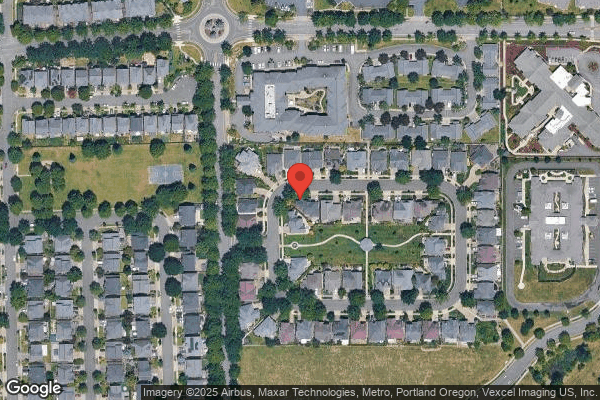

MARQUIS NEWBERG

441 WERTH BLVD, NEWBERG, OR 97132 (503) 538-9436
For profit - Limited Liability company 54 Beds MARQUIS COMPANIES Data: November 2025
Trust Grade
85/100
#15 of 127 in OR
Last Inspection: September 2024

Within standard 12-15 month inspection cycle. Federal law requires annual inspections.

Overview

Marquis Newberg has a Trust Grade of B+, which indicates that it is recommended and performs above average compared to other facilities. It ranks #15 out of 127 nursing homes in Oregon, placing it in the top half, and #2 out of 6 in Yamhill County, meaning only one local option is better. The facility is improving, with the number of issues decreasing from 6 in 2023 to just 3 in 2024. Staffing is rated 4 out of 5 stars, but the turnover rate is 52%, which is about average for the state. There have been no fines, which is a positive sign, and the RN coverage is average, meaning residents may not receive as much specialized care as in some other facilities. However, there have been some concerns noted during inspections. For example, there was a medication error where a resident received another resident’s medication, which could have resulted in serious health issues. Additionally, there was a situation where a staff member failed to notify a family member about a resident's change in condition for several hours, potentially delaying necessary medical care. While the home has strengths, such as its overall high ratings and no fines, these incidents highlight areas that need attention to ensure resident safety and communication.

Trust Score
B+
85/100
In Oregon
#15/127
Top 11%
Safety Record
Low Risk
No red flags
Inspections
Getting Better
6 → 3 violations
Staff Stability
⚠ Watch
52% turnover. Above average. Higher turnover means staff may not know residents' routines.
Penalties
✓ Good
No fines on record. Clean compliance history, better than most Oregon facilities.
Skilled Nurses
○ Average
Each resident gets 32 minutes of Registered Nurse (RN) attention daily — about average for Oregon. RNs are the most trained staff who monitor for health changes.
Violations
⚠ Watch
14 deficiencies on record. Higher than average. Multiple issues found across inspections.
★★★★★
5.0
Overall Rating
★★★★☆
4.0
Staff Levels
★★★★☆
4.0
Care Quality
★★★★★
5.0
Inspection Score
Stable
2023: 6 issues
2024: 3 issues

The Good

  • 4-Star Staffing Rating · Above-average nurse staffing levels
  • 4-Star Quality Measures · Strong clinical quality outcomes
  • Full Sprinkler Coverage · Fire safety systems throughout facility
  • No fines on record

Facility shows strength in staffing levels, quality measures, fire safety.

The Bad

Staff Turnover: 52%

Near Oregon avg (46%)

Higher turnover may affect care consistency

Chain: MARQUIS COMPANIES

Part of a multi-facility chain

Ask about local staffing decisions and management

The Ugly 14 deficiencies on record

Sept 2024 1 deficiency
CONCERN (D)

Potential for Harm - no one hurt, but risky conditions existed

Quality of Care (Tag F0684)

Could have caused harm · This affected 1 resident

Based on interview and record review it was determined the facility failed to follow physician orders for 1 of 5 sampled residents (#1) reviewed for medications. This placed residents at risk for adve...

Read full inspector narrative →
Based on interview and record review it was determined the facility failed to follow physician orders for 1 of 5 sampled residents (#1) reviewed for medications. This placed residents at risk for adverse medication side effects. Findings include: Resident 1 admitted to the facility in 2024 with diagnoses including heart failure. The 9/20/24 progress note by Staff 3 (LPN) indicated Resident 1 received another resident's scheduled medications. Resident 1, her/his family and the physician were notified, and no adverse effects were noted. The resident was placed on alert monitoring. The 9/20/24 Medication Error Report indicated Staff 3 administered Resident 242's medications to Resident 1 and the medications included: -apixaban 2.5 mg (anticoagulant medication); -atorvastatin 20 mg (lipid lowering medication). On 9/25/24 at 3:58 PM Staff 3 stated she was on orientation and worked with Staff 4 (LPN). Staff 3 stated she went into Resident 1's room independently and was confused on which bed was bed A and bed B. Staff 3 stated she told Resident 1, You must be [Resident 242's name]. Staff 3 stated Resident 1 was very quiet and did not say if she/he was Resident 242. Staff 3 stated she administered Resident 242's medication to Resident 1 which included apixaban and atorvastatin and did not verify it was the correct resident. Staff 3 stated the physician was notified and the resident was monitored for adverse side effects. Resident 1's progress notes and physician notes from 9/20/24 through 9/24/24 revealed there were no adverse reactions to the apixaban and atorvastatin. On 9/26/24 at 10:59 AM Staff 2 (Corporate RN) acknowledged Staff 3 administered Resident 242's medications to Resident 1 in error on 9/20/24 and did not verify it was the correct resident prior to administration. Staff 2 acknowledged the medications administered to Resident 1 included apixaban and atorvastatin and Resident 1 did not have an order for those medications.
Feb 2024 2 deficiencies
CONCERN (D) 📢 Someone Reported This

A family member, employee, or ombudsman was alarmed enough to file a formal complaint

Potential for Harm - no one hurt, but risky conditions existed

Notification of Changes (Tag F0580)

Could have caused harm · This affected 1 resident

Based on interview and record review it was determined the facility failed to notify a resident's representative timely of a change of condition for 1 of 3 (#3) sampled residents reviewed for resident...

Read full inspector narrative →
Based on interview and record review it was determined the facility failed to notify a resident's representative timely of a change of condition for 1 of 3 (#3) sampled residents reviewed for resident rights. This placed residents at risk for delayed treatment. Findings include: Resident 3 admitted to the facility in 7/2023 with diagnoses including Pleural Effusion (a buildup of fluid between the tissues that line the lungs and chest). Resident 3's 7/13/23 facility admission form indicated Witness 1 (family member) was the primary emergency contact. On 2/13/24, a concern was received which alleged Witness 1 was not nofified about a change of condition for Resident 3 on 11/24/23 until after 1:00 PM when the resident exhibited symptoms for several hours prior. The complainant further stated Staff 5 (CNA) had repeatedly asked Staff 7 (LPN) to contact Witness 1 but Staff 7 said she didn't want Witness 1 to come to the facility and panic. On 2/16/24 at 7:58 AM, Witness 1 stated she was very involved in the daily activities of Resident 3 and was her/his emergency contact. She stated after Resident 3 was hospitalized , she was informed by Staff 5 the resident's change of condition was known much earlier in the day. Staff 7 was made aware of the change of condition by Staff 5 early in the shift but did not contact Witness 1 until after 1:00 PM. Witness 1 stated she would have immediately requested Resident 3 be sent to the hospital if she had been contacted in the morning. On 2/16/24 at 12:45 PM Staff 5 stated she observed Resident 3 on 11/24/23 shortly after her shift started at 6:00 AM. She stated Resident 3 was off - staring at the ceiling, and was unable to talk, which Staff 5 said was off her/his baseline. Staff 5 took the resident's vital signs and noticed the resident's blood pressure was higher than her/his baseline readings. She reported the changes to Staff 7 but nothing was done. Later in the morning a new skin condition was identified and assessed by Staff 7. Staff 5 said she was concerned enough to ask Staff 6 (CNA), who also was very familiar with Resident 3's care needs, to check on her/him as well. Staff 5 stated she continued to check the resident every half hour and made more than one request for Staff 7 to contact Resident 3's family but this wasn't done until after 1:00 PM. On 2/26/24 at 9:35 AM Staff 6 stated he saw Resident 3 earlier in the morning on 11/24/23, noted she/he recognized and smiled at him but couldn't talk, which was not typical for her/his baseline. Staff 6 stated he saw Resident 3 two hours later, the resident no longer recognized Staff 6 and her/his condition had deteriorated. He confirmed he and Staff 5 informed Staff 7 of the resident's change in condition. He wasn't aware when the resident was assessed by Staff 7. Efforts to contact Staff 7 on 2/22/24 were unsuccessful, so no interview was completed. Resident 33's clinical record was reviewed and a progress note dated 11/24/23 at 1:18 PM revealed Resident 3 was observed by Staff 5 at the beginning of her shift to have experienced a change in mental status, which included a dazed affect, slurring of her/his speech and the inability to speak. Resident 5's mentation continued to deteriorate and she/he was sent to the hospital at approximately 1:15 PM. A skin report dated 11/24/23 at 10:15 AM revealed Resident 3 had a new skin condition. The physician and Witness 1 were contacted at or after 1:00 PM, several hours after she/he exhibited signs and symptoms of a change in her/his mental status and skin condition. On 2/26/24 at 1:15 PM AM Staff 1 (Administrator) and Staff 2 (DNS) were informed of the investigative findings and provided no further information.
CONCERN (D) 📢 Someone Reported This

A family member, employee, or ombudsman was alarmed enough to file a formal complaint

Potential for Harm - no one hurt, but risky conditions existed

Deficiency F0726 (Tag F0726)

Could have caused harm · This affected 1 resident

Based on interview and record review it was determined the facility failed to ensure staff had the appropriate skills and competencies necessary to care for resident needs related to external catheter...

Read full inspector narrative →
Based on interview and record review it was determined the facility failed to ensure staff had the appropriate skills and competencies necessary to care for resident needs related to external catheter devices for 1 of 3 sampled residents (#3) reviewed for incontinence care. This placed residents at risk for unmet needs. Findings include: Resident 3 was admitted to the facility in 7/2023 with diagnoses including Pleural Effusion (a buildup of fluid between the tissues that line the lungs and chest). Resident 3's Care Plan dated 7/13/23 revealed she/he used a Purewick system (an external urine collection system which used suction and a wick to draw urine away from the body). The device instructions directed the device was to be placed in the groin area adjacent to the urethral opening and had to be correctly placed in order to wick the urine into the tubing and deposit in the attached canister. On 2/13/24 a concern was received stating staff who provided incontinence care did not know how to use the Purewick system, placed it too low in the groin area, which caused the resident's tailbone to hurt and the device to suction fecal matter into the canister. On 2/16/24 at 12:45 PM Staff 5 (CNA) stated Resident 3 was the only resident in the facility who used the Purewick system. She stated CNAs provided incontinence care and were responsible for using the Purewick system. Staff 5 stated Resident 3 was very particular about where the device was placed and wanted it placed to the side (of the urethral opening, rather than the middle) and the off centered device may have caused sores in the resident's groin area. Staff 5 stated she had not received training on how to use the device. On 2/26/24 at 9:35 AM Staff 6 (CNA) stated he was familiar with Resident 3's care needs and she/he was care planned for the Purewick system. He stated the staff providing inontinence care for the resident did not know how to use it, had overheard staff talking about the catch basin which contained feces rather than urine due to the incorrect placement of the catheter. Staff 6 stated there were a lot of agency staff working in the facility and if training were provided, agency staff would stay on the floor during staff meetings. On 2/26/24 at 10:30 AM Staff 4 (CNA 2) stated she was familiar with the Purewick system due to working in hospitals. She stated she told CNAs how to place the device but several times she would come on shift, provide incontinence care to Resident 3 and the device would be placed too low. As a result, Resident 3 had indentations on the skin surrounding the groin/buttock area and the device would suction fecal matter. Staff 4 stated the Purewick system was primarily used in hospitals and at home so facility staff were unfamiliar with the system. She stated the placement of the device couldn't be too high or it would not extract urine and if the device were too low, fecal matter would be caught in the tubing and clog the device. On 2/22/24, Staff 2 (Acting DNS) provided notes from a CNA meeting held on 12/20/23. The form indicated a notation Purewick video but no staff signatures were attached to the meeting notes. Staff 2 also provided incontinence training records for several staff but the list did not contain dates of completion. On 2/26/24 at 11:29 AM, Staff 2 stated no competencies or assessments had been completed with CNA staff regarding the use of the Purewick system.
Jun 2023 6 deficiencies
CONCERN (D)

Potential for Harm - no one hurt, but risky conditions existed

Deficiency F0558 (Tag F0558)

Could have caused harm · This affected 1 resident

Based on observation, interview and record review it was determined the facility failed to ensure call lights were within reach for 1 of 4 sampled residents (#1) reviewed for accommodation of need. Th...

Read full inspector narrative →
Based on observation, interview and record review it was determined the facility failed to ensure call lights were within reach for 1 of 4 sampled residents (#1) reviewed for accommodation of need. This placed residents at risk for lack of ADL care. Findings include: Resident 1 admitted to the facility in 4/2023 with diagnoses including cervical (neck) fracture and stroke. On 6/12/23 at 10:00 AM Resident 1 was observed in bed wearing a neck brace and her/his call light was attached and hanging over the right backside of her/his bed out of reach. At 10:09 AM Staff 7 (CNA) entered the room and stated oh the call light was out of Resident 1's reach and moved the call light within reach for Resident 1. On 6/12/23 at 10:25 AM Resident 1 stated she/he did not always have access to her/his call light and it was often out of reach or on the floor. Resident 1 stated she/he had limited range of motion with her/his arms due to the neck brace. On 6/13/23 at 10:39 AM Staff 7 and at 2:53 PM Staff 8 (CNA) stated Resident 1 wore her/his neck brace at all times and had limited range of motion in her/his arms. Staff 7 and Staff 8 stated call lights were to be within reach of Resident 1 at all times. On 6/16/23 at 1:30 PM Staff 2 (DNS) stated staff were expected to ensure call lights were within reach for Resident 1 at all times.
CONCERN (D)

Potential for Harm - no one hurt, but risky conditions existed

ADL Care (Tag F0677)

Could have caused harm · This affected 1 resident

2. Resident 15 was admitted to the facility in 2019 with diagnoses including heart failure. On 6/12/23 at 10:42 AM Resident 15's right hand was observed to have long, discolored, dirty and thick finge...

Read full inspector narrative →
2. Resident 15 was admitted to the facility in 2019 with diagnoses including heart failure. On 6/12/23 at 10:42 AM Resident 15's right hand was observed to have long, discolored, dirty and thick fingernails. Resident 15 stated they were trimmed recently. On 6/14/23 at 11:00 AM Resident 15's fingernails were observed to be trimmed but still long. There was what appeared to be debris and stains under the fingernails. Resident 15 stated she/he desired to have them look better. On 6/15/23 at 9:07 AM Staff 9 (RNCM) stated fingernails were to be viewed, cleaned, and trimmed on shower days. Resident 15's last shower day was 6/12/23. Staff 9 confirmed she instructed a CNA to clean and trim Resident 15's fingernails because it was not completed. Based on observation, interview, and record review it was determined the facility failed to provide nail care for 2 of 4 sampled residents (#s 15 and 16) reviewed for activities of daily living. This placed residents at risk for unmet nail care needs. Findings include: 1. Resident 16 admitted to the facility in 2018 with diagnoses including diabetes. The 6/7/19 Care Plan indicated Resident 16 was to have diabetic foot and nail care checks weekly by nursing staff. The 5/2023 and 6/2023 Diabetic foot and nail care task sheet indicated weekly checks were completed by nursing staff. On 6/12/23 at 11:00 AM Resident 16's finger nails were observed to be long, curved and touching the nail bed. Resident 16 stated she/he would like to have her/his finger nails trimmed. Resident 16 stated she/he believed it had been at least a month since her/his finger nails were trimmed. On 6/13/23 at 11:25 AM Staff 3 (RN) stated Resident 16 was diabetic and required nursing staff to check her/his finger and toe nails weekly. Staff 3 stated the nail task sheet indicated visual checks of the finger and toe nails. Staff 3 stated Resident 16's finger and toe nails were trimmed by an outside provider about two months ago. Staff 3 stated nursing staff tried to trim Resident 16's finger and toe nails if they were too long. On 6/13/23 at 11:27 AM Staff 3 acknowledged Resident 16's finger nails were long and needed to be trimmed. Resident 16 stated to Staff 3 that she/he would love to have her/his finger nails trimmed as they were long and dirty underneath. On 6/13/23 at 11:34 AM Staff 2 (DNS) acknowledged Resident 16's finger nails needed to be trimmed.
CONCERN (D)

Potential for Harm - no one hurt, but risky conditions existed

Quality of Care (Tag F0684)

Could have caused harm · This affected 1 resident

Based on interview and record review it was determined the facility failed to follow physician orders for 1 of 5 sampled residents (#20) reviewed for unnecessary medications. This placed residents at ...

Read full inspector narrative →
Based on interview and record review it was determined the facility failed to follow physician orders for 1 of 5 sampled residents (#20) reviewed for unnecessary medications. This placed residents at risk for improper administration. Findings include: Resident 20 admitted to the facility in 8/2022 with diagnoses including bipolar disorder (manic and depressive episodes), anxiety and schizoaffective (experience of psychosis as well as mood symptoms) disorder. A 5/22/23 physician order revealed staff were to administer two puffs of fluticasone propionate (nasal allergy) spray into each nostril in the morning for shortness of breath. A 6/8/23 physician order revealed Voltaren (pain gel) one percent to be applied to affected area of pain topically as needed for pain. Measure out two grams for unsupervised self-administration. The 6/2023 TARs revealed Resident 20 received her/his fluticasone propionate and she/he requested and received Voltaren on 6/8/23, 6/9/23, 6/10/23 and 6/11/23. The TARs were marked as unsupervised self-administration. On 6/12/23 at 9:38 AM and 10:05 AM an observation revealed on Resident 20's bedside table there were three small cups with a white cream substance and one of the containers in the middle had the name Voltaren written on it. Next to the three small cups was a bottle of fluticasone propionate spray dated 6/9/23 with the residtent's room number written on the outside of the bottle. Resident 20 was not present in her/his room. On 6/13/23 at 2:49 PM Resident 20 stated the three small containers of Voltaren and fluticasone propionate were left on the bedside table and she/he did not recall who placed them there or for how long. Resident 20 stated she/he used the Voltaren cream on her/his own but staff were supposed to watch her/him take the medication and apply the Voltaren cream to her/his knees. On 6/14/23 at 1:25 PM Staff 11 (LPN) stated Resident 20 was able to apply her/his own Voltaren cream and she completed a self-medication assessment on 6/8/23 for Resident 20 but stated the self-medication assessment was meant only to be used for the Voltaren and did not include self-administration of the fluticasone propionate. Staff 11 stated staff were expected to be present when administering Resident 20's medication except for the Voltaren and the Voltaren was to be handed to Resident 20 to apply within a reasonable amount of time. Staff 11 stated she was unsure why three containers of Voltaren and the fluticasone propionate was left on the bedside table. On 6/15/23 at 12:51 PM Staff 2 (DNS) stated she was aware of the three small containers of Voltaren and fluticasone propionate left on Resident 20's bedside table. Staff 2 stated she expected staff to administer the fluticasone propionate per physician order. Staff 2 stated the Voltaren cream was to be given to Resident 20 in the small container and should not have had three containers of Voltaren cream left on her/his bedside table. Staff 2 stated staff were expected to follow up with Resident 20 within the hour to ensure the Voltaren cream was applied or be disposed of appropriately.
CONCERN (D)

Potential for Harm - no one hurt, but risky conditions existed

Deficiency F0725 (Tag F0725)

Could have caused harm · This affected 1 resident

Based on observation, interview and record review the facility failed to provide sufficient nursing staff to ensure residents attained or maintained their highest practicable mental, physical and psyc...

Read full inspector narrative →
Based on observation, interview and record review the facility failed to provide sufficient nursing staff to ensure residents attained or maintained their highest practicable mental, physical and psychosocial well-being for 1 of 4 sampled residents (#1) reviewed for accommodation of need and staffing. This placed residents at risk for unmet ADL care needs. Findings include: Resident 1 admitted to the facility in 4/2023 with diagnoses including cervical (neck) fracture and stroke. A 5/11/23 Multidisciplinary Care Conference revealed Resident 1 discussed call light timing at night and Resident 1 used her/his call light, a grievance was completed regarding the issue. No documentation was found in the medical record regarding a grievance being completed regarding call light concerns. On 6/12/23 at 10:00 AM Resident 1 was observed in bed wearing a neck brace and her/his call light was attached and hanging over the right backside of her/his bed out of reach. At 10:09 AM Staff 7 (CNA) entered the room and stated oh the call light was out of Resident 1's reach and moved the call light within reach for Resident 1. On 6/12/23 at 10:25 AM Resident 1 stated she/he did not always have access to her/his call light and it was often out of reach or on the floor. Resident 1 stated she had limited range of motion with her/his arms due to the neck brace. Resident 1 stated call light response times were greater than 15 minutes and she/he sat in wet and soiled briefs for long periods of time. Review of call light wait time records from 5/1/23 through 6/13/23 revealed Resident 1 utilized her/his call light 365 times and revealed the following call light wait times: *Resident 1 initiated her/his call light 51 times and the call light response times were 15 minutes up to 35 minutes. *Resident 1 initiated her/his call light 13 times and the call light response times were 36 minutes up to 59 minutes. On 6/13/23 at 2:53 PM Staff 8 (CNA) stated call lights were to be answered in under five minutes and all staff were responsible for answering call lights. Staff 8 stated not all staff assisted with answering call lights. On 6/14/23 at 9:08 AM Staff 15 (CNA) stated all staff were responsible for answering call lights and this did not always occur. Staff 15 stated staff were expected to answer call lights within five minutes. On 6/16/23 at 9:04 AM Staff 1 (Administrator) stated she could not locate a grievance form regarding call light concerns for Resident 1 from the 5/11/23 Multidisciplinary Care Conference. On 6/16/23 at 1:30 PM Staff 2 (DNS) stated all staff were expected to answer call lights within five minutes and call lights should always be within reach of residents.
CONCERN (D)

Potential for Harm - no one hurt, but risky conditions existed

Deficiency F0761 (Tag F0761)

Could have caused harm · This affected 1 resident

Based on observation and interview it was determined the facility failed to secure a treatment cart for 1 of 3 halls observed for medication storage. This placed residents at risk for lost or missing ...

Read full inspector narrative →
Based on observation and interview it was determined the facility failed to secure a treatment cart for 1 of 3 halls observed for medication storage. This placed residents at risk for lost or missing medications. Findings include: On 6/13/23 at 11:21 AM an unlocked treatment cart was observed on hall 300 unattended. Review of the contents of the treatment cart revealed injectable insulin. There were two CNAs charting, not watching the cart and no other staff were visible in the hallway. On 6/13/23 at 11:24 AM Staff 21 (LPN) confirmed insulin was kept in the treatment cart and it should have been locked. On 6/15/23 at 11 AM Staff 2 (DNS) confirmed carts with medications should be locked when a nurse was not present.
CONCERN (D)

Potential for Harm - no one hurt, but risky conditions existed

Medical Records (Tag F0842)

Could have caused harm · This affected 1 resident

Based on interview and record review it was determined the facility failed to ensure resident self-administration of medication assessment records were complete and accurate for 1 of 5 sampled residen...

Read full inspector narrative →
Based on interview and record review it was determined the facility failed to ensure resident self-administration of medication assessment records were complete and accurate for 1 of 5 sampled residents (#20) reviewed for medications. This placed residents at risk for inaccurate medication assessments. Findings include: Resident 20 admitted to the facility in 8/2022 with diagnoses including bipolar disorder (manic and depressive episodes), anxiety and schizoaffective (experience of psychosis as well as mood symptoms) disorder. A 6/8/23 Self-Administration of Medication Assessment revealed the following: -Resident 20 had no limitations to administration of medications. -Resident 20 demonstrated appropriate knowledge and use of medications, distinguished color, shape and size. -Able to read medication label and repeat back to RN, punch blister care package, open flip-cap bottle and open screw-cap bottle. -Readiness to handle and administer own medication, no past history of medication mismanagement and was able to come to the medication cart to obtain medications. -The completed form identified Resident 20 was not a candidate for self-administration with a no on the form. -Physician was contacted for the order on 6/8/23. On 6/12/23 at 10:05 AM and 9:38 AM an observation revealed on Resident 20's bed side table there were three small cups with a white cream substance and one of the containers in the middle had the name Voltaren (pain gel) written on it. Next to the three small cups was a bottle of fluticasone propionate (nasal allergy) spray dated 6/9/23 with the residents room number written on the outside of the bottle. Resident 20 was not present in her/his room. On 6/14/23 at 1:25 PM Staff 11 (LPN) stated Resident 20 was able to apply her/his own Voltaren cream and she completed a self-medication assessment on 6/8/23 for Resident 20 but stated the self-medication assessment was meant only to be used for the Voltaren and did not include self-administration of the fluticasone propionate. On 6/15/23 at 12:51 PM Staff 2 (DNS) acknowledged the self-assessment completed on 6/8/23 was inaccurate and should have indicated self-administration for the Voltaren use only, and had conflicting information regarding the resident's ability to self-administer medication.
Jun 2019 5 deficiencies
CONCERN (D)

Potential for Harm - no one hurt, but risky conditions existed

Abuse Prevention Policies (Tag F0607)

Could have caused harm · This affected 1 resident

2. Resident 7 admitted to the facility in 12/2016 with diagnoses including dementia with behaviors and insomnia. The facility's 8/2017 Abuse Investigations policy indicated witness reports would be o...

Read full inspector narrative →
2. Resident 7 admitted to the facility in 12/2016 with diagnoses including dementia with behaviors and insomnia. The facility's 8/2017 Abuse Investigations policy indicated witness reports would be obtained in writing and witnesses would be required to sign and date such reports. On 3/26/19 Resident 7 alleged a CNA was rough with her/him during a transfer. The 3/26/19 initiated Abuse Investigation related to Resident 7's allegation indicated witnesses were contacted, but did not include any written or signed witness statements. On 6/27/19 at 9:17 AM Staff 2 (DNS) confirmed she did not have written witness statements for the investigation. Based on interview and record review it was determined the facility failed to ensure resident allegations of abuse were reported to management and investigated in a timely and thorough manner for 2 of 3 sampled residents (#s 7 and 201) reviewed for abuse. This place residents at risk for abuse. Findings include: 1. Resident 201 admitted to the facility in 2019 with diagnoses including repeated falls. The 11/2016 revised Reporting Abuse to Facility Management policy indicated employees must immediately report any suspected abuse or incidents of abuse to the administrator. The 6/18/19 Nursing admission assessment for Resident 201 indicated she/he was dependent on staff for toileting and had difficulty using the urinal as she/he was unable to grasp anything effectively. The assessment also indicated the resident had some long and short term memory deficits. During an interview on 6/26/19 at 10:37 AM with Resident 201 and Witness 2 (Family), Resident 201 stated during the overnight hours on her/his first day of admission, a female staff person had scolded her/him when she/he needed assistance with toileting. Resident 201 further stated the staff person stated they had 39 other residents to care for, and she/he felt verbally abused. Witness 2 stated during a meeting with staff to discuss the resident's care, Resident 201 mentioned her/his concern with a female staff person and indicated she/he was scolded by the staff person. On 6/26/19 at 12:59 PM Witness 1 (Resident Representative) stated on 6/25/19 she assisted the resident back to her/his room, and the resident requested to have her stop at a staff person's office to tell her something. Witness 1 was unsure whose office it was, but stated there were two female staff people in the room. Witness 1 further stated the resident reported that a female staff person on an overnight shift had made her/him feel bad. On 6/26/19 at 11:32 AM and 12:07 PM Staff 1 (Administrator) and Staff 2 (DNS) both acknowledged they did not receive repor of verbal abuse to Resident 201 due to a breakdown in the facility's system for reporting resident allegations of abuse.
CONCERN (D)

Potential for Harm - no one hurt, but risky conditions existed

Report Alleged Abuse (Tag F0609)

Could have caused harm · This affected 1 resident

Based on observation, interview and record review it was determined the facility failed to report suspected abuse for 1 of 3 sampled residents (#27) reviewed for abuse. This placed residents at risk f...

Read full inspector narrative →
Based on observation, interview and record review it was determined the facility failed to report suspected abuse for 1 of 3 sampled residents (#27) reviewed for abuse. This placed residents at risk for continued abuse. Findings include: Resident 27 was admitted to the facility 11/2018 with diagnoses including osteoporosis (a condition where bone strength weakens and is susceptible to fracture). On 6/20/19 at 9:34 AM Resident 27 was observed to be cognitively intact. The resident stated she/he was on the toilet on the night of 6/15/19 and Staff 15 (CNA) grabbed her/him by the left wrist while assisting the resident off of the toilet. Resident 27 stated it was painful and caused a bruise. On 6/26/19 at 11:00 AM Staff 2 (DNS) stated her practice was to report suspected abuse, such as intentional rough handling. She also stated, the facility kept Resident 27 safe, and she did not feel she needed to report this incident to the State Agency. Review of the facility Reporting Abuse to Facility Management policy dated 11/2016 indicated when an alleged or suspected case of abuse or serious bodily injury was reported, the facility Administrator or her/his designee would notify the State Agency. On 6/20/19 at 3:00 PM Staff 1 (Administrator) stated the allegation made by Resident 27 was not reported to the State Agency.
CONCERN (D)

Potential for Harm - no one hurt, but risky conditions existed

Deficiency F0655 (Tag F0655)

Could have caused harm · This affected 1 resident

Based on interview and record review it was determined the facility failed to ensure a resident's baseline care plan included information on toileting needs for 1 of 3 sampled residents (#201) reviewe...

Read full inspector narrative →
Based on interview and record review it was determined the facility failed to ensure a resident's baseline care plan included information on toileting needs for 1 of 3 sampled residents (#201) reviewed for abuse. This placed residents at risk for not having their toileting needs met. Findings include: Resident 201 admitted to the facility 6/18/19 with diagnoses including repeated falls. The 6/18/19 admission Nursing Assessment indicated Resident 201 had weakness over her/his entire body, bilateral arm numbness and was unable to grasp anything effectively with her/his right hand. The assessment further indicated the resident was dependent on staff for assistance with toileting. On 6/26/19 at 2:49 PM Staff 12 (CNA) stated the first night she worked with the Resident 201, she assisted her/him multiple times and further stated she/he was a two person transfer. She further stated she had also given the resident a urinal to use, attempted to help her/him use it, and the resident spilled urine all over. On 6/28/19 at 9:55 AM Staff 3 (CNA) stated the resident wore briefs and was also assisted to use a urinal. On 6/28/19 at 10:04 AM Staff 14 (RNCM) confirmed Resident 201's baseline plan of care did not indicate the resident's level of need or assistance with toileting.
CONCERN (D)

Potential for Harm - no one hurt, but risky conditions existed

Medical Records (Tag F0842)

Could have caused harm · This affected 1 resident

Based on interview and record review it was determined the facility failed to accurately document in the medical record for 1 of 5 sampled residents (#18) reviewed for medication. This placed resident...

Read full inspector narrative →
Based on interview and record review it was determined the facility failed to accurately document in the medical record for 1 of 5 sampled residents (#18) reviewed for medication. This placed residents at risk for inaccurate medical records and unmet needs. Findings include: Resident 18 was admitted to the facility 12/2018 with diagnoses including end stage renal disease and diabetes. a. A 5/28/19 physician order indicated the physician was to be notified if Resident 18's blood sugars were below 60 mg/dl. Resident 18's 6/2019 MAR indicated on the following dates her/his blood sugar levels were below the physician ordered parameter: -6/2/19, 47 mg/dl, signed by Staff 7 (LPN) -6/3/19, 44 mg/dl, signed by Staff 6 (LPN) -6/5/19, 55 mg/dl, signed by Staff 5 (LPN) Review of Resident 18's medical record for 6/2019 indicated no documentation of the physician being notified on the dates when the resident's blood sugars were below parameter. On 6/26/19 at 10:28 AM Staff 5 stated the protocol for blood sugars below parameters was to implement the asymptomatic hypoglycemia order and notify the physician. She further stated when the physician was notified it gets documented in progress notes. She believed she notified the physician of low blood sugar 6/5/19, but acknowledged she did not document the notification in the record. On 6/26/19 at 10:37 AM Staff 6 stated the protocol for blood sugars below parameters was to implement the symptomatic hypoglycemia protocol and notify the physician. He was unable to recall if he notified the physician of the low blood sugar on 6/3/19 and acknowledged it was not documented in the record. Staff 7 was unable to be interviewed due to being out of the country. On 6/26/19 at 11:37 Staff 2 (DNS) stated staff were to document when physicians were notified of low blood sugars in progress notes. She acknowledged there was no documentation of the physician being notified for the indicated low blood sugar dates in Resident 18's record. b. Review of the 6/2019 MAR indicated if Resident 18 experienced low blood sugar and was asymptomatic and responsive with a blood sugar of less than 60 mg/dl to: -Give the resident 4 oz of juice. -Recheck the blood glucose in 15 minutes. -If blood sugar is greater than 130 mg/dl (rebound hyperglycemia) administer diabetic medications. -If no improvement, notify physician for further orders. Resident 18's 6/2019 MAR indicated on the following dates her/his blood sugar levels were below the physician ordered parameter and the MAR did not reflect the asymptomatic hypoglycemia order was completed: -6/2/19, 47 mg/dl, blood sugars checked by Staff 7 (LPN) -6/3/19, 44 mg/dl, blood sugars checked by Staff 6 (LPN) Review of the Resident 18's progress notes for 6/2019 indicated Staff 6 documented completion of the asymptomatic hypoglycemia protocol. There were no progress notes to indicate Staff 7 implemented the asymptomatic hypoglycemia order. Staff 7 was unable to be interviewed due to being out of the country. On 6/26/19 at 10:37 AM Staff 6 stated he did not document the administration of the asymptomatic hypoglycemia order on the MAR, but he completed the order and it was documented in progress notes. On 6/26/19 at 11:37 AM Staff 2 (DNS) stated the asymptomatic protocol order was expected to be documented on the MAR. She confirmed the order was not documented on the MAR or in progress notes as completed for 6/2/19.
CONCERN (E)

Potential for Harm - no one hurt, but risky conditions existed

Deficiency F0657 (Tag F0657)

Could have caused harm · This affected multiple residents

**NOTE- TERMS IN BRACKETS HAVE BEEN EDITED TO PROTECT CONFIDENTIALITY** 4. Resident 20 was admitted to the facility on 10/2018 with diagnosis including an open wound on her/his right foot and peripher...

Read full inspector narrative →
**NOTE- TERMS IN BRACKETS HAVE BEEN EDITED TO PROTECT CONFIDENTIALITY** 4. Resident 20 was admitted to the facility on 10/2018 with diagnosis including an open wound on her/his right foot and peripheral vascular disease (PVD) (blood circulation disorder). The 11/21/18 admission MDS indicated the resident was not cognitively intact and was at risk for pressure ulcers. Review of Resident 20's 3/7/19 Skin and Wound Care Evaluation indicated a new right lateral calf unstageable wound measuring 4.3 cm long and 3.9 cm wide with eschar (hard plaque covering an ulcer, implying extensive tissue necrosis) covering the wound bed. The wound was further described as a Medical Device Related Pressure Injury. Review of Resident 20's 3/7/19 Skin Event indicated a new skin impairment was discovered during a skin check in the shower. The preliminary cause was determined to be pressure from the wheelchair leg rest. The facility added a cushion to the wheelchair leg rests. It further indicated Resident 20 was only able to make minor shifts in position without staff assistance. The resident spent most of her/his day alternating between her/his bed and the wheelchair. Resident 20 continued to be at high risk for skin impairments due to her/his PVD and thin, dry and fragile skin. A physician's order note dated 3/7/19 directed staff to find cause of pressure and eliminate please. Review of Resident 20's 5/1/19 quarterly nursing summary indicated the resident had multiple interventions in place for pressure prevention which included additional padding added to the wheel chair legs. The following observations were made of Resident 20: -6/24/19 at 9:00 AM the resident was up in a chair in sun room with padded leg protection on the wheelchair legs. -6/26/19 at 1:44 PM the resident was resting in bed with her/his eyes closed and her/his wheelchair next to the bed with the legs removed and placed on floor. The wheelchair leg padding was also on the floor leaning on the wall. -6/26/19 at 11:15 PM the resident was resting in bed with her/his eyes closed and her/his wheelchair was next to the bed with the legs removed and placed on floor. The wheelchair leg padding was also on the floor. The resident's care plan and [NAME] were reviewed and they were not updated to reflect the use of padding. The padding applied to the wheelchair was observed to be removable and needed to be replaced each time. Resident 20 was transferred from her/his bed to the wheelchair each time. On 6/26/19 at 1:36 PM Staff 14 (RNCM) stated Resident 20's left lateral calf wound was discovered 3/7/19. She confirmed the wheel chair leg padding was not added to the care plan or [NAME]. 3. Resident 18 was admitted to the facility 12/2018 with diagnoses including end stage renal disease and diabetes. Review of Resident 18's current care plan, initiated 12/4/18, and [NAME] (CNA Care Plan) indicated the resident went out of the facility for dialysis treatment two times a week on Tuesdays and Saturdays. A Nephrology Consultation document dated 1/8/19 indicated Resident 18 received dialysis three times a week on Tuesday, Thursday and Saturday. On 6/20/19 at 11:36 AM Resident 18 stated she/he received dialysis three times a week on Tuesday, Thursday and Saturday. On 6/26/19 at 8:53 AM Staff 2 (DNS) acknowledged Resident 18 no longer received dialysis two times a week and the care plan was not updated to reflect she/he received dialysis three times a week. Based on observation, interview and record review it was determined the facility failed to revise resident care plans for 4 of 10 sampled residents (#s 4, 11, 18 and 20) reviewed for pressure ulcers, medications and dialysis. This placed residents at risk for unmet needs. Findings include: 1. Resident 4 was admitted to the facility in 2019 with a diagnosis of a pressure ulcer. Review of the resident's 2/26/19 care plan indicated the resident was at risk for pressure ulcers. The care plan did not indicate the use of protective boots. Review of Residents 4's current [NAME] (CNA Care PLan) did not indicate the use of the protective boots. A 5/8/19 discontinued order indicated the resident had placement of boots for protection to lower extremities. The following observations were made of Resident 4: -6/21/19 at 9:32 AM the resident was in bed wearing pressure reducing protective boots. -6/24/19 at 1:55 PM the resident was up in her/his wheelchair wearing sneakers. -6/26/19 at 8:46 AM the resident was in bed wearing protective boots. On 6/24/19 Staff 13 (Charge Nurse) stated Resident 4 was wearing the protective boots but the last couple of days was just wearing her/his sneakers. On 6/25/19 at 10:04 AM Staff 3 (CNA) stated Resident 4 wore the protective boots in and out of bed. He stated the resident had always worn the boots. Staff 3 stated he would refer to the care plan and [NAME] to verify the resident's care needs. Staff 3 confirmed the use of the protective boots for Resident 4 was not on the care plan or [NAME]. On 6/26/19 at 8:57 AM Staff 2 (DNS) indicated there were no current orders for the use of the protective boots for Resident 4. She stated the resident wore both sneakers and the protective boots. She stated the resident sometimes preferred to wear the protective boots. Staff 2 confirmed the resident's preference for the use of protective boots was not on the care plan or [NAME]. 2. Resident 11 was admitted to the facility in 2017 with diagnoses including depression. A review of Resident 11's orders indicated the use of escitalopram (antidepressant) with a start date of 9/4/18 and an end date of 11/13/18. A 12/10/18 Behavior/Psychotropic meeting indicated there were no psychotropic medications ordered. The resident's 4/11/19 care plan indicated the resident used psychotropic medication related to anxiety and depression. On 06/26/19 at 8:53 AM Staff 2 (DNS) confirmed Resident 11's care plan was not updated to reflect the discontinuation of the antidepressant.
Understanding Severity Codes (click to expand)
Life-Threatening (Immediate Jeopardy)
J - Isolated K - Pattern L - Widespread
Actual Harm
G - Isolated H - Pattern I - Widespread
Potential for Harm
D - Isolated E - Pattern F - Widespread
No Harm (Minor)
A - Isolated B - Pattern C - Widespread

Questions to Ask on Your Visit

  • "Can I speak with families of current residents?"
  • "What's your RN coverage like on weekends and overnight?"

Our Honest Assessment

Strengths
  • • Grade B+ (85/100). Above average facility, better than most options in Oregon.
  • • No major safety red flags. No abuse findings, life-threatening violations, or SFF status.
  • • No fines on record. Clean compliance history, better than most Oregon facilities.
Concerns
  • • 14 deficiencies on record. Higher than average. Multiple issues found across inspections.
Bottom line: Generally positive indicators. Standard due diligence and a personal visit recommended.

About This Facility

What is Marquis Newberg's CMS Rating?

CMS assigns MARQUIS NEWBERG an overall rating of 5 out of 5 stars, which is considered much above average nationally. Within Oregon, this rating places the facility higher than 99% of the state's 100 nursing homes. This rating reflects solid performance across the metrics CMS uses to evaluate nursing home quality.

How is Marquis Newberg Staffed?

CMS rates MARQUIS NEWBERG's staffing level at 4 out of 5 stars, which is above average compared to other nursing homes. Staff turnover is 52%, compared to the Oregon average of 46%. RN turnover specifically is 69%, which is notably high. RNs provide skilled clinical oversight, so turnover in this role can affect medical care quality.

What Have Inspectors Found at Marquis Newberg?

State health inspectors documented 14 deficiencies at MARQUIS NEWBERG during 2019 to 2024. These included: 14 with potential for harm.

Who Owns and Operates Marquis Newberg?

MARQUIS NEWBERG is owned by a for-profit company. For-profit facilities operate as businesses with obligations to shareholders or private owners. The facility is operated by MARQUIS COMPANIES, a chain that manages multiple nursing homes. With 54 certified beds and approximately 43 residents (about 80% occupancy), it is a smaller facility located in NEWBERG, Oregon.

How Does Marquis Newberg Compare to Other Oregon Nursing Homes?

Compared to the 100 nursing homes in Oregon, MARQUIS NEWBERG's overall rating (5 stars) is above the state average of 3.0, staff turnover (52%) is near the state average of 46%, and health inspection rating (5 stars) is much above the national benchmark.

What Should Families Ask When Visiting Marquis Newberg?

Based on this facility's data, families visiting should ask: "Can I visit during a mealtime to observe dining assistance and food quality?" "How do you handle medical emergencies, and what is your hospital transfer rate?" "Can I speak with family members of current residents about their experience?"

Is Marquis Newberg Safe?

Based on CMS inspection data, MARQUIS NEWBERG has a clean safety record: no substantiated abuse findings (meaning no confirmed cases of resident harm), no Immediate Jeopardy citations (the most serious violation level indicating risk of serious injury or death), and is not on the Special Focus Facility watch list (a federal program monitoring the lowest-performing 1% of nursing homes). The facility has a 5-star overall rating and ranks #1 of 100 nursing homes in Oregon. While no facility is perfect, families should still ask about staff-to-resident ratios and recent inspection results during their visit.

Do Nurses at Marquis Newberg Stick Around?

MARQUIS NEWBERG has a staff turnover rate of 52%, which is 6 percentage points above the Oregon average of 46%. Moderate turnover is common in nursing homes, but families should still ask about staff tenure and how the facility maintains care continuity when employees leave.

Was Marquis Newberg Ever Fined?

MARQUIS NEWBERG has no federal fines on record. CMS issues fines when nursing homes fail to meet care standards or don't correct problems found during inspections. The absence of fines suggests the facility has either maintained compliance or corrected any issues before penalties were assessed. This is a positive indicator, though families should still review recent inspection reports for the full picture.

Is Marquis Newberg on Any Federal Watch List?

MARQUIS NEWBERG is not on any federal watch list. The most significant is the Special Focus Facility (SFF) program, which identifies the bottom 1% of nursing homes nationally based on persistent, serious quality problems. Not being on this list means the facility has avoided the pattern of deficiencies that triggers enhanced federal oversight. This is a positive indicator, though families should still review the facility's inspection history directly.