AVAMERE REHABILITATION OF NEWPORT
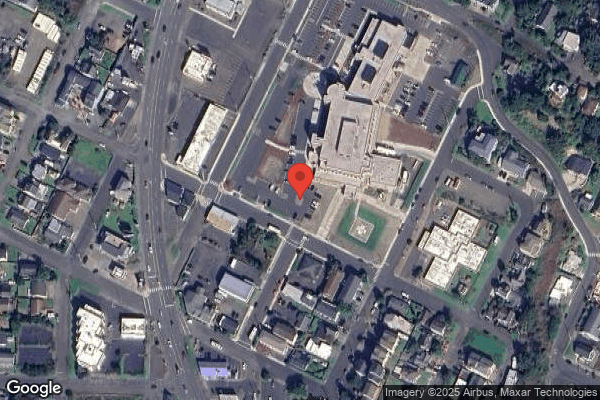
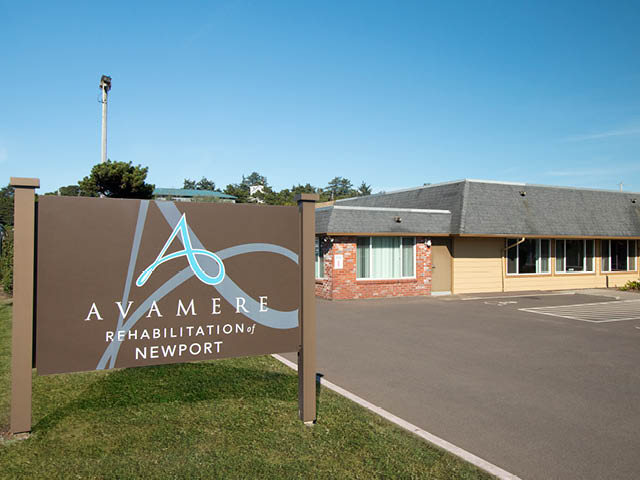
835 SW 11TH STREET, NEWPORT, OR 97365 (541) 265-5356
For profit - Limited Liability company 52 Beds AVAMERE Data: November 2025
Trust Grade
70/100
#33 of 127 in OR
Last Inspection: August 2025

Inspected within the last 6 months. Data reflects current conditions.

Overview

Avamere Rehabilitation of Newport has a Trust Grade of B, indicating it is a good choice for families seeking care. It ranks #33 out of 127 facilities in Oregon, placing it in the top half, and is the only option in Lincoln County. However, the facility is experiencing a worsening trend, with issues increasing from 7 in 2024 to 9 in 2025. Staffing is a strength, earning 4 out of 5 stars with a turnover rate of 33%, which is significantly lower than the state average. On the downside, the facility has faced concerns such as inadequate staffing during meal service, which can impact residents' nutrition, and cleanliness issues in the kitchen, highlighting areas that need improvement.

Trust Score
B
70/100
In Oregon
#33/127
Top 25%
Safety Record
Low Risk
No red flags
Inspections
Getting Worse
7 → 9 violations
Staff Stability
○ Average
33% turnover. Near Oregon's 48% average. Typical for the industry.
Penalties
✓ Good
No fines on record. Clean compliance history, better than most Oregon facilities.
Skilled Nurses
○ Average
Each resident gets 38 minutes of Registered Nurse (RN) attention daily — about average for Oregon. RNs are the most trained staff who monitor for health changes.
Violations
⚠ Watch
22 deficiencies on record. Higher than average. Multiple issues found across inspections.
★★★★☆
4.0
Overall Rating
★★★★☆
4.0
Staff Levels
★★★★★
5.0
Care Quality
★★★☆☆
3.0
Inspection Score
Stable
2024: 7 issues
2025: 9 issues

The Good

  • 4-Star Staffing Rating · Above-average nurse staffing levels
  • 5-Star Quality Measures · Strong clinical quality outcomes
  • Full Sprinkler Coverage · Fire safety systems throughout facility
  • No fines on record
  • Staff turnover below average (33%)

    15 points below Oregon average of 48%

Facility shows strength in staffing levels, quality measures, fire safety.

The Bad

Staff Turnover: 33%

13pts below Oregon avg (46%)

Typical for the industry

Chain: AVAMERE

Part of a multi-facility chain

Ask about local staffing decisions and management

The Ugly 22 deficiencies on record

Aug 2025 9 deficiencies
CONCERN (D)

Potential for Harm - no one hurt, but risky conditions existed

Deficiency F0561 (Tag F0561)

Could have caused harm · This affected 1 resident

Based on interview and record review it was determined the facility failed to ensure resident preferences were communicated for 1 of 1 sampled resident (#31) reviewed for choices. This placed resident...

Read full inspector narrative →
Based on interview and record review it was determined the facility failed to ensure resident preferences were communicated for 1 of 1 sampled resident (#31) reviewed for choices. This placed residents at risk for lack of honored preferences. Findings include:Resident 31 was admitted to the facility in 5/2023 with diagnoses including stroke and aphasia (a disorder that impairs the ability to communicate).The 5/26/25 Annual MDS revealed Resident 31 had a BIMS assessment score of 13 (cognitively intact), was occasionally understood, and placed high importance on her/his bathing and bedtime preferences.A 5/29/25 revised care plan indicated Resident 31 required assistance from one staff member for bathing. No documented preferences regarding the resident's bathing or bedtime routine were identified.A 6/24/25 Social Services Quarterly Review indicated Resident 31 was cooperative with staff, exhibited no behavioral concerns, and the review was completed by Staff 16 (DNS).On 8/4/25 at 11:03 AM, Resident 31 communicated she/he preferred to sleep until 8:30 AM and was frequently awakened earlier than desired.On 8/5/25 at 2:20 PM, Staff 7 (CNA) stated Resident 31's daily routine was important to her/him. Staff 7 was aware Resident 31 preferred to sleep in, the resident became upset when awakened early, and acknowledged that some CNAs were unaware of the resident's preferences.On 8/6/25 at 10:46 AM, Staff 13 (CNA) stated he provided a shower to Resident 31 that morning before breakfast based on information received from other staff regarding the resident's shower preference. Staff 13 reported difficulty understanding Resident 31's preferences due to the lack of detailed information in her/his care plan.On 8/6/25 at 3:37 PM, Staff 5 (Activities Director) stated she interviewed Resident 31 regarding her/his preferences and was instructed to update the care plan only for recreational activities.On 8/7/25 at 9:18 AM, Staff 2 (Interim DNS/RNCM) acknowledged there was insufficient oversight to address Resident 31's preferences. Staff 2 expected Resident 31 to have a person-centered care plan that clearly outlined her/his routine and preferences.
CONCERN (D)

Potential for Harm - no one hurt, but risky conditions existed

Notification of Changes (Tag F0580)

Could have caused harm · This affected 1 resident

**NOTE- TERMS IN BRACKETS HAVE BEEN EDITED TO PROTECT CONFIDENTIALITY** Based on interview and record review it was determined the facility failed to notify the physician after holding blood pressure ...

Read full inspector narrative →
**NOTE- TERMS IN BRACKETS HAVE BEEN EDITED TO PROTECT CONFIDENTIALITY** Based on interview and record review it was determined the facility failed to notify the physician after holding blood pressure medications based on decreased blood pressure for 1 of 5 sampled residents (#6) reviewed for unnecessary medications. This placed residents at risk for adverse side effects to medications. Findings include:Resident 6 was admitted to the facility in 3/2025 with diagnoses including a cerebral infarction (stroke) and hypertension (high blood pressure).A review of physician orders revealed a 5/25/25 order for Metoprolol Tartrate (a medication to treat high blood pressure) 100 mg two times a day, notify MD for further instructions and hold if blood pressure is less than 100/55.A review of Resident 6's 7/2025 MAR revealed Metoprolol was held: 7/4/25 AM dose held due to a blood pressure of 98/48 7/6/25 AM dose held, no blood pressure charted in [DATE]/14/25 AM dose held due to a blood pressure of 84/47 7/15/25 AM dose held due to a blood pressure of 98/52 7/25/25 AM dose held due to a blood pressure of 99/56 7/26/25 AM dose held due to a blood pressure of 105/54 7/27/25 AM dose held due to a blood pressure of 100/50 7/30/25 AM dose held due to a blood pressure of 100/54 7/30/25 AM dose held due to a blood pressure of 103/53 7/31/25 PM dose held due to a blood pressure of 99/52A review of Resident 6's 8/1/25 through 8/4/25 MAR revealed Metoprolol was held for the following reasons: 8/2/25 PM dose held due to a blood pressure of 104/46 8/3/25 AM dose held due to a blood pressure of 105/82 8/4/25 AM dose held due to a blood pressure of 113/44A review of Resident 6's medical record revealed no evidence the primary care provider was notified when the Metoprolol was held.On 8/7/25 at 2:40 PM, Staff 3 (LPN Resident Care Manager) stated if Resident 6's Metoprolol was held due to low blood pressure, the charge nurse would be notified, and they would put the information in the provider's communication book, so he was aware the medication was held and why it was held. An observation of the provider's communication book was completed with Staff 3 and revealed no communications to the provider related to holding Resident 6's Metoprolol.On 8/7/25 at 2:48 PM, an observation of the 7/2025 pages of the provider's communication book with Staff 2 (Interim DNS/RNCM) revealed no communication to the provider related to holding Resident 6's Metoprolol. Staff 2 stated she was not sure if the staff called the provider and failed to chart it. Staff 2 stated the expectation was if a medication is held, the provider would be notified.On 8/7/25 at 3:39 PM, Staff 15 (Physician Assistant) stated he did not remember if he was notified of the Metoprolol for Resident 6. Staff 15 stated he would lower the dose of Resident 6's Metoprolol due to the low blood pressures.
CONCERN (D)

Potential for Harm - no one hurt, but risky conditions existed

ADL Care (Tag F0677)

Could have caused harm · This affected 1 resident

Based on observations, interviews, and record reviews it was determined the facility failed to provide nail care to dependent residents for 1 of 2 sampled dependent residents (#6) reviewed for ADLs. T...

Read full inspector narrative →
Based on observations, interviews, and record reviews it was determined the facility failed to provide nail care to dependent residents for 1 of 2 sampled dependent residents (#6) reviewed for ADLs. This placed residents at risk for lack of dignity. Findings include: Resident 6 was admitted to the facility in 3/2025 with diagnoses including a cerebral infarction (stroke) and hemiplegia (paralysis) of the left side of the body.On 8/4/25 at 10:59 AM, Resident 6 stated her/his fingernails needed to be trimmed. Resident 6's fingernails were observed to be long, jagged, and dirty and her/his big toenails were observed to be long and jagged.On 8/7/25 at 11:13 AM, Staff 19 (CNA) stated residents received nail care on shower days. Staff 19 stated she completed nailcare for Resident 6 two weeks ago after a shower.On 8/7/25 at 2:40 PM Resident 6's fingernails and toenails were observed with Staff 3 (LPN Resident Care Manager). Resident 6's fingernails were observed to be long, jagged, and dirty and her/his big toenails were observed to long and jagged. Staff 3 stated the CNA staff were expected to provide nail care with showers and as needed in between showers.
CONCERN (D)

Potential for Harm - no one hurt, but risky conditions existed

Quality of Care (Tag F0684)

Could have caused harm · This affected 1 resident

Based on observation, interview, and record review it was determined the facility failed to monitor for changes in skin for 1 of 1 sampled resident (31) reviewed for choices. This placed residents at ...

Read full inspector narrative →
Based on observation, interview, and record review it was determined the facility failed to monitor for changes in skin for 1 of 1 sampled resident (31) reviewed for choices. This placed residents at risk for delayed treatment and unmet needs. Findings include: A 3/31/25 revised facility Wound Management Guideline revealed when a resident was identified to have a new skin alteration, the nurse was to obtain treatment orders, monitor the skin alteration, and document progress on the TAR.Resident 31 was admitted to the facility in 5/2023 with diagnoses including stroke and aphasia (a disorder that impairs the ability to communicate).The 5/26/25 Annual MDS indicated Resident 31 had a BIMS assessment score of 13 (cognitively intact), had no skin issues, and was sometimes difficult to understand.A 5/29/25 revised care plan revealed Resident 31 was at risk for skin impairment. Staff were to report changes regarding the resident's skin and identify potential causes.A review of the 6/2025 TAR revealed no new skin issues for Resident 31 during weekly skin audits.A 6/23/25 Late Entry Note Text indicated Resident 31 was not interested in seeing a specialist out of town for her/his scalp lesion and denied pain or itching to her/his scalp lesion.A 7/5/25 Physician's Progress Note revealed Resident 31 had a 5 cm dark lesion on the top of her/his scalp with no rash.Review of Resident 31's clinical record on 8/4/25 revealed no additional notes related to Resident 31's lesion on her/his scalp.On 8/4/25 at 10:54 AM, Resident 31 was observed to touch and point to her/his scalp and indicated concern through her/his facial expression and repetitive action of touching her/his head.On 8/5/25 at 4:23 PM, Staff 9 (Registered Nurse) stated she was aware of Resident 31's skin lesion on her/his scalp and did not monitor it.On 8/5/25 at 4:28 PM, Staff 3 (LPN-Resident Care Manager) stated she was unaware of any further follow-up from the resident's physician. Staff 3 acknowledged Resident 31's skin lesion on her/his scalp was not monitored at the time it was discovered to ensure there were no further changes.
CONCERN (D)

Potential for Harm - no one hurt, but risky conditions existed

Deficiency F0740 (Tag F0740)

Could have caused harm · This affected 1 resident

**NOTE- TERMS IN BRACKETS HAVE BEEN EDITED TO PROTECT CONFIDENTIALITY** Based on observation, interview. and record review, it was determined the facility failed to complete a baseline care plan and p...

Read full inspector narrative →
**NOTE- TERMS IN BRACKETS HAVE BEEN EDITED TO PROTECT CONFIDENTIALITY** Based on observation, interview. and record review, it was determined the facility failed to complete a baseline care plan and provide ongoing behavioral health needs for 1 of 3 sampled residents (#46) reviewed for mood and behavior. This placed residents at risk for unmet behavioral health needs and decrease in their quality of life. Findings include: Resident 46 was admitted to the facility on [DATE] with diagnoses including depression.An 8/2/25 Progress Note revealed Resident 46 had suicidal ideations and was sent to the hospital for evaluation.An 8/3/25 Progress note revealed Resident 46 returned to the facility at approximately 2:00 AM and it was determined she/he was not at risk for imminent harm to her/himself or others.An 8/2/25 After Visit Summary indicated Resident 46 was not at risk for imminent harm to her/himself or others and Resident 46 declined completing a safety plan but agreed to complete a follow up call with Mental Health on 8/3/25.On 8/6/25 at 10:34 AM, Resident 46 stated she/he was not having suicidal ideations currently and Resident 46 stated no one needed to worry, she/he had, no way to do it anyways. On 8/6/25 at 11:45 AM, Staff 17 (CNA) stated she was unaware of Resident 46's suicidal ideation and the information was not on the Kardex (care plan for CNAs).On 8/6/25 at 11:51 AM, Staff 18 (CNA) stated she was assigned as Resident 46's CNA on 8/6/25 and Resident 46 made statements of feeling sad and wanting to go home. Staff 18 stated she was unaware Resident 46 had suicidal ideations over the weekend, it was not on the Kardex, and she did not receive the information from shift report.A review of Resident 46's care plan and Kardex revealed no evidence of a mental health or suicidal ideation care plan or safety interventions.A review of Resident 46's medical record revealed no evidence of a follow up call to Mental Health on 8/3/35.On 8/6/25 at 12:22 PM, Staff 2 (Interim DNS/RNCM) stated she was unaware the After Visit Summary and mental health notes were in the chart and she had not read them yet. Staff 2 stated she was informed the follow up from Resident 46's hospital visit was completed. Staff 2 stated her expectation was upon return from the hospital Resident 46 would be placed on every 15-minute checks, her/his care plan and Kardex updated immediately, and the call from Mental Health would have been completed on 8/3/25 per the After Visit Summary. Staff 2 acknowledged Resident 46's care plan and Kardex were not updated and the call to Mental Health had not occurred. Staff 2 acknowledged the facility failed to follow up on Resident 46's mental health needs.
CONCERN (D)

Potential for Harm - no one hurt, but risky conditions existed

Laboratory Services (Tag F0770)

Could have caused harm · This affected 1 resident

Based on interview and record review it was determined the facility failed to obtain fasting serum blood sugars as ordered for 1 of 5 sampled residents (#5) reviewed for medications. This placed resid...

Read full inspector narrative →
Based on interview and record review it was determined the facility failed to obtain fasting serum blood sugars as ordered for 1 of 5 sampled residents (#5) reviewed for medications. This placed residents at risk for uncontrolled blood sugars. Findings include: Resident 5 was admitted to the facility in 3/2025 with diagnoses including diabetes and diabetic neuropathy (nerve pain).The 3/25/25 hospital Orders at Discharge indicated Resident 5 was to receive daily insulin (medication used to manage blood sugar levels) injections and have Fasting Serum Blood Sugars (FSBS) monitored (a method used to measure blood glucose levels after a period without food).A 6/2/25 revised care plan indicated Resident 5's diabetic medication was to be monitored for side effects and effectiveness, and FSBS were to be completed as ordered.The 7/2025 and 8/2025 Diabetic Administration Records revealed no documented FSBS results for Resident 5.On 8/4/25 at 11:19 AM, Resident 5 stated she/he was a diabetic, received insulin, and expressed concern her/his FSBS were rarely monitored.On 8/6/25 at 12:30 PM, Staff 8 (LPN) acknowledged the hospital discharge order for Resident 5's FSBS was missed during the admission process. Staff 8 stated FSBS were typically obtained weekly for diabetic residents.On 8/6/25 at 1:37 PM, Staff 3 (LPN-Resident Care Manager) stated she expected Resident 5 to have FSBS orders in place and followed.On 8/8/25 at 8:41 AM, Staff 2 (Interim DNS/RNCM) stated nurse managers were expected to review new resident orders within 24 hours to ensure accuracy.
CONCERN (F)

Potential for Harm - no one hurt, but risky conditions existed

Deficiency F0802 (Tag F0802)

Could have caused harm · This affected most or all residents

Based on observation, interview, and record review it was determined the facility failed to ensure adequate staffing for meal service for 1 of 1 facility kitchen. This placed residents at risk for nut...

Read full inspector narrative →
Based on observation, interview, and record review it was determined the facility failed to ensure adequate staffing for meal service for 1 of 1 facility kitchen. This placed residents at risk for nutritional complications and adverse effects related to diabetic management. Findings include: A 1/30/25 Meal Time, Ticket Separation, and Dining Room memo directed CNAs and Dietary staff to communicate promptly when food or nursing staff assigned to assist with meals were delayed. The scheduled lunch start time was 11:30 AM.On 8/4/25 at 12:03 PM, Staff 8 (LPN) stated lunch was scheduled to be served at 11:30 AM in the main dining room and at 12:00 PM in other dining areas.On 8/4/25 at 12:38 PM the meal cart arrived at the North Hall Dining Room (dining room where residents received meal assistance).On 8/4/25 at 12:44 PM (74 minutes after the scheduled start of lunch service), the final hall meal cart arrived.On 8/7/25 at 10:41 AM, Staff 4 (Dietary Manager) acknowledged the kitchen was very late with meal service on 8/4/25. Staff 4 confirmed meals were routinely delayed one to two times per week, with delays of up to 45 minutes.On 8/7/25 at 11:30 AM, Staff 6 (Cook) stated the final meal cart was expected to be completed by 12:15 PM. Staff 6 was observed to continue to cook vegetables for the lunch meal.On 8/7/25 at 11:53 AM, Staff 10 (LPN) stated he was rarely notified of late meals and was not informed the lunch meal would be delayed on 8/7/25. Staff 10 stated delayed meals impacted diabetic medication administration for residents who required medications prior to meals.On 8/7/25 at 12:15 PM, Staff 6 was observed assembling resident meals and stated the final meal cart was late.On 8/7/25 at 12:19 PM, Staff 4 began to assist Staff 6 with meal tray service.On 8/7/25 at 12:35 PM, the final meal cart left the kitchen (65 minutes after the scheduled start of lunch service).On 8/7/25 at 1:48 PM, Staff 4 stated he was unable to assist Staff 6 effectively due to limited space in the kitchen. Staff 4 acknowledged the facility's kitchen meal service system required improvement.On 8/7/25 at 2:25 PM and 8/8/25 at 8:32 AM, Staff 1 (Administrator) acknowledged there were no clearly defined expectations for meal service timing between nursing and dietary staff. Staff 1 expected the facility to deliver meals on time through coordinated teamwork, improved communication, and increased kitchen efficiency.
CONCERN (F)

Potential for Harm - no one hurt, but risky conditions existed

Food Safety (Tag F0812)

Could have caused harm · This affected most or all residents

Based on observation and interview it was determined the facility failed to maintain a sanitary kitchen environment and ensure adequate plumbing for the ice machine for 1 of 1 facility kitchen. This p...

Read full inspector narrative →
Based on observation and interview it was determined the facility failed to maintain a sanitary kitchen environment and ensure adequate plumbing for the ice machine for 1 of 1 facility kitchen. This placed residents at risk for cross-contamination and food borne illnesses. Findings include:On 8/7/25 at 9:55 AM the following areas were observed in the kitchen:-A white painted cabinet door under the sink in the food preparation area had exposed wood and black marks around the door edge. When the cabinet door was rubbed, paint was easily removed. -The baseboard under a counter was detached from the cabinet. Black debris between the baseboard and the cabinet was visible and not accessible for cleaning. -The ice machine was directly plumbed from the outside with no one inch air gap. Under the ice machine was a metal plate attached to the floor. A one-inch-wide rim of black debris was observed around the metal plate on the floor.On 8/7/25 at 10:41 AM and 10:58 AM, Staff 4 (Dietary Manager) acknowledged there were a lot of uncleanable surfaces in the kitchen, the ice machine was not properly installed, and the expectation was to have a kitchen with all stainless-steel cabinets and new floors to address kitchen sanitation.On 8/7/25 at 2:39 PM, Staff 20 (Corporate Maintenance) stated he expected the ice machine to have a one-inch air gap for correct installation to ensure no sewage backflow.
CONCERN (F)

Potential for Harm - no one hurt, but risky conditions existed

Deficiency F0847 (Tag F0847)

Could have caused harm · This affected most or all residents

Based on interview and record review it was determined the facility failed to ensure residents were fully informed and understood the binding arbitration agreement for 1 of 1 facility reviewed for bin...

Read full inspector narrative →
Based on interview and record review it was determined the facility failed to ensure residents were fully informed and understood the binding arbitration agreement for 1 of 1 facility reviewed for binding arbitration agreements. This placed residents at risk of being uninformed of their legal rights. Findings include:The facility's undated Patient and Facility Arbitration Agreement stated, the parties understand and agree that by entering this arbitration agreement they are giving up and waiving their constitutional right to have any claim decided in a court of law before a judge and jury. On 8/4/25 at 10:19 AM, Staff 16 (DNS) stated all residents had signed the Patient and Facility Arbitration Agreement. On 8/7/25 at 3:31 PM, Staff 1 (Administrator) stated the facility offered a Patient and Facility Arbitration Agreement to residents upon admission. Staff 1 stated Staff 14 (Medical Records Director) was responsible for the process of explaining the agreement to residents upon admission. On 8/7/25 at 3:39 PM, Staff 14 stated she was responsible to provide residents with information related to the facility's Patient and Facility Arbitration Agreement upon admission. Staff 14 further stated her explanation of the agreement to residents included they can go to court if we have violated their rights. On 8/7/25 at 3:48 PM, Staff 1 acknowledged the facility was not providing correct information regarding binding arbitration agreements to residents.
Apr 2024 7 deficiencies
CONCERN (D)

Potential for Harm - no one hurt, but risky conditions existed

ADL Care (Tag F0677)

Could have caused harm · This affected 1 resident

Based on observation, interview, and record review it was determined the facility failed to ensure a resident was shaved for 1 of 1 sampled resident (#4) reviewed for ADLs. This placed residents at ri...

Read full inspector narrative →
Based on observation, interview, and record review it was determined the facility failed to ensure a resident was shaved for 1 of 1 sampled resident (#4) reviewed for ADLs. This placed residents at risk for lack of hygiene. Findings include: Resident 4 was admitted to the facility in 2023 with a diagnosis of a stroke. A 3/4/24 annual MDS revealed Resident 4 was cognitively intact. On 4/1/24 at 1:01 PM Resident 4 was observed to have facial hair. Resident 4 stated she/he preferred no facial hair and needed staff assistance on shower days to shave. Staff 4 stated she/he was scheduled to have a shower on 4/2/24. On 4/2/24 at 10:08 AM Resident 4 was observed to not be shaved. Resident 4 stated she/he was assisted to shower but was not assisted to shave. On 4/3/24 at 7:33 AM Staff 4 (CNA) stated on 4/2/24 she worked with Resident 4 during the day, but another CNA provided the resident her/his shower. Staff 4 stated the resident should have been shaved and was not. The resident's next shower day was not scheduled for two more days. Staff 4 stated the resident's facial hair was too long. On 4/4/24 at 8:21 AM Resident 4 was observed with facial hair and was not shaved. On 4/4/24 at 8:23 AM Staff 6 (Resident Care Manager) and Staff 2 (DNS) stated Resident 4 was alert, oriented, able to make needs known, but did not ask staff for help. Staff 6 and Staff 2 stated if a resident was not shaved on her/his shower day, staff were to shave the resident as soon as able and not wait for the next shower day.
CONCERN (D)

Potential for Harm - no one hurt, but risky conditions existed

Deficiency F0685 (Tag F0685)

Could have caused harm · This affected 1 resident

Based on observation, interview, and record review it was determined the facility failed to assist with a hearing aid device for 1 of 1 sampled resident (#30) reviewed for hearing. This placed residen...

Read full inspector narrative →
Based on observation, interview, and record review it was determined the facility failed to assist with a hearing aid device for 1 of 1 sampled resident (#30) reviewed for hearing. This placed residents at risk for social isolation and decreased quality of life. Findings include: Resident 30 admitted to the facility in 2023 with diagnosis including hearing loss. A review of Resident 30's revised care plan dated 12/21/23 revealed the resident wore two hearing aides. On 4/1/24 at 11:28 AM and 4/3/24 at 9:24 AM Resident 30 was observed to have some difficulty hearing staff and her/his roommate. The resident was observed wearing one hearing aid. When interviewed on 4/3/24 at 9:32 AM Resident 30 stated she/he had only one hearing aid because the other one was broken. Resident 30 stated she/he told staff the hearing aid was broken for a long time but no appointment was made to get the hearing aid fixed. On 4/3/24 at 4:37 PM Staff 8 (LPN), Staff 10 (CNA) and Staff 12 (CNA) stated Resident 30 wore two hearing aids. Staff verified the resident was wearing one hearing aid. On 4/5/24 10:19 AM Staff 6 (Resident Care Manager) verified Resident 30 had two hearing aids. Staff 6 indicated staff were to ensure both hearing aids were in her/his ears and should have notified her or Social Services the resident's hearing aid was broken.
CONCERN (D)

Potential for Harm - no one hurt, but risky conditions existed

Deficiency F0688 (Tag F0688)

Could have caused harm · This affected 1 resident

Based on observation, interview, and record review it was determined the facility failed to apply a brace for 1 of 2 sampled residents (#24) reviewed for ROM. This placed residents at risk for worseni...

Read full inspector narrative →
Based on observation, interview, and record review it was determined the facility failed to apply a brace for 1 of 2 sampled residents (#24) reviewed for ROM. This placed residents at risk for worsening contractures. Findings include: Resident 24 admitted to the facility in 2022 with a diagnosis of a genetic muscular disease. A 7/21/23 MDS revealed Resident 24 had cognitive impairment, limited ROM and was on a RA program. A care plan initiated 7/2022 revealed Resident 24 had a contracture of the left hand and staff were to apply a brace in the morning and remove the brace at night. On 4/1/24 at 2:22 PM, 4/2/24 at 8:17 AM and 4/3/24 at 10:29 AM Resident 24 was observed without a brace to the left hand. On 4/2/24 at 11:58 AM Staff 4 (CNA) stated the CNA staff were to apply a brace to Resident 24's left hand. Staff 4 stated she worked on 3/30/24. The washable part of the resident's brace was dirty, was taken to the facility laundry to be washed, and it was not yet returned. Staff 4 stated the piece which was washed was made from Velcro, it often stuck to other pieces of clothing, and was hard to locate after laundering. Staff 4 stated the brace was not able to be applied until the Velcro piece was found. On 4/3/24 at 10:35 AM Staff 6 (Resident Care Manager) stated she was not aware Resident 24's brace was not available. Staff 6 stated the brace needed to be applied daily and the resident only had one brace.
CONCERN (D)

Potential for Harm - no one hurt, but risky conditions existed

Accident Prevention (Tag F0689)

Could have caused harm · This affected 1 resident

Based on observation, interview, and record review it was determined the facility failed to provide care and services as care planned for 1 of 1 sampled resident (#25) reviewed for positioning. This p...

Read full inspector narrative →
Based on observation, interview, and record review it was determined the facility failed to provide care and services as care planned for 1 of 1 sampled resident (#25) reviewed for positioning. This placed residents at risk for falls. Findings include: Resident 25 admitted to the facility in 2022 with diagnosis including stroke. A 12/12/22 care plan indicated Resident 25 was at risk for falls related to stroke, incontinence, gait/balance problems, and left-sided paralysis. Resident 25 was not to be left unattended in her/his room in her/his wheelchair. On 4/3/24 at 1:42 PM and 3:12 PM, and on 4/4/24 at 8:46 AM, Resident 25 was observed in her/his room in her/his wheelchair unattended. On 4/3/24 at 10:37 AM Staff 9 (CNA), Staff 10 (CNA) and Staff 12 (CNA) stated they were not aware Resident 25 was not to be left unattended in her/his room in her/his wheelchair. On 4/4/24 at 10:32 AM Staff 6 (Resident Care Manager) stated the resident was self-transferring and was a fall risk. Staff 6 stated she saw Resident 25 recently sitting in her/his room in her/his wheelchair unattended but she/he was care planned to not be left unattended in her/his wheelchair. Staff 6 acknowledged staff were not following the resident's care plan.
CONCERN (E)

Potential for Harm - no one hurt, but risky conditions existed

Deficiency F0883 (Tag F0883)

Could have caused harm · This affected multiple residents

Based on interview and record review it was determined the facility failed to ensure residents were offered a pneumonia vaccine for 4 of 5 sampled residents (#s 1, 9, 11, and 13) reviewed for immuniza...

Read full inspector narrative →
Based on interview and record review it was determined the facility failed to ensure residents were offered a pneumonia vaccine for 4 of 5 sampled residents (#s 1, 9, 11, and 13) reviewed for immunizations. This placed residents at risk for infections. Findings include: 1. Resident 1 admitted to the facility in 2023 with a diagnosis of heart disease. Resident 1's clinical record revealed she/he received a pneumonia vaccine in 2015 and was eligible for another pneumonia vaccine, but there was no indication she/he was offered another vaccine. On 4/3/24 at 9:19 AM Staff 6 (Resident Care Manager) acknowledged Resident 1 was eligible for, but was not offered another pneumonia vaccine. 2. Resident 9 admitted to the facility 2017 with a diagnosis of lung disease. Resident 9's clinical record revealed she/he received the pneumonia vaccine in 2016, was eligible for another dose, but there was no indication she/he was offered another dose. On 4/3/24 at 9:19 AM Staff 6 (Resident Care Manager) acknowledged Resident 9 was eligible for, but was not offered another pneumonia vaccine. 3. Resident 11 admitted to the facility in 2018 with a diagnosis of diabetes. Resident 11's clinical record revealed she/he refused the pneumonia vaccine in 2018, but there was no additional information in the resident's clinical record to indicate additional vaccines were offered. On 4/3/24 at 9:19 AM Staff 6 (Resident Care Manager) acknowledged Resident 11 was eligible for, but was not offered another pneumonia vaccine. 4. Resident 13 admitted to the facility in 2018 with a diagnosis of a stroke. Resident 13's clinical record revealed she/he received a pneumonia vaccine in 2013 and was eligible for, but was not offered another pneumonia vaccine. On 4/3/24 at 9:19 AM Staff 6 (Resident Care Manager) acknowledged Resident 13 was eligible for, but was not offered another pneumonia vaccine.
CONCERN (F)

Potential for Harm - no one hurt, but risky conditions existed

Food Safety (Tag F0812)

Could have caused harm · This affected most or all residents

Based on observation, interview, and record review it was determined the facility failed to ensure hair and beard restraints were worn during meal preparation for 1 of 1 sampled kitchen reviewed for s...

Read full inspector narrative →
Based on observation, interview, and record review it was determined the facility failed to ensure hair and beard restraints were worn during meal preparation for 1 of 1 sampled kitchen reviewed for sanitary food practices. This placed residents at risk for contaminated food. Findings include: A review of the facility's policy Food Handling, revised 1/2018, revealed food and nutrition services staff were expected to wear hair restraints and beard nets. On 4/3/24 at 11:17 AM Staff 13 (Dietary Manager), Staff 14 (Cook) and Staff 15 (Cook) were observed preparing food in the kitchen without hair and beard restraints. Staff 13 indicated staff were told they were not required to wear hair restraints unless their hair was long, and were also told they were not required to wear beard restraints. On 4/3/24 at 11:47 AM Staff 13 acknowledged staff were to wear beard and hair restraints while working in the kitchen.
CONCERN (F)

Potential for Harm - no one hurt, but risky conditions existed

Deficiency F0887 (Tag F0887)

Could have caused harm · This affected most or all residents

Based on interview it was determined the facility failed to ensure a system was in place to offer COVID-19 vaccines to staff for 1 of 1 staff (#3 [CNA]) reviewed for immunizations. This placed staff a...

Read full inspector narrative →
Based on interview it was determined the facility failed to ensure a system was in place to offer COVID-19 vaccines to staff for 1 of 1 staff (#3 [CNA]) reviewed for immunizations. This placed staff and residents at risk for infections. Findings include: On 4/3/24 At 9:09 AM a request was made to Staff 6 (Resident Care Manager) to provide documentation Staff 3 was offered a COVID-19 vaccine, including education related to the vaccine. Staff 6 stated in 8/2023 she stopped offering staff the COVID-19 vaccine.
Jan 2023 6 deficiencies
CONCERN (D)

Potential for Harm - no one hurt, but risky conditions existed

Deficiency F0657 (Tag F0657)

Could have caused harm · This affected 1 resident

**NOTE- TERMS IN BRACKETS HAVE BEEN EDITED TO PROTECT CONFIDENTIALITY** b. Resident 20 was admitted to the facility in 2022 with diagnoses including dementia. Resident 20's Face Sheet revealed Witness...

Read full inspector narrative →
**NOTE- TERMS IN BRACKETS HAVE BEEN EDITED TO PROTECT CONFIDENTIALITY** b. Resident 20 was admitted to the facility in 2022 with diagnoses including dementia. Resident 20's Face Sheet revealed Witness 2 (resident representative) was her/his Power of Attorney (POA), responsible party and emergency contact. A 7/6/22 admission MDS revealed Resident 20 had a BIMS of 9 which indicated moderate cognitive impairment. A Comprehensive Plan of Care Review dated 10/3/22 revealed a care conference was held on 10/13/22, Resident 20 was in attendance and her/his POA was out of the country. All sections of the Comprehensive Care Plan Review were signed prior to the care conference except the last section which indicated the date, time and attendees. The Comprehensive Care Plan Review did not include documentation of input from Resident 20 or her/his resident representative, nor did it include documentation of the resident representative being updated, invited, or informed of the care conference. A Comprehensive Plan of Care Review dated 1/5/23 revealed a care conference was held on 1/12/23 and Resident 20 and her/his representative were in attendance. All sections of the Comprehensive Care Plan Review were signed prior to the care conference except the last section which indicated the date, time and attendees. The Comprehensive Care Plan Review did not include documentation of input from Resident 20 or her/his resident representative. A review of Resident 20's Progress Notes from 9/1/22 through 1/12/23 revealed no documentation of her/his representative being invited to care conference or involvement in the development of the care plan. On 1/9/23 Witness 2 stated the facility did not have a sit down care conference with her and Resident 20 since her/his admission. On 1/11/23 at 9:39 AM Staff 4 (Social Services Coordinator) stated family was called as needed to attend care conferences. Staff 4 stated Resident 20's representative should be invited to the care conferences. On 1/11/23 at 10:10 AM Staff 3 (RNCM) stated there was a strangely non-defined line of who does what for calling family for care meetings and if Staff 4 was not there she would most likely call families for care planning. Staff 3 stated Resident 20 had a quarterly care conference in 10/2022 and Resident 20's representative was not able to attend so she spoke with her on the phone. On 1/11/23 at 10:49 AM Staff 11 (MDS/IP) reported she completed the care plan review assessments prior to the care conference and she did not attend the care conferences. On 1/13/23 at 10:05 AM Staff 3 stated she scheduled Resident 20's 1/12/23 care conference with her/his representative. Staff 3 stated she noted the care conference date and time in the Comprehensive Care Plan Review assessment and occasionally would complete a progress note about what occurred in the meeting. On 1/13/23 at 11:05 AM Staff 4 stated he only scheduled care conferences when he was asked to but there were no documentation in chart notes related to scheduling care conferences with the resident or resident representatives. On 1/13/23 at 11:18 AM Staff 2 (DNS) stated Staff 4 was responsible for scheduling care conferences. Staff 2 stated the top of the Comprehensive Care Conference Review Form was completed prior to the care conference and the very bottom of the form indicated the date, time and attendees of the care conference. Staff 2 stated there was no documentation of what was discussed in the care conferences but would expect there to be a chart note identifying what was discussed. Staff 2 stated there was no documentation of the family or resident representative being invited to care conferences. 1. Based on interview and record review it was determined the facility failed to revise care plans for 1 of 2 sampled residents (#25) reviewed for Behavioral-Emotional concerns. This placed residents at risk for unmet mental, behavioral and psychosocial needs. Findings include: Resident 25 was admitted to the facility in 12/2022 with diagnoses which included stroke, chronic pain and depression. Resident 25's care plan dated 12/15/22 indicated the resident was at risk for: mood, behavior and psychosocial issues related to a loss of self-control and stroke. The goal was for the resident to have no decline in mood or behavior through the next review date. Staff were to arrange 1:1 interaction with the Social Service Coordinator (SSC) for adjustment to placement in the facility weekly and/or as needed and notify the SSC of any decline in mood or behavior. No documentation for 1:1 interactions with SSC were documented in the resident's medical record. A 12/19/22 at 6:04 PM Nursing Care Note indicated Resident 25 stated she/he wanted to die due to uncontrolled pain and she/he wanted to be placed on hospice. Resident 25's care plan was revised on 12/21/22 to include: Resident 25 was started on an antidepressant medication related to depression. Staff were to monitor side effects and effectiveness. Side effects included: sedation, anxiety, weight loss, loss of appetite and suicidal ideation. The care plan did not contain any information related to the resident's current suicidal ideation. A 1/1/23 at 2:51 AM Alert Note indicated Resident 25 reported not caring about anything, appeared disconnected and somber with a flat affect. A 1/3/23 at 2:31 PM Nutritional Note indicated Resident 25 lost -4.5% weight in the last month. The resident was refusing food, refusing nutrition supplementation and expressed no desire to increase her/his length of life. On 1/10/23 at 8:43 AM Staff 2 (DNS) acknowledged the care plan was not revised to reflect the resident's on-going suicidal ideation and behaviors. 2. Based on interview and record review it was determined the facility failed to ensure care conferences were held and residents/resident representatives were involved with the care planning process for 2 of 2 (#20 and 24) sampled residents reviewed for care planning. This placed residents and resident representatives at risk for lack of involvement in care planning. Findings include: a. Resident 24 was admitted to the facility in 2022 with diagnoses including stroke. On 1/9/23 at 12:55 PM Witness 1 (resident representative) was asked about participation in care planning. Witness 1 stated she/he did not participate in a care conference or care planning. The resident's record indicated a comprehensive assessment dated [DATE] was completed. There was no evidence a care conference occurred following the completion of the 12/15/22 assessment. On 1/12/23 at 2:13 PM Staff 11 (MDS Coordinator) stated the RNCM was usually the person who participated in care conferences but depending on availability Staff 11 may participate on occasion. Staff 11 added care conference meetings should occur quarterly and added she could not locate evidence of a care conference meeting for Resident 24. On 1/13/23 at 10:55 AM Staff 2 (DNS) stated the facility was not conducting care conferences for short stay residents unless they had a significant change of condition or stayed past 90 days.
CONCERN (D)

Potential for Harm - no one hurt, but risky conditions existed

Pressure Ulcer Prevention (Tag F0686)

Could have caused harm · This affected 1 resident

Based on observation, interview and record review it was determined the facility failed to ensure pressure ulcers were accurately assessed and routinely monitored for healing for 1 of 3 sampled reside...

Read full inspector narrative →
Based on observation, interview and record review it was determined the facility failed to ensure pressure ulcers were accurately assessed and routinely monitored for healing for 1 of 3 sampled residents (#5) reviewed for pressure ulcers. This placed residents at risk for worsening pressure ulcers. Findings include: The NPIAP (National Pressure Injury Advisory Panel) Staging Guidelines describes a Stage 2 Pressure Ulcer as partial-thickness skin loss with exposed dermis, presenting as a shallow open ulcer. The wound bed is viable, pink or red, moist, and may also present as an intact or open/ruptured blister. Adipose (fat) is not visible and deeper tissues are not visible. The facility's updated Skin and Wound Management Policy and Procedure revealed the following: - The RCM (RNCM) or designee will evaluate any new impaired skin integrity and document findings in the clinical record. - Actual skin areas will have weekly documentation that includes measurements and how the wound is progressing towards healing (improvement, worse and unchanged). Resident 5 admitted to the facility in 2013 with diagnoses including right sided hemiplegia (inability to move) following a stroke. An 10/23/22 progress note revealed Resident 5 had shearing with blanchable redness (redness that turns white when pressed with a fingertip and the immediately turns red again when pressure is removed) to her/his bilateral upper buttocks. A 11/10/22 Quarterly MDS revealed Resident 5 had no pressure ulcers but was at risk for pressure ulcers. A review of Resident 5's Care Plan dated 11/21/22 revealed the resident had blanchable redness with chronic shearing (an injury which occurs when layers of skin rub against each other or when the skin remains stationary, and the underlying tissue moves and stretches and tears the underlying capillaries and blood vessels causing tissue damage) on her/his bilateral buttocks. A 12/28/22 progress note indicated Resident 5's buttock wound was a Stage 2 Pressure Ulcer and had worsened. A Physician Order dated 12/31/22 revealed orders to cleanse the shear wound on the right buttock and apply a dressing. On 1/11/23 at 4:01 PM Staff 14 (LPN) stated Resident 5 had the wound on her/his right buttock for a month or two. Staff 14 stated the shearing wound was caused by incontinence, refusals to reposition and being pulled up in bed. No evidence was found in Resident 5's medical record to indicate a wound assessment was completed to her/his right buttock wound. On 1/12/23 at 8:57 AM Resident 5's buttock wound was observed with Staff 18 (LPN). Resident 5 was lying in bed on an absorbent pad and without a brief per resident's preference. Resident 5's left buttock was red, and the skin was intact. Resident 5's right buttock was red and had several open areas which appeared to be open blisters and with characteristics consistent with the NPIAP staging guidelines for a Stage 2 pressure ulcer. Staff 18 stated the wound started out as a Stage 1 pressure injury (redness to the skin that does not go away when pressed on) and then it opened. Staff 18 stated the facility called it a shear wound. On 1/12/23 at 12:00 PM Staff 3 (RNCM) stated Resident 5 had blanchable redness on her/his buttock and a shear wound to the right buttock which was caused by moving herself/himself across the sheets. Staff 3 stated she had a lack of education related to staging pressure ulcers. Staff 3 stated the wound was caused by resident moving herself/himself across the sheets and acknowledged the wound was friction (a wound caused by the mechanical force exerted on skin that is dragged across any surface). On 1/13/23 at 9:23 AM Staff 2 (DNS) stated she was unaware Resident 5's wound had worsened. Staff 2 stated she was not trained in wound care or staging of pressure ulcers. Staff 2 confirmed the lack of wound assessments for Resident 5's right buttock wound and stated weekly wound assessments were expected to be completed with pressure ulcers.
CONCERN (D)

Potential for Harm - no one hurt, but risky conditions existed

Deficiency F0740 (Tag F0740)

Could have caused harm · This affected 1 resident

Based on observation, interview and record review it was determined the facility failed to provide behavioral healthcare services for 1 of 2 sampled residents (#25) reviewed for Behavioral and Emotion...

Read full inspector narrative →
Based on observation, interview and record review it was determined the facility failed to provide behavioral healthcare services for 1 of 2 sampled residents (#25) reviewed for Behavioral and Emotional concerns. This placed residents at risk for increased mental health concerns. Findings include: Resident 25 was admitted to the facility in 12/2022 with diagnoses which included stroke, chronic pain and depression. Resident 25's care plan dated 12/15/22 indicated the resident was at risk for: mood, behavior and psychosocial issues related to a loss of self-control and stroke. The goal was for the resident to have no decline in mood or behavior through the next review date. Staff were to arrange 1:1 interaction with the Social Service Coordinator (SSC) for adjustment to placement in the facility weekly and/or as needed and notify the SSC of any decline in mood or behavior. No documentation for 1:1 interactions with the SSC were documented in the resident's medical record. A 12/19/22 at 6:04 PM Nursing Care Note indicated Resident 25 stated she/he wanted to die due to uncontrollable pain and she/he wanted to be placed on hospice. A 12/21/22 at 2:18 PM Physician's Progress Note indicated Resident 25 was seen to follow up on depression symptoms discussed the previous week. The resident did feel depressed and also had chronic pain of the back. The physician recommended a trial of Cymbalta (antidepressant) medication both for mood and for pain. Resident 25's care plan was revised on 12/21/22 to include: Resident 25 was on an antidepressant medication related to depression. Staff were to monitor side effects and effectiveness. Side effects included: sedation, anxiety, weight loss, loss of appetite and suicidal ideation. The care plan did not contain information related to the resident's suicidal ideation. A 12/22/22 at 11:31 PM Alert Note indicated the resident showed no adverse reactions to starting daily medication for depression. The resident did not verbalize wanting to die or wanting someone to help her/him die. Resident 25 stated she/he was a bother to people and she/he understood if people did not want to deal with her/him. A 12/25/22 at 11:16 PM Alert Note indicated Resident 25 was on alert charting for expressing she/he wanted to die. The resident made statements of being an inconvenience to everyone and constantly apologized. A 1/1/23 at 2:51 AM Alert Note indicated Resident 25 reported not caring about anything, appeared disconnected and somber with a flat affect. A 1/3/23 at 2:31 PM Nutritional Note included Resident 25 had lost 4.5% weight in the last month. The resident was refusing food, refusing nutrition supplementation and was expressing no desire to increase her/his length of life. On 1/9/23 at 1:23 PM Resident 25 was observed to have a very flat affect during an interview. The resident's eyes did not focus on the interviewer and the resident appeared sad and sleepy. The resident spoke very quietly and in a monotone. The resident expressed she/he was depressed and in a lot of pain. Resident 25 also indicated she/he would be open to counseling related to the depression. On 1/10/23 at 1:45 PM Staff 4 (SSC) indicated he was not aware the resident had Suicidal Ideations (SI) and had expressed to staff not wanting to live. He was not aware the resident was on Alert Charting for remarks about dying and feeling depressed. Staff 4 said nursing staff did not notify him the resident had a mental health issue. Staff 4 also indicated the resident was not discussed in their Clinical Stand-Up meetings. Staff 4 stated mental health in the county was limited and it was difficult to get a response. Staff 4 also stated he did not have a contact person with the local mental health agency. On 1/10/23 at 8:43 AM Staff 2 (DNS) stated she expectated the nurses to bring mental health concerns to the RNCM and the SSC. The nurse in this case said she told the RNCM. The RNCM told the nurse to tell Staff 4 and the RNCM notified the physician. Staff 2 believed, in this case, the SSC did not follow up with a mental health referral for a resident who was expressing suicidal thoughts and increased depressive symptoms.
CONCERN (D)

Potential for Harm - no one hurt, but risky conditions existed

Medication Errors (Tag F0758)

Could have caused harm · This affected 1 resident

**NOTE- TERMS IN BRACKETS HAVE BEEN EDITED TO PROTECT CONFIDENTIALITY** Based on interview and record review it was determined the facility failed to ensure there was an appropriate indication for use...

Read full inspector narrative →
**NOTE- TERMS IN BRACKETS HAVE BEEN EDITED TO PROTECT CONFIDENTIALITY** Based on interview and record review it was determined the facility failed to ensure there was an appropriate indication for use of a psychotropic medication for 1 of 5 sampled residents (#6) reviewed for unnecessary medications. This placed residents at risk for unnecessary medications. Findings include: Resident 6 was admitted to the facility in 11/2022 with diagnoses including dementia with behavioral disturbance, sepsis and pneumonia. A physician order dated 11/17/22 indicated the resident was prescribed a memory drug for dementia without behavioral disturbance. An admission 5-day MDS dated [DATE] contained a Psychotropic Drug Use CAA which indicated the resident was on Seroquel (an antipsychotic medication) for dementia with behavioral disturbance. The plan was to monitor for additional adverse symptoms and discuss alternative medications or measures to treat the behaviors without the use of the medication. No documentation was found in the record to indicate alternative medications or measures were attempted. A Pharmacy Note to the Attending Physician/Prescriber dated 12/16/22 indicated the resident was receiving the antipsychotic Seroquel but lacked an allowable diagnosis to support its use. The pharmacist included a list of appropriate diagnoses or conditions which included: Behavioral or Psychological Symptoms of Dementia (BPSD) with one of the following: hallucinations, delusions, paranoia, grandiosity or endangering themselves or others. The physician circled hallucinations and endangering themselves or others for Resident 6's indication of use for Seroquel and signed it on 12/21/22. A review of Resident 6's Behavioral Monitoring logs for 11/2022, 12/2022 and 1/2023 revealed the resident had only one day, since admission to the facility, with a behavior documented. On 11/20/22 the resident exhibited the behavior of refusal of care. No other behaviors were documented for Resident 6. Resident 6's care plan dated 11/21/22 indicated Resident 6 was at risk for mood, behavior or psychosocial issues related to depression and dementia with behavior disturbance and staff were to initiate behavior monitoring. The behaviors to monitor included: refusals of care, social withdrawal and tearfulness or moodiness. The care plan did not include any interventions or documentation related to hallucinations or harm to self or others. On 1/13/23 at 10:08 AM Staff 2 (DNS) indicated she did not find any evidence the resident experienced hallucinations or had any behaviors that would endanger self or others in Resident 6's medical record.
CONCERN (E)

Potential for Harm - no one hurt, but risky conditions existed

Deficiency F0582 (Tag F0582)

Could have caused harm · This affected multiple residents

Based on interview and record review it was determined the facility failed to ensure the correct QIO (Quality Improvement Organization) and contact information was identified on the Notice of Medicare...

Read full inspector narrative →
Based on interview and record review it was determined the facility failed to ensure the correct QIO (Quality Improvement Organization) and contact information was identified on the Notice of Medicare Non-Coverage (NOMNC) letter for 3 of 3 sampled residents (#s 284, 285 and 286) reviewed for resident rights. This placed residents at risk for not being fully informed for whom to contact to appeal notices of non-coverage. Findings include: A review of three resident NOMNCs with information on the dates skilled services would end revealed the notices did not have the correct QIO and contact information should the residents decide to appeal the determination. On 1/11/23 at 12:22 PM Staff 4 (Social Services Coordinator) was asked about NOMNCs provided to residents and stated the form was provided by the facility's corporate office. Staff 4 stated he was not aware the QIO and contact information were not correct. On 1/13/23 at 10:49 AM NOMNCs were discussed with Staff 2 (DNS) and she stated she did not know who the current QIO was and agreed the form was old.
CONCERN (F)

Potential for Harm - no one hurt, but risky conditions existed

Infection Control (Tag F0880)

Could have caused harm · This affected most or all residents

**NOTE- TERMS IN BRACKETS HAVE BEEN EDITED TO PROTECT CONFIDENTIALITY** 1. Based on observation, interview and record review it was determined the facility failed to ensure proper infection control pr...

Read full inspector narrative →
**NOTE- TERMS IN BRACKETS HAVE BEEN EDITED TO PROTECT CONFIDENTIALITY** 1. Based on observation, interview and record review it was determined the facility failed to ensure proper infection control practices were followed related to disinfecting shared medical equipment between residents, appropriate PPE use for residents on transmission-based precautions and provision of education to staff on aerosol generating procedure (AGP) precautions for 1 of 3 halls and 1 of 2 sampled residents (#230) reviewed for infection control and pressure ulcers. This placed residents at risk for cross-contamination and infections. Findings include: a. The facility's 9/28/22 policy, COVID-19 Management Overview Policy for Infection Control revealed the following: - Shared medical equipment should be cleaned and disinfected between residents. On 1/9/23 at 9:54 AM Staff 16 (CNA/CMA) was observed taking vital signs for two residents without cleaning the equipment between each resident. Staff 16 acknowledged she did not clean the equipment between each resident. On 1/12/23 at 9:30 AM Staff 11 (MDS/IP) stated all staff were expected to clean and sanitize shared medical equipment, including vital sign equipment, between resident use. b. The facility's 12/29/21 policy and procedure, Categories of Transmission-Based Precautions revealed the following: - Enhanced Barrier Precautions are implemented for residents with wounds requiring dressing changes. - High contact resident activities requiring Enhanced Barrier Precautions include: 1) Dressing 2) Bathing/showering 3) Transferring 4) Providing hygiene 5) Changing linens 6) Changing briefs or assisting with toileting 7) Device care or use 8) Wound care: any skin opening requiring a dressing Resident 230 was admitted to the facility in 12/2022 for end-of-life care. A Physician order dated 1/9/23 revealed orders to treat an Unstageable [NAME] Terminal Pressure Ulcer (an unavoidable skin breakdown that some patients develop at the end of life) on Resident 230's sacrum (a triangular bone in the lower back and situated between the two hipbones of the pelvis). On 1/10/23 at 8:15 AM a sign was observed outside Resident 230's room which indicated the resident was on Enhanced Barrier Precautions and staff were to wear gloves and a gown for high-contact resident care activities which included dressing, bathing/showering, transferring, changing linens, providing hygiene, toileting and wound care. On 1/10/23 at 8:29 AM Staff 17 (CNA) was observed transferring Resident 230 to bed without wearing a gown. Staff 17 acknowledged she was not wearing a gown when she transferred Resident 230 to bed. On 1/11/23 at 11:18 AM Staff 14 (LPN) was observed performing wound care on Resident 230 without wearing a gown. Staff 14 acknowledged the resident was on precautions and she should have worn a gown. On 1/12/23 at 9:30 AM Staff 11 (MDS/IP) stated the facility used Enhanced Barrier Precautions per CDC guidelines for residents with colonization of a multi-drug resistant organism and residents with wound(s) and/or indwelling medical devices. All staff were expected to wear a gown and gloves when performing high contact activities such as transferring and wound care. c. The facility's 2/22/22 policy, Aerosolizing Procedures for COVID 19 Suspected or Infected Residents revealed the following: - These precautions require the use of N-95 disposable respirators for all who are providing aerosolizing procedure as well as gowns, gloves and eye protection. - During the procedure the doors should be closed, and privacy curtains pulled in semi-private co-horting rooms. - Post-procedure, frequently touched and horizontal surfaces in the room should be cleaned by nursing staff with an EPA registered facility approved disinfectant prior to exiting. On 1/11/23 at 9:00 AM signs for Aerosolized Generating Procedure (AGP) precautions were observed outside of three resident rooms. On 1/11/23 at 9:30 AM Staff 11 (MDS/IP) stated AGP precautions were used for CPAP/BIPAPs machines (machines that use pressurized air to keep your airway open). Staff 11 stated all staff were expected to keep the door shut, wear a gown, N-95 mask and eye protection when going into the room. Staff 11 stated AGP precautions were used while CPAP/BIPAP machines were on and remained in place for two hours after they were turned off. Staff 11 stated once the two hours were completed staff were expected to flip the precaution sign over, clean the CPAP/BIPAP machines, and wipe down surfaces. When asked how staff knew what time CPAP/BIPAP machines were turned off, Staff 11 replied they were routinely turned off at approximately 6:00 AM so by breakfast time precautions were stopped. Staff 11 further stated staff were expected to write the time the CPAP/BIPAP machines were turned off on the laminated precaution sign if it was after 6:00 AM. On 1/11/23 at 10:15 AM Staff 12 (CNA) stated, when asked when the AGP Precautions were implemented, the precaution signs were in place at the start of her shift on 1/11/23 but were not in place on 11/10/23 when she left for the day at 2:00 PM. Staff 12 stated AGP precautions were used when a CPAP machine was in use and remained for two hours after the CPAP machine was turned off. Staff 12 stated she was told when CPAP machines were turned off during shift change. Staff 12 stated she was not aware of a cleaning requirement after CPAP machines were turned off. On 1/11/23 at 4:01 PM Staff 14 (LPN) stated AGP precautions were initiated when CPAP/BIPAP machines were in use and discontinued as soon as they were turned off. Staff 15 described PPE requirements and stated there was no additional cleaning needed after CPAP/BIPAP machnines were turned off. On 1/13/23 at 8:33 AM Staff 15 (CNA) stated AGP precautions were placed when CPAP machines were on and described PPE requirements. Staff 15 stated she was unaware of how long the precautions were to remain after CPAP machines were turned off and was unaware if surfaces needed to be cleaned after the CPAP machine was turned off. On 1/13/23 at 8:40 AM Staff 18 (LPN) stated AGP precautions were initiated when a resident's CPAP machine was turned on and discontinued two hours after the machine was turned off. Staff 18 described PPE requirements and stated he was not educated on cleaning the room or surfaces after AGP precautions were discontinued. On 1/13/23 at 9:23 AM Staff 2 (DNS) confirmed staff needed additional training on aerosolizing procedures. 2. Based on interview and record review it was determined the facility failed to develop and implement a water management program for 1 of 1 facility reviewed for water management. This placed residents at risk for water-borne infections. Findings include: On 1/13/23 at 8:34 AM Staff 1 (Administrator) provided the facility Water Management binder and stated the facility did not have a flow diagram for water management. A review of the Water Management Binder revealed minutes from a 12/10/19 Legionella Committee Meeting which indicated the risk of legionella was zero and the legionella program was cancelled. There was no additional updated documentation. On 1/13/23 at 8:56 AM Staff 1 reviewed the Legionella Committee Meeting minutes and confirmed there should be an active water managment program in place.
Understanding Severity Codes (click to expand)
Life-Threatening (Immediate Jeopardy)
J - Isolated K - Pattern L - Widespread
Actual Harm
G - Isolated H - Pattern I - Widespread
Potential for Harm
D - Isolated E - Pattern F - Widespread
No Harm (Minor)
A - Isolated B - Pattern C - Widespread

Questions to Ask on Your Visit

  • "Can I speak with families of current residents?"
  • "What's your RN coverage like on weekends and overnight?"

Our Honest Assessment

Strengths
  • • No major safety red flags. No abuse findings, life-threatening violations, or SFF status.
  • • No fines on record. Clean compliance history, better than most Oregon facilities.
  • • 33% turnover. Below Oregon's 48% average. Good staff retention means consistent care.
Concerns
  • • 22 deficiencies on record. Higher than average. Multiple issues found across inspections.
Bottom line: Mixed indicators with Trust Score of 70/100. Visit in person and ask pointed questions.

About This Facility

What is Avamere Rehabilitation Of Newport's CMS Rating?

CMS assigns AVAMERE REHABILITATION OF NEWPORT an overall rating of 4 out of 5 stars, which is considered above average nationally. Within Oregon, this rating places the facility higher than 99% of the state's 100 nursing homes. This rating reflects solid performance across the metrics CMS uses to evaluate nursing home quality.
How is Avamere Rehabilitation Of Newport Staffed?

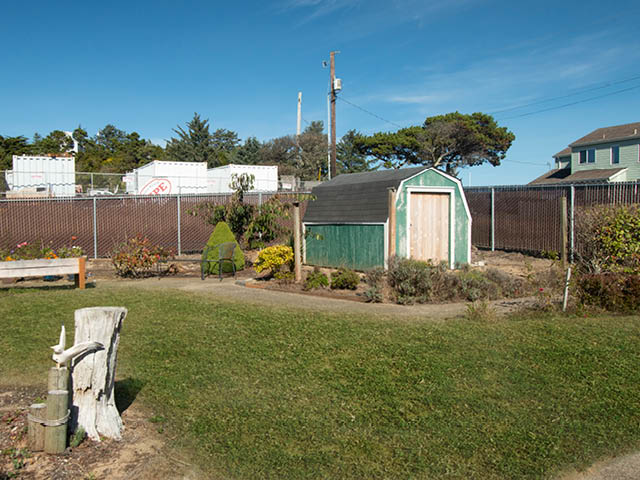
CMS rates AVAMERE REHABILITATION OF NEWPORT's staffing level at 4 out of 5 stars, which is above average compared to other nursing homes. Staff turnover is 33%, compared to the Oregon average of 46%. This relatively stable workforce can support continuity of care.

What Have Inspectors Found at Avamere Rehabilitation Of Newport?

State health inspectors documented 22 deficiencies at AVAMERE REHABILITATION OF NEWPORT during 2023 to 2025. These included: 22 with potential for harm.
Who Owns and Operates Avamere Rehabilitation Of Newport?

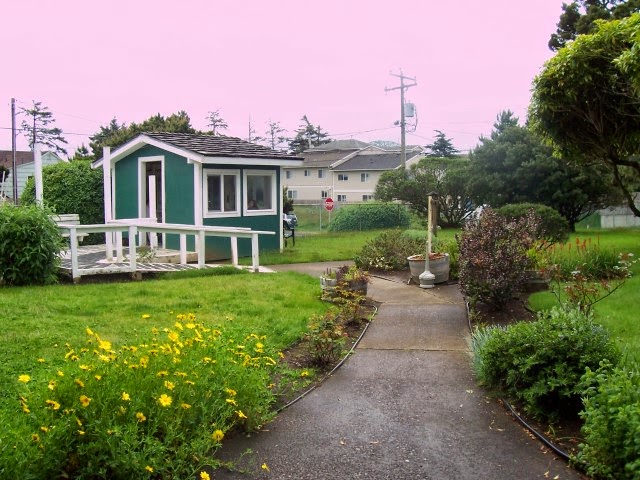
AVAMERE REHABILITATION OF NEWPORT is owned by a for-profit company. For-profit facilities operate as businesses with obligations to shareholders or private owners. The facility is operated by AVAMERE, a chain that manages multiple nursing homes. With 52 certified beds and approximately 40 residents (about 77% occupancy), it is a smaller facility located in NEWPORT, Oregon.
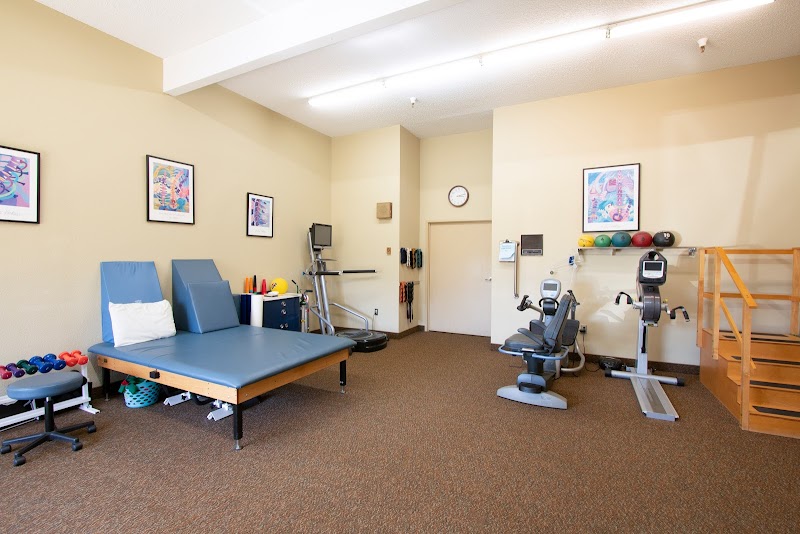
How Does Avamere Rehabilitation Of Newport Compare to Other Oregon Nursing Homes?

Compared to the 100 nursing homes in Oregon, AVAMERE REHABILITATION OF NEWPORT's overall rating (4 stars) is above the state average of 3.0, staff turnover (33%) is significantly lower than the state average of 46%, and health inspection rating (3 stars) is at the national benchmark.

What Should Families Ask When Visiting Avamere Rehabilitation Of Newport?

Based on this facility's data, families visiting should ask: "Can I visit during a mealtime to observe dining assistance and food quality?" "How do you handle medical emergencies, and what is your hospital transfer rate?" "Can I speak with family members of current residents about their experience?"

Is Avamere Rehabilitation Of Newport Safe?

Based on CMS inspection data, AVAMERE REHABILITATION OF NEWPORT has a clean safety record: no substantiated abuse findings (meaning no confirmed cases of resident harm), no Immediate Jeopardy citations (the most serious violation level indicating risk of serious injury or death), and is not on the Special Focus Facility watch list (a federal program monitoring the lowest-performing 1% of nursing homes). The facility has a 4-star overall rating and ranks #1 of 100 nursing homes in Oregon. While no facility is perfect, families should still ask about staff-to-resident ratios and recent inspection results during their visit.

Do Nurses at Avamere Rehabilitation Of Newport Stick Around?

AVAMERE REHABILITATION OF NEWPORT has a staff turnover rate of 33%, which is about average for Oregon nursing homes (state average: 46%). Moderate turnover is common in nursing homes, but families should still ask about staff tenure and how the facility maintains care continuity when employees leave.

Was Avamere Rehabilitation Of Newport Ever Fined?

AVAMERE REHABILITATION OF NEWPORT has no federal fines on record. CMS issues fines when nursing homes fail to meet care standards or don't correct problems found during inspections. The absence of fines suggests the facility has either maintained compliance or corrected any issues before penalties were assessed. This is a positive indicator, though families should still review recent inspection reports for the full picture.

Is Avamere Rehabilitation Of Newport on Any Federal Watch List?

AVAMERE REHABILITATION OF NEWPORT is not on any federal watch list. The most significant is the Special Focus Facility (SFF) program, which identifies the bottom 1% of nursing homes nationally based on persistent, serious quality problems. Not being on this list means the facility has avoided the pattern of deficiencies that triggers enhanced federal oversight. This is a positive indicator, though families should still review the facility's inspection history directly.