WILLOWBROOK POST ACUTE
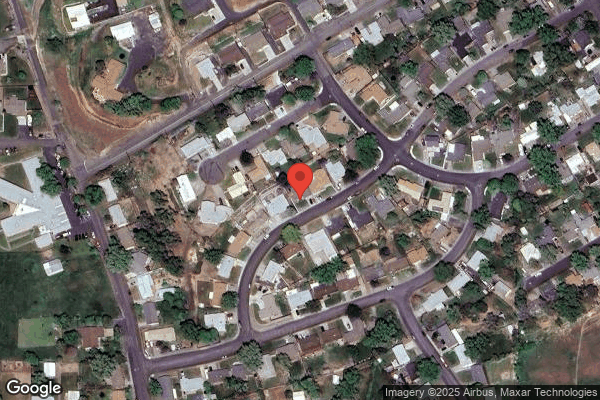
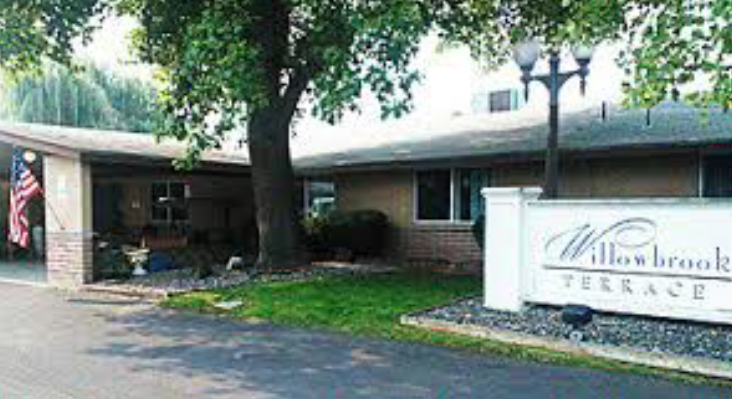
707 SW 37TH STREET, PENDLETON, OR 97801 (541) 276-3374
For profit - Limited Liability company 59 Beds PRESTIGE CARE Data: November 2025 3 Immediate Jeopardy citations
Trust Grade
0/100
#102 of 127 in OR
Last Inspection: August 2025

Inspected within the last 6 months. Data reflects current conditions.

Overview

Willowbrook Post Acute in Pendleton, Oregon, has received a Trust Grade of F, indicating significant concerns regarding care quality. They rank #102 out of 127 facilities in Oregon, placing them in the bottom half, and #3 out of 3 in Umatilla County, meaning there are no better local options. The facility's situation is worsening, with the number of issues increasing from 10 in 2024 to 15 in 2025. Staffing is a relative strength, with a rating of 4 out of 5 stars and a turnover rate of 48%, which is below the Oregon average. However, the facility has alarming fines totaling $80,796, higher than 89% of Oregon facilities, suggesting ongoing compliance problems. Serious incidents have been reported, including findings of verbal and physical abuse against residents. One resident was forced to receive care against their will, which caused them mental distress, while another resident's prior abuse allegations were not reported, increasing the risk of harm to all residents. Despite having good RN coverage, the overall environment raises significant concerns, making it crucial for families to weigh both the facility's strengths and weaknesses carefully.

Trust Score
F
0/100
In Oregon
#102/127
Bottom 20%
Safety Record
High Risk
Review needed
Inspections
Getting Worse
10 → 15 violations
Staff Stability
⚠ Watch
48% turnover. Above average. Higher turnover means staff may not know residents' routines.
Penalties
○ Average
$80,796 in fines. Higher than 52% of Oregon facilities. Some compliance issues.
Skilled Nurses
✓ Good
Each resident gets 59 minutes of Registered Nurse (RN) attention daily — more than average for Oregon. RNs are trained to catch health problems early.
Violations
⚠ Watch
40 deficiencies on record. Higher than average. Multiple issues found across inspections.
★★☆☆☆
2.0
Overall Rating
★★★★☆
4.0
Staff Levels
★★★☆☆
3.0
Care Quality
★★☆☆☆
2.0
Inspection Score
Stable
2024: 10 issues
2025: 15 issues

The Good

  • 4-Star Staffing Rating · Above-average nurse staffing levels
  • Full Sprinkler Coverage · Fire safety systems throughout facility
  • No fines on record

Facility shows strength in staffing levels, fire safety.

The Bad

2-Star Overall Rating

Below Oregon average (3.0)

Below average - review inspection findings carefully

Staff Turnover: 48%

Near Oregon avg (46%)

Higher turnover may affect care consistency

Federal Fines: $80,796

Well above median ($33,413)

Moderate penalties - review what triggered them

Chain: PRESTIGE CARE

Part of a multi-facility chain

Ask about local staffing decisions and management

The Ugly 40 deficiencies on record

3 life-threatening 1 actual harm
Aug 2025 15 deficiencies
CONCERN (D)

Potential for Harm - no one hurt, but risky conditions existed

Deficiency F0554 (Tag F0554)

Could have caused harm · This affected 1 resident

Based on observation, interview and record review it was determined the facility failed to ensure residents were assessed for safe self-administration of medications for 3 of 3 sampled residents (#'s ...

Read full inspector narrative →
Based on observation, interview and record review it was determined the facility failed to ensure residents were assessed for safe self-administration of medications for 3 of 3 sampled residents (#'s 31, 35 and 46) reviewed for self-administration of medications. This placed residents at risk for unsafe medication administration and adverse medication side effects. Findings include: 1. Resident 35 was admitted to the facility in 5/2023 with diagnoses including dementia. Resident 35’s 5/19/25 Annual MDS indicated the resident had moderate cognitive impairment. Observations on 8/18/25 at 11:02 AM and 8/19/25 at 8:45 AM revealed Resident 35 had antifungal powder and antifungal lotion on her/his bedside table. Review of Resident 35’s health record revealed no self-administration of medication assessment was completed to determine the resident’s ability to safely self-administer antifungal powder or antifungal lotion. On 8/19/25 at 1:28 PM Staff 18 (CNA) confirmed Resident 35 had both antifungal powder and lotion on her/his bedside table and removed the medicated powder and lotion from the room for disposal. Staff 18 stated residents should not have medications at the bedside. On 8/19/25 at 1:38 PM Staff 19 (RN) stated residents were assessed and needed physician orders in place for self-administration of medications. Staff 19 acknowledged medications should not be kept at the bedside for self-administration without an assessment. On 8/19/25 at 2:22 PM Staff 3 (RNCM) acknowledged residents required an assessment for safe self-administration of medications and treatments. Staff 3 confirmed Resident 35 was not assessed to safely self-administer medications, and the medications were not left in her/his room. 2. Resident 46 was admitted to the facility in 2/2025 with diagnoses including bipolar disorder (a mood disorder). Resident 46’s 5/21/25 Quarterly MDS indicated the resident had moderate cognitive impairment. Observations on 8/18/25 at 9:40 AM and 8/19/25 at 1:10 PM revealed Resident 46 had antifungal powder on her/his bedside table. Review of Resident 46’s health record revealed no self-administration of medication assessment was completed to determine the resident’s ability to safely self-administer antifungal powder. On 8/19/25 at 1:13 PM Staff 20 (CNA) confirmed Resident 46 had antifungal powder on her/his bedside table. Staff 20 stated the facility kept antifungal powder at the bedside for residents who needed it, and staff helped them apply the powder as part of their care. On 8/19/25 at 1:38 PM Staff 19 (RN) stated residents were assessed and needed physician orders in place for self-administration of medications. Staff 19 acknowledged medications should not be kept at the bedside for self-administration without an assessment. On 8/19/25 at 2:22 PM Staff 3 (RNCM) acknowledged residents required an assessment for safe self-administration of medications and treatments. Staff 3 confirmed Resident 46 was not assessed to safely self-administer medications, and the medications were not left in her/his room. 3. Resident 31 was admitted to the facility in 12/2021 with diagnoses including dementia and gastroparesis (a stomach disorder that significantly slows or stops the movement of food from the stomach to the small intestine). Resident 31's 12/30/24 Annual MDS indicated she/he had moderate cognitive impairment. No evidence was found in Resident 31's health record to indicate she/he had a doctor's order or was approved to self-administer medications. On 8/18/25 at 10:15 AM a plastic cup containing a white powder was observed on Resident 31's bedside table. The words, Gold Bond medicated powder were written on the outside of the cup. On 8/18/25 at 10:15 AM Resident 31 stated she/he did not know who left the powder on her/his table. 8/18/2025 10:55 AM Staff 19 (RN) acknowledged the cup of powder at Resident 31's bedside and stated she was aware Resident 31 had an order for the powder but stated she/he did not have an order to self-administer the medicated powder. On 8/19/25 at 1:20 PM Staff 41 (CNA) stated she notified the medication aide or the nurse if she saw medications at a resident's bedside. Staff 41 stated she didn't usually see pills, but she did see nystatin powder (a topical antifungal medication used to treat skin and mucocutaneous fungal infections) and barrier creams on residents' bedside tables. On 8/19/25 at 1:38 PM Staff 19 stated residents were not allowed to keep medications in their rooms without having a physician's order and without being evaluated to self-administer the medication. Staff 19 stated it was unsafe because residents might use them incorrectly or ingest them. On 8/19/25 at 1:46 PM Staff 3 (RNCM) stated it was a safety concern for Resident 31 to have medications in their rooms without a physician's order and without an evaluation to ensure the resident was able to self-administer the medication safely. Staff 3 stated if she found medications in Resident 31's room she would remove the medications, request an order from the physician and complete a self-administration evaluation.
CONCERN (D) 📢 Someone Reported This

A family member, employee, or ombudsman was alarmed enough to file a formal complaint

Potential for Harm - no one hurt, but risky conditions existed

Free from Abuse/Neglect (Tag F0600)

Could have caused harm · This affected 1 resident

Based on interview and record review it was determined the facility failed to protect the resident's right to be free from abuse by another resident for 1 of 7 sampled residents (#17) reviewed for abu...

Read full inspector narrative →
Based on interview and record review it was determined the facility failed to protect the resident's right to be free from abuse by another resident for 1 of 7 sampled residents (#17) reviewed for abuse. This placed residents at risk for abuse. Findings include:Resident 17 was admitted to the facility in 12/2017 with diagnoses including vascular dementia (impaired reasoning, planning, judgment, memory and other thought processes caused by impaired blood flow to the brain) and peripheral vascular disease (a condition that affects the blood vessels outside of the heart and brain and primarily involves the narrowing or blockage of arteries that supply blood to the legs, arms, stomach, or kidneys).Resident 17's 12/31/24 annual MDS indicated a BIMS was not completed due to her/his refusal to participate in the assessment.Resident 17's cognition care plan indicated she/he refused to participate in a standardized cognitive evaluation and staff were unable to assess her/his level of cognition.Resident 63 was admitted to the facility in 3/2025 with diagnoses including a femur fracture and Alzheimer's disease.Resident 63's 3/13/25 admission / Medicare - 5 Day assessment revealed she/he had severe cognitive impairment and exhibited physical and verbal behaviors on a daily basis. A cognitive loss / dementia CAA completed with her/his admission assessment indicated she/he scratched and hit staff members and her/his goal was to return to a memory care facility after completing her/his therapy goals.A review of Resident 63's care plan revealed staff were to monitor her/him for acts of physical aggression toward staff.A FRI completed on 3/31/25 revealed Resident 63 wandered into Resident 17's room on 3/30/25 and told her/him to get out of her/his bed then pinched Resident 17 on the wrist which caused two small bruises to Resident 17's wrist. The FRI concluded the facility substantiated abuse of Resident 17 by Resident 63.On 4/1/25 Staff 5 (Social Services Director) submitted a written statement with a summary of the incident. In her statement, Staff 5 indicated Resident 17 pointed to the bruises on her/his wrist and stated, Look what that crazy [resident] did and Just keep [her/him] away from me. In her statement, Staff 5 concluded resident-to-resident abuse occurred. On 8/21/25 at 7:45 AM Staff 38 (CNA) stated he remembered the incident and Resident 17 showed him the bruises on her/his wrist the day after the incident. Staff 38 stated he and other CNAs kept Resident 17 and Resident 63 separate after the incident on 3/30/25 to avoid any other incidents.On 8/21/25 at 8:17 AM Staff 5 stated she remembered the incident and staff placed a temporary stop sign on Resident 17's door to discourage Resident 63 from entering without permission and possibly having another incident.On 8/21/25 at 2:57 PM Staff 32 (CNA) stated she remembered the incident and said Resident 63 was pretty aggressive and wandered into Resident 17's room, grabbed her/him and wouldn't let her/him go.On 8/22/25 at 9:09 AM Staff 40 (CNA) stated he remembered the incident on 3/30/25 and heard Resident 17 hollering out and found her/him crying in her/his doorway with Resident 63. Staff 40 stated he helped Resident 63 back to her/his room while a nurse assessed Resident 17. Staff 40 stated Resident 63 swatted at but never hit other residents when she/he was uncomfortable with them. Staff 40 stated Resident 63 did not have a one-on-one at the time of the incident and he did not know if she/he ever had a one-on-on after the incident.On 8/22/25 at 11:32 AM Staff 1 (Administrator) acknowledged the incident on 3/30/25 with Resident 17 and Resident 63. Staff 1 stated all residents should be free from aggressive behaviors, including pinching. Staff 1 stated he expected staff to monitor residents who demonstrate behaviors to limit the possibility of them escalating to the level of abuse.
CONCERN (D) 📢 Someone Reported This

A family member, employee, or ombudsman was alarmed enough to file a formal complaint

Potential for Harm - no one hurt, but risky conditions existed

Deficiency F0602 (Tag F0602)

Could have caused harm · This affected 1 resident

Based on interview and record review it was determined the facility failed to ensure residents were free from misappropriation of resident property for 1 of 1 sampled resident (#26) reviewed for misap...

Read full inspector narrative →
Based on interview and record review it was determined the facility failed to ensure residents were free from misappropriation of resident property for 1 of 1 sampled resident (#26) reviewed for misappropriation of controlled pain medication. This placed residents at risk for unmanaged pain. Findings include:Resident 26 was admitted to the facility in 6/2024 with diagnoses including infection of the abdominal wall.Resident 26's 6/11/25 Annual MDS indicated the resident was cognitively intact.Resident 26's 11/2025 MAR indicated the resident was to have oxycodone 2.5 mg (a Schedule II controlled pain medication) every four hours as needed for pain. The facility's investigation dated 11/20/24 included the following:- During a routine narcotic count it was discovered a card of oxycodone belonging to Resident 26 was missing.- It was determined the CMAs and nurses on the night shift were not counting the narcotic drawer properly.- The facility took immediate action to ensure narcotics were counted correctly.- The facility determined misappropriation of Resident 26's personal property occurred, and the claim was substantiated.On 8/19/25 at 9:39 AM Resident 26 stated she/he had not missed any needed oxycodone doses since admission to the facility, and she/he was not aware of any missing oxycodone. On 8/20/25 at 11:03 AM Staff 16 (CMA) stated while performing a narcotic count at shift change, he noticed a card of oxycodone was missing for Resident 26. Staff 16 stated they had reported the incident to a nurse, and the card was not found. On 8/20/25 at 12:17 PM Staff 3 (RNCM) stated a card of Resident 26's oxycodone was missing and not found. Staff 3 stated an investigation was conducted and concluded the narcotic drawer was not counted properly, and the card was likely thrown away by mistake. Staff 3 stated a corrective plan was implemented over the following six weeks. The deficient practice was identified as Past Noncompliance based on the following:On 11/21/24 the deficient practice was identified and corrected with the following actions:1. Education and demonstration regarding proper narcotic counting was given to all CMAs. 2. All CMAs and nurses attested to having reviewed the PharMerica instruction manual regarding the procedure for pulling controlled medications for administration and maintaining the narcotic record book.3. Weekly narcotic count audits were completed by the DNS for six weeks.
CONCERN (D)

Potential for Harm - no one hurt, but risky conditions existed

Deficiency F0604 (Tag F0604)

Could have caused harm · This affected 1 resident

Based on observation, interview and record review it was determined the facility failed to ensure residents were appropriately assessed for the use of a physical restraint for 1 of 1 sampled resident ...

Read full inspector narrative →
Based on observation, interview and record review it was determined the facility failed to ensure residents were appropriately assessed for the use of a physical restraint for 1 of 1 sampled resident (#30) reviewed for restraints. This placed residents at risk for restricted freedom of movement and a decline in physical functioning. Findings include:Resident 30 was admitted to the facility in 2024 with diagnoses including a stroke.The facility's Physical Restraints and Enablers/Devices Policy and Procedure dated 8/1/24 indicated restraints were used only to treat a resident's medical symptom, protect the resident' safety, and assist the resident in attaining or maintaining the highest practicable level of physical and psychosocial well-being. If determined a resident had symptoms necessitating the use of a physical or mechanical device, an evaluation was completed prior to the device being initiated, annually and upon a change of condition. The effect, not the intent is evaluated to determine if the device was a restraint or an enabler. Devices may include but not limited to, self-releasing seatbelts.A 5/13/25 Annual MDS revealed Resident 30 was impaired on one side and utilized a motorized wheelchair. A review of Resident 30's electronic medical record revealed no assessment was completed regarding the use of a self-releasing seatbelt when Resident 30 used her/his motorized wheelchair.Random observations from 9:00 AM to 4:30 PM on 8/18/25 through 8/28/25 revealed Resident 30 moved throughout the facility in her/his motorized wheelchair and wore a seatbelt positioned across her/his lower abdomen.On 8/18/25 at 2:16 PM, Resident 30 stated she/he used her/his motorized wheelchair at all times to maneuver around the facility and had a seatbelt. Resident 30 stated she/he was unsure whether anyone assessed her/him for the safety of the seatbelt.On 8/20/25 at 1:51 PM, Staff 23 (CNA), and at 2:44 PM, Staff 24 (CNA) both stated Resident 30 had a seatbelt for safety when in her/his wheelchair. Both stated the resident could not latch the seatbelt independently but could safely unlatch/release the seatbelt latch on her/his own.On 8/20/25 at 7:00 PM, Staff 19 (RN) and on 8/21/25 at 11:53 AM, Staff 15 (RN) both stated Resident 30 used a motorized wheelchair to maneuver around the facility and had a seatbelt for safety. Both stated an assessment was required because the seatbelt could be considered a restraint if Resident 30 was unable to latch and unlatch it independently. Both were unsure if an assessment was completed.On 8/21/25 at 2:42 PM, Staff 3(RNCM) stated Resident 30 required the seatbelt for safety when she/he was in her/his motorized wheelchair and no assessment was completed until requested on 8/18/25. Staff 3 stated the assessment was to ensure the seatbelt was not considered a restraint and the resident was able to latch and unlatch it independently. On 8/22/25 at 9:34 AM, Staff 2 (DNS) stated she was unaware Resident 30 utilized a seatbelt in her/his wheelchair, and she completed an assessment on 8/19/25 to ensure the resident was able to latch and unlatch the seatbelt safely. Staff 2 stated she expected staff to complete assessments quarterly to ensure the seatbelt was not functioning as a restraint.
CONCERN (D)

Potential for Harm - no one hurt, but risky conditions existed

Deficiency F0605 (Tag F0605)

Could have caused harm · This affected 1 resident

Based on interview and record review the facility failed to ensure a clinical rational for administering a psychotropic medication for 1 of 5 sampled residents (#9) reviewed for medications. This plac...

Read full inspector narrative →
Based on interview and record review the facility failed to ensure a clinical rational for administering a psychotropic medication for 1 of 5 sampled residents (#9) reviewed for medications. This placed residents at increased risk for adverse consequence of antipsychotic medication. Findings include:Resident 9 was admitted to the facility on 6/2025 with diagnosis including Parkinsons and difficulty walking.A review of Drugs.com - Prescription Drug Information revealed the following common side effects of trazodone included drowsiness, dizziness and tiredness. After a single dose in a healthy adult, trazadone was mostly eliminated from the system within one to three days. The half-life of trazadone was approximately five to 13 hours, meaning every five to 13 hours, the blood concentration of the drug decreased by 50 percent. The elimination half-life of a medication referred to the time required for its blood levels to be reduced by half. Factors such as metabolism, age, health status, weight and the amount and frequency of the drug taken influenced the rate at which the body cleared the medication. The Psychotropic Drug Use, Dementia Cognitive Loss and Fall CAA dated 6/11/25 revealed Resident 9 was administered trazodone (an antidepressant) 50 mg at bedtime. No diagnosis was documented in the orders or located in the hospital records and clarification was needed. Witness 4 (Family Member) signed consent for the use of trazodone and indicated the medication was being used for sleep; however, no diagnosis was associated with the order. The resident was a fall risk and had severe cognitive impairment and metabolic encephalopathy (a condition in which the brain was not functioning properly due to a chemical imbalance.) A physician order dated 6/10/25 directed staff to administer trazodone 50 mg at bedtime for.A review of Resident 9's 6/2025 and 7/2025 MARs revealed the resident received trazodone at bedtime from 6/10/25 through 7/10/25 (29 days).A review of Resident 9's clinical record and Un-Witnessed Fall event investigations from 6/20/25 through 7/8/25 revealed the following:-6/20/25 at 2:10 PM Resident 9 experienced an unwitnessed fall in the bathroom due to self-transferring. No injury was sustained.-6/22/25 at 6:08 AM Resident 9 rolled out of bed and was found on the floor after attempting to self-transfer. No injuries were sustained.-6/26/25 at 3:14 AM Resident was found on the floor. The bed was in the highest position, although it had been in the lowest position 15 minutes earlier. A fall mat was in place and the resident had non-skid socks on. Resident 9 complained of right hip pain, had a bruise on the head and sustained a small skin tear. The resident was sent out to the hospital and returned later that shift with no major injuries or new orders.-6/27/25 at 2:20 PM Resident 9 was found sitting on the bathroom floor with her/his back against the wheelchair, positioned as if attempting to self-transfer. No injuries were sustained.-7/6/25 at 1:30 PM Resident 9 was found on the floor, she/he slid out of bed. No injuries were sustained.-7/8/25 at 4:20 PM Resident 9 was found on the floor, next to her/his bed. No injuries were sustained.A Progress Note dated 6/25/25 at 1:27 PM, by Staff 3 (RNCM) revealed she reviewed the hospital records for proper diagnosis for use of trazodone and no new diagnosis was located. The note indicated, Given to med records to upload.A 7/10/25 Order Note revealed a verbal order from the provider to discontinue the trazodone related to no diagnosis for use of the medication and to monitor. A review of Resident 9's clinical record revealed trazadone was discontinued on 7/10/25 (29 days later).On 8/20/25 at 10:17 AM, Staff 38 (CNA) and at 2:32 PM, Staff 24 (CNA) and Staff 28 (CNA), all stated Resident 9 was a fall risk, experienced confusion, required two-person assistance for transfers and was dependent for ADL care. Staff stated while on the 200 hall, the resident had fallen multiple times. Staff 24 and Staff 28 stated the resident was difficult to monitor on the 200 hall because where the resident was located. Staff further stated Resident 9 had not fallen since being moved to the 100 hall. On 8/21/25 at 3:08 PM Staff 3 (RNCM) stated she reviewed orders upon admission to ensure all medications had appropriate diagnosis and indications for use. She used a drug manual or google to research potential side effects. Staff 3 sated the 6/25/25 note created was intended to alert the provider the resident lacked a diagnosis or clinical rational for trazadone use. Staff 3 confirmed this was overlooked and not followed up on. Staff 3 acknowledged Resident 9 continued to receive trazadone until it was discontinued on 7/10/25 and acknowledged the resident experienced multiple falls from 6/20/25 through 7/8/25. Staff 3 recognized the potential correlation of between trazadone and the resident's unwitnessed falls.On 8/21/25 at 8:35 PM Staff 45 (LPN) stated she worked with Resident 9 on the 200 hall and confirmed the resident was a fall risk. Staff 45 stated the trazodone was administered but was unsure whether there was an appropriate diagnosis or an order for its use. Staff 45 stated it was the responsibility of office people to ensure residents had appropriate diagnoses for psychotropic medications. Staff 45 stated trazodone could cause drowsiness and potentially contribute to falls if the resident attempted to get out of bed or into a wheelchair. Staff 45 stated the RNCM and pharmacist should monitor clinical diagnoses and medication side effects.On 8/22/25 at 8:33 AM and 10:28 AM, Staff 39 (Pharmacist) stated residents were reviewed monthly to ensure appropriate clinical diagnoses supported all medications, including psychotropics. Staff 39 confirmed Resident 9 lacked an appropriate diagnosis or clinical rationale for trazodone use. She explained trazodone, due to its low dosage and histamine antagonist effects, could cause sedation and dizziness, which could have increased the resident's fall risk.On 8/22/25 at 9:46 AM and 11:00 AM, Staff 2 (DNS) acknowledged a lag in ensuring residents had clinical rationales or diagnoses for medications, including psychotropics. Staff 2 confirmed Resident 9 received trazodone from 6/10/25 through 7/10/25 without an appropriate diagnosis or rationale. When asked about the resident's multiple unwitnessed falls between 6/20/25 and 7/8/25 and whether medication side effects were considered, Staff 2 stated a root cause analysis had been completed. During the time, the resident had a new suprapubic catheter placed and was adjusting to a new environment. Staff 2 confirmed no discussion occurred regarding medication use or side effects. She acknowledged the potential correlation between trazodone and the resident's multiple unwitnessed falls.
CONCERN (D)

Potential for Harm - no one hurt, but risky conditions existed

Comprehensive Care Plan (Tag F0656)

Could have caused harm · This affected 1 resident

Based on interview and record review it was determined the facility failed to complete a person-centered care plan related to ostomy care for 1 of 1 sampled resident (#30) reviewed for bowel and bladd...

Read full inspector narrative →
Based on interview and record review it was determined the facility failed to complete a person-centered care plan related to ostomy care for 1 of 1 sampled resident (#30) reviewed for bowel and bladder. This placed residents at risk for infections and lack of ADL care. Findings include:Resident 30 was admitted to the facility in 2024 with diagnoses including a stroke and anxiety.A Care Plan dated 5/6/24 revealed Resident 30 had an alteration in gastro-intestinal status including colostomy. Interventions included bowel-colostomy, give medications as ordered, monitor and document effectiveness. The care plan did not include monitoring for signs/symptoms of potential infection, leakage, or how to clean the stoma (surgically created, opening on the surface of the abdomen) and peristomal (area of skin surrounding an ostomy stoma, where the artificial appliance is attached to collect bodily waste) skin.A 5/13/25 Annual MDS revealed Resident 30 had a BIMS score of 15 which indicated she/he was cognitively intact. The resident had an indwelling catheter and an ostomy (an appliance worn over the stoma which is a surgically created opening on the abdomens surface to collect feces).A review of the 7/2025 and 8/2025 TARs revealed Resident 30 was to have her/his colostomy bag and wafer (an adhesive backed disc with a hole for the stoma that sticks to the skin around it, creating a seal) changed every five to seven days and as needed. On 8/18/25 at 2:16 PM, Resident 30 stated she/he required assistance with her/his ostomy care and some staff did not know what to do or were slow to respond. This resulted in the ostomy bag exploding and caused irritation to the stoma, which the resident found concerning.On 8/20/25 at 1:51 PM, Staff 23 (CNA) and at 2:44 PM, Staff 24 (CNA) both stated Resident 30 required one-person assistance with ostomy care and it was important to clean around the stoma. Staff stated she/he was very particular about her/his ostomy care and directed how often the ostomy bag should be changed or cleaned. Both indicated CNAs were to review the care plan prior to starting their shift. On 8/20/25 at 7:00 PM, Staff 19 (RN) stated she provided Resident 30's ostomy care because the resident was cautious and concerned about infection and leakage. Staff 19 stated CNAs were expected to report signs or symptoms of leakage or other concerns related to the resident's ostomy care. Staff 19 stated CNAs were responsible for reviewing the care plan to ensure appropriate care and monitoring of the ostomy.On 8/21/25 at 11:53 AM, Staff 15 stated she provided Resident 30's ostomy care every seven days because the residents skin became irritated easily. Staff 15 stated CNAs were to report any concerns related to leakage or signs and symptoms of infection to the nurse. Staff 15 indicated all staff were responsible for reviewing the resident's care plan.On 8/21/25 at 2:42 PM, Staff 3 (RNCM) stated she was responsible for the care plan and was unaware Resident 30 had concerns related to her/his ostomy care. Staff 3 reviewed the care plan and acknowledged interventions related to Resident 30's ostomy care were lacking. On 8/22/25 at 9:34 AM, Staff 2 (DNS) stated she reviewed Resident 30's colostomy care plan and expected staff to ensure the care plan reflected appropriate interventions for ostomy care.
CONCERN (D)

Potential for Harm - no one hurt, but risky conditions existed

Accident Prevention (Tag F0689)

Could have caused harm · This affected 1 resident

Based on interview and record review the facility failed to prevent an avoidable fall for 1 of 4 sampled residents (#3) reviewed for falls. This placed residents at risk for injury. Findings include:R...

Read full inspector narrative →
Based on interview and record review the facility failed to prevent an avoidable fall for 1 of 4 sampled residents (#3) reviewed for falls. This placed residents at risk for injury. Findings include:Resident 3 was admitted to the facility in 3/2025 with diagnoses including a stroke and dysphagia (difficulty swallowing foods and liquids). Resident 3's 3/18/25 admission MDS indicated the resident had severe cognitive impairment and was dependent for all care needs including toileting and bed mobility. Resident 3's 6/7/25 fall investigation report indicated at approximately 4:00 AM, the nurse was on a break when Resident 3 was found in her/his room, on the floor, between the bed and the wall. The report indicated Staff 27 (CNA) changed Resident 3's brief around 3:30 AM and at 4:00 AM, Staff 26 (CNA) heard the resident yelling and crying and found Resident 3 on the floor. Resident 3's bed was not pushed back against the wall as it should have been, and the facility only had two CNAs scheduled for 50 residents. There were no reported injuries and Resident 3 refused to be transported to the hospital for an evaluation. On 8/18/25 at 3:54 PM and 8/19/25 at 2:22 PM, Witness 2 (Family Member) stated on 6/7/25, Resident 3 was found between the bed and wall and the resident had to beat her/his head against the wall to get the attention of staff. Witness 2 stated Resident 3 fell because a CNA did not push the resident's bed back against the wall after providing care. Witness 2 stated the facility did not usually have enough staff and on 6/7/25 night shift, when Resident 3 fell, the facility was short-staffed. On 8/20/25 at 8:58 AM, Staff 27 reported around 3:30 AM, he changed Resident 3's brief and about a half hour later, I was told of a STAT [immediately] fall regarding Resident 3. Staff 27 stated there were two CNA staff working and two CNAs were not enough to meet the needs of the residents because the facility is big and the acuity of the residents was too high for only two CNA staff. On 8/20/25 at 9:10 AM, Staff 26 stated Resident 3 was considered a high fall risk. She reported Staff 27 changed Resident 3's brief around 3:30 AM and upon finishing, Staff 27 did not push the resident's bed back against the wall. Staff 26 stated about a half hour later, she heard Resident 3 yelling and crying and found her/him on the floor between the bed and wall, in a fetal position. Staff 26 stated there were only two CNAs working in the facility for 50 residents thus they were not able to meet the acuity needs of the residents. On 8/21/25 at 11:12 AM, Staff 2 (DNS) and Staff 3 (RNCM) confirmed Resident 3 had a fall on 6/7/25 because CNA staff did not push her/his bed back against the wall after providing care. Staff 2 and Staff 3 verified the facility only had two CNA staff on night shift and the facility was short-staffed. Refer to F725.
CONCERN (D)

Potential for Harm - no one hurt, but risky conditions existed

Drug Regimen Review (Tag F0756)

Could have caused harm · This affected 1 resident

Based on interview and record review it was determined the facility failed to ensure pharmacy recommendations were addressed by the physician for 1 of 5 sampled residents (#9) reviewed for unnecessary...

Read full inspector narrative →
Based on interview and record review it was determined the facility failed to ensure pharmacy recommendations were addressed by the physician for 1 of 5 sampled residents (#9) reviewed for unnecessary medications. This placed residents at risk for adverse side effects of medications. Findings include:Resident 9 was admitted to the facility on 6/2025 with diagnosis including Parkinsons and difficulty walking. Resident 9's 6/2025 and 7/2025 Pharmacy Recommendation and Review indicated Resident 9 a new order for trazodone (an antidepressant medication) with an unknown diagnosis. The recommendation was given to provide a diagnosis for the new psychotropic medication.A review of Resident 9's 6/2025 and 7/2025 MARs revealed the resident received trazodone at bedtime from 6/10/25 through 7/10/25 (29 days).On 8/22/25 at 8:33 AM and 10:28 AM, Staff 39 (Pharmacist) stated residents were reviewed monthly to ensure they had appropriate clinical diagnoses for use of all medications, including psychotropics. Staff 39 stated Resident 9 did not have an appropriate diagnosis or clinical rationale for the use of trazodone. On 8/22/25 at 9:46 AM, 11:00 AM, and 11:47 AM, Staff 2 (DNS) stated she noticed a lag in ensuring clinical rationales were documented for the use of medications, including psychotropics. Staff 2 acknowledged the pharmacy recommendation regarding Resident 9 was not followed up on in a timely manner. Staff 2 stated she expected RNCMs to follow up with the physician to ensure recommendation were implemented.
CONCERN (D)

Potential for Harm - no one hurt, but risky conditions existed

Unnecessary Medications (Tag F0759)

Could have caused harm · This affected 1 resident

Based on observation, interview and record review it was determined the facility failed to maintain a medication error rate of less than 5 percent. There were eight errors out of 30 opportunities resu...

Read full inspector narrative →
Based on observation, interview and record review it was determined the facility failed to maintain a medication error rate of less than 5 percent. There were eight errors out of 30 opportunities resulting in a 26.67 percent error rate. This placed residents at risk for adverse medication side effects and pain. Findings include: Resident 9 was admitted to the facility in 6/2025 with diagnoses including Parkinson's Disease (a disorder of the central nervous system). Resident 9's 6/11/25 admission MDS indicated the resident had significant cognitive impairment.Resident 9's 8/2025 MAR indicated Resident 9 was to receive:- Carbidopa/levodopa (a medication for Parkinson's Disease) 25-100 mg TID - Allopurinol (medication for gout) 300 mg in the morning- Aspirin (medication for irregular heart rate) 81 mg in the morning- Cholecalciferol (a vitamin) 25 mcg in the morning- Finasteride (medication for an enlarged prostate) 5 mg in the morning- Senna (a laxative) 8.6 mg BID- Furosemide (medication for fluid retention) 40 mg in the morning- Metoprolol (medication for irregular heart rate) ER 100 mg in the morningThe 8/20/25 MAR indicated the morning medications were due at 7:00 AM and were not administered until 9:06 AM. On 8/20/25 at 9:06 AM Staff 15 (RN) was observed to administer the morning doses of carbidopa/levodopa, allopurinol, aspirin, cholecalciferol, finasteride, senna, furosemide and metoprolol to Resident 9. On 8/20/25 at 9:12 AM Staff 15 acknowledged the late administration of carbidopa/levodopa, allopurinol, aspirin, cholecalciferol, finasteride, senna, furosemide and metoprolol for Resident 9. On 8/20/25 Staff 2 (DNS) acknowledged the identified medication errors due to the late administration of morning medications for Resident 9 on 8/20/25.
CONCERN (D) 📢 Someone Reported This

A family member, employee, or ombudsman was alarmed enough to file a formal complaint

Potential for Harm - no one hurt, but risky conditions existed

Deficiency F0825 (Tag F0825)

Could have caused harm · This affected 1 resident

Based on observation, interview and record review it was determined the facility failed to provide physical, occupational and speech therapy services as ordered for 3 of 3 sampled residents (#s 3, 26 ...

Read full inspector narrative →
Based on observation, interview and record review it was determined the facility failed to provide physical, occupational and speech therapy services as ordered for 3 of 3 sampled residents (#s 3, 26 and 60) reviewed for rehabilitation services. This placed residents at risk for a decline in functional abilities and diminished quality of life. Findings include: The Stroke Foundation, What to Expect From a Stroke, dated 2023, explained stroke rehabilitation (PT, OT and SLP) was the therapy and activities that drive recovery by helping to re-learn ways of doing things affected by a stroke. It aimed to stimulate the brain to change and adapt. By creating new pathways, a person could learn to use other parts of the brain to recover function of those parts affected by the stroke. Improvement after a stroke can continue for years but for many people it's quickest in the first six months. 1. Resident 3 was admitted to the facility in 3/2025 with diagnoses including a stroke, hemiparesis/hemiplegia (the loss of ability to move part or most of the body) and dysphagia (difficulty swallowing foods and liquids). Resident 3's 3/12/25 Hospital Discharge Summary indicated the resident had a stroke which resulted in a prolonged hospitalization complicated by dysphagia. On 3/7/25, Resident 3 had a PEG tube (a type of feeding tube inserted into the stomach and used for individuals when unable to swallow food or liquids) surgically placed due to her/his inability to swallow. Resident 3's 3/12/25 Discharge to Facility Physician Order's prescribed SLP and OT evaluations and treatment upon admission to the facility. The resident continued to require PEG tube feedings for nutrition. Resident 3's 3/18/25 admission MDS indicated the resident had severe cognitive impairment, was unable to eat by mouth and was dependent for all needed care. Resident 3's Speech Therapy Medicare SLP Evaluation and Treatment revealed the resident was evaluated on 3/28/25, 16 days after the resident was admitted to the facility. The evaluation determined Resident 3 needed SLP treatment two times a week. Resident 3's 3/2025 and 4/2025 SLP Service Matrix Log (a record used to track therapy visits) indicated the resident did not receive her/his twice weekly SLP therapy on 4/5/25 through 4/11/25 and 4/12/25 through 4/18/25. The resident was not provided the prescribed SLP treatments on two of four weeks during 4/2025. Resident 3's Occupational Therapy Medicare OT Evaluation and Treatment revealed the resident was evaluated on 3/31/25, 19 days after the resident was admitted to the facility. The evaluation determined Resident 3 needed OT treatment two times a week. Resident 3's 3/2025 and 4/2025 OT Service Matrix Log indicated the resident did not receive her/his twice weekly OT therapy on 4/6/25 through 4/13/25 and 4/14/25 through 4/20/25. The resident was not provided the prescribed OT treatments on two of four weeks during 4/2025. Multiple random observations from 8/17/25 through 8/22/25 between the hours of 7:30 AM and 10:00 PM revealed Resident 3 had right-sided hemiparesis with reduced functional movement of her/his right arm or hand and reduced movement of her/his right leg. Resident 3 had a PEG tube in place. On 8/18/25 at 3:54 PM, Witness 2 (Family Member) reported Resident 3 did not receive timely SLP or OT services as ordered because the facility lacked therapy staff. On 8/21/25 at 10:01 AM, Staff 25 (Regional Director of Rehabilitation) reviewed Resident 3's SLP and OT therapy services for 3/2025 and 4/2025. Staff 25 confirmed the resident did not receive SLP and OT services in a timely manner and at the frequency determined to be necessary because they did not have adequate SLP and OT staffing. On 8/22/25 at 10:09 AM, Staff 1 (Administrator) confirmed Resident 3's SLP and OT services were not provided as prescribed, and he expected therapy to be provided as ordered and in a timely manner. 2. Resident 26 was admitted to the facility in 6/2025 with diagnoses including chronic pain syndrome and bilateral hip arthritis. Resident 26's 6/11/25 Annual MDS indicated the resident had no cognitive impairment. Resident 26 required substantial/maximal assistance for toileting, dressing, personal hygiene, bed mobility and was dependent for chair to bed transfers. A 7/6/25 Progress Note indicated Resident 26 was transferred to the hospital due to nausea, a headache and shoulder pain. A 7/11/25 Progress Note indicated Resident 26 returned from the hospital. Resident 26's 7/11/25 Skilled Nursing Facility Transfer Orders prescribed PT and OT evaluation and management. A review of Resident 26's electronic health record revealed no evidence PT and OT evaluations were completed. On 8/18/25 at 9:45 AM, Resident 26 stated she/he was supposed to receive therapy services, did not receive them and was unsure why no therapy was provided. On 8/21/25 at 10:01 AM, Staff 25 (Regional Director of Rehabilitation) confirmed Resident 26 had PT and OT orders written on 7/11/25 and no PT or OT services were provided. Staff 25 was unsure why the PT and OT orders were missed. 3. Resident 60 was admitted to the facility in 2/2024 with diagnoses including hemiplegia (paralysis of one side of the body) and aphasia (loss of the ability to speak or understand spoken language as a result of brain damage). Resident 60's 2/29/24 admission MDS revealed he was cognitively intact, usually understood speech, sometimes made herself/himself understood, received 26-50% of her/his nutrition and hydration via feeding tube, used a wheelchair for ambulation and was dependent for transfers. Resident 60's signed orders dated 2/26/24 revealed she/he was to be evaluated and treated as necessary by Physical Therapy (PT) and Occupational Therapy (OT). Orders dated 3/5/24 also revealed she/he was to be evaluated and treated as necessary for diet advancement by a Speech-Language Pathologist (SLP). Resident 60's care plan included a goal dated 2/23/24 to work with therapies to increase strength and reinforce cognitive strategies. Resident 60's therapy evaluation notes revealed she/he was evaluated by PT, OT and SLP who recommended the following therapy schedules:-PT: three days per week-OT: five days per week-SLP: three days per week Resident 60's therapy schedule for the week of 2/25/24 through 3/2/24 revealed the following:-Received two of three PT sessions-Received one of five OT sessions-Received two of three SLP sessions Resident 60's therapy schedule for the week of 3/3/24 through 3/9/24 revealed the following:-Received one of three PT sessions Resident 60's therapy schedule for the week of 3/10/24 through 3/16/24 revealed the following:-Received two of three PT sessions On 8/20/25 at 10:29 AM Staff 13 (Administrative Assistant / Director of Rehabilitation) acknowledged the missed therapy dates and stated PT was out sick during the weeks of 2/25/24 through 3/2/24 and 3/10/24 through 3/16/24 and was not able to complete the scheduled sessions. Staff 13 was unaware of the reason for the other missed therapy sessions. On 8/21/25 at 10:12 AM Staff 25 (Regional Director of Rehabilitation) acknowledged the missed therapy sessions and lack of documentation regarding the reason the sessions were missed. He stated therapists sometimes documented in the electronic record and sometimes they did not. On 8/21/25 at 3:09 PM Witness 6 (Family Member) stated Resident 60 was supposed to receive therapy every day and the staff guaranteed Resident 60 would receive therapy three to four days a week. On 8/22/25 at 11:32 AM Staff 1 (Administrator) acknowledged Resident 60's missed therapy sessions and stated he expected all residents to receive skilled therapy as ordered. Refer to F725.
CONCERN (D)

Potential for Harm - no one hurt, but risky conditions existed

Infection Control (Tag F0880)

Could have caused harm · This affected 1 resident

Based on observation, interview, and record review it was determined the facility failed to ensure enhanced barrier precautions were implemented for 1 of 3 sampled residents (#9) reviewed for infectio...

Read full inspector narrative →
Based on observation, interview, and record review it was determined the facility failed to ensure enhanced barrier precautions were implemented for 1 of 3 sampled residents (#9) reviewed for infection control. This placed residents at risk for transmission of infection. Findings include: The facility's Transmission Based Precautions Policy and Procedure dated 8/1/24 indicated the following:-To implement Transmission-Based Precautions for residents known to be, or suspected of being, infected with infectious agents.-Enhanced Barrier Precautions (EBP) when a person is colonized with a Multi-Drug-Resistant Organism or the status of colonization is unknown, enhanced barrier precautions are utilized, per CDC guidance, to reduce the risk of spread of and MDRO (actual colonized or potential). -Personal caring for a resident on EBP wears gloves and a gown. Prior to leaving the resident's room, gown and gloves are removed and hand hygiene performed. EBP is used with residents with a urinary catheter during the following situations: dressing, transferring, providing hygiene and changing briefs or assisting with toileting.Resident 9 was admitted to the facility in 6/2025 with diagnosis including Parkinsons and difficulty walking.A 6/11/25 admission MDS indicated the resident was dependent on staff for all ADL care needs and had a catheter.On 8/20/25 at 9:49 AM, Resident 9's door was observed to have a sign which indicated she/he was on EBP. The resident was sitting in her/his wheelchair when Staff 38 (CNA) escorted resident to her/his room because she/he needed to use the commode. Staff 38 left and returned with the sit-to-stand device, which was positioned in front of the resident. Staff 38 did not perform hand hygiene or don gloves or gown. Staff 38 placed the resident's catheter bag on the floor, then picked it up and hung it on the side of the commode. Staff 38 requested assistance and Staff 16 (CMA/CNA) entered the room donned gloves but no gown. Both staff assisted the resident to the commode. Staff 16 removed his gloves and performed hand hygiene at the sink. Staff 38 left the room without performing hand hygiene.On 8/20/25 at 10:03 AM, Staff 16 stated when a resident was placed on EBP, staff were required to don gown and gloves before providing ADL care. Staff 16 acknowledged he did not don a gown. On 8/20/25 at 10:17 AM, Staff 38 stated Resident 9 had a catheter, required two-person assistance for transfers and was on EBP. Staff 38 acknowledged he did not don gown or gloves prior to assisting the resident onto the commode and had not performed appropriate hand hygiene. Staff 38 stated the catheter bag should not have been placed on the floor. On 8/22/25 at 9:46 AM, and 11:00 AM, Staff 2 (DNS) stated all residents who were placed on EBP required staff to follow appropriate infection control practices, hand hygiene and confirmed Resident 9's catheter bag was not to be placed on the floor.
CONCERN (E) 📢 Someone Reported This

A family member, employee, or ombudsman was alarmed enough to file a formal complaint

Potential for Harm - no one hurt, but risky conditions existed

Deficiency F0725 (Tag F0725)

Could have caused harm · This affected multiple residents

**NOTE- TERMS IN BRACKETS HAVE BEEN EDITED TO PROTECT CONFIDENTIALITY** Based on observation, interview and record review it was determined the facility failed to ensure there was sufficient nursing s...

Read full inspector narrative →
**NOTE- TERMS IN BRACKETS HAVE BEEN EDITED TO PROTECT CONFIDENTIALITY** Based on observation, interview and record review it was determined the facility failed to ensure there was sufficient nursing staff available to provide the necessary care and services to meet residents' needs in 1 of 1 facility reviewed for staffing. This placed residents at risk for lack of ADL care needs. Findings include: On 8/18/25 the facility had a census of 53 residents. On 8/20/25, Staff 1 (Administrator) provided a list of residents who:-Required two-person mechanical lift transfers: 12;-Required two-person extensive or total assistance for bathing: 1; -Required two-person extensive or total assistance for toileting: 10;-Required two-person extensive or total assistance for dressing: 1;-Required one-to-one feeding assistance: 7;-Were considered high fall risks: 30;-Were considered at risk for elopement: 4 and -Required bariatric care (body mass index greater than 40): 10. 1. Resident 3 was admitted to the facility in 3/2025 with diagnoses including a stroke and dysphagia (difficulty swallowing foods and liquids). Resident 3's 3/18/25 admission MDS indicated the resident had severe cognitive impairment and was dependent for all care needs including toileting and bed mobility. Resident 3's 6/7/25 fall investigation report indicated the resident had a fall on 6/7/25, night shift and only two CNA staff were on shift when Resident 3 fell. On 8/18/25 at 3:54 PM and 8/19/25 at 2:22 PM, Witness 2 (Family Member) stated the facility did not usually have enough staff scheduled and on 6/7/25 night shift, when Resident 3 fell, the facility was short-staffed. On 8/20/25 at 8:58 AM, Staff 27 (CNA) reported he worked on 6/7/25 with Staff 26 (CNA) and stated two CNAs were not enough staff to meet the needs of the residents because the facility is big and the acuity of the residents was too high for only two CNA staff. On 8/20/25 at 9:10 AM, Staff 26 stated on 6/7/25 there were only two CNAs working in the facility for 50 residents thus they were not able to meet the acuity needs of the residents. On 8/21/25 at 11:12 AM, Staff 2 (DNS) and Staff 3 (RNCM) verified on 6/7/25, the facility only had two CNA staff on night shift, and confirmed the facility was short-staffed. 2. Random observations from 8/18/25 through 8/22/25 between the hours of 7:30 AM and 10:00 PM revealed the following: -No call light monitors were observed in the residents' units/hallways. There was one call light monitor located at the nurses' station which was inaudible. On 8/19/25 at 2:54 PM, the call light monitor at the nurses' station was not functioning. -On 8/19/25 at 2:54 PM, room [ROOM NUMBER]'s call light was activated for 34 minutes and room [ROOM NUMBER]'s call light was activated for 30 minutes. -CNA staff were to carry electronic call light activation devices, and some CNAs did not have electronic call light activation devices on their person when randomly asked to produce the device.-On multiple occasions during day and evening shift observations, CNA staff were difficult to find. -On 8/19/25 at 3:01 PM, a resident on the 200 unit was visible from the hallway, naked and was hollering, gotta moment? Multiple staff walked by the resident's room without stopping to assist the resident. -On 8/20/25 at 8:22 PM, a resident was outside in the parking lot with a CNA, yelling help me, help me, help me. -On 8/20/25 at 8:33 PM, room [ROOM NUMBER]'s call light was activated for 47 minutes, room [ROOM NUMBER]'s call light was activated for 30 minutes, room [ROOM NUMBER]'s call light was activated for 28 minutes and room [ROOM NUMBER]'s call light was activated for 22 minutes. -On 8/20/25 at 8:55 PM, two residents were in wheelchairs on the 300 unit and verbalized they were waiting for assistance to go to bed for at least 45 minutes. On 8/18/25 at 9:45 AM, Resident 26 stated she/he required two staff to assist with all ADL care. Resident 26 stated it took anywhere from 30 minutes to two hours to find two staff available to assist with her/his ADL care. Resident 26 stated the night shift was the worst shift. On 8/18/25 at 11:03 AM, Resident 20 stated she/he was incontinent and sometimes it took what feels like hours before staff were available to assist her/him. On 8/18/25 at 1:13 PM, Resident 4 stated call light response times were frequently slow, especially during mealtimes. Resident 4 stated she/he sometimes waited up to two hours for assistance. Resident 4 stated she/he feared something might happen to her/him and nobody would be available to help. On 8/18/25 at 1:21 PM, Resident 18 stated last week it took staff 58 minutes to assist her/him. Resident 18 stated staff often answered her/his call light, said they would be right back and never returned. On 8/20/25 at 9:41 AM, Staff 22 (CNA) stated the facility had many CNA staff who called off, frequently. Staff 22 stated the facility was chronically low staffed which resulted in residents' not receiving proper care. Staff 22 stated during times when the facility was short staffed, residents' showers were missed, call light response times were longer, and staff had to stay past their shift to complete all of their work. On 8/20/25 at 10:18 AM, Staff 15 (RN) stated there were often days when CNAs called off or were habitually late which resulted in inadequate staffing. Staff 15 stated the facility did not staff according to the acuity needs of residents. On 8/20/25 at 10:45 AM, Staff 28 (CNA) stated staffing was horrible and there was often not enough staff scheduled to meet the acuity needs of the residents. Staff 28 stated there was a resident with behavioral needs who often tried to get out of the facility or tried to kiss other residents so the resident required a lot of time to supervise. Staff 28 stated there were times when showers were missed, CNA staff could not complete their rounds or turn residents every two hours and staff were unable to take lunches or breaks. On 8/20/25 at 8:43 PM, Staff 32 (CNA) stated care was difficult at times due to the number of bariatric residents. On 8/20/25 at 9:30 PM, Staff 35 (CMA) stated staffing on the weekends was the worst. Staff 35 stated call light response times were often long because CNAs were unable to get to them timely. Staff 35 stated there were a lot of behavioral need residents and residents at a high risk for falls. Staff 35 stated showers were missed, at times. On 8/21/25 at 10:01 AM, Staff 25 (Regional Director of Rehabilitation) confirmed some residents did not receive SLP and OT rehabilitation services timely or at the frequency determined to be necessary because they did not have adequate SLP and OT staff coverage. On 8/21/25 at 11:35 AM, Staff 11 (Human Resources/Payroll/Staffing) stated she was responsible for staffing and staffing needs were based on the State mandatory minimum CNA staffing ratios and not according to the acuity needs of residents. Staff 11 stated she was aware the facility resident acuity levels were high. Staff 11 stated many staff called off and it was difficult to get agency coverage. Staff 28 confirmed the facility was not able to staff to the acuity needs of the residents because they did not have enough employees and agency staff were not available. Staff 28 also verified weekend staffing was especially difficult. 3. Resident 30 was admitted to the facility in 2024 with diagnoses including a stroke and anxiety. A 5/13/25 Annual MDS revealed Resident 30 had a BIMS score of 15, which indicated she/he was cognitively intact, had an indwelling catheter and an ostomy (an appliance worn over the stoma, which is a surgically created opening on the abdomen surface to collect feces). On 8/18/25 at 2:16 PM, Resident 30 stated she/he required assistance with ostomy care and on multiple occasions, her/his ostomy bag had blown out due to insufficient staffing, resulting in a mess on her/him and while in bed. Resident 30 stated she/he was upset and frustrated because there is never enough staff on evening shift. On 8/19/25 at 10:02 AM, Staff 18 (CNA) stated Resident 30 required assistance with the resident's ostomy care and at times the resident's ostomy bag had blown out due to staffing shortages. On 8/20/25 at 1:51 PM, Staff 23 (CNA) stated Resident 30 required assistance with ostomy care and there had been instances when staff were unable to get to respond in a timely manner, resulting in the resident's bag exploding. Staff 23 stated the resident voiced concerns within the past two weeks regarding inadequate ostomy care during evening shift. On 8/20/25 at 7:00 PM, Staff 19 (RN) stated Resident 30 was particular about her/his ostomy care due to concerns about odor and fear of leakage or bursting. Staff 19 stated within the past last two weeks, the resident's ostomy bag exploded during the evening shift due to lack of staff. Staff 19 stated Resident 30 was very upset after experiencing a bowel movement all over herself/himself and in her/his bed. Staff 19 stated this was a direct result of inadequate staffing based on resident acuity. a. On 8/20/25 at 8:36 PM, Resident 30 was observed in her/his motorized wheelchair just outside her/his doorway and stated her/his call light was on for approximately 20 minutes and the resident was waiting for assistance to go to bed. Resident 30 stated there never was enough staff on evening shift. At 9:11 PM (approximately 60 minutes later) Staff 33 (CNA) assisted the resident to bed. On 8/21/25 at 2:42 PM, Staff 3 (RNCM) stated she was unaware of Resident 30's concerns regarding timely ostomy care. Staff 3 stated staff were expected to answer call lights within five to 10 minutes. Staff 3 acknowledged ongoing staffing challenges and confirmed the facility had residents with high acuity needs. On 8/22/25 at 9:34 AM, Staff 2 (DNS) stated she expected all staff to respond to call lights within 15 minutes and acknowledged the facility struggled to maintain appropriate staffing levels. Staff 2 acknowledged many residents with high acuity care needs. 4. Resident 9 was admitted to the facility on 6/2025 with diagnosis including Parkinsons and difficulty walking. The Dementia Cognitive Loss CAA dated 6/11/25 revealed Resident 9 had severe cognitive impairment and metabolic encephalopathy (the brain is not functioning properly due to a chemical imbalance.) On 8/20/25 at 2:32 PM, Staff 24 (CNA) and Staff 28 (CNA) both stated Resident 9 was a fall risk, experienced confusion, required two-person assistance with transfers and was dependent on staff for all ADL care needs. Staff 24 and Staff 28 indicated the facility was often severely understaffed during evenings and weekends and both were assigned beyond the state minimum staffing ratios. On 8/20/25 at 8:33 PM, Resident 9 was observed up in her/his wheelchair sitting outside her/his room. At 8:45 PM, Staff 31 (LPN) spoke with Resident 9 who stated she/he needed to use the bathroom and wanted to go to bed. Staff 31 requested assistance for Resident 9 and was informed the assigned CNA was providing a shower to another resident. At 9:16 PM, two staff members assisted Resident 9 into her/his bedroom and closed the door. At 9:33 PM, (approximately 45 minutes later), the resident was in bed, with the bed in the lowest position and call light within reach. On 8/20/25 at 9:36 PM Staff 47 (CNA) stated evening shifts were rough. Staff 47 stated it was difficult assisting residents and responding to call lights in a timely manner. Staff 47 stated residents were upset due to long wait times and inadequate staffing. Staff 47 stated multiple residents in the facility required two-person assistance or were fully dependent on staff for ADL care needs. On 8/21/25 at 2:42 PM, Staff 3 (RNCM) stated staff were expected to answer call lights within five to 10 minutes. Staff 3 acknowledged staffing concerns and the facility had residents with high acuity needs. On 8/22/25 at 9:34 AM, Staff 2 (DNS) stated she expected all staff to answer call lights within 15 minutes and acknowledged the ongoing challenges in maintaining appropriate staffing levels. Staff 2 acknowledged the facility had many residents with high acuity care needs. 5. During a Resident Council meeting on 8/20/25 at 1:05 PM, attendees expressed concerns regarding long response times from staff during the evening shift. Resident Council meeting minutes from 5/22/25 concerns with call lights not being answered and staff not coming back after initial response. Resident Council meeting minutes from 6/2025 revealed concerns with staff taking two hours to answer call lights. On 8/22/25 at 9:34 AM, Staff 2 (DNS) stated she expected all staff to answer call lights within 15 minutes and acknowledged the ongoing challenges in maintaining appropriate staffing levels. Staff 2 acknowledged the facility had many residents with high acuity care needs.
CONCERN (E)

Potential for Harm - no one hurt, but risky conditions existed

Deficiency F0761 (Tag F0761)

Could have caused harm · This affected multiple residents

Based on observation, interview, and record review it was determined the facility failed to ensure proper storage temperatures were logged and maintained for 1 of 1 medication refrigerator reviewed fo...

Read full inspector narrative →
Based on observation, interview, and record review it was determined the facility failed to ensure proper storage temperatures were logged and maintained for 1 of 1 medication refrigerator reviewed for medication storage. This placed residents at risk for degradation and reduced efficacy of biologicals and medication. Findings include:The 7/2025 and 8/2025 medication refrigerator temperature logs indicated the temperatures were to be logged twice daily and the temperatures were to be between 36 F and 46 F. The temperature logs indicated the following:-15 occasions when the temperature was checked one time or less.-12 occasions when the temperature was less than 36 F. On 8/19/25 at 2:53 PM Staff 17 (RN) stated refrigerator temperatures should be checked and documented on the log by a nurse twice daily to ensure it was completed and temperatures were in the appropriate range. On 8/20/25 at 8:04 AM Staff 15 (RN) stated refrigerator temperatures should be checked and recorded on the log by a nurse every shift. Staff 15 stated if the temperature was out of range, she/he would adjust the thermometer and recheck later. On 8/20/25 at 10:29 AM Staff 7 (Environmental Services Director) stated the medication refrigerator temperatures should be monitored and recorded by nurses each shift and they were to notify him of readings that were out of range. Staff 7 stated the refrigerator temperature was running low over the past couple of weeks and acknowledged there were multiple temperature readings below 36 F.On 8/20/25 at 11:21 AM Staff 2 (DNS) acknowledged the identified dates on the logs when the temperatures were out of range and the temperatures were not checked twice daily.
CONCERN (F)

Potential for Harm - no one hurt, but risky conditions existed

Food Safety (Tag F0812)

Could have caused harm · This affected most or all residents

Based on observation, interview and record review it was determined the facility failed to store and handle food in a sanitary manner in 1 of 1 kitchen and 2 of 2 snack refrigerators. This placed resi...

Read full inspector narrative →
Based on observation, interview and record review it was determined the facility failed to store and handle food in a sanitary manner in 1 of 1 kitchen and 2 of 2 snack refrigerators. This placed residents at risk for food borne illness. Findings include:The facility's Personal Hygiene, Food Handling and Storage Policy dated 8/2024 revealed the following:- Individuals handling food must practice good personal hygiene to minimize the risk of contaminating food and causing foodborne illness. Food storage areas shall be maintained in a clean, safe, and sanitary manner.- Hairnets, hats, or coverings are required at all times, [including] beard guards/masks for facial hair longer than trimmed eyebrows. Hair must be fully contained; only functional accessories allowed.- Food Services, or other designated staff, will maintain clean food storage areas at all times. - Food shall be rotated as delivered and used in a First In, First Out method. Items will be dated on receipt to facilitate this procedure.- Prepared food stored in the refrigerator until service shall be dated with an expiration date. Such food will be tightly sealed with plastic wrap, foil, or a lid.- Cold foods will be maintained at temperatures of 40*F or below. Hot foods or potentially hazardous food will leave the kitchen or steam table at 140*F or above. Frozen foods will be stored at 0*F or below at all times.- The Food Services Manager, or his/her designee, will check refrigerators and freezers daily for proper temperatures. The Food Services Manager will maintain records of such information.The facility's Resident Food from Outside Source Policy dated 8/2024 revealed the following: - Refrigerated food items from an outside source is stored in a container with the following information on it: date product received, name of product, resident name and room number. - Refrigerated foods that are unlabeled or undated, when noted, is discarded. 1. The following items were observed in the facility's kitchen and pantry areas from 8/18/25 at 9:00 AM and 9:56 AM:Freezers:- Unlabeled lightly colored patties with no date.- Two empty dinner plates.- Unlabeled and undated frozen waffles in bags. - Multiple bags of unlabeled and undated orange vegetable sticks.- Unlabeled and undated yellow patties in a bag. - A bag of opened corn, not labeled or dated.- Garlic toast with plastic bag twisted, not labeled or dated.- Freezer burn on a frozen piece of meat, partially opened out of its plastic wrap.- A product labeled turkey leg, dated 4/19, with a hole in its plastic wrap with freezer burn.- Freezer temperature logs were reviewed from 8/1/25 through 8/17/25 and there were 28 instances where the temperature logs were blank. Refrigerators: - Empty apple juice pitcher dated 8/15.- Refrigerator temperature logs were reviewed from 8/1/25 through 8/17/25 and there were 11 instances where the temperature logs were blank.Pantry:- Four bags of rice crispy cereal in a plastic container with no date or expiration on the bags. The label on container read: R. Bran 5/29 and Cheerio 5/29. - Two bags of rice crispy cereal sat on a shelf with no label, date, or label of expiration.- One dented can of tomato sauce was on a shelf.General kitchen: - Stainless-steel container partially filled with cornbread sitting on kitchen counter. The foil did not completely cover the product and was not labeled or dated. On 8/18/25 at 9:45AM, Staff 12 (Dietary Manager) stated she did not know what the unlabeled items in the freezers were. She acknowledged the freezer burned items and stated she expected staff to wrap meat properly for storage and any items with freezer burn to be thrown out. Staff 12 acknowledged the empty pitcher in the refrigerator and stated she expected for empty pitchers that formerly contained juice to be cleaned and sanitized before the next fill and not stored in refrigerators. Staff 12 acknowledged the unlabeled bags of rice crispy cereal and dent in the can of tomato sauce. She stated she expected all items to be labeled upon receipt, labeled when opened, and expiration date to be visible. She stated the dented can was expected to be taken out of the pantry. Staff 12 stated the unlabeled and undated cornbread sitting on the kitchen counter was not served with breakfast on 8/18/25 and was not sure how long it had been sitting on the counter and acknowledged it should have been thrown away. Staff 12 acknowledged the lack of recorded temperature logs for the freezers and refrigerators and stated she expected for temperature logs to be recorded twice a day in order to maintain appropriate food temperatures for residents. Staff 12 stated there was no system in place to audit the refrigerators, freezers, and pantry for cleanliness and quality. She stated staff had taken items out of boxes and placed them into refrigerators, freezers, and onto shelves with no labeling system in place.2. On 8/18/25 at 9:42 AM, the snack refrigerator in the pantry area contained a partially filled pitcher of liquid dated 7/20.On 8/19/25 at 2:58 PM, the snack refrigerator in the ice machine room had a container of wrinkled, unlabeled and undated cherub tomatoes. There were no temperature logs on or around the refrigerator.On 8/18/25 at 9:45 AM, Staff 12 (Dietary Manager) acknowledged the pitcher of liquid dated 7/20 and stated she expected for dietary staff to remove pitchers from the refrigerator within five days of the labeled date. She stated there was no system in place to clean out and inspect quality for the snack refrigerator in the pantry. On 8/21/25 at 10:40 AM, Staff 12 acknowledged the lack of a temperature log for the snack refrigerator in the ice machine room. Staff 12 stated she was not aware of any systems in place for staff to audit, clean, or ensure quality of the snack refrigerator in the ice machine room.3. On 8/19/25 at 2:58 PM and 8/20/25 at 9:25 AM, the inside of the ice scoop holster located on the ice machine was observed to have a 2-inch by 1/4-inch black and slimy substance where the ice scoop rested.On 8/19/25 at 3:05 PM, Staff 48 (CNA) stated she had never looked inside of the ice scoop holster. She confirmed the inside of the holster was not clean and stated housekeeping staff usually took care of cleaning the holster.On 8/20/25 at 9:22 AM, the ice machine cleaning sheet had the following information: - January: 1/20/25 (blank comments)- February: 2/27/25 (Deep clean)- March: 3/26/25 (blank comments)- April: 4/30/25 (blank comments)- May: 5/23/25 (Deep cleaned)- June: 6/16/25 (blank comments)- July: 7/30/25 (Deep cleaned)- August: 8/19/25 (blank comments)On 8/20/25 at 9:25 AM, Staff 49 (Maintenance Aide) looked inside of the ice scoop holster, confirmed it was not clean and didn't look good. He stated it was the responsibility of maintenance staff to clean the machine each month, which included ensuring the inside of the ice scoop holster was clean. Staff 49 observed the cleaning sheet and acknowledged the ice machine was cleaned on 8/19/25, but was not sure why the holster was not checked.4. On 8/18/25 at 9:08 AM, Staff 36 (Dietary Aide) was observed to have a hairnet on which did not cover her bangs. Her bangs were long enough to cover her forehead.On 8/19/25 at 2:30 PM, Staff 36 was observed whisking powder into a gravy. She had a hairnet on that did not cover her bangs. Staff 36 adjusted her hairnet to cover her bangs and stated she thought the expectation was to just have the hairnet on top of her head but was unaware the hair net was to cover her bangs.On 8/20/25 at 8:44 AM, Staff 37 (Dietary Aide) was observed using a knife to chop cauliflower on the counter. He was wearing a cap to cover his hair, but had no beard covering on his face. His beard hair appeared to be approximately half an inch long.On 8/20/25 at 9:02 AM, Staff 12 (Dietary Manager) stated she was aware of the requirement to wear hairnets but did not have beard restraints for staff who had facial hair. Staff 12 stated Staff 37 just started working the morning of 8/20/25 and she did not go over expectations of the kitchen with him. She stated Staff 1 or Staff 11 would have gone over kitchen expectations with new employees.On 8/20/25 at 9:10 AM, Staff 11 (Human Resources) stated she did not go over duty-related expectations with employees based on their job classification.On 8/20/25 at 10:29 AM, Staff 1 (Administrator) stated he expected for Staff 12 to explain and enforce kitchen expectations with dietary staff, including hair and beard restraints.5. On 8/20/25 at 11:42 AM, Staff 36 (Dietary Aide) was observed serving food from the steam table. At 12:06 PM, the cooked foods temperature log on 8/20/25 for breakfast and lunch were observed to be blank.On 8/21/25 at 11:34 AM, the cooked foods temperature log on 8/21/25 for breakfast and lunch were completed. Staff 36 was observed plating and serving food from the steam table. The temperature logs for leaving the steam table could not be located.On 8/20/25 at 12:06 PM, Staff 12 (Dietary Manager) acknowledged the cooked foods temperature had not been logged for 8/20/25 for breakfast and lunch. She stated when food was cooked, the temperatures were checked but staff had forgotten to keep record.On 8/21/25 at 11:35 AM, Staff 12 stated kitchen staff only checked temperatures immediately after cooking before being placed on the steam table and leaving the kitchen. When asked how staff ensured temperatures on the steam table remained appropriate, she did not provide an answer.6. On 8/20/25 at 12:04 PM, clean dishes were observed to be on a rack directly underneath a vent which had dark dust and cobwebs. A fan was observed to be blowing toward the dishes and dishwashing area. The fan also had dark dust and cobwebs.On 8/20/25 at 12:04 PM, Staff 12 (Dietary manager) stated it was the responsibility of the maintenance team to clean the vents and fans. She acknowledged the unclean vent directly above the clean dishes and the dirty fan blowing towards the sink and clean dishes. She stated she expected staff to inform maintenance when vents and fans needed to be cleaned. Staff 12 stated she was unaware of a system in place to ensure the vents and fans were clean.On 8/21/25 9:21 AM, Staff 1 (Administrator) stated he expected the vent and fans in the kitchen to be clean and free from dust and cobwebs.
MINOR (B)

Minor Issue - procedural, no safety impact

Staffing Information (Tag F0732)

Minor procedural issue · This affected multiple residents

Based on interview and record review it was determined the facility failed to ensure the Direct Care Staff Daily Report (DCSDR) postings were accurate and complete for 13 of 77 days reviewed for staff...

Read full inspector narrative →
Based on interview and record review it was determined the facility failed to ensure the Direct Care Staff Daily Report (DCSDR) postings were accurate and complete for 13 of 77 days reviewed for staffing. This placed residents and the public at risk for inaccurate staffing information. Findings include:A review of the facility's DCSDRs revealed the following: From 6/1/25 through 8/18/25, 77 days were reviewed and revealed 13 days when licensed nurse staff hours were inaccurate or the postings had missing/incomplete information on 6/5/25, 6/6/25, 6/15/25, 7/6/25, 7/8/25, 7/25/25, 8/1/25, 8/3/25, 8/4/25, 8/11/25, 8/12/25, 8/16/25 and 8/17/25. On 8/21/25 at 11:25 AM, Staff 11 (Human Resources/Payroll/Staffing Coordinator) reviewed the 6/1/25 through 8/18/25 DCSDRs and verified the reports were inaccurate or incomplete on the days identified.
May 2024 10 deficiencies 1 Harm
SERIOUS (G)

Actual Harm - a resident was hurt due to facility failures

Deficiency F0688 (Tag F0688)

A resident was harmed · This affected 1 resident

Based on observation, interview and record review it was determined the facility failed to prevent loss of range of motion and development of contractures for 1 of 1 sampled resident (#23) reviewed fo...

Read full inspector narrative →
Based on observation, interview and record review it was determined the facility failed to prevent loss of range of motion and development of contractures for 1 of 1 sampled resident (#23) reviewed for contractures. This failure resulted in Resident 23 developing bilateral (both) hand contractures and experiencing significant pain in her/his hands. Findings include: The facility's 2/2018 Restorative Nursing Policy and Procedure revealed the following: -Based on a comprehensive assessment of the resident's current functional status related to communication, mobility, range of motion, performance of ADLs, eating and toileting, the RCM (Resident Care Manager) will determine appropriateness for participation in restorative nursing programs. -Ongoing assessment of each resident's functional status occurs no less often than quarterly with the completion of the MDS. -If the resident expresses a desire to improve in one or more area of communication, mobility, range of motion, ADL performance, eating or toileting, a therapy referral or restorative nursing referral will be initiated. -If the RCM or licensed staff determines the resident has a need to maintain current function in communication, mobility, range of motion, ADL performance, eating or toileting, a restorative nursing referral will be initiated. -Residents with the need to improve functional status will be re-evaluated monthly to determine effectiveness of the current interventions and need to revise goals or interventions. -Residents with the need to maintain current functional status will be re-evaluated at least quarterly to determine effectiveness of the current interventions and need to revise goals or interventions. Resident 23 was admitted to the facility in 6/2023 with diagnoses including spinal stenosis (narrowing of the spinal column that can cause pressure on the spinal cord). Resident 23's 6/8/23 admission and 9/8/23 Quarterly MDS revealed the resident was severely cognitively impaired and she/he had no upper extremity (shoulder, elbow, wrist or hand) impairment. Resident 23's 10/23/23 Neurology Clinic Note indicated the resident developed weakness of her/his arms since she/he admitted to the facility. Resident 23's 12/9/23 Quarterly MDS revealed the resident was severely cognitively impaired and she/he experienced upper extremity impairment on both sides. Resident 23's 12/22/23 Neurosurgery Clinic Evaluation Note indicated the resident's arm strength was progressively worsening. Resident 23's 12/28/23 OT Evaluation and Plan of Treatment revealed the following: -The resident experienced problems with immobility and weakness in all extremities. -The resident's right and left upper extremity strength and range of motion was impaired. -No pain was present per resident verbal and nonverbal communication. -The resident's goal for therapy was to return home. -The resident could benefit from skilled therapy to return home. Resident 23's 1/2/24 Potential for Harm due to Substance Use Care Plan indicated the resident was to utilize a carrot (an alternative nonsurgical solution for management of contractures of the hand) in the right hand and an edema glove (used to push excess fluid out of the hand) on the left hand during the day. Resident 23's 3/10/24 Quarterly MDS indicated the resident was moderately cognitively impaired and she/he experienced upper extremity impairment on both sides. Resident 23's 5/2024 Physician Orders directed the following: -The resident was to wear an edema glove to her/his left hand during the day and it was to be removed at night PRN. -PT and OT evaluation and treatment as indicated. No evidence was found in Resident 23's clinical record to indicate the resident's upper extremity impairments were comprehensively assessed, ongoing monitoring of her/his upper extremity impairments was being provided or exercises were being completed to maintain or improve the resident's range of motion/mobility or to prevent further declines. No rationale was found as to why range of motion services were not being provided. Additionally, no evidence was found to indicate care plan interventions were implemented as directed or that the care plan was reviewed or revised to determine if interventions were effective. On 5/13/24 at 1:53 PM Resident 23 was observed in her/his room in bed visiting with Witness 1 (Spouse). Resident 23's middle, ring and little fingers on both of her/his hands curled into the palm of her/his hands. No carrot was observed in either of the resident's hands. Resident 23 stated she/he was unable to extend any of those fingers on either hand, her/his hands were not too good and they caused her/him a great deal of pain. Witness 1 stated she was at the facility three times daily to assist Resident 23 at meal times. Witness 1 stated Resident 23 was supposed to use a carrot in her/his right hand to prevent her/his contracture from worsening but stated staff had not offered it to Resident 23 in months. Witness 1 stated Resident 23 rarely received any restorative therapy for either of her/his hand contractures as there was only one CNA in the building who provided any sort of stretching or range of motion exercises and Resident 23 was often not assigned to that particular CNA. Witness 1 further stated Resident 23 did not have a carrot for her/his left hand or anything else to prevent further decreases in her/his range of motion in that hand. Resident 23 stated she/he was interested in receiving restorative therapy for her/his hands. Witness 1 stated she thought staff were aware of the resident's interest. On 5/15/24 at 10:10 AM Staff 21 (CNA) stated Resident 23 was not care planned to receive any type of restorative therapy or stretching exercises for her/his hands. Staff 21 stated the resident had a carrot for one of her/his hands but he only offered it to the resident when he remembered. Staff 21 stated Resident 23 regularly complained of pain in her/his hands and stated the resident would scream in pain when he barely brushed her/his finger. On 5/15/24 at 11:53 AM Staff 15 (CNA) stated Resident 23 did not receive any restorative therapy. Staff 15 stated Resident 23 did not have hand contractures when [she/he] first came here and her/his hand contractures have gotten worse. Staff 15 further stated Resident 23 regularly complained about pain in her/his hands. On 5/15/24 at 1:12 PM Staff 22 (CNA) stated Resident 23 had contractures in both of her/his hands, and she was unsure if anything was being done to prevent the contractures from worsening. Staff 22 stated Resident 23 was cooperative with care, she had not seen the resident ever use a carrot in either of her/his hands and the resident frequently complained about pain in her/his hands. On 5/15/24 at 1:35 PM Staff 14 (LPN) stated Resident 23 should have restorative stuff for [her/his] upper body and hands because of [her/his] contractures. Staff 14 reviewed Resident 23's electronic record and stated the resident did not have a restorative plan in place. Staff 14 further stated she had never seen the resident use a carrot in either of her/his hands, and she was not aware of anything being done to prevent her/his contractures from worsening. On 5/16/24 at 12:51 PM Staff 3 (RNCM) stated residents with contractures required assessments and monitoring, and she would initiate an RA program for any resident who experienced a functional decline. Staff 3 stated she was unsure of when Resident 23's contractures started and could not explain the change in MDS coding that occurred in 12/2023 which indicated the resident had bilateral upper extremity impairments. Staff 3 stated the resident's bilateral hand contractures were not being monitored, had not been assessed and she was unsure if her/his current care plan for contractures was appropriate. Staff 3 further stated she was unsure if the carrot for the resident's right hand was effective or being utilized, nothing was in place for contracture prevention for her/his left hand and the resident was appropriate for an RA program but she had not initiated such a program for the resident. On 5/16/24 at 1:46 PM Staff 2 (Regional RN) acknowledged the lack of assessing and monitoring of Resident 23's contractures to ensure they didn't worsen, and expected this in place for the resident. Staff 2 stated she was surprised they don't have a restorative program in place for [her/him].
CONCERN (D) 📢 Someone Reported This

A family member, employee, or ombudsman was alarmed enough to file a formal complaint

Potential for Harm - no one hurt, but risky conditions existed

Comprehensive Care Plan (Tag F0656)

Could have caused harm · This affected 1 resident

Based on observation, interview and record review the facility failed to implement the plan of care for 2 of 6 sampled residents (#s 32 and 139) who were reviewed for ADLs. This placed residents at ri...

Read full inspector narrative →
Based on observation, interview and record review the facility failed to implement the plan of care for 2 of 6 sampled residents (#s 32 and 139) who were reviewed for ADLs. This placed residents at risk for unmet needs and injury. Findings include: 1. Resident 139 admitted to the facility in 2023 with diagnoses including the left and right femur (upper leg bone) fractures. Resident 139's 1/15/23 admission MDS indicated a BIMS a 15 (cognitively intact). Resident 139's 3/1/23 plan of care direct staff to provide extensive assistance by two staff members with bed mobility. On 3/1/23 the facility submitted a FRI to the State Agency. The facility received information of an incident on 3/1/23 which occurred on 2/24/23. Staff 25 (CNA) was placed on administrative leave pending an investigation of the incident. Review of a 3/1/23 written statement by Staff 25 revealed Staff 25 stated she independently completed bed mobility and ADL care for Resident 139 on 2/24/23. Review of a 3/1/23 written statement by Staff 30 (Former DNS) revealed Resident 139 described an incident on 2/24/23 when Staff 25 turned her/him in bed, pressed on her/his knees, caused pain during the movement and no additional staff were present to assist with the bed mobility. Review of a 3/6/23 incident investigation revealed Staff 25 completed Resident 139's bed mobility and ADL care independently and did not follow the resident's plan of care for the need of assistance by two staff members. On 5/16/24 at 10:07 AM Staff 25 stated she did not recall the incident with Resident 139 in 2/2023. On 5/16/24 at 10:15 AM Staff 1 (Administrator) stated he was aware of the 2/24/23 incident and he expected all staff to follow resident's plan of care. 2. Resident 32 was admitted to the facility in 3/2024 with diagnoses including Rhabdomyolysis (breakdown of muscle tissue which releases protein into blood system). Resident 32's 5/3/24 Significant Change of Condition MDS indicated a BIMS score of 07 (severe cognitive impairment). On 5/13/24 at 3:07 PM Witness 2 (Spouse) stated Resident 32 would normally like to have her/his dentures in her/his mouth, especially when she/he ate meals. Review of Resident 32's current care plan indicated the resident wore upper and lower dentures and required assistance from staff to wear. Resident 32 was observed with no dentures in her/his mouth on the following dates: - 5/13/24 at 2:27 PM; - 5/14/24 at 12:40 PM and 2:28 PM; - 5/15/24 at 9:36 AM, 11:09 AM and 1:15 PM. On 5/16/24 at 10:58 AM Staff 25 (CNA) confirmed Resident 32 did not have dentures in her/his mouth. Staff 25 found Resident 32's dentures in a soaking cup in her/his drawer. On 5/16/24 at 11:01 AM Staff 26 (CNA) stated this was not her normal section of residents where she provided care. Staff 26 stated she obtained her information to care for a resident from the plan of care. Staff 26 stated she asked other staff about Resident 32's teeth and she was told she/he did not have any dentures at the facility. Staff 26 acknowledged she did not assist Resident 32 with her/his dentures for that morning breakfast meal. On 5/16/24 at 11:10 AM Staff 3 (LPN/Resident Care Manager) confirmed Resident 32 was care planned for assistance with her/his upper and lower dentures. Staff 3 stated she expected Resident 32 to wear her/his dentures as care planned. On 5/16/24 at 11:12 AM Staff 2 (Regional RN) acknowledged she expected staff to follow Resident 32's care plan to assist with her/his dentures.
CONCERN (D)

Potential for Harm - no one hurt, but risky conditions existed

ADL Care (Tag F0677)

Could have caused harm · This affected 1 resident

Based on observation, interview and record review it was determined the facility failed to provide the necessary care and services to maintain personal hygiene for 1 of 6 sampled residents (#15) revie...

Read full inspector narrative →
Based on observation, interview and record review it was determined the facility failed to provide the necessary care and services to maintain personal hygiene for 1 of 6 sampled residents (#15) reviewed for ADLs. This placed residents at risk for poor personal hygiene. Findings include: Resident 140 was admitted to the facility on 4/2024 with diagnoses including a fractured femur (upper leg bone). Resident 140's 5/4/24 admission MDS indicated a BIMS score of 12 (moderately impaired cognition). On 5/13/24 at 2:36 PM Resident 140 stated she/he had not been offered a shower since admission and had just given her/himself a bed bath and would love a shower. A wet washcloth was observed on the resident's bedside table. There was no wash bin with soap and water observed at the resident's bedside. Review of Resident 140's care plan revealed she/he had an ADL self-care performance deficit and needed extensive assistance for bathing. Staff were to assist with bathing by preference of a shower every Monday and Thursday evening. Resident 140's 5/2024 Task record documented the resident received no showers, bed baths or attempts to bathe on 5/2/24 and 5/13/24. On 5/14/24 at 1:57 PM Staff 15 (CNA) stated resident showers were scheduled and if a resident refused a shower or bed bath, he was to tell the charge nurse and reapproach the resident to offer the resident another time to shower or receive a bed bath. Staff 15 stated all attempts were expected to be documented in the resident's task record. On 5/14/24 at 3:09 PM Staff 18 (CNA) stated some of the resident's experienced a mix-up with shower schedules. Staff 18 acknowledged Resident 140's shower schedule was available and if the resident received or refused it should be documented in the tasks section in the health record. On 5/15/24 at 10:04 AM Staff 14 (LPN) stated all residents were expected to receive a shower on their scheduled days. Staff 14 stated when a CNA reported to her a resident refused a shower then she would talk with the resident and document in the resident's heath record if the resident refused. On 5/15/24 at 10:22 AM Staff 4 (LPN/Resident Care Manager) confirmed there was no documentation Resident 140 received a shower, was offered a shower, or had refused a shower or a bath. Staff 4 stated she was unaware of any reason as of why Resident 140 had not been bathed. On 5/15/24 at 10:45 Am Staff 2 (Regional RN) acknowledged she expected Resident 140 to be bathed on her/his scheduled days and as requested.
CONCERN (D)

Potential for Harm - no one hurt, but risky conditions existed

Quality of Care (Tag F0684)

Could have caused harm · This affected 1 resident

Based on observation, interview and record review it was determined the facility failed to monitor skin conditions for 1 of 1 sampled resident (#28) reviewed for skin conditions. This placed residents...

Read full inspector narrative →
Based on observation, interview and record review it was determined the facility failed to monitor skin conditions for 1 of 1 sampled resident (#28) reviewed for skin conditions. This placed residents at risk for unmet care needs. Findings include: The facility's 9/2020 Skin At Risk/Skin Breakdown Policy and Procedure indicated the following: -Updates of current non-pressure areas coincide with the weekly full body skin audit performed by the licensed nurse. The licensed nurse monitors bruises, skin tears and abrasions on the resident TAR. All other non-pressure skin concerns should be documented on the Skin-Wound Form. -Upon discovery of a newly identified skin impairment (abrasion, bruise, burn, excoriation, pressure sore, rash, skin tear, surgical wound, etc.), the licensed nurse would document the skin impairment, including measurements of size, color, presence of odor and exudates, document identified bruises and skin tears on the resident TAR with monitoring completed with weekly and record on the TAR until deemed appropriate for discontinuance. Resident 28 was admitted to the facility in 4/2024 with diagnoses including acute respiratory failure with hypoxia (an absence of enough oxygen in the tissues to sustain bodily functions). Resident 28's 4/10/24 SNF admission Nursing Database revealed the resident had multiple bruises and dry, discolored skin to her/his bilateral (both) upper extremities. Resident 28's 4/16/24 admission MDS revealed the resident was cognitively intact, experienced moisture associated skin damage and indicated the resident was at risk for skin impairments secondary to incontinence, oxygen use, impaired mobility and balance, obesity and the need for assistance with bed mobility. Resident 28's 4/20/24 Skin Impairment Care Plan revealed the following interventions: -Notify the licensed nurse of any new skin issues. -See MAR/TAR for current medical interventions. Resident 28's 4/2024 and 5/2024 TAR revealed the resident received weekly skin checks and no new skin impairments were noted. The TAR did not indicate the presence of any bruises or specific skin impairments being monitored or treated outside of the wound to the resident's coccyx (the small bone at the bottom of the spine) in 4/2024 and a rash under the resident's breasts in 5/2024. No evidence was found in Resident 28's clinical record to indicate the resident's bilateral upper extremity bruises from 4/10/24 were assessed, treated or monitored. On 5/13/24 at 1:09 PM Resident 28 was observed in her/his room in her/his wheelchair. The resident had a dark purple bruise across the top of her/his right hand that was approximately three and a half inches wide and another dark purple bruise approximately one inch in diameter located between her/his pointer and middle finger. The resident had a dark purple bruise approximately two inches long and three inches wide on the top of her his left hand and scattered bruises were observed on both of the resident's forearms. Resident 28 stated she/he always had bruises because she/he got banged up all of the time as a result of people grabbing and handling me. On 5/15/24 at 10:52 AM Staff 27 (CNA) stated he was not sure when he first noticed the bruises on Resident 28's hands and forearms. Staff 27 further stated he had not been instructed on any specific ways to handle the resident's skin and the resident had complained staff were rough when rolling [her/him]. On 5/15/24 at 12:01 PM Staff 15 (CNA) stated he noticed the bruises on Resident 28's hands and forearms a week ago and he was not sure what they were from. Staff 15 stated he reported the bruises to the treatment nurse when he noticed them a week ago but could not remember which nurse he told. On 5/16/24 at 10:44 AM Staff 13 (RN) stated nurses were responsible for completing a daily check of resident bruises in order to make sure they were not getting bigger or worsening and documenting their check on the resident's TAR. Staff 13 stated if a resident's bruise got worse or a new bruise was observed, nurses were to complete a risk management form, adjust the resident's care plan and possibly contact the resident's provider. Staff 13 stated Resident 28 had bruises on her/his bilateral hands and forearms for as long as she could remember and thought they were maybe a little worse, darker in color. Staff 13 reviewed the resident's TAR and stated her/his bruises were currently not being monitored and should be. On 5/16/24 at 11:41 AM Staff 4 (LPN Resident Care Manager) reviewed Resident 28's electronic record and confirmed no assessment was completed to indicate the specific location, size or number of bruises the resident admitted to the facility with and no ongoing monitoring of the bruises was in place. Staff 4 stated at this point she would have expected the bruises to be healed. At 11:57 AM Staff 4 observed Resident 28's hands and forearms and stated she was unsure of how or when the deep purple bruise on the resident's right hand between the pointer and middle finger or the bruise on her/his left hand which was currently covered with a band aid developed. Staff 4 further stated an incident report should have been completed for these bruises and monitoring should have been in place and was not.
CONCERN (D)

Potential for Harm - no one hurt, but risky conditions existed

Accident Prevention (Tag F0689)

Could have caused harm · This affected 1 resident

Based on observation, interview and record review it was determined the facility failed to implement fall prevention interventions and evaluate and analyze resident falls for 2 of 5 sampled residents ...

Read full inspector narrative →
Based on observation, interview and record review it was determined the facility failed to implement fall prevention interventions and evaluate and analyze resident falls for 2 of 5 sampled residents (#s 23 and 32) reviewed for position and mobility and accidents. This placed residents at risk for injury. Findings include: 1. Resident 23 was admitted to the facility in 6/2023 with diagnoses including spinal stenosis (narrowing of the spinal column that can cause pressure on the spinal cord). Resident 23's 9/8/23 Quarterly MDS revealed the resident was severely cognitively impaired and had experienced two or more falls with injury and two or more falls without injury since her/his prior assessment. Resident 23's 12/27/23 SNF Morse Fall Scale indicated the resident was considered at moderate risk for falling. Resident 23's 3/11/24 At Risk for Falls Care Plan revealed the following: -The resident was considered a high fall risk. -The resident had a history of self-transferring out of bed and falling on the floor. -A bedside fall mat was to be placed next to the resident's bed to reduce risk for injury. -The resident's bed was to be in the lowest position when she/he was in bed to help prevent injuries related to multiple falls out of bed. On 5/14/24 at 2:01 PM Resident 23 was observed in her/his room in bed. The resident's eyes were open and she/he was talking to her/himself. The resident's bed was elevated to waist height. At 2:10 PM Staff 23 (CNA) entered the resident's room and moved her/his bed to the low position. On 5/14/24 at 2:11 PM Staff 23 stated Resident 23 often kicked her/his legs off of the side of her/his bed and would try to get up on her/his own when she/he was restless. Staff 23 stated Resident 23's bed was to be kept in a low position when she/he was in bed and stated the bed height was too high when she just went in and if she had been paying close enough attention she would have gotten that taken care of. On 5/15/24 at 9:44 AM Resident 23 was observed in her/his room in bed. The resident's eyes were open, she/he moved her/his upper body around in bed and made loud, nonsensical verbalizations that could be heard from the hallway. The resident's bed was elevated to waist height and no fall mat was in place. On 5/15/24 at 10:10 AM Staff 21 (CNA) stated Resident 23 was considered at risk to fall and the resident was supposed to have a fall mat in place and the bed was to be in the low position when she/he was in bed. Staff 21 confirmed the resident's bed at this time was too high and a fall mat should have been in place. On 5/16/24 at 1:46 PM Staff 2 (Regional RN) acknowledged Resident 23's care plan was not being implemented and expected staff to follow the resident's fall care plan. 2. Resident 32 was admitted to the facility in 3/2024 with diagnoses including Rhabdomyolysis (breakdown of muscle tissue which releases protein into blood system). Resident 32's 5/3/24 Significant Change of Condition MDS indicated a BIMS score of 07 (severe cognitive impairment). Review of Resident 32's 5/5/24 at 2:35 AM Progress Note revealed she/he was found lying on the floor to the left side of her/his bed. The Progress Note indicated Resident 32 stated she/he hit her/his left forehead on the floor during the fall. Resident 32's 5/5/24 at 2:35 AM Fall incident report was initiated and was not completed as of 5/16/24. There was no indication the facility identified risks or hazards to the fall, evaluated or analyzed the fall risks or hazards, establish a root cause for the fall or implemented interventions to reduce risks or hazards for the 5/5/24 at 2:34 AM fall. Review of Resident 32's 5/5/24 at 7:35 PM Progress Note revealed she/he was found lying on the floor next to her/his bed. Resident 32 hit her/his head on the bed side oxygen concentrator, obtained a contusion (bruise) to her/his left eyebrow. Resident 32's 5/5/24 at 10:35 PM fall did not have a Fall Incident Report initiated by 5/16/24. There was no indication the facility identified risks or hazards to the fall, evaluated or analyzed the fall risks or hazards, establish a root cause for the fall or implemented interventions to reduce risks or hazards for the 5/5/24 fall at 7:35 PM. On 5/16/24 at 11:22 AM Staff 4 (LPN) stated when a resident experienced a fall the licensed nurse was expected to complete an initial assessment of the resident and initiate a Fall incident report in the resident's health record. On 5/16/24 at 11:31 AM Staff 2 (Regional RN) and Staff 14 (LPN/Resident Care Manager) acknowledged Resident 32 experienced two falls on 5/5/24. Staff 2 and Staff 14 confirmed there was no Fall Incident Reports completed for the resident's falls on the 5/5/24 at 2:35 AM and 5/5/24 at 7:35 PM. Staff 2 stated for every fall she expected a completed Fall Incident Report, full investigation which included a root cause analysis, care plan interventions assessed, and the fall analyzed for risks and potential hazards.
CONCERN (D)

Potential for Harm - no one hurt, but risky conditions existed

Respiratory Care (Tag F0695)

Could have caused harm · This affected 1 resident

**NOTE- TERMS IN BRACKETS HAVE BEEN EDITED TO PROTECT CONFIDENTIALITY** 2. Resident 28 was admitted to the facility in 4/2024 with diagnoses including acute respiratory failure with hypoxia (an absenc...

Read full inspector narrative →
**NOTE- TERMS IN BRACKETS HAVE BEEN EDITED TO PROTECT CONFIDENTIALITY** 2. Resident 28 was admitted to the facility in 4/2024 with diagnoses including acute respiratory failure with hypoxia (an absence of enough oxygen in the tissues to sustain bodily functions). Resident 28's 4/16/24 admission MDS revealed the resident was cognitively intact and received continuous oxygen therapy. Resident 28's 5/2024 Physician Orders directed the resident to receive continuous oxygen at two liters per minute via nasal cannula (a device used to deliver supplemental oxygen to a person in need of respiratory help) as needed for shortness of breath. On 5/13/24 at 1:12 PM Resident 28 was observed in her/his room and sat in her/his wheelchair with the nasal cannula attached to the oxygen concentrator around her/his neck. The oxygen concentrator was set to deliver 2.5 liters of oxygen per minute and the filter at the back of the concentrator was observed to have a thick layer of whitish dust covering the entire filter. Resident 28 stated she/he did not think her/his concentrator had been cleaned since she/he admitted to the facility, and she/he was able to independently remove the cannula from her/his nose when she/he felt she/he did not need the supplemental oxygen. On 5/15/24 at 10:45 AM Staff 27 (CNA) stated nurses were responsible for setting and adjusting the oxygen liter flow on a resident's concentrator. Staff 27 stated CNAs were supposed to check the filter on a resident's concentrator once a shift in order to ensure it was clean. Staff 27 further stated he checked the filter on Resident 28's concentrator this morning and made sure it was clean and clear and not dirty by any means. The surveyor and Staff 27 then observed Resident 28's concentrator. Staff 27 stated the concentrator was set to deliver 2.5 liters of oxygen and the filter had a lot of build up. Staff 27 removed and cleaned the filter. On 5/15/24 at 12:01 PM Staff 15 (CNA) stated nurses were responsible for setting and adjusting the oxygen liter flow on a resident's concentrator. Staff 15 further stated CNAs were responsible for the general cleaning of concentrators and maintenance was responsible for cleaning the filters. On 5/15/24 at 1:01 PM Staff 25 (CNA) stated she thought CNAs were allowed to set and adjust the oxygen liter flow on a resident's concentrator but half the time it was where it needed to be. Staff 25 stated CNAs wiped down concentrators but had never been told who was responsible for cleaning the filter on the back of the concentrator. On 5/15/24 at 1:30 PM Staff 7 (Environmental Services) stated the facility utilized a rental company who maintained and cleaned the concentrators on a monthly basis. Staff 7 also stated maintenance staff looked at concentrator filters on a weekly basis but they typically didn't need changed because filters don't typically get that bad. Staff 7 stated in a week hardly any build up would be noticeable on a concentrator filter. On 5/15/24 at 2:44 PM Staff 2 (Regional RN) and Staff 28 (RN) acknowledged staff were unclear on who was responsible for cleaning the filters on the concentrators. Staff 2 confirmed Resident 28 was to receive two and not 2.5 liters of oxygen per minute when she/he used her/his concentrator. At 2:59 PM Resident 28 was observed in bed with her/his concentrator on and nasal cannula in place. Staff 28 adjusted the resident's concentrator at this time from 2.5 to two liters. Based on observation, interview and record review it was determined the facility failed to obtain physician orders, ensure respiratory equipment was properly maintained and administer oxygen as ordered for 2 of 3 sampled residents (#s 28 and 32) reviewed for respiratory care. This placed residents at risk for adverse respiratory effects and discomfort. Findings include: The facility's 6/2022 Respiratory Treatment Policy and Procedure indicated the following: - The amount, method and duration of oxygen usage and diagnosis were identified on the resident's treatment record per the physician orders and care plan. - Oxygen concentrator filters were cleaned weekly and documented. 1. Resident 32 was admitted to the facility in 3/2024 with diagnoses including Rhabdomyolysis (breakdown of muscle tissue which releases protein into blood system). Resident 32's 5/3/24 Significant Change of Condition MDS indicated she/he received oxygen therapy. Resident 32 was observed on multiple occasions with oxygen administered through a nasal cannula (device which gives oxygen through nose) on 5/13/24 to 5/15/24 between the hours of 7:38 AM to 2:38 PM. Record review of Resident 32's health record revealed no evidence of a physician order which directed the facility to administer oxygen. No plan of care directed staff how to monitor or administer oxygen for Resident 32. On 5/15/24 at 11:21 AM Staff 24 (CNA) confirmed Resident 32 wore oxygen daily. Staff 24 stated she knew to assist her/him to wear the oxygen by the [NAME] (plan of care). On 5/15/24 at 11:30 AM Staff 2 (Regional RN) confirmed Resident 32's health record did not include a physician order to administer oxygen and the plan of care did not direct staff to administer oxygen. Staff 2 stated she would expect a resident to have a physician order for oxygen therapy.
CONCERN (D)

Potential for Harm - no one hurt, but risky conditions existed

Drug Regimen Review (Tag F0756)

Could have caused harm · This affected 1 resident

Based on interview and record review it was determined the facility failed to document a clinical rationale for pharmacy recommendations for 2 of 5 sampled residents (#s 3 and 24) reviewed for unneces...

Read full inspector narrative →
Based on interview and record review it was determined the facility failed to document a clinical rationale for pharmacy recommendations for 2 of 5 sampled residents (#s 3 and 24) reviewed for unnecessary medications. This placed residents at risk for unnecessary medication administration. Findings include: 1. Resident 24 admitted to the facility in 2023 with diagnoses including dementia and mood disorder. The 4/26/24 pharmacist recommendation indicated the following: -Resident 24 received Abilify (an antipsychotic medication) 10 mg daily since 5/13/23. -Centers for Medicare and Medicaid Services (CMS) guidelines require that gradual dose reductions be attempted in two separate quarters (with at least one month between the attempts) during the first year; then annually thereafter, unless clinically contraindicated. Please assess if resident is a candidate for GDR for the medications. -CMS requires written rationale when declining pharmacist recommendations. Resident 24's pharmacy recommendation was signed by the physician on 5/15/24 and indicated no change to the medication. No clinical rationale was provided to continue to the medication. On 5/16/24 at 2:03 PM Staff 2 (Regional RN) acknowledged no clinical rationale was provided for Resident 24's continued use of Abilify. 2. Resident 3 admitted to the facility in 2012 with diagnoses including anxiety disorder. The 4/26/24 pharmacist recommendation indicated the following: -Resident 3 received Celexa (an antidepressant medication) 20 mg daily since 6/9/23 and clonazepam (medication used for anxiety) 0.5 mg twice daily since 4/29/23. -Centers for Medicare and Medicaid Services (CMS) guidelines require that gradual dose reductions be attempted in two separate quarters (with at least one month between the attempts) during the first year; then annually thereafter, unless clinically contraindicated. Please assess if resident is a candidate for GDR for the medications. -CMS requires written rationale when declining pharmacist recommendations. Resident 3's pharmacy recommendation was signed by the physician on 5/15/24 and indicated no change to the medication. No clinical rationale was provided to continue to the medication. On 5/16/24 at 2:03 PM Staff 2 (Regional RN) acknowledged no clinical rationale was provided for Resident 3's continued use of Celexa and clonazepam.
CONCERN (D)

Potential for Harm - no one hurt, but risky conditions existed

Medication Errors (Tag F0758)

Could have caused harm · This affected 1 resident

Based on interview and record review it was determined the facility failed to attempt gradual dose reductions (GDRs) for 1 of 5 sampled residents (#3) reviewed for medications. This placed residents a...

Read full inspector narrative →
Based on interview and record review it was determined the facility failed to attempt gradual dose reductions (GDRs) for 1 of 5 sampled residents (#3) reviewed for medications. This placed residents at risk for unnecessary psychotropic medications. Findings include: Resident 3 admitted to the facility in 2012 with diagnoses including anxiety disorder. The 4/12/24 physician order indicated Resident 3 received clonazepam (medication used for anxiety) 0.5 mg BID for anxiety disorder. On 5/15/24 the clinical record was reviewed and indicated Resident 3 received clonazepam 0.5 mg twice daily since 4/29/23. The 4/26/24 pharmacist recommendation indicated the following: -Resident 3 received clonazepam 0.5 mg twice daily since 4/29/23. -Centers for Medicare and Medicaid Services (CMS) guidelines require that gradual dose reductions be attempted in two separate quarters (with at least one month between the attempts) during the first year; then annually thereafter, unless clinically contraindicated. Please assess if resident is a candidate for GDR for the medications. -CMS requires written rationale when declining pharmacist recommendations. On 5/15/24 at 10:00 AM Resident 3's clinical record revealed no dose changes or GDRs were completed and there was no clinical rationale to continue the medications. Behavior Monitoring records were reviewed from 4/15/24 through 5/15/24 and revealed no behaviors were documented for Resident 3. On 5/16/24 at 2:03 PM Staff 2 (Corporate RN) acknowledged no behaviors were documented from 4/15/24 through 5/15/24 for Resident 3. Staff 2 acknowledged Resident 3 received clonazepam 0.5 mg BID since 4/29/23, a GDR was not attempted and there was no clinical rationale to support the continued use of clonazepam.
CONCERN (E)

Potential for Harm - no one hurt, but risky conditions existed

Unnecessary Medications (Tag F0759)

Could have caused harm · This affected multiple residents

Based on observation, interview and record review it was determined the facility failed to maintain a medication error rate of less than 5 percent. There were seven errors out of 28 opportunities resu...

Read full inspector narrative →
Based on observation, interview and record review it was determined the facility failed to maintain a medication error rate of less than 5 percent. There were seven errors out of 28 opportunities resulting in a 25 percent error rate. This placed residents at risk for adverse medication side effects and pain. Findings include: 1. Resident 6 admitted to the facility in 2018 with diagnoses including chronic pain and osteoarthritis. The 4/12/24 physician order indicated Resident 6 was to receive: -gabapentin (pain medication) 300 mg TID; -Voltaren gel (pain gel used for osteoarthritis) apply to bilateral hands topically three times a day. a. On 5/14/24 at 12:06 PM Staff 12 (RN) was observed to administer the morning doses of gabapentin and Voltaren gel to Resident 6. The 5/14/24 time stamped MAR indicated gabapentin and Voltaren gel were due at 7:00 AM and not administered until 12:06 PM On 5/14/24 at 12:06 PM Staff 12 acknowledged the late medication administration of gabapentin and Voltaren gel. On 5/17/24 at 9:43 AM Staff 2 (Corporate RN) acknowledged the identified medication errors due to the late administration of gabapentin and Voltaren gel for Resident 6 on 5/14/24. b. On 5/16/24 at 10:34 AM Staff 13 (RN) was observed to administer morning doses of gabapentin and Voltaren gel to Resident 6. The 5/16/24 time stamped MAR indicated gabapentin was due at 7:00 AM and not administered until 10:35 AM and Voltaren gel was due at 7:00 AM and not administered until 10:38 AM. On 5/16/24 at 10:34 AM Staff 13 acknowledged the late medication administration of gabapentin and Voltaren gel. On 5/17/24 at 9:43 AM Staff 2 (Corporate RN) acknowledged the identified medication errors due to the late administration of gabapentin and Voltaren gel for Resident 6 on 5/16/24. 2. Resident 32 admitted to the facility in 2024 with diagnoses including hypertension. The 5/3/24 physician order indicated Resident 32 was to receive Ipratropium Bromide nasal solution two sprays in nostrils TID for dry nostrils. On 5/16/24 at 10:25 AM Staff 13 (RN) was observed to administer Ipratropium Bromide nasal solution one spray in Resident 32's nostrils. On 5/16/24 at 11:26 AM Staff 13 reviewed the physician order and acknowledged the order was for Ipratropium Bromide nasal solution two sprays in nostrils and she only administered one spray in Resident 32's nostrils. On 5/17/24 at 9:43 AM Staff 2 (Corporate RN) acknowledged the identified errors for Resident 32. 3. Resident 14 admitted to the facility in 2022 with diagnoses including Parkinson's disease and psychotic disorder. The 5/13/24 physician order indicated Resident 14 was to receive carbidopa levodopa 25-100 mg TID for Parkinson's disease and Seroquel 50 mg in the evening for psychotic disorder. On 5/16/24 at 2:24 PM Staff 16 (CMA) was observed to administer carbidopa levodopa 25-100 mg and Seroquel 50 mg to Resident 14. On 5/16/24 at 2:24 PM Staff 16 reviewed the chart and stated the last dose of carbidopa levodopa was administered on 5/16/24 at 11:08 AM and acknowledged the short duration of time between doses. Staff 16 acknowledged she administered the evening dose of Seroquel at 2:24 PM. On 5/17/24 at 9:43 AM Staff 2 (Corporate RN) acknowledged the identified errors for Resident 14 and stated evenings medications should not be administered in the afternoon.
CONCERN (F)

Potential for Harm - no one hurt, but risky conditions existed

Food Safety (Tag F0812)

Could have caused harm · This affected most or all residents

**NOTE- TERMS IN BRACKETS HAVE BEEN EDITED TO PROTECT CONFIDENTIALITY** Based on observation, interview and record review it was determined the facility failed to ensure foods were labeled and stored ...

Read full inspector narrative →
**NOTE- TERMS IN BRACKETS HAVE BEEN EDITED TO PROTECT CONFIDENTIALITY** Based on observation, interview and record review it was determined the facility failed to ensure foods were labeled and stored in a way to minimize food spoilage and cross contamination, failed to maintain a clean and sanitary environment for food preparation and failed to prevent potential contamination of the ice machine in 1 of 1 kitchen reviewed for sanitation. This placed residents at risk for potential infections related to foodborne pathogens. Findings include: 1. On 5/13/24 at 11:24 AM in the facility's kitchen, the following items were observed in the middle refrigerator: -A partially-consumed one-gallon plastic container of [NAME] Salad Dressing (labeled 8/1); -A partially-consumed one-gallon plastic container of pickle spears (labeled 11/16); -A partially-consumed one-gallon plastic container of dijon mustard (labeled 8/1); -A partially-consumed one-gallon plastic container of Ranch dressing (labeled 3/20); -A partially-consumed one-gallon plastic container of black olives (labeled 3/15); -A partially-consumed one-gallon plastic container of jalapenos peppers (labeled 3/15); -A stainless steel bin of individually-bagged ham and cheese sandwiches (none of the sandwiches were labeled or dated); and -An individually-bagged ham and cheese sandwich (unlabled and undated) on a tray with a package of string cheese. On 5/13/24 at 11:24 AM Staff 29 (Cook) commented on the sandwiches and stated, I think they were probably made yesterday. Should I write yesterday's date on it? On 5/13/24 at 11:48 AM Staff 11 (Dietary Manager) stated she did not know if the dates on the gallon containers of condiments were the open dates and she was unable to know when to discard them based on the way they were labeled. She stated the way they were labeled made it impossible to know if they were opened during the current year or a previous year. She stated, They should be labeled more clearly and the dates should include the year. I think it's better to have the open date and discard date just to be safe. On 5/13/24 11:58 AM Staff 11 stated dietary staff made a supply of sandwiches daily and she expected them to be individually labeled and dated. 2. On 5/13/24 at 11:24 AM a pork loin was observed to be thawing on a rack positioned directly above portions of thawing chicken in the thawing refrigerator located adjacent to the end of the food prep area and cook top. On 5/13/24 at 11:48 AM Staff 11 (Dietary Manager) stated she expected the meats to be positioned to thaw at the bottom of the refrigerator so they would not drip on other items. 3. On 5/15/24 at 12:07 PM the following unsanitary conditions were observed in the facility's kitchen: -Dust and grit on the supply shelves over the main food prep area; -Accumulated fuzz and dust on the ceiling support beam and shelving over the main food prep area and on the pipes over the steam table. Air circulated from the vents in the kitchen caused the fuzz to circulate over food trays and the steam table. On 5/15/24 at 12:07 PM Staff 11 (Dietary Manager) stated she expected these items to be clean so the dust did not land on the residents' food. 4. On 5/15/24 at 12:21 PM a test tray containing lunch was observed to have a weathered, oxidized and pitted dome covering the plate of food. The dome appeared grey despite its original color being maroon. The dome appeared unclean due to its worn nature. On 5/15/24 at 12:36 PM Staff 1 (Administrator) observed the test tray and stated the dome appeared weathered. He stated he expected the domes to be in better repair for the residents. 5. The Federal Food Sanitation Rules code 5-402.11 Backflow Prevention directed facilities to ensure a direct connection may not exist between the sewage system and a drain originating from equipment in which food, portable equipment, or utensils are placed. On 5/15/24 at 1:59 PM the facility's ice machine in the 200 hall was observed to drain directly into the floor plumbing without an air gap. The machine was also observed to have an ice scoop in a holster on the right side of the machine. There was standing water inside the holster and black dust particles floated on the surface of the water. Used PPE, black grime and debris were observed in a puddle of water under the ice machine. On 5/15/24 at 2:10 PM Staff 1 (Administrator) observed the ice machine and stated he understood the need for an airgap in the ice machine's drain plumbing to protect the ice from potential back flow from the sewar line. He also observed the unsanitary conditions in the ice scoop holster and under the ice machine. He stated he expected the ice machine and the area around it to be clean to protect the residents.
Dec 2023 6 deficiencies 3 IJ
CRITICAL (J) 📢 Someone Reported This

A family member, employee, or ombudsman was alarmed enough to file a formal complaint

Immediate Jeopardy (IJ) - the most serious Medicare violation

Free from Abuse/Neglect (Tag F0600)

Someone could have died · This affected 1 resident

Based on interview and record review it was determined the facility failed to ensure residents were free from mental, verbal and physical abuse and intimidation for 3 of 3 residents (#s 1, 2 and 3) re...

Read full inspector narrative →
Based on interview and record review it was determined the facility failed to ensure residents were free from mental, verbal and physical abuse and intimidation for 3 of 3 residents (#s 1, 2 and 3) reviewed for abuse. This failure resulted in Resident 2's right to refuse care not being honored, resulting in mental anguish as evidenced by physically forcing care upon and mocking Resident 2. Additionally, this placed all residents at risk for abuse and intimidation. Findings include: 1. Resident 2 admitted to the facility in 5/2023 with COPD (chronic obstructive pulmonary disease), hemiplegia (paralysis on one side) and multiple cancer diagnoses. Resident 2 was on end of life, comfort care measures. Resident 2's 5/30/23 Communication Care reveled she/he had difficulty with speech. Resident 2's 11/15/23 Behavior Care Plan revealed Resident 2 would reject care. Staff were instructed to re-approach for care at a later time, explain the importance of care and to notify her/his family of rejection of care. The 12/3/23 Progress note revealed Resident 2 was given a bed bath in the afternoon. The progress note indicated the resident fought against staff when the care was provided. There was no evidence Resident 2's Care Plan was followed. The 12/7/23 Written Statements by Staff 5 (CNA) and Staff 6 (CNA) revealed on 12/3/23 around 4:30 PM Resident 2 refused oral care from Staff 5. Staff 5 informed Staff 3 (RN) who went to the room and decided a bed bath was needed. The resident said no, Staff 3 did not honor Resident 2's refusal and called Staff 6 to bring bed bath supplies into the room and to assist. The resident repeatedly said no, resisted care, clenched her/his legs, grabbed the bedrail and glared at Staff 3. Staff 3 instructed Staff 5 and Staff 6 to assist by unclenching her/his legs and to get her/his hand off the rail but Staff 5 and Staff 6 refused. At one point during the incident, Staff 3 laughed at Resident 2 while she stated the resident was very upset with her. The undated Facility investigation only included witness and nurse statements and a resident interview. The investigation did not include a summary of what happened or if abuse and neglect was ruled out. Review of the Licensed Nurse Staffing Schedule revealed Staff 3 remained on the schedule. On 12/3/23 at 2:36 PM Staff 6 stated he was pulled into Resident 2's room around 4:30 PM to do a bed bath with Staff 3 and Staff 5. Staff 6 stated the resident refused the bed bath but Staff 3 stated it had to be done. Resident 2 adamantly refused, said no and grabbed the bed rail. Staff 3 told Staff 6 to pry Resident 2's fingers and hand off the rail but Staff 6 refused, so she did it herself. Staff 3 then, chuckled, he is so mad at me. Staff 3 then threatened to turn Staff 5 in to turn for neglect. Staff 5 further stated Staff 3 always threatened the CNA's with neglect to force them to do what she wanted. On 12/6/23 at 3:25 PM Staff 5 stated on 12/3/23 at around 4:30 PM, Staff 3 approached her and instructed her to assist Resident 2 with oral care. Staff 3 stated she went to her/his room and offered the resident oral care to and she/he shook her/his head no. Staff 5 stated she waited and re-approached later and the resident declined again. Staff 5 stated she asked Resident 2 if she could do it later to which she/he agreed. Staff 5 then informed Staff 3 she/he refused but would return later to complete the care. Staff 3 replied, no and told her the care was to be provided right then. Staff 5 then requested Staff 3 to return to the room with her. Resident 2's bed sheets were dirty and Resident 2 had soiled her/himself and the bed since Staff 5 exited the room. Staff 5 stated, [name of resident], you are in such bad shape, sighed and further stated, we have to do everything. Staff 3 decided a full bed change and bed bath was needed. Staff 3 called Staff 6 (CNA) into the room to bring supplies. Resident 2 shook her/his head no and and verbalized, no. Staff 5 stated Staff 3 stripped the resident out of her/his clothing and stripped the bed which left the resident completely naked, and then started to wipe her/his body. Staff 3 was rough with the care. Resident 2 kept closing her/his legs really tight and she/he griped the bed rail really hard. Staff 3 talked the entire time about how Resident 2's family would be upset. Resident 2 glared at Staff 3 with her/his hand in a fist. Staff 5 stated anyone could tell Resident 2 did not want to receive the care provided. Staff 5 stated the written statement she submitted the day of the incident was accurate but management fully dismissed her concern of abuse. On 12/6/23 at 7:21 PM Staff 3 stated around 4:15 PM she checked in with Staff 5 to see if Resident 2's care was completed and it was not. Resident 2 stunk of body odor and urine so Staff 3 instructed the CNAs to bring in supplies. Staff 3 stated she completed a bed bath on one side of the body with no issues. The resident grabbed the rail and Staff 3 explained she needed to finish the bed bath so [she/he] allowed me to do it but did not like it. He allowed me to release her/his hand from the bar. Staff 3 stated she could not recall saying anything rude to the resident. Staff 3 stated on that day (12/6/23) the resident had a new order for morphine (narcotic pain medication), appeared more comfortable and was mostly accepting of cares. Staff 3 further stated it was a fine line between neglect of care and allowing the resident to refuse care and be soiled all day. On 12/6/23 at 4:15 PM and 7:16 PM Staff 1 (Administrator) verified he received Staff 5's written statement. Staff 1 stated within minutes it was clear to him Resident 2 was resistive to care and did not want to get cleaned up but was not hurt. Staff 1 verified a full and complete investigation was not done as he usually completed a timeline of events with a summary and abuse and neglect would be ruled out. Staff 1 verified Staff 3 remained on the nursing schedule. On 12/6/23 at 9:05 PM the facility was notified of the Immediate Jeopardy (IJ) situation and an immediacy removal plan was requested. On 12/6/23 at 10:31 PM the facility submitted an acceptable immediacy removal plan which would abate the IJ situation. The immediacy removal plan included the following: *Staff 3 was placed on administrative leave pending further action(s). *All residents would be interviewed on 12/7/23 to identify if there were any further affected resident(s). *Staff would be trained on the definitions of Abuse, including all types of abuse. *Staff would be trained on reporting allegations, including when to report, how to report, who to report to, as well as how to report allegations without retaliation. *The Administrator would conduct audits with random staff members in the form of questions related to what was abuse, when do they report, and who do they report it to. Audits would occur weekly for four weeks, then monthly for two months. *Audits would be shared with facility QAPI team *Administrator and DNS would be responsible to ensure corrections. On 12/7/23 at 5:23 PM staff interviews verified re-education per the immediacy removal plan was completed. Four Facility Reported Incidents (FRIs) were reported to the State Agency as a result of the resident interviews. A review of facility documentation revealed all aspects of the immediacy removal plan were implemented. 2. Resident 1 was admitted to the facility in 2018 with diagnoses including stroke, behavioral disturbance and cognitive communication deficit. The April 2023 MARS, Physician Orders and Care Plan were reviewed. There was no physician order or instruction to force Resident 1 to take her/his medication. The 4/20/23 Facility Investigation revealed a 4/19/23 witness statement which indicated Staff 11 (CNA) was in Resident 1's room with Staff 19 (Former CNA) providing care when Staff 3 (RN) entered the room, interrupted the care and stated she needed to administer Resident 1's medications. Staff 3 raised Resident 1's head of bed to approximately 45 degrees and told Resident 1 I have some pills for you. Resident 1 replied, No, I don't want them. Staff 3 proceeded to spoon out crushed pills from the medication cup that were mixed with applesauce or pudding and then put the spoon in the resident's mouth. The resident spit the pills out and verbalized her/his displeasure. Staff 3 instructed Resident 1 not to spit the medication out as she scooped up the glob of meds off the resident's chest and placed them back into the resident's mouth. Staff 3 then instructed the resident to take a drink and swallow the pills, the resident continued to refuse but did swallow some of the medication. Resident 1 kept yelling no the entire time the medication was administered. Staff 3 had a second medication cup with whole pills in applesauce. Resident 1 again spit them out when administered and repeatedly told Staff 3 no, she/he did not want them. Staff 19 grabbed Resident 1's arm to keep her/him from hitting Staff 3. On 12/7/23 at 10:40 AM Staff 11 stated she and Staff 19 reported the incident to Staff 1 (Administrator) who dismissed it. Staff 11 stated Resident 1's daughter (Witness 3) worked at the facility in HR (Human Resources) and was also told about the incident. On 12/7/23 at 12:30 PM Staff 1 stated he ruled out any concerns quickly and talked to Resident 1's daughter who stated the resident had taken pills that way for years and had no concerns. Staff 1 acknowledged forcing a resident to take medications when they refused, spit them out and tried to hit the nurse, was abuse. On 12/8/23 at 12:45 PM Witness 3 stated she was horrified when she was notified of what happened and did not approve of the incident at all. Witness 3 stated Staff 1 did not handle the grievance well and did not hold a family meeting, which was policy. Witness 3 further stated when she pushed for more information on why the incident occurred, she was told Staff 11 blew everything out of proportion and he had taken care of it. Finally, Witness 3 stated at the time of the incident she worked at the facility in Human Resources and knew Staff 3 had nothing done in regards to her employment file but stopped complaining because she did not want to lose her job. 3. Resident 3 was admitted to the facility in 5/2023 with diagnoses including multiple sclerosis and chronic pain. On 12/6/23 at 4:05 PM Resident 3 stated she/he was only allowed to refuse care sometimes and that depended on who the nurse was. Resident 3 stated Staff 3 (RN) forced her/him to take medications and to get her/his weight checked when she/he had already refused. Resident 3 stated she/he understood why staff checked her/his weight but still wanted to check her/his weight only when it was convenient for her/him. On 12/6/23 at 1:50 PM Staff 7 (CNA) stated Staff 3 forced her to get Resident 3's weight when Resident 3 did not want it done and felt like Resident 3 had no rights. Staff 7 further stated Staff 3 was always rude to both residents and caregivers.
CRITICAL (J) 📢 Someone Reported This

A family member, employee, or ombudsman was alarmed enough to file a formal complaint

Immediate Jeopardy (IJ) - the most serious Medicare violation

Report Alleged Abuse (Tag F0609)

Someone could have died · This affected 1 resident

Based on interview and record review it was determined the facility failed to report allegations of abuse for 3 of 3 sampled residents (#s 1, 2 and 3) reviewed for abuse. This failure to report past a...

Read full inspector narrative →
Based on interview and record review it was determined the facility failed to report allegations of abuse for 3 of 3 sampled residents (#s 1, 2 and 3) reviewed for abuse. This failure to report past abuse allegations resulted in Resident 2's physical, verbal and mental abuse and placed all residents at increased risk of abuse and intimidation. Findings include: 1. Resident 2 admitted to the facility in 5/2023 with COPD (chronic obstructive pulmonary disease), hemiplegia (paralysis on one side) and multiple cancer diagnoses. Resident 2 was on end of life, comfort care measures. The 12/7/23 Written Statements of Staff 5 (CNA) and Staff 6 (CNA) revealed allegations that Staff 3 (RN) abused Resident 1. There was no evidence a FRI (Facility Reported Incident) was sent in to the State Agency. On 12/3/23 at 2:36 PM Staff 6 verified he turned in a written statement related to Staff 3's alleged abuse of Resident 1. On 12/6/23 at 3:25 PM Staff 5 verified she turned in a written statement related to Staff 3's alleged abuse of Resident 1. On 12/6/23 at 4:15 PM and 7:16 PM Staff 1 (Administrator) verified he received Staff 5's written statement. Staff 1 stated within minutes it was clear to him Resident 2 was resistive to care and did not want to get cleaned up but was not hurt. Staff 1 verified a full and complete investigation was not done and a FRI was not submitted to the State Agency. On 12/6/23 at 9:05 PM the facility was notified of the Immediate Jeopardy (IJ) situation and an immediacy removal plan was requested. On 12/6/23 at 10:31 PM the facility submitted an acceptable immediacy removal plan which would abate the IJ situation. The immediacy removal plan included the following: *The Administrator and DNS would be trained on the requirements of Facility Reported Incidents on 12/6/23. *All residents would be interviewed on 12/7/23 to identify if there were any further affected resident(s). If any further allegations were found, they would be reported as FRIs and an investigation would be immediately opened. *Staff would be trained on the definitions of Abuse, including all types of abuse. *Staff would be trained on reporting allegations, including when to report, how to report, who to report to, as well as how to report allegations without retaliation. *The Administrator would review all allegations to ensure they were reported as a FRI. *Administrator and DNS would be responsible to ensure corrections. On 12/7/23 at 5:23 PM staff interviews verified re-education per the immediacy removal plan was completed. Four Facility Reported Incidents (FRIs) were reported to the State Agency as a result of the resident interviews. A review of facility documentation revealed all aspects of the immediacy removal plan were implemented. See F600. 2. Resident 1 was admitted to the facility in 2018 with diagnoses include stroke, behavioral disturbance and cognitive communication deficit. The 4/20/23 Facility Investigation revealed a 4/19/23 allegation of abuse. Staff 11 (CNA) and Staff 19 (Former CNA) witnessed Staff 3 force Resident 1 to take medications. On 12/7/23 at 10:40 AM Staff 11 stated she and Staff 19 reported the incident to Staff 1 (Administrator) who dismissed it. Staff 11 stated Resident 1's daughter worked at the facility in HR (Human Resources) and was also told of the incident. On 12/7/23 at 12:30 PM Staff 1 acknowledged forcing a resident to take medications when they refused, spit them out and tried to hit the nurse ,was abuse and verified he did not submit a FRI to the State Agency. See F600.
CRITICAL (J) 📢 Someone Reported This

A family member, employee, or ombudsman was alarmed enough to file a formal complaint

Immediate Jeopardy (IJ) - the most serious Medicare violation

Deficiency F0658 (Tag F0658)

Someone could have died · This affected 1 resident

**NOTE- TERMS IN BRACKETS HAVE BEEN EDITED TO PROTECT CONFIDENTIALITY** Based on interview and record review it was determined Staff 3 (RN) failed to provide care and services which allowed residents ...

Read full inspector narrative →
**NOTE- TERMS IN BRACKETS HAVE BEEN EDITED TO PROTECT CONFIDENTIALITY** Based on interview and record review it was determined Staff 3 (RN) failed to provide care and services which allowed residents the right to refuse care and physically forced personal care upon 3 of 3 sampled residents (#s 1, 2 and 3) reviewed for abuse and nine unsampled residents, which did not meet professional standards of quality. This failure resulted in widespread refusal of care not being honored by Staff 3, provision of care against residents' wishes, mental anguish due to intimidation, mocking of Resident 2, potential of further vilation of resident rights, and care being forced upon all residents. Findings include: 1a. Resident 2 admitted to the facility in 5/2023 with COPD (chronic obstructive pulmonary disease), hemiplegia (paralysis on one side) and multiple cancer diagnoses. Resident 2 was on end of life, comfort care measures. The [DATE] Written Statements of Staff 5 (CNA) and Staff 6 (CNA) revealed on [DATE] around 4:30 PM Resident 2 refused care which was reported to Staff 3 (RN). Staff 3 went to Resident 2's room and against the wishes of the resident, forced the resident to have a bed bath and full linen change although Resident 2 fought back. At one point during the incident, Staff 3 laughed at Resident 2 and stated the resident was very upset with her. On [DATE] at 7:21 PM Staff 3 acknowledged she completed a bed linen change and full bed bath when the resident said no. Staff 3 stated she could not recall saying anything rude to the resident. Staff 3 further stated it was a fine line between neglect of care and allowing the resident to refuse care and be soiled all day. On [DATE] at 4:15 PM and 7:16 PM Staff 1 (Administrator) verified Resident 2 was resistive to care and did not want to get cleaned up. b. The following staff interviews identified the following concerns related to Staff 3: *On [DATE] at 1:50 PM Staff 7 (CNA) stated she had been forced to weigh Resident 3 when the resident wanted her/his weight checked in the evening instead. Staff 7 further stated it felt like Resident 3 had no rights and Staff 3 was always rude to both residents and the CNAs. *On [DATE] at 1:53 PM Staff 8 (CNA) stated Staff 3 required her to get residents up for meals when they did not want to. Staff 8 further stated Staff 3 was rude to both residents and staff. *On [DATE] at 2:00 PM Staff 10 (CNA) stated Staff 3 forced her to get Resident 1 up for breakfast when she/he did not want to get up one time. Staff 10 stated after that incident she stood up to Staff 3 and refused to get the resident up when she/he did not want to get up. *On [DATE] at 2:13 PM Staff 11 (CNA) stated Staff 3 has ordered her many times to shower residents when the residents refused. However, she would advocate for her residents which resulted in retaliation by Staff 3 for the next several days. Staff 11 stated residents were scared of Staff 3, felt she was condescending, rude and pushy. Some residents would comply with her when they would not with other nurses because they were scared and intimidated by her. Staff 11 offered examples of one resident who would only wear her/his booties and compression hose when Staff 3 was their nurse and another resident who would come up to the medication cart, ask for her/his medications and Staff 3 would purposely make the resident wait and not administer the medications. *On [DATE] at 2:26 PM Staff 12 (CNA) stated there were three residents who liked to stay in bed but Staff 3 heavily pushed to ensure they got out of bed and into the cafeteria for meals. Staff 3 would use the words, have to when she spoke with the residents. The residents in turn would yell at her because they were forced to get out of bed. Staff 12 stated she had reported this concern three to four times in the past six months but nothing was done. Staff 12 further stated Staff 3 was the only nurse who forced the residents to get out of bed. *On [DATE] at 2:36 PM Staff 13 (CNA) stated there was one resident who always refused showers and Staff 3 forced her to get in the shower at least every week. Staff 13 further stated Staff 3 believed every resident should shower at least weekly. If they refused a second time during the week she would not allow them to refuse. *On [DATE] at 2:33 PM Staff 6 (CNA) stated he witnessed Staff 3 not honor a resident's right to refuse a bed bath. Staff 6 further stated he witnessed Staff 6 threaten Staff 5 by telling her she would turn her in for neglect of care if Staff 5 honored a resident's right to refuse care. Staff 6 stated Staff 3 frequently threatened staff with turning them in for neglect when they advocated for a resident and would frequently force staff to perform care against the residents wishes. *On [DATE] at 2:46 PM Staff 14 (CNA) stated Staff 3 had forced care on residents on many occasions and was rude to both residents and CNAs. Staff 14 stated Staff 3 had put her hands on CNAs and pulled them down the hall and/or into a resident room. Staff 14 re-stated Staff 3 frequently forced CNAs to provide care to residents who refused care. *On [DATE] at 12:51 PM Staff 15 (CNA) stated if a resident had a lower cognition and refused weight checks they would not allow the resident to refuse because Staff 3 would say, You will do what I want now. *On [DATE] at 2:59 PM Staff 16 (CNA) stated Staff 3 would use strong words when encouraging residents to comply with care and knew the residents felt pressured by her. *On [DATE] at 3:10 PM Staff 17 (CNA) stated she witnessed multiple occasions when a resident did not want to get out of bed or have a shower and was forced to by Staff 3. *On [DATE] at 3:19 PM Staff 18 (CNA) stated there were many instances when Staff 3 would talk to a resident who refused a shower and forced them into the shower although they still refused. *On [DATE] at 3:20 PM Staff 20 (CNA) stated she witnessed multiple occasions when Staff 3 forced residents into the shower or to get out of bed when they refused and did not want to. *On [DATE] at 3:25 PM Staff 5 stated she had witnessed Staff 3 force showers on residents on multiple occasions. Staff 5 stated she overheard Staff 3 state she hated her which was why she was rude to her. *On [DATE] at 8:37 PM Staff 20 re-approached this surveyor to report Staff 3 had lashed out and was extremely rude to Staff 5 that afternoon (Staff 5 was one of two main witnesses to the abuse of Resident 1). Staff 20 stated another staff member who also witnessed the incident told her she was being rude and Staff 3 replied, she should be nice to me then. Staff 20 says this behavior was not ok, it had been reported to the Administrator but when Staff 3 didn't like someone or something did not go her way she would just go off. Staff 20 stated when this occurred the CNAs did not know who to go to for assistance. On [DATE] at 9:05 PM the facility was notified of the Immediate Jeopardy (IJ) situation and an immediacy removal plan was requested. On [DATE] at 10:31 PM the facility submitted an acceptable immediacy removal plan which would abate the IJ situation. The immediacy removal plan included the following: *Staff 3 was placed on administrative leave pending further action(s). *All residents would be interviewed on [DATE] to identify if there were any further affected resident(s). *Staff would be trained on the definitions of abuse, including all types of abuse. *Staff would be trained on reporting allegations, including when to report, how to report, who to report to, as well as how to report allegations without retaliation. *The Administrator would conduct audits with random staff members in the form of questions related to what was abuse, when do they report, and who do they report it to. Audits would occur weekly for four weeks, then monthly for two months. *Audits would be shared with facility QAPI team *Administrator and DNS would be responsible to ensure corrections. On [DATE] at 5:23 PM staff interviews verified re-education per the immediacy removal plan was completed. Four Facility Reported Incidents (FRIs) were reported to the State Agency as a result of the resident interviews for allegations of abuse or intimidation by Staff 3. A review of facility documentation revealed all aspects of the immediacy removal plan were implemented. 2a. Resident 1 was admitted to the facility in 2018 with diagnoses include stroke, behavioral disturbance and cognitive communication deficit. The [DATE] Facility Investigation revealed on [DATE] Staff 3 (RN) forced Resident 1 to take medications when the resident repeatedly told Staff 3 she/he did not want the medications, repeatedly spit out the medications and hit Staff 3. On [DATE] at 12:30 PM Staff 1 acknowledged forcing a resident to take medications when they refused, spit them out and tried to hit the nurse, was abuse. b. Resident 3 was admitted to the facility in 5/2023 with diagnoses including multiple sclerosis and chronic pain. On [DATE] at 4:05 PM Resident 3 stated Staff 3 (RN) forced her/him to take medications and to get her/his weight checked when she/he had already refused. Resident 3 stated she/he understood why staff checked her/his weight but still wanted to check her/his weight only when it was convenient for her/him. On [DATE] at 1:50 PM Staff 7 (CNA) stated Staff 3 forced her to get Resident 3's weight when Resident 3 did not want it done and felt like Resident 3 had no rights. Staff 7 further stated Staff 3 was always rude to both residents and caregivers. c. On [DATE] at 6:46 PM Resident 5 stated she/he was not always allowed to refuse care such as bathing or personal hygiene by Staff 3. d. On [DATE] at 4:35 PM Witness 2 (family) stated when Resident 4 first admitted she/he was not allowed to remain in her/his bed for meals and was forced to get up and go to the dining room. Witness 2 stated when she found out about it, she put a stop to it and now the resident was allowed to remain in bed. e. On [DATE] at 11:52 AM Staff 21 (CNA) stated she had multiple examples when Staff 3 was abusive and forced care upon the residents. Staff 21 stated one incident she witnessed, Staff 3 tried to force medications and water down the throat of a resident who was a choking risk and was actively coughing. On another day with the same resident the resident was flat in bed because she was dressing her/him and she/he was only partially dressed. Staff 3 entered the room and administered medications to the resident when the resident was completely flat without waiting for the resident to get dressed or to have the head of the bed raised. Staff 21 further stated on a different day, she assisted a resident with dressing in a double room with the curtain drawn, Staff 3 entered the room and demanded she come over to assist with a skin check on the other resident. Staff 20 told Staff 3 what she was doing but Staff 3 stated, I am not asking. I am telling you to help me with this. I am your nurse. Staff 20 stated she had to leave the resident who was only partially dressed and with her entire chest exposed. Staff 21 shared another example when an overweight resident in the dining room choked. The resident started to cough, stopped breathing and slumped in the wheelchair. Staff 21 stated she went behind the resident to initiate the Heimlich maneuver but Staff 3 pushed her away, started to put her arms around the resident but suddenly stood up and gave up. She said the resident was too big and did not even try. Staff 21 reported the resident revived her/himself and had no known negative outcome. Refer to F600
CONCERN (D) 📢 Someone Reported This

A family member, employee, or ombudsman was alarmed enough to file a formal complaint

Potential for Harm - no one hurt, but risky conditions existed

Investigate Abuse (Tag F0610)

Could have caused harm · This affected 1 resident

Based on interview and record review it was determined the facility failed to thoroughly investigate allegations of abuse for 2 of 3 sampled residents (#s 1 and 2) reviewed for abuse. This placed resi...

Read full inspector narrative →
Based on interview and record review it was determined the facility failed to thoroughly investigate allegations of abuse for 2 of 3 sampled residents (#s 1 and 2) reviewed for abuse. This placed residents at risk for increased risk of physical, mental and verbal abuse. Findings include: 1. Resident 2 admitted to the facility in 5/2023 with COPD (chronic obstructive pulmonary disease), hemiplegia (paralysis on one side) and multiple cancer diagnoses. Resident 2 was on end of life, comfort care measures. The 12/3/23 Written Statements of Staff 5 (CNA) and Staff 6 (CNA) revealed on 12/3/23 around 4:30 PM Resident 2 refused oral care from Staff 5. Staff 5 informed Staff 3 (RN) who went to the room and decided a bed bath was needed. The resident said no, Staff 3 did not honor Resident 2's refusal and called Staff 6 to bring bed bath supplies into the room and to assist. The resident repeatedly said no, resisted care, clenched her/his legs, grabbed the bed rail and glared at Staff 3. Staff 3 instructed Staff 5 and Staff 6 to assist by unclenching her/his legs and to get her/his hand off the rail but Staff 5 and Staff 6 refused. At one point during the incident, Staff 3 laughed at Resident 2 while she stated the resident was very upset with her. The undated Facility investigation only included witness and nurse statements and a resident interview. The investigation did not include a summary of what happened or if abuse and neglect was ruled out. On 12/6/23 at 4:15 PM and 7:16 PM Staff 1 (Administrator) verified he received Staff 5's written statement. Staff 1 stated within minutes it was clear to him Resident 2 was resistive to care and did not want to get cleaned up but was not hurt. Staff 1 verified a full and complete investigation was not done as he usually completed a timeline of events with a summary and abuse and neglect would be ruled out. 2. Resident 1 was admitted to the facility in 2018 with diagnoses include stroke, behavioral disturbance and cognitive communication deficit. The 4/20/23 Facility Investigation revealed a 4/19/23 witness statement which indicated Staff 11 (CNA) was in Resident 1's room with Staff 19 (Former CNA) providing care when Staff 3 (RN) entered the room, interrupted the care and stated she needed to administer Resident 1's medications. Staff 3 raised Resident 1's head of bed to approximately 45 degrees and told Resident 1 I have some pills for you. Resident 1 replied, No, I don't want them. Staff 3 proceeded to spoon out crushed pills from the medication cup that were mixed with applesauce or pudding and then put the spoon in the resident's mouth. The resident spit the pills out and verbalized her/his displeasure. Staff 3 instructed Resident 1 not to spit the medication out as she scooped up the glob of meds off the resident's chest and placed them back into the resident's mouth. Staff 3 then instructed the resident to take a drink and swallow the pills, the resident continued to refuse but did swallow some of the medication. Resident 1 kept yelling no the entire time the medication was administered. Staff 3 had a second medication cup with whole pills in applesauce. Resident 1 again spit them out when administered and repeatedly told Staff 3 no, she did not want them. Staff 19 grabbed Resident 1's arm to keep her/him from hitting Staff 3. On 12/7/23 at 10:40 AM Staff 11 stated she and Staff 19 reported the incident to Staff 1 (Administrator) who dismissed it. On 12/7/23 at 12:30 PM Staff 1 stated he ruled out any concerns quickly, verified he did not complete a thorough investigation and incorrectly ruled out abuse.
CONCERN (E) 📢 Someone Reported This

A family member, employee, or ombudsman was alarmed enough to file a formal complaint

Potential for Harm - no one hurt, but risky conditions existed

Administration (Tag F0835)

Could have caused harm · This affected multiple residents

Based on interview and record review it was determined Staff 1 (Administrator) failed to implement written policies and prevent further incidents of staff abuse of residents when repeatedly notified o...

Read full inspector narrative →
Based on interview and record review it was determined Staff 1 (Administrator) failed to implement written policies and prevent further incidents of staff abuse of residents when repeatedly notified of concerns for 2 of 2 sampled residents reviewed for abuse and nine unsampled residents. The repeated failure to investigate allegations of abuse resulted in residents being exposed to mental, physical and verbal abuse and manipulation which placed the residents at risk for a decline in their overall physical, mental and psychological well-being. Findings include: 1a. On 12/3/23 Resident 2 sustained physical, mental and verbal abuse by Staff 3 (RN) . Staff 1 was notified of the allegation did not fully investigate the incident, did not take immediate action to prevent further abuse and did not report the abuse to the State Agency. On 12/6/23 at 4:15 PM and 7:16 PM Staff 1 stated he was notified of the abuse allegation when he arrived at work at 8:00 AM (15.5 hours after the incident) verified the resident refused the care which Staff 3 forced upon her/him but did not get hurt. Staff 1 verified he did not fully investigate the incident, did not remove Staff 3 from the schedule and did not report the allegation of abuse to the State Agency because he believed if abuse could quickly be ruled out he did not have to report the abuse. b. On 4/29/23 Resident 1 sustained physical and mental abuse by Staff 3 (RN). Staff 1 (Administrator) failed to fully investigate the incident, did not take immediate action to prevent further abuse and did not report the abuse to the State Agency. On 12/7/23 at 12:30 PM Staff 1 (Administrator) acknowledged forcing a resident to take medications when they refused by saying no, spitting the medications out and attempting to hit the nurse administering the medications was evidence of abuse. Staff 1 verified the allegation was not reported to the State Agency. c. Interviews with staff revealed the following concerns related to allegations of abuse not being followed up on: *On 12/6/23 at 2:13 PM Staff 11 (CNA) stated she had turned in multiple written statements and concerns which were never followed-up on. *On 12/6/23 at 2:26 PM Staff 12 (CNA) stated there were three residents who liked to stay in bed but Staff 3 heavily pushed to ensure they got out of bed and into the cafeteria for meals. Staff 3 would use the words, have to when she spoke with the residents. The residents in turn would yell at her because they were forced to get out of bed. Staff 12 stated she had reported this concern three to four times in the past six months but nothing was done. Staff 12 further stated Staff 3 was the only nurse who forced the residents to get out of bed. *On 12/6/23 at 2:33 PM Staff 6 (CNA) stated he had witnessed Staff 3 not honor a resident's right to refuse a bed bath. Staff 6 further stated he witnessed Staff 6 threaten Staff 5 by telling her she would turn her in for neglect of care if Staff 5 honored a resident's right to refuse care. Staff 6 stated Staff 3 frequently would threaten staff with turning them in for neglect when they advocated for a resident and would frequently force staff to perform care against residents' wishes. Staff 6 further stated concerns which were turned in to management were ignored. *On 12/6/23 at 3:25 PM Staff 5 (CNA) stated written allegations of abuse she turned in to management were fully dismissed without any type of follow-up. *On 12/7/23 at 11:52 AM Staff 21 (CNA) stated staff were used to reporting incidents to management and nothing getting done about it. Refer to F600, F609 and F658.
CONCERN (F) 📢 Someone Reported This

A family member, employee, or ombudsman was alarmed enough to file a formal complaint

Potential for Harm - no one hurt, but risky conditions existed

Deficiency F0868 (Tag F0868)

Could have caused harm · This affected most or all residents

Based on interview and record review it was determined the Medical Director did not have meaningful participation in the QAPI (Quality Assessment and Performance Improvement) program for 1 of 1 QAPI t...

Read full inspector narrative →
Based on interview and record review it was determined the Medical Director did not have meaningful participation in the QAPI (Quality Assessment and Performance Improvement) program for 1 of 1 QAPI team reviewed for QAPI. This placed residents at risk for lack of Medical Director oversight of all resident care policies in the facility. Findings include: Review of the August 2023, September 2023, October 2023 and November 2023 QAPI Attendance Records revealed the Medical Director did not attend the QAPI meetings. On 12/7/23 at 12:17 PM Staff 1 (Administrator) stated the current Medical Director took over in July 2023, had struggled to attend the QAPI meetings and had not attended any meeting since he entered the role of Medical Director.
Dec 2019 9 deficiencies
CONCERN (D)

Potential for Harm - no one hurt, but risky conditions existed

Deficiency F0552 (Tag F0552)

Could have caused harm · This affected 1 resident

Based on interview and record review it was determined the facility failed to obtain informed consent prior to initiating therapy with antipsychotic medication for 1 of 5 residents reviewed for psycho...

Read full inspector narrative →
Based on interview and record review it was determined the facility failed to obtain informed consent prior to initiating therapy with antipsychotic medication for 1 of 5 residents reviewed for psychotropic medication (#11). This placed residents or their representatives at risk of making uninformed decisions. Findings include: Resident 11 was admitted to the facility in 10/2019 with diagnoses including Alzheimer's dementia with behavioral disturbance. The resident had significant cognitive impairment as measured by a BIMS score of 2. (A score of 15 indicates cognitively intact with no memory impairment.) According to Physician orders dated 10/9/19, the resident was prescribed Seroquel (an antipsychotic drug) to treat behaviors/delirium related to Alzheimer's. On 10/25/19 the physician ordered Haldol (an antipsychotic drug) once a day PRN for 14 days for agitation. The Haldol was re-ordered every 14 days through 12/11/19, following an assessment by the physician. The SNF Psychotherapeutic Medication Disclosure and Consent dated 10/10/19 was signed by Resident 11 and indicated Resident 11 understood all serious risks associated with the use of Seroquel and gave informed consent for the use. All other admission and consent forms were signed by the resident's spouse as the responsible party. There was no informed consent on record for the use of the Haldol. On 12/12/19 at 11:24 AM Staff 8 (RCM) stated consents were obtained by the nurses at the time of admission and the nurse must not have been aware of the degree of the resident's dementia. Staff 8 confirmed no informed consent was obtained for the use of the Haldol.
CONCERN (D)

Potential for Harm - no one hurt, but risky conditions existed

Comprehensive Assessments (Tag F0636)

Could have caused harm · This affected 1 resident

**NOTE- TERMS IN BRACKETS HAVE BEEN EDITED TO PROTECT CONFIDENTIALITY** Based on interview and record review it was determined the facility failed to ensure timely completion of MDS assessments for 2 ...

Read full inspector narrative →
**NOTE- TERMS IN BRACKETS HAVE BEEN EDITED TO PROTECT CONFIDENTIALITY** Based on interview and record review it was determined the facility failed to ensure timely completion of MDS assessments for 2 of 7 sampled residents (#s 29 and 143) reviewed for medication and nutrition. This placed residents at risk for unassessed needs. Findings Include: The MDS 3.0 RAI Manual stated: The MDS completion date (Item Z0500B) must be no later than day 14. This date may be earlier than or the same as the CAA(s) completion date, but not later than. The CAA(s) completion date (Item V0200B2) must be no later than day 14. 1. Resident 143 was admitted to the facility on [DATE]. On 12/12/19 Resident 143's admission MDS dated [DATE] was incomplete. The admission MDS was signed 12/10/19, 22 days after admission. CAAs were incomplete and not signed, 24 days after admission. On 12/12/19 at 2:09 PM Staff 8 (RCM) confirmed Resident 140's admission MDS was incomplete. 2. Resident 29 admitted to the facility on 9/2019. Review of Resident 29's Annual MDS dated [DATE], revealed the CAAs were not completed and signed until 11/21/19. On 12/12/19 at 4:00 PM Staff 2 (DNS) confirmed Resident 29's MDS were not completed on time.
CONCERN (D)

Potential for Harm - no one hurt, but risky conditions existed

Deficiency F0655 (Tag F0655)

Could have caused harm · This affected 1 resident

Based on interview and record review it was determined the facility failed to develop a resident centered baseline care plan for 1 of 3 sampled residents (#140) reviewed for accidents. This placed res...

Read full inspector narrative →
Based on interview and record review it was determined the facility failed to develop a resident centered baseline care plan for 1 of 3 sampled residents (#140) reviewed for accidents. This placed residents at risk for unmet needs. Findings include: Resident 140 was admitted to the facility in 12/2019 with diagnoses including dementia, Alzheimer's disease and history of falls. The 12/5/19 admission Data Base nursing assessment identified Resident 140 at high risk for falls, had poor safety judgement and dementia with poor memory recall. Review of Resident 140's health record revealed a baseline care plan was developed on 12/5/19 but was not individualized to the resident. The fall interventions were to remind her/him of the call light, keep call light and person items in reach and wear non-skid socks. On 12/12/19 at 11:38 AM Staff 7 (RNCM) stated a baseline care plan was developed for Resident 140 with standard interventions used for all residents and was not individualized for Resident 140. On 12/12/19 at 3:40 PM Staff 2 (DNS) acknowledged Resident 140's baseline care plan was not reflective of known assessed needs. Staff 2 expected the baseline care plans developed for each resident to include individualized interventions.
CONCERN (D)

Potential for Harm - no one hurt, but risky conditions existed

Comprehensive Care Plan (Tag F0656)

Could have caused harm · This affected 1 resident

Based on observation, interview and record review it was determined the facility failed to implement a comprehensive care plan related to falls for 2 of 3 sampled residents (#s 13 and 140) reviewed fo...

Read full inspector narrative →
Based on observation, interview and record review it was determined the facility failed to implement a comprehensive care plan related to falls for 2 of 3 sampled residents (#s 13 and 140) reviewed for accidents and hydration. This placed residents at risk for unmet needs. Findings include: 1. Resident 13 was admitted to the facility in 4/2016 with diagnoses including epilepsy (neurological disorder) and absence of right leg below the knee. Record review revealed Resident 13 had a fall from her/his bed on 10/17/19. Resident 13's care plan had a fall intervention for when the resident was in bed, staff were to provide a fall mat on the floor, at bedside, for the length of the bed and in the head to toe direction. Resident 13 was observed in bed with no fall mat on the floor, for the length of the bed and in the head to toe direction on the following dates: - 12/10/19 at 1:47 PM; - 12/10/19 at 3:48 PM; - 12/11/19 at 7:46 AM; - 12/11/19 at 1:39 PM; - 12/11/19 at 7:10 PM; - 12/12/19 at 9:02 AM; - 12/12/19 at 1:56 PM. On 12/12/19 at 10:46 AM, Staff 18 (CNA) confirmed Resident 13's fall mat was not on the floor next to her/his bed. On 12/12/19 at 11:42 AM, Staff 7 (RNCM) acknowledged Resident 13 was care planned to have fall mat on the floor, at bedside for the length of the bed and head to toe direction. Staff 7 acknowledged this intervention was implemented after the 10/2019 falls and staff did not follow the updated interventions. On 12/12/19 at 3:40 PM, Staff 2 (DNS) stated she expected the care plan interventions to be implemented. 2. Resident 140 was admitted to the facility in 12/2019 with diagnoses including dementia and urinary tract infection. Review of Resident 140's 12/2019 hospital records revealed a recent diagnosis of dehydration. Resident 140's care plan had interventions to keep water at bedside, assist with fluid intake and ensure the resident had access to water. Staff were to encourage increased fluid consumption throughout the day as a preventative measure and record the amount ingested on the monitoring system. Record review of the 12/2019 fluid intake records revealed fluids were only offered at meal times. Resident 140 was observed in bed with no water in reach on the following dates: - 12/10/19 at 1:50 PM; - 12/10/19 at 3:59 PM; - 12/11/19 at 10:46 AM; - 12/11/19 at 7:09 PM; - 12/12/19 at 9:01 AM; - 12/12/19 at 1:54 PM. During an interview on 12/10/19 at 3:59 PM, Resident 140 stated her/his tongue was stiff and dry. Resident 140 requested a drink and her/his family provided the large water pitcher with a straw. Resident 140 was observed to struggle to hold the water pitcher. On 12/12/19 at 9:11 AM, Staff 17 (CNA) acknowledged Resident 140's bedside table and water pitcher was kept away from the resident due to her/his fall mat at bedside. On 12/13/19 10:55 AM, Staff 2 (DNS) acknowledged she expected Resident 140's care plan implemented the way it was written. Staff 2 confirmed the care plan had not been followed.
CONCERN (D)

Potential for Harm - no one hurt, but risky conditions existed

Deficiency F0657 (Tag F0657)

Could have caused harm · This affected 1 resident

Based on interview and record review it was determined the facility failed to revise a resident's plan of care with preventative measures related to new onset pressure injury for 1 of 2 residents (#11...

Read full inspector narrative →
Based on interview and record review it was determined the facility failed to revise a resident's plan of care with preventative measures related to new onset pressure injury for 1 of 2 residents (#11) reviewed for pressure ulcers. This placed residents at risk for delayed treatment and healing. Findings include: Resident 11 was admitted to the facility in 10/2019 with diagnoses including diabetes, pressure related ulcers on toes and hip fracture. Nursing notes dated 12/8/19 identified new onset of an area of skin impairment on the resident's left heel. The wound was identified as a deep tissue injury (DTI). The resident's comprehensive care plan dated 10/15/19 and revised 10/30/19, identified actual impairment to skin integrity of the left great toe related to pressure. Interventions included enhanced nutrition, weekly wound monitoring, daily treatment and to encourage frequent position changes. No revisions were made to the care plan when the resident developed a new pressure related wound on her/his heel on 12/8/19. On 12/12/19 at 7:41 AM Staff 8 (RCM) confirmed he did not add any new interventions to the care plan or finish an investigation of the cause of the wound on the resident's heel. On 12/12/19 at 11:49 AM Staff 2 (DNS) stated she expected interventions to be added to the care plan promptly when a new skin injury was found.
CONCERN (D)

Potential for Harm - no one hurt, but risky conditions existed

Pressure Ulcer Prevention (Tag F0686)

Could have caused harm · This affected 1 resident

**NOTE- TERMS IN BRACKETS HAVE BEEN EDITED TO PROTECT CONFIDENTIALITY** Based on observation, interview and record review it was determined the facility failed to promptly determine a cause and develo...

Read full inspector narrative →
**NOTE- TERMS IN BRACKETS HAVE BEEN EDITED TO PROTECT CONFIDENTIALITY** Based on observation, interview and record review it was determined the facility failed to promptly determine a cause and develop new interventions to address a pressure related skin injury and failed to follow the plan of care with documented evidence of weekly skin checks for 1 of 2 sampled residents (#11) reviewed for pressure ulcers. This placed residents at risk for further injury and delayed healing. Findings include: Resident 11 was admitted to the facility in 10/2019 with diagnoses including diabetes, peripheral neuropathy, surgical repair of a left hip fracture and pressure ulcers on toes. According to the admission MDS dated [DATE], Resident 11 required extensive assistance from two staff for bed mobility and transfers. She/he had two unstageable pressure ulcers on bilateral great toes, present upon admission to the facility, and was at risk for developing additional pressure ulcers. Resident 11's comprehensive care plan dated 10/15/19 and revised 10/30/19, identified actual impairment to skin integrity of the left great toe related to pressure determined to be a deep tissue injury (DTI). According to the National Pressure Ulcer Advisory Panel DTI, also known as Deep Tissue Pressure Injury (DTPI), is defined as intact skin with localized area of persistent non-blanchable deep red, maroon, purple discoloration due to damage of underlying soft tissue. This area may be preceded by tissue that is painful, firm, mushy, boggy, warmer or cooler as compared to adjacent tissue. This injury results from intense and/or prolonged pressure and shear forces at the bone-muscle interface. The wound may evolve rapidly to reveal the actual extent of tissue injury, or may resolve without tissue loss. Interventions on the resident's 10/15/19 care plan included treatment of existing pressure injuries, enhanced nutrition, encourage resident to change position frequently, monitor skin condition and document treatments. The resident's [NAME] (specific care instructions) included Weekly Skin Check assigned to the licensed nurses. Review of Task documentation associated with the [NAME] from 10/15/19 through 12/12/19 showed documentation of only one weekly skin check by Staff 15 (LPN) on 11/23/19. On 12/12/19 at 2:01 PM Staff 15 confirmed weekly skin checks documented in the electronic health records would show under Tasks. On 12/12/19 at 4:07 PM Staff 16 (LPN) stated Weekly Skin Checks were done on shower days and documented under Tasks. There was no documented evidence found in the resident's record to indicate weekly skin checks were completed by the licensed nurses. A nurse's note dated 12/8/19 identified new onset of an area of skin impairment on the resident's left heel as reported to the nurse by a CNA. The wound was identified as a 1 cm by 1 cm dark purple area and was identified as a DTI. The nurse documented heels floated, indicating the resident's lower extremities were positioned on pillows so they would not be in contact with the mattress. Multiple observations of the resident on 12/10/19 through 12/11/19 in her/his bed revealed the resident's heels were not floated to limit direct contact with the mattress. The resident was observed in her/his wheelchair wearing both non-skid socks with textured nubs and shoes. The resident's left foot was observed rotated outward which placed increased pressure on the outer left edge of the heel. On 12/11/19 at 10:39 AM Staff 11 (CNA) stated she frequently cared for Resident 11. She stated Resident 11 required extensive assistance for most ADLs, was able to move her/his legs and arms but had trouble rolling in bed. Staff 11 stated she was not aware the resident had any issues with her/his feet. On 12/11/19 at 1:22 PM Staff 8 (RCM) and Staff 16 (LPN) were observed to measure, assess and provide treatment to Resident 11's left heel. The resident was noted to have an area of dark purple skin on the left outer edge of the heel, measuring 2 cm by 1 cm. The wound edges were distinct and the surrounding skin was normal in appearance. Staff 8 felt the wound and stated it was not soft underneath at that time and the resident denied pain. On 12/12/19 at 9:56 AM Staff 12 (CNA) was assigned to care for Resident 11 and stated he was not aware of any pressure wounds on the resident's feet and indicated any new interventions would be on the care plan. On 12/12/19 at 7:41 AM Staff 8 (RCM) confirmed he had not added any new interventions to the care plan or finished an investigation/assessment of the cause of the new wound on the resident's heel. On 12/12/19 at 11:49 AM Staff 2 (DNS) stated she expected new interventions to be added to the care plan promptly when a new skin injury was found.
CONCERN (D)

Potential for Harm - no one hurt, but risky conditions existed

Respiratory Care (Tag F0695)

Could have caused harm · This affected 1 resident

**NOTE- TERMS IN BRACKETS HAVE BEEN EDITED TO PROTECT CONFIDENTIALITY** Based on observation, interview and record review it was determined the facility failed to ensure the resident's record reflecte...

Read full inspector narrative →
**NOTE- TERMS IN BRACKETS HAVE BEEN EDITED TO PROTECT CONFIDENTIALITY** Based on observation, interview and record review it was determined the facility failed to ensure the resident's record reflected ongoing assessment of the resident's respiratory status, response to oxygen therapy, and the attending practitioner's orders and indication for use of supplemental oxygen for 1 of 2 sampled residents (#140) reviewed for respiratory care. This placed residents at risk for respiratory distress. Findings include: Resident 140 was admitted to the facility on [DATE] with diagnoses including dementia and hypertension. Resident 140 was observed to have oxygen administered by nasal cannula (tube) on 12/10/19 at 9:18 AM, 1:50 PM and 3:59 PM. Record review revealed no evidence of an assessment of Resident 140's respiratory status nor care plan to identify the interventions for oxygen therapy. No documentation of an order for oxygen use prior to 12/11/19 was found. On 12/12/19 at 3:50 PM Staff 2 (DNS) was informed Resident 140 was observed on 12/10/19 with oxygen and no physician order, assessment or care plan. Staff 2 stated she expected a physician's order, assessment and care plan in place prior to use for any resident with oxygen therapy.
CONCERN (E)

Potential for Harm - no one hurt, but risky conditions existed

Deficiency F0725 (Tag F0725)

Could have caused harm · This affected multiple residents

**NOTE- TERMS IN BRACKETS HAVE BEEN EDITED TO PROTECT CONFIDENTIALITY** 2. On 12/11/19 at 9:24 AM, 11 residents met with a surveyor for a Resident Council Interview. Residents expressed concerns for ...

Read full inspector narrative →
**NOTE- TERMS IN BRACKETS HAVE BEEN EDITED TO PROTECT CONFIDENTIALITY** 2. On 12/11/19 at 9:24 AM, 11 residents met with a surveyor for a Resident Council Interview. Residents expressed concerns for long call wait times from 30 minutes to 60 minutes. The residents expressed some residents needed two staff to provide personal care, which left the staff struggling to answer the call lights timely. Review of the facility's Average Response-Encounter by Apartment By Weekday call light log from 12/9/19 through 12/12/19 revealed the following: - 10 call lights waited over 20 minutes to be answered on all 3 halls; - One call light on the 100 hall waited over 40 minutes to be answered; - One call light on the 100 hall waited one hour and 29 minutes to be answered. On 12/13/19 at 12:00 PM, Staff 1 (Administrator) acknowledged the long call light wait times. Based on observation, interview and record review it was determined the facility failed to ensure call lights were answered timely on 3 of 3 halls reviewed for call light response time. This placed residents at risk for unmet needs. Findings include: 1. On 12/9/19 at 8:15 AM Staff 1 (Administrator) indicated the facility used a call light system which allowed triggered call lights to appear on a hand held device used by facility staff and displayed on a monitor located at the nurses station. Observations on 12/10/19 at 8:57 AM, 9:22 AM, 1:55 PM and 4:10 PM found the monitor tablet to be missing from the display case at the nurses' station. Evening staffing observations of call light response times on 12/11/19 at 6:38 PM found the following: - room [ROOM NUMBER]'s call light was on at 6:16 PM. At 6:49 PM the resident stated she/he was soiled with urine and had been waiting for staff to respond to her/his call light so she/he could be changed. Staff 10 (CNA) was observed to have responded to the call light at 7:03 PM, 47 minutes later. At 7:29 PM Staff 10 confirmed the resident in room [ROOM NUMBER] was soiled with urine and waited to be changed. - room [ROOM NUMBER]'s call light was on at 6:19 PM. Staff responded to the call light at 6:43 PM, 24 minutes later. - room [ROOM NUMBER]'s call light was on at 6:58 PM. Staff responded to the call light 7:24 PM, 26 minutes later. Review of the facility's Average Response-Encounter by Apartment By Weekday call light log from 12/9/19 through 12/12/19 revealed the following: - 10 call lights waited over 20 minutes to be answered on all 3 halls; - One call light on the 100 hall waited over 40 minutes to be answered; - One call light on the 100 hall waited one hour and 29 minutes to be answered. On 12/13/19 at 12:00 PM long call light wait times was reviewed and acknowledged by Staff 1 (Administrator).
CONCERN (E)

Potential for Harm - no one hurt, but risky conditions existed

Food Safety (Tag F0812)

Could have caused harm · This affected multiple residents

Based on observation and interview it was determined the facility failed to provide a clean and sanitary environment for 1 of 1 kitchen reviewed for sanitation. This placed residents at risk for unsan...

Read full inspector narrative →
Based on observation and interview it was determined the facility failed to provide a clean and sanitary environment for 1 of 1 kitchen reviewed for sanitation. This placed residents at risk for unsanitary food preparation surfaces. Findings include: On 12/9/19 at 7:53 AM during the initial kitchen observation vents in the ceiling over food prep area, refrigerator, and tray line were dirty, dusty, with hanging cobwebs. Dark colored buildup of dirt and debris was observed in corners of kitchen, between appliances and against the walls. On 12/12/19 at 8:14 AM the kitchen was toured with Staff 20 (Dietary Manager) and the areas of concern were reviewed. Staff 20 confirmed the three ceiling vents, corners of kitchen and areas between appliances needed to be cleaned.
Understanding Severity Codes (click to expand)
Life-Threatening (Immediate Jeopardy)
J - Isolated K - Pattern L - Widespread
Actual Harm
G - Isolated H - Pattern I - Widespread
Potential for Harm
D - Isolated E - Pattern F - Widespread
No Harm (Minor)
A - Isolated B - Pattern C - Widespread

Questions to Ask on Your Visit

  • "What changes have you made since the serious inspection findings?"
  • "What safeguards are in place to prevent abuse and neglect?"
  • "Can I speak with families of current residents?"
  • "What's your RN coverage like on weekends and overnight?"

Our Honest Assessment

Strengths
  • • Licensed and certified facility. Meets minimum state requirements.
Concerns
  • • Multiple safety concerns identified: Federal abuse finding, 3 life-threatening violation(s), 1 harm violation(s), $80,796 in fines. Review inspection reports carefully.
  • • 40 deficiencies on record, including 3 critical (life-threatening) violations. These warrant careful review before choosing this facility.
  • • $80,796 in fines. Extremely high, among the most fined facilities in Oregon. Major compliance failures.
  • • Grade F (0/100). Below average facility with significant concerns.
Bottom line: This facility has a substantiated abuse finding. Extreme caution advised. Explore alternatives.

About This Facility

What is Willowbrook Post Acute's CMS Rating?

CMS assigns WILLOWBROOK POST ACUTE an overall rating of 2 out of 5 stars, which is considered below average nationally. Within Oregon, this rating places the facility higher than 0% of the state's 100 nursing homes. A rating at this level reflects concerns identified through health inspections, staffing assessments, or quality measures that families should carefully consider.

How is Willowbrook Post Acute Staffed?

CMS rates WILLOWBROOK POST ACUTE's staffing level at 4 out of 5 stars, which is above average compared to other nursing homes. Staff turnover is 48%, compared to the Oregon average of 46%.

What Have Inspectors Found at Willowbrook Post Acute?

State health inspectors documented 40 deficiencies at WILLOWBROOK POST ACUTE during 2019 to 2025. These included: 3 Immediate Jeopardy (the most serious level, indicating potential for serious harm or death), 1 that caused actual resident harm, 35 with potential for harm, and 1 minor or isolated issues. Immediate Jeopardy findings are rare and represent the most serious regulatory concerns. They require immediate corrective action.

Who Owns and Operates Willowbrook Post Acute?

WILLOWBROOK POST ACUTE is owned by a for-profit company. For-profit facilities operate as businesses with obligations to shareholders or private owners. The facility is operated by PRESTIGE CARE, a chain that manages multiple nursing homes. With 59 certified beds and approximately 48 residents (about 81% occupancy), it is a smaller facility located in PENDLETON, Oregon.

How Does Willowbrook Post Acute Compare to Other Oregon Nursing Homes?

Compared to the 100 nursing homes in Oregon, WILLOWBROOK POST ACUTE's overall rating (2 stars) is below the state average of 3.0, staff turnover (48%) is near the state average of 46%, and health inspection rating (2 stars) is below the national benchmark.

What Should Families Ask When Visiting Willowbrook Post Acute?

Based on this facility's data, families visiting should ask: "What changes have been made since the serious inspection findings, and how are you preventing similar issues?" "What safeguards and monitoring systems are in place to protect residents from abuse or neglect?" "Can I visit during a mealtime to observe dining assistance and food quality?" "How do you handle medical emergencies, and what is your hospital transfer rate?" These questions are particularly relevant given the facility's Immediate Jeopardy citations and the substantiated abuse finding on record.

Is Willowbrook Post Acute Safe?

Based on CMS inspection data, WILLOWBROOK POST ACUTE has documented safety concerns. The facility has 1 substantiated abuse finding (meaning confirmed case of resident harm by staff or other residents). Inspectors have issued 3 Immediate Jeopardy citations (the most serious violation level indicating risk of serious injury or death). The facility has a 2-star overall rating and ranks #100 of 100 nursing homes in Oregon. Families considering this facility should ask detailed questions about what corrective actions have been taken since these incidents.

Do Nurses at Willowbrook Post Acute Stick Around?

WILLOWBROOK POST ACUTE has a staff turnover rate of 48%, which is about average for Oregon nursing homes (state average: 46%). Moderate turnover is common in nursing homes, but families should still ask about staff tenure and how the facility maintains care continuity when employees leave.

Was Willowbrook Post Acute Ever Fined?

WILLOWBROOK POST ACUTE has been fined $80,796 across 2 penalty actions. This is above the Oregon average of $33,887. Fines in this range indicate compliance issues significant enough for CMS to impose meaningful financial consequences. Common causes include delayed correction of deficiencies, repeat violations, or care failures affecting resident safety. Families should ask facility leadership what changes have been made since these penalties.

Is Willowbrook Post Acute on Any Federal Watch List?

WILLOWBROOK POST ACUTE is not on any federal watch list. The most significant is the Special Focus Facility (SFF) program, which identifies the bottom 1% of nursing homes nationally based on persistent, serious quality problems. Not being on this list means the facility has avoided the pattern of deficiencies that triggers enhanced federal oversight. This is a positive indicator, though families should still review the facility's inspection history directly.