MARQUIS CENTENNIAL POST ACUTE REHAB
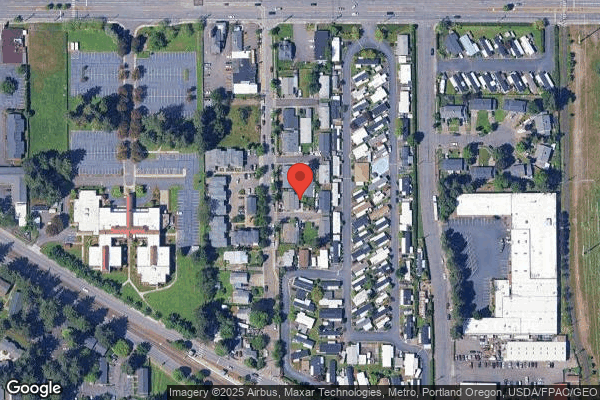

725 SE 202ND AVENUE, PORTLAND, OR 97233 (503) 665-3118
For profit - Corporation 80 Beds MARQUIS COMPANIES Data: November 2025
Trust Grade
78/100
#12 of 127 in OR
Last Inspection: August 2025

Inspected within the last 6 months. Data reflects current conditions.

Overview

Marquis Centennial Post Acute Rehab has a Trust Grade of B, indicating it is a good choice for families considering care options. It ranks #12 out of 127 nursing homes in Oregon, placing it in the top half, and #3 out of 33 in Multnomah County, meaning only two local options are better. The facility is improving, with reported issues decreasing from 7 in 2024 to 5 in 2025. Staffing is a strong point here, with a 5/5 star rating and a turnover rate of 41%, which is below the Oregon average of 49%. However, the facility has $10,033 in fines, which is average, and there have been some concerning incidents, such as a resident who fell due to inadequate support during transfers and issues with food storage that could risk foodborne illness. Additionally, there were days without registered nurse coverage, highlighting an area for improvement.

Trust Score
B
78/100
In Oregon
#12/127
Top 9%
Safety Record
Moderate
Needs review
Inspections
Getting Better
7 → 5 violations
Staff Stability
○ Average
41% turnover. Near Oregon's 48% average. Typical for the industry.
Penalties
✓ Good
$10,033 in fines. Lower than most Oregon facilities. Relatively clean record.
Skilled Nurses
✓ Good
Each resident gets 44 minutes of Registered Nurse (RN) attention daily — more than average for Oregon. RNs are trained to catch health problems early.
Violations
⚠ Watch
18 deficiencies on record. Higher than average. Multiple issues found across inspections.
★★★★★
5.0
Overall Rating
★★★★★
5.0
Staff Levels
★★★★☆
4.0
Care Quality
★★★★☆
4.0
Inspection Score
Stable
2024: 7 issues
2025: 5 issues

The Good

  • 5-Star Staffing Rating · Excellent nurse staffing levels
  • 4-Star Quality Measures · Strong clinical quality outcomes
  • Full Sprinkler Coverage · Fire safety systems throughout facility
  • No fines on record
  • Staff turnover below average (41%)

    7 points below Oregon average of 48%

Facility shows strength in staffing levels, quality measures, fire safety.

The Bad

Staff Turnover: 41%

Near Oregon avg (46%)

Typical for the industry

Federal Fines: $10,033

Below median ($33,413)

Minor penalties assessed

Chain: MARQUIS COMPANIES

Part of a multi-facility chain

Ask about local staffing decisions and management

The Ugly 18 deficiencies on record

1 actual harm
Aug 2025 5 deficiencies
CONCERN (D)

Potential for Harm - no one hurt, but risky conditions existed

Accident Prevention (Tag F0689)

Could have caused harm · This affected 1 resident

**NOTE- TERMS IN BRACKETS HAVE BEEN EDITED TO PROTECT CONFIDENTIALITY** Based on observation, interview, and record review it was determined that the facility failed to implement a physician order on ...

Read full inspector narrative →
**NOTE- TERMS IN BRACKETS HAVE BEEN EDITED TO PROTECT CONFIDENTIALITY** Based on observation, interview, and record review it was determined that the facility failed to implement a physician order on the care plan for thickened liquids for 1 of 1 sampled resident (#36) investigated for hydration. This placed residents at risk for choking and aspiration. Findings include: Resident 36 was admitted to the facility in 5/2024 with diagnoses including dysphagia (difficulty in swallowing). The Annual MDS dated [DATE] indicated Resident 36 was cognitively impaired for decision-making and independent for eating and drinking after set-up.On 7/23/25 Resident 36 returned from the hospital with orders for mildly thickened liquids.Resident 36's 7/23/25 Nutrition Care Plan did not include the current mildly thickened fluid status.On 8/19/25 at 11:36 AM Resident 36 was observed with a large plastic cup of liquid within reach on her/his bedside table. Staff 13 (CNA) confirmed the cup in Resident 36's room contained thin liquids. On 8/21/25 at 11:28 AM a white paper cup was observed on the resident's nightstand. Staff 26 (CNA) confirmed the cup contained thin liquids.On 8/19/25 at 12:01 PM, 8/21/25 at 11:15 AM, & 8/21/25 at 11:15 AM, Staff 28 (CNA), Staff 21 (CNA), and Staff 27 (CNA) stated they were unaware Resident 36 was on mildly thickened liquids.On 8/21/25 at 1:00 PM Staff 5 (RNCM) stated the care plan did not reflect the physician orders for mildly thickened liquids. Staff 5 stated the care plan was used to inform direct care staff of the resident's care needs, led some staff to believe resident was on thin liquid.
CONCERN (D)

Potential for Harm - no one hurt, but risky conditions existed

Deficiency F0909 (Tag F0909)

Could have caused harm · This affected 1 resident

Based on observation, interview, and record review it was determined the facility failed to ensure a bed was in good repair for 1 of 5 sampled residents (#8) reviewed for unnecessary medications. This...

Read full inspector narrative →
Based on observation, interview, and record review it was determined the facility failed to ensure a bed was in good repair for 1 of 5 sampled residents (#8) reviewed for unnecessary medications. This placed residents at risk for potential injury. Findings include:Resident 8 was admitted to the facility in 4/2025 with diagnoses including generalized anxiety disorder and malnutrition. Resident 8's 7/21/25 Quarterly MDS revealed the resident was cognitively intact. On 8/18/25 at 10:38 AM, Resident 8 stated the foot board of her/his bed was broken and had not been fixed. A review of maintenance work orders from 7/1/25 through 8/18/25 revealed no evidence a request was submitted for Resident 8's foot board to be repaired. On 8/19/25 at 2:43 PM, Resident 8 was observed placing pressure on the left side of the foot board, which was unsecured and elevated the right side of the bed. The resident stated the foot board was broken since 8/11/25. On 8/19/25 at 3:13 PM, Staff 16 (CNA) stated she was aware Resident 8's foot board was broken on 8/11/25 when she noticed it was no longer secured to the bedframe after the resident used it to assist herself/himself with a transfer. Staff 16 stated she reinserted the foot board into the bedframe, but it remained unsecured if too much pressure was applied. Staff 16 was unaware if maintenance was notified of the broken foot board. On 8/20/25 at 3:48 PM, Staff 31 (Nursing Assistant) stated she noticed a week prior the foot board was not secured to the bedframe and reinserted it. Staff 31 stated she did not notify maintenance of the broken foot board. On 8/21/25 at 10:35 AM Staff 8 (Maintenance Director) stated staff were expected to report broken furniture and equipment in residents' rooms as an electronic maintenance request during their shift.
CONCERN (E)

Potential for Harm - no one hurt, but risky conditions existed

Safe Environment (Tag F0584)

Could have caused harm · This affected multiple residents

**NOTE- TERMS IN BRACKETS HAVE BEEN EDITED TO PROTECT CONFIDENTIALITY** Based on observation and interview it was determined the facility failed to provide maintenance to maintain a safe, comfortable ...

Read full inspector narrative →
**NOTE- TERMS IN BRACKETS HAVE BEEN EDITED TO PROTECT CONFIDENTIALITY** Based on observation and interview it was determined the facility failed to provide maintenance to maintain a safe, comfortable and homelike environment for 1 of 1 facility reviewed for physical environment. This placed residents at risk for an unsafe and unkempt interior building. Findings include: 1. Observations of the facility's general environment from 8/18/25 through 8/22/25 identified the following issues: -Eight of eight hanging light fixtures in the dining room contained multiple dead insects visibly trapped inside the covers. -Two visibly dusty portable oscillating fans, positioned on each side of the dining room tables and approximately six feet away from the seated residents, were actively blowing air toward them. -Nine of nine floor vents in the dining room were coated in thick layers of dust, debris and visible cobwebs. -A visibly dirty floor fan placed on top of a refrigerator was operating and blowing air across multiple zones in the kitchen including the coffee maker station, an area with dirty dishes and a clean area containing a rack with sanitized pitchers, food containers and cutting boards. -A ceiling vent in the south hallway, just outside room [ROOM NUMBER], showed a significant buildup of dust and cobwebs. On 8/20/25 at 11:16 AM Staff 1 (Administrator) and Staff 8 (Maintenance Director) acknowledged the identified concerns needed to be addressed. 2. Resident 17 was admitted to the facility in 7/2025 with diagnoses including pneumonia (inflammation and fluid in your lungs caused by bacterial, viral or fungal infection). The 7/22/25 admission MDS indicated Resident 63 was cognitively intact. On 8/18/25 at 10:05 AM, Resident 17 stated the shower room residents used was covered in mold. Resident 17 reported to staff a black substance on the floor in the shower room. Resident 17 was worried about the health risks when the shower room was used. Resident 17 stated the shower room was dirty and dangerous and thought the black substance would kill anyone who used it. Resident 17 stated staff attempted to clean the black substance with a towel, but the floor was still dirty. On 8/18/25 at 10:05 AM, the shower rooms were observed. The shower in the east hall was unkept. A gray and white substance was observed along the walls. The shower faucet was covered in a goldish brown substance and was rusty. The tile on the floor was peeled off and the floor was black and slimy. The shower drain lid was loose. The shower drain was covered in a black substance. The black substance was a mixture of hair and black liquid. The bottom baseboard around the door inside the shower room had a deep dent. The baseboard was peeled with unpainted sections. The white rack shelf on the wall was covered in a brown rusty substance and clean linen were stored on top of the white shelf. The handle to turn on the water was wiggly. The fan inside the shower room was covered in gray and black lint. On 8/18/25 at 10:20 AM, The south hall shower room’s fans were observed covered in dark gray and black lint. On 8/19/25 at 2:39 PM, Staff 16 (CNA) stated Resident 17 showed her the black substance on the floor in the shower room during her/his shower. Staff 16 attempted to clean the substance using a towel, which became stained during the process. The floor was also noted to be stained. Staff 16 stated Resident 17 was concerned about the black substance. Staff 16 acknowledged the black and rusty color throughout the shower walls and on the floor. Staff 16 stated the faucet to turn on the water was loose. She stated the handle was loose and was unable to adjust the temperature safely. On 8/20/25 at11:27 AM, Staff 1 (Administrator) acknowledged the shower room was unkept. Staff 8 (Housekeeping/Laundry/Maintenance Director) stated the shower was audited once a month. Staff 8 stated the shower handle in the shower room continued to break. Staff 8 stated the fans in the shower rooms were replaced a couple of months ago. 3. On 8/18/25 at 12:10 PM and 8/20/25 at 7:37 AM Resident 3’s room was observed with scratches of missing paint on the wall to the right of her/his bed. Resident 3 stated she/he was bothered by the scratches on the wall. On 8/20/25 at 11:16 AM Staff 1 (Administrator) and Staff 8 (Maintenance Director) acknowledged the scratching of missing paint on Resident 3’s wall and it required attention.
CONCERN (E)

Potential for Harm - no one hurt, but risky conditions existed

Food Safety (Tag F0812)

Could have caused harm · This affected multiple residents

Based on observation, interview and record review it was determined the facility failed to ensure foods were labeled in a way to minimize food spoilage in 1 of 2 unit refrigerators and safe food stora...

Read full inspector narrative →
Based on observation, interview and record review it was determined the facility failed to ensure foods were labeled in a way to minimize food spoilage in 1 of 2 unit refrigerators and safe food storage handling techniques for 1 of 1 meal service reviewed for kitchen. This placed residents at risk for potential infections related to foodborne pathogens and cross contamination. Findings include:1. On 8/21/25 at 9:38 AM observations of the facility's East unit refrigerator revealed the following items: an undated plastic container with a meal ticket on top dated 8/11/25, a plastic container dated 8/11/25, an undated container of spaghetti, and an undated container of rice with mixed vegetables. On 8/21/25 at 9:45 AM, Staff 9 (Dietary Manger) stated housekeeping was responsible for the maintenance of facility unit refrigerators. On 8/21/25 at 11:40 AM, Staff 34 (Housekeeper) stated she was unaware of the polices for food storage in facility's unit refrigerators. On 8/21/25 at 11:49 AM, Staff 8 (Maintenance Director) stated a designated housekeeper cleaned the facility's unit refrigerators once a week and was also expected to discard food items that were undated or were more than three days old. Staff 8 further stated the last time the East unit refrigerator was cleaned was on 8/14/25 and was next scheduled to be cleaned on 8/25/25 as the designated housekeeper was away. On 8/22/25 at 9:57 AM and 10:01 AM, Staff 1 (Administrator) stated the East unit refrigerator was used for resident food items and was cleaned by housekeeping every 72 hours. Staff 1 stated she expected housekeeping to ensure food items found in the East unit refrigerator were dated and discarded appropriately after three days. 2. On 8/18/25 at 9:29 AM during a tour of the facility's kitchen, a covered container of ice was observed with an ice scoop located inside. When asked, Staff 32 (Dietary Aide) stated inside the covered container was used to prepare ice water for residents. On 8/20/25 at 11:20 AM during meal tray service, Staff 33 (Dietary Aide) was observed using an ice scoop without gloves to prepare cups of ice water and proceeded to place the ice scoop back inside the container, on top of the ice, when not in use. On 8/20/25 at 1:17 PM Staff 33 confirmed she placed the ice scoop inside the container of ice when not in use and was unaware of an alternative process. On 8/20/25 at 1:44 PM Staff 9 (Dietary Manager) stated kitchen staff were expected to store the ice scoop separate from the container of ice when they prepared ice water for residents.
CONCERN (E)

Potential for Harm - no one hurt, but risky conditions existed

Infection Control (Tag F0880)

Could have caused harm · This affected multiple residents

Based on observation, interview and record review the facility failed to ensure infection control practices were implemented for 2 of 2 residents (#1 and 18) reviewed for catheter care and pressure ul...

Read full inspector narrative →
Based on observation, interview and record review the facility failed to ensure infection control practices were implemented for 2 of 2 residents (#1 and 18) reviewed for catheter care and pressure ulcers pressure ulcer. This placed resident at risk for infection. Findings include: The facility's 3/2024 Isolation- Categories of Transmission-Based Precautions Policy specified the following: Residents with open complex wounds that require a dressing are included in EBP (enhanced barrier precautions) per CDC guidelines. PPE (personal protective equipment) is donned prior to high contact activity like bathing and wound care. 1.Resident 18 was admitted to the facility in 7/2025 with diagnoses including cerebral infarction (A lack of blood flow to the brain). The 7/31/25 Care Plan indicated EBP was initiated on 8/20/25. On 8/18/25 through 8/21/25 from 9:00 AM to 4:00 PM no signs were posted outside Resident 18’s room to indicated staff were to follow EBP. On 8/18/25 at 10:04 AM, Resident 18 was observed in her/his wheelchair in her/his room with the left leg elevated. Resident 18 wore a hinged knee brace on her/his left leg. The leg was wrapped with abdominal gauze dressing. The left foot was swollen, and the skin was purple and red. On 8/18/25 at 10:06 AM, Resident 18 stated she/he always wore a hinged knee brace and had a facility acquired wound behind her/his left calf Resident 18 stated staff performed wound care in her/his room several times during the week. Resident 18 stated PT removed the brace in her/his room to rub her/his leg. On 8/20/25 at 9:00 AM, Staff 15 (CNA) stated she did not wear PPE prior to providing a bed bath because Resident 18 was not on enhanced barrier precautions. On 8/20/25 at 9:36 AM, Staff 18 (LPN) stated Resident 18 had a wound to the back of her/his calf and wound care was provided on Monday, Tuesday and Wednesday. Staff 18 stated she did not wear EBP because the resident's wound was not infected. On 8/20/25 at 11:09 AM, Staff 4 (RNCM) stated Resident 18 had a wound with fluid and drainage oozing from the site, but was contained within the dressing. Staff 4 stated staff were not required to don PPE because the amount of drainage from the wound was light and the fluid was contained. On 8/20/25 at 12:17 PM, Staff 14 (Regional Nurse Consultant) stated Resident 18 had a wound and staff were required to don PPE when high activities like a bed bath and wound care were performed. Staff 18 acknowledged Resident 18’s medical record was updated on 8/20/25 and enhanced barrier precaution was initiated. 2. Resident 1 admitted to the facility in 2015 with a diagnosis including bladder obstruction. Resident 1’s 6/1/25 Quarterly MDS revealed she/he required an indwelling (urine) catheter. On 8/18/25 at 10:30 AM, 8/19/25 at 11:56 AM, 2:19 PM and 2:24 PM, and 8/20/25 at 2:46 PM, Resident 1 was observed to sit in her/his wheelchair in the activity room. Resident 1 had a urine catheter bag under her/his wheelchair with the tubing from the bag and up the left pant leg. The catheter tubing was on the floor and multiple staff passed by the resident. On 8/20/25 at 1:24 PM Staff 30 (CNA) stated Resident 1’s urine catheter tubing should not touch the floor while the resident was it her/his wheelchair. Staff 30 stated if she observed Resident 1's catheter tubing on the floor she would pick it up immediately. On 8/20/25 at 3:11 PM Staff 4 (Resident Care Manager/LPN) confirmed Resident 1’s urine catheter tubing was on the floor. Staff 4 stated she expected staff to ensure Resident 1's catheter tubing was not on the floor.
May 2024 7 deficiencies 1 Harm
SERIOUS (G) 📢 Someone Reported This

A family member, employee, or ombudsman was alarmed enough to file a formal complaint

Actual Harm - a resident was hurt due to facility failures

Accident Prevention (Tag F0689)

A resident was harmed · This affected 1 resident

**NOTE- TERMS IN BRACKETS HAVE BEEN EDITED TO PROTECT CONFIDENTIALITY** 2. Resident 47 was admitted to the facility in 6/2023 with diagnoses including dementia with a behavioral disturbance. Resident...

Read full inspector narrative →
**NOTE- TERMS IN BRACKETS HAVE BEEN EDITED TO PROTECT CONFIDENTIALITY** 2. Resident 47 was admitted to the facility in 6/2023 with diagnoses including dementia with a behavioral disturbance. Resident 47's 6/18/23 admission MDS revealed the resident was severely cognitively impaired and not steady when moving from a seated to a standing position or when walking. The MDS also revealed the resident experienced a fall in the month prior to her/his admission to the facility, a fall in the two to six months prior to her/his admission to the facility and a fracture related to a fall in the six months prior to her/his admission to the facility. a. A review of Resident 47's clinical record revealed the resident experienced a fall in her/his room on 2/9/24 and 2/16/24 as a result of a failed attempt to self-transfer. Resident 47's 2/2024 Care Plan revealed the resident was at risk for falls related to her/his cognitive impairment, history of falls, lack of impulse control and unsteady gait (a person's manner of walking). The Care Plan indicated the resident was not to be left unsupervised in her/his room while awake as [Resident 47] may attempt to self-transfer to/from bed/wheelchair. Resident 47's 4/13/24 Fall/Post Fall Assessment revealed the following: -The resident experienced a fall at 2:30 AM in the resident's room. -The resident was in bed prior to the fall and found two feet from the transfer surface to the location of the fall. -A CNA found the resident with her/his hands resting on her/his roommate's bed with her/his right knee on the ground. -The resident was unable to provide a description of the fall event. -The new preventative plan was to perform frequent checks. The following questions from the Assessment were left unanswered: -When [was the resident] last visually observed? -When [was the resident] last toileted? -When [was the resident] last offered fluids? -When [was the resident] last repositioned? On 5/1/24 at 12:33 PM Staff 16 (LPN) stated she completed Resident 47's Fall/Post Fall Assessment on 4/13/24. Staff 16 stated she usually asked the resident's assigned CNA questions regarding care provided prior to a resident's fall but failed to do so in the case of Resident 47's fall on 4/13/24. Staff 16 stated staff typically checked on Resident 47 every few hours on night shift, and when Resident 47 was awake, she/he required eyes on [her/him] at all times because she/he was at risk for falls. On 5/1/24 at 2:37 PM Staff 17 (CNA) stated Resident 47 was considered a high fall risk and she usually checked on her/him around 11:30 PM to 12:00 AM and again around 2:00 AM. Staff 17 stated she found Resident 47 on 4/13/24 in her/his room kneeling down on one knee at [her/his] roommate's bed and could not recall when she last visually observed Resident 47, last toileted Resident 47, last offered Resident 47 fluids or last repositioned Resident 47 prior to this fall. Staff 17 stated she was not asked to provide any of these details at any point after the fall. On 5/2/24 at 8:58 AM Staff 18 (LPN) stated when Resident 47 was in bed, she expected CNAs to walk by the resident's room about every 10 minutes because she/he was a huge fall risk. Staff 18 stated sometimes [Resident 47] would stand up and the pressure light [would] not go off so it [was] really important staff [walked] the halls. On 5/2/24 at 12:09 PM Staff 2 (DNS) was informed of the findings of this investigation and stated doing rounds [was] the best way to prevent a resident from having falls. Staff 2 stated she expected staff to be peeking in resident rooms at least every 30 minutes when doing walking rounds at night. b. Resident 47's 4/30/2024 Care Plan revealed the resident was at risk for falls related to her/his cognitive impairment, history of falls, lack of impulse control and unsteady gait (a person's manner of walking). The Care Plan indicated the resident was not to be left unsupervised in her/his room (while awake) as [Resident 47] may attempt to self-transfer to/from bed/wheelchair and a pressure sensitive call light [was] to be placed between the bed fitted sheet and draw sheet to the left side of the resident when in bed for a fall intervention. A review of Resident 47's clinical record revealed the resident experienced a fall in her/his room on 2/9/24, 2/16/24 and 4/13/24 as a result of a failed attempt to self-transfer. On 4/30/24 at 12:47 PM Staff 19 (CNA) was observed to leave Resident 47's room, which left the resident alone in her/his room in bed. From the hallway, the resident was observed with her/his eyes open, lifted up her/his neck, looked around the room and moved her/his lips. Resident 47 removed her/his bedding from the top half of her/his body and stuck her/his right hand into the slats of the blinds on the right side of her/his bed. On 4/30/24 at 12:49 PM Staff 19 knocked on Resident 47's door to which the resident yelled yes and laughed as Staff 19 entered the room. Resident 47 and Staff 19 engaged in conversation, Staff 19 recovered the resident with her/his bedding and left the room. Resident 47 was observed to talk to her/himself as Staff 19 left the room. On 4/30/24 at 12:51 PM Resident 47 was observed to remove the bedding from the upper part of her/his body and sit up in bed. Resident 47 scooted her/himself to the edge of her/his bed. At 12:54 PM Resident 47 placed both of her/his feet on the ground, and with a hand to each side of her/his waist, began to rock as if attempting to initiate a sit-to-stand transfer. The State Surveyor entered the resident's room and activated her/his pressure sensitive call light. At 12:55 PM Staff 19 returned to the resident's room and was informed of the resident's movements and that the pressure sensitive call light did not activate indepently. On 4/30/24 at 1:02 PM Staff 19 stated Resident 47 experienced multiple falls and was the one [he] mainly worried about. Staff 19 stated when Resident 47 was awake and in [her/his] room, [she/he] would mostly likely stand up. Staff 19 stated Resident 47 was not supposed to be left alone in her/his room if she/he was awake. Staff 19 confirmed Resident 47 was awake when he re-entered the resident's room at 12:49 PM and he should have assisted the resident out of bed and brought her/him to an area where she/he could have been supervised. On 5/1/24 at 11:10 AM Staff 26 (CNA) stated Resident 47 was a fall risk because she/he tried to stand up independently all of the time but was unable to do so safely now that her/his toes were removed. Staff 26 stated if Resident 47 was awake, she preferred [her/him] to have supervision. On 5/1/24 at 2:06 PM Staff 20 (RN) stated Resident 47 was considered a fall risk as she/he was impulsive and did not remember she/he required assistance with transfers. Staff 20 stated Resident 47 would loose her/his balance as soon as she/he stood and tried to move from a spot with her/his right foot due to having her/his toes amputated. Staff 20 stated if Resident 47 was restless in bed, which included moving her/his blankets around, staff should offer to assist the resident out of bed. On 5/2/24 at 12:09 PM Staff 2 (DNS) acknowledged the findings of this investigation and stated if Resident 47 was moving around in bed, her expectation was for the CNA to check if Resident 47 was soiled, and if not, assist her/him up out of bed. Based on observation, interview and record review it was determined the facility failed to ensure staff followed the care plan related to fall safety and provide sufficient supervision to prevent a fall for 2 of 2 sampled residents (#s 306 and 47) reviewed for accidents. This failure resulted in resident 306 having a fall with serious injury including a left shoulder fracture, a rib fracture and periprosthetic fracture involving the left greater trochanter (fracture of a previously-repaired hip) which required emergency medical services and treatment at the hospital. Findings include: 1. Resident 306 was admitted to the facility 1/2023 with diagnoses including right leg fracture and right shoulder fracture. A review of Resident 306's 1/17/23 admission MDS revealed she/he was cognitively intact and required extensive assistance from two or more staff to transfer on and off the toilet. Resident 306's care plan dated 1/11/23 directed caregivers to provide her/him with two person stand pivot physical assist to transfer and to encourage her/him not to ambulate without assistance. On 5/1/24 at 5:28 PM Staff 25 (Agency CNA) stated on 5/7/23 she responded alone to Resident 306's call for assistance. Staff 25 stated Resident 306 told her she wanted to use the commode in her/his bathroom. Staff 25 stated she asked Resident 306 what she needed to do to help her/him and Resident 306 told her she/he only needed her/his cane. Staff 25 stated she offered to get her/his wheelchair but Resident 306 told her she was only there to help with her/his pants. Staff 25 stated Resident 306 walked to the bathroom, leaned forward to lock the door to the adjoining resident room and fell forward hitting her/his head and landing on her/his left side. On 5/1/24 at 6:06 PM Resident 306 stated Staff 25 assisted her/him to the bathroom using a manual wheelchair on 5/7/23 without the assistance of any other caregiver. She/he stated Staff 25 did not provide her/him with a gait belt to transfer. Resident 306 stated she/he stood up to transfer to the commode in her/his bathroom, tried to lock the door to the adjoining bathroom and fell forward hitting her/his head and landing on her/his left side. Resident 306 stated, I think she was pulling the wheelchair out when I was trying to do that and it tripped me. On at 5/1/24 5:38 PM Staff 27 (LPN) stated she worked with Resident 306 on 5/7/23 and Staff 25 provided care alone for her/him at the time of the fall. Staff 27 stated she expected CNAs to consult residents' care plans or [NAME] before working with the resident and the [NAME] tells how they transfer, ambulate and toilet. That is what they should be following. Staff 27 reported they called 911 because she/he was in an awquard position and they were not confident they could get her up and the paramedics could assess [her/him] for other injuries. A review of Resident 306's hospital notes revealed she/he was sent to the emergency departement on 5/7/23 after she/he fell in the facility. Resident 306 was sent back to the facility but then returned and was admitted to the hospital on [DATE] and treated for anemia and the following injuries she/he sustained as a result of the fall on 5/7/23: -Left shoulder fracture -5th rib fracture -periprosthetic fracture involving the left greater trochanter (fracture of a previously-repaired hip) Resident 306's Hospital Discharge Summary indicated she/he was discharged from the hospital and returned to the facility on 5/12/24. A review of the facility's internal investigation completed by Staff 1 on 5/12/23 revealed Staff 25 did not follow Resident 306's care plan at the time of the fall. On 5/3/24 at 10:28 AM Staff 1 stated she expected CNAs to follow residents' care plans and Staff 25 knew where to find Resident 306's transfer status but did not follow it.
CONCERN (D)

Potential for Harm - no one hurt, but risky conditions existed

Deficiency F0582 (Tag F0582)

Could have caused harm · This affected 1 resident

Based on interview and record review it was determined the facility failed to provide a written Skilled Nursing Facility Advanced Beneficiary Notice of Non-Coverage (SNF ABN) in a timely fashion for 1...

Read full inspector narrative →
Based on interview and record review it was determined the facility failed to provide a written Skilled Nursing Facility Advanced Beneficiary Notice of Non-Coverage (SNF ABN) in a timely fashion for 1 of 3 sampled residents (#47) reviewed for Beneficiary Protection Notification. This placed residents at risk for unknown financial liabilities. Findings include: Resident 47 was admitted to the facility in 2/2024 with diagnoses including dementia (loss of cognitive functioning) and emphysema (a lung condition that causes shortness of breath). A review of resident 47's 4/1/24 quarterly MDS revealed she/he had impaired short- and long-term memory loss and moderately impaired decision-making skills. On 5/1/24 at 2:27 PM Staff 10 (admission Director) stated Resident 47's last covered day of Medicare Part A services was 4/1/24. A review of Resident 47's medical record revealed the facility provided Resident 47's representative with a Notice of Medicare Non-Coverage on 4/1/24. On 5/3/24 at 10:37 AM Staff 1 (Administrator) stated, We should be giving residents 48 hour notice so they are aware of the change.
CONCERN (D) 📢 Someone Reported This

A family member, employee, or ombudsman was alarmed enough to file a formal complaint

Potential for Harm - no one hurt, but risky conditions existed

Free from Abuse/Neglect (Tag F0600)

Could have caused harm · This affected 1 resident

Based on observation, interview and record review it was determined the facility failed to protect the resident's right to be free from physical abuse by another resident for 2 of 5 sampled residents ...

Read full inspector narrative →
Based on observation, interview and record review it was determined the facility failed to protect the resident's right to be free from physical abuse by another resident for 2 of 5 sampled residents (#s 34 and 29) reviewed for abuse. This placed residents at risk for abuse. Findings include: 1. Resident 34 was admitted to the facility in 1/2020 with diagnoses including history of traumatic brain injury and mental disorder due to a known physiological (related to the body) condition. Resident 34's 1/27/20 Socially Inappropriate Behavior Care Plan indicated the following: -The resident may get too physically close to others and talk nonstop to them. -The resident required reminders and encouragement to provide a safe distance between her/himself and others. -The resident may need to be redirected away from others should she/he talk too much, make negative/inappropriate statements, become an irritant to others or make inappropriate accusations towards others. Resident 34's 4/5/22 Quarterly MDS revealed the resident was severely cognitively impaired. Resident 47 was admitted to the facility in 6/2023 with diagnoses including dementia with psychotic disturbance and PTSD (post-traumatic stress disorder: a mental health condition triggered by a terrifying event, causing flashbacks, nightmares and severe anxiety). Resident 47's 6/12/23 Social Services admission Assessment revealed the resident took quetiapine (an atypical antipsychotic used to treat schizophrenia, psychosis and bipolar disorder) for behaviors and sertraline (an antidepressant) for PTSD. Resident 47's 6/18/23 admission MDS indicated the resident was severely cognitively impaired. Resident 47's 6/19/23 Care Plan indicated the following: -The resident was a veteran. -The resident experienced poor insight and safety awareness. a. A 7/2/23 Resident to Resident Event Assessment and Staff Questionnaire revealed the following: -Resident 47 and Resident 34 walked down the hall towards their rooms when Resident 34 stated I have the right to be outside to which Resident 47 responded with don't come at me with that attitude. -Resident 47 pushed Resident 34 at chest level which caused Resident 34 to fall backwards and land on her/his left side. -Resident 34 sustained a superficial left elbow and left knee abrasion (a rub or wearing off of the skin) as a result of this incident. -Resident 47 visited with her/his spouse in the courtyard prior to the incident. -Resident 34 walked out to the courtyard despite staff encouragement to wait inside until Resident 47 finished her/his visit. On 4/29/24 at 10:51 AM Resident 47 was observed in the dining room sitting in her/his wheelchair. The resident was unable to answer any questions regarding the incident that occurred on 7/2/23. On 4/29/24 at 10:57 AM Resident 34 was observed in her/his room seated in a chair. The resident was unable to answer any questions regarding the incident that occurred on 7/2/23. On 4/30/24 at 9:32 AM Witness 1 (Spouse) stated when Resident 47 admitted to the facility she/he did not want anyone near her/him and would lash out at others who came into her/his space. Witness 1 stated Resident 47 did not like Resident 34 because she/he would try to insert her/himself into their family situations. On 5/1/24 at 11:10 AM Staff 26 (CNA) stated Resident 47 and Resident 34 had issues prior to the incident that occurred on 7/2/24. Staff 26 stated Resident 47 did not like that Resident 34 would speak to Witness 1, and because of this, she tried to distract Resident 34 if she knew Witness 1 was visiting. On 5/1/24 at 2:06 PM Staff 20 (RN) stated on 7/2/23 Resident 34 went outside to the courtyard while Witness 1 and Resident 47 visited despite asking Resident 34 to remain inside until their visit was finished. Staff 20 stated later on, and after Witness 1 left the facility, both residents walked down the hall when Resident 34 started in about [her/his] right to be outside following which Resident 47 stated I am not going to let anybody talk to me like that and I am not going to put up with that. Staff 20 stated Resident 47 then placed her/his hands on Resident 34's chest and pushed her/him down. Staff 20 stated Resident 34 sustained minor injuries from the incident and was tearful. On 5/2/24 at 8:58 AM Staff 18 (LPN) stated Resident 47 was irritated with [Resident 34] because of [her/his] attention-seeking behaviors prior to the incident on 7/2/23, which was why she would not sit them together at the same table. On 5/2/24 at 11:46 AM Staff 1 (Administrator) and Staff 2 (DNS) acknowledged the findings of this investigation. Staff 1 confirmed Resident 47 pushed Resident 34 and Resident 34 sustained two abrasions as a result of the altercation. b. Resident 34's 7/4/23 Care Plan revealed the following: -The resident was not to sit at the same table or close to Resident 47 unless provided with one-to-one supervision. -The resident had a history of making uninvited/unwanted verbal accusations towards Resident 47 as well as threats of physical harm to others. Resident 47's 8/1/2023 Care Plan revealed the following: -Resident 34 may have trauma as a result of her/his experience in the military. -Trauma triggers included loud noises, fast movements from others and other resident behaviors. -The resident experienced physical aggression and abusive behavior, including pushing and shoving others as well as grabbing body parts of others (ie: shoulders, neck and arms). -Staff were to be cognizant (aware) of staff and other residents not invading her/his personal space. -If aggressive, staff were to try and remove the resident from the area and provide an individualized program with low stimulus. Resident 47's 8/30/23 Behavior Assessment indicated the resident's mental status could change throughout the day and she/he frequently presented with confusion and delusional thinking. The assessment also indicated the resident would occasionally exhibit aggressive posturing and verbalizations towards other residents, staff and environmental stimuli, such as loud noises or other resident behaviors. A 10/15/23 Resident to Resident Event Assessment revealed the following: -Resident 34 was in the dining room watching television when she/he was approached by Resident 47. -Resident 47 accused Resident 34 of being a thief and then grabbed Resident 34 around the neck and put her/his hand over Resident 34's face. -Two staff members immediately intervened and separated the residents. -Resident 34 was not injured. -Prior to this event, Resident 47 appeared sad and confused. -Resident 47 may have confused the voice on the television for Resident 34. On 4/29/24 at 10:51 AM Resident 47 was observed in the dining room sitting in her/his wheelchair. The resident was unable to answer any questions regarding the incident that occurred on 10/15/23. On 4/29/24 at 10:57 AM Resident 34 was observed in his room seated in a chair. Resident 34 could not recall any issues or altercations with other residents and stated she/he felt safe in the facility. On 5/1/24 at 11:10 AM Staff 26 (CNA) stated she was present during the altercation that occurred between Resident 34 and 47 in 10/2023. Staff 26 stated at the time of the incident in 10/2023, both residents were in the dining room watching television. Staff 26 stated Resident 47 put her/his hand on Resident 34's walker, Resident 34 stated it [was] mine, don't take it and then Resident 47 was instantly up on her/his feet and put Resident 34 in a choke hold with her/his right arm and put her/his left hand over the resident's face. Staff 26 stated she helped to pry Resident 47's arms off of Resident 34 and separated the residents. Staff 26 stated Resident 34 had red marks on the left side of [her/his] neck and on the right side of [her/his] forehead after the altercation. On 5/1/24 at 2:51 PM Staff 28 (Agency CNA) stated she worked on 10/15/23 and was told during shift change that Resident 47 did not have a good attitude that day. Staff 28 stated Resident 34 and Resident 47 were in the dining room watching a movie when Resident 47 turned to Resident 34 and stated What did you say? in response to a loud comment made on the television. Resident 47 then yelled at Resident 34 that's my son's sweater and the two residents engaged in a grappling situation. Staff 28 stated Resident 47 put Resident 34 in a choke hold and Resident 34 yelled at her/him to stop. Staff 28 stated the residents were separated and Resident 34 was scared and complained of facial pain. On 5/2/24 at 11:46 AM Staff 1 (Administrator) and Staff 2 (DNS) acknowledged the findings of this investigation. Staff 1 confirmed Resident 47 placed Resident 34 in a choke hold but stated Resident 34 did not experience any lasting negative impact from the altercation as she/he could not recall the incident days later. 2. Resident 43 admitted to the facility in 6/2023 with diagnoses including dementia with a behavioral disturbance. Resident 43's 12/9/23 Significant Change of Condition MDS assessed her/him with a BIMS score of five (severe cognitive impairment). Resident 29 was admitted to the facility in 8/2023 with diagnoses including dementia without behaviors. Resident 29's 2/21/24 Quarterly MDS assessed her/him with moderate cognitive impairment. Review of Resident 29's health record revealed on 11/21/23 at 3:20 PM Staff 5 (RNCM) noted swelling and discoloration to Resident 29's upper lip and Resident 29 indicated another resident hit her/him. A 11/21/23 written statement from Staff 24 (LPN) revealed on 11/20/23 Staff 23 (CNA) reported when she walked past Resident 29 and Resident 43's shared room, she observed Resident 43 to stand over Resident 23. Staff 23 immediately reported to Staff 24 and Staff 24 went to the residents' room. Staff 24 observed Resident 43 to stand next to her/his own bed while she/he looked at a Bible. Staff 24 did not observe any damage or wound on Resident 23's face prior to this reported incident. A 11/27/23 an incident investigation revealed on 11/20/23 Resident 43 punched Resident 29 in the face while Resident 29 rested in her/his bed. When interviewed, Resident 23 recalled Resident 43 stood over her/him with no indication of what prompted the situation, and Resident 43 did not say anything before or after she/he hit Resident 23 on the face. The facility was not aware of the incident until 11/21/23 when the discoloration and swelling occurred on Resident 23's upper lip. On 5/2/24 at 12:09 PM Staff 1 (Administrator) acknowledged the incident between Resident 23 and Resident 43. Staff 1 stated she expected all residents to be free from abuse.
CONCERN (D)

Potential for Harm - no one hurt, but risky conditions existed

PASARR Coordination (Tag F0644)

Could have caused harm · This affected 1 resident

**NOTE- TERMS IN BRACKETS HAVE BEEN EDITED TO PROTECT CONFIDENTIALITY** Based on observation, interview and record review the facility failed to conduct a new/accurate Level I PASARR when the facility...

Read full inspector narrative →
**NOTE- TERMS IN BRACKETS HAVE BEEN EDITED TO PROTECT CONFIDENTIALITY** Based on observation, interview and record review the facility failed to conduct a new/accurate Level I PASARR when the facility became aware of indicators of a serious mental illness diagnoses and failed to complete a referral for a Level ll PASARR (Pre-admission Screening and Resident Review) for 1 of 5 residents (# 46) reviewed for medications. This placed residents with a mental health disorder at risk for delayed care, emotional distress related to mental illness and lack of services to attain their highest practicable well-being. Findings include: Resident 46 admitted to the facility in 6/2023 with diagnoses including Psychotic Disorder with delusions (mental condition), Delusional Disorder (serious mental condition making it difficult to tell what is real), Dementia with behaviors, Post Traumatic Stress Disorder, Major Depressive Disorder and anxiety. A PASARR 1 (no indication of a serious mental illness) was completed from the hospital upon admission on [DATE] for Resident 46. Resident 46's current care plan directed staff with interventions for the following behavioral concerns: - Delusions; - Physical aggression; -Verbal aggression; - Socially inappropriate behaviors; - Resistive coming out of room; - Paranoid/ repetitiveness/demanding/anxious behavior; - History of suicidal behavior; - Wander/ elopement risk. Progress Behavioral notes reviewed from 4/3/24 to 5/2/24 revealed 12 occasions when Resident 46 slammed doors, yelled at others and made negative statements. Review of Resident 46's health record provided no evidence needed to complete a correct Level l PASARR or to make a referral for a Level ll PASARR for behavioral services. On 5/1/24 from 7:49 AM to 2:16 PM Resident 46 was observed on multiple occassions to self isolate in her/his room. On 5/3/24 at 10:59 AM Staff 1 (Administrator) stated she worked closely with the Social Services staff to complete the Level ll PASARR referrals. Staff 1 acknowledged Resident 46's Level l PASARR was coded incorrectly. Staff 1 acknowledged she would expect Resident 46 to be identified as a person who needed a Level ll PASARR with the dignoses and behaviors she/he experienced and a referral should be initiated. No additional information was provided.
CONCERN (D)

Potential for Harm - no one hurt, but risky conditions existed

Comprehensive Care Plan (Tag F0656)

Could have caused harm · This affected 1 resident

**NOTE- TERMS IN BRACKETS HAVE BEEN EDITED TO PROTECT CONFIDENTIALITY** Based on observation, interview and record review it was determined the facility failed to develop a person centered comprehensi...

Read full inspector narrative →
**NOTE- TERMS IN BRACKETS HAVE BEEN EDITED TO PROTECT CONFIDENTIALITY** Based on observation, interview and record review it was determined the facility failed to develop a person centered comprehensive care plan for 1 of 1 resident (#53) reviewed for communication. This placed residents at risk for unmet care needs. Findings include: Resident 53 was admitted to the facility in 3/2024 with diagnoses including non-traumatic subarachnoid hemorrhage (intracranial bleeding) and type 2 diabetes mellitus (a long-term condition in which the body has trouble controlling blood sugar and using it for energy). A review of Resident 53's 3/26/24 admission MDS revealed she/he had moderate cognitive impairment and needed an interpreter to communicate with her/his doctor or facility staff. Resident 53's care plan dated 3/28/24 indicated her/his primary languages were Chinese/Taiwanese/Cantonese and she/he had impaired communication skills related to a language barrier. On 5/1/24 at 10:06 AM Resident 53 was observed in the dining room speaking loudly in Chinese to Staff 22 (CNA). Staff 22 removed a cup of liquid from the table and stated as she walked away, I don't know what she means. Staff 22 returned to the table with a cup of hot tea and Resident 53 was heard to verbalize in Chinese. Staff 22 was observed to shrug her shoulders and walked away. On 5/1/24 at 10:30 AM Staff 22 said It's trial and error when communicating with Resident 53. Staff 22 said she never saw a translator and said she thought it was an app for use on a tablet. On 5/2/24 at 11:08 AM Staff 22 stated Resident 53 did not have a communication board. She entered Resident 53's room and found a three-ring binder with communication pictures at her/his bedside. She looked through the images depicting care needs, emotions, questions, and responses and stated, These are all good. It has emotions and actions. Staff 22 stated she did not know Resident 53 had it. Staff 22 stated, It is not in [her/his] care plan. No evidence was found in Resident 22's care plan to indicate the communication binder was available as a communication aide. On 5/2/24 at 11:15 AM Staff 5 (RNCM) stated Resident 53 spoke a specific dialect which the voice translation app did not recognize. She confirmed Resident 53's care plan was not revised when she/he received the communication binder. On 5/2/24 at 11:54 AM Staff 12 (SSD) stated she expected Resident 53's communication binder to be added to her/his care plan so it was visible in the [NAME] for staff to use it as a communication aide. On 5/3/24 at 10:32 AM Staff 1 (Administrator) stated she expected communication aides to be included in residents' care plans so staff know to use them.
CONCERN (D)

Potential for Harm - no one hurt, but risky conditions existed

Quality of Care (Tag F0684)

Could have caused harm · This affected 1 resident

Based on interview and record review it was determined the facility failed to follow physician orders for 1 of 5 sampled residents (#47) reviewed for unnecessary medications. This placed residents at ...

Read full inspector narrative →
Based on interview and record review it was determined the facility failed to follow physician orders for 1 of 5 sampled residents (#47) reviewed for unnecessary medications. This placed residents at risk for unmet needs. Findings include: Resident 47 was admitted to the facility in 6/2023 with diagnoses including heart failure. Resident 47's 4/2024 Physician Orders directed the following: -Obtain daily weights for heart failure, every day shift. -Notify physician if the resident gained three pounds in 24 hours or five pounds in a week. A review of Resident 47's 4/2024 Weight Summary revealed the following days without a recorded weight: -4/2/24 -4/3/24 -4/4/24 -4/5/24 -4/8/24 -4/9/24 -4/12/24 -4/17/24 -4/18/24 -4/19/24 -4/20/24 -4/26/24 -4/30/24 On 5/3/24 at 8:30 AM Staff 19 (CNA) stated Resident 47 was to be weighed daily and she/he rarely refused. On 5/3/24 at 8:33 AM Staff 18 (LPN) stated Resident 47 was weighed daily because she/he had heart failure and the resident did not typically refuse. Staff 18 stated nurses were expected to document in the resident's progress notes the reason why a weight was not obtained for a resident with an order for scheduled weights. Staff 18 reviewed Resident 47's electronic record and confirmed the weights and progress notes with a reason as to why the weights were not obtained were missing on the days noted above. Staff 18 stated CNAs did not always inform her when they were unable to obtain Resident 47's weights, so she did not always know to write a progress note. On 5/3/24 at 9:11 AM Staff 2 (DNS) stated she thought Resident 47 was cooperative with being weighed and she/he was to be weighed daily. Staff 2 stated nurses were expected to notify Resident 47's physician on those occasions when a weight was not obtained in order to receive further instructions. Staff 2 reviewed Resident 47's clinical record and confirmed weights were not completed according to the resident's physician's orders.
CONCERN (D)

Potential for Harm - no one hurt, but risky conditions existed

Deficiency F0698 (Tag F0698)

Could have caused harm · This affected 1 resident

Based on observation, interview and record review it was determined the facility failed to perform post-dialysis assessments on 1 of 1 sampled residents (#33) reviewed for dialysis. This placed reside...

Read full inspector narrative →
Based on observation, interview and record review it was determined the facility failed to perform post-dialysis assessments on 1 of 1 sampled residents (#33) reviewed for dialysis. This placed residents at risk for unidentified complications related to dialysis treatment. Findings include: Resident 33 was admitted to the facility in 6/2019 with diagnoses including end stage renal disease (kidney dysfunction). A 2/16/22 Physician Order stated nursing staff were to assess Resident 33's vital signs and write a progress note when she/he returned to the facility from dialysis. A 4/2/24 Quarterly MDS indicated Resident 33 had normal cognitive function. On 4/30/24 at 12:15 PM Resident 33 stated her/his vitals and port site (dialysis access site) are often not checked by facility staff after she/he returned from dialysis. Review of 4/2024 progress notes revealed no post-dialysis assessments were completed for Resident 33 on: -4/15/24, -4/17/24, -4/19/24, -4/22/24, -4/24/24 and -4/26/24. On 5/3/24 at 10:11 AM Staff 21 (LPN) stated post-dialysis assessments were to be performed immediately after a resident returns from dialysis. Staff 21 stated these assessment included checking respiratory rate, heart rate, blood pressure and the port site for any abnormalities. Staff 21 stated these assessments were documented in progress notes. On 5/3/24 at 10:14 AM Staff 2 (DNS) confirmed post-dialysis assessments were not performed and documented immediately upon Resident 33's return to the facility from dialysis on the dates listed above.
Mar 2023 6 deficiencies
CONCERN (D)

Potential for Harm - no one hurt, but risky conditions existed

Deficiency F0657 (Tag F0657)

Could have caused harm · This affected 1 resident

Based on interview and record review it was determined the facility failed to ensure resident care plans were revised to accurately reflect resident needs for 1 of 2 sampled residents (#6) reviewed fo...

Read full inspector narrative →
Based on interview and record review it was determined the facility failed to ensure resident care plans were revised to accurately reflect resident needs for 1 of 2 sampled residents (#6) reviewed for food. This placed residents at risk for unmet care needs. Findings include: Resident 6 was admitted to the facility in 2/2019 with diagnoses including dysphagia (inability to swallow safely and efficiently). Resident 6's current 2/2023 face sheet revealed the resident was allergic to peanut butter. Resident 6's 2/18/23 care plan directed staff to offer snacks throughout the day, and to not give her/him peanut butter. The care plan also informed staff Resident 6 liked peanut butter and to offer it for snacks. On 2/27/23 at 9:15 AM Staff 9 (CNA) stated Resident 6 liked to drink milk and eat peanut butter. Staff 9 stated if Resident 6 ran out of peanut butter, she would get her/him more. On 2/27/23 at 1:44 PM and 4:14 PM Staff 7 (RNCM) acknowledged the discrepancy on Resident 6's care plan which directed staff Resident 6 was not to be given peanut butter and to offer peanut butter as a snack. Staff 7 stated the care plan was expected to be updated when it was reviewed by staff and as needed. Staff 7 provided documentation from Resident 6's Physician Assistant which stated the resident did not have a peanut butter allergy.
CONCERN (D)

Potential for Harm - no one hurt, but risky conditions existed

Garbage Disposal (Tag F0814)

Could have caused harm · This affected 1 resident

Based on observation and interview it was determined the facility failed to ensure waste was properly contained in dumpsters and garbage storage areas were maintained in a sanitary condition for 1 of ...

Read full inspector narrative →
Based on observation and interview it was determined the facility failed to ensure waste was properly contained in dumpsters and garbage storage areas were maintained in a sanitary condition for 1 of 1 garbage area reviewed for kitchen sanitation. This placed residents at risk for potential exposure to pathogens related to the harborage and feeding of pests. Findings include: On 2/27/23 at 12:43 PM a bag of garbage which contained used PPE and used incontinence supplies was observed wedged under the edge of the trash dumpster in the parking lot adjacent to the kitchen door on the north side of the facility. Staff 16 (Maintenance Supervisor) stated he was unable to pull the bag out without scattering the contents and leaving the remainder of the bag stuck underneath the dumpster. PPE which included used procedure masks and used gloves were observed to be scattered in the area around the dumpster. The area directly outside of the door covered by a roof overhang was observed cluttered with durable medical equipment including bedside commodes, walkers, wheelchairs, and foam mats. Piles of garden debris were observed under and around the equipment. A trash can without a lid that contained food containers, food waste, and used PPE was observed outside the door. Staff 16 stated he was responsible for ensuring the area around the facility was free from garbage and debris and the area outside the kitchen door was clear of garbage to keep vermin away from the facility. On 2/28/23 at 11:06 AM a trash truck was observed to collect trash from the dumpster. The dumpster was observed to be empty when the truck left and the same bag of garbage was wedged under the edge of the dumpster. The surrounding area under the overhang outside the kitchen door was observed to have the same durable medical equipment, uncovered garbage can with food waste, food containers and used PPE. Used PPE was also still scattered on the ground. On 2/28/23 at 11:16 AM Staff 5 (Dietary Manager) confirmed the door directly outside of the kitchen and the overhang area with the uncovered trash can and durable medical equipment was the route through which the facility's food and supply deliveries were received twice weekly. She confirmed Staff 16 was responsible for maintaining this area, keeping it clean and keeping the area around the dumpster clear of debris. On 2/28/23 at 11:17 AM Staff 16 confirmed the garbage bag wedged under the dumpster should not be there and that he would clean it up and dispose of it. He also stated the trash can outside the kitchen door needed to be covered to not invite vermin to the facility. He stated the durable medical equipment was not normally stored under the overhang. On 3/1/23 at 9:12 AM Staff 1 (Administrator) acknowledged these findings and stated Staff 16 was working with the waste disposal company to fix the problem. No further information was provided.
CONCERN (E)

Potential for Harm - no one hurt, but risky conditions existed

Deficiency F0883 (Tag F0883)

Could have caused harm · This affected multiple residents

**NOTE- TERMS IN BRACKETS HAVE BEEN EDITED TO PROTECT CONFIDENTIALITY** Based on interview and record review it was determined the facility failed to screen residents for eligibility and failed to adm...

Read full inspector narrative →
**NOTE- TERMS IN BRACKETS HAVE BEEN EDITED TO PROTECT CONFIDENTIALITY** Based on interview and record review it was determined the facility failed to screen residents for eligibility and failed to administer influenza and pneumococcal vaccines in accordance with CDC recommendations for 4 of 5 sampled residents (#s 18, 23, 31 and 32) reviewed for immunizations. This placed residents at risk for illness. Findings include: The facility's 10/2020 Pneumococcal Vaccine Policy Statement indicated all residents were assessed for eligibility and when indicated, offered the pneumococcal vaccination within 30 days of admission to the facility. Recommendations for pneumococcal vaccination for individuals 65 years and older included the following: - One dose of PCV20; - History of one dose of PCV13 is followed by one dose of PPSV23 one year later; - PPSV23 is recommended for all adults 65 years and older followed by one dose of either PCV20 or PCV 15 one year later. The facility's 5/2021 Influenza Policy Statement indicated all residents who had no medical contraindications to the vaccine were offered the influenza vaccine within five working days of the resident's admission to the facility and annually per CDC guidelines. 1. Resident 18 was admitted to the facility in 11/2021 with diagnoses including dementia. Resident 18's health record revealed a 9/2022 consent form, signed by Resident 18 which indicated the resident consented to receive the influenza vaccination. No evidence was found to indicate Resident 18 received the influenza vaccination. On 2/28/23 at 12:28 PM Staff 3 (RN Clinical Support) was unable to provide documentation to indicate Resident 18 received the influenza vaccination. 2. Resident 23 was admitted to the facility on [DATE] with diagnoses including seizure disorder. Resident 23's health record revealed two consent forms, dated 11/25/22 and signed by Resident 23, which indicated the resident consented to receive the influenza and pneumococcal vaccines. No evidence was found to indicate Resident 23 was screened for eligibility of the pneumococcal vaccine or the resident received the influenza vaccination. On 2/28/23 at 12:28 PM Staff 3 (RN Clinical Support) was unable to provide documentation to indicate Resident 23 was screened for eligibility of the pneumococcal vaccine or received the influenza vaccination. 3. Resident 31 was admitted to the facility in 6/2019 with diagnoses including end stage renal disease. Resident 31's health record revealed the resident received PPSV23 in 2008. There was no evidence the resident was screened for eligibility for an additional pneumococcal vaccine per CDC recommendations or the resident was offered the influenza vaccine at anytime after 6/2020. On 2/28/23 at 12:28 PM Staff 3 (RN Clinical Support) was unable to provide documentation to indicate Resident 31 was screened for eligibility of additional pneumococcal vaccines and no evidence the resident was offered the influenza vaccination after 6/2020. 4. Resident 32 was admitted to the facility on [DATE] with diagnoses including cancer. Resident 32's health record contained no evidence to indicate she/he was screened for eligibility for the pneumococcal vaccine or the resident was offered or received the influenza vaccination. On 2/28/23 at 12:28 PM Staff 3 (RN Clinical Support) was unable to provide documentation to indicate Resident 32 was screened for eligibility of the pneumococcal vaccine or offered and received the influenza vaccination. On 2/28/23 at 12:36 PM Staff 1 (Administrator) was notified of the findings of this investigation and no additional information was provided.
CONCERN (F)

Potential for Harm - no one hurt, but risky conditions existed

Deficiency F0727 (Tag F0727)

Could have caused harm · This affected most or all residents

Based on interview and record review it was determined the facility failed to ensure RN coverage for 8 consecutive hours per day 7 days per week for 54 out of 151 days reviewed for staffing. This plac...

Read full inspector narrative →
Based on interview and record review it was determined the facility failed to ensure RN coverage for 8 consecutive hours per day 7 days per week for 54 out of 151 days reviewed for staffing. This placed residents at risk for lack of timely assessments and care. Findings include: Review of the Direct Care Staff Daily Reports from 7/2/22 through 9/25/22 and 1/1/23 through 2/19/23 revealed there was no RN coverage for eight consecutive hours on: - 7/2, 7/3, 7/4, 7/9, 7/10, 7/23, 7/24, 7/31, 8/6, 8/13, 8/14, 8/20, 8/21, 8/27, 8/28, 9/3, 9/4, 9/5, 9/10, 9/11, 9/17, 9/18, 9/24, 9/25; - 1/1 to 1/21, 1/23, 1/25, 1/28, 1/29, 1/30, 2/12, 2/13 and 2/19. On 2/27/23 at 11:06 AM Staff 1 (Administrator) confirmed the facility did not have RN coverage on the identified days and stated it was her expectation moving forward there would be daily RN coverage.
CONCERN (F)

Potential for Harm - no one hurt, but risky conditions existed

Food Safety (Tag F0812)

Could have caused harm · This affected most or all residents

Based on observation, interview and record review it was determined the facility failed to ensure food was labeled and stored in a manner to minimize spoilage and cross contamination. The facility als...

Read full inspector narrative →
Based on observation, interview and record review it was determined the facility failed to ensure food was labeled and stored in a manner to minimize spoilage and cross contamination. The facility also failed to ensure the ice machine was plumbed correctly to prevent backflow of contaminated matter into the ice machine for 1 of 1 kitchen reviewed for sanitary conditions. This placed residents at risk for foodborne illness. Findings include: 1. On 2/21/23 at 9:45 AM during the initial tour of the facility's kitchen, the following unlabeled and undated items were observed in the walk-in refrigerator: - Sliced deli meat wrapped in cling film; - Diced onions in a plastic bin covered with cling film; - Cooked ground beef and onions in a metal bin covered with cling film; - Eight glasses of juice on a tray. During this tour, Staff 8 (Cook) stated the sliced meat should be labeled and dated. Staff 8 stated she diced the onions and they were to be used in a soup she was going to prepare later the same morning. She also stated the cooked meat and onions were for another dish she was going to prepare later the same morning. She confirmed she did not label and date these items appropriately when she placed them in the refrigerator. She also stated she forgot to label and date the tray of juices appropriately. In the walk-in freezer, boxes of frozen foods were observed stacked directly on the floor. Staff 8 confirmed these items should not be stored directly on the floor. In the dry storage room, two cases of bottled sports drinks and two cases of canned diet sodas were observed to be stacked directly on the floor. One opened and undated carton of dried potatoes au gratin was observed on a shelf. Staff 8 confirmed the potatoes should not be stored without being resealed and dated. She also stated it was not safe to stack food or drink directly on the floor. On 2/27/23 at 10:05 AM Staff 5 (Dietary Manager) confirmed unlabeled and undated food and drinks should not be stored in the refrigerator and food and drinks should not have been stored on the floor of the freezer or in the dry storage room. She also confirmed food in the dry storage area should be dated and resealed once they were opened. On 3/1/23 at 9:12 AM Staff 1 (Administrator) acknowledged these findings related to food labeling and storage. She provided no further information. 2. On 2/27/23 at 12:43 PM the facility's ice maker was observed to drain through a pipe in the wall directly into the garden between the kitchen and the parking lot on the north side of the facility. Staff 16 (Maintenance Supervisor) stated the ice machine was set up to drain in this manner for at least two and a half years. He also confirmed the current drain was not adequate to prohibit cross contamination from the drain to the ice machine in the event of backflow from the garden or to keep pests from entering the machine through the drain. On 3/1/23 at 9:12 AM Staff 1 (Administrator) acknowledged these findings related to ice machine plumbing. She provided no further information.
CONCERN (F)

Potential for Harm - no one hurt, but risky conditions existed

Infection Control (Tag F0880)

Could have caused harm · This affected most or all residents

Based on interview and record review, it was determined the facility failed to develop and implement a water management program and conduct a risk analysis assessment for potential areas of growth and...

Read full inspector narrative →
Based on interview and record review, it was determined the facility failed to develop and implement a water management program and conduct a risk analysis assessment for potential areas of growth and spread of water borne pathogens. This placed residents at risk for exposure to water borne pathogens. Findings include: The facility's 6/2018 Water Management Program - Legionella (a potentially harmful water borne pathogen) Policy and Procedure indicated the facility must establish procedures to reduce risk of Legionella and other opportunistic pathogens in the facility's water system. On 2/21/23 at 12:39 PM Staff 16 (Maintenance Supervisor) stated he did not have a water management team and did not conduct routine risk analysis assessments for potential areas of growth and spread of water borne pathogens such as Legionella. Staff 16 was unable to provide evidence of a system to mitigate the potential growth of water borne pathogens within the facility's water system. 02/21/23 01:41 PM Staff 1 (Administrator) confirmed the facility did not develop and implement a water management program.
Understanding Severity Codes (click to expand)
Life-Threatening (Immediate Jeopardy)
J - Isolated K - Pattern L - Widespread
Actual Harm
G - Isolated H - Pattern I - Widespread
Potential for Harm
D - Isolated E - Pattern F - Widespread
No Harm (Minor)
A - Isolated B - Pattern C - Widespread

Questions to Ask on Your Visit

  • "Can I speak with families of current residents?"
  • "What's your RN coverage like on weekends and overnight?"

Our Honest Assessment

Strengths
  • • 41% turnover. Below Oregon's 48% average. Good staff retention means consistent care.
Concerns
  • • 18 deficiencies on record, including 1 serious (caused harm) violation. Ask about corrective actions taken.
  • • $10,033 in fines. Above average for Oregon. Some compliance problems on record.
Bottom line: Generally positive indicators. Standard due diligence and a personal visit recommended.

About This Facility

What is Marquis Centennial Post Acute Rehab's CMS Rating?

CMS assigns MARQUIS CENTENNIAL POST ACUTE REHAB an overall rating of 5 out of 5 stars, which is considered much above average nationally. Within Oregon, this rating places the facility higher than 99% of the state's 100 nursing homes. This rating reflects solid performance across the metrics CMS uses to evaluate nursing home quality.

How is Marquis Centennial Post Acute Rehab Staffed?

CMS rates MARQUIS CENTENNIAL POST ACUTE REHAB's staffing level at 5 out of 5 stars, which is much above average compared to other nursing homes. Staff turnover is 41%, compared to the Oregon average of 46%. This relatively stable workforce can support continuity of care.

What Have Inspectors Found at Marquis Centennial Post Acute Rehab?

State health inspectors documented 18 deficiencies at MARQUIS CENTENNIAL POST ACUTE REHAB during 2023 to 2025. These included: 1 that caused actual resident harm and 17 with potential for harm. Deficiencies causing actual harm indicate documented cases where residents experienced negative health consequences.

Who Owns and Operates Marquis Centennial Post Acute Rehab?

MARQUIS CENTENNIAL POST ACUTE REHAB is owned by a for-profit company. For-profit facilities operate as businesses with obligations to shareholders or private owners. The facility is operated by MARQUIS COMPANIES, a chain that manages multiple nursing homes. With 80 certified beds and approximately 58 residents (about 72% occupancy), it is a smaller facility located in PORTLAND, Oregon.

How Does Marquis Centennial Post Acute Rehab Compare to Other Oregon Nursing Homes?

Compared to the 100 nursing homes in Oregon, MARQUIS CENTENNIAL POST ACUTE REHAB's overall rating (5 stars) is above the state average of 3.0, staff turnover (41%) is near the state average of 46%, and health inspection rating (4 stars) is above the national benchmark.

What Should Families Ask When Visiting Marquis Centennial Post Acute Rehab?

Based on this facility's data, families visiting should ask: "Can I visit during a mealtime to observe dining assistance and food quality?" "How do you handle medical emergencies, and what is your hospital transfer rate?" "Can I speak with family members of current residents about their experience?"

Is Marquis Centennial Post Acute Rehab Safe?

Based on CMS inspection data, MARQUIS CENTENNIAL POST ACUTE REHAB has a clean safety record: no substantiated abuse findings (meaning no confirmed cases of resident harm), no Immediate Jeopardy citations (the most serious violation level indicating risk of serious injury or death), and is not on the Special Focus Facility watch list (a federal program monitoring the lowest-performing 1% of nursing homes). The facility has a 5-star overall rating and ranks #1 of 100 nursing homes in Oregon. While no facility is perfect, families should still ask about staff-to-resident ratios and recent inspection results during their visit.

Do Nurses at Marquis Centennial Post Acute Rehab Stick Around?

MARQUIS CENTENNIAL POST ACUTE REHAB has a staff turnover rate of 41%, which is about average for Oregon nursing homes (state average: 46%). Moderate turnover is common in nursing homes, but families should still ask about staff tenure and how the facility maintains care continuity when employees leave.

Was Marquis Centennial Post Acute Rehab Ever Fined?

MARQUIS CENTENNIAL POST ACUTE REHAB has been fined $10,033 across 1 penalty action. This is below the Oregon average of $33,179. While any fine indicates a compliance issue, fines under $50,000 are relatively common and typically reflect isolated problems that were subsequently corrected. Families should ask what specific issues led to these fines and confirm they've been resolved.

Is Marquis Centennial Post Acute Rehab on Any Federal Watch List?

MARQUIS CENTENNIAL POST ACUTE REHAB is not on any federal watch list. The most significant is the Special Focus Facility (SFF) program, which identifies the bottom 1% of nursing homes nationally based on persistent, serious quality problems. Not being on this list means the facility has avoided the pattern of deficiencies that triggers enhanced federal oversight. This is a positive indicator, though families should still review the facility's inspection history directly.