REGENCY PRINEVILLE REHABILITATION & NURSING CENTER
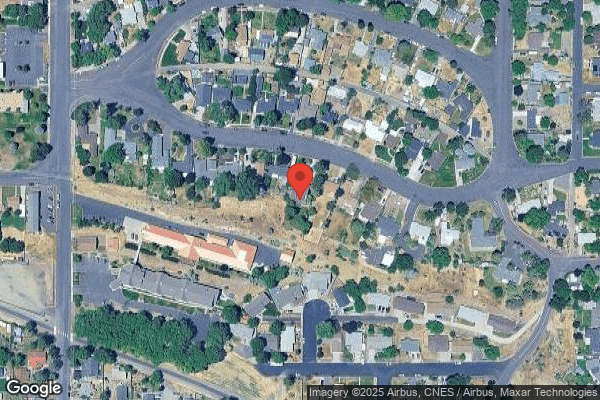
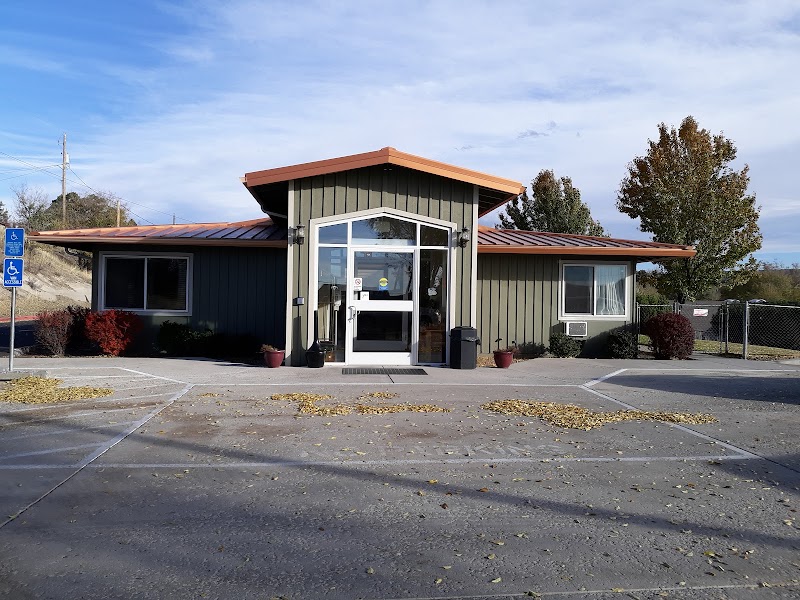
950 NE ELM STREET, PRINEVILLE, OR 97754 (541) 447-7667
For profit - Limited Liability company 44 Beds REGENCY PACIFIC MANAGEMENT Data: November 2025
Trust Grade
75/100
#43 of 127 in OR
Last Inspection: August 2024

Within standard 12-15 month inspection cycle. Federal law requires annual inspections.

Overview

Regency Prineville Rehabilitation & Nursing Center has a Trust Grade of B, which indicates it is a good choice for families seeking care. It ranks #43 out of 127 facilities in Oregon, placing it in the top half, and is the only option in Crook County. The facility is improving, with issues decreasing from 2 in 2024 to just 1 in 2025, and it boasts a solid staffing rating of 4 out of 5 stars, with a turnover rate of 47%, slightly below the state average. Notably, there have been no fines recorded, which is a positive sign regarding compliance. However, there are some concerns highlighted in recent inspections, including a lack of weekend mail delivery for residents and insufficient documentation of care plan reviews for residents, which could affect their individualized care. Overall, while there are areas needing attention, the facility shows strengths in staffing and compliance.

Trust Score
B
75/100
In Oregon
#43/127
Top 33%
Safety Record
Low Risk
No red flags
Inspections
Getting Better
2 → 1 violations
Staff Stability
⚠ Watch
47% turnover. Above average. Higher turnover means staff may not know residents' routines.
Penalties
✓ Good
No fines on record. Clean compliance history, better than most Oregon facilities.
Skilled Nurses
○ Average
Each resident gets 38 minutes of Registered Nurse (RN) attention daily — about average for Oregon. RNs are the most trained staff who monitor for health changes.
Violations
⚠ Watch
13 deficiencies on record. Higher than average. Multiple issues found across inspections.
★★★★☆
4.0
Overall Rating
★★★★☆
4.0
Staff Levels
★☆☆☆☆
1.0
Care Quality
★★★★★
5.0
Inspection Score
Stable
2024: 2 issues
2025: 1 issues

The Good

  • 4-Star Staffing Rating · Above-average nurse staffing levels
  • Full Sprinkler Coverage · Fire safety systems throughout facility
  • No fines on record

Facility shows strength in staffing levels, fire safety.

The Bad

Staff Turnover: 47%

Near Oregon avg (46%)

Higher turnover may affect care consistency

Chain: REGENCY PACIFIC MANAGEMENT

Part of a multi-facility chain

Ask about local staffing decisions and management

The Ugly 13 deficiencies on record

May 2025 1 deficiency
CONCERN (D) 📢 Someone Reported This

A family member, employee, or ombudsman was alarmed enough to file a formal complaint

Potential for Harm - no one hurt, but risky conditions existed

Quality of Care (Tag F0684)

Could have caused harm · This affected 1 resident

Based on interview and record review it was determined the facility failed to follow physician orders for 1 of 3 sampled residents (#1) reviewed for medication. This placed residents at risk for behav...

Read full inspector narrative →
Based on interview and record review it was determined the facility failed to follow physician orders for 1 of 3 sampled residents (#1) reviewed for medication. This placed residents at risk for behaviors. Findings include: Resident 1 admitted to the facility in 2024 with diagnoses including depressive disorder. The 12/27/24 physician order indicated Resident 1 was to receive Zyprexa (antipsychotic) 2.5 mg at bedtime. The 12/2024 MAR indicated Resident 1 did not start taking Zyprexa until 12/31/24. On 5/13/25 at 12:08 PM Witness 2 (Pharmacy Technician) stated the pharmacy did not receive an order for Zyprexa until 12/31/24. On 5/13/25 at 1:19 PM Staff 2 (DNS) acknowledged Resident 1 had an order for Zyprexa on 12/27/25 and the order was not implemented until 12/31/24 (4 days later).
Aug 2024 2 deficiencies
CONCERN (D)

Potential for Harm - no one hurt, but risky conditions existed

Quality of Care (Tag F0684)

Could have caused harm · This affected 1 resident

Based on interview and record review it was determined the facility failed to follow physician's orders for blood sugar parameters for 1 of 5 sampled residents (#6) reviewed for unnecessary medication...

Read full inspector narrative →
Based on interview and record review it was determined the facility failed to follow physician's orders for blood sugar parameters for 1 of 5 sampled residents (#6) reviewed for unnecessary medications. This placed residents at increased risk for hyperglycemia. Findings include: Resident 6 admitted to the facility in 2017 with diagnoses including diabetes. A 6/23/23 physician order indicated Resident 6's insulin aspart 100 units before meals parameters to hold for blood sugar less than 120. A review of Resident 6's MAR revealed the following: -On 5/8/24 a blood sugar of 143 at 7:00 AM and the insulin aspart was withheld by Staff 4 (LPN). -On 5/11/24 a blood sugar of 148 at 7:00 AM and the insulin aspart was withheld by Staff 4. -On 6/4/24 a blood sugar of 137 at 7:00 AM and the insulin aspart was withheld by Staff 4. -On 7/11/24 a blood sugar of 148 at 5:00 PM and the insulin aspart was withheld by Staff 4. -On 7/19/24 a blood sugar of 132 at 7:00 AM and the insulin aspart was withheld by Staff 4. -On 7/24/24 a blood sugar of 146 at 5:00 PM and the insulin aspart was withheld by Staff 4. -On 8/7/24 a blood sugar of 143 at 7:00 AM and the insulin aspart was withheld by Staff 4. -On 8/7/24 a blood sugar of 137 at 5:00 PM and the insulin aspart was withheld by Staff 4. On 8/15/24 at 10:03 AM Staff 4 stated Resident 6's blood sugars were checked three times per day before meals and if blood sugars were below 110, the insulin was withheld. The surveyor requested Staff 4 to review Resident 6's insulin aspart orders. Staff 4 stated Resident 6's previous orders indicated to hold if blood sugar was less than 150. Staff 4 stated she forgot the order changed recently. On 8/15/24 at 1:56 PM Staff 2 (DNS) stated it was her expectation that nurses read the physician orders when administering medications every time. Staff 2 acknowledged the insulin aspart was withheld from Resident 6 when it should have been administered per physician orders.
CONCERN (F)

Potential for Harm - no one hurt, but risky conditions existed

Deficiency F0576 (Tag F0576)

Could have caused harm · This affected most or all residents

Based on interview it was determined the facility failed to ensure mail was delivered to residents on Saturdays for 1 of 1 facility reviewed for resident council. This placed residents at risk for lac...

Read full inspector narrative →
Based on interview it was determined the facility failed to ensure mail was delivered to residents on Saturdays for 1 of 1 facility reviewed for resident council. This placed residents at risk for lack of timely written communication. Findings include: During the resident council meeting on 8/14/24 at 2:30 PM residents stated their mail was not delivered to them on Saturdays. On 8/15/24 at 2:12 PM Staff 3 (Activities Director) stated mail was delivered to the facility Monday through Saturday, and she passed out mail to the residents Monday through Friday. She verified mail was not delivered to residents on Saturdays. On 8/16/24 at 10:35 AM Staff 1 (Administrator) stated mail was previously passed out to residents on Saturdays by housekeeping or activities staff, but this practice was currently on hold. He verified mail was not delivered to residents on Saturdays.
May 2023 4 deficiencies
CONCERN (D)

Potential for Harm - no one hurt, but risky conditions existed

Deficiency F0578 (Tag F0578)

Could have caused harm · This affected 1 resident

Based on interview and record review it was determined the facility failed to follow up on advance directives for 3 of 4 sampled residents (#s 12, 13 and 20) reviewed for advance directives. This plac...

Read full inspector narrative →
Based on interview and record review it was determined the facility failed to follow up on advance directives for 3 of 4 sampled residents (#s 12, 13 and 20) reviewed for advance directives. This placed residents at risk for receiving care in conflict with their health care wishes. Findings include: A 5/2023 review of Resident 12, 13 and 20's clinical records revealed the residents did not have advance directives, but information was provided. There was no additional information to indicate whether the residents or their representatives executed an advance directive or declined to do so. On 5/17/23 at 8:58 AM Staff 3 (Social Services Director) stated she was not aware of the requirements regarding advance directives and was not consistent with following up to ensure advance directives were reviewed or received. On 5/18/23 at 8:36 AM Staff 1 (Administrator) confirmed advance directives were not followed up on for Residents 12, 13 and 20.
CONCERN (D) 📢 Someone Reported This

A family member, employee, or ombudsman was alarmed enough to file a formal complaint

Potential for Harm - no one hurt, but risky conditions existed

Free from Abuse/Neglect (Tag F0600)

Could have caused harm · This affected 1 resident

Based on interview and record review the facility failed to protect the resident's right to be free from verbal abuse by a staff member for 1 of 2 sampled residents (#34) reviewed for abuse. This plac...

Read full inspector narrative →
Based on interview and record review the facility failed to protect the resident's right to be free from verbal abuse by a staff member for 1 of 2 sampled residents (#34) reviewed for abuse. This placed residents at risk for psychosocial harm. Findings include: Resident 34 admitted to the facility in 3/2022 with diagnoses including diabetes, obesity and polyosteoarthritis. A 3/10/22 Quarterly MDS indicated Resident 34's BIMS score was 11 which indicated moderate cognitive impairment. A Abuse Incident Report dated 5/5/22 and completed on 5/10/22 revealed the following: - Witness 1 (Family Member) reported to Staff 1 (Administrator) that Resident 34 was verbally abused by Staff 14 (CNA) and indicated Staff 14 used foul language, was disrespectful and demeaned Resident 34. -Resident 34 stated Staff 14 entered her/his room multiple times and did not assist with care but turned her/his call light off and did not leave the room. At one point Staff 14 entered the room and was smoking something at her/his window and then blew smoke into her/his face. Resident 34 indicated Staff 14 told her/him you stink, you are morbid, everyone can't stand you, you fucking stink so bad. Resident 34 stated Staff 8 (CNA) overheard comments that Staff 14 made to her/him and told Staff 14 she could not talk that way to residents and Staff 14 left the room. -Staff 8 indicated she asked for assistance with Resident 34 and Staff 14 assisted. Staff 8 indicated while performing ADL care to Resident 34 Staff 14 told her/him to shut the fuck up, stop whining, complaining, and told Resident 34 she/he was lazy, smelled and no one wanted to care for her/him. Staff 8 finished ADL care for Resident 34 and told Staff 14 to stop talking to Resident 34 in an inappropriate way. Staff 8 indicated both of them left the room but Staff 14 continued to be loud in the hallways and curse. Staff 8 indicated Staff 14's behavior was totally out of character and something she had not witnessed before. -Staff 6 (CNA) indicated when she started her shift at 6:00 AM Staff 14 was talking very loudly throughout the halls and was acting out of character. -Staff 3 (Social Service Director) stated staff reported to her, the early morning of 5/5/22 Staff 14 was acting out of character, yelling and cussing in the hallways. Witness 2 (Family Member) indicated she spoke with Resident 34 who reported Staff 14 told Resident 34 to stop using her/his call light, took up too much time and you [Resident 34] fucking stink and would be the last to receive any care. -Staff 14 indicated she was not assigned to Resident 34 that night but assisted Staff 8 with Resident 34's ADL care needs and told Staff 8 it would be a good idea to have two staff in when providing ADL care. Staff 14 indicated Resident 34 refused ADL care and had behaviors on 5/3/22, became upset with her and did not want her to provide ADL care or be in Resident 34's room alone. On 5/8/22 Staff 14 submitted her resignation letter. -It was determined based off the 5/5/22 facility reported incident verbal abuse occurred and Staff 14 made disparaging remarks and cruel comments to Resident 34. Staff 14 was to be terminated from employment however, on 5/8/22 the facility received a resignation letter from Staff 14 which was accepted. On 5/15/23 at 4:57 PM Witness 1 (Family Member) stated he remembered the incident on 5/5/22 and Staff 14 was screaming and used vulgar language towards Resident 34. Witness 1 stated Resident 34 indicated Staff 14 was smoking something in her/his room and blew smoke into her/his face. Witness 1 stated Resident 34 initially was very upset and crying when he arrived at the facility that morning because the event had only occurred a couple hours prior. Witness 1 stated Staff 14 was no longer in the building when he arrived. Witness 1 further stated he reported his concerns to Staff 1 (Administrator) and was satisfied with the outcome regarding the incident. Witness 1 stated Resident 34 had no long-term side effects from the incident but was a little taken back by the incident. On 5/16/23 at 11:43 AM Staff 3 stated she arrived to work and staff reported Staff 14 was acting funny that night and was verbally abusive towards Resident 34. Staff 3 indicated Staff 14 told Resident 34 she/he smelled bad and used vulgar language. Staff 3 stated Staff 14 was not in the building when she arrived and Staff 1 and Staff 2 (DNS) were looking into the incident. On 5/16/23 at 12:49 PM Witness 2 stated Resident 34 spoke with Witness 2 the morning of 5/5/22 and indicated Staff 14 was blowing smoke in her/his face with a vape pen, told her/him to stop putting her/his call light on and used vulgar language towards Resident 34 which was verbally demeaning. Witness 2 stated Resident 34 was initially upset but was back to her/his baseline and felt safe at the facility. On 5/16/23 at 2:08 PM Staff 7 (LPN) stated she worked with Staff 14 when the incident occurred on 5/5/22 with Resident 34 and noticed Staff 14 was not her normal self but thought it was just because she was busy. Staff 7 stated Witness 1 reported his concerns to Staff 7 towards the end of her shift regarding the disparaging comments towards Resident 34 and she was going to report the incident to Staff 1 but he was already aware of the incident. On 5/17/23 at 6:42 PM Staff 8 (CNA) stated she witnessed Staff 14 being verbally abusive to Resident 34 the morning of 5/5/22. Staff 8 stated Staff 14 assisted with ADL care and she flipped out on Resident 34 and stated that she/he stunk and used vulgar language. Staff 8 intervened and told Staff 14 that behavior was inappropriate and needed to stop and Staff 14 left the room. Staff 8 stated Resident 34 indicated Staff 14 came back into her/his room and was smoking and blew smoke into her/his face. Staff 14 stated when she checked on Resident 34 after the incident she/he was not crying but a little bit taken back over the incident and seemed to be back to her/his baseline. On 5/18/23 at 1:30 PM Staff 1 and Staff 2 (DNS) were present for an interview. Staff 1 stated he was alerted of the 5/5/22 incident that morning by Witness 1 and initiated the investigation and determined verbal abuse occurred. Staff 1 and Staff 2 stated Resident 34 initially was upset about the incident but had no long-term psychosocial effects from the verbal abuse. Staff 1 stated they suspended Staff 14 and she turned in her resignation letter on 5/8/22, which the facility accepted. On 5/10/22, the Past Noncompliance was corrected when the facility completed a root cause analysis of the incident and determined there was verbal abuse. The Plan of Correction included: 1. A facility incident report which determined Resident 34 was verbally abused by Staff 14. 2. Staff 14 no longer worked for the facility after the 5/5/22 incident. 3. Staff were educated and completed abuse in-service training. 4. Continued education regarding abuse training occurred at all staff meetings.
CONCERN (D)

Potential for Harm - no one hurt, but risky conditions existed

Comprehensive Assessments (Tag F0636)

Could have caused harm · This affected 1 resident

Based on interview and record review it was determined the facility failed to ensure a resident's care plan reflected the needs of the resident for 1 of 3 sampled residents (#19) reviewed for accident...

Read full inspector narrative →
Based on interview and record review it was determined the facility failed to ensure a resident's care plan reflected the needs of the resident for 1 of 3 sampled residents (#19) reviewed for accident. This placed residents at risk for unmet needs. Findings include: Resident 19 was admitted to the facility in 2021 with diagnoses including adult failure to thrive and dysphagia (difficulty swallowing). A review of Resident 19's Care Plan initiated on 2/15/21 revealed Resident 19 required 100% supervision for all meals. On 5/16/23 at 8:05 AM resident 19 was observed alone in her/his room eating toast and drinking milk through a straw. On 5/16/23 at 8:20 AM Staff 9 (CNA) walked by, looked at Resident 19 and kept walking while Resident 19 drank liquid through a straw. On 5/16/23 at 8:21 AM Staff 9 stated Resident 19 ate on her/his own and staff would help a little. Staff 9 stated Resident 19 ate slowly and had not witnessed her/him having difficulty with consuming meals. On 5/16/23 at 8:31 AM Staff 11 (RNCM) stated when Resident 19 was ill she/he required assistance with eating and drinking but if Resident 19 was well she/he did not require assistance with meals. On 5/16/23 at 8:35 AM Staff 2 (DNS) confirmed Resident 19's care plan did not reflect her/his current needs.
CONCERN (D)

Potential for Harm - no one hurt, but risky conditions existed

Quality of Care (Tag F0684)

Could have caused harm · This affected 1 resident

Based on interview and record review it was determined the facility failed to administer diabetic and bowel medication according to physician orders for 1 of 5 sampled residents (#13) reviewed for med...

Read full inspector narrative →
Based on interview and record review it was determined the facility failed to administer diabetic and bowel medication according to physician orders for 1 of 5 sampled residents (#13) reviewed for medications. This placed residents at risk for low blood sugar and complications of constipation. Findings include: Resident 13 was admitted to the facility in 2019 with diagnoses including Type 2 diabetes and constipation. a. Resident 13's current care plan for diabetes indicated a focus for unstable blood sugar. Resident 13's 4/2023 physician orders included the following order: - Novolog (fast-acting) insulin three times a day with meals. The insulin was to be held for a blood sugar less than 150. A review of the 4/2023 DAR (Diabetic Administration Record) indicated Resident 13's Novolog insulin was not held on the following dates and times for levels under 150: - 4/8/23 7:00 AM blood sugar 135 - 4/16/23 5:00 PM blood sugar 141 - 4/30/23 7:00 AM blood sugar 114 On 5/18/23 at 11:17 AM Staff 2 (DNS) confirmed Resident 13's Novolog insulin was not held according to the physician ordered parameters on the identified dates. b. Resident 13's 4/2023 and 5/2023 physician orders included the following medications: - Bisacodyl (laxative) tablet prn daily for constipation - Bisacodyl suppository prn daily if no results from the prn Bisacodyl tablet Resident 13's bowel movement records from 4/18/23 through 5/17/23 indicated the resident did not have a bowel movement on the following dates: - 4/24/23 through 4/28/23 (five days) - 5/2/23 through 5/6/23 (five days) - 5/9/23 through 5/12/23 (four days) - 5/14/23 through 5/17/23 (four days) A review of the 4/2023 and 5/2023 MARs indicated Resident 13 was administered a Bisacodyl tablet on 4/26/23, 4/27/23, 4/28/23, 5/4/23, 5/5/23, 5/6/23, and 5/11/23. No evidence was found in the residents clinical record to indicate the Bisacodyl suppository was administered. On 5/18/23 at 10:54 AM Staff 13 (LPN) stated she expected staff to offer the Bisacodyl suppository if the tablet was not effective. On 5/18/23 at 11:17 AM Staff 2 (DNS) confirmed the Bisacodyl suppository was not administered to Resident 13 as ordered when the Bisacodyl tablet was not effective.
Mar 2019 6 deficiencies
CONCERN (D)

Potential for Harm - no one hurt, but risky conditions existed

Deficiency F0578 (Tag F0578)

Could have caused harm · This affected 1 resident

Based on interview and record review it was determined the facility failed to document and inform residents of their right to execute an advance directive and failed to maintain copies of advance dire...

Read full inspector narrative →
Based on interview and record review it was determined the facility failed to document and inform residents of their right to execute an advance directive and failed to maintain copies of advance directives for 3 of 4 sampled residents (#s 7, 20 and 21) reviewed for advance directives. This placed residents at risk for not having their health care decisions honored. Finding include: 1. Resident 7 was readmitted to the facility in 2019 with diagnoses including dementia. On 3/20/19 at 10:45 AM Staff 4 (Social Service Director) stated conversations with residents about advance directives were documented on the Initial Psychosocial History and Discharge Plan. The Initial Psychosocial History and Discharge Plan dated 3/13/19 indicated Resident 7 had an advance directive. The medical record for Resident 7 did not have a copy of an advance directive. On 3/20/19 at 3:36 PM Staff 4 confirmed there was no advance directive for Resident 7. 2. Resident 20 was admitted to the facility in 2017 with diagnoses including diabetes. On 3/20/19 at 10:45 AM Staff 4 (Social Service Director) stated conversations with residents about advance directives were documented on the Initial Psychosocial History and Discharge Plan. The Initial Psychosocial History and Discharge Plan dated 9/1/17 for Resident 20 did not include information for an advance directive. There was no information located related to advance directive for Resident 20 in her/his medical record. On 3/20/19 at 3:36 PM Staff 4 confirmed there was no advance directive for Resident 20. 3. Resident 21 was admitted to the facility in 2/2019 with diagnoses including cancer. The Resident admission Policy revealed if the resident had an advance directive, the resident must make it known to the facility's representative to be reviewed and made a part of the resident's medical record. A hospice Consent and Benefit Election dated 12/18/18 indicated Resident 21 completed an advance directive and provided it to the hospice agency. An Initial Psychosocial History and Discharge Plan dated 3/4/19 revealed Resident 21 had an advanced directive and was satisfied with it. On 3/19/19 at 3:13 PM Resident 21 acknowledged she/he had an advance directive and hospice had a copy. In an interview on 3/21/19 at 3:08 PM Staff 4 (Social Services Director) confirmed Resident 21 had a current advance directive but refused to provide a copy to the facility. On 3/22/19 at 10:05 AM Staff 2 (DNS) and Staff 13 (Regional Director of Clinical Operations) indicated a copy of Resident 21's advance directive should have been obtained from hospice for the facility record.
CONCERN (D)

Potential for Harm - no one hurt, but risky conditions existed

Assessment Accuracy (Tag F0641)

Could have caused harm · This affected 1 resident

Based on interview and record review it was determined the facility failed to ensure the MDS assessment was accurate for 2 of 7 sampled residents (#s 15 and 21) reviewed for hospice and medications. T...

Read full inspector narrative →
Based on interview and record review it was determined the facility failed to ensure the MDS assessment was accurate for 2 of 7 sampled residents (#s 15 and 21) reviewed for hospice and medications. This placed residents at risk for unmet needs. Findings include: 1. Resident 21 was admitted to the facility in 2/2019 on hospice with diagnoses including cancer with metastasis (development of secondary cancer away from primary site) to the lymph nodes and severe pain. Resident 21's medical record and current hospice orders dated 2/22/19 indicated she/he had the following diagnoses including cancer with metastasis, chronic obstructive pulmonary (lung) disease, hypertension, thyroid disorder, gastroesophageal reflux disease (acid reflux) and anxiety disorder. The resident also had a urinary tract infection and received antibiotics from 3/2/19 through 3/7/19. Resident 21's 3/4/19 admission MDS did not identify any of the resident's active diagnoses. On 3/22/19 at 10:01 AM Staff 2 (DNS), Staff 3 (RNCM) and Staff 13(Regional Director of Clinical Operations) acknowledged the 3/4/19 admission assessment was not accurate and did not include all of the resident's active diagnoses. 2. Resident 15 was readmitted to the facility in 5/2017 with diagnoses including a history of stroke and diabetes. Resident 15's medical record indicated she/he had a history of chronic anemia. The 3/2019 MAR indicated Resident 15 received vitamin B12, vitamin C and iron routinely for treatment of her/his anemia. Resident 21's 5/23/18 Annual MDS and 2/23/19 Quarterly MDS did not identify anemia as an active diagnosis. On 3/22/19 at 10:01 AM Staff 2 (DNS), Staff 3 (RNCM) and Staff 13 (Regional Director of Clinical Operations) acknowledged the 5/23/18 and 2/23/19 assessments were not accurate and did not include the anemia diagnoses.
CONCERN (D)

Potential for Harm - no one hurt, but risky conditions existed

Drug Regimen Review (Tag F0756)

Could have caused harm · This affected 1 resident

Based on interview and record review the facility failed to ensure consultant pharmacist recommendations were followed for 1 of 5 sampled residents (#15) reviewed for medications. This placed resident...

Read full inspector narrative →
Based on interview and record review the facility failed to ensure consultant pharmacist recommendations were followed for 1 of 5 sampled residents (#15) reviewed for medications. This placed residents at risk for adverse medication side effects. Findings include: Resident 15 was readmitted to the facility in 5/2017 with diagnoses including a history of stroke and diabetes. Physician orders revealed Resident 15 was prescribed omeprazole (acid reducing medication) twice daily on 3/15/18. A 10/23/18 Pharmacist Consultant Report recommended a reduction in the dose of omeprazole to once daily. The recommendation indicated if the physician chose to keep the omeprazole at the higher dose, documentation of an assessment of the risk versus benefit was required. This was a repeat recommendation from 9/10/18. The physician responded with need to discuss [symptoms with patient]. Current signed physician orders dated 2/12/19 indicated Resident 15 received omeprazole two times daily. Resident 15's medical record revealed no documentation of a consult with the resident or an assessment of the risk versus benefit regarding the use of the omeprazole. Resident 15's medical record revealed she/he received the following psychotropic medications: - Paxil (antidepressant) started in 1/2018. - Remeron (antidepressant) started in 5/2018. - trazodone (antidepressant) started in 1/2018. A Pharmacist Consultation Report dated 11/12/18 included information from the facility interdisciplinary team (IDT): No GDR [gradual dose reduction] because [resident] is still depressed. The pharmacist recommended the physician perform an updated GDR assessment. The physician responded by accepting the IDT's recommendation and provided no further information. There was no documentation of an assessment by the physician of the psychotropic medication regimen, including the risk versus benefit of the continued use of three antidepressants. A Pharmacist Consultation Report dated 12/10/18 and repeated reports on 1/7/19 and 2/11/19 revealed Resident 15's TSH (thyroid stimulating hormone) was 99.15 (normal range: 0.30-4.20) on 10/24/18. The pharmacist recommended lab testing of Resident 15's TSH and free T4 (thyroid hormone level) each time. The physician signed the recommendation on 2/28/19 and the lab testing was completed on 3/4/19 (86 days after the first request). During interviews on 3/21/19 at 3:12 PM and 3/22/19 at 10:06 AM Staff 2 (DNS), Staff 3 (RNCM) and Staff 13 (Regional Director of Clinical Operations) acknowledged the consultant pharmacist's recommendations were not followed up on in a timely manner and requested assessments were not completed.
CONCERN (D)

Potential for Harm - no one hurt, but risky conditions existed

Medication Errors (Tag F0758)

Could have caused harm · This affected 1 resident

Based on interview and record review it was determined the facility failed to ensure a resident's psychotropic medication regimen was reviewed for risks and benefits, a rationale was documented for du...

Read full inspector narrative →
Based on interview and record review it was determined the facility failed to ensure a resident's psychotropic medication regimen was reviewed for risks and benefits, a rationale was documented for duplicate therapy and the accurate dose was administered for 1 of 5 sampled residents (#15) reviewed for medications. This placed residents at risk for adverse medication side effects. Findings include: Resident 15 was readmitted to the facility in 5/2017 with diagnoses including depression, a history of stroke and diabetes. Resident 15's medical record revealed she/he received the following psychotropic medications: - Paxil (antidepressant) started in 1/2018. - Remeron (antidepressant) started in 5/2018. - trazodone (antidepressant) started in 1/2018. A Medical Visit Report on 11/14/18 indicated Resident 15's physician ordered an increase in the Paxil dose from 30 mg daily to 40 mg daily for three months (until 2/15/19) then return to 30 mg daily. There was no documentation of a clinical rationale for the increased dose of Paxil. A Psychotropic Medication Review on 11/30/18 listed the three antidepressants and there was no history of gradual dose reductions (GDRs) or contraindications for GDRs listed for each medication. The summary of the review noted Resident 15's mood and affect were stable and no GDR was recommended for any of the three medications. The review did not include the risk versus benefit or clinical rationale for continued duplicate therapy (use of multiple medications from the same class) or a rationale for the increased dose of Paxil on 11/14/18. Resident 15's medical record did not include a physician order to continue the Paxil order at the higher dose of 40 mg past 2/15/19. The 3/2019 MAR revealed Resident 15 continued to receive the higher dose of Paxil (40 mg). During interviews on 3/21/19 at 3:12 PM and 3/22/19 at 10:06 AM Staff 2 (DNS), Staff 3 (RNCM) and Staff 13 (Regional Director of Clinical Operations) confirmed GDRs were not attempted for the three antidepressants. Staff 3 indicated there was no documentation of the rationale for not conducting GDRs or the risk versus benefits for duplicate therapy. Staff 2 and Staff 3 acknowledged the Paxil dose was not decreased to 30 mg on 2/15/19 as ordered.
CONCERN (E)

Potential for Harm - no one hurt, but risky conditions existed

Deficiency F0657 (Tag F0657)

Could have caused harm · This affected multiple residents

Based on interview and record review it was determined the facility failed to conduct routine reviews of care plans to include the resident or resident representative on a quarterly basis for 4 of 7 s...

Read full inspector narrative →
Based on interview and record review it was determined the facility failed to conduct routine reviews of care plans to include the resident or resident representative on a quarterly basis for 4 of 7 sampled residents (#s 3, 7, 15 and 172) reviewed for skin conditions and medications. This placed residents at risk for not participating in their plan of care. Findings include: 1. Resident 3 was admitted to the facility in 2017 with diagnoses including heart attack and depression. The medical record for Resident 3 indicated care plan reviews were completed on 6/2017, 9/2017, and 1/2018. No additional documentation was found for care plan reviews by the interdisciplinary care team or coordination to include the resident or resident representative were found in Resident 3's medical record. On 3/22/19 at 10:30 AM Staff 3 (RNCM) stated she had no additional information of care plan reviews for Resident 3. 2. Resident 7 was admitted to the facility in 2014 with diagnoses including dementia and stroke. The medical record for Resident 7 indicated care plan reviews were completed on 3/2017, 6/2017, and 10/2017. No additional documentation was found for care plan reviews by the interdisciplinary care team or coordination to include the resident or resident representative were found in Resident 7's medical record. On 3/22/19 at 10:49 AM Staff 3 (RNCM) stated she had no additional information of care plan reviews for Resident 7. 3. Resident 15 was readmitted to the facility in 2017 with diagnoses including a history of stroke and diabetes. Resident 15's medical record indicated the last care plan review was completed 11/2017. No additional documentation was found for care plan reviews by the interdisciplinary care team or coordination to include the resident or resident representative were found in Resident 15's medical record. On 3/22/19 at 10:49 AM Staff 2 (DNS), Staff 3 (RNCM) and Staff 13 (Regional Director of Clinical Operations) stated they had no additional information of care plan reviews for Resident 15. 4. Resident 172 was readmitted to the facility in 10/2018 with diagnoses including multiple pressure ulcers. The medical record revealed Resident 172's indicated the last care plan review was completed 6/2018. No additional documentation was found for care plan reviews by the interdisciplinary care team or coordination to include the resident or resident representative were found in Resident 172's medical record. On 3/22/19 at 10:49 AM Staff 2 (DNS), Staff 3 (RNCM) and Staff 13 (Regional Director of Clinical Operations) stated they had no additional information of care plan reviews for Resident 172.
CONCERN (E)

Potential for Harm - no one hurt, but risky conditions existed

Food Safety (Tag F0812)

Could have caused harm · This affected multiple residents

Based on observation and interview it was determined the facility failed to ensure 1 of 1 ice machines was plumbed correctly to prevent backflow of contaminated matter into the ice machine. This place...

Read full inspector narrative →
Based on observation and interview it was determined the facility failed to ensure 1 of 1 ice machines was plumbed correctly to prevent backflow of contaminated matter into the ice machine. This placed residents at risk for foodborne illness. Findings include: On 3/20/19 at 2:50 PM the facility ice machine was observed to have 2 small drainage pipes lying horizontally on the floor under the machine near the sewage drain. The ends of the drainage pipes had gray and black matter around the ends of the pipes and the floor around the drain was stained with rust and wet from draining water. On 3/21/19 at 12:45 PM Staff 5 (Maintenance Director) acknowledged the two small drainage pipes were lying horizontally on the floor, they were dirty and had black and gray matter around the ends of the drainage pipes.
Understanding Severity Codes (click to expand)
Life-Threatening (Immediate Jeopardy)
J - Isolated K - Pattern L - Widespread
Actual Harm
G - Isolated H - Pattern I - Widespread
Potential for Harm
D - Isolated E - Pattern F - Widespread
No Harm (Minor)
A - Isolated B - Pattern C - Widespread

Questions to Ask on Your Visit

  • "Can I speak with families of current residents?"
  • "What's your RN coverage like on weekends and overnight?"

Our Honest Assessment

Strengths
  • • No major safety red flags. No abuse findings, life-threatening violations, or SFF status.
  • • No fines on record. Clean compliance history, better than most Oregon facilities.
Concerns
  • • 13 deficiencies on record. Higher than average. Multiple issues found across inspections.
Bottom line: Generally positive indicators. Standard due diligence and a personal visit recommended.

About This Facility

What is Regency Prineville Rehabilitation & Nursing Center's CMS Rating?

CMS assigns REGENCY PRINEVILLE REHABILITATION & NURSING CENTER an overall rating of 4 out of 5 stars, which is considered above average nationally. Within Oregon, this rating places the facility higher than 99% of the state's 100 nursing homes. This rating reflects solid performance across the metrics CMS uses to evaluate nursing home quality.

How is Regency Prineville Rehabilitation & Nursing Center Staffed?

CMS rates REGENCY PRINEVILLE REHABILITATION & NURSING CENTER's staffing level at 4 out of 5 stars, which is above average compared to other nursing homes. Staff turnover is 47%, compared to the Oregon average of 46%.

What Have Inspectors Found at Regency Prineville Rehabilitation & Nursing Center?

State health inspectors documented 13 deficiencies at REGENCY PRINEVILLE REHABILITATION & NURSING CENTER during 2019 to 2025. These included: 13 with potential for harm.

Who Owns and Operates Regency Prineville Rehabilitation & Nursing Center?

REGENCY PRINEVILLE REHABILITATION & NURSING CENTER is owned by a for-profit company. For-profit facilities operate as businesses with obligations to shareholders or private owners. The facility is operated by REGENCY PACIFIC MANAGEMENT, a chain that manages multiple nursing homes. With 44 certified beds and approximately 28 residents (about 64% occupancy), it is a smaller facility located in PRINEVILLE, Oregon.

How Does Regency Prineville Rehabilitation & Nursing Center Compare to Other Oregon Nursing Homes?

Compared to the 100 nursing homes in Oregon, REGENCY PRINEVILLE REHABILITATION & NURSING CENTER's overall rating (4 stars) is above the state average of 3.0, staff turnover (47%) is near the state average of 46%, and health inspection rating (5 stars) is much above the national benchmark.

What Should Families Ask When Visiting Regency Prineville Rehabilitation & Nursing Center?

Based on this facility's data, families visiting should ask: "Can I visit during a mealtime to observe dining assistance and food quality?" "How do you handle medical emergencies, and what is your hospital transfer rate?" "Can I speak with family members of current residents about their experience?"

Is Regency Prineville Rehabilitation & Nursing Center Safe?

Based on CMS inspection data, REGENCY PRINEVILLE REHABILITATION & NURSING CENTER has a clean safety record: no substantiated abuse findings (meaning no confirmed cases of resident harm), no Immediate Jeopardy citations (the most serious violation level indicating risk of serious injury or death), and is not on the Special Focus Facility watch list (a federal program monitoring the lowest-performing 1% of nursing homes). The facility has a 4-star overall rating and ranks #1 of 100 nursing homes in Oregon. While no facility is perfect, families should still ask about staff-to-resident ratios and recent inspection results during their visit.

Do Nurses at Regency Prineville Rehabilitation & Nursing Center Stick Around?

REGENCY PRINEVILLE REHABILITATION & NURSING CENTER has a staff turnover rate of 47%, which is about average for Oregon nursing homes (state average: 46%). Moderate turnover is common in nursing homes, but families should still ask about staff tenure and how the facility maintains care continuity when employees leave.

Was Regency Prineville Rehabilitation & Nursing Center Ever Fined?

REGENCY PRINEVILLE REHABILITATION & NURSING CENTER has no federal fines on record. CMS issues fines when nursing homes fail to meet care standards or don't correct problems found during inspections. The absence of fines suggests the facility has either maintained compliance or corrected any issues before penalties were assessed. This is a positive indicator, though families should still review recent inspection reports for the full picture.

Is Regency Prineville Rehabilitation & Nursing Center on Any Federal Watch List?

REGENCY PRINEVILLE REHABILITATION & NURSING CENTER is not on any federal watch list. The most significant is the Special Focus Facility (SFF) program, which identifies the bottom 1% of nursing homes nationally based on persistent, serious quality problems. Not being on this list means the facility has avoided the pattern of deficiencies that triggers enhanced federal oversight. This is a positive indicator, though families should still review the facility's inspection history directly.