ROSE HAVEN NURSING CENTER
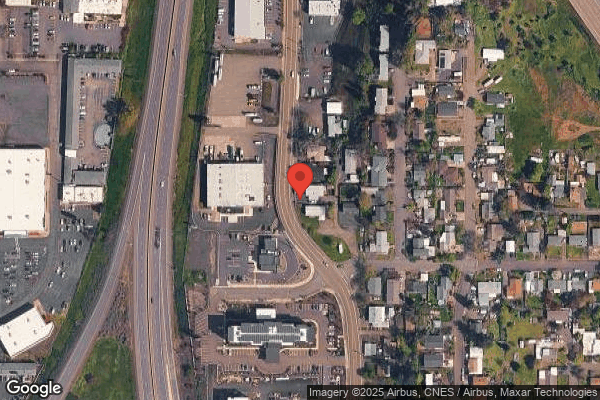

740 NW HILL, ROSEBURG, OR 97471 (541) 672-1631
For profit - Limited Liability company 193 Beds VOLARE HEALTH Data: November 2025
Trust Grade
43/100
#69 of 127 in OR
Last Inspection: February 2025

Within standard 12-15 month inspection cycle. Federal law requires annual inspections.

Overview

Rose Haven Nursing Center has a Trust Grade of D, indicating below average performance with some concerns. Ranking #69 out of 127 facilities in Oregon places it in the bottom half, though it is #2 out of 3 in Douglas County, meaning there is one local option that is better. The facility is improving, having reduced its issues from 15 in 2023 to 11 in 2025, but still faces significant challenges. Staffing is a strong point, rated 5 out of 5 stars with a low turnover rate of 29%, which is well below the state average. However, the facility has received $85,105 in fines, which is concerning and indicates potential compliance issues, and specific incidents include a serious failure to manage residents' pain appropriately and lapses in infection control practices that could jeopardize resident safety.

Trust Score
D
43/100
In Oregon
#69/127
Bottom 46%
Safety Record
High Risk
Review needed
Inspections
Getting Better
15 → 11 violations
Staff Stability
✓ Good
29% annual turnover. Excellent stability, 19 points below Oregon's 48% average. Staff who stay learn residents' needs.
Penalties
✓ Good
$85,105 in fines. Lower than most Oregon facilities. Relatively clean record.
Skilled Nurses
○ Average
Each resident gets 40 minutes of Registered Nurse (RN) attention daily — about average for Oregon. RNs are the most trained staff who monitor for health changes.
Violations
⚠ Watch
35 deficiencies on record. Higher than average. Multiple issues found across inspections.
★★★☆☆
3.0
Overall Rating
★★★★★
5.0
Staff Levels
★★★★☆
4.0
Care Quality
★★☆☆☆
2.0
Inspection Score
Stable
2023: 15 issues
2025: 11 issues

The Good

  • 5-Star Staffing Rating · Excellent nurse staffing levels
  • 4-Star Quality Measures · Strong clinical quality outcomes
  • Low Staff Turnover (29%) · Staff stability means consistent care
  • Full Sprinkler Coverage · Fire safety systems throughout facility
  • No fines on record
  • Staff turnover is low (29%)

    19 points below Oregon average of 48%

Facility shows strength in staffing levels, quality measures, staff retention, fire safety.

The Bad

3-Star Overall Rating

Near Oregon average (3.0)

Meets federal standards, typical of most facilities

Federal Fines: $85,105

Well above median ($33,413)

Moderate penalties - review what triggered them

Chain: VOLARE HEALTH

Part of a multi-facility chain

Ask about local staffing decisions and management

The Ugly 35 deficiencies on record

2 actual harm
Feb 2025 11 deficiencies 1 Harm
SERIOUS (G) 📢 Someone Reported This

A family member, employee, or ombudsman was alarmed enough to file a formal complaint

Actual Harm - a resident was hurt due to facility failures

Accident Prevention (Tag F0689)

A resident was harmed · This affected 1 resident

2. Resident 283 was admitted to the facility in 2/2025 with diagnoses including nicotine dependence and paraplegia (paralysis of the legs). A 2/14/25 Nursing Smoking Screen indicated Resident 283 smok...

Read full inspector narrative →
2. Resident 283 was admitted to the facility in 2/2025 with diagnoses including nicotine dependence and paraplegia (paralysis of the legs). A 2/14/25 Nursing Smoking Screen indicated Resident 283 smoked five to 10 times each day, had a history of using her/his smoking equipment in non-designated areas, was unable to demonstrate safe smoking practices and was to utilize her/his electronic cigarettes during monitored smoke breaks. A 2/15/25 care plan indicated Resident 283 signed a facility smoking agreement and the resident's smoking materials were to be stored at the nurses station. On 2/23/25 at 2:13 PM Resident 283 said she/he did not sign any safety agreement related to smoking at the time of her/his admission and continued to use her/his electronic cigarettes outside at various places during the day and night. On 2/24/25 at approximately 9:40 AM Resident 283 was observed seated in a non-smoking area on the grounds of the facility. Resident 283 stated this is where I sit when she/he was outside for fresh air and to smoke. Electronic cigarettes were observed with Resident 283. Resident 283 stated staff were aware of the use of her/his electronic cigarettes at the observed location and assisted her/him in and out of the building. On 2/24/25 at 4:15 PM Staff 27 (CNA) stated Resident 283 smoked independently and often went outside on her/his own to use her/his electronic cigarettes. On 2/25/25 at 12:25 PM Staff 1 (Administrator) acknowledged the facility's Smoking Contract was not clear about electronic cigarette safety and the Smoking Contract and Smoking Fire Hazard Awareness Form applied to both smoking and electronic cigarettes. On 2/25/25 at 1:06 PM Staff 2 (DNS) acknowledged smoking contracts were needed and not completed timely for Resident 283 to ensure smoking safety. Based on observation, interview and record review it was determined the facility failed to ensure residents remained free from accident hazards for 2 of 3 sampled residents (#s 25 and 283) reviewed for accidents. Due to Staff 42 (CNA) not following the care plan, Resident 25 fell and broke her/his hip which required surgery. Findings include: 1. Resident 25 was admitted to the facility on 10/2019 with acute embolism of the right lower extremity and difficulty walking. A 10/2019 Annual MDS revealed Resident 25 had a BIMS score of 7. She/he was not able to provide an interview due to impaired cognition. A review of the comprehensive care plan revised 2/3/25, indicated the resident's bed was to be in a lowered position due to her/his documented fall risk. A 7/26/24 incident investigation revealed: -Resident 25 had a fall with injury. -Resident 25 required an x-ray of her/his spine due the fall. -Resident 25 was crying out in pain complaining of her/his right buttock/hip hurting. No visible signs of bruising were noted. Resident 25 was unable to tolerate any range of motion of her/his right lower extremity. - RN on duty medicated Resident 25 with two narcotics per orders. - X-ray results revealed Resident 25 had a broken hip and was transferred to Emergency Department for surgical evaluation. A 7/31/24 History and Physical Summary indicated Resident 25 had a right femoral neck fracture. An 8/1/24 Operate Report revealed Resident 25 received surgery for her/his hip fracture and was taken to the post anesthesia care unit in stable condition. In an interview on 2/25/25 at 11:47 AM, Staff 42 (CNA) stated Resident 25 needed a bed change, she left the room to try and get help, and told her/him to roll onto her/his back. Staff 42 heard the resident fall, got the nurse, did her vitals, a neuro check, and completed the bed change. Staff 42 said she called the DNS and found out Resident 25 broke her hip. Staff 42 stated I know [the resident] was a two person everything. On 2/25/25 at 11:17 AM, Staff 1 (Administrator) acknowledged the resident was unsupervised, fell, and required surgery for a broken hip.
CONCERN (D)

Potential for Harm - no one hurt, but risky conditions existed

Comprehensive Care Plan (Tag F0656)

Could have caused harm · This affected 1 resident

Based on interview and record review it was determined the facility failed to develop an individualized plan of care for 1 of 1 sampled resident (#77) reviewed for medications. This placed residents a...

Read full inspector narrative →
Based on interview and record review it was determined the facility failed to develop an individualized plan of care for 1 of 1 sampled resident (#77) reviewed for medications. This placed residents at risk for unmet care planned needs. Findings include: Resident 77 was admitted to the facility in 2/2025 with diagnoses including colostomy (opening in large intestine to divert stool from the colon to an external bag), necrotizing fasciitis (flesh eating disease) and utilized a wound vac (vacuum assisted closure for healing of wounds). Resident 77's care plan last revised 2/10/25 did not address Resident 77's care and services for her/his colostomy or wound vac. On 2/25/25 at 10:10 AM Staff 11 (CNA) stated she was not aware of care and services for the colostomy or the wound vac, and acknowledged this was not on the care plan. On 1/25/25 at 12:03 PM Staff 30 (CNA) stated he was not aware of what care and service he was to provide for the resident's colostomy or wound vac. Staff 30 acknowledged care and services for both were not on the care plan. On 2/27/25 at 11:51 AM Staff 2 (DNS) acknowledged Resident 77's care plan needed more on the care plan related to the colostomy and the wound vac. Staff 2 acknowledged the care plan was not person centered.
CONCERN (D) 📢 Someone Reported This

A family member, employee, or ombudsman was alarmed enough to file a formal complaint

Potential for Harm - no one hurt, but risky conditions existed

Pressure Ulcer Prevention (Tag F0686)

Could have caused harm · This affected 1 resident

Based on observation, interview and record review it was determined the facility failed assess, implement, follow and maintain pressure ulcer treatments and care plans for 1 of 4 sampled residents (# ...

Read full inspector narrative →
Based on observation, interview and record review it was determined the facility failed assess, implement, follow and maintain pressure ulcer treatments and care plans for 1 of 4 sampled residents (# 3) reviewed for pressure ulcers. Findings include: Resident 3 was admitted to the facility in 2/2025 with diagnoses including pressure ulcer and paraplegia. The 2/2/25 admission Assessment revealed Resident 3 had a coccyx (tailbone) pressure wound and a wound to the left gluteal fold, but did not mention the purple area to the resident's right anterior ankle. The 2/13/25 care plan revealed Resident 3 had two Stage IV (full thickness tissue loss which extend to muscle, tendon, or bone) pressure ulcers to the sacrum (triangle shaped bone at the base of the spine) and left ischial tuberosity (lower part of the pelvis) but did not mention the wound to the right anterior ankle. On 2/17/25 Staff 2's (DNS) Progress Note revealed Resident 3 was admitted to the facility with a red/purple discoloration to both ankles. On 2/19/25 the 2/2025 TAR revealed Resident 3's right anterior ankle wound opened and treatment was intiated. A 2/21/25 Skin and Wound Evaluation indicated Resident 3 had a Stage 2 pressure wound to the right medial malleolus (bony prominence to the side of the ankle). On 2/27/25 at 8:53 AM Staff 2 acknowledged the pressure wound to the right anterior ankle was not captured on the admission Assessment, and was not treated until 2/19/25 when the wound opened.
CONCERN (D)

Potential for Harm - no one hurt, but risky conditions existed

Deficiency F0692 (Tag F0692)

Could have caused harm · This affected 1 resident

Based on observation, interview and record review it was determined the facility failed to monitor, assess and document signs and symptoms of dehydration for 1 of 1 sampled resident (#21) reviewed for...

Read full inspector narrative →
Based on observation, interview and record review it was determined the facility failed to monitor, assess and document signs and symptoms of dehydration for 1 of 1 sampled resident (#21) reviewed for limited range of motion and depression. This placed residents at risk for dehydration. Findings include: Resident 21 was admitted to the facility in 2019 with diagnoses including a stroke affecting her/his left side, muscle weakness, and dysphagia (difficulty swallowing). A 7/25/23 diet order indicated Resident 21 received regular liquids and required a two-handled cup with all meals. Resident 21's 11/26/24 annual MDS indicated the resident was cognitively intact, she/he was at risk for malnutrition and had dysphagia. No CAAs were documented related to dehydration/fluid maintenance. A 12/22/24 Nutritional Evaluation indicated Resident 21 was on a regular diet and fluids. Staff were to provide Resident 21 with a two-handed cup. Resident 21's estimated daily fluid requirements were 1450 to 1550 cc. Resident 21's goal was to maintain or improve nutritional status. Staff were to ensure Resident 21 met her/his nutritional intake and maintained adequate hydration status with no signs/symptoms of dehydration. A 2/17/25 revised care plan indicated Resident 21 would be hydrated and nourished as her/his condition allowed. Resident 21 had potential for decline in daily fluid intake related to impaired mobility, relying upon staff to provide her/him with fluids. Staff were to ensure Resident 21 was free of symptoms of dehydration, maintained moist mucous membranes, and had good skin turgor. Resident 21's Fluid Monitor dated 1/30/25 through 2/27/25 revealed:the resident's fluid intake fell below the registered dietitian's fluid recommendation for 26 out of 29 days: 1/30/25-917 cc for all shifts 1/31/25-1060 cc for all shifts 2/1/25-1030 cc for all shifts 2/2/25-507 cc for all shifts 2/3/25-1000 cc for all shifts 2/4/25-860 cc for all shifts 2/5/25-910 cc for all shifts 2/6/25-1210 cc for all shifts 2/7/25-1620 cc for all shifts 2/8/25 830 cc for all shifts 2/9/25-1270 cc for all shifts 2/10/25-1200 cc for all shifts 2/11/25-960 cc for all shifts 2/12/25-1227 cc for all shifts 2/13/25-910 cc for all shifts 2/14/25-1865 cc for all shifts 2/15/25-740 cc for all shifts 2/16/25-450 cc for all shifts 2/17/25-1250 cc for all shifts 2/8/25-1100 cc for all shifts 2/19/25-1055 cc for all shifts 2/20/2 5-1230 cc for all shifts 2/21/25-720 cc for all shifts 2/22/25-865 cc for all shifts 2/23/25-1340 cc for all shift 2/24/25-1350 cc for all shifts 2/25/25-2610 cc for all shifts 2/26/25-1330 cc for all shifts 2/27/25-960 cc for all shifts On 2/23/25 at 2:18 PM Resident 21 was sitting upright in bed with a two-handed cup of water on her/his bed side table. The resident exhibited signs of dry mouth, dry lips, and had difficulty speaking. The resident's face appeared pale and gray in color. The resident's tongue was coated with a white film residue. Resident 21 stated multiple times that she/he was thirsty and asked for water. On 2/24/25 between 7:48 AM and 2:42 PM Resident 21 was observed multiple times sitting upright in bed with little to no fluid in her/his two-handed cup. At times, the resident was unable to speak when spoken to. On 2/24/25 at 2:47 PM Staff 28 (CNA) indicated Resident 21 was dependent on staff for care and stated she checked on the resident every hour to ensure fluids were available at her/his bedside table. Resident 21 stated they wanted water. Staff 28 was unsure how to determine if the resident's mouth was dry. Staff 28 did not return to provide fluids at any time in the next hour. On 2/24/25 at 4:11 PM Staff 29 (LPN) assessed Resident 21 and stated the residents mouth looked better than yesterday, and her/his mouth appeared dry. Staff 29 stated she was not concerned about the layer of white, chunky film on her/his tongue. Staff 29 stated Resident 21's skin tone was fair. Resident 21 again stated that she/he was thirsty and asked for water. Staff 29 stated she was not concerned about the resident's hydration status. On 2/25/25 at 8:06 AM Staff 30 (CNA) stated his shift started at 6:00 AM and Resident 21 was dependent on staff for care. He reported providing water every two hours and the resident required a special cup but he had not seen the cup since the start of his shift, assuming the kitchen was washing it. Staff 30 stated Resident 21 expressed thirst and requested water 45 minutes earlier and noted 45 minutes was a long wait for water, the resident's mouth appeared dry, and if the wait continued, he would request the resident's two-handed cup from the kitchen. He also stated Resident 21 typically drank a lot of water during the day and did not usually have a dry mouth. Resident 21 was observed on 2/25/25 9:01 AM sitting up in bed with three empty cups on her/his bed side table. Resident 21 asked for more water. Resident 21's tongue appeared dry and was covered in a white film. On 2/25/25 at 9:05 AM Staff 18 (RN) was asked to assess Resident 21 for concerns related to hydration. Staff 18 performed a skin turgor test on Resident 21 and her/his skin stayed tented. Staff 18 stated this was indicative of dehydration. Staff 18 confirmed Resident 21's mouth had build up and had three empty cups on her/his bedside table. Resident 21 told Staff 18 that she/he was thirsty and asked for water. A Nursing Note dated 2/25/25 at 11:50 AM indicated Resident 21 exhibited signs of dehydration, including dry mouth, dry lips, and poor skin turgor. A 2/25/25 at 2:38 PM Administration Note revealed the resident's doctor requested a full assessment, instructed staff to encourage fluids, and Resident 21 did not void during the shift. On 2/26/25 at 8:33 AM Resident 21 was observed sitting upright in bed with three half empty cups sitting on her/his bedside table. Resident 21 stated she/he was thirsty, and her/his mouth and lips appeared dry. On 2/26/25 at 8:35 AM Staff 39 (CNA) stated Resident 21 did not void during the last shift. Staff 39 stated Resident 21 did not typically ask for fluids, but staff offer and provide fluids every couple hours. Staff 39 stated Resident 21 usually drank six to eight cups of fluid during a shift. On 2/27/25 at 8:23 AM Staff 22 (LPN/UM) confirmed Resident 21 was placed on alert charting on 2/25/25 for five days related to signs and symptoms of dehydration. Staff 22 confirmed the required documentation was not completed as expected. Staff 22 further stated I would definitely show that to the DNS. On 2/27/25 at 8:58 AM Staff 36 (Facility Nurse Practitioner) stated Resident 21 had mild skin turgor. Staff 36 noted Resident 21 did not like water and that he did not believe it was uncommon for Resident 21 to go eight hours without voiding. He indicated concerns would arise only if the resident went longer than eight hours without voiding. On 2/27/25 at 9:48 AM Staff 2 (DNS) confirmed the facility failed to thoroughly monitor, assess and document signs and symptoms of dehydration for Resident 21.
CONCERN (D) 📢 Someone Reported This

A family member, employee, or ombudsman was alarmed enough to file a formal complaint

Potential for Harm - no one hurt, but risky conditions existed

Respiratory Care (Tag F0695)

Could have caused harm · This affected 1 resident

Based on observation, interview, and record review, it was determined the facility failed to provide physician-ordered respiratory care for 1 of 1 sampled resident (#6) reviewed for respiratory servic...

Read full inspector narrative →
Based on observation, interview, and record review, it was determined the facility failed to provide physician-ordered respiratory care for 1 of 1 sampled resident (#6) reviewed for respiratory services. This placed residents at risk for unmet respiratory needs. Findings include: Resident 6 was admitted to the facility in 4/2021 with diagnoses including heart failure and chronic obstructive pulmonary disease (a lung condition caused by damage to the lungs). A review of Resident 6's Vitals Report for oxygen (O2) saturation levels (how much oxygen was in the lungs) indicated on 9/4/24 and 9/5/24 her/his O2 levels were received while she/he was on a continuous positive airway pressure ((CPAP) takes room air then filters and pressurizes it and delivers it through a tube to a facial mask to keep a continuous flow of air). A 9/6/24 signed physician order instructed staff to provide Resident 6 with a bilevel positive airway pressure (BiPAP), a non-invasive ventilation therapy used to treat sleep apnea, respiratory failure, and other breathing disorders. It delivers two levels of pressure, a higher pressure during inhalation to support breathing) with five liters of oxygen with a start date of 12/19/23. A 9/22/24 Nursing Note indicated Resident 6's oxygen saturation was 63 percent, and when she/he was switched from a CPAP mask to a nasal cannula, oxygen saturations increased to 95 percent. On 10/14/24, the State Survey agency received a public complaint that indicated Resident 6 had orders for a BiPAP machine since her/his admission. Around 10/1/24, Resident 6 was discovered to have a CPAP machine instead of a BiPAP machine. A 12/13/24 Annual MDS revealed Resident 6's BIMs was 15, indicating she/he was cognitively intact. The MDS also indicated Resident 6 was on a non-invasive mechanical ventilator but did not indicate if it was a BiPAP or CPAP. On 2/24/25 at 5:50 AM, 7:00 AM, and on 2/26/25 at 8:00 AM, Resident 6 was observed in bed with a facial mask with tubing going to a small machine on the bedside table. On 2/25/25 at 8:19 AM, Witness 4 (Complainant) stated Resident 6 had the wrong equipment and was on a CPAP instead of a BiPAP. On 2/26/25 at 8:52 AM, Staff 20 (RN) stated Resident 6 had a CPAP and was switched to a BiPAP. On 2/26/25 at 12:23 PM, Resident 6 stated she/he did have the CPAP for a while and believed when she /he was readmitted to the facility from the hospital, they gave her/him the wrong machine. In an interview on 2/27/25 at 10:03 AM with Staff 1 (Administrator), Staff 2 (DNS), and Staff 12 (Regional Care Nurse), Staff 2 stated the respiratory company delivered a CPAP instead of a BiPAP, so Resident 6 had the wrong machine.
CONCERN (D)

Potential for Harm - no one hurt, but risky conditions existed

Deficiency F0697 (Tag F0697)

Could have caused harm · This affected 1 resident

Based on interview and record review the facility failed to accurately assess pain, develop person centered plans and provide pain medications as ordered for 2 of 3 sampled residents (#s 24 and 55) re...

Read full inspector narrative →
Based on interview and record review the facility failed to accurately assess pain, develop person centered plans and provide pain medications as ordered for 2 of 3 sampled residents (#s 24 and 55) reviewed for pain management. This placed residents at risk for increased pain. Findings include: 1. Resident 24 was admitted to the facility in 1/2025 with diagnoses including chronic pain and fusion of the spine. A 1/23/25 admission MDS indicated Resident 24's pain was frequent, occasionally impacted her/his sleep and therapy, and her/his pain reached a level of 10 (worse pain imagined) on a scale of of one through 10 during the last five days. A 1/20/25 Nursing Pain Evaluation for Resident 24 revealed her/his pain was best managed by repositioning and receiving scheduled pain medications. A 1/21/25 revised care plan indicated to anticipate Resident 24's need for pain relief and respond immediately to any complaint of pain. The 2/2025 MAR indicated Resident 24 was to receive gabapentin (nerve pain treatment) twice during the day and once at bedtime for the relief of pain to her/his spinal region: -On 2/14/25 at 10:00 PM the facility was waiting for delivery of the medication and the medication was not provided. -On 2/15/25 at 7:00 AM the facility was waiting for the delivery of the medication and the medication was not provided. -On 2/19/25 and 2/22/25 at 10:00 PM the medication was not provided and no nursing notes were found. The 2/2025 TAR indicated to apply Biofreeze (topical menthol pain relief) once every four hours for Resident 24's pain relief. Resident 24 was not provided the medication as ordered because she/he was sleeping during the following times: -2/3/25 at 10:00 PM -2/12/15 at 2:00 AM -2/16/25 at 10:00 AM as documented by Staff 19 (RN) -2/16/25 at 10:00 PM On 2/24/25 at 9:08 AM Resident 24 stated her/his Biofreeze was a big solution for her/his pain management. Resident 24 indicated she/he believed at times her/his Biofreeze was unavailable because of the lack of consistent application of the medication. On 2/25/25 at 3:38 PM Staff 4 (Medication Tech) stated he was aware Resident 24 did not receive her/his Biofreeze as ordered. On 2/26/25 at 4:27 PM Staff 3 (Unit Manager-LPN) confirmed Resident 24's pain medication should be administrated as ordered even if the resident was asleep and the physician should be notified if orders were not followed. On 2/26/25 at 4:40 PM Staff 9 (LPN) confirmed Resident 24's missed gabapentin medication was not available in the reserve medication system on 2/14/25. The pharmacy indicated the medication was in the building on 2/15/25. Staff 9 indicated Staff 19 was the nurse on duty on 2/14/25. On 2/26/25 at 12:14 PM and 2/27/25 at 10:38 AM attempts to reach Staff 19 were unsuccessful. On 2/27/25 at 10:53 AM Staff 2 (DNS) stated a system change to improve missed or lacking medications for Resident 24 was necessary. 2. Resident 55 was admitted to the facility in 5/2024 with diagnoses including diabetes with neuropathy (nerve pain) and kidney disease. A 5/6/24 admission MDS indicated Resident 55 was at risk to decline due to frequent levels of moderate to severe pain. Staff were to assess Resident 55's pain, treat the resident's pain as ordered and provide non-pharmacological pain interventions. The 2/2025 MAR indicated Resident 55 received oxycodone-acetaminophen (opioid pain medication) as needed for pain every six hours. From 2/1/25 through 2/24/25 Resident 55 was administered the medication 44 times with no pain level indicated. The 2/2025 MAR indicated Resident 55 received acetaminophen as needed every six hours for pain. From 2/1/25 through 2/23/25 Resident 55 was administered the medication 20 times with no pain level indicated. A 2/5/24 Progress Note indicated Resident 55's pain was managed through the use of PRN pain medications. A 2/6/25 Quarterly MDS did not indicate Resident 55 received opioid medications. A 2/14/25 revised care plan indicated Resident 55 had low back pain, was administered pain medication and staff were to monitor for side effects of the medication. The care plan did not indicate any non-pharmacological pain interventions. Review of Resident 55's clinical record revealed no monitor for the use of pain medication side effects. On 2/25/25 at 3:05 PM Staff 38 (CNA) reviewed Resident 55's care plan, indicated the resident's care plan lacked details related to her/his pain management, and the resident had pain everywhere. On 2/26/25 at 7:58 AM Staff 6 (LPN) stated Resident 55's PRN pain medications were to have her/his pain levels documented at the time the pain medication was administered. On 2/26/25 at 12:33 PM Resident 55 indicated her/his pain rarely went below a pain level of three on a pain scale of zero to 10 (highest pain level imagined). On 2/26/25 at 3:42 PM Staff 3 (Unit Manager-LPN) confirmed Resident 55's pain care plan lacked details especially for non-pharmacological interventions. The PRN pain medication monitor and side effect monitor were also not in place as expected.
CONCERN (D)

Potential for Harm - no one hurt, but risky conditions existed

Deficiency F0744 (Tag F0744)

Could have caused harm · This affected 1 resident

Based on interview, and record review, it was determined the facility failed to provide care and services for dementia for 1 of 5 sampled residents (#35) reviewed for medications. This placed resident...

Read full inspector narrative →
Based on interview, and record review, it was determined the facility failed to provide care and services for dementia for 1 of 5 sampled residents (#35) reviewed for medications. This placed residents at risk for unmet needs. Findings include: Resident 35 was readmitted to the facility in 12/2024 with diagnoses including dementia and borderline personality disorder. A 12/26/24 admission MDS revealed Resident 35 was rarely understood. Resident 35 did not have any physical, verbal, or behavioral symptoms. Resident 35 had rejection of care behavior. A 1/28/25 care plan indicated Resident 35 had the potential to be physically and verbally aggressive. Interventions included administering medications as ordered, anticipating her/his needs, and providing physical and verbal cues to communicate. Give Resident 35 as many choices as possible about care and activities. Monitor, document, and report if she/he was posing a danger to self or others. When Resident 35 was agitated, intervene before the agitation escalates. A Documentation Survey Report from 2/1/25 through 2/25/25 revealed Resident 35 demonstrated the following behavioral symptoms: -Two times on day shift rejection care, yelling, and kicking or hitting. -Three times on evening shift yelling, kicking of hitting, and abusive language. -Three times on night shift rejection of care, abusive language, and kicking or hitting. A review of the TAR from 2/1/25 through 2/25/25 instructed staff to complete a progress note regarding behaviors, including but not limited to rejection of cares, abusive or inappropriate language, kicking or hitting, and yelling. The TAR referred the reader to progress notes 14 times on the evening shift and five times on the night shift. A review of Nursing Notes revealed the following occurred with Resident 35: -2/4/25 at 3:41 PM anxious, frustrated, cursing, and hitting out at nursing staff at times. -2/10/25 at 9:03 AM today cheerful but mood and reality changes quickly. No documentation was found in Resident 35's clinical record to indicate what interventions to reduce her/his behaviors were attempted or if the intervention attempts were successful. On 2/26/25 at 9:33 AM, Staff 16 (CNA) stated Resident 35 had behaviors; if she/he was incontinent, she/he may grab the blanket. Resident 35 usually liked to sleep until lunchtime and had behaviors if woken up when she/he wanted to sleep in. On 2/26/25 at 12:37 PM, Staff 23 (CNA) stated Resident 35 had behaviors when she/he was incontinent and she/he would get irritated. Staff 23 stated when she spoke to her/him, she/he started to calm down. In an interview on 2/27/25 at 10:03 AM with Staff 1 (Administrator), Staff 2 (DNS), and Staff 12 (Regional Care Nurse), Staff 2 confirmed staff needed to offer and document interventions provided for the behaviors of Resident 35.
CONCERN (D) 📢 Someone Reported This

A family member, employee, or ombudsman was alarmed enough to file a formal complaint

Potential for Harm - no one hurt, but risky conditions existed

Deficiency F0757 (Tag F0757)

Could have caused harm · This affected 1 resident

2. Resident 131 was admitted to the facility in 8/2024 with diagnoses including Stage 4 pressure wound, Unstageable left heel wound, and Unstageable buttocks wound. The August 2024 MAR indicated Cepha...

Read full inspector narrative →
2. Resident 131 was admitted to the facility in 8/2024 with diagnoses including Stage 4 pressure wound, Unstageable left heel wound, and Unstageable buttocks wound. The August 2024 MAR indicated Cephalexin (an antibiotic) was given for antibiotic. No diagnostic indication of use was documented. On 2/27/25 at 12:02 Staff 2 (DNS) acknowledged the Cephalexin did not have a documented indication of use. Based on interview and record review it was determined the facility failed to provide adequate indication for use of medications for 2 of 4 sampled residents (#s 6 and 131) reviewed for pressure ulcers. This placed residents at risk for unnecessary medications. Findings include: 1. Resident 6 was admitted to the facility in 4/2021 with diagnoses including heart failure and shortness of breath. A 9/23/24 physician order instructed staff to administer Doxycycline Hyclate (an antibiotic to treat various conditions, including UTI, sinus infection, and acne) two times a day for infection for 10 days. A review of signed physician orders dated 9/29/24 instructed staff to administer Augmentin (an antibiotic to treat bacterial infections) twice a day. No diagnosis was documented for the Augmentin on the physician's orders. A 9/2024 MAR instructed staff to administer the following: -Augmentin two times a day for ABX (medical abbreviation for antibiotics) with a start date of 9/29/24. -Doxycycline Hyclate two times a day for infection with a start date of 9/23/24. A 10/31/24 physician order instructed staff to administer Linezolid (an antibiotic that stops the growth of bacteria) every 12 hours for infection with a start date of 10/31/24. A 10/2024 MAR instructed staff to administer Linezolid every 12 hours for infection with a start date of 10/31/24. No documentation was found in Resident 6's clinical record for the indication for use for Augmentin, Doxycycline Hyclate, and Linezolid. In an interview on 2/27/25 at 10:03 AM with Staff 1 (Administrator), Staff 2 (DNS), and Staff 12 (Regional Care Nurse), Staff 2 stated the expectation was to have the diagnosis documented for the use of antibiotics.
CONCERN (E) 📢 Someone Reported This

A family member, employee, or ombudsman was alarmed enough to file a formal complaint

Potential for Harm - no one hurt, but risky conditions existed

Quality of Care (Tag F0684)

Could have caused harm · This affected multiple residents

3. Resident 77 was admitted to the facility in 2/2025 with diagnoses including necrotizing fasciitis (flesh eating disease) and utilized a wound vac (vacuum assisted closure for healing of wounds). Th...

Read full inspector narrative →
3. Resident 77 was admitted to the facility in 2/2025 with diagnoses including necrotizing fasciitis (flesh eating disease) and utilized a wound vac (vacuum assisted closure for healing of wounds). The 2/2025 MAR indicated for staff to premedicate the resident with diazepam (for anxiety) and percocet (narcotic pain medication) one hour prior to the resident's dressing change. On 2/23/25 Resident 77 was administered percocet and diazepam at 2:00 PM. Resident 77's dressing change was completed at 2:40 PM, less than an hour after the prescribed medication was administered. Resident 77 was observed moaning and making painful expressions during the dressing change. On 2/27/25 at 11:52 AM Staff 2 (DNS) acknowledged Resident 77 was not premedicated one hour prior to the 2/23/25 dressing change and should have been due to the large wound and pain. Based on observation, interview, and record review it was determined the facility failed to provide care and services for a fall, infection, and skin wound for 4 of 11 residents (#6, 35, 55, and 77) reviewed for skin, accidents, medications. This placed residents at risk for delayed treatment and unmet needs. Findings include: 1. A review of the facility's Skin and Wound Management Guidelines revealed the following: The following alterations in skin integrity would be assessed, measured, photographed, and documented in the Skin and Wound Module: -All vascular-related wounds, venous or arterial. -Scabs which have not healed for four weeks. Resident 6 was admitted to the facility in 4/2021 with diagnoses including heart failure, and chronic kidney disease. A 1/29/25 Wound Evaluation indicated Resident 6 had a venous wound on the left lateral calf. The Area was 1.02 cm, with a length of 1.84 cm and a width of .83 cm. There was a light amount of exudate serous with progress of resolved. The photo on the evaluation showed a red area with two dark scabbed areas and two small, scabbed areas. No documentation was found in Resident 6's clinical record of any additional Wound Evaluations of her/his left lateral calf venous wound. A 2/2025 TAR instructed staff to treat Resident 6's venous wound to the left outer leg area by applying skin prep over the area every day shift on Monday, Wednesday, and Friday, with a start date of 12/20/24. On 2/26/25 at 12:23 PM, Resident 6 was sitting in her/his wheelchair in her/his room. On Resident 6's left lateral calf, a scabbed area approximately the size of a nickel was observed. On 2/27/24 at 7:22 AM, Staff 22 (LPN Unit Manager) stated the facility did not complete evaluations on scabs until they fell off. In an interview on 2/27/25 at 10:03 AM with Staff 1 (Administrator), Staff 2 (DNS), and Staff 12 (Regional Care Nurse). Staff 2 confirmed Resident 6's wound should continue to have weekly wound assessments when the wound was not fully healed. 2. Resident 35 was readmitted to the facility in 8/2021 with diagnoses including stroke, muscle weakness, and difficulty walking. A review of Nursing Notes revealed the following occurred with Resident 35: -2/2/25 at 3:25 PM was found sitting on the floor beside her/his bed. Resident 35's vitals were completed. -2/3/25 at 9:13 PM vitals monitored with no signs or symptoms of pain or discomfort regarding this mornings fall. -2/4/23 at 3:41 PM vitals were monitored at 3:32 PM -2/4/25 at 3:32 PM vitals monitored. -2/6/25 at 3:09 PM vitals monitored. -2/7/25 at 12:12 PM vitals monitored. -2/9/25 at 11:24 PM vitals monitored. -2/11/25 at 1:56 PM vitals monitored. -2/12/25 at 5:25 PM was found sitting on the floor beside the bed. At 6:25 PM, vitals were monitored. -2/13/25 at 5:24 PM vitals monitored. -2/14/25 at 11:37 AM vitals monitored. -2/15/25 at 5:15 PM vitals monitored. -2/16/25 at 1:33 AM vitals monitored. -2/16/25 at 5:06 PM vitals monitored. -2/18/25 at 10:45 AM vitals monitored. -2/21/25 at 10:42 PM fell in the dining area. -2/25/25 at 2:29 PM vitals monitored. A review of Neurological Observation reports revealed the following for Resident 35: -2/2/25 at 3:53 PM for unwitnessed fall 15-minute check number one was completed with no concerns documented. -2/3/25 at 9:21 PM for unwitnessed fall four-hour check number four was completed with no concerns documented. -2/12/25 at 5:28 PM for unwitnessed fall initial check. On 2/27/25 at 8:04 AM, Staff 18 (RN) stated after a resident sustained an unwitnessed fall, the staff should complete neurological checks every 15 minutes three times, then every 30 minutes two times, then every hour four times, then every four hours four times then every eight hours three times and document in the resident's clinical records. In an interview on 2/27/25 at 10:03 AM with Staff 1 (Administrator), Staff 2 (DNS), and Staff 12 (Regional Care Nurse), Staff 2 confirmed no documentation was found for additional neurological checks for Resident 35 after her/his unwitnessed falls. 4. Resident 55 was admitted to the facility in 5/2024 with diagnoses including severe obesity and diabetes. A 2/6/25 Quarterly MDS revealed Resident 55 was cognitively intact. A 2/14/25 revised care plan indicated Resident 55 had the potential for impaired skin integrity related to impaired mobility and other conditions. Resident 55 was to avoid scratching and keep her/his body parts from excessive moisture. A 2/18/25 Nursing Note indicated Resident 55 complained of severe itching in her/his genital area. The area was very red and itchy with heavy, clumpy, yellow discharge. The provider was notified with a request for new orders. A 2/18/25 Nurse/MD Request sent to Resident 55's provider indicated fluconazole (yeast infection treatment) was ordered and to wait for urine results if the resident had UTI symptoms. The orders were acknowledged and entered on 2/25/25 (seven days after symptom onset). A 2/21/25 Nursing Note indicated Resident 55 had a red area on her/his right thigh area as well as redness to her/his abdominal folds and antifungal cream was applied. The 2/2025 TAR indicated Resident 55 required a urine sample starting on 2/21/25 and to attempt during each shift until the specimen was collected. The final nursing entry was documented on 2/24/25 during the evening shift (three days after the order was received). A 2/22/25 Late Entry Note indicated an attempt to obtain a urine sample from Resident 55 was unsuccessful and the oncoming nurse would attempt again. The 2/2025 TAR did not indicate orders were in place for any topical antifungal treatment for Resident 55. On 2/23/25 at 12:56 PM and 2/27/25 at 8:15 AM Resident 55 stated over the last week she/he felt like something was eating her/him from the inside and only the topical antifungal treatment provided some relief which was inconsistently provided. Resident 55 indicated staff even tried pillowcases to absorb moisture a few times but the attention to her/his care related to skin moisture and itching was inconsistent. Resident 55 stated the staff excuse for the lack of care and treatment was because she/he did not use the facility provider. On 2/24/25 at 3:19 PM Staff 1 (Administrator) stated Resident 55's use of antifungal cream was ineffective and Staff 3 (Unit Manager-LPN) reported to Staff 1 the use of pillowcases around Resident 55's skin to keep her/him dry. On 2/25/25 at 3:05 PM Staff 38 (CNA) indicated Resident 55 needed assistance for proper daily hygiene, Staff 38 acknowledged Resident 55 had a yeast infection and Staff 38 used antifungal cream on Resident 55's skin because the resident had no other option for relief or treatment. Staff 38 stated updates for Resident 55's care were verbally communicated between CNAs because the resident's care plan was not accurate. On 2/26/25 at 7:58 AM Staff 6 (LPN) stated she was aware of Resident 55's yeast infection and that a second urine catch was completed for Resident 55, but no information or results were found. Staff 6 stated she often called providers within hours of sent communication to ensure a resident's treatment was not delayed and acknowledged Resident 55 had ongoing issues with delay in her/his treatment. On 2/26/25 at 3:42 PM Staff 3 acknowledged follow-up by nursing to ensure timely treatments and implementation of physician orders for Resident 55's yeast infection was lacking and confirmed there was an opportunity for improved yeast infection management for Resident 55. Staff 3 confirmed orders for the antifungal powder Resident 55 needed were not in place and orders for fluconazole started on 2/25/25. On 2/27/25 at 10:53 AM Staff 2 (DNS) stated Resident 55's change of condition communication to Staff 2 related to her/his yeast infection should have occurred earlier than 2/27/25. Staff 2 stated standing orders for antifungal powder were available for Resident 55 but not implemented timely.
CONCERN (E)

Potential for Harm - no one hurt, but risky conditions existed

Pharmacy Services (Tag F0755)

Could have caused harm · This affected multiple residents

Based on interview and record review it was determined the facility failed to ensure narcotic drug records were in order, accurate, and maintained for all controlled drugs for 5 of 5 medication carts ...

Read full inspector narrative →
Based on interview and record review it was determined the facility failed to ensure narcotic drug records were in order, accurate, and maintained for all controlled drugs for 5 of 5 medication carts reviewed for medication administration and failed to provide accurate and timely pharmaceutical services for 2 of 2 sampled residents (#s 77 and 131) reviewed for medications and pressure wounds. This placed residents at risk for drug diversion and unmet pharmaceutical needs. Findings include: The 3/2023 the Reconciliation and Destruction of Controlled Substances Policy Statement indicated The facility regularly reconciles controlled substances and conducts thorough investigation of identified irregularities. Controlled substances are disposed of in a manner that reduces the risk of exposure, ingestion, misuse, abuse, or diversion. 1. On 2/25/25 at 8:00 AM the 100 hall medication cart narcotic log book for 1/2025 through 2/2025 revealed the facility staff did not sign the log book to verify the narcotic count was accurate for 44 out of 336 counting opportunities. On 2/25/25 at 8:15 AM the 200 hall medication cart narcotic log book for 2/25/25 revealed facility staff did not sign the log book to verify the narcotic count was accurate for 17 out of 144 counting opportunities. On 2/25/25 at 8:30 AM the 300 hall medication cart narcotic log book for 1/2025 through 2/24/25 revealed facility staff did not sign the log book to verify the narcotic count was accurate for 62 out of 336 counting opportunities. On 2/25/25 at 8:40 AM the 400 hall medication cart narcotic log book for 1/2025 through 2/24/25 revealed facility staff did not sign the log book to verify the narcotic count was accurate for 65 out of 330 counting opportunities. On 2/25/25 at 8:55 AM the 500 and 700 hall medication cart narcotic log book for 1/2025 through 2/24/25 revealed facility staff did not sign the log book to verify the narcotic count was accurate for 58 out of 330 counting opportunities. On 2/25/25 at 9:05 AM Staff 2 (DNS) acknowledged two staff members needed to count the narcotics, sign the log books and verify the narcotic count was correct. Staff 2 verified the missing signatures and stated the narcotic count was not correct. 2. Resident 77 was admitted to the facility in 2/2025 with diagnoses including depression. A 2/6/25 Care plan indicated Resident 77 had depression and insomnia with interventions which included to administer antidepressant medications as ordered by the physician. A 2/2025 MAR instructed staff to administer Burpropion and Lexapro once a day for depression with a start date of 2/12/25. On 2/21/25, 2/22/25, 2/23/25, and 2/24/25 at 8:00 AM the MAR referred the reader to review Progress Notes. The Progress Notes indicated Burpropion and Lexapro were not administered to Resident 77 because the medications were unavailable. On 2/27/25 at 11:45 AM Staff 2 (DNS) acknowledged Resident 77 did not receive her/his antidepressants for the above dates and staff should have alerted her the medication was unavailable. 3. Resident 131 was admitted to the facility in 2/2024 with diagnoses including Stage 4 pressure wound, Unstageable left heel wound, Unstageable buttocks wound and infection. A 8/20/24 Care Plan indicated Resident 131 had a nutritional problem or potential nutritional problem related to pressure injuries with increased demand for wound healing. Interventions included to administer medications by the physician. A 8/2024 MAR instructed staff to administer B-Complex-C (supplement) once a day and Juven (supplement) two times a day for wound healing with a start date of 8/21/24. The MAR referred the reader to review Progress Notes. The Progress Notes indicated B-Complex-C was unavailable from 8/25/25 through 8/30/24 and Juven was unavailable from 8/22/24 through 8/27/24 and 8/31/24 and were not administered to Resident 131. On 2/27/25 at 11:45 AM Staff 2 (DNS) acknowledged Resident 131 did not receive her/his B-Complex-C and Juven for the above dates and staff should have alerted her the medication was unavailable.
CONCERN (F) 📢 Someone Reported This

A family member, employee, or ombudsman was alarmed enough to file a formal complaint

Potential for Harm - no one hurt, but risky conditions existed

Infection Control (Tag F0880)

Could have caused harm · This affected most or all residents

**NOTE- TERMS IN BRACKETS HAVE BEEN EDITED TO PROTECT CONFIDENTIALITY** Based on observation, interview and record review it was determined the facility failed to follow infection control standards fo...

Read full inspector narrative →
**NOTE- TERMS IN BRACKETS HAVE BEEN EDITED TO PROTECT CONFIDENTIALITY** Based on observation, interview and record review it was determined the facility failed to follow infection control standards for 4 of 4 halls observed and 2 of 4 sampled residents (#77 and 43) reviewed for pressure ulcers. This placed residents at risk for exposure and contraction of infectious diseases. Findings include: 1. Resident 77 was admitted to the facility in 2/2025 with diagnoses including necrotizing fasciitis (flesh eating disease), utilized a wound vac (vacuum assisted closure for healing of wounds) and a colostomy ( a surgical opening in the abdominal wall to divert stool). The CDC indicated EBP (enhanced barrier precautions) involve gown, and gloves during high contact resident care. Resident 77 was not on EBP. On 2/24/25 at 8:30 AM Staff 41 (RN/Unit Manager) stated the resident should be on EBP due to the resident's wound and colostomy. Staff 41 observed the opened dressing packages in the resident's dresser drawer and stated the dressings have to be thrown away if they are all the way opened and need to be dated and these dressings were not. On 2/23/25 at 2:40 PM a dressing change for Resident 77 was performed by Staff 40 (LPN). -Staff 40 washed her hands and donned gloves but no gown. -Staff 40 placed all clean dressing supplies including bandage scissors on Resident 77's bed which had a dirty blanket and sheets. Staff 40 began touching dressing packages. -Staff 40 removed the resident's wound vac dressing and wiped wound and surrounding area with wound cleanser. -Surveyor reminded Staff 40 to change her gloves but she did not. -Staff 40 opened black sponge for the wound vac and began cutting the sponge with scissors on the resident's bed. -Staff 40 inserted the black sponge into the resident's wound but did not change gloves or sanitize hands. -Staff 40 grabbed the tape to seal the wound with dirty gloves. -Staff 40 continued to touch the inside of the large wound along with the resident's genitals trying to get the black sponge into the wound. -Staff 40 held the black sponge in the wound while reaching for the tape to cover the black sponge with dirty gloves. -Staff 40 finished dressing change and wiped blood from between the resident's legs. -Staff 40 placed dirty dressings containing blood and left them in the garbage can by the resident's bed. On 2/23/25 at 3: 30 PM Staff 40 stated she should have donned a gown, set-up a clean field for the dressing change, change her gloves and sanitize her hands like she should have. On 2/23/25 at 3:45 PM Staff 41 stated she had gone over how to complete the dressing change with Staff 40 and told her to make sure she had a clean field for the dressings and change her gloves. 2. On 2/23/25 at 10:47 AM Staff 33 (Agency CNA) was observed in the 300 Hall entering a room with signage on the door indicated Enhanced Barrier Precautions (EBP) and Droplet Precautions, with specific instructions for PPE use. Staff 33 did not sanitize her hands before donning gloves then proceeded to enter the room. Staff 33 left the room without sanitizing her hands or removing her face mask and walked to the linen closet to retrieved towels without sanitizing her hands beforehand. Staff 33 then delivered the towels and a cup of coffee to the same room while still not sanitizing her hands prior to donning PPE. Additionally, Staff 33 continued to enter other resident rooms and the linen closet without proper hand hygiene. On 2/23/25 at 11:17 AM Staff 34 (CNA) was observed in the 300 Hall entering a room without sanitizing her hands. Staff 34 closed the door and later exited with a bag of soiled linen, which she transported down the hall. Staff 34 did not sanitize her hands after handling the bag of soiled linen. On 2/23/25 at 12:30 PM Resident 43 was observed in the 500-dining room eating her/his lunch. An unidentified staff member was observed taking Resident 43's blood sugar at the table. Resident 43 stated she/he had previously expressed discomfort with staff multiple times about taking her/his blood sugar in the dining room. Resident 43 further stated it grossed her/him out thinking about blood near her/his food. On 2/26/25 at 9:02 AM Staff 35 (Agency LPN) entered a room on the 400 Hall that was on Enhanced Barrier Precautions. The room had signage posted on the door indicating EBP with specific instructions for PPE use. Staff 35 did not don a gown before touching the residents tube feeding supplies. Staff 2 (DNS) was standing next to Staff 35 and instructed Staff 35 to don a gown before providing care. On 2/26/25 at 5:57 PM Staff 35 was asked about the process for (EBP) prior to providing care related to resident on a feeding tube. Staff 35 stated she was confused about the process, and she did not notice the signage posted on the resident's door before entering the room and did not know she was supposed to wear a gown. On 2/27/25 at 10:33 AM Staff 2 was informed of the above staff observations, and she confirmed staff were expected to follow proper infection control precautions before and after entering resident rooms and before and after handling clean linen. Staff 2 also confirmed staff should have been aware of the infection control expectations prior to handling resident feeding tubs and obtaining blood sugars. 3. On 2/24/25 at 8:38 AM a sign on the door of room [ROOM NUMBER] indicated Enhanced Barrier Precautions (EBP) were in place in the room. Staff were directed to perform hand hygiene before entering, when leaving the room and to wear gloves and gowns during direct care or contact with the resident. On 2/24/25 at 8:39 AM Staff 11 (CNA) entered room [ROOM NUMBER] from another room with EBP and did not perform hand hygiene prior to the donning of gloves and gown. Staff 11 transferred the resident while in the room. On 2/24/25 at 8:49 AM Staff 11 confirmed hand hygiene was not performed as needed prior to the resident's transfer in room [ROOM NUMBER]. On 2/24/25 at 9:21 AM Staff 7 (LPN) was observed to enter room [ROOM NUMBER] with only gloves when a pain patch was applied to the skin of the resident. Staff 7 stated he was not aware room [ROOM NUMBER] was on EBP. On 2/26/25 at 3:35 PM Staff 10 (IP) confirmed staff should perform hand hygiene prior to the donning of gowns and gloves and wear gowns and gloves during close contact of residents on EBP. 4. On 2/26/25 at 9:41 AM, Staff 24 (Housekeeping) was observed cleaning residents' rooms. Staff 24 took off PPE after cleaning room with signage indicating enhanced barrier precautions and placed the soiled gown into the bottom of the plastic bin outside the residents' room mixing it with clean gowns. When asked where he should remove the gown Staff 24 stated he gets confused and doesn't know which one is clean or dirty. I've only worked here two weeks. On 2/26/25 at 10:43 AM, Staff 25 (Housekeeping Manager) stated staff receive training online and are also trained by a seasoned housekeeper. All gowns when removed are placed in a plastic bin inside residents' rooms and do not get placed in plastic bin outside residents' room. On 2/26/25 at 10:20 AM, Staff 10 (Infection Preventionist) Stated the brown inside residents' room with blue liner inside is where staff are to discard gown and should never come out of resident room with gown on. On 2/27/25 at 10:42 AM, Staff 1 (Administrator) stated staff are supposed to wear PPE appropriately and discard of it in the resident's room. Staff should also not put soiled gown in the plastic three drawer bin outside residents' room with clean PPE.
Oct 2023 15 deficiencies 1 Harm
SERIOUS (G) 📢 Someone Reported This

A family member, employee, or ombudsman was alarmed enough to file a formal complaint

Actual Harm - a resident was hurt due to facility failures

Deficiency F0697 (Tag F0697)

A resident was harmed · This affected 1 resident

Based on interview, and record review the facility failed to ensure resident's pain was managed appropriately for 2 of 6 sampled residents (#s 212 and 262) reviewed for pain management. Resident 212 e...

Read full inspector narrative →
Based on interview, and record review the facility failed to ensure resident's pain was managed appropriately for 2 of 6 sampled residents (#s 212 and 262) reviewed for pain management. Resident 212 experienced severe pain. Findings include: 1. Resident 212 admitted to the facility in 2021 with diagnoses including anxiety and osteoarthritis of the knee. An 8/17/21 care plan indicated Resident 212 had pain due to impaired mobility, osteoarthritis and chronic conditions with interventions which included to monitor, record and report to the nurse Resident 212's complaints of pain or requests of pain treatment. A 7/23/22 Pain evaluation indicated Resident 212 was able to verbalize her/his pain and took pain medications. Resident 212 had pain during the evaluation, during the previous five days and had a history of chronic pain. Resident 212's pain was full body pain. The current pain level numeric pain scale, what made the pain better, what made pain worse and all methods of alleviating pain and their effectiveness were blank with no documentation. On 9/26/22 a public complaint was received which indicated on 9/24/22 Resident 212 returned from an outing and requested oxycodone pain medication for her/his knee pain between 5:00 PM and 5:30 PM and did not receive her/his pain medication for hours and was in a lot of pain. Resident 212 stated by the time she/he received her/his pain medication her/his pain level was a level 10 on a pain scale of one to 10. A 9/2022 MAR instructed staff to administer oxycodone every four hours as needed for pain and to use the medication for a pain level of six or higher and to not give for a pain level of zero. Staff were to offer non-pharmacological relief. On 9/24/22 Resident 212 received oxycodone at 1:00 AM with a pain level of zero, at 5:20 AM with a pain level of zero and at 8:21 PM with a pain level of nine. A 9/2022 Documentation Survey Report indicated on 9/24/22 on evening shift Staff 11 (CNA) documented Resident 212 complained of pain. An 10/26/22 Resident Council Minutes revealed night shift nurses were not attentive when residents asked for PRN medications. On 10/17/23 at 8:22 AM Resident 212 confirmed she/he did not receive her/his pain medications timely on 9/24/22 and was in a lot of pain. On 10/19/23 at 10:12 AM Staff 14 (CMA) stated Resident 212 needed her/his PRN medication often. Resident 212 complained to her often that some of the regular staff did not provide her/his medications timely. On 10/19/23 at 10:41 AM Staff 11 indicated she remembered Resident 212 as she saw her/him when she/he had uncontrollable pain. Resident 212 was crying a lot and called and told Staff 11 she/he was hurting bad and kept calling and asked for her/his pain medication. It took an hour or two and Staff 11 had to beg the medication aide and nurses to provide her/him pain medications. Resident 212 would bawl and bawl, and bawl and kept saying not controlled, not controlled Staff 11 stated her opinion was Resident 212's pain was either an eight or nine on a one to 10 pain scale. On 10/20/23 at 10:10 AM in an interview Staff 1 (Administrator), Staff 2 (DNS) and Staff 24 (Regional Director of Clinical) stated if a resident needed PRN pain medication and the medication aide did not administer the medication then the CNA staff should find a nurse and inform them of the need. 2. Resident 262 admitted to the facility in 2023 with a diagnosis of open wound to the abdominal wall. An 10/6/23 Pain Evaluation indicated Resident 262 was able to verbalize pain, and was taking pain medications. Resident 262 had pain in the last five days and did not have chronic pain. The following areas were blank on the evaluation with no documentation: - If Resident 262 had pain - Physical location of pain - Numeric pain scale on zero through 10 pain scale - What made pain better or worse - What negatively impacted her/his pain, and - All methods of alleviating pain and their effectiveness An 10/6/23 care plan indicated Resident 262 had pain (no documentation of source of pain). Interventions included to evaluate the effectiveness of pain interventions every shift, review for compliance, alleviating of symptoms, dosing schedules, resident satisfaction with results and impact on functional ability. To monitor and document probable cause for each pain episode. An 10/9/23 admission MDS indicated Resident 262 was cognitively intact, she/he did not receive scheduled pain medications, received PRN pain medications and non-medication interventions for pain. Resident 262 had pain frequently with an intensity of eight which occasionally affected sleep and interfered with therapy and day to day activities. The Pain CAA was blank with no documentation. On 10/17/23 at 7:41 AM and 10/18/23 at 8:07 AM Resident 262 stated she/he was trying to keep up with pain relief. Resident 262 reported the week of 10/9/23 she/he had to wait seven hours and another day she/he waited twelve hours to receive her/his PRN pain medication after requesting the medication. Resident 262 stated the medication aide at night had to administer medications between two halls and at times it took hours to get her/his pain medications and she/he got frustrated and angry because of the pain. Resident 262 stated on 10/16/23 the facility stated they ran out of her/his pain medication and she/he waited from 4:00 AM until 2:30 PM to get her/his medications. On 10/18/23 at 9:18 AM Staff 15 (CNA) stated she saw Resident 262 in pain. Resident 262 asked for her/his PRN pain medications whenever they were due. At times she/he waited and she/he was in pain. Staff 15 checked with the medication aide and see how many other residents were in line in front of Resident 262 to get their medications. If the medication aide was too busy, she found a nurse. An 10/2023 MAR instructed staff to administer Resident 262 oxycodone (for pain) one tablet by mouth every four hours as needed for moderate pain. The MAR revealed the following: -10/9/23 administered 3:39 AM pain level seven, 7:23 AM pain level five and 8:34 PM pain level eight. -10/16/23 Resident 262 received oxycodone at 12:12 AM with pain level of eight, 4:15 AM pain level of seven, 2:24 PM pain level eight. On 10/19/23 at 6:20 AM Staff 19 (Agency LPN) stated at times she needed to administer medications on two halls. Staff 19 stated typically the CNAs documented a resident needed PRN pain medications on a note and placed it on the medication cart. If Staff 19 was charting, she did not check the cart all the time and did not see the note until later. On 10/19/23 at 9:10 AM Staff 21 (CNA) stated the medication aides worked two halls and when the aide left Resident 262's hall she was supposed to let the nurses know when a resident requested a pain medication. Staff 21 stated one nurse did not administer pain medication and she needed to find the medication aide to administer the medication. On 10/18/23 the medication aide was off the hall, she told the nurse and left a note. Resident 262 came out of her/his room, inquired about her/his pain medications and she/he was not happy. Later Resident 262 came out of her/his room again to inquire and again went back into her/his room not happy. On 10/19/23 at 10:02 AM Staff 16 (CNA) stated he observed Resident 262 request her/his pain medications multiple times. In an interview on 10/20/23 at 10:11 AM Staff 1 (Administrator), Staff 2 (DNS), and Staff 24 (Regional Director of Clinical) stated the expectation was if a medication aide was not available the CNA was to inform the nurse and not leave a note on the medication cart.
CONCERN (D)

Potential for Harm - no one hurt, but risky conditions existed

Resident Rights (Tag F0550)

Could have caused harm · This affected 1 resident

Based on observation, interview, and record review it was determined the facility failed to ensure residents were provided a dignified dining experience for 1 of 1 sampled resident (#2) reviewed for d...

Read full inspector narrative →
Based on observation, interview, and record review it was determined the facility failed to ensure residents were provided a dignified dining experience for 1 of 1 sampled resident (#2) reviewed for dignity and 1 of 2 dining rooms (200 Hall Dining Room) observed for dining. This placed residents at risk for undignified dining. Findings include: 1. Resident 2 was admitted to the facility in 2003 with diagnoses including difficulty swallowing and paralysis. On 10/17/23 at 8:26 AM Resident 2 was observed in the dining room at a table with two additional residents and Staff 40 (CNA). There were three additional residents in the dining room. Two of the residents were alert and independent. Resident 2 was observed to have scrambled eggs and small bite-size pieces of french toast which were on a plate. The resident also had oatmeal in a bowl. On the right side of the resident's plate the resident had silverware with a larger grip handle to allow the resident to eat independently. The resident was observed to have a clothing protector on to keep her/his clothing from being soiled from food. The resident was observed to grab food with her/his right hand to feed herself/himself. Staff 40 was not observed to redirect Resident 2 to use the silverware or offer the resident assistance to eat. The resident had food on her/his face, the clothing protector, and on the floor around the resident's chair. Staff 40 was not observed to clean the resident's face during the meal. On 10/18/23 at 8:19 AM Resident 2 was observed to eat with her/his hands. The resident had scrambled eggs and corned beef hash. Staff 40 sat at the table with the resident and assisted another resident but was not observed to assist Resident 2. Again, Resident 2 had food on her/his face and was observed to drink her/his oatmeal from a bowl. At approximately 8:32 AM Staff 41 (CNA) was observed to sit with Resident 2 and assist the resident to eat. On 10/18/23 at 8:36 AM Staff 40 stated when she first provided Resident 2 her/his meal on 10/17/23 and 10/18/23 she asked Resident 2 if she could assist her/him and the resident declined. Staff 40 stated she only asked the resident once. Staff 40 stated Resident 2 did not use the silverware and always used her/his hands to eat. On 10/18/23 8:51 AM Staff 4 (LPN Unit Manager) stated the resident had speech therapy for aspiration but in the last year did not have occupational therapy to evaluate the resident's ability to eat. Staff 4 acknowledged the resident's manner in which she/he ate was not dignified. On 10/18/23 at 9:17 AM Staff 41 (CNA) stated she worked at the facility for 12 years and was very familiar with Resident 2. Staff 41 stated some staff provided Resident 2 the tray and then allowed the resident to eat with her/his hands. Staff 41 stated the resident would accept assistance if offered. Staff 41 stated when the resident ate eggs or other soft foods it created a mess. It would be better if the resident had different types of food which were easier to eat with her/his hands. 2. On 10/17/23 at 8:07 AM Staff 39 (CMA) was observed training another staff. Staff 39 stated to the other staff if you pass a tray to a feeder ensure the resident was not able to reach the food. Staff 35 (RD) was heard correcting Staff 39 to not use the term feeder. On 10/17/23 at 8:16 AM Staff 40 (CNA) was observed in the dining room and was heard asking another staff if a particular resident was a feeder. On 10/17/23 at 8/20/17 Staff 35 and Staff 4 (LPN Unit Manager) stated staff should use terminology such as residents who need assistance to eat instead of the term feeders as it was not a dignified term. On 10/19/23 at 8:08 AM Staff 40 acknowledged she should not use the term feeder.
CONCERN (D)

Potential for Harm - no one hurt, but risky conditions existed

Safe Environment (Tag F0584)

Could have caused harm · This affected 1 resident

**NOTE- TERMS IN BRACKETS HAVE BEEN EDITED TO PROTECT CONFIDENTIALITY** Based on observation, interview, and review it was determined the facility failed to provide a homelike environment for 1 of 4 h...

Read full inspector narrative →
**NOTE- TERMS IN BRACKETS HAVE BEEN EDITED TO PROTECT CONFIDENTIALITY** Based on observation, interview, and review it was determined the facility failed to provide a homelike environment for 1 of 4 halls (100 hall) reviewed for environment. This placed residents at risk for a non-homelike environment. Findings include: On 10/17/23 at 6:05 AM and 7:47 AM the following was observed: -Two large stains that were lighter than the carpet color were observed on the carpet in the hallway outside of the dining room on the 100 hall. -A two inch by three inch stain outside of room [ROOM NUMBER] was observed to be lighter than the carpet to the left of the doorway in the hall. -The entry ways of each room in the 100 hall had dark stains which were approximately two-inches wide and the width of each doorway. -In room [ROOM NUMBER] the walls behind the head of both beds had multiple gouges in the wood which were approximately two feet in vertical length and about one inch wide. On 10/18/23 at 11:10 AM in room [ROOM NUMBER] the closet had approximately 20 two-inch round paint marks which were darker than the paint color scattered in no pattern on the closet door and side of closet. On the wall behind the head of the bed closest to the doorway were multiple gouges in the wood approximately two feet in vertical length. On 10/19/23 at 8:48 AM Staff 21 (CNA) stated the walls behind the heads of the beds in room [ROOM NUMBER] were bad and maintenance was probably not notified. During an observational tour on 10/20/23 at 8:14 AM Staff 1 (Administrator) confirmed the above observed concerns on the 100 hall.
CONCERN (D)

Potential for Harm - no one hurt, but risky conditions existed

Deficiency F0657 (Tag F0657)

Could have caused harm · This affected 1 resident

Based on observation, interview, and record review it was determined the facility failed to ensure a resident's care plan was updated to reflect the resident's current care needs for 1 of 1 sampled re...

Read full inspector narrative →
Based on observation, interview, and record review it was determined the facility failed to ensure a resident's care plan was updated to reflect the resident's current care needs for 1 of 1 sampled resident (#2) reviewed for dignity. This placed residents at risk for undignified dining. Findings include: Resident 2 was admitted to the facility in 2003 with diagnoses including difficulty swallowing. A 2/2023 Annual MDS and associated CAAs revealed Resident 2 had ADL deficits related to cognition and paralysis. The resident was at risk for nutritional deficits and staff were to assist the resident with meals. A care plan last updated 8/22/23 revealed Resident 2 had a self-care deficit related to a traumatic brain injury. The resident used a plate with a raised rim and a special cup with all meals. The care plan did not indicate the resident required assistance to eat. On 10/18/23 at 8:19 AM Resident 2 was observed in the dining room. The resident was not observed to be assisted to eat and was observed to eat with her/his hands. The resident had a cup with a straw but did not have a specialized cup which was identified on the care plan. On 10/18/23 at 8:51 AM Staff 4 (LPN Unit Manager) acknowledged the care plan indicated the resident was to have the specialized cup but since that time it was determined the resident was better able to manage a cup with a lid and straw and the care plan was not updated. Staff 4 also stated the care plan did not include the resident was to be offered assistance at meals. On 10/18/23 at 11:13 AM Staff 27 (CNA) stated if a resident required assistance to eat, the information was located on the care plan. Refer to F550 example 1 for additional information
CONCERN (D) 📢 Someone Reported This

A family member, employee, or ombudsman was alarmed enough to file a formal complaint

Potential for Harm - no one hurt, but risky conditions existed

ADL Care (Tag F0677)

Could have caused harm · This affected 1 resident

3. Resident 54 was admitted to the facility in 2023 with diagnoses including diabetes. A 9/13/23 care plan indicated Resident 54 was totally dependent on two staff for personal care. On 10/17/23 at 9:...

Read full inspector narrative →
3. Resident 54 was admitted to the facility in 2023 with diagnoses including diabetes. A 9/13/23 care plan indicated Resident 54 was totally dependent on two staff for personal care. On 10/17/23 at 9:04 AM Resident 54 was observed with long jagged nails with dark brown debris underneath. Resident 54 was also observed with long facial hair. Resident 54 stated the nurses said they were too busy to perform nail care and the CNAs could not cut the nails due to the resident being a diabetic. Resident 54 asked staff several times to have the facial hair shaved. On 10/18/23 at 3:25 PM Resident 54 stated she/he had a shower, but staff did not clean her/his nails or shave her/his facial hair as requested. On 10/19/23 at 10:36 AM Staff 2 (DNS) acknowledged there was no system in place to ensure residents with diabetes received nail care and Resident 54's facial hair was shaved. Based on observation, interview, and record review it was determined the facility failed to provide ADL care and services for 3 of 5 sampled residents (#s 44, 54, and 213) reviewed for ADLs. This placed residents at risk for decline in hygiene. Findings include: 1. Resident 44 was admitted to the facility in 2023 with diagnoses including heart disease. A Care Plan updated 9/14/23 revealed Resident 44 had a self-care deficit, the resident required staff assistance to turn and reposition in bed and for toileting. The resident was incontinent and staff were to clean the resident after each incontinent episode. An 10/2023 Point of Care form (CNA charting) directed staff to turn, reposition and check the resident's incontinent brief every two hours, even on the night shift. Staff were to chart if the resident was assisted, not assisted, was not available or refused. On 10/18/23 from 8:24 AM through 11:44 AM the surveyor observed Resident 44. At 8:24 AM Resident 44 was observed in her/his room eating food brought in by her/his spouse. The spouse stated at 7:30 AM she/he arrived at the facility and requested staff to change the resident's incontinent brief. Resident 44 was observed to be well-groomed and did not have signs of incontinence. After the encounter, the surveyor left the room and the door was requested to be closed. At 9:19 AM staff knocked on Resident 44's room door to administer the resident's medications. At 11:44 AM Resident 44's call light was observed activated above her/his room door. Resident 44's spouse opened the door and exited the room. The spouse stated to staff Resident 44 was restless and wanted to be transferred out of bed. Staff 33 (CNA) was observed to enter the resident's room with another staff and a mechanical lift. On 10/18/23 at 11:35 AM Staff 44 (RN) stated the standard of care was for staff to turn and check a resident for incontinence every two hours. On 10/18/23 at 12:07 PM Staff 33 stated she usually did not work with Resident 44 but today she was assigned to her/his care. Staff 33 stated she assisted the resident with incontinent care at approximately 8:00 AM. The resident was usually assisted up for meals at 12:00 PM. Staff 33 stated if the resident needed anything before 12:00 PM the resident or family called for assistance. Staff 33 stated she did not offer to change the resident's incontinent brief or turn the resident from 8:00 AM until 12:00 PM when the spouse requested assistance. 2. Resident 213 was admitted to the facility in 2013 with diagnoses including Multiple Sclerosis (nerve damage of the brain and spinal cord causing symptoms including lack of coordination and cognitive issues). A 1/5/23 Annual MDS revealed the resident required a mechanical lift for transfers and used a manual wheelchair for mobility. One staff was needed to assist the resident in the wheelchair because the resident was not able to propel the manual wheelchair independently. A Care Plan revised on 6/14/23 revealed the resident was to be shaved daily, required a mechanical lift for transfers, and staff were to ensure the resident wore appropriate footwear when in a wheel chair. On 10/16/23 at 6:44 PM Witness 2 (Family) stated on 5/7/23 she visited Resident 213 at 11:45 AM. The resident was in the dining room and still had her/his clothing protector on from breakfast. The resident did not have her/his shoes/brace on and was not shaved. Staff did not assist the resident back to her/his room from the dining room after breakfast and the resident was not able to propel independently in a manual wheelchair. On 10/19/23 at 9:12 AM Staff 7 (CNA) stated she was assigned to work with Resident 213 on 5/7/23. Resident 213 always ate in the dining room in the 200 hall but resided in another hall. The dining room was located very close to the nurses' station where multiple halls met. The resident usually had a very specific routine to shave in the morning, put her/his shoes/brace on and then transfer with a mechanical lift into the wheelchair. On 5/7/23 the morning did not go smoothly and she did not shave the resident and did not assist the resident with applying her/his shoes/brace. After breakfast the resident was usually assisted back to the room by the staff who worked in the 200 hall. For some reason the staff did not assist the resident back to her/his room. She recalled seeing the resident as she passed the dining room and other staff likely saw her/him because of the location of the dining room. On 10/20/23 at 12:05 PM Staff 9 (Former RN) stated she was the charge nurse on 5/7/23. The resident was left in the dining room after breakfast, did not have her/his brace or shoes on. Staff did not recall the resident not being shaved because the resident was shaved daily and did not have a lot of facial hair. Staff 9 indicated Resident 213 was able to communicate and if she/he needed anything would have asked staff for help as they walked by the dining room.
CONCERN (D)

Potential for Harm - no one hurt, but risky conditions existed

Deficiency F0679 (Tag F0679)

Could have caused harm · This affected 1 resident

Based on interview and record review it was determined the facility failed to ensure a resident was provided a meaningful activity program for 1 of 2 sampled residents (#37) reviewed for activities. T...

Read full inspector narrative →
Based on interview and record review it was determined the facility failed to ensure a resident was provided a meaningful activity program for 1 of 2 sampled residents (#37) reviewed for activities. This placed residents at risk for lack of social engagement. Findings include: Resident 37 was admitted to the facility in 2023 with diagnoses including kidney disease. A 6/30/23 admission MDS indicated it was somewhat important for the resident to do activities of her/his choice and to go outside. An 10/2/23 Quarterly MDS indicated Resident 37 was cognitively intact. A Care Plan last revised on 10/4/23 revealed the resident was independent/dependent on staff for meeting emotional, intellectual and social needs. Interventions included the staff were to provide an activity calendar and talk with the resident during care. No resident specific activities were identified for the resident. A 9/2023 and 10/2023 Activity documentation revealed the resident did not participate in group or individual activities. On 10/16/23 at 3:31 PM and 10/19/23 at 12:29 PM Resident 37 stated the activity program did not meet her/his needs and she/he wanted to get up and go outside more often. Resident 37 stated she/he required assistance to transfer out of bed. Staff 37 stated she/he frequently was in bed and watched television and it got old. Resident 37 stated she/he did not recall staff asking her/him to participate in many activities and she/he wanted other activities to do. On 10/19/23 at 10:22 AM Staff 33 (CNA) stated there was nothing on the Care Plan to let staff know what a resident liked for activities. If there was a resident specific list staff could ask a resident to go to specific activities. Staff 33 stated she did not know what Resident 37 liked to do. On 10/19/23 at 2:39 PM Staff 2 (DNS) acknowledged the only intervention listed for Resident 37's activities was to provide the resident an activity calendar. Staff 2 stated the care plan should have more information so the staff would know what types of activities the resident might enjoy.
CONCERN (D) 📢 Someone Reported This

A family member, employee, or ombudsman was alarmed enough to file a formal complaint

Potential for Harm - no one hurt, but risky conditions existed

Deficiency F0688 (Tag F0688)

Could have caused harm · This affected 1 resident

Based on interview and record review it was determined the facility failed to ensure a resident received ROM for 1 of 1 sampled resident (#2) reviewed for ROM. This placed residents at risk for pain. ...

Read full inspector narrative →
Based on interview and record review it was determined the facility failed to ensure a resident received ROM for 1 of 1 sampled resident (#2) reviewed for ROM. This placed residents at risk for pain. Findings include Resident 2 was admitted to the facility in 2003 with diagnoses including paralysis. A 5/1/21 PT Discharge Summary revealed the resident was seen and a restorative nurse program was developed for Resident 2. Education of the ROM stretching of the hamstrings (muscles at the back of the thighs) was provided. A care plan last updated 8/2023 revealed the resident had limited mobility and the goal was to not have complications including contractures (shortening and hardening of muscle and tendons leading to a deformity and rigid joints). Staff were to provide gentle range of motion as tolerated with daily care. Resident 2's Point of Care (POC) documentation (CNA documentation) directed staff to provide ROM. On 10/18/23 at 9:11 AM Staff 43 (CNA) stated if a resident was to be provided ROM it was in the POC charting. The POC would have the instructions on the type of ROM, which body part, and how many repetitions were to be provided. Staff 43 stated Resident 2 used to be on a ROM program but not anymore. Resident 2 often asked to have ROM in the morning because her/his leg was contracted, and it took at least three stretches to straighten the leg. Staff 43 stated she did more than three stretches with the resident until the leg straightened. Staff 43 stated some staff may only do three stretches if there were no directions. On 10/18/23 at 2:45 PM Staff 4 (LPN Unit Manager) stated ROM was on the resident's care plan but was no longer on the POC for staff to perform. The ROM could be helpful for the resident. Staff 4 was not sure when the ROM was discontinued as a CNA task.
CONCERN (D) 📢 Someone Reported This

A family member, employee, or ombudsman was alarmed enough to file a formal complaint

Potential for Harm - no one hurt, but risky conditions existed

Incontinence Care (Tag F0690)

Could have caused harm · This affected 1 resident

Based on interview, and record review it was determined the facility failed to maintain bladder continence for 1 of 1 sampled resident (#212) reviewed for incontinent care. This placed residents at ri...

Read full inspector narrative →
Based on interview, and record review it was determined the facility failed to maintain bladder continence for 1 of 1 sampled resident (#212) reviewed for incontinent care. This placed residents at risk for incontinence. Resident 212 admitted to the facility in 2021 with diagnoses including anxiety, urinary tract infection, and osteoarthritis of the knee. An 8/17/21 care plan indicated Resident 212 had the potential for impairment to skin integrity due to incontinence, impaired mobility, and pain. Resident 212's goal was to maintain clean, and intact skin. Interventions included to keep body parts from excessive moisture. A 7/22/22 Annual MDS and Urinary Incontinence CAA indicated Resident 212 was frequently incontinent of bowel and bladder and was at risk for the development of UTIs and skin breakdown. Resident 212 had a bedside commode and required one staff with limited assistance with transfers for toileting. Nursing staff were to continue to encourage Resident 212 to request and wait for assistance for toileting. A public complaint was received on 9/26/22 which indicated on 9/25/22 Resident 212 used her/his call light and it took staff four hours to come and assist with toileting. Resident 212 was incontinent, the bed was wet, and she/he had to get up on her/his own and take off the sheets and place a blanket on top of the bed. A 9/2022 Documentation Survey Report revealed on 9/25/22 the following tasks: Toilet Use: -Day shift activity did not occur. -Evening shift Resident 212 required total dependence of one person. -Night shift no documentation. Bladder Elimination: -Day shift: incontinent and wet -Evening shift: incontinent and soaked -Night shift: incontinent and soaked A 9/28/22 Resident Council Minutes indicated the staff were on their phones too much of the day. On 10/17/23 at 8:22 AM Resident 212 confirmed the 9/2022 concerns with lack of incontinent care. On 10/19/23 at 10:12 AM Staff 14 (CMA) stated Resident 212's bed was soaked frequently as she/he was a heavy wetter, and CNAs time management should have been better. Resident 212 always needed something and CNA staff should not have disregarded Resident 212. Resident 212 pushed her/his call light a lot and she/he told Staff 14 she/he had to wait a long time for staff to answer her/his call light. On 10/19/23 at 10:41 AM Staff 11 (CNA) stated Resident 212 pushed her/his call light a lot, as a result some staff did not answer her/his call light, and she/he would laid in her/his urine. Staff 11 stated if her/his pain was not controlled she/he could not get up on her/his own to use the toilet. In an interview on10/20/23 at 10:04 AM Staff 1 (Administrator), Staff 2 (DNS), and Staff 24 (Regional Director of Clinical) stated if a CNA required additional assistance the CNA should request the nurse to assist and if the nurse was not available to request Staff 1 or Staff 2 to assist with cares.
CONCERN (D)

Potential for Harm - no one hurt, but risky conditions existed

Respiratory Care (Tag F0695)

Could have caused harm · This affected 1 resident

Based on observation, interview, and record review it was determined the facility failed to administer oxygen to 1 of 1 sampled resident (#57) reviewed for respiratory care. This placed residents at r...

Read full inspector narrative →
Based on observation, interview, and record review it was determined the facility failed to administer oxygen to 1 of 1 sampled resident (#57) reviewed for respiratory care. This placed residents at risk for low oxygen levels. Findings include: Resident 57 was admitted to the facility in 2023 with diagnoses including COPD (lung disease). An 10/16/23 care plan indicated Resident 57 wore oxygen via nasal cannula at two liters a minute to maintain oxygen levels at or above 90 percent. On 10/16/23 at 3:51 PM Resident 57 was observed in bed with her/his oxygen tubing on her/his wheelchair. Resident 57 stated she/he was short of breath and always wore oxygen. Resident 57 stated staff did not reapply her/his oxygen. Resident 57 was observed to use her/his call light at 3:51 PM which was answered at 4:21 PM by Staff 15 (CNA). Staff 15 stated she forgot to replace Resident 57's oxygen and was aware the resident always wore oxygen, Staff 15 replaced Resident 57's oxygen. On 10/19/23 at 10:22 AM Staff 8 (RNCM) stated Resident 57 was to wear oxygen at all times.
CONCERN (D)

Potential for Harm - no one hurt, but risky conditions existed

Deficiency F0699 (Tag F0699)

Could have caused harm · This affected 1 resident

Based on observation, interview, and record review it was determined the facility failed to ensure a resident who was a trauma survivor received trauma-informed care for 1 of 1 sampled resident (#59) ...

Read full inspector narrative →
Based on observation, interview, and record review it was determined the facility failed to ensure a resident who was a trauma survivor received trauma-informed care for 1 of 1 sampled resident (#59) reviewed for PASRR. This placed residents at risk for unmet trauma needs and a decrease in their quality of life. Findings include: Resident 59 admitted to the facility in 2023 with a diagnosis of PTSD (post-traumatic stress disorder mental health condition that develops following a traumatic event). A 9/29/23 Hospital Discharge Summary indicated Resident 59 had a diagnosis including PTSD, and chronic anxiety. A 9/29/23 baseline care plan did not address Resident 59's PTSD. An 10/3/23 admission MDS indicated Resident 59 was cognitively intact and had a diagnosis of PTSD. The behavioral symptoms, mood state, psychosocial wellbeing and psychotropic drug use CAAs did not mention Resident 59's PTSD. An 10/16/23 Post Traumatic Checklist indicated Resident 59 had quite a bit of feeling very upset when something reminded her/him of a past stressful experience, avoided activities or situations because they reminded her/him of past stressful experiences, difficulty concentrating, and feeling jumpy or easily startled. Resident 59 felt stressed or overwhelmed when a stranger approached her/him. Resident 59 cried or wrung her/his hands when she/he emotionally shut down. Reassurance, safety and guidance helped and negativity did not help. An 10/16/23 care plan indicated Resident 59 had a behavior issue of crying because of mixed anxiety and depression with interventions including administer medications, anticipate her/his needs, and have one to one conversation with positive reinforcement. The care plan did not address Resident 59's PTSD. On 10/16/23 at 1:49 PM Resident 59 stated she/he was triggered by loud noises and if she/he heard a loud noise down the hall she/he became scared someone may be in the building with a gun and she/he would have no way out. Resident 59 became tearful as she/he talked about her/his trauma history and triggers. On 10/18/23 at 9:18 AM Staff 15 (CNA) stated Resident 59 had a lot of anxiety and was very emotional. Staff 15 stated she did not know of any behavioral triggers or other concerns or interventions on Resident 59's care plan. On 10/20/23 at 8:38 AM and 8:47 AM Staff 18 (Social Services) stated Resident 59's triggers were strangers and she/he became emotional and wrung her/his hands. Resident 59 did not like negative people and was reassured with safety and guidance. Staff 18 stated she did not know what happened with the care plan and why Resident 59's PTSD goals and interventions were not on the care plan. In an interview on 10/20/23 at 10:04 AM Staff 1 (Administrator), Staff 2 (DNS), and Staff 24 (Regional Director of Clinical) stated Resident 59's PTSD was initiated on the care plan on 10/18/23 and then resolved same day and they did not know what happened and why it was resolved.
CONCERN (D)

Potential for Harm - no one hurt, but risky conditions existed

Deficiency F0804 (Tag F0804)

Could have caused harm · This affected 1 resident

Based on interview and record review it was determined the facility failed to ensure appropriate temperatures were maintained for 2 of 5 sampled residents (#24 and 57) reviewed for food. This placed r...

Read full inspector narrative →
Based on interview and record review it was determined the facility failed to ensure appropriate temperatures were maintained for 2 of 5 sampled residents (#24 and 57) reviewed for food. This placed residents at risk for food that was not appetizing. Findings include: 1. Resident 24 was admitted to the facility with diagnoses including chronic pain. A 7/30/23 Quarterly MDS revealed Resident 24 was cognitively intact. An 8/1/23 revised care plan revealed Resident 24 required one person to assist with the set-up of her/his meals. On 10/16/23 at 1:28 PM Resident 24 stated her/his meals were often cold. Resident 24 explained in the past the facility placed metal disks under her/his plate that kept food warm but those disks were no longer used. On 10/18/23 at 3:03 PM Staff 35 (RD), 36 (Regional Dietary Manager), and Staff 38 (Dietary Manager) were present when concerns related to cold food were discussed. Staff 38 indicated warming disk under plates were typically not used until the weather became colder. On 10/18/23 at 3:28 PM Staff 36 stated the facility received quotes for new insulated carts because of cold food complaints around 9/22/23 and Staff 1 (Administrator) was involved. Staff 36 indicated options to immediately address the cold food complaints were necessary and did not take place. On 10/18/23 at 3:33 PM Staff 1 stated the facility ordered new insulated carts for meal trays but the the trays the facility used did not fit the carts. Staff 1 indicated there was still a delay to address residents' cold food. 2. Resident 57 was admitted to the facility in 2023 with diagnoses of malnutrition and chronic pain. On 10/16/23 at 4:10 PM Resident 57 stated her/his food was always cold. On 10/17/23 at 8:22 AM resident 57 was observed to have waffles, hot cereal, and juice. Resident 57 stated the food was cold. On 10/18/23 at 3:03 PM Staff 35 (RD), 36 (Regional Dietary Manager), and Staff 38 (Dietary Manager) were present when concerns related to cold food were discussed. Staff 38 indicated warming disk under plates were typically not used until the weather became colder. On 10/19/23 at 8:18 AM Resident 57 was observed to have breakfast which consisted of one pancake, one sausage link, hot cereal, and a glass of juice. Resident 57 stated the food was lukewarm. On 10/19/23 at 8:30 AM Staff 36 (RD) stated to resident 57 the meal plates now have plate warmers to keep the food warm. Resident 57 stated her/his food was just lukewarm and would prefer the food to be hot.
CONCERN (E) 📢 Someone Reported This

A family member, employee, or ombudsman was alarmed enough to file a formal complaint

Potential for Harm - no one hurt, but risky conditions existed

Quality of Care (Tag F0684)

Could have caused harm · This affected multiple residents

5. Resident 35 admitted to the facility in 2023 with a diagnosis of heart failure. a. An 10/2023 MAR instructed staff to administer one tablet of Coreg (treat high blood pressure) two times a day and...

Read full inspector narrative →
5. Resident 35 admitted to the facility in 2023 with a diagnosis of heart failure. a. An 10/2023 MAR instructed staff to administer one tablet of Coreg (treat high blood pressure) two times a day and to take with meals. On 10/19/23 the following continuous observations occurred: -7:40 AM clinical records revealed 10/19/23 morning Coreg was administered. -8:00 AM The breakfast cart arrived on Resident 35's hall. -8:16 AM Resident 35 was served her/his breakfast. -8:18 AM Resident 35 stated she/he received morning medications and felt fuzzy. On 10/20/23 at 8:00 AM Staff 19 (LPN) stated Resident 35's Coreg was ordered to take with food. Staff 19 stated to be honest she just tried to get the medications administered as she normally did not pass medications on day shift. Staff 19 stated normally she attempted to get the medications around the time of the meal. No food was kept on the medication cart for residents who had orders for medications with food. In an interview on 10/20/23 at 10:11 AM Staff 1 (Administrator), Staff 2 (DNS), and Staff 24 (Regional Director of Clinical) confirmed Coreg should be administered with food. b. An 10/2023 Diabetic Administration Record instructed staff to administer Lispro (insulin to treat diabetes, should be injected 15 minutes before a meal) before breakfast. On 10/19/23 the following continuous observations occurred: -7:40 AM observation started -8:00 AM a breakfast cart arrived on Resident 35's hall. -8:16 AM Resident 35 was served her/his breakfast. -8:18 AM Resident 35 stated she/he received morning medications and felt fuzzy. -8:36 AM observed Resident 35's Lispro documented as administered at 8:07 AM. On 10/19/23 at 8:45 Staff 25 (RN) stated she normally went around and checked blood sugars, administered insulin, and then came back to the computer and charted the information after she completed blood sugar checks and insulin administration. On 10/20/23 at 6:58 AM Staff 25 stated she administered Resident 35's Lispro. In an interview on 10/20/23 at 10:11 AM Staff 1 (Administrator), Staff 2 (DNS), and Staff 24 (Regional Director of Clinical) stated Lispro should be administered within 15 minutes of a meal and the administration should be documented as soon as it was administered. Based on interview and record review the facility failed to ensure nursing assessments were completed after a change in condition, to ensure medications were administered as ordered, and to ensure wheelchair leg rests were applied for 5 of 11 sampled residents (#s 2, 35, 37, 44, and 213) reviewed for pain, change of condition and ADLs. This placed residents at risk for unmet needs. Findings include: 1. Resident 2 was admitted to the facility in 2003 with diagnoses including difficulty swallowing. Resident 2's care plan last updated 8/2023 indicated the resident was at risk for aspiration (food/fluid enters the lungs). Staff were to ensure the resident sat upright to eat and to ensure the resident did not keep food in her/his mouth after each meal. Staff were to monitor the resident for shortness of breath, choking, and lung congestion. A 9/27/23 Progress Note revealed Resident 2 aspirated at breakfast, and developed abnormal breath sounds in the lungs. The resident was to be monitored for pneumonia and was placed on alert charting. The resident's record did not have additional nursing assessments of the resident's status including lung sounds in the Progress Notes. 9/2023 and 10/2023 TARs revealed staff were to monitor the resident for food aspiration precautions and notify the resident's physician for signs of pneumonia. The TARs did not direct staff to complete a nursing assessment of the resident's lungs or respiratory status. On 10/18/23 at 11:31 AM Staff 42 (RN) indicated if a resident was on alert charting the TAR would create an alert to notify staff to create a progress note. The alert would specify the type of assessment the nurses were to complete. On 10/18/23 at 2:31 PM Staff 4 (LPN Unit Manager) stated Resident 2 aspirated on 9/27/23. The nurse made a TAR alert but did not correctly link the TAR to a progress note. Staff 4 stated if a resident had a significant aspiration event, the staff were to assess the resident and document in the Progress Notes each shift for at least 72 hours. 2. Resident 37 was admitted to the facility in 2023 with diagnoses including kidney disease and received dialysis (procedure to remove waste from blood when kidneys do not function) every Monday, Wednesday and Friday. An 10/2023 MAR revealed Resident 37 was to receive calcium acetate (treats high levels of phosphate in the blood for residents on dialysis) three times a day. The resident did not take the medication every Monday, Wednesday and Friday because the resident was out of the facility and did not take the medications with her/him. Review of the resident's record indicated no order to administer the calcium acetate on dialysis days. On 10/18/23 at 2:54 PM Staff 4 (LPN Unit Manager) stated the resident was not administered the calcium acetate on dialysis days and there was no order to hold the medication. 3. Resident 44 was admitted to the facility in 2023 with diagnoses including heart disease. A 5/2023 MAR revealed Resident 44 received Lasix (removes extra fluids) and potassium (supplement to replace potassium potentially lost with Lasix administration) daily. A 5/30/23 Physician Communication Sheet revealed the resident had swelling but the resident's weights decreased with the three day trial of the extra afternoon doses of Lasix and potassium. The physician authorized the order for additional Lasix and potassium at 2:00 PM. Review of the 6/2023 MAR revealed the resident's potassium was not administered after 6/2/23 until 6/26/23. On 10/16/23 at 1:54 PM Resident 44's family stated the facility staff did not administer Resident 44 her/his potassium for almost one month. On 10/20/23 at 9:35 AM Witness 5 (Hospice Case Manager) stated the facility was not to stop the resident's potassium. On 10/20/23 at 9:36 AM Staff 2 (DNS) stated the facility nurse took a verbal order from hospice. Staff 2 acknowledged the potassium was stopped and hospice did not intend for the potassium to be discontinued. 4. Resident 213 was admitted to the facility in 2013 with diagnoses including Multiple Sclerosis (nerve damage to the brain and spinal cord which may cause lack of muscle coordination and confusion). A 1/5/23 Annual MDS revealed the resident used a manual wheelchair for mobility with the assistance of one staff and required a mechanical lift for transfers. The resident was not able to independently propel when she/he used the manual wheel chair. A care plan last updated on 6/14/23 revealed the resident was at risk for falls due to deconditioning and staff were to ensure proper body alignment and positioning while the resident sat in her/his wheelchair. On 10/16/23 at 6:44 PM Witness 2 (Family) stated on 5/7/23 she visited Resident 213. The resident was in the dining room and was in a manual wheelchair. The resident did not have wheelchair foot rests in place. The resident was not able to propel with her/his feet and the feet would dangle when the resident sat in the wheelchair. On 10/19/23 at 9:12 AM Staff 7 (CNA) stated on 5/7/23 she was assigned to care for Resident 213. The resident was assisted up from bed into the wheelchair with a mechanical lift. Normally Staff 6 (CNA) assisted with completing the resident's care, but she had to leave the room and she did not place the resident's foot rests on the resident's wheelchair prior to taking the resident to the dining room. On 10/19/23 at 1:31 PM Staff 2 (DNS) stated she was aware of the 5/7/23 incident but was not notified of the concerns until 7/2023. She communicated with the staff involved with the incident.
CONCERN (E) 📢 Someone Reported This

A family member, employee, or ombudsman was alarmed enough to file a formal complaint

Potential for Harm - no one hurt, but risky conditions existed

Deficiency F0725 (Tag F0725)

Could have caused harm · This affected multiple residents

**NOTE- TERMS IN BRACKETS HAVE BEEN EDITED TO PROTECT CONFIDENTIALITY** Based on observation, interview, and record review the facility failed to provide sufficient nursing staff to ensure residents a...

Read full inspector narrative →
**NOTE- TERMS IN BRACKETS HAVE BEEN EDITED TO PROTECT CONFIDENTIALITY** Based on observation, interview, and record review the facility failed to provide sufficient nursing staff to ensure residents achieved or maintained their highest practicable mental, physical and psychosocial well-being for 2 of 10 sampled residents (#s 59 and 212) and 1 of 4 halls (100 hall) reviewed for staffing. This placed residents at risk for unmet needs. Findings include: 1. A 11/17/21 Resident Council Minutes indicated the residents felt the facility was under-staffed. There were not enough CNAs and those who were working had to work double shifts. On 12/6/21 a public complaint was received which indicated the facility was under-staffed and CNA staff were caring for 19 residents on an evening shift. On 10/17/23 at 7:31 AM Resident 35 stated staff came in and told her/him they would be right back, but it was another 30 minutes before they came back to assist. On 10/18/23 at 11:09 AM Staff 10 (CNA) confirmed staffing concerns in 2021. Staff 10 stated staffing concerns were still an ongoing issue. Staffing did not meet the acuity of the residents. Staff 10 stated when there were new admission residents it was difficult assisting the new resident while still attempting to provide care to the other residents. Staff 10 stated she found residents soaked for lack of incontinent care. Showers were missed because there was not enough time to complete them. Communication was difficult when busy as staff had to go to other halls to find assistance which took time away from the residents. At times she could not find another staff member to assist. On 10/18/23 at 11:31 AM Resident 4 stated she/he attended resident council regularly and attended in 11/2021. Resident 4 stated the facility staffing ebbs and flows. The facility was under-staffed, then staffing would improve and then become under-staffed again. On 10/19/23 the following occurred: -8:10 AM room [ROOM NUMBER]'s call light was on and a staff went into the room and the call light was turned off. -8:48 AM Staff 21 (CNA) stated room [ROOM NUMBER] still did not receive incontinent care for a bowel movement as there was not a third person to assist. Staff 21 stayed in the dining room to observe residents. Staff 21 stated room [ROOM NUMBER] did not want to eat her/his breakfast until she/he received incontinent care. -9:03 AM two staff members entered room [ROOM NUMBER] to assist with incontinent care, 53 minutes after the resident's call light was first observed activated. On 10/20/23 at 7:46 AM Staff 21 stated staffing was a chronic issue and was an issue in 2021 as well. In an interview on 10/20/23 at 10:04 AM Staff 1 (Administrator), Staff 2 (DNS), and Staff 24 (Regional Director of Clinical) stated if a CNA required additional assistance the CNA should request the nurse to assist and if the nurse was not available to request Staff 1 or Staff 2 to assist with cares. 2. Resident 212 admitted to the facility in 2021 with diagnoses including anxiety and osteoarthritis of the knee. A 12/28/21 care plan indicated Resident 212 was at risk for falls with interventions including Resident 212's call light was in reach and encourage her/him to use it for assistance as needed and provide prompt response to all requests for assistance. On 9/26/22 a public complaint was received which indicated in 9/2022 Resident 212 turned on her/his call light and it took staff hours to come and assist her/him with incontinent care. Resident 212's bed was wet and she/he had to get up on her/his own and take off the sheets and place a blanket on top of the bed. The 9/28/22 Resident Council Minutes indicated the staff were on their phones too much of the day. On 10/17/23 at 8:22 AM Resident 212 confirmed the 9/2022 the call light wait time concerns. On 10/19/23 at 10:12 AM Staff 14 (CMA) stated Resident 212's bed was soaked frequently as she/he was a heavy wetter and CNAs time management should have been better. Resident 212 always needed something and CNA staff should not have disregarded Resident 212. Resident 212 activated her/his call light a lot and she/he told Staff 14 she/he had to wait a long time for staff to answer her/his call light. On 10/19/23 at 10:41 AM Staff 11 (CNA) stated Resident 212 activated her/his call light a lot, some staff did not answer her/his call light and she/he laid in her/his urine. Staff 11 stated if her/his pain was not controlled she/he could not get up on her/his own to use the toilet. In an interview on 10/20/23 at 10:04 AM Staff 1 (Administrator), Staff 2 (DNS), and Staff 24 (Regional Director of Clinical) stated if a CNA required additional assistance the CNA should request the nurse to assist and if the nurse was not available to request Staff 1 or Staff 2 to assist with cares. Refer to F690 and F697 3. Resident 59 admitted to the facility in 2023 with a diagnosis of post-traumatic stress disorder and anxiety. A 9/29/23 baseline care plan indicated Resident 59 had an ADL self-care performance deficit and required two-person extensive assist for toilet use and required two person assistance for transfers. A 10/3/23 admission MDS indicated Resident 59 was cognitively intact, was dependent on staff for toileting, hygiene, and was always continent of bowel. A 10/2023 Documentation Survey Report revealed on 10/15/23 on night shift: -No bowel movement occurred. -Toilet transfer was blank with no documentation. -Toileting hygiene was blank with no documentation. On 10/16/23 at 1:14 PM Resident 59 indicated the facility did not have enough staff. When a staff member had lunches or breaks, they held off transferring a resident with the mechanical lift so the staff could have their break. On the night of 10/15/23 Resident 59 was informed the mechanical lift battery was dead and they needed to allow it to charge. Resident 59 stated she/he had to wait until the morning to be transferred to use the restroom and was very uncomfortable because she/he had to wait. On 10/18/23 at 11:09 AM Staff 10 (CNA) stated it was very difficult to find another staff member to complete mechanical lift transfers as she needed to go to another hall to find someone. This task took time away from resident care. There was no way to easily communicate with other staff members. On 10/19/23 at 10:02 AM Staff 16 stated when he assisted Resident 59 on the morning of 10/16/23 she/he reported no staff assistance the night of 10/15/23 with toileting stating the mechanical lift battery was dead. Staff 16 stated it did not take that long for a battery to charge or could be plugged in and used and the concern was reported the nurse and Staff 2 (DNS) on 10/16/23. In an interview 10/20/23 at 10:04 AM Staff 1 (Administrator), Staff 2, and Staff 24 (Regional Director of Clinical) stated if a CNA required additional assistance the CNA should request the nurse to assist and if the nurse was not available to request Staff 1 or Staff 2 to assist with cares.
CONCERN (E)

Potential for Harm - no one hurt, but risky conditions existed

Menu Adequacy (Tag F0803)

Could have caused harm · This affected multiple residents

Based on observation, interview and record review it was determined the facility failed to follow the menus for 1 of 1 kitchen and 2 of 5 sampled residents (#s 17 and 22) reviewed for food. This place...

Read full inspector narrative →
Based on observation, interview and record review it was determined the facility failed to follow the menus for 1 of 1 kitchen and 2 of 5 sampled residents (#s 17 and 22) reviewed for food. This placed residents at risk for meal dissatisfaction. Findings include: 1. Resident 17 was admitted to the facility in 2021 with diagnoses including diabetes and heart failure. A 7/25/23 Dietary Profile indicated Resident 17 was to receive a regular diet with large portions and had no dietary restrictions. The 9/2023 Resident Council Minutes revealed residents voiced concerns that residents received foods they did not like or did not request. On 10/17/23 the facility Week at a Glance menu indicated lunch included rice pilaf, pork chops, and asparagus. On 10/17/23 at 8:17 AM Resident 17 stated she/he routinely ate in her/his room and often her/his meal tray contained food that was not according to the meal ticket. Resident 17 stated these food concerns were voiced in Resident Council but were not addressed. On 10/17/23 around 12:30 PM Resident 17's meal ticket indicated rice pilaf was to be served and white rice was observed on her/his plate. On 10/19/23 4:23 PM Staff 35 (RD) stated Resident 17 should have received what was on her/his meal ticket. 2. Resident 22 was admitted to the facility in 2022 with diagnoses including heart disease. On 10/17/23 at 12:35 PM Resident 22 was asked about her/his meal and stated she/he did not always get what was on the meal ticket. Resident 22 stated she/he wanted the pilaf but received steamed rice instead. On 10/18/23 at 11:34 AM during meal service Staff 37 (Cook) was observed plating food. The meal included barbeque chicken, mashed potatoes, gravy, and vegetable medley. A review of the posted menu for lunch on 10/18/23 included barbeque chicken, sweet potato, and vegetable medley. On 10/18/23 at 11:45 AM Staff 38 (Dietary Manager) asked Staff 37 why he did not serve the sweet potato as indicated on the menu. Staff 37 stated it took too long to prepare the sweet potato so he substituted the mashed potatoes. On 10/18/23 at 11:57 AM Staff 38 was asked about the substitutions. Staff 38 stated steamed rice would be substituted for Pilaf for a resident on a heart healthy or renal (kidney) diet. Staff 38 acknowledged Resident 22 was accepting a regular diet and should have received the Pilaf and any changes to the menus were to be clarified, reviewed with the RD and communicated to staff to ensure the changes were communicated to the residents. 3. Resident interviews about food conducted 10/16/2023 and 10/17/23 included: -Resident 17 stated she/he did not get what was on the meal tickets and she/he got items on her/his dislikes list. -Resident 22 stated she/he did not get what she/he expected and listed on the meal tickets. -Resident 44 stated the menu soundided good but the items received did not always match what was on the meal ticket and menu. On 10/18/23 at 11:34 AM during meal service Staff 37 (Cook) was observed plating food. The meal included barbeque chicken, mashed potatoes, gravy, and vegetable medley. On 10/18/23 at 11:45 AM Staff 38 (Dietary Manager) asked Staff 37 why he did not serve the sweet potato as indicated on the menu. Staff 37 stated it took too long to prepare the sweet potato so he substituted the mashed potatoes. On 10/18/23 at 11:57 AM Staff 38 was asked about the substitutions. Staff 38 stated steamed rice would be substituted for Pilaf for a resident on a heart healthy or renal (kidney) diet. Staff 38 acknowledged Resident 22 was accepting a regular diet and should have received the Pilaf and any changes to the menus were to be clarified, reviewed with the RD and communicated to staff to ensure the changes were communicated to the residents.
CONCERN (F)

Potential for Harm - no one hurt, but risky conditions existed

Deficiency F0575 (Tag F0575)

Could have caused harm · This affected most or all residents

Based on observation and interview it was determined the facility failed to ensure Ombudsman contact and complaint filing information were posted in the facility for 1 of 1 facility reviewed for requi...

Read full inspector narrative →
Based on observation and interview it was determined the facility failed to ensure Ombudsman contact and complaint filing information were posted in the facility for 1 of 1 facility reviewed for required postings. This placed residents at risk for lack of advocacy information. Findings include: During the recertification survey contact information for the Ombudsman's office and complaint reporting could not be located in a prominent and accessible location in the facility. On 10/20/23 at 9:34 AM Staff 1 (Administrator) was asked about required postings for the Ombudsman and complaint reporting information. Staff 1 stated the Ombudsman's information was removed as it was inaccurate and the complaint reporting information was on the 400 hall, but it was also removed due to inaccurate information.
Sept 2022 9 deficiencies
CONCERN (D)

Potential for Harm - no one hurt, but risky conditions existed

Safe Environment (Tag F0584)

Could have caused harm · This affected 1 resident

**NOTE- TERMS IN BRACKETS HAVE BEEN EDITED TO PROTECT CONFIDENTIALITY** Based on observation and interview it was determined the facility failed to maintain a clean and homelike environment on 1 of 2 ...

Read full inspector narrative →
**NOTE- TERMS IN BRACKETS HAVE BEEN EDITED TO PROTECT CONFIDENTIALITY** Based on observation and interview it was determined the facility failed to maintain a clean and homelike environment on 1 of 2 bathrooms reviewed for cleanliness. This placed residents at risk for a lack of comfort and a non-homelike environment. Findings include: Resident 48 was admitted to the facility on [DATE] with diagnoses including chronic respiratory failure with hypoxia (lack of oxygen to the brain). On 9/19/22 at 11:11 AM Witness 1 (Family) stated, I think they should clean the bathroom because it smells like piss ever since [she/he] has been in here. I tell [her/him] to keep that door shut. On 9/20/22 at 4:37 PM the shared bathroom adjacent to Resident 48's room was observed with a strong smell of urine. Witness 1 reported she complained about the odor when Resident 48 first admitted to the facility. She said they did not do anything about it and she kept the bathroom door closed so they could not smell it in her/his room. On 9/21/22 at 2:40 PM Staff 1 (Administrator) observed the restroom and described the smell as like a dirty urinal.
CONCERN (D)

Potential for Harm - no one hurt, but risky conditions existed

Deficiency F0658 (Tag F0658)

Could have caused harm · This affected 1 resident

**NOTE- TERMS IN BRACKETS HAVE BEEN EDITED TO PROTECT CONFIDENTIALITY** Based on observation, interview and record review it was determined the facility failed to ensure Staff 5 (CMA) adhered to profe...

Read full inspector narrative →
**NOTE- TERMS IN BRACKETS HAVE BEEN EDITED TO PROTECT CONFIDENTIALITY** Based on observation, interview and record review it was determined the facility failed to ensure Staff 5 (CMA) adhered to professional nursing standards related to provision of medications as ordered by the physician for 1 of 2 sampled residents (#14) during a medication administration observation. This placed residents at risk for experiencing adverse health conditions and unmet needs. Findings include: The Oregon Nurse Practice Act included Division 63 - Standards and Authorized Duties for the CNA and CMA: - OAR [PHONE NUMBER] Authorized Duties and Standards for Certified Medication Aide (CMA): (1) Under supervision by a licensed nurse, a CMA may administer: - (a) Oral medications. (9) Standards of Care for a Certified Medication Assistant. In the process of client care a CMA shall consistently apply standards set for CNAs and: - (a) Establish competency as a CMA; - (b) Maintain competency as a CMA; - (c) Perform within Authorized Duties; - (d) Follow written instructions of an individual authorized by law to independently diagnose and treat as transcribed in the medication administration record (MAR); and - (e) Accurately record on the MAR medications administered, medications withheld or refused and the reason why a medication was withheld or refused. - OAR [PHONE NUMBER] Conduct Unbecoming a Certified Medication Aide: A Certified Medication Aide is subject to discipline as a CNA as described in these rules. In addition, a CMA is subject to discipline for conduct unbecoming a medication aide. Such conduct includes but is not limited to: - (1) Failing to administer medications as ordered by an individual authorized by law to prescribe medications; - (2) Failing to document medications as administered, withheld, wasted, or refused as well as the reason a medication was withheld, wasted, or refused. - (4) Altering or falsifying medication administration record; - (8) Performing acts beyond the authorized duties for which the individual is certified; - (12) Failing to conform to the standards and authorized duties in these rules. The facility's 8/2018 Pharmacy Services Medication Administration Policy and Procedure indicated medications will be prepared and administered in accordance with prescriber's orders, manufacturer's specifications and accepted professional standards and principles. Medications will be administered within one hour before or after the scheduled administration time. Resident 14 was admitted to the facility in 5/2019 with diagnoses including multiple sclerosis (a disease that affects the central nervous system). Resident 14's 9/2022 physician orders included the following medications administered at 11:00 AM and 12:00 PM daily: - oxybutynin chloride tablet 5 mg by mouth three times a day related to neuromuscular dysfunction of the bladder; - baclofen tablet 20 mg by mouth four times a day for muscle spasm of back; - nystatin mouth/throat suspension 100,000 units/ml give six mls by mouth four times a day for oral thrush for seven days. Resident 14's 9/19/22 physician order included Lasix (a diuretic medication used to reduce extra fluid in the body) oral tablet 20 mg by mouth two times a day for edema (extra fluid in the body) for three days at 7:00 AM and 1:00 PM. On 9/21/22 at 11:05 AM Staff 5 was observed for Resident 14's medication administration. Staff 5 dispensed the nystatin liquid medication into a medication cup. Staff 5 then dispensed the oxybutynin, baclofen and Lasix tablets into a plastic pouch, crushed the tablets into a powder form, mixed the powder with applesauce, entered Resident 14's room and administered the medications. Approximately six minutes later, Staff 5 exited Resident 14's room, returned to the medication cart and selected YES on the MAR, which indicated the medications were administered. On 9/21/22 at 1:21 PM Resident 14's 9/2022 MAR was reviewed. The MAR reflected Staff 5's initials and a check mark in the corresponding boxes for oxybutynin, baclofen, nystatin and Lasix at the following prescribed administration times: - oxybutynin chloride tablet 5 mg: 12:00 PM - baclofen tablet 20 mg: 11:00 AM - nystatin mouth/throat suspension: 12:00 PM - Lasix tablet 20 mg: 2:00 PM On 9/21/22 at 1:52 PM Staff 5 verified her initials on Resident 14's MAR for the 9/21/22 medication administration. Staff 5 acknowledged the MAR indicated to administer the Lasix at 2:00 PM. Staff 5 confirmed she administered the Lasix at 11:05 AM during the state survey medication administration observation. Staff 5 stated Lasix was a diuretic, 2:00 PM was too late in the day to administer a diuretic, she thought it should have been given around 11:00 AM and confirmed that was the reason she administered the Lasix at 11:05 AM. When asked if it was okay she made the time change determination, Staff 5 responded she probably needed to ask the nurse to change the order. On 9/21/22 at 2:22 PM Staff 2 (DNS) and Staff 3 (Regional Nurse Consultant) were notified of Resident 14's medication administration observation, which included oxybutynin, baclofen, nystatin and Lasix; a total of four medications administered at 11:05 AM. Staff 2 reviewed Resident 14's physician order for Lasix and Resident 14's MAR for Lasix and explained there was a one hour time discrepancy between the physician order and the MAR. Staff 2 stated Staff 5 would have referred to the MAR during medication administration which indicated the Lasix administered at 2:00 PM. Staff 2 reviewed Resident 14's 9/21/22 MAR administration details which indicated the exact time Staff 5 administered the medications. The MAR reflected Staff 5 documented she administered the oxybutynin, baclofen and nystatin at 11:11 AM, which accurately corresponded with the state survey medication administration observation. Staff 2 discovered Staff 5 documented she administered the Lasix at 1:00 PM, which inaccurately corresponded with the state survey medication administration observation. Staff 2 and Staff 3 acknowledged it was concerning the administration time was inaccurately documented with the incorrect time. Staff 2 was notified regarding Staff 5's statement and justification for administering the Lasix at 11:05 AM and acknowledged Staff 5's actions were concerning. On 9/22/22 at 10:01 AM Staff 2 and Staff 3 stated they spoke with Staff 5 regarding Resident 14's 9/21/22 medication administration. Staff 2 stated Staff 5 confirmed she administered the Lasix during the 11:05 AM state survey medication administration observation and confirmed she inaccurately documented the administration time. Staff 2 stated she explained to Staff 5 she should not have made the decision to administer the Lasix at an earlier and different time than what was ordered and needed to follow the proper steps to communicate concerns to the nurse. Staff 2 stated she required Staff 5 to change the Lasix administration time to accurately reflect when it was administered to Resident 14. Staff 2 stated she provided further education and Staff 5 was required to complete medication administration trainings prior to her next shift.
CONCERN (D)

Potential for Harm - no one hurt, but risky conditions existed

ADL Care (Tag F0677)

Could have caused harm · This affected 1 resident

Based on interview and record review it was determined the facility failed to provide the necessary care and services related to bathing for 1 of 1 sampled resident (#50) reviewed for bathing. This pl...

Read full inspector narrative →
Based on interview and record review it was determined the facility failed to provide the necessary care and services related to bathing for 1 of 1 sampled resident (#50) reviewed for bathing. This placed residents at risk for lack of personal hygiene. Findings include: Resident 50 was admitted to the facility in 5/2022 with diagnoses including right leg fracture and chronic right foot wound. Resident 50's 5/19/22 bathing Care Plan indicated the resident was totally dependent on two staff to provide bathing/showering. Resident 50's 8/19/22 Quarterly MDS indicated the resident had intact cognition Resident 50's past 30 day Bathing Documentation Task records indicated the following: -8/25/22 shower completed; -8/28/22 bed bath completed; -8/30/22 not applicable marked; -9/3/22 not applicable marked; -9/6/22 bed bath completed; -9/10/22 resident refused; -9/13/22 bed bath completed and -9/17/22 resident refused. A review of Resident 50's Progress Notes from 8/1/22 through 9/20/22 revealed no documentation indicating Resident 50 was provided with additional bathing opportunities if bathing was not provided or the resident refused. On 9/19/22 at 11:07 AM Resident 50 stated she/he had not been bathed in a long time and was unable to recall the last time she/he was bathed. On 9/21/22 at 9:54 AM Staff 13 (CNA) reported Resident 50 did not like showers but always enjoyed and accepted bed baths. Staff 13 stated if a resident refused bathing, she reapproached the resident at a later time and if they continued to refuse, the charge nurse was notified. On 9/21/22 at 10:11 AM Staff 14 (CNA) reported Resident 50 did not like showers and accepted all bed baths without refusals as long as she/he was not approached for bathing prior to breakfast. Staff 14 reported if a resident refused bathing she reapproached the resident at a later time and if they continued to refuse, the charge nurse was notified. On 9/21/22 at 11:22 AM Staff 15 (LPN) stated if a resident refused bathing the CNA reapproached the resident at a later time. If they continued to refuse bathing the CNA let the charge nurse know the resident refused and they approached the resident. If the resident still refused, the charge nurse wrote a progress note in the resident's medical record. On 9/22/22 at 11:13 AM Staff 1 (Administrator), Staff 2 (DNS) and Staff 3 (Regional Nurse Consultant) were provided with the findings of this investigation and acknowledged the facility had identified concerns with bathing care.
CONCERN (D)

Potential for Harm - no one hurt, but risky conditions existed

Quality of Care (Tag F0684)

Could have caused harm · This affected 1 resident

2. The facility's policy, Monitoring Identified Skin Injuries, dated 10/2019, revealed the following: -1. The following skin issues are to be followed and documented on in the Skin and Wound Module i...

Read full inspector narrative →
2. The facility's policy, Monitoring Identified Skin Injuries, dated 10/2019, revealed the following: -1. The following skin issues are to be followed and documented on in the Skin and Wound Module in PCC [electronic health record] .scabs which have not healed in four weeks. -4. Skin issues/injuries will be routinely, preferably weekly, monitored and documented. Resident 50 was admitted to the facility in 5/2022 with diagnoses including right leg fracture and chronic right foot wound. Resident 50's 8/19/22 Quarterly MDS indicated the resident had intact cognition. Observations were conducted from 9/18/22 through 9/22/22 between the hours of 8:15 AM and 5:15 PM. Resident 50 was observed with a dark red, dried scab-like, indented wound which measured approximately 1 inch by 1/2 inch and covered the resident's entire left nasal ala (the lateral part of the outside of the nose). There was no evidence in Resident 50's medical record that her/his nasal ala wound was identified, assessed, measured or monitored by nursing staff. On 9/19/22 at 11:17 AM Resident 50 stated she/he had a wound on her/his nose that tended to scab over. Resident 50 stated the staff could easily see the wound but no doctor or nurse looked at it. Resident 50 stated the nose wound started small but grew larger. On 9/20/22 at 11:42 AM and 12:13 PM Staff 10 (LPN) reported she was unaware Resident 50 had a wound on her/his left nasal ala and stated wounds should be assessed and, at a minimum, monitored and treated, if appropriate. Staff 10 stated it was expected to have documentation on Resident 50's nasal ala wound. On 9/21/22 at 9:54 AM and 10:11 AM Staff 13 (CNA) and Staff 14 (CNA) stated Resident 50's nose wound was present for as long as they could recall. Staff 14 stated the wound did not appear to get better and she reported the wound to the nursing staff in the past. On 9/20/22 at 2:07 PM Staff 3 (Regional Nurse Consultant) was asked to provide documentation that Resident 50's nasal ala wound was identified, assessed and monitored. Staff 3 reported she was unable to locate documentation related to Resident 50's nasal ala wound. On 9/21/22 at 10:47 AM Staff 3 further confirmed nursing staff did not identify, assess or monitor Resident 50's left nasal ala wound. Based on observation, interview and record review it was determined the facility failed to ensure physician orders were followed and wounds were assessed and monitored for 2 of 7 sampled residents (#s 10 and 50) reviewed for unnecessary medication and non-pressure skin conditions. This placed residents at risk for adverse medication side effects and worsening skin conditions. Findings include: 1. Resident 10 was admitted to the facility in 4/2022 with diagnoses including type 2 diabetes mellitus (insufficient production of one's own insulin). Observations were conducted from 9/18/22 through 9/22/22 between the hours of 7:45 AM and 5:15 PM. During these observations Resident 10 was awake, confused, dressed, groomed and up in her/his wheelchair for meals and activities. Resident 10's 5/24/22 physician order included HumaLOG KwikPen Solution Pen-Injector 100 units/ml (insulin lispro) inject seven units subcutaneously before meals for diabetes, hold for CBG less than 150. Resident 10's 8/2022 and 9/2022 diabetic MAR revealed the following nine incidents when the physician order was not followed and the insulin was administered: - 8/7/22 at 11:30 AM, CBG 148; - 8/7/22 at 4:30 PM, CBG 114; - 8/16/22 at 4:30 PM, CBG147; - 8/28/22 at 11:30 AM, CBG 135; - 8/28/22 at 4:30 PM, CBG 120; - 9/10/22 at 4:30 PM, CBG 139; - 9/13/22 at 7:30 AM, CBG 144; - 9/13/22 at 11:30 AM, CBG 125; - 9/18/22 at 11:30 AM, CBG 139. On 9/22/22 at 1:57 PM Staff 4 (RNCM) reviewed the 8/2022 and 9/2022 insulin administration MARs and confirmed the insulin was administered when Resident 10's CBG was less than 150. Staff 4 stated staff should have double checked the order to ensure insulin was not administered when Resident 10's CBG was less than 150.
CONCERN (D)

Potential for Harm - no one hurt, but risky conditions existed

Staffing Information (Tag F0732)

Could have caused harm · This affected 1 resident

Based on interview and record review it was determined the facility failed to ensure the Direct Care Staff Daily Report (DCSDR) postings were accurate for 28 of 49 days reviewed for staffing. This pla...

Read full inspector narrative →
Based on interview and record review it was determined the facility failed to ensure the Direct Care Staff Daily Report (DCSDR) postings were accurate for 28 of 49 days reviewed for staffing. This placed residents at risk for incorrect staffing information. Findings include: On 9/21/22 at 10:45 AM Staff 27 (Staffing Coordinator) stated Staff 1 (Administrator) reviewed the daily scheduled after Staff 27 filled it out. Staff 27 stated she looked at the DCSDRs to make sure they reflected who actually worked. On 9/22/22 at 12:00 PM Staff 1 provided RN time card entries from the 8/1/22 through 9/18/22. A review of the facility's DCSDR postings from 8/1/22 through 9/18/22 revealed inconsistencies between actual RN hours worked and the DCSDR postings on the following dates: August 2022: 8/7, 8/8, 8/9, 8/10, 8/12, 8/13, 8/14, 8/16, 8/17, 8/18, 8/20, 8/21, 8/26, 8/28, 8/30 and 8/31. September 2022: 9/4, 9/5, 9/6, 9/7, 9/8, 9/9, 9/10, 9/12, 9/13, 9/14, 9/16 and 9/17. On 9/22/22 at 2:36 PM Staff 1 and Staff 3 (Regional Nurse Consultant) confirmed the DCSDR postings and actual hours worked were inconsistent.
CONCERN (D)

Potential for Harm - no one hurt, but risky conditions existed

Unnecessary Medications (Tag F0759)

Could have caused harm · This affected 1 resident

Based on observation, interview and record review it was determined the facility failed to ensure a medication administration error rate of less than 5%. There were three errors in 28 opportunities re...

Read full inspector narrative →
Based on observation, interview and record review it was determined the facility failed to ensure a medication administration error rate of less than 5%. There were three errors in 28 opportunities resulting in a 10.71% error rate. This placed residents at risk for reduced medication efficacy and adverse medication side effects. Findings include: The facility's 8/2018 Pharmacy Services Medication Administration Policy and Procedure indicated medications will be prepared and administered in accordance with prescriber's orders, manufacturer's specifications and accepted professional standards and principles. Medications will be administered within one hour before or after the scheduled administration time. 1. Resident 312 was admitted to the facility in 9/2022 with diagnoses including aftercare following surgery on the digestive system. Resident 312's 9/2022 bowel record indicated the resident experienced loose/diarrhea bowel movements 15 times between 9/8/22 and 9/20/22. Resident 312's 9/14/22 physician order included Metamucil (psyllium) oral packet give 17 grams by mouth two times a day for diarrhea, mix with four to eight ounces of water or juice. Resident 312's health record had no assessment for self-administration of medications. On 9/20/22 at 8:28 AM Staff 6 (CMA) was observed for Resident 312's medication administration. Staff 6 prepared the psyllium powder in a four ounce plastic cup of water, entered Resident 312's room, told the resident the drink was for her/his diarrhea, left the drink on the resident's over bed table and left the room. On 9/20/22 at 8:45 AM Staff 6 stated medications were not left at a resident's bedside without a physician order to do so. Staff 6 confirmed he left the medication at the resident's bedside so the resident could drink it if he wanted. Staff 6 stated it was ok to leave the psyllium drink at Resident 312's bedside because it was more of a supplement than a medication. On 9/20/22 at 12:22 PM Staff 8 (LPN) reviewed Resident 312's Metamucil order and confirmed the resident received the medication to treat her/his diarrhea. Staff 8 stated the Metamucil was stored in the locked medication cart, was considered a medication and should not have been left at Resident 312's bedside. Staff 8 stated Staff 6 should have watched Resident 312 drink the medication to ensure the resident received the correct dose. On 9/21/22 at 2:22 PM Staff 2 (DNS) and Staff 3 (Regional Nurse Consultant) were notified of Resident 312's medication administration observation. Staff 2 stated medications were not left at a resident's bedside without a self-administration assessment, a physician order and a lock box and confirmed Resident 312 did not have any of those medication self-administration components in place. Staff 2 stated Metamucil was an ordered medication and should not have been left at the Resident 312's bedside. 2. Resident 21 was admitted to the facility in 7/2020 with diagnoses including GERD (occurs when stomach acid flows back into the tube connecting the mouth and stomach). Resident 21's 7/10/20 physician order included omeprazole capsule delayed release 20 mg, give one capsule by mouth one time a day at 7:00 AM for GERD. On 9/20/22 at 8:43 AM Staff 7 (CMA) was observed for Resident 21's medication administration. Staff 7 dispensed the omeprazole into a medication cup, entered Resident 21's room and administered the medication. On 9/20/22 at 9:08 AM Staff 7 stated medications were supposed to be administered within the timeframe of one hour before or one after the ordered time and acknowledged the omeprazole was administered late. On 9/21/22 02:22 PM Staff 2 (DNS) and Staff 3 (Regional Nurse Consultant) were notified of Resident 21's medication administration observation. Staff 2 stated the omeprazole should have been administered within the one hour window either before or after the ordered time and acknowledged the omeprazole was administered late. 3. Resident 14 was admitted to the facility in 5/2019 with diagnoses including multiple sclerosis (a disease that affects the central nervous system). Resident 14's 9/19/22 physician orders included Lasix (diuretic used to reduce extra fluid in the body) oral tablet 20 mg by mouth two times a day for edema (extra fluid in the body) for three days at 7:00 AM and 1:00 PM. On 9/21/22 at 11:05 AM Staff 5 (CMA) was observed for Resident 14's medication administration. Staff 5 dispensed the Lasix tablet into a plastic pouch, crushed the tablet into a powder form, mixed it with applesauce, entered Resident 14's room and administered the medication. On 9/21/22 at 1:52 PM Staff 5 confirmed she administered the Lasix at 11:05 AM, approximately two hours earlier than ordered. On 9/21/22 at 2:22 PM Staff 2 (DNS) and Staff 3 (Regional Nurse Consultant) were notified of Resident 14's medication administration observation. Staff 2 stated the Lasix was not administered according to the physician orders and the Lasix should have been administered either an hour before or an hour after 1:00 PM.
CONCERN (D)

Potential for Harm - no one hurt, but risky conditions existed

Deficiency F0806 (Tag F0806)

Could have caused harm · This affected 1 resident

Based on interview and record review it was determined the facility failed to accommodate resident food choices for 1 of 3 sampled residents (#42) reviewed for nutrition. This placed residents at risk...

Read full inspector narrative →
Based on interview and record review it was determined the facility failed to accommodate resident food choices for 1 of 3 sampled residents (#42) reviewed for nutrition. This placed residents at risk for food choices not being honored. Findings include: Resident 42 was admitted to the facility in 12/2019 with diagnoses including diabetes, morbid obesity and heart failure. Resident 42's 11/20/21 and 6/3/22 Dietary Profiles indicated Resident 42 requested less starches and carbohydrates for her/his meals. Resident 42's current physician orders indicated the resident received a regular diet (no starch or carbohydrate limitations). Resident 42's 9/21/22 evening meal tray card indicated the resident received a regular diet. There were no instructions on the tray card to direct dietary staff to limit starches or carbohydrates as Resident 42 requested. On 9/20/22 at 9:14 AM Resident 42 stated she/he followed a diabetic diet at home but that did not happen at the facility and she/he kept telling staff there were too many starches and carbohydrates on her/his meal trays but nothing changed. On 9/22/22 at 10:00 AM Staff 16 (Dietary Manager) stated the facility did not meet Resident 42's preference requests for less starches and less carbohydrates. She stated the previous dietitian worked remotely and the facility had a new dietitian so Resident 42's preferences fell through the cracks.
CONCERN (E)

Potential for Harm - no one hurt, but risky conditions existed

Deficiency F0801 (Tag F0801)

Could have caused harm · This affected multiple residents

Based on observation and interview it was determined the Dietary Manager (DM) did not obtain the required certification to provide Dietary Management services for 1 of 1 facility reviewed for qualifie...

Read full inspector narrative →
Based on observation and interview it was determined the Dietary Manager (DM) did not obtain the required certification to provide Dietary Management services for 1 of 1 facility reviewed for qualified dietary staff. This placed residents at risk for unmet dietary needs. Findings include: Observations from 9/19/22 through 9/23/22 from 8:15 AM to 5:15 PM revealed Staff 16 (Dietary Manager) functioned in the capacity of the facility dietary manager. On 9/22/22 at 10:00 AM Staff 16 stated she was not a Registered Dietitian, was the Dietary Manager since 2018 and did not complete the required certification for the position as Dietary Manager. Staff 16 stated it would be approximately eight months until she finished the course. On 9/22/22 at 11:13 AM Staff 1 (Administrator) confirmed the facility did not have a full-time dietitian and Staff 16 did not have the required certification or credentials for the Dietary Manager position.
CONCERN (E)

Potential for Harm - no one hurt, but risky conditions existed

Infection Control (Tag F0880)

Could have caused harm · This affected multiple residents

**NOTE- TERMS IN BRACKETS HAVE BEEN EDITED TO PROTECT CONFIDENTIALITY** Based on observation, interview and record review it was determined the facility failed to maintain appropriate infection contro...

Read full inspector narrative →
**NOTE- TERMS IN BRACKETS HAVE BEEN EDITED TO PROTECT CONFIDENTIALITY** Based on observation, interview and record review it was determined the facility failed to maintain appropriate infection control practices involving the use and storage of Personal Protective Equipment (PPE) and hand hygiene throughout the facility including the public entrance, common hallways, therapy gym, offices and resident rooms for 1 of 1 facility reviewed for infection control practices. This placed residents at risk for exposure and contraction of the COVID-19 virus and other infectious diseases. Findings include: The Center for Disease Control (CDC) Coronavirus Disease 2019 (COVID-19), last revised 6/19/20, directed the facility to implement Universal Source Control which referred to facemasks to cover a person's mouth and nose to prevent spread of respiratory secretions when talking, sneezing or coughing. Because of the potential for asymptomatic and pre-symptomatic transmission, source control measures are recommended for all staff in the healthcare facility, even if they do not have symptoms of COVID-19. Healthcare providers should wear a facemask at all times while they are in the healthcare facility, including breakrooms or other spaces where they might encounter co-workers. Staff should be aware of the importance of performing hand hygiene immediately before and after any contact with their facemasks. The Center for Disease Control (CDC), Interim Infection Prevention and Control Recommendations for Healthcare Personnel During the Coronavirus Disease 2019 (COVID-19) Pandemic, last revised 9/23/22, instructed healthcare workers to perform hand hygiene before and after all patient contact, and before and after removing PPE (Personal Protective Equipment) which included gloves. Hand hygiene after removing PPE is particularly important to remove any pathogens that might have been transferred to bare hands during the removal process. The recommendations also indicated any reusable PPE must be properly cleaned, decontaminated and maintained after and between use. The facility's policy,What PPE to Wear When, dated 3/17/22, instructed staff members to immediately perform hand hygiene (change gloves and/or wash hands) if they touched the outside of their mask. During this survey, from 9/18/22 through 9/23/22, a notification was posted on the facility's front door indicating the facility was under enhanced infection control protocols due to confirmed COVID-19. The notification was in effect as of 9/11/22. There was an additional notification posted at the facility's entrance directing staff to wear N95 face masks and face shields. Observations were conducted from 9/18/22 through 9/23/22 between the hours of 8:15 AM and 5:15 PM. During these observations, staff were observed not wearing PPE (face masks), not wearing PPE appropriately and not performing hand hygiene appropriately to prevent the spread of the COVID-19 virus. Examples of observations included: -On 9/18/22 at 2:49 PM Staff 17 (RN) was observed walking near room [ROOM NUMBER] with her mask worn below her nose. -On 9/20/22 at 10:36 AM Staff 6 (CNA/CMA) was observed at the nursing station with his mask worn under his chin. He was then observed placing his mask up over his nose and mouth without performing hand hygiene after touching his face mask. -On 9/20/22 at 12:38 PM face coverings were observed stored on a table without a barrier in Staff 11's (Nurse Practitioner) office. Staff 11 stated the face coverings belonged to Staff 23 (LPN). Staff 23 came in from outside and put on her N95 mask and face shield that were stored on the table and did not complete hand hygiene after touching her PPE. Staff 23 stated the face coverings should have been stored in white bags in the breakroom. -On 9/21/22 at 8:39 AM three face shields were observed sitting unattended on the rehab room counter without a barrier. Staff 20 (OT) was observed without a mask or face shield communicating with another rehab staff member who was within six feet of him. Staff 20 reported he did not know of any system for storing face coverings when they were not in use. He picked up his face shield and N95 mask from the counter and donned them. He did not complete hand hygiene after touching his PPE. -On 9/21/22 at 8:43 AM two face shields were observed on top of a stack of paperwork in the therapy gym; one was labeled with a therapist's name and the other was unmarked. Staff 24 (Certified Occupational Therapy Assistant) stated the labeled face shield belonged to a Physical Therapy Assistant who worked between facilities and was not currently in the facility. Staff 25 (SLP) stated the unmarked face shield was his. Staff 24 stated there was a system for storing face coverings but not all staff followed the procedure. -On 9/21/22 at 9:51 AM Staff 14 (CNA) was observed in a resident room in the 400 hall wearing her N95 mask below her nose. She then adjusted her mask to cover her nose without performing hand hygiene. -On 9/21/22 at 12:07 PM Staff 28 (CNA) was observed wearing her mask around her chin while working with a resident in her/his room on the 300 hall. Staff 28 stated she knew she needed to wear her mask properly when assisting residents. -On 9/21/22 at 2:06 PM Staff 8 (LPN) was observed with her mask worn under her chin and her face shield lifted at the 300 hall nursing station leaning over Staff 15's (LPN) left shoulder to read the monitor. She pulled her mask up over her mouth and nose without performing hand hygiene. -On 9/22/22 at 4:16 PM Staff 20 (OT) and Staff 21 (Physical Therapy Assistant) were observed in the therapy gym sitting within six feet of each other. Staff 21 wore her mask under her chin and Staff 20 wore no PPE. Staff 21 reported they were told a long time ago that as long as there are no residents in the gym and the door is closed they do not have to wear PPE. On 9/22/22 at 4:18 PM Staff 1 (Administrator) confirmed therapy staff were supposed to wear N95 masks and face shields while in the facility. -On 9/22/22 at 4:18 PM Staff 22 (RN) was observed in the 300 hall with her mask worn under her chin. She placed her mask over her mouth and nose without performing hand hygiene after touching her face coverings. -On 9/22/22 at 4:50 PM Staff 19 (HR/PR Coordinator) was observed to approach the facility's public entrance wearing her N95 mask under her chin and her face shield in the up position. She entered the facility and placed her mask on, adjusted her face shield, and walked to her office without performing hand hygiene. When questioned by a surveyor about the appropriate hand hygiene process after touching her face coverings she reported she was unsure. On 9/22/22 at 9:58 AM, Staff 30 (CNA) was conducting visitor and staff screenings at the facility's public entrance. She stated staff members were required to wear N95 masks and face shields regardless of their vaccination status due to the enhanced infection control protocols. On 9/22/22 at 11:06 AM, Staff 29 (Infection Preventionist) confirmed facility staff members were trained in the proper way to don, doff and store face coverings. She stated she expected staff to use a barrier between PPE and surfaces and to perform hand hygiene after touching face coverings. On 9/23/22 at 9:59 AM Staff 1 confirmed the importance of staff using face coverings properly and performing hand hygiene after touching their potentially contaminated face coverings. On 9/23/22 at 12:45 PM Staff 1, Staff 2 and Staff 3 (Regional Nurse Consultant) were notified of the findings of this investigation. No additional information was provided.
Understanding Severity Codes (click to expand)
Life-Threatening (Immediate Jeopardy)
J - Isolated K - Pattern L - Widespread
Actual Harm
G - Isolated H - Pattern I - Widespread
Potential for Harm
D - Isolated E - Pattern F - Widespread
No Harm (Minor)
A - Isolated B - Pattern C - Widespread

Questions to Ask on Your Visit

  • "Can I speak with families of current residents?"
  • "What's your RN coverage like on weekends and overnight?"

Our Honest Assessment

Strengths
  • • 29% annual turnover. Excellent stability, 19 points below Oregon's 48% average. Staff who stay learn residents' needs.
Concerns
  • • Multiple safety concerns identified: 2 harm violation(s), $85,105 in fines. Review inspection reports carefully.
  • • 35 deficiencies on record, including 2 serious (caused harm) violations. Ask about corrective actions taken.
  • • $85,105 in fines. Extremely high, among the most fined facilities in Oregon. Major compliance failures.
  • • Grade D (43/100). Below average facility with significant concerns.
Bottom line: Trust Score of 43/100 indicates significant concerns. Thoroughly evaluate alternatives.

About This Facility

What is Rose Haven Nursing Center's CMS Rating?

CMS assigns ROSE HAVEN NURSING CENTER an overall rating of 3 out of 5 stars, which is considered average nationally. Within Oregon, this rating places the facility higher than 0% of the state's 100 nursing homes. This mid-range rating indicates the facility meets federal standards but may have areas for improvement.
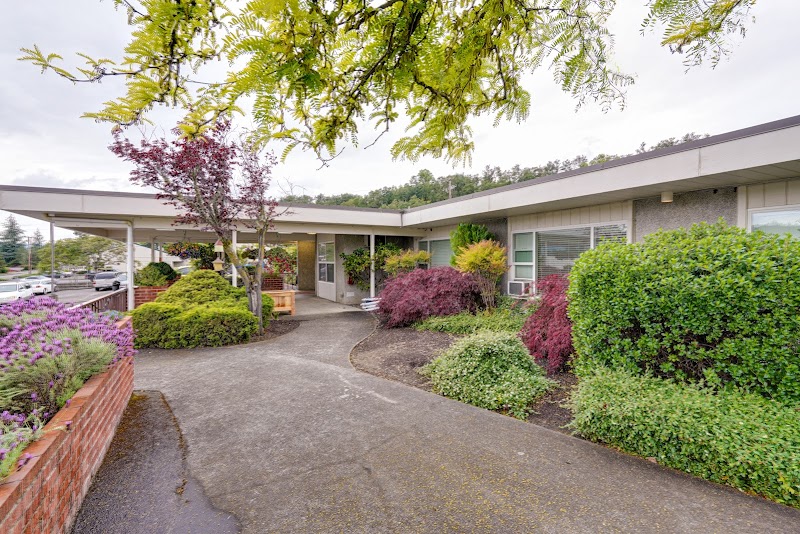
How is Rose Haven Nursing Center Staffed?

CMS rates ROSE HAVEN NURSING CENTER's staffing level at 5 out of 5 stars, which is much above average compared to other nursing homes. Staff turnover is 29%, compared to the Oregon average of 46%. This relatively stable workforce can support continuity of care.

What Have Inspectors Found at Rose Haven Nursing Center?

State health inspectors documented 35 deficiencies at ROSE HAVEN NURSING CENTER during 2022 to 2025. These included: 2 that caused actual resident harm and 33 with potential for harm. Deficiencies causing actual harm indicate documented cases where residents experienced negative health consequences.
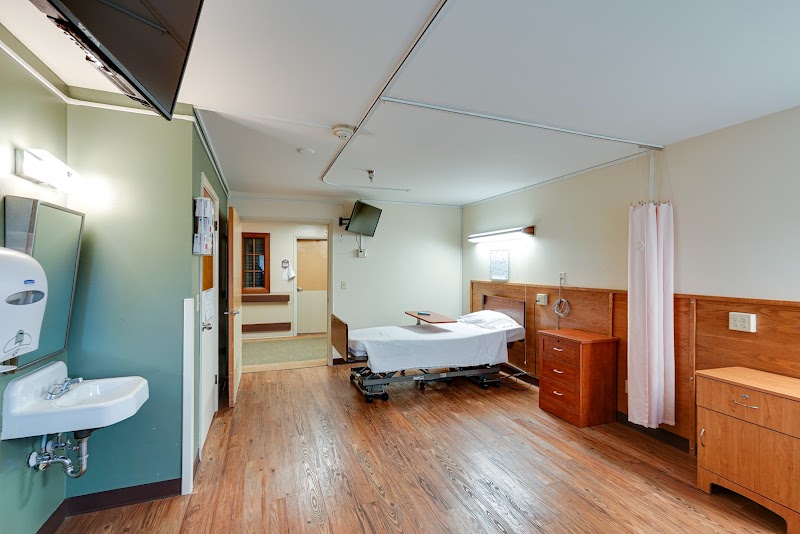
Who Owns and Operates Rose Haven Nursing Center?

ROSE HAVEN NURSING CENTER is owned by a for-profit company. For-profit facilities operate as businesses with obligations to shareholders or private owners. The facility is operated by VOLARE HEALTH, a chain that manages multiple nursing homes. With 193 certified beds and approximately 75 residents (about 39% occupancy), it is a mid-sized facility located in ROSEBURG, Oregon.
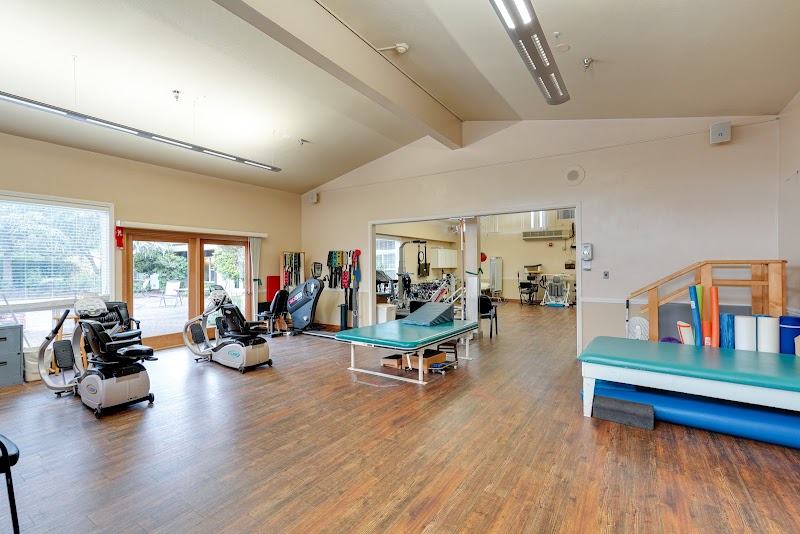
How Does Rose Haven Nursing Center Compare to Other Oregon Nursing Homes?

Compared to the 100 nursing homes in Oregon, ROSE HAVEN NURSING CENTER's overall rating (3 stars) matches the state average, staff turnover (29%) is significantly lower than the state average of 46%, and health inspection rating (2 stars) is below the national benchmark.

What Should Families Ask When Visiting Rose Haven Nursing Center?

Based on this facility's data, families visiting should ask: "Can I visit during a mealtime to observe dining assistance and food quality?" "How do you handle medical emergencies, and what is your hospital transfer rate?" "Can I speak with family members of current residents about their experience?"

Is Rose Haven Nursing Center Safe?

Based on CMS inspection data, ROSE HAVEN NURSING CENTER has a clean safety record: no substantiated abuse findings (meaning no confirmed cases of resident harm), no Immediate Jeopardy citations (the most serious violation level indicating risk of serious injury or death), and is not on the Special Focus Facility watch list (a federal program monitoring the lowest-performing 1% of nursing homes). The facility has a 3-star overall rating and ranks #1 of 100 nursing homes in Oregon. While no facility is perfect, families should still ask about staff-to-resident ratios and recent inspection results during their visit.

Do Nurses at Rose Haven Nursing Center Stick Around?

Staff at ROSE HAVEN NURSING CENTER tend to stick around. With a turnover rate of 29%, the facility is 17 percentage points below the Oregon average of 46%. Low turnover is a positive sign. It means caregivers have time to learn each resident's needs, medications, and personal preferences. Consistent staff also notice subtle changes in a resident's condition more quickly. Registered Nurse turnover is also low at 20%, meaning experienced RNs are available to handle complex medical needs.

Was Rose Haven Nursing Center Ever Fined?

ROSE HAVEN NURSING CENTER has been fined $85,105 across 2 penalty actions. This is above the Oregon average of $33,930. Fines in this range indicate compliance issues significant enough for CMS to impose meaningful financial consequences. Common causes include delayed correction of deficiencies, repeat violations, or care failures affecting resident safety. Families should ask facility leadership what changes have been made since these penalties.

Is Rose Haven Nursing Center on Any Federal Watch List?

ROSE HAVEN NURSING CENTER is not on any federal watch list. The most significant is the Special Focus Facility (SFF) program, which identifies the bottom 1% of nursing homes nationally based on persistent, serious quality problems. Not being on this list means the facility has avoided the pattern of deficiencies that triggers enhanced federal oversight. This is a positive indicator, though families should still review the facility's inspection history directly.