RIVERS EDGE REHABILITATION AND CARE
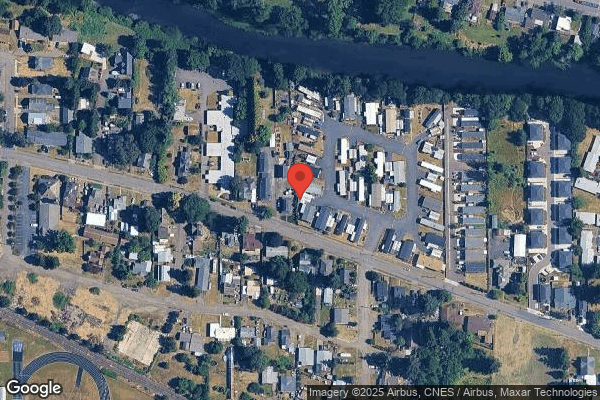
411 SE SHERIDAN ROAD, SHERIDAN, OR 97378 (503) 843-2204
For profit - Corporation 51 Beds SAPPHIRE HEALTH SERVICES Data: November 2025 1 Immediate Jeopardy citation
Trust Grade
18/100
#98 of 127 in OR
Last Inspection: March 2025

Within standard 12-15 month inspection cycle. Federal law requires annual inspections.

Overview

Rivers Edge Rehabilitation and Care has received a Trust Grade of F, which indicates significant concerns about the quality of care provided. Ranking #98 out of 127 nursing homes in Oregon puts it in the bottom half, and #4 out of 6 in Yamhill County shows that there are only two local options that are better. The facility is worsening, with issues increasing from 14 in 2023 to 20 in 2025. While staffing is a strength with a rating of 4 out of 5 stars and a high turnover rate of 98% compared to the state average, it raises concerns about continuity of care. Additionally, the facility has received $89,889 in fines, indicating compliance problems, and there have been serious incidents, such as a resident requiring two-person assistance for care but only receiving help from one staff member, and a lack of sufficient activities leading to resident boredom and increased agitation. Overall, while there are some staffing strengths, the facility faces serious issues that families should consider carefully.

Trust Score
F
18/100
In Oregon
#98/127
Bottom 23%
Safety Record
High Risk
Review needed
Inspections
Getting Worse
14 → 20 violations
Staff Stability
⚠ Watch
98% turnover. Very high, 50 points above average. Constant new faces learning your loved one's needs.
Penalties
⚠ Watch
$89,889 in fines. Higher than 87% of Oregon facilities, suggesting repeated compliance issues.
Skilled Nurses
✓ Good
Each resident gets 45 minutes of Registered Nurse (RN) attention daily — more than average for Oregon. RNs are trained to catch health problems early.
Violations
⚠ Watch
51 deficiencies on record. Higher than average. Multiple issues found across inspections.
★★☆☆☆
2.0
Overall Rating
★★★★☆
4.0
Staff Levels
★★★★☆
4.0
Care Quality
★★☆☆☆
2.0
Inspection Score
Stable
2023: 14 issues
2025: 20 issues

The Good

  • 4-Star Staffing Rating · Above-average nurse staffing levels
  • 4-Star Quality Measures · Strong clinical quality outcomes
  • Full Sprinkler Coverage · Fire safety systems throughout facility
  • No fines on record

Facility shows strength in staffing levels, quality measures, fire safety.

The Bad

2-Star Overall Rating

Below Oregon average (3.0)

Below average - review inspection findings carefully

Staff Turnover: 98%

52pts above Oregon avg (47%)

Frequent staff changes - ask about care continuity

Federal Fines: $89,889

Well above median ($33,413)

Moderate penalties - review what triggered them

Chain: SAPPHIRE HEALTH SERVICES

Part of a multi-facility chain

Ask about local staffing decisions and management

Staff turnover is very high (98%)

50 points above Oregon average of 48%

The Ugly 51 deficiencies on record

1 life-threatening
Mar 2025 20 deficiencies
CONCERN (D)

Potential for Harm - no one hurt, but risky conditions existed

Resident Rights (Tag F0550)

Could have caused harm · This affected 1 resident

**NOTE- TERMS IN BRACKETS HAVE BEEN EDITED TO PROTECT CONFIDENTIALITY** 2. Resident 100 admitted to the facility in 12/2023, with diagnoses including heart failure. A [DATE] progress note written at 1...

Read full inspector narrative →
**NOTE- TERMS IN BRACKETS HAVE BEEN EDITED TO PROTECT CONFIDENTIALITY** 2. Resident 100 admitted to the facility in 12/2023, with diagnoses including heart failure. A [DATE] progress note written at 12:31 AM revealed Resident 100 passed away on [DATE] at 12:30 AM. A [DATE] progress note written at 11:59 AM revealed Resident 100's body was picked up at 11:45 AM. Resident 26 admitted to the facility in 12/2023 with diagnoses including heart failure. A [DATE] Annual MDS revealed Resident 26 had a BIMS of 15 which indicated she/he was cognitively intact. A [DATE] progress note revealed Resident 26 was upset over her/his roommate passing away and the body being left in their room for several hours after death. A review of the medical record revealed no documentation staff offered to move Resident 26 out of the room or move Resident 100's body out of the shared room while they waited for her/him to be picked up. On [DATE] at 11:45 AM, Resident 26 stated she/he was upset because Resident 100 was left in their shared room after her/his death. On [DATE] at 12:41 PM, Staff 7 (Social Services Director) stated she recalled the incident and stated Resident 26 should have been put on alert following the death of the roommate and being left in the room for multiple hours with Resident 100's body. Staff 7 stated she did not know if Resident 26 was offered to move out of the room while the body was in the room and stated she would have been upset if she was left in a room with a deceased resident for over 11 hours. On [DATE] at 1:27 PM, Staff 3 (LPN Resident Care Manager) stated at the time of Resident 100's death Resident 26 was not moved to another room and Resident 26 was not placed on alert charting following the death of her/his roommate. Based on interview, observation and record review it was determined the facility failed to follow resident rights for 2 of 2 sampled residents (#s 13 and 26) reviewed for resident rights and incontinence care. This placed residents at risk for lack of dignity. Findings include: 1. Resident 13 admitted to facility in 11/2023, with diagnoses including congestive heart failure (a progressive heart disease that affects pumping action of the heart muscles). A 12/2024 Annual MDS assessment revealed Resident 13 had a BIMS of 15 (cognitively intact). A review of Resident Council notes from 7/2024 revealed Resident 13's concerns about leaking briefs had been discussed at Resident Council and the facility response recorded was they would work to ensure the most appropriate product was used and supply an incontinence pad for Resident 13's wheelchair. A review of Resident 13's 8/2024 care plan revealed no changes were made related to incontinence. On [DATE] at 10:05 AM, Resident 13 stated her/his brief leaked when she/he urinated. Resident 13 stated she/he preferred to participate in activities but mostly stayed in her/his room because she/he did not want to be embarrassed by her/his brief leaking. On [DATE] at 11:50 AM, Resident 13 was observed wheeling down the facility hall with a wet peri area. On [DATE] at 8:15 AM, Staff 17 (CNA) stated he occasionally noticed Resident 13 with leaking briefs. Staff 17 stated Resident 13 used to attend activities frequently but now seemed to mostly stay in her/his room. On [DATE] at 9:27 AM, Resident 13 was observed in her/his wheelchair in the hallway and a strong smell of urine from the resident. On [DATE] at 9:57 AM, Staff 4 (CNA) stated she was aware Resident 13 sometimes had leaking briefs and correct application of her/his briefs was critical to prevent leakage. On [DATE] at 12:22 PM, Staff 3 (LPN/Resident Care Manager) stated she was responsible for care planning for Resident 13. She stated she was not aware of Resident 13's issues with leaking briefs and staff should have informed her Resident 13's briefs were leaking. On [DATE] at 1:07 PM, Staff 2 (DNS) stated she was aware Resident 13 had brought up the issue of leaking briefs. Staff 2 stated CNA staff determined moderate briefs were sufficient for Resident 13 and she thought the issue had been resolved.
CONCERN (D)

Potential for Harm - no one hurt, but risky conditions existed

Deficiency F0552 (Tag F0552)

Could have caused harm · This affected 1 resident

Based on interview and record review it was determined the facility failed to ensure a resident or resident's representative was provided the risk and benefits information for psychotropic medications...

Read full inspector narrative →
Based on interview and record review it was determined the facility failed to ensure a resident or resident's representative was provided the risk and benefits information for psychotropic medications prior to administration for 1 of 5 sampled residents (#9) reviewed for medications. This placed residents at risk for lack of informed consent. Findings include: Resident 9 was admitted to the facility in 6/2022 with a diagnosis of depression. A 1/17/25 hospice Certification and Plan of Care revealed Resident 9 was admitted to hospice services on 1/17/25. Orders indicated Abilify (an antipsychotic medication) was to be administered daily, Cymbalta (an antidepressant medication) was to be administered daily, and lorazepam (an antianxiety medication) was to be administered PRN for restlessness. Review of Resident 9's clinical record revealed no evidence of consent forms for the administration of Abilify, Cymbalta, or lorazepam. On 2/27/25 at 9:18 AM, Staff 8 (LPN) stated consents for psychotropic medications were to be obtained from residents prior to medication administration. On 2/27/25 at 11:42 AM, Staff 3 (LPN Resident Care Manager) stated hospice should have obtained consents for the psychotropic medications upon admission to hospice services. Staff 3 stated she did not see the consents for the medications in Resident 9's clinical record. On 2/28/25 at 9:36 AM, Witness 2 (Hospice Director) stated hospice staff reviewed general admission consent and treatment plans upon admission to hospice services. Hospice did not go over the risk and benefits of psychotropic medications unless the facility provided a specific form and notified hospice staff to include the education in the admission process.
CONCERN (D)

Potential for Harm - no one hurt, but risky conditions existed

Grievances (Tag F0585)

Could have caused harm · This affected 1 resident

Based on interview and record review it was determined the facility failed to follow up on grievances for 1 of 4 sampled residents (# 26) reviewed for staffing. This placed residents at risk for not h...

Read full inspector narrative →
Based on interview and record review it was determined the facility failed to follow up on grievances for 1 of 4 sampled residents (# 26) reviewed for staffing. This placed residents at risk for not having their needs addressed. Findings include: Resident 26 admitted to the facility in 12/2023 with diagnoses including heart failure. A 12/23/24 Annual MDS revealed Resident 26 had a BIMS of 15 which indicated she/he was cognitively intact. A 5/14/24 progress note revealed Resident 26 complained to Staff 7 (Social Services Director) about long call light times. Staff 7 told Resident 26 she would address the issue. A 5/24/24 progress note revealed Resident 26 complained to Staff 7 about long call light times and her/his room not being clean. Staff 7 told Resident 26 she would report the concerns to the appropriate people. A 5/29/24 progress note revealed Resident 26 complained to Staff 7 about food issues and long call light times. Staff 7 told Resident 26 she would report the concerns to the appropriate department. A 6/3/24 progress note revealed Resident 26 complained to Staff 7 about the night shift not doing a good job, long call light times, and rude staff. Staff 7 told Resident 26 she would report this to the administrator and resident care manager. A review of the medical record revealed no documented follow up to the concerns. A review of the grievance binder revealed no grievances related to the concerns. On 2/28/25 at 12:28 PM Staff 7 (Social Services Director) stated when Resident 26 made complaints about staffing and call lights she reported the concerns to nursing and did nothing else with it. On 2/28/25 at 12:57 PM Staff 3 (LPN Resident Care Manager) stated when she followed up with Resident 26 she would just have a conversation and encouraged her/him that there was never a problem with staffing. On 2/28/25 at 1:15 PM Staff 29 (Regional Nurse Consultant) and Staff 2 (DNS) stated going forward the facility planned to follow the grievance process when there were concerns expressed to staff and Staff 2 stated she was unaware of Resident 26's concerns identified in the progress notes. On 2/28/25 at 3:57 PM Resident 26 reviewed the concerns she/he expressed and stated the facility did not resolve them and had not gotten back to her/him about the concerns.
CONCERN (D) 📢 Someone Reported This

A family member, employee, or ombudsman was alarmed enough to file a formal complaint

Potential for Harm - no one hurt, but risky conditions existed

Free from Abuse/Neglect (Tag F0600)

Could have caused harm · This affected 1 resident

Based on interview and record review it was determined the facility failed to protect the resident's right to be free from physical abuse by another resident for 1 of 3 sampled residents (#39) reviewe...

Read full inspector narrative →
Based on interview and record review it was determined the facility failed to protect the resident's right to be free from physical abuse by another resident for 1 of 3 sampled residents (#39) reviewed for abuse. This placed residents at risk for injury related to abuse. Findings include: Resident 39 was admitted to the facility in 9/2024 with diagnoses including post traumatic stress disorder (PTSD). Resident 20 was admitted to the facility in 11/2024 with diagnoses including PTSD. On 1/18/25 a Facility Reported Incident (FRI) was received by the State Survey Agency, which alleged Resident 20 hit Resident 39 on the head several times. Resident 39's 1/18/25 Progress Note indicated she/he reported to the nurse she/he was hit by Resident 20 on the top of the head several times. The facility's investigation dated 1/20/25, revealed Resident 39 and Resident 20 were in the dining room. Resident 39 was on her/his phone when Resident 20 asked Resident 39 to turn her/his phone down. Resident 39 stated she/he did turn her/his phone down, Resident 20 stated Resident 39 refused to turn her/his phone down. Resident 20 went over to Resident 39 and hit Resident 39 on the head several times. The residents were separated and assessed, no injuries noted. The police were notified and Resident 39 pressed charges against Resident 20. Both residents were placed on alert charting and no further incidents occurred. The facility substantiated abuse. On 2/28/25 at 10:09 AM, Staff 11 (LPN) stated on 1/18/25 Resident 39 went to the nurse's station and reported Resident 20 hit Resident 39 on the head several times after Resident 20 asked Resident 39 to turn down the volume on her/his phone. Staff 11 stated the residents were separated and Resident 39 was assessed for injury, no injuries noted. The police were notified and Resident 39 pressed charges against Resident 20. Staff 11 stated Resident 20 did not like loud noises and would yell if something in the environment was too loud. Staff 11 stated Resident 20 had no previous physical behaviors and had no physical behaviors since the incident on 1/18/25. On 2/28/25 at 1:33 PM, Staff 3 (LPN/Resident Care Manager) stated on 1/18/25 there was an incident with Resident 39 and Resident 20. Staff 3 stated Resident 39 was watching a video on her/his phone without using her/his headphones, which irritated Resident 20. Staff 3 stated Resident 20 hit Resident 39 on the head several times. Staff 3 stated Resident 20 usually had verbal behaviors and the incident on 1/18/25 was the only time Resident 20 had physical behaviors. Resident 20 acknowledged the incident occurred and that it was abuse.
CONCERN (D)

Potential for Harm - no one hurt, but risky conditions existed

Quality of Care (Tag F0684)

Could have caused harm · This affected 1 resident

Based on interview and record review it was determined the facility failed to provide bowel care and failed to follow physician orders for medication parameters for 3 of 5 sampled residents (#s 9, 22,...

Read full inspector narrative →
Based on interview and record review it was determined the facility failed to provide bowel care and failed to follow physician orders for medication parameters for 3 of 5 sampled residents (#s 9, 22, and 24) reviewed for medications. This placed residents at risk for constipation and adverse medication regimen. Findings include: 1. Resident 9 was admitted to the facility in 6/2022, with a diagnosis of dementia. A bowel record dated 1/29/25 through 2/27/25 revealed Resident 9 had a bowel movement on 2/1/25 and did not have another bowel movement until 2/7/25. A 2/2025 MAR revealed Senna (laxative) was administered on 2/4/25 and the results of the administration were unknown. Progress Notes from 1/29/25 through 2/7/25 did not include an assessment related to Resident 9's lack of bowel movement. On 2/27/25 at 9:18 AM, Staff 10 (CMA) stated every day a bowel sheet was printed for all residents. If a resident did not have a bowel movement for three days, bowel care was initiated. On 2/27/25 at 9:18 AM, Staff 8 (LPN) stated if a resident refused bowel care the nurse was to document in the resident's Progress Notes an assessment and the rationale bowel care was not provided. On 2/28/25 at 9:36 AM, Staff 2 (DNS) verified bowel care was to be administered if a resident did not have a bowel movement for three days. A nurse was to document an assessment if a resident stated they did not require bowel care. Staff 2 verified Resident 9 did not have a bowel movement for five days and there was no documented nursing assessment. 2. Resident 22 was admitted to the facility in 12/2023, with a diagnosis of depression. A bowel record dated 1/29/25 through 2/25/25 revealed Resident 22 had a bowel movement on 2/2/25 and did not have another bowel movement until 2/6/25. Resident 22 also was documented to have a bowel movement on 2/21/25 and did not have another bowel movement until 2/25/25. Resident 22's 2/2025 MAR revealed she/he did not have PRN bowel care medications ordered. Resident 22's Progress notes from 2/2/25 through 2/25/25 revealed no bowel assessments. On 2/27/25 at 9:18 AM, Staff 10 (CMA) stated every day a bowel sheet was printed for all residents. If a resident did not have a bowel movement for three days, bowel care was initiated. On 2/27/25 at 9:18 AM, Staff 8 (LPN) stated if a resident refused bowel care the nurse was to document in the resident's Progress Notes an assessment and the rationale bowel care was not provided. On 2/28/25 at 9:36 AM, Staff 2 (DNS) verified bowel care was to be administered if a resident did not have a bowel movement for three days. A nurse was to document an assessment if a resident stated they did not require bowel care. Staff 2 stated Resident 22 was very independent, was able to use the bathroom without assistant, and staff may not have documented all of Resident 22's bowel movements. Staff 2 verified Resident 22 did not have a bowel movement for four days on two occasions, there were no PRN bowel care orders initiated and administered from the standing orders, and there were no nursing assessments in the resident's clinical records. 3. Resident 24 was admitted to the facility in 10/202,4 with diagnoses including heart failure. A 10/31/24 physician order for Lasix (a diuretic medication) indicated to hold the medication for a systolic blood pressure (SBP) less then 110. A review of Resident 24's 2/2025 MARs revealed the following: -On 2/4/25 the blood pressure was 109/62 and the MAR was signed as administered. -On 2/6/25 the blood pressure was 108/60 and the MAR was signed as administered. -On 2/12/25 the blood pressure was 98/59 and the MAR was signed as administered. -On 2/14/25 the blood pressure was 96/50 and the MAR was signed as administered. -On 2/17/25 the blood pressure was 99/62 and the MAR was signed as administered. -On 2/19/25 the blood pressure was 102/60 and the MAR was signed as administered. -On 2/21/25 the blood pressure was 108/59 and the MAR was signed as administered. -On 2/25/25 the blood pressure was 108/61 and the MAR was signed as administered. On 2/27/25 at 1:31 PM, Staff 10 (CMA) stated Resident 24 received Lasix if she did not put a hold note in the progress notes. A 2/27/25 review of Resident 24's 2/2024 Progress Notes revealed no evidence of Staff 10 holding Resident 24's Lasix. On 3/3/25 at 10:28 AM, Staff 2 (DNS) stated based on Resident 24's blood pressure parameters, her/his Lasix should have been held for the identified days in 2/2025.
CONCERN (D)

Potential for Harm - no one hurt, but risky conditions existed

Accident Prevention (Tag F0689)

Could have caused harm · This affected 1 resident

Based on observation, interview, and record review it was determined the facility failed to ensure cigarette lighters were not stored in resident rooms for 1 of 3 sampled residents (#5) reviewed for s...

Read full inspector narrative →
Based on observation, interview, and record review it was determined the facility failed to ensure cigarette lighters were not stored in resident rooms for 1 of 3 sampled residents (#5) reviewed for smoking. This placed residents at risk for burns. Findings include: Resident 5 was admitted to the facility in 10/2022 with a diagnoses of seizures and heart disease. The facility's undated Smoking Policy for Residents revealed smoking was only permitted in designated smoking areas and all cigarettes and lighters were to be kept locked at the nurse's station. A 12/30/24 Smoking Assessment indicated Resident 5 was a supervised smoker due to noncompliance with the smoking policy including sharing cigarettes with nonsmoking residents. On 2/26/25 at 2:06 PM, Resident 5 was observed by the back door, in a nonsmoking area, in her/his wheelchair, and was smoking a cigarette. Staff were not with the resident. On 2/26/25 at 2:11 PM, with Witness 4 (State Fire Marshall) Resident 5 stated she/he kept her/his cigarette lighter in a box in her/his coat pocket. Resident 5 pulled the box from her/his coat pocket and provided the lighter to Witness 4. Witness 4 notified Resident 5 the lighter would be given to Staff 1 (Administrator). Resident 5 stated she/he did not let other residents use the lighter. On 2/26/25 at 3:27 PM, Staff 17 (Activities Director) stated residents were to keep lighters and cigarettes at the nurse's station. Staff 17 stated Resident 5 was to check out her/his lighter and cigarettes out at the nurse's station when she/he had smoking breaks. On 2/26/25 at 3:31 PM, Staff 18 (CNA) stated Resident 5 was allowed to smoke off facility property two times a day and had to obtain her/his smoking paraphernalia from the nurse's station. Staff 18 stated if she saw a resident in a nonsmoking area she would notify the nurse. On 2/26/25 at 3:58 PM, Staff 8 (LPN) stated there used to be a check out sheet at the nurse's station where the nurses would check out cigarettes and lighters for residents, including Resident 5. Staff 8 stated she returned from personal leave on 2/7/25 and the sign out sheet was no longer at the nurse's station and it was harder to keep track of the lighters. On 2/26/25 04:40 PM, Staff 2 (DNS) and Staff 3 (LPN resident care manager) stated Resident 5 was a supervised smoker because she/he did not comply with the smoking policy. Staff stated she/he did not have any injuries related to smoking, and confirmed the resident was not to have smoking paraphernalia in her/his room.
CONCERN (D) 📢 Someone Reported This

A family member, employee, or ombudsman was alarmed enough to file a formal complaint

Potential for Harm - no one hurt, but risky conditions existed

Respiratory Care (Tag F0695)

Could have caused harm · This affected 1 resident

Based on observation, interview and record review it was determined the facility failed to ensure respiratory equipment was maintained for 1 of 1 sampled resident (#13) reviewed for respiratory care. ...

Read full inspector narrative →
Based on observation, interview and record review it was determined the facility failed to ensure respiratory equipment was maintained for 1 of 1 sampled resident (#13) reviewed for respiratory care. This placed residents at risk for increased risk for respiratory concerns. Findings include: Resident 13 admitted to the facility in 11/2023, with diagnoses including congestive heart failure (a progressive heart disease that affects pumping action of the heart muscles). A 12/2024 Annual MDS assessment revealed Resident 13 had a BIMS of 15 (cognitively intact). Review of Resident 13's 8/2024 and 2/2025 TARS revealed an order for PRN oxygen, but no instruction for the resident's oxygen concentrator to be cleaned. On 2/24/25 at 10:05 AM, Resident 13 stated the facility had not cleaned her/his oxygen concentrator and it was filthy the last time they cleaned it. The facility's Departmental Respiratory Therapy policy revealed oxygen cannula and tubing were to be changed every seven days and filters were to be washed every seven days. On 3/3/25 at 12:22 PM, Staff 3 (LPN/Resident Care Manager) stated nursing staff were responsible for oxygen concentrators and they should be cleaned on night shift every Sunday including when a resident was on PRN oxygen. She stated she could find no documentation in Resident 13's record her/his oxygen concentrator had been cleaned. On 3/3/25 at 12:58 PM, Resident 13 stated her/his oxygen concentrator was last cleaned 6-9 months ago. On 3/3/25 at 1:07 PM, Staff 2 (DNS) stated oxygen concentrators needed to be cleaned weekly.
CONCERN (D)

Potential for Harm - no one hurt, but risky conditions existed

Deficiency F0698 (Tag F0698)

Could have caused harm · This affected 1 resident

Based on interview and record review it was determined the facility failed to provide care and services related to dialysis for 1 of 1 sampled resident (#22) reviewed for dialysis. This placed residen...

Read full inspector narrative →
Based on interview and record review it was determined the facility failed to provide care and services related to dialysis for 1 of 1 sampled resident (#22) reviewed for dialysis. This placed residents at risk for dialysis access complications. Findings include: Resident 22 was admitted to the facility in 12/2023, with a diagnosis of kidney failure. The facilities Dialysis Access and Care Policy revised on 2/2023 revealed: -Do no use the access site arm to take blood samples, or give injections. -Do not use the access arm to take blood pressure. -Document in the resident's medical record every shift the location, condition of dressing, if dialysis was done, report from dialysis, and observations post-dialysis. A 12/18/24 Annual MDS revealed Resident 22 received dialysis and was cognitively intact. A care plan initiated 12/12/23 revealed Resident 22 had scheduled dialysis on Monday, Wednesday, and Fridays. Staff were to monitor her/his dialysis site upon return from dialysis. Staff were to send the dialysis communication book with the resident to dialysis. Resident 22's care plan did not include instructions for staff to not obtain the resident's blood pressure on her/his arm with the dialysis access, nor included emergency instructions in the event of complications related to the resident's dialysis site, such as bleeding. On 2/26/25 at 10:14 AM, Staff 8 (LPN) was observed to assess Resident 22's dialysis site upon return from dialysis. Staff 8 stated the dialysis site assessment was documented on the dialysis communication sheet which was kept in the resident's dialysis communication book. Staff 8 stated the dialysis site was only assessed and documented on dialysis days on the dialysis sheet. On 2/27/25 at 12:01 PM, Staff 3 (LPN Resident Care Manager) stated Resident 22 was cognitively intact and if staff attempted to obtain a blood pressure on her/his arm with the dialysis access she/he would stop staff. Staff 3 acknowledged if Resident 22 had a change of mental status and was not able to speak, she/he would not be able to stop staff. Staff 3 also acknowledged there was no monitoring of the dialysis site on non-dialysis days. On 2/28/25 at 11:45 AM, Staff 16 (CNA) stated if a resident was not to have a blood pressure in a specific arm due to their dialysis site there was usually a sign in the room. Staff 16 stated Resident 22 did not have a sign in her/his room. Staff 16 stated if Resident 22's dialysis site started to bleed she would keep it covered and call the nurse. On 2/28/25 at 11:49 AM, Staff 2 (DNS) verified the care plan did not have directions for staff to not obtain blood pressures on the arm with the dialysis access and did not have instructions on how to care for the dialysis site if it started to bleed.
CONCERN (D)

Potential for Harm - no one hurt, but risky conditions existed

Deficiency F0699 (Tag F0699)

Could have caused harm · This affected 1 resident

Based on interview and record review it was determined the facility failed to ensure a resident who was a trauma survivor received trauma-informed care for 1 of 3 sampled resident (#12) reviewed for a...

Read full inspector narrative →
Based on interview and record review it was determined the facility failed to ensure a resident who was a trauma survivor received trauma-informed care for 1 of 3 sampled resident (#12) reviewed for abuse. This placed residents at risk for unmet trauma needs and a decrease in their quality of life. Findings include: Resident 12 was admitted to the facility in 7/2022, with diagnoses including post-traumatic stress disorder (PTSD). A 1/22/25 MDS indicated Resident 12 was cognitively intact. On 2/24/25 at 12:03 PM, Resident 12 stated about a month ago she/he was coming out of the shower room and another male resident was in the hall. Resident 12 stated the other resident looked her/him up and down and stated he wanted to shower with Resident 12. Resident 12 stated this made her/him uncomfortable and triggered her/his PTSD. A 2/24/25 review of Resident 12's care plan revealed no evidence of a PTSD care plan. On 2/27/25 at 10:17 AM, Staff 2 (DNS) stated Resident 12 had a PTSD care plan initiated on 2/26/25. A 2/28/25 investigation for a 1/14/25 resident-to-resident incident involving Resident 12 indicated Resident 12's PTSD was triggered by the incident and a PTSD care plan was started on 2/26/25 by the RCM. On 2/28/25 at 9:59 AM, Staff 7 (Social Services Director) stated she completes a trauma/PTSD assessment with resident when she completes her initial social service assessment, upon admission. Staff 7 stated residents are care planned based on that assessment and any diagnosis of PTSD. Staff 7 stated she did not work at the facility when Resident 12 was admitted and she was unsure of when or if Resident 12 had a trauma/PTSD assessment completed but she was working on completing the assessment now. A 11/14/24 Progress Note revealed Resident 12's provider completed a PTSD assessment in 11/2024. The assessment did not identify any of Resident 12's PTSD triggers. On 2/28/25 at 10:54 AM, Staff 1 (Administrator) stated Resident 12's PTSD was not care planned because she/he did not ask to be care planned, and we try not to pry. On 2/28/25 at 10:58 AM, Staff 3 (LPN/Resident Care Manager) stated Resident 12 was care planned for PTSD within the last couple of days but should have been care planned upon admission or upon receiving the diagnosis of PTSD in 11/2024. On 3/3/25 at 10:43 AM, Staff 2 (DNS) stated Resident 12's PTSD should have been assessed and care planned upon admission.
CONCERN (D)

Potential for Harm - no one hurt, but risky conditions existed

Deficiency F0730 (Tag F0730)

Could have caused harm · This affected 1 resident

Based on interview and record review it was determined the facility failed to ensure each CNA received annual performance reviews for 2 of 5 sampled CNAs (#s Staff 21 and Staff 23) reviewed for in-ser...

Read full inspector narrative →
Based on interview and record review it was determined the facility failed to ensure each CNA received annual performance reviews for 2 of 5 sampled CNAs (#s Staff 21 and Staff 23) reviewed for in-service education. This placed residents at risk for lack of care by competent staff. Findings include: On 3/3/25 at 12:31 PM and 1:17 PM, annual performance reviews of Staff 21 (CNA) and Staff 23 (CNA) were requested from Staff 1 (Administrator). Staff 1 was unable to provide the performance reviews and confirmed Staff 21 and Staff 23 did not have their annual performance reviews completed within the last 12 months.
CONCERN (D) 📢 Someone Reported This

A family member, employee, or ombudsman was alarmed enough to file a formal complaint

Potential for Harm - no one hurt, but risky conditions existed

Deficiency F0745 (Tag F0745)

Could have caused harm · This affected 1 resident

Based on interview and record review it was determined the facility failed to provide medically-related social services for arranging mental health services for 2 of 2 sampled residents (#s 20 and 39)...

Read full inspector narrative →
Based on interview and record review it was determined the facility failed to provide medically-related social services for arranging mental health services for 2 of 2 sampled residents (#s 20 and 39) reviewed for abuse and unnecessary medications. This placed residents at risk for unmet behavioral health needs and a decrease in their quality of life. Findings include: 1. Resident 20 was admitted to the facility in 11/2024, with diagnoses including schizoaffective disorder, bipolar disorder, post-traumatic stress disorder, and borderline personality disorder. Resident 20's 1/18/25 Progress Note indicated he hit another resident several times on top of the head. The facility's investigation dated 1/20/25 noted Resident 20 was to follow up with mental health due to hitting another resident. A review of Resident 20's medical record on 2/28/25 revealed no evidence Resident 20 was seen by mental health provider after 1/20/25. On 2/28/25 at 2:22 PM, Staff 1 (Administrator) stated the facility did not have a mental health provider who visited the facility. Staff 1 stated the facility was working with their medical provider group to get a mental health provider for the facility. On 3/3/25 at 10:37 AM, Staff 2 (DNS) acknowledged Resident 20 had not been seen by a mental health provider since the resident-to-resident incident on 1/18/25. 2. Resident 39 was admitted to the facility in 9/2024 with diagnoses including bipolar disorder and post-traumatic stress disorder. Resident 39's 1/18/25 Progress Note indicated she/he was hit on top of the head several times by another resident. The facility's investigation dated 1/20/25 noted Resident 39 was to follow up with mental health due to hitting another resident. A 2/28/25 review of Resident 39's medical record revealed no evidence Resident 39 was seen by mental health after 1/20/25. On 2/28/25 at 2:22 PM, Staff 1 (Administrator) stated the facility did not have a mental health provider who visited the facility. Staff 1 stated the facility was working with their medical provider group to get a mental health provider for the facility. On 3/3/25 at 10:37 AM, Staff 2 (DNS) acknowledged Resident 39 had not been seen by a mental health provider since the resident-to-resident incident on 1/18/25.
CONCERN (D) 📢 Someone Reported This

A family member, employee, or ombudsman was alarmed enough to file a formal complaint

Potential for Harm - no one hurt, but risky conditions existed

Drug Regimen Review (Tag F0756)

Could have caused harm · This affected 1 resident

Based on interview and record review it was determined the facility failed to act upon pharmacist recommendations for 1 of 5 sampled residents (# 32) reviewed for unnecessary medications. This placed ...

Read full inspector narrative →
Based on interview and record review it was determined the facility failed to act upon pharmacist recommendations for 1 of 5 sampled residents (# 32) reviewed for unnecessary medications. This placed residents at risk for a decrease in their quality of life. Findings include: Resident 32 was admitted to the facility in 5/2023, with diagnoses including depression, schizoaffective disorder, and anxiety. A review of Resident 32's Physician Orders revealed a 7/29/24 order for aripiprazole (an antipsychotic medication) for schizoaffective disorder, a 7/30/24 order for duloxetine (an antidepressant medication) for depression, and a 7/29/24 order for depakote (a mood stabilizing medication) for schizoaffective disorder. Resident 32's 1/10/25 Pharmacist's Recommendation to Prescriber noted a gradual dose reduction (GDR) for the resident's psychotropic medications (ariprazole, duloxetine, or depakote). The resident's recommendation was signed by her/his provider on 1/28/25, with an order for a psychiatric consult to discuss if a GDR was appropriate. A review of Resident 32's medical record revealed no evidence the pharmacist's recommendation was acted upon for a psychiatric consult. On 3/3/25 at 10:41 AM, Staff 2 (DNS) acknowledged Resident 32 had not had a psychiatric consult since 1/28/25 and stated orders for pharmacy recommendations should be followed up on within one week of receiving the order. Staff 2 stated the facility did not follow up timely for a psychiatric consult for Resident 32.
CONCERN (D)

Potential for Harm - no one hurt, but risky conditions existed

Medication Errors (Tag F0758)

Could have caused harm · This affected 1 resident

Based on interview and record review it was determined the facility failed to provide a rationale for PRN psychotropic medication and develop a care plan related to antianxiety medication side effects...

Read full inspector narrative →
Based on interview and record review it was determined the facility failed to provide a rationale for PRN psychotropic medication and develop a care plan related to antianxiety medication side effects for 1 of 5 sampled residents (#9) reviewed for unnecessary medications. This placed residents at risk for sedation. Findings including: Resident 9 was admitted to the facility in 6/2022, with a diagnosis of depression. Resident 9's hospice Certification and Plan of Care revealed Resident 9 was admitted to hospice services on 1/17/25, with orders for lorazepam (an antianxiety medication) was to be administered PRN for restlessness. A care plan revised 1/28/25 revealed Resident 9 had ineffective coping and anxious behavior. Interventions included to give reassurance, report delusions to the nurse, and to See Psychotropic medication plan of care. Resident 9's care plan did not address the resident's psychotropic medication use, side effects of the lorazepam, or nonpharmacological interventions to be used prior to administration of the lorazepam. Resident 9's 2/2024 MAR revealed lorazepam was renewed for 14 days starting on 2/19/25. Resident 9's clinical record revealed it did not have a rationale for the continuation of the resident's lorazepam. On 2/27/25 at 9:18 AM, Staff 8 (LPN) stated if a PRN antianxiety was to be administered nonpharmacological interventions were to be provided prior to administration. The interventions were to be documented on the MAR. On 2/27/25 at 11:42 AM, Staff 3 (LPN/Resident Care Manager) stated the lorazepam was the same as an antipsychotic medication. On 2/28/25 at 9:36 AM, Staff 2 (DNS) stated a rationale for the renewal of the lorazepam was required. Staff 2 verified there were no PRN interventions besides reassurance for anxiety and side effects for the lorazepam were not identified. Staff 2 stated lorazepam was not an antipsychotic medication and verified there was no psychotropic care plan.
CONCERN (D)

Potential for Harm - no one hurt, but risky conditions existed

Deficiency F0825 (Tag F0825)

Could have caused harm · This affected 1 resident

Based on interview and record review it was determined the facility failed to ensure a therapy evaluation was obtained for 1 of 2 sampled residents (#38) reviewed for discharge. This placed residents ...

Read full inspector narrative →
Based on interview and record review it was determined the facility failed to ensure a therapy evaluation was obtained for 1 of 2 sampled residents (#38) reviewed for discharge. This placed residents at risk for weakness. Findings include: Resident 38 was admitted to the facility in 8/2024 with a diagnosis of a stroke. Resident 38's 8/29/24 hospital admission orders revealed admit to skilled. There were no orders for PT, OT, or SLP. A 9/3/24 Physician Encounter Note revealed Resident 38 was to continue skilled PT, SLP, and OT at the facility until the resident had enough strength and function to return to her/his previous living situation safety and successfully. Review of Resident 38's record revealed there were no therapy services provided. On 2/27/25 at 11:50 AM and 2/28/25 at 8:46 AM, Staff 3 (LPN/Resident Care Manager) stated Resident 38 required little assistance from the facility and could be at a lower level of care. Staff 3 stated Resident 38 was never a skilled resident. Staff 3 reviewed the 9/3/24 Physician Encounter Note and stated therapy got missed. Staff 2 stated she did not follow up with the resident's provider to ensure if the resident was to receive therapy services. On 2/28/25 at 8:53 AM, Staff 2 (DNS) verified Resident 38 did not receive therapy or an evaluation.
CONCERN (D)

Potential for Harm - no one hurt, but risky conditions existed

Deficiency F0847 (Tag F0847)

Could have caused harm · This affected 1 resident

Based on interview and record review the facility failed to ensure residents were fully informed and understood the binding arbitration agreement for 1 of 3 sampled resident (# 12) reviewed for bindin...

Read full inspector narrative →
Based on interview and record review the facility failed to ensure residents were fully informed and understood the binding arbitration agreement for 1 of 3 sampled resident (# 12) reviewed for binding arbitration agreement. This placed residents at risk of being uninformed regarding their legal rights. Findings include: Resident 12 admitted to the facility in 11/2022, with diagnoses including quadriplegia (paralysis affecting all of a person's limbs). On 9/20/23 Resident 12 signed an Arbitration Agreement with the new owner of the facility. On 2/27/25 at 2:20 PM, Resident 12 stated she/he did not know what a binding arbitration agreement was. Resident 12 stated she/he never would have signed a document giving up the right to sue the facility in court if she/he had known that was what she/he was signing. In interviews on 2/28/25 at 11:55 AM and 12:26 PM, Staff 7 (Social Services Director) stated she left the form with Resident 12 at her/his request then returned after a few days and asked for the form. Staff 7 stated she would discuss the form with residents when requested, and was unaware she was required to explain the binding arbitration agreement with residents.
CONCERN (D)

Potential for Harm - no one hurt, but risky conditions existed

Deficiency F0887 (Tag F0887)

Could have caused harm · This affected 1 resident

Based on interview and record review it was determined the facility failed to offer Covid-19 vaccines for 3 of 5 sampled residents (#s 19, 38 and 39) reviewed for vaccines. This placed residents at ri...

Read full inspector narrative →
Based on interview and record review it was determined the facility failed to offer Covid-19 vaccines for 3 of 5 sampled residents (#s 19, 38 and 39) reviewed for vaccines. This placed residents at risk for respiratory illness. findings include: 1. Resident 19 was admitted to the facility in 9/2022, with a diagnosis of Parkinson's disease. Resident 19's clinical record revealed she/he was eligible but not offered the Covid vaccine. On 2/27/25 at 11:02 AM and at 11:26 AM, Staff 2 (DNS) verified Resident 19 was eligible to receive a Covid-19 vaccine. A request was made for Staff 2 to provide documentation a Covid-19 vaccine was offered to Resident 19. No additional information was provided. 2. Resident 38 was admitted to the facility in 8/2024, with a diagnosis of a stroke. Resident 38's clinical record revealed she/he was eligible for, but was not offered a Covid-19 vaccine. On 2/27/25 at 11:02 AM and at 11:26 AM, Staff 2 (DNS) verified Resident 38 was eligible to receive a Covid-19 vaccine. A request was made to Staff 2 to provide documentation a Covid-19 vaccine was offered to Resident 38. No additional information was provided. 3. Resident 39 was admitted to the facility in 9/2024, with a diagnosis of seizures. Resident 39's clinical record revealed she/he was eligible for, but was not offered a Covid-19 vaccine. On 2/27/25 at 11:02 AM, Staff 2 (DNS) verified Resident 39 was eligible to receive a Covid-19 vaccine. A a request was made to Staff 2 to provide documentation a Covid-19 vaccine was offered to Resident 39. No additional information was provided.
CONCERN (E)

Potential for Harm - no one hurt, but risky conditions existed

Safe Environment (Tag F0584)

Could have caused harm · This affected multiple residents

3. Resident 22 was admitted to the facility in 2023 with a diagnosis of diabetes. A 12/18/24 annual MDS revealed Resident 22 was cognitively intact. On 2/24/25 at 4:52 PM, Resident 22's bathroom win...

Read full inspector narrative →
3. Resident 22 was admitted to the facility in 2023 with a diagnosis of diabetes. A 12/18/24 annual MDS revealed Resident 22 was cognitively intact. On 2/24/25 at 4:52 PM, Resident 22's bathroom window was observed to have a crack which extended from the left side and spread to the right side. Resident 22's water in her/his sink was checked for one minute and it was cool to the touch. On 2/27/25 at 2:09 PM, with Staff 6 (Business Office Manager) Resident 22's sink water was tested and it was 59 degrees F. On 2/27/25 at 2:31 PM, Resident 22 stated her/his water was cold and her/his window was cracked since she/he was admitted to the facility. On 2/27/25 at 2:35 PM, Staff 1 (Administrator) stated staff performed a weekly water check but the form they filled out did not include the temperatures which were taken so she could not verify the location or temperatures. Staff 1 verified the cracked window and cold water temperatures were identified on 2/24/25. On 3/3/25 at 10:51 AM, Staff 5 (Maintenance Director) stated a pump was out therefore the hot water was not being pushed to rooms including Resident 22's room. 4. Resident 26 admitted to the facility in 12/2023 with diagnoses including heart failure. A 12/23/24 Annual MDS revealed Resident 26 had a BIMS of 15 which indicated she/he was cognitively intact. On 2/24/25 at 5:18 PM Resident 26 stated there was a time her/his bed had been stuck with the head up for ten days. A 2/3/25 Physical Therapy note revealed Resident 26's bed was stuck in a high position with the head and knee elevated which resulted in Resident 26 being unable to get out of bed and unable to roll in the bed. A 2/5/25 Physical Therapy note revealed Resident 26's bed was broken and stuck in a high position. A 2/6/25 Physical Therapy note revealed resident 26's bed was broken and she/he could not get in and out of the bed safely. A 2/7/25 progress note revealed Resident 26 reported to Staff 7 (Social Services Director) concerns about her/his bed being broken and not yet repaired. Resident 26 stated she/he was not able to get out of bed because the bed was stuck too high and it was difficult to have a bowel movement due to the bed being at a tilt. A 2/7/25 progress note revealed Resident 26's bed controller was fixed. On 2/26/25 at 8:56 AM, Staff 9 (CNA) stated she recalled Resident 26's bed being broken and stated it was broken for around three days. Staff 9 stated Resident 26 was stuck with one side of the head up and the other side down so she/he was stuck laying sideways and could not get out of the bed during this time. Staff 9 stated the facility management was aware of the broken bed. On 2/27/25 at 11:13 AM, Staff 7 (Social Services Director) stated she was made aware of Resident 26's bed not working on 2/7/25 and the bed was repaired later that day. Staff 7 did not know how long the bed was stuck but stated Resident 26 was laying flat with part of the the top of the bed swaying down. Staff 7 stated Staff 5 (Maintenance Director) and Staff 1 (Administrator) were notified and the bed was repaired the same day she was notified of it. On 2/27/25 at 2:32 PM, Staff 5 (Maintenance Director) stated he was aware of Resident 26's bed being broken and stated it was stuck at a level that she/he could not get out of bed. Staff 5 stated the bed was broken for a couple days. Based on observation, interview, and record review it was determined the facility failed to ensure resident equipment, resident windows, walls, and bathroom lighting were in good working order and water was hot for 4 of 8 sampled residents (#s 6, 13, 22, and 26) reviewed for environment. This placed residents at risk for an unhomelike environment. Findings include: 1. Resident 6 was admitted to the facility in 12/2024 with diagnoses including dementia. On 2/26/25 at 12:00 PM, Resident 6's bathroom was observed to be dim with the light on. On 3/3/25 at 10:23 AM, Resident 6's bathroom was observed to be dark with the lights on. On 3/3/25 at 10:25 AM, Staff 13 (CNA) stated Resident 6 used the bathroom. Staff 13 stated the light had been dim for at least a week. On 3/3/25 at 10:38 AM Staff 5 (Maintenance Director) confirmed the bathroom light was dim and it was unsafe for a resident to go in there with the dim light. On 3/3/25 at 12:28 PM Resident 6 stated she/he took her/himself to the bathroom and had a difficult time seeing her/his way around in the bathroom. 2. Resident 13 admitted to facility in 11/2023 with diagnoses including congestive heart failure (a progressive heart disease that affects pumping action of the heart muscles). A 12/2024 Annual MDS assessment revealed Resident 13 had a BIMS of 15 (cognitively intact). On 2/24/25 at 10:00 AM and on 2/27/25 at 10:08 AM, Resident 13 stated her/his walls were damaged from the bed scraping on the wall and she/he brought it up to maintenance several times but they were not repaired. Resident 13 sated the condition of the walls in her/his room bothered her/him because they were not repaired. On 3/3/25 at 9:28 AM, Staff 5 (Maintenance Director) stated it was hard to get repair completed due to rooms were occupied and he could not paint rooms with residents in the room. On 3/3/25 at 1:46 PM, Staff 1 (Administrator) stated she recognized walls in disrepair were not a homelike environment for residents.
CONCERN (E)

Potential for Harm - no one hurt, but risky conditions existed

Food Safety (Tag F0812)

Could have caused harm · This affected multiple residents

Based on observation and interview it was determined the facility failed to store food in a sanitary manner for 1 of 1 resident refrigerator reviewed for food safety. This placed residents at risk for...

Read full inspector narrative →
Based on observation and interview it was determined the facility failed to store food in a sanitary manner for 1 of 1 resident refrigerator reviewed for food safety. This placed residents at risk for foodborne illnesses. Findings include: On 2/27/25 at 12:53 PM, a resident room refrigerator was observed with Staff 12 (Food Service Director) and observed the following: -An undated plate of meatballs. -An undated, uncovered bowel of pears. -A container of cottage cheese dated 2/12/25. -A sandwich dated 2/21/25. -An undated desert. -Two partial gallons chocolate milk with an expiration date of 2/7/25. -A jar of salsa with an expiration date of 2/20/25. -An open container of hot dogs with an expiration date of 1/16/25. -An open container of cole slaw with an expiration date of 2/20/25. -An open container of bologna with an expiration date of 2/18/25. -A green canister dated 11/14/23 with an unknown powder in it. -An undated pitcher with blue liquid in it labeled bowel prep with a resident's name on it. Staff 12 stated anything provided by the kitchen was dated and should be thrown out three days after that date, all other food needs to be thrown out by the expiration date. Staff 12 stated medications should not be stored in the resident's refrigerator and the dietary aid was responsible for cleaning out the resident's refrigerator monthly.
CONCERN (E)

Potential for Harm - no one hurt, but risky conditions existed

Deficiency F0883 (Tag F0883)

Could have caused harm · This affected multiple residents

Based on interview and record review it was determined the facility failed to ensure residents were offered pneumonia vaccines for 5 of 5 sampled residents (#s 19, 22, 26, 38, and 39) reviewed for vac...

Read full inspector narrative →
Based on interview and record review it was determined the facility failed to ensure residents were offered pneumonia vaccines for 5 of 5 sampled residents (#s 19, 22, 26, 38, and 39) reviewed for vaccines. This places residents at risk for pneumonia. Findings include: 1. Resident 19 was admitted to the facility in 9/2022 with a diagnosis of Parkinson's disease. Resident 19's clinical record revealed she/he was eligible for, but was not offered a pneumonia vaccine. On 2/27/25 at 11:02 AM and at 11:26 AM, Staff 2 (DNS) verified resident 19 was eligible to receive a pneumonia vaccine. A request was made for Staff 2 to provide documentation a pneumonia vaccine was offered to Resident 19. No additional information was provided. 2. Resident 22 was admitted to the facility in 12/2024 with a diagnosis of diabetes. Resident 22's clinical record revealed she/he was eligible for, but was not offered a pneumonia vaccine. On 2/27/25 at 11:02 AM and at 11:26 AM, Staff 2 (DNS) verified Resident 22 was eligible to receive a pneumonia vaccine. A request was made for Staff 2 to provide documentation a pneumonia vaccine was offered to Resident 22. No additional information was provided. 3. Resident 26 was admitted to the facility in 12/2023 with a diagnosis of kidney failure. Resident 26's clinical record revealed she/he was eligible for, but was not offered a pneumonia vaccine. On 2/27/25 at 11:02 AM Staff 2 (DNS) verified Resident 28 was eligible to receive a pneumonia vaccine. A request was made for Staff 2 to provide documentation a pneumonia vaccine was offered to Resident 26. No additional information was provided. 4. Resident 38 was admitted to the facility in 8/2024 with a diagnosis of a stroke. Resident 38's clinical record revealed she/he was eligible for, but was not offered a pneumonia vaccine. On 2/27/25 at 11:02 AM Staff 2 (DNS) verified Resident 38 was eligible to receive a pneumonia vaccine. A request was made to Staff 2 to provide documentation a pneumonia vaccine was offered to Resident 38. no additional information was provided. 5. Resident 39 was admitted to the facility in 9/2024 with a diagnosis of seizures. Resident 39's clinical record revealed she/he was eligible for, but was not offered a pneumonia vaccine. On 2/27/25 at 11:02 AM Staff 2 (DNS) verified Resident 39 was eligible to receive a pneumonia vaccine. A request was made to Staff 2 to provide documentation a pneumonia vaccine was offered to Resident 39. No additional information was provided.
CONCERN (E)

Potential for Harm - no one hurt, but risky conditions existed

Deficiency F0947 (Tag F0947)

Could have caused harm · This affected multiple residents

Based on interview and record review it was determined the facility failed to provide dementia training for 5 of 5 sampled staff (#s 4, 9, 21, 22, and 23) reviewed for dementia training. This placed r...

Read full inspector narrative →
Based on interview and record review it was determined the facility failed to provide dementia training for 5 of 5 sampled staff (#s 4, 9, 21, 22, and 23) reviewed for dementia training. This placed residents with dementia at risk of not receiving appropriate care and services to attain or maintain their highest practicable self. Findings include: A review of the facility's in-service records revealed dementia training was not completed by Staff 4 (CNA), Staff 9 (CNA), Staff 21 (CNA), Staff 22 (CNA), and Staff 23 (CNA) within the last 12 months. On 3/3/25 at 1:59 PM, Staff 1 (Administrator) confirmed the reviewed staff did not complete dementia training within the last 12 months.
Oct 2023 5 deficiencies
CONCERN (D) 📢 Someone Reported This

A family member, employee, or ombudsman was alarmed enough to file a formal complaint

Potential for Harm - no one hurt, but risky conditions existed

Resident Rights (Tag F0550)

Could have caused harm · This affected 1 resident

Based on observation, interview and record review it was determined the facility failed to ensure residents were treated with dignity and respect for 1 of 2 sampled residents (#13) reviewed for dignit...

Read full inspector narrative →
Based on observation, interview and record review it was determined the facility failed to ensure residents were treated with dignity and respect for 1 of 2 sampled residents (#13) reviewed for dignity. This placed residents at risk for lack of privacy and dignity. Findings include: Resident 13 was admitted to the facility in 2020 with diagnoses including chronic heart failure and diabetes. The facility's 2/2021 Dignity Policy indicated staff were to protect resident's privacy, including bodily privacy during assistance with personal care. Resident 13's 4/6/23 ADL Functional Status CAA indicated the resident was non-ambulatory and occasionally needed staff assistance with toilet hygiene following a bowel movement. On 10/3/23 at 12:43 PM Resident 13 was observed from the hallway sitting on a toilet in the bathroom located across the hall from her/his room. The door to the bathroom was open and the resident's electric wheelchair was in the doorway. The hallway had a strong fecal odor. Staff members were observed walking past the bathroom and did not offer privacy to the resident. On 10/3/23 at 12:48 PM Resident 13 exited the bathroom in the wheelchair unclothed with her/his body fully exposed and went to her/his room. There was fecal matter on the bathroom floor. Staff 9 (CNA) entered the resident's room to assist the resident and did not close the resident's door while providing ADL care. The resident was observed from the hallway with her/his door open and was bent over the bed with her/his buttocks exposed. On 10/3/23 at 1:02 PM Staff 9 acknowledged Resident 13's door remained open with the resident's buttocks exposed while she provided the resident ADL care. On 10/6/23 at 9:49 AM Staff 2 (DNS) and Staff 3 (LPN/Resident Care Manager) acknowledged Resident 13 did not have privacy when using the bathroom. Staff 3 stated she expected staff to close the resident's door when ADL care was provided to maintain the resident's privacy and dignity.
CONCERN (D) 📢 Someone Reported This

A family member, employee, or ombudsman was alarmed enough to file a formal complaint

Potential for Harm - no one hurt, but risky conditions existed

Safe Environment (Tag F0584)

Could have caused harm · This affected 1 resident

**NOTE- TERMS IN BRACKETS HAVE BEEN EDITED TO PROTECT CONFIDENTIALITY** Based on observation and interview it was determined the facility failed to ensure resident bathrooms were clean and kept in goo...

Read full inspector narrative →
**NOTE- TERMS IN BRACKETS HAVE BEEN EDITED TO PROTECT CONFIDENTIALITY** Based on observation and interview it was determined the facility failed to ensure resident bathrooms were clean and kept in good repair for 1 of 2 sampled resident rooms (#26) reviewed for environment. This placed residents at risk for living in an unhomelike environment. Findings include: Multiple observations between 10/2/23 and 10/4/23 revealed the bathroom in the following condition: The bathroom was observed to have one of two light bulbs not working, the bathroom fan had a thick layer of fuzz/lint build up (approximately half an inch) and the toilet ran continuously. The base around the toilet was black in color and the floor around the toilet had a rust/brown color that extended approximately 5 inches in width on both sides. The floor on the back side of the toilet had a crack approximately 10 inches in length that extended to the wall. An uneven bulge on the floor located on the right side of the toilet was present. On 10/02/23 at 2:19 PM the resident in room [ROOM NUMBER] stated the bathroom needed repairs several months ago and though she/he made a request to facility staff, the repairs remained untouched. On 10/4/23 at 3:04 PM Staff 13 (Maintenance Director) stated he maintained repairs for the facility and repaired any items not functioning in resident rooms and bathrooms. Staff 13 stated he was not aware of the repairs needed in room [ROOM NUMBER]. Staff 13 acknowledged the bathroom needed repairs.
CONCERN (D) 📢 Someone Reported This

A family member, employee, or ombudsman was alarmed enough to file a formal complaint

Potential for Harm - no one hurt, but risky conditions existed

MDS Data Transmission (Tag F0640)

Could have caused harm · This affected 1 resident

**NOTE- TERMS IN BRACKETS HAVE BEEN EDITED TO PROTECT CONFIDENTIALITY** Based on interview and record review it was determined the facility failed to transmit Discharge MDS Assessments and Quarterly M...

Read full inspector narrative →
**NOTE- TERMS IN BRACKETS HAVE BEEN EDITED TO PROTECT CONFIDENTIALITY** Based on interview and record review it was determined the facility failed to transmit Discharge MDS Assessments and Quarterly MDS Assessments in a timely manner for 2 of 14 sampled residents (#s 32 and 139) reviewed for MDS completion. This placed residents at risk for untimely, inaccurate records and unmet needs. Findings include: 1. Resident 32 admitted to the facility on [DATE] and discharged on 7/13/23. A review of Resident 32's health record revealed no evidence a 7/13/23 Discharge MDS was transmitted. On 10/6/23 at 11:10 AM Staff 2 (DNS) acknowledged Resident 32's Discharge MDS was not transmitted timely. 2. Resident 139 admitted to the facility on [DATE] and she/he passed away in the facility on 11/22/22. A review of Resident 139's health record revealed her/his Discharge MDS was not transmitted. On 10/6/23 at 11:10 AM Staff 2 (DNS) acknowledged Resident 139's 11/22/22 Discharge MDS was not transmitted timely.
CONCERN (D) 📢 Someone Reported This

A family member, employee, or ombudsman was alarmed enough to file a formal complaint

Potential for Harm - no one hurt, but risky conditions existed

Deficiency F0688 (Tag F0688)

Could have caused harm · This affected 1 resident

**NOTE- TERMS IN BRACKETS HAVE BEEN EDITED TO PROTECT CONFIDENTIALITY** 3. Resident 17 was admitted to the facility in 4/2020 with diagnoses including stroke with right sided weakness. A Physician Or...

Read full inspector narrative →
**NOTE- TERMS IN BRACKETS HAVE BEEN EDITED TO PROTECT CONFIDENTIALITY** 3. Resident 17 was admitted to the facility in 4/2020 with diagnoses including stroke with right sided weakness. A Physician Order dated 1/12/23 indicated Resident 17 was to receive a restorative program which included ambulation five to six times a week and ROM exercises three to five times a week to maintain functional strength/range of motion. Resident 17's current care plan for ADLs last revised on 7/18/23 indicated the resident had impaired ADL abilities related to right sided weakness due to a stroke. A 7/21/23 Quarterly MDS indicated Resident 17 had range of motion impairment to both upper and lower extremities on one side. Restorative Therapy records from 9/1/23 through 10/3/23 indicated Resident 17 only received seven restorative therapy sessions. On 10/2/23 at 2:19 PM Resident 17 stated the facility no longer offered ambulation or exercises. The resident expressed frustration as she/he did not want to lose current strength and range of motion. On 10/4/23 at 9:53 AM Staff 12 (CNA) stated Resident 17 received restorative services but did not receive restorative therapy as she/he should. On 10/6/23 at 2:30 PM Staff 2 (DNS) and Staff 3 (LPN/Resident Care Manager) stated CNAs were responsible for providing restorative therapy for Resident 17 per the physician order and care plan. They acknowledged restorative therapy was not offered on a regular basis. 2. Resident 14 was re-admitted to the facility in 11/2022 with diagnoses including Charcot [NAME] Tooth Disease (a condition which affects the nervous system). A 1/26/23 Quarterly MDS indicated Resident 14 was cognitively intact and required extensive assistance with bed mobility and transfers. In an 11/11/22 Care Plan the restorative program included passive range of motion to Resident 14's lower extremities, three to five times a week. A Physician Order dated 11/11/22 indicated Resident 14 was to receive a restorative program which included passive range of motion for both lower extremities three to five times a week to maintain functional strength/range of motion. On 10/2/23 at 1:29 PM Resident 14 stated she/he had not received restorative therapy for months. A Plan Of Care Response History form from 9/21/23 through 10/3/23 indicated zero minutes spent providing restorative therapy or passive range of motion exercises for Resident 14. ADL flowsheets from April 2023 through August 2023 indicated Resident 14 did not receive restorative therapy or passive range of motion to both lower extremities daily as ordered. On 10/4/23 at 10:14 AM Staff 18 (CNA) stated all CNAs were able to perform passive range of motion on a resident. Staff 18 stated he did not know if other staff performed restorative therapy with Resident 14 but acknowledged the resident was supposed to receive restorative therapy three to five times a week. On 10/4/23 at 12:20 PM Staff 19 (CNA) stated the passive range of motion exercises for Resident 14 took 45 minutes. Staff 19 stated Resident 14 had not received restorative therapy for some time. On 10/5/23 at 10:45 AM Staff 2 (DNS) acknowledged Resident 14 did not receive restorative therapy and passive range of motion to both lower extremities three to five times per week. Staff 2 stated she expected the CNAs to provide restorative therapy and passive range of motion to Resident 14. Based on observation, interview and record review it was determined the facility failed to provide a restorative program to prevent further decline in range of motion for 3 of 3 sampled residents (#s 5, 14 and 17) who were reviewed for mobility. This placed residents at risk for a decline in their range of motion abilities. Findings include: 1. Resident 5 admitted to the facility in 5/2016 with diagnoses including traumatic brain injury, stroke and abnormal gait. A 3/25/22 Restorative Therapy Plan indicated Resident 5 was to receive restorative therapy three to five times a week and staff were to assist Resident 5 with ambulation 50 to 70 feet with SBA (stand by assist), shoes, gait belt, and FWW (front wheeled walker) once daily. Restorative Therapy records from 9/1/23 through 10/5/23 (35 opportunities) indicated Resident 5 only received five days of her/his restorative therapy sessions. On 10/2/23 at 12:22 PM Resident 5 stated staff were to assist her/him with ambulation with a walker for exercise. Resident 5 stated she/he would like to participate in exercises but restorative therapy did not occur. On 10/4/23 at 10:11 AM Staff 5 (CNA) stated Resident 5 was supposed to receive restorative therapy to increase her/his strength but it did not always occur. Staff 5 stated CNAs were responsible to assist Resident 5 with her/his restorative therapy but did not occur and not all CNAs were aware it was their responsibility. On 10/5/23 at 10:45 AM Staff 4 (CNA) stated Resident 5 received restorative therapy but did not receive restorative therapy as she/he should. On 10/6/23 at 11:49 AM Staff 3 (LPN/Resident Care Manager) and Staff 2 (DNS) stated they expected CNAs to provide restorative therapy for Resident 5 and acknowledged this did not occur on a regular basis.
CONCERN (D) 📢 Someone Reported This

A family member, employee, or ombudsman was alarmed enough to file a formal complaint

Potential for Harm - no one hurt, but risky conditions existed

Unnecessary Medications (Tag F0759)

Could have caused harm · This affected 1 resident

Based on observation, interview and record review it was determined the facility failed to ensure a medication error rate of less than five percent. There were three errors in 27 opportunities resulti...

Read full inspector narrative →
Based on observation, interview and record review it was determined the facility failed to ensure a medication error rate of less than five percent. There were three errors in 27 opportunities resulting in an 11.11% error rate. This placed residents at risk for adverse medication consequences. Findings include: 1. Resident 2 was admitted to the facility in 2021 with diagnoses including bone density disorder. Resident 2's 9/11/23 physician's orders included alendronate sodium (medication to treat brittle bones) weekly with directions to give the medication on an empty stomach with six to eight ounces of water. On 10/4/23 at 4:07 AM Staff 11 (LPN) was observed to administer the alendronate sodium medication to Resident 2. Resident 2 took the medication with two sips of water from her/his personal cup. Staff 11 did not provide the resident with six to eight ounces of water or encourage Resident 2 to consume additional water with the medication. On 10/5/23 at 1:01 PM Staff 11 stated she did not know Resident 2 was to receive six to eight ounces of water with the alendronate medication and verified the resident did not receive the specified amount of water. On 10/5/23 at 12:38 PM Staff 2 (DNS) stated she expected medications to be administered according to physician's orders. 2. Resident 6 was admitted to the facility in 2020 with diagnoses including hypertension (high blood pressure). Resident 6's 9/7/23 physician's orders included metoprolol (blood pressure medication) daily in the morning. The metoprolol had parameters to hold the medication if the resident's heart rate was less than 60 or systolic blood pressure (the upper number in a blood pressure reading) was less than 110. On 10/4/23 at 6:53 AM Staff 10 (LPN) was observed to administer metoprolol to Resident 6. Staff 10 was not observed to check or verify Resident 6's heart rate or blood pressure prior to the administration of the metoprolol. On 10/5/23 at 12:30 PM Staff 10 confirmed Resident 6's heart rate and blood pressure were not checked prior to administration of the metoprolol. On 10/5/23 at 12:38 PM Staff 2 (DNS) stated she expected medications to be administered according to physician's orders. 3. Resident 10 was admitted to the facility in 2018 with diagnoses including diabetes. Resident 10's 9/7/23 physician's orders included Lantus insulin 70 units to be administered to the resident subcutaneously (under the skin) in the morning. The Lantus manufacturer instructions indicated a test dose of two units prior to each dose with the Lantus insulin pen was required to remove air and ensure an accurate dose. On 10/4/23 at 7:43 AM Staff 6 (LPN) was observed to dial 70 units on the Lantus insulin pen without first performing the two unit test dose. On 10/4/23 at 7:43 AM the surveyor stopped Staff 6 and asked about the test dose. Staff 6 stated she was told the test dose was only needed when the pen was first accessed. Staff 6 confirmed with Staff 3 (LPN/Resident Care Manager) the test dose was required. On 10/5/23 at 12:38 PM Staff 2 (DNS) stated she expected medications to be administered according to manufacturer instructions.
Feb 2023 9 deficiencies 1 IJ
CRITICAL (J) 📢 Someone Reported This

A family member, employee, or ombudsman was alarmed enough to file a formal complaint

Immediate Jeopardy (IJ) - the most serious Medicare violation

Free from Abuse/Neglect (Tag F0600)

Someone could have died · This affected 1 resident

Based on interview and record review it was determined the facility failed to ensure Resident 1 was free from non-consensual sexual contact for 1 of 1 sampled resident (#1) reviewed for sexual abuse. ...

Read full inspector narrative →
Based on interview and record review it was determined the facility failed to ensure Resident 1 was free from non-consensual sexual contact for 1 of 1 sampled resident (#1) reviewed for sexual abuse. This failure was determined to be an immediate jeopardy situation because the facility failed to investigate and report allegations of sexual abuse and follow Resident 1's care plan to ensure Resident 1's safety which resulted in physical injury and mental distress. Findings include: Resident 1 admitted to the facility in 6/2022 with diagnoses including Huntington's disease (a condition that leads to progressive degeneration of nerve cells in the brain which affects movement, cognitive functions, and emotions) and anxiety. The 12/28/22 Quarterly MDS revealed Resident 1 had a BIMS score of 6 which indicated severe cognitive impairment. a. The 7/6/22 Cognitive Loss Care Plan indicated Resident 1 had impaired decision making skills which could lead to poor choices. The 11/26/22 5:30 AM Progress Note indicated Resident 1 had occasional restlessness during the night, was resistive to cares, required two person staff assistance for cares and bloody discharge was noted in her/his brief. The 11/26/22 Progress Note indicated Staff 5 (Agency LPN) was summoned to resident room via CNA d/t [due to] copious amounts of blood in brief, on sheets and the floor .in addition to increased agitation and inconsolable behaviors. Staff 5 noted Resident 1 to have more frequent movements while screaming out unintelligible statements. Resident 1 was very resistive to exam and very guarded with genitals locking [her/his] legs closed at first. Resident 1 allowed Staff 5 to examine her/him when the male CNA stepped away. Resident 1 was noted to have copious amounts of bright red blood expelling from her/his vaginal area and had swelling and abrasions to the internal labia and vaginal vault. Resident 1 was unable to give a definitive response as to if sexual activity occurred with her/his significant other. When questioned the resident responded I didn't want it. Maybe I did. It was rough. No, nothing happened. When questioned by Staff 5, Resident 1 was unable to vocalize if any foreign bodies were utilized. Resident 1 was severely agitated when EMS arrived. Resident 1's brief was changed prior to her/his transfer to the hospital and noted to be full of bright red blood. Staff 5 noted Resident 1's agitation increased with any male persons present which was a new behavior. Staff 5 indicated Witness 8 (Resident 1's Boyfriend) visited the prior evening and after Witness 8's departure staff noted increased resistance to cares and blood in Resident 1's brief. The 11/26/22 Hospital Records indicated Resident 1 was evaluated in the emergency room for reported painful intercourse the night before. Resident 1's last menstrual period was two years prior. A pelvic exam was performed which revealed no evidence of trauma and minimal bleeding. Lab work and a pelvic ultrasound was completed with no findings of concern. Multiple etiologies of the vaginal bleeding were considered, findings were most consistent for mild local trauma however vaginal bleeding in a postmenopausal person must be considered. Resident 1 was to follow-up with an OB/GYN in one to two weeks. [There was no evidence the hospital was informed of a possible sexual assault and a sexual assault kit was not completed. A full work-up for vaginal bleeding of unknown origin was completed. The hospital records provided conflicting accounts of trauma.] Progress Notes revealed Resident 1 was on alert charting upon return from the hospital for vaginal bleeding but did not include monitoring for bruising around the breasts, genital area or inner thighs which could be further indication of a sexual assault. The 12/2/22 Facility Investigation revealed the ED [Emergency Department] notes stated that it was probably bleeding after menopause but could not definitively say for sure and referred to OB/GYN for follow-up. The investigation further revealed it is difficult to say if for sure the sexual encounter happened and the resident can be a poor historian. Immediate action to keep Resident 1 safe was to keep the room door open when Resident 1 visited with Witness 8 and provide frequent checks. The investigation indicated one OB/GYN declined to schedule the appointment due to Resident 1's Huntington's chorea (involuntary jerking or writhing) movements and the inability to conduct a pelvic exam. Resident 1's provider would follow-up and perform the pelvic exam once the proper equipment was ordered and received. The 12/15/22 Provider Notes indicated Resident 1 was seen for an initial psychological visit for depression and to evaluate Resident 1's cognition. [There was no evidence of ongoing depression.] There was no evidence in Resident 1's medical record of a history of vaginal bleeding. There was no evidence another OB/GYN was contacted or her/his provider completed a pelvic exam as ordered by the ED physician. There was no evidence in facility records the equipment needed for a pelvic exam was ordered. On 2/2/23 at 11:52 AM Staff 1 (Administrator) verified Resident 1's follow-up pelvic exam was not completed and the facility did not have the equipment needed. On 2/3/23 at 2:00 PM Staff 5 (Agency LPN) stated Resident 1 had fresh blood and pea to quarter sized clots in her/his brief. Resident 1's outer labia was very red and there was some redness/irritation around the vaginal vault; and said, It looked like it was traumatized. Staff 5 stated Witness 8 was rough around the edges, could be foul, belligerent, carry alcohol and smelled of alcohol. Staff 5 stated she worked at the facility since 8/2022 and Resident 1 never had vaginal bleeding prior to the 11/26/22 incident. On 2/9/23 at 9:57 AM Staff 1 stated the facility did not report the 11/26/22 incident to law enforcement and she contacted two people from the State of Oregon (Witnesses 5, Operations and Policy Analyst and 6, Interim Program Manager) who told her she did not have to report the incident. Staff 1 stated she had no nursing background and did not know why after the 11/26/22 incident Resident 1 was only on alert charting for vaginal bleeding, did not include monitoring for bruising around the breasts, genital area or inner thighs and verified Resident 1 had not been tested for any sexually transmitted diseases. Staff 1 verified the facility did not follow-up with an OB/GYN as ordered by the hospital physician and further stated the facility could not restrain Resident 1 like the hospital was allowed to do. Staff 1 acknowledged the 11/26/22 progress note indicated Resident 1 had increased agitation, trauma to the genital area, blood and a change in behavior when around males; all of which were indications of sexual abuse. On 2/9/23 at 4:00 PM Witness 5 and Witness 6 were interviewed. Witness 5 stated she instructed Staff 1 to notify local law enforcement. Witness 6 stated he discussed the situation with Witness 5, agreed the facility needed to notify local law enforcement and did not communicate directly with the facility. On 2/15/23 at 5:02 PM Witness 7 (ED Physician) stated Resident 1's transfer to the hospital was not reported as an alleged sexual assault. Witness 7 stated if it had a full sexual assault exam would have been completed including getting samples, testing for sexually transmitted diseases and having law enforcement involvement. Witness 7 stated it would have been a completely different exam and the vaginal ultrasound would not have been ordered unless the sexual assault exam warranted it. Witness 7 stated, 100% we would never restrain [anyone] for a pelvic exam and further stated performing the pelvic exam on Resident 1 was no trouble. b. The 7/6/22 Cognitive Loss Care Plan indicated Resident 1 had impaired decision making skills which could lead to poor choices. A 12/2/22 revised intervention instructed staff to determine if decisions made by the resident endangered the resident or others and to intervene if necessary. It further indicated to provide supervision as needed by leaving the room door open when Witness 8 (Resident 1's Boyfriend)visited. The current care plan as of 2/9/23 did not indicate a visitor restriction was in place. A 12/31/22 at 1:38 AM Progress Note indicated Resident 1 had a large amount of blood in her/his brief after Witness 8 had visited with the room door closed. A 12/31/22 at 12:52 PM Progress Note revealed Resident 1 had a small amount of blood in her/his brief. Progress notes revealed Resident 1 was placed on alert charting for vaginal bleeding only. There was no evidence in the medical record the family or physician was notified, the root cause of the resident's bleeding was assessed by nursing staff, the resident was evaluated by a physician or a facility investigation was completed. On 2/3/23 at 2:00 PM Staff 5 (Agency LPN) stated the facility used a lot of agency staff and few regular facilty staff. Staff 5 stated there was never education for agency staff such as where to read care plans, how to read them, or if any resident needed something specific. Staff 5 stated it was really scary to be an agency nurse at this facility. On 2/8/23 at 9:53 AM Staff 2 (LPN Resident Care Manager) stated Resident 1 did not have any vaginal bleeding prior to the 11/26/22 incident and had none since the 12/31/22 incident. Staff 2 verified Resident 1 had no incidents of vaginal bleeding since Witness 8 was banned from the building. On 2/9/23 at 9:57 AM Staff 1 (Administrator) stated she did not complete a FRI or formal facility investigation of the 12/31/22 incident. Staff 1 stated she did not report the 12/31/22 incident to law enforcement because she contacted two people from the State of Oregon (Witnesses 5, Operations and Policy Analyst and 6, Interim Program Manager) who told her she did not have. Staff 1 verified Resident 1's care plan instructed staff to leave the resident room door open when Witness 8 visited yet Resident 1's 12/31/22 progress note revealed Resident 1's door was shut during the visit. Staff 1 stated the nursing staff believed the vaginal bleeding was her/his menstrual cycle because Resident 1 told staff it was her/his period and the events were approximately four weeks apart. [Resident 1 has severe cognitive impairment and her/his last menstrual period was 2 years prior per hospital records.] Staff 1 stated she had no nursing background and did not know why after the 12/31/22 incident Resident 1 was only on alert charting for vaginal bleeding, did not include monitoring for bruising around the breasts, genital area or inner thighs and verified Resident 1 was not tested for any sexually transmitted diseases. Staff 1 stated Witness 8 was banned from the facility but acknowledged this information was not on Resident 1's care plan. Staff 1 further stated this information was posted at the nurses station. When asked to show this surveyor where the posting was, Staff 1 was unable to locate the posting. After several minutes of looking for the posting Staff 1 found the posting on the bulletin board in the staff break room. Staff 1 agreed if a new agency nurse worked at the facility they would not have this information at the beginning of their shift. On 2/9/23 at 4:00 PM Witness 5 and Witness 6 were interviewed. Witness 5 stated she instructed Staff 1 to notify local law enforcement. Witness 6 stated he discussed the situation with Witness 5, agreed the facility needed to notify local law enforcement and did not communicate directly with the facility. On 2/15/23 at 10:52 AM the facility was notified of the Immediate Jeopardy (IJ) situation and an immediacy removal plan was requested. On 2/15/23 at 1:21 PM the facility submitted an acceptable immediacy removal plan which would abate the IJ situation. The immediacy removal plan included the following: *The boyfriend of Resident 1 is no longer allowed in the building as the police have restricted him from the building. The resident is two person care. A sign has been placed at the nurse's station for all staff to see. A care conference was done with the daughter to talk with her about the resident's cognition. *The facility will interview current residents within 48 hours to ensure they feel safe in the facility and with visitors. Will assess by an RN the five out of the six females with severe and moderate cognitive impairment for ability to consent within 48 hours. One female already has a guardian in place. *Care plan will be updated for Resident 1 within 48 hours. *Facility will in-service all staff starting today to reeducate them on the importance of abuse and reporting abuse within the next 48 hours and as they come on shift. *DNS/Designee will audit progress notes weekly. *Each care plan will be updated to reflect any visitor exemptions and signage will be placed at the nurse's station today. *Agency book will be updated, and a sign will be placed at the nurses' station, so agency know where to find the agency book. *Regional Nursing Consultant will reeducate the Administrator on the importance of abuse and reporting abuse within the next 48 hours. *Will continue interviewing residents at random per MDS schedule to ensure all residents are interviewed each quarter. If blood appears in resident's brief again MD will be notified, resident will be interviewed and assessed. If needed, police will be called and resident will be sent to the ER, and a FRI will be submitted. On 2/17/23 at 3:14 PM it was determined through staff interviews and review of facility documentation revealed all aspects of the POC were implemented and completed.
CONCERN (D) 📢 Someone Reported This

A family member, employee, or ombudsman was alarmed enough to file a formal complaint

Potential for Harm - no one hurt, but risky conditions existed

Report Alleged Abuse (Tag F0609)

Could have caused harm · This affected 1 resident

Based on interview and record review it was determined the facility failed to report allegations of sexual abuse to the State Agency and Local Law Enforcement Agency for 1 of 1 sampled residents (#1) ...

Read full inspector narrative →
Based on interview and record review it was determined the facility failed to report allegations of sexual abuse to the State Agency and Local Law Enforcement Agency for 1 of 1 sampled residents (#1) reviewed for sexual abuse. This placed Resident 1 at risk for further abuse and all residents at increased risk for abuse. Findings include: Resident 1 admitted to the facility in 6/2022 with diagnoses including Huntington's disease (a condition that leads to progressive degeneration of nerve cells in the brain which affects movement, cognitive functions, and emotions) and anxiety. 1. The 11/26/22 Progress Note indicated Resident 1 had vaginal bleeding and had signs of a sexual assault (Witness 8, Resident 1's Boyfriend, visited the prior evening). Resident 1 was transferred to the hospital for further evaluation. A FRI was sent into the State Agency for vaginal bleeding of unknown origin within the required timeframe. There was no evidence in the medical record the local law enforcement agency was notified. On 2/9/23 at 9:57 AM Staff 1 (Administrator) On 2/9/23 at 9:57 AM Staff 1 stated she did not report the 11/26/22 incident to law enforcement because she contacted two people from the State of Oregon (Witnesses 5, Operations and Policy Analyst and 6, Interim Program Manager) who told her she did not have. On 2/9/23 at 4:00 PM Witness 5 and Witness 6 were interviewed. Witness 5 stated she instructed Staff 1 to notify the local law enforcement. Witness 6 stated he discussed the situation with Witness 5, agreed the facility needed to notify local law enforcement and did not communicate directly with the facility. 2. A 12/31/22 at 1:38 AM Progress Note indicated Resident 1 had a large amount of blood in her/his brief and per the evening shift nurse, Witness 8 (Resident 1's Boyfriend) had visited with the room door closed. A 12/31/22 at 12:52 PM Progress Note revealed Resident 1 had a small amount of blood in her/his brief. There was no evidence in Resident 1's medical record or the facility records a FRI was sent to the State Agency or law enforcement was notified. On 2/9/23 at 9:57 AM Staff 1 (Administrator) On 2/9/23 at 9:57 AM Staff 1 verified she did not complete a FRI. Staff 1 stated she did not report the 12/31/22 incident to law enforcement because she contacted two people from the State of Oregon (Witnesses 5, Operations and Policy Analyst and 6, Interim Program Manager) who told her she did not have. On 2/9/23 at 4:00 PM Witness 5 and Witness 6 were interviewed. Witness 5 stated she instructed Staff 1 to notify the local law enforcement. Witness 6 stated he discussed the situation with Witness 5, agreed the facility needed to notify local law enforcement and did not communicate directly with the facility.
CONCERN (D) 📢 Someone Reported This

A family member, employee, or ombudsman was alarmed enough to file a formal complaint

Potential for Harm - no one hurt, but risky conditions existed

Investigate Abuse (Tag F0610)

Could have caused harm · This affected 1 resident

Based on interview and record review it was determined the facility failed to investigate an allegation of sexual abuse for 1 of 1 sampled residents (#1) reviewed for abuse. This placed residents at i...

Read full inspector narrative →
Based on interview and record review it was determined the facility failed to investigate an allegation of sexual abuse for 1 of 1 sampled residents (#1) reviewed for abuse. This placed residents at increased risk for sexual abuse, physical injury and psychosocial harm. Findings include: Resident 1 admitted to the facility in 6/2022 with diagnoses including Huntington's disease (a condition that leads to progressive degeneration of nerve cells in the brain which affects movement, cognitive functions, and emotions) and anxiety. Per record review, there was a previous allegation an injury of unknown origin with vaginal bleeding after a visit by Witness 8 (Resident 1's Boyfriend) on 11/26/22 which was investigated. A 12/31/22 at 1:38 AM Progress Note indicated Resident 1 had a large amount of blood in her/his brief and per the evening shift nurse, Witness 8 had visited with the room door closed. A 12/31/22 at 12:52 PM Progress Note revealed Resident 1 had a small amount of blood in her/his brief. There was no evidence in Resident 1's medical record or facility records a formal investigation was completed. On 2/9/23 at 9:57 AM Staff 1 (Administrator) stated she did not complete formal facility investigation. Refer to F600
CONCERN (D) 📢 Someone Reported This

A family member, employee, or ombudsman was alarmed enough to file a formal complaint

Potential for Harm - no one hurt, but risky conditions existed

Deficiency F0740 (Tag F0740)

Could have caused harm · This affected 1 resident

Based on observation, interview and record review it was determined the facility failed to address behavioral concerns to ensure residents received care and services to attain their highest practicabl...

Read full inspector narrative →
Based on observation, interview and record review it was determined the facility failed to address behavioral concerns to ensure residents received care and services to attain their highest practicable well-being for 2 of 5 sampled residents (#s 5 and 6) reviewed for hygiene. This placed residents at risk for poor hygiene. Findings include: 1. Resident 5 admitted to the facility in 2020 with diagnoses including mental disorder and conduct disorder. On 2/8/23 at 12:24 PM Resident 5 was observed to have a disheveled, unclean appearance with dirty and unbrushed hair. The 11/28/22 Psychiatry Visit Note indicated the resident had a significant history of dementia and conduct disorder, staff reported the resident was stable on her/his current psychotropic medications and had no thought content concerns. [There was no evidence refusals of care and lack of hygiene was addressed.] The 1/11/23 ADL Care Plan revealed Resident 5 had episodes of ADL refusals, mostly surrounding oral care and showers but could be coaxed into showers most of the time. The December 2022 Shower Records indicated Resident 5 received one shower on 12/27/22. The January 2023 Shower Records revealed Resident 5 received one shower on 1/17/23. The February 2023 Shower Record, reviewed from the 1st through the 6th revealed no showers were given. On 2/17/23 at 3:11 PM Staff 2 (LPN Resident Care Manager) and Staff 4 (DNS) stated when a resident refused a shower staff were to redirect or have a different staff member approach. With Resident 5 it was a negotiation and needed to be Resident 5's idea. Staff 2 and 3 acknowledged only one shower was given in December 2022, one in January 2023 and none from February 1st through the 6th. Staff 2 acknowledged one time when she/he accepted a shower it was with a new staff member who had not worked with the resident previously. Staff 2 stated she would have to investigate why Resident 5 refused showers. Staff 2 stated she had not had any staff interaction related to Resident 5's shower refusals, stated the ADL Care Plan was correct and Resident 5 could be coaxed in to receiving a shower but overall it was hit and miss and very related to mood. 2. Resident 6 admitted to the facility in 2020 with diagnoses including stroke. Observations of Resident 6 on 2/8/23 and 2/9/23 revealed an unkempt appearance with dirty hair and clothes. The 8/5/22 Psychiatry Telemed Visit revealed Resident 6 was doing well, no new orders or recommendations were given and the resident was to follow-up as needed. [There was no evidence the behavior of refusing showers was addressed. No further Psychiatry visits had occurred.] The 11/23/22 Physician Visit did not address resident behaviors or lack of hygiene. December 2022 Shower Records revealed Resident 6 received a shower or bath on the 3rd and 14th. January 2023 Shower Records revealed Resident 6 received a shower or bath on the 4th and 11th. The 1/5/23 Behavior Care Plan revealed Resident 6 refused care. Staff were instructed to leave and reapproach at a later time. On 2/9/23 at 9:50 AM Staff 2 (LPN Resident Care Manager) was aware Resident 6 only had two showers in December 2022 and two in January 2023. Staff 2 verified Resident 6 went from 1/11/23 through 2/9/23 without any bathing. Staff 2 stated when Resident 6 refused care staff were to leave and reapproach later due to her/his behaviors. Resident 6 would start to yell and if she/he was in the Hoyer (mechanical) lift it would be dangerous and pose a safety concern. On 2/17/23 at 10:14 AM Staff 1 (Administrator) verified Resident 6's last psychiatry visit was on 8/5/22.
CONCERN (E) 📢 Someone Reported This

A family member, employee, or ombudsman was alarmed enough to file a formal complaint

Potential for Harm - no one hurt, but risky conditions existed

Safe Environment (Tag F0584)

Could have caused harm · This affected multiple residents

Based on interview and record review it was determined the facility failed to ensure there was a sufficient quantity of linens for resident use for 1 of 2 months reviewed for laundry services. This pl...

Read full inspector narrative →
Based on interview and record review it was determined the facility failed to ensure there was a sufficient quantity of linens for resident use for 1 of 2 months reviewed for laundry services. This placed residents at risk for lack of personal hygiene and increased risk of infection. Findings include: The 10/27/22 Resident Council Notes indicated there were no wash clothes or towels and residents could not get showers sometimes. Additionally there were not enough sheets or chucks (incontinent pads). On 2/3/23 at 2:00 PM Staff 5 (Agency LPN) stated until recently the facility only had two housekeepers who only could do laundry from 10:00 AM until 2:00 PM. Staff 5 stated she complained frequently about the lack of clean linen but nothing changed. On 2/8/23 at 9:30 AM Resident 2 stated she missed showers in the past because she was told by staff they were out of towels. On 2/8/23 at 10:44 AM Staff 23 (CMA) stated she was aware of the facility was often out of linens. On 2/8/23 at 10:50 AM Staff 24 (CNA) stated the facility would run out of bath towels and washcloths if there were too many residents scheduled for a shower especially on evening shift. On 2/8/23 at 11:06 Staff 7 (CNA) stated the facility ran out of linens more frequently in the last couple of months and sometimes residents missed their scheduled shower because there were no bath linens.
CONCERN (E) 📢 Someone Reported This

A family member, employee, or ombudsman was alarmed enough to file a formal complaint

Potential for Harm - no one hurt, but risky conditions existed

Infection Control (Tag F0880)

Could have caused harm · This affected multiple residents

**NOTE- TERMS IN BRACKETS HAVE BEEN EDITED TO PROTECT CONFIDENTIALITY** Based on observation and interview it was determined the facility failed to wear and use PPE correctly for 2 of 2 days observed ...

Read full inspector narrative →
**NOTE- TERMS IN BRACKETS HAVE BEEN EDITED TO PROTECT CONFIDENTIALITY** Based on observation and interview it was determined the facility failed to wear and use PPE correctly for 2 of 2 days observed for infection control. This placed residents and staff at risk for respiratory illness. Findings include: On 2/3/23 Staff 5 (Agency LPN) stated staff wore the same PPE and used the same medical equipment between COVID and non-COVID residents. 1. On 2/8/23 at 9:43 AM Staff 16 (Cook) was observed to wear his face mask under his chin and without any eye protection. Staff 16 verified he should wear the face mask correctly and a face shield. 2. On 2/8/23 at 10:47 AM Staff 26 (Laundry Aide) was observed to wear her face shield on the top of her head. When she observed this surveyor she lowered her face shield to the correct position and acknowledged she wore the face shield incorrectly. 3. On 2/8/23 at 12:00 Staff 23 (CMA) was observed to walk down the resident hallway with her face shield on top of her head instead of over her nose and mouth. Two additional CNA's were also observed with their face shields on the top of their heads. Staff 23 verified she and the other two CNA's wore the face shield incorrectly and stated the face shields got pushed up their heads because of the air purifier/thing blasting air in the hallways. 4. On 2/8/23 at 12:00 Staff 10 (LPN) was observed to exit resident room [ROOM NUMBER], a special droplet/contact precaution room on the north side of the building. Staff 10 did not remove or replace her N95 face mask. Staff 10 walked down the resident corridor, stopped to talk with multiple CNA's and then walked to the management office area on the south side of the building. At 12:08 PM Staff 10 came out of an office and walked to the treatment cart in the middle of the hallway. On 2/8/23 at 12:10 PM Staff 10 stated she had general concerns with cross contamination of equipment between isolation and regular resident rooms. Staff 10 verified she did not remove or replace her N95 mask after exiting room [ROOM NUMBER]. 5. On 2/9/23 at 9:30 AM Staff 14 (Dietary Aide) was observed in the kitchen without a face shield. On 2/9/23 at 9:31 AM Staff 16 (Cook) acknowledged Staff 14 was required to wear a face shield but did not. 6. On 2/9/23 at 9:31 AM Staff 16 (Cook) was observed to walk down the hallway with his face shield resting on top of his ball cap. Staff 16 acknowledged he did not wear the face shield correctly and stated everyone here wears them incorrectly.
CONCERN (E) 📢 Someone Reported This

A family member, employee, or ombudsman was alarmed enough to file a formal complaint

Potential for Harm - no one hurt, but risky conditions existed

Safe Environment (Tag F0921)

Could have caused harm · This affected multiple residents

**NOTE- TERMS IN BRACKETS HAVE BEEN EDITED TO PROTECT CONFIDENTIALITY** Based on observation and interview it was determined the facility failed to ensure a functional, clean and comfortable environme...

Read full inspector narrative →
**NOTE- TERMS IN BRACKETS HAVE BEEN EDITED TO PROTECT CONFIDENTIALITY** Based on observation and interview it was determined the facility failed to ensure a functional, clean and comfortable environment for 6 of 7 sampled resident rooms (#s 17, 19, 20, 21, 22 and 24) reviewed for environment. This placed residents at risk for ineffective lighting and an unclean living environment. Findings include: 1. On 2/1/23 resident room [ROOM NUMBER] was observed to have trash and used paper towels on the floor near the trash can. There was also garbage, including a spoon and food wrappers under the bed and by the nightstand. On 2/1/23 at 11:15 AM Staff 9 (CNA) verified trash was scattered around room [ROOM NUMBER]'s floor. 2. On 2/1/23 resident room [ROOM NUMBER] was noted to have a dirty bath towel on the floor. On 2/1/23 Resident 3 verified the towel on the floor was dirty. On 2/1/23 at 11:15 AM Staff 9 (CNA) verified the dirty towel was on the floor but stated it was the residents preference. On 2/1/23 at 11:17 AM Staff 9 was observed to remove the towel from room [ROOM NUMBER] and place in a soiled laundry bag. On 2/1/23 at 11:18 AM Resident 3 was re-interviewed and stated she/he liked to keep the towel on the floor to prevent water coming into her/his room. Resident 3 further stated she/he shared the bathroom and the toilet often overflowed into the room after the resident in the other room used the toilet. 3. On 2/8/23 at 9:27 AM resident room [ROOM NUMBER] was observed to have trash and a large pile of linen on the floor. Staff 15 (CNA) verified the trash on the floor and stated she placed the dirty linen on the floor and just had not gotten back to the room to pick it up. 4. On 2/8/23 at 9:30 AM resident room [ROOM NUMBER] was observed with trash on the floor. Resident 2 stated the room was usually dirty. On 2/8/23 at 9:53 PM Staff 2 (LPN Resident Care Manager) verified there was trash on the floor. 5. On 2/8/23 at 9:37 AM room [ROOM NUMBER] was observed to have a flickering fluorescent light. Resident 8 stated she/he was repeatedly told the light bulb would get fixed but it wasn't and it bothered her/him. On 2/8/23 at 9:52 AM Staff 2 (LPN Resident Care Manager) verified the light bulb was flickering. 6. On 2/8/23 at 9:40 AM resident room [ROOM NUMBER] was observed to have small pieces of trash on the floor. Resident 6 verified the trash was on the floor. On 2/8/23 at 11:06 AM Staff 7 (CNA) stated the facility needed more housekeepers and acknowledged resident rooms often had trash on the floor.
CONCERN (F) 📢 Someone Reported This

A family member, employee, or ombudsman was alarmed enough to file a formal complaint

Potential for Harm - no one hurt, but risky conditions existed

Deficiency F0679 (Tag F0679)

Could have caused harm · This affected most or all residents

Based on observation, interview and record review it was determined the facility failed to implement an ongoing resident centered activities program for 1 of 1 activity programs reviewed for activitie...

Read full inspector narrative →
Based on observation, interview and record review it was determined the facility failed to implement an ongoing resident centered activities program for 1 of 1 activity programs reviewed for activities. This placed residents at risk for decreased mental health and well-being. Findings include: Observations on 2/1/23 and 2/8/23 revealed no resident activities occurring with the exception of the resident smoke breaks. A review of the Activity Calendars form November 2022 through January 2023 revealed the following: *November 2022: Days with no resident activities: 11 Days with one game type activity 12 Days with movie only: 6 Days with 2 activities: 1 (Resident council and movie) *December 2022: Days with No activities: 12 Days with one game type activity only: 10 Days with movie only: 5 Days with 2 activities: 4 January 2023: Days with No activities: 14 Days with one game type activity only: 6 Days with movie only: 4 Days with 2 activities: 8 On 2/8/23 at 9:30 AM Resident 2 stated there were not enough activities and she/he was bored. On 2/8/23 at 9:37 AM Resident 8 stated there were no activities to her/his liking or frequency which she/he wanted. On 2/8/23 at 10:21 AM Staff 2 (Activities Director/Social Services) verified the activities listed on the calendar were correct and stated when she was not in the facility on the weekend no activity would occur. Staff 3 verified she had not put activities such as art, reading, news, discussion groups or sensory stimulation on the activity calendar. On 2/8/23 at 10:50 AM Staff 24 (CNA) stated there was a lack of resident activities at the facility and the residents had nothing to do which caused an increase in resident behaviors.
CONCERN (F) 📢 Someone Reported This

A family member, employee, or ombudsman was alarmed enough to file a formal complaint

Potential for Harm - no one hurt, but risky conditions existed

Deficiency F0680 (Tag F0680)

Could have caused harm · This affected most or all residents

Based on interview and record review it was determined the facility failed to ensure the activities program was directed by a qualified professional for 1 of 1 Activity Directors reviewed for Activiti...

Read full inspector narrative →
Based on interview and record review it was determined the facility failed to ensure the activities program was directed by a qualified professional for 1 of 1 Activity Directors reviewed for Activities. This placed residents at risk for a decreased sense of well-being and an increase in mental health and behavioral concerns. Findings include: A review of the November 2022, December 2022 and January 2023 Activity Calendars revealed most days had none or one group activity scheduled. On 2/8/23 at 10:50 AM Staff 24 (CNA) stated there were a lack of activities offered at the facility which led to resident boredom and an increase in resident behaviors. On 2/8/23 at 10:21 AM Staff 3 (Activities Director/Social Services) stated she did both the social services and activities role for the facility and prior to working at the facility her background was with kids. Staff 3 verified in the previous five years she did not have the required one year working in a full-time therapeutic activities program, was not an OT or OT assistant and had not completed an approved training course. Staff 3 stated she knew of a couple of residents who had increased behaviors when they were bored so she would go visit them. Refer to F679
Sept 2022 17 deficiencies
CONCERN (D)

Potential for Harm - no one hurt, but risky conditions existed

Resident Rights (Tag F0550)

Could have caused harm · This affected 1 resident

Based on interview and record review it was determined the facility failed to provide care and services in a manner that maintained and promoted dignity for 1 of 2 sampled residents (#2) reviewed for ...

Read full inspector narrative →
Based on interview and record review it was determined the facility failed to provide care and services in a manner that maintained and promoted dignity for 1 of 2 sampled residents (#2) reviewed for dignity. This placed residents at risk for not being treated in a dignified manner. Findings include: Resident 2 was admitted to the facility in 2016 with diagnoses including depression and anxiety. A 1/27/22 Annual MDS indicated Resident 2 had a BIMS of 15 cognitively intact, and was her/his own representative. A 4/15/22 care plan indicated Resident 2 was responsible for scheduling all her/his appointments and rides. Communication would be clarified between all parties involved. A 4/19/22 care conference note indicated Resident 2 informed staff she/he wanted to be in charge of scheduling all her/his appointments and rides. A 7/30/22 care plan indicated Resident 2's goal was to continue to make her/his own decisions and have meaningful discussions with staff regarding her/his care. Resident 2 requested staff notify her/him when they communicated with her/his doctor. A 7/14/22 PASRR II evaluation indicated Resident 2 stated within the last five months she/he did not feel safe talking to staff and administration about her/his concerns. Resident 2 stated she/he often felt like she/he was in trouble with staff and administration. Resident 2 stated it used to feel like a family place, but now it feels unhappy. Resident 2 stated she/he was concerned about not getting accurate information from staff if she/he was not in control of her/his own medical decisions. A Geriatric Depression Scale indicated depression with a score of 10 out of 15. A 8/30/22 Pharmacy Consult Report recommended staff attempt a GDR (Gradual Dose Reduction) for Resident 2's antidepressant medication. On 9/1/22 Resident 2's physician reviewed the pharmacy recommendations and authorized the GDR. A 9/8/22 Progress Note indicated staff informed Resident 2 that her/his antidepressant medication was reduced. Resident 2 became very upset and stated she/he would contact her/his doctor. On 9/19/22 at 11:50 AM Resident 2 stated she/he did not trust staff to provide accurate information related to her/his care and did not trust staff with managing her/his appointments and medication management. Resident 2 stated she/he was her/his own responsible party and staff were supposed to notify her/him first regarding changes to her/his care. Resident 2 stated she/he was frustrated with staff because they continued to notify her/his POA (Power of Attorney) first to discuss her/his care decisions. Resident 2 stated this caused her/him to have increased anxiety and she/he did not feel staff treated her/him with dignity and respect. Resident 2 further stated she/he did not feel comfortable talking to the management about her/his concerns because they made her/him feel retaliated against. On 9/22/22 at 6:06 PM Witness 4 (POA) stated he and Resident 2 spoke at least a couple times a week. Witness 4 stated over the past six months staff have called him multiple times before communicating with Resident 2 first to discuss her/his medical concerns. Witness 4 stated during this time he noticed Residents 2's anxiety had gotten worse. Witness 4 stated a few months ago they had a meeting with facility staf.f Resident 2 told them she/he wanted to be in charge of her/his medical decisions and appointments. Witness 4 stated since the meeting staff have continued to call him first. Witness 4 stated a few weeks ago staff notified him after the pharmacy recommended a dose reduction regarding Resident 2's antidepressant medication. Witness 4 stated after he spoke with staff, he called Resident 2 to discuss what staff had told him. Witness 4 stated Resident 2 became very agitated and upset and told him staff did not discuss her/his medication changes with her/him first. Witness 4 further stated Resident 2 used to feel happy living at the facility, but she/he had not felt this way in a long time. On 9/23/22 at 12:36 PM Staff 3 (LPN/Resident Care Manager Assistant) stated Resident 2 preferred to manage her/his medications and she/he requested to be fully informed when staff needed to communicate with her/his doctors. Staff 3 stated she forgot to discuss the medication changes with Resident 2. On 9/23/22 at 10:49 AM Staff 1 (Administrator) stated she was aware that Resident 2 did not feel comfortable talking to her. Staff 1 stated she was trying to rebuild the trust between her and Resident 2. Staff 1 confirmed the facility failed to ensure the resident was treated with respect and dignity.
CONCERN (D)

Potential for Harm - no one hurt, but risky conditions existed

Deficiency F0552 (Tag F0552)

Could have caused harm · This affected 1 resident

2. Resident 16 was admitted to the facility in 2020 with diagnoses including chronic lung disease and diabetes. Resident 16 was identified as her/his own responsible party and made her/his daily decis...

Read full inspector narrative →
2. Resident 16 was admitted to the facility in 2020 with diagnoses including chronic lung disease and diabetes. Resident 16 was identified as her/his own responsible party and made her/his daily decisions about care. Resident 16's 9/2022 MAR revealed the resident refused the following: - Insulin administration 12 times, - CBG checks three times, - check and trim nails four times, - daily weights nine times, - COVID assessment five times, - weekly edema monitoring related to heart failure five times, - weekly skin checks five times. Resident 16's 7/13/22 care plan indicated she/he refused showers, vitals and medications. On 9/22/22 at 10:03 AM Staff 3 (LPN/Resident Care Manager Assistant) stated there should have been a care plan for behaviors, refusals and patient teaching. The facility approached the resident and tried to address the resident refusals but the resident behaviors did not change. On 9/23/22 at 9:24 AM Staff 9 (CNA) stated Resident 16 did not allow some people in her/his room, effectively refusing all care. Resident 16's record revealed three occurrences since admission where patient teaching occurred, the most recent was in 1/2020. On 9/27/22 at 2:00 PM Staff 1 (Administrator) and Staff 2 (DNS) confirmed there were only three occurrences of patient teaching since Resident 16 admitted in 2020, the most recent of which was in 1/2020 which was inadequate. Based on interview and record review it was determined the facility failed to inform the resident of treatment risks and benefits, options and alternatives related to resident refusals of care and failed to obtain informed consent prior to the use of psychotropic medications for 2 of 8 sampled residents (#s 16 and 177) reviewed for ADLs and medications. This placed residents and responsible parties at risk for being uninformed. Findings include: 1. Resident 177 was admitted to the facility 9/6/22 with diagnoses including dementia. Resident 177's record indicated Witness 3 (Family) was her/his health care representative. A 9/6/22 Hospital After Visit Summary revealed the resident was to start trazadone (antidepressant) at HS. A September 2022 MAR revealed Resident 177 was administered trazadone from 9/7/22 through 9/21/22. Resident 177's record revealed an unsigned Consent For Use of Psychotropic Medication form, which included the risk and benefits of trazadone. On 9/22/22 at 12:51 PM Staff 3 (LPN/Resident Care Manager Assistant) verified the consent for the use of the trazadone was not signed or reviewed prior to the initiation of treatment.
CONCERN (D)

Potential for Harm - no one hurt, but risky conditions existed

Deficiency F0561 (Tag F0561)

Could have caused harm · This affected 1 resident

2. Resident 2 was admitted to the facility in 2016 with diagnoses including depression and anxiety. A 1/27/22 Annual MDS indicated Resident 2 had a BIMS of 15 cognitively intact, and was her/his own ...

Read full inspector narrative →
2. Resident 2 was admitted to the facility in 2016 with diagnoses including depression and anxiety. A 1/27/22 Annual MDS indicated Resident 2 had a BIMS of 15 cognitively intact, and was her/his own representative. A 1/27/22 psychotropic medication CAAs indicated Resident 2 stated she/he felt the antidepressant medication she/he was administered was helpful for her/him and she/he did not wish for changes to be made. A 7/30/22 care plan indicated Resident 2's goal was to continue to make her/his own decisions and have meaningful discussions with staff regarding her/his care. Resident 2 requested staff notify her/him when they communicated with her/his doctor. A 8/30/22 Pharmacy Consult Report recommended staff attempt a GDR (Gradual Dose Reduction) for Resident 2's antidepressant medication. On 9/1/22 Resident 2's physician reviewed the pharmacy recommendations and authorized the GDR. A 9/8/22 progress note indicated staff informed Resident 2 that her/his antidepressant medication was reduced. Resident 2 became very upset and stated she/he would contact her/his doctor. A 9/8/2022 physician order indicated staff were to administer once a day citalopram 10 mg (antidepressant medication). On 9/19/22 at 11:50 AM Resident 2 stated she/he was her/his own responsible party and staff were supposed to notify her/him first regarding changes to her/his care. Resident 2 stated she/he was frustrated with staff because they continued to notify her/his POA (Power of Attorney) first to discuss her/his care decisions. Resident 2 stated she/he did not feel staff honored her/his choices. On 9/22/22 at 6:06 PM Witness 4 (POA) stated over the past six months facility staff have called him multiple times before communicating with Resident 2 first to discuss her/his medical concerns. On 9/23/22 at 12:36 PM Staff 3 (LPN/Resident Care Manager Assistant) stated Resident 2 preferred to manage her/his medications and she/he requested to be fully informed when staff needed to communicate with her/his doctors. Staff 3 stated she forgot to discuss the medication changes with Resident 2 and acknowledged Resident 2's choices were not honored. Based on interview and record review it was determined the facility failed to ensure resident shower preference, medication regimen and care was provided per resident preference for 2 of 3 sampled residents (#s 2 and 13) reviewed for choices. This placed residents at risk for lack of personalized care. Findings include: 1. Resident 13 was readmitted to the facility in 2021 with diagnoses including a stroke. A 6/2022 CAA indicated Resident 13 was cognitively intact. On 9/19/22 at 9:55 AM Resident 13 stated she/he preferred bathing daily and stated she/he informed a CNA. On 9/22/22 at 9:07 AM Staff 8 (CNA) stated Resident 13 was scheduled for showers twice a week and never refused showers. Staff 8 stated in the past the resident asked for more showers and Staff 8 informed the Resident Care Manager. On 9/22/22 at 9:11 AM Staff 3 (LPN/Resident Care Manager Assistant) stated if a resident stated she/he wanted more than the scheduled two showers a week, she would add additional showers to the resident's care plan. Staff 3 stated she was not aware the resident wanted more showers.
CONCERN (D)

Potential for Harm - no one hurt, but risky conditions existed

Deficiency F0583 (Tag F0583)

Could have caused harm · This affected 1 resident

Based on observation, interview and record review it was determined the facility failed to ensure a resident's privacy was maintained for 1 of 1 sampled resident (#177) reviewed for privacy. This plac...

Read full inspector narrative →
Based on observation, interview and record review it was determined the facility failed to ensure a resident's privacy was maintained for 1 of 1 sampled resident (#177) reviewed for privacy. This placed residents at risk for loss of dignity. Findings include: Resident 177 was admitted to the facility in 2022 with diagnoses including dementia. On 9/21/22 at 10:47 AM Resident 177 was observed in bed, the resident's door was open, the resident was not covered with a blanket and her/his incontinence brief was visible from the doorway. On 9/21/22 at 11:27 AM Resident 177 was observed sitting at the bedside with staff, the resident room door was open, the resident wore an incontinence brief and the incontinence brief was visible from the doorway. On 9/22/22 at 9:28 AM Resident 177 was observed in bed with an incontinence brief. The resident was not covered with a blanket, the resident's door was not shut and the resident's incontinence brief was visible from the doorway. On 9/22/22 at 10:13 AM Staff 9 (CNA) stated the resident did not like to wear pants or shorts and when staff put pants on the resident the resident attempted to remove the clothing. Staff 9 acknowledged the resident's incontinence brief was often visible to residents or visitors who may be in the halls because the resident's door was always open. On 9/22/22 at 12:48 PM Staff 3 (LPN/Resident Care Manager Assistant) acknowledged Resident 177's incontinence brief was visible from the doorway and her/his privacy was not maintained.
CONCERN (D)

Potential for Harm - no one hurt, but risky conditions existed

Deficiency F0646 (Tag F0646)

Could have caused harm · This affected 1 resident

**NOTE- TERMS IN BRACKETS HAVE BEEN EDITED TO PROTECT CONFIDENTIALITY** Based on interview and record review it was determined the facility failed to ensure a resident with a mental health disorder re...

Read full inspector narrative →
**NOTE- TERMS IN BRACKETS HAVE BEEN EDITED TO PROTECT CONFIDENTIALITY** Based on interview and record review it was determined the facility failed to ensure a resident with a mental health disorder received a PASRR (Preadmission Screening and Resident Review) II evaluation after new onset of suicidal ideation for 1 of 2 sampled residents (#6) reviewed for PASRR. This placed residents at risk for not receiving needed health care services. Findings include: Resident 6 was admitted to the facility in 2022 with diagnoses including borderline personality disorder and schizoaffective disorder. Resident 6's Social Services Quarterly assessment dated [DATE] indicated the resident recently made suicidal comments. The facility discussed having a PASRR II mental health evaluation and the resident thought it was a good idea. A review of Resident 6's clinical record revealed no indication the resident was provided a PASRR II evaluation or mental health services. On 9/23/22 at 9:12 AM Staff 1 (Administrator) stated Resident 6 was not provided a PASRR II evaluation.
CONCERN (D)

Potential for Harm - no one hurt, but risky conditions existed

Deficiency F0657 (Tag F0657)

Could have caused harm · This affected 1 resident

Based on observation, interview and record review it was determined the facility failed to update a care plan to reflect a resident's increased need for assistance with oral hygiene for 1 of 3 sampled...

Read full inspector narrative →
Based on observation, interview and record review it was determined the facility failed to update a care plan to reflect a resident's increased need for assistance with oral hygiene for 1 of 3 sampled residents (#13) reviewed for ADLs. This placed residents at risk for poor oral hygiene. Findings include: Resident 13 was readmitted to the facility in 2022 with diagnoses including a stroke. A 6/14/22 Significant Change Assessment indicated Resident 13 was cognitively intact, had increased weakness to the left side, was not able to use the left arm/hand for most ADL tasks due to a contracture and the resident required assistance with grooming. The assessment indicated the resident had a partial but the assessment did not indicate if the resident was able to hold and brush her/his partial. A Care Plan revised on 6/18/22 indicated the resident had a partial and was able to brush her/his teeth. Staff were to remind the resident to perform oral care BID. On 9/19/22 at 10:06 AM Resident 13 stated staff never cleaned her/his partial. Resident 13 removed her/his partial and there was white debris stuck to the upper plate. Resident 13 stated she/he could brush her/his teeth but could not brush her/his partial because it required the use of two hands and her/his left hand was weak. On 9/22/22 at 9:07 AM Staff 8 (CNA) stated the resident needed help with all ADLs which required the use of two hands. Staff 8 acknowledged the resident's care plan did not reflect the resident's need for assistance to clean her/his partial. On 9/22/22 at 11:15 AM Staff 3 (LPN/Resident Care Manager Assistant) stated the resident had a recent decline and had difficulty using the left hand and the care plan did not direct staff to assist the resident to clean her/his partial. Refer to F677
CONCERN (D)

Potential for Harm - no one hurt, but risky conditions existed

ADL Care (Tag F0677)

Could have caused harm · This affected 1 resident

Based on observation, interview and record review, it was determined the facility failed to ensure a resident was assisted to clean her/his partial for 1 of 3 sampled residents (#13) reviewed for ADLs...

Read full inspector narrative →
Based on observation, interview and record review, it was determined the facility failed to ensure a resident was assisted to clean her/his partial for 1 of 3 sampled residents (#13) reviewed for ADLs. This placed residents at risk for poor oral hygiene. Findings include: Resident 13 was readmitted to the facility in 2022 with diagnoses including a stroke. A 6/14/22 Significant Change Assessment indicated Resident 13 was cognitively intact, had increased weakness to the left side, was not able to use the left arm/hand for most ADL tasks due to a contracture and the resident required assistance with grooming. The assessment indicated the resident had a partial but did not indicate if the resident was able to hold and brush her/his partial. A Care Plan revised on 6/18/22 indicated the resident had a partial and was able to brush her/his teeth. Staff were to remind the resident to perform oral care BID. An 8/20/22 through 9/22/22 Point of Care History Report (ADL care provided) revealed Provide reminders for [Resident 13] to perform oral cares each morning and evening as needed. Staff documented Reviewed or did not provide a response. On 9/22/22 at 11:03 AM Staff 10 (CNA) stated Reviewed meant staff read the information but did not indicate staff provided care. On 9/19/22 at 10:06 AM Resident 13 stated staff never cleaned her/his partial. Resident 13 removed her/his partial and there was white debris stuck to the upper plate. Resident 13 stated she/he could brush her/his teeth but could not brush her/his partial because it required the use of two hands and her/his left hand was weak. On 9/22/22 at 9:07 AM Staff 8 (CNA) stated the resident needed help with all ADLs which required the use of two hands. Staff 8 acknowledged the resident's care plan did not reflect the resident's need for assistance to clean her/his partial. On 9/22/22 at 11:15 AM Staff 3 (LPN/Resident Care Manager Assistant) stated the resident had a recent decline, had difficulty using the left hand and the care plan did not direct staff to assist the resident to brush her/his partial. Staff 3 also acknowledged the documentation did not specifically indicate denture care was provided.
CONCERN (D)

Potential for Harm - no one hurt, but risky conditions existed

Quality of Care (Tag F0684)

Could have caused harm · This affected 1 resident

2. Resident 2 was admitted to the facility in 2016 with diagnoses including depression and anxiety. A 1/27/22 Annual MDS indicated Resident 2 was cognitively intact and was her/his own representative...

Read full inspector narrative →
2. Resident 2 was admitted to the facility in 2016 with diagnoses including depression and anxiety. A 1/27/22 Annual MDS indicated Resident 2 was cognitively intact and was her/his own representative. A 1/27/22 psychotropic medication CAAs indicated Resident 2 stated she/he felt the antidepressant medication she/he was administered was helpful for her/him and she/he did not wish for changes to be made. A 2/11/22 physician order indicated staff were to administer once a day citalopram 15 mg (antidepressant medication) for depression. A 4/19/22 care conference note indicated Resident 2 informed staff that she/he wanted to be in charge of scheduling all her/his appointments and rides. The 7/30/22 care plan indicated Resident 2's goal was to continue to make her/his own decisions and have meaningful decisions with staff regarding her/his care. Resident 2 request staff notify her/him when they communicate with her/his doctor. A 8/30/22 Pharmacy Consult Report recommended staff attempt a GDR (Gradual Dose Reduction) for Resident 2's antidepressant medication. On 9/1/22 Resident 2's physician reviewed the pharmacy recommendations and authorized the GDR. A 9/1/22 physician order indicated staff were to administer once a day citalopram 10 mg (antidepressant medication) for depression. A review of the MAR from 9/1/22 through 9/8/22 indicated staff administered once a day citalopram 15 mg (antidepressant medication). On 9/23/22 at 12:36 PM Staff 3 (LPN/Resident Care Manager Assistant) reviewed Resident 2's MAR and confirmed the facility failed to follow physician orders. Based on observation, interview and record review it was determined the facility failed to ensure physician orders were followed for 2 of 6 sampled residents (#s 2 and 77) reviewed for medications. This placed residents at risk for adverse medication consequences. Findings include: 1. Resident 77 was admitted to the facility in 2022 with diagnoses including diabetes. A January 2022 MAR revealed the resident was to be administered long-acting insulin, 26 units, at HS. A 1/19/22 Progress Note revealed the resident's CBG was 525 at HS and the resident's physician was notified. A 1/20/22 note indicated verbal orders were obtained to increase the resident's insulin to 28 units Q HS. Resident 77's January 2022 MAR revealed the resident's order to administer 26 units of long-acting insulin was discontinued, 28 units was administered on 1/20/22, but the new order to administer 28 units of long-acting insulin Q HS was not started until 1/25/22. The resident's record did not indicate the resident had a significant change in AM CBGs with the missed Q HS long-acting insulin. On 9/26/22 at 9:00 AM a request was made to Staff 2 (DNS) to provide documentation Resident 77's insulin orders were implemented on 1/21/22. No additional information was provided.
CONCERN (D)

Potential for Harm - no one hurt, but risky conditions existed

Accident Prevention (Tag F0689)

Could have caused harm · This affected 1 resident

Based on observation, interview and record review it was determined the facility failed to ensure residents were provided supervision for 1 of 7 sampled residents (#11) reviewed for accidents. This pl...

Read full inspector narrative →
Based on observation, interview and record review it was determined the facility failed to ensure residents were provided supervision for 1 of 7 sampled residents (#11) reviewed for accidents. This placed residents at risk for accidents. Findings include: Resident 11 was admitted to the facility in 2020 with diagnoses dementia and brain aneurysm (bulge or ballooning in a blood vessel in the brain). A 7/20/21 Elopement Assessment indicated Resident 11 was alert and oriented to time and place but not to details. Indicators included short term and long-term memory deficits, forgetfulness and lack of safety awareness. She/he was assessed to be a slight risk for elopement. A 7/23/21 care plan indicated Resident 11 frequently went out in the community with other residents. Resident 11 was at slight risk for elopement. Staff were to provide the resident redirection or distraction from exits. Staff were to encourage the resident to always sign in and out at the nurse's station when she/he left the facility and to ensure she/he does not leave facility alone. Staff were to provide frequent visual checks. If resident left the facility and could not be found staff were to refer to the elopement book. A 7/13/22 Quarterly MDS indicated Resident 11 had a BIMS of 14 that indicated she/he was cogitatively intact. A Visitor Sign-In-Sheet was reviewed from 7/20/22 through 9/19/22 indicated Resident 11 left the facility 21 times with Resident 6 (cognitively intact). No time returned was documented for 21 out of 21 days. On 9/21/22 at 10:29 AM Resident 11 stated she/he left the facility a couple times a month and staff never went with her/him and did not ask where she/he was going. A few minutes later Resident 11 stated she/he often went out into the community with Resident 6. Resident 11 stated staff sometimes reminded her/him to sign out. On 9/21/22 at 11:42 AM Staff 12 (CNA) stated Resident 11 had some memory loss and staff were supposed to provide frequent safety checks. Staff 12 stated a few weeks ago he could not find Resident 11 in the facility and was told by another CNA that she/he was out of the facility. Staff 12 stated the resident was out of the facility for a few hours but he did not know where or when the resident was supposed to return. Staff 12 further stated he did not know if the resident's care plan indicated that she/he was an elopement risk. On 9/21/22 at 12:35 PM Staff 9 (CNA) stated Resident 11 was supposed to be supervised when going out into the community but staff do not go with her/him. Staff 9 stated Resident 11 left the facility a couple times a week with Resident 6 and that they were gone for a couple hours. Staff 9 stated the resident was supposed to sign out and notify staff before she/he left but the resident often forgot. Staff 9 stated an elopement binder was located at the nurses' station but it had not been updated in months. Staff 9 further stated Resident 11's care plan probably indicated that she/he was an elopement risk but he was not sure. On 9/21/22 at 1:27 PM Staff 7 (LPN) stated she was aware Resident 11 left the facility and was usually gone for a few hours. Staff 7 stated the resident always had to be reminded to sign out. Staff 7 stated Resident 11 never left with staff but she/he did leave with Resident 6. Staff 7 further stated she did not know which residents were considered elopement risks and did not know the elopement process. On 9/21/22 at 1:41 PM Staff 6 (CMA) stated she was not aware if Resident 11 was an elopement risk. On 9/26/22 at 2:19 PM Staff 1 (Administrator) confirmed Resident 11 was an elopement risk. Staff 1 acknowledged the facility failed to ensure staff provided adequate supervision to prevent accidents.
CONCERN (D)

Potential for Harm - no one hurt, but risky conditions existed

Incontinence Care (Tag F0690)

Could have caused harm · This affected 1 resident

Based on interview and record review it was determined the facility failed to ensure there was a clinical rationale for the implementation of an indwelling urinary catheter prior to placement for 1 of...

Read full inspector narrative →
Based on interview and record review it was determined the facility failed to ensure there was a clinical rationale for the implementation of an indwelling urinary catheter prior to placement for 1 of 1 sampled resident (#6) reviewed for urinary catheter. This placed residents at risk for urinary tract infections. Findings include: Resident 6 was admitted to the facility in 2022 with diagnoses including urinary tract infection and urinary retention. Progress Notes dated 8/26/22 indicated Staff 11 (LPN) inserted an indwelling Foley urinary catheter. A review of Resident 6's clinical record revealed no comprehensive assessment or clinical rationale for the Foley catheter prior to it being inserted. On 9/21/22 at 10:34 AM and 9/22/22 at 10:06 AM Staff 2 (DNS) was asked to provide an assessment for Resident 6's catheter. On 9/27/22 at 9:46 AM Staff 2 stated no assessment was found.
CONCERN (D)

Potential for Harm - no one hurt, but risky conditions existed

Deficiency F0692 (Tag F0692)

Could have caused harm · This affected 1 resident

Based on observation, interview and record review it was determined the facility failed to ensure a resident was provided a diet per RD recommendations for 1 of 2 sampled residents (#12) reviewed for ...

Read full inspector narrative →
Based on observation, interview and record review it was determined the facility failed to ensure a resident was provided a diet per RD recommendations for 1 of 2 sampled residents (#12) reviewed for nutrition. This placed residents at risk for weight gain. Findings include: Resident 12 was admitted to the facility in 2021 with diagnoses including heart disease. An 8/31/22 Nutrition Note indicated the resident had weight gain and staff were to change the diet to a heart healthy diet to limit calories and fat. The assessment ruled out medical reasons for the weight gain. On 9/22/22 at 12:36 PM Resident 12 was provided her/his lunch tray. The lunch ticket indicated it was a general diet and not a heart healthy diet. Staff 8 (CNA) verified it was not a heart healthy diet. On 9/22/22 at 10:00 AM Staff 3 (LPN/Resident Care Manager Assistant) stated the resident's weights fluctuated and resident's consumption of food from outside sources, which she/he was able to order independently, contributed to the resident's weight gain. Staff 3 indicated they were to implement RD diet recommendations and acknowledged the resident's diet did not change from a general diet to a heart healthy diet. The resident's weight record did not reveal continued weight gain.
CONCERN (D)

Potential for Harm - no one hurt, but risky conditions existed

Deficiency F0757 (Tag F0757)

Could have caused harm · This affected 1 resident

Based on interview and record review it was determined the facility failed to ensure medications had indications for use for 1 of 5 sampled residents (#177) reviewed for unnecessary medications. This ...

Read full inspector narrative →
Based on interview and record review it was determined the facility failed to ensure medications had indications for use for 1 of 5 sampled residents (#177) reviewed for unnecessary medications. This placed residents at risk for unnecessary medications. Findings include: Resident 177 was admitted to the facility 2022 with diagnoses including dementia. A 9/6/22 Hospital admission orders included the following medications with no associated diagnoses or indications for use: -clotrimazole (antifungal cream) -docusate sodium (stool softener) -famotidine (decreases stomach acid) -melatonin (herbal sleep aid) -oxycodone (narcotic pain medication) -senna (treats constipation) -meloxicam (decreases inflammation) -tamsulosin (treats urinary retention) On 9/22/22 at 12:51 PM Staff 3 (LPN/Resident Care Manager Assistant) stated if a resident was admitted to the facility and the medications did not have indications for use the resident's physician was notified. Staff 3 acknowledged there were multiple medications without indications for use.
CONCERN (D)

Potential for Harm - no one hurt, but risky conditions existed

Medication Errors (Tag F0758)

Could have caused harm · This affected 1 resident

Based on interview and record review it was determined the facility failed to discontinue a psychotropic medication for 1 of 5 sampled residents (#6) reviewed for unnecessary medications. This placed ...

Read full inspector narrative →
Based on interview and record review it was determined the facility failed to discontinue a psychotropic medication for 1 of 5 sampled residents (#6) reviewed for unnecessary medications. This placed residents at risk for adverse medication consequences. Findings include: Resident 6 was admitted to the facility in 2022 with diagnoses including borderline personality disorder and schizoaffective disorder. A pharmacist Consultation Report dated 8/29/22 through 8/30/22 included a recommendation to reduce Resident 6's paroxetine (antidepressant) from 20 mg to 10 mg for one week then discontinue the medication. The report included a response form the provider who declined the recommendation and instead ordered lamotrigine (mood stabilizer) reduced to 25 mg and to be discontinued in a week. A review of Resident 6's 9/2022 Physician's Orders revealed the lamotrigine 25 mg order was still in place and was not discontinued as ordered. On 9/22/22 at 10:06 AM Staff 2 (DNS) verified Resident 6's lamotrigine should have been discontinued but was not.
CONCERN (D)

Potential for Harm - no one hurt, but risky conditions existed

Medical Records (Tag F0842)

Could have caused harm · This affected 1 resident

**NOTE- TERMS IN BRACKETS HAVE BEEN EDITED TO PROTECT CONFIDENTIALITY** Based on interview and record review it was determined the facility failed to ensure residents' medical records were complete an...

Read full inspector narrative →
**NOTE- TERMS IN BRACKETS HAVE BEEN EDITED TO PROTECT CONFIDENTIALITY** Based on interview and record review it was determined the facility failed to ensure residents' medical records were complete and accurate for 2 of 3 sampled residents (#s 26 and 27) reviewed for nutrition and death. This placed residents at risk for inaccurate medical records. Findings include: 1. Resident 26 was admitted to the facility in 2022 with diagnoses including Huntington's disease (a disease that effects nerve function and muscle control). Resident 26's [DATE] admission Nutrition Assessment included the following new diet changes: - NEMs (nutritionally enhanced meals), - check weights for three consecutive days then continue to monitor the resident's weight weekly - provide house supplement if the resident consumed less than 50% of their meal. On [DATE] Resident 26's record was reviewed and the following was noted: - A physician's order for staff to provide a house supplement if the resident consumed less than 50% of their meal with a start date of [DATE]. - Weights were not taken three consecutive days. - Weekly weight monitoring was not started until [DATE]. - Resident 26's diet card in the kitchen indicated NEM had been added to her/his diet but there was no physician orders in the resident's record for NEM. On [DATE] at 11:11 AM Staff 2 (DNS) stated the LPN was to note RD recommendations and forward the recommendations on to the physician for signature and implementation. Staff 2 confirmed NEM, weekly weights, and house supplement if resident meal intake is less than 50% had been implemented but Resident 26's medical record was not updated to reflect all these order changes. 2. Resident 27 was admitted to the facility in 2021 with diagnoses including anemia, heart failure and traumatic brain injury. Progress Notes dated [DATE] at 11:31 AM and 12:49 PM revealed Resident 27's temperature and blood pressure were elevated and O2 sats were below the resident's normal range. Facility staff called for an ambulance, paramedics evaluated the resident and felt the resident needed to be transported to the hospital, but the resident refused. A physician's late entry Progress Note for [DATE] indicated Resident 27 was quite ill with a fever, high heart rate, low O2 sats and was less responsive. The resident refused to go to the hospital. The resident understood she/he was taking a significant risk (by not going to the hospital) and the resident was comfortable with that risk. The resident stated she/he wanted full treatment including CPR if her/his heart stopped. A Progress Note dated [DATE] at 8:25 AM by Staff 3 (LPN) indicated Resident 27 was found at 6:45 AM with no heartbeat and was cool to the touch. Staff brought the emergency cart and 911 was called. While staff were still on the phone, medics arrived and pronounced the resident deceased . The note did not indicate if staff attempted to perform CPR. On [DATE] at 9:51 AM Staff 3 stated when Resident 27 was found with no heartbeat, staff placed a backboard under the resident in preparation of performing CPR but the EMTs arrived before CPR was initiated. Staff 3 stated the resident was cool and clammy to the touch, skin was blue and was starting to get stiff. On [DATE] at 10:26 AM Staff 2 (DNS) verified the [DATE] Progress Note did not include information regarding the initiation of CPR, and details of the resident's condition including blue skin and becoming stiff.
CONCERN (E)

Potential for Harm - no one hurt, but risky conditions existed

Safe Environment (Tag F0584)

Could have caused harm · This affected multiple residents

**NOTE- TERMS IN BRACKETS HAVE BEEN EDITED TO PROTECT CONFIDENTIALITY** Based on observation and interview it was determined the facility failed to ensure resident rooms were in good repair and sinks ...

Read full inspector narrative →
**NOTE- TERMS IN BRACKETS HAVE BEEN EDITED TO PROTECT CONFIDENTIALITY** Based on observation and interview it was determined the facility failed to ensure resident rooms were in good repair and sinks had hot water for 5 of 32 rooms (#s 3, 28, 29, 31 and 33) reviewed for environment. This placed residents at risk for lack of dignity and homelike environment. Findings include: During resident screening, throughout the day on 9/19/22, it was found that rooms 28, 29 and 31 did not have hot water at resident accessible sinks. rooms [ROOM NUMBERS] had broken window blinds. room [ROOM NUMBER] was missing a window screen, room [ROOM NUMBER] had a loose bathroom sink and room [ROOM NUMBER] had a transfer pole with torn padding. On 9/21/22 at 1:40 PM Staff 1 (Administrator) verified the lack of hot water, broken blinds, missing window screen, loose bathroom sink and torn transfer pole padding.
CONCERN (E)

Potential for Harm - no one hurt, but risky conditions existed

Deficiency F0804 (Tag F0804)

Could have caused harm · This affected multiple residents

Based on observation and interview it was determined the facility failed to ensure food was palatable, attractive and maintained appetizing temperature for food served from 1 of 1 facility kitchen rev...

Read full inspector narrative →
Based on observation and interview it was determined the facility failed to ensure food was palatable, attractive and maintained appetizing temperature for food served from 1 of 1 facility kitchen reviewed for food service. This placed residents at risk for poor food quality. On 9/19/22 at 12:06 PM Resident 2 stated most of the time the food was either undercooked or overcooked and was not tasteful. She/he stated a few days ago the kitchen served spaghetti and the noodles were dry, undercooked, had no sauce and the vegetables were mushy. On 9/20/22 at 8:42 AM Resident 17 stated the food was not appealing or palatable and was not the appropriate temperature. She/he stated the meat tasted terrible like the bottom of the barrel. The noodles are undercooked and are not served with sauce. She/he further stated the quality of food was poor and appeared institutionalized. On 9/21/22 at 1:48 PM Staff 4 (Dietary Manager) stated during the last resident council meeting residents complained about mushy vegetables and the food and coffee not always being hot. On 9/23/22 at 8:31 AM Resident 5 stated the food was terrible at least half of the time the food served was bland and cold when it was supposed to be hot and appeared institutionalized. On 9/22/22 at 12:27 PM a sample tray was provided to survey staff. An example of a regular textured meal was provided. The meal included beef stew, canned yellow peaches and a white biscuit. The beef stew was hot but was bland. On the plate was a large portion of yellow peaches and a white biscuit and did not look appealing. The peaches were warm and tasted straight out of a can. The biscuit was cool and tasted like flour. A pack of butter was included but the food was not hot enough to melt the butter. The food was not appealing, palatable or appropriate temperature. On 9/27/22 at 11:08 AM Staff 1 (Administrator) was informed the food was not palatable, attractive and did not maintain appetizing temperatures. Staff 1 did not respond to the findings.
CONCERN (E)

Potential for Harm - no one hurt, but risky conditions existed

Food Safety (Tag F0812)

Could have caused harm · This affected multiple residents

Based on observation and interview it was determined the facility failed to ensure food safety requirements were met for 1 of 1 kitchen reviewed. This placed residents at risk for foodborne illness. F...

Read full inspector narrative →
Based on observation and interview it was determined the facility failed to ensure food safety requirements were met for 1 of 1 kitchen reviewed. This placed residents at risk for foodborne illness. Findings include: On 9/19/22 at 9:25 AM during the initial kitchen tour the following concerns were identified: *1 of 1 refrigerator contained open beverages and dressings that were not dated. *2 of 2 freezers contained packages of chicken, breaded fish sticks, pot roast, pork chops and sausage. Packages of meats were not dated or sealed properly, had signs of freezer burn and ice crystals inside the bag and the meat had a change in color (pale white). Packages of vegetables were not dated or sealed properly, and the packaging had multiple holes around the edges and inside the bag contained ice crystals. French fries, biscuits and waffles were not dated or sealed properly, the packaging had holes around the edges, and inside the bag contained ice crystals. Individual ice cream cups were not dated or sealed properly. The ice cream was also on the outside of the packaging. *Ice machine had visible white substance build up down the entire side of the machine and behind where the ice was dispensed. Under the ice machine was a bucket containing water that was almost overflowing. On 9/19/22 at 9:32 AM Staff 13 (Cook) confirmed the refrigerator and freezers had food items that were not dated and properly sealed. Staff 13 confirmed some of the frozen foods had frost bite and ice crystals and stated they should be thrown away. Staff 13 also stated kitchen staff did not have a cleaning schedule and she did not know when the ice machine was last cleaned. Staff 13 stated she would notify the dietary manager. On 9/19/22 at 9:43 AM Staff 14 (Dietary Aid) stated she had worked in the kitchen for four years and had never cleaned the ice machine and was unable to provide a cleaning schedule. On 9/19/22 at 10:21 AM Staff 14 and two surveyors observed the ice machine. The ice machine had two drainpipes that looked like a section of a garden hose that went into the wall behind the ice machine. In the storage closet behind the wall, the garden hoses protruded from the wall. The lower hose was connected to a plastic box on the floor which appeared to have fluid in it. The second green garden hose protruded further up the wall. This second tube appeared to have a slanted cut edge which was laying in the bottom of a sink in the closet. The hose and sink had stains and dirt build up and was not clean. Staff 14 stated she did not know how often the ice machine was cleaned. The ice machine drain did not have an air gap. On 9/19/22 at 11:21 AM Staff 1 (Administrator) was informed of the findings during the initial kitchen tour. Staff 1 stated she would expect foods to be dated and sealed properly and would remove all questionable foods from the freezer. Staff 1 stated she did not know the ice machine did not have an air gap and would call a professional plumber to service. Staff 1 also confirmed staff should have a cleaning schedule. On 9/22/22 at 12:24 PM a fan was observed under the refrigerator with built up dust. Staff 4 (Dietary Manager) stated a couple months ago the refrigerator in the kitchen was overheating and the maintenance director removed the bottom grill and placed a fan under the refrigerator to keep the motor cool. Staff 4 stated the fan had been running since to keep the motor cool. Staff 4 was asked about the thick layer of dust that ran across the entire bottom of the refrigerator and a layer of dust buildup inside the fan. Staff 4 acknowledged the dust build up and confirmed she did not know the last time it was cleaned and was unable to provide a cleaning schedule. Staff 4 also stated she did not know if the ice machine drain had an air gap or when the ice machine was last cleaned. Staff 4 confirmed the facility failed to store, prepare, distribute and serve food in accordance with professional standards for food service safety.
Understanding Severity Codes (click to expand)
Life-Threatening (Immediate Jeopardy)
J - Isolated K - Pattern L - Widespread
Actual Harm
G - Isolated H - Pattern I - Widespread
Potential for Harm
D - Isolated E - Pattern F - Widespread
No Harm (Minor)
A - Isolated B - Pattern C - Widespread

Questions to Ask on Your Visit

  • "What changes have you made since the serious inspection findings?"
  • "Why is there high staff turnover? How do you retain staff?"
  • "Can I speak with families of current residents?"
  • "What's your RN coverage like on weekends and overnight?"

Our Honest Assessment

Strengths
  • • Licensed and certified facility. Meets minimum state requirements.
Concerns
  • • Multiple safety concerns identified: 1 life-threatening violation(s), $89,889 in fines. Review inspection reports carefully.
  • • 51 deficiencies on record, including 1 critical (life-threatening) violation. These warrant careful review before choosing this facility.
  • • $89,889 in fines. Extremely high, among the most fined facilities in Oregon. Major compliance failures.
  • • Grade F (18/100). Below average facility with significant concerns.
Bottom line: Trust Score of 18/100 indicates significant concerns. Thoroughly evaluate alternatives.

About This Facility

What is Rivers Edge Rehabilitation And Care's CMS Rating?

CMS assigns RIVERS EDGE REHABILITATION AND CARE an overall rating of 2 out of 5 stars, which is considered below average nationally. Within Oregon, this rating places the facility higher than 0% of the state's 100 nursing homes. A rating at this level reflects concerns identified through health inspections, staffing assessments, or quality measures that families should carefully consider.

How is Rivers Edge Rehabilitation And Care Staffed?

CMS rates RIVERS EDGE REHABILITATION AND CARE's staffing level at 4 out of 5 stars, which is above average compared to other nursing homes. Staff turnover is 98%, which is 52 percentage points above the Oregon average of 47%. High turnover can affect care consistency as new staff learn residents' individual needs.

What Have Inspectors Found at Rivers Edge Rehabilitation And Care?

State health inspectors documented 51 deficiencies at RIVERS EDGE REHABILITATION AND CARE during 2022 to 2025. These included: 1 Immediate Jeopardy (the most serious level, indicating potential for serious harm or death) and 50 with potential for harm. Immediate Jeopardy findings are rare and represent the most serious regulatory concerns. They require immediate corrective action.

Who Owns and Operates Rivers Edge Rehabilitation And Care?

RIVERS EDGE REHABILITATION AND CARE is owned by a for-profit company. For-profit facilities operate as businesses with obligations to shareholders or private owners. The facility is operated by SAPPHIRE HEALTH SERVICES, a chain that manages multiple nursing homes. With 51 certified beds and approximately 35 residents (about 69% occupancy), it is a smaller facility located in SHERIDAN, Oregon.

How Does Rivers Edge Rehabilitation And Care Compare to Other Oregon Nursing Homes?

Compared to the 100 nursing homes in Oregon, RIVERS EDGE REHABILITATION AND CARE's overall rating (2 stars) is below the state average of 3.0, staff turnover (98%) is significantly higher than the state average of 47%, and health inspection rating (2 stars) is below the national benchmark.

What Should Families Ask When Visiting Rivers Edge Rehabilitation And Care?

Based on this facility's data, families visiting should ask: "What changes have been made since the serious inspection findings, and how are you preventing similar issues?" "How do you ensure continuity of care given staff turnover, and what is your staff retention strategy?" "Can I visit during a mealtime to observe dining assistance and food quality?" "How do you handle medical emergencies, and what is your hospital transfer rate?" These questions are particularly relevant given the facility's Immediate Jeopardy citations and the facility's high staff turnover rate.

Is Rivers Edge Rehabilitation And Care Safe?

Based on CMS inspection data, RIVERS EDGE REHABILITATION AND CARE has documented safety concerns. Inspectors have issued 1 Immediate Jeopardy citation (the most serious violation level indicating risk of serious injury or death). The facility has a 2-star overall rating and ranks #100 of 100 nursing homes in Oregon. Families considering this facility should ask detailed questions about what corrective actions have been taken since these incidents.

Do Nurses at Rivers Edge Rehabilitation And Care Stick Around?

Staff turnover at RIVERS EDGE REHABILITATION AND CARE is high. At 98%, the facility is 52 percentage points above the Oregon average of 47%. High turnover means new staff may not know residents' individual needs, medications, or preferences. It can also be disorienting for residents, especially those with dementia who rely on familiar faces. Families should ask: What is causing the turnover? What retention programs are in place? How do you ensure care continuity during staff transitions?

Was Rivers Edge Rehabilitation And Care Ever Fined?

RIVERS EDGE REHABILITATION AND CARE has been fined $89,889 across 1 penalty action. This is above the Oregon average of $33,978. Fines in this range indicate compliance issues significant enough for CMS to impose meaningful financial consequences. Common causes include delayed correction of deficiencies, repeat violations, or care failures affecting resident safety. Families should ask facility leadership what changes have been made since these penalties.

Is Rivers Edge Rehabilitation And Care on Any Federal Watch List?

RIVERS EDGE REHABILITATION AND CARE is not on any federal watch list. The most significant is the Special Focus Facility (SFF) program, which identifies the bottom 1% of nursing homes nationally based on persistent, serious quality problems. Not being on this list means the facility has avoided the pattern of deficiencies that triggers enhanced federal oversight. This is a positive indicator, though families should still review the facility's inspection history directly.